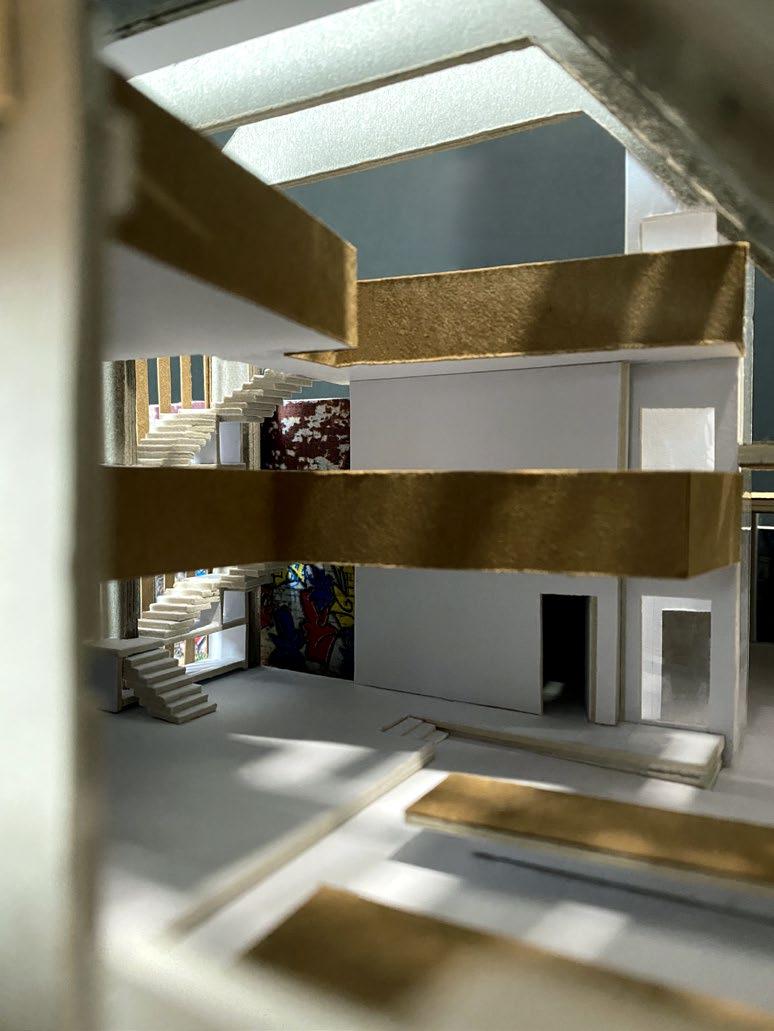
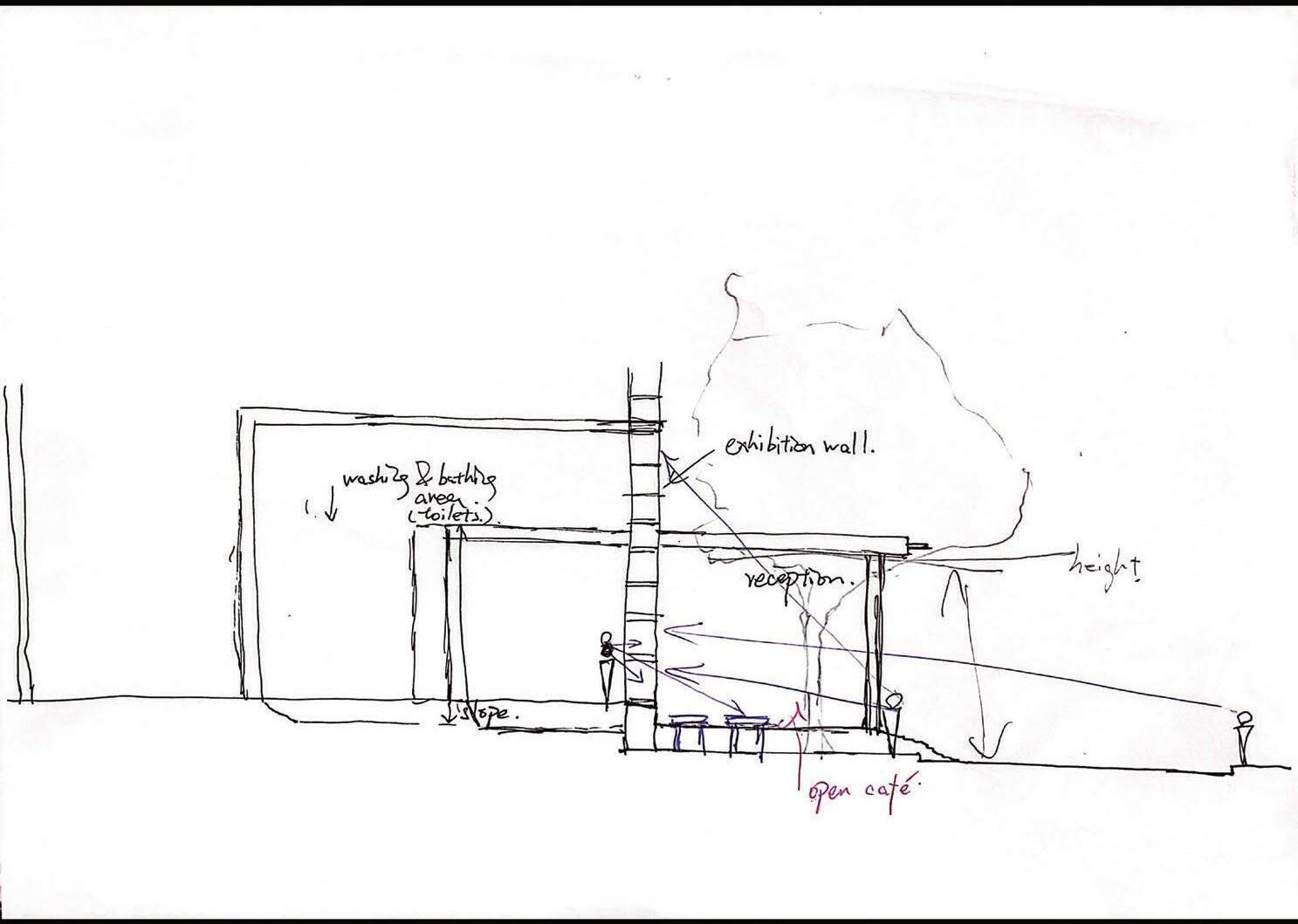
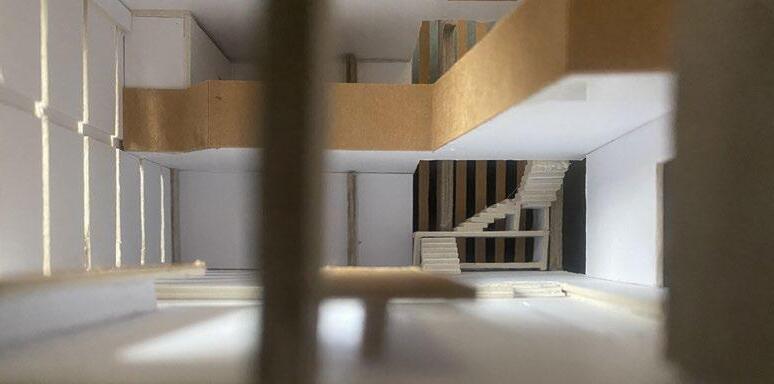
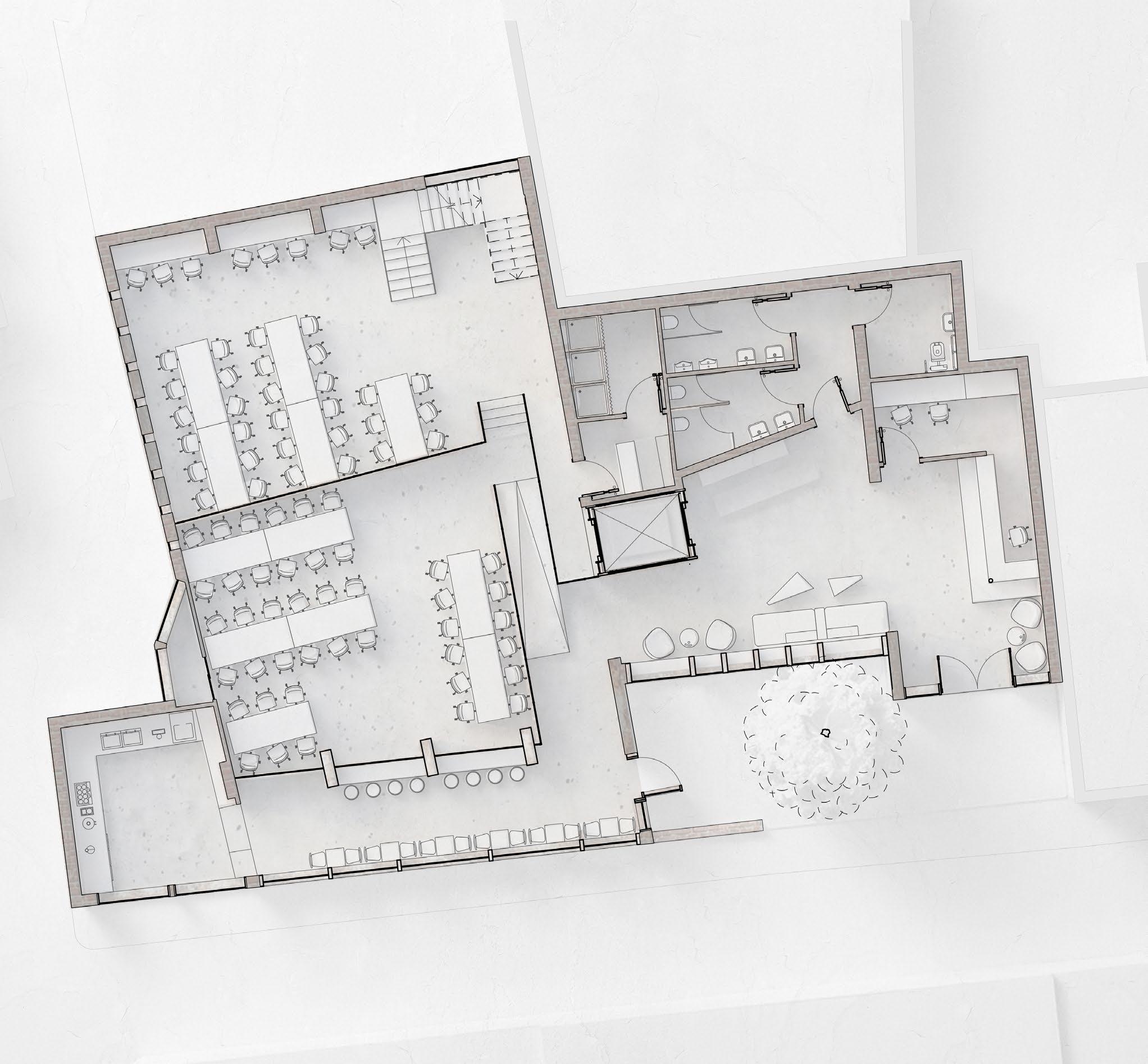
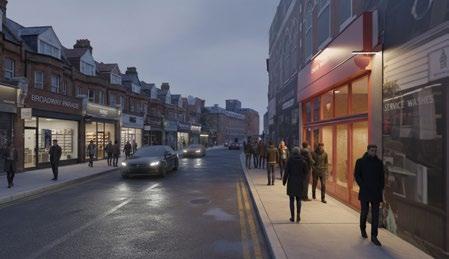
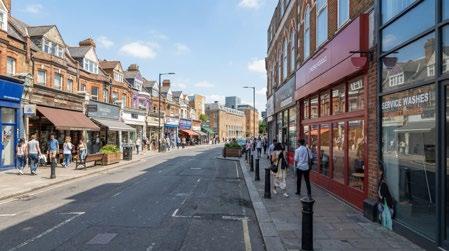
•
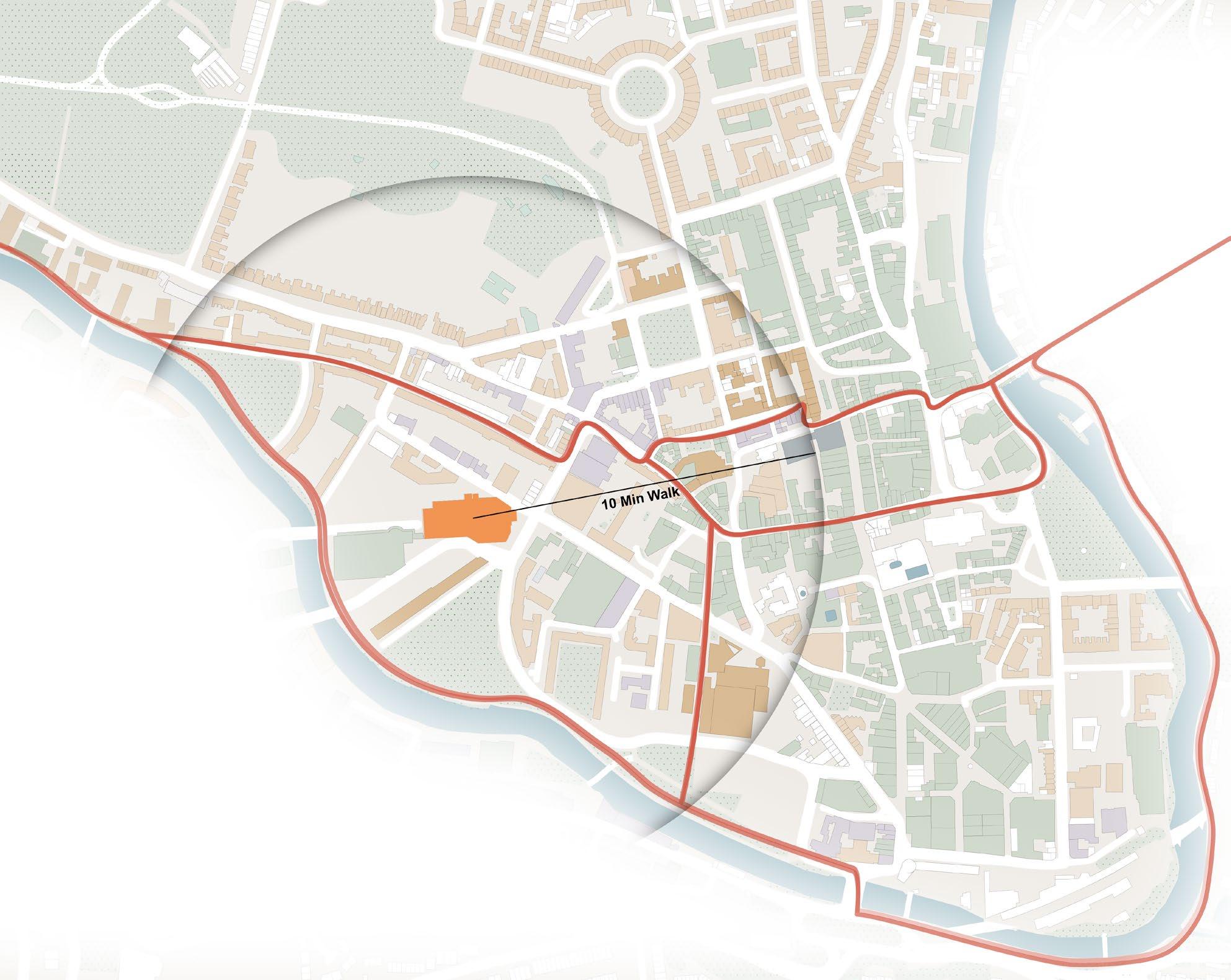
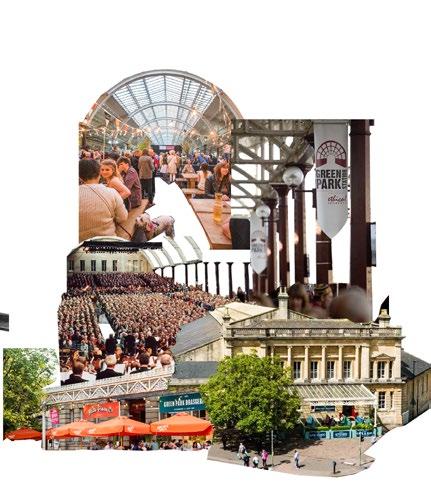
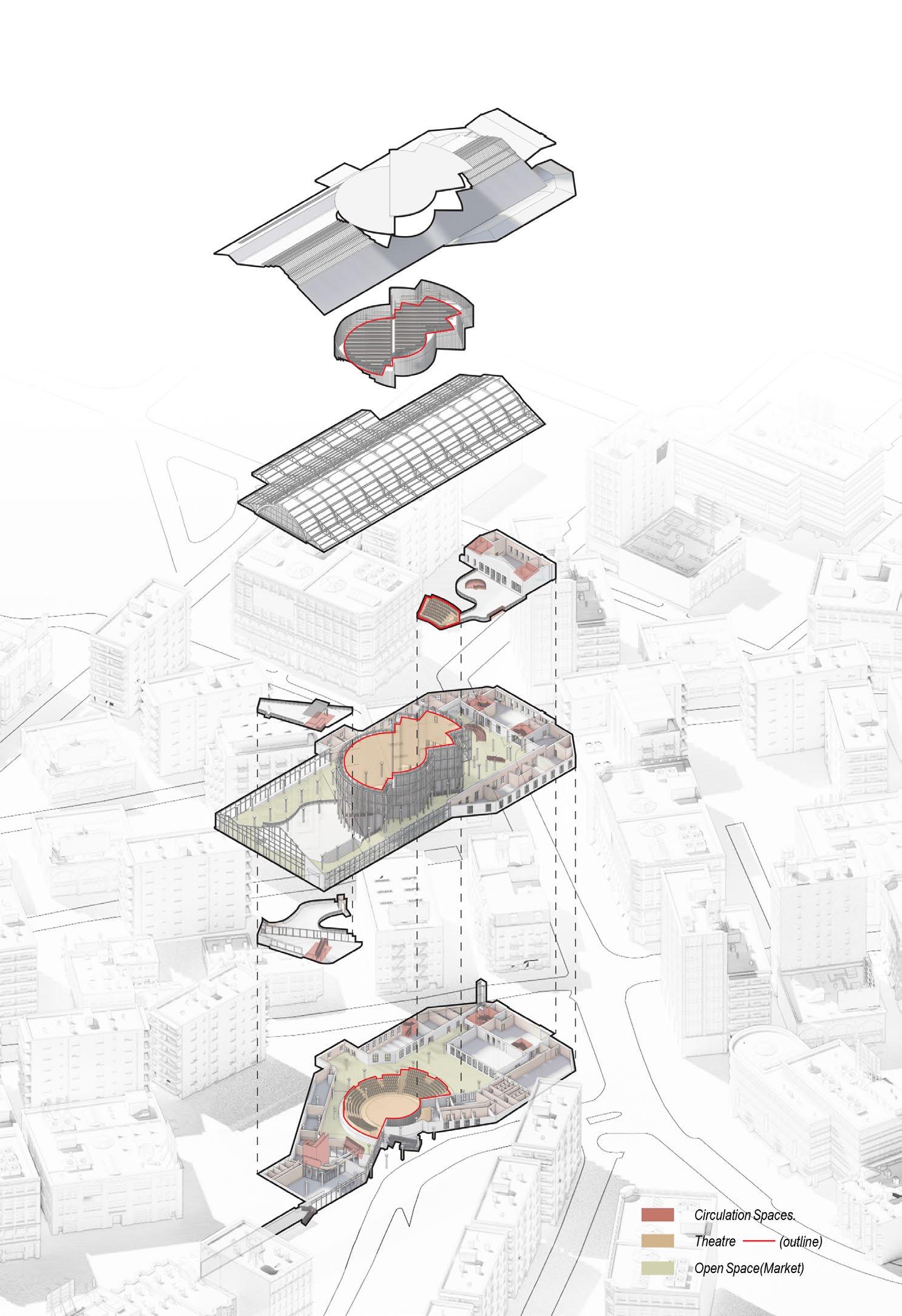
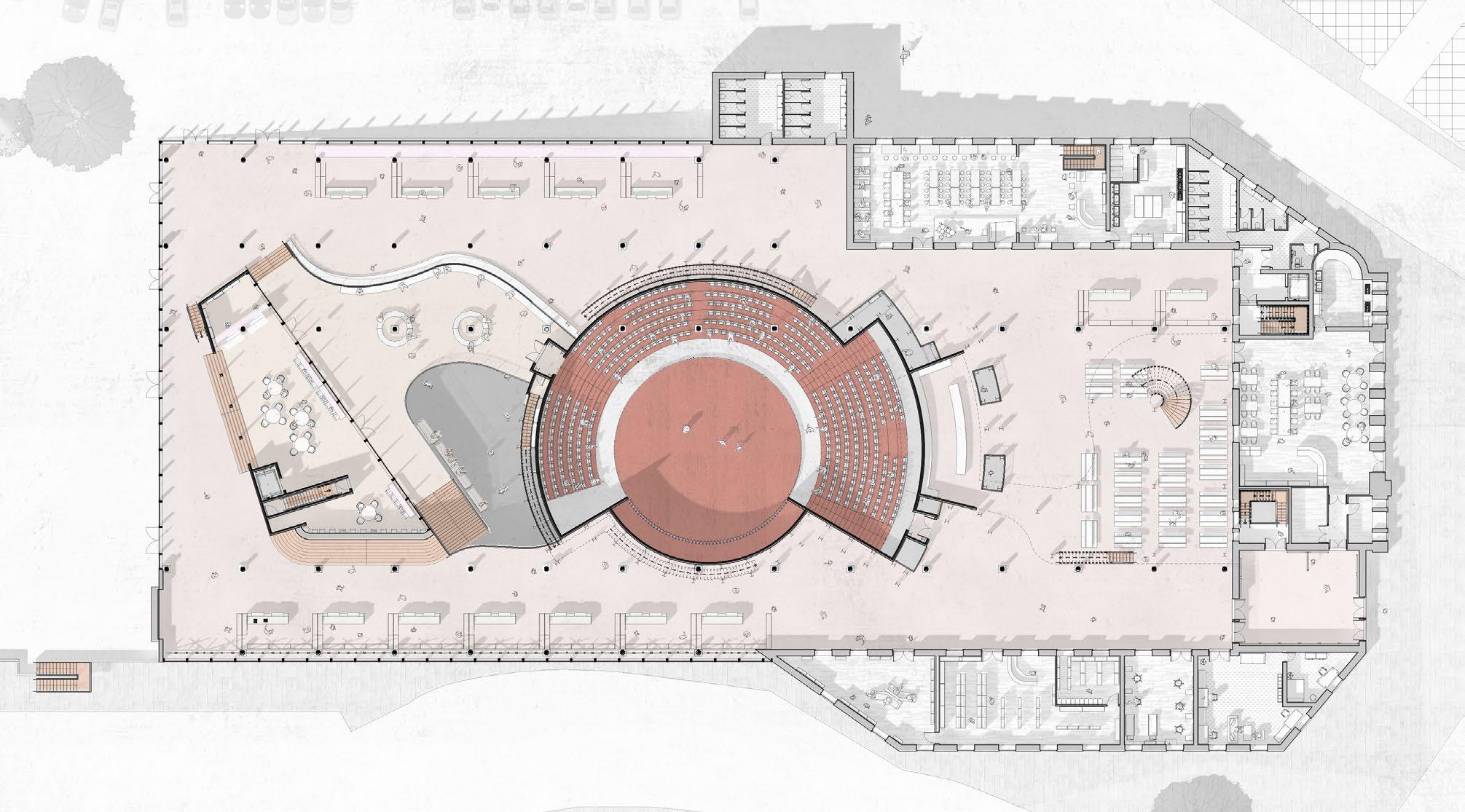
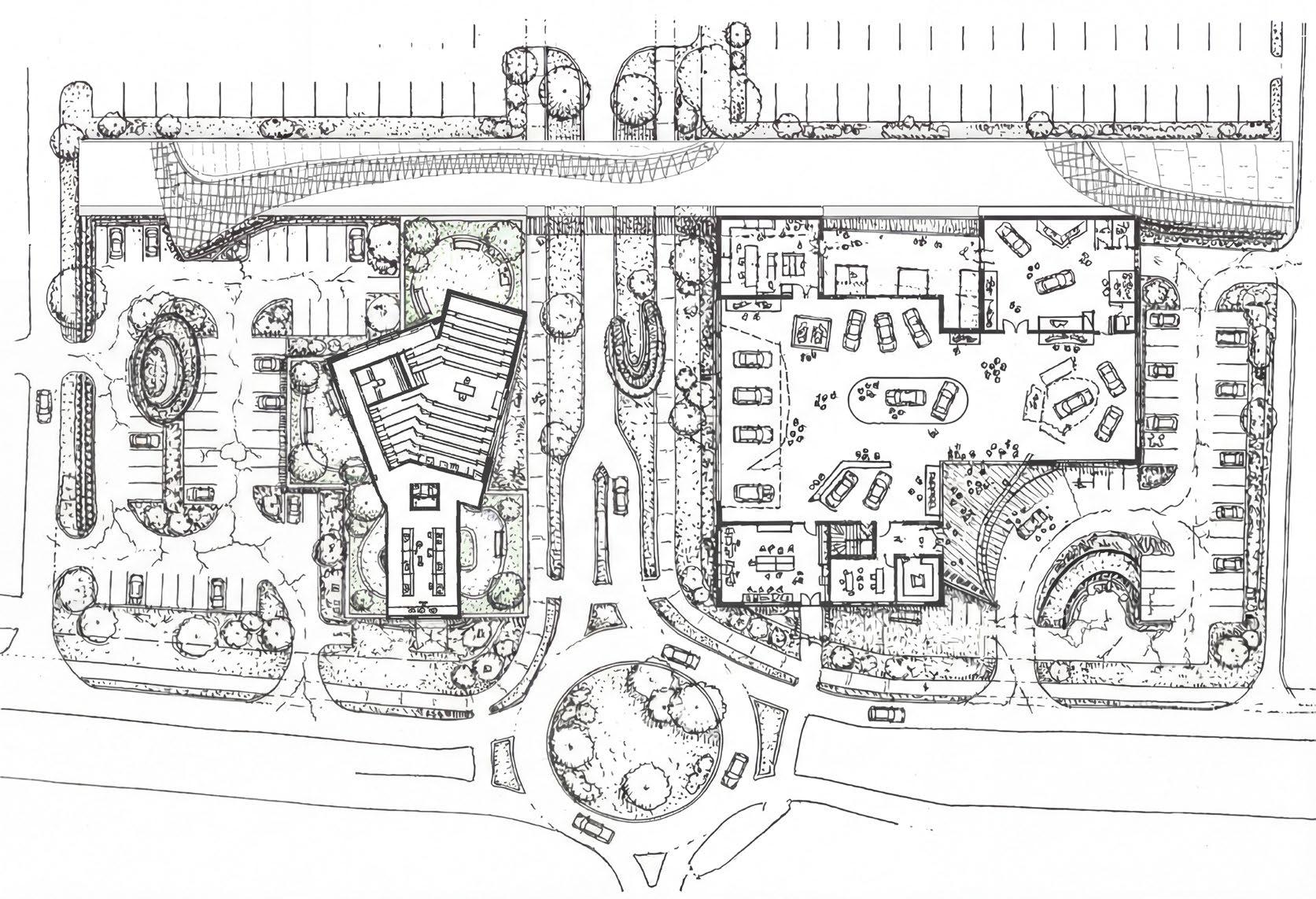
• Walking distance communal facilities.
• Large event gathering space.
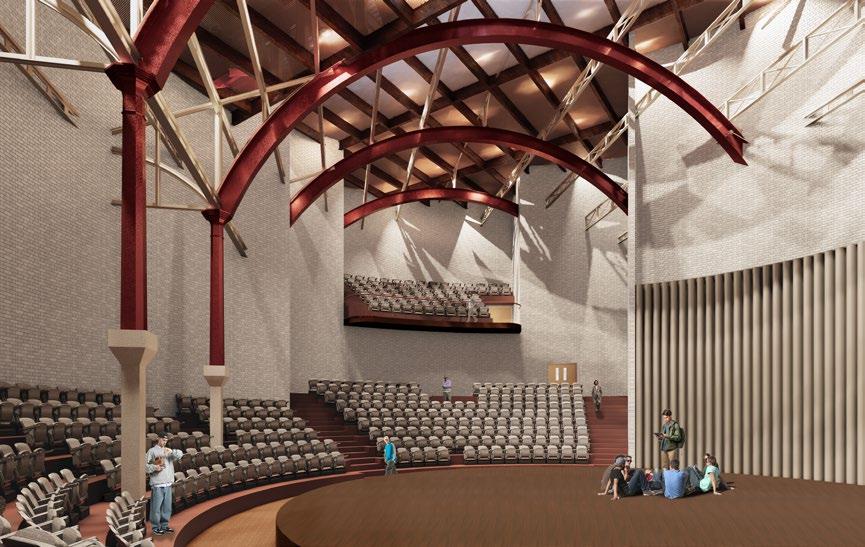
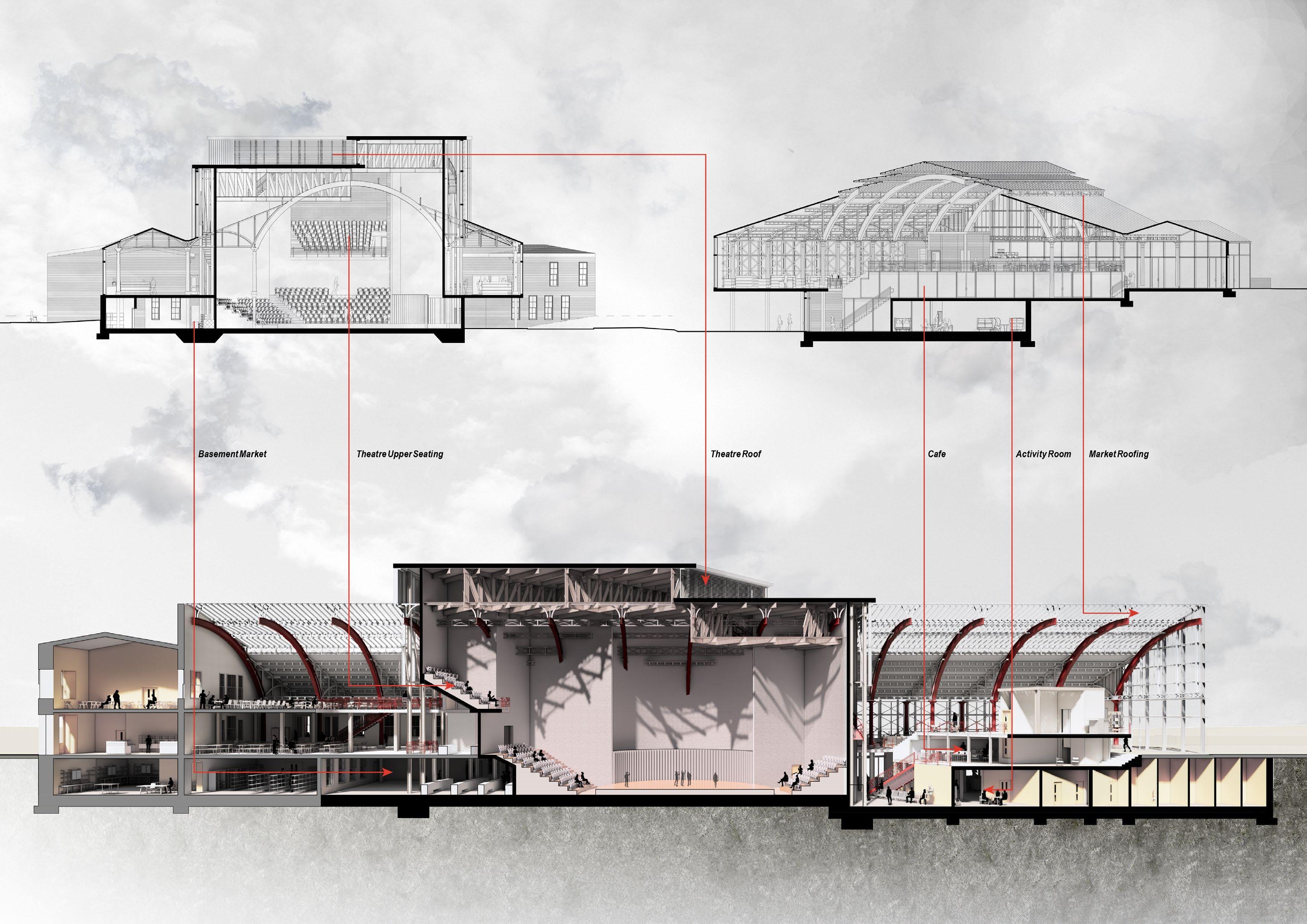
• Communal Theare.
• Convenient after work relaxation.
• Safe playground for children.
• Space for school events.
• Extra lunch solutions. • Extension of Bath high-street.
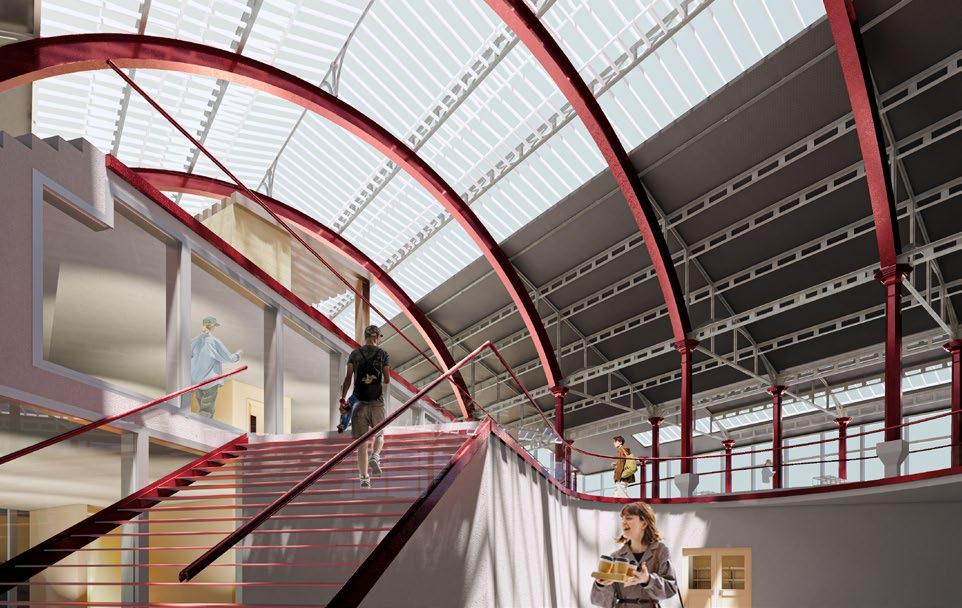
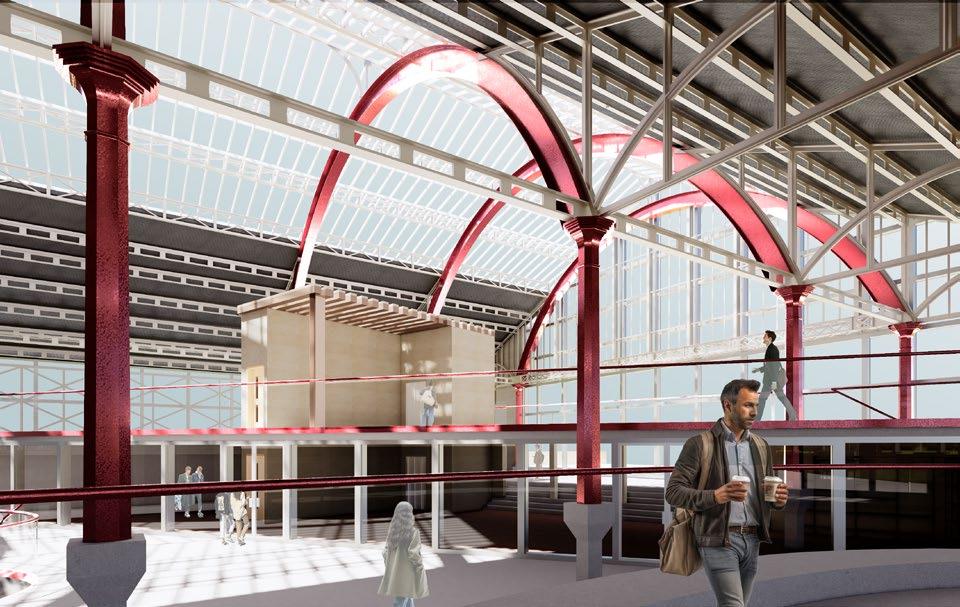
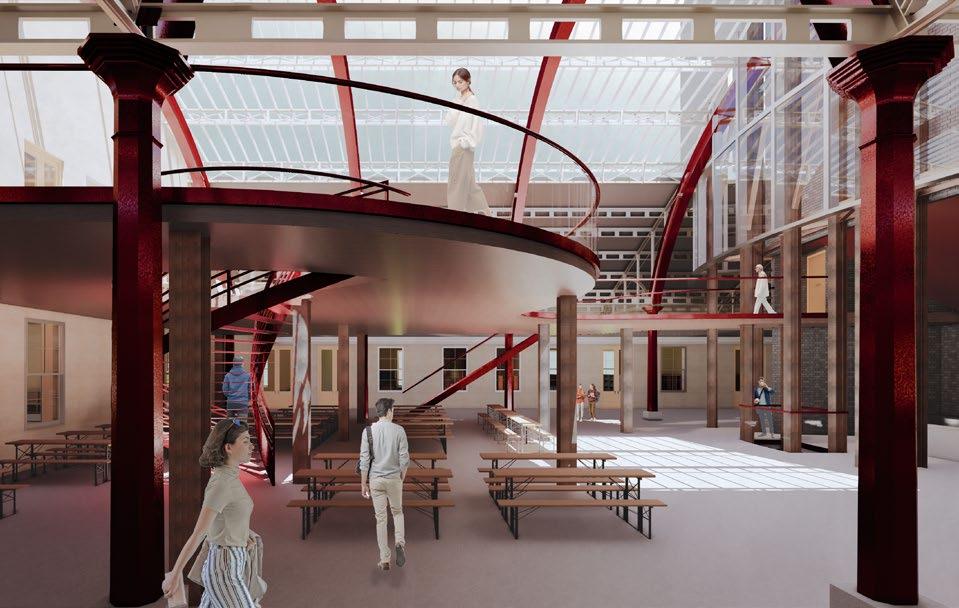
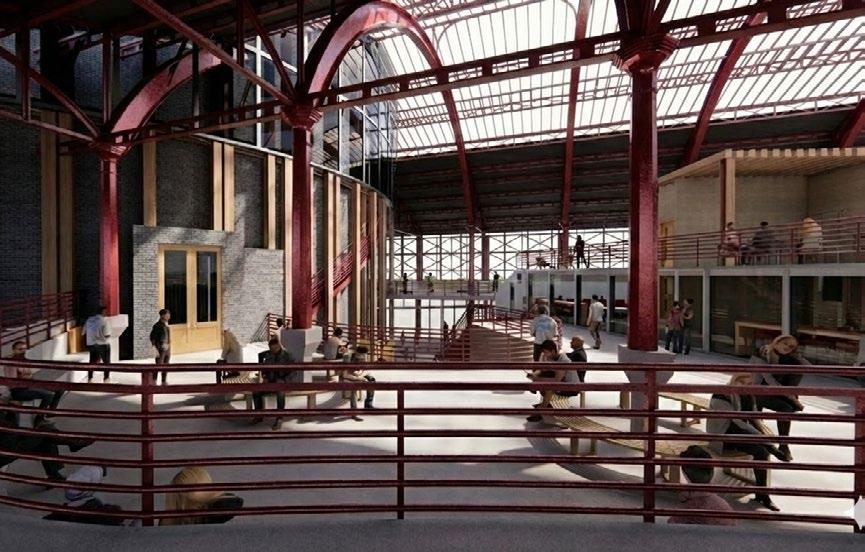
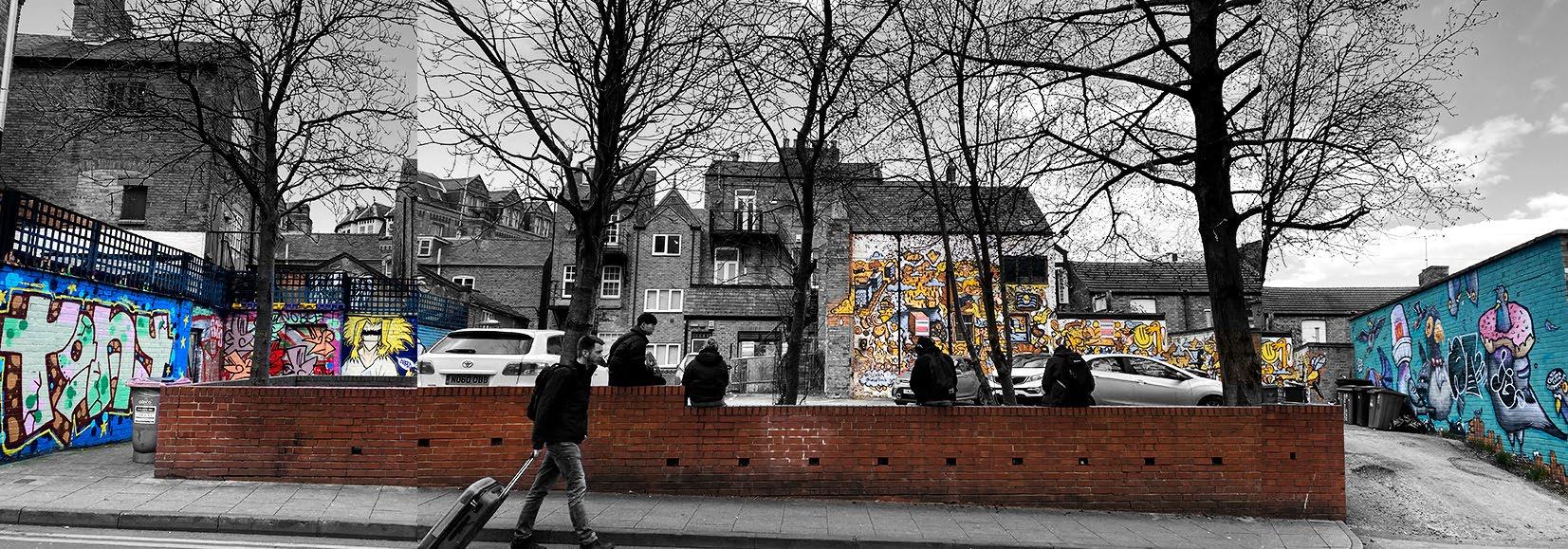
Indoor space for sitting and relaxing.
• Reopen Farmers’ Market.
• Within walking distance for residents.
• Near Bath high street.
• Indoor sitting space.
• Large Gathering Space.
• Communal Theare.
• Communal Facilities
Stage:
Silverstone Car Complex 02
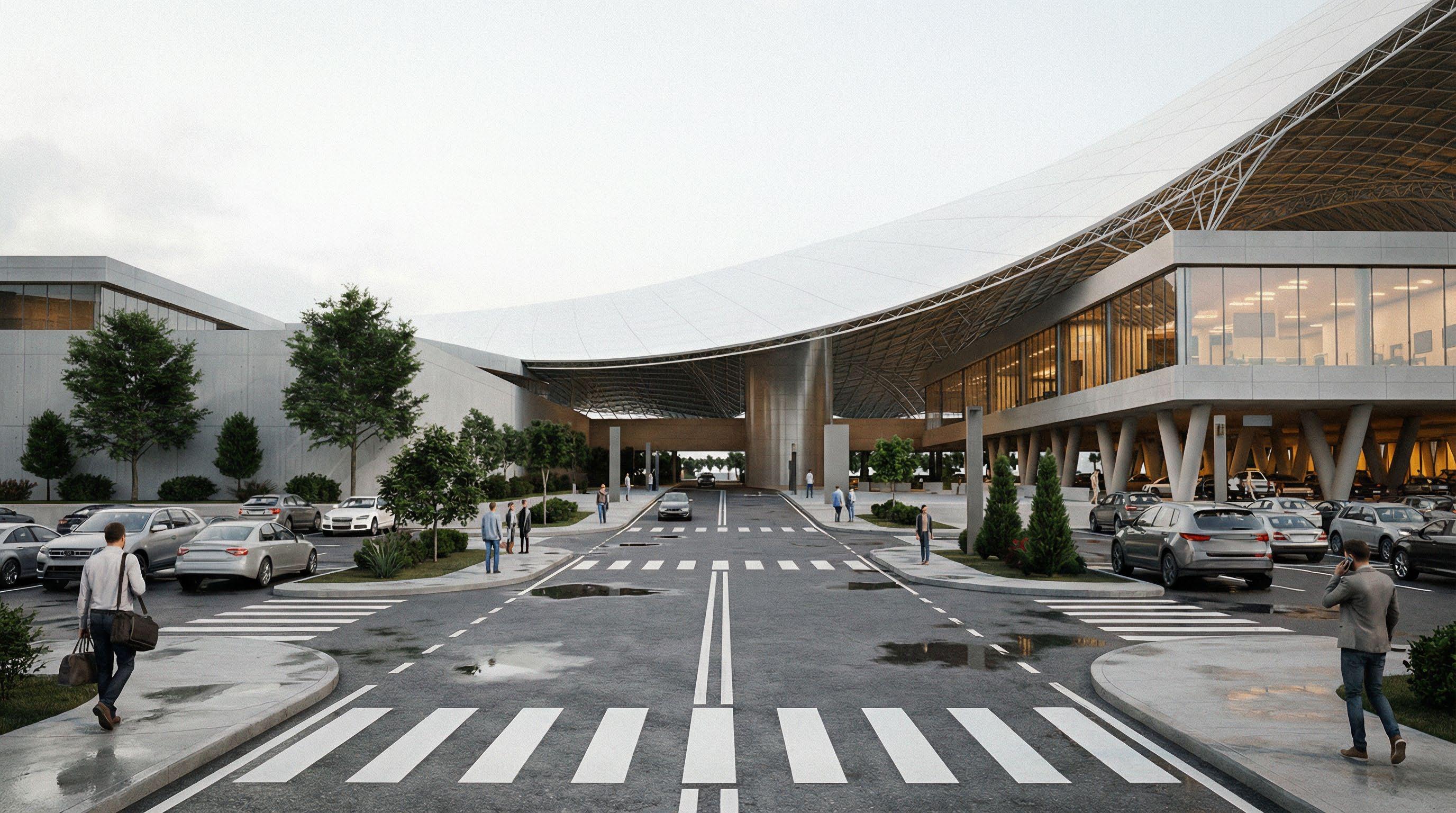
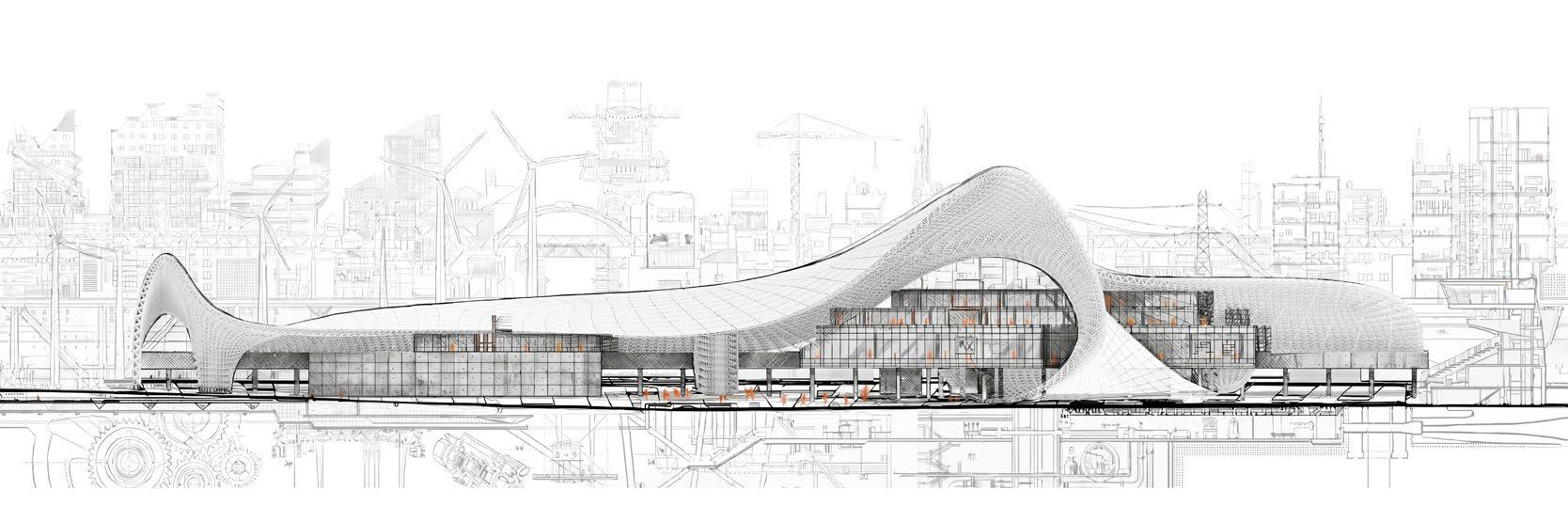
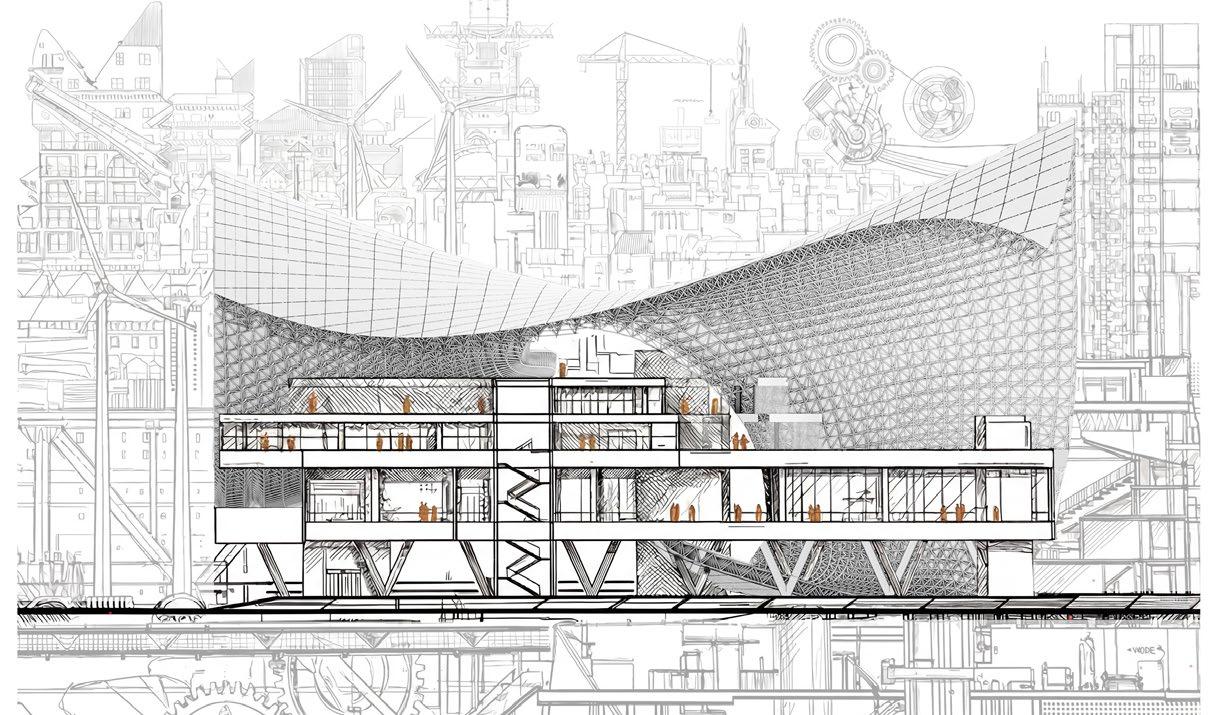
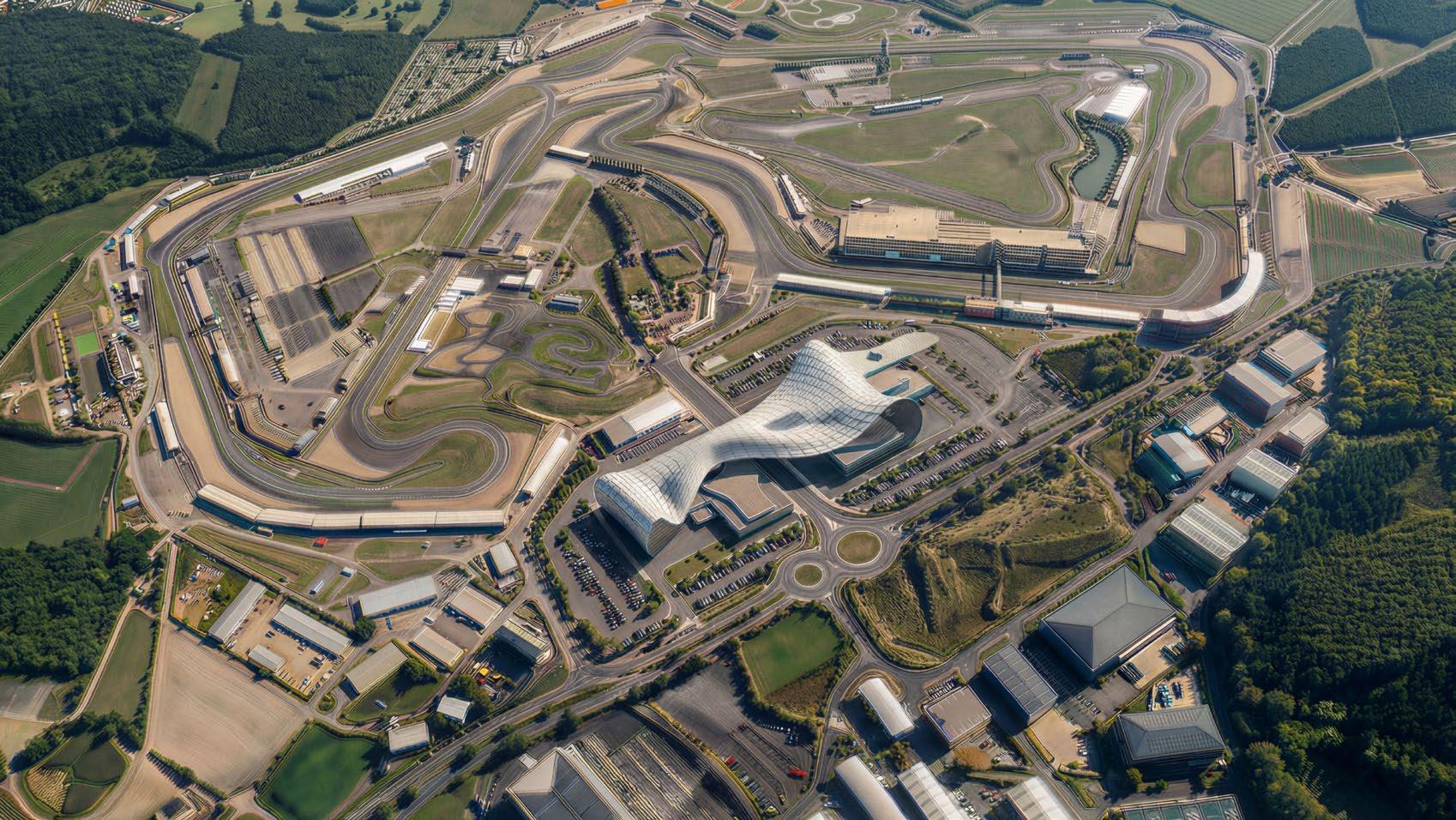
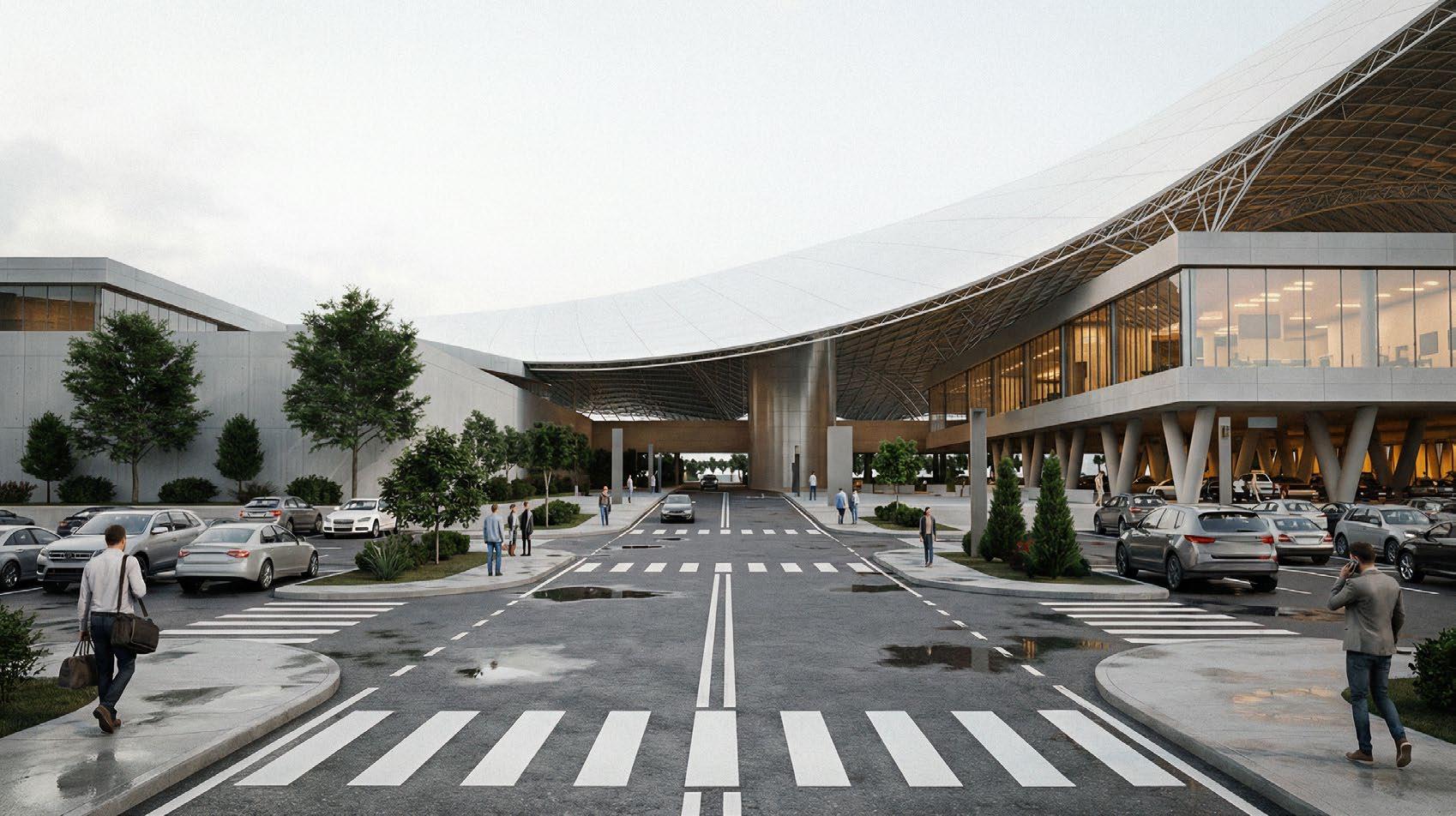
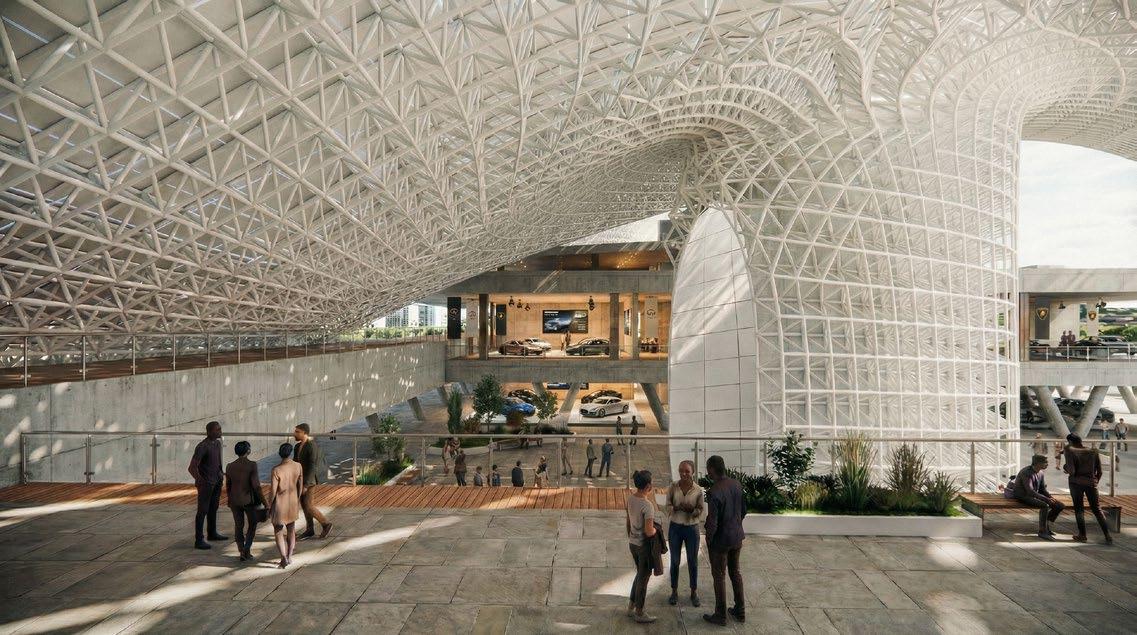
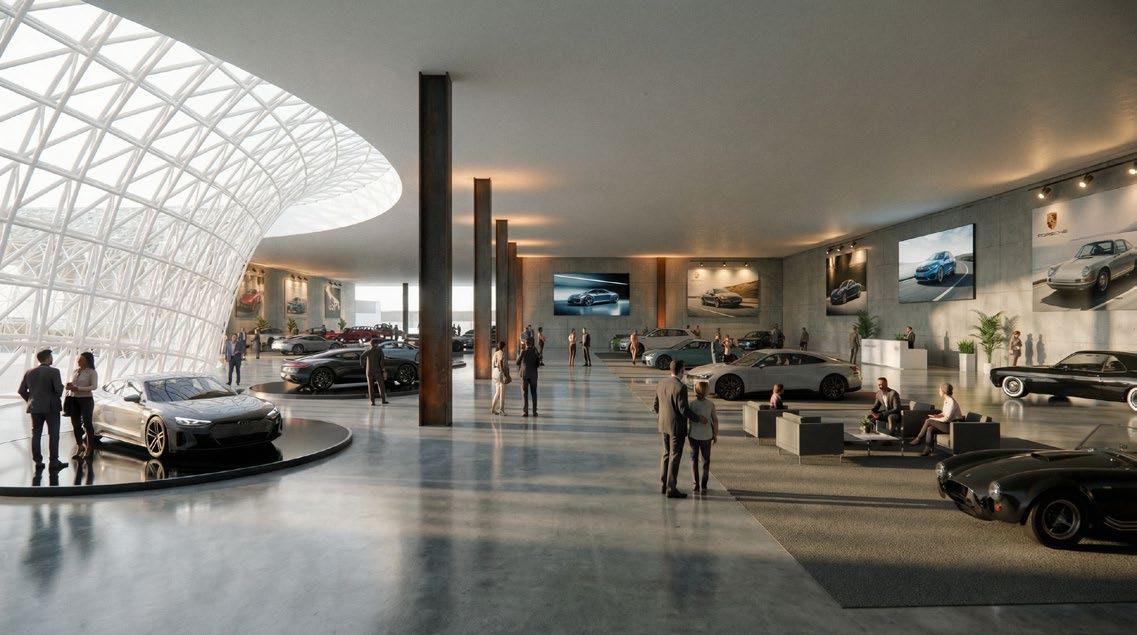
The Silverstone Motor World project is conceived as a dual-building automotive exhibition and innovation hub that celebrates the culture, engineering, and future of British motorsport. Positioned within the wider Silverstone context, the scheme combines a dramatic elevated exhibition hall with a research, education, and development centre. The project integrates immersive display spaces, interactive learning environments, flexible event areas, and an indoor test track to create a dynamic visitor experience. By bridging heritage and emerging mobility technologies, the complex functions as both a public destination and a platform for STEM education, industry collaboration, and sustainable automotive innovation. Most visual outputs in this project were produced using AI-assisted design tools, exploring new workflows between computation and architectural authorship.
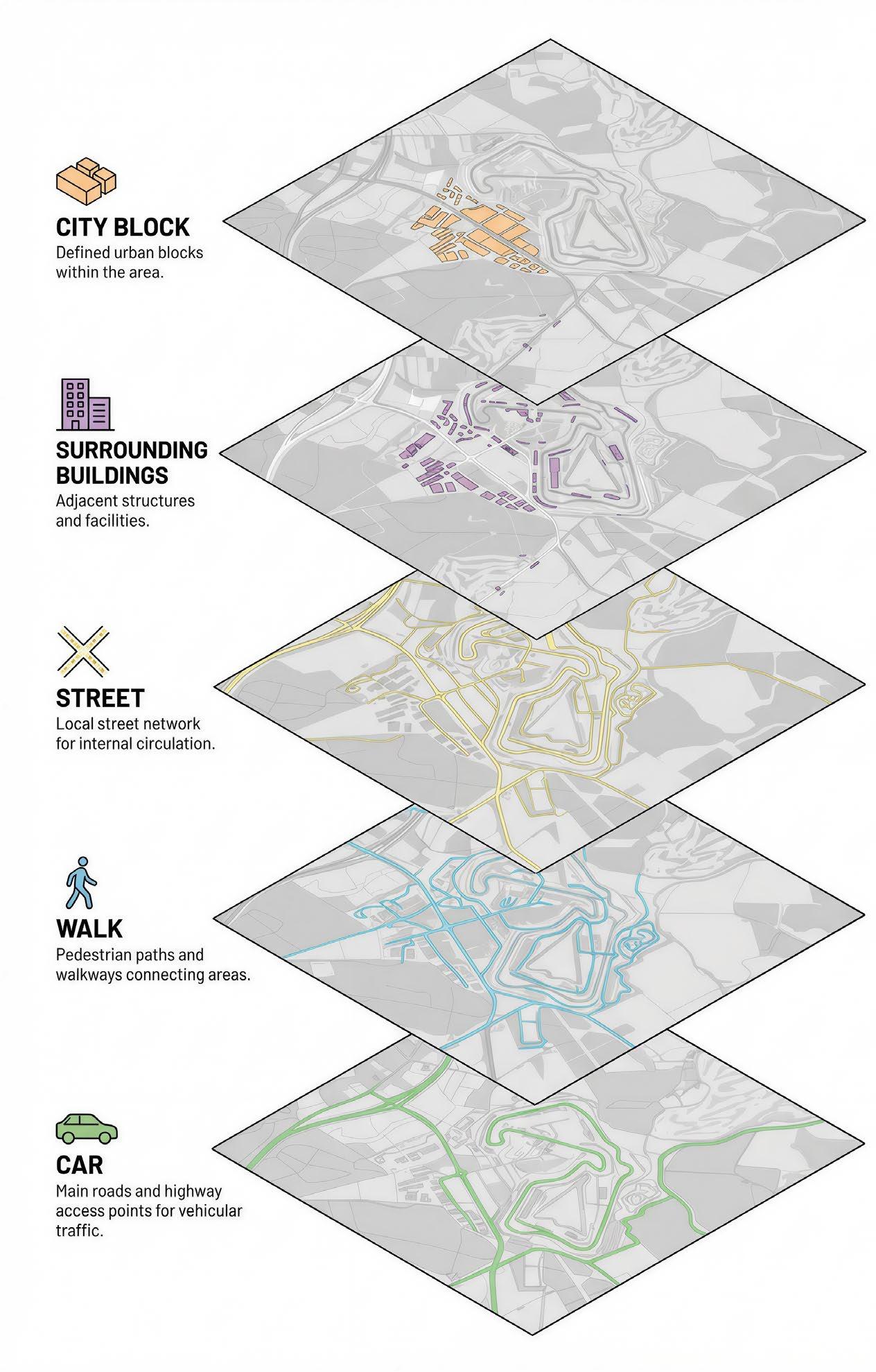
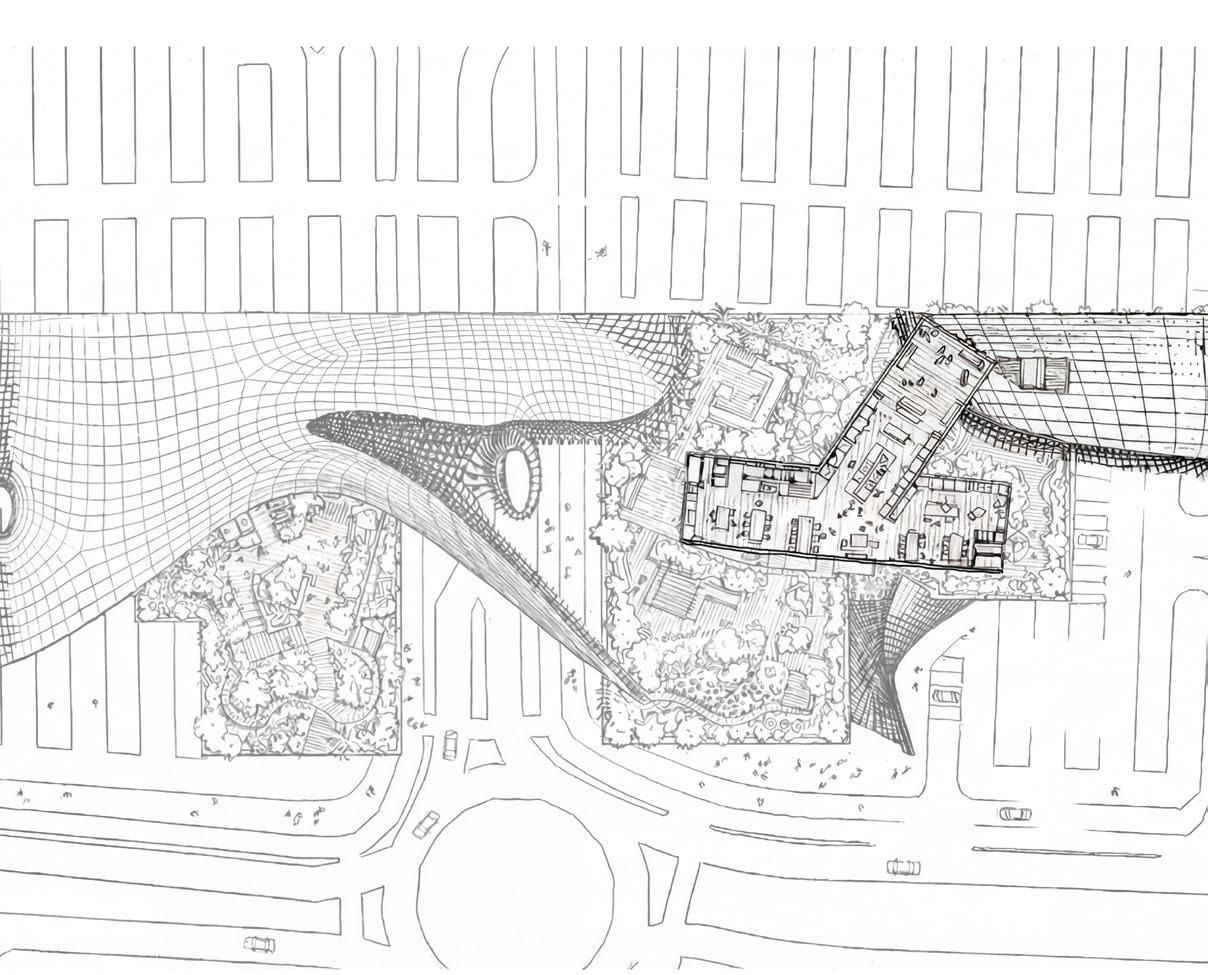
The site is located adjacent to Silverstone Circuit in rural Northamptonshire. It sits within a large, flat, open landscape primarily defined by motorsport infrastructure.
The surrounding context includes expansive track areas, large-span buildings, service roads, and event parking zones. The Silverstone Wing establishes a strong architectural language of exposed structure, aerodynamic form, and engineering expression.
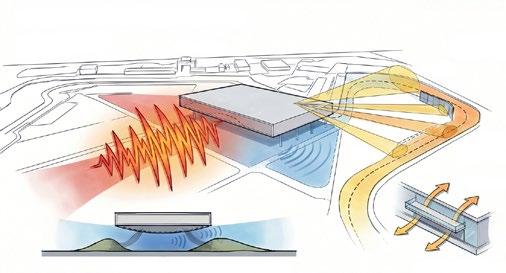
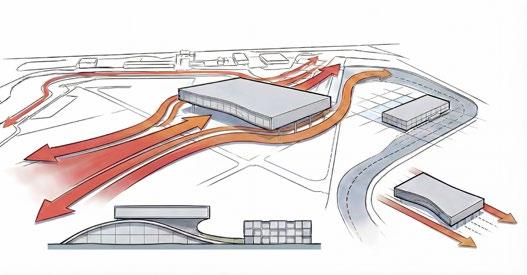
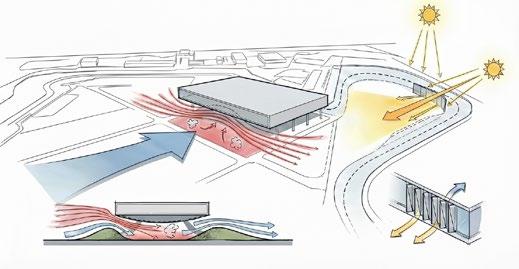
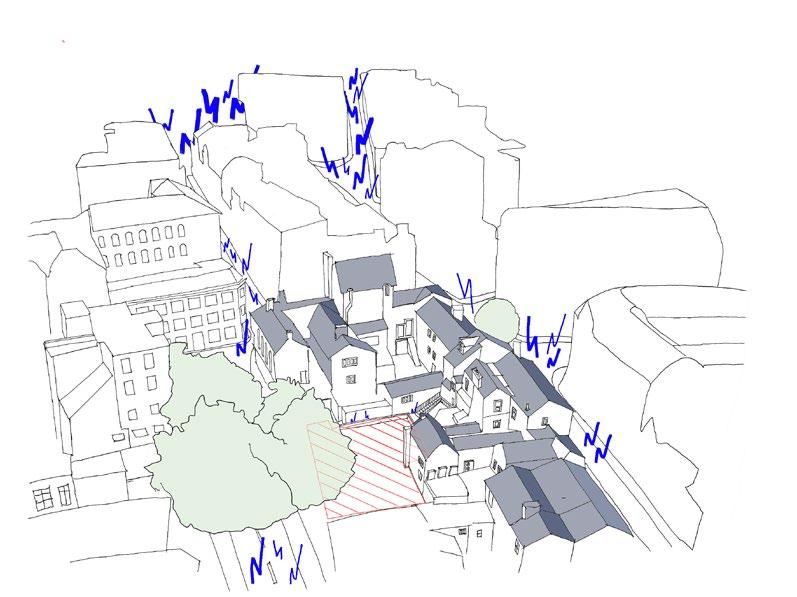
Noise Considering possible noise from surrounding highways and F1 Competition. Shape & Form: Considering aerodynamics and air flow design to inspire initial building shapes
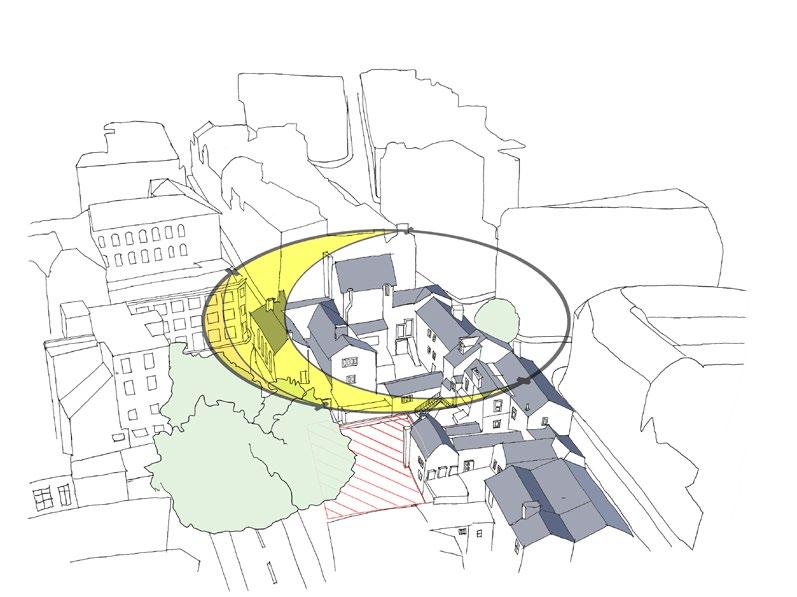
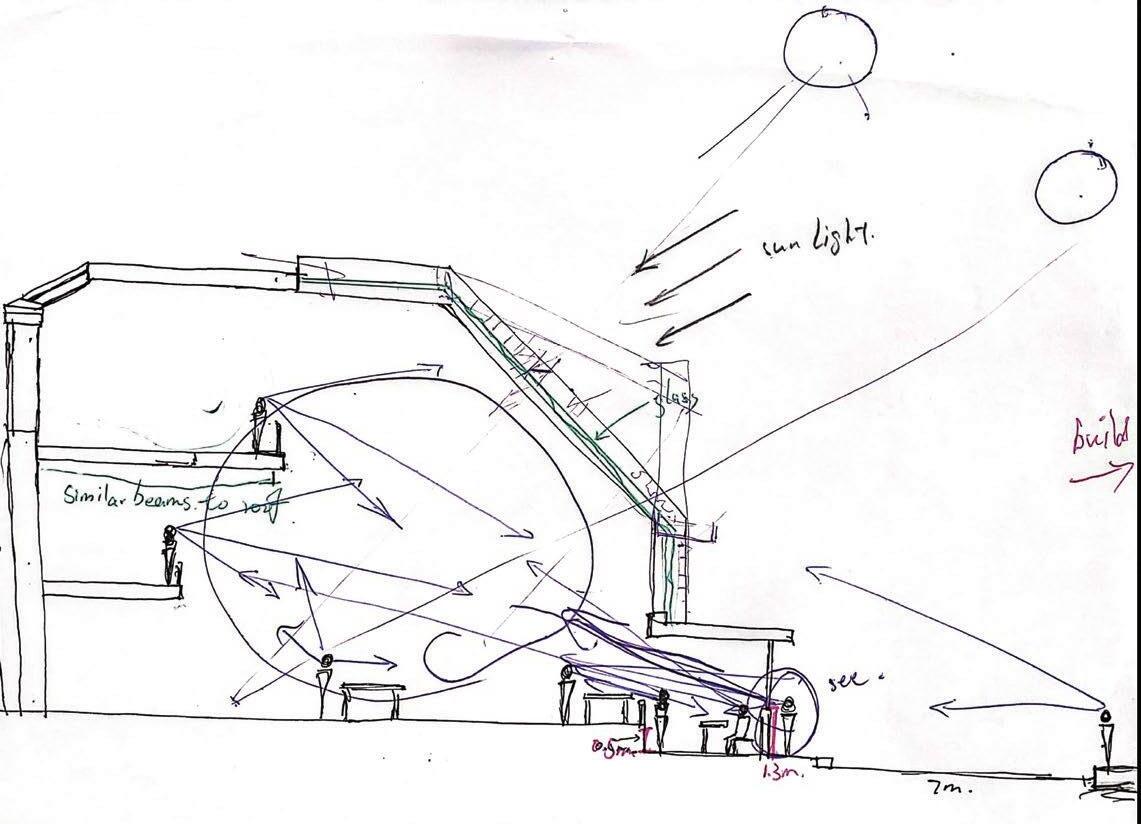
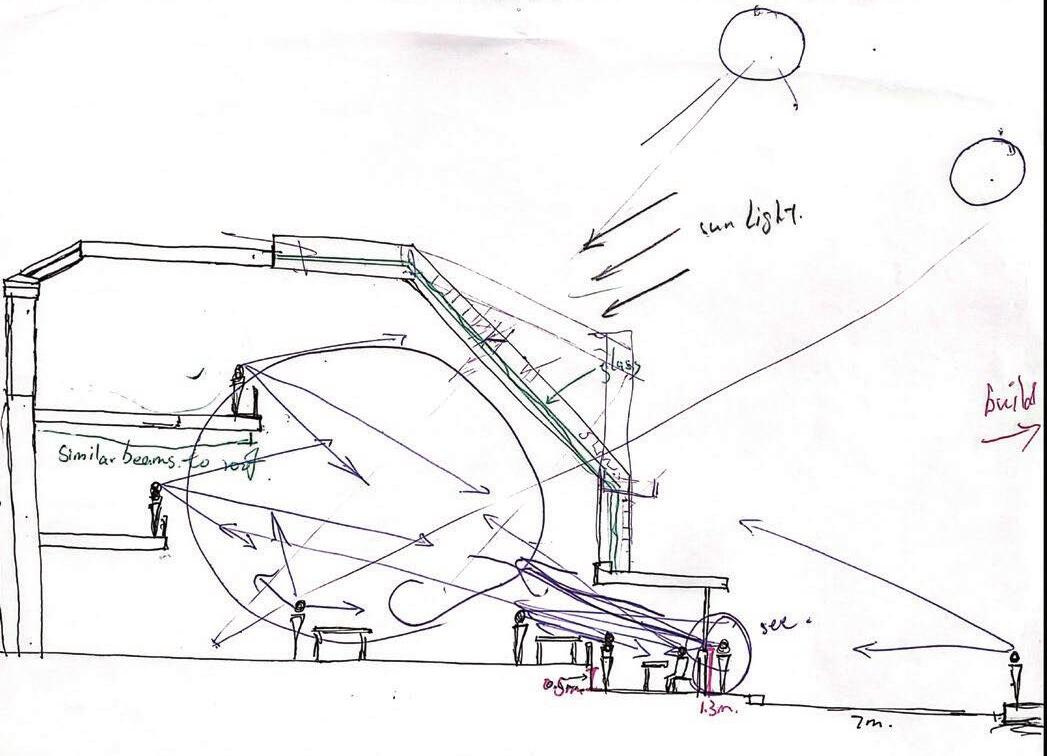
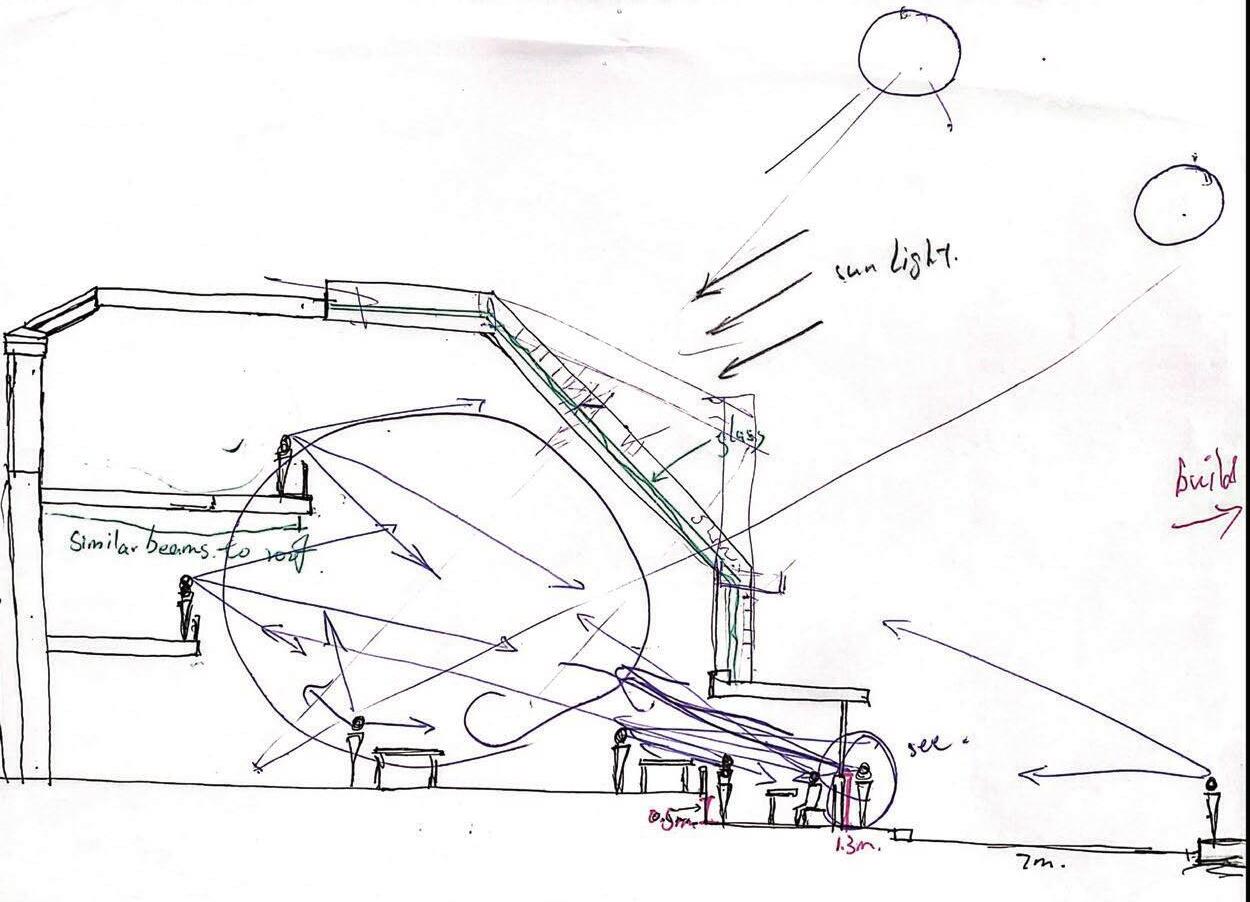
Wind & Sun: Design in response to the west wind on site and provide enough sunlight into the building.
The site is highly exposed to wind and sun due to minimal tree coverage. Long horizontal views dominate the landscape. Crowd density changes significantly between regular days and major racing events. Vehicular movement is a primary organisational element of the area.
Architectural Design Guidelines
1. Respond to the Open Landscape
2. Design for Large-Scale Events
3. Express Engineering Identity
4. Environmental Response
5. Combine Public and Innovation Functions
Design Concept
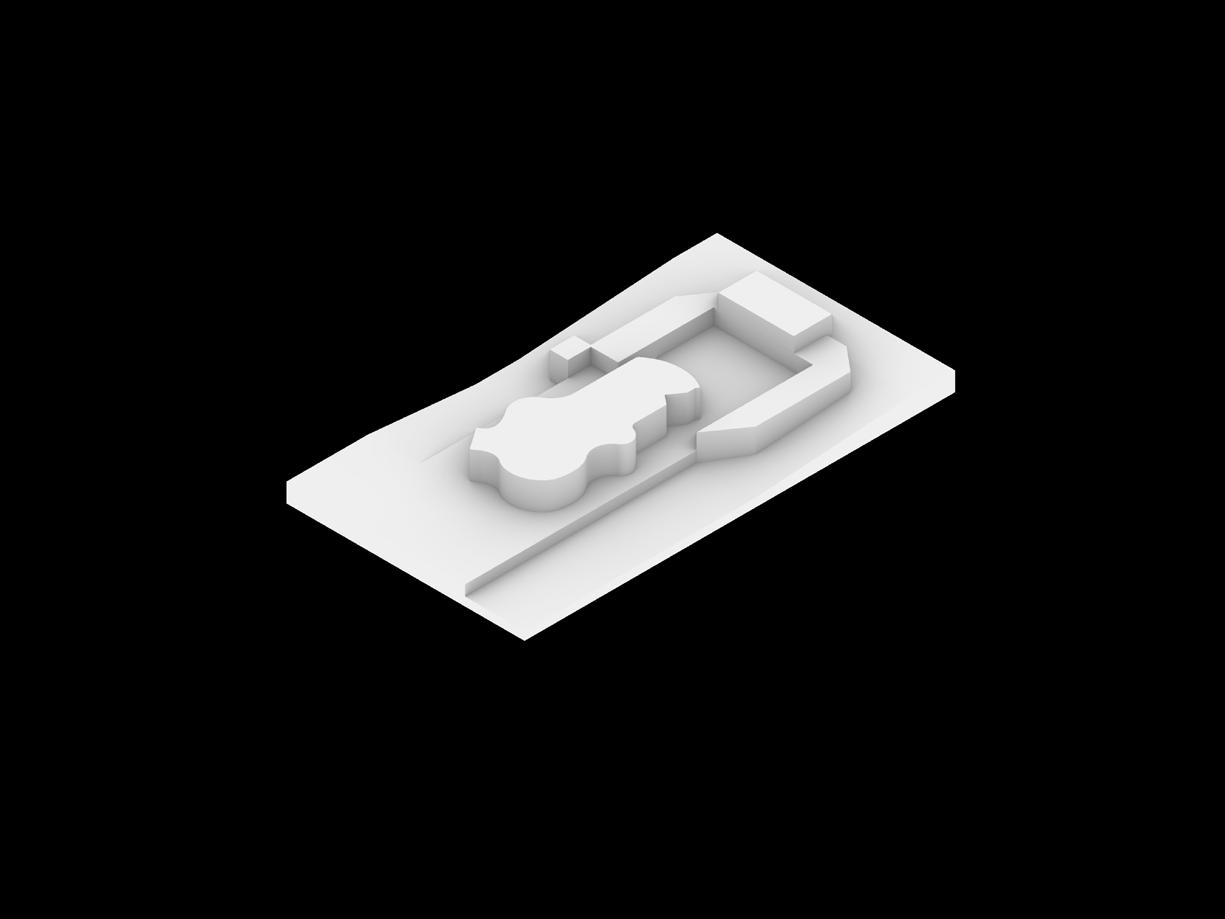
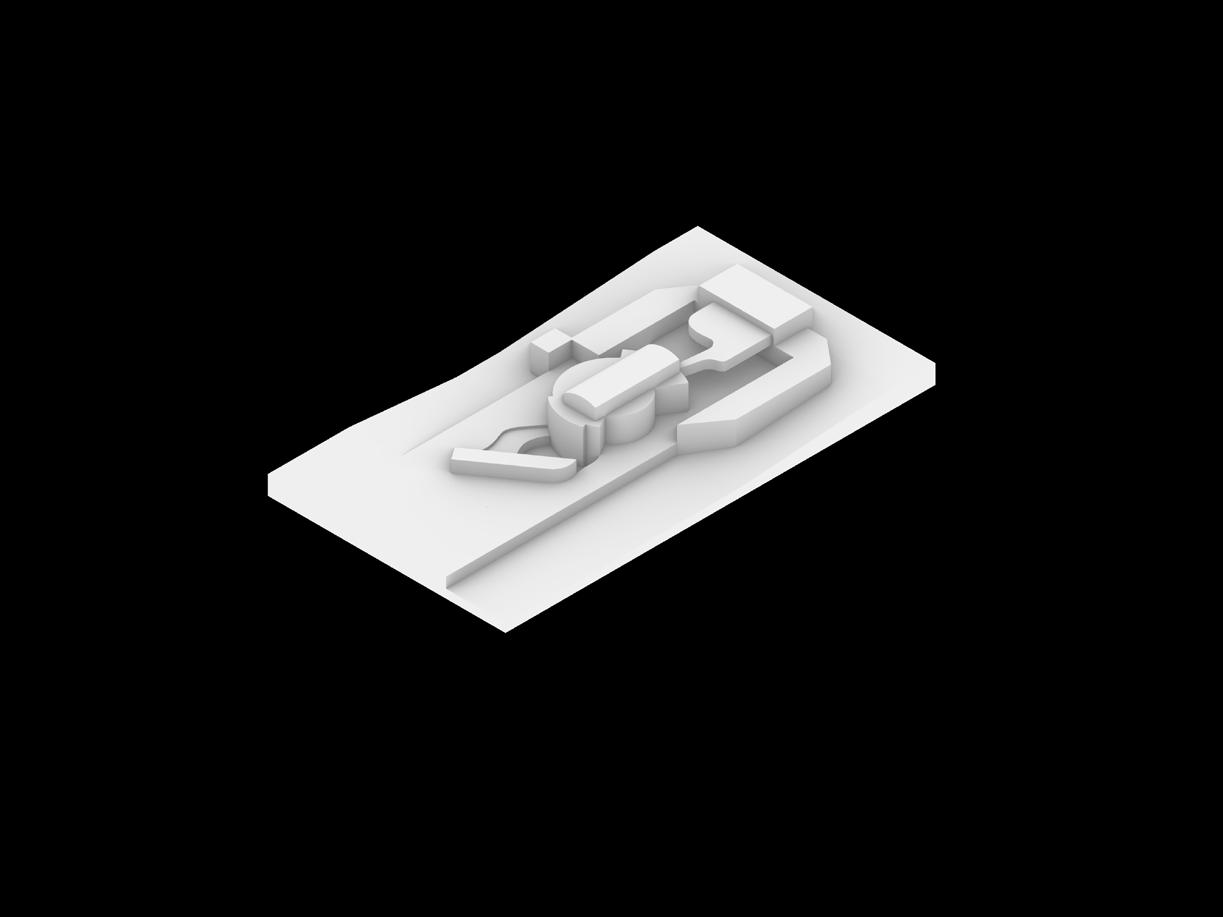
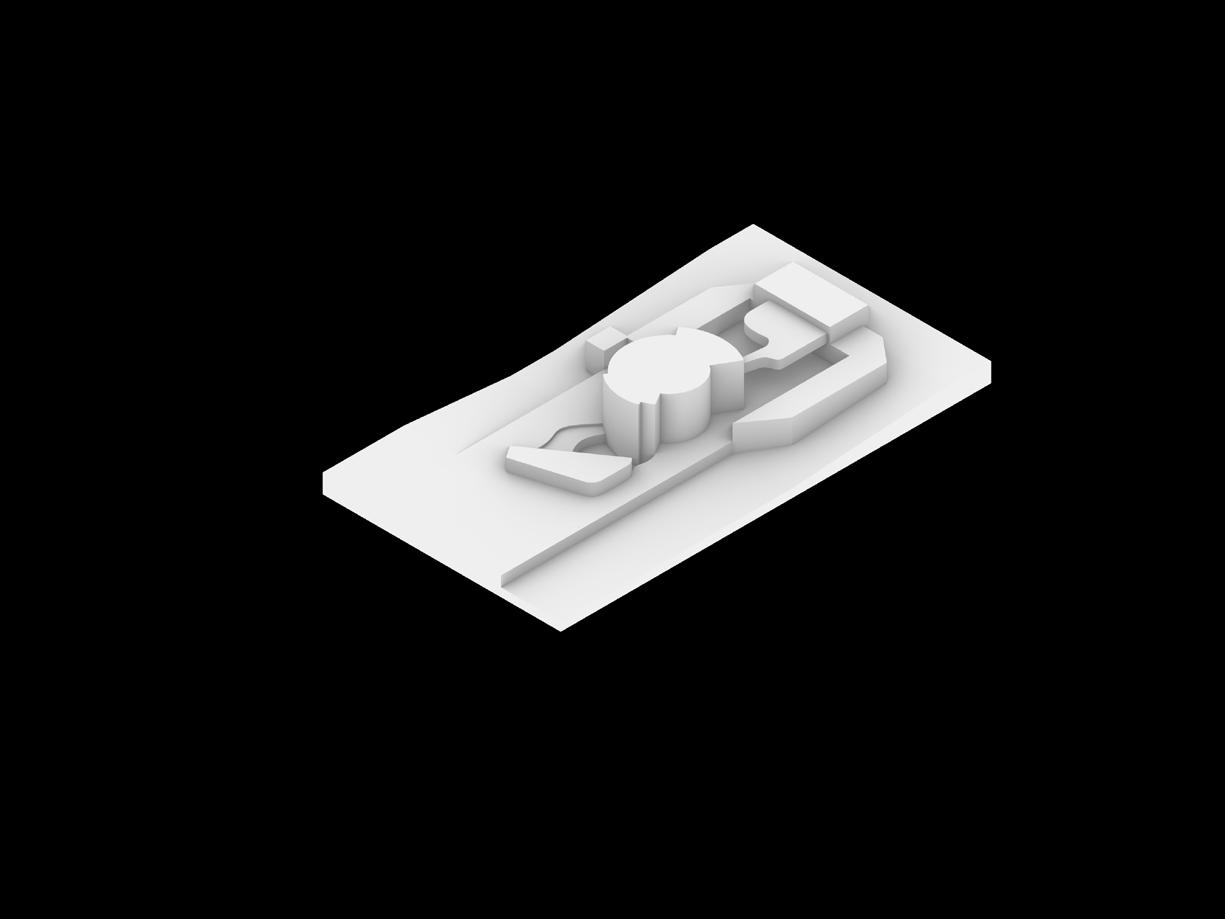
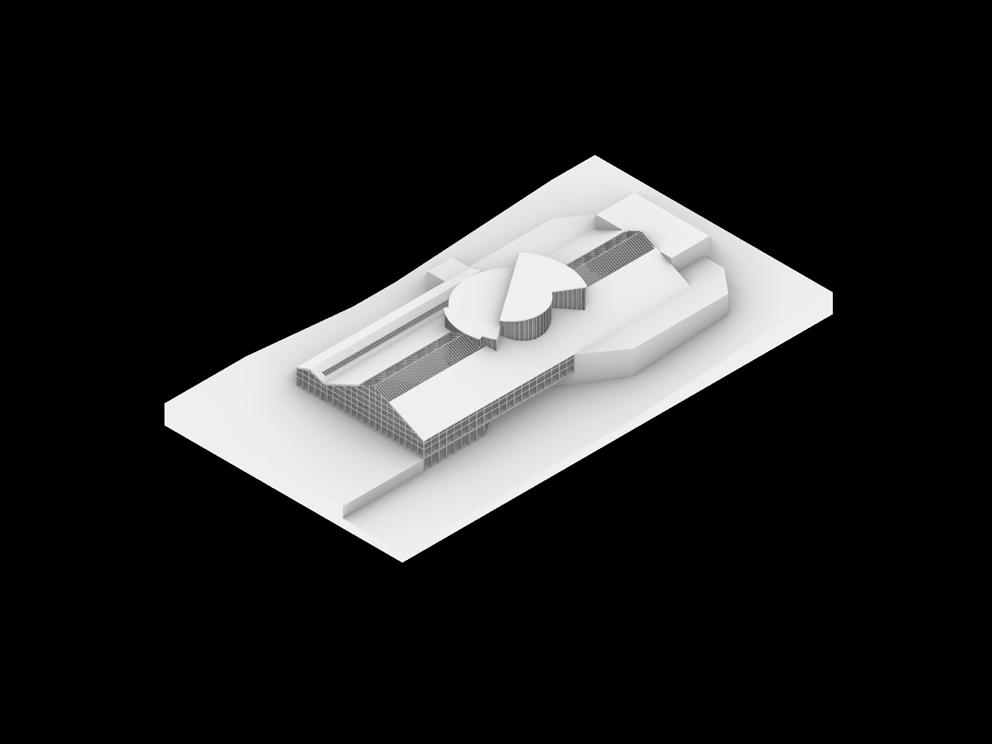
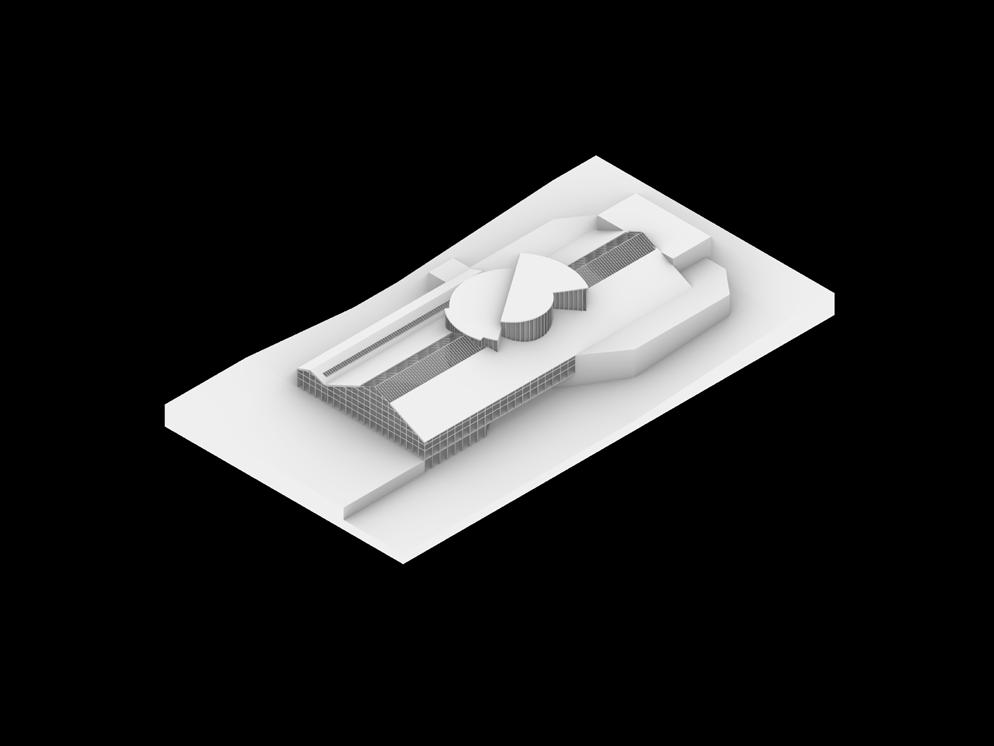
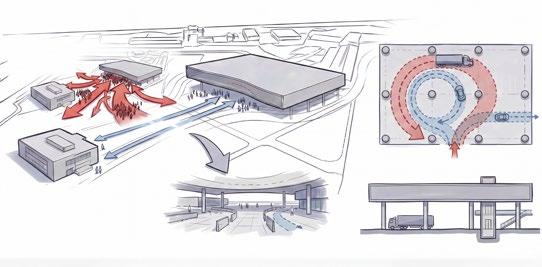
Peak & Free time:Marks out the different building function modes during peak or free time. Large free spaces are provided for crowds during peak time. To the right is a proposal for a supporting structure for the parking space below the exhibition area.
Step 1: Marking out the longest and most important building elements that connect two function zones: internal test tracks.
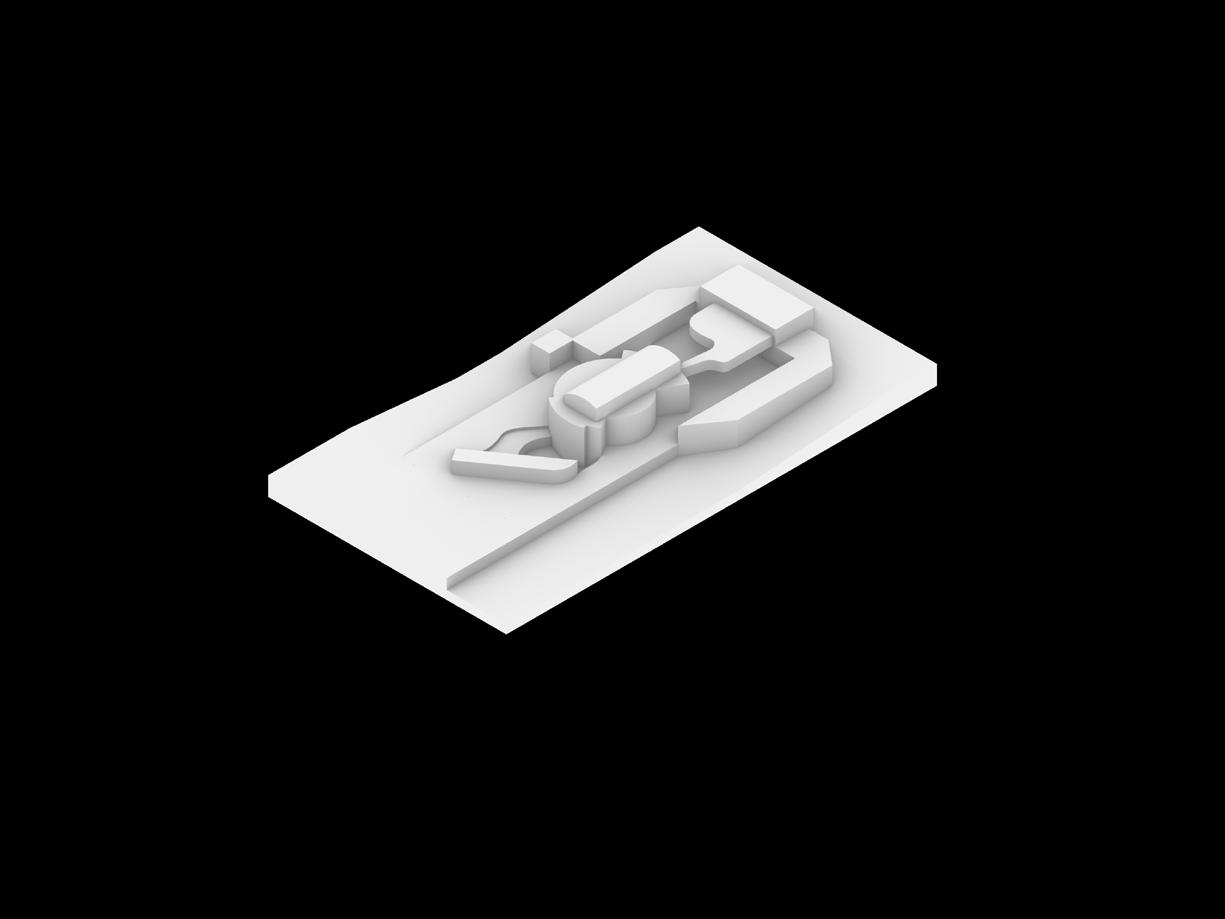
Step 2: Starting to develop possible building shapes with the concept of streamline from cars and aerodynamics.
These guidelines ensure the project responds clearly to Silverstone’s identity, environmental conditions, and event-based operational demands.
Step 3: Develop the shape further in response to the idea of letting wind pass through the building freely.
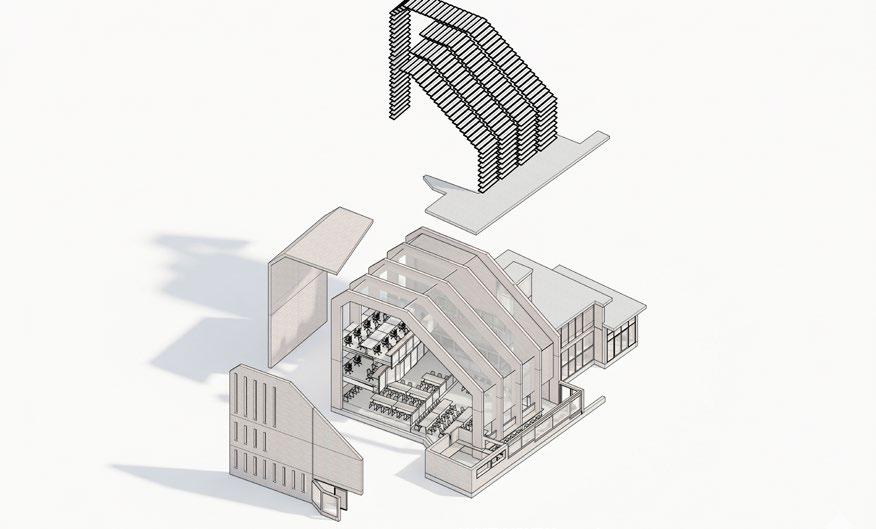
Step 4: Laying out possible functional spaces. decided to separate and expose the curved roof structure from the functional spaces.
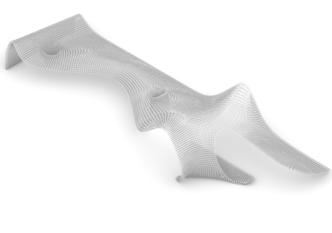
Parametric Design:Ues grasshopper to design the Spatial Truss of the Complex Curved Roof
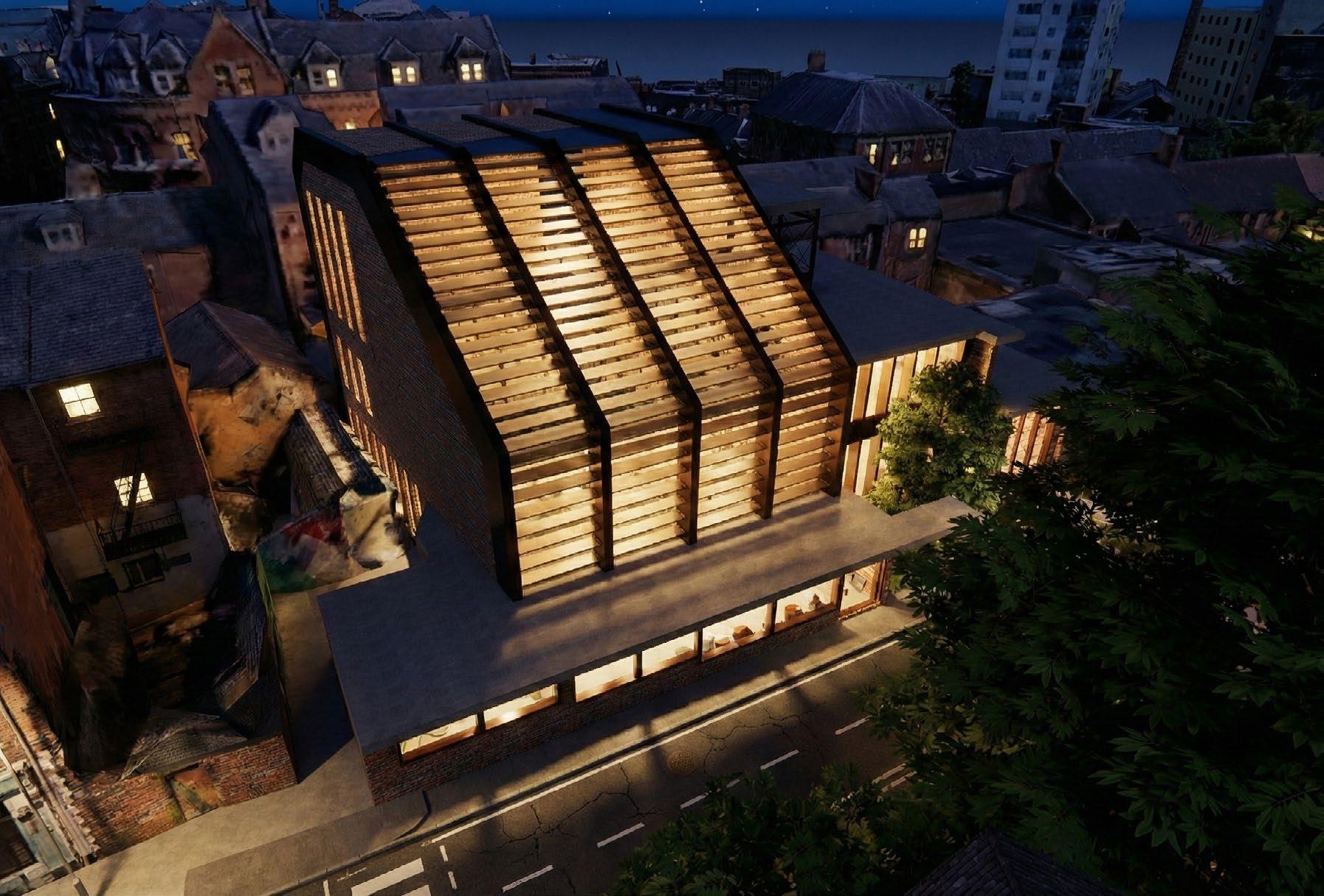
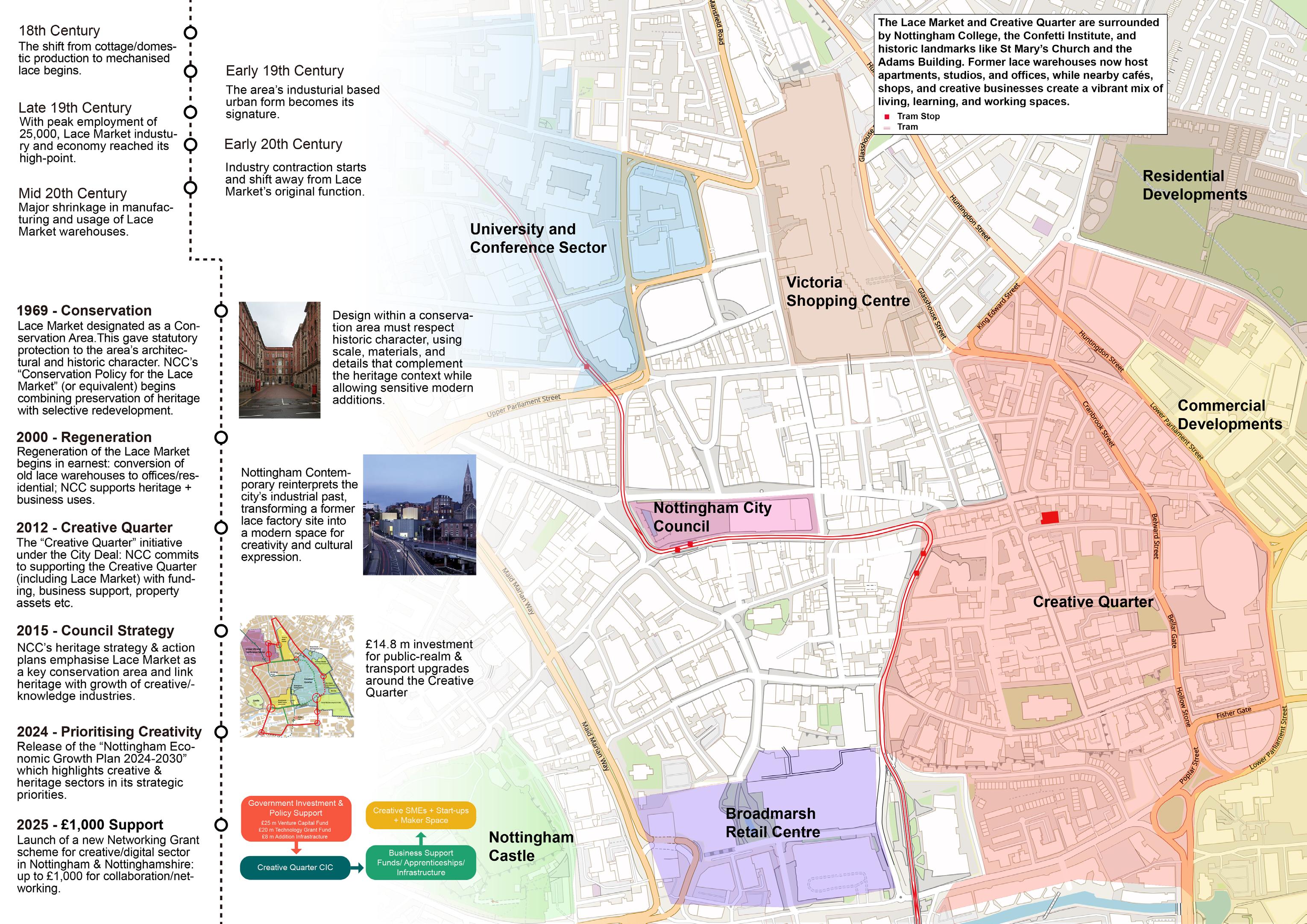
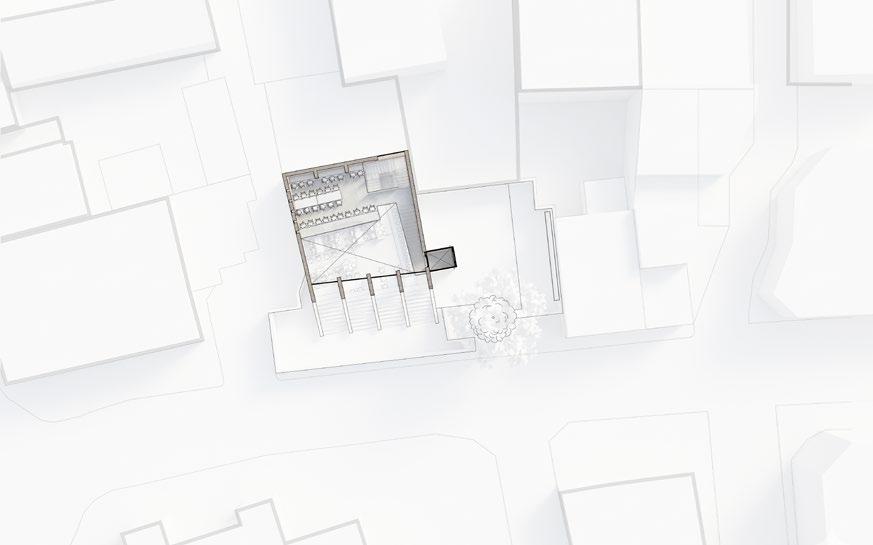
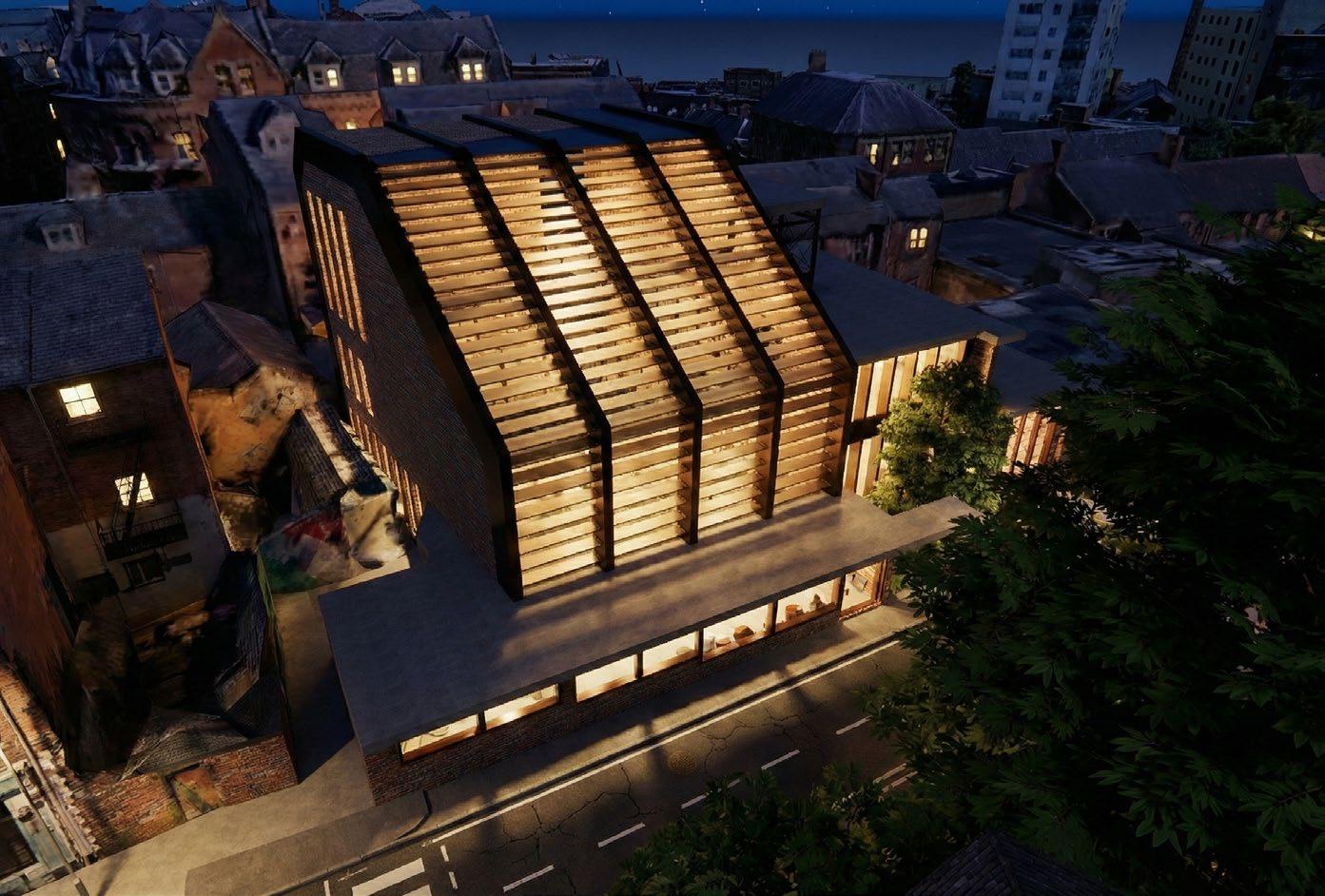
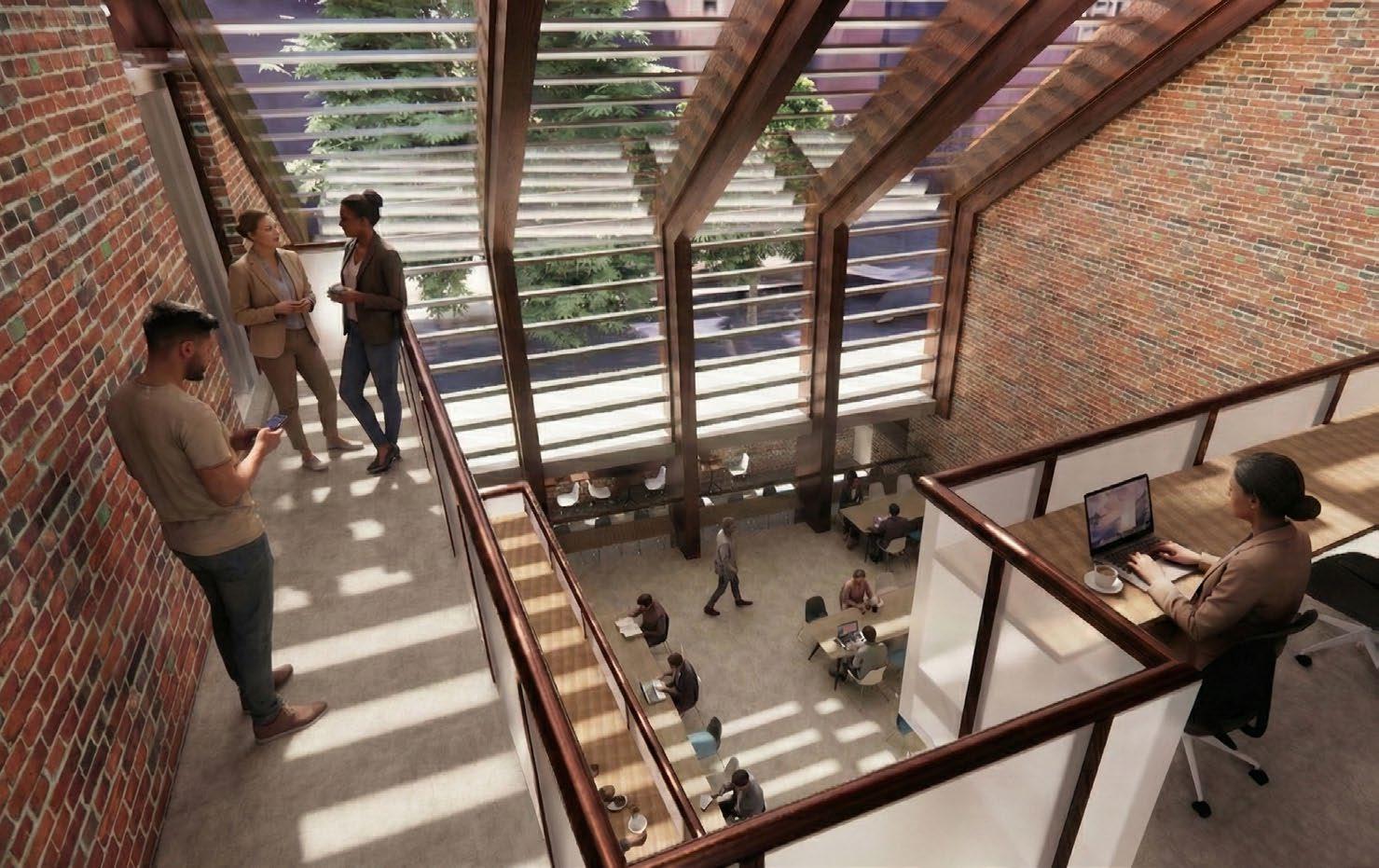
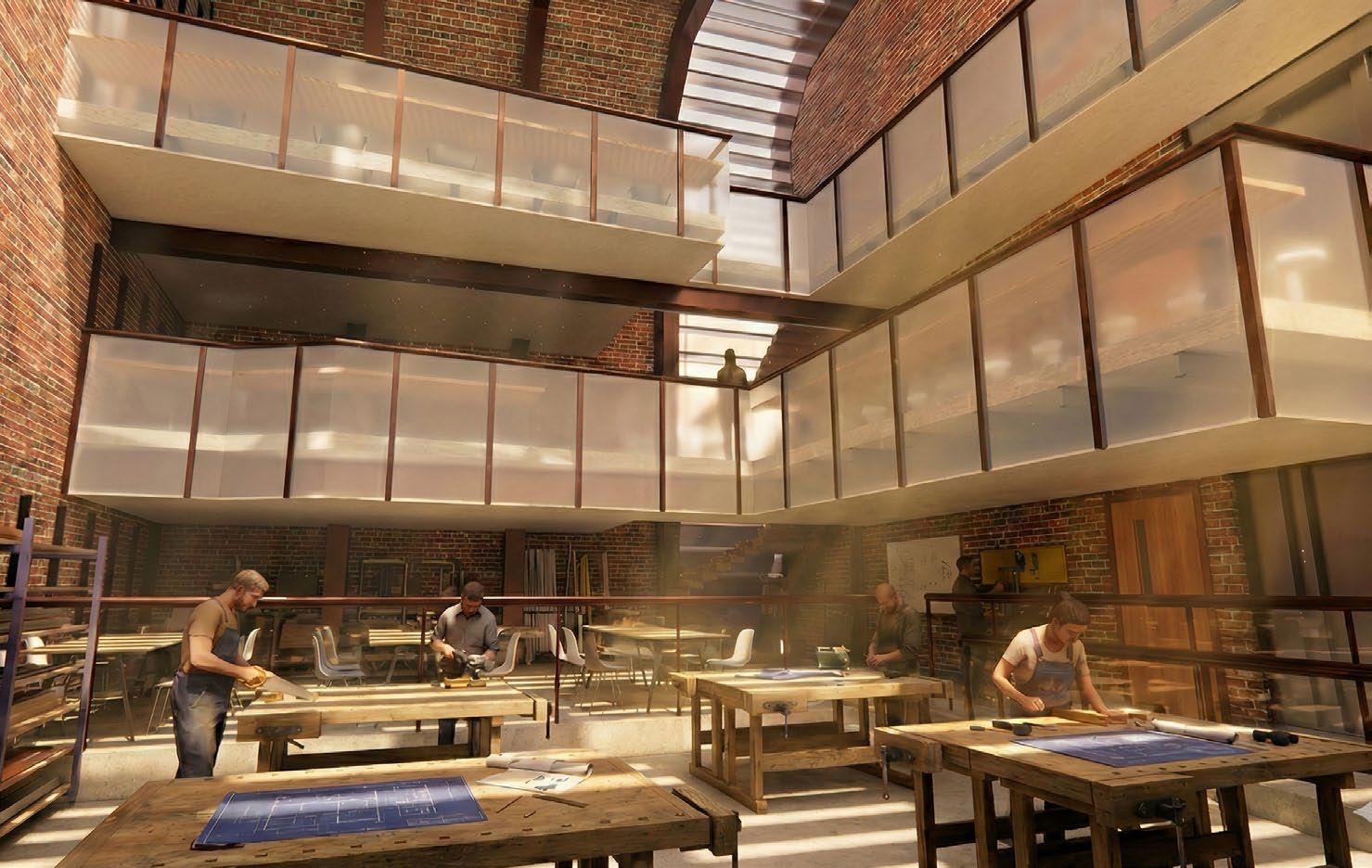
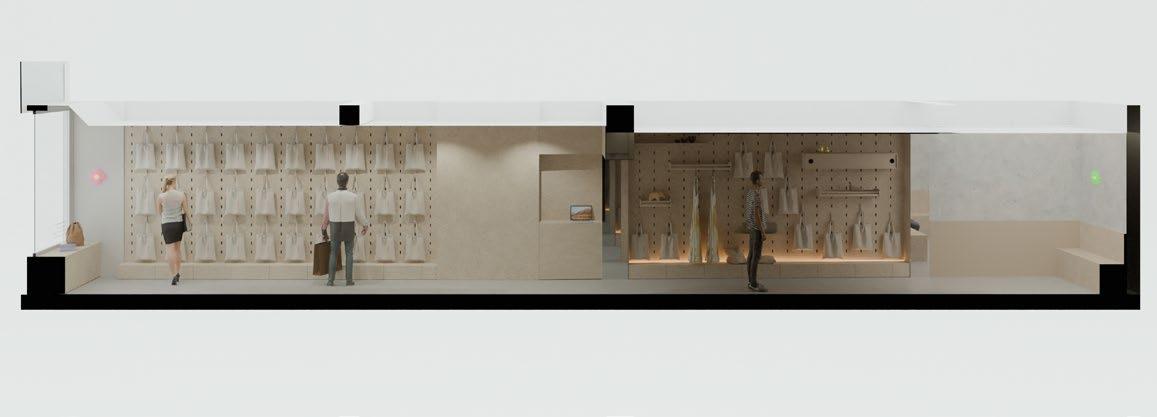
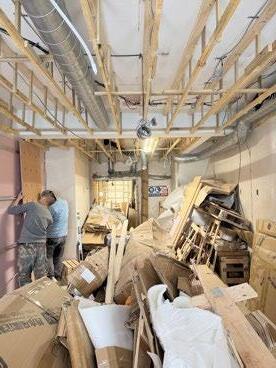
Located within five minutes’ walk of Nottingham’s Lace Market, the site is ideal for a craft and making studio that includes workshops, exhibition, and retail space. It sits at the heart of Nottingham’s creative and industrial heritage, surrounded by a community of designers, artists, and makers that continue the city’s tradition of craftsmanship.
Key Points
Historic Identity: Strong connection to Nottingham’s lace and craft legacy — a city known for precision, design, and making.
Creative Quarter: Surrounded by active studios, galleries, and independent shops that support creative business.
Architectural Character: Industrial buildings nearby offer clear inspiration for adaptive reuse, material honesty, and tectonic expression.
Accessibility: Walkable, well-connected by tram and bus, ensuring visibility and public engagement.
Cultural Relevance: Responds to growing demand for handmade, sustainable, and locally produced artefacts.
Design Potential: Perfect for combining making, exhibiting, and selling — reinforcing Nottingham’s identity as a city of makers.
Exterior:
XO Diagram
D&B STUDIO SOUTH AFRICA CRECHE
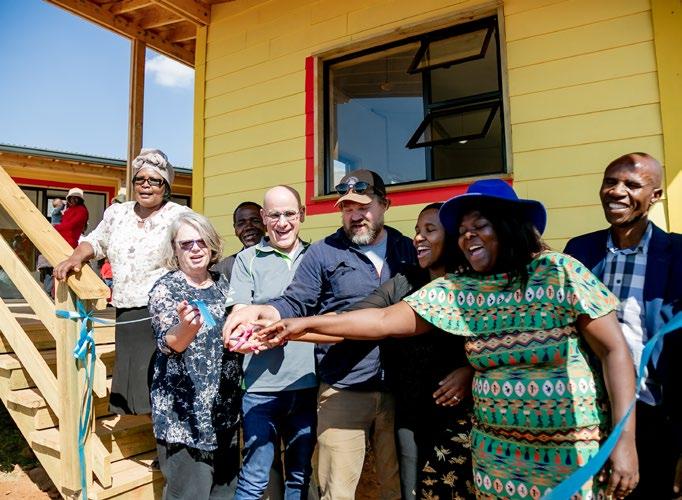
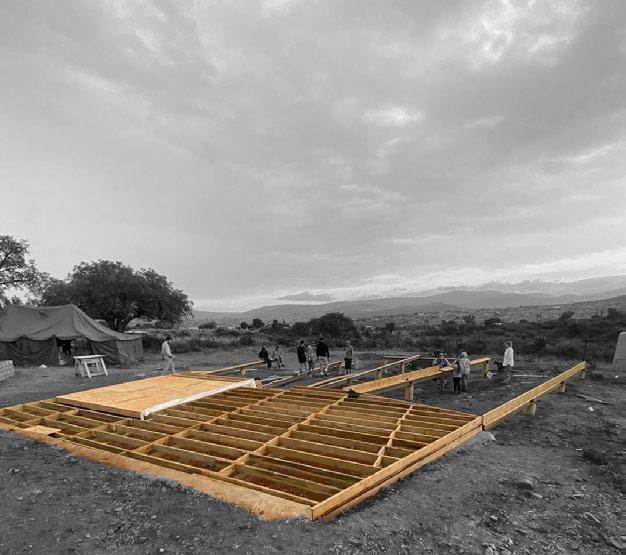
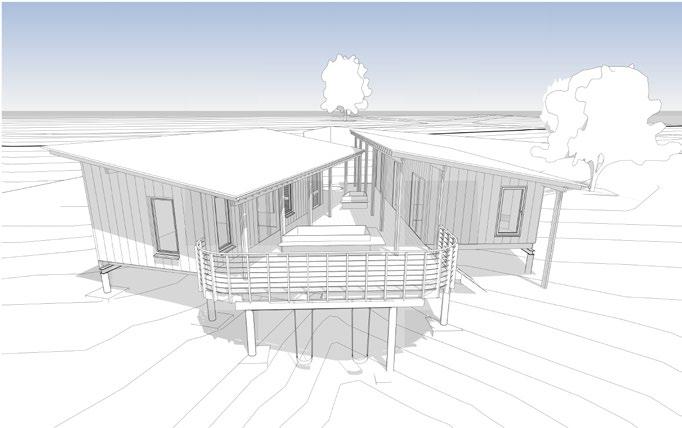
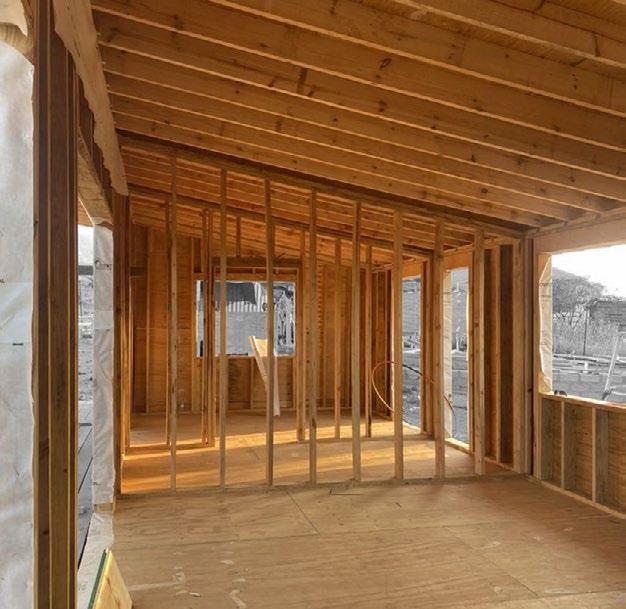
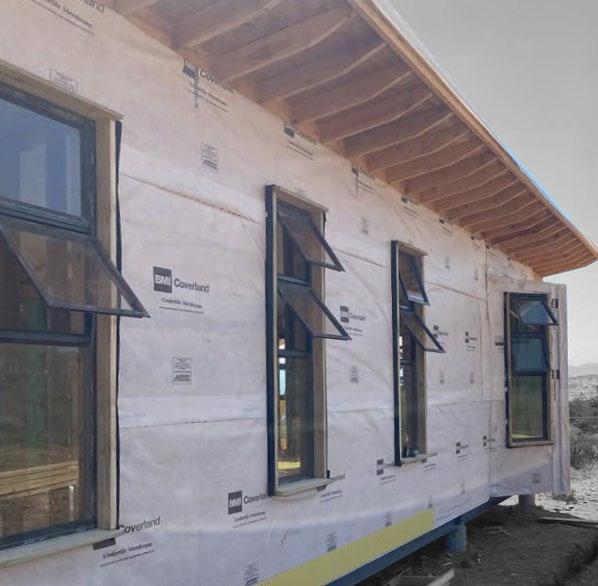
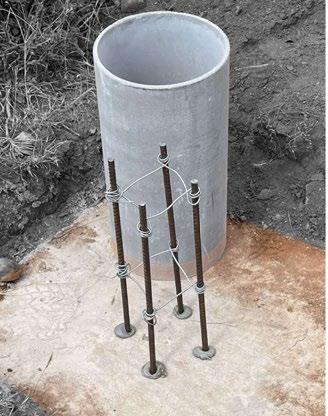
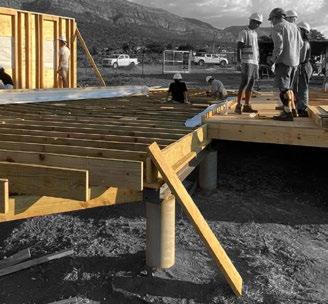
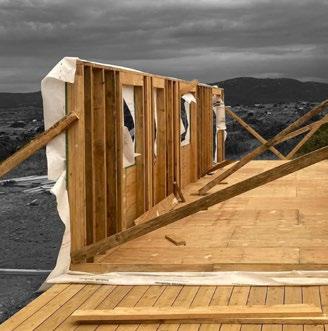
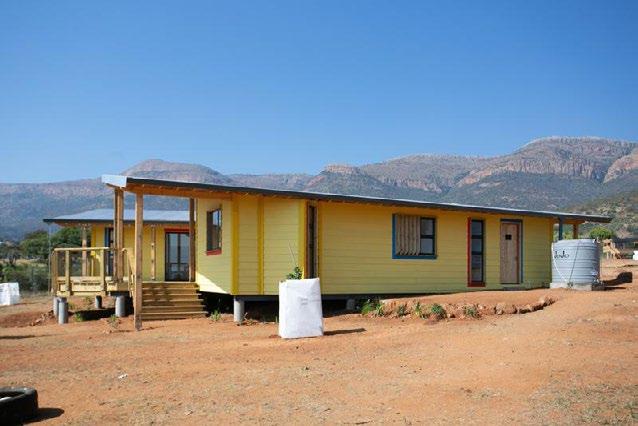
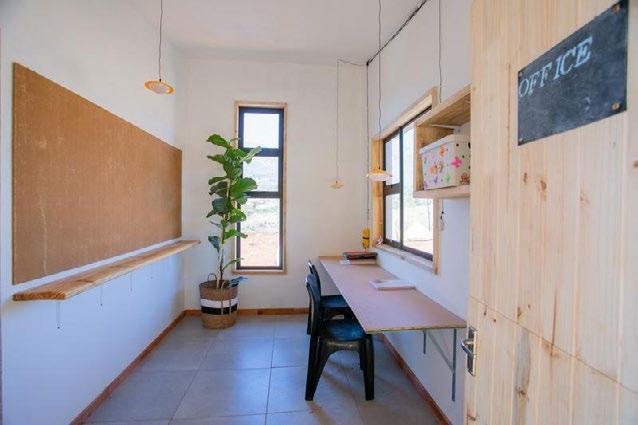
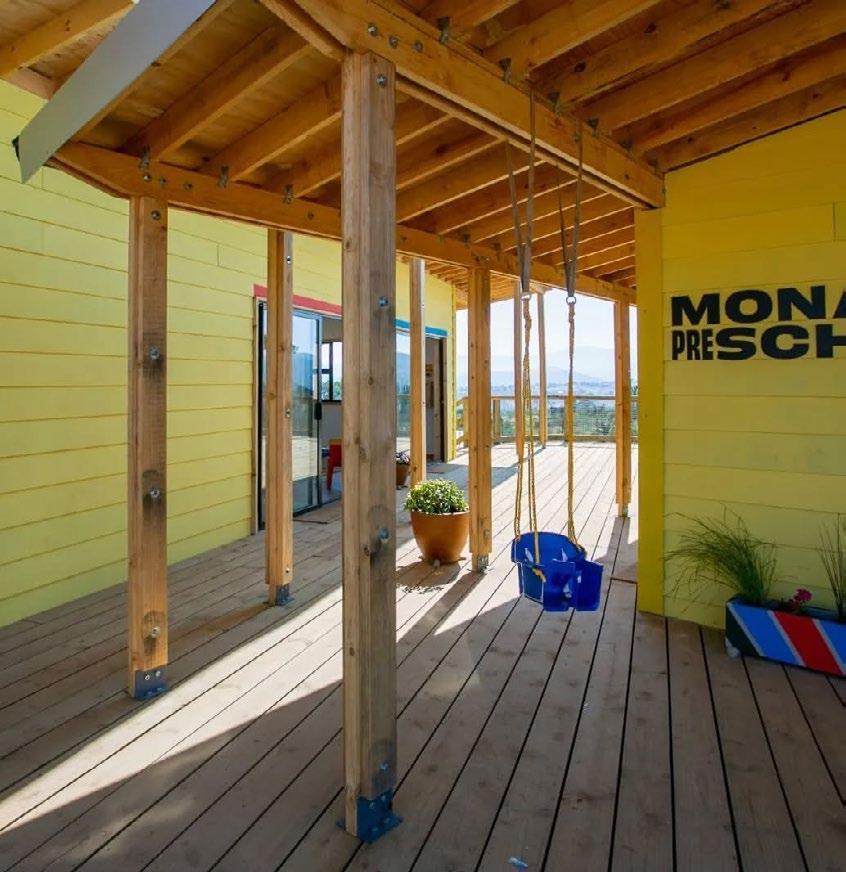
The South Africa Crèche Project, led by the Design & Build Studio at the University of Nottingham in collaboration with Grimshaw Architects, the University of Limpopo’s Department of Architecture, and the local community, gave architecture students, including myself, the opportunity to participate in an internal design competition. After presenting our proposals at Grimshaw Architects, the final design was selected based on feedback from the University of Limpopo and the local community. Grimshaw Architects then refined it for feasibility, and we carried out construction during the Easter holiday alongside residents to ensure it met community needs.
The construction process was divided into two phases:
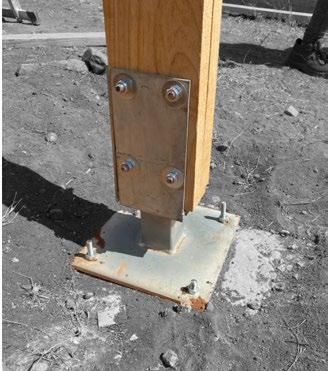
Phase 1: Constructing the building’s structure.
Phase 2: Completing the interior and decorations.
As a Phase 1 participant, I managed chop saw operations and timber management. gained hands-on experience in construction and learned to meet deadlines under real-world conditions. Collaborating with locals and working alongside a group of 22 further enhanced my teamwork and communication skills.
This project strengthened my ability to collaborate effectively in a large, diverse group and communicate clearly when addressing challenges. I also gained a practical understanding of construction processes and learned to adapt to on-site challenges. The experience significantly improved my problem-solving and interpersonal skills, preparing me for future professional endeavours.
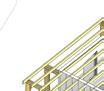
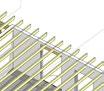
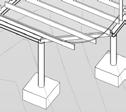
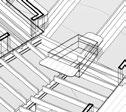
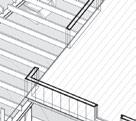
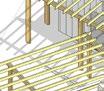
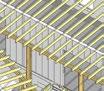
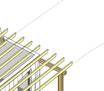
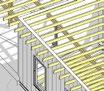
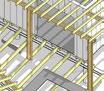
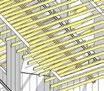
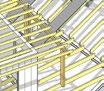
Pre-Build Drawing and Diagrams