


Issue 1 Spring 2024 $3 The Digital Dance Floor LEARN all there is to know about the classic dancing game!

Cover
The History of Konami - pg 2
The Dance Timeline - pg 5
My Dancing Father - pg 2
Back
Hello reader! My name is Jayden. I am a 17 year old high schooler that has played Dance Dance Revolution since I was about 6. My father and I would consistently annoy our local arcade every sunday by hogging the DDR machine for a majority of the time we were there. The community and the game itself is severely underrated in my opinion, so I hope reading this issue will motivate those interested in getting a new dance high score.
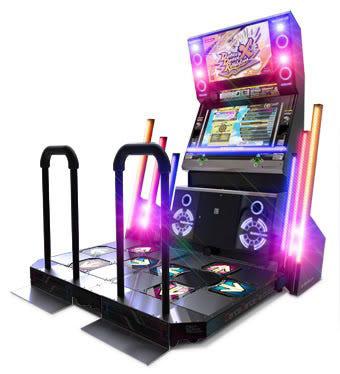
Dance Dance Revolution (DDR) revolutionized the arcade and home gaming landscape when it burst onto the scene in the late 1990s. Developed by the Japanese gaming company Konami, DDR combined elements of rhythm, music, and physical activity into a unique gaming experience. The game’s premise was simple yet captivating: players step on pressure-sensitive arrows on a dance pad in time with on-screen cues, synchronized to energetic music tracks.

As DDR gained traction in arcades across Japan, Konami recognized its potential and swiftly released home versions for consoles such as the Sony PlayStation. The game’s appeal transcended traditional gaming demographics, attracting players of all ages and backgrounds who were drawn to its infectious energy and competitive spirit.
Konami, founded in 1969, initially made its mark in the gaming industry with arcade hits like Frogger and Contra. However, DDR marked a departure from traditional gaming norms, incorporating physical movement as a core gameplay mechanic. Released in 1998, DDR quickly gained popularity in arcades across Japan, attracting players with its infectious music and addictive gameplay. Its success prompted Konami to release home
- Multiplayer Machines
- Unlimited Fun!
- Brand New Games - InsanlyFun Prizes - All The Classics - Multiplayer Machines - Unlimited Fun! - Brand New Games - InsanlyFun Prizes - All The Classics


Konami’s commitment to innovation propelled DDR forward, leading to the release of numerous sequels and spin-offs over the years. The transition to home gaming further solidified DDR’s status as a cultural phenomenon, allowing players to enjoy the immersive experience from the comfort of their living rooms. Each iteration introduced new features, including expanded song lists, enhanced graphics, and innovative gameplay mechanics, keeping the franchise fresh and engaging for fans. Moreover, DDR’s influence extended beyond the realm of gaming, inspiring merchandise such as dance pads, music CDs, and even exercise videos. The game’s iconic dance pad became synonymous with DDR culture, symbolizing the fusion of gaming and physical activity in a way that was both entertaining and health-conscious.
One of DDR’s most enduring legacies lies in its vibrant competitive scene, which flourished alongside the game’s mainstream success. Players from around the world competed in tournaments and events, showcasing their skills and creativity on the dance floor. These gatherings fostered a sense of community among DDR enthusiasts, who bonded over their shared passion for rhythm-based gameplay and friendly competition.
Additionally, DDR tournaments provided a platform for players to push the boundaries of the game, inventing new techniques and choreographies that pushed the limits of what was thought possible.
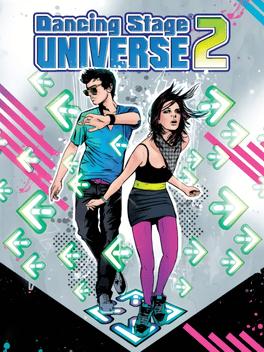
In conclusion, Dance Dance Revolution stands as a groundbreaking achievement in the history of video games, thanks to Konami’s innovative vision and commitment to pushing the boundaries of gaming. From its humble beginnings in Japanese arcades to its widespread influence on home gaming and beyond, DDR has left an indelible mark on popular culture. Its fusion of music, rhythm, and physical activity continues to captivate audiences worldwide, underscoring the enduring appeal of interactive entertainment. As Konami continues to evolve and explore new avenues in gaming, DDR remains a shining example of the transformative power of creativity and ingenuity in the world of video games.
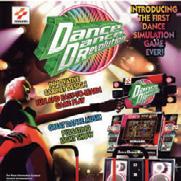
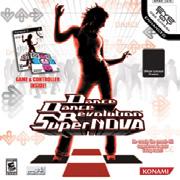
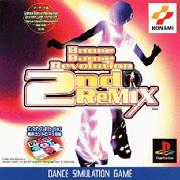
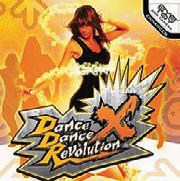
“Dance Dance Revolution” has been a trailblazer in the rhythm game genre since its debut in 1998. Konami’s creation revolutionized gaming by introducing players to the exhilarating experience of stepping on directional arrows in sync with the beat of energetic music. From its humble beginnings, the series quickly gained momentum with each subsequent installment building upon the success of its predecessors.
The journey began with the original “Dance Dance Revolution” in 1998, which laid the groundwork for the franchise with its simple yet addictive gameplay. As the series evolved, so did its features and mechanics. “Dance Dance Revolution 2ndMix” and “3rdMix” introduced more songs and refined gameplay, while “4thMix” expanded multiplayer capabilities, fostering a sense of friendly competition among players.
“Dance Dance Revolution 5thMix” marked a turning point with its extreme difficulty level and inclusion of licensed tracks, appealing to a broader audience.

However, it was “Dance Dance Revolution Extreme” that truly pushed the boundaries of the series, introducing innovative features like EyeToy support and a comprehensive workout mode. Subsequent releases such as “SuperNOVA” and “X” continued to innovate with improved visuals, expanded online modes, and a plethora of new songs.
The series reached new heights with “Dance Dance Revolution A” in 2016, embracing a community-driven approach with online leaderboards and customizable profiles. With each installment, “Dance Dance Revolution” has remained a beloved staple in arcades and homes worldwide, captivating players with its infectious energy and enduring appeal.
Meet my dad, a dedicated father with a love for rhythm and movement that stretches back to his youth. My dad’s journey with Dance Dance Revolution (DDR) began in the early 2000s when he stumbled upon the colorful arcade machine during a trip to the local mall with his friends. Intrigued by the flashy lights and infectious beat, he decided to give it a try. He never seemed to like it at first, but after some time revisiting the arcade, he began to love it.

From that moment on, my dad was hooked. Despite his initial struggles to keep up with the fast-paced steps, he found himself drawn to the exhilarating challenge of DDR. With each visit to the arcade, he grew more determined to master the game, spending hours perfecting his moves and striving to achieve high scores on the toughest songs.
As my dad’s skill and confidence on the DDR machine grew, so too did his passion for the game. He began to frequent the arcade regularly, often bringing along his friends and family to share in the fun. DDR became a beloved pastime for my dad and his loved ones, bonding over friendly competitions and cheering each other on as they danced their hearts out. But his devotion to DDR didn’t end with the arcade.
Recognizing his love for the game, his family surprised him with a DDR dance pad and console for his birthday one year. Now, he could enjoy the thrill of DDR from the comfort of his own home, challenging himself to new heights whenever the mood struck.

Now, as a father himself, my dad shares his passion for DDR with me and my brother and how much he was in love with this game. However, he is now eased off the game, retired from dancing and simply telling stories. My brother and I have since carried his passion for DDR and have played a majority of the old and new games over the years. Dance Dance Revolution has made him feel so special moving to each song, keeping his positivity up when times were tough and simply having fun. DDR has changed his, and his new family’s lives for the better.
After the arcade release of DDR USA in 2000, Konami effectively cast off the majority of the North American dance game scene, much to the disappointment of the local DDR fanbase. Konami had its reasons: America’s arcade scene was declining, and tumultuous lawsuits had nibbled at the company’s resources.