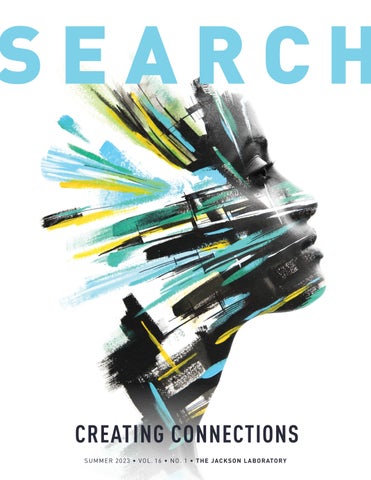

CREATING CONNECTIONS
DEAR FRIENDS,
This issue of Search highlights a wide range of the people who together make up JAX: the talented leaders, brilliant scientists and innovative staff who shape our culture and mission, making the Laboratory a uniquely collaborative and creative institution focused on transforming human health, as well as the friends, alumni and donors who support and champion our work.
From the start of our current strategic planning process, it has been clear that talent is the foundation without which none of our strategic goals would be attainable. In previous issues, we have focused on some key components of our vision for JAX’s future — notably, data science initiatives and rare disease. Ultimately, it takes talent people — to realize our vision for the future.
I’m pleased to be able to introduce in this issue three new leaders at JAX who will be critical in advancing our strategic plan: Paul Flicek, our new chief data science officer, who will lead data science initiatives; Gina Rodriguez, senior vice president for advancement, who will champion our efforts to raise philanthropic support for all aspects of our mission; and Mitchell (Mitch) Kennedy who will serve as executive vice president of JAX and president of JAX® Mice, Clinical and Research Services (JMCRS).
Of course, many of the people featured in this issue are doing the innovative scientific work for which JAX is known, from senior faculty like Paul Robson, whose work on cell senescence holds promise for a myriad of diseases, to trainees like postdoc Cara Hardy, studying the interplay of aging and genetics. Hardy is the inaugural recipient of the Paigen Endowed Fellowship, established in honor of Ken and Bev Paigen. Ken, a transformative leader of the Laboratory, and Bev, an outstanding and highly recognized scientist, were passionate about mentoring early-career researchers, and this endowment carries on their dedication to investing in the development of future scientific leaders.
Donors like Donald R. Hopkins, M.D., M.P.H., public health expert, profiled in these pages, share the Paigens’ commitment to investing in the future of science. Hopkins’ desire to encourage more young people from underrepresented groups to pursue

ON THE COVER
Creatively connecting many people across JAX and our partners to advance the pace of medical science.
The Jackson Laboratory discovers precise genomic solutions for disease and empowers the global biomedical community in our shared quest to improve human health.
Search magazine is produced by JAX Creative.
Printed August 2023
EDITOR
Brian Oleksiw
DESIGN & ART
Jane Cha
Danielle Meier
Zoë Reifsnyder
COPY EDITORS
Joseph Blanchette
Carol Lamb
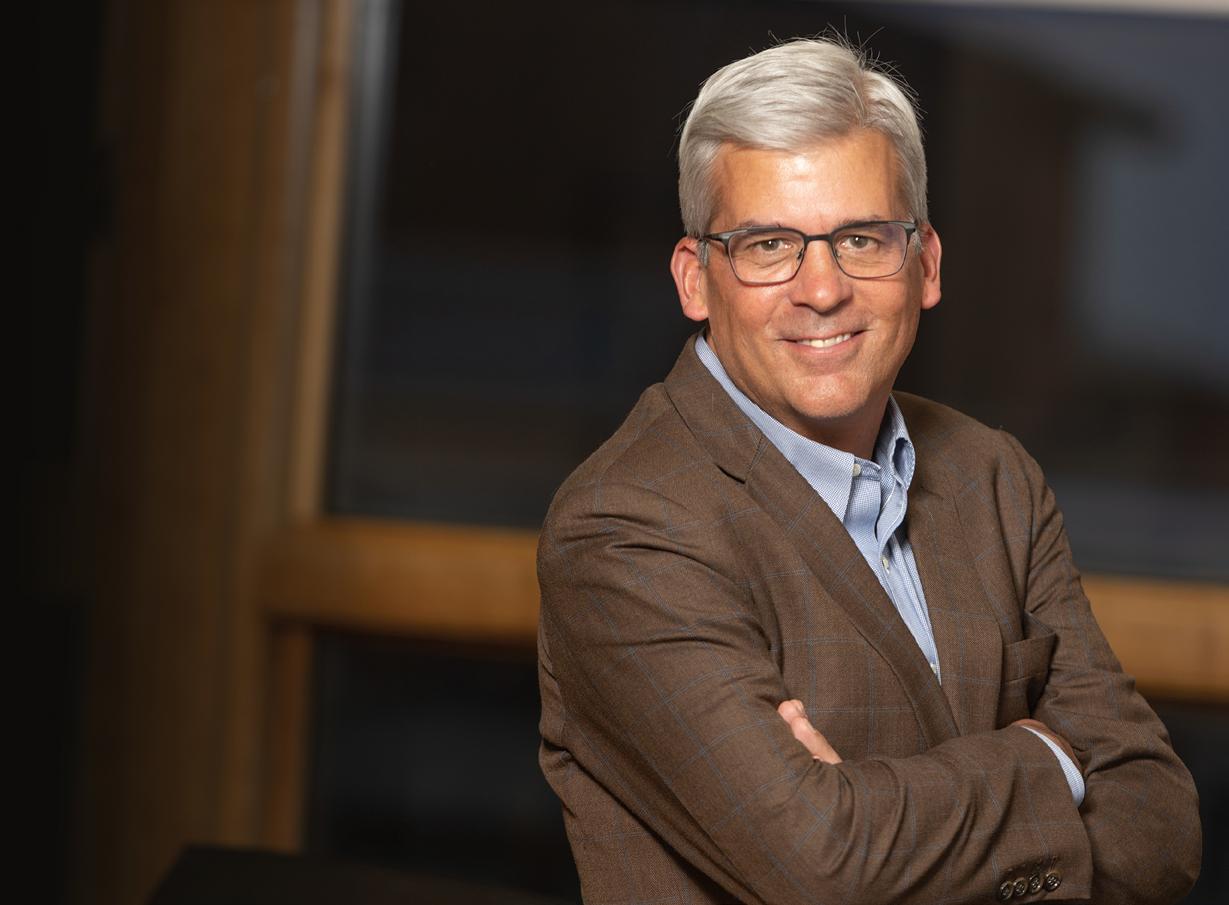
careers in biomedical science motivated his gift to the JAX Endowment for Diversity Initiatives.
Every person in our JAX community — whether staff, collaborator or supporter — brings us closer to realizing our vision for a future in which no health problem is unsolvable. A place where the pace of medical progress is no longer frustratingly slow for patients and families eager for new hope. Thank you for being a part of this collective effort to create that future.
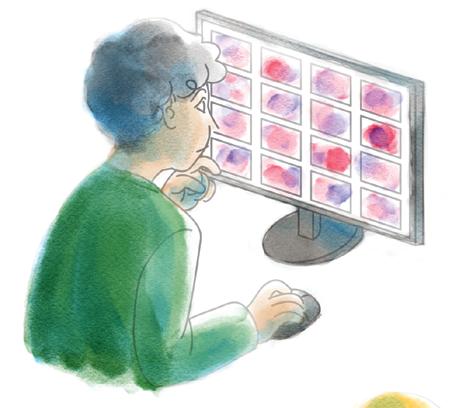



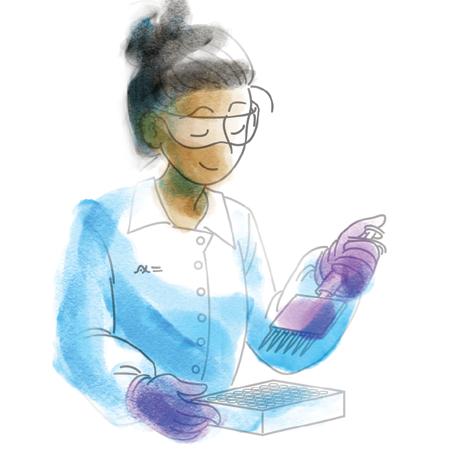






CREATING CONNECTIONS
BY BRIAN OLEKSIW | ILLUSTRATION BY ZOË REIFSNYDER




The Jackson Laboratory is a unique institution with distinctive character that can be attributed to the people who comprise this extraordinary community. JAX employees are consistently intelligent, approachable, ambitious and curious. This potent blend of qualities fosters an environment of discovery and aspiration, where anything seems possible.
This expansive vision sets the institution apart. Though some aspects of JAX might appear routine in comparison to other organizations, it is the collaborative spirit that distinguishes it. At JAX, members have access to a remarkable array of resources, which cultivates a diverse range of ideas and specialized foci. This enables individuals to transcend their initial concepts and collaborate with others to advance the ultimate goal of personalized treatment for the most challenging diseases.
While this collaborative spirit pervades the whole institution, it is particularly evident among JAX's researchers. With many specialists within the organization and outside collaborators, the collective intellectual power is immense. As researchers often point out, finding obscure, specialized information is usually as simple as visiting a neighboring office.

In this issue of Search , we celebrate our community members and the difference they make through their connections to both the science and their JAX colleagues. Appropriately titled "Creating Connections," this issue delves into the human element that fuels JAX's mission.


Readers will uncover how the human spirit of JAX drives its endeavors, be it cutting-edge single cell research, expanding the organization's global reach, or leading research and steering the institution's course. With unwavering determination, JAX seeks treatments for the most difficult diseases, striving to improve the world for all. We hope you enjoy this issue, and we thank you for your ongoing support.





Gina Rodriguez
SENIOR VICE PRESIDENT OF ADVANCEMENT
Gina Rodriguez joined JAX in March 2023 to lead the advancement team’s philanthropic strategy in support of JAX’s mission to improve human health.
With over 20 years of fundraising experience in established nonprofit organizations, Rodriguez’s campaigns have collectively raised over $900 million. She joined JAX from Chicago’s Shedd Aquarium where she served as its first chief development officer, overseeing development programs and staff and leading the growth of philanthropic support to record levels.
Fresh perspectives
Three new leaders arrive at JAX
BY LISA NICHOLS, MARK WANNER, MAGGIE KOLLAR ILLUSTRATION BY ZOË REIFSNYDER
Prior to Shedd, Rodriguez served as chief advancement officer for the Francis W. Parker School in Chicago, where she oversaw strategy for the completion of the school’s multi-million-dollar capital and endowment campaign. Earlier in her career Rodriguez held positions at the Ann and Robert H. Lurie Children’s Hospital, the Ancona School in Chicago and the Museum of Contemporary Art in San Diego.
Rodriguez graduated from the University of California, San Diego with a Bachelor of Arts in French literature and minor in computer science.
“I’m so pleased to join JAX and its talented and dedicated team,” says Rodriguez. “This is an exciting time as the organization is poised to make critical inroads in transforming human health from basic research and discovery to the clinic.”
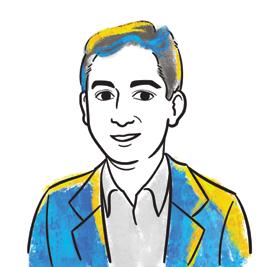
Paul Flicek, D.Sc. CHIEF DATA SCIENCE OFFICER
The Jackson Laboratory has appointed Paul Flicek, D.Sc., as its inaugural chief data science officer. In this new leadership role, Flicek will be responsible for building and executing a comprehensive data science strategy across JAX.
Flicek started his career with the sequencing and analysis of the mouse genome and subsequently worked on aspects of genome annotation, comparative regulatory genomics and large-scale biological data generation projects. He was involved with ENCODE, the 1000 Genomes Project, the International Human Epigenome Consortium and numerous genome projects. He most recently worked at the European Molecular Biology Laboratory’s European Bioinformatics Institute (EMBL-EBI), where he served as associate director until 2022.
“I am excited and honored to join JAX at this pivotal moment,” says Flicek. “The Laboratory’s unique combination of mouse genetics, human genomics and data science methodologies presents fantastic opportunities to integrate and make critical data and insights available to the scientific community.”
Flicek will create new data science capabilities for JAX by envisioning and executing strategies to enhance the research and discovery enterprise and building a robust team of data scientists. Additionally, he will extend the global network of data scientists who currently work with JAX.
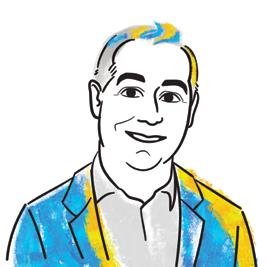
Mitch Kennedy
EXECUTIVE VICE PRESIDENT, THE JACKSON LABORATORY & PRESIDENT, JAX MICE ®, CLINICAL & RESEARCH SERVICES
Life sciences industry leader Mitchell (Mitch)
Kennedy joined The Jackson Laboratory as executive vice president, JAX and president, JAX ® Mice, Clinical and Research Services (JMCRS).
This important role continues to advance and increase availability of key models and resources. Kennedy will drive product development, business development, business unit management, marketing, field representation and customer service for JMCRS, as well as lead all JMCRS operational groups.
“The Jackson Laboratory’s scientific and academic reputation precedes itself, and I have admired the organization throughout my entire career,” says Kennedy. “JAX ® Mice are the gold standard for animal model research. I am thrilled to join a community that values scientific rigor, acts with the highest ethical standards, and carries a strong commitment to offering innovative and cutting-edge research products and solutions to scientific researchers worldwide.”
Kennedy has more than 25 years in senior leadership roles in the life sciences industry, most recently serving at Thermo Fisher Scientific for over 16 years, where he was responsible for revenue as large as $2 billion and more than 6,000 employees.
A spotlight on ENDOMETRIOSIS

ENDOMETRIOSIS
BY MARK WANNER | PHOTOGRAPHY BY CLOE POISSON

“The most striking thing about endometriosis is that it’s extremely common, but not much is said about it and very little is known about it from a biological and clinical standpoint,” says Elise Courtois, Ph.D. “But when you speak up and talk about the problem, you realize how many people around you are affected by it.”
Courtois is the director of the Single Cell Biology Laboratory at The Jackson Laboratory. Courtois and her group collaborate with other researchers to investigate single cell biology across many disease research areas, including cancer, neurodegenerative disorders and more, but her particular interest is endometriosis. Her single cell work brings a powerful new capability to bear on the condition. The ability to isolate and fully characterize cells one by one is quite recent, with the first published methods to sequence RNA from single cells emerging less than 15 years ago and single-cell DNA and epigenome sequencing following within the last decade. But the field has surged and is now providing vital insights into the biology of normal cells and tissues as well as research into poorly understood conditions and diseases such as endometriosis.
An understudied disease
Endometriosis is related to the endometrium, the tissue that grows to line the uterus and support a fertilized egg and subsequent pregnancy but is otherwise shed through menstruation. Endometrial cells therefore frequently proliferate and grow within the uterus throughout a woman’s reproductive years. In some individuals, however, endometrium-like tissue grows elsewhere in the body forming lesions. These lesions usually occur in the pelvic area, such as on the ovaries or in the peritoneum, but in some cases they can also be found in distant organs. Endometriosis patients experience severe chronic pain and associated pathologies, including infertility.
Despite affecting approximately 190 million individuals worldwide, endometriosis remains understudied, and research efforts are historically underfunded. Its molecular mechanisms therefore remain unknown, and individuals with it face significant challenges, as it can only be definitively diagnosed and staged through surgery and the clinical standard of care remains inadequate for many patients. A common treatment is a combination of surgery and hormonal therapy leading to significant side effects, but the lesions often grow back, necessitating additional surgery.
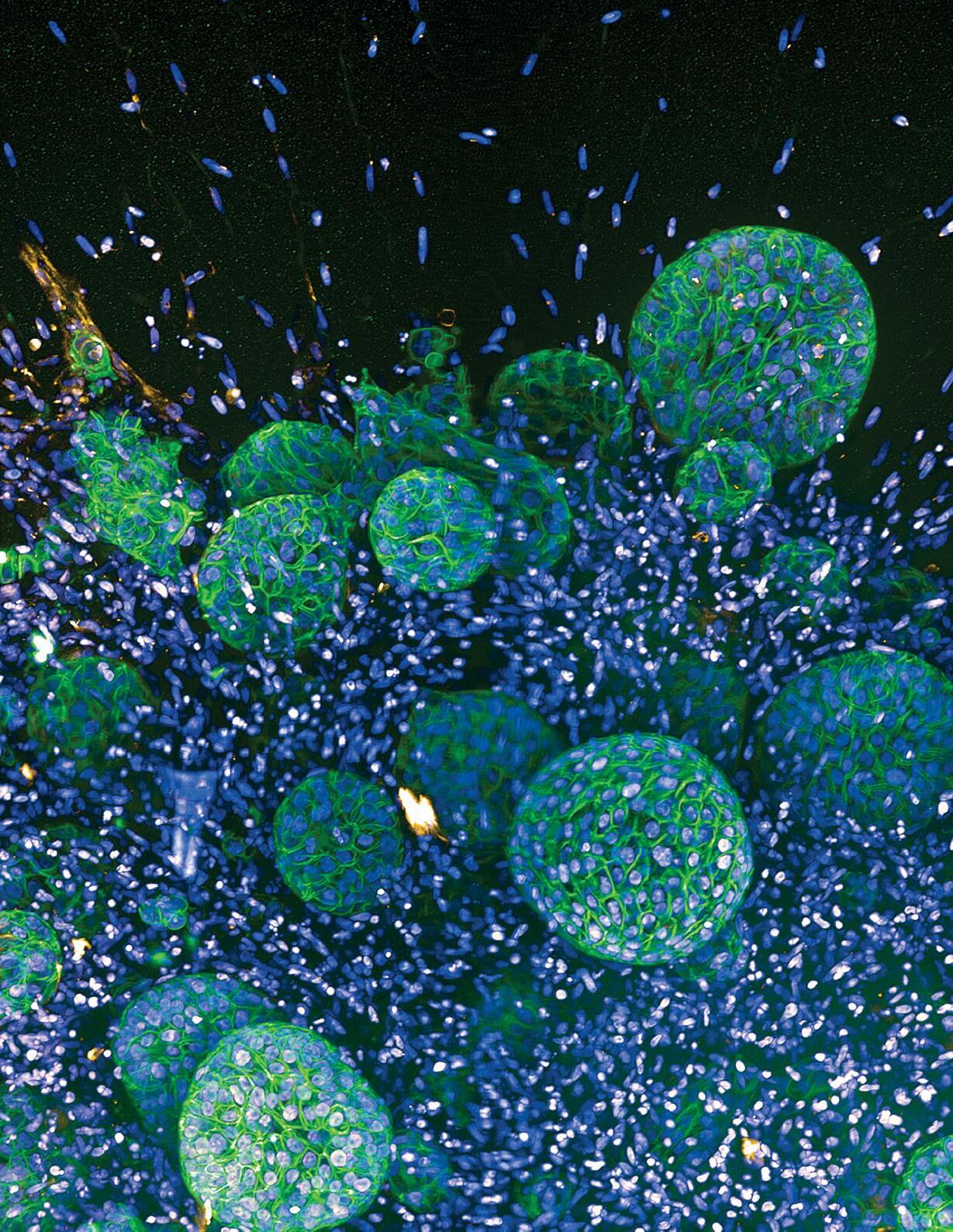
Patient-derived endometrial epithelial organoids (green) and stromal fibroblast cells (yellow) were derived from endometriosis lesions and co - cultured as 3D microtissues to study how endometriosis impacts their dynamic interaction and contribution to lesion microenvironment. These microtissues are used as in vitro model of endometriosis. Image by Dr. Yuliana Tan.
Endometriosis at the cellular level
Courtois is working hard to improve the situation, both inside her lab and elsewhere, and she has the expertise and resources to make a difference. Her single cell work provides the ability to compare normal endometrial tissue and endometriosis lesions to determine how they are different and what might be driving tissue growth in the wrong place in the body. She can investigate any lesion - to - lesion differences as well — for example, can they all be approached in the same way clinically, or might there be crucial differences between an ovarian lesion and a peritoneal lesion? She has also established a strong collaboration with Danielle Luciano, M.D., a clinician who is also an associate professor of obstetrics and gynecology in the UConn School of Medicine and specializes in minimally invasive gynecologic surgery. Luciano treats endometriosis patients, obtains tissue samples from those who wish to contribute to the research effort and brings the clinical perspective into this research program.
“When I have done research with JAX, and I seek consent from my patients, I have never once had a patient say to me, ‘No, you can't have my tissue. I don't want anybody to find out how to cure endometriosis.’ We are all in this together. We want to get better,” says Luciano.
The collaboration has already yielded important findings, including a paper, published in July 2022 in Nature Cell Biology , that not only characterized normal endometrium versus endometriosis lesion cells but also described the conditions that allow the lesions to form and grow in what should be hostile microenvironments in the body.
“The study built a robust foundation for a better understanding of endometriosis and how it grows,” says Luciano. “It represents exciting progress that we hope leads to earlier diagnosis and the ability to specifically target these abnormal cells for better treatments.”
A key finding was that lesions growing on ovaries had extensive differences from both normal endometrial tissue and from lesions found in the peritoneum. The different environments lead to distinct cellular and molecular signatures between the two anatomical locations, indicating that site-specific therapeutic design will likely be needed for the development of better therapies. The researchers also revealed how the aberrant cells escape immune detection and elimination. Interestingly, what happens in immune cells is similar to how the body tolerates the fetus during pregnancy. Therefore, a necessary, naturally occurring immune process is likely hijacked in endometriosis to promote lesion formation and growth.
“The findings offer powerful insights into the complexity of the endometriosis microenvironment,” says Courtois. “Understanding this complexity will be key for developing the new, efficient diagnostic and therapeutic tools that are so badly needed.”
Beyond the laboratory and Below the Belt
The research that Courtois, Luciano and their teams are doing is essential for a better biological understanding of endometriosis and for identifying potential targets for new and better treatments. Their work extends outside the laboratory and clinic, however, as they seek to grow broader awareness of the condition they attract support to accelerate progress in the field. To that end, with Lisa Roy, JAX director of government and community relations, they teamed up with Connecticut State Representative Jillian Gilchrest, who established the Endometriosis Working Group in 2021 to support those goals. One of the group’s priorities was met as the Connecticut legislature unanimously approved House Bill 6672, “An Act Concerning Endometriosis,” creating a first-of-its-kind endometriosis data and biorepository program. The program will increase both the number of samples as well as their variety from different ethnic and age groups and different environments in Connecticut. The initiative also includes an awareness and educational program on endometriosis for patients, families, researchers and health-care providers that will evaluate the impact of endometriosis throughout the state of Connecticut.
JAX is working closely with UConn and Representative Gilchrest to support the biorepository initiative and help catalyze funding and awareness efforts. For the latter, JAX recently hosted an early screening of the documentary “Below the Belt,” a film by Shannon about endometriosis and the challenges it poses to patients and providers, followed by a panel discussion that included Courtois, Luciano, Gilchrest and Cohn. The discussion was hosted by Kara Sundlun, an Emmy award-winning television news anchor and talk show host, who also hosted Courtois on her show.
“By promoting research and by partnering with a hospital, I think this is an important step where research can really be translational,” says Courtois. “This is what we have tried to integrate within the biorepository and the legislative effort in the state of Connecticut. It's about designing a program that enables us to collect data and tissues while promoting awareness around endometriosis.”


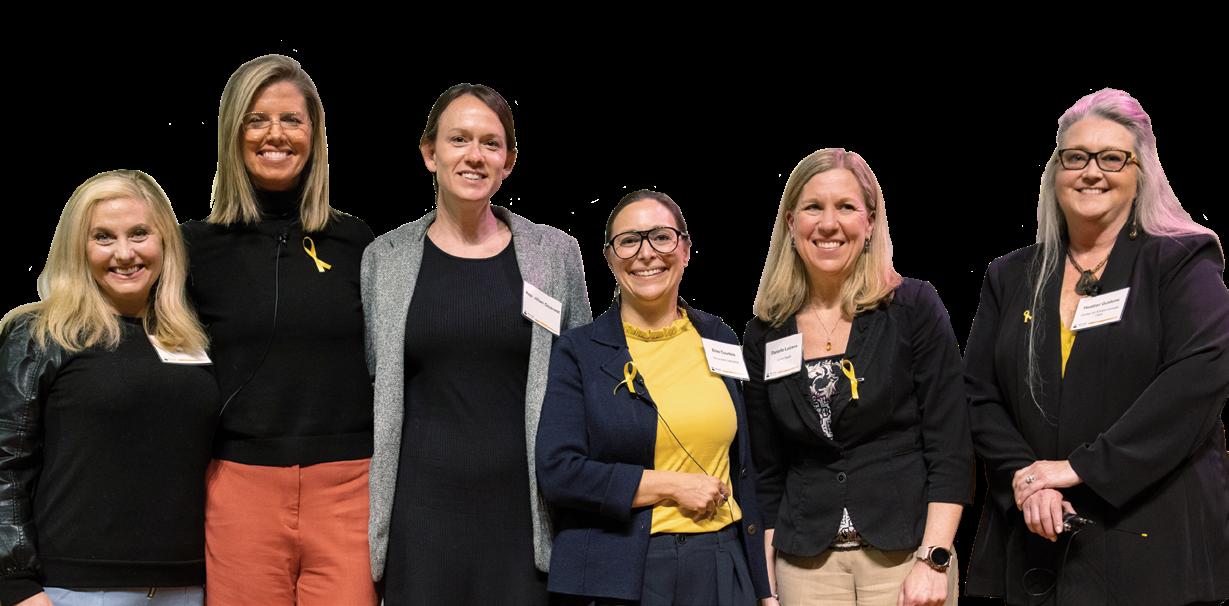

(Left to right) WFSB-TV host Kara Sundlun,“Below the Belt” director Shannon Cohn, Connecticut State Rep. Jillian Gilchrest, JAX researcher Elise Courtois, UConn Health’s Danielle Luciano, and Board Certified Patient Advocate Heather Guidone.
Expanding genetics knowledge in Africa
BY MARK WANNER | PHOTOGRAPHY BY TIFFANY LAUFER
The world-renowned Human and Mammalian Genetics and Genomics: The McKusick Short Course (known simply as the “Short Course”) in Bar Harbor, Maine, has educated and inspired thousands of trainees, researchers, clinicians and others over its 64-year history. Convening each July in the spectacular summertime setting of Bar Harbor, it has both observed and supported the implementation of medical genetics in mainstream clinical care. But in 2022, it served as a gathering place for a group of prominent genetics and genomics researchers and clinicians from a continent not previously well represented: Africa.
Despite difficult travel logistics and the lingering effects of the COVID-19 pandemic, participants from Nigeria, Tunisia, Egypt, Mali, Senegal, DR Congo, Ghana and South Africa came to Bar Harbor to learn from talks at the Short Course as well as to learn about the course itself. Their discussions focused on how to bring wider human genetics and genomics education opportunities to Africa, an effort many years in the making. It had been a long and difficult path, but, at last, the pieces were coming together.
Complementary initiatives
More than five years ago, researchers, clinicians and educators, including some of those who would later travel to Maine, gathered in Cairo, Egypt, for the 10th annual African Society of Human Genetics (AfSHG) conference. The conference theme was “Human Genetics and Genomics in Africa,” highlighting the previous decade’s work and progress. But behind the scenes, a group gathered to start planning how to expand human genetics education and research in Africa. Concurrently, the organizers of the Short Course were looking to address the need to provide new perspectives and increase course content about global genetic diversity. The course had a consistent record of success, but how could it expand its reach and impact still further?
Ultimately, the two complementary initiatives would begin to mesh and, despite considerable challenges, move forward. The planners in Africa had to address issues that their U.S. counterparts simply hadn’t faced, including the wide variety of cultures, academic schedules, infrastructure readiness, climates and different primary languages in countries throughout the vast African continent. But there was both a need for more human genetics expertise in Africa as well as a large amount of untapped trainee interest and talent, making the hard road forward well worth the effort.
A global pandemic
For the 2019 Short Course, the Short Course organizers led by Charles Wray, Ph.D., vice president, Genomic Education of The Jackson Laboratory and David Valle, M.D., director of the McKusick-Nathans Institute of Genetic Medicine at Johns Hopkins, invited Ambroise Wonkam, M.D., Ph.D., D.Med.Sc., director of the Genetic Medicine of African Populations (GeneMAP) program to increase representation of Africa’s populations in genome databases, to attend. Wonkam became AfSHG president the same year and would be named to direct Johns Hopkins Medicine’s Department of Genetic Medicine and the McKusick-Nathans Institute of Genetic Medicine in late 2021, succeeding Valle.
Guida Landoure, M.D., Ph.D., a Human Heredity & Health in Africa (H3Africa) consortium member from Mali, subsequently gathered with Wonkam, Wray and Valle in Houston at the 2019 American Society for Human Genetics annual meeting.
From those discussions Wray, in collaboration with Valle, applied for and secured institutional funding from JAX for a genomic education outreach project to build genetics and genomics capacity across Africa. Unfortunately, the momentum gained was short-lived, as the emergence of SARS-CoV-2 and the COVID-19 pandemic curtailed further planning and implementation efforts in 2020 and 2021, and the project had to be retracted for that time.
Establishing the basics
It was therefore with much enthusiasm and relief that the planning resumed in earnest at the 2022 Short Course. A new project grant made it possible for a larger group of eight African faculty to attend, leading to lively discussions. The meetings and planning were spearheaded by Wray, Wonkam and Christian Happi, Ph.D., professor of Molecular Biology and Genomics and director of the World Bank-funded African Center of Excellence for Genomics of Infectious Disease at Redeemer’s University in Nigeria. Because of the variety of issues facing the group, the discussions were wide-ranging.
The participants noted that the focus of most genetics education and clinical care in Africa to this time has focused on infectious diseases such as tuberculosis and HIV, and that will need to be broadened. There is a need both for more general outreach and education to get talented students interested in genetics at a younger age, as well as to train graduate students and clinicians already preparing for or working in the field. Just the presence of a companion course in Africa will help create a greater awareness of human genetics as a field. Teaching about cutting-edge research may not always be relevant in many areas, so mixing in more applicable subjects is desirable. But there is also the specific opportunity to explore the intersection between disease genetics and infectious disease genetics at a high level in Africa.

Next steps
While many details remained open-ended after multiple discussions, significant progress has been made in the short time since the July meetings. In the months following the course, an NIH grant application was submitted by The University of Cape Town (South Africa), the AfSHG, JAX and Johns Hopkins to support three years of collaborative courses and workshops in South Africa, Egypt and Nigeria. Further planning took place in Rabat, Morocco, at the recent AfSHG/Moroccan Genetics Society meeting. And five additional African geneticists attended the 2023 McKusick Short Course.
“The education team at JAX, along with the Short Course organizers remain excited and dedicated to building genomics capacity across Africa,” says Wray. “We are excited by progress so far and will continue to collaborate and seek grant funding for the launch of medical genetics and genetic-data science courses in collaboration with the African Society of Human Genetics.”
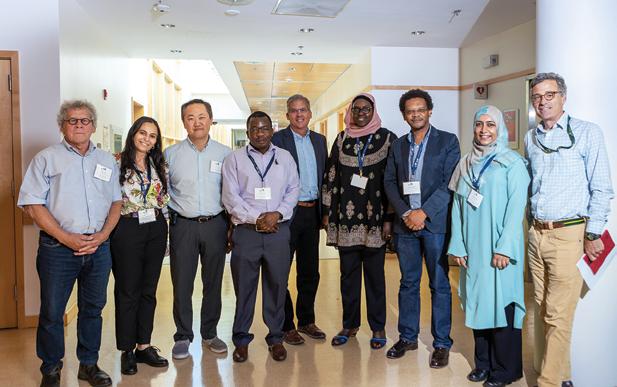
(Left to right) JAX's Charlie Wray with Shahida Moosa, MbChB, Ph.D., of Stellenbosch University and Ghada El Kamah, M.D., Ph.D., of Human Genetics and Genome Research Institute, National Research Centre, Cairo.
The cohort met to learn from The McKusick Short Course and to discuss how to bring wider human genetics and genomics education opportunities to Africa.
The physician-scientist determined to help pediatric cancer patients
BY SOPHIA ANDERSON | ILLUSTRATION BY JANE CHA

Best of both worlds
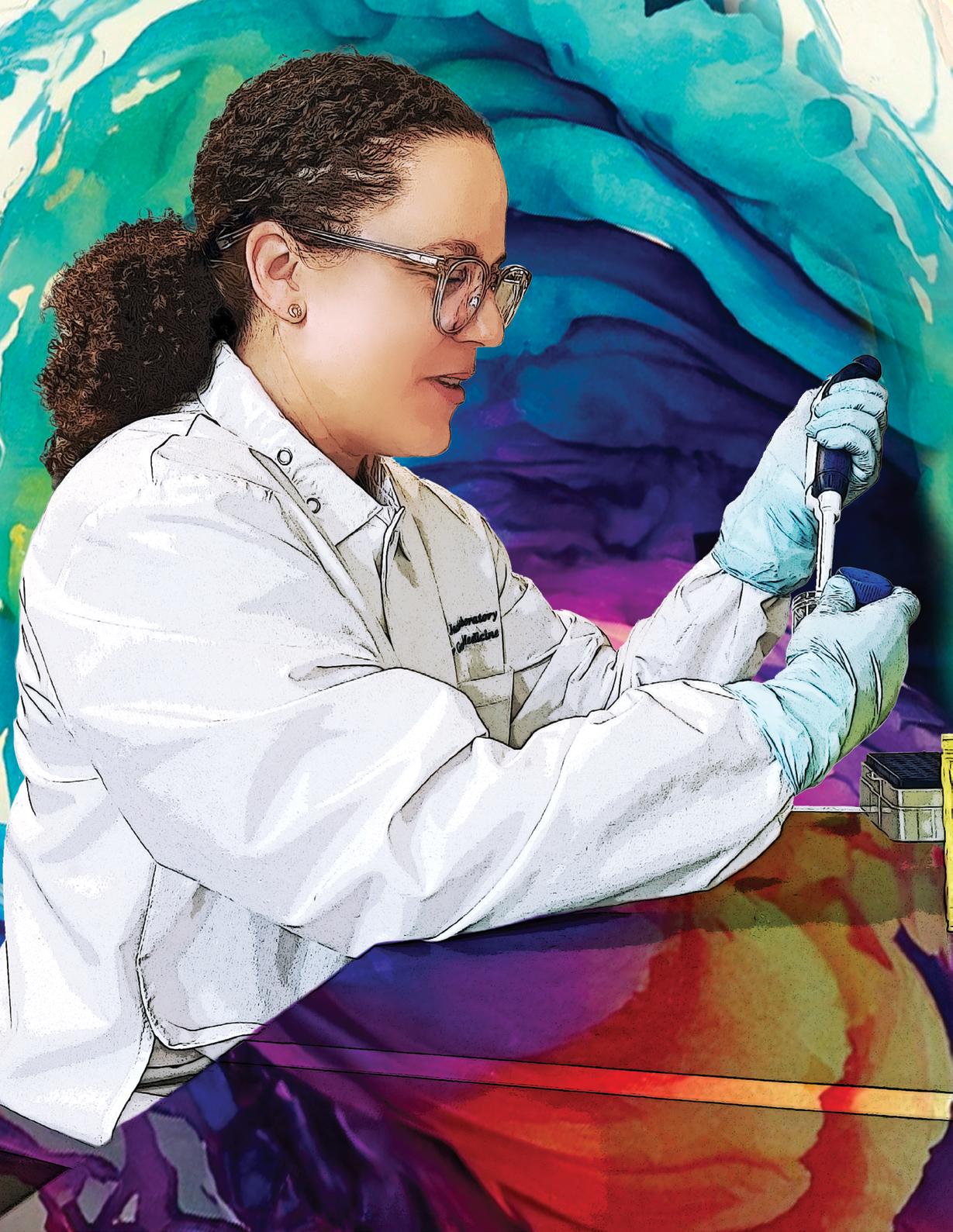
Joanna Gell, M.D., has always loved science. While her love for animals initially drew her to the veterinary field, she ultimately decided to pursue human medicine after meeting a physician-scientist, a medical doctor who sees patients while also devoting part of their time to conducting scientific research.
“Being a physician-scientist melds all the different areas that I love in science. There is some basic biology as well as some translational science and applications funnel directly back into the clinic,” says Gell.
Gell works in the laboratory of Ching Lau, M.D., Ph.D., where she and her colleagues are researching ways to provide personalized medicine to children and young adults with pediatric cancer. Among the valuable tools in their toolbox are patient-derived xenografts (PDX). Established with cells from a patient’s tumor, PDX mouse models allow Gell and fellow researchers to perform controlled tests on multiple cancer treatments to accurately determine therapeutic outcomes.
From the clinic
Gell’s interest in research led her to specialize in pediatric hematology/oncology. She currently performs her clinical work as a pediatric hematologist and oncologist at Connecticut Children's Medical Center in Hartford, Conn. While she sees cases of general benign hematology like anemia and neutropenia, her area of clinical expertise is diagnosing and treating germ cell tumors (GCTs).
GCTs are a unique form of cancer that usually occurs in children
and young adults. They arise from the earliest form of reproductive cells, the primordial germ cell, the cells that ultimately become sperm or eggs. During development, something goes awry, causing the cells to become cancerous. They can lead to tumors in the gonads, along the midline of the body and even in the brain.
To the lab
Within the Lau lab, Gell is dedicated to understanding how these precursor germ cells originate. In addition to PDX models, her work utilizes human stem cell lines that allow her to closely mirror the conditions within her patients. Gell works to identify genomic landmarks, or biomarkers, that will act as new therapeutic targets in clinical trials. Her findings help her understand how alterations from normal germ cell development initiate the cancer cases she sees in the clinic.
“By using stem cell biology, I can pinpoint when primordial germ cells start to become a tumor and work backwards to understand how,” says Gell. “This type of research helps us identify these tumors earlier to get a proper diagnosis, as well as allowing us to follow treatment progression.”
The overall goal of Gell’s research is to improve the lives of her patients and all those suffering with rare childhood cancers. By validating new biomarkers, she is helping bring new therapy options to the children she treats day in and day out.
“Not only do I want to cure my patient’s disease, but I also want to minimize the side effects my patient gets from the treatment to help them live a long, happy life.”
Cellular senescence and healthy aging

BY MARK WANNER
An ambitious multi-institutional research program is studying senescent cells cells that have stopped dividing in response to stressors — and their effect on aging and human health at the single - cell level. The Jackson Laboratory is playing a major role to bridge experimental mouse and human data and reveal the biology of senescent cells. The researchers will also investigate if therapeutics that target senescent cells may be able to delay age-related diseases and extend our health span.
We are comprised of trillions of cells, each of which plays an important role in our health and function. During development, the cells divide and specialize into our various tissues, some of which remain highly dynamic with high turnover, such as skin and blood, and others of which settle into stable, long-lasting functions, such as in the liver and nervous system. But throughout our lives, and particularly as we age, a small fraction of the cells throughout our bodies respond to
stress by essentially stopping in place, in what is known as a senescent state. Cellular senescence is a kind of biological limbo, as senescent cells are stopped from dividing but also resist apoptosis, the normal process of cell death and removal.
Senescence is not necessarily a bad thing. There are times during normal development when certain cells need to become senescent, and it plays an important role in the wound healing process. Also, when a cell somehow becomes damaged, stopping it from replicating and acquiring genetic mutations can prevent cancer initiation and tumor growth. On the other hand, it appears that senescent cells can also be detrimental, contributing particularly to the aging process and age-related diseases. They also secrete a number of signaling molecules associated with immune activation and inflammation. Recent research with mice suggests that clearing senescent cells delays the onset of age-related dysfunction and disease as well as all-cause mortality.

Could therapies that remove senescent cells — called senotherapeutics — also improve the health of humans as we age? It’s an intriguing thought, and some promising clinical trials are already under way. Nonetheless, we still know relatively little about our senescent cells. Where and when do they arise in our bodies? How do they differ from cell to cell and tissue to tissue? Do they change over time, and if so, how? How can they be reliably differentiated from the non-senescent cells that vastly outnumber them? Answering these questions and more has the potential to significantly advance human health, and the National Institutes of Health has launched an extensive research initiative for this very purpose.
The launch of SenNet
“NIH SenNet Consortium: Mapping the landscape of senescent cells throughout the human lifespan to understand physiological health,” a paper published in Nature Aging, presents the SenNet Consortium, a collaboration of institutions from throughout the United States. The SenNet program is a trans-NIH effort managed collaboratively by staff from the NIH Common Fund, the National Institute on Aging (NIA) and the National Cancer Institute (NCI). Begun in 2021 with centers established to gather and analyze human data, SenNet will collect and analyze 18 tissues from healthy humans across their life span.
Four of these tissues (kidney, adipose, pancreas and placenta) are the target tissues of the KAPP-Sen Tissue Mapping Center (KAPP-Sen TMC), led by George Kuchel, M.D., at the UConn Center of Aging with co-PIs Professor Paul Robson, Ph.D. (JAX), Vesna Garovic, M.D., Ph.D. (Mayo Clinic), and Nicolas Musi, M.D. (University of Texas Health Science Center at San Antonio). Robson’s lab leads the Biological Analysis Core, and the Data Analysis Core of KAPP-Sen TMC is led by JAX Associate Professor Duygu Ucar, Ph.D., and JAX Professor Jeff Chuang, Ph.D.
SenNet has also grown over the past year to add mouse-focused investigators, and JAX was designated as a Tissue Mapping Center (TMC) for SenNet in August 2022. JAX-Sen is led by Professor and Maxine Groffsky Endowed Chair Nadia Rosenthal, Ph.D., FMedSci, with co-principal investigators Robson, JAX Associate Professor Ron Korstanje, Ph.D., and UConn Health’s Ming Xu, Ph.D. Associate Professor Sheng Li and Principal Computational Scientist Matt Mahoney lead the Data Analysis Core of the JAX-Sen TMC.
SenNet is a huge effort, involving 15 grants at launch and adding several more. In addition to the human and mouse TMC sites, SenNet also covers multiple Technology Development and Application (TDA) sites, and a five-institution Consortium Organization and Data Coordinating Center (CODCC). TMCs will generate data from assigned tissue collection and analysis, acquiring and integrating imaging and omics data to develop senescent cell maps at single-cell resolution. TDAs are responsible for developing the innovative new methods and tools needed to fully interrogate senescent cells in human tissues and model systems and, potentially, identify specific biomarkers of senescence. The CODCC will collect, store and curate all data, generate computational models and provide the final senescent cell atlas.
JAX-Sen TMC
JAX is poised to make substantial contributions to SenNet. JAX-Sen will profile senescent cells in kidney, placenta, pancreas and heart, all tissues that are relevant to chronic diseases of aging. The team will draw upon its genetically diverse mouse resources, including Diversity Outbred mouse populations, to model a range of molecular senescence traits, as well as inbred mice specifically engineered to help visualize senescent cell subsets. As three of the tissues (kidney, pancreas, and placenta) in the mouse JAX-Sen TMC are shared with the human KAPP-Sen TMC, these efforts align well with the JAX institutional initiative to continue to build the human-mouse interface.
Data on the subcellular, biomolecular attributes and 3D maps from the SenNet study should aid in the interpretation of human senescent cell data.
Of course, the ultimate goal of SenNet goes beyond building an atlas of senescent cells in the body and knowing more about senescent cell biology. The potential benefits of senotherapeutics for healthy human aging are very exciting, as are other possible clinical advances, such as identifying individuals at higher risk for age-related diseases.
“JAX, with its outstanding Scientific Services, mouse resources and access to human tissues through our collaborators, is in an ideal position to make inroads into the understanding of senescent cells,” says Robson. “Better knowledge of this important biological phenomenon should have an impact on healthy aging and cancer prevention.”
Public health expert Donald R. Hopkins,
M.D., M.P.H.,
reflects on his gift to The JAX Endowment for Diversity Initiatives
For as long as he can remember, Don Hopkins wanted to be a doctor.
Long before decades of service to The Carter Center, leadership roles at the Centers for Disease Control and Prevention, tenure as an assistant professor at Harvard and board certifications in pediatrics and public health, Hopkins made the pivotal choice to accept a spot at Morehouse College, the country’s only all-male historically black college or university. He was just 15.
“I like to say I am the product of many kindnesses,” Hopkins says. “At the time of my Morehouse acceptance in 1957, I was 15 years old, weighed 87 pounds and got headaches if I stayed up past 8 p.m.,” he recalls, laughing. “But I thrived under the guidance and kindness of my professors and classmates — a scenario that repeated itself throughout my education and my career.”
He enrolled in pre-med coursework, received private scholarships and studied abroad at the Institute of European Studies in Vienna. His benefactor was Charles E. Merrill, Jr. of the Merrill-Lynch investment banking family.
“I wrote [Charles] many years later with a copy of my first book,” Hopkins says. “I told him that even if I became a billionaire, no amount of money could repay his gift of a Morehouse education and the opportunity to study abroad at that time in my life.”
Hopkins also was able to travel during his year abroad to Egypt, where he first encountered the public health challenge of trachoma, an infectious eye disease that is the leading cause of vision loss and blindness. The experience inspired him to focus on tropical diseases. He entered the University of Chicago Medical School as one of only four Black students, and the only Black student in his class.
Hopkins dedicated the next four decades to medicine and public health. He now serves as a special advisor for The Carter Center humanitarian organization, working to eradicate Guinea worm disease, a parasitic and painful infectious disease. He first joined the Center in 1987 as senior consultant for its health programs, leading efforts to eradicate
both Guinea worm disease and river blindness worldwide. Hopkins' professional experience also includes roles as CDC deputy director and acting director, and assistant professor of tropical public health at Harvard School of Public Health. He also directed the Smallpox Eradication/Measles Control Program in Sierra Leone, West Africa.
Giving the freedom to discover
Hopkins, who served as a volunteer leader for JAX in the 1990s, recently made a gift to The JAX Endowment for Diversity Initiatives, which supports programming to foster an inclusive culture at JAX and build a diverse scientific community through specialized mentorship for trainees from groups underrepresented in science. He hopes that programs supported by the endowment expose more minority groups to the possibilities of a career in science.
“I am always interested in encouraging young minorities to get involved in science,” Hopkins says. “The challenge is to provide them access to situations where they have freedom to discover what interests them,” Hopkins says. “JAX’s programs will expose more minority populations to biomedical research and provide them the opportunity to see how exciting that field can be.”
Though he has adjusted his pace over the last few years, Hopkins still lectures at Harvard, participates in other select speaking engagements and continues to pay forward the many kindnesses bestowed on him. He advises rising underrepresented scientists not to be dissuaded from their path, even if they are the ones forging it.
“It is important to see people who look like you in the field,” Hopkins says, “but to young scientists I say don’t let the fact that you don’t yet see yourself discourage you, either. Somebody has to be the first.”
To learn more about diversity initiatives at JAX or to make a gift, visit our DEI at JAX page or www.jax.org/give .
‘I am the product of many kindnesses’ Why I support diversity at JAX
BY LISA NICHOLS | ILLUSTRATION BY DANIELLE MEIER
Studying bladder-brain connections and aging, Inaugural Paigen Fellow
Cara Hardy, Ph.D., joins a tradition of mentorship at JAX .
BY LISA NICHOLS PHOTOGRAPHY BY TIFFANY LAUFER
Investigating neighboring systems
When Cara Hardy first began giving talks about the physiology of aging bladders, she was struck by how many people approached her to share their appreciation for her work. Bladder function, it seemed, remained a taboo social topic.
“People would pull me aside and say, ‘I didn’t know that what I’m experiencing is not normal,’” she says, referring to their struggles with bladder dysfunction. “I think I am making a meaningful difference just by working to understand an issue that affects so many people yet isn’t discussed as openly as other human health concerns.”
A physiologist among genetics researchers
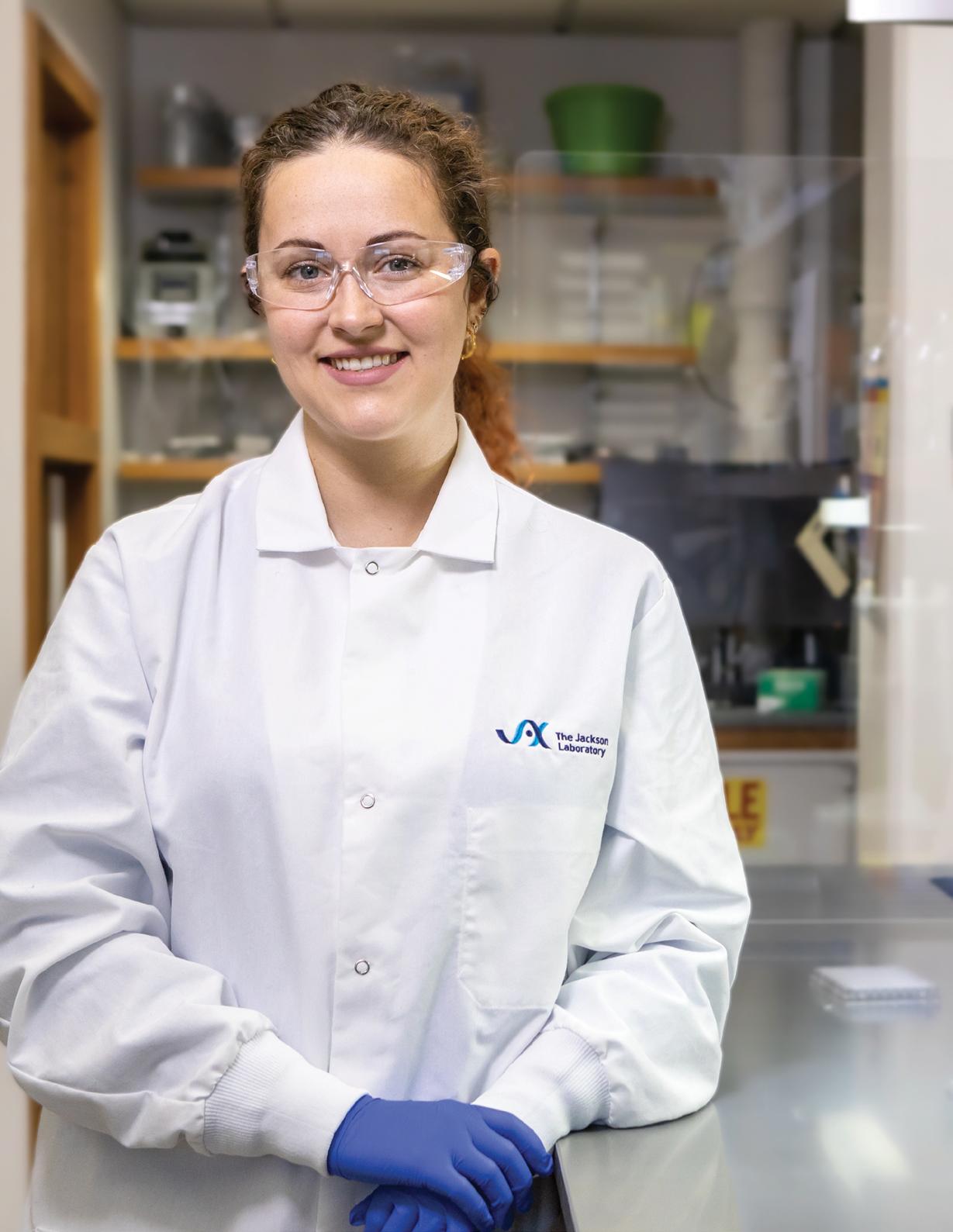
As a postdoctoral associate in the Korstanje lab, Hardy studies urinary physiology to understand why some bladders function normally over time while others do not. She hopes to find genetic markers to help predict a patient’s likelihood of developing bladder issues later in life.
Her research interests are the ideal complement to the work of Ron Korstanje, Ph.D., who studies the genetics of kidney function and disease over time. While the kidneys and bladder are close neighbors in the human urinary system, few scientists have studied them together. Hardy’s addition to the lab has given JAX a foothold in a wide-open field of biomedical research.
“Cara brings wonderful energy to the lab,” Korstanje says. “As a physiologist among genetics researchers, she approaches the science with a different perspective and brings new ideas to the table. No one else is studying the connections between the kidney and bladder, especially in the context of aging. Having her on our team gives us a unique opportunity to make new discoveries.”
Hardy is the inaugural recipient of the Paigen Endowed Fellowship, established to honor the late Drs. Kenneth and Beverly Paigen as former JAX employees and key figures in the Laboratory’s history. Ken served as director (the role now designated president and CEO) from 1989 to 2003, and Beverly was a professor at JAX from 1989 to 2020.
Beverly Paigen also was Korstanje’s mentor during his postdoctoral tenure at JAX. They became good friends and eventual colleagues when Korstanje accepted a faculty position in 2013. He even occupies the same lab space at JAX’s Bar Harbor campus, as the Paigen lab became the Korstanje lab when he accepted the position.
“Bev gave us the freedom to explore,” Korstanje says. “She made sure we had time and resources to pursue our own research projects. She taught us how to write papers and grants, and always gave great advice. I hope to pass those same skills on to my trainees.”
Finding bladder-brain connections
Hardy has particular interest in the relationship between bladder function and cognitive decline. Her research has shown that the onset of cognitive decline generates a specific bladder phenotype, which suggests bladder dysfunction may stem from a brain-bladder communication issue rather than the age of the tissue itself.
“It has been rewarding to parse out distinctions between disease and aging,” Hardy says. “Bladder function relies heavily on the central nervous system. It’s not that all bladders just get old and stop working; the story is much more complicated than that.”
But, she said, patients often are recruited into clinical studies too late, when the opportunity to track changes in the bladder has already passed. She hopes her research will encourage doctors to conduct urodynamic testing an assessment of how the bladder contracts and relaxes unconsciously in response to fluid earlier in a patient’s medical journey.
“If I do nothing else in my career, I hope my research might prove that using this diagnostic test sooner makes a difference,” she says. “It would open an important dialogue about patient wishes, drug therapies or behavioral interventions before the cognitive issues really set in.”
Forwarding service requested