In the last issue of Search we bade farewell to Edison T. Liu, M.D., president emeritus of The Jackson Laboratory, as he prepared to step down after a decade of inspired leadership. I am delighted to introduce his worthy successor, new President and CEO Lon Cardon, Ph.D., FMedSci. He joined JAX in late November 2021, coming from a distinguished international career in industry and academia.
Our board is enthusiastic about Lon's proven leadership skills, demonstrated scientific abilities and exciting vision for the organization's future. Reflecting his priorities, JAX is already sharpening its focus by translating basic science into human application. The concept of “actionable genomics” is quickly becoming a hallmark of JAX’s mission. To paraphrase something Lon has said in talking about his own career in genetics, finding genes responsible for disease is the easy job; doing something with that information is the hard part. We are ready to take on that challenge.
JAX is well positioned, not just to understand the genomics of health and disease, but to use that knowledge to improve human health. We want our science to support better diagnostics, offer new therapies and ultimately prevent disease. Endeavors like the Maine Cancer Genomics Initiative, highlighted in this issue, demonstrate JAX’s ability to forge connections that bring the benefits of genomic insights to health care professionals, their patients and local communities.
If you ask Ed about his proudest accomplishments during his tenure, he immediately cites the establishment of JAX’s first endowed chairs. Our burgeoning culture of philanthropy is enhancing our ability to attract and retain brilliant scientists, while supporting their research and positioning the organization for future success. It’s fitting that our celebration of Ed’s transformational presidency culminated in the announcement of three new endowed chairs,
ON THE COVER
Nucleotides are the letters that make up our DNA and RNA. They come in four varieties: A denine, C ytosine, G uanine and T hymine for DNA. In RNA, the base uracil takes the place of thymine. The order of these letters spells out the genetic code for all living things.
The Jackson Laboratory discovers precise genomic solutions for disease and empowers the global biomedical community in our shared quest to improve human health.
Search magazine is produced by JAX Creative.
Printed April 2022
EDITOR
Joseph Blanchette
DESIGN & ART
Jane Cha
Karen Davis
Danielle Meier
Zoë Reifsnyder
Rebecca Hope Woods
COPY EDITORS
Carol Lamb
Joyce Dall’Acqua Peterson
Rebecca Hope Woods
David J. Roux Chair, Board of Trustees
LON CARDON
wants to transform genetics into actionable solutions, through global collaboration, multidisciplinary approaches and asking big questions.
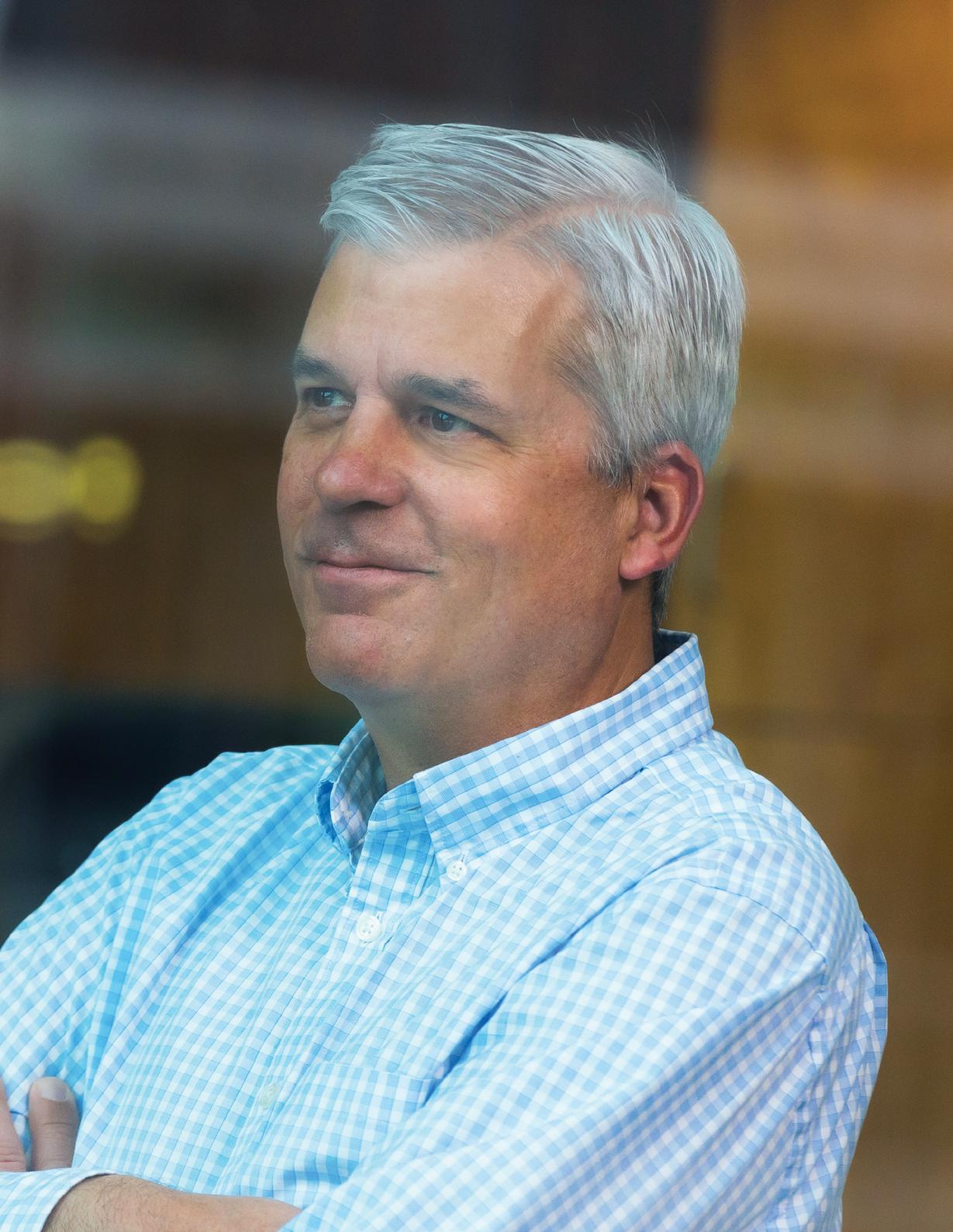
“JAX presents the opportunity for me to do what I’ve been dedicated to doing my entire career: to translate genetic discoveries into human health,” says Lon Cardon, Ph.D., FMedSci, who joined as president and CEO in November 2021.
“It’s time to ask not only what genes cause a disease,” he adds, “but can we work on those genes to correct the disease?”
Cardon is uniquely qualified to address that big question. An internationally renowned expert in human genetics, his career began in academic research at Oxford University and the University of Washington. He came to JAX from BioMarin Pharmaceutical Inc., a rare‑disease biotechnology company where he was chief scientific officer and chief scientific strategy officer.
Previously he was senior vice president and head of genetics, quantitative sciences and alternative discovery and development at GlaxoSmithKline plc, the U.K.‑based multinational pharma giant.
Tim Dattels, vice chair of the JAX Board of Trustees, led the presidential search committee formed in 2021 when Edison T. Liu, M.D., announced he would step down as president and CEO and remain on the research faculty. “The search committee identified a long list of qualities we were seeking,” Dattels says, “and we knew finding the right person would be a bit like searching for a unicorn.
In Lon Cardon, we found not just a unicorn but a purple spotted unicorn: a brilliant scientist with a passion for translating discoveries into human impact; depth and breadth of experience spanning academe, biotech and pharma; and the leadership and people skills to work effectively with colleagues across the Laboratory, the board, and JAX’s wide and varied network of collaborators and supporters.”
Cardon says, “My initial impressions of JAX have exceeded even my highest hopes. The research is simply outstanding and includes a surprisingly broad range of biology, technology and disease areas. In particular, research that
spans the interface between mouse and human, which is clearly a sweet spot for JAX, is embraced so broadly here that it seems part of the JAX DNA. This is apparent throughout JAX ® Mice, Clinical and Research Services, across the faculty, and deep in the support and scientific services areas.”
From student to mentor
Cardon conducted his Ph.D. research at the Institute for Behavioral Genetics at the University of Colorado Boulder, under the mentorship of the late David Fulker, who was himself an academic descendent of the genetics pioneer R.A. Fisher. “David had maybe five students, but he spent 90% of his time with me,” he recalls. “Why would he do that? I wasn’t very interesting! Maybe I worked harder than the others. But he was a lifelong friend.”
After postdoctoral training in the mathematics department of Stanford University, Cardon moved to England with his wife and new son for an academic post in Oxford University’s Medical Sciences Division. There, a Canadian born immunologist and geneticist took him under his wing. Cardon’s Oxford mentor was Sir John Bell, Regius Professor of Medicine, a title that King Henry VIII
BY JOYCE DALL’ACQUA PETERSON | PHOTOGRAPHY BY TIFFANY LAUFER
Thinking Thinking
originated in 1546 and that formally makes Bell the chief medical advisor to the Queen of England. “He really paved the way for me,” Cardon says. “Because of him, I was able to obtain the highest and most prestigious fellowship granted by the Wellcome Trust that led to a professorship in Oxford at an unusually young age.”
Asked about his former student, Bell responds, “Lon is one of the most impressive statistical geneticists who, over many years, has been able to bridge successfully the divide between academic excellence and commercial reality. He has achieved a great deal in both domains, and this has had an enormous impact on progress in the field. His time with us in Oxford was extraordinarily productive, and he even managed to find a little spare time to get a bit of skiing and sailing done!”
Thinking big Thinking big
Cardon was a co‑founder of the Wellcome Trust Case Control Consortium at Oxford University, which yielded the first genome wide association studies, a landmark approach to associating specific genetic variants with specific diseases. This project was among the many large international genetics initiatives in which Cardon has had a significant role, projects that helped to create the present global genomics research infrastructure. And Cardon became a mentor to a whole cadre of successful young scientists.
Jeffrey Barrett joined Cardon’s lab team at Oxford as a Ph.D. candidate in 2005 and is now the chief scientific officer of Nightingale Health, a health technology company based in Helsinki, Finland, focused on preventive care. “It was an exciting time to be in genetics because a combination of new technology, the recent completion of the Human Genome Project and excellent clinical collaborators meant research projects were possible that really started to understand the genetic basis of common human diseases,” Barrett says.
Barrett says Cardon taught him “that the essence of leadership is setting people up to do their best work and giving them the freedom to pursue success. It’s something I’ve tried to emulate ever since in my career, and so I believe some of Lon’s generosity has been passed on to subsequent generations of scientists.”
Another one of Cardon’s Ph.D. students at Oxford was Gonçalo Abecasis, who is now vice president and chief genomics and data science officer at Regeneron Pharmaceuticals, Inc., headquartered in Tarrytown, N.Y.
Abecasis says he learned two major lessons from Cardon. “One is to go big. Lon really liked the idea of going for big, transformational experiments. Instead of starting with a small dataset of 1,000 people, he would say, 'let’s get 60,000.' In genetics that turns out to be a very good strategy, because the cost of genetic data keeps going down. There are always possibilities for scaling things up.”
Likewise, Abecasis says, “Lon taught me to squeeze the maximum out of an experiment. At Oxford we had good funding, but Lon would say, ‘Let’s not just spend the money;
what’s really the best we can do?’ Where we had originally planned to use our budget to buy 10 computers, he challenged me to get 40 or 50, and I did a lot of calling around and haggling with suppliers. For a while we had a computer cluster at the back of his office, so it was always a little warm in there!”
The second key takeaway from Abecasis’ time in the Cardon lab was collaboration. “Lon used to talk about himself as a geek,” he comments, “and it’s true that he’s really, really good at the statistics and genetics. But he also always partners with people who are fantastic at other parts of the process, whether it’s medicine, drug development or new technologies. There are a lot of good things that can happen when you learn how to build those partnerships.”
From ‘electrician’ to scientist
Cardon was born in Bremerton, Wash. When it came to developing a work ethic early in life, Cardon says, “My mother was probably my model. She and my father divorced when I was about 11, and for about four years she was raising four kids
on her own while working her way through college to become a nurse. We were latchkey kids who had to learn to be independent, and we didn’t have much. Things got better when she married our stepdad, a fireman, but I think we all followed the example she set.”
As a kid, Cardon describes himself as more electrician than budding scientist. “I had all the little sets that let you wire things together and create batteries, that kind of thing.” That tinkering inclination has stayed with Cardon. “I still love taking things apart to see how they work,” he says, “though my wife will tell you I’m not too adept at putting them back together.”
Though good at math throughout elementary and high school, Cardon didn’t think of himself as a scientist until he enrolled at the University of Puget Sound as an undergraduate.
“And what I discovered is,” Cardon says, “not that I was naturally good at science or anything else, but I was good at asking critical questions. In fact, that’s what I teach young people today: You don’t have to be the best scientist in the room, but if you can ask good questions about something that’s not in your field, you can be successful.”
At college, Cardon discovered he liked biology and took a pre med major. “There was a math statistics track and then there was medicine. At the time we didn’t have data sciences, or a way to combine math and biology, and I decided that’s what I really wanted to do.”
In person Cardon exudes a rare combination of energy and fidget free focus, qualities that come in handy as a scientist and leader, but also in his “unleisurely” downtime pursuits downhill skiing and sailing.
“I don’t shut down particularly well,” Cardon says, “but I recognize how
“I would like to see genetics realize its full potential, with JAX setting the course .”
– Lon Cardon
much better I can perform when I manage to do it, so I try hard to find balance outside of work. Sailing and cycling in the summer focus my mind on other things (especially in San Francisco where there is a lot of wind to keep my mind in survival mode when sailing, and a lot of traffic to help me think of staying upright on my bike). In the winter I love skiing with my family.” He says he doesn’t watch much TV and so is a “horrible conversationalist” about entertainment, but enjoys catching up on scientific journals and listening to music.
Putting data to work for medicine
Over the years, Cardon’s academic groups have discovered dozens of genes for common and rare
diseases, and his industry groups have advanced broad portfolios in large pharmaceutical and midsize biotechnology companies, from exploratory research to phase I – III clinical trials. He is an elected fellow of the United Kingdom’s Academy of Medical Sciences and the American Association for the Advancement of Science.
In his role at JAX, Cardon says, “I would like to see genetics realize its full potential, with JAX setting the course so that the entire genetics and genomics community can succeed. That includes the academic research groups, the biotech and pharmaceutical industries to translate those academic discoveries to bring medicines to all of us, and especially the patient communities, whose voices and input are so important for the entire ecosystem.”
He says JAX is “a unique hybrid: a historic leader in mouse models of human diseases combined with a deep research foundation that has been fundamental to the scientific community’s understanding of the role of genetics in human biology and disease. Under Ed Liu’s leadership, JAX has acquired many of the key pieces. As we enter a new era in human health, the integration of technology, information, and new discoveries at JAX and with the global biomedical community will be critical.
“I see The Jackson Laboratory as an accelerator to all of this, with incredible potential to help realize the robust future of converting discoveries into practice.”
The evolution of clinical genomics
BY MARK WANNER
Good things come to those who wait.
There was little urgency when the first draft of the human genome sequence was completed and released 21 years ago. The letters of life were right there, in black and white, and all we had to do was read them to unlock the keys to health. The years following taught a stark lesson, however.
Reading all those letters is one thing, but actually being able to use that knowledge in the clinic is quite another.
The problem was made quite apparent when I had my own genome sequenced in 2015. In the nearly 3 billion nucleotides of the sequence, 2,817 variants from the reference sequence were flagged as perhaps relevant to my health. But at that time, only six of them — .0021% — had a known clinical impact. The rest were called VUS, variants of unknown significance, providing data points but not knowledge.
Fast forward to now, and we know much more. Medical progress is slow and painstaking, but the gains have been substantial.
So where do we stand now and what can we expect in the coming years? Buckle up, because it’s an exciting time.
Putting genomic data to use
A recent paper in The New England Journal of Medicine documented the success of a rare disease pilot study as part of the 100,000 Genomes Project in the U.K. It was noteworthy at JAX because it used two tools developed by Professor Peter Robinson, M.D., to make the clinical data computable and prioritize disease‑related genomic variants in the analysis pipeline. It was notable on the world stage because it definitively demonstrated the value of whole genome sequencing for increasing rare disease diagnostic yield. The success rate, 25%, may not seem that high, but none of the 2,183 families represented had previously been able to obtain a diagnosis at all.
What can that mean for the families?
I interviewed the paper’s senior author, Sir Mark Caulfield, in 2019, while the study was still ongoing. Caulfield said that one young patient had been to the hospital 151 times before her fourth birthday, a number that could have been significantly reduced with earlier sequencing and diagnosis. So, the benefits to both individual patients and hospital systems as a whole are profound. The 100,000 Genomes Project and the National Health Service that provides care in the U.K. are making genome sequencing a frontline test for specific disorders such as intellectual disability, as well as evaluating its use for cancer and other patients.
Biology in action
Gene sequences are indeed just a start in a biological sense. The steps from DNA to RNA to protein to function are far more complicated and variable than we could even imagine 20 years ago. Rare diseases usually involve variations or defects in a single gene, narrowing the focus, and even they are difficult to find and address. Complex diseases like cancer and Alzheimer’s disease are even more complicated. But JAX researchers are at the forefront of figuring out how it all works and what changes in the human body occur to cause disease, developing and using the most advanced research tools and methods possible.
What does the future hold? The ability to take those billions of letters in a genome and combine them with billions and even trillions of other data points — RNA, proteins, metabolites, environmental factors and so on. By finding the differences between wellness and disease in ourselves and by investigating, down the molecular details, the processes involved in model organisms such as mice, we can finally start to see the big picture, biologically speaking. And we can begin to translate the knowledge we gain to the medical care we receive. Progress over the past two decades may have seemed slow, but good things are coming. And they will be worth the wait.
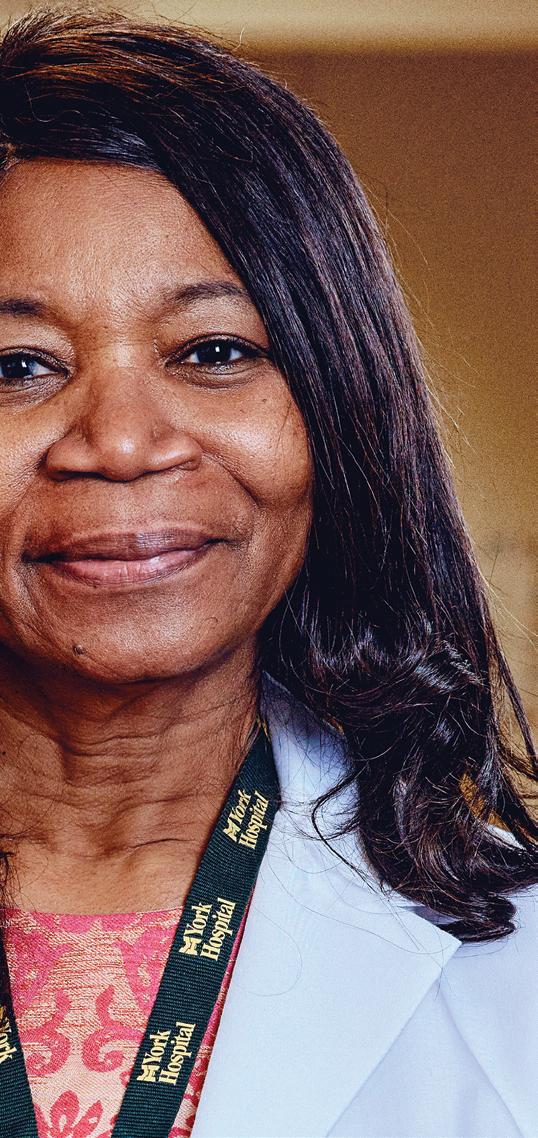
Dr. Marilyn McLaughlin is an oncologist at Maine's York Hospital.
A game changer for cancer patients
BY JOYCE DALL’ACQUA PETERSON | PHOTOGRAPHY BY THOMAS FOUCHEREAUX & MICHAEL D. WILSON
The Maine Cancer Genomics Initiative is raising awareness of, and access to, advanced genomic treatments.
People living with cancer have treatment options that didn’t exist just a few decades oncologist can now order genomic sequencing of a patient’s tumor and determine whether a targeted treatment is available for that specific cancer type.
Many of these targeted treatments are more effective in preventing the proliferation of cancer cells than older, more conventional therapies such as radiation, surgery or standard chemotherapy. Until recently, though, access to targeted therapies was available only to patients receiving cancer care at big city academic research hospitals.
Maine is a geographically large state with a small, mainly rural population that is also one of the oldest in the U.S., with cancer
rates and mortality above the national average. To expand treatment options for Maine cancer patients, The Jackson Laboratory established the Maine Cancer Genomics Initiative in 2016 with a grant from the Harold Alfond® Foundation.
Today every oncology practice in Maine is engaged in the efforts of MCGI. Participating clinicians get access to advanced genomic tumor testing, characterizing the genetic profile of each patient’s cancer. Genomic tumor boards specialized teams of oncologists, researchers and clinicians convene by videoconference to review patients’ test results and design personalized treatment plans for the patients. Patients also receive assistance in identifying and applying for clinical trials that are appropriate to their diagnoses.
York, Maine, is a popular seaside summer resort located just north of the state border with New Hampshire, with a year round population of about 13,000. At York Hospital — Oncology and Infusion Care there is an active clinical trials program. Clinical Research Coordinator Brenda Kiberd, R.N., calls MCGI a game changer for the cancer patients in the practice.
Kiberd’s role is to seek out the most potentially effective treatments for each patient, including enrollment in clinical trials. “The development of genomic testing has really expanded our treatment options,” she says. “And where not too long ago only oncologists were aware of targeted treatments, now patients are not just aware of them but asking for them.”
Once a patient has agreed to genomic testing, Kiberd says, “we sign the patient into the MCGI study and send the core biopsy to JAX. When the test results come back, the physicians review them and decide whether to start the patient on a new, targeted treatment suggested from the panel results, or continue standard of care treatment if the patient is doing well, keeping the new treatment on hold if needed later.”
That’s what happened with a York patient who was diagnosed in 2019 with adenocarcinoma of the colon. A PET scan following a hemicolectomy showed that the cancer had metastasized to her liver. “She started on standard of care treatment,” Kiberd relates, “and we also enrolled her in the JAX study, which showed that the tumor was positive for PDL1 and ERBB2,” which are two cancer mutations. A second PET scan a few months later indicated that the patient was having an excellent response to the standard treatment.
But by June 2021, a PET scan revealed a recurrence of the cancer, and the York team presented her with the targeted treatment option. A month later, after some unrelated medical complications, the patient decided to start the new treatments. “Because we had those test results from 2019,”
Kiberd says, “we were able to get her onto lapatinib and trastuzumab. As of the end of December 2021, her PET scan showed she’s still having great results and has a stable disease.”
“She’s doing remarkably well, and she’s over 80,” adds Marilyn McLaughlin, M.D., the patient’s oncologist. “We can use these treatments and tailor them to the patient, irrespective of age.”
McLaughlin joined York Hospital in 2014, after being a solo practitioner at her private oncology practice in Riverhead, N.Y. “One of the wonderful things in working for a community hospital is how your patients are also your neighbors,” she says. “You know they are being treated closer to home and the need for local care is important.”
Prior to joining York Hospital, she was impressed by the extra mile they go to care for their patients. “For example, our patients are provided with lunch in the oncology unit so they don’t have to worry about bringing food in. If they need transportation to treatments or testing, it is provided. The infusion center has a dedicated social worker that helps our cancer patients with various needs, and we are currently recruiting for a nurse navigator to facilitate patient care. We have integrated with the hospital’s Living Well Center to help our oncology patients with overall wellness. As a solo practitioner, I was never able to do those things because I was so busy just treating my patients and trying to make sure that my office stayed afloat.”
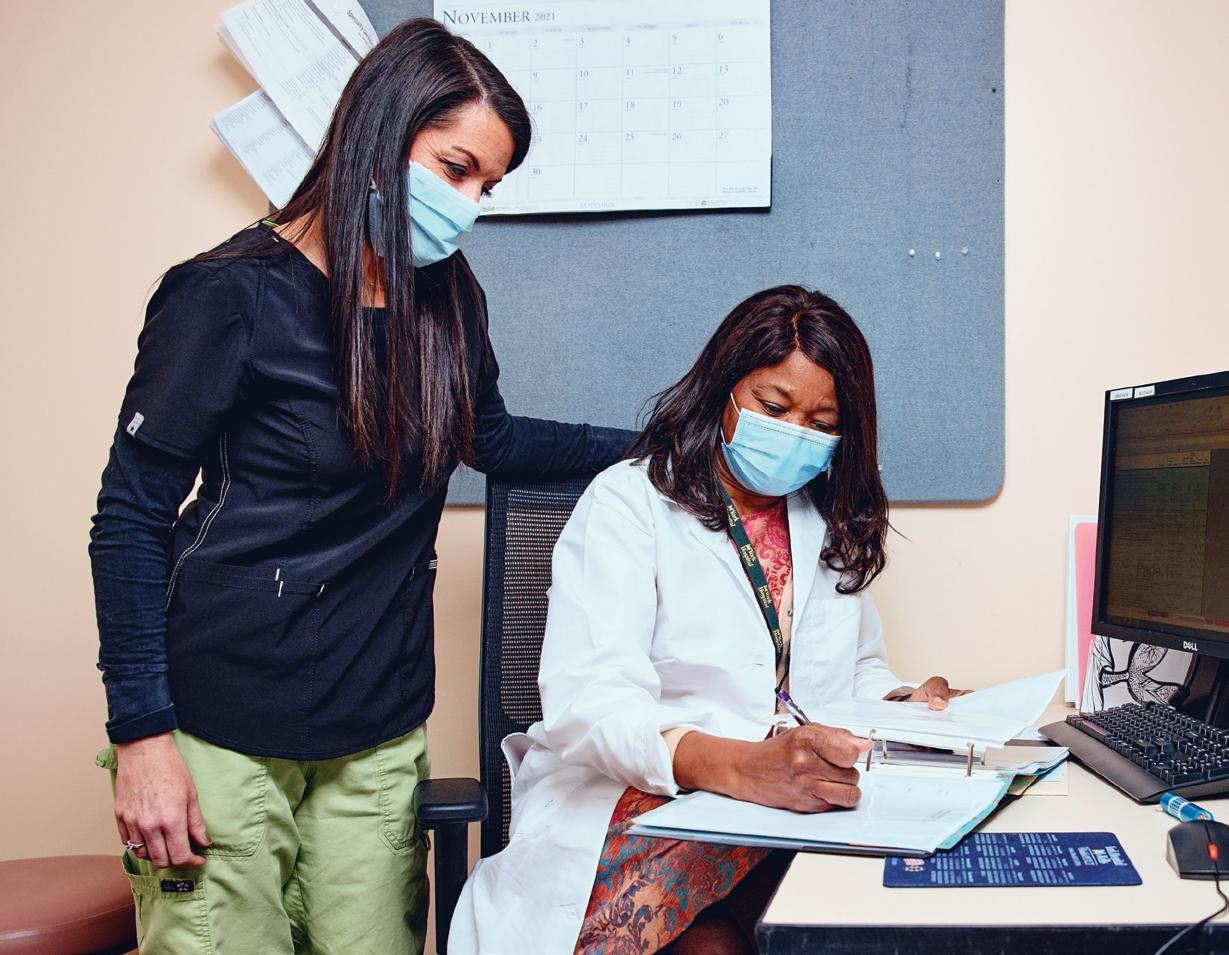
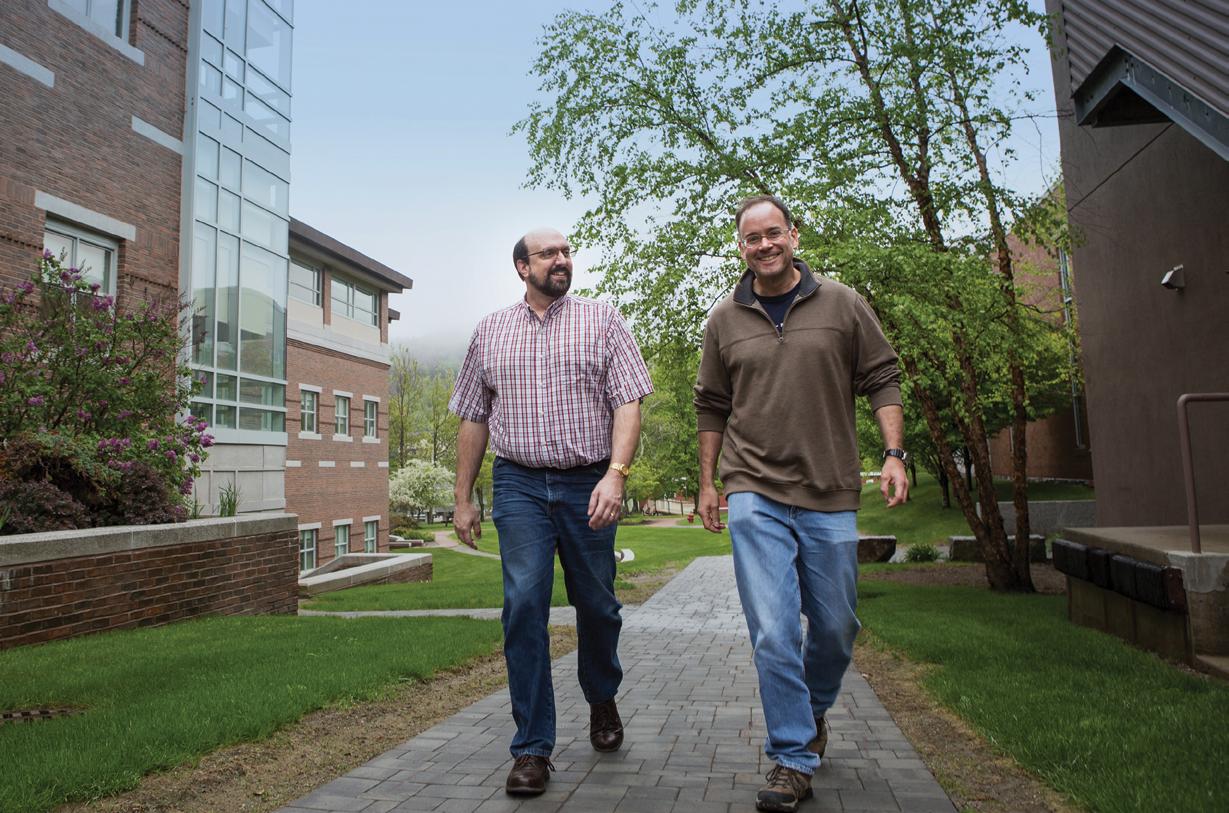
Registered Nurse Brenda Kiberd (left) and Dr. Marilyn McLaughlin at York Hospital — Oncology and Infusion Care.
“Providing patients with access to these types of tests is an extra step of hope for them.”
– Lory Gaitor
Clinical Research Coordinator Lory Gaitor of the Maine Cancer Genomics Initiative
McLaughlin says that when she first came to York Hospital, “not many people were getting genomic tests. They were new on the market, and while most doctors knew about them, doctors and patients alike were concerned about whether insurance would cover the treatments recommended by the testing, which they considered to be experimental.”
Today, she says, “Medicare and private insurance companies now embrace genomic testing and many targeted treatments because the outcomes have been so good. And now genomic testing is at the forefront of almost every patient’s mind when they first come into my office. I think JAX and MCGI have done a tremendous job of raising awareness about testing and targeting treatments, and I think physicians and patients have benefited in a remarkable way.”
MCGI Associate Director Leah Graham, Ph.D., says there is still work to be done to navigate patients from test results to treatment. “If a treatment shows excellent promise for a patient’s cancer but has not yet been approved by the FDA for that particular tumor type, it can be very challenging to get insurance coverage.”
Facilitating enrollment of Maine patients in clinical trials for new treatments is another challenge, given the state’s dearth of academic research hospitals. “That is something that I think MCGI is going to get a lot better at helping with over the next two or three years,” Graham says.
MCGI also provides participating Maine oncologists with educational programs in cancer genomics and precision medicine, developed by the JAX clinical education team, as well as hosting an annual forum and distributing a quarterly newsletter.
Some rural Maine oncology practices don’t have the resources to manage research studies for their patients in additional to providing focused, quality patient care, Graham says. “That’s where the MCGI team comes in, to help these smaller practices get past that hurdle to help their patients with advanced testing and treatment.”
Lory Gaitor is MCGI’s clinical research coordinator, working with six practices in rural Northern Maine and eight Maine oncology study sites, including York Hospital. “Providing patients with access to these types of tests is an extra step of hope for them,” Gaitor says.
Gaitor was born and raised in Madawaska, near the Canadian border in Maine’s largest, most rural and northernmost county, Aroostook. “When I enroll patients, I know where they’re coming from when they tell me that this genomic testing is so new to them,” she says. “And I’m happy that we’re taking a step forward to providing them with the kind of access and treatment options that people in more populated areas of the world have.”
BY JOSEPH BLANCHETTE PHOTOGRAPHY BY CLOE POISSON
Martine Seignon
Martine Seignon is a research data analyst specializing in data visualization in the Single Cell Biology Laboratory based at The Jackson Laboratory for Genomic Medicine in Farmington, Conn. Scientists in the laboratory isolate individual cells and use specialized research methods to explore the biology of these cells. Recent advances have made it possible to investigate the full complement of DNA, RNA, proteins and other molecules within a single cell.
Data visualization is the process by which data is represented in a visual or graphical format. This visual display shows statistical and numerical information and has many purposes: to improve communication and understanding, to lead to accurate perception of relationships between variables and sometimes to map data into categories.
Data visualization has a significant impact on single cell biology and computational analysis. Seignon works with collaborators from JAX and UConn Health to analyze the raw data that comes from the single‑cell research process and present it to the scientific team in a highly visual way.
“Depending on how you view a data set, you can tell a different story. If you don’t have the right visualization, people can see the story differently,” Seignon says, adding that data visualization has become a whole field in itself.
Originally from Haiti, Seignon earned a Bachelor of Arts degree with a focus on Molecular Biology/Biological Sciences from Smith College, in Northampton, Mass.
She is now using her talents and computational models to demonstrate what is happening inside the cells so scientists know exactly where they should take their research next. She says that her work in the single cell lab has helped her grow and develop new skills.
“You never stop learning when it comes to computational biology, and I think that’s why I’m having so much fun with it,” she says. “If you’re an artist, visualization with data science is the perfect canvas. It’s just a work of art.”
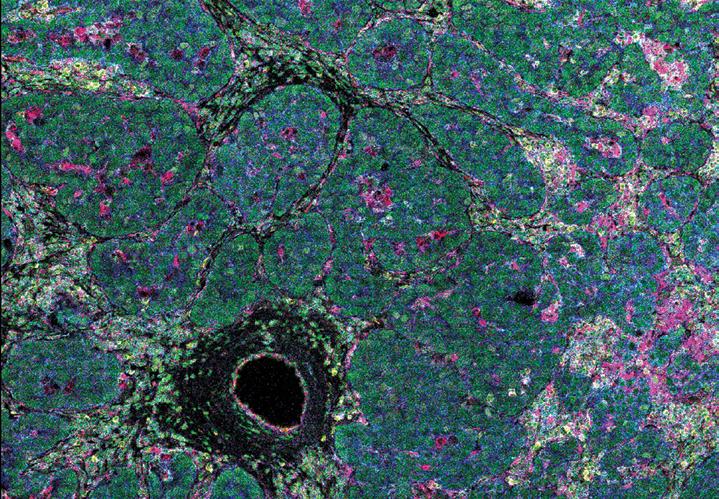
Human breast tumor microenvironment with infiltrating immune cells
The translator
BY JOYCE DALL’ACQUA PETERSON | PHOTOGRAPHY BY THOMAS FOUCHEREAUX &
Ancestry.com won’t help you find your common relative with a mouse — our evolutionary path diverged from that of mice about 65 million years ago. But that doesn’t mean we don’t share family traits with the little mammals, including all of our physiological systems and most of our genes.
So, mice can develop the same diseases as humans, for the same genetic reasons. Because they breed prolifically, and are small and easy to maintain in laboratory conditions, mice were the natural choice for study by the first mammalian geneticists in the early 20th century. And today mice are the premier model for the entire spectrum of biomedical research, from basic investigations into the role of individual genes to the design of targeted therapies for human diseases.
You can find that full spectrum in a lab in Bar Harbor, Maine. JAX Professor Rob Burgess, Ph.D., is now developing a gene therapy for a rare variant of an inherited neurodegenerative condition called Charcot Marie Tooth disease, based on discoveries he made in mice some 15 years ago.
“CMT is actually a collection of inherited diseases of the peripheral nervous system,” Burgess says. These hereditary neuropathies are neurological disorders that cause damage to the peripheral nerves, the bundles of nerve cell fibers that connect the brain and spinal cord to muscles and sensory organs. “The neuropathies in the CMT category involve more than 100 different genetic mutations, with varying impact on the severity of symptoms, which include sensory deficits and muscle atrophy.”
In 2006, in a paper in the journal Neuron , Burgess published his lab’s discovery of the role of a gene, glycyl tRNA synthetase (GARS),
TIFFANY LAUFER
in the CMT variant known as CMT2D. GARS, like other tRNA synthetase genes, is essential for protein production in every cell of the body. So it might be expected that a mutation in glycyl tRNA synthetase causing CMT2D in mice would involve failure of protein production. Instead, Burgess demonstrated that the mutation had a destructive role specifically targeted to peripheral neurons.
Collectively, the diseases known as CMT may be the world’s most common inherited neuromuscular disorder, with an estimated incidence of one case per 10,000 people. But many of the subtypes represent tiny populations — CMT2D, for example, is rarer than one in a million. The Burgess lab works to understand the genetic mechanisms involved in CMT2D, with the long term goal of finding ways to prevent and treat all CMT patients.
That work exclusively involved mouse models, until the day, eight years ago, when Burgess opened an email from Houston pediatric neurosurgeon Stephen Fletcher, M.D.
From mouse model to gene therapy, Rob Burgess is working to translate basic research to the clinic.
A cure for Caroline
Fletcher noticed his two year old granddaughter, Caroline, was not keeping up with the first steps of her twin brother, Henry. A genetic test revealed that Caroline had been born with the CMT2D mutation.
Burgess’ work in CMT2D put him at the top of Fletcher’s search results. Burgess responded to Fletcher’s initial email inquiry with sympathy, expressing regret that he couldn’t offer any immediate help and recommending that Fletcher reach out to clinical researchers who work with patients, not mice.
Soon Fletcher would connect with Scott Q. Harper, Ph.D., then a neuroscience researcher at Nationwide Children’s Hospital in Houston. It took some time, but ultimately, Harper would team up with Burgess in the hunt for a genetic therapy for CMT, including the version Caroline carries.
By 2019, Burgess and Harper would co author a paper in the Journal of Clinical Investigation in which they demonstrated an effective gene therapy in a mouse model engineered to carry Caroline’s mutation. As promising as this proof of concept is, there are currently huge regulatory
and financial hurdles to overcome before the treatment can be administered to Caroline.
Caroline’s case was brought to the attention of the n Lorem Foundation, a charitable organization that is discovering, developing and manufacturing antisense oligonucleotide (ASO) therapeutics for these very small patient populations. Based on the work published by Burgess and Harper, n Lorem is investigating the development of a personalized ASO treatment for Caroline’s mutation.
When Burgess talks about Caroline, now 10, his face clouds with concern. “She’s a really bright kid, and she reads well above grade level, but she’s confined to a wheelchair,” he says quietly. “We want to help her now, to see if we can stop her disease from progressing.”
“It was evident after my search for help on a rare problem that Burgess was the go to person,” Fletcher says. “His track record of excellence in the field was clearly the right choice for our family. As important and maybe even more of a factor was his compassion for our family and his passion for what he was doing to help us. We are eternally thankful for him and his team.”
“It has been an absolute pleasure to collaborate with Rob,” says Harper, who today is a principal investigator in the Center for Gene Therapy at The Abigail Wexner Research Institute at Nationwide Children’s Hospital in Columbus, Ohio, as well as professor of pediatrics at The Ohio State University College of Medicine. “Seems like he’s always the smartest
person in the room and yet disarming and humble. Principal investigators are often pulled in many different directions and sometimes aren’t able to provide 100% focus to all things. Not Rob. One of his special qualities is presence.”
Burgess grew up in Midland, Mich., a chemical company town, with a Ph.D. chemist for a father. “Most of my friends’ parents were scientists,” Burgess says, “and it was sort of a foregone conclusion that I would go into science, too.” Burgess earned his Ph.D. in neurosciences at Stanford University and, following a postdoctoral fellowship at Washington University in St. Louis, joined JAX in 2001. He quickly joined forces with another JAX scientist studying neuromuscular diseases, Associate Professor Greg Cox, Ph.D.
A life of research in Bar Harbor
Over the years Burgess and Cox have coauthored dozens of papers, and shared lab space, mouse models and ideas. “Rob has been an amazing colleague and friend,” Cox says. “We have overlapping scientific interests in neuromuscular disease research and in making a positive impact on the educational opportunities at JAX.”
The two lab teams join up for holiday parties and just joking around.
A visitor to Burgess’ office at JAX may wonder, “How does he find anything?”
Extravagant piles of papers and journals swell over every horizontal surface, but Burgess swears he knows where everything is. He’s in good company: Thomas Edison, Albert Einstein and Steve Jobs were all famous for their super messy desks.
Living year round on the Maine coast isn’t for everybody, but Burgess’ Michigan childhood prepared him for the outdoor life. He sometimes commutes by bicycle and enjoys fishing, hunting and other active pursuits. Indoors he’s a connoisseur of food, wine and spirits.
His clinical collaborator Harper observes, “In person, on the phone or via email, Rob is always attentive, knowledgeable and thoughtful, whether the topic is science, college basketball or where to find the best boar hunting terrain in Texas. We are both native Michiganders, and as an alum of the University of Michigan, the only negative thing I can say about Rob is he earned his undergrad degree from the hated rival, MSU. Nobody’s perfect.”
Back in the lab, Burgess is focusing on approaches to understanding the mechanisms of the whole category of CMT diseases. In 2020 he was given a highly prestigious Javits Award
“The CMT crowd is the nicest, most inclusive group of people. ”
– Rob Burgess
from the National Institute of Neurological Disorders and Stroke, a seven year research grant given to scientists “for their superior competence and outstanding productivity.” Under this grant, Burgess will determine how dominant mutations in glycyl tRNA synthetase cause peripheral axon degeneration in CMT, work that may offer new direction for treating CMT as well as other common disorders with related complications, such as diabetic or chemotherapy induced neuropathies.
Burgess has also recently achieved a rare feat: publishing two papers in the same edition of the top tier journal Science . The journal’s editors also solicited a commentary article on advances in translational research in CMT, citing work by Burgess and others.
The collegial Burgess says he appreciates having worked for two decades in the JAX community, including fellow researchers who use mouse models to understand disease. He has also found the CMT research community especially welcoming. “Some fields, representing more widespread diseases, tend to be factional and ego driven. The Charcot Marie Tooth crowd is the nicest, most inclusive group of people. And that’s made it a lot more fun.”
Professors Greg Cox (left) and Rob Burgess have been working together to study neuromuscular diseases for more than 20 years.
BY CONNECTICUT SCIENCE CENTER PHOTOGRAPHY BY
The genome in me
JAX‑supported exhibit launches at the Connecticut Science Center.
DNA reveals the hidden worlds of information that can be used to better understand our species and evolution. But what if you don’t know anything about genetics and genomics? Well, now is your chance to learn.
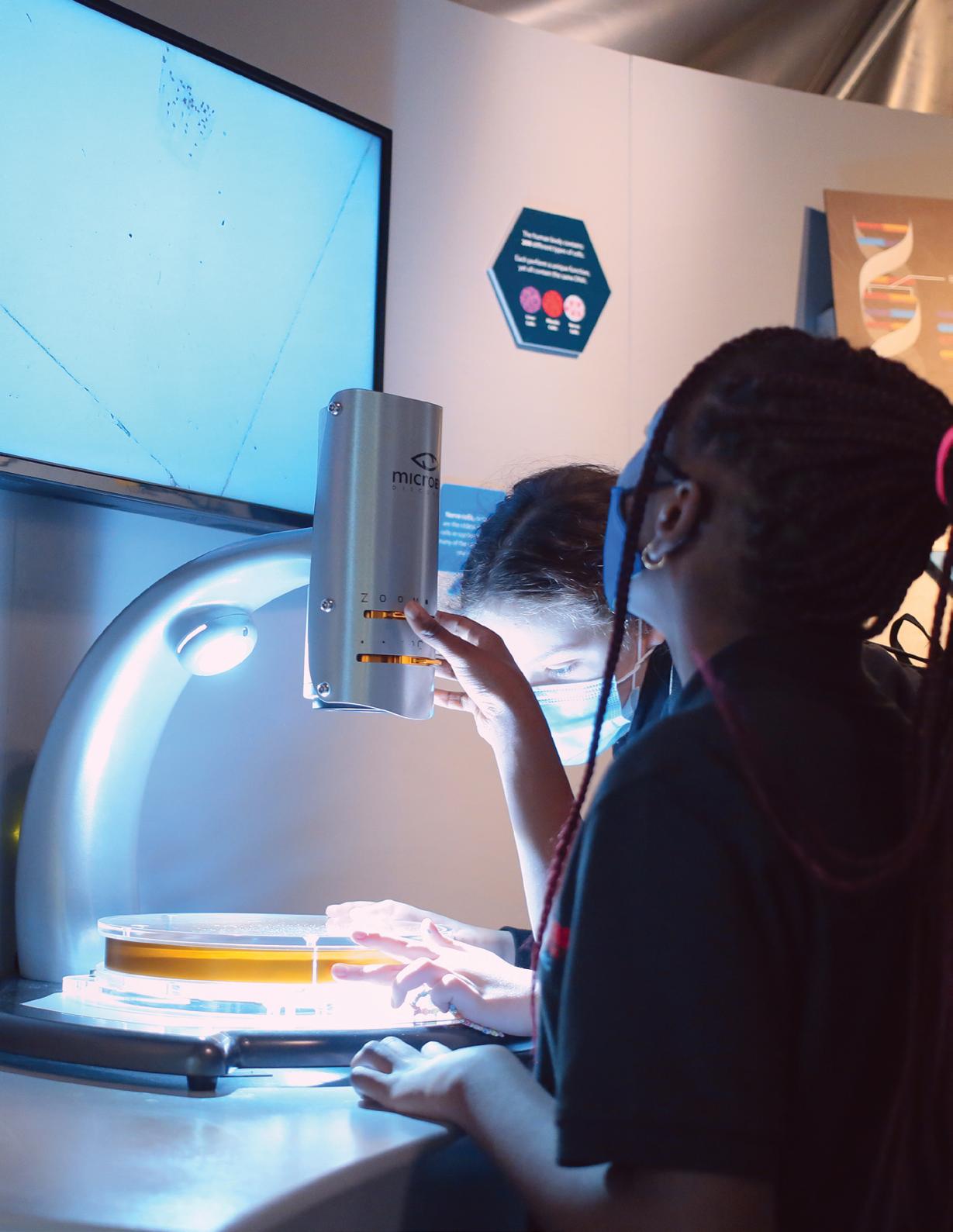
A new permanent exhibit at the Connecticut Science Center called “Genome in Me” invites visitors to take a closer look at genomics to discover how people are both unique and connected to others because of our genomes. The exhibition, presented by The Jackson Laboratory and the Chase Bear Dyer Family, features five content areas: The Cell, Genetic Engineering, The Food We Eat, Forensics and Ancestry.
These areas are all connected to the center’s Genomics Lab, which is a state of the art learning lab that hosts exciting and impactful public programs, events, and hands on science concerning DNA and genetics.
One of the key goals of the exhibition is to share with all visitors the growing field of genomics. The exhibit highlights the growing areas of genetic engineering, bioinformatics, forensics and more.
“Here in Connecticut, industry leaders like JAX are helping us better understand genomics and its implications on health care, cancer, disease detection and more,” says Matt Fleury, Connecticut Science Center president and CEO. “We want students to understand and be inspired by the groundbreaking science that is happening here in our state. By breaking down what genomics is for our students, we can build more awareness of the real world topics scientists and engineers are working on now and for the future.”
“At The Jackson Laboratory we are committed to advancing science and improving health through education for learners of all ages. We are proud to support this exciting exhibition at the Connecticut Science Center,” says Charles Lee, Ph.D., FACMG, scientific director of The Jackson Laboratory for Genomic Medicine and a Science Center trustee. “Our genome can unlock the secrets to human disease and is enormously important to understand. 'Genome in Me' will not only provide an educational experience for families, but we hope that it will also inspire the next generation of scientists to pursue careers in genomics.”
Sarah Wojiski, Ph.D., director of education at JAX Genomic Medicine, was part of the Genomics Exhibit advisory committee, which guided the Science Center’s exhibit development team in the completion of the comprehensive project. Wojiski will also collaborate with the Connecticut Science Center team on continued programming.
In order to inspire young people to consider careers in genetic research, JAX will further its support of the “Genome in Me” exhibition by participating in STEM Career Showcases with students across the state.
Together, JAX and the Connecticut Science Center will develop creative ways for students to engage with programming and exhibits; highlight JAX scientists and professionals to expose students to various STEM careers; and promote bioscience careers for young people in Connecticut. This includes developing student programs that align with Next Generation Science Standards and offering support materials for educators in the classroom.
BRIAN AMBROSE
JAX is excited to be a partner in this new, permanent exhibit focused on how DNA reveals hidden worlds of information. Learn more at www. ctsciencecenter.org/genome .
JAX establishes new endowed chairs
BY MAGGIE KOLLAR & DEIRDRE WEAVER PHOTOGRAPHY BY BRIAN FITZGERALD & TIFFANY LAUFER
Philanthropic gifts have enabled JAX to establish three endowed chairs: cancer research, innovation and scientific leadership.
Endowed chairs represent the highest accolade an organization can bestow upon a faculty or staff member. In addition to providing an important source of permanent funding for research, endowed chairs better enable JAX to recruit, retain and support the best scientists in the world.
“Each of these gifts was inspired by JAX’s former CEO and President Edison Liu, who has raised the Laboratory’s sights for the role philanthropy can play in advancing scientific discovery,” says David Roux, chair of the JAX Board of Trustees. “We are grateful to the donors for their generosity and their confidence in JAX’s mission.”
The Edison T. Liu Endowed Chair in Cancer Research
More than 35 donors contributed over $1.5 million, which has been matched with an additional $1.5 million from JAX, to establish The Edison T. Liu Endowed Chair in Cancer Research.
This chair supports a faculty position in the Laboratory’s National Cancer Institute designated Cancer Center, which seeks to discover precise genomic solutions for cancer by making basic discoveries with human impact. JAX Professor Karolina Palucka, M.D., Ph.D., has been appointed as the first chair. Palucka was recently named the director of the JAX Cancer Center, succeeding Liu.
“Ed Liu has had a transformational impact on both JAX, spearheading the Laboratory’s historic expansion into comparative genomics, and on biomedical research, particularly through his work on the genomics of breast cancer,” says Trustee Emeritus David Elliman, who contributed to the gift that established the chair. “Establishing an endowed chair in his honor is the perfect way to honor Ed’s work as a leader and scientist, and to sustain JAX’s excellence in cancer research.”
The David E. Shaw Family Endowed Chair for Innovation
Additionally, David Shaw, chair emeritus of the JAX Board of Trustees, has committed $1.5 million, which will also be matched by JAX, to establish The David E. Shaw Family Endowed Chair for Innovation in honor of Liu and Kenneth Paigen, Ph.D. (1927 – 2020). Paigen served as the Laboratory’s director from 1989 to 2002.
This chair supports a leader who will provide critical guidance to faculty members to translate their basic science innovations to human impact especially through commercialization in line with the mission of JAX.
“My family and I wanted to do something special to show our love for JAX and, in particular, to honor Ed Liu and Ken Paigen for the spirit of innovation that characterized their leadership,” says Shaw. “This chair will provide enduring support and inspiration for entrepreneurship, and we hope it will contribute significantly to future success in translating JAX’s amazing work into products and services that benefit the world.”
The Robert Alvine Family Endowed Chair
Robert Alvine, chair emeritus of the JAX Board of Trustees, has committed $1.5 million, to be matched by JAX, to establish The Robert Alvine Family Endowed Chair in honor of Liu and Auro Nair, Ph.D., executive vice president of JAX and president, JAX ® Mice, Clinical and Research Services. The gift will permanently endow the scientific leadership position in the state of Connecticut. Charles Lee, Ph.D., FACMG, scientific director and professor at The Jackson Laboratory for Genomic Medicine, has been named chairholder.
“I have great admiration for all that Ed, Auro, Charles and the entire team at JAX have accomplished, and I am proud to have been among the first donors to provide philanthropic support for Ed Liu’s cancer research at JAX,” says Alvine. “As Connecticut residents, my family and I are especially proud of the impact JAX is having here in the state, and we are delighted that The Robert Alvine Family Endowed Chair will be held by Charles Lee in his role as the scientific leader of JAX Genomic Medicine in Farmington.”