This issue of Search celebrates Edison T. Liu, M.D., who will step down as president and CEO of The Jackson Laboratory in November 2021 after 10 years in that role.
Ed is perhaps the central reason I chose to join the JAX Board of Trustees. His insightful perspectives and wide-ranging intellect, his warmth and ability to connect with people, and his inspiring vision for JAX’s potential have made him a transformational leader for the Laboratory. For the past six years, I have been privileged to serve as chair of the Board, working closely with Ed. I know I speak for my fellow trustees in expressing profound admiration and gratitude to Ed for all he has done for JAX during his tenure.
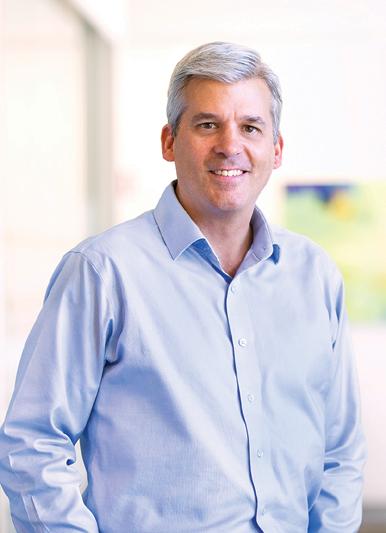
One of the chief responsibilities of our board is to appoint the president and CEO of the Laboratory. In seeking a successor to Ed, we had big shoes to fill. Thanks to Ed’s leadership, JAX’s incoming president and CEO, Lon Cardon, Ph.D., F.Med.Sci., will be building not only on a solid foundation, but on an impressive trajectory of growth, innovation and discovery.
We will have opportunities in the future to look ahead to what’s next for JAX. But before we move on, we rightly pause to reflect on the tremendous impact Ed Liu has had. From elevating JAX’s visibility and reputation, expanding its global presence and impact, amplifying the power of philanthropy to fuel JAX’s mission
ON THE COVER
JAX scientists are using their expertise in genomics combined with powerful research technologies to decipher the incredibly complex patterns underlying hard-to-cure diseases. The goal is to shape a new era for human health, where understanding your unique biology will be the key to predicting, treating and even preventing disease.
The Jackson Laboratory discovers precise genomic solutions for disease and empowers the global biomedical community in our shared quest to improve human health.
Search magazine is produced by JAX Creative. Printed November 2021
EDITOR
Joseph Blanchette
DESIGN & ART
Jane Cha
Karen Davis
Danielle Meier
Zoë Reifsnyder
Rebecca Hope Woods
COPY EDITORS
Carol Lamb
Joyce Dall’Acqua Peterson
Rebecca Hope Woods
of discovery and leading creative approaches to translate discoveries into human impact, Ed has transformed JAX. He has inspired all of us to think boldly about the Laboratory’s mission and its future.
I hope you will join me in celebrating and appreciating Ed, and I thank each of you for your continued support of, and engagement with, The Jackson Laboratory.
Warm regards,
David J. Roux Chair, Board of Trustees
‘Just do good ’
BY JOYCE DALL’ACQUA PETERSON
PHOTOGRAPHY BY BRIAN FITZGERALD, JARED SKOLNICK & RICHARD MORGENSTEIN
EDISON LIU
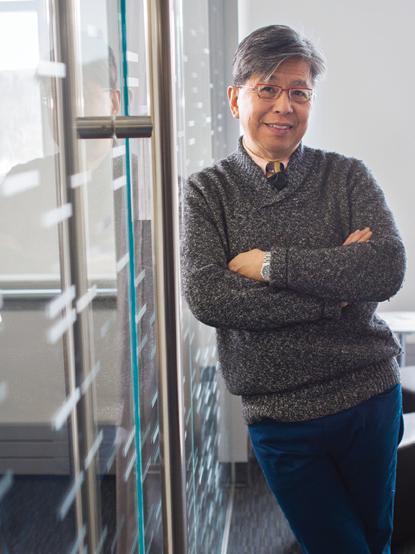
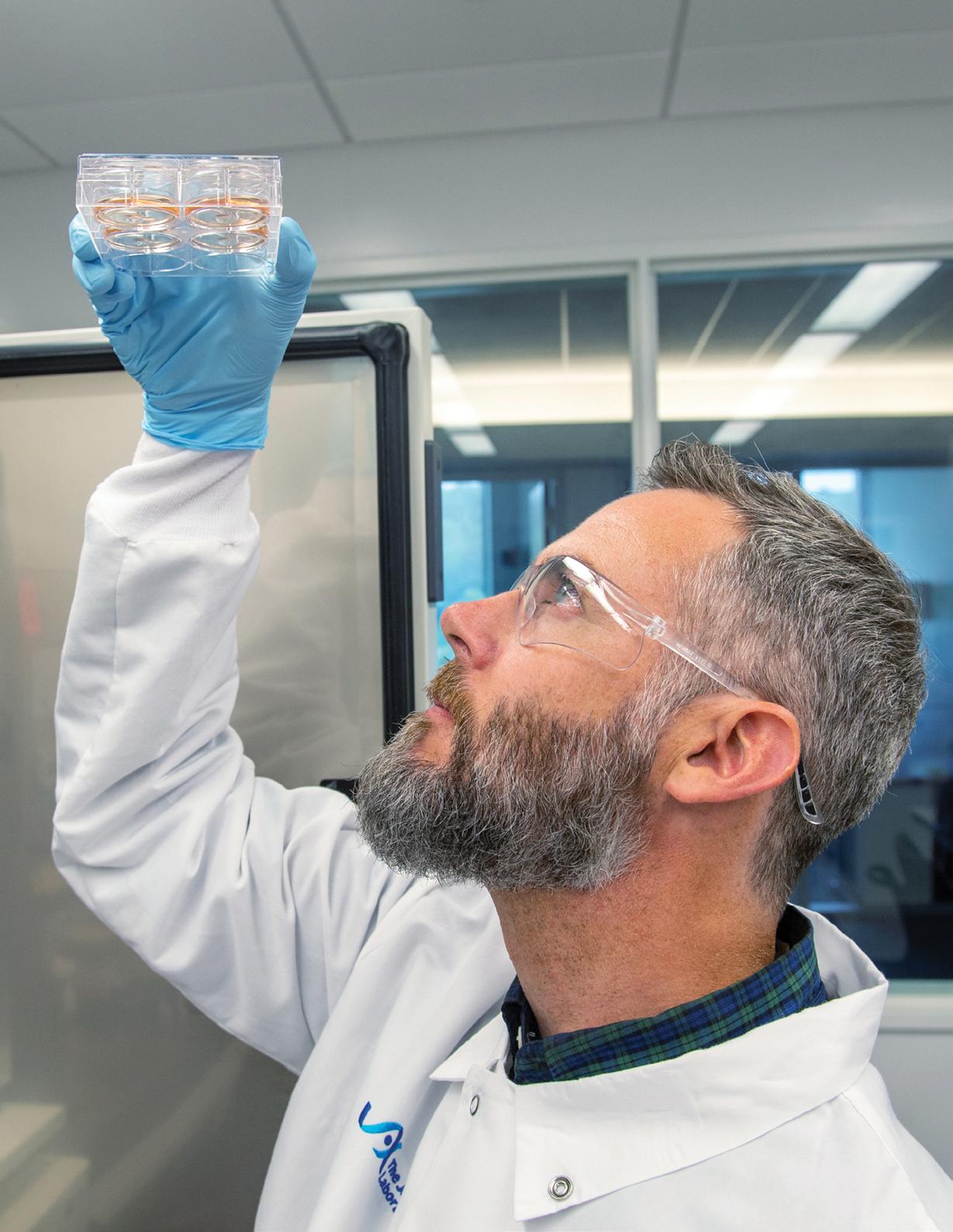
has orchestrated a decade of dramatic expansion at JAX through a unique combination of team building, enthusiasm and an innate drive to “just do good” — his personal motto.
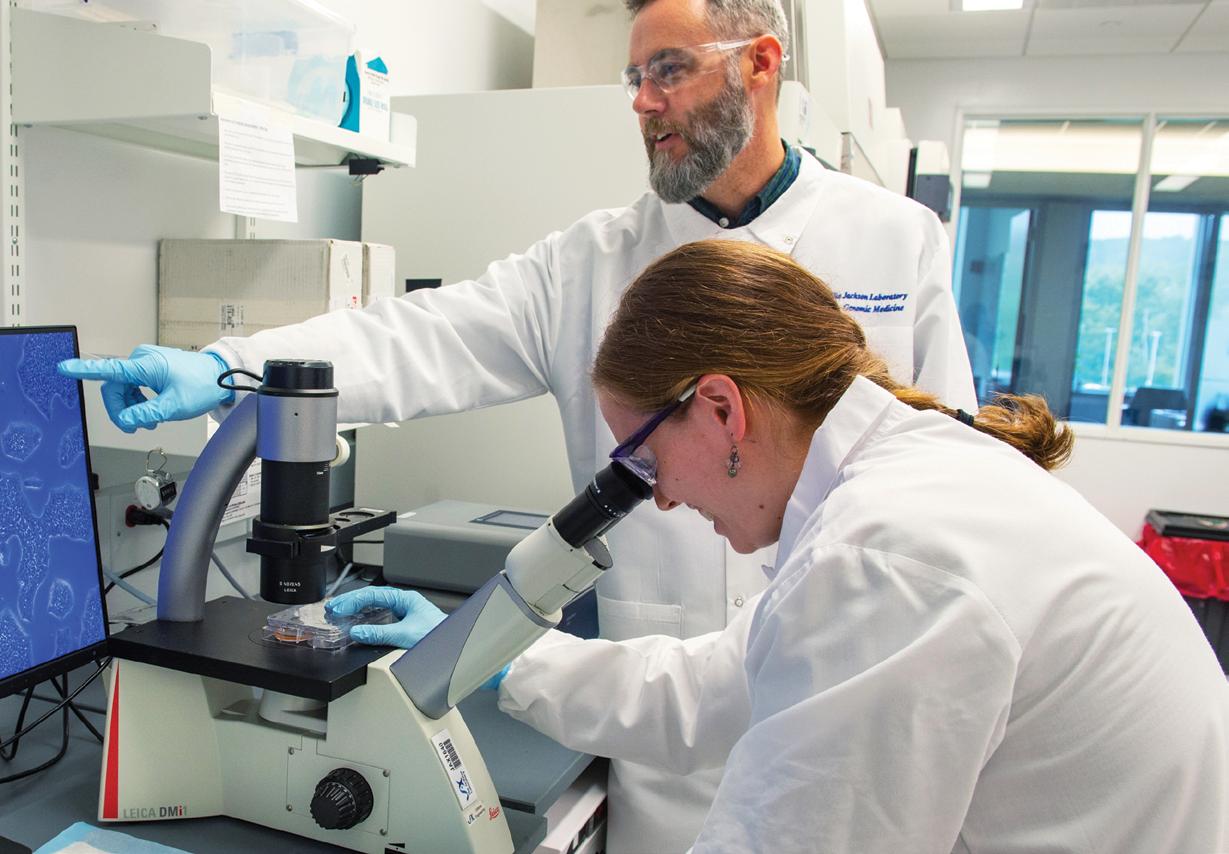
“When we’re discouraged with our results,” says Francesca Menghi, Ph.D., the JAX research scientist who runs the day-to-day operations of the Edison Liu lab, “we’ll meet with Ed and he’ll acknowledge the problems, but he’ll also see the good stuff in what we’ve done, and the opportunities in the data that we may have missed. We leave the room feeling excited and motivated.”
Science progresses by hard work and pessimism: Do the experiment, then check, recheck, triple - check your results. Scientists are trained in the opposite of wishful thinking, challenging their own hypotheses and welcoming the critical voices of their peers.
But science advances by inspiration and optimism, the great ideas that ignite excitement, spark collaboration and fuel the long hours at the lab bench or computer.
Judging by The Jackson Laboratory’s last decade, the same formula holds true for scientific institutions.
Since Edison Liu joined JAX as president and CEO in 2012, revenue has increased by more than 150%,
the number of research groups and employees has doubled, and the institution has grown in physical footprint, international presence and research scope.
Through his vision, Liu transformed JAX from an institution primarily known for basic mammalian genetics and mouse models into an integrated translational research ecosystem, focused on the promise of predictive biology and medicine.
“The core tenet in the Tao of Liu,” says David Roux, chair of the JAX Board of Trustees, “is all about asking hard questions and challenging his colleagues to answer them. It’s a remarkable form of collaboration, which at its core is all about challenging great scientists to be their boldest and most creative selves.”
Beyond translation
JAX was founded in 1929 in Bar Harbor, Maine, based on two big ideas: Cancer has a genetic component, and mice share enough genes with humans to serve as an accurate experimental model. The arrival of Liu — the institution’s first president with an M.D., rather than a Ph.D. — confirmed that mouse - based research was not only still relevant to clinical breakthroughs, but more essential than ever.
By the early 2000s, the JAX Board of Trustees had determined that the institution needed to expand in both physical space and clinical research scope. A decade later they recruited Liu, who was uniquely qualified to carry out this expansion: He was a distinguished cancer researcher and former National Cancer Institute official, and he had founded the Genome Institute of Singapore
in 2001 and developed it into a powerhouse research facility.
“In Singapore,” Liu says, “I was attracted by the opportunity to advance the well-being of a nation. That seemed much more important to me than running an institute at a big-name university. I’m much more interested in what I can do for people through science.”
And that is why, he says, he agreed to join The Jackson Laboratory as president and CEO a decade later.
“JAX is singular in that it is much more than a collection of scientists; we also operate a world-renowned mouse production operation, and we are one of the largest employers in Maine. This is one of the few institutions in the United States where what I do will have a direct impact on people’s livelihoods and aspirations, especially in a state like Maine that is often overlooked. To me, that’s much more important than supporting greatness and, with it, the associated arrogance and hubris.”
The Jackson Laboratory for Genomic Medicine opened in October 2014 on the UConn Health campus in Farmington, Conn. Today, JAX Genomic Medicine hosts 25 labs, including Liu’s, with M.D. and Ph.D. researchers focused on a wide range of human diseases and conditions, as well as programs in genomic technology, single-cell biology and cellular engineering, and a CLIA-certified laboratory.
“That $291 million investment from the state of Connecticut literally transformed JAX,” Liu says, “and expanded our perimeter of research from a powerful basic science institution to one that has translational intention and translational impact.”
By devoting one campus to basic mammalian genetics and another to genomic medicine, JAX can take advantage of using human data to work more specifically and effectively with mouse models, and bring those findings back to humans. “This is a break from the traditional ‘bench - to - bedside,’ one - directional concept of translational research,” Liu says. “Instead, it’s a loop of increasing knowledge about our genomes, our biology and our diseases, and this will lead to remarkable discoveries.”
This approach advances Liu’s vision for predictive biology as the goal of biomedical research, which he laid out back in 2005 in an editorial in the journal Cell . “If I know enough about you and your biology,” he recently explained, “I can predict and head off medical problems. But to do this you have to have a model of a complex system, and the genetically diverse mouse populations are that model.”
Because humans are so genetically diverse, research using standard, inbred laboratory mice can’t replicate the wide range of disease symptoms found in humans. In the early 2000s, an international research team, including JAX Professors Gary Churchill, Ph.D., and Elissa Chesler, Ph.D., developed the Collaborative Cross and the Diversity Outbred mouse populations by intercrossing genetically defined mouse strains. The mice from these CC and DO populations are genetically diverse and, in the case of the DO mice, unique individuals, like each human, and show a human - like variety of biological outcomes.
Today, scientists at JAX and around the world are using CC and DO mice to uncover and study genes
associated with Alzheimer’s disease, addiction, diabetes, aging and longevity, and many other diseases and conditions. “In physics, the Large Hadron Collider replicates the conditions immediately after the big bang,” Liu comments. “Genetically diverse mouse panels are the Large Hadron Collider of biology.”
From Bar Harbor to the world
In 2020, JAX announced the establishment of a joint venture company headquartered in Beijing, China, that will provide researchers in the world’s fastest- growing biomedical research market with more direct access to JAX® Mice. JAX also recently acquired Charles River Laboratories Japan’s Research Models & Services business to better serve the enormous academic, pharma and biotech research communities in Japan, Korea and Taiwan.
Liu is a citizen of the world, having been born in Hong Kong, raised in the U.S. and directed a Singapore institution. He brought global aspirations to JAX, reflected by his recruitment of scientists from France, Poland, China and other corners of the world, including the scientific directors of the two JAX research campuses. Nadia Rosenthal, Ph.D., F.Med. Sci., head of the mammalian genetics staff in Bar Harbor, joined JAX from Monash University in Australia and holds a chair in cardiovascular science at Imperial College London. Canadian born Charles Lee, Ph.D., FACMG, leads the scientific staff and has a lab at JAX Genomic Medicine. Lee also runs a lab in Xi’an, China.
“I met Ed when he was in Singapore and I was in Melbourne,” Rosenthal says. “We were serving on an advisory board in Germany, and on our way out we were having a beer together in the Munich airport. ‘Hey,’ says Ed, super casually, ‘I was just up in Bar Harbor, Maine, giving a seminar at JAX. Don’t you have a house near there? What do you think of JAX?’ Having had a connection with JAX for over 30 years, I extolled the virtues and expounded the challenges. I was quite pointed in my remarks. Two weeks later I read in the news that Ed had accepted the position of JAX president and CEO. I called him up straight away: ‘You are such a rat fink!’ I told him. ‘You got all that unexpurgated intel out of me without a hint why you were asking!’ ‘Haha,’ laughs Ed, ‘joke’s on you. Now, you love mice: What about coming to Bar Harbor to be scientific director?’”
Both Liu and Lee have served as president of the International Human Genome Organization. In fact, it was in 2013 that the two met at a HUGO meeting (Liu as president, Lee, then an associate professor at Harvard Medical School, as a winner of the HUGO’s top award), that Liu first suggested that Lee help to lead the new genomic
medicine institution. “My first reaction was that he was making a mistake because I had essentially no administrative experience,” Lee recalls. “I remember him telling me that he saw a lot of potential in me and that he was willing to mentor me on how to run an institute.”
The international profile of the JAX research community, Liu says, “enriches the science that we do, giving the kind of intellectual diversity that sparks innovation.” It is one aspect of a cultural expansion Liu has envisioned for JAX, “an embrace of diverse ideas and opinions that emboldens us to accomplish great things.”
Impacting human health now
During his tenure, Liu led JAX to create initiatives addressing both a long-standing medical problem and a sudden public health crisis.
Maine has one of the nation’s highest per capita rates of cancer, and its sparse population is spread over a vast and mostly rural area. All these factors make it a challenge to administer advanced care to Maine cancer patients. In 2016 JAX founded the Maine Cancer Genomics Initiative with a grant from the Harold Alfond® Foundation to provide access to complex genomic diagnostics to cancer patients in Maine and to enhance the level of expertise of oncologists in using these powerful tools. Maine oncologists now confer with genomic experts from JAX and nationally to recommend treatment based
A PORTRAIT OF THE SCIENTIST AS A YOUNG MAN
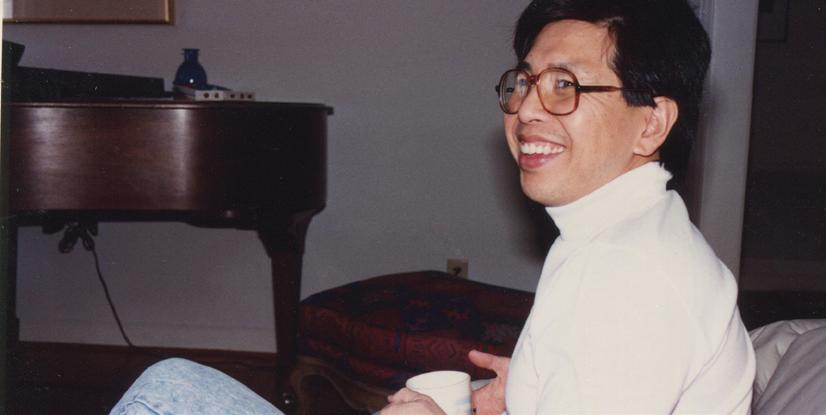
The basic outlines of the life of Edison Liu, M.D. — from whiz kid to scientific institution president — suggest a straightforward trajectory of educational excellence and increasingly demanding leadership positions. That’s all there, but there’s a parallel artistic path as well, one that developed from a novelist’s solo perspective to a film director’s collective vision.
Liu grew up in San Francisco and recalls a very early interest in his surgeon father’s medical books. “I still remember the fascination with the human body that those books evoked,” he recalls. Medicine’s glamour for the young Liu was also due in part to the TV series “Dr. Kildare” and “Ben Casey” that were popular in the 1960s. “I was really attracted to the narrative of the physician as missionary, doing good for the world, and also, I must admit, the physician as a respected icon.”
In high school, besides serving in student government as class president, playing classical and jazz piano, and performing as a violinist in the school’s orchestra, Liu became fascinated with the writings of Sigmund Freud. “I was going to be a psychiatrist when I entered college. I saw it as the intersection of medicine with psychology and
sociology, and it dovetailed with my lifelong interest in human pathology. The Freudian framework had a beauty to it, an arc of narrative, involving the patient’s whole life, and I felt it was more meaningful than just a single surgical intervention.”
Liu received his bachelor’s degree in chemistry and psychology from Stanford University, where he completed his M.D. in 1978. But instead of psychiatry he chose a different path. He completed an internship and residency in internal medicine at Washington University in St. Louis, an oncology fellowship at Stanford and a hematology fellowship at the University of California, San Francisco.
It was during the Stanford oncology fellowship that Liu took what he describes as a “detour” into basic science. “One day I went into the medical records to see my patients’ outcomes. And I realized that what we were doing back then — trying various drug combinations — lacked a coherent logic.”
In 1982 Robert Weinberg of the Massachusetts Institute of Technology published a landmark paper showing that a Ras oncogene could convert a normal cell into a cancer cell. “A lightbulb went off in my head,” Liu says, “and I wanted to work in a lab that was
using molecular tools to make discoveries like this.” In 1983 he approached UCSF microbiologist and immunologist J. Michael Bishop, M.D., about a research post. “I had no idea how important that lab was,” Liu laughs. Bishop would share the 1989 Nobel Prize in physiology or medicine.
Liu says his three years in the Bishop lab were “transformative, and opened my mind to a whole new world of fundamental science. Yes, we were studying cancer, a human disease. But the focus was on the fundamental question of why normal cells become cancerous, and not just to treat it by trial and error.”
There at UCSF he also learned a vital lesson in what he calls scientific resilience. “I had some positive results in one of my research projects, but by the end of the year I realized I had been mistaking experimental artifacts for real biology. I was devastated and seriously considered a retreat back to clinical medicine.” But, he says, his mentor chalked it up to bad luck. “I was energized by Mike Bishop’s confidence in me, and I started a whole new project, this time with much greater experience, technical skill and determination. In fact, it was this experience that led me to some of the discoveries that launched my scientific career.”
Bishop, now UCSF chancellor emeritus, comments, “I accepted Ed Liu into my laboratory as a postdoctoral fellow because of his lively intellect and robust commitment to becoming a physician scientist. At the outset, Ed was an innocent, to the bemusement
of some of his more accomplished colleagues in my research group. The bemusement evolved into collegial envy when Ed quickly learned which end of a pipette was which and parlayed his clinical acumen into a first-rate piece of research that was published in a prestigious journal.”
Liu left San Francisco in 1987 for his first faculty position, assistant professor in medicine and oncology at the University of North Carolina School of Medicine. His irrepressible curiosity led him to a variety of faculty and leadership roles at UNC in cancer, genetics, epidemiology and biophysics, culminating in 1996 as chief of the medical school’s division of medical genetics. That year he was appointed director of the division of clinical sciences at the National Cancer Institute where he led the translational intramural program. He later became founding director of the Genome Institute of Singapore in 2001, and finally joined JAX in 2012 as president and CEO.
“One of the challenges of my life,” Liu says, “and it’s a delightful challenge, is that I’m interested in so many things. I’ve always been very curious, and have always loved to resolve questions. I’ve been called a Renaissance man and I’m sure I’ve also been called a dilettante!” He also observes that he has never needed a lot of sleep. “Consequently, I had the benefit of being able to pursue many things because I had many more waking hours than other people. I got to be a physician, then I got to be a scientist, and then I took opportunities in leadership.”
Liu credits two other traits that have aided him in his career. “My love of narrative helped me to craft complete storylines about my research and the institutions I represented, which has helped me to attract laboratory staff and funding. Then the humility which I have acquired through experience is always there to remind me that there are a lot of people out there who are smarter than me; rather than be jealous of them, I like to be their friends, hire them and learn from them.”
What career path would Liu have chosen had he not pursued a life of science? “I’ve been absolutely fascinated by filmmaking,” he says, citing auteurs such as François Truffaut and Akira Kurasawa as models. “The process of making films is extraordinarily collaborative, but it is still up to the director to integrate the final product and bring it to the world’s attention.”
In essence, Liu says, what a filmmaker does is “to provide an environment for creativity that will bring out the best in his or her colleagues. And that is what I have tried to do at JAX.”
on a patient’s genomic tumor test results. Its importance is reflected in the fact that every oncology practice in Maine is enrolled as a member in the MCGI network. “MCGI has been heralded on a national level as a model for how dissemination science can be performed with excellence in a rural state,” Liu says.
And Liu and JAX were uniquely qualified to confront the COVID-19 pandemic. Liu had led Singapore’s response to the 2003 SARS pandemic, including the sequencing of the virus’ genome, and was awarded the Singapore President’s Public Service Medal. In the early weeks of 2020, all potentially positive diagnostic tests for COVID-19 had to go through the U.S. Centers for Disease Control and Prevention in Atlanta, but nationwide demand for testing soon made it clear that a decentralized, state-by-state system would be needed. Liu and Lee mobilized the JAX CLIA- certified lab to establish COVID-19 diagnostic testing which expanded to support Connecticut hospitals, health - care systems, first responders, nursing homes and others on the front lines of the pandemic.
Back to the research life
J. Michael Bishop, M.D., who was Liu’s postdoctoral mentor at the University of California, San Francisco, says, “After leaving my laboratory, Ed’s career blossomed, and I was not surprised when he assumed a series of leadership roles, culminating in his ambitious and successful service as CEO of JAX. Now that he is leaving that post, I send my heartiest congratulations on a job well done by an outstanding physician scientist.”
Liu’s lab at JAX published a series of research studies following the discovery of a molecular fingerprint found in some of the deadliest cancers of women. The genomic configuration, described as a tandem duplicator phenotype, is significantly enriched in triple-negative breast cancer, serous ovarian cancer and endometrial carcinomas.
Earlier in his career, Liu had discovered that oncogenes can be activated in premalignant conditions, in the process discovering a whole new class of oncogenes. “I found that oncogenes can define unique vulnerabilities and that by escalating dose, the negative effects of oncogene mutations can be overcome. This was true in breast cancer and in acute myelogenous leukemias.”
Back in the lab, he says, “I will be focusing on the genetic dynamics of triple-negative breast cancer and ovarian cancer,” he says. “Our observation of the tandem duplicator configuration has both mechanistic and clinical importance, and I would like to solve some of these knotty problems. This is a fundamental problem of genomic complexity.”
Rosenthal says she believes Liu will thrive on his return to the bench. “Ed is an eternal science enthusiast. There is nothing he loves better than hot-off-the-bench data, which his brain immediately gets to work transforming into a new insight. He’s never forgotten what got us all into science in the first place: sheer undiluted curiosity.”
Roux adds, “Most of us would be happy to look back on our lives and professional accomplishments and take pride with knowing we were any one of these things. A caring friend,
a great scientist, compassionate doctor, inspiring corporate leader, gifted musician or wonderful family man. But Ed is of course all these things and more every day.”
Lon Cardon, Ph.D., F.Med. Sci., a pioneer in human genetics and drug discovery, will succeed Liu as president and CEO in November 2021. Liu will continue to serve as a JAX professor studying the functional genomics of cancer with a focus on breast cancer.
ESTABLISHING PREDICTIVE BIOLOGY
BY MARK WANNER | PHOTOGRAPHY BY THOMAS FOUCHEREAUX
ESTABLISHING PREDICTIVE
Weaving a tapestry
Scientists have long understood that studying biology in narrow, focused areas had limitations. Unfortunately, the equipment and methods of the 20th century very much constrained what was feasible to do. One of the century’s crowning achievements — producing a near-complete human genome sequence — took more than a decade to finish. Now, sequencing and analyzing a genome may take only the better part of a day. And in addition to the sequencing data, there is so much more, most carrying the same suffix: -omics. Assisted by increasingly advanced tools and methods, transcriptomics, proteomics, metabolomics, phenomics and other data types all add up to reveal an unprecedented tapestry of molecular biology, both our own and in other organisms. But how does this help us? What does it mean for our scientific future? And will we be able to use it to predict outcomes and transform medicine from reactive to proactive on behalf of patients?
From components to systems
A good analogy for modern biomedical research compares complex organisms, such as worms, flies, fish, mice and humans, with cars. Both have many moving parts that work in concert to produce a functional whole. What biologists
used to do was the equivalent of looking at just one car part at a time, with little ability to connect it with anything else. It was like one scientist studying a brake caliper and another a steering wheel, while someone in a different subspecialty might investigate the stitching in a seat cushion. What each part does in isolation is important, but it reveals little about how it works together
with other components that enable the car to go, stop, turn, carry people in comfort and so on. And it’s impossible to understand why a car with a blown piston won’t go anywhere if you’re only looking at a perfectly good brake caliper.
Until recently, understanding complete biological systems seemed like an unattainable ideal. To return to the analogy, modern cars have many thousands of parts, but human bodies have trillions (aka cells). And each cell has billions of DNA base pairs, plus functional molecules (RNA, proteins), fuel and metabolites, membranes and cellular sub-regions, and so on. The known complexity is overwhelming, and it has only grown in scale as we’ve learned more. To better understand our biology, we need to look at ourselves like an engineer looks at a car. We need to figure out what all the components are, how they interact both internally and with the external environment, how the whole assembly contributes to smooth function, and what can break down and lead to disease.
Embracing our vast complexity and accepting the inherent challenges involved are not enough to achieve predictive biology, however. We must also figure out how to make discoveries within vital ethical constraints and monitor changes that occur over decades of human life span. We must be able to perturb systems and limit variables without harming or confining people. We need an experimental system that allows researchers to test and validate insights gained from human data. We need the most advanced technology and tools to help us in our mission. We need mice.
Filling in the gaps
One of the great hopes of the Human Genome Project, which produced the first human genome sequence in the early 2000s, was that it would usher in an era of predictive biology and medicine. If we knew the blueprint of life, so to speak, we should be able to anticipate how it would affect physical function. The basic concept is known in science as genotype to phenotype, meaning how does the genetic makeup (genotype) produce the traits of an organism (phenotype)? Unfortunately, subsequent years of research have emphatically shown that it’s not that straightforward.
The genome provides a starting point, but a myriad of other factors (e.g., environment and behavior, gene-gene interactions) affect what actually manifests in the body. Furthermore, just looking at genomic sequences tells us less than originally expected. For example, a research group analyzing human sequence data nearly 10 years ago showed that all of us carry hundreds of loss-of-function genetic variants. The finding was quite a surprise because it means that even healthy people carry variants that, in theory, disrupt
protein function. They also documented specific outwardly healthy people whose dysfunctional gene(s) would be expected to cause diseases and disorders. It is apparent, then, that the so-called genomic “blueprint” does not fully determine health and disease.
The next step forward requires all the tools we have available to expand upon the genotype-to-phenotype concept. Using high-throughput sequencing technology, we can look at patient genomes and transcriptomes (all the messenger RNA in a cell or cell type) in detail. Using genome editing tools such as CRISPR, we can engineer mice carrying specific genetic variants or mutations associated with human disease. Using modern phenotyping technology, we can move well past the obvious physical characteristics (weight, heart rate, blood pressure) to analyze traits down to the molecular level. Computational methods, including artificial intelligence, allow the development of increasingly powerful and accurate in silico models for biological function and disease. And modern mouse populations have been developed to approximate human genetic diversity, providing the ability to create a range of responses to experimental variables that mimics those of human populations.
Predicting disease?
How does this work? Take research into type 2 diabetes, a disease growing in incidence that is highly complex and has a significant behavioral/environmental component. T2D involves increasing insulin resistance in the tissues, stress on insulin production in the pancreatic islets, and ultimately a lack of sufficient insulin function and a buildup of glucose in the blood. Early human genomics studies found hundreds of genetic variants associated with T2D, but which might be the most important and how they interact with other factors, such as diet and exercise, remains unclear.
Researchers at The Jackson Laboratory are turning to mice to learn more. It’s long been recognized that some mouse strains are extremely susceptible to developing T2D, while others are highly resistant. Furthermore, researchers have found that diverse mouse populations display a wide variety of phenotypic responses when fed a special
chow that mimics the high-fat, high-sugar human Western diet, including differences in weight gain, T2D development and pancreatic islet function.
Using the ability to control variables — the exact genetic background of each mouse, for example, and diet — scientists can tease apart the genetics that underlie the different responses. Translating those findings back to the human population, they will be able to identify the individuals at most risk for disease. They can also look deep into the molecular responses of different mice to find if there are physiological processes that can be targeted for potential preventatives for those at high risk for T2D and treatments for patients who develop it.
Predictive biology
Using biological data to predict future states is still aspirational, and the work is in its early stages. Nonetheless, JAX’s position at the intersection of mouse-, human- and computational-based biomedical research provides a unique opportunity to make predictive biology a reality. Achieving the goal will take a massive collaborative effort, but the benefits of success make it well worth it. Learn more at www.jax.org/predictivebiology .
Madeleine Braun, Ph.D., leads a research initiative using mice to investigate the genetics underlying type 2 diabetes.
MASTERING BIOLOGICAL COMPLEXITY THROUGH - OMICS TECHNOLOGIES
BY MARK WANNER | PHOTOGRAPHY BY AARON BOOTHROYD & CLOE POISSON
Making predictive biology a reality depends on continuing and even accelerating the technological advances that have made biomedical research so exciting — and so productive — over the past decade. The progress to date has allowed scientists to more fully explore the interface between human patient and experimental data on multiple fronts. But to tease out the patterns that reveal a person’s current and even future wellness are they likely to be well or are they susceptible to a particular disease? — more is needed.
Several JAX faculty members are doing much more than simply leveraging technological advances for their research. They are developing or facilitating the discovery of powerful new tools and capabilities themselves. From more effective DNA sequencing methods to revealing the regulatory framework in the non-coding regions of the genome, from exploring cancers using experimental and computational tools to coordinating new genomics technologies at the national level, JAX scientists are breaking new ground on the frontiers of biological research.
THE GENOME’S REGULATORY FRAMEWORK
When they were first able to sequence mammalian genomes, researchers understandably focused on the small fraction of the sequence roughly 1.5% that actually codes for proteins. But a surprising thing happened when they began looking for genetic variants associated with common diseases (e.g., type 2 diabetes, cardiovascular disease and most autoimmune disorders) in coding regions: They weren’t there. How could that be? It is now understood that the
non-coding regions are vital for regulating gene expression. That is, they control when a gene is active, and how much it is transcribed (to produce mRNA and, ultimately, its protein product) at a given time. And variations and disruptions of the non-coding regulatory networks within the genome contribute more to common diseases than mutations in the protein-coding genes themselves.
Assistant Professor Ryan Tewhey, Ph.D., is building tools to explore the non-coding genome, automating the ability to find the most important sequences and variations. The effort to understand
Assistant Professor Ryan Tewhey
the general impact of non-coding variants still carries with it significant challenges, however. There are many millions of locations where non-coding variants may affect function, and there is an immense number of potential ways a variant could then contribute to disease. Tewhey’s recent work tested more than 300,000 non-coding sequences to identify regulatory elements, which are non-coding regions that affect gene expression. Focusing on a group of four specific genes and their regulatory network, he also found that elements can affect multiple genes, increasing the complexity of the regulatory interactions. Figuring out how it all works is still in its early stages, but Tewhey’s contributions are vital for research into non-coding regulatory regions of the genome.
“We hope the approaches we develop to study non-coding regions of the human genome will accelerate research in our laboratory and across the scientific community,” says Tewhey. “It’s a challenging task, but our goal is to understand the genetic causes of common complex diseases.”
EXPLORING THE EPIGENOMICS OF CANCER
Genomics scientists have learned that many parts of the genome, both coding and non-coding, play important roles in health and disease. And you would think that more than three billion base pairs in our genomes would provide sufficient information to determine function. But what happens in our genomes involves more than just our DNA sequences. Much more. In the field known as epigenomics, researchers study how cells control gene activity without changing the DNA sequence through what are known as epigenetic marks in the genome. A prominent example of an epigenetic mark is DNA methylation, in which one or more methyl groups (a chemical compound) bind to DNA. Methylation at a particular site can either activate or repress gene expression, leading to the production of more or less of specific proteins in a cell. In cancers, abnormal epigenomic patterns and epigenetic modifications have been shown to work in concert with genetic changes to help promote and maintain cancer progression.
The epigenomic contributions to cancer help explain why certain cancers with few genetic mutations, such as acute myeloid leukemia, remain difficult to treat in the clinic. Assistant Professor Sheng Li, Ph.D., investigates the biology of epigenomics and epigenetics in cancers and develops computational tools to improve data analysis in the field. Recent work includes the production of an analysis package, called an epihet, which measures differences in cellular epigenomic profiles within the same tumors, and a cloud-based pipeline, called a nanome, that automates DNA methylation detection using nanopore long-read sequencing. The differences are not detectable through standard DNA sequencing, but they are clinically important as they can underlie therapy resistance and cancer recurrence. She also investigated how epigenetic dysfunction in developing B cells, a vital kind of immune cell, contributes to diffuse large B-cell lymphoma, or DLBCL. Li’s finding provided insight for clinical intervention with epigenome-based therapies for specific DLBCL patients, underscoring the importance of better understanding epigenomic contributions to leukemias, lymphomas and other cancers.
FINDING BETTER WAYS TO SEQUENCE
A DNA sequencing method known as massive parallel sequencing has become much faster, cheaper, more accurate and more powerful over time. The protocol requires genomic DNA to be fragmented and sequenced in relatively short pieces — 250 base pairs or so.
The millions of components are then “assembled” into a cohesive whole with the help of a reference sequence. Short-read sequencing works well for many applications and has produced most of the sequencing data to date, but there are important limitations. For example, it’s impossible to resolve the many highly repetitive regions of mammalian genomes that contain the same bases or patterns over and over. It is also very difficult to detect genomic variants that disrupt but often don’t change a reassembled sequence, such as structural variation in which DNA segments are inserted, deleted, duplicated or inverted in the genome.
To expand capabilities, Chia-Lin Wei, Ph.D., professor and director of genome technologies, is working to improve long-read sequencing technologies, ones that can sequence tens or even hundreds of thousands of bases at a time, and use them to address biological problems. It’s not a matter of out-of-the-box
Professor and Director of Genome Technologies Chia-Lin Wei
performance, however. “Long-read sequencing technologies have been around for years, but they still have variable performance,” says Wei. “To produce the best results, they need customized optimization.” There are many examples of how such capability contributes to research at JAX. The advent of precision mouse model engineering that uses CRISPR to introduce very precise genomic changes provides one. It’s vital to make sure that the desired edits are in fact present, that off-target edits are not, and long-read sequences of the affected genomic region can readily verify whether or not the editing was successful. Also, sequencing cancer cell genomes can be very challenging, as they often have structural variants such as deletions, insertions and inversions. With long-read sequencing, researchers are able to see all the details, including the creation of fusion genes that can directly cause cancers. Wei has recently found another vital application: sequencing SARS-CoV-2 viral genomes to learn more about their biology and, hopefully, provide insight for mitigating the COVID-19 pandemic. The research has revealed extensive structural variation in the viral genome, with important implications for disease severity and potential viral evolution.
AT THE CENTER OF GENOMICS TECHNOLOGY DEVELOPMENT
As previously indicated, genomics technologies have seen rapid advances since the first nearly complete human genome sequence was announced in 2001 after more than a decade of work. An important supporter of early human genomics research was the National Human Genome Research Institute. Recognizing the continuing need for better genomics research technologies, NHGRI launched a Genome Technology program in 2004 to support the development and early dissemination of innovative new methods and instruments. Building upon its original goal of catalyzing new DNA and RNA sequencing technologies,
Assistant
ProfessorShengLi
it has expanded its scope to include gene regulation, nuclear organization and genomic features at the single-cell level. This year it also expanded to add synthetic nucleic acid technology to its portfolio, funding projects to synthesize specific sequences at genomic scales. The ambitious program needed an additional component: coordination of the many efforts, some of which can be complementary if they are able to collaborate in developing the technologies.
To this end, NHGRI chose JAX to create and run the Technology Development Coordinating Center with Professor Mark Adams, Ph.D., as principal investigator. Adams will bring extensive research experience within both private and public institutions and expertise in applying advanced genomic and bioinformatic approaches to biological problems to his new role. TDCC will act as a hub for the Genome Technology program’s various activities by facilitating collaboration and disseminating program results to the research community. It will also develop and promote technological standards for the program community that will provide benchmarks to help genomics researchers understand the advantages of new methods. Another important function is to oversee an Opportunity Funds program that will support innovative pilot projects that are at too early a stage for traditional research grants but hold promise to improve and advance the field. Finally, JAX’s Courses and Workshops group will lead TDCC’s outreach and education efforts.
Professor Mark Adams
Professor and Director of Cellular Engineering Bill Skarnes
RESHAPING BRAIN CELLS FOR ALZHEIMER’S STUDY
BY JOYCE DALL’ACQUA PETERSON | PHOTOGRAPHY BY TIFFANY LAUFER & CLOE POISSON
By isolating and reprogramming brain cells with dementia‑causing genetic mutations, a team at JAX offers a powerful new research tool.
Patients with late-onset Alzheimer’s disease and other dementias suffer the loss of memories, independence and ultimately life. No treatments have yet been found that stop or even slow the progression of these diseases, which take a major emotional and financial toll on patients’ families and communities.
Studying these diseases is also fraught with challenges for researchers and clinicians. While certain genetic risk factors have been associated with dementias, there is no specific gene that directly causes them, yet hundreds of genes, as well as various environmental factors, have been implicated. (A rare, early-onset form of Alzheimer’s does have a clear genetic component.) That means that to date there is no genetic test that can signal the presence of disease before symptoms of dementia develop late in life; in fact, Alzheimer’s can be definitively diagnosed only after a patient’s death.
A promising new approach to finding effective treatments is to study human brain cells that carry mutations found in Alzheimer’s patients. Thanks to human induced pluripotent stem cell (iPSC) and gene-editing technologies, it’s possible to derive every kind of brain cell type, insert dementia-related genes and study them in culture.
A Jackson Laboratory team led by Bill Skarnes, Ph.D., professor and director of cellular engineering, has contracted with the National Institutes of Health to generate a collection of engineered iPSC brain cell lines for the Alzheimer’s research community.
Skarnes’ collaborators in the iPSC Neurodegeneration Initiative project are Mark Cookson, Ph.D., senior investigator in the National Institute on Aging’s Laboratory of Neurogenetics, and Michael E. Ward, M.D., Ph.D., investigator
in the Inherited Neurodegenerative Diseases Unit of the National Institute of Neurological Disorders and Stroke.
Skarnes and the Cellular Engineering laboratory at The Jackson Laboratory for Genomic Medicine in Farmington, Conn., recently established improved techniques for introducing single-nucleotide variants in human iPSCs via CRISPR/Cas9. Ward was on a research team that achieved the first successful merger of stem cell-derived cell types and CRISPR screening technologies.
“We are delighted to be part of this groundbreaking NIH-funded effort to establish a community resource of human disease models of neurodegenerative disease,” Skarnes says. He adds that by engineering disease-causing mutations in a set of genetically diverse iPS cells, “the project is designed to ensure reproducibility of data across laboratories and to explore the effect of natural variation in dementia.”
Unlike embryonic stem cells, iPSCs are derived from adult human cells. Use of human iPSCs in dementia research has revolutionized the way scientists study disease biology, Ward says. iPSCs “can be turned into disease-relevant cells such as nerve cells, allowing researchers to study disease biology in the very types of cells that become affected. And with the development of CRISPR/Cas9 techniques, it is now possible to genetically manipulate iPSCs so that the effects of disease-related mutations can be studied.
A recent expert review in the Nature journal Molecular Psychiatry noted, “While still in their relative infancy, these developing iPSC-based technologies hold considerable promise to push forward efforts to combat Alzheimer’s disease and other neurodegenerative disorders.”
However, the process of making iPSCs from patients with these diseases, and the subsequent genetic engineering of the cell lines,
is “difficult, expensive and time consuming,” says Ward. “This has substantially hindered the development and uptake of genetic iPSC models by the research community.”
Cookson, a cell biologist who studies the underlying pathways that lead to Parkinson’s disease and related disorders, explains that a typical iPSC project would involve reverting a cell line from a patient with a given mutation back to the wild-type (or “normal”) sequence, to compare the two. “That is valid,” Cookson says, “but comparison between different mutations is challenging due to differing cell backgrounds. With the iPSC Neurodegeneration Initiative project, anyone can request the complementary line for an experiment knowing the background has been standardized, enabling cross comparisons.”
With JAX, Ward says, “iNDI is democratizing iPSC-based research by centrally developing and validating hundreds of iPSC lines that have been genetically engineered to harbor mutations associated with dementia. Researchers worldwide will be able to request these lines, at a fraction of the time, effort and cost typically associated with generating such lines, thus greatly accelerating research and broadening the numbers of researchers able to use iPSCs as disease models.”
Under two five-year NIH contracts (totaling $6,949,000 and $6,323,255, respectively), the team is using CRISPR/Cas9 gene editing technology to introduce a single-nucleotide variant of a dementia-related gene into each of the iPSC lines. The project will produce hundreds of engineered cell lines representing Alzheimer’s disease and related dementias, making them available to the scientific community as an open resource and tool to characterize how mutations change fundamental biological properties of disease-relevant cell types.
Cellular Engineering Service Associate Director Justin McDonough, Ph.D.
“We envision that this collection of lines, representing the majority of disease-causing variants associated with inherited Alzheimer’s disease and related dementias, will be of wide use to the scientific community,” says Cookson. “We have worked to make sure we can share what will be high-quality lines widely without restriction. Using this open-science thinking, we aim to reduce duplication and accelerate discovery in this area.”
To control for any unintended genetic changes that may have occurred during CRISPR-Cas9 editing of the cells, Skarnes says the team will create additional, revertant sets of cell lines in which the disease-causing mutations are canceled out.
Cookson notes that generating these revertant lines “is a critical way to control for off-target effects in the genome of iPS cell lines, and one that we hope will become a standard for these types of experiments in the future.”
The team will use other technologies — knockout and HaloTag knock-in — to generate additional cell lines, to provide researchers with a complete set of cellular tools for cell biological and biochemical studies of the disease process.
To expedite the distribution of these new iPS cell lines, JAX has received a one-year, $1,138,796 grant from the Chan Zuckerberg Initiative. Skarnes explains, “CZI has stepped in to provide this funding that will enable JAX to set up, for the first time, a distribution activity around engineered iPSC models.”
Normally an established distributor of iPS cell lines will charge quite a lot of money for access, in order to recover the cost of expanding the clones before sending them out, Skarnes says. “CZI is providing funding to establish this resource at the Bar Harbor, Maine JAX campus. This will greatly facilitate our ability to offer these cell lines to the scientific community.”
The JAX® Mice, Clinical & Research Services (JMCRS) arm of JAX is well known in the scientific community for its long history of distributing genetically defined laboratory mice, cryopreserved embryos and other genetic resources to researchers around the world, as well as making its platform technologies, such as genetically engineered mouse model
development, reproductive sciences and in vivo pharmacology, available to the scientific community.
JMCRS General Manager David Grass, Ph.D., who heads the iPS cell line distribution under the CZI grant, explains, “Our team will receive the genetically modified iPS cell lines, grow them in sufficient quantities and conduct quality control reviews. We’re also creating a web portal that researchers can access from the JAX website, where they can browse through the catalog of gene-edited lines and find data on quality assessment and protocols for each line.”
Researchers will be able to order iPSC lines directly from the web portal, Grass notes. “And when new lines become available, we’ll be announcing this on the portal, on social media and at conferences. We want the scientific community to know about and take advantage of these new research resources.”
JAX Associate Professor Gareth Howell, Ph.D., studies Alzheimer’s disease and other neurodegenerative disorders, and is an architect of the MODEL-AD consortium to create advanced new mouse models for research. Howell comments, “Late-onset Alzheimer’s disease is likely caused by a combination of multiple genetic and environmental factors. This complexity makes understanding the interactions between these factors challenging.”
At JAX, Howell says, “it is exciting that we have the ability to study these factors both in mouse models and also in cell-based models. Combining approaches gives us the best chances of understanding how individuals develop dementia and what strategies are needed to prevent it.”
We want the scientific community to know about and take advantage of these new research resources.
– David Grass
Research Assistant Mallory Ryan examines slides in the cellular engineering laboratory along with Justin McDonough.
PRESERVING FERTILITY
BY ELIZABETH HOPKINSON | PHOTOGRAPHY BY MARIE CHAO
Dealing with infertility can be an exhausting and isolating experience. While there have been numerous advancements in reproductive biology over the past few decades, fertility experts still cannot always predict which hopeful parents will be able to have children and which may struggle to conceive.
Assistant Professor Ewelina Bolcun-Filas, Ph.D., is unraveling part of this mystery by searching the genomes of mice. Using a diverse pool of female mice, she’s looking for genetic markers that are correlated with ovarian reserve, or the number of eggs left in the ovaries during an individual’s reproductive years.
Females at birth are born with all of the eggs they will ever have. Fertility decreases with age as the number and quality of remaining eggs deteriorates. There are a few known factors, like smoking and receiving cancer treatment, that affect a person’s ovarian reserve. But biologists still don’t know why individuals reach puberty with different amounts of eggs or why they lose eggs at different rates.
Bolcun-Filas thinks that the answer can be found in our genes. She is working to identify gene types that are shared among individuals with very high or very low ovarian reserves. While these genetic traits aren’t necessarily the reason behind these varying levels of egg retention, they could be used like genetic crystal balls to predict an individual’s future fertility.
It’s challenging to find these predictive markers in humans. People live very different lives, with a variety of lifestyles, diets and environmental exposures.
“The compounding factors in humans make it difficult,” Bolcun-Filas says. “With our mice, they’re all in the same room eating the same food. We don’t have to worry about whether they were exposed to smoke or chemotherapy.”
With these variables controlled, Bolcun-Filas can zero in on the genetic determinants of fertility.
Normally, lab mice are prized for their sameness; these mice are inbred to create a population of identical animals with a precise genetic profile. But looking for predictive markers requires studying a population with diverse genomes. “With inbred strains, you can turn a gene on or off to see what it does,” Bolcun-Filas says, “but you need a different tool to understand a spectrum of regulation.”
Bolcun-Filas is using Diversity Outbred mice in her fertility research. A DO mouse population is created by breeding eight types of inbred mice together in different combinations to produce unique offspring with genomes that are mosaics of the founding mice. In just a couple of generations, the mouse population is as genetically diverse as humans.
When the mice reach puberty, Bolcun-Filas and her team count the number of eggs in their ovaries. “What we find is a nice distribution. Some have a lot, some have a little and then everything in between,” she says. “We can use this population to map the genes or regions of the genome that may be associated with the size of the ovarian reserve.”
If team members think they’ve found a predictive marker, they look to see from which original inbred strain that gene came. They can further test their results by breeding more mice with this gene to see if the resulting mice really do have a higher than average ovarian reserve.
Bolcun-Filas notes that a mouse’s ability to have pups can depend on factors, including their compatibility with a mate, the number of eggs they ovulate over their reproductive years and the viability of those eggs. While ovarian reserve is just one determinant of fertility, finding predictive markers for this trait could one day be used to help people make more informed decisions around parenthood.