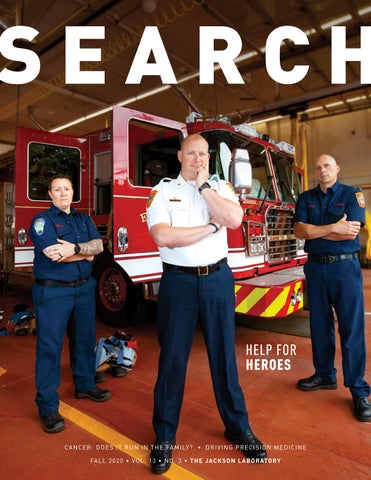
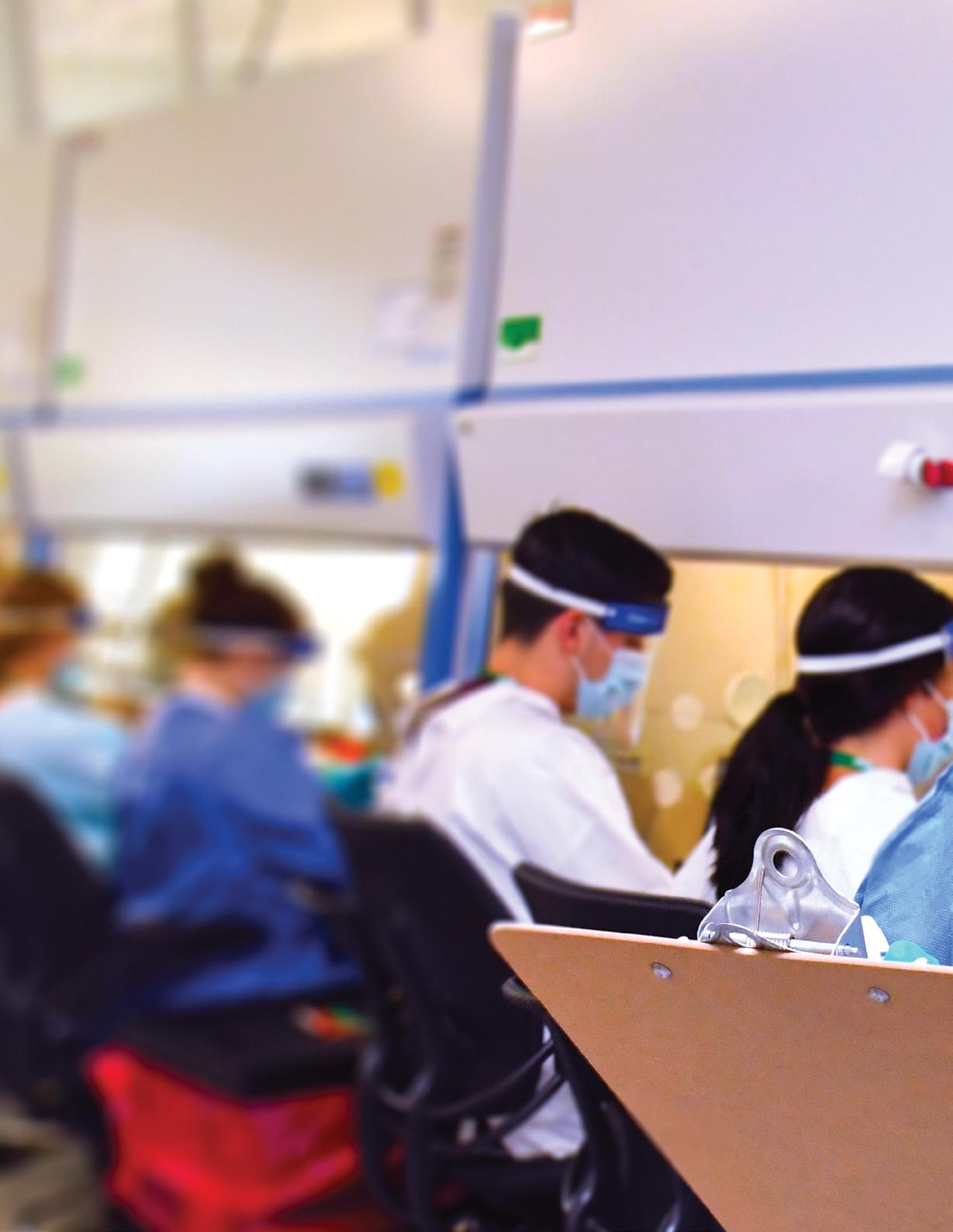
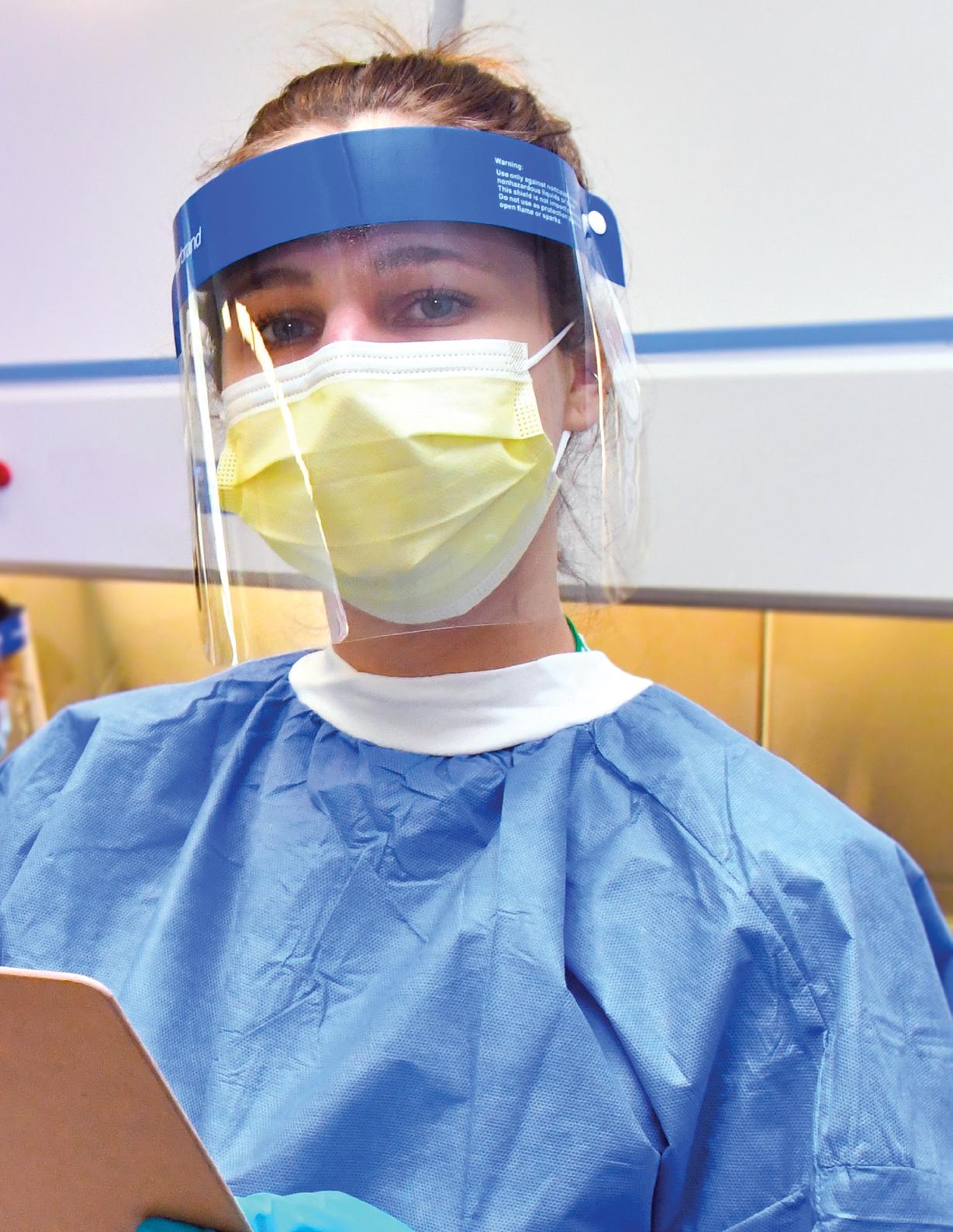
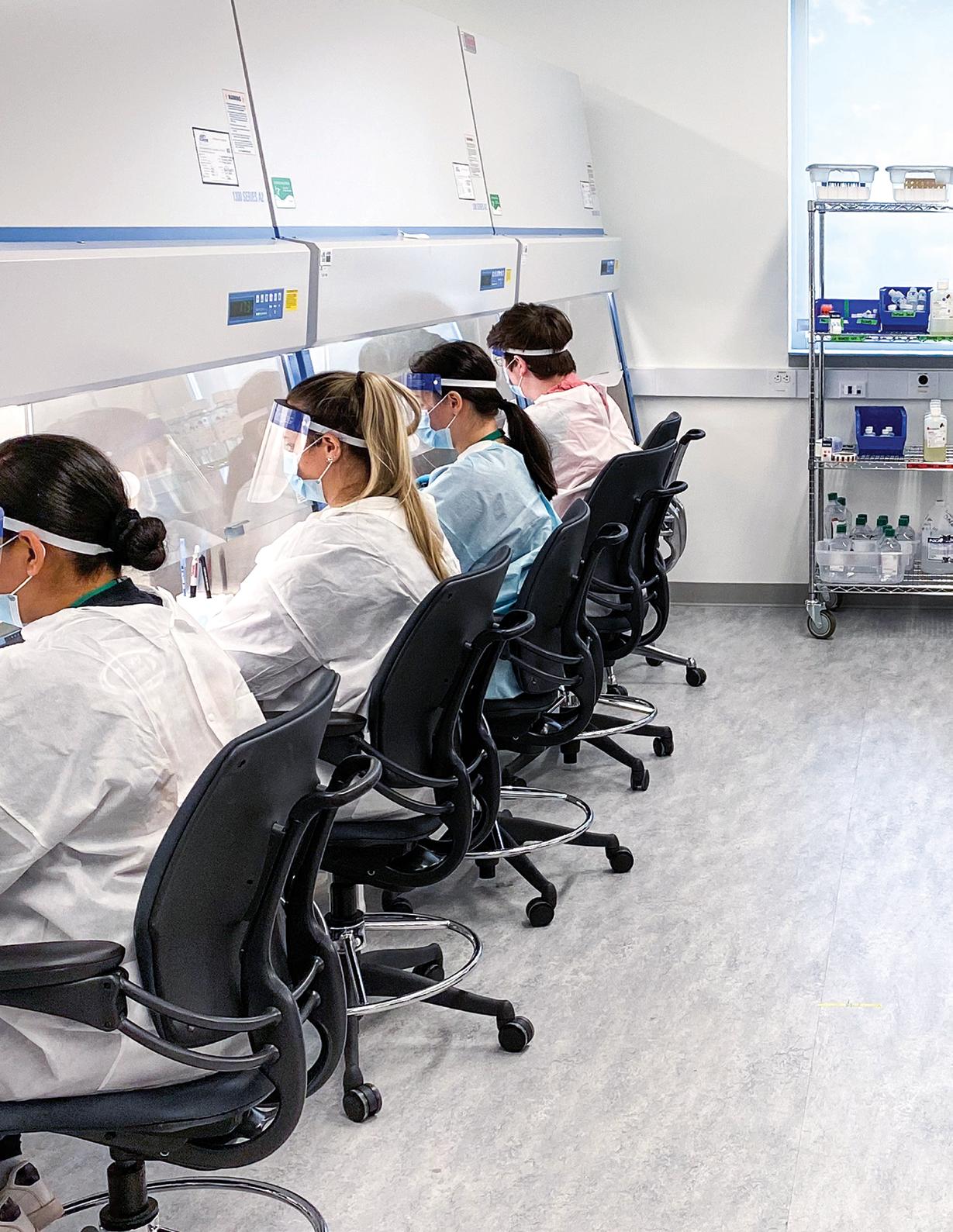
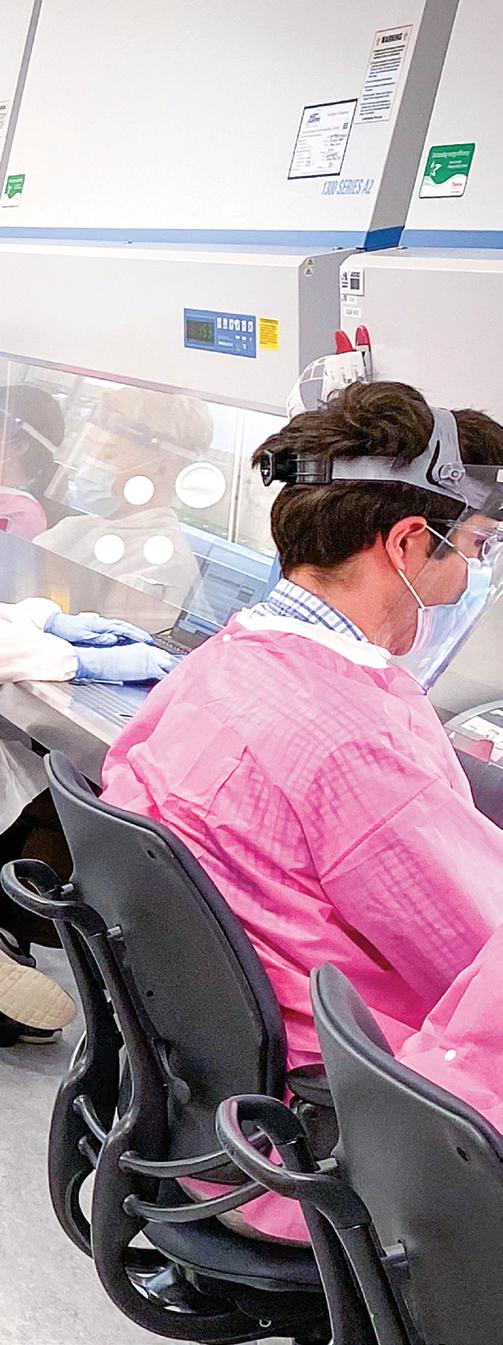
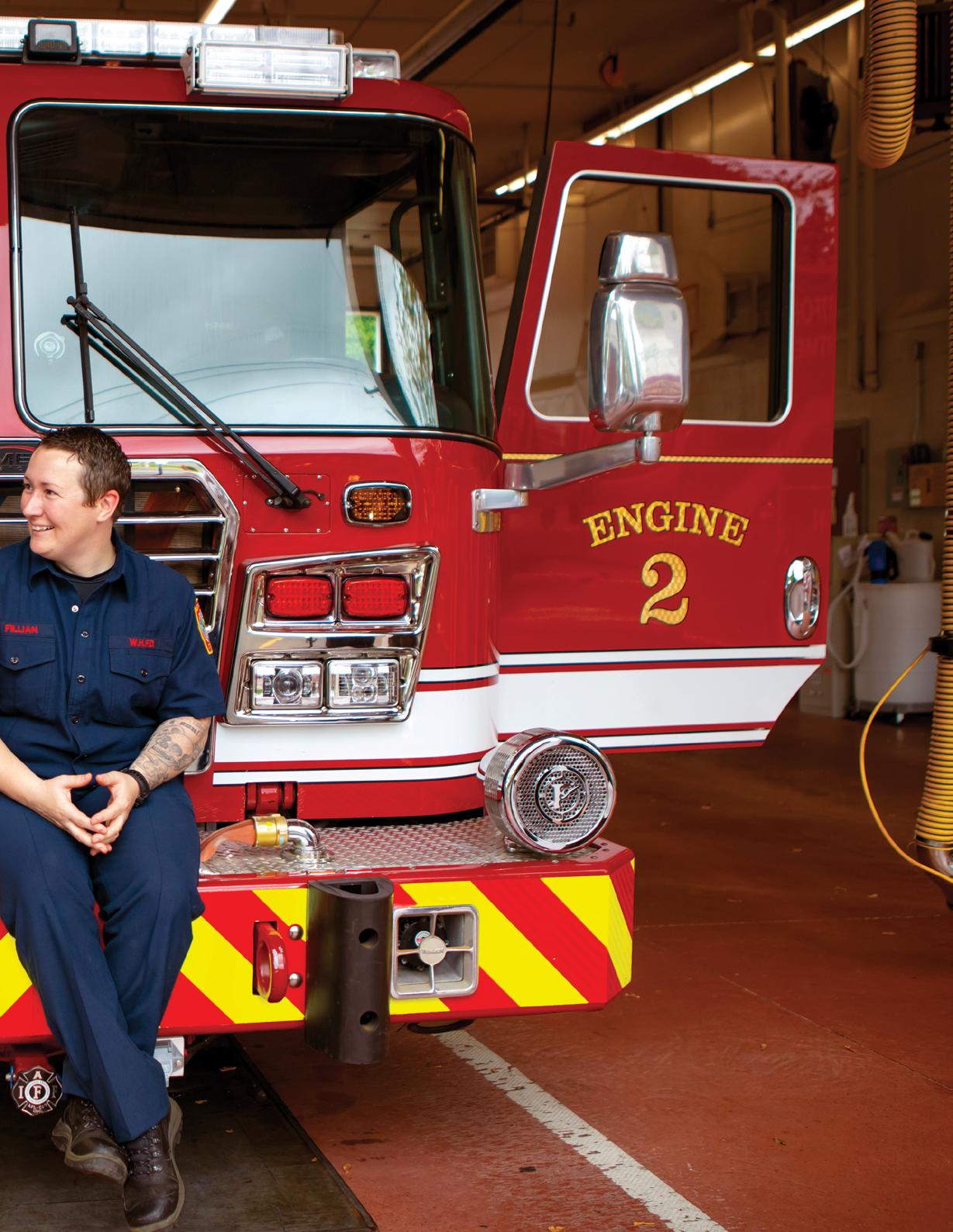
Rapid COVID-19 testing at The Jackson Laboratory for Genomic Medicine is keeping fire, rescue and emergency medical teams in West Hartford, Conn., healthy so they can safely help others.
Above is a 3D image of DNA: the building block of life.
COVER PHOTOGRAPHY BY CHARLES CAMARDA
COVER BY MATT WIMSATT & DANIELLE MEIER
As I write this, we are still in the midst of a public health crisis: the COVID-19 pandemic. The Jackson Laboratory (JAX) is playing a pivotal role in the response to COVID-19, through research on the disease, development of mouse models, increased testing capacity, and modeling a science-based approach to safely returning people to the workplace. As this issue of Search illustrates, the pandemic has also put a spotlight on the importance of partnerships and on working together to solve this urgent public health problem. Moreover, the pandemic underscores how important advanced genetic technologies are in the solution of any human health challenge. From the diagnostics to the RNA-based vaccines, to the engineering of animal models to test new treatments, all are based on genetic and genomic technologies in which JAX has significant expertise.
Serving as a catalyst for new initiatives and collaborations is a familiar role for JAX. With COVID-19, we are now working with
to our supporters
PHOTOGRAPHY
new partners to directly address critical health needs in our communities. From nursing homes to first responders, these partners look to JAX not only as a resource for testing but also for guidance and expertise in responding to this public health challenge.
Our commitment to partnerships that improve human health is, of course, not limited to efforts to address COVID-19. JAX has a long history of offering education and training programs for scientists focused on genetics and fundamental biology. We are also teaching physicians and other health professionals how to use genetics in their practices, bringing precision medicine to their patients. JAX's clinical and continuing education program helps clinicians learn to identify patients at increased risk of cancer, in order to make recommendations for monitoring their health and help them to understand their options for prevention and treatment.
As our knowledge of the role of genetics in health grows, so too does the demand for professionals who can help
patients make sense of the information gained through genetic testing. JAX has established a clinical rotation program for students earning master’s degrees in genetic counseling. The program, which is expected to grow, gives these genetic counselors in training the opportunity to gain practical experience serving as a connection between researchers and the patients they are helping.
Long after the COVID-19 pandemic is over, JAX will continue building partnerships that bring the benefits of our discoveries into the lives of people in our communities and beyond.
Edison Liu, M.D. President and CEO, The Jackson Laboratory
Thank you for
believing in the value of basic scientific medical research. helping us to advance the JAX mission. dedicating yourself to making the world a better, healthier place. contributing to our research through philanthropy. empowering the next generation of scientific leaders. being an integral member of the extended JAX family. championing our work. thinking ahead and paying it forward. making an impact during a crisis.
From all of us here at The Jackson Laboratory: thank you, for all that you do.
Please visit www.jax.org/thank-you-video to watch a special video that expresses our gratitude. To learn more about how you can support The Jackson Laboratory, visit www.jax.org/give
connect with us
Daniel Cortés-Pérez, Ph.D.
BY GRACE SCOTT | PHOTOGRAPHY BY TIFFANY LAUFER
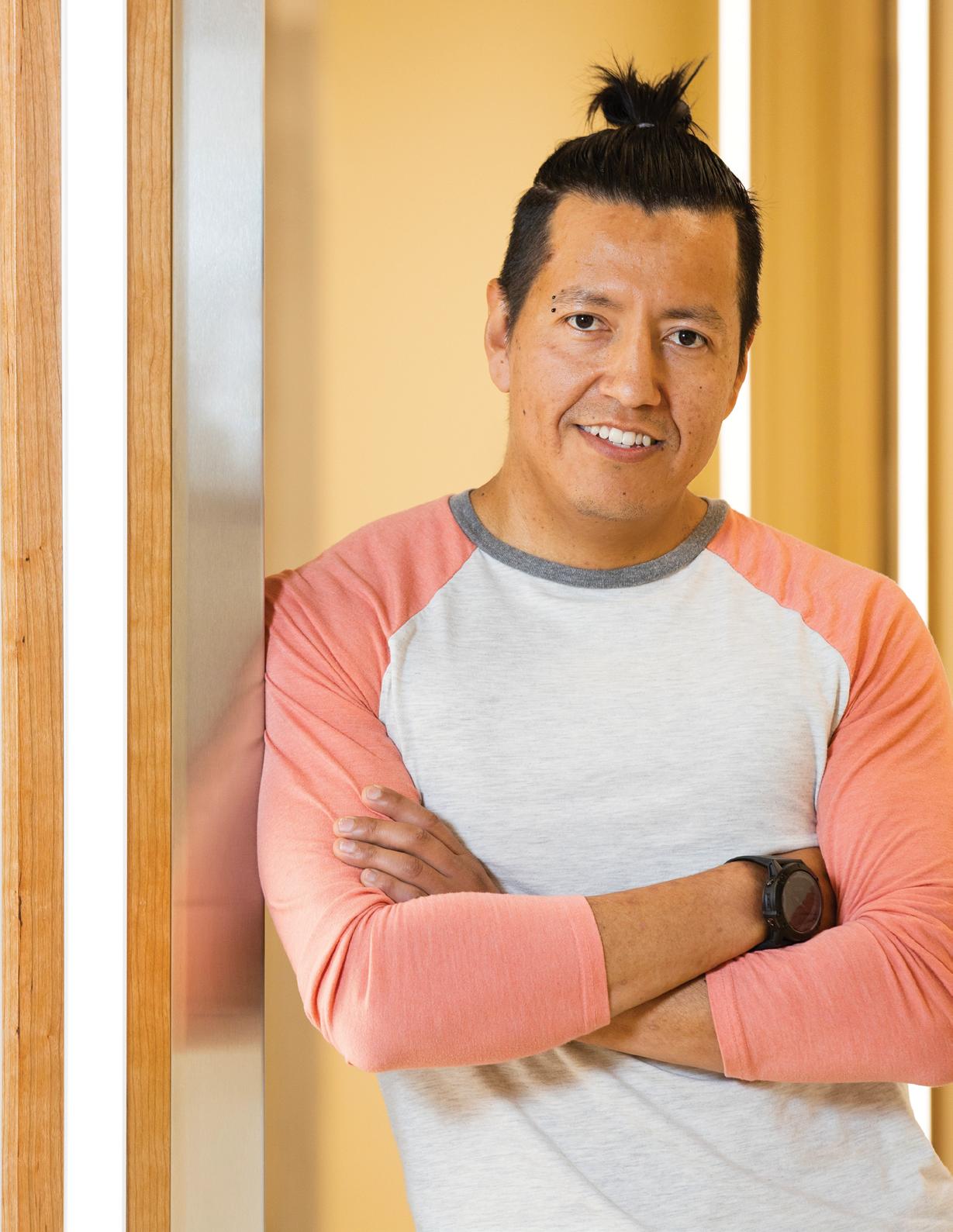
Postdoctoral Associate Daniel Cortés-Pérez, Ph.D., studies neurological disorders in the laboratory of Professor Martin Pera, Ph.D.
Cortés-Pérez recently received the JAX Scholar Award to utilize stem cell biology and neural differentiation for the study of neurological diseases like stroke.
The JAX Scholar Award supports promising early-career postdoctoral associates that are conducting cutting-edge biomedical and basic biological research at The Jackson Laboratory.
This grant is a milestone for Cortés-Pérez, who joined the Pera lab in 2017. He is motivated to study neurological diseases like stroke because of the impact he has seen them have on loved ones and, statistically, on society.
Stroke is currently the fifth leading cause of death in the United States, according to the U.S. Centers for Disease Control and Prevention, but studies show that some people have a genetic resiliency against the effects of stroke. For example, between two seemingly similar patients (taking age, sex and location of injury into account), one patient could end up in a coma while the other quickly recovers.
Utilizing Diversity Outbred and Collaborative Cross mouse models, which represent even more diversity than is present in the human population, Cortés-Pérez develops stem cell lines that accurately model neurological disorders. Because the stem cell lines represent genetic diversity and allow for rapid and reproducible studies, Cortés-Pérez can map genetic modifiers to neurological disorders. In other words, he can determine which genetic factors might be associated with how quickly someone can recover from a stroke.
Mouse models and stem cell biology provide a strong platform for studying neurological diseases, and JAX is a leader in utilizing them for the discovery of precise genomic solutions. This access to technology and the natural setting of Bar Harbor, Maine, is what brought Cortés-Pérez to JAX after receiving an M.D./Ph.D. and M.S. from Universidad Nacional Autónoma de México.
"If you want to work with genetics, JAX is one of the places to be," Cortés-Pérez says. "When I Googled The Jackson Laboratory, I didn't know much about Bar Harbor. I found that it's near a national park and I got so excited because I love being outside. I'm a mountain guy, and being surrounded by nature and being able to go for a hike was a dream come true."
Mapping genetic modifiers to neurological diseases can be hard work. Still, Cortés-Pérez is confident and feels that he's on the road to establishing his own research program. This confidence stems from the support that he receives from Pera, his principal investigator, and his friends and colleagues at JAX.
"The JAX community is really tight," Cortés-Pérez says. "Everybody's open to giving advice, sometimes in the hallways, and sometimes they will have an open door. That's something that is pretty cool."
Photo courtesy of Connecticut Children’s Medical Center
Does it run in the family?
Helping clinicians take better family histories improves patient cancer risk assessments
Abbi is 34 years old, married with one son. Her sister has endometrial cancer, her uncle and cousin have colon cancer, and her aunt has been diagnosed with gastric cancer. What is Abbi’s cancer risk?
Abbi’s case is under review by about a dozen doctors, nurses, physician’s assistants and nurse practitioners from Mount Desert Island (MDI) Hospital in Bar Harbor, Maine, but Abbi is a fictional character and they’re not in a hospital room. The group is gathered for grand rounds (educational lectures) in a comfortable dining room at Birch Bay Village, a hilltop retirement community owned by the hospital.
A sparkling panorama of ocean and hills fills the wraparound windows of the dining room where the MDI staff members are taking notes. This morning’s program, “Practical cancer genetics: How to identify patients at increased risk,” is presented by the clinical education department of The Jackson Laboratory, which is less than two miles from MDI Hospital.
“When I talk to clinicians I usually have to explain what JAX is,” Kate Reed, JAX director of continuing education, tells the group.
“That it’s a nonprofit biomedical research institution, and that it has a National Cancer Institute-designated Cancer Center. But you already know that because you’re right around the corner from us!”
Reed is standing by a screen projecting an image of Abbi’s fictional family tree.
“Using the app on your phone,” she directs, “please vote for how high you think Abbi’s cancer risk is.” The results of the poll show up instantly on the screen: “high risk” gets the most votes but a few participants have chosen “average risk.”
Reed leads the group in a lively discussion about the case. A nurse points out that Abbi’s relatives with cancer had all been diagnosed in their 40s and 50s, an early onset that suggests an inherited component.
A doctor comments that the cancers in the family correspond to Lynch syndrome, a type of inherited cancer syndrome associated with a higher risk of certain types of cancer (including colorectal, gastric and endometrial cancers).
BY JOYCE DALL’ACQUA PETERSON
Cancer and inheritance
Cancer has been described as the ultimate genetic disease because all cancers involve some kind of alteration in DNA. A cancerous mutation could cause suppression or hijacking of the patient’s immune system, turning off normal cell death or many other mechanisms, leading to uncontrolled tumor growth.
Many of these cancerous mutations occur spontaneously, likely triggered by exposure to environmental factors such as smoking or excessive radiation. The lifelong accumulation of mutations is why aging is the greatest risk factor for cancer.
Other cancer-related mutations are inherited. For example, a small minority of people inherit mutations that are very likely to lead to cancer. Individuals with mutations in BRCA1 and BRCA2 genes are identified as having hereditary breast and ovarian cancer syndrome (HBOC) and are at significantly increased risk for developing early- onset breast and ovarian cancer, as well as some other cancer types.
Most of us are somewhere in between, carrying combinations of inherited genetic variants that, interacting with environmental factors, either exacerbate cancer risk to some degree or provide some resilience against it. That’s why a detailed family history ideally including aunts, uncles, cousins and grandparents as well as parents, children and siblings — can give medical providers a powerful tool for determining which patients would benefit most from cancer screening and, potentially, genetic testing.
DID YOU KNOW?
Pea plants make a convenient system for studies of inheritance, and they are still used by some geneticists today.
| PHOTOGRAPHY BY TIFFANY LAUFER | ILLUSTRATION BY JANE CHA
Tools for medical practitioners
Advances in genomic research and technologies, such as whole - genome sequencing, hold the promise of a new era of precision medicine, in which diagnosis, treatment and even prevention are based on each individual’s unique genetic makeup.
“Genomics is significant to the continuum of cancer care from identifying individuals at high risk based on family history to testing tumors to target treatment,” Reed says. “Testing for inherited genetic risk can identify individuals at high risk who would benefit from increased screening. Primary care providers are on the front line to identify these individuals who would benefit from genetic testing or referral to a genetics professional.”
Reed also notes that medical expert advisory groups such as the National Comprehensive Cancer Network and the American Cancer Society are issuing evidence-based guidelines that recommend increased screening regimens for individuals at increased and high cancer risk based on personal history, family history and genomic data.
However, there’s a knowledge gap between genomic discoveries and implementing the new information into everyday medical practice. Physicians admit to this gap; in a recent survey, most rated their knowledge of genetics and guidelines for genetic testing as “somewhat” or “very” poor.
“To leverage the benefits of genetic testing,” Reed says, “physicians must have knowledge and skills to provide such services appropriately.”
We want to help clinicians integrate genetics into their practices.
– Kate Reed
In the past six years, JAX has stepped in to build education and training programs for health care professionals to integrate genetics and genomics into their clinical practices. The Clinical and Continuing Education team develops a variety of online programs and resources as well as in-person interactive workshops. Many, including this morning’s grand rounds, offer continuing medical and nursing education credits (CME and CNE), which are awarded for successful completion.
“Practical cancer genetics” was specifically designed to help clinicians incorporate their patients’ family histories into their medical assessments. The doctors and nurses learn how to collect sufficient family history information to assess for cancer risk, analyze the family history to identify patients at increased or high risk of cancer, and refer appropriate patients to local genetic services. “The ultimate goal,” Reed says, “is to diagnose and treat cancer early for the best possible patient outcomes.
“We want to help clinicians integrate genetics into their practices,” Reed says, “which is why we focus on the applications, such as cancer genetics, that have proven clinical utility. We develop all of our programs with best adult education practices, to help providers gain skills and confidence.”
As they take a last sip of coffee, the MDI Hospital participants express enthusiasm about their morning of grand rounds.
A nurse notes, “I obtained a greater understanding of genomic testing and the benefits it has for patients.”
“Knowledge always enhances competency,” a physician comments. “Programs like this help us keep up with what’s coming and what’s new. Genetic components are getting a lot more involved in every aspect of medicine.”
Multiple paths lead to the same destination in Alzheimer’s disease
BY MARK WANNER | ILLUSTRATION BY KAREN DAVIS
People with Alzheimer’s disease share a similar profile. Their brains contain plaques made up of beta amyloid protein and tangles composed of tau protein, and they undergo cognitive decline until, ultimately, they die.
But what if the universal hallmarks of the disease actually represent multiple subtypes at the molecular level?
“Alzheimer’s disease has become an umbrella diagnosis for dementia in a way, even though the only way to definitively diagnose it is post‑mortem,” says Nikhil Milind, a rising senior at North Carolina State University. “But more and more people are suspecting that there are different paths that converge at the same end point."
Milind may still be an undergraduate, but he’s also the first author on a paper, “Transcriptomic stratification of late onset Alzheimer’s cases reveals novel genetic modifiers of disease pathology,” just published in PLoS Genetics . He worked in the laboratory of JAX Associate Professor Greg Carter, Ph.D., initially as a summer student, then, the following summer, as an intern with Associate Research Scientist Christoph Preuss, Ph.D. Milind carried out a computational project analyzing Alzheimer’s patient gene expression data.
“Greg let me play with the data a lot,” he says. “What are the complexities, how do you dissect it? We were able to home in on specific cells and processes that are relevant to Alzheimer’s disease.”
Alzheimer’s disease involves many genetic pathways, plus environmental and behavioral impacts that can span decades. Not only are the patient data sets highly variable from person to person, the control data sets are as well. Nonetheless, as presented in the paper, the team was able to find two distinct subtypes within the Alzheimer’s patient data.
One subset was strongly associated with inflammatory signatures; the other was not. Of note is that the two subtypes were found in about equal numbers in the patient data. The finding is intriguing on multiple levels. For example, it could help explain why behavioral factors, such as regular exercise, may lower risk across a broad population, but some still face an Alzheimer’s disease diagnosis. Could it be that physical activity reduces susceptibility to chronic inflammation, greatly lessening risk of the inflammatory subtype but not affecting the incidence of the non inflammatory one?
In the near future, the insight will help refine the engineering of animal models for Alzheimer’s disease, such as those being developed by the Indiana University/Jackson Laboratory Alzheimer's Disease Precision Models Center, for which Carter is a principal investigator. Because the inflammatory subtype is the dominant signature in the patient population as a whole, the genes implicated in it were the initial focus of the mouse model development effort. By focusing on the genes and pathways that help drive the non‑inflammatory subtype versus those involved with inflammation, however, it should be possible to model both subtypes in different mouse models.
Moving forward, there are many possibilities for further investigation.
“We’ve analyzed the transcriptome (all of the messenger RNAs in a cell) pretty comprehensively,” says Milind. “But what about the other components, other 'omes — the epigenome, proteome, metabolome? If we can integrate all of those data, we will be able to describe the subtypes and their molecular signatures more completely.”
With that kind of knowledge, there is hope that the finding could point clinical research in useful directions.
THE JAX CANCER
The National Cancer Institute (NCI) has renewed JAX’s prestigious Cancer Center Support Grant
BY MARK WANNER
In 1983, JAX scientists had been studying mammalian genetics with a strong focus on cancer research for more than 50 years. Relied upon by the biomedical research community for its mouse models of human disease, JAX and its own research program were also formidable, and growing. In recognition, the National Cancer Institute (NCI) awarded JAX a Cancer Center Support Grant, the first basic genetics research laboratory to receive the designation.
The JAX Cancer Center (JAXCC) has grown and thrived in the decades since. Now, NCI has again renewed JAX’s Cancer Center grant in support of its cancer research program, Genetic Models for Precision Cancer Medicine Today, JAXCC combines JAX’s resources and expertise in cancer model development, genetic engineering and computational sciences, as well as genome and single-cell technologies, to provide comprehensive support for a wide range of cancer research.
“The dedicated scientists at The Jackson Laboratory are making great strides to conquer diseases that affect nearly every American family,” said U.S. Senators Susan Collins and Angus King in a joint statement. “For decades, JAX has conducted cutting - edge research to better understand and treat cancer, and we welcome this continued funding to help JAX build on these important efforts.”
JAX is now one of only seven basic research centers with this distinction in the United States, and the only NCI-designated center headquartered in Maine. The NCI Cancer Center program recognizes a total of 71 organizations, most of which also deliver clinical care, for being at the forefront of cancer research efforts in the United States.
“The Jackson Laboratory does important work that contributes to our understanding of medical conditions and makes Mainers proud," says U.S. Representative Jared Golden (ME-2). "I’m glad to see their cutting-edge cancer research once again being recognized and supported by the National Cancer Institute’s Cancer Center Support Grant. The research done at JAX, with grant support from places like the NCI, is an important step towards better cancer prevention, diagnosis and treatment."
JAXCC has more than 50 members currently working in JAX’s facilities in Maine and Connecticut. These researchers focus on understanding and targeting the genomic complexity of cancer, utilizing JAX’s unique capabilities to model human cancers in mice, with the goal of developing innovations in genomic and computational analytics of human cancers. In particular, JAXCC has been recognized for its focus on advancing precision oncology through basic research discoveries with the goal of translational and clinical impact.
In addition to its research program, JAXCC has grown to include a Cancer Education and Career Enhancement core. The center hosts a variety of courses and conferences designed to maximize professional scientific interaction for established cancer researchers and students alike. Research training and education opportunities include a postdoctoral training program; internationally attended courses, conferences and workshops; research internships for high school and college students; and opportunities for Maine in-service science teachers and science teachers-in-training.
CONNECTIONS
CENTER
PURDUE UNIVERSITY CENTER FOR CANCER RESEARCH
THE WISTAR INSTITUTE CANCER CENTER
SALK INSTITUTE CANCER CENTER
SANFORD BURNHAM PREBYS MEDICAL DISCOVERY INSTITUTE
THE JACKSON LABORATORY CANCER CENTER
DAVID H. KOCH INSTITUTE FOR INTEGRATIVE CANCER RESEARCH AT MIT
COLD SPRING HARBOR LABORATORY CANCER CENTER
Jennifer Blodgett inside the CLIA Lab at The Jackson Laboratory for Genomic Medicine.
BY JOYCE DALL’ACQUA PETERSON
PHOTOGRAPHY BY JOHN ATASHIAN, CHARLES CAMARDA & ERIN BLINN CURRAN
CORONAVIRUS TESTING AT THE JACKSON LABORATORY FOR GENOMIC MEDICINE HELPS
CONNECTICUT TRACK AND PREVENT
TRANSMISSION OF COVID ‑ 19
First responders, hospital workers, nursing home staff and medical examiners are the heroes of the coronavirus crisis. In Connecticut, those heroes have an extra superpower: fast, accurate COVID-19 testing by JAX Genomic Medicine in Farmington, Conn.
In the early weeks of 2020, all potentially positive diagnostic tests for COVID-19 had to go through the U.S. Centers for Disease Control and Prevention (CDC) in Atlanta, but nationwide demand for testing soon made it clear that a decentralized, state-by-state system would be needed.
JAX established its Clinical Laboratory Improvement Amendmentscertified (CLIA) lab in 2013 to translate future discoveries in genomic medicine, such as novel biomarkers for cancer, into new diagnostic tests. “We knew that we could mobilize our CLIA lab to conduct COVID-19 diagnostic testing,” says Charles Lee, Ph.D., FACMG,
scientific director of JAX Genomic Medicine.
“And when we offered our help to the governor and his team, they accepted it right away.”
UConn Health and Hartford HealthCare were the first two hospital systems to use JAX for COVID-19 testing, but soon more than 20 other hospitals and health-care systems were contacting JAX to request the service. Commercial labs were taking five days or longer to provide test results, Lee says. JAX is routinely providing test results within 24 hours, and is strategically focusing on the most critical cases (e.g., in-house patients and symptomatic health - care workers) so decisions for those individuals can be made quickly.
“The mission of JAX is global health, and finding genomic solutions,” Lee says. “We’re prepared to expand our testing capability and work with our communities so that we can rapidly control any future pandemics.”
Technicians process COVID laboratory at JAX Genomic Medicine.
HELPING THE LIVING
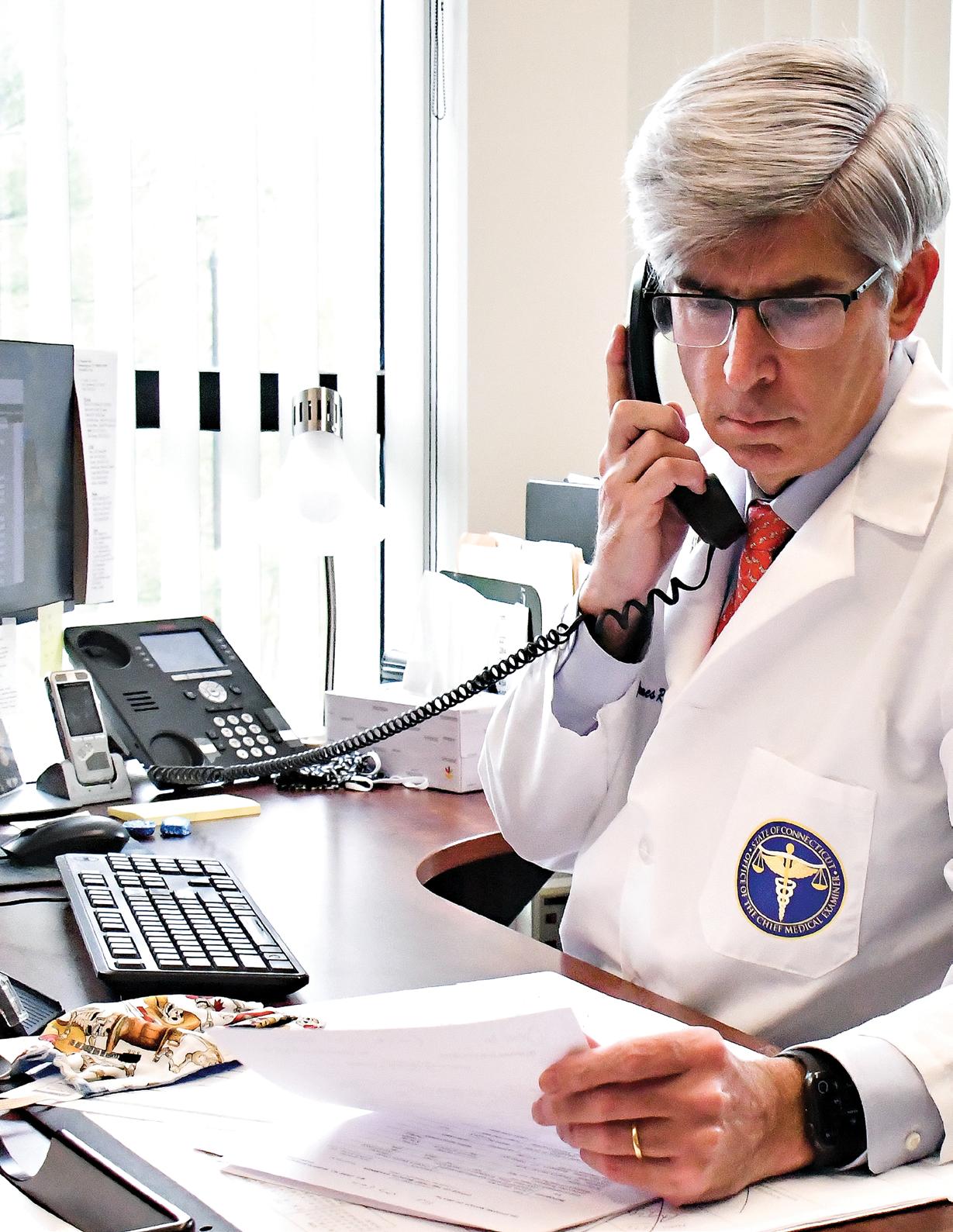
It’s a standard scene in TV police dramas: An observant medical examiner finds a cause of death that propels the detectives to track down a suspect. But when the cause of death is COVID-19, the medical examiner has a very different and more vital role: document the spread of the disease and prevent its transmission.
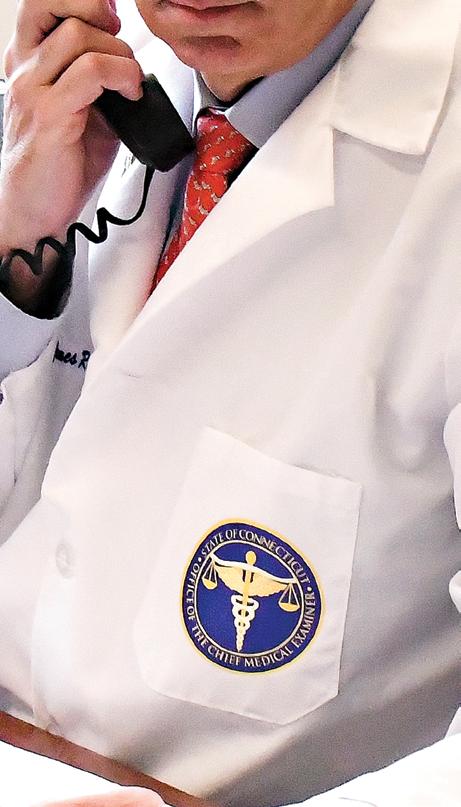
James Gill, M.D., is the chief medical examiner (CME) for the state of Connecticut. “The current COVID-19 pandemic highlights our work in two important ways,” he says. “The first is that we are in many ways the ‘investigative’ arm for vital statistics, making sure that deaths are properly reported and certified. Knowing how many people die from COVID-19, along with the circumstances, contributing conditions and where they died (e.g., at home, a nursing home or a hospital) are all important to know for public health purposes.”
The second, Gill says, is for families. “Our investigation of unsuspected COVID-19 deaths not only ensures that the COVID-19 deaths are properly identified and certified, but it provides important health information for potentially exposed family members and first responders. So while you may think we’re dealing only with the dead, our work really can help the living.”
The CME office is sending its cases for testing to JAX, which is on the same UConn Health campus as Gill’s office.
“We’ve been very impressed with their turnaround time,” Gill says. “You send it out in the morning and six hours later the results are back, whereas for a lot of other tests we have to wait for days. Getting results that same day makes a big difference for a lot of people.”
Gill explains, “Say we get a call from a first responder, and he wants to know whether or not the person he brought to the CME is infected. The sooner we can let him know, the sooner he can either get back to work helping other people or go into quarantine to protect others.”
He notes that “most of the cases that we see are people who died outside the hospital — at home or at a nursing home, and they had not been tested for the virus before they died,” Gill says. And part of the CME’s responsibility is to interpret the results of post-mortem COVID-19 testing in the context of the entire case.
For one thing, COVID-19 causes damage to the lungs, but that can be very similar to the effects of influenza and other viruses. For another, COVID-19 may not be the only factor in a given fatality. “We have had cases infants as well as adults — where we had to determine whether the infection was causative of the death or incidental. We don’t want to over-count deaths due to COVID-19 any more than we want to miss counting them.”
James Gill, chief medical examiner for the state of Connecticut
PROTECTING
FIRST RESPONDERS
It’s 6:59 p.m. in West Hartford, Conn., and like most places these days it’s quiet outside, with few cars and trucks on the road. Suddenly the air is ringing with bells: cow bells, church bells, door bells, jingle bells, Tibetan meditation bells.
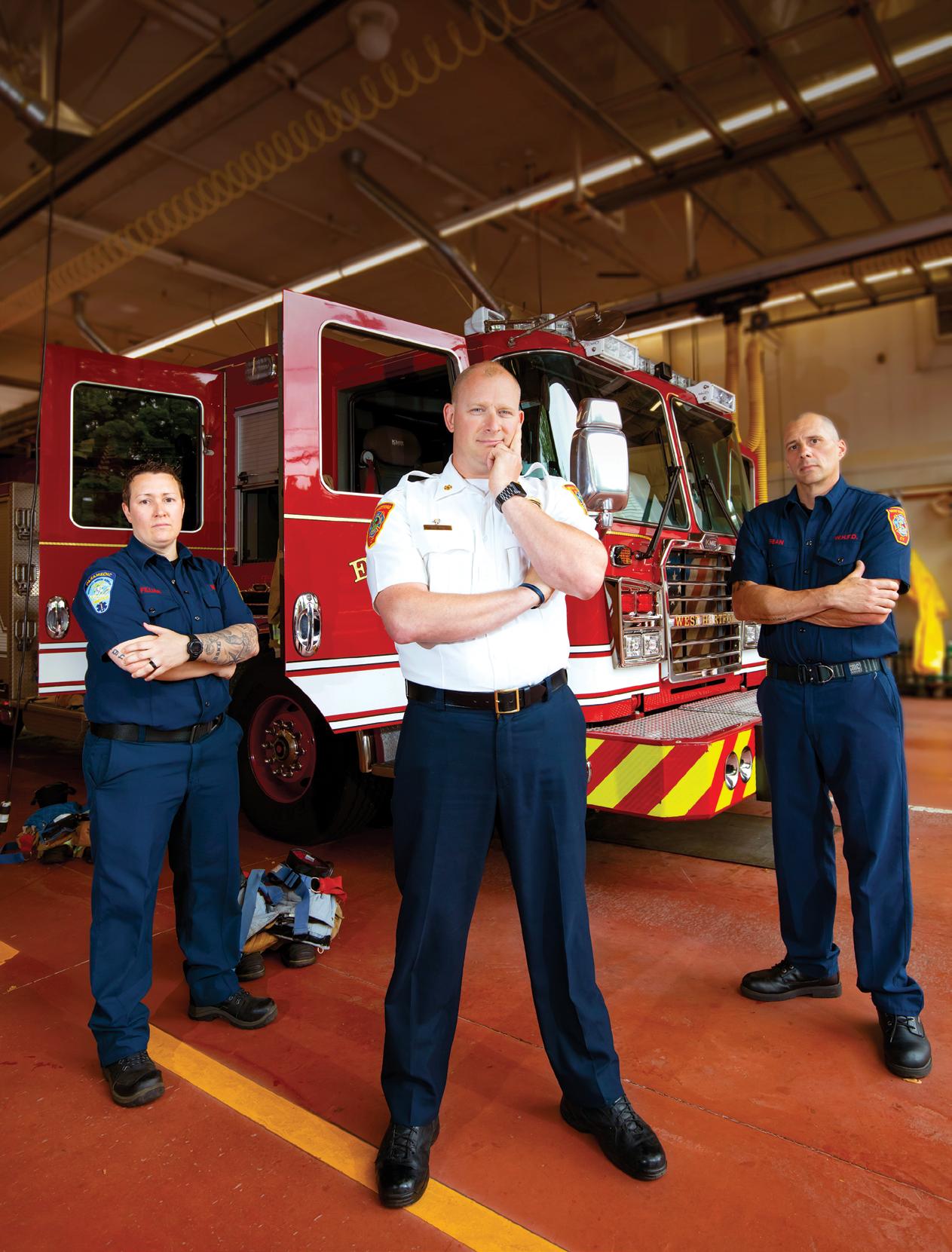
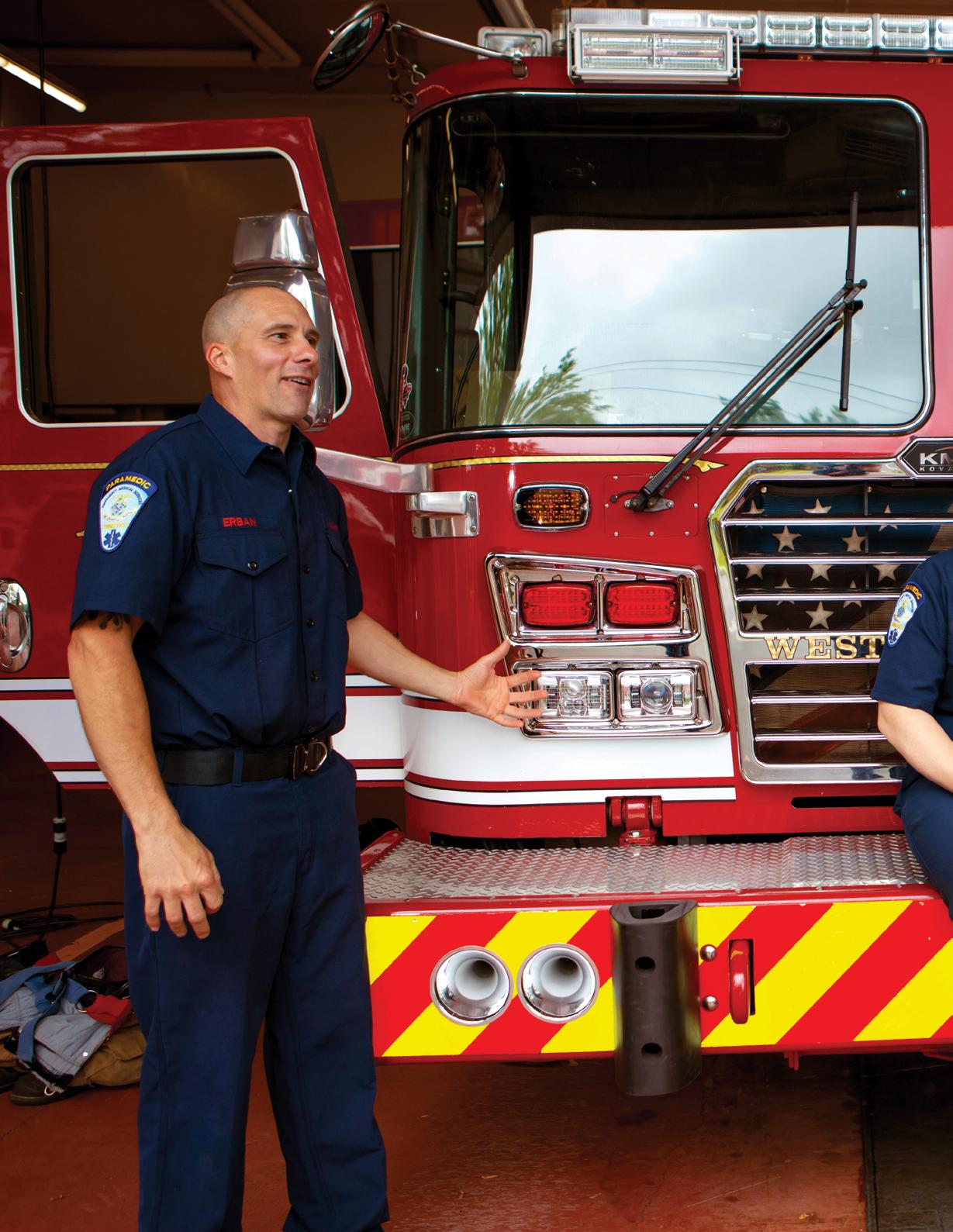
This improvised concert is a nightly tribute by the citizens of “WeHa” (West Hartford) to the essential workers of the COVID-19 crisis, including health-care staff and first responders. “Hearing that widespread appreciation is nice and comforting,” says West Hartford Fire Chief Greg Priest. “I imagine it’s motivating for some of our folks who are in the front lines.”
Priest’s department is responsible for the town’s fire, rescue and emergency medical services, roles that put his people into close contact with others who may have the COVID-19 virus. Besides their basic concern for the health and welfare of their teams, leaders like Priest are faced with the purely practical problem of staffing: A first responder who contracts the virus through contact with a patient could be out of commission for two weeks for quarantine or recovery.
Priest says he and other public safety leaders had recognized, early in the pandemic, that fast and accurate testing would be key to protecting first responders. “We knew we wanted our own testing program,” Priest says, “for our people and also for their families.”
He relates that one of his battalion chiefs had a son who showed COVID - like symptoms, but was having trouble obtaining a test for the virus. “It took about four days for us to organize getting the son tested. And we felt that if we had been able to get that test done in one day, we could have either started the chief’s quarantine clock right away if the test was positive, or possibly averted a full 14-day quarantine if it was negative.”
West Hartford Mayor Shari Cantor says the town looked at several options for testing, but none met all of its criteria. Then she read about how JAX was partnering with UConn Health to process COVID-19 lab tests with a short turnaround. Cantor reached out to Lee and JAX President and CEO Edison Liu.
Partnering with JAX was not only convenient, Cantor says, “But we also had the confidence that they have the expertise to do the testing right, that it wasn't a profit-driven endeavor and that there could be opportunities to expand the relationship over time.”
Priest comments, “The JAX team members have been consummate professionals. JAX has a great process and its people are outstanding. They’ve been very responsive to us, and they’ve stayed with us every step of the way, even when first- responder testing was increased significantly across Connecticut.”
Firefighter and Paramedic Jason Erban with EMS Officer Kristin Fillian at Station #2 in West Hartford, Conn.
PROTECTING SENIORS
From the beginning of the COVID-19 pandemic, it was clear that the people most likely to contract a serious or fatal case of the virus were 65 years of age or older, or those having serious underlying medical conditions. That profile also describes most Americans living in long-term nursing care facilities.
Waveny LifeCare Network is a nonprofit, long-term care facility in New Canaan, Conn., near New York’s Westchester County. That proximity has long made New Canaan and other Fairfield County towns flourish as prosperous bedroom communities for New York City, but also puts them inside the radius of New York’s then - high COVID-19 infection-rate zone.
“From early reports on the virus, we knew that our people were vulnerable,” says Kathleen Corbet, who chairs Waveny’s board. “We spent a lot of time asking what we, as a skilled nursing facility, should be doing to protect patients and staff. And early on we recognized that testing for COVID-19 was imperative.”
Waveny encompasses five components: a full-skilled nursing center for long-term care and short-term rehabilitation; a memory care facility; independent living for seniors; home-care visiting services; and senior day care. By early March, Corbet says, they had already decided to close down the adult day care program, which served 20 to 30 local seniors a day, prohibit visitors and cease their volunteer program.
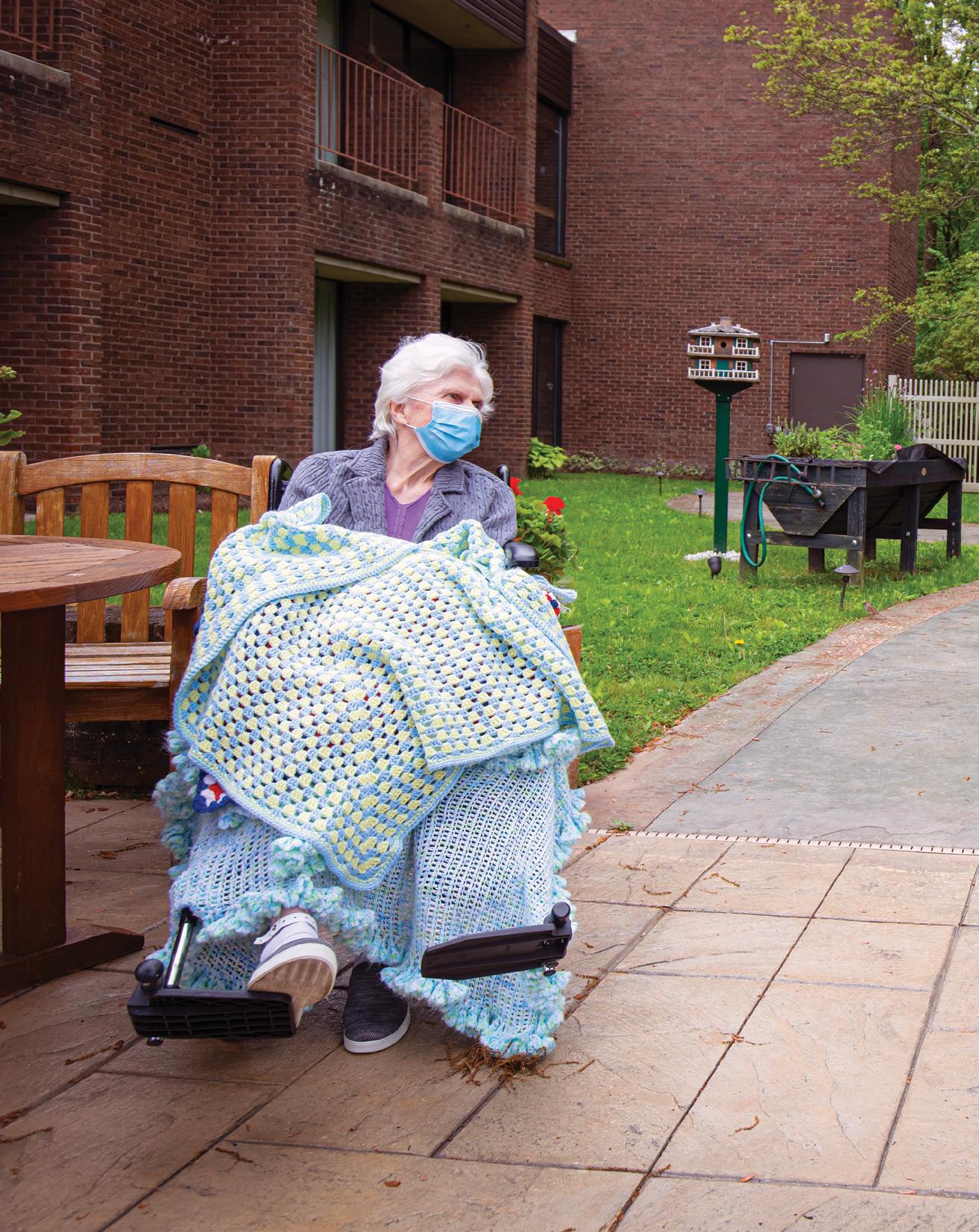
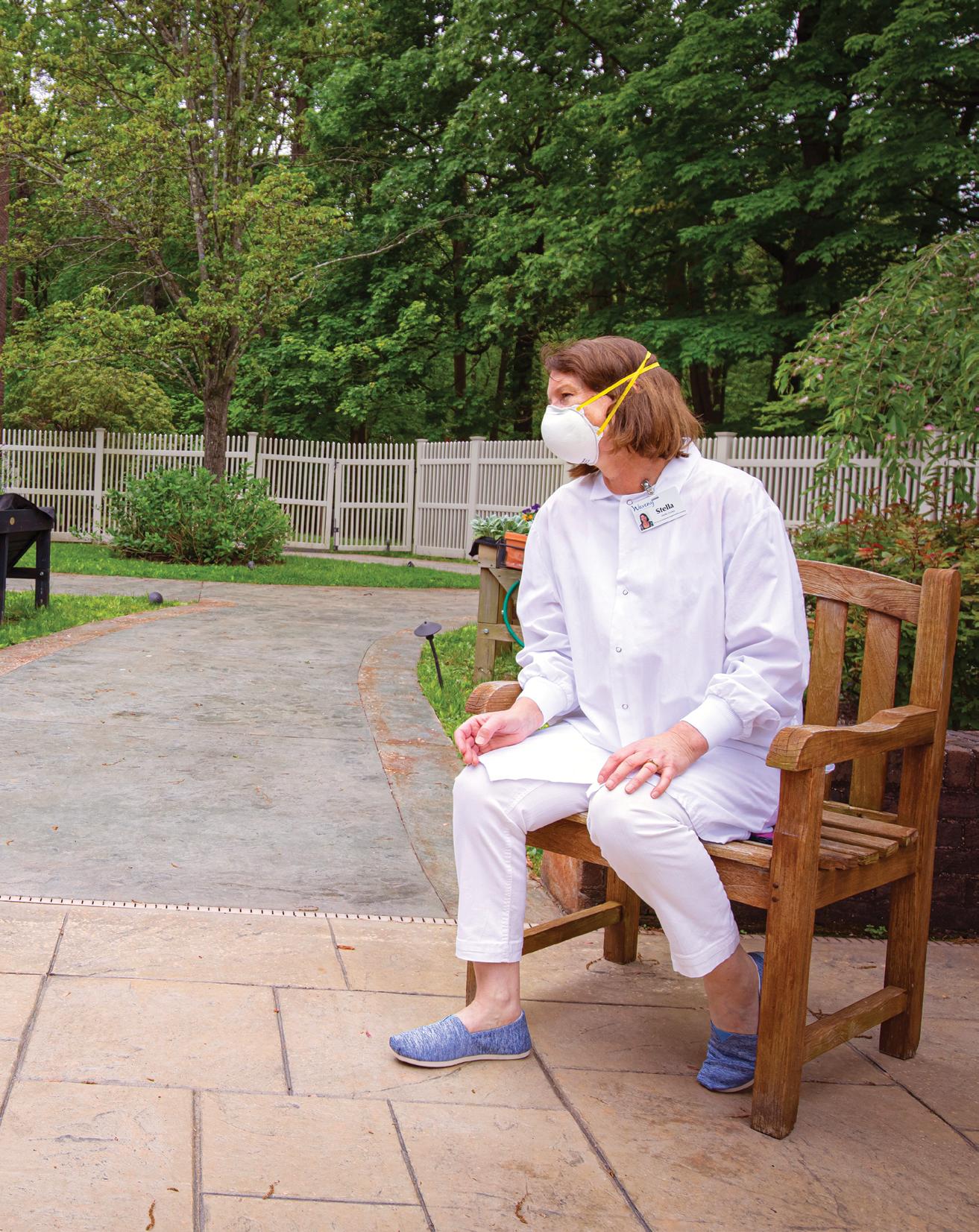
Waveny resident Rosamund Harvey Smith (above) gets outside for some fresh air with Stella Clarke (far right) , executive director of community engagement and volunteering at Waveny LifeCare Network.
Early in the pandemic, Corbet represented Waveny on Zoom calls with state legislators and local leaders to discuss strategies for dealing with the pandemic. “And on one of these calls I heard somebody say, ‘Hey, JAX is going to start offering testing in their CLIA lab.’”
Corbet also happens to be on the JAX Board of Trustees. Earlier that day Corbet had seen a note from Liu about expanding COVID-19 testing. So Corbet set out to bring JAX testing to Waveny.
By the end of March, Waveny was using JAX tests for patients and residents in the dementia care and fully skilled nursing units, starting with those exhibiting symptoms of the virus. Though some patients in the long-term care and memory care areas had contracted COVID-19 and died, others have recovered, and Corbet is convinced that the curve of infection has flattened.
Now all residents and employees are getting swabbed at Waveny, with the swabs being tested by Stamford Hospital. “Having started the process with JAX really gave us a valuable head start,” Corbet says.
“There’s no playbook for this,” Corbet adds, “but fast, accurate testing is the best way we have so far to keep ahead of this virus and keep our community safe. With JAX as our partner, we’re doing everything we can to protect our front-line workers — who are our heroes, no question — and our residents.”
Physician in Chief and Executive Vice President of Academic Affairs Juan C. Salazar with pediatric patient at Connecticut Children's Medical Center.
COVID ‑ 19 AND ITS AFTERMATH IN CHILDREN
It’s a bright spot in the gloom of the COVID-19 crisis: The effects of the coronavirus are generally less severe in children than in adults, and most kids recover quickly and fully. This is in contrast with influenza and most other respiratory viruses, for which adults and children share similar levels of severity and mortality.
At Connecticut Children’s Medical Center in Hartford, for example, all 16 children who tested positive for COVID-19 including a two-month-old infant have survived. “It's a much milder disease, even in the critical care setting, than what has been seen in adults,” says Juan C. Salazar, M.D., M.P.H., FAAP, the pediatric infectious disease expert who is Connecticut Children’s physician-in-chief. “And that’s good news.”
But Salazar and other pediatricians are observing the emergence of a worrying multisystem inflammatory syndrome (MIS-C) among children who have had COVID-19. Symptoms of MIS-C range from fever, vomiting and rash to breathing trouble, severe pain in the chest or abdomen, and inability to wake up or stay awake.
“We have six confirmed cases based on antibody testing,” Salazar says, “and there are a few others under investigation. Yale New Haven Children’s Hospital has another dozen or so. So probably for the state of Connecticut, there are around 20 kids who at least partially meet the definition of the syndrome. And we'll be seeing more.” He notes that because the majority of kids now test negative for the coronavirus, “that suggests that this is a post-infectious syndrome as opposed to an acute infection.”
These kids with MIS-C get “really sick,” Salazar says. “They present symptoms like septic shock: collapse of their blood pressure, and myocarditis with cardiac enzymes that go up. They also develop disseminated intravascular coagulation, and it's really an acute small blood vessel vasculitis with severe compromise.”
But unlike toxic shock patients, “once you treat the MIS-C patients, once you turn the inflammatory process off, they get better. And we've seen kids that were in critical care, and then they walk out of the hospital and go home. It's really remarkable. This is another one of these odd things about this virus.” Salazar is now collaborating with JAX Professor Derya Unutmaz, M.D., in a study of the MIS-C patients.
When a child with symptoms of COVID-19 comes to Connecticut Children’s, he or she goes to a special section of the emergency department that is designated as a special infection unit. Once admitted, the child either goes to the critical care unit with its own COVID-19 section or a special isolation unit in the inpatient area.
Accurate and rapid COVID-19 testing is vital to every aspect of Connecticut Children’s, he says. For example, “if a kid comes to the operating room, that’s the only way we can know for sure that the kid isn’t shedding virus, and exposing the anesthesiologist, the surgeons or the surgical nurses to the virus.”
All testing at the medical center is outsourced to outside organizations. When Salazar learned that JAX was developing COVID-19 testing in its CLIA lab, he contacted Lee at JAX.
“I see the partnership with JAX and the increased capacity to do CLIA testing as the solution,” Salazar says. “I trust that this is exactly the kind of test that would be perfectly done by JAX. If we can up the scale of production of this, we can make it safe for kids to come to us for the care they need, and we can protect our doctors, nurses, therapists, assistants and everyone else on our staff.”
CORONAVIRUS INFORMATION
As part of its mission to improve human health, JAX is committed to helping address the coronavirus pandemic as rapidly as possible. Learn more at www . jax. org/coronavirus-information .
Driving precision
BY GRACE NIEWIJK
ILLUSTRATION BY ZOË REIFSNYDER
Genetic testing is an increasingly common component of patient care and translational research in cancer, neurology, cardiovascular disease and many other areas. And when a single genetic variation can lead to a different treatment strategy, accurately interpreting and delivering the results of genetic tests is a complex yet crucial exercise.
That’s where genetic counselors come in. These health professionals are trained to see the “human side” of genetics and help people understand the medical, psycho-social and research implications of genetic contributions to disease.
Demand for genetic counselors is soaring. According to the U.S. Bureau of Labor Statistics, the field is projected to grow by 27% between 2018 and 2028, compared to just 5% across all professions. While many new master’s degree programs in genetic counseling have come online in the past decade, there are generally not enough training spots in clinics and hospitals, which limits the number of students who can gain the necessary clinical experience to graduate.
The Jackson Laboratory has stepped up to play a key role in training the next generation of genetic counselors. The Jackson Laboratory for Genomic Medicine in Farmington, Conn., is hosting a handful of students each semester and has plans to scale up that number up in the coming year.
“As genetic counselors, we give patients the power to make the decision that’s best for them and their families,” says Brittany Spader, a 2020 graduate of Bay Path University’s new two-year master’s program in genetic counseling. The program, which includes four clinical rotations, prepares students to take on a wide variety of roles in the genetic counseling workforce — from traditional clinical counseling to working in policy or translational research settings. Spader recently completed her final rotation at JAX Genomic Medicine.
“In the clinic, we have to be ready to provide emotional support to patients and families, as genetic information sometimes leads to difficult health-care decisions,” she explains. Genetic counselors can explain test results and scientific concepts in a comprehensible, compassionate and unbiased manner that allows patients to make clear-minded, informed choices.
Her time at JAX helped her realize that scientists working in precision medicine can develop a myriad of new diagnostic tests and treatments, but they need genetic counselors as liaisons, patient advocates and educators who help determine the best way to apply these treatments and diagnostic assays.
“When you bring clinical and laboratory viewpoints together, they really can enhance the research,” she says. Genetic counselors provide an important connection between translational researchers and the patients they are helping, giving new meaning and depth to their day-to-day work. These interactions can lead to clinical benefits, such as the development of more robust sequencing panels that exclude genetic regions that are problematic to report out.
Kunal Sanghavi, JAX program manager of the genetic counseling program and Spader’s rotation supervisor, agrees. “We need genetic counselors to ask the tough questions about implementing new technologies and scientific discoveries.”
Spader came to JAX to focus on her research skills. Under Sanghavi’s supervision, Spader conducted a critical literature review of professional development strategies in genetic counseling — an as-yet understudied area — and presented her findings to the planning committee for the Connecticut Genetic Counselors Association. She also participated in the Maine Cancer Genomic Initiative’s genomic tumor boards and discussions regarding genetic counselors’ roles in public health decisions.
medicine
Realizing the potential of precision medicine through
genetic counselors
Spader believes she is now a more well-rounded genetic counselor who is able to partner with laboratories and policymakers to influence the future of genetic testing and precision medicine. She says one of the most important things she learned from her rotation is that she can expand her knowledge into areas such as education, advocacy, policy or genetic research.
“Having this rotation at JAX highlighted that I shouldn’t stay stagnant in a direct patient care role — there are other ways for me to develop professionally,” she says. “Being at JAX opened my eyes to all the other possibilities available for genetics professionals.”
The science behind coronavirus testing
BY JENNIFER TORRANCE | ILLUSTRATION BY ZOË REIFSNYDER
There are many tests available for viruses such as COVID-19. These tests fall into two main groups: those that detect whether you currently have the virus, and those that detect antibodies to that virus.
Both are important for understanding who is infected and might transmit the virus to others. Who has had the virus and might be immune? Who might potentially help others with treatment?
Coronaviruses contain genetic material in the form of a short, single strand of RNA that is unique to that virus. New ways of detecting these small sequences are being developed, but the most common method uses a process called reverse transcriptase polymerase chain reaction or RTPCR. First, the RNA is converted to DNA and then replicated until the sample is large enough for genetic analysis. If the DNA profile matches the profile of the virus, the test will be positive, confirming an infection.
The other type of testing identifies whether antibodies to the virus are present in your blood. Antibodies are specialized proteins that are produced by your immune system during a viral attack. They bond to foreign substances like viruses and bacteria, neutralizing them. Antibody testing looks for IgM antibodies, which appear within days of infection, and IgG antibodies that remain in the blood and provide long-term protection. If enough antibodies are present in your blood, it may even be possible for doctors to use your blood plasma to treat others.
There is still much to learn about how strongly antibodies respond to new viruses like COVID-19, and how long any immune protection will persist. Many new tests are being developed, and policymakers are working to ensure their safety, accuracy and accessibility.
GENERATIONS OF SUPPORT
JOIN BILL AND HIS FAMILY IN OUR SHARED QUEST TO IMPROVE HUMAN HEALTH.
For over four decades, the Rudolf family has demonstrated its belief in The Jackson Laboratory’s ability to move people closer to a disease-free life. Spending nearly 20 years as a trustee of JAX, Bill and his late wife, Edith, inspired their children and grandchildren (pictured above, sons of Margaret and Tom Coffey) to contribute to research projects as summer students. In addition to a gift in his will, Bill provides annual support and has established a gift to JAX that provides him income for life.
“The
Jackson Laboratory’s cutting-edge genetic research is truly important, and my family and I are proud of our past, current and even future involvement. I will continue to support JAX beyond my lifetime by including it in my will.”
– Bill Rudolf
It’s easy to name JAX as a beneficiary of your retirement plan, life insurance policy or trust in your will. Learn more at www.jax.planmygift.org
We are happy to answer any questions you may have. Please contact us at planmygift@jax.org or (800) 474-9880.
Bill Rudolf and five of his grandsons.
600 Main Street
Bar Harbor, ME 04609-1523
Forwarding service requested
A PUBLICATION OF THE JACKSON LABORATORY
Mission
We discover precise genomic solutions for disease and empower the global biomedical community in our shared quest to improve human health.
Locations
United States
California, Connecticut, Maine
China
Shanghai
www.jax.org
Editor
Joseph Blanchette
Design & art direction
Jane Cha
Karen Davis
Tiffany Laufer
Danielle Meier
Zoë Reifsnyder
Jennifer Torrance
Rebecca Hope Woods
Copy editors
Carol Lamb
Joyce Dall’Acqua Peterson
Rebecca Hope Woods
This publication was produced by JAX Creative. Printed September 2020