YOUR SLEEP, YOUR GENES, YOUR MICROBES • EXPEDITING COVID-19 RESEARCH
PREDICTING CANCER PATIENT RESPONSE • OVERCOMING CHEMOTHERAPY RESISTANCE
ON THE COVER
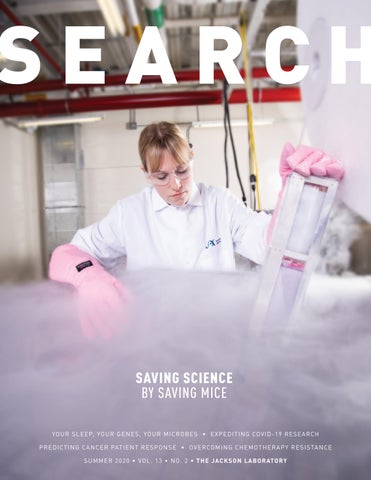
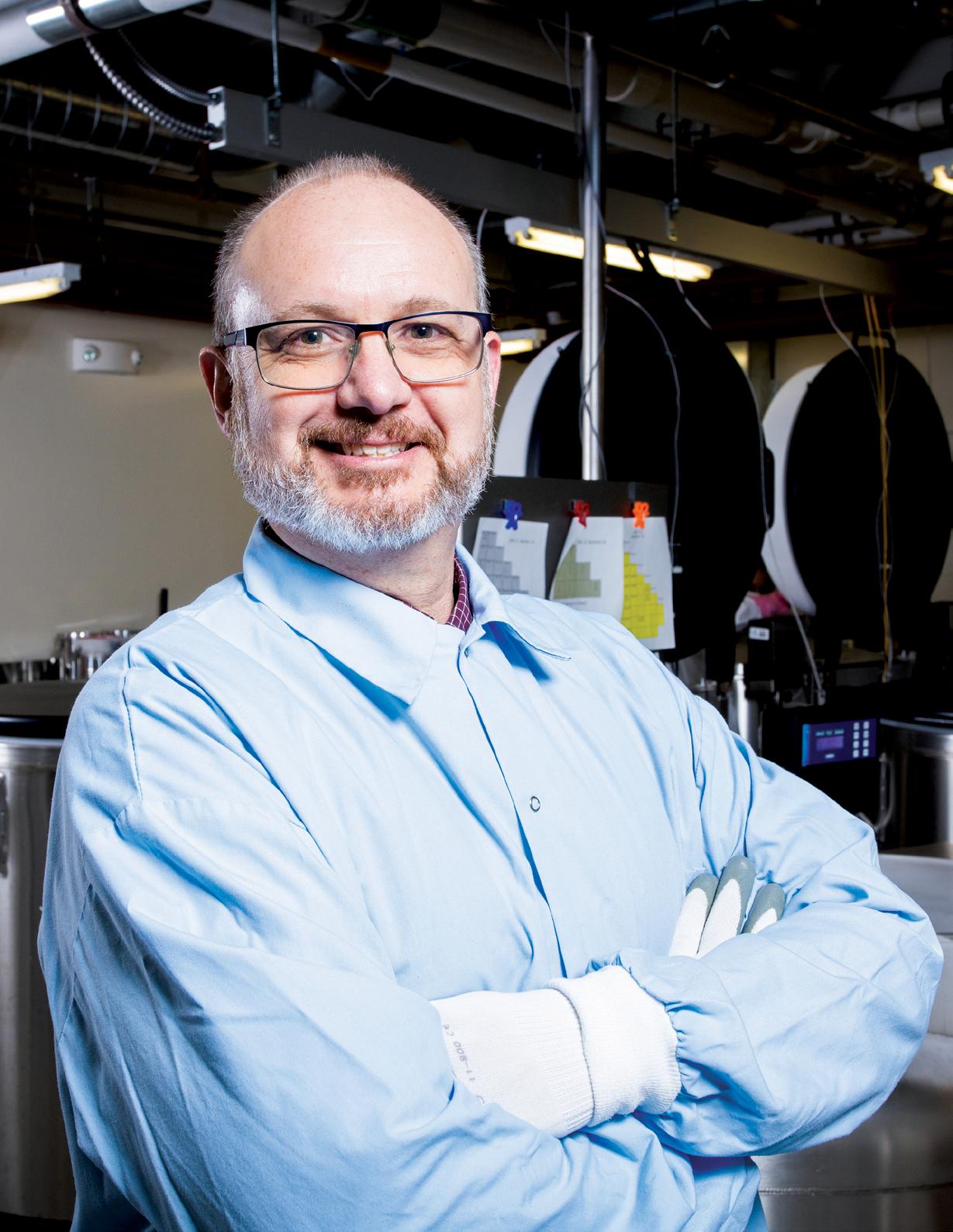
Michelle Burns, a technologist in The Jackson Laboratory’s cryopreservation services unit, looks over frozen genetic samples of research mouse strains in a cryopreservation tank. Cryopreservation ensures that mouse strains are available to researchers in perpetuity.
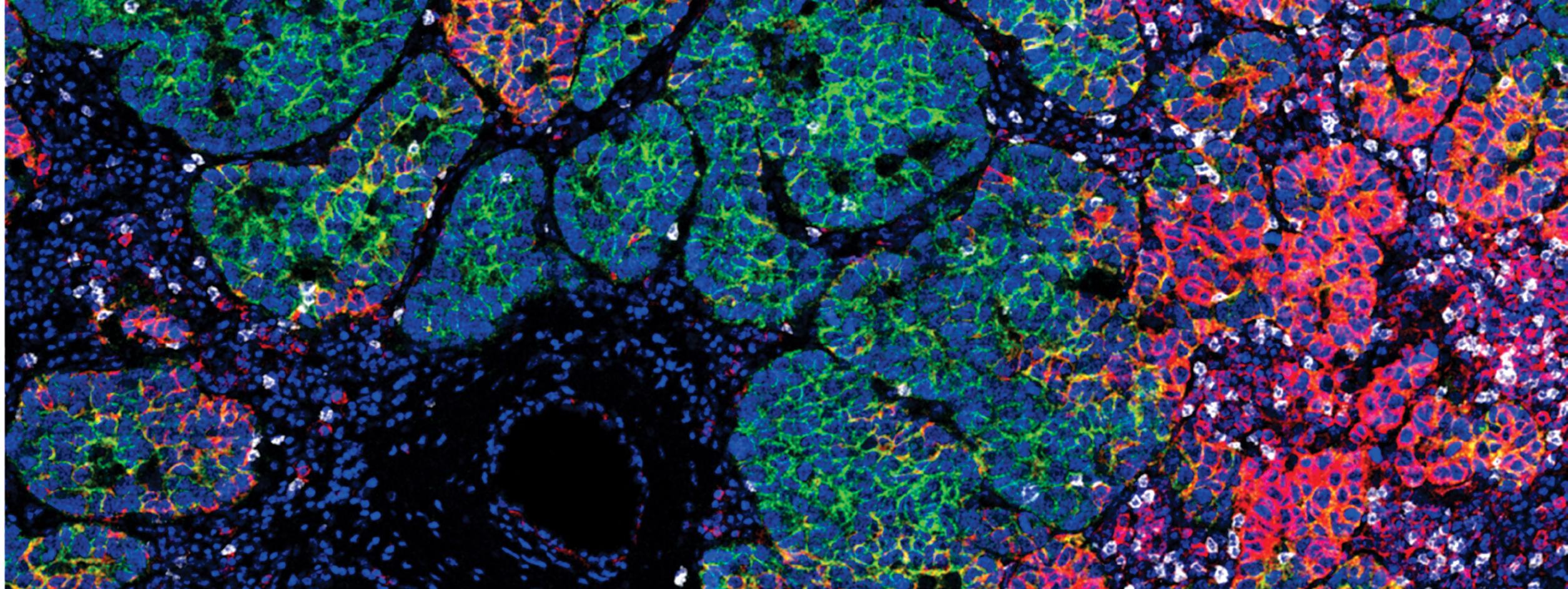
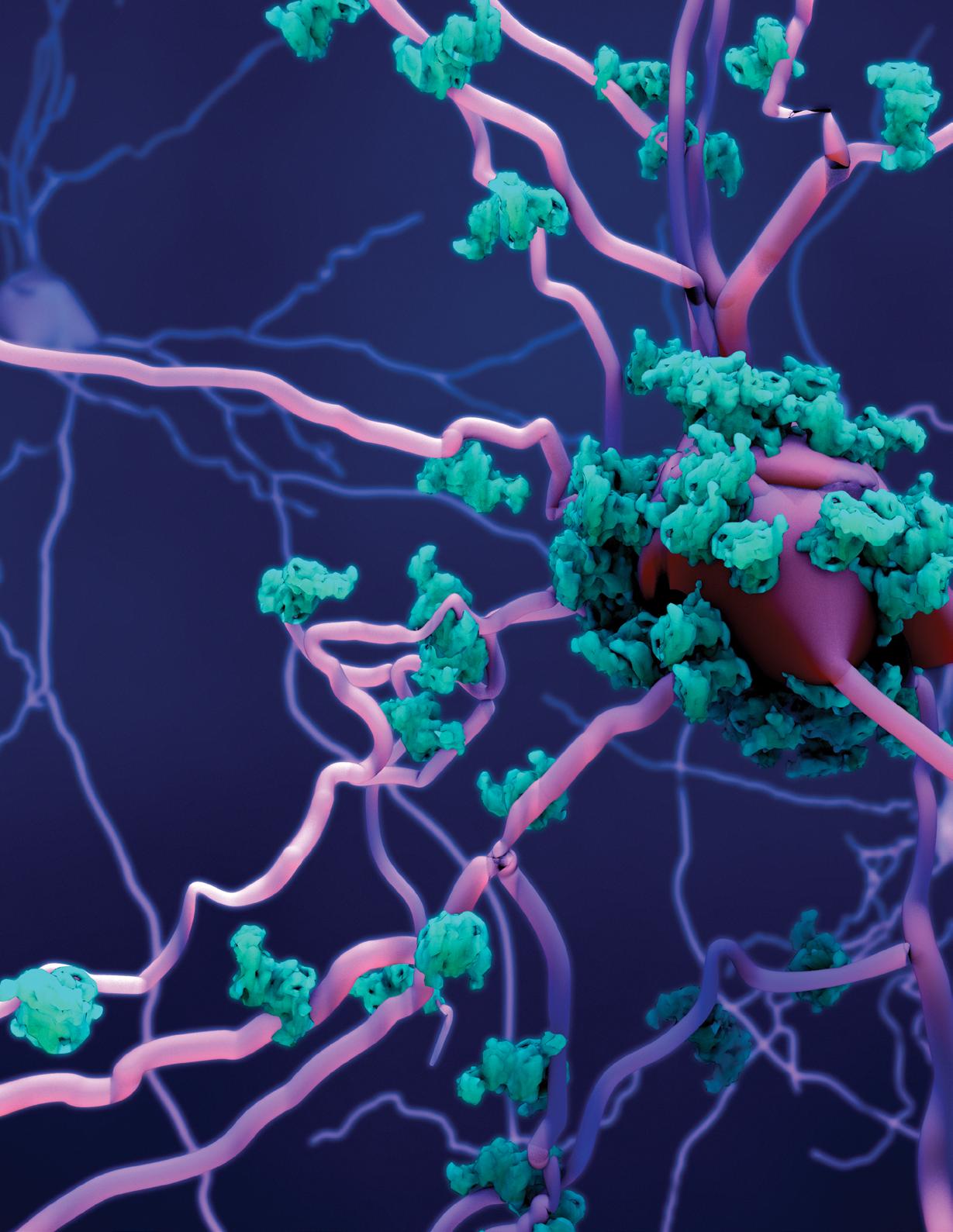
Pictured above is a mass spectrometry image of breast cancer tissue.
COVER PHOTOGRAPHY BY TIFFANY LAUFER INSIDE COVER PHOTO BY SANTHOSH SIVAJOTHI, P h .D.
SAVING SCIENCE IN A PANDEMIC
As I write this, The Jackson Laboratory (JAX) — along with much of the world — is focused on the COVID-19 pandemic. By the time you read this message, the situation will have evolved further, but our lives will still be quite different than they were before the pandemic began. This issue of Search focuses on COVID-19, and I am proud to say that JAX is playing a leading role in the scientific community’s response to it.
Our reputation as the gold standard for developing and distributing mouse models for human health has been in the spotlight as never before. Most mice aren’t vulnerable to SARS-CoV-2, the virus that causes the illness now known as COVID-19, but humans are — and so are transgenic mice engineered to possess the human version of a specific gene. Using frozen genetic material that another institution sent to us, JAX regrew this mouse strain, known as hACE2, and Join us
Researchers around the world count on JAX.
Can we count on you?
we are now providing mice to researchers focused on developing treatments and vaccines. At the same time, we are also working to develop even better mouse models that more closely mimic the symptoms of COVID-19 in humans.
JAX’s ability to preserve and resurrect strains of mice is more important than ever. Because so many universities and research institutions shuttered labs in an effort to flatten the curve of the pandemic, scientists around the world are looking to us to preserve mouse strains vital to their research, so that their work can resume once this widespread illness subsides. Our cryopreservation team is hard at work preserving mouse strains, saving science for the future.
We’re also doing our part to save lives now by turning our Farmington, Conn. clinical laboratory into a resource for large-scale, rapid COVID-19 testing for patients,
health care workers, nursing home residents, first responders and others across the state. Scientists across JAX are bringing their expertise to bear upon this urgent health crisis, adding to our understanding of the novel coronavirus and the disease it causes.
The future of science and our world are being reshaped by COVID-19. Through this pandemic and beyond, JAX will continue leading the search for cures.
Edison Liu, M.D. President and CEO, The Jackson Laboratory
Research breakthroughs at The Jackson Laboratory have helped form the foundation of modern medicine. Organ and bone marrow transplants, stem cell therapies, and in vitro fertilization all have a basis in JAX research. Today, JAX uniquely amplifies the efforts of the global biomedical community.
Scientists around the world depend on The Jackson Laboratory, and, as a nonprofit biomedical research institute, JAX depends on its philanthropic partners. In fact, gifts from friends like you started it all. The land that our Maine headquarters sits upon was donated by George B. Dorr, a family friend of JAX founder Clarence Cook Little.
Biomedical research will continue, and we are proud to be able to contribute to this vibrant, ongoing effort.
Will you be our partner in empowering research worldwide? Join us by making a gift today at www.jax.org/give
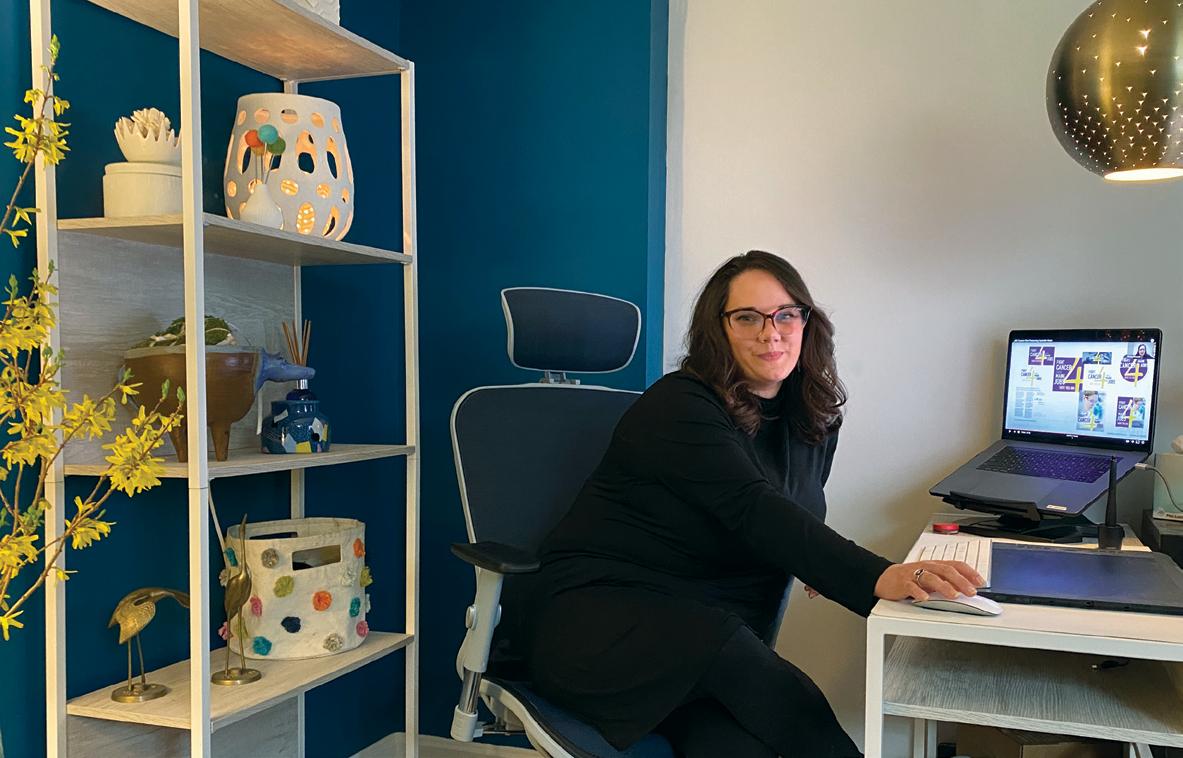
CELEBRATING DNA DAY WITH VIRTUAL CAREER CHATS
National DNA Day is celebrated each year on April 25 to commemorate the discovery of the double helix structure of DNA and the completion of the Human Genome Project. One goal of DNA Day programming is to expose students to opportunities in science, in order to help break down barriers to pursuing STEM careers.
To meet this goal, the education team celebrated National DNA Day with a new virtual series for high school and undergraduate students, highlighting careers and research at JAX. The team produced short “career chats,” which feature short videos and written
interviews with JAX employees across a variety of fields, demonstrating the diversity of jobs, skills and opportunities in the world of biomedical research.
The hope is that these interviews will help students “meet” professionals in the STEM workforce and learn from their experiences.
Interested teachers and students should visit www.jax.org/career-chats to access recordings of previous chats, and subscribe to the JAX YouTube channel to be notified of future live events.
MASKS FROM L.L.BEAN HELP TO KEEP RESEARCH ON TRACK
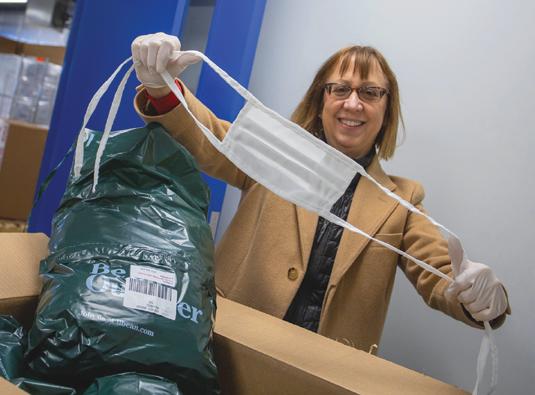
JAX was the grateful recipient of thousands of masks produced by Maine-based retailer L.L.Bean. The company began making the masks in response to the pandemic, joining a growing list of companies using their own resources to make protective equipment for health care workers during the coronavirus crisis.
The masks, which were also sent to facilities in the Maine health care system, are constructed out of material used for dog bed liners.
A CONVERSATION ABOUT PANDEMIC RESPONSE
The Jackson Laboratory and Ellsworth Public Library collaborated in March to present an online program for the local community entitled, “From SARS to COVID-19: My life with pandemic response.”
JAX President and CEO Edison Liu, M.D., was the speaker for the event. Liu previously led the scientific response for the country of Singapore for the SARS crisis in 2003. He talked about the science behind COVID-19, how to slow the spread of the virus and outlined what the scientific community is doing to address the public health crisis.
The free, public event was moderated by Nadia Rosenthal, Ph.D., JAX’s scientific director in Bar Harbor.
You can watch a recording of the talk by visiting www.jax.org/covid19-talk.
PHOTOGRAPHY BY DAVID FRANCIS & TIFFANY LAUFER
Small molecules, big data for health and disease
BY JOYCE DALL’ACQUA PETERSON
PHOTOGRAPHY BY CHARLES CAMARDA
How a cancer patient responds to immunotherapy, or how a person reacts to vaccination, has a lot to do with metabolism in individual cells as well as the body as a whole. Associate Professor Shuzhao Li, Ph.D., uses high-resolution mass spectrometers to quantify metabolism, measuring thousands of small molecules in the body.
“Metabolomics is biochemistry 2.0,” Li says. Many of these molecules are metabolites, the product of gene functions, he explains, and others have dietary and environmental origins. “So, this chemical information fills a critical gap between genes and environment, to support precision medicine.”
To Li, metabolomics is a powerful new tool added to his research arsenal.
“How to manipulate and engineer human immunity is at the center of combating many diseases,” Li says. “We’re now in a new era of integrating genomics, metabolomics, single-cell profiling, immunology and other fields, but we’re still missing a comprehensive and robust computational tool to predict human immune response.”
Li and his lab are pioneering metabolomic applications to human immunology. His earlier works showed that vaccine-induced human immune response is largely influenced by the patient’s metabolic profile. Big data from metabolomics and other high-throughput technologies form the foundation of multi-scale models of the human immune system.
The most promising future, Li says, harnesses “next-generation artificial intelligence that continuously learns from big data, and trains to simulate the human immune system.” This will involve data mining, artificial expert systems, deep learning and predictive modeling “of tremendous complexity,” he says. “But the result will be an AI system that is more capable than any single doctor, to guide the design of new drugs, vaccines and immunotherapies.”
Your sleep, your genes, your
Did you know? Odoribacter’s name comes from its rod shape (“bacter”) and its link to bad dog breath (“odor”) — some strains are found in the mouths of dogs with gum disease.
microbes
BY JOYCE DALL’ACQUA PETERSON | ILLUSTRATION BY MATT WIMSATT
Addiction researchers have discovered that the presence of Odoribacter in the gut alters sleep patterns differently in mice depending on their genetic background.
You do all the right things to get a good night’s sleep: maintain a consistent bedtime, turn off your screens early, keep the bedroom temperature down, etc. Beyond your control are your genetically determined sleep patterns and, possibly, the interaction of your genes with certain microbes in your gut.
Researchers at The Jackson Laboratory have discovered that the abundance of a particular gut microbe, Odoribacter, alters the sleep behavior of mice. More significantly, the microbe’s effect on sleep varies depending on the genetic background of the mice.
The research, published in the journal Genetics , points to a powerful new way to sort out the incredibly complicated functions and interactions of the gut microbiome with the genetics of the host.
Picture a yearbook from a high school with 3,800 students. Just by paging through the photos in the book, could you tell which kids are in a service club and which ones vandalized the school? Which were friends, which were frenemies? Now replace the students with microbes and multiply by a billion, and you have an idea of what it takes to understand the microbiome and how it influences health and disease through complex networks of host genetics, genomics, microbes and environment.
“Most studies of gut microbiome and disease have basically produced lists of microbes in people with a disease,” says JAX Professor Elissa Chesler, Ph.D., senior author of the study and director of the JAX Center for Systems Neurogenetics of Addiction. “It’s hard to tell whether the host environment is selecting for that microbe, whether colonization with that microbe is influencing the host environment, and how the disease processes are merging.”
To deal with this “chicken-and-egg” problem, as she calls it, her team turned to examining the impact of host genetics through the powerful tool of genetically varied mouse populations known as the Collaborative Cross.
Past studies by Chesler correlated genetic variation among Collaborative Cross mice with the animals’ microbiome, physiology and behavior. Her work revealed a relationship between the abundance of Odoribacter and sleep behavior, regulated by a genetic variant on Chromosome 7.
Jason Bubier, Ph.D., a research scientist in the Chesler lab, focuses on the microbiome link to addiction. “To test this relationship,” Bubier says, “we looked at a mouse model of obesity and diabetes,” known as Lepr db or DB, “that was already known to have very fractured sleep.” These mice tend to sleep at inappropriate times and in broken-up bouts, instead of the normal mouse sleep routine of one solid block during daylight hours.
“We asked a very simple question,” Bubier says. “If we perturbed the microbes in the DB mice, do we see a restoration of normal sleep? And yes, we do.” By knocking out Odoribacter by the use of antibiotics, he says, the DB mice show “a really restored, normal sleep cycle comparable to control mice.” But he warns against the idea of using antibiotics as a sleep aid.
“As addiction researchers,” he says, “we’re interested in sleep because it’s been shown that shift workers, and others whose sleep patterns are regularly disrupted, are more predisposed to some psychiatric disorders that often occur with addiction, such as depression and bipolar disorder.”
Chesler says that the systems genetics approach her team used in this research provides a solid experimental strategy for scientists to explore those previously elusive relationships among host, microbe and disease, revealing potential disease triggers and opportunities for therapeutic intervention.
Sleep is “fundamental,” she adds, “and we need to get enough of it to discover what it’s about.”
Predicting cancer patient to immunotherapy
BY
JAX receives $2.5M from The Mark Foundation for breakthrough cancer immunotherapy project
The Jackson Laboratory recently received $2.5 million from The Mark Foundation for Cancer Research for an immunotherapy study that will work to develop new and improved treatments for cancer patients based on their genetic backgrounds.
Immunotherapy, which uses the body’s own immune system to fight cancer, is one of the most promising approaches to cancer treatment today, and expanding its availability to a wider population of patients is a high priority for researchers across the globe.
While immunotherapy has resulted in some remarkable outcomes for patients whose cancers otherwise would have been fatal, the overall efficacy rates for this class of treatment are not high, and many patients experience serious or even life-threatening side effects. The best way to determine which patients will respond well to immunotherapy is still unclear. Factors that
may influence response to immunotherapy, such as the personal genetics of each individual, tumor characteristics and the crosstalk among these profiles, are critical toward designing immune therapies that will have broader impact.
JAX President and CEO Edison Liu, M.D., and Associate Professor Laura Reinholdt, Ph.D., co-principal investigators of the study, will use genetically diverse mouse models to untangle the relationship between genetics and response to immunotherapies.
“This research may one day allow doctors to use genetic sequencing to predict patient response to immunotherapy, as well as help scientists develop more effective anti-cancer drugs that fight tumors by activating an immune response,” says Liu. “We are so grateful to The Mark Foundation for enabling this extraordinary opportunity, which we hope will have a significant impact on patients and the field of immunotherapy.”
MAGGIE MOORE | PHOTOGRAPHY BY TIFFANY LAUFER | ILLUSTRATION BY JANE CHA
response
The mission of The Mark Foundation for Cancer Research is to support scientists tackling the toughest challenges in cancer research. Multidisciplinary groups such as the JAX team, which brings together experts in genetics, bioinformatics, mouse models and immunology, are well positioned to take on these challenges. By funding this type of collaborative project, The Mark Foundation ensures that the right expertise is brought to bear on a substantial unmet need, ultimately accelerating cancer research to the benefit of patients.
“This project addresses critical limitations in cancer research. First, most mouse models for studying therapeutic response lack the genetic diversity that exists in the human population,
often leading to disappointment when treatments that show promise in these models are deployed broadly in patients. Second, the biology of how genetics impacts tumor response is not well understood due to a lack of adequate experimental systems for uncovering new knowledge,” says Michele Cleary, CEO of The Mark Foundation. “Solving both of these issues requires the type of complex and nuanced work in mouse genetics for which JAX is world renowned.”
BE A CATALYST
For the same price as a monthly streaming service subscription, you can invest in advancing the future of human health all year long. Learn more at www.jax.org/catalyst-circle .
Cancer researchers
Laura Reinholdt and Edison Liu
Saving
science by saving mice
BY JOYCE DALL’ACQUA PETERSON | PHOTOGRAPHY BY TIFFANY LAUFER ILLUSTRATION BY DANIELLE MEIER
As labs worldwide halted research due to the COVID-19 outbreak, a JAX team is throwing a lifeline to those in need.
Rob Taft’s job is saving lab mouse strains. As senior services program manager at The Jackson Laboratory, Taft ensures that valuable laboratory mice are conserved as cryopreserved (frozen) embryos and sperm, to enable scientific continuity and to ensure that years — sometimes decades — of valuable research won’t be lost. His team’s work allows JAX to maintain a collection of more than 11,000 strains to help researchers find the right mouse model for their research.
The COVID-19 pandemic has made rescuing these strains an emergency mission. “The current situation is impacting research across the country and around the world as we all implement measures to slow COVID-19,” Taft says. “The adoption of physical distancing and shelter- in - place orders means that many research activities are having to be suspended.”
Organizations using animals are required to have disaster plans to ensure the humane treatment of animals and continuity of research, he notes. “However, it is creating concern that novel mouse strains that may hold the key to new treatments for disease could be lost to science.”
JAX has provided mouse rescue efforts in the past, such as in Houston in 2001 following flooding caused by Tropical Storm Allison,
and in the New York City area in the wake of Hurricane Sandy in 2012, but never before on this national and even international scale.
In response to this situation, JAX is mounting an extraordinary rescue effort to help scientists facing shutdowns.
“As we saw how the situation was evolving, we formed a team to focus on this and began developing plans to help scientists protect strains critical to research,” Taft says.
Recognizing that researchers in cities around the country needed to quickly cryopreserve their strains, the team decided to send trucks to hard-hit areas to retrieve the mice and bring them back to JAX to have their sperm or embryos frozen.
“After hearing from the research community that some organizations were stopping all nonessential work in places like New York City and Boston, we proactively scheduled trucks to be in those areas ahead of the deadlines to pick up mouse strains and bring them back to JAX for cryopreservation,” Taft says.
“We’re also making changes to allow a much higher than normal pace of receiving animals and cryopreserving strains so that we can accommodate as many requests as possible.”
JAX is also rushing cryopreservation kits to labs around the world so that researchers can freeze mouse sperm quickly and send it back to Bar Harbor for safekeeping.
JAX is keeping the cost of providing these emergency services as low as possible, in line with its nonprofit mission.
We’re still here, we’re still open and we’re here to help.
Rob Taft
Cryopreservation enables JAX to serve as the world’s repository of genetically defined laboratory mice, a kind of seed bank for ensuring that mice are available to researchers in perpetuity. Only those strains that are actually needed for research programs are maintained in live colonies, says Cat Lutz, Ph.D., senior director of the JAX mouse repository and in vivo pharmacology.
For all other strains, “we put them in cryopreservation, and this is very much like you would see in a human IVF clinic. Sperm and embryos are cryopreserved, and they’re able to be reanimated at any time. So if a particular researcher is looking to have a mouse model for a particular disease that hasn’t been utilized in a long time, we can just reanimate that strain from the freezer.”
Developed in the early 1970s, embryo cryopreservation was quickly adopted by Wesley Whitten, Larry Mobraaten and other JAX scientists to establish the first cryopreservation program. The ability to cryopreserve meant that hundreds of embryos could be stored in containers similar in size to a cocktail swizzle stick, with hundreds of thousands stored in a single tank maintained in
liquid nitrogen at -196ºC. Samples of each mouse strain cryopreserved in Bar Harbor are also sent to a back-up “mirror” site, as protection from being lost during disasters and enabling strains not actively used to be stored until they are needed.
These techniques perfected at JAX also became essential to human fertility treatments. Ironically, freezing human sperm was initially much more effective than freezing mouse sperm, which would lose almost all its viability after being thawed. In 2007 Taft and other JAX scientists figured out the exact process required. Since a single male mouse can produce millions of germ cells, sperm cryopreservation is a highly efficient way to capture and preserve the genetic profile of a mouse strain.
Taft’s message to the research community: “We’re still here, we’re still open and we’re here to help.”
And once labs are ready to reopen, Taft says, “with our special expertise, JAX will be here to help the world’s research community rebuild mouse colonies, and get back to the important work of finding cures and treatments to improve human health.”
CORONAVIRUS INFORMATION
As part of its mission to improve human health, JAX is committed to helping address the coronavirus pandemic as rapidly as possible. Learn more at www . jax. org/coronavirus-information .
JAX is delivering a unique transgenic mouse model to the world’s research community.
The world is waiting for vaccines and treatments to mitigate the spread and severity of the coronavirus pandemic. JAX is working to ensure that the worldwide research community has access to a mouse model that can serve as an accurate experimental platform for COVID-19.
Scientists depend on animal models for the development and testing of safe and effective vaccines as well as antiviral and other therapeutic strategies. However, standard inbred strains of mice are not susceptible to COVID-19 infection, says Cat Lutz, Ph.D., who oversees the mouse repository.
“There’s a big enough difference between the ACE2 receptor in mice versus the ACE2 receptor in humans,” she explains. This means it’s necessary to genetically engineer a mouse model that’s capable of being infected.
Fortunately, that engineering work was already done. A 2002 outbreak of a related coronavirus, known as severe acute respiratory syndrome (SARS), led many in the research community to realize that “this is probably not going to be the last time we’re going to be faced with a coronavirus infection that is going to be a pandemic within the population,” Lutz says.
In 2007, researchers Stanley Perlman, M.D., Ph.D., and Paul McCray, M.D., of the University of Iowa developed the K18-hACE2 mouse, which carries the hACE2 (human angiotensin I converting enzyme 2) gene; this is the gene that encodes the receptor that COVID-19 binds to, infecting cells and causing illness.
JAX has a special role in maintaining and distributing genetically defined mouse models worldwide. When the COVID-19 crisis arose, it became clear that there would be high and immediate demand for K18-hACE2.
EXPEDITING COVID-19 RESEARCH
BY JOYCE DALL’ACQUA PETERSON | ILLUSTRATION BY DANIELLE MEIER
“We started with getting a small vial of sperm from Stanley Perlman, who generously and graciously understood the urgency of the situation and released that to us immediately,” Lutz says. “He then released another 15 vials that we got from his laboratory.”
To generate sufficient quantities of the K18 - hACE2 mice, the JAX team immediately initiated a large-scale in vitro fertilization (IVF) program.
“We are extremely fortunate to have reproductive science capabilities that far extend our capacity to generate these mice by just natural mating,” Lutz explains. “Natural mating involves putting a male and a female into a cage, giving them some time to get to know each other, and producing a small litter of pups of maybe five or six animals.”
By using IVF alongside traditional breeding, JAX has generated a new colony of hACE2 mice. The colony can now be sized to meet the demands of researchers.
Lutz notes that all this extraordinary effort is more expensive to conduct than traditional breeding. Keeping in line with its nonprofit mission, JAX is making sure that the price of the mice is as low as possible.
Besides the efforts to breed and distribute enough K18-hACE2 mice to meet demand, JAX is reviewing other mouse models for their potential to advance COVID-19 research.
“I think that the work we’re doing with COVID-19 really speaks to the strengths of The Jackson Laboratory,” Lutz says. “I don’t imagine that there are many institutions that could be called into action in the way that we have been, and responded as quickly as we have.”
ADVANCING GENOMICS FOR PEDIATRIC ORTHOPEDIC
BY SARAH LASKOWSKI | ILLUSTRATION BY REBECCA HOPE WOODS
Shriners Hospitals for Children ® and The Jackson Laboratory announce research affiliation for genomic studies of pediatric patients.
With the goal of identifying advanced treatment approaches for children with genetic orthopedic conditions, The Jackson Laboratory and Shriners Hospitals for Children® have entered into a research affiliation agreement.
The agreement is part of the new Shriners Hospitals for Children® Genomics Institute. Based at its headquarters in Tampa, Fla., the Genomics Institute is focused on finding the genetic causes of orthopedic conditions and disabilities such as clubfoot, scoliosis and osteogenesis imperfecta, and easing — and, in some cases, perhaps even ending — the potential for a lifetime of medical care and personal struggle.
“We are excited to collaborate with The Jackson Laboratory to advance precision medicine and specialized pediatric care for the more than 100,000 patients we treat every year,” says Marc Lalande, Ph.D., vice president of research programs, Shriners Hospitals for Children®
The availability of individual genetic data can lead to the identification of disease-related variations, or gene alterations, which can further illuminate better ways to diagnose
and treat pediatric orthopedic diseases and other conditions.
As part of this agreement, Shriners Hospitals for Children® will perform next-generation sequencing on DNA samples obtained from families at its 22 hospitals and outpatient locations in North America and from its international network of outreach clinics.
Investigators at JAX will provide expertise on genomic data analysis, specialized knowledge bases and algorithms, and the microbiome. JAX will also aim to develop mouse models carrying the same genetic variations as patients with these rare pediatric diseases, providing key research platforms for discovering new treatments and important clinical information.
“Harnessing the power of genomics to understand the basis for orthopedic and other pediatric diseases is of the utmost importance,” says Charles Lee, Ph.D., FACMG, scientific director of The Jackson Laboratory for Genomic Medicine.
“This research can bring hope to countless families, and we’re looking forward to working with Shriners Hospitals to help children around the world.”
DISEASES
MOVING BEYOND AMYLOID TO TREAT ALZHEIMER’S DISEASE
BY MARK WANNER
Early in 2020, The New York Times published an article that created quite a stir with one of the more discouraging headlines in recent medical reporting history: “An Alzheimer’s Treatment Fails: ‘We Don’t Have Anything Now.’” It documented the latest vignette in an ongoing story about how the amyloid hypothesis, a seemingly sure-fire strategy for Alzheimer’s disease therapy development, has led nowhere clinically. But are we really at a dead end?
In a word, no. Actually, at JAX, there is more reason for hope than ever in Alzheimer’s disease research. Here’s why.
ALL IN ON AMYLOID
Why did everyone focus on lessening beta-amyloid buildup for Alzheimer’s disease therapy? For one thing, the accumulation of beta-amyloid in the brains of Alzheimer’s disease patients has been one of the few known disease hallmarks. Also, researchers have found that rare mutations in any one of three genes involved with beta-amyloid production or accumulation lead to early-onset Alzheimer’s disease in nearly everyone who has them. It seemed to make sense, therefore, that reducing or removing amyloid would mitigate Alzheimer’s progression.
Except it doesn’t. Failed clinical trials now number in the hundreds, including the latest one chronicled by The New York Times .
WHAT NEXT?
Researchers now think that beta - amyloid buildup is part of a much larger collection of processes that lead to Alzheimer’s disease progression. Other factors, such as tau protein tangles (another hallmark of the disease), immune function, perhaps even vascular health, are all thought to contribute. Therefore, the presence of beta - amyloid plaques alone is not sufficient to cause disease, and their elimination is not sufficient to slow its course.
So instead of investigating rare cases of early-onset disease caused by specific genetic mutations, scientists are taking a look at the bigger picture. Many factors likely come into play over the decades that eventually lead to neuron death and cognitive decline in late-onset Alzheimer’s disease, which is the much more common form. Embracing all the variables involved, including environment and behavior in addition to genetics and physiology, is extremely difficult. But new research capabilities are making it possible.
JAX INNOVATIONS
At JAX, the research team is exploring multiple aspects of Alzheimer’s disease. An important one is to improve mouse models of the disease to better reflect patient biology and disease pathology.
JAX researchers Greg Carter, Ph.D., and Gareth Howell, Ph.D., are using patient population data to identify genetic variants associated with Alzheimer’s
disease. The most promising ones are engineered into mice using CRISPR, the most advanced genetic engineering tool available. Furthermore, mice that exhibit Alzheimer’s disease-like traits can be imaged using new techniques to visualize disease progression. They are also analyzed at the molecular level to validate their relevance to human disease.
In a related effort, Catherine Kaczorowski, Ph.D., is using genetically diverse mouse populations to study susceptibility in different genetic backgrounds. Using a gene mutation that causes early-onset Alzheimer’s disease, she has found that not all mice in a genetically diverse panel develop the expected neurodegeneration. She is now identifying the genetic differences that protect these mice from cognitive decline. What if we could bolster our natural protective mechanisms to keep healthy neural function even if we’d typically develop Alzheimer’s disease? It’s an intriguing thought, and the early results are promising.
So, is the Alzheimer’s disease research cupboard bare? Far from it. Moving beyond beta-amyloid, researchers are identifying the cascade of events that cause disease and impair brain function. And with that knowledge, the potential to prevent or treat this devastating disease is growing all the time.
JAX cancer researcher Gary Ren is investigating whether chemotherapy may trigger changes in the tissue environment that enable breast cancer metastasis in the lungs.
breast cancer chemotherapyresistance
“Chemotherapy has significantly improved the survival of breast cancer patients,” says JAX Assistant Professor Gary Ren, Ph.D. “But treatment failure still remains a major clinical issue worldwide.”
Most breast cancers are carcinomas, tumors that start in the epithelial cells that line organs and tissues throughout the body. (Carcinomas that start in the milk ducts or lobules of the breast are usually designated adenocarcinomas.) Patients with breast cancer typically receive chemotherapy to block the growth of tumor cells and prevent metastasis, the migration of tumor cells to the lungs or other vital organs.
Normal epithelial tissue has a support network called the tissue stroma or microenvironment, a variety of cells that communicate and collaborate to maintain cell health. For example, the stroma recruits repair mechanisms when epithelial tissue is injured or damaged. But when a genetic alteration occurs in an epithelial cell, the newly cancerous cell highjacks the stroma to maintain and protect it, even from chemotherapy.
Current knowledge about treatment failure is mostly derived from research on intrinsic and acquired chemo-resistance in epithelial tumor cells. However, Ren says, recent studies have implicated a critical role for host cells in building a protective “niche” for tumor cells, enabling their escape from chemotherapeutic treatments. “Notably, the host regenerative response upon chemotherapy ‘injury,’ which is regarded as a mechanism to repair damaged tissues, may be exploited by tumor cells for their local recurrence or distant metastases.”
BY JOYCE DALL’ACQUA PETERSON PHOTOGRAPHY BY TIFFANY LAUFER
Ren has received new funding to study how chemotherapy-induced changes in the lung stroma foster the growth of metastatic breast tumor cells in the lung. His co-investigators are JAX Professor Lenny Shultz, Ph.D., an expert in mouse models of human disease, and Assistant Professor Bora Lim, M.D., from the department of breast medical oncology at the University of Texas MD Anderson Cancer Center.
“Our study will energize an underdeveloped field of research that investigates the impact of cancer therapeutics on the pre-metastatic microenvironment,” Ren says. “Our findings will facilitate the development of clinically applicable strategies to improve treatment efficacy and prevent metastatic relapse of breast cancer by interfering with the tissue’s metastatic microenvironment.”
The Ren lab has previously established that mesenchymal stem cells (MSCs) in the stroma gain a significantly higher potential to promote local tumor growth after receiving cancer therapy. They recently published a comprehensive review of the roles of MSCs in regeneration and cancer.
“We are now going to explore how chemotherapy treatment stimulates regenerative responses in MSCs in the lungs, making the lungs a safe haven for migrating drug-resistant tumor cells,” he says.
Ren and his lab will investigate how two widely used chemotherapeutic drugs (cisplatin and doxorubicin) alter MSCs in the lungs of mouse models to allow metastatic tumor growth in the lung. They will also analyze specimens from breast cancer patients to find ways to both predict and block metastatic relapse of breast cancer patients after chemotherapy.
ZOOMING IN ON THE BRAIN
BY JOYCE DALL’ACQUA PETERSON | PHOTOGRAPHY BY THOMAS FOUCHEREAUX IMAGE COURTESY OF ERIK BLOSS
JAX neuroscientist Erik Bloss develops high-resolution tools to study the wiring of neuronal circuits in normal brains and Alzheimer’s disease.
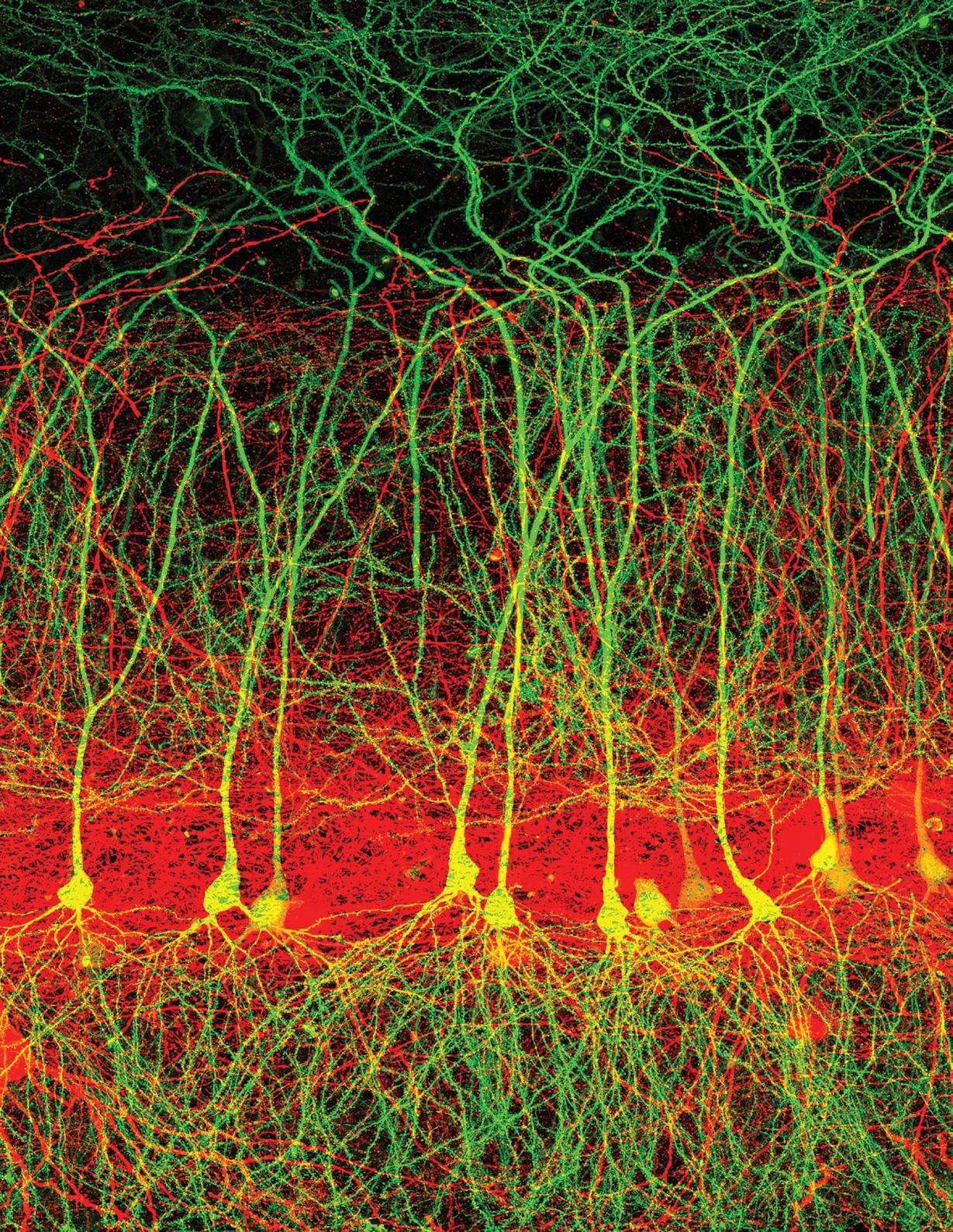
Assistant Professor Erik Bloss, Ph.D., researches the wiring of neuronal circuits in the hippocampus — a brain structure that is essential to learning and memory, and that is vulnerable to the ravages of neurodegenerative diseases such as Alzheimer’s.
“Neurons are super-interesting electrical devices,” says Bloss. “And visualizing them helps you figure out the functions they serve.”
To explore the overall function of neuronal circuits in the hippocampus, Bloss deploys high-resolution instruments that he formerly used to pioneer techniques for imaging neurons while a research scientist at the Howard Hughes Medical Institute in Virginia.
The imaging techniques have revealed that neuronal cell types are wired to each other in different ways, observing either highly
structured or random forms of connectivity. The striking precision in the wiring patterns between some cell types suggests important functional consequences for the way in which information is processed within the circuit.
Bloss says his current goal is to marry advanced imaging technology with the genetic tools of JAX to gain insights into Alzheimer’s and other neurodegenerative diseases, in addition to normal brain function.
“We can look at promising new mouse models for Alzheimer’s disease and say, okay, what’s under the hood here? We think this model accurately mimics the human condition, but how can we better assess that?”
High-resolution array tomography enables the detailed structure of synaptic connectivity to be mapped across the entire dendritic arbor of fluorescently labeled neurons.
MAXIMIZE THE IMPACT OF YOUR PHILANTHROPY
It’s important to me to champion JAX in every way I can. That’s why I decided to add planned gifts to the ways in which I support the Laboratory.
– Kathleen A. Corbet
Kathleen Corbet has been a trustee of The Jackson Laboratory for over a decade. Her comprehensive giving includes annual donations, a life insurance policy and a designation of JAX as a beneficiary of her retirement plan assets. Kathleen’s creative support helps the JAX mission, today and beyond.
Join her in our shared quest to improve human health.
It’s easy to name JAX as a beneficiary of your retirement plan, life insurance policy, will or trust. Learn more at www.jax.org/giftplanning
We are happy to answer any questions you may have. Please contact us at planmygift@jax.org or call (860 ) 837‑2328 or (800) 474 9880.
600 Main Street
Bar Harbor, ME 04609-1523
Forwarding service requested
A PUBLICATION OF THE JACKSON LABORATORY
Mission
We discover precise genomic solutions for disease and empower the global biomedical community in our shared quest to improve human health.
Locations
United States California, Connecticut, Maine
China
Shanghai
www.jax.org
Editor
Joseph Blanchette
Design & art direction
Jane Cha
Karen Davis
Danielle Meier
Zoë Reifsnyder
Rebecca Hope Woods
Copy editors
Carol Lamb
Joyce Dall’Acqua Peterson
Rebecca Hope Woods
This publication was produced by JAX Creative. Printed June 2020