JAUDAT ADNAN
PORTFOLIO
ACADEMIC WORK
THE MISSING HALF: REINTEGRATING WOMEN INTO PAKSTAN’S PUBLIC SPACES IN LYARI, KARACHI
MArch thesis, Women in Public spaces
THE B.E.R.M.M : BONAVISTA ENVIRONMENTAL RESEARCH FOR MARINE ANIMALS
Vernacular Architecture
SWEAT LODGE AND CANOPY
Construction , Design+ Build
JOUDOUR SAHARA MUSIC SCHOOL GATEWAY
Co-op Work Term 1 at Aziza Choauni Projects: Community and Public space
41ST AND CAMBIE STREET VANCOUVER
Co-op work term 2 at Dialog Design: Residential project, Diagrams
PROFESSIONAL WORK
POMEROY ARCHITECTURE INC.
Residential and Commercial
STUDIO JCI
Mixed-Use Residential
WESTON WILLIAMSON+PARTNER
Transit-Oriented Community Development for Yonge Subway Line Exntension
Inisfill Secondary Plan Developmet
PERSONAL WORK
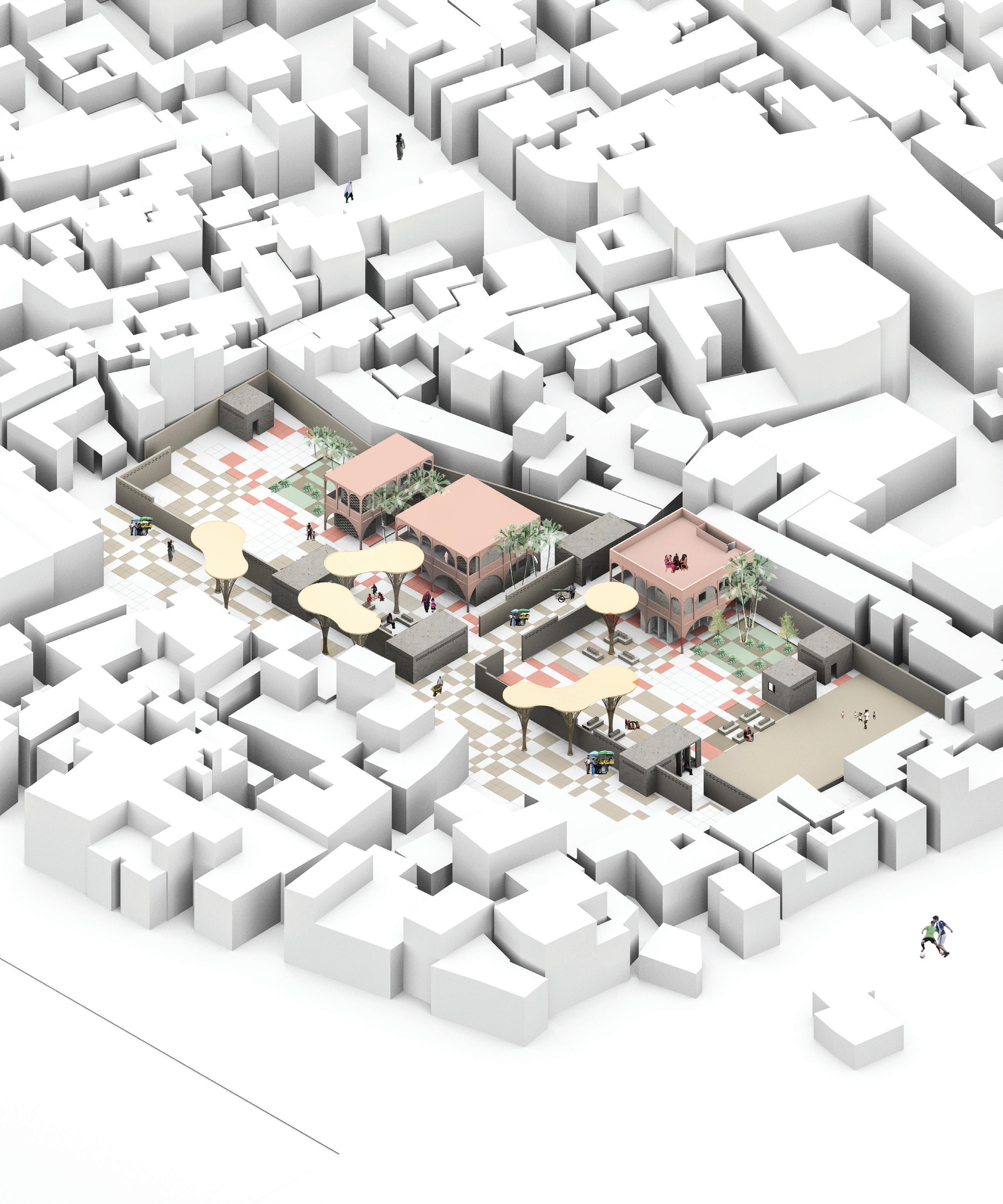
THE MISSING HALF: REINTEGRATING WOMEN INTO PAKISTAN’S PUBLIC SPACES IN LYARI, KARACHI
M6 Thesis Design
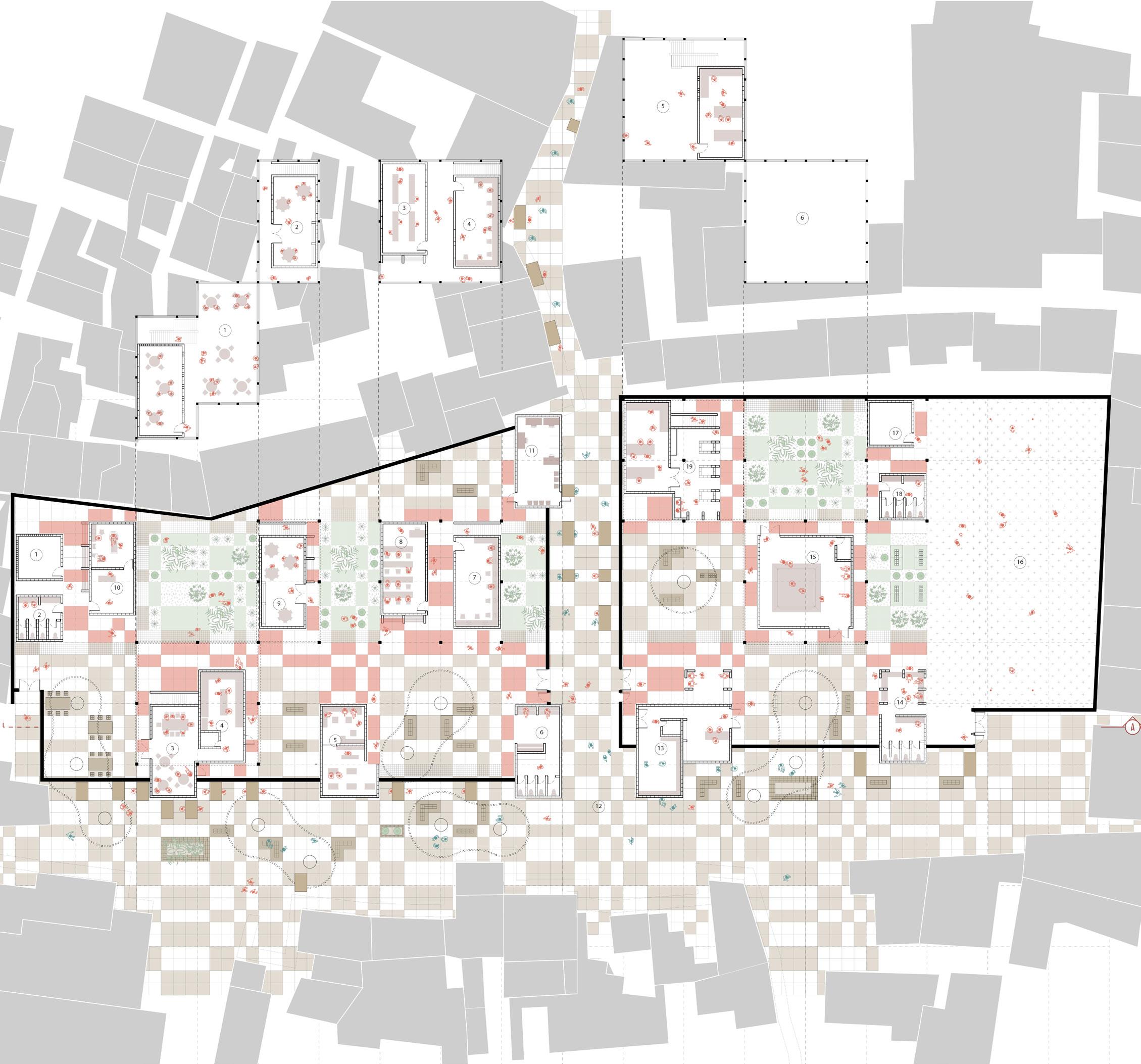
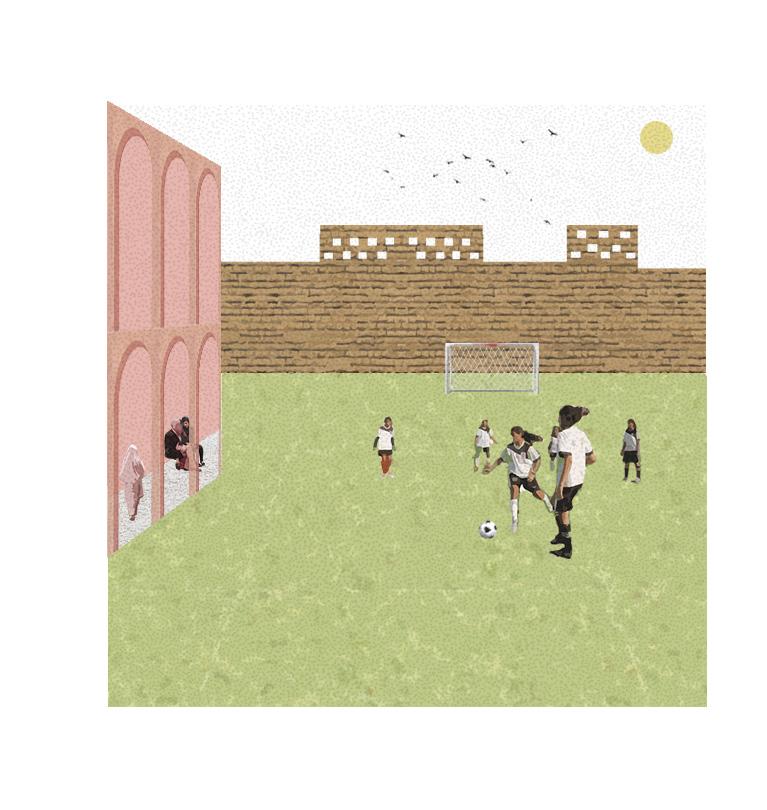
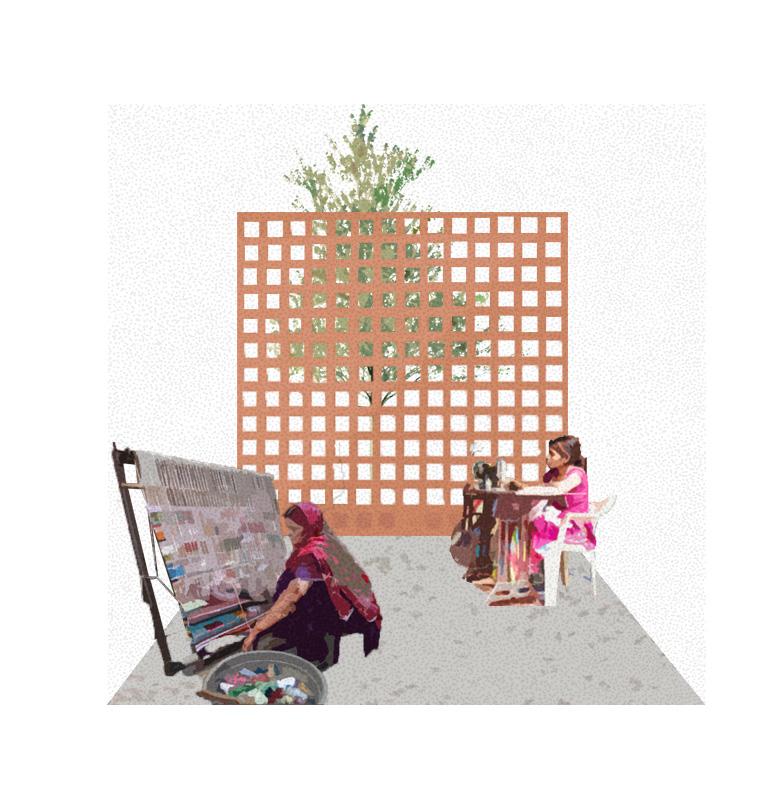
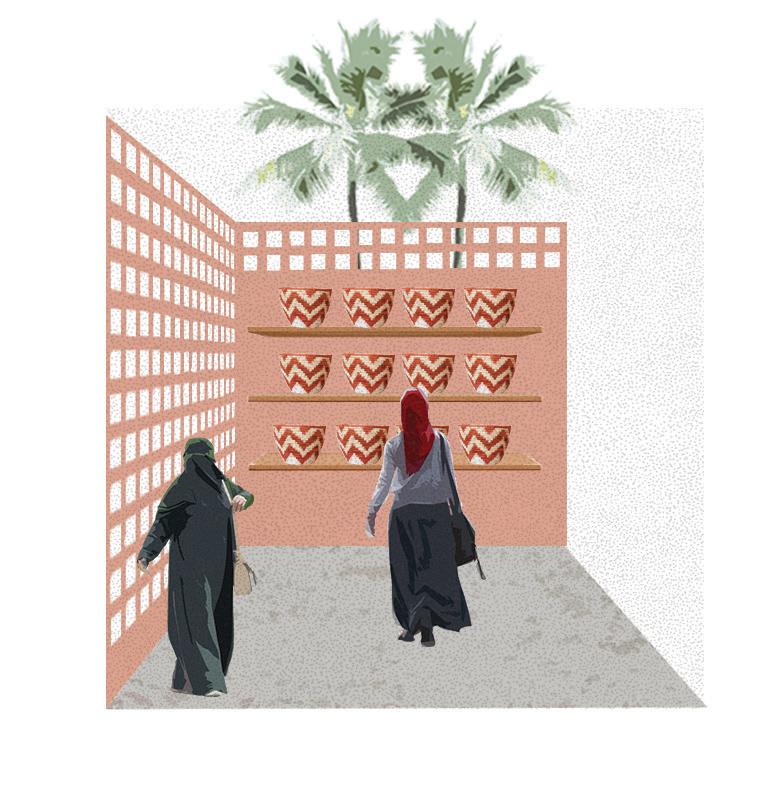
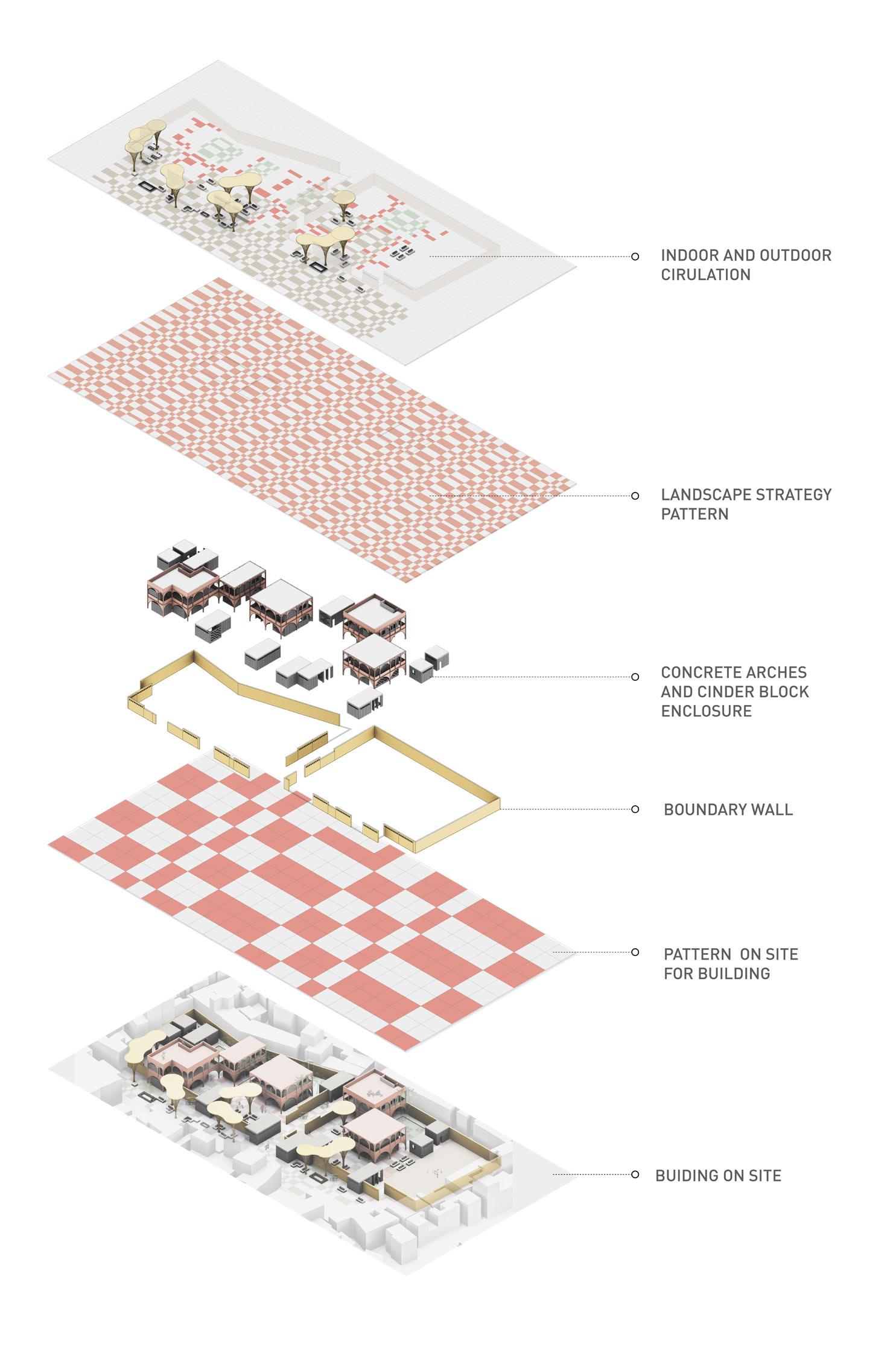
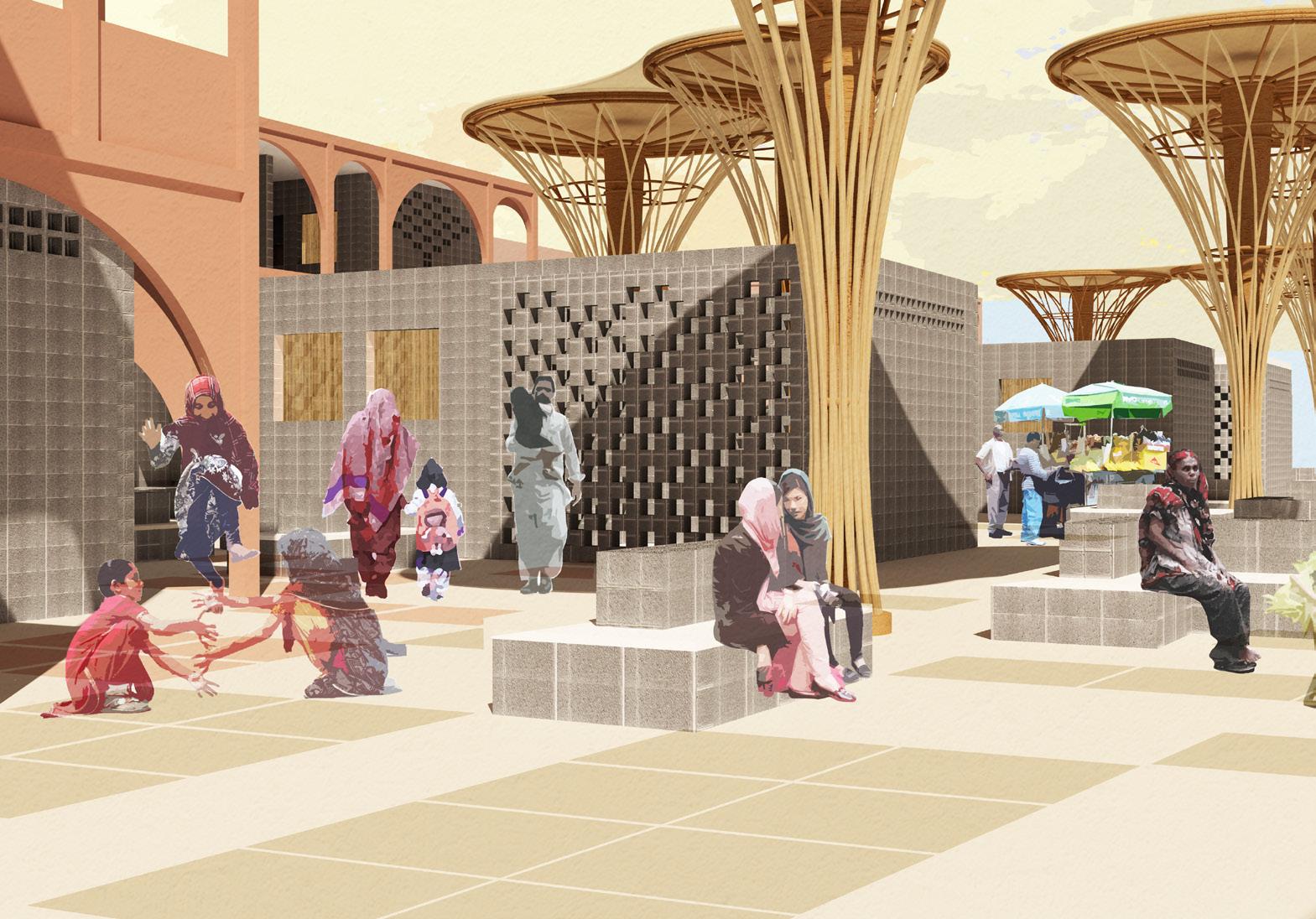
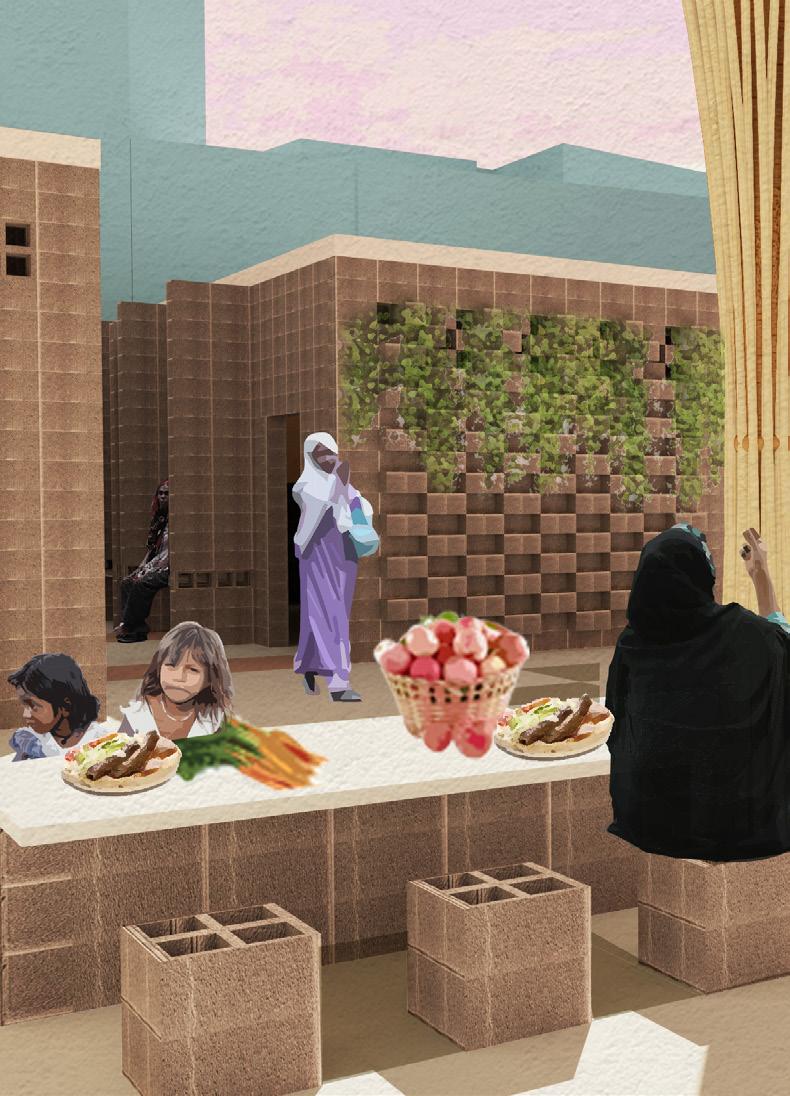
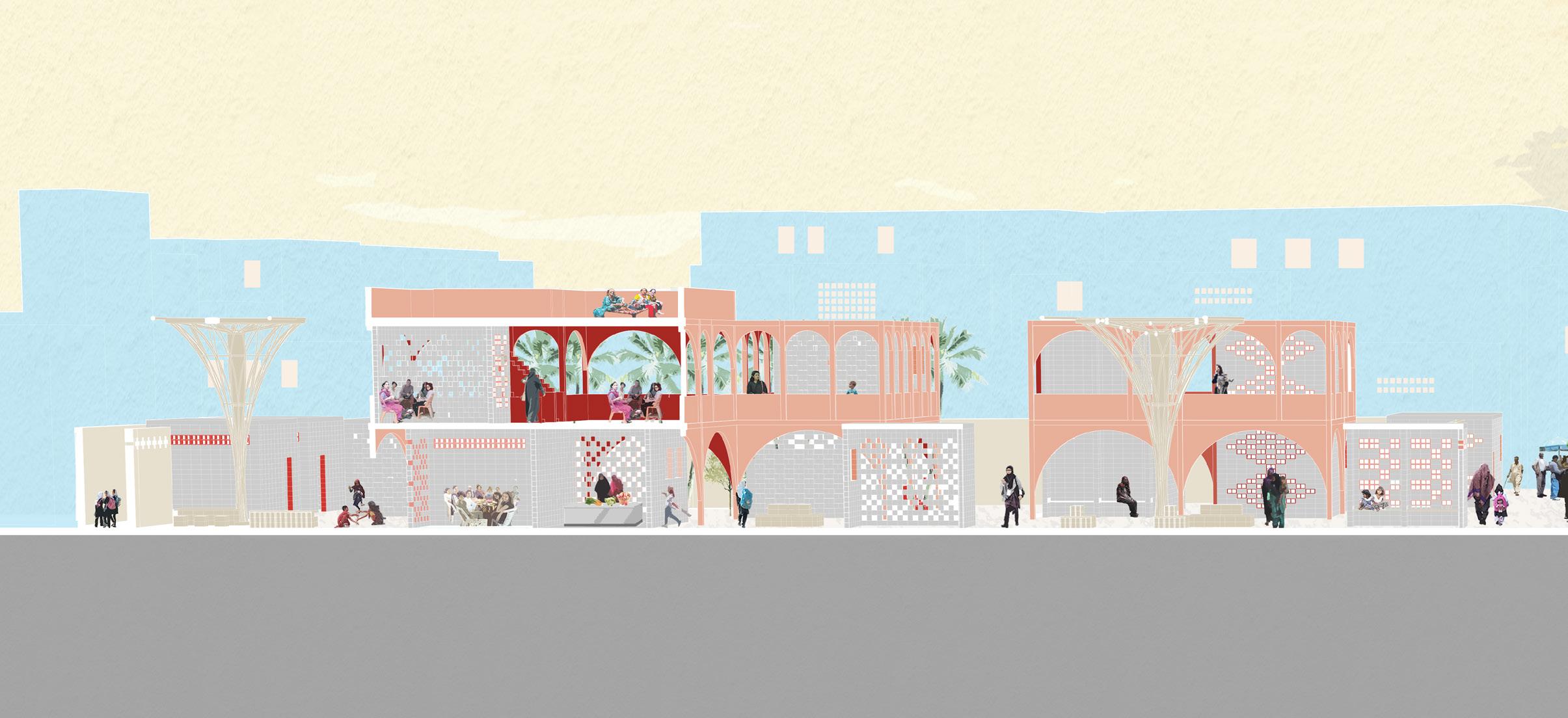
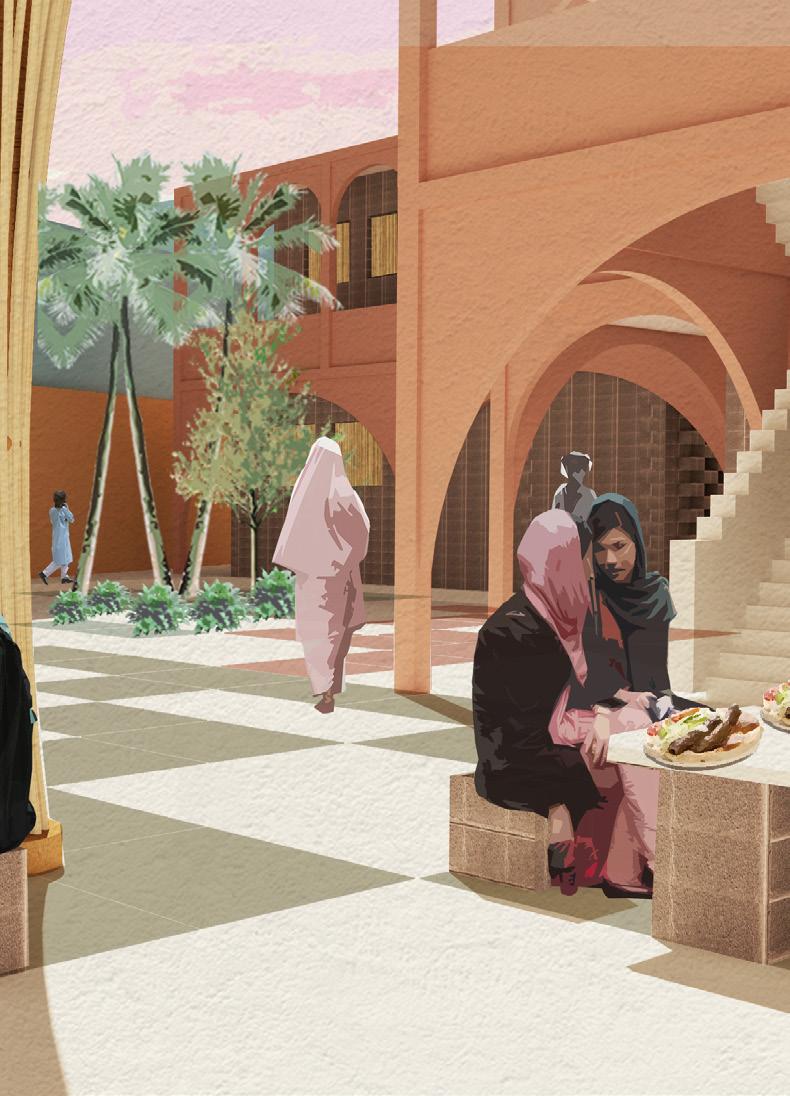
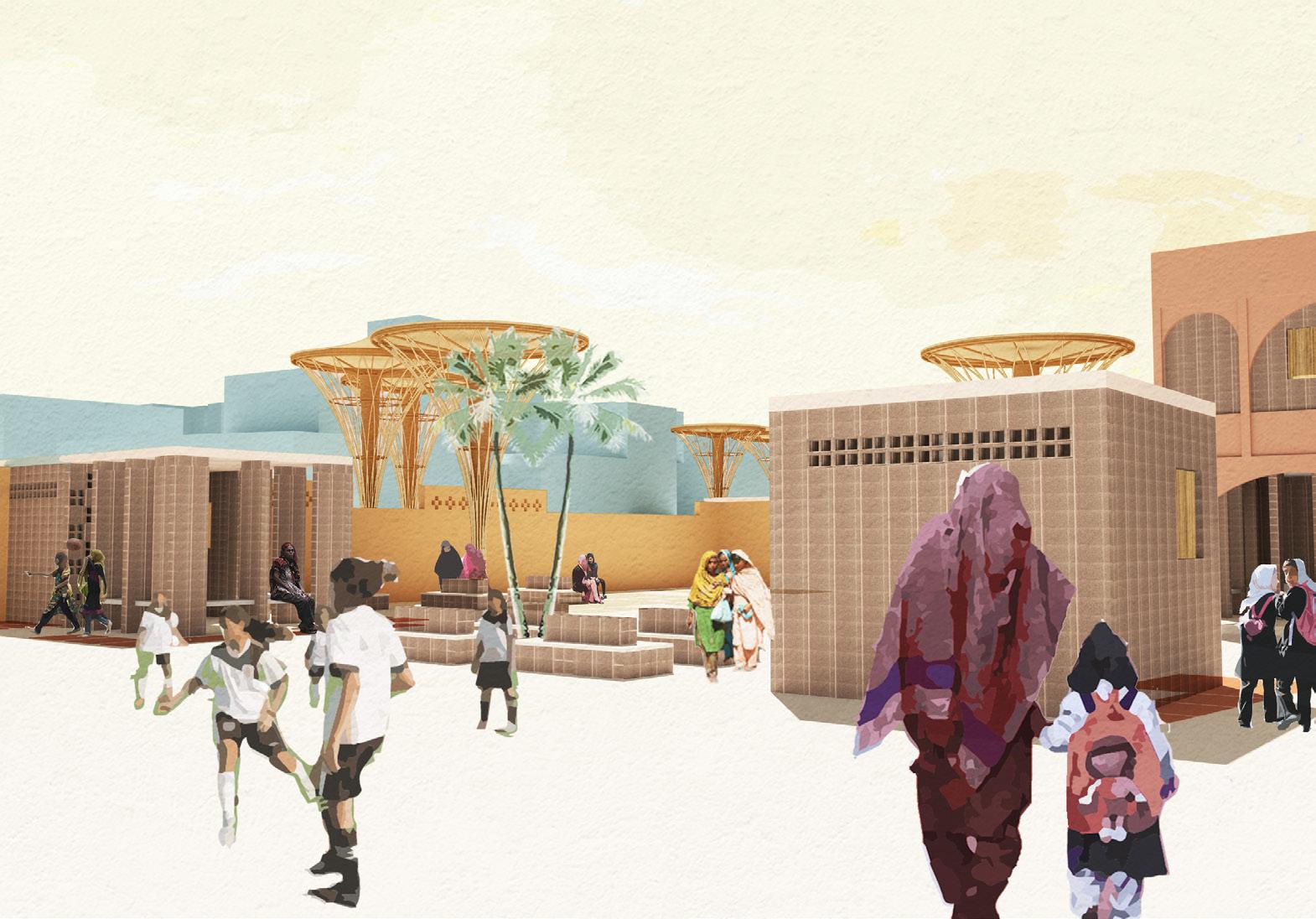
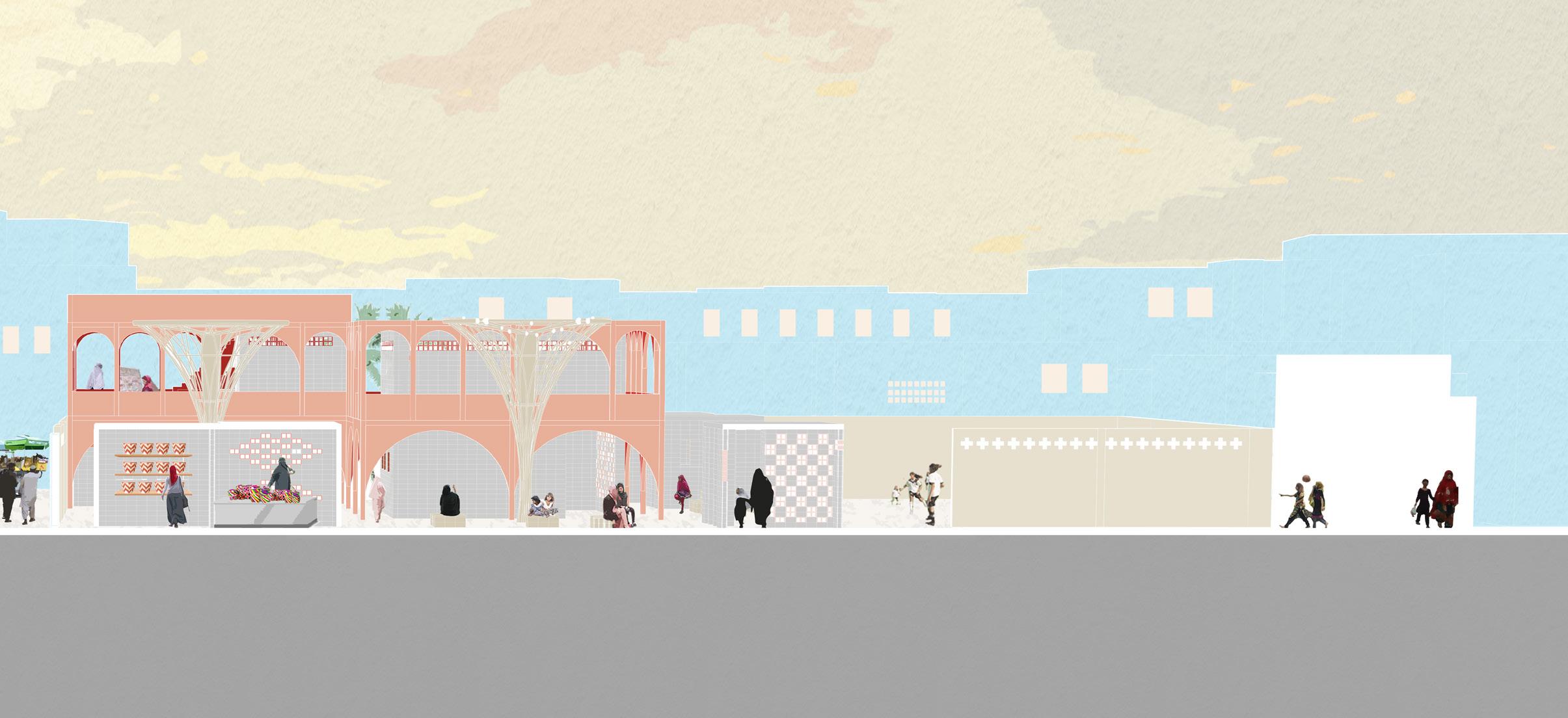
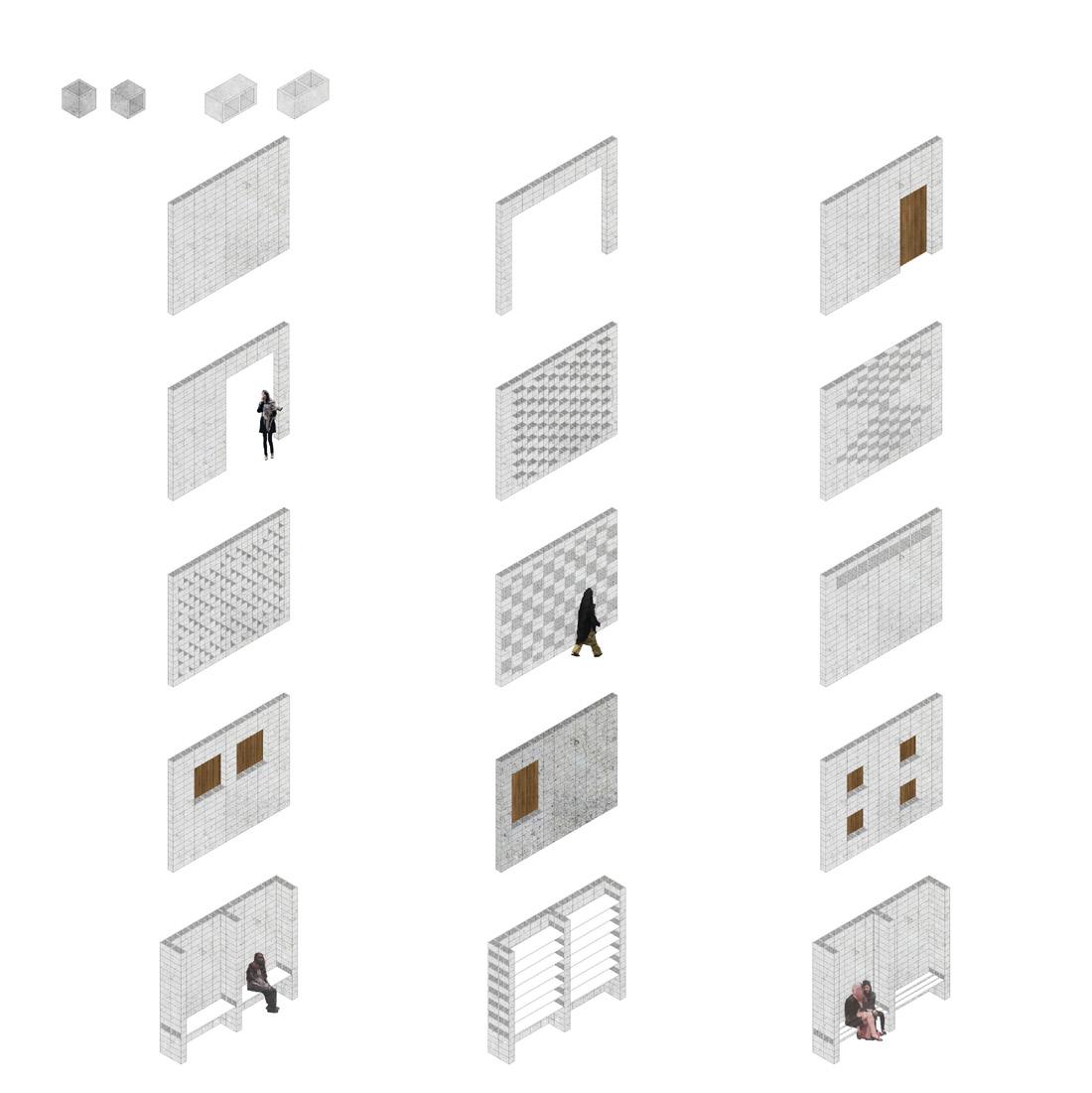
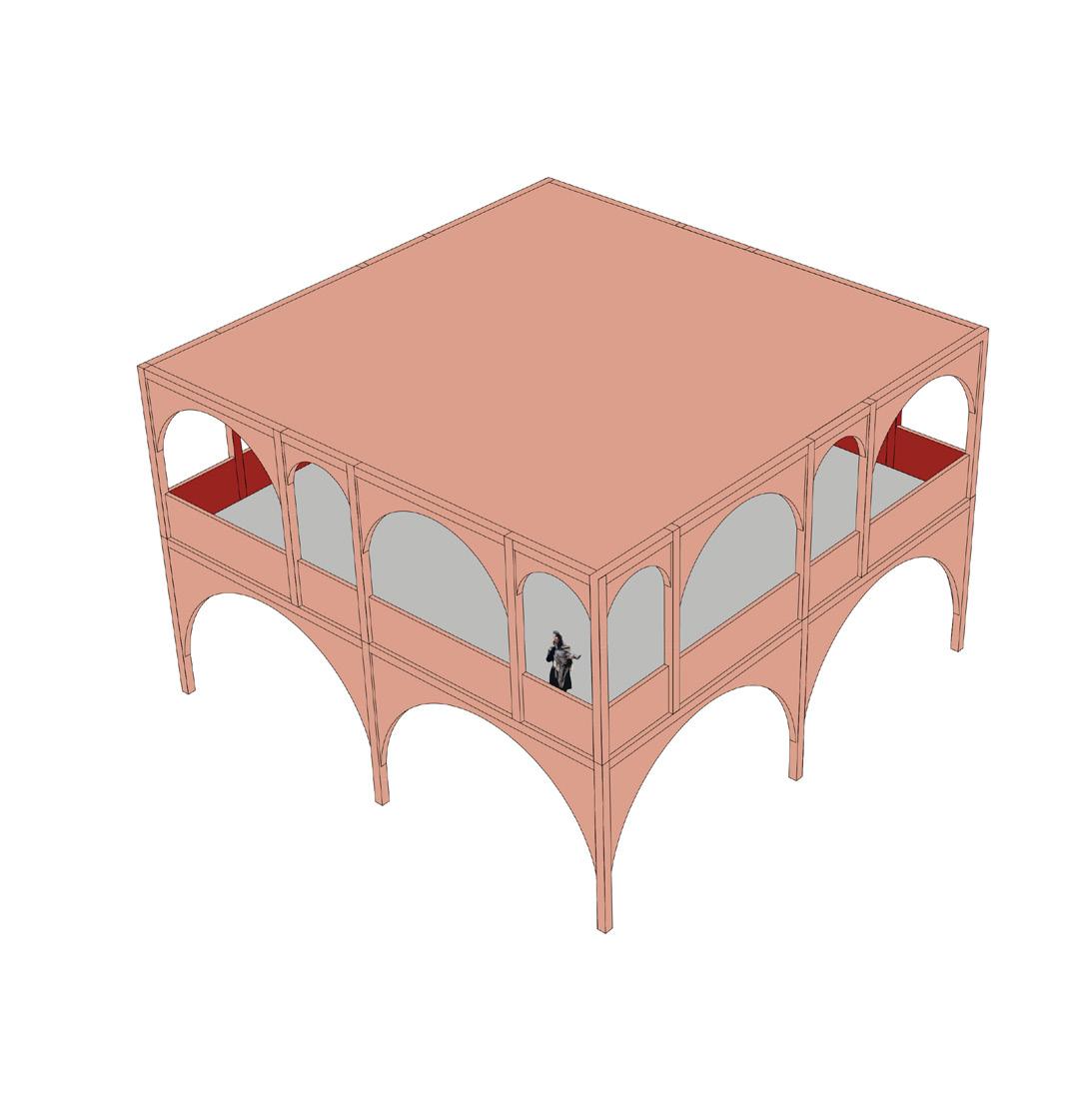
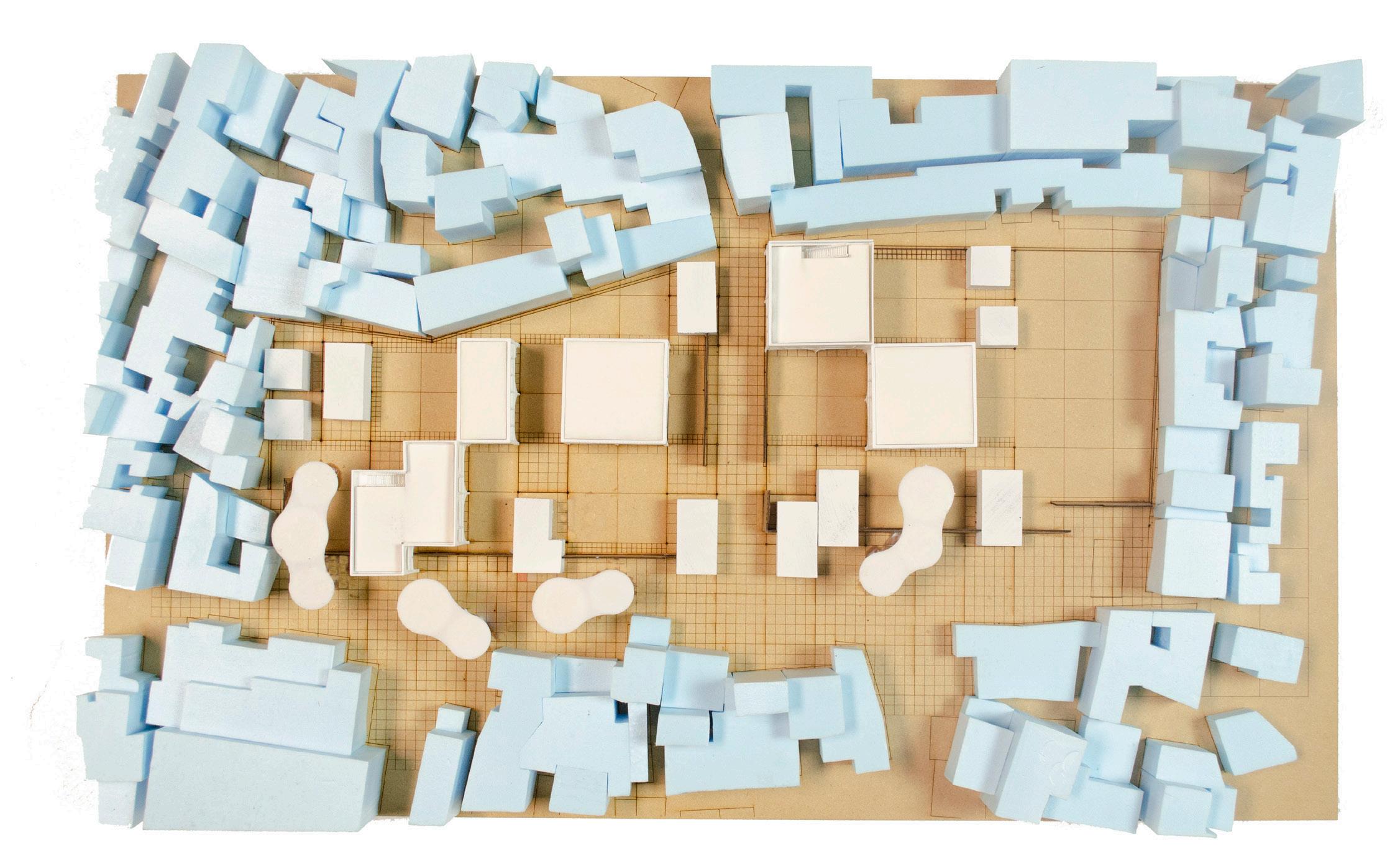
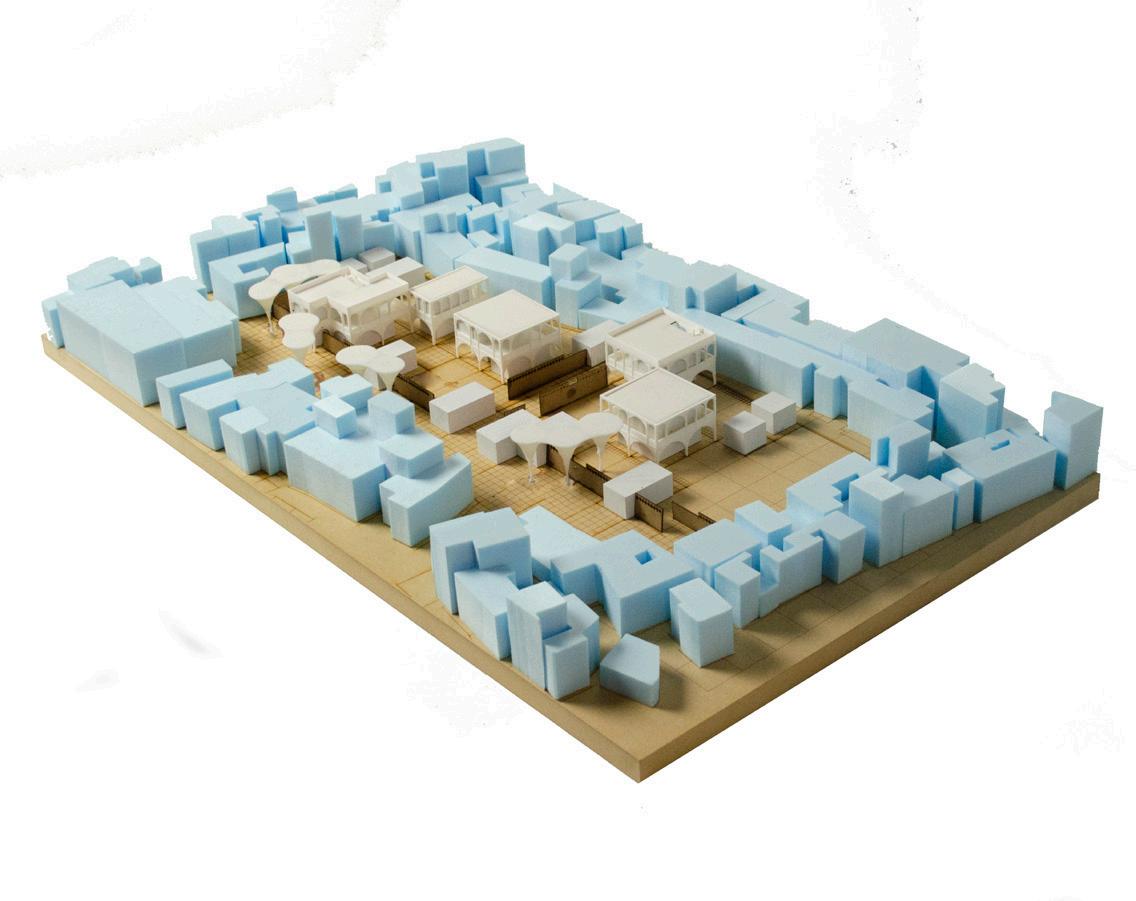
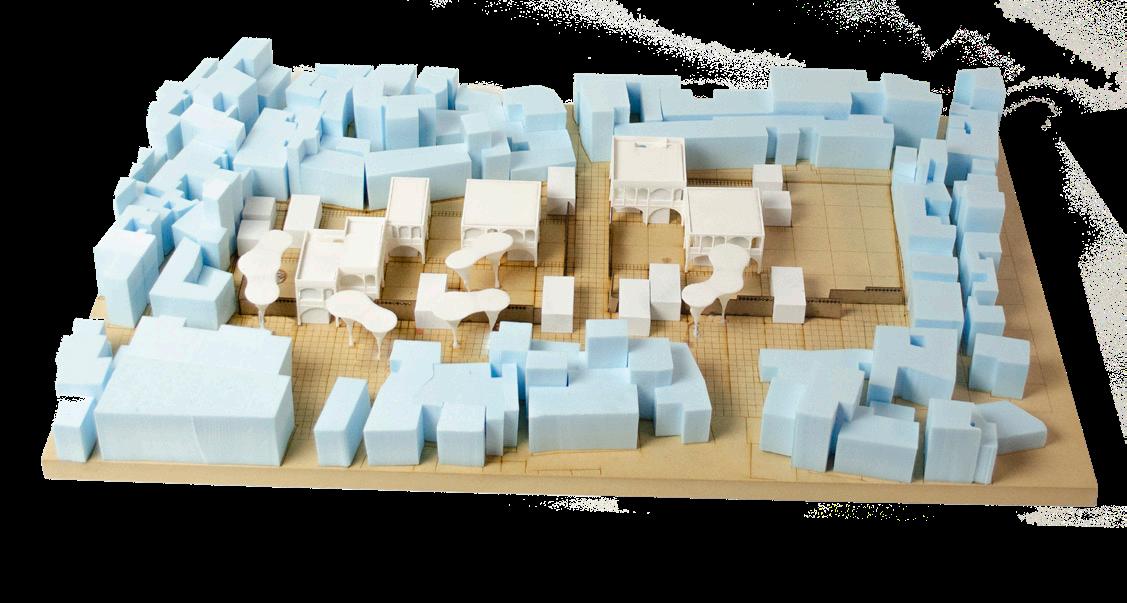
Women spatially inhabit a city differently than men, who are the default users in a patriarchal society. They negotiate the city differently, and they also perceive the boundaries of space differently. In the low-income neighbourhood of Lyari, in Karachi, Pakistan, this negotiation is exacerbated through constant fear, moral policing, surveillance and control over women’s bodies. Other than sexual harassment, Shilpa Phadke says that the denial of access to public spaces is the worst possible outcome for women. This thesis aims to design urban infrastructure and public spaces for women in lower-income neighbourhoods, enabling them to take the risk of occupying public spaces. These interventions enable them to create networks, and empowers, educates and mobilizes them.
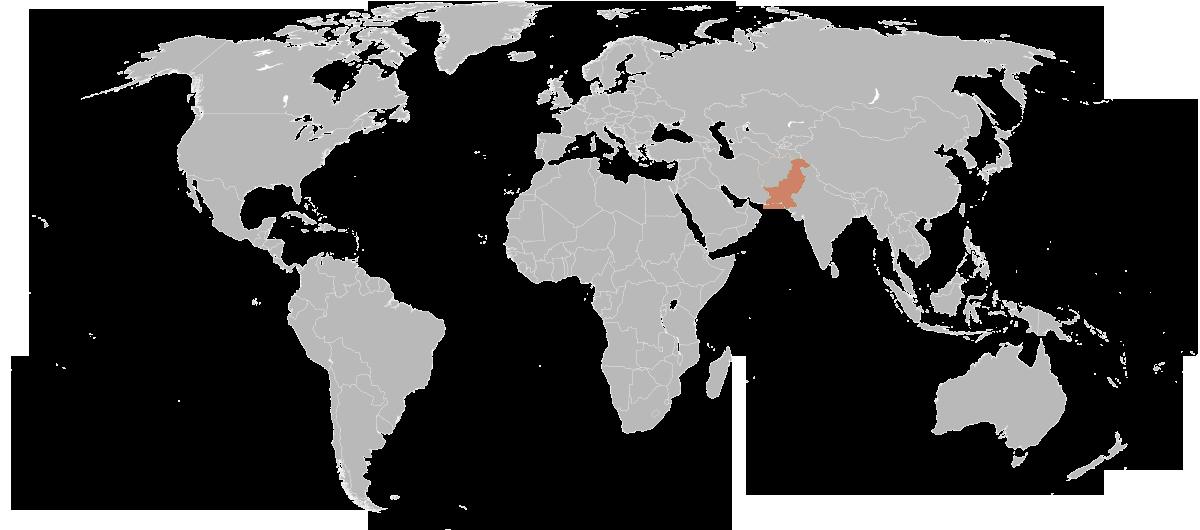
KARACHI
LAHORE ISLAMABAD
AFGHANISTAN
IRAN
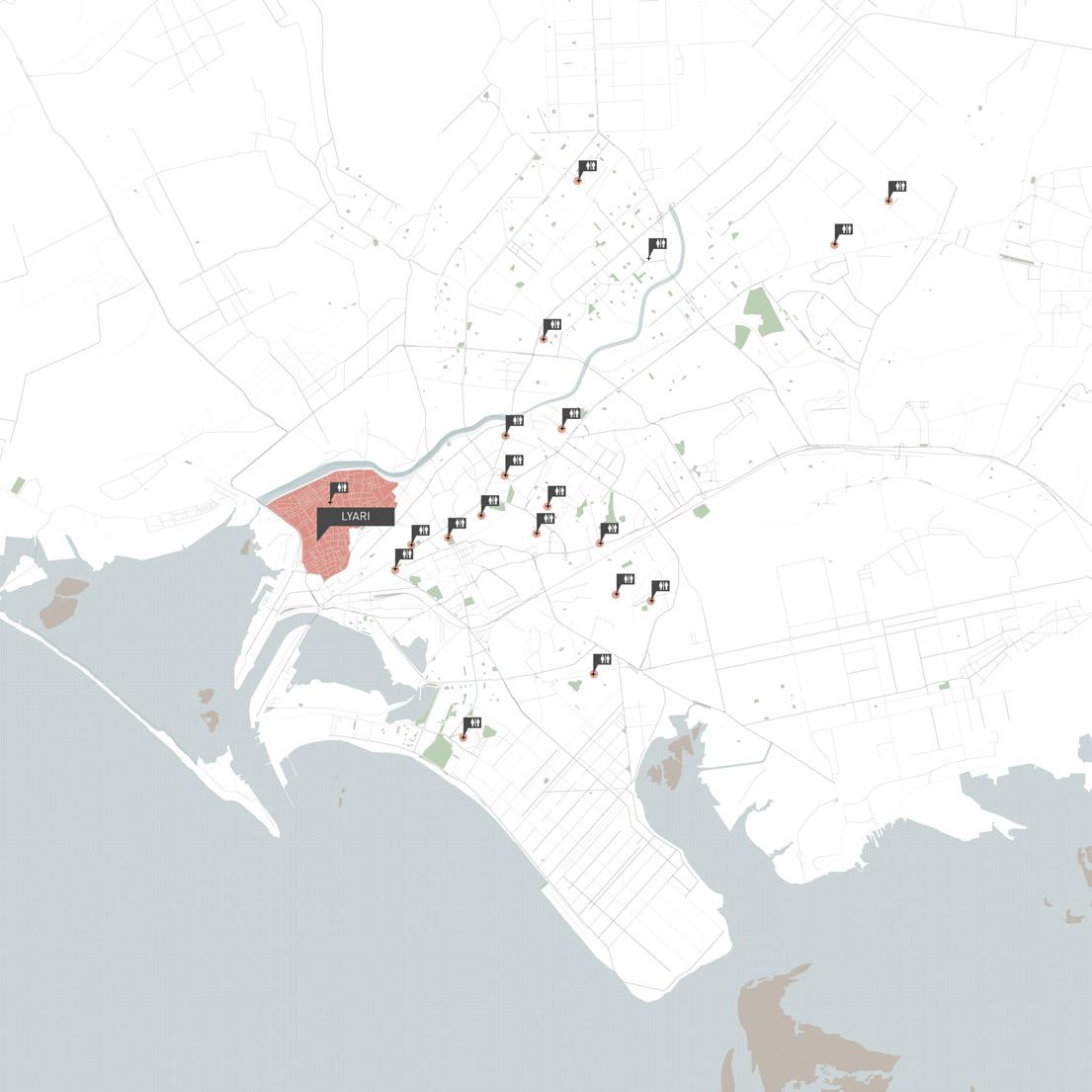
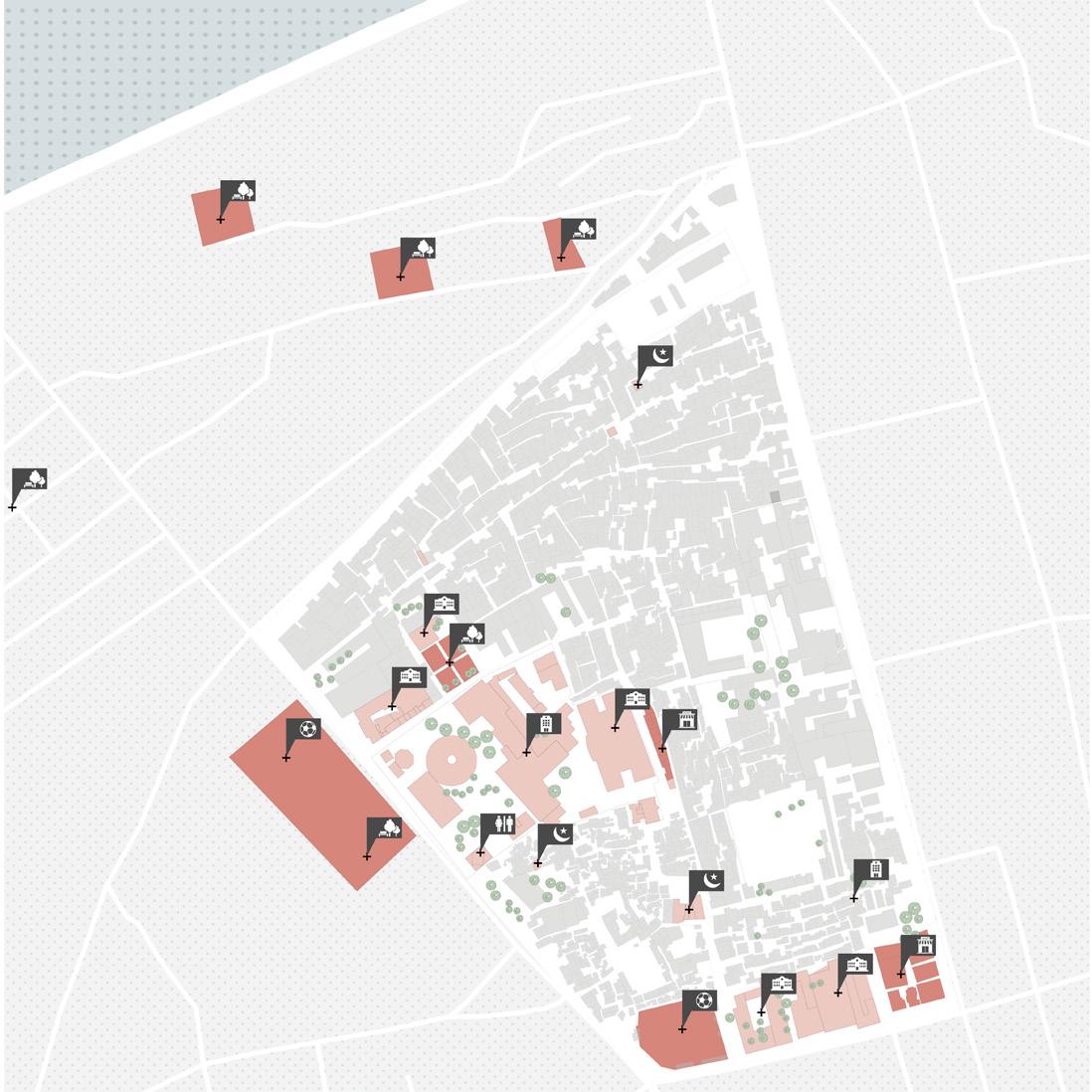

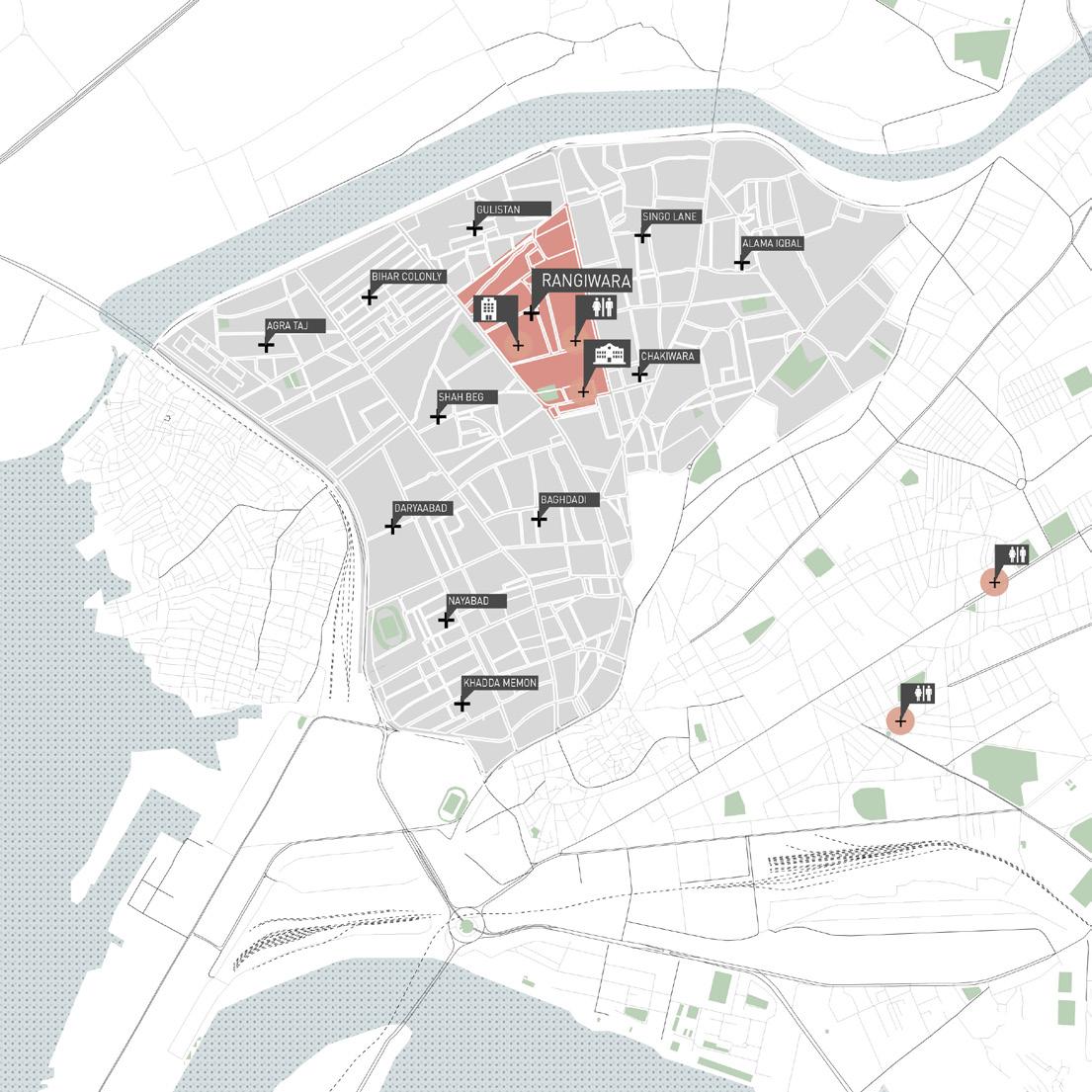
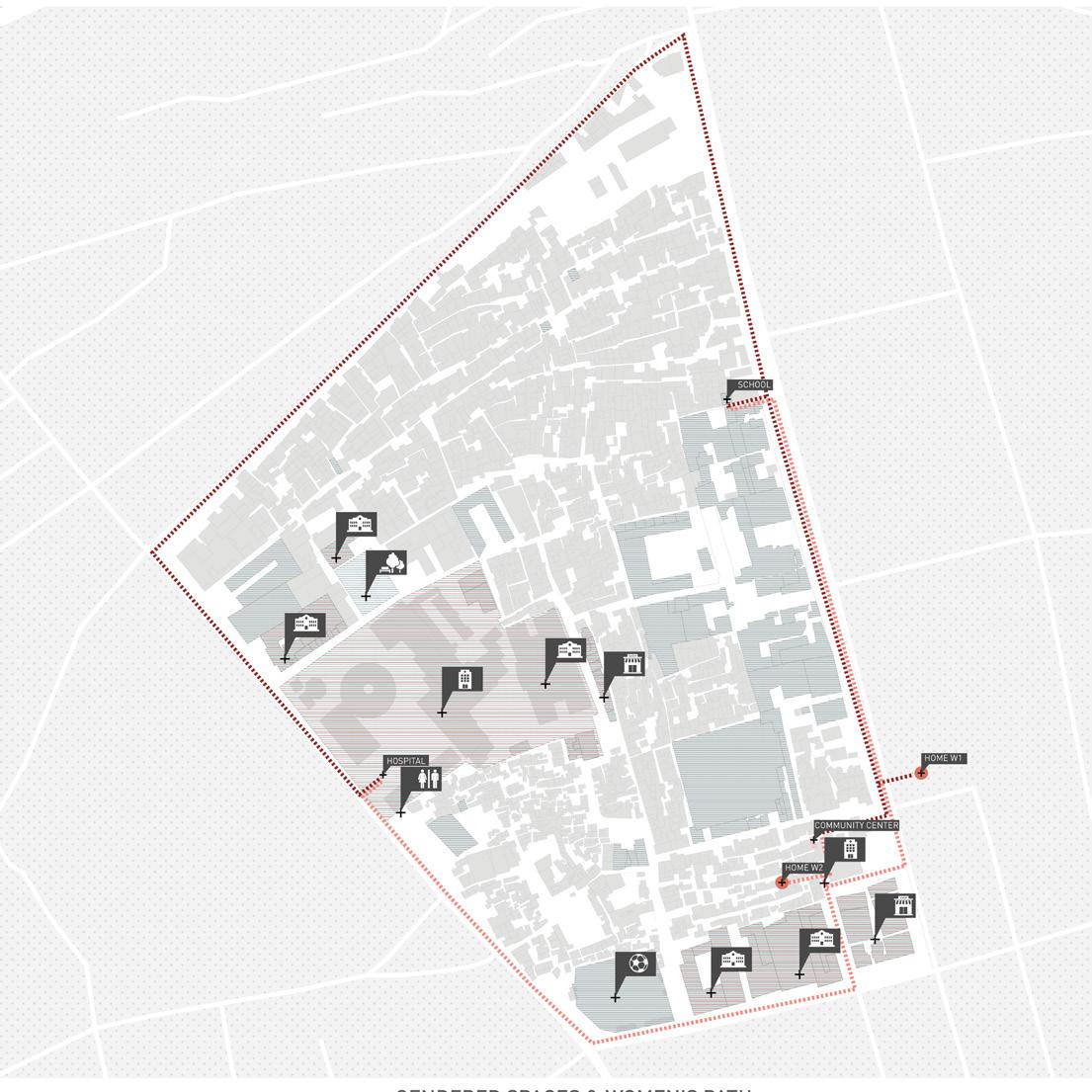
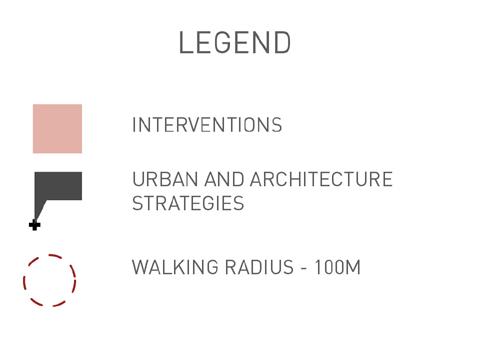


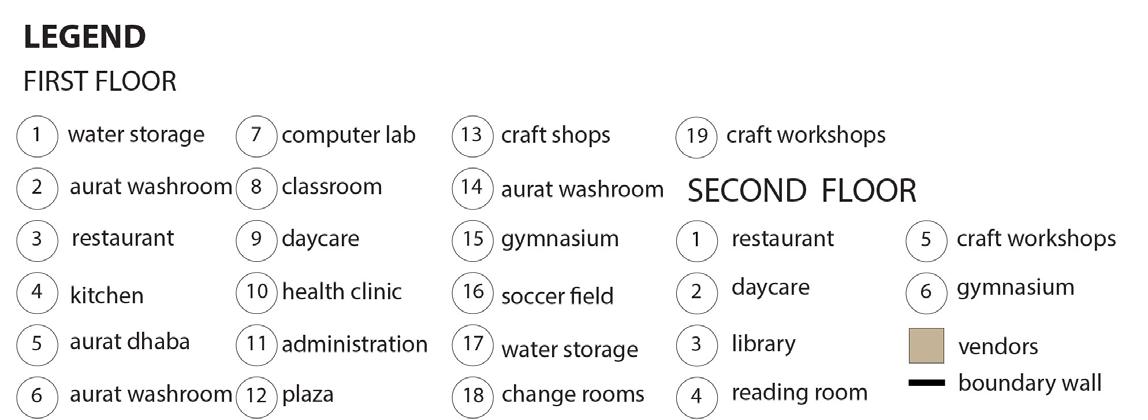
AURAT NETWORK MASTER PLAN



THE B.E.R.M.M : BONAVISTA ENVIRONMENTAL RESEARCH FOR MARINE ANIMALS
Public Architecture Studio
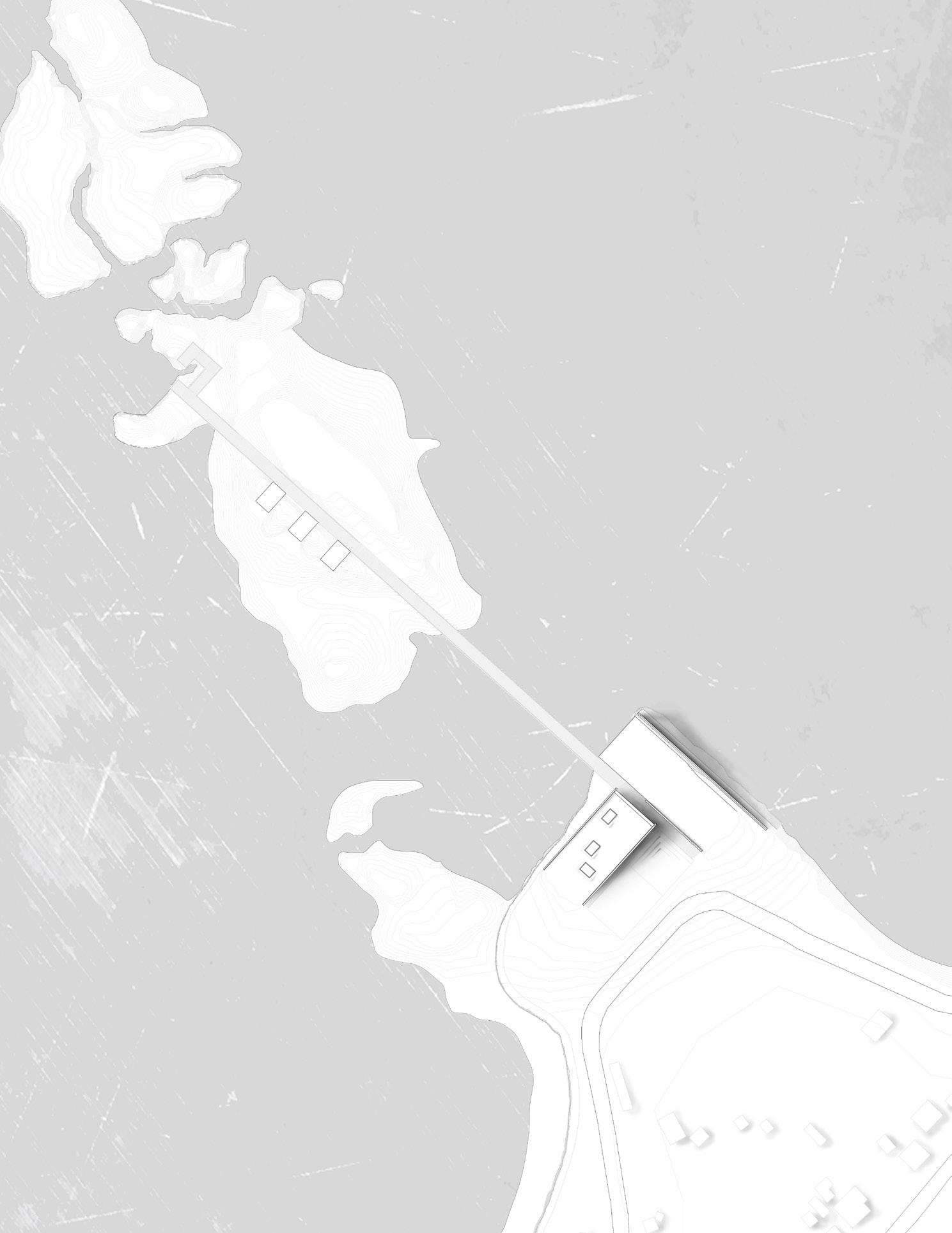
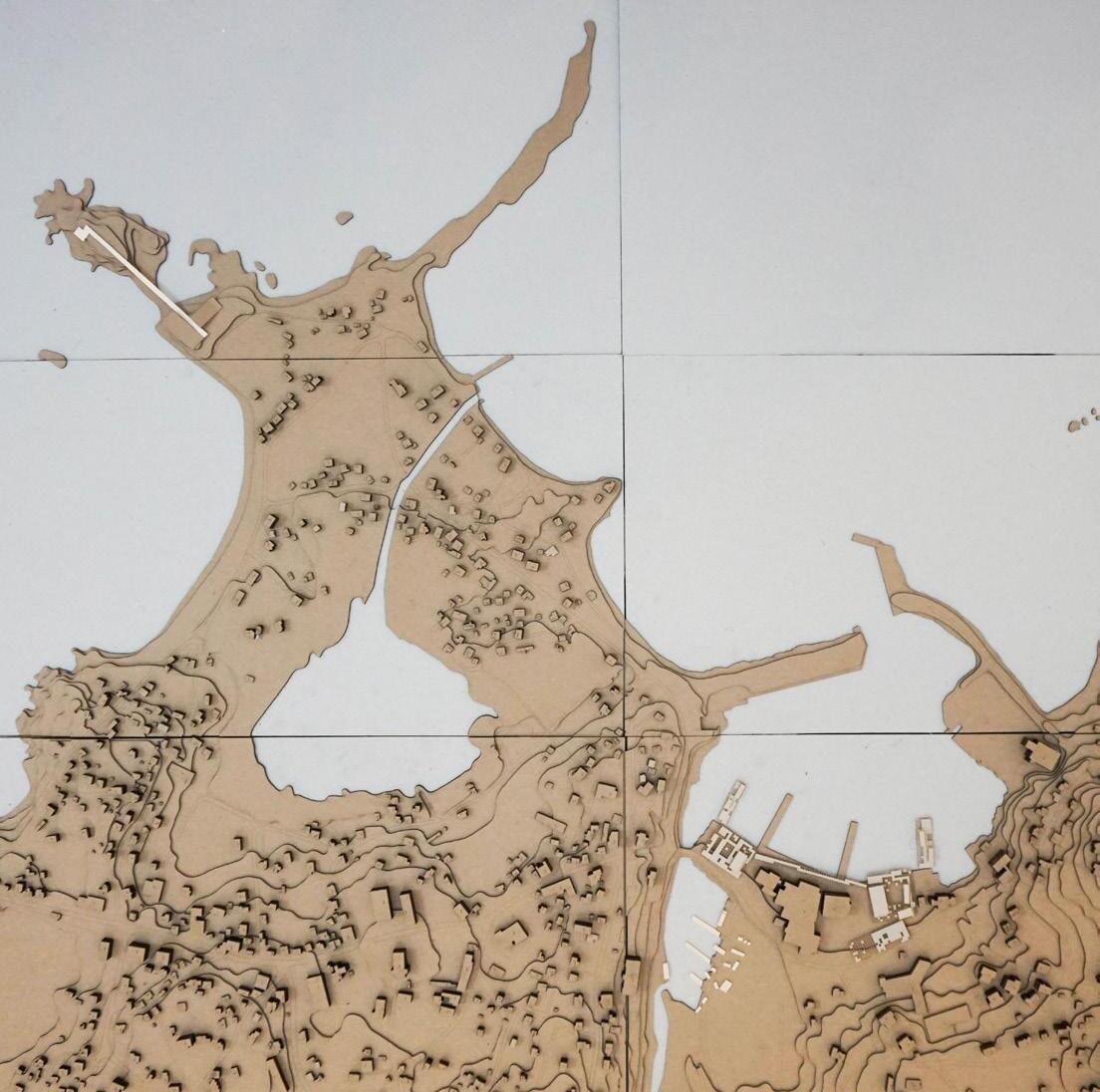
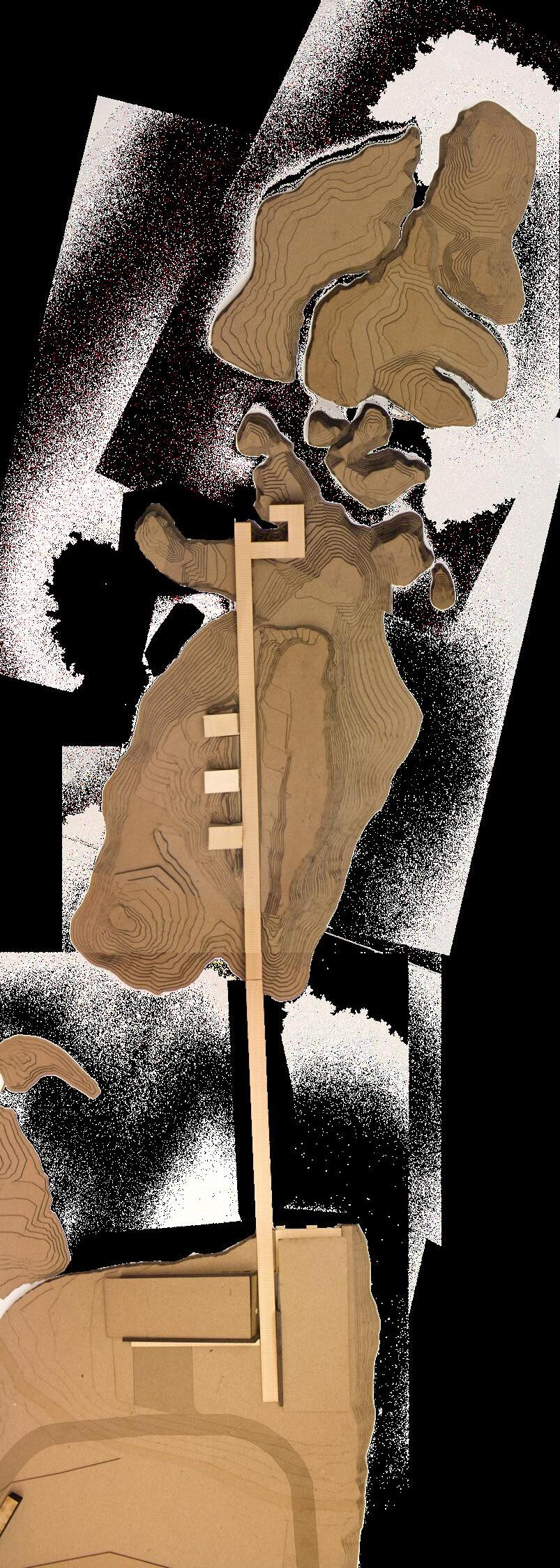
Situated on a headland projecting into the North Atlantic, Bonavista is the easternmost community on the continent.
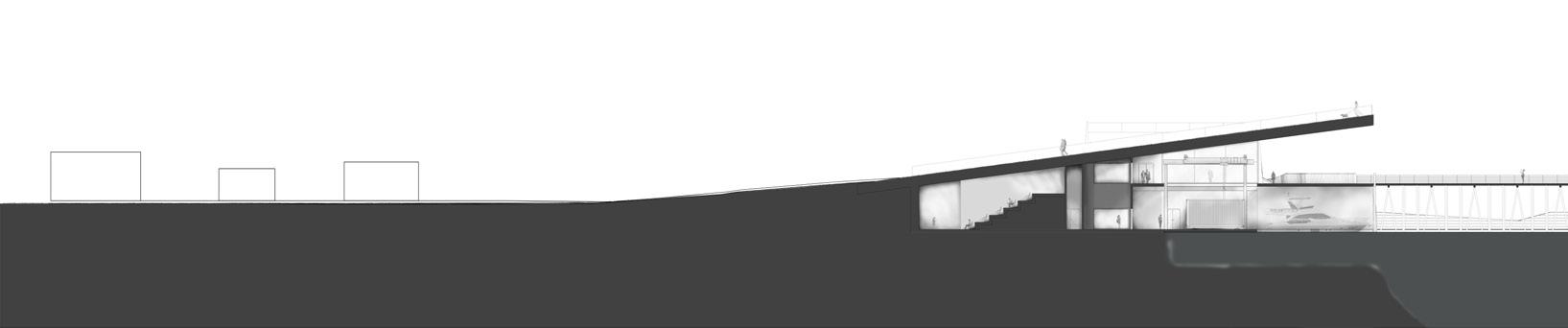
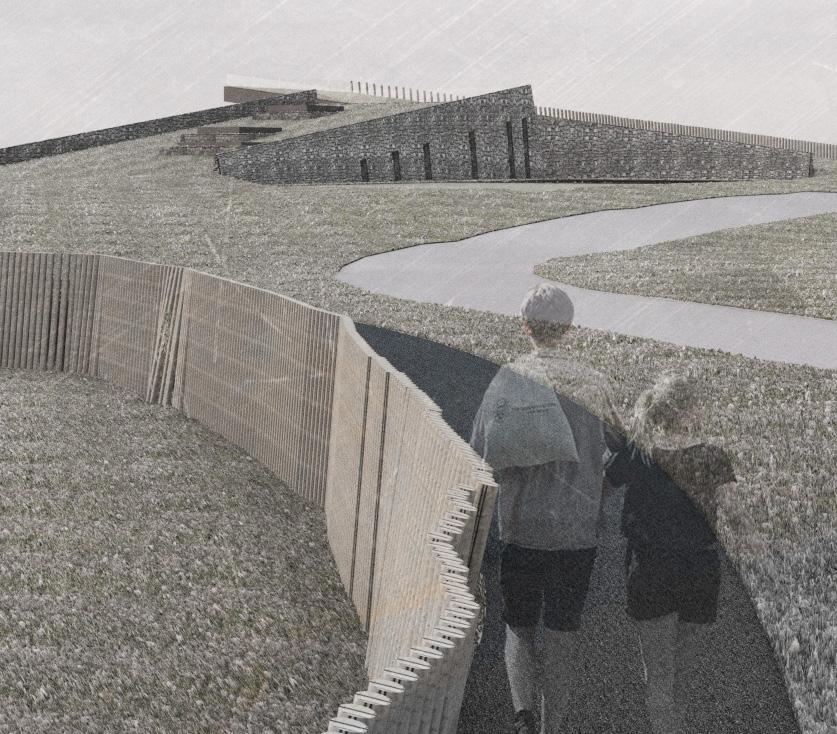
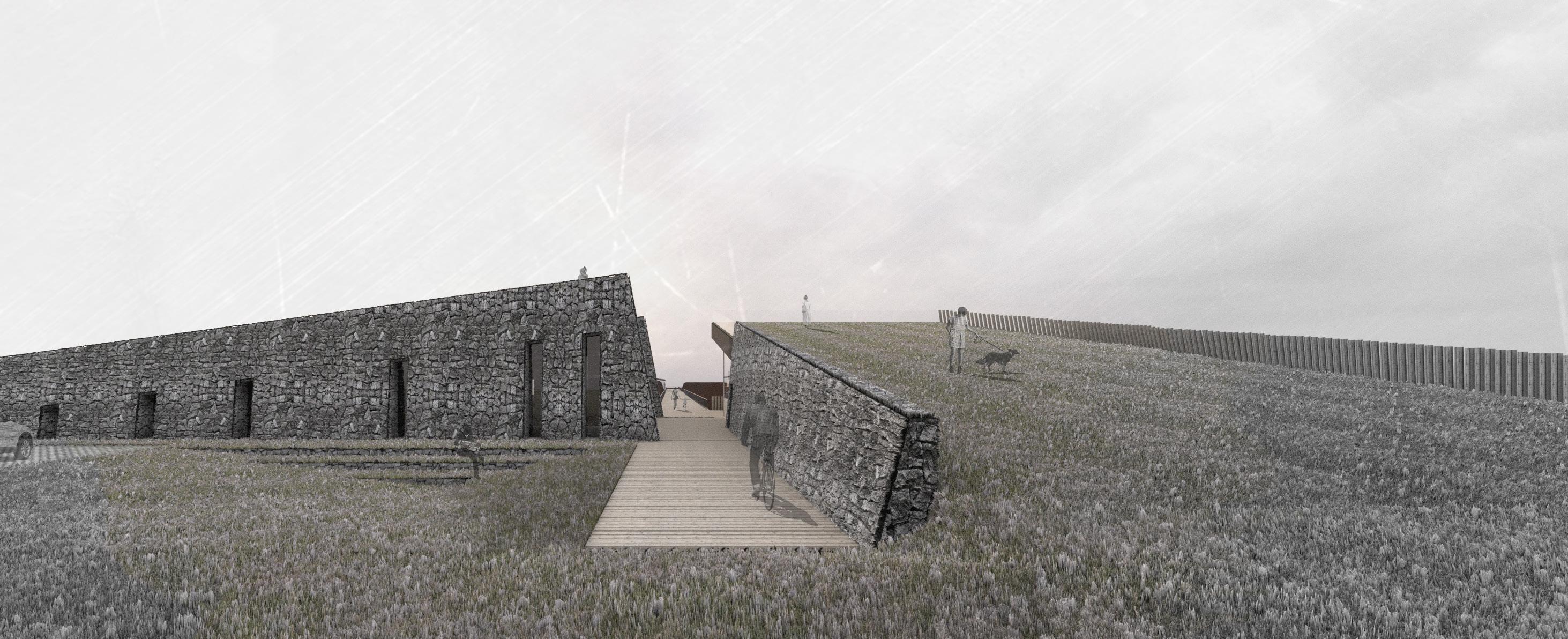
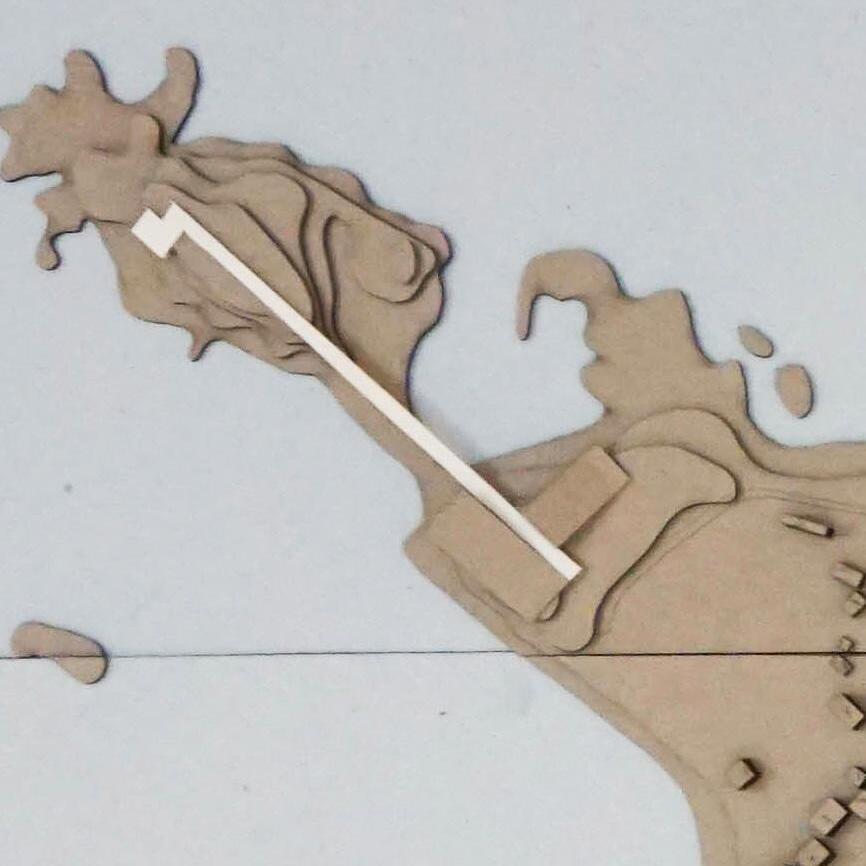
Moses’ Point, located on the northwest edge of Bonavista, is an inhabited site formed through infill. The primary site, positioned near the residences of Mockbeggar, lends itself to a sunken architectural approach. This strategy provides direct access to the water for research while establishing a landscape-integrated building that remains non-invasive and respectful of the surrounding residential context.
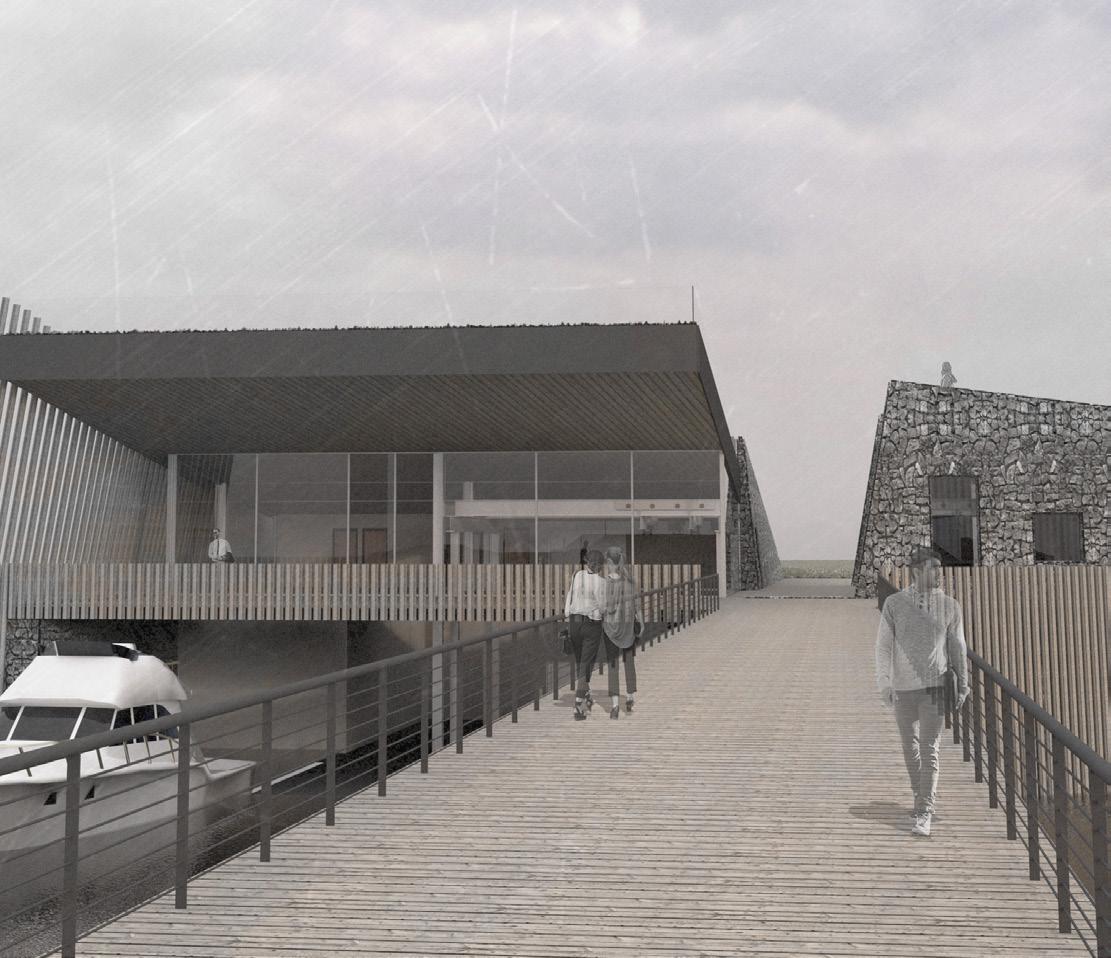
Inspired by the architectural language of vernacular Viking settlements and Newfoundland root cellars, the design draws on similar principles of materiality, stereotomic construction, and landscape integration. The main bridge connecting the islands references the vernacular fish flakes found throughout Newfoundland. The residential components extend this language, forming partially embedded structures oriented toward expansive views of the water.


SWEAT LODGE AND CANOPY
B5 Free Lab
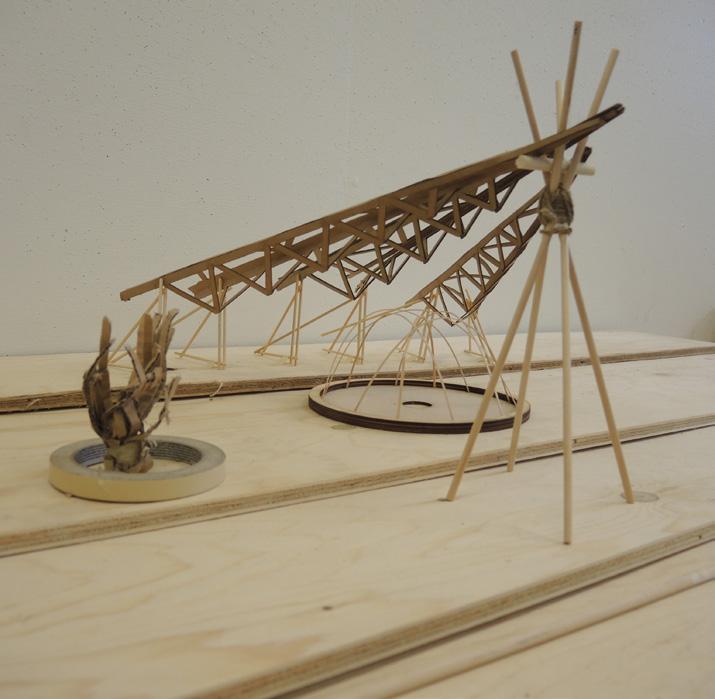
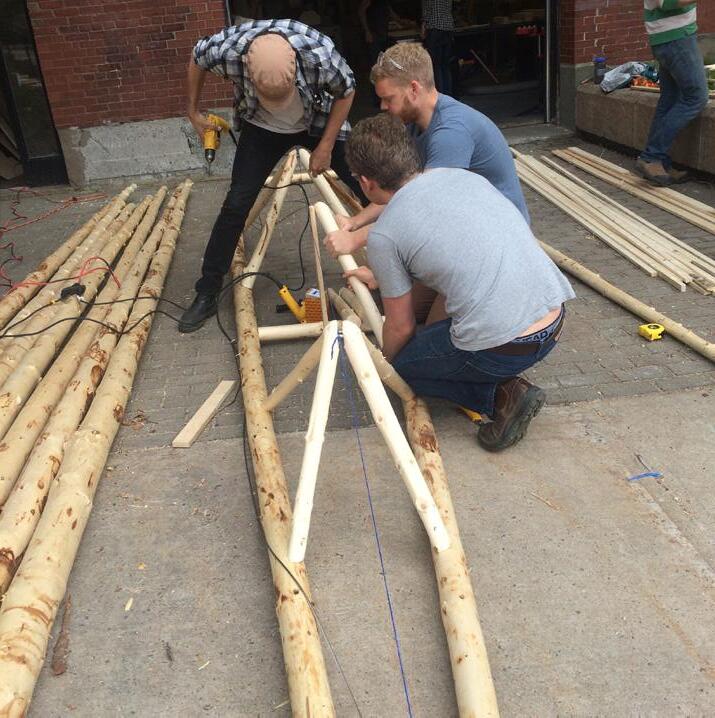
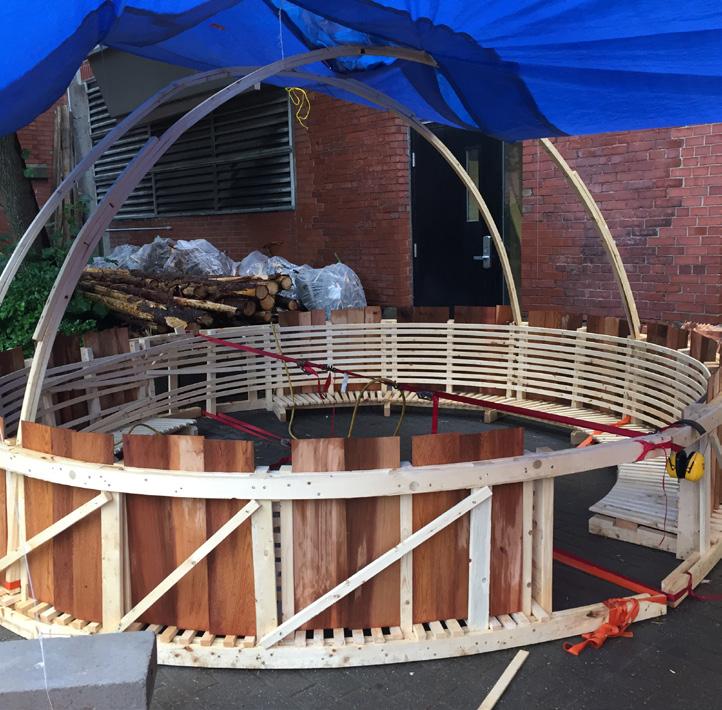
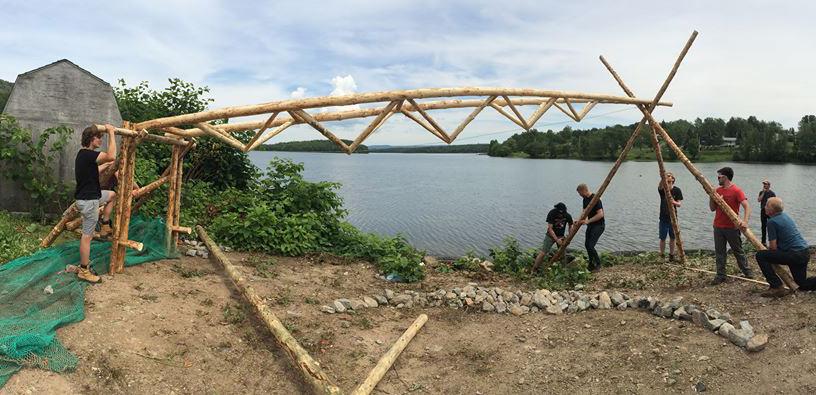
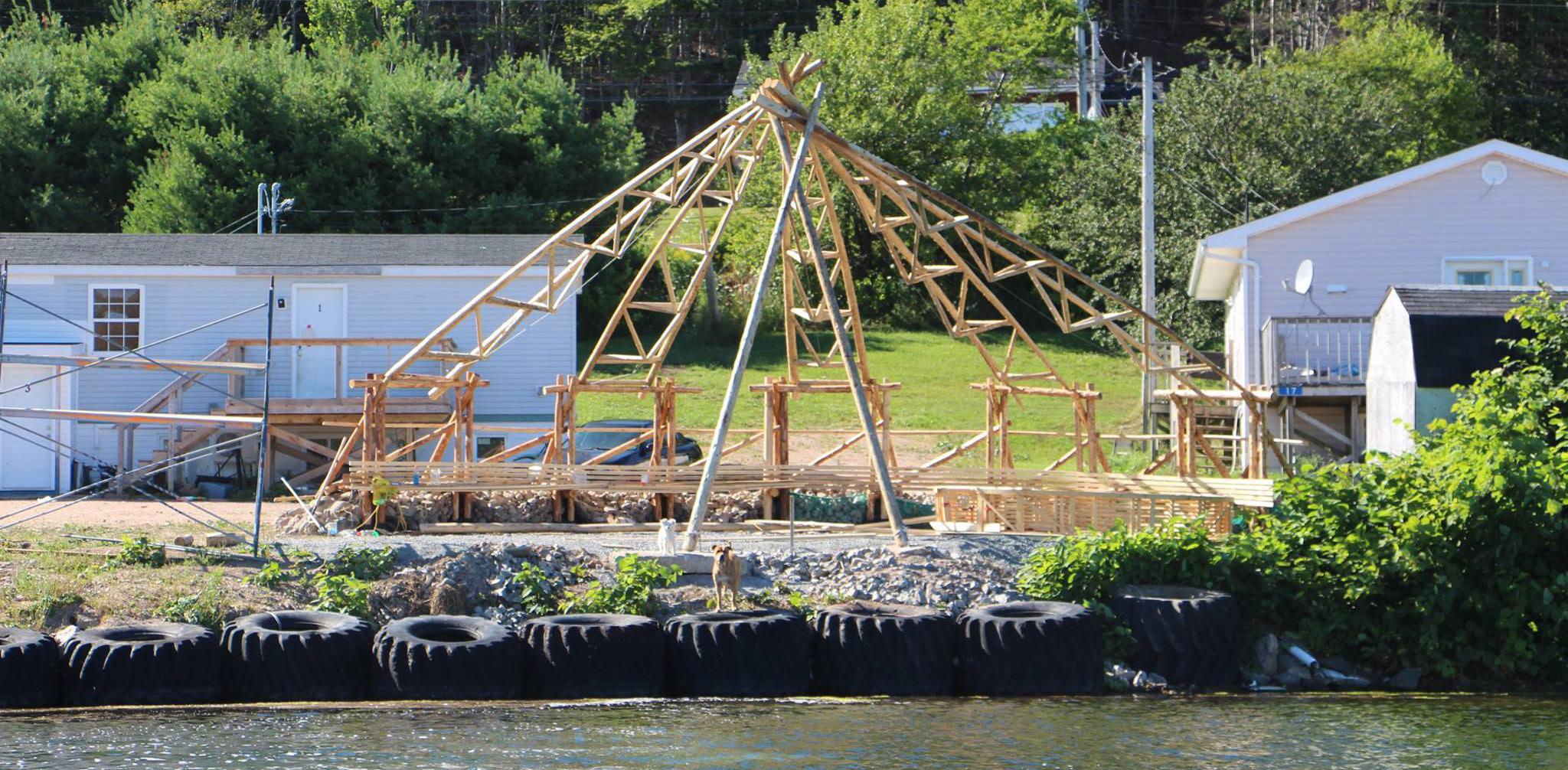
This Free Lab was constructed for the Mi’kmaq community in Eskasoni, Nova Scotia. The project consists of a traditional sweat lodge intended for use by the Elders, along with a protective superstructure designed to shield the lodge from winter conditions and seasonal rainfall.
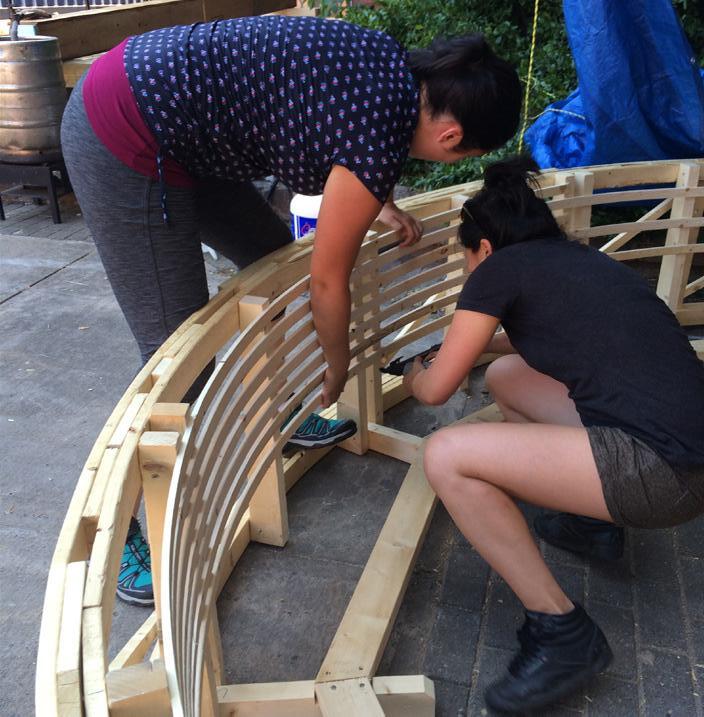
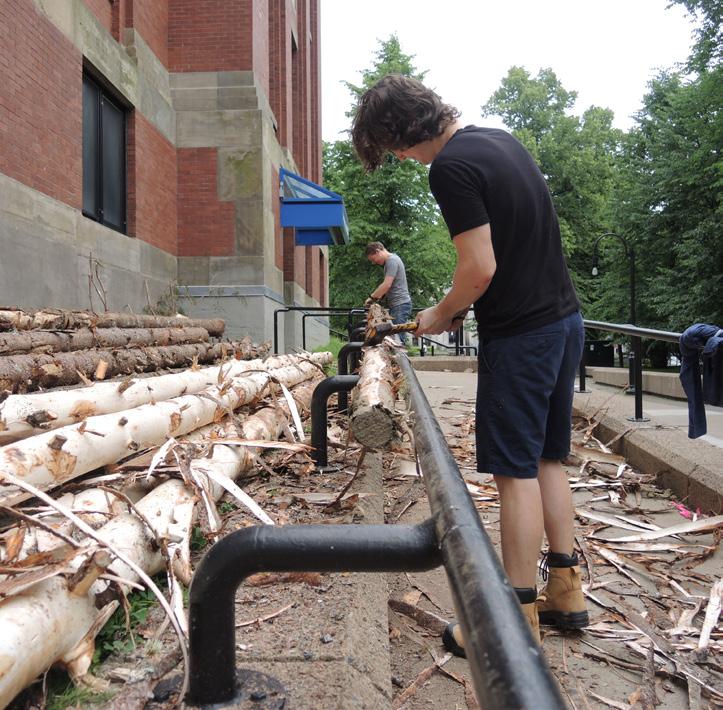
The superstructure is based on truss systems originally developed by Fraser Plaxton for his thesis; these were redesigned and scaled up to accommodate the needs of the project. Traditionally, a sweat lodge is constructed using natural wood sourced from the surrounding landscape, and its making is itself a ceremonial process. Due to a shortage of available saplings and suitable timber within the reserve, we were given the opportunity to construct the lodge using dimensional lumber instead.
The Free Lab was supervised by Richard Kroeker, who has been actively engaged with the Mi’kmaq community for several years..

JOUDOUR SAHARA MUSIC SCHOOL GATEWAY
B4 Co-op Work Term
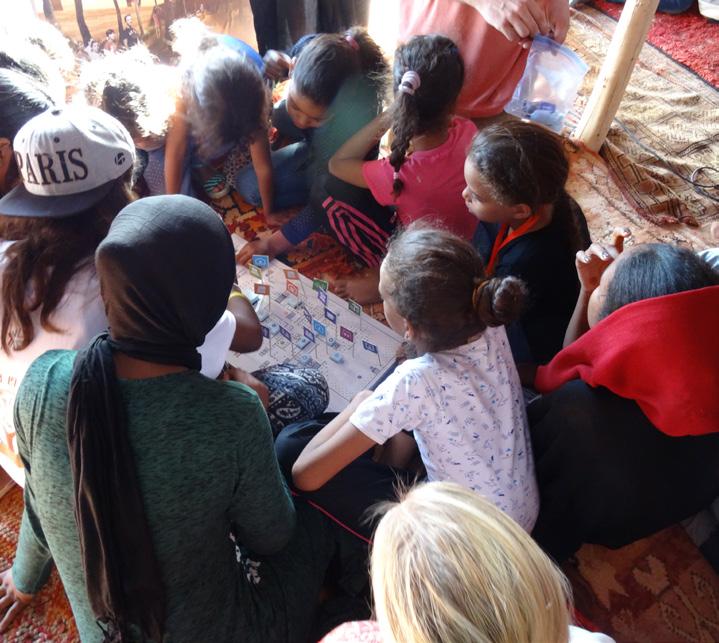
Joudour Sahara is a music school dedicated to children and youth. Located in M’hamid, a historic stop along the salt and gold caravan routes, the town is widely known as the “Gateway to the Sahara” and holds a rich cultural heritage.
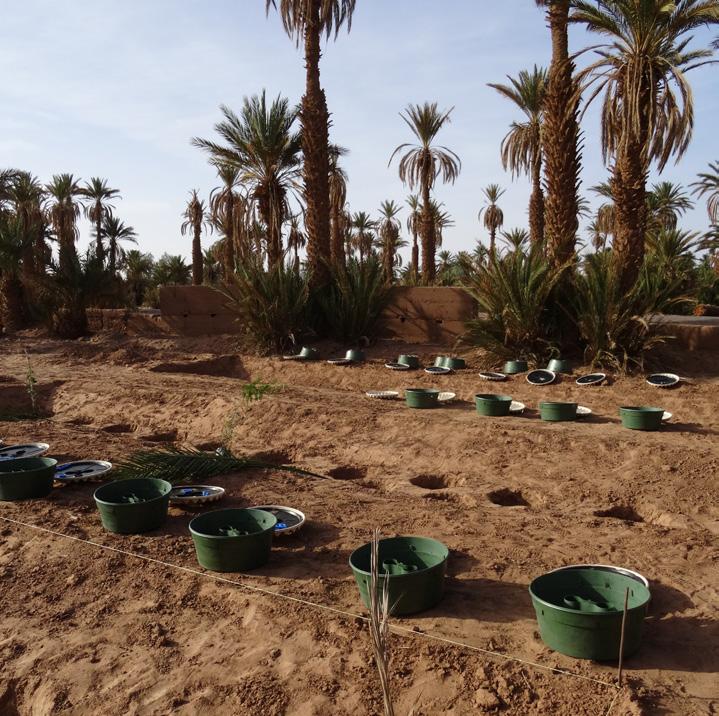
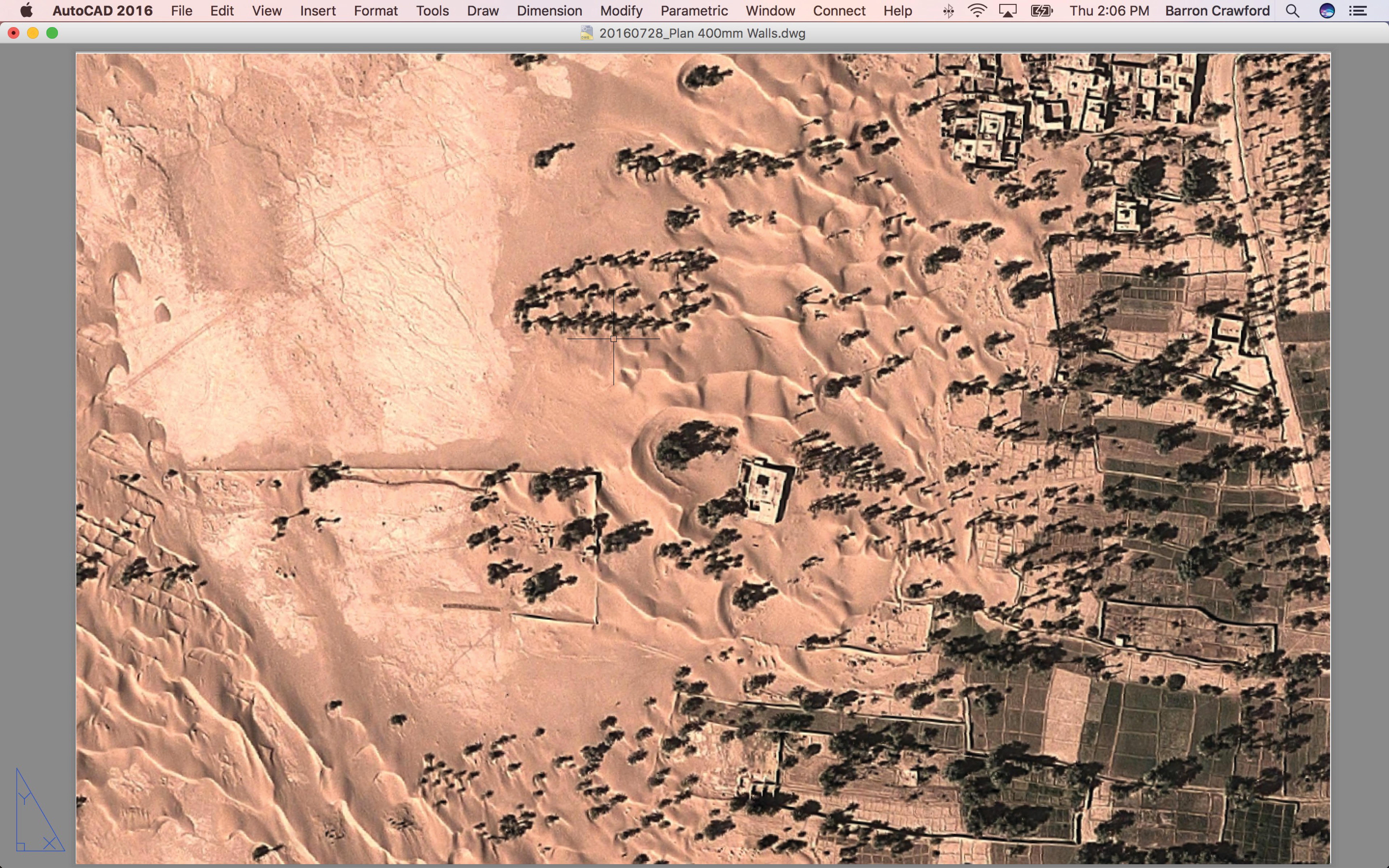
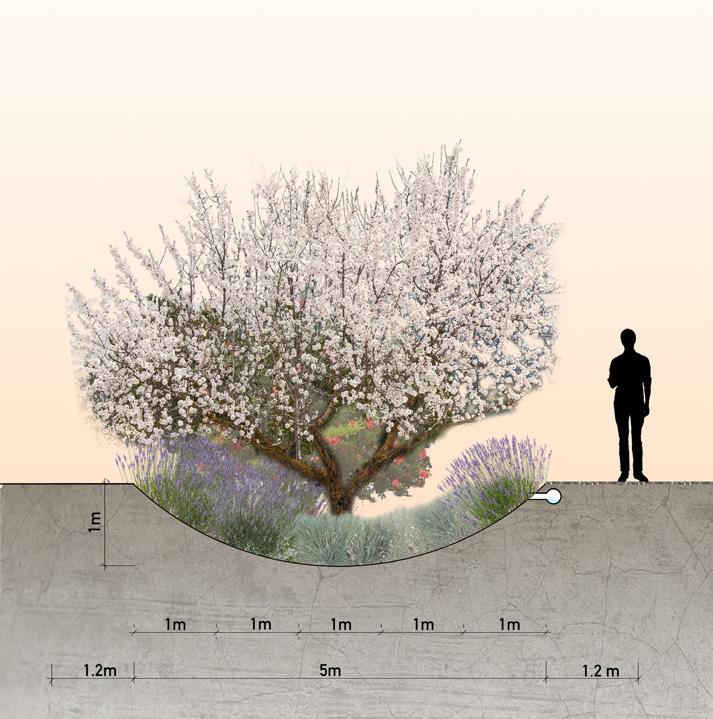
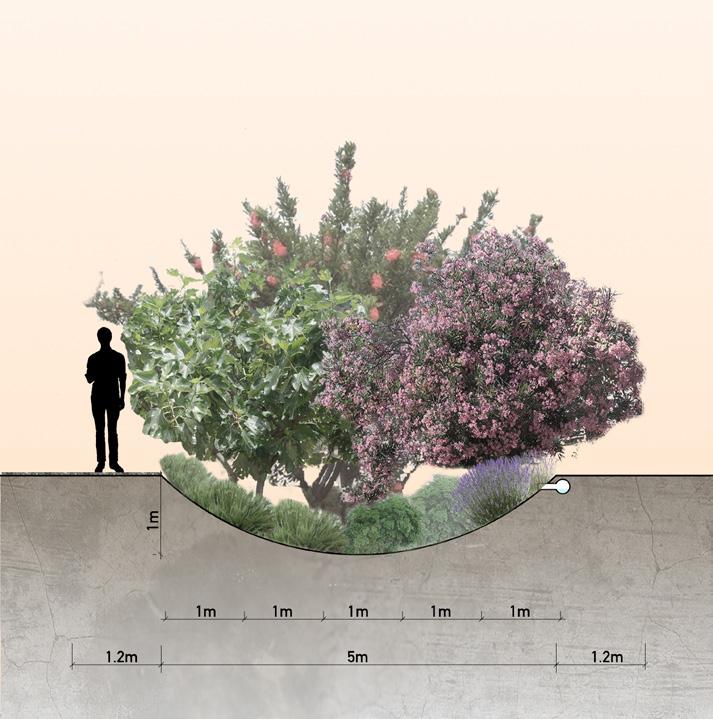
Today, M’hamid faces significant challenges, including migration to urban centers, the gradual disappearance of nomadic traditions, encroaching sand dunes, and limited access to water. In response, the Gateway to the Sahara site proposes an integrated landscape strategy rooted in resilience and self-sufficiency.
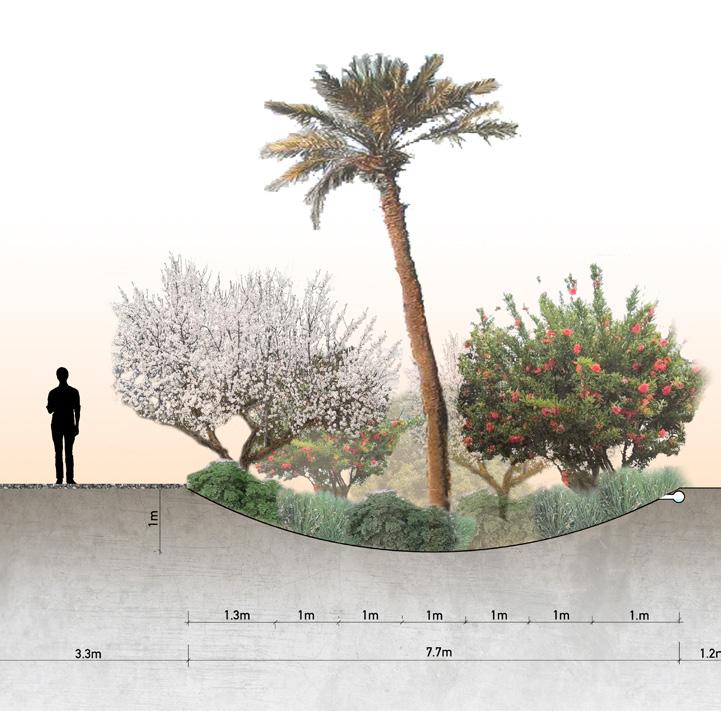
The project incorporates permaculture farming techniques and irrigation systems developed by Sahara Roots. It also includes water reservoirs, anti-desertification measures, market stalls for local produce, and three distinct agricultural methods that enable residents to cultivate their own crops. Together, these interventions aim to strengthen local food security while supporting cultural continuity and community sustainability.

41ST AND CAMBIE STREET VANCOUVER
M3 /M4 Co-op Work-term
My time at Dialog Design provided me with the opportunity to work on everything from site and section models to exploring conceptual design physically and digitally. I helped make various physical models for a educational and residential projects and 3D printed conceptual ceiling designs for a transit project.
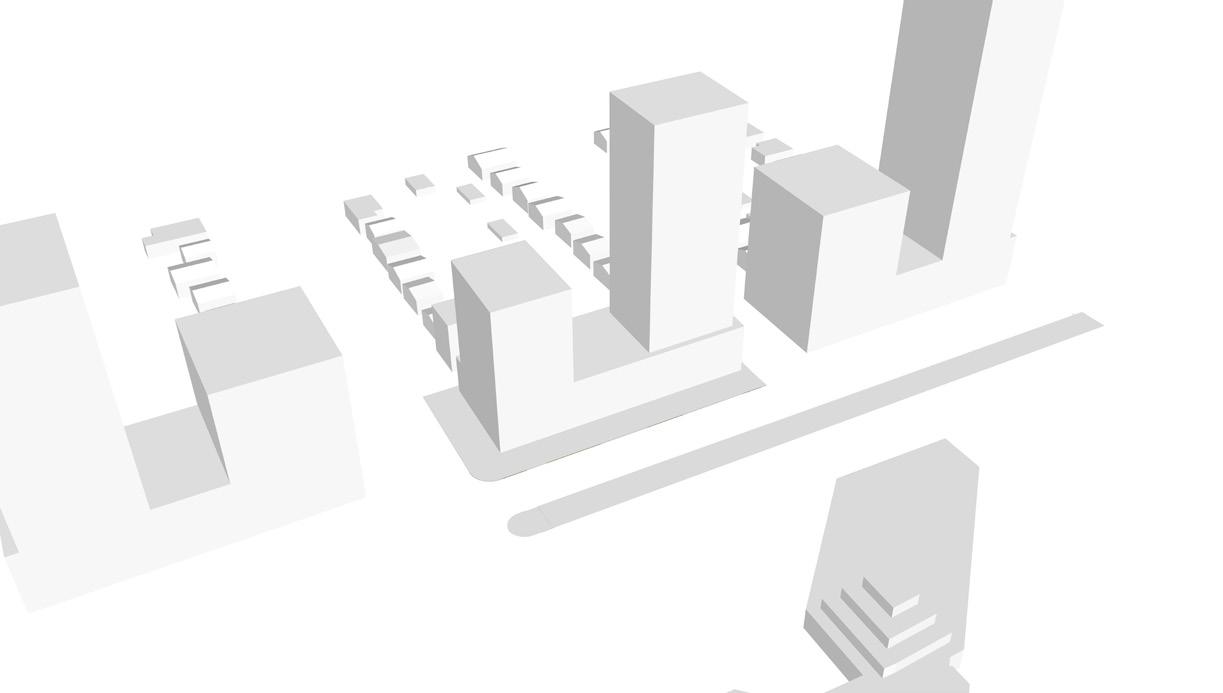
The project shown here is the 41st and Cambie Street Condominium tower in its schematic design phase. The images display one of the many iterations that were designed by the team. The scheme proposes a L- Shaped podium and rental building on which the Condominium tower would sit on.



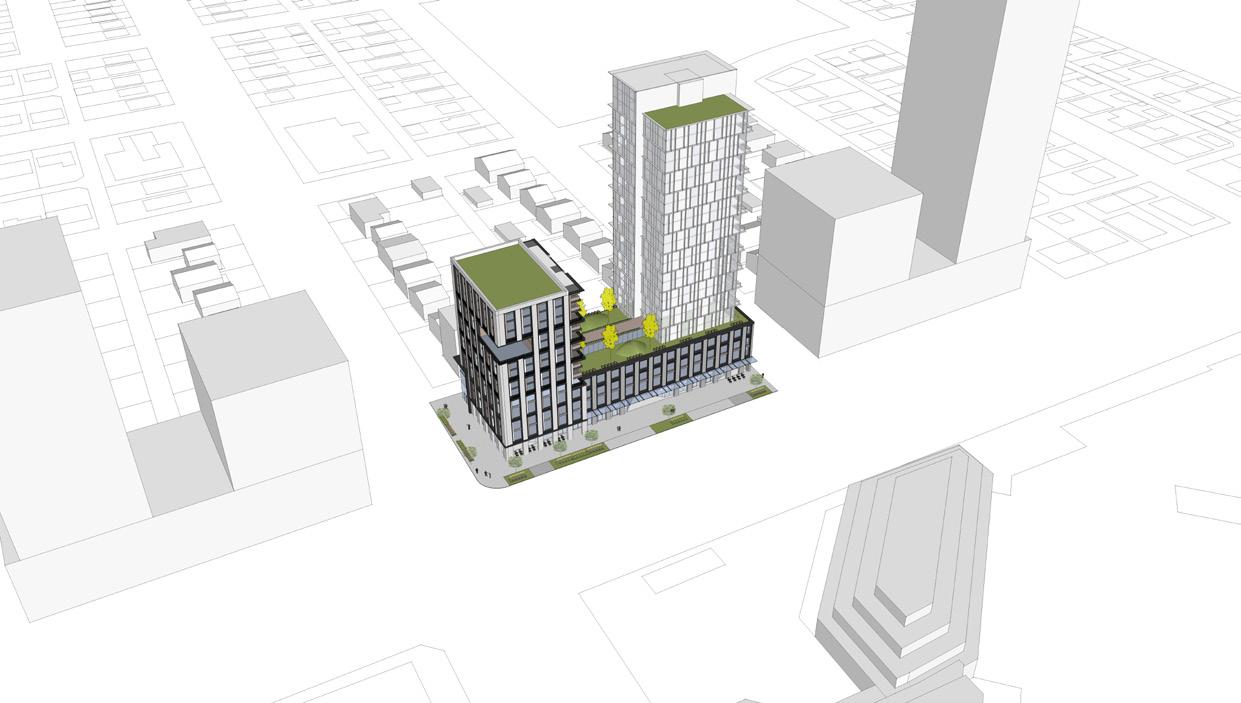
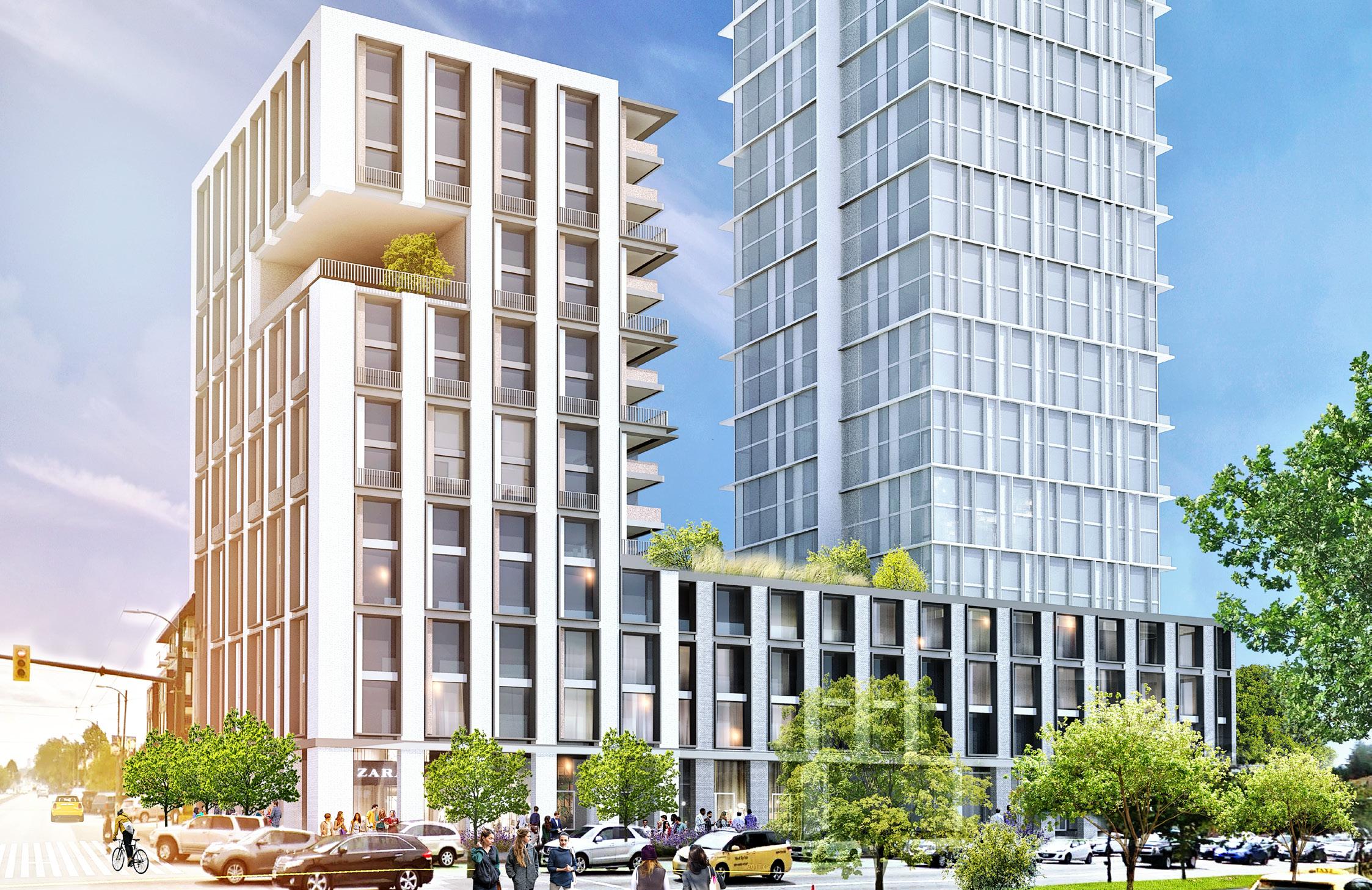
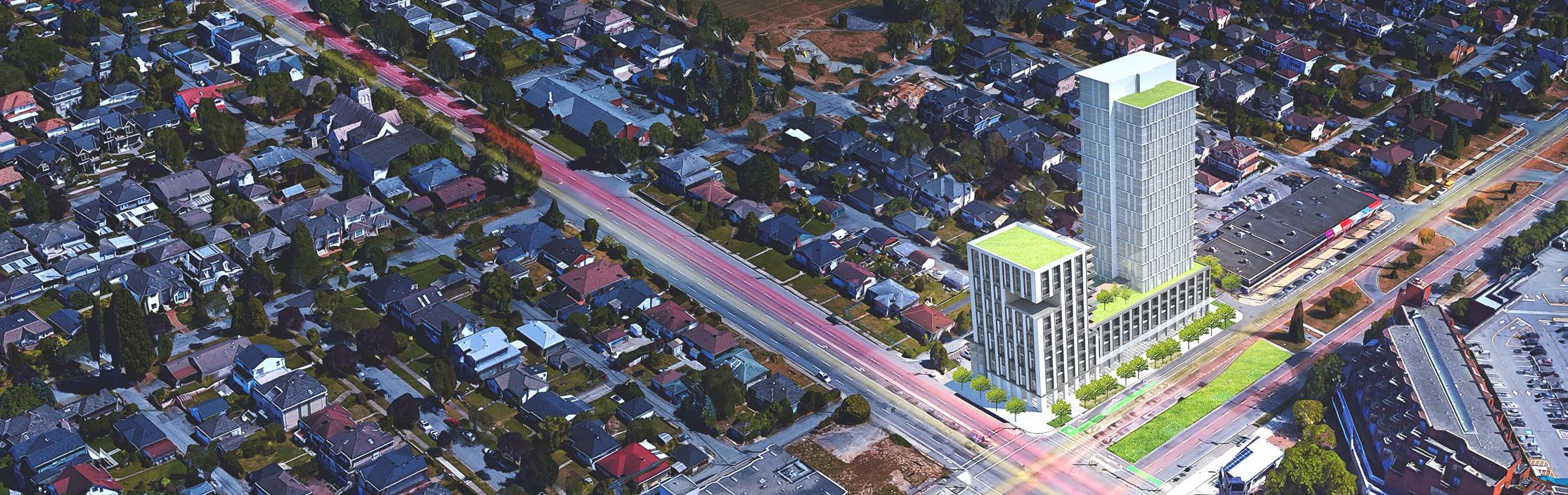
Renders by Render Specialist
Digital Sketch up model used for renders made by Design Team
POMEROY ARCHITECTURE INC.
Projects under supervision of Scott Pomeroy
STUDIO JCI
Projects under supervision ofJaegap Chung and Abdur Chatni
Site Plan
Residential Mid-rise Zoning By-Law Amendment Application package


Ground Floor Plan

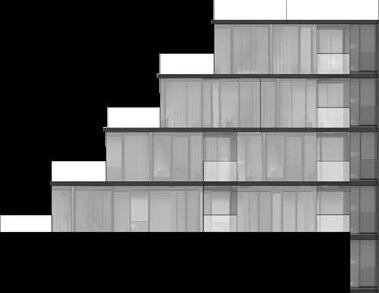
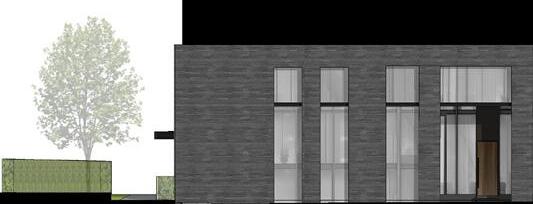

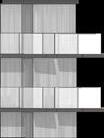
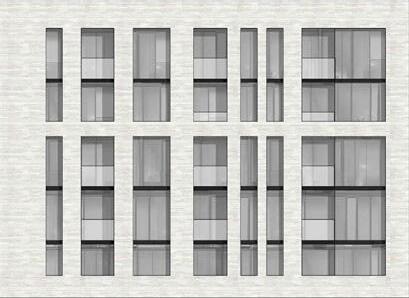
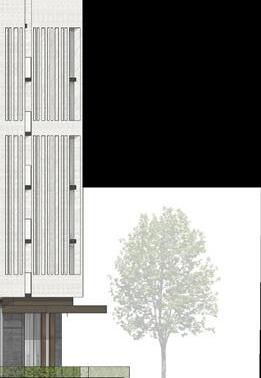
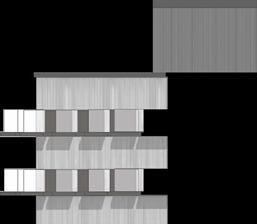
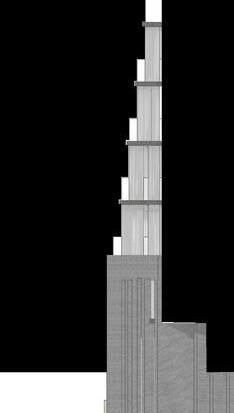


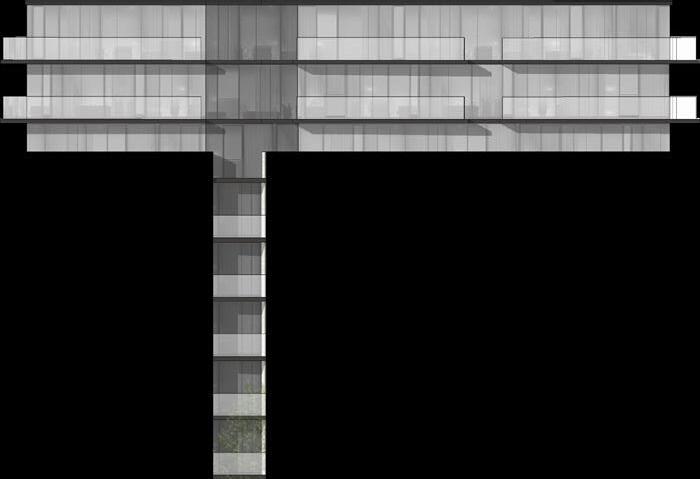
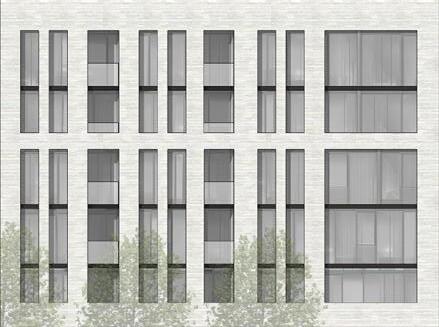



Mid-rise Zoning By-Law Amendment Application pack-
Projects under supervision ofJaegap Chung and Abdur Chatni
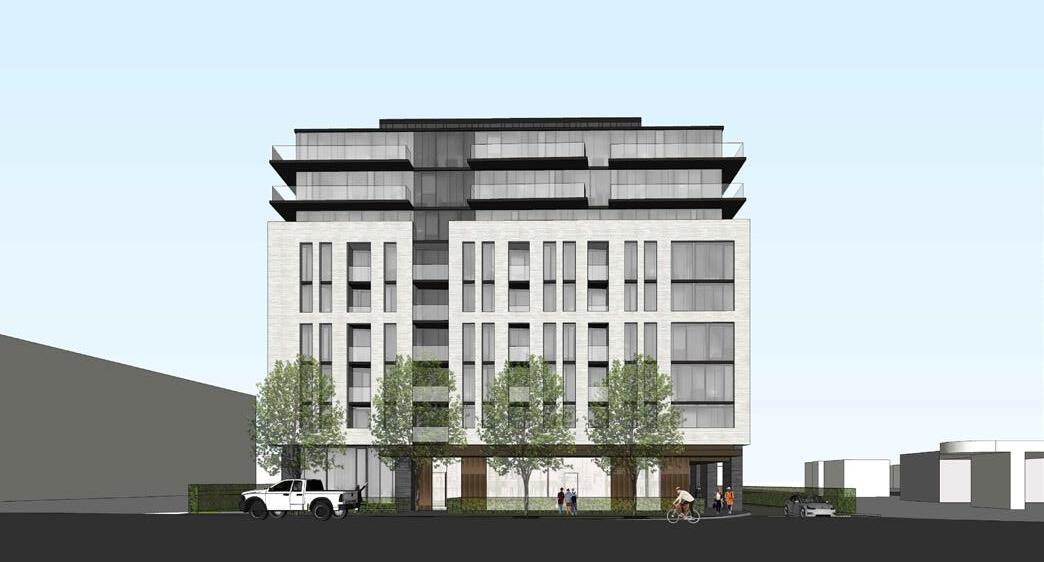
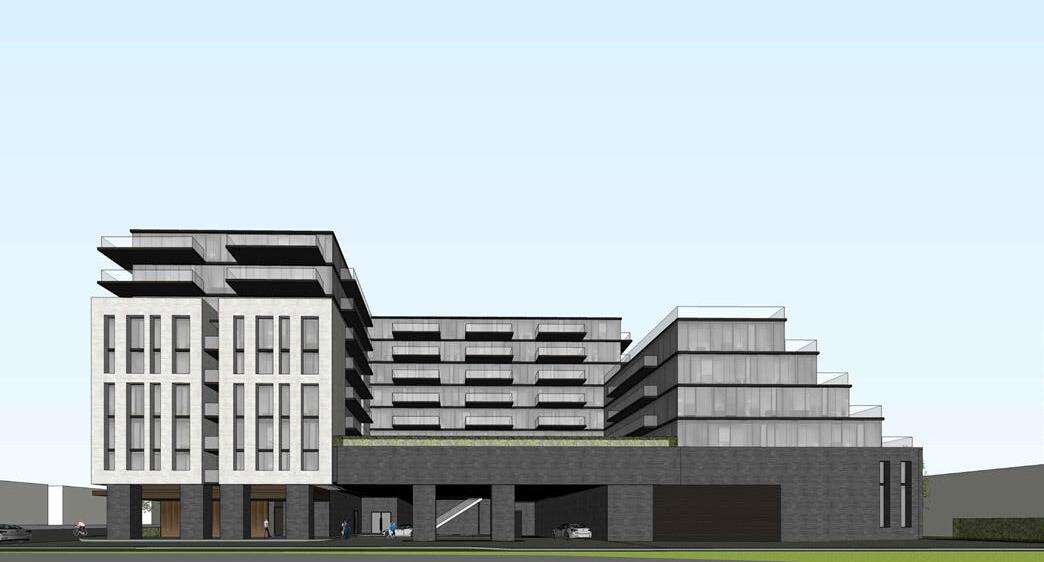

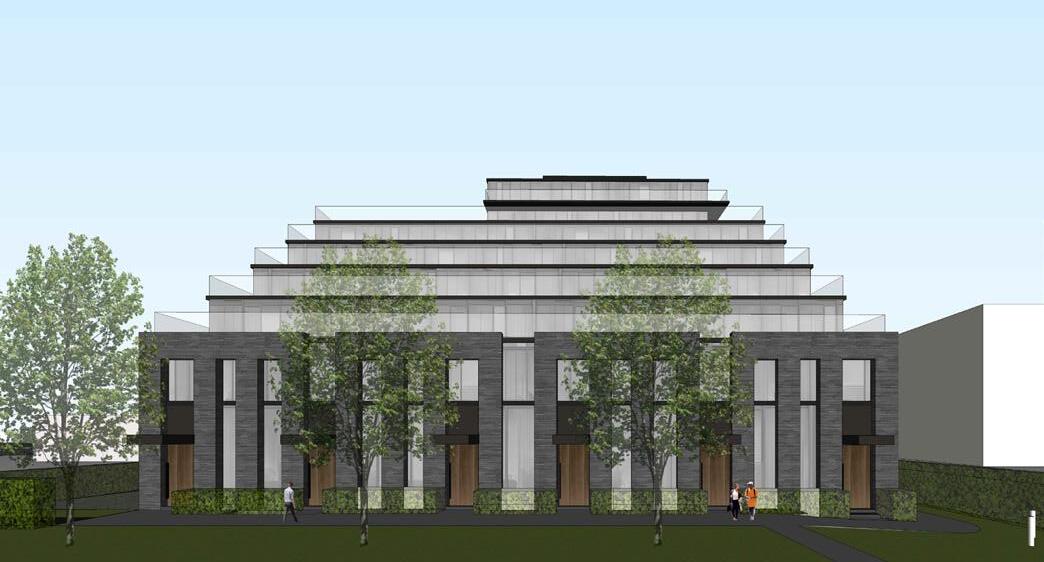
3D Sketchup Model
WESTON WILLIAMSON +PARTNERS
Projects under supervision of Sean Fine (Managing Director)

Floor Plan
Schematic Design for discussion and coordination with station designers and Infrastructure Ontario
Street names and station information redacted due to confidentiality
Ground
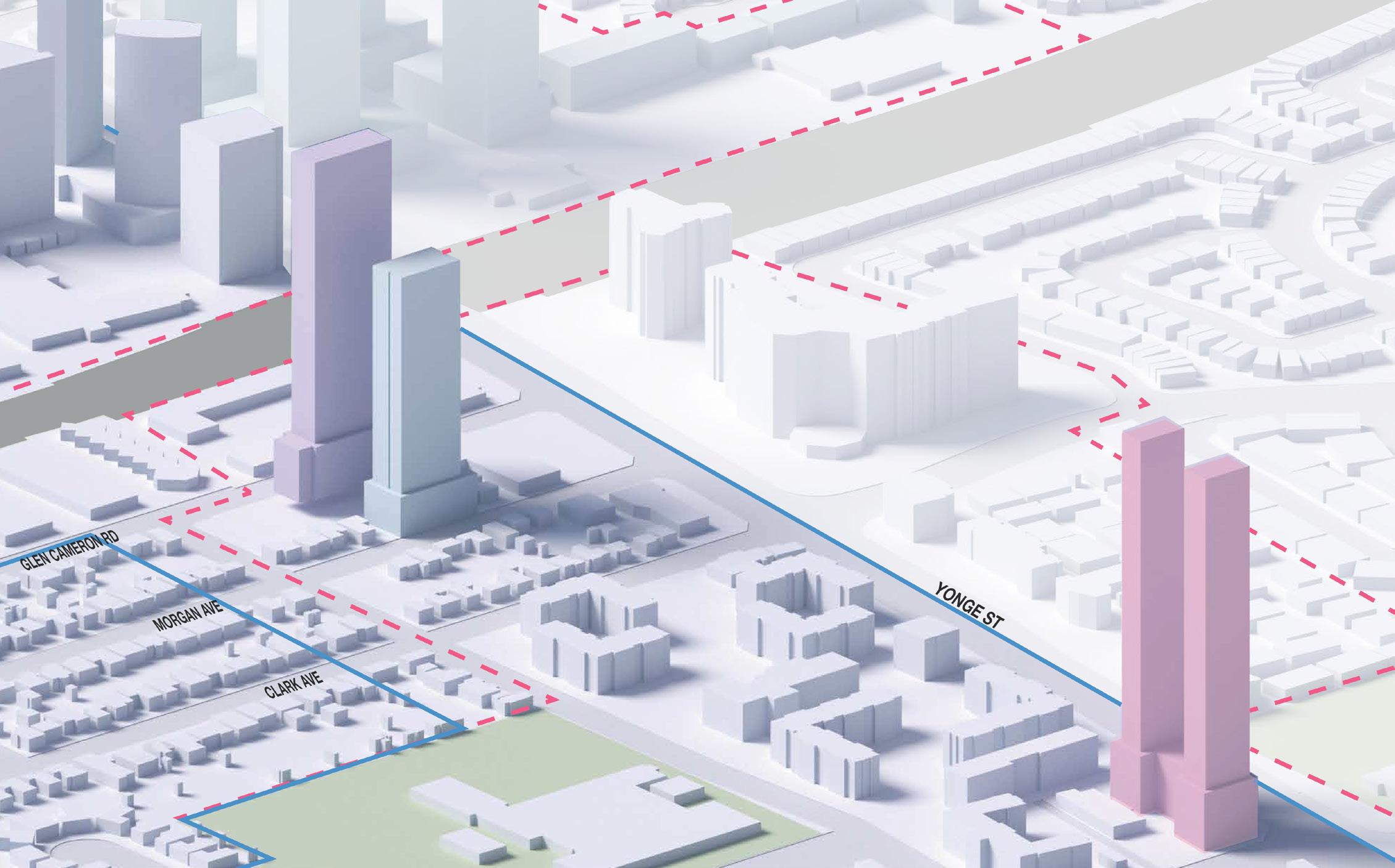
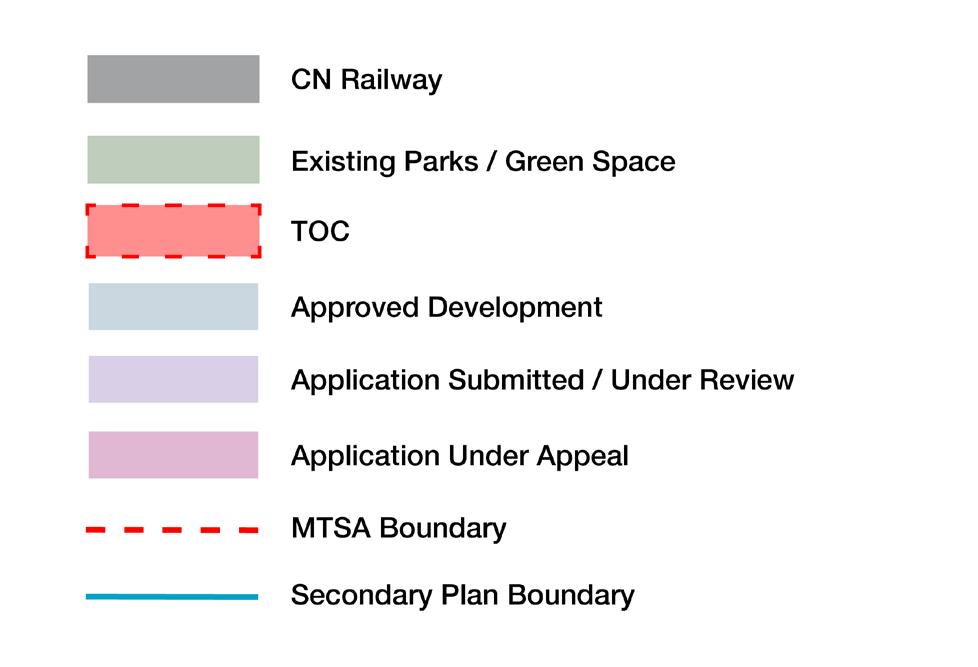
Development Contect
Diagrams for discussion and coordination City of Markham Step 0 Presentation
Street names and station information redacted due to confidentiality
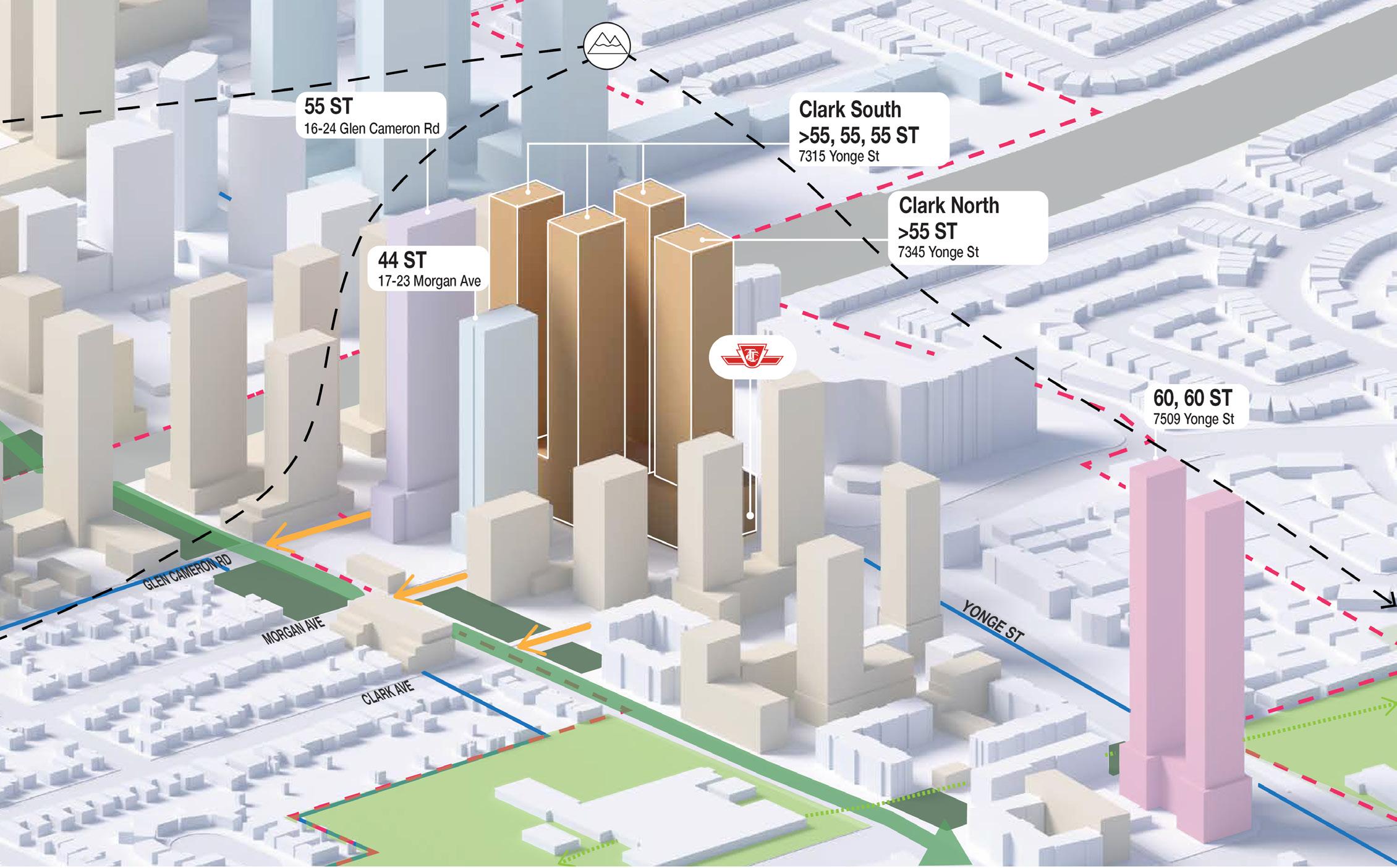
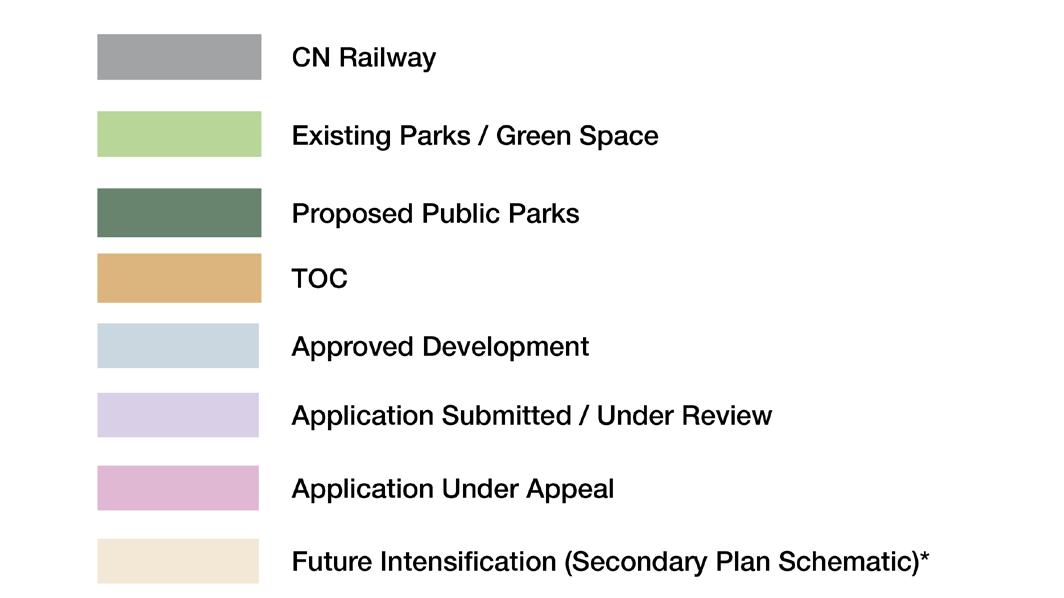
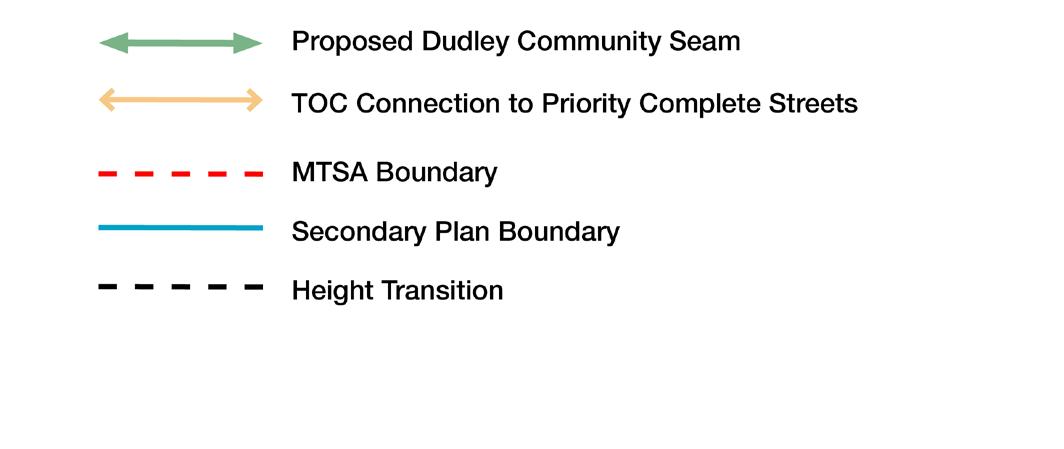
Development Context with TOC
North Site
South Site
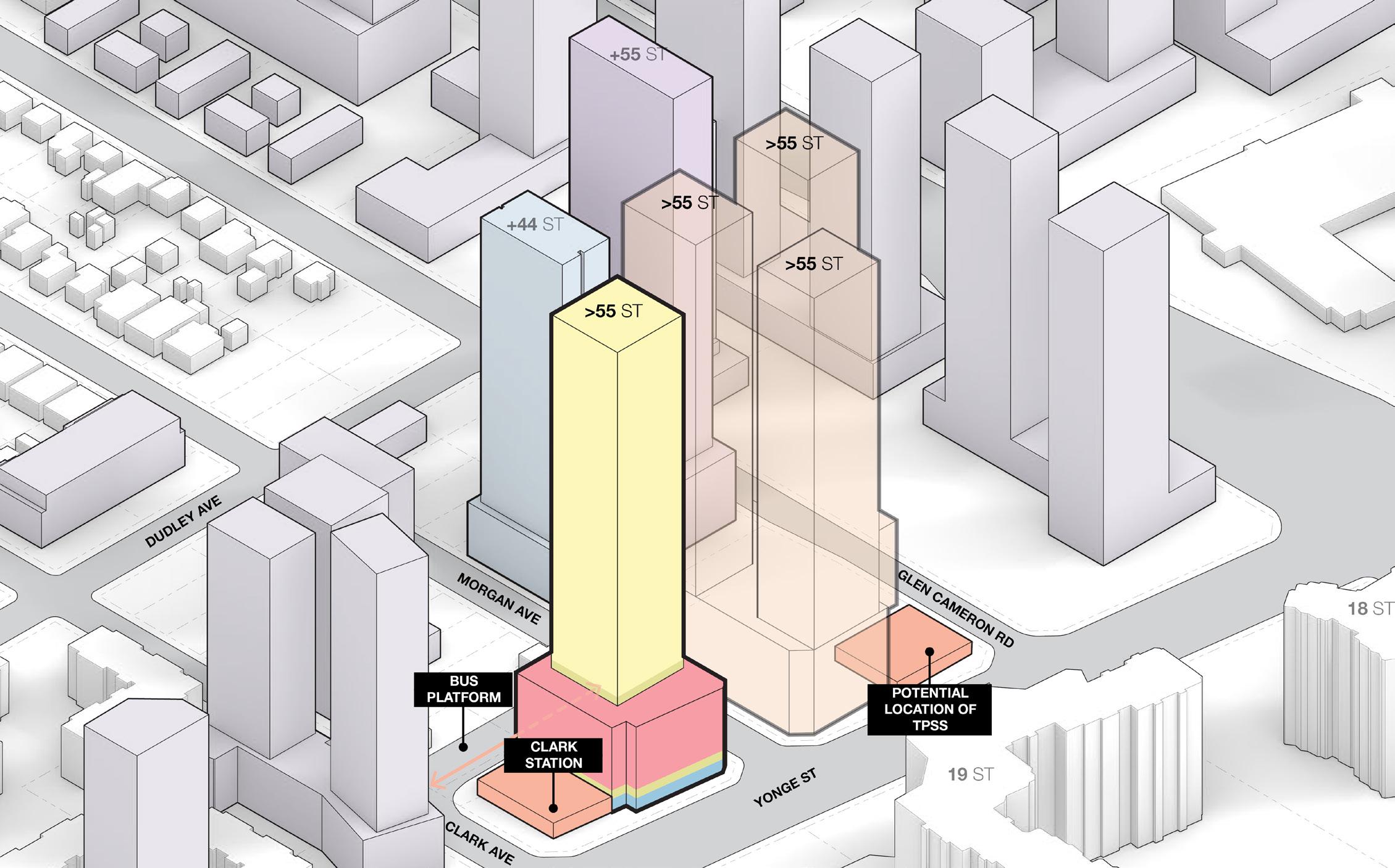

Programming- North Site Diagram
Diagrams for discussion and coordination City of Markham Step 0 Presentation
Street names and station information redacted due to confidentiality
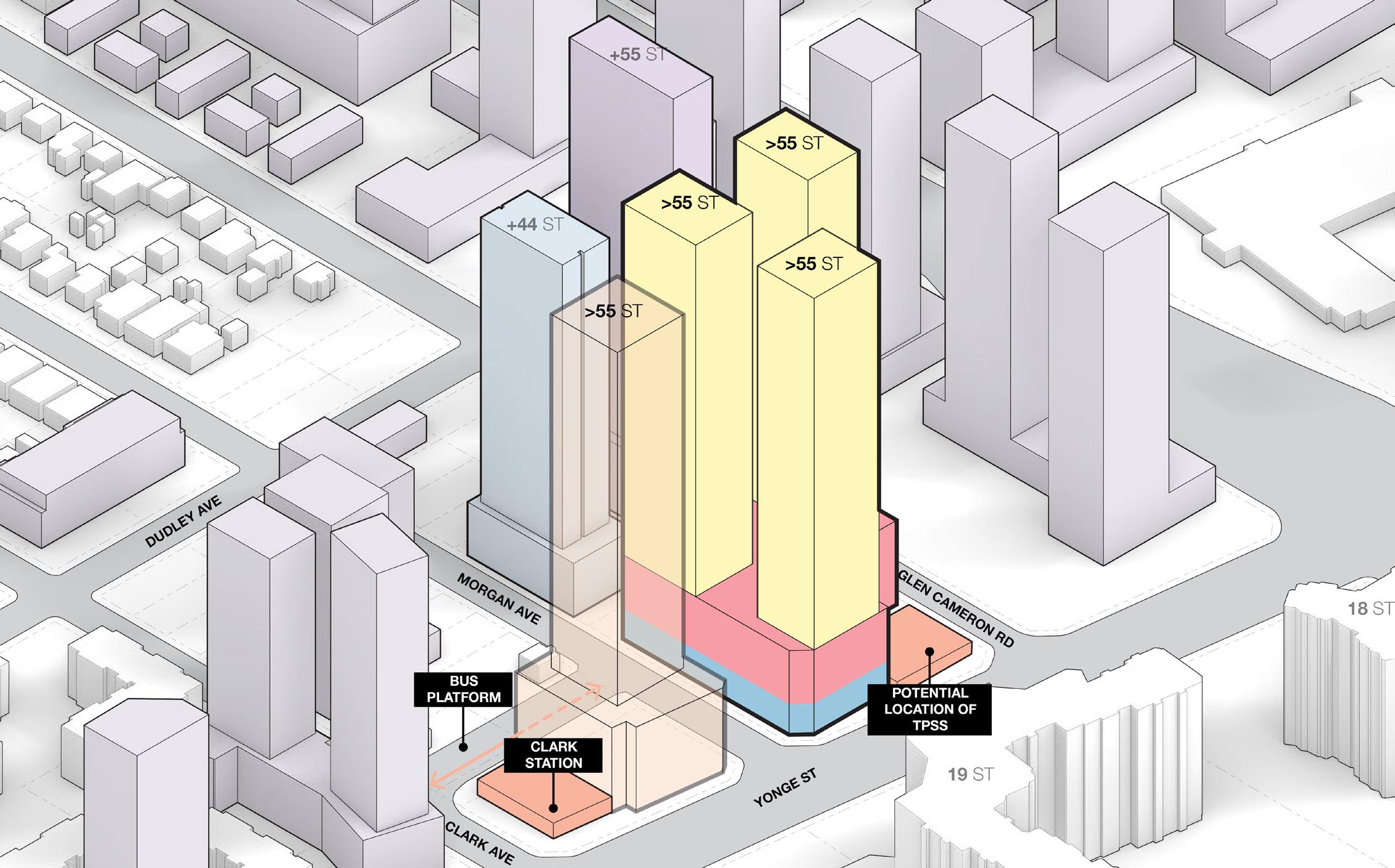
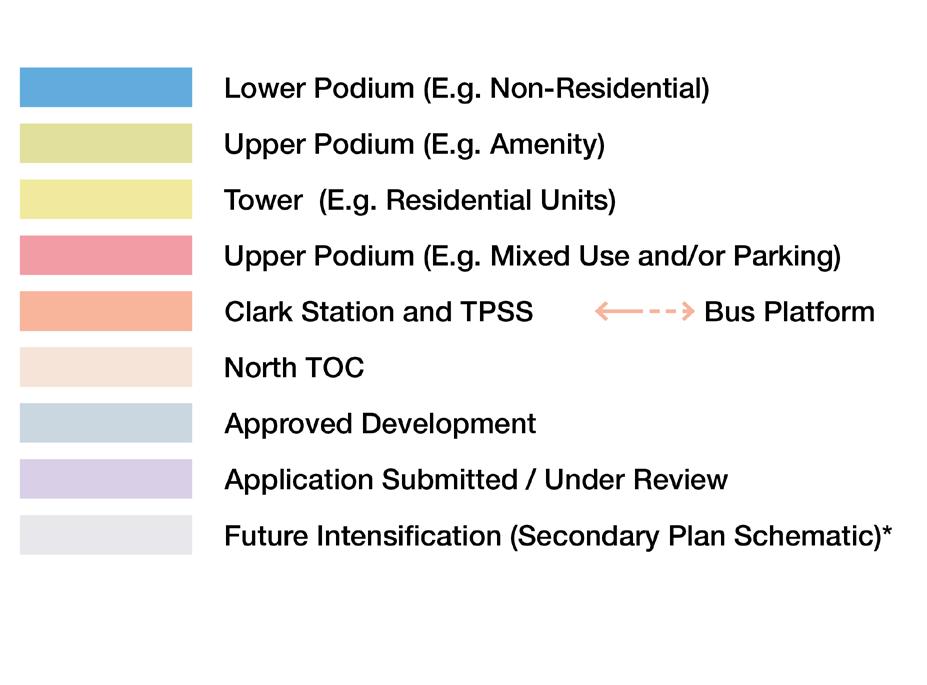
Programming - South Site Diagram
WESTON WILLIAMSON +PARTNERS
Projects under supervision of Sean Fine (Managing Director)
Orbit Secondary Plan Chapter C : Demonstration Plan
“The Orbit Potential and Innovation Plan (OPIP) was developed in response to provincial direction related to transit-oriented communities and the opportunity presented by a proposed Innisfil GO Station. In November 2019, Council adopted the vision for Orbit. A conceptual design for the proposed GO Station and surrounding areas was then developed and approved by Council on July 15, 2020. The Orbit vision and concept envisioned a truly sustainable, complete and mixed-use transitoriented community.”- Orbit Secondary Plan
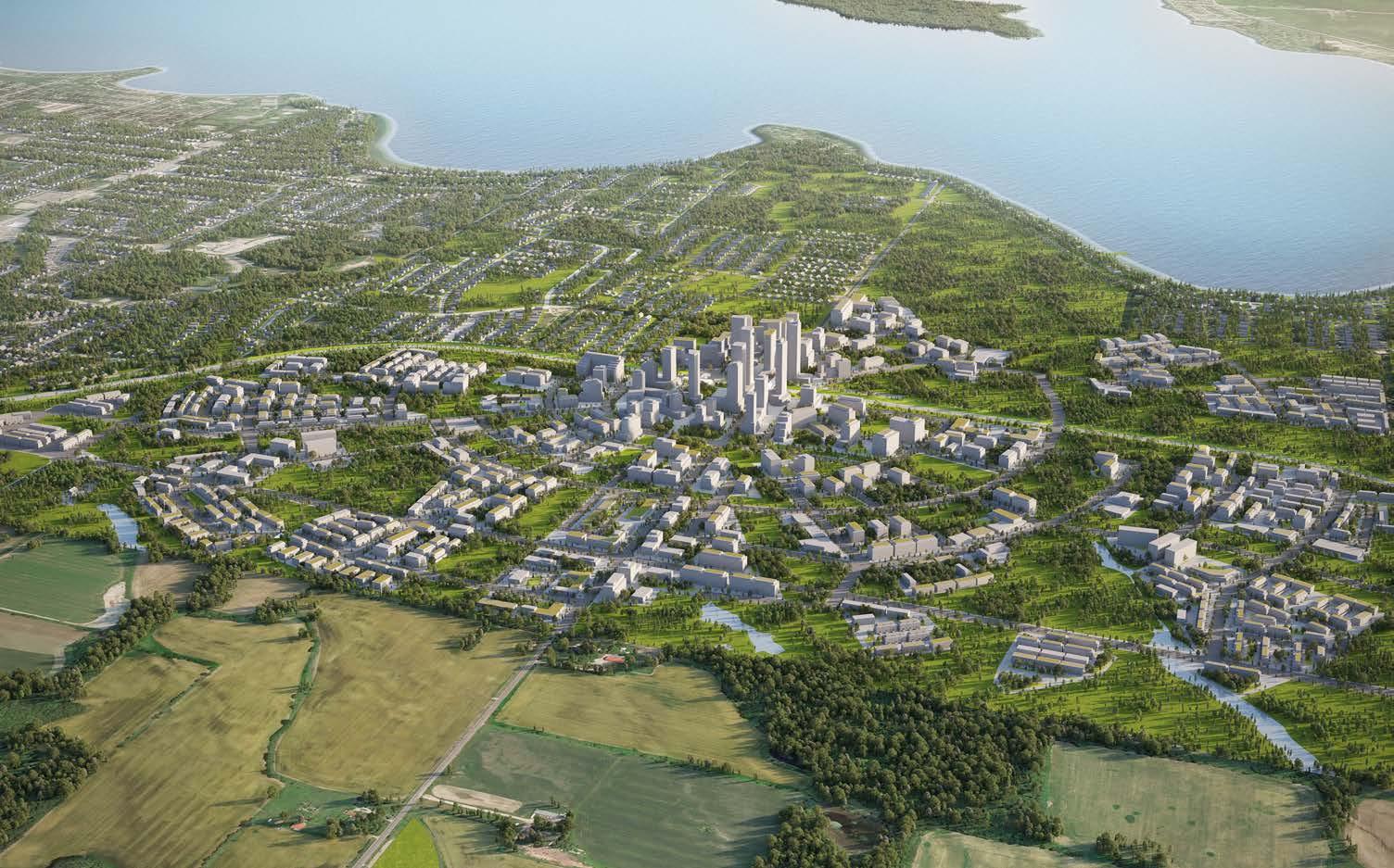
Figure 26: Rendering of one way that Orbit could build out Renders by Render Specialist Digital Sketch up model used for renders made by Design Team https://innisfil.ca/en/building-and-development/Orbit-ImportantDocuments/Schedule-B-to-OPA-By-law-Orbit-Secondary-Plan-2.pdf
SCHEDULE G : OPEN SPACE NETWORK
SCHEDULE D-2 : ROAD CROSS





SCHEDULE D-3 : ROAD CROSS SECTION MINOR COLLECTOR


DESIGN & MAKE
Personal Projects
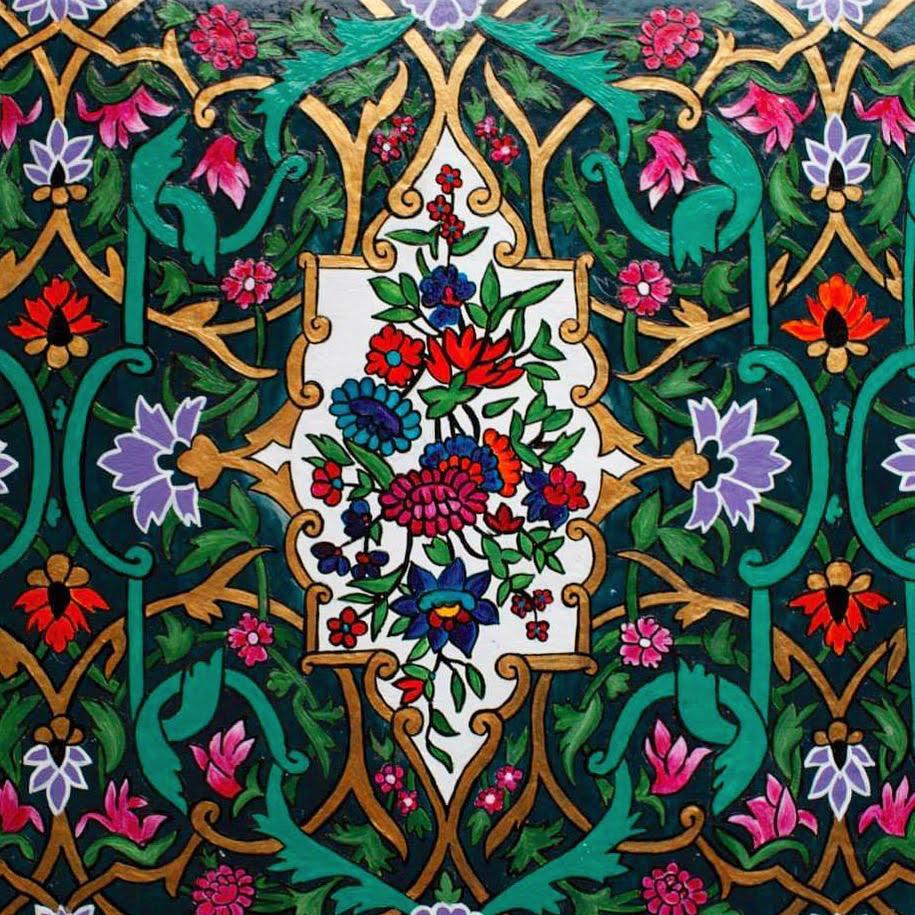
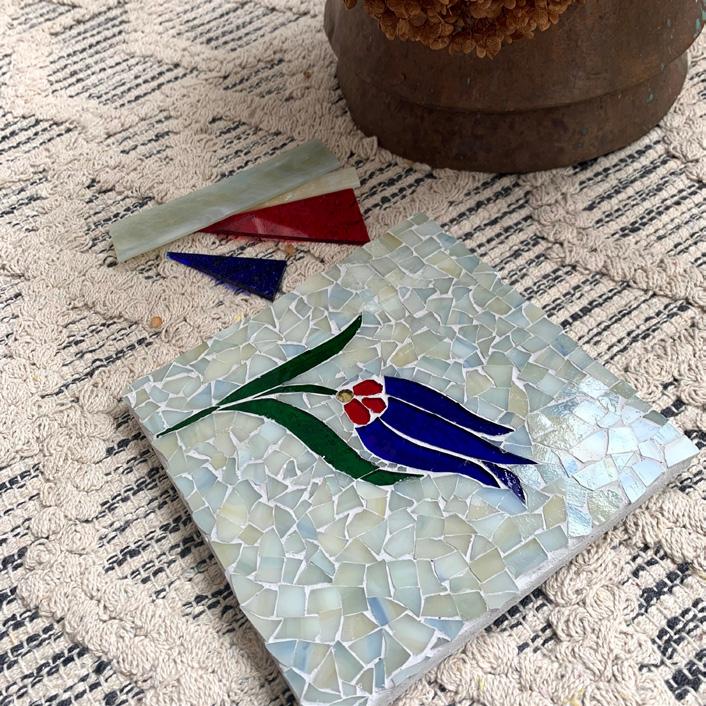
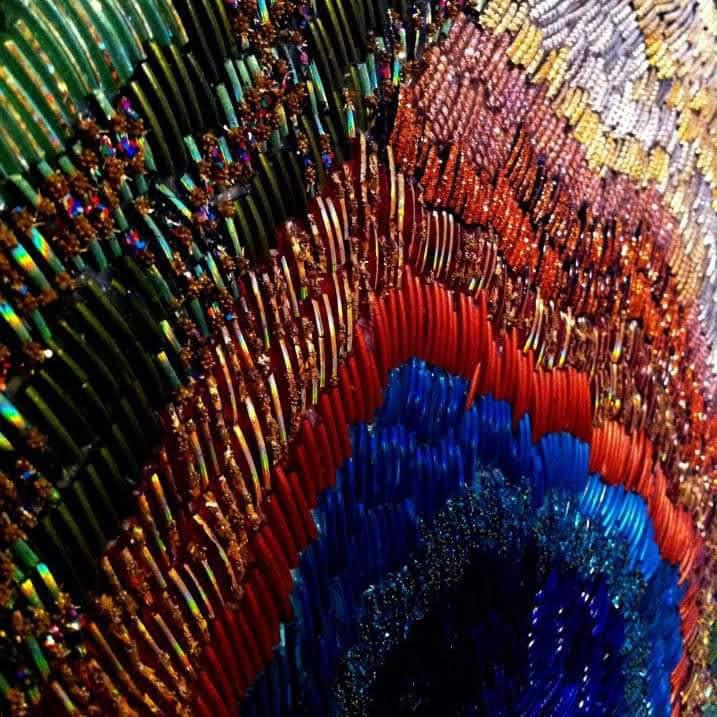
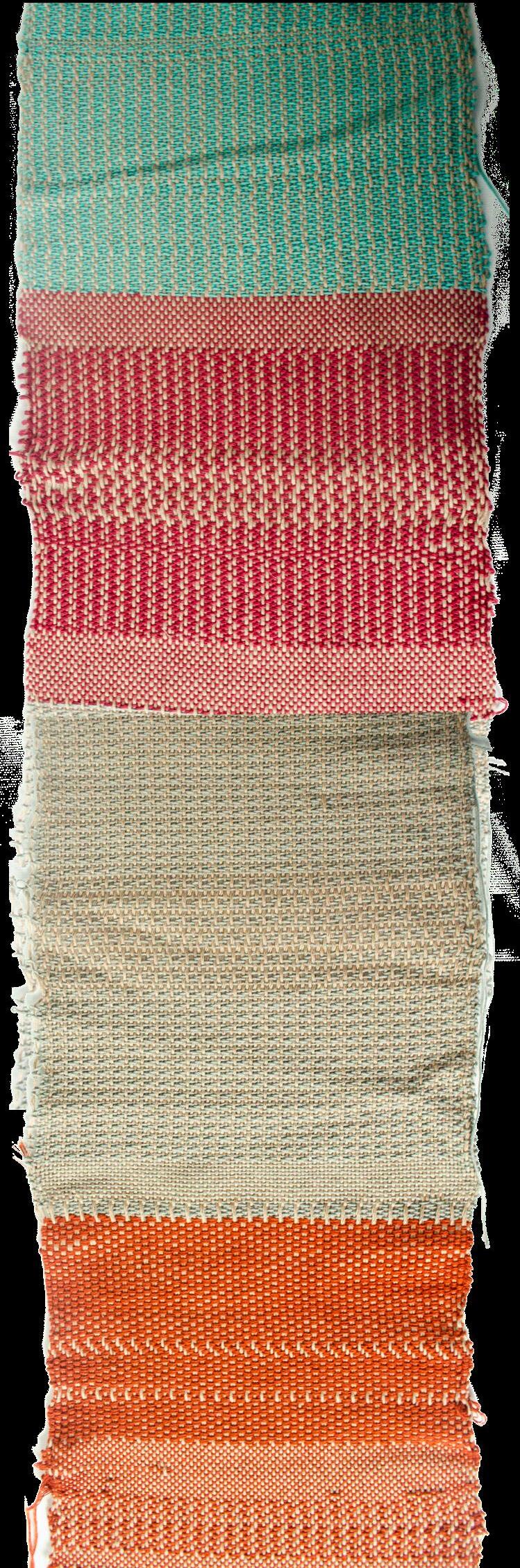
As a hobby I enjoyed making various projects ranging in mediums such as porcelain tile painting, textile weaving, glass mosaics and woodwork. Through the use of different mediums I aim to show my interests in material exploration and expression.