Electrawatt
Volume 28 - Issue 7 - July 2026
Why Vegetation Management Matters
Chris Chastain, President/CEO

There is something timeless about trees. They ground us. They remind us of where we have been, and they stretch toward what lies ahead.
Here in our community, we take pride in the natural beauty that surrounds us— the shade on a summer afternoon, the vibrant colors that mark the changing seasons, and the quiet strength of something that grows slowly but endures.
At the same time, we share another responsibility that is just as essential to our daily lives: keeping the lights on, powering our homes and businesses, and ensuring that when you flip a switch, the energy you depend on is there.
That is why RushShelby Energy works every day to strike a careful balance between preserving the beauty we cherish and delivering the reliable electricity our members expect.
One of the most important ways we do that is through regular tree trimming.
While it may not always be obvious, keeping power lines clear of overgrown vegetation plays a critical role in preventing power outages. We have all seen what can happen when severe weather strikes. Strong winds, heavy ice, and sudden storms can bring down branches—and with them, power lines and poles. In fact, nearly half of all power outages on distribution systems nationwide can be traced to trees and vegetation coming into contact with electrical infrastructure.
That is why you may notice crews from Townsend Tree Services and Midwest Spray, our trusted contractors, working in neighborhoods throughout the year. These crews are highly trained and certified, following the latest industry standards to ensure the job is done safely and effectively. Their work may seem routine; however, it is anything but. It is a proactive effort that helps prevent problems before they start.
And it is not simply good practice, it is required. Years ago, vegetation management was often reactive, with trimming taking place only after trees caused problems. Today, electric utilities across the country are obligated to manage vegetation near power lines. Scheduled trimming removes dead or weakened limbs and keeps fast-growing trees from becoming hazards. Currently, RushShelby Energy operates on a five-year right-of-way trimming cycle, with a spray crew following one year later—an approach that represents a significant improvement from previous years. It is about staying one step ahead, especially as we prepare for the increasing frequency and intensity of severe weather events.
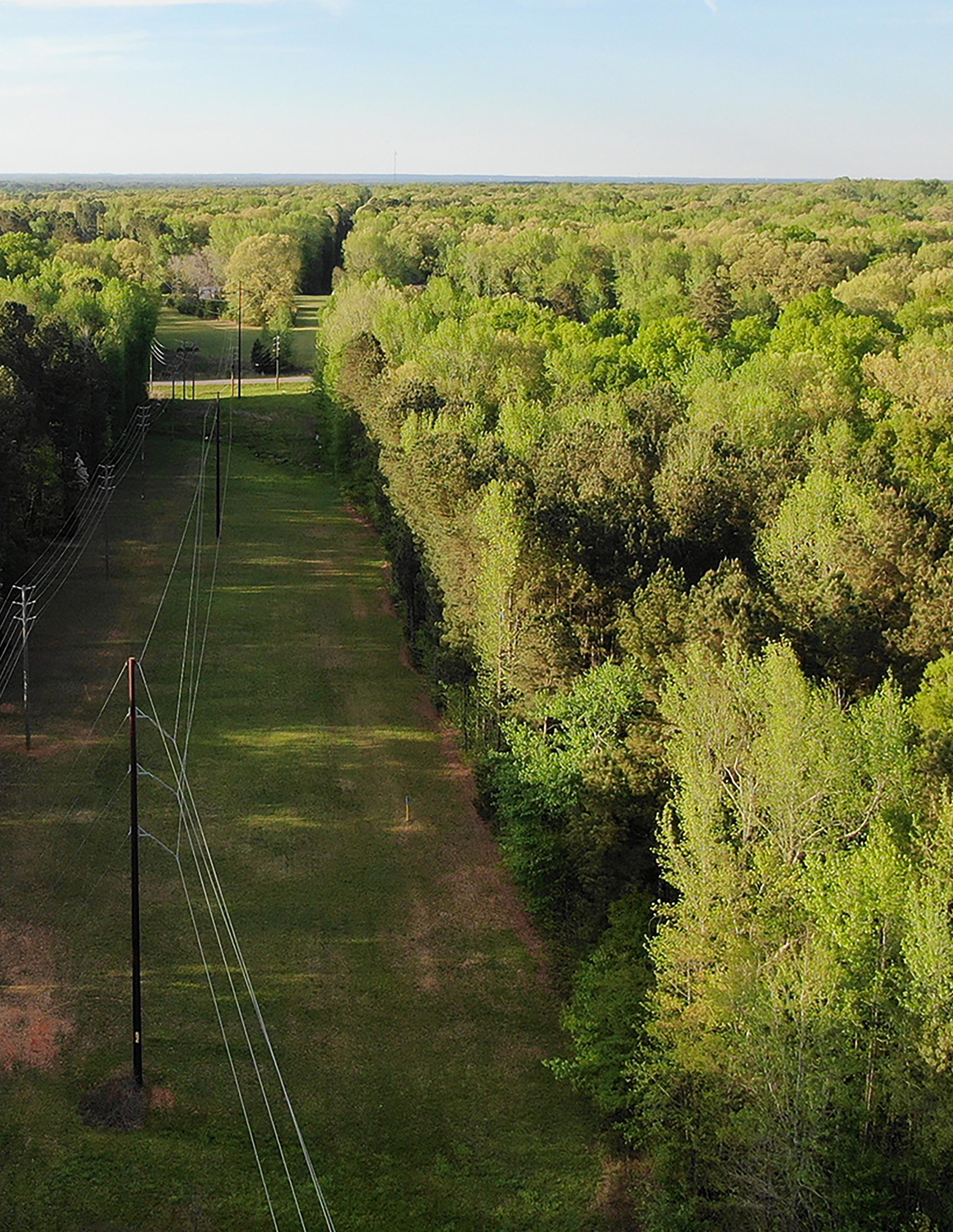
RushShelby Energy will soon begin incorporating a drone into this work to make the process even more efficient. Through drone inspections, we can monitor power lines and surrounding vegetation more effectively, particularly in areas that are difficult to access because of rough terrain.
“Drone technology allows us to identify potential issues earlier, improve accuracy, and reduce costs,” said Austin Swain, RushShelby Energy Right-of-Way Coordinator.
These small but powerful tools help us identify potential risks before they become problems and allow us to respond more quickly when action is needed.
Beyond reliability and efficiency, there is another important reason this work matters: safety.
Electricity is a powerful force! When trees grow too close to power lines, dangerous situations can develop. Branches that touch, or even come close to, power lines can become energized. Children climbing trees in their own yards may not recognize the risk. During storms, fallen trees can create hazardous conditions for both families and the lineworkers working to restore service.
There is also a financial reality we cannot ignore. Preventive maintenance, such as tree trimming, is far more cost-effective than repairing widespread damage after an outage. Left unchecked, overgrown vegetation can lead to more frequent service interruptions and higher costs for everyone. A thoughtful, strategic vegetation management program helps control those costs while improving reliability for our members.
You can help, too. When planting new trees, consider their mature height and distance from nearby power lines. Trees that grow up to 40 feet tall should be planted at least 25 feet away from overhead lines. Larger trees that exceed 40 feet in height should be planted at least 50 feet away. If you are landscaping near pad-mounted transformers, keep shrubs at least 10 feet away from the front and 4 feet away from the sides to allow safe access for utility workers.
If your neighborhood has underground electric lines, do not forget to call 811 before digging. It is a simple step that can prevent serious accidents and costly damage.
At the end of the day, we all want the same thing: a community that is safe, resilient, and beautiful. At RushShelby Energy, we are proud to be part of that effort. Our roots run deep here, just like the trees for which we care.
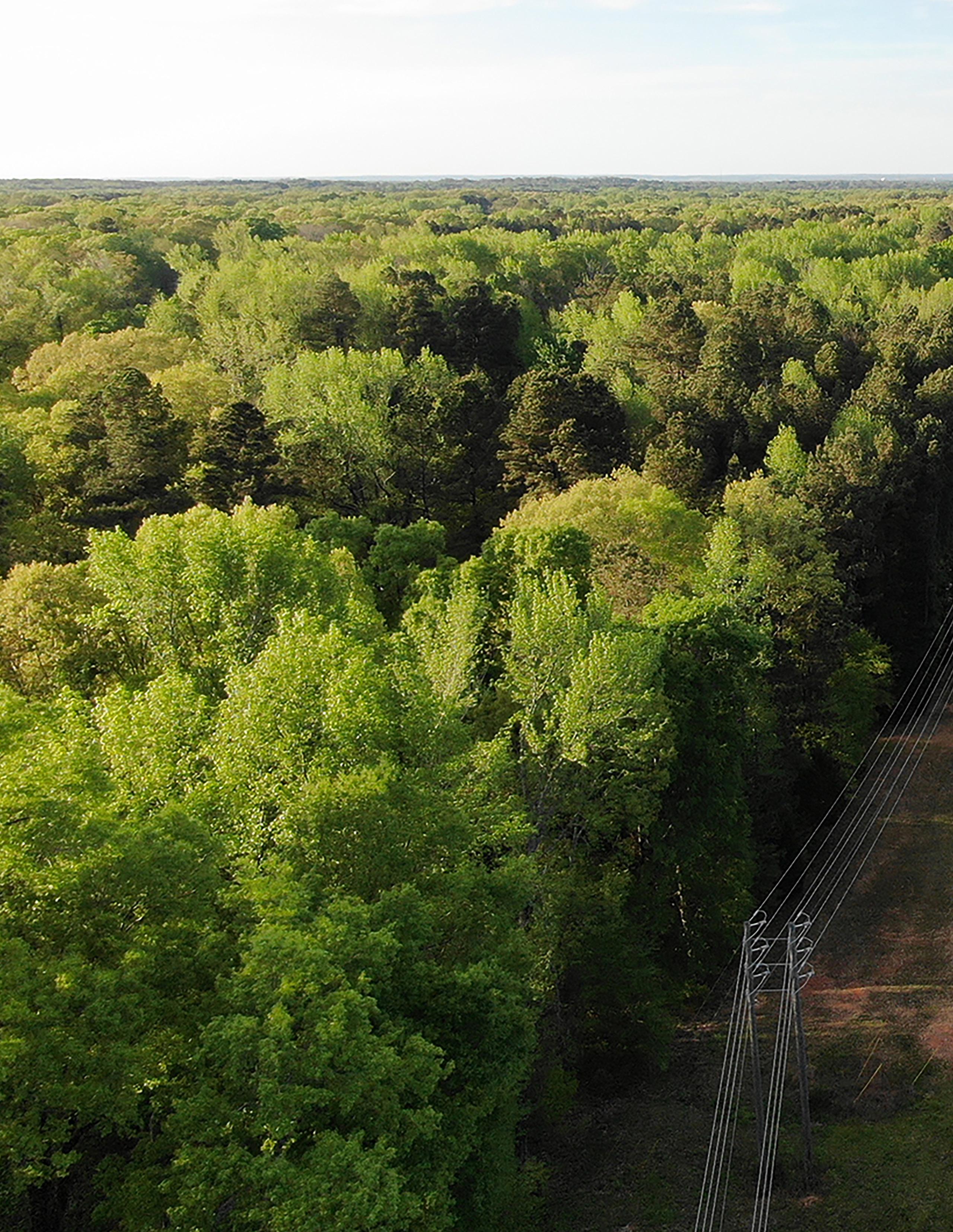
Background photo taken by Devon Melbourne
2026 RushShelby Energy Scholarship Recipients
Congratulations to our 2026 Scholarship Recipients! Each year, RushShelby Energy awards two $2,000 scholarships to outstanding students who demonstrate excellence in academics, extracurricular activities, citizenship, and an understanding of cooperative principles.
This year's scholarship recipients are Eli Sego of Triton Central High School and Lila French of Franklin County High School. We are proud to support these exceptional students as they pursue their educational goals. We wish them continued success and the very best in all their future endeavors!


Operation RoundUp Luck of the Draw Scholarship
The correct location to find the online scholarship form is: https://www.rse.coop/my-cooperative/annual-meeting/.
All entries must be submitted to the Operation Roundup Booth by 7:00 p.m. Be sure to have proof of enrollment and photo identification on hand. Winners will be drawn at 7:15. You must be present to win.
The Annual meeting is Thursday, July 9, 2026, 4:00 - 7:30 p.m.



Keep Celebrations Safe: Mylar Balloon Awareness
Graduation season and summer are here, and with that comes a calendar full of parties, family gatherings, and special celebrations. Mylar balloons are a popular way to add excitement to these occasions, but many people don't realize that they can also pose a serious safety risk when used improperly.
Unlike traditional latex balloons, Mylar balloons have a metallic coating that conducts electricity. If a Mylar balloon comes into contact with power lines, transformers, or other electrical equipment, it can cause power outages, damage utility infrastructure, and create hazardous conditions for utility crews and the public.
Fortunately, a few simple precautions can help prevent these incidents:
• Always secure Mylar balloons with a weight.
• Never release balloons outdoors.
• Keep balloons away from power lines and electrical equipment.
• Properly dispose of balloons after your celebration.
At RushShelby Energy, we want everyone to enjoy a safe and memorable celebration season. Taking a few extra moments to handle Mylar balloons responsibly can help prevent outages and keep the lights on for your family, neighbors, and community.
Celebrate safely and help us keep the power flowing all season long!