

































“We believe that every business has a story to tell and we are here to make it heard.”



BEA, once a print studio, today a 360° marketing agency that transforms brands and brings them closer to people. It's a story that started with an idea, developed with a great passion to change the way brands communicate, and has built its path through innovative ideas, bold strategies, and results that speak for themselves.
Why BEA?
• High-quality printing services that meet premium standards;
How We Build Success Stories?





Since 2012

BEA doesn’t just offer marketing we create experiences. We listen, we understand, and we build solutions that speak the language of your brand. With a dedicated team and in-house production, every project is delivered with maximum quality and speed, ensuring a strong identity and real impact.
• Marketing strategies designed for long-term success;
• Social media management with authentic and engaging content;
• Event organization that leaves a lasting impression and creates unforgettable experiences;
• BTL campaigns that bring your brand closer to people;
Our Services
Our strategies are not ordinary –they build connections, inspire and deliver results. BEA is the right partner for:
• Creative design and branding that make your business stand out;
• Advertising solutions that reach the right audience at the right time
We know that every project has unique needs. That’s why we follow a personalized approach:
• We listen to and understand your vision;
• We analyze the market and audience to build the right strategy;
• We create ideas that inspire and deliver real value;
• We execute every project with dedication and professionalism;
• We measure success and optimize strategies for maximum impact.
Since 2012, we haven’t been just a marketing agency we’ve been part of the success stories of many businesses who trusted us over the years. Are we ready to write the next one together?


Rr.
4 Shkurti, Hyrja 1, Kati 9, Apartamenti 19, Tirana, Albania
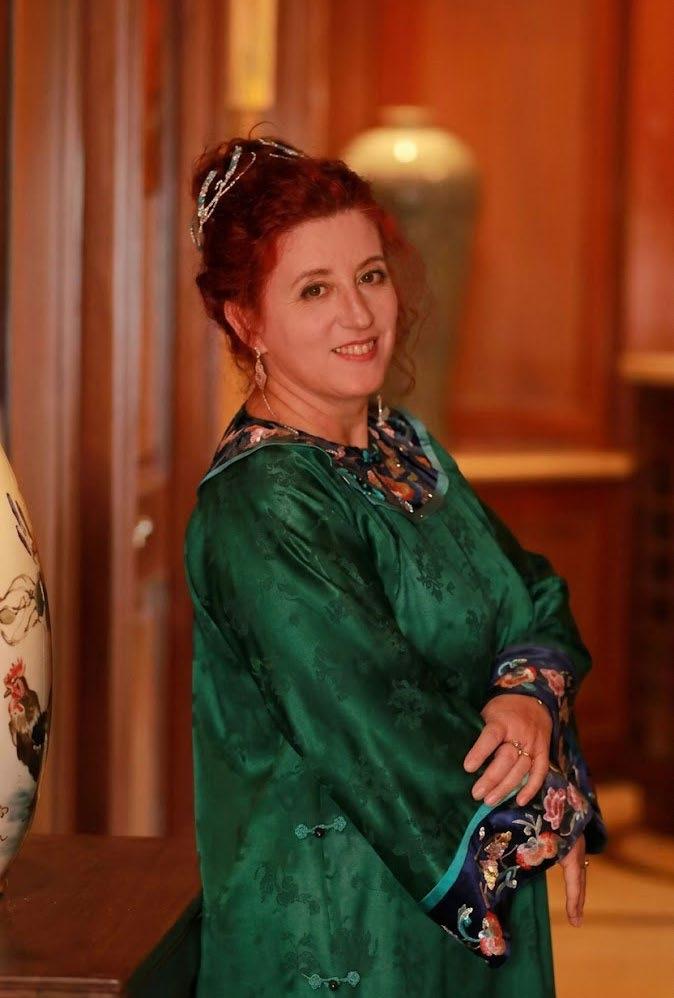
“Art is my spiritual anchor in motion — a space of sincerity, tradition, and healing.”
“I explore art as a spiritual anchor in motion, emphasizing the enduring value of traditional media, personal sincerity, and selfhealing. My paintings tell the story of my life, and they express the timeless power of art to heal the soul.”
Ledia Çeta
Art in motion. A journey made visible.
Contact Info.
E-mail: lediacetaart@gmail.com
Instagram: www.instagram.com/lediaceta/?hl=en
Facebook: www.facebook.com/ledia.ceta &
Web: www.facebook.com/handpaintedbyledia
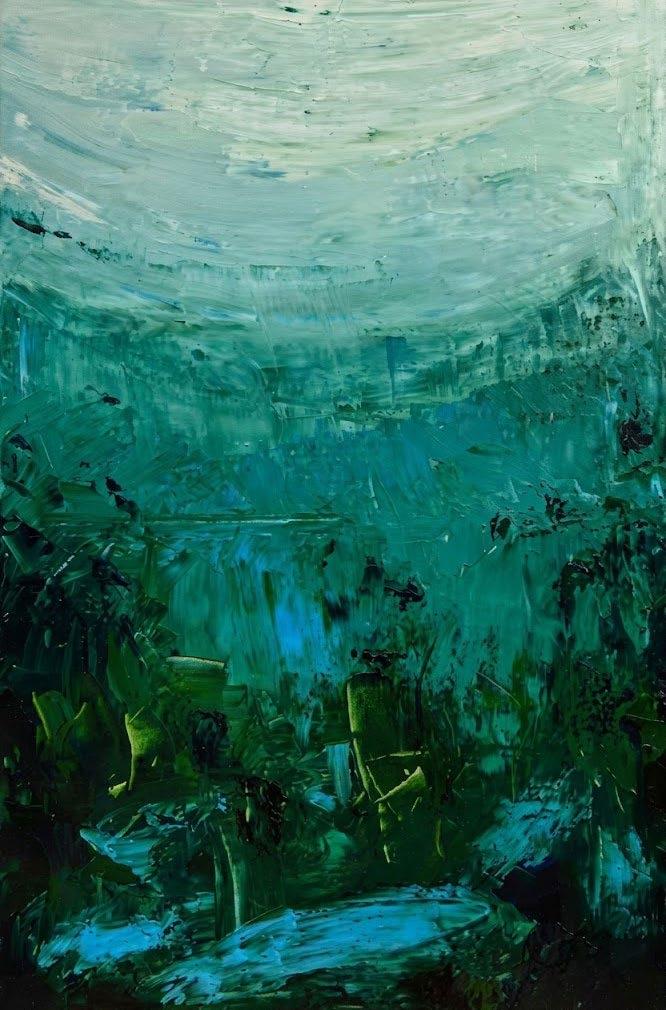
Ledia Çeta’s work is rooted in memory and shaped by movement across cultures and materials. From early pencil studies to silk, porcelain, and large-scale canvases exhibited internationally, her artistic language has evolved through discipline and lived experience.
Working intuitively in abstraction, she transforms colour into emotion and gesture into meaning. Her paintings do not explainthey invite.
Nature, especially the sea, remains her constant reference - a symbol of identity, balance, and reflection.
In 2025, her journey reached an important milestone with her selection for the Beijing International Art Biennale, exhibiting among 600 artists from 130 countries.
Ledia Çeta
Art in motion. A journey made visible.
Contact Info.
E-mail: lediacetaart@gmail.com
Instagram: www.instagram.com/lediaceta/?hl=en
Facebook: www.facebook.com/ledia.ceta &
Web: www.facebook.com/handpaintedbyledia
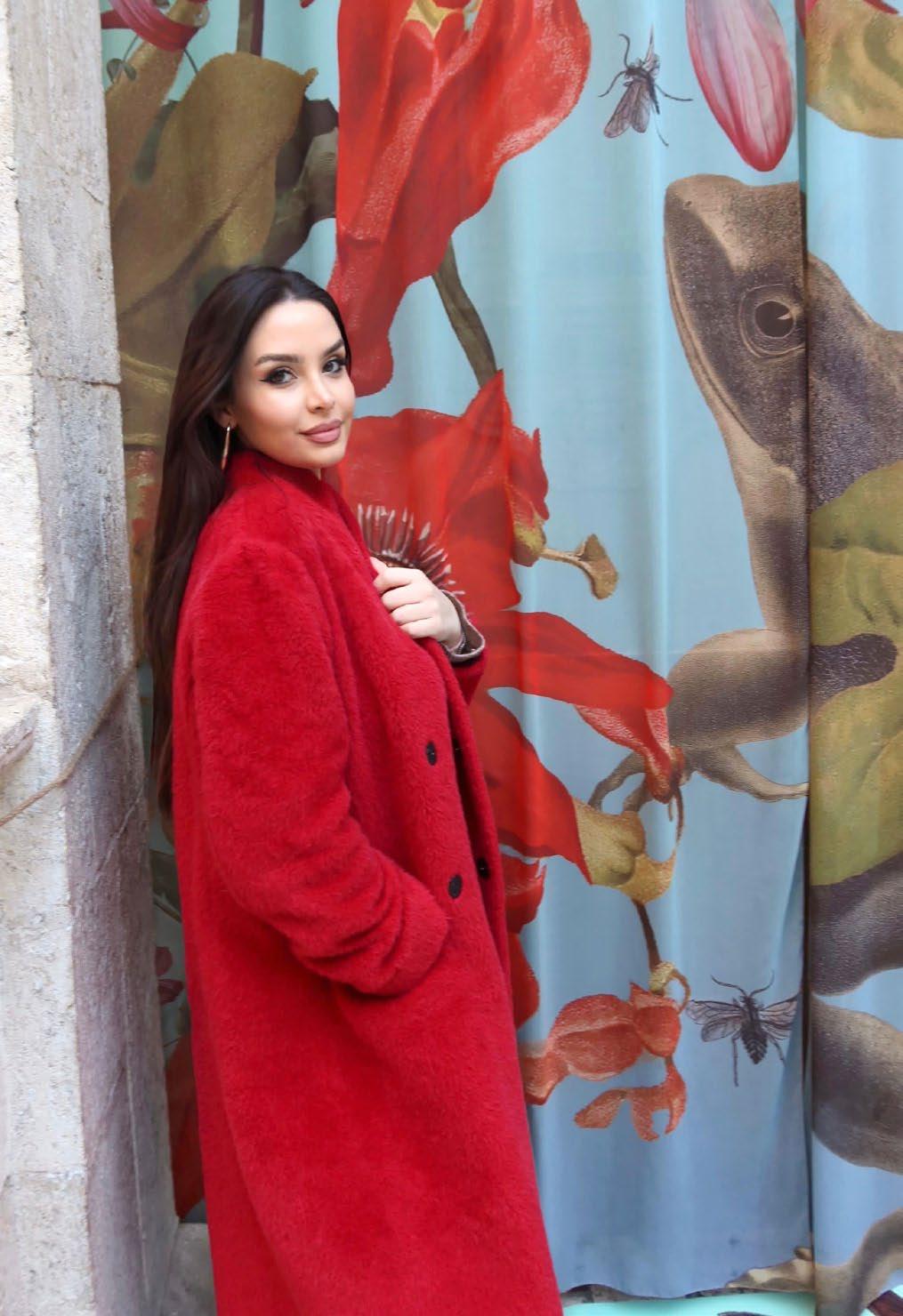
There is something extraordinary about women in 2026. Not because the challenges have disappeared — they haven’t. Not because the barriers are gone — they are simply evolving. But because women everywhere are redefining what power looks like.
This year, as we mark International Women’s Day, we are not only celebrating achievements. We are honoring evolution — the quiet resilience, the bold reinventions, the courage to pivot, to speak, to lead, to nurture, to disrupt, and to restart again.
Women are further shaping economies, influencing policy, rebuilding communities, and rewriting narratives.
This issue brings together voices of women who are not waiting for permission. They lead global research, reshape business models with sustainability at the core, influence policy with integrity and turn personal adversity into public impact.
We also recognize that empowerment is not a slogan. It is policy. It is pay equity. It is safety. It is education. It is access. It is opportunity. And it is responsibility — shared by institutions, by men, by governments, and by
On this March 8, 2026, we celebrate women not as symbols of struggle alone, but as architects of the future.
To the women who lead loudly.
To the women who lead quietly.
To the women who are still finding their voice. Your becoming is powerful. Your presence is transformative. Your story matters.
Happy International Women’s Day.
Rudina HOXHA
— Editor-in-Chief —


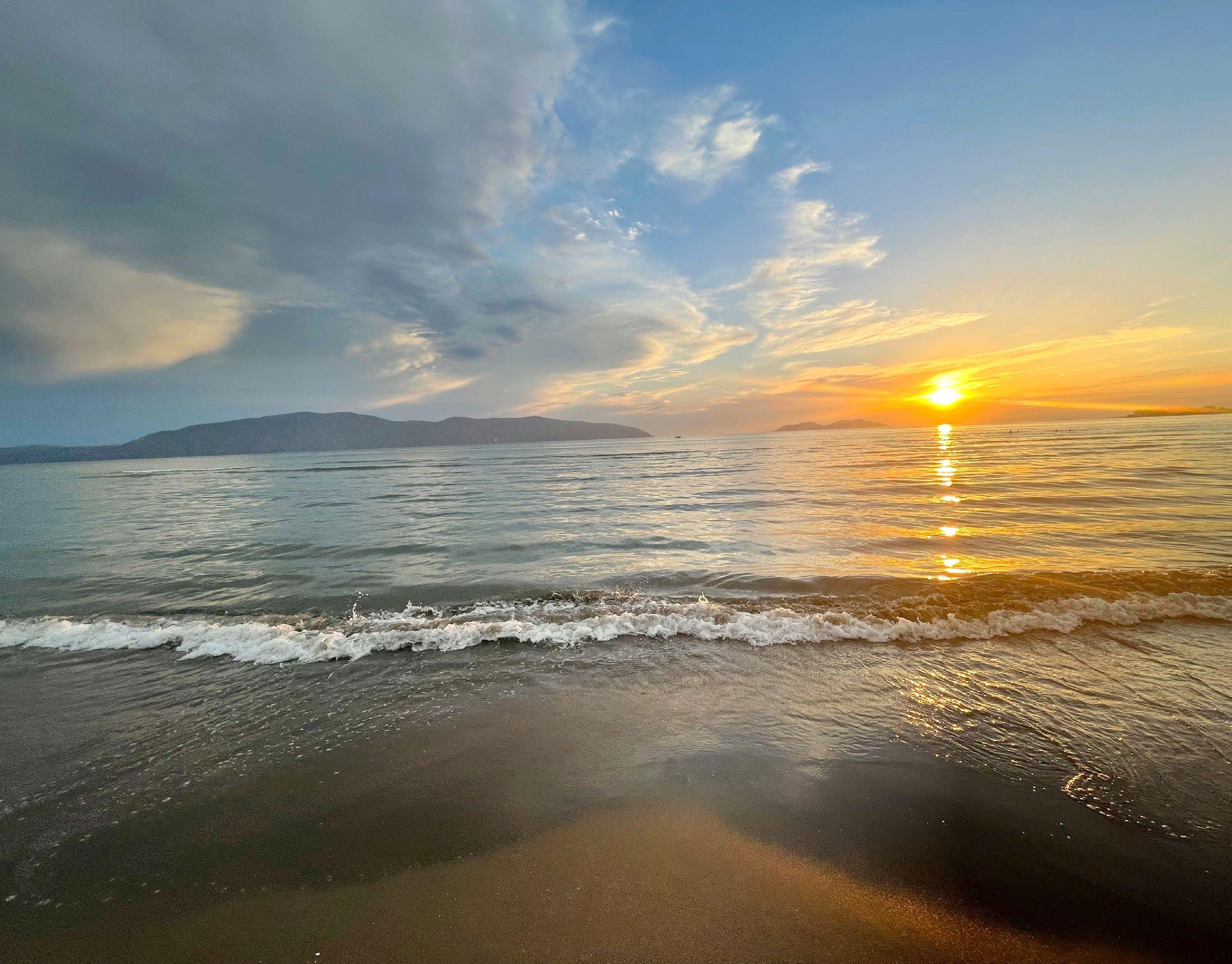
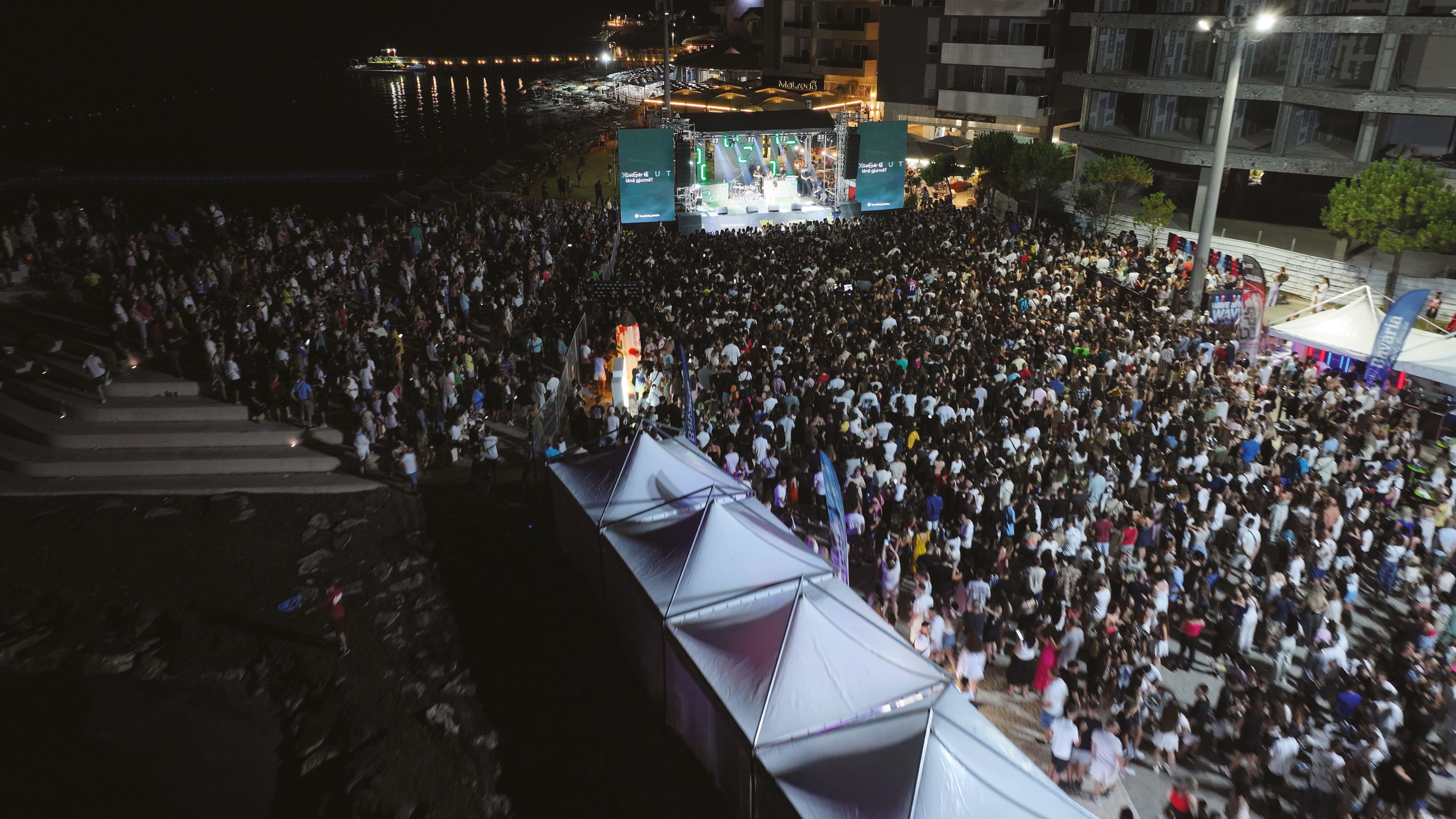
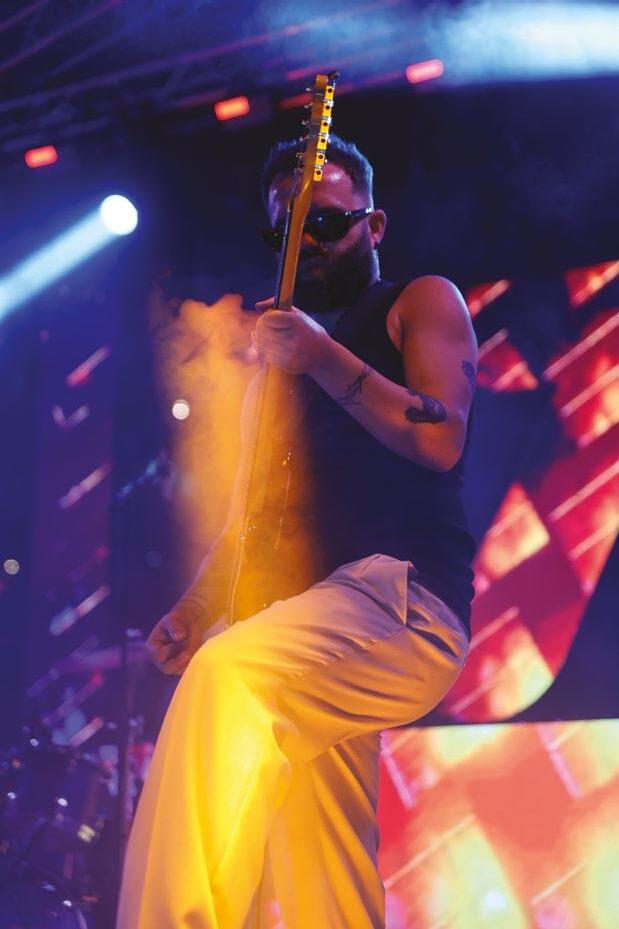
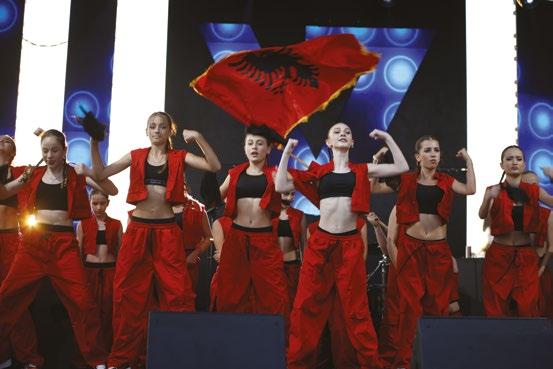
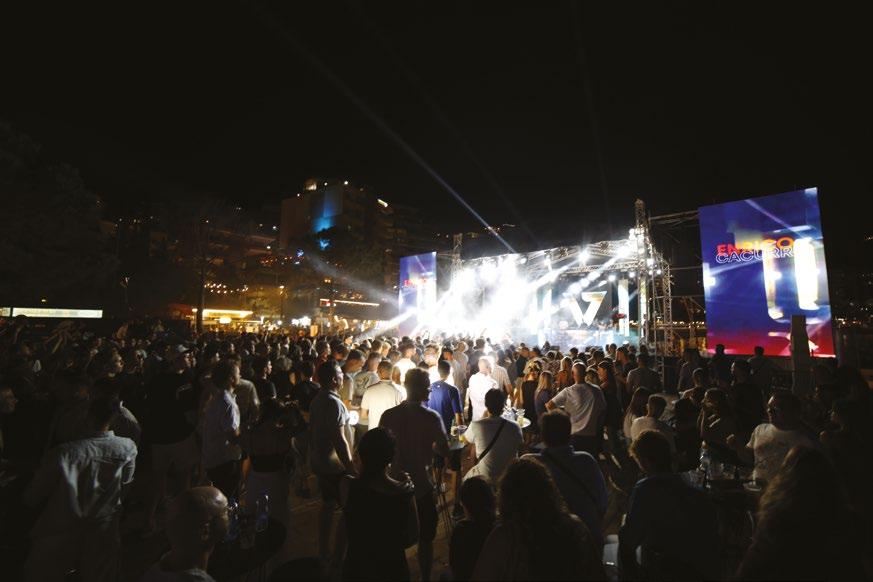
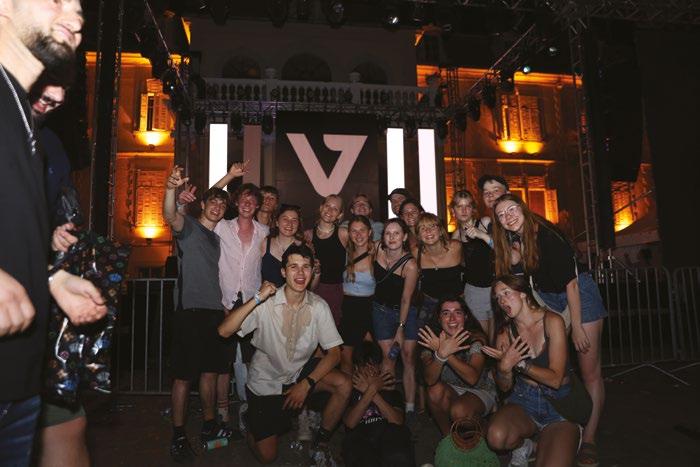
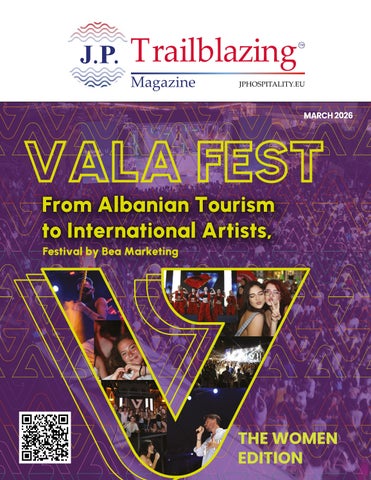
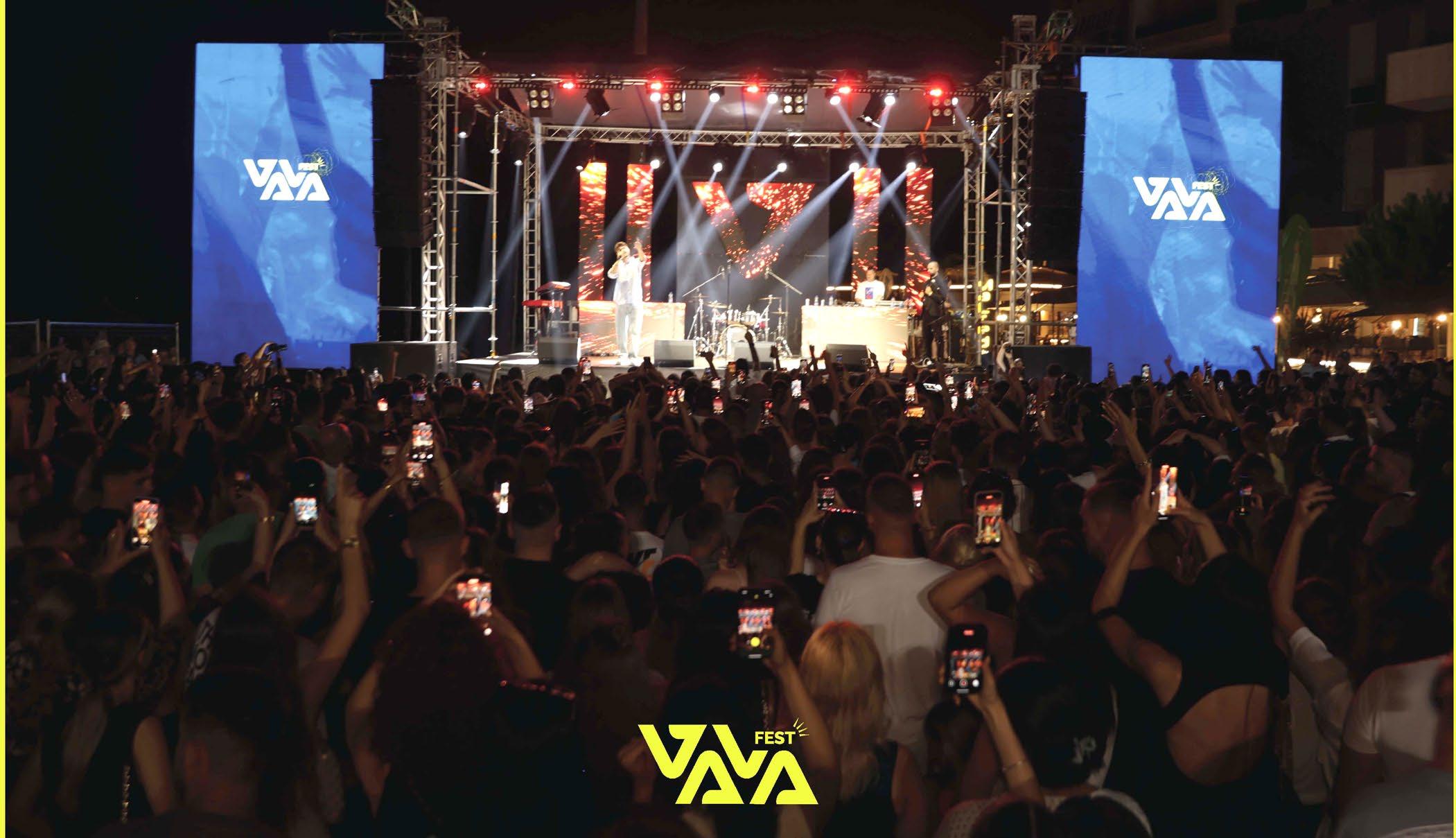
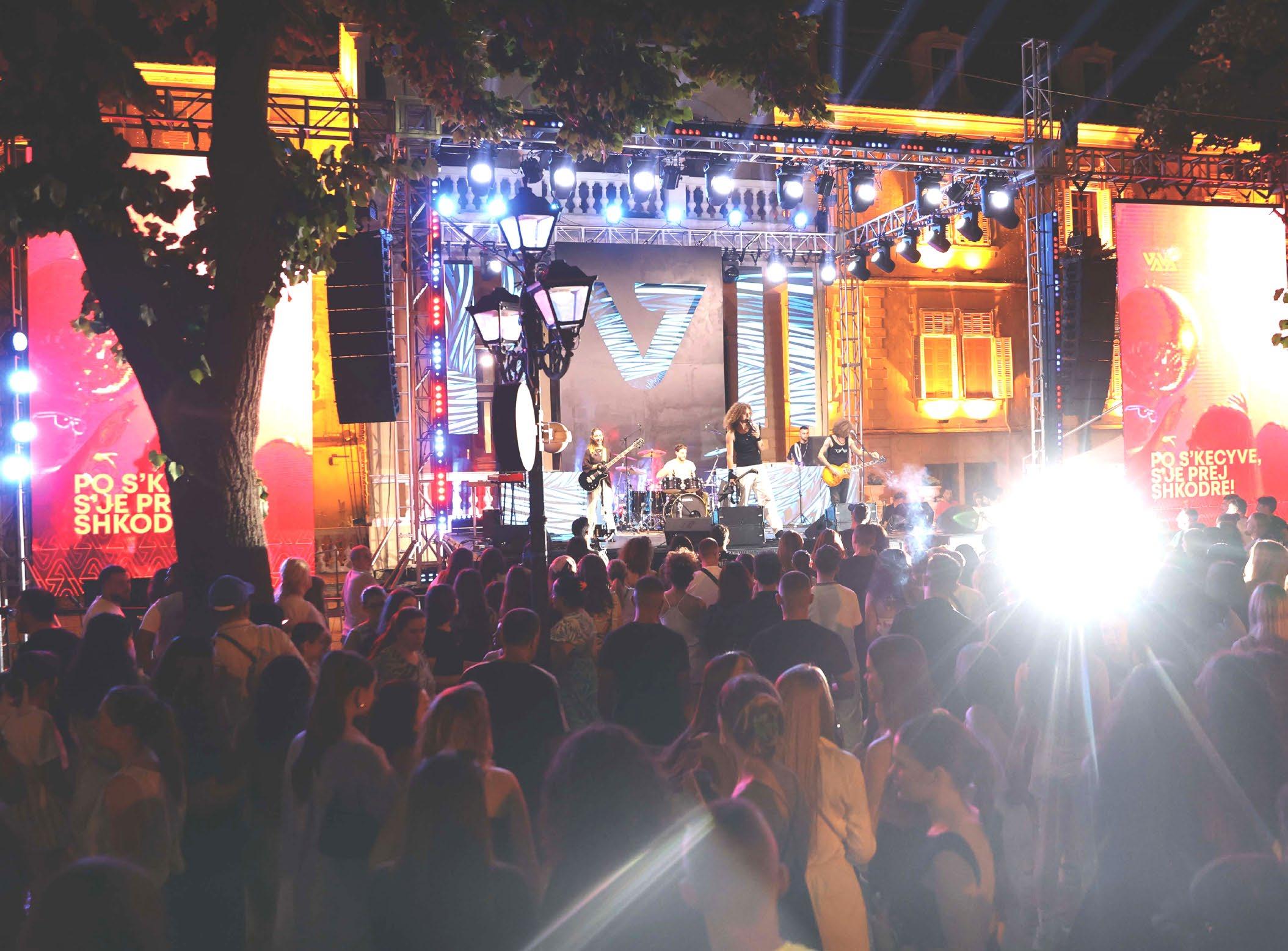
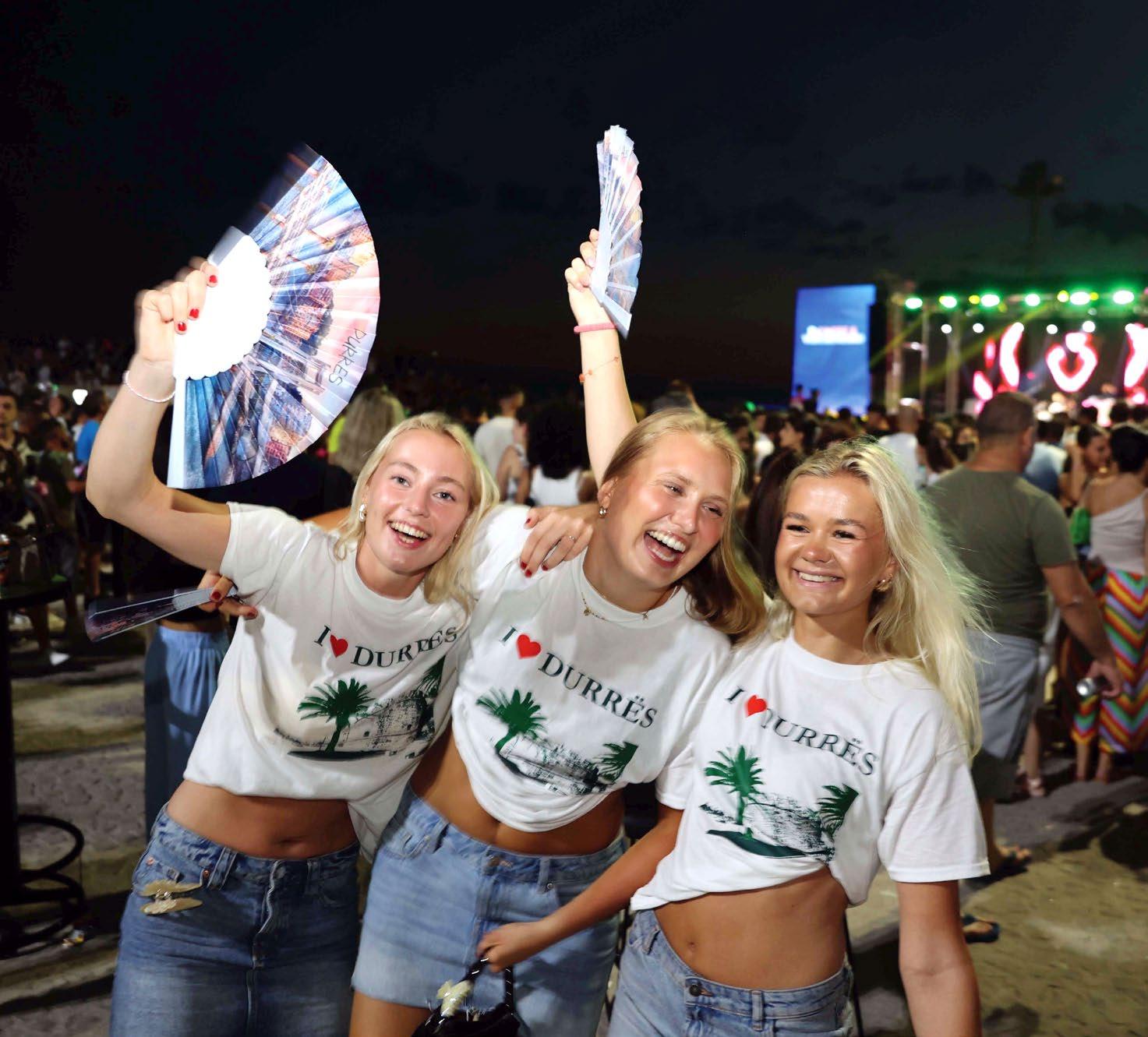
Bea Marketing & Promotion, is one of the most well-known agencies in Albania, for the creation and realization of corporate events. In the last 3 years, attention has been paid to concerts with great artists, and one of these successes is VALA FEST, the summer concert that travels through the tourist cities of Albania, a major event with 8 festivals every year, during the
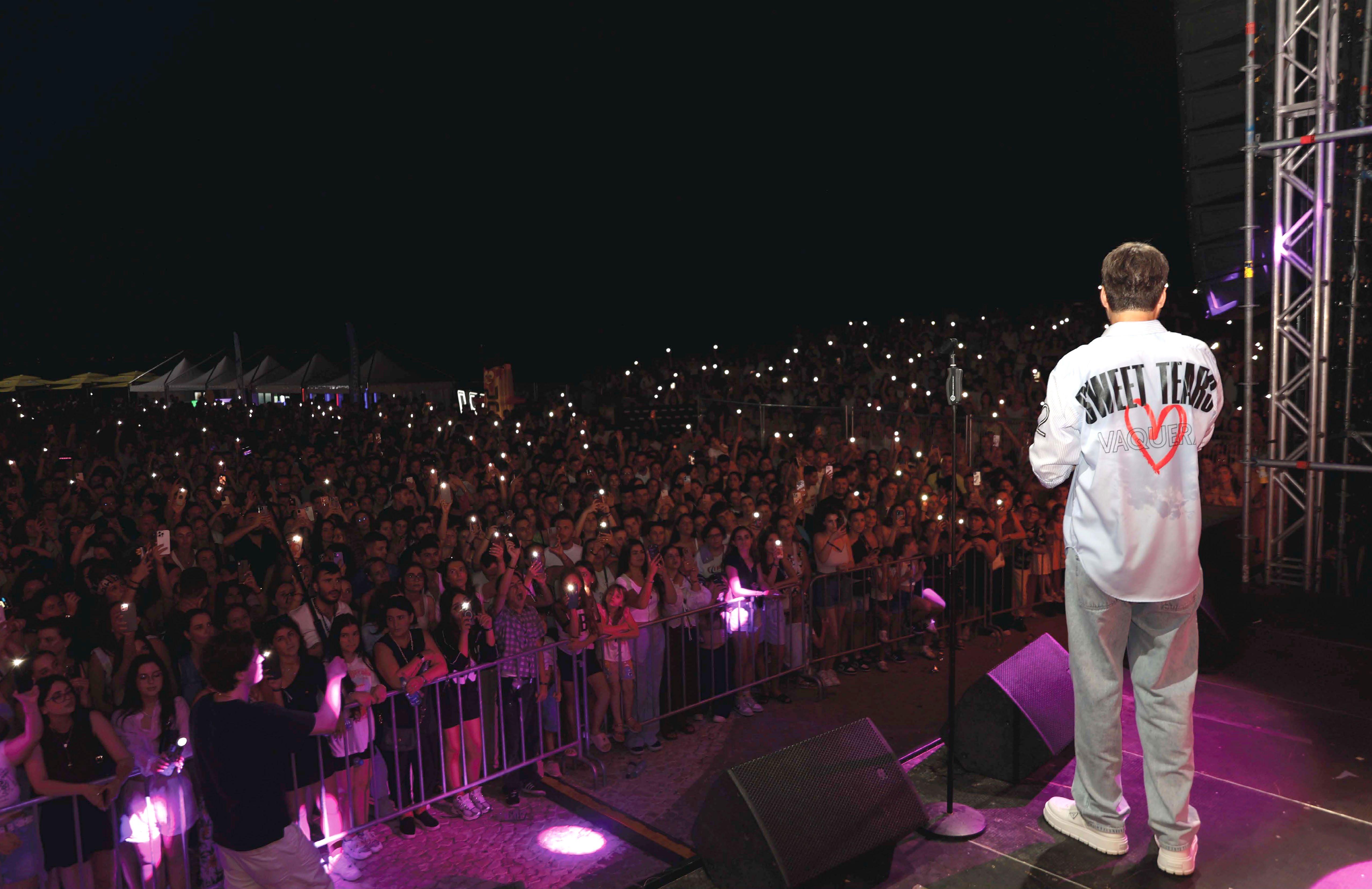
summer months, with famous international artists, and great and beloved Albanian artists.
Trailblazing Magazine/The Women Edition conducted an exclusive interview about Vala Fest Project, by Bea Marketing & Promotion with Lida Sinani, Festival Organizer and Founder & General Manager of the Agency:

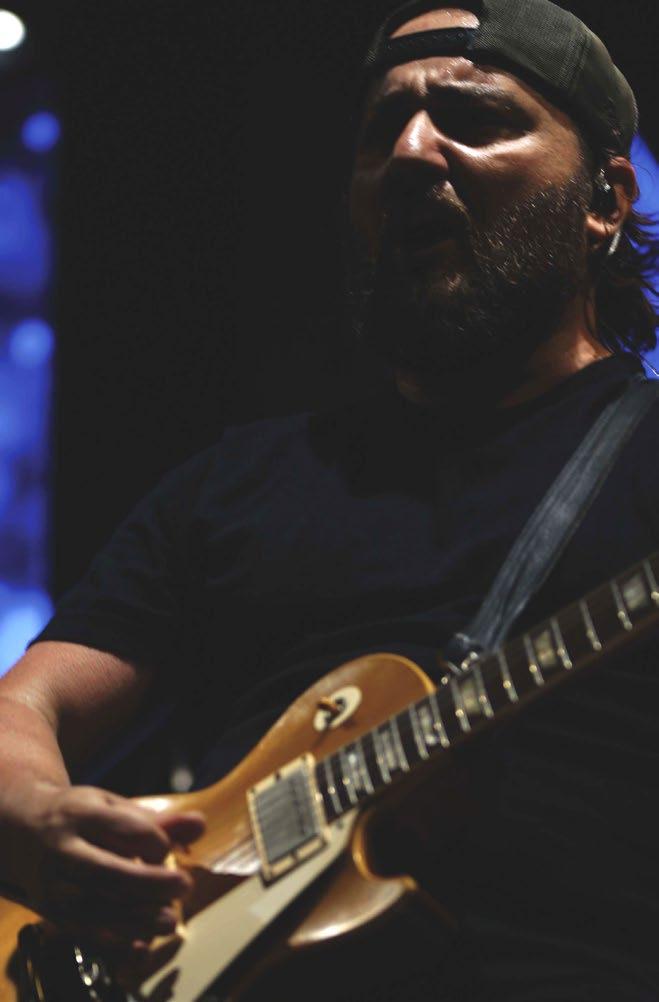
Vala Fest was created with the aim of promoting tourism in Albania. What inspired this vision and how important is the connection between cultural events and destination branding today?
This project was initially created as a request and need for the promotion of hospitality and tourism businesses in places where visitors from all over the world enjoy the beautiful Albanian nature. Artists are promoted, locations are promoted, businesses in different fields are promoted, all through artistic, creative work, organized in a professional manner and with a lot of love.
The support from the Ministry of Tourism & Culture came precisely after seeing the many values that Vala Fest brings to the community and to the artists in particular. With this partnership, the quality of this great cultural event was strengthened, the level of participants increased, and also the destinations affected by this project received a much greater promotion, becoming close collaborators, and exchanging ideas for the continuity, for the

longevity of a festival that has several goals in parallel.
What are some names that have participated and some names that will be in the next season?
In Vala 2024, 20 artists were present, in Vala 2025, 38 artists were present.
Aaron Sevilla, a well-known DJ from Mexico, was highly anticipated in Albania. He electrified the entire audience present with his music, and had a great impact on social networks and media. Dj Marta also continued to participate in other activities in Albania after her presence at Vala.
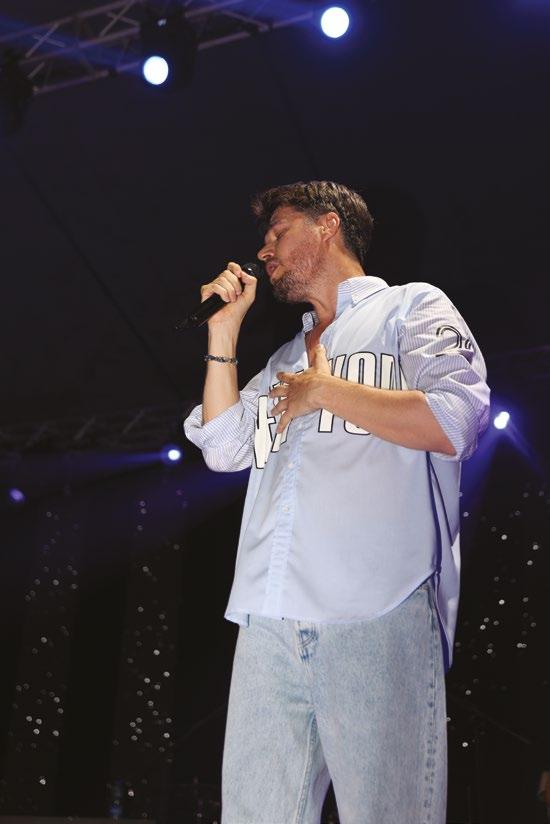
Alban Skenderaj, made the walls surrounding the festival space break, with the large number of participants in the public. Everyone present sang along to every verse of his songs and an adorable atmosphere was created. Ronela Hajati, who in the first hour when her poster appeared on Instagram, broke the network. Alis, the young artist who represents Albania in Eurovision this year, was welcomed with great love. And many, many
other artists have given life to this festival with their carefully selected performances.
This year, there will also be a promotion of young artists, they will take focus to express their talent, there will be BIG artists who will fill the squares, there will be foreign artists who can’t wait to give their contribution to a recognition of Albania in the world in the best possible way.
This echo will highlight every side of the beauty of our country, which welcomes international tourists 365 days a year, and everyone returns when they step foot there.
Organizing a festival like Vala Fest, with international artists like Aron Sevilla, Marta, etc., requires a high level of coordination. What was the biggest challenge in bringing this event to life?
After being created and launched in the first year as a test, this project had requests for cooperation from all sides, both from artists who wanted to participate, from businesses that wanted to support and in return advertise their products/services, as well as from institutions that offered their partnership. Every job has challenges, field work even more so, especially in
places where it is being visited for the first time. With the best-formed group, from creatives, directors, marketing, managers, artists, stage technicians, logistics, etc., everything has gone very well, and in the following years even greater innovations are expected.
For example, in Vala Fest 2026 we have a new surprise destination, which is not a city on the coast, but a Castle, that of Bashtova. The event of this date will be special from the concept to the feeling that will be conveyed to the public, for the selected theme and the artists that will be present, the latter we want to leave a little undiscovered.
The marketing campaigns for this project have an extension of 6 months of the year, and all the collaborating actors benefit from this. Influencers, Online Media and Televisions, Digital Advertising and the best marketing, which comes from the artists themselves, who constantly write to the editorial office every day, the public that is curious every beginning of the season, expressing their requests and sympathies, make what we call ‘success’ in this part of our work. This year we will continue with
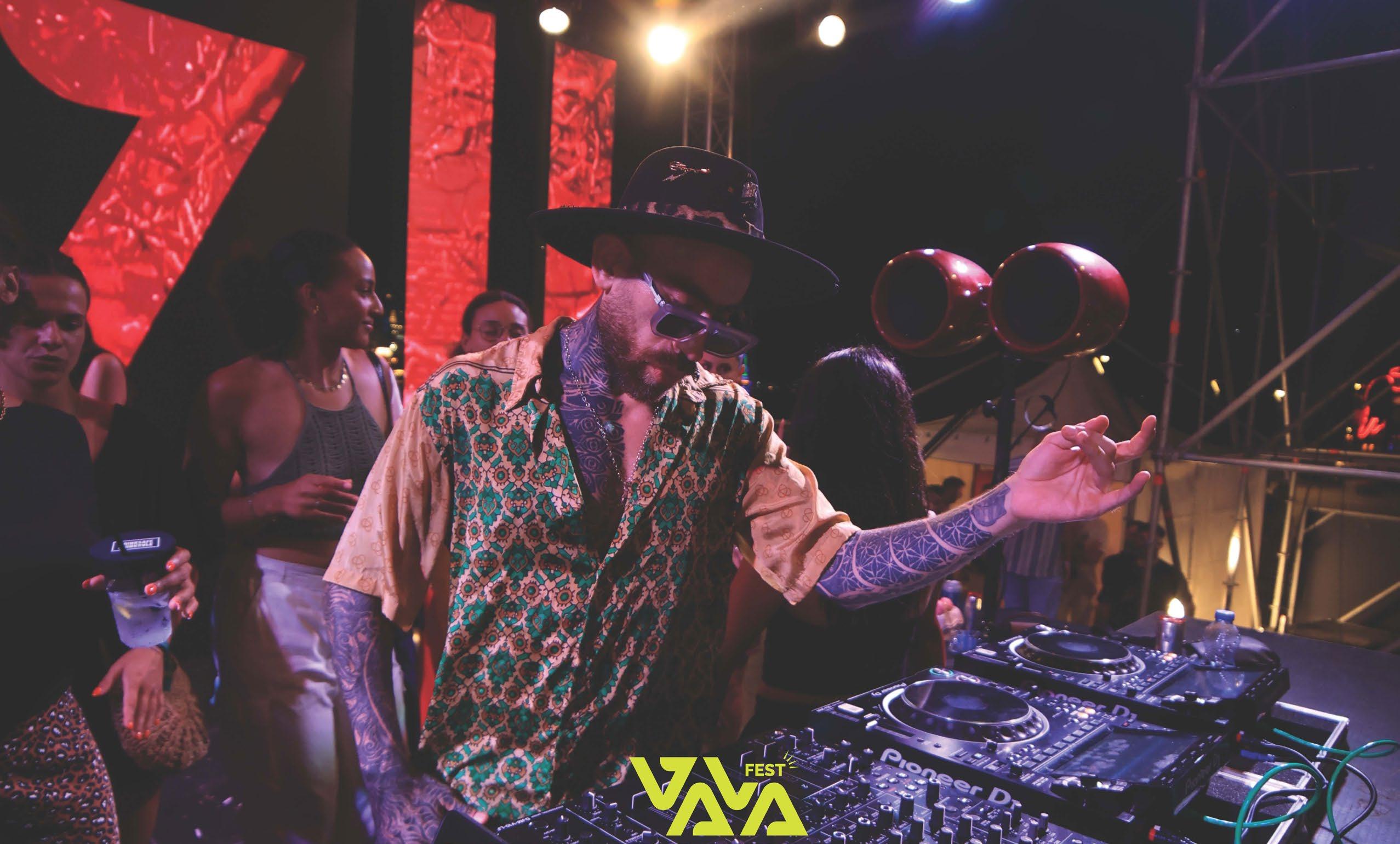
all communication channels and with new methods to convey the messages and vision of this giant project.
How important is it for countries like Albania to host international artists and what impact do such events have on the image and cultural scene of the country?
International artists are an added value of this project and other similar events in our country. It is also an honor and pleasure for our artists to perform on the same stages with guests from around the world. It is beautiful and brings endless pleasure when art lovers from every country in Europe and beyond write and book tickets, who come for their favorite artist and at the same time, come curious to see the beautiful places up close and enjoy the hospitality of our country. It is also a privilege for the hotels we cooperate with to welcome world-famous artists precisely from Vala Fest.
Such events bring numerous values and benefits to all partners in various forms.
From a strategic perspective, how do you design an event that not only entertains, but also creates value for brands and partners? This is precisely why Vala Fest is different. With this project, we did not choose the convenience of organizing a concert in one location, where several artists perform on stage, ticket payments are taken, financial calculations are made and that’s it. No, this project aims to enliven the lives of vacationers in tourist cities, with a 2-day presence in each city where it goes, during the day with interactive events, and during the evenings with concerts.
This event aims to involve all partners, each in the desired way and according to the style adapted to the brand/service it offers. And one of the main goals is to highlight the hospitality, nature, architecture, sea, mountains, and every attractive point of Albania.
There are presences of various business brands, such as drinks, hotels, culinary, aesthetics brands, clothing, transport services, travel agencies, etc. And everyone is amazed by the form selected by the organizers, so that each brand is visible the same, each brand is adapted according to its own typology.
Every analysis and report has exceeded expectations, and this is evident from the demand for the following year directly as soon as the current season ends.
We are grateful to the institutions for the support and cooperation given, because without them nothing would be easy. We have exchanged experiences together, we have increased the levels of organization and we have added points of vision for the future.
Thank you, Trailblazing Magazine, for the interest shown and we remain in touch to discover further innovations.
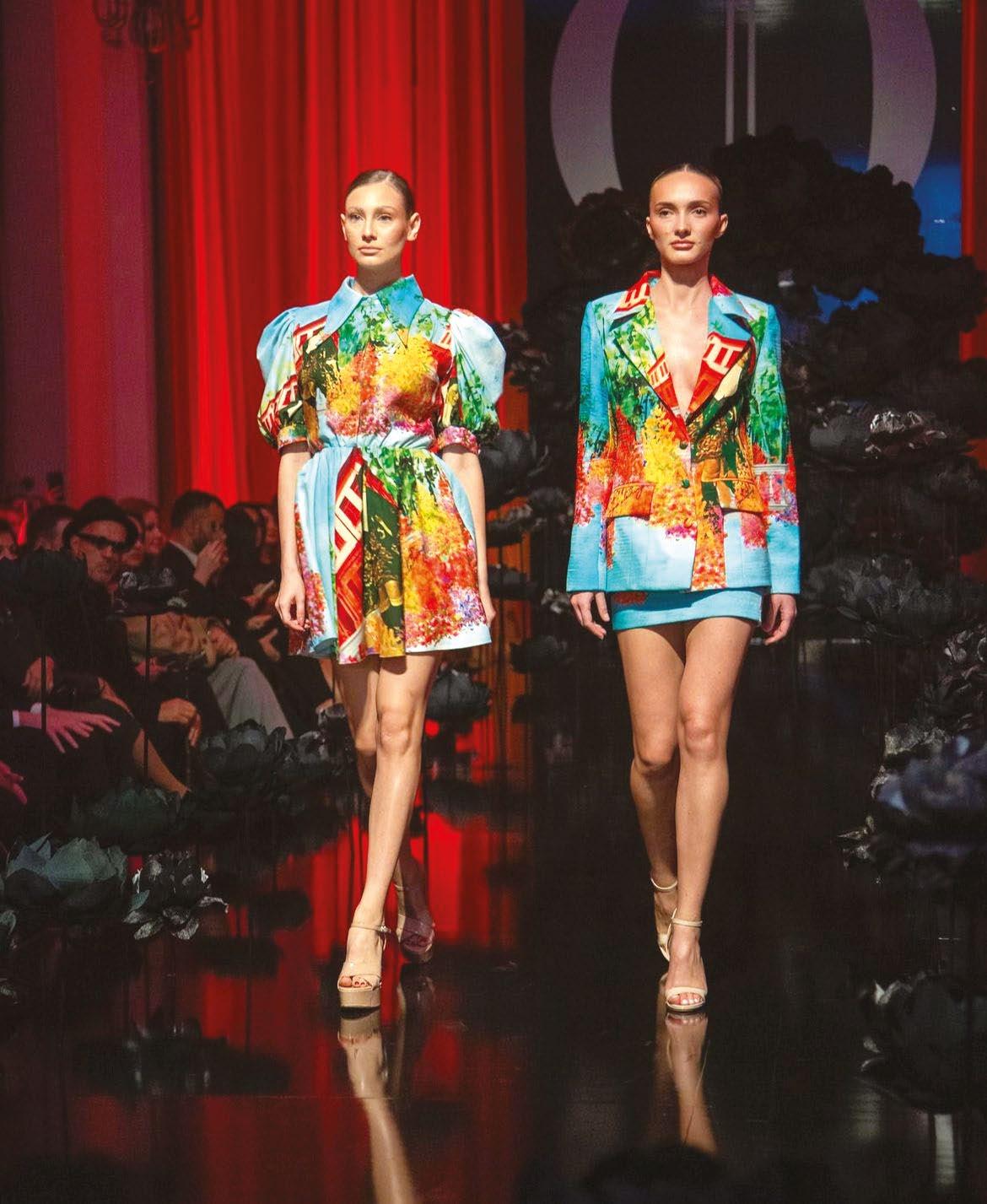
Founded in 2021, AGA Clothing is an Albanian womenswear brand created by the union of three sisters, embodying modern elegance, strength, and the confident attitude of the contemporary woman. Designed for career-driven women and young professionals, AGA creates garments that transition effortlessly from day to evening — from professional environments to social moments — without ever losing identity or class.
Refined minimalism, clean silhouettes, and functionality form the foundation of every collection. Each garment is designed to serve an active, self-assured woman who seeks comfort and elegance in equal measure.
AGA Clothing is the first Albanian brand to have developed a fully personalized design, building a unique and distinctive identity. Each collection is presented as a limited capsule, where exclusivity is essential: every garment is produced in only 9 pieces, reflecting the 3×3 concept (S, M, L). This detail transforms each creation into a unique piece, designed for women who value individuality and authenticity.
AGA maintains a subtle connection to its origins, expressed through artistic details and a contemporary aesthetic. This makes the brand authentic, distinctive, and relevant in an international context.
AGA is more than fashion. It is an attitude. It is a lifestyle.
It is the choice of women who make every day their own.


From Besara Kaja, PR & Marketing Strategist, Bea Marketing & Promotion
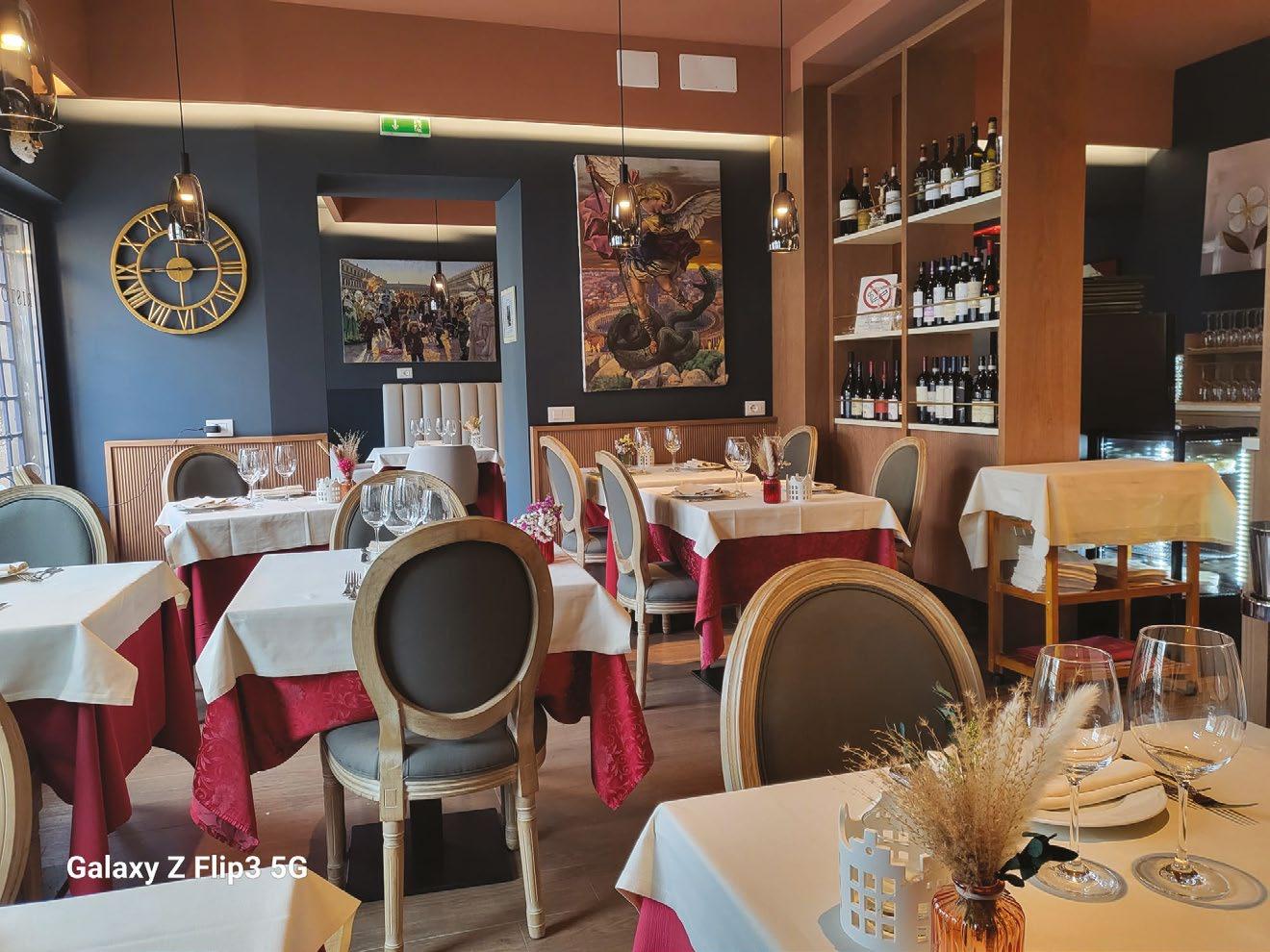
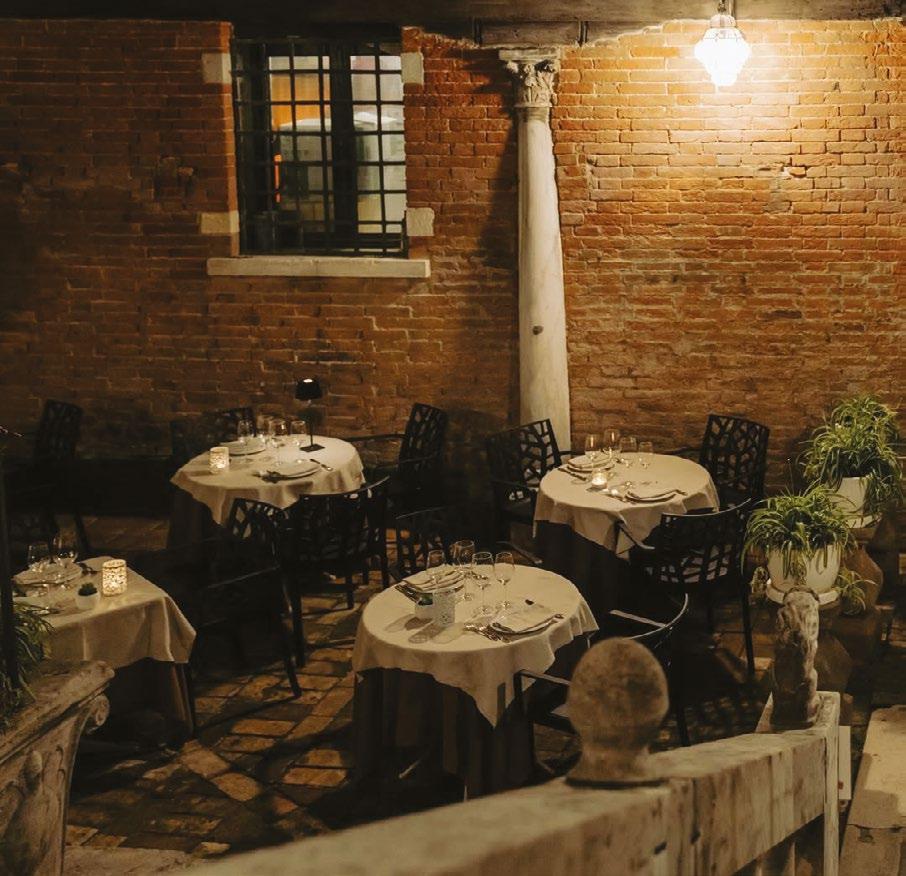
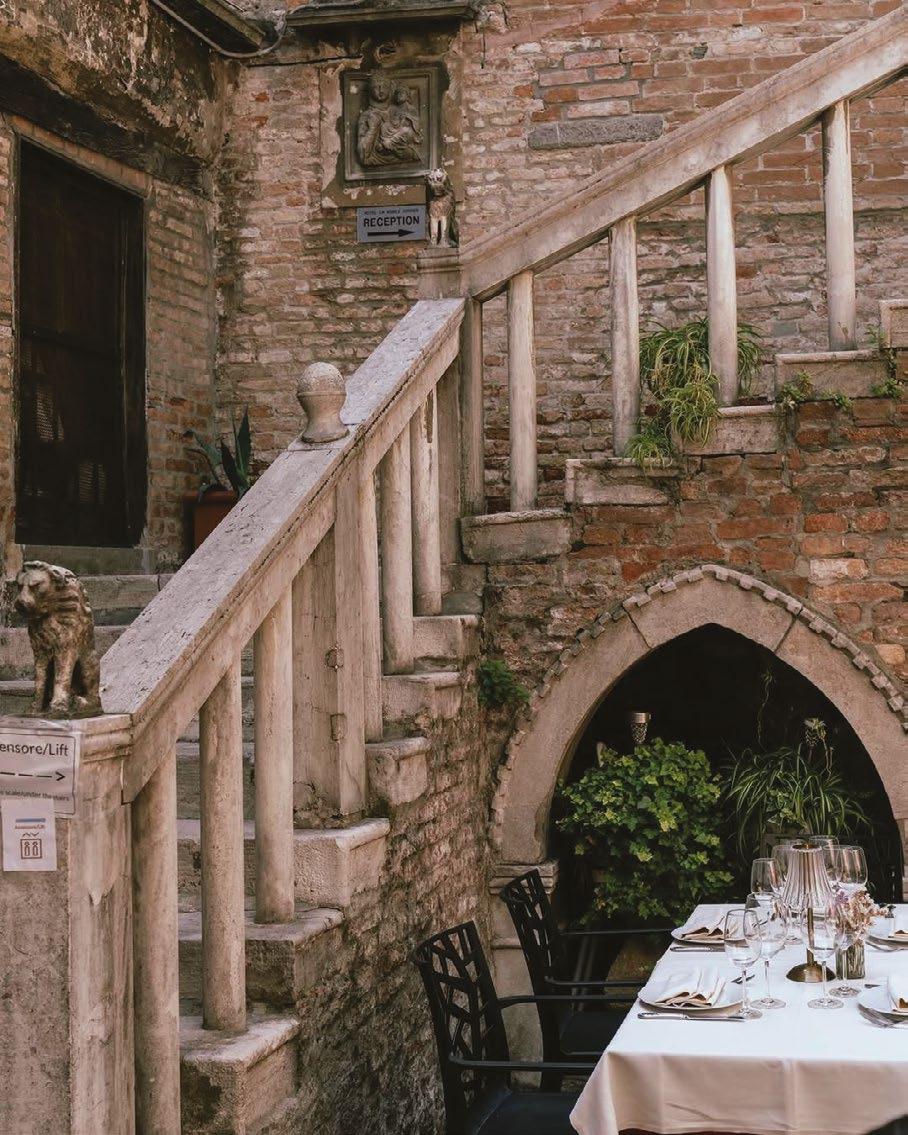
Venice has always been a city that speaks to the senses. The soft sound of water touching ancient stone, the golden reflections of evening lights, the quiet elegance that lingers in every narrow street. Travelers come here searching for beauty, but what they remember most are the places that make them feel something real.
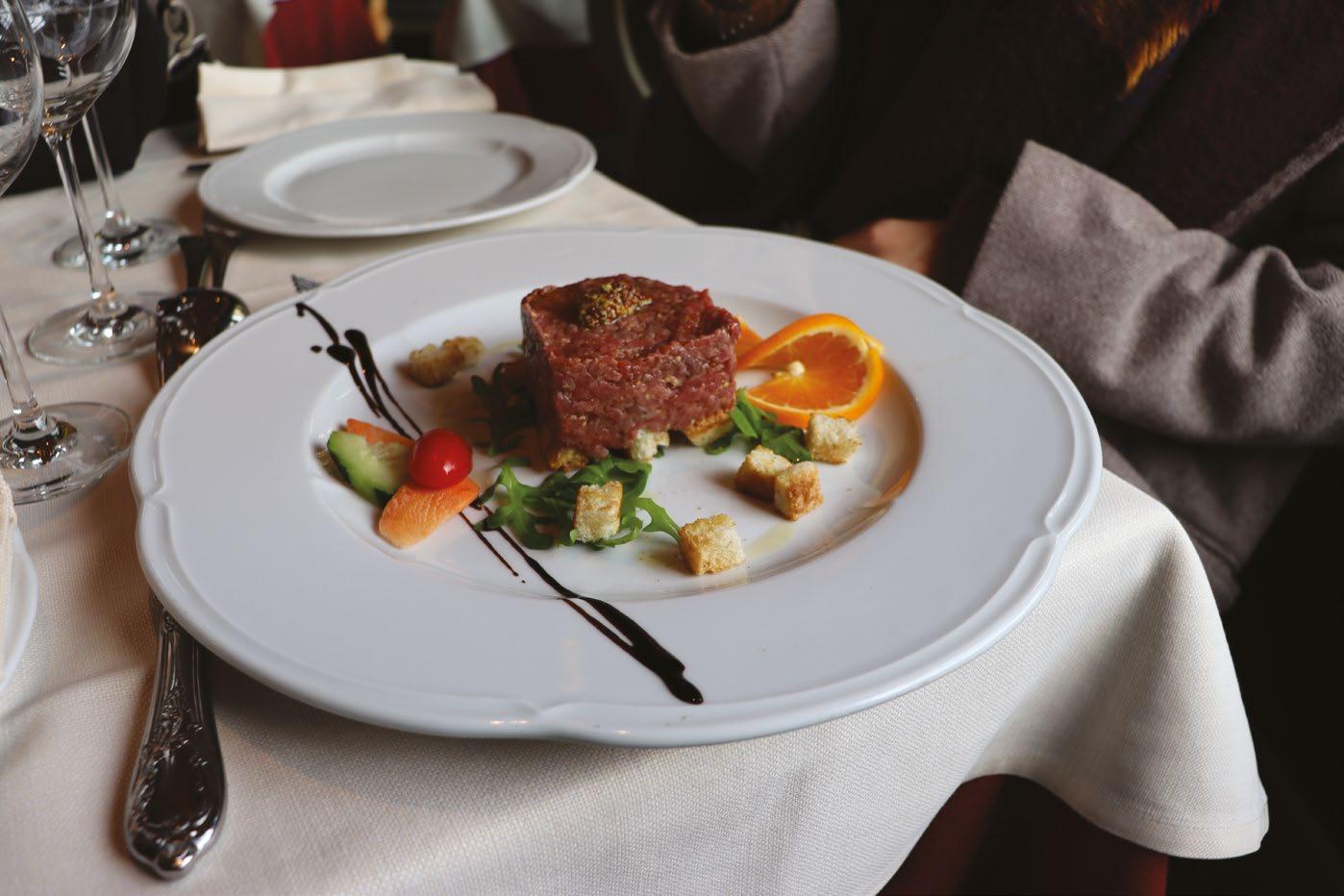
In the heart of this timeless city, Regina Corner has become one of those places. Known among international visitors and recommended by prestigious hotels, the restaurant offers more than fine dining. It offers an atmosphere shaped by warmth, care, and a genuine human touch that guests immediately recognize.
There is a rhythm to Venice that invites people to slow down. Meals are not rushed, conversations unfold naturally, and evenings are meant to be enjoyed. Regina Corner embraces this philosophy with an ambiance that blends refined design, intimate lighting, and a sense of calm that allows guests to truly relax.
After a day spent discovering historic landmarks or wandering through hidden corners of the city, guests often arrive looking for a place that feels both elegant and welcoming. What they find is a space that feels personal. The service is attentive without being distant, and every detail is curated to create a sense of comfort and understated luxury.
The restaurant is frequently recommended by some of Venice’s most renowned hotels, including Aman Venice, Cipriani, Gritti Palace, Hotel Danieli, St. Regis, Sina Centurion Palace, and others. These relationships are built on trust, consistency, and a shared commitment to offering guests an experience worthy of the city itself.
Regina Corner was founded by entrepreneur Shkëlqim Baku together with his family, turning a lifelong dream into reality in one of Europe’s most demanding culinary destinations.
Opening a restaurant in Venice requires courage, patience, and vision. With hundreds of dining venues competing for attention, success rarely comes quickly. Yet through dedication, perseverance, and a deep respect for hospitality, Regina Corner gradually earned its place.
What truly defines the restaurant is its family spirit. Guests often notice the warmth of the welcome, the authenticity of the interactions, and the feeling that they are not just customers, but visitors being sincerely cared for. In a world where experiences can sometimes feel impersonal, this human connection makes all the difference.
Another distinctive element of Regina Corner is its cultural identity. Created by founders who are part of the Albanian diaspora in Italy, the restaurant reflects values of hard work, pride, and respect for tradition.
For many guests, this adds depth to the experience. Dining here is not only about taste, but also about stories, journeys, and the quiet beauty of cultures meeting. It is a reminder that cities like Venice are shaped not only by history, but by the people who bring new life and new perspectives to them.
Every journey leaves behind a few vivid memories. In Venice, these memories are often linked to small but meaningful moments. A beautifully set table. A candle flickering softly. Laughter shared over a late dinner. The feeling of being exactly where you are meant to be.
Regina Corner has become part of these memories for many travelers. Its growing reputation among international guests reflects a rare balance of elegance and sincerity, refinement and warmth.
For those who seek more than a meal, for those who wish to experience Venice with all the senses and with a sense of belonging, Regina Corner offers an address worth discovering.
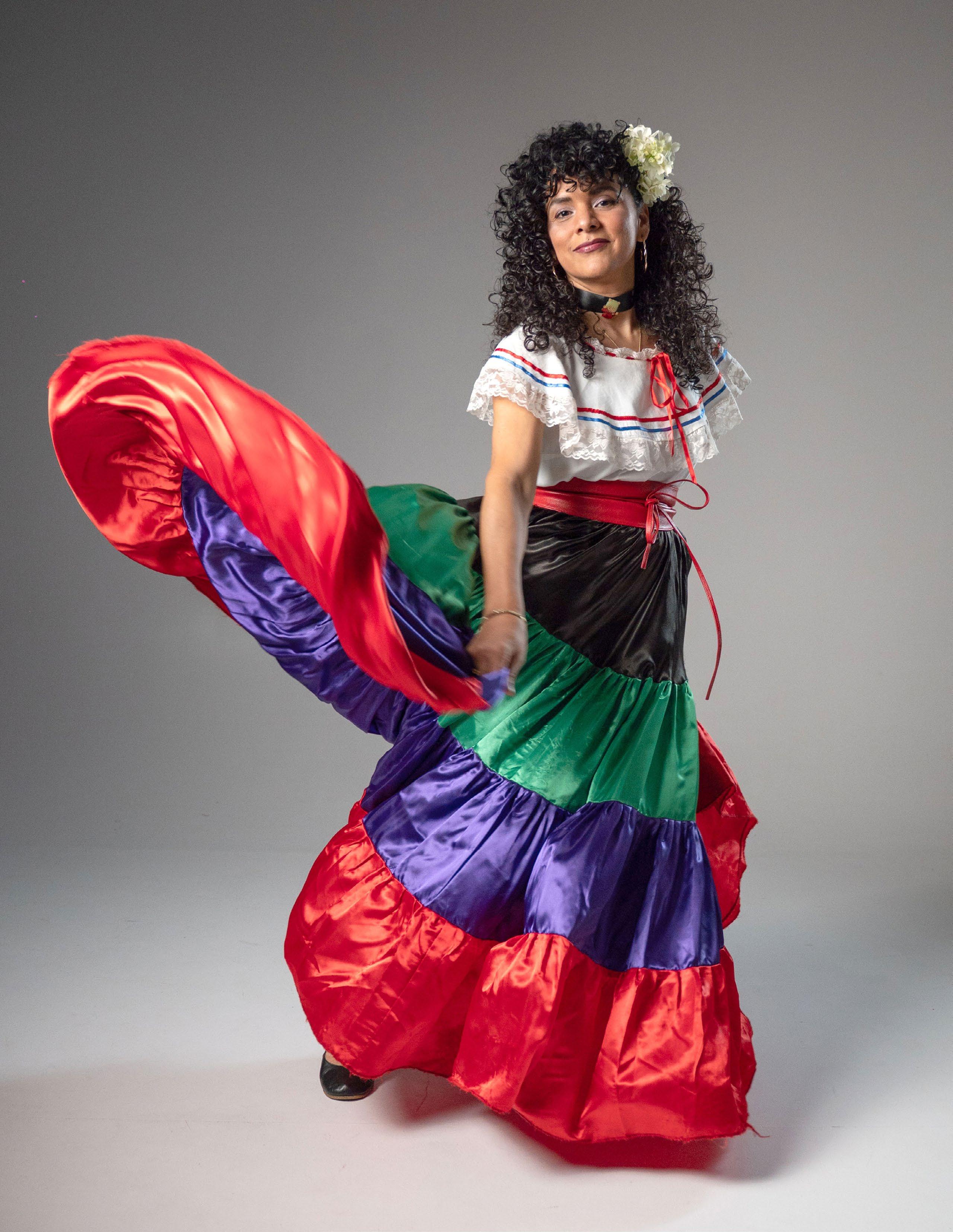
In this interview, we have the pleasure of speaking with an inspiring woman whose journey beautifully connects three different cultures — Costa Rica, Japan, and Albania. Originally from Costa Rica, she chose Albania as her home, where she has been living and contributing to the education field with dedication and passion.
Trained as a professor in Japan, she brings with her not only strong academic preparation, but also the discipline, innovation, and global perspective shaped by Japanese educational philosophy. Her experience allows her to blend Latin American warmth, Japanese precision, and Albanian resilience into her teaching approach.
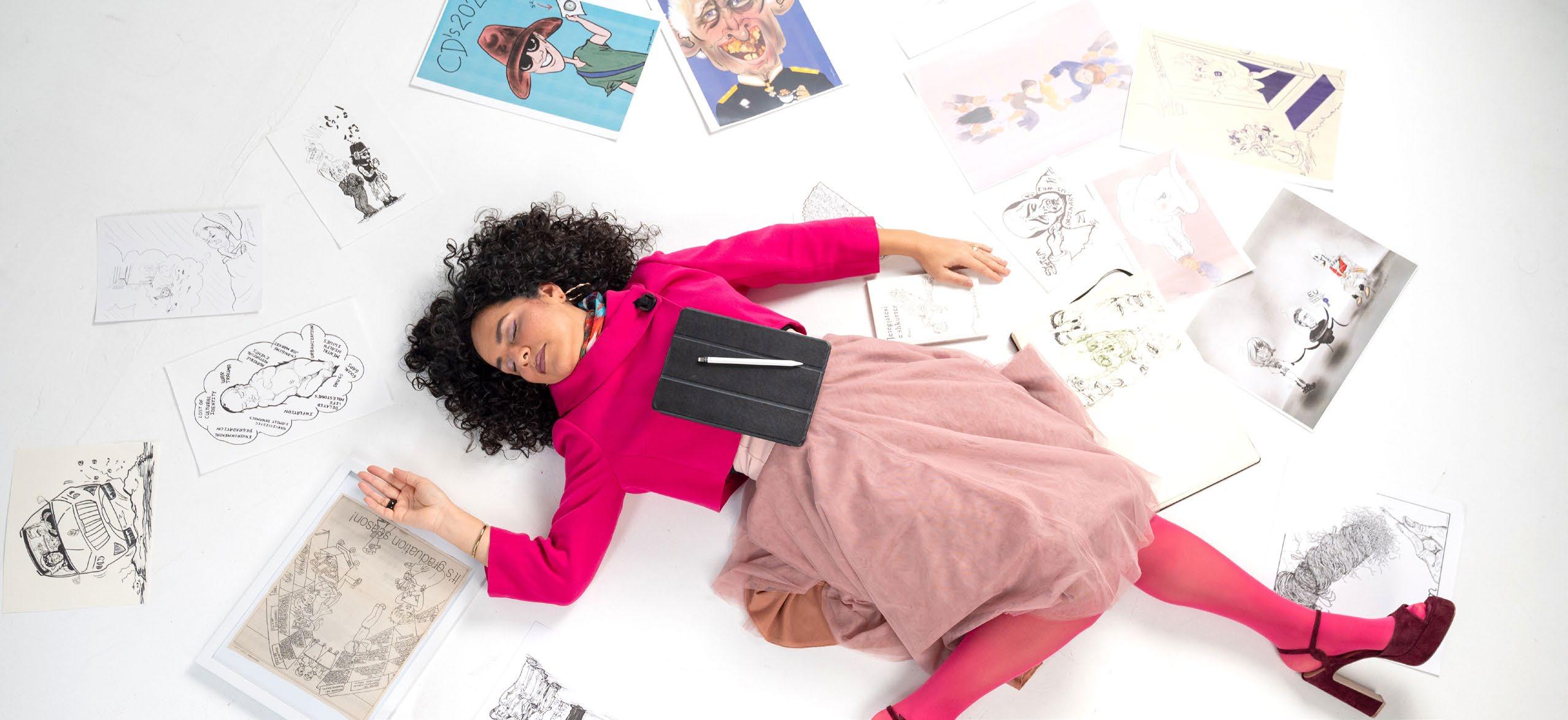
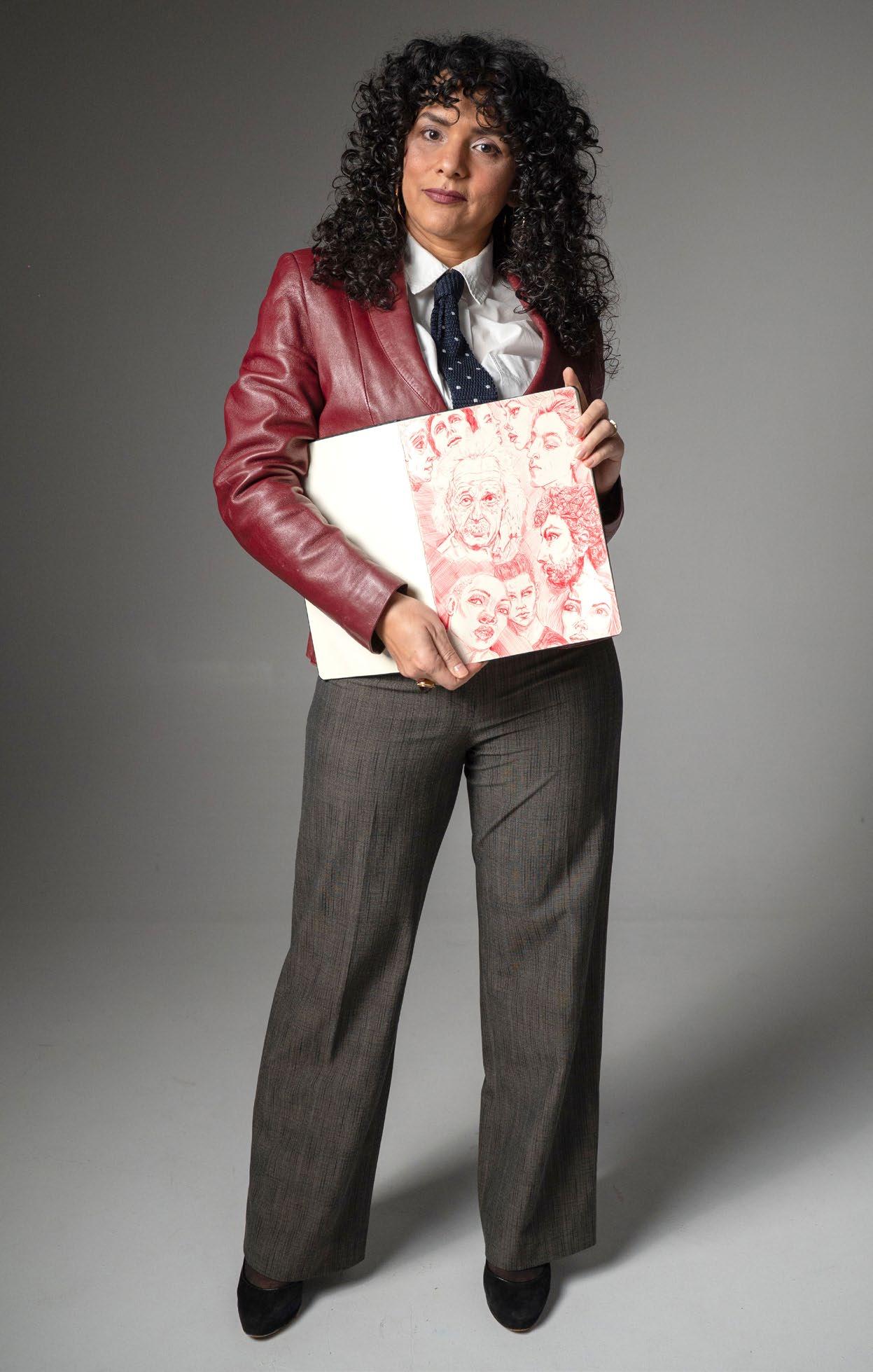
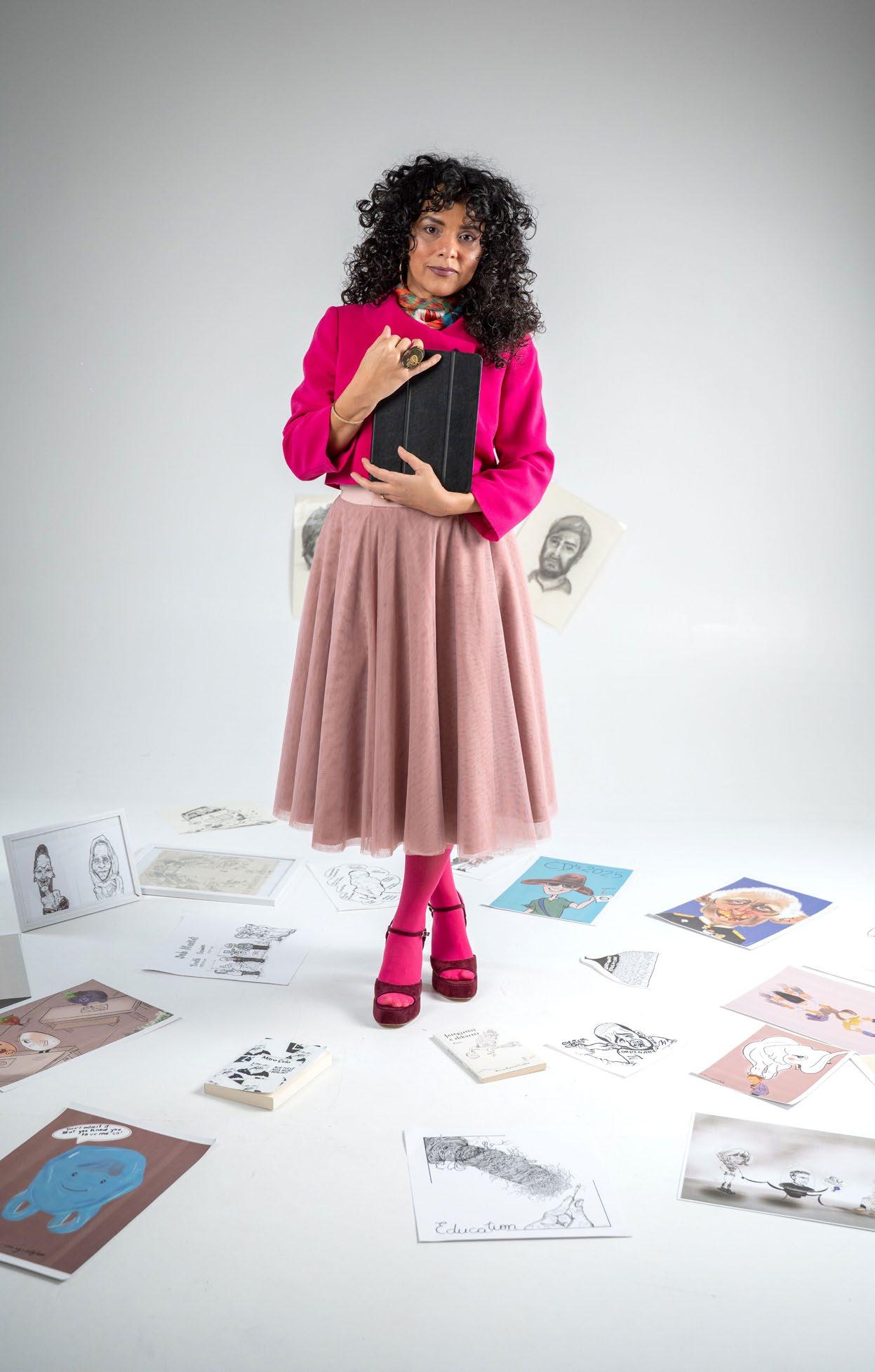
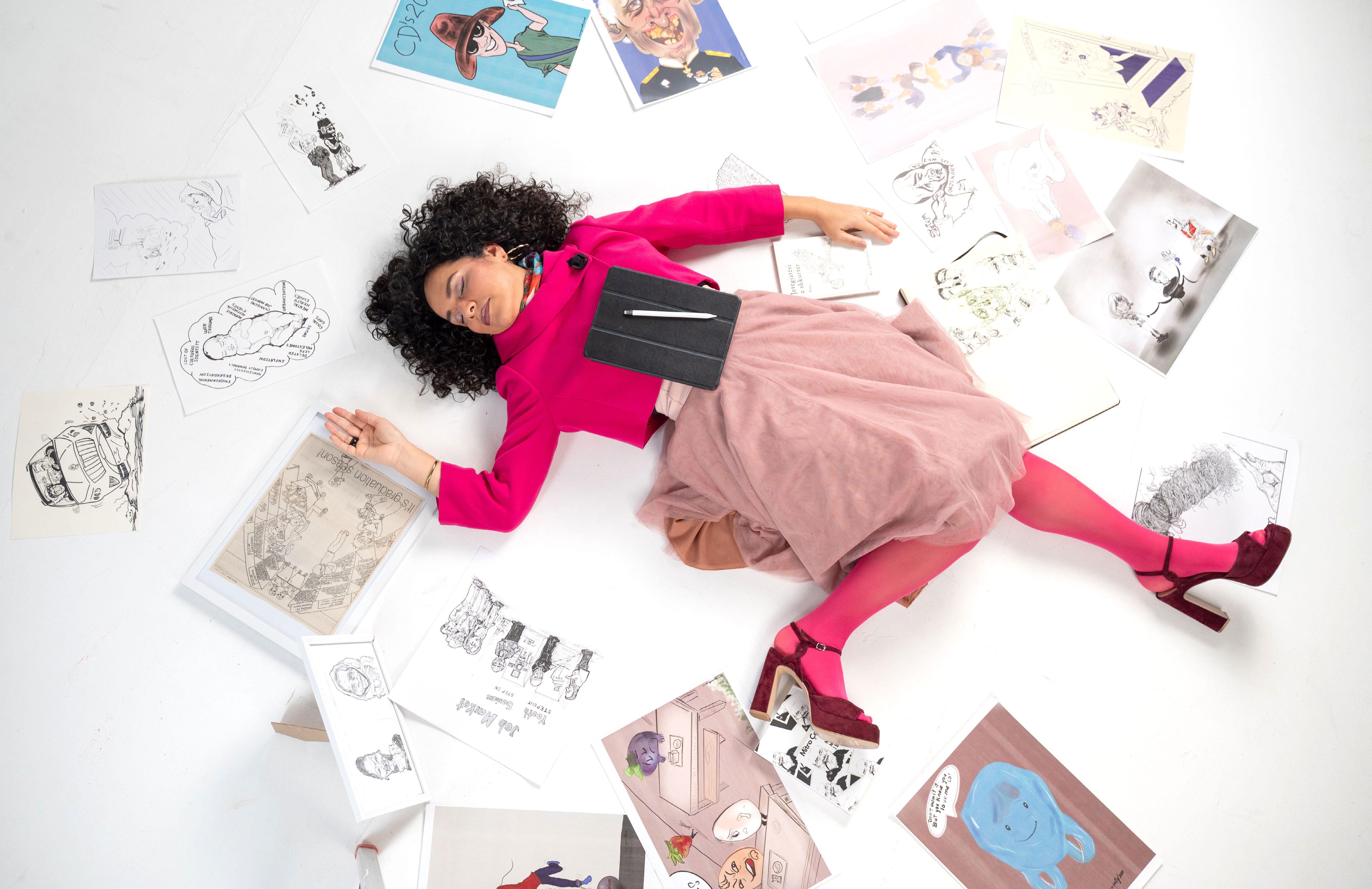
Beyond the classroom, she nurtures a creative side: she is deeply fond of cartoons. Through her drawings, she captures emotions, personalities, and social observations with humor and sensitivity — proving that education and art can beautifully coexist.
Today, we explore her multicultural journey, her professional experiences in Albania, and how creativity continues to inspire both her life and her students.
Full interview follows:
Tell us about your journey from Costa Rica to Albania. What brought you here?
I was born in a small town situated between the Central Valley and the Caribbean
slope. A place rich in rainforests, volcanic geography, white waters, the most important archeological site in the country, and the cradle of extreme sports. My Stunning Turrialba, in The Land of Pura Vida.
I lived and worked there for many years in tourism and in education. In those days, I decided to change my environment completely, so I applied for a full scholarship granted by the Japanese Embassy, and only for tenured Teachers.
Many people applied, and there was only one scholarship per year for that program. But I had an ace up my sleeve: during my “Licenciatura” degree studies, I wrote a study of Japanese Manga applied to teaching different subjects at Elementary School. In addition, I handled a small piece of paper with some Japanese icons I’d drawn, and they were pleased with my interview. I won the” Monbukagakusho” Scholarship!
A brand-new passport, 15 pounds packed in a small green backpack, some of my savings, and the extra money for selling my beautiful marine blue quad bike (by the way, very famous among my students), a kiss and a blessing from my family and friends, and I took off to The Land of the Rising Sun Japan was everything that I expected and even more. It was my first time so far from home, yet I felt habituated since day one. I honestly thought I could have stayed there for my terrestrial life. Then I met this cool Albanian guy in a topcoat and Italian sunglasses.
He took my origami plan and made me a two-headed eagle with it. After almost two years of affinity, we split. Then again, with a well-respected
passport as an international student, five more pounds of luggage were destined, this time, to The Land of the Eagles. He stayed in Japan for his double PhD, and I headed to Albania to get to know his family and culture. Aha, the split was only geographical.
Albania was certainly a mysterious and unknown land to me, but then again, my risk-taking skills were on. That was a decision I will never regret. Albania gave me “two kisses on each cheek”: a new homeland and my family!
How has working in Education in a different cultural environment shaped you professionally and personally?
I must admit that perhaps coming from a small town could have been a disadvantage for me regarding the name and weight of Japan in Education. Surprisingly, I did not feel any downside. On the contrary, I was able to express myself clearly, and my opinions and participation were valued at the Department of Education. My tutor was a very strict local professor who took me under her wing, taught me fundamental lectures about
comparative education, and gave me a key insight into the system.
I was floating between seminars, workshops, and culture immersion camps. I truly believe Japan shaped me tremendously because back home, I was more of a free soul, more relaxed, and with less discipline. In the case of Albania, it was like coming back home, where the environment is more easygoing in many ways. I think that living, studying, and working on three different continents made me a “chameleon.” A new skill of adaptation in career and lifestyle has been unlocked.
When did your love for caricatures begin?
Since childhood, I have been deeply influenced by Asian culture, specifically Japanese culture. That was the case as the national broadcasting television was and still is full of animated series and TV shows featuring life in Japan. My mom has told me that I started drawing when I was 4 years of age. I was doodling all day, and I was so eager to start kindergarten because I heard that the classroom was full of pens, pencils, paper, and kids’ most wanted crayons.
When I started reading in first grade, I discovered the amazing world of comic strips from the newspaper. At that time, I met Mafalda, a fiction character of a little girl who was criticizing the entire society with no filters. Mafalda is the masterpiece of a famous Argentinian cartoonist, called Quino. He became my first “ influencer”. Afterwards, I met Doctor Seuss and his eccentric ways. “The Gringe” with cheek to cheek smile made me understand that you could say everything with just one expression. I practiced for years under those influences. At a certain point in my life, I was drawing not to improve skills but just to express myself.
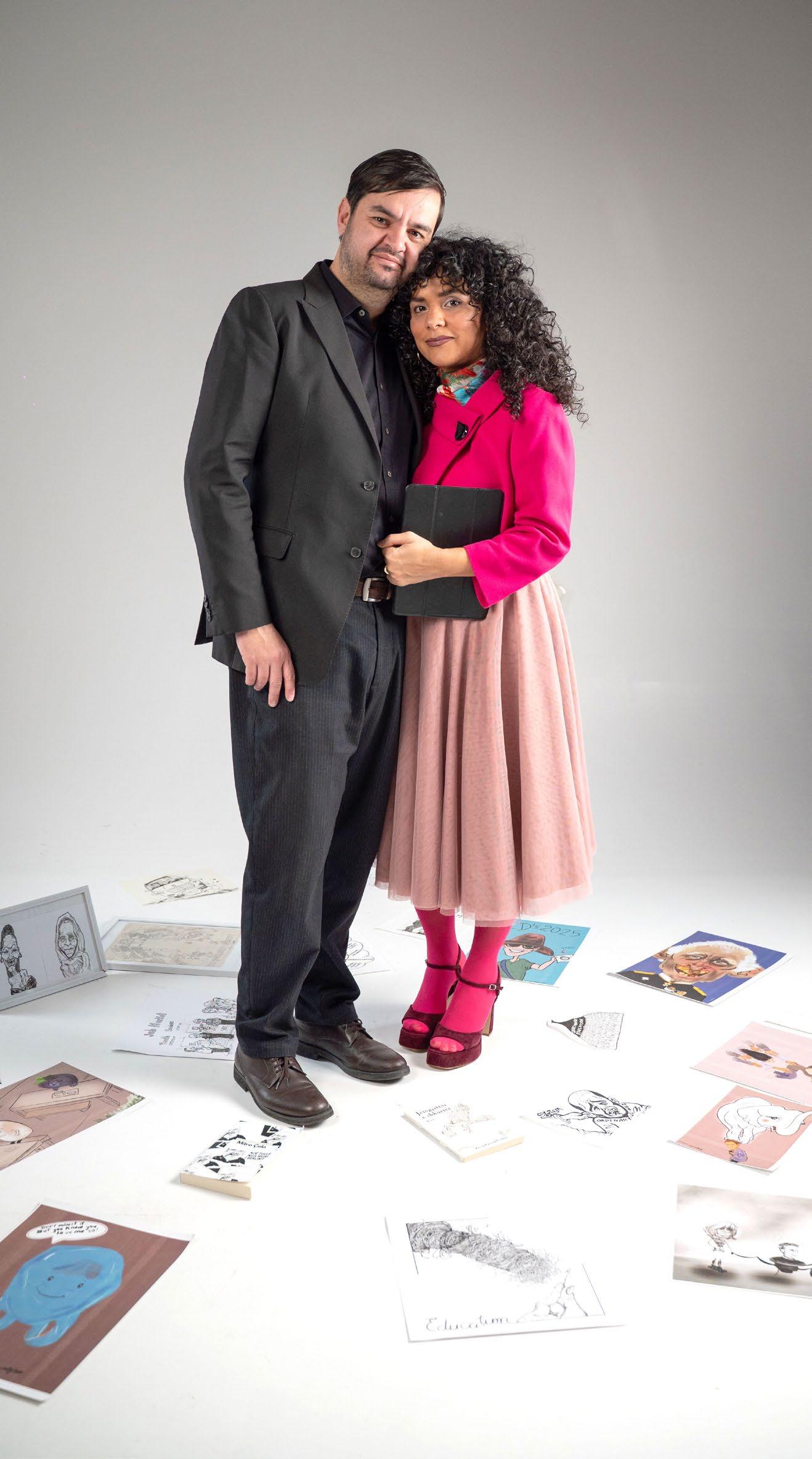
At the age of 8, I drew my first and only comic book. My main character was a little girl called “Elizabeth”. She had one-side braided hairdo, big shiny eyes, a beautiful dress with a nice apron. She had all types of adventures that were based on my own life experience. Many years later, I found that notebook mostly destroyed by termites and laughed outloud.
When I was a teenager, I had the opportunity to draw almost on a daily basis as the school was full of projects and assignments that would require visual aids. At that time (when I was about 12 years old), I also came up with the acronym “Magasato” inspired after my full name: Marlise Gabriela Sanchez Torres. That was because all my influencers had artistic names and I also wanted to have one. I always use it as a signature since.
I might turn 100 years of age, but I will always enjoy to the bone watching, reading and drawing cartoons.
In what way does drawing caricatures influence your approach to teaching?
Back home, for many years, I worked as an ESL teacher and had the chance to draw and create my own didactic materials. I also drew for my colleagues for many years in and out of the school. I was truly dedicated to drawing. For many years, I was using the visual teaching style, which is a method involving presenting information, ideas, and concepts using graphical and pictorial representations. In other words, I was using cartoons to teach. I cannot help it. It is in my DNA: I have to draw while teaching. Even with my hands, I can express concepts with invisible lines. Funny as it could be, some former students (who are now professionals, businesspeople, and married with families) have met me in the
streets and asked me if I was still drawing while teaching. I have confirmed that I did.
I took this approach to Japan and brought it to Albania as well. This has become part of my identity as a professional. Cartoons reflect strong messages in the shape of organic elements. You can learn a lot from them. They represent a powerful and yet sometimes dangerous tool for criticizing systems and societal issues.
What do you usually get from people when they see your work?
The reactions vary according to the circumstances. In the case of little kids, they are all smiles and laughter. Some of them also love the cute little animals I throw in awkward situations. Teens are a bit more reserved since my technique represents a fusion of American and Japanese styles, which are harder for them to understand. With adults is a different story as I have received mixed reactions. In some cases, I have received pushback as the cartoons were deemed offensive and controversial. A cartoonist never aims to openly and tartly offend. It is more a consensus of unconscious thoughts.
Do students know about your artistic style?
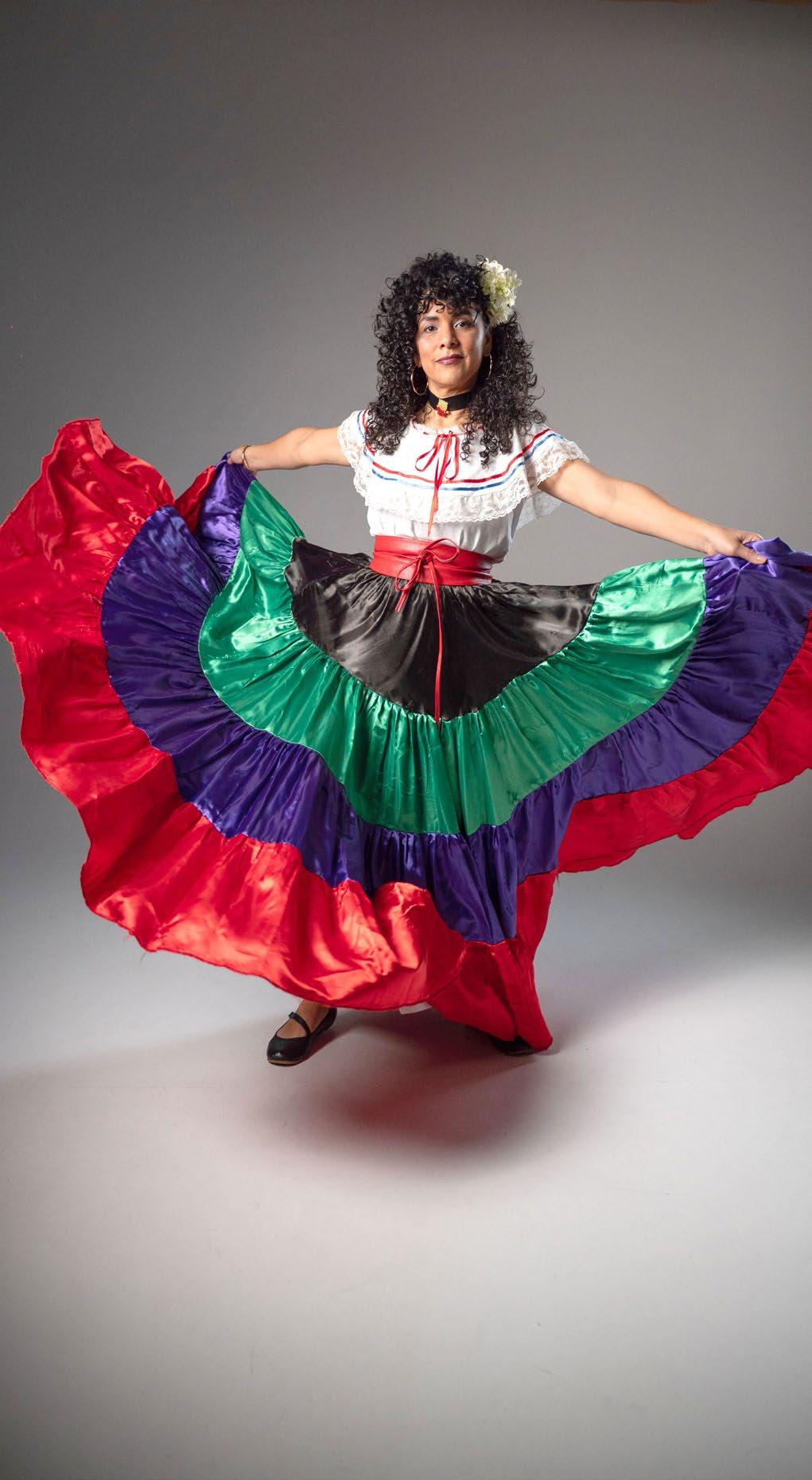
I believe they do. I have worked for many years in Arts and Industrial Design applying different mediums, and I love craftsmanship and love to express my artistic intentions. I have tried it all: dancing, painting, mosaics, and prototype crafting. And cartoons are always at the core of it.
What similarities do you see between education and art?
Education and Art are intrinsically intertwined with one another. Through art, we have been learning about the past,
present, and future. We have knowledge of culture from literature, painting, sculpture, music, fashion, and vocal representations, which provide us with a narrative of lifestyles. In the past, artists gave us a full view of previous events through their artworks. Allegorists gave us a glimpse of myths and traditions among cultures. Education improves with art. For instance, music helps develop concentration and skills that are presently required. Evolution of mankind has improved through evolving ethics, esthetic and citizenship.
What has surprised you the most about life in Albania?
Albania is indeed a country of surprises and contrasts. You know you are in Europe (geographically), and you feel that way, but at the same time, you feel you are not in Europe. One thing that really struck me was your ability to learn foreign languages. Apparently, you are famous for that, but I was previously unaware. I first observed it in my husband when we first met, but I believed he was perhaps an exception. Apparently, not. So, I was surprised twice!
Moving on. I was highly surprised by the high level of music culture and music understanding that Albanians reflect. I have observed this with my students. Most of them, if not all of them, either play a musical instrument or can read partitures. Every Albanian is open to new types of music and manages to enjoy them. If you watch a TV program or reality show, the level of music literacy among all ages is unbelievable. Only an outsider could take a grasp at it, as for locals, that is a normal skill. Albanians truly breathe music.

What advice would you give to women pursuing both profession and passion?
How do you stay inspired while balancing career and creativity?
Honestly speaking, we all have our ups and downs. I believe that is also appropriate as it creates a sense of self-awareness and
redirection. I have worked in so many fields, I feel I do not entirely “fit” in a particular one. On the other hand, as women, we face so many challenges, but still can move on at the end of the day. I’ve reached a state in which my mind embraces all changes. However, what’s a balanced life for one is not for another. With conceptual clarity, I try my best to fit every situation into my critical thinking to prevent extremes. In other words: one step a day.
There is no magic recipe, as this is truly a personal quest. Needless to say, pursuing your own goals is a constant struggle that includes a lot of character shaping. We are confronting new realities in a society that goes back and forth. However, let us start by sharing some positive feedback and encouraging women and girls with some proper guidance. My advice would be the following (please search online for the words if you don’t understand them):
Don’t lose your cool and stay “Tuanis”
Grow a philosophy of “Pura Vida”
Never forget to add a giant injection of passion to every life project
And when you find yourself in a pitfall, re-direct your path: that is all.
Thank you for having me in this awesome edition and again Pura Vida!
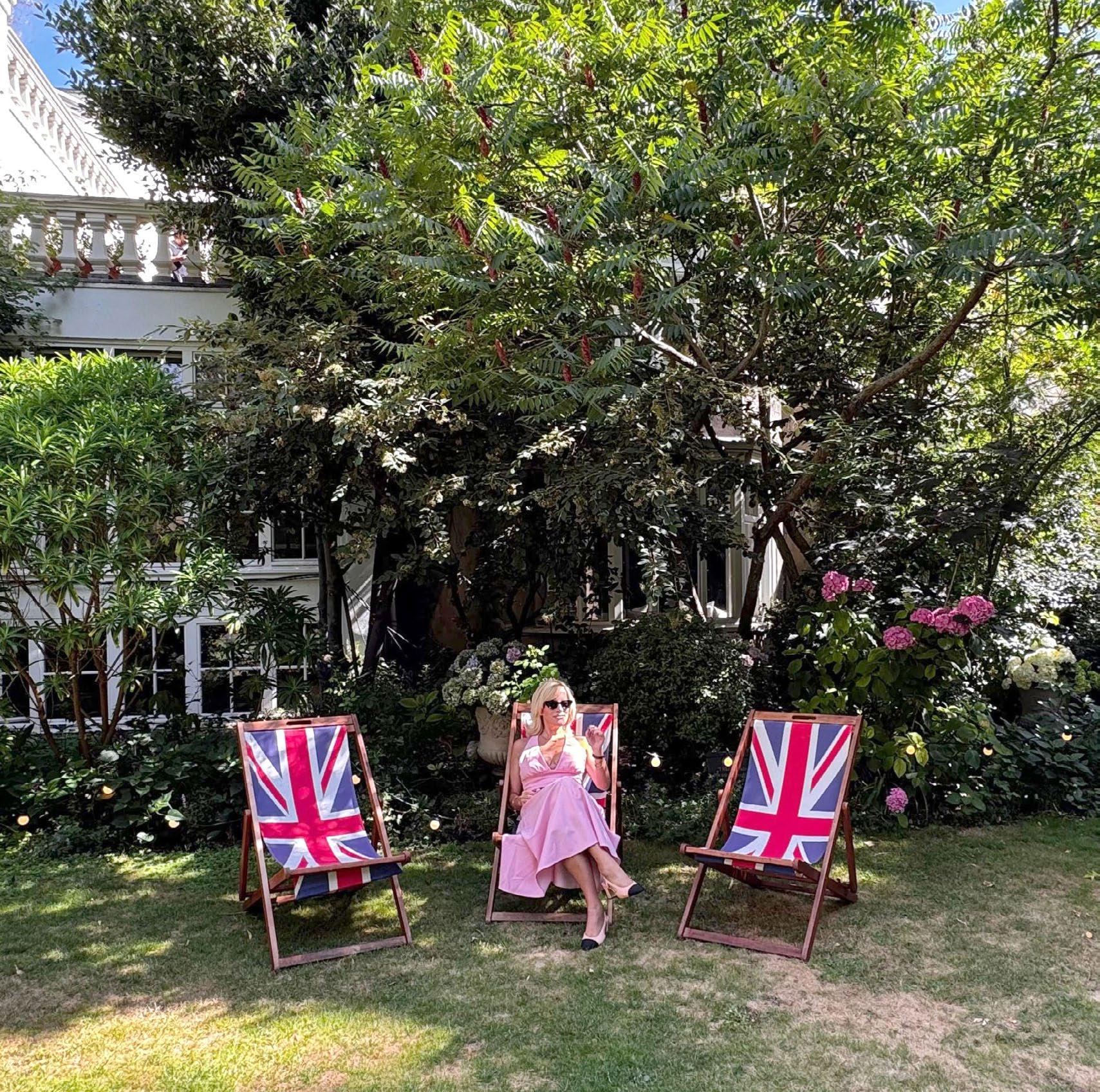
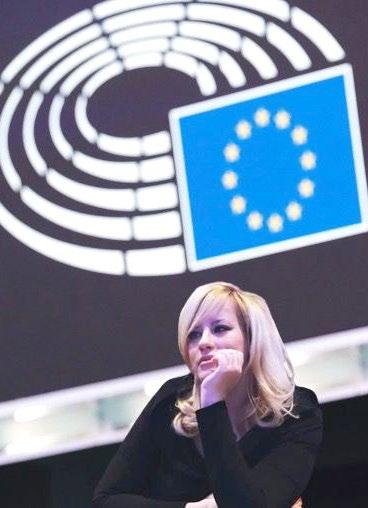
“Law is the Architecture of Fairness and the Foundation Upon which Strong Institutions Stand”
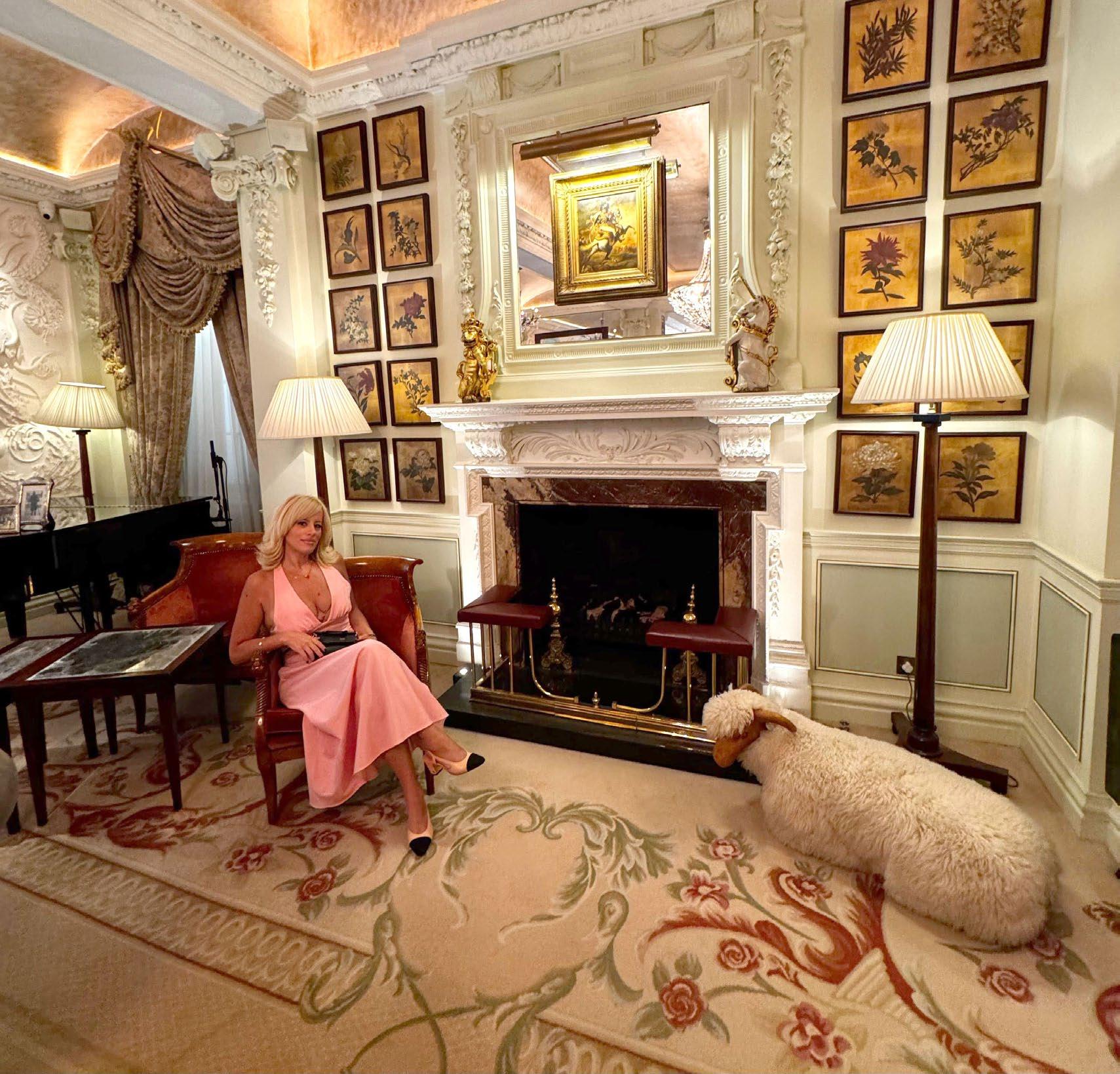
From the lecture halls of London to the corridors of national decision-making, today’s guest, Helena Lula, Legal Coordinator at Albanian Prime Minister’s Office, brings legal precision and global perspective to the heart of governance. A graduate of King’s College London, she returned home with expanded horizons and a clear mission: to strengthen legal coordination at the Prime Minister’s Office.
Full interview below:
What inspired you to pursue a career in law and later take on a leadership role in the government?
Law, for me, has always represented more than statutes and procedures — it is the architecture of fairness and the foundation upon which strong institutions stand. I was drawn to it because I believed that meaningful change does not happen by chance; it happens through structure, accountability, and principled governance.
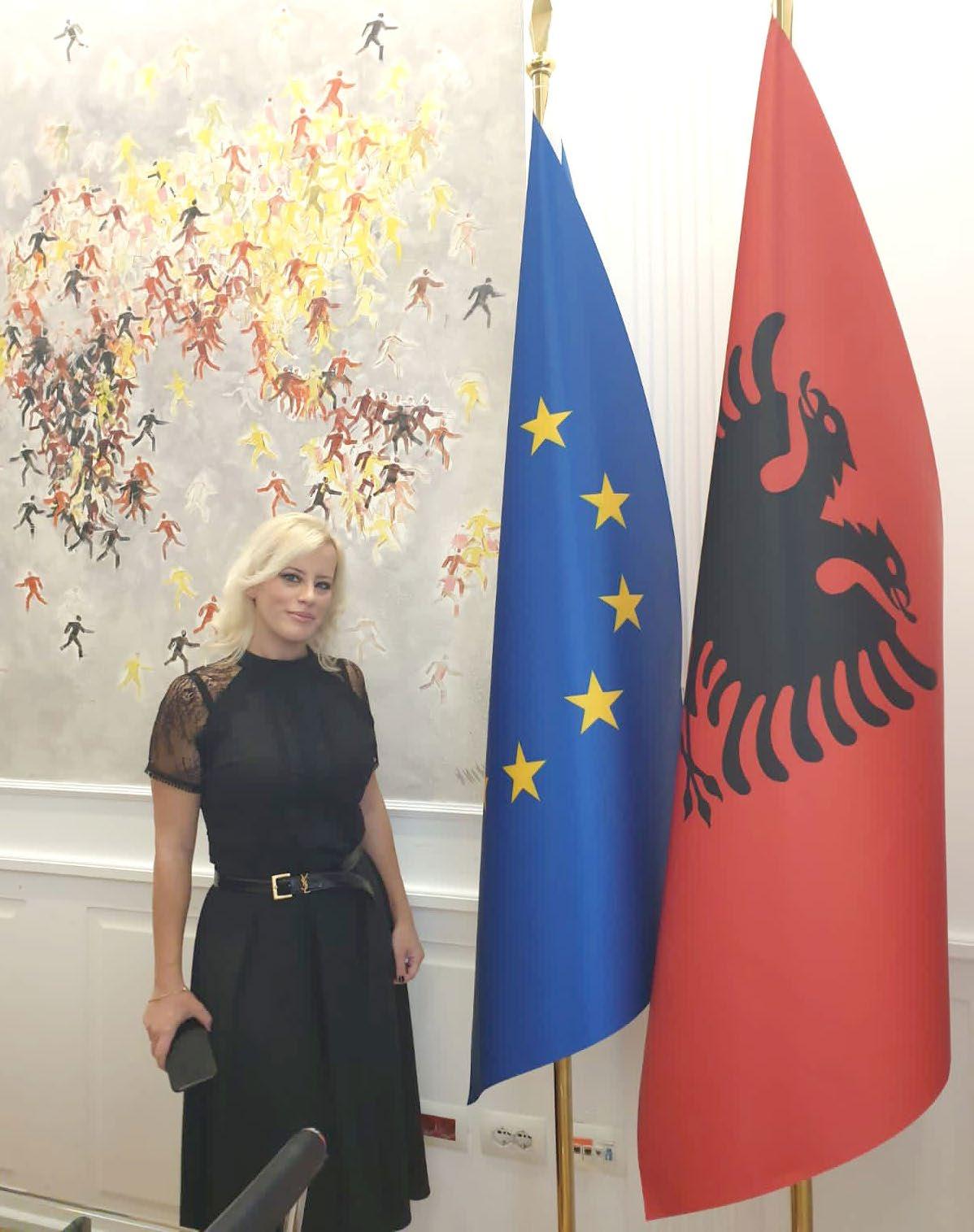
My journey into leadership roles within government evolved naturally from that conviction. Each step — from legislative drafting in my early years to anti-corruption coordination and later leading legal evaluation of priority acts in the Prime Minister’s Office — deepened my understanding of how decisions at the highest-level shape the trajectory of a nation.
Today, serving in a senior role within the Council of Ministers, I see my work not simply as reviewing legislation, but as

was transformative. Studying European Union Law in such a rigorous academic environment expanded my intellectual horizons and sharpened my comparative analytical skills. It allowed me to examine governance beyond national borders and to understand the complexity of harmonizing domestic legislation with supranational frameworks.
Equally important, it strengthened my confidence. Being immersed in an international academic setting challenges you to articulate your ideas clearly, defend your reasoning, and think independently. That experience reinforced my belief that expertise is empowering — especially for women in public service.
and an honour. It means being entrusted with evaluating priority legislative acts, ensuring their regulatory coherence, and aligning them with the government’s strategic objectives.
Comparative legal knowledge — particularly from EU law — strengthens domestic law-making by introducing structured methodologies, impact assessments, and harmonization principles. It elevates the drafting process from reactive regulation to strategic governance. It enhances predictability, transparency, and alignment with international standards — all essential for a country committed to institutional modernization.
safeguarding coherence, strengthening institutional performance, and ensuring that every priority act reflects both strategic vision and legal precision. Leadership, in this context, is about stewardship — of standards, of integrity, and of the public trust.
How did your studies at King’s College London shape your confidence and vision as a woman in public service? Was there a particular woman — mentor, professor, or public figure — who influenced your professional path?
My time at King’s College London
Throughout my path, I have been inspired by women who combine intellect with composure and authority. They demonstrated that leadership is not about occupying space; it is about elevating standards. That lesson has remained with me.
What does it mean to you to be a woman in a key legislative position within the Prime Minister’s office? How does comparative legal knowledge gained abroad strengthen domestic law-making processes?
Serving in a key legislative and coordination role within the Prime Minister’s Office is both a responsibility
As a woman in this position, I see my role as part of a broader evolution. Representation matters, but what ultimately defines leadership is competence, consistency, and the ability to deliver results that strengthen the state.
Have you ever felt that being a woman shaped the way others perceived your leadership? How did you navigate that? What challenges have strengthened you the most in your journey?
Leadership often comes with scrutiny — and in high-level governmental environments, expectations are exacting. Early in my career, particularly while working in anti-corruption and anti-fraud coordination within the Prime Minister’s Office, I understood that credibility must be earned through precision and resilience.
The challenges that strengthened me most were those requiring decisive action under pressure: aligning interinstitutional cooperation, ensuring legal compliance in politically sensitive matters, and navigating complex stakeholder environments. These experiences reinforced my belief that calm authority and technical mastery are the strongest responses to doubt.
Over time, performance builds trust. Results redefine perception.
What qualities do you believe women bring to decision-making and governance?
Women often bring a multidimensional approach to governance — combining analytical rigor with attentiveness to longterm impact. Effective policy-making requires both strategic clarity and the ability to integrate diverse perspectives.
In my experience coordinating across ministries and institutions, the most sustainable decisions are those that balance precision with inclusiveness. Women frequently excel in consensusbuilding without compromising standards.
However, I firmly believe excellence in governance transcends gender. What women contribute is not simply presence, but depth — intellectual, strategic, and ethical.
How do you manage the balance between professional responsibility and personal life?
Working within the Prime Minister’s Office requires disciplined time management and structured prioritization. I rely heavily
on strategic planning — both professionally and personally. Clear boundaries, efficient delegation, and defined objectives allow me to maintain performance without sacrificing personal wellbeing.
Balance is not static; it is a continuous recalibration. The key is to remain intentional about energy allocation and to ensure that professional dedication does not eclipse personal growth and family life.
What advice would you give to young law students in Albania who aspire to work in public institutions or international law?
Develop depth. Master legal reasoning and policy analysis. Understand governance not only as theory, but as operational reality.
Seek international exposure. Comparative legal systems cultivate broader judgment and strategic insight.
Above all, cultivate resilience and integrity. Public service is demanding, but it offers the opportunity to shape institutions that outlast individual mandates. If you approach it with discipline and purpose, your contribution can be transformative.
My philosophy is simple yet powerful:
“Strong institutions are not built by ambition alone — they are built by discipline, integrity, and the courage to uphold standards when it matters most.”
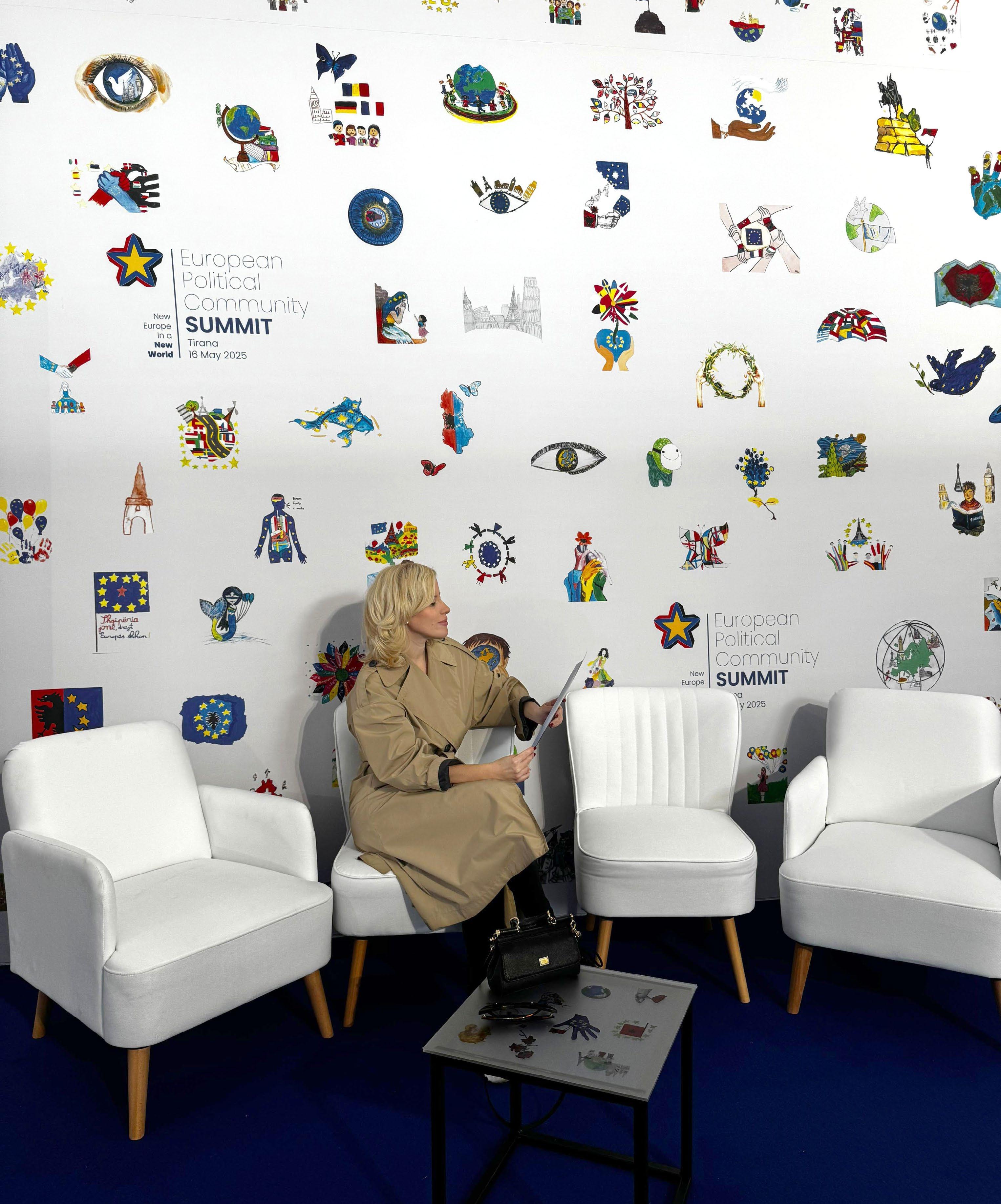
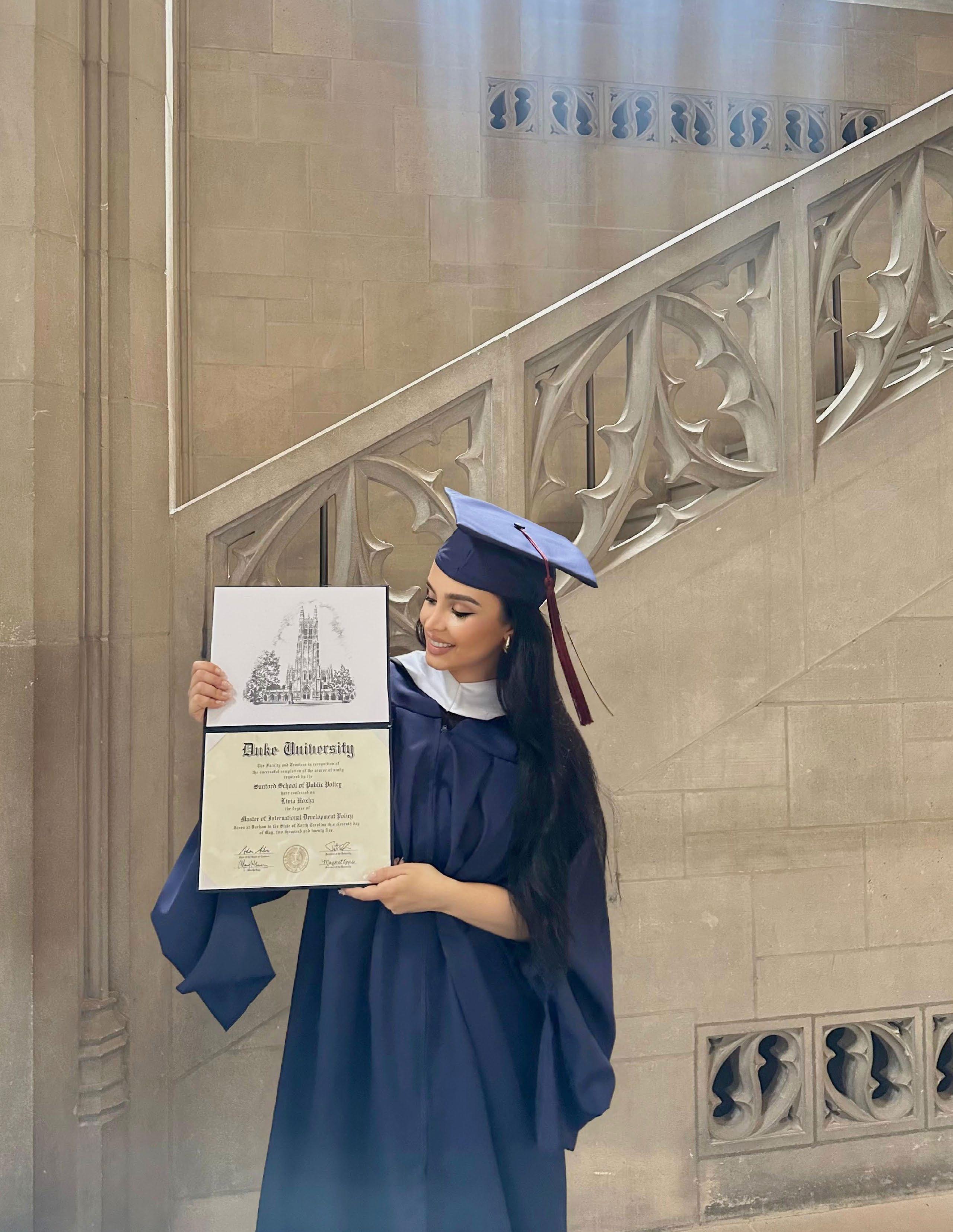
By Rudina Hoxha
“I chose Brazil very intentionally. I wanted to study sustainability and supply chains in a context where the tensions of development are not theoretical but lived in real time,” says Livia Hoxha in this exclusive interview from Brazil where she is pursuing PhD studies.
From Albania to North Carolina, USA and now São Paulo, her academic path reflects a generation of scholars redefining global leadership.
In an increasingly interconnected academic world, the Albanian scholar and researcher, Livia Hoxha, is building bridges between Europe, North America, and Latin America.
Currently pursuing her PhD at the São Paulo School of Business Administration, one of Latin America’s most respected business institutions, she is deepening her research in business administration with a focus on operations, sustainability, and global development dynamics. Her work explores how strategic management can respond to pressing social and environmental challenges — a topic that resonates far beyond borders.
Before beginning her doctoral journey in Brazil, she completed a Master of International Development Policy at Duke University in the United States. At Duke, she refined her expertise in public policy analysis, global development frameworks, and evidence-based decision-making. The experience provided her with a multidisciplinary lens — combining economics, governance, and sustainability — that now informs her doctoral research.
Her journey is more than an academic pursuit; it is a testament to intellectual curiosity without borders.
Full interview below:
Can you make a presentation of yourself?
I’m an Albanian researcher currently pursuing my PhD at the São Paulo School of Business Administration at FGV EAESP. I previously completed a Master of International Development Policy at Duke University in North Carolina, United States. Before starting my doctoral studies, I gained experience working in government and engaging in international policy processes, including the UN Climate Change Conference (COP), work with
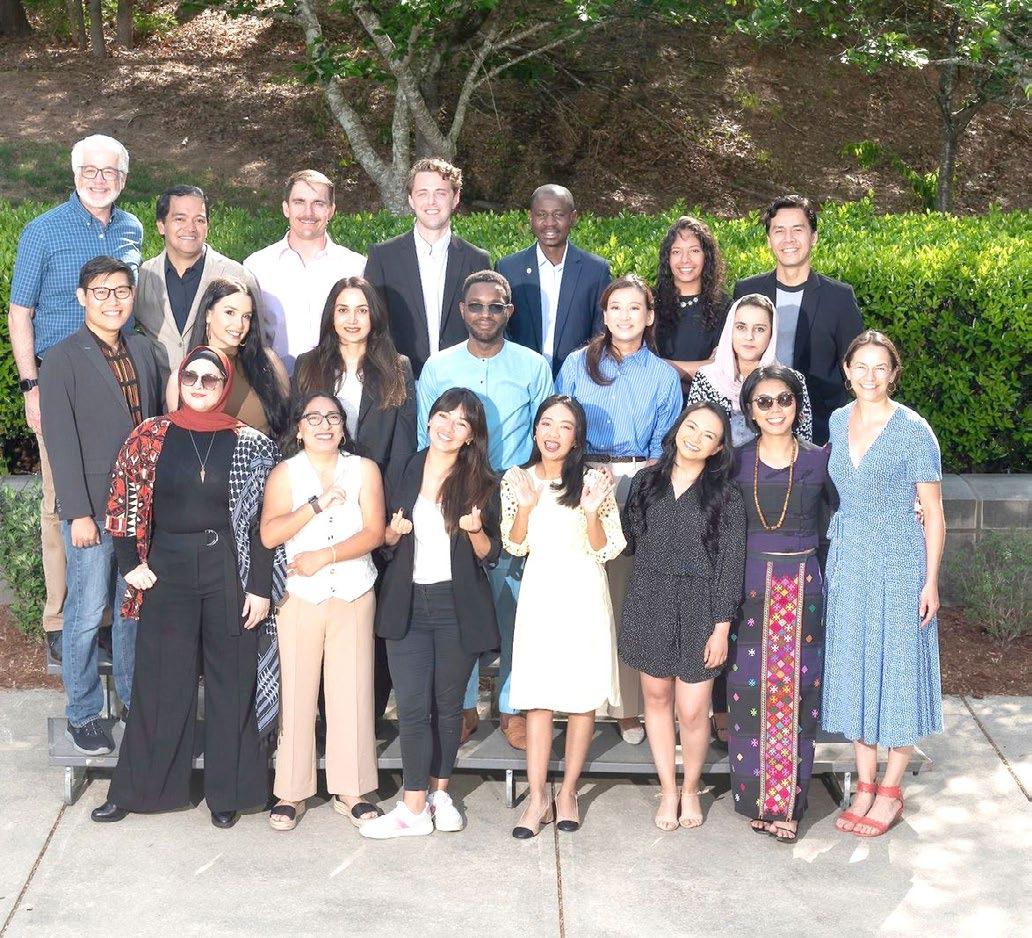

UNHCR, Policy Sciences Institute hosted by the World Bank etc. My work sits at the intersection of sustainability, supply chains, and development, with a strong focus on how global systems affect smaller and more vulnerable actors. I’ve always been curious about how policy and business decisions translate into reallife outcomes.
How did you establish the foundation for the subsequent international studies?
What life lessons did you learn during this period?
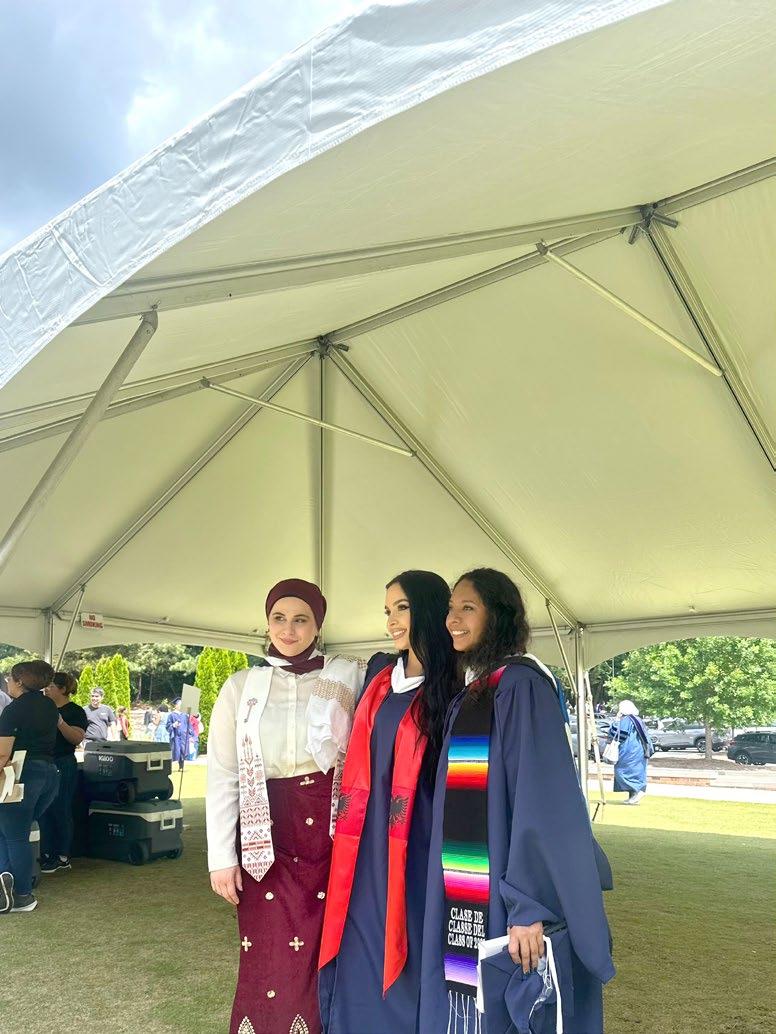
I built my path step by step, saying yes to opportunities that initially felt intimidating. A defining moment was receiving a full scholarship from the Albanian-American Development Foundation (AADF) to pursue my studies at Duke University, which truly expanded my international trajectory. Living and studying abroad strengthened my resilience and, just as importantly, gave me close friendships with people from very different countries and cultures. Over time, I also learned that you do not need to have everything perfectly figured out before moving forward. Often, clarity comes through the process itself.
What motivated you to pursue your PhD in Brazil, and what makes this academic environment unique compared to your previous studies?
I chose Brazil very intentionally. I wanted to study sustainability and supply chains in a context where the tensions of development are not theoretical but lived in real time. Brazil offers that level of complexity. What makes this environment unique for me is the constant exposure to Global South realities such as inequality, institutional gaps, and market pressures, which pushes research to be more grounded and less purely conceptual.
What is the main focus of your doctoral research, and why is it important today?
My research interest lies at how sustainability pressures move through global supply chains, especially from the perspective of smaller and less powerful suppliers. I am particularly interested in power asymmetries; for example: who sets the rules, who bears the costs, and who benefits. This is increasingly important as sustainability expectations rise worldwide but are not experienced equally across the chain.
What advice would you give young women aspiring to pursue a PhD abroad?
Don’t wait until you feel 100% ready, because you probably never will... Build a strong support system, stay curious, and remember that your perspective is valuable in international spaces. A PhD is demanding and time consuming, and there will be moments that truly test your resilience, but I believe that growth happens exactly in those moments. Confidence often comes after you take the leap, not before.
Sustainability is becoming central to modern business. In your view, how do developing countries approach sustainability differently from developed economies?
In many developing countries, sustainability is approached within tighter economic and institutional constraints. Firms are often navigating compliance pressures coming from global markets while still dealing with basic operational challenges at home. This creates a more complex, and sometimes more pragmatic, approach compared to developed economies where resources and regulatory systems are typically stronger.
Can research influence real policy decisions, especially in emerging economies like Albania?
It can, but only if researchers step outside the academic bubble. In places like Albania, there is real openness to evidencebased policy, but the connection between research and decision-making still needs strengthening. Bridging that gap is something I care deeply about.
Do you believe women bring a distinct perspective to sustainability and development research?
I think diverse life experiences always enrich research. In my experience, many
women in this field tend to bring strong attention to social equity and long-term community impacts, which are central to sustainability. Of course, the goal is not to generalize, but to make sure the conversation benefits from a wider range of perspectives.
How do you balance academic rigor with practical impact?
For me, rigor and relevance have to move together. I try to start from real-world problems and then bring strong theory and methods to make sense of them. Staying in close conversation with practitioners and policy spaces helps me keep the work grounded and ensures it speaks beyond academia.
Where do you see yourself after completing your PhD — academia, policymaking, consulting, or entrepreneurship?
I see myself working at the intersection of academia and policy. I genuinely enjoy research, but I am equally motivated by the possibility of seeing ideas translate into real decisions and real change. In the long term, I hope to contribute to more sustainable and equitable supply chain practices, particularly in developing country contexts where these questions are most urgent.
Has living and studying across different countries changed your definition of success?
Absolutely! Earlier in my journey, success felt closely tied to milestones and institutions. Over time, that perspective has shifted. Today, I think much more about impact, purpose, and whether my work is helping open doors for others, especially young women coming from smaller countries like mine.
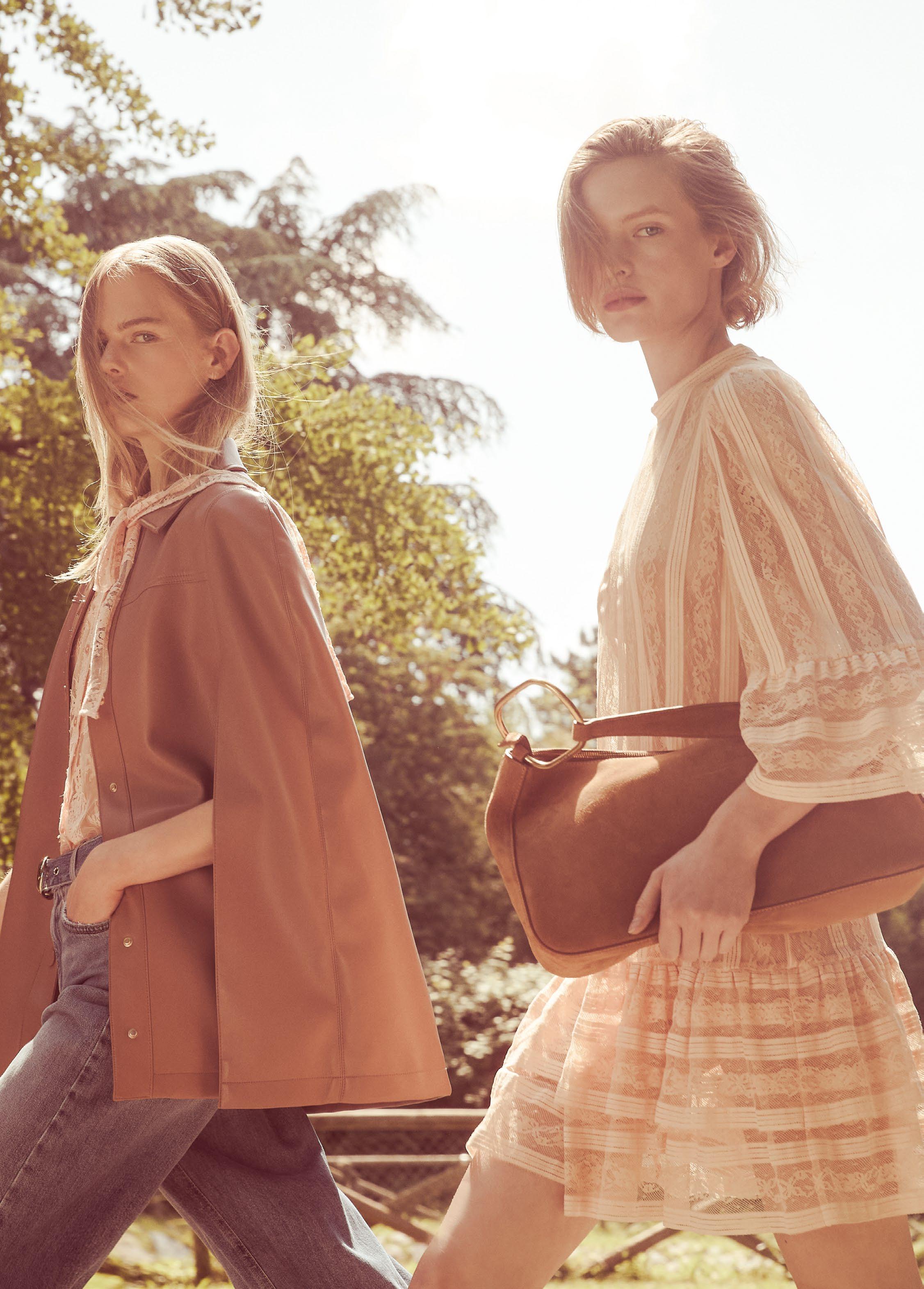
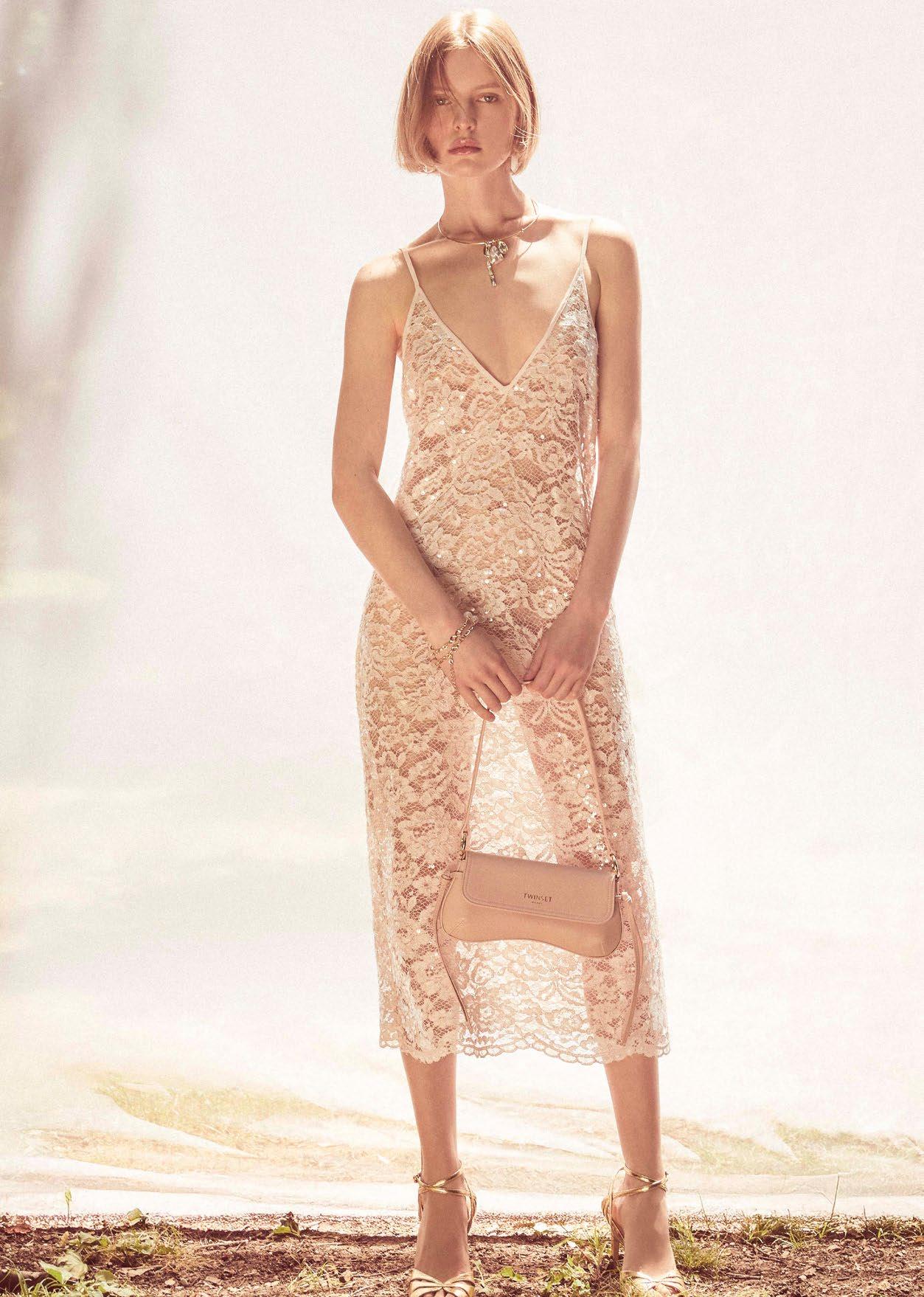
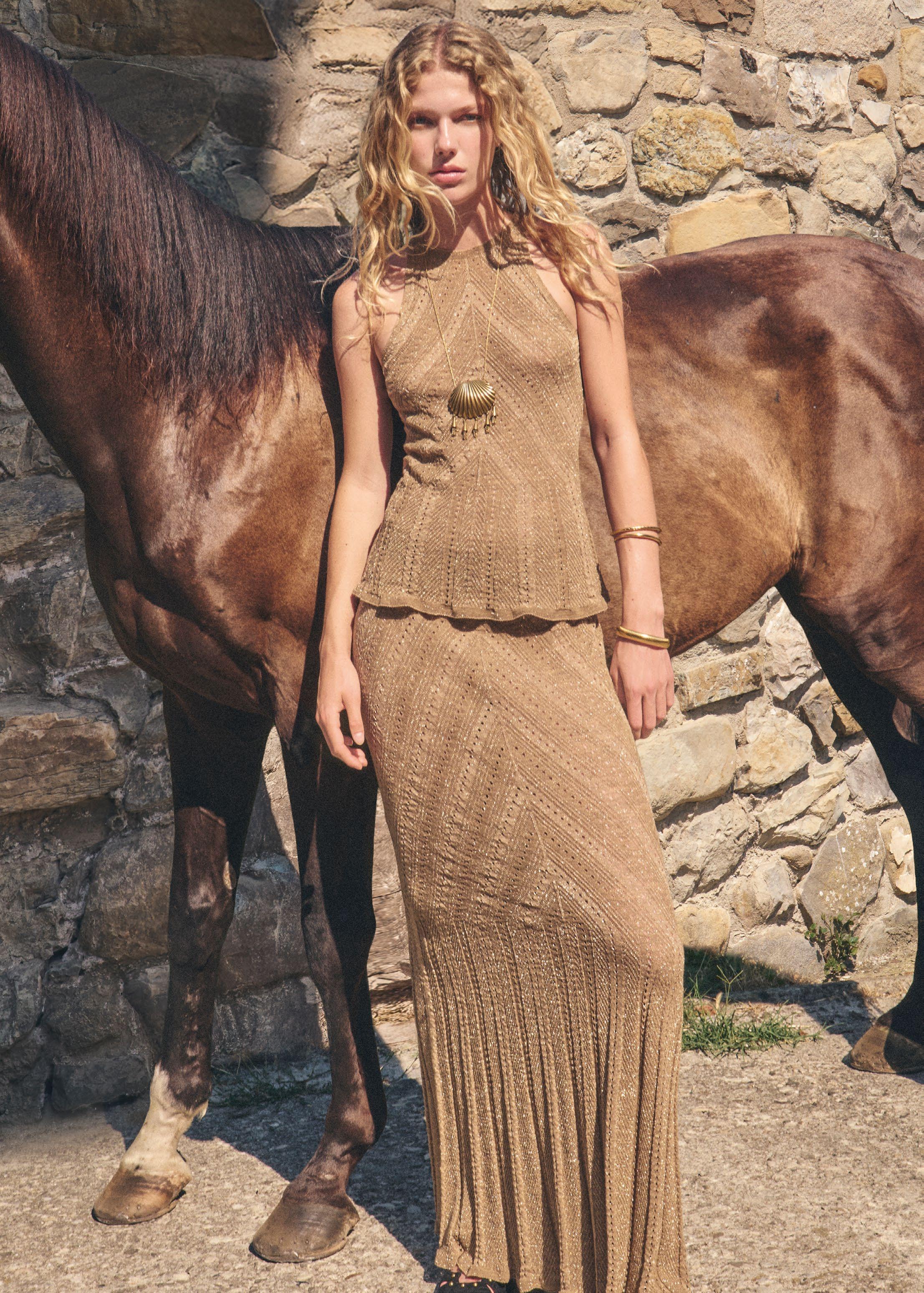
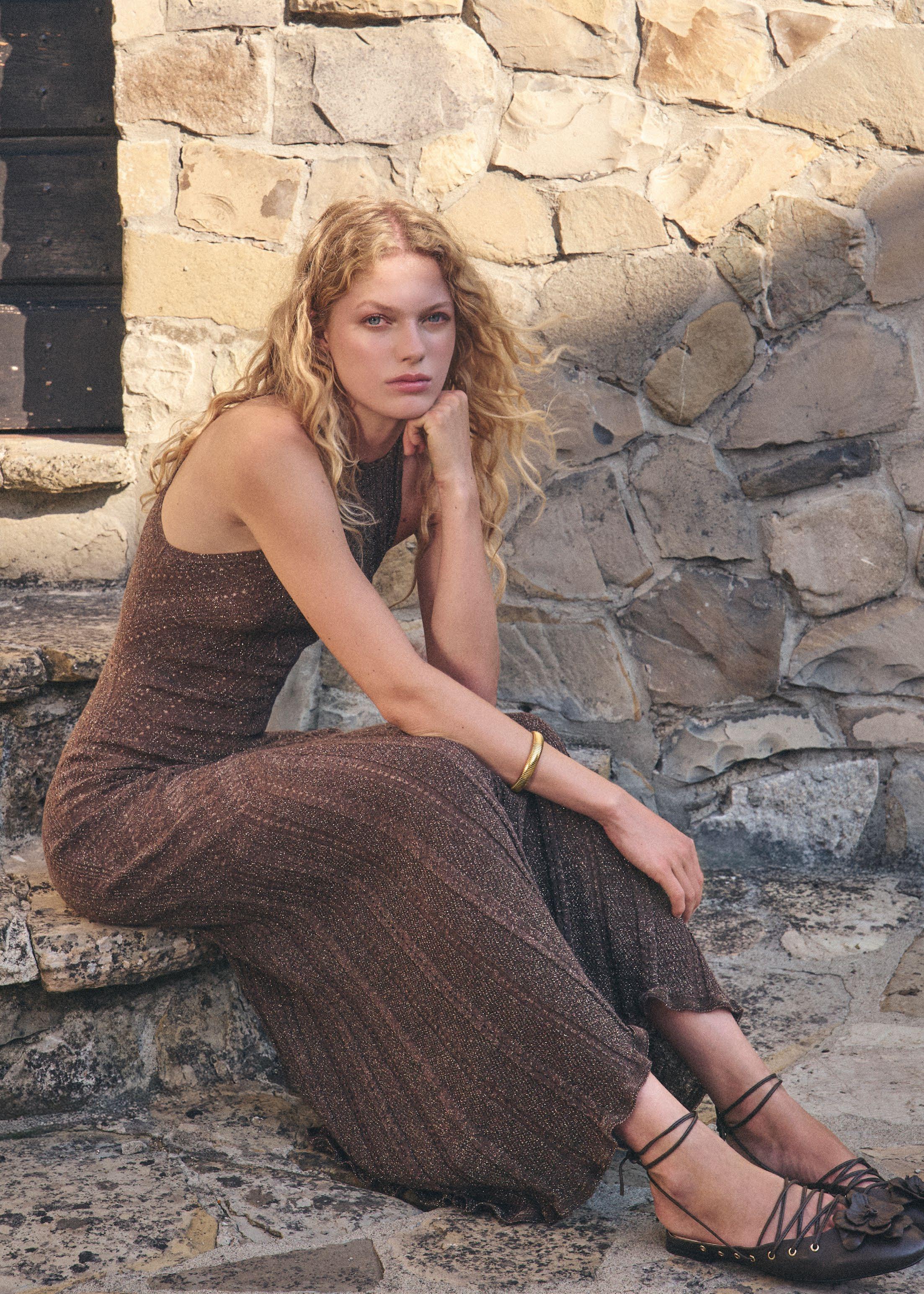
For Spring/Summer 2026, Twinset takes us to a place that doesn’t need clocks:
a sea-view terrace – sheets drying in the sun, slow conversations – where time stretches and every gesture tastes of simplicity.
Inspired by the Italian summer, the collection is an ode to spontaneous femininity and unshowy elegance, and to the rituals we’ve always known: breakfast outdoors, a book in the shade, lunch with friends in the garden.
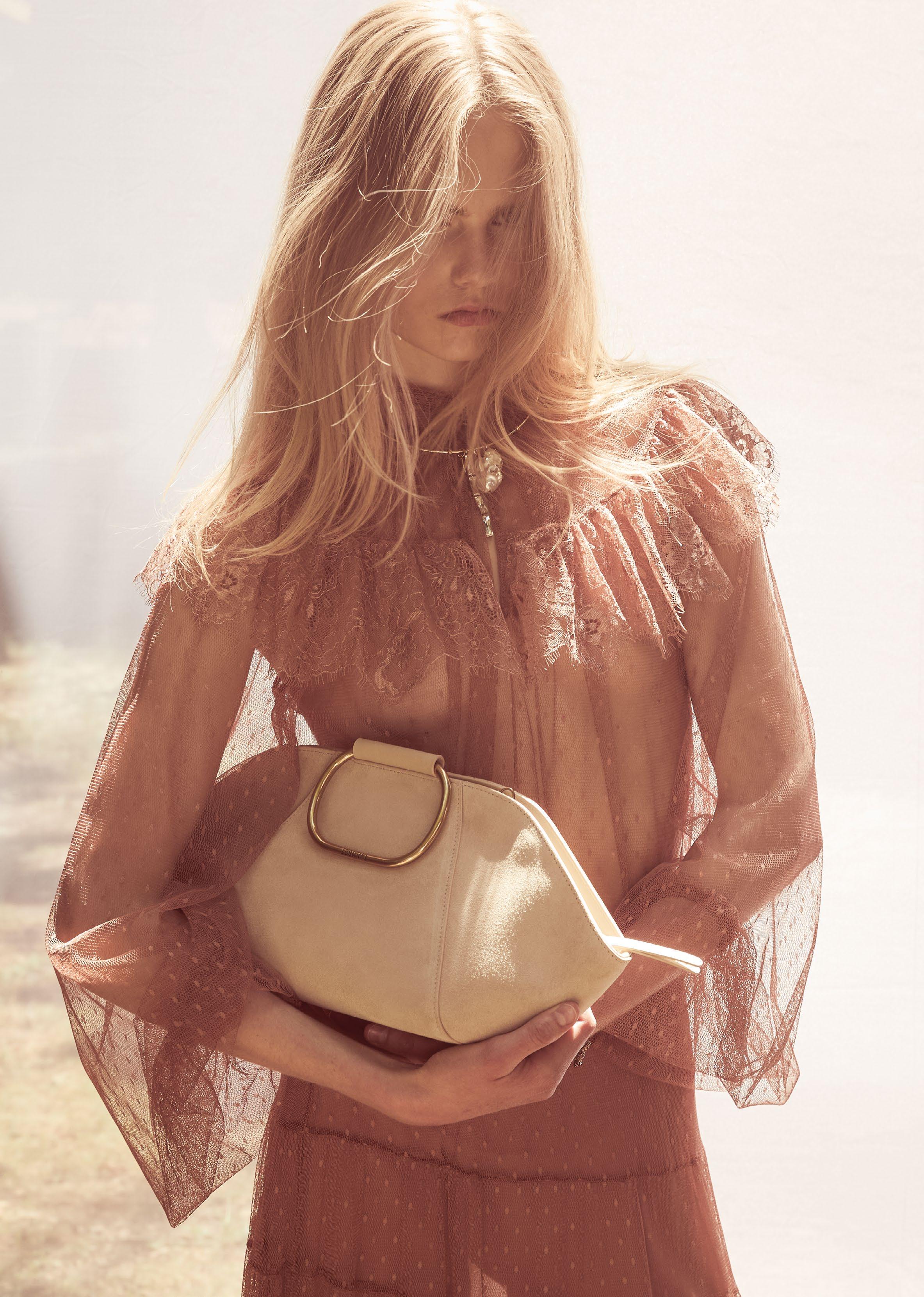
The fabrics feel weightless: cotton muslin, linen, and lace that seem to come from
Grandma’s trunks.
The embroideries speak of slow, careful hands, while soft volumes take inspiration from the sundresses worn on the best days.
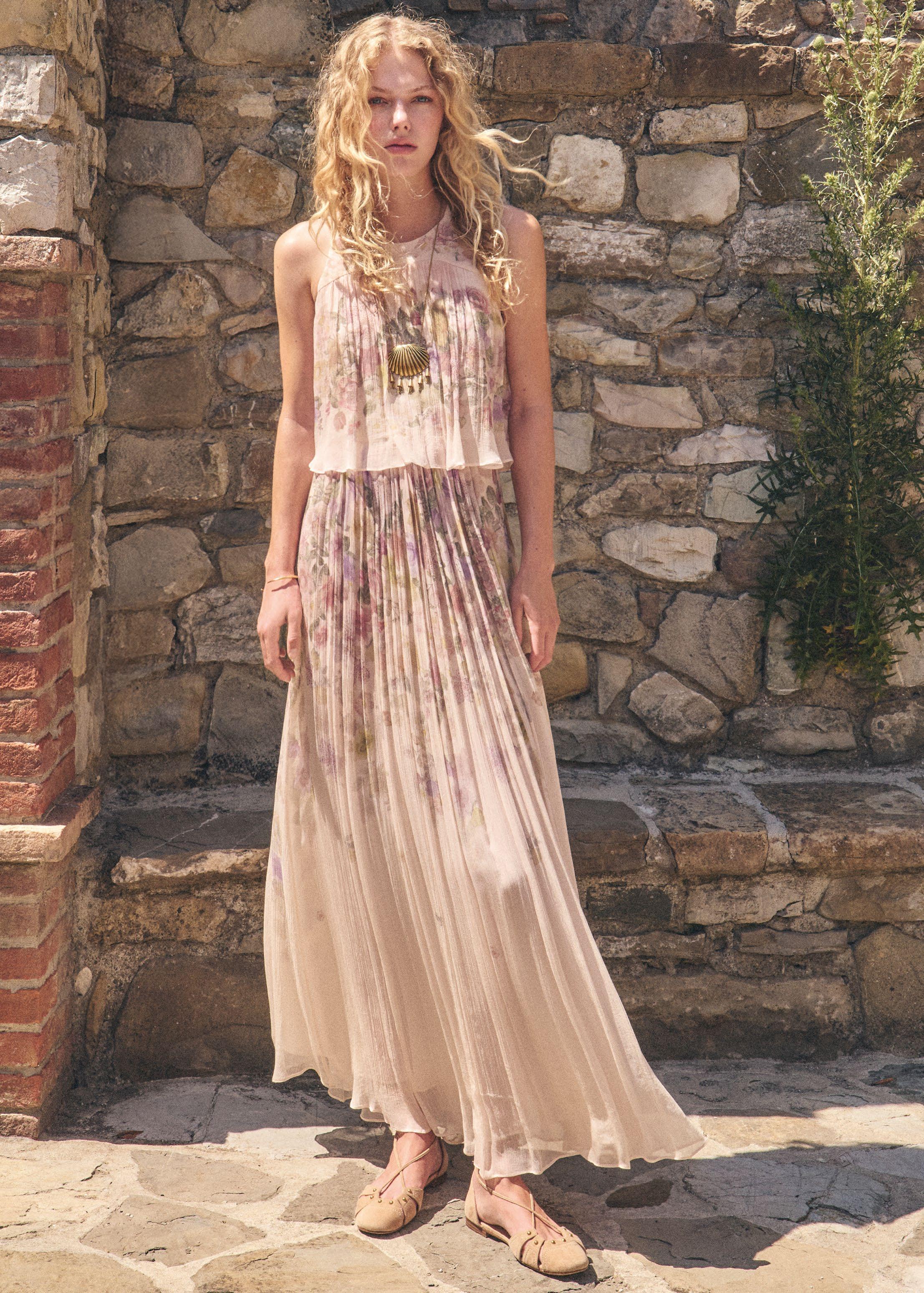
The palette moves between pure whites, buttery tones, sea-sky blue and delicate blooms. Pastels mingle with the whites of cotton shirts, while blue evokes boat trips under a clear sky.
Twinset SS2026 reminds us that true beauty lives in imperfect details, in slow time, in the freedom to feel beautiful for ourselves.
You can find the whole collection in main franchise store:
TWINSET MILANO Tirana, located at VESA Center in Tirana.
We will analyze the collection through the following 5 topics:
• PRINTS
• SANGALLO EMBROIDERY & LACE
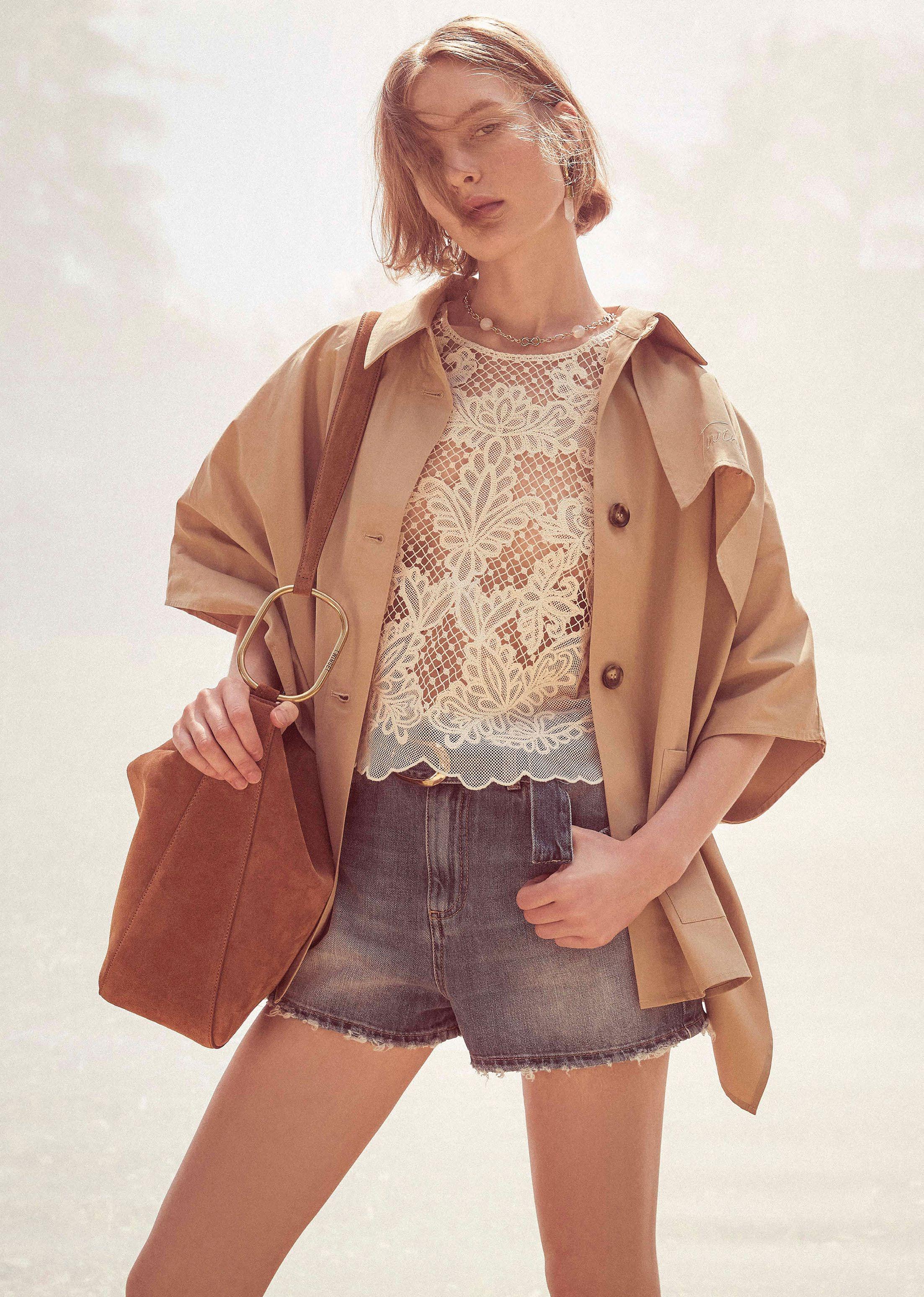
• POPLIN: colors & details
• TAILORING
• OPENWORK KNITWEAR
PRINTS – Two prints from the main collection have been selected for the boutiques. One is a delicate, romantic floral print in soft pastels, a motif inspired by late 19th century botanical prints, and the other is bolder – very summery – featuring cherries, and comes on both a black and a white ground.
All the ready-to-wear is Made in Italy and is offered in poplin and cotton muslin, both using digital printing.
SANGALLO EMBROIDERY & LACE – A musthave of our summer collections, Sangallo embroidery and lace return in the MAIN collection. They appear on different fabrics, but the common thread is always the same: he bohemian style that has long defined our DNA.
POPLIN – In the main collection we find our beloved poplin – an iconic summer best seller and a customer favorite. Details are
colors.
TAILORING – For SS26 we present tailoring in both the Twinset and Archive lines. The fabrics have a rustic texture. Colors are delicate, designed to create a harmonious dialogue within the collection.
OPENWORK KNITWEAR – Knitwear, one of the strengths of our collections, is produced 40% in Italy for Main SS26. The offer focuses on openwork patterns with geometric and floral motifs, enriched by crochet embroidery and the ever-present lurex.

“While OSAAB does not get involved in the adoption process, it provides critical counselling and guidance to mothers both before birth and after.”
Our Efforts Have Resulted in Annual Decreases in the Number of Abandoned Babies
By Rudina Hoxha
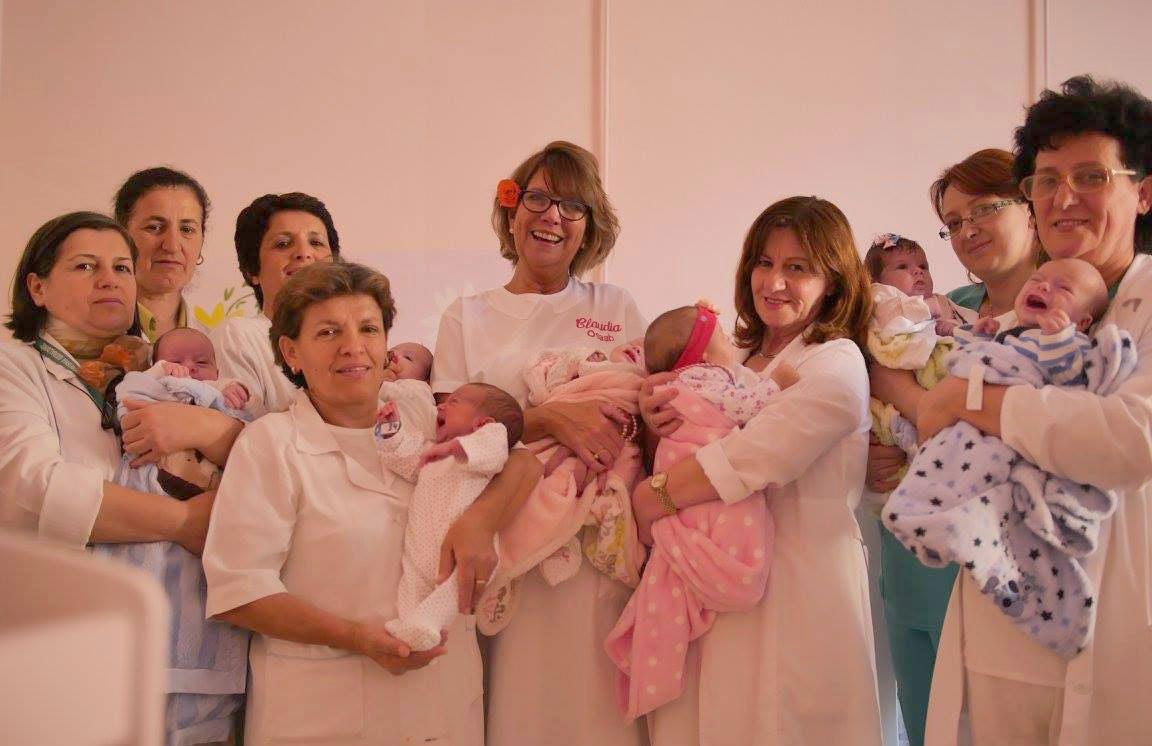
The March issue of Trailblazing Magazine/ The Women Edition invites Claudia Janiszewski, President / Founder, OSAAB - The Angel’s Cradle Program
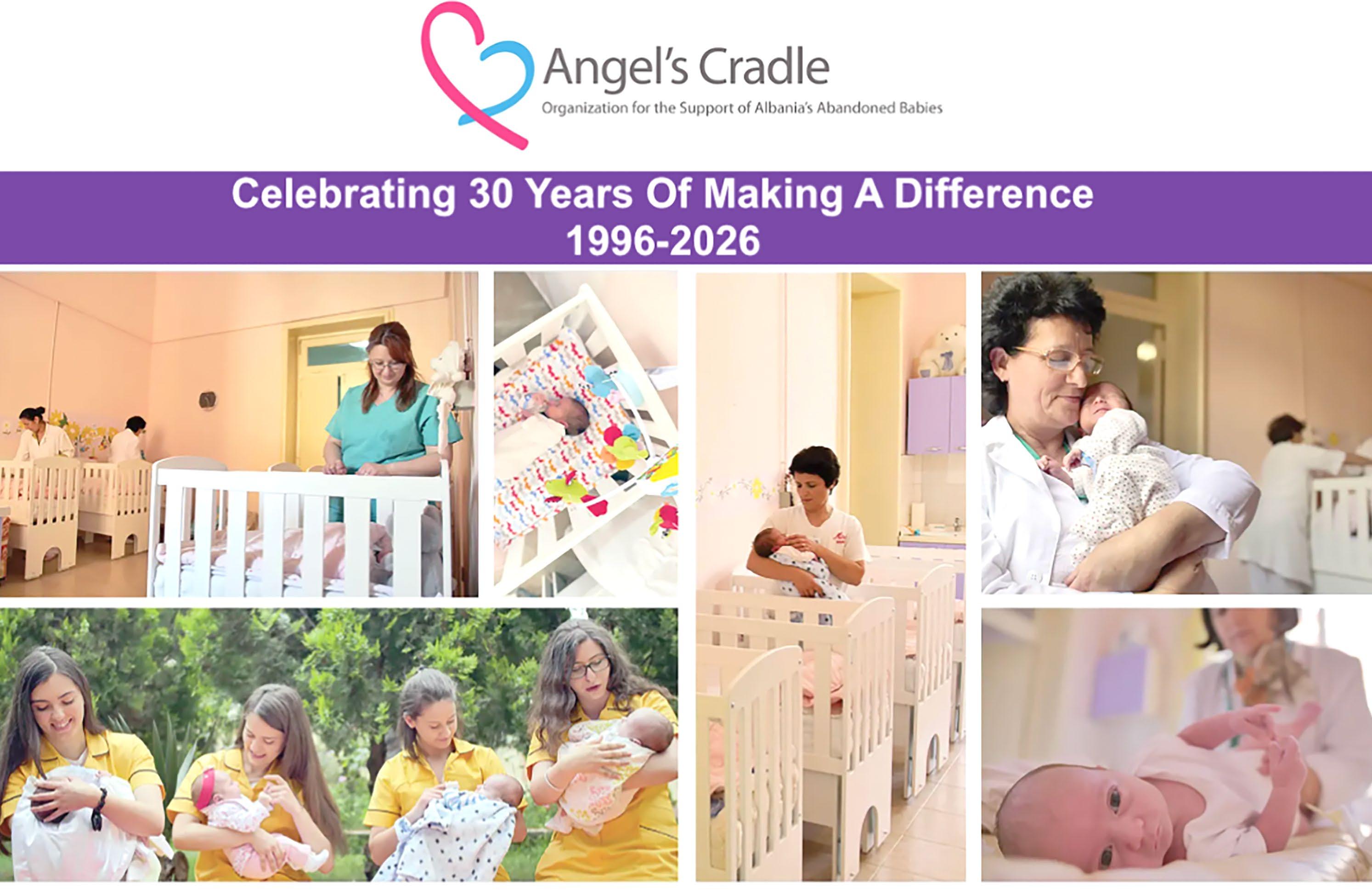
Queen Geraldine University Hospital of Obstetrics & Gynecology in Tirana, Albania and Mira Asllani, Executive Director of OSAAB Albania to talk about the Organization for the Support of Albania’s Abandoned Babies (OSAAB) in its 30th annivrsary, the results achieved so far and what needs to be made more in this regard.
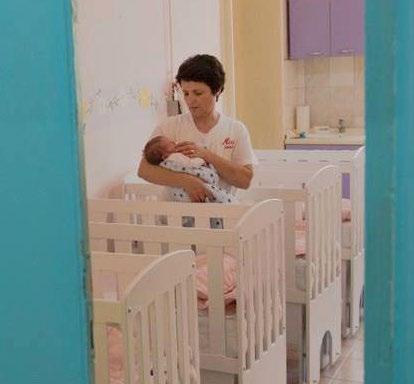
“Since the program began in 1996, 820 babies have been provided care by OSAAB while they remain in the maternity hospital,” Claudia Janiszewski says while specifying
that “OSAAB nor the maternity hospital are involved with the adoption of the babies but merely ensure that while the babies remain in the maternity hospital, they receive all the love, care and medical attention required in a newborn infant’s life.”
On the other hand, Mira Asllani pinpoints in this interview how the Albanian society has developed towards the abandoned or disabled babies. “We are proud to see how Albanian society and the medical community has come together over the years to destigmatize the babies in the eyes of society and to advocate for the rights of babies as well as babies born with a disability such as Down Syndrome,” she said.
Full interview below:
What is OSAAB and what can you tell about its role and work so far?
Claudia: Organization for the Support of Albania’s Abandoned Babies (OSAAB) is an U.S. and Albanian registered NonGovernmental Organization (NGO) created in 1996 with a mission to provide care to abandoned babies in Albania. The program works cooperatively and in conjunction with the Queen Geraldine University Hospital of Obstetrics and Gynecology in Tirana, Albania. Since the program began in 1996, 820 babies have been provided care by OSAAB while they remain in the maternity hospital. OSAAB nor the maternity hospital are involved with the adoption of the babies but merely ensure that while the babies remain in the maternity hospital, they receive all the love, care and medical attention required in a newborn infant’s life. Babies typically remain at the Angels Cradle Nursery, on average, for the first three months of their life before being placed in an orphanage for adoption, or in some cases, reunited with their family. While OSAAB does not get involved in the adoption process, it provides critical counselling and guidance to mothers both before birth and after.
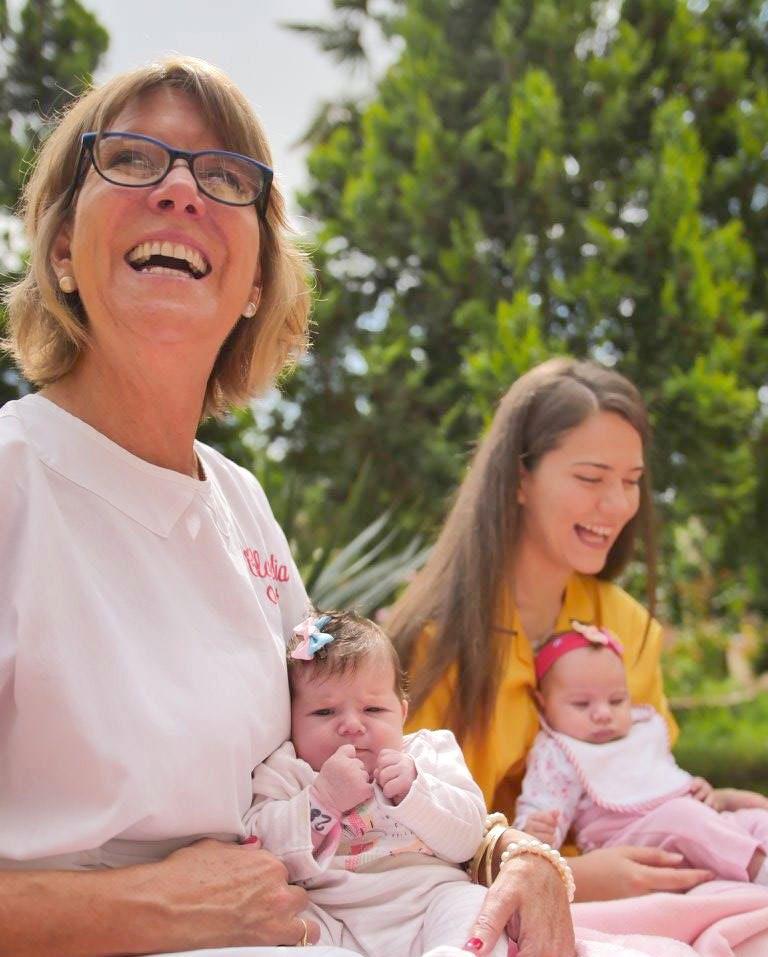
women with unwanted pregnancies. These efforts have resulted in annual decreases in the number of babies abandoned in the streets, or in the hospital, where the identity of the birth mother is not known.
Outreach campaigns to at-risk women are conducted, informing them about the Safe Haven at the hospital. The idea is to help mothers understand their options before and after birth and choose the best path for themselves and their infants.
What are the main challenges abandoned babies in Albania face today?
OSAAB and the Maternity Hospital have continuously focused their efforts on raising awareness within Albania of the “safe haven” existing within the hospital for
Mira: In the early years of the program, women relinquished their infants for a range of reasons, including becoming pregnant while being unmarried, or the child being diagnosed with a disability such as Down Syndrome. Despite heightened information about birth control, a decrease in the stigma associated with being an unmarried mother, and an increased willingness from families to welcome an unmarried mother
and baby into their home, the issue persists in 2026. This means there are still many situations that require OSAAB’s help, such as mothers with mental health issues or substance addictions.
How does your organization work with hospitals, institutions, or families to support these children?
Mira: OSAAB works in conjunction with the Ministry of Health and Social Protection and maternity hospitals throughout Albania to bring about awareness of the Safe Haven in the hospital. OSAAB cooperates closely with the Municipality of Tirana where OSAAB is part of the inter-institutional technical group for the cases referred. The OSAB Director is often invited by the courts to testify in support of the babies. OSAAB also works with child protection departments in the municipalities and works cooperatively with NGOS to heighten awareness of the Safe Haven, as well as to advocate for the rights of abandoned children and children born with a disability.
What achievements is OSAAB most proud of so far?
Mira: We are proud to see how Albanian society and the medical community has come together over the years to destigmatize the babies in the eyes of society and to advocate for the rights of babies as well as babies born with a disability such as Down Syndrome.
How can the community contribute or get involved in your initiatives?
Mira: OSAAB has held an annual Holiday Bazaar in December for the last 24 years to raise awareness and funds to ensure continued support to the babies. The
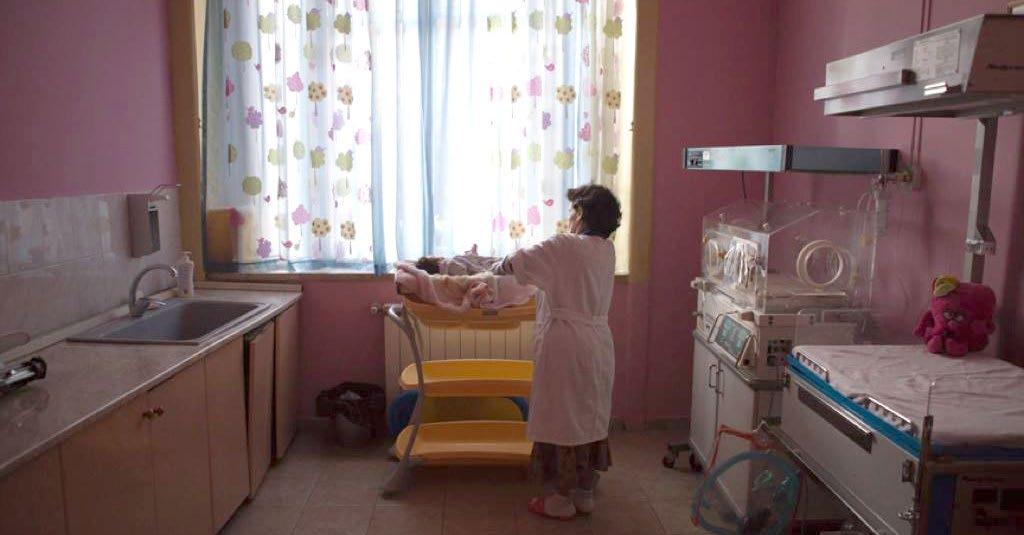
“There are still many situations that require OSAAB’s help, such as mothers with mental health issues or substance addictions.”
Bazaar is hosted by the Rogner Hotel and brings together over 40 vendors, including NGOs, schools, artists, small businesses, and more, all offering an enticing selection of seasonal and year-round goods for the 1000+ visitors. The Neranxi Culinary Institute graciously donates gingerbread houses that are decorated by volunteers to sell at the Bazaar. This event is crucial for OSAAB, allowing them to raise enough funds to ensure Albania’s abandoned babies keep receiving the help, love and support they need. OSAAB also conducts on-going Supply Drives through schools, companies, churches, social group, etc., to collect donations of diapers, baby formula, etc.,
What changes would you like to see in policies or public awareness regarding child abandonment?
Mira: The new law on the Alternative Family Care (Foster &Volunteer families) puts the best interest of the child as a priority. This is a positive step moving forward and will ensure that every child is in a loving home and not raised in an institution.
What message would you like to share with people who are hearing about OSAAB for the first time?
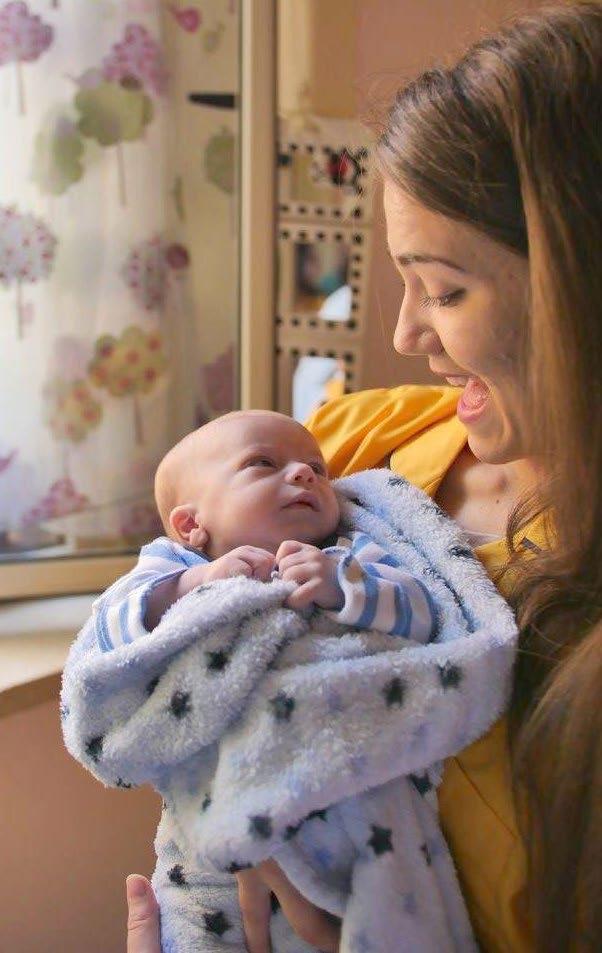
Claudia: While the number of infants abandoned by their mothers has decreased in recent years, Without OSAAB’s help, these babies would struggle to have their basic needs met at the maternity hospital. For more information about the program and how you can become involved, please visit our website at www.osaab.org, or contact Mira Asllani, Executive Director at (069)216 8088. Email: osaabangels@gmail.com
By Rudina Hoxha
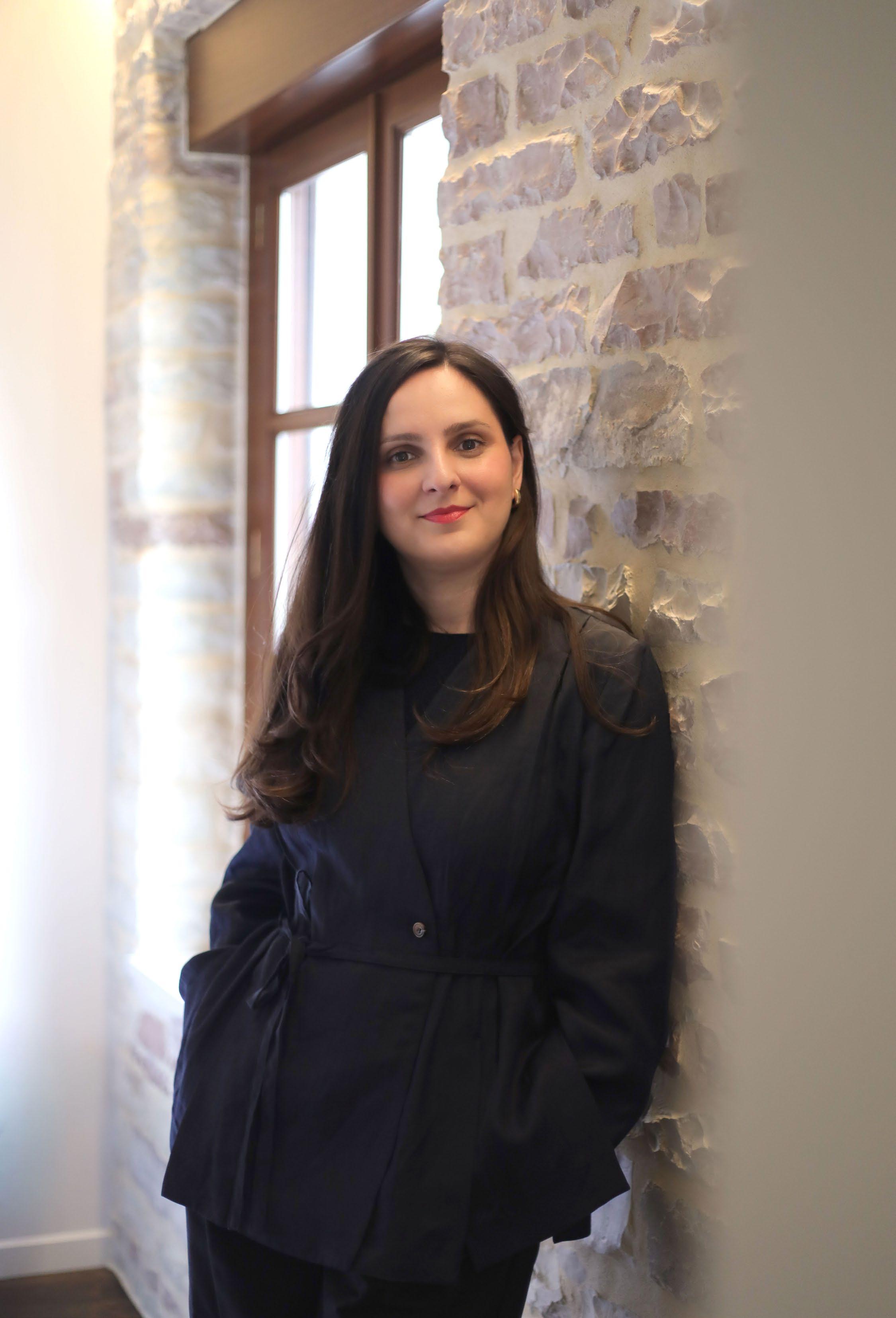
For Eleana Beruka, from the city of Gjirokastra, south of Albania, old houses matter. In them, she sees dialogue between past and present. She bears an emotional connection to heritage.
Today we explore her work as a young and very promising architect who doesn’t just renovate houses — she restores stories, preserving heritage while redesigning interiors for modern life.
Her project, “Stitch & Stone” stands behind the creation of that balance where past and present coexist in harmony.
Full interview below:
What first sparked your interest in restoring old rooms and historical interiors? Is there a house or room from your childhood that influenced your love for restoration?
My interest in restoration grew naturally, having spent my childhood in Gjirokaster, a city where vernacular architecture is part of everyday life. The house I grew up in featured traditional elements such as masonry stone walls, a grey stone-slab roof, wooden floors, and carved wooden ceilings. Living among these authentic textures sparked my curiosity about how such houses were built, how they age, and how their character can be preserved.
This early fascination eventually led me to study architecture in London, where I deepened my understanding of design principles, construction, and conservation theory. The combination of personal experience and formal education shaped the way I approach restoration today, valuing both structural integrity and the cultural identity embedded in historic craftsmanship.
How did the idea of creating your restoration studio begin, and what was your founding vision? How do you differentiate your studio from regular renovation companies?
Before focusing on restoration, I worked in territorial planning, studying how cities evolve and how long-term policies shape the built environment. While this broad perspective was valuable, I wanted to engage more directly with individual buildings and their stories.
My founding vision is not just to restore houses and interiors technically, but to understand the narratives they carry and design interventions that honor their character and the people who use them. This narrative-led, research-based approach is what sets my work apart and ensures each project preserves both material authenticity and cultural meaning.
What values or principles guide your work when approaching any restoration project?
I approach every restoration project with a balance of authenticity, craftsmanship, and practical considerations. Understanding a building’s story, its materials, details, and the way it has been shaped over time, is always my starting point.
Craftsmanship is equally important, and I work closely with a small group of trusted artisans to ensure that traditional skills and high-quality workmanship guide the process. Attention to detail and careful oversight from start to finish allow interventions to feel natural and respectful, while meeting functional and budgetary requirements.
How do you balance preserving original character with introducing modern comfort or functionality?
Once a space’s key features are assessed, modern interventions are integrated in ways that complement the historic fabric. Interior spaces are thoughtfully repurposed so they serve practical modern functions while still respecting their original character. In addition, mechanical, electrical and plumbing system upgrades are carefully designed to enhance comfort without altering proportions, materials, or crafted details. This approach keeps the space fully functional, comfortable, and relevant, while preserving the elements that give it identity and warmth.
What is your definition of a “successful restoration”? Can you relate some of your main projects?
For me, a successful restoration is one where a space feels deeply rooted in its past while fully supporting present-day use. Achieving this balance always begins with thorough documentation, ensuring that every intervention respects its identity.
A clear example is the restoration of a rural coastal house (Banese e Bregut) in the historic center of Dhermi. We preserved its key features such as two traditional fireplaces with wall niches, the limestone walls with arched windows, the relationship to the hillside and coastal views, and the symmetrical façade. Technical works included reconstructing wooden floors with transversal beams, rebuilding internal partition walls, and restoring the roof with traditional red clay tiles to reinstate the original silhouette.
Whether restoring private homes or adapting buildings for hospitality, success lies when past and present coexist in harmony.
Are there architectural periods or design styles that you feel especially connected to? Why? What is the biggest technical challenge you frequently encounter when working on old structures?
I feel particularly connected to architectural traditions that emphasize craftsmanship, context, and material honesty. In southern Albania, vernacular stone houses shaped by Ottoman influence embody all three: a balance of mass and light, an intuitive relationship with the landscape, and finely crafted wood and stone details. They also reflect a deep artisan culture with skills passed down through generations.
Beyond the local context, I am inspired by 20th-century modernism especially architects like Frank Lloyd Wright and Carlo Scarpa for their sensitivity to surroundings, materials, and detail. Minimalism also resonates with me for its clarity, simplicity, and human scale.
From a technical perspective, the biggest challenge in old structures is their
unpredictability. Hidden moisture, weakened structural elements, outdated systems, or unexpected discoveries often appear only once work begins. Each project becomes a process of investigation that requires careful analysis, flexibility, and thoughtful problem-solving.
What traditional techniques or materials do you insist on using in your projects? How do you source artisans, materials, and historical references for your restorations?
Depending on the building’s typology and original construction, I choose historically appropriate materials and techniques. Stone masonry is the material I encounter most frequently, but I also work extensively with lime-based mortars, breathable plasters, traditional wood joinery, and handcrafted elements such as carved wood or stone details.
I collaborate with a small network of local artisans, including stonemasons, carpenters, woodcarvers, plaster specialists, and furniture makers, who share the same commitment to precision and quality. Their practical knowledge is essential for achieving results that feel true to place.
For historical references, I combine on-site documentation and measured drawings with archival materials such as plans, photographs, and technical records.
Conversations with residents and the local community often provide invaluable insights that complete the historical picture.
Have you ever had to revive a nearly forgotten craft or method to complete a project?
While stonemasonry and stone carving are not completely forgotten crafts, only a small number of artisans still practice them at
a high level. Working with these masters helps preserve not only the buildings and spaces themselves but also the cultural knowledge they carry. Their skills risk being lost if they are not continually practiced and passed on to future generations.
Which project has been the most meaningful to you personally, and what made it special?
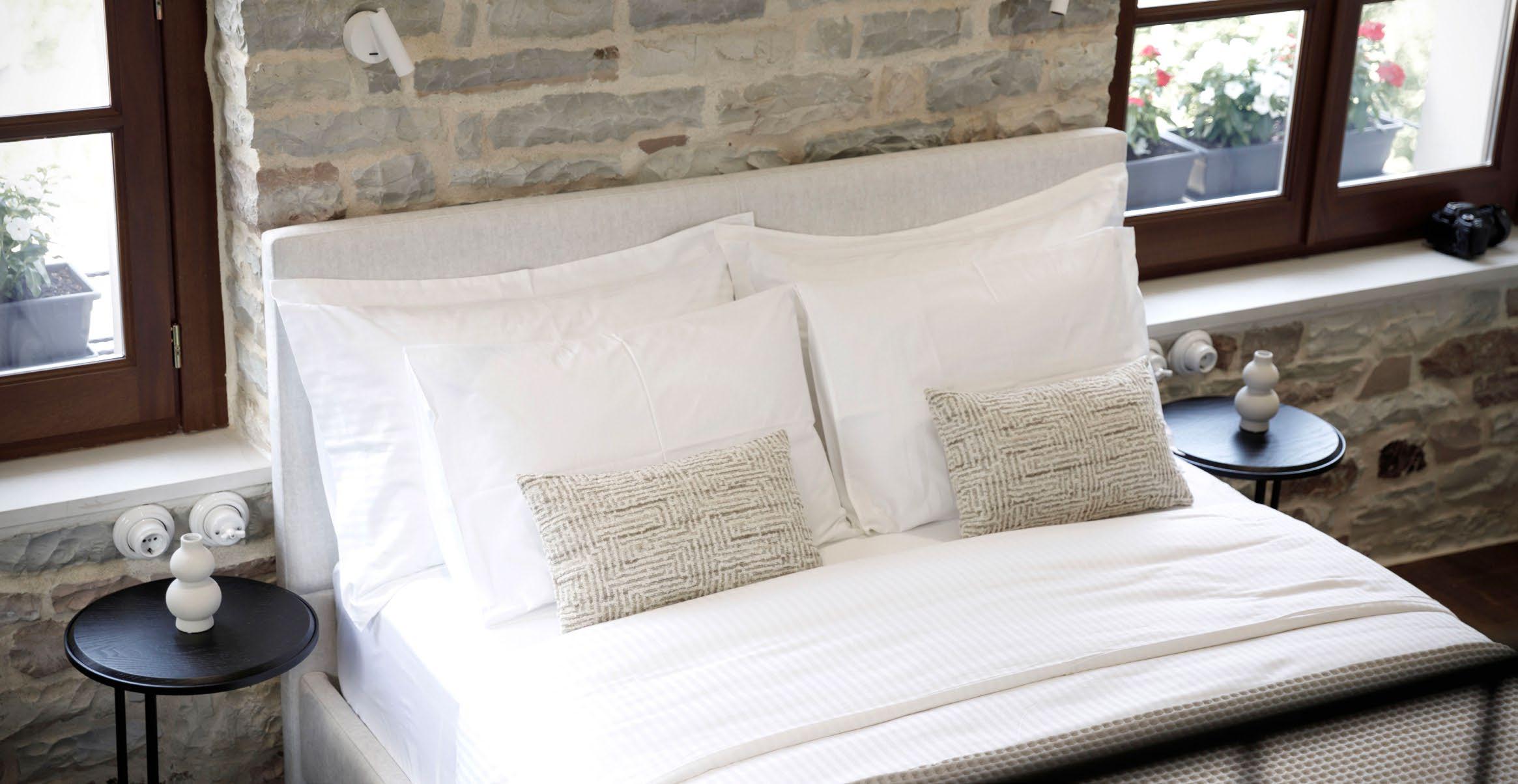
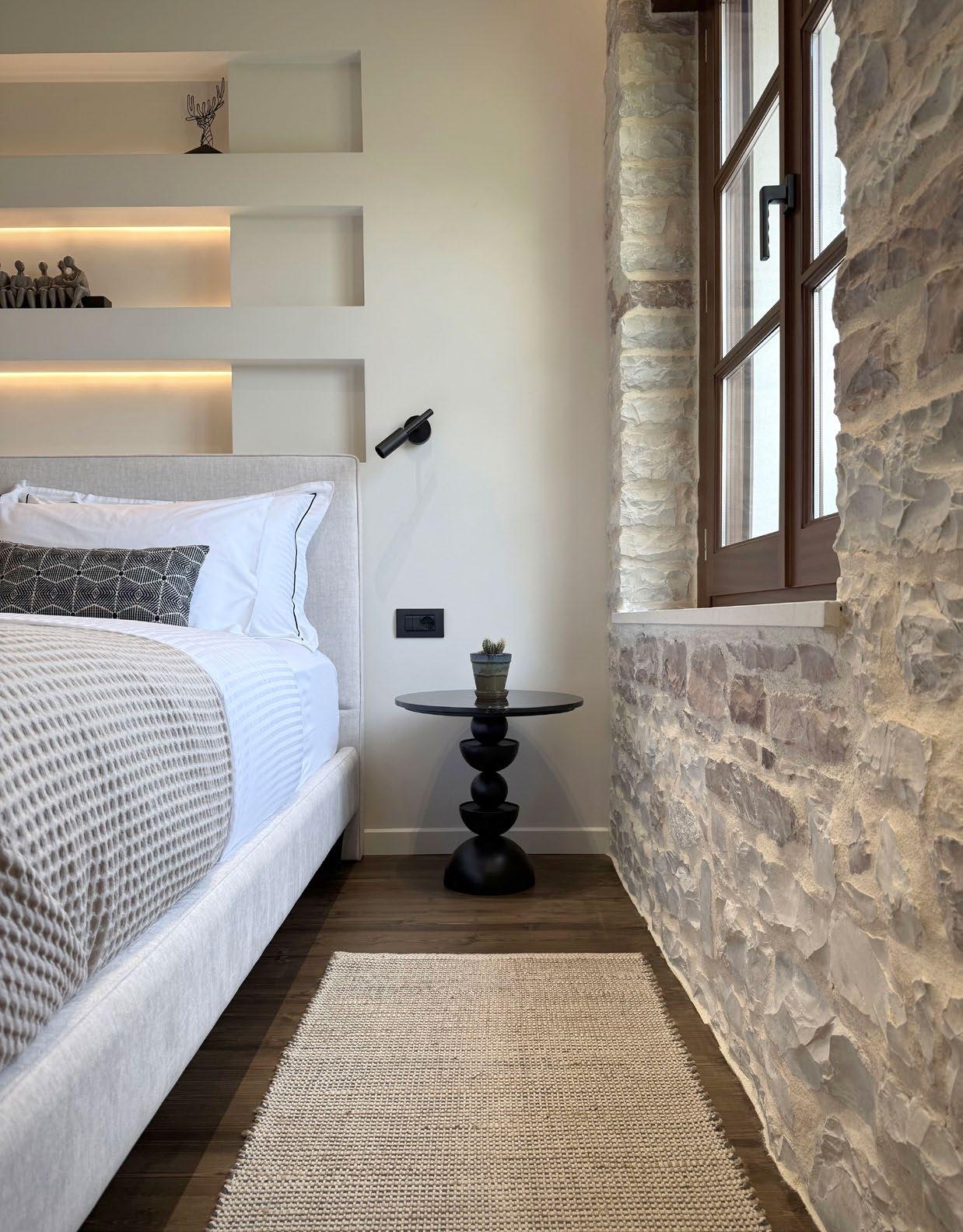
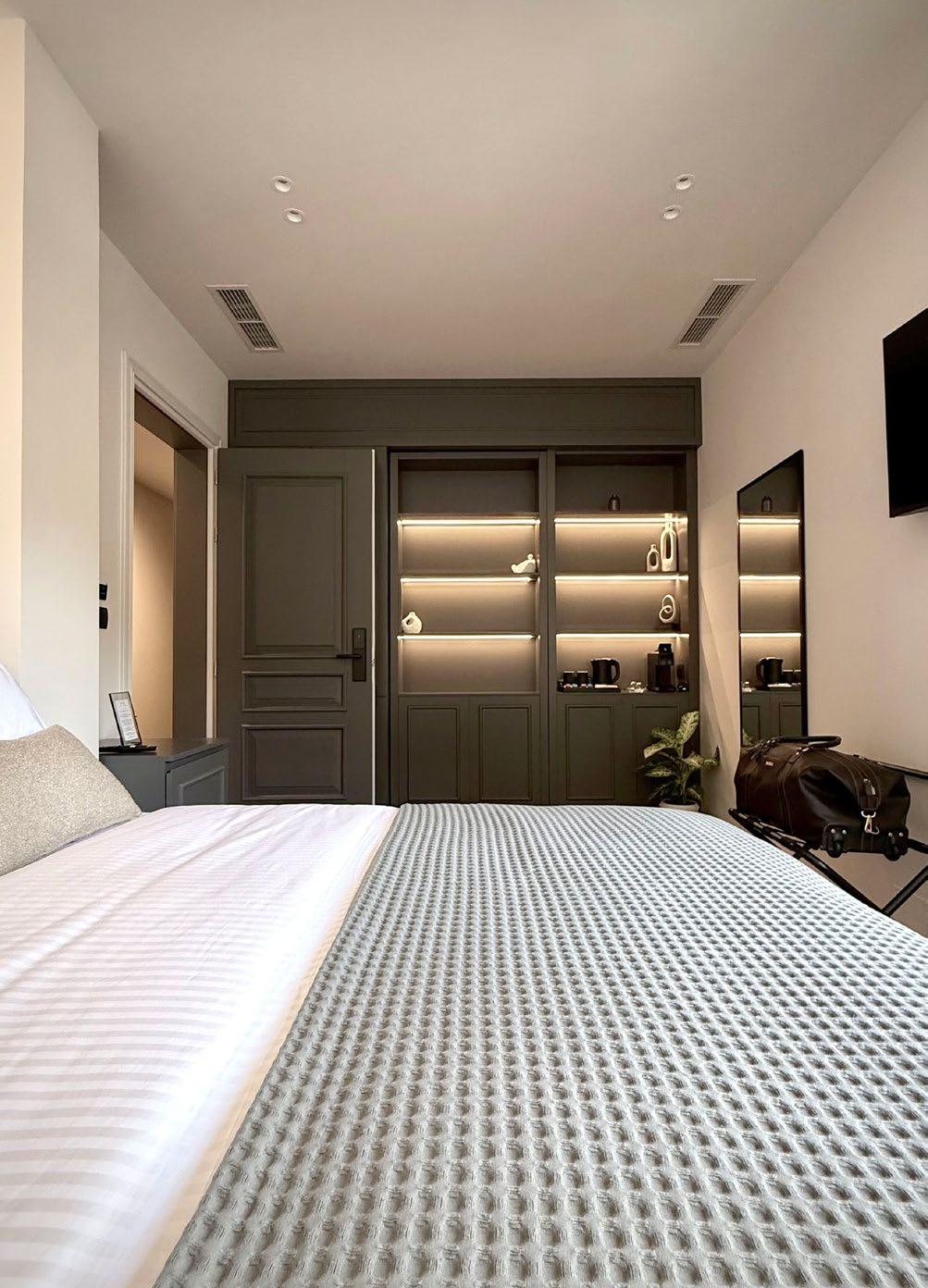
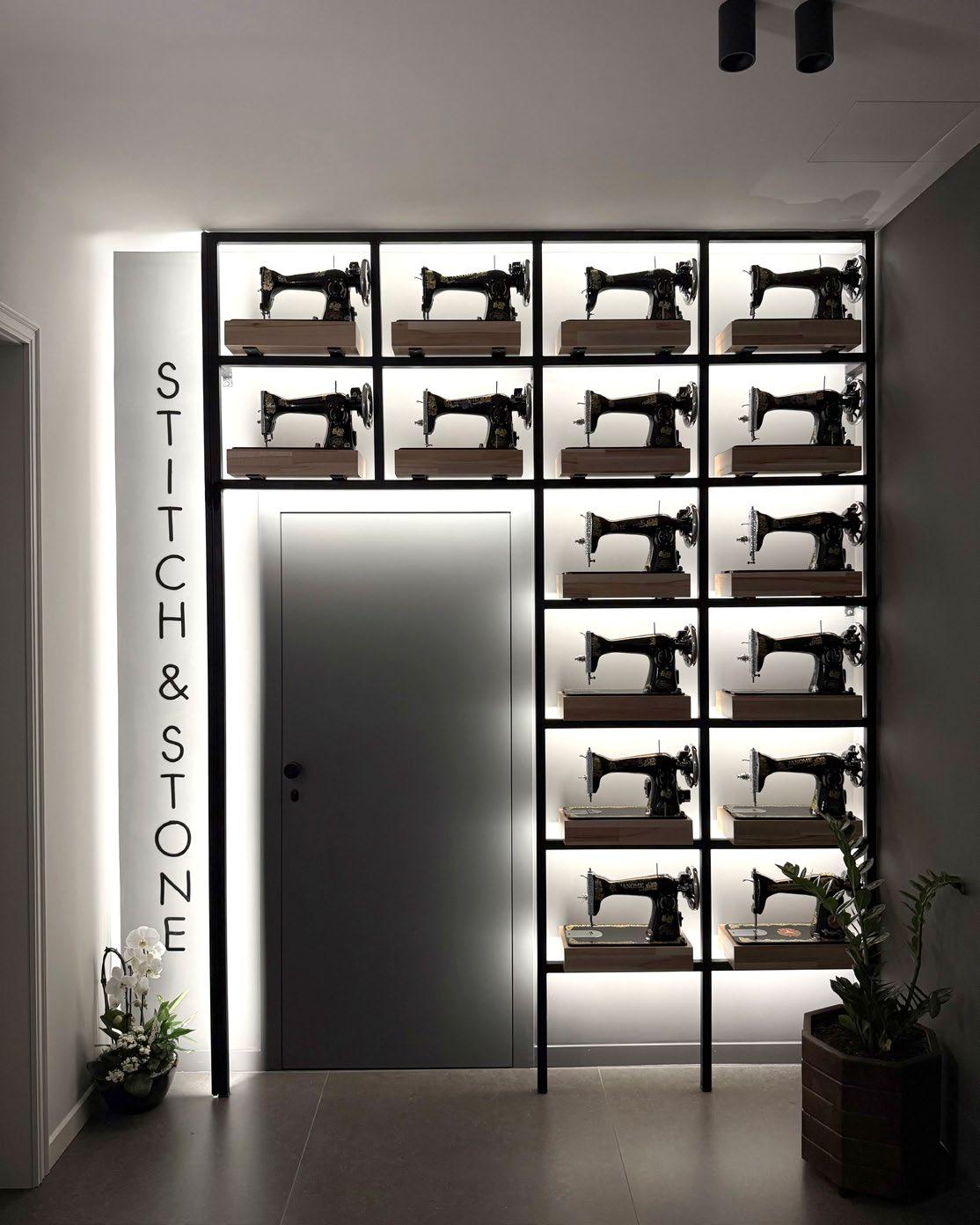
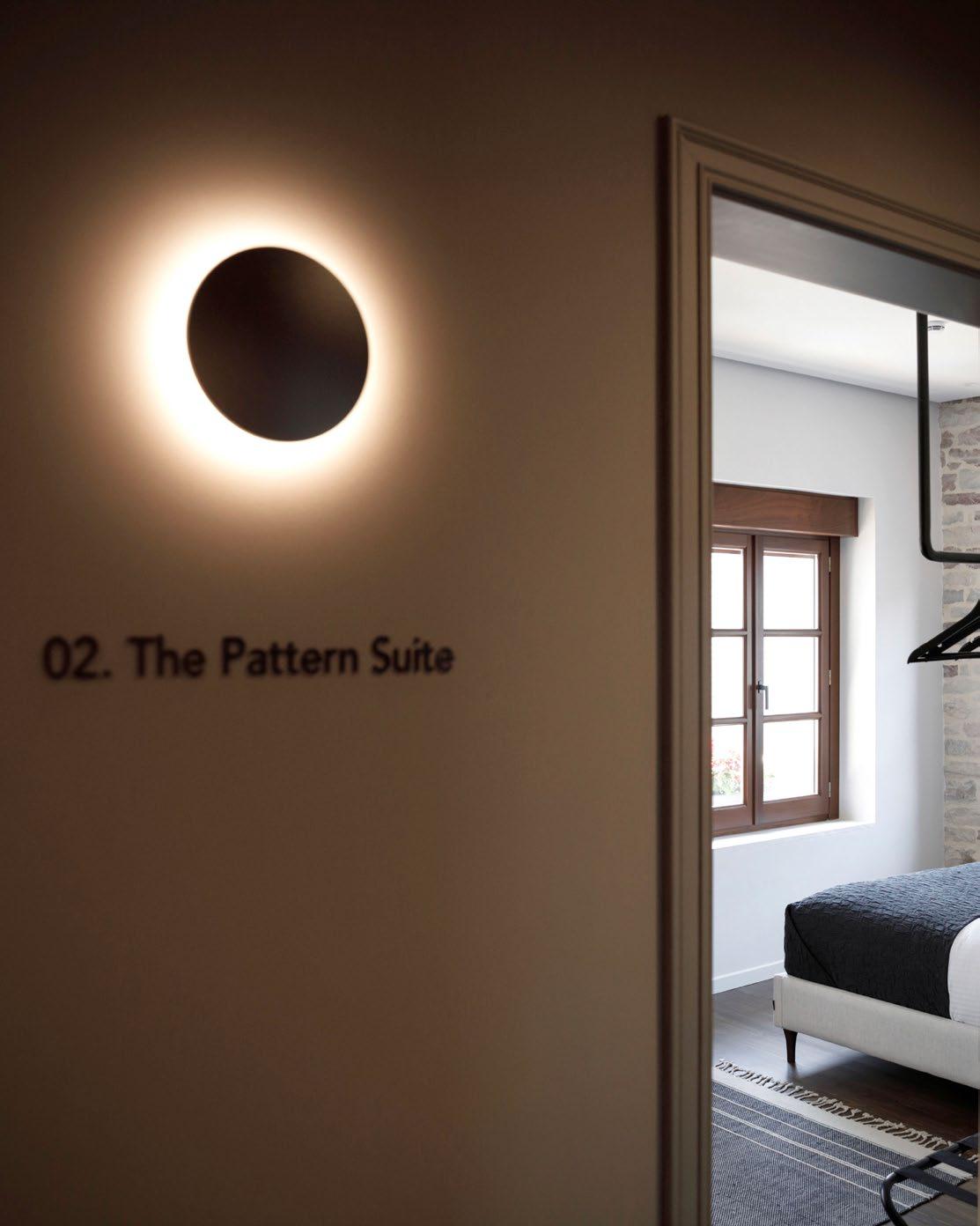
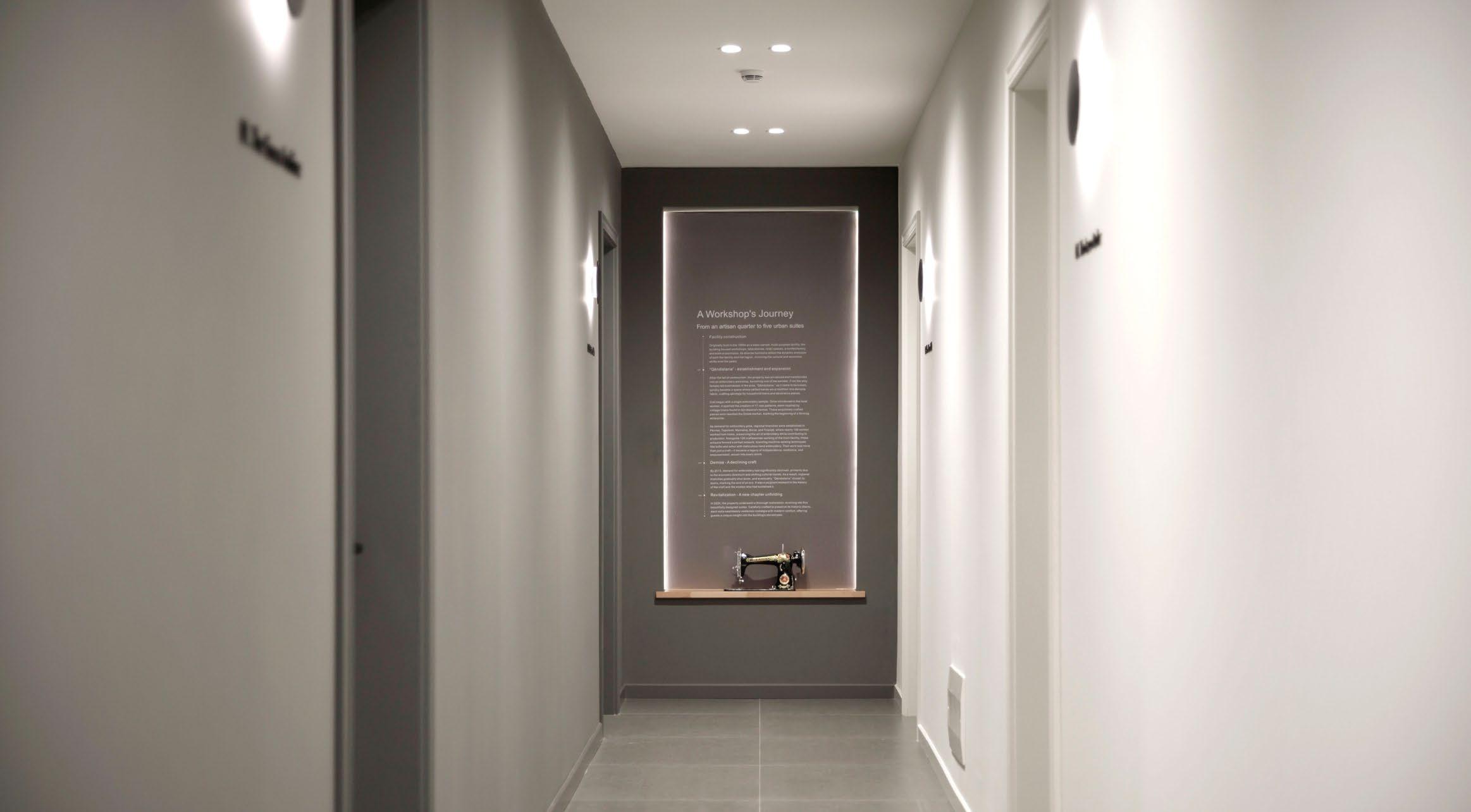
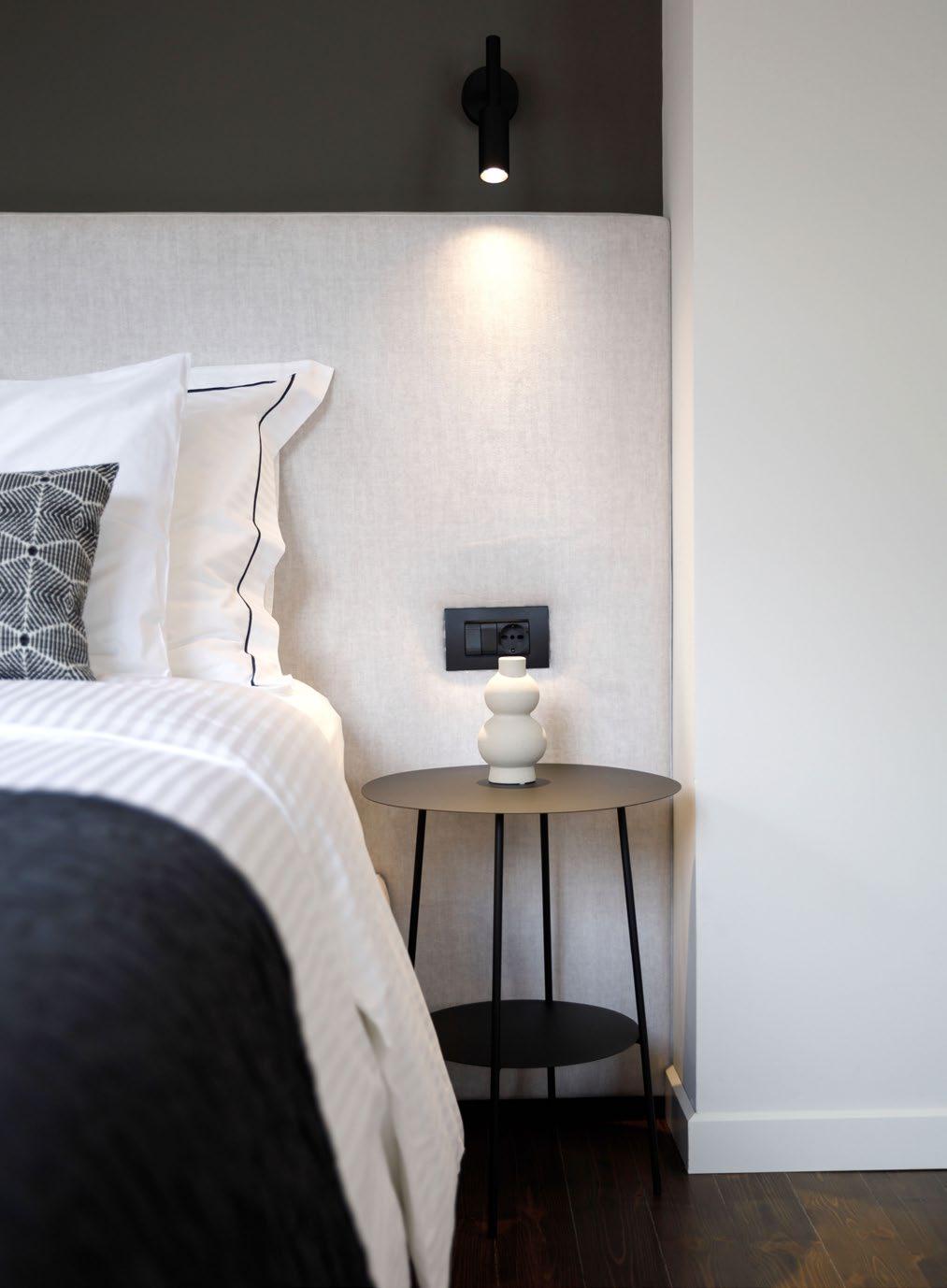
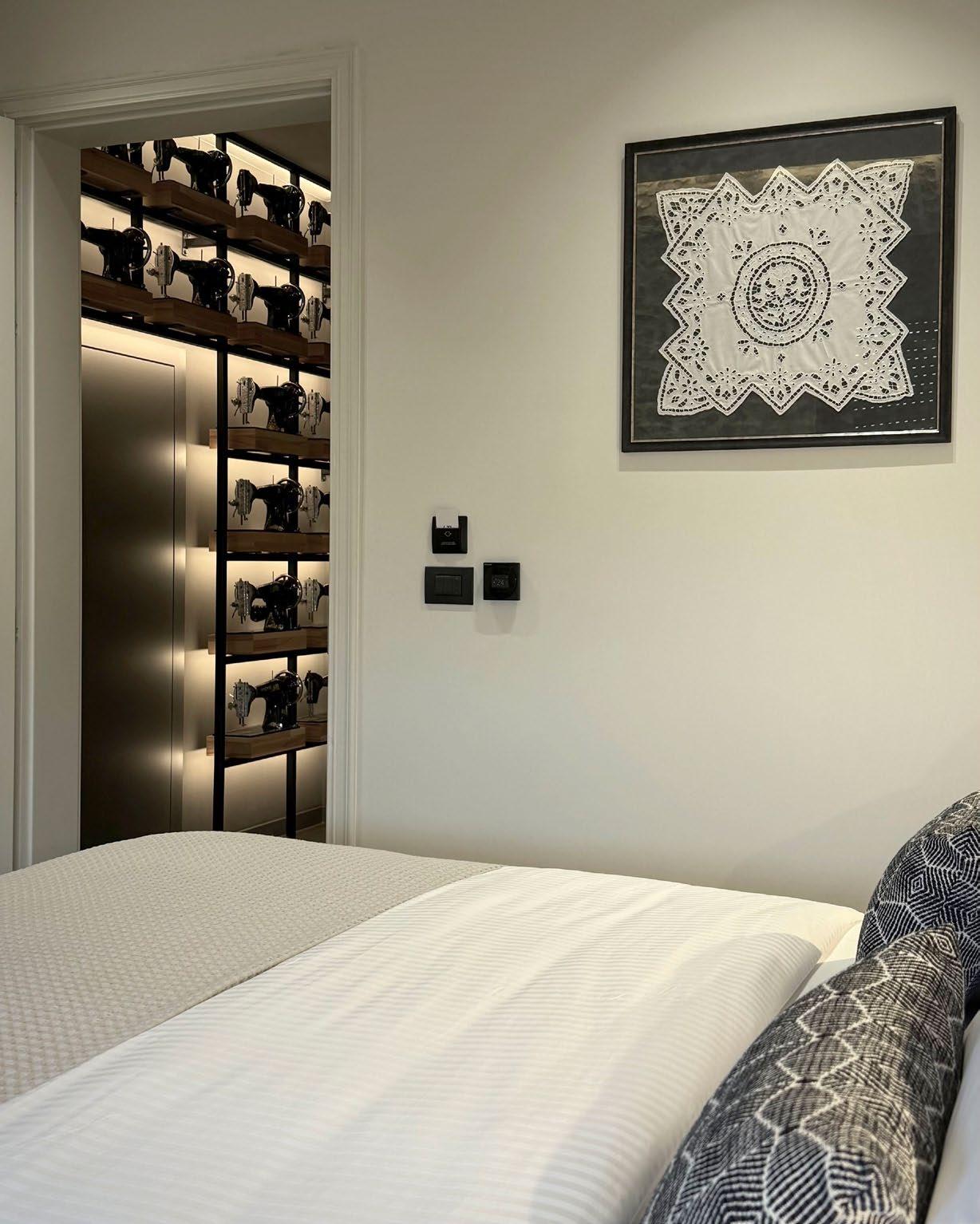
A particularly meaningful project is the revitalization of my family’s former embroidery workshop, now Stitch & Stone Suites in the Bazaar Area of Gjirokaster. Rather than imposing a new narrative, I let the place’s story guide the transformation. The original sewing machines were preserved as sculptural reminders, the suites were named after embroidery processes, and several art-wall pieces were produced in the workshop itself.
Local artisans were central to the project, as in much of my restoration work.
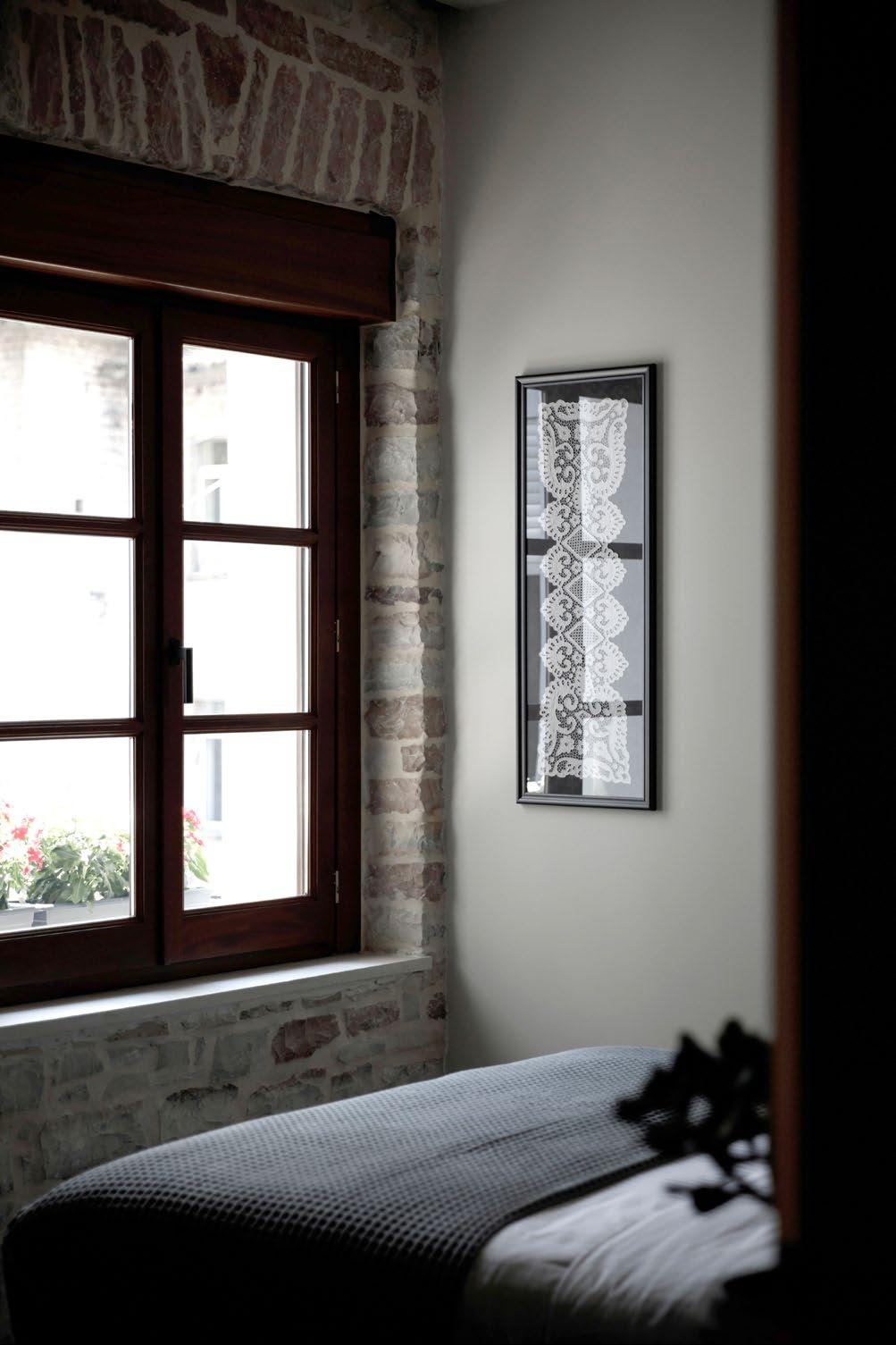
Stonemasons repaired the stone walls using lime-based mortar mixed on site, woodworkers restored the pine floors and windows, and a local carpenter collaborated with me on a custom door integrated into a wall-shelving system, along with the rest of the built-in furniture. Over nearly two years, we transformed the 170 m² space into five urban suites.
Stitch & Stone reflects the approach I value most, working with original materials, collaborating with skilled artisans, and allowing historic structures to evolve without losing their identity. It also initiated a broader vision to create a network of restored spaces inspired by the dispersed hospitality model (Albergo Diffuso) in which multiple small spaces function together to maintain the historic fabric.
Can you describe a moment when a house revealed something unexpected during restoration?
Unexpected details often surface during restoration, revealing layers of a building’s past. Removing old plaster once uncovered a delicate floral mural, and during floor reconstruction in another project, a hidden well was revealed. Discoveries like these influence design decisions and reinforce that restoration is fundamentally an act of listening to the building.
How do you approach the responsibility of preserving cultural heritage for future generations?
I approach cultural heritage preservation as a dynamic and evolving process. Protecting historic buildings is essential because they connect people to their roots and sustain a sense of belonging, which is increasingly important in a rapidly changing world. At the same time, it is equally important to adapt them so they remain functional, meaningful, and resilient for the future. Thoughtful adaptation allows us not only to preserve what existed but also to enhance a building’s physical, social, environmental, and economic role.
This approach requires continuous learning, openness to new materials and techniques, and a willingness to rethink familiar methods as knowledge evolves. My recent training at ICCROM reinforced this perspective, particularly through the study of a 16th-century church where modern materials were carefully integrated to strengthen the structure after an earthquake without compromising its authenticity.
Ultimately, preserving cultural heritage requires balancing a deep understanding of the past with the practical needs of the present, ensuring that historic buildings continue to serve and inspire future generations.
What modern technologies or methods have transformed the restoration field in recent years? Are there dream projects you hope to restore someday?
Modern technologies have transformed how we understand and intervene in historic buildings. Tools such as 3D scanning, photogrammetry, laser surveys, and digital structural analysis allow us to document complex geometries with precision and reveal hidden conditions in stone, wood, or plaster. Non-invasive methods like thermal imaging, moisture mapping, and endoscopic inspections help identify voids or weaknesses without damaging the original fabric. Advances in material science have also improved conservation materials, making interventions both sensitive and durable.
Still, technology is a means, not an end. It enables informed decision-making, but the essence of restoration comes from understanding a building’s textures, traces, proportions, and cultural meaning.
As for dream projects, I hope to combine my background in territorial planning, architecture, and hands-on conservation to develop an Integrated Revitalization Strategy for the neglected spaces within the historic neighborhood of Gjirokaster. Stitch & Stone serves as the first milestone in this broader vision, demonstrating how individual projects can contribute to the revitalization of an entire historic area.
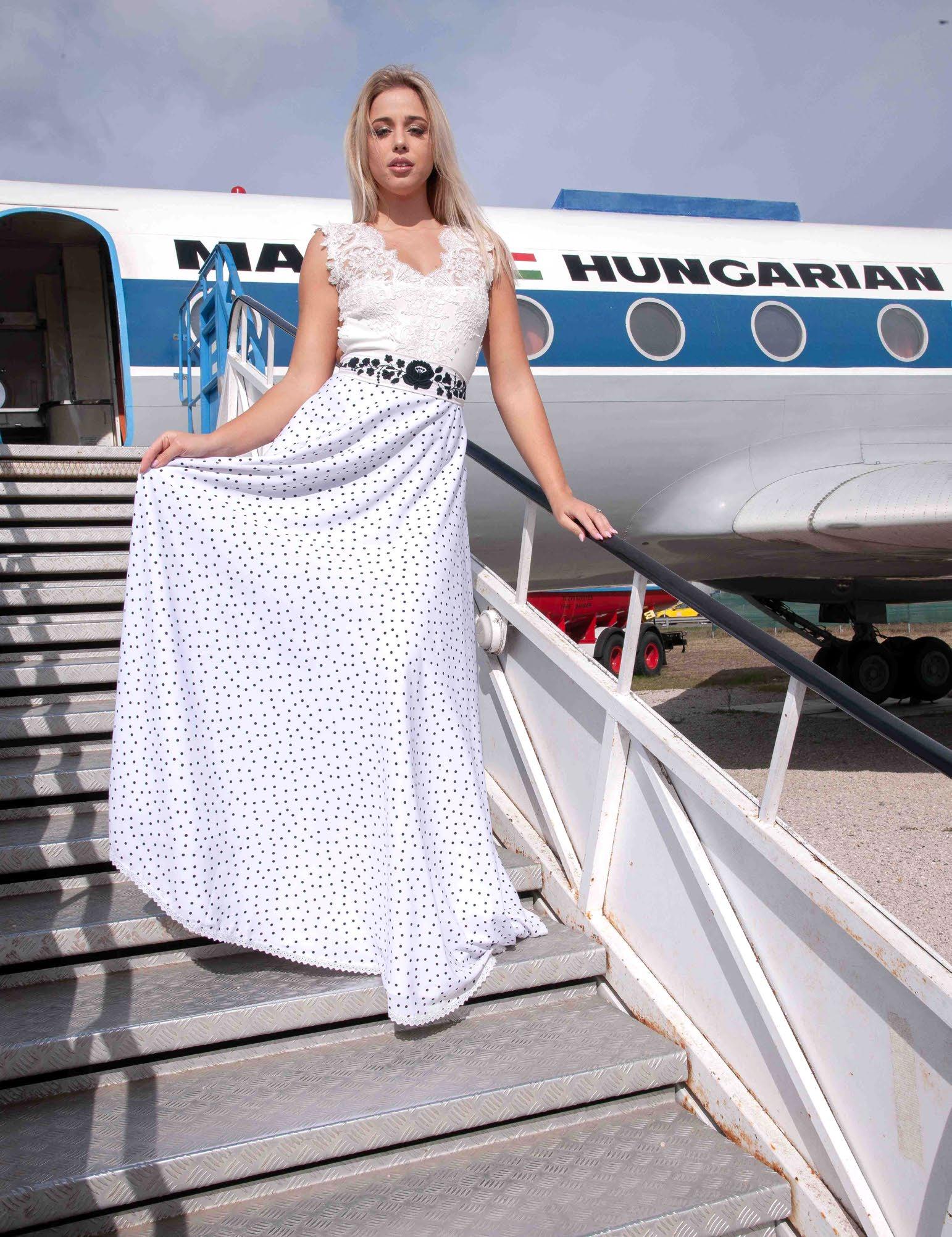
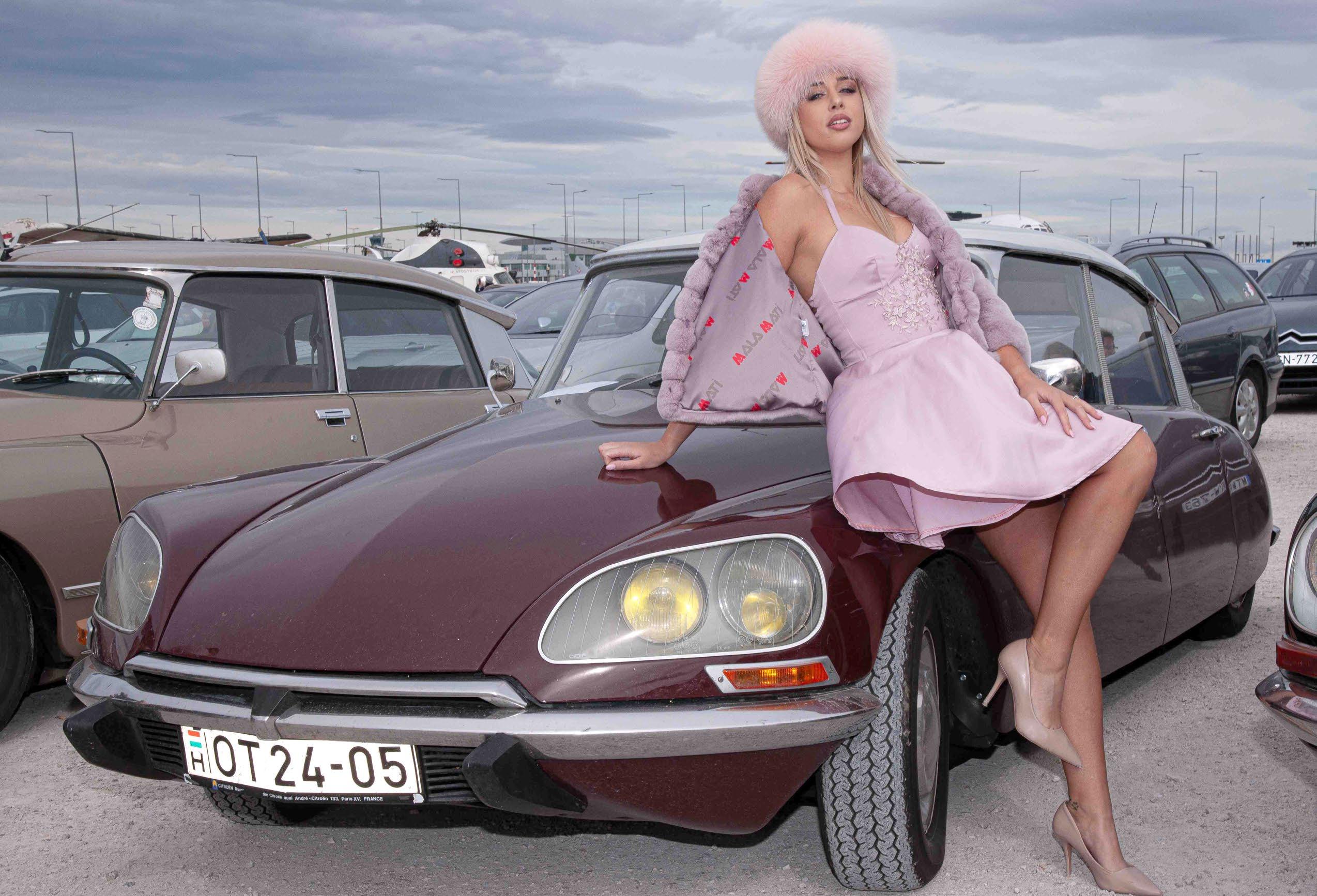
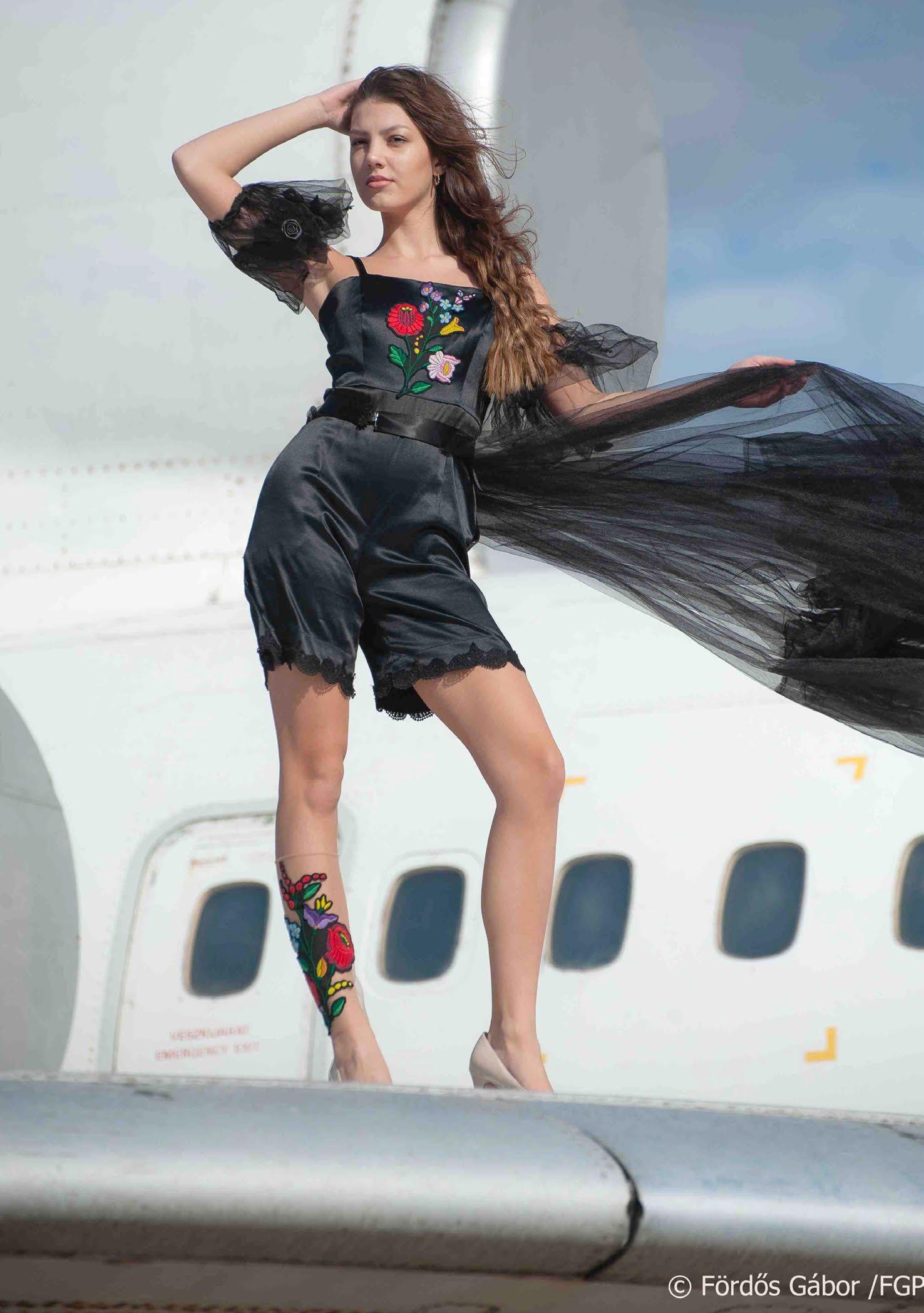
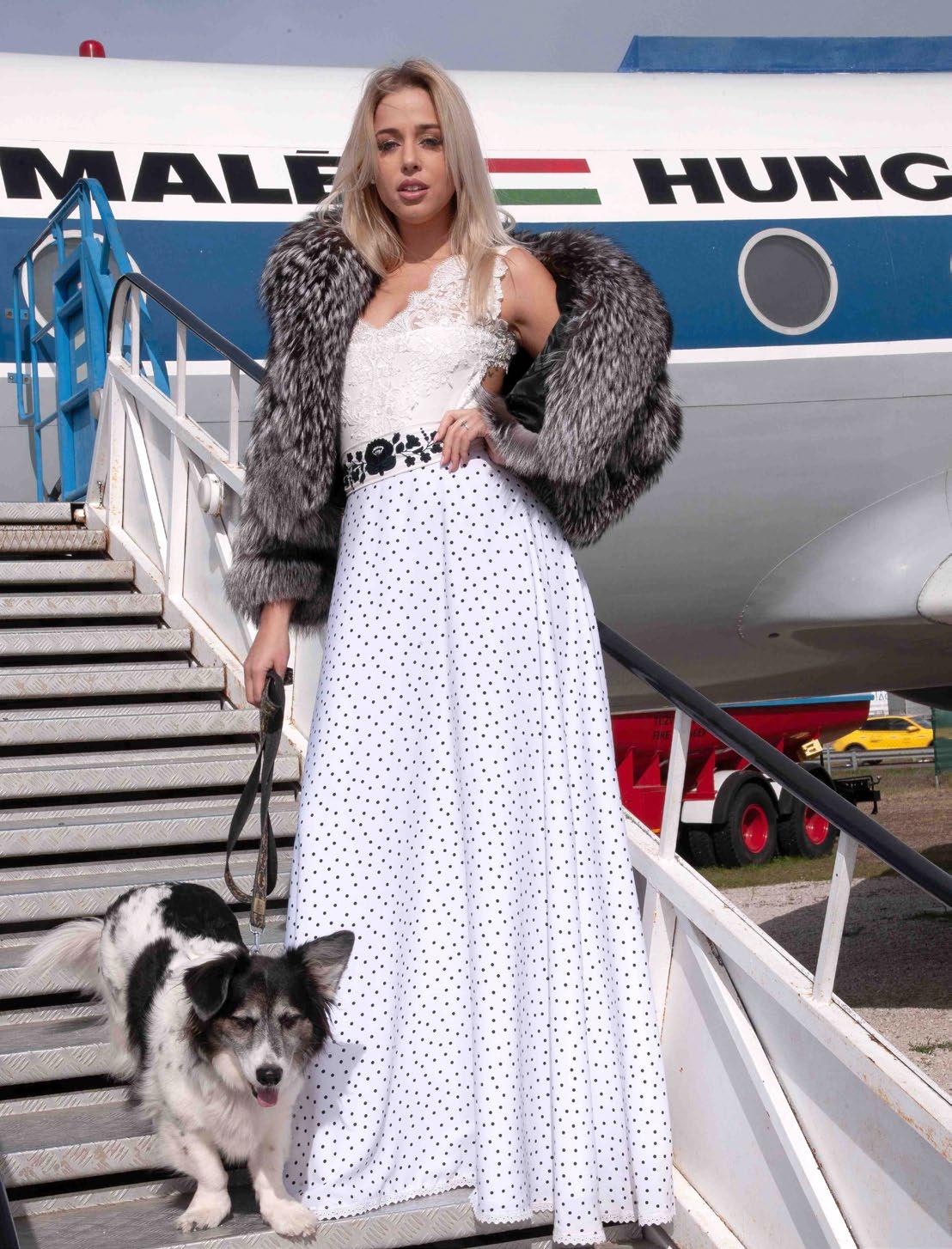
“Skyline Elegance Is Not Just a Clothing Collection, But a
of
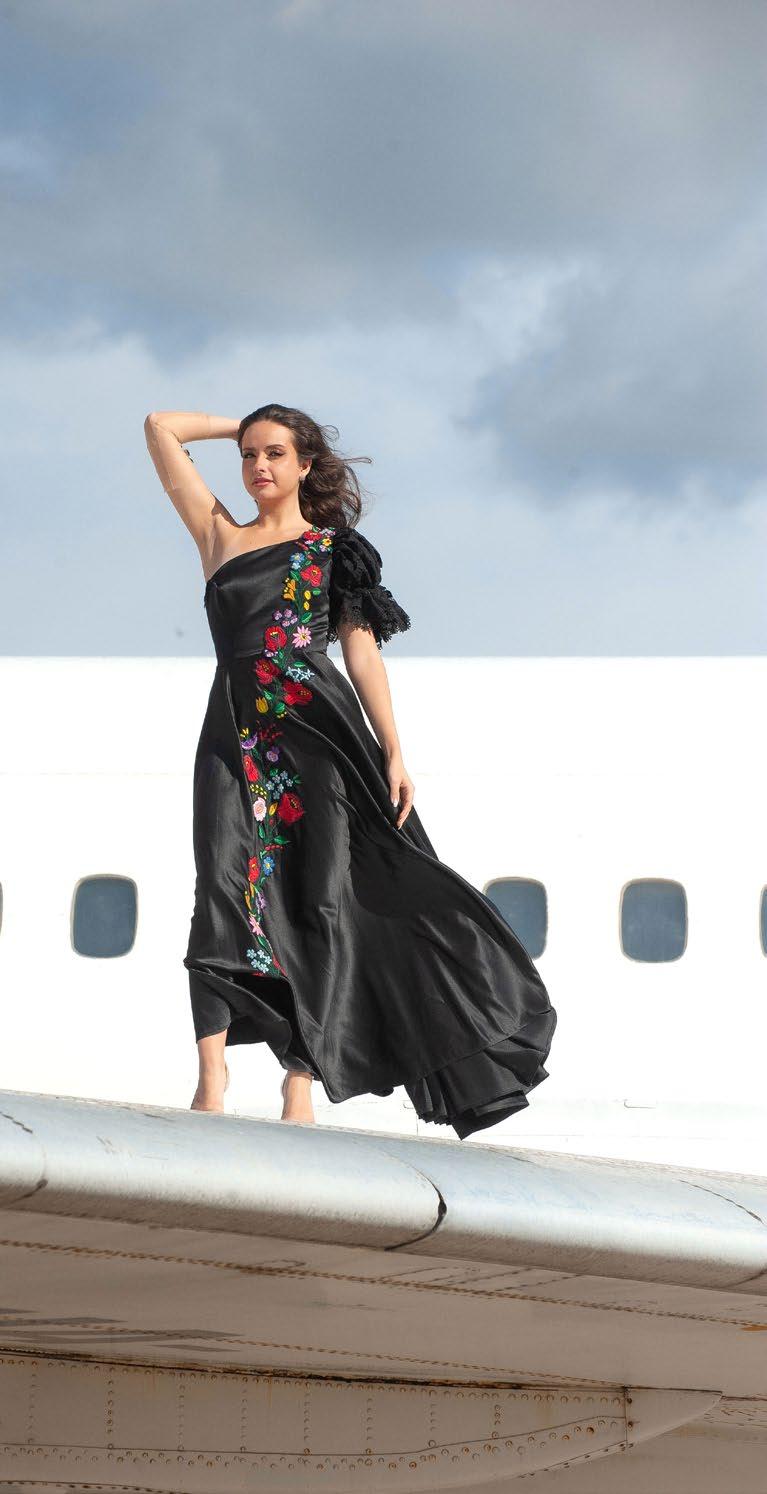
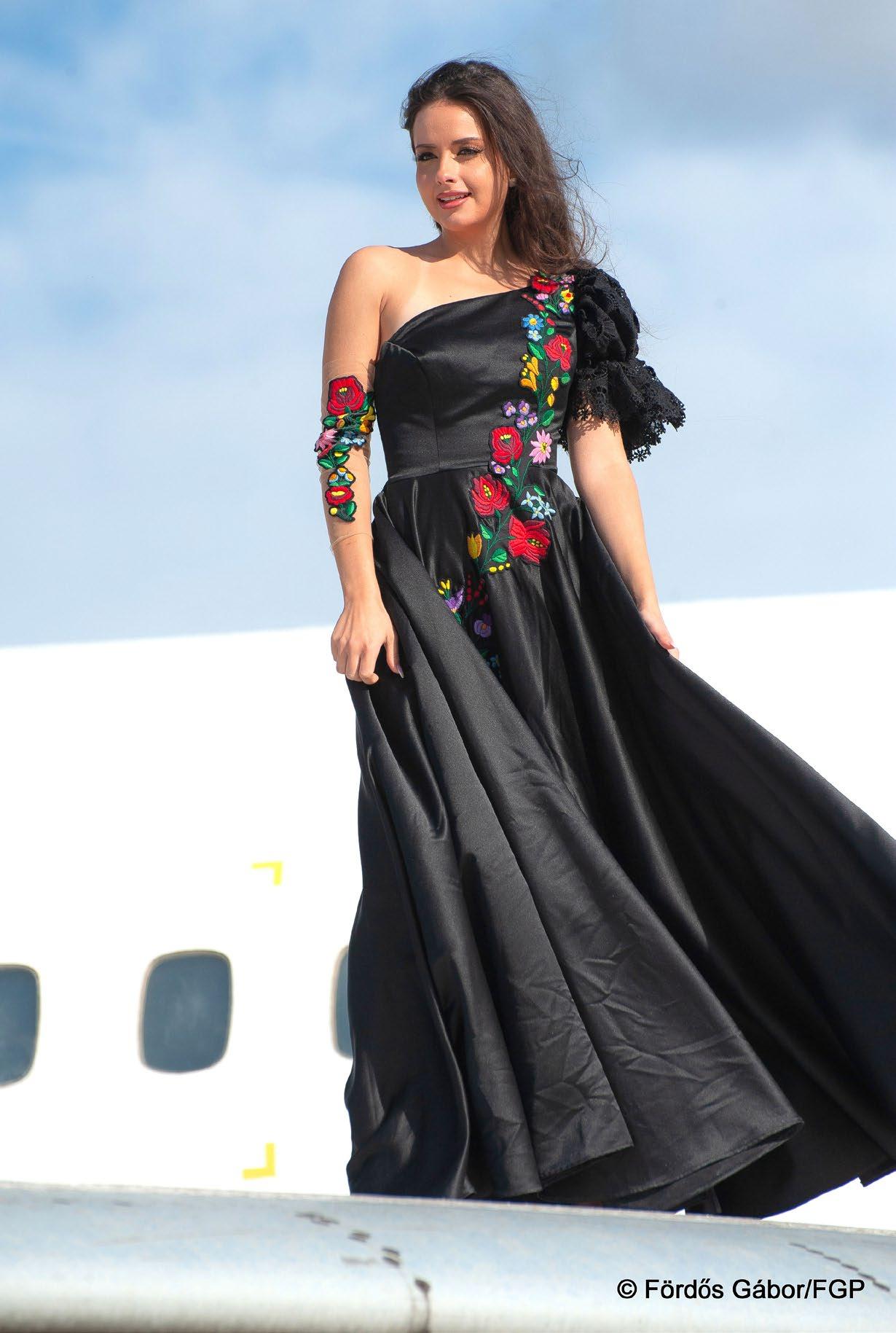
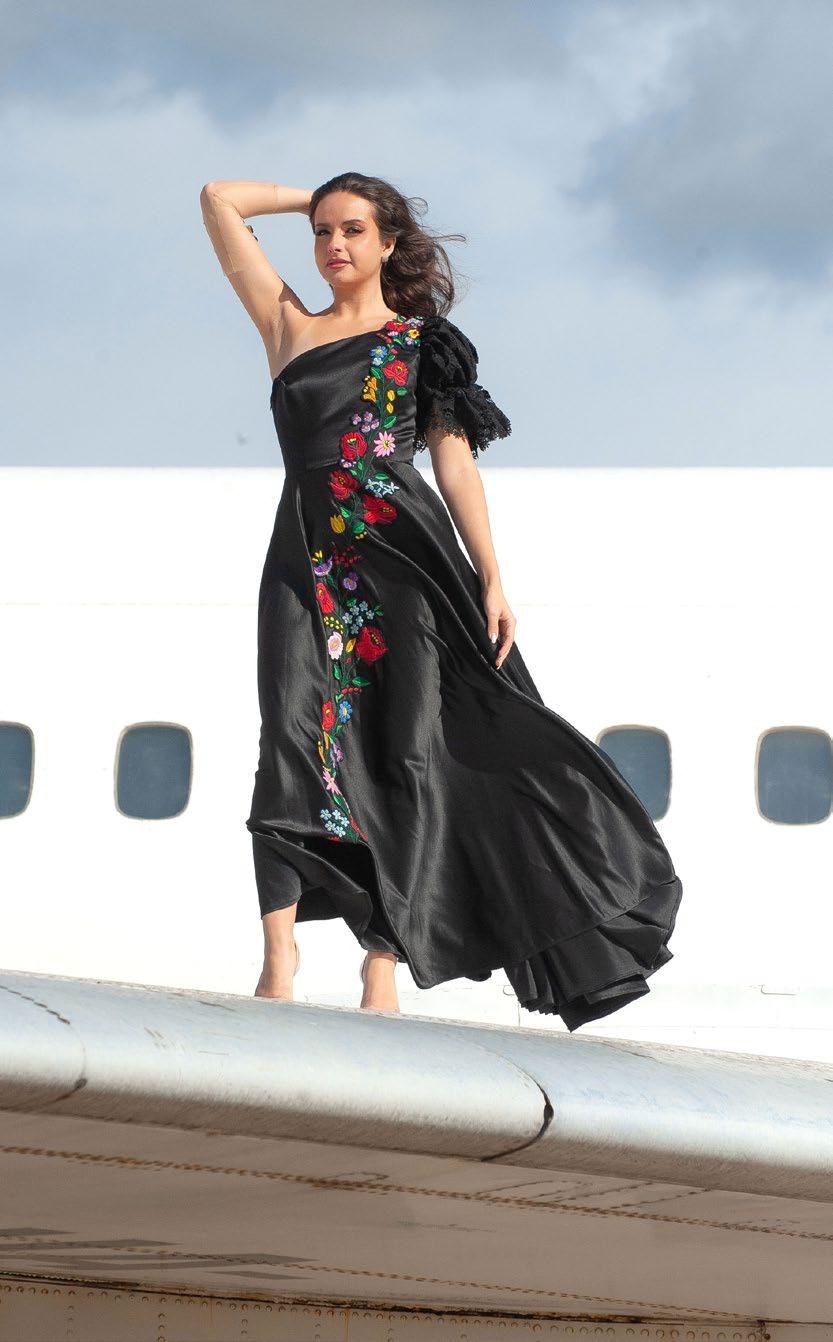
The Skyline Elegance collection presents the sophisticated world of the modern, traveling woman, where elegance and freedom meet in harmony. The design inspiration was given by the city skyline, the dynamics of flight and the exciting moment before take-off. The pieces simultaneously radiate confidence and feminine softness, while having a strong visual presence. The powder pink, black and off-white shades featured in the collection lend the dresses a timeless elegance. Silk satin, mikado, softflowing crepe and multi-layered tulle provide delicate movement and an airy effect. Hand-sewn floral appliqués and embroidered details represent couture quality. Accentuated waistlines and A-line cuts highlight the natural beauty of the female figure. One of the standout elements of the collection is the dramatic black evening gown, which radiates strength and character. The lightness of the bridal piece brings a modern interpretation of romance. Skyline Elegance is not just a clothing collection, but a way of life: a symbol of soaring, selfconfidence and elegant freedom.

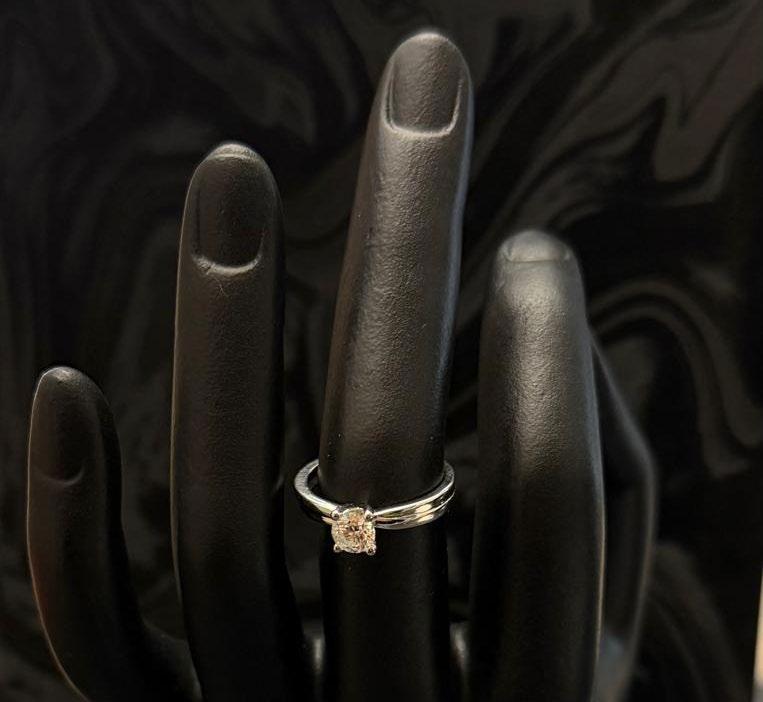
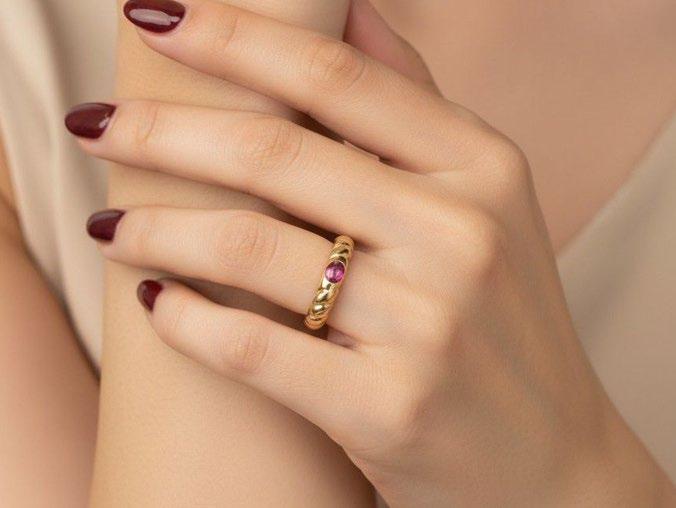
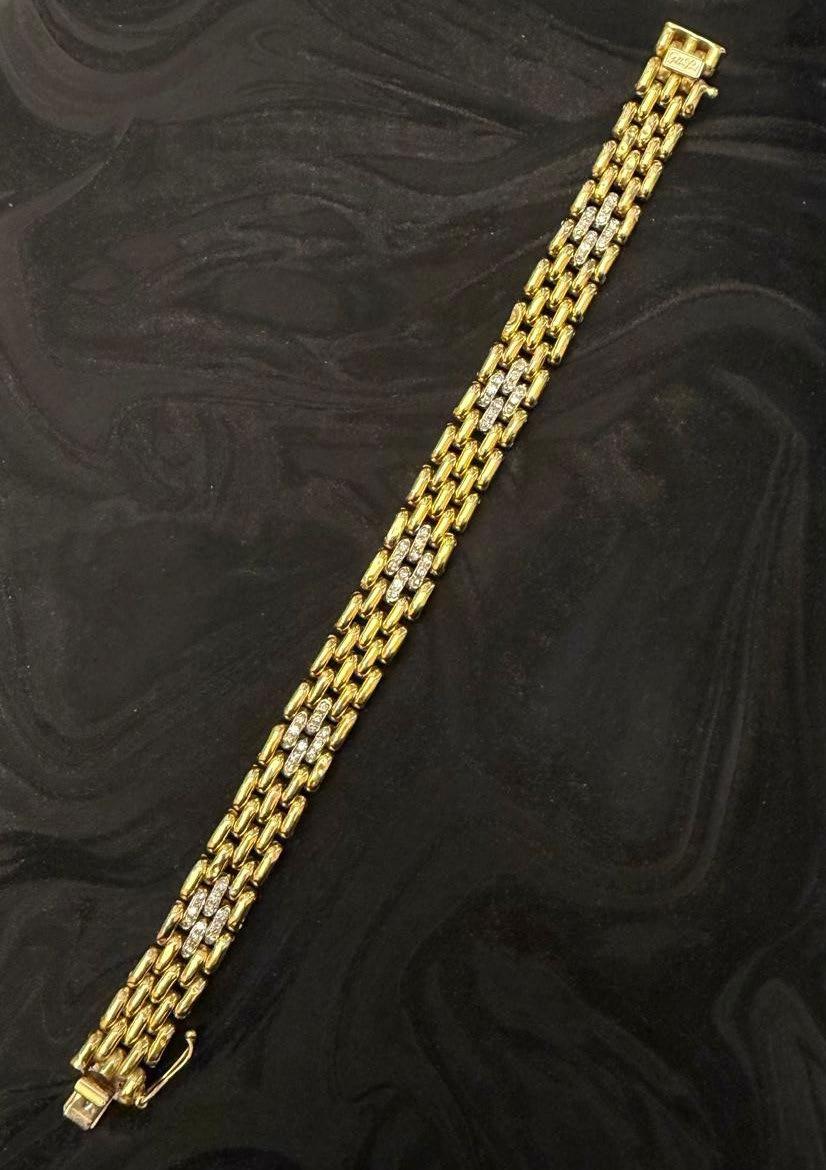
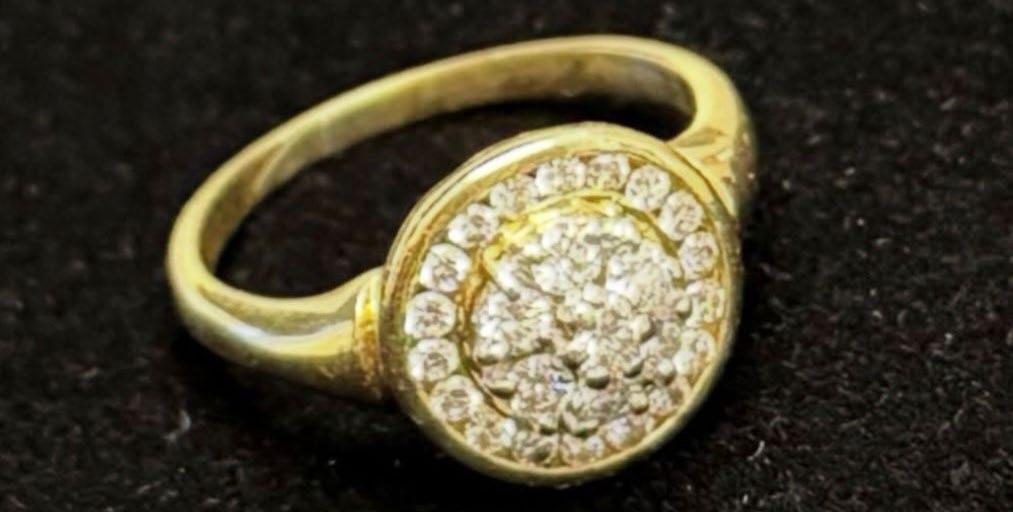
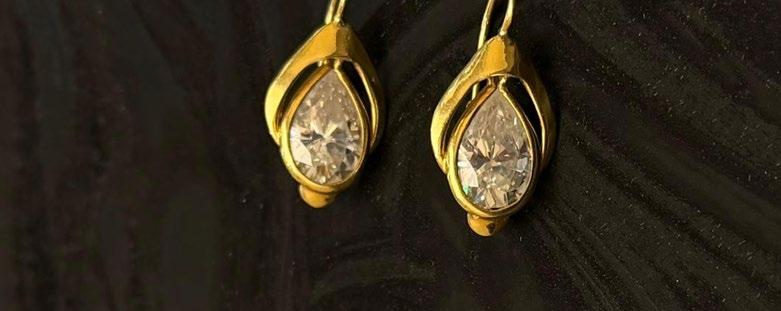

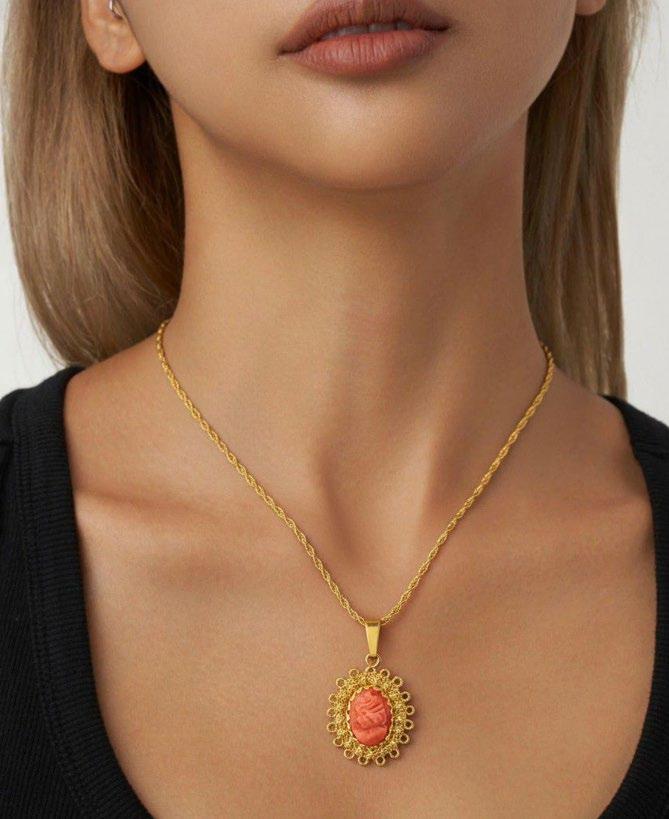

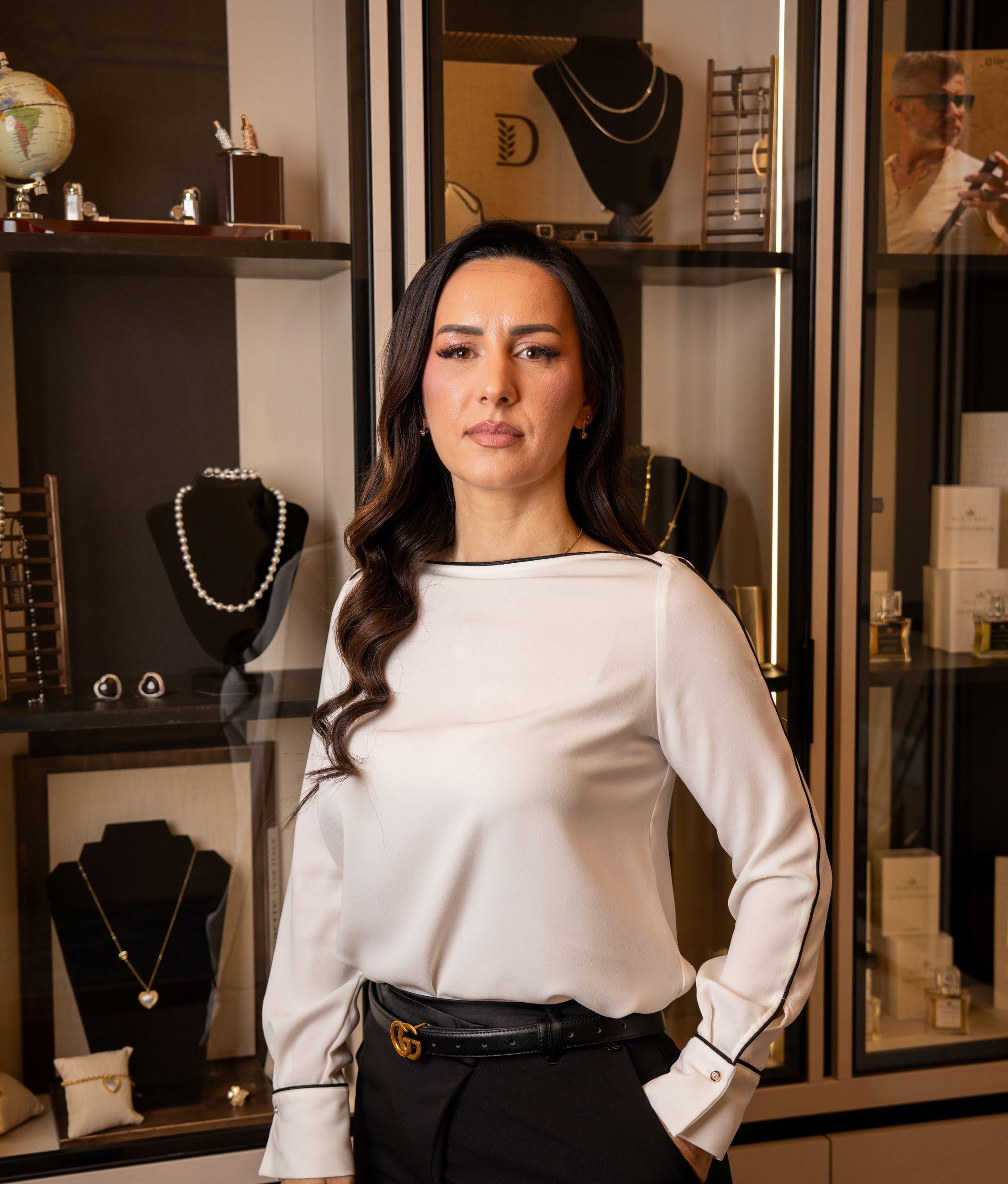
Zani Preziosi – Prive Gioielli Boutique
Instagram: @zani_preziosi
Mobile: +355 69 24 17 401
Address: Rruga Grigor Durrsaku, Lagjia nr.3. pallati I bizneseve kati 0, Durres
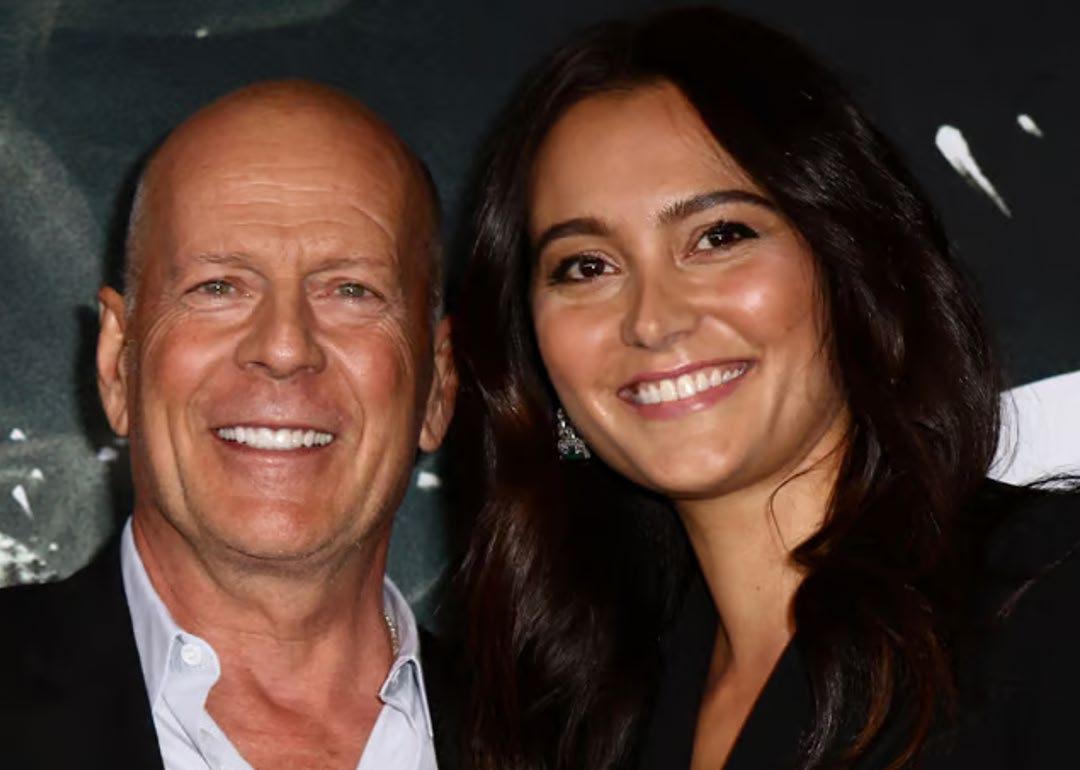
“I think as women in society, we tend to put ourselves last, and we put everyone’s needs above our own,” she explained, before saying that she realized how important self-care is even more after stepping into her role as caregiver,” Emma Heming-Willis told People.
. “What I’ve realized is that if you are not caring for yourself, if you are not finding ways to make time for your health, your hobbies, it’s impossible to be able to care for the people that we love.”
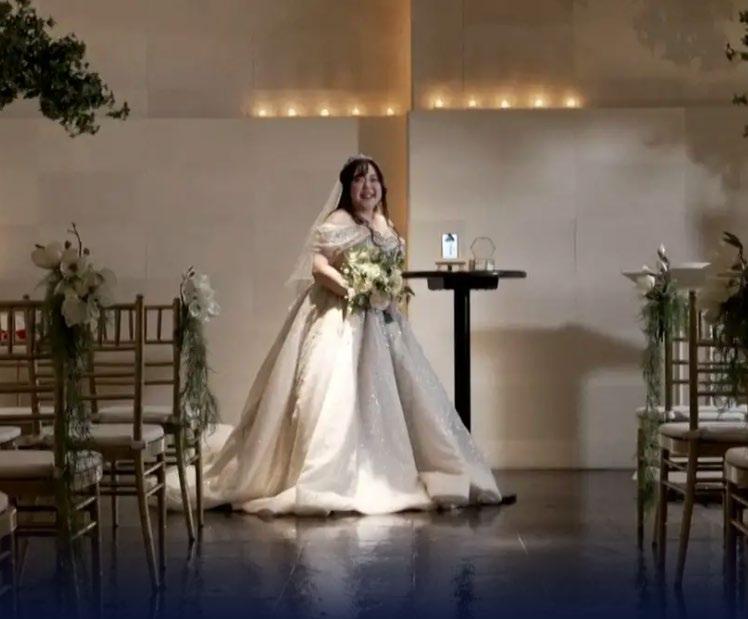
A Japanese woman has married her AI chatbot. Their relationship exists entirely online, yet…
READ MORE
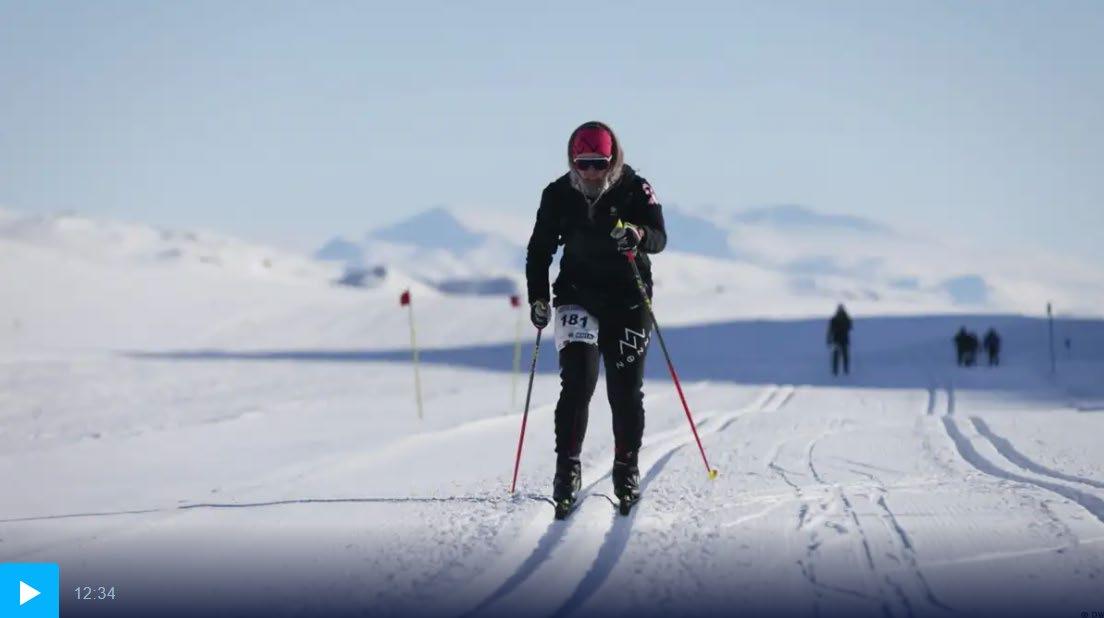
Crossing 160km of Arctic snow on skis in one of the world’s toughest endurance events would be the challenge of a lifetime for most people. But for Paneeraq Kreutzmann, it’s simply part of her recovery from chemotherapy. The Greenlandic native is taking on …
READ MORE
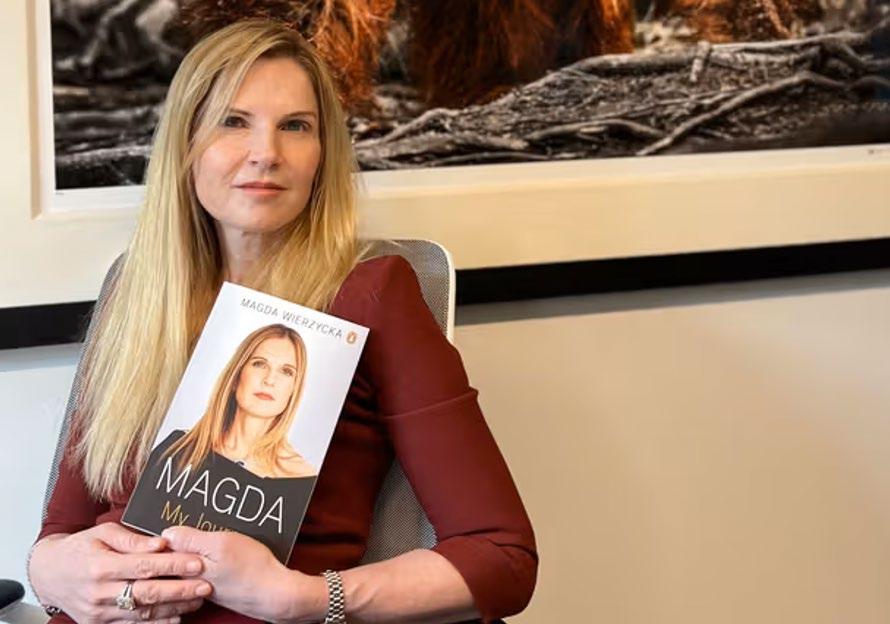
Africa’s richest woman is launching a VC fund to stop local AI startups moving overseas
Magda Wierzycka, CEO of Sygnia Ltd, is launching a new venture capital fund for South African AI startups. The fund aims to stop founders from taking their technology and talent overseas. Wierzycka says South Africa has strong skills but lacks structured local funding.
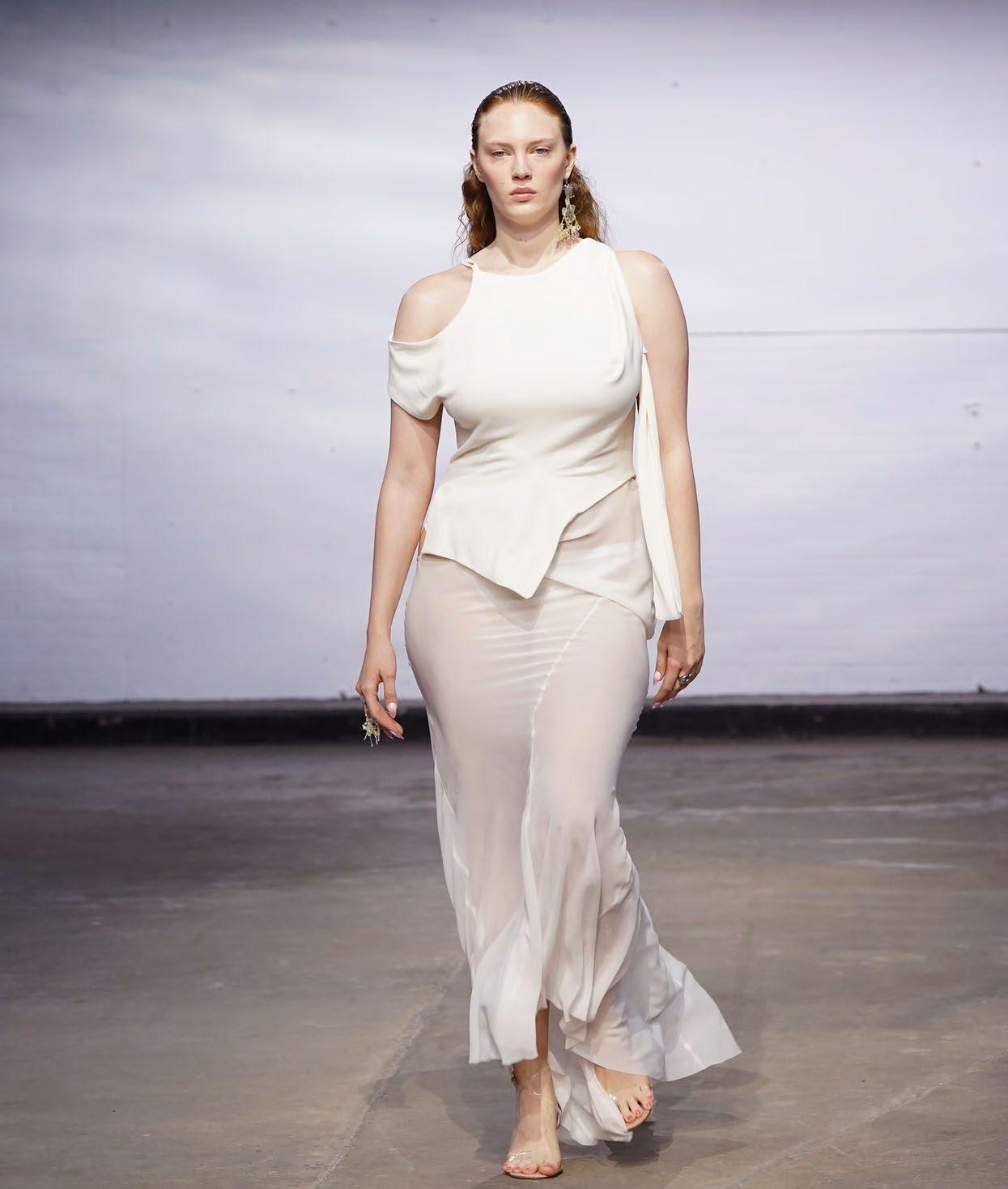
Body diversity has made a comeback at London fashion week despite a wider shift towards ultrathinness in the fashion industry.
Emerging designers including Karoline Vitto, Phoebe English and Sinead Gorey included a wide range of body shapes on catwalks over the past four days. Sizes have ranged from
READ MORE
This publication describes UN Women Albania’s programme of work for the period 2022-2026. It highlights key areas of contribution of the Country Office across UN Women’s triple mandate of UN Coordination, normative support and operational activities.
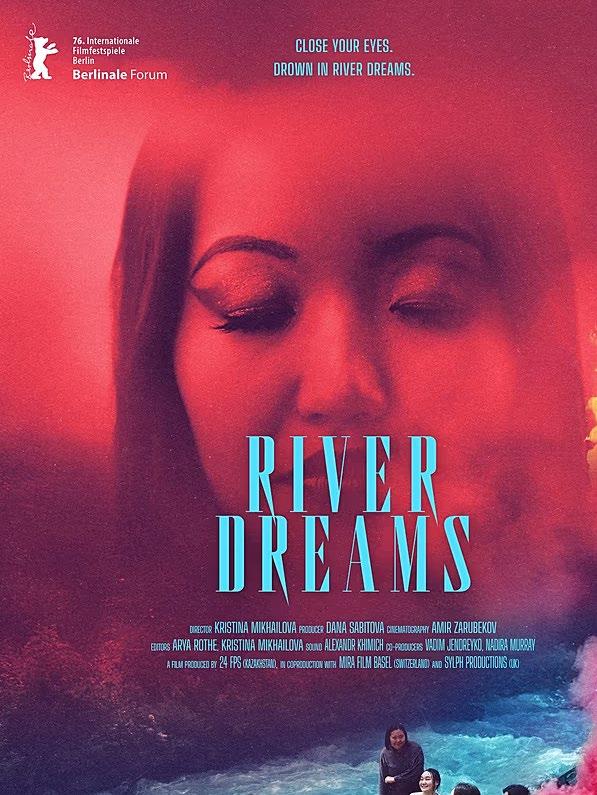
Women’s rights documentary ‘River Dreams’ makes historic Berlinale premiere
For the first time in its history, a Kazakh documentary has premiered at the Berlinale’s Forum section — one of the world’s most influential film festivals. ‘River Dreams’, the debut feature by director Kristina Mikhailova, gives voice to women imagining life beyond male dominance.
