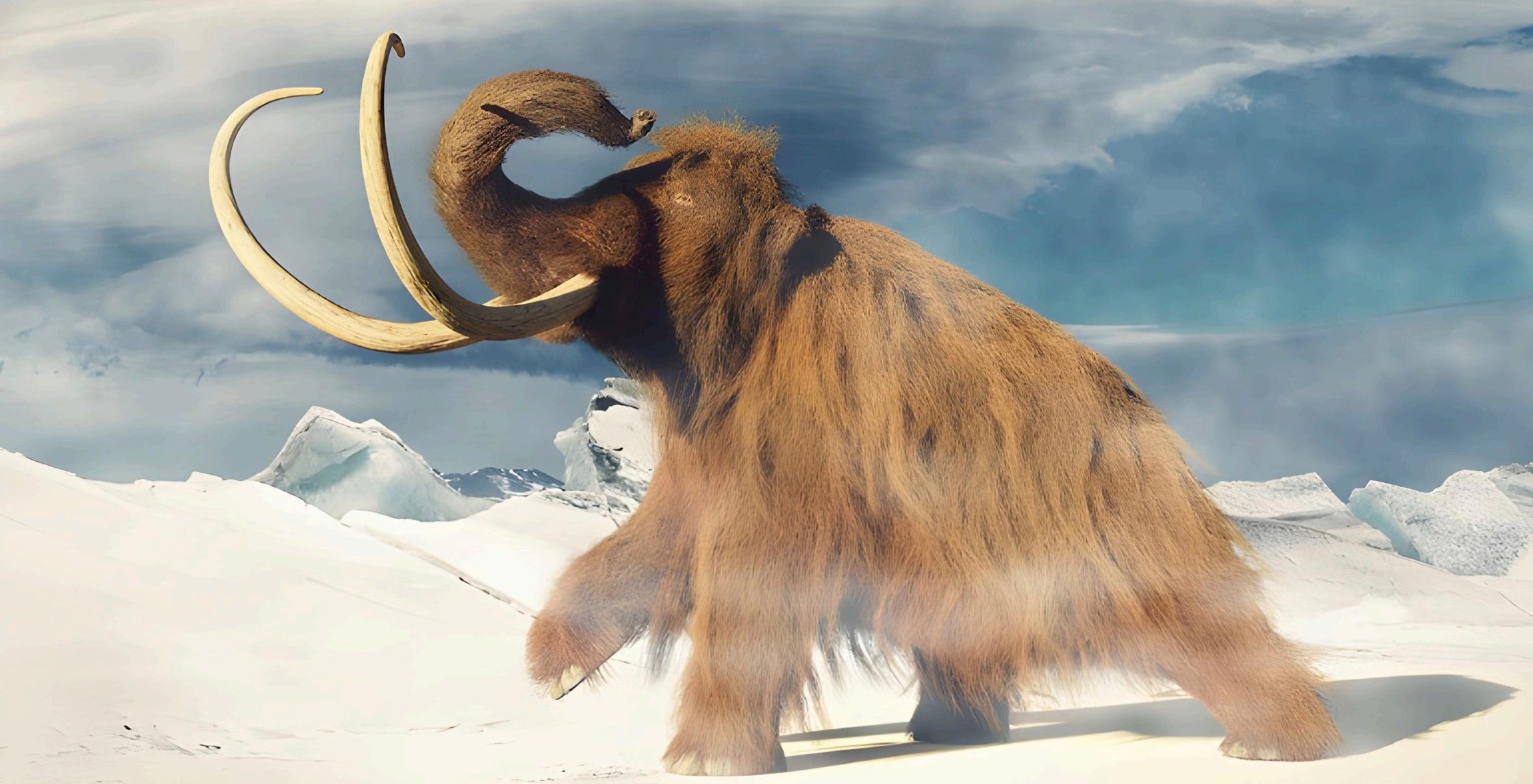
Ice Age: Where Mammoths Thrived but Killed Many Others Ice Age: Where Mammoths Thrived but Killed Many Others
Ogbac, Jasmine
r imigenius

genus
Mammuthus
Mammuthusp
r imigenius
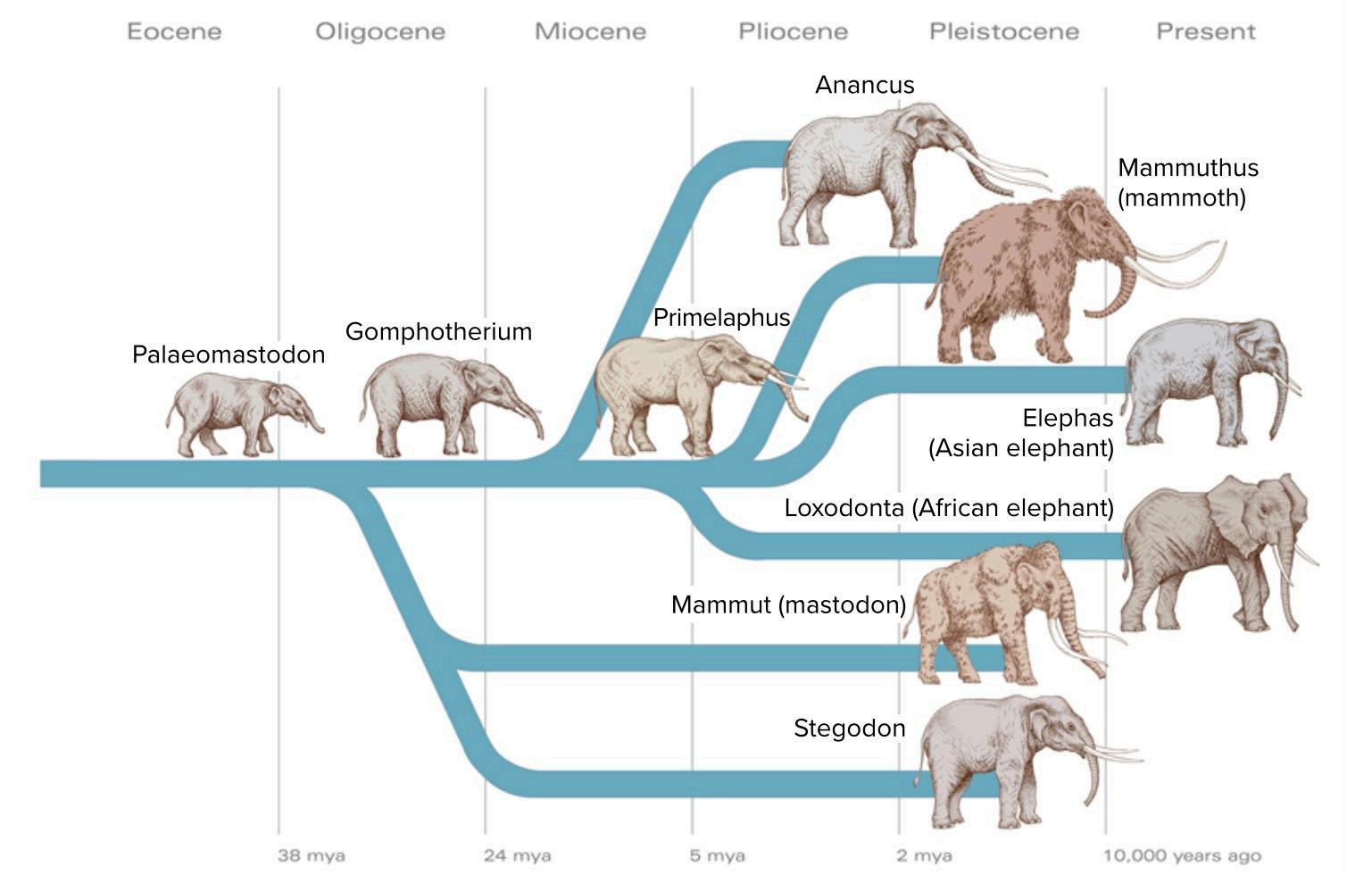
Primelaphus is believed to be the closest relevant of the Mammuthus, Elephas, and Loxodonta Mammuthus lived during the Pleistocene but eventually went extinct around 10,000 years ago, while their closest living relatives today are elephants.
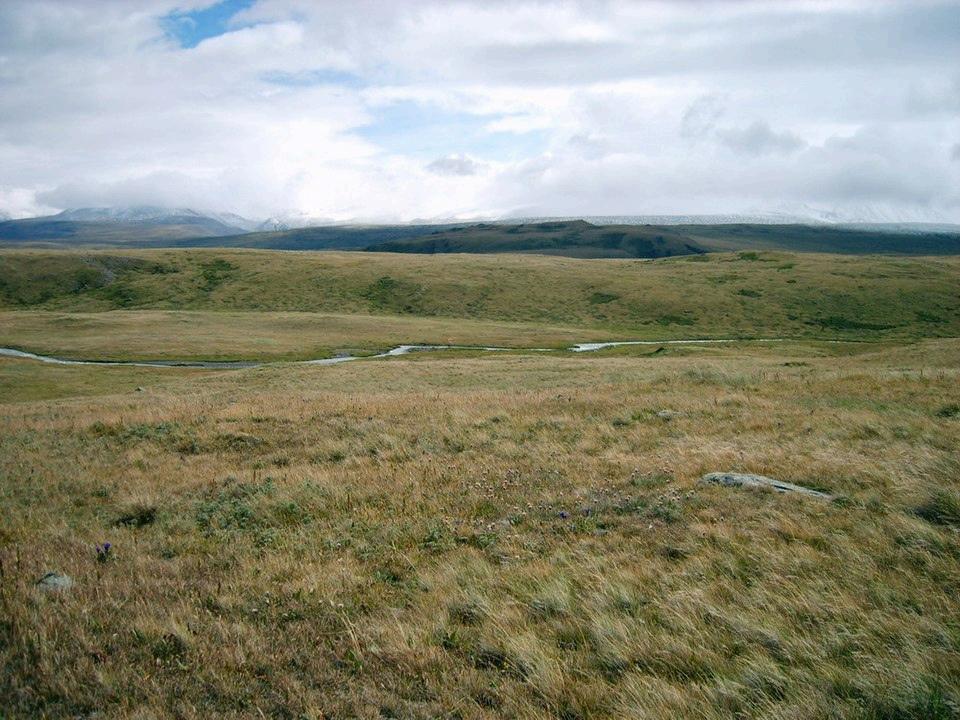
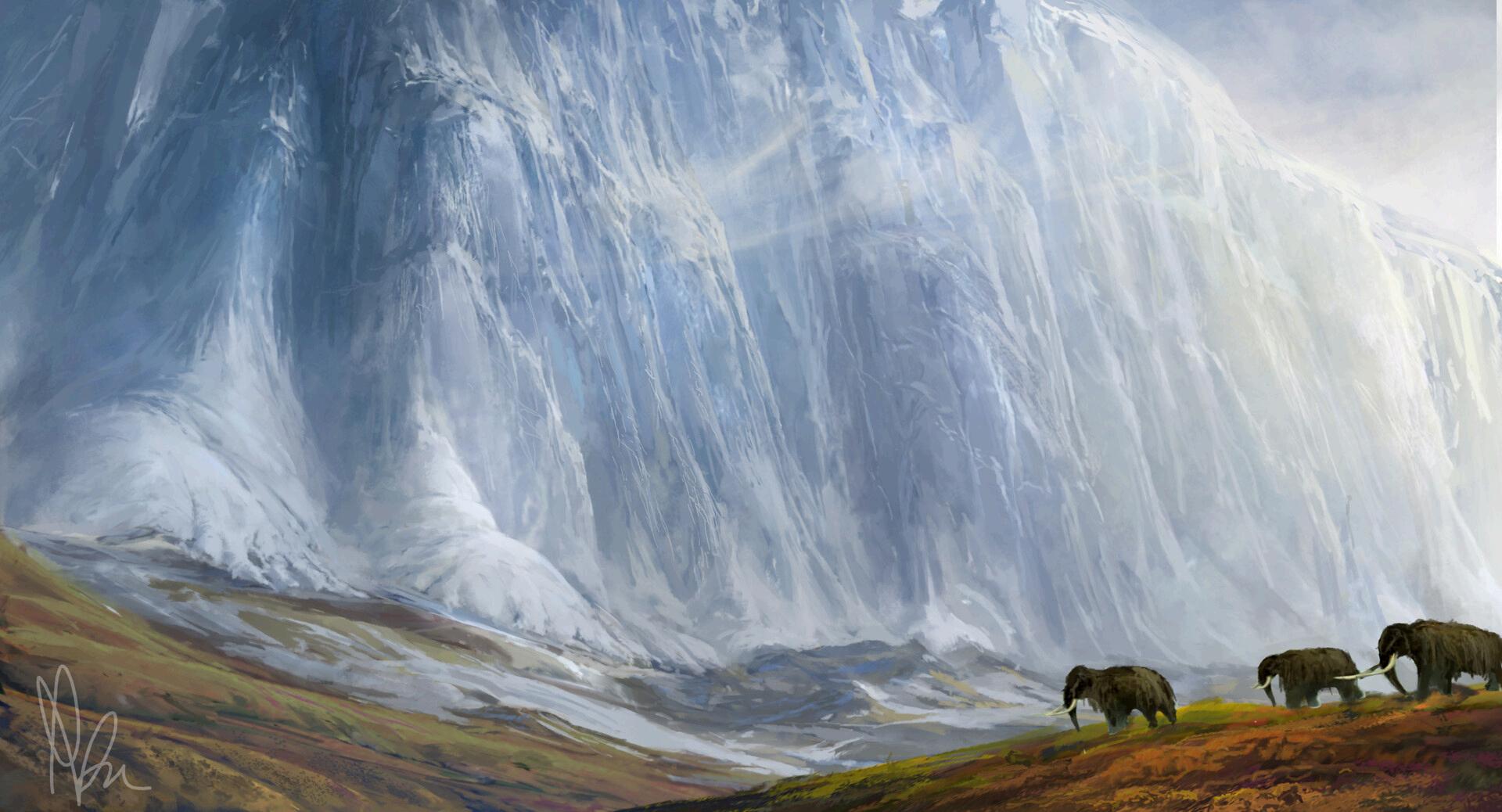
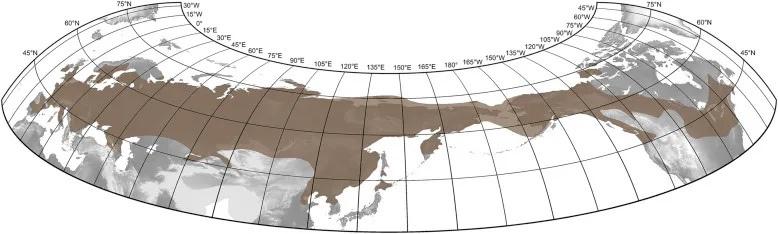
Fossil evidence shows that mammoths lived across a vast region called the Mammoth Steppe, which stretched from western Europe across northern Asia and into North America Maximum extension of Mammuthus primigenius during the Late Pleistocene based on the current fossil record — Kahlke (2015)
Mammuthusprimigenius

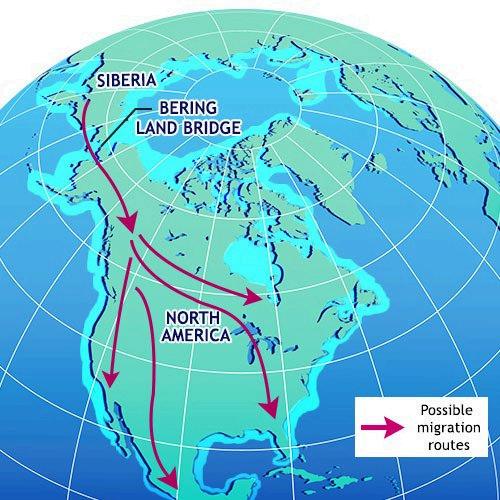
Migration between continents occurred through the Bering Land Bridge, a cold, grassy, ice-free region connecting Siberia and Alaska during the Ice Ages
During the transition from Pleistocene to the Holocene Period, a few populations of Woolly Mammoths were left stranded on Wrangel Island

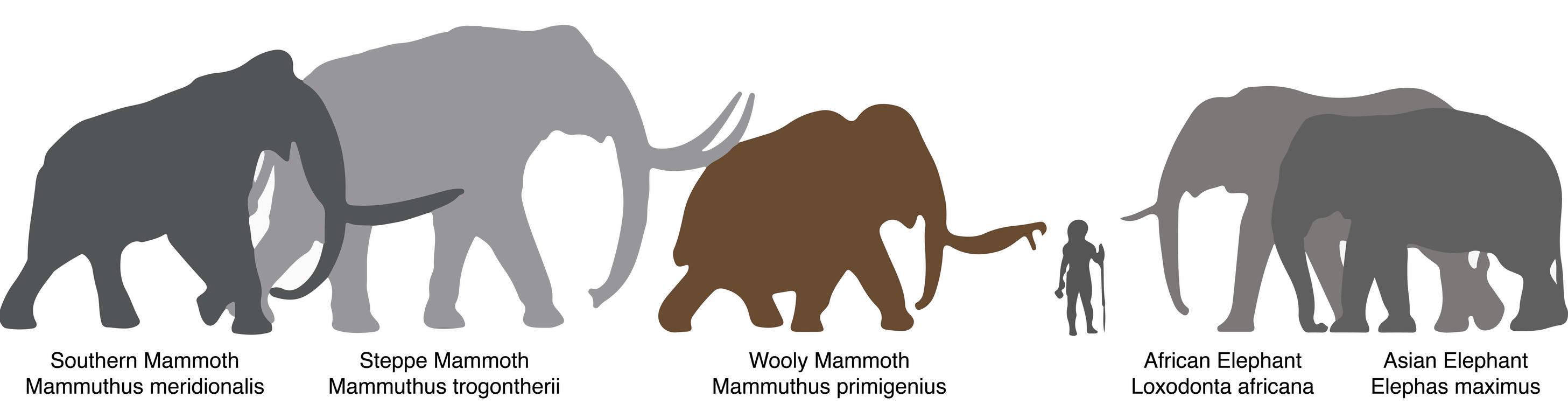
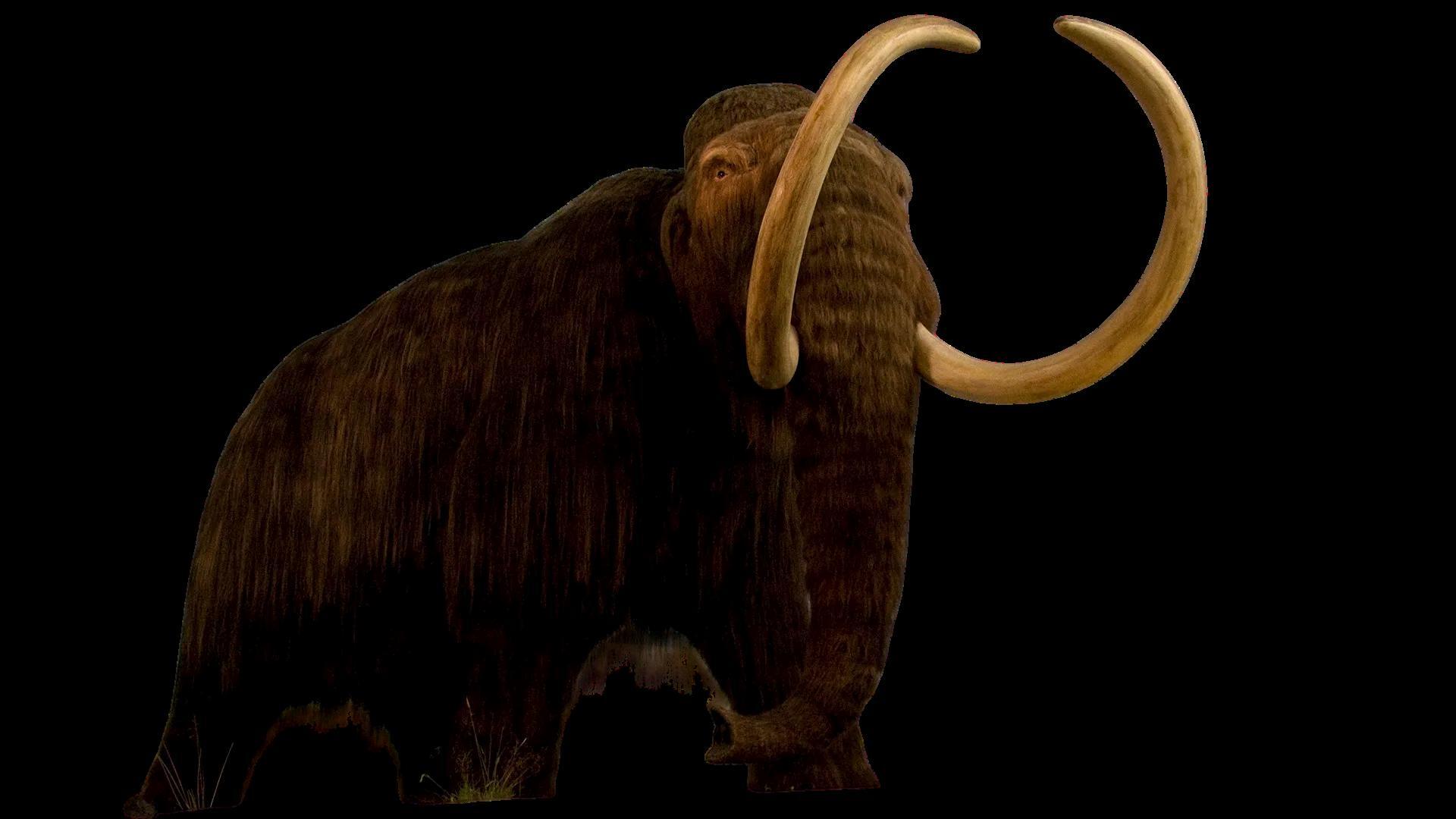
A large body size, slower metabolism, and reduced heat loss despite the extreme cold held a significance in their flourishing life in the Ice Age
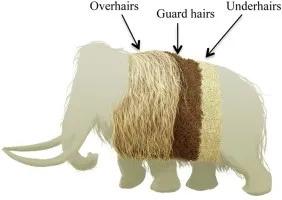
Mammoths had long coats that grew differently in each layer thus creating a coat that traps heat close to the skin the same way as humans trap heat with many layers of clothes on (Tridico et al., 2014).
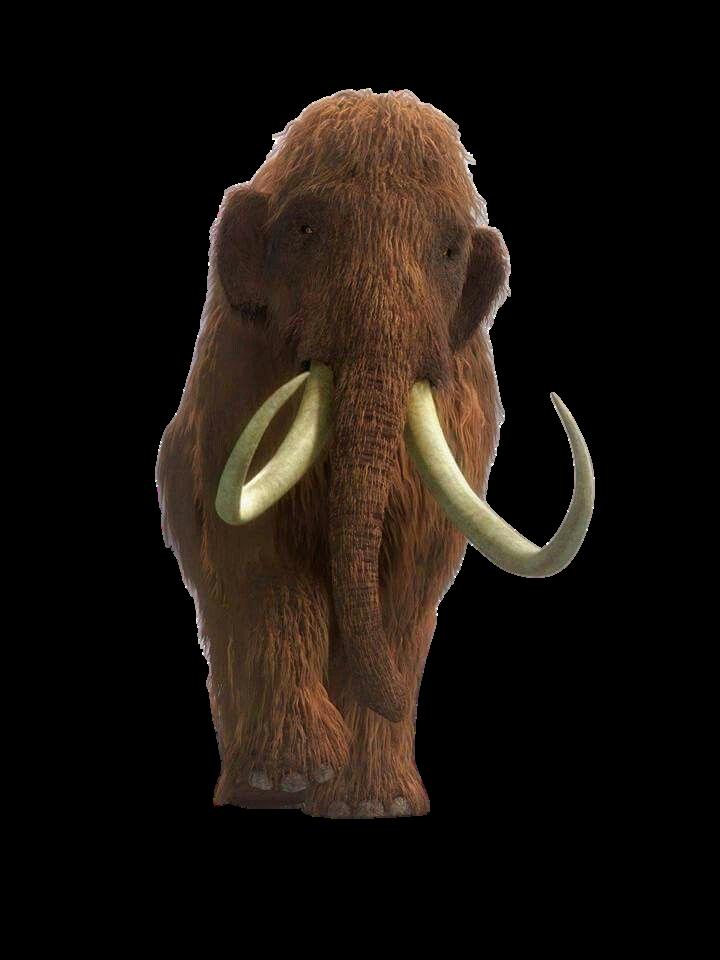
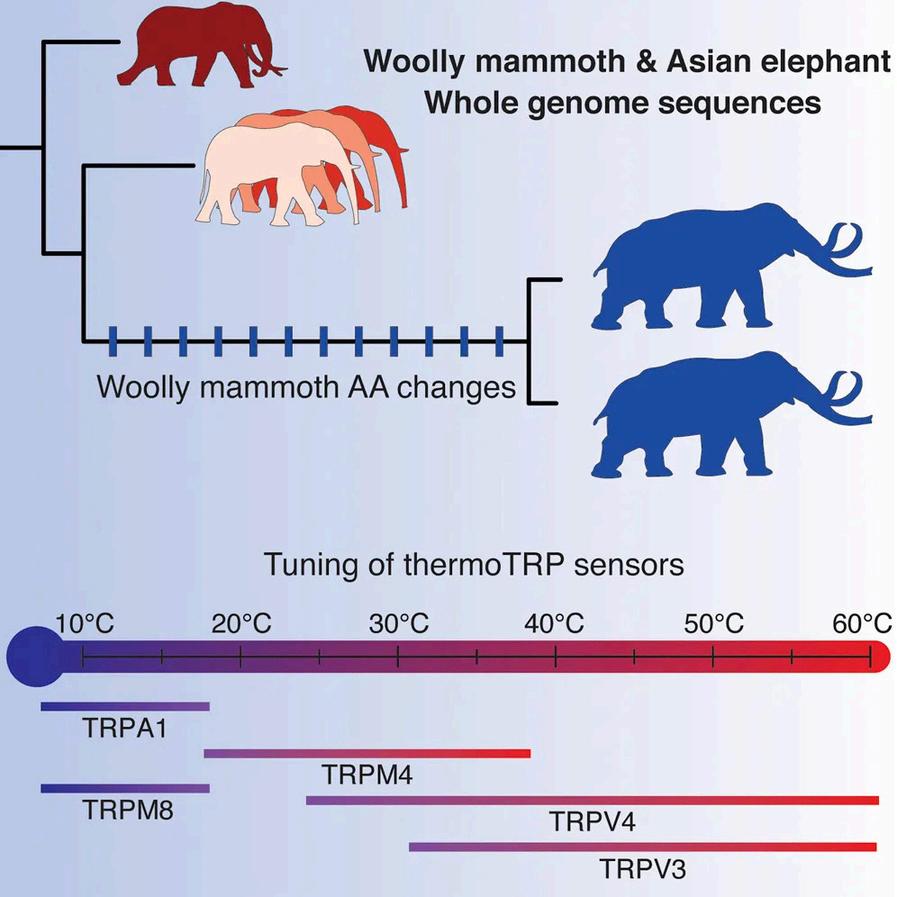
Genetic studies comparing mammoths with living elephants show that mammoths carried changes in genes linked to temperature sensing (Lynch et al., 2015). One of these genes affects how nerves respond to cold. In mammoths, this system was tuned down, it did not trigger the same stress response as it did with other animal
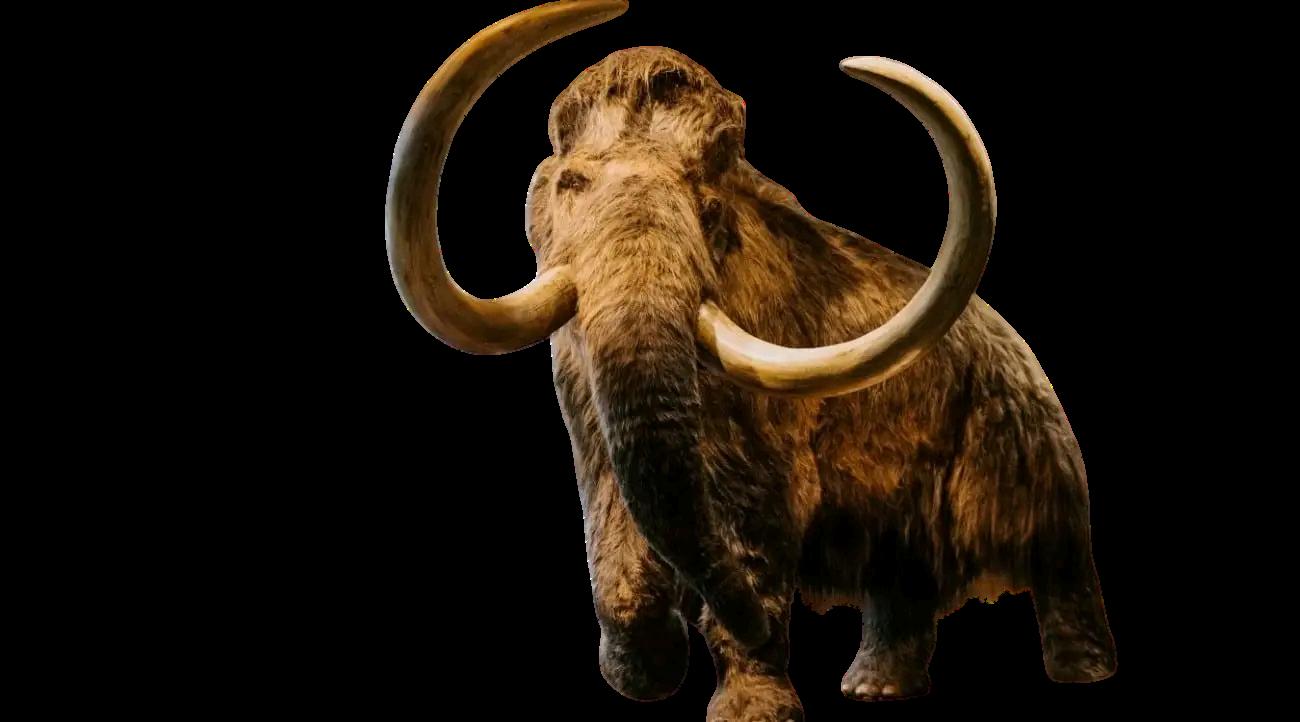
Mammoths had long fur, smaller ears and tail that reduced heat loss and a layer of fat underneath the skin

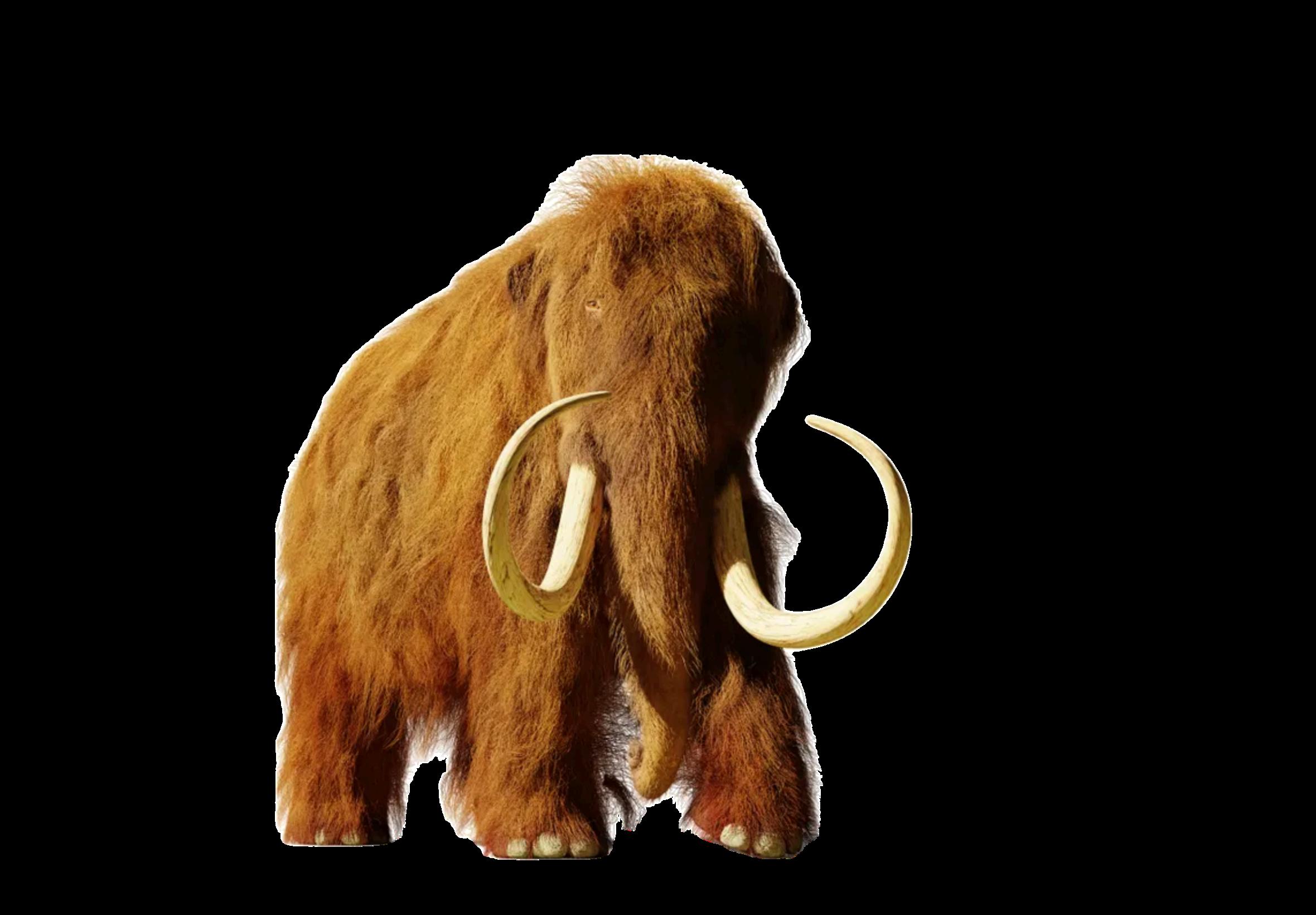
Species that are highly successful are often matched to specific environments
Mammoths began to disappear when the cold ecosystem they depended on vanished Mammuthusprimigenius
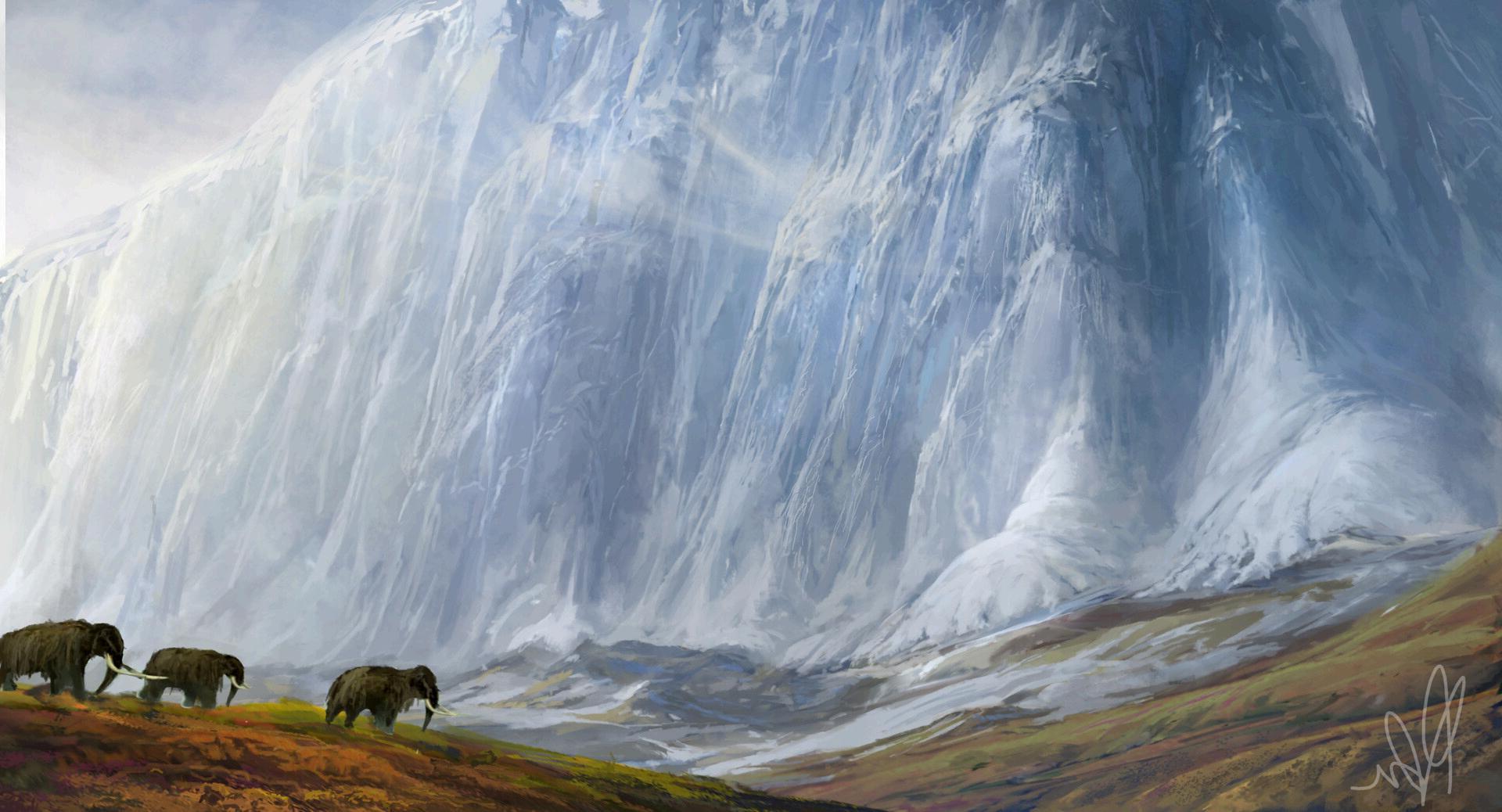
Temperatures rose, precipitation patterns changed which gave way to wetlands, shrubs and forests that replaced the grasslands mammoths depended on as they are Arctic specialists
Cold did not kill the mammoths. Change did. Cold did not kill the mammoths. Change did.
Kahlke, R.-D. (2015). The maximum geographic extension of Late Pleistocene Mammuthus primigenius (Proboscidea, Mammalia) and its limiting factors. Quaternary International, 379, 147–154. https://doi.org/10.1016/j.quaint.2015.03.023
Lynch, Vincent J., Bedoya-Reina, Oscar C., Ratan, A., Sulak, M., DrautzMoses, Daniela I., Perry, George H., Miller, W., & Schuster, Stephan C. (2015). Elephantid Genomes Reveal the Molecular Bases of Woolly Mammoth Adaptations to the Arctic. Cell Reports, 12(2), 217–228. https://doi.org/10.1016/j.celrep.2015.06.027
Tridico, S. R., Rigby, P., Kirkbride, K. P., Haile, J., & Bunce, M. (2014). Megafaunal split ends: microscopical characterisation of hair structure and function in extinct woolly mammoth and woolly rhino. Quaternary Science Reviews, 83, 68–75. https://doi.org/10.1016/j.quascirev.2013.10.032