www.iceniprojects.com
iceni-projects
iceniprojects

www.iceniprojects.com
iceni-projects
iceniprojects
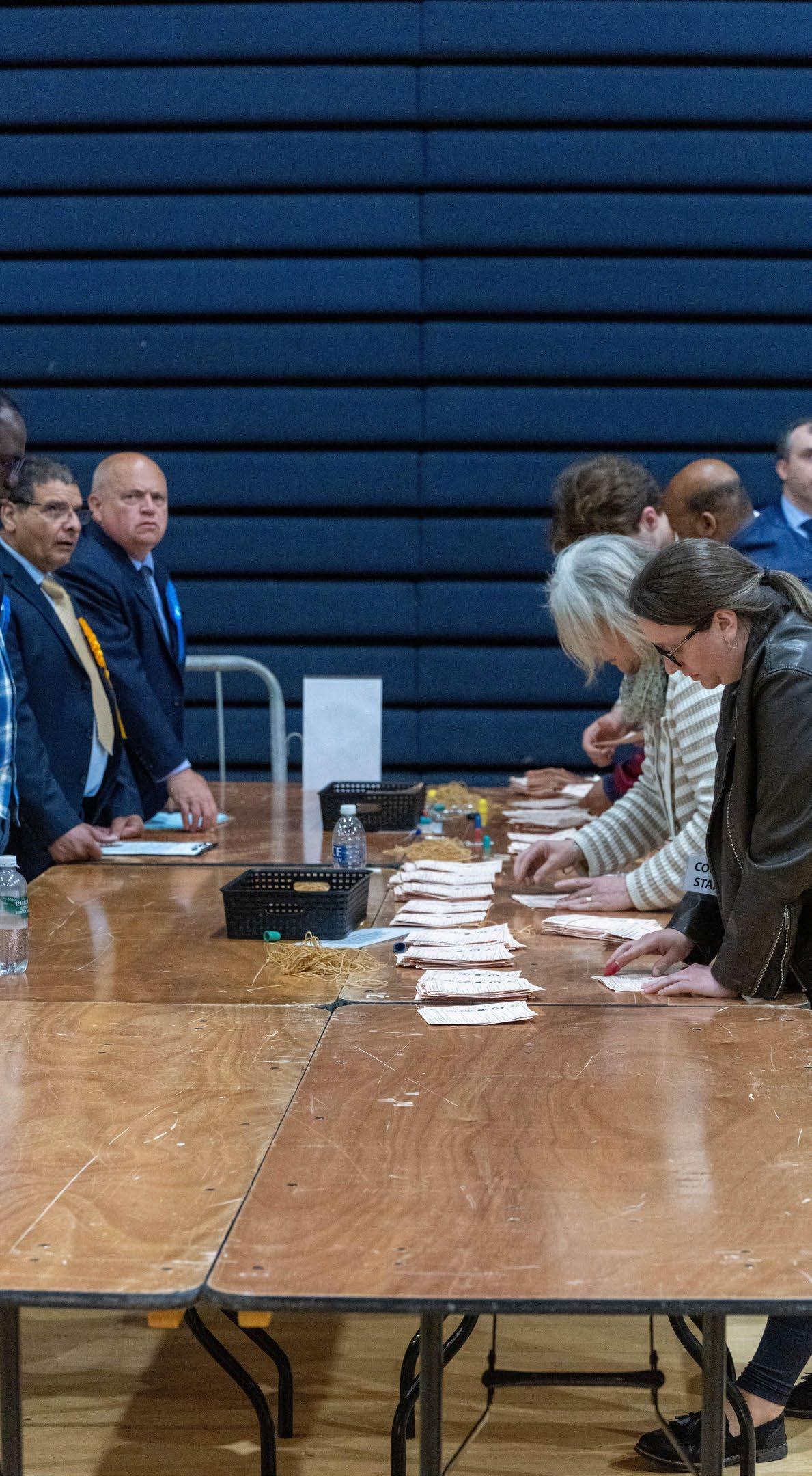
The 2026 Local Elections have delivered a seismic shift in the UK’s political landscape.
Labour and the Conservative Party suffered painful losses, with Labour seeing one of their worst election results in history. Reform UK surged in popularity and took votes from both parties in regions across the country. Meanwhile, the Green Party capitalised on votes from the left and the Liberal Democrats and Independents made further gains.
The complexities of this set of elections have resulted in a number of councils with no overall majority and a patchwork quilt of parties across the country.
Note: This summary was written while two Birmingham seats remained undeclared on Monday 11 May.
For further information, please contact:

Charlie Gilmartin
Associate, Strategic Engagement
E: cgilmartin@iceniprojects.com
T: 07789 506 190

Theo Taylor
Consultant, Strategic Engagement
E: ttaylor@iceniprojects.com
T: 07353 107 443
f Labour’s losses were widespread, with strongholds from the North West to London decimated and 1,497 councillors losing their seats, weakening Prime Minister Keir Starmer’s already fragile position. Labour lost all the seats it was defending in Wigan and Hartlepool, but performed better in areas where Reform is not as strong.
f The Conservative Party lost 563 councillors in heartlands including Essex, but gained Westminster from Labour.
f From a starting point of just 2 seats, Reform UK picked up an additional 1,451 seats and took control of 14 councils including their first London borough in Havering, Suffolk, Sunderland and Essex.
f This was a good set of elections for the Greens, who won the Hackney mayoralty by 12 percentage points and took control of Hackney, Lewisham and Waltham Forest from Labour in London. They gained a total of 441 extra seats across the country.
f The Liberal Democrats won every seat in Richmond upon Thames and took control of Bournemouth and newly formed East Surrey and West Surrey, but lost Hull. They won an additional 155 seats.
f A huge 64 English councils are now in a state of No Overall Control, with those authorities’ results leaving more questions than answers at present.
In Scotland, the SNP won the most seats at 58 but fell short of a majority. They lost 6 seats, while Reform took 17 seats. The Greens and Liberal Democrats increased their quota by 7 each to win 15 and 10 respectively, while Labour lost 4 seats to win 17 and former main opposition the Conservatives lost 19 seats, winning just 12.
Labour suffered a crushing defeat in Wales, where the party lost the national election for the first time in more than 100 years. The party entered the election holding half of the available seats but lost 35 to end up with just 9 seats. Plaid Cymru won an additional 20 seats, securing 43 on the Senedd, while Reform gained 34 seats. The Conservatives lost 22 seats and now just have 7 MSPs, while the Greens and Liberal Democrats won 2 and 1 seats respectively.
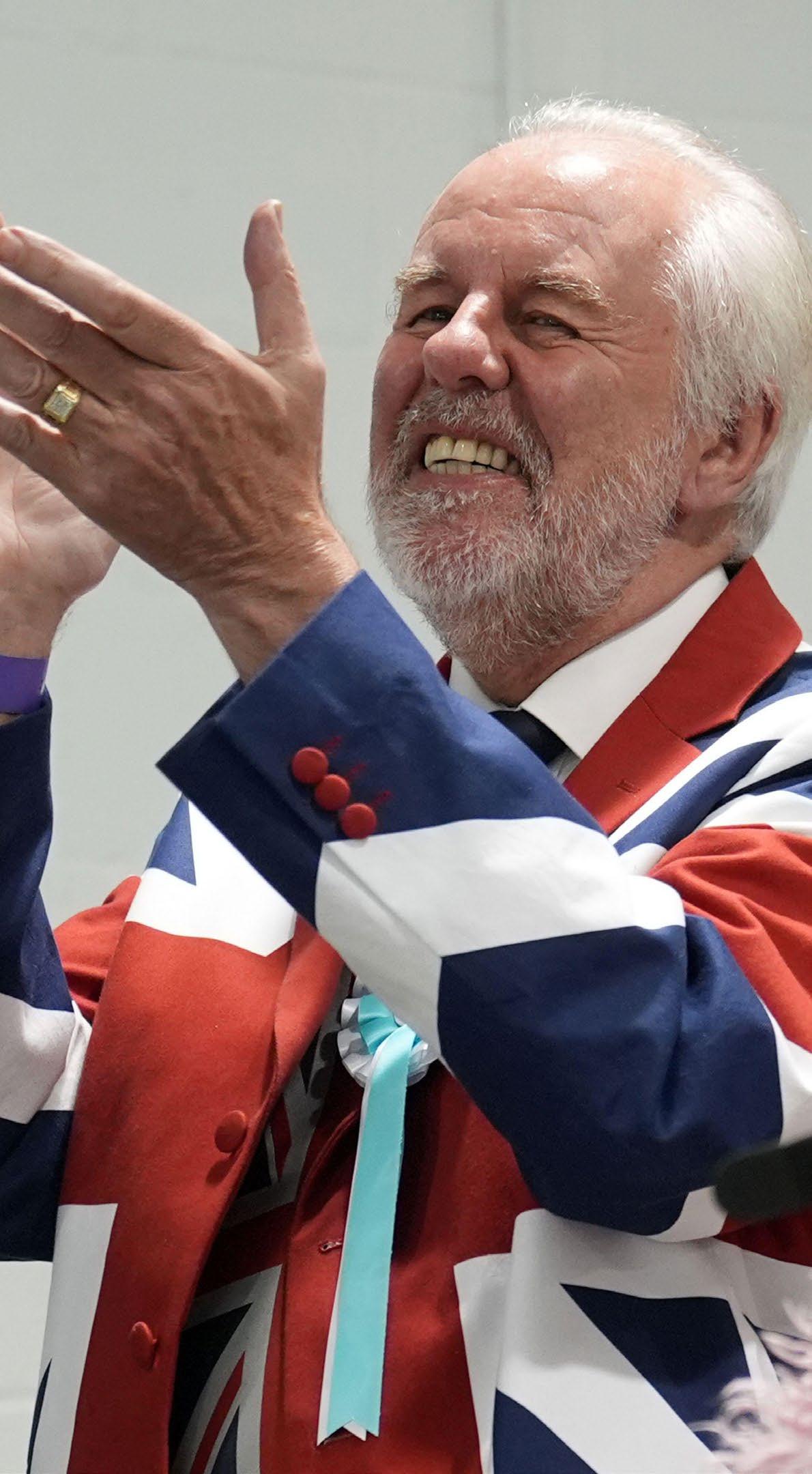
Annual General Meetings later this month will determine ruling coalitions or, in some areas, leave councils with a minority administration - risky given the jeopardy it bestows upon basic elements of governance such as passing budgets and planning committee decision-making.
The political diffusion demonstrates - at least for now - an eschewing of the two-party system, with Reform, Greens, Liberal Democrats and Independents featuring more heavily in the mix. Southend-on-Sea and Birmingham are both examples of rainbow councils which can expect significant friction or uneasy alliances to deliver public services.
For the development industry, these outcomes are likely to make local politics more important than ever. In authorities without a clear majority, planning decisions could become more susceptible to political negotiation, shifting alliances and local pressure, particularly on contentious applications.
The big question emerging from this set of results is what happens next for the Labour Party, and for Keir Starmer. Despite being adamant he will remain in post for the full term, the Prime Minister continues to face overwhelming scrutiny from the public, the press, and even those within his own party. At the weekend, backbench North London MP Catherine West called on cabinet ministers to challenge Starmer, threatening to do so herself if they do not – she reportedly had 41 of the 80 required supporters as of 8pm Sunday night. Several other backbenchers have called for Keir to stand down, and the expected key challengers – Wes Streeting, Angela Rayner and Andy Burnham
- were notably silent over the weekend until Rayner issued a lengthy statement on Sunday afternoon.
Angela Rayner warned that Labour faces its ‘last chance’ as she called for Starmer to ‘meet the moment’ with action and a return to traditional Labour values. She also suggested the Prime Minister was wrong to block Andy Burnham from a return to Westminster, although she didn’t explicit support Burnham as a candidate for leadership.
For the party to recover in time for 2029’s General Election, Labour will need to move quickly with a refreshed narrative and a rebrand to show the public that they are listening. The jury is out on whether a trailed move closer to the EU will support this amidst Reform capitalising on the Brexit vote – or indeed whether a shift towards traditional Labour values and true welfare reform is more likely.
Keir Starmer will be giving a speech at 10am today (11 May) in an effort to convince Labour MP’s - as well as the electorate - that he is the right person to lead the Government for the remainder of the term. While backbenchers consider pushing for a leadership contest or even forcing Starmer to give a timetable for his exit, the future of Starmer’s premiership could be decided in this moment.
Margaret Thatcher’s ‘Basildon Man’ has defected. Reform has stormed Essex County Council, taking the leadership of the Council away from the Conservatives for the first time this century. Of the 77 seats, Reform won 53 - a dominant performance.
The scale of the Conservative collapse is historic. Going into the election with an overall majority of 24, the Conservatives have been routed across the county they have owned for the better part of three decades. The party that once defined Essex’s political identity has been replaced, in many of the same seats, by a party that has adopted much of the same voter base and redirected its frustrations.
The election delay had a part to play here alongside the national context. The decision to postpone the 2025 elections as part of the Devolution Priority Programme was widely interpreted as an attempt to avoid accountability, and Essex voters appear to have remembered it. Reform, which consistently campaigned for elections to be held on time, benefited directly from that grievance. It was not the only factor, but it contributed to an atmosphere in which the Conservatives were seen as an establishment party protecting its own interests.
The Local Government Reorganisation question now becomes considerably more complex. Reform campaigned on reversing the reorganisation, but with a decision notice already issued, the legal avenues available to them are very limited. This could be an early exposure of the gap between campaign rhetoric and the realities of Governance for Reform.
The Conservatives retain some pockets of resistance. Harlow, notably, bucked the trend entirely, with the Tories actually increasing their majority there. But such examples are rare.
For the property industry, an Essex under Reform control is an uncertain environment. There will undoubtedly be individuals within the new Reform Group on the Council who are permissive of strategic growth, but the party is largely expected to take a anti-Green Belt approach and stand against such proposals.
Reform UK won 41 of the 70 seats in Suffolk, securing a majority of 12 with a very strong performance which ended the Conservatives’ 20 year hold. The Conservative collapse saw a major loss of 40 seats and was comprehensive, fuelled by lack of progress in working-class areas and resentment over immigration. Leader Matthew Hicks managed to defend his seat in Thredling in a tight three-way contest with Reform UK and the Greens. Despite this personal victory, Hicks was candid regarding his party’s collapse in what he has called a ‘difficult day.’
The Greens came second to Reform UK, but were some distance behind them with 13 seats. These gains are somewhat underwhelming when you consider the parties recent performance at the district and Parliamentary level.
Suffolk is an interesting test for Reform UK in a coastal county known for its power generation industry. The nuclear and renewable sectors are strong here and will likely, especially in the case of onshore solar and wind, contrast with the party’s new priorities for the area. We’ve seen a slight tempering of views in this regard when Reform UK wins power, notably in the case of Luke Campbell in Yorkshire who has quietly rowed back on campaign rhetoric to block onshore solar and wind, although there are more experienced characters in Suffolk Reform who could take a firmer position in power.
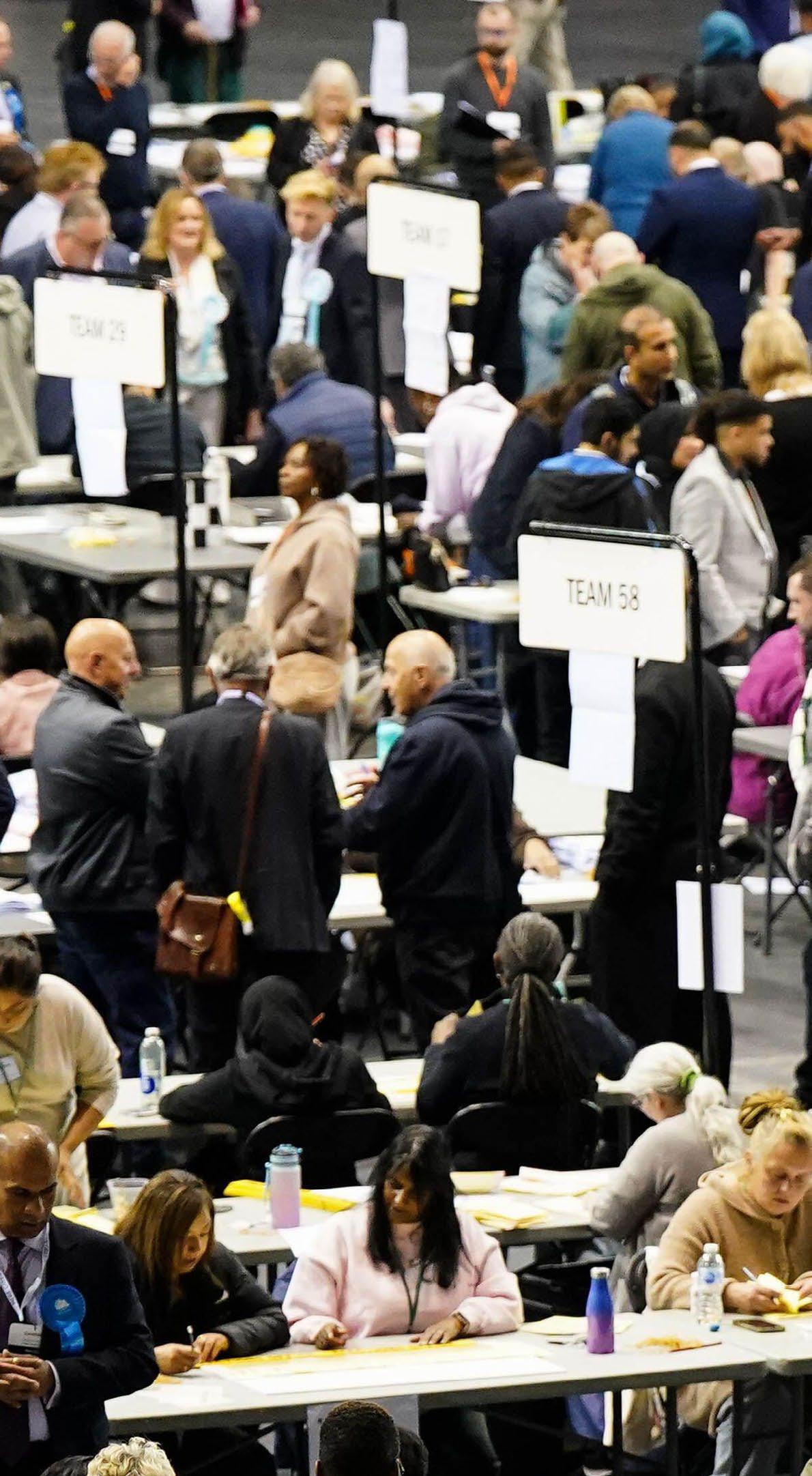
West Surrey was not a conventional county council election. Voters were electing a shadow unitary authority, a body created through Local Government Reorganisation that will, once fully established, absorb the functions of both Surrey County Council and the existing district councils beneath it.
West Surrey sits firmly in the Liberal Democrats’ South-East heartland - leafy commuter-belt - the territory where the collapse of Conservative support since 2019 has been most visible. An area once regarded as a stable platform for ambitious Tory politicians like Michael Gove and Dominic Raab has seen the Liberal Democrats steadily build a credible and now dominant electoral base, reflecting a wider shift among affluent, graduate-heavy electorates.
The Liberal Democrats already control three of the councils being absorbed into the new authority – Guildford Borough Council, Woking Borough Council and Surrey Heath Borough Council – and are the largest party in Waverley Borough Council. This provided them with both organisational strength and a proven coalition of support heading into the contest. They won 56 of the 90 new seats, securing a clear majority, with high-profile winners including Guildford Borough Council Leader Julia McShane and Waverley Leader Paul Follows.
The Conservatives fell into second place with 20 seats, predominantly in safe seats across the Surrey Hills and in wards including Englefield Green, Chertsey and Shepperton to the north.
Reform UK won 9 seats - all to the north of the unitary - in areas such as Staines, Ashford and Addlestone. Despite this seemingly low number, the party achieved a high vote share of around 21%, closely matching the Conservatives in many wards.
Note: written with two seats still to declare on Monday 11 May.
The election for the UK’s largest unitary council saw one of Labour’s biggest losses, when the party lost 46 seats.
All prominent political groups – Labour, Conservative, Reform, Green, Liberal Democrats, and Independents – won a meaningful number of councillors in these elections, with the resultant postelection map of Birmingham resembling a rainbow.
Labour won a strong majority back in 2022, but the Council’s bankruptcy, ongoing bin strikes and the Section 114 notice issued in 2023 have caused reputational catastrophe, which –when set against the national context – was always going to be a challenge to fight.
Voters who backed Labour in Birmingham for generations looked elsewhere, with results varying by neighbourhood and effectively forming a microcosm of the UK as a whole.
Reform UK now has the largest presence on the Council with 22 seats, but far below the 51 needed for an overall majority. The Green Party is right behind them with 19 seats, Labour has 17 and the Conservatives have 16, holding their seats in Sutton Coldfield but losing in Longbridge to the south. There are 13 Independents and 12 Liberal Democrats.
The situation raises questions about how Birmingham can be properly governed in a First Past the Post system. With the political make-up as it is, it seems unlikely a coalition could be formed to reach the 51 seats needed for a majority, because no two parties would be enough seats to take control – needing three or even four to make the numbers up. Add to this the context of
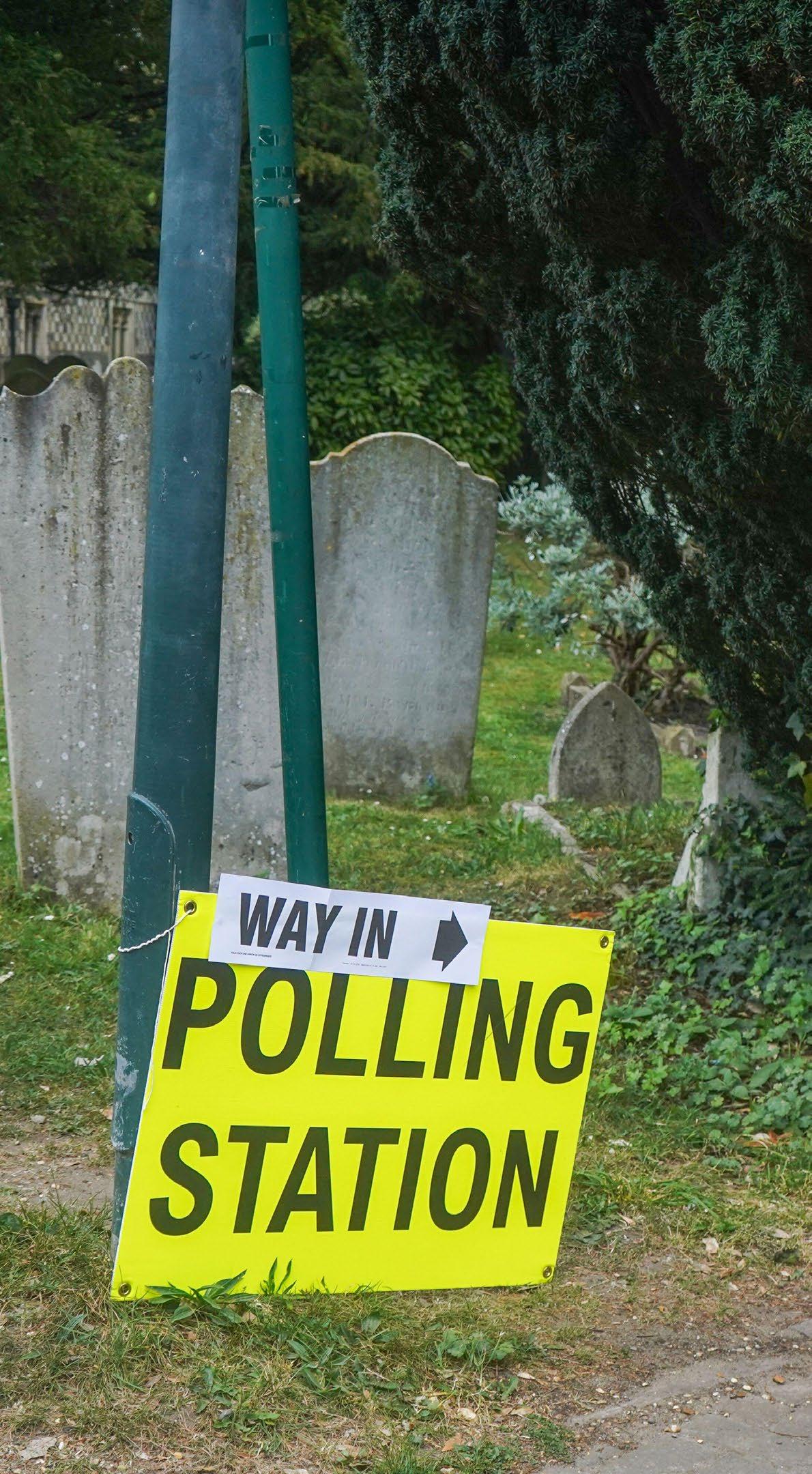
several parties being frankly unwilling to work together. Coalition negotiations are likely to be a challenge and will take some time.
However the new administration takes shape, they will have a challenge on their hands.
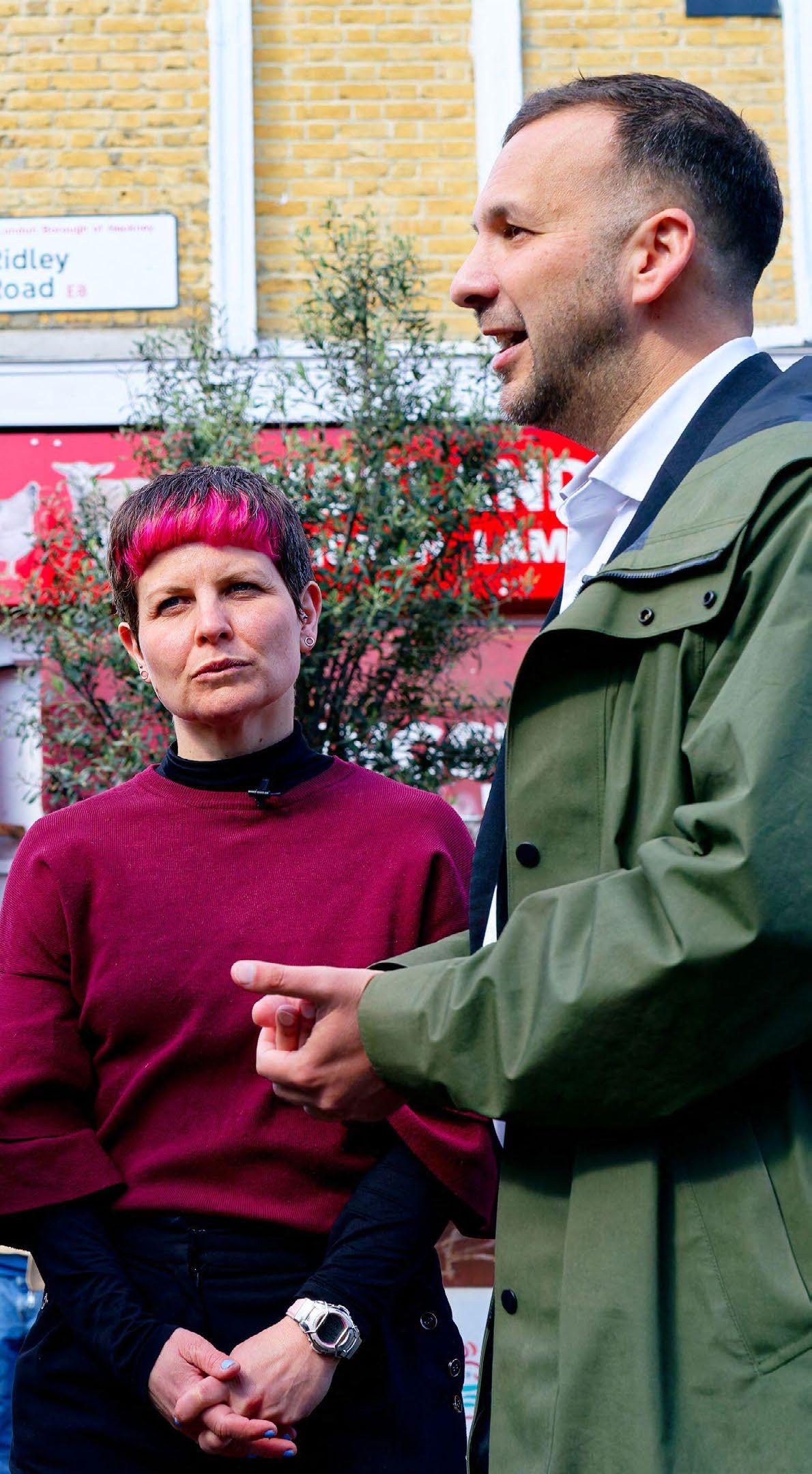
Zoë Garbett won the Hackney Mayoralty, the first directly elected Green Mayor in English local government history. She defeated Labour’s Caroline Woodley by nearly 9,000 votes. Green Party leader Zack Polanski was unequivocal: ‘Two party politics is no longer dying — it is dead.’
The council results are, if anything, even more striking. The Greens won 42 seats, taking a huge 41 in a damaging loss for Labour. Meanwhile the Conservatives had little impact here, gaining one additional seat to win six in total.
The Hackney Independent Socialist Collective (HISC), operating with Green cooperation, squeezed Labour from the left in Victoria ward, and the defection of deselected Labour councillor Soraya Adejare to the Greens, where she increased her own vote share, was a particularly pointed humiliation.
For the development industry, a Green Mayor of Hackney is a material consideration. Garbett’s opposition to luxury development and support for rent controls are firm positions. Viability arguments will receive a more sceptical hearing, and affordable delivery will be the primary lens through which applications are judged.
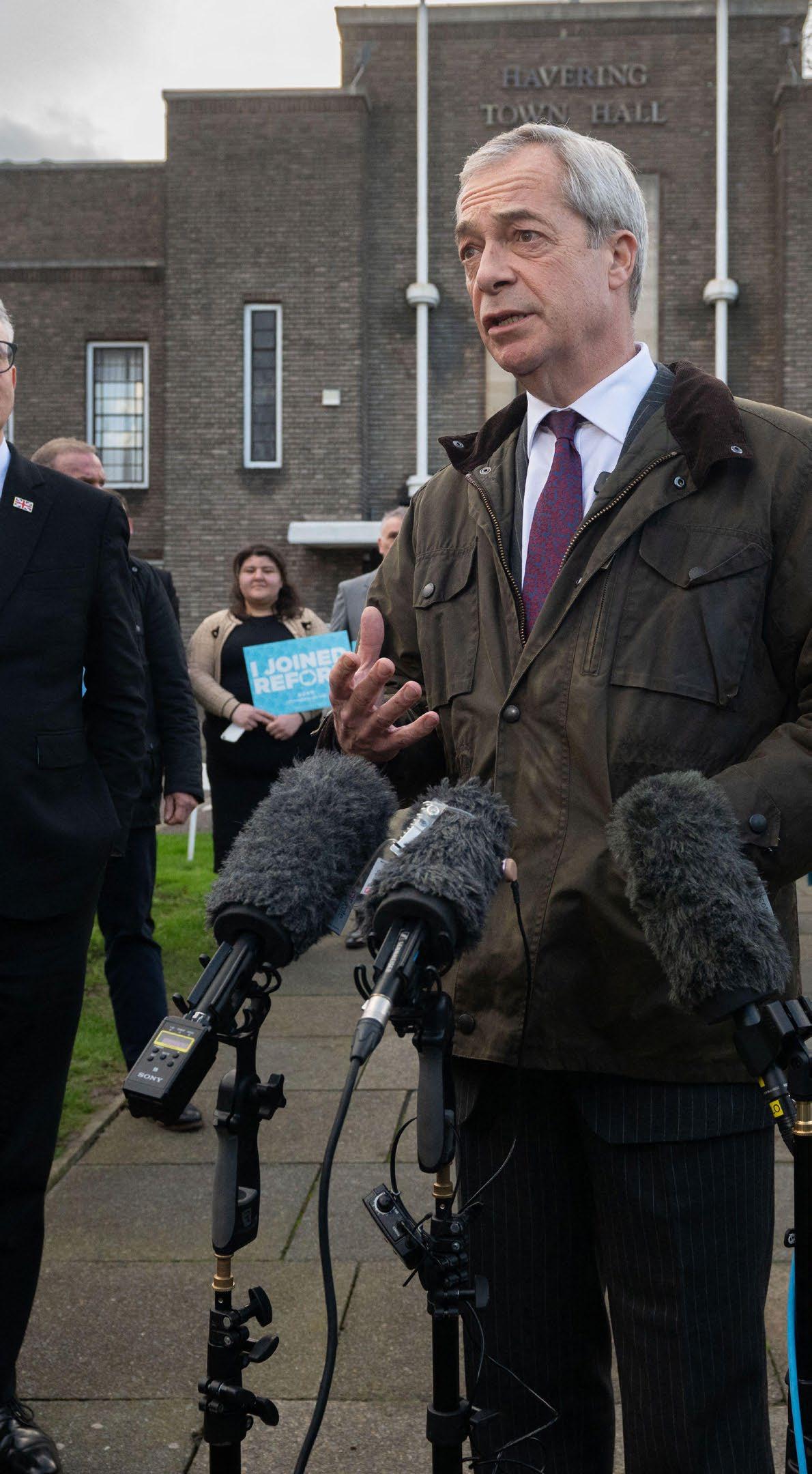
Securing 39 out of 55 seats and a clear majority, Reform UK have achieved what seemed implausible even a few years ago: winning a London council outright.
Nigel Farage has already hailed it as part of a ‘historic shift in British politics’ - and he is correct. Havering is the first London borough
to fall to Reform UK, and its significance as a symbolic prize should not be underestimated. If the party can hold a London council, their claim to be a genuine governing force rather than a protest movement becomes considerably harder to dismiss.
The Havering Residents’ Association, long the dominant force in Havering politics, have been swept aside. The departure of longstanding leader Cllr Ray Morgon before the election, combined with the Chair’s reluctance to name a successor, signalled a party without conviction in its own prospects and that lack of confidence proved self-fulfilling.
For the development industry, the implications are uncertain. Reform UK’s local platform leaned heavily on opposition to ULEZ, scepticism of top-down housing targets, and broader anti-establishment sentiment. A Reform-controlled Havering is unlikely to be a pro-development administration in the conventional sense. Housebuilders and registered providers active in the borough should expect a more hostile environment for larger strategic sites, and a council less inclined to engage constructively with the Mayor of London’s housing agenda.
MP Andrew Rosindell’s Hexit narrative of removing Havering from London and rejoining Essex may also resurface. It has no legal mechanism, but as a political tool it served its purpose, reinforcing the sense that Havering’s interests are distinct from London’s.
The wider question here is whether Havering is a one-off or a blueprint for elections to come. Reform UK will be studying this result closely for lessons that can be applied to other outerLondon boroughs with similar demographics.
The Conservatives have re-gained their flagship council, winning 32 seats to Labour’s 22 in one of a few silver linings for the party this election. No other parties won representation despite a wide field of candidates including Reform UK, the Greens and the Liberal Democrats. This was a straight two-party contest that ended decisively in the Conservatives’ favour.
Labour’s 2022 victory was always going to be a difficult result to defend. It marked the first ever Labour administration of Westminster and the first ever departure from Conservative control since the Borough’s formation - a genuine political earthquake at the time, but one that came amid exceptional national conditions. That tide had already been turning, with byelections in West End ward in 2024 and Vincent Square in early 2025 both resulting in Conservative gains.
Westminster is not a typical London borough. Home to Parliament, Whitehall and the West End, with a sizeable development pipeline, its political leadership has an outsized significance for the property industry. This result matters.
The two parties entered the election with markedly different platforms on development. Labour pledged a minimum of 50% affordable housing on all Council-owned sites and made explicit commitments to use Section 106 and CIL to maximise affordable delivery, principled in intent but carrying significant viability implications in a borough where development costs are already among the highest in the country.
The Conservative manifesto took a more pragmatic, pro-delivery stance, committing to:
‘Support residential delivery by improving viability, allowing greater flexibility in tenure and mix, more intermediate housing options and a pragmatic approach to change of use in secondary locations.’
The language around viability is particularly noteworthy; an acknowledgement that overly rigid affordable housing requirements have, in practice, stalled schemes that might otherwise have been brought forward.
Reform made significant gains in Brentwood, winning 7 of the 14 seats up for election, but the Liberal Democrats held 4 of their 5 seats. These elections were billed as one of the only Liberal Democrat vs Reform contests - and it has lived up to those expectations.
Despite the Liberal Democrats performing well, (including Leader Cllr Barry Apinall, who defeated former Conservative Leader now Reform candidate Chris Hossack), the arithmetic has shifted in the favour of the centre right. A Conservative / Reform coalition would command a majority on the Council. The Conservatives are now in the peculiar position of having lost 5 councillors, but face the real prospect of leading the Council as senior coalition partners to Reform.
Reform didn’t just win the election in Hartlepool, they swept the board. Winning all 12 of the seats up for election means Reform now has the same number of seats on the Council as former majority Labour, with a total of 15 each. The Council has fallen into No Overall Control, with coalition formation set to begin. Labour will likely look to work with Independents to form an administration.
The scale of the result is striking. Winning every single contested seat, in every ward, leaves no room for any narrative other than a total collapse of Labour’s vote. The Conservatives, for what it’s worth, lost their four remaining seats.
The cost for Labour was significant. Council Leader Pamela Hargreaves lost her seat and her response was telling: ‘Hopefully it gives the national party the message that change needs to happen, and that starts right from the Prime Minister.’ Her husband, Hartlepool MP Jonathan Brash, went further - calling on Starmer to set out a timetable for his own resignation. When a sitting Labour MP is demanding the Prime Minister’s departure on the night his wife loses her council seat to Reform, it speaks to the depth of the party’s crisis in these communities.
Hartlepool has long been a bellwether. The 2021 by-election pointed to something shifting in the Red Wall, before 2024 briefly suggested Labour could claw it back. These results suggest that reprieve was temporary, and that the white working-class vote, which returned to Labour in 2024 out of a desire for change, has decided that change has not arrived.
Reform also saw major gains across the North West, including in Wigan, where Reform won 24 of the 25 seats available. 47 years of Labour administration at Tameside Metropolitan Borough Council in Manchester was put to an end when the party lost 16 seats to Reform’s gain of 18 - putting the Council into No Overall Control. Oldham and Bolton also saw significant Reform gains and Labour losses. However, elsewhere in the North West, Chorley, Wigan and Sefton retained their (albeit depleted) Labour majorities.
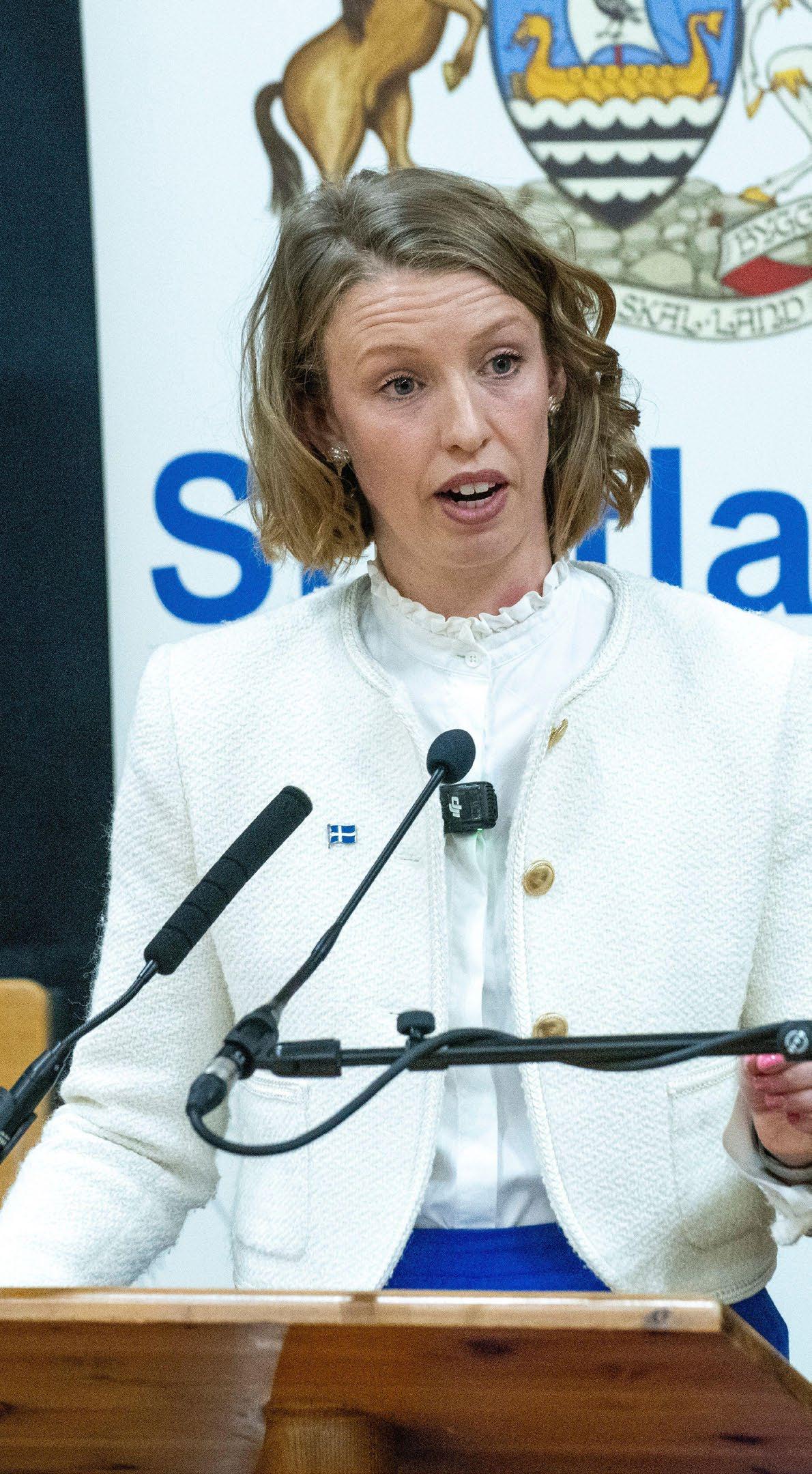
The SNP won its fifth consecutive Scottish parliament election with 58 seats, emerging as the largest party in Scotland but falling short of the 65 majority required to take control.
However, all the other parties are a long way behind. Reform UK won their first seats in the Scottish Parliament, winning 17 seats and tying for second place with Labour. The Scottish Green Party won 15 seats, followed closely by the Conservatives and Liberal Democrats at 12 and 10 seats respectively. This was a disappointing set of results for the Conservatives, who suffered their worst ever result in Holyrood, losing their position as the largest opposition party.
The unpopularity of national Labour has suppressed Anas Sarwar’s attempts to capitalise on the SNP’s shortcomings. Sarwar came out of the blocks early calling for Starmer to resign, only to look behind him and find no-one in support; his attempt to draw distance between Scottish Labour and Westminster Labour didn’t fare well.
The next step will be for John Swinney and the SNP to begin negotiations over coalition formation.
Deputy First Minister Huw Irranca-Davies conceded the election early, with it being clear Labour was nowhere near the top.
Plaid Cymru won 43 seats to Reform’s 34, while Labour finished in third place with just 9 seats. Significant losses for Labour here include leader and First Minister Eluned Morgan.
With Plaid not winning enough seats to secure a majority, there remains a question mark over the makeup of a coalition. Is Labour likely to be a junior partner to a nationalist party? The new Senedd will have 28 days to agree a First Minister, with the alternative being another election in Wales.
Taken together, the 2026 elections mark a significant fragmentation of the UK political landscape and it seems likely that the multi-party model is the shape of elections for the foreseeable future. With the rise of Reform UK, the growth of smaller parties to the left and right, and a sharp increase in No Overall Control authorities, we will see a more volatile and less predictable environment for planning and development.
For the property industry, the implications are clear: politics is more fragile than ever and on a local level, politics matters more than ever before. Decision-making is likely to become slower and more challenging, coalition dynamics more influential, and policy positions increasingly shaped by local electoral pressures around housing, affordability, Green Belt protection and local infrastructure.
In this new landscape, successful engagement will depend not only on sound planning policy arguments, but on a far deeper understanding of local politics and community pressure points.
Archaeology | Built Heritage & Townscape | DCOs | Design | Economics | Engagement | Impact Management | Landscape | Place | Planning | Transport Birmingham: 20 Colmore Circus Queensway, Birmingham, B4 6AT
Edinburgh : 14 -18 Hill Street, Edinburgh, EH2 3JZ
Glasgow : 201 West George Street, Glasgow, G2 2LW
London : Da Vinci House, 44 Saffron Hill, London, EC1N 8FH
Manchester : WeWork, Dalton Place, 29 John Dalton Street, Manchester, M2 6FW www.iceniprojects.com | iceni-projects | iceniprojects