Wild
For animals. For plants. Forever.
For animals. For plants. Forever.
By Ashley Nelsen, Senior Manatee Care Specialist and Sharon Spencer, Adult Education Specialist
Non-stock photos: Mark Sheppe
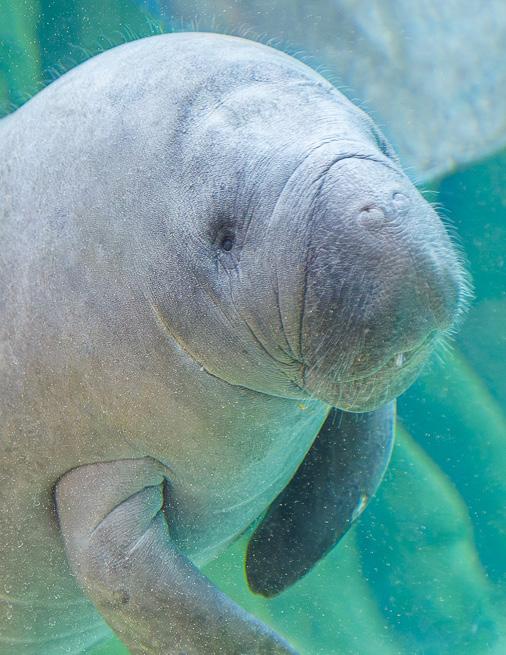
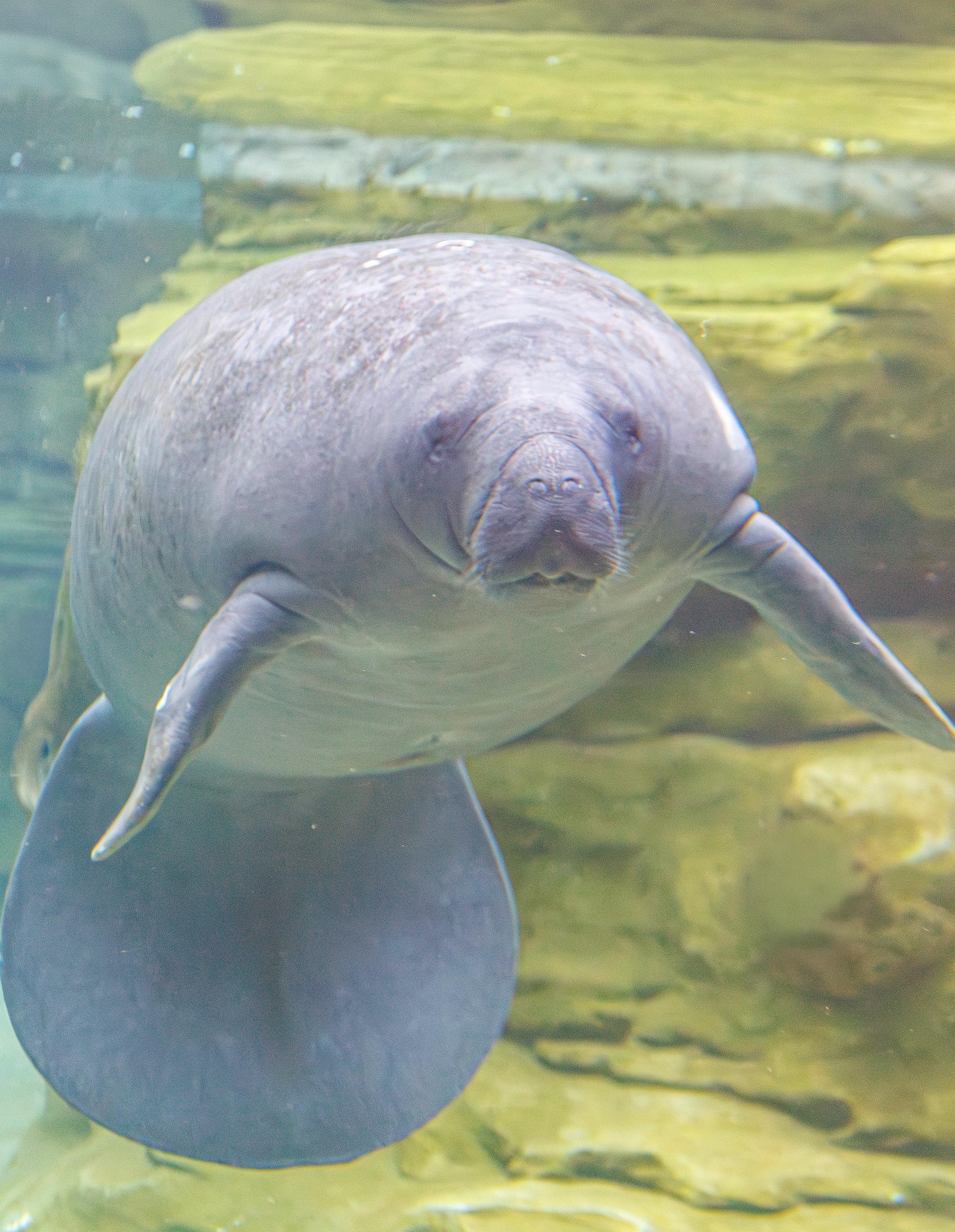
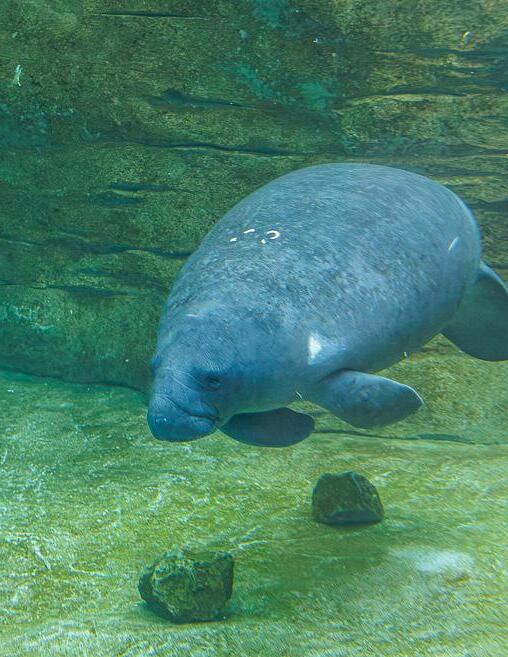
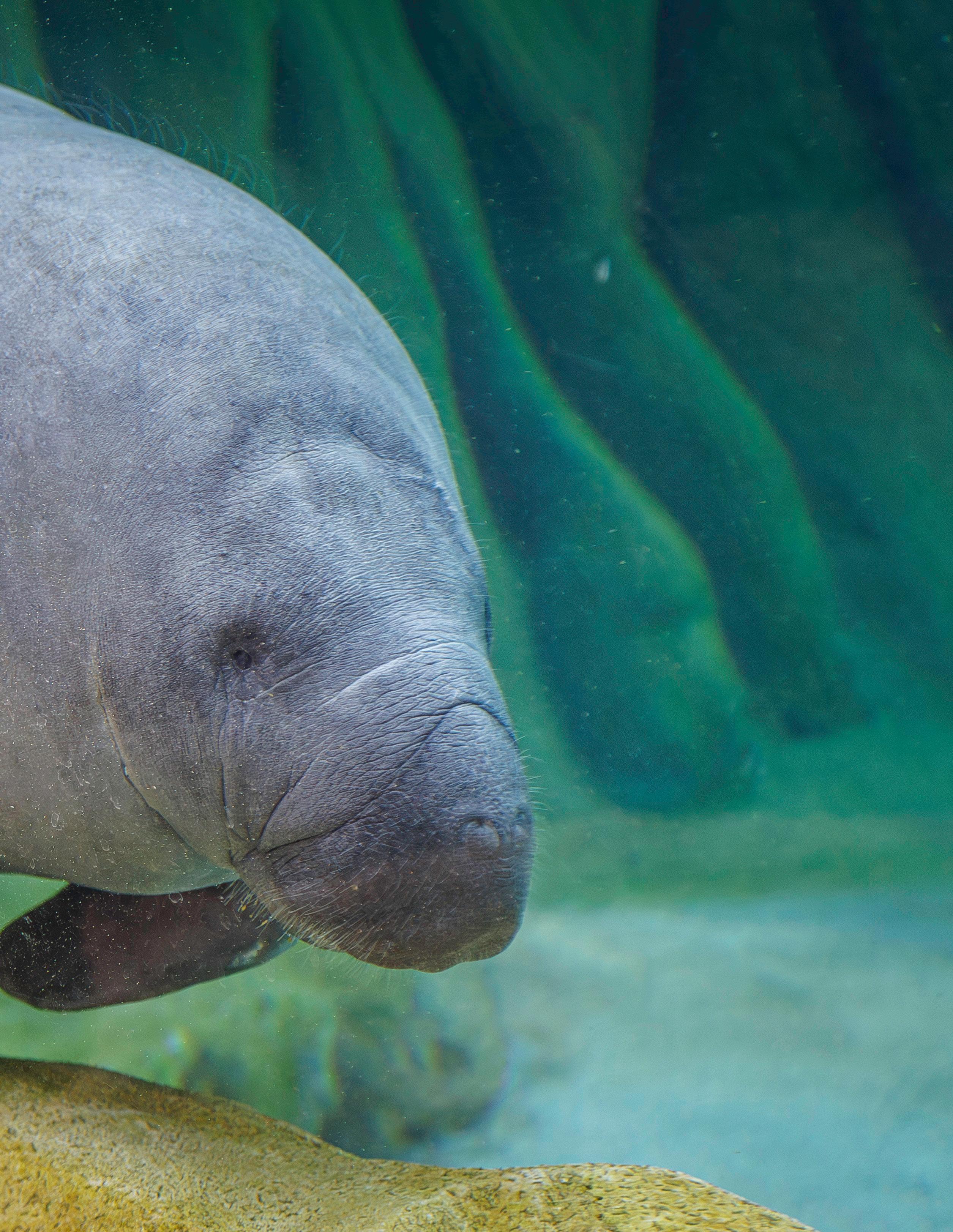
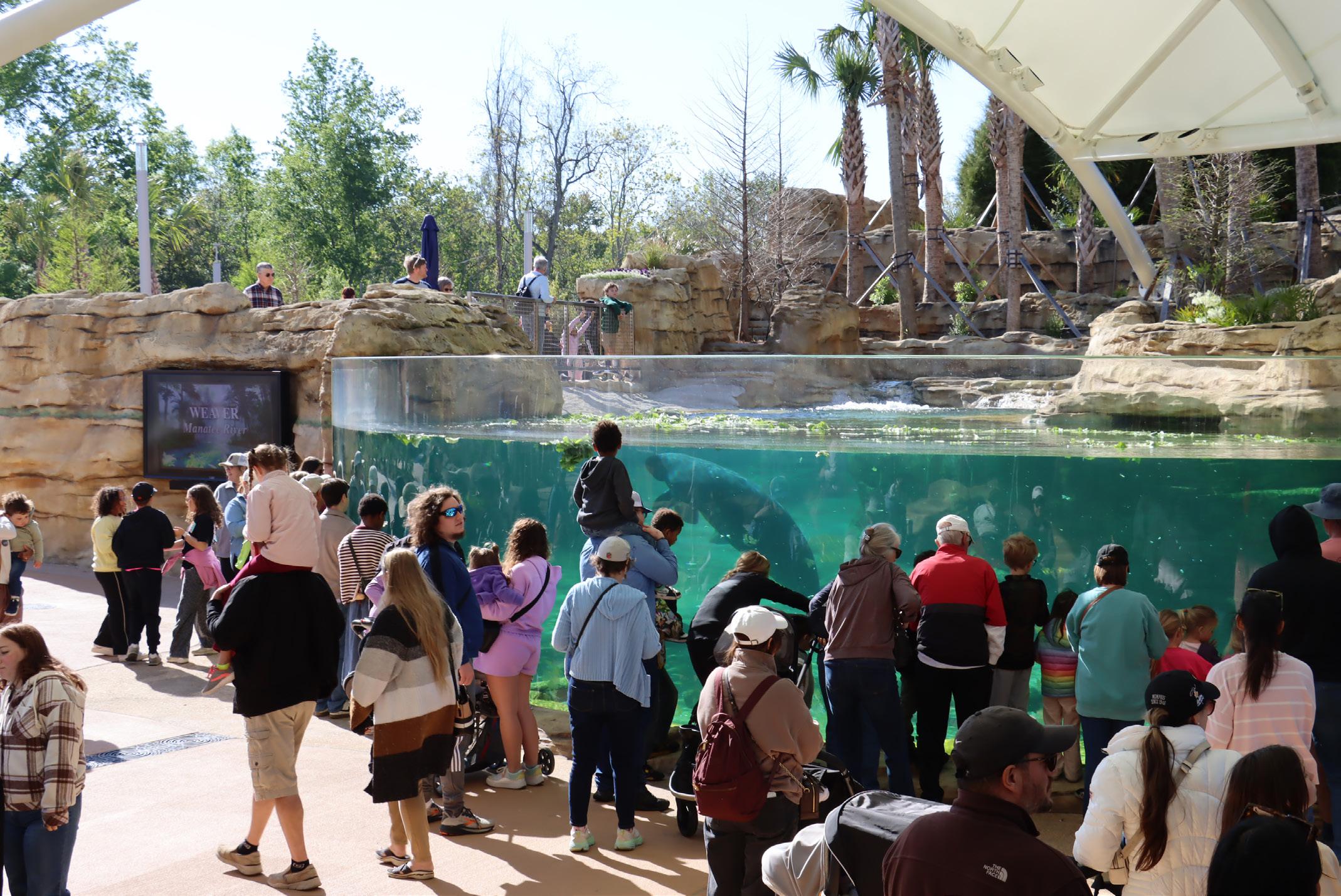
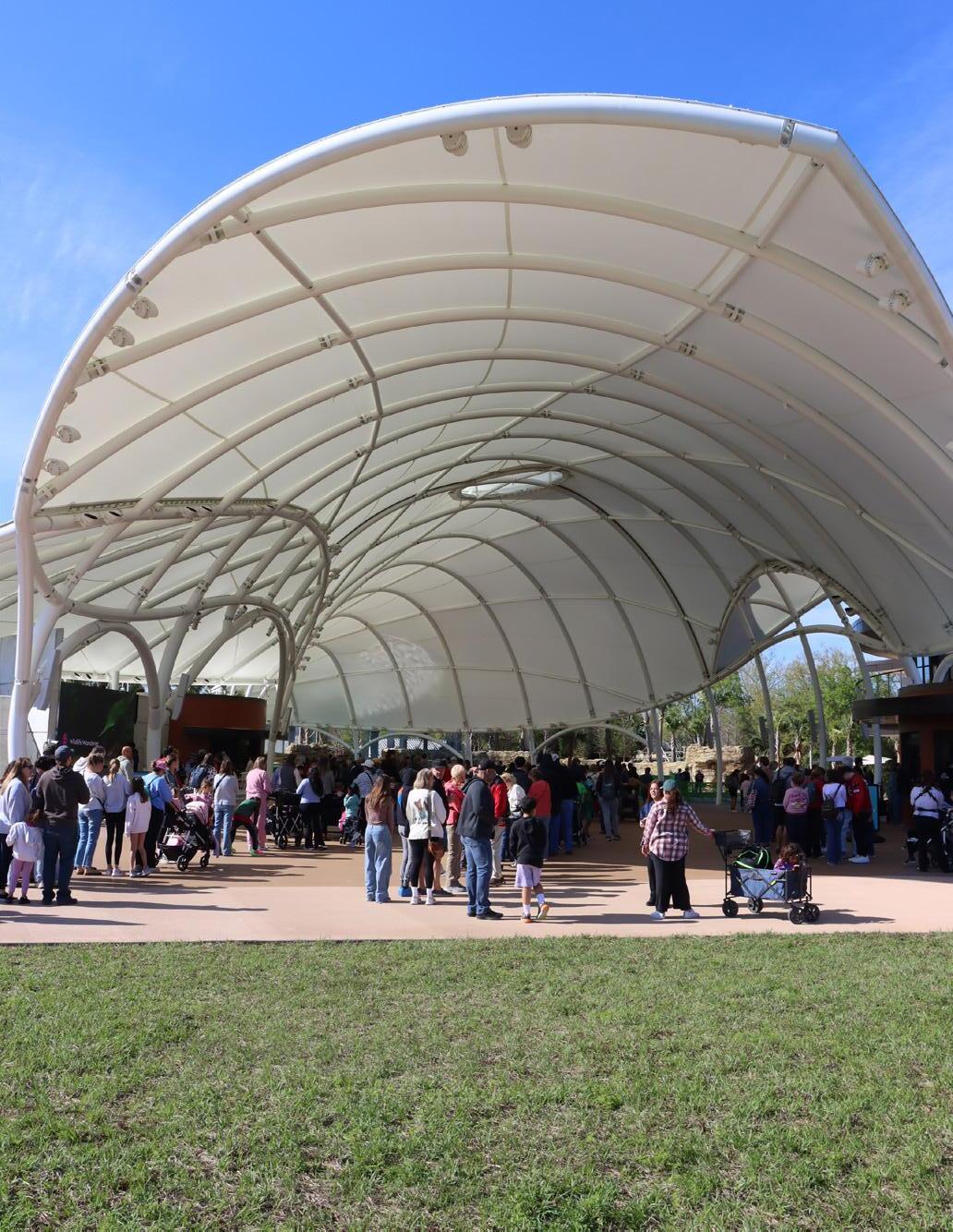
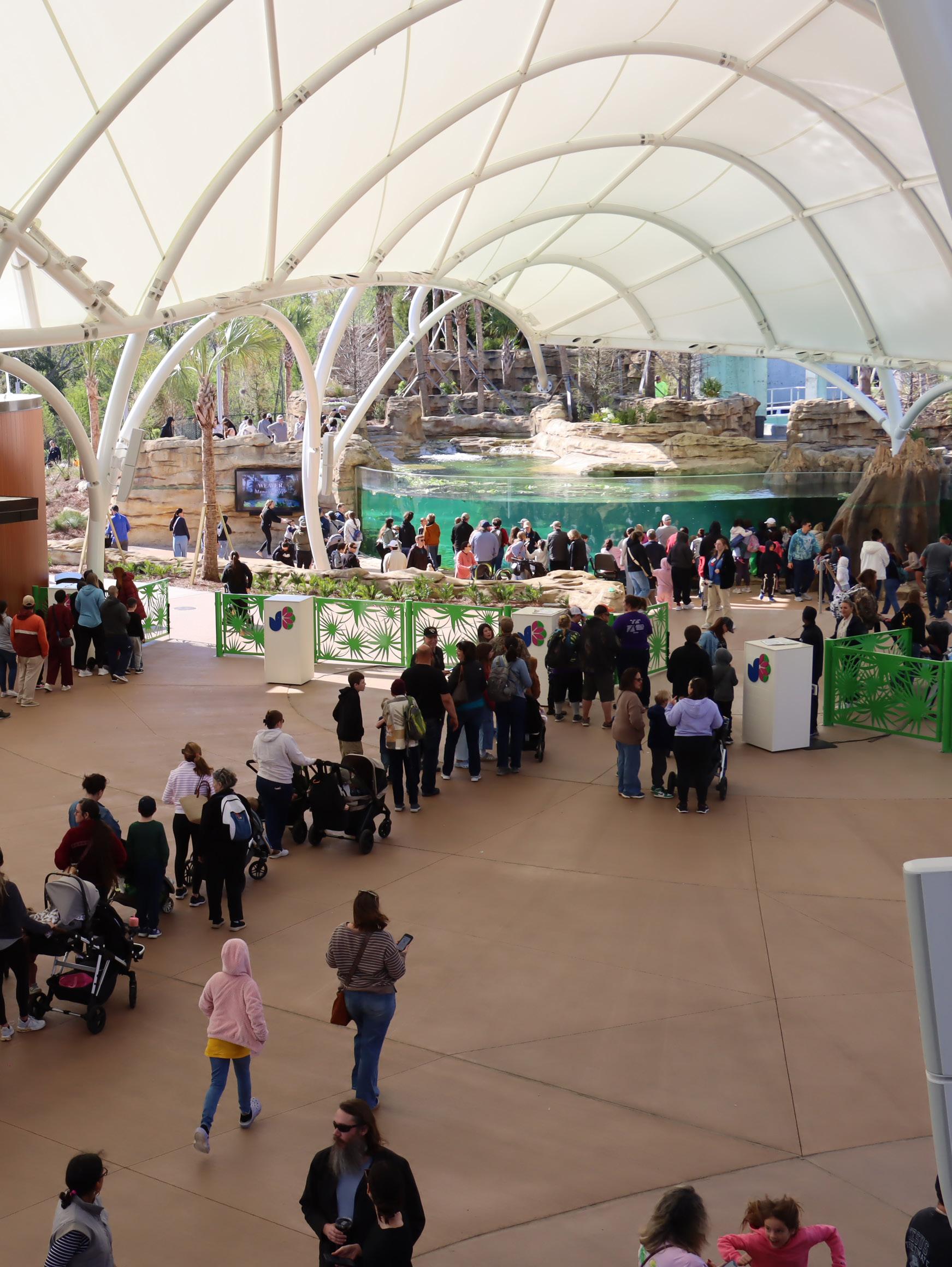
Manatees are among the most iconic and unique animals found in the waterways and coastal regions of Florida and beyond. Their calming, peaceful presence draws visitors to viewing sites, naturally piquing interest in their welfare. As Jacksonville Zoo and Botanical Gardens opens the new J. Wayne and Delores Barr Weaver Manatee River Habitat, we want to share the journey of manatees as our aquatic neighbors, building connections that inspire conservation action.
Manatees need our help. Human-related impacts continue to threaten their survival, but our new habitat, combined with staff efforts and collaborations with community partners, is working to change that. From in-the-field rescues and hands-on rehabilitative care to research, community outreach and engagement, these multi-layered approaches work collectively to protect our iconic marine neighbor.
“Manatees need our help.”
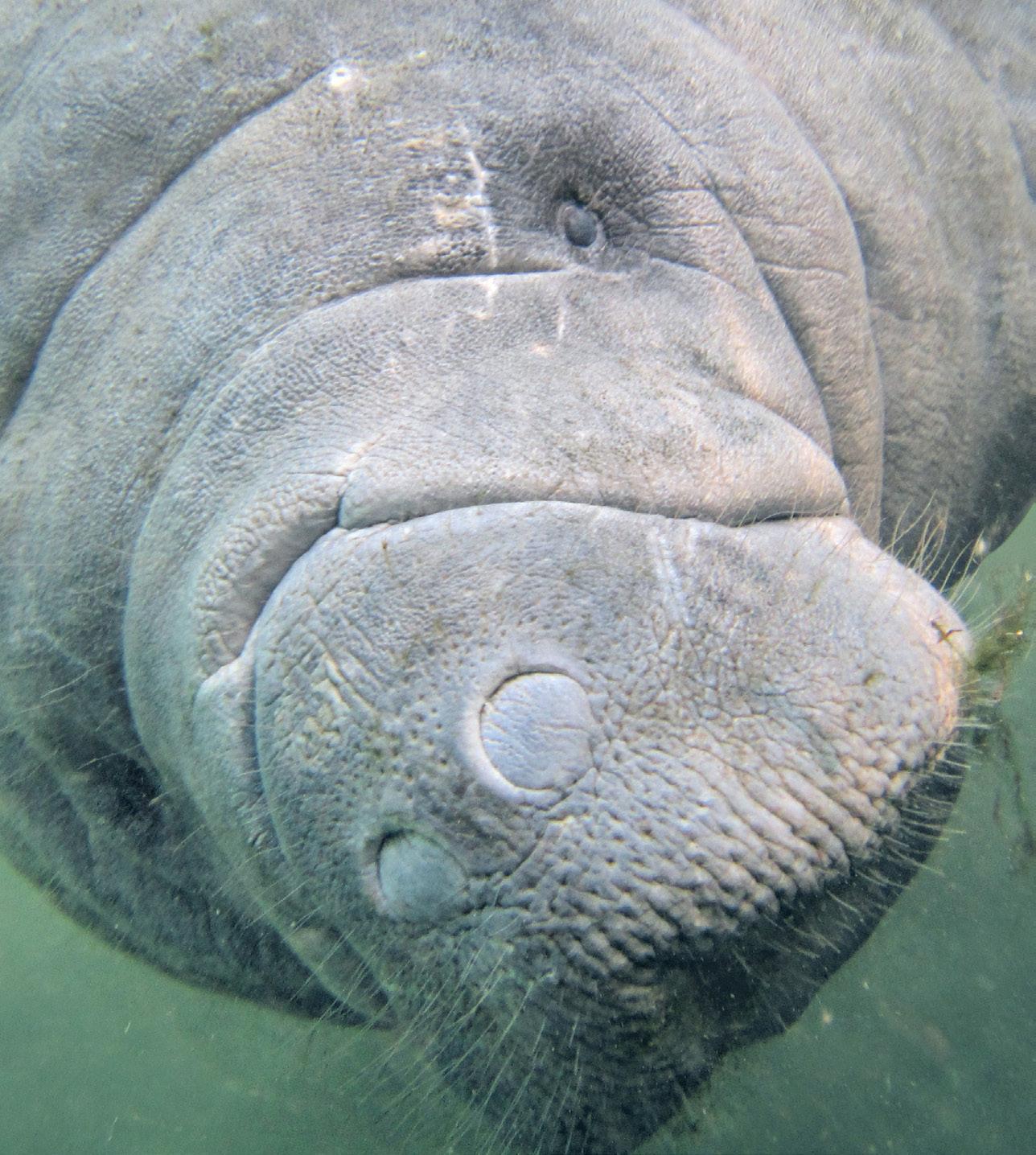
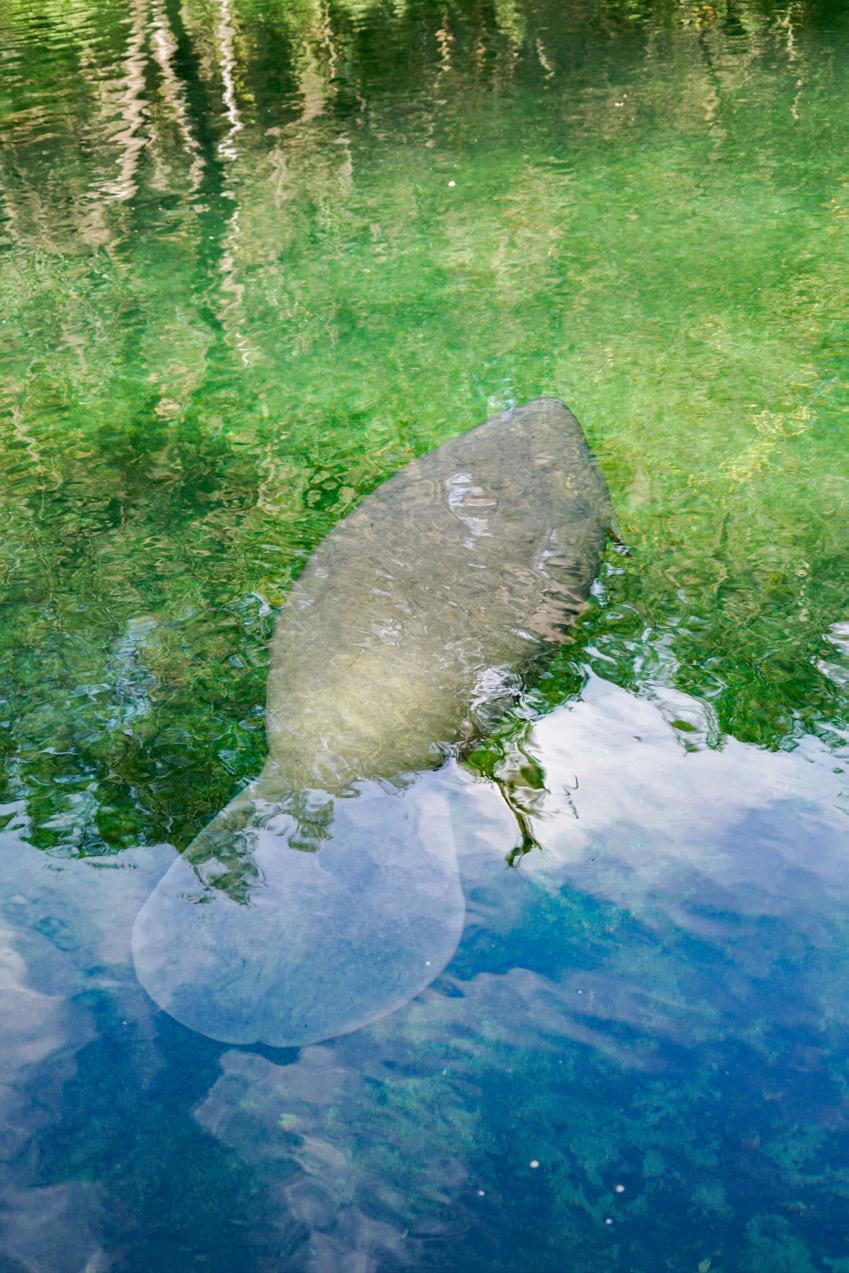
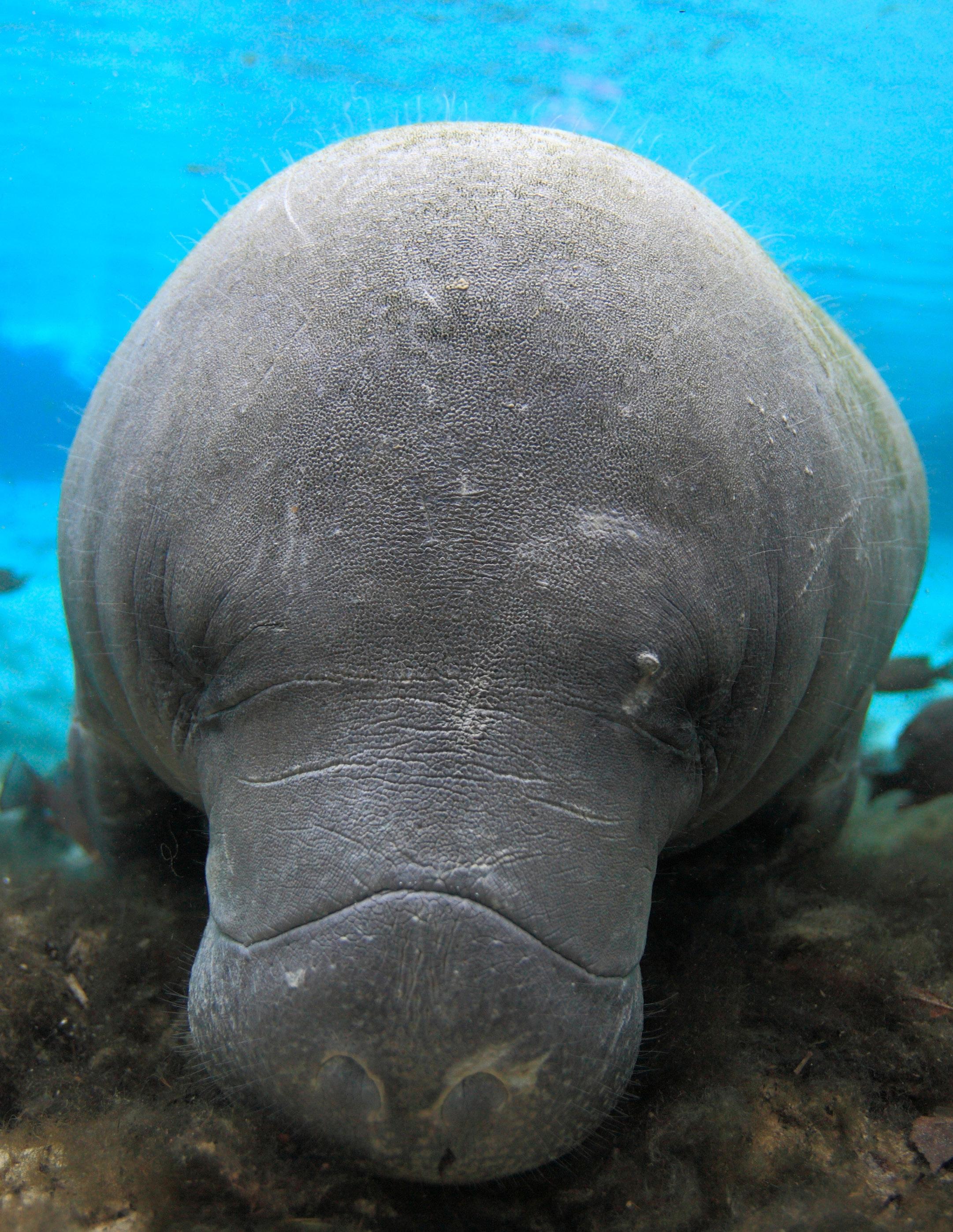
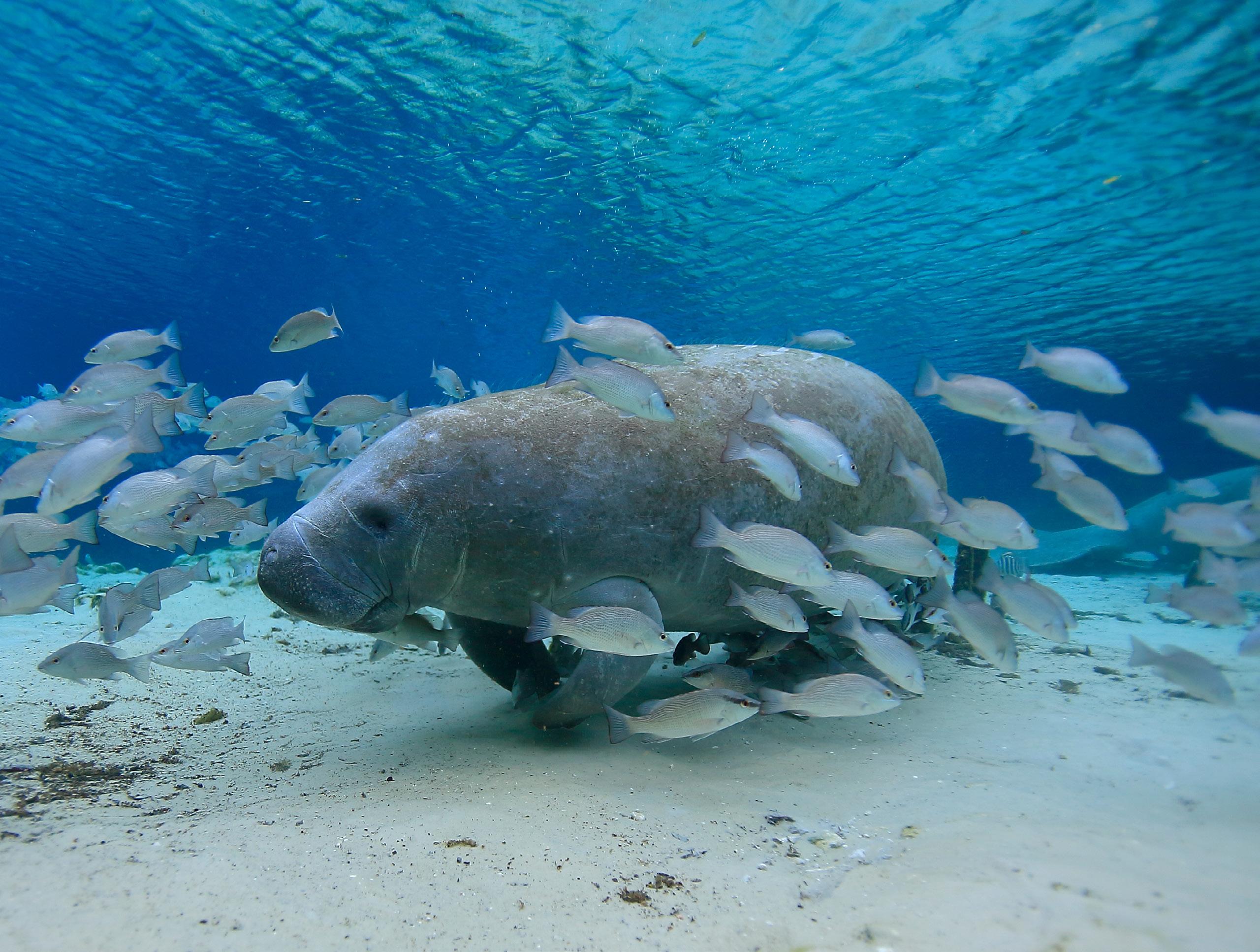
To support manatees, we must understand their unique nature and our shared connection in these ecosystems. As marine mammals, they have incredible adaptations. While they breathe air like we do, they can hold their breath for up to 20 minutes by tightly closing their nostril valves when submerged. They also constantly replace their teeth throughout their lifetime; as tough, fibrous vegetation wears down front teeth, they fall out and are replaced by new ones from the rear in a process known as “Marching Molars.”
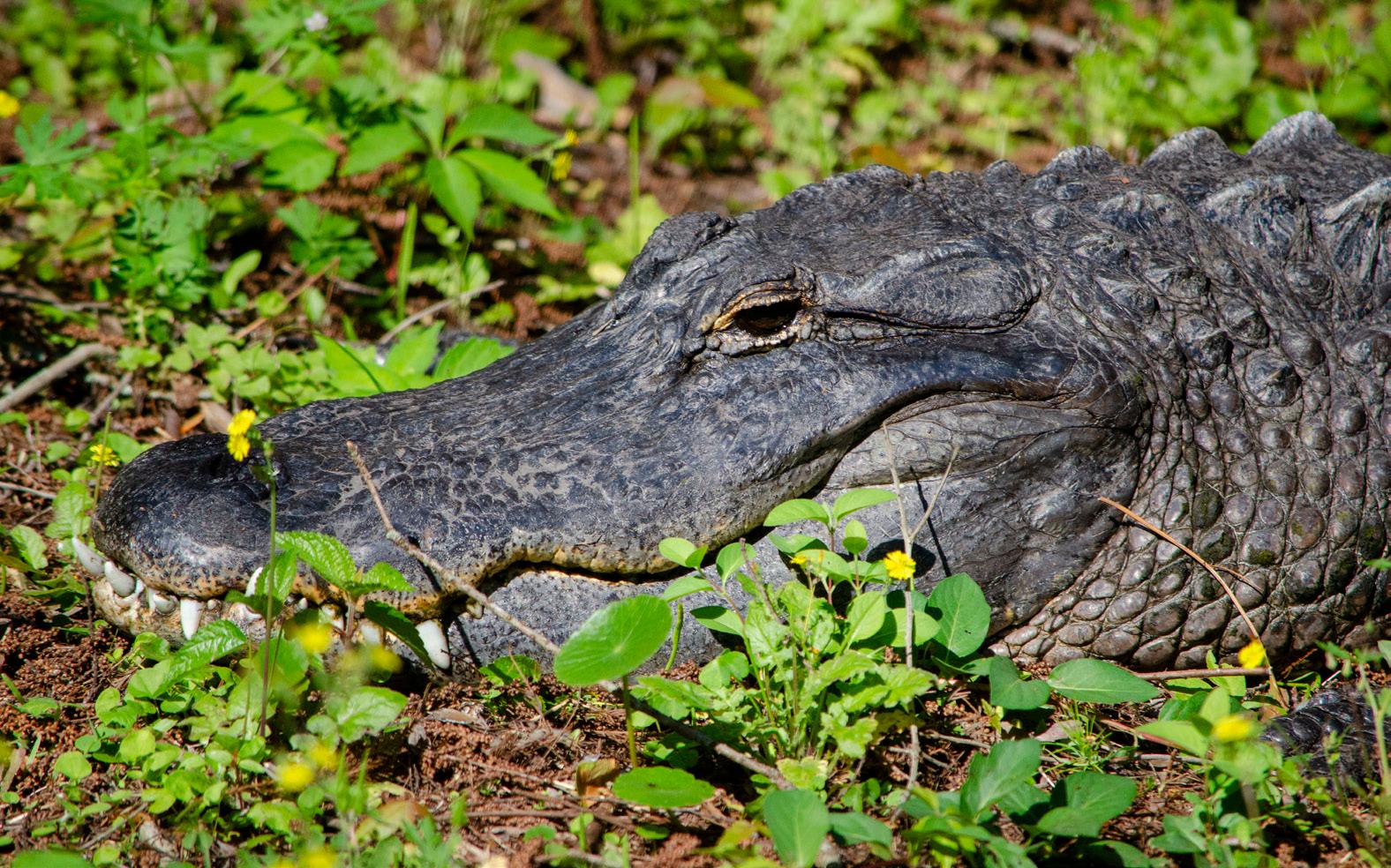
Their skin is also highly sensitive, covered in small hairs called vibrissae that function as a tactile sensory system, allowing them to detect even the smallest vibrations. While their large size, high bone density, and strong paddle-like tail help them coexist with predators like alligators or sharks, these natural defenses are not always enough to escape human-caused threats.
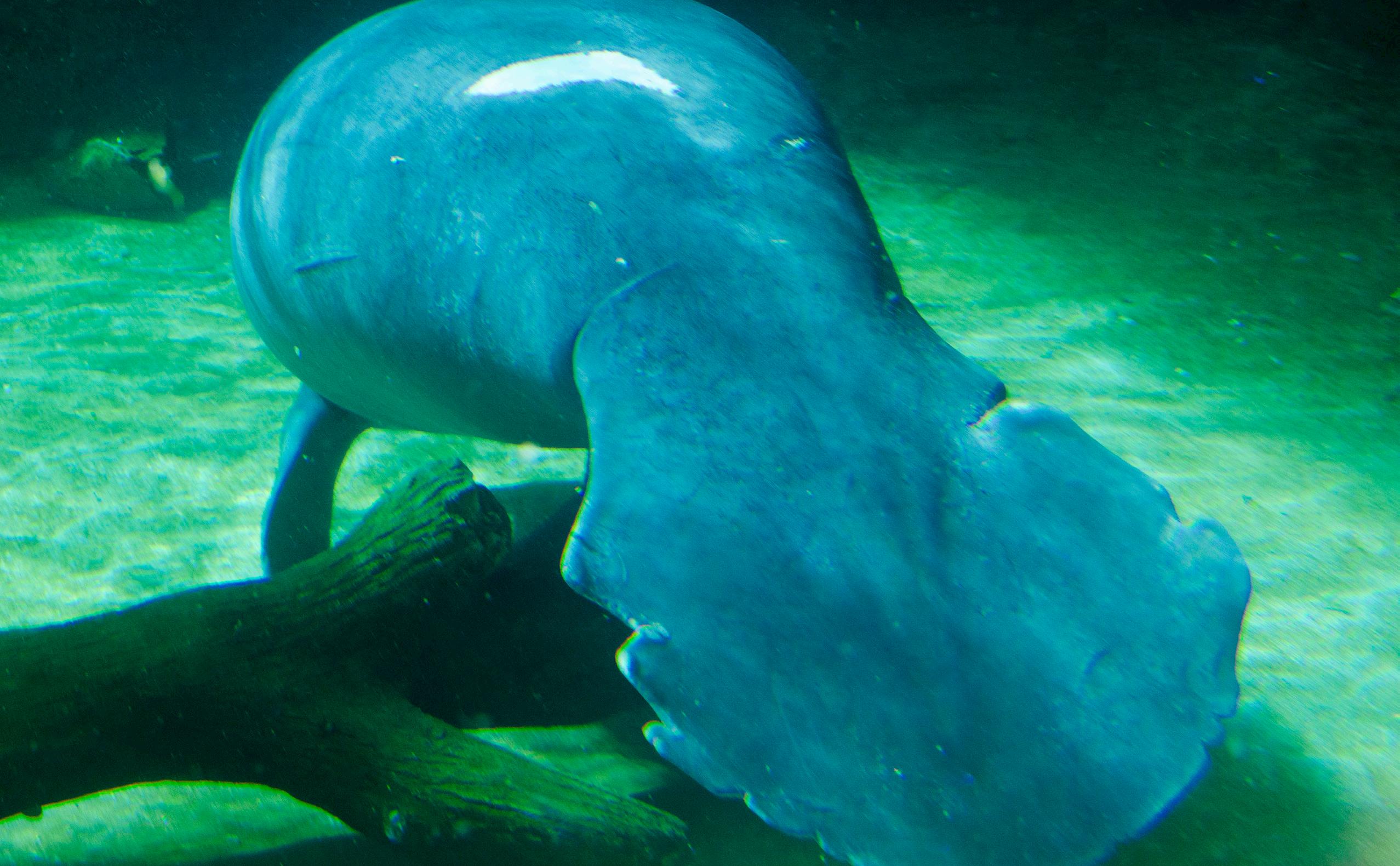
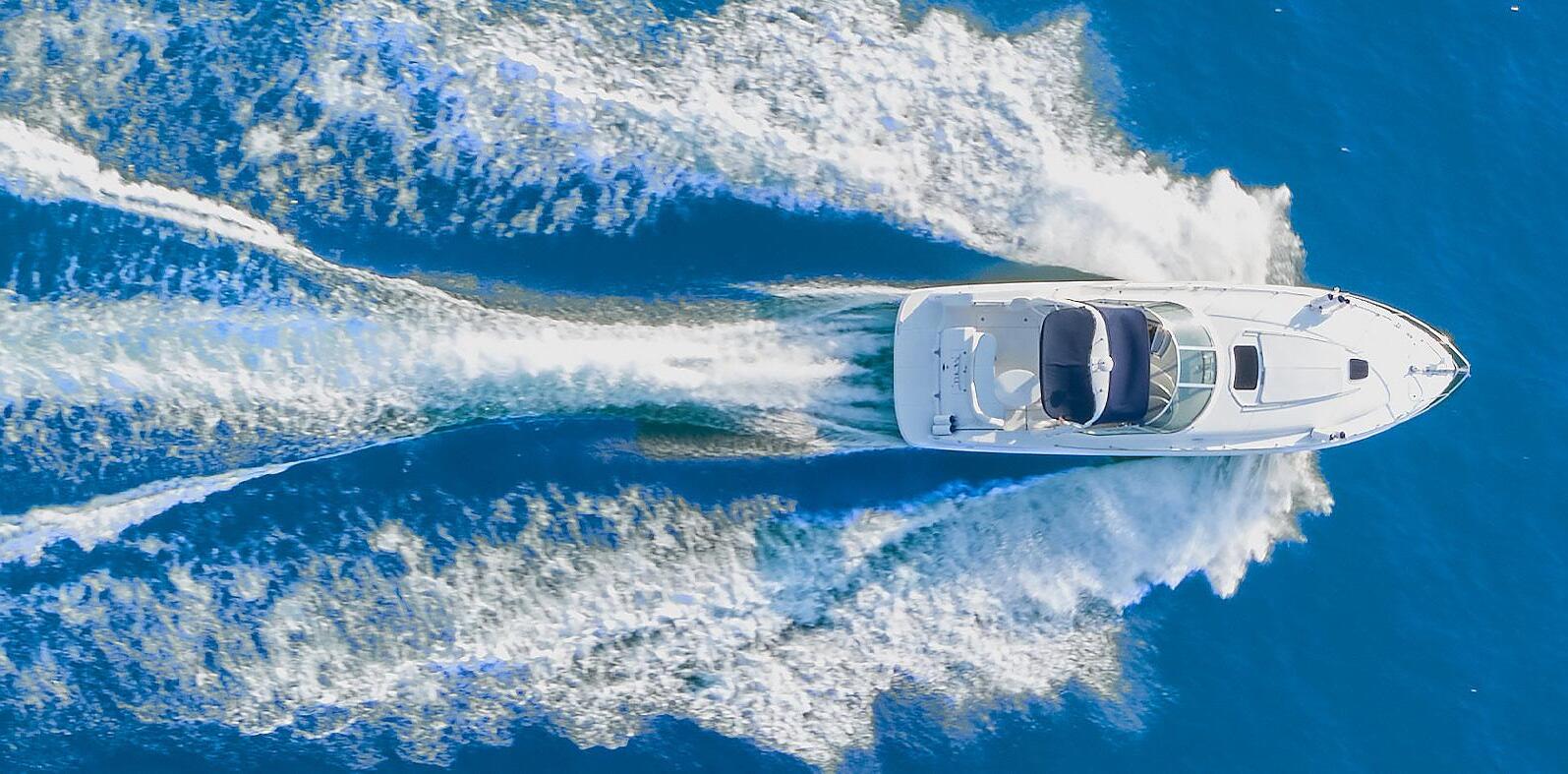
Human-related issues are the greatest threat to manatee populations. Watercraft collisions are a primary concern, often causing severe injuries like damaged lungs or broken ribs. A manatee that is unusually buoyant or struggling to surface has likely been injured by a vessel.
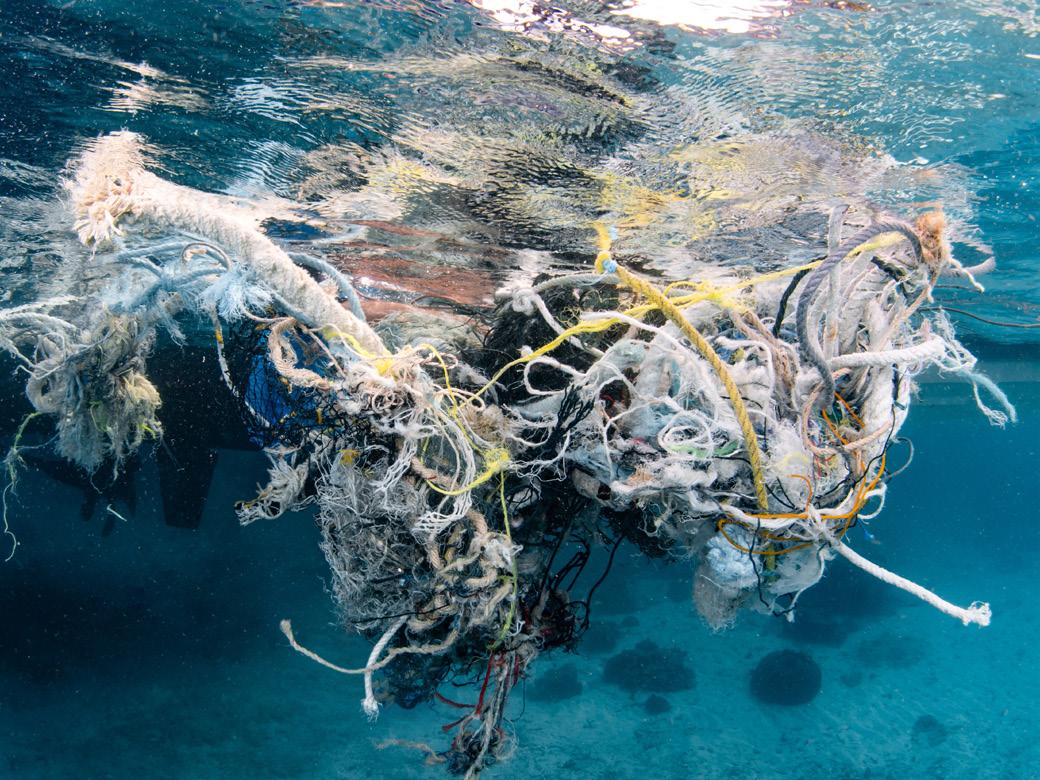
They can also become entangled in discarded fishing line or traps. Natural events pose risks too: red tide (a high concentration of Karenia brevis) produces a biotoxin that impairs a manatee’s coordination, while receding tides or flooding can cause them to become stranded.
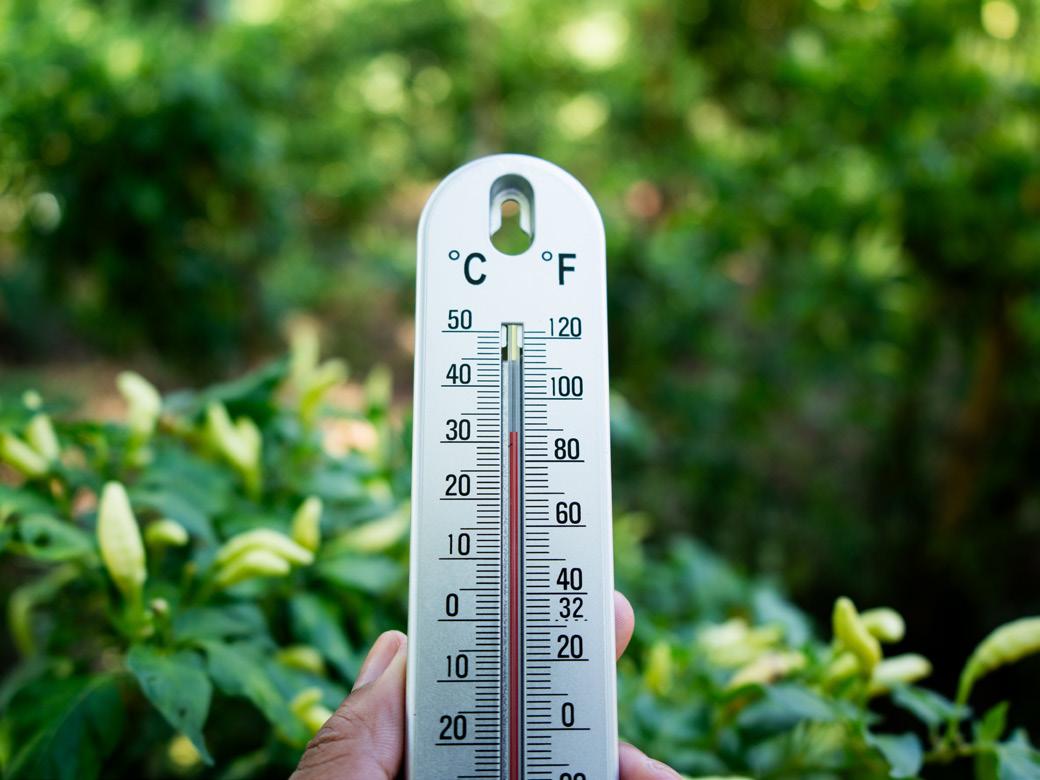
Even cold temperatures are dangerous. Prolonged exposure to temperatures below 68°F causes “cold stress,” similar to frostbite. Despite common misconceptions, manatees do not have a thick layer of insulating blubber; their mass comes primarily from bone density and large organ systems. Consequently, they congregate near warm-water sources like spring runs and power plant discharges during the winter.
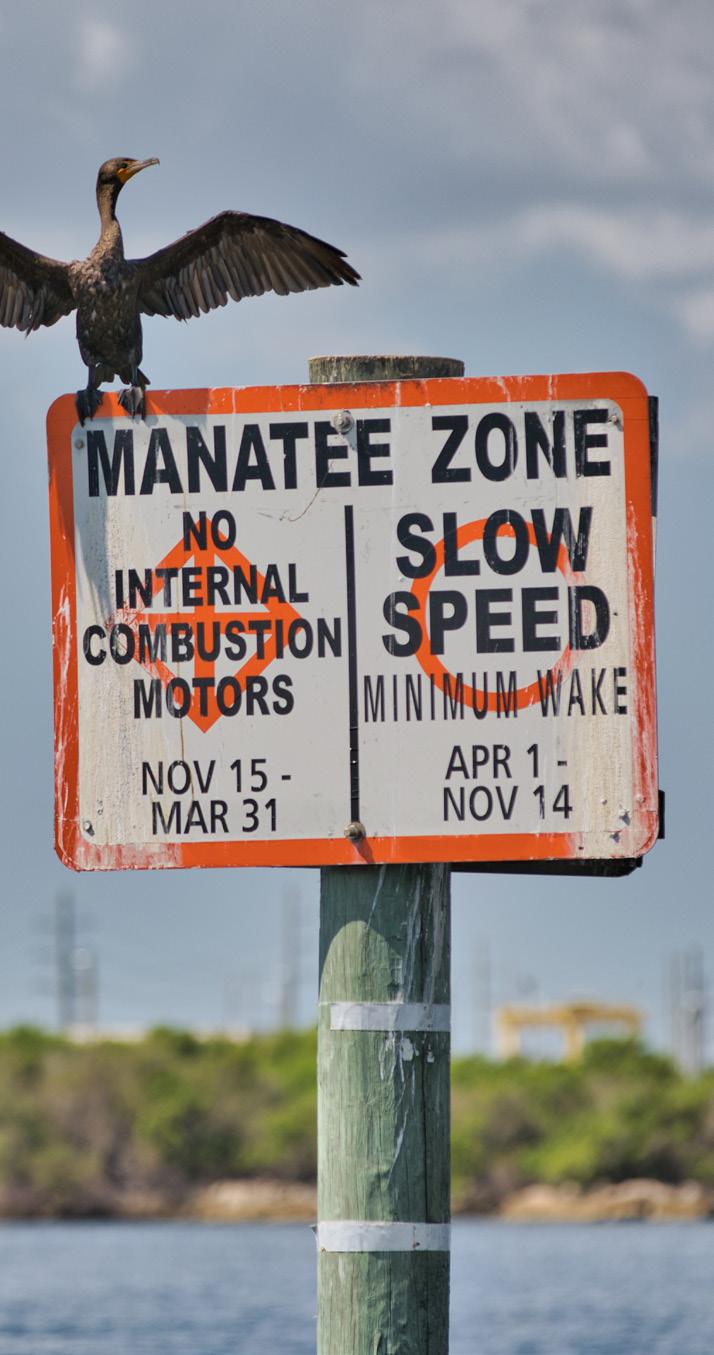
When manatees fall victim to these threats, they often require urgent medical intervention. The Manatee Rescue & Rehabilitation Partnership (MRP), established in 2001, provides vital care through a collaborative network. Jacksonville Zoo and Botanical Gardens is proud to be a partner in this mission, proving that conservation is most effective when done together. When a manatee is spotted in distress, observers should call the FWC Wildlife Alert Hotline at (888) 404-FWCC. Biologists and partners then work to safely secure and transport the patient to a facility like our Manatee Critical Care Center. There, our veterinary and husbandry staff provide everything from medical treatment to nutritious meals, supporting the animal on its road to recovery.
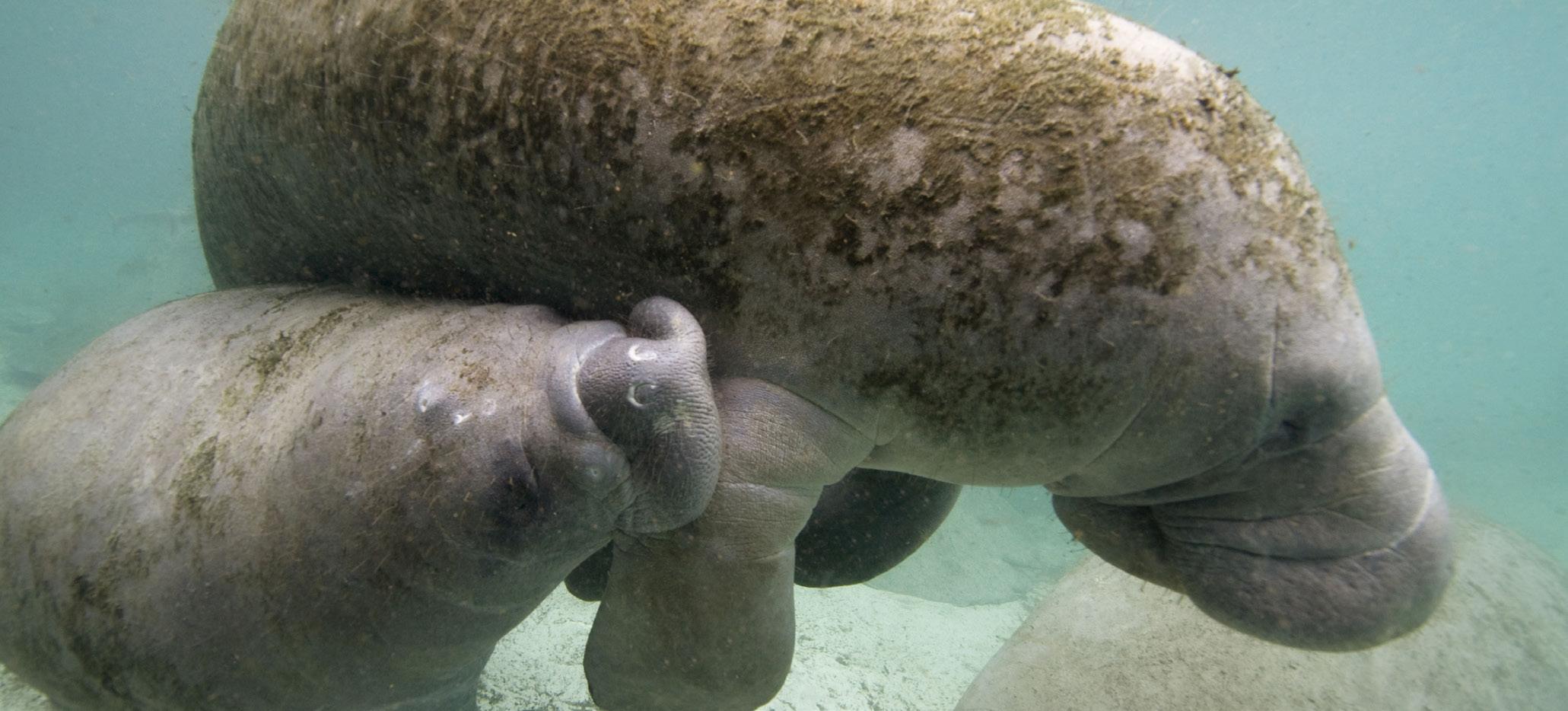
The ultimate goal is always a return to the wild. Once a patient receives a clean bill of health and reaches an optimal weight, they are released near their original rescue location. Orphaned calves, however, are released in warm water during the winter months, where they learn crucial migration and feeding routes. To ensure their
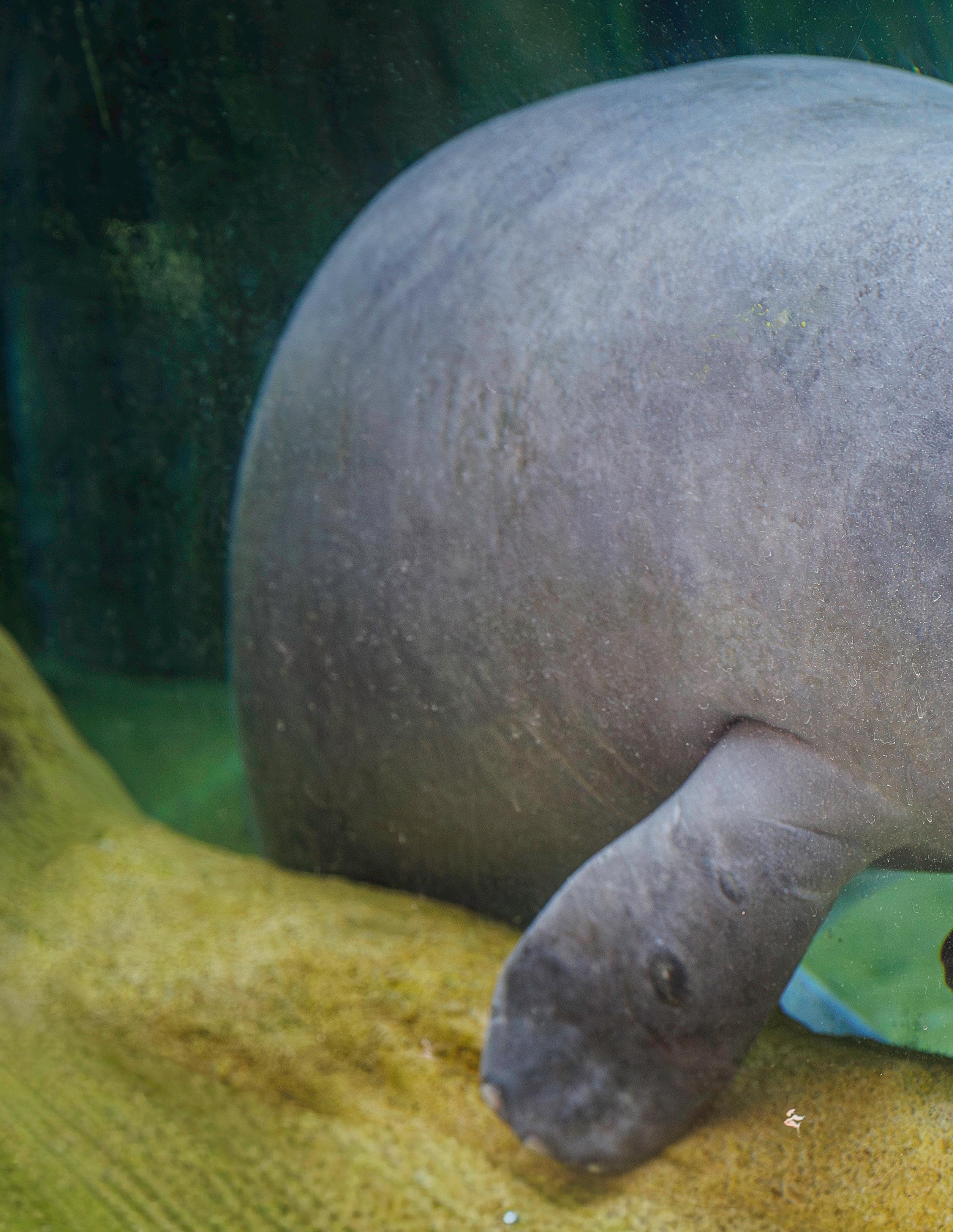
success, young manatees are often fitted with temporary satellite tags on their peduncle (the area where the tail meets the body). These tags allow researchers to monitor their adaptation, ensure they find sustainable food and verify that they reach warm-water sites.
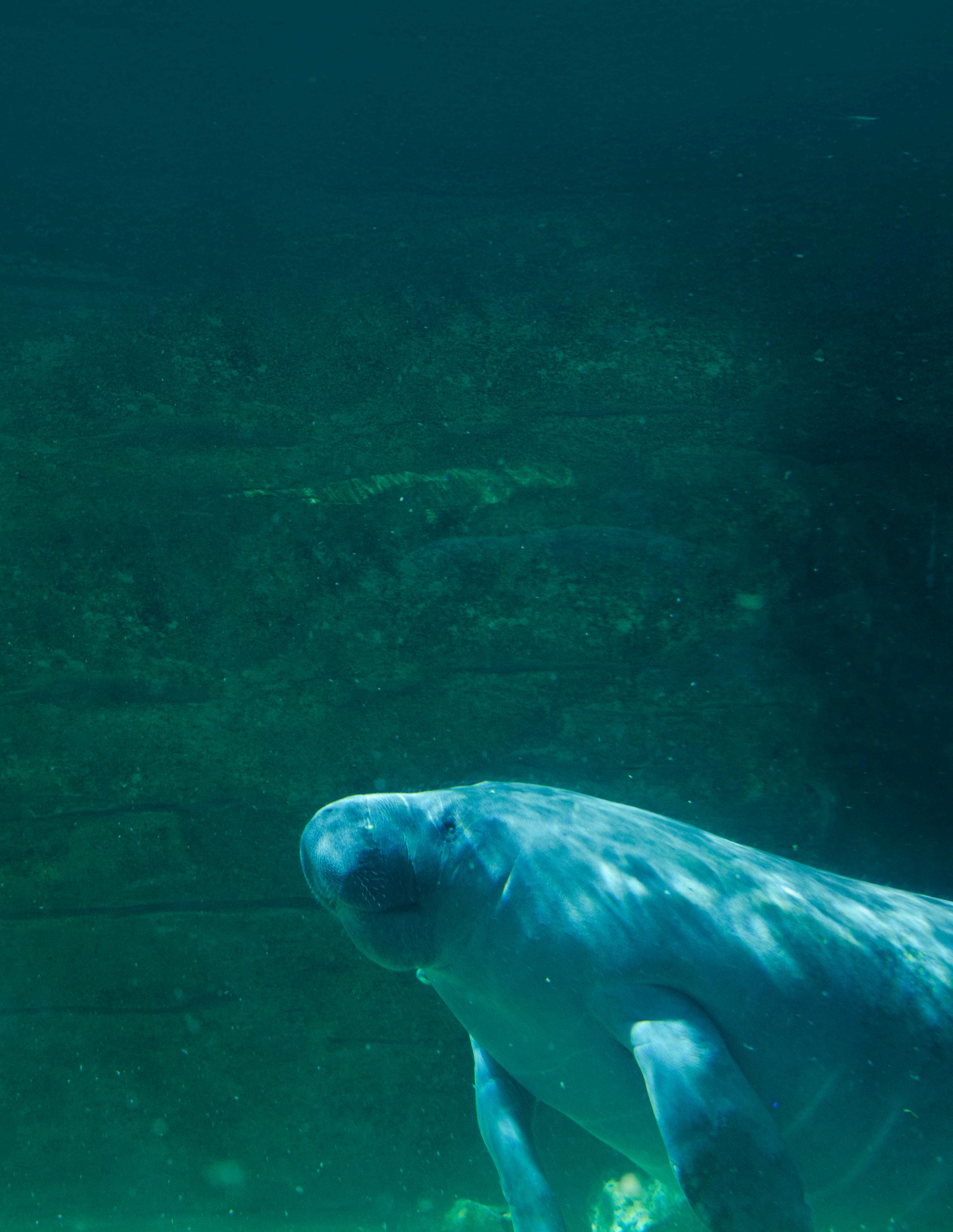
The new J. Wayne and Delores Barr Weaver Manatee River habitat is about more than just increasing our care capacity; it is a space for conservation education. Beyond the habitat walls, we are extending these efforts into the community through conservation talks and our adult “Conservation Corners” classes.
As an institutional partner of the ACE (Advancing Conservation through Empathy) for Wildlife Network, we use the science of empathy to transform how we connect with nature. By integrating social science and best practices into our interpretive plans and signage, we strive to foster a deeper understanding and mutual coexistence.
It is a privilege to offer this level of care. Just as every manatee has a unique journey, so does the story of our Zoo and Botanical Gardens continue to grow. Whether you are a visitor, a student in one of our classes or a member and donor, you are a community conservationist. Manatees are our neighbors, and it takes all of us, united, to ensure their survival as an iconic symbol of Florida’s resilience.
Story by Jack Duvall, Horticulture Technician II. Non-stock photos: Chris Daiey Curator of Horticulture
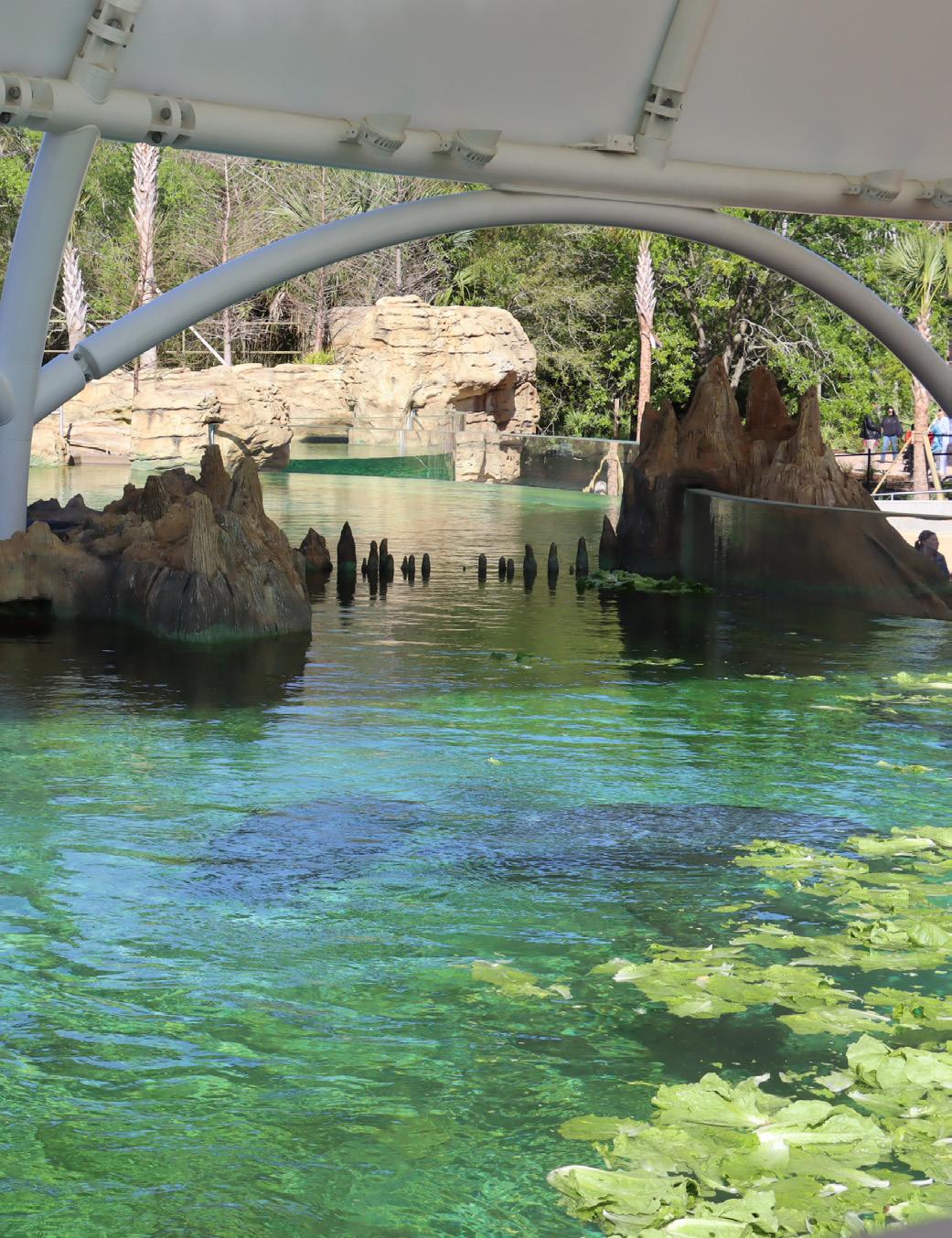
We are opening the Manatee River habitat, recreating a Florida spring with native plants to support manatees and local plants and wildlife. Over 200 trees will be planted, helping protect ecosystems and manatee food sources.
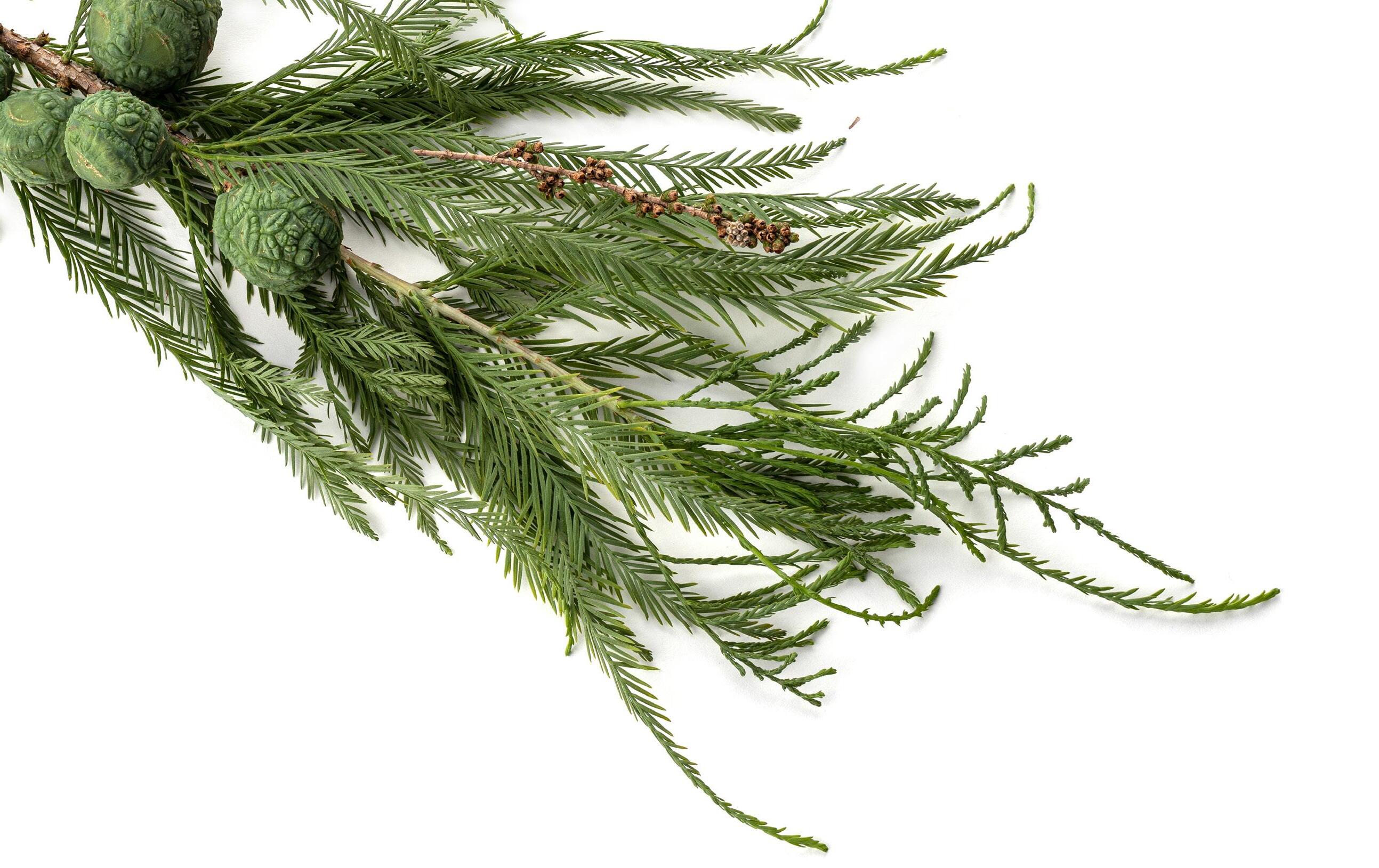
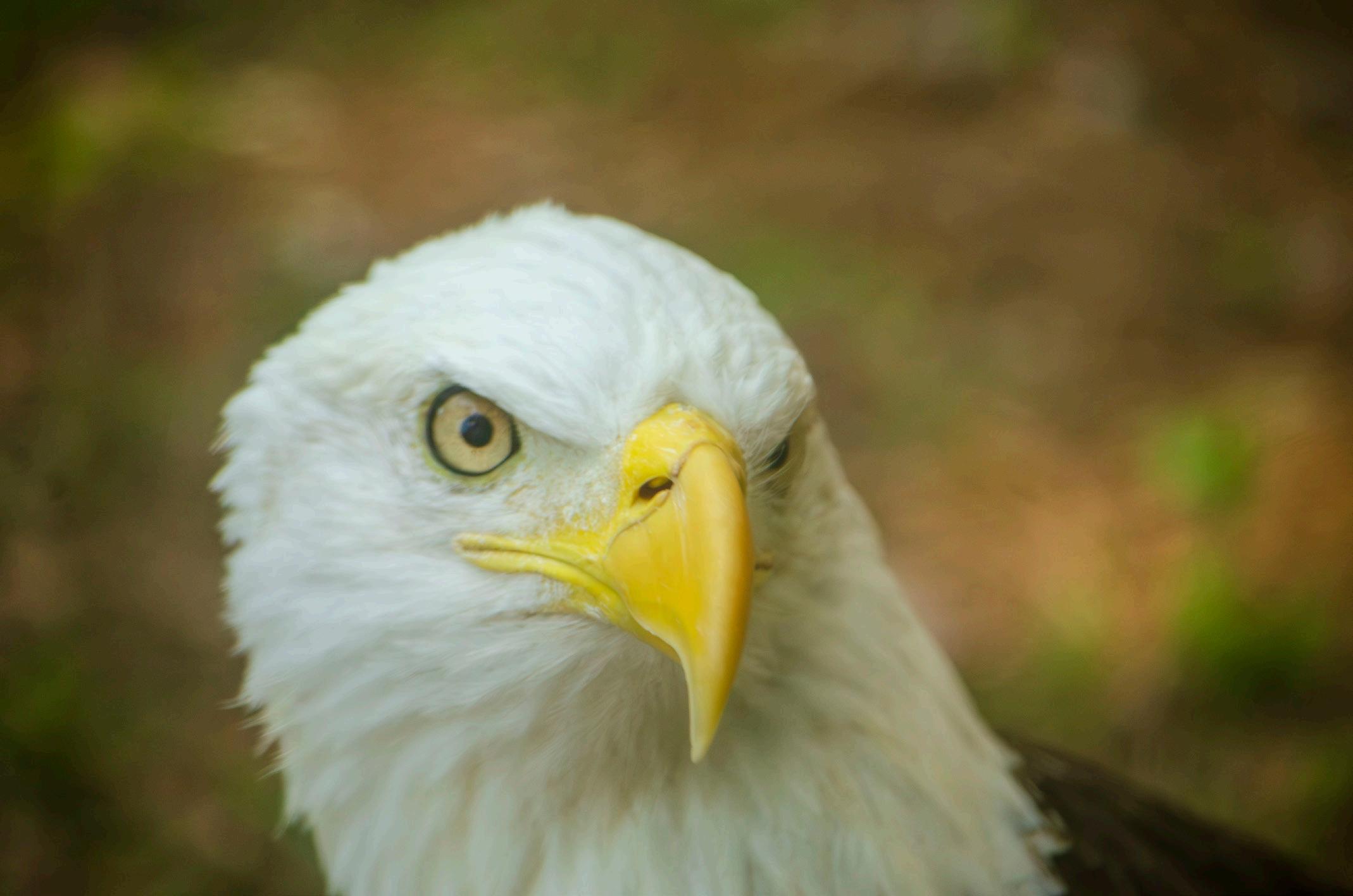
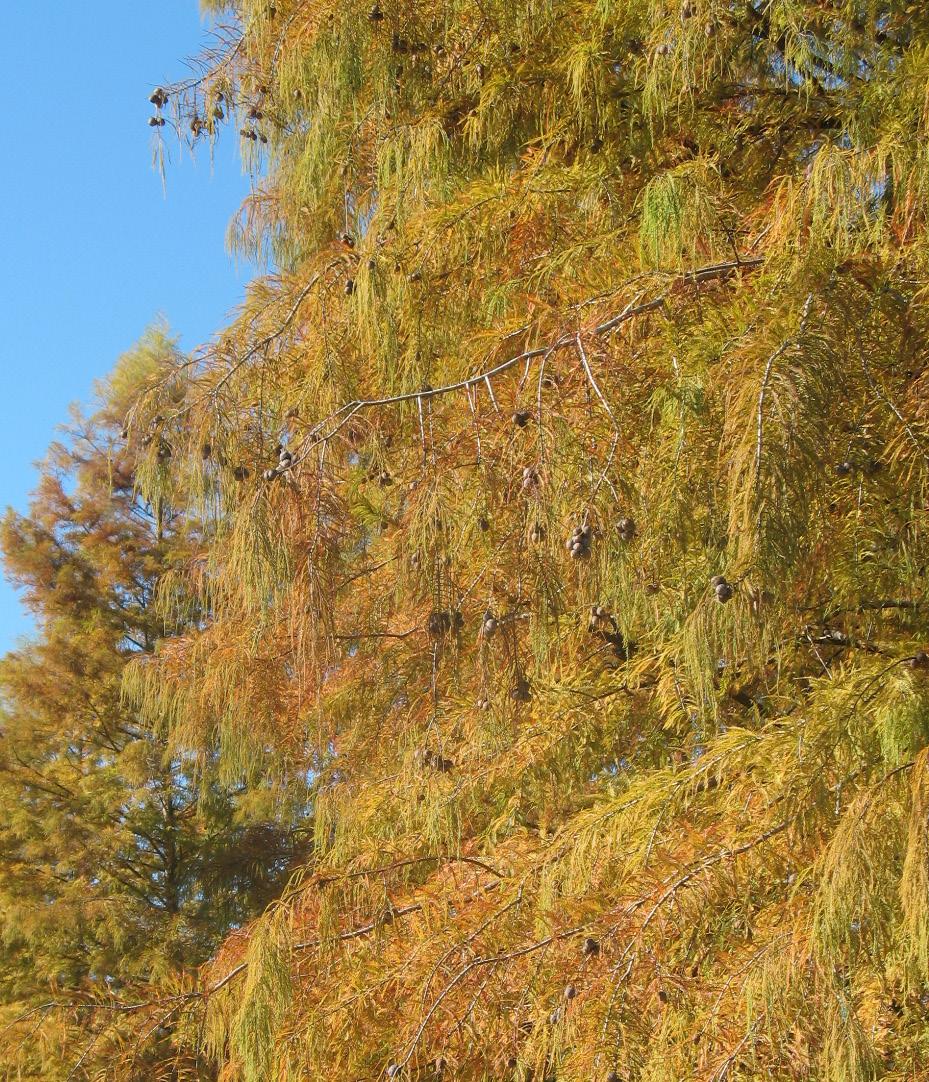
Now that the state-of-the-art J. Wayne and Delores Barr Weaver Manatee River is open at Jacksonville Zoo and Botanical Gardens, guests are getting an up-close look at Florida’s incredible biodiversity. While the manatees are undoubtedly the stars of the show, keen eyes may also spot a very prominent tree amid the exhibit: Taxodium distichum, the bald cypress.
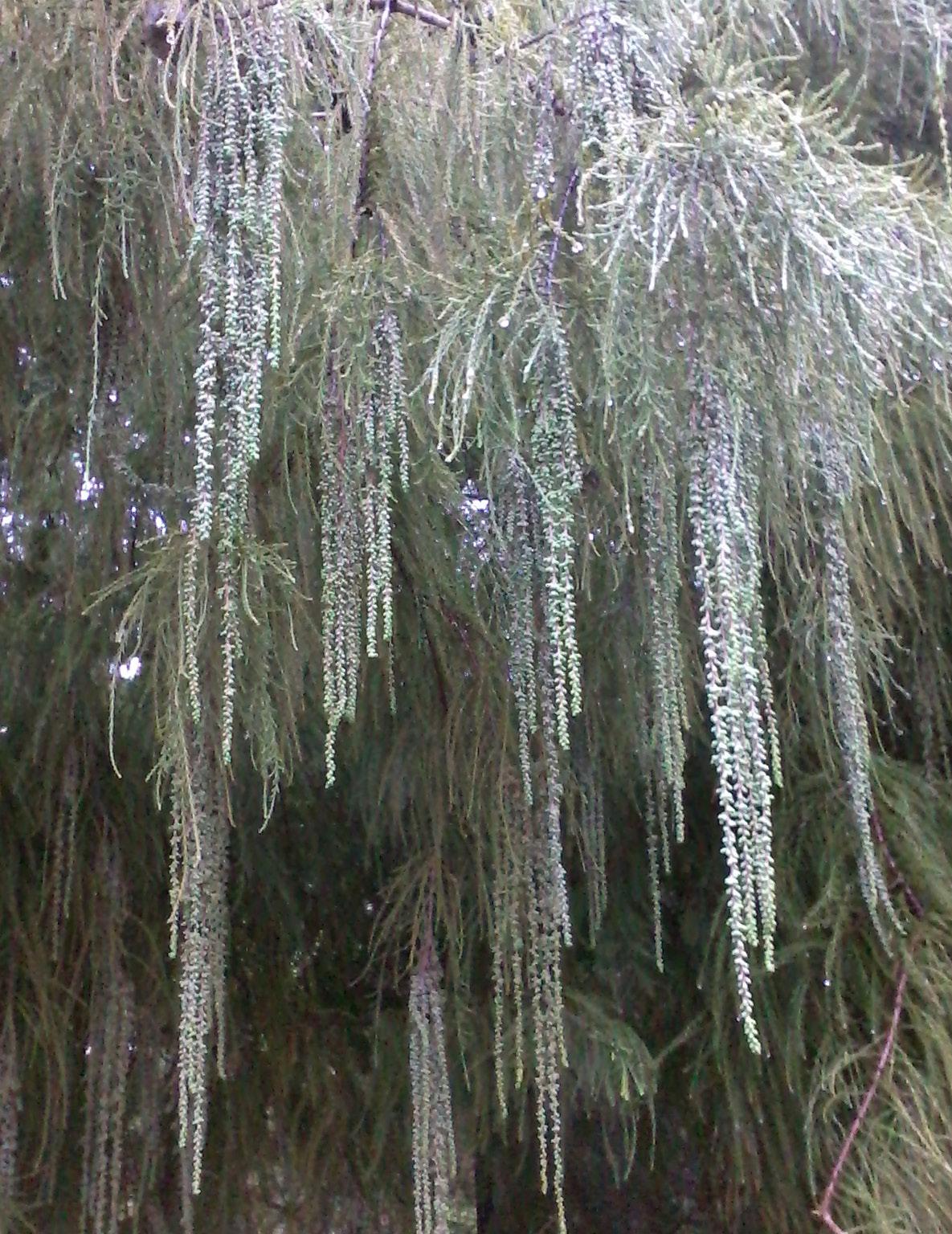
The bald cypress is native to the southeastern United States and is also the state tree of Louisiana. This coniferous tree can reach heights of up to 150 feet and produce seeds, fruits and striking flowers. Remarkably, bald cypresses can live 600 to 1,200 years! Fossil evidence suggests
they may have co-existed with dinosaurs during the Cretaceous period, which may explain their prehistoric appearance.
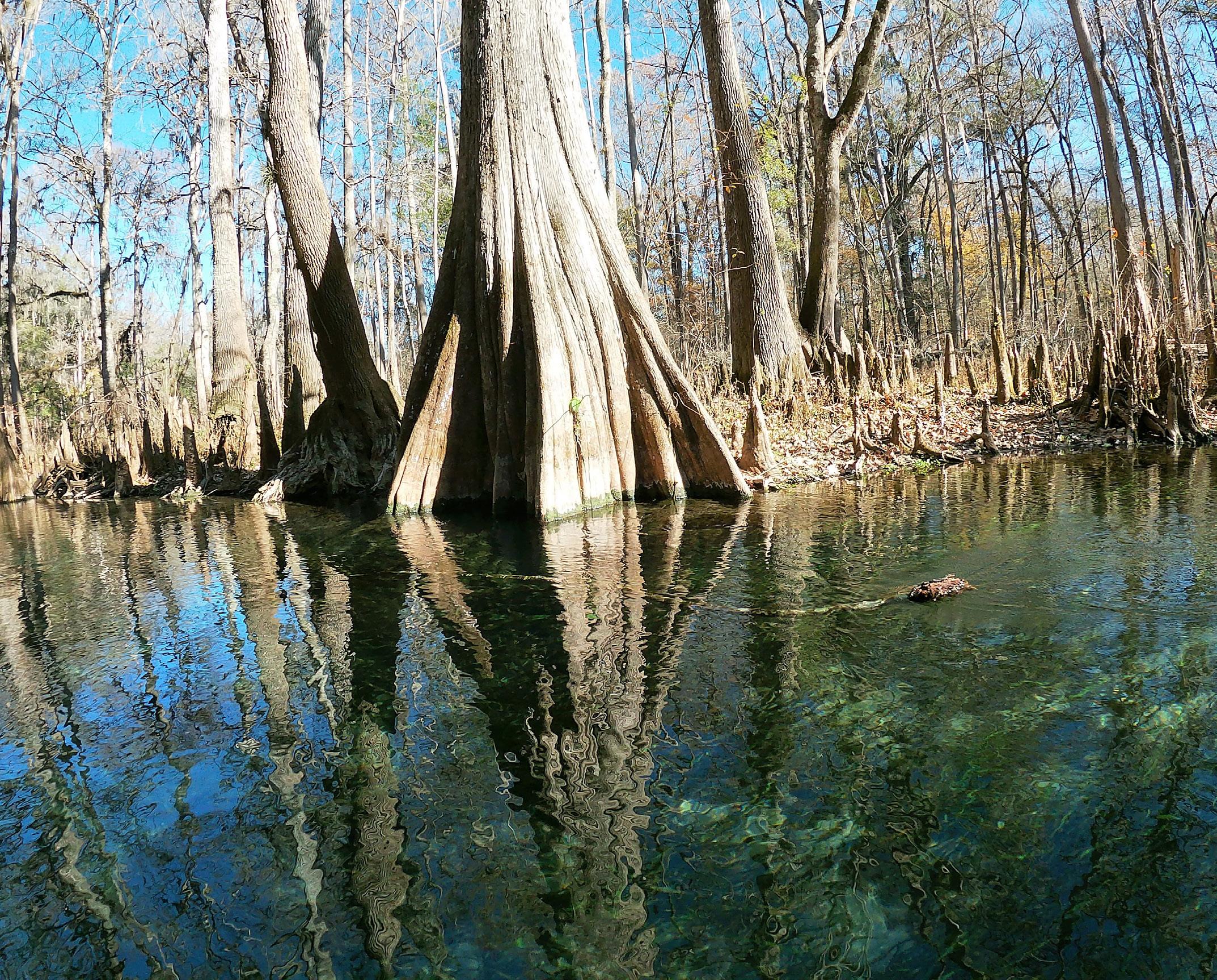
This densely foliated tree primarily grows in wetlands and features a thick trunk at its base, often surrounded by root projections, or “knees,” which help absorb excess water. Its trunk is covered in ashy grey bark that peels off during the winter, while pale green, feather-like leaves form a dense canopy. As a deciduous tree, it drops its leaves annually, and just before winter, the leaves turn a beautiful rusty orange, making it one of the few trees in Florida to showcase fall colors.
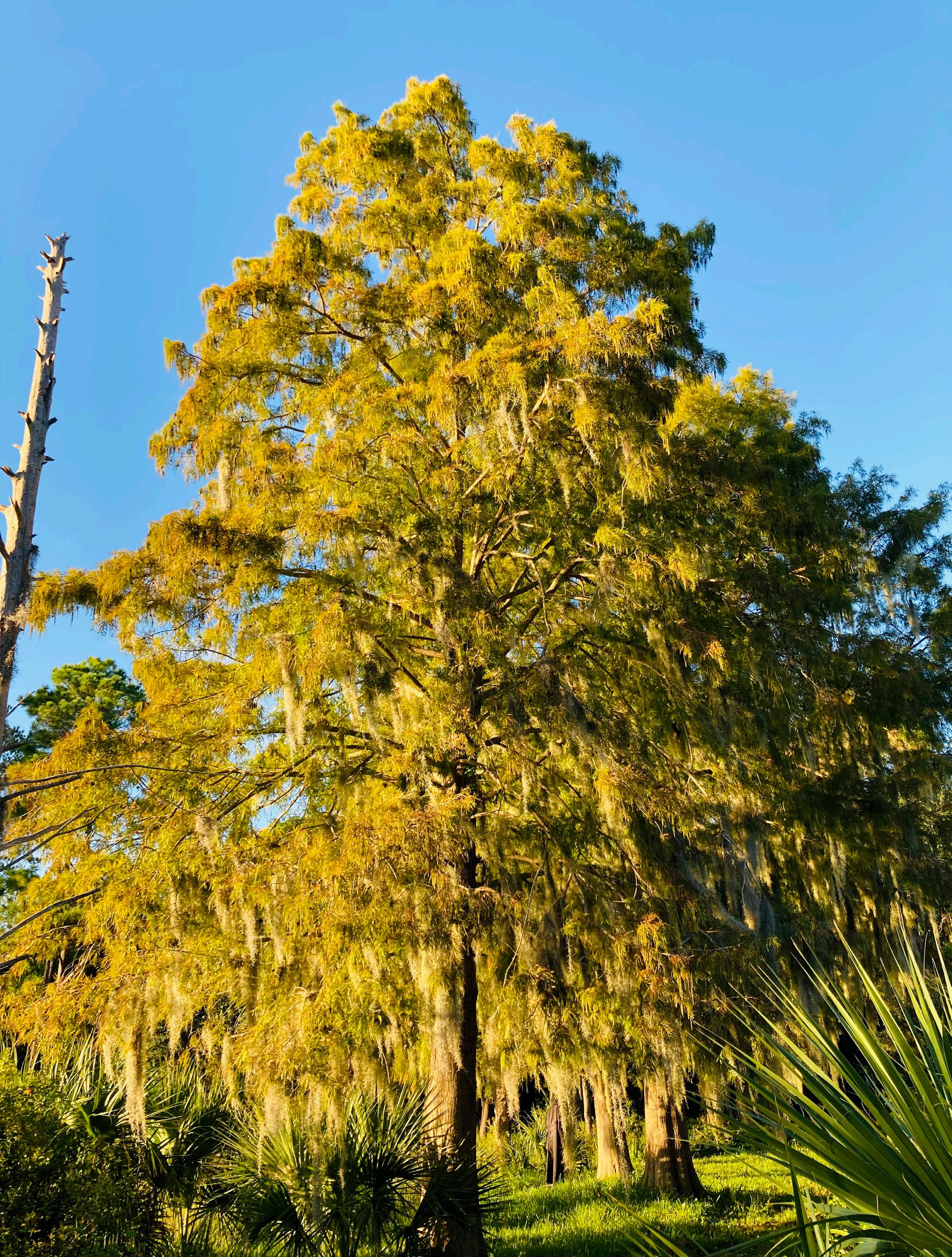
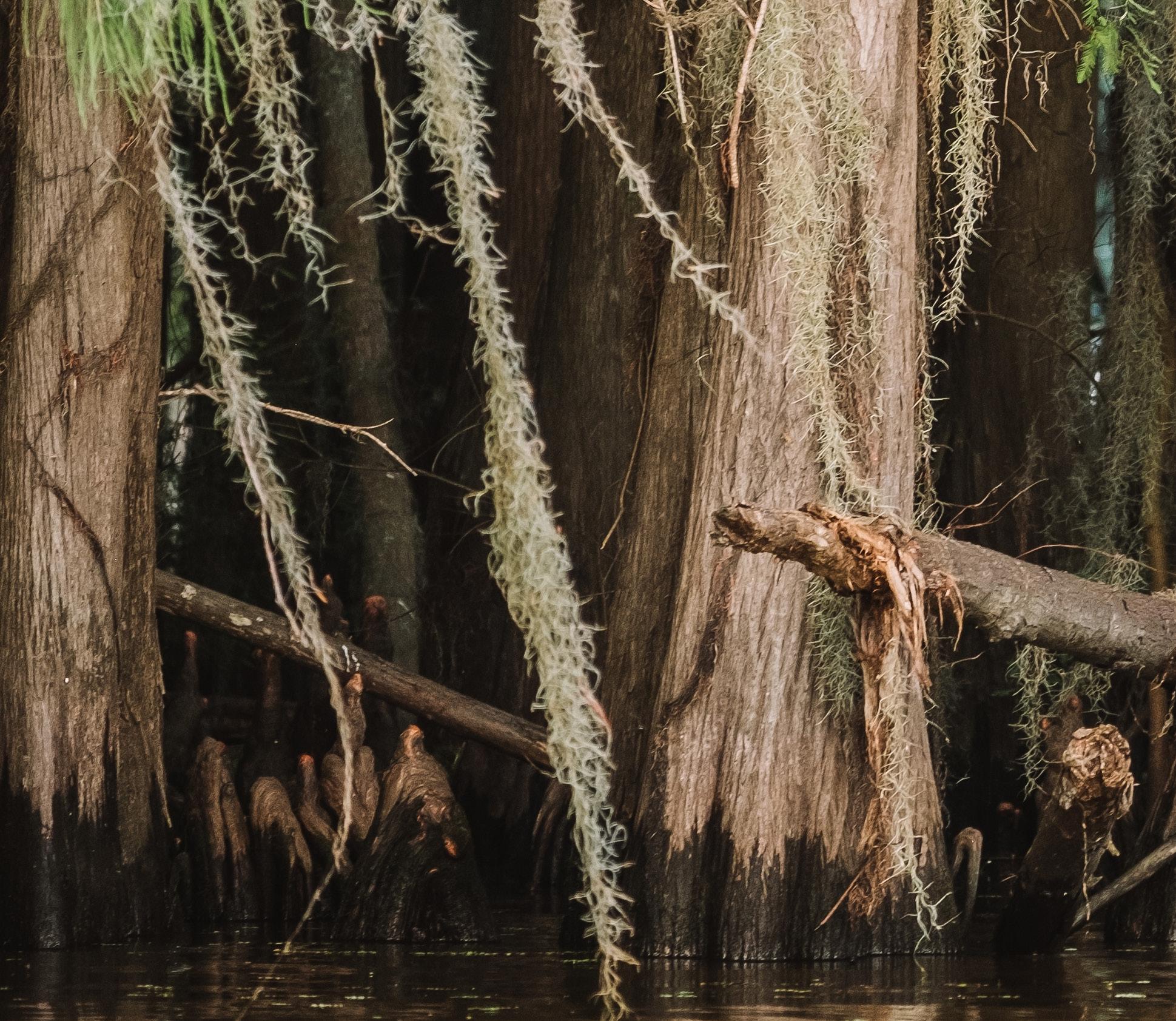
Bald cypress trees provide many benefits to the ecosystems they inhabit. They often grow in mucky soil along Florida’s streams, where manatees swim beneath their canopies. The seeds feed waterfowl, squirrels and turkeys, while fish shelter in fallen submerged trunks and branches, and birds often nest in the canopy. The roots filter and enhance water quality, and in natural manatee habitats, bald cypresses play a key role in preventing erosion and limiting flooding.
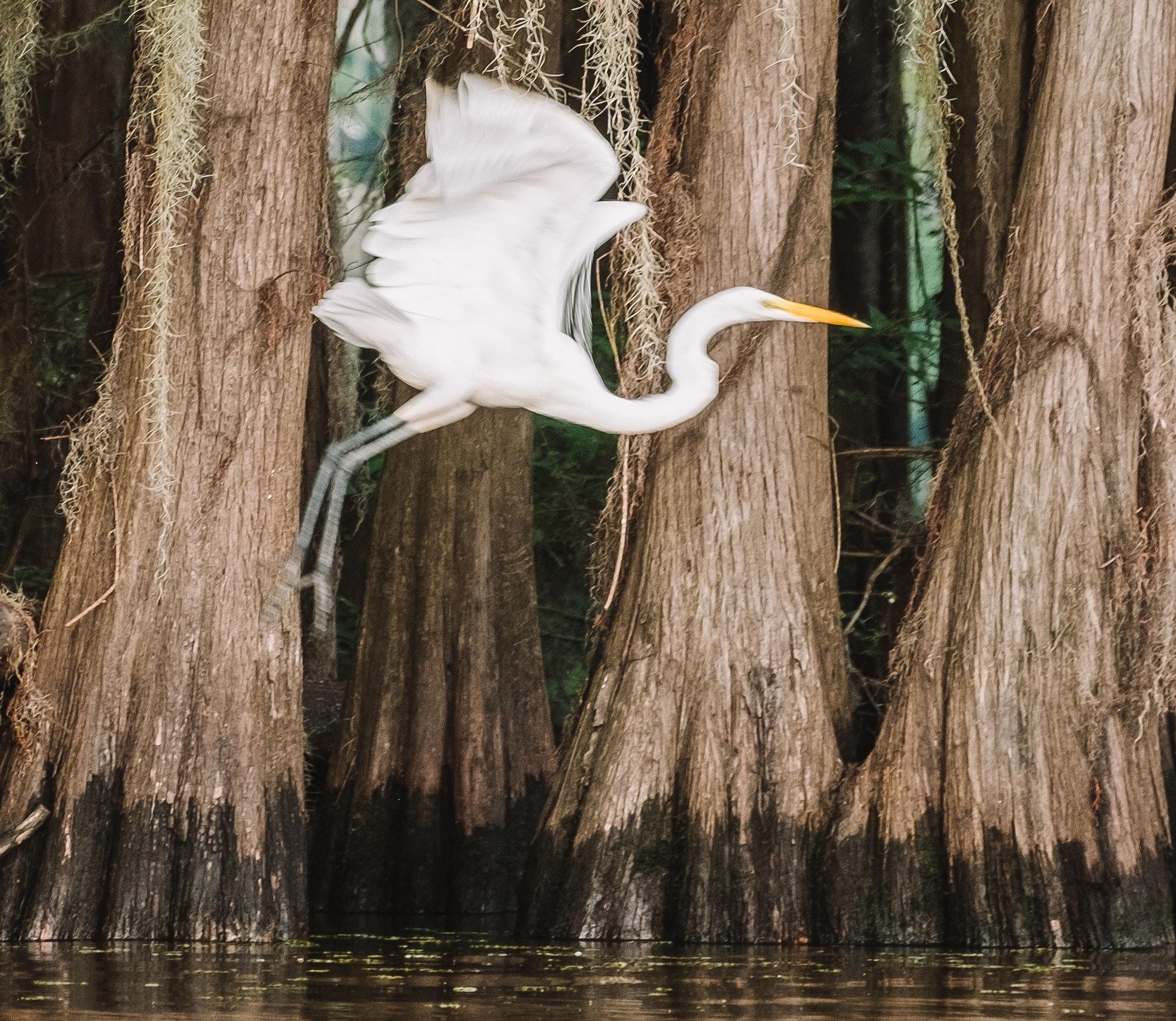
It’s easy to see why the bald cypress is such a prominent feature of our Manatee River. Whether you’re visiting to see the manatees or exploring the wetlands, take a moment to spot this ancient tree and appreciate all it contributes to our vibrant ecosystem.
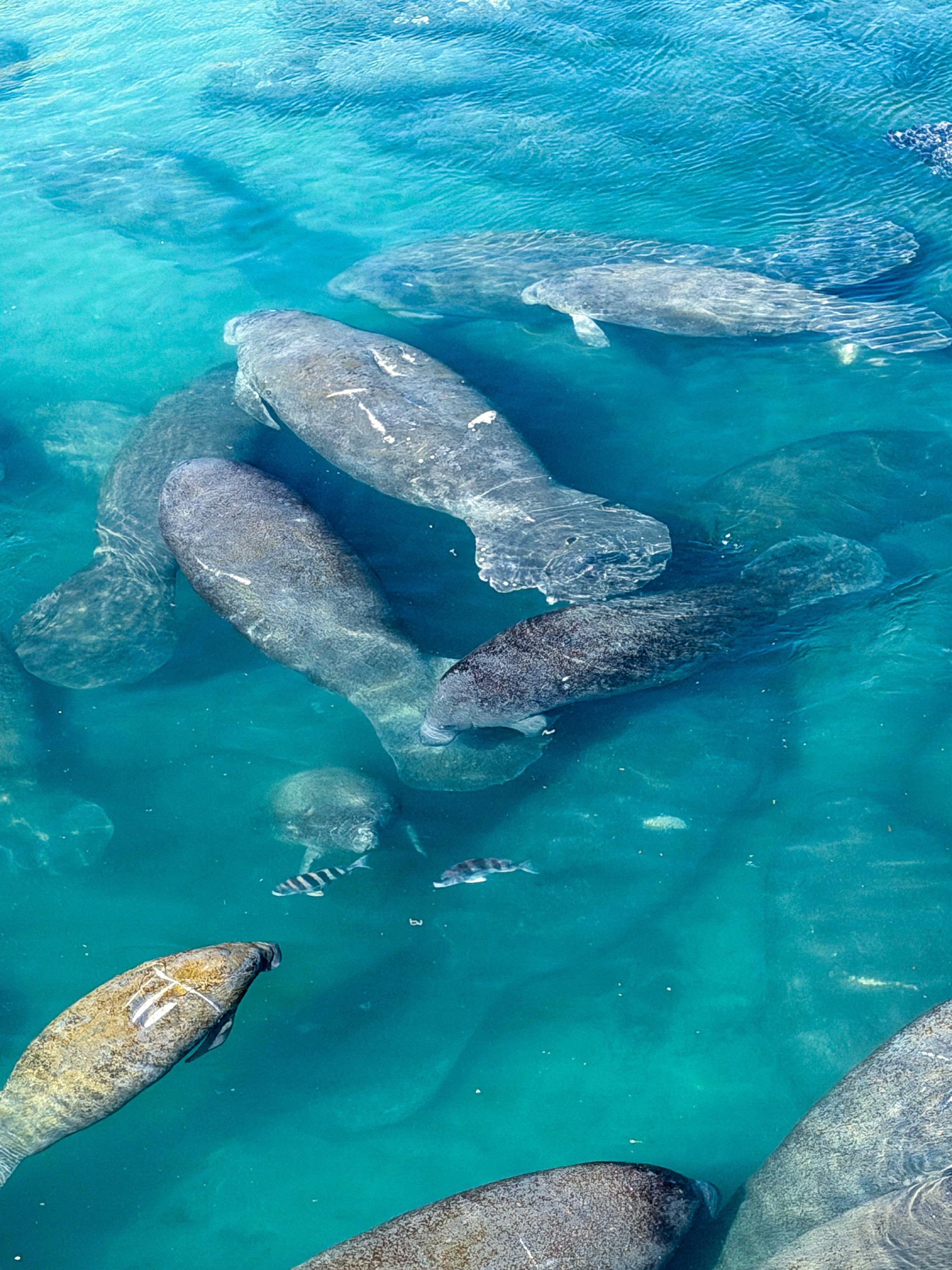
Jacksonville Zoo and Botanical Gardens is inspiring future generations to help save wildlife, and there may be no better example than the Florida manatee. Now that the J. Wayne and Delores Barr Weaver Manatee River is officially open, it feels especially meaningful to see local students choosing this iconic Florida species as the heart of their conservation learning.
Connecting Classrooms to Conservation is an in-depth education program offered to schools and grade levels of all kinds. Through project-based learning, students explore real-world conservation challenges and discover how they can take action to protect wildlife and wild places. The program includes three pathways: Saving Wildlife through Mascots, Pollinator Protectors and Water Warriors. Each option gives students a unique opportunity to engage with conservation in a hands-on, meaningful way.
In the Saving Wildlife through Mascots pathway, students select a species to study and support through conservation-focused learning and stewardship. This year, sixth grade students at The Bolles Middle School Bartram Campus chose the Florida manatee as one of their focus species.
Their journey began in September, when Jacksonville Zoo and Botanical Gardens educators visited Bolles Middle School to deliver an in-depth presentation
on endangered species and biodiversity. In October, the students visited the Zoo, where they explored Florida manatee biofacts for a hands-on introduction to the challenges facing this species.
In February, Zoo educators returned to Bolles, where students took part in a mock manatee rescue, giving them an interactive look at the work involved in protecting and caring for these remarkable animals. To conclude that visit, students created stewardship posters featuring facts and statistics that showcased what they learned about Florida manatees.
The program will culminate with a final visit to the Zoo in April, where students will experience Manatee River firsthand. They will display their stewardship posters and speak with our Florida Manatee Care Specialists, bringing their learning full circle through a memorable, real-world conservation connection.
We are excited to see how the Florida manatee inspires these students and helps launch a meaningful conservation journey through Connecting Classrooms to Conservation.
If you are a classroom or homeschool teacher interested in learning more about the Connecting Classrooms to Conservation program, please visit our website or contact Jamie Antczak at antczakj@jacksonvillezoo.org.
Story by Juan Gaviria. Photos: Shannon McNeil
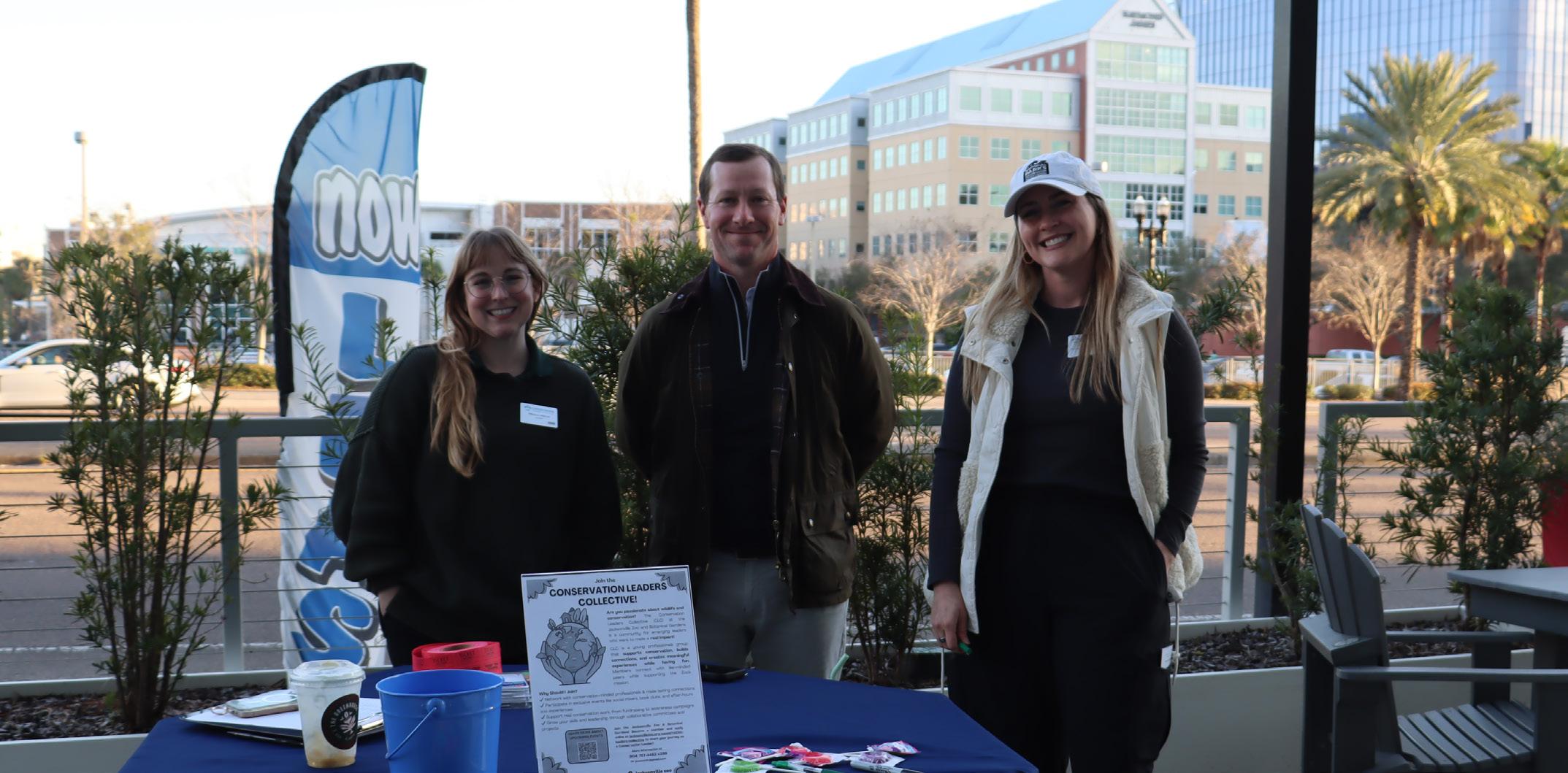
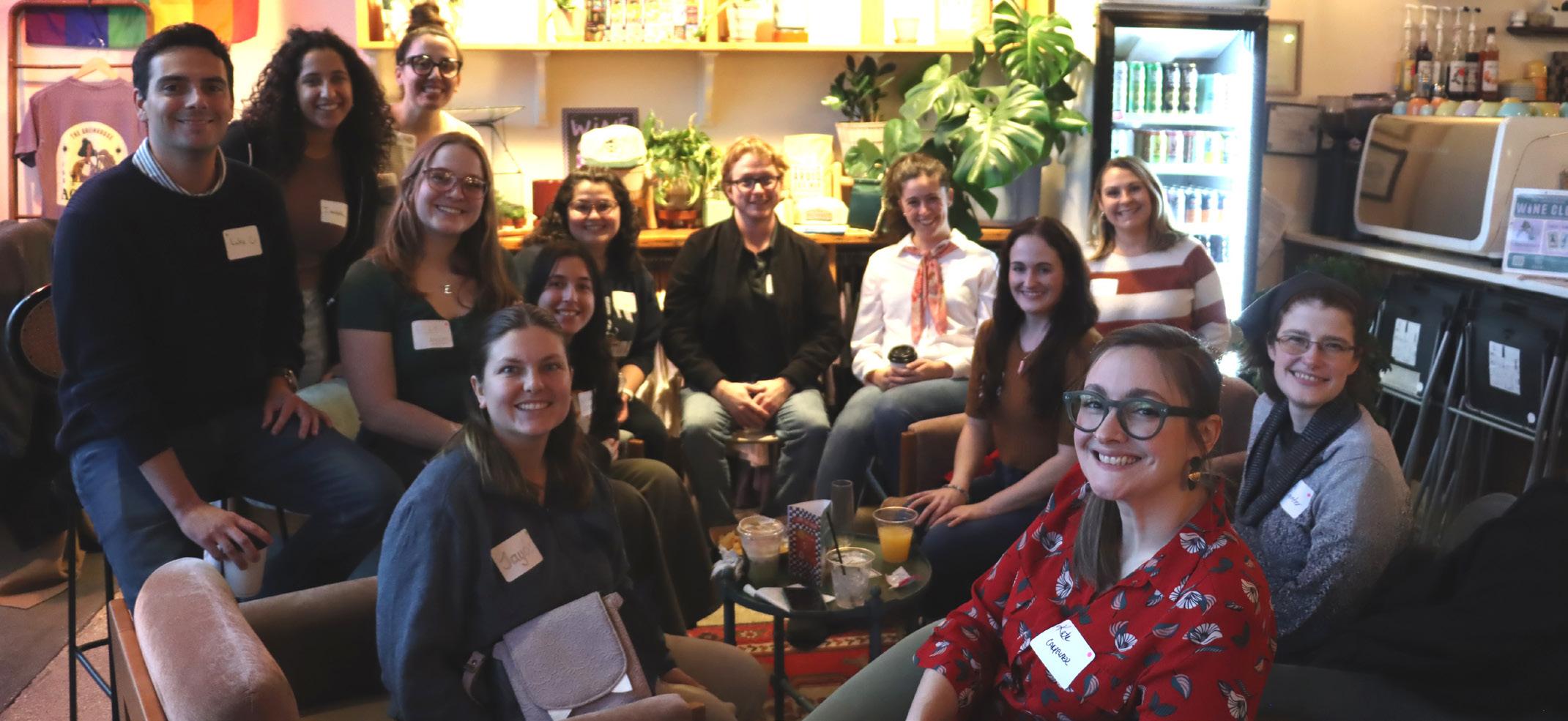
If you have ever wanted to make a real difference for wildlife but did not know where to start, you are not alone. Many people care deeply about protecting animals—especially here in Florida, where species like manatees rely on community support—but finding a way to get involved that feels both meaningful and social can be challenging. That is exactly where the Conservation Leaders Collective (CLC) comes in.
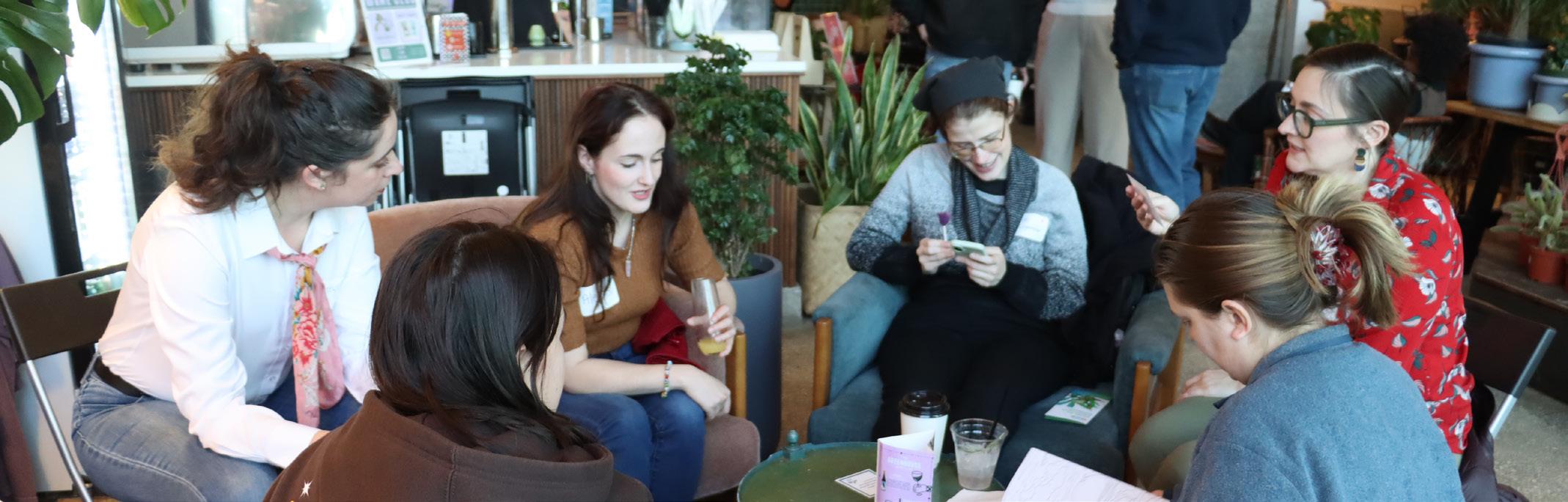
The CLC is a young professionals group that supports the mission of Jacksonville Zoo and Botanical Gardens while creating a space for people who care about wildlife to connect, learn and lead together. Members go beyond simply talking about conservation by taking part in fundraising events, educational programs, volunteer opportunities and community outreach that directly support the Zoo’s work.
Take manatees, for example. Protecting these incredible animals takes more than scientists and animal care teams; it takes a community that understands why their future matters. Through the CLC, members gain behind-the-scenes insight into wildlife protection efforts, connect with others who share their passion and see how their involvement helps make a real impact both locally and globally.
What truly makes the CLC special is the people. It is a group of driven, curious and passionate individuals who want to grow professionally while doing something meaningful. Whether you are new to Jacksonville, early in your career or simply looking for a way to give back, the CLC offers a welcoming environment where you can build friendships, develop leadership skills and be part of something bigger than yourself. You do not need a background in science to join, just a genuine interest in wildlife and a willingness to get involved.
If you have been looking for a way to connect with others, grow as a leader and make a difference, the CLC could be the perfect next step.
May 9–10
Skip the generic card and give Mom a day she’ll remember! Our lush garden pathways transform into a vibrant open-air marketplace for Mother’s Day weekend. Shop a curated selection of local makers, artists and handcrafted jewelry designers while surrounded by peak spring blooms. Whether you’re looking for a one-of-a-kind gift or just want to spend a sunny afternoon browsing with a cold drink in hand, it’s the ultimate Jacksonville weekend for the woman who deserves it all.
When the sun begins to set, the Garden starts to groove. Join us every Friday in June (and a special holiday kickoff on July 3) for our signature concert series. Each week features a fresh theme, activities and hand-picked local artists.
June 5
Shake, Rattle and Roll: Put on your poodle skirts and leather jackets for a high-energy ’50s Night.
June 12
Ocean Avenue: Take a trip back to the 2000s with your favorite pop-rock covers.
June 19
Animal House: A night dedicated to the wild side! Enjoy a playlist of animal-themed hits and roaring band covers.
June 26
Ladies Night: Celebrate the power of the female voice with a showcase of incredible all-female vocalists.
July 3
Red, White and Boots: Kick off the holiday weekend with a celebration of the Red, White and Blue.
By Madison Sloan, Communications Specialist
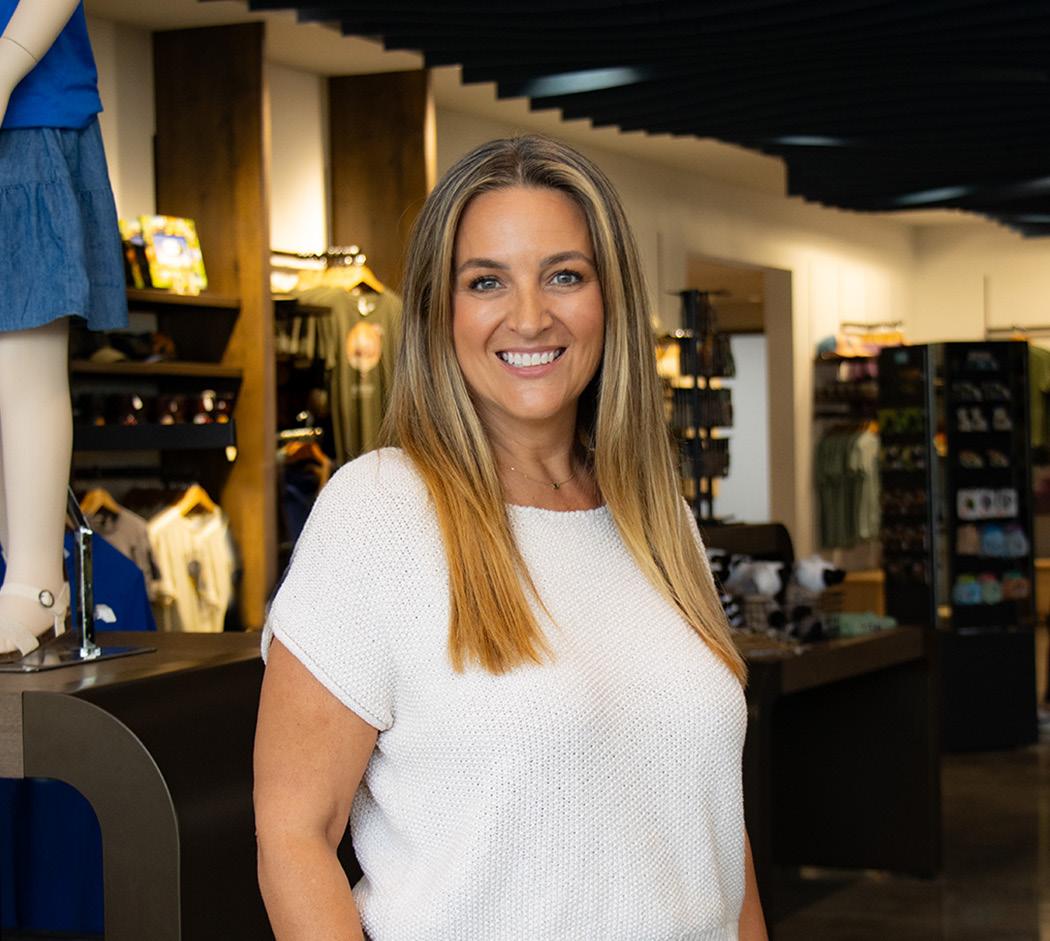
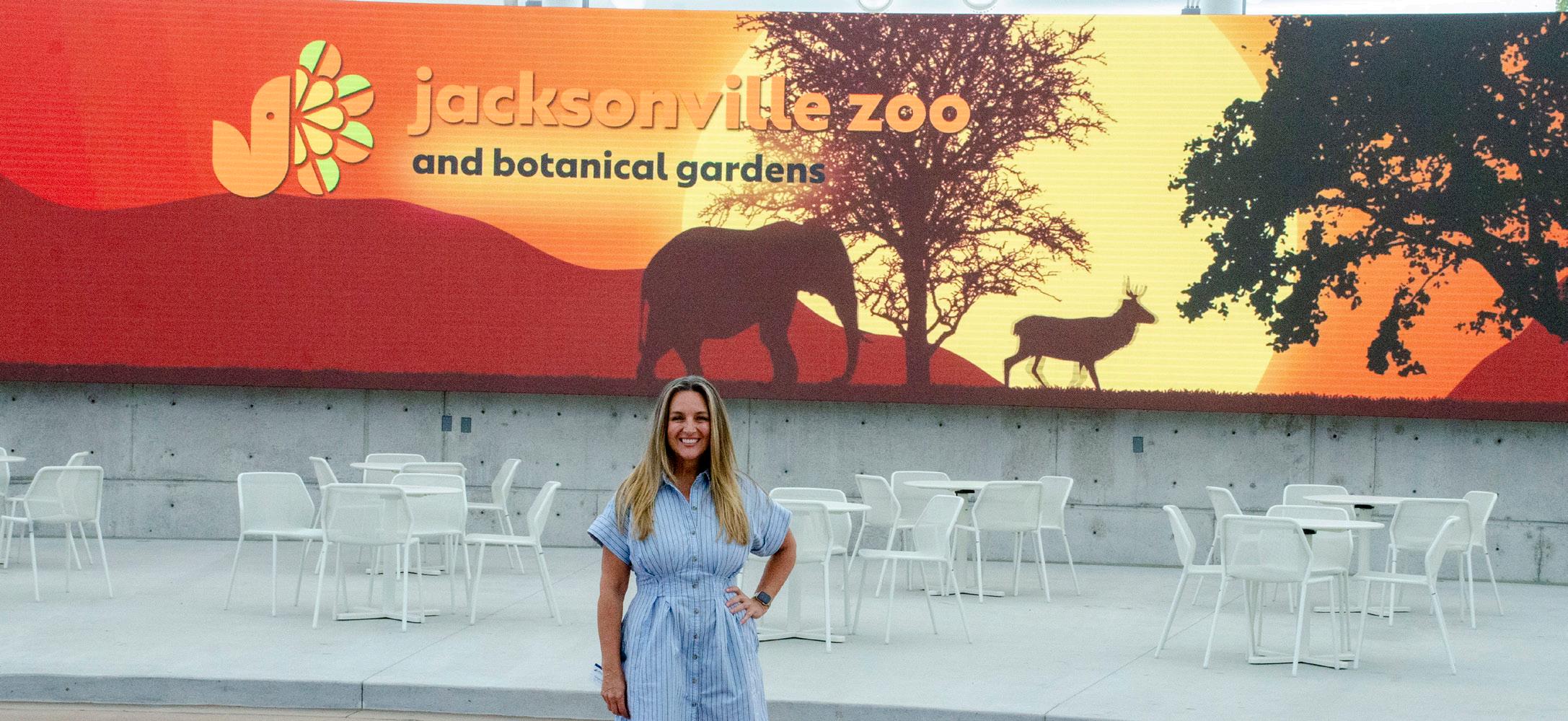
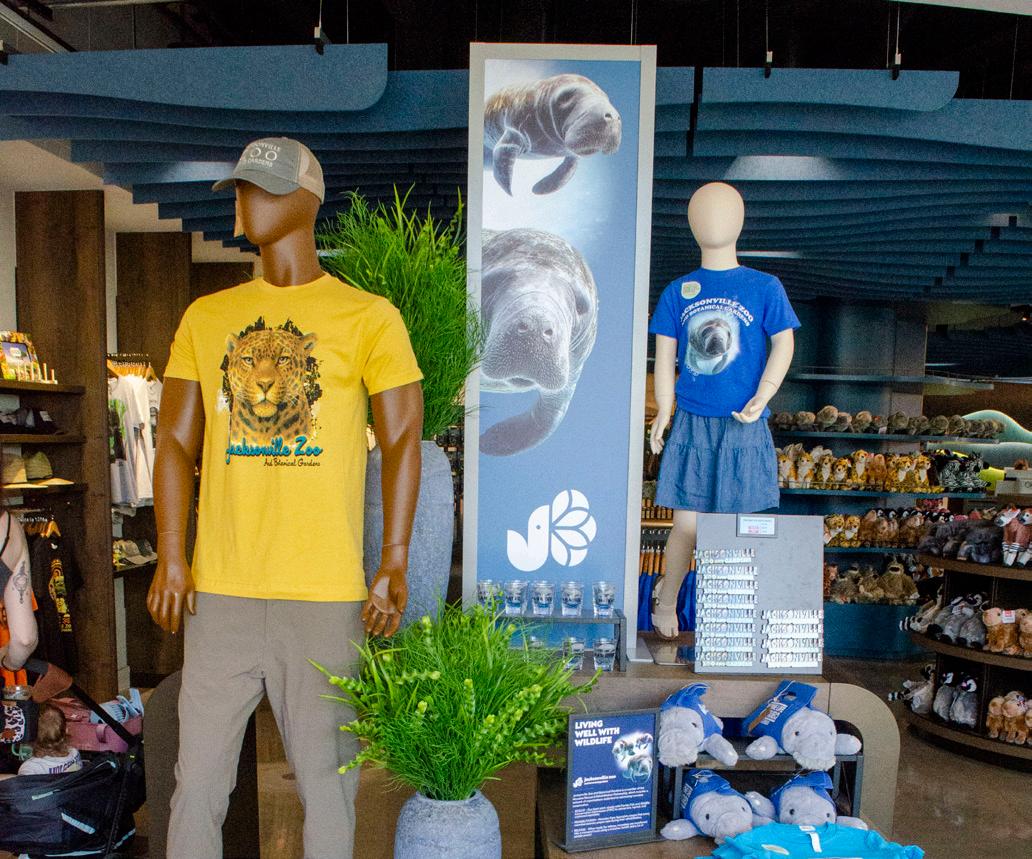
Every visit to the Zoo is more than just an opportunity to see wildlife; it’s a complete experience. From delicious meals to memorable souvenirs, much of what guests enjoy is orchestrated by Tonya Reeves, General Manager of Food and Retail, and her team at SSA Group, the Zoo’s hospitality partner.
Tonya oversees Admissions, Food and Beverage, Catering and Retail, ensuring that all pieces work together seamlessly. “There really isn’t a typical day, which is part of what makes the job exciting,” she says. Her mornings might include walking the park to connect with managers, reviewing attendance trends or collaborating on new menu items, while her focus remains the same: delivering an exceptional guest experience while running efficient operations behind the scenes.
Tonya’s journey into hospitality started unexpectedly. After spending 20 years as a nurse manager, she found many parallels between healthcare and hospitality. “At its core, both fields are about taking care of people, anticipating their needs and making sure they feel
supported and comfortable,” Tonya explains. She began her hospitality career with SSA at the National Aquarium in Baltimore before joining Jacksonville Zoo. “Instead of caring for patients now, I get to help care for families on their best day instead of their hardest day.”
The partnership between SSA and the Zoo is central to what makes the guest experience seamless. “It’s a very collaborative environment,” Tonya says. “Our team works closely with Zoo leadership to make sure everything we do supports the overall guest experience. That partnership allows us to continuously improve operations and introduce new ideas that make visiting the Zoo even better for guests.”
Food and retail, she notes, play a vital role in creating lasting memories.
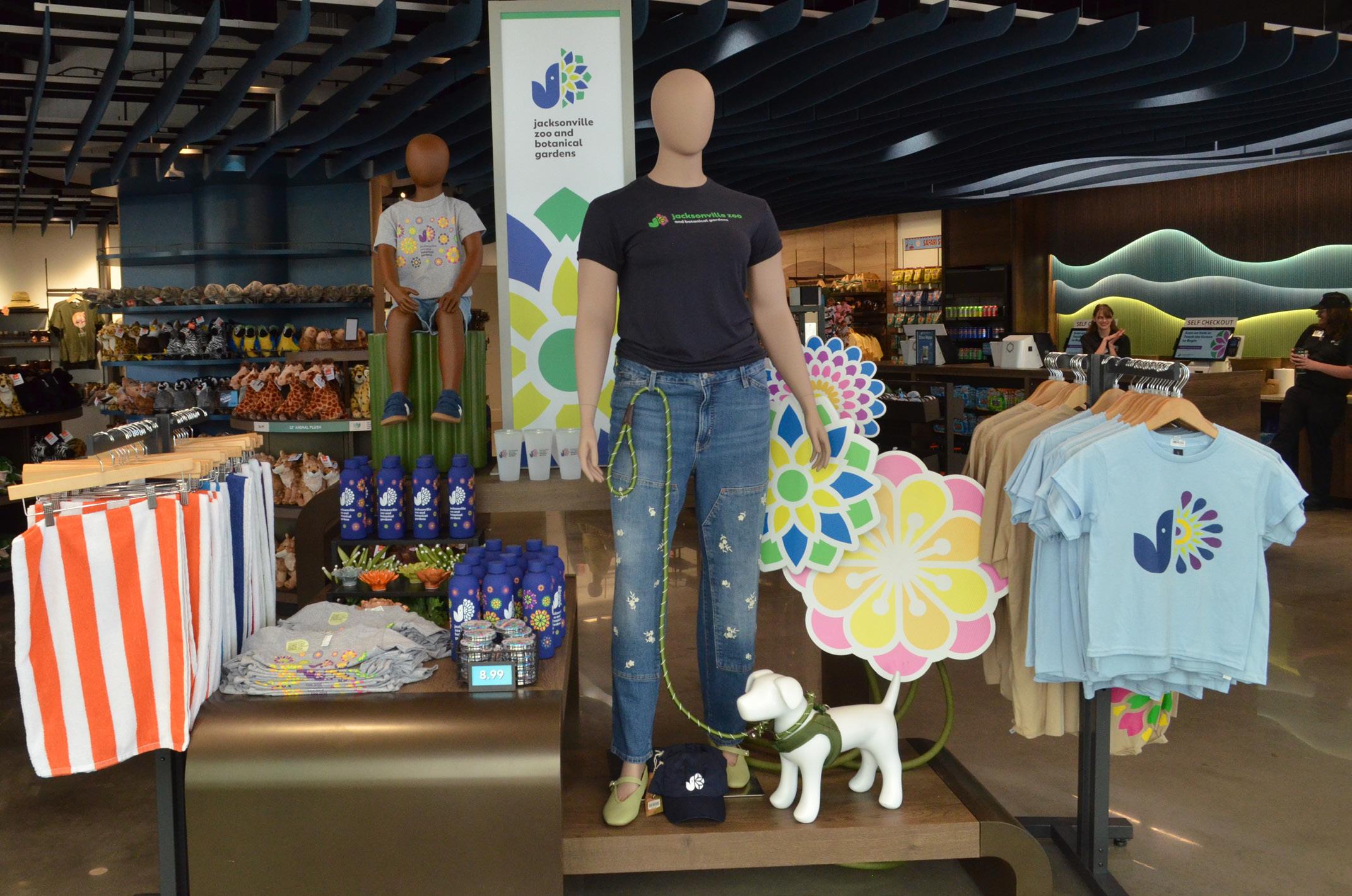
“Something as simple as a cold drink on a hot Florida day or a souvenir that reminds a child of their favorite animal can completely change a guest’s experience. Our goal is to make those moments easy, enjoyable and consistent with the Zoo’s mission.”
Behind the scenes, running these operations is far from simple. With multiple locations across a large campus, fluctuating attendance and special events throughout the year, logistics and planning are complex. “We’re constantly planning staffing, inventory, menus and merchandise months in advance while still staying flexible enough to adjust to weather, seasonal attendance and special programming,” Tonya says.
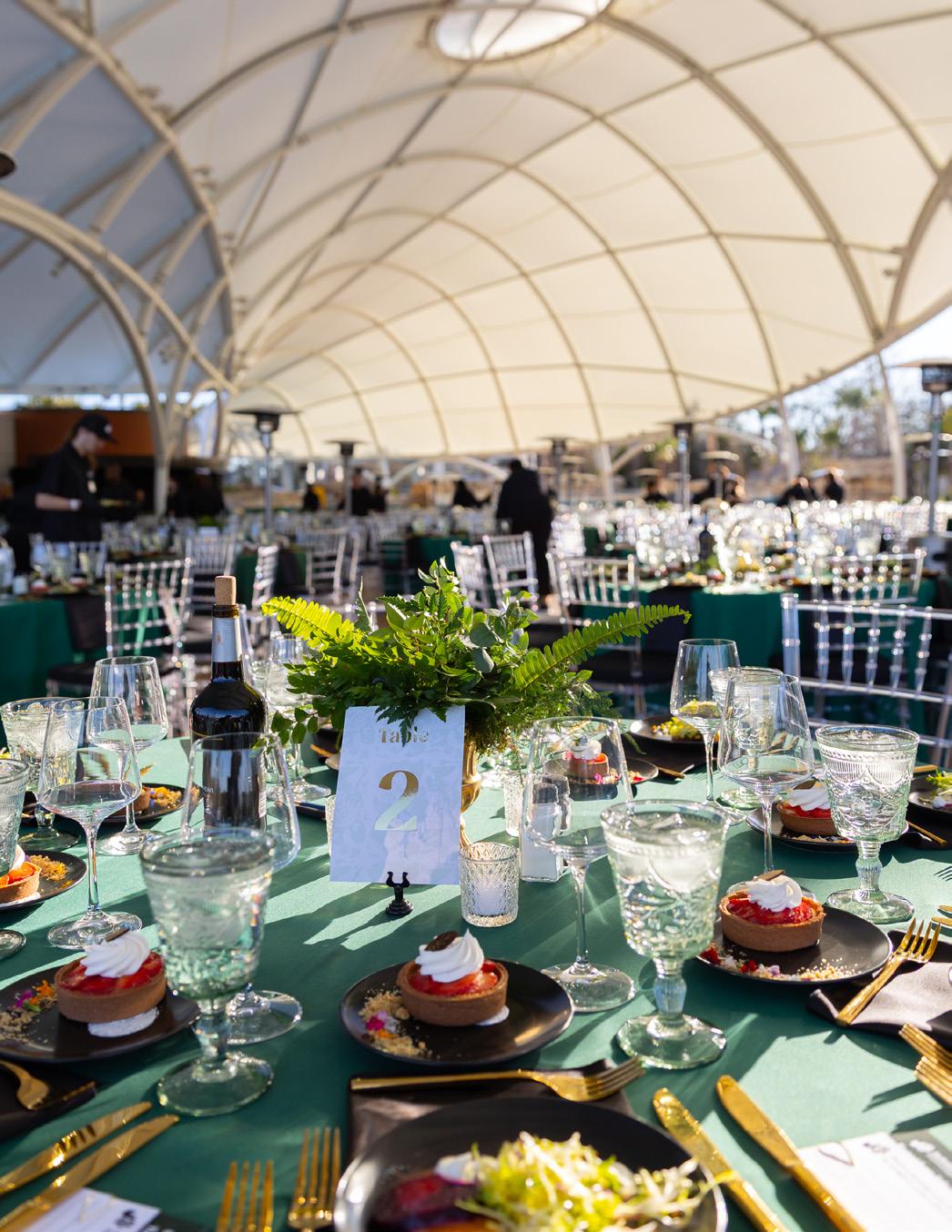
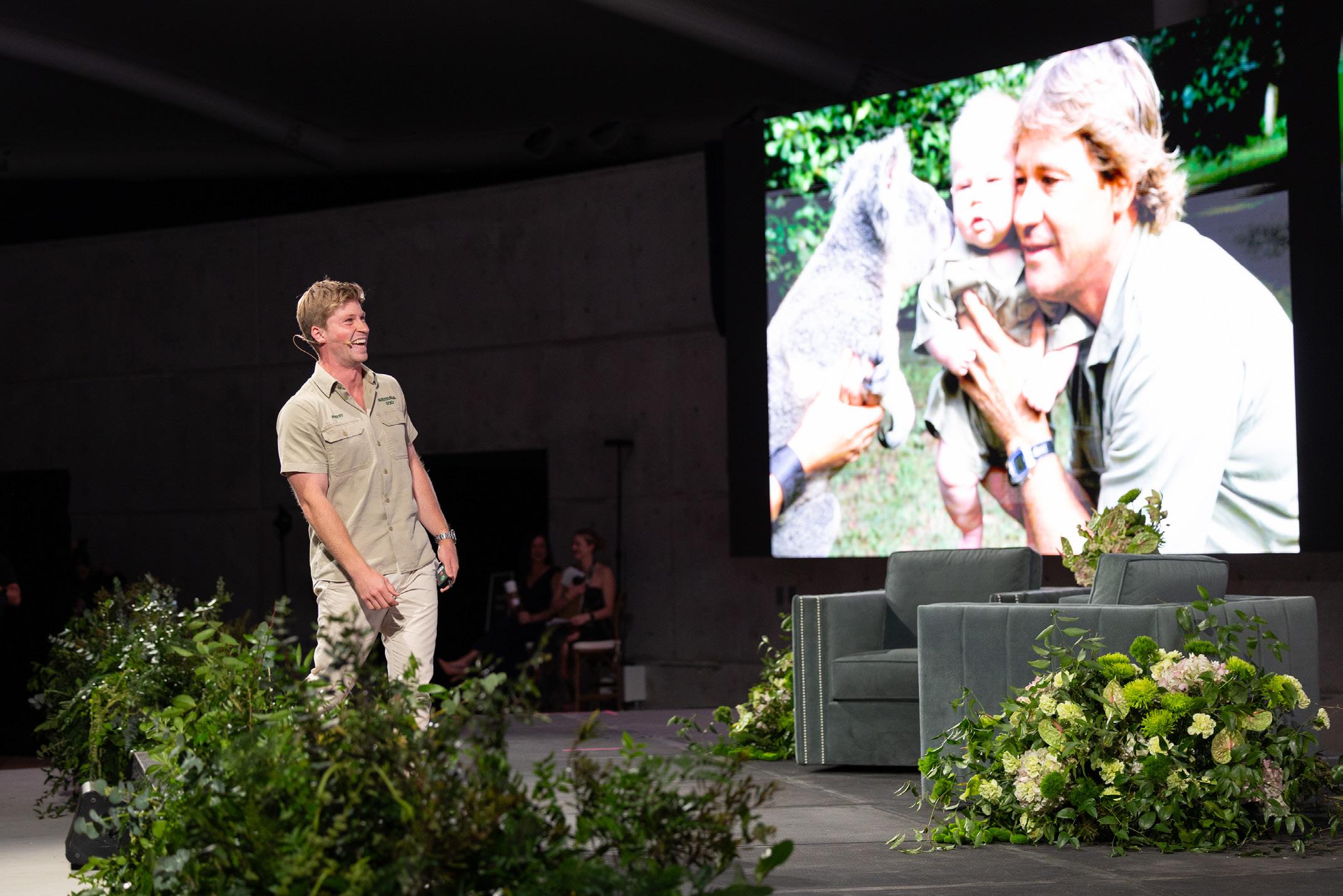
Some of the most rewarding moments she shares come when the work of SSA and the Zoo intersect to support conservation and education. A recent highlight for Tonya was the Toast to Conservation event with Robert Irwin, where 760 guests enjoyed a seamless dining and event experience, all while supporting the Zoo’s conservation initiatives.
Tonya believes the SSA-Zoo partnership works because SSA integrates fully with the Zoo team rather than functioning as a separate vendor. “From a guest’s perspective, there shouldn’t be a line between the Zoo and hospitality. It should feel like one seamless experience. At the end of the day, it’s a partnership built around enhancing the guest experience while helping sustain the Zoo’s long-term conservation and education mission.”
Thanks to Tonya and SSA, every meal, souvenir and interaction at the Zoo contributes to a larger goal: creating meaningful memories for families while supporting the vital work of wildlife conservation and education.
Story and photos by John Reed
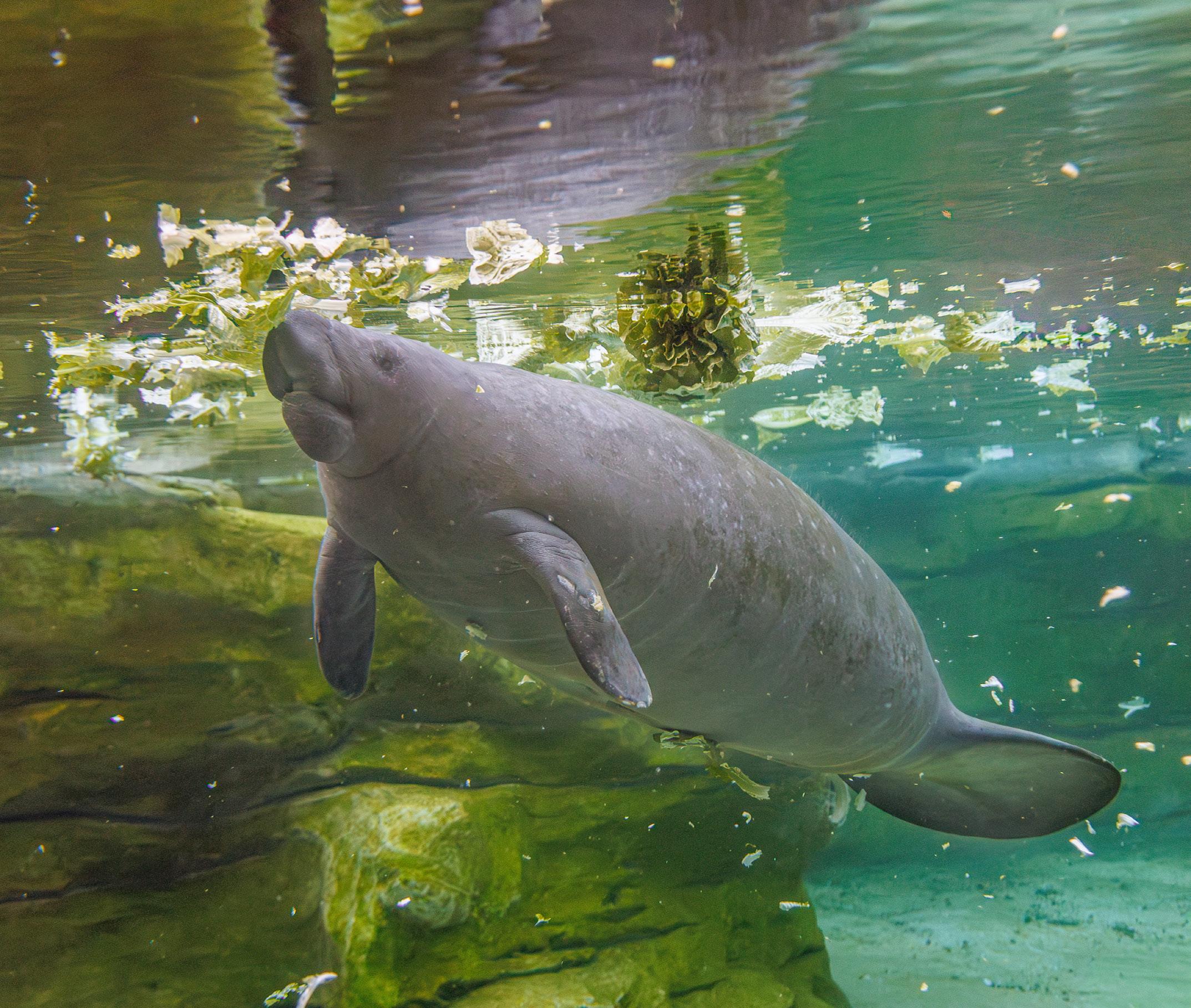
Manatees are extremely difficult to photograph in the wild and not much easier in captivity. Since they are almost completely submerged the whole time, in the wild all you generally see are their snouts as they take a breath.
These examples from Wakulla Springs near Tallahassee illustrate the challenge; note the prominent boat slash on the last subject.
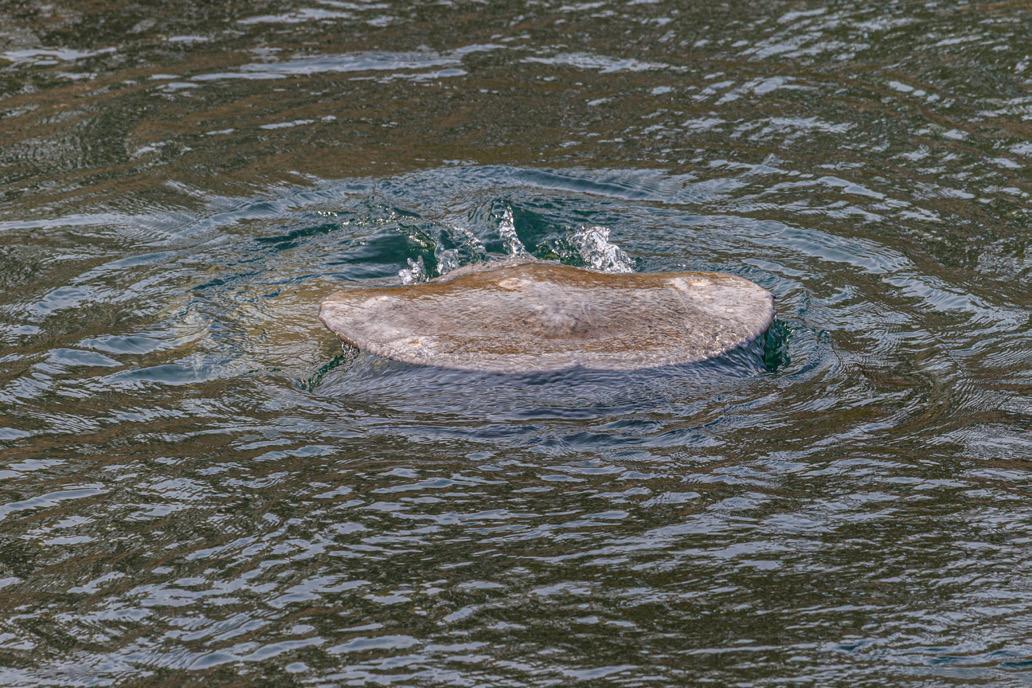
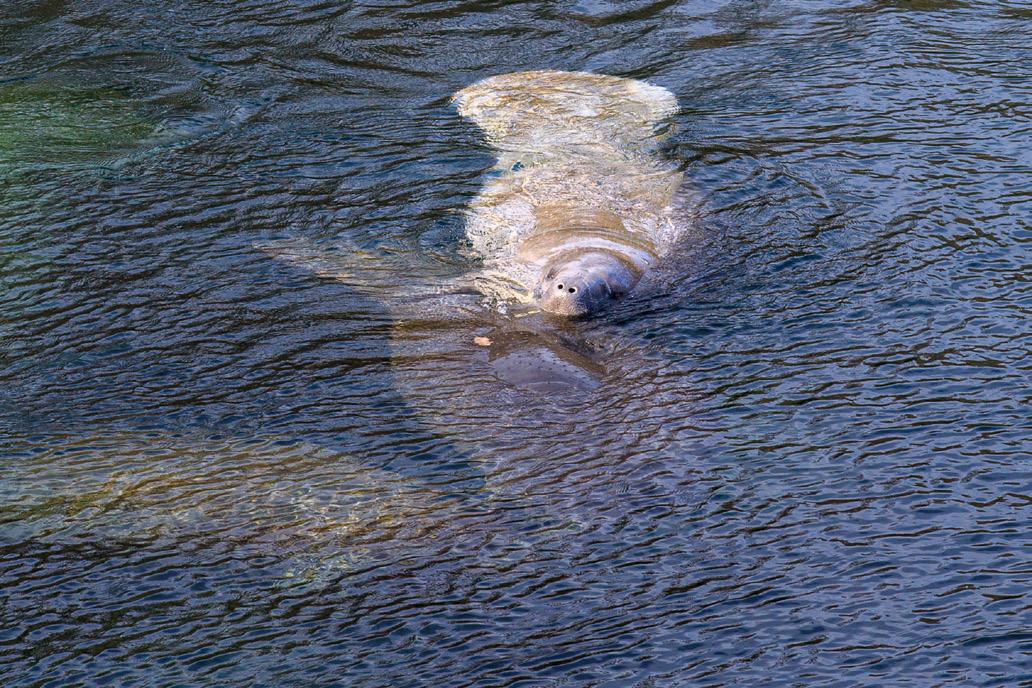
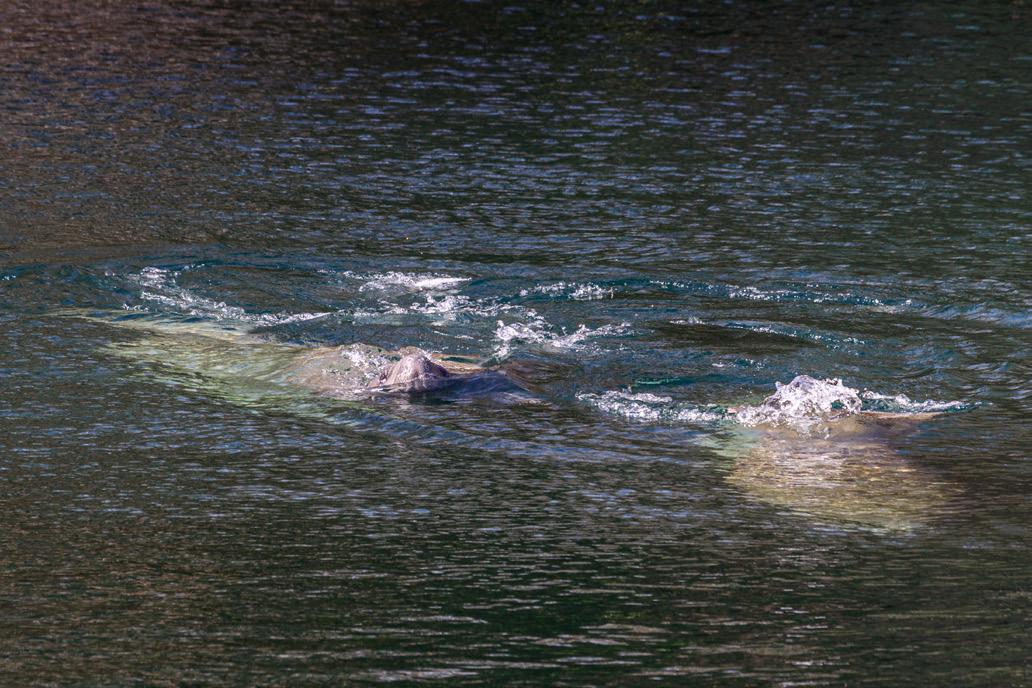
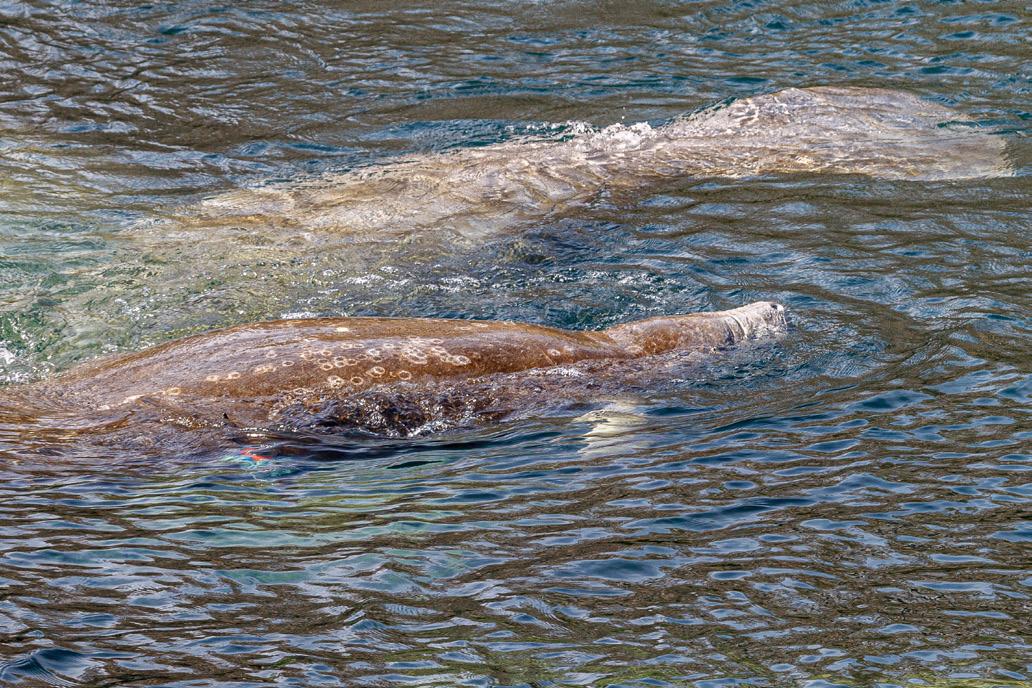
In a managed environment, it’s easier to see the whole body, though you still have to contend with the natural distortion of the water. I’ve included two shots from Sea World taken many years ago.
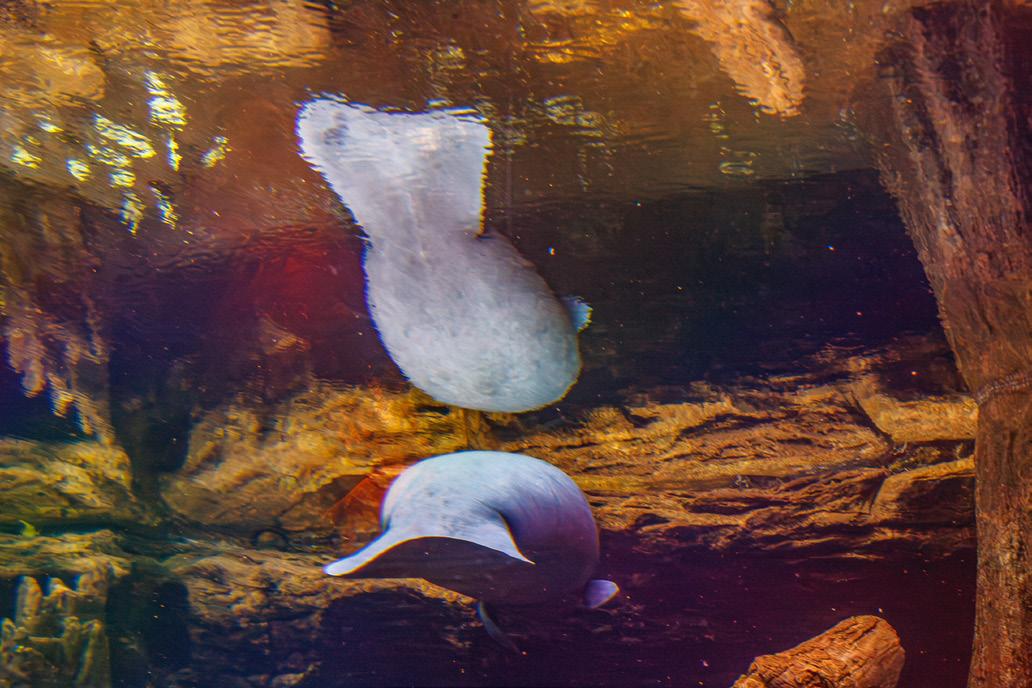
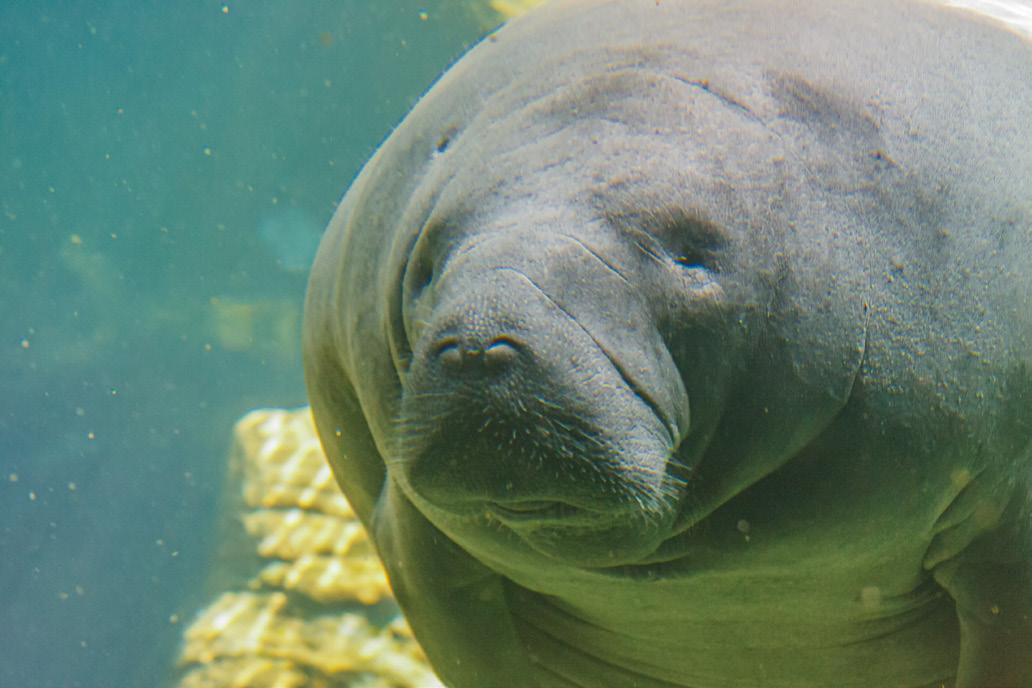
And here are some from our own rehab center.
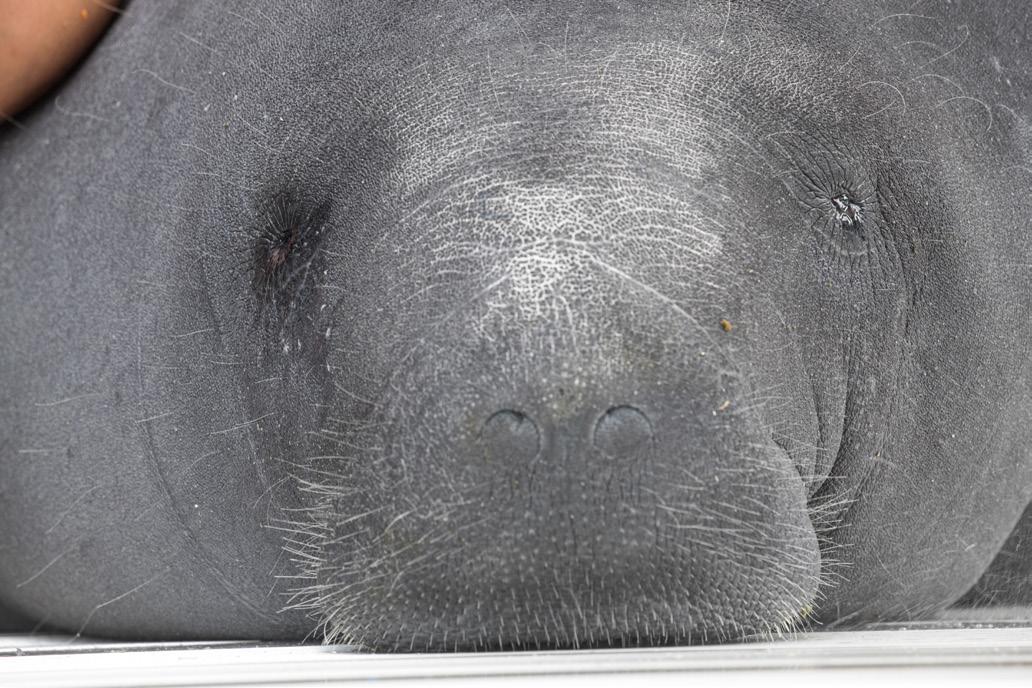
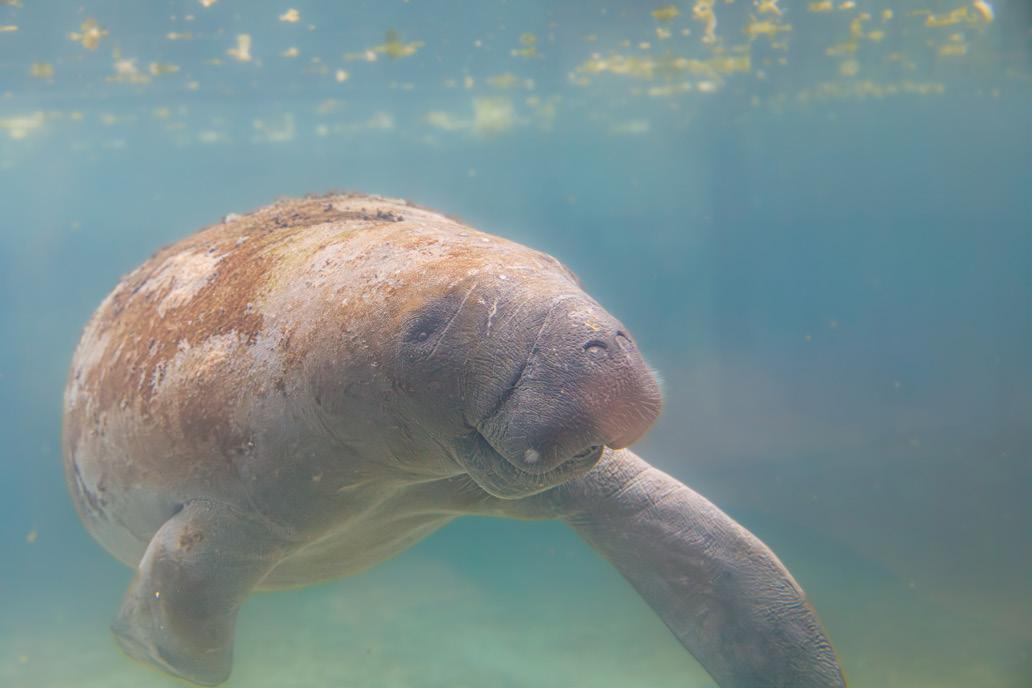
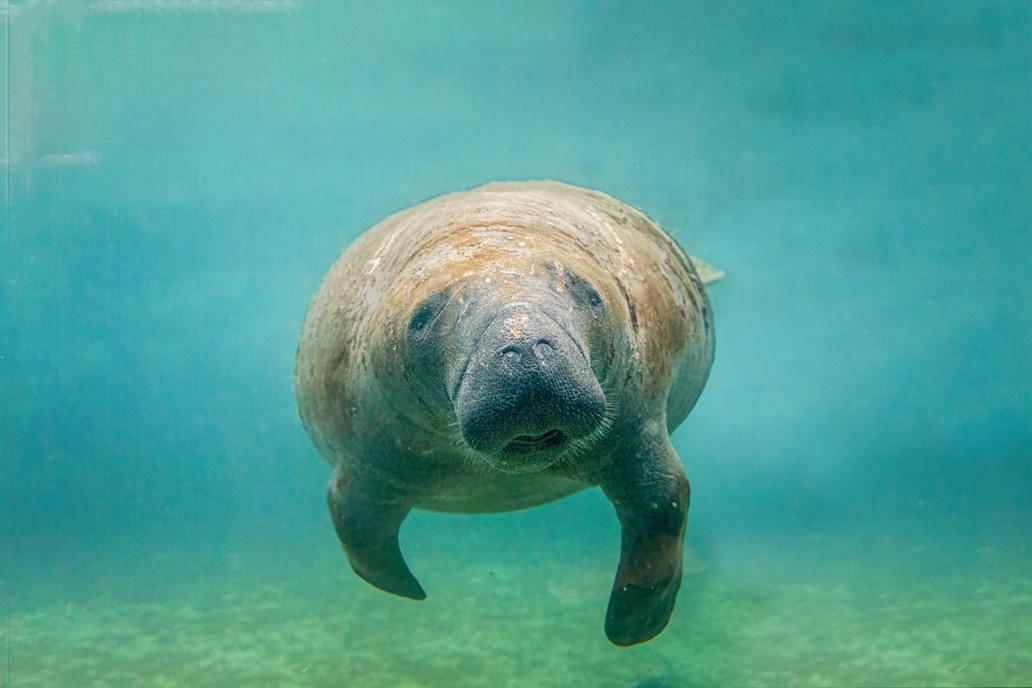
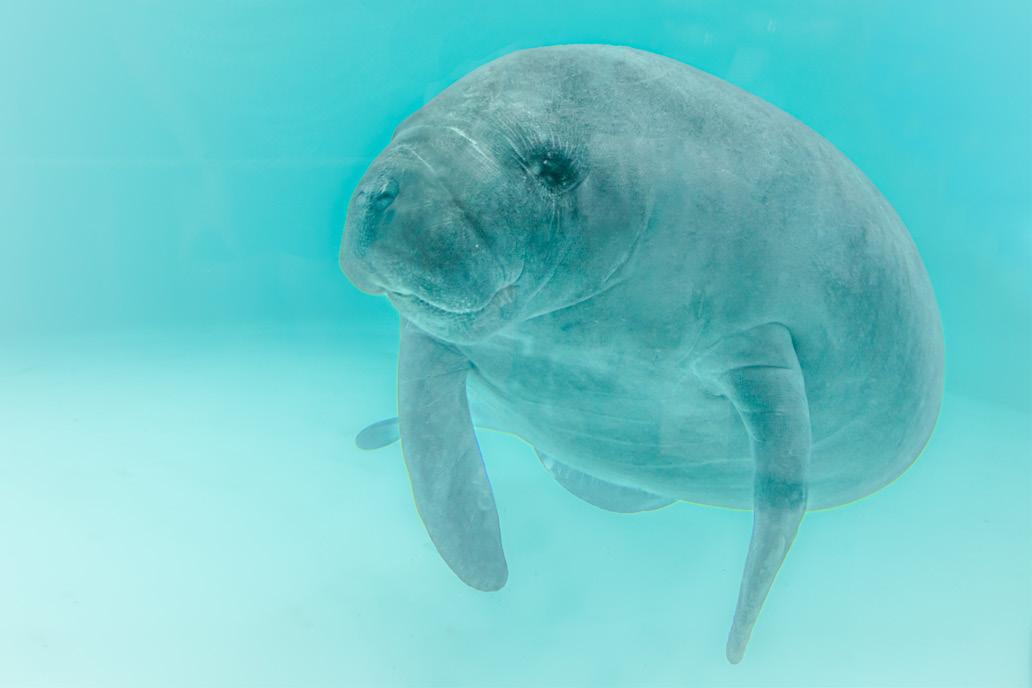
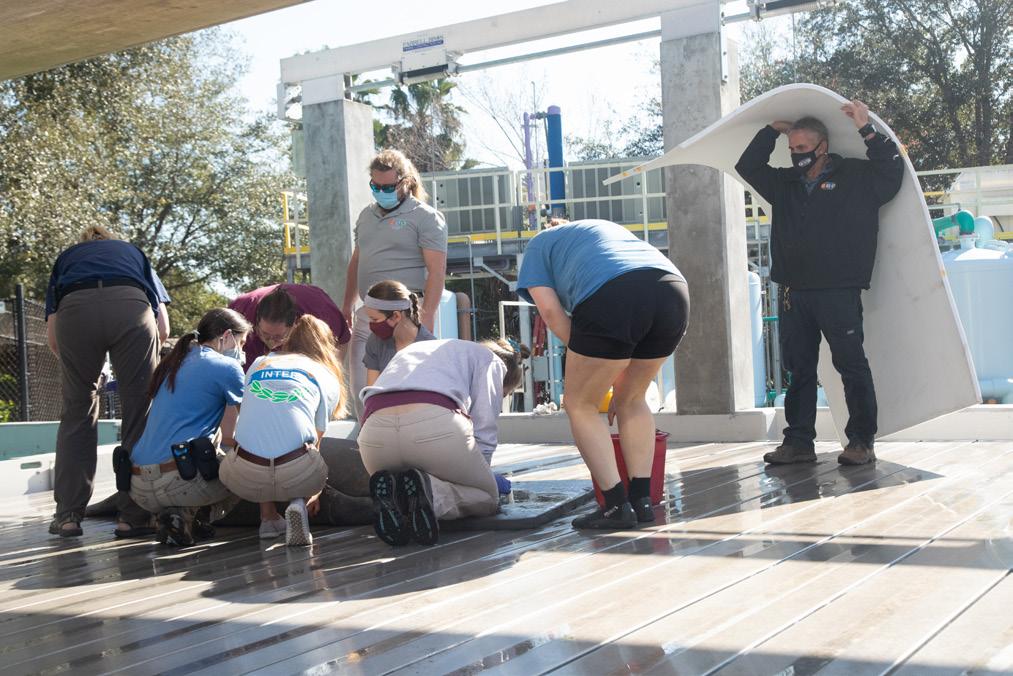
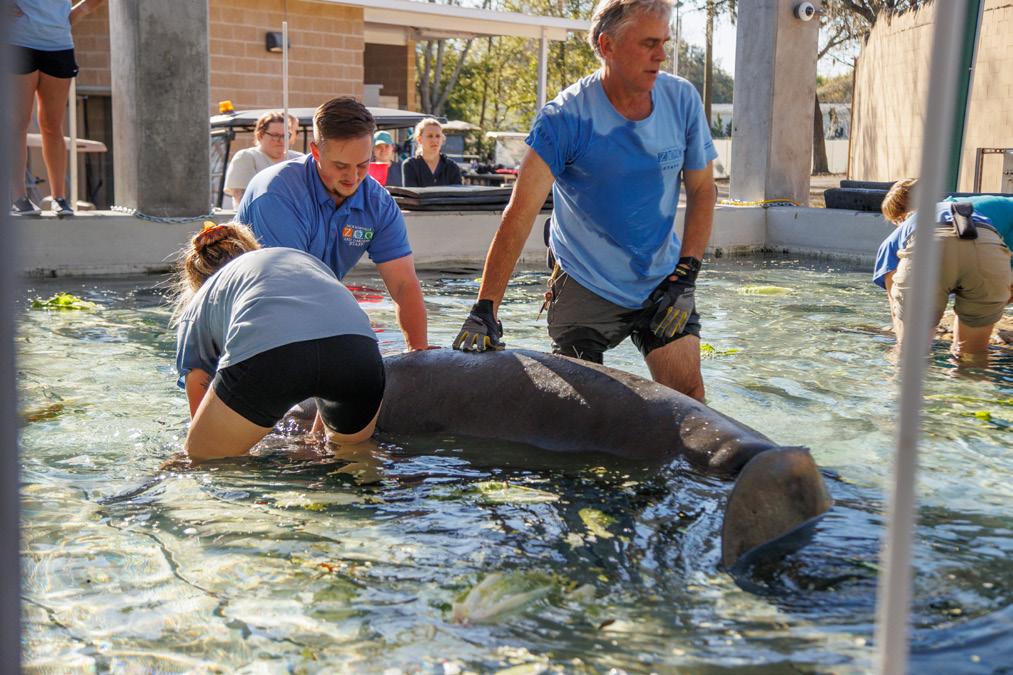
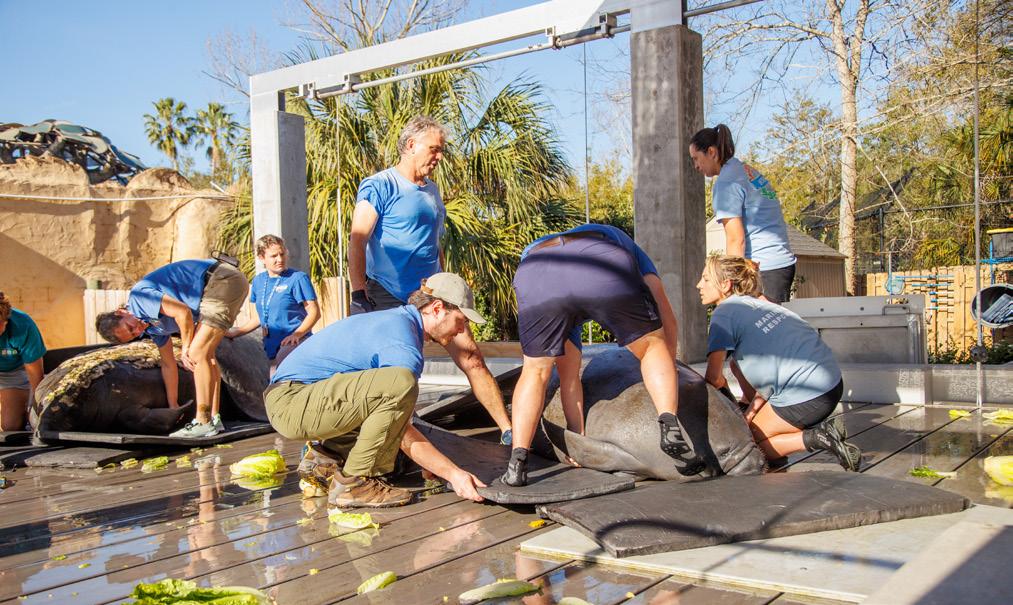
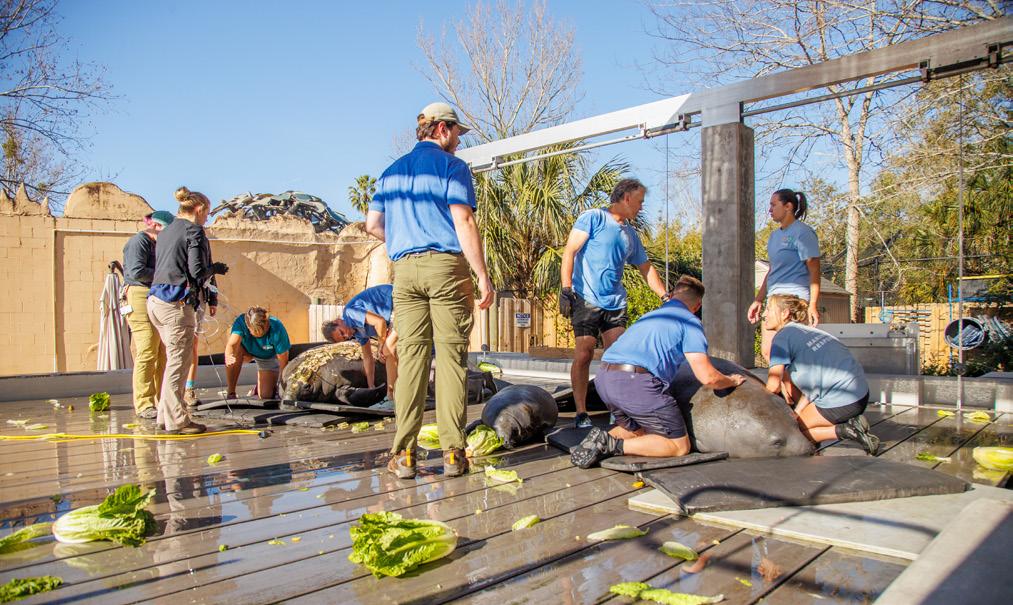
Speaking of our Manatee Care Center, I have been privileged to observe and photograph a few rehab sessions with injured animals. I was tremendously moved by the tenderness, competence and teamwork exhibited by these dedicated
folks as they worked to get these animals healed for their return to the wild.
I’ll close with some shots of that process. I know I’m not alone in saying the whole crew will be glad to get to work in the new Manatee River habitat.
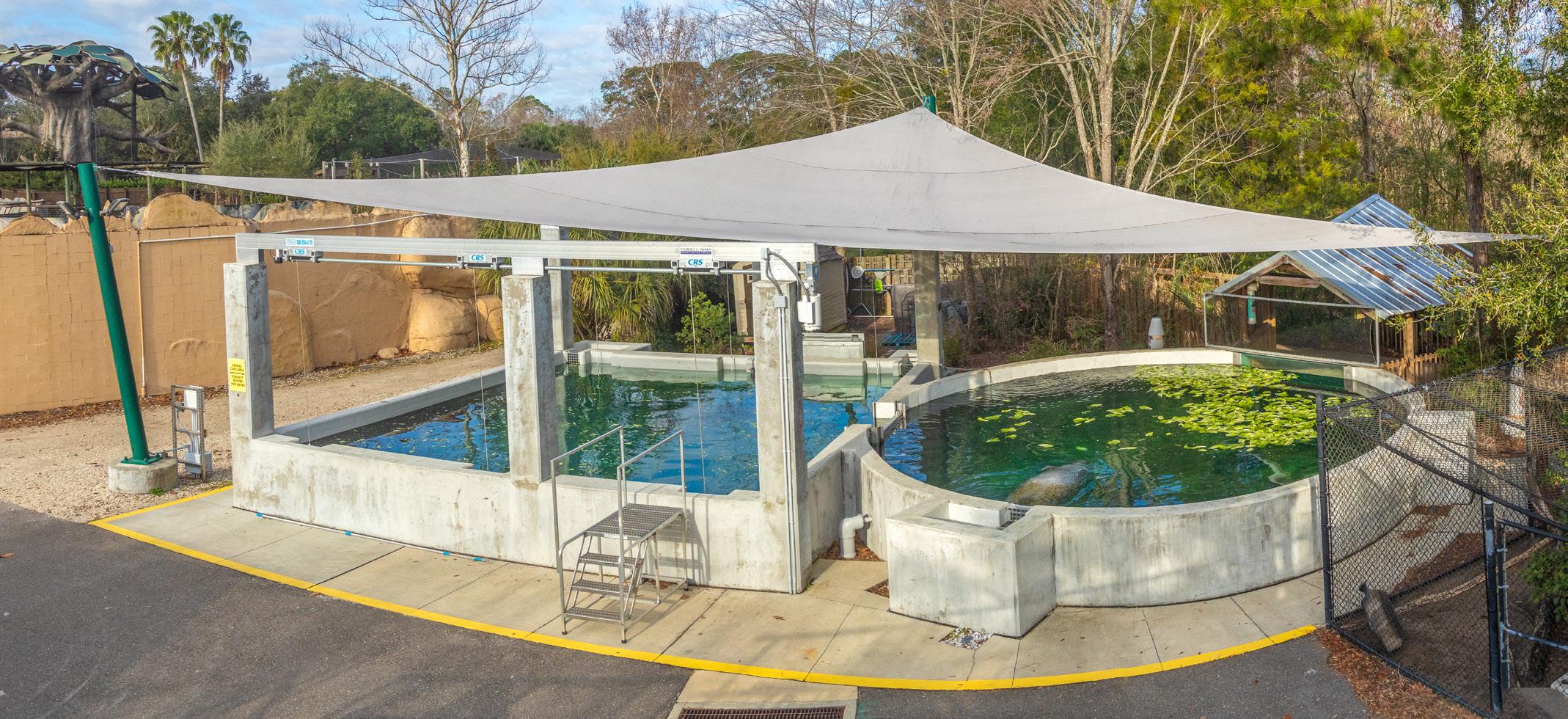
*
†(Dagger)
‡
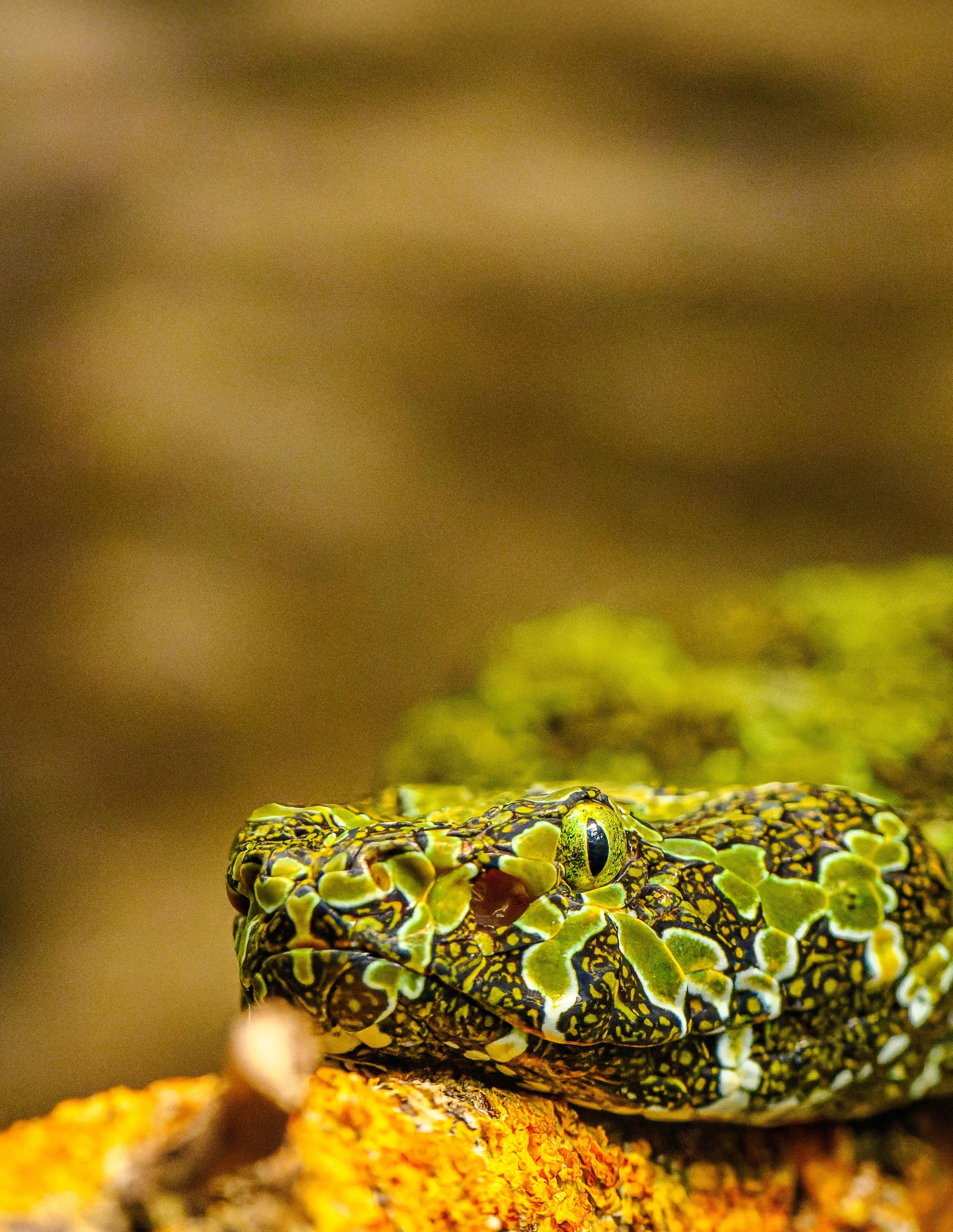
Also known as the ironhead viper or Chinese pitviper, the Mangshan can reach up to six feet in length and up to 11 lbs. First discovered in the wild in 1989, the Mangshan pitviper is named after the only location it is found in, the Mangshan Mountain in China. This nocturnal, venomous snake has the perfect camouflage of green and black or brown splotches to hide perfectly among the forest floor as it waits for prey. However, the last four inches of its tail is bright white, which plays a crucial part in the Mangshan’s hunting technique. As an ambush predator, the Mangshan pitviper lies in wait along animal trails. Using heat-sensing pit organs located in the nose, the Mangshan can detect the body heat of warmblooded animals when nearby. Then the snake will start to move the tip of its tail, mimicking a worm, enticing an animal to come closer. Once within striking distance, the viper bites once, releases and waits for the prey to succumb to the venom. You can see these striking snakes at the Amphibian Conservation Center along with other venomous snakes!
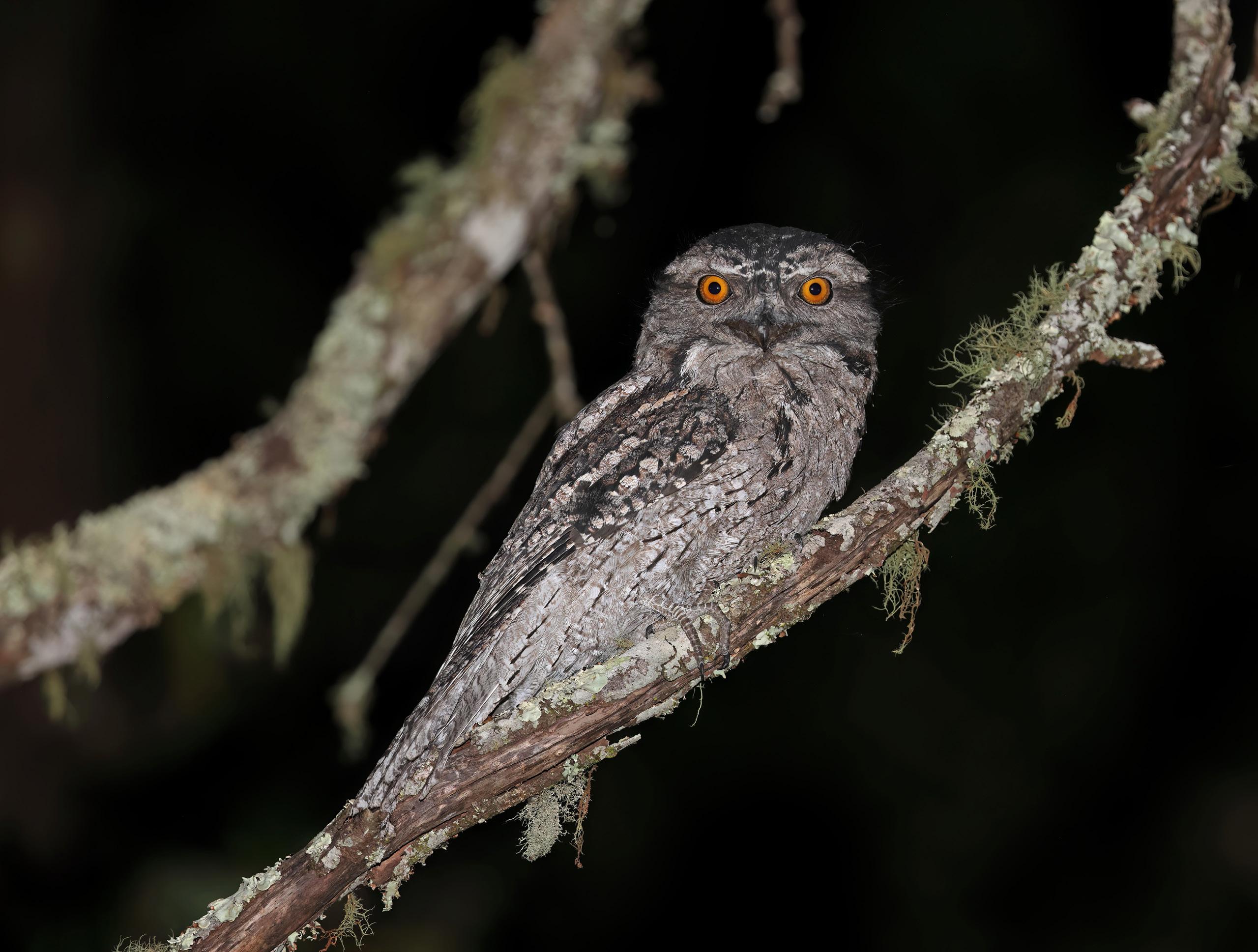
While tawny frogmouths may look like owls, they are more closely related to nightjars. However, the species name strigoides means “owl-like,” acknowledging their similarities. Not only are they nocturnal, but their feathers are also soft like that of an owl to allow for silent, stealthy flights in the night. But there is not much else to compare after that. Unlike owls, tawny frogmouths do not have large, strong talons. Their greatest strength is their bills, which, when opened, resemble a frog’s open mouth—hence the name. An insectivore, the frogmouth’s strong bill is exceptionally
useful at capturing and swallowing its prey whole. Native to Australia and Tasmania, the tawny frogmouth can measure between 1–2 ft. long and weigh up to 1.5 lbs. Their plumage makes them almost invisible next to an aging tree. The mottled white, grey and black feathers aid the frogmouth in appearing like a dead branch, when perched on a tree. Test your luck and your eyesight and try to find the tawny frogmouth at the River Valley and Elephant Plaza aviaries.
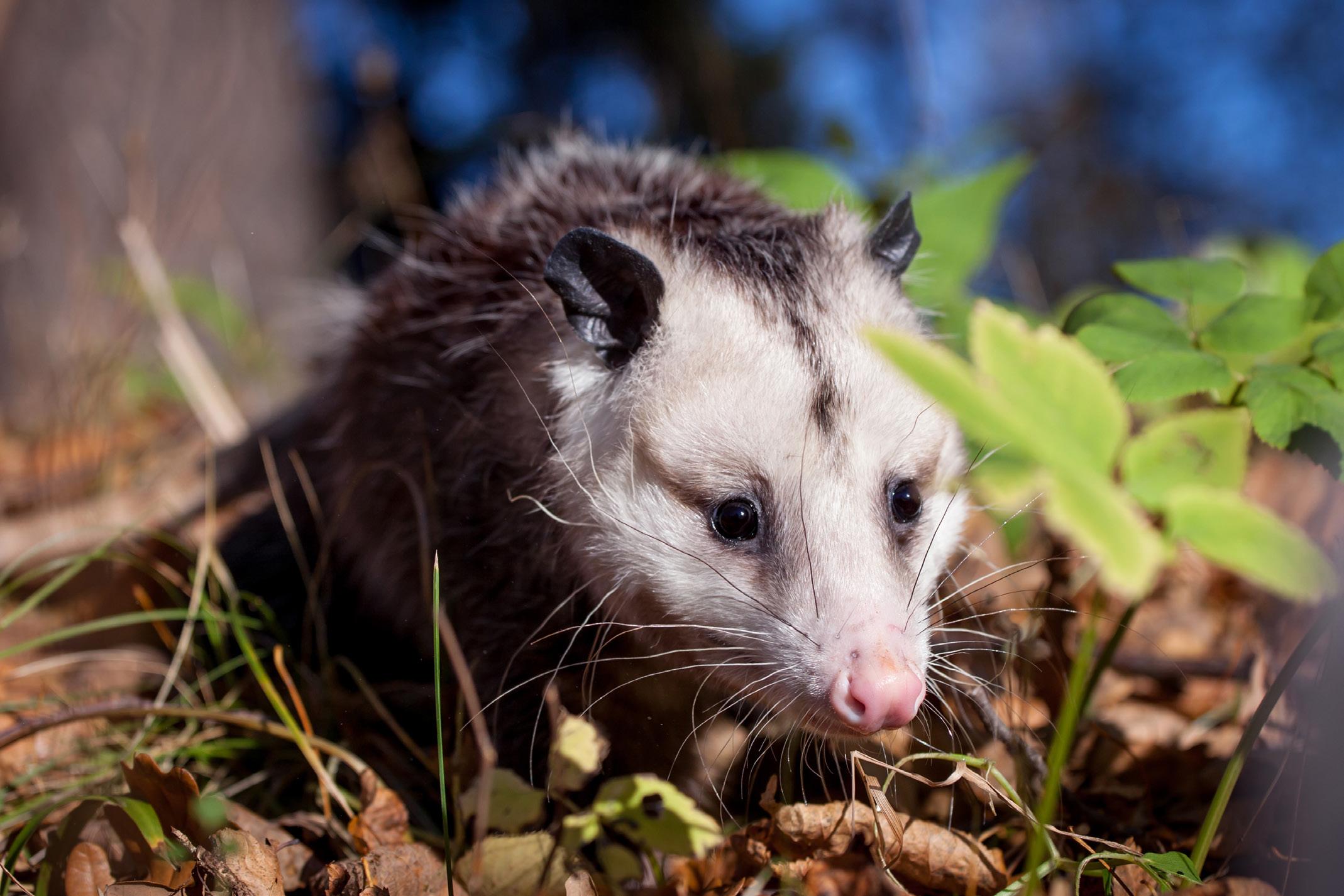
As marsupials, Virginia opossum females have pouches. After giving birth, the bean-sized offspring will climb into the pouch and continue to grow for about two months. A litter may include anywhere from 4 to 25 joeys (baby opossums). For the first month outside the pouch, joeys are commonly seen riding on their mother’s back before they are weaned and begin living independently at approximately 4–5 months of age. Because Virginia opossums share space with humans, orphaned or injured joeys tend to be found and raised as pets. However, it is illegal to rehabilitate or
have an opossum as a pet without proper permits and licensing. If an opossum is found and you’ve made certain it’s orphaned or know it’s injured, take the animal to a wildlife rehab facility where they have the best chance of returning to the wild. You can look for more information regarding rescuing native wildlife on the Florida Fish and Wildlife Conservation Commission (FWC) website. The two new opossum siblings at the Zoo were due to a rescue that resulted in imprinting. Now, they will be animal ambassadors for their species in our education programs.
Graphic Designer
Photo by Hannah Favorite
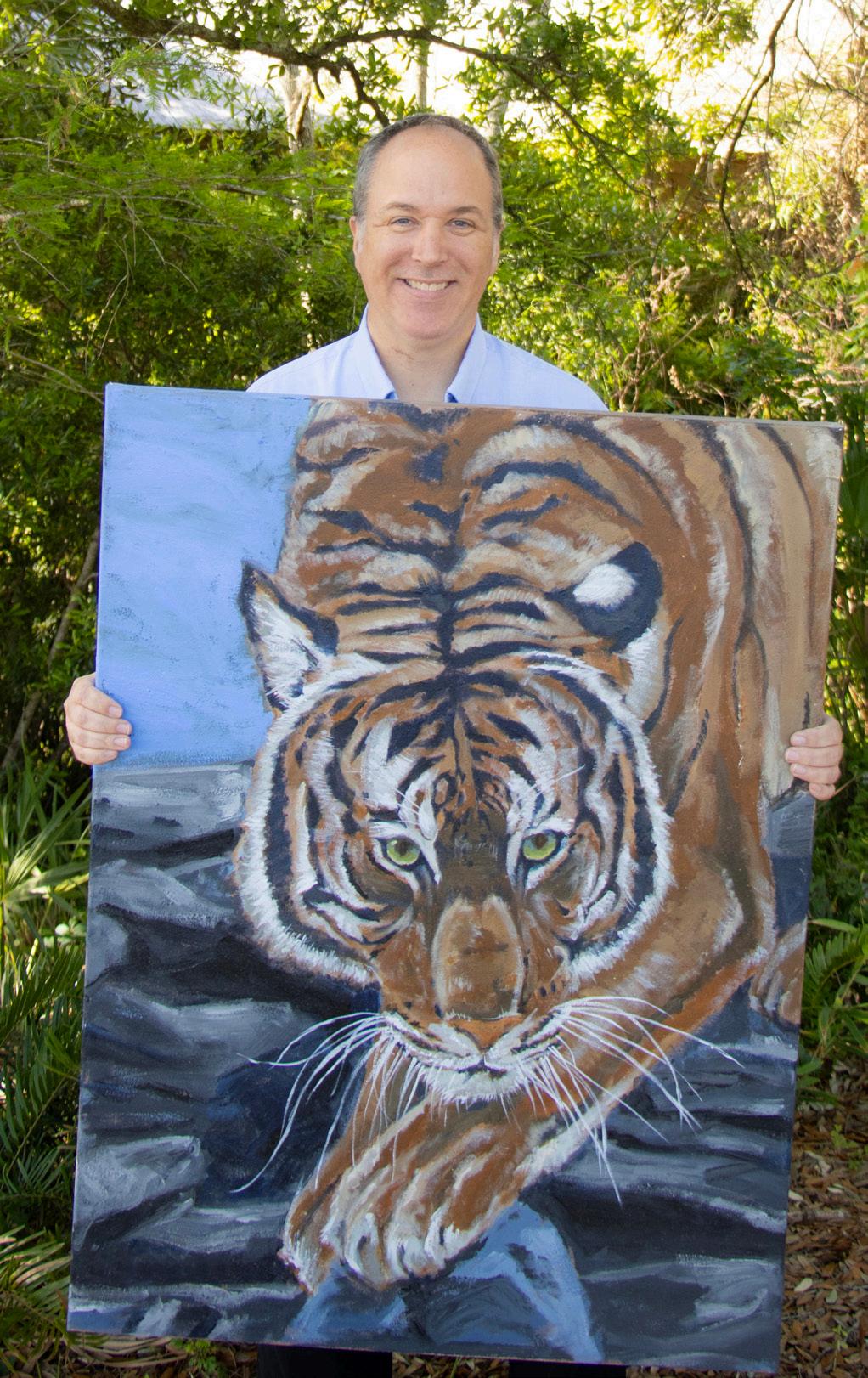
How long have you worked at the Zoo?
As Mark Twain said, “Find what you love doing and you won’t work a day in your life.” I’ve been enjoying my time at the Zoo for 14 years. Every role carries its share of challenges, but the balance has been notably positive. The mission and environment really matter, but the defining factor has been the exceptional people. What does a day in your shoes look like?
I think what aspiring designers might ask is what is it like to be an in-house designer at a zoo? It’s mostly like being a designer anywhere else except I get to see amazing animals and gardens during breaks. On rare occassions I get to experience special things by working at a conservation organization. What were your previous experiences and how did they lead you here?
It all started drawing nonstop as a kid and a love for most things related to art. I majored in painting in college because all my favorite illustrators were painters. Shortly after college the internet boom hit, and I spent the first part of my career as a web graphic designer and full stack developer. I returned to school during the Great Recession and earned a master’s degree in graphic design. I landed at the Zoo just a few months after graduating.
What is your favorite animal?
For domesticated animals I like dogs and cats. For non-domesticated animals it’s way too hard for me to choose.
What is your favorite exhibit?
It changes daily based on which one has the best views of an animal. The gardens are great too. When or how did you first develop an interest in animals/ the zoo world/education?
My family instilled the love of animals. Growing up, I loved the National Zoo and the Baltimore Aquarium. Are you native to Florida? If so, where? If not, where did you grow up?
I was an Air Force kid, with the longest stretches in Springfield, Virginia, and Winter Park, Florida. What is your favorite part of your career or what is your most memorable experience at the Zoo (or your old zoo)?
It’s the projects that directly help animals, like the Beaches Sea Turtle Patrol signs installed around Jacksonville. The sense of pride is not always about the design work itself because I’m sometimes critical of my own work. It’s about making a difference for wildlife. Any final comments?
There’s something I think about almost daily: the word “anthropogenic.” Scientists use it to exclusively describe the negative impacts humans have on nature. It’s very important, but I don’t recommend learning more about it if you’re faint of heart. It’s not something we can put front and center at the Zoo. People come here to enjoy nature, not to get bummed out.
Working here is one of the ways I try to make the world better for current and future generations. AZA zoos and aquariums are continuously advancing meaningful projects for animals and plants in the wild. There is still time and reason to hope, including for the younger generations. The combination of the work by AZA organizations and guests caring enough to take action in their daily lives stand in direct opposition to the idea that “anthropogenic” is inherently negative.
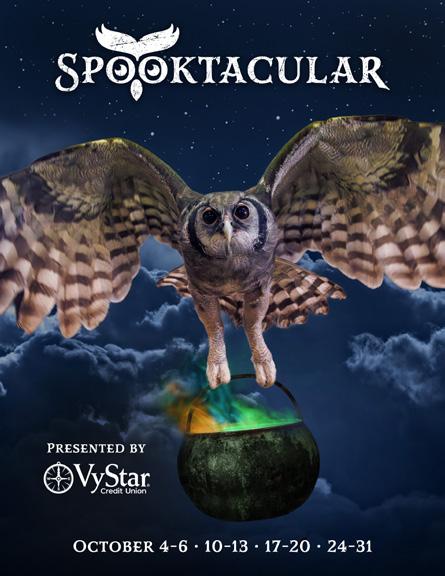
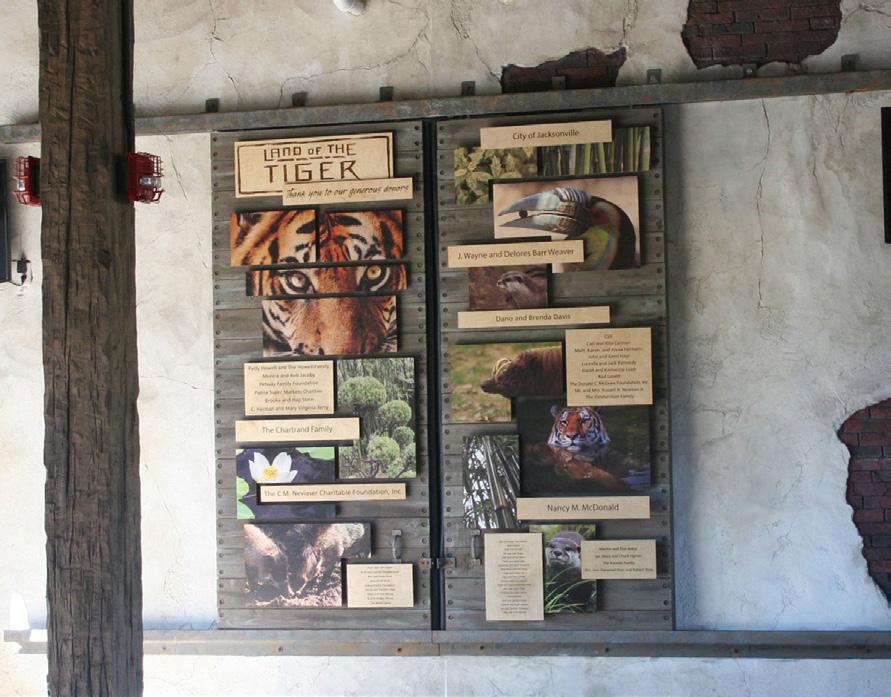
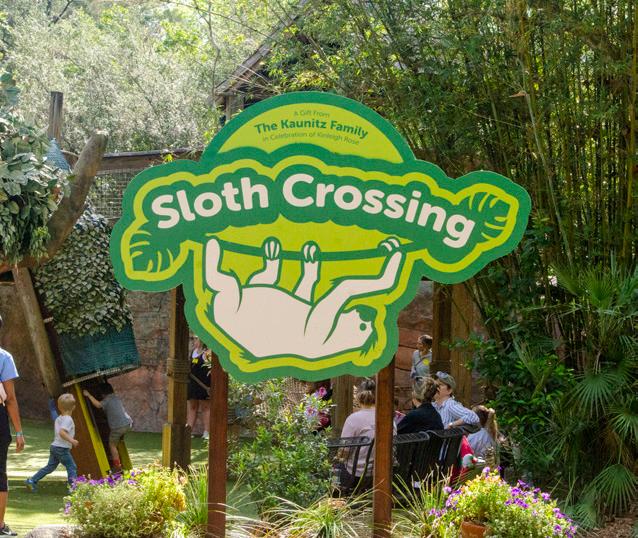
It’s almost certain you’ll encounter Mark’s work every time you visit the park.
Senior Membership Coordinator
Sheila Campbell members@jacksonvillezoo.org
Editors
Emily Long, Marketing Manager
Madi Sloan, Communications Specialist
Jeff Ettling, Ph.D., President and CEO
Paula Shields, Chief People and Culture Officer
Design
Mark Sheppe, Senior Graphic Designer
Hannah Favorite, Graphic Designer
Contributing Photographers
Chris Dailey, Jack Duvall, Hannah Favorite,
Shannon McNeil, John Reed, Mark Sheppe
Nikki Smith, Chief Philanthropy & Marketing Officer
David Hagan, Chief Life Sciences Officer
Steve Henry, Chief Operating Officer
Leanne White, Director of Learning & Conservation Engagement
John Lukas, Curator of Wildlife Conservation
Mindy Barker, Interim Chief Finance Officer
Lucia Lindsey, Chair
Chuck Ged, Immediate Past Chair
Kerri Stewart, Chair-Elect/Vice Chair
Salmaan Wahidi, Treasurer/Finance Committee Chair
Jason Spencer, Secretary
Kelly Coker-Daniel, Governance Committee Chair
John Hayt, Honorary Advisor
Kelli O’Leary, Mayoral Appointee


John Baker III
Martha Frye Baker
Matt Brockelman
Tyrona Clark-Murray, City Council Appointee
LeAnna Gutiérrez Cumber
Mayor Donna Deegan
Kenyonn Demps
Fredrik Eliasson
Pamela Phillips
Mike Gay, City Council Appointee
Steve Gormley
Carolyn LaRose
Sarah Longenecker
Matt McAfee
Missy Peters
Hope Selevan Prober
Paula Renfro
Param Sahni
Matt Woitz
Danny Berenberg
Ivan Clare
Dano Davis
Diane David
Lenore McCullagh
Elizabeth Petway
Herbert Peyton
Clifford Schultz
Frank Surface
Janet Vaksdal Weaverr
Martha Baker
J.F. Bryan
Carl Cannon
Howard Coker
Charles Commander
Jed Davis
Matt Fairbairn
Chuck Ged
Joseph Hixon
J. Michael Hughes
Lewis Lee
David Loeb
Richard Martin
Frank Miller
John A. Mitchell
Thomas Schmidt
Bill Rowe
Carl “Hap” Stewart
James Stockton
Penny Thompson
Courtenay Wilson
Jacksonville Zoo And Botanical Gardens
Membership
370 Zoo Parkway Jacksonville Florida 32215 (904) 757-4463 ext 114 · members@jacksonvillezoo.org