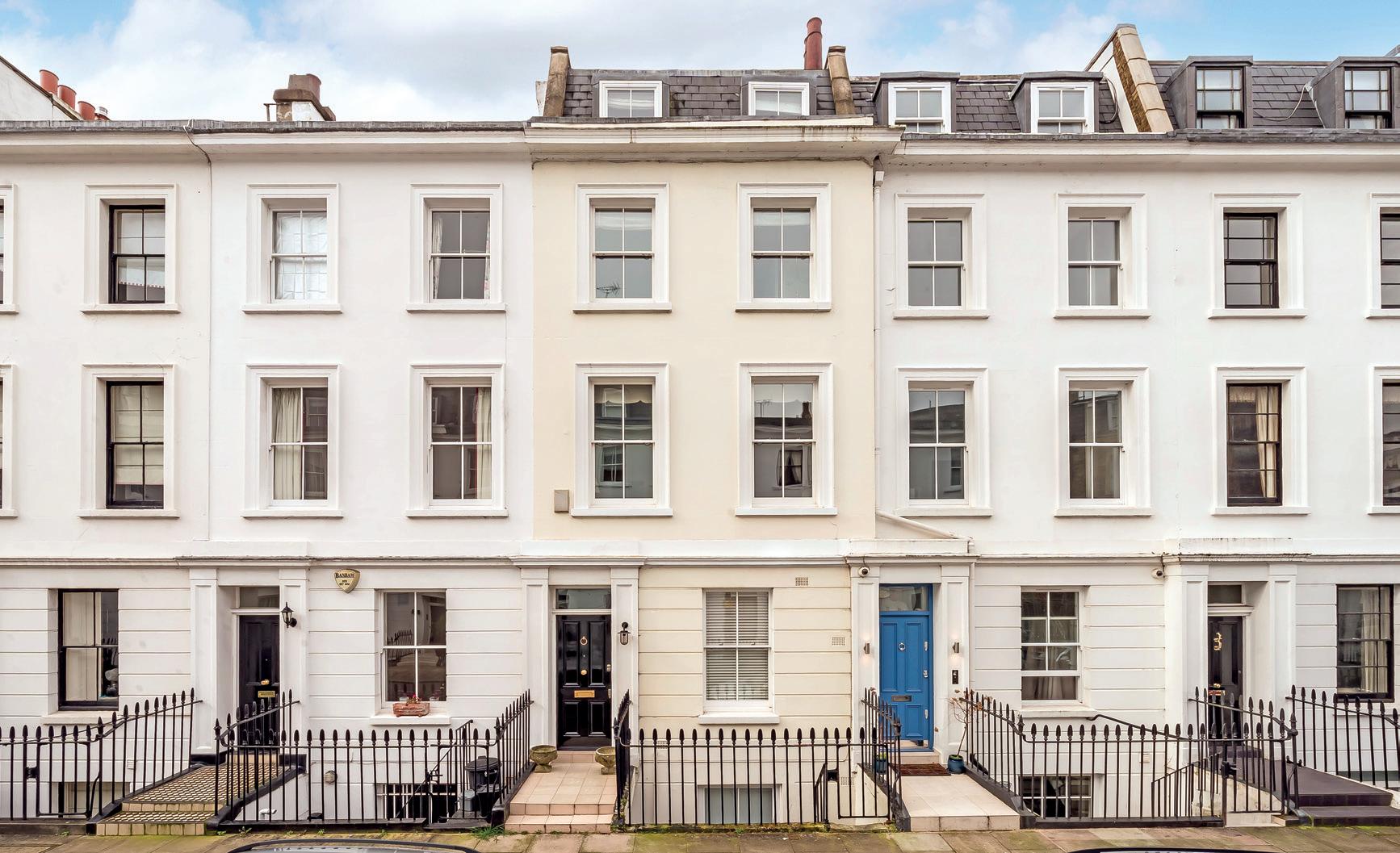
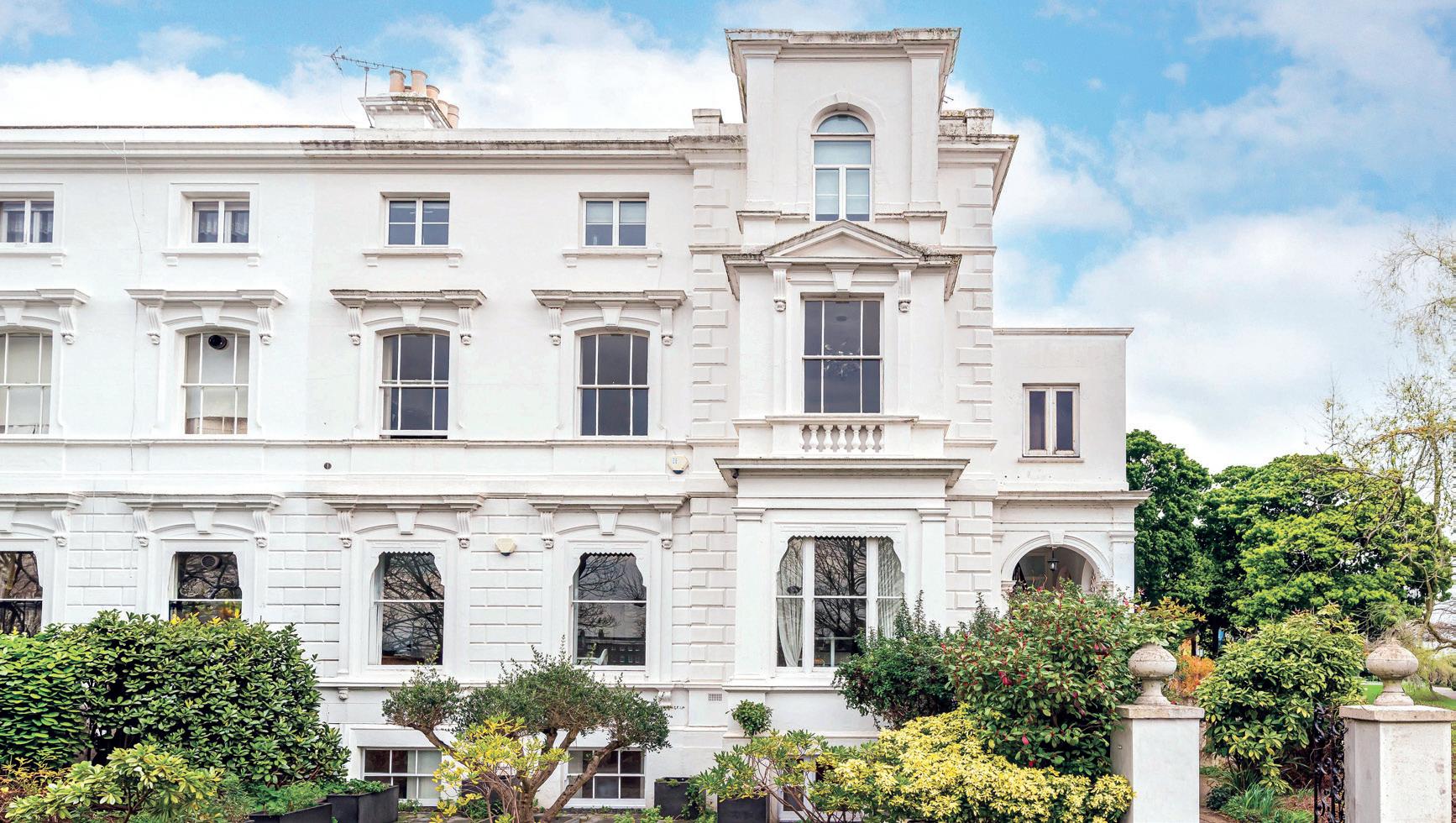
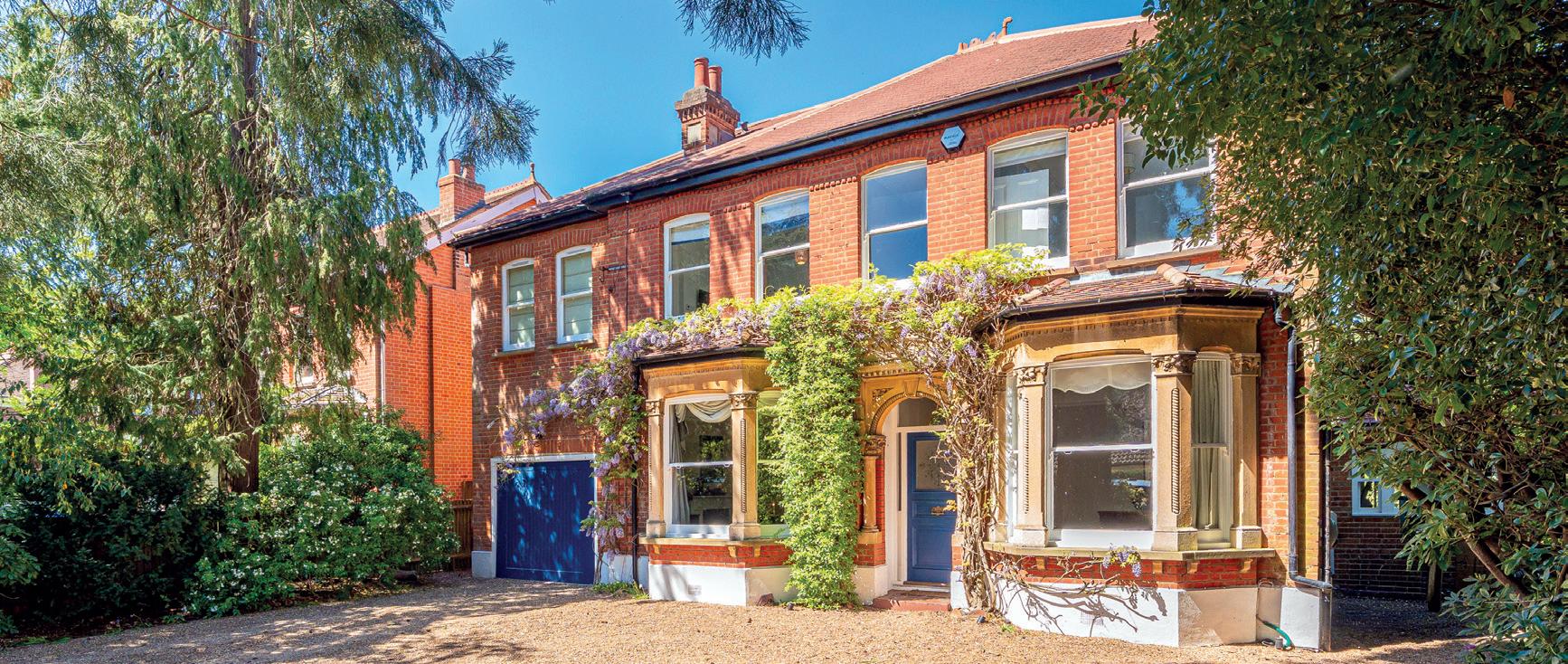
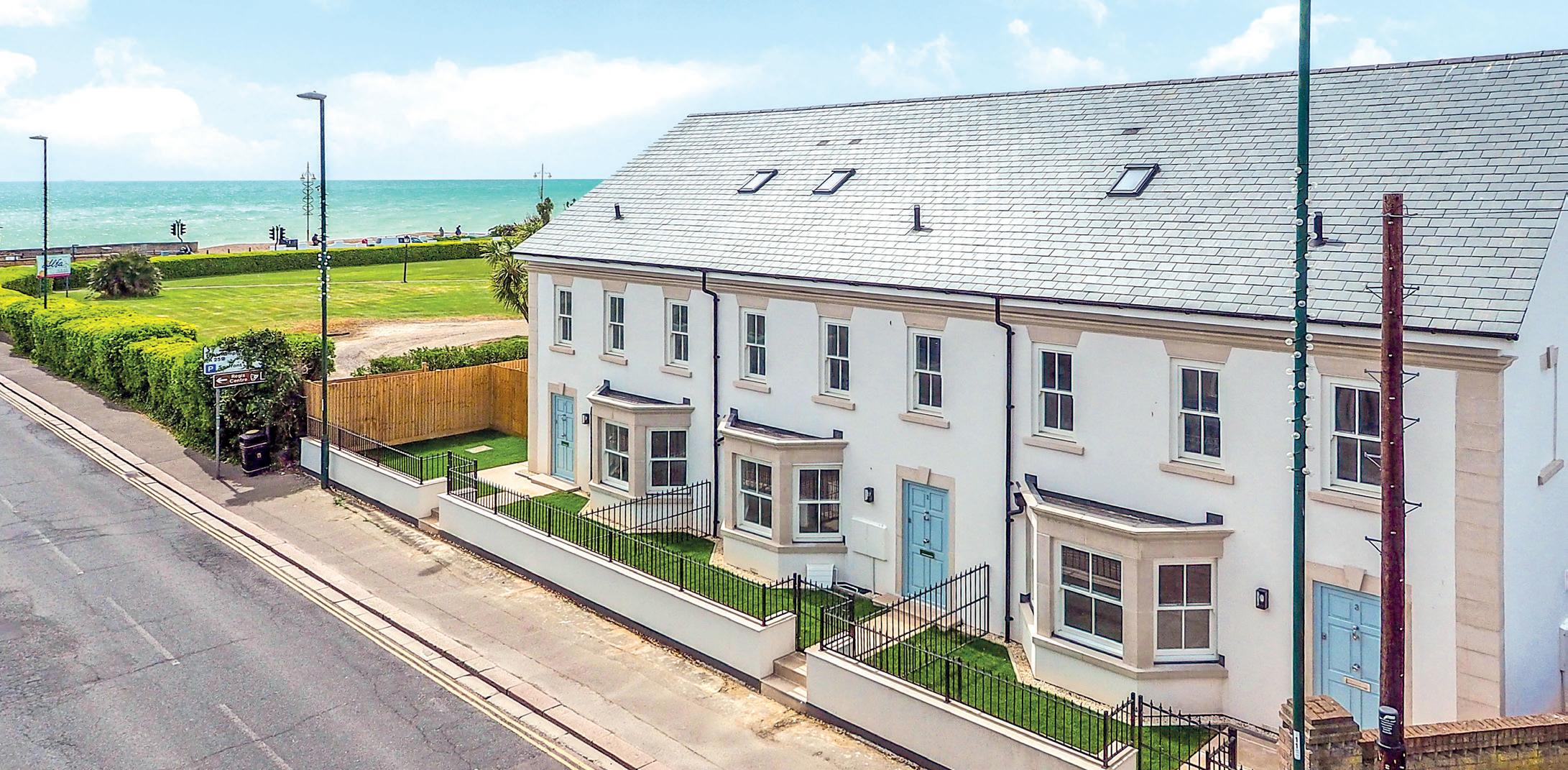
Country Houses: Prices echo compression of salaries London: Continuing strong performance
New Homes: Future Homes Standard and SME builders
THE
£10 BILLION STAMP DUTY DILEMMA
Did HMG miss a chance to replace the universally disliked tax?
UK MARKET REVIEW NUMBER 60
Published by Jackson-Stops since 1997, the UK Market Review is a concise overview, drawn from insights and data from some 40 offices across the London and Country House markets, plus national statistics.
Views and projections are opinions of the authors at the time of writing and may change.
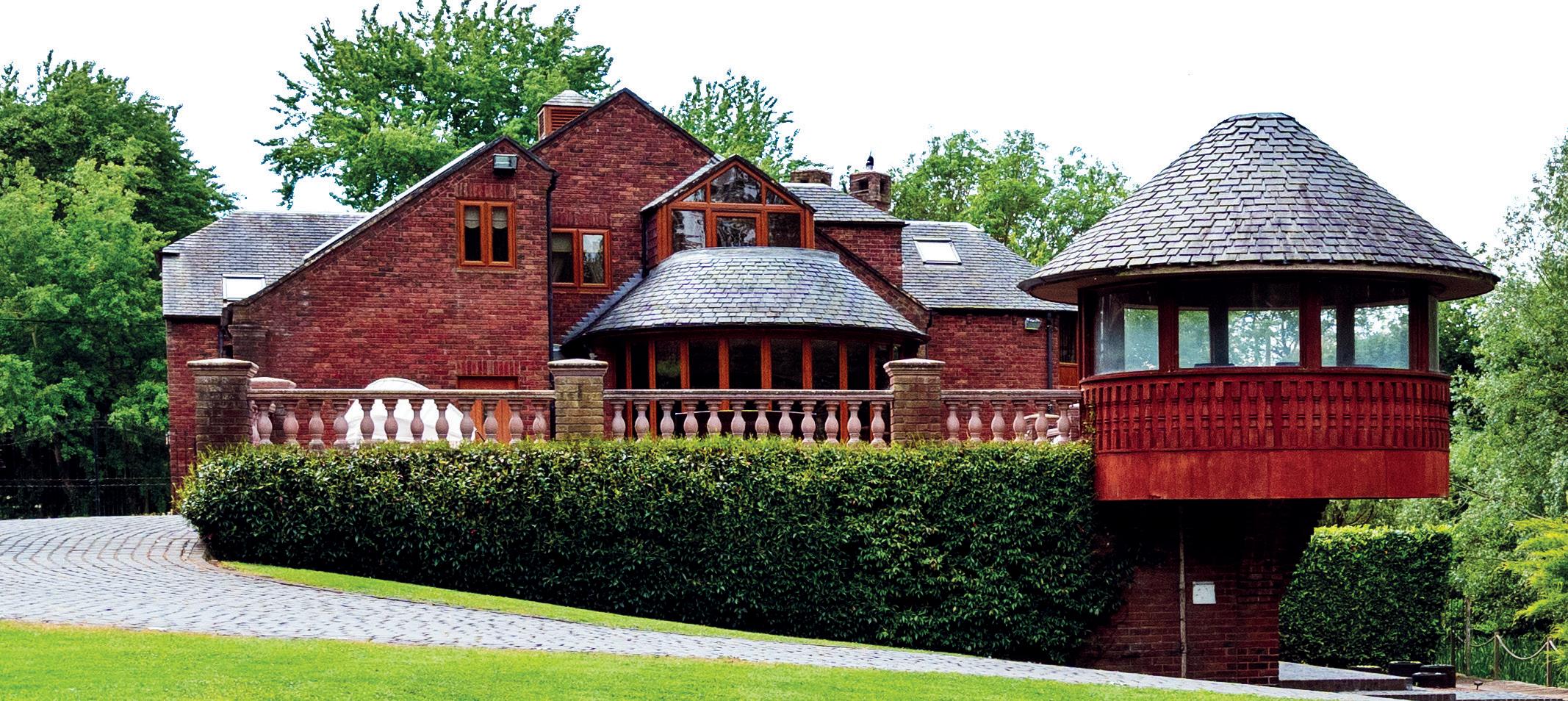
Front Cover: Anglesey £2,750,000 guide, (Chester)
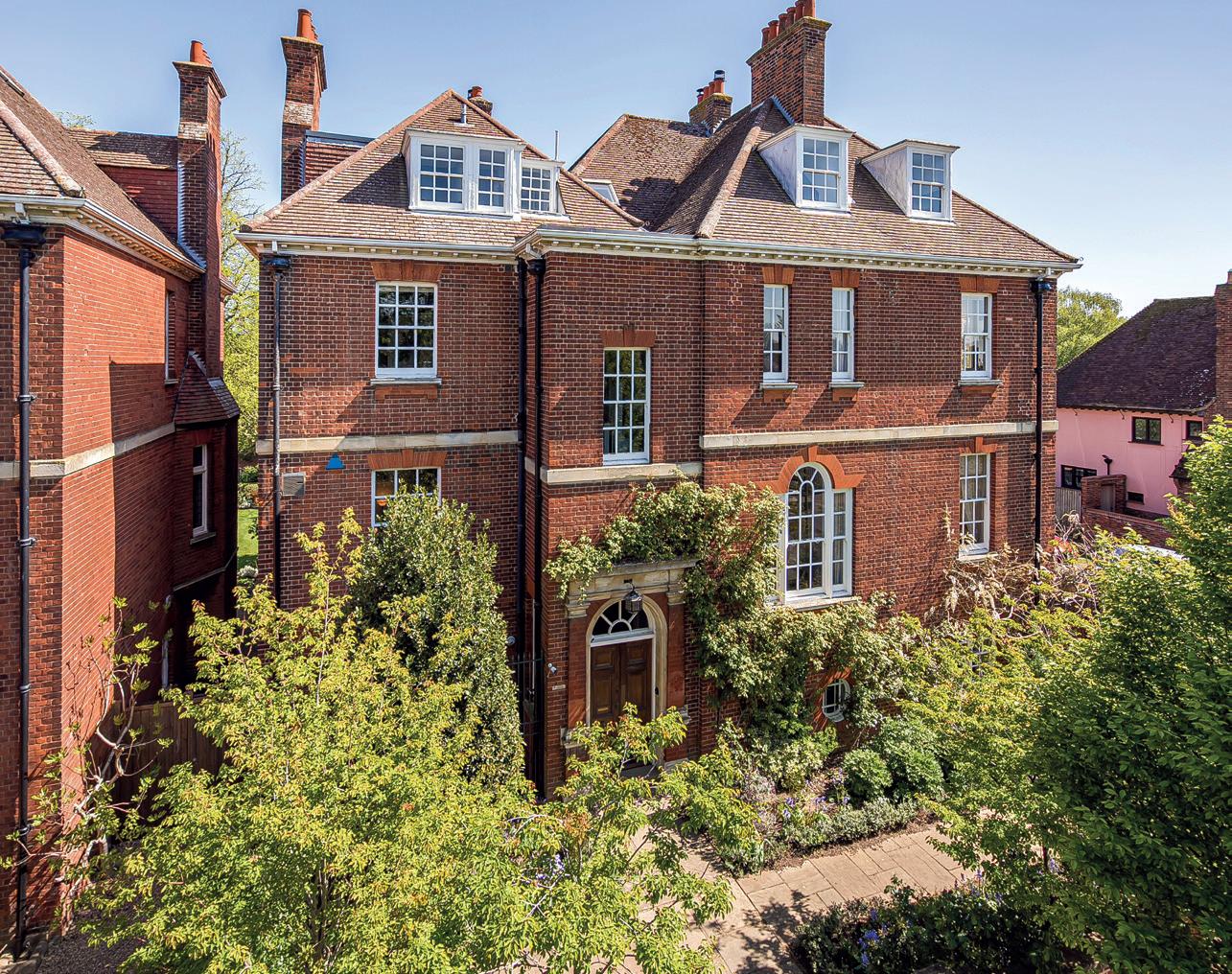
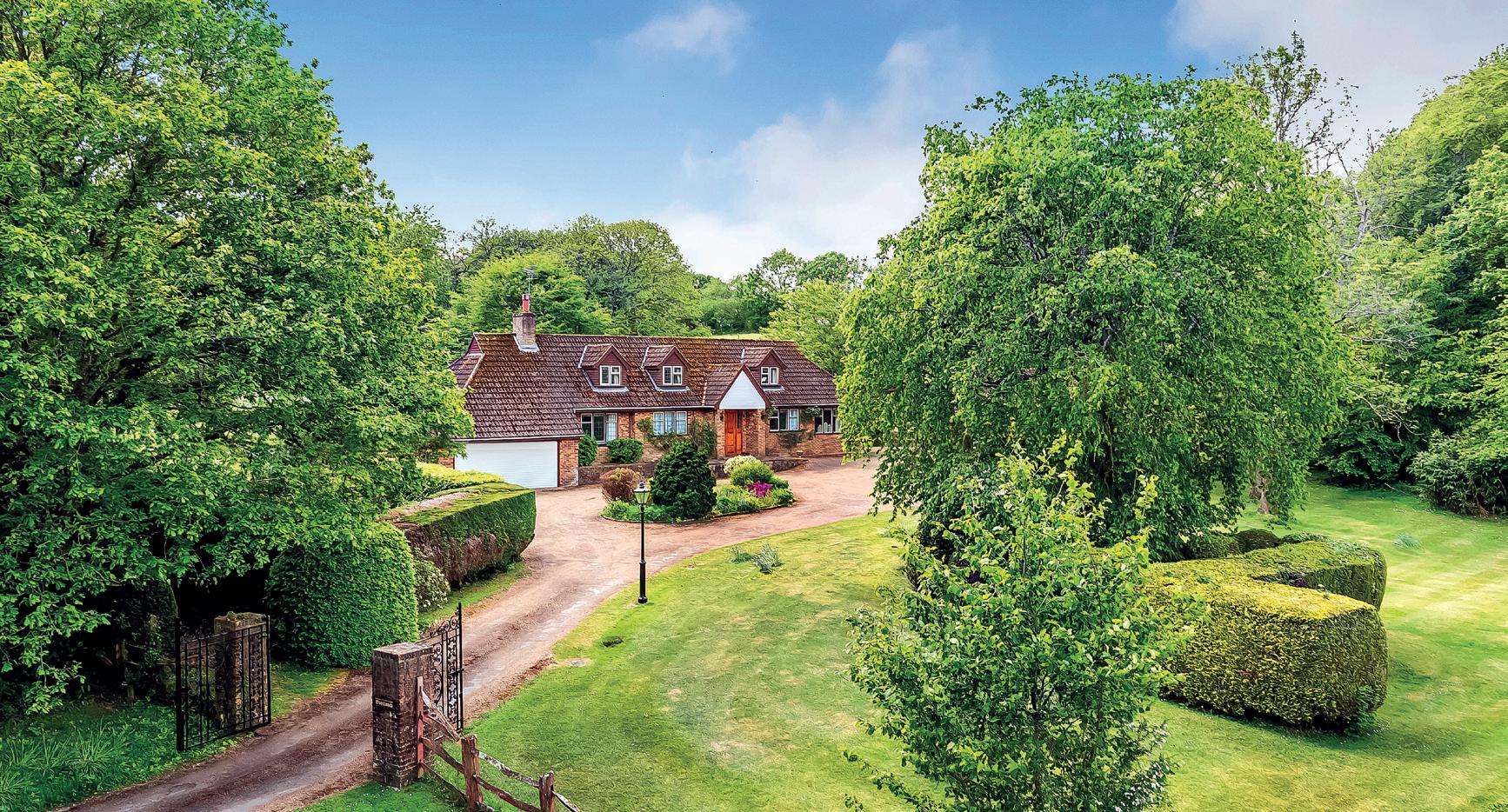
Main: Norfolk £1,750,000 guide, (Norwich)
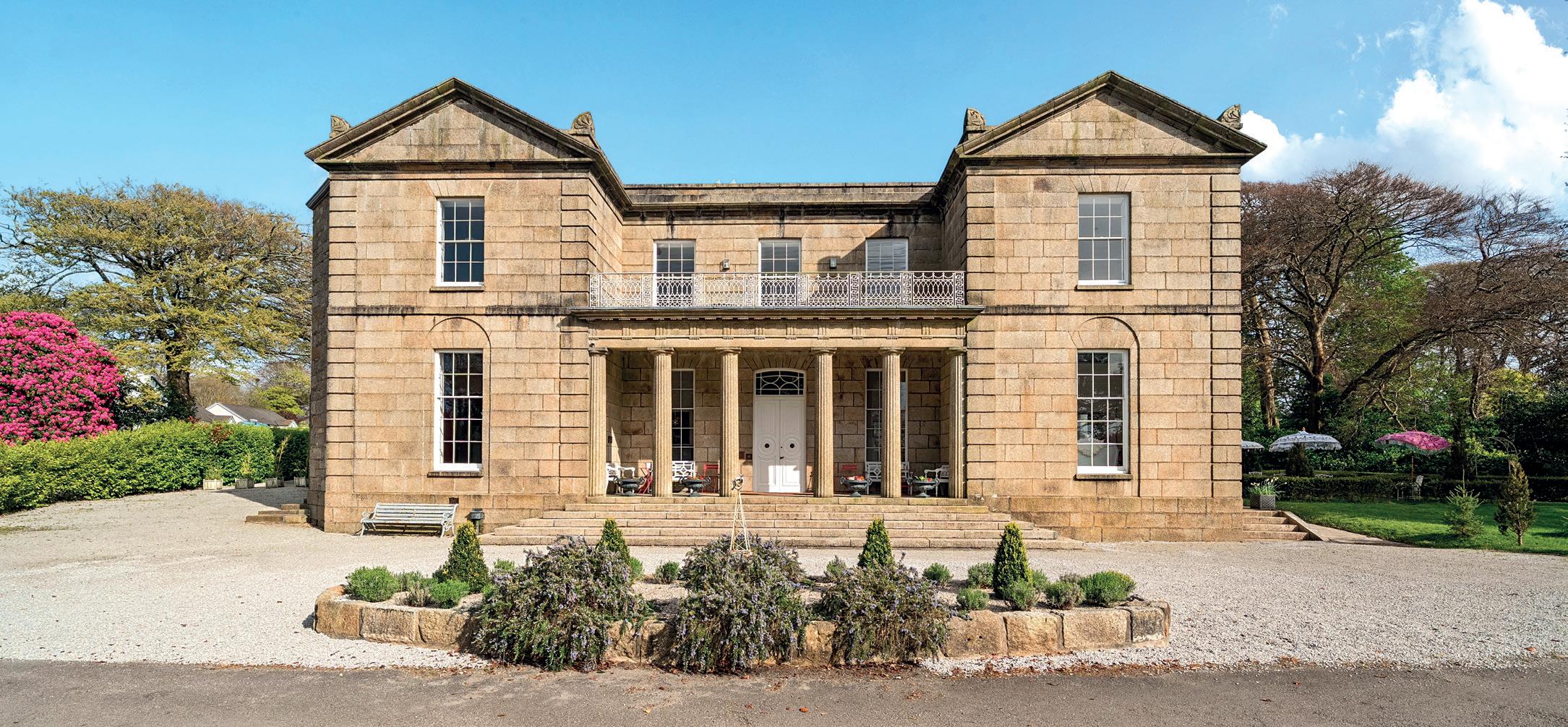
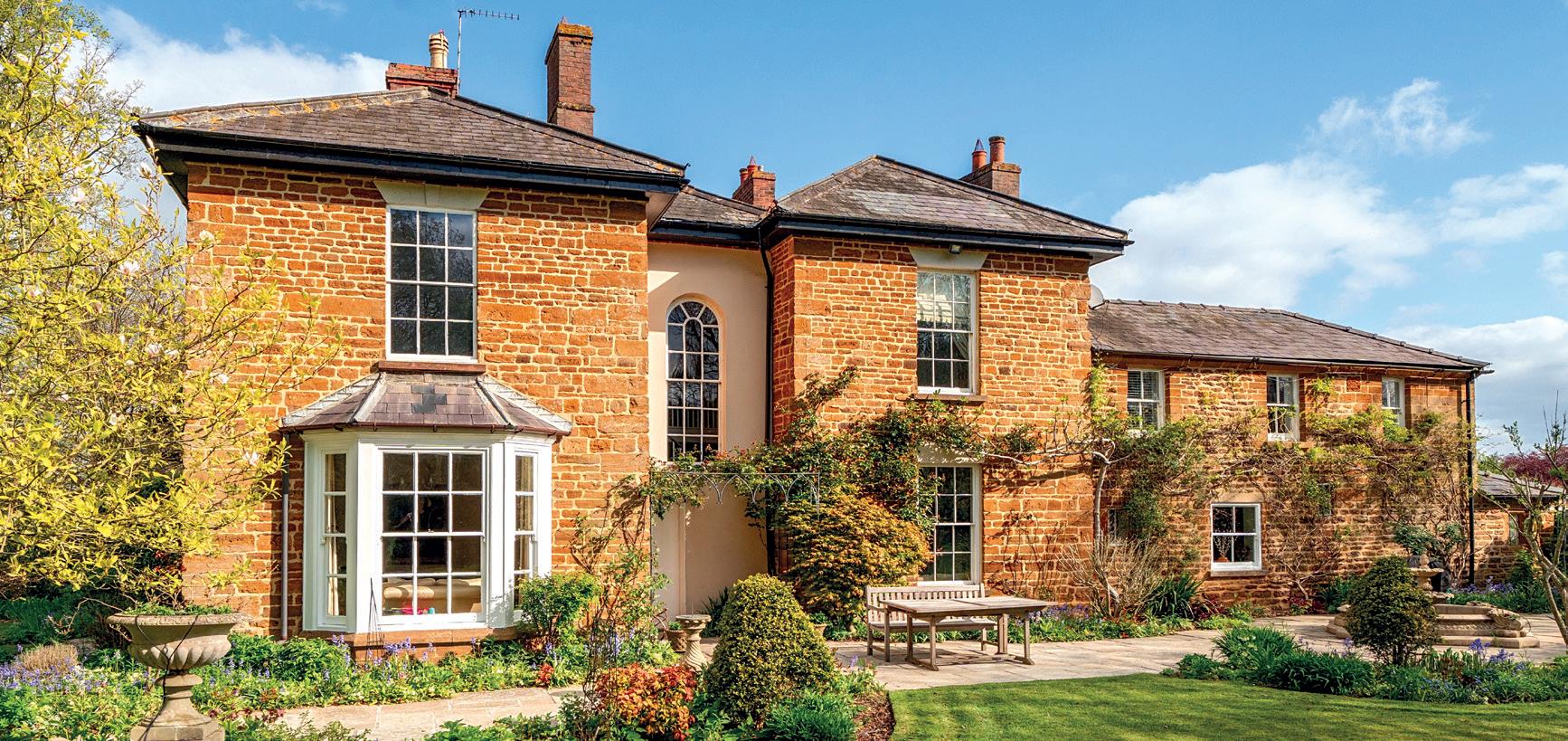
Inset: Cornwall £1,750,000 guide, (Cornwall)
COUNTRY MARKET
Price Compression
House prices are echoing the salary compression of the jobs market.
Strong activity across the middle to upper market is translating into fair sales volumes at the mid-price levels, less-so at higher ones. Yes, conflict in the Middle East took the wind from the sails of the best start to any year since pre-pandemic days, but this is only exacerbating the emerging trend, in southern regions at least, of house price compression: real values rising from the bottom up while those at higher levels battle to hold their own.
This echo of a much-reported phenomenon in the jobs market is more than coincidental: it is a consequence. For buyers and sellers alike, the result is narrower gaps between different price bands, a slower top end market and an even greater emphasis than ever, on accurate pricing.
The market feels vigorous across the board: healthy numbers of would-be buyers and sellers are keen to move and acting accordingly: new instructions, buyer registrations and house viewings are all marginally up on last year. What happens then, depends on where − geographically and economically − the property in question happens to be. Confidence to commit to buy, is greater in some areas (eg the North West) and at lower price levels (which depending on where you live, could mean anything from under £600,000 to under £1 million). In part,
this is because overseas conflict has generated cost-of-loan risks which increase in line with the size of the loan. But it also reflects the renewed dominance of salaried buyers, over those laden with cash from overseas demand or from City bonuses (which peaked in 2008). Today’s buyer, needs a mortgage.
THE MORTGAGE RATE MIRROR
When salaried, borrowing buyers dominate, interest rates impact price differentials − inversely. In early 2022, typical borrowers happy to increase their interest payments by £150 a month, would secure a further £100,000. Today, that would get them under £38,000. If, through differing inflation, the price gap between what was, say, an £800,000 house and a £900,000 one has narrowed, that’s because the mortgage cost gap, has widened.
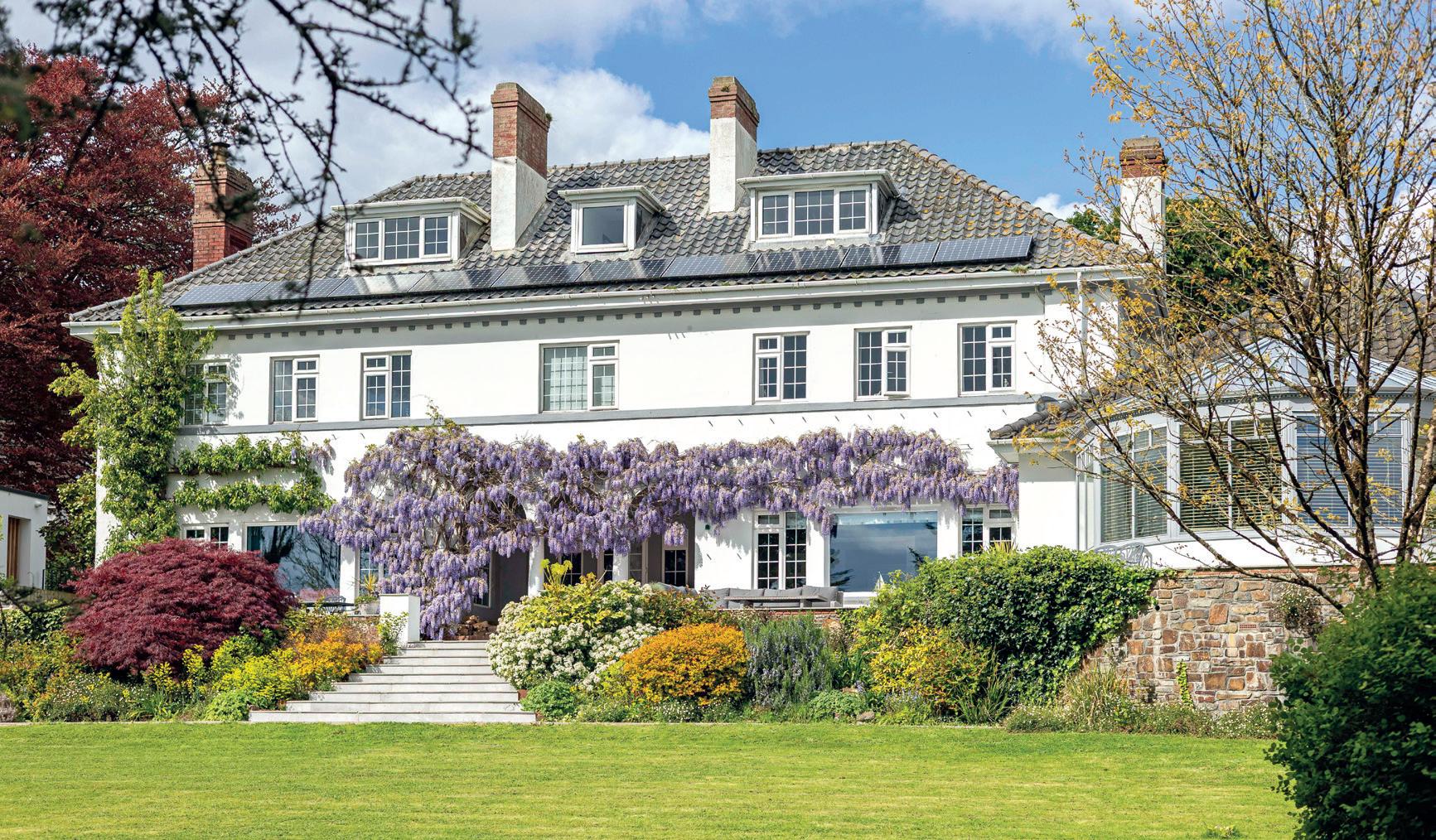
Above: Gloucestershire
£2,500,000 guide, (Cheltenham)
Above: Greater Manchester
£5,250,000 guide, (Hale)
Below: Suffolk
£1,695,000 guide, (Newmarket)
Below Right: Kent £2,950,000 guide, (Kent & East Sussex)
PENT-UP DEMAND DESPITE TAX HEADWINDS
As if reduced salary differentials and higher interest rates weren’t enough, salaried buyers of higher value properties are also being buffeted by higher SDLT and income tax − especially, the infamous 60% effective marginal rate between £100,000 and £125,000 pa. This directly affects affordability and, depending on the lender and any salary sacrifice, borrowing limits. Even so, the nature of the current market − ie driven by ‘stage of life’ needs, not lifestyle or investment − is such that pent-up demand dating back as far as late 2022, is pushing ahead regardless. Buyers are highly price sensitive and, when the time comes to make their offer and put their money down, less gung-ho than they would like to be, but they are committing and following through to completion. With exceptions, it feels as though every deal
needs to be negotiated and nurtured with the utmost care, but most get there in the end. Which exceptions? Principally, it must be said, those deals involving buyers at the upper extreme of the wealth scale, the ‘outliers’ with multimillion pound salaries and investments, for many of whom the benefits of higher interest rates exceed costs. If the property you have to sell appeals to that market, it’s not so much price that becomes the core issue, as identifying an exact fit to buyer demands. Happily, while there are always idiosyncratic variations in relation to any one potential buyer, those demands tend to have a great number of features in common − and most properties have the potential to add a few, in preparation for sale. Even at the very top end, property values echo both the broader economy and the very human needs of those within it.
colleagues, who go the extra mile to consistently deliver results. But don’t just take our word for it, as over 70 per cent of business comes from recommendations and referrals, with customers coming back again and again.”
GLOBAL APPEAL
As a world-class destination, London attracts a great deal of interest from overseas buyers and tenants, driving an increased demand for super-prime homes. Our Corporate Services team is experiencing a surge in activity, receiving hundreds of enquiries each week from embassies and major corporations
looking to relocate their employees. With many choosing to work exclusively with Jackson-Stops, this means we can continually provide our landlords with high-quality corporate tenants, who are known to look after a home as if it were their own.
EXPERTLY MANAGED
“With the Renters' Rights Act now in effect, a significant number of landlords have turned to professional agents like us to help navigate complex legislation and trust us to manage their portfolio,” Alex notes. “We understand that our clients lead busy lives, and we aim to take their stress away by ensuring
their investment is well-maintained. Our Property Management team addresses any issues efficiently, keeping disruption and costs to a minimum, while always acting with discretion. They are on hand to provide ongoing support and deliver exceptional, bespoke solutions.”
COMPLETE REASSURANCE
Jackson-Stops also has a specialist in-house marketing and PR team, who are in daily contact with international journalists and editors seeking London’s finest residences. This allows us to reach the widest possible audience and achieve remarkable results. “The combination of local knowledge and personal attention, supported by strategic marketing,
is a winning formula for our clients,” Alex says. “We recently let an apartment on the prestigious Gloucester Street within 24 hours, having received multiple competing offers.”
LOOKING AHEAD
The market has been incredibly busy for both sales and lettings this year, and there is no sign of this slowing down. The summer months present an exciting opportunity, when landlords generally achieve the highest rents and sellers receive the most interest. If you are considering marketing your property or thinking about moving, our advice is not to wait. Our local teams will be delighted to assist and are ready to provide you with advice tailored to your needs.
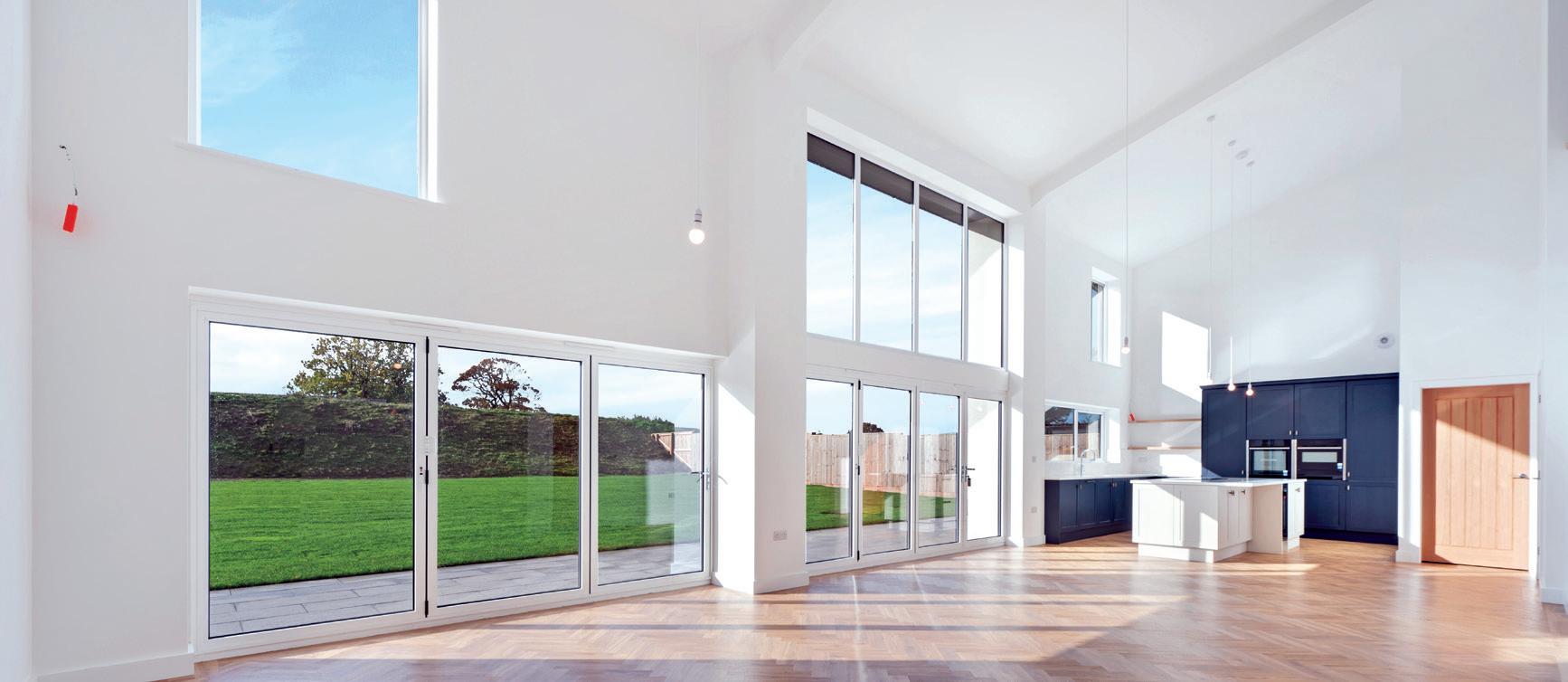
The government’s Future Homes Standard (FHS) was finally laid down in March, ending a seven-year saga of consultations, delays, and widespread scepticism about whether it would ever actually arrive. Key requirements include:
l No fossil fuel heating
Air-source heat pumps and connections to heat networks become the default.
l Mandatory solar PV
On-site renewable generation mandatory for all new homes − in most cases rooftop solar panels.
l Enhanced building fabric performance Stricter insulation standards, airtightness and mechanical ventilation requirements.
l 75% carbon reduction target Compared to homes built under 2013 standards, FHS-compliant homes will produce at least 75% fewer operational greenhouse gas emissions.
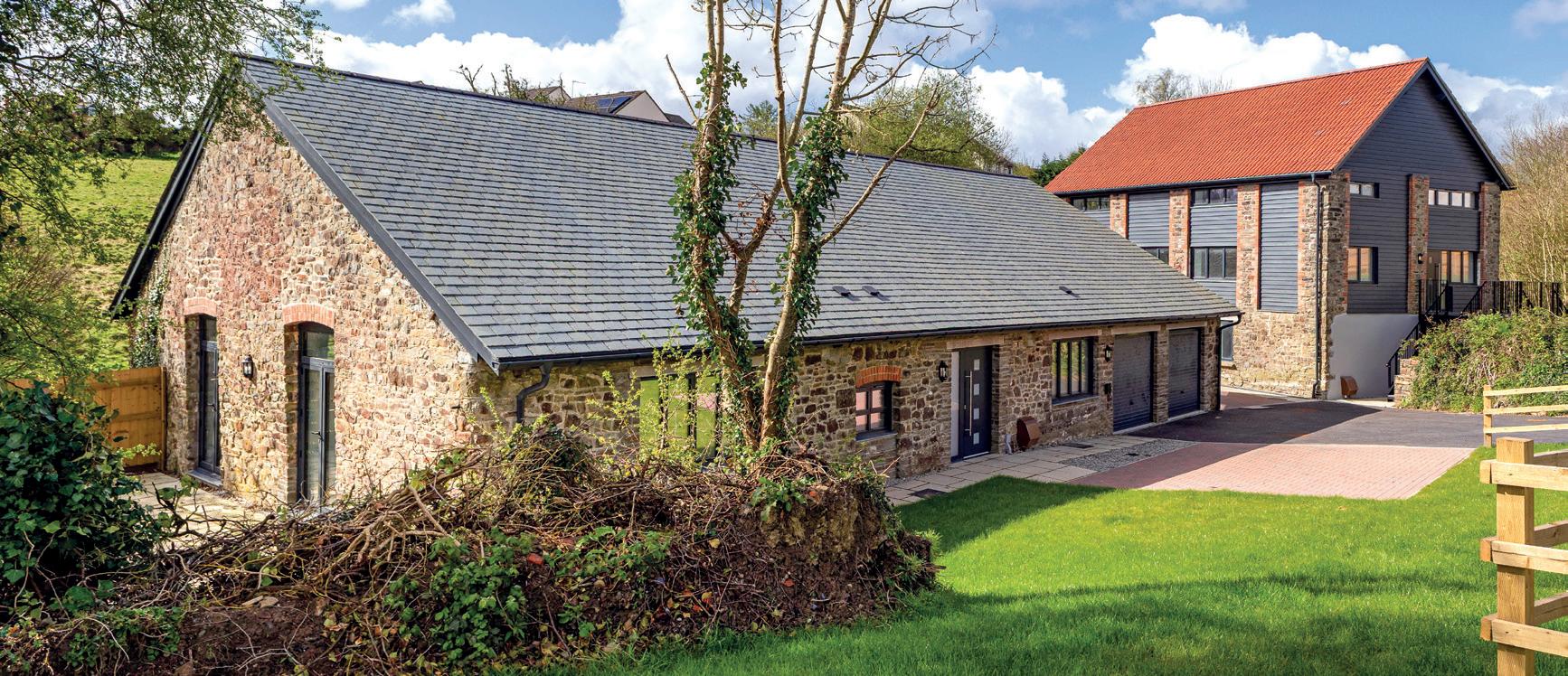
Top: West Sussex
£725,000 guide, (Chichester)
Right: Devon £750,000 guide each, (Barnstaple)
Even so, the legislation doesn’t take effect until March next year. Any homes with a Building Regulations application submitted before then and built with at least the ground floor structure in place (not just the foundations) before March 2028, do not have to comply. This is frustrating for SME builders, many of which have been exceeding these standards for years and who are responsible for the great majority of the most energy efficient, high quality and outright beautiful homes built in the UK today.
Under successive governments, delays and dilutions to housebuilding regulations have arisen either explicitly as a result of lobbying by the volume housebuilders (eg the abandonment of Zero Carbon Homes) or
implicitly (eg the Home Builders Federation's formal requests for longer transitional periods and warnings that higher standards would limit housing supply).
The irony is that the high administrative costs of those regulations fall disproportionately on the smaller builders, even where they are already compliant. They lack the economic and political power of the high volume players, even discounting the possible value of other factors (last year, a CMA investigation into alleged market collusion between major housebuilders closed without proceeding to decide whether illegal activity had occurred, after the companies under investigation agreed to end practices regarded as suspicious and to make an “ex gratia Affordable Homes
Payment” of £100 million to government affordable housing programmes).
As a result, SME builders typically survive on margins of perhaps 5% − about a third of that enjoyed now by the volume housebuilders, most of which, pre-2022, reported gross profit margins of 20% − 30%.
SME housebuilders understand and meet local demand and depend on their local reputation for future sales. In the 1980s, they built at least 40% of all houses, much more in some areas. Today, they build the best houses on the market, often in collaboration with their buyers, producing homes ideally suited to their occupants and their neighbourhood. Yet their numbers have diminished from over 12,000 to some 2,500 today. In contrast, last year, the biggest six builders accounted between them for 56% of all new homes − double their share of twenty years ago.
CENTRAL BANKS IN ZUGZWANG
Central banks find themselves in what chess players call ‘zugzwang’ − a position where any move worsens the situation, so the best strategy is not to move at all. Unlike chess players though, the BoE and the US Federal Reserve can hold indefinitely. Faced with significant pressures to move in opposite directions, they look increasingly likely to do neither, perhaps for quite a long time. This contradicts the pre-US/Iran conflict position, when gradual cuts appeared all but carved in stone. As a result, two-year swap rates rose from 3.3% in March to around 4.3% at the time of writing. Swap rates broadly reflect the cost of funding fixed-rate mortgage products, hence lenders have had to react.
RETURNING TO THE FRAY
Their immediate response to changed base rate expectations was to retreat and reassess. Swiftly withdrawing some 1,700 mortgage products (a major upheaval), they dramatically hiked up the cost of others. Since then, swap rates have stabilised, giving lenders the confidence to reduce pricing and get marketing. Indeed, the pressure to secure market share is such that some (Barclays, Santander, HSBC) have been offering mortgages at fractionally below swap rates. This doesn't necessarily mean they expect base rates to fall (mortgages are priced over their lifetime) but it does indicate confidence that market volatility is easing. Their actions are thus consistent with the potential for a ‘zugzwang’ position lasting many months.
Sources: CMA, Federation of Master Builders, Home Builders Federation, UK Collaborative Centre for Housing Evidence
The homes most prized decades from now will not be those built to the minimum standard permitted in 2027. They will be the houses built with care, character and craft, to standards set high long before the legislation caught up. So if you are thinking of buying − or commissioning − a new build home, do seek out the builders, developers and architects who are not household names, or ask at the Jackson-Stops office nearest to where you want to live, who they are. You don’t have to wait until 2028, for a ‘future home’.
Against this backdrop, serious buyers are taking advantage of a slower market with a greater choice of properties. Tracker mortgages which allow borrowers to switch to a fixed-term loan without early repayment penalty (should rates fall) have become more popular. They are also favoured by buyers with plenty of equity in their unsold current home, keen to buy first, sell later and then reduce the mortgage secured for the onward purchase. Such buyers know that moving will improve their situation − especially if they can define the costs, too.
Views and opinions expressed herein are those of the author and do not constitute financial, legal or professional advice, do not necessarily reflect the official views, policies or positions of Private Finance and should not be relied upon.
For independent mortgage advice, contact Private Finance on 0800 980 8777 or at jacksonstops@privatefinance.co.uk www.privatefinance.co.uk
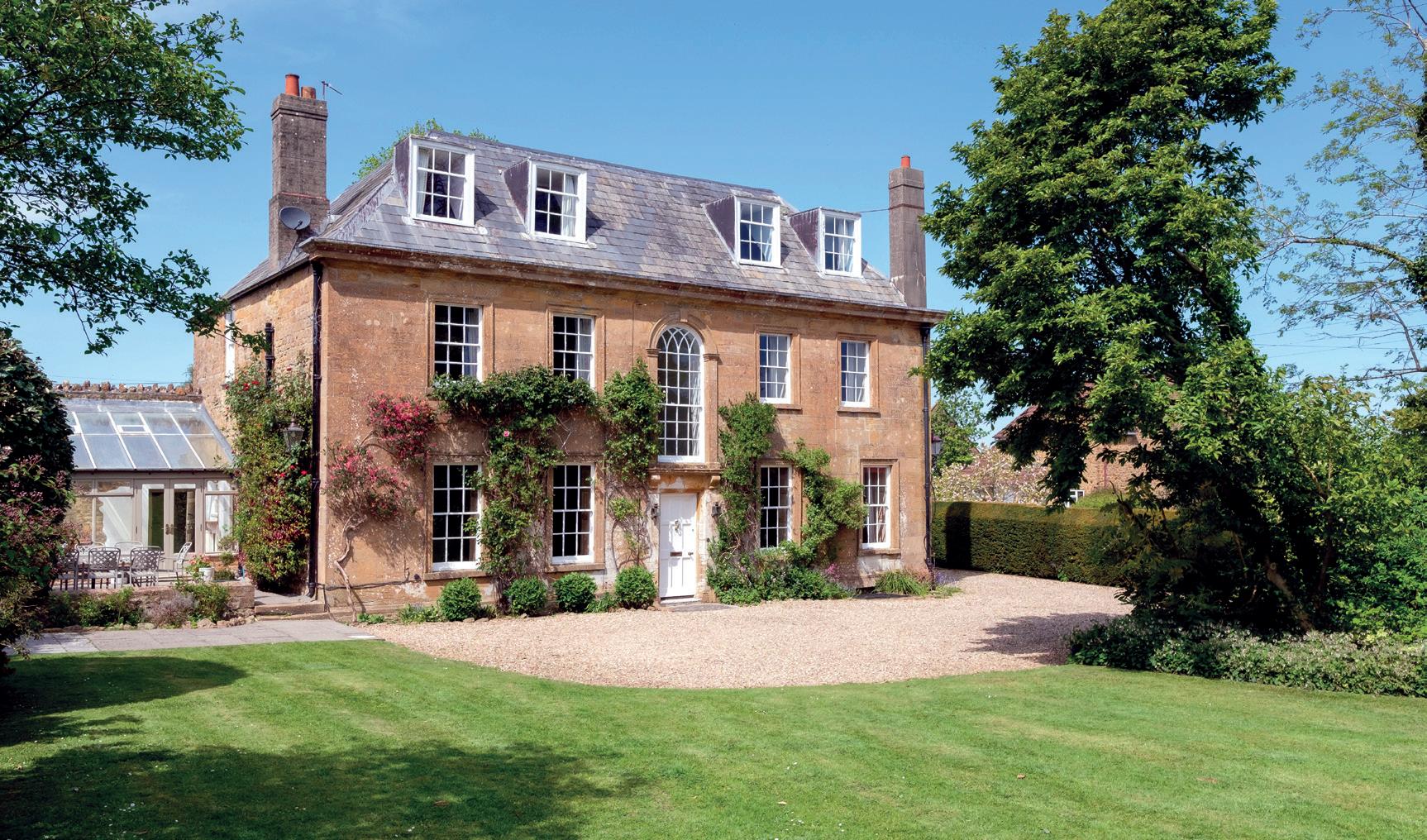
Above: Somerset £1,200,000 guide, (Taunton)
THE BIG PICTURE
The £10 billion Stamp Duty dilemma
Did HMG miss a chance to replace the universally disliked tax?
The unanimity with which Stamp Duty Land Tax is regarded negatively is quite remarkable. The Institute for Fiscal Studies calls it a “ textbook case of a bad tax ” The London School of Economics has proven it is “suffocating the housing market ” and think tanks from the free-market Centre for Policy Studies to the progressive Resolution Foundation agree it is an anti-growth mechanism that traps wealth and penalises economically and socially beneficial mobility. Why have successive governments failed to replace it? Indeed, having fuelled speculation that it was about to do so last November, why
did the Treasury blink? The reason is that ‘easy’ alternatives are either money-losers (the treasury needs the £10bn it raises), or vote-losers, or both (see panel p15). Thus SDLT remains, despite outcomes which prompt dismay from the political left and right, and s ome astonishing numbers. F or example:
l The 3% of transactions over £1 million produce 41% of residential SDLT revenue Historically (pre-2010) the upper tier of the market turned over at around 15% a year, double the average for the rest of the market, driven by executive relocation, downsizing
Left: Somerset, offers in excess of £1,500,000, (Bridport & Dorchester)
and wealth mobility. Today, it is in line with a much lower market average (barely more than 2% last year, according to our analysis of Land Registry figures). This is the bottleneck highlighted by the LSE. It blocks movement across the whole market and penalises those with growing families and career opportunities who are the engine of the economy.
l 4.8 million home owners aged over 65 live in officially “under-occupied” properties (two or more spare bedrooms)
SDLT is at least as much to blame here as demography. If someone in a large, £1,300,000 house and a family in a £900,000 property, swap homes, the combined tax exceeds 27% of the difference: £108,750. If the swap was between houses at £1,300,000 and £2,200,000 and the purchase of the latter was a second home, the total tax bill would be over 40% of
the difference: £361,500. Stamp duty makes it harder for people to live in homes of the right size. It is a major factor tying up 20% of our total housing stock, contributing to our chronic shortage of homes.
l The region with the highest proportion (over 25%) of sales attracting Higher Rate Additional Dwelling tax is the North East HRAD tax increasing to 5% of the whole price has pushed landlords to the North East, where lower capital values (most investors pay under £125,000) greatly reduce exposure to stamp duty. As a result, first time buyers are competing with landlords and both capital values and rents are increasing. This is a repeat of the structural changes experienced by other regions which successive governments have been trying to reverse.
Top: Devon, offers in excess of £1,800,000, (Barnstaple)
Right: Essex £1,500,000 guide, (Colchester)
ON WHAT DO EXPERTS ON TAX REFORM AGREE?
All feasible proposals for replacing SDLT propose an annual tax based on value. A new tax on all home owners is never going to be popular but these could be fair, provide a reliable cash flow (SDLT revenues tend to fall when the Treasury needs them most) and would tax owning, not moving home. Valuing all properties though, is so problematic that, even today, council taxes are based on 1991 valuations. That is one major obstacle. Another is just as politically challenging: if a new annual tax was applied retrospectively, people who had only just moved would pay twice (heavily).
But if it was applied only when they moved, they would still have an incentive to stay put. This dilemma was articulated at a 2025 Treasury Select Committee hearing in which one expert (Prof. Tim Leunig) said “You just have to choose one of those … There is no beautiful answer to that.”
THE BEAUTIFUL ANSWER?
Last year, the Centre for British Progress (which describes itself as a “non-partisan think tank”) proposed a variation on the annual tax concept which aims to overcome the valuation obstacle and give Prof. Leunig his answer. Specifically, in ‘Duty free homes’ it proposes that, when buyers buy, they should
Top: Surrey
£1,395,000 guide, (Dorking)
Below: Northamptonshire
£1,350,000 guide, (Northampton)
Sources:
HMRC: Annual Stamp Tax Statistics 2024 to 2025 –Commentary
MHCLG: Previous Housing Market Downturns; English Housing Survey 2024 to 2025
Centre for British Progress: Duty Free Homes: reforming property tax for growth and revenue
have a choice: pay SDLT, or opt for an annual tax. Valuation thus happens automatically and accurately, at no additional cost. Owners would still have a disincentive to move but, crucially, for those who anticipate moving again within, say, a decade, the disincentive is substantially removed. Once adopted, subsequent buyers would not have a choice. Gradual transition could thus reform without hurting tax revenues. This is the proposal which the Treasury all but publicly admitted it was minded to accept. Why did it blink?
Almost certainly because of fear of how it would be spun as a new ‘forever tax’. In fairness, thorough as the Duty Free Homes proposal is, there is plenty of detail worthy of challenge, so the best that could have been done last November might have been to announce a schedule of intent. Even so, to have raised expectations and, so early in a parliamentary session, done nothing, arguably missed the best opportunity in a long time to begin the implementation of greatly needed change.
The ‘easy’ alternatives to Stamp Duty
SCRAP IT: RESULTANT ECONOMIC ACTIVITY WILL PRODUCE AS MUCH VIA OTHER TAXATION
Money-loser. An attempt was made to partially introduce this favourite of the free trade, ‘Laffer Curve’ advocates within the infamous mini budget of 2022, which included doubling the nil-rate band to £250,000. When the replacement Chancellor, Jeremy Hunt, was advised by the OBR that this policy was going to result in a shortfall of £4 billion pa, he terminated it.
OVERNIGHT SWITCH: JUST MANDATE AN ANNUAL PROPERTY TAX
Vote-loser. Unfair to recent movers, creates an unavoidable new tax which disproportionately
penalises London and the South East and requires a nationwide property revaluation.
SQUEEZE WEALTHY MINORITIES: TOP PRICE HOMES, SECOND HOMES AND LANDLORDS
Money-loser: the numbers don’t add up. Taxing the top end freezes the market and, as recent local council data shows, doubling taxes on second homes raises millions, not billions.
MAKE THE SELLER PAY INSTEAD
Vote-loser and Money-loser. Increases incentives to stay put, freezing the market even more. Owners with little equity would, if based on sales value, cry foul, as would owners with a lot of equity, if based on capital gain.
Above: Cheshire
£7,250,000 guide, (Alderley Edge)
Simon Armitage is the Poet Laureate.
A KIND OF ANCHOR
By Simon Armitage
There’s an old Paul Young song called ‘Wherever I Lay My Hat, That’s My Home’. (Someone once joked about a more philosophical version called ‘Wherever I Lay My Hat, That’s My Hat!’). It was one of those songs on the radio that I heard but never really took much notice of, so always assumed it was about belonging and the comforts of living in a stable and familiar place. In fact it’s the opposite − the voice in the song is that of a romantic wanderer − apologising for his roving ways but not prepared to change. Home for him is any location where he takes off his headwear − and other items of clothing, we might assume. I think he has commitment issues.
PROPERTY EXPERTS SINCE 1910
People tend not to wear hats these days. “Wherever I Plug In My Smart Phone Charger ...” might be the contemporary equivalent. As someone who travels a lot, I often find myself waking up in hotels and looking out of the window to remember where I am, but hotel rooms are only ever a habitation, never a home. Home for me is a kind of anchor in so many different ways. It’s a place of domesticity and family, where treasured relationships, comfortable routines
Country Houses 020 7664 6646
London
Mayfair 020 7664 6644
Pimlico 020 7828 4050
Teddington 020 8943 9777
Weybridge 01932 821160
West Country
Barnstaple 01271 325153
Blandford Forum 01258 423002
Bridport/Dorchester 01308 423133
Exeter 01392 214222
Shaftesbury 01747 850858
Sherborne 01935 810141
Taunton 01823 325144
Cornwall 01872 261160
Cotswolds, Midlands & Oxfordshire
Cheltenham 01242 783333
Chipping Campden 01386 840224
Central
Northampton 01604 632991
Oundle 01832 617 617
Woburn 01525 290641
North East
Yorkshire 01904 625033
North West & North Wales
Alderley Edge 01625 540340
Lancashire 01704 651029
Chester 01244 328361
Hale 0161 9288 881
East Anglia
and valued possessions are kept safe. It’s a physical property − house, garden, office, shed. And it’s a place of continuity, because unlike many writers I know, I’ve stayed put, choosing to carry on living in the same area where I was born, rather than move to some dazzling metropolis or dynamic urban hotspot. I grew up in the village of Marsden in West Yorkshire, in the Pennine Hills. To some it looks like a small town but it definitely has a village mentality and a village atmosphere, ringed by a collar of moorland, the last community in the Colne Valley before the A62 disappears over the western horizon into Lancashire. I went back there after college out of complacency really, but more recently have come to recognise it as a unique part of the world, with a strong identity forged through history, geography, language, and the many families who have lived there for several generations. And it’s home to my poetry; I began writing because I wanted to capture the dream life of that place, and I still write about it today, not least when I’m somewhere else in the world. It’s where I lay my metaphorical hat.