
Texas Propane Texas Propane Texas Propane












Highlights from Headquarters
Bill Van Hoy TPGA Executive Director

Here’s to hoping that everyone has recovered from the January deep freeze that most of our state suffered through. We’ll see if February brings more arctic air or if it bridges straight into spring.
Join us for the TPGA board and committee meetings March 3-4. We’ll be at the Inn of the Hills in Kerrville to present the $50,000 check we raised for July flood victims.
This month we took an opportunity to revisit adding video to your fleet vehicles. Technology has changed much in a short amount of time. And if you’ve seen some of the astronomical court awards, it’s worth considering adding video to protect your business and your drivers.
NPGA and TPGA worked hard to ensure that the LIHEAP program continued this year, providing energy cost assistance to low income households. Make sure you’re aware of the program in case you have customers who might benefit from the resource.
PERC has launched the Every Day Safe program to help marketers strengthen safety from the inside out. Make sure you’ve reviewed this program to see if enrolling could help your company build a sustainable culture of safety.
Each year, ProCOT works hard to provide consumer education, safety initiatives, workforce development and marketer outreach programs. We’ve collected their successes in 2025 so you can see how well your money is invested.
We continue to take a historical look at the beginnings of propane, working through the 1930s this issue. It was a time of much change in the budding propane industry.
With each issue, we honor those we’ve lost in the In Memoriam section and provide important information about events and news in our Briefs department. This month we’re introducing you to a propane powered crepe maker.
Texas Propane
TPGA staff Bill Van Hoy ................. bvanhoy@txpropane.com Executive Director
Jackie Mason................... jmason@txpropane.com Deputy Executive Director
Julie Novinger...........accountant@txpropane.com Bookkeeper
Christie Shook..................cshook@txpropane.com Membership & Meeting Manager
Propane Service Corporation ........................... sales@propaneservicecorp.com Christie Shook 800-392-0023
Publisher Kim Scheberle ............. kscheberle@austin.rr.com Account Manager/Managing Editor Sail House Publishing 512-346-0892
Joanne Pantaze ................. jpantaze@zochnet.com Advertising Sales 512-273-2639
Kiki Pantaze ....................kpantaze@zochnet.com Art Director 512-924-7566 8408 North Interstate 35
Basys Processing Lone Star Energy Group Warm Thoughts Communications
512-836-8620 or 800-325-7427 512-834-0758 fax E-mail: info@txpropane.com www.txpropane.com







President: Larry Baty, Cadenhead Servis Gas, 972-771-8654
President Elect: Jeremy Gentile, Hill Butane, 409-296-2001
Secretary: Matt Terry, Matador Gas, 210-861-6545
Treasurer/Finance Chair: Bill Collins, Propane Exchange, 214-629-5118
District 1 Director: David Collett, Gas and Supply, 903-780-2488
District 1 Alternate: John Minton, Gas & Supply, 903-490-0605
District 2 Director: Billy Bob McAdams, McAdams Propane, 936-598-7444
District 2 Alternate: Joe January, McAdams Propane, 254-723-4210
District 3 Director: Stephen McClendon, Ferrellgas, 972-730-0469
District 3 Alternate: Bill McHargue, Welch Gas, 210-508-3058
District 4 Director: Matt Peterson, Buster Brown Propane, 281-689-3946
District 4 Alternate: Garrett Green, Green's Blue Flame Gas Co. 713-562-5341
District 5 Director: Brody Newton, Busters Propane, 361-852-8161
District 5 Alternate: Regina Betancourt, Ferrellgas, 361-429-8548
District 6 Director: Omar Garcia, Mr. G Propane, 956-581-1063
District 6 Alternate: Alex Hinojosa, Hino Gas Sales, 956-423-9178
District 7 Director: Sharon Seal, Bell Hydrogas, 210-533-7103
District 7 Alternate: Duston Cox, Chaparral Propane, 830-329-0871
District 8 Director: Rodney Sladek, Fayetteville Propane, 979-836-7044
District 8 Alternate: Doyle Fevig, Legacy Propane 830-995-5015
District 9 Director: Brad Quisenberry, Gene Harris Petroleum, 817-295-1091
District 9 Alternate: Larry Hearn, Yellow Rose Propane, 870-648-8241
District 10 Director: Josh Nowlin, McCraw Propane, 903-583-7481
District 10 Alternate: Chad Gregg, Enderby Gas, 940-482-3225
District 11 Director: Steve Adams, Hardwick LPG, 254-647-3402
District 11 Alternate: Anna May Etheredge, Enderby Gas, 940-665-3467
District 12 Director: Laci Jo Stone, Schneider Distributing, 800-901-9109
District 12 Alternate: Shawn Owens, Heart of Texas Propane, 325-313-0748
District 13 Director: Lane Worthington, WTG Fuels, 432-682-4349
District 13 Alternate: Casey King, WTG Fuels, 432-894-4240
District 14 Director: Terry Perez, Perez Propane, 512-318-9780
District 14 Alternate: Elizabeth Perez, Perez Propane, 915-764-3382
District 15 Director: Don Heinrich, Slaton Gas, 806-828-6501
District 15 Alternate: Kenneth Waters, Charles Oil & Gas, Inc (dba) Farwell Fuels, (806) 481-3222
District 16 Director: Clay Crist, Crist Fuel, 806-426-3412
District 16 Alternate: Jacob Acuna, TG Fuels, 303-514-6061
Past President: Josh McAdams, McAdams Propane, 936-598-7444
Past President: Mark Peterson, Buster Brown Propane, 281-689-3946
Past President: Jack Walzel, Tri-Co Propane, 254-642-3885
Past President: John Walter, Schneider Distributing, 800-901-9109
Past President: Allen Wells, BayGas, 281-332-2630
Vice President: Steve Adams, Hardwick LPG, 254-647-3402
Vice President: Jeremy Gentile, Hill Butane, 409-296-2001
Vice President: Matt Terry, Matador Gas, 210-861-6545
Sr. Vice President: Todd Dorris, Roadrunner Energy, 830-278-2915
Sr. Vice President: Bill Collins, Propane Exchange, 972-442-1078
Sr. Vice President: Joe Green, Green’s Blue Flame Gas, 713-462-5414
Assoc. Supplier Service Director: Andy Brus, Crum & Forster, 682-220-4812
Assoc. Supplier Service Alternate: Rusty Walker, Marshall Young, 817-645-9155
Assoc. Producer/Marketing Gas Director: John Becraft, Targa Resources, 713-594-7485
Assoc. Producer/Marketing Gas Alternate: Brittany Greer, Enterprise Products, 318-299-0540
Assoc. Manufacturer/Distributor Director: Troy Hicks, Squibb Taylor, 915-613-7534
Assoc. Manufacturer/Distributor Alternate: Tracy Wells, GEC, 214-683-8018
Assoc. At Large Director: Jimmie Grant, Martin Gas Sales, 713-851-6155
Assoc. At Large Alternate: Jim Fulton, 4-J Energy, 832-529-4768
Nominating Chair: John Walter, Schneider Distributing, 800-901-9109
NPGA Director: Mark Garrison, Allstar Fuel, 806-296-6353
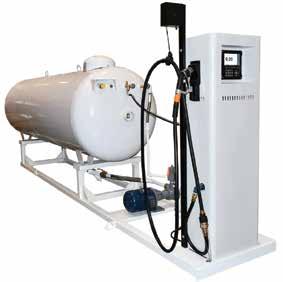
Fueling the Future with Autogas NextGen Smart Dispenser

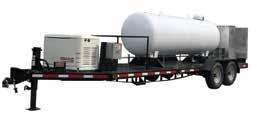
• Can be rapidly
and redeployed
• Able to be used multiple times across various locations
• Customization for specific applications and needs


Tracy Wells Mike Armstrong East & West Texas South Texas
Registration is Open for the March 3-4, 2026
TPGA Board & Committee Meetings

Mark your calendar! You are invited to attend the TPGA Board & Committee Meetings on March 3-4, 2026, at the Inn of the Hills in Kerrville.

LOCATION
Your participation is valued, and we look forward to seeing you in Kerrville.
Larry Baty, TPGA President
Inn of the Hills | 1001 Junction Hwy | Kerrville, TX 78028 (830) 895-5000
HOST HOTEL INFORMATION
• Room rate: Starting at $129/night | FREE Parking
• Reservation Deadline: February 20, 2026
BOOK ONLINE
Online Reservations | www.innofthehills.com Group Code: TXGAS3-2026
THANK YOU TO OUR SPONSORS
AV Sponsor - CUI
Day 1 Coffee Break - Enterprise Products
Day 2 Coffee Break - Bergquist
Lunch Sponsor 1 - Crum & Forster
Lunch Sponsor 2 - Available
Dinner Sponsor 1 - Exosent Engineering
Dinner Sponsor 2 - Available
MEETING SCHEDULE
TUESDAY, MARCH 3, 2026
9:00–10:00 AM Executive Committee
10:00–11:00 AM Finance Committee
11:00–12:00 PM T&S Committee
12:00–1:15 PM Lunch
1:30–2:30 PM Conference Committee
2:30–3:30 PM Flood Round Table
3:30–4:30 PM Membership Committee
4:30–5:30 PM Happy Hour
6:00–8:00 PM Dinner
WEDNESDAY, MARCH 4, 2026
9:00–11:00 AM TPGA Board Meeting
AGENDA
• Financials
• RRC Update
• Meetings/Convention Update
• Executive Director’s Report
• T&S Update
• Membership Update
• Old & New Business
REGISTRATION
Register via the www.txpropane.com homepage.
QUESTIONS?
info@txpropane.com | 800-325-7427

Captured in Real Time:
Protecting Propane Companies Before,
During & After an Incident
Every propane company in Texas recognizes the scene. A driver heads out before sunrise. A bobtail merges onto a two-lane highway. Another long day of deliveries begins—routine, familiar, and focused on getting customers what they need safely and on time.
What has changed is not the job. It’s what happens when something goes wrong.
Today, a minor fender-bender or roadside incident can trigger far more than a repair bill or insurance report. In Texas’ current legal climate, a single moment on the road can escalate into a multi-year legal fight—pulling management away from operations, placing drivers under intense scrutiny, and exposing companies to risks that didn’t exist a generation ago.
For many fleet operators, the most sobering realization is this: facts no longer speak for themselves.
In the minutes and hours after an incident, narratives begin to form—often before investigators arrive or evidence is reviewed. Witness memories are incomplete. Cell-phone videos capture only fragments. Social media speculation fills in the gaps. And once a story takes hold, correcting it becomes far more difficult.
This is where video has become one of the most valuable tools a propane fleet can have—not as a surveillance system and not as a punishment tool, but as a way to document what actually happened, protect drivers, and keep daily operations from being derailed by allegations that don’t match reality.
For propane marketers, fleet video is no longer a future consideration or pilot program. It has become part of how responsible companies operate in a high-risk environment.
Texas, Trucks, and the Rise of Lawsuit Abuse
Texas runs on trucks. From rural farm roads to congested urban interstates, commercial vehicles move propane, fuel, construction materials, agricultural products, and consumer goods every hour of every day. That constant presence is essential—but it also brings unavoidable exposure.
Over the past two decades, Texas has also become ground zero for so-called nuclear verdicts. These oversized jury awards—sometimes reaching millions of dollars—are often shaped less by crash mechanics and more by emotion, hindsight, and the assumption that a commercial vehicle operator must have done something wrong.
“Go drive in any big city anywhere in the country—there are multiple billboards asking, ‘Have you been hit by a truck?’ Commercial drivers have targets on their backs,” says Jared Ballard, a commercial insurance specialist with Nixon & Lindstrom Insurance.
Frivolous or groundless lawsuits are not new, but their impact has intensified. Even when companies ultimately prevail, the cost is measured in more than legal fees. Drivers endure years of scrutiny. Managers lose time to depositions and discovery. Insurance premiums rise. Reputations suffer.
Industry coalitions, including efforts supported by the Texas Propane Gas Association, have worked to rein in abusive commercial vehicle litigation. While progress has been made, fleets continue to operate in a legal environment where perception often carries as much weight as proof.
The Liability Gap Fleets Face
Commercial vehicle claims differ fundamentally from passenger vehicle claims. The presence of a company name on the door immediately changes the dynamic. Commercial defendants are often perceived as having deep pockets, which can influence settlement demands, legal strategy, and jury perceptions.
In the immediate aftermath of an accident, facts are rarely clear. Witness statements conflict. Memories fade. Physical evidence disappears quickly. Plaintiffs’ attorneys may begin shaping a narrative almost immediately—sometimes before a fleet is even aware a claim exists.
Insurance professionals consistently identify this early narrative gap as one of the most dangerous moments in any claim.
According to Lance C. Thompson, CRM, CIC, President of Cordell & Company Insurance Agency, that gap is exactly where video delivers its greatest value.
“Forward-facing and side cameras help drivers avoid collisions by improving visibility—especially in blind spots and tight delivery locations,” Thompson said. “Those are the environments propane drivers operate in every day, and that’s where accidents are most likely to happen.”
Video as the Ultimate Neutral Witness

Unlike human testimony, video does not forget, exaggerate, or speculate. It records what actually happened. Forward-facing cameras capture traffic conditions, lane positioning, traffic signals, and the actions of other motorists. Side and rear-facing cameras add critical context in tight delivery areas, multi-vehicle incidents, and hit-and-run scenarios.
From an insurance standpoint, that objectivity is decisive.
For Enderby Gas and Bishop Energy, fleet cameras have been part of operations for four years. The program began with forward-facing units and later expanded to include rear-facing cameras—an evolution that has paid dividends.
That shift—from resistance to reliance—is common once drivers see how often video protects them, not just the company. In one incident, video clearly showed another driver was at fault. Despite early threats of escalation, the opposing insurer accepted full responsibility within minutes of reviewing the footage.
From “He Said, She Said” to “Here’s What Happened” Without video, claims tend to remain open longer. And the longer a claim stays open, the more expensive it becomes—through defense costs, administrative time, and growing exposure.
“Clear footage speeds up investigations and settlements,” Thompson said. “In many cases, claims are resolved before they ever escalate simply because the evidence removes ambiguity.”
Rusty Walker, Managing Director/ Propane and Fuels Practice Leader at Higginbotham Insurance, agrees. "Video evidence can be the key to quickly stopping a claim from becoming larger than it should be. Videos show the entire story and there is no opportunity for gray areas to be added by a he said she said scenario."
Protecting Drivers from False Accusations

Drivers are often the first and most vulnerable targets after an incident. Allegations of distracted driving, fatigue, speeding, or recklessness can follow them for years, affecting both careers and personal lives.
“In-cab cameras encourage safer driving habits,” Thompson said. They verify behavior—speed, braking, attention—before assumptions become allegations.
Walker with Higginbotham says that driver privacy is only a concern if you add the driver facing camera option to your system. "If you choose to do that, the marketer simply needs to relay that having these is not an infringement on employees who are doing their job in the correct way, it will only hurt those who cut corners. It can also be relayed to them that having cameras might be the difference between them having a job and not having a job, because rising claims could make the business uninsurable."
Beyond Accidents: Video as a Risk Management Tool
The value of video extends well beyond post-accident defense. Fleets that implement camera systems often see measurable improvements in speed management, seatbelt use, following distance, and intersection behavior.
“When drivers know their actions are being recorded, behavior improves,” Thompson said.
"Driver safety tends to increase because management has video evidence to discuss concerns with drivers and get in front of any possible issues before they happen. The severity of claims tends to decrease," said Rusty Walker, Managing Director and Propane & Fuels Practice Leader at Higginbotham Insurance.
Cost, Investment, and Business Continuity
Fleet video requires investment. Hardware, data plans, software, cloud storage, and support all come at a cost. But insurance profes-
sionals with decades of experience consistently report they have not seen cameras negatively impact a claim.
From an underwriting perspective, many insurers now view camera systems as a positive risk signal.
According to Walker, a lot of carriers have partnered with camera system companies to provide a discount on cameras or the monitoring services. For instance, Higginbotham clients can receive up to 10% savings from leading camera company Samsara.
Facts Are the Best Defense
When someone is injured through the actions of another, they deserve reasonable compensation. But justice requires facts.
In today’s legal environment, fleets that rely solely on testimony and assumptions remain exposed. Fleets that invest in video equip themselves with truth.
For Texas propane fleets navigating crowded highways and an unforgiving legal system, video is no longer optional.
It is essential.
“Video evidence can quickly establish fault, reducing fraudulent claims.”
— Lance C. Thompson, Cordell & Company Insurance Agency
“The drivers fought it at first. Now they will not drive without them.”
— Steve LaSalle, Enderby Gas & Bishop Energy
“Cameras can save your rear end. It can prevent a $5 million lawsuit plus premium increases. No matter who is at fault accelerates claims, less dollars, less loss,”
— Jared Ballard of Nixon & Lindstrom Insurance
Why Insurers Are Pushing Fleets Toward Video Adoption
From the insurance side of the business, the push toward video is no longer theoretical. It is driven by claims data, litigation trends, and the growing gap between what actually happens on the road and what is later alleged in court.
Lance C. Thompson, CRM, CIC, President of Cordell & Company Insurance Agency, noted that insurers increasingly view video systems as a frontline risk-control measure rather than a discretionary add-on.
“Accident prevention is the first payoff,” Thompson said. “Forward-facing and side cameras give drivers better visibility in blind spots and tight delivery areas, which reduces collisions before a claim ever exists.”
That prevention aspect is critical in propane operations, where delivery routes routinely involve residential driveways, narrow rural roads, construction zones, and customer-owned infrastructure. Even low-speed incidents in these environments can escalate quickly once attorneys become involved.
Using Video to Improve Driver Performance Over Time
Beyond prevention, Thompson emphasized that video fundamentally changes how fleets manage driver behavior.
“In-cab cameras encourage safer habits—less speeding, less hard braking, and far less distracted driving,” he said. “Drivers know their actions are being recorded, and that accountability changes behavior.”
Insurance carriers consistently observe fewer repeat incidents among fleets that actively review footage and provide structured coaching. Video replaces vague feedback with concrete examples, allowing managers to address specific behaviors rather than issuing broad safety reminders.
Over time, this approach reduces both accident frequency and severity—two of the most important factors insurers evaluate when underwriting commercial fleets.
Root Cause Analysis and Targeted Training
After near-misses or incidents, video also allows fleets to conduct meaningful root-cause analysis.
Footage helps identify exactly what went wrong. That lets companies provide targeted training instead of guessing or relying on incomplete recollections.
For propane marketers, this capability is especially valuable during peak delivery seasons when fatigue, weather, and tight schedules increase risk. Identifying patterns—such as repeated issues at certain delivery sites or times of day—allows companies to intervene before small problems turn into major losses.
Delivery Verification and Post-Delivery Disputes
Video’s value extends beyond driving events and into delivery verification, an area Thompson says is increasingly important.
“Cameras help confirm site conditions and driver actions during propane drop-offs,” he said. That documentation can be critical when
customers later question placement, access, or conditions on-site. These disputes rarely involve collisions, but they still create exposure. Without documentation, fleets may find themselves defending claims with little more than driver recollection. Video fills that gap with objective evidence.
Why Faster Claims Resolution Matters
From an insurance standpoint, time is a critical factor in claims handling. The longer a claim remains open, the more expensive it becomes.
“Clear footage speeds up investigations and settlements,” Thompson said.
Faster resolution reduces legal costs, administrative burden, and uncertainty for drivers and management alike. It also plays a direct role in keeping insurance costs stable over time.
A Long-Term View of Business Continuity
Ultimately, consider fleet video a business continuity tool rather than a technology upgrade. One nuclear verdict can undo decades of hard work. Video helps ensure decisions are based on facts, not emotion.
For family-owned and regional propane marketers, that protection is not theoretical. It can mean the difference between weathering a claim and facing an existential threat to the business.
“Bottom line: Dash cams prevent fraud. It’s the world we live in,” ends Jared Ballard, a commercial insurance specialist with Nixon & Lindstrom Insurance.



Don’t Leave Federal Assistance on the Table: How CEAP Can Help Your Most Vulnerable Customers

Each year, Texas receives federal Low Income Home Energy Assistance Program (LIHEAP) funds to help low-income households manage heating and cooling costs. While most LIHEAP funding sup-
ports cooling needs, approximately 15% is directed toward heating—providing vital winter assistance for propane-using households.
The Texas Energy Assistance Program

(CEAP), administered by the Texas Department of Housing & Community Affairs (TDHCA) through local community action agencies, gives propane marketers a practical way to support vulnerable customers while accessing dependable bill-payment assistance. Used correctly, CEAP helps keep customers warm, prevents service interruptions, and reduces uncollectible accounts during periods of hardship.
The continuation of this program into 2026 was made possible through strong federal advocacy efforts led by the National Propane Gas Association (NPGA) and the Texas Propane Gas Association (TPGA), who championed the renewal



of LIHEAP to ensure ongoing support for propane-dependent households.
Income Eligibility
Households must be at or below 150% of the Federal Poverty Guidelines.
Household size of 1 person: $23,940
Household size of 2 people: $32,460
Household size of 3 people: $40,980
Household size of 4 people: $49,500
Household size of 5 people: $58,020
Household size of 6 people: $66,540
Household size of 7 people: $75,060
Household size of 8 people: $83,580
Families with more than eight persons may add $8,520 for each additional household member.
Additional Assistance Priorities
Households may receive priority consideration if they include persons age 60 or older, persons with disabilities, children age five or under, households with the highest energy burden, or households with high energy consumption.
Utility Assistance Limits
Up to $1,800 per household per year in Utility Assistance, depending on income and funding availability.
Bill payment may cover two separate fuel sources, including propane.
Vulnerable population households may receive benefits covering all remaining utility bills for the Program Year, provided total assistance does not exceed the annual maximum.
Non-vulnerable population households may receive benefits covering up to six remaining utility bills during the Program Year, up to the annual program limit.
Multi-fuel coverage is permitted for both vulnerable and non-vulnerable households.
Household Crisis Assistance
Crisis Assistance may be provided only when a household has already lost service or is in immediate danger of losing service due to extreme weather conditions, a lifethreatening crisis, or a declared disaster.
Crisis benefits may include up to 250 gallons of propane, coverage for tank pressure testing, and temporary suspension of a propane shut-off.
Propane-Specific CEAP
Clarifications
CEAP funds cannot be used to repair
propane gas lines or leaks. However, CEAP funds may pay for tank pressure testing in accordance with TAC §6.310(c)(2).
Assistance for propane or other bulk fuels is not limited to winter months. Local agencies review a household’s 12-month billing history to determine the most beneficial period for assistance.
When Crisis Assistance is used, propane assistance may be limited to 250 gallons, subject to the household’s maximum benefit. When Utility Assistance is used, there is no gallon limit, provided the total benefit cap is not exceeded.
Energy Equipment Service, Repair
Up to $9,000 per year may be available for eligible energy equipment service and repair.
Repairs or service of propane valves, lines, or tanks are not eligible.
Tank pressure testing may be eligible under limited circumstances.
More Information
Texas Department of Housing & Community Affairs – Community Affairs Division including a list of CEAPs: https://www.tdhca.texas.gov/programs/ community-affairs-division

Isn’t
• You will receive good old fashioned customer service.
• You will be educated about your policy coverages and shown where you might be vulnerable.
• You will receive multiple options for your insurance.


Every Day Safe Program Launched
Enroll Now

Safety culture doesn’t happen by accident. It’s built through daily habits, leadership, and consistent conversations that reinforce doing the right thing—even when no one is watching. That’s the phi-
losophy behind the Every Day Safe Program, a safety culture initiative developed by the Propane Education & Research Council (PERC) to help propane companies strengthen safety from the inside out.

Designed specifically for real-world propane operations, Every Day Safe provides a simple, step-by-step framework companies can adapt to their size, structure, and day-to-day operations. Rather than focusing solely on compliance, the program helps leaders identify gaps in safety policies, procedures, and daily practices—and then turn those insights into action.
What Happens After You Enroll
Once enrolled, company leaders begin with a confidential self-assessment that evaluates current safety practices, policies, and company culture. The assessment is for internal use only and is not collected by PERC. Its purpose is to help leaders establish a clear starting point and identify priority areas for improvement.

Enrollment steps include:
• Completing a brief internal self-assessment to establish a safety baseline
• Watching the Culture of Safety Orientation video with leadership and staff
• Using the Safety Journey Mapping tool to identify goals and milestones
• Selecting focus areas and implementing improvements at a pace suited to operations
With goals in place, leaders put their plans into action using tailored toolkits and training resources designed to fit their operations. These tools help integrate safety into everyday activities such as staff meetings, onboarding, refresher training, and ride-alongs.
Ongoing Support and Training Resources
Every Day Safe participants gain access to a comprehensive library of hands-on learning tools built by and for the propane industry, including:
• Live webinars featuring PERC safety experts and peer discussions
• On-demand training through The Learning Center, accessible anytime
• Daily practice tools such as short safety talks and meeting resources
• Incident and accident habit training focused on prevention and documentation
• Community preparedness resources for working with first responders and educating consumers
Companies also complete periodic check-ins at six months, one year, and three years to reflect on progress and identify changes in safety practices and culture.
At the one-year mark, companies may earn recognition by completing action steps such as:
• Holding regular employee safety meetings
• Inviting local fire departments to visit company facilities
• Participating in emergency response training
• Recognizing employees for safe behavior
• Sharing consumer safety education and outreach materials
A Safer Industry Starts with Everyday Habits
When safety becomes part of a company’s identity, the benefits show up everywhere, including:
• Improved employee morale and productivity
• Reduced risk, claims, and operational downtime
• Stronger trust with customers and authorities having jurisdiction
• Greater resilience following incidents or emergencies
Every Day Safe turns safety awareness into safety action, helping propane companies build a sustainable culture of safety—one habit, one goal, one day at a time. Learn more and enroll at propane.com/ EveryDaySafe


All Across Texas: ProCOT at Work in 2025

In 2025, the Propane Council of Texas (ProCOT) delivered a broad mix of consumer education, safety initiatives, workforce development, and market outreach programs designed to reach Texans where propane is used every day. From homes and farms to job sites, school districts, and emergency response training grounds, ProCOT’s work reflected the many roles propane plays across the state.
Rather than centering on a single campaign, 2025 was defined by consistent, statewide engagement. ProCOT focused on keeping propane visible, relevant, and trusted—educating consumers, supporting industry partners, and providing practical resources to key audiences. In this issue of Texas Propane magazine, we highlight how your ProCOT dollars were put to work throughout the year to strengthen awareness, build connections, and support propane’s role in communities across Texas.
Statewide Press Outreach
Up to 109 million
potential impressions per press release (average)
In 2025, ProCOT continued its impactful monthly press campaign, amplifying the benefits of propane to audiences across
Texas. Using the PR Newswire platform, ProCOT distributed press releases to more than 1,000 media outlets, including Texas newspapers, television stations, blogs, and the Associated Press.
Throughout 2025, ProCOT press releases generated more than 2,736 media pickups, telling propane’s story in communities across the state.
Featured stories included: The Heartwarming Power of Propane: Supporting Texas Communities This Winter; National Ag Day: Propane Helps Texas Farmers Navigate Rising Costs & Energy Challenges; Controlled Flame, Uncontrolled Flavor: Why Propane Grills Are a Smart Choice This July 4th; Propane Council of Texas Offers Key Safety Reminders After Recent Flooding; The Propane Council of Texas Serves Up Tips for Thanksgiving Day; While Texans Celebrate the Holidays, Propane Keeps the Season Moving.

Grant Assistance for Propane Autogas
Over $3.3 million in grant dollars awarded with ProCOT grant support
In 2025, ProCOT once again partnered with the American Energy Institute to provide Texans with complimentary grant-writing assistance for propane autogas projects. Through this partnership, millions of dollars were awarded to help expand the use of propane-powered school buses and fleet vehicles across Texas.
This program supports propane marketers purchasing bobtails, school districts acquiring propane school buses, and private and public fleets integrating propane into their operations. The American Energy Institute assists fleets in identifying and applying for the most appropriate private, regional, state, or federal grant opportunities.
ProCOT also participated in statewide school bus events drawing school district transportation directors across the state. Propane school buses are a popular alternative to diesel, with over 22,000 in operation transporting 1.3 million students daily. For grant assistance, contact 512-484-8535 or email heather@americanenergyinstitute.com
Builder Outreach
Over 681,000 impressions through the Texas Association of Builders newsletter
In 2025, ProCOT significantly strengthened its outreach to residential builders across Texas, delivering consistent, builder-focused content where it mattered most. ProCOT authored advertorial articles twice a week for the Texas Association of Builders (TAB) newsletter, reaching more than 7,500 construction professionals every Tuesday and Thursday. These articles showcased real-world
propane solutions builders can use today, from technical guidance to emerging technologies like the Heat Pump Helper. Content highlighted how propane enhances home performance, comfort, and efficiency, shared resources and really showcased propane as a staple for Texas homes.
ProCOT also maintained a strong presence at the 2025 Sunbelt Builders Expo hosted by TAB, which attracts more than 2,100 builders and developers and creates valuable connections between propane marketers and the residential construction community. Thank you to all propane industry professionals that supported us in the booth.
Consumer Safety Education

Over 277,500 Duty to Warn safety brochures mailed
For nearly 20 years, ProCOT has supported Texas propane retailers through its annual Duty to Warn safety mailing program. This program helps retailers provide critical safety information to customers, including what to do if they smell gas and why DIY work on propane systems should be avoided.
While overall distribution declined slightly in 2025, however, participation by propane companies increased by 13 percent, demonstrating strong industry commitment to safety education.
Texas Duty to Warn is currently open for the 2026 heating season of January and February, which is a good time to educate your customers on important propane safety information.
It’s not too late to get propane safety info to your customers. Sign up now at www.procot.org/dutytowarn.
Propane Living Consumer Newsletter

Over
144,600
newsletters distributed biannually
First published in 1967 as Friendly Flame and evolving over the decades, the biannual consumer newsletter now known as Propane Living continues to educate Texas propane customers on the many benefits of propane.
In 2025, Propane Living covered topics such as propane versus electricity, seasonal energy tips, and residential heating options. Branded with participating marketers’ logos, the newsletter remains available to retailers at a minimal cost.
The next edition will be released in Spring 2026. Learn more at www.procot.org/ propaneliving.
Agricultural Outreach
Over 103,000
farmers and ranchers educated in 2025
Throughout the year, ProCOT promoted propane-powered agricultural solutions

and national propane agriculture incentives through Texas Agriculture, the official publication of the Texas Farm Bureau.
Plumbing & HVAC Outreach
Over 78,000
impressions through the PHCC of Texas newsletter
ProCOT ran advertisements in the Plumbing-Heating-Cooling Contractors of Texas (PHCC) newsletter, reaching over 1,600 PHCC professionals each week and distributing content to 13,806 members statewide. Campaigns promoted propane plumbing and HVAC education, technical resources, safety messaging, and innovative solutions such as the Heat Pump Helper.
Propane Safety Tip & Recipe Calendar
Over 53,195 calendars produced and distributed
One of ProCOT’s longest-running
Rinnai Tankless Water Heating
Living a Tankless Life
Your customers deserve hot water when they want it, where they want it, and for as long as they want it. With a Rinnai tankless, your customers never need to worry about running out of hot water again, even when there are multiple showers running simultaneously with the dishwasher and washing machine.

Efficiency and Peace of Mind


programs, the Propane Consumer Safety Tip & Recipe Calendar, has educated Texas propane consumers for more than two decades. Ordered annually by 91 propane company branches, the calendar provides year-round safety education.
In addition to safety tips, the calendar includes reminders such as checking gas gauges monthly and scheduling early propane fills ahead of heating season.
Information about the 2027 calendar edition will be available this summer at www.procot.org/calendar
Workforce Development
Over 500
Texas job seekers registered on the GeneratioNext Job Board
192
propane company locations enrolled
245
Texas cities represented 80
propane career presentations delivered
In 2025, ProCOT partnered with GeneratioNext Propane Pros to address the growing workforce shortage facing the propane industry. With many experienced workers retiring, the demand for qualified drivers and service technicians continued to rise.
Through this partnership, ProCOT supported outreach to CDL programs and technical schools while promoting NextGenPropane.com, a platform connecting
propane employers with job seekers. The program continues to exceed expectations.
Propane Emergencies
111 firefighters, emergency responders and propane industry professionals attended
Nearly annually, the Propane Council of Texas provides critical propane emergency response training to the emergency
response community. The training gives emergency responders hands-on experience and knowledge from industry experts that they may not get anywhere else.
Looking Ahead
The Propane Council of Texas looks forward to 2026 as it continues delivering consumer education campaigns, industry resources, safety initiatives, and market outreach programs across Texas.
Learn more about ProCOT programs and projects later this spring at www.procot.org


westmor-ind.com
SCAN TO LEARN MORE



















A LOOK BACK: The 1930s
New Deal, Depression Era & National LP Gas Beginnings


Between 1931 and 1937, the United States was deep in the Great Depression, with President Herbert Hoover giving way to Franklin D. Roosevelt and his sweeping New Deal programs. While Americans sought escape through Hollywood’s new era of “talkies” starring icons like Shirley Temple and Clark Gable—and hit songs like “Brother, Can You Spare a Dime?” captured the spirit of the time—the nation grappled with bank failures, Dust Bowl devastation, and dramatic economic reforms. Against this turbulent backdrop, the national LP gas industry quietly laid foundations.
The 1930s marked a transformational era, as the industry expanded distribution, advanced safety practices, and formalized national leadership. From the first railroad tank car shipments to the creation of a unified national association, the decade laid the cornerstone for the modern propane industry.
Key LP-Gas Milestones of the 1930s
• 1931 – Formation of NPGA’s predecessor. The National Bottled Gas Association—today’s NPGA—was established in 1931, holding its first official
meeting that fall during the American Gas Association’s annual conference.
• Early 1930s – Industry expansion accelerates. Railroad tank car transport and the construction of local bottle-filling plants allowed LP gas to reach customers more efficiently and safely across the country.
• At the 1932 Los Angeles Olympics, propane fueled all the cooking and waterheating appliances in the Olympic Village, showcasing the fuel’s versatility on an international stage.
• 1933 – First widespread adoption of gas odorization. Following several nationwide accidents involving odorless gas, the industry began adopting odorization practices, laying the groundwork for future mandatory standards.
• 1935 – Sales climb sharply. Annual U.S. LP-gas sales reached 56 million gallons, demonstrating rapid growth even amid the economic hardships of the Depression.
• 1937 – Association evolves and safety regulation intensifies. Members voted to rename the National Bottled Gas Association to the Liquefied Petroleum Gas Association (LPGA), administered by the Compressed Gas Association.

• 1937 – New London, Texas school explosion leads to regulation. Texas granted the Railroad Commission authority to regulate the odorization of natural gas and LP gases (House Bill 1017).
• 1939 – Formal LP-gas regulation in Texas begins. The Legislature expanded the Railroad Commission’s authority to adopt and enforce safety rules for the storage, handling, transportation, and odorization of LP gases (House Bill 792).
• 1939 – Industry journalism takes root. BPN began in 1931 as a section of Western Gas magazine and became its own independent publication in 1939 as the industry matured.
Stay tuned next month for the 1940’s where TPGA finally comes into the picture.


Compliance Corner
Winter Storm Waivers Deliver Critical Relief for Propane Marketers

In the wake of Winter Storm Fern in January 2026, the Texas Propane Gas Association (TPGA) moved quickly to support propane marketers and ensure critical propane deliveries could continue ahead of deteriorating weather conditions.
Working directly with the Texas Department of Public Safety’s Commercial Motor Vehicle Enforcement Division, TPGA secured a pre-storm hours-of-service waiver, giving propane delivery drivers the flexibility needed to complete essential deliveries before winter weather took hold.
At the national level, TPGA partnered with the National Propane Gas Association (NPGA) to help secure a 14-day federal emergency waiver, providing additional relief as the nearly 2,000-mile-wide storm impacted roughly two-thirds of the country.
Beyond hours-of-service relief, TPGA coordinated with multiple state and federal agencies, assisting members on a case-by-case basis and communicating additional regulatory waivers as they became available—ensuring members had timely, accurate information during rapidly changing conditions.
Stay Informed When It Matters Most
TPGA emergency alerts and regulatory updates are sent directly to enrolled member contacts. Each individual at a member company who wishes to receive communications must sign up to receive our compli-
mentary member communications.
To ensure you and your team receive critical updates, complete the Member Update Form found under the Membership tab at www.txpropane.com

New
Texas Propane
THE MAGAZINE FOR THE TEXAS PROPANE GAS ASSOCIATION
Texas Propane Texas Propane Texas Propane

12,000+
Print and online edition are distributed to over 12,000 propane industry professionals annually.
Readers
Our readers include propane company owners, propane retail managers, and propane industry leaders.
ADVERTISING SALES
Joanne Pantaze
512-273-2639 phone jpantaze@zochnet.com email
PUBLISHER
Kimberly Scheberle
Sail House Publishing 512-346-0892 phone kscheberle@austin.rr.com email
Texas Propane is the official publication of the Texas Propane Gas Association and is the only publication geared exclusively toward the Texas propane industry. Each month, the print and online edition of Texas Propane reach over 1,000 decision-making propane industry professionals (includ-ing every licensed full-service Texas propane retailer) providing an effective platform to market your products and services. Space is limited. Reserve your spot today.
Rates Per Issue (INCLUDES COLOR)
Advertorials NEW
An advertorial gives you a chance to describe your product and service in form of a story in our magazine. Upgrade your ad today to an advertorial for a 20% additional fee. Advertorials are available in full page (900 words), 1/2 page (400), & 1/4 page (200).
Advertisers are responsible for providing written article submission in an editable format. Images are permitted but it will reduce allowable word count. Advertorials are subject to review and acceptance by TPGA and will be labeled as “Sponsored Content”.
Color
Included in above rates.
Classified Advertising Rates
Standard Classified Advertising is available for $2/word. $50 minimum per insertion. Small logo or photo can be inserted for $10. Display classifieds are available for $30/column inch (3 column grid format).
Discounts
TPGA members receive an additional 5% off all listed rates. All rates are net; no advertising agency discounts available.
Closing Dates
Space reservations for both display and classified advertising are due a month before the publication date. For example, a reservation for the February issue is due January 1. Artwork is due 5-10 days after the reservation deadline.
Inside the Industry
LPG Charity Fund Houston Texas Hold’em Tournament

Event Date: Thursday, February 12, 2026
Event Address: Dave & Buster’s - Katy Freeway Houston, TX
The Annual John L. Hinsey Memorial Texas Hold’em Tournament, sponsored for over 10 years by the LPG Charity Fund.
Lunch and registration will be at 11:30 a.m. with the poker tournament starting at 1:00 p.m.
If poker is not your game, join us for lunch and network with your colleagues. Enjoy a cocktail and have some fun hanging out and purchase some raffle tickets for some great prizes, including a trip for two to Las Vegas!
Register at www.lpgfund.com
In Memoriam


Chief James Ray Tilley, 62, passed away on December 19, 2025 in Burnet, Texas. He was a volunteer firefighter and first responder for 40 years. James was also chief of the East Lake Volunteer fire department for 30 plus years. James worked in the propane business for many years and was loved and appreciated by many of his customers.
Gary Delton Freeman, 74, of Van Horn, Texas and formerly of Muleshoe, Texas, died December 21, 2025 in Negril, Jamaica. Gary served in the U.S. Army from 1971 until 1974. He worked for Pioneer Natural Gas, Energas, Bailey County Propane and SM&P. Our thoughts are with his family.
John Malcolm Lee, 87, passed away on January 3, at his home in Vidor, Texas. He was the owner and operator of ProGas Propane Company for 40 years, a trade he took great pride in. Known for his strong work ethic, he could often be found working on his own propane trucks. Our thoughts are with his family.
Ray Junior Milligan, 76, of Mesquite, Texas, passed away on January 5, 2026. He grew up in Kaufman and Terrell and began working for Penny’s Gas Company. Ray worked for them for approximately 30 years driving their propane trucks. Our thoughts are with his family.
Last Chance! National Propane Gas Foundation Scholarship
Deadline is February 15, 2026

The National Propane Gas Foundation Scholarship provides financial assistance to help children of propane industry employees pay for college, trade school, or other accredited education programs.
• Awards $1,000 and $2,000 scholarships to more than 100 students nationwide each year.
• Since 1994, has distributed more than $2 million to 1,700+ children of employees at NPGA member companies, state propane associations, and PERC.
Who Can Apply
Children of full-time employees at NPGA member companies.
Eligibility Requirements
• Minimum GPA requirement of 2.6 (or equivalent).
• Must attend an accredited college, university, or trade school.
• Open to students pursuing any field of study.
• Strongly encourages applicants pursuing careers as commercial truck drivers, electricians, gas fitters, HVAC technicians, pipe fitters, and plumbers.
Scholarship Details
Award amounts: $1,000 or $2,000 per student.
More than 100 scholarships awarded each year.
Important Date
Application deadline: February 15.
Learn More or Apply
Visit the NPGA website: www.npga. org/news-resources/scholarships
Questions may be directed to: scholarship@npga.org
Serve on the PERC Council: Apply Today
Are you interested in serving on the PERC Council? The PERC Selection Committee will be considering applications for 3 Marketer seats, and 1 Public Member seat on the council. Only propane Marketers are eligible to apply for the Marketer seats.
Information about the PERC Selection Committee councilor duties, and applications can be found on the NPGA Website at https:// www.npga.org/about/perc-councilapplications/. Applicant interviews will take place the morning of April 19th at the Southeastern Expo in Nashville, Tennessee.
Application deadline is March 1, 2026 at 5:00 pm. Contact Nancy Padilla or call 240-731-5519 with any questions.
Save the Date: August 6-8, 2026
2026 Red River Crossroads
Propane Expo & Conference

Hosted by the Texas Propane Gas Association & Oklahoma Propane Gas Association
Location: Westin & Irving Convention Center | Irving, TX

WELCOME
Crossroads Schedule Preview Thursday, August 6, 2026
• Regulatory Training
• Welcome Reception
• Dinner on Your Own/Supplier Dinners
Friday, August 7, 2026
• Skeet Tournament
• Golf Tournament
• Propane Technical & Technology Workshops
• Exhibitor Move-In
• President’s Happy Hour
• Dinner & Hosted Evening Events
Saturday, August 8, 2026
• Expo featuring the Regulatory Pavilion
The Texas Propane Gas Association is thrilled to partner with the Oklahoma Propane Gas Association in bringing the Annual Convention to Las Colinas–Irving. Between family-friendly attractions, easy DFW access, and a packed schedule you won’t want to miss, this is one of those conventions everyone will be talking about—don’t be the one hearing about it after the fact.
More information coming this Spring!

Triumph Industrial Supply LLC Baytown, TX www.triumphindustrial.com
Classifieds
PetroStar Equipment Resources
Purchase & Sale Pre-Owned Propane Tanks
5,000 gallons to 90,000 gallons
(6) 30,000 gallon, 250 psi, used stubbies (2) 30,000 gallon, 250psi, NEW 2024

Contact: Jim Oliver C: 832-643-7968 petrostar@pdq.net Garrett Insurance Agency, Inc
Formerly, Southern Star Insurance Agency, Inc Cecil Joiner, Risk Manager cecil@garrettinsurance.com 936-756-2222 www.garrettinsurance.com







CALENDAR
FEBRUARY
APRIL
MARCH
NPGA Spring Technology, Standards & Safety Committee Meeting Tucson, AZ
TPGA
TPGA Board & Committee Meetings Waco, TX
Texas Propane Magazine Ad Deadline 19-20
PERC Advisory Committee Meeting Milwaukee, WI
INDEX TO ADVERTISERS

PROPANE with PURPOSE
Turning Up the Heat on Crepe Making
Perfect for compact commercial kitchens, breakfast bars, and food trucks

February is a month built on small moments—shared desserts, late-night food trucks, and pop-up kitchens that turn sidewalks into destinations. Enter the Carnival King GCM16LP 16-inch Liquid Propane Crepe Maker, a compact piece of equipment quietly powering those moments with remarkable efficiency.
At first glance, it’s simple: a round steel griddle, a control knob, and a steady blue flame. But this crepe maker tells a bigger story about propane’s role in modern foodservice— especially where space, speed, and reliability matter most.
Food trucks, hotel breakfast bars, festival vendors, and temporary event kitchens don’t have time to wait on slow warm-ups or inconsistent heat. With propane, they don’t have to.

Firing at 22,000 BTUs, the GCM16LP heats quickly and recovers fast, allowing operators to turn out up to 30 crepes per hour—sweet or savory, breakfast or dessert—without sacrificing consistency. The manual temperature control gives chefs immediate command over the cooktop, while the battery-powered pushbutton ignition keeps things moving even when power access is limited or nonexistent. There’s something oldworld about crepes—wooden spreaders, practiced wrist turns, paper-thin batter—but the fuel behind them is anything but outdated. Propane’s portability and precision make it the quiet partner behind today’s mobile and flexible food operations. No hard wiring. No downtime. Just dependable heat, wherever the crowd
happens to be.
In a season known for indulgence, this crepe maker is a reminder that propane doesn’t just fuel homes and fleets—it fuels experiences. One crepe at a time.
Propane Specs at a Glance
• Fuel Type: Liquid Propane (natural gas conversion kit included)
• Total Input: 22,000 BTU
• Output Capacity: Up to 30 crepes per hour
• Cooking Surface: 16inch heavy-duty steel cooktop
• Ignition: Battery-operated push-button ignitor
• Gas Connection: 3/4inch connection (professional installation required)
• Ideal Use: Food trucks, festivals, pop-ups, hotel breakfast bars, and compact kitchens.