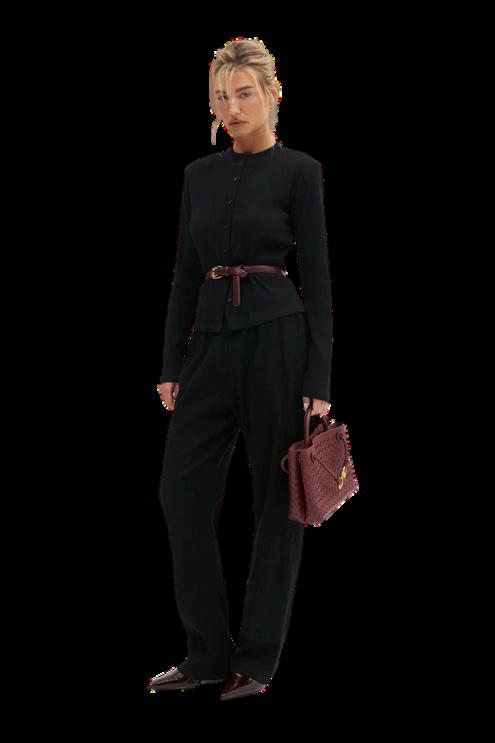
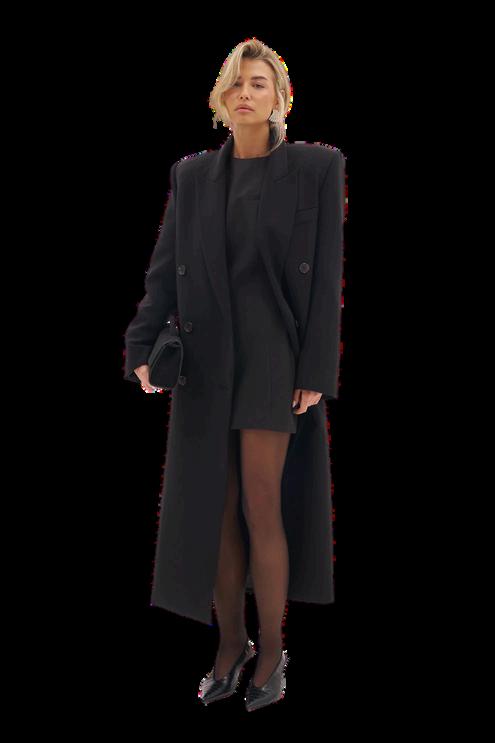
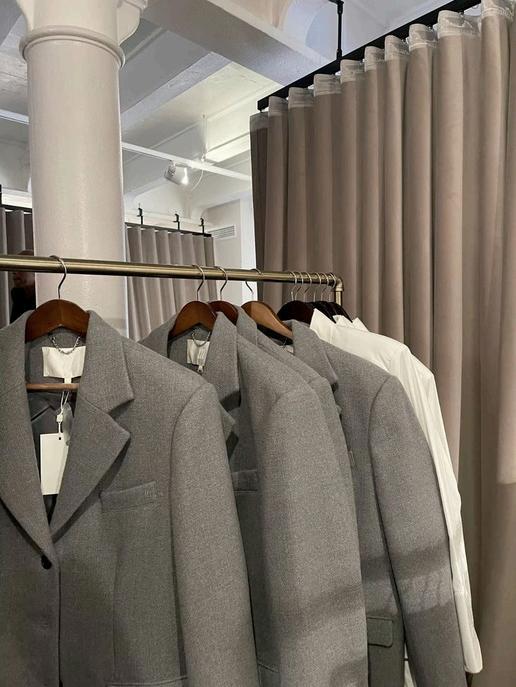
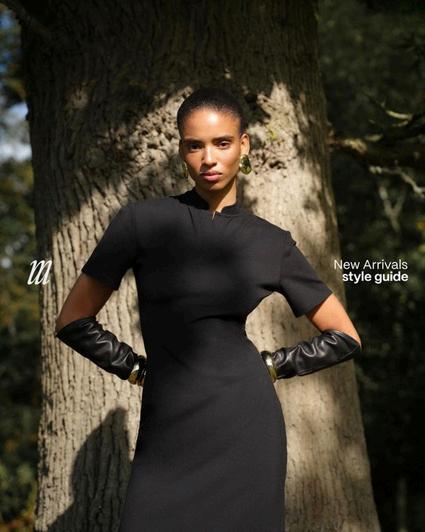

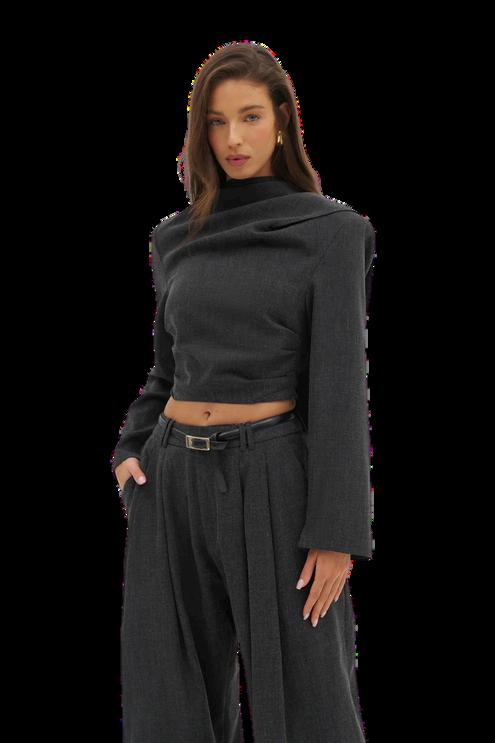
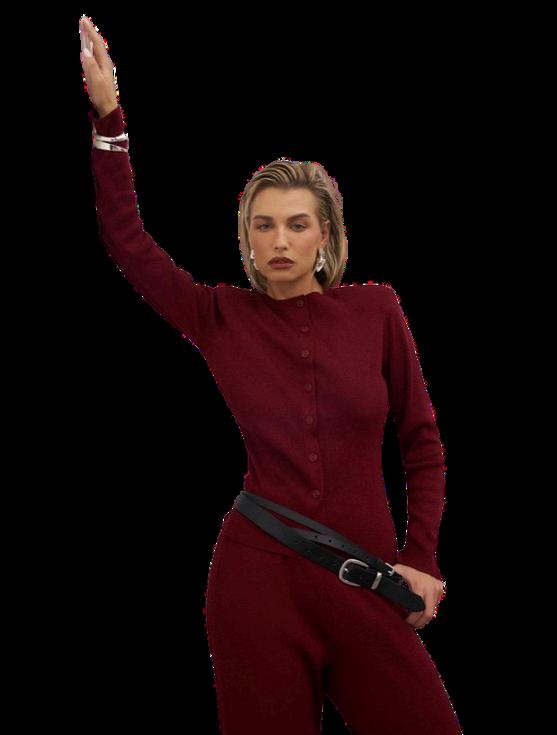
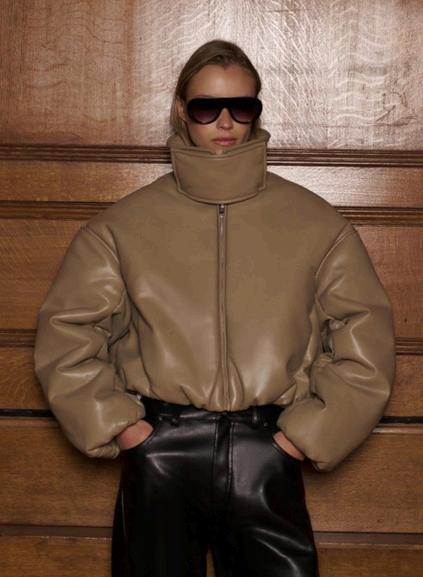
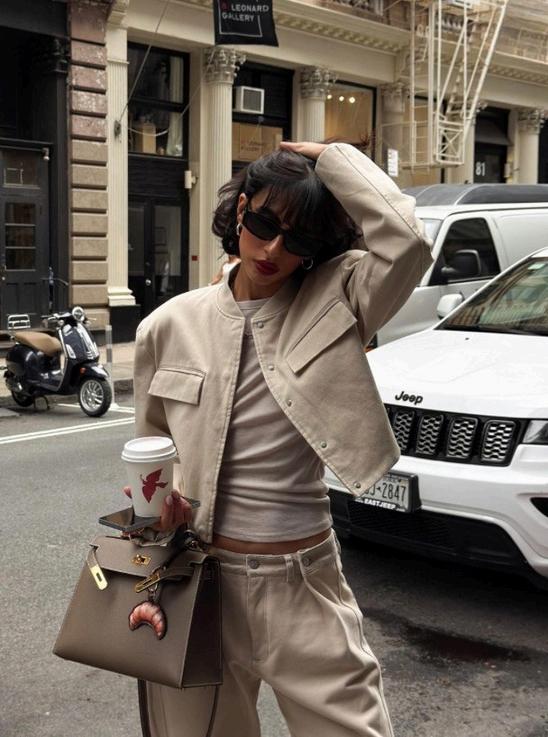
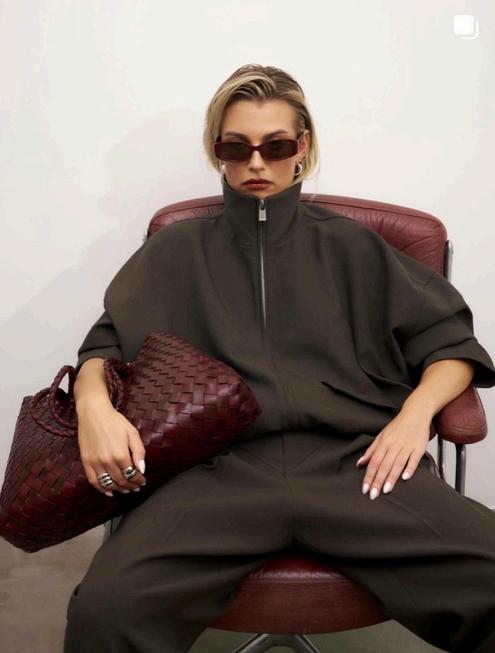
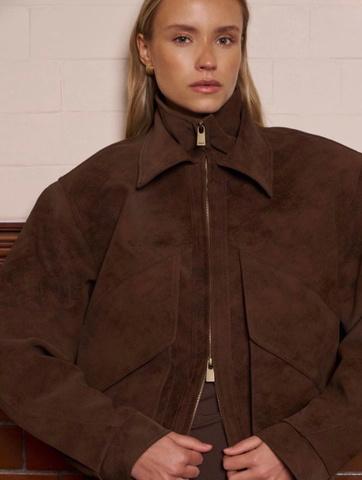
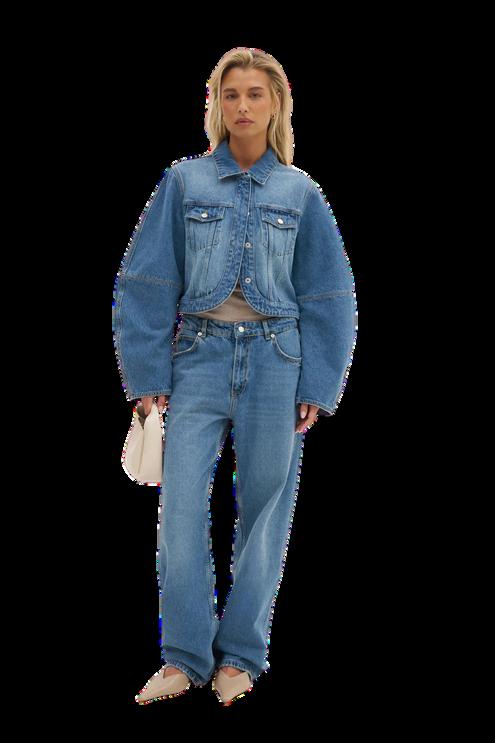

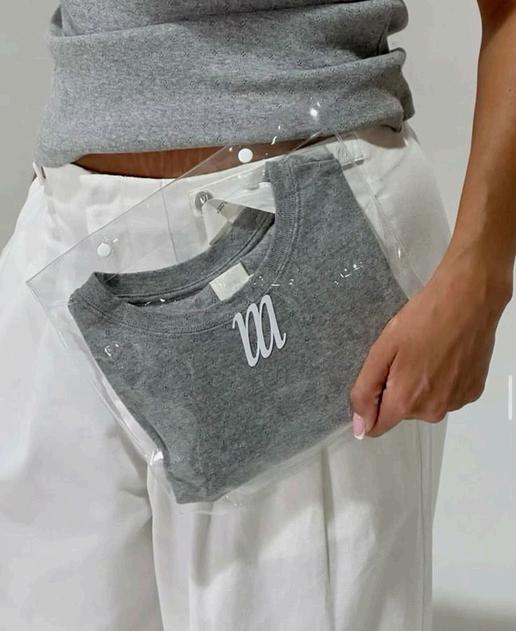
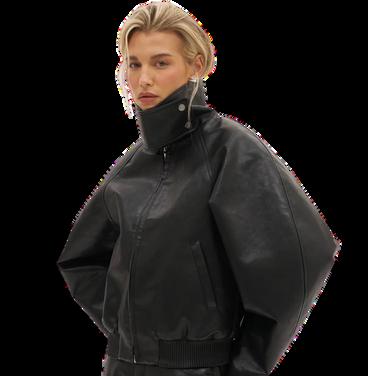
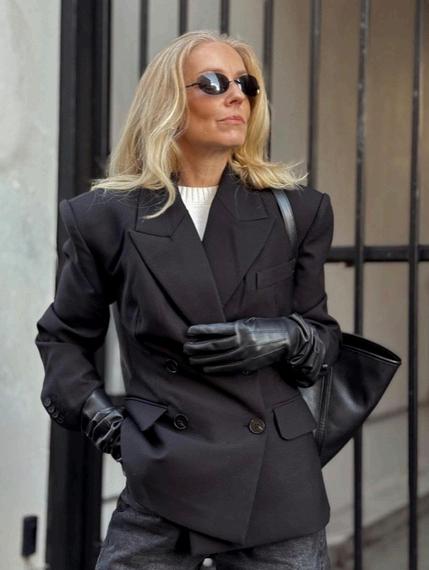
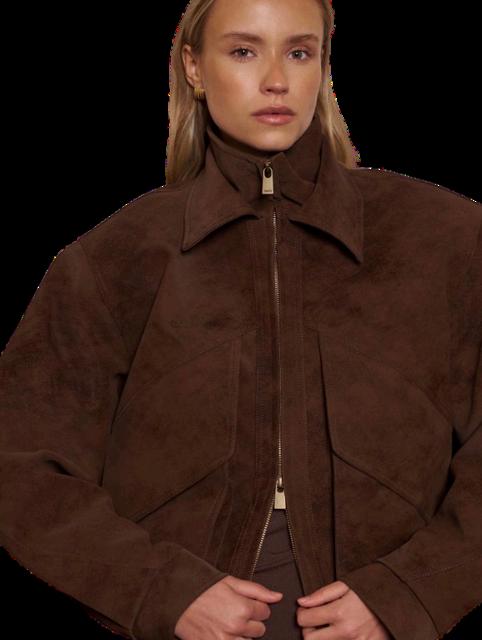

Maebe is an everyday premium clothing brand that was founded by the influencer Molly Mae hague, formally on love island and creative director at pretty little thing, molly mae took it upon herslef ot curate her own brand within the fashion indsutry, based of everything she has learnt during her time within the fashion/influencer indsutry. Maebe was born from the inspiration from hagues community, she gained a lot of valuble insights of mnay different communitys throughout her working with plt and other aspects of the fashion industry, such as person preferences, desires and most importantly what's missing. Her passion throughout this time got her thinking and she had a keen need and awarness to fill the gap of between fast fashion and luxury, as this was one of the mian points that she took from her experince. And then, maebe was born, a non seasonal brand, which is crafted to elavte the everyday wardrobe. The brand draws inspiration from different aspects, but mianly the british heritage as well as creating timless pieces that have perfect quality, for the people who seek sophistiction in their day to day outfits. Molly maes goal was to create accessible luxury, for people who dont have the opportunitys to buy into the luxury brands that offer this style of clothing,so she created it, by blending chic designs with a modern twist, drawing a lot from her personal style. it is clear that she has used her knowlegde to create a bridge between fashion ever changing styles and timelessness, and this was needed within the fashion indsutry, people shouldnt be needing to pay over £500 for a high quality piece that will be timless in their wardobe, it isnt accesbale and isnt realsitic, so molly tackled this and found a way around it.The products that maebe has on offer are jeans, vests, coat, blazers and many more. Overall, it is clear that Molly mae has had strong intentions for her brand within the fashion industry, and has used her knowlegde and expertise and applied it to create a brand that offers timless pieces with a premium edge to it, clear style and sophistication.
A strong pointer for Maebe is that Molly mae is a influencer, and had a massive fan base ever since eneteting the love island villa in 2019 and pairing with Tommy fury, she has been noted to be the most successful love island contenstant ever to go on the show, which clearly shows that she wasn't starting from scratch with trying to gain custoemrs ofr her brand. This has given molly mae a upper hand within the fashion industry, as I do believe if a brand started off with the same products and intentions, but with the founder not being one of the most loved influencers in the uk, the brand would've taken a lot longer to apear in the indsutry, and their would be a lot more set backs, but molly mae has used her fame to bring and fill a gap within the fashion industry, so it has worked out well. Molly maes fame hasnt just been a upper hand for the drive of the sales within maebe, but also for their marketing, as molly mae has had many years experince within social media, meaning she udnertsnads all of the tips and tricks and dosnt miss a beat. What makes molly maes influencer marketing so powerful is that she deeply tunes in with her audience, she isnt just selling a product, she is selling a lifestyle, the molly mae lifestyle, she knows that people will buy into nearly anything that she does, so hwy not take advantage, aplly her fashiion skills, actually fix a problem, and create a clothign brand that reflects her, she is selling a vision, a lifestyle and overall, herself. As well as this, molly mae knew her followers desires, frustrations dreams, as she had created a community within social media, and undertsands them, meaning she knows how to fix them. By leveraging their platform and personal connections, they cut out the middleman, delivering products that feel like an extension of their personality. It’s not just about selling; it’s about creating an intimate consumer journey, one that feels handcrafted for their community. This fusion of personal branding and entrepreneurship is rewriting the rules of modern retail. A loyal following is the heartbeat of an influencer’s success, and this is how molly mae has approached maebe, and it has worked in her favour so well. Molly-Mae’s fansbase is as loyal as they come, and have stuck by her every step of the way. Influencer-led brands are often most successful when the fanbase adores the influencer. Molly-Mae’s fans have stuck by her through thick and thin, probably meaning that no matter what happens in the fashion indsutry, their will always be a loyal fan base, even if they dosnt value the clothing.
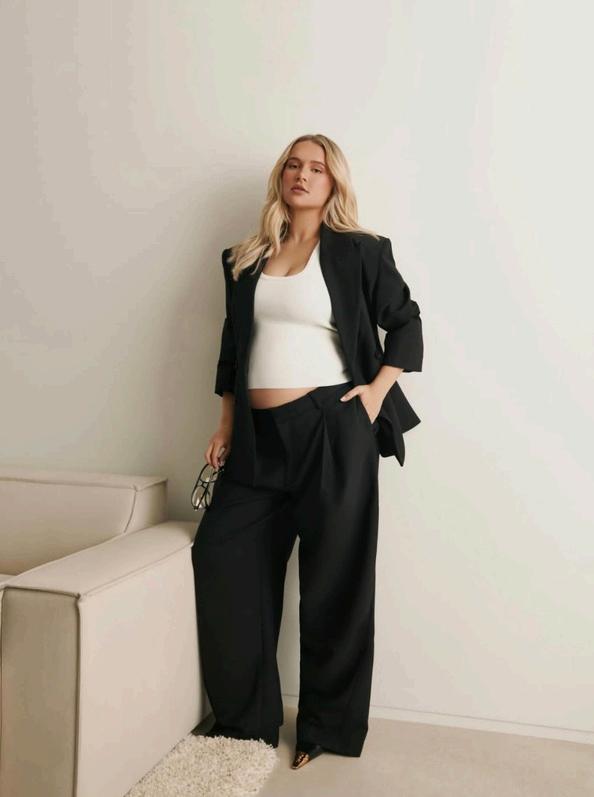
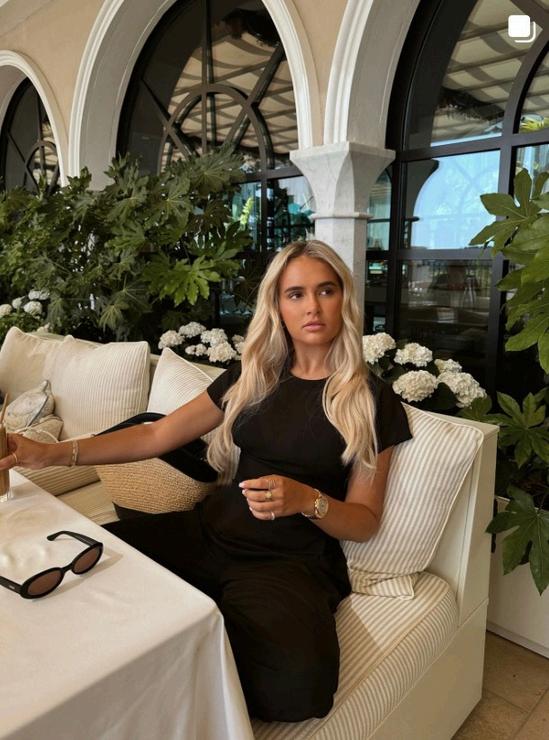
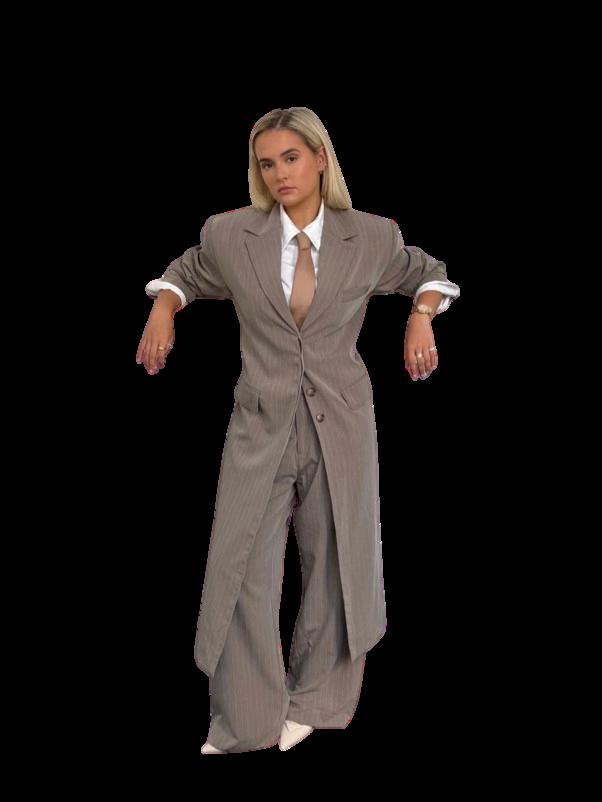
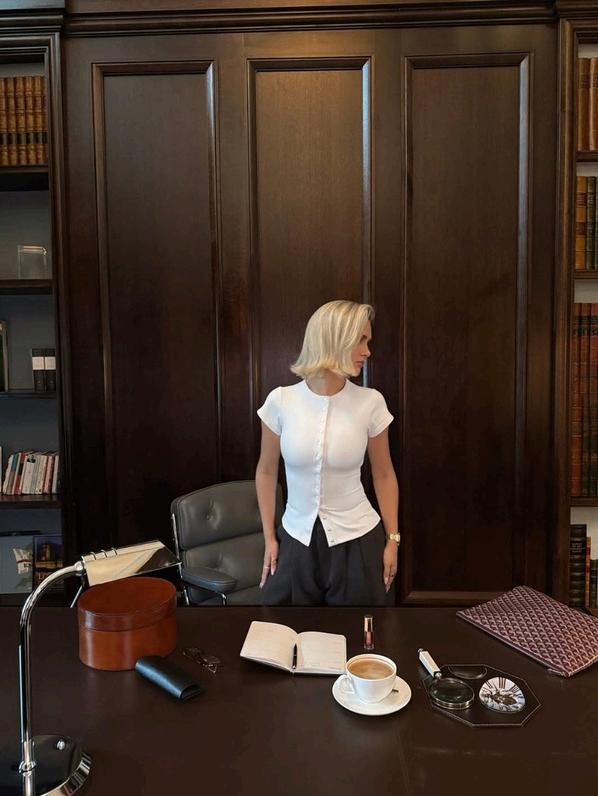
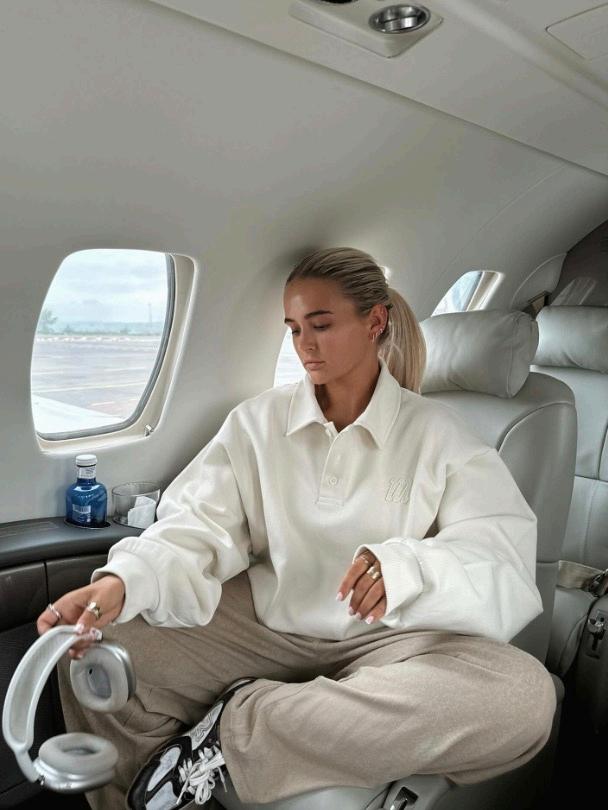
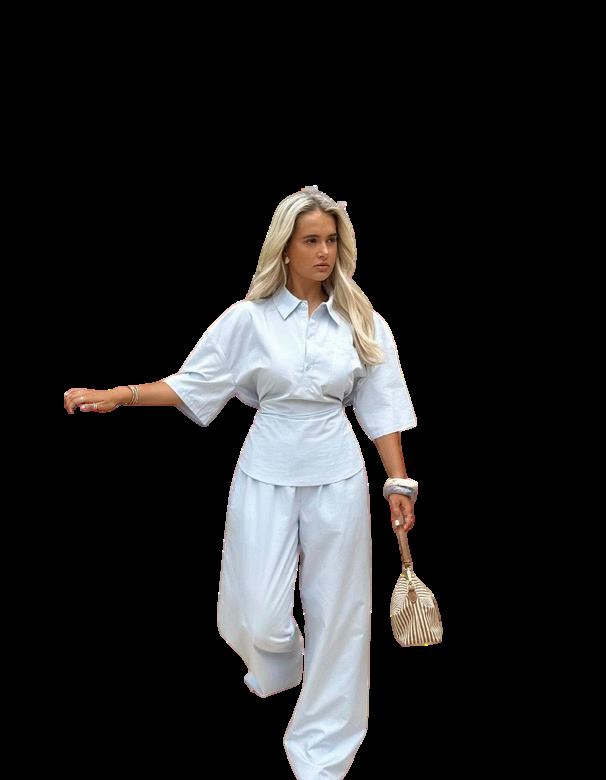
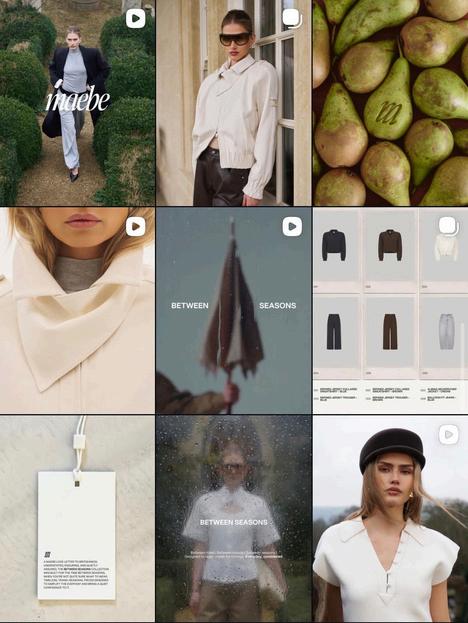
A big pointer that Molly Mae is using her influencer platform as a upper hand to market her brand is down to the use of her being used as some images that are posted on the maabe instagram account. Nomrally you wouldnt find multiple images of the founder/creatvie director ont he brands page, as this is a more behind the camera job, but maebe / molly mae is taking advantge and posts images of her for the grid. This one shows that she is involved In her brand, but also gives the brand a face, and supports how people are not just buying a piece of clothing they are buying a lifestyle, the Molly Mae lifestyle, which is highly favoured within the unite kingdom. ,
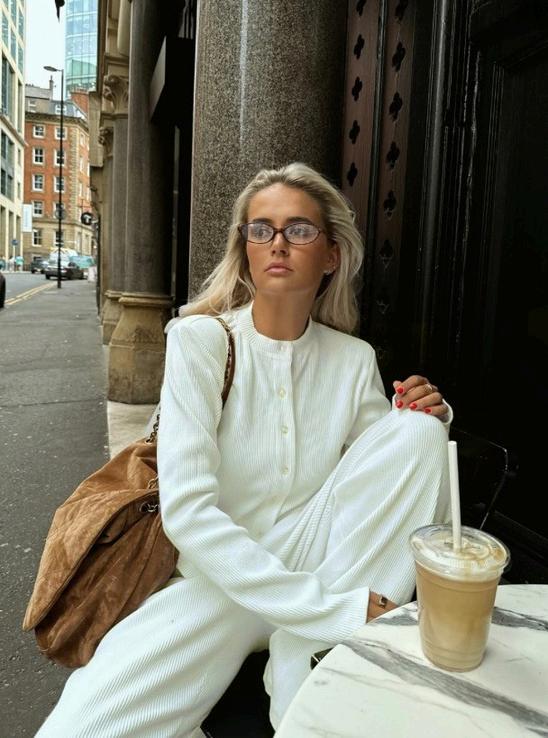
Along with maebe having the storng value of being a brand that fixes the gap between fast fashion and luxury, a strong value I have seen throughout my reserach is maebes reserach, one thing that has stcuk out to me is the ‘transparency’ section onthw website, which includes infomation about how they strive, not only on sustainabilty but also the stricjt standards everything has to meet when working with maebe. Maebe invest extra into the production of their quality products, this includes creating a positive and safe environment for workers, using higher-quality fabrics, and ensuring a superior finish to our garments are achieved at all times. As well as this, maebe focus not just on the product quality but also ethical production, meaning the people thwy work with must abide by, the animal welfare policy, the ethical trading policy, ethical worker policy and child labour/young worker policy. this shows to me that maebe don't just care for the products they create for their customers, but also the people that work hard when creating the products, they don't want any exploiting to take place, and this is where they have come out of that fast fashion environment, no sweatshops and illegal work is taking place. to me, not only this, but the fact they have highlgihted this in their website shows me they stand by it, and have a strong sense of transparency within their brand, which really shows to me they are a community driven brand, they want their consumers to know the laws and regulations that go into creating the clothing. As well as this, maebe carefully select all of our maebe factories to ensure they meet the high-quality standards we uphold and each year they review their certification reports to guarantee that all policies and practices continue to align with the values, this reflects that they want to develop and make no mistakes within the brand, and have allowed room to grow, as sustainability is such a large subject to tackle, they want the customers to undertsand what they are going to to hold to their values. It is overal clear to me that the extra mile has been taken to ensure that they are meeting consumer expectations, and that for the price of the garments, the upmost responsibility has been undertaken, it highlights how ethically conscious Maebe is as a brand.
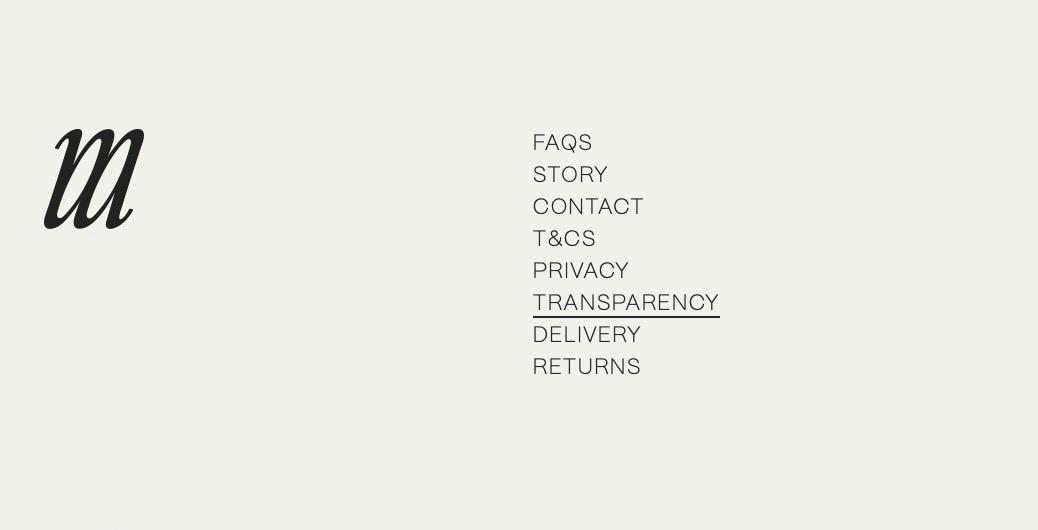
The values behind Maebe strongly reflect the personal style and creative vision of Molly-Mae Hague, giving the brand an authenticity that many influencer-led labels often lack. Her commitment to accessible luxury, high-quality wardrobe staples and a refined, minimalist aesthetic directly mirrors the way she has curated her own personal style over the years. This alignment gives Maebe credibility because it does not feel like Molly-Mae is stepping into a fashion space that is unfamiliar to her. Instead, she is translating an aesthetic that her audience already associates with her into a product range that feels true to her identity.From a market perspective Maebe becomes particularly interesting because it fills a genuine gap. The fashion industry has long created a divide between fast-fashion affordability and high-end luxury, and many consumers admire the clean, neutral and tailored look associated with premium brands but cannot justify or access the prices. Maebe positions itself thoughtfully in the middle of this gap, offering pieces that echo luxury design while remaining attainable for a much wider audience. This approach helps democratise an aesthetic that has historically been more exclusive and gives everyday consumers the chance to wear clothing that feels elevated, polished and intentional without designer-level costs.Her values reinforce this purpose. The focus on timelessness rather than trend-chasing encourages consumers to build longevity into their wardrobes. By creating items that can be worn repeatedly and styled in many ways, Molly-Mae challenges the rapid cycle of micro-trends that often dominate influencer culture. There is also an emotional element to her direction, rooted in confidence, simplicity and feeling good in what you wear. This mirrors her own journey with personal style and makes the brand more relatable and meaningful.Overall, what makes Maebe stand out is the balance it achieves. It is premium without being out of reach, minimal without losing personality and influencer-driven without feeling superficial. It recognises the modern consumer ’ s desire to look refined while staying conscious of value and practicality. Through this, Maebe does not simply enter the market but responds thoughtfully to a real consumer need, showing that Molly-Mae’s impact extends beyond social media and into shaping an accessible and contemporary fashion identity.
As previously spoken about, maebe is a brand th generally comes with, so as apart of my resea shops/brands around it ( the competitors)






These brands represent the world of high turnover, low longevity clothing that Maebe is intentionally stepping away from. Her audience now wants quality over quantity, pieces that last beyond one season and wardrobe staples instead of micro-trends.
These brands influence Maebe stylistically: minimalism, elevated basics, tailoring and timeless silhouettes.These reflect the quiet luxury, pared-back wardrobe-building aesthetic that Maebe channels but at a much more accessible price point.


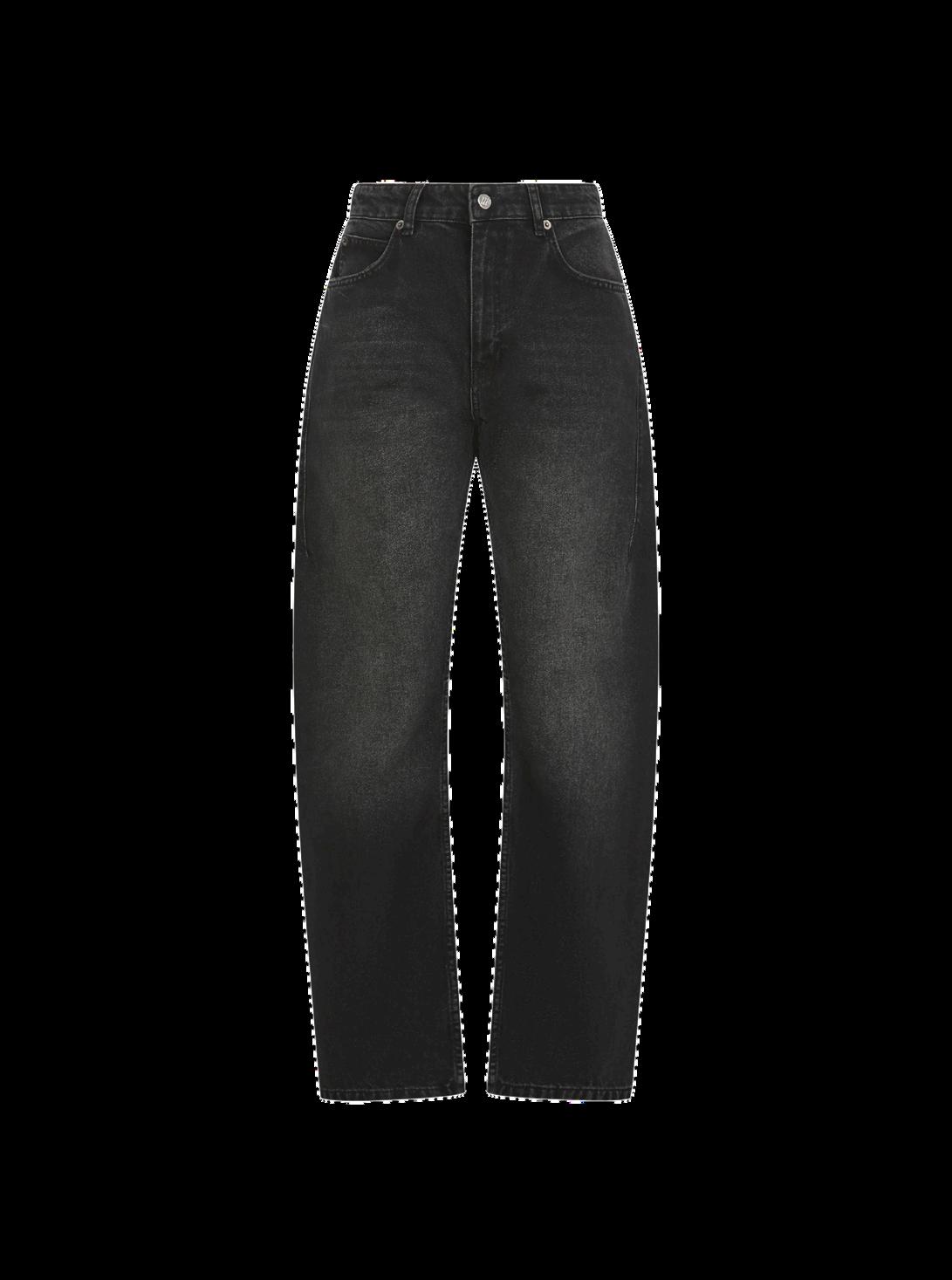
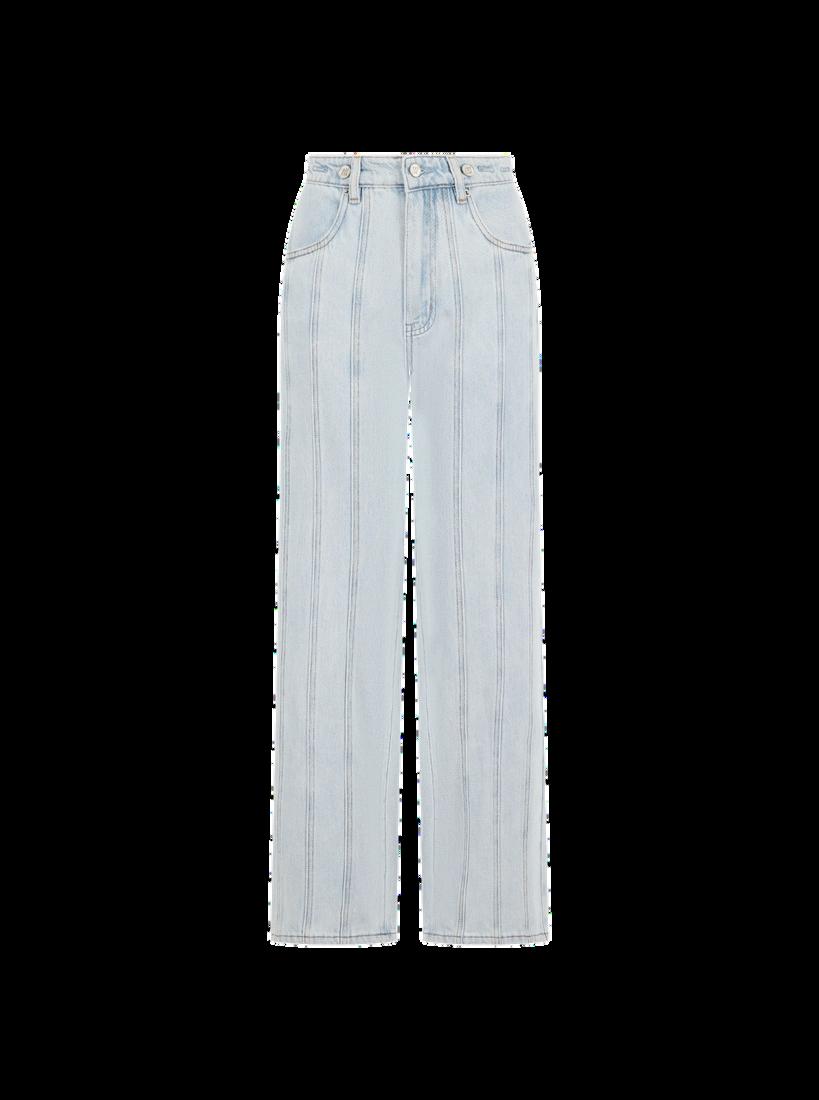
Even though I now understand Maebe’s values, brand narrative and creative direction, I felt it was important to look more closely at the product categories they offer, as this helps me understand who they are reaching, what makes the brand resonate so strongly with its audience, and whether they are filling a specific gap within the market. Maebe is still a young brand, but certain categories have already become recognisable signatures that define their identity. One of the strongest categories is their tailored pieces, especially their structured blazers and refined outerwear. These items capture the brand perfectly because they carry that blended energy of elevated everyday wear that feels premium without being out of reach. The silhouettes, the considered fit and the versatile styling make them core pieces that consumers rely on, proving the demand for high quality tailoring at accessible prices. Another key category that reflects Maebe’s identity is their denim. Their jeans, whether straight leg, relaxed fit or minimal seam detailing, offer the ideal balance between practicality and refined simplicity. Denim plays a central role in the brand because it is timeless, easy to style and works across multiple aesthetics, fitting seamlessly into the lifestyle of Maebe’s community, which is largely made up of young women who want stylish wardrobe foundations rather than overly trend driven pieces. Finally, Maebe’s essential tops, such as their clean contour styles and everyday fitted basics, represent the softer and more casual side of the brand. These pieces feel simple at first glance but are clearly designed with intention, offering flattering structure and versatility without unnecessary complication. Even with cheaper dupes circulating online, the continued demand for Maebe’s versions shows how effectively they have created products that feel desirable, relevant and thoughtfully made. What stands out to me about these core product categories is that together they communicate Maebe’s purpose as a brand. They fill a gap in the market for consumers who want the look and feel of luxury essentials but cannot justify luxury price points, offering long lasting, modern and versatile pieces. These categories also mirror Molly Mae’s own values and personal style, which revolve around polished simplicity, quiet confidence and clothing that genuinely integrates into everyday life. Overall, it is clear why these products have remained central to the brand since launch. They demonstrate Maebe’s ability to create elevated essentials that feel both aspirational and accessible, giving consumers the opportunity to build a premium looking wardrobe without the premium cost.
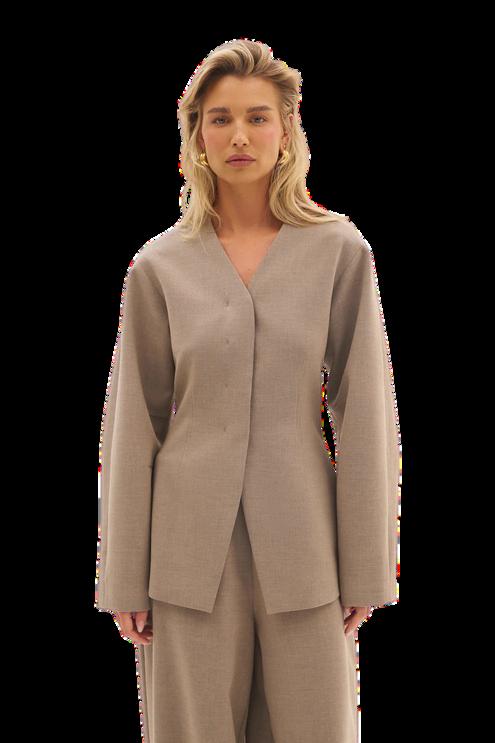
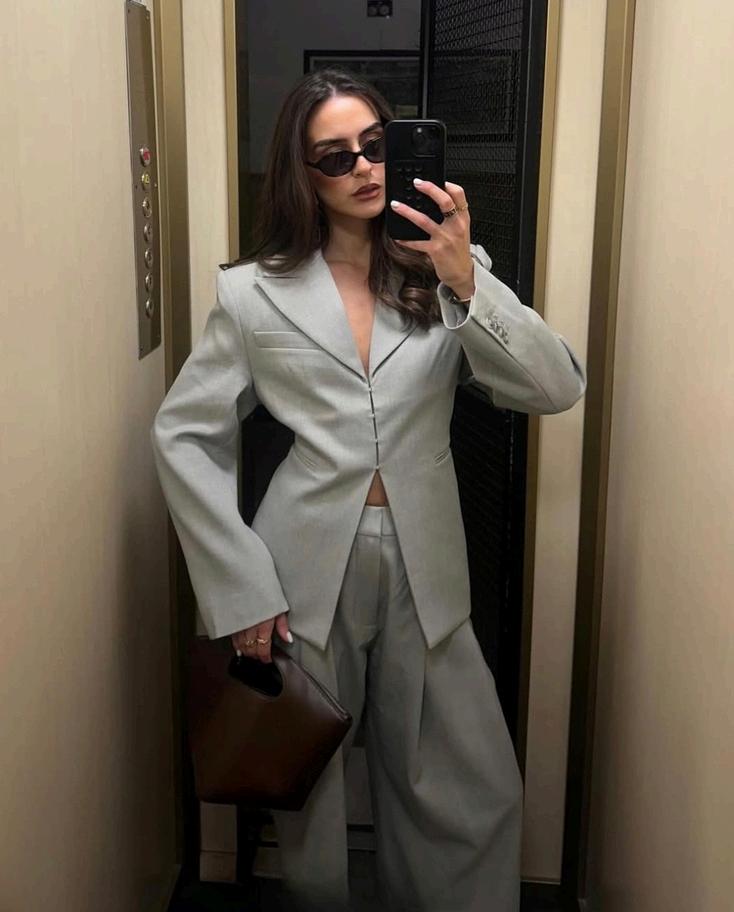
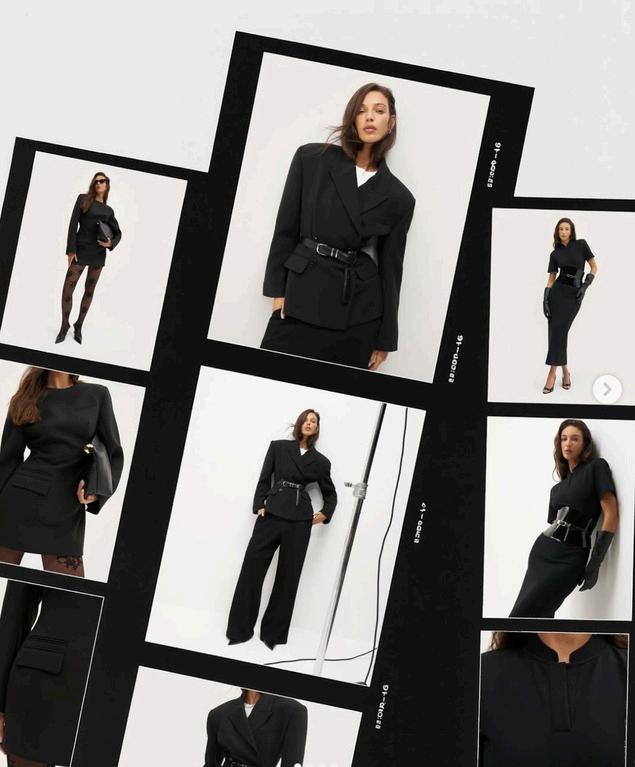
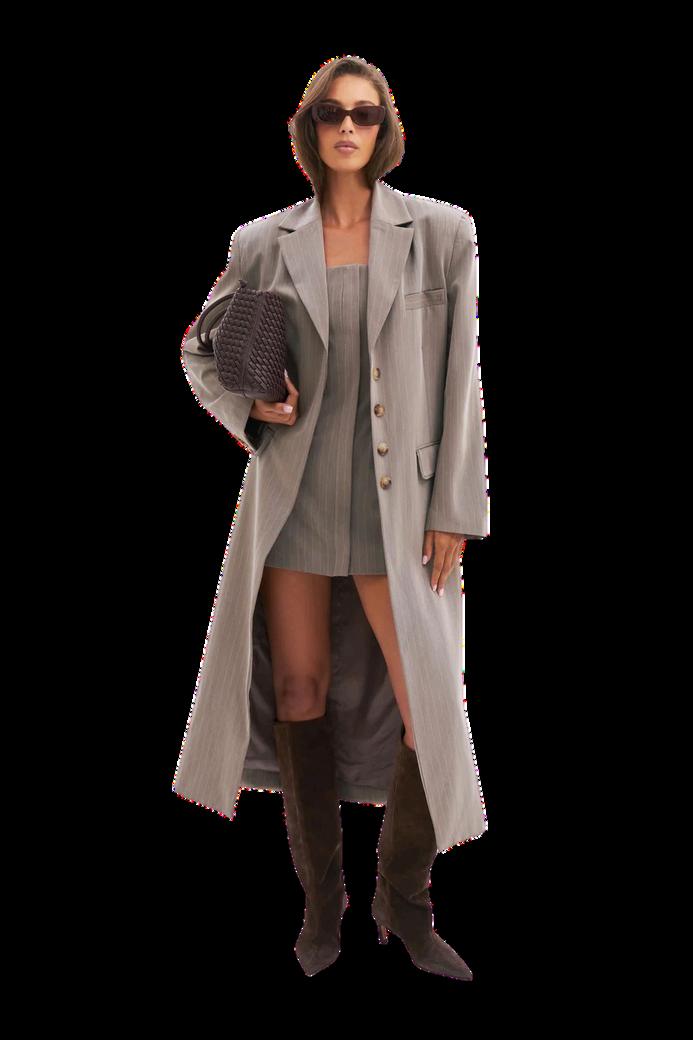
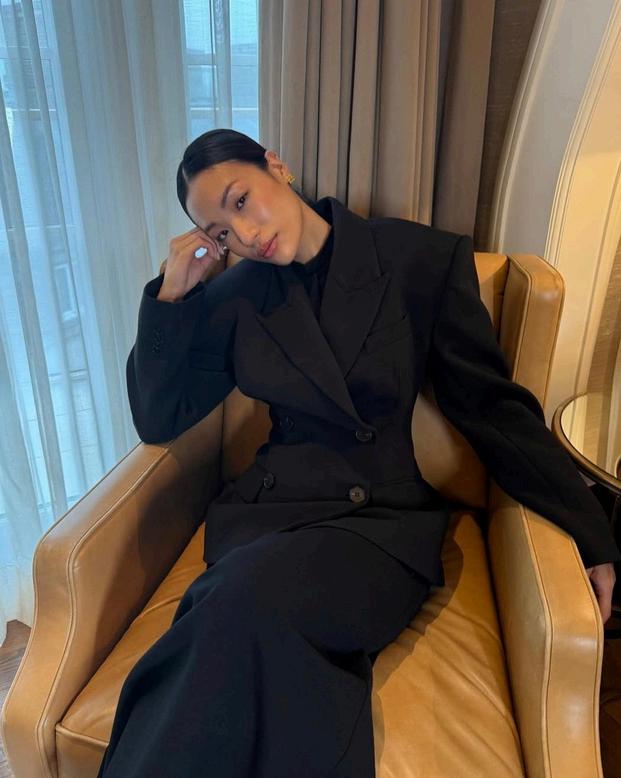
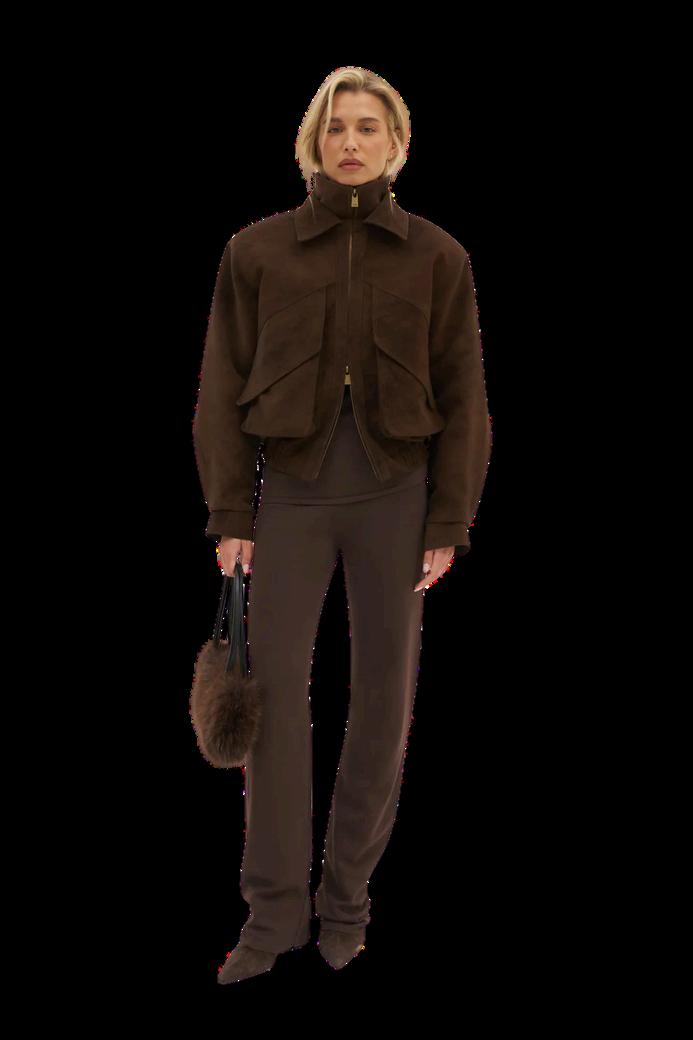
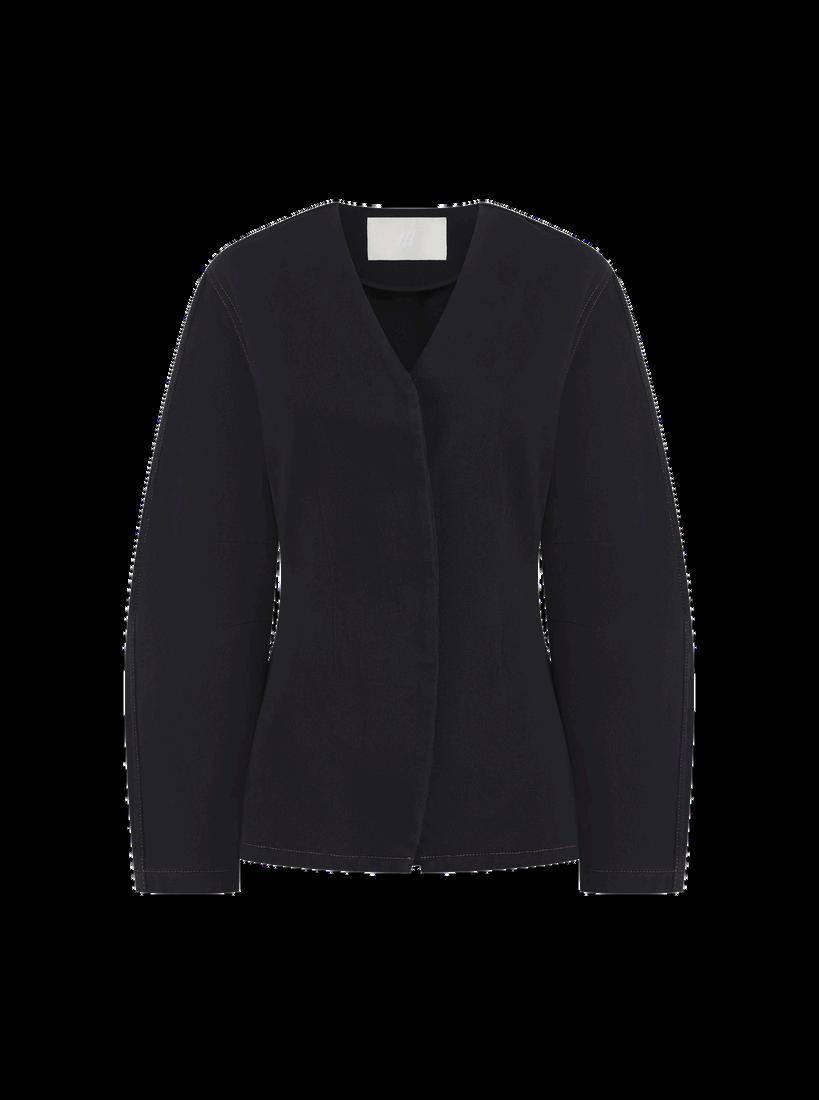
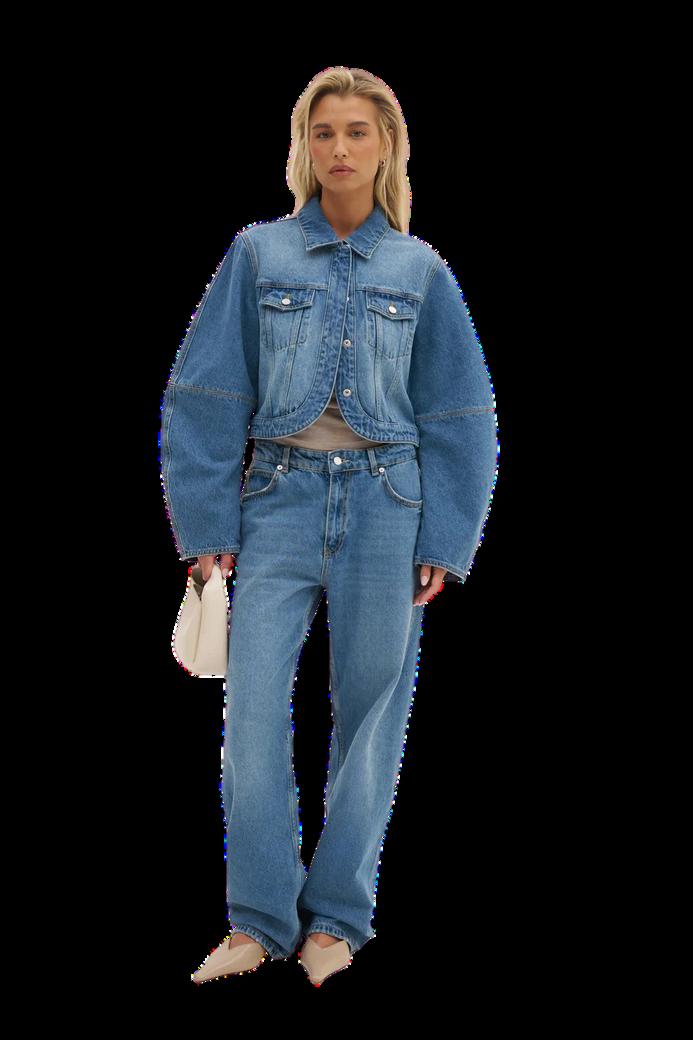
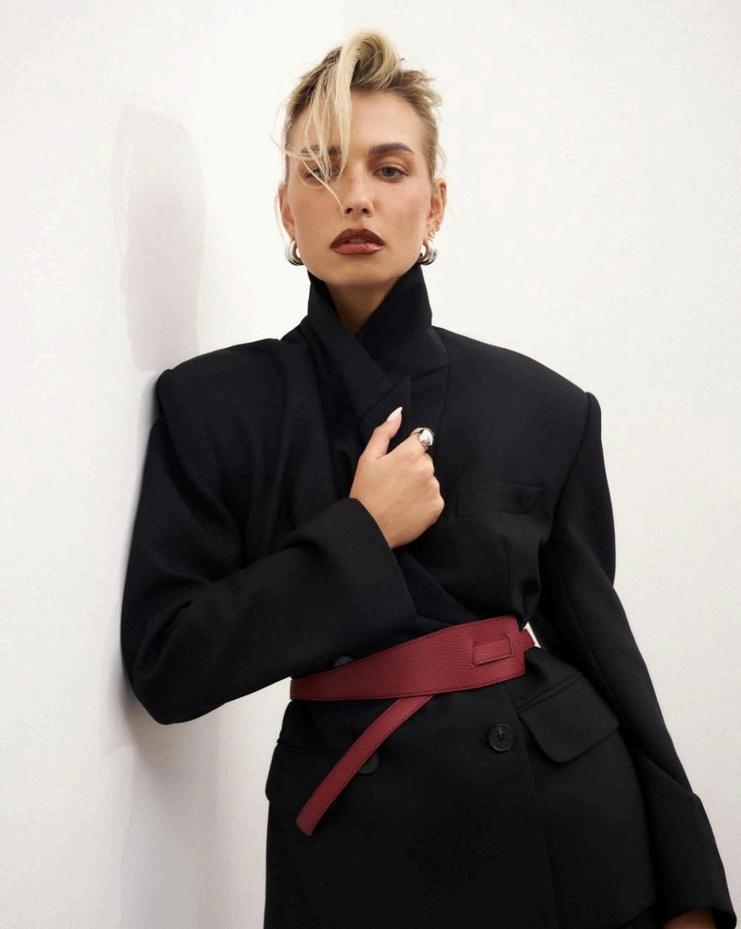
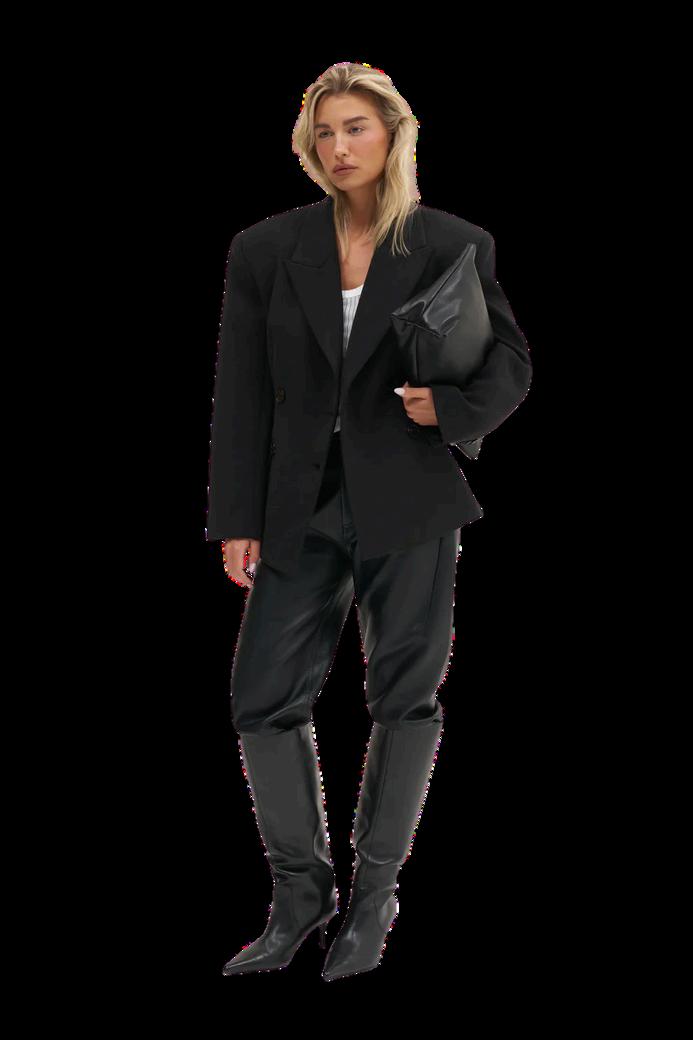
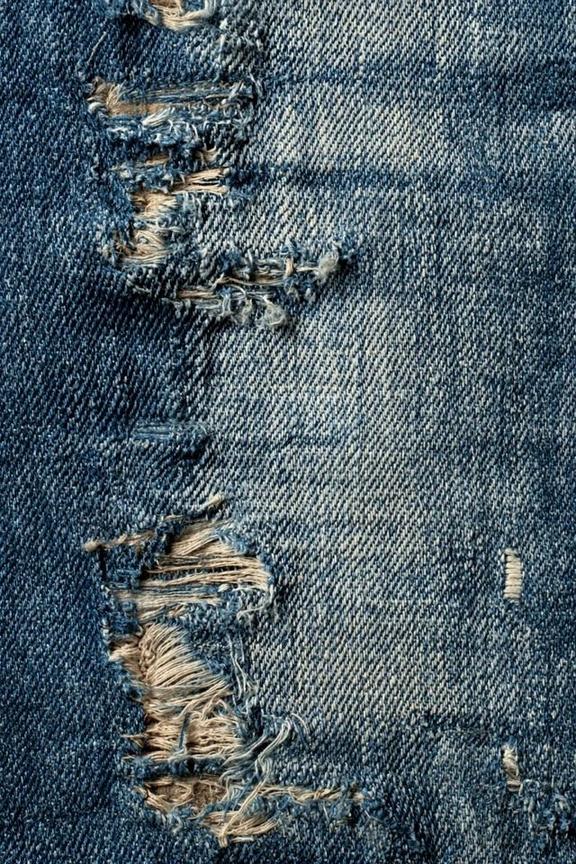
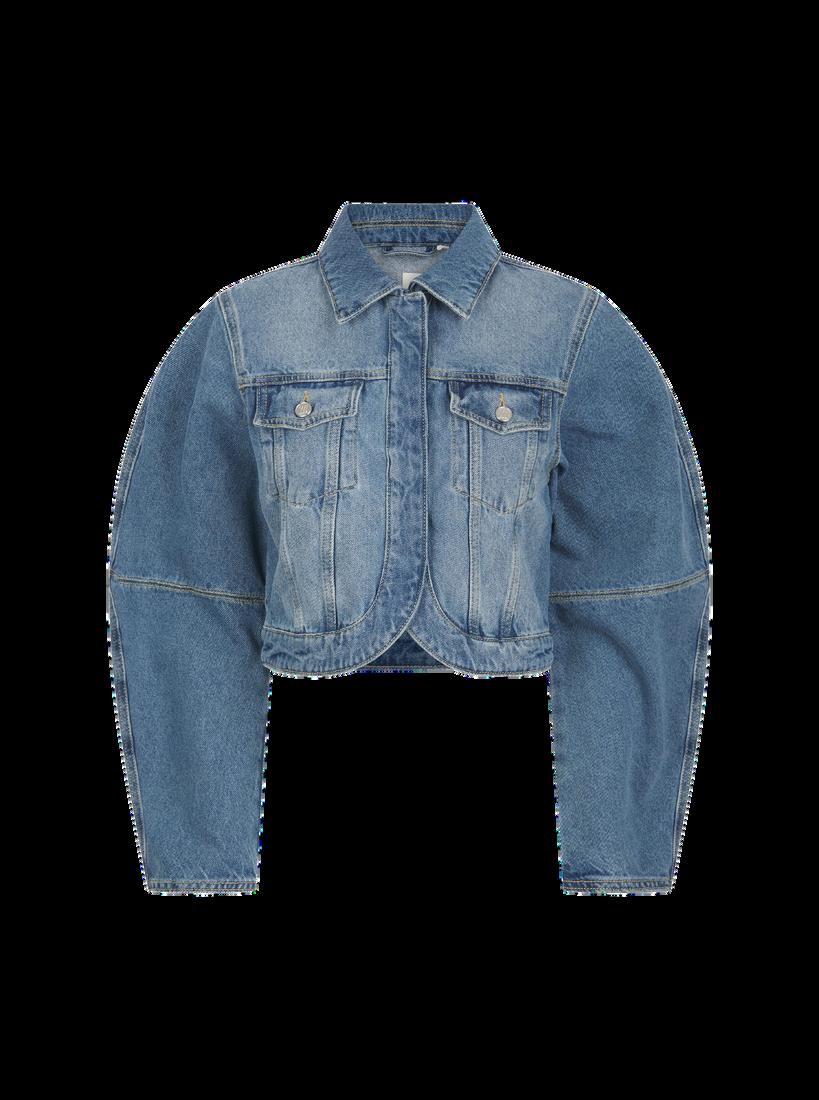
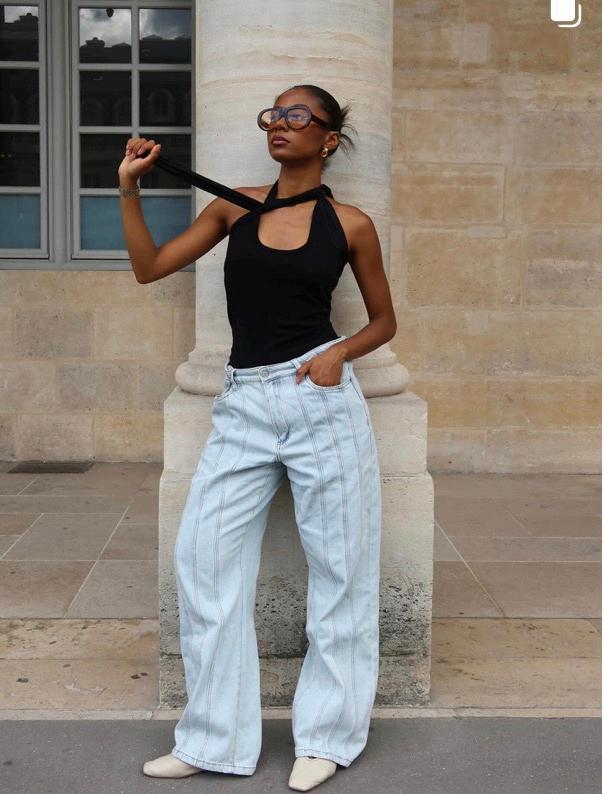
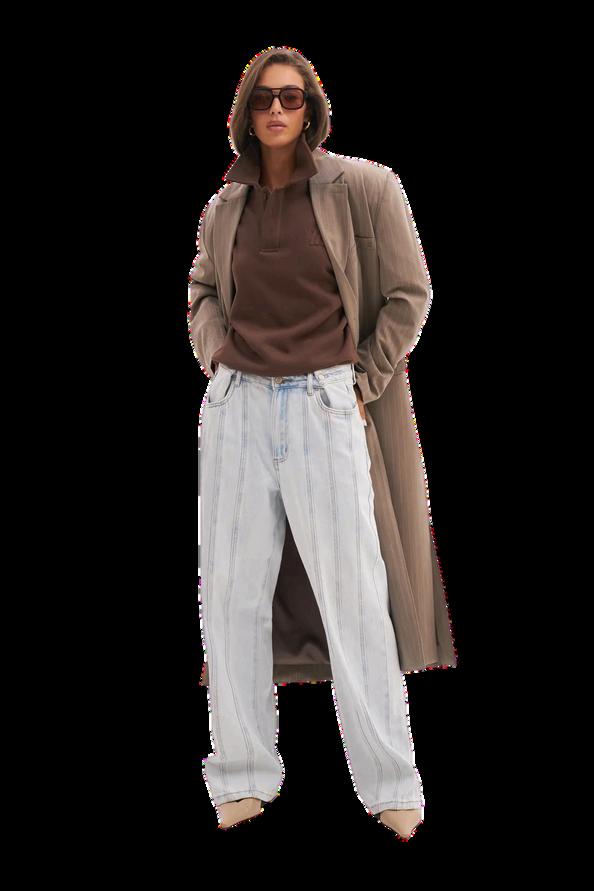
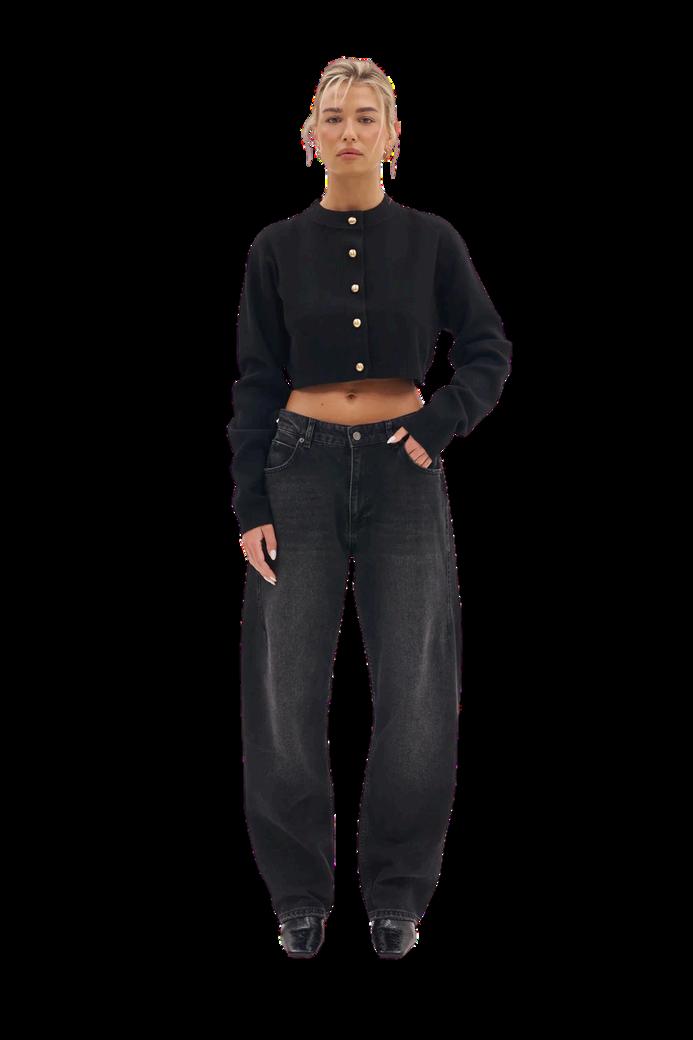
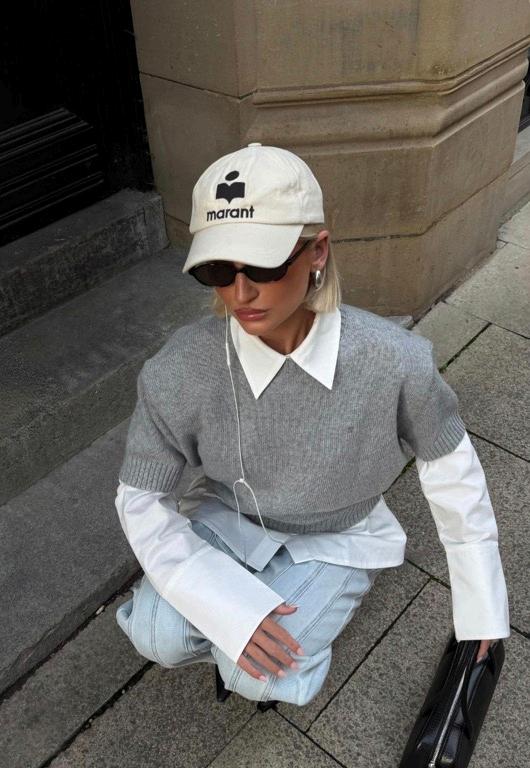
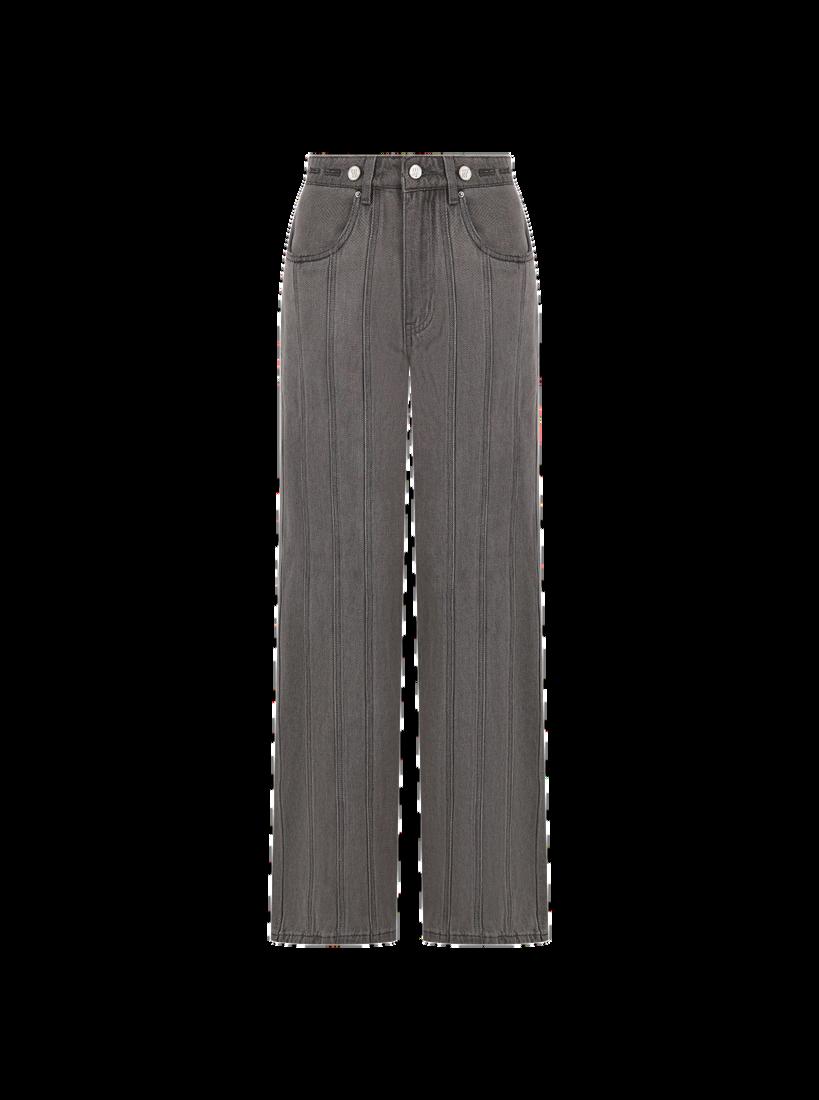
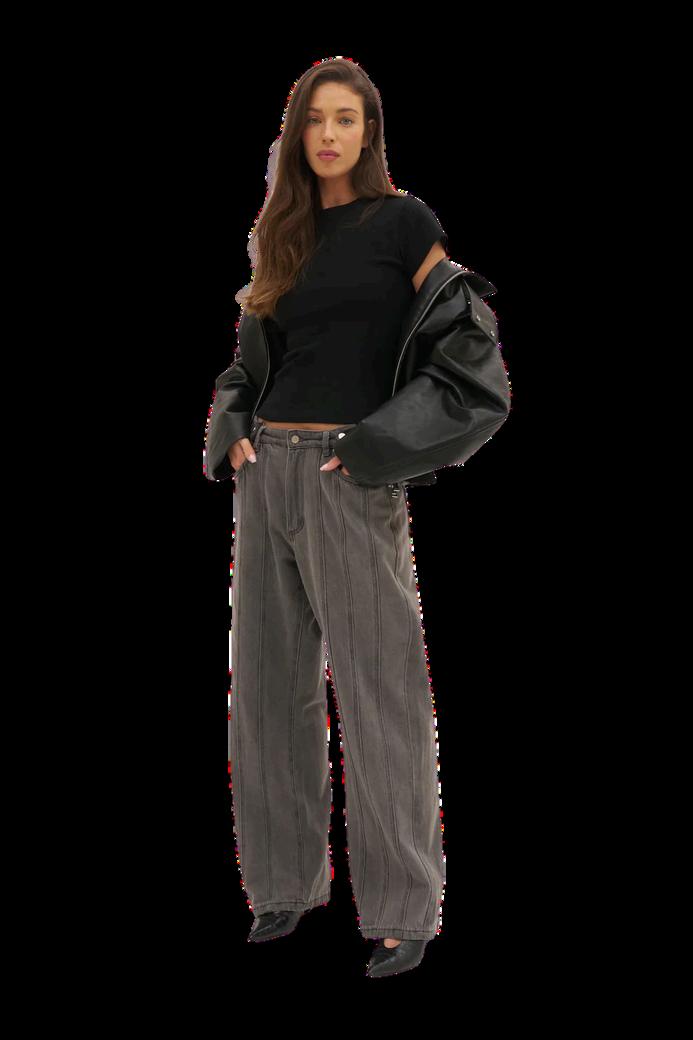
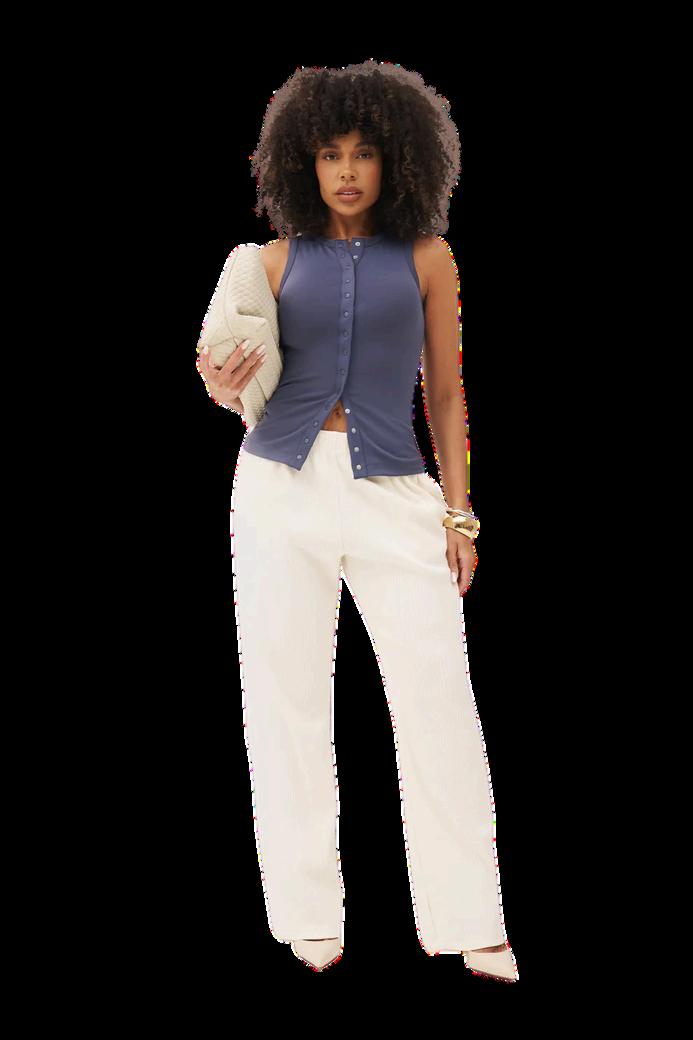
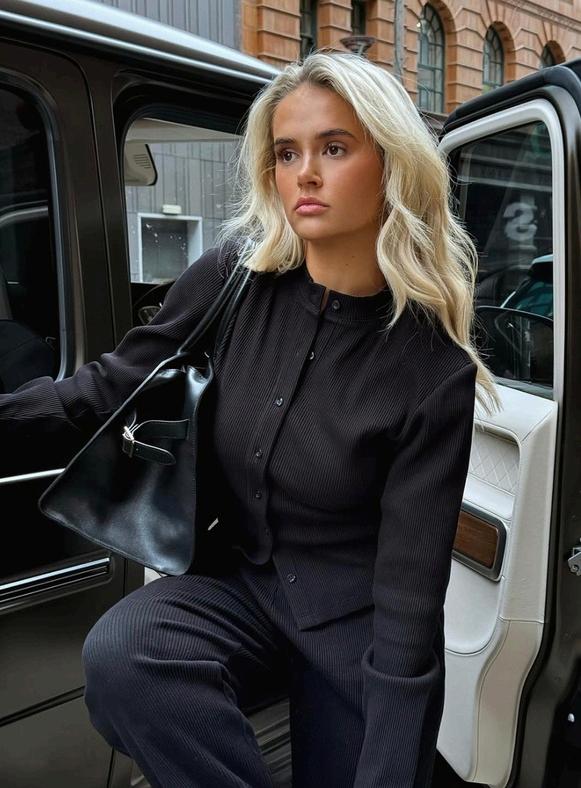
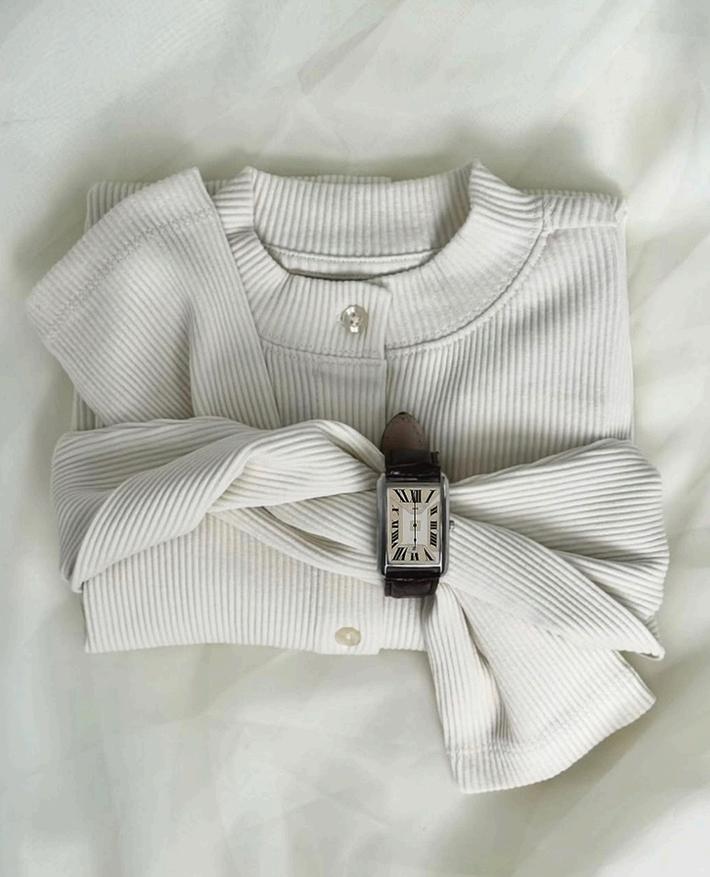
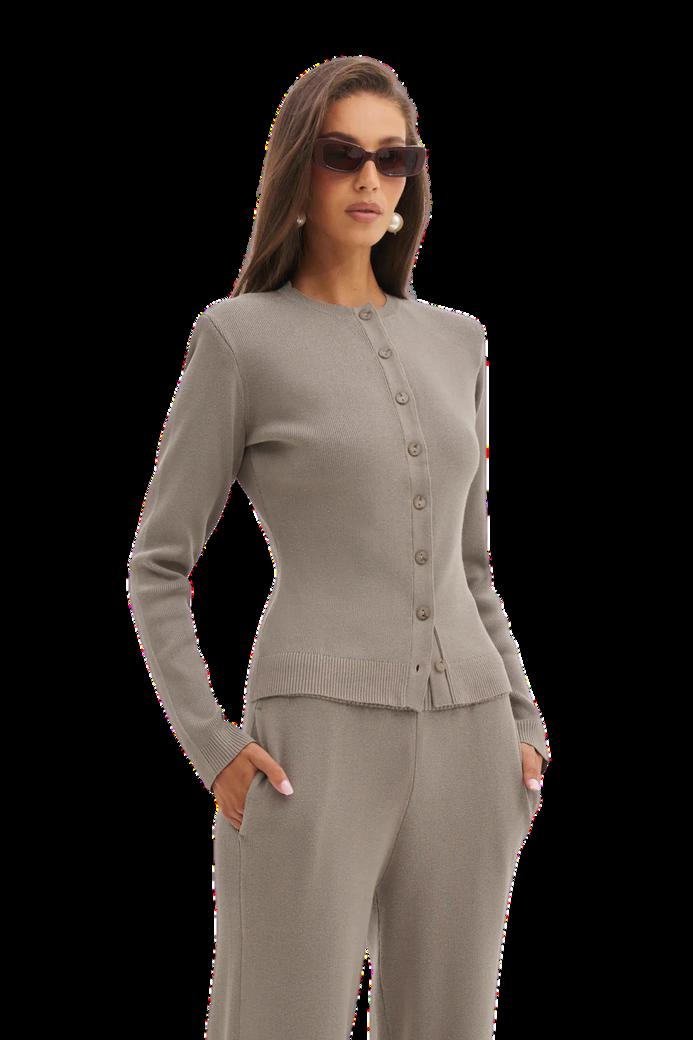
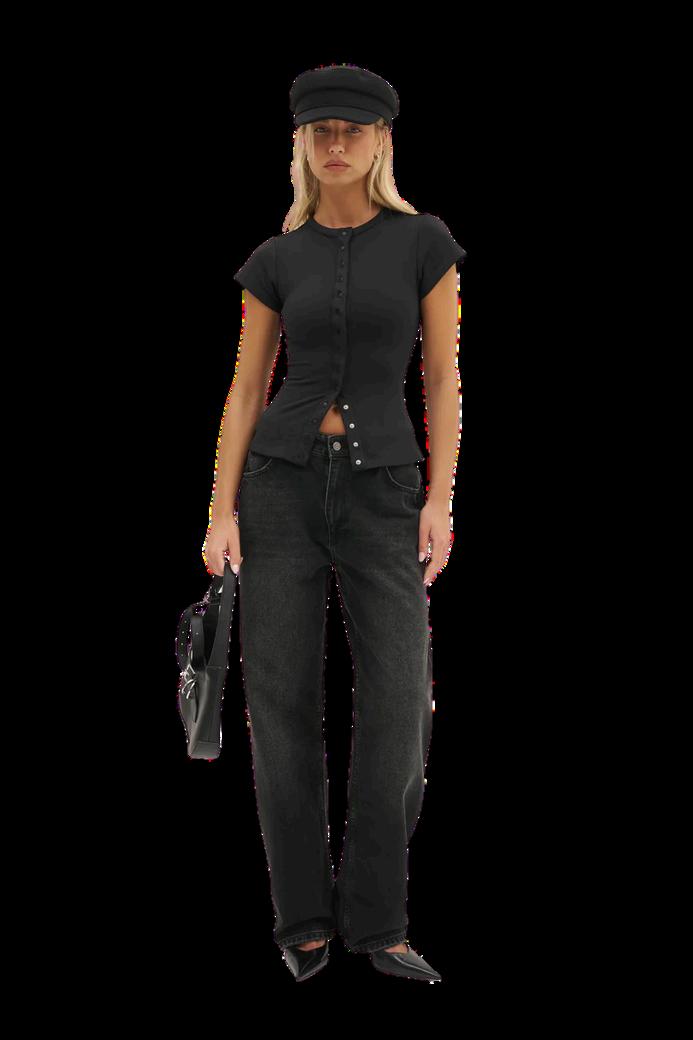
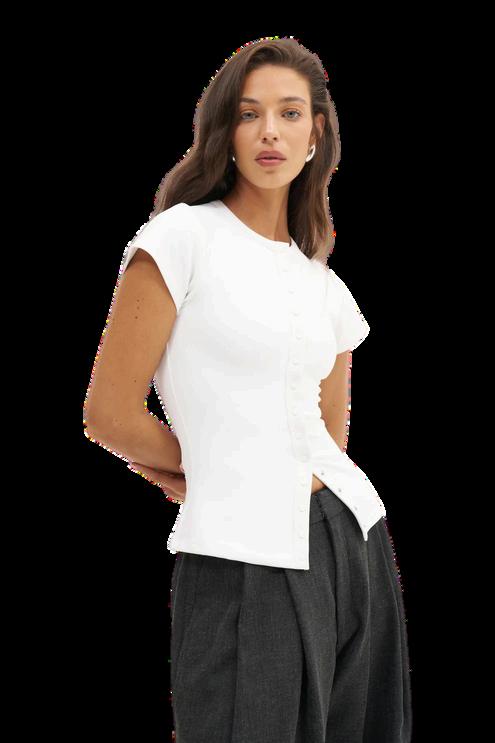
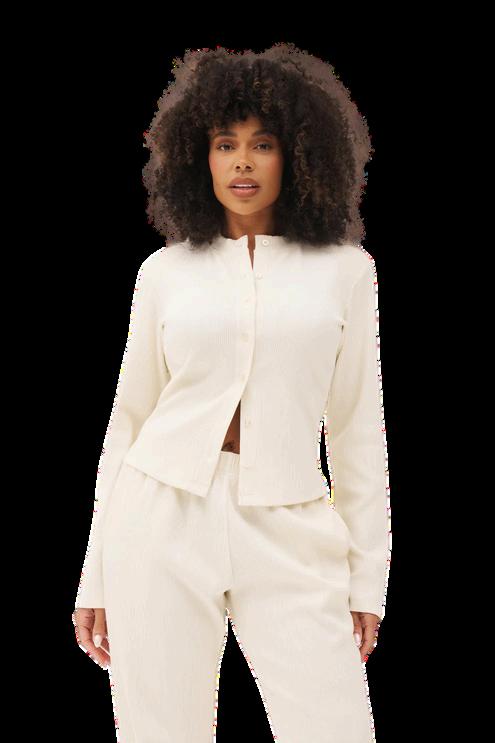
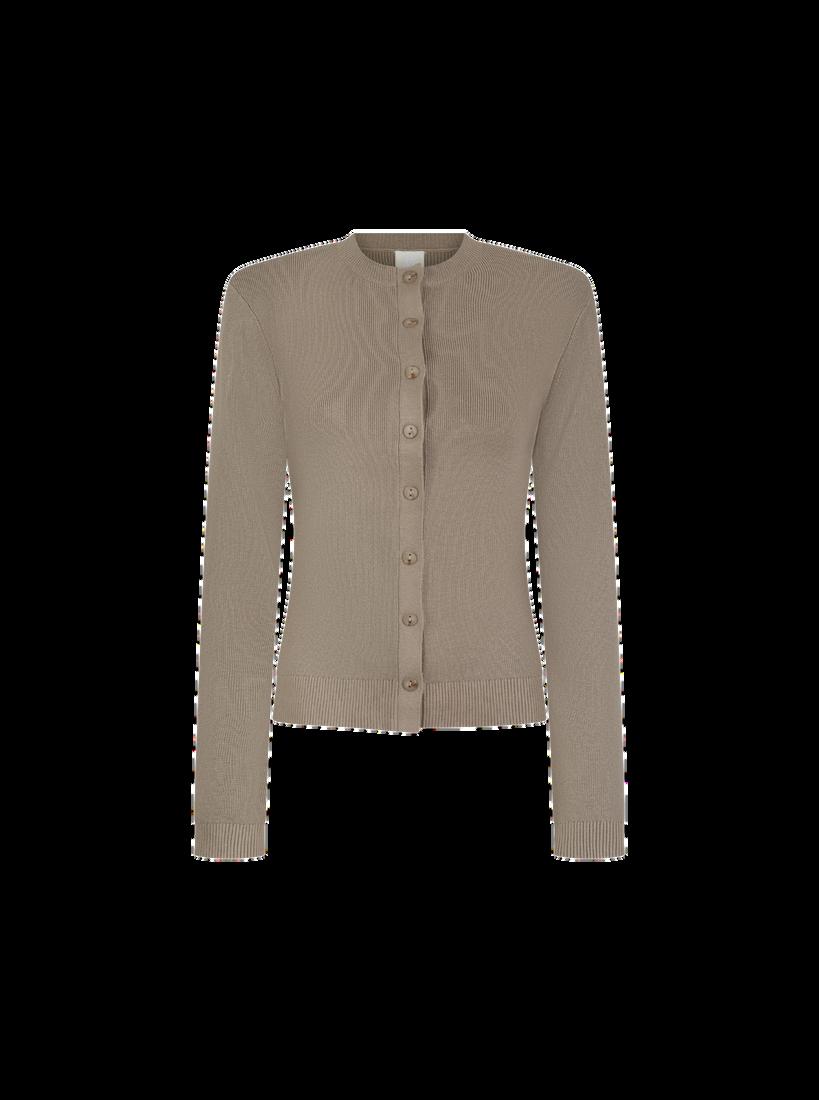
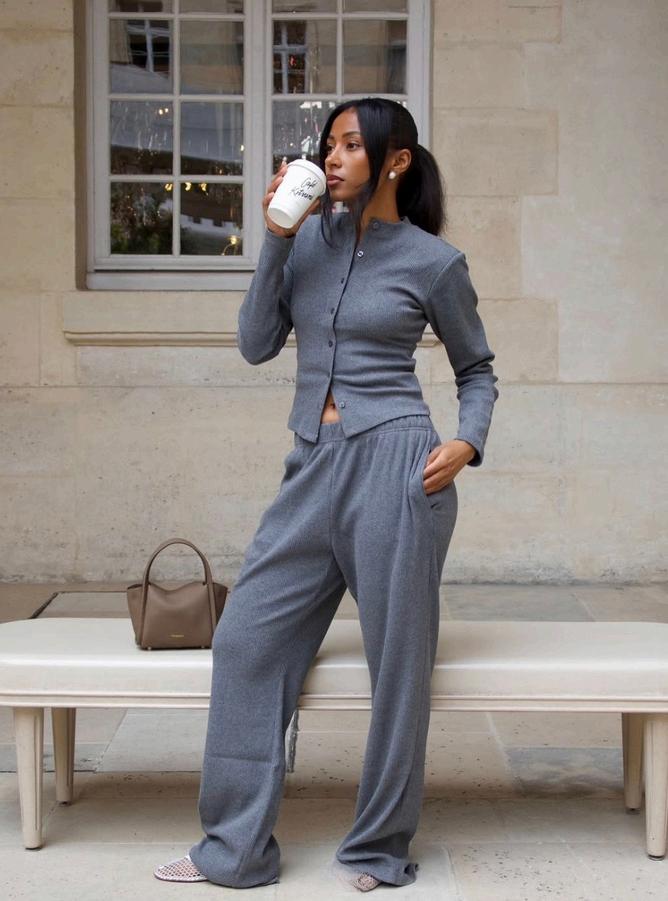
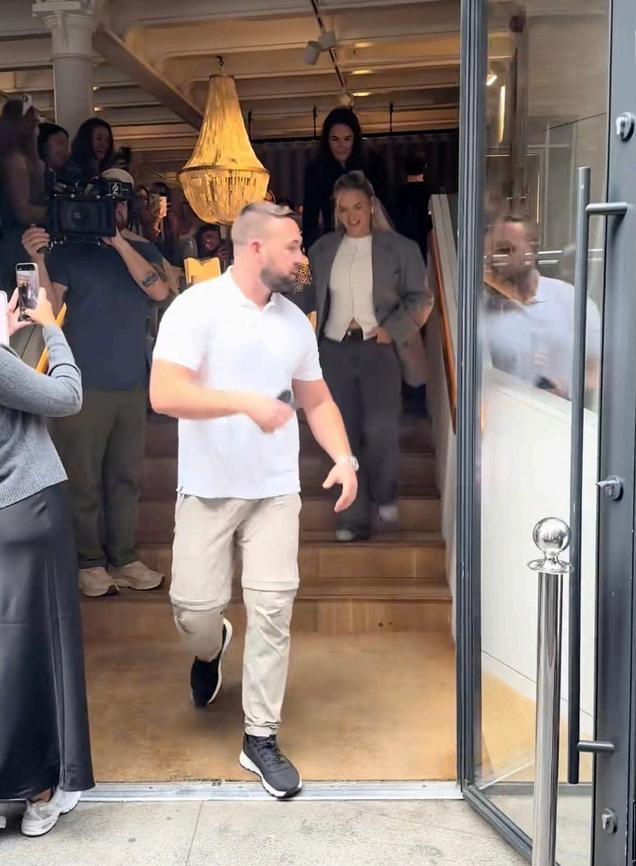
To me, I do belive maebe has a number of consumer bases , and one of them is the Generation Z audience, now some of these may be down to being apart of her fandom, and enjoying her as a influencer so htey have just bought inot maebe as a way to show her love nad support her, but I do bleive some pf this genertion conusmer base turly valey maebe for what it is. Maebe gives Gen Z exaclty what they crave, exclusivity and being on edge, a perfect example of this is the first pop up they ever held in London, where nothing was actually on sale, it was just a showcase of the collection really. the pop up gave those who attended their own chnace of creating content which would be shared on social media, meaning those who countattend/ wernt interested at first, would see thos and become interested, molly mae used her influcner markeitng knowledge and applied it to the perfect consumer group as a marketing tactic, and I give credits to her for it. Attendees became active participants, creating a flurry of user-generated content (UGC) as they shared glimpses of the new collection, where this content took over platforms like Instagram, YouTube, and TikTok, allowing Maebe to reach a vast audience organically and amplify launch day buzz.The Mabe pop up mirrors a broader trend: involving Gen Z directly in brand experiences. This strategy resonates because today’s consumers don’t just want to buy products; they want to shape and connect with them, be apart of the whole experince, which really tells me that maebe is a community driven brand, and they are allowing their consumers to be apart of it which makes it even better for them. By offering the consumers a frist look, molly mae gave a sort of ownership to thsoe who attended, as they already knew what would be released and be able to spread the message to their family and freinds, which allws them to feel empowered, but also maebe to drive sales. By putting experience and connection first, maebe can build deeper relationships, encouraging consumers to become advocates who promote and shape the brand. This approach aligns with the needs of a generation that values authenticity, involvement, and experiences that stand out, and shape the consumers of today. to conclude this consumer of maebe, I do feel that Gen Z are not only buying into the products, but also inot the experiences, community and markeitng that comes along with maebe, the brand is giving those who want it, everything they want in a brand, which shows how the brand has kept building, and hasnt fell off since the launch and “buzz’ of it starting has died down.
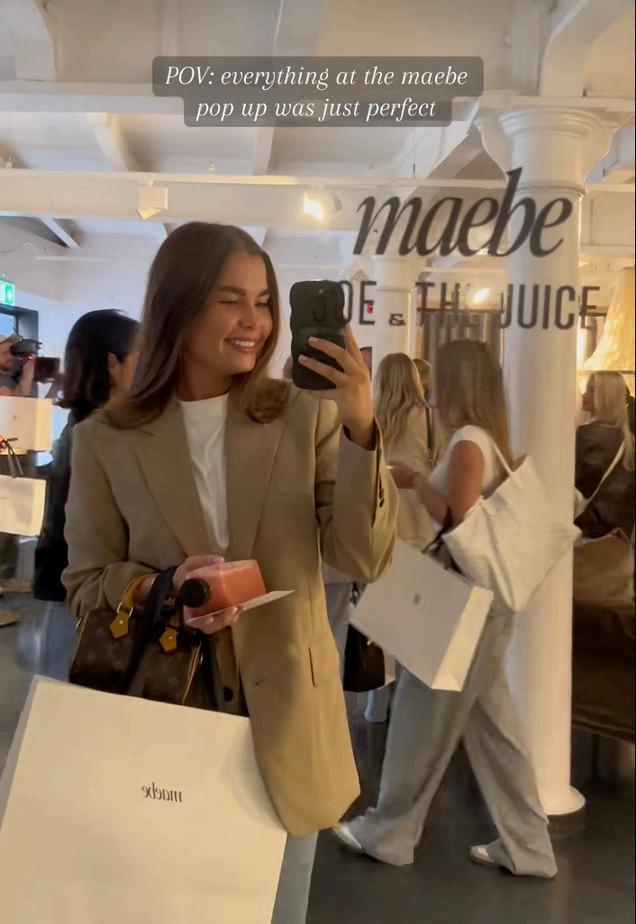
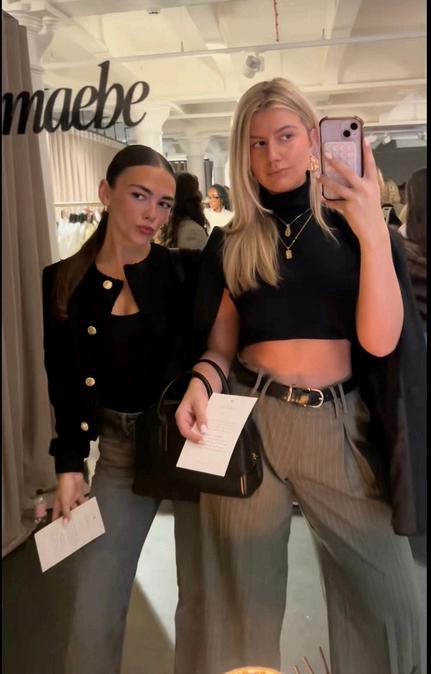
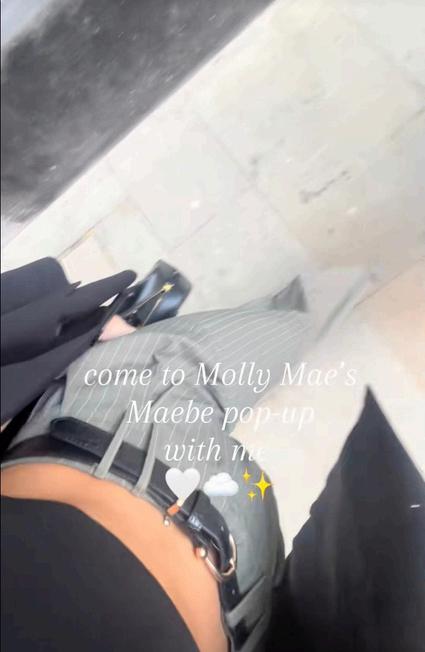
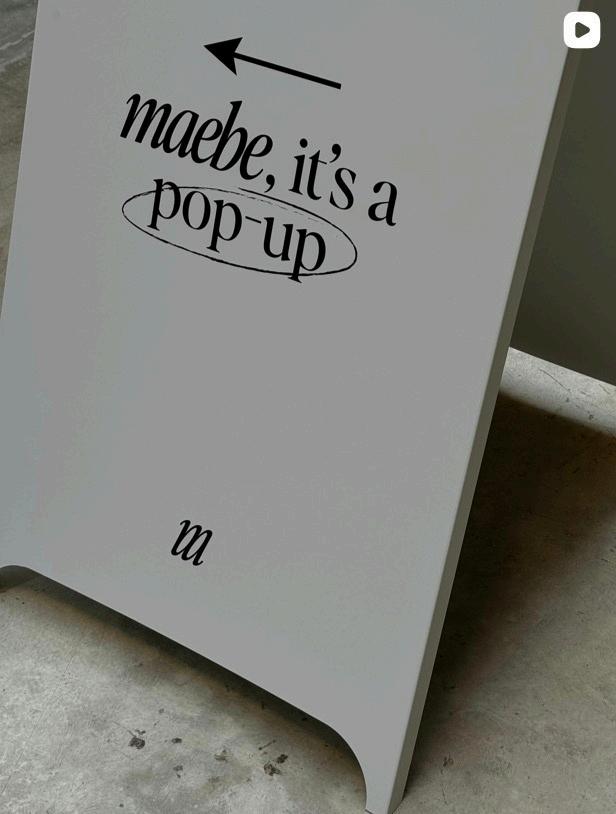
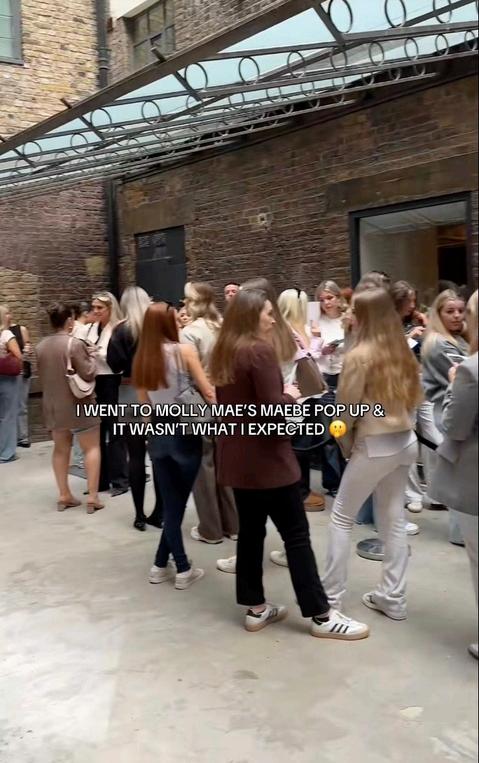
The maebe pop-up took place over a year and a half ago, so I had to scroll back to find content from the day, but it became clear why the concept worked so well. No items were available to purchase on-site, only to preview, and this created a sense of exclusivity and anticipation. In every video, people were describing the products as perfect, which built excitement and trust before the official drop. Because the pop-up generated such a strong buzz across social media, the content received high engagement, meaning viewers were more likely to return and purchase the items themselves when the collection finally launched.
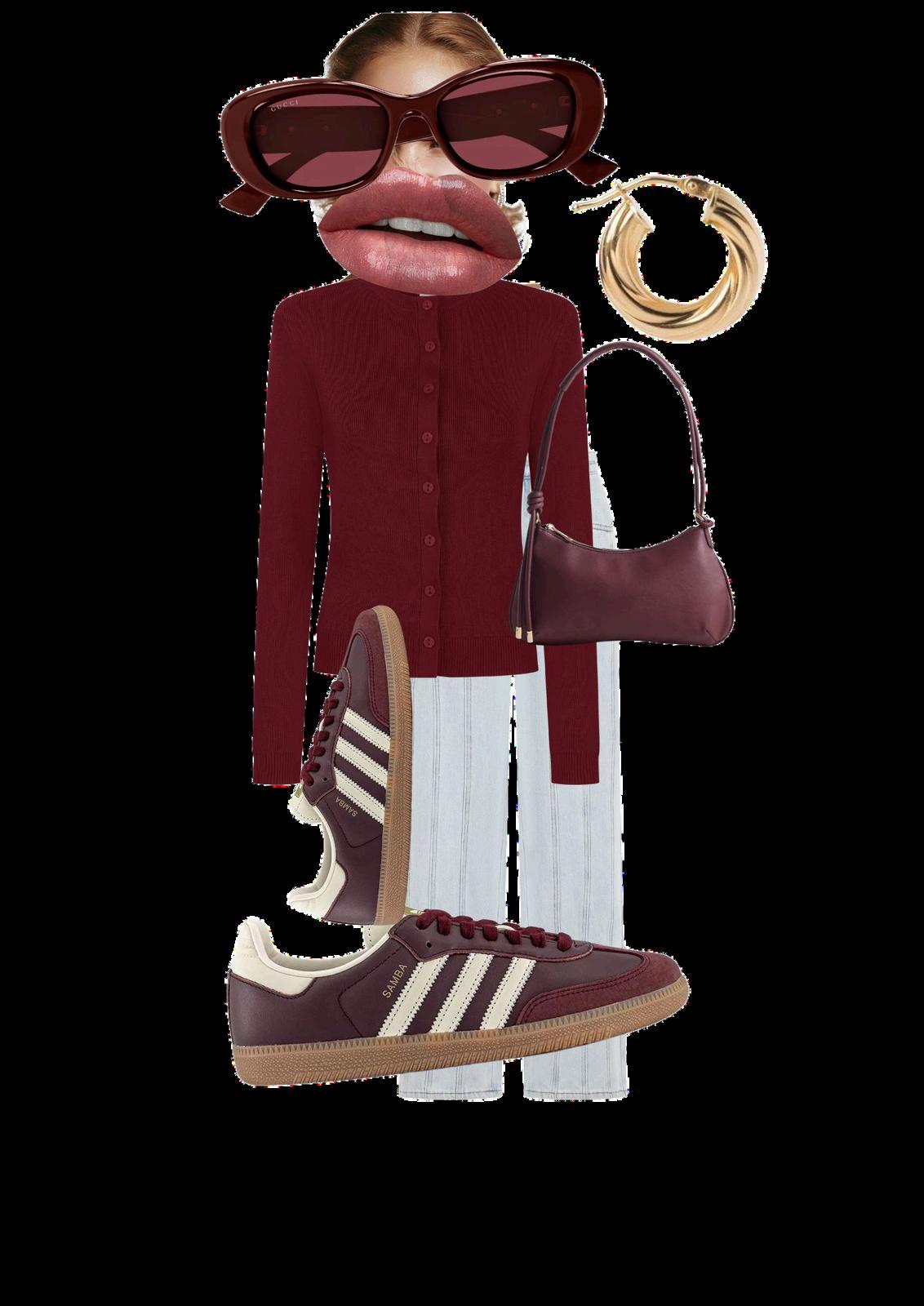
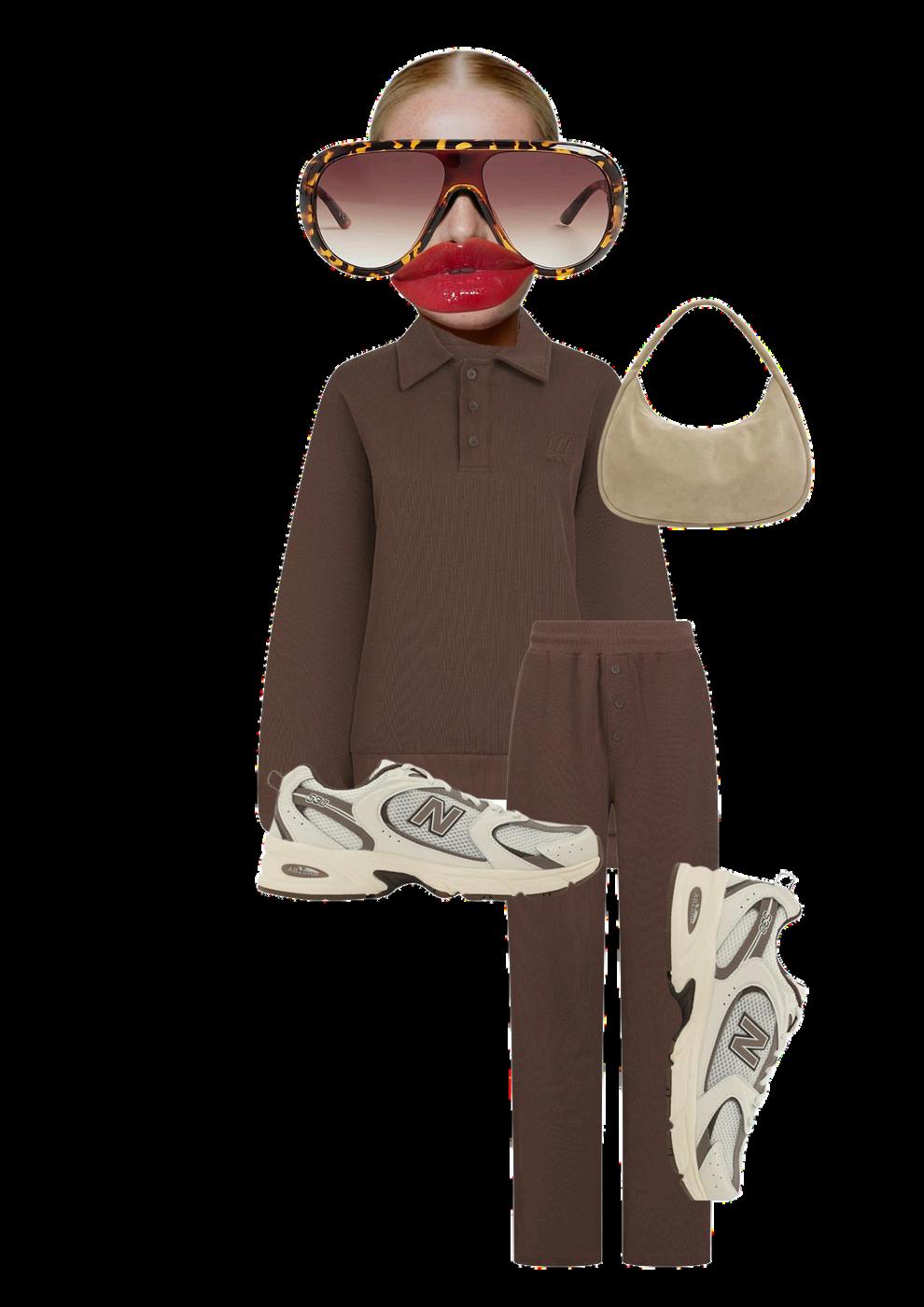
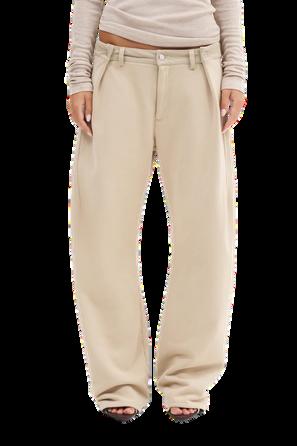
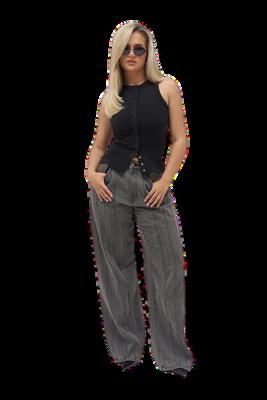
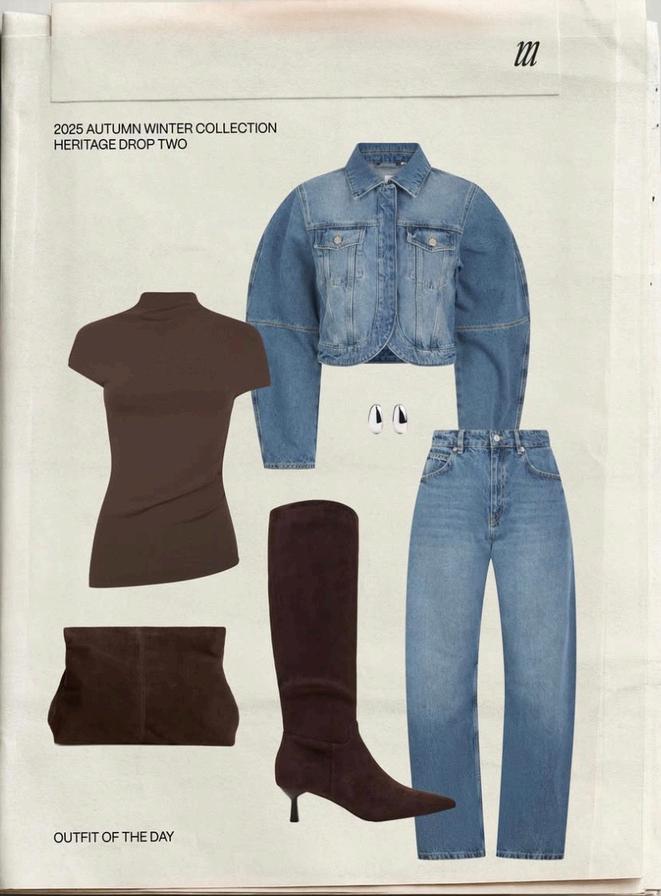
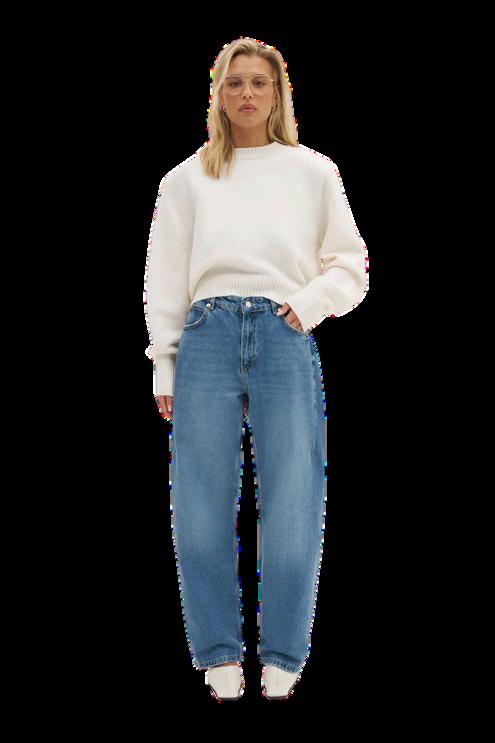
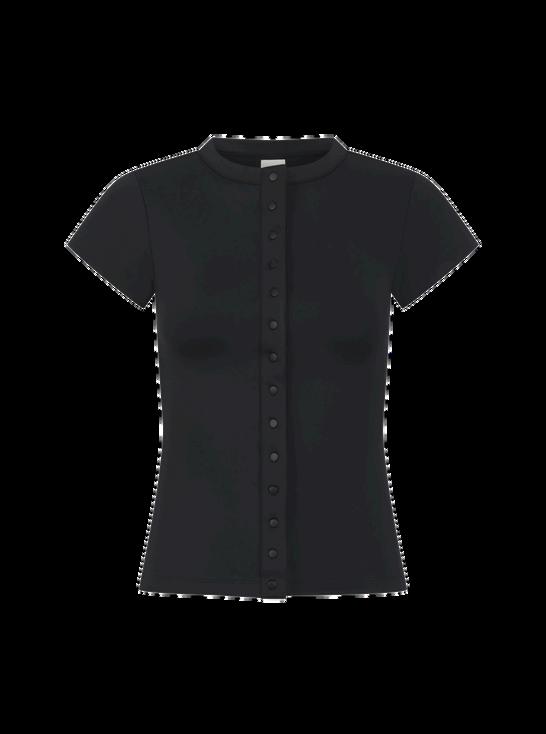
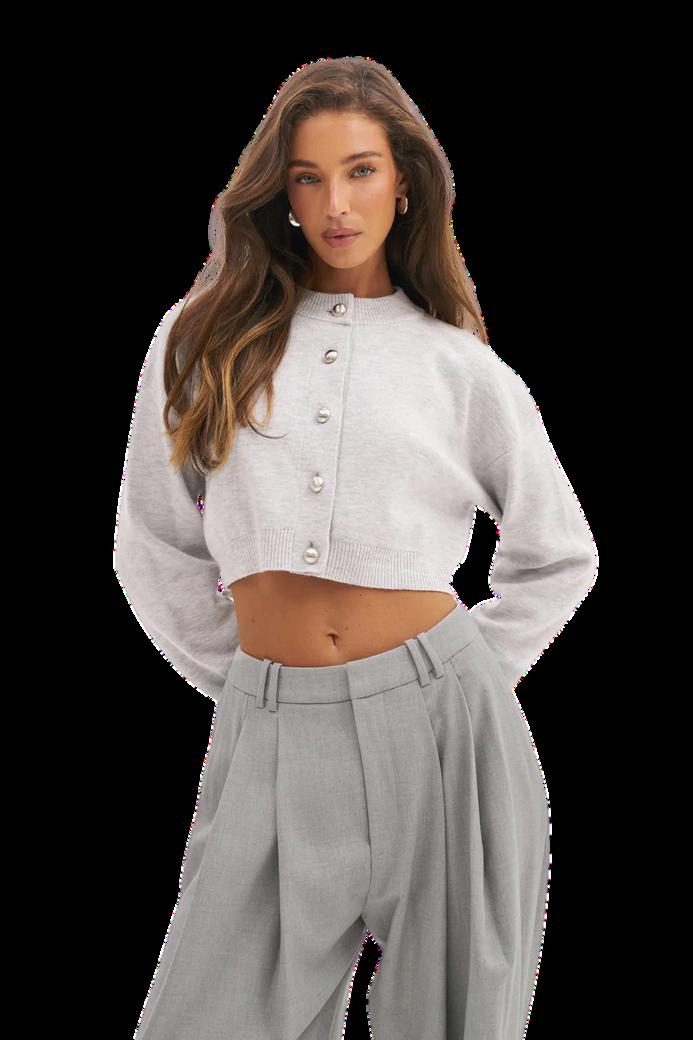
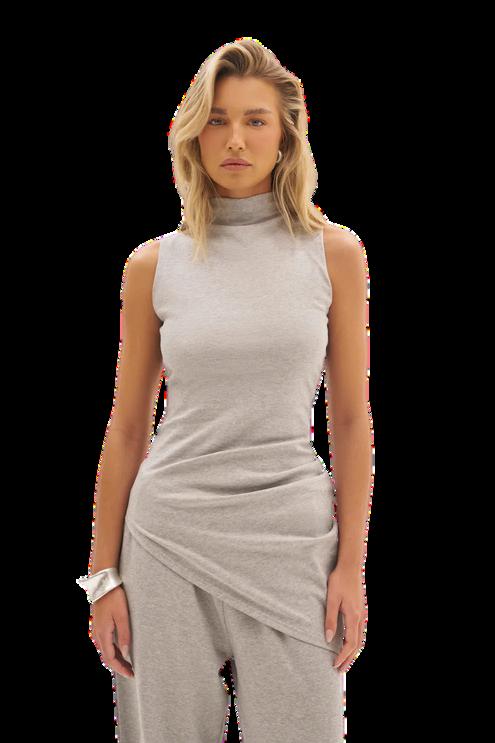
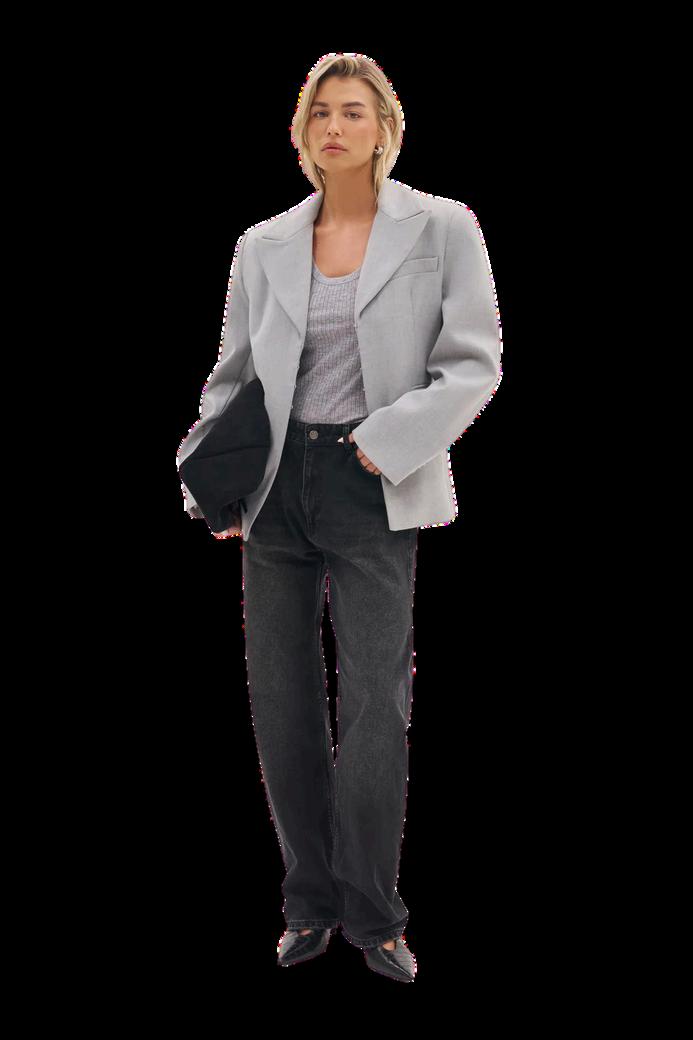
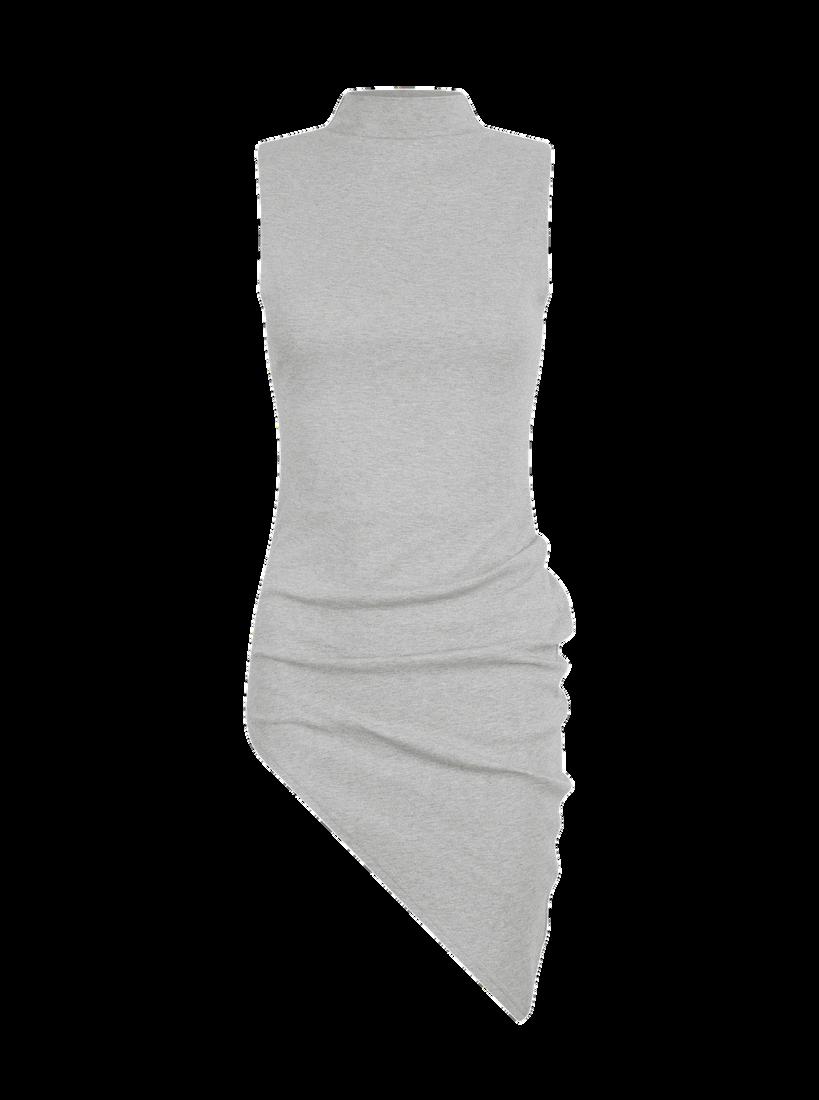
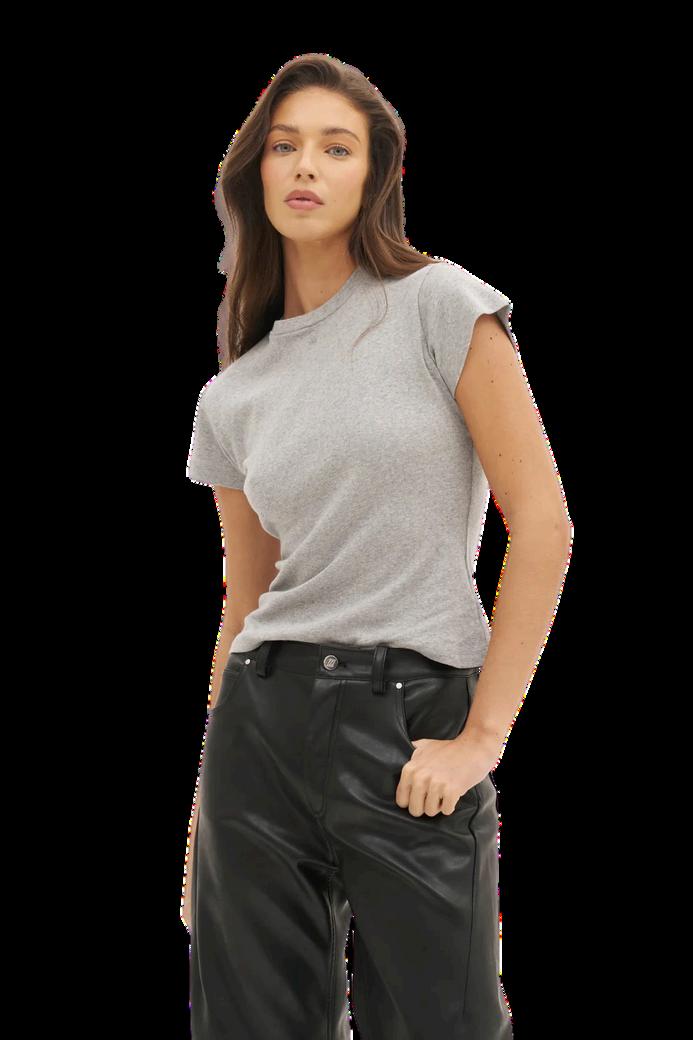
Here I have created some visual croquetes of how I see the different consumer bases wearing pieces from maebe. The Gen Z outfits highlight how Maebe fits naturally into a younger audience who likes styling clothes in a fun, effortless and content driven way. This generation gravitates toward relaxed shapes, modern basics and pieces that can be mixed and matched for social media moments, and Maebe’s clean, minimalist aesthetic works perfectly for that. The brand gives Gen Z the balance they want between comfort and polish, letting them create looks that feel current without being overly trend-led. Overall, Maebe offers Gen Z a fresh, elevated version of everyday dressing that aligns with how they express themselves.
Millennials represent a significant consumer group for Maebe because the brand’s values, pricing and aesthetic align closely with the lifestyle preferences and purchasing behaviours typically associated with this age segment. Unlike Generation Z, who often focus more on trend-driven pieces and expressive styling, many Millennial shoppers are drawn to clothing that balances quality, versatility and timelessness, all of which are core considerations for Maebe. Millennials generally have more disposable income than younger consumers, which means they are willing to invest in pieces that feel elevated, well made and capable of functioning across a range of occasions such as work, social outings and travel without needing constant replacement. This connects directly with Maebe’s emphasis on elevated basics, refined silhouettes and wardrobe staples that are designed to last beyond seasonal cycles.For many people in this age group, fashion is not just about whatever is in right now, it is about building a cohesive and intentional wardrobe. Maebe’s aesthetic of clean tailoring, minimalist design and subtle sophistication resonates with Millennials who value thoughtful and practical style and who are cautious of approaches that mirror fast fashion. They want clothes that integrate seamlessly into their existing wardrobe and that can be styled in multiple ways, reflecting a preference for long term wearability instead of quick trend turnover. This demographic also values brand authenticity, clear design intention and emotional clarity in how and why a brand creates what it does, all of which Maebe communicates through its product offerings and narrative.Another factor that draws Millennials to Maebe is the brand’s approach to accessibility within a premium context. This group often looks for elevated and contemporary labels that feel aspirational but still accessible, bridging the gap between fast fashion and high end luxury brands. Maebe does this by offering refined and quality pieces that feel modern and sophisticated without the luxury price tag, which appeals to Millennials who want a premium look without stretching their budgets too far. At the same time, this audience tends to be more thoughtful about consumption and prefers to invest in fewer and better pieces rather than an excess of items that lack durability. Maebe’s focus on elevated essentials and intentional design supports that mindset and makes it easy for Millennial consumers to justify their purchases as long term wardrobe foundation pieces rather than short term trend buys.Overall, Millennials are drawn to Maebe because the brand offers a level of practical refinement, quality and emotional intentionality that suits their lifestyle and fashion priorities. It reflects a mature approach to dressing that balances contemporary aesthetics with longevity and versatility, which is exactly the type of wardrobe philosophy many Millennials are seeking in the mid market fashion space.
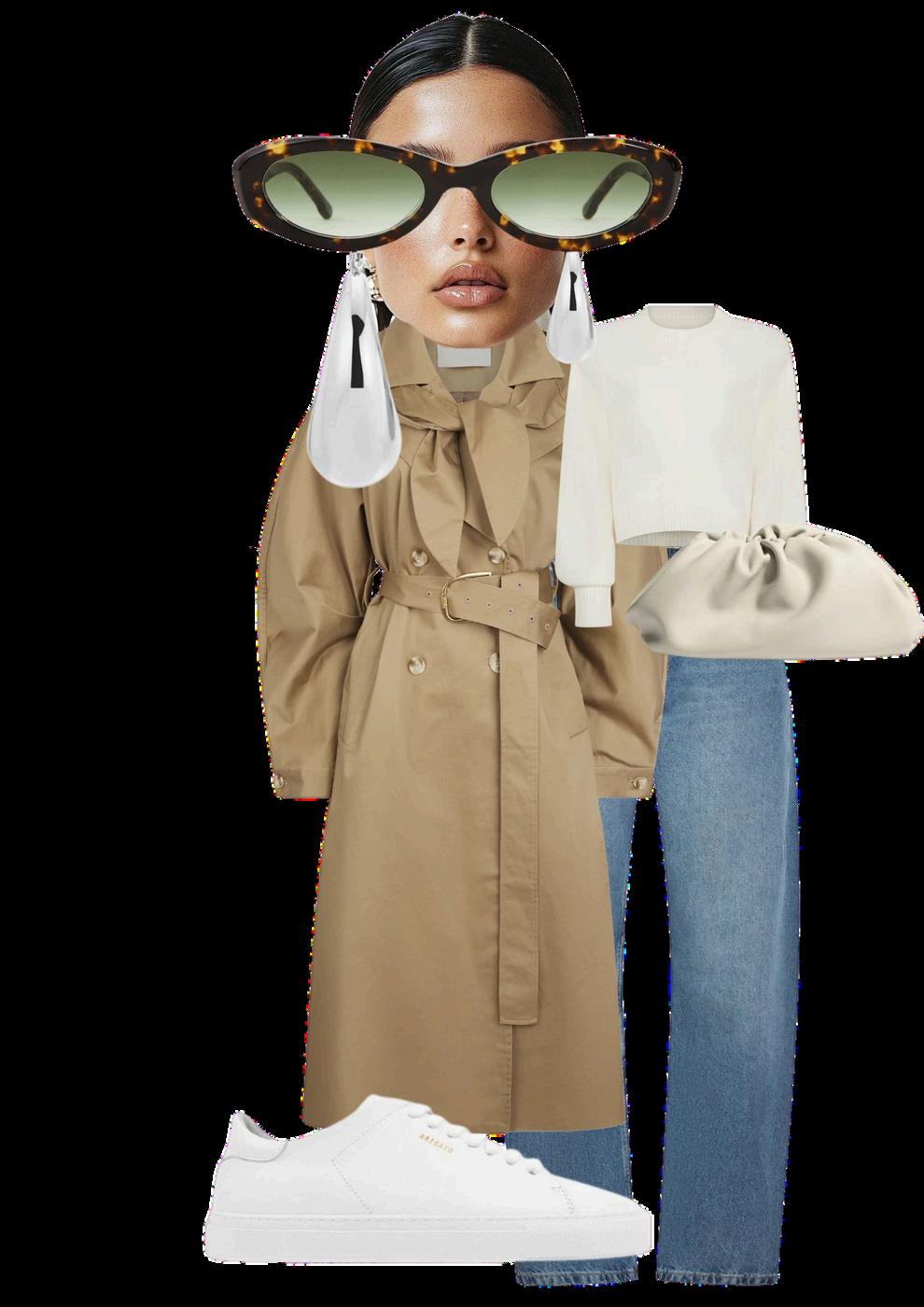
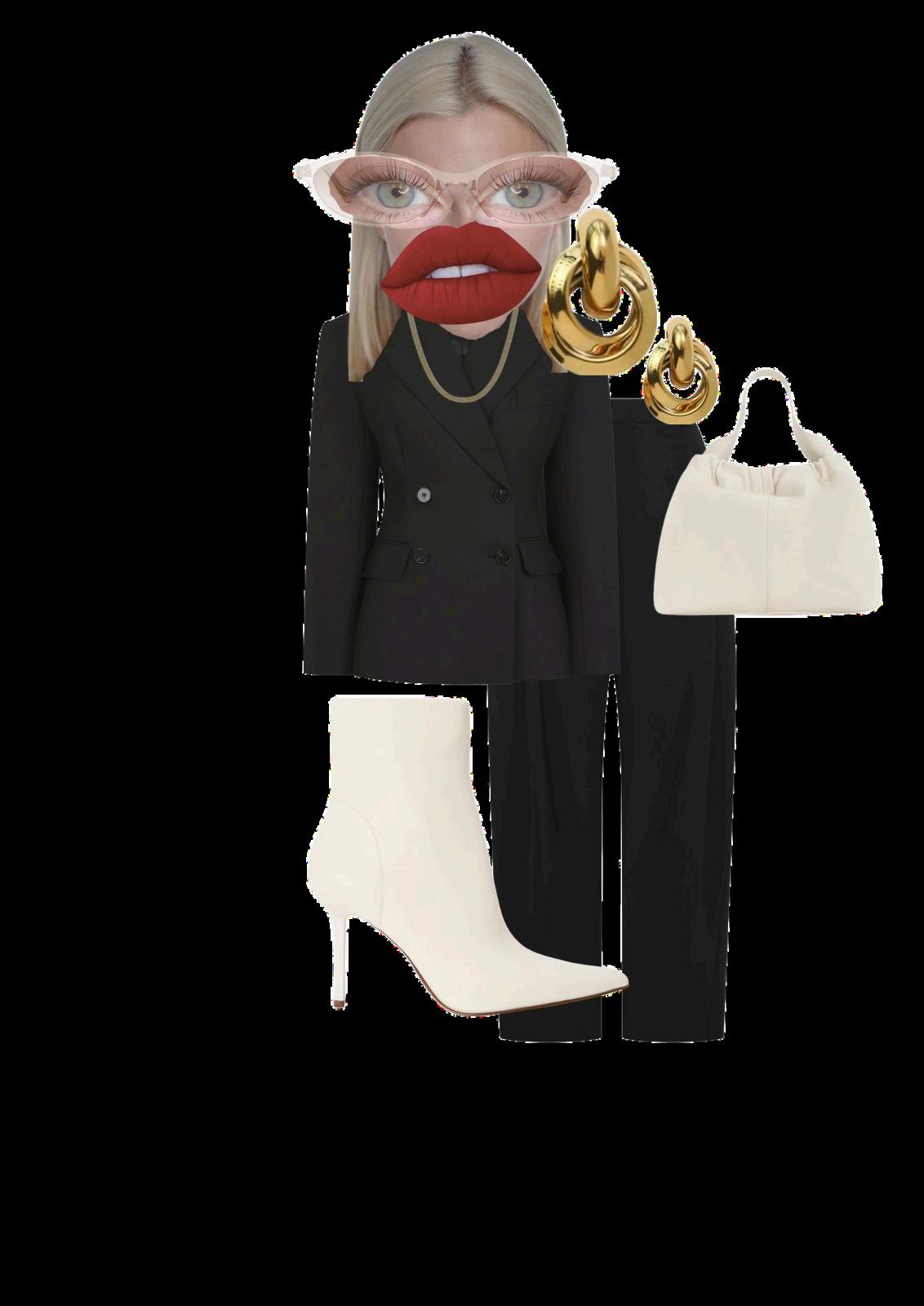
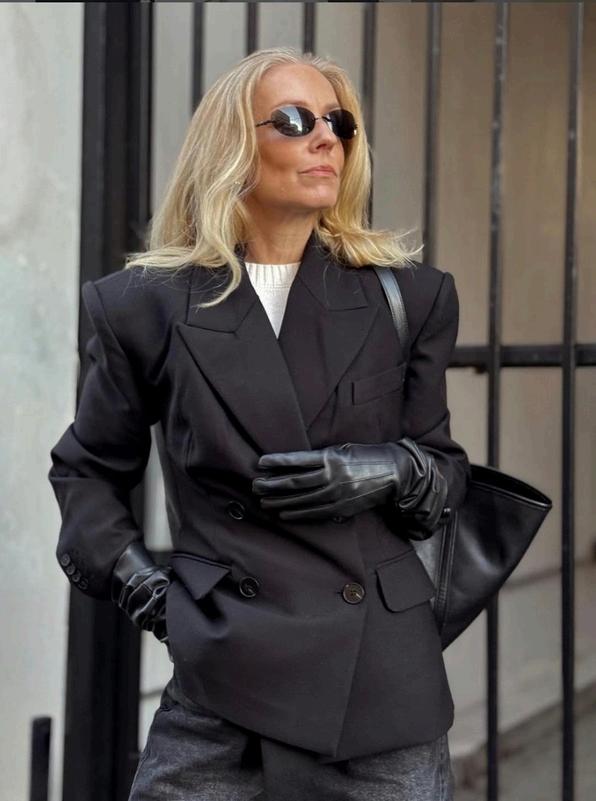
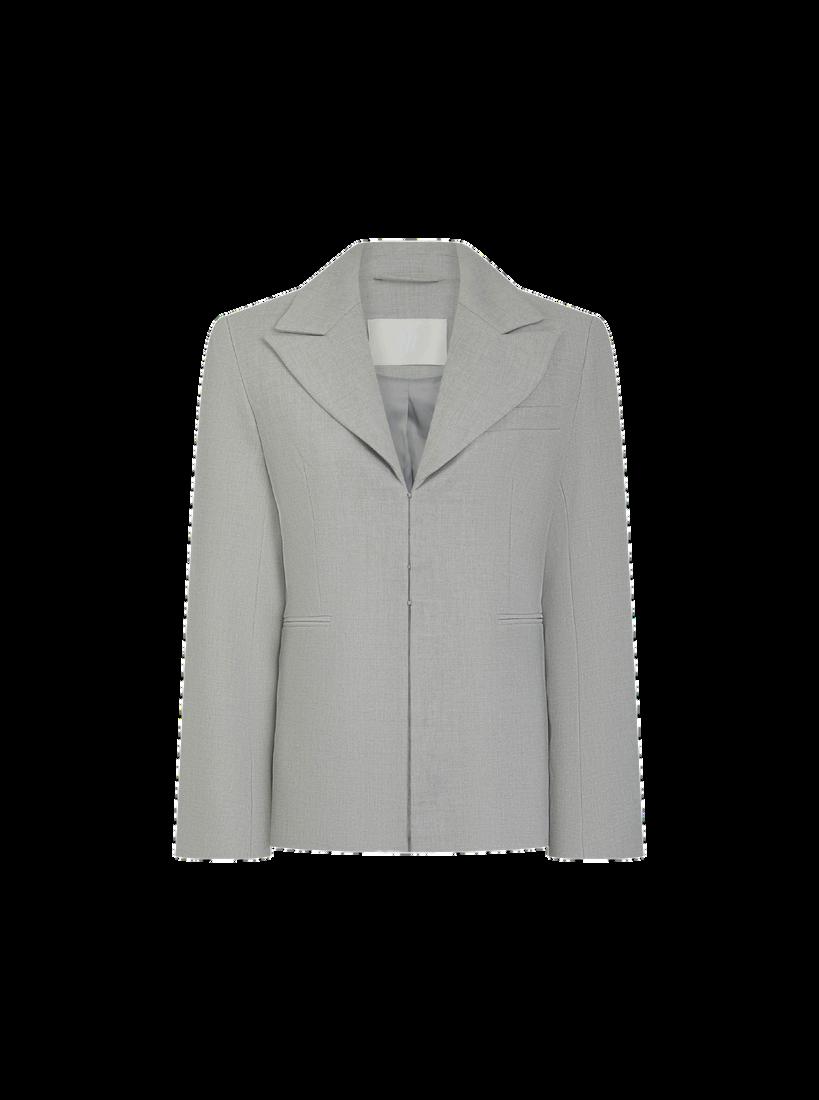
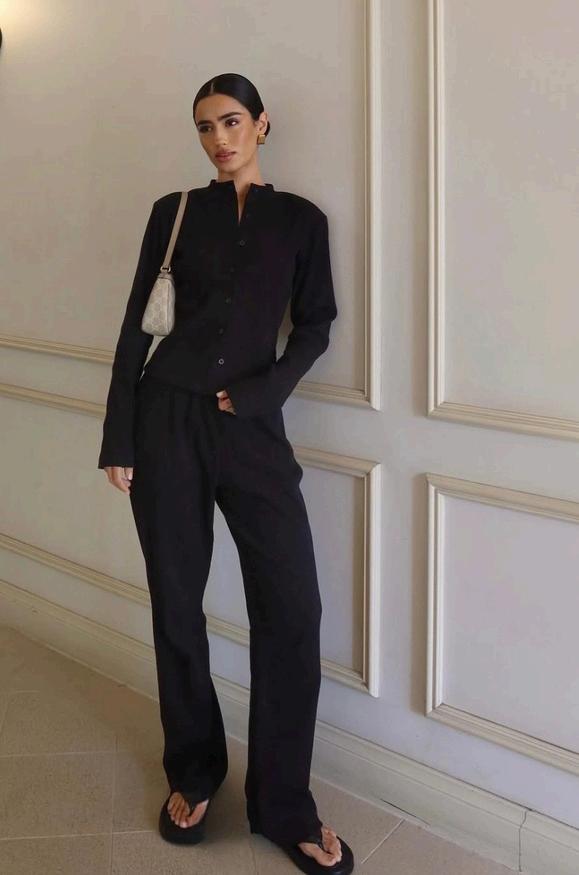
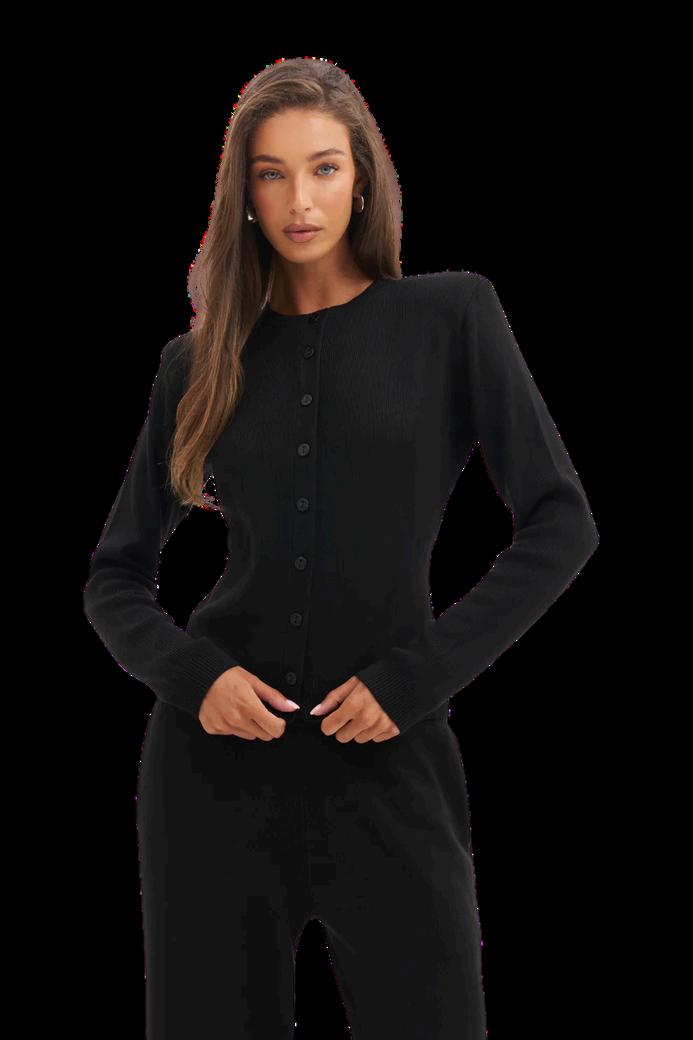
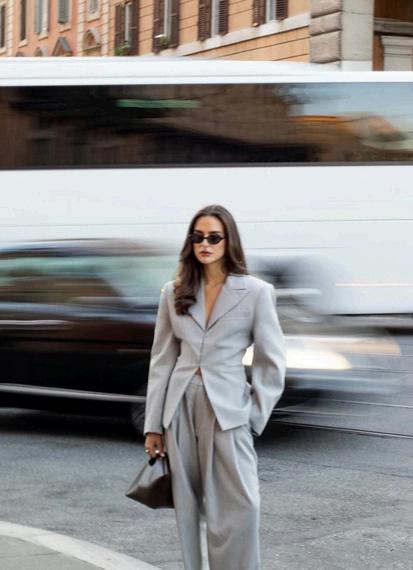
The Millennial outfits reflect how Maebe appeals to consumers who prefer timeless, refined dressing that fits into a busy and more established lifestyle. Millennials value quality, simplicity and pieces that feel elevated without being trend-focused, which is exactly what Maebe delivers. These outfits show how the brand supports a more intentional approach to building outfits, offering clothing that works across work, social plans and day-to-day routines. Overall, Maebe suits the Millennial mindset by providing modern, minimal looks that feel reliable, polished and long-lasting.
Overall, Maebe’s consumer base is shaped mainly by Millennials and Generation Z, who engage with the brand for different reasons but ultimately value many of the same qualities. Millennials are drawn to Maebe’s focus on longevity, quality and refined basics, appreciating pieces that feel premium, versatile and worth investing in. This aligns with their desire for intentional wardrobes and clothing that lasts beyond trends.Generation Z, meanwhile, connects with Maebe through experience and community. They respond strongly to the brand’s marketing moments, such as the London pop up and the emphasis on user generated content, because these allow them to participate in the brand rather than simply observe it. For this group, Maebe offers exclusivity, involvement and cultural relevance.What unites both groups is their appreciation for authenticity, accessible premium design and clothing that feels modern and wearable. While Millennials value practicality and longevity, and Gen Z seeks connection and experience, both find something meaningful in Maebe’s balance between quality and affordability. This combination is what allows the brand to resonate across generations and maintain relevance beyond its initial launch.
Maebe has built a powerful and highly strategic social media presence, which is essential for a brand whose core audience is heavily influenced by digital culture and visual storytelling. Much of this success is driven by Molly-Mae Hague’s deep understanding of the social media landscape. With years of experience as an online creator long before her Love Island era, she intuitively understands how trends shift, how content travels, and what today’s consumers expect from a modern fashion brand. This insight has shaped Maebe’s digital identity, ensuring the brand feels current, intentional and always aligned with audience behaviours. With Maebe’s Instagram now approaching one million followers, and MollyMae’s platform reaching 8.5 million, the brand benefits from enormous visibility. Her willingness to share Maebe across her personal channels amplifies reach significantly, giving the brand an immediate advantage that many emerging labels do not have.The brand’s Instagram and TikTok presence reflects a clear and consistent visual direction. Each collection era is expressed through its own tone, palette and mood, yet everything still feels unmistakably Maebe. As you scroll through the grid, you can see deliberate shifts in styling and atmosphere that match each drop, which shows strong awareness of brand identity and careful curation. Nothing feels out of place. The posts themselves focus on a mix of product storytelling, behind-the-scenes previews, polished imagery and mood content that communicates the brand’s “accessible luxury” positioning. Teasers, campaign clips and aesthetically driven visuals build anticipation before each launch, creating a cohesive narrative for consumers to follow. UGC (user generated content) also plays a major role, especially during pop-ups and sell-out drops, where customers naturally document their experiences. By encouraging fans to co-create content rather than relying solely on traditional advertising, Maebe strengthens its sense of community and extends its reach organically.Overall, Maebe’s social media strategy is one of its strongest assets. It successfully blends modern aesthetics, founder-led storytelling and community participation, all while maintaining a clear and recognisable brand identity. The consistency of the visuals, the attention to colour palettes, and the seamless integration of Molly-Mae’s influence create a digital presence that feels aspirational yet accessible. This approach resonates deeply with younger consumers who value authenticity, involvement and narrative-driven branding, positioning Maebe as a contemporary fashion label that truly understands how to connect in today’s social media landscape.
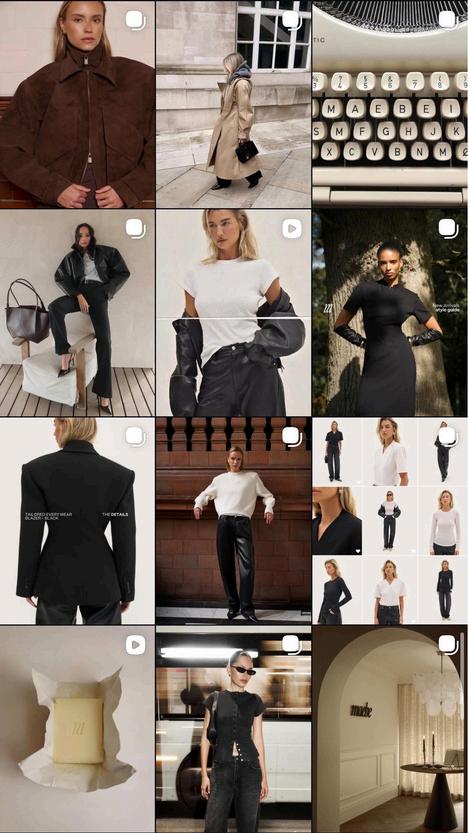
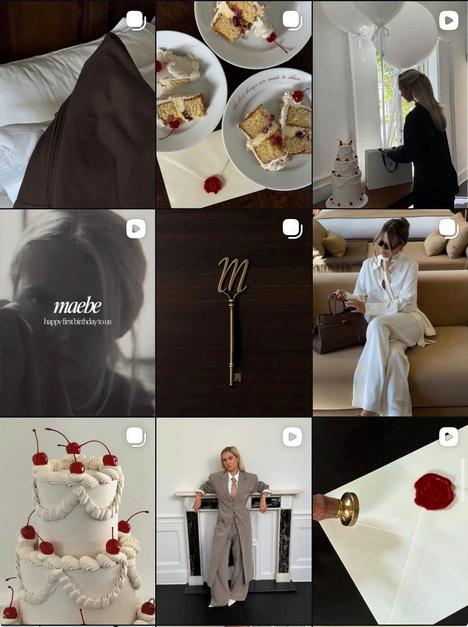
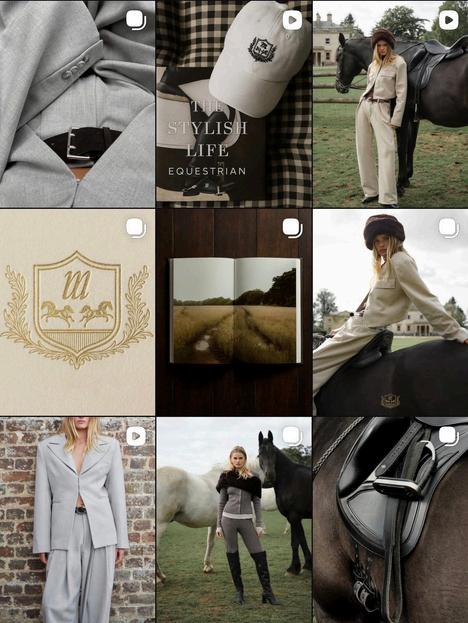
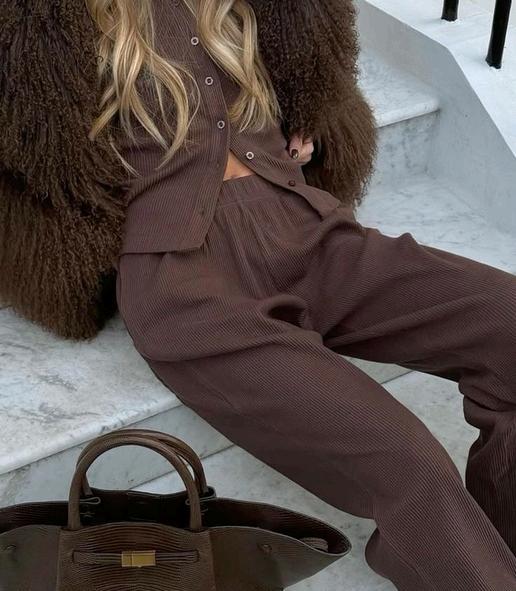
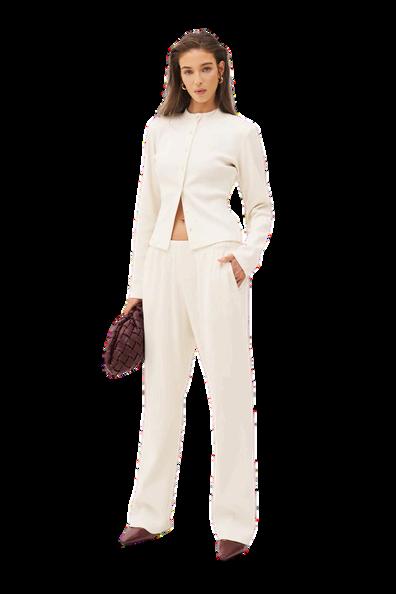
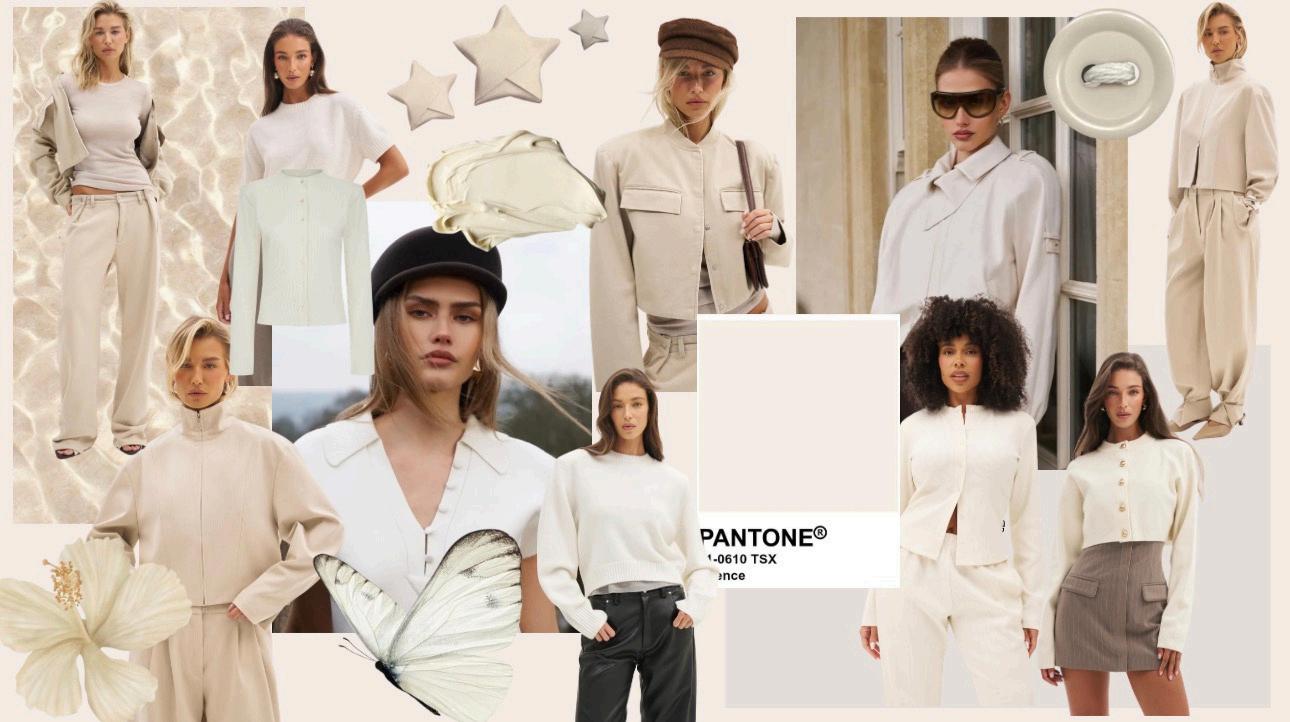
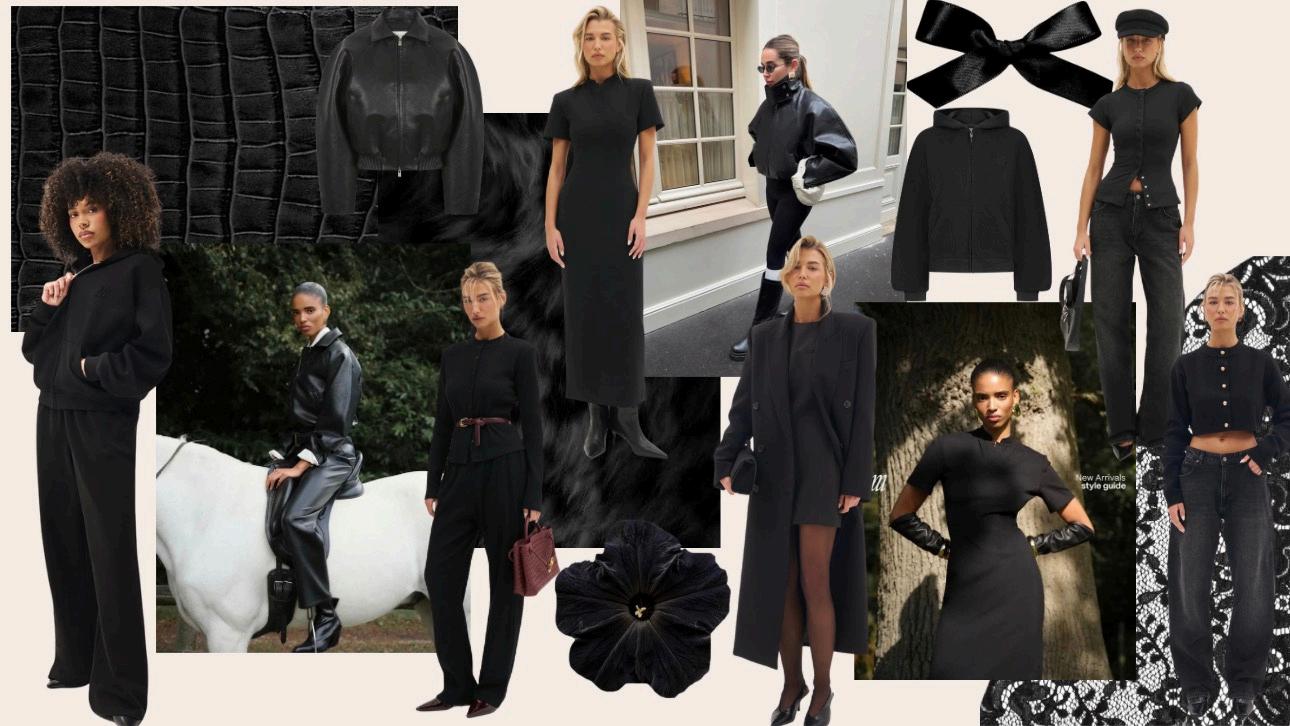
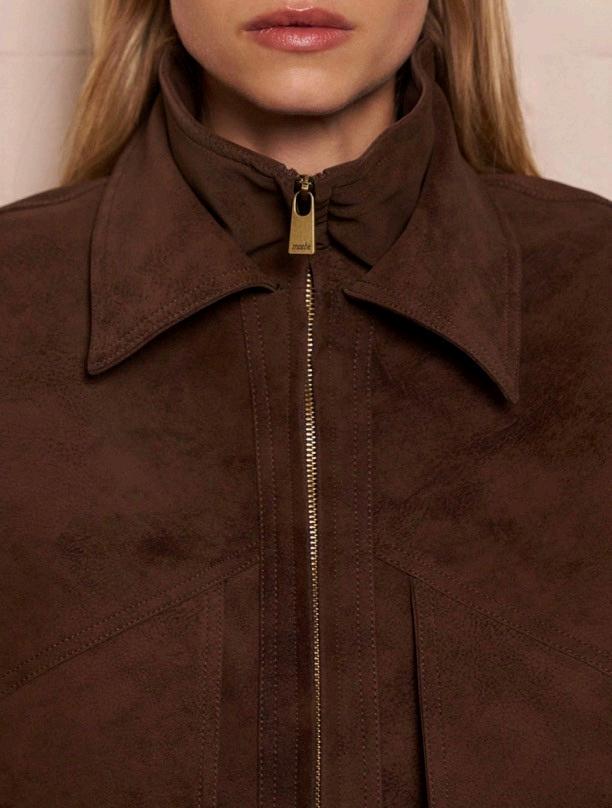
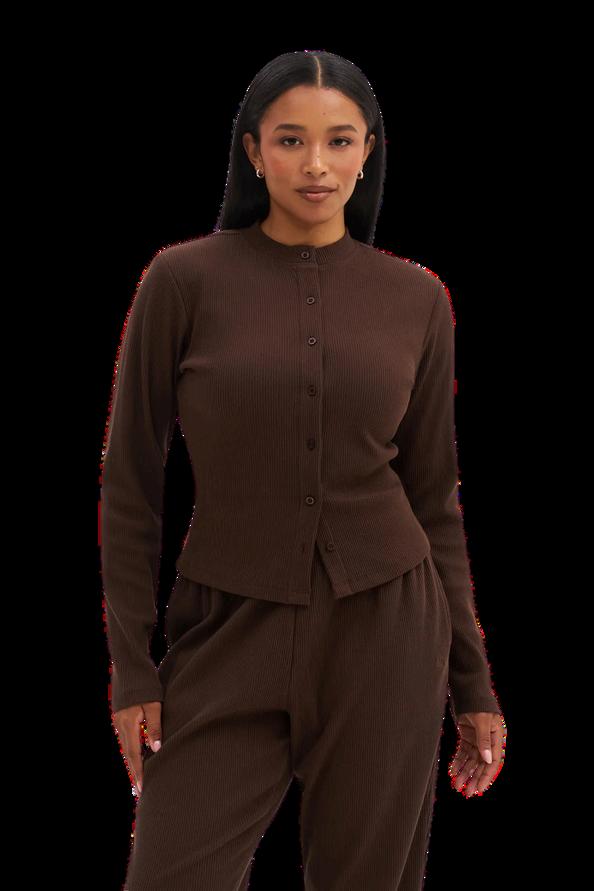
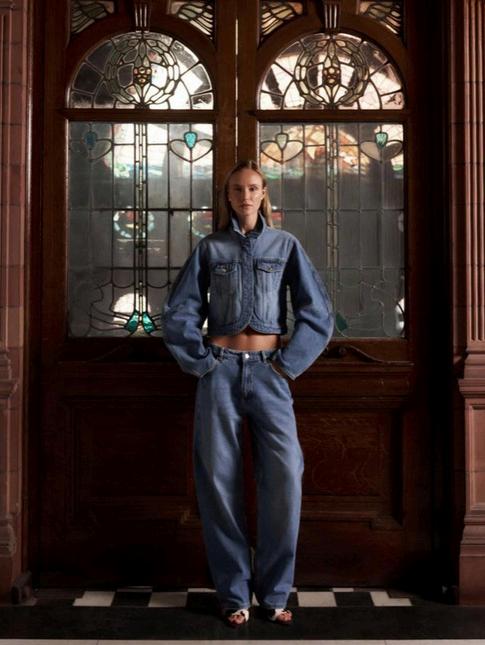
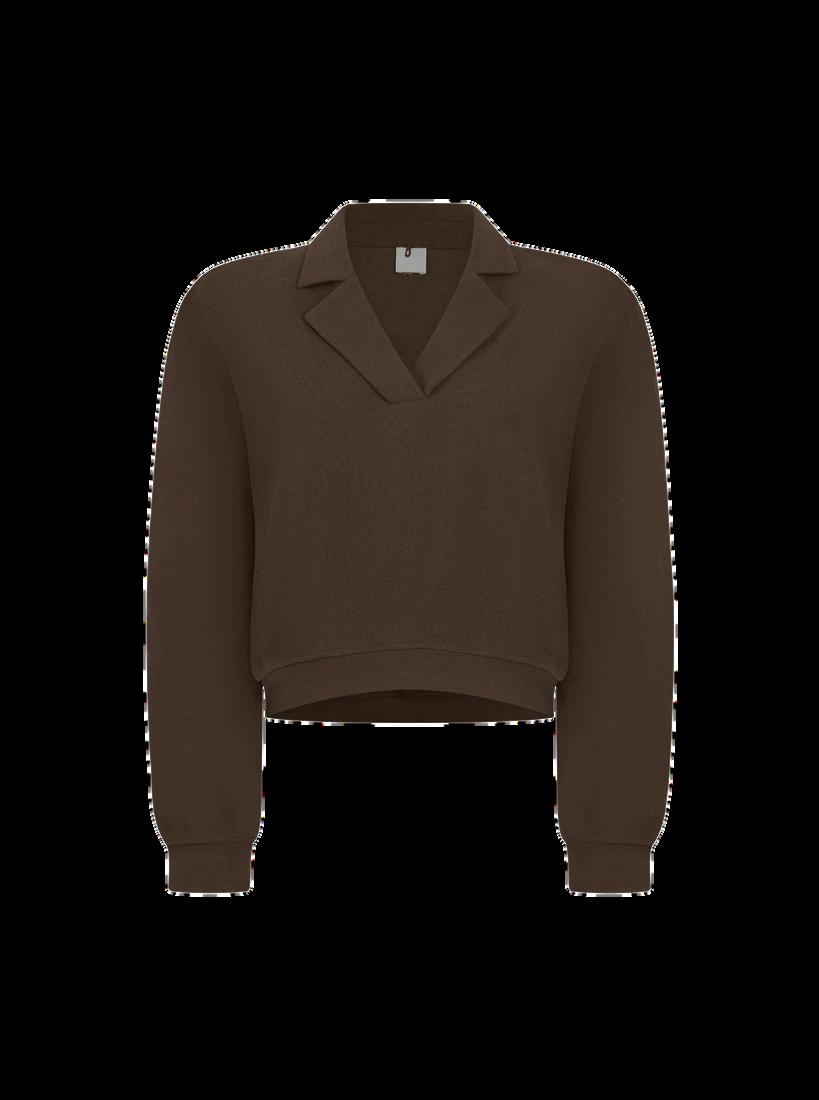
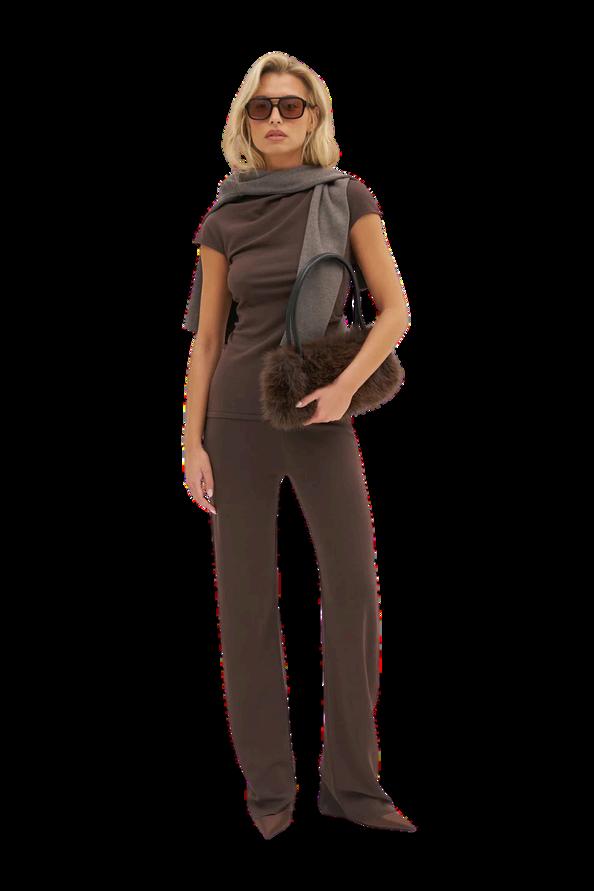
Maebe’s core colour palette (cream, grey, black and brown) is a key pillar of its brand identity, balancing both trend awareness and timeless design, two values at the heart of the label. These four shades work harmoniously to create a visual language that feels elevated but still wearable for everyday life. Cream offers warmth and softness, giving Maebe its signature clean, fresh aesthetic. Grey introduces a sense of refinement and neutrality, acting as the perfect bridge between tones. Black adds structure, depth and sophistication, grounding the palette in a classic foundation that will never date. Brown brings in a natural richness, adding modern warmth and a slightly trend-led edge that reflects the current movement toward earthy, minimal luxury.Together, these colours capture the essence of what Maebe stands for: modern chic with lasting appeal. They allow each collection to feel current without relying on loud, short-lived trends, giving consumers pieces that remain relevant over time. This palette also provides strong visual consistency across the brand’s clothing, campaigns and social media presence, helping Maebe maintain a cohesive identity. In essence, cream, grey, black and brown work as the perfect equilibrium between trend driven style and timeless elegance, mirroring Maebe’s commitment to creating fashion that feels both now and forever.

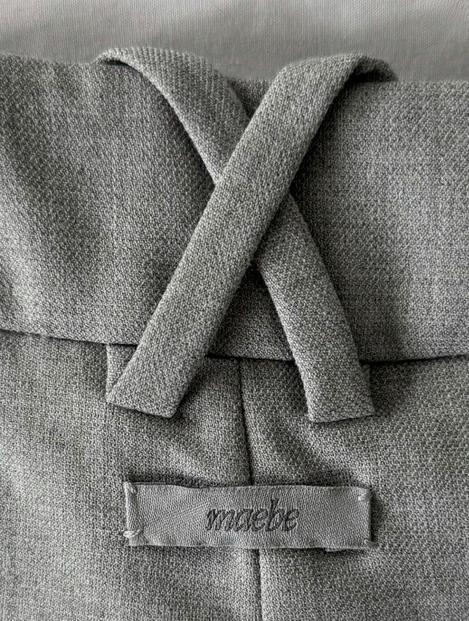
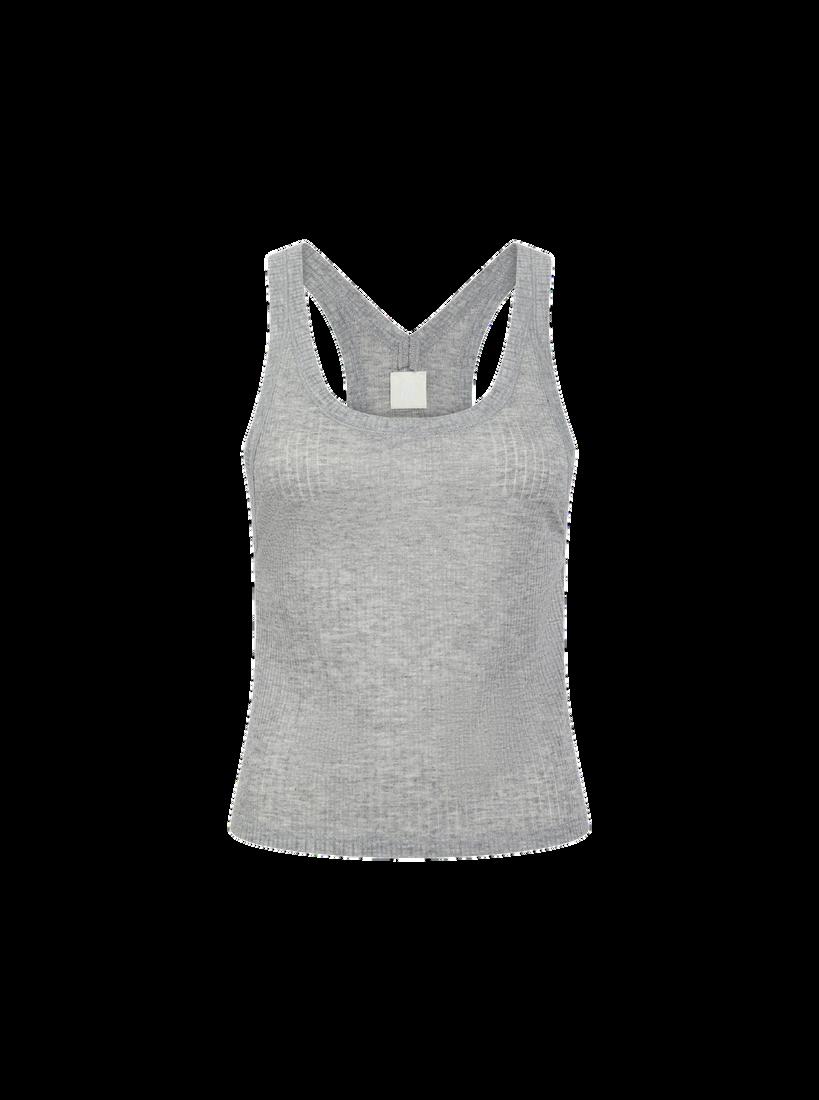

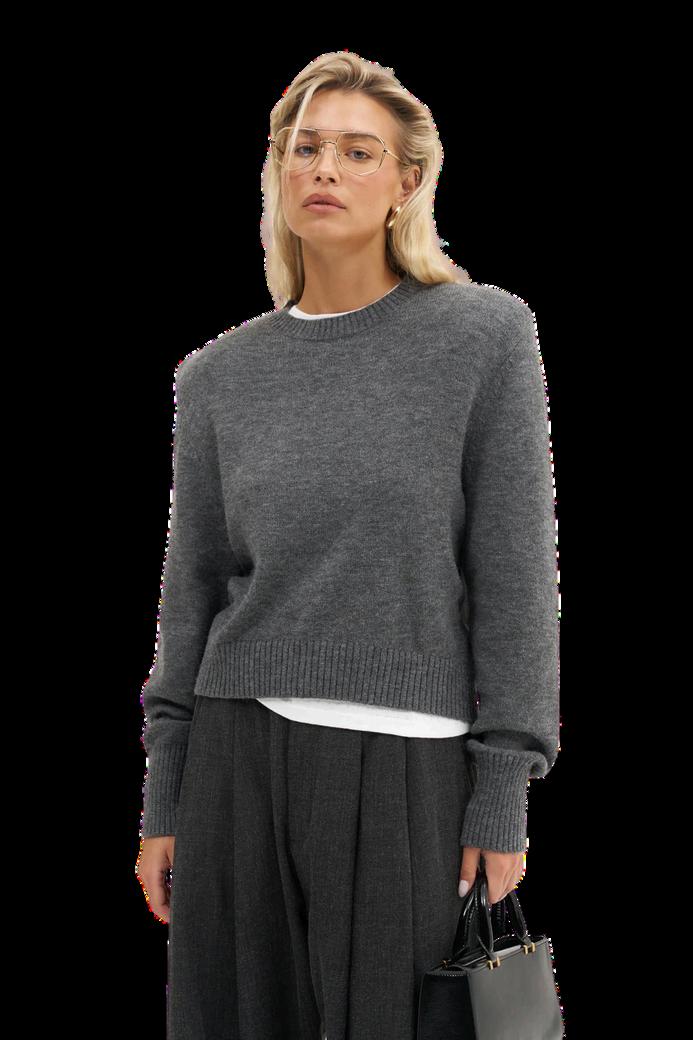
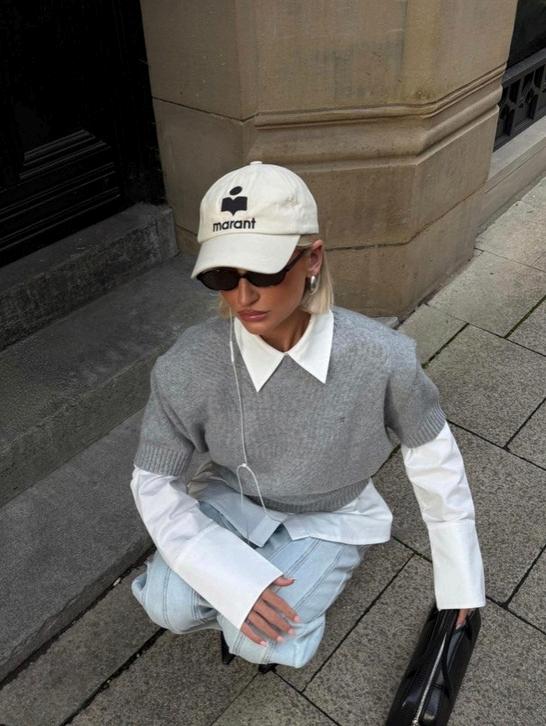

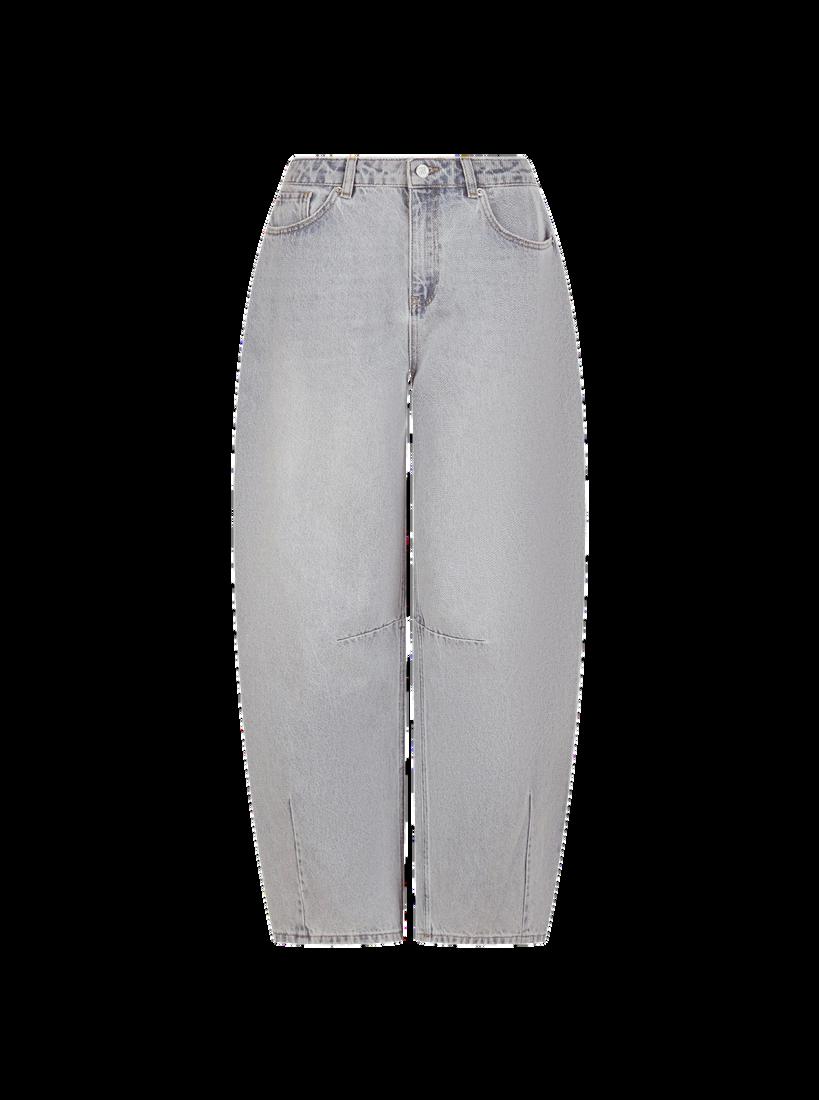
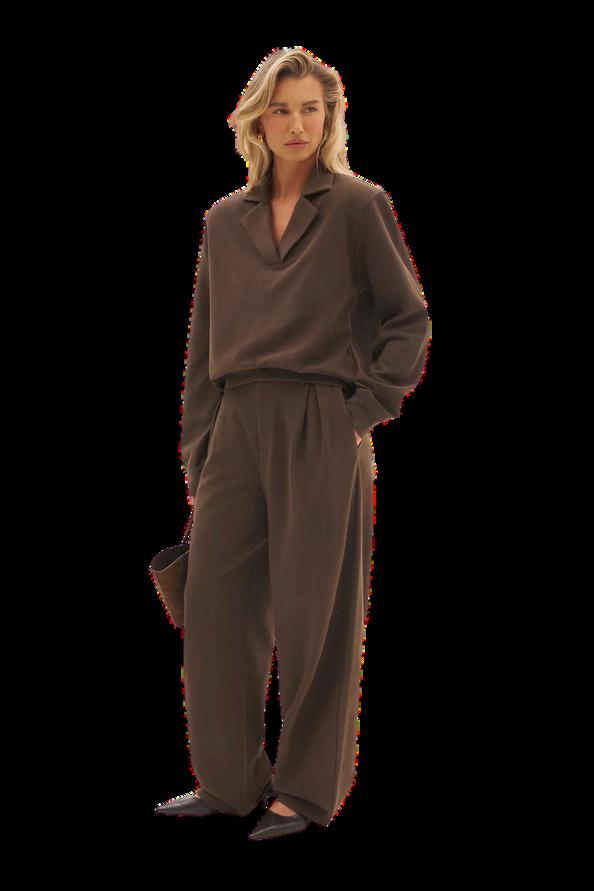

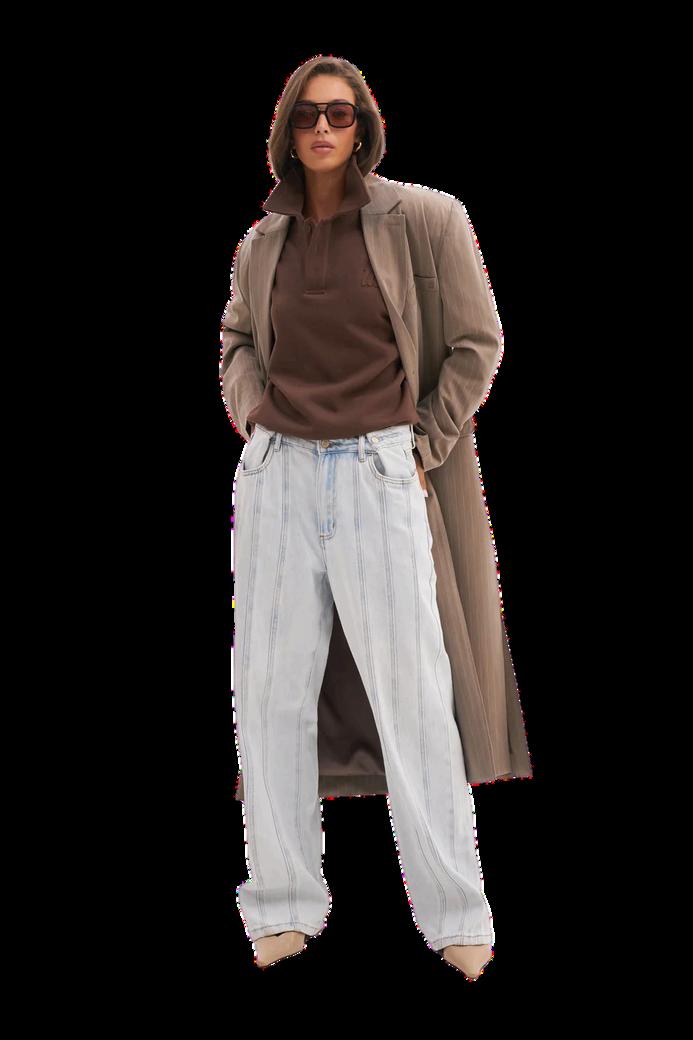
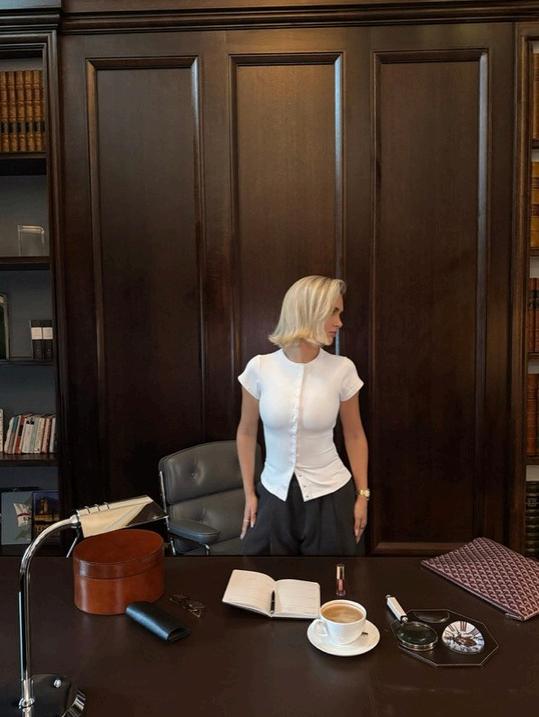
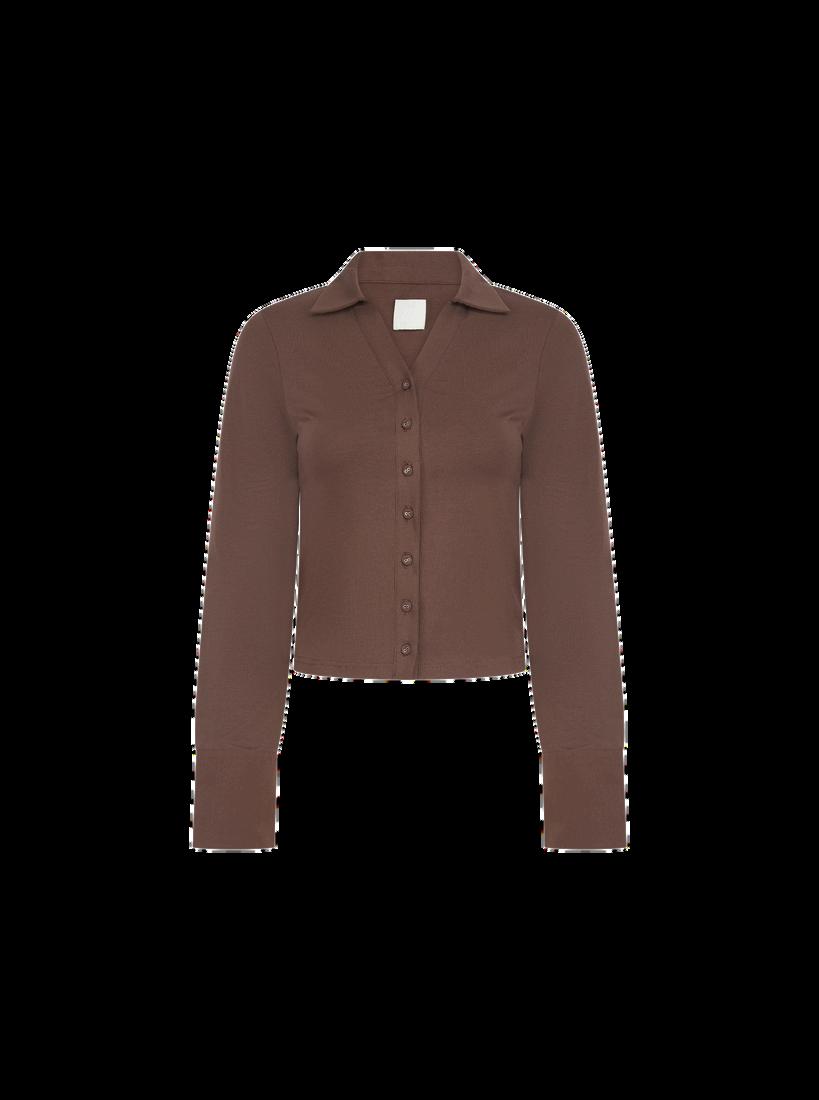
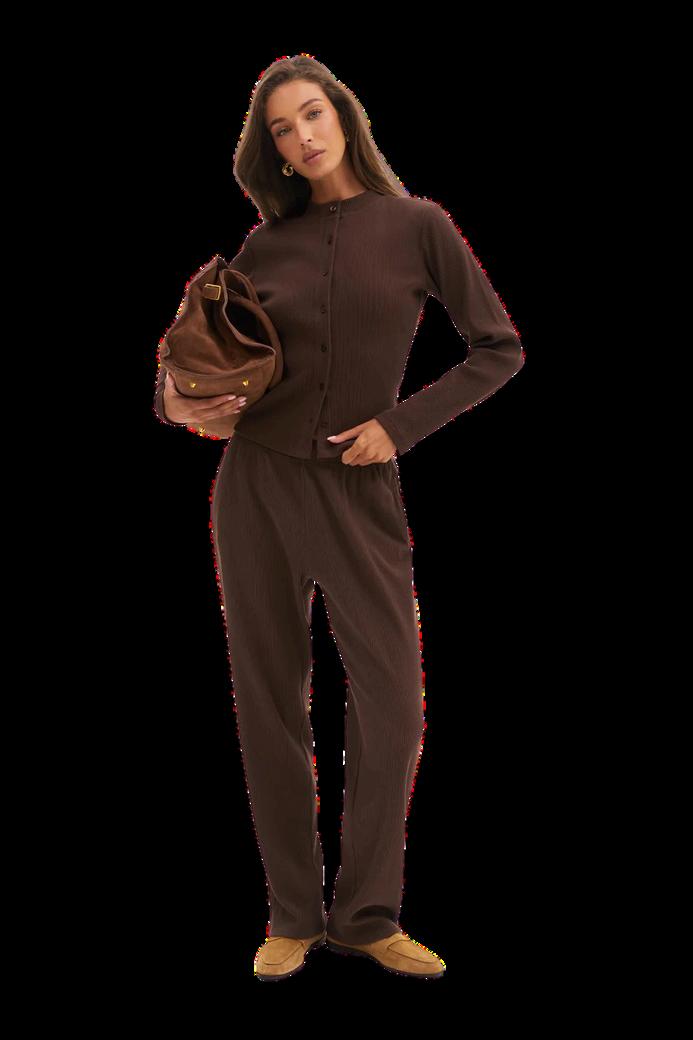
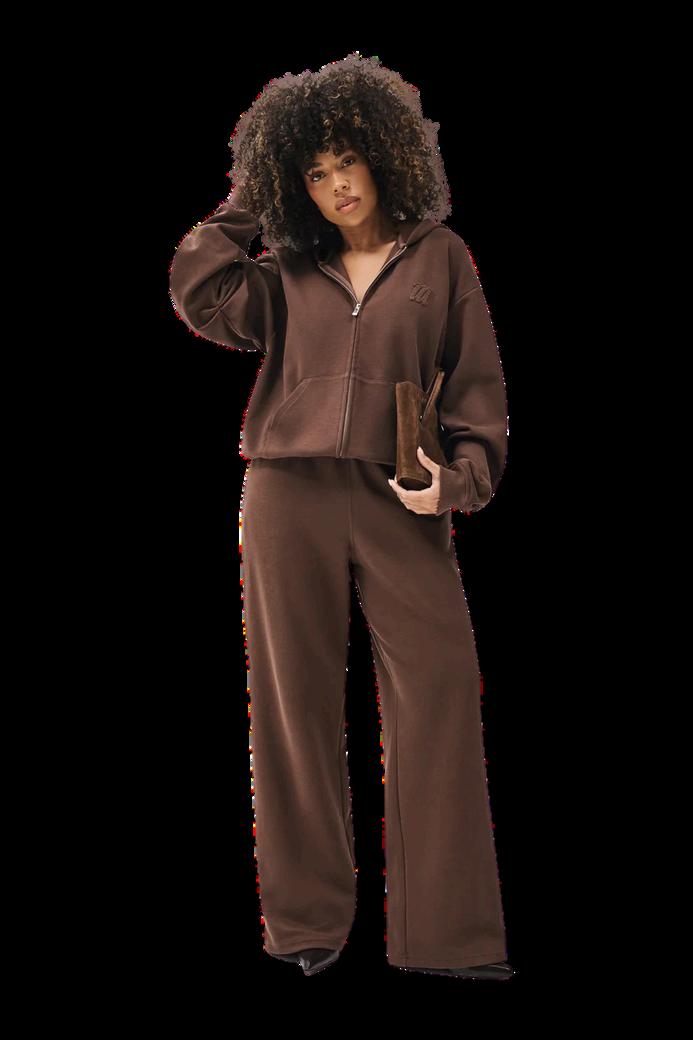

highlighted red is the info I have extracted and used
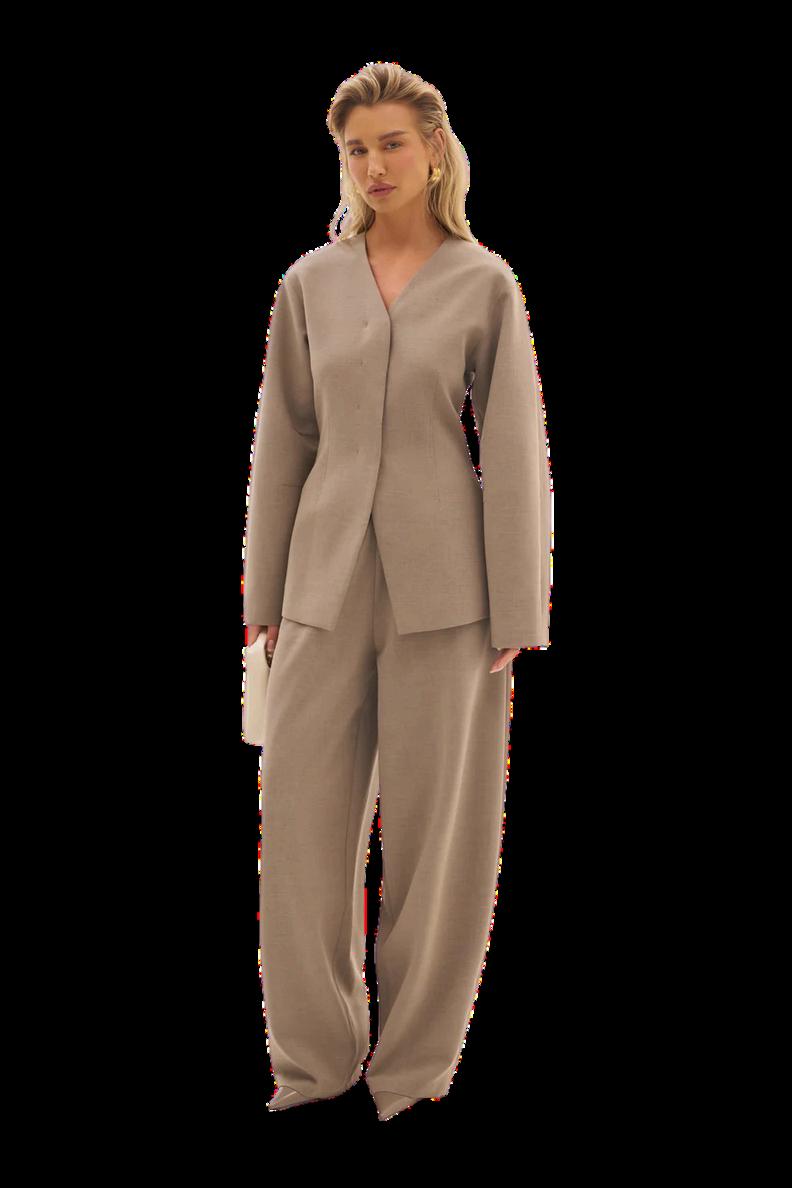
When Mabe’s pop-up in London opened its doors without a single product for sale, it left some people puzzled - but not for long. Designed to offer a first look at the brand’s new collection, rather than generate immediate sales, this product-free pop-up tapped into exactly what Gen Z craves: involvement, exclusivity, and the chance to create their own content.
Mabe’s strategy shows how prioritising engagement over transactions can turn a pop-up into a powerful marketing tool.In the lead-up to the popup, Molly Mae kept her audience on edge with teasers across YouTube and social media, building excitement without revealing all.
The exclusive nature of the event generated a rush for tickets, while the absence of actual sales heightened intrigue. Attendees became active participants, creating a flurry of user-generated content (UGC) as they shared glimpses of the new collection. This content took over platforms like Instagram, YouTube, and TikTok, allowing Maebe to reach a vast audience organically and amplify launch-day buzz.The Mabe pop-up mirrors a broader trend: involving Gen Z directly in brand experiences. This strategy resonates because today’s young consumers don’t just want to buy products; they want to shape and connect with them.
By offering a first look and asking for feedback, Mabe encouraged attendees to feel a sense of ownership over the brand.
This approach reflects the “IKEA effect,” which suggests that consumers place a higher value on products they help create, boosting loyalty and satisfaction.This strategy offers valuable lessons for hospitality brands looking to build deeper connections with their audience. Inviting guests to contribute to elements like menus, interior design choices, or seasonal events can foster a sense of ownership and investment, appealing not only to Gen Z but to a broader audience who love to feel part of the brand journey.
This approach leverages what’s known as the IKEA Effect, a psychological principle where people place greater value on items or experiences they’ve had a hand in creating.
By inviting your audience into the development process, you gain valuable insights and foster loyalty while creating a deeper emotional connection with your brand. The UGC generated from these interactions serves as an added bonus, amplifying brand visibility and reinforcing the relationship with customers.Mabe’s product-free pop-up demonstrates a new blueprint for brand engagement, especially for Gen Z. By putting experience and connection first, brands can build deeper relationships, encouraging consumers to become advocates who promote and shape the brand.
This approach aligns with the needs of a generation that values authenticity, involvement, and experiences that stand out - qualities that our Gen Z Trend Report explores in-depth, offering key strategies for brands looking to future-proof their appeal.
Founded by influencer and entrepreneur Molly-Mae, maebe was born out of inspiration from her community.After years of working with various brands in the fashion industry, our founder gained valuable insights into what resonates with people—their preferences, desires, and what’s missing. Most importantly, she developed a deep understanding of her community’s needs.Her passion for the industry, combined with a keen awareness of the gap between fast fashion and luxury, led her to create maebe. maebe is a non-seasonal brand crafted to elevate your everyday wardrobe. With a focus on high-quality pieces designed for daily wear, the brand draws inspiration from traditional British heritage, reimagining timeless classics that exude quality. It’s for the person who seeks a touch of sophistication in their day-to-day style, but without the unattainable price point. The influencer-led brand economy has evolved yet again. Molly-Mae has launched into the creator-brand mix with her new clothing line Maebe.Last year, Molly-Mae stepped down from her role at PLT, leading her devoted fanbase speculating that something new was just around the corner. They were right.Maebe is set to make waves. Arguably the most successful contestant to ever exit the Love Island villa, Molly’s goal is to deliver ‘accessible luxury’ to the next generation of women, without the heavy price tags.Her brand is all about blending chic designs with a modern twist, drawing a lot from her personal style. Molly-Mae has drawn upon her understanding of fashion’s ever changing landscape using it to create pieces that strike the balance between trend and perpetuity.Maebe’s official launch party took place in London’s Covent Garden. The sellout event had fans queuing from around the block, with many of those fans taking to social media to share their first-hand experiences.Molly-Mae herself described the launch as a crowning achievement, an event she’ll “ never get over ” , she shared via Instagram.The pop-up shop event was designed to give fans a sneak peak at what to expect before Maebe’s full launch into fashion retail. On the day, attendees were given a first glimpse of Maebe’s clothing line, which featured a range of vests, jeans, oversized blazers, and more. Fans were even treated to an appearance from Molly-Mae herself, some luckier than others as they managed to snap photos with the influencer. Born from a deep understanding of evolving style and a desire to create a fully coveted collection, maebe embodies a modern approach to dressing.Since launch, Maebe has been positioned as an accessible luxury label for a new generation, blending sophistication with everyday wearability and fostering a community around quality and intentional style. The strategic pop-ups, curated social media storytelling, and emphasis on versatility reflect Molly-Mae’s creative direction, which prioritises connection, modern wardrobe foundations, and a refined yet approachable aesthetic
The rise of influencer-owned brands has transformed the digital landscape into a modern gold rush. Here, the new currency is relatable content, and influencers are the entrepreneurs. Content creators have flipped the script, taking control of creativity and commerce to build their own empires.What makes this shift so powerful is that these creators are deeply in tune with their audiences.They aren’t just selling a product; they’re selling a lifestyle, a vision, and most importantly, themselves. Beauty gurus, fitness buffs, fashionistas, and even tech enthusiasts have moved from brand ambassadors to full-blown CEOs of their own companies. They know their followers’ desires, frustrations, and dreams because they’ve cultivated trust through shared experiences and relatability. Influencers like Kylie Jenner with her line of curated cosmetic essentials, or KSI and Logan Paul with their hydration drink empire, are reimagining what it means to engage with consumers. By leveraging their platform and personal connections, they cut out the middleman, delivering products that feel like an extension of their personality. It’s not just about selling; it’s about creating an intimate consumer journey, one that feels handcrafted for their community. This fusion of personal branding and entrepreneurship is rewriting the rules of modern retail. A loyal following is the heartbeat of an influencer’s success. These devoted fans champion every move, amplifying a creator’s voice far beyond just social media. They’re not just an audience, they’re a community that trusts their favorite influencer’s vision, style, and endorsements.Molly-Mae’s fansbase is as loyal as they come, and have stuck by her every step of the way. Influencer-led brands are often most successful when the fanbase adores the influencer. Molly-Mae’s fans have stuck by her through thick and thin. Recently, her fans showered her with support from her split with Tommy Fury, and with the release of Maebe the fanbase has created a lot of noise across social media.
Making quality our priority means investing extra in our production processes with our factories to ensure not only high-quality products but also adherence to strict standards. This includes creating a positive and safe environment for workers, using higher-quality fabrics, and ensuring a superior finish to our garments are achieved at all times. We focus our commitment to both product quality and ethical production, which is why we chose to partner with the factories we have. All of our partners must abide by maebe’s:
- Animal welfare policy
- Ethical trading policy – ensuring all of our partners comply with the ETI base code, local law and industry standards. Deferring to whichever afford the workers the greater protection.
- Ethical worker policy
- Child labour and Young Worker policy
We carefully select all of our maebe factories to ensure they meet the high-quality standards we uphold. Each year, we review their certification reports to guarantee that all policies and practices continue to align with our values.
Turkey is renowned for its expertise in cotton-based jersey fabrics, especially organic textiles, which is why we produce most of our jersey garments there. In recent years, Turkey has made significant strides in prioritising fair wages and worker-friendly policies, while maintaining a reputation for high-quality craftsmanship. With shorter lead times, we can deliver your garments faster without compromising on workers' conditions or wages. Additionally, our factories are deeply invested in the research and development of fabrics, ensuring sustainable and innovative approaches to manufacturing.
HELD BY FACTORIES:BCI, GOTS CERTIFIED, SEDEX
We currently work with top-tier factories in China to produce all of our woven goods. China is renowned for its expertise in woven garments, thanks to its access to high-quality specialty fabrics and highly skilled workers.
Our view on 'premium,' means we invest more to ensure superior fabric quality, exceptional craftsmanship, and strict adherence to our ethical standards.
Certifications held by these factories:
We aim to uphold a level of transparency with both you, our community and our workers worldwide, so if there is anything you would like to know in terms of our production process or have any feedback, we would love to hear from you - email info@maebe.co.ukMost notable about the website (besides everything selling out in 24 mins) is the inclusion of a page titled ‘Transparency’ – a dedicated section which explicitly details how sustainable Maebe is. From listing manufacturers, agreed welfare policies with their partners and certifications, the page is a solid attempt to highlight how ethically conscious Maebe is as a brand. And in a world where retailers are facing extreme pressure to reduce their environmental impact, it should be unsurprising that Molly’s clothing line has gone the extra mile to ensure that they are meeting consumer expectations, and that for the price of the garments, the upmost responsibility has been undertaken.
Now that I have reserached into my 2 chosen brands that I felt reflected me and my positioning within the fashion industry, it is now tim eo rbing this gatherred infomation together about the brands and find a strong gap in the market. I have decided, due to these brands actually being very similar in lots of ways, to most likely collaborate the brands together in a way to fix the gap, as I already know, before writing down that these brands share a lot of the same aspects, both costive and negative.


What have i learnt about both brands?
What are their values/narratives?
Who are they really?
Premium contemporary brand known for bold colours, playful prints and Scandinavian style
Offers capsule wardrobe staples mixed with expressive, personality-led fashion
Strong commitment to sustainability and transparency, even if not fully sustainable
Appeals to consumers who value creativity, individuality and conscious shopping
Balances trend-led energy with longlasting, versatile pieces
Premium brand offering elevated, minimalist and timeless wardrobe essentials
Bridges the gap between fast fashion and high-end designer pricing
Community-driven approach that encourages UGC, pop-ups and direct consumer involvement
Contains light sustainability elements linked to thoughtful production and lasting wear strong, curated social media presence shaped by Molly-Mae’s influencer expertise
Why these brands work well being paired together?
What do these brands share that can be used to find a gap ?
What is a common denominator ?
Premium Positioning (high quality clothing without the large price points)
Capsule wardorbe foundations, pieces have lasting value
Community driven idenitys
Balance between trends and timelessness, in their own ways
Slow fashion influence
Multigenerational consumer appeal
Sustainability awareness - transparent about the environmental impact
Purpse driven story telling
Social media strategies (maebe is stronger but ganni still has it)
Clear brand idenity and colour palettes
Quality at a accessible price
What problems arise that can be fixed?
Do both brands have the same gap that can be collabed together ?
How will the problems rise of they don’t get fixed?
Not strongly connected to Gen Alpha – The brand is known, but the younger demographic doesn’t see it as theirs yet.
Timelessness message isn’t always translated –Their pieces can lean playful/trendy, which doesn’t always “read” as capsule or future proof.
Sustainability efforts lack deep emotional connection –They are transparent, but younger audiences want participation, not just statements.
Community involvement is surface level –Engagement exists, but the brand still leads; consumers don’t feel like co owners or collaborators, which is wanted more now
Premium pricing can feel inaccessible – Without a strong community tie-in, younger consumers see it as “aspirational” instead of “belonging.”
Timeless pieces perceived as too safe –
Minimal silhouettes can feel “boring” to shoppers craving personality.
Limited brand storytelling – Strong visual identity on social media, but less depth behind why pieces matter long-term.
Lacks deep sustainability positioning – Has elements of sustainability but not enough for ethical-first consumers to value it highly. Small brand = small cultural footprint – Harder to build credibility beyond existing community without a collaboration that expands reach.
Doesn’t fully target Gen Z Alpha – Strong on TikTok aesthetics, but hasn’t built a two-way relationship with youth culture.
Gaps that both brands share and can be worked on to be fixed
What overlaps happen where I can then build on this?
What points allow me to fix the biggest gap?
Both brands miss the Alpha/younger Gen Z segment — GANNI is too established; Maebe too minimal. Neither truly resonates with how young consumers want to participate.
Sustainability lacks co-ownership — Both brands value sustainability, but young consumers want to be part of the solution, not just told about it.
Timeless design is seen as safe rather than expressive — Capsule wardrobes risk being “too clean” or “too plain,” losing emotional impact.
Premium market becoming saturated with trends — Premium brands chase microtrends, leaving a space for timeless pieces that still feel bold, communitydriven, culturally relevant.
Lack of community integration in design — Both brands talk about community but don’t let the community influence product creation in a meaningful way.
No brand is offering timeless + expressive + collaborative fashion — There’s either minimalist basics or loud trend cycles; nothing in between feels lasting and personal.

There is no current premium fashion space that blends timeless designs with personal expression, shaped directly by a co creating community, and built for the new generation of consumers (Gen Alpha)
After spending some time analysing the overlapping gaps between GANNI and maebe, it was clear to me that I need to focus on more than one gap, so why not bring together the most problematic gaps that are strong within both brands and build a concept around this.
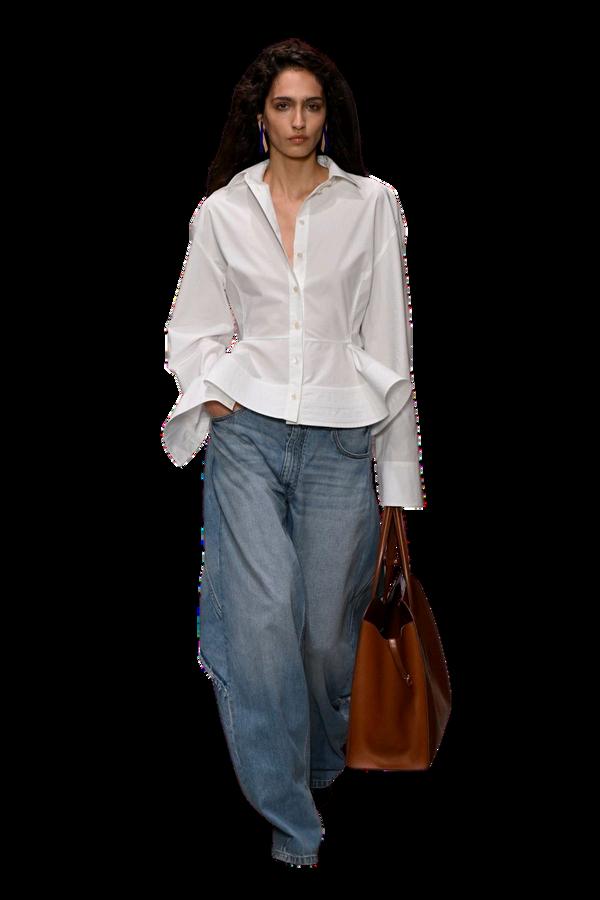
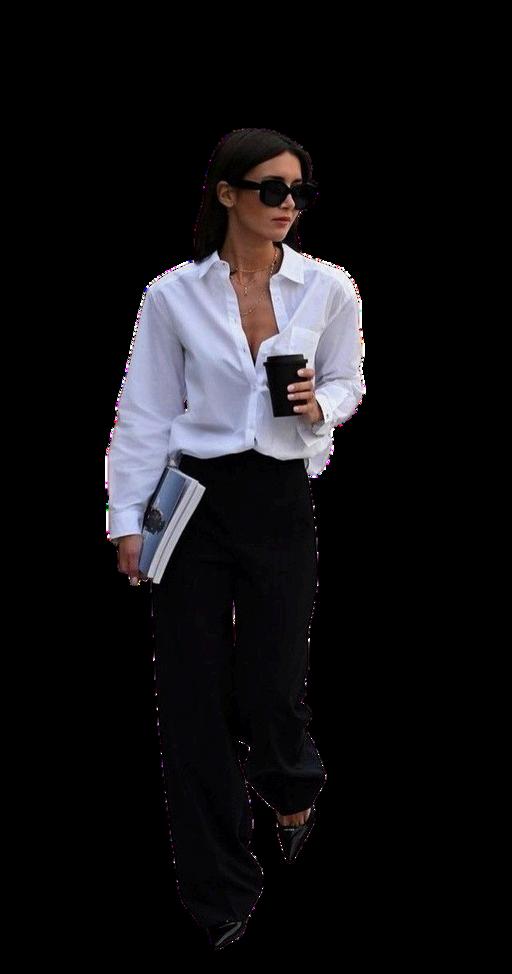

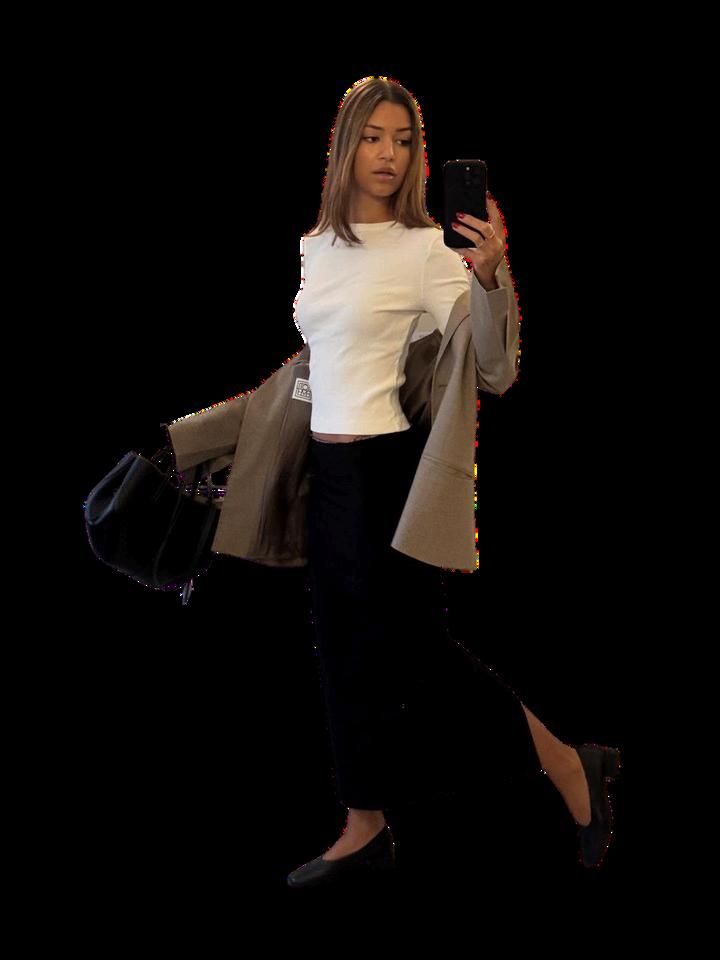
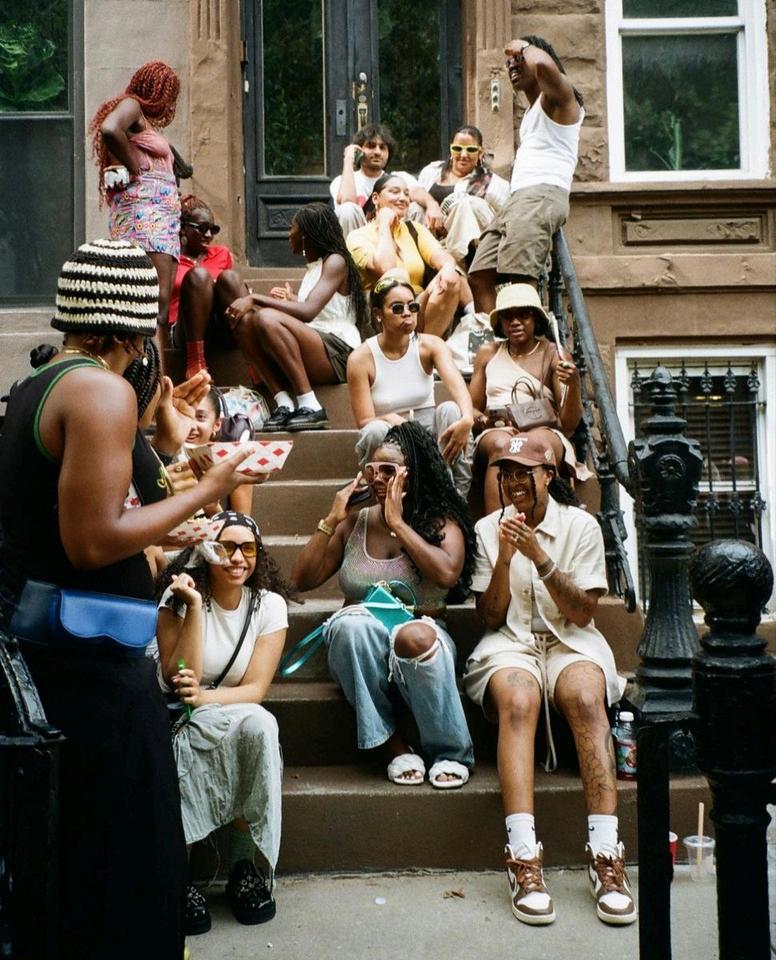

To figure out and detemine my gap and concept, I decided to not just focus on the weaknessses of GANNI and maebe, but also focus on the positives, as I still need to include these as foundations to ensure that my campaign is strong enough and still reflects the aspects of the brands that the consumers love. So, this concept that I have come up with in order to fix the gap in the market directly fixes the problems by combining both brands’ strengths while neutralising their weaknesses, and this will be done by:
Making timeless fashion less boring + more expressive
Bringing younger generations into the consumer base
Building sustainability through community ownership, longevity, and emotional connection
Uniting two premium brands with different but complementary aesthetics
Creating pieces that feel personal, collectible, future proof, not trend driven
To help me better understand the capsule wardr origins, evolution and lasting relevance in fashion—I plan to research it further. This will give me a clearer sense of what elements I may need to include when defining my gap in the market and how I can effectively solve it, such as creating a new way of seeing a capsule wardrobe, or how to make the new capsule wardrobe that blends my ideas of expressiveness and community together,
The Capsule Wardrobe itself
Donna Karen
Ralph Lauren
Calvin Klein
Audiences who are within the gap (Gen Alpha)
A capsule wardobe is a collection of easy to mix clothing items that allows you to create many different outfits based on the roation of the pieces you have in you capsule wardrobe. The saying ‘capsule wardrobe’ was first brought to life in the 1940's, and the descrption then was ‘to denote a small collection of garments designed to be worn together which harmonized in color and line’, but it didnt take the fashion indsutry by strom until the 1970s, when Londons boutique owner Susie Faux intorduced the saying to describe a streamlined, interchangeable wardrobe built around quality. According to Faux, a capsule wardrobe is a collection of a few essential items of clothing that do not go out of fashion, such as skirts, trousers, and coats, which can then be augmented with seasonal pieces.Typically, Faux suggests that a woman ' s capsule wardrobe contain at least "2 pairs of trousers, a dress or a skirt, a jacket, a coat, a knit, two pairs of shoes and two bags. Over time, the capsule wardobe has changed, along with the chnage of trends, meaning that even thought the clothing pieces are good for a certain amount of time, and can be paired with a number of different items, capsule wardobes artactually forever. Since the 80s, the capsule wardobe has been simplified, along with how trends have become simplified, as everyone just focus on micro trends, meaning their is no real basis on what a capsule wardrobe can be based on. So even though the capsule wardrobe does reject the idea of constant trend consumption, their can be a time where the fashion indsutry has come so broken, that a capsule wardrobe is hard to build these days, due to wanting to dress on trend, but still be yourself, in the constaing moving micro trends that take place. Overall though, the capsule wardrobe has longevity in the industry which comes from the ability to adpat to different eras, economic climates and cultural values. Every decade has reinterpreted the idea in new ways. In times of financial uncertainty, it became a cost saving approach. During periods of environmental awareness, it aligned with sustainability and conscious consumption. In the current fashion landscape, it appeals to consumers who feel overwhelmed by micro trends and want a simpler, more refined way of dressing, it just has become a little too simiflied for those who still feel the need and want to be expressvie whtin their wardobe, but dont know where to even start.
Plain t-shirt
White Button up shirt
Neutral tank tops
Knitted sweater Trench coat
Blue jeans
White trainers
Striped long sleeve top
black boots
plain black dress
Black Blazer
Neutral cardigans
Tailored trousers
midi skirt
beige coat
leather jacket
kitten heels
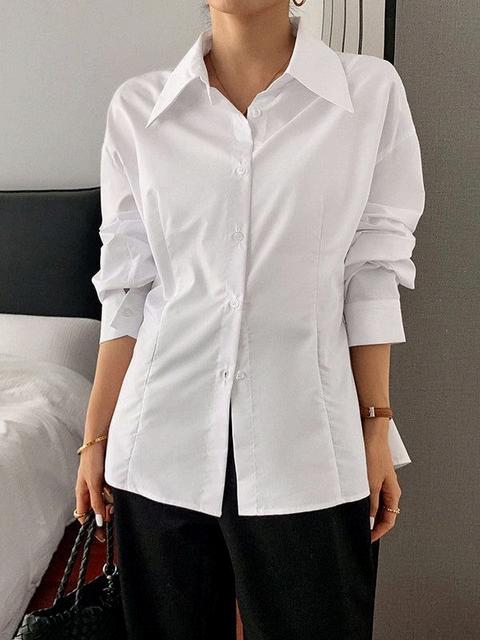
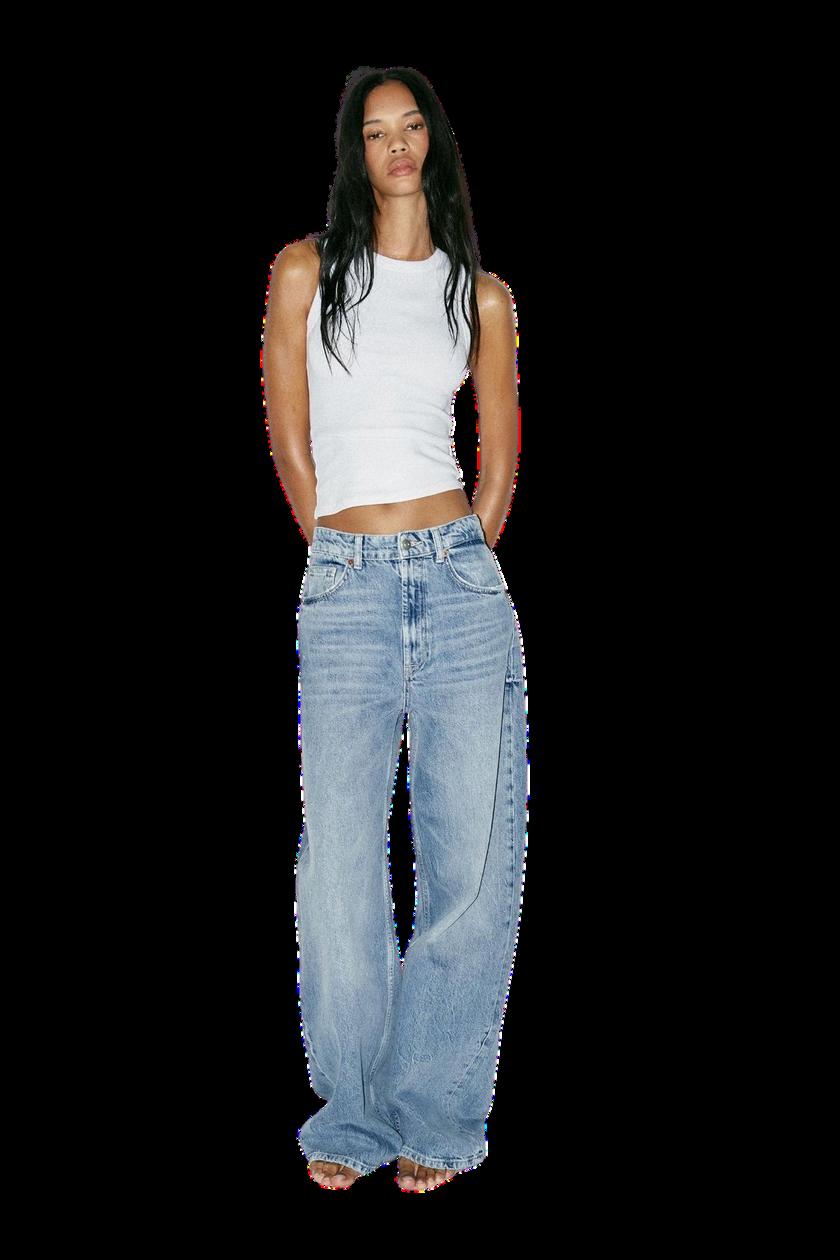
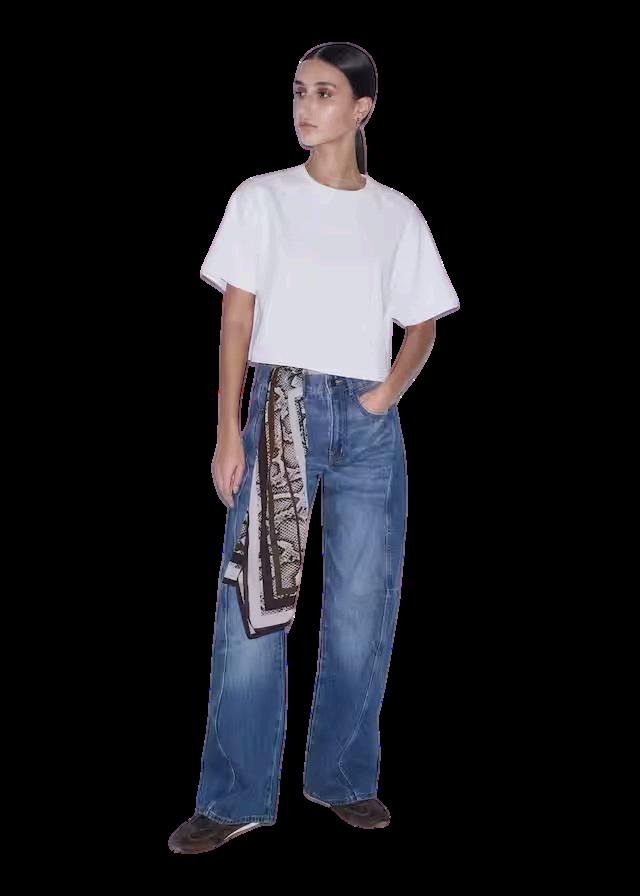
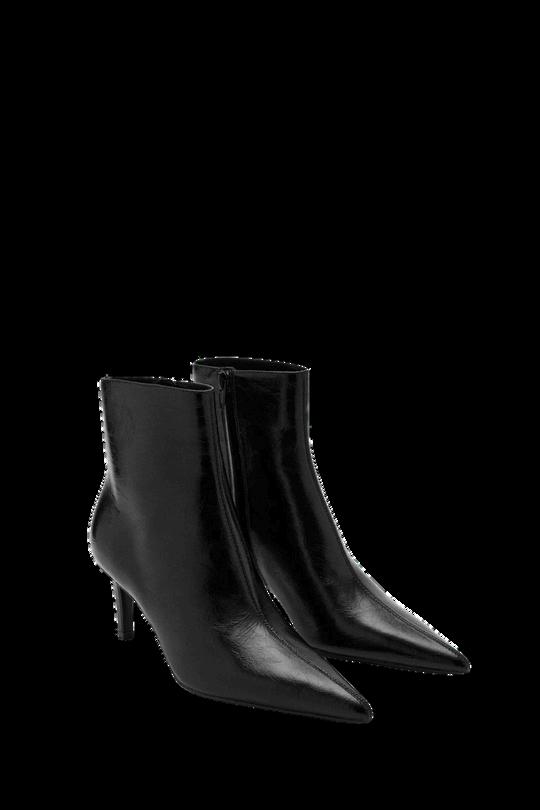
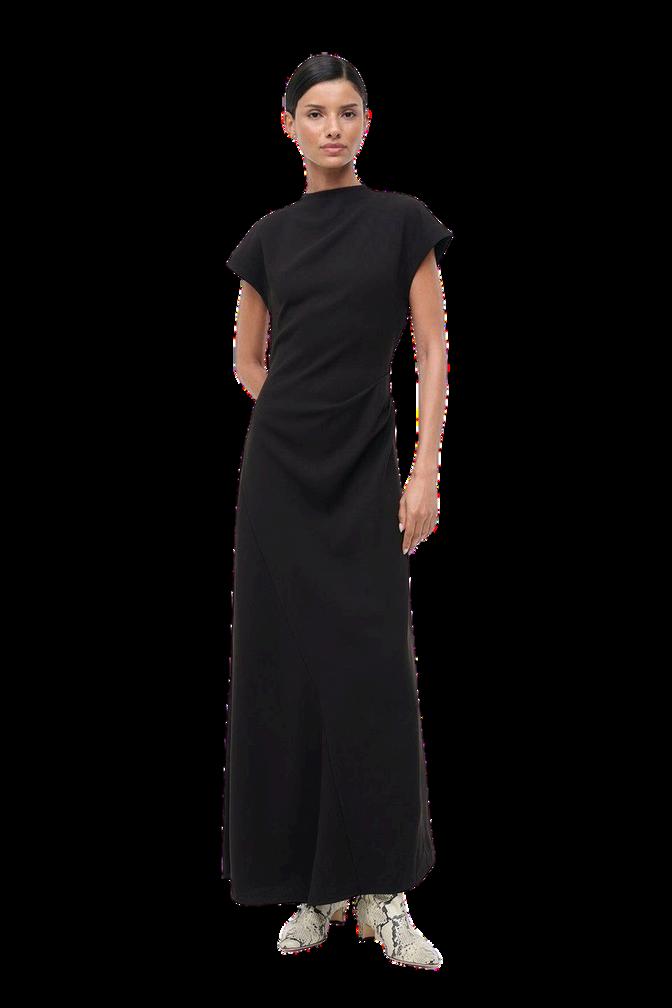
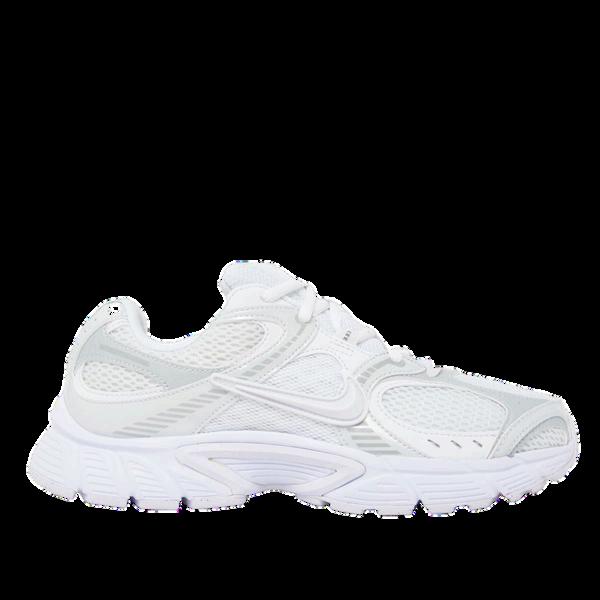
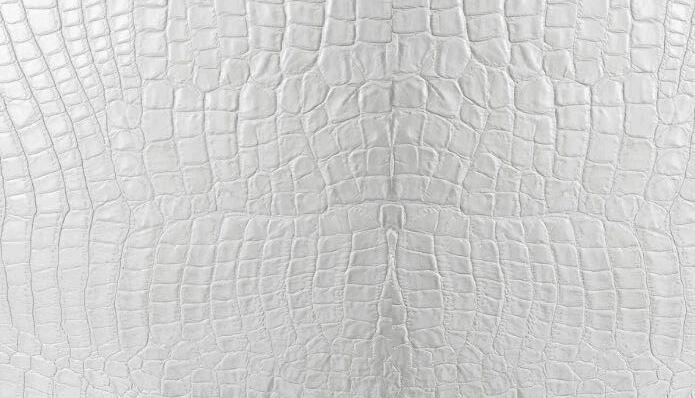
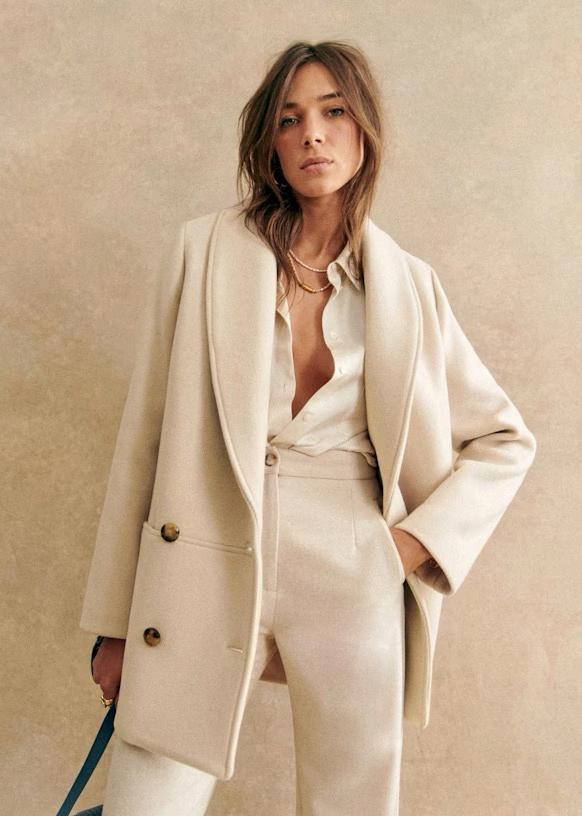
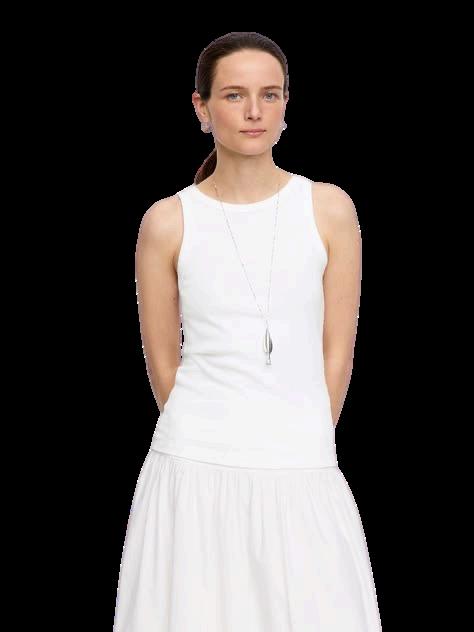
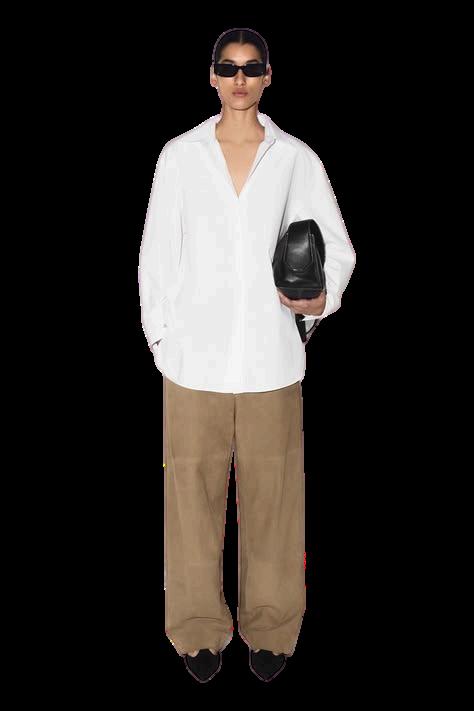
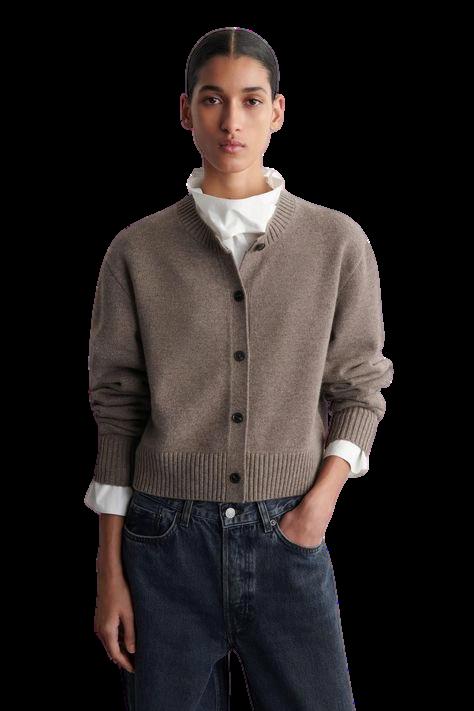
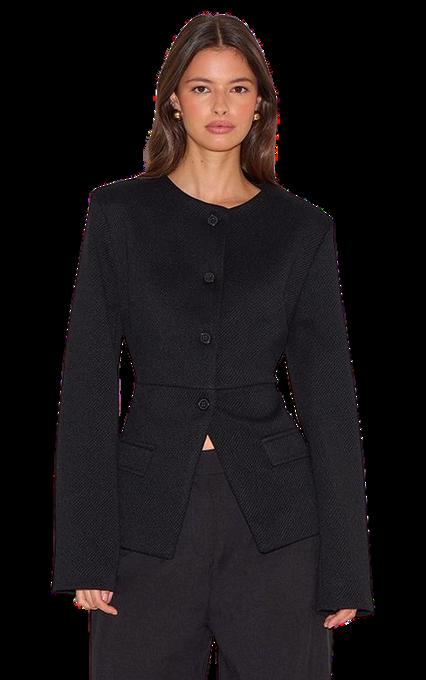
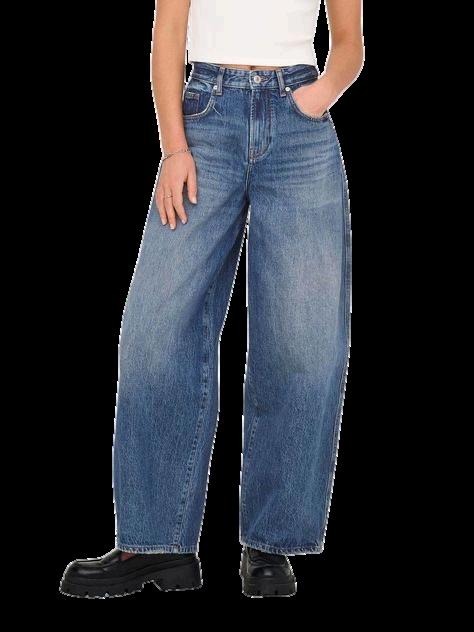
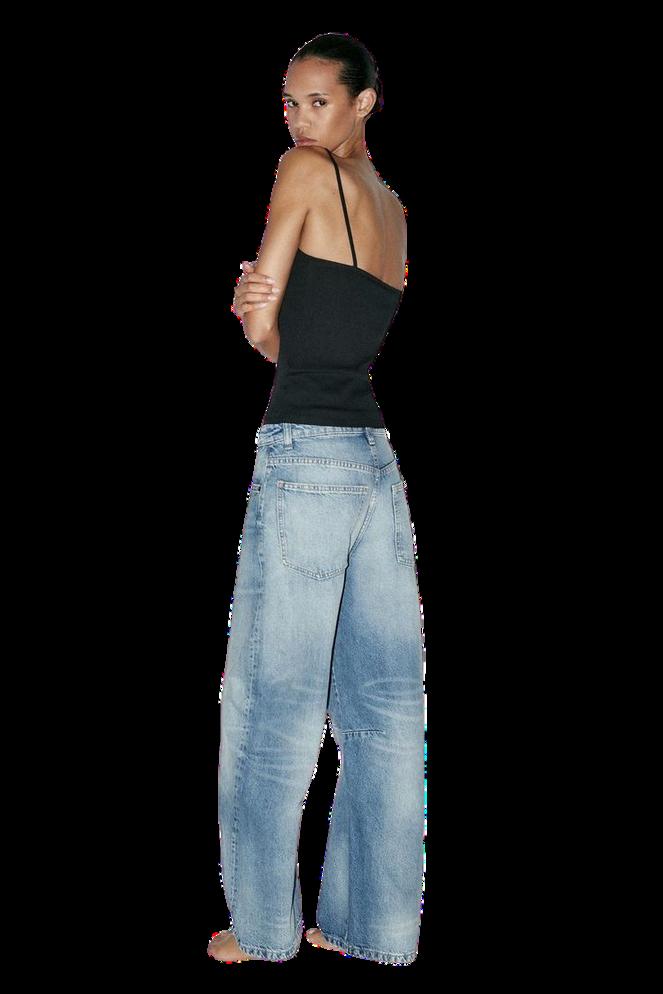
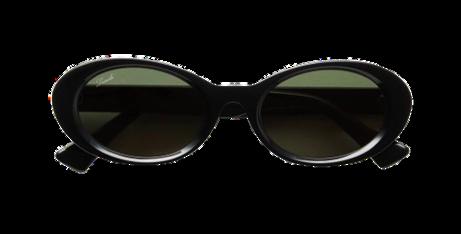
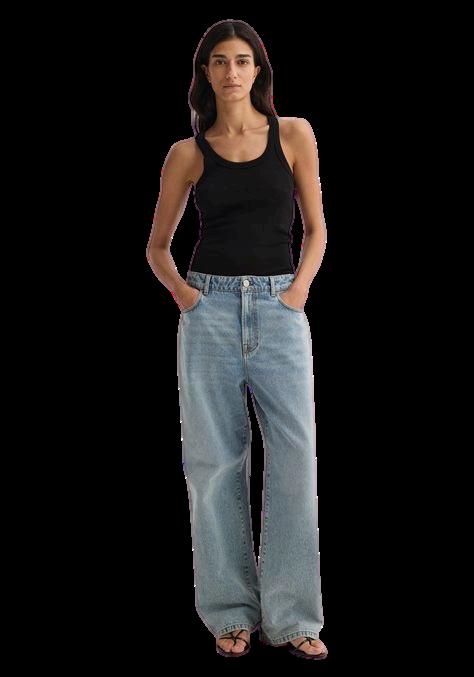
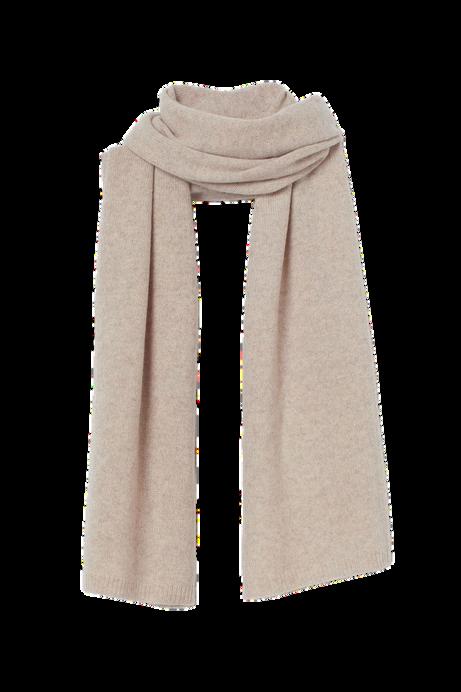
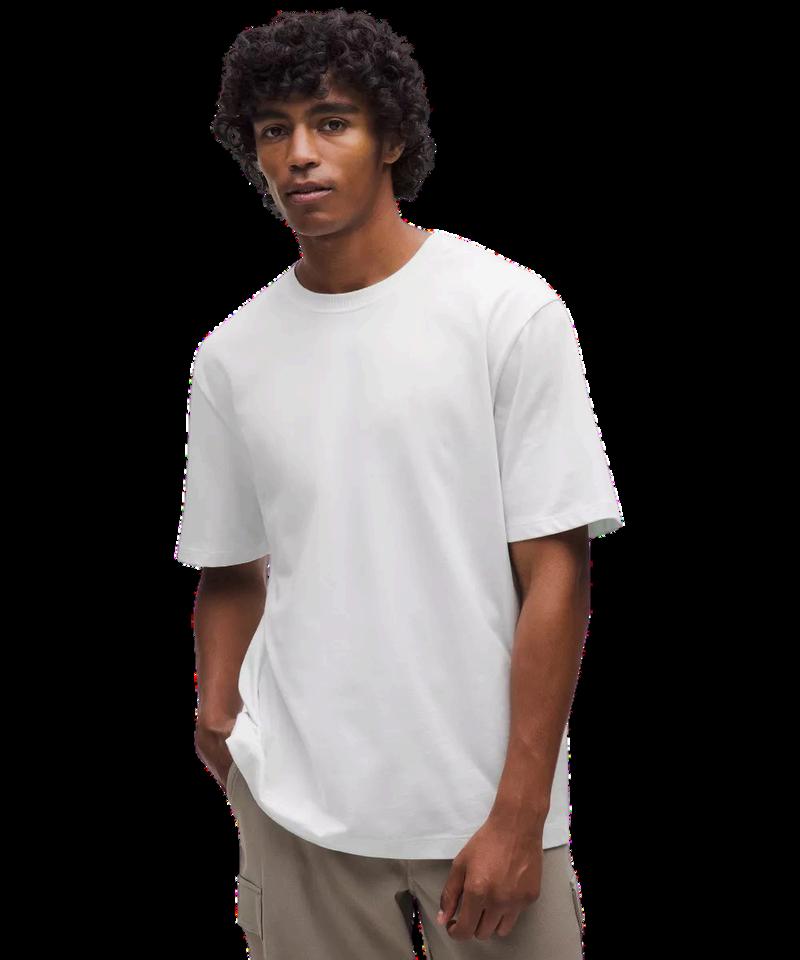
Capsule wardrobes have become overly neutral and basic, limiting creativity and forcing people into a beige, one-note aesthetic.
Most capsules focus on practicality, not expression — leaving little room for colour, fun, or individuality.
One-Size-Fits-All Approach
Capsules ignore differences in lifestyle, culture, and body types, making them feel generic and outdated.
Brands still push trend-led “essentials,” contradicting the idea of true timelessness.
Gen Z & Alpha find traditional capsules boring and unrelatable; they crave identity and community, not minimalism.
Capsules are created for consumers, not with them — missing the modern need for collaboration and co-creation.
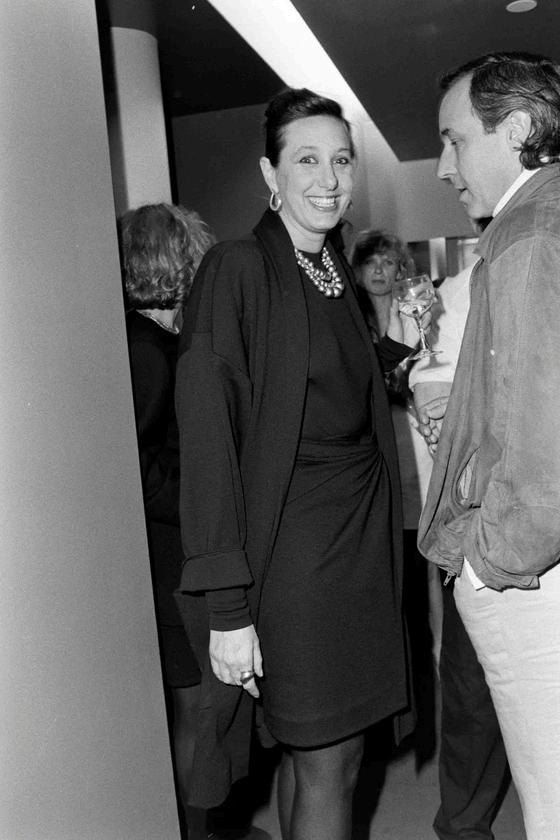
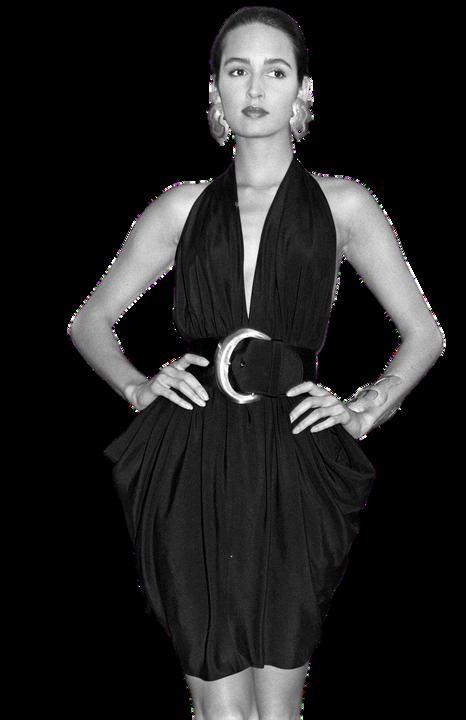
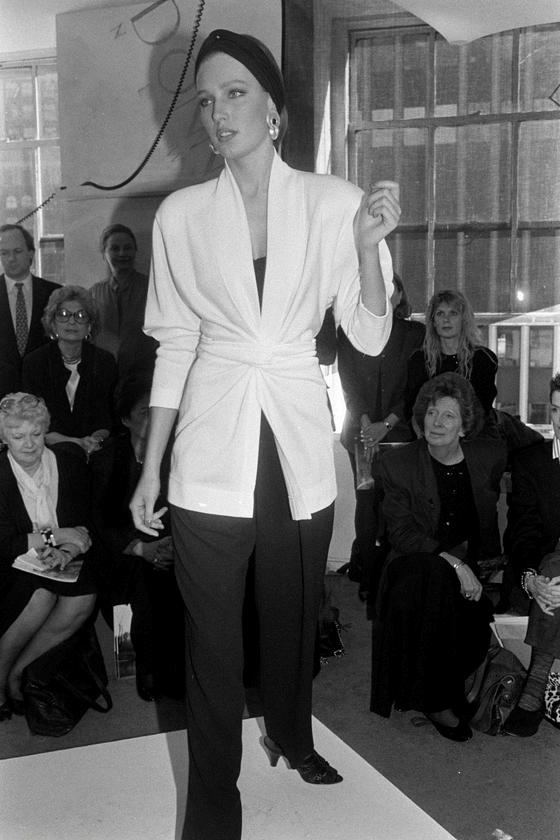
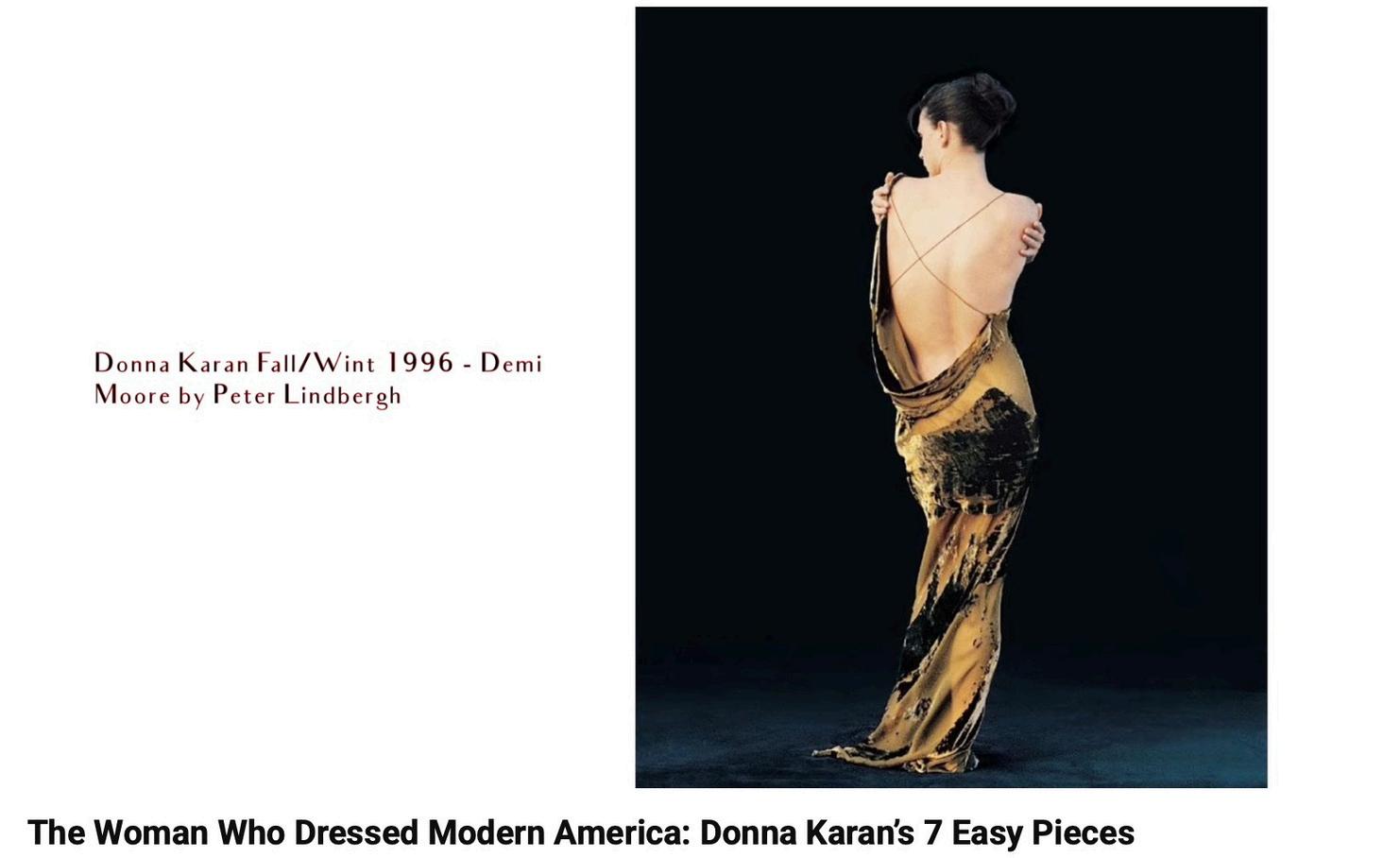
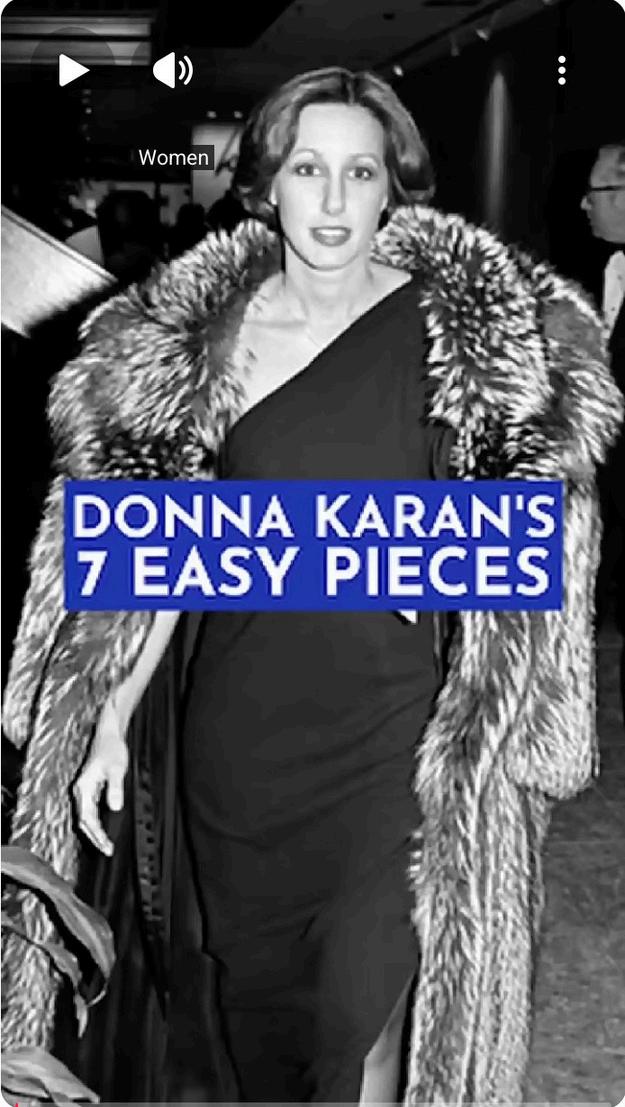
Donna Karan was the fashion designer who brought out a collection of 7 easy pieces during 1984, which laid the ground for what we call the capsule wardobe today, but she also influenced women to trust themselves in how they dress. Karan grew up in New York, and her whole childhood was filled with all fashion, her mother was a model and her fashion was a designer, meaning it was always knonw which route she would go down. She grwo up between the suburban quite vibes and the Manhattan speed, which is one facotr that I feel impacted her from growing up to create the 7 easy pieces, as she witnessed how fast peoples surroundings and enveiroments chnage within the day, meaning how peoples outfits would need to chnage easily/fit into tqp different vibes. Donna Karan was 25 when she entered the fashion indsutry fully, and she knew she wanted to speak to women who lived real lives with her fashion piecesm whose who ran through airports in heels, or signed major contracts with baby food up their sleeve, so in 1984 she birthed ‘Donna Karan New York’, her very own fashion brand. This was their where she applied her belifes and values of wanting to create clothes that allowed women to express themselves and feel comfortbale within their body, but still reflect the postion they are in, and wearing the clothes to.The 7 easy pieces collection was realssed in 1984, which was 7 pieces of clothing that could be combined endlessly for women to form many outfits from, all within their own freedom and power. the collection incldued a black bodysuit, wrap skirt, a tailored jacket, cashmere jumper, evening dress, trousers and a leather jacket, which where all shown on the runaway, being layered into idfferent outfits so the attendees can get a full idea of how versatile the collection was. One of the main reasons for this collection was to allow women to take their outfits from day to evening, as well as allow te to move their outfits through their day, moods and roles. This collection chnaged the way fashion saw women, but also how women saw themselves, it allowed women to feel powerful within their clothes, but also free in what they chose to wear, it was like a community had been built with all of the poeple who owend the same clothes but styled htem in different ways, which really shows freedom to me within women ' s fashion. Overall this compact but cordinated warodbe for women really worked for the modern women, and you can see how even though its main goal was for practicality, Donna Karan did build some emotional connections into the clothing pieces, as she knew this capusle wardobe was going to stick around, like it has. To me, it is clear that Donna Karans capsule wardobe has been such a imapct in women and mens lives for so many years, starting the ball rolling of what eveyrone needs in a capsule warodbe, but times have changed, and I do feel like the cpausle warodbe needs re inventing other correlate more with people in todays society, as trend, politics, money all has a lot more power over how people dress.
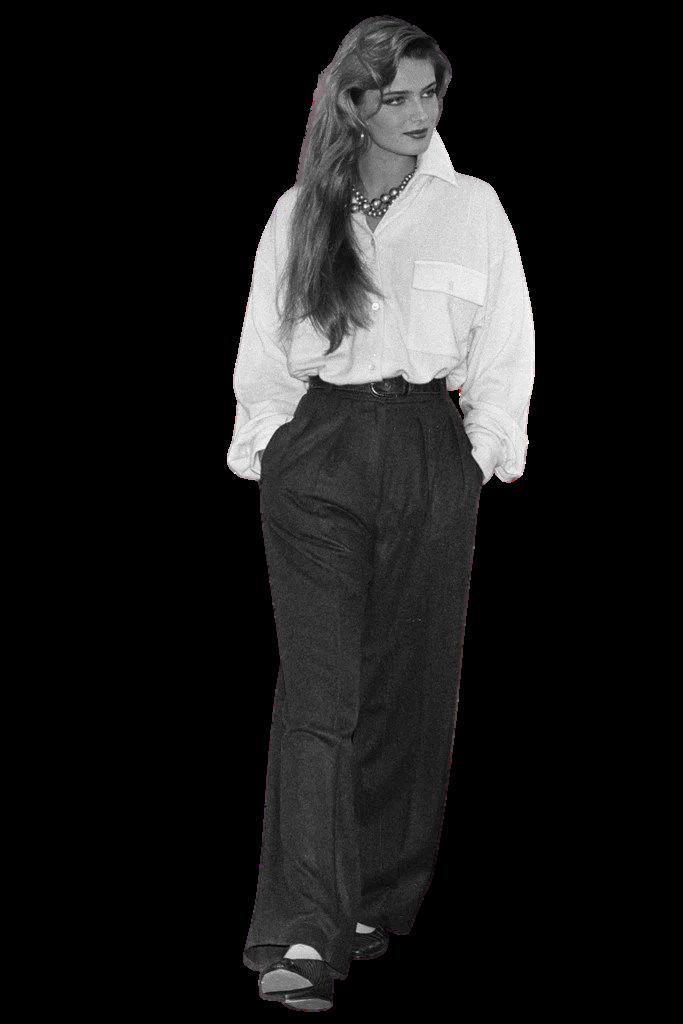
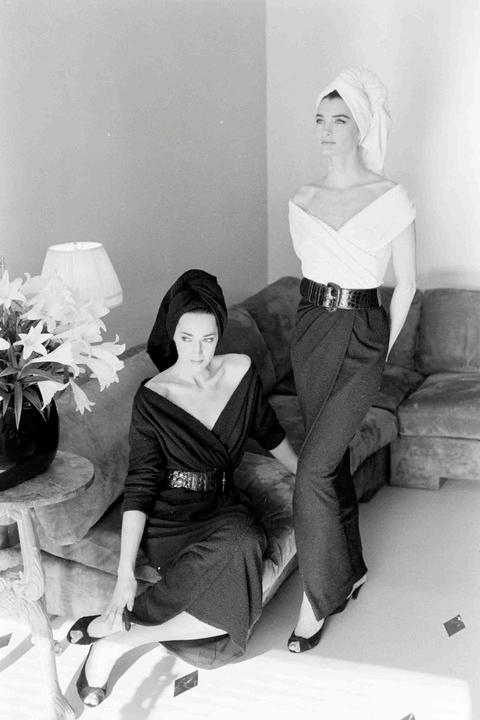
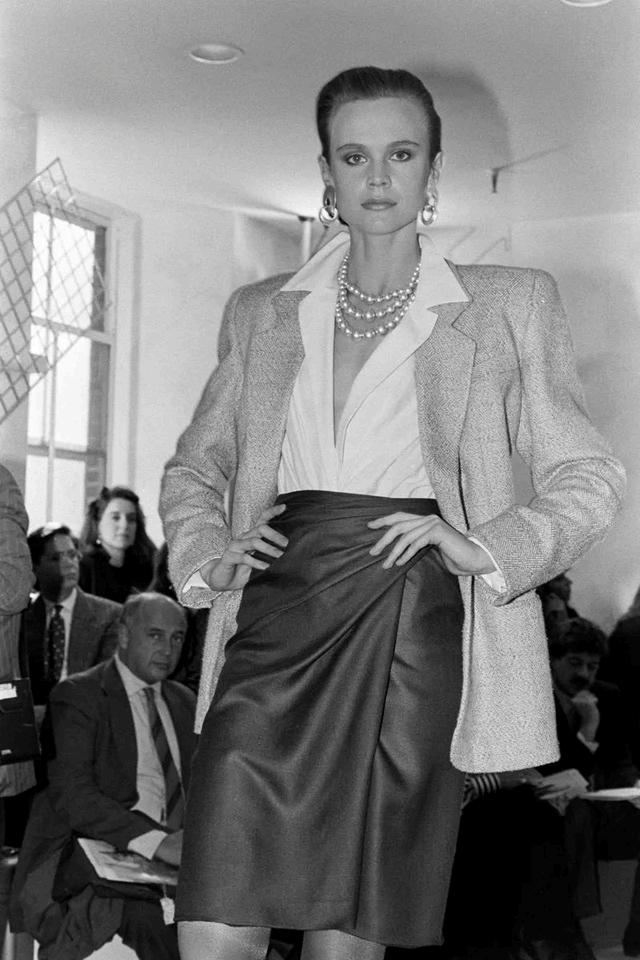
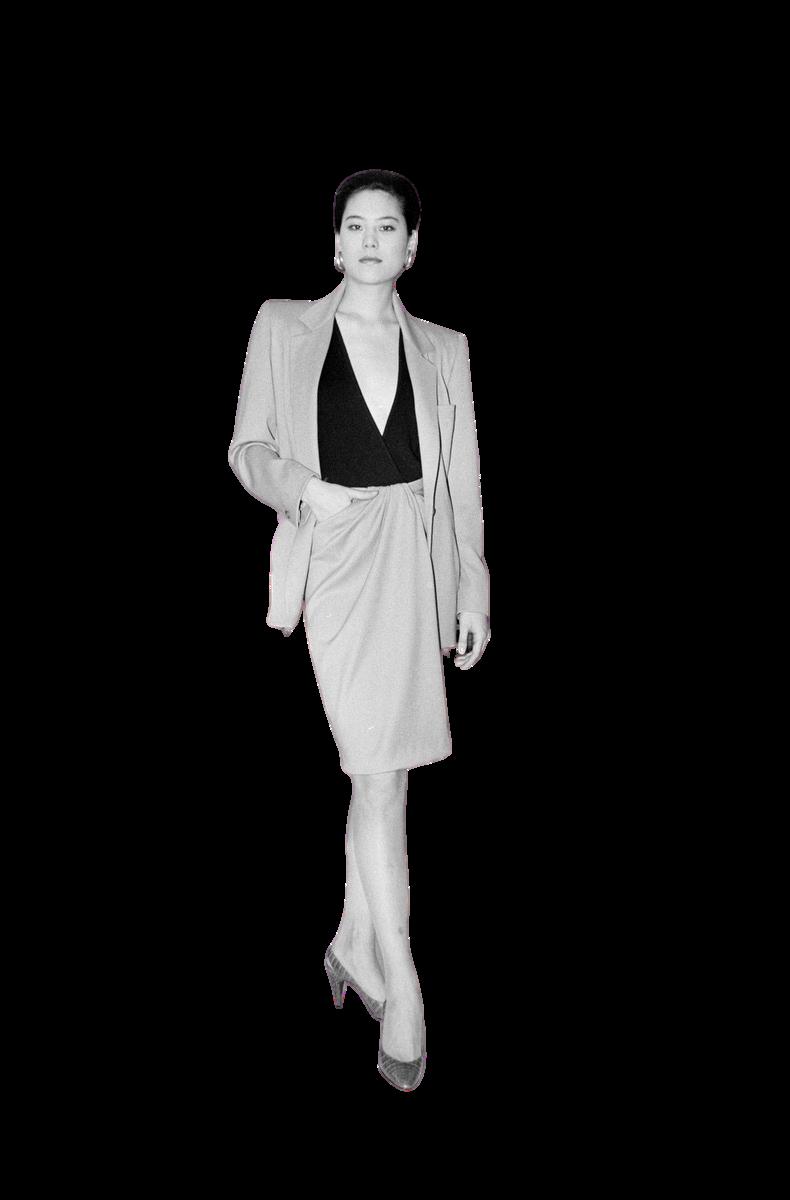
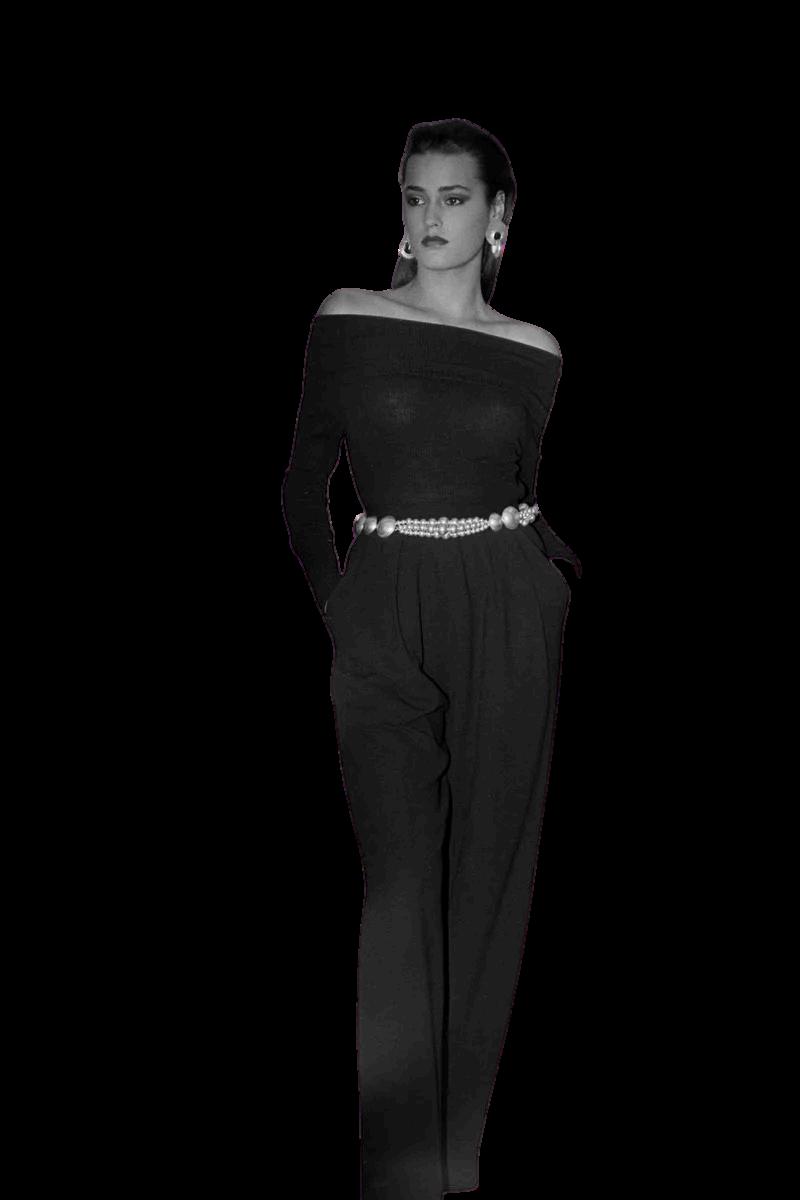
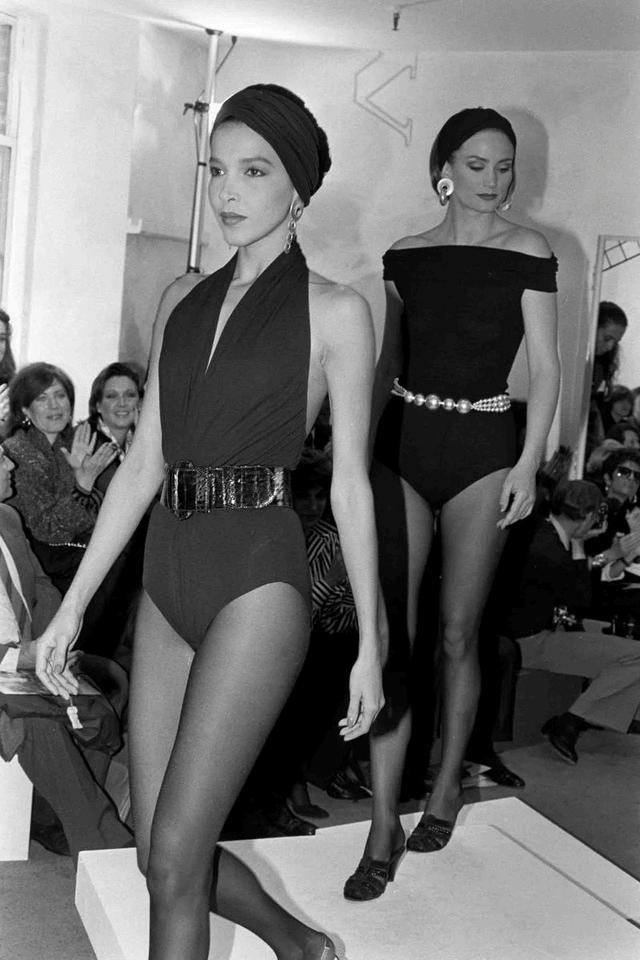
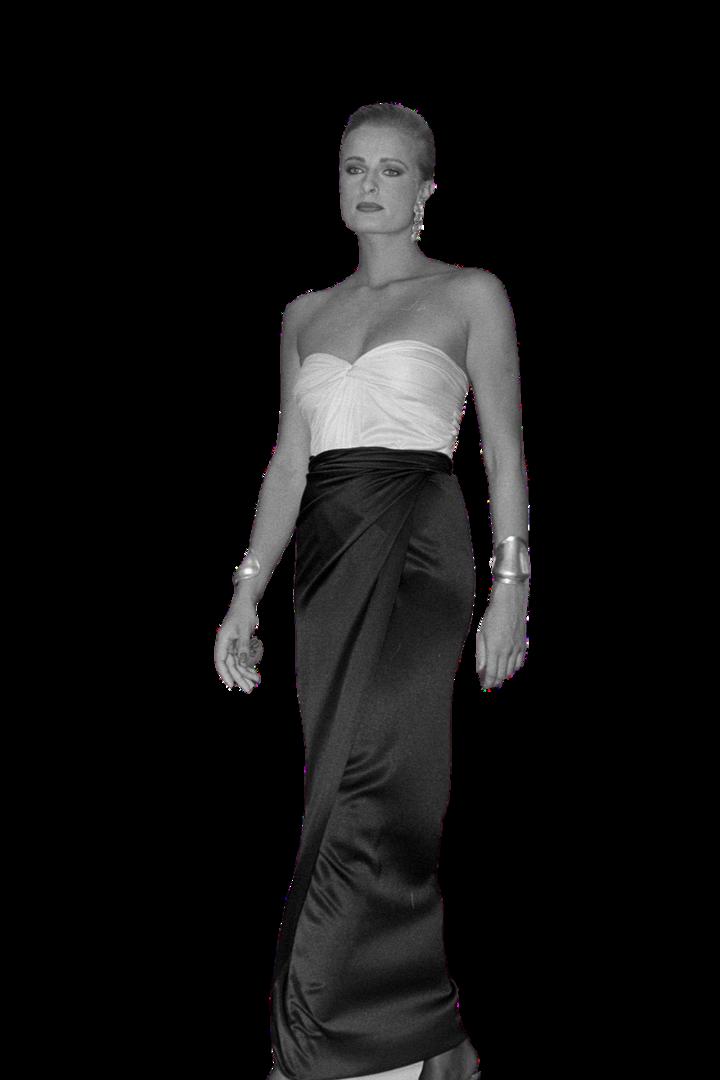
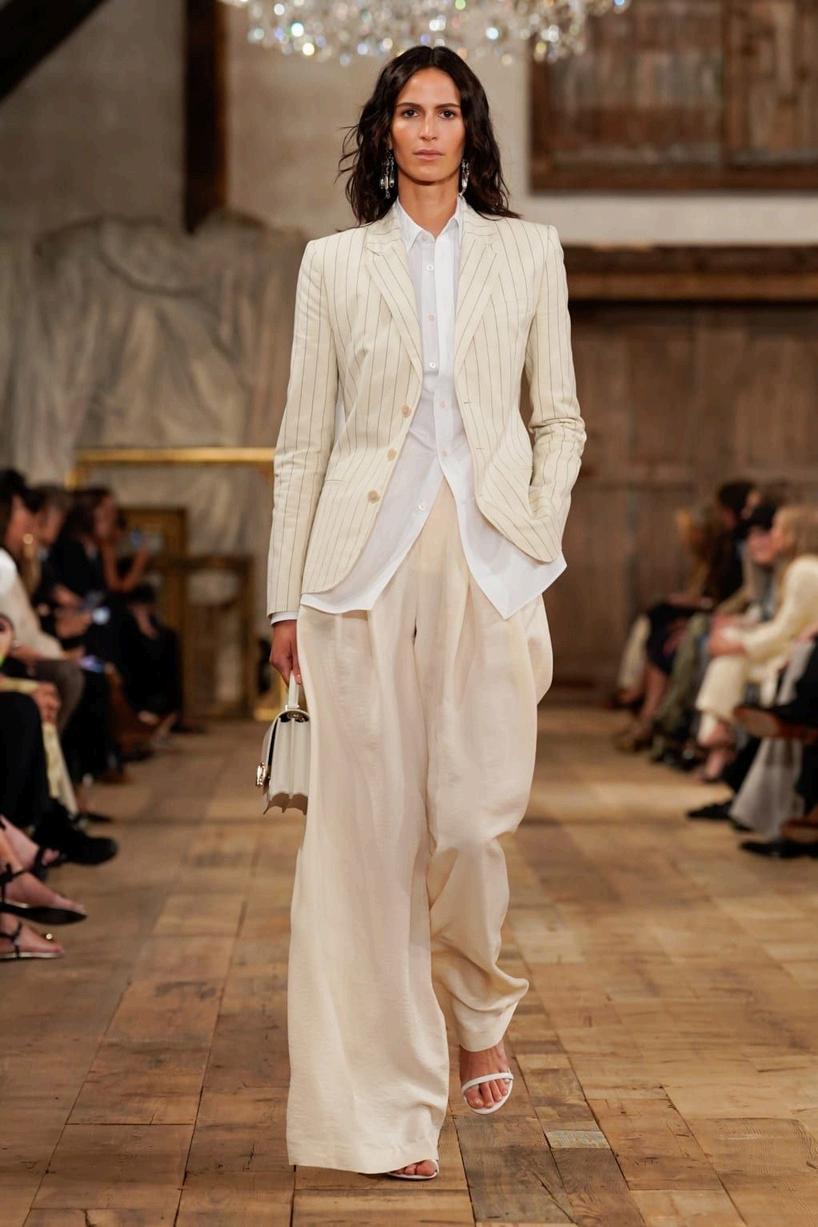
For over fifty years, Ralph Lauren has helped shape what we think of as the classic American capsule wardrobe. Instead of focusing on extreme or avant-garde fashion, his designs have always been about flattering cuts, simple colours, and clothes that feel timeless. His whole aesthetic mixes American college style with equestrian influences and a bit of Scottish heritage like polo shirts, knitwear, tartan trousers, and tailored blazers. These pieces have been staples for decades, and they show how a capsule wardrobe can be both practical and stylish without being boring.Since the early 1970s, Ralph Lauren has been creating women ’ s blazers and suits that use traditional menswear techniques but still manage to look feminine and powerful. This approach shows how capsule dressing can support women in all parts of their lives—whether that’s work, evenings out, or day to day wear. The idea is that you can invest in one great blazer or suit and wear it for years, mixing it with different trousers, skirts, or shirts depending on the occasion.By the late ’70s, he expanded into outerwear, creating things like trench coats, cashmere wraps, denim jackets, biker jackets, and long wool coats. These pieces were made to last beyond trends, proving that outerwear is a key part of a capsule wardrobe. Even today, clothes like tartan jackets or animal-print coats show that a capsule wardrobe doesn’t have to be plain or minimalist it can include personality while still being timeless.Ralph Lauren’s knitwear is another big part of this. His turtlenecks, cable knits, and cardigans are designed to work in any season and with almost anything you already own. They come in earthy colours that always look classic, and they make layering easy without feeling like trend-based pieces that will go out of style.He also puts a lot of focus on shirts and trousers, which are basically the foundation of any capsule wardrobe. His classic white shirts, denim blouses, and different trouser cuts (from straight leg to wide leg) show how versatile these “basic” items can be. They might seem simple, but they’re the pieces that allow the rest of your wardrobe to come together. You can dress them up with jewellery, layer them under jackets, or wear them casually with jeans.Overall, Ralph Lauren’s long-term influence has shaped how people think about building wardrobes that last. His designs prove that a capsule wardrobe doesn’t have to be overly minimal or lacking character. Instead, it can be timeless andexpressive, mixing practicality with individuality. His work shows that the best capsule wardrobes aren’t about copying trends—they’re about investing in pieces you can rewear, restyle, and rely on for years.
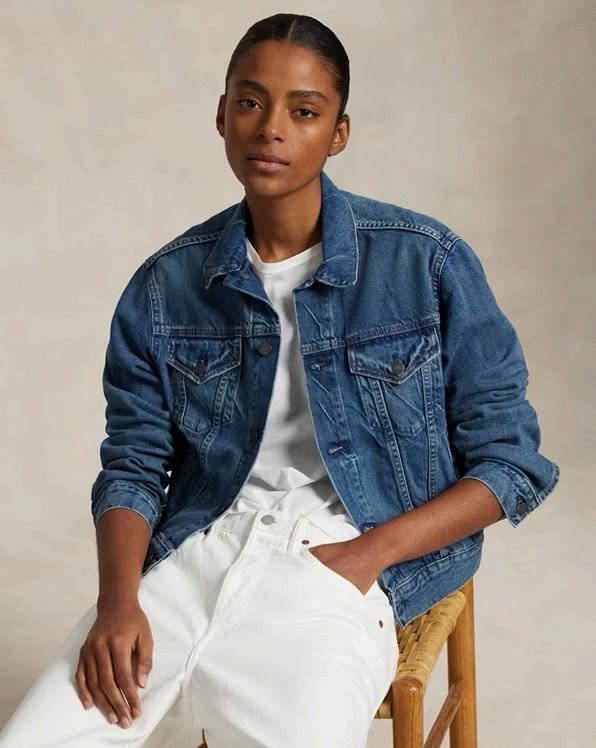
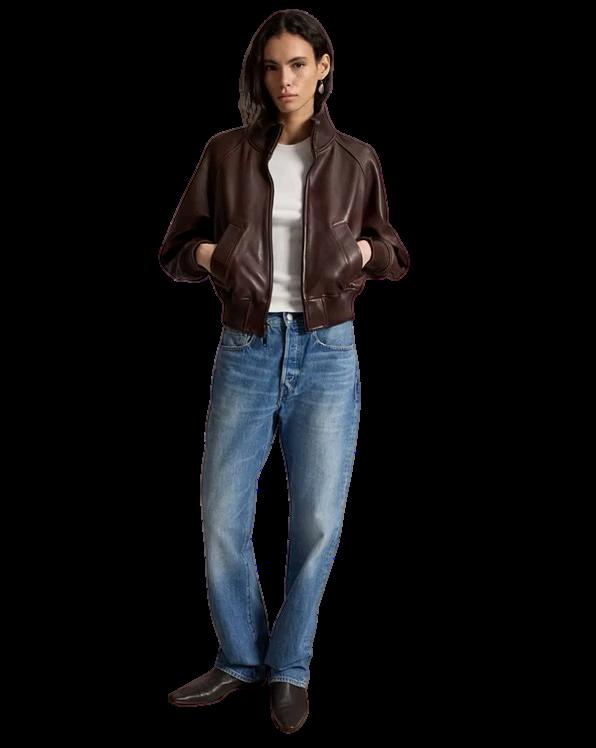
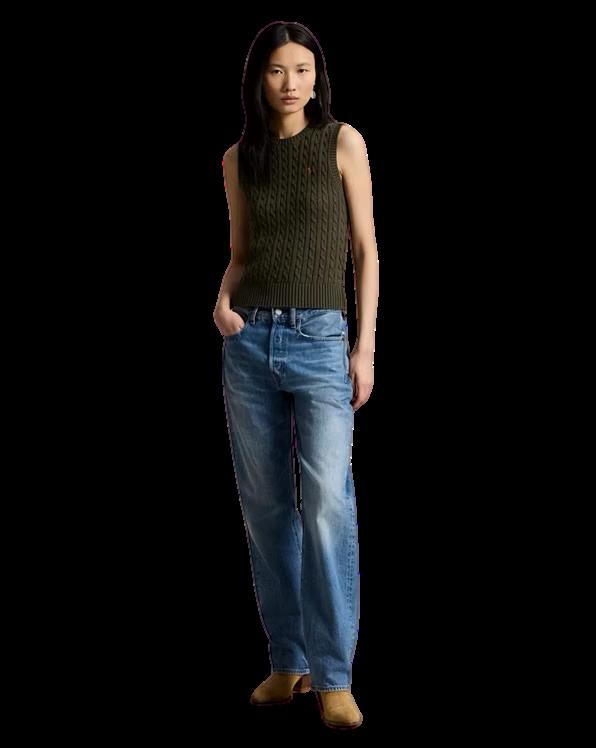
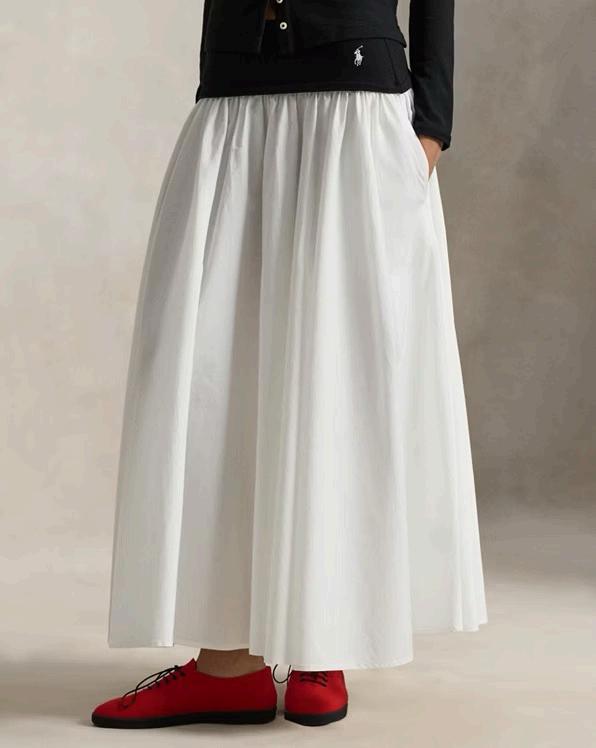
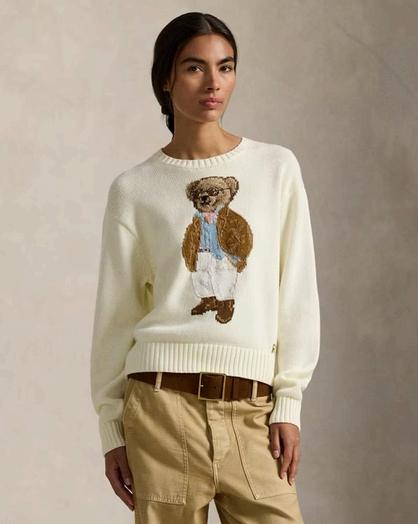
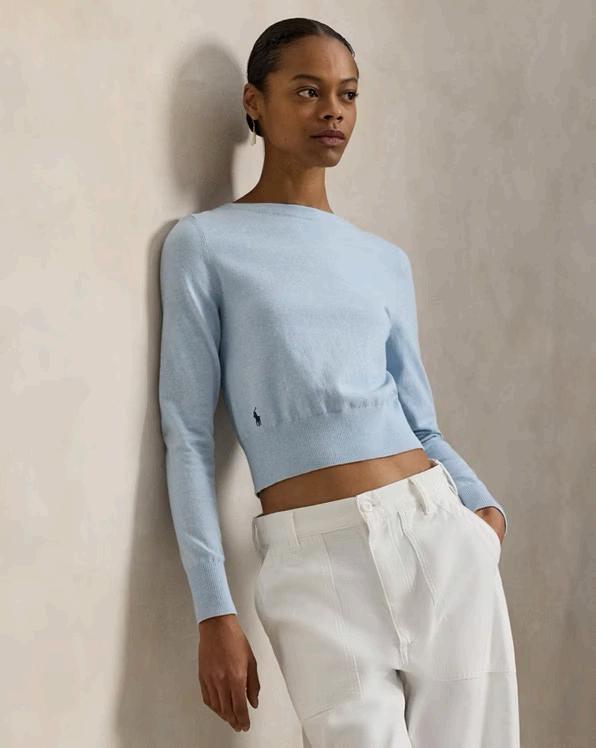
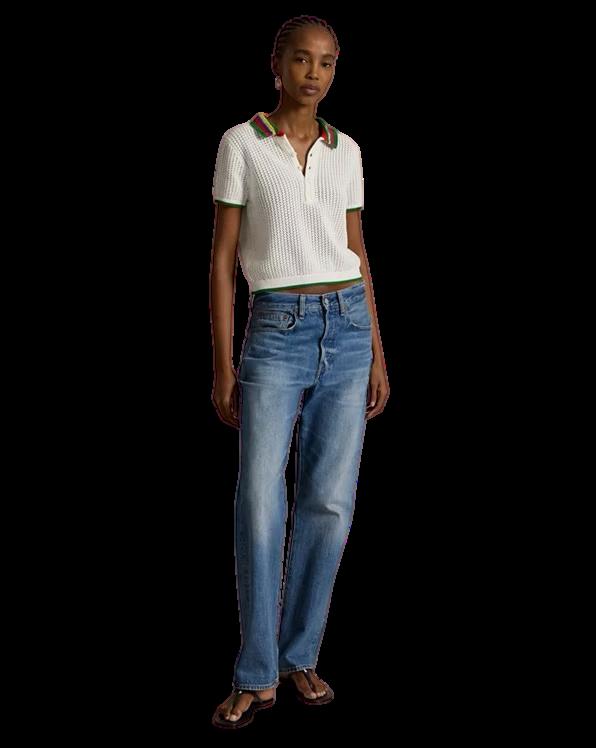
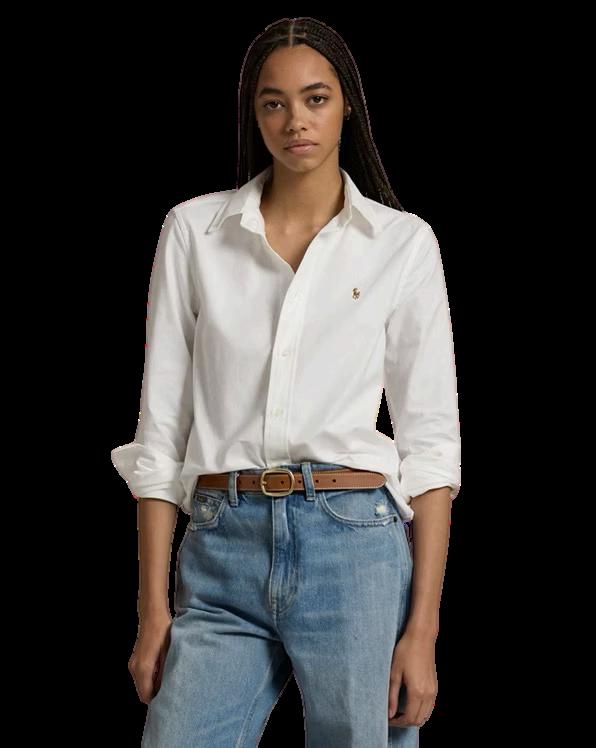
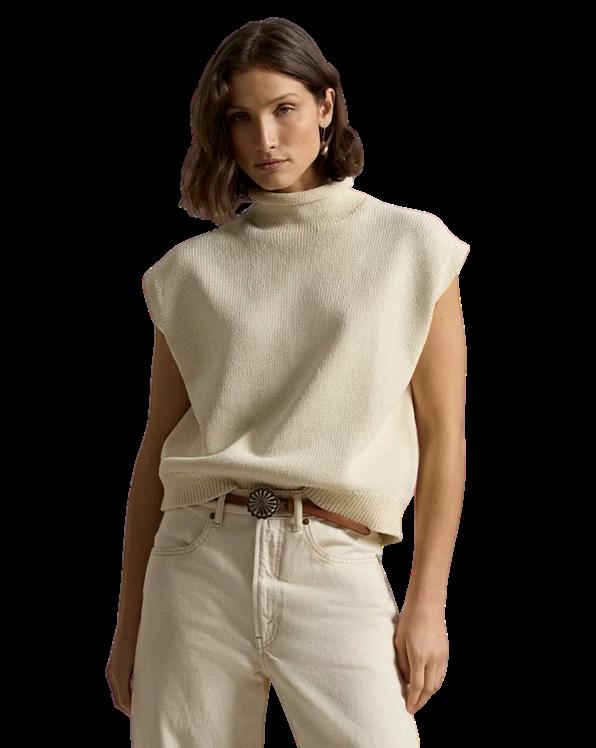
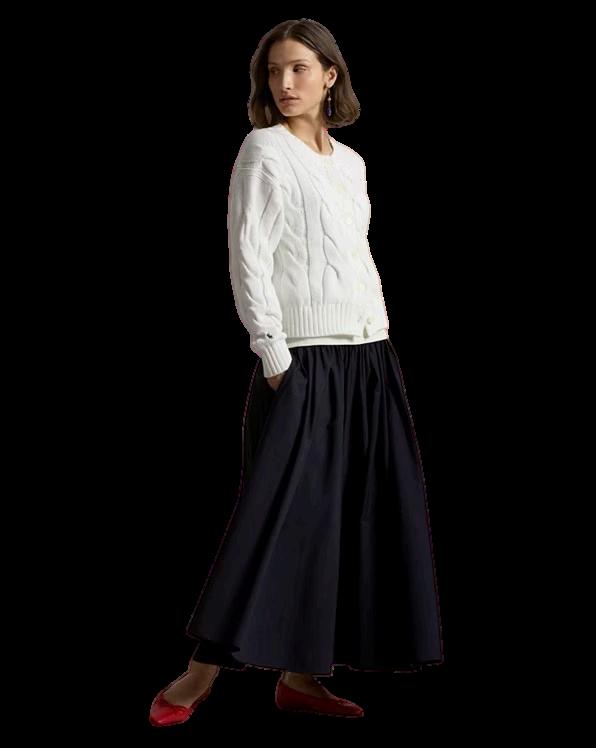
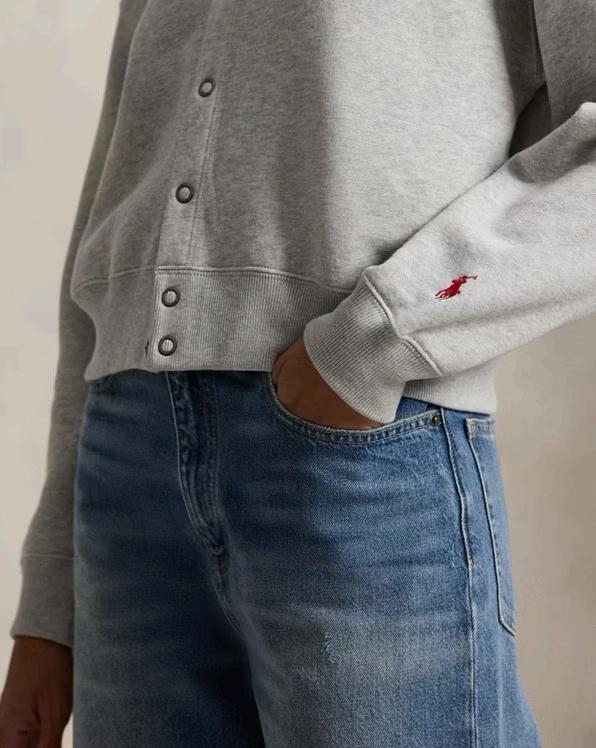
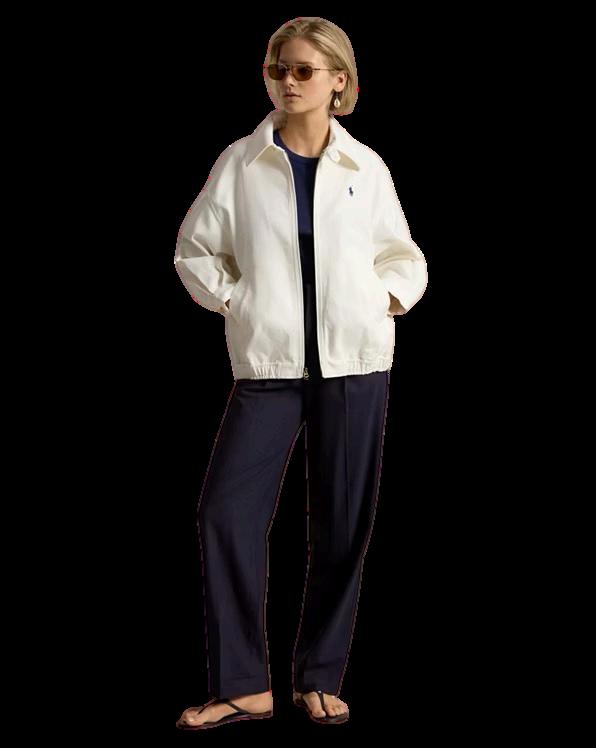
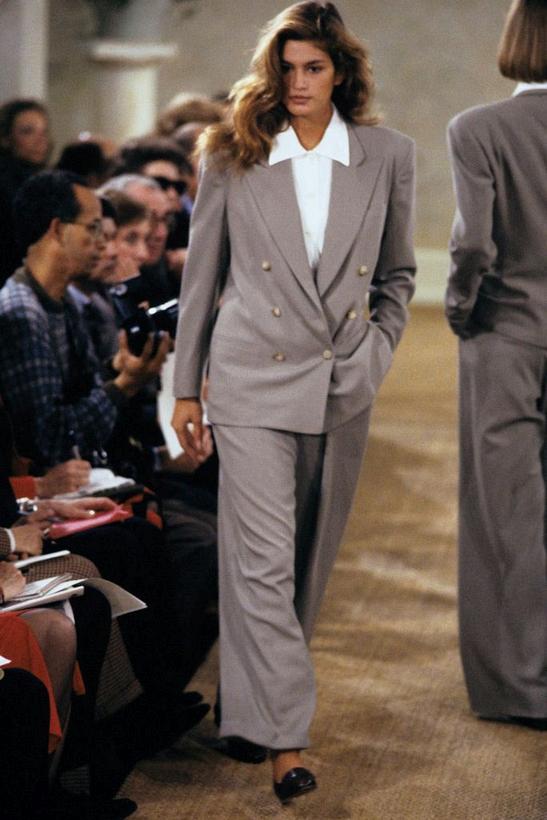
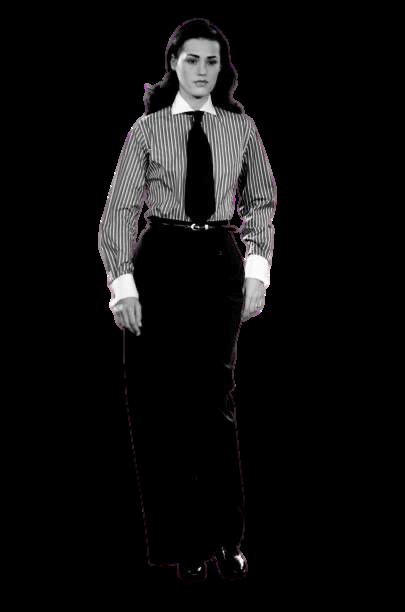
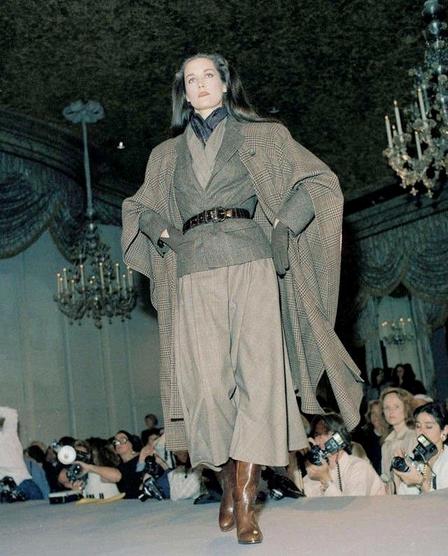
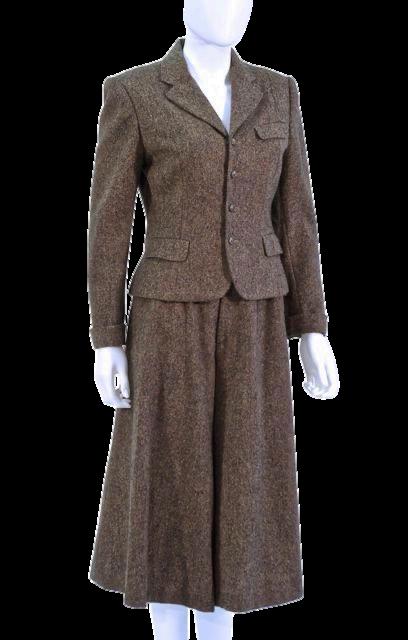
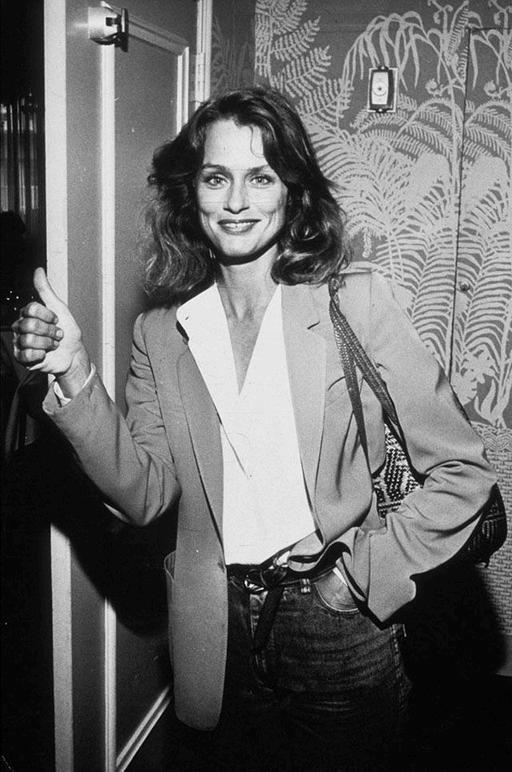
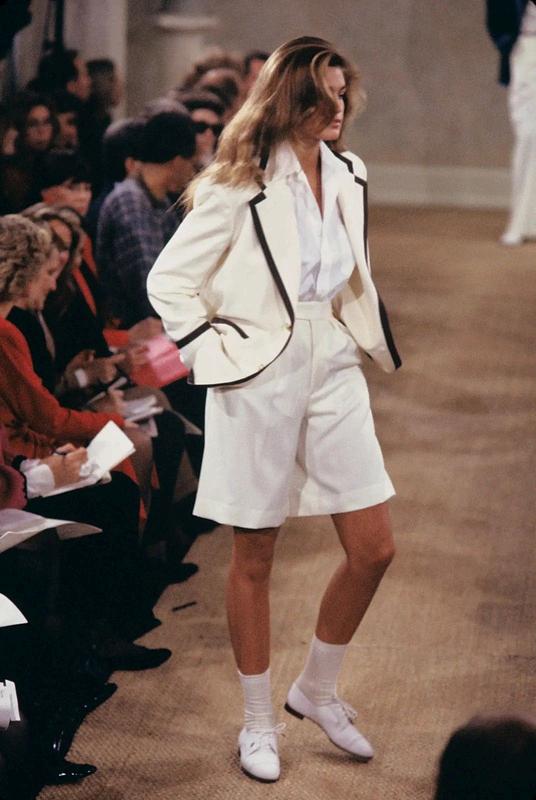
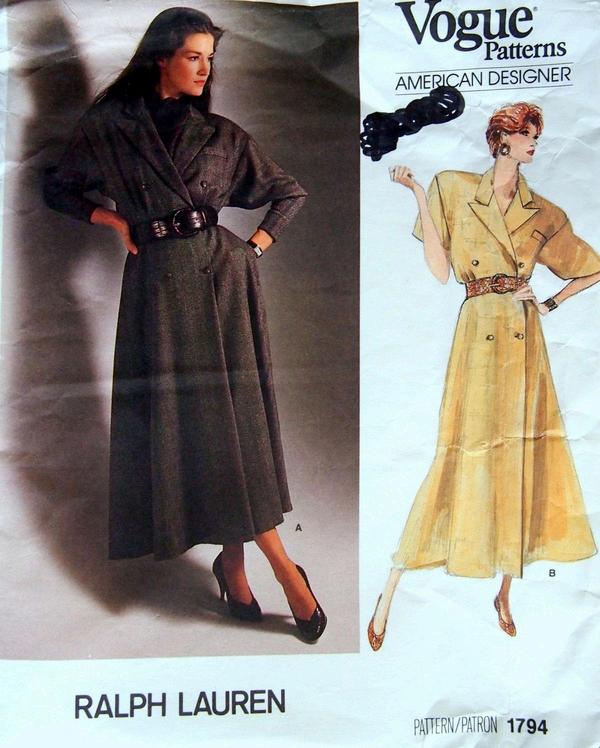
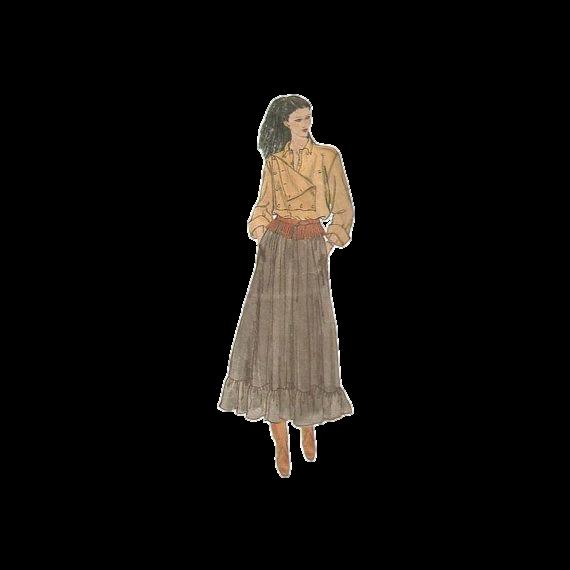
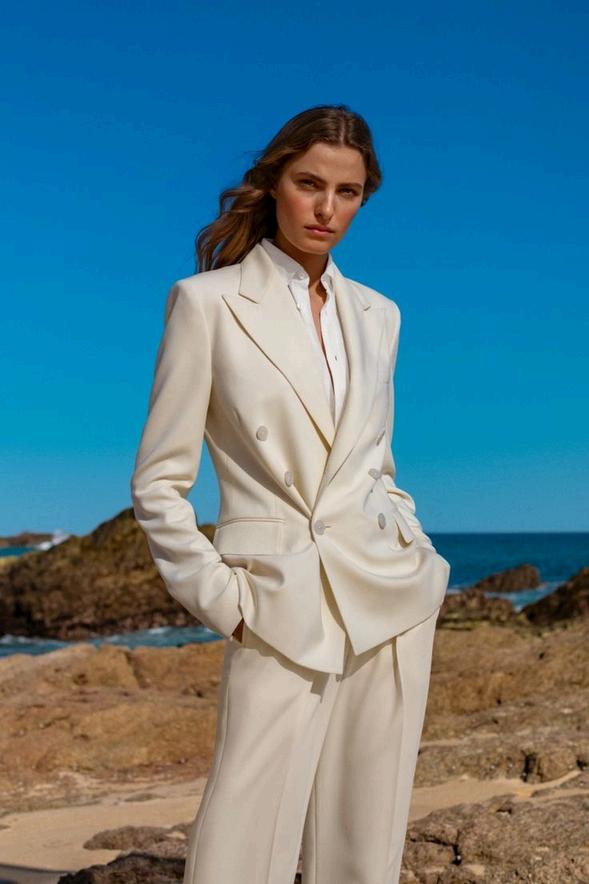
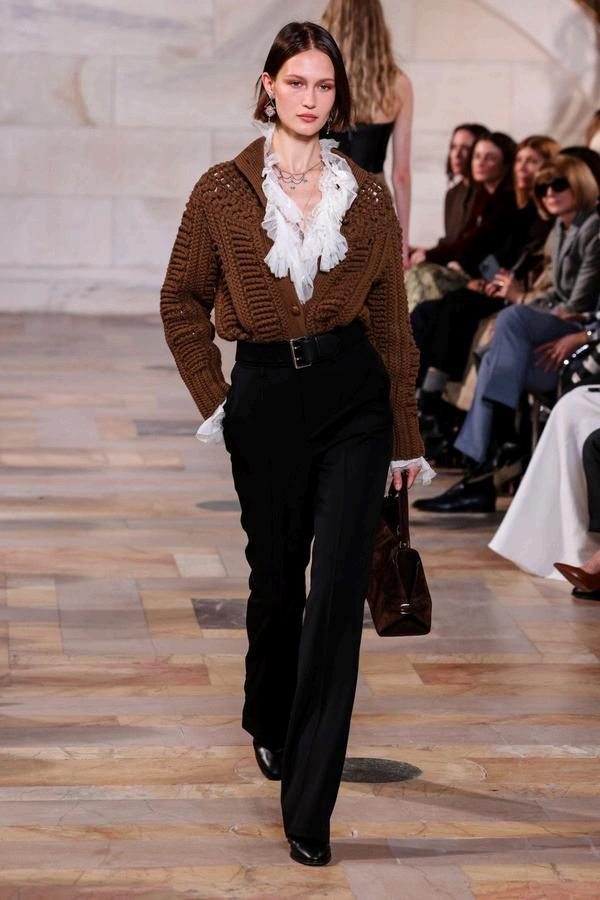
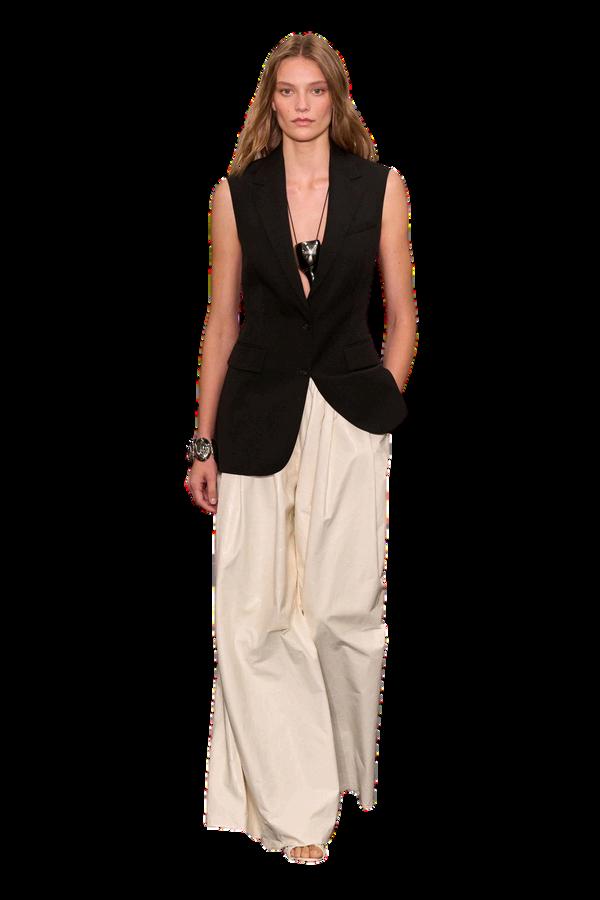
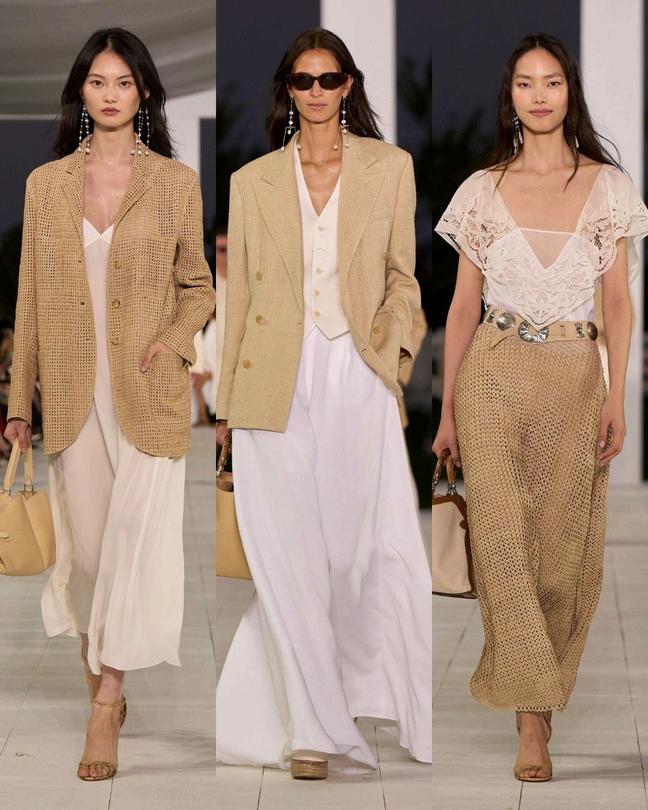
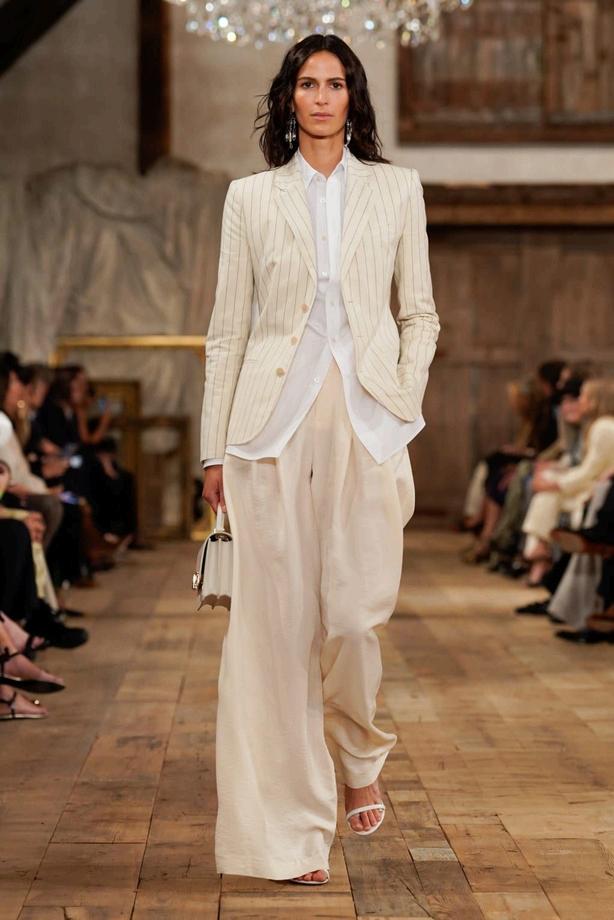
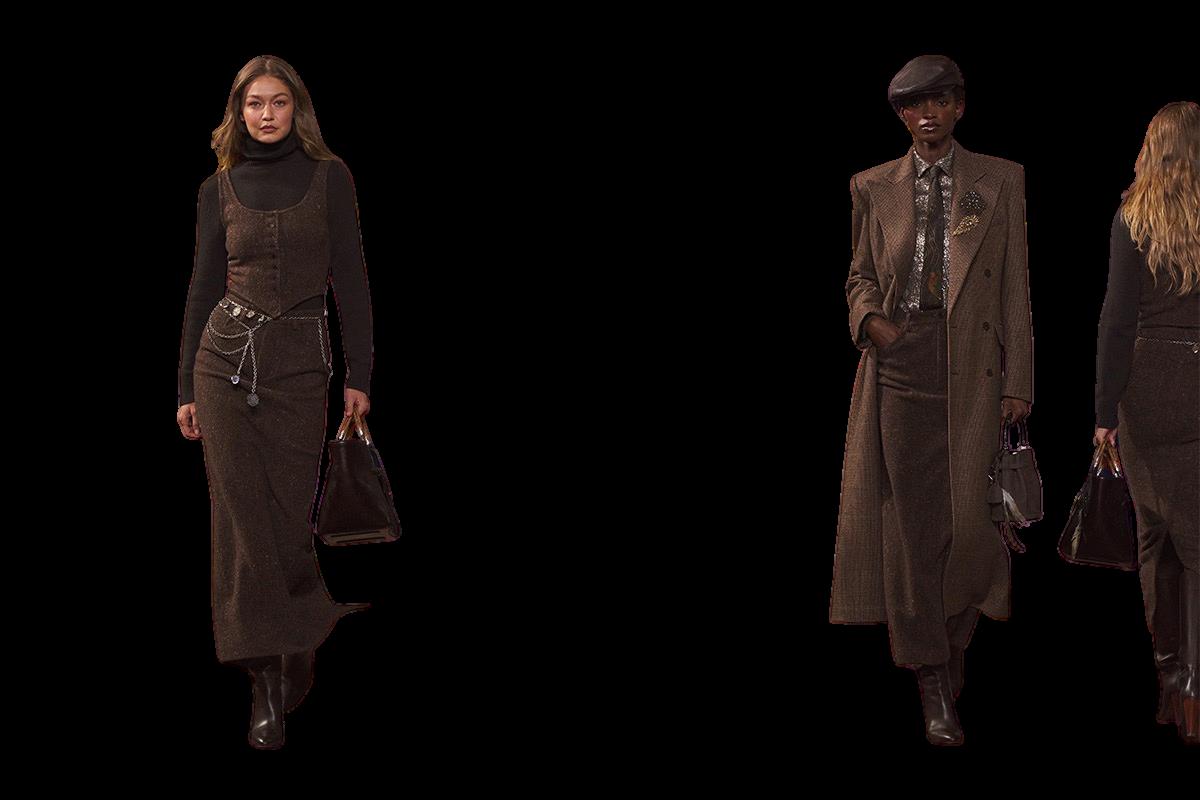
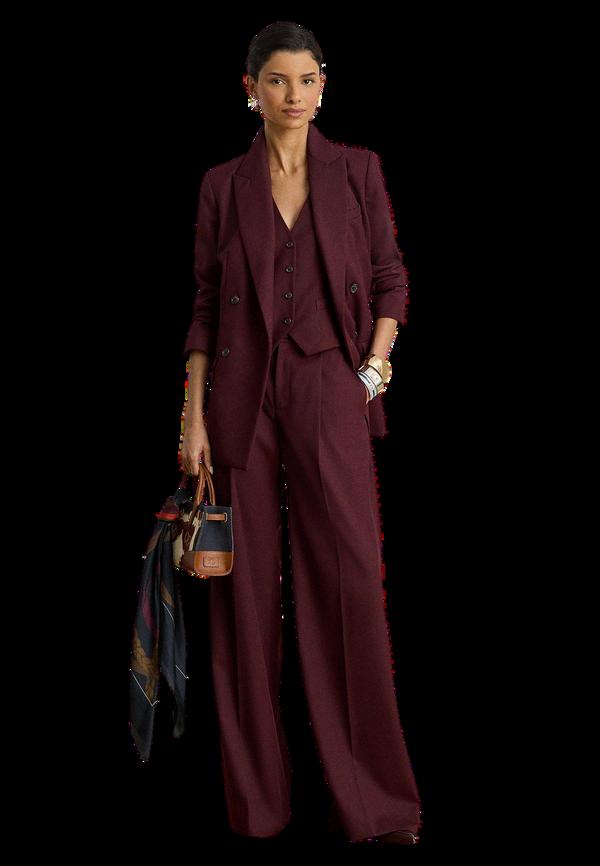
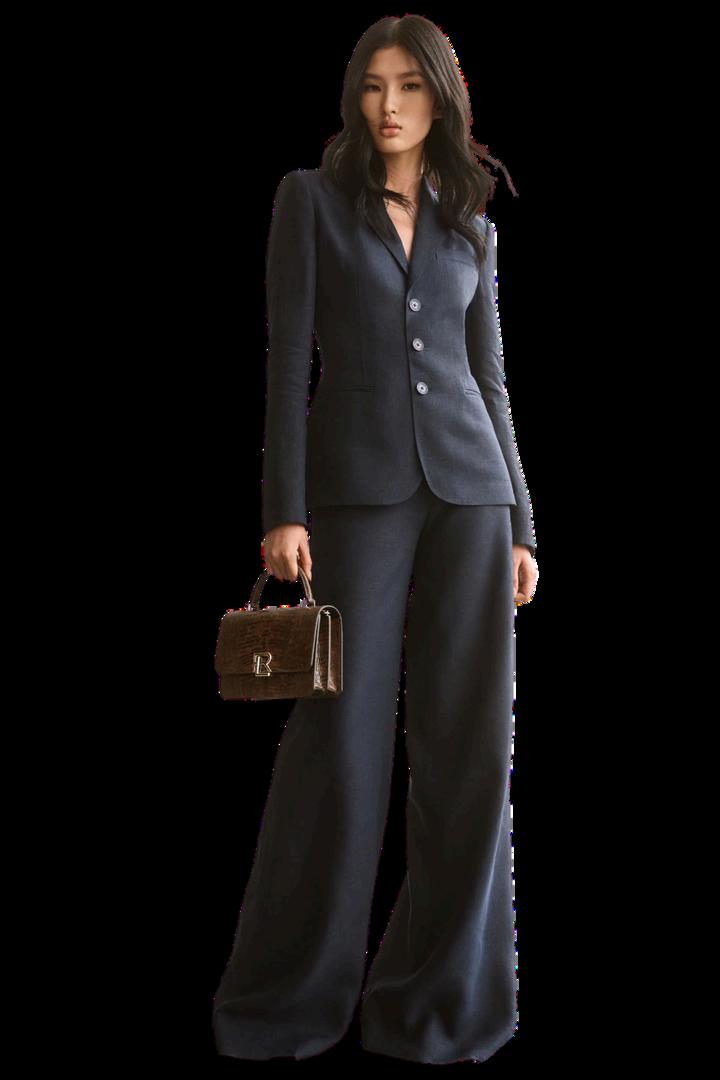
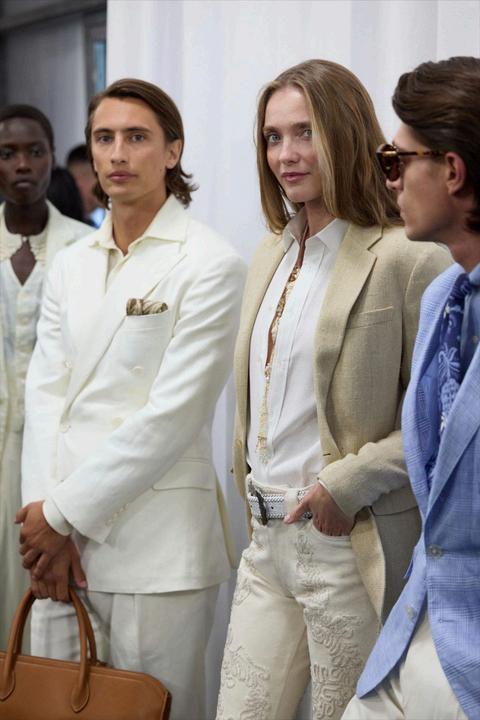
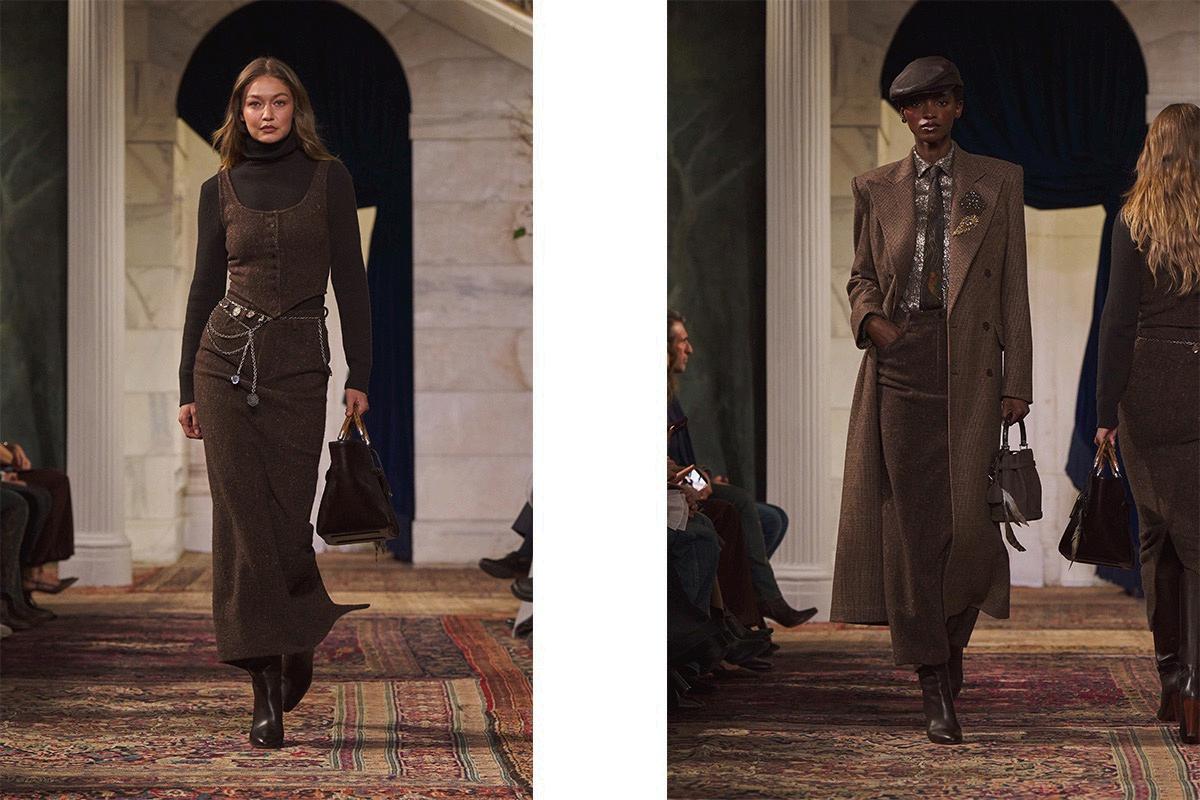
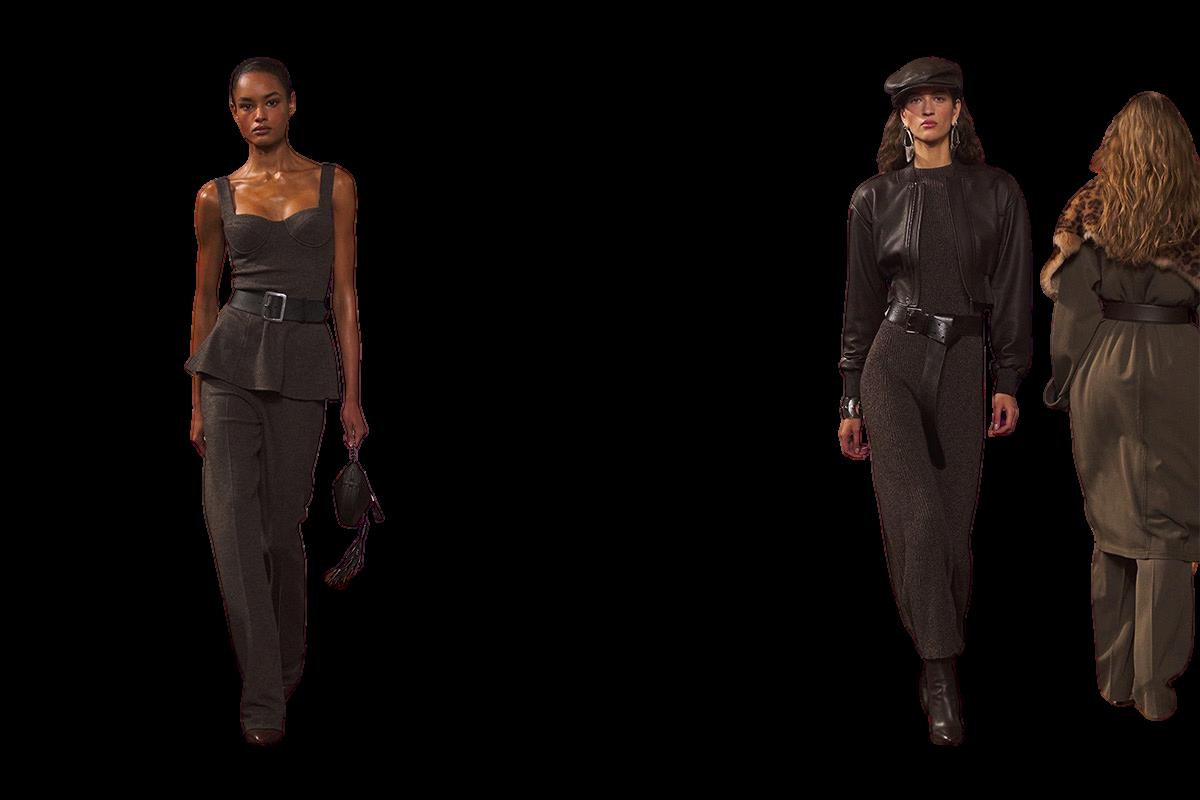
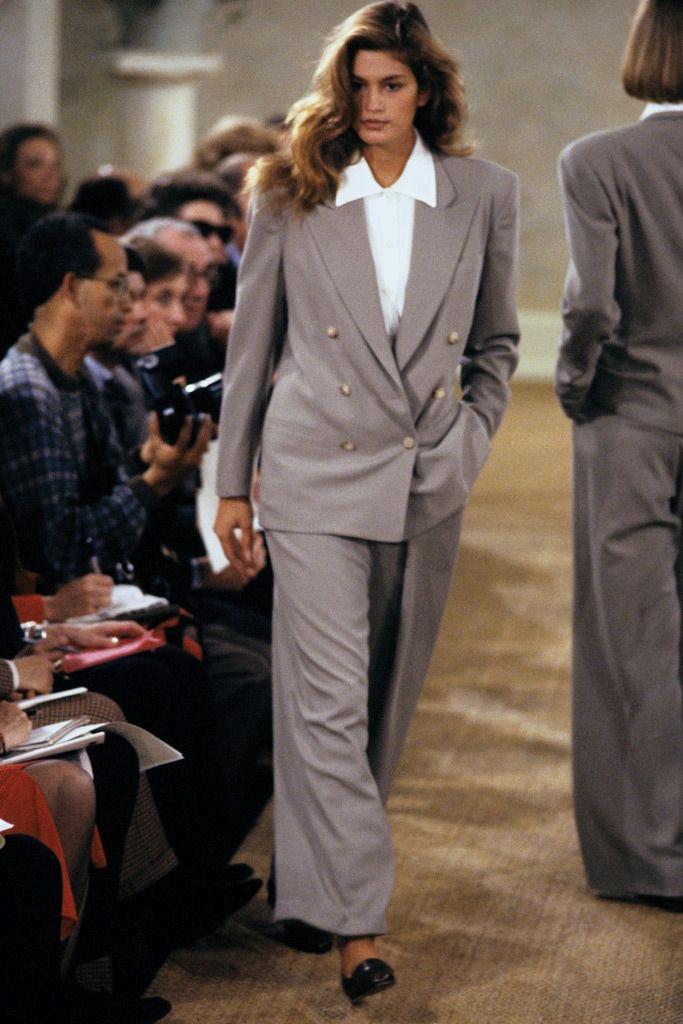
Ralph Lauren’s capsule wardrobe pieces have changed a lot over time, but they have still kept their original meaning and classic style. When Ralph Lauren first started, the focus was on timeless essentials like shirts, blazers and simple knits that could last for years. Over the years these pieces have become more trend driven, with updated cuts, colours and details to fit what people are wearing today. Some pieces have been redesigned to look more modern, while others have been simplified to keep that clean, classic feel. Even with these changes, the brand still holds onto its core idea of creating clothes that feel timeless, easy to mix and match and always connected to the original Ralph Lauren look.
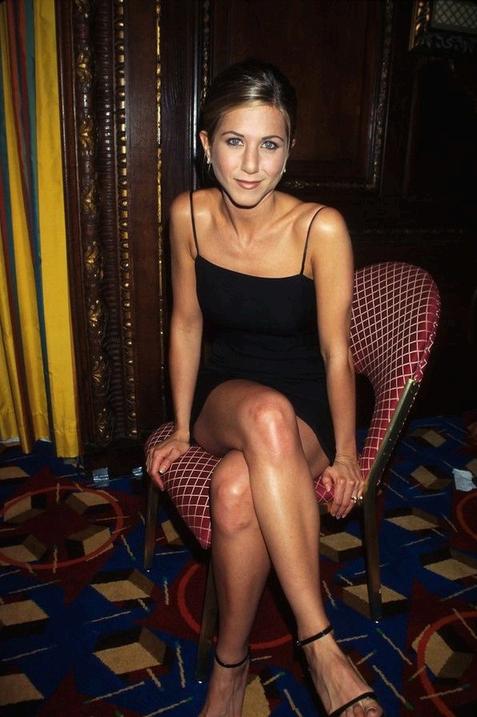
Calvin Klein has always been one of the strongest influences behind the modern capsule wardrobe, thanks to its clean, minimalist and timeless approach to dressing. From the beginning, the brand was never about loud trends or dramatic statements. Instead, it focused on simple silhouettes, neutral tones and high quality fabrics that could be worn season after season. Pieces like slip dresses, roll necks, tailored coats and crisp shirts became staples not because they were “fashionable,” but because they worked in almost every wardrobe, making them ideal for building a strong capsule foundation. Over the decades, Calvin Klein’s influence has shifted with culture but has never lost its identity. Even now, the brand’s comeback continues to reflect the same minimalist values Ralph Lauren once brought to Americana style, but through a sharper, more modern lens. With Veronica Leoni stepping in to direct the Fall 2025 collection, Calvin Klein is evolving its capsule wardrobe identity rather than reinventing it. She focuses on what she calls “monumental minimalism,” meaning pieces that look simple at first glance but carry depth through cut, structure and craftsmanship. This brings Calvin Klein’s original vision into the present in a fresh way.The latest collections highlight exactly what makes a strong capsule wardrobe work. The essentials are still there: coats, trenches, blazers, silk blouses, slip dresses, tailored trousers and understated footwear. But now they are reworked into three key silhouettes that suit different lifestyles: slim and sharp, loose and cropped, or fluid and relaxed. This variety gives capsule dressing more personality and makes it easier for people to express themselves while still keeping their wardrobe simple and timeless. Underwear-inspired elements, soft draping, sheer fabrics and subtle structure add quiet individuality without falling into microtrend territory.What keeps Calvin Klein so relevant in capsule wardrobe culture is its focus on fabric and palette. The brand works with soft wool, cashmere, gabardine, satin and cotton in colours such as black, off white, granite grey and fudge brown. These tones are core capsule colours because they mix effortlessly with everything else. Even when Calvin Klein introduces small pops of colour like raspberry or citron, they still blend naturally into a wardrobe rather than overpowering it.As the brand modernises its identity with new logos, updated visual language and refined branding, the heart of Calvin Klein remains the same. It is still about pieces that last, feel good, and fit into real people’s lives. This is exactly why their clothes have influenced capsule wardrobes for so many years. Calvin Klein shows that capsule dressing does not need to be boring or overly strict; instead, it can feel expressive, modern and quietly luxurious when it is designed well.
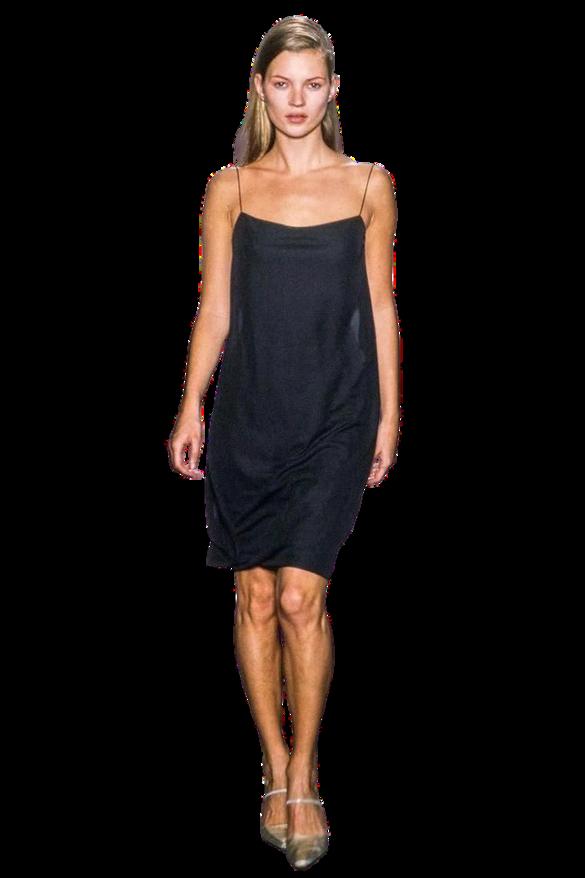
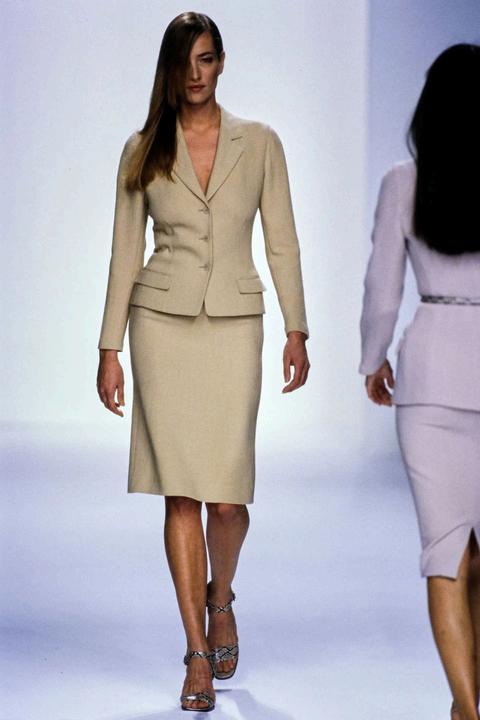
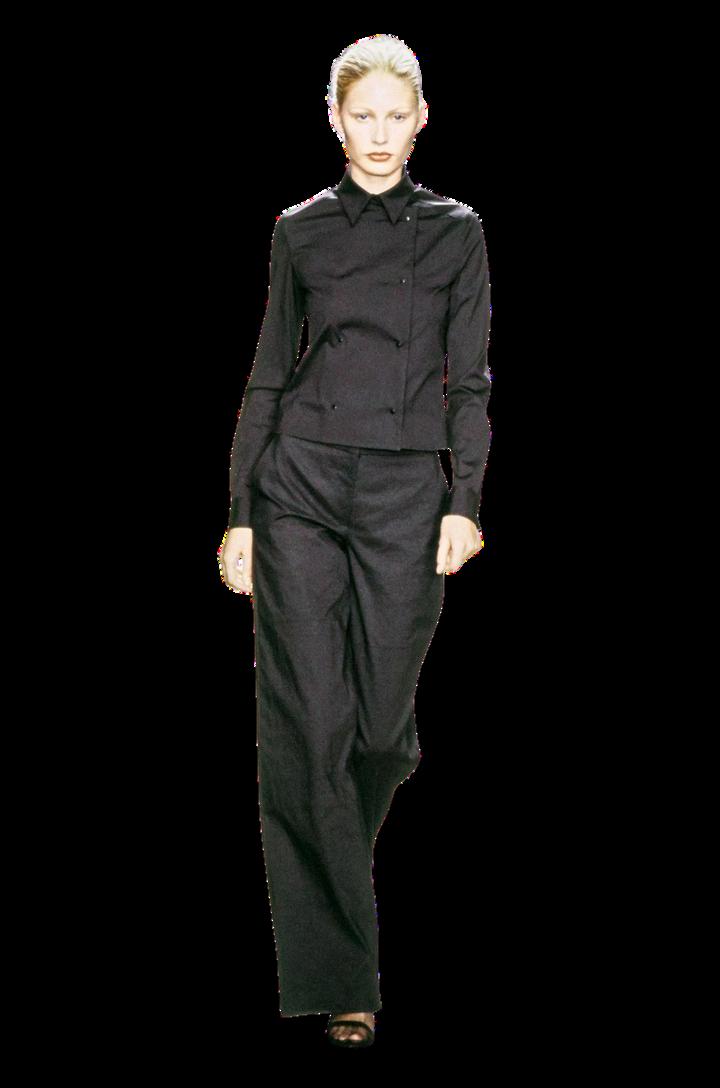
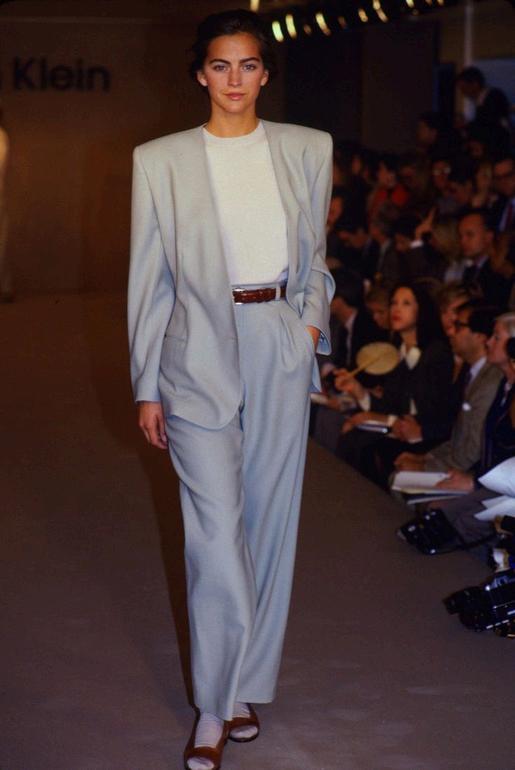
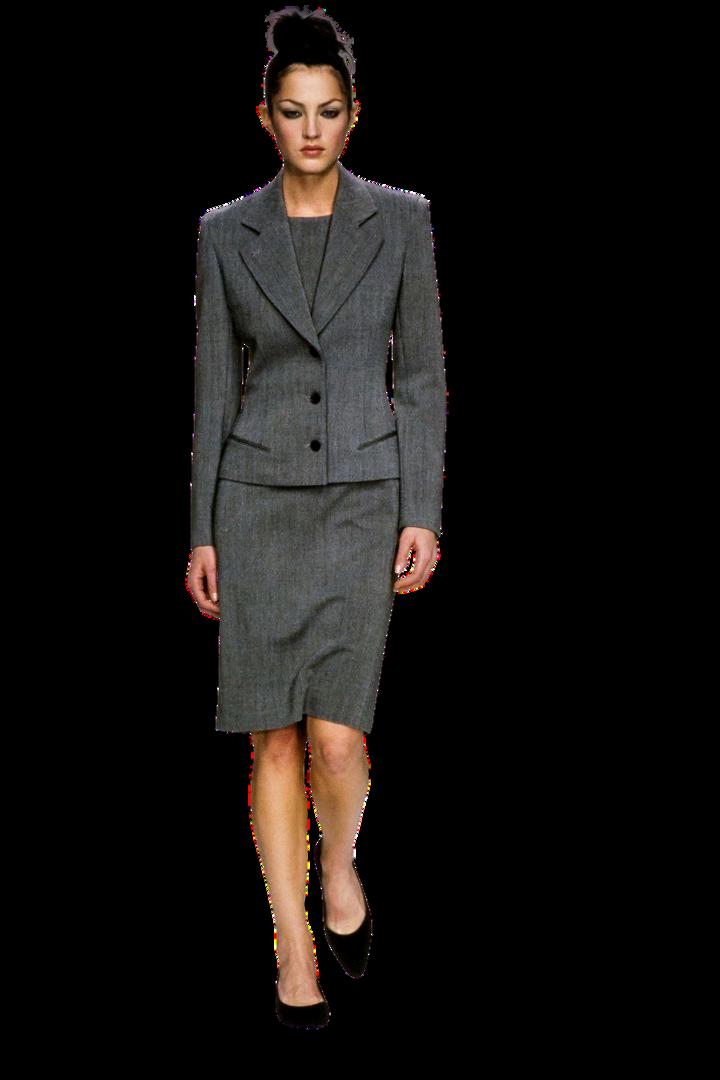
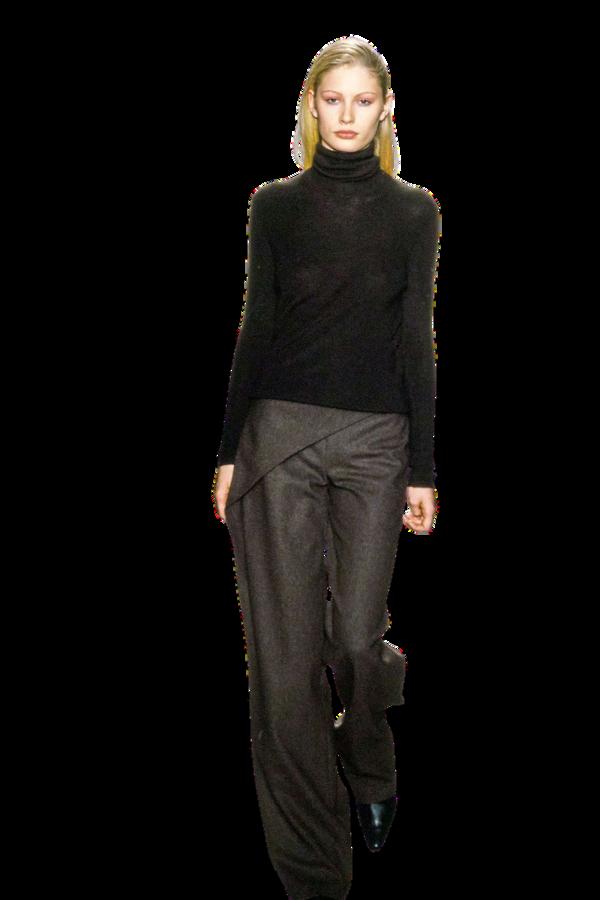
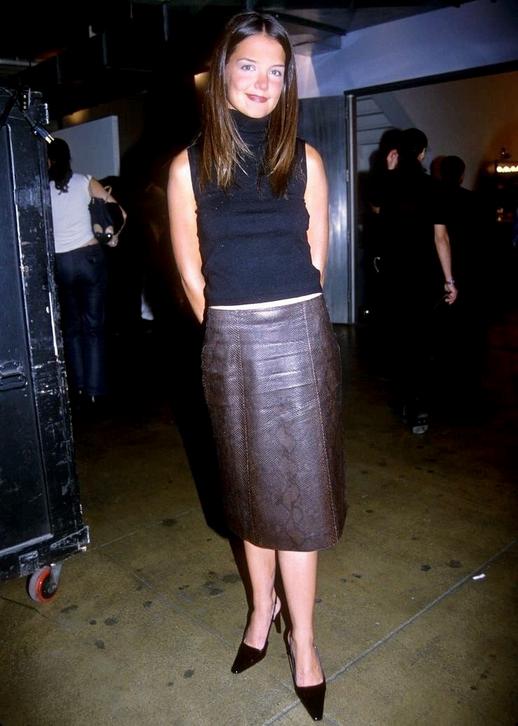
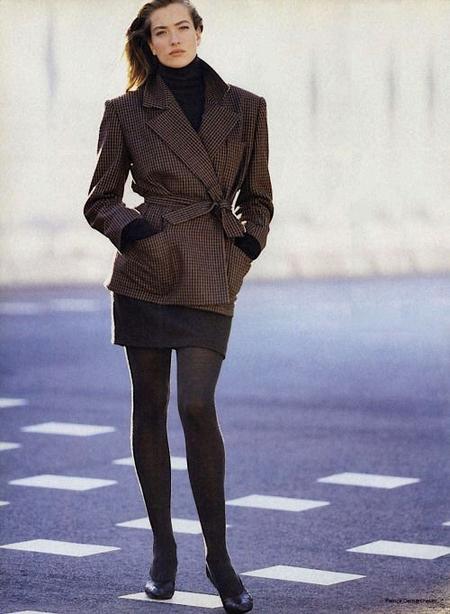
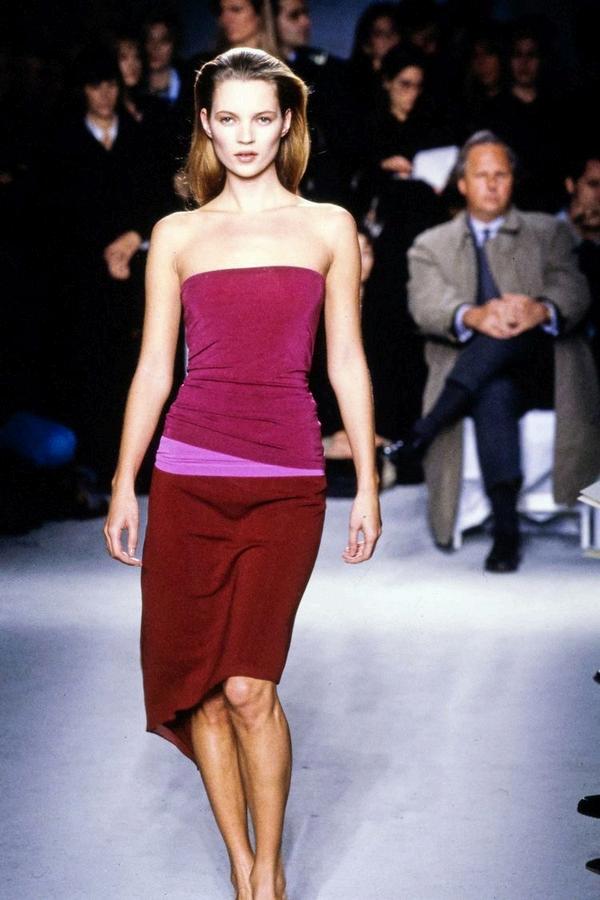
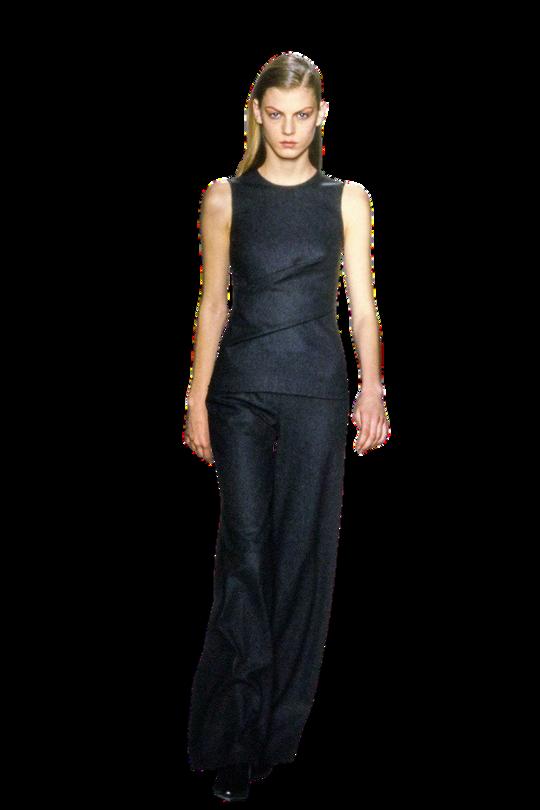
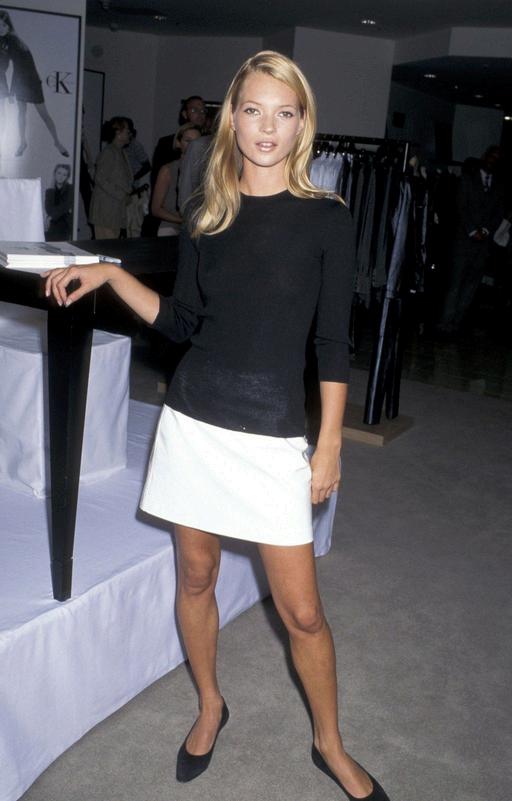
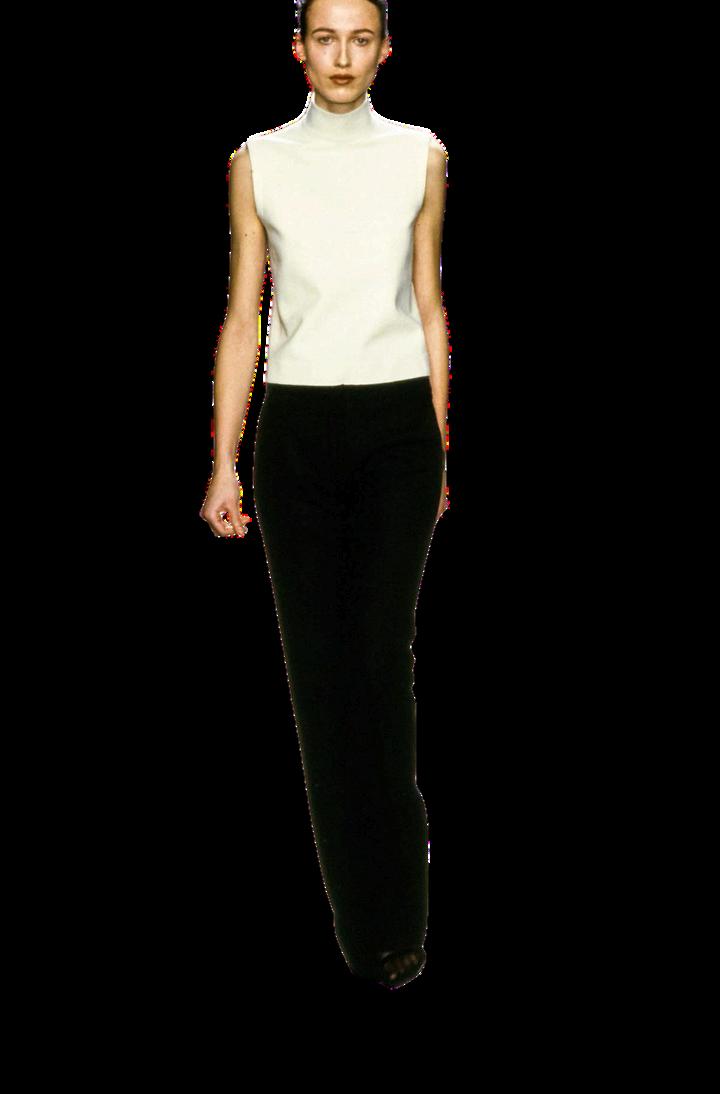
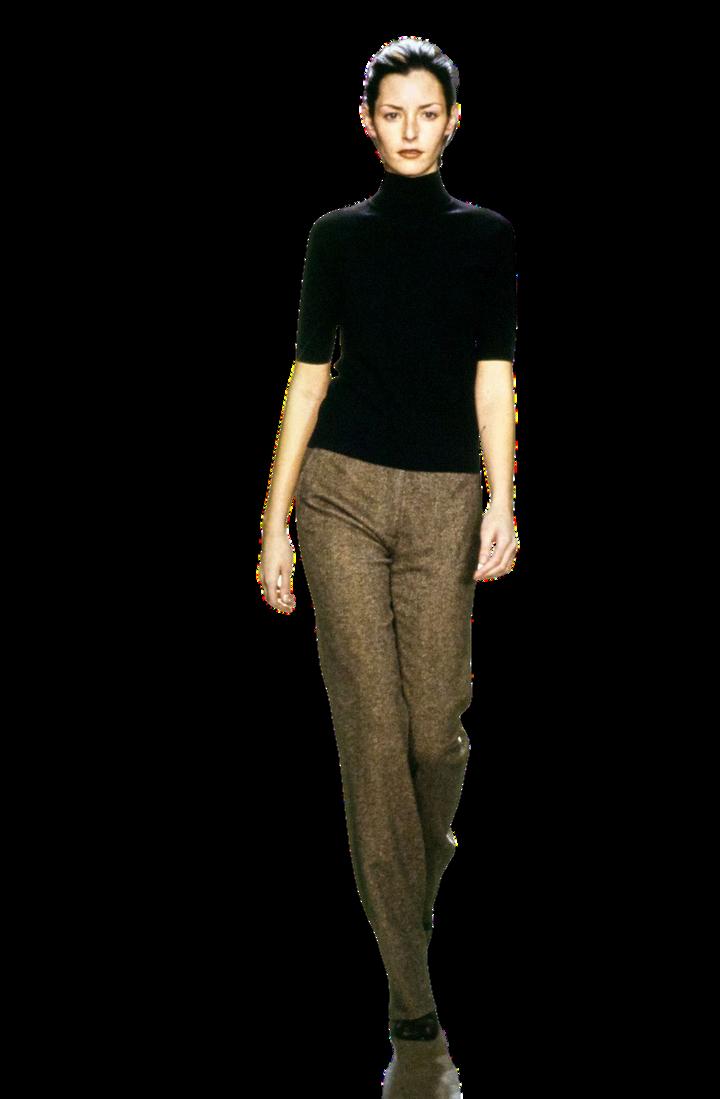
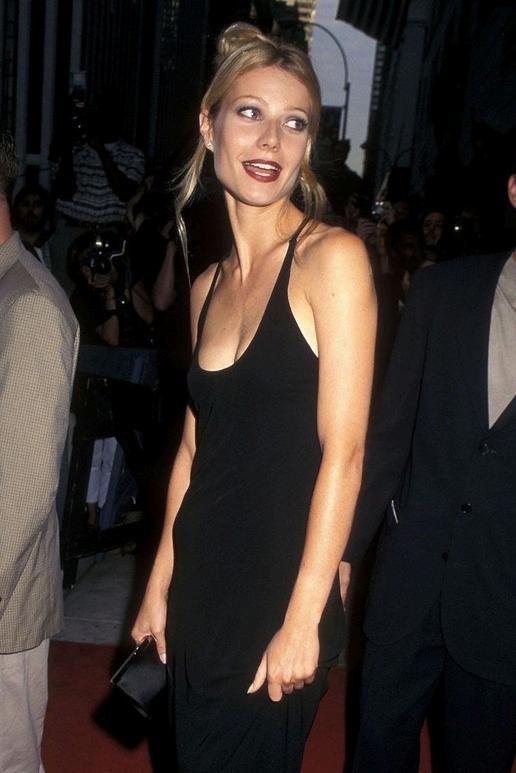
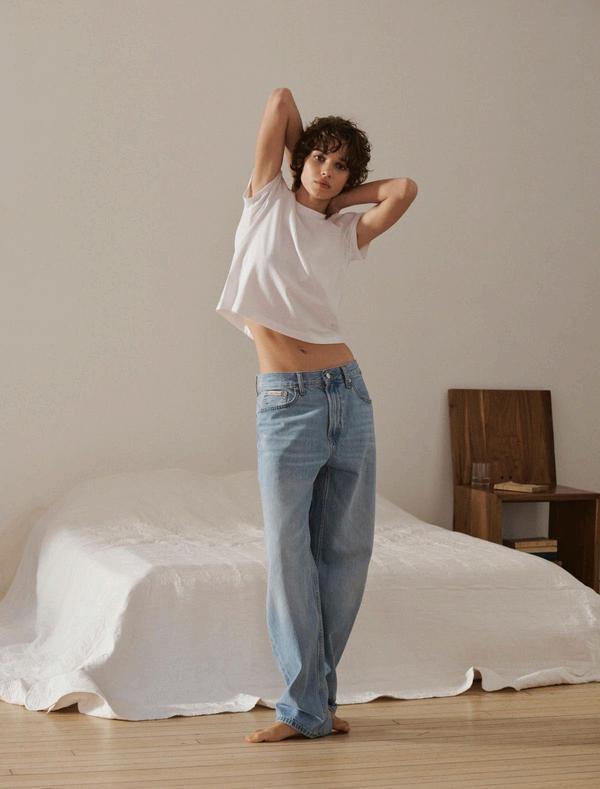
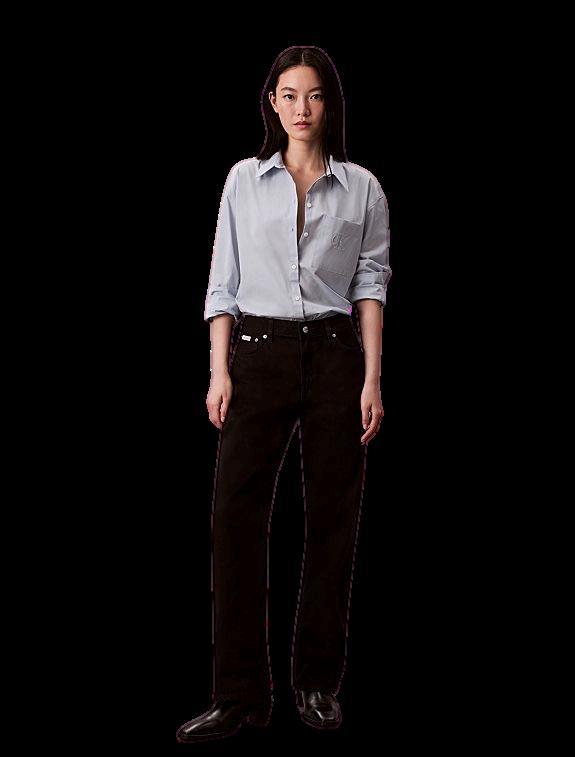

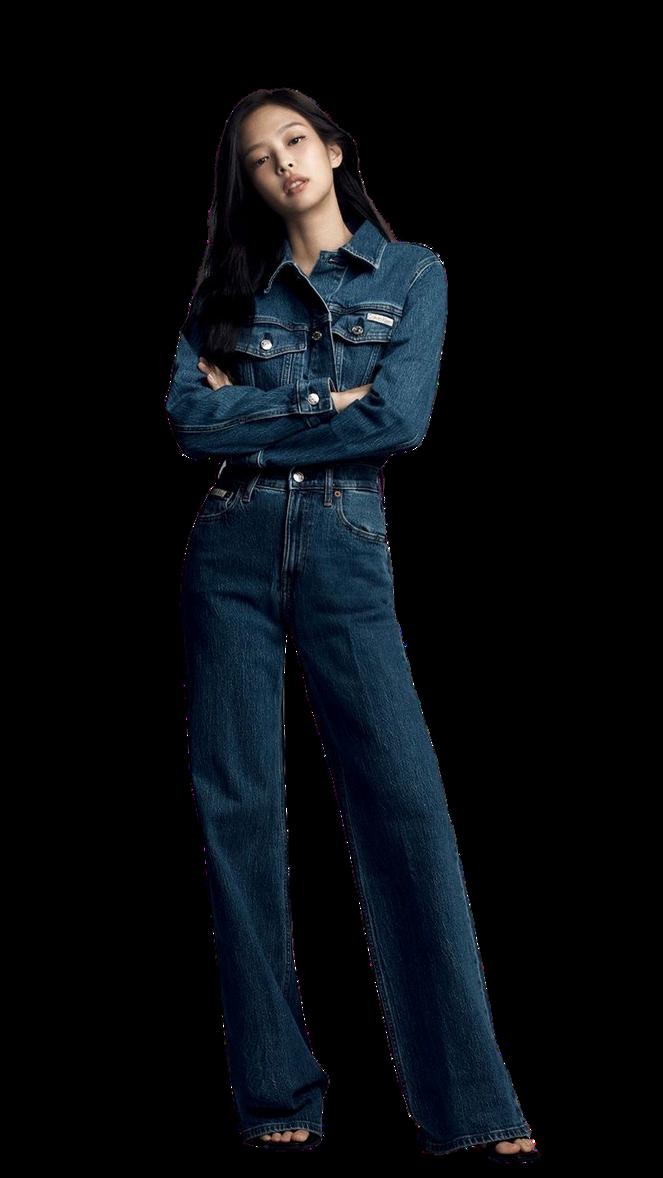
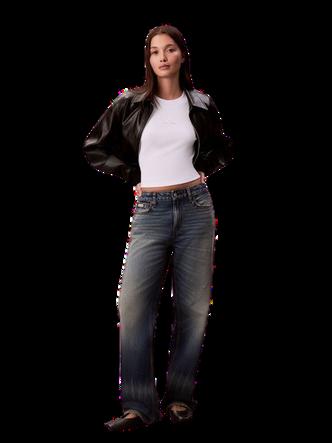
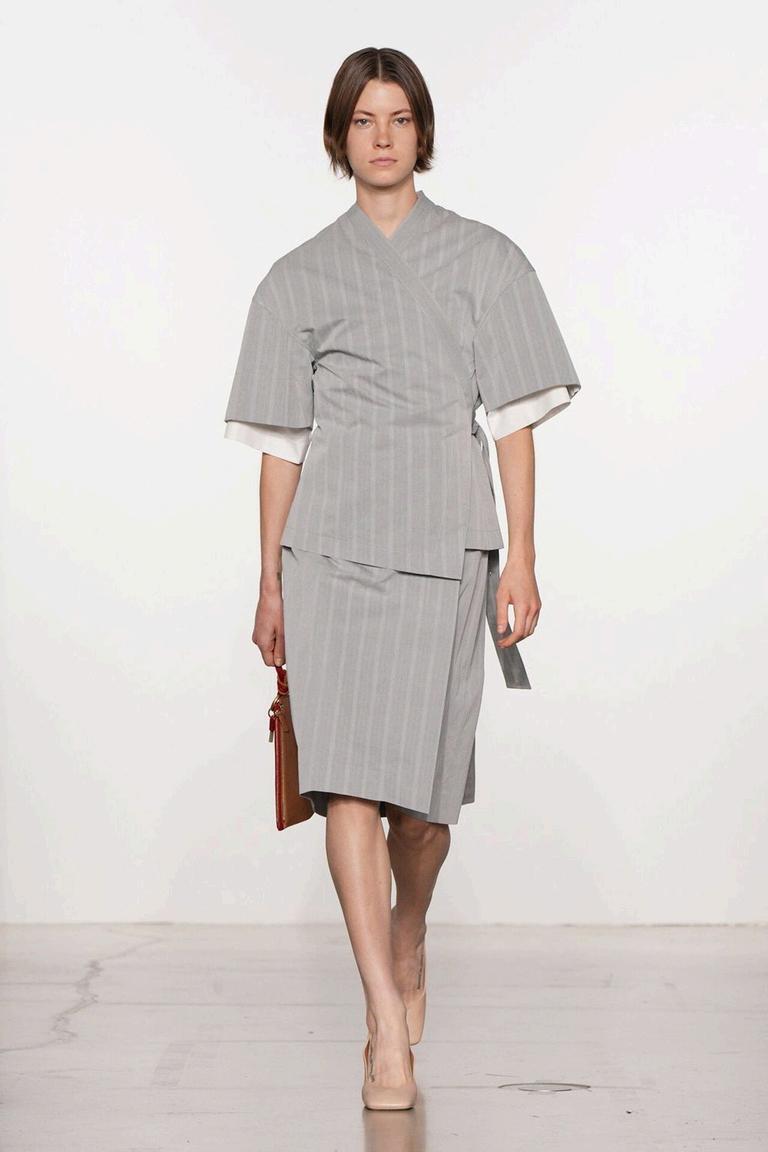
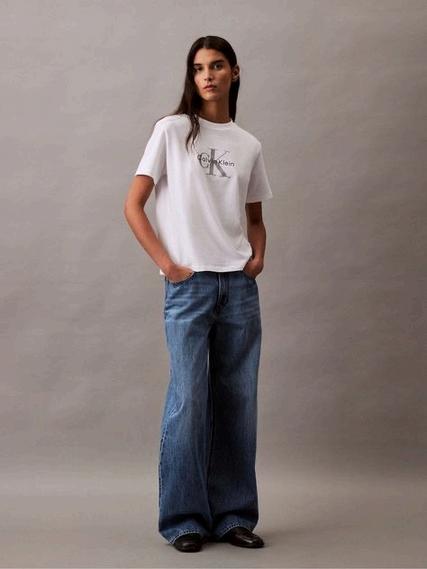
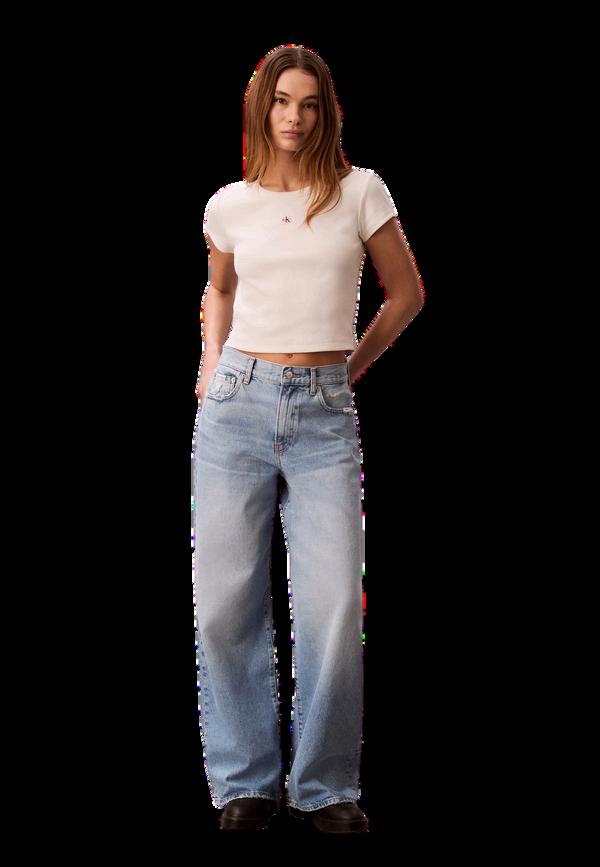
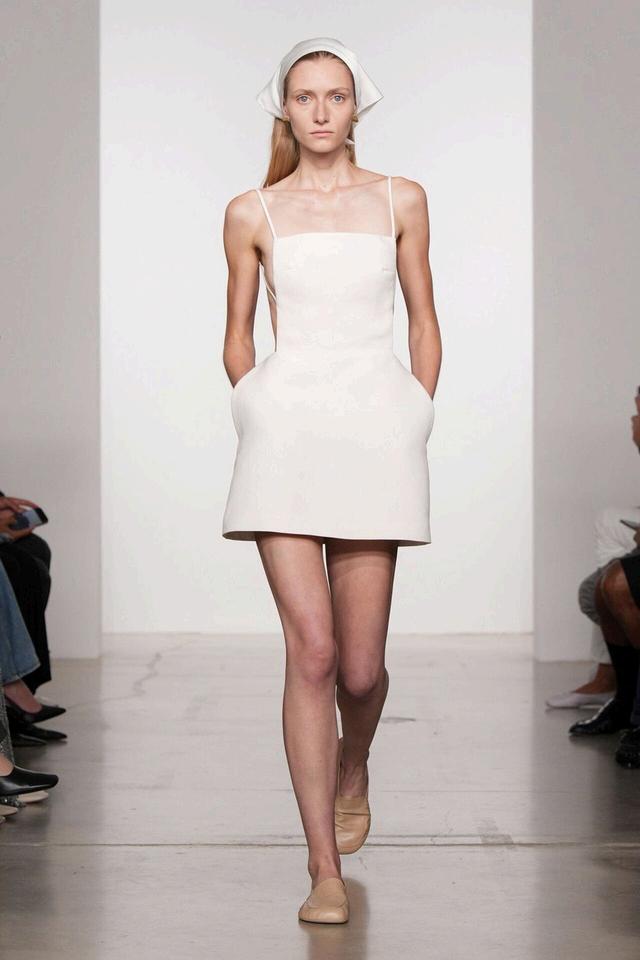
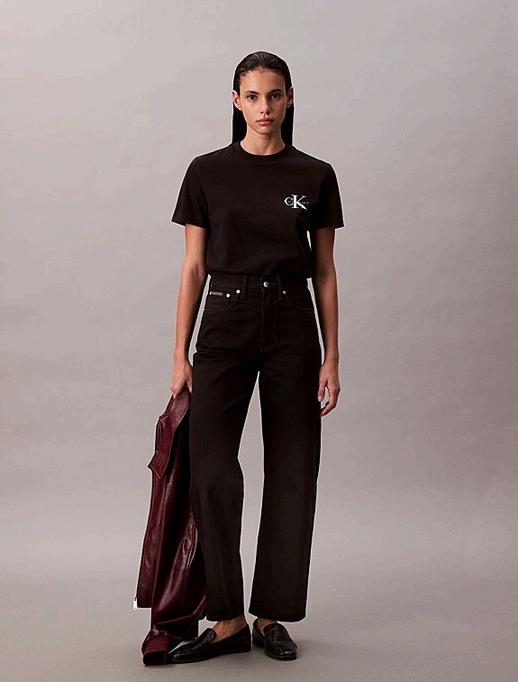
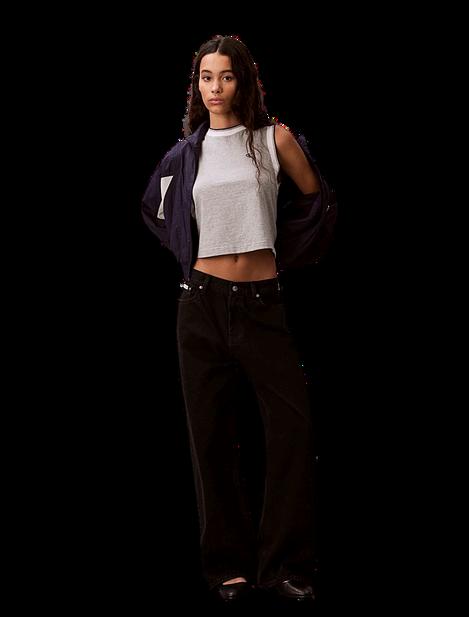
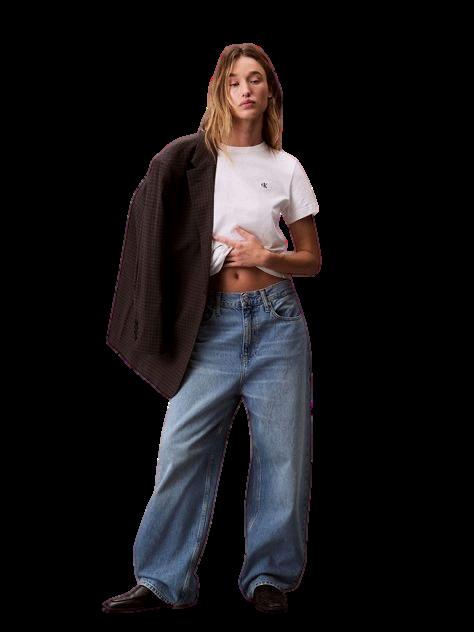
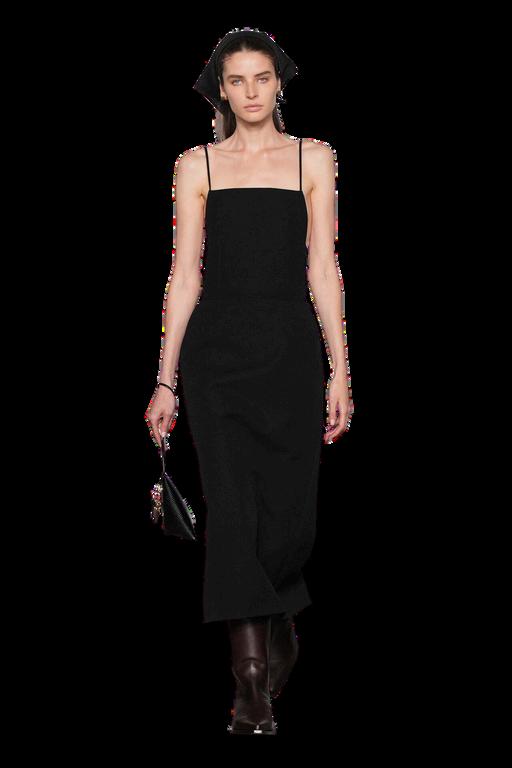
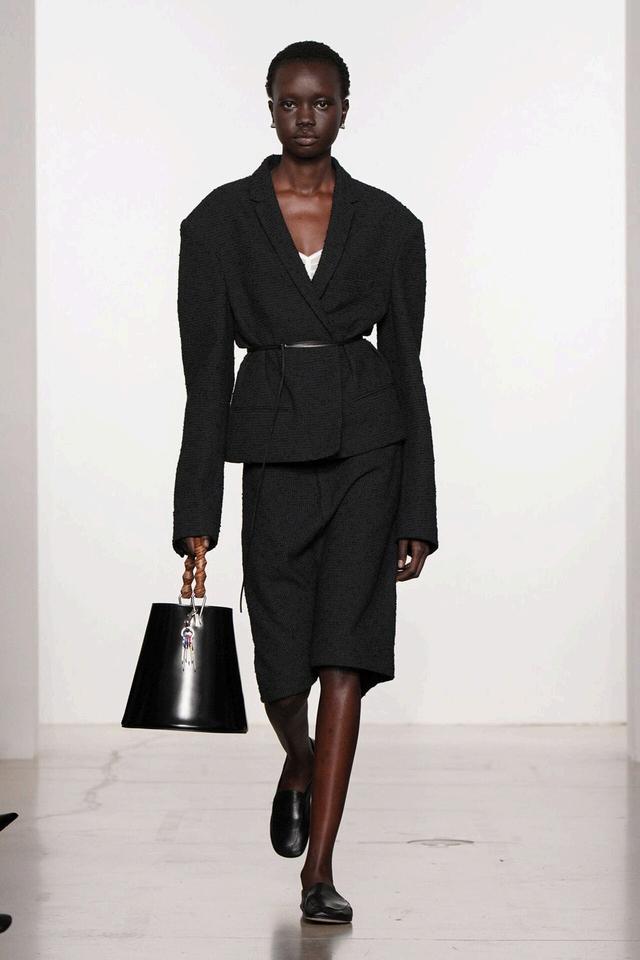
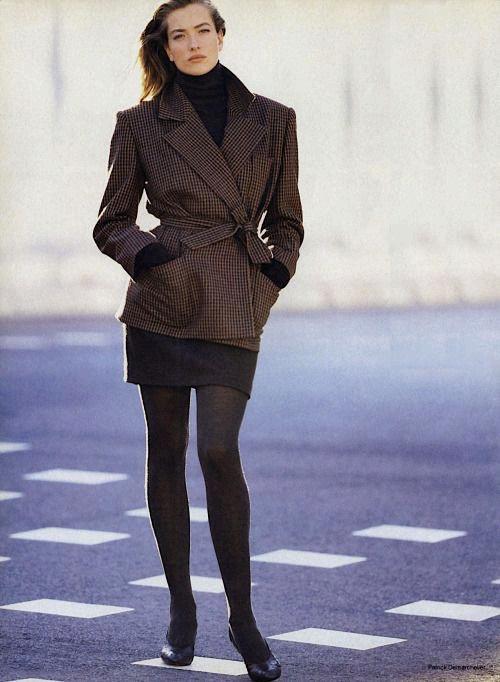
Calvin Klein’s capsule wardrobe pieces have evolved over time, but the brand has still managed to keep its original clean and minimal look. When it first became popular, Calvin Klein focused on simple but strong essentials like jeans, plain tees, underwear and sleek dresses. Over the years the brand has become even more everyday and basic, offering more casual pieces that fit how people dress now. At the same time they still make luxury items like tailored coats and evening dresses, but the biggest growth has been in simple everyday wear that people can use all the time. Even with these changes, the capsule wardrobe feeling is still there because the pieces stay easy to mix, timeless and focused on that classic Calvin Klein simplicity.
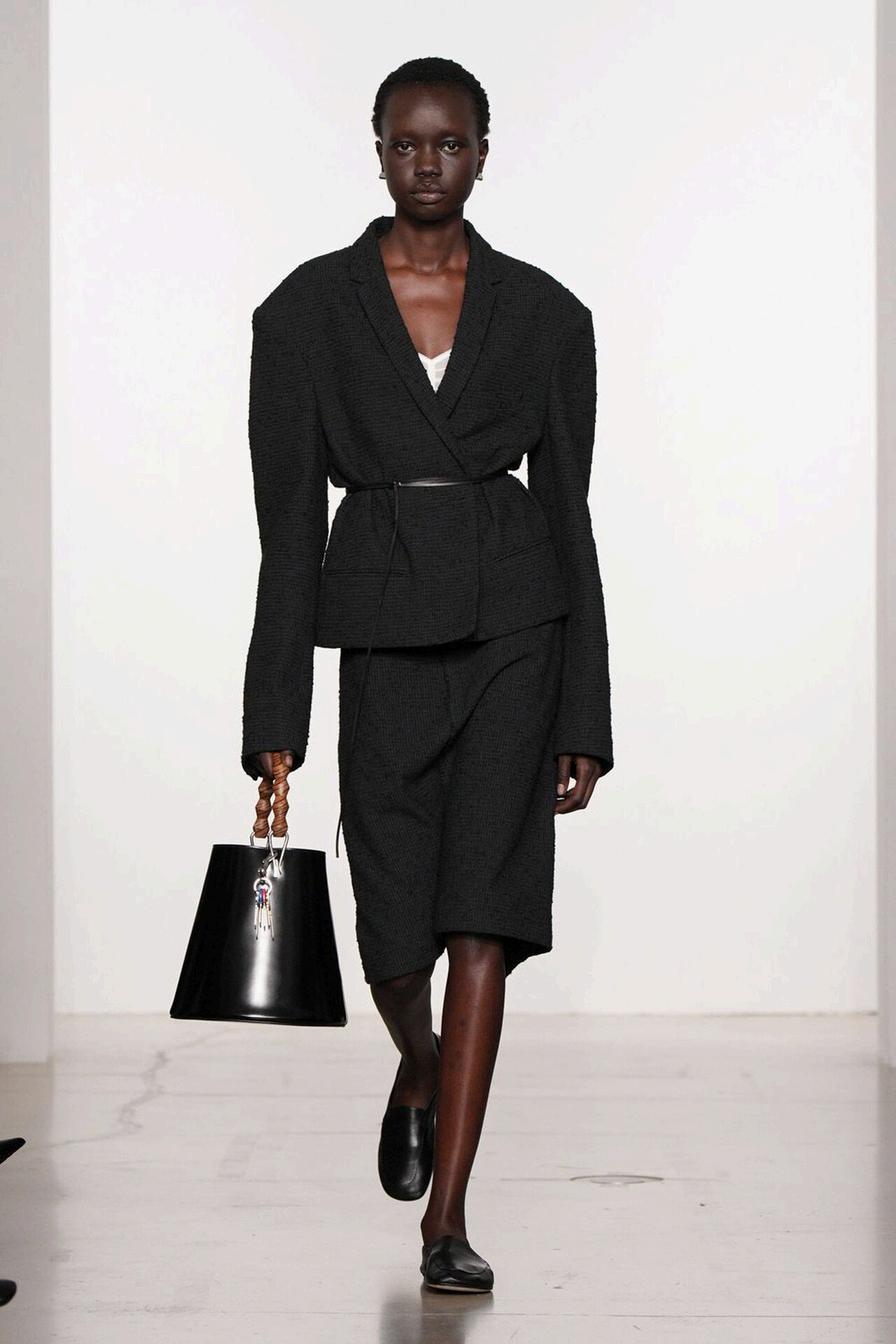
Ralph Lauren and Calvin Klein have both evolved their original capsule wardrobe ideas while still keeping the core identity that made them successful. Ralph Lauren has stayed true to its classic, preppy foundations but now adds more trend-driven elements, updating cuts, colours, and designs to appeal to younger consumers while still keeping key timeless pieces. Calvin Klein has also kept its minimalist capsule DNA but has shifted more into everyday basics and lifestyle clothing, mixing clean essentials with modern luxury items such as slip dresses and tailored pieces. Both brands balance their heritage with contemporary relevance, but their capsules have become a blend of timeless staples and seasonal trends rather than purely classic collections. Through this, a clear gap becomes visible: today’s capsule wardrobes from premium brands don’t offer personalisation, emotional connection, or co-creation. They remain brandled, not community-led, and don’t cater directly to the new generation’s desire for expression and involvement. This reveals a strong opportunity, as there is currently no premium fashion space that combines timeless design with expressive, community-shaped capsules built specifically for Gen Alpha.
Generation Alpha is the most important future consumer group to focus on because they represent a major gap in the fashion industry that no current brand is fully prepared for. As the largest and most technologically shaped generation in history, they are growing up with expectations, behaviours, and values that differ completely from Millennials and Gen Z. Born between 2010 and 2024, they are screen natives, shaped by AI, digital learning, social media from birth and the long-term effects of COVID-19, meaning their relationship with identity, self expression and consumption will be more fluid, fast changing and hyper personalised than any generation before them. By the late 2020s and early 2030s, they will be entering adulthood with significant economic power, yet the premium fashion space has not evolved to meet the needs of a generation raised in a world of constant change, political uncertainty, advanced technology and instant access to information.
Existing brands still target older generations or rely heavily on nostalgia, while Generation Alpha will look for something built for their reality: more innovative, more adaptable, more expressive and more aligned with how they live and interact. Because they are so new and still developing as a generation, there is a clear gap in understanding who they will become and what they will want from fashion, making them the most valuable and future facing audience to build for. This gap between the rapidly evolving identity of Generation Alpha and the slow evolution of premium fashion creates a unique opportunity that brands have yet to fill.
As a look ahead ready for component 3, when I will be solving my gap in the market, I have planed ahead how I will be looking deeper into how I will ensure I understand the full consumer base of generation aloha, and how to fix the gap in a method that works for them, me and my gap.
Trend forecasting via WGSN, Fashion snoops and LSN global to get a better idea of
what is to come in the future
What different impacts will this generation be working with (ai, politics etc), which may have a effect on how they want to dress
Will I be basing it more on the past (as a retrospective) or focus more on the future
How will I keep this in the premium market level to still align with myself
1.Researched GANNI and learned how modern brands use personality and community.
2.Studied Maebe and its expressive, social-media-driven identity.
3.Explored the capsule wardrobe concept and its purpose in timeless dressing.
4.Looked into Donna Karan’s 7 Easy Pieces as the origin of the modern capsule idea.
5.Researched Ralph Lauren and how classic capsule staples evolved over decades.
6.Studied Calvin Klein and the shift from luxury minimalism to everyday basics.
7.Compared all brands and saw how capsules have become too neutral and simplified.
8.Identified a gap for timeless but expressive premium clothing.
9.Researched Generation Alpha and their future influence and demand for identityfocused fashion.
10.Concluded that the market lacks a premium, timeless space that is expressive and community-driven for the next generation.
highlighted red is the info I have extracted and used
A capsule wardrobe is a small collection of thoughtfully chosen, easy-to-mix pieces that allows you to create a wide range of outfits with fewer items. The goal is to simplify getting dressed by focusing on versatile clothing staples that fit your lifestyle, work well together, and get regular wear. While capsule wardrobes feel trendy today, the concept isn’t new. The idea dates back to the 1970s, when London boutique owner Susie Faux introduced the term to describe a streamlined, interchangeable wardrobe built around quality essentials. It gained wider attention in the 1980s with Donna Karan’s “Seven Easy Pieces,” which showed how a small set of core items could be mixed and matched for different settings.
Over time, the idea of a capsule wardrobe has been simplified (sometimes even oversimplified) into rigid rules, exact numbers, or prescriptive shopping lists. From my experience, the most successful capsule wardrobes start with what you already wear and evolve naturally as you pay attention to what works in your real life.A capsule wardrobe is a minimalist collection of clothes that can be put together in different ways to cover a variety of outfits and occasions. The aim is to have an outfit suitable for any occasion without owning excessive items of clothing. This is usually achieved by buying what are considered to be "key" or "staple" items in coordinating colours.[1] It has been the subject of several popular television series and appears widely in British and American fashion media.Capsule wardrobes appeared in American publications as early as the 1940s as small collections of garments designed to be worn together which harmonize in color and line. Susie Faux, owner of London boutique "Wardrobe", revived the term in the 1970s. According to Faux, a capsule wardrobe is a collection of a few essential items of clothing that do not go out of fashion, such as skirts, trousers, and coats, which can then be augmented with seasonal pieces.[2]American designer Donna Karan popularised the idea when in 1985, she released an influential capsule collection of seven interchangeable work-wear pieces.The use of "capsule" to mean "small and compact" was a distinctly American use of the word that surfaced in 1938 according to the Oxford English Dictionary. The term capsule wardrobe appeared in American publications as early as the 1940s to denote a small collection of garments designed to be worn together which harmonized in color and line. The term was revived by Susie Faux, owner of the West End boutique "Wardrobe", in the 1970s to refer to a collection of essential items of clothing that would not go out of fashion, and therefore could be worn for multiple seasons. The aim was to update this collection with seasonal pieces to provide something to wear for any occasion without buying many new items of clothing. Typically, Faux suggests that a woman ' s capsule wardrobe contain at least "2 pairs of trousers, a dress or a skirt, a jacket, a coat, a knit, two pairs of shoes and two bags". The concept of a capsule wardrobe was popularised by American designer Donna Karan in 1985, when she released her "7 Easy Pieces" collection. Her aim was to fill what she referred to as " a void in the marketplace" for a stylish and practical wardrobe designed with working women in mind. When the collection debuted, she showed eight models dressed only in bodysuits and black tights. The models then began to add items of clothing such as wrap-skirts, trousers, and dresses, to demonstrate her interchangeable style of dressing.As a term, "capsule wardrobe" is widely used in the fashion media; the fashion sections in British newspapers The Independent and The Daily Telegraph have run feature articles on capsule wardrobes, as have British Marie Claire and Elle magazines, among others. The concept has been further popularised by several television programmes, including Trinny and Susannah's 'What Not to Wear', which aired on the BBC 2001–2007, and Gok's Fashion Fix, which aired on Channel Four from 2008 onwards. Presenter and stylist Gok Wan asserts that a capsule wardrobe is an especially important tool in a recession as it allows people to look good on a small budget.
[4]
[5][6] [7] [2]
[8][unre iable source?]
For over half a century, Ralph Lauren has proven to be a designer who favors flattering cuts and tasteful shades over avant-garde aesthetics. His eponymous brand has won fans the world over with its sophisticated apparel that melds American collegiate swag and moneyed equestrian tailoring with Scottish heritage flourishes—think polo shirts, essential knitwear, tartan trousers, and naval blazers. Now it’s time for you to build a wardrobe of capsule clothing that can be mixed and matched across the seasons. Ralph’s luxurious essentials are so versatile that they can easily transition between day and night and from casual to formal occasions.Since 1971, Ralph Lauren has been leading the style pack with women ’ s suits and blazers that flatter the figure with their powerful yet feminine cuts and exquisite high-end fabrics. Harnessing manufacturing techniques first used for menswear, these sartorial essentials will easily whisk you from the boardroom to the banquet hall with minimal fuss.To begin building your timeless capsule, opt for a suit blazer made from soft-to-the-touch wool, casual chambray, or easy-breezy linen. Team with a pair of matching trousers, or a sassy skirt, depending on the occasion.By the late 70’s, Ralph Lauren had expanded his womenswear offerings to include classic trench coats, plush cashmere wraps, and other outerwear must-haves that surpassed flash in the pan trends “the way fine clothes have and always will.” This season, add to your timeless capsule with denim trucker jackets, butter-soft biker jackets, and woolen coats that skim the shins.To add an eye-popping pattern to your wardrobe, select a bold tartan jacket (inspired by the mighty clans of the Scottish Highlands), or invest in a long animal print wrap coat complete with statement waist tie. RL outwear can be layered over all kinds of garments, whatever the weather, including our popular polo shirts and feminine dresses.From turtleneck sweaters and French terry cardigans to chunky cable-knit jumpers, Ralph Lauren’s essential knitwear collection teems with elevated basics that can be dressed up or down, in line with the changing seasons. In the warmer weather, elevate a pair of jeans with a flouncy tie-front cardigan and strappy stilettos, or slip a cosy dual-zip sweater over a fleece-lined hoodie when the cooler months creep in. Ralph’s roll neck jumpers are a versatile wardrobe must-buy thanks to their old-school intellectual vibe and tasteful earthen colour palette think Camel Melange, Battalion Grey Heather, and fiery Autumn Red.When putting together a timeless capsule, begin with shirts and trousers. These adaptable staples offer a simple and neutral base from which entire outfits can be built. For a shirt that can go from the workplace to the weekend, shop Ralph’s Slim Fit collection. A crisp white classic goes with just about anything, whether that’s a smart office suit or an edgy leather biker jacket. Alternatively, an all-American denim blouse can be vamped up with glamorous jewellery like an exaggerated chain buckle necklace or jewel-encrusted chandelier earrings. Throw a fringed Western jacket over the top and you’ll look like a 21st century cowgirl in no time!As for bottoms, peruse Ralph’s vast array of Polo jeans (slim or relaxed) and trousers that span tapered, straight leg, and wide cuts in fabrics like linen, satin, and cotton. Team with heels, loafers, or leather riding boots. The style options are endless.
No brand is as synonymous with the clean, minimalist aesthetic as Calvin Klein – and this year the brand is having a comeback at John Lewis. From slip dresses, cashmere roll-necks to smart coats, here are the styles we have our eye on.Calvin Klein Collection made a bold return to New York Fashion Week with its Fall 2025 collection under Veronica Leoni’s creative direction. The show reinforces the brand’s minimalist identity while shaping its future.Calvin Klein has always inspired me, and shaping its next chapter is a unique opportunity,» says Leoni. «My goal is to define monumental minimalism through form and craftsmanship, bringing Mr. Klein’s vision into the present.»The collection redefines essentials, blending minimalism with self-expression. Key pieces include coats, trenches, capes, suits, silk blouses, shirts, trousers, square-toe flats, high heels, handbags, eyewear, and a CK One bottle reinvented as a clutch. Tailoring is stripped down into three silhouettes: slim and sharp, loose and cropped, and fluid and enveloping. Underwear elements subtly appear in knitted henleys, slip dresses, and relaxed tailoring.Balancing purity and expressiveness, the collection moves from structured cuts to embroidery, sheer organza, soft draping, and back to defined silhouettes. Fabrics range from soft wool and cashmere to sturdy gabardine, twill, matte moleskin, brushed cotton, and satin. A neutral palette— black, granite, moon gray, fudge, off-white, and porcelain—features unexpected touches of raspberry and citron.The show took place at Calvin Klein’s global headquarters in New York’s Garment District, with a sculpted carpet featuring the new logo, merging heritage with modernity. With its revival, Calvin Klein Collection introduces a refined visual identity with M/M (Paris), balancing classic and modern elements. A striking label image, typically hidden yet close to the skin, symbolizes Leoni’s vision of reinstating desire at the brand’s core.A geometric sans-serif logo enhances structure, warmth, and readability. A custom typeface, inspired by Roman inscriptions like Trajan’s Column, brings proportion and modernity. This distinct visual language honors Calvin Klein’s heritage while defining its future.
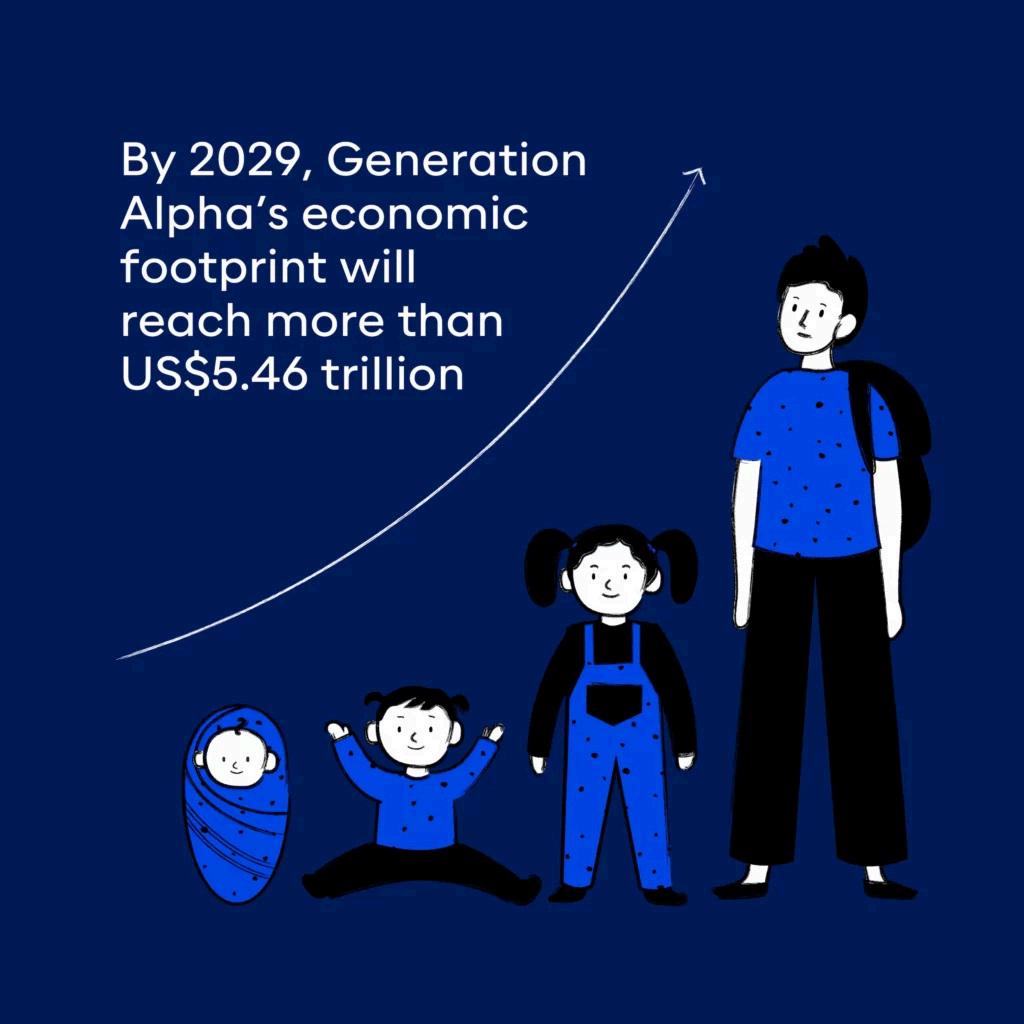
There is a growing generation that few people have heard of. Within the next few years they will outnumber the Baby Boomers, and many of them will live to see the 22nd Century.We’re talking about Generation Alpha, the children of Generation Y, and often the younger siblings of Generation Z. Simply put, Generation Alpha are defined as those born from 2010-2024. More than 2.8 million are born globally every week. When they have all been born (2025) they will number almost 2 billion – the largest generation in the history of the world.While they are the youngest generation, they have brand influence and purchasing power beyond their years. They shape the social media landscape, are the popular culture influencers, the emerging consumers and by the end of the 2020’s will be moving into adulthood, the workforce and household formation, ready or not.Gen Alpha are the most materially endowed generation ever, the most technologically savvy generation ever and they will enjoy a longer life span than any previous generation.They will stay in education longer, start their earning years later and stay at home with their parents later than even their predecessors, Gen Z and Gen Y. The role of parents therefore will span a longer age range – with many of these Gen Alphas likely to be still living at home into their late 20’s.This newest generation are part of an unintentional global experiment where screens are placed in front of them from the youngest age as pacifiers, entertainers and educational aids. This great screen age in which we are all living has bigger impacts on the generation exposed to such screen saturation during their formative years.From shorter attention spans to the gamification of education, from increased digital literacy to impaired social formation, these times impact us all but transform those in their formative years. Generation Alpha began being born in 2010, the year the iPad was launched, Instagram was created, and App was the word of the year- and so from their earliest years, they have been screenagers.With the increase in screen and technology, there’s no doubt that Generation Alpha will feel this influence in their schooling.For many, their childhood likely involved doing things that were new experiences, like taking piano lessons, playing sports with friends or reading books. These experiences helped shape them because they were engaging and gave opportunities to learn.While this is likely to happen still, the way Gen Alpha learn involves technology and has become more advanced and accessible through devices such as smartphones and tablets. This is already a trend among their forerunners, Gen Z, with TikTok (42%) the third most engaged with platform by students to teach themselves new skills, coming in above parents (39%).More people than ever, especially the emerging generations have access to information about anything with the rise of the internet.By 2029, when the oldest Generation Alphas enter into adulthood and the youngest Generation Alphas reach the age of five, their economic footprint will reach more than US$5.46 trillion. This means that organisations today should be thinking about the future consumer in Generation Alpha.Generational definitions are most useful when they span a set age range and so allow meaningful comparisons across generations. That is why the generations today each span 15 years with Generation Y (Millennials) born from 1980 to 1994; Generation Z from 1995 to 2009 and Generation Alpha from 2010 to 2024. And so it follows that Generation Beta will be born from 2025 to 2039.If the nomenclature sticks, then we will afterwards have Generation Gamma and Generation Delta, but we won’t be getting there until the second half of the 21st Century so there is plenty of time to reflect on the labels!Because members of Generation Alpha are still children, they are under the influence of their parents, who are typically millennials. Millennials’ habitual use of social media, including to share photographs, videos, or stories of their children, means that much of Generation Alpha will be online from birth. They are the first generation to experience remote classrooms, tablet computers, and ubiquitous streamingservices from early childhood. They will also likely be affected by the emerging use of artificial intelligence(AI), both through voice assistants like Siri or Alexa and natural language processing tools like ChatGPT.The behaviours, attitudes, and habits of Generation Alpha will likely be affected more than those of any other generation by the COVID-19 pandemic. Some researchers have referred to Generation Alpha as “Gen C” or “Generation COVID” because they will be the first generation to grow up largely or entirely in a world touched by the COVID-19 pandemic and the response to it. The pandemic accelerated existing trends in technology affecting Generation Alpha, encouraging more digital communication, particularly in industrialized countries, through the use of video calls, meetings, and remote classroom settings. Generation Alpha has spent more time at home with their parents than they otherwise would have as a result of the COVID-19 pandemic.