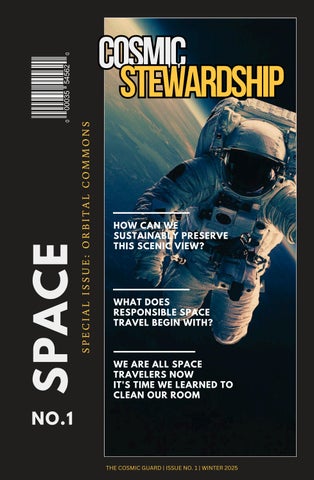
S P A C E NO.1
Cosmic CosmicStewardship Stewardship
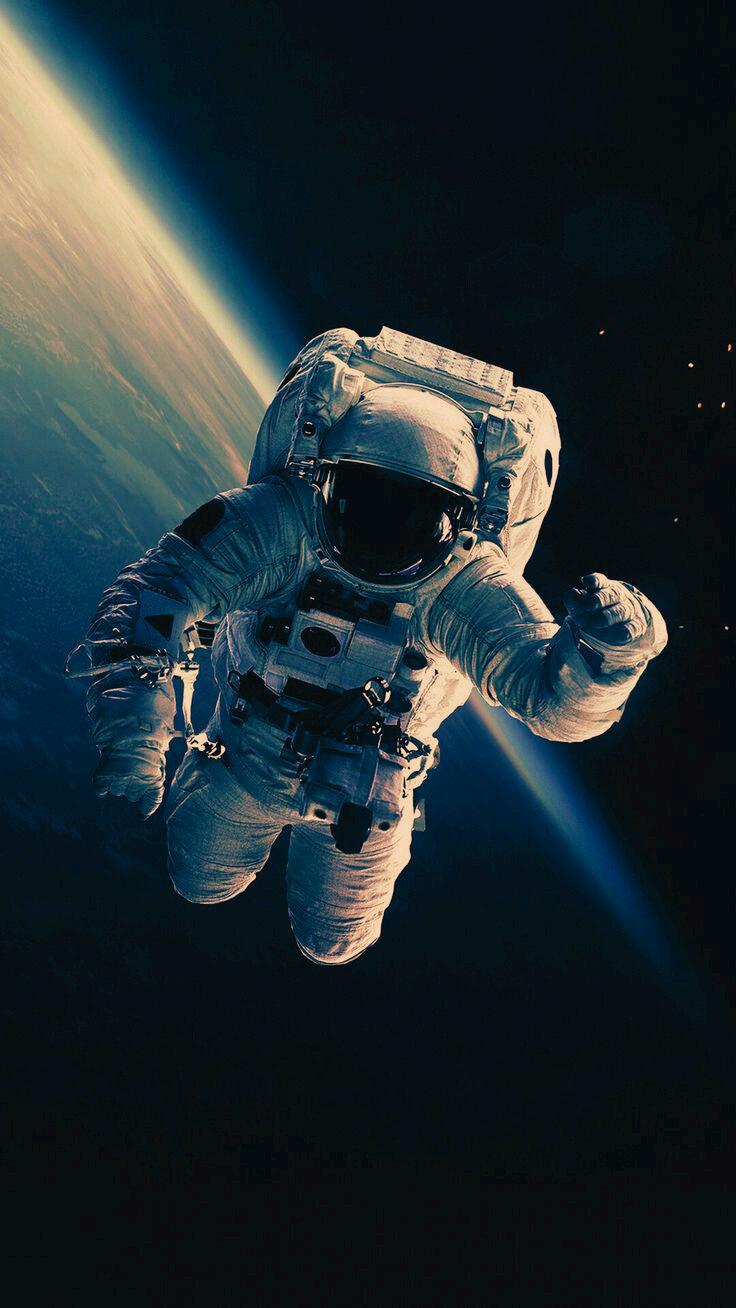
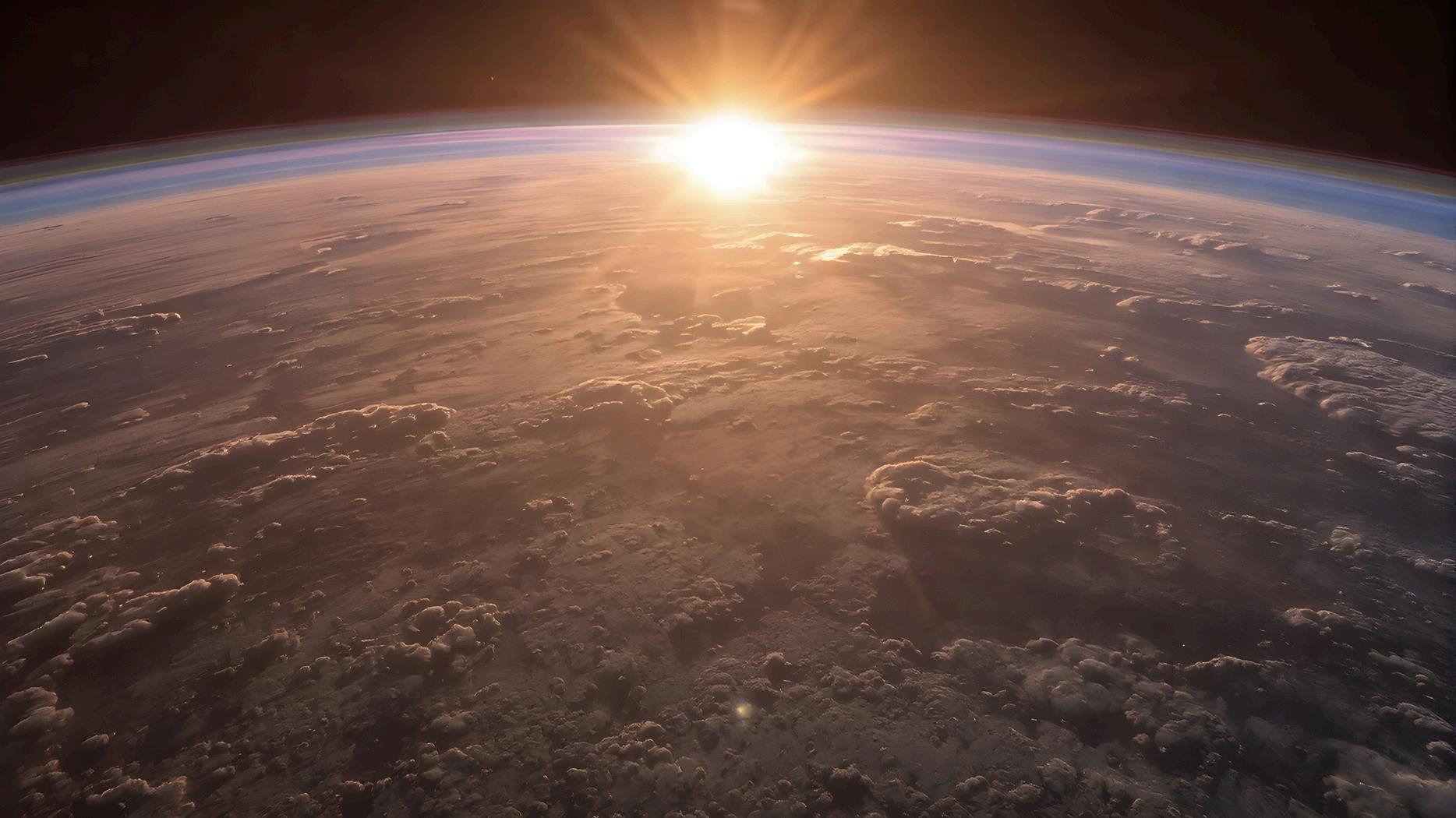
HOW CAN WE SUSTAINABLY PRESERVE THIS SCENIC VIEW?
WHAT DOES RESPONSIBLE SPACE TRAVEL BEGIN WITH?
WE ARE ALL SPACE TRAVELERS NOW IT'S TIME WE LEARNED TO CLEAN OUR ROOM
TheCosmic TheCosmic Guard
Editor-in-Chief

Researchers
ContentWriters
ImageResearchers
Ambay,AraBellaGrace Ilagan,Johnrey Ilagan,HannahCzarina OrtegaAshley Gerance,MaryAnn Helmo,BabyQueen Padua,Rhymco ReginoG.Dagos
DeputyEditor InstructorI Avecilla,Lorence Alutang,Iverson

Exploration Space Space
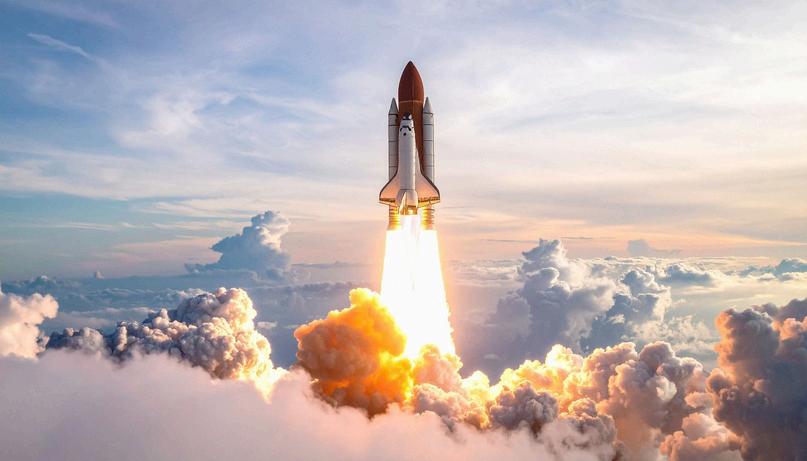
We have always looked at the heavens and wondered about the nature of the objects seen in the night sky. With the development of rockets and the advances in electronics and other technologies in the 20th century, it became possible to send machines and animals and then people above Earth’s atmosphere into outer space Well before technology made these achievements possible, however, space exploration had already captured the minds of many people, not only aircraft pilots and scientists but also writers and artists
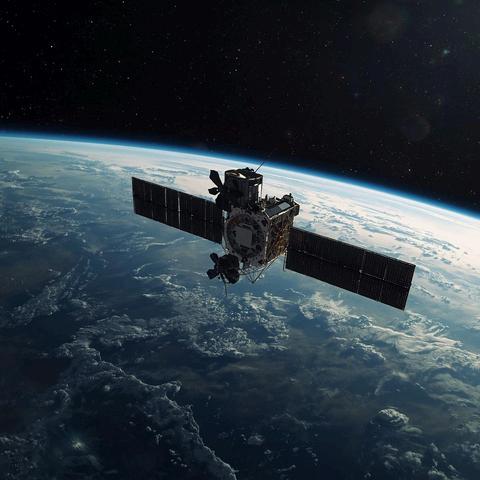
This curiosity pushes us to explore space, and this brings many important benefits It leads to new discoveries about planets, stars, and the origins of the universe Because of our desire to explore, scientists create new technologies that help not only astronauts but also people on Earth, such as satellites for communication, weather monitoring, and navigation
However, our curiosity about space also comes with challenges. Space exploration is extremely expensive, and some argue that the money could be used to solve problems here on Earth It also puts astronauts in danger because space is full of risks like radiation and equipment failures Another problem is the growing amount of space debris left by old satellites and rockets, which can cause accidents in orbit Rocket launches can also affect the environment, and exploring other planets raises ethical questions about contaminating worlds that may hold unknown forms of life
THE THRESHOLD OF HOMO SPACIENS
By The Editorial Board
We’ve crossed a line We are no longer just visiting space; we have moved in Now we must decide what kind of neighbors we want to be Fifty years ago, space was a destination It’s a place of brief, heroic sorties, a high ground to be captured for national prestige The narrative was one of conquest, defined by flags planted in lunar dust and the tense geometry of Cold War competition
That era is over. Today, space is infrastructure. If you used a smartphone, checked a weather forecast, made an international transaction, or used GPS to find a coffee shop this morning, you interacted with the cosmos Low Earth Orbit (LEO) has become an extension of our terrestrial economy, a bustling domain where commerce, science, and defense intersect. The frontier is closing faster than we realize; civilization is extending upwards
We have quietly transitioned from a species that explores space to an early-stage space
faring civilization This transition brings us to a profound inflection point, a test of our species' maturity that we call Cosmic Stewardship Defining stewardship in a vacuum literally is a philosophical and engineering challenge. It requires shifting our mindset from short-term exploitation to long-term sustainability The "takemake-dispose" model that fueled the industrial revolution on Earth is impossible in space There is no "away" to throw things to when you are already in orbit.
Stewardship is the realization that our expansion into the solar system is not an escape from Earth's problems but an extension of our responsibility to solve them True cosmic stewardship is the recognition that near-Earth space is a finite natural resource, much like the Amazon rainforest or the high seas It’s a common that can be exhausted, polluted, or rendered unusable by conflict If we are to become a multi-planetary species, we must first prove we can responsibly manage the space immediately above our heads.


ConditionCosmic Cosmic
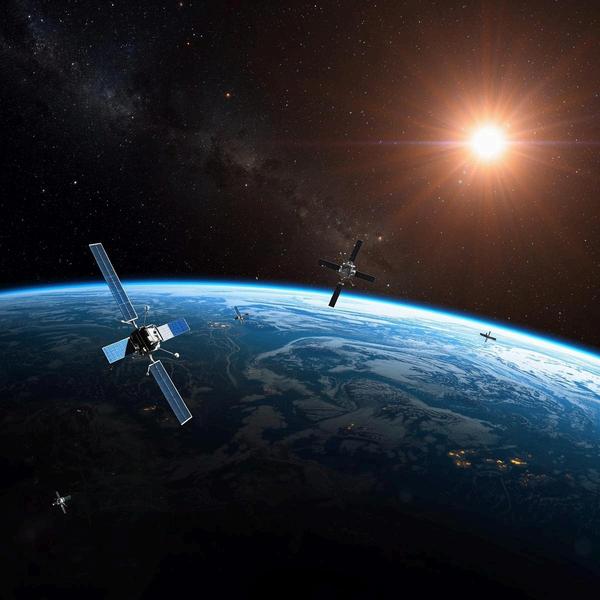
As of 2025, Earth’s orbit is no longer an empty frontier; it has become a crowded, polluted corridor filled with man-made debris. More than 36,000 trackable objects larger than 10 cm, over 600,000 fragments between 1 and 10 cm, and millions of microscopic particles now circle our planet at deadly speeds of up to 28,000 km/h These fragments come from defunct satellites, spent rocket stages, explosive collisions, and even tiny flakes of paint, each capable of crippling an active spacecraft
This growing cloud of debris represents a critical turning point. Low Earth Orbit has become an essential part of global infrastructure, powering GPS, communication, climate monitoring, and scientific missions, yet it is dangerously close to the tipping point of Kessler Syndrome, where cascading collisions could render entire orbital regions unusable for centuries
Humanity now faces a choice: continue treating space as an unlimited dump, or embrace Cosmic Stewardship the responsibility to protect and sustain the orbital environment. Initiatives like the European Space Agency’s Zero Debris goal for 2030 highlight a rising global effort to stop creating new junk and to secure space as a safe, shared resource
We are no longer just visitors in space; we are residents And it is time we learned to clean our cosmic room.

Stewarship Stewarship
Cosmic stewardship is an ethical concept emphasizing humanity's responsibility to manage Earth and the cosmos sustainably and responsibly, balancing exploration with long-term ecological health, ensuring equitable access, and considering the far-reaching consequences of our actions for current and future generations It's a holistic approach that views Earth within a larger cosmic context, advocating for proactive care of our planet and responsible engagement with space.
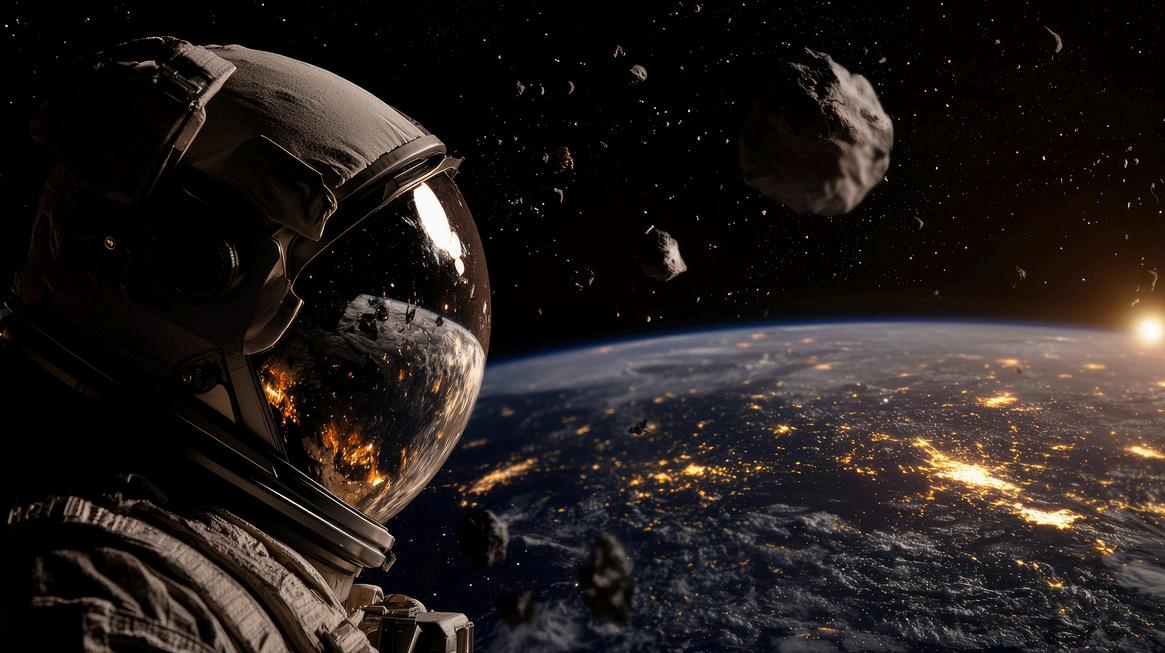
According to Randy Alcorn (2011), stewardship isn't a subcategory of the Christian life Stewardship is the Christian life After all, what is stewardship except that God has entrusted to us life, time, talents, money, possessions, family, and his grace? In each case, he evaluates how we regard what he has entrusted to us and what we do with it.
His concept relates to Cosmic Stewardship, fundamentally redefining the Christian life, asserting that all of existence is an asset entrusted to us by God for temporary management, not ownership. His perspective moves stewardship beyond a mere subcategory of faith, such as giving or serving, and elevates it to the central, overarching mandate of Christian living By linking the faithful use of our time, talents, money, and relationships in this present, temporary "dot" of life to the eternal "line" of the coming New Earth, Alcorn imparts a cosmic significance to every daily decision Consequently, the way we manage the Lord's resources now is not just about present obedience but is effectively an eternal investment that determines our accountability and reward in the redeemed creation to come
wasteLand wasteLand Orbital Orbital DEBRIS CRISIS

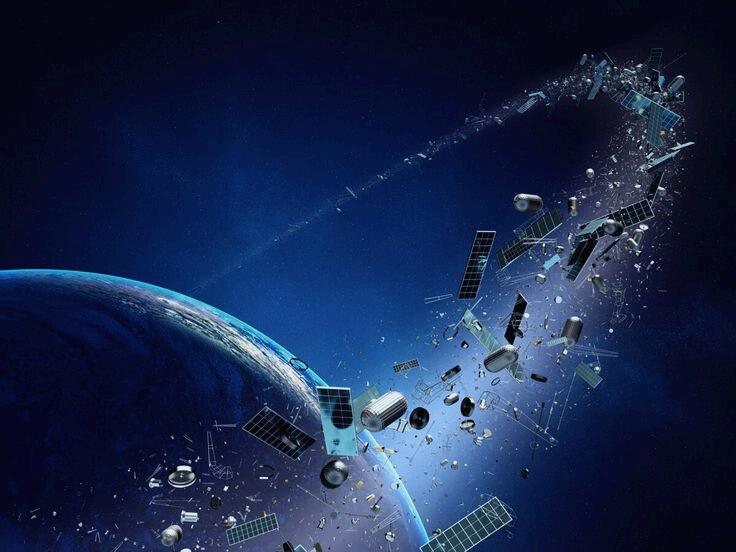
Earth’s orbit is becoming increasingly crowded with fragments of old satellites, rocket parts, and collision debris. This accumulation, often called “orbital debris,” poses serious risks to spacecraft, astronauts, and future missions.
Debris can be as small as tiny flecks of paint or bits of metal that have come off spacecraft. Also, the larger debris could be an entire satellite that is no longer working.
Example:
Over 36,000 trackable objects are orbiting Earth, with millions of smaller fragments too tiny to detect.
The most common source of orbital debris larger than 1 centimeter (0 39 inches) is the explosion of objects orbiting Earth These are often rocket upper stages containing fuel or high-pressure fluids
Most “space junk” is moving very fast It can reach speeds of 4 3 to 5 miles per second Five miles per second is 18,000 miles per hour That speed is almost seven times faster than a bullet And if a spacecraft is moving toward the debris, the total speed at which they collide can be even faster
The average impact speed of a piece of orbital debris running into another object is 22,370 miles per hour Since it’s moving so quickly, a tiny piece of orbital debris can cause a lot of damage Being hit by a piece of debris smaller than half an inch around traveling at about six miles per second would be like being hit by a bowling ball moving at 300 miles per hour
Space Space Protocol Protocol
ARTICLE IX
OUTER SPACE TREATY
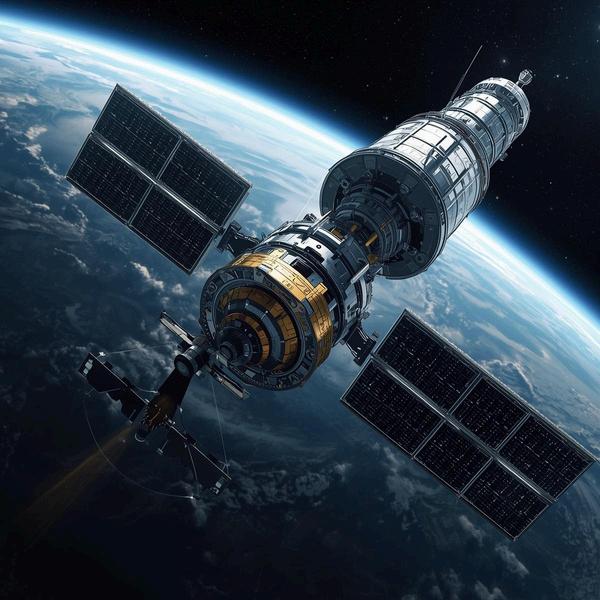
States Parties to the Treaty are required to cooperate and assist each other in the exploration and use of outer space, including the Moon and other celestial bodies. All activities must consider the interests of other states and aim to prevent harmful contamination of celestial bodies and adverse changes to Earth’s environment from extraterrestrial matter. If a planned activity could interfere with other states’ peaceful space operations, the responsible state must consult internationally before proceeding Likewise, states may request consultations if they believe another state’s activity could cause harmful interference.
PLANETARY PROTECTION
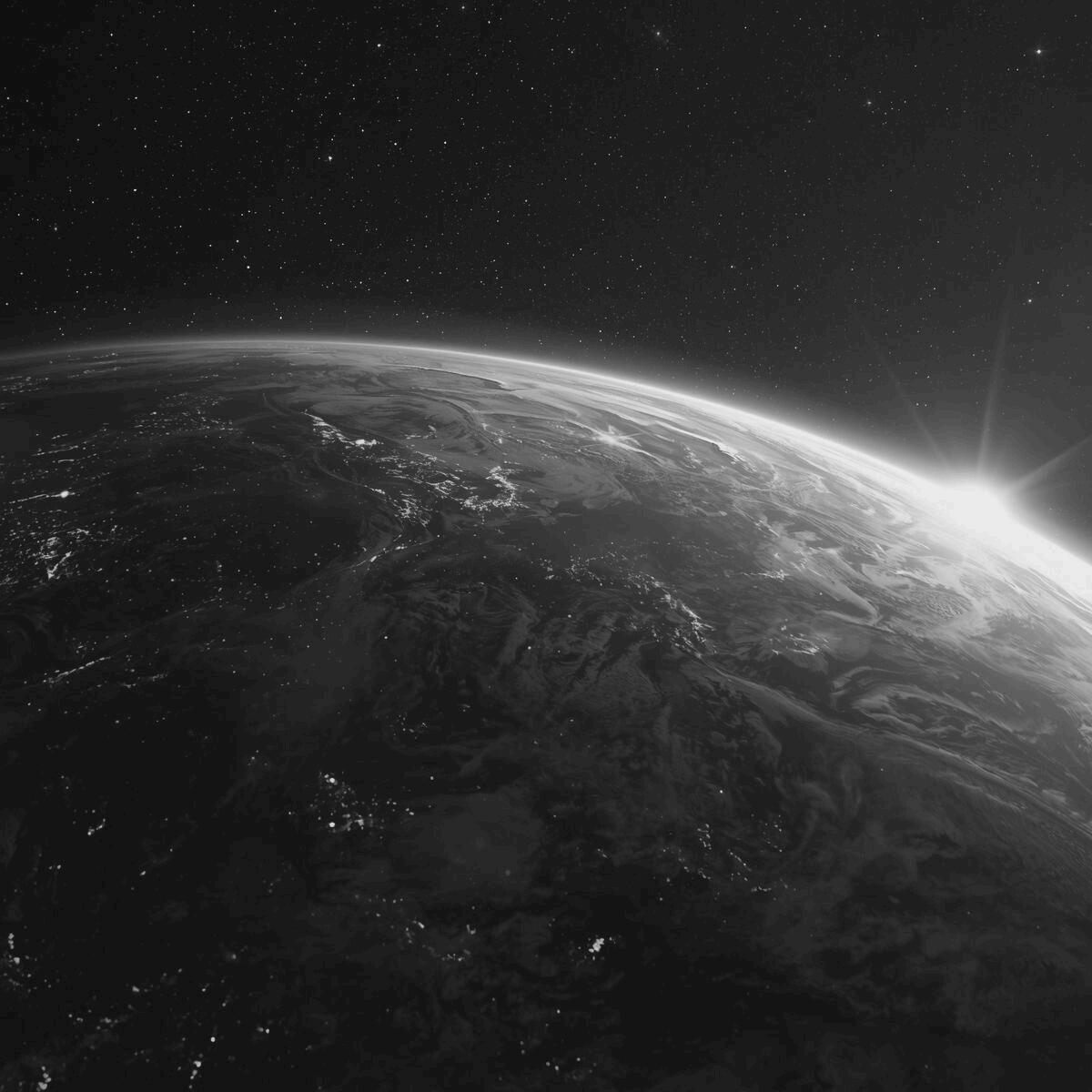
Planetary protection involves rules that prevent contamination between Earth and other planets Space agencies like NASA clean spacecraft carefully to avoid bringing Earth bacteria to places such as Mars or Europa (NASA, Planetary Protection Overview). If these microbes survive, scientists may mistake them for alien life, making discoveries unreliable At the same time, any samples returned to Earth must be handled under strict safety procedures to prevent unknown organisms from harming our planet (Rummel, 2020). These practices help ensure that our search for life is accurate and safe.
ORBITAL DEBRIS: LEGAL SHIELDS AND GAPS
International Space Law Framework
The Outer Space Treaty of 1967 establishes core responsibilities for states to conduct space activities for the benefit of all humanity, including avoiding harmful contamination and ensuring objects do not cause damage Operators bear a duty of due diligence, encompassing risk assessments, collision avoidance, and debris minimization through practices like passivation and deorbiting within 25 years. The UN Space Debris Mitigation Guidelines, endorsed by COPUOS, promote voluntary measures such as limiting debris release during operations
Liability for Debris Damage
Under the 1972 Liability Convention, launching states face absolute liability for damage on Earth's surface or aircraft, and fault-based liability for orbital incidents caused by their space objects, including debris This covers satellites, components, and fragments, with claims processed directly or via arbitration if unresolved. Challenges arise with unidentified debris, where fault is hard to prove, prompting proposals like market-share liability to apportion responsibility based on operators' orbital shares.
Challenges in Debris Removal

Active debris removal incurs legal hurdles, as registry states retain jurisdiction over their objects, requiring consent or UN sanction for foreign intervention to avoid wrongful acts. Current frameworks overburden willing nations with liability risks, stalling international cooperation despite consensus on removing 5-10 large objects yearly to avert Kessler Syndrome Erga omnes(towards all) obligations owed to the global community demand collective action on debris as a shared environmental threat.
Mitigation Responsibilities
Satellite operators must meet national licensing, safety standards, and post-mission disposal to comply with international norms, enforced by agencies through inspections and sanctions. Global efforts emphasize transparency, registration, and tech like drag sails, with calls for updated liability regimes to incentivize remediation These duties parallel climate responsibilities, prioritizing sustainable orbits amid rising constellations
These points together reveal that current space law treats orbit like an infinite dumping ground, not a fragile global commons: core treaties speak about benefiting all humanity but rely on voluntary debris guidelines with weak enforcement; liability rules are strong on Earth yet weak and faultbased in orbit, making compensation nearly impossible when fragments cannot be traced; legal control over objects paralyzes active debris removal even as experts say a handful of large objects must be removed each year to avoid Kessler Syndrome; and national licensing and mitigation duties often look good on paper but rarely create real incentives to clean up, mirroring climate governance where high-level principles exist without the binding, enforceable mechanisms needed to turn operators from routine polluters into genuine custodians of near-Earth space
Message From Editorial Team
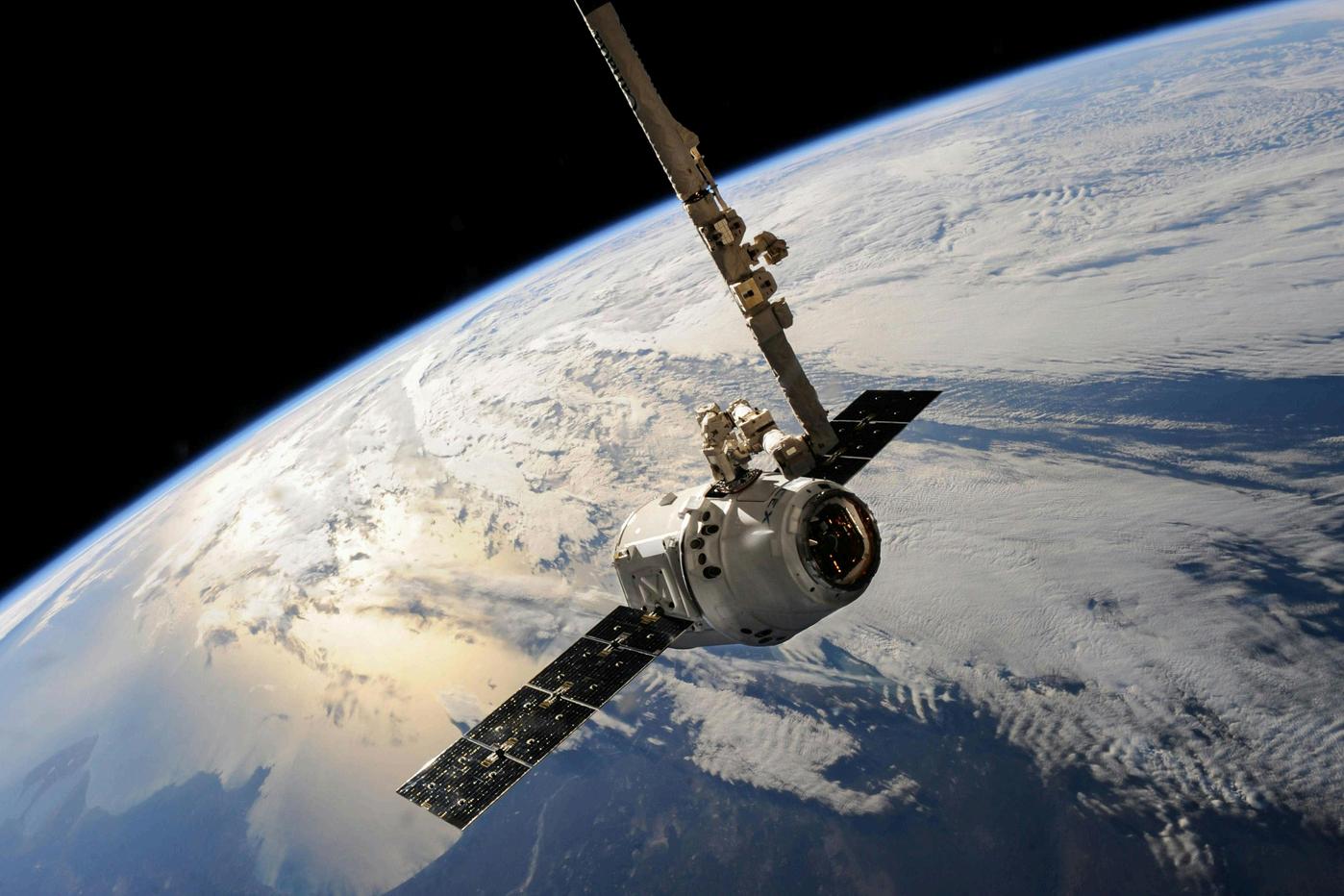
When humanity settles into space, that enables our daily lives satellites orbiting in Low Earth Orbit (LEO) is generating a hidden hazard: orbital debris Thousands of old or abandoned rocket stages, depicted satellites, and fragmented collision remnants now swarm around Earth, forming a dense like a moving field of junk Each piece, traveling at velocities up to 28,000 km/h, poses a catastrophic risk to operational pletely Pieces can survive the fiery descent and strike populated areas think of a random metal shard raining down on a city street The mess we leave in orbit doesn’t stay up there; it ripples down to destroy economies, daily life, and safety on land
Space debris in low-Earth orbit (LEO) poses a critical, multifaceted threat extending far beyond space itself, endangering essential services like GPS, global communications, weather forecasting, and financial transactions that rely on a functioning satellite swarm A catastrophic debris buildup, known as the Kessler Syndrome, would cause these services to fail, impacting everything from selfdriving cars to emergency response communications. Furthermore, the problem threatens safety on Earth as unburnt fragments from re-entering dead satellites and rocket stages can strike populated areas The impact even extends to the atmosphere, as tiny metal particles from broken satellites float into the stratosphere, potentially altering cloud formation and damaging the protective ozone layer To prevent a devastating scenario, immediate international cooperation is essential, focusing on establishing strict rules for building debris-resistant satellites and funding active debris removal missions to keep LEO our shared global backyard safe and functional for future generations
References References
Alcorn, R (2011) Money, possessions, and eternity (p 226). Tyndale House Publishers. https://www tyndale com/book-club-hub/generator /296/eng/money-possessions-and-eternity?
Inter-Agency Space Debris Coordination Committee (2025, January). IADC Report on the Status of the Space Debris Environment United Nations Office for Outer Space Affairs Retrieved from https://www unoosa org/oosa/e nourwork/topics/spacewaste html
Liability Convention (Compensation for Damage): United Nations (1972) Convention on International Liability for Damage Caused by Space Objects (General Assembly Resolution 2777 (XXVI)) United Nations Office for Outer Space Affairs (UNOOSA) https://www unoosa org/oosa/en/ourwork/spacelaw/treati es/introliability-convention html
United Nations (19 the Activities of St Outer Space, Inclu Bodies (General United Nations (UNOOSA) https://w acelaw/treaties/intro
National Aeronautic NASA Policy for Pl Safety and Missio from https://sma na etary-protection
Planetary Protectio National Aeronautic (2025, January 2
Handbook Takes a Sharing NASA Offi https://sma nasa go /updated-planetarymodernized-approa
Rummel, J D , & Conley, C A (2020) A planetary protection standard for human extraterrestrial missions. Astrobiology, 20(2), 273-281 https://doi org/10 1089/ast 2019 2062
Space Debris Academic Review (General): Shustov, B M., & Prokhorov, M. E. (2024). Space Debris. Astronomy Reports, 68(S2), S185–S204 https://doi org/10 1134/s1063772925701458
Tipping Point Warning (US National Policy): National Research Council. (2011). Limiting future collision risk to spacecraft: An assessment of NASA's meteoroid and orbital debris programs The National Academies Press https://nap nationalacademies org/resource/13244/deps 064361 pdf
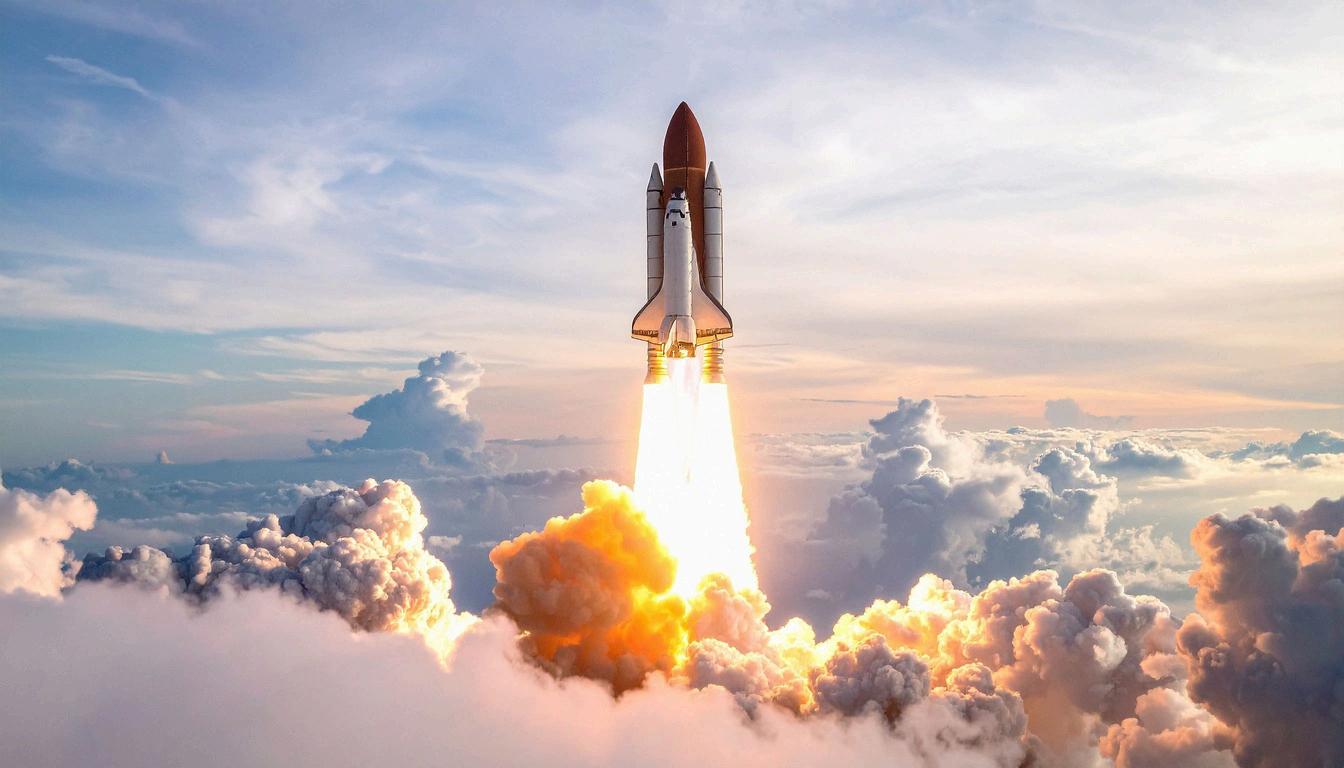

ACALLTOACTION GUARD THE COMMONS
From Policymakers to Stargazers: Every Star is a Sanctuary.
“LOOK UP SPEAK UP CLEAN UP.”

SHARE THE MESSAGE: SPACE IS A COMMONS.
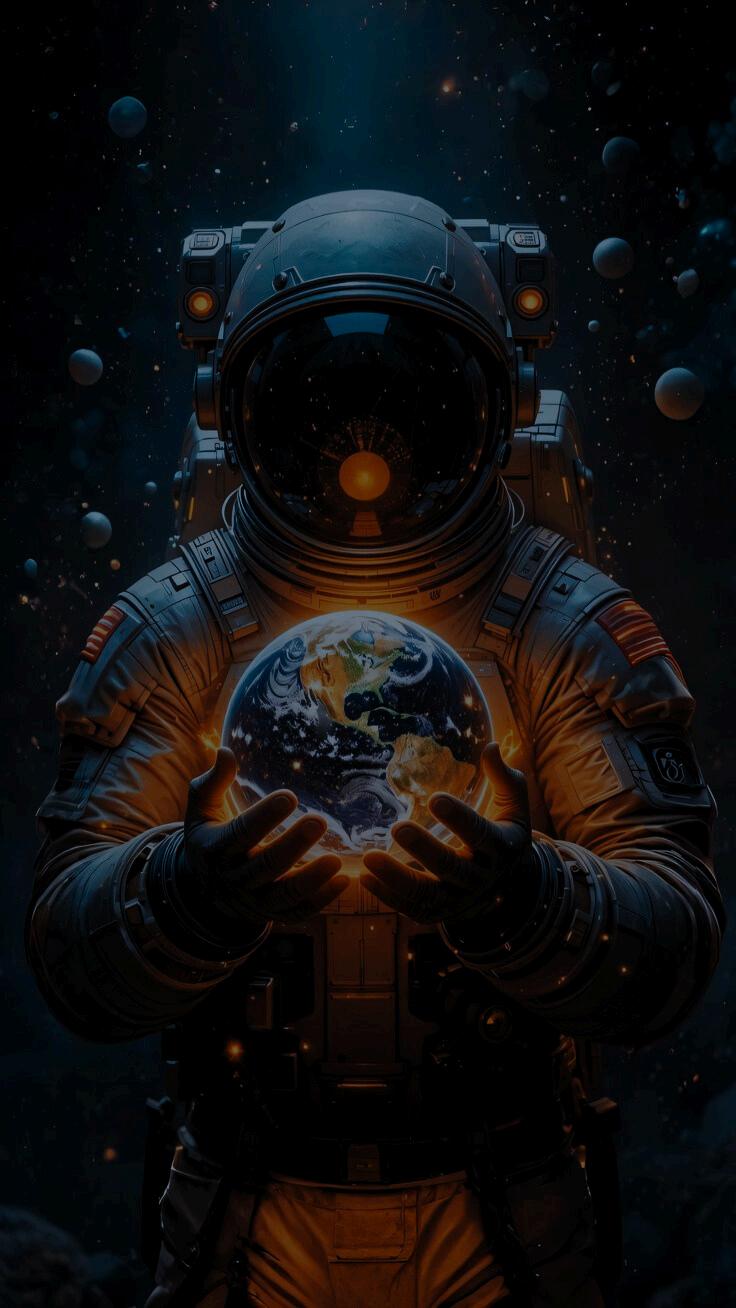
To change the public and political mindset, urging all individuals and institutions to prioritize the long-term ethical and sustainable preservation of the cosmos
Spread awareness and advocacy around the central idea of space as a shared resource