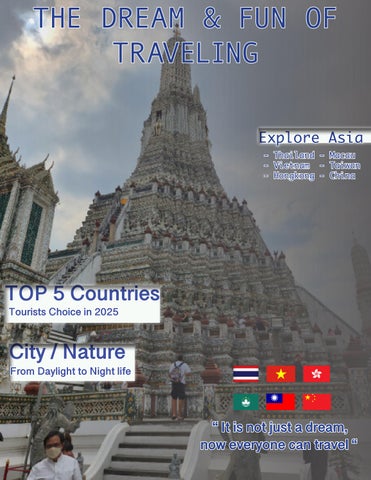
THE DREAM & FUN OF TRAVELING
Explore Asia
- Thailand - Vietnam - Hongkong
- Macau - Taiwan - China
TOP 5 Countries
Tourists Choice in 2025
City / Nature
From Daylight to Night life
“ It is not just a dream, now everyone can travel “
- Thailand - Vietnam - Hongkong
- Macau - Taiwan - China
Tourists Choice in 2025
From Daylight to Night life
“ It is not just a dream, now everyone can travel “
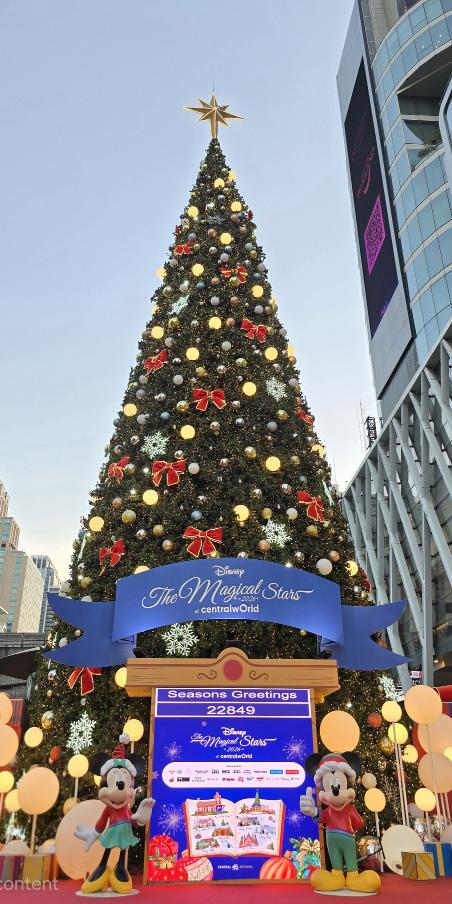
Thailand officially the Kingdom o f Thailand, and formerly known as Siam until 1939, is a country located in mainland Southeast Asia. It shares land borders with Myanmar to the west and northwest, Laos to the east and northeast, Cambodia to the southeast, and Malaysia to the south. Its maritime boundaries include the Gulf of Thailand and the Andaman Sea, as well as maritime borders with Vietnam, Indonesia, and India. Thailand has a population of nearly 66 million people, covers an area of approximately 513,115 km2 (198,115 sq mi). The country’s capital and largest city is Bangkok.
Archaeological evidence indicates that humans have inhabited the area of present-day Thailand for at least 40,000 years. Indigenous ethnic groups include the Mon, Khmer, and Malay people. The Tai people are believed to have originated from the Điện Biên Phủ region since the 5th century and began migrating into the territory of modern Thailand between the 8th and 10th centuries origin of the Tai people. During the classical historical period, major kingdoms such as Sukhothai, Lan Na, and Ayutthaya were established. The Sukhothai Kingdom is regarded as the beginning of Thai history, while the Ayutthaya Kingdom, founded in 1350 CE, became a regional power replacing the Khmer Empire. European contact began in 1511 CE when Portuguese envoys a1qrrived in Ayutthaya.
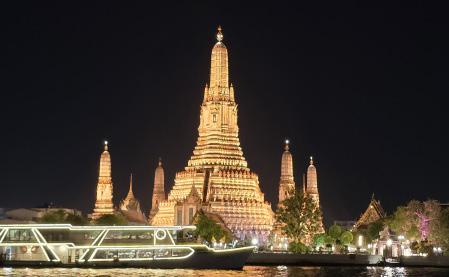
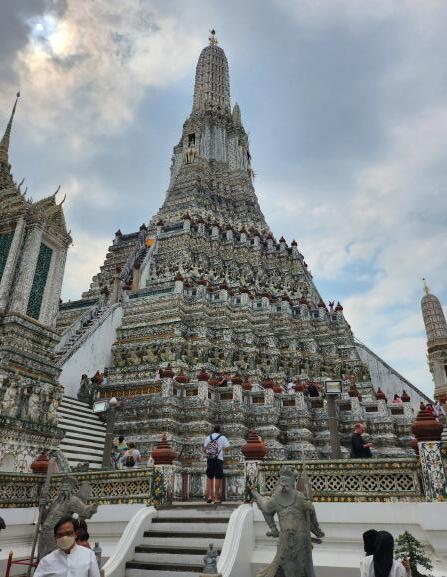
Wat Arun Ratchawararam Ratchawaramahawihan or Wat Arun (Thai pronunciation: [wát ʔarun], “Temple of Dawn”) is a Buddhist temple (wat) in the Bangkok Yai district of Bangkok, Thailand. It is situated on Thonburi on the west bank of the Chao Phraya River. The temple derives its name from the Hindu god Aru a, often personified as the radiations of the rising sun. Built with a fusion of Indian, Chinese, and Khmer influences, incorporating elements of both Hindu and Buddhist symbolism, as well as reflecting Siamese tradition and identity. Wat Arun is among the best known of Thailand’s landmarks. Although the temple has existed since at least the 17th century, its distinctive prang (spire) was built in the early 19th century during the reigns of Rama II and Rama.
1. Opening Hour: 8am - 5.30pm
2. Not allowed for short pants / tank top
3. Entrance Ticket: THB 200 , Children
4. You can rent traditional Thai Clothes for photoshoot
5. Carry an umbrella, the heat can be soar to 40C on summer
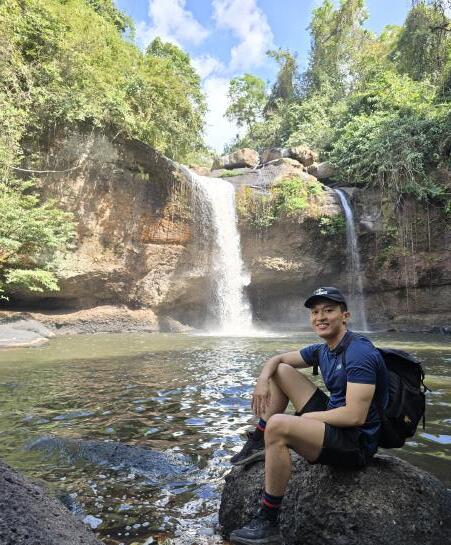
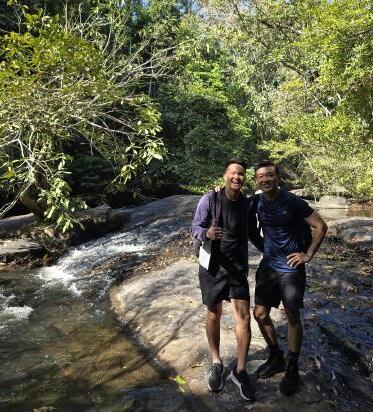
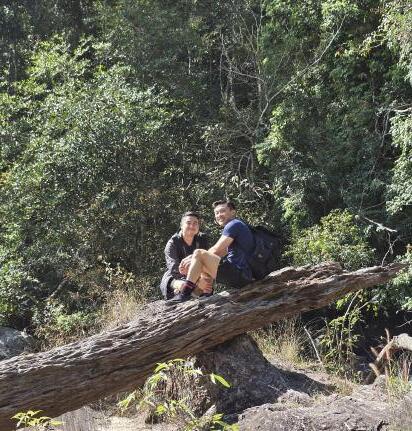
Haew Suwat Waterfall is quite large at 25 metres tall. It comes from volcanic rock which has the special attribute of “volcanic gravel”. It is part of the Lam Ta Khong stream as the other waterfalls Pha Kluai Mai and Kong Kaew, and as it falls, it forms a beautiful curtain of water.
Below the waterfall are trees with high resistance to waterlogging and the choppy waters - willow-leaved water croton, Glochidion, epiphytes of the genus Ficus, Ficus squamosa and Rhynchotechum.
There is a viewpoint to see the waterfall from a distance through the vegetation, giving a magnificent view of the entire waterfall from a high perspective. If you want to see the stream and the basin below there is a shortcut path.
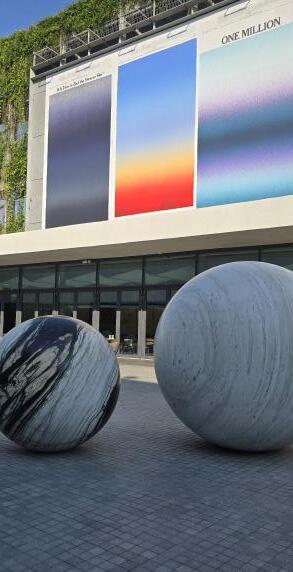
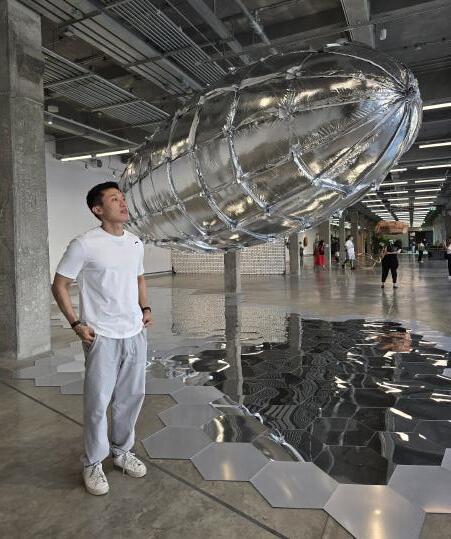
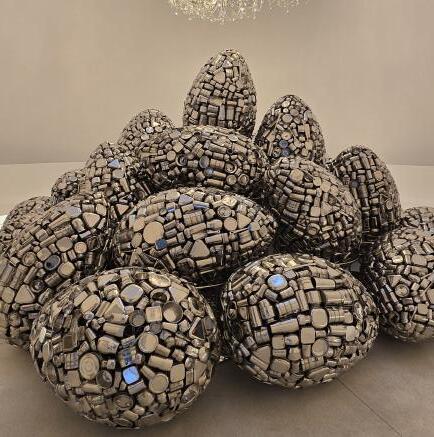
Dib Bangkok is an enduring passion brought to life—a mission to deliver a new cultural landmark in the heart of our city, where contemporary art serves as a shared language of humanity and spiritual connection. The museum honors local and international artists alongside one another, creating a home where diverse voices in art can meet, resonate, and inspire.
With a collection spanning nearly 70 years, Dib is a tranquil reflective space where you will embark on a journey toward the discovery of the sublime.
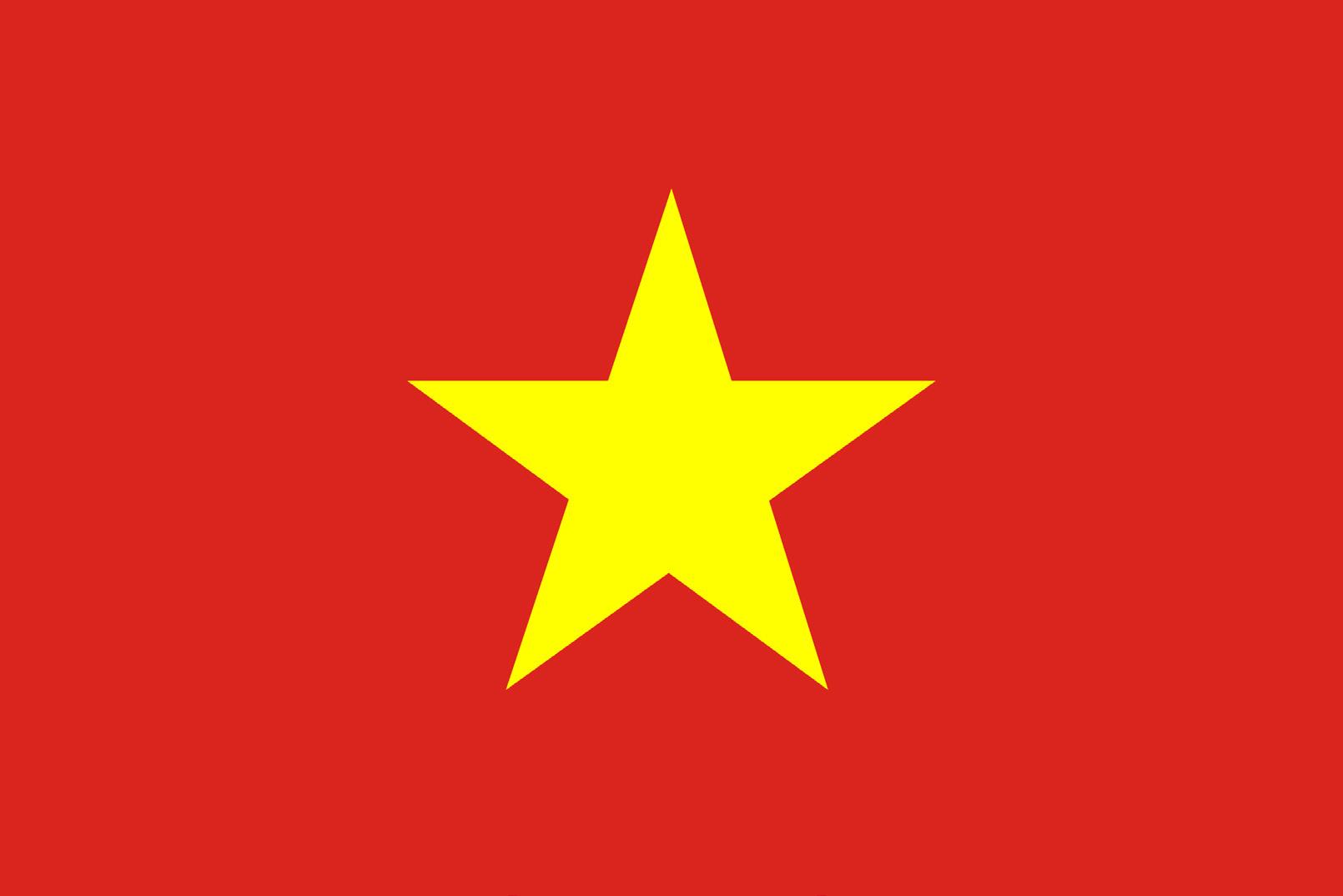
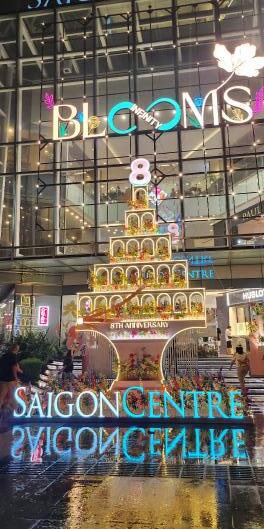
Vietnam, officially the Socialist Republic of Vietnam (SRV), is a country at the eastern edge of Mainland Southeast Asia. With an area of about 331,000 square kilometres (128,000 sq mi) and a population of over 102 million, it is the world’s 16th-most populous country. One of two communist states in Southeast Asia, Vietnam is bordered by China to the north, and Laos and Cambodia to the west; it lies along the Gulf of Thailand to the southwest and the South China Sea to the east, where it has shared and disputed maritime borders with other countries. Its capital is Hanoi, while its largest city is Ho Chi Minh City.
Vietnam was inhabited by the Paleolithic age, with states established in the first millennium BC on the Red River Delta in modern-day northern Vietnam. The Han dynasty annexed northern and central Vietnam, which were subsequently under Chinese rule from 111 BC until the first dynasty emerged in 939. Successive monarchical dynasties absorbed Chinese influences through Confucianism and Buddhism, and expanded southward to the Mekong Delta, conquering Champa. During most of the 17th and 18th centuries, Vietnam was effectively divided into two domains of Đàng Trong and Đàng Ngoài. The Nguyễn—the last imperial dynasty—surrendered to France in 1883.
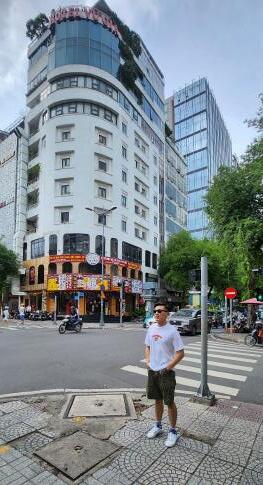
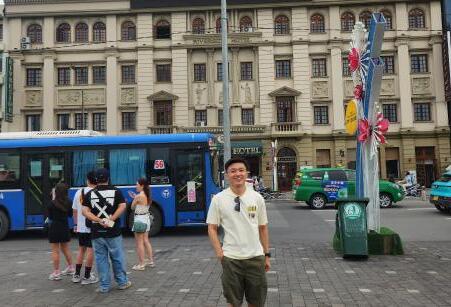
Ho Chi Minh City, formerly known as Saigon, is the economic heart of Vietnam and the main hub of the southern region. A freewheeling, cosmopolitan metropolis, HCMC’s dynamic cityscape draws together old and new Vietnam in the most compact of spaces, representing the city’s past as well as its future. This city has many well-known attractions, including the War Museum, Notre Dame Cathedral Basilica, and Ben Thanh Market.
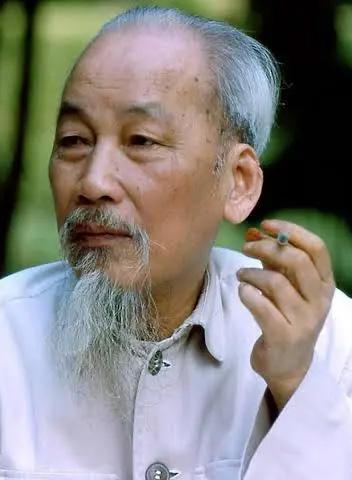
Hồ Chí Minh, colloquially known as Uncle Ho among other aliases and sobriquets, was a Vietnamese Marxist–Leninist revolutionary and politician who served as the founder and first president of the Democratic Republic of Vietnam from 1945 until his death in 1969, and as its first prime minister from 1945 to 1955
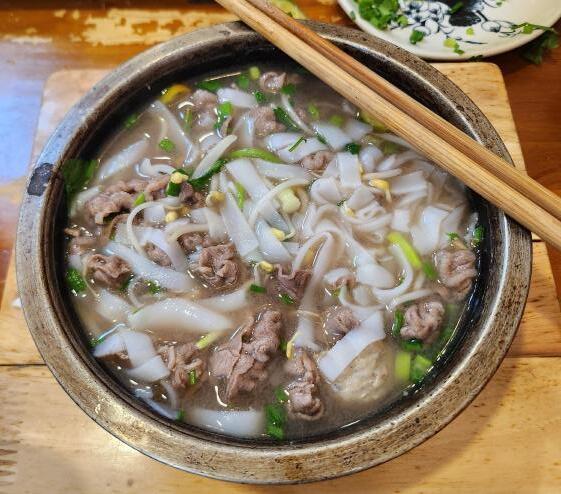
Originating in Northern Vietnam in the early 20th century, it blends Chinese noodle traditions with French slow-cooking techniques. After that, northern migrants brought Pho south, and now it has gained global fame.
Regional variations significantly alter the experience. The Hanoi (Northern) style maintains a clear, aromatic, and delicate broth, often relying heavily on ginger and star anise, and is traditionally served with wide, flat rice noodles. In contrast, the Saigon (Southern) style is often noticeably sweeter, featuring narrower noodles and a generous platter of side garnishes.
Bún Chả is deeply rooted in Hanoi’s culinary identity, dating back to at least the mid-20th century, though some stories trace its creation to a Hanoi grill master in the late 19th century
The dish is defined by its components: smoky, tender, grilled fatty pork patties (chả) and slices of pork belly served in a bowl of lightly warm, sweet, and tangy nước chấm (fish sauce-based dipping broth). This broth is served alongside a generous platter of fine white rice vermicelli (bún) and various fresh herbs
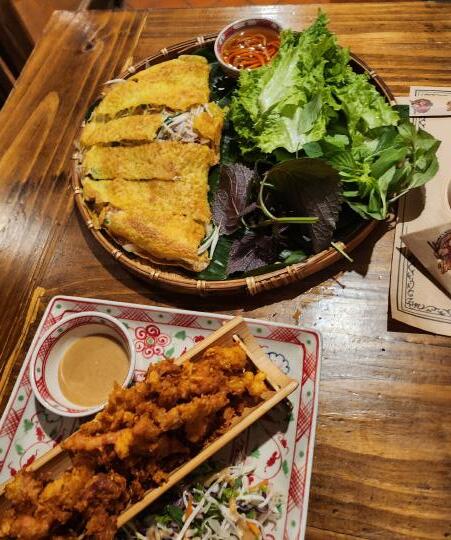
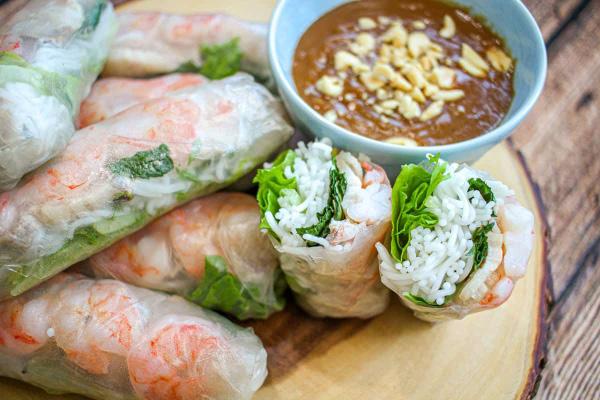
Gỏi Cuốn, or fresh spring rolls, represent the Vietnamese culinary philosophy of lightness and healthy.
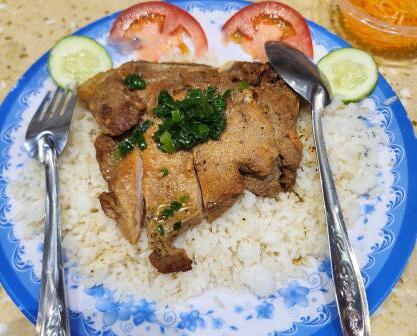
Com Tam, literally “broken rice,” originated in Southern Vietnam, specifically Saigon (Ho Chi Minh City), where it began as a humble meal for laborers. Broken rice grains, fractured during the milling process and once considered “imperfect,” were resourcefully transformed into an iconic, deeply cherished national dish.
It consists of the signature broken rice topped with various grilled items, most commonly sườn nướng (marinated grilled pork chop). Essential accompaniments often include bì (shredded pork skin), a fried egg (trứng ốp la), and a slice of Vietnamese steamed egg cake, all generously drizzled with nước chấm (fish sauce)
The dish involves wrapping a combination of boiled shrimp (tôm), lean pork slices, rice vermicelli, and a bouquet of aromatic herbs (such as mint and basil) inside thin, soft rice paper sheets (bánh tráng)
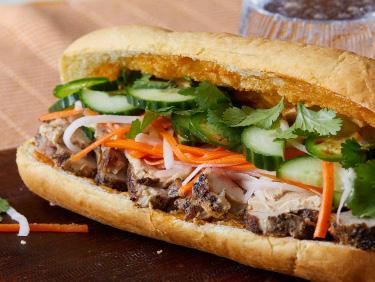
Bánh Mì is a celebrated fusion dish, distinguished by its short baguette. The Vietnamese version boasts a thin, crisp crust and a light, airy interior.
The distinctly Vietnamese sandwich style emerged in Saigon in the 1950s, leading to the designation Bánh Mì Sài Gòn. This preparation brilliantly combined French staples like pâté and mayonnaise with native, refreshing Vietnamese ingredients: chả lụa (Vietnamese sausage), pickled daikon and carrots, cucumber slices, and fresh coriander
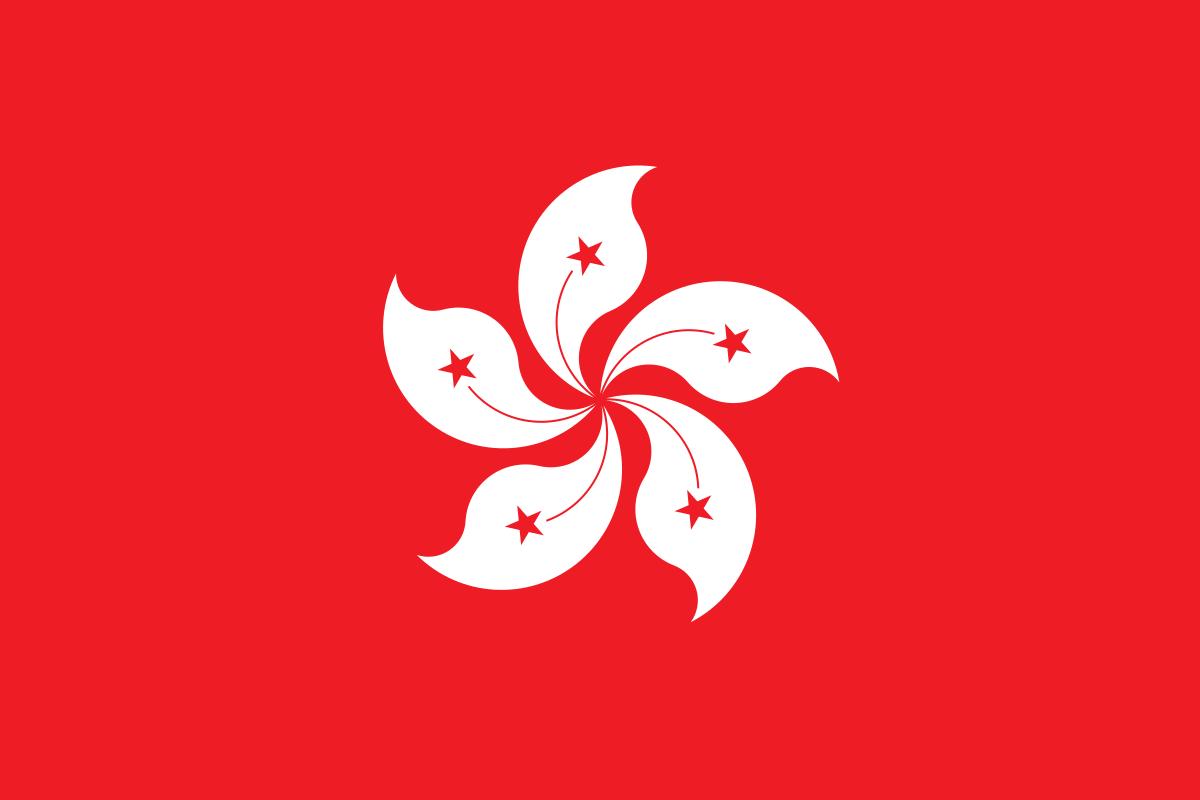
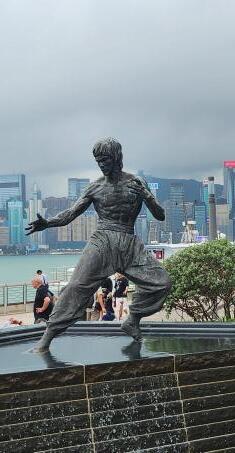
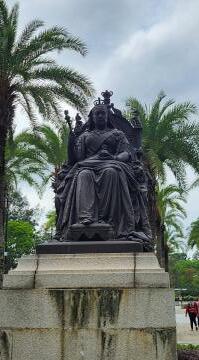
Hong Kong is a special administrative region of China. Situated on China’s southern coast just south of Shenzhen, it consists of Hong Kong Island, Kowloon, and the New Territories. With 7.5 million residents in a 1,114-square-kilometre (430 sq mi) territory, Hong Kong is the fourth-most densely populated region in the world.
Hong Kong was established as a colony of the British Empire after the Qing dynasty ceded Hong Kong Island in 1841–1842 as a consequence of losing the First Opium War. The colony expanded to the Kowloon Peninsula in 1860 and was further extended when the United Kingdom obtained a 99-year lease of the New Territo-
ries in 1898. Hong Kong was occupied by Japan from 1941 to 1945 during World War II. The territory was handed over from the United Kingdom to China in 1997. Hong Kong maintains separate governing and economic systems from those of mainland China under the principle of one country, two systems.
Originally a sparsely populated area of farming and fishing villages, Hong Kong is now one of the world’s most significant financial centres and commercial ports. Hong Kong is the world’s third-ranked global financial centre behind New York City and London, ninth-largest exporter, and eighth-largest importer. Its currency, the Hong Kong dollar, is the ninth-most
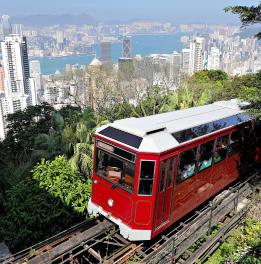
Victoria Peak, known simply as The Peak, is a must-see Hong Kong destination — both day and night — offering iconic views of skyscraper-flanked Victoria Harbour, Kowloon peninsula and craggy mountain peaks. Instagram buffs often visit at twilight to capture stunning images of the city’s illuminated skyline, or photograph the area’s rich flora and fauna and historic buildings while taking
relaxing hike along the tree-lined Peak Circle Walk. The Peak — a short trip from the central business district — is easy to reach by bus or taxi.
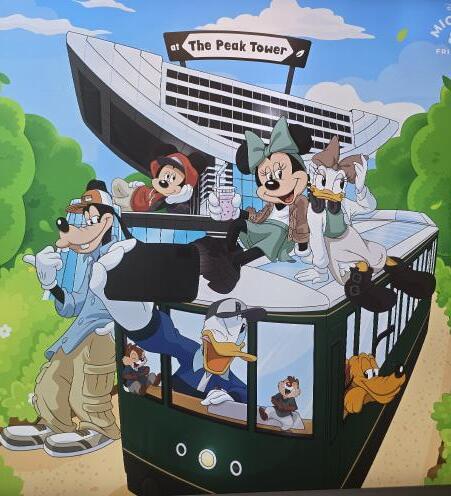
Hong Kong’s Peak Tram went into service in 1888 as Asia’s first funicular railway, connecting The Peak to Central. Originally it served the governor and residents of luxury properties on The Peak, but has since transported tens of millions of passengers and become one of the city’s top tourist attractions. The steep 1.27km-long journey — rising from 28 to 396 metres above sea level, with a gradient of 4 to 25.7 degrees — normally lasts about 10 minutes and offers passengers a range of spectacular views and photo opportunities.
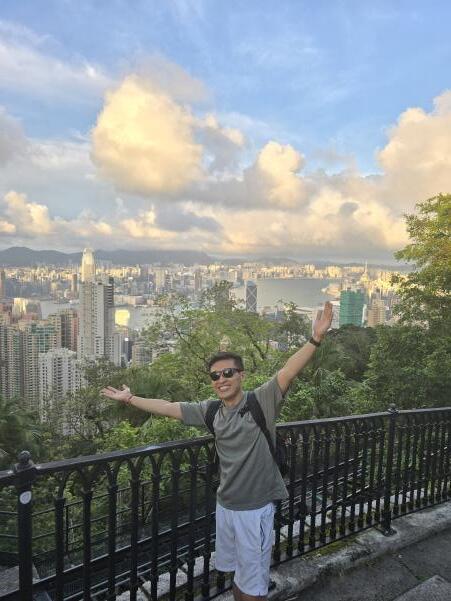
“You can see two different type of view on the Day & Night”
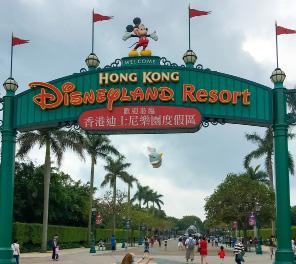
is a theme park located on reclaimed land in Penny’s Bay, Lantau Island, Hong Kong. It opened to visitors on Monday, September 12, 2005, at 13:00 HKT, the second Disneyland in Asia to open after Tokyo Disneyland in 1983, with Shanghai Disneyland later opening in 2016. Hong Kong Disneyland is located inside the Hong Kong Disneyland Resort and is owned jointly by Hong Kong International Theme Parks (52%) and the Walt Disney Company (48%). It is the most visited theme park in Hong Kong, followed by Ocean Park Hong Kong. Disney attempted to avoid problems of cultural backlash by incorporating Chinese culture, customs, and traditions when designing and building the resort, including adherence to the rules of feng shui. Notably, a bend was put in a walkway near the Hong Kong Disneyland Resort entrance so good qi energy would
Temple Street Night Market offers clothing, souvenirs, jade, antiques and the chance to enjoy local cuisine in a lively Chinese market atmosphere. Add an element of mysticism to your visit and get your fortune told at one of many stalls that populate the street. Take your pick from tarot readers, Chinese astrologists, palmists or even a small caged bird who will select a fortune card from a pack.
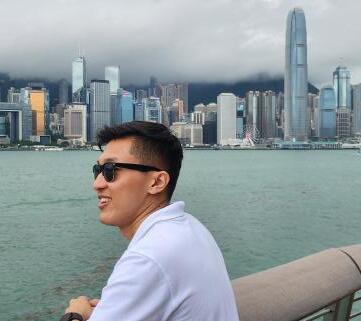
There is no attraction in the city that is more iconic than the skyline of Hong Kong’s Victoria Harbour. In fact, one can say that the harbour was the very birthplace of the city itself. The deep waters between Hong Kong Island and the Kowloon Peninsula are why a collection of fishing villages grew to become an international centre of trade. Today, the harbour is still the city’s throbbing heart and its iconic skyline is also one of the world’s most stunning urban landscapes. With such a skyline, it deserves to been seen at more than one angle.

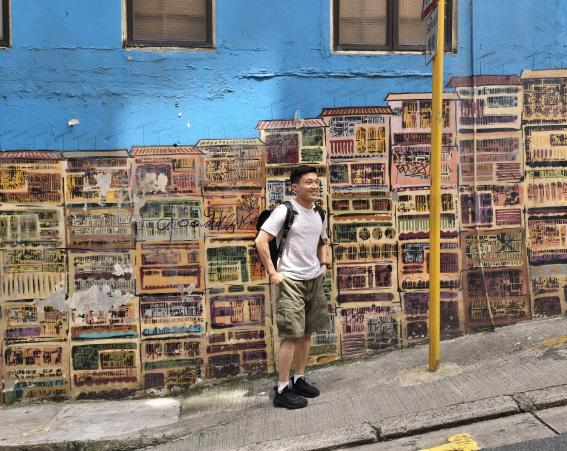
This eye-catching mural is a favourite spot among snap-happy tourists, and is inspired by the tenement buildings in Hong Kong.
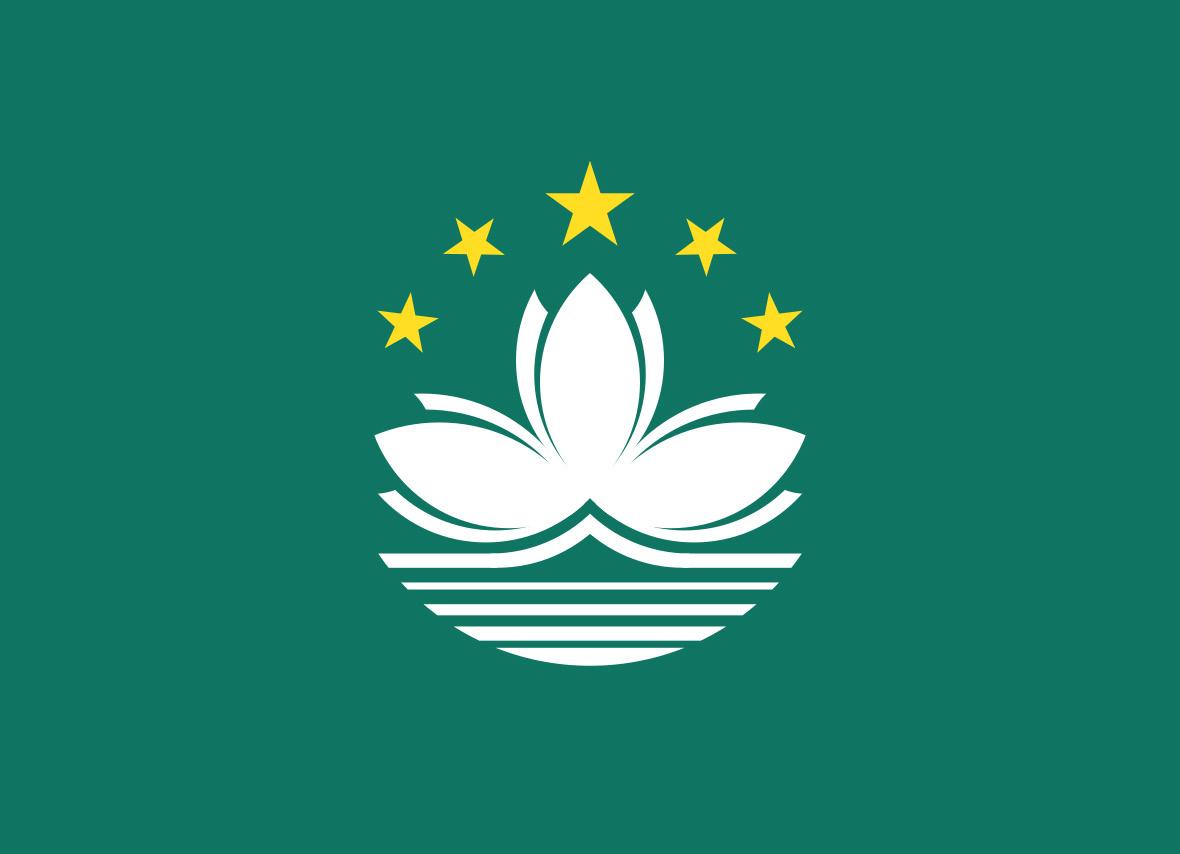
Special Administratif Region of China
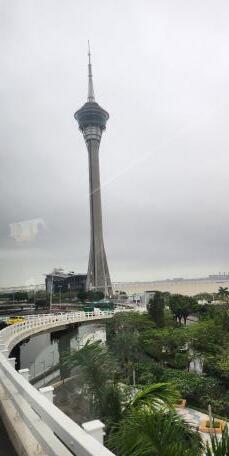
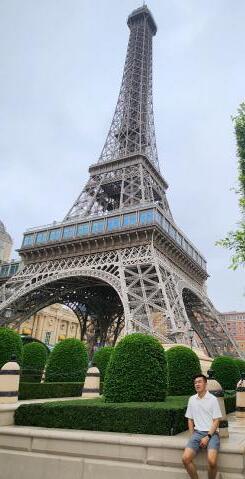
Macao is a special administrative region of the People’s Republic of China (PRC). With a population of about 710,000 people and a land area of 32.9 km2 (12.7 sq mi), it is the most densely populated region in the world.
Formerly a Portuguese colony, the territory of Portuguese Macau was first leased to Portugal by the Ming dynasty as a trading post in 1557. Portugal paid an annual rent and administered the territory under Chinese sovereignty until 1887, when Portugal gained perpetual colonial rights with the signing of the Sino-Portuguese Treaty of Peking. The colony remained under Portuguese rule until the 1999 handover to China. Macau is a special administrative region of China, which maintains separate governing and economic systems from those of mainland Chi-
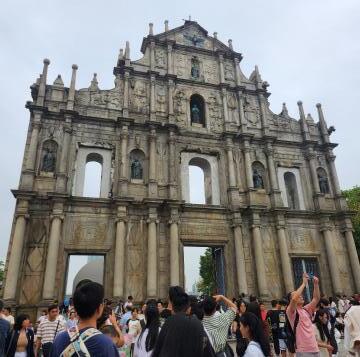
na under the principle of “one country, two systems”. The unique blend of Portuguese and Chinese architecture in the city’s historic centre has resulted in its designation as a UNESCO World Heritage Site in 2005.
The gambling industry of Macau is seven times larger than that of Las Vegas. The city has one of the highest GDPs per capita and GDPs per capita by purchasing power parity in the world.
. Home to the second-highest number of billionaires of any city in the world, Hong Kong has the second largest number of ultra high-networth individuals. The city has one of the highest per capita incomes in the world, although severe income inequality still exists among the population. Hong Kong is the
The Ruins of St. Paul’s refer to the facade of what was originally the Church of Mater Dei built in 1602-1640, destroyed by fire in 1835, and the ruins of St. Paul’s College, which stood adjacent to the Church. As a whole, the old Church of Mater Dei, St. Paul’s College and Mount Fortress were all Jesuit constructions and formed what can be perceived as the Macao’s “acropolis”. Close by, the archaeological remains of the old College of St. Paul stand witness to what was the first western-style university in the Far East, with an elaborate academic programme. Nowadays, the facade of the Ruins of St. Paul’s functions symbolically as an altar to the city.
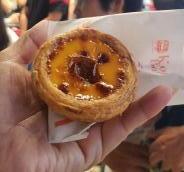
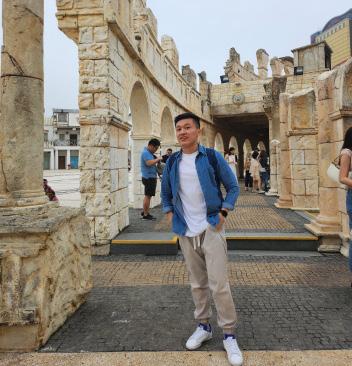
While you in Macau, don’t forget to try their signature pastry. They always serve it warm/hot, so you can feel the smell of egg and caramel just out from the oven. I type it with mouth watering HAHA! HKD 8 / each
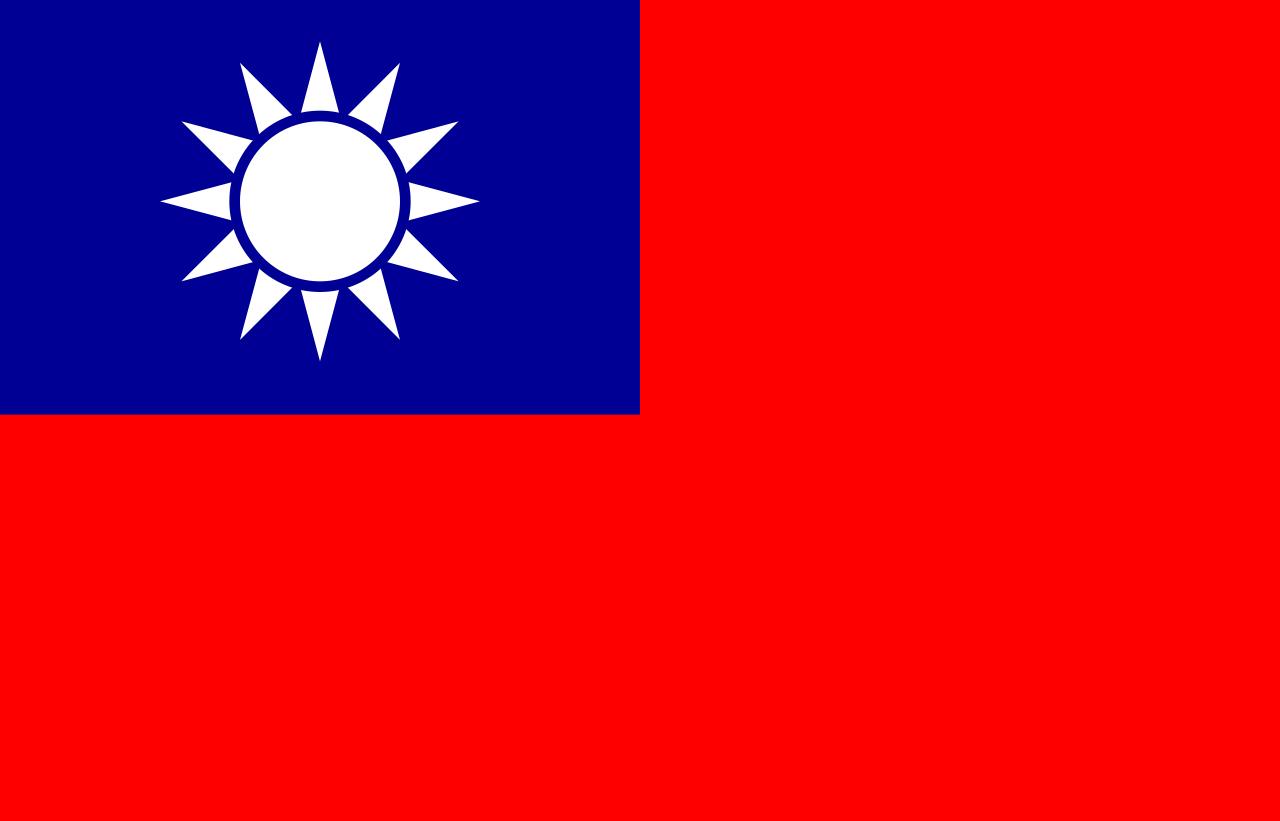
Special Administratif Region of China

Taiwan, officially the Republic of China (ROC), is a country in East Asia. The main island of Taiwan, also known as Formosa, lies between the East and South China Seas in the northwestern Pacific Ocean, with the People’s Republic of China (PRC) to the northwest, Japan to the northeast, and the Philippines to the south. It has an area of 35,808 square kilometres (13,826 square miles), with mountain ranges dominating the eastern two-thirds and plains in the western third, where its highly urbanized population is concentrated. The combined territories under ROC control consist of 168 islands in total covering 36,193 square kilometres (13,974 square miles). The largest metropolitan area is formed by Taipei (the capital), New Taipei City, and Keelung. With around 23.9 million inhabitants, Taiwan is among the most densely populated countries.
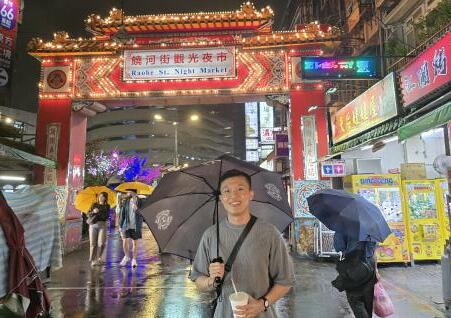
Taiwan has a lot of night market, and many of them are very famous for tourist, one of them is in my back, Raohe Night Market. The Raohe Street Night Market covers various kinds of booths for general merchandises, accessories and yummy snacks, all at low and affordable prices. By looking at the booths with queues of people, it is not hard to find out the most popular snacks. You absolutely don’t want to miss snacks like: Stew Ribs in Chinese herbal Medicine, Crispy Pepper Pastry Cake, Steamed Bun, Oyster Noodles, and all kinds of cold drinks. You can’t forget the Spicy Stinky Tofu, Beef Noodle, and Tempura. In addition, Wufenpu is the largest garment wholesale marketplace in Taipei.
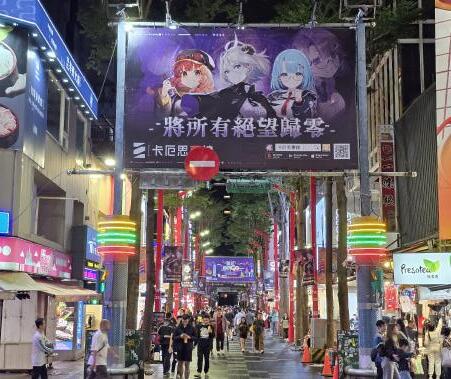
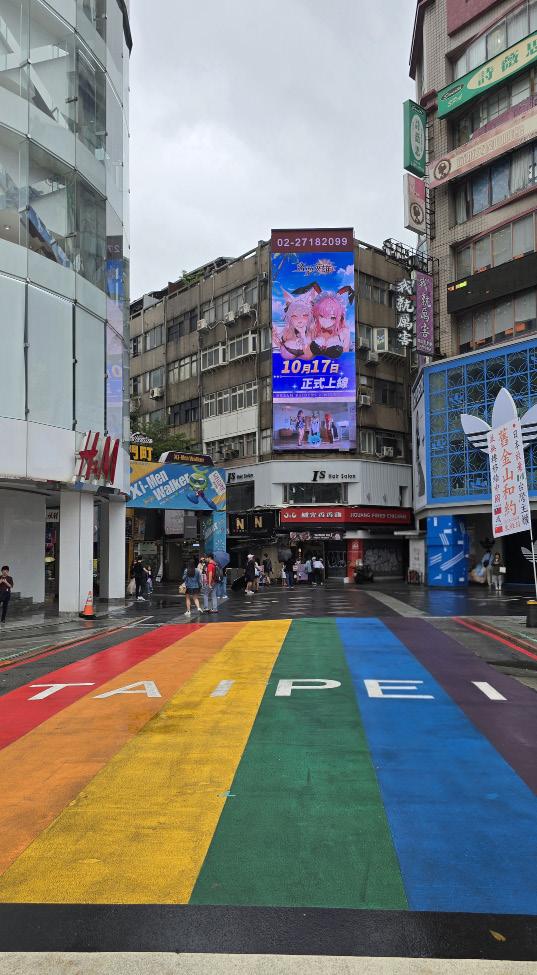
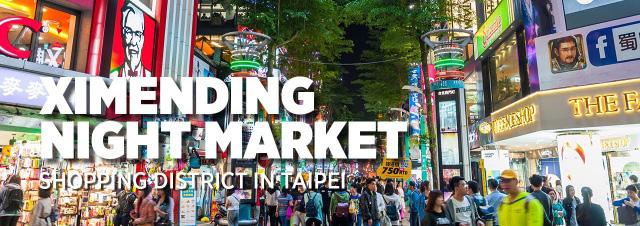
Ximenting is the mecca for youth culture. From tatton street to Wannian Plaza accessory shops, cosplay to street dancing, Ximenting offers a venue for youths to express themselves. Pop stars often come here for promotional events on weekends.
Taipei’s vibrant, youthful hub for shopping, fashion, and entertainment, often called Taipei’s “Harajuku” or “Shibuya,” known for its lively pedestrian-only areas, street performers, trendy boutiques, diverse food (from local snacks to international fare), and unique youth culture, including anime, K-pop, and LGBTQ+ friendly spots like the Rainbow Crossing. It’s a historic area, originally developed during the Japanese era, featuring iconic spots like the Red House and easy access via the MRT.

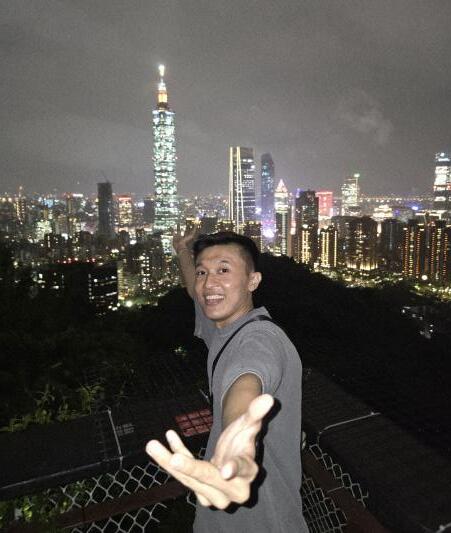
formerly known as the Taipei World Financial Center, is a 508 m (1,667 ft), 101-story skyscraper in Taipei, Taiwan. It is owned by Taipei Financial Center Corporation. It was officially classified as the world’s tallest building from its opening on 31 December 2004, until it was dethroned by the Burj Khalifa in 2009. Upon completion, it became the world’s first skyscraper to exceed half a kilometer. It is the tallest building in Taiwan and the eleventh tallest in the world.
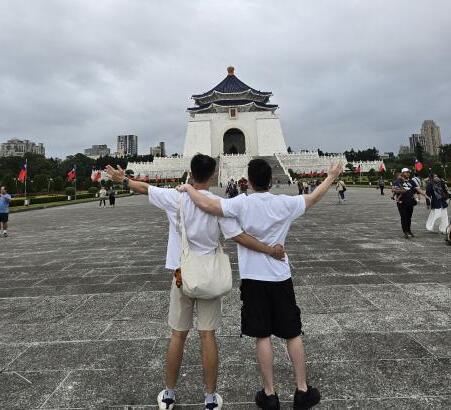
national monument and tourist attraction erected in memory of Chiang Kai-shek, former President of the Republic of China. It is located in Taipei, Taiwan. The Memorial Hall is white with four sides. The roof is blue and octagonal, a shape that picks up the symbolism of the number eight, a number traditionally associated in Chinese culture with abundance and good fortune. Two sets of white stairs, each with 89 steps to represent Chiang’s age at the time of his death, lead to the main entrance.
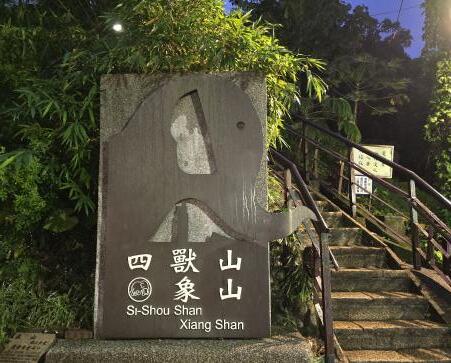
Xiangshan, known in English as Elephant Mountain or Mount Elephant, is a mountain in Xinyi District, Taipei, Taiwan. It is close to the Taipei Metro Xiangshan Station. It is 183 m (600 ft) high and has a hiking trail to the peak, covering a distance of about 1.5 km (0.93 mi). Taipei 101 can be seen from the trail. The Six Giant Rocks on the peak are a tourist attraction in Xiangshan, and there are platforms for photographers.
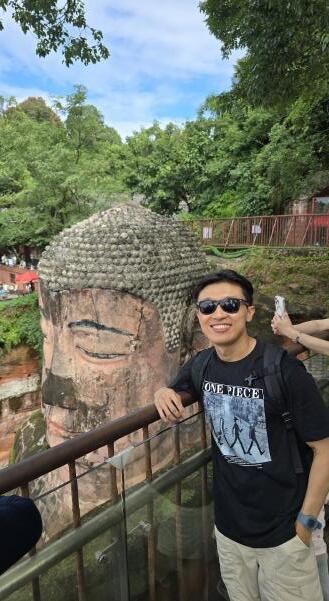
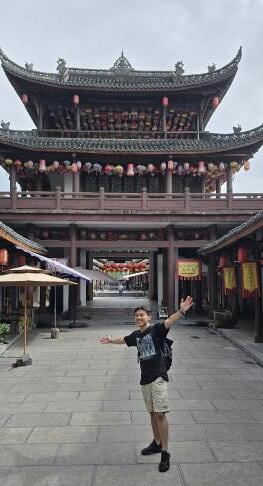
China, officially the People’s Republic of China (PRC), is a country in East Asia. With a population exceeding 1.4 billion, it is the second-most populous country after India, representing 17% of the world population. China borders fourteen countries by land across an area of 9.6 million square kilometers (3,700,000 sq mi), making it the third-largest country by area. The country is divided into 33 province-level divisions: 22 provinces, 5 autonomous regions, 4 municipalities, and 2 semi-autonomous special administrative regions. Beijing is the capital, while Shanghai is the most populous city by urban area and largest financial center.
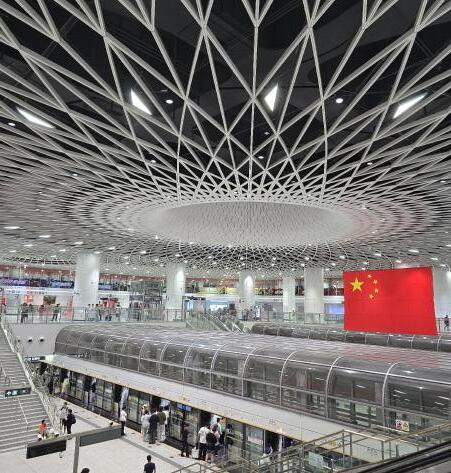
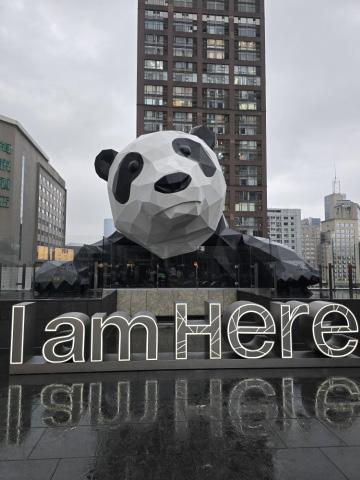
As we can see know, theres a lot of people come and visit China for holiday, some compare with Europe and say Europe of Asia. Why they can call that ? It’s because China has many futuristic high-tech technology. Even some cities still keep the ancient and historical vibes but in modern and advance way, everything so clean and nice. In the first quarter of 2025, China recorded 35.02 million inbound tourist visits, a 19.6 percent increase compared to the same period of last year. Mobile payment giant Alipay reported a 180 percent surge in inbound tourist spending between May 1 and 3 this year, compared to the same period in 2024. Said Shi Zeyi, an official in charge of international exchanges and cooperation at the Ministry of Culture and Tourism.
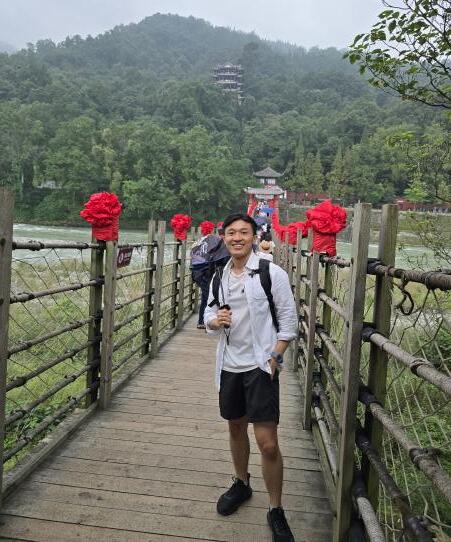
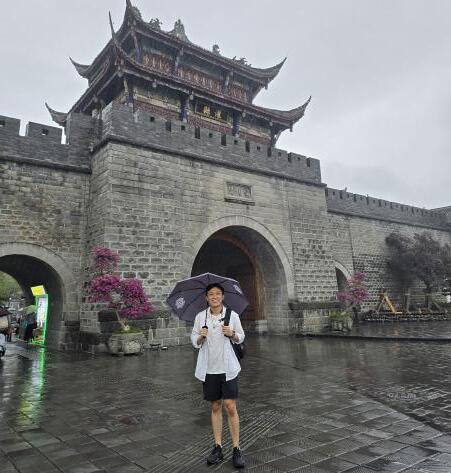
Over the next decade, China’s economy and technological advancements are poised to surpass those of the United States, driven by rapid industrial growth, significant investments in research and development, and the expansion of high-tech industries such as artificial intelligence, renewable energy, and advanced manufacturing. With a combination of strategic planning, large-scale infrastructure projects, and a growing skilled workforce, China is expected to not only close the gap with the U.S. but potentially emerge as the leading global economic and technological powerhouse.
Time goes so fast. When you blink, you’re 50
“ If there’s still next year, When it will be ? ” Book your ticket and Go travel now !! Subscribe your travel advisor: gotravel@dreamtravel.com / +62 888 1999 000