Volume 3
HomesEstates& goa
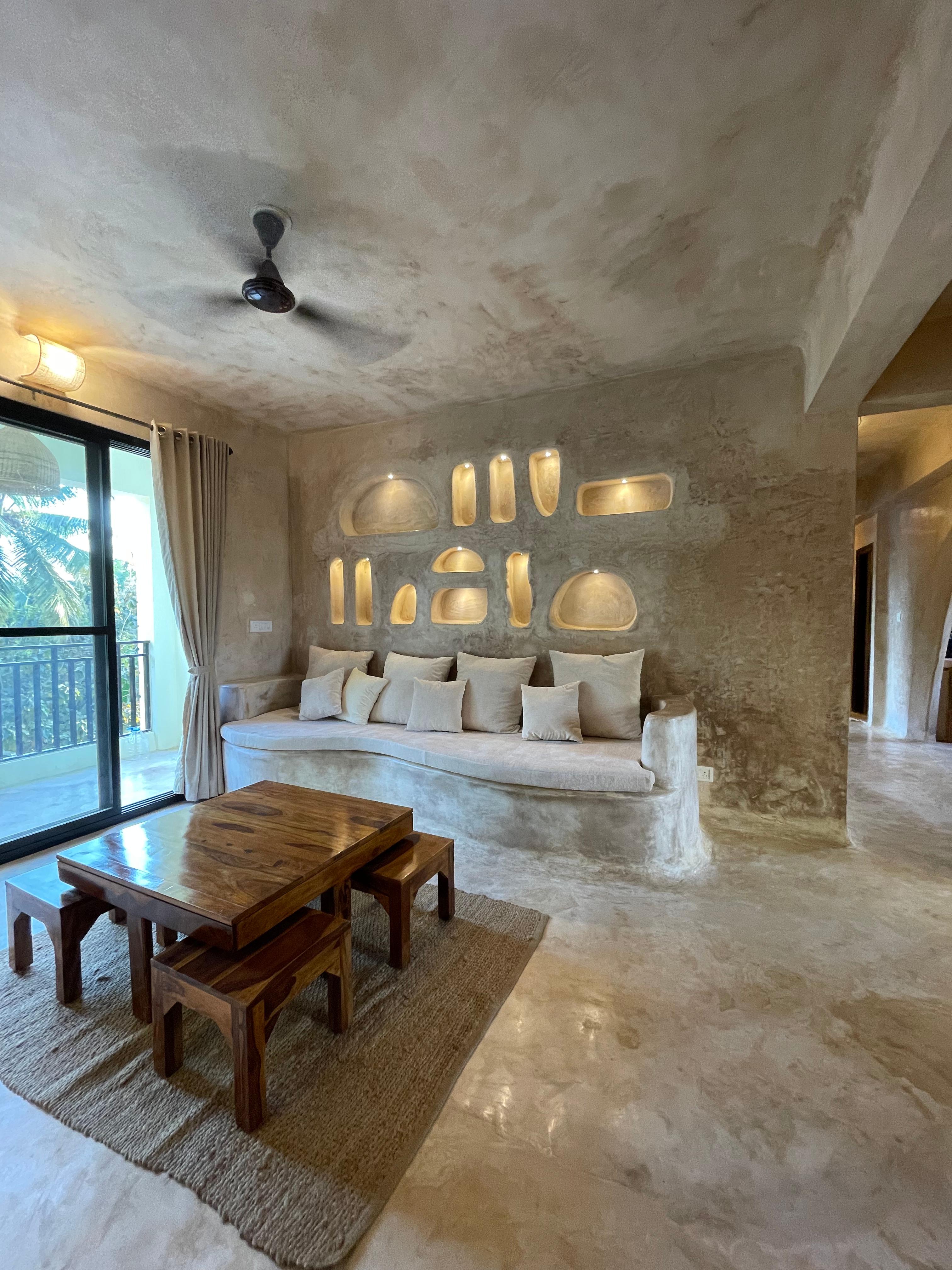
COVER FEATURE
9DIM Architecture + Design
Architect Sherek Frank Almeida designs sustainable, spiritually inspired spaces blending nature, functionality, and timeless architectural principles harmoniously.
Solar Ghar

Solar Ghar simplifies rooftop solar adoption through end-to-end solutions, reducing energy costs and promoting sustainable living.
Wooden Homes India
Wooden Homes India pioneers sustainable prefabricated timber construction, delivering innovative, eco-friendly buildings with faster, efficient development.
Souza Azulejos

Artist Noah De Souza preserves Goa's ceramic tile heritage through handcrafted designs blending traditional craftsmanship with contemporary artistic expression.


Editorial
Dear Readers,
Welcome to the June 2026 edition of Homes & Estates Goa, where we celebrate the ideas, people, and innovations shaping the future of architecture, sustainability, and heritage across Goa and beyond.
Leading this month's issue is 9DIM Architecture + Design, where architect Sherek Frank Almeida creates spiritually inspired, sustainable spaces that seamlessly unite nature, functionality, and timeless design.
We also feature Solar Ghar, a company making rooftop solar accessible for homeowners through end-to-end solutions that promote clean energy and long-term savings.
Innovation in sustainable construction takes centre stage with Wooden Homes India, showcasing how prefabricated timber buildings are redefining ecofriendly architecture through efficient engineering and responsible development.
Goa's artistic heritage comes alive through Souza Azulejos, where Noah De Souza preserves the beauty of Portuguese-inspired ceramic tiles by blending traditional craftsmanship with contemporary design.
Our spotlight also turns to architect Manisha Rodrigues, whose work thoughtfully combines architecture, heritage conservation, and environmental research to create spaces rooted in culture and sustainability.
Beyond architecture, this edition explores how Goa's businesses are embracing sustainability, from slow living and ethical fashion to zero-waste cafés and responsible tourism that strengthen communities while protecting the environment.
We also revisit Goa's paddy cultivation, highlighting its importance to the state's agricultural heritage and the ongoing efforts to preserve this tradition despite modern-day challenges.
This issue pays tribute to those pioneering a sustainable, community-driven approach to real estate, design, and hospitality in Goa. Each of these leaders is contributing not only to building spaces but to fostering a brighter, more sustainable future for the region.
Well, that’s all I have for you from my desk this month. I hope you enjoy reading this month’s issue of our magazine. Do share it with your friends all across the globe.
Until next month, cheers!
Jessyl Fernandez Editor
Index
01 9DIM Architecture + Design
02 Solar Ghar
03 Wooden Homes India
04 Souza Azulejos
05 Manisha Rodrigues
06 Explore How Goa’s Businesses Are Exploring Sustainability
07 Paddy Cultivation in Goa: Tradition, Process & Challenges
Introduction
Goa, the tiniest state on the western coast of India, boasts golden pristine beaches, palmfringed avenues, flavourful food, delicious Portuguese-influenced sweets, and warm, hospitable people. Also known as the Ibiza of India for its partying. A tropical paradise of flora and fauna, from the very famous 'almi' (mushrooms) endemic to its forests, that grow only on the red mud anthills, to the solar prawns that are fished immediately after the monsoons, Goa is unique. Tourists are also attracted to Goa for its cultural heritage - from the famous old Portuguese churches like Se Cathedral in Old Goa, the 16th Century Safa Masjid in Ponda and Shree Mangesha Temple in Mardol, the legendary Arvalem or Pandava Caves where the Pandavas of the Mahabharat fame lived, to its two unique festivals - Carnival and Shigmo. Goa plays host to many festivals - the International Film Festival of India that promotes cinema, the Serendipity Art Festival, Sunburn Music Festival, The Grape Escapade to name a few. To showcase this varied heritage of culture, art, tradition, food, and people, in 2015 ItsGoa was born. The main aim was to make it the premier portal for all things Goa. We were able to showcase Goa like never before. Soon our blog-based website transcended the virtual space, with the ItsGoa magazine – a sought-after resource for visitors to Goa from countries like Norway, Germany, UK, USA, UAE, etc.
Editorial Team
Chief Editor
Jessyl Fernandez
Sales
Donald Fernandez Andrea Fernandes
Content & Social Media Britney Fernandes
Graphics & Layout Britney Fernandes
For advertising queries: +91 7887330620 / 9370502124
ItsGoa Media Group
Nordic Intent HQ - Floor 3, PDA Colony, Porvorim, Goa 403521
Email: mail@itsgoa.com Website: itsgoa.com


9DIM Architecture + Design
Architect Sherek Frank Almeida, founder of 9DIM Architecture + Design, creates sustainable, spiritually inspired spaces that blend nature, functionality, and sacred design principles, transforming architecture into a catalyst for harmony, community, and human progress.
Article by: Team ItsGoa Images by: 9DIM Architecture + Design
www.itsgoa.com itsgoa_ Itsgoa
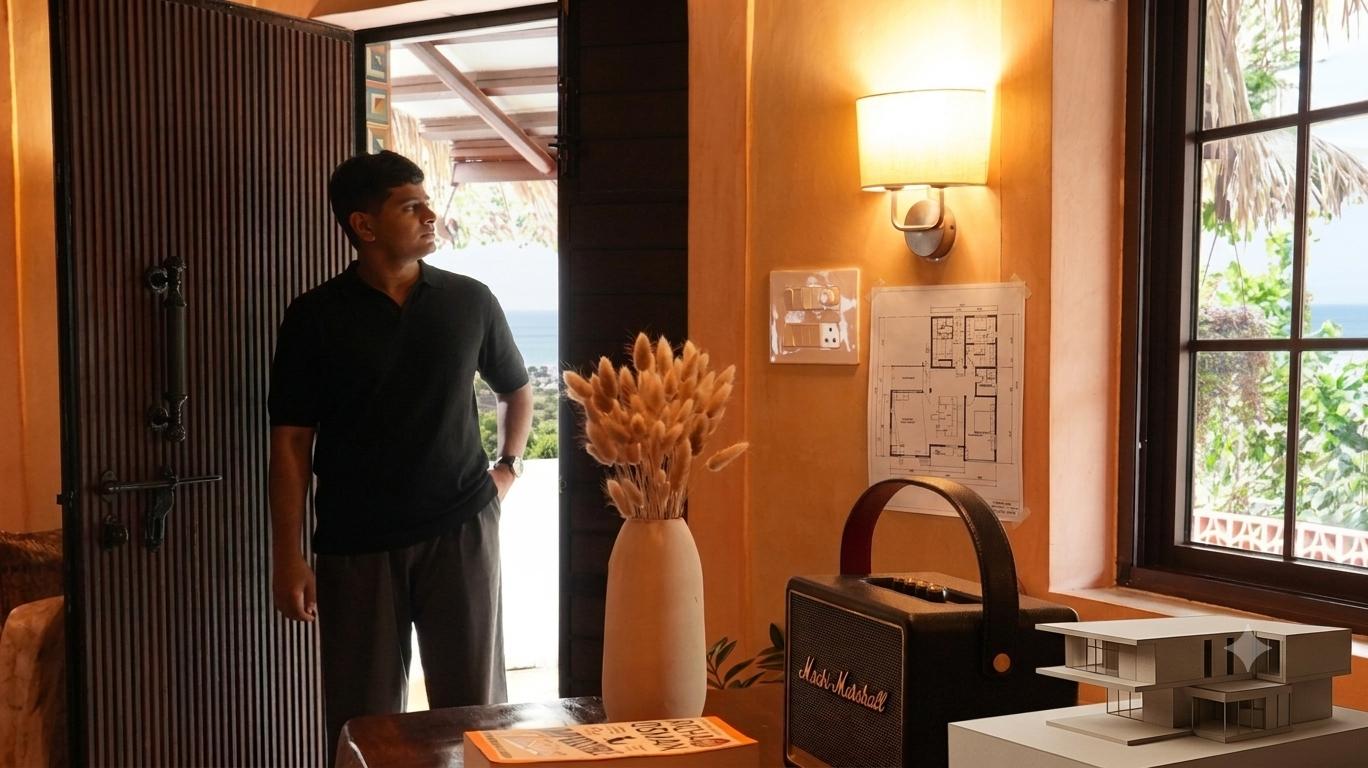
Founder - Sherek Frank Almeida
Architecture has long been viewed as the art and science of creating spaces, but for architect Sherek Frank Almeida, it is something far greater. As the founder of 9DIM Architecture + Design, he sees architecture as a powerful instrument capable of shaping civilizations, fostering unity, and creating meaningful connections between people, nature, and the built environment. Under his leadership, 9DIM has evolved into more than an architectural practice, it has become a philosophy-driven design movement committed to creating spaces that inspire harmony, purpose, and transformation.
The foundation of 9DIM Architecture + Design is deeply rooted in the symbolic significance of the number nine. Representing wholeness, unity, and cosmic alignment, this concept serves as a guiding principle for the firm's creative approach. Almeida established the practice with a bold vision: to redefine design not merely as the construction of buildings but as a transformative force capable of connecting cultures, lifestyles, spiritual beliefs, and communities. His ambition extends beyond architecture itself, seeking to create systems and environments that contribute to a more balanced and humanitarian future.
Over the years, 9DIM has built a reputation for delivering thoughtfully designed residential and hospitality projects. The firm specializes in villas, apartments, and sustainable farmhouses, while also undertaking resorts, hotels, restaurants, and clubs. Each project reflects a commitment to understanding the unique aspirations of its clients. Rather than applying a predetermined design language, Almeida believes every space should be a genuine expression of the owner's personality, lifestyle, and vision. This personalized approach ensures that each project possesses its own identity while remaining deeply connected to its surroundings.
What distinguishes Almeida's work is his ability to seamlessly blend artistic principles with architectural functionality. His designs draw inspiration from sacred geometry, biomimicry, golden ratios, and natural proportions. These elements are not incorporated merely for aesthetic appeal; they are used to create environments that feel inherently balanced, intuitive, and harmonious. By studying patterns found in nature and universal mathematical principles, Almeida develops spaces that resonate with both beauty and purpose.
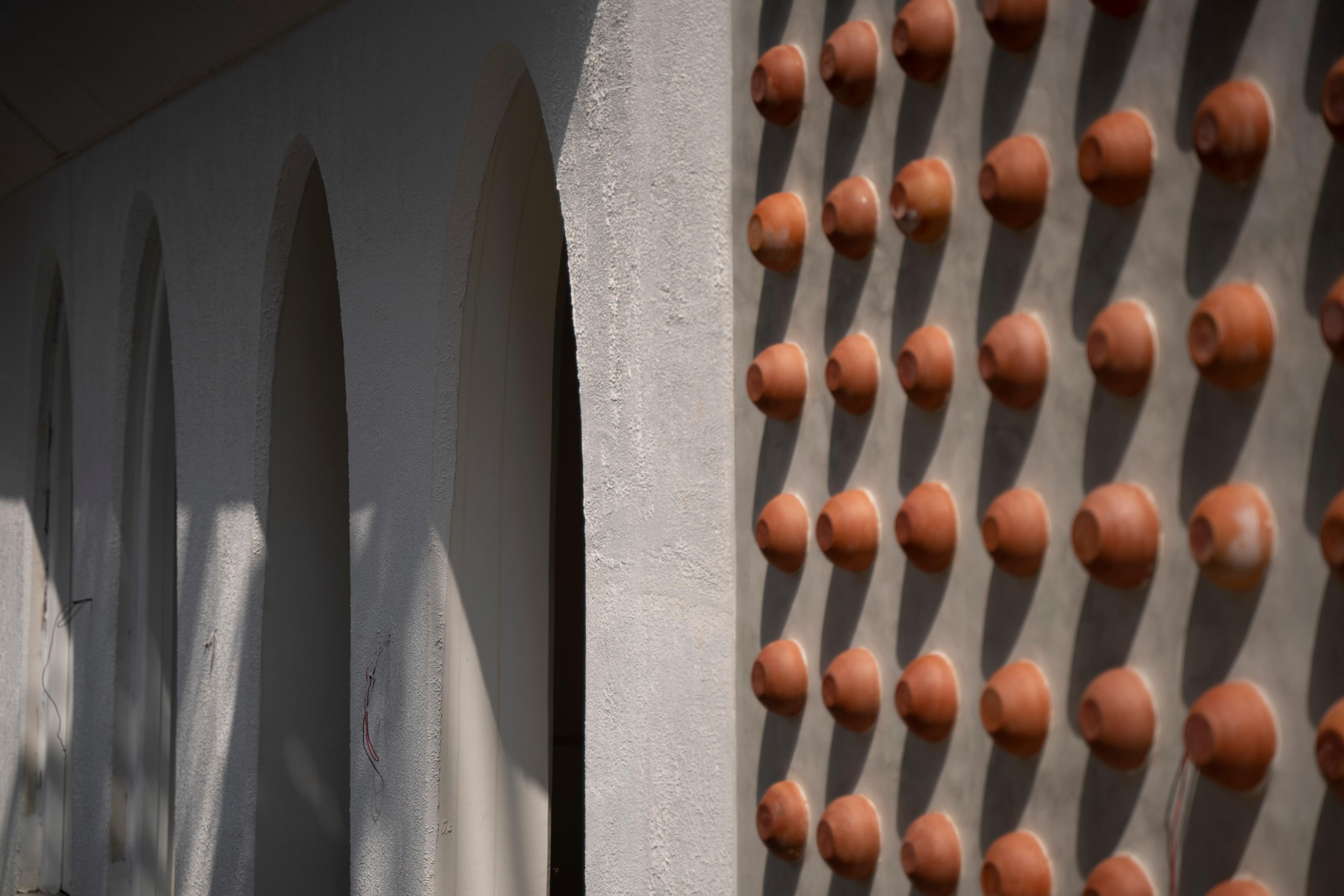
A feature wall showcasing local earthen clay pots as a design element arranged in a repetitive pattern forming a key highlight in the facade
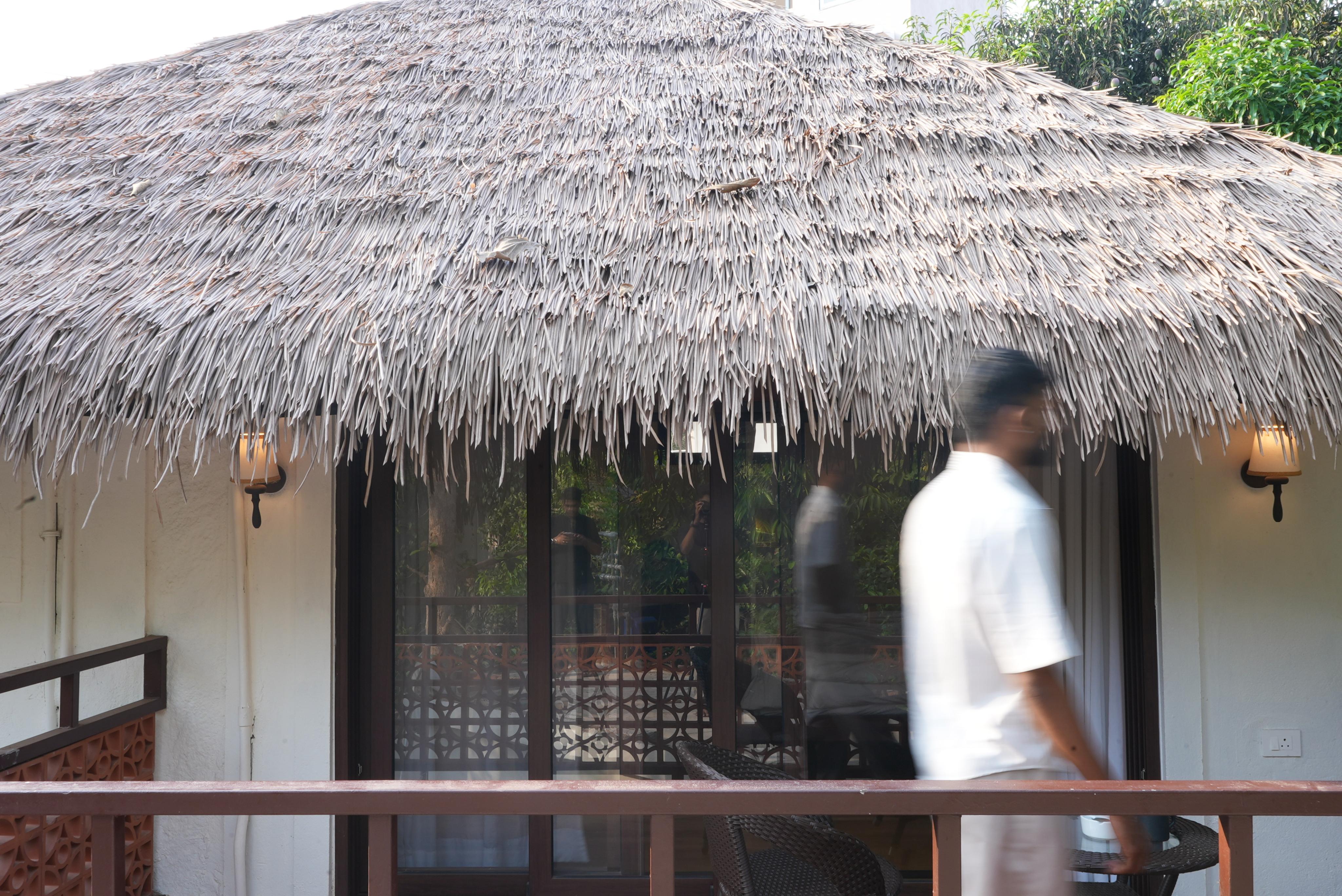
A house retrofitted with a traditional Thatch roof which can be touched and felt from the Balcony
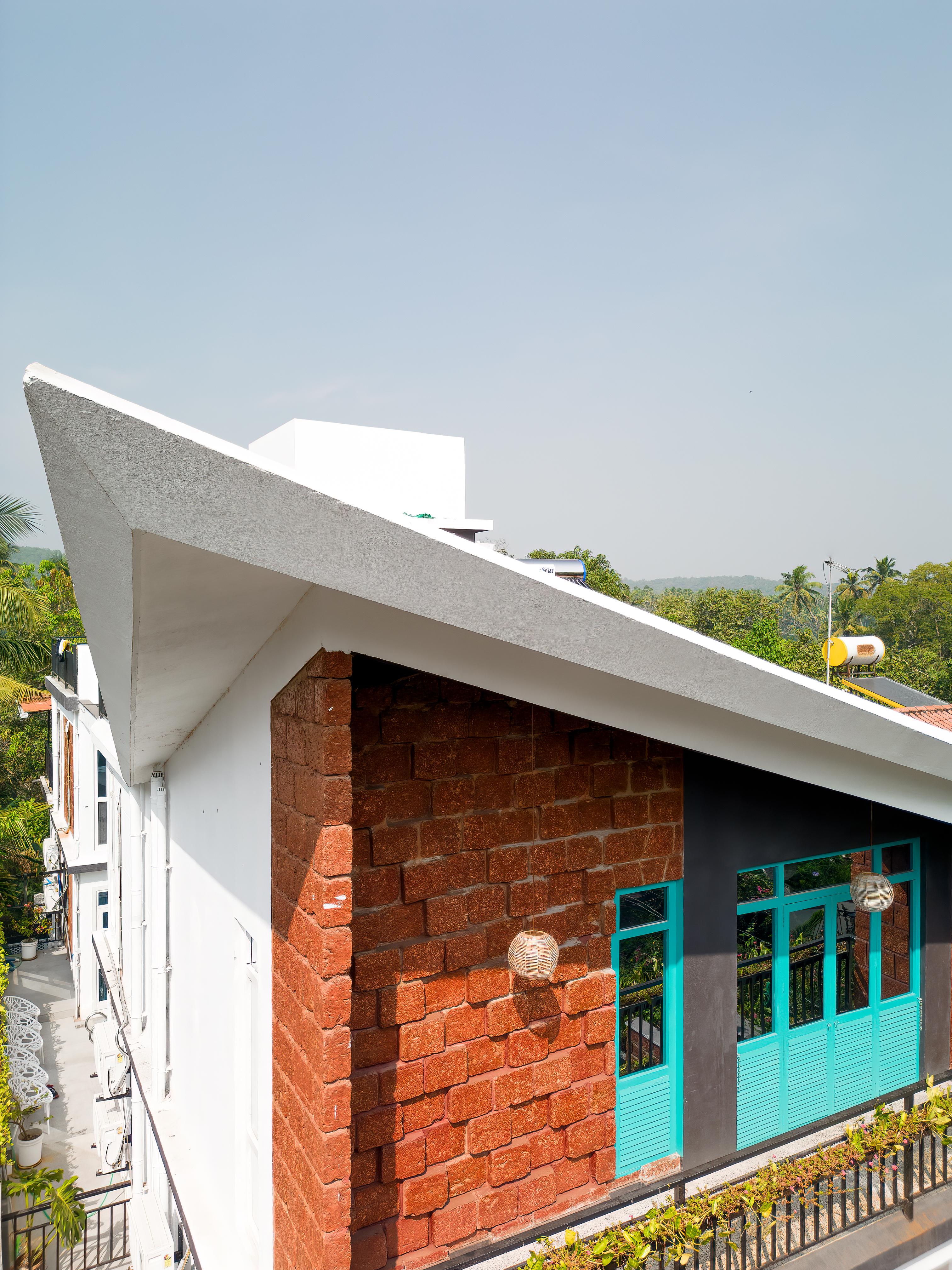
A contemporary roof designed at an angle to block harsh monsoon lashing
The firm's approach varies thoughtfully between residential and commercial projects. While residential spaces focus heavily on reflecting the aspirations and lifestyles of individual clients, commercial and public environments require a broader perspective. Almeida recognizes that these spaces must serve not only business owners but also the people who interact with them daily. This understanding drives the creation of offices, hospitality venues, and retail environments that prioritize functionality, user experience, and meaningful engagement.
Central to every project undertaken by 9DIM is a deeply immersive design process. According to Almeida, every successful project begins with listening. This extends beyond understanding client requirements; it involves carefully observing the site itself, its natural elements, neighboring context, vegetation, soil conditions, and prevailing winds. By engaging with the environment before drawing the first line, the firm develops a clear design direction that allows for informed planning and seamless execution. This process ensures that each project responds authentically to both its human and environmental context.
Sustainability forms a core pillar of the firm's philosophy. Rather than treating it as a trend, Almeida integrates sustainable thinking into the very framework of his design methodology. His work is inspired by the nine dimensions of personality working in synchronicity, the seven Platonic solids that symbolize universal order, and the five elements of nature that promote balance and environmental consciousness. These influences guide the creation of spaces that respect natural ecosystems while enhancing human well-being.
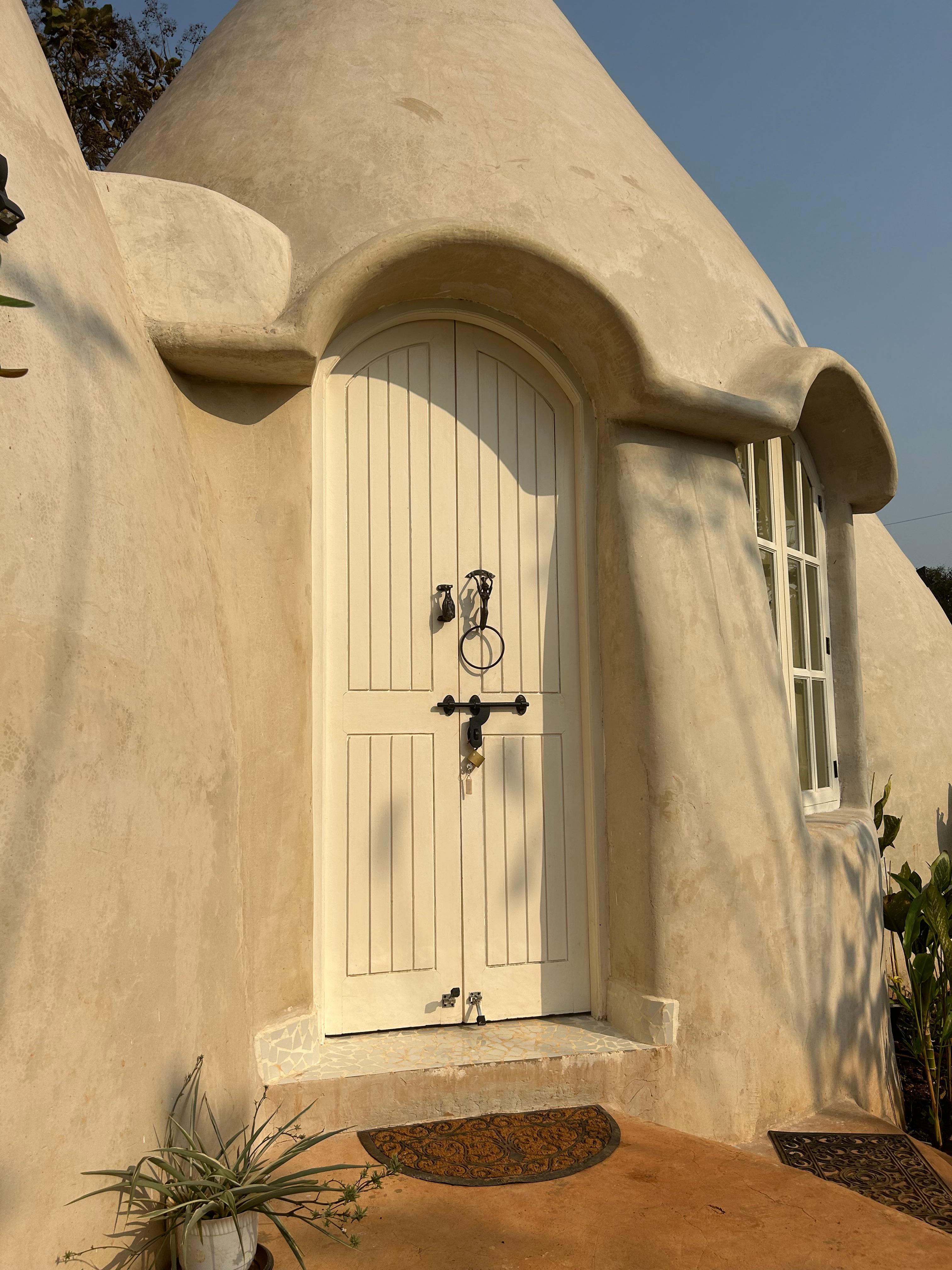
Among the many projects completed by the firm, the Hobbit House in Morjim stands out as a defining example of Almeida's design philosophy. Celebrated for its sustainable construction methods and spiritually aligned design principles, the project embodies the firm's commitment to creating architecture that is both environmentally responsible and emotionally enriching. It serves as a powerful representation of how thoughtful design can coexist harmoniously with nature while offering a unique and memorable living experience.
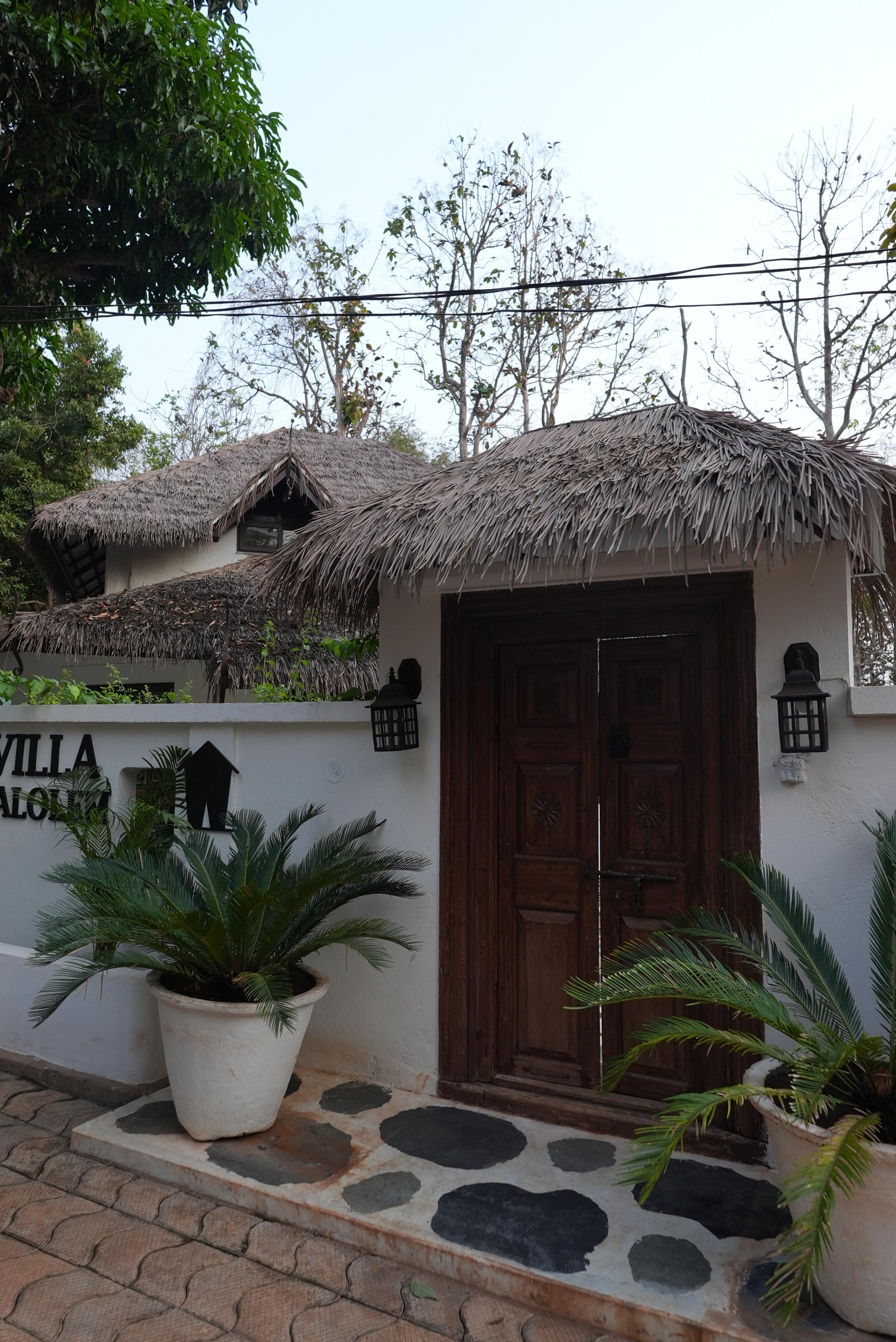
A villa in Palolem with stepped thatch roofs and pedestrian entry www.itsgoa.com
Beyond architecture, Almeida's creative pursuits further reflect the philosophy that informs his professional work. He is an artist who paints spiritual abstract works infused with hidden numerology and sacred geometry, exploring themes of consciousness and universal connection. Music also plays a role in his creative expression, with his annual compositions focusing on embracing life fully and meaningfully. These artistic interests contribute to the multidimensional perspective that defines both the architect and the practice he leads.
At the heart of 9DIM Architecture + Design lies a strong set of values that guide every decision and project. Synchronicity, spirituality, humanitarianism, cultural unity, innovation, sustainability, integrity, collaboration, and transformation form the foundation of the firm's identity. These principles influence not only the spaces it creates but also its broader mission of contributing positively to society and the environment.
Looking toward the future, Almeida's vision extends far beyond individual buildings. He envisions creating design systems that serve function and beauty while fostering spiritual, social, and ecological harmony. Through this approach, he hopes to contribute to the foundation of a more balanced and enlightened civilization, one where architecture becomes a catalyst for collective growth and human progress.
For Sherek Frank Almeida, architecture is not simply about constructing spaces. It is about shaping experiences, nurturing communities, and creating environments that reflect humanity's highest aspirations.
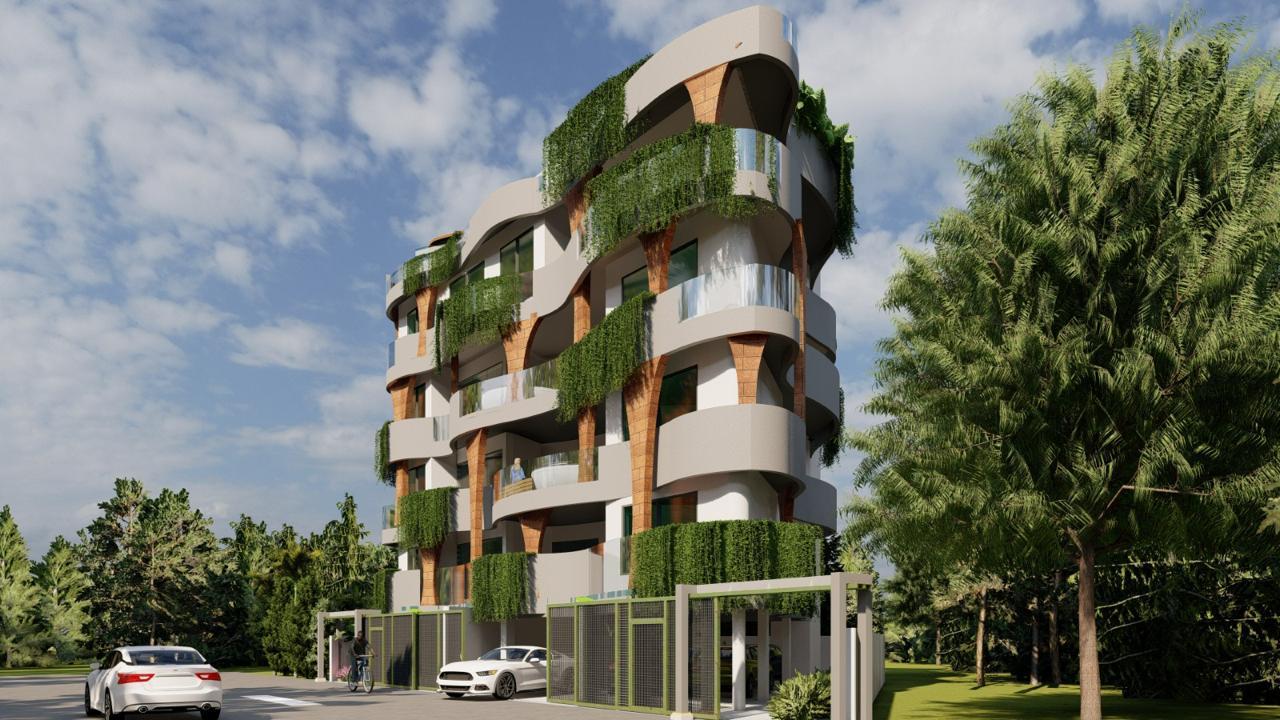
Through 9DIM Architecture + Design, he continues to challenge conventional boundaries, demonstrating that thoughtful design has the power to influence not only how people live but also how they connect with the world around them. An apartment in Candolim, where no two apartments are alike, each featuring a private plunge pool

Solar Ghar
Solar Ghar simplifies residential solar adoption through end-to-end rooftop solutions, helping homeowners reduce energy costs, access subsidies, and embrace sustainability while expanding clean-energy awareness across India.
Article by: Team ItsGoa
Images by: Solar Ghar

Founder - Dinesh Naik
As India moves towards a more sustainable future, Solar Ghar is helping homeowners embrace clean energy with confidence. Founded in Goa in 2024 by Dinesh Naik along with his partners Anil and Rahul, the company was established with a clear purpose: to make solar energy accessible, affordable, and easy for every household.
While the founders come from diverse professional backgrounds, they share a common passion for entrepreneurship, innovation, sustainability, and community impact. Their vision extends beyond selling solar systems; they aim to help families reduce electricity expenses, achieve greater energy independence, and contribute to a greener future.
The Idea Behind Solar Ghar
The inspiration for Solar Ghar came from recognising two growing realities: India's enormous solar potential and the rising electricity costs faced by homeowners. Although solar technology had become increasingly efficient and affordable, many families still found the process overwhelming due to confusion surrounding system selection, subsidies,
financing, and installation. To bridge this gap, the founders launched Solar Ghar with a mission to simplify the entire solar journey. Their goal was to create a company that educates, guides, and supports customers from consultation to installation and beyond.
“Ghar Ghar, Solar” – A Vision for India
Solar Ghar's tagline, “Ghar Ghar, Solar,” reflects its belief that renewable energy should be available to everyone, not just a select few. The company envisions a future where households across India generate their own clean electricity, reduce dependence on conventional power sources, and actively participate in the country's clean-energy transition.
Complete Rooftop Solar Solutions
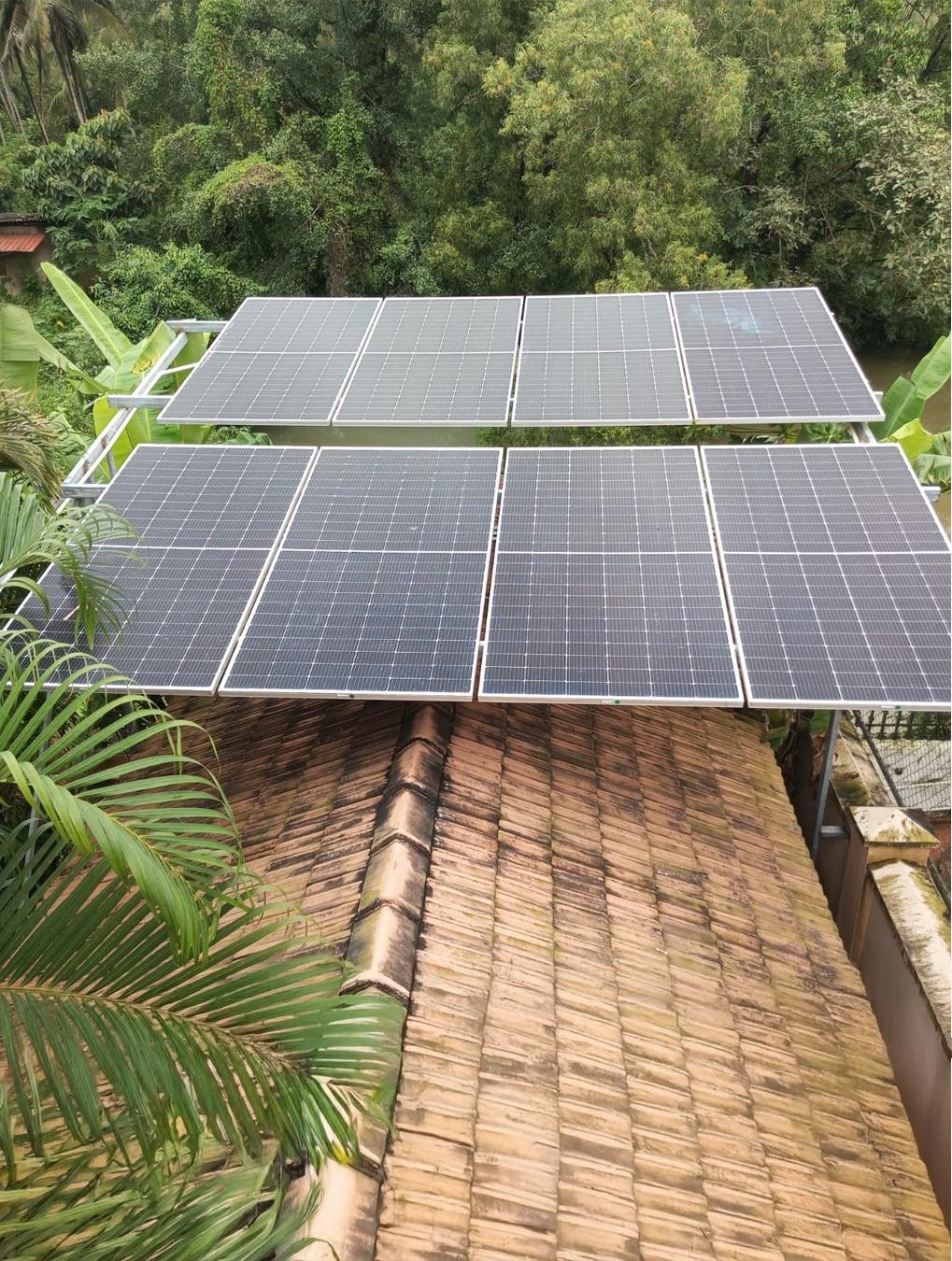
Solar Ghar offers end-to-end rooftop solar solutions designed specifically for homeowners. Its services include site inspections, energy assessments, system design, engineering, procurement, installation, commissioning, maintenance, and after-sales support.
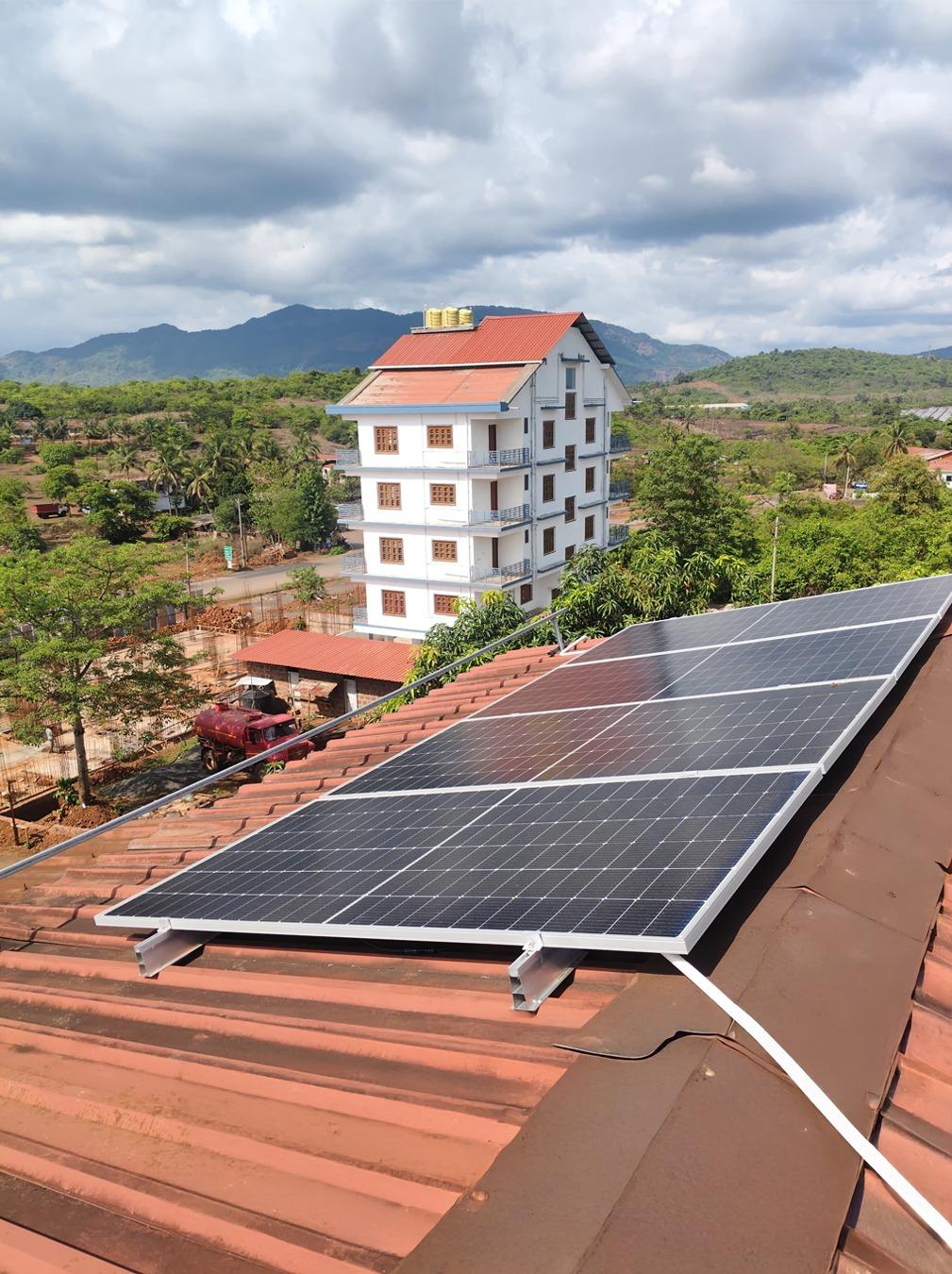
Solar Ghar Panels

Solar Ghar receiving dual awards for Best Rooftop Solar Installer – Residential and Best Solar Project of the Year – Residential at the Solar Contractors Meet Goa Awards Ceremony

Rooftop Solar Installation at Residence
The company also assists customers with government initiatives such as the PM Surya Ghar Muft Bijli Yojana, helping them understand available subsidies and financing options. By managing every aspect of the process, Solar Ghar removes complexity and makes solar adoption more accessible.
The Benefits of Going Solar
One of the most significant advantages homeowners experience is a substantial reduction in electricity bills. Many Solar Ghar customers have dramatically lowered their monthly energy expenses, with some reducing them to nearly zero.
Beyond savings, solar energy offers long-term benefits including energy security, protection from rising utility costs, increased property value, and a reduced environmental footprint. It is an investment that continues delivering financial returns for decades while supporting sustainable living.
Growing Across Regions
Since its inception, Solar Ghar has successfully served customers across Goa, Kolhapur, and Hyderabad. While Goa remains its strongest market, the company has seen growing interest in renewable energy across all three regions.
Among its most rewarding experiences are the success stories of customers who have become advocates for solar energy within their communities. Some homeowners now power both their homes and electric vehicles using electricity generated from their rooftop systems, demonstrating the practical advantages of renewable energy.
Building Trust Through Service
What sets Solar Ghar apart is its customer-first approach. The company combines high-quality solar technology with transparent communication, strict installation standards, and ongoing support.
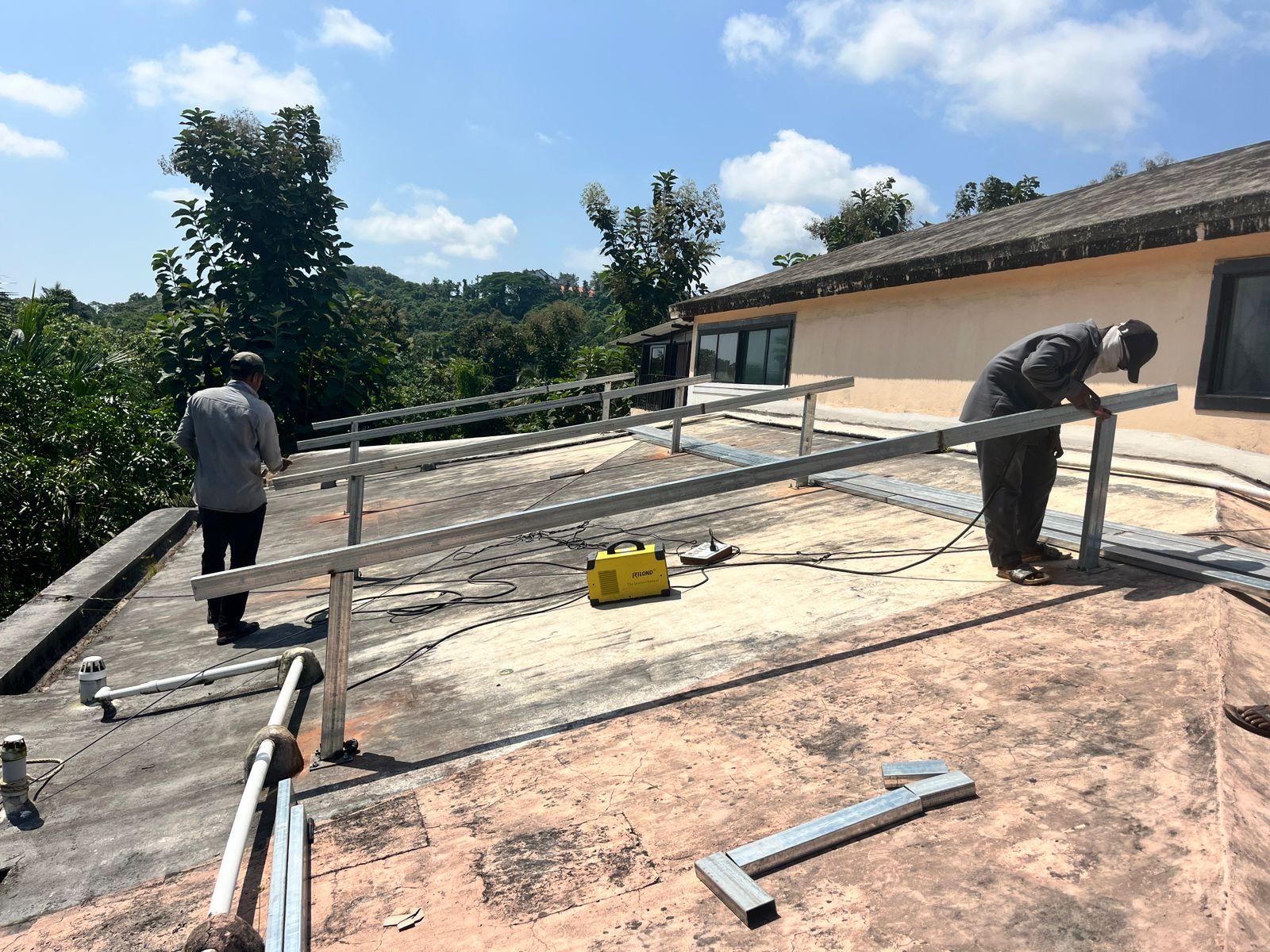

From initial consultations and subsidy assistance to maintenance and after-sales service, the team remains actively involved throughout the customer's solar journey. This commitment to service has helped Solar Ghar build strong relationships and earn valuable referrals.
Recognition and Milestones
Although still a young company, Solar Ghar has achieved significant milestones. Its greatest accomplishment remains the trust it has earned from homeowners who have embraced clean energy through its solutions.
The company's dedication to quality was recognised in 2025 when it was featured among the Top 6 EPC Vendors of the Year. In 2026, Solar Ghar received two prestigious honours at the Solar Contractors Meet Goa Awards Ceremony held at Novotel Goa Panjim: Best Rooftop Solar Installer – Residential and Best Solar Project of the Year – Residential. These achievements reflect the company's commitment
to excellence, technical expertise, and customer satisfaction.
Looking Ahead
With government support, technological advancements, and growing environmental awareness driving adoption, Solar Ghar believes India's solar future is brighter than ever. The company plans to expand its presence across the country while maintaining the quality and personalised service that define its brand.
For homeowners considering the switch, Solar Ghar encourages viewing solar not as an expense but as a long-term investment. With today's subsidies, financing options, and proven technology, the transition has never been more practical or rewarding. As it continues to grow, Solar Ghar remains committed to turning its vision of “Ghar Ghar, Solar” into reality, helping more families take control of their energy future while contributing to a cleaner, more sustainable India.

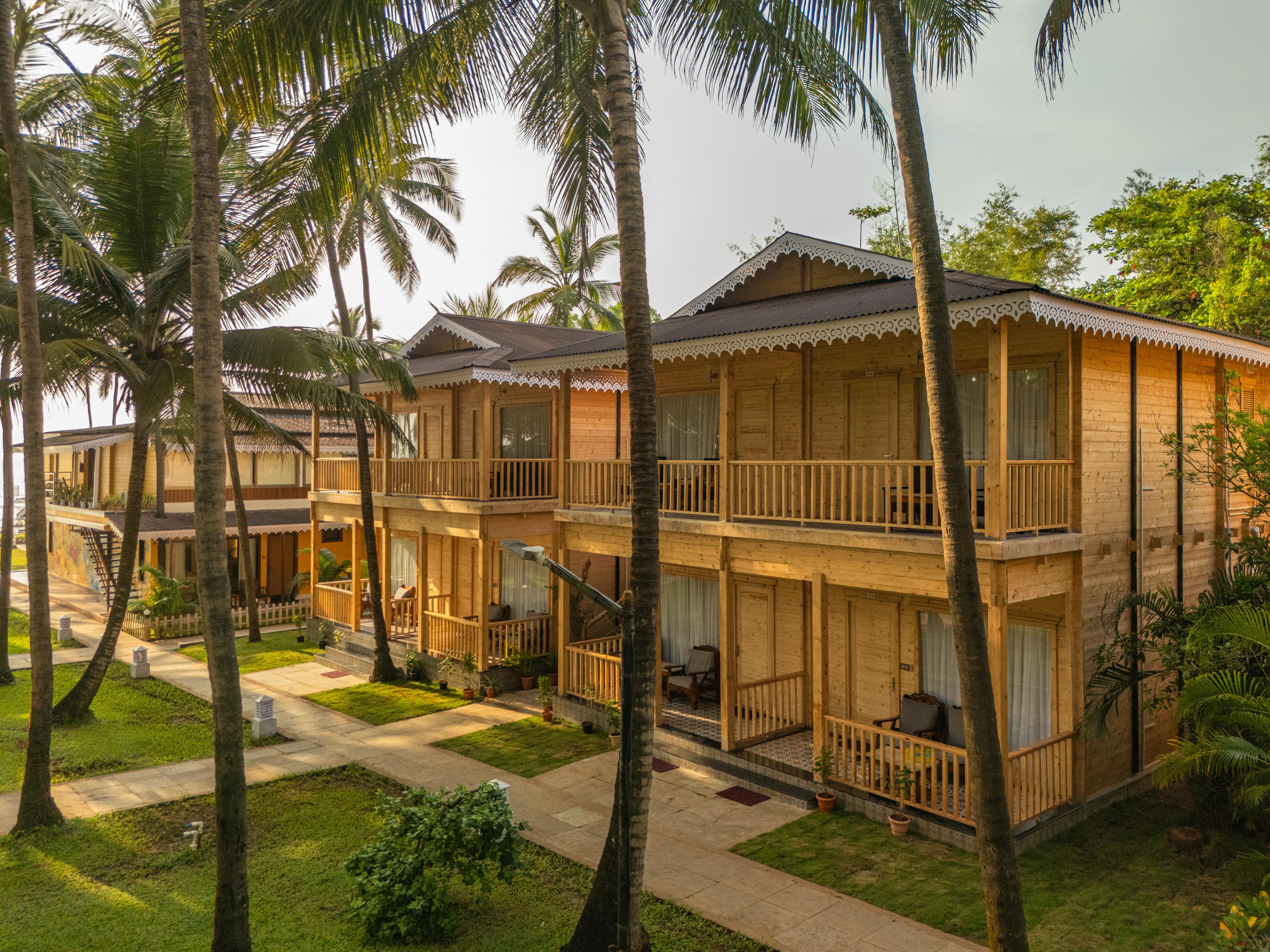
Sustainable Construction
Wooden Homes India
Wooden Homes India has transformed timber construction through sustainable prefabricated buildings, innovative engineering, and hospitality projects, earning national recognition while promoting eco-friendly architecture, faster construction, and responsible development across India.
Article by: Team ItsGoa Images by: Wooden Homes India
Long before sustainable construction became a global movement, a young entrepreneur from Goa saw an opportunity hidden within one of humanity's oldest building materials wood.
In 2008, when most of India was focused on concrete and steel, Caesar A. J. Fernandes believed there was a better way to build. Drawing inspiration from his family's long-standing association with woodworking through Camilsons, he envisioned structures that were not only beautiful but also sustainable, efficient, and deeply connected to nature.
That vision gave birth to Wooden Homes India.
Today, nearly two decades later, Wooden Homes India has emerged as one of India's pioneering names in prefabricated timber construction, delivering projects across the country and beyond.
A Legacy Built on Craftsmanship
The roots of Wooden Homes India stretch back much further than the company's founding.

Managing Director – Caesar Fernandes
For generations, the Fernandes family has been associated with woodworking, craftsmanship, and manufacturing. The values passed down through this legacy, quality workmanship, honesty, innovation, and commitment to customers, continue to form the foundation of the company's culture.
For Caesar, wood was never simply a material. It represented warmth, character, sustainability, and timeless beauty.
"Wood has a soul," he often says. "It creates spaces that people connect with emotionally."
This philosophy continues to influence every project undertaken by the company.
Transforming the Way India Builds
When Wooden Homes India entered the market, wooden construction was still largely misunderstood in India. Many viewed it as temporary or unsuitable for the country's climate.
Rather than accepting these perceptions, the company set out to change them.
By combining traditional woodworking knowledge with modern engineering, Wooden Homes India developed advanced tongue-and-groove interlocking systems and factory-manufactured prefabricated structures that offered speed, durability, and precision.
Today, their wooden cottages, life style homes, resorts, cafés, and commercial structures can be found across diverse climatic regions—from the coastal landscapes of Goa and Kerala to the hills of Meghalaya and Tripura, the islands of Andaman & Nicobar, and even international markets such as Oman.
Building Experiences, Not Just Structures
One of the defining characteristics of Wooden Homes India is its focus on creating experiences rather than merely constructing buildings.
Their portfolio includes some of the most recognized hospitality projects in the country, including
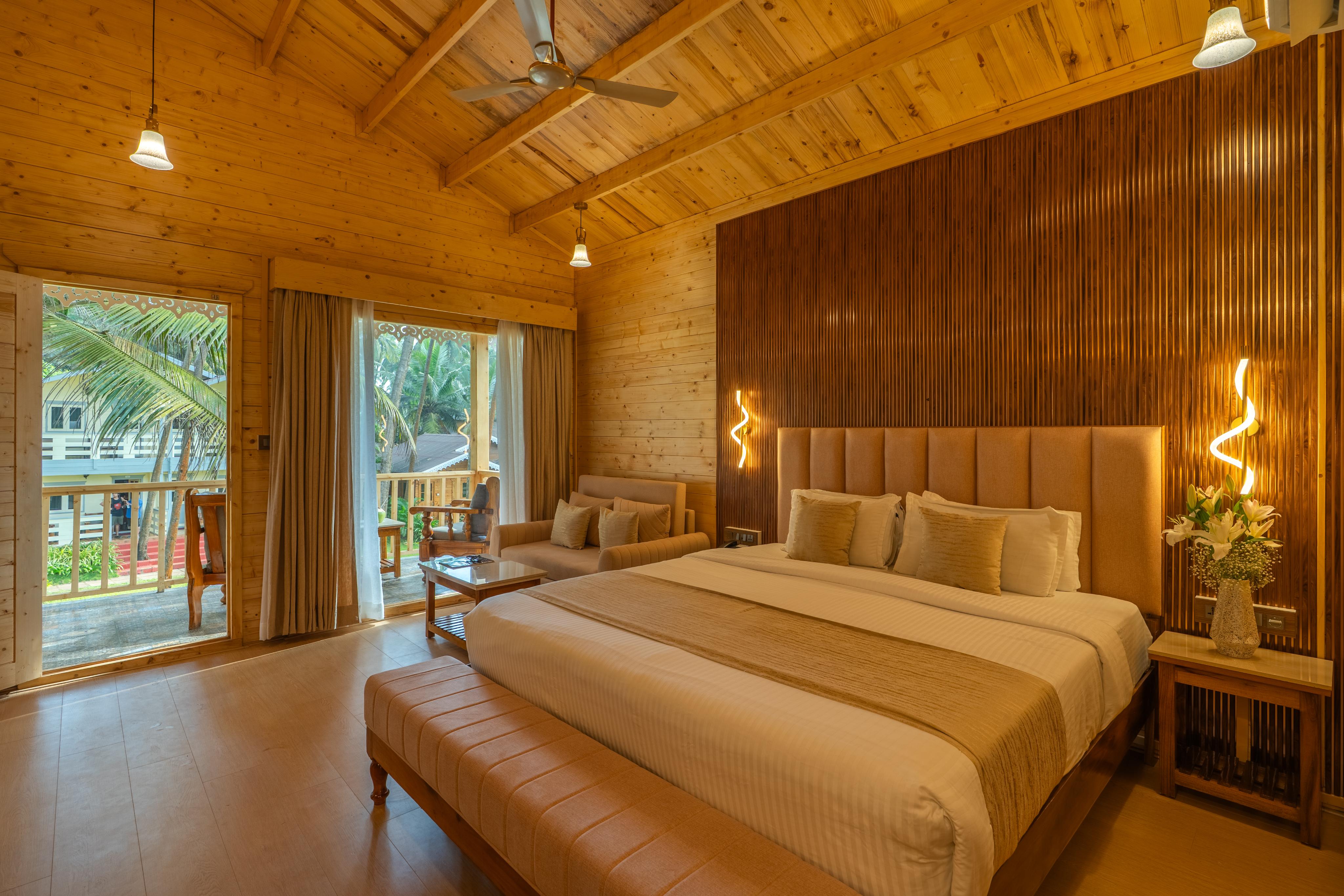
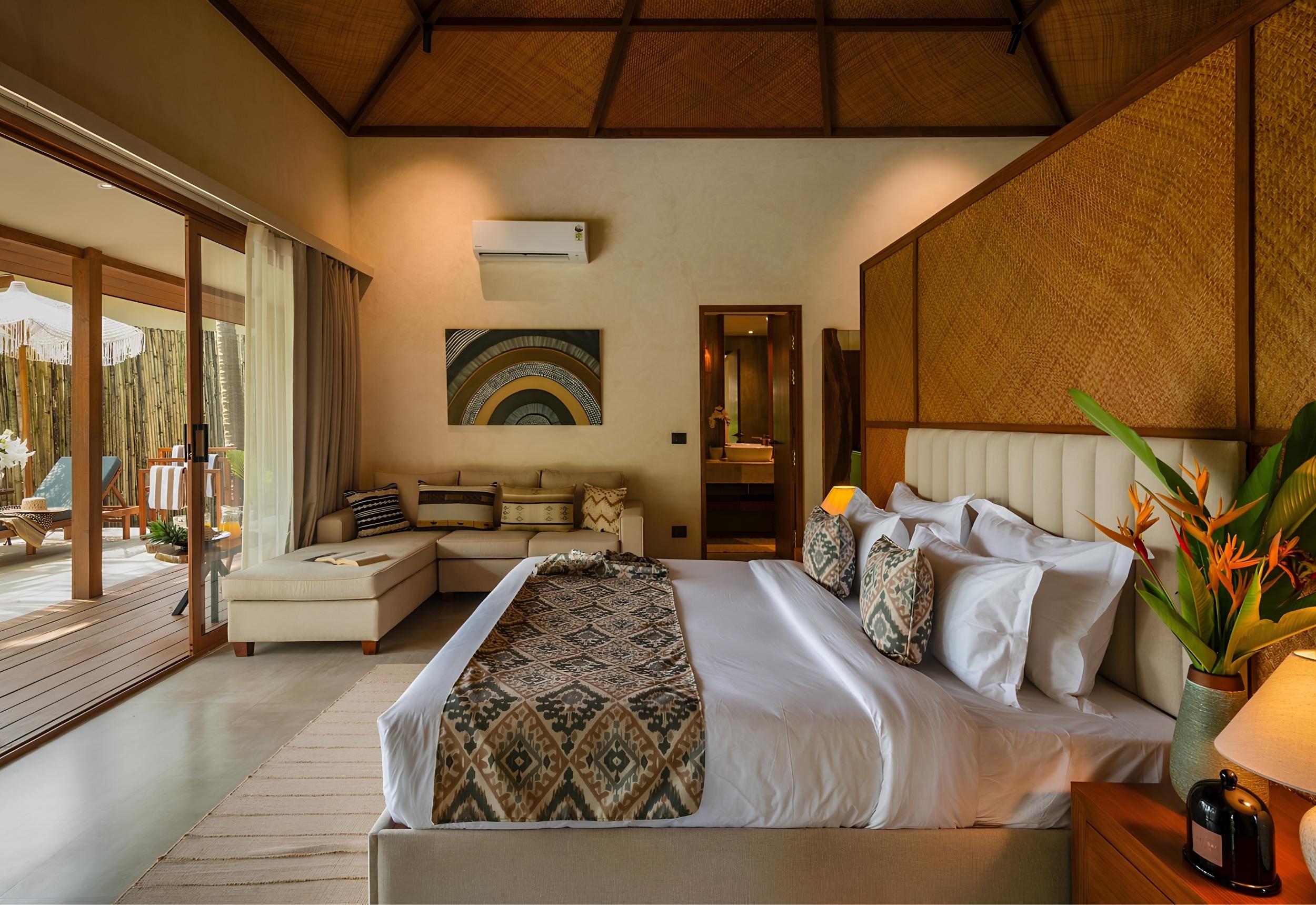
A cozy wooden sanctuary where warm textures and soft light create the perfect blend of comfort and elegance
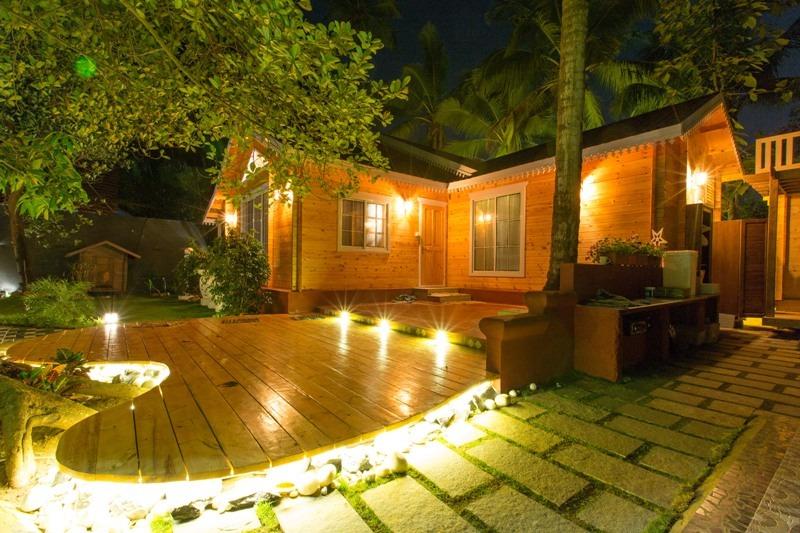
Caesar’s Cove, Colva A bespoke family retreat that blends lifestyle, comfort, and timeless design
La Cabana Morjim, Montego Bay Beach Resort, Bay 15, Miraya by the Beach, and projects for Thalassa.
Each project carries its own story.
Some were built in remote locations where conventional construction was challenging. Others required rapid execution to meet tight operational timelines. In many cases, Wooden Homes India helped developers transform raw land into thriving hospitality destinations.
The company's expertise extends beyond supplying structures. It actively assists clients with master planning, project conceptualization, resort development strategies, and creating commercially viable hospitality experiences.
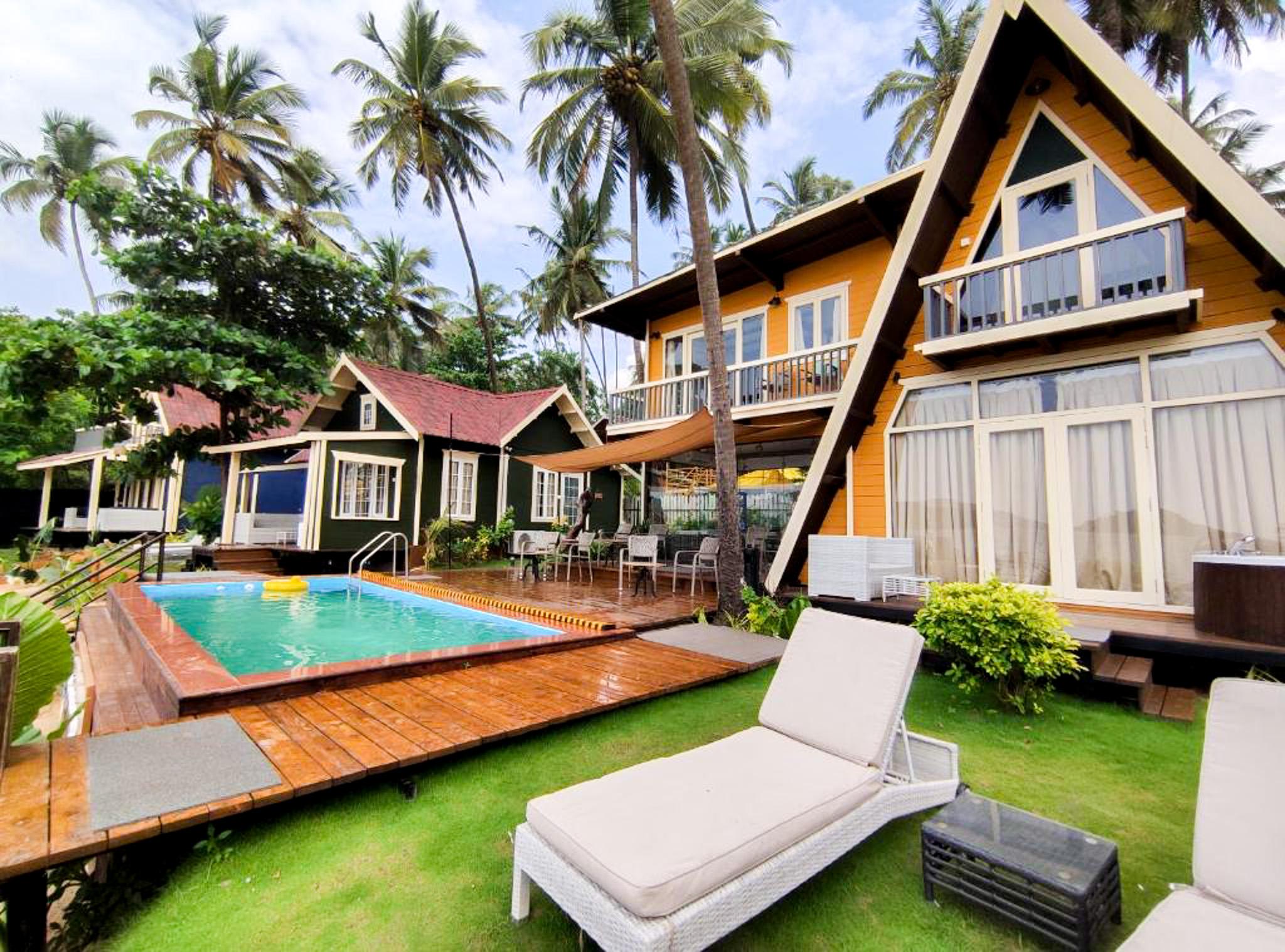
This holistic approach has helped many entrepreneurs successfully enter the resort, homestay, and Airbnb sectors.
A World Record Achievement
Among the company's many milestones, one achievement stands apart.
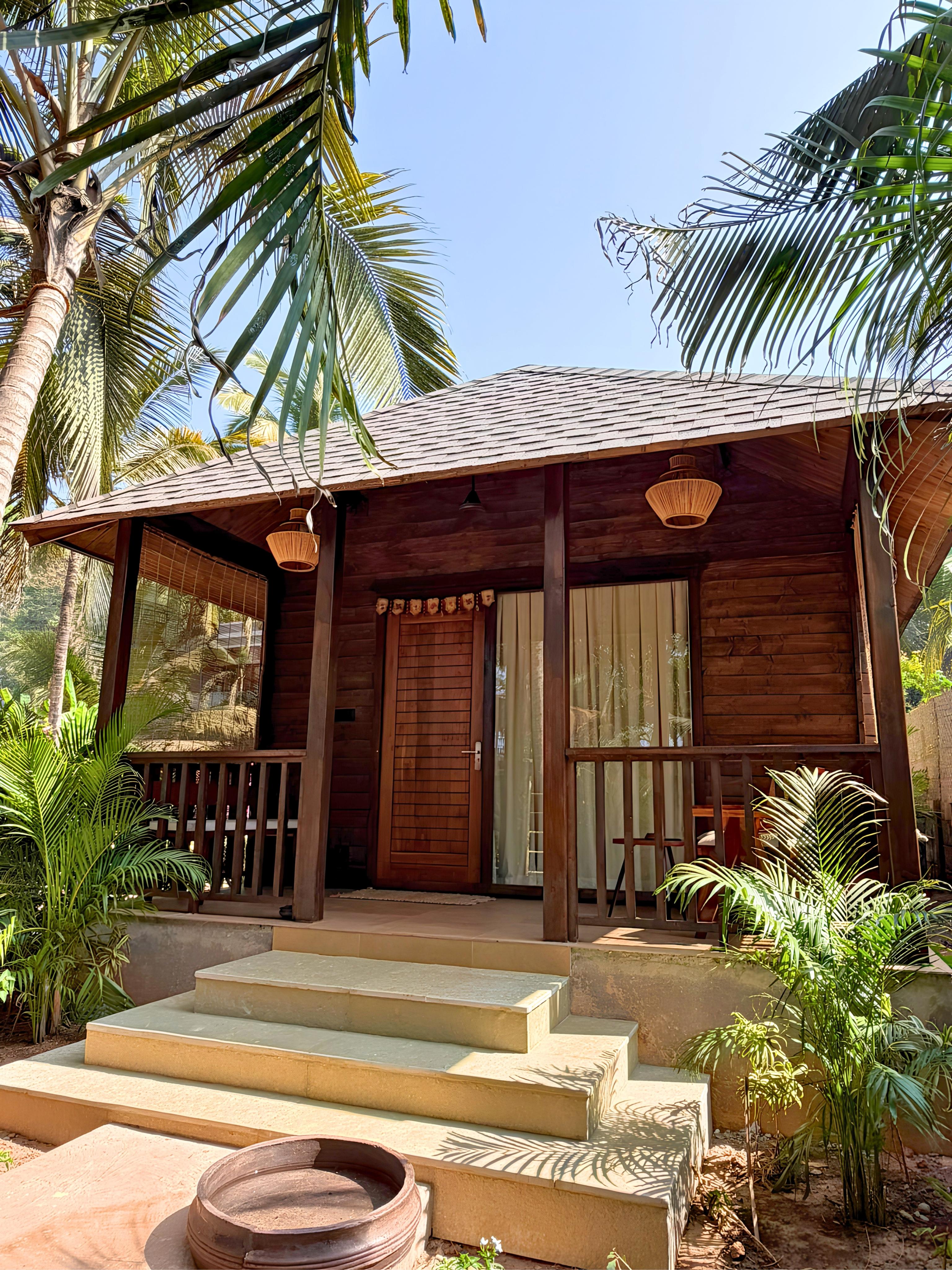
In January 2026, Wooden Homes India earned recognition in the Golden Book of World Records by constructing a fully functional A-frame wooden cottage with a carpet area of 363 square feet in just 7 hours and 47 minutes.
The feat demonstrated not only the speed of modern prefabricated timber construction but also the years of research, engineering, and operational excellence that made such an achievement possible.
It was a proud moment not only for the company but also for the Indian timber construction industry as a whole.
Sustainability at the Core
Long before sustainability became a trend, it was a guiding principle at Wooden Homes India.
The company believes that construction should work with nature, not against it.
By utilizing responsibly sourced timber, optimizing factory production, minimizing site waste, and promoting energy-efficient building practices, Wooden Homes India continues to champion environmentally responsible development.
Timber construction offers significant advantages, including lower embodied carbon, excellent
Babu Huts, Ashwem: Limestone interiors that blend warmth and elegance
The Ark Comforts Built & Managed by Wooden Homes India
Anemos Custom-designed for Thalassa, this project showcases our ability to transform unique concepts into signature destinations
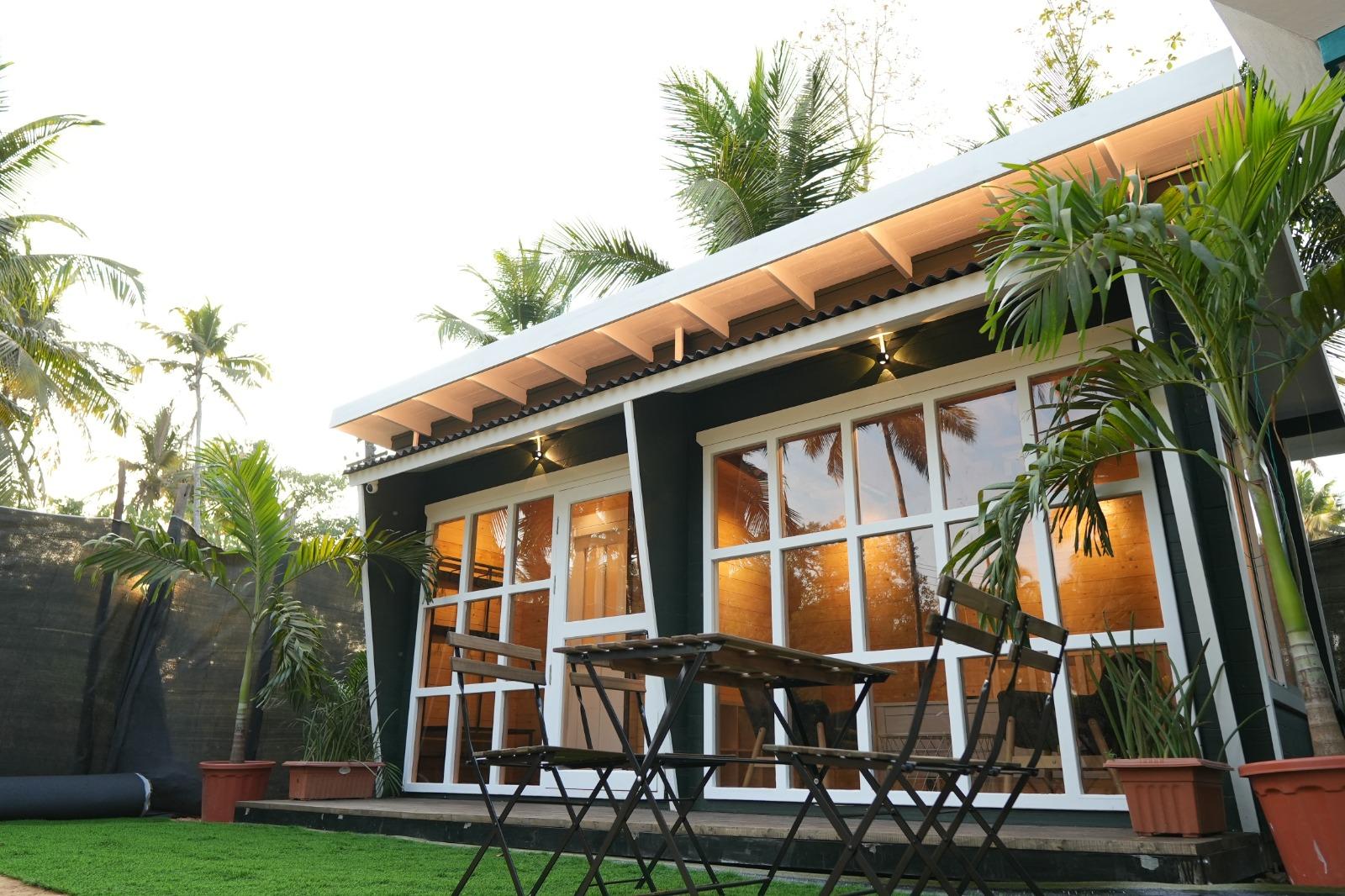
The DIY Launch – Our first DIY build, completed in just 7 hours, symbolizing confidence, collaboration, and innovation
insulation properties, reduced construction timelines, and the ability to create healthier living environments.
As India moves toward greener building solutions, the company sees timber playing an increasingly important role in the future of construction.
Beyond Business
For Caesar Fernandes, success is measured by more than buildings and revenue.
A devoted family man, entrepreneur, and person of faith, he believes that businesses have a responsibility to create opportunities and improve lives.
His personal mission is simple yet powerful: to create meaningful employment and positively impact families through enterprise.
This philosophy extends throughout the organization and influences how projects are approached, teams are developed, and relationships are built.
Looking Ahead
As Wooden Homes India enters its next phase of growth, the vision remains ambitious.
The company aims to expand its footprint across India and international markets while continuing to innovate in prefabricated timber construction, sustainable architecture, and hospitality development.
What began as a bold idea in Goa has evolved into a movement that is helping redefine how India thinks about construction.
Seventeen years after its founding, Wooden Homes India continues to prove that the future of building can be faster, smarter, more sustainable—and beautifully crafted in wood.
Because at Wooden Homes India, they are not simply building structures.
They are building dreams, creating destinations, and shaping a greener future for generations to come.
one of our most loyal clients for the past 17 years
La Cabana, Morjim Proudly serving
Artisan Craft & Heritage Design
Souza Azulejos
Through Souza Azulejos, young artist Noah De Souza is preserving Goa's Portuguese-inspired ceramic tile heritage by blending traditional craftsmanship with contemporary design, creating handcrafted pieces that celebrate culture, architecture, and artistic legacy
by: ItsGoa Images by: Souza Azulejos
www.itsgoa.com itsgoa_ Itsgoa
Article
In the quiet village of Nuvem in South Goa, a young artist is reviving one of Goa’s most visually iconic art forms with patience, precision, and contemporary creativity. At just 25 years old, Noah De Souza has transformed a childhood fascination into a thriving artistic venture through Souza Azulejos, a brand dedicated to preserving the timeless beauty of Portuguese-inspired azulejo art in Goa.
Raised in a family deeply connected to music and creativity, Noah grew up surrounded by artists and musicians, influences that naturally shaped his artistic sensibilities.
While music became one part of his identity, another passion slowly emerged through the intricate ceramic tiles that decorated his home. What began as an inherited interest from his father gradually evolved into a lifelong pursuit of craftsmanship and cultural preservation.
A Childhood Surrounded by Art and History

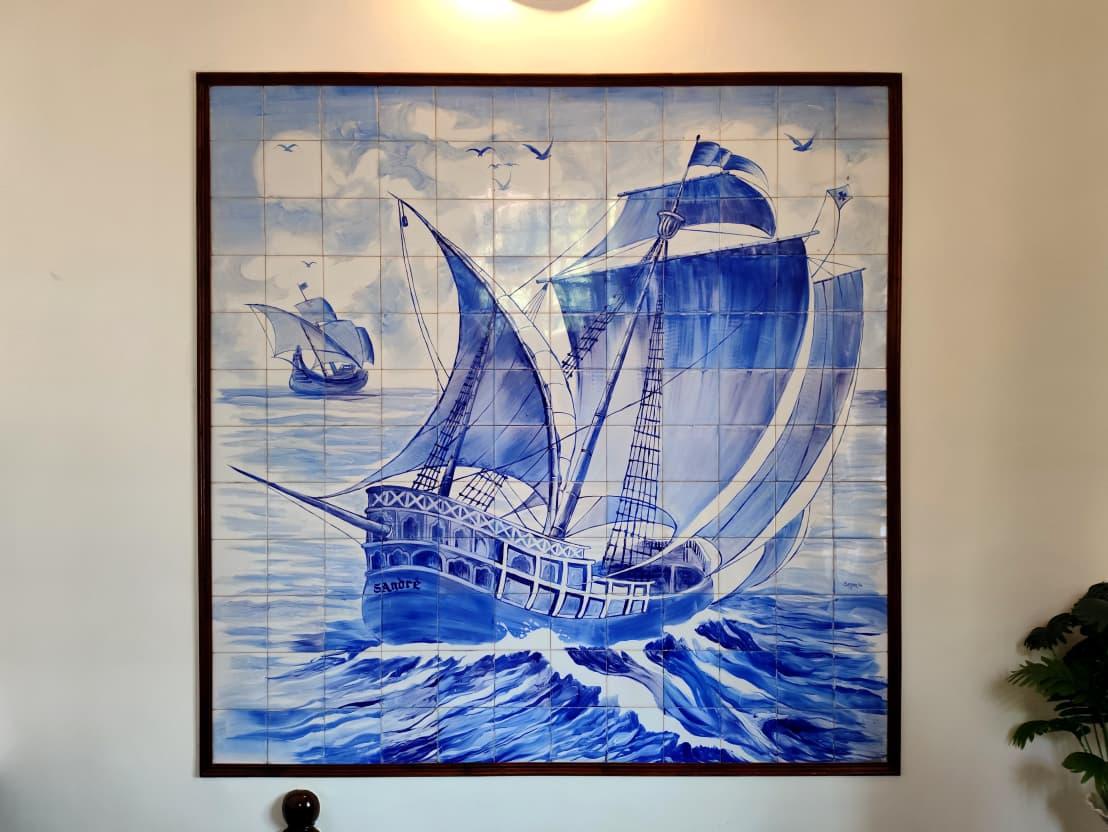
The roots of Souza Azulejos can be traced back to Noah’s childhood home renovation in 2007. During that time, the house became filled with azulejoinspired artefacts, including a striking 144-tile mural of a Portuguese carrack designed by his father, Andre De Souza at a time when azulejo art was still relatively unfamiliar to many in Goa. Growing up around these handcrafted pieces left a lasting impression on him.
The elaborate tile murals, decorative plaques, and the historical narratives preserved within them sparked a deep admiration for the art form. For Noah, azulejos represented more than décor, they carried stories, identity, and centuries of heritage.
He recalls being fascinated by the elegant name plaques displayed outside traditional Goan homes and by the idea that art could survive for generations through ceramic craftsmanship. Over time, he realised that many people, including fellow artists, were unaware of azulejo history or even struggled to pronounce the word itself.
That realization strengthened his sense of purpose and inspired him to contribute toward preserving and promoting the tradition.
Though widely associated with Goa’s Portuguese heritage, azulejo art has origins that extend much further back in history. The art form evolved through Moorish influence in Spain, where intricate geometric ceramic designs and vibrant patterns were commonly used in architecture.
Later introduced to Portugal during the reign of King Manuel, azulejos gradually evolved into the blueand-white painted tiles now recognised around the world. These tiles often depicted religious imagery, historical events, floral motifs, fauna, and scenes from daily life.
In Goa, Portuguese influence integrated azulejo art into churches, mansions, and public institutions, creating a distinctive architectural identity that
The Rich Legacy of Portuguese Azulejos
Owner - Noah De Souza

Casa Christi welcome plaque
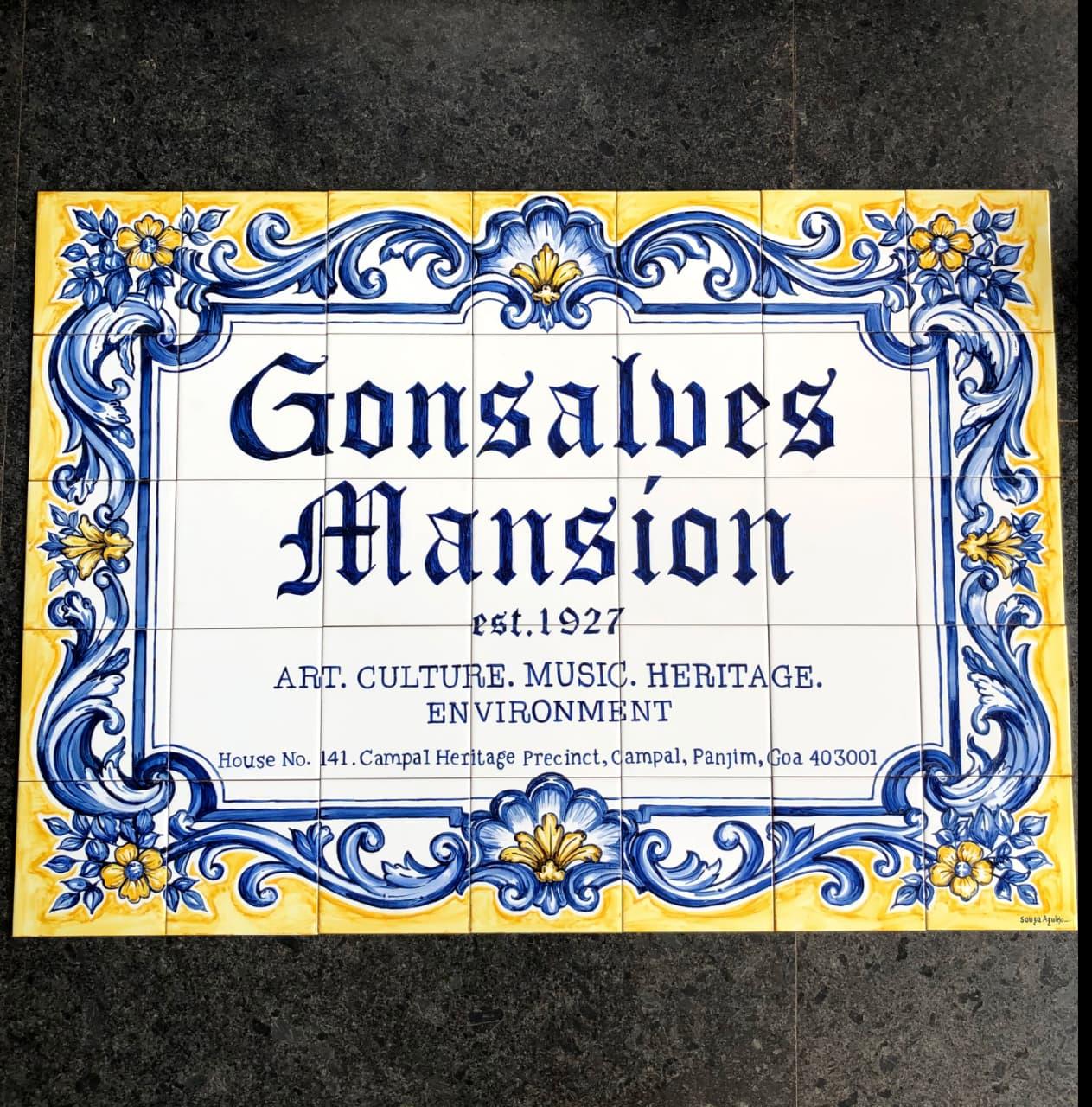
Gonsalves Mansion azulejo plaque

remains deeply embedded in the state’s visual culture today. For Noah, this fusion of history and artistry is what makes azulejos so meaningful. Each tile becomes a fragment of preserved heritage, carrying stories across generations.
Turning Passion Into a Profession
Souza Azulejos officially began through small custom orders shared on Instagram stories. As demand gradually increased, Noah began collaborating with talented woodworker Rowan Serrao, whose encouragement motivated him to invest in his own kiln and fully commit to the craft.
Today, the studio has evolved into a respected name for handcrafted azulejo plaques, coasters, and bespoke ceramic pieces. Among the most popular requests are bulk wedding coasters and the signature two-tile and six-tile azulejo name plaques that have become increasingly popular across Goa and beyond.
What distinguishes Souza Azulejos is its ability to blend traditional Portuguese aesthetics with personalised contemporary design. While many clients request classic Goan-inspired styles, others seek bold modern interpretations featuring gothic black themes, emerald green palettes, or unique colour combinations.
Noah carefully experiments with pigments, layouts, and techniques beforehand to ensure every design remains authentic while reflecting the client’s individuality.
The Precision Behind Every Tile
Behind the elegance of every finished plaque lies a process rooted in patience and meticulous execution. Noah begins by designing each piece according to the client’s preferred style, typography, and layout. Customers can browse references from his existing catalogue before receiving a digital preview of the final concept.
Once approved, the design is transferred onto ceramic tiles either through tracing techniques or freehand pencil work, ensuring balance and symmetry throughout the composition. The painting stage requires extraordinary concentration, as azulejo pigments demand precision and controlled execution.
After the artwork is completed, the tiles undergo overnight firing in a kiln at high temperatures. Different pigments often require specific firing temperatures, making the process both technical and unpredictable. Nearly twenty hours later, the finished azulejos emerge transformed into durable pieces of ceramic art. There are also various methods of creating azulejos, including underglaze, inglaze, and overglaze techniques, each known for producing distinct visual effects and artistic finishes.
Reviving Heritage for a New Generation
While many consider the fading awareness of azulejo culture among younger generations a challenge, Noah views it as an opportunity. He believes there is growing curiosity among people eager to reconnect with Goa’s artistic heritage and understand the cultural significance behind these handcrafted works.
In an era increasingly shaped by automation and artificial intelligence, he sees azulejo art as
Classic Goan azulejo artistry
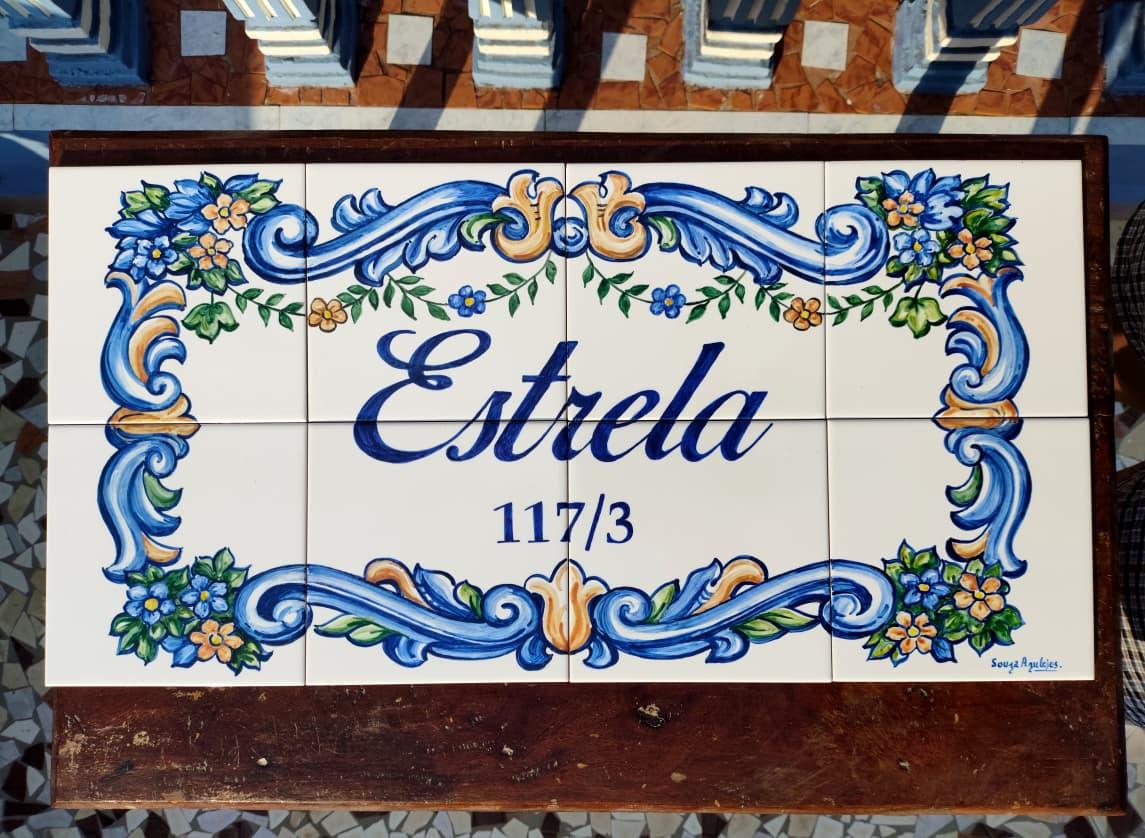

Estrela Azulejo Plaque
something uniquely irreplaceable. Unlike spontaneous painting styles, azulejo creation requires careful planning, structured execution, and scientific precision. Every step must be calculated before the firing process begins, leaving little room for improvisation.
Driven by this philosophy, Noah regularly conducts workshops aimed at introducing younger audiences to the craft and encouraging appreciation for traditional Goan artistry. Through these sessions, he hopes to ensure that azulejo-making continues to survive as a living cultural practice rather than becoming a forgotten relic of the past.
Balancing Music and Art
Creativity in Noah’s life extends beyond ceramic art. Born into a family of musicians, he has been performing at hotels since the age of thirteen and continues to pursue music alongside his growing business.
Balancing both worlds often means long days and even longer nights, especially when managing urgent commissions that require extensive hand-painting. Despite the demanding schedule, he has successfully maintained both passions, while also nurturing plans to eventually produce his own music. This dual artistic identity is reflected in his work; rhythmic, expressive, and deeply personal.
Landmark Projects and Memorable Creations
Among the many commissions completed by Souza Azulejos, certain projects remain especially significant. One of Noah’s earliest major milestones involved creating a thirty-tile installation beneath an altar, along with a large thirty-five-tile name plaque for the historic Gonsalves mansion. The project also marked the first time he designed the surrounding masonry work alongside the tile installation itself.
Another unforgettable experience involved handpainting over one hundred intricately detailed coasters featuring individual names and elaborate
motifs, a task requiring immense patience and precision.
For Noah, however, every plaque carries its own story. Whether executing complex custom requests or experimenting with new visual styles, each project becomes part of an evolving artistic journey.
Building the Future of Azulejo Culture
Looking ahead, Noah envisions expanding Souza Azulejos beyond custom commissions by opening a dedicated store offering handcrafted souvenirs and ceramic pieces on a larger scale. He also hopes to build a team capable of promoting azulejo culture more extensively across Goa and beyond.
One of his long-term ambitions is to create immersive artistic experiences where visitors can actively participate in making azulejos themselves, offering a deeper connection to Goa’s heritage through hands-on creativity.
At the heart of his vision lies a simple but meaningful belief, that handmade art possesses an emotional value machines can never replicate. Through every carefully painted tile, Souza Azulejos continues to celebrate Goa’s architectural identity, preserve centuries-old craftsmanship, and remind people that heritage remains most powerful when it is lived, shared, and created by hand.
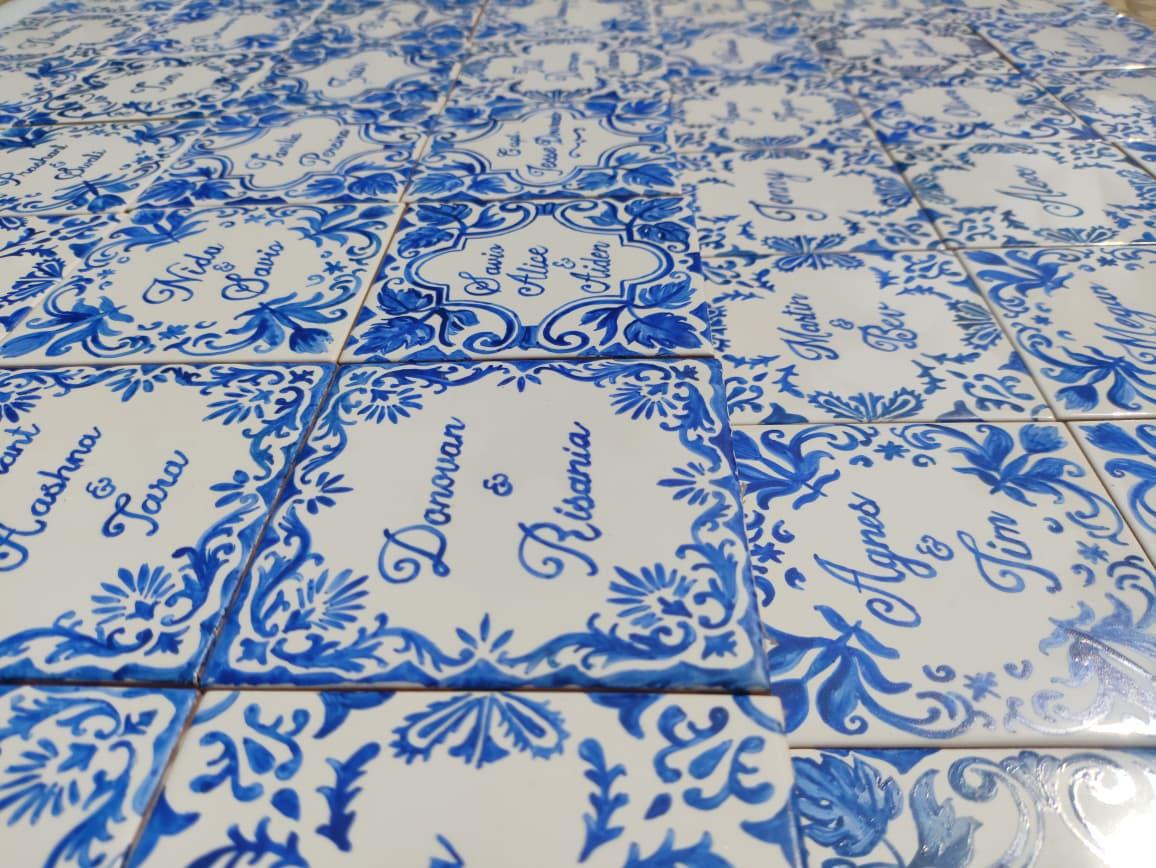
wedding coaster set
Hand-painted
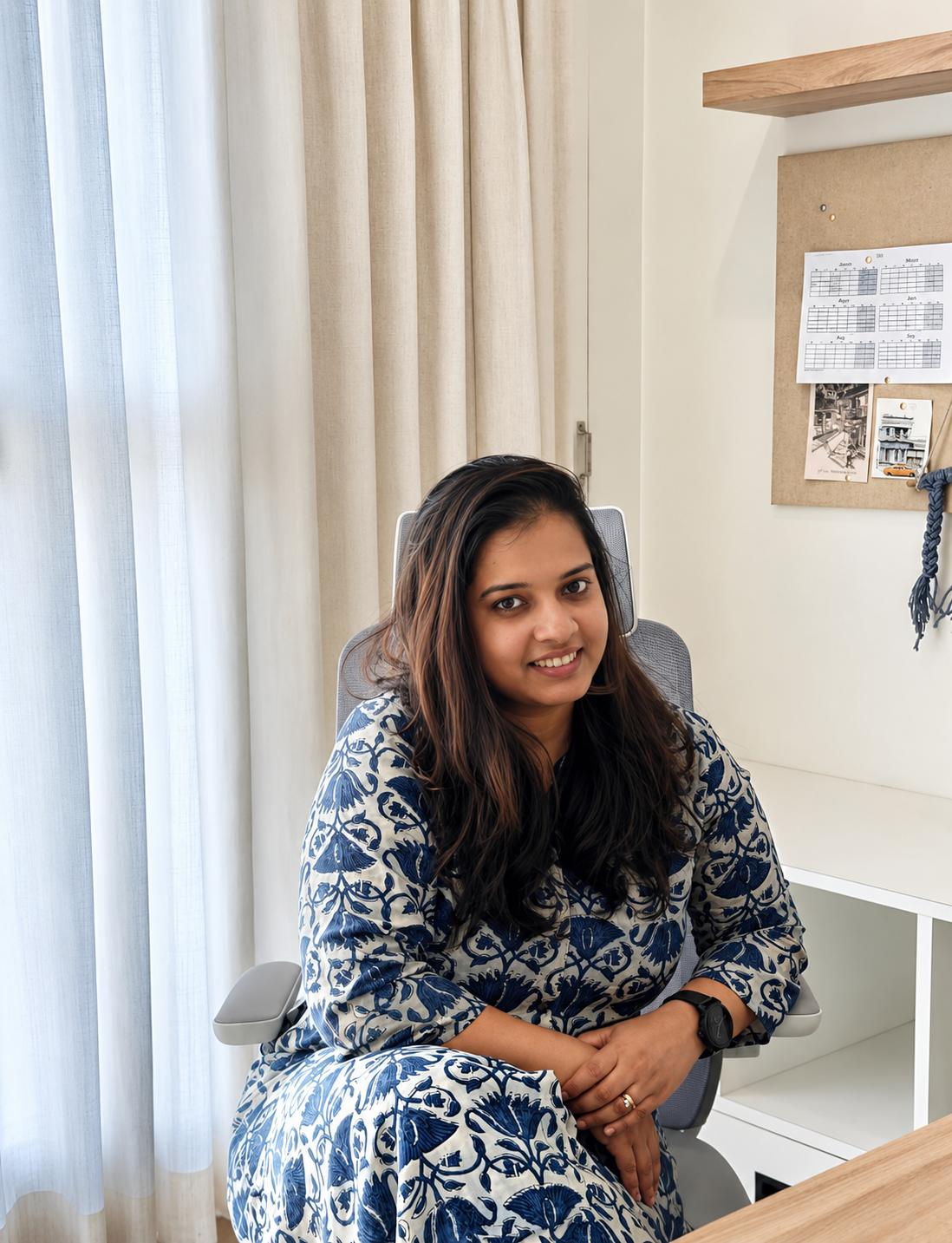
Architect & Conservationist
Manisha Rodrigues
Architect Manisha Rodrigues combines architecture, heritage conservation, and environmental research to create context-sensitive, sustainable spaces. Her work balances contemporary design with cultural preservation, community needs, and ecological responsibility.
Article by: Team ItsGoa Images by: Manisha Rodrigues
Architecture is often described as the art of shaping spaces, but for architect Manisha Rodrigues, it is equally about understanding people, places, culture, and the environment. As the founder of an architecture and design studio in Margao, Goa, she has built a practice that seamlessly blends thoughtful design, sustainability, and cultural sensitivity. From private residences and commercial developments to institutional projects, conservation initiatives, and restoration work, her professional journey reflects a commitment to creating spaces that are both meaningful and functional.
A Creative Path Rooted in Curiosity
Manisha’s interest in architecture began with a natural inclination toward art, creativity, and problem-solving. Encouraged by her father to explore architecture instead of engineering, she discovered a profession that perfectly balanced design, technical understanding, and human connection.
Her academic journey began at the Goa College of Architecture, where she developed a strong foundation in design thinking and contextual awareness. Growing up in Goa, surrounded by its rich architectural heritage, sparked a deeper interest in preserving the stories embedded within historic structures. This passion led her to pursue a Master’s degree in Architectural Conservation at CEPT University, where she gained extensive knowledge of traditional building techniques, heritage conservation, and material studies. These experiences continue to shape her design approach, influencing every project she undertakes.
Balancing Contemporary Design with Heritage
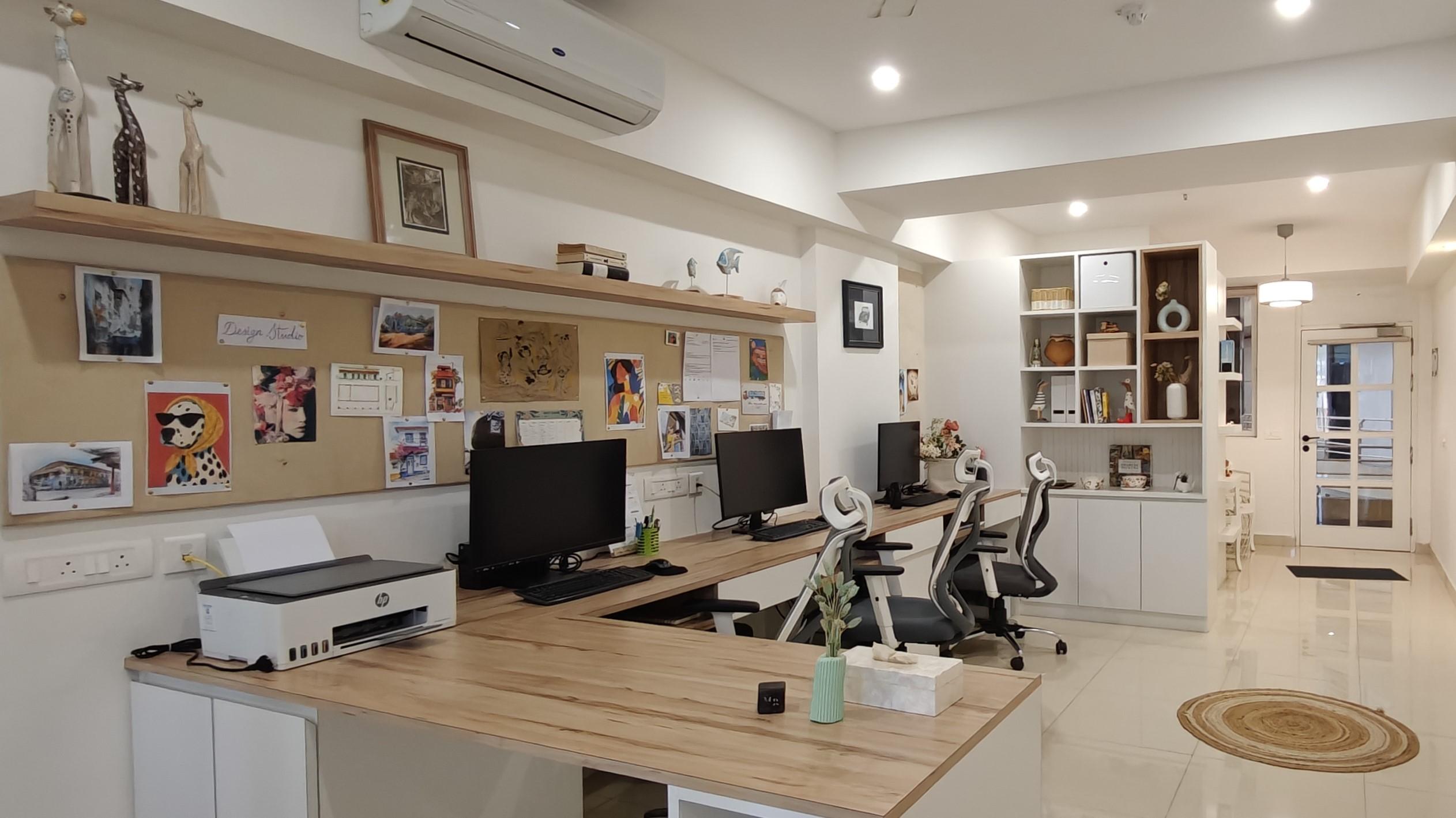
Over the years, Manisha has worked across a diverse range of architectural disciplines. While she enjoys the variety that comes with different project types, residential architecture and conservation remain particularly close to her heart. Residential projects allow her to engage closely with clients, understanding their lifestyles, aspirations, and daily routines. Through this collaborative process, she creates spaces that feel personal, functional, and deeply connected to the people who inhabit them.
Conservation, on the other hand, offers an opportunity to explore the cultural, historical, and architectural narratives embedded within existing structures. For Manisha, preserving and adapting heritage spaces is not merely about maintaining old buildings; it is about safeguarding identity, craftsmanship, and collective memory while ensuring relevance in contemporary contexts.
An Architectural Philosophy Guided by Context
At the core of Manisha’s practice is a belief that architecture should emerge from its surroundings rather than impose itself upon them. Her work is guided by an understanding of environmental conditions, cultural influences, social contexts, and the needs of users.
Rather than adhering to a fixed design style, she allows each project to develop its own character through careful observation and analysis. Climateresponsive planning, resource-conscious decisions, and sensitivity to local context form the foundation of her architectural philosophy. This approach enables her to create spaces that are not only aesthetically engaging but also environmentally responsible and deeply rooted in place.
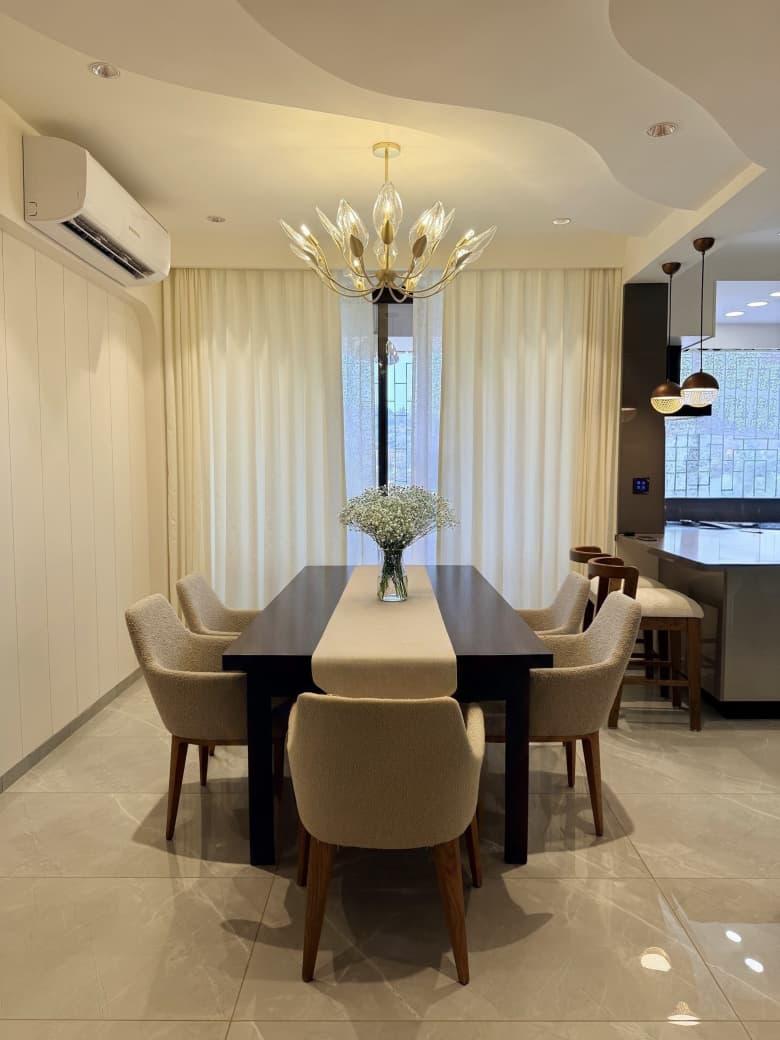
Designed Interiors of a Flat in Fatorda
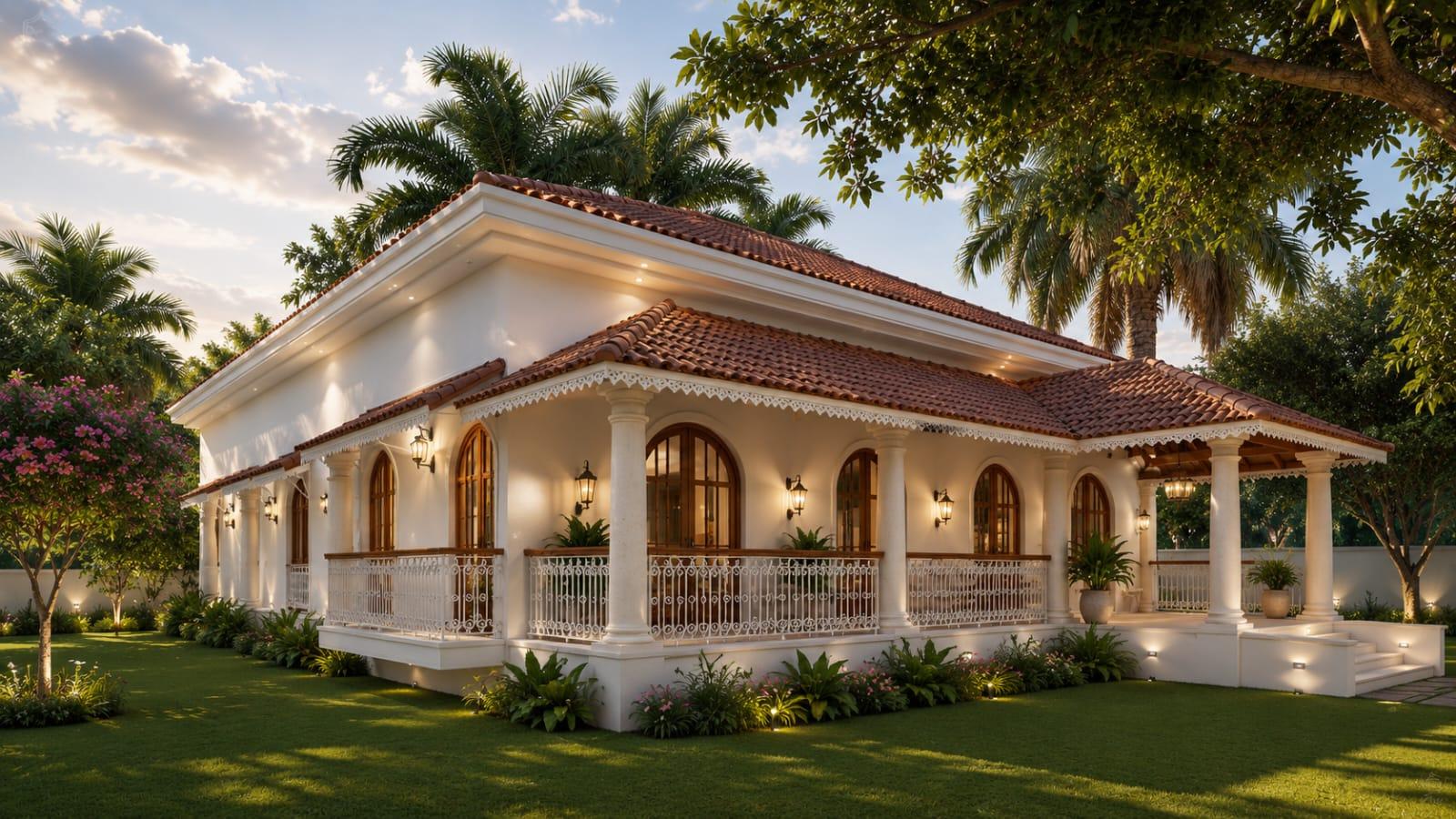
3D Visualisation of a Home in São José de Areal

Projects That Shape Perspectives
While every project has contributed to her professional growth, Manisha views each one as a unique learning experience. Beyond design, she values the collaborative relationships and shared journeys involved in bringing ideas to life.Particularly significant have been her conservation initiatives, environmental projects, and heritage documentation work. These undertakings have reinforced her belief in the importance of preserving both cultural and natural heritage. Another defining milestone was establishing her own practice, which provided the freedom to pursue projects aligned with her values and vision while fostering a design process grounded in authenticity and purpose.
Beyond Buildings: Understanding the Larger Environment
A distinctive aspect of Manisha’s career is her engagement with environmental and research-based initiatives. Her contributions to the Serampore Initiative, Goa Water Stories, and the book The River Mhadei: The Science and Politics of Diversion have broadened her understanding of the interconnectedness of ecology, communities, heritage, and development.
Although Manisha grew up and spent most of her life in Fatorda, her roots lie in the coastal village of Cavelossim, where her family has deep connections.
Having spent weekends, holidays, and several years living there, she developed a strong appreciation for the unique relationship between the River Sal, the Arabian Sea, and the communities shaped by these landscapes. These early experiences fostered a lasting interest in the environment and the ways in which people interact with natural and cultural systems.
This fascination evolved into academic and professional exploration, beginning with her undergraduate thesis examining the relationship between the River Sal, tourism, and coastal development in Cavelossim. Subsequent experiences studying river systems such as the Sabarmati, the Hooghly, and the Mhadei expanded her perspective beyond architecture alone.
They highlighted the importance of understanding the larger environmental systems that influence how communities live and interact with their surroundings. These experiences continue to inform her work, strengthening her commitment to both built and natural heritage conservation.
The River Mandovi beneath the Atal Setu Bridge. Photo Credit: Wencelaus Mendes
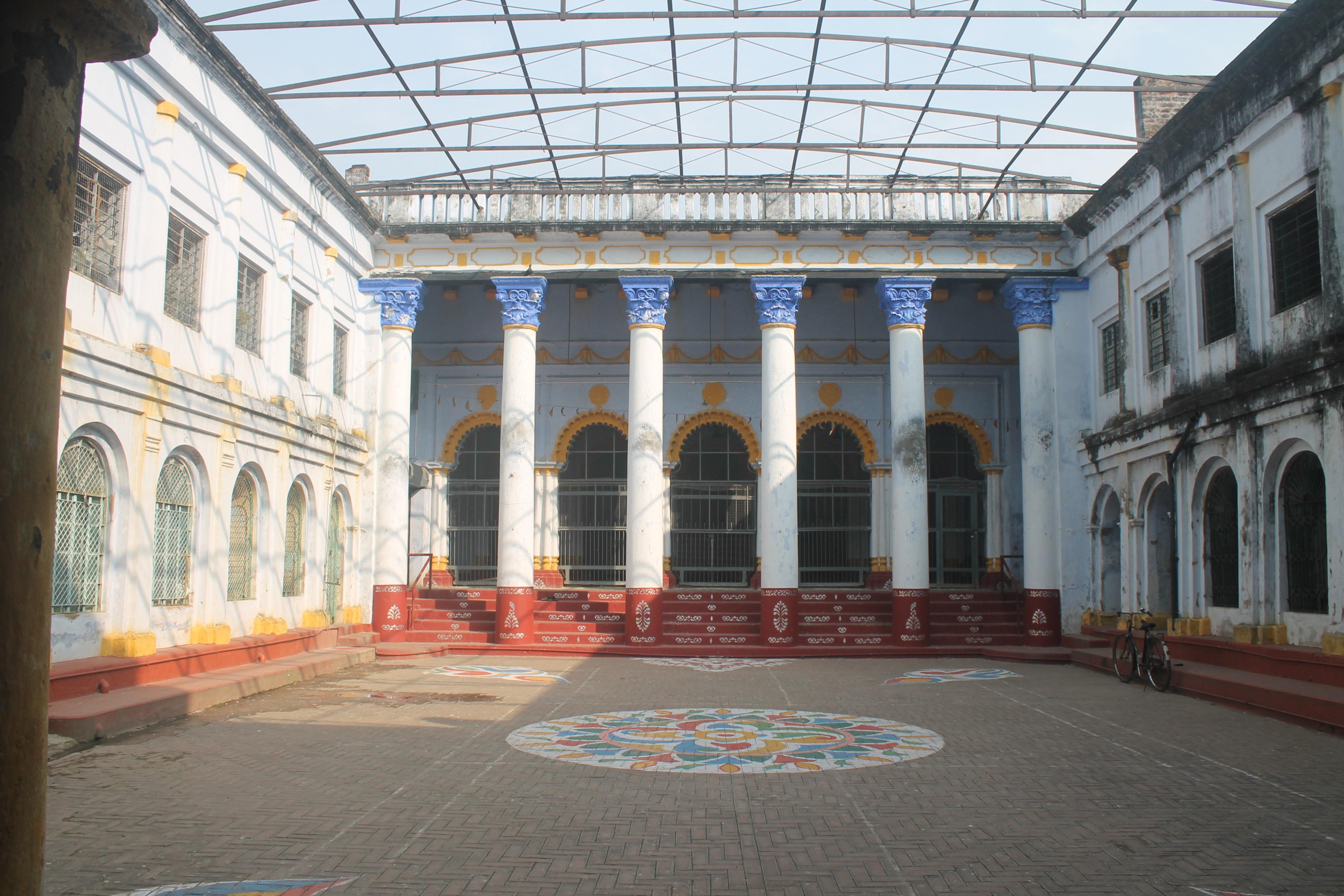
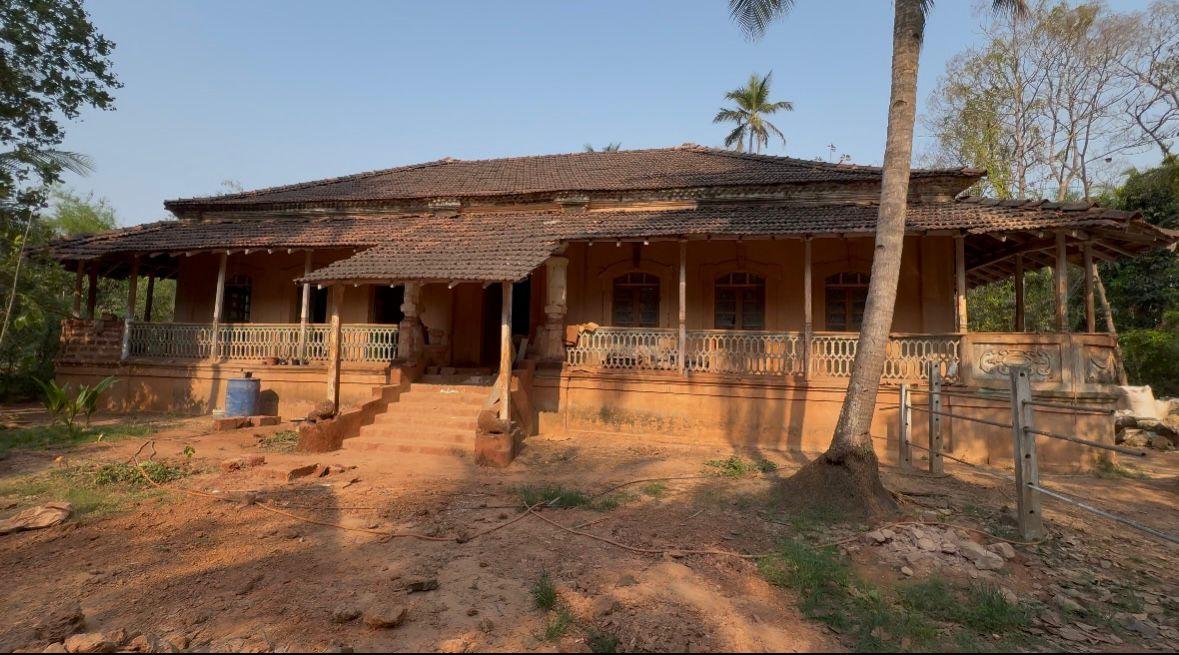
The Dey Bari at Serampore for the Serampore Initiative
Architecture and Conservation in a Changing Goa
As Goa undergoes rapid urbanisation and development, Manisha recognises both the opportunities and challenges facing architects today. While growth brings economic possibilities, it also raises important questions about environmental stewardship, cultural preservation, and maintaining local character.
She believes architects have a vital role in shaping development that respects Goa’s unique identity while addressing contemporary needs. By embracing context-sensitive design and prioritising sustainability, the profession can help create a future that balances progress with preservation.
Shaping the Next Generation of Architects
Alongside her professional practice, Manisha serves as a Visiting Faculty member at the Goa College of Architecture. Teaching provides an opportunity to engage with fresh perspectives and emerging ideas while contributing to the growth of future architects. She particularly enjoys encouraging students to think critically, challenge assumptions, and develop their own design voices. For her, the classroom is a space of mutual learning, where the exchange of ideas enriches both teacher and student alike.
Inspiration Beyond the Studio
Outside of architecture, Manisha finds inspiration in reading, travelling, researching local history, and exploring cultural heritage. Her interests extend to environmental issues and the complex relationships between architecture, communities, and nature. Whether solving puzzles, watching films, exploring cities, or observing everyday life, she continually draws creative energy from the world around her. These experiences deepen her understanding of people and places, ultimately enriching her design process.
Looking Ahead
As she looks toward the future, Manisha hopes to continue growing her practice while remaining true to its core values. She envisions working on a broader range of projects, from homes and institutions to conservation and restoration initiatives, while further exploring the relationship between architecture, heritage, and the environment. Equally important is her desire to contribute to research, education, and broader conversations surrounding both the built and natural environment. Through her work, she aims to create thoughtful, people-centred spaces that respond meaningfully to climate, culture, and context.
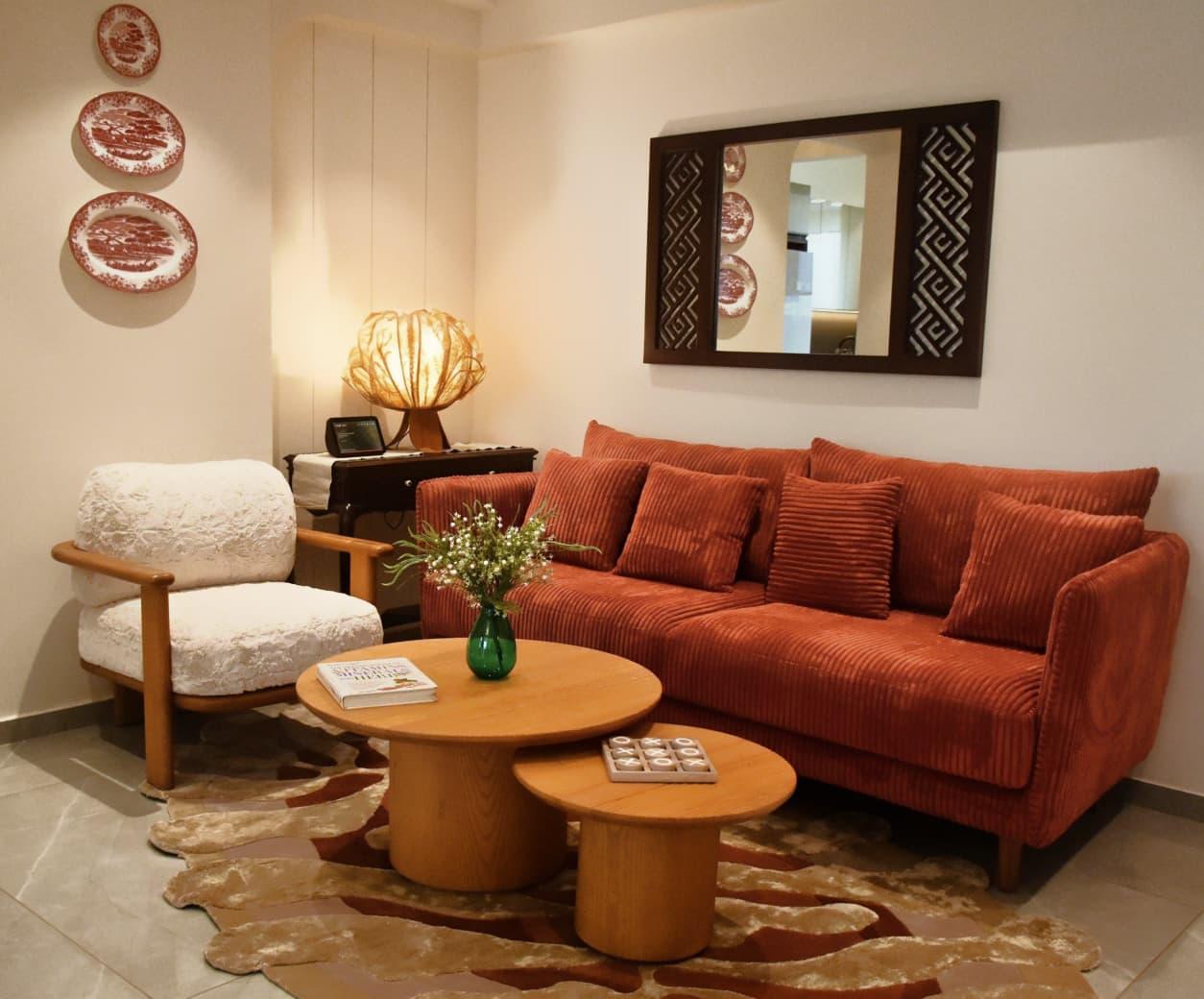
A Commitment to Place and Identity
Throughout her journey, Manisha Rodrigues has remained guided by a deep respect for people, place, culture, and the environment. Whether designing a contemporary residence, documenting heritage structures, or engaging in environmental research, her work reflects a belief that architecture should strengthen our connection to the places we inhabit.
In an increasingly globalised world, she sees architecture as a powerful tool for preserving cultural identity, protecting local character, and ensuring that development remains sensitive to both community and context. It is this thoughtful balance of design, conservation, and environmental awareness that continues to define her work and shape her contribution to Goa’s evolving architectural landscape.
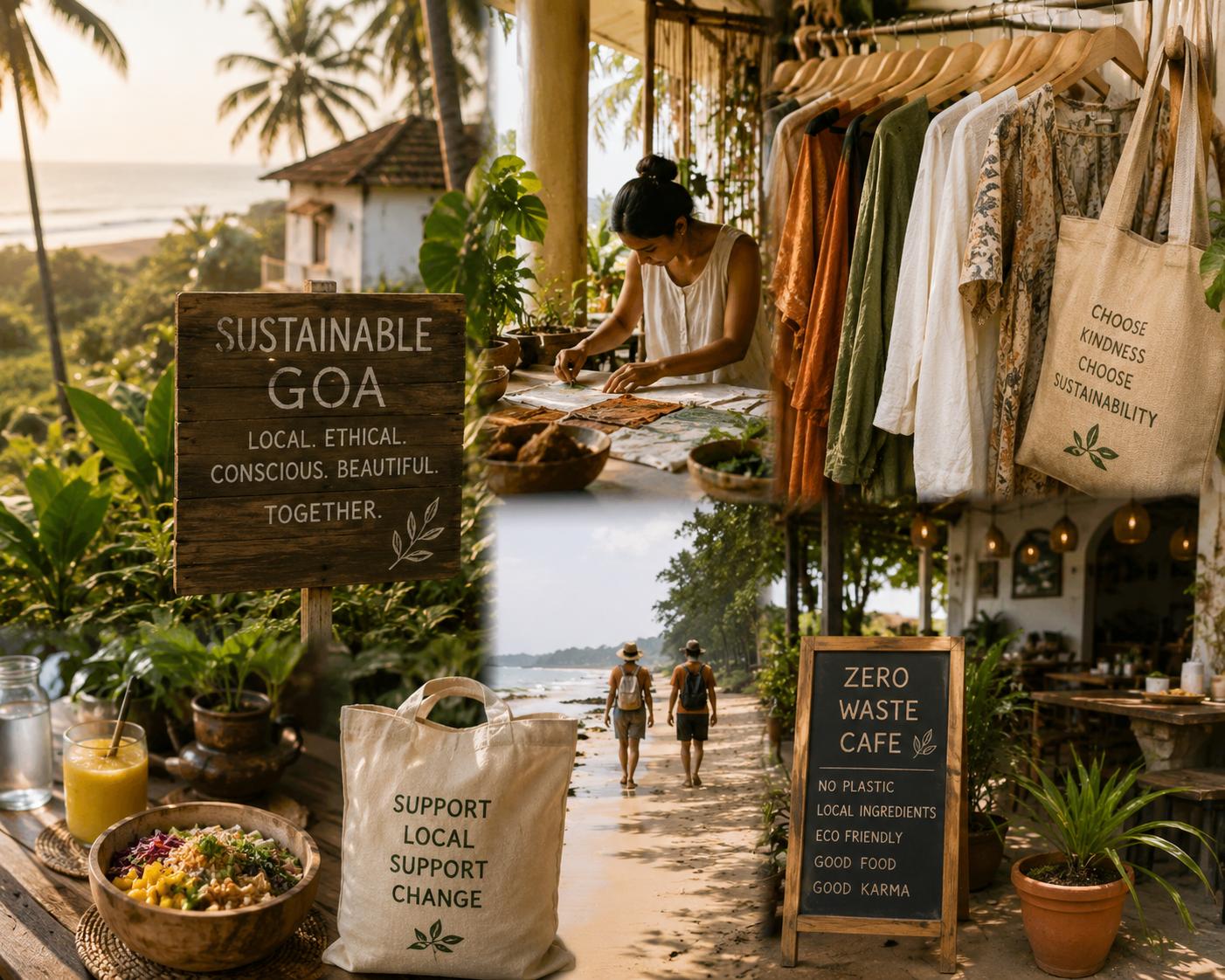
Goa’s businesses are embracing sustainability through slow living, eco-friendly fashion, zero-waste cafés, and responsible tourism, preserving local culture, supporting communities, reducing environmental impact, and encouraging mindful consumer choices.
Article by: ItsGoa
Images by: Pexels
Beneath the tourist buzz and beachside glamour, a deeper movement is taking shape in Goa. Small businesses, cafés, designers, and travel curators are rethinking how products are made, sold, and experienced. They are championing a lifestyle that respects nature, honors culture, and encourages slower, more intentional living. The rise of sustainability in Goa‘s businesses reflects a shift in both entrepreneur vision and consumer expectations. Today, travelers and locals alike are seeking experiences that are meaningful, ethical, and eco-friendly.
1. Slow Living Brands and the Art of Mindful Consumption
Slow living brands are leading this transformation by promoting minimalism, craftsmanship, and mindful use of resources. These brands often use local materials, support artisan communities, and encourage customers to value quality over quantity. From handcrafted home décor to small-batch wellness products, the focus is on authenticity and sustainability rather than mass production. This approach honors Goa’s relaxed lifestyle and preserves cultural heritage while nurturing responsible entrepreneurship.
2. Zero-Waste Cafes and Conscious Dining Experiences
The hospitality industry has also embraced sustainability. Several cafés and restaurants in Goa now operate on low-waste or zero-waste principles. They avoid single-use plastics, compost kitchen waste, and source ingredients from local farmers and organic growers. Menus feature seasonal produce, plant-forward dishes, and beverages crafted from local fruits and herbs. These cafés create not just meals, but meaningful dining experiences that support the environment and empower local agricultural communities.
3. Eco-Friendly Fashion and Responsible Clothing Movements
Eco-conscious fashion labels in Goa are reshaping the way people view clothing.
These brands prioritize ethical production, natural dyes, and sustainable fabrics like cotton, hemp, and linen. Many collaborate with Goan and Indian weavers to revive indigenous textile techniques. The movement encourages customers to purchase fewer, better-quality garments that last longer. This shift supports artisans, reduces waste, and reshapes fashion as a form of cultural storytelling instead of fast-consumption.
4.
Responsible Tourism and Mindful Travel Experiences
With tourism being central to Goa’s economy, responsible tourism is essential. New travel experiences now highlight nature conservation, cultural respect, and community engagement. Visitors are encouraged to explore beyond commercial hotspots, discovering village stays, local food trails, spice farms, wildlife sanctuaries, and heritage sites. Tour operators promote activities that minimize environmental impact and support local livelihoods. This strengthens Goa’s identity as a place of natural beauty and deep cultural roots.
Conclusion: A Sustainable Future Rooted in Community and Care
The rise of sustainable business in Goa reflects a powerful cultural shift, one that values slow living, mindful production, and respectful tourism. As more entrepreneurs adopt environmentally conscious practices, and more consumers choose eco-friendly experiences, Goa is shaping a future where economic growth and environmental care coexist. This transformation not only preserves Goa’s natural charm but also strengthens community well-being and cultural continuity for generations to come.
Sustainability in Goa is no longer a niche concept but a growing way of doing business. By embracing conscious practices and community-driven initiatives, local enterprises are proving that success and environmental responsibility can go hand in hand. As this movement grows, it continues to inspire a more resilient and sustainable future for the state. This collective effort is strengthening Goa's identity as a responsible and sustainable destination.

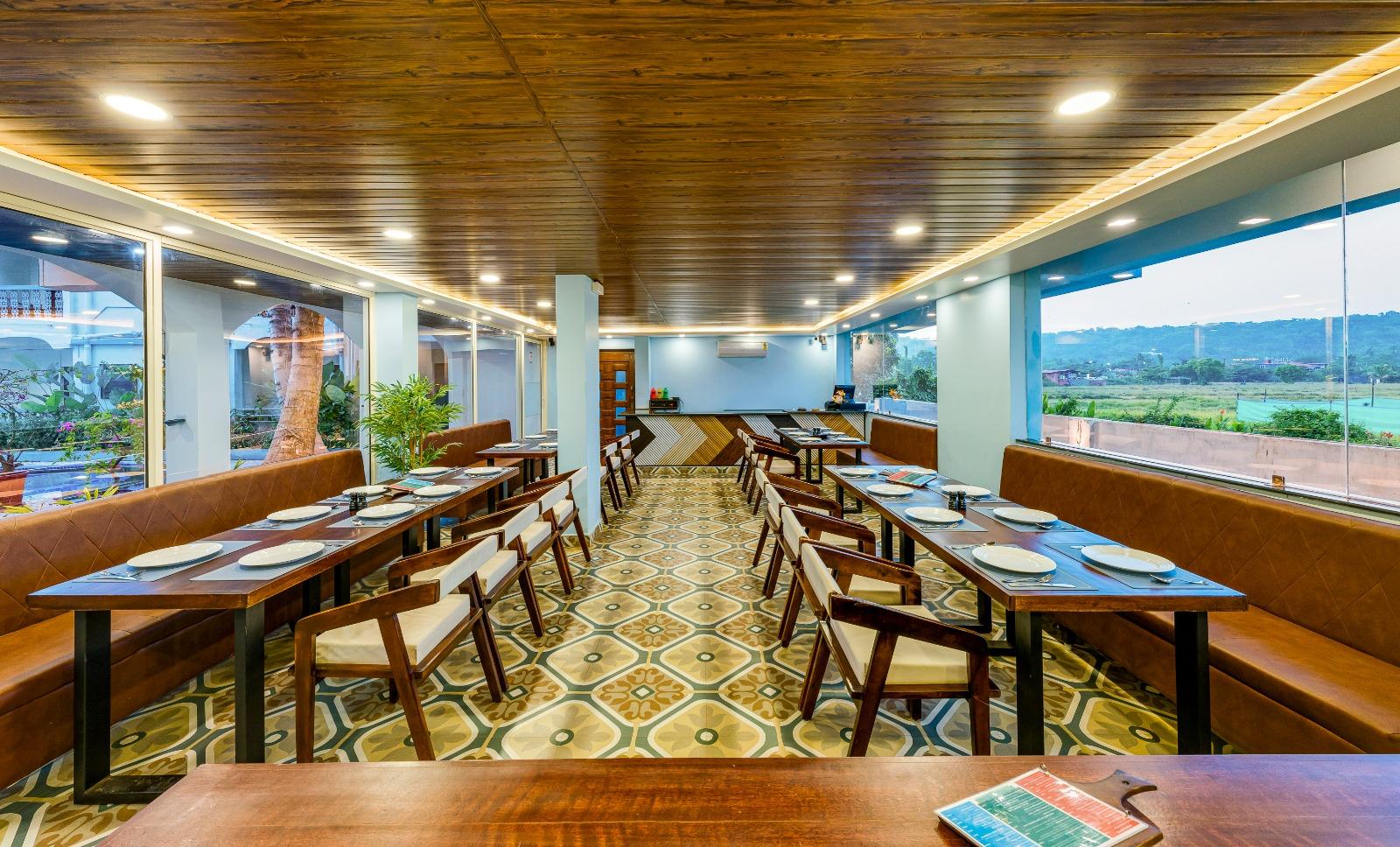
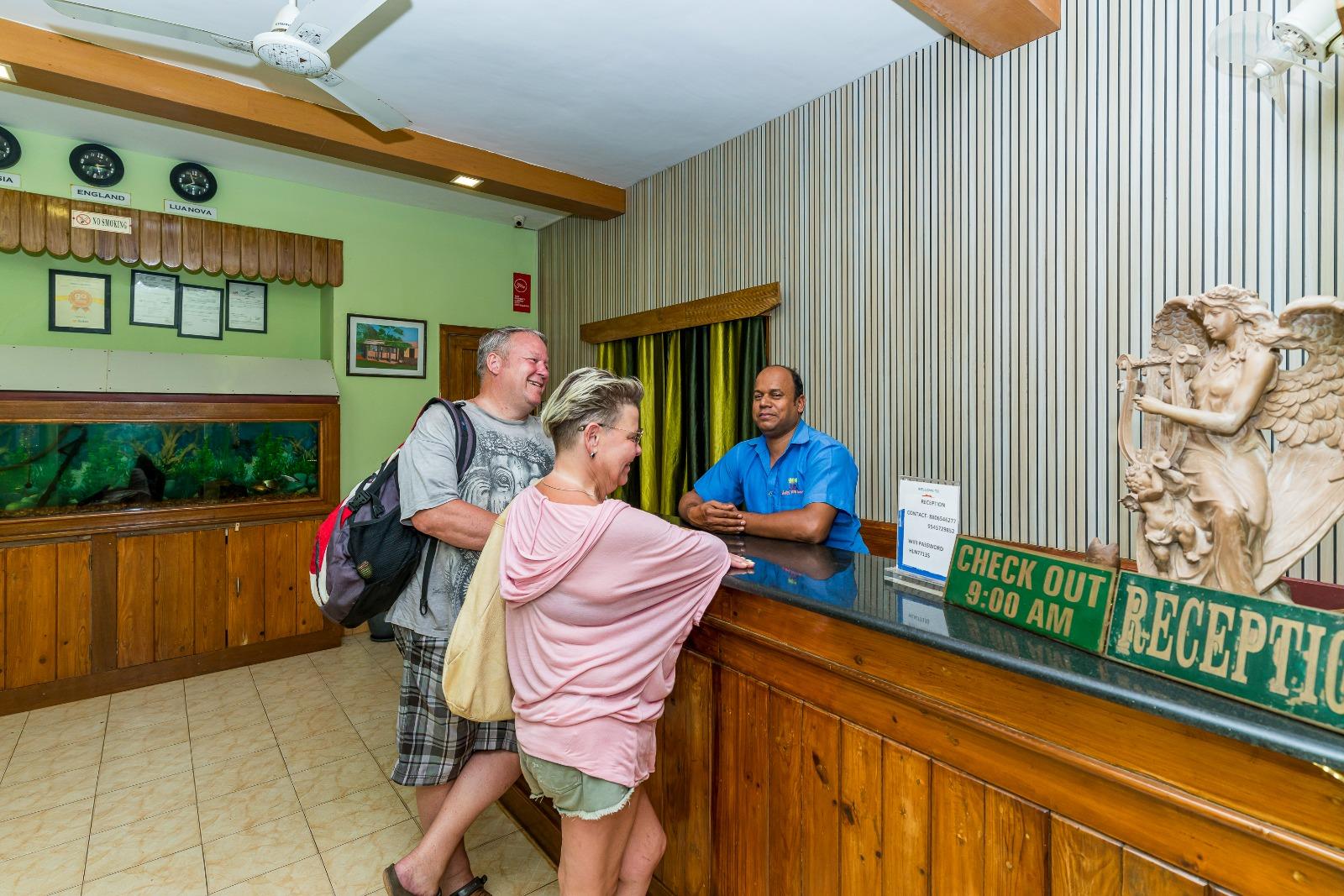
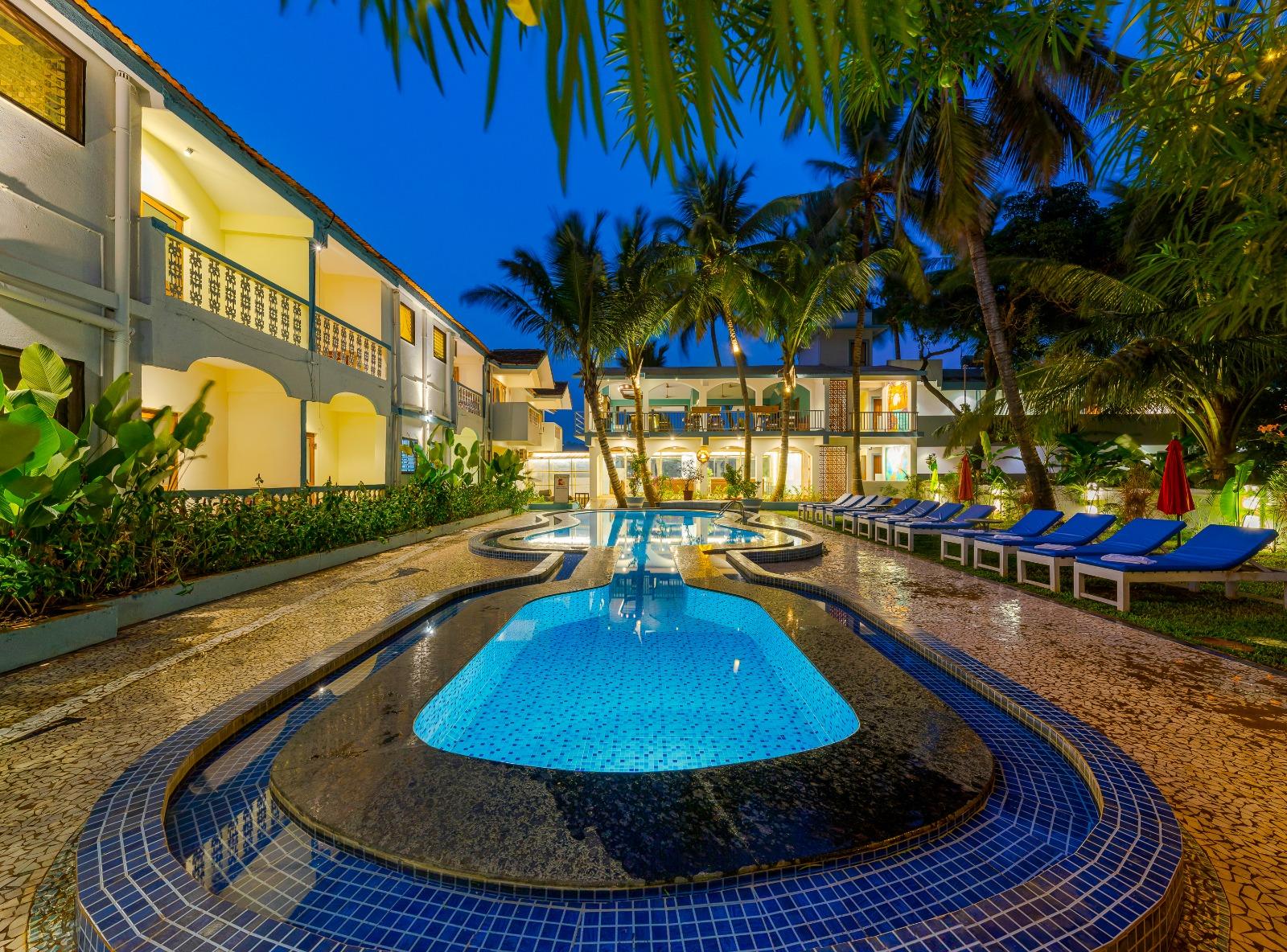
hotel Lua Nova
If holidays are inspired by nature and your thirst for rustic solitude and inner peace, Lua Nova is the hotel your heart was yearning for. Located at Goa's celebrated holiday capital at Baga, it overlooks a beautiful Canvas of village Goa, just 5 minutes walk from the Baga Beach. www.itsgoa.com itsgoa_ Itsgoa

Paddy Cultivation in Goa: Tradition, Process & Challenges
Goa’s paddy cultivation reflects its rich agricultural heritage, supporting rural livelihoods through traditional farming while facing challenges from urbanization, labor shortages, and climate change, driving efforts to preserve this enduring legacy.
Article by: ItsGoa
Images by: Pexels
Goa is widely known for its pristine beaches, vibrant culture, and rich history. But beyond the tourist attractions, Goa’s lush landscapes conceal a deeprooted agricultural tradition, paddy cultivation. Even in an era of urban development and a booming tourism industry, rice farming continues to play a vital role in the state’s rural economy and cultural heritage.
The Importance of Paddy in Goan Life
Paddy, or rice, is the staple food of Goans and an essential part of their daily meals. Historically, Goan villages were surrounded by sprawling paddy fields, serving as the backbone of local agriculture. Rice is not just food here—it represents sustenance, prosperity, and a way of life that connects generations.
Ideal Climate and Soil Conditions
Goa’s tropical monsoon climate, abundant rainfall, and fertile alluvial soil create perfect conditions for paddy cultivation. The monsoon, which begins in June and lasts until September, plays a crucial role, providing the much-needed water for rice paddies. Fields are typically waterlogged during this period, ideal for growing rice.
The Paddy Cultivation Process
Land Preparation:
Farmers first prepare the fields by plowing them using tractors or traditional bullock carts. The fields are leveled to retain water efficiently.
Seed Selection and Sowing:
High-yielding varieties or traditional local varieties of paddy seeds are selected. Farmers either broadcast the seeds directly or raise seedlings in nurseries before transplanting them into the wet fields.
Transplanting:
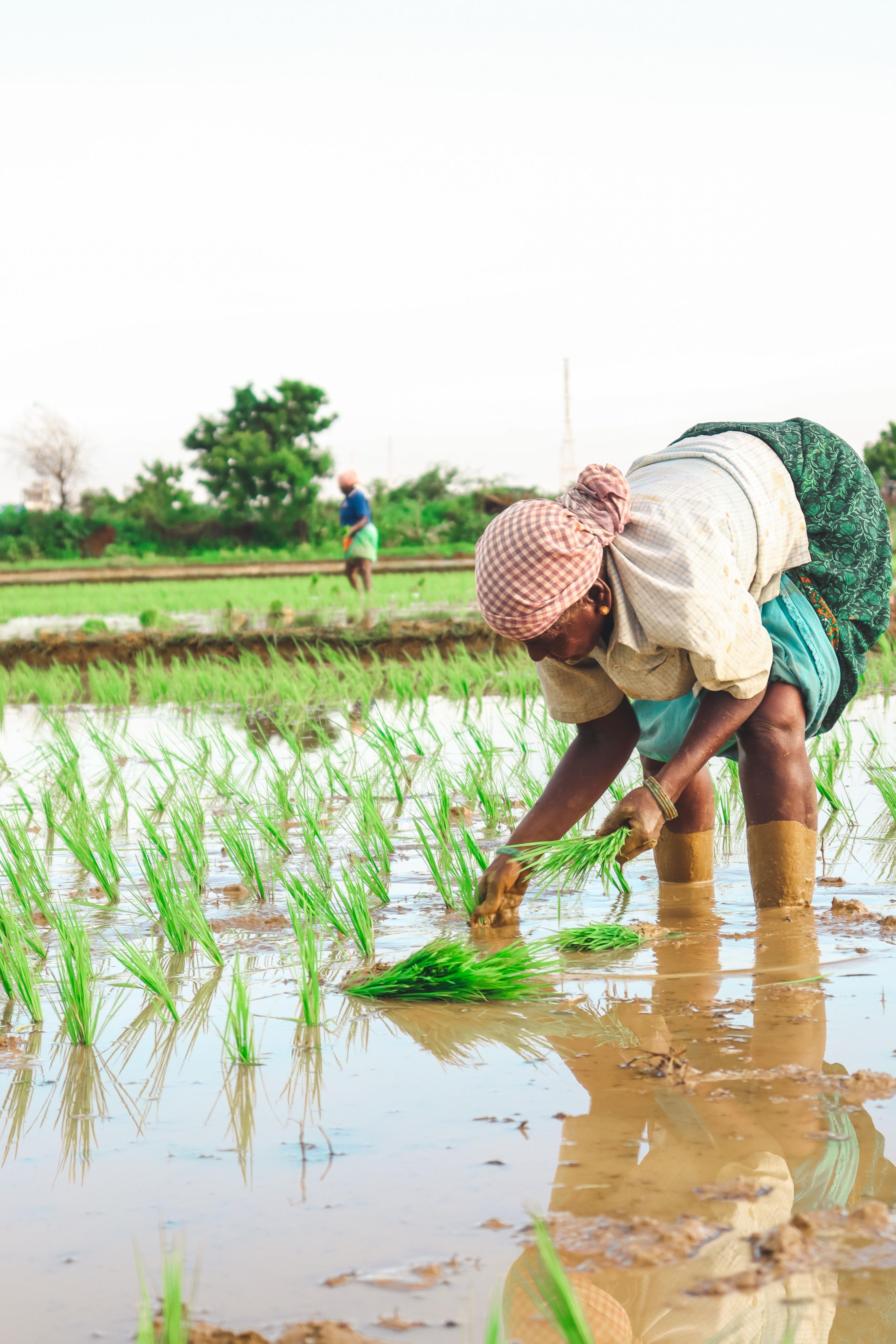
After about 20–30 days, seedlings are transplanted carefully into the puddled fields. This process ensures healthy growth and maximizes yield.
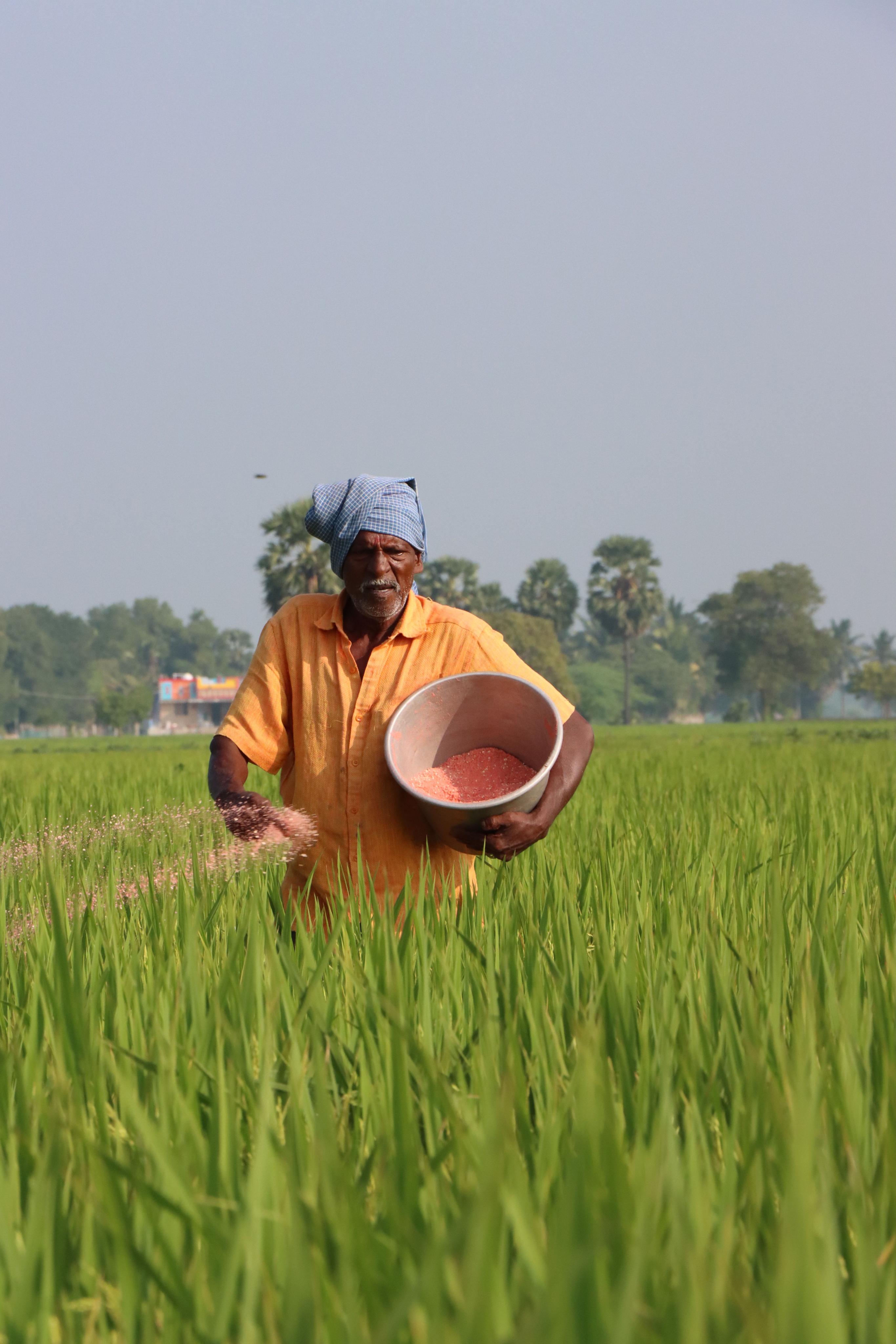
manually spreading fertilizer in a lush rice field
Care and Maintenance:
Throughout the growing period, farmers manage water levels carefully, removing weeds, and protecting the crop from pests. Farmers often use traditional methods such as organic composting alongside modern techniques.
Harvesting:
Farmers typically harvest paddy between November and December when the grains mature. The harvest is a community affair, with villagers coming together to reap the fields using sickles. Farmers tie the cut rice stalks into bundles and dry them under the sun.
Threshing and Processing:
Farmers thresh the dry rice to separate the grains from the stalks. They then clean and store the grains for personal use or sale in local markets.
Farmer
Challenges Faced by Goan Paddy Farmers
Despite its cultural importance, paddy cultivation in Goa faces multiple challenges:
Urbanization
Pressure:
Farmers and developers are converting many fields into commercial properties and resorts, reducing agricultural land.
Labor Shortage:
Younger generations are moving towards urban jobs, causing a decline in available farming labor.
Climate Uncertainty:
Erratic monsoons and unpredictable weather patterns due to climate change have made rice cultivation riskier.
Preserving the Paddy Tradition
Several initiatives have emerged to preserve Goan paddy cultivation:
Organic Farming Movements:
Some farmers are shifting to organic rice cultivation, promoting sustainability and environmental care.
Local Government Support:
Subsidies, training programs, and awareness campaigns help farmers continue traditional methods.
Agro-Tourism:
Some farms now offer tourists a chance to experience paddy farming first-hand, helping farmers earn additional income while spreading awareness.
Conclusion
Paddy cultivation in Goa is more than just farming; it’s a living tradition. The emerald green paddy fields during the monsoon season reflect the harmony of nature and culture in this coastal paradise. As Goa continues to develop, preserving these fields ensures that the agrarian legacy of the land remains vibrant, sustainable, and celebrated for generations to come.
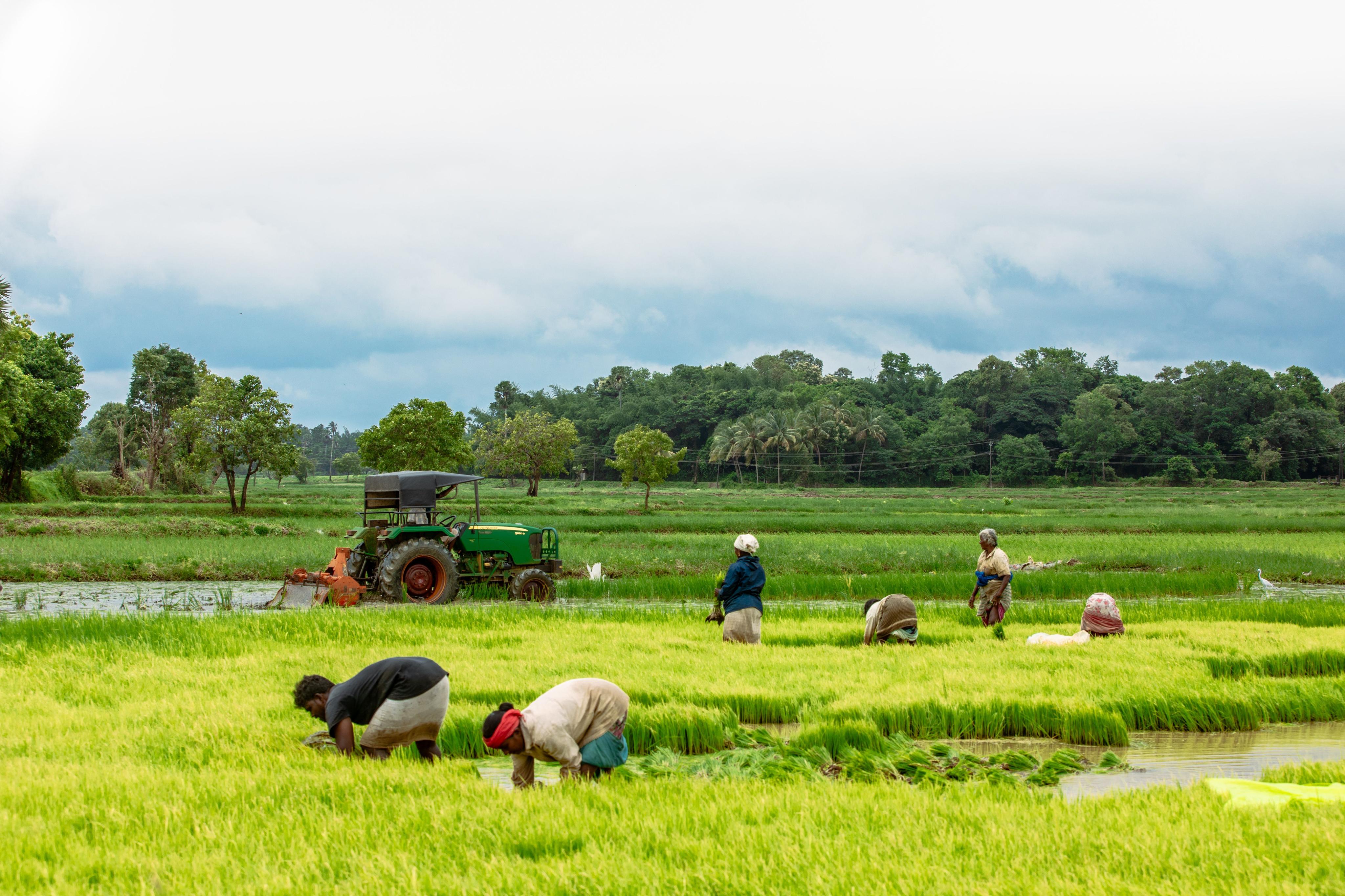
Farmers working the paddy fields, preserving Goa's rich agricultural heritage