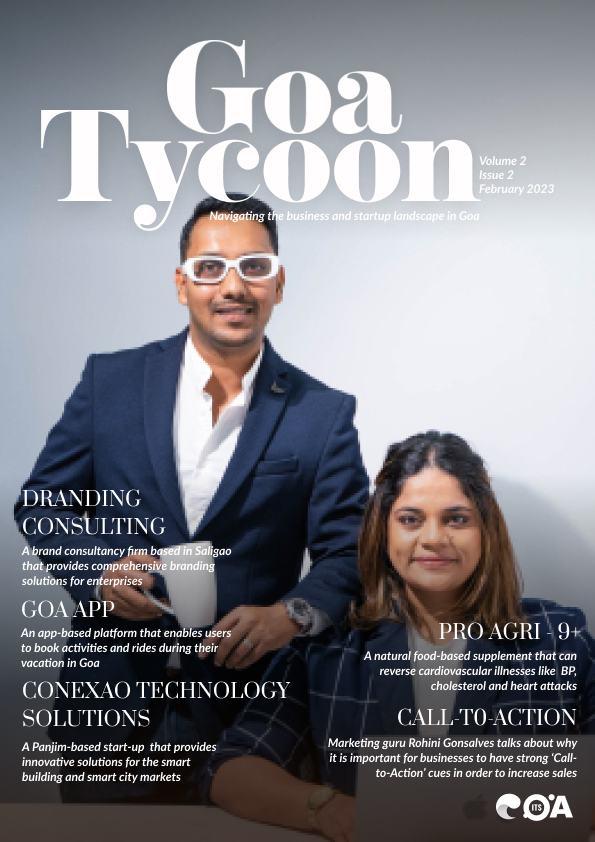
Welcome to the February 2026 edition of Homes & Estates Goa, where we spotlight the people and practices shaping Goa’s evolving design and living landscape with purpose and care.
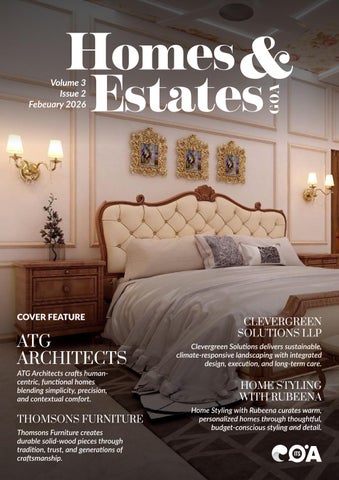
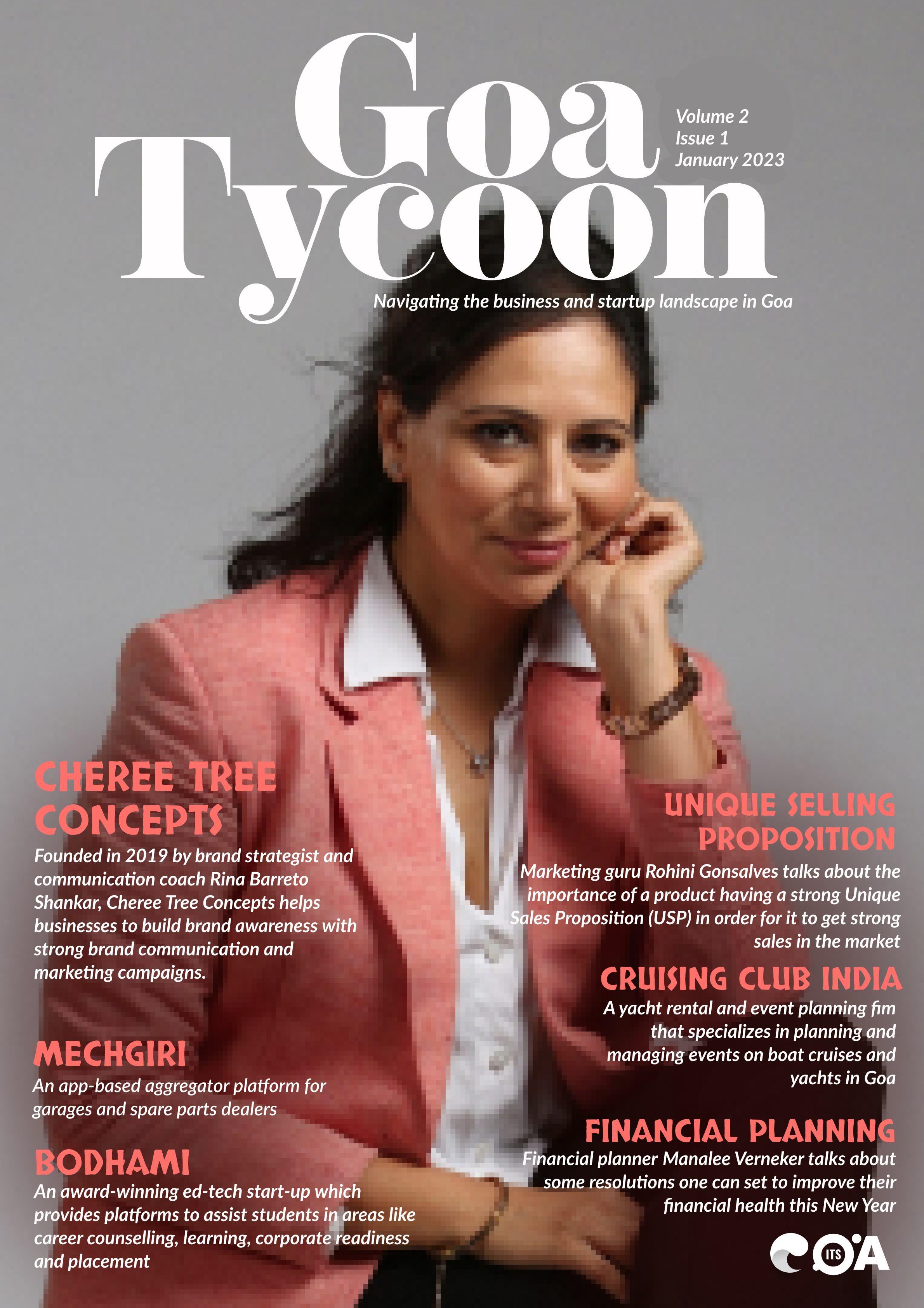
This month’s cover features ATG Architects, led by Aastha Gupta, crafting functional, human-centric homes defined by simplicity, collaboration, and technical precision, creating spaces that feel comfortable, contextual, and intuitive.
Rooted in tradition, Thomsons Furniture continues its family-led journey of crafting durable solid-wood furniture using time-honoured methods, building trust through quality, longevity, and skilled craftsmanship.
For outdoor environments, Clevergreen Solutions LLP delivers climate-responsive, sustainable landscaping, integrating design, execution, and maintenance to create resilient spaces across residential and hospitality projects.
Inside the home, Home Styling with Rubeena, founded by Rubeena Singh, transforms interiors through thoughtful, budget-conscious styling
curating warm, personal spaces that feel authentic and lived-in.
Capturing these environments is Goa Architecture Clicks, led by Vinit Vallabh Mahambre, whose detaildriven photography blends light and emotion to turn architecture into immersive visual stories.
Furniture brand Tasha Living complements this ethos with handcrafted solid-wood pieces that pair minimal design with traditional craftsmanship, creating timeless furniture for everyday living.
We also celebrate Goa’s enduring heritage, its churches, forts, temples, plantations, and colonial quarters, preserving a rich cultural legacy that continues to shape the region’s identity and future.
This issue pays tribute to those pioneering a sustainable, community-driven approach to real estate, design, and hospitality in Goa. Each of these leaders is contributing not only to building spaces but to fostering a brighter, more sustainable future for the region.
Well, that’s all I have for you from my desk this month. I hope you enjoy reading this month’s issue of our magazine. Do share it with your friends all across the globe.
Until next month, cheers!
Jessyl Fernandez
Edito
Inde
01 ATG Architects
02 Thomsons Furniture
03 Clevergreen Solutions LLP
04 Home Styling with Rubeena
05 Goa Architecture Clicks
06 Tasha Living
07 Goa Heritage Places: A Guide to Historic Sites, Forts & Cultur
Introductio
Goa, the tiniest state on the western coast of India, boasts golden pristine beaches, palmfringed avenues, flavourful food, delicious Portuguese-influenced sweets, and warm, hospitable people. Also known as the Ibiza of India for its partying. A tropical paradise of flora and fauna, from the very famous 'almi' (mushrooms) endemic to its forests, that grow only on the red mud anthills, to the solar prawns that are fished immediately after the monsoons, Goa is unique. Tourists are also attracted to Goa for its cultural heritage - from the famous old Portuguese churches like Se Cathedral in Old Goa, the 16th Century Safa Masjid in Ponda and Shree Mangesha Temple in Mardol, the legendary Arvalem or Pandava Caves where the Pandavas of the Mahabharat fame lived, to its two unique festivals - Carnival and Shigmo. Goa plays host to many festivals - the International Film Festival of India that promotes cinema, the Serendipity Art Festival, Sunburn Music Festival, The Grape Escapade to name a few. To showcase this varied heritage of culture, art, tradition, food, and people, in 2015 ItsGoa was born. The main aim was to make it the premier portal for all things Goa. We were able to showcase Goa like never before. Soon our blogbased website transcended the virtual space, with the ItsGoa magazine – a sought-after resource for visitors to Goa from countries like Norway, Germany, UK, USA, UAE, etc
Chief Editor
Jessyl Fernandez
Sales
Donald Fernandez
Andrea Fernandes
Content & Social Media
Saviola Dias
Britney Fernandes
Graphics & Layout
Britney Fernandes
For advertising queries:
+91 7887330620 / 9370502124
ATG Architects, led by Aastha Gupta, crafts functional, human-centric homes across India, blending simplicity, collaboration, and technical precision to deliver contextual, comfort-driven architecture grounded in everyday living
Article by: Team ItsGoa
Images by: ATG Architect Cover featur
In a profession often defined by scale and spectacle, ATG Architects stands apart for its quiet clarity of purpose, designing spaces that are practical, personal, and deeply human. Founded with the belief that architecture should enhance everyday living, the firm has steadily grown into a multidisciplinary practice delivering refined, comfortdriven environments across India.
At the center of this journey is its founder, Aastha Gupta, whose approach blends technical precision with empathy, ensuring every structure serves not just form, but life itself.
A Foundation Rooted in Learning and Exploration
Aastha’s academic path reflects both rigor and diversity. She completed her schooling at Banasthali University, one of India’s leading institutions dedicated to women’s education. She then pursued a Bachelor of Architecture from Aayojan School of Architecture, followed by a Master’s degree from Goa College of Architecture
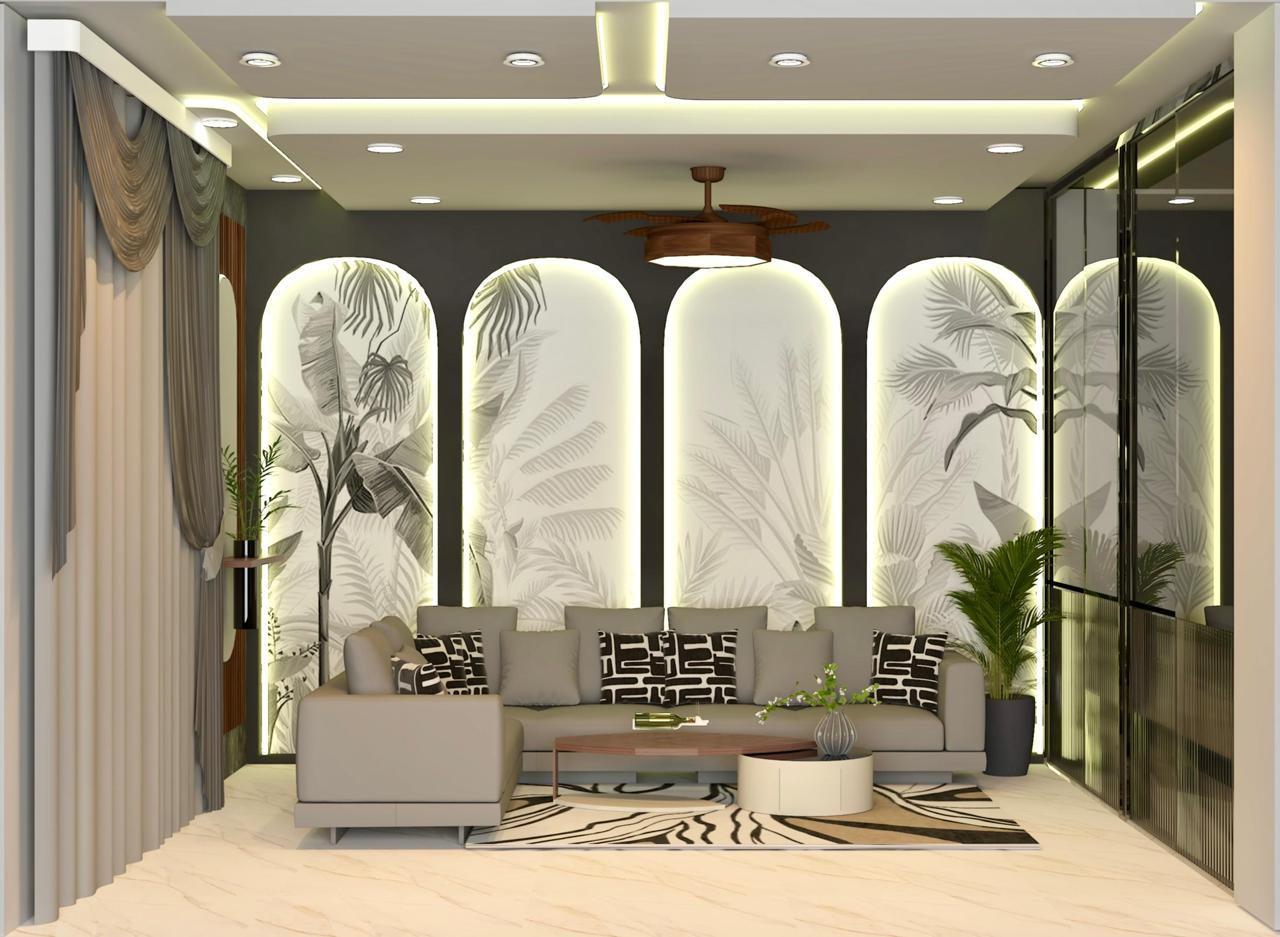
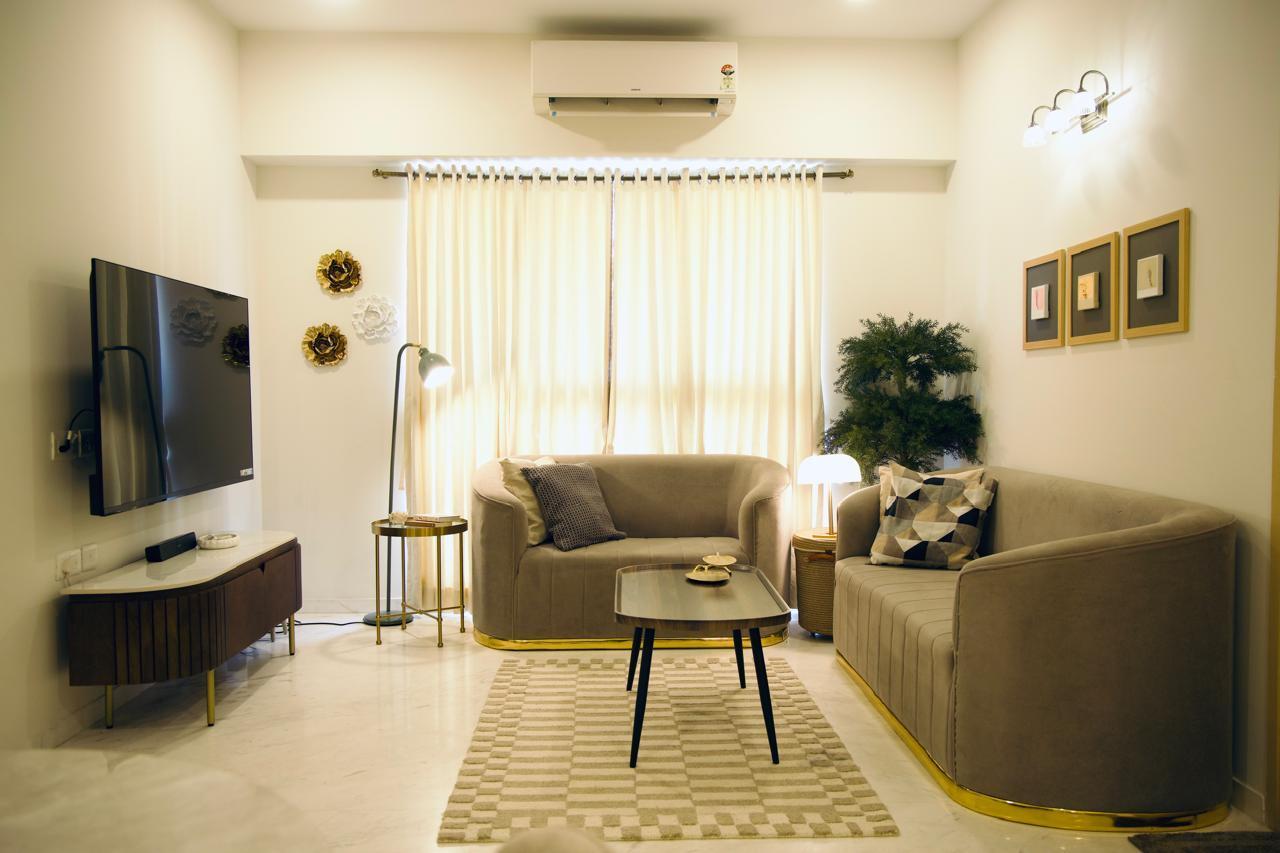
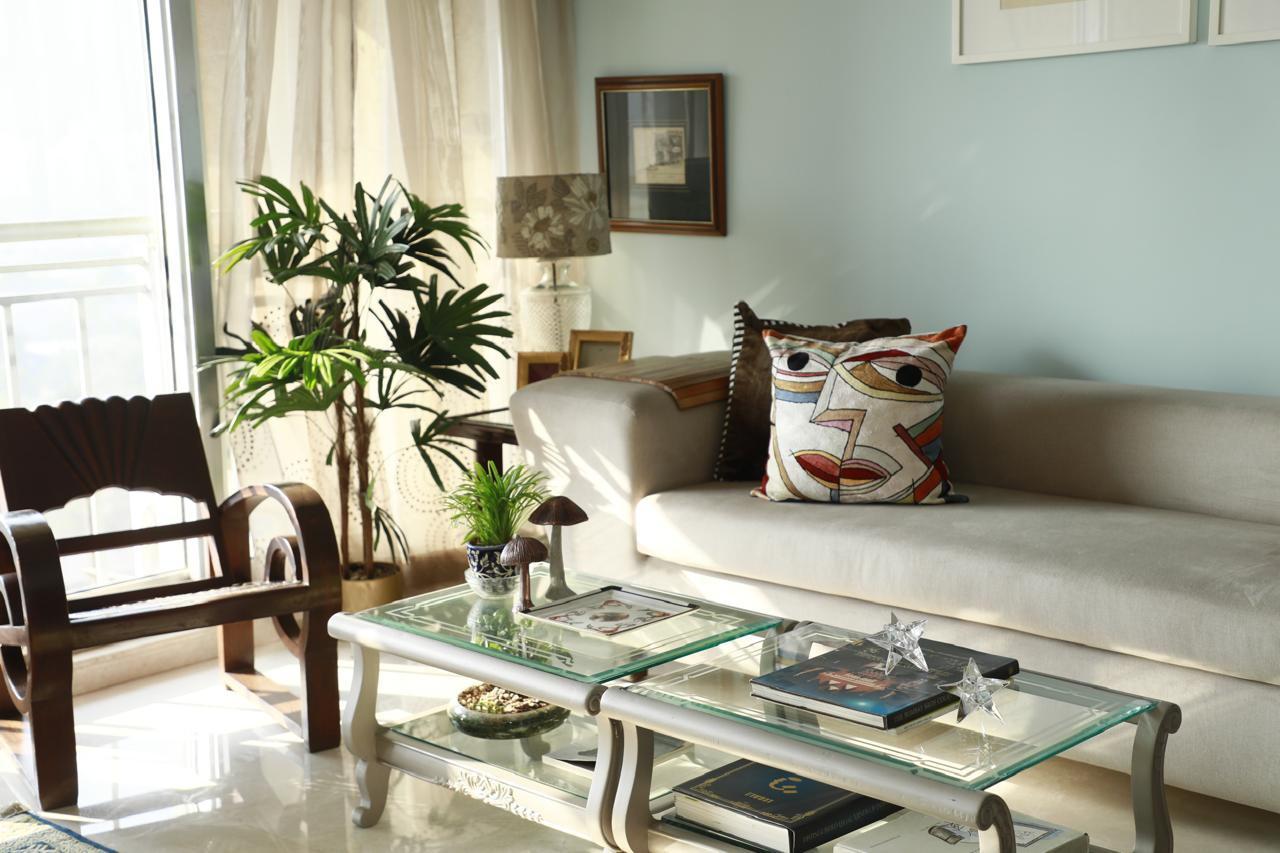
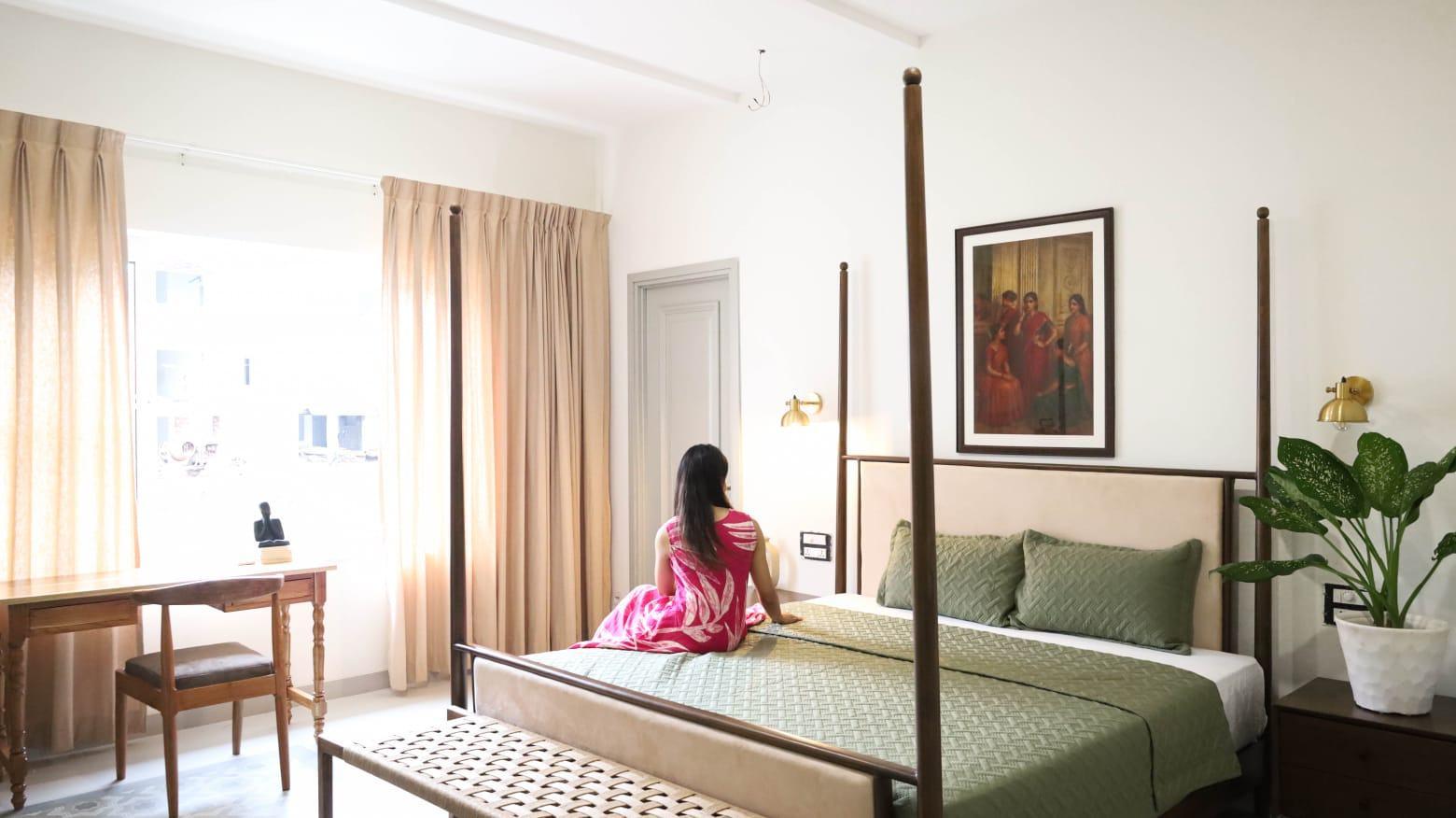
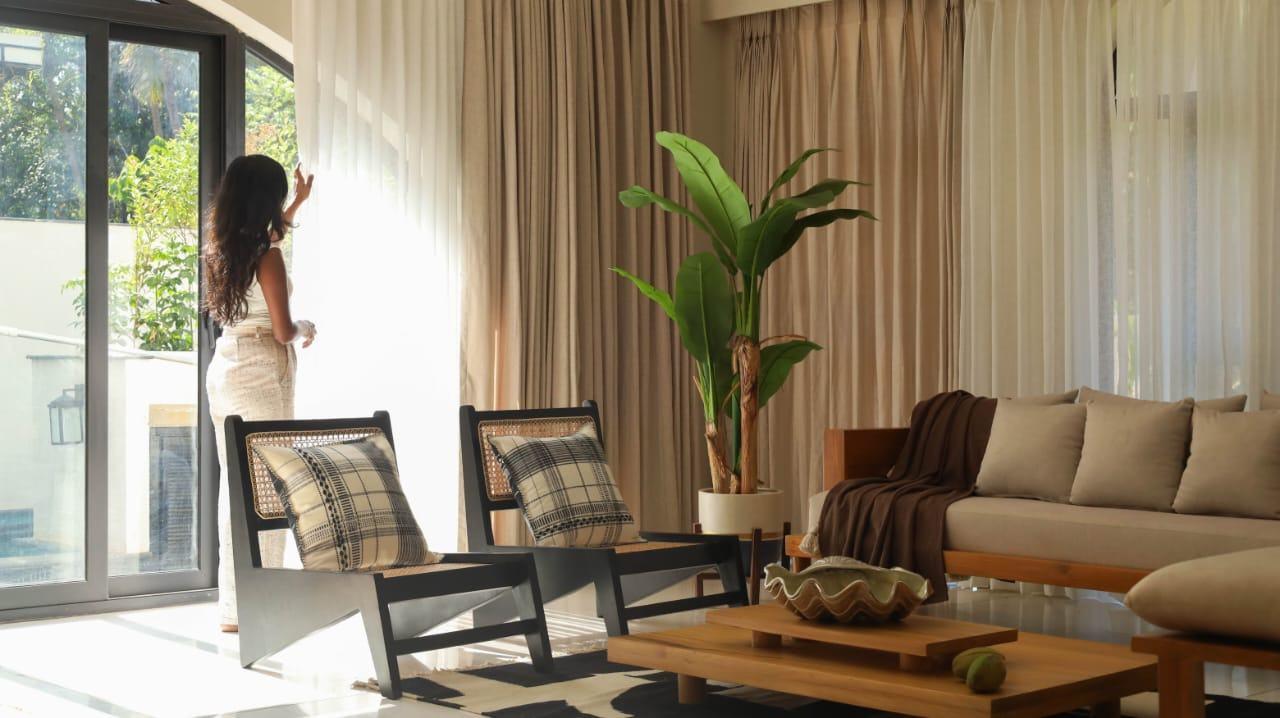
Retro merged into Today - Living Room desig
Beyond academics, travel has played a defining role in shaping her design sensibilities. Having explored 22 states and 6 Union Territories, her exposure to regional cultures, climates, and built forms informs her contextual, responsive architectural language. This curiosity for places translates into spaces that feel grounded rather than generic.
The Birth of a Vision
Established in 2022, ATG Architects emerged from a clear intention: to translate creativity into meaningful built environments. In a short span, the practice has completed over 100 projects across diverse typologies and nearly 28 cities.
The motivation was simple yet powerful, designing homes and spaces that prioritize comfort, usability, and emotional connection. For Aastha, architecture became a medium to transform imagination into tangible realities where functionality and beauty coexist seamlessly.
Comprehensive Services Under One Roof
ATG Architects operates as an integrated studio, bringing together architects, interior designers, artists, civil and structural engineers, 3D visualizers, and Vastu consultants.
This collaborative model ensures that clients receive complete solutions, from structural planning to interior detailing, without needing multiple external consultants
Anjali Va Aastha Gupt
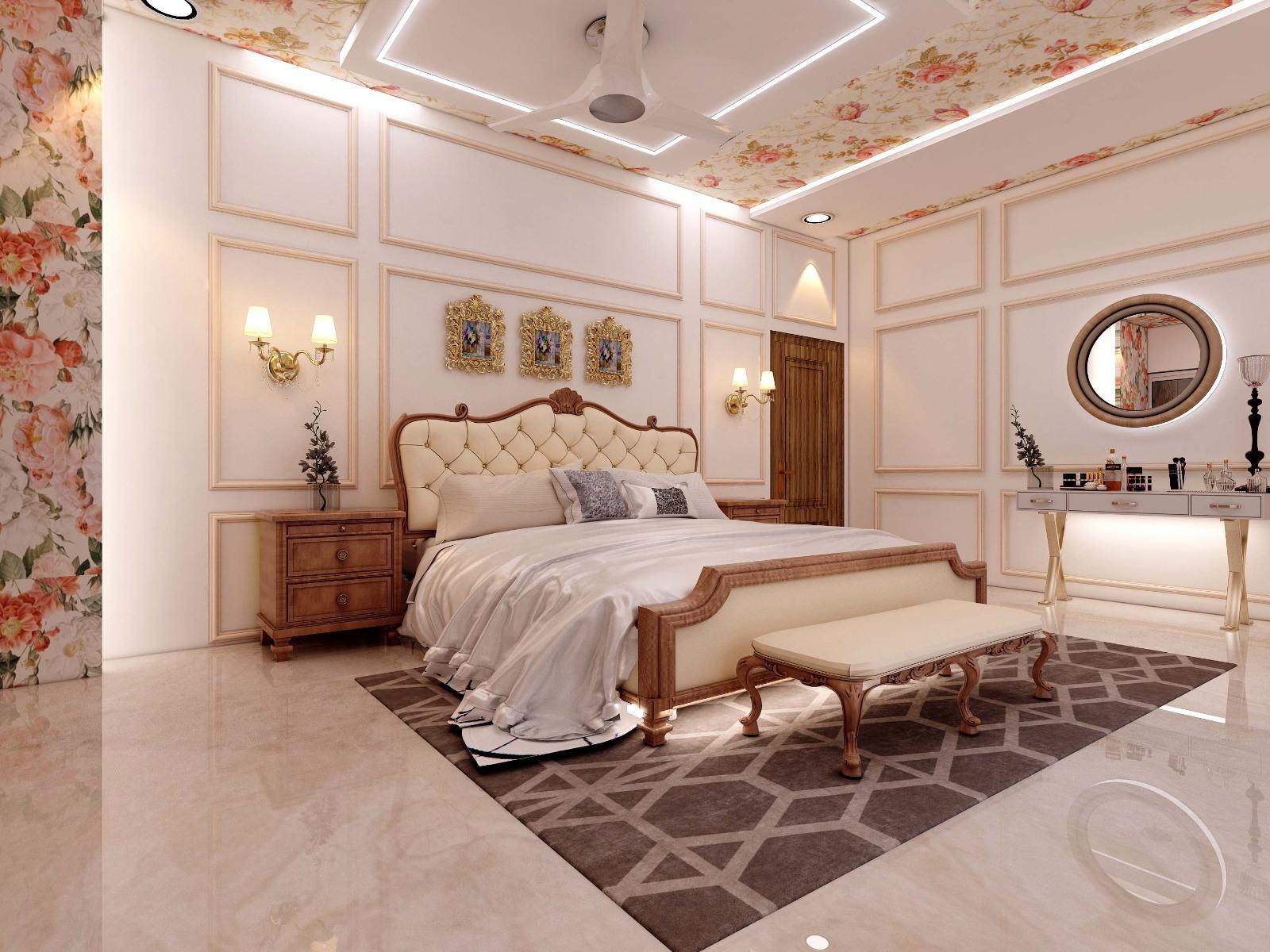
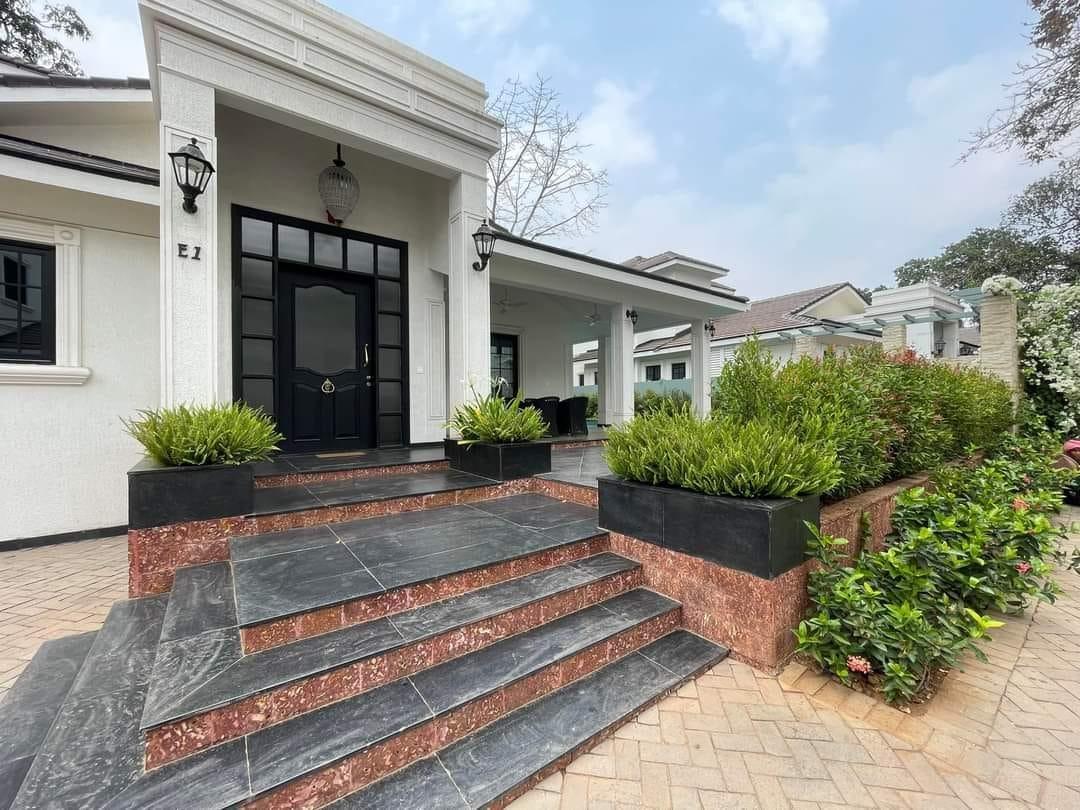
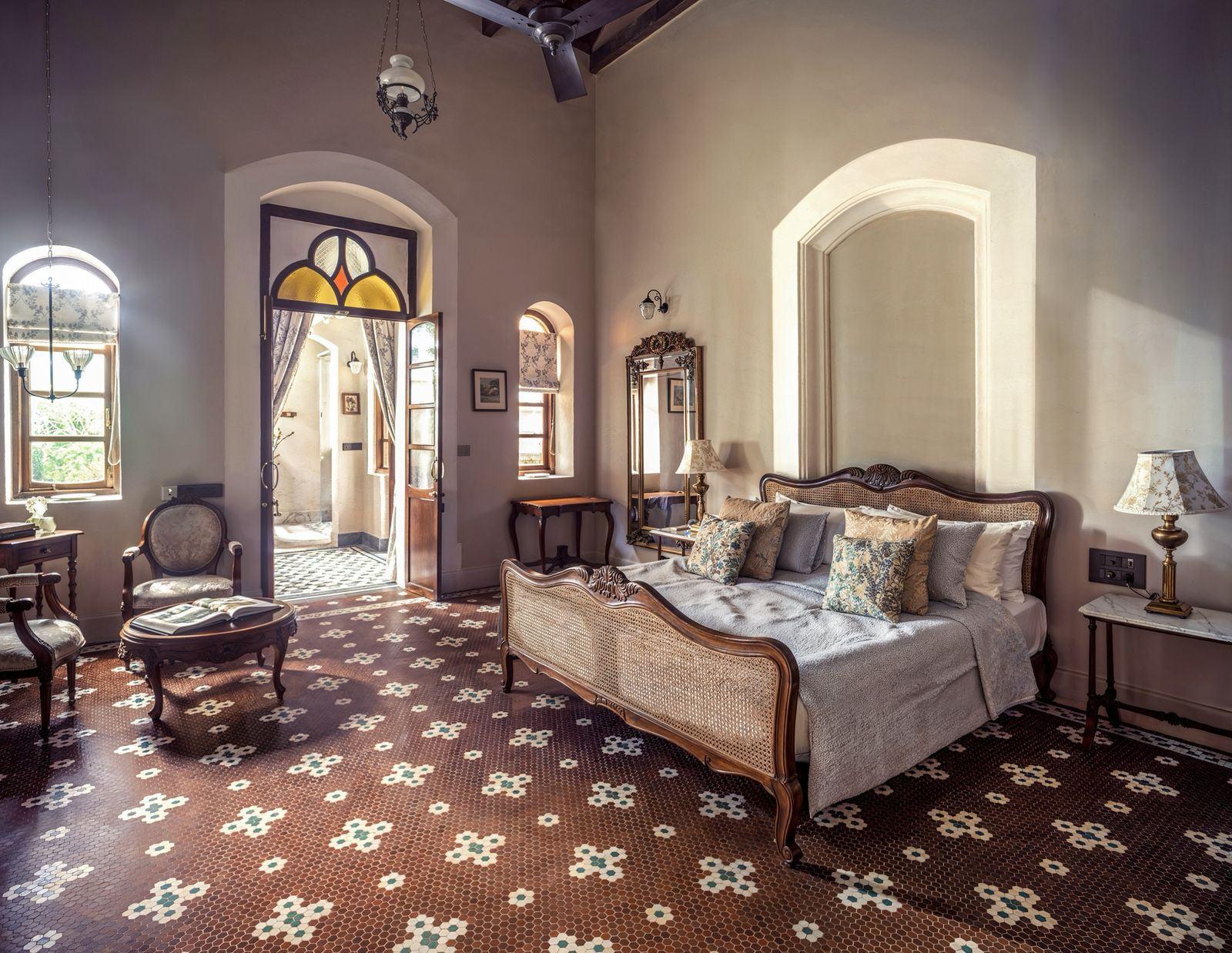
Neo-classical elegance with modern refinemen
The firm predominantly focuses on residential design, which makes up nearly 75% of its portfolio. However, its expertise also extends to commercial spaces such as supermarkets and retail shops, as well as hotels and educational institutions.
A Philosophy of Simplicity
At the heart of the practice lies a clear design principle: functionality with aesthetics. Guided by the philosophy of “less is more,” the team avoids excess, instead emphasizing clarity, efficiency, and thoughtful detailing.
Every project is approached as a holistic system. Architecture shapes climate response and form, interiors refine experience and usability, landscapes strengthen ecological balance, and Vastu principles are incorporated sensitively, never at the expense of design integrity. The result is harmony between space, structure, and surroundings.
Collaboration and Client-Centric Thinking
Customer satisfaction is not an afterthought, it is central to the firm’s process. Regular site supervision, interactive meetings, and ongoing discussions ensure that clients remain involved at every stage. This transparent approach minimizes miscommunication and aligns outcomes closely with expectations.
Internally, collaboration drives quality. Each team member brings specialized expertise, allowing projects to move forward with precision and accountability. The structure ensures that creativity is supported by technical accuracy.
Overcoming Barriers with Expertise
One of the most defining chapters in the firm’s growth story has been challenging long-held perceptions in a traditionally male-dominated industry. When the practice began, the team consisted entirely of women, an uncommon sight on construction sites.
Initial hesitation from workers and contractors was met not with confrontation, but with competence.
Detailed drawings, disciplined execution, and consistent professionalism gradually built trust. Respect followed results. Over time, the firm’s work spoke louder than stereotypes.
Designing for Real Lives
Balancing creativity with practicality remains a cornerstone of ATG’s methodology. Every concept is filtered through real-world constraints, budget, climate, regulations, and structural feasibility. Innovation is encouraged, but never detached from purpose
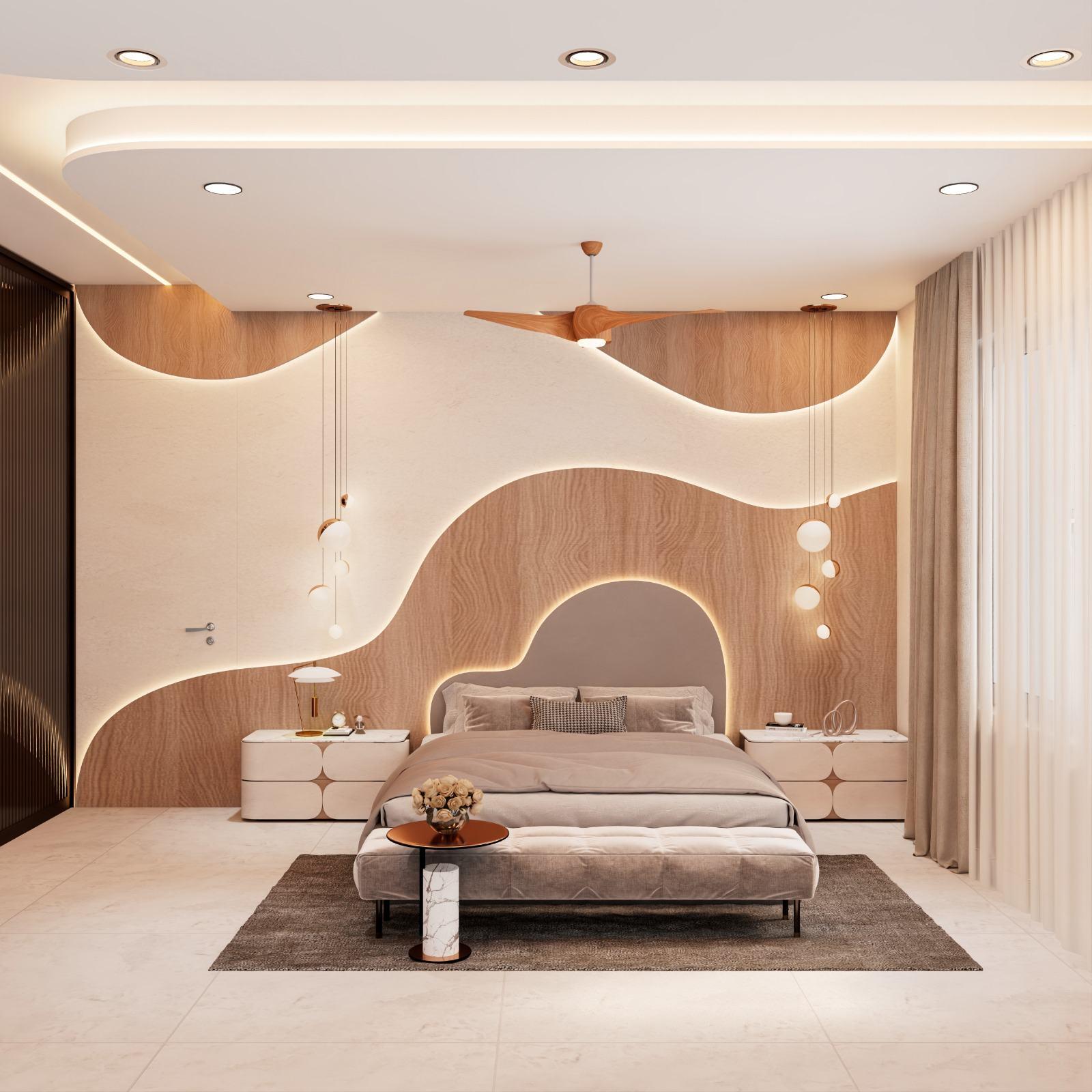
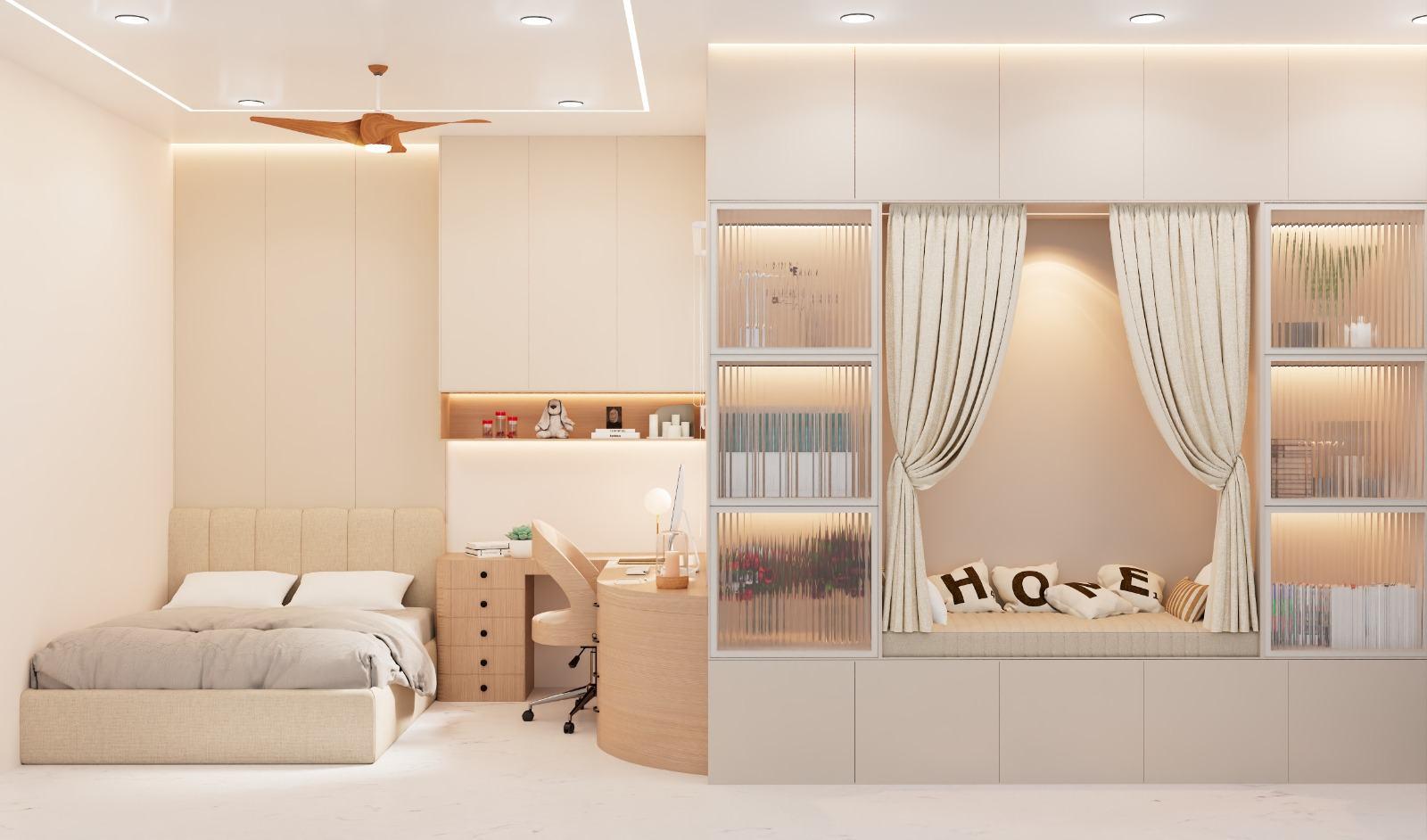
Soft feminine contemporary minimalis
This grounded approach ensures that designs are not only visually compelling but also buildable, efficient, and comfortable for everyday use.
For Aastha, the most rewarding moments come long after project completion, when clients share how their homes continue to support and enrich their lives years later. That sustained satisfaction is the firm’s true measure of success.
Looking Ahead
With projects already spread across multiple cities, ATG Architects now aims to expand its footprint across the country. The goal is ambitious yet inclusive: to create beautiful, functional homes for people across budgets and geographies. The belief is simple, everyone deserves a thoughtfully designed roof over their head
Advice to the Next Generation
Aastha’s message to aspiring architects is rooted in confidence and conviction. She encourages young designers, especially women, not to be intimidated by outdated perceptions of the field.
Architecture, she believes, is about shaping how people feel within spaces, and that responsibility demands both courage and clarity.
In the end, ATG Architects is not merely building structures; it is crafting environments that support everyday life.
Through restraint, precision, and empathy, the firm continues to prove that good design is less about grandeur and more about meaning.
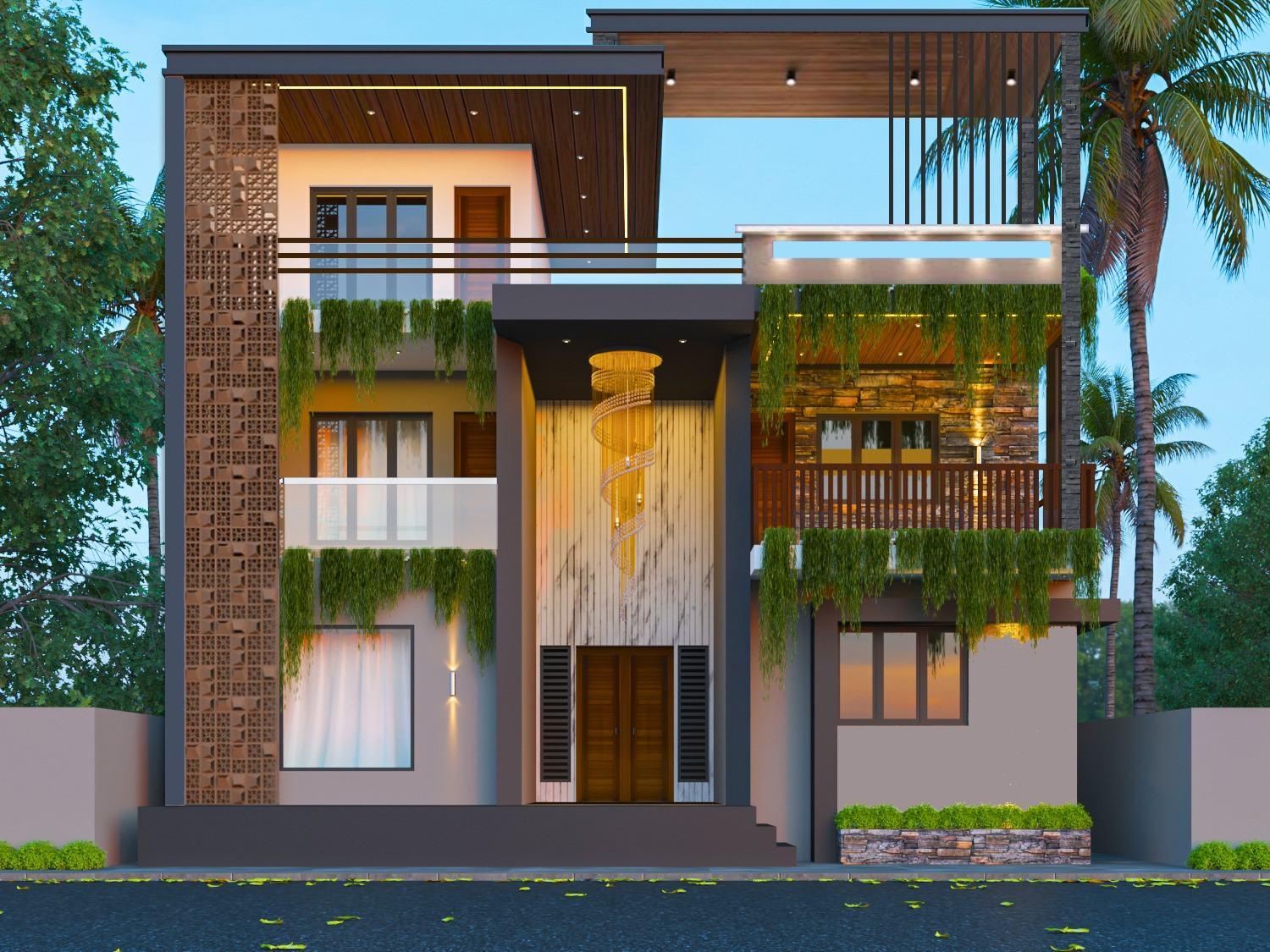
Rajasthan-inspired stone, marble, and terracotta jaali come together with lush greenery—anchored by a central chandelier for a subtle touch of luxur
Thomsons Furnitur
Thomsons Furniture is a family-run Goan workshop crafting durable solid-wood furniture through traditional methods, growing steadily through trust, relationships, and decades of skilled craftsmanship
Article by: Team ItsGoa
Images by: Thomsons Furnitur
Furniture & Craftsmanshi
In an age of factory-made interiors and quick replacements, Thomsons Furniture continues to follow a slower, more meaningful path. The Goan workshop has built its name not through mass production or aggressive marketing, but through consistency, care, and an unwavering respect for craftsmanship. Every piece created here is intended to last for decades, not seasons.
What makes the brand distinctive is its deeply personal journey. Passed from father to son, the business represents more than furniture making; it is a family legacy shaped by discipline, resilience, and a belief that honest work will always find its audience.
Foundations Built on Skill and Determination
The origins of the business trace back to Joaquim Santana Fernandes, fondly known as Thomas. Educated during Goa’s Portuguese era, his early schooling instilled structure, precision, and a strong work ethic that would later define his craft.
After completing his complementary education, known as Segundo Grau in Portuguese Goa, the region had just been liberated and there were hardly any options for technical training or ITIs when India took over, leaving very limited opportunities within Goa and making stepping out of the state the only viable option.
Though financial constraints limited further formal education, he chose to learn through hands-on mentorship, apprenticing under a respected carpenter in Margao and absorbing the finer values of patience, detail, and integrity.
After several years working in the Middle East as a foreman with a European firm, he returned home with global exposure and practical knowledge. With a young family to support and a dream of building something independent, he laid the foundation for Thomsons Furniture in 1985, starting small but guided by a clear and steady vision.
Growing Through Relationships, Not Advertising
In the early years, visibility came from local fairs and village feasts, where handcrafted pieces were displayed and customers were met face to face
Without the internet or digital tools, these gatherings served as the primary marketplace. Conversations, referrals, and satisfied clients gradually created a loyal network that sustained the workshop.
By the mid-1990s, orders began flowing in consistently, eliminating the need for exhibitions. The business evolved naturally from crafting standalone pieces to offering complete furnishing solutions for homes and villas, including doors, window frames, staircases, railings, and full interiors. Growth was steady and organic, built entirely on reputation.
The Solid Wood Philosophy
A defining characteristic of Thomsons Furniture is its commitment to solid wood. While many manufacturers shifted to plywood and engineered boards for speed and cost, the family remained firm in its preference for natural timber. Years of experience in Goa’s humid climate taught them that plywood often absorbs moisture, weakens over time, and attracts termites
Designer tabl
Custom Solid Teak Kitche
Solid wood, when properly seasoned, proves far more resilient and ages beautifully. For their customers, furniture is not disposable décor but something meant to be lived with for decades and sometimes passed down through generations. This shared mindset has helped create a niche clientele that values longevity over trends.
Craftsmanship That Takes Time
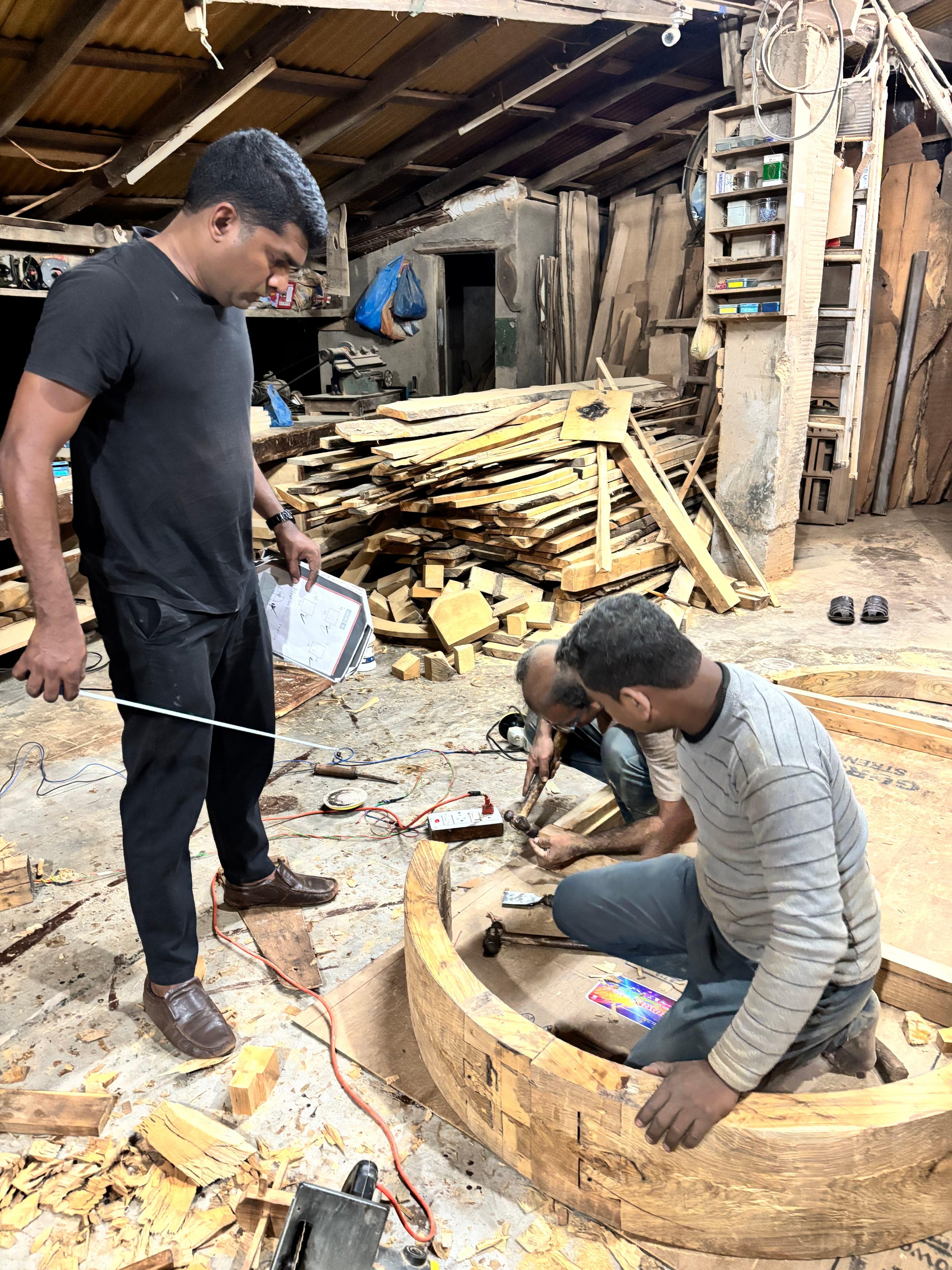
The making of each piece begins long before construction starts. Logs are carefully sourced and left to season naturally at sawmills, ensuring stability and strength. Once an order is confirmed, the wood is cut according to specific requirements and then allowed to rest further in the workshop for several months before any shaping begins.
Production follows a deliberate sequence of sizing, traditional joinery, sanding, sealing, and polishing. Sanding alone is treated as a critical stage, as it determines the final texture and finish. The process is unhurried, because the team believes that quality furniture cannot be rushed; it must be built with patience and precision
From Wedding Cupboards to Complete Homes
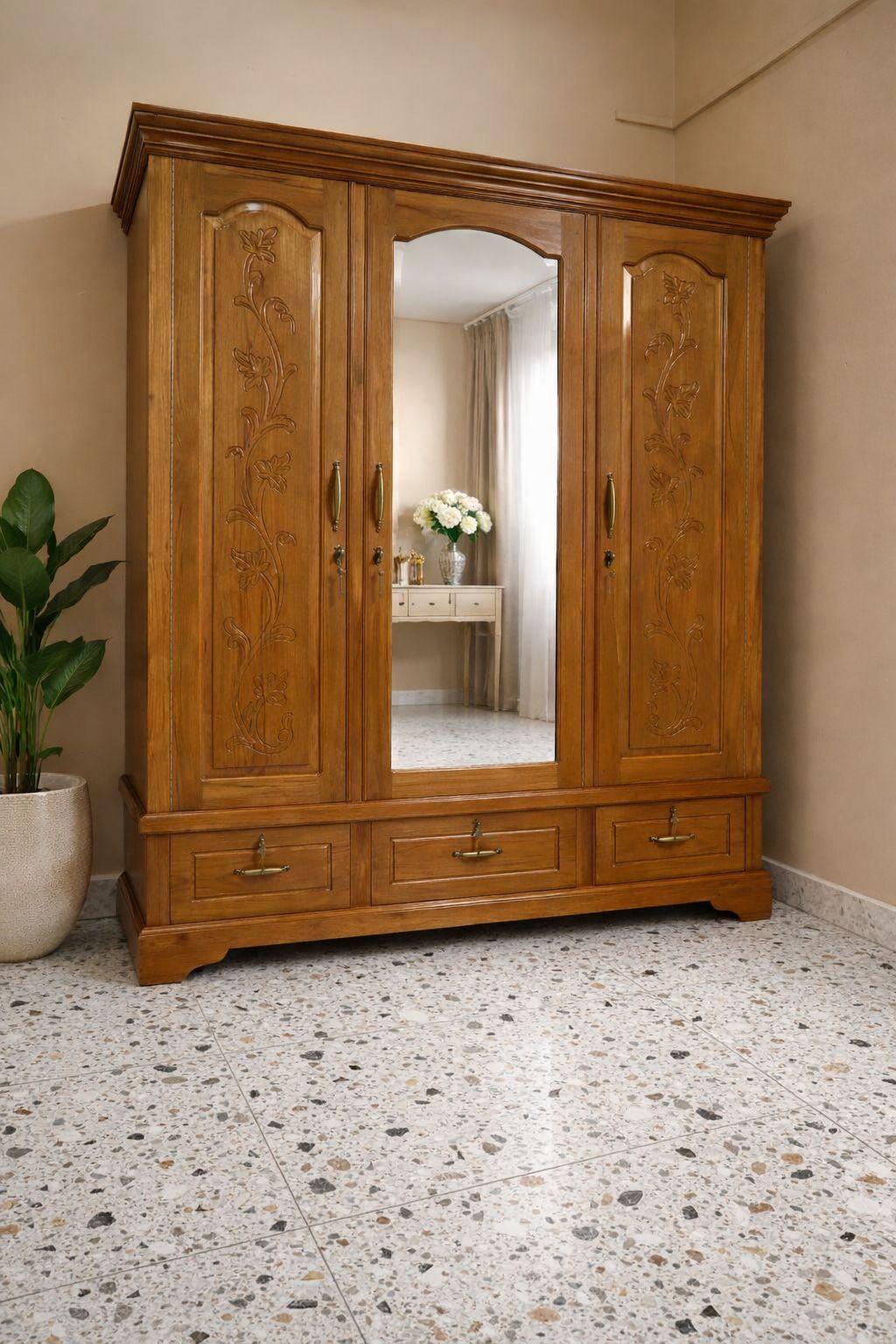
Over the years, Thomsons Furniture became widely known for its handcrafted wedding cupboards, particularly within Goa’s Catholic community. These cupboards, often treasured as lifelong keepsakes, helped establish the brand’s reputation for durability and trust. As word spread, the scope of work expanded to include virtually every type of solid wood requirement.
Today, the workshop undertakes full home furnishing projects, collaborating with trusted partners for intricate CNC carving when required, while maintaining control over design, materials, and finishing. Clients frequently return years later, sometimes decades later, reaffirming the long-term value of their investment.
A New Generation, A Balanced Approach
Leadership has gradually transitioned to Royston Fernandes, who has been closely involved with the company for nearly a decade and now manages operations full time. Coming from the hotel and real estate industries, he brought with him a background in communication and management rather than technical carpentry, making the shift both challenging and transformative
Chest of drawer Royston at his
Instead of altering the core philosophy, he focuses on improving systems, planning, and efficiency while respecting traditional methods. His approach blends structure with heritage, ensuring the business stays relevant without losing the craftsmanship that defines it.
Trust as the Greatest Milestone
For the family, the most meaningful achievements are not large expansions or rapid scaling but moments of validation. One early highlight was crafting customised furniture for a British client who shipped the pieces all the way to London, proving that their work could travel far beyond Goa. Such experiences quietly reinforced their confidence.
Even more rewarding is the loyalty of returning customers. When families come back after decades or recommend Thomsons to the next generation, it reflects something far more valuable than growth metrics, genuine trust built through consistent quality and honest work
Looking Ahead with Intention
Despite four decades of steady success, Thomsons Furniture remains intentionally modest in size. The future vision includes moving into a larger workspace, upgrading machinery, and expanding the workforce to improve efficiency. However, growth will be careful and sustainable rather than fastpaced.
For this family-run enterprise, the goal is not to produce more, but to produce better. As long as each piece continues to stand the test of time,
Thomsons Furniture believes it is moving in the right direction, one thoughtfully crafted creation at a time
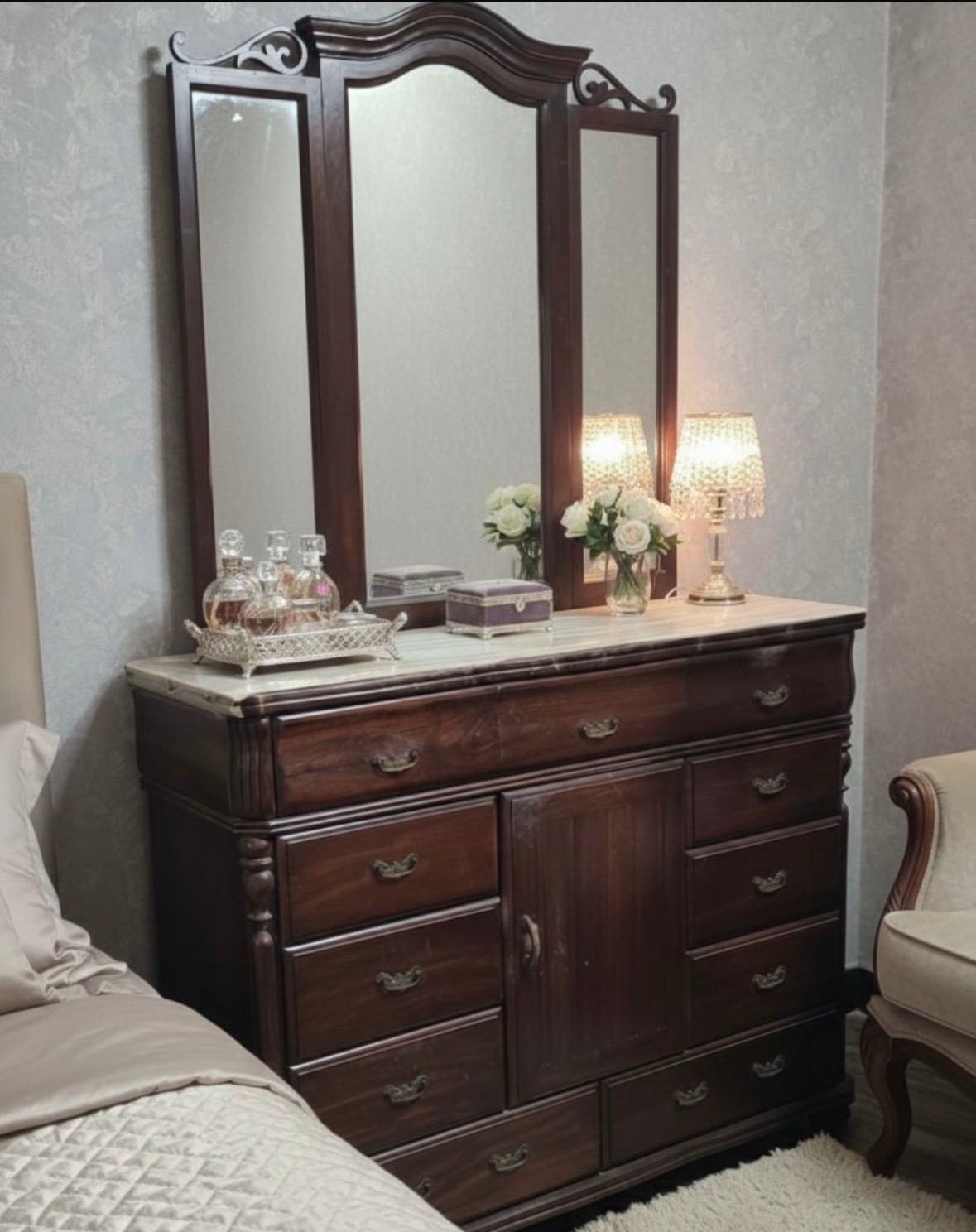
Vintage-style dressing table curated by Royston’s father 25 years ag
Wedding cupboar
Lua Nov
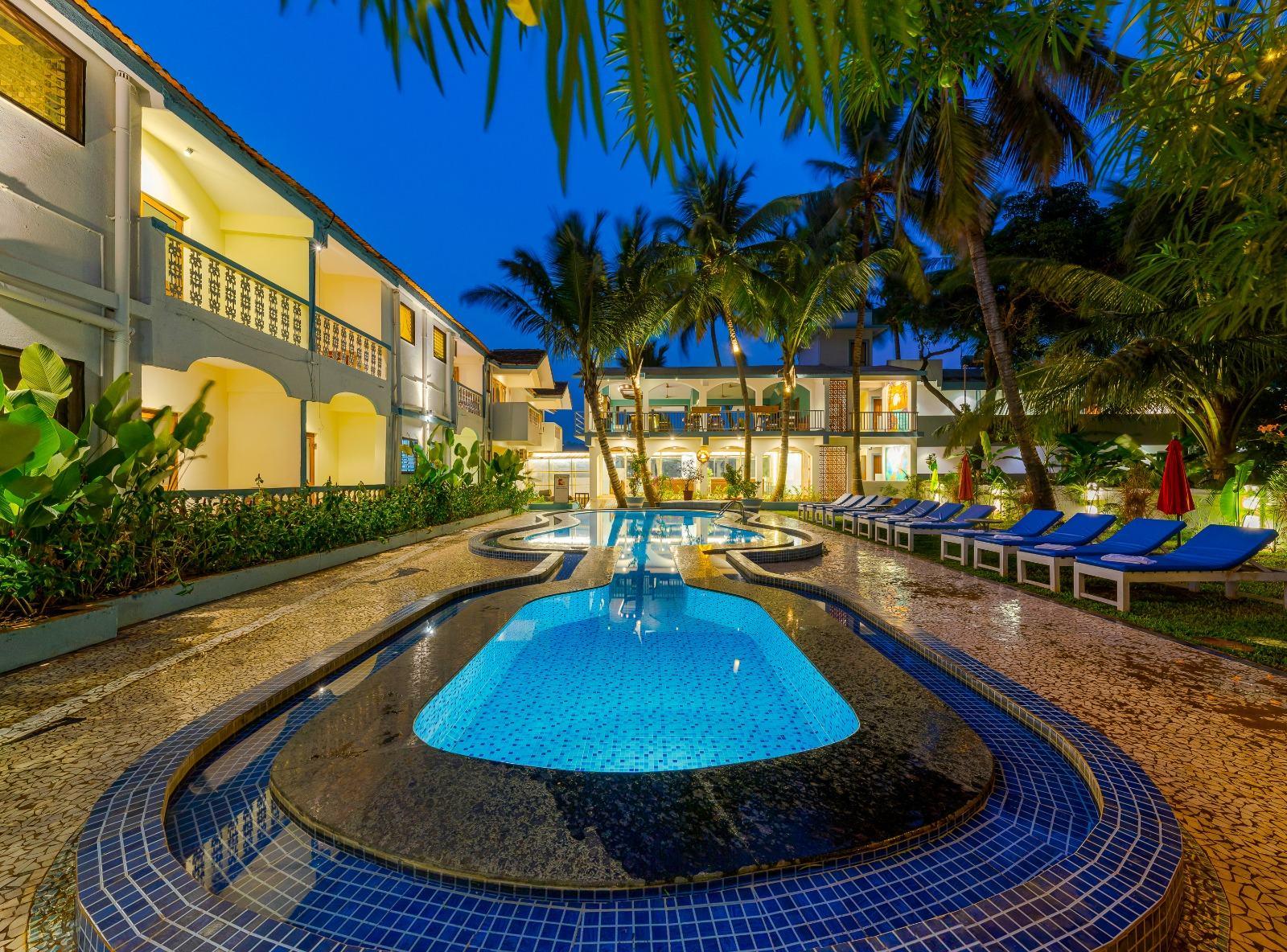
If holidays are inspired by nature and your thirst for rustic solitude and inner peace, Lua Nova is the hotel your heart was yearning for.
Located at Goa's celebrated holiday capital at Baga, it overlooks a beautiful Canvas of village Goa, just 5 minutes walk from the Baga Beach
www.itsgoa.com itsgoa_ Itsgo
Desig
Clevergreen Solutions LL
Clevergreen Solutions LLP delivers climate-responsive turnkey landscaping in Goa, integrating design, execution, and maintenance through sustainable, IGBC-aligned practices, serving residential, hospitality, and institutional projects with long-term resilience Article by: Team ItsGoa
Images by: Clevergreen Solutions LL
In a place like Goa, where coastal conditions, intense monsoons, and shifting temperatures shape the land, outdoor spaces cannot be treated as an afterthought. They influence how a property feels, how it functions day to day, and how well it holds up over time. Clevergreen has built its work around this understanding, approaching landscapes as living ecosystems that must be purposeful, climateresponsive, and designed with long-term relevance.
The Founders Behind the Vision
Clevergreen Solutions LLP was founded by Gautam Dhume and Kunal Bhonsule, both Mechanical Engineers and first-generation entrepreneurs who began their professional journeys in multinational corporate environments. Their shift from corporate careers to entrepreneurship came from a clear intent: to build something of their own while contributing innovative environmental solutions that create real impact. Their engineering background continues to reflect in how the company operates, through structured planning, practical execution, and a strong emphasis on systems that work efficiently over time.
How Clevergreen Began in Goa
Clevergreen was established in 2017, when the founders quit their corporate jobs and returned to Goa with the singular intention of starting a company rooted in innovation and sustainability
The venture began with a focused offering of vertical gardens, a niche that helped them understand local market needs and emerging lifestyle trends. Over time, that early experience revealed a larger gap and opportunity in Goa: the need for professional landscape design and development delivered with expertise, consistency, and end-to-end accountability. This realization shaped Clevergreen’s evolution into a turnkey landscaping firm capable of handling projects at multiple scales.
A Turnkey Landscaping Practice with Depth
Clevergreen is a landscape design and development company that specializes in creating functional, sustainable, and aesthetically appealing outdoor spaces. The firm offers comprehensive turnkey services that span landscape planning, on-site execution, and ongoing upkeep. What distinguishes its practice is the ability to integrate the full scope of landscape requirements into one streamlined workflow, balancing visual outcomes with performance-driven planning so that the space remains healthy, usable, and resilient long after handover.
What the Company Delivers
Clevergreen’s work covers both hardscape and softscape, enabling a holistic approach to outdoor development
Co founder - Gautam Dhum
Co founder - Kunal Bhonsul
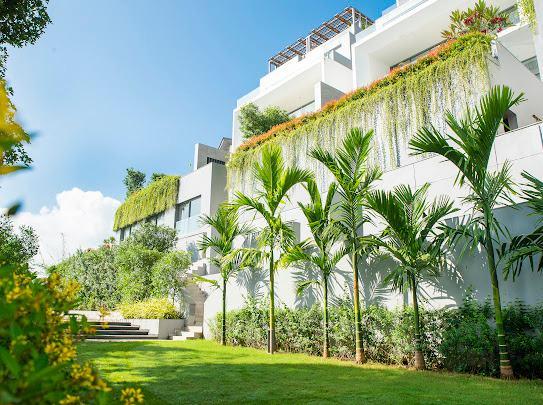
Palm-Lined Modern Serenity and Landscaping Design at Eternia Vill
Landscaped Grounds, Elevated Presence for Naval War College - INS Mandovi
The hardscape scope includes civil work, electrical elements, irrigation systems, and fabrication, all coordinated to support both aesthetics and utility. The softscape aspect is handled through horticulture work that focuses on planting strategies suited to the location and climate. After completion, the company also supports properties through maintenance services, whether through Annual Maintenance Contracts or on-request assistance, ensuring that the landscape continues to thrive as seasons change.
Projects Across Residential, Hospitality, and Institutional Spaces
Clevergreen’s portfolio reflects a wide range of project categories, from private residences to largescale institutional environments. The firm works on villas and housing complexes, commercial developments, hotels and resorts, factories and corporate offices, and also undertakes assignments for government bodies, educational campuses, and public spaces. It also caters to private developments such as farmhouses and orchards, where the relationship between land, planting, and long-term care becomes especially important. This diversity has shaped the company’s capacity to adapt its design language and execution methods to different needs, budgets, and operating realities.
A Site-First Approach to Design
Clevergreen’s design process begins with a deep understanding of the site, the climate, and the client’s vision, ensuring the final landscape feels both personal and purposeful. Instead of applying a generic style, the team studies the effects of topography, sunlight, soil conditions, and existing vegetation before proposing design directions. This emphasis on site intelligence supports landscapes that are not only visually striking on completion, but also practical to maintain, aligned to natural conditions, and built to mature gracefully over time.
Sustainability Guided by IGBC-Aligned Practices
A defining aspect of Clevergreen’s approach is its strong alignment with Indian Green Building Council (IGBC)-oriented green practices
Sustainability is integrated into decision-making through water-efficient systems, native planting strategies, sustainable material selection, and resource-conscious planning that reduces long-term environmental load. The company also incorporates automation where relevant, supporting smarter resource use and improved operational efficiency for clients who want their outdoor spaces to be both beautiful and responsible.
A Clear Project Journey from Concept to Handover
Clevergreen follows a structured project journey that helps clients move from ideas to execution with clarity and confidence. The process typically starts with understanding requirements and expectations, followed by a detailed site survey that studies the natural conditions influencing design choices. Concept presentations then translate vision into direction, after which working drawings and BOQs bring precision to planning. With material and manpower coordination in place, on-site execution begins across hardscape and softscape, leading to completion with troubleshooting support and a formal handover. Maintenance support remains available afterwards, either through planned contracts or on-demand involvement, ensuring continuity beyond the build phase
Poolside green
Curated Greens for a private villa at Aldeia de Go
Solving the Coordination Problem for Clients
One of the most common challenges clients face in landscaping is the need to engage multiple vendors for different aspects of the work, civil, electrical, irrigation, fabrication, and horticulture, often resulting in delays, miscommunication, and uneven quality. Clevergreen addresses this through its integrated, under-one-roof model, delivering timebound services with seamless coordination and clear accountability. For clients managing complex properties or tight timelines, this approach reduces stress while improving consistency across every outdoor element.
Projects That Mark Key Milestones
Over the years, Clevergreen has delivered several notable projects that reflect both capability and credibility within Goa’s development landscape. These include Eternia Villas, Vivanta Panaji, and Vivanta Miramar, along with the Naval War College at INS Mandovi, and developments such as The Green Grove and The White Grove. The firm has also seen one of its private villa project in Aldiea De Goa featured in Good Homes India Magazine, underscoring the aesthetic maturity and execution finesse that has become associated with its work
The
Clevergreen’s ideal clients are individuals and organizations who see landscaping as an integral part of a project’s identity and performance, not an optional finishing touch. They are drawn to clients who value responsible development, thoughtful design, and long-term results—those who want outdoor spaces that enhance experience while reflecting an authentic commitment to sustainability and quality.
A Vision to Shape Greener, More Resilient Spaces
Clevergreen’s broader vision is to redefine outdoor spaces as sustainable ecosystems that improve both human experience and environmental health. In Goa, the focus is on creating landscapes that respect local biodiversity, respond sensitively to coastal conditions, and reflect the cultural character of the region, while setting new benchmarks in climateresponsive and automation-aligned green design. Beyond Goa, the company aspires to become a trusted leader in sustainable landscape development across India, championing responsible land use, water-conscious planning, and regenerative practices that contribute to greener cities and more resilient communities
Clients Clevergreen Works Best With
Vertical Garden - Layered greens at Vivanta, Miramar Go
Home Styling with Rubeen
Home stylist Rubeena Singh transforms homes through her practice, Home Styling with Rubeena, creating personalized, budget-conscious spaces using curation, context, and thoughtful details that feel warm and authentic
by: Team ItsGoa
Images by: Home Styling with Rubeen
Article
Based in Mumbai, Rubeena Singh has quietly built a reputation for transforming everyday homes into thoughtfully styled sanctuaries. Working under her practice, Home Styling with Rubeena,she approaches Styling not through blueprints or construction plans, but through an intuitive understanding of how spaces should feel. What began as helping friends and family refresh their homes gradually evolved into a full-fledged styling studio, shaped by word-of-mouth appreciation and a steadily expanding clientele.
Her styling work gained wider attention after the restorative of Verve Estate in Goa, which was designed and restored by architect Paul Rodrigues. The project’s warm, character-rich aesthetic resonated deeply and led to a steady stream of client enquiries. Since then, her styling services have extended across cities and even internationally through remote consultations.
A Stylist, Not a Decorator
Rubeena prefers the term “home stylist” over interior decorator. She deliberately stays away from civil work and structural changes, choosing instead to focus on the art of curation.
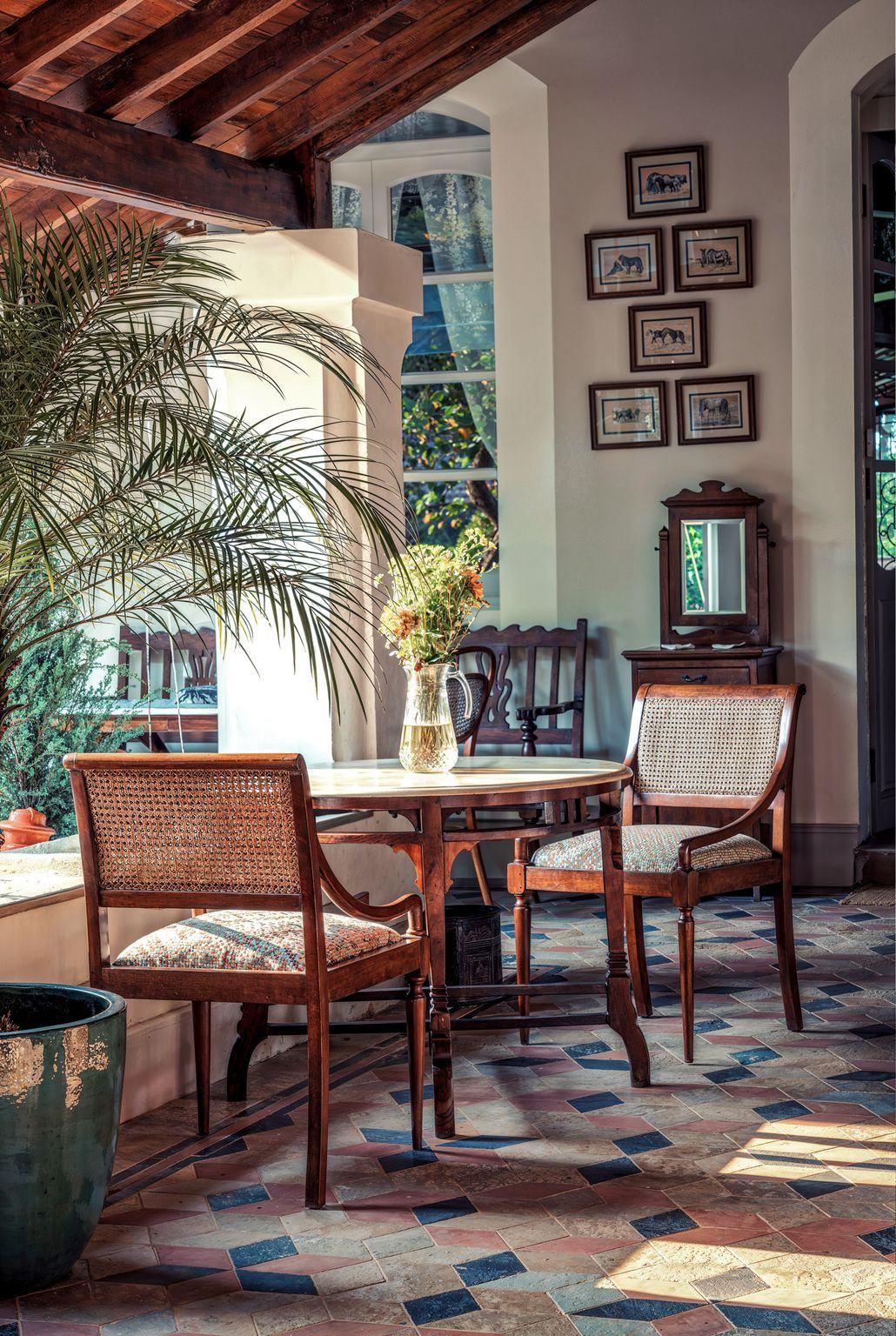
Elegance in a budget hom
Her strength lies in layering soft furnishings, lighting, art, textiles, and personal objects that transform a functional space into an emotional one. For her, a home is not merely assembled; it is composed.
This distinction defines the philosophy of Home Styling with Rubeena. Rather than redesigning walls or layouts, she refines what already exists, enhancing the personality of a space through thoughtful placement and meaningful details. The result is never staged or impersonal, but deeply reflective of the people who live there.
A Bespoke Design Philosophy
At the heart of Rubeena’s process is customization. She avoids templates and rejects the idea of a signature look imposed across projects. Every home is treated as a narrative shaped by its owners’ tastes, memories, and lifestyle.
Her styling includes sourcing furniture, lighting, curios, and artwork while also encouraging clients to reuse and restyle pieces they already own.
Rubeena Sing
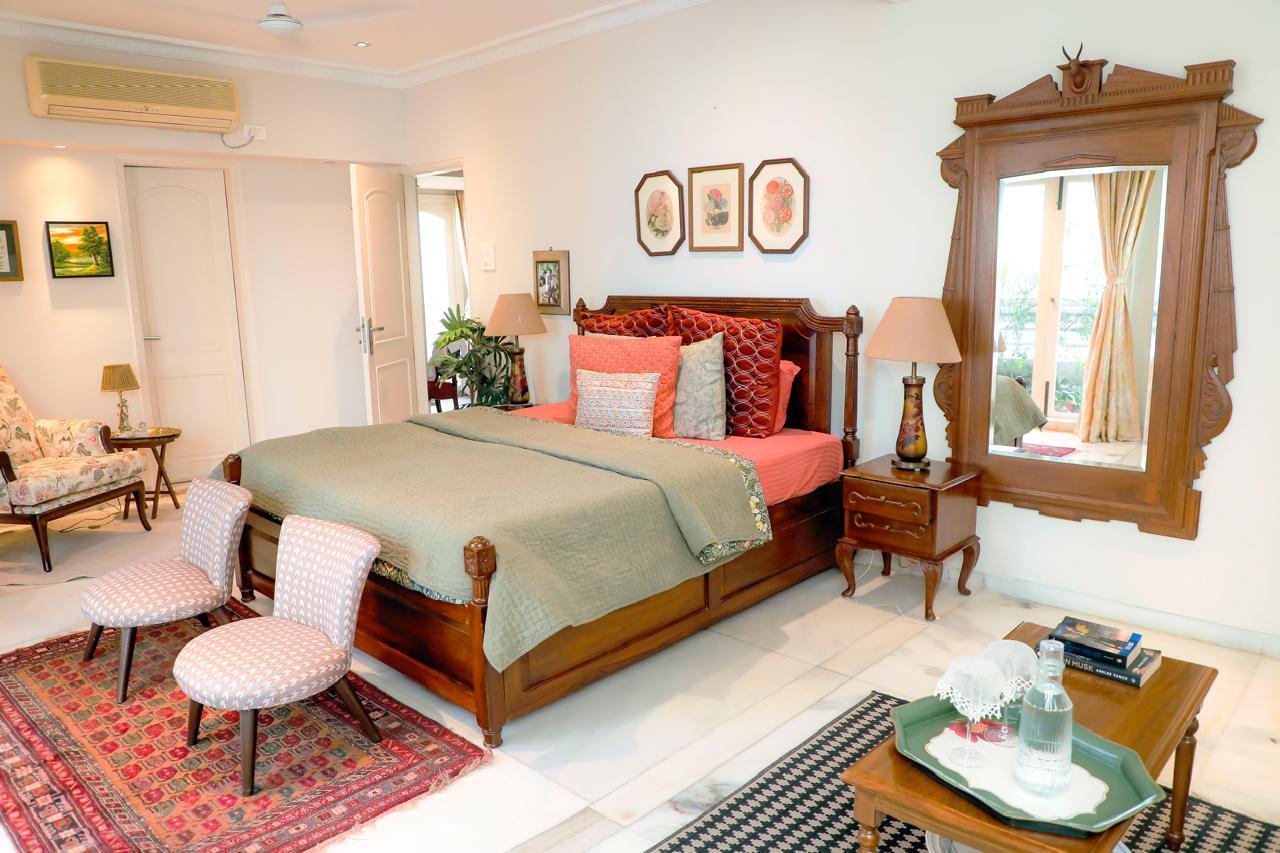
A bespoke bed customised to fit in the Parisian charm of the roo
Adding a statement art deco chair for oomp
Repurposing is not only sustainable but often adds character that new purchases cannot replicate. This philosophy ensures each project feels authentic rather than showroom-like.
Affordable Elegance Without Excess
One of Rubeena’s core beliefs is that luxury is not defined by price tags. She consistently demonstrates that aesthetic richness can be achieved without overspending. Her makeovers often rely on simple yet inventive solutions that bring freshness and depth to a space. Indoor plants introduce life and colour. Old calendar prints become framed artwork. Vintage plates, trays, and jugs double as decorative accents. Books add texture and personality to surfaces.
Even heirloom textiles such as sarees or embroidered fabrics find new life as framed pieces or soft furnishings. Through these small interventions, rooms evolve organically, proving that creativity outweighs cost
Designing with Context
Location plays a significant role in Rubeena’s styling language. She believes a home should belong to its surroundings rather than feel transplanted from elsewhere. In Goa, architectural heritage and cultural influences guide her choices. A restored IndoPortuguese home, for instance, calls for an entirely different vocabulary than a contemporary build. Materials, art, and accessories are selected to complement the history and mood of the setting.
In Mumbai, she adopts a similarly contextual approach, weaving subtle local elements into modern apartments so that they feel rooted rather than generic. The objective is harmony between space and environment, creating homes that resonate naturally with their geography.
Thoughtful Transformations
Among her many projects, Rubeena takes particular pride in quick, budget-conscious makeovers
One recent transformation involved styling a rented apartment for a young couple relocating to the city. Working within tight timelines and financial constraints, she created a home that felt warm, refined, and welcoming, proof that temporary spaces can still carry permanence in character.
A Growing Practice
Today, Home Styling with Rubeena operates with a flexible and collaborative model. Clients connect directly to discuss needs, budgets, and limitations, after which she guides them through sourcing and placement with clarity and care.
The process is streamlined, personal, and accessible, allowing her to work with homeowners across locations while maintaining close involvement in every project
Looking Ahead
Rubeena’s ambitions are steady and purposeful. She envisions expanding her team, completing milestone projects, and growing Home Styling with Rubeena into a practice that styles homes across continents. Yet her approach remains grounded, focused less on scale and more on meaningful transformations.
In an industry often associated with extravagance, her work stands apart for its restraint, resourcefulness, and emotional intelligence.
These are spaces shaped not for spectacle, but for comfort, memory, and belonging, qualities that quietly turn houses into homes
Creating warmth through colour
Goa Architecture Click
Goa Architecture Clicks, led by Vinit Vallabh Mahambre, crafts detail-driven architectural photography, transforming Goan spaces into immersive visual stories that blend precision, light, and emotion for design and hospitality brands
Article by: Team ItsGoa
Images by: Goa Architecture Click
In a region where history, culture, and design intersect effortlessly, architecture becomes more than just structure, it becomes identity. Translating this identity into powerful visual narratives is the purpose behind Goa Architecture Clicks, a specialised studio dedicated to capturing the depth, mood, and meaning of built spaces with clarity and precision.
At the centre of the brand is Vinit Vallabh Mahambre, a photographer whose journey into the field reflects both intuition and intention. His path from finance to fine detail has shaped a practice that is as analytical as it is artistic.
Corporate Investment Banker to Creative Calling
Before stepping behind the camera professionally, Vinit worked as an investment banker in Mumbai. While the corporate world offered stability, it was photography, particularly architectural subjects, that continually drew his attention. Eventually, the pull of home proved stronger. Returning to Goa, he chose to transform a long-held passion into a full-time profession.
What began as a personal interest in monuments, temples, and churches slowly developed into a disciplined exploration of space and structure
Architecture photography offered the perfect blend of technical precision and creative storytelling.
Drawn to Form, Faith, and Geometry
Vinit ’s inspiration lies in the quiet grandeur of architectural design. Church domes, temple carvings, symmetrical corridors, and thoughtfully designed hotel interiors all serve as creative triggers. He is particularly fascinated by how light interacts with surfaces, how lines guide the eye, and how each structure carries its own emotional tone.
This sensitivity naturally led him to focus on architecture and interior photography, genres that demand patience, observation, and an understanding of spatial character.
A Visual Language Built on Detail
His photographic style is vibrant yet refined, marked by sharp detailing and carefully balanced compositions. Rather than overwhelming the viewer with excess, his images highlight texture, proportion, and atmosphere. Every frame feels deliberate, allowing the design to speak for itself while still carrying a strong visual identity.
The result is work that feels immersive. Viewers are not merely observing a building; they are experiencing the space
Vinit Mahambr
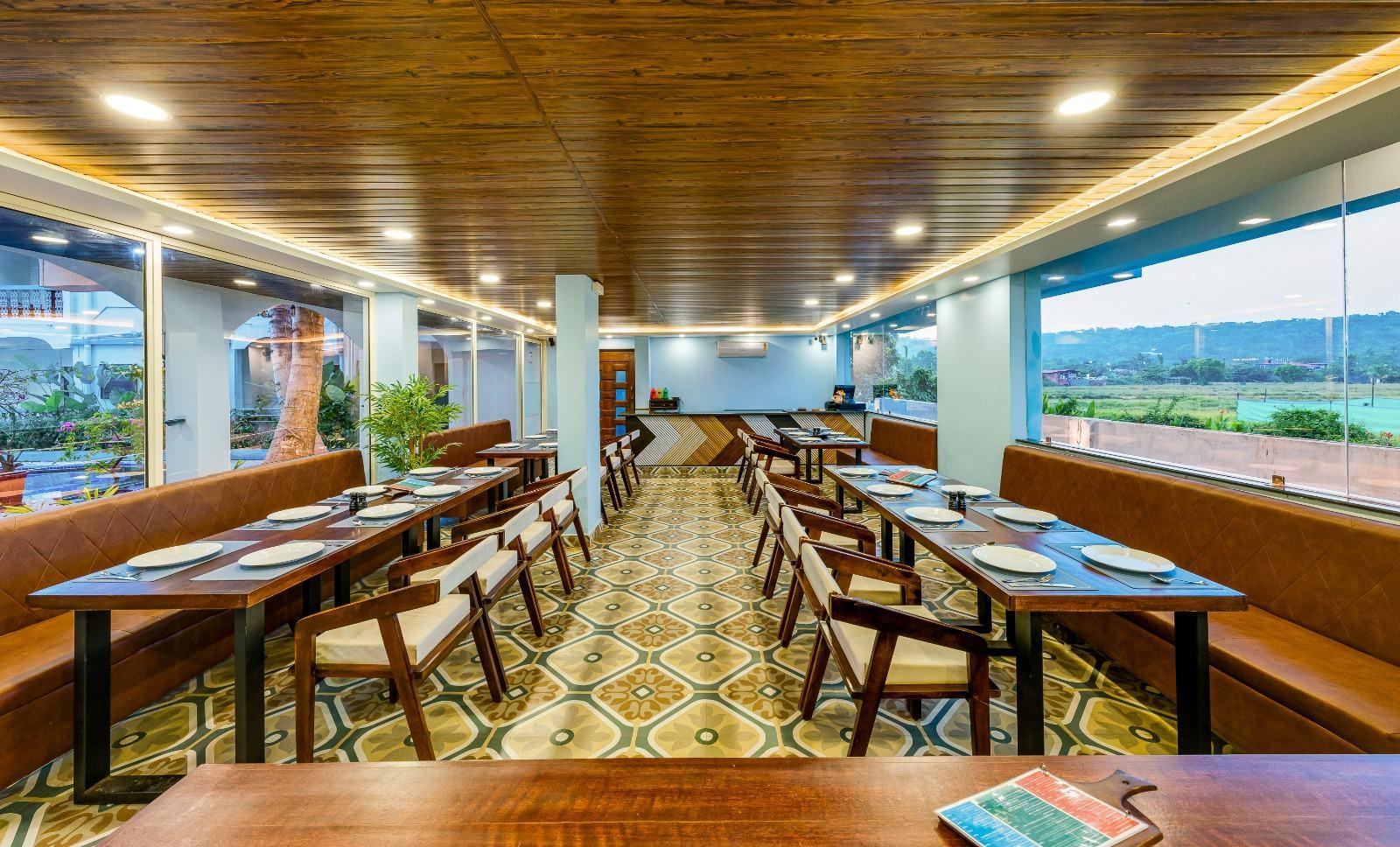
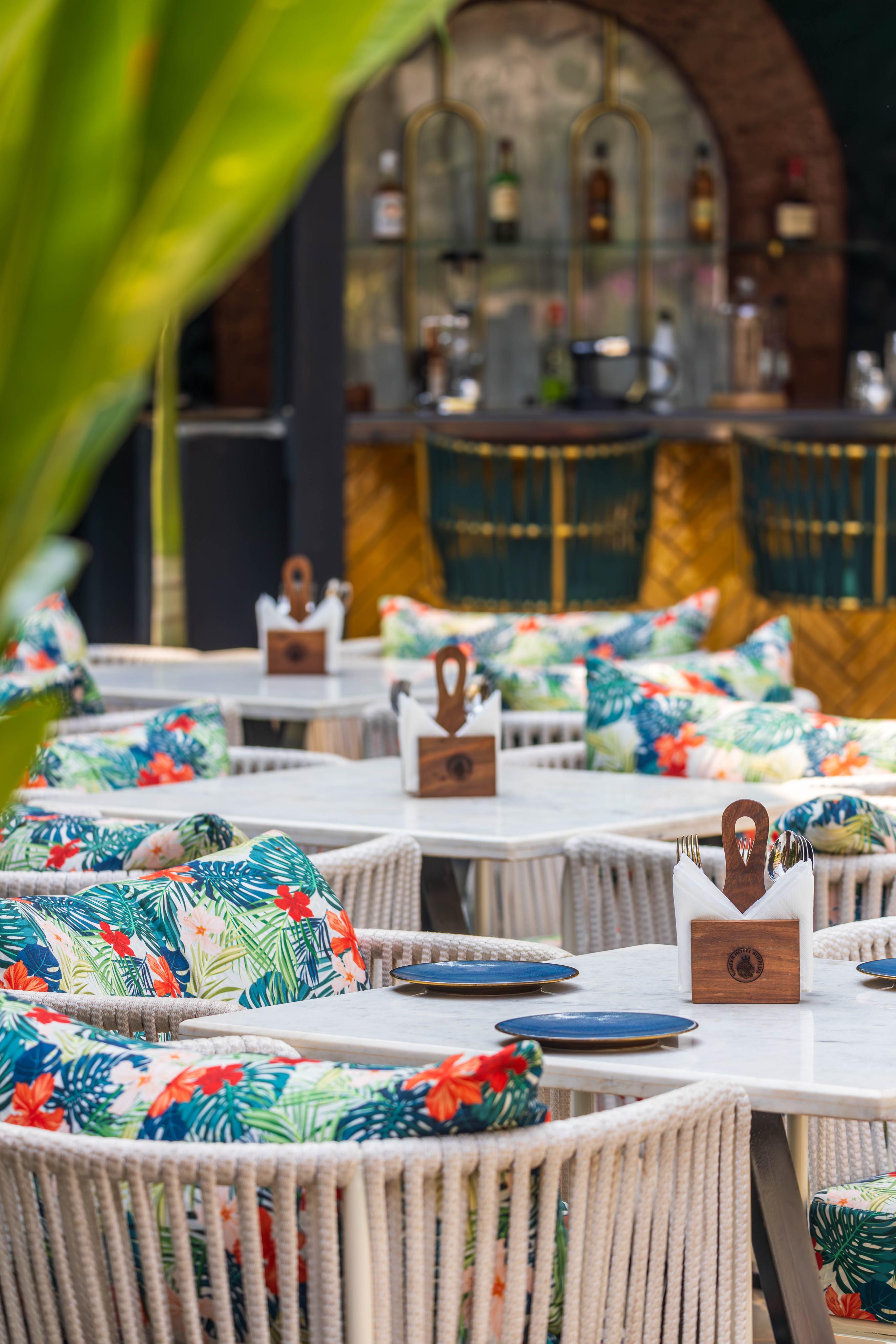
Shot at Jugnu Restaurant in Assagao, Go
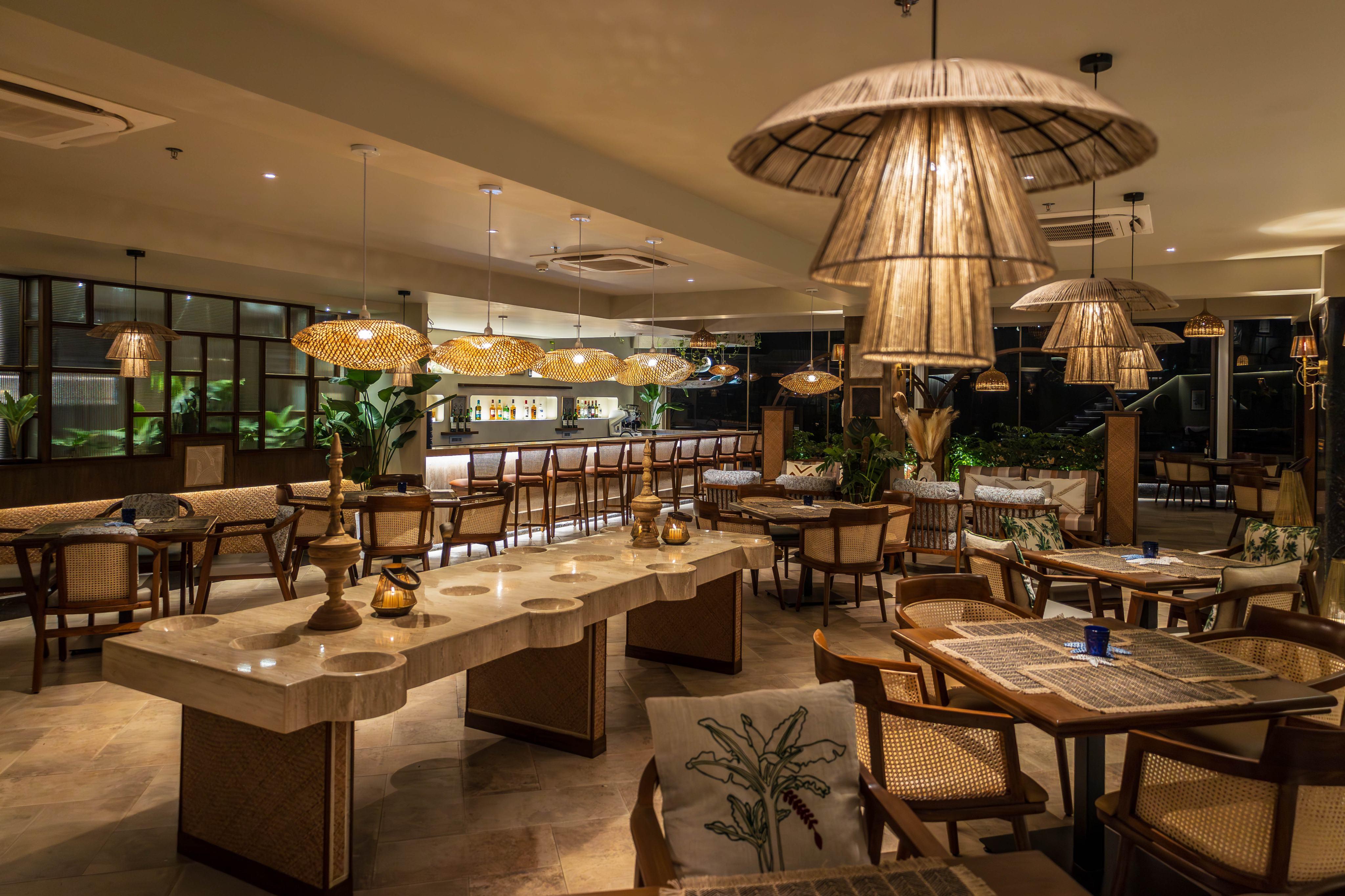
Capture - Janot Restaurant, Panjim Gymkhan
Capturing Diverse Environments
Over time, Goa Architecture Clicks has documented an extensive range of spaces, from private residences to hospitality destinations. Villas, apartments, resorts, boutique hotels, restaurants, and short-term rentals have all featured in the studio’s portfolio.
Among these, Vinit finds particular creative satisfaction in photographing villas, resorts, and dining spaces, where architecture often blends seamlessly with landscape and ambience.
Interpreting Goa Through the Lens
Goa’s rich architectural heritage plays a significant role in shaping his work. The coexistence of heritage churches, intricate temples, and contemporary luxury developments offers a constantly evolving canvas. His familiarity with local culture, weather patterns, and natural light allows him to anticipate how spaces will behave at different times of day.
This local insight gives his photographs an authenticity that cannot be manufactured. Each image feels grounded in its surroundings, reflecting the true essence of the place
Two Perspectives: Exterior and Interior
When photographing exteriors, Vinit treats the building as part of a larger environment. The sky, landscape, and surrounding elements are carefully considered so the structure feels contextual rather than isolated. Natural light becomes a key storytelling tool, shaping the mood of the frame.
Interiors demand a more intimate approach. Here, the focus shifts to atmosphere and emotion. Instead of simply documenting furniture and layout, he captures how a room feels to inhabit. Subtle shadows, reflections, and soft illumination transform everyday details into compelling visual moments.
A Method Rooted in Preparation
Every project begins well before the camera is unpacked. A preliminary visit helps him understand the surroundings, study the movement of light, and identify the best vantage points. This preparation allows for a smooth, intentional shoot.
He strongly favours early morning sessions, when the light is soft and soothing. This gentle glow enhances textures and colours without harsh contrasts, creating images that feel calm, inviting, and naturally elegant. Conversations with clients before and during the shoot ensure that important design features receive the attention they deserve
Azure Entrance Captur
Symmetry by the Se
Serene Space Captur
Collaboration and Craft
Interior designers form a significant part of his professional network. Early collaborations began through direct outreach, but today most projects arrive through referrals, reflecting the trust he has cultivated within the creative community.
During shoots, he pays close attention to how materials, finishes, and décor interact with light. Even the smallest design element can become a focal point when framed thoughtfully.
Photography That Communicates Purpose
For Vinit, aesthetics alone are not enough. Each photograph must convey intention. His goal is to help viewers understand the story behind the space, why it was designed the way it was and what experience it aims to create. This narrative-driven approach makes his work particularly effective for marketing and branding, enabling designers, builders, and property owners to present their spaces with clarity and impact.
Building a Portfolio with Initiative
In the early days, his portfolio grew through sheer initiative. He often walked into luxury hotels and resorts simply to photograph their lobbies and décor, driven purely by admiration for their design
These self-motivated shoots gradually shaped a strong body of work that attracted professional assignments and established his credibility in the hospitality segment.
Looking Beyond the Horizon
Having built a solid foundation in Goa, Goa Architecture Clicks now looks toward broader horizons. Vinit aims to collaborate with clients in cities such as Bangalore while reconnecting with opportunities in Mumbai. The vision is to expand geographically without compromising the careful, detail-oriented approach that defines the brand.
Capturing Essence, Not Just Images
Goa Architecture Clicks stands apart because it approaches photography as interpretation rather than documentation. Each frame is crafted to preserve the spirit of a space, capturing not only how it appears but how it lives and breathes.
Alongside his real estate and architectural assignments, Vinit also manages multiple social media accounts, combining visual expertise with strategic insight to help brands build a consistent and engaging digital presence. Through patience, precision, and a deep respect for design, Vinit continues to create imagery that lingers long after the viewer has looked away
Warm Interior Captur
Tasha Livin
Tasha Living creates handcrafted solid-wood furniture in Goa, blending minimal design, traditional craftsmanship, and natural materials to craft timeless, meaningful pieces built for everyday living
Article by: Team ItsGoa
Images by: Tasha Livin
Furniture & Home Desig
In an era dominated by fast production and fleeting trends, there is something quietly reassuring about furniture shaped by hand, guided by intention, and built to last.
In Goa’s laid-back coastal landscape, Shafi Shaik has cultivated exactly that philosophy through Tasha Living, a boutique furniture studio devoted to handcrafted solid-wood pieces that celebrate material honesty, thoughtful design, and the belief that well-made objects should enrich daily life for years rather than follow passing fashions.
From Technology to Tangible Design
Before stepping into the world of furniture and interiors, Shafi spent nearly fifteen years in the IT industry in Bangalore. Although technology defined his professional life, his interests consistently gravitated toward architecture, spatial design, and the subtle ways environments influence how people live within them.
Seeking a more meaningful and creative path, he and his wife Reshma chose to leave the corporate world and relocate to Goa. The move marked more than a change of address; it signaled a shift in priorities.
Goa’s slower rhythm, open skies, and connection to nature offered the right setting to build something tangible and enduring, a studio where craftsmanship could take precedence over convenience and where every piece would carry the mark of human hands rather than machines. That decision quietly laid the foundation for Tasha Living.
An Idea Born at Home
The studio’s beginnings were refreshingly organic. While designing their first Airbnb property, Shafi and Reshma struggled to find furniture that felt authentic and well-made. Most available options were massproduced, lacking character and individuality.
Instead of compromising, Shafi began designing and building pieces himself. What started as furniture created purely for personal spaces soon caught the attention of visitors, who began asking where the pieces were from. Curiosity turned into commissions, and commissions gradually evolved into a dedicated studio.
Without a formal launch or elaborate blueprint, Tasha Living grew naturally through conversation, craftsmanship, and word of mouth.
A Language of Simplicity and Substance
At the core of the brand lies a restrained design philosophy rooted in simplicity and material integrity. Shafi’s aesthetic blends Japandi minimalism, Scandinavian clarity, and relaxed coastal influences into a language defined by soft forms, subtle detailing, and natural textures
founders - Shafi and Reshma Shai
Zuri Chai
Rather than chasing seasonal trends, he focuses on longevity. Each piece is conceived to feel relevant years from now, relying on proportion, balance, and texture instead of ornamentation. The result is furniture that enhances a space quietly, without demanding attention.
Shaped by Goa
Goa plays an unmistakable role in shaping the studio’s sensibility. The tropical light, lush landscape, and unhurried pace inspire interiors that feel open and breathable.
Materials such as wood, cane, linen, and stone integrate effortlessly with this environment. Shafi designs pieces that feel light, airy, and organic, furniture that belongs naturally in a coastal villa or sunlit home. Rather than competing with the surroundings, the designs seem to settle comfortably into them.
The Character of Solid Wood
For Shafi, solid wood represents authenticity. Every plank carries its own grain, tone, and texture, ensuring that no two creations are ever identical. These variations give each piece a distinct personality that manufactured materials often lack.
Over time, the wood develops a rich patina, deepening its character with use. This gradual aging transforms furniture into something lived-in and meaningful, reinforcing the idea that well-crafted objects should evolve alongside the people who use them. It also highlights the skill of the craftsmen whose hands shape raw timber into enduring forms.
From Concept to Craft
The making process is deliberate and personal. Shafi begins by understanding how a space will be used and how its inhabitants live day to day.
Ideas are translated into sketches, references, and detailed drawings that align with the home’s architecture and mood.
Once finalized, the workshop takes over. Cutting
joinery, sanding, and finishing are carried out using traditional woodworking techniques. Finishes enhance the natural beauty of the material rather than masking it, and each piece is carefully inspected before delivery. This measured approach ensures the outcome feels intentional, never industrial.
Where Tradition Meets Modernity
One of the studio’s defining strengths is its ability to balance heritage craftsmanship with contemporary design. Time-tested carpentry methods provide structural integrity, while clean lines and refined proportions keep the aesthetic current.
Through this interplay, Shafi creates furniture that feels timeless rather than trend-driven, pieces that transition effortlessly across changing styles without losing relevance.
Furniture That Feels Like Home
Beyond form and function, Shafi hopes each creation evokes a sense of warmth and connection. A dining table should encourage conversation, a sofa should invite rest, and a bed should offer comfort at the end of a long day.
His goal is not merely to fill spaces but to shape experiences, helping homes feel calm, personal, and grounded.
Growing with Intention
Over the years, Shafi has completed several fullhome furniture projects for villas across Goa, designing collections specifically for each property’s architecture and atmosphere. These immersive collaborations remain some of the studio’s most rewarding milestones.
Looking ahead, he envisions growing Tasha Living thoughtfully, expanding collections, collaborating with architects and designers, and continuing to celebrate craftsmanship and natural materials.
The focus remains on authenticity and integrity, ensuring that every new step stays aligned with the values that shaped the studio from the beginning
Soft sunlight, earthy tones, and a quiet moment by the windo
The Linea Poste
Goa Heritage Places: A Guide to Historic Sites, Forts & Cultur
Goa’s heritage unfolds through churches, forts, temples, plantations, and colonial quarters, revealing centuries of Portuguese influence, maritime history, spirituality, and preserved architecture that reflect the region’s rich cultural legacy
by: ItsGoa
Images by: Freepi authored articl
www.itsgoa.com itsgoa_ Itsgo
Article
Goa is often celebrated for its diverse culture, but its true soul lies in its rich heritage. The state holds centuries of history that is shaped by Indian dynasties, Portuguese rule, maritime trade, religion, and local traditions. Goa’s heritage places reveal this layered past through grand churches, ancient temples, spice plantations, and charming old neighbourhoods. Each site stands as a reminder of the state’s cultural depth and timeless beauty.
Old Goa: The Heart of Portuguese Legacy
Old Goa remains one of the most significant heritage places in the state. Today, it houses UNESCO World Heritage Sites like the Basilica of Bom Jesus and the Sé Cathedral. The Basilica holds the remains of St. Francis Xavier and attracts visitors from around the world. The Sé Cathedral impresses with its vast interiors and Golden Bell, one of Asia’s largest. Walking through Old Goa feels like entering a living museum of colonial architecture and religious history.
Fontainhas: Goa’s Latin Quarter
Fontainhas in Panaji offers a colourful glimpse into Goa’s past. This old Latin Quarter features narrow streets, vibrant houses, tiled roofs, and ornate balconies. The area reflects traditional Portuguese architectural styles preserved for over a century. Local bakeries, art galleries, chapels, and heritage homes add charm and character. Many travellers enjoy guided heritage walks that explain the stories behind the neighbourhood. Today, Fontainhas remains Goa’s cultural jewel, showcasing art, architecture, and old-world elegance.
Fort Aguada: A Coastal Sentinel
Fort Aguada stands proudly along Sinquerim’s shoreline. Built in the 17th century, the fort served as a major defensive structure for the Portuguese against Dutch and Maratha invasions. Its freshwater spring once supplied water to passing ships, giving the fort its name: “Aguada,” meaning “watered.” The lighthouse inside is one of Asia’s oldest of its kind. Visitors enjoy panoramic views of the Arabian Sea and gain insights into Goa’s strategic maritime history
The Temples of Ponda: Guardians of Goan Culture
Goa’s heritage is not complete without its ancient temples. The temples of Ponda, including Shree Mangueshi, Shree Shantadurga, and Shree Mahalsa, carry deep religious and cultural significance. These temples feature elaborately carved interiors, lamp towers, and traditional Goan architecture. Many were rebuilt after being relocated during Portuguese rule, making them symbols of resilience and devotion. Pilgrims and history lovers visit Ponda to experience Goa’s spiritual heritage and vibrant festivals.
Chandor: Echoes of Grandeur
Chandor, a quiet village in South Goa, houses some of the grandest Portuguese mansions. The Fernandes House and Braganza House showcase intricate furniture, chandeliers, carved staircases, and antique collections that date back centuries. These heritage homes reveal the lavish lifestyles of Goan aristocracy and provide guided tours to visitors. Walking through Chandor feels like stepping inside a living storybook of colonial Goa.
Spice Plantations: Nature and Heritage Combined
Goa’s spice plantations in Ponda and Savoi-Verem connect heritage with nature. For centuries, Goa played a major role in the spice trade. Plantations now welcome visitors with guided tours explaining how spices like nutmeg, cinnamon, cardamom, and pepper are cultivated. Traditional Goan meals served on banana leaves add to the experience. These plantations preserve Goa’s agricultural heritage in an authentic and refreshing way.
Reis Magos Fort: Restored Glory
Reis Magos Fort, restored beautifully in recent years, is another important Goa heritage place. Located on the northern bank of the Mandovi River, the fort once guarded the waterway leading to Old Goa. Today, it serves as a cultural center showcasing art, history, and exhibitions. Its scenic viewpoint and restored architecture make it a must-visit destination for anyone exploring Goa’s heritage trail