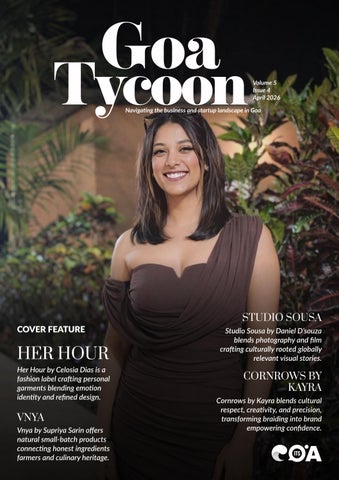

Tycoon
Volume 5
Navigating the business and startup landscape in Goa


COVER FEATURE
Her Hour
Her Hour by Celosia Dias is a fashion label crafting personal garments blending emotion identity and refined design.
Vnya Vnya by Supriya Sarin offers natural small-batch products connecting honest ingredients farmers and culinary heritage.
Studio Sousa
Studio Sousa by Daniel D’souza blends photography and film crafting culturally rooted globally relevant visual stories.
Cornrows by Kayra
Cornrows by Kayra blends cultural respect, creativity, and precision, transforming braiding into brand empowering confidence.



Editorial
Dear Readers,
As April unfolds, this edition of Goa Tycoon brings together a diverse set of stories shaped by creativity, culture, and conscious entrepreneurship.
Celosia Dias, through Her Hour, approaches fashion as a deeply personal language, crafting garments that reflect emotion, identity, and thoughtful design beyond passing trends.
In the culinary space, Supriya Sarin’s Vnya embraces slow food principles, offering natural, small-batch products that reconnect people with honest ingredients, farmers, and time-honoured traditions.
Daniel D’souza’s Studio Sousa continues to shape compelling visual narratives, blending photography and film to create culturally rooted stories with global relevance across industries.
Punitha “Kayra” Raj, founder of Cornrows by Kayra, transforms braiding into a powerful expression of identity, combining cultural respect, creativity, and precision to build confidence and artistry.
Vindaloo, Goa’s first Konkani OTT platform, opens new doors for regional storytelling, bringing local films and series to a wider audience while preserving the essence of Goan culture.
Shreeja Jhaveri’s Tapti-Maati reimagines cooking as a shared experience, designing artisanal wood-fired ovens and outdoor kitchens that blend tradition, craftsmanship, and community.
Art × Evidence, an initiative by the Antarang Foundation, creates meaningful dialogue by translating research into creative expression, connecting young individuals with mentors, employers, and policymakers.
Together, these stories reveal a key truth about business in Goa: success requires more than ideas. It calls for understanding seasonal rhythms, nurturing loyal customers, staying digitally present, managing resources wisely, and using quieter months to evolve. This mindful approach transforms small ventures into lasting legacies.
Well, that's all I have for you from my desk this month. I hope you enjoy reading this month's issue of Goa Tycoon. Do share it with your friends all across the globe.
Until next month, cheers!
Warm regards,
Jessyl Fernandez Editor
01 Her Hour
02 Vnya
03 Studio Sousa
04 Cornrows by Kayra
05 Vindaloo
06 Tapti-Maati
07 Art event – Art × Evidence Launches, Goa
Introduction
Goa, the tiniest state on the western coast of India, boasts golden pristine beaches, palm-fringed avenues, flavourful food, delicious Portuguese-influenced sweets, and warm, hospitable people. Also known as the Ibiza of India for its partying. A tropical paradise of flora and fauna, from the very famous 'almi' (mushrooms) endemic to its forests, that grow only on the red mud anthills, to the solar prawns that are fished immediately after the monsoons, Goa is unique. Tourists are also attracted to Goa for its cultural heritage - from the famous old Portuguese churches like Se Cathedral in Old Goa, the 16th Century Safa Masjid in Ponda and Shree Mangesha Temple in Mardol, the legendary Arvalem or Pandava Caves where the Pandavas of the Mahabharat fame lived, to its two unique festivals - Carnival and Shigmo. Goa plays host to many festivalsthe International Film Festival of India that promotes cinema, the Serendipity Art Festival, Sunburn Music Festival, to name a few. To showcase this varied heritage of culture, art, tradition, food, and people, in 2015 ItsGoa was born. The main aim was to make it the premier portal for all things Goa. We were able to showcase Goa like never before. Soon our blog-based website transcended the virtual space, with the ItsGoa magazine – a sought-after resource for visitors to Goa from countries like Norway, UK, USA, etc.
Editorial Team
Chief Editor
Jessyl Fernandez
Sales
Donald Fernandez Andrea Fernandes
Content & Social Media Saviola Dias Britney Fernandes
Graphics & Layout Britney Fernandes
For advertising queries: +91 7887330620 / 9370502124
ItsGoa Media Group
Nordic Intent HQ - Floor 3, PDA Colony, Porvorim, Goa 403521
Email: mail@itsgoa.com Website: itsgoa.com



Her Hour by Celosia Dias is a fashion label crafting deeply personal garments, blending emotion, identity, and refined design to create meaningful, lasting experiences beyond trends.
Article by: ItsGoa
Images by: Her Hour
In a fashion landscape often driven by pace and visibility, Her Hour stands apart as a quietly powerful expression of individuality. Conceived by designer Celosia Dias, the label is less about clothing as an end product and more about the experience that surrounds it. It is a space where emotion, memory, and identity are carefully translated into garments that feel deeply personal.
Her Hour is not built on spectacle or seasonal urgency. Instead, it evolves through intention, through listening, understanding, and creating pieces that resonate beyond the surface.
A Foundation Rooted in Craft and Experience
Celosia Dias’ journey into fashion was never accidental. Having studied at Raffles Design International, she entered the industry with both technical training and an instinctive understanding of design. Her early professional years saw her working with globally recognised brands such as Tommy Hilfiger and Satya Paul, as well as alongside established designers including Babita Malkani and Ritu Sakseria.
These formative experiences exposed her to the intricacies of the fashion world, its processes, pressures, and possibilities. More importantly, they shaped her understanding of what it truly takes to build something meaningful from the ground up.
Her first independent venture, Label Celosia Dias in Mumbai, marked an important milestone. It was a space where her creative identity began to take form. However, the disruption caused by the COVID-19 pandemic brought that chapter to an unexpected close, pushing her into a more structured corporate environment. While stable, this phase gradually distanced her from the creative instinct that had always defined her.
The decision to return to design was not immediate, but it was inevitable. Encouraged by her husband and guided by an inner pull towards creation, she chose to begin again, this time with a clearer sense of purpose and a more thoughtful approach.
The Birth of Her Hour
Her Hour emerged not as a continuation of the past, but as a reimagining of it. It reflects a conscious shift towards slower, more meaningful design.
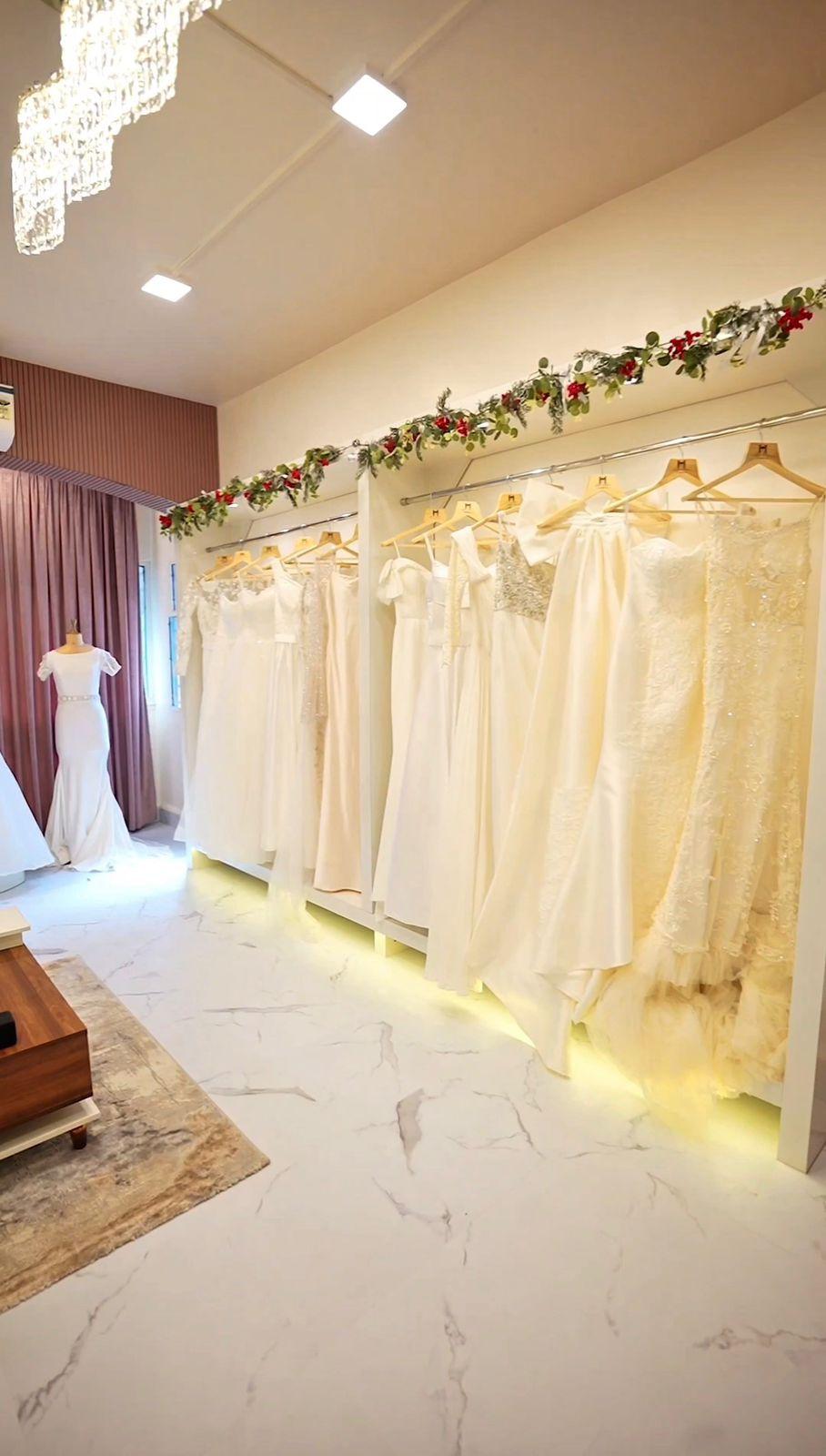
A collection made for forever momentsSoft hues, strong bridal statements
Celosia Dias
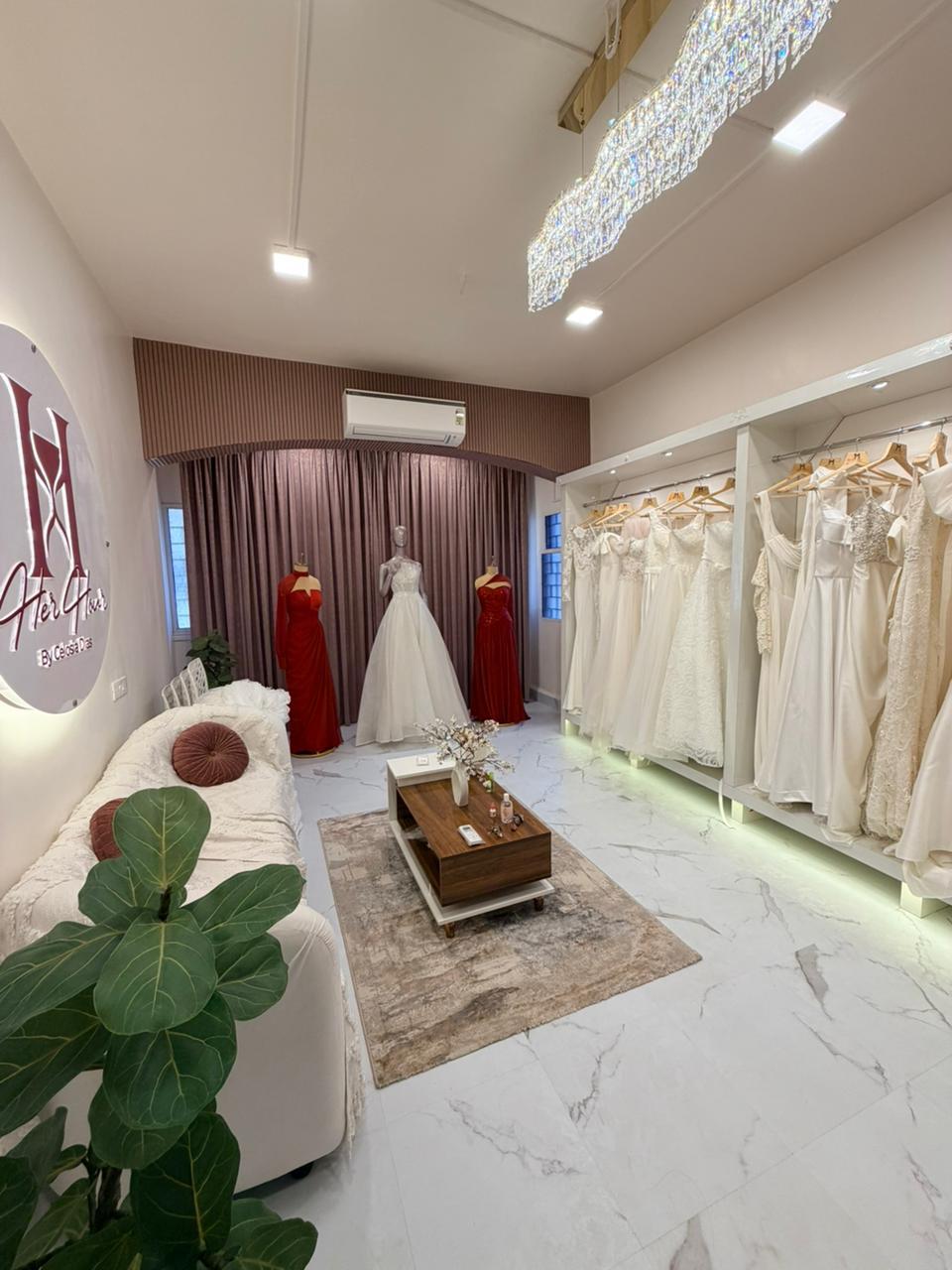
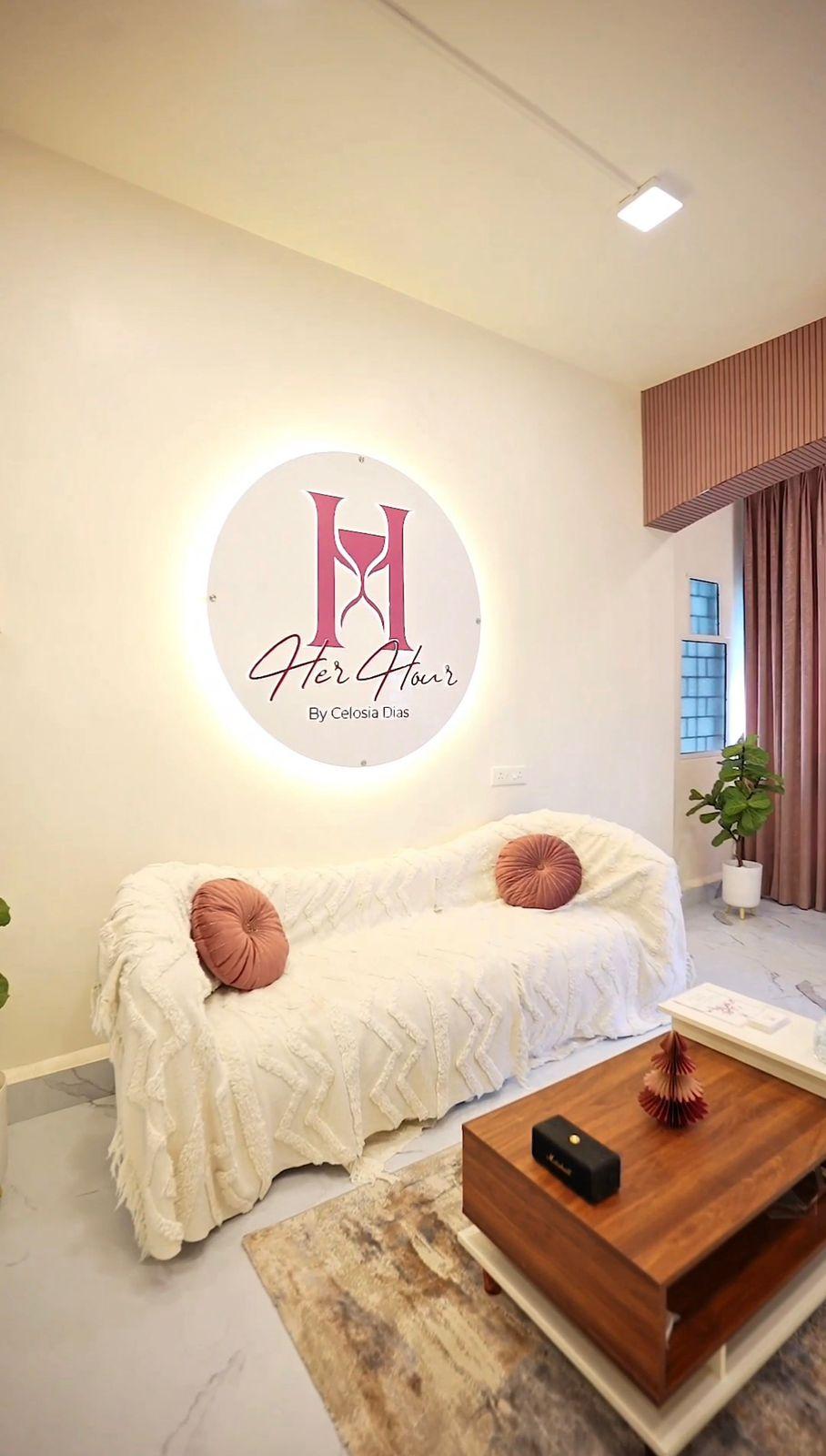
A calm setting for big decisions
Instead of rushing through collections or chasing scale, Celosia chose to focus on depth, on creating fewer pieces, each with greater intention.
The brand is rooted in the idea of personal connection. Every design begins not with a sketch, but with a person, their story, their comfort, their sense of self. This approach transforms the process into something collaborative, where the final piece feels less like a product and more like a shared creation.
A Name That Holds Meaning
The name “Her Hour” carries a quiet yet powerful significance. It suggests a moment that belongs entirely to the woman wearing the design, a space where she is at the centre, uninterrupted and fully present.
Rather than imposing a fixed interpretation, the name allows for fluidity.
It can represent confidence, vulnerability, celebration, or stillness, depending on the wearer and the occasion. This openness is central to the brand’s identity, making each experience uniquely personal
The studio itself mirrors this philosophy. It is not just a place for fittings, but an environment where women can explore how they want to feel, without pressure or expectation.
Designing Beyond the Garment
For Celosia, the true essence of design lies in what cannot be seen immediately. While craftsmanship and detail remain essential, they are only part of a larger narrative. What matters equally is the emotional journey that unfolds during the creation process. From the first conversation to the final fitting, each step is treated with care.
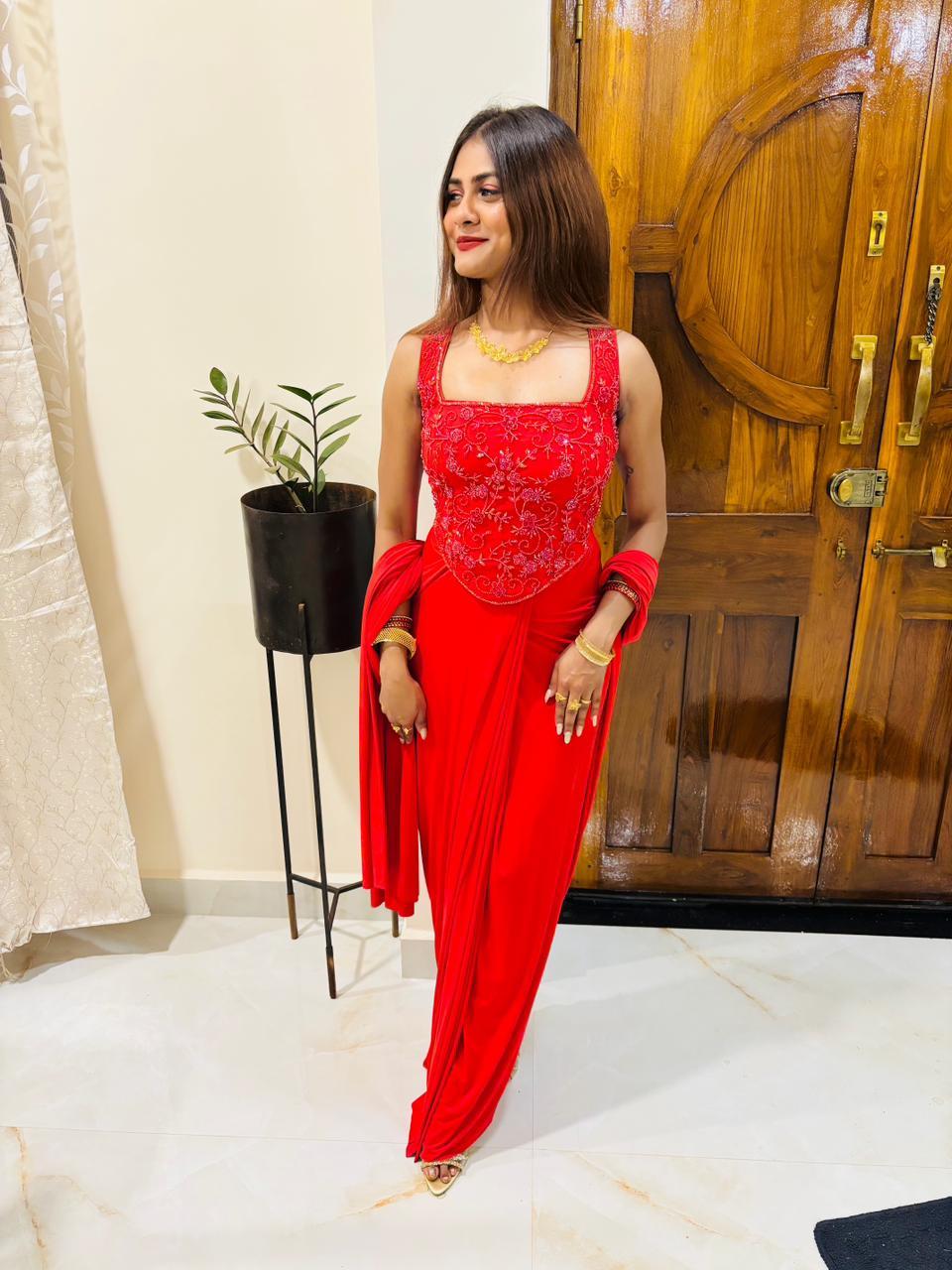
Drape Saree Skirt with a corset blouse

Celosia Dias
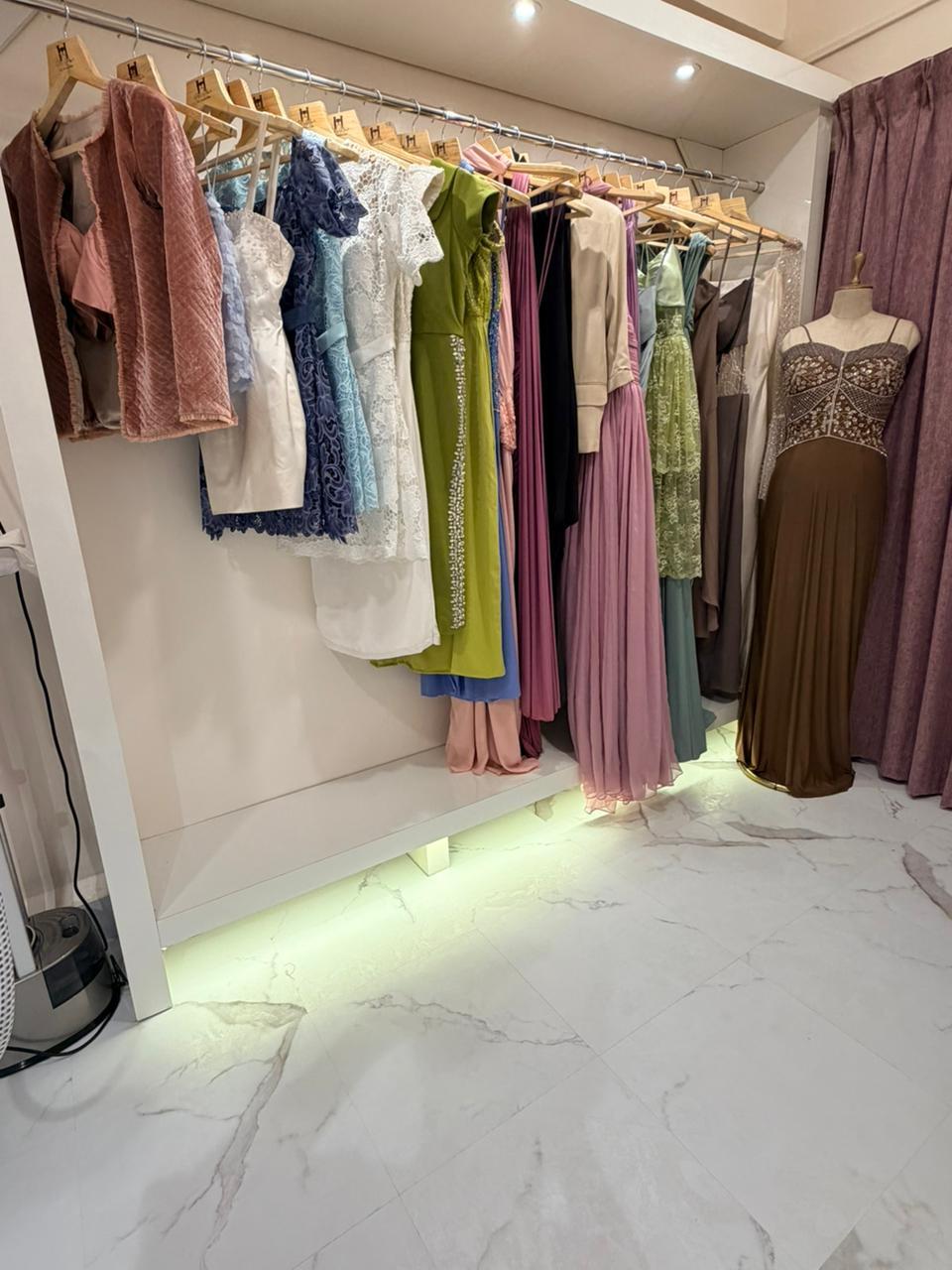
Curated looks for every occasion
There is attention to how a fabric moves, how a silhouette frames the body, and how subtle adjustments can transform the overall experience. These details, though often overlooked, shape the way a woman connects with what she wears.
The concept of “moments” is central to Her Hour. It is reflected in the quiet pause when a piece finally feels right, in the confidence that emerges during a fitting, and in the sense of recognition when the design aligns perfectly with the wearer’s identity. These are the experiences that endure, long after the occasion has passed.
Designing for Different Phases of a Woman’s Life
Her Hour moves fluidly across categories, from bridal to evening wear, adapting its approach to suit the emotional tone of each moment. Bridal pieces are often softer, reflecting intimacy and vulnerability, while evening designs may embrace boldness and expression.
Despite these variations, the core philosophy remains unchanged. Each design is created not for the occasion alone, but for the version of the woman stepping into it.
This perspective allows for a more nuanced approach, where clothing becomes a reflection of mood and identity rather than a predefined category.
An Aesthetic That Endures
Visually, Her Hour is defined by restraint and refinement. Soft tones, fluid fabrics, and timeless silhouettes form the foundation of its aesthetic. There is a deliberate avoidance of excess, replaced instead by details that reveal themselves gradually.
This preference for subtlety ensures that each piece remains relevant over time. Rather than being tied to trends, the designs are intended to be revisited, remembered, and worn with the same sense of connection years later.
In bridal wear especially, this approach holds particular significance. By prioritising elegance over extravagance, the designs allow the individual to remain at the forefront, ensuring that the memory of the moment feels authentic and enduring.
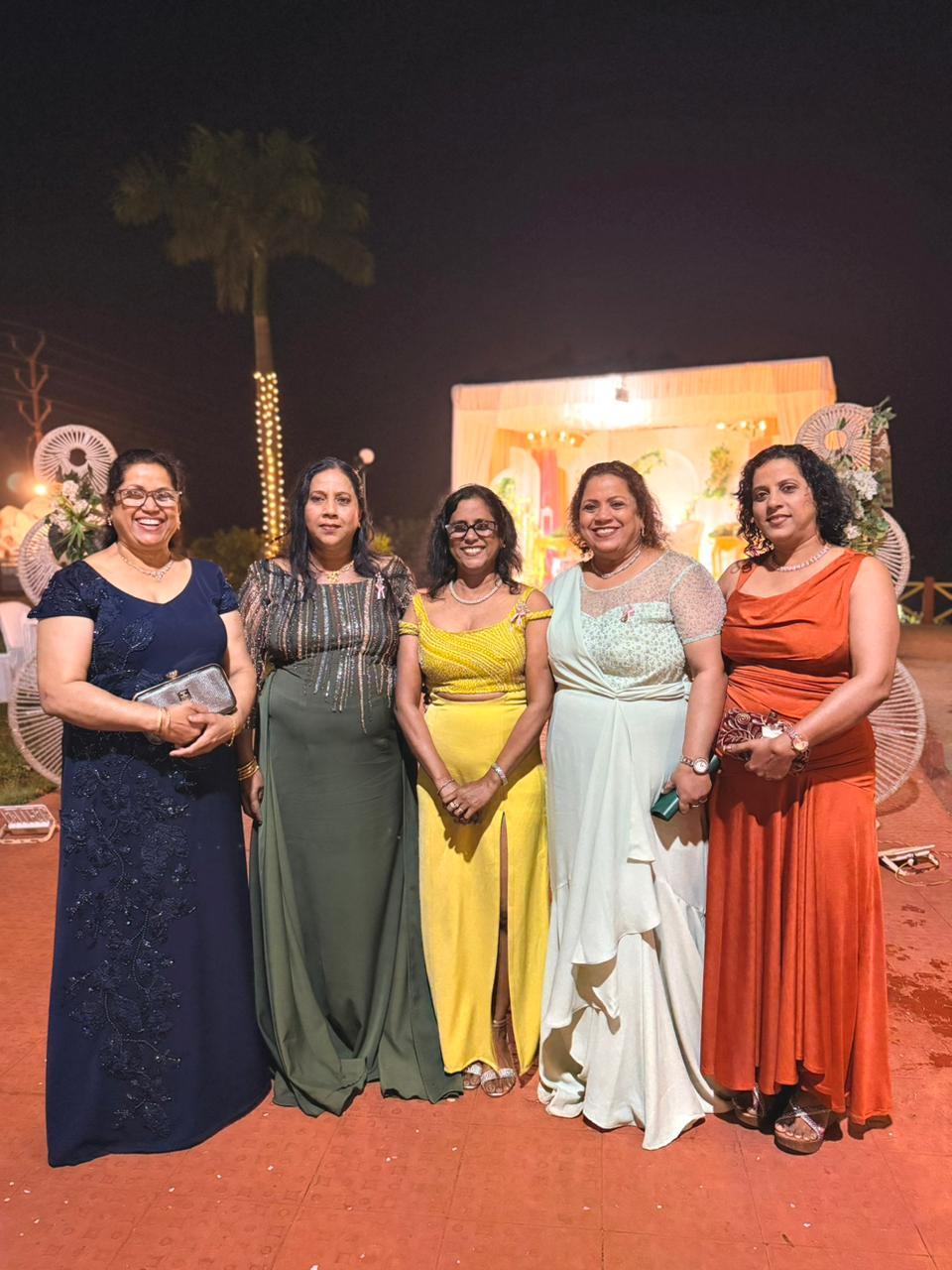
Confidence styled in every look
Building the World of Her Hour
The creation of the Her Hour studio was an extension of the brand’s philosophy. Designed entirely by Celosia, the space reflects her vision of softness and quiet luxury. Achieving this, however, required patience and persistence.
From selecting the right textures and tones to refining the smallest visual elements, the process was meticulous. It was not without challenges, but it reinforced the importance of staying true to a vision, even when it takes time to realise.
Throughout this journey, the support of her husband played a defining role. His encouragement ensured that compromises were avoided, allowing the space to fully embody the essence of Her Hour.
A Journey Still Unfolding
Her Hour is not positioned as a destination, but as an ongoing journey. Celosia approaches her work with a sense of openness, recognising that growth is continuous and often internal.
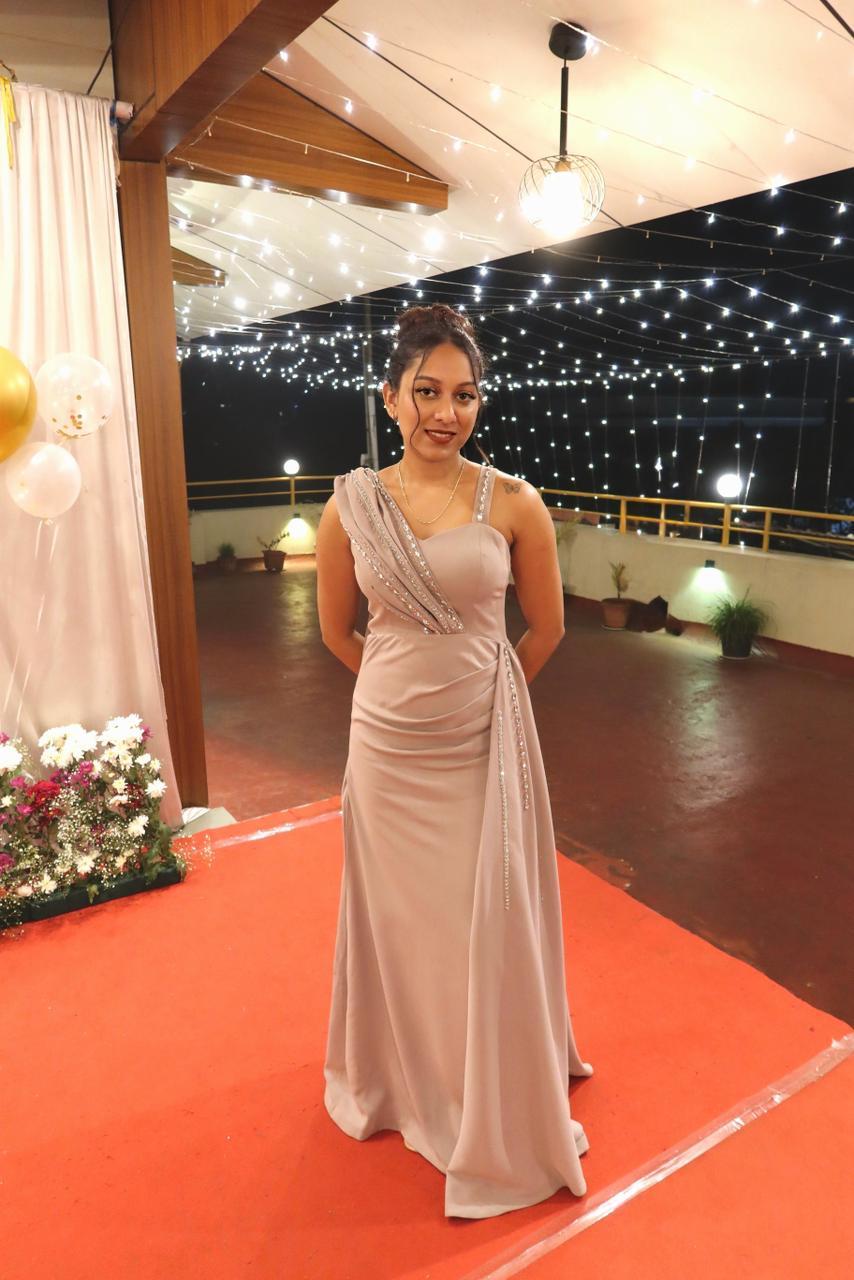
One shoulder drape gown with crystal and diamond embellishments for her special day
There is no singular moment of arrival. Instead, there is a steady progression, an evolving understanding of her craft, her vision, and the women she designs for. This quiet growth, though not always visible, shapes the foundation of the brand.
The Feeling That Defines Her Hour
At its heart, Her Hour is about how a woman feels when she steps into a piece, effortless, confident, and entirely herself. There is no sense of performance, no pressure to conform. The design simply aligns, both physically and emotionally.
In an industry that often prioritises appearance, Her Hour shifts the focus inward. It reminds us that the most meaningful creations are those that connect on a deeper level, where design is not just seen, but felt.
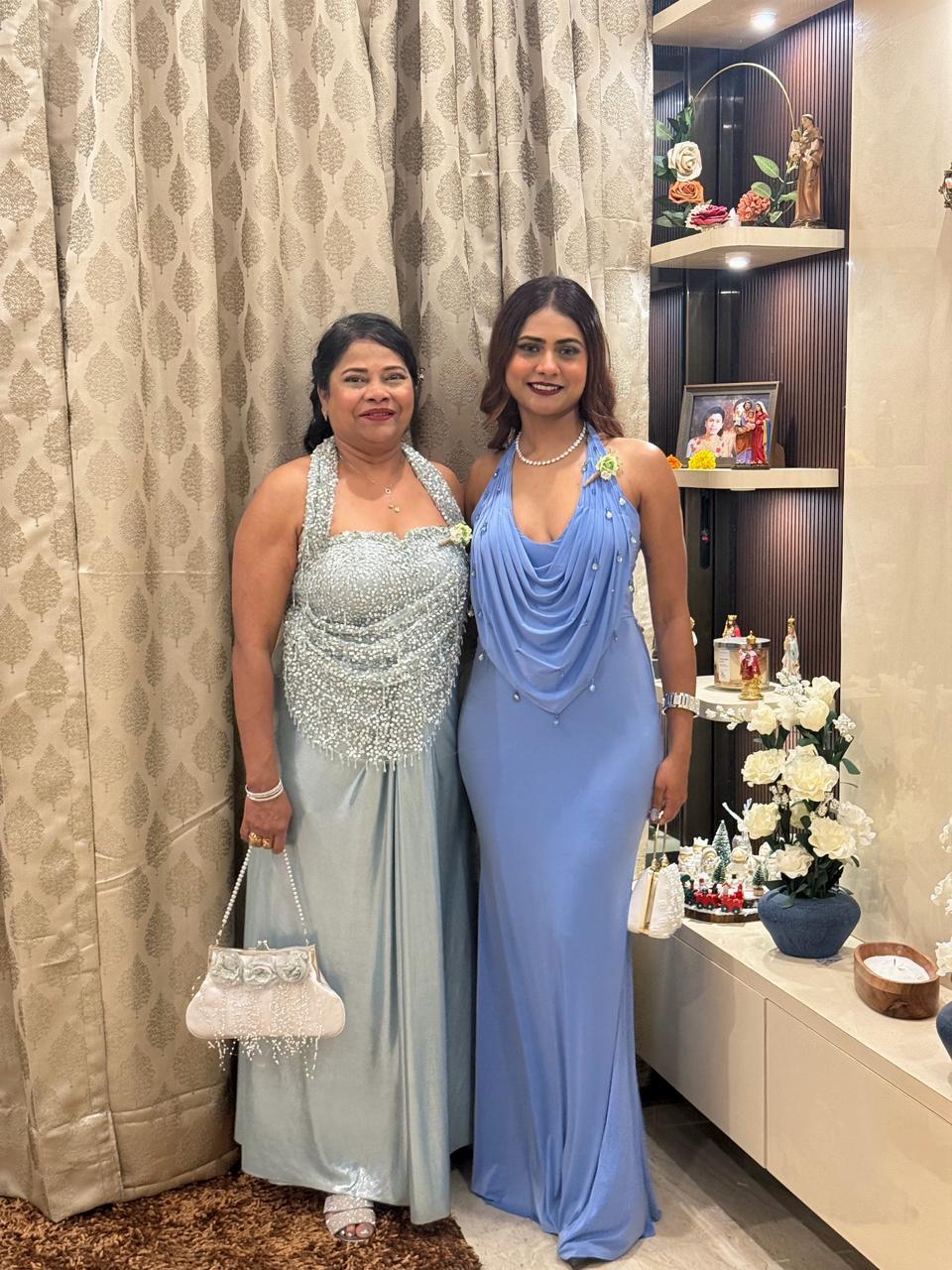
Turquoise Saree gown and cobalt blue bodycon dress with embellished cowl neck
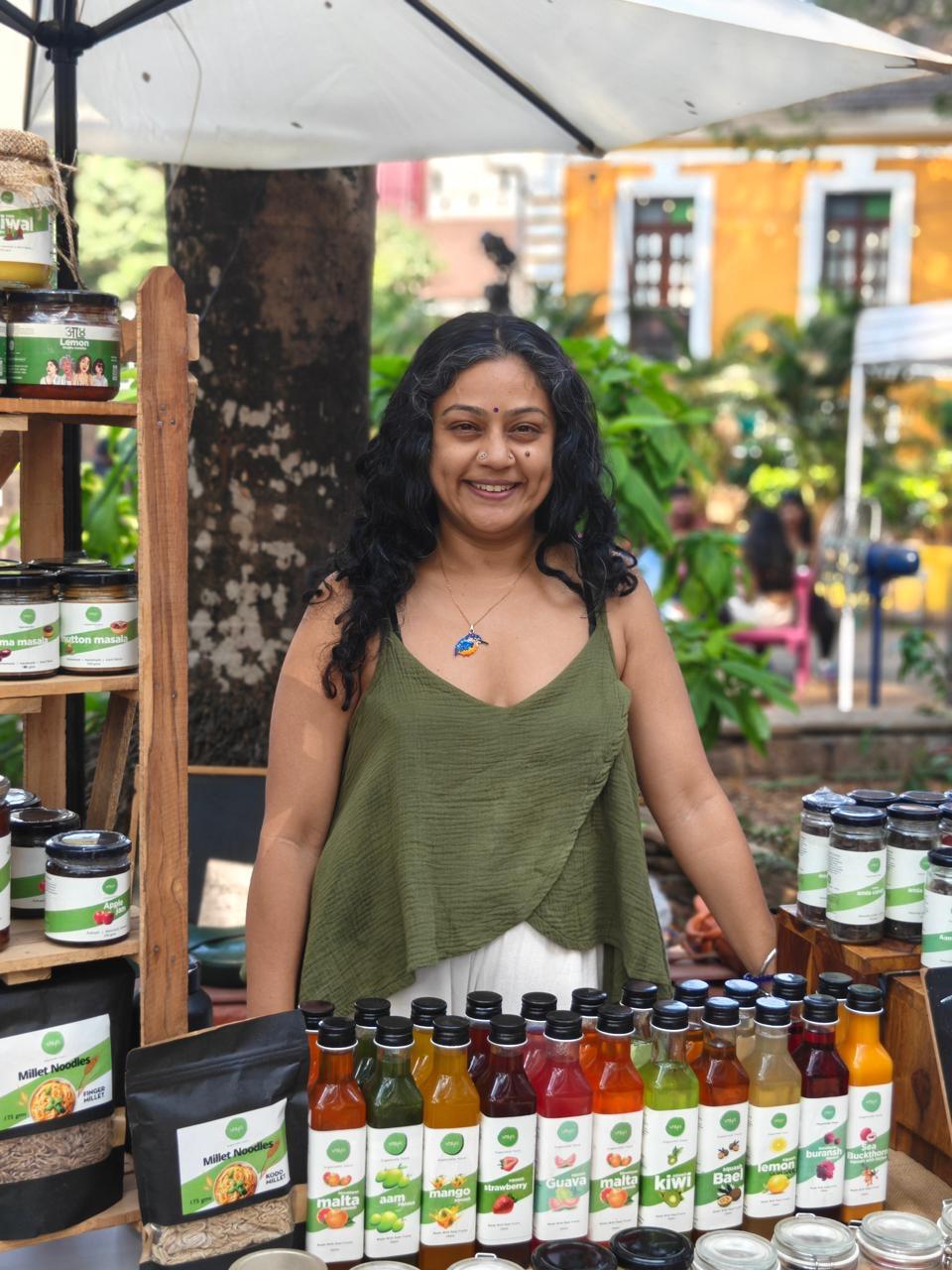
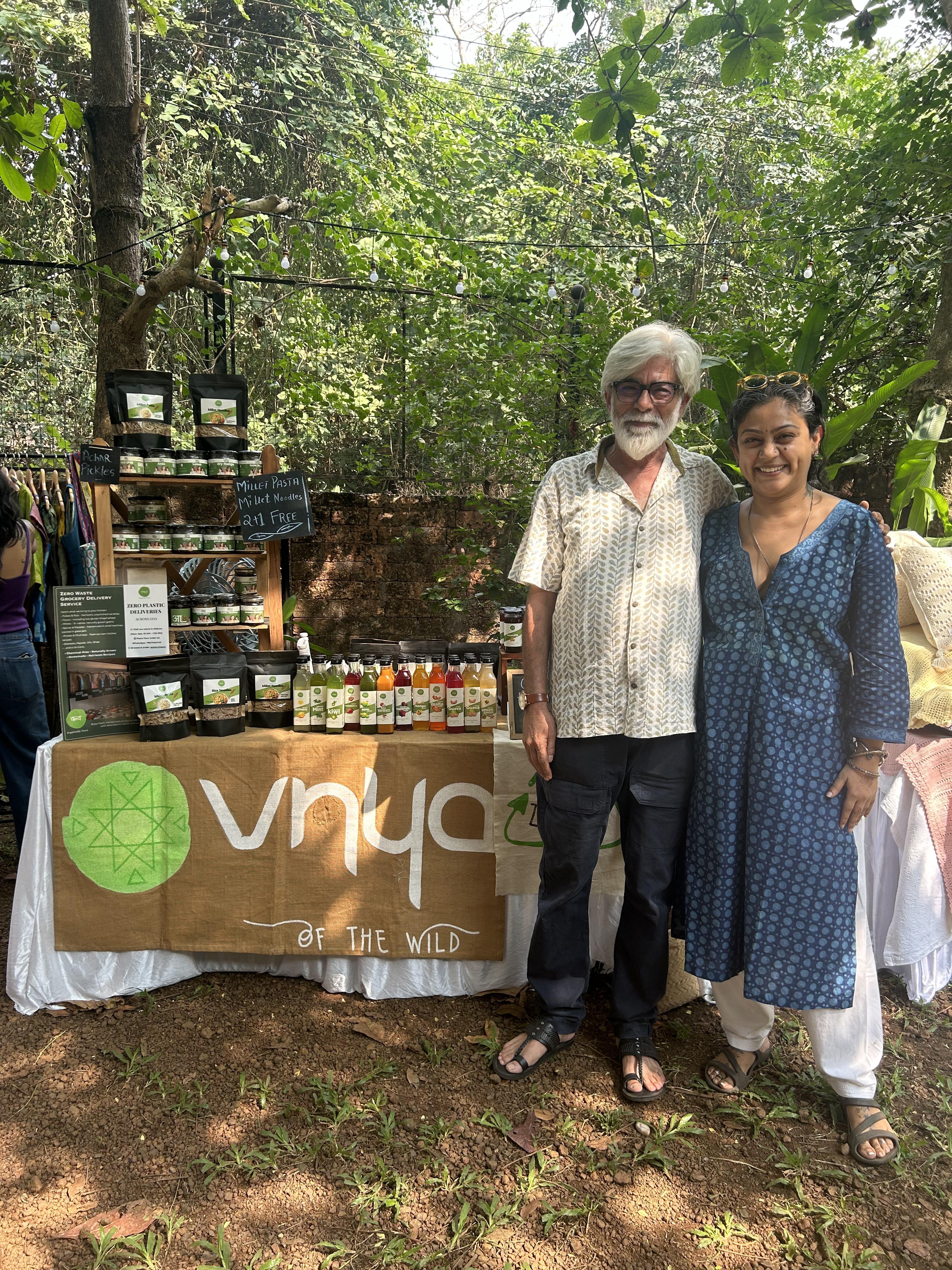
Vnya, founded by Supriya Sarin, is a slow food brand rooted in traditional methods, offering natural, small-batch products that reconnect people with honest ingredients, farmers, and culinary heritage.
Entrepreneur Vnya
Article by: ItsGoa
Images by: Vnya
In an age where food is often shaped by speed, mass production, and aggressive marketing, a quiet movement toward slower, more thoughtful consumption is beginning to take root. At the heart of this shift is Vnya, a homegrown food brand founded by Supriya Sarin, built on the principles of honest ingredients, traditional cooking methods, and a deep respect for nature and farmers. What began as a personal search for cleaner food has grown into a meaningful venture that reconnects people with the origins of what they eat.
A Journey Rooted in Curiosity and Independence
Supriya Sarin’s professional journey did not begin in the world of food. After studying mass communication at Sophia College in Mumbai, she entered the workforce at just 19, balancing her studies while building the foundations of a career. Her early years were shaped by a strong desire for independence and a determination to make her family proud.
Growing up in a joint family, Supriya witnessed the challenges her parents navigated, particularly the limited independence they experienced in making life decisions. Her mother was determined that her children would grow up differently, independent, confident, and capable of shaping their own paths. That mindset stayed with Supriya as she ventured into the advertising industry.
For nearly 15 years, she worked in advertising, eventually establishing her own advertising production house. The industry provided valuable lessons in storytelling, brand building, and creativity. Yet over time, she began to feel a growing disconnect between the work she was doing and the values she wanted to live by.
Advertising often centred on persuading people to buy products that were not always beneficial, and this realisation gradually created a sense of unease. That inner conflict led Supriya to question what she truly wanted to build, and ultimately pushed her toward something more meaningful and grounded.
The Personal Turning Point That Led to Vnya
The idea for Vnya emerged during a deeply personal moment in Supriya’s life. Her search for clean food began when her four-legged boy, Leo, fell seriously ill and was diagnosed with an autoimmune condition. The experience prompted her to rethink the kind of food she was consuming and feeding her family. Around the same time, her father-in-law was diagnosed with cancer and was advised to follow a clean, satvic diet made from simple, chemical-free ingredients. These back-to-back experiences led Supriya to ask a fundamental question: what exactly were people consuming every day?
When Supriya began searching for truly chemicalfree ingredients, she discovered how difficult it was to find food that was both transparent in its sourcing and minimally processed. Her search led her to farmers in the mountains of Uttarakhand who were still cultivating crops using traditional practices passed down through generations.
What began as an effort to feed her own family better gradually evolved into something much larger. Recognising that many others were facing the same challenge, Supriya decided to create a platform that could connect people with honest, naturally grown food. That search became the foundation of Vnya.
The WE Collective
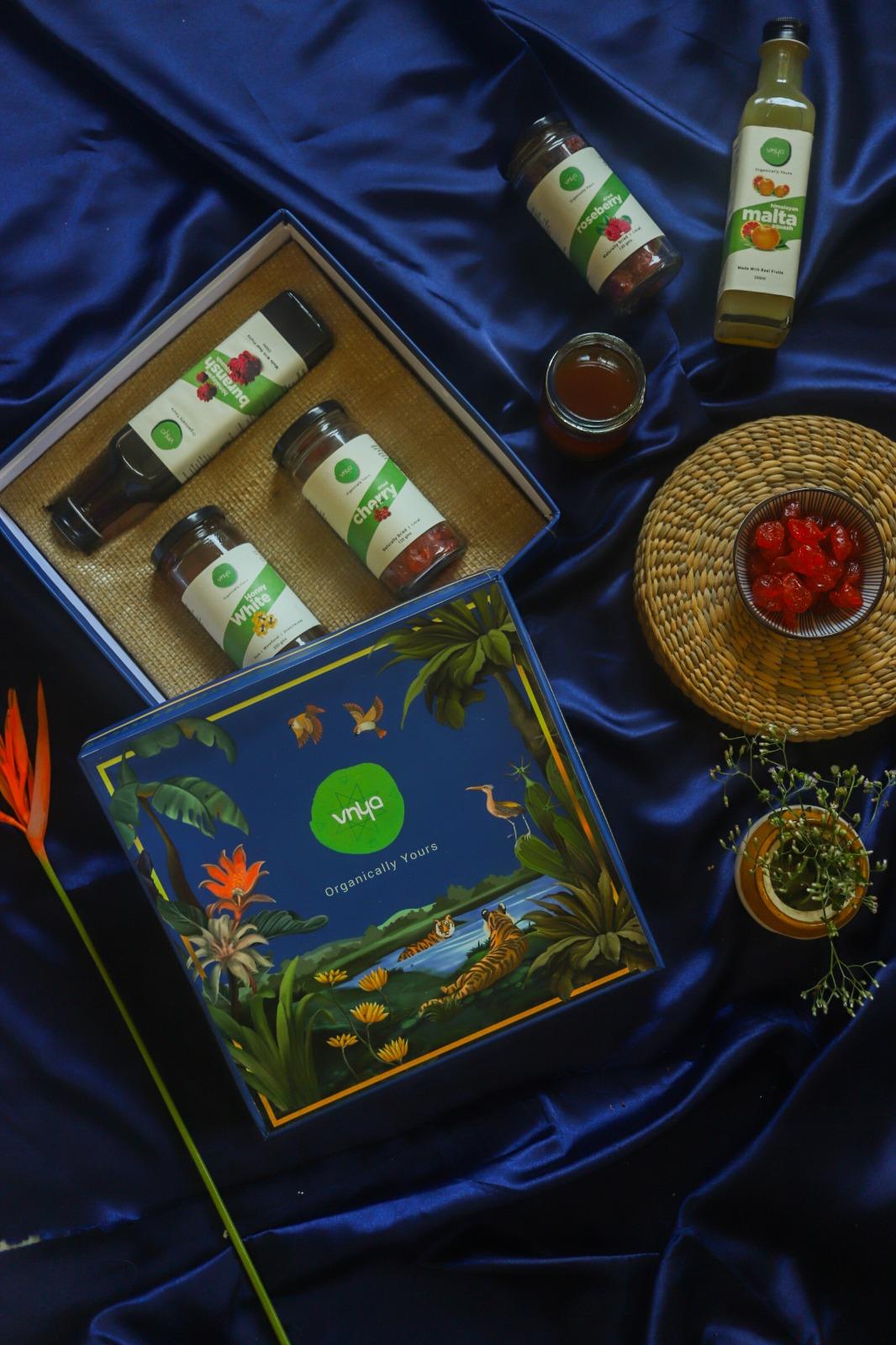
Heirloom Harvest in Every Jar
The Meaning Behind the Name
The name Vnya itself carries a deeper significance. Derived from Sanskrit, it loosely translates to “of the wild” or “belonging to the forest.” For Supriya, the name reflects humanity’s deep connection to nature, a connection that modern lifestyles have increasingly distanced people from.
The philosophy behind the brand is simple yet powerful: progress and innovation are important, but not everything from the past needs to be replaced. Many traditional methods of growing, cooking, and preserving food were shaped over generations with a deep understanding of land, seasonality, and sustainability.
While harmful traditions must be questioned, Supriya believes the wisdom embedded in traditional food practices is worth preserving. Vnya aims to honour those practices while making them relevant for contemporary consumers.
Inspired by a Mother’s Kitchen
At the emotional core of Vnya lies the memory of Supriya’s mother. Food was always central to family life while she was growing up. Her mother, who learned to cook at a young age after marriage, became an exceptional home cook who expressed care and love through the meals she prepared. She enjoyed experimenting in the kitchen but remained deeply rooted in traditional techniques and flavours. The kitchen was a place of creativity and generosity, where feeding others brought immense joy. Interestingly, Supriya herself had left home early and never learned to cook during her younger years, as she was focused on building her career. Yet life eventually led her back to the very place she once overlooked.
After her mother passed away, Supriya returned home and discovered old cookbooks and a diary filled with carefully written recipes. Among them were recipes that would later inspire several Vnya products.
These small fragments of memory, handwritten notes, recipes, and the aromas of her mother’s cooking, continue to shape the spirit of the brand today. In many ways, Vnya is an extension of that kitchen and the love that once filled it.
A Pantry Inspired by Indian Home Kitchens
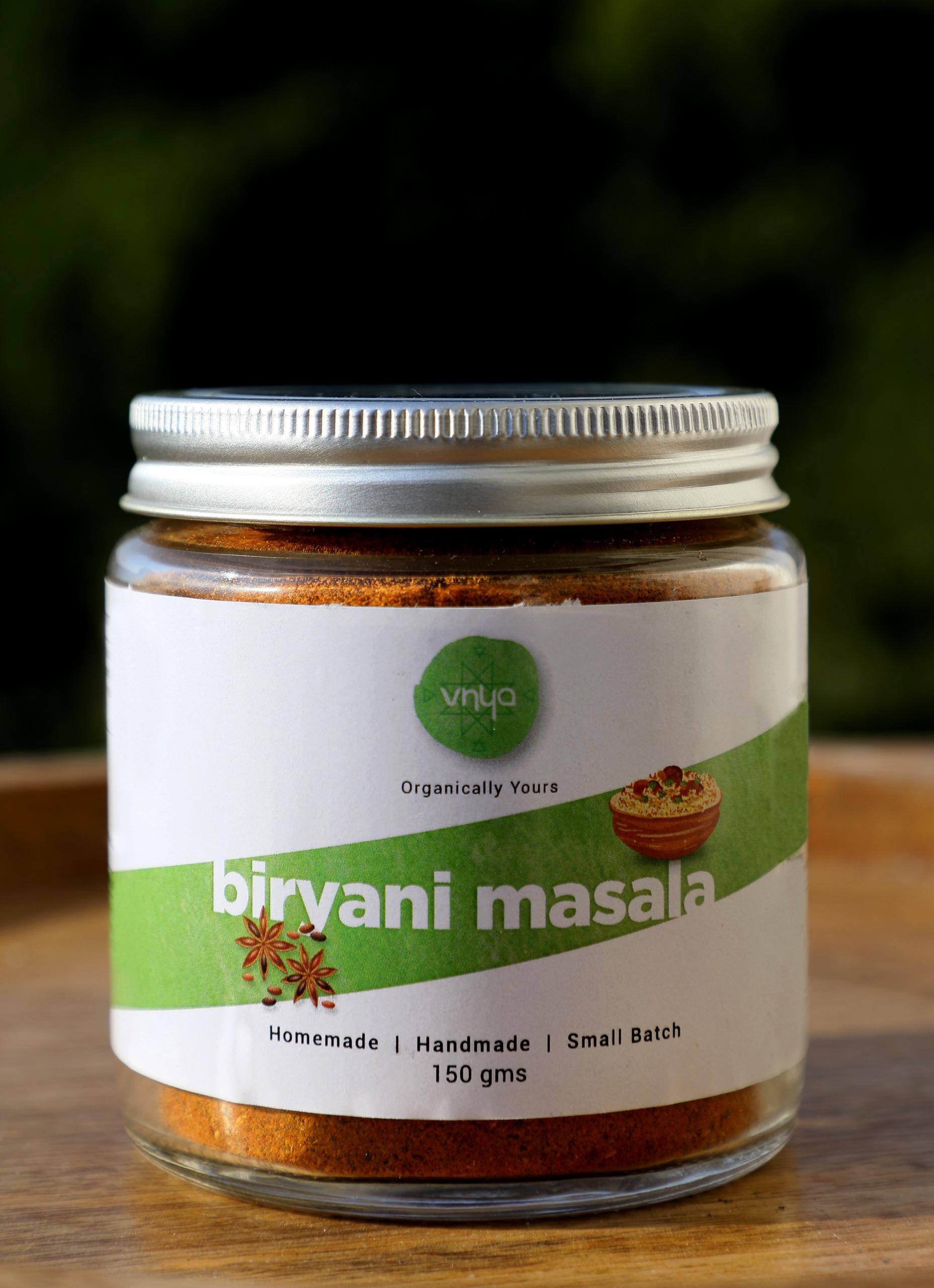
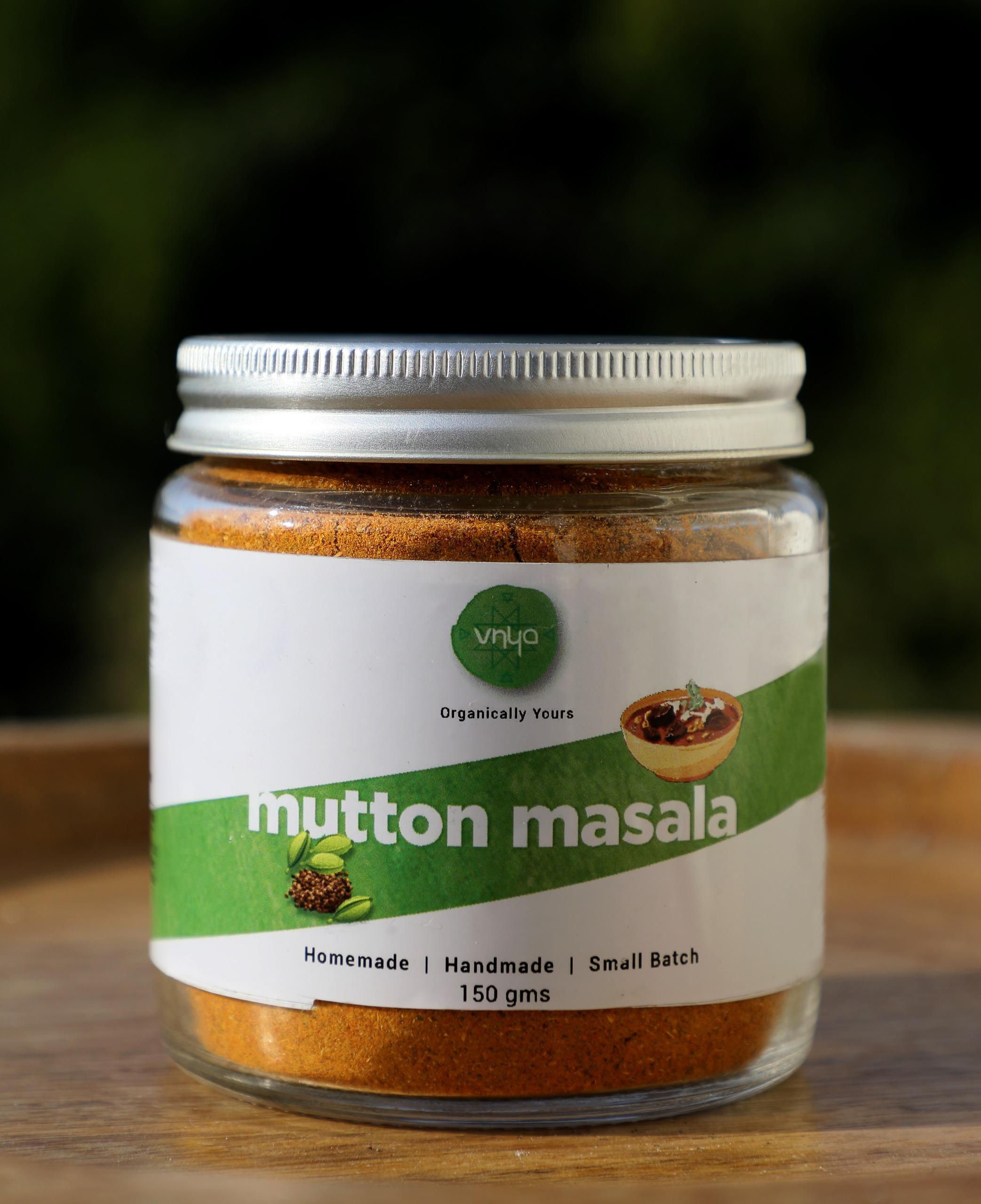
Vnya’s product range reflects the kind of food traditionally found in Indian homes. The brand produces small-batch pickles, masalas, jams, fruit preserves, raw honey, and traditional fruit squashes.
What distinguishes these products from commercial alternatives is the way they are made. Ingredients are sourced from naturally grown farms, many located in the Himalayan regions of Uttarakhand, and prepared using simple recipes rooted in traditional Indian cooking. Rather than focusing on uniformity and long shelf life, the brand prioritises freshness, seasonality, and minimal processing.
Its fruit squashes are particularly distinctive, made from regional ingredients such as buransh (rhododendron), malta, bael, litchi, and sea buckthorn.
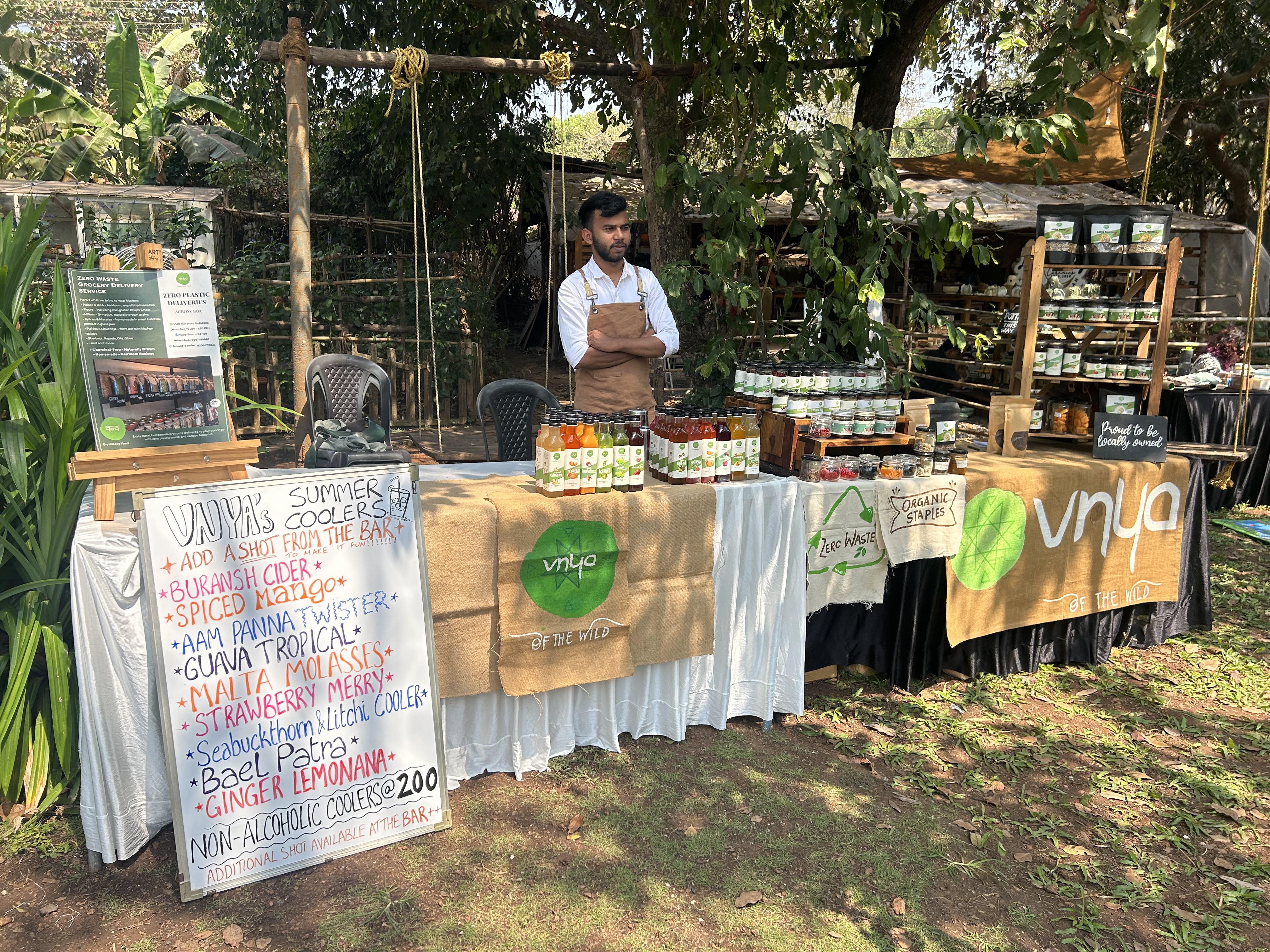
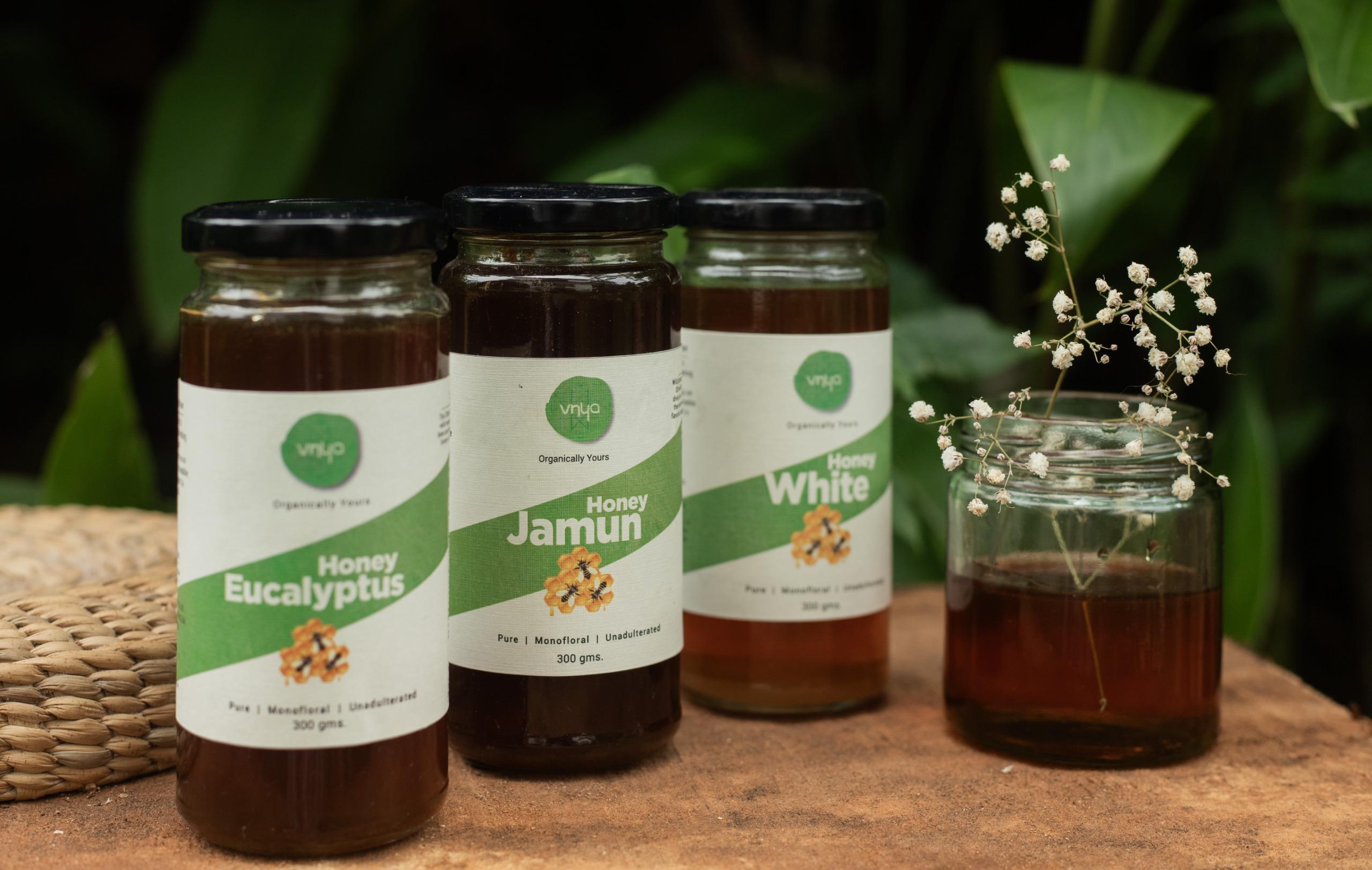
These fruits have long been part of local food traditions but rarely appear on mainstream supermarket shelves today. By reviving these ingredients, Vnya aims not only to create flavourful products but also to preserve elements of India’s diverse culinary heritage.
The Importance of Seasonal and Local Sourcing
For Supriya, sourcing locally and seasonally is the most honest way to work with food. Over time, she developed close relationships with farmers in Uttarakhand who continue to grow food using traditional methods.
The region’s rich biodiversity makes it home to unique ingredients and indigenous agricultural practices. One example she often highlights is the Badri cow, a native Himalayan breed that grazes freely on medicinal herbs in forested landscapes. Milk from these cows is traditionally churned into bilona ghee, producing a flavour and quality that reflects the region’s ecosystem.
Such experiences reinforce Supriya’s belief that food is inseparable from the land it comes from.
Ingredients harvested in their natural season carry a character that cannot be replicated through industrial farming. By working directly with farmers, Vnya ensures transparency while supporting small agricultural communities.
The Philosophy of Old-Fashioned Cooking
At Vnya, the concept of “old-fashioned cooking” is less about nostalgia and more about patience and respect for ingredients. Traditional Indian kitchens often relied on slow processes.
Spices were roasted gently, fruits simmered into preserves, and pickles matured under the sun. Recipes were passed down through observation and instinct, what many refer to as andaz se cooking.
This instinctive approach valued time and attentiveness. At Vnya, small-batch production allows the team to maintain that same level of care. Chemical-free methods are not viewed as a trend but rather as a continuation of practices that existed long before industrial food processing became widespread. The goal is simple: allow good ingredients to speak for themselves.
Maintaining Integrity in Every Jar
Maintaining quality while growing a brand requires conscious restraint. For Supriya, the guiding principle is straightforward, if she would not serve a product to her own family, it should not carry the Vnya name.
Every jar that leaves the kitchen represents that responsibility. By avoiding shortcuts such as artificial additives or heavily altered processes, the brand ensures that each product remains as close as possible to the way food is traditionally prepared at home.
This commitment also means that variations between batches are natural. Fruits harvested in different seasons or regions may produce slightly different flavours, a reminder that food ultimately comes from nature rather than factories.
Small Batch, Bold Flavor - Mutton Masala
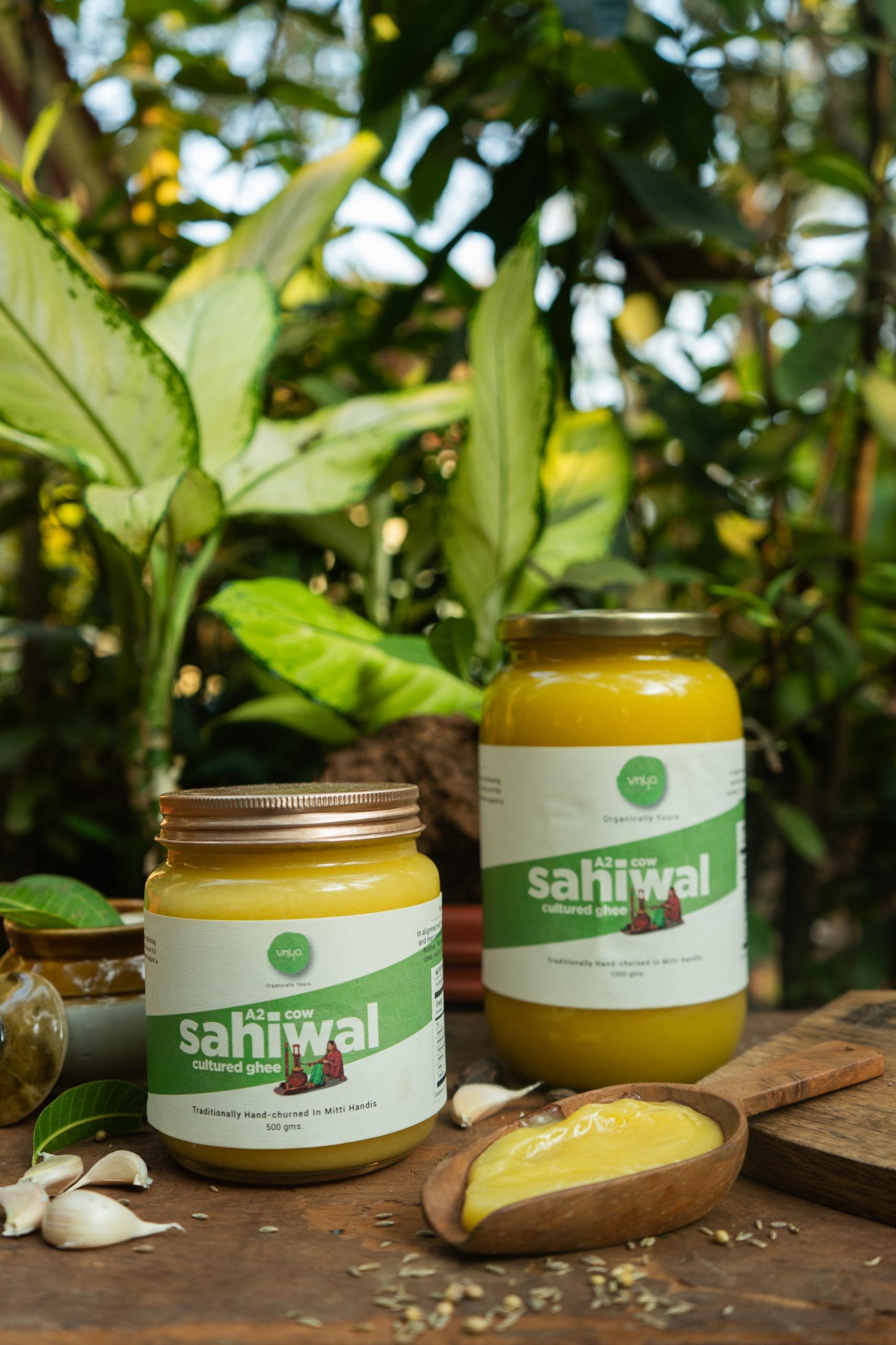
Challenges of Building a Slow-Food Brand
Building a handmade food brand in today’s fastmoving market is not without its challenges. The modern food industry is largely structured around scale, speed, and long shelf life, factors that do not easily align with slow, artisanal production.
Seasonal ingredients and small-batch cooking inevitably increase costs and production time. At the same time, the food industry increasingly emphasises packaging, branding, and marketing narratives rather than the product itself. Despite these obstacles, Supriya remains committed to keeping the focus on ingredients, farmers, and authentic processes. Encouragingly, she has also noticed a growing curiosity among consumers about where their food comes from. This shift suggests that conversations around food are slowly evolving toward greater transparency and awareness.
Beyond Food: Building a Conscious Ecosystem
While Vnya began as a food brand, its vision extends beyond products. Supriya also co-founded The Clean Food Market, a platform that brings together small, like-minded food producers within local communities. The initiative encourages people to discover food makers who prioritise natural ingredients and traditional methods.
Another initiative, Waste-less by Vnya, focuses on reducing waste in events, housing societies, and everyday environments. Through this effort, Supriya hopes to address the environmental impact of consumption, an aspect she believes the food industry often overlooks. Together, these initiatives represent a broader mission to build a more conscious food ecosystem.
Looking Toward the Future
Supriya’s long-term vision for Vnya is to grow it into a brand that represents honest Indian food, food that respects the people who grow it, the land that nurtures it, and the traditions that shaped it.
India’s culinary heritage is vast, yet many regional ingredients, grains, and recipes are gradually disappearing from everyday kitchens. Through Vnya, she hopes to revive some of these forgotten elements and introduce them to a new generation.
At its core, Vnya remains what it was at the beginning: a reminder to stay rooted. By reconnecting food with farmers, traditions, and nature, the brand hopes to encourage a more thoughtful relationship with what people choose to eat. In doing so, Vnya quietly reminds us that sometimes the most meaningful progress lies in rediscovering the wisdom of the past.
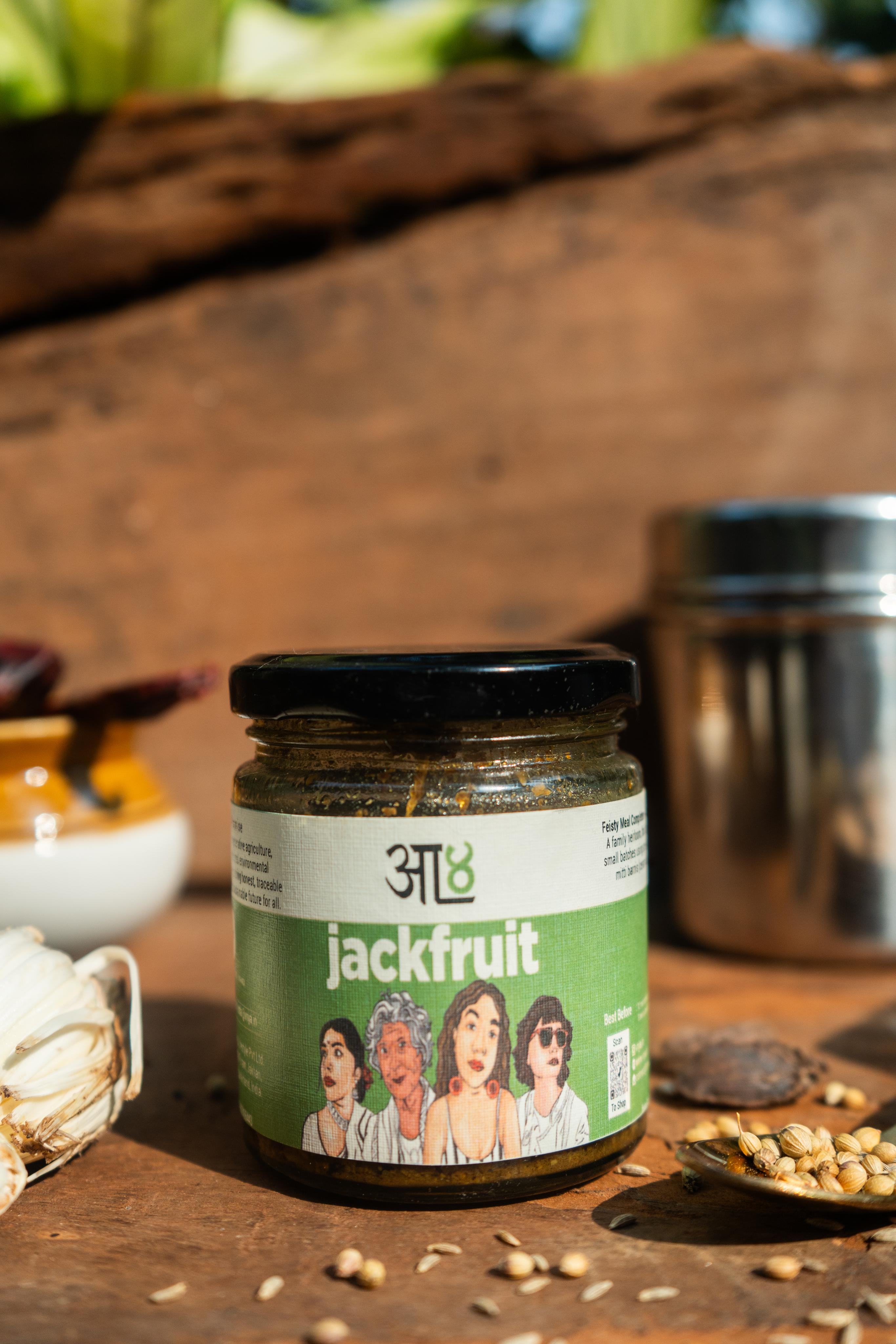
Jackfruit pickle
Photography & Film Production
Studio Sousa
Studio Sousa, led by Daniel D’souza, is a creative production house blending photography and film to craft culturally rooted, globally relevant visual stories across fashion, documentary, and commercial work.

Article by: Team ItsGoa
Images by: Studio Sousa
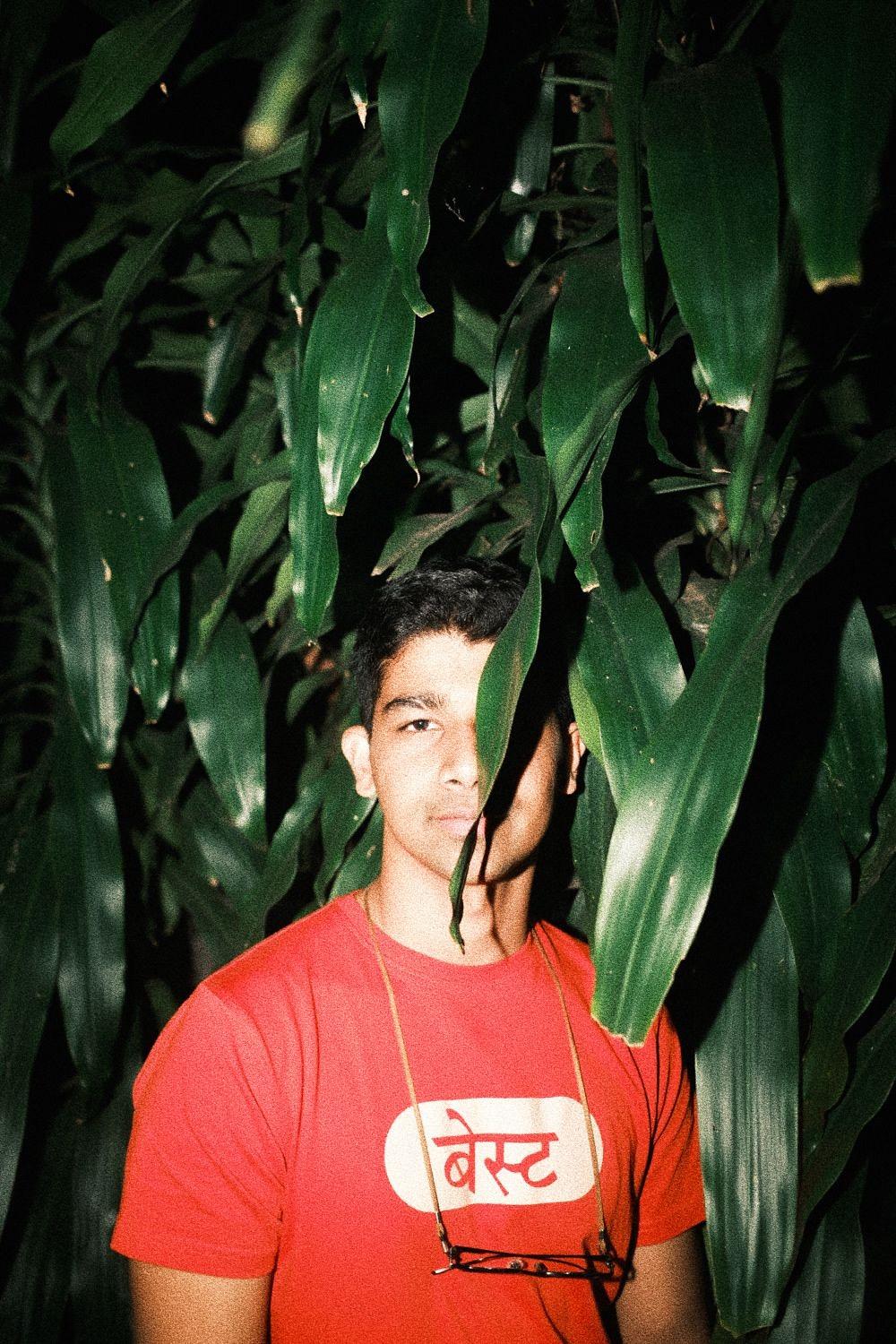
Daniel D’souza, an editorial photographer working between Goa and Bombay, represents a new wave of image-makers who blur the lines between art and communication. With a deep-rooted interest in typography, design, and visual storytelling, his creative journey began at the age of sixteen, when photography first became more than just a tool, it became a way of understanding people.
His work has been featured in leading global publications such as Vogue India, National Geographic UK, and Time Magazine, among others, further establishing the reach and credibility of his visual practice.
From the outset, he found himself drawn to photographers who captured human stories with authenticity and nuance. This early fascination evolved into a career that now bridges editorial, documentary, and commercial work, allowing him to collaborate with brands while maintaining a strong narrative core in his imagery.
The Vision Behind Studio Sousa
Studio Sousa was conceived as a creative production house that operates at the intersection of photography and film.
Its foundation lies in a clear and compelling vision: to collaborate with brands and individuals in telling stories that meet global production standards, while remaining deeply anchored in local culture and identity.
Rather than chasing fleeting trends, the studio emphasizes meaningful storytelling, ensuring that every project resonates beyond the immediate moment. It is this balance of international sensibility and cultural rootedness that defines Studio Sousa’s creative direction.
A Unified Approach Across Diverse Genres
Daniel’s work spans fashion, portraiture, product photography, and advertising campaigns, yet he approaches each with a consistent philosophy.
While the subject matter may change, the underlying principles, composition, light, and storytelling, remain constant. Each genre contributes to his growth as a photographer. Still life sharpens precision and lighting control, documentary work enhances instinct and responsiveness, and fashion allows for expressive storytelling. For him, these disciplines are not separate categories but interconnected practices that inform and elevate one another.
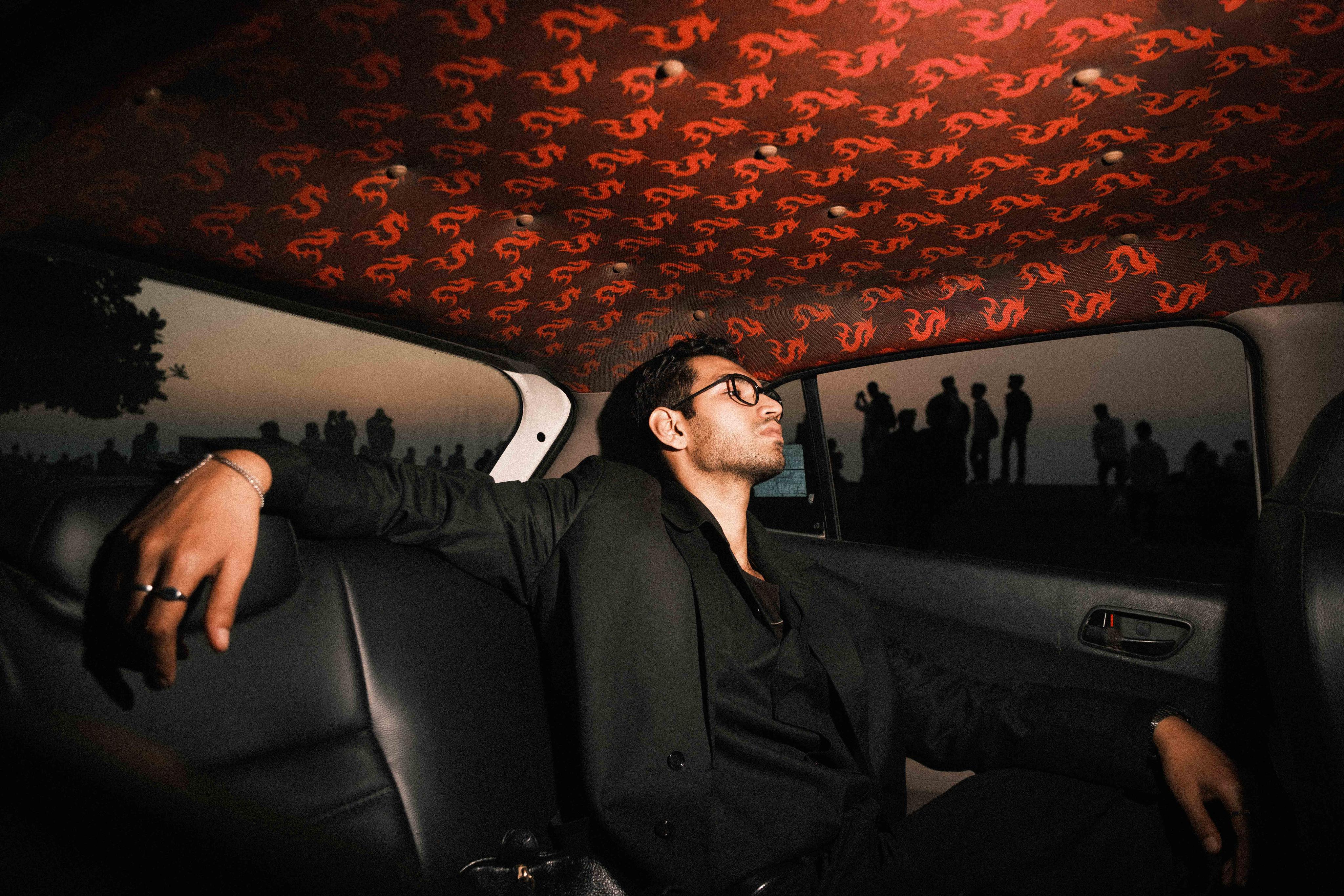
Fashion campaign for Sonawane Studio
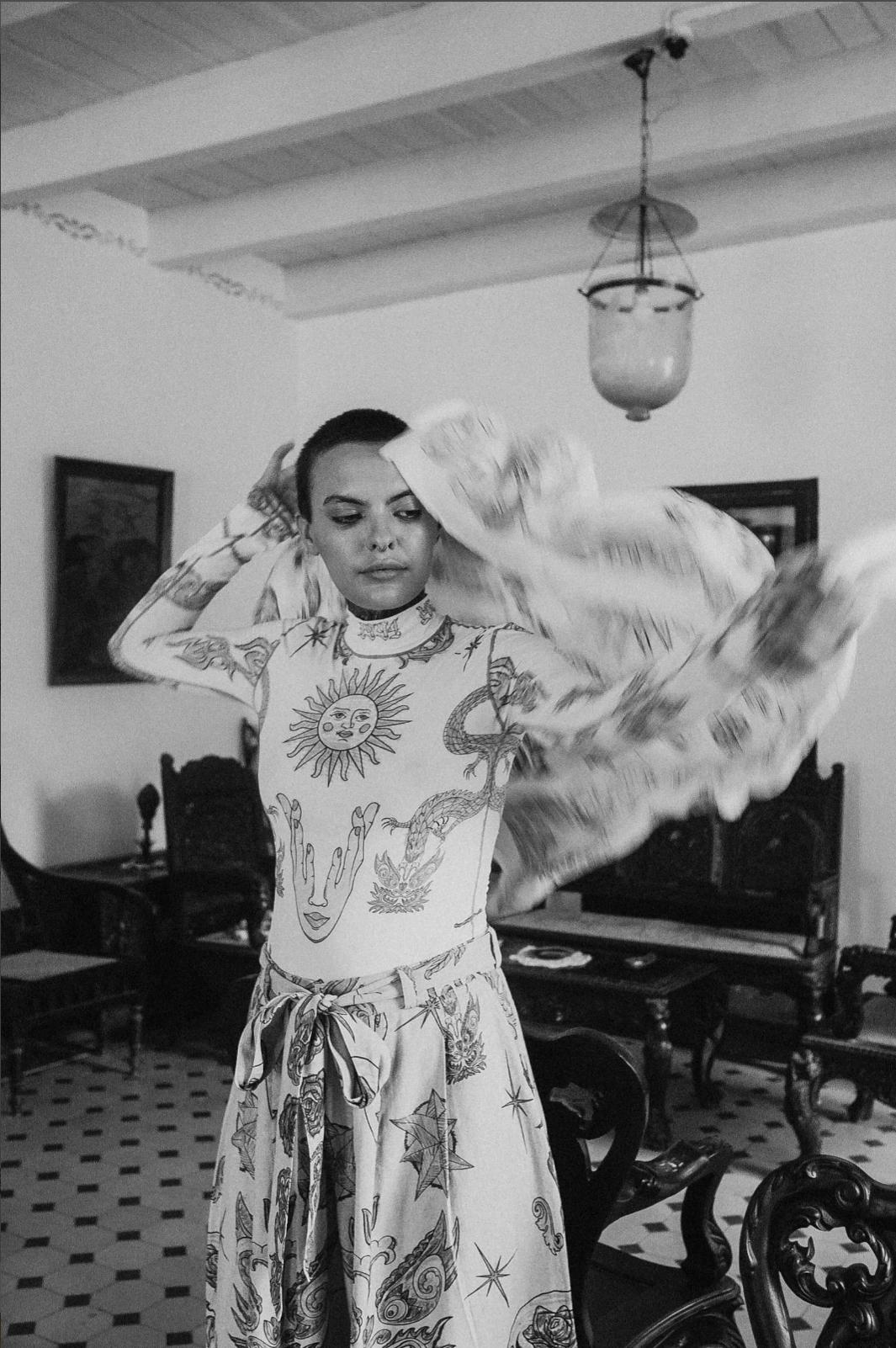
An Evolving Visual Language
At the heart of Daniel’s imagery lies a strong emphasis on composition and the interplay of light and shadow. He is particularly drawn to harsh lighting, using it to create depth, contrast, and emotional intensity.
However, his style is far from static. What once leaned towards aesthetically pleasing imagery has now shifted towards evoking deeper emotional responses. This constant evolution is intentional, an effort to avoid creative stagnation and keep the process engaging and exploratory.
Storytelling as the Core Principle
Storytelling remains central to Daniel’s approach, especially in editorial and documentary contexts. Influenced by his mentor, Shantanu Sheorey, he views a photographer first and foremost as a storyteller and problem solver.
Technical proficiency, while essential, takes a secondary role to emotion and narrative.
The primary goal is always to communicate a feeling or idea, and then determine how best to translate that through the lens.
Translating Brand Identity into Visual Narratives
In the realm of brand advertising, Daniel’s process begins long before the camera is introduced. He invests time in understanding the brand’s philosophy, working closely with founders and creative directors to uncover their vision and aesthetic language.
This thoughtful approach ensures that the resulting imagery is not only visually compelling but also deeply aligned with the brand’s identity. In an era where visually appealing content is easily generated, he prioritizes intention and longevity, often questioning whether a campaign will remain relevant decades into the future.
From Concept to Creation
The creative process at Studio Sousa is both meticulous and immersive.


Photography for The Chi Studio
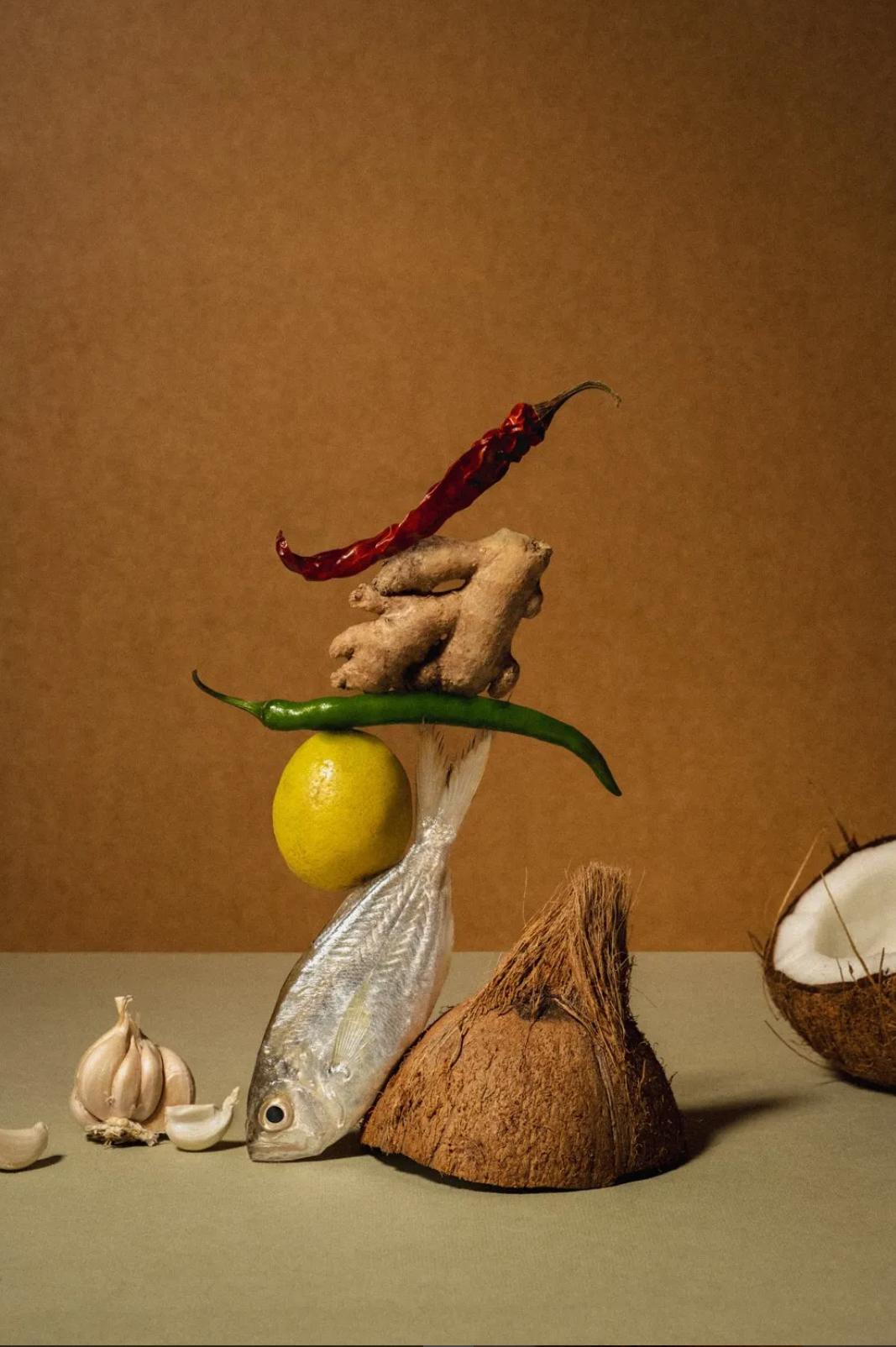
Personal still life photography project
It begins with pre-production, where ideas are shaped through moodboards, references, and direct engagement with the subject, be it a product, space, or individual.
Production follows as a translation of these ideas into visual form, capturing the intended narrative through careful execution. Post-production then refines the imagery, enhancing its tone and coherence until the final output aligns seamlessly with the original vision.
Meaningful Projects and Continuous Learning
Among his many projects, photographing craft chocolate for Manam Chocolate in Hyderabad stands out as particularly memorable. The experience extended beyond photography, offering insights into the complexities of chocolate-making and the nuances of cacao.
Such projects exemplify his approach to work, not merely as assignments, but as opportunities to learn, explore, and immerse himself in new environments.
Embracing Versatility
Working across multiple genres has occasionally raised questions, but Daniel views this versatility as a strength rather than a limitation. Each discipline enriches his overall practice, contributing to a more holistic understanding of photography.
Equally important is the element of enjoyment. Photography remains a creative outlet, and this sense of play is integral to his decision-making. Projects that fail to inspire are simply not pursued.
Looking Ahead: A Space for Creation and Collaboration
The future of Studio Sousa is marked by an exciting new chapter, a physical studio space in Goa. Designed to match international standards, this upcoming facility aims to serve not just as a production hub, but as a collaborative playground for creative experimentation.
More than a workspace, it reflects Daniel’s vision of fostering a community where ideas can be explored freely, boundaries can be pushed, and the medium of photography can continue to evolve. With thoughtful details and an inviting atmosphere, the studio promises to be as much about experience as it is about output, where creativity thrives alongside good coffee and a touch of playful energy.
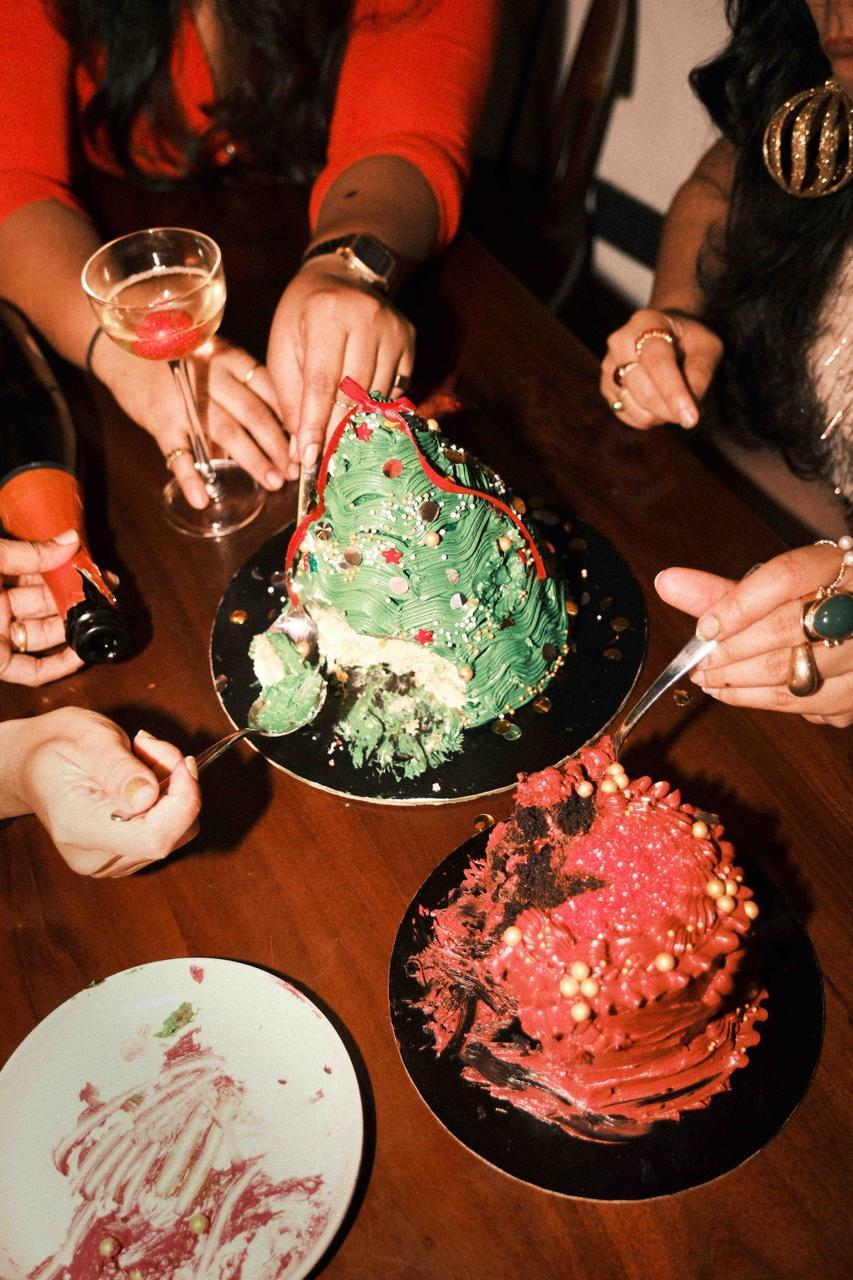
Lifestyle photography for Larder & Folk
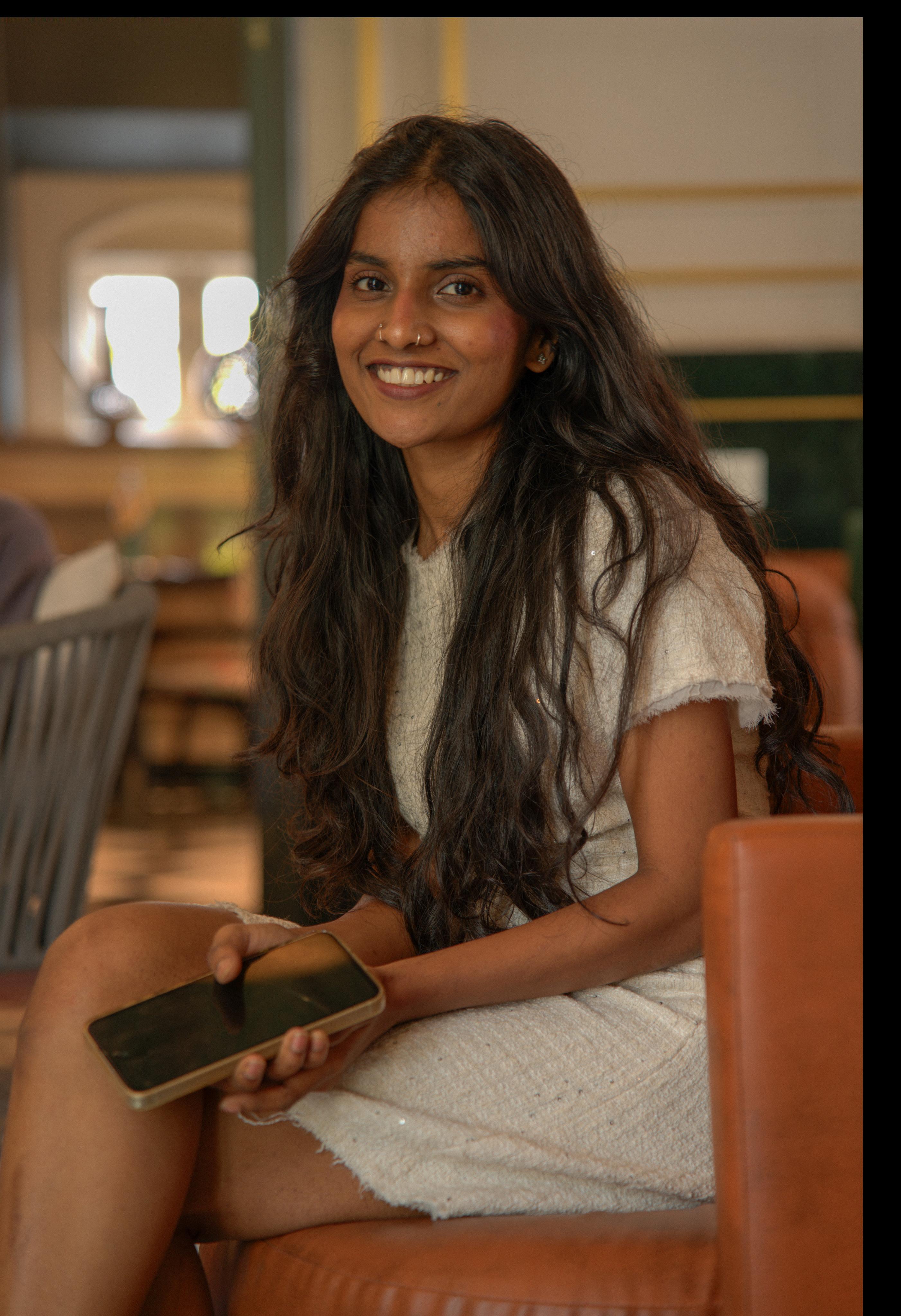
Cornrows by Kayra
Cornrows by Kayra, founded by Punitha “Kayra” Raj, blends cultural respect, creativity, and precision, transforming a passion for braiding into a growing brand focused on identity, artistry, and client confidence.
Hairstylist
Article by: ItsGoa
Images by: Cornrows by Kayra
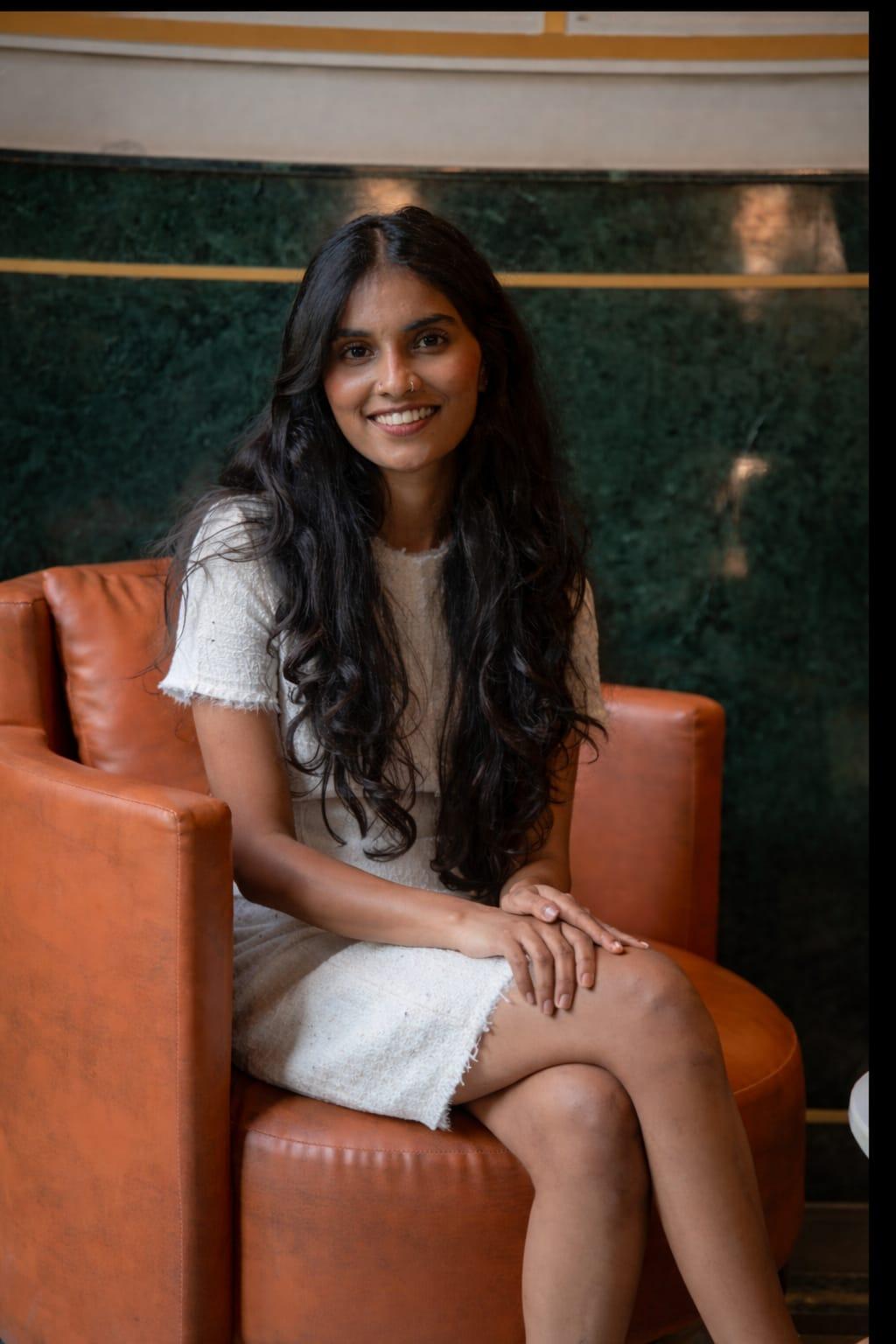
In Goa’s ever-evolving creative landscape, Cornrows by Kayra stands as a distinctive expression of artistry, identity, and modern hairstyling. Founded by Punitha Raj, popularly known as Kayra, the brand represents more than just braided hairstyles, it is a journey shaped by passion, persistence, and a deep respect for cultural roots.
From Casual Creativity to a Growing Brand
Kayra’s story begins not with a business plan, but with simple, genuine moments. Born and raised in Goa with cultural roots tracing back to Chennai, her upbringing reflects a blend of influences that subtly inform her aesthetic sensibility. What started as braiding friends’ hair during college and casual gatherings gradually turned into something far more meaningful.
Initially, hairstyling was never seen as a career path. It was an instinctive creative outlet, something she loved doing without expectation. However, encouragement from those closest to her, particularly her partner and family, played a pivotal role in transforming this passion into a professional pursuit.
Their belief gave her the confidence to build something of her own, leading to the birth of Cornrows by Kayra. Today, her work is not just about styling hair, it is about helping individuals feel confident, expressive, and comfortable in their own identity.
A Creative Spirit Beyond Braiding
Creativity has always been central to Kayra’s life. Before dedicating herself more seriously to braiding, she worked as a graphic designer and video editor, and currently balances her craft alongside her role as a social media manager. This multidisciplinary background is evident in her approach, each hairstyle reflects a sense of design, structure, and visual storytelling.
Outside of her professional work, Kayra finds joy in dancing, spending time in nature, and being close to the ocean. Her love for animals, especially her efforts toward helping and rescuing street animals, further reveals a compassionate and grounded personality. These elements collectively shape the ethos of her brand, one that values connection, creativity, and authenticity.
The Journey into Cornrows
Kayra’s introduction to braiding traces back to her early years in boarding school, where experimenting with hairstyles among friends became a shared activity. Over time, her curiosity deepened, evolving into a refined skill through constant practice.
Cornrows, in particular, captured her attention due to their uniqueness and relative rarity in her surroundings. Encouraged by friends who trusted her with their hair, she began exploring more intricate patterns and techniques. What followed was a process of self-learning, experimentation, and gradual mastery. For Kayra, braiding is not just a technique, it is a meditative experience. The focus and precision required allow her to fully immerse herself in the moment, turning each session into a form of artistic expression.
Punitha Raj

Structured cornrows with bold cross design

Understanding the Cultural Significance
As her journey progressed, Kayra’s understanding of cornrows expanded beyond aesthetics. Through conversations with clients and personal research, she became aware of the rich cultural history behind the style, deeply rooted in African heritage.
Cornrows have historically symbolised identity, community, and even resistance. Stories passed down through generations suggest that braided patterns once held meanings far beyond appearance, serving as markers of communication, survival, and cultural pride.
This awareness has shaped Kayra’s professional approach. She acknowledges the importance of respecting the origins of the craft while contributing to its contemporary evolution. For her, every braid carries both artistic and cultural significance.
The Art of Precision and Personalisation
Specialising in scalp braiding techniques such as cornrows, stitch braids, and intricate patterns, Kayra’s work is defined by attention to detail and adaptability.
Being largely self-taught, her expertise has been built through hands-on experience, continuous learning, and a deep understanding of different hair types and sensitivities. Her process begins with understanding the client, their scalp condition, comfort level, and desired style.
From there, she focuses on clean sectioning, consistent tension, and structural precision to ensure that each braid is neat, long-lasting, and comfortable. This balance between aesthetics and comfort is central to her philosophy. A hairstyle, in her view, should not only look visually striking but also feel effortless to wear.
Evolving Trends and Client Preferences
Operating in Goa, where braided styles are still gaining mainstream acceptance, Kayra has witnessed a noticeable shift in client preferences. While there was initial hesitation among many, especially male clients, the influence of social media has played a significant role in changing perceptions.
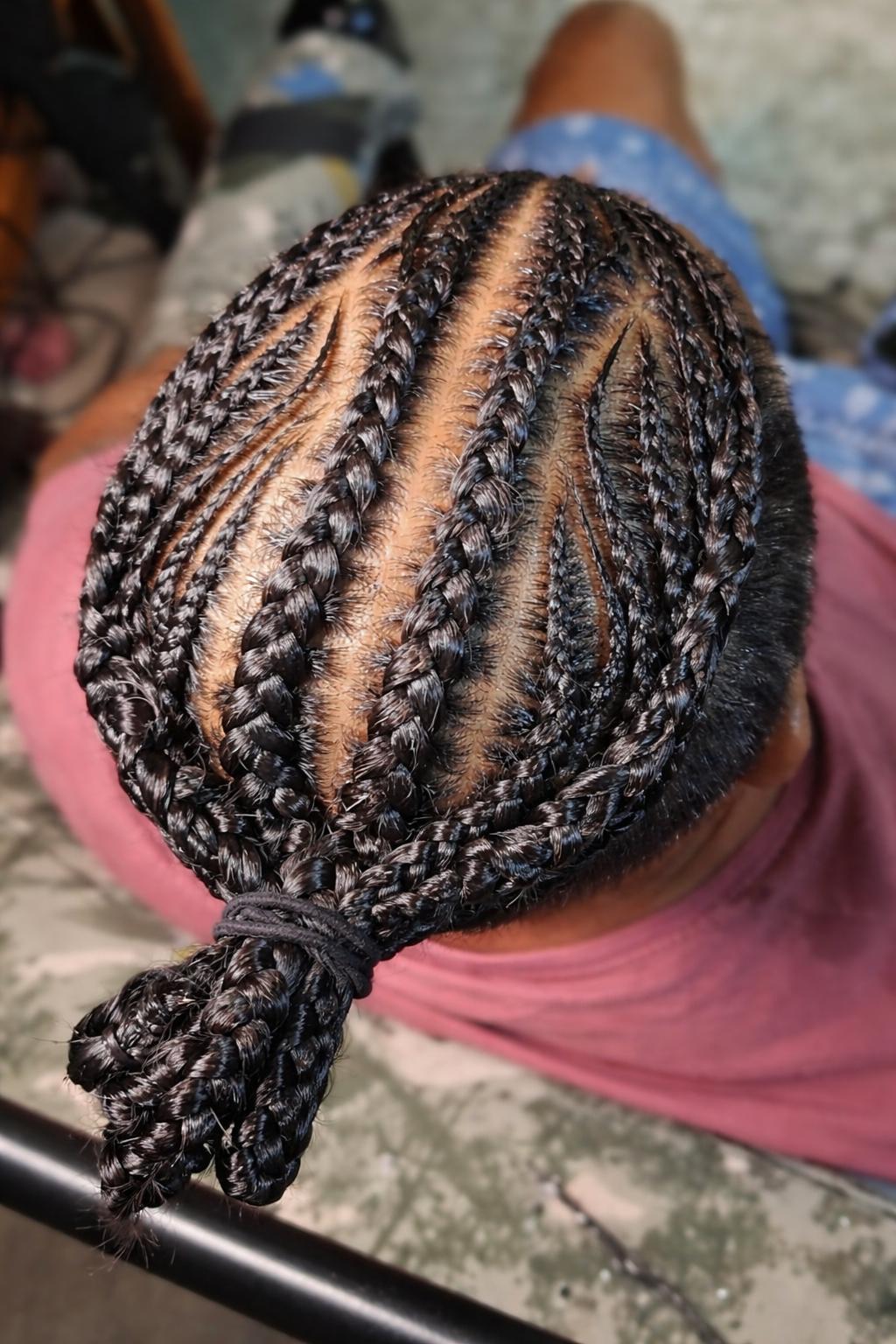
Classic Stitch braids with swirl cornrows with some charms
Clean stitch braids tied into bun

Today, clients increasingly arrive with references inspired by global trends, drawn from musicians, athletes, and influencers. Cornrows remain the most requested style, but there is growing curiosity around experimenting with variations such as box braids and more complex designs.
This shift reflects a broader cultural openness, where individuality and self-expression are becoming more widely embraced.
Building a Brand Against the Odds
Launching Cornrows by Kayra during the COVID-19 pandemic came with its own challenges. With limited opportunities and uncertainty surrounding the future, Kayra began by working on friends and family, often without charge, to build a portfolio and gain visibility.
Growth was gradual, driven largely by word of mouth and the trust of early clients. Balancing a fulltime job alongside her passion required discipline and resilience, especially given the physically demanding nature of braiding.

Support from her family, particularly her sister during more complex projects, helped her navigate difficult phases. Through consistency and self-belief, she steadily built a brand that continues to grow today.
Care Beyond the Chair
Kayra’s approach extends beyond the styling process. She places significant emphasis on educating clients about aftercare to ensure the longevity and health of their braids. From protecting hair with satin scarves to maintaining scalp hygiene and hydration, she ensures clients leave with both a hairstyle and the knowledge to maintain it.
Equally important is her transparency, openly discussing factors such as scalp sensitivity and comfort levels before beginning any style. This honest, client-first approach reinforces trust and enhances the overall experience.
Looking Ahead: A Vision in the Making
The future of Cornrows by Kayra is rooted in growth without losing authenticity. Kayra aims to expand her range of styles, explore new creative directions, and establish a stronger digital presence to showcase her work.
One of her long-term aspirations is to create a dedicated studio space, a hub where her brand can flourish and eventually support a team of artists. At its core, however, her vision remains unchanged: to build a space where creativity thrives and clients feel confident, comfortable, and inspired.
A Craft Driven by Passion
Cornrows by Kayra is not just a hairstyling service, it reflects a journey shaped by curiosity, cultural awareness, and unwavering dedication. Through each braid, Kayra continues redefining tradition with modern expression, creating styles that are as meaningful as they are beautiful. Special thanks to Nikhil Raj aka Warnik & Shafila Silveira.
Media & Entertainment
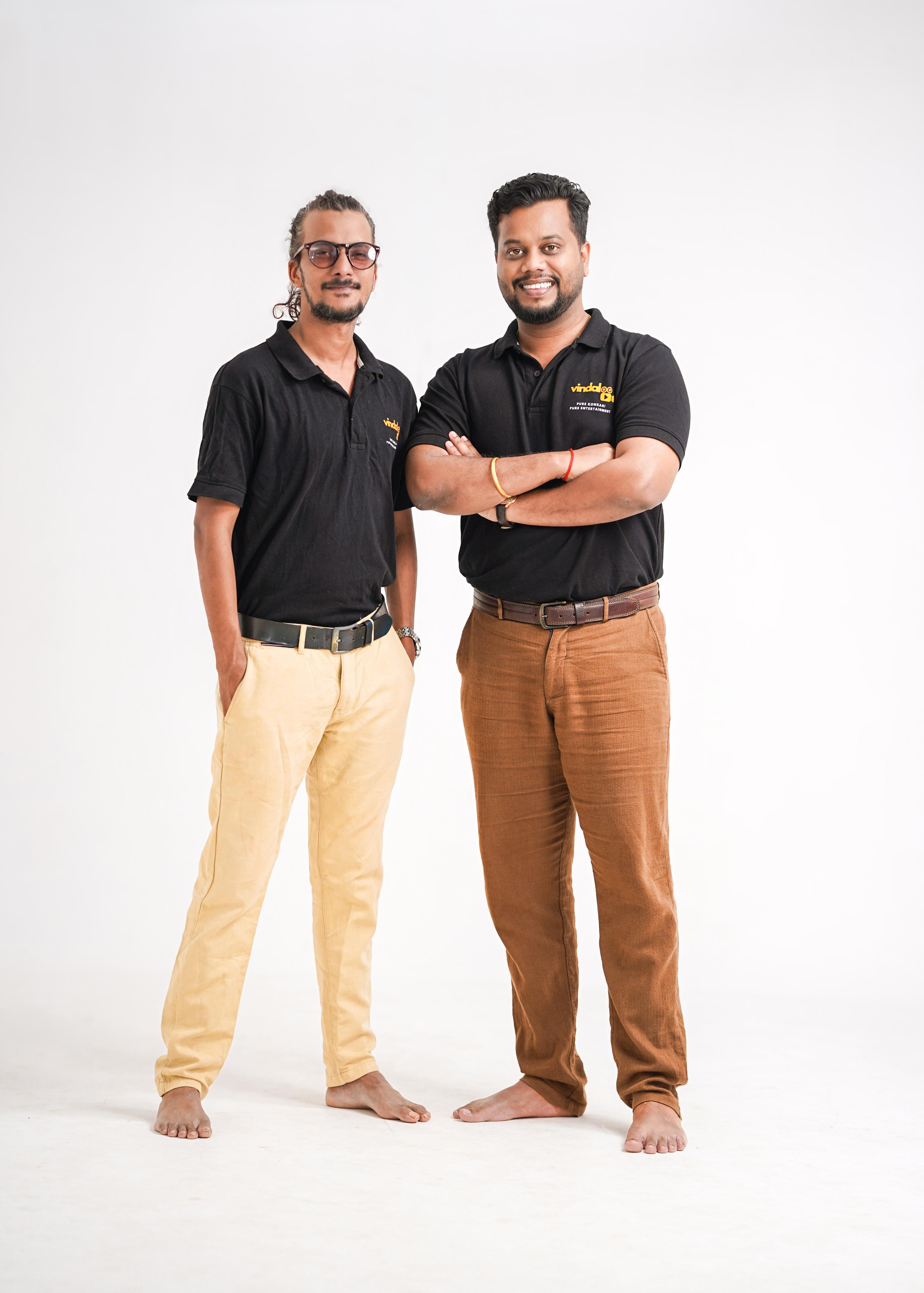
Vindaloo, Goa’s first Konkani OTT platform, brings regional films and shows to a global audience, empowering local creators while preserving and promoting Goan culture through digital storytelling.
Article by: Abisha Fernandes
Images by: Vindaloo

Vindaloo - Pure Konkani, Pure Entertainment
The Goan film industry has long lived as a reflection of the state's vibrant culture and rich heritage. From classic Konkani films to modern-day productions, the industry has seen its fair share of ups and downs. However, with the beginning of digital platforms, a new chapter is growing in the world of Goan cinema. Amidst this change, a revolutionary idea has taken shape: Vindaloo, Goa's first OTT app dedicated to showcasing Konkani content to the world.
Meet Nikhil Desai and Siddhant Shetty, the driving forces behind Vindaloo. These visionary entrepreneurs, with their roots in marketing, media, and content, identified a gap in the market - a dedicated digital platform for Konkani content. "We were constantly connected to Goa's businesses, culture, and people, and we saw the potential for a platform that could showcase our stories, our way," says Nikhil Desai.
Siddhant Shetty adds, "The biggest challenge was that many people did not believe that a Konkani OTT platform was possible, especially since we were not from the film industry. But we were driven by our passion for Konkani content and our desire to take it global."
Vindaloo is more than just a streaming service; it's a cultural movement.
With a growing library of Konkani films, tiatr, natak, comedy shows, and short films, the platform is a treasure trove for fans of Goan entertainment.
The app's user-friendly interface and subtitles make it accessible to a broader audience, including the Goan diaspora worldwide. "We want to create a digital home for Konkani entertainment, where creators can showcase their work and audiences can watch their own stories," says Nikhil Desai.
The platform's mission is to promote local Goan culture and stories and provide a platform for local filmmakers to showcase their work. Vindaloo follows a hybrid revenue model, offering free content, subscription-based services, and pay-per-view options, ensuring that creators get a fair share of the revenue.
"We want to take Konkani content global," says Siddhant Shetty. With Vindaloo, local filmmakers have a new platform to showcase their work, and audiences have a new way to enjoy Konkani entertainment.
The founders believe that OTT is the present and future, allowing Konkani content to reach a global audience. "The world is watching content digitally, and we want to be a part of it," says Nikhil Desai.
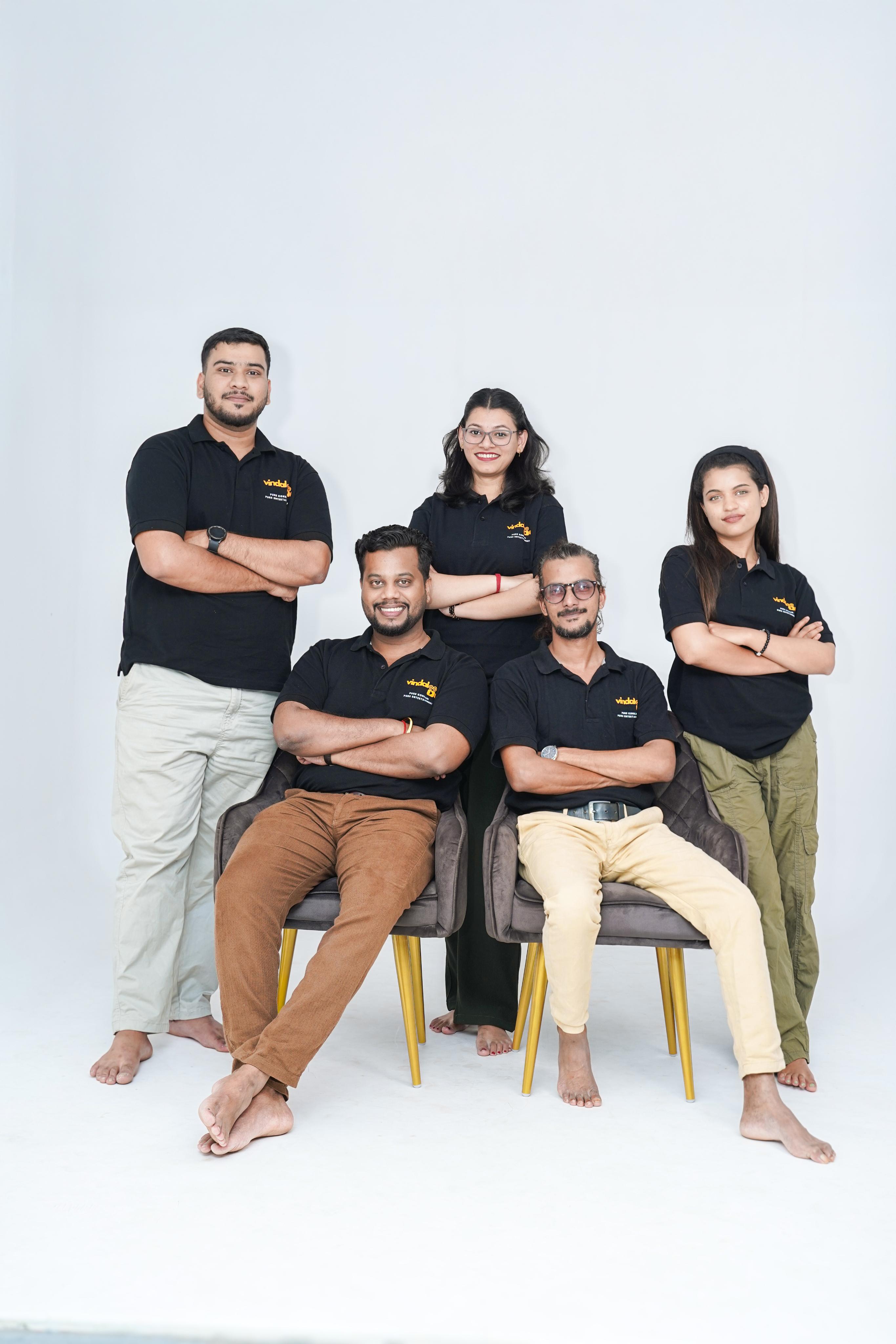
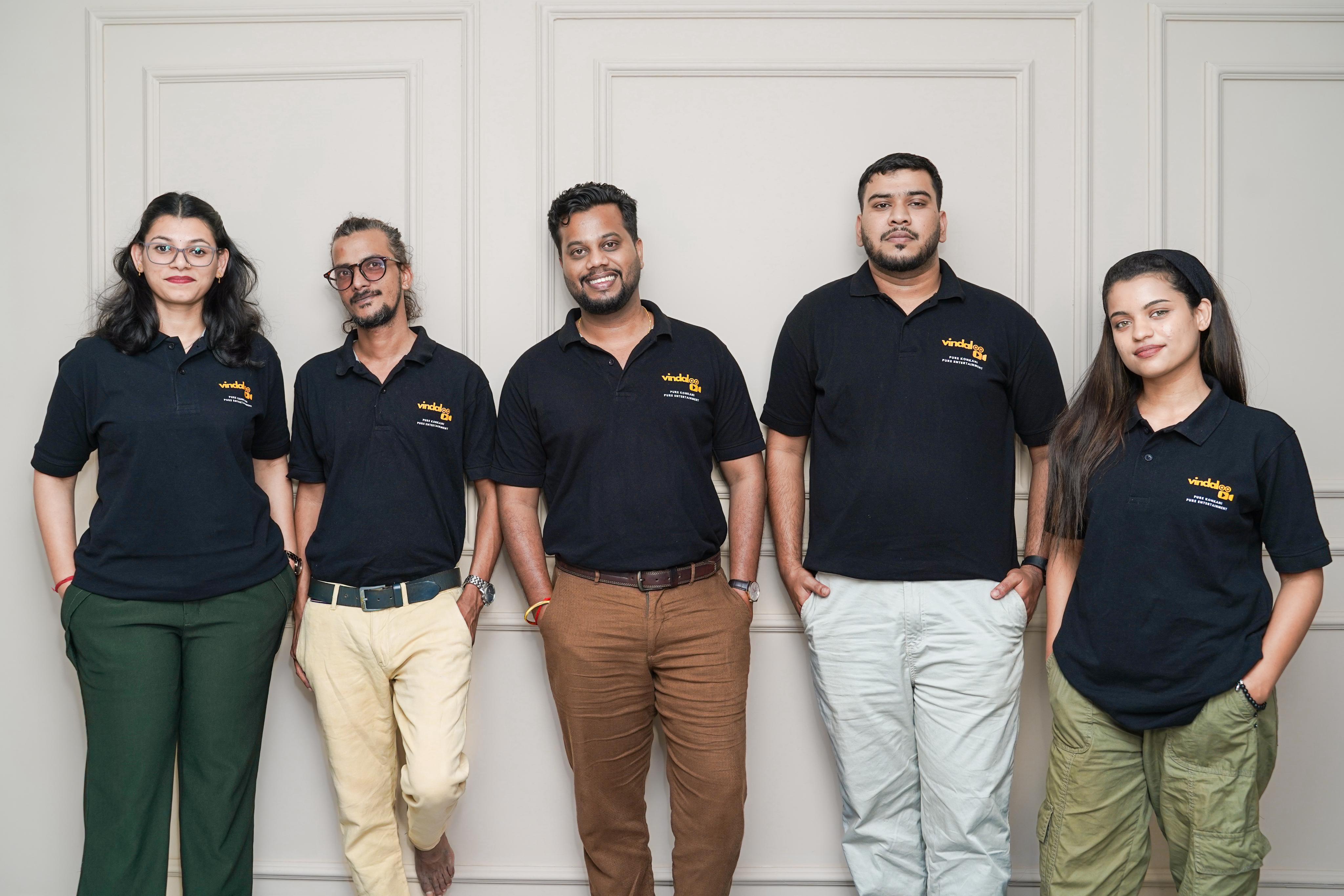
Team Vindaloo
Vindaloo is already making waves, with its recent release, The Goan Vhani Show, a stand-up comedy series that's been a hit with audiences. The platform plans to produce original content, collaborate with local filmmakers, and expand its reach globally. For local filmmakers, Vindaloo is a game-changer.
Siddhant Shetty says, "It's a new ray of hope, and we want to provide a platform where Goan stories can reach a global audience, and creators can monetise their work."
As Vindaloo grows, so does the opportunity for local talent to shine. The future looks bright for Goan cinema, and Vindaloo is leading the charge. With its sights set on global expansion, the platform is poised to take Goan cinema to new heights.
The journey has just begun, and it's going to be an exciting ride. Vindaloo is available in 150+ countries, and the founders are excited to take their platform to the world. "We are constantly improving the platform and planning features at par with mainstream OTT platforms," says Nikhil Desai. With a strong team and a clear vision, Vindaloo is set to revolutionise the way we consume Konkani content.
The platform's unique value proposition lies in its focus on Konkani content and culture. "We are not just an OTT platform; we are a cultural platform that promotes Goan Vindaloo can become global only when Konkani people make it their own. Every subscription, every view, and every share supports a Konkani artist and helps keep our culture alive.
Vindaloo is a testament to the power of local content and the potential of the OTT industry in India. As the Indian OTT market continues to grow, Vindaloo is expected to become a major player in the regional OTT space. With its strong focus on local content and culture, the platform is set to make a mark in the global OTT industry. Vindaloo is not just an OTT platform — it is a digital home for Konkani stories.
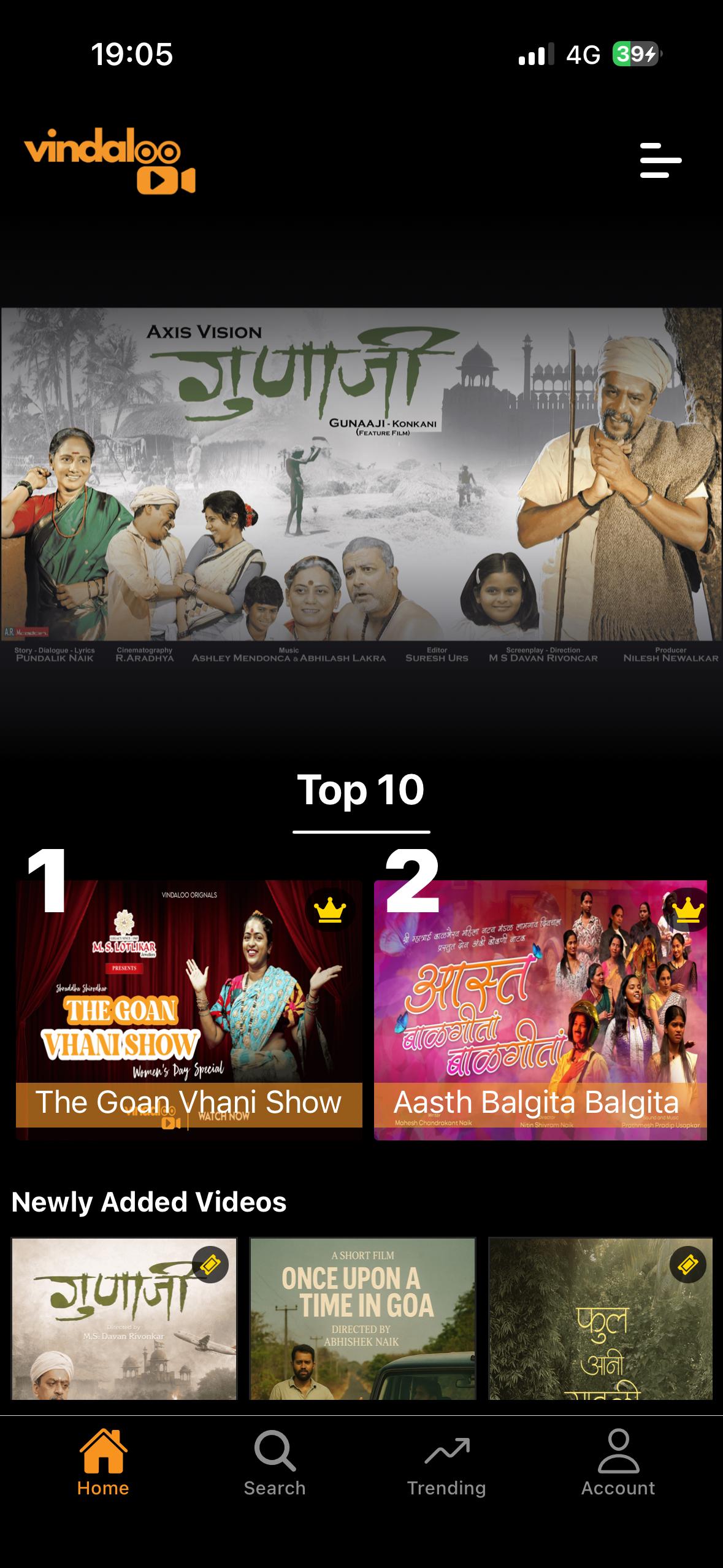
Vindaloo — Your home for Konkani movies, shows and more


Outdoor Kitchen & Wood-Fired Oven
Tapti-Maati, founded by Shreeja Jhaveri, creates artisanal woodfired ovens and outdoor kitchens, blending traditional craftsmanship with design to transform cooking into a meaningful, communal experience.
by: Team ItsGoa Images by:Tapti-Maati www.itsgoa.com itsgoa_ Itsgoa
Article
In a world increasingly driven by convenience and speed, Tapti-Maati brings attention back to something far more elemental, fire, earth, and the art of cooking with intention. Founded by Shreeja Jhaveri, the brand is quietly redefining how people engage with food, space, and togetherness through thoughtfully designed wood-fired ovens and outdoor fire kitchens.
Rooted in craftsmanship and guided by simplicity, Tapti-Maati is not just about building cooking equipment, it is about creating experiences that feel raw, grounding, and deeply human.
From Architecture to Artisanal Fire Kitchens
Shreeja Jhaveri’s journey into this niche began with a background in architecture, a discipline that naturally shaped her understanding of materials, structure, and spatial design. Her inclination towards hands-on creation and building led her to explore something beyond conventional architectural practice. What began as a curiosity for wood-fired cooking gradually evolved into a focused craft.
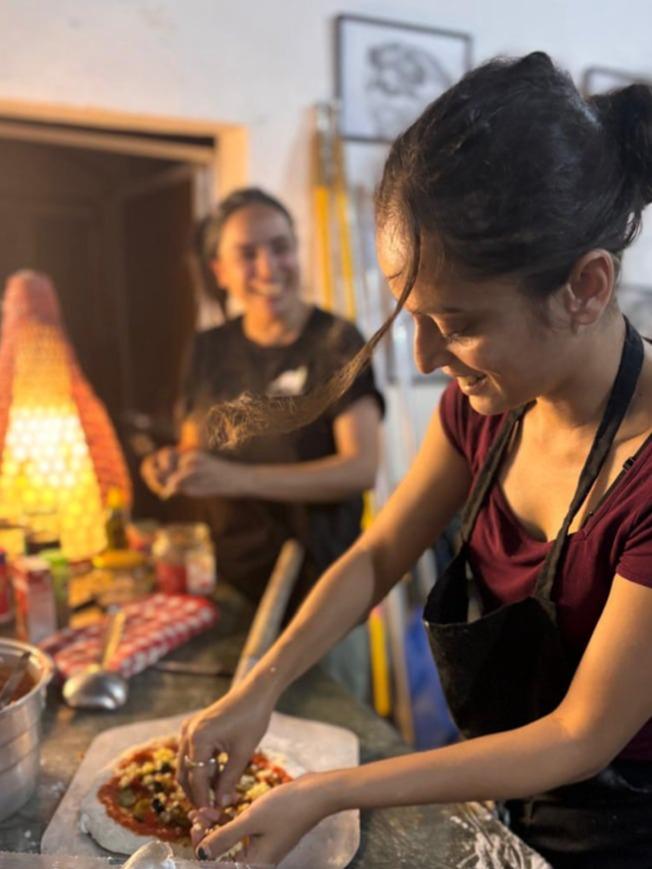
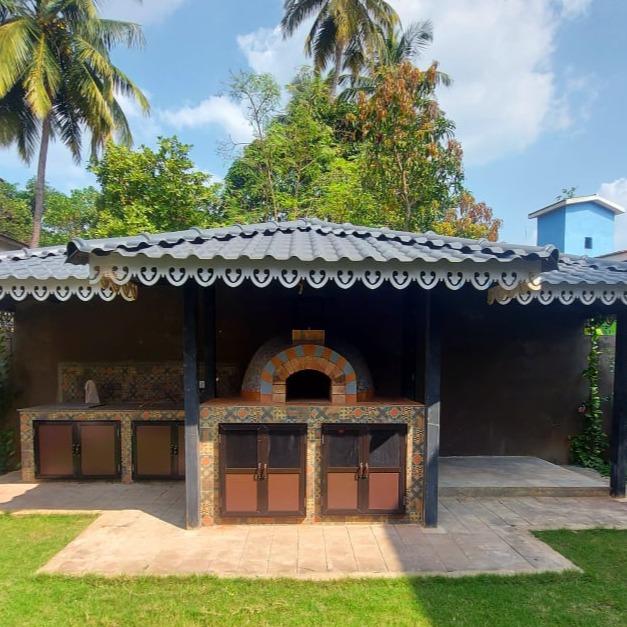
Experimenting with fire, materials, and design, she started building pizza ovens that were not only functional but also experiential. Over time, this exploration grew into Tapti-Maati, a brand that now specialises in durable, artisanal ovens and fire-based kitchen setups for both homes and commercial spaces.
Each project reflects her architectural sensibility, combining practicality with an intuitive understanding of how people interact with spaces.
The Philosophy Behind the Name
The name Tapti-Maati itself captures the essence of the brand. “Tapti,” meaning heat or fire, and “Maati,” meaning earth, symbolise the balance of two fundamental elements. Together, they represent the core philosophy behind every creation, working with natural materials that harness and retain heat efficiently.
Beyond its literal meaning, the name also reflects a deeper intention: preserving and reviving traditional crafts that rely on earth-based materials and timetested techniques. In an era of mass production, Tapti-Maati stands as a reminder of the beauty and functionality of handcrafted work.
Commercial Cooking, Reimagined Outdoors
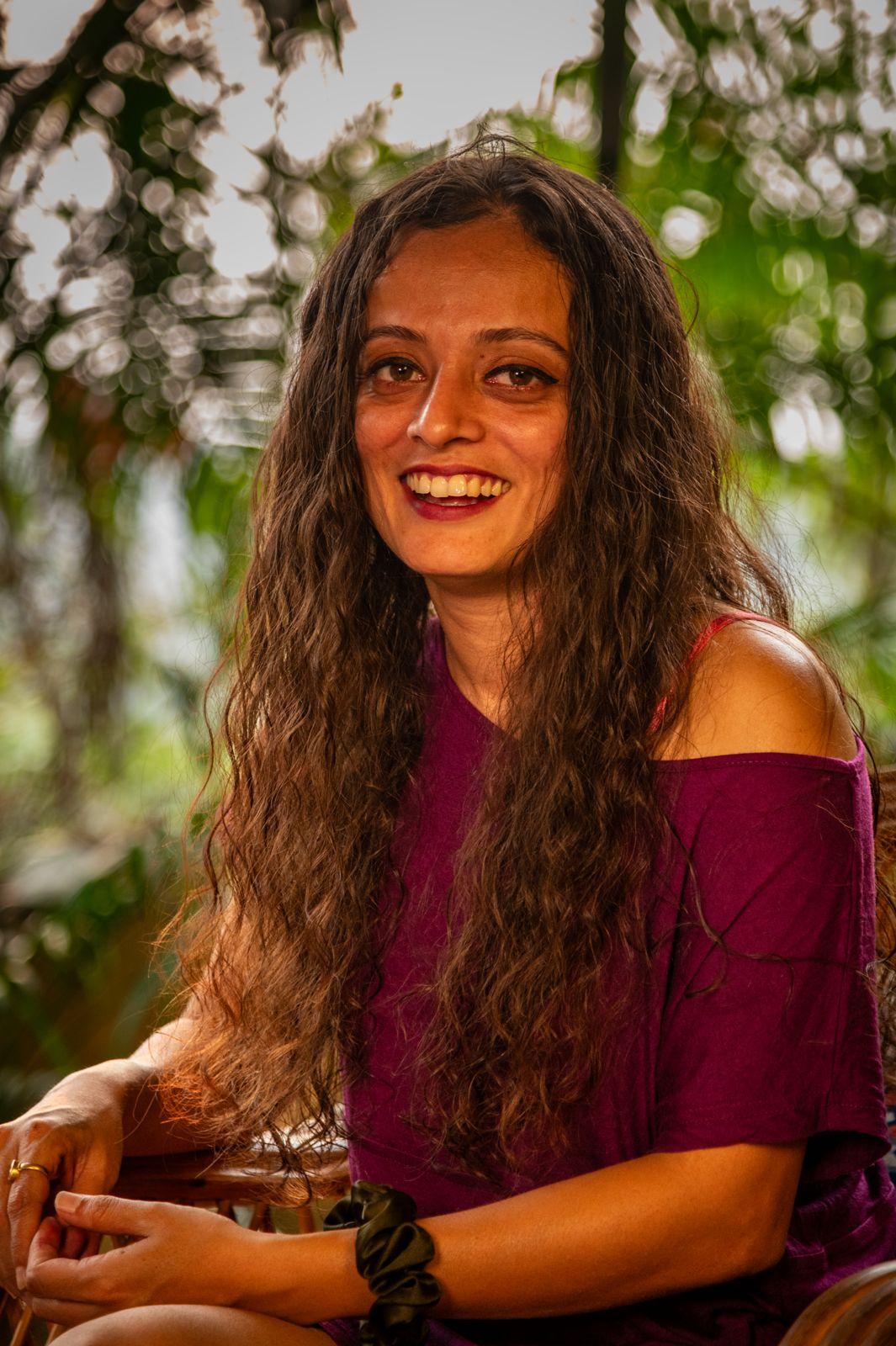
Shreeja Jhaveri
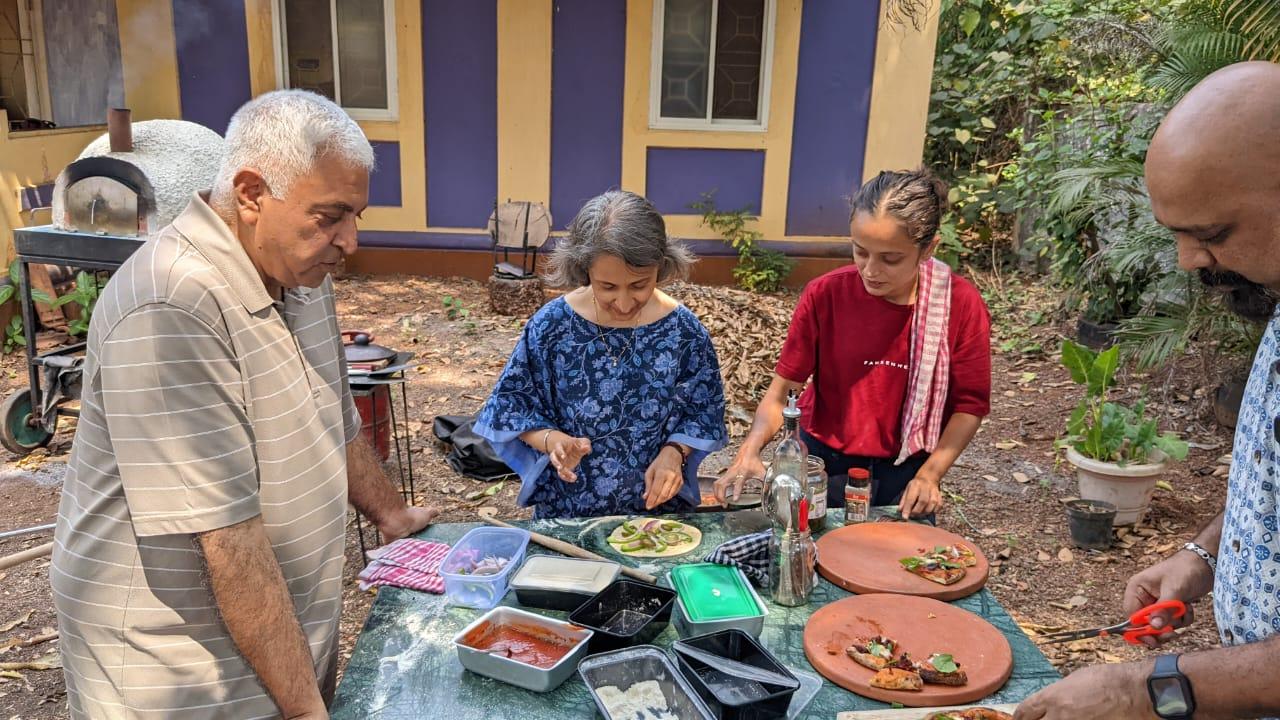
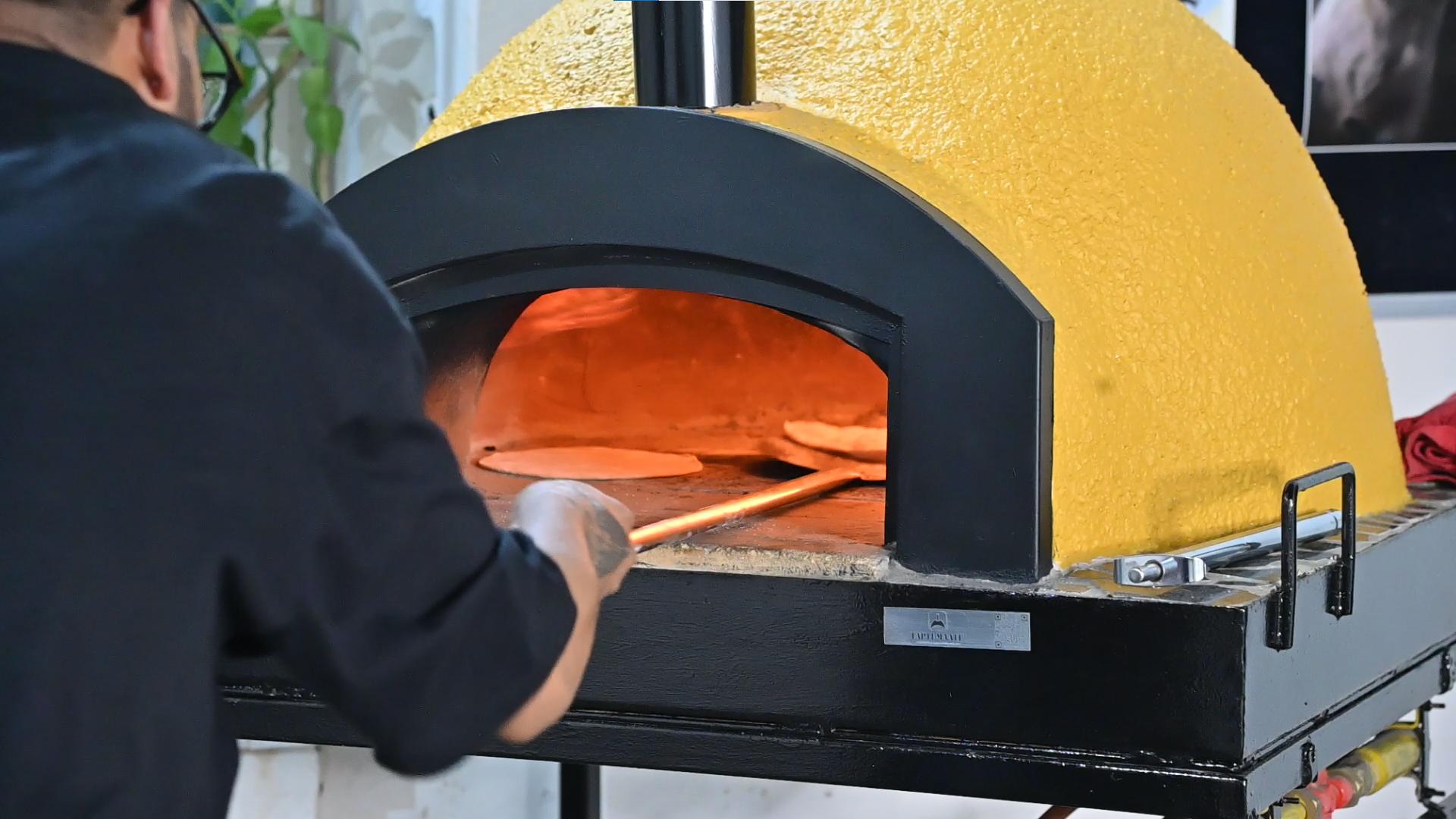
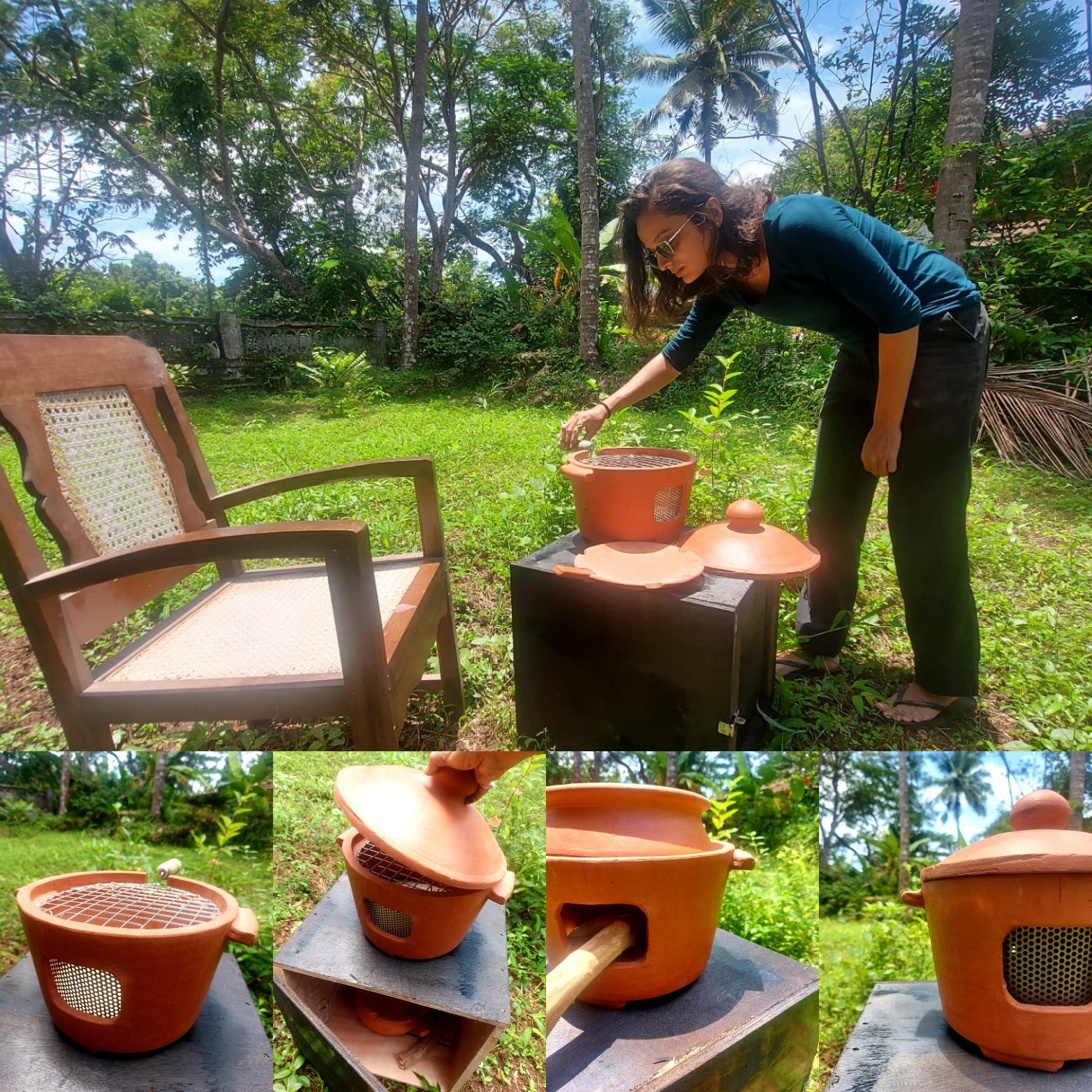
A Home BBQ, Reinvented in Clay
The Allure of Cooking with Fire
At the heart of Tapti-Maati lies a simple yet powerful idea, cooking over fire is an experience, not just a method. For Shreeja, the appeal of wood-fired cooking goes beyond flavour. It is about slowing down, engaging with the process, and creating moments that bring people together. This philosophy naturally extends into the hospitality space, where experiences are just as important as outcomes. By designing ovens and fire kitchens that are accessible and easy to use, Tapti-Maati encourages individuals to step into the role of creators, transforming everyday cooking into something interactive and communal.
Crafting Functional, Versatile Designs
Tapti-Maati offers a range of products tailored to different needs, including wood-fired and gas-fired pizza ovens, outdoor fire kitchens, and custom fire stoves. These are designed for a variety of cooking methods, smoking, roasting, grilling, baking, and slow cooking, making them far more versatile than traditional ovens. Each build is approached with a focus on durability, usability, and performance. At the same time, Shreeja ensures that clients are guided through the entire process, from understanding fire management to mastering cooking techniques.
This hands-on approach empowers users to confidently explore their own culinary creativity.
Beyond Pizza: A Broader Culinary Canvas
While pizza ovens remain a central offering, TaptiMaati’s creations extend far beyond a single dish. These ovens are designed to handle a wide range of cooking styles, allowing users to experiment with breads, desserts, roasted dishes, and more.
The integration of fire and natural materials introduces a distinct depth of flavour, smoky, earthy, and rich, that is difficult to replicate with conventional cooking methods. More importantly, it transforms cooking into a shared experience, where the process becomes just as meaningful as the final meal.
Building a Community Through Experience
Tapti-Maati’s audience spans both home users and commercial establishments such as cafés and restaurants. Interestingly, its growth has been largely organic, driven by word of mouth and the experiences of those who use the ovens.
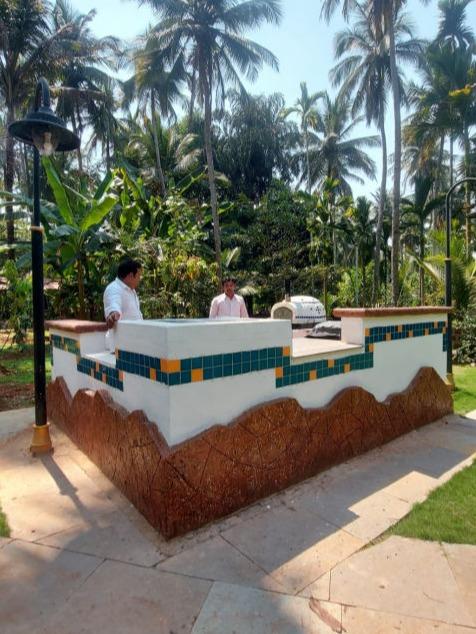
Outdoor Kitchen setup - Rivona
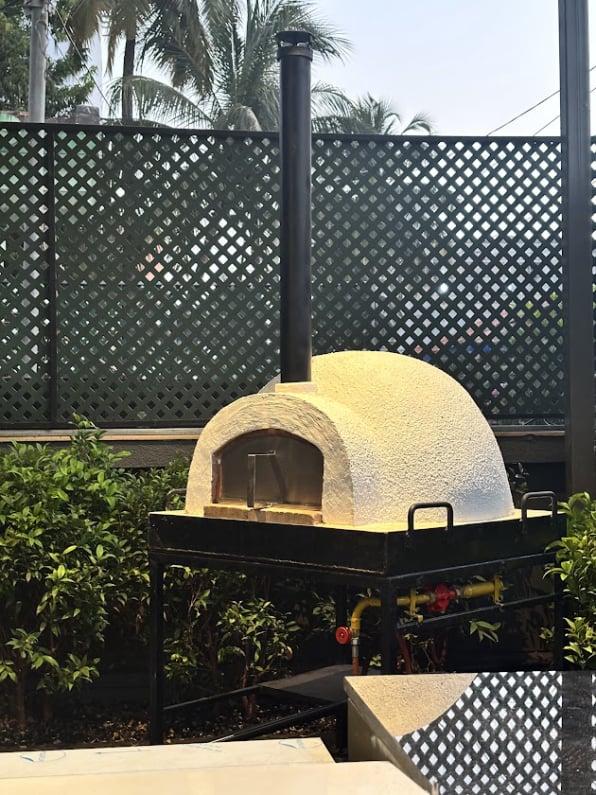
What draws people in is not just the product, but the atmosphere it creates. These fire kitchens often become the centre of gatherings, encouraging interaction, storytelling, and connection. In this way, Tapti-Maati is not just building ovens, it is shaping spaces where people come together.
Overcoming Challenges Through Craft and Consistency
Entering a niche market came with its own set of challenges. One of the initial hurdles was helping people understand the value of such a product, something that is not yet commonplace. Educating clients and building trust required time, patience, and consistent effort.
On the technical side, achieving the right balance of design, material, and performance involved extensive experimentation. Each oven, being handmade, carries its own uniqueness, adding complexity to the process. However, through continuous testing and hands-on experience, these challenges became opportunities for refinement and growth.
A Distinct Approach to Design
What sets Tapti-Maati apart is its commitment to simplicity and thoughtful design. Rather than overcomplicating the product, the focus remains on creating solutions that are practical, long-lasting, and easy to integrate into everyday life. At the same time, there is a strong emphasis on how these installations fit within a space, both visually and functionally. The result is a seamless blend of utility and experience, where the product enhances not just cooking but the environment around it.
Looking Ahead: Expanding the Vision
As Tapti-Maati continues to grow, Shreeja envisions taking on larger and more diverse projects while staying true to the brand’s core values. There is a clear intent to explore new formats and innovative ways of working with fire, pushing the boundaries of what these spaces can offer.
A significant part of this vision includes designing environments where cooking and gathering become central experiences, rather than secondary activities. It is about creating spaces that invite people to slow down, connect, and rediscover the joy of making something together.
An Elemental Return to Simplicity
In essence, Tapti-Maati is a celebration of fundamentals, fire, earth, craft, and community. Through her work, Shreeja Jhaveri is not only reviving traditional methods but also reinterpreting them for a modern audience.
In doing so, she offers more than just a product; she offers a way of experiencing food and togetherness that feels timeless, intentional, and deeply rooted in simplicity.
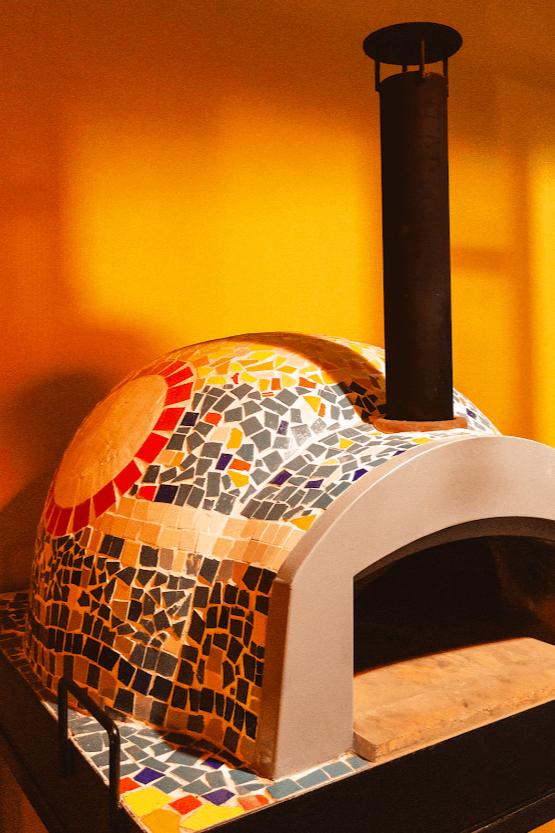
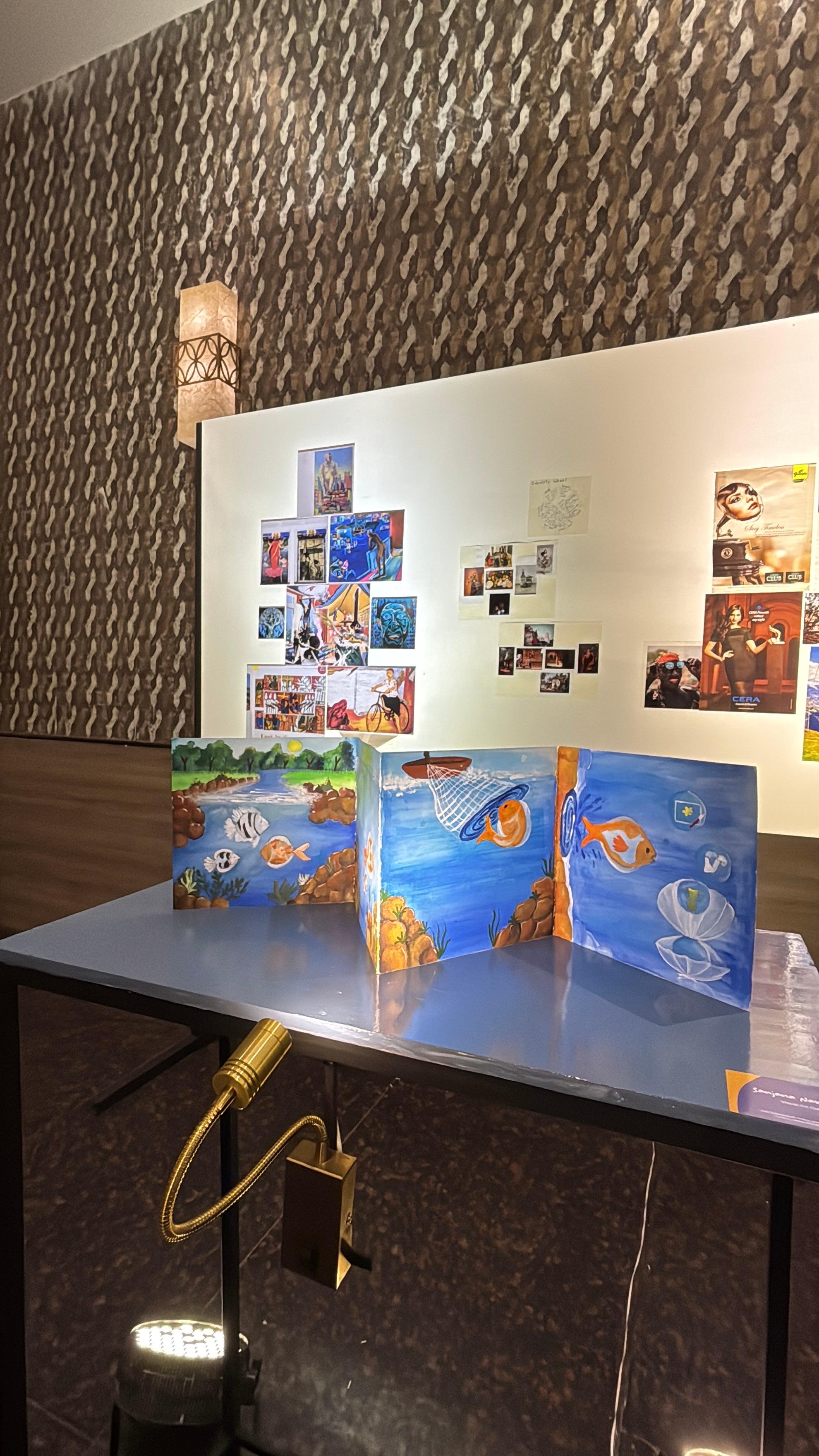
Art × Evidence, launched in Goa by Antarang Foundation, uses youth-led creative expression to translate research on educationto-work transitions into dialogue, connecting young participants with mentors, employers, and policymakers.
Article by: Priya Agrawal
Images by: Antarang Foundation
Priya Agrawal, Founder of the Antarang Foundation, launched Art × Evidence in Goa. This is a new platform that uses creative expression to deepen dialogue on youth skill recognition and the transition from education to meaningful work. Conceived as a pilot in the state, the programme is mentored by six eminent Goan practitioners working across writing, movement, visual arts, theatre and design. The launch took place on 27th March 2026 from 5:00 PM to 8:00 PM at the Sala de Gasper, Club Tennis de Gasper Dias, Goa.
Antarang Foundation has spent over a decade working on one simple problem: helping young people move from school into real jobs. India has 371 million young people, but youth unemployment is still far higher than adult unemployment. When young people cannot find stable work, the country loses talent, productivity and economic growth. Antarang’s research shows that structured career guidance can significantly improve outcomes — among 1,057 alumni tracked over time, more than half are in regular salaried jobs, compared to 22% nationally.
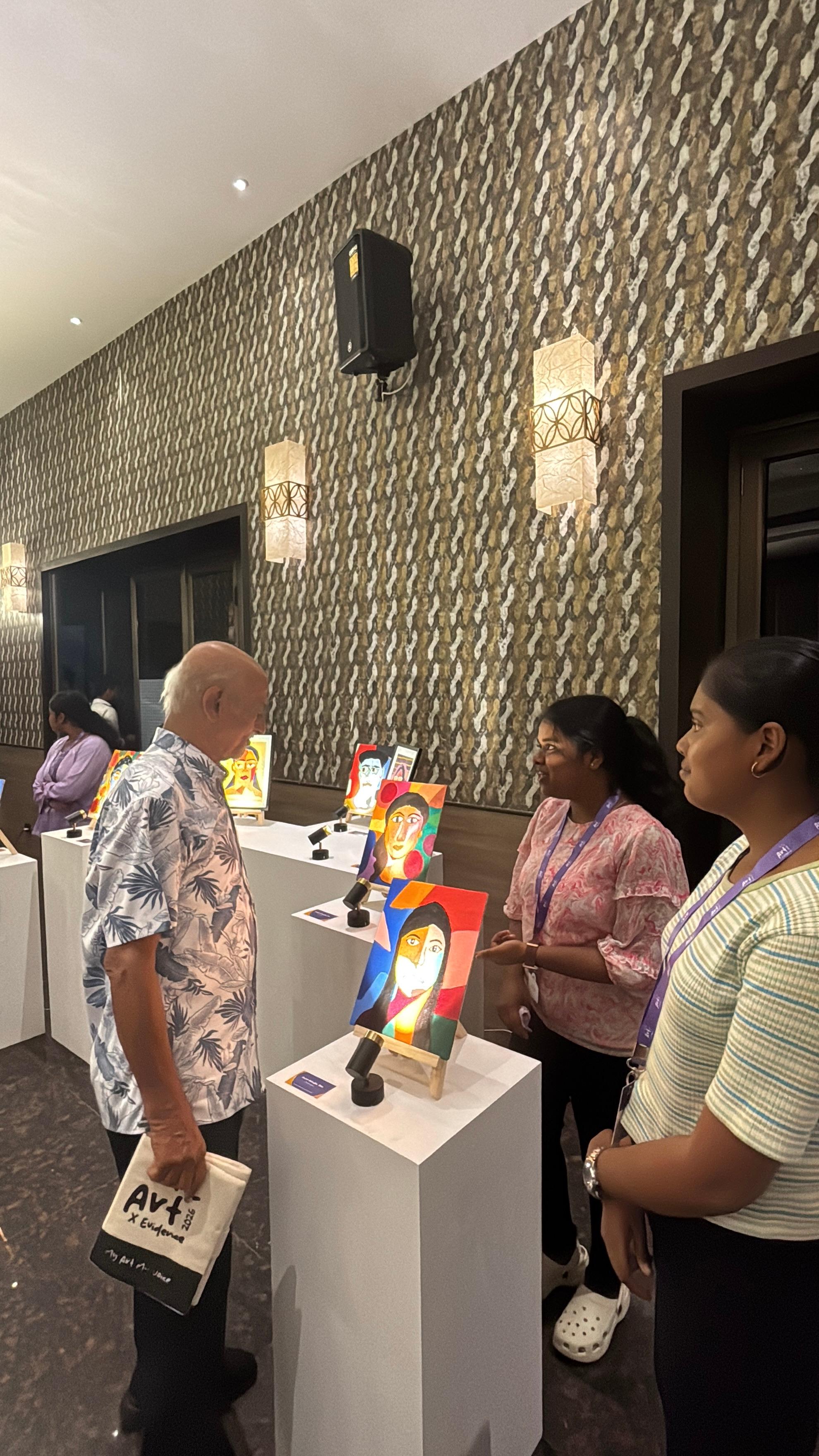
The Goa edition brought together 45 young participants from across the state, presenting original works across poetry, essay writing, theatre, western dance, visual arts, fine arts and textile-based craft practices such as crochet.
Each work responded to structured prompts that was drawn from a decade of research on school-towork transitions, including youth unemployment, graduate underemployment, career decision-making after Class 10 and 12, and the financial independence and career confidence outcomes observed among supported alumni.
The works were developed through guided cocreation sessions with six mentors, writer and editor Saachi D’Souza, choreographer and movement educator Saayshha Gadiyar, visual artist and educator Rohit Bhosle, theatre director Keatan Jadhav, and artists and design educators Gourish Poke and Uttara Anglo, working across writing, movement, visual art, theatre and design.
Together, the mentors supported participants in translating research themes into visual, performative and literary forms that expand how skill, ambition and identity are articulated. Reflecting on the process, Keatan Jadhav, multidisciplinary theatre director and mentor on the project, says:
“Today’s youth are carrying performance pressure, financial stress and social comparison all at once. Theatre gives them a rehearsal for life. It allows them to fail safely, to speak, to listen, to disagree respectfully and to develop presence. Practising theatre is practising empathy, and empathy is foundational to the kind of leadership our future demands.”
Rather than presenting evidence solely through reports, Art × Evidence places data and lived experience in the same frame, convening stakeholders for a moderated dialogue on how skill recognition is understood and operationalised across education and industry systems. The launch took place before a curated audience of government representatives, educators, industry stakeholders and students, enabling deeper engagement with the youth-led work as well as the research behind it. Rocky’s victory reflects quality breeding and dedicated handling Art × Evidence Launches, Goa
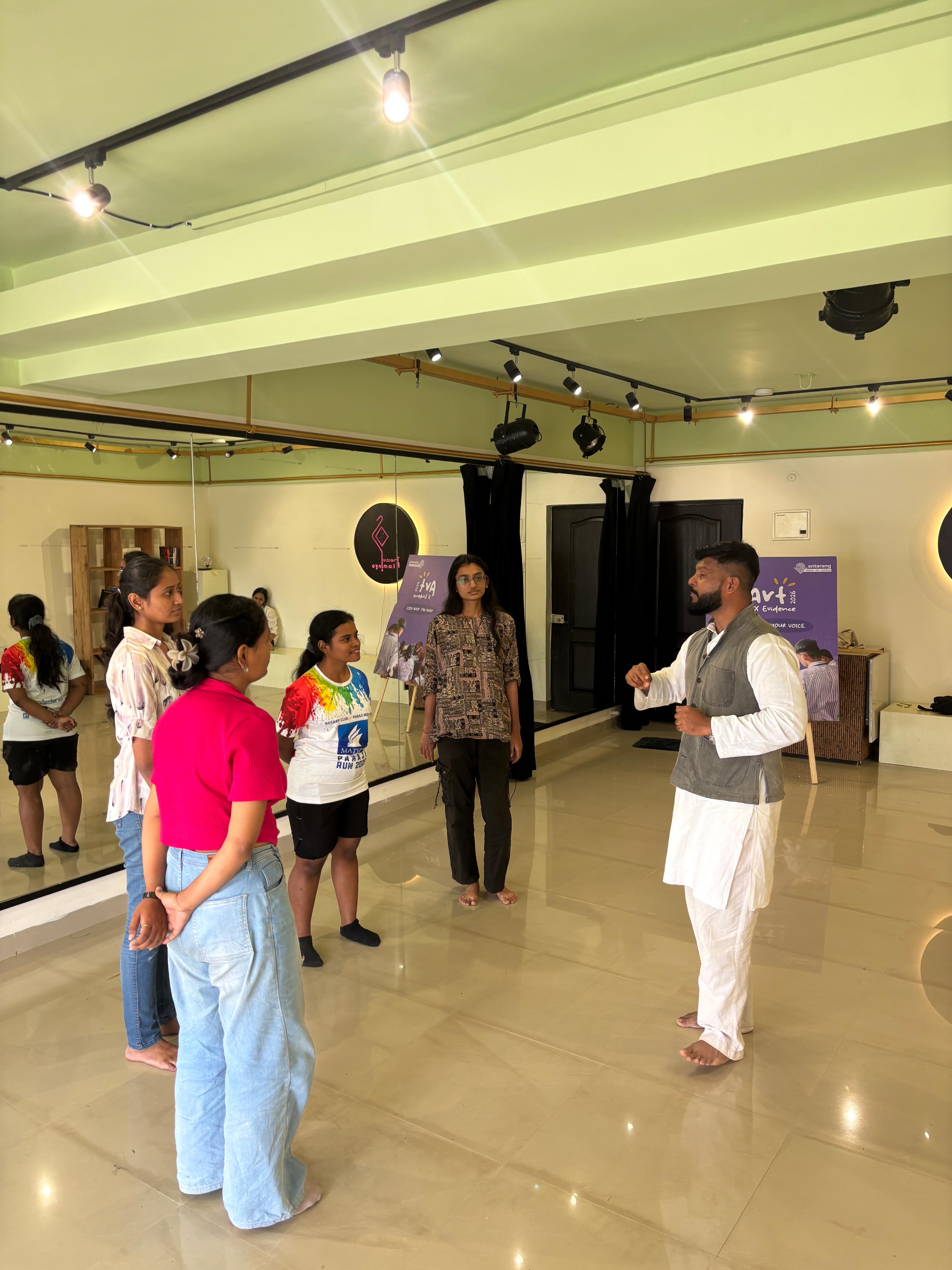
Theatre Workshop mentored by Keatan Jadhav - a multidisciplinary theatre artist, Director, Actors Coach, and Cultural Entrepreneur
Art × Evidence is an initiative designed to strengthen those pathways. In the Goa edition, 45 young participants are interpreting research on youth employment through poetry, theatre, writing and visual art. The purpose is not the art itself; it is to put these young people directly in front of employers, educators and policymakers who influence jobs and opportunity.
The immediate outcome is practical: young participants gain access to mentors, networks and potential employers who can open doors to training, internships and jobs. The longer-term goal is to build a model that can be replicated across states so that youth insight helps shape how employment programs, skilling initiatives and emerging industries translate into real jobs and lower youth unemployment in India.
This launch came at a time of expanding national investments in skilling, employability frameworks and the creative economy. Art × Evidence aligns with this momentum by translating research and policy priorities into live, youth-led dialogue.
The evening on March 27 included a moderated walkthrough connecting the artworks to broader questions of aspiration, employability and socioeconomic mobility, encouraging practical reflection on how systems can better recognise the full spectrum of youth capability- formal and informal, certified and emerging.
Commenting on the launch, Priya Agrawal, Founder and Director of Antarang Foundation, said: “India’s demographic profile presents both opportunity and responsibility. The aspirations of this large section of our potential are an important data point for us as we decide where to invest and how to leverage their potential. Our young people are not defined solely by formal credentials — they carry lived intelligence, cultural knowledge and emerging capabilities that deserve recognition.
Art x Evidence create a space where youth experience and data that speaks about their career journeys can be held together in one frame.
By convening institutions, industry and young people in dialogue, we hope to strengthen how transitions from education to work are supported — in ways that are inclusive, evidence-based and forward-looking.”
About Art × Evidence
Art × Evidence is a scalable platform developed by Antarang Foundation to translate longitudinal research on education-to-employment transitions into creative expression and structured stakeholder dialogue. Conceived as a proof-of-concept in Goa, the model is designed for replication across states where the Foundation works to strengthen pathways from school to meaningful careers.
About Antarang Foundation:
Antarang Foundation is a Mumbai-based non-profit organisation working to bridge the gap between education and employment by enabling informed career transitions for young people. Over the past decade, Antarang has reached more than 450,000 youth across 1,400+ schools in multiple states, delivering structured career education at scale.
Quotes by Students
Creating my piece helped me reflect on my journey in a more honest and personal way,” said Amey Shetye (25), Visual Artist. “It made me realise how many of my decisions were shaped by expectations and uncertainties I hadn’t fully expressed before. Through this process, I was able to recognise that personal experiences can contribute meaningfully to larger conversations.”
“Before this, I never thought about how my education connects to what I want to do in the future,” said Jeeya (18), Dance Participant. “Through dance, I was able to express my confusion, pressure and passion. It helped me realise that my journey is not just about studies, but also about what I truly enjoy and want to become. Now I feel more confident that my voice matters and deserves to be heard.
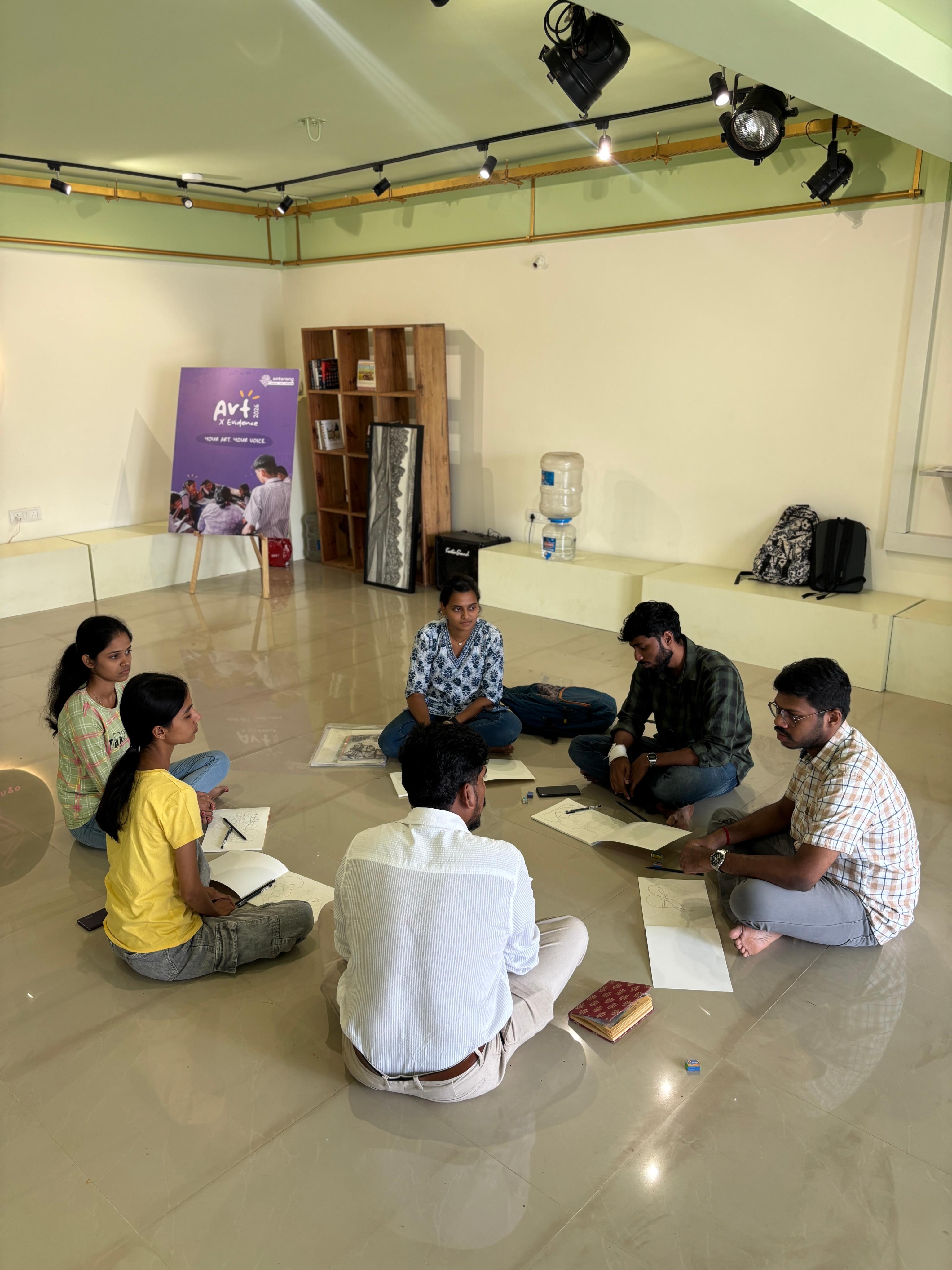
Visual Arts Workshop mentored by Rohit Bhosle, a visual artist and art educator
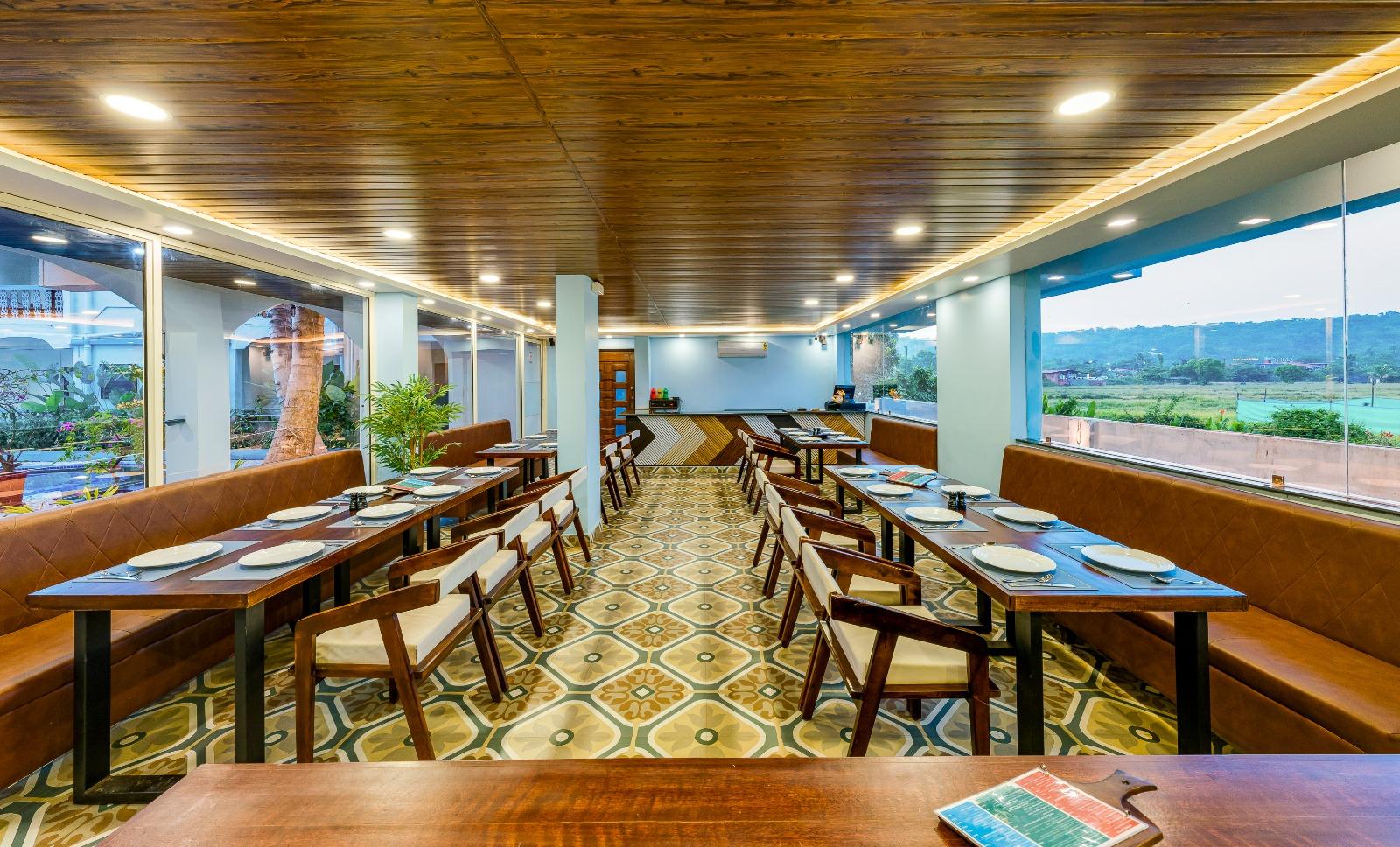
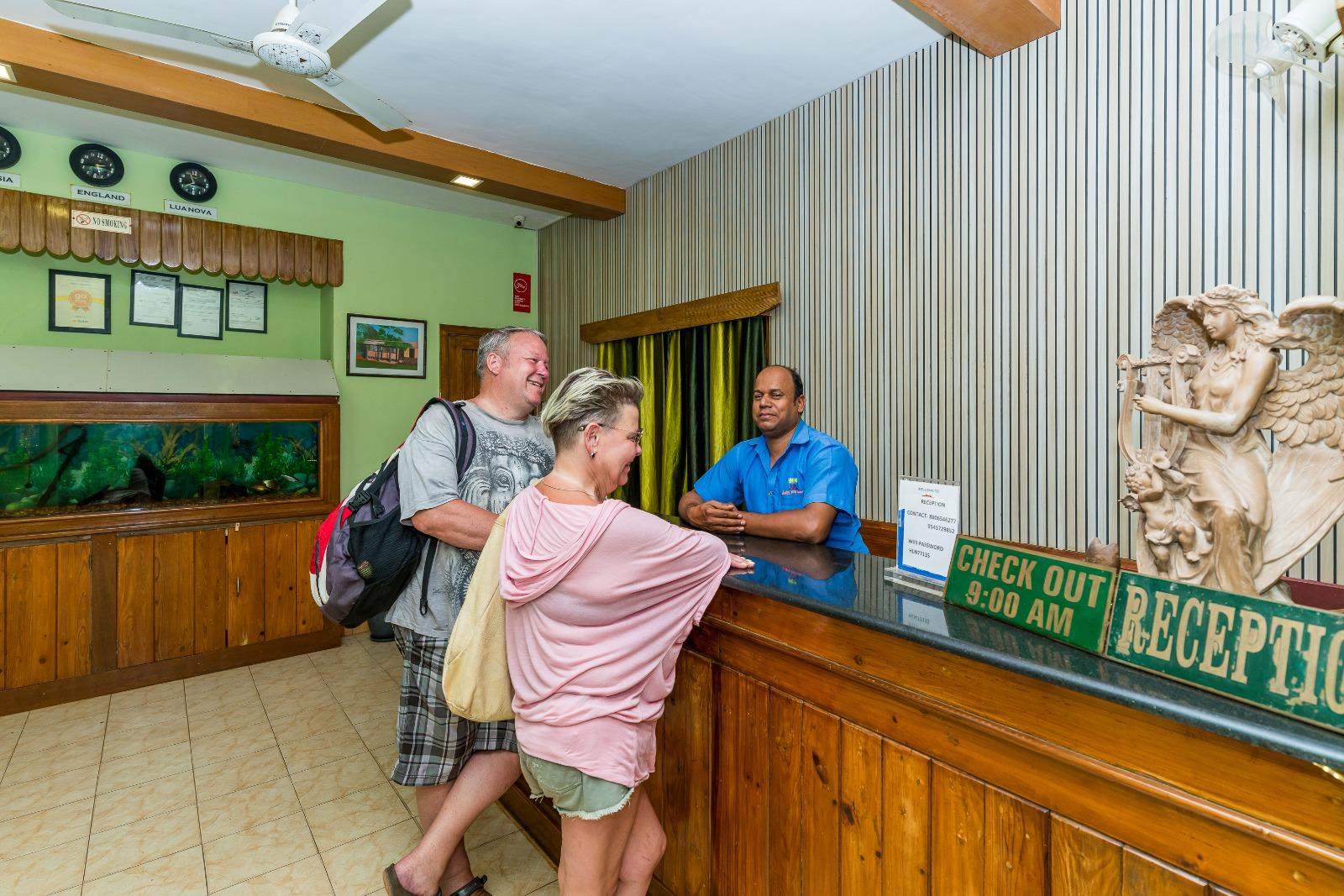
hotel Lua Nova