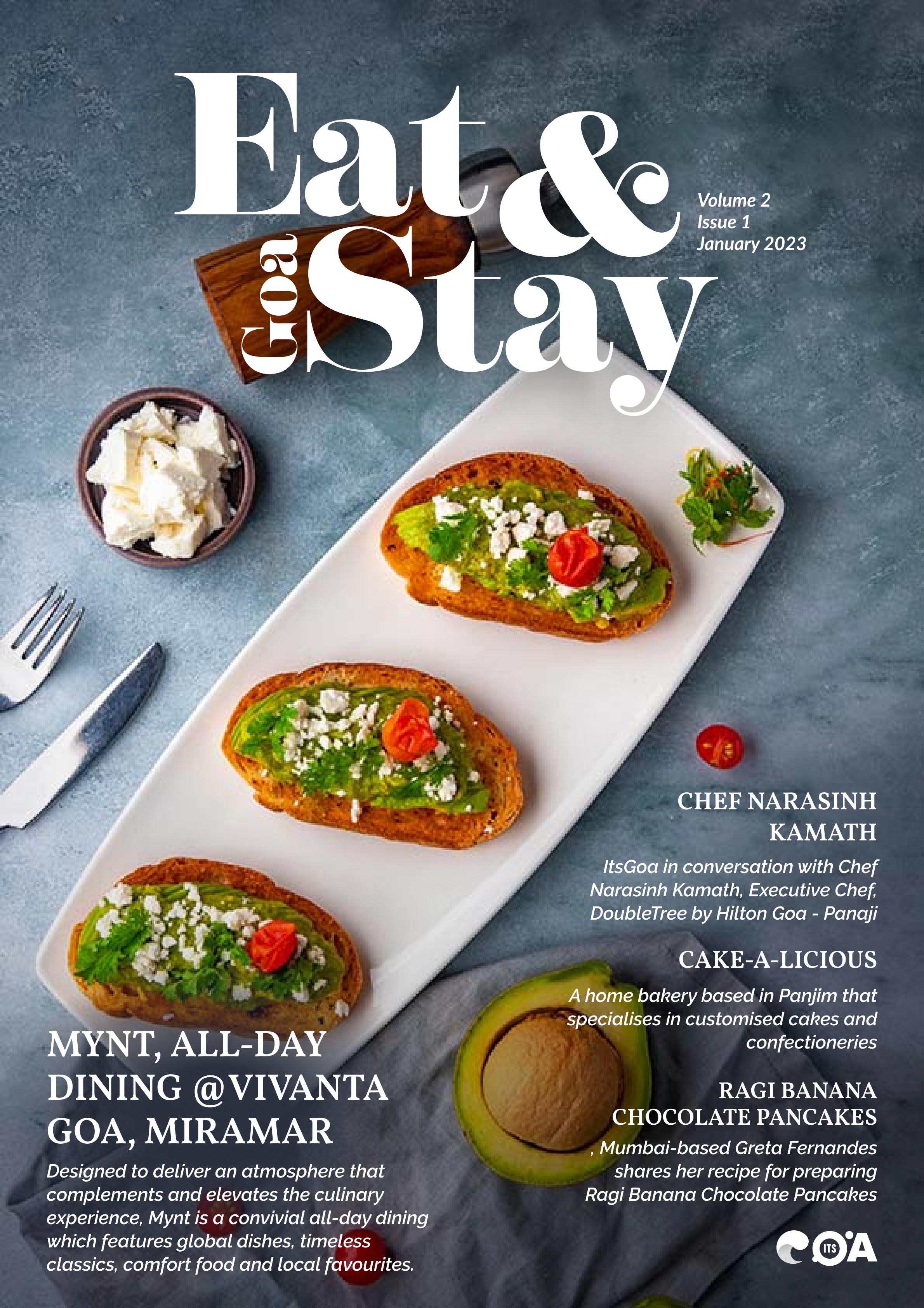
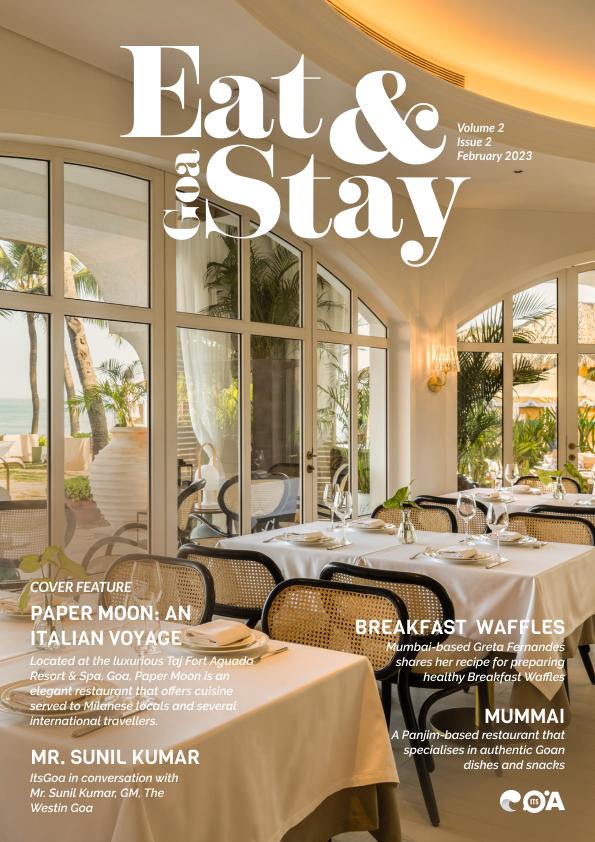
Eat Goa Stay &

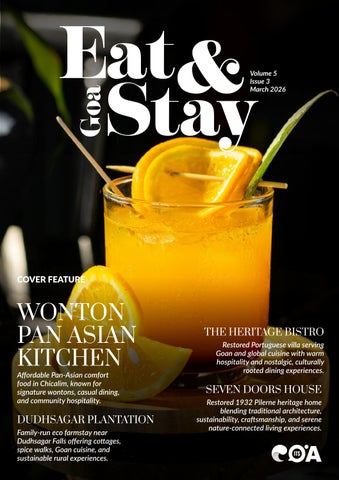
Affordable Pan-Asian comfort food in Chicalim, known for signature wontons, casual dining, and community hospitality.
Family-run eco farmstay near Dudhsagar Falls offering cottages, spice walks, Goan cuisine, and sustainable rural experiences.
Restored Portuguese villa serving Goan and global cuisine with warm hospitality and nostalgic, culturally rooted dining experiences.
Restored 1932 Pilerne heritage home blending traditional architecture, sustainability, craftsmanship, and serene nature-connected living experiences.


Dear Readers,
Welcome to the March edition of Eat & Stay Goa, where stories of food, design, and meaningful escapes come together to celebrate Goa’s everevolving spirit.
This month, we begin with Wonton Pan Asian Kitchen in Chicalim, a lively space bringing affordable Pan-Asian comfort food to the forefront. With its signature wontons and community-driven hospitality, it captures the ease and warmth of casual dining done right.
From bustling tables, we move into the quiet embrace of Dudhsagar Plantation, a family-run eco farmstay near the iconic falls. Rooted in sustainability and rural living, it offers immersive experiences, from spice farm walks to traditional Goan meals, that reconnect guests with nature and simplicity.
Heritage finds a voice at The Heritage Bistro, set within a restored Portuguese villa. Here, nostalgic charm meets global flavours, creating a dining experience that feels both timeless and deeply personal.
In Pilerne, Seven Doors House stands as a thoughtful restoration of a 1932 home, where architecture, craftsmanship, and sustainability come together to preserve Goa’s cultural memory while offering a serene, nature-connected retreat.
Adding to this narrative of curated living is Casa Do Leão, an intimate space that seamlessly blends stay, dining, and lifestyle shopping. With its designforward approach and community spirit, it reflects a slower, more intentional way to experience Goa.
Shifting the lens to the capital, Panaji’s riverfront along the Mandovi emerges as a dynamic 700-foot open-air venue. Balancing large-scale events with a strong sense of place, it brings the city back into conversation with its river.
For those seeking mindful indulgence, Mumbaibased nutritionist and food blogger Greta Fernandes shares a gluten-free, sugar-free almond and orange tea cake, bright, wholesome, and perfect for guiltfree moments of sweetness.
This issue is a tribute to those who are shaping Goa's culinary future, with dedication, creativity, and a deep respect for tradition. From indulgent desserts to mindful, nutritious creations, these individuals bring their unique talents and passion to the forefront, enhancing Goa’s vibrant food culture.
Well, that's all I have for you from my desk this month. I hope you enjoy reading this month’s issue of our magazine. Do share it with your friends all across the globe.
Until next time, cheers!
Jessyl Fernandez Editor
01 Wonton Pan Asian Kitchen
02 Dudhsagar Plantation
03 The Heritage Bistro
04 Seven Doors House
05 Casa Do Leão
06 A Riverfront That Turns Panaji's Focus Back to the Mandovi
07 Gluten-free Almond & Orange Tea Cake (Sugarfree recipe)
Goa, the tiniest state on the western coast of India, boasts golden pristine beaches, palmfringed avenues, flavourful food, delicious Portuguese-influenced sweets, and warm, hospitable people. Also known as the Ibiza of India for its partying. A tropical paradise of flora and fauna, from the very famous 'almi' (mushrooms) endemic to its forests, that grow only on the red mud anthills, to the solar prawns that are fished immediately after the monsoons, Goa is unique. Tourists are also attracted to Goa for its cultural heritage - from the famous old Portuguese churches like Se Cathedral in Old Goa, the 16th Century Safa Masjid in Ponda and Shree Mangesha Temple in Mardol, the legendary Arvalem or Pandava Caves where the Pandavas of the Mahabharat fame lived, to its two unique festivals - Carnival and Shigmo. Goa plays host to many festivals - the International Film Festival of India that promotes cinema, the Serendipity Art Festival, Sunburn Music Festival, The Grape Escapade to name a few. To showcase this varied heritage of culture, art, tradition, food, and people, in 2015 ItsGoa was born. The main aim was to make it the premier portal for all things Goa. We were able to showcase Goa like never before. Soon our blogbased website transcended the virtual space, with the ItsGoa magazine – a sought-after resource for visitors to Goa from countries like Norway, Germany, UK, USA, UAE, etc.
Chief Editor
Jessyl Fernandez
Sales
Donald Fernandez Andrea Fernandes
Content & Social Media Saviola Dias Britney Fernandes
Graphics & Layout Britney Fernandes
For advertising queries: +91 7887330620 / 9370502124
ItsGoa Media Group
Nordic Intent HQ - Floor 3, PDA Colony, Porvorim, Goa 403521
Email: mail@itsgoa.com Website: itsgoa.com
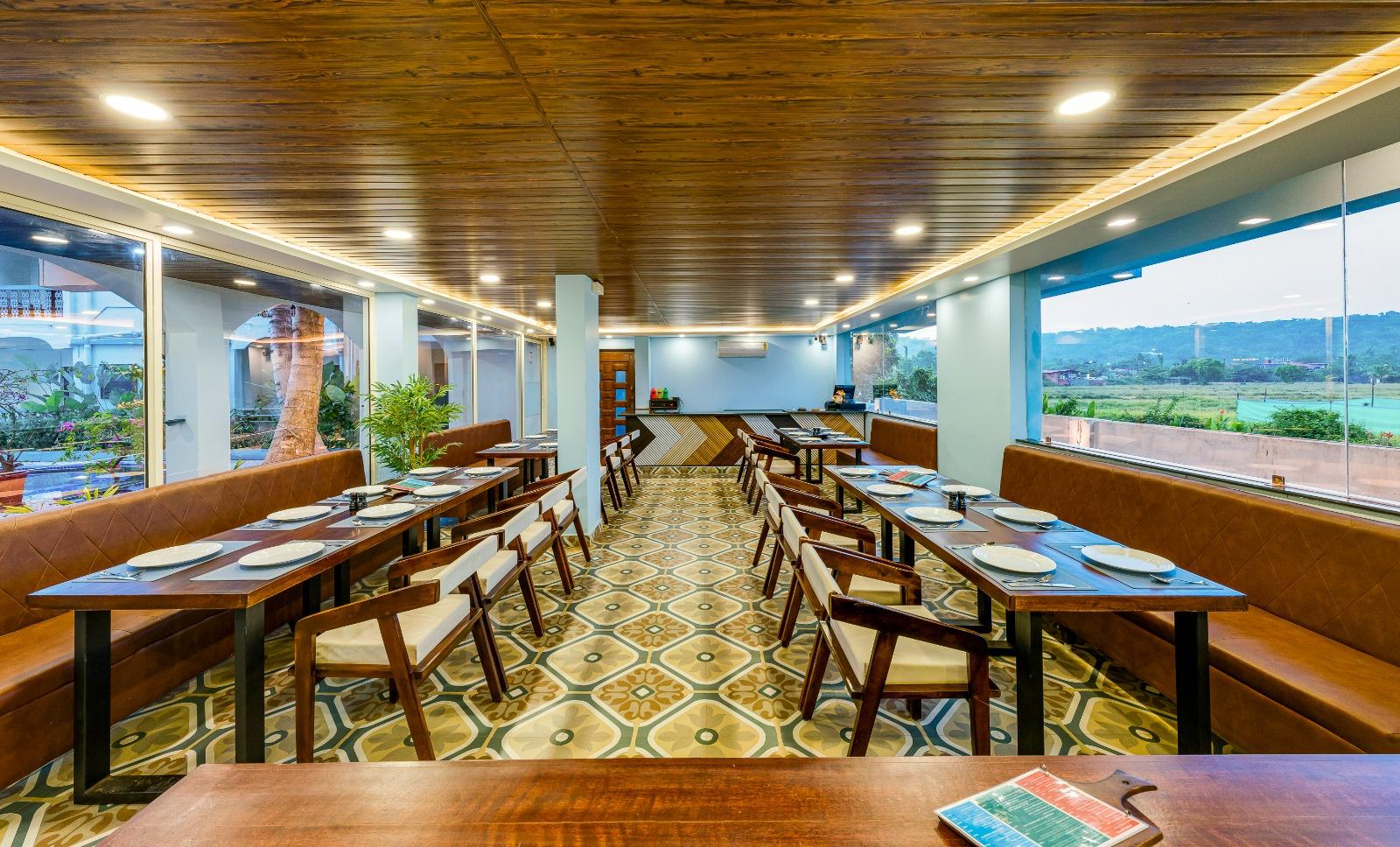
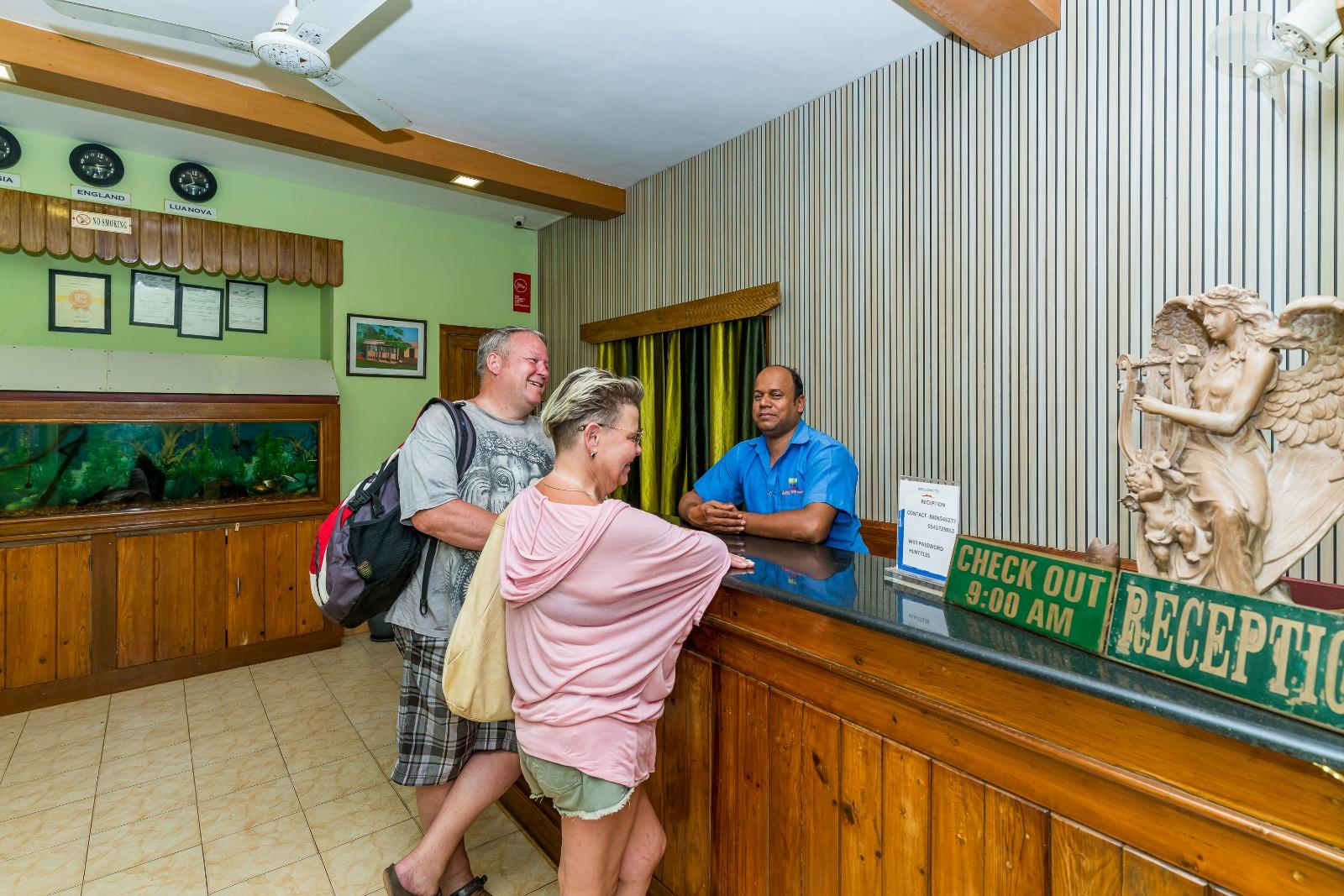
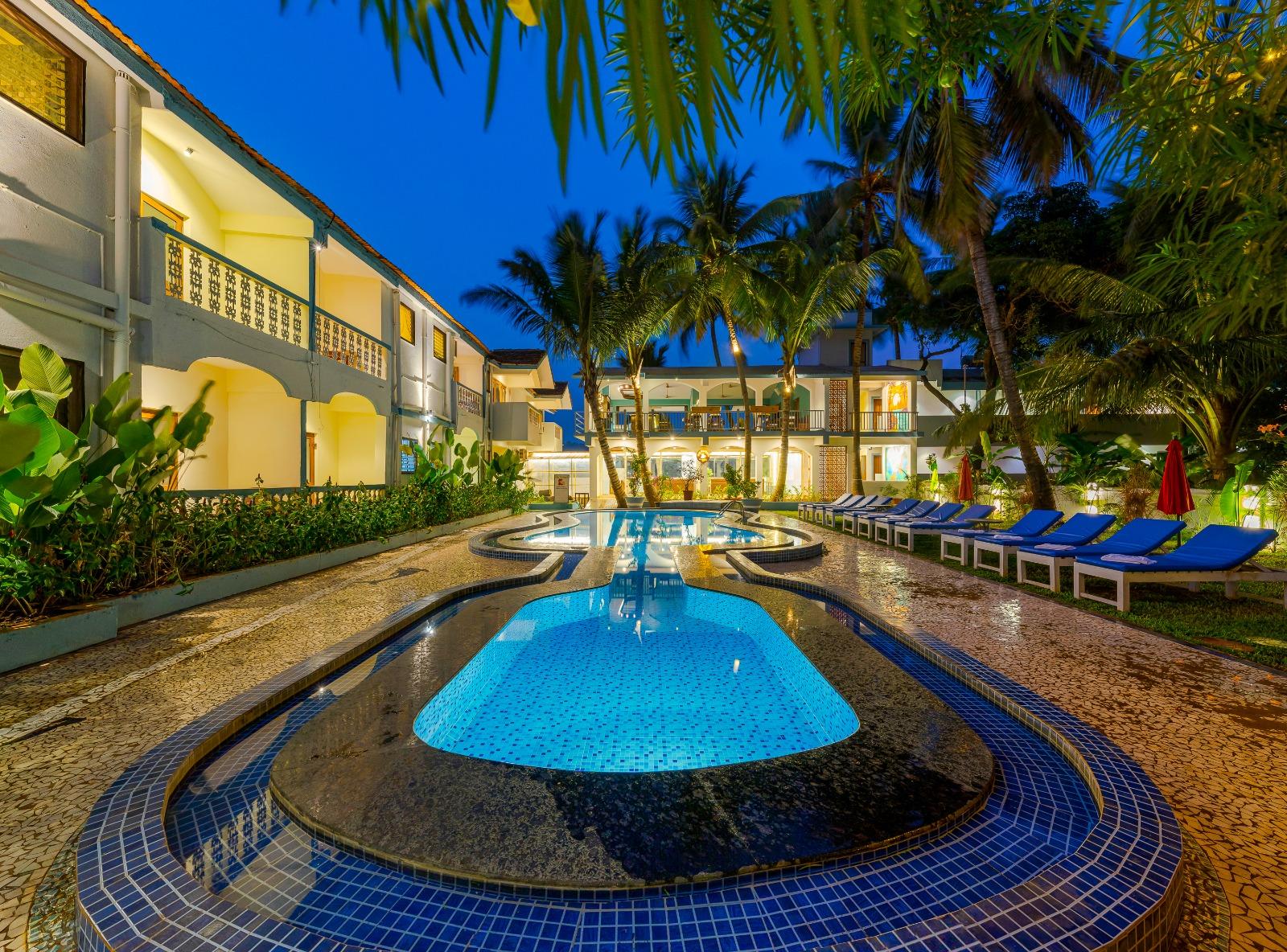
If holidays are inspired by nature and your thirst for rustic solitude and inner peace, Lua Nova is the hotel your heart was yearning for. Located at Goa's celebrated holiday capital at Baga, it overlooks a beautiful Canvas of village Goa, just 5 minutes walk from the Baga Beach. www.itsgoa.com itsgoa_ Itsgoa

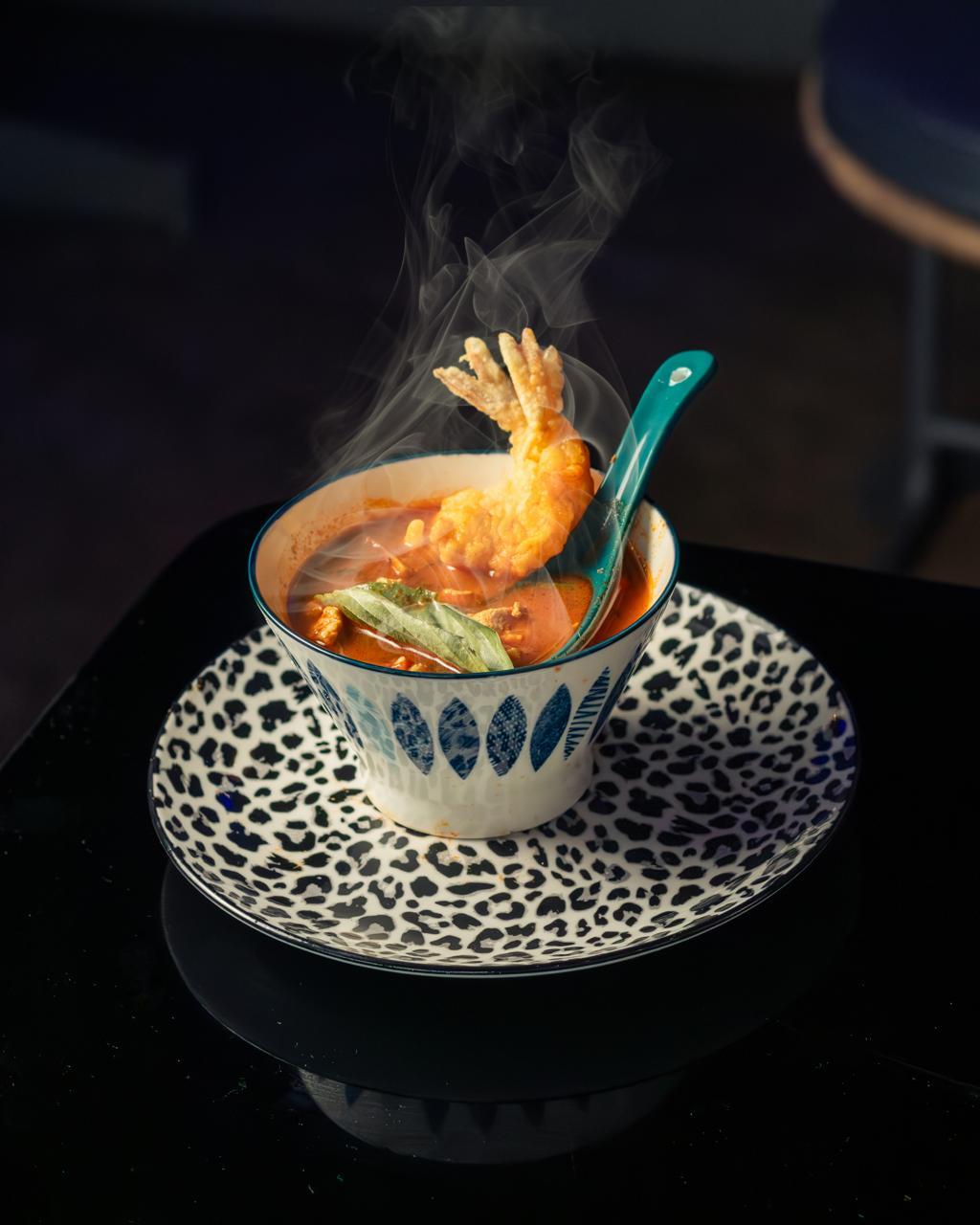
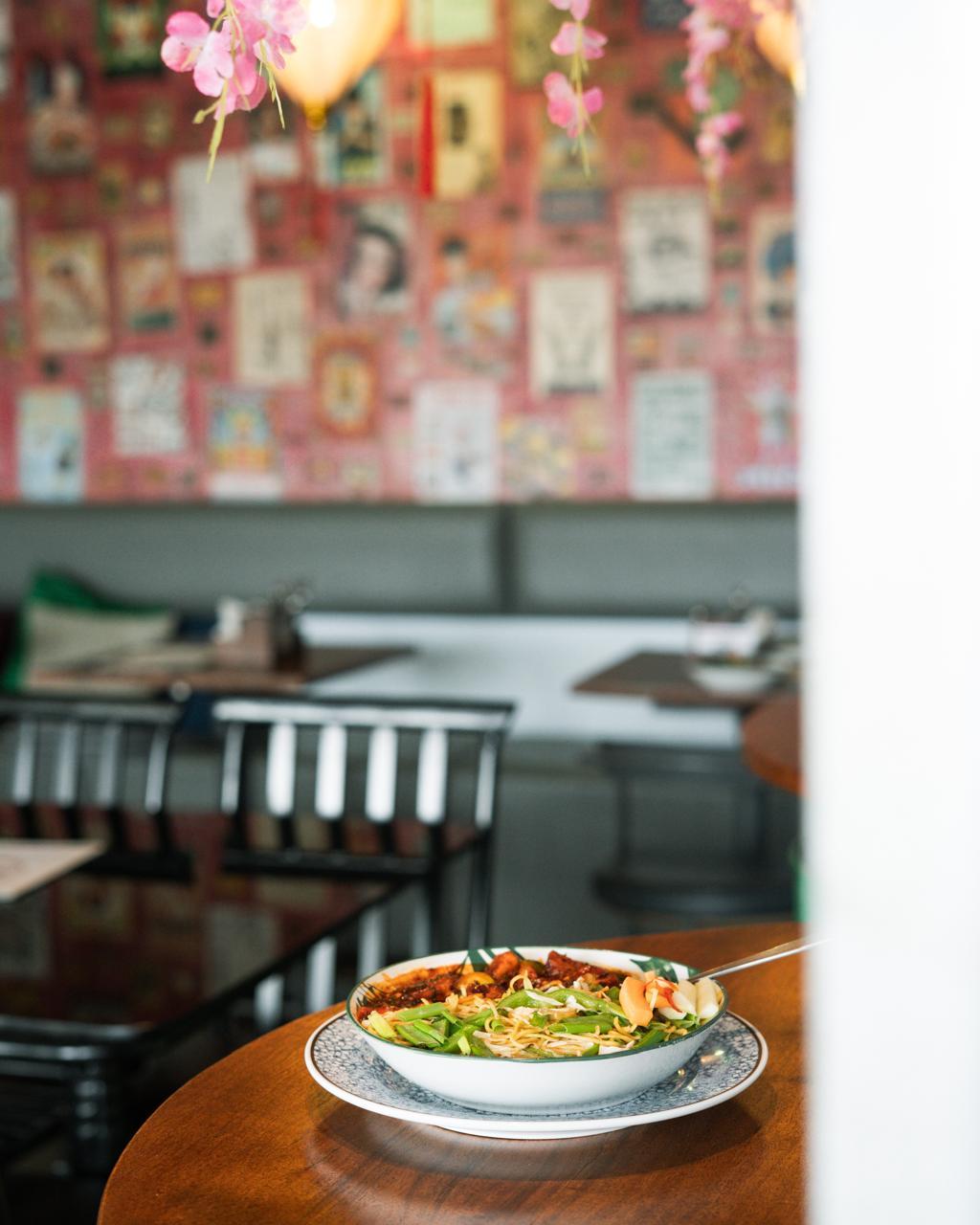
Wonton Pan Asian Kitchen brings affordable PanAsian comfort food to Chicalim, offering a lively casual dining space known for its signature wontons, convenience, and community-driven hospitality. Article by: Team
In the ever-evolving culinary landscape of Goa, new dining experiences continue to emerge, bringing global flavours to local communities. Among these is Wonton Pan Asian Kitchen, a casual dining restaurant in Chicalim that celebrates the vibrant and comforting tastes of Asian cuisine. Founded in May 2025 by Roxane Pereira, the restaurant reflects a story of passion, courage, and the belief that it is never too late to begin a new chapter.
With its welcoming atmosphere, affordable menu, and focus on flavourful Asian dishes, Wonton Pan Asian Kitchen has quickly established itself as a goto spot for residents and travellers alike. At its heart lies a simple philosophy, good food, served conveniently, in a space that feels lively yet relaxed.
Behind Wonton Pan Asian Kitchen is Roxane Pereira, an entrepreneur who chose to embark on a new journey at a stage when many people consider slowing down.
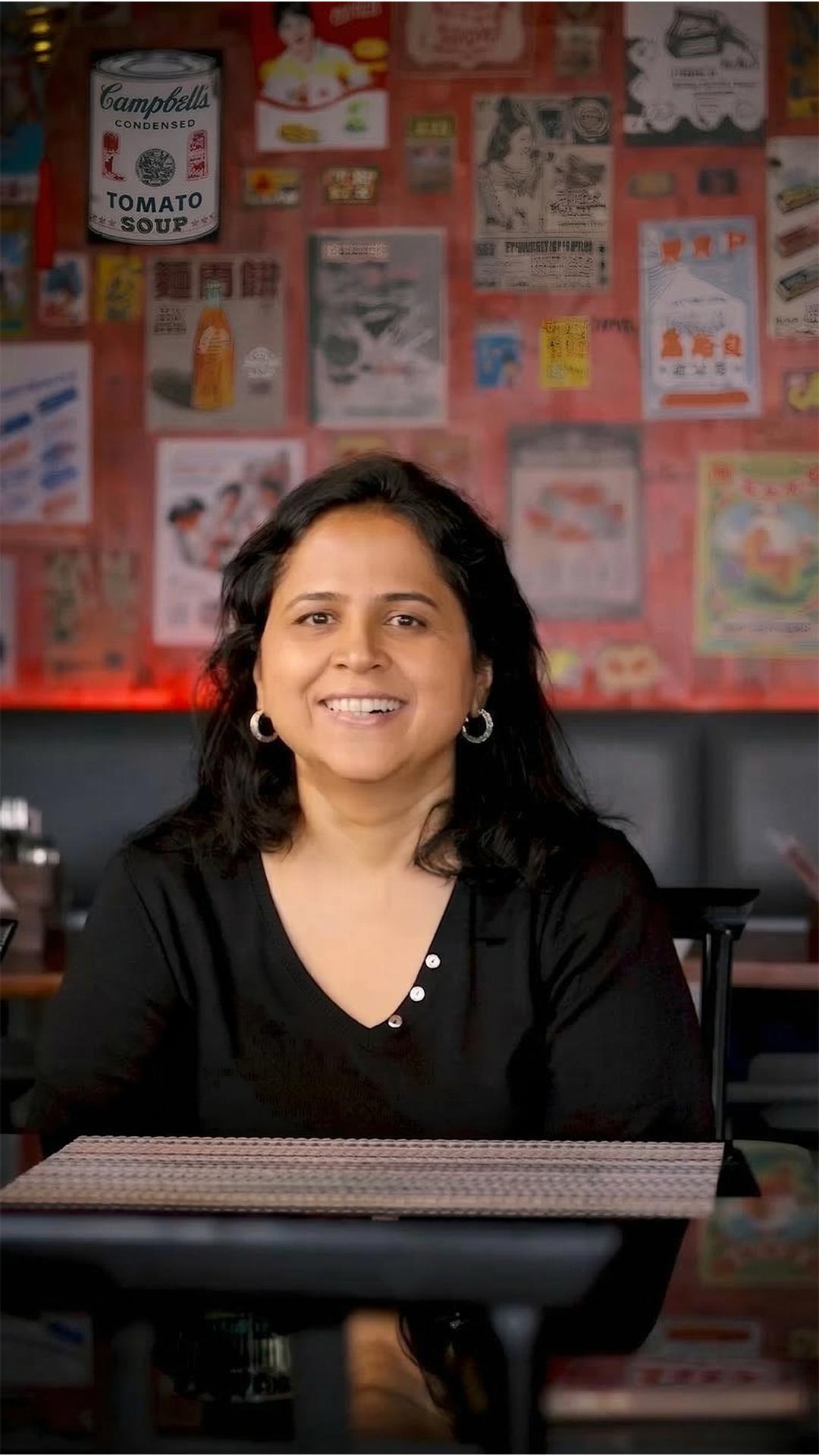
Launching the restaurant at the age of fifty was not simply a business decision; it was a personal milestone that reflected courage, curiosity, and a willingness to pursue a long-held passion for food and hospitality.
While Roxane oversees the restaurant’s overall vision, menu direction, and dining experience, she credits much of her strength to the unwavering support of her family.
Her husband and daughters have been constant sources of encouragement, stepping in whenever challenges arise and celebrating every success along the way. Their presence has transformed what could have been a daunting entrepreneurial journey into one filled with shared excitement and purpose.
The idea for Wonton Pan Asian Kitchen emerged from observing the growth and vibrancy of Chicalim, a neighbourhood that has steadily developed into an active residential and transit hub. Its proximity to Dabolim International Airport, located just 500 metres away, means the area sees a steady flow of travellers, professionals, and families.
Recognising the opportunity to introduce something distinctive yet accessible, Roxane envisioned a restaurant that would serve bold Asian flavours in a casual and welcoming environment. Instead of formal dining, the focus was on creating a place where people could drop in easily, enjoy satisfying meals, and leave with a memorable culinary experience.
Asian cuisine, known for its rich spices, layered flavours, and comforting dishes, provided the perfect foundation. By combining influences from different Asian traditions while keeping the menu approachable, Wonton Pan Asian Kitchen was designed to appeal to both seasoned food lovers and those simply looking for a quick, satisfying meal.
The journey of establishing the restaurant was both exciting and demanding.

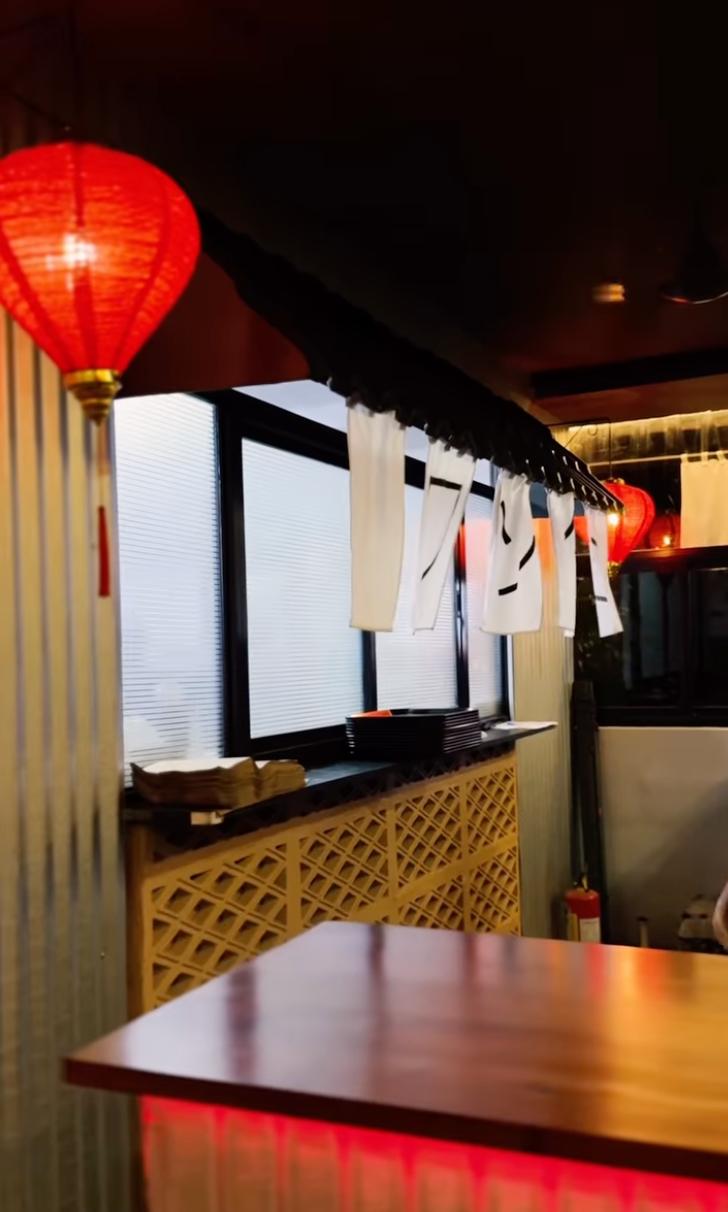
Like many hospitality ventures, it involved long hours, constant learning, and a deep level of personal involvement. Roxane took a hands-on approach to nearly every aspect of the process, from designing interiors inspired by Chinese aesthetics to shaping the menu and assembling a capable team.
The vision from the beginning was clear: create a lively dining space that offers authentic flavours at affordable prices. Practical considerations were also central to the concept. Ample parking, a relaxed ambience, and flexible dining options were all designed to ensure convenience for guests. The result is a restaurant that balances visual charm with functionality, offering a space where guests can enjoy a casual meal with friends, dine with family, or simply stop by for a quick bite.
The menu at Wonton Pan Asian Kitchen reflects a thoughtful blend of Asian culinary influences while remaining grounded in dishes that people naturally gravitate toward.
Rather than limiting the restaurant to a single regional cuisine, the approach is guided by a straightforward principle: if a dish is delicious and comforting, it deserves a place on the menu.
This philosophy allows the kitchen to draw inspiration from multiple Asian traditions while maintaining flavours that are familiar and satisfying. The aim is not only authenticity but also accessibility, ensuring that every dish feels inviting and enjoyable for a wide range of diners.
At the centre of the menu are the restaurant’s signature wontons, which have quickly become the star attraction. Alongside these are favourites such as fried rice, noodles, and richly flavoured Asian gravies that offer depth, warmth, and balance in every bite. Many guests arrive intending to order a small dish but often find themselves exploring several items once the aromas and flavours take hold.
Understanding the lifestyle of modern diners was an important part of shaping the restaurant’s format. With busy residents, professionals, and travellers passing through the area, speed and convenience became essential elements of the dining experience.
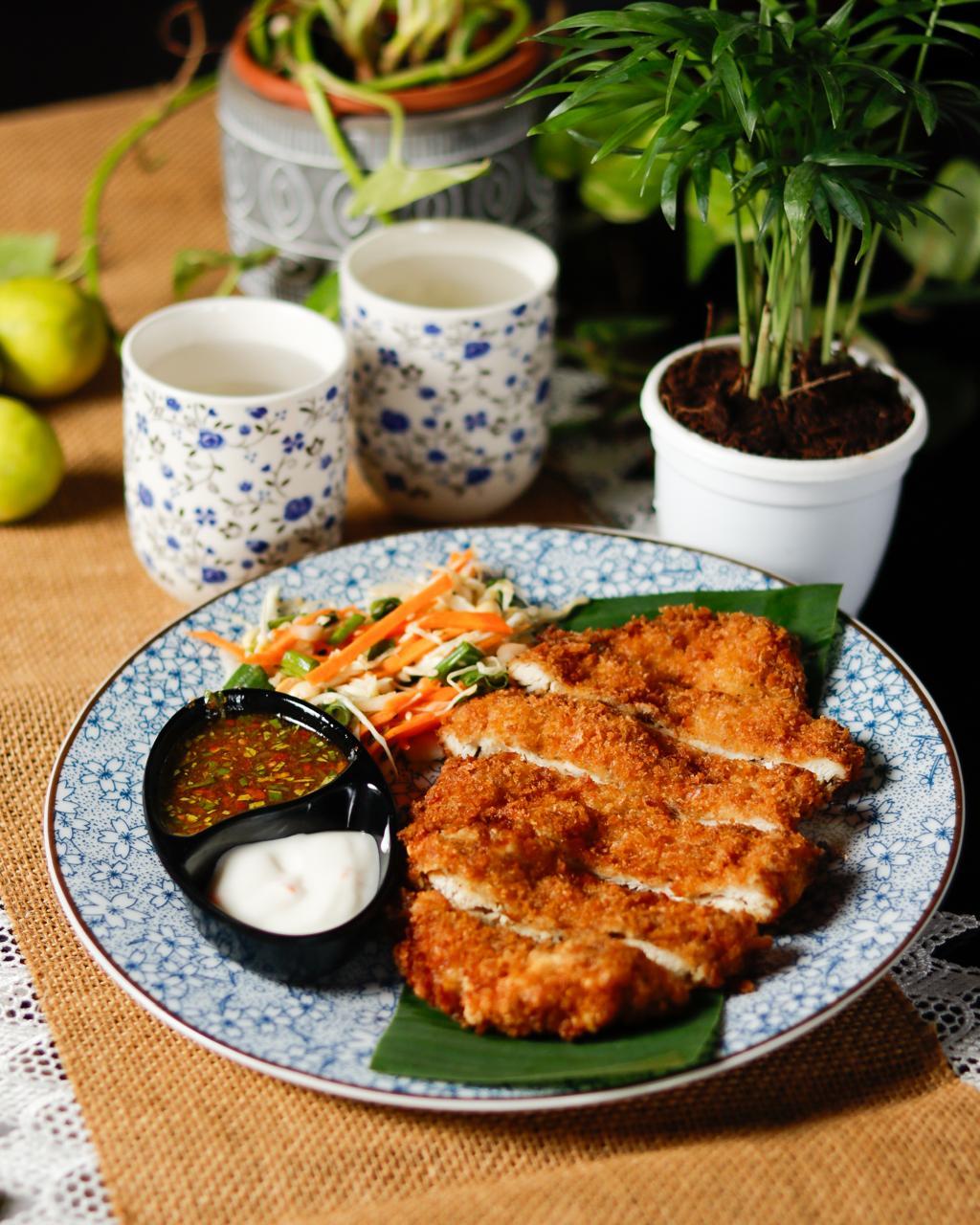
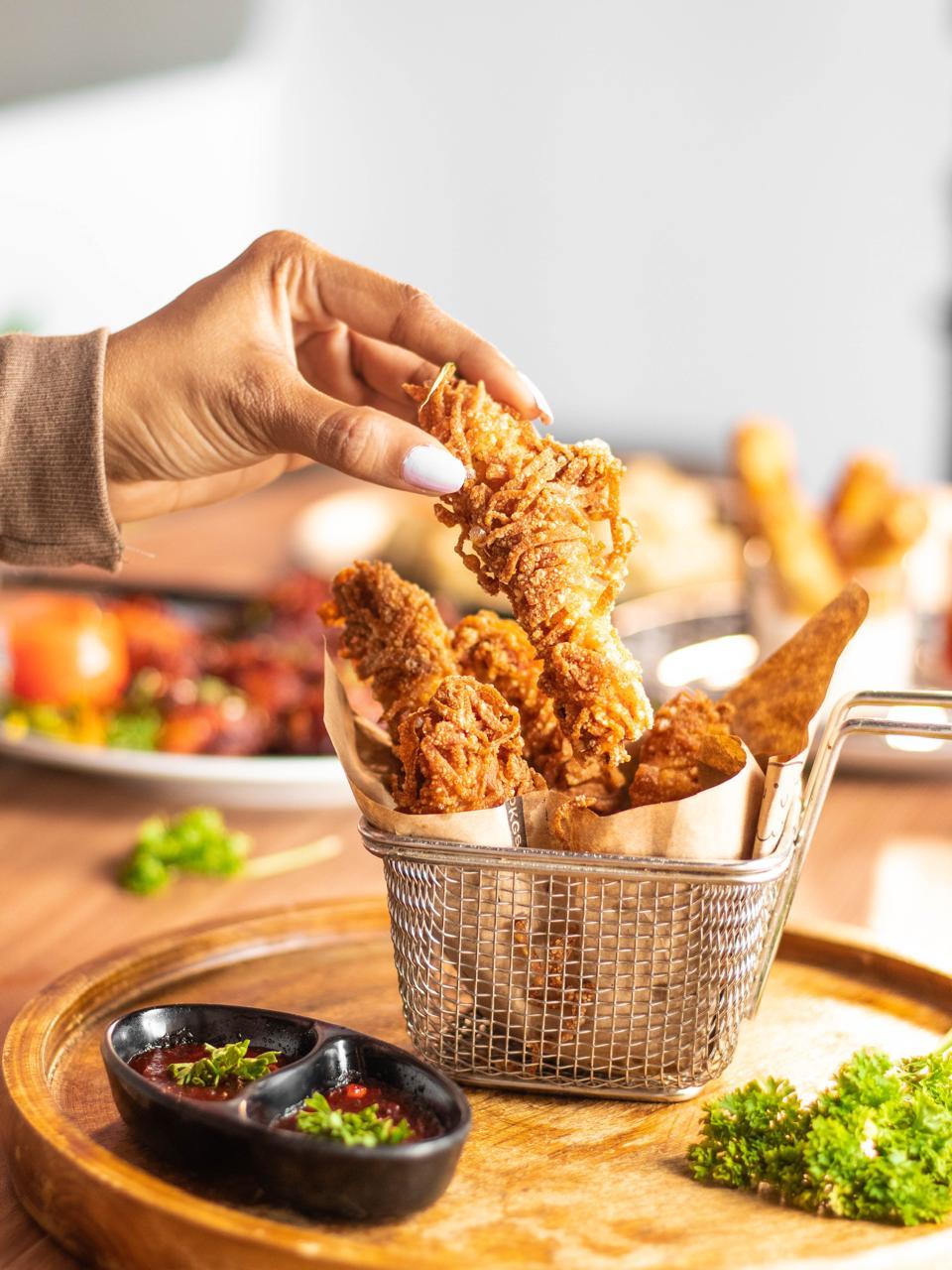
Wonton Pan Asian Kitchen therefore operates with a flexible quick-service model. Guests can choose to sit down and enjoy a relaxed meal, pick up a takeaway on their way home, or opt for delivery when dining at home feels more appealing. Selfserve options further streamline the experience, allowing customers to enjoy quality food without unnecessary waiting. This approach ensures that the restaurant caters equally well to those looking for a leisurely dinner and those who simply want a satisfying meal on the go.
Since opening its doors, Wonton Pan Asian Kitchen has received an enthusiastic response from the local community. Residents of Chicalim have embraced the restaurant as a neighbourhood favourite, often returning with friends and family after their first visit.
At the same time, its location near the airport brings a steady stream of travellers who stop by before or after flights. The mix of locals and visitors creates a dynamic atmosphere where new customers are constantly discovering the restaurant. For Roxane, one of the most fulfilling aspects of the journey has been watching first-time guests turn into regulars, a sign that the restaurant has successfully created an experience people want to return to.
In a region known for its diverse dining options, Wonton Pan Asian Kitchen distinguishes itself through a focus on three key elements: authentic flavours, affordability, and convenience. Rather than competing through complexity or exclusivity, the restaurant emphasises accessibility and consistency.
The vibrant Asian-inspired ambience adds to the overall experience, creating an environment that feels energetic yet comfortable. Combined with practical amenities such as ample parking and efficient service, the restaurant offers a dining experience that is both enjoyable and effortless.
Running a restaurant is rarely predictable. Each day brings new challenges, from managing operations to ensuring every dish meets expectations. For Roxane, the fast-paced nature of the industry means there is always something that requires attention. Yet the rewards are equally powerful.

Seeing the restaurant filled with guests enjoying their meals, hearing positive feedback, and knowing that people have found a favourite dish are moments that make the demanding schedule worthwhile. These interactions with customers serve as constant reminders of why the restaurant was created in the first place, to bring people together over good food.
Although Wonton Pan Asian Kitchen is still relatively new, its journey is only beginning. Roxane and her team continue to experiment with flavours and ideas, and diners can expect new additions to the menu as the restaurant evolves. If the growth and support from the community continue, the possibility of expanding with additional outlets may also become a reality in the future.
Outside the restaurant, Roxane finds inspiration through travel and the discovery of new cuisines.
Exploring food cultures around the world not only offers relaxation but also sparks ideas that may eventually find their way into the kitchen at Wonton. Spending time with family remains equally important, providing balance and grounding in the midst of the demanding hospitality industry.
Perhaps the most inspiring aspect of Wonton Pan Asian Kitchen is the story behind it. Starting a business at the age of fifty challenged the conventional notion of timing and success. For Roxane Pereira, it proved that passion, determination, and support from family matter far more than age.
Her journey serves as a reminder that new beginnings can happen at any stage of life. With courage, support from loved ones, and a genuine love for food, Wonton Pan Asian Kitchen has grown into a place where bold flavours, warm hospitality, and personal dreams come together, one delicious dish at a time.
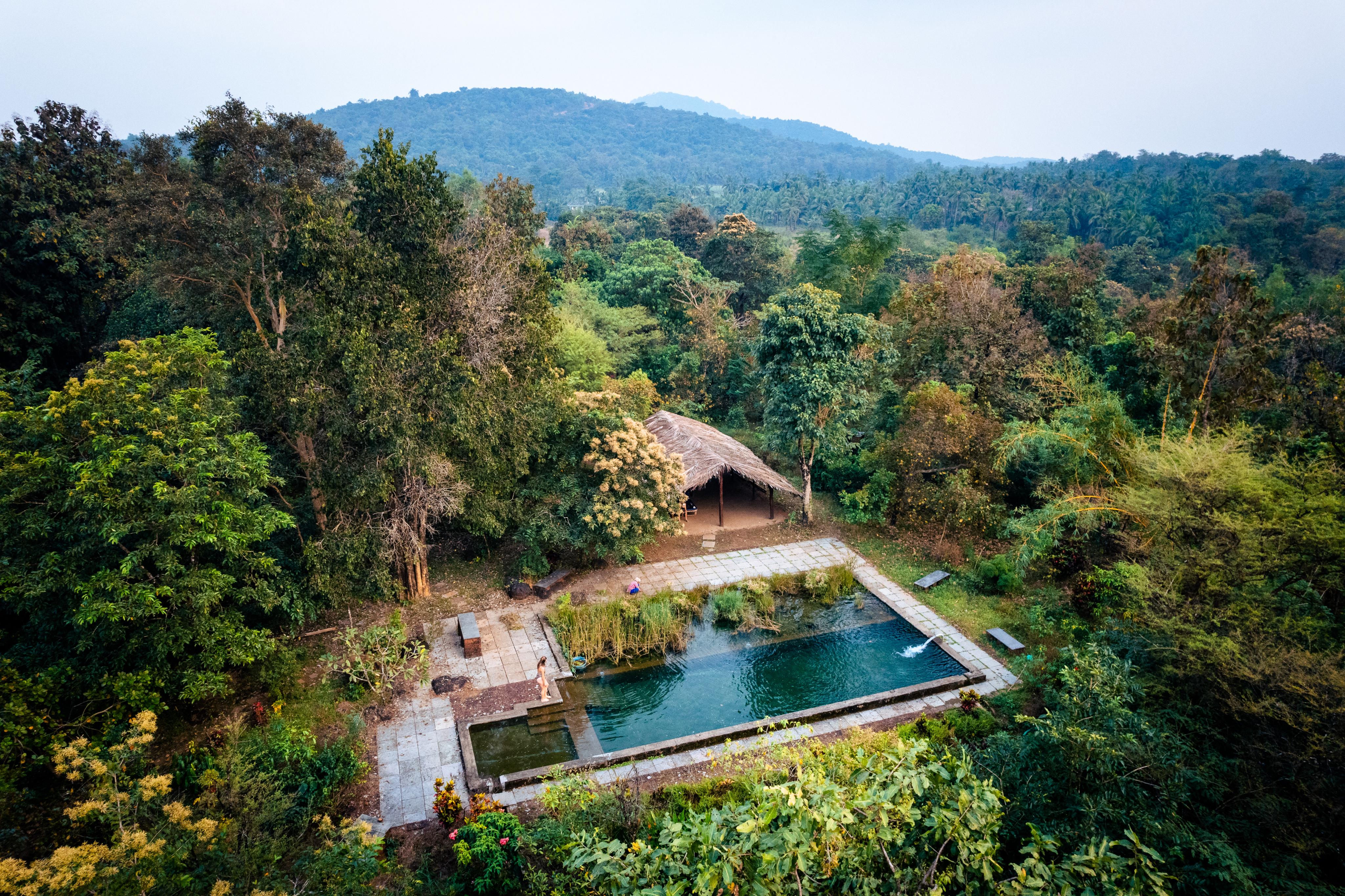
Dudhsagar Plantation is a family-run eco farmstay near Dudhsagar Falls offering cottage stays, spice farm walks, traditional Goan cuisine, and immersive experiences rooted in sustainability and rural life.
Set in the serene hinterlands of Goa, Dudhsagar Plantation is a unique eco-tourism farmstay built on a strong foundation of family values, social consciousness, and environmental stewardship. The farmstay is managed by Ashok Malkarnekar, alongside his father, Ajit Malkarnekar, who focuses on running the agricultural operations.
The family’s journey is deeply rooted in social service. Ajit and his wife Doris Malkarnekar, originally from Germany, first met in the 1970s while working with renowned social activist Baba Amte, contributing to initiatives that focused on rehabilitating tribal communities and individuals affected by leprosy.
In the 1980s, driven by concerns about the growing “brain drain” from rural India, the couple decided to return to Goa and rehabilitate a barren 50-acre piece of land. Over time, that land evolved into the lush plantation that exists today.
Before returning to set up the farmstay, Ashok worked in the development sector across Germany, Indonesia, and India. His global exposure, combined with memories of family farm holidays in Tuscany, inspired the idea of developing a farmstay in Goa, one that could reconnect urban travellers with the sources of their food and offer an authentic experience of rural life.
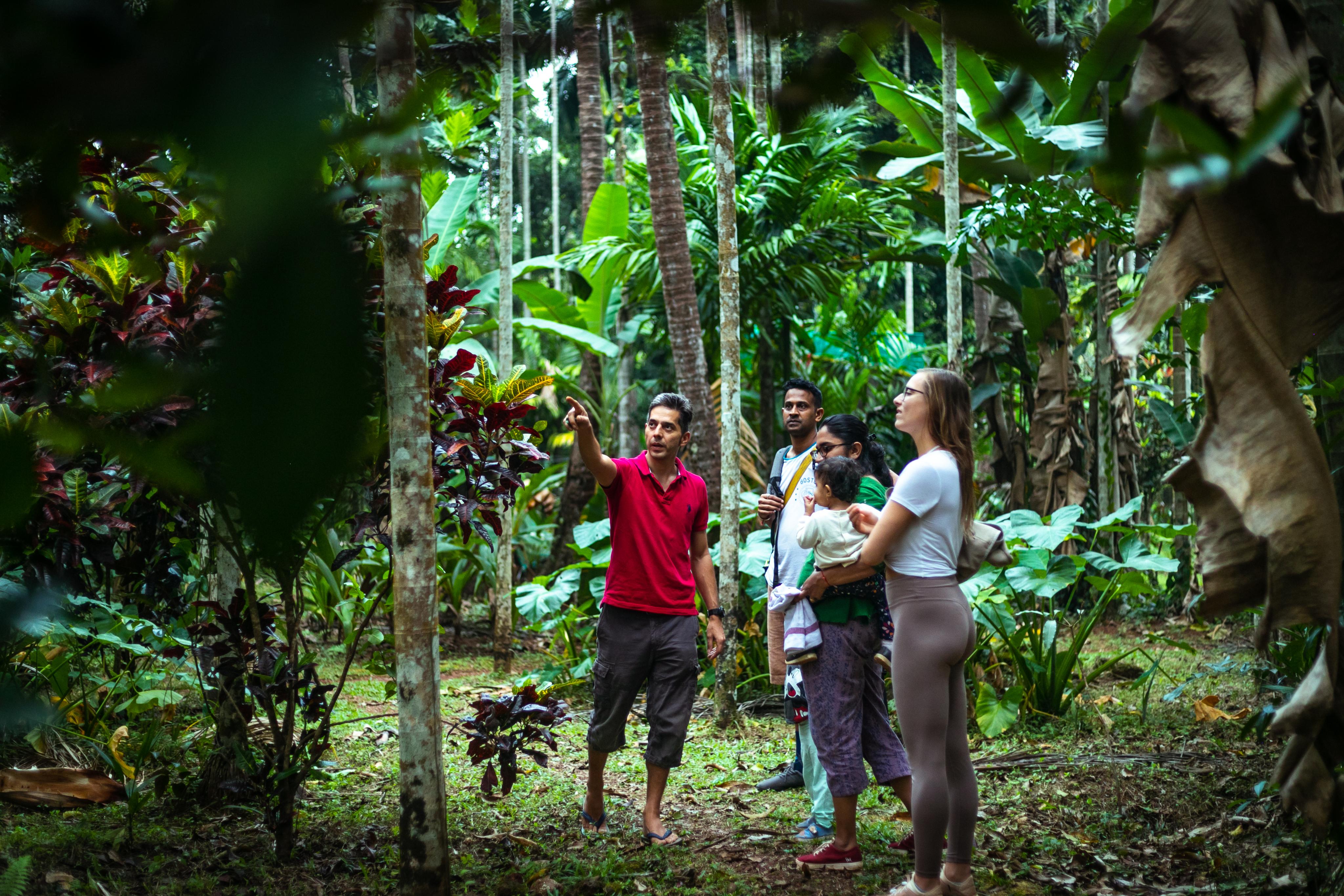
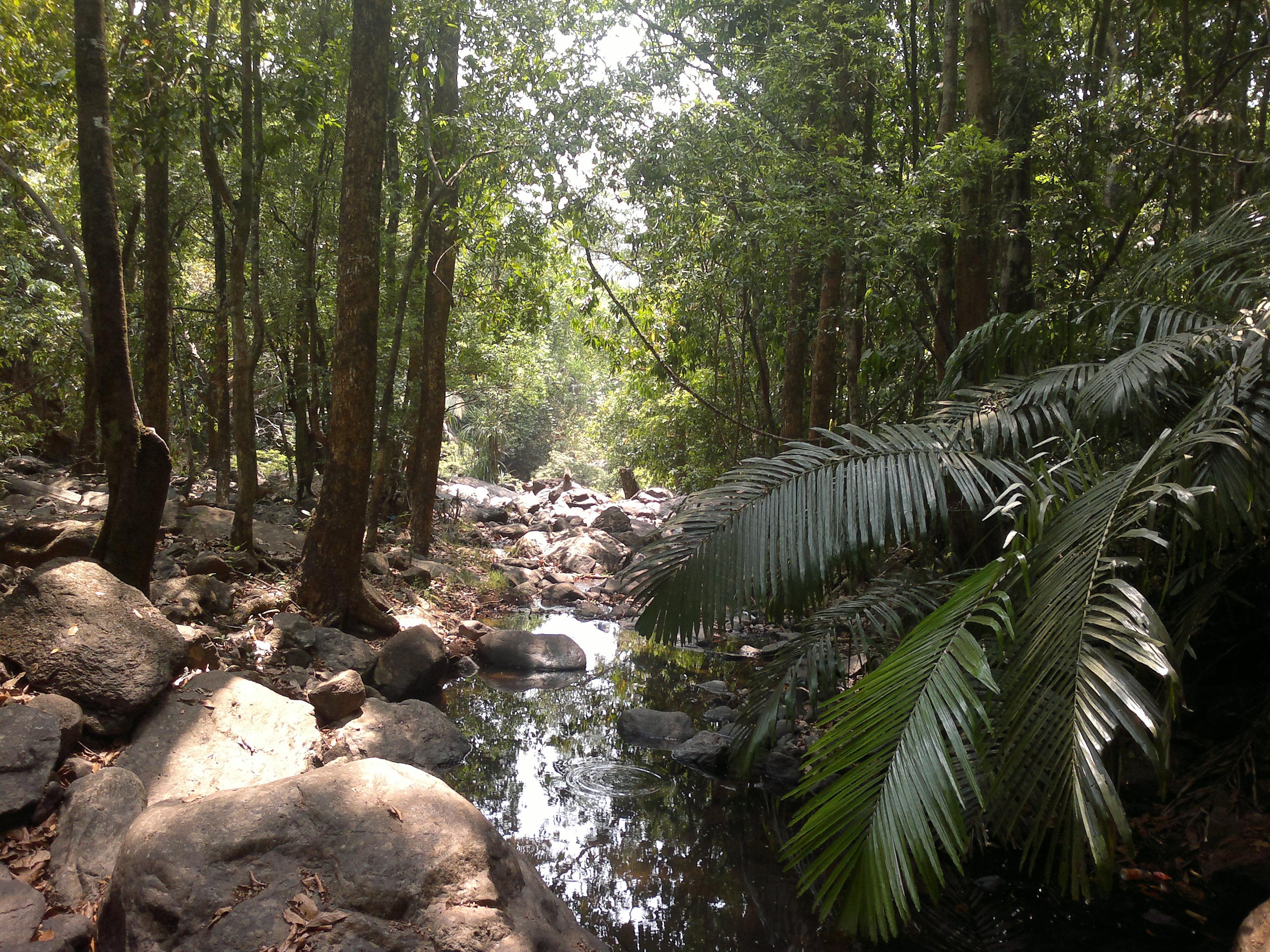
The plantation’s location near the majestic Dudhsagar Waterfalls plays a defining role in the experiences offered to guests. Situated close to the Bhagwan Mahaveer Wildlife Sanctuary, the oldest and largest protected forest in Goa, the property acts as a gateway to the region’s natural landscapes.
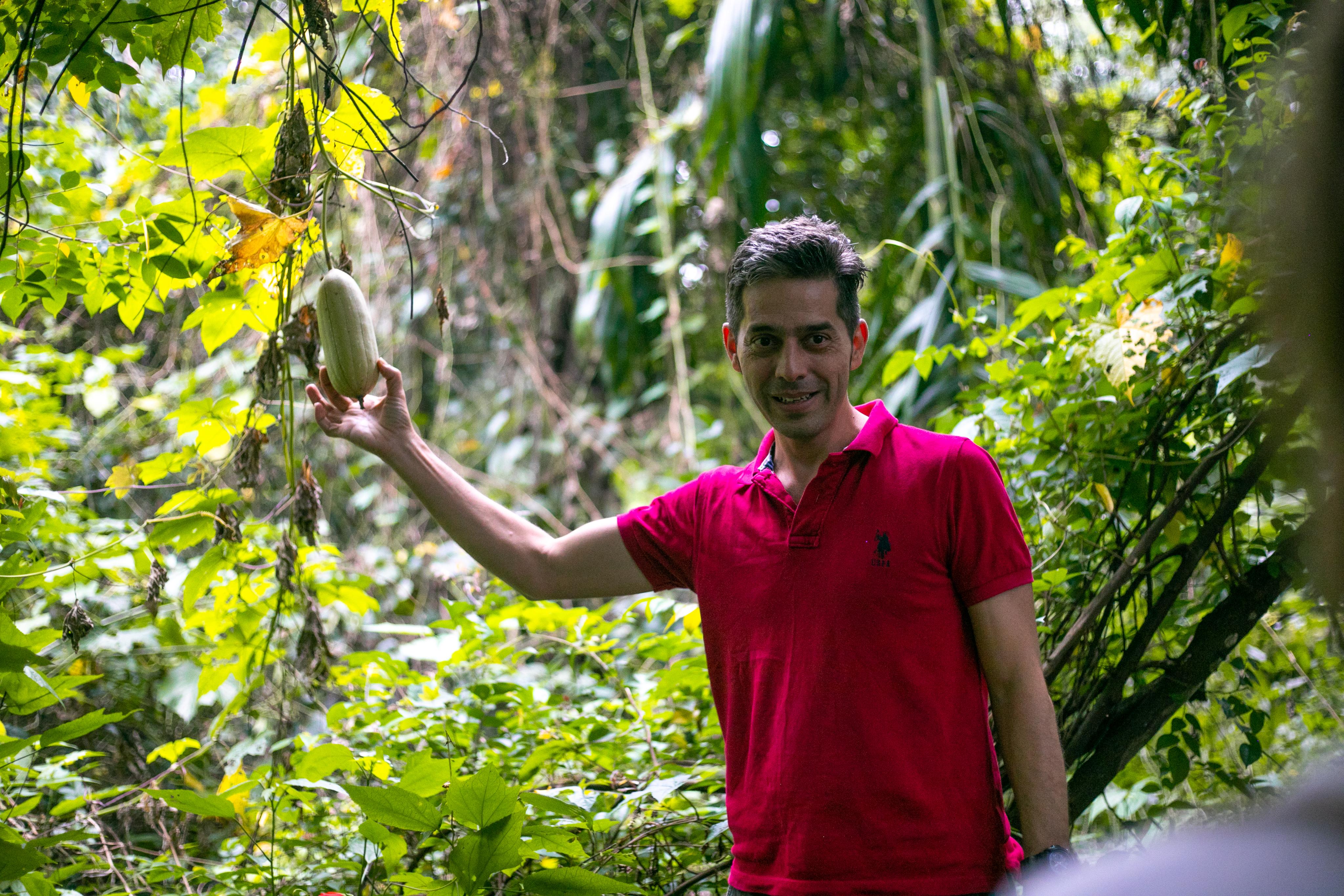
Rather than promoting rushed day trips to the waterfalls, Dudhsagar Plantation encourages a slower, more immersive approach to travel.
Visitors can take jeep safaris or trek through forest trails leading to the falls, but they can also explore lesser-known gems such as hidden waterfalls, ancient temples, and quiet riverbanks nearby.
Spread across fifty acres at the foothills of the biodiverse Western Ghats, the plantation itself resembles a vibrant food forest. Guests stay in five independent cottages nestled within coconut groves and surrounded by tropical vegetation rich with birds and butterflies.
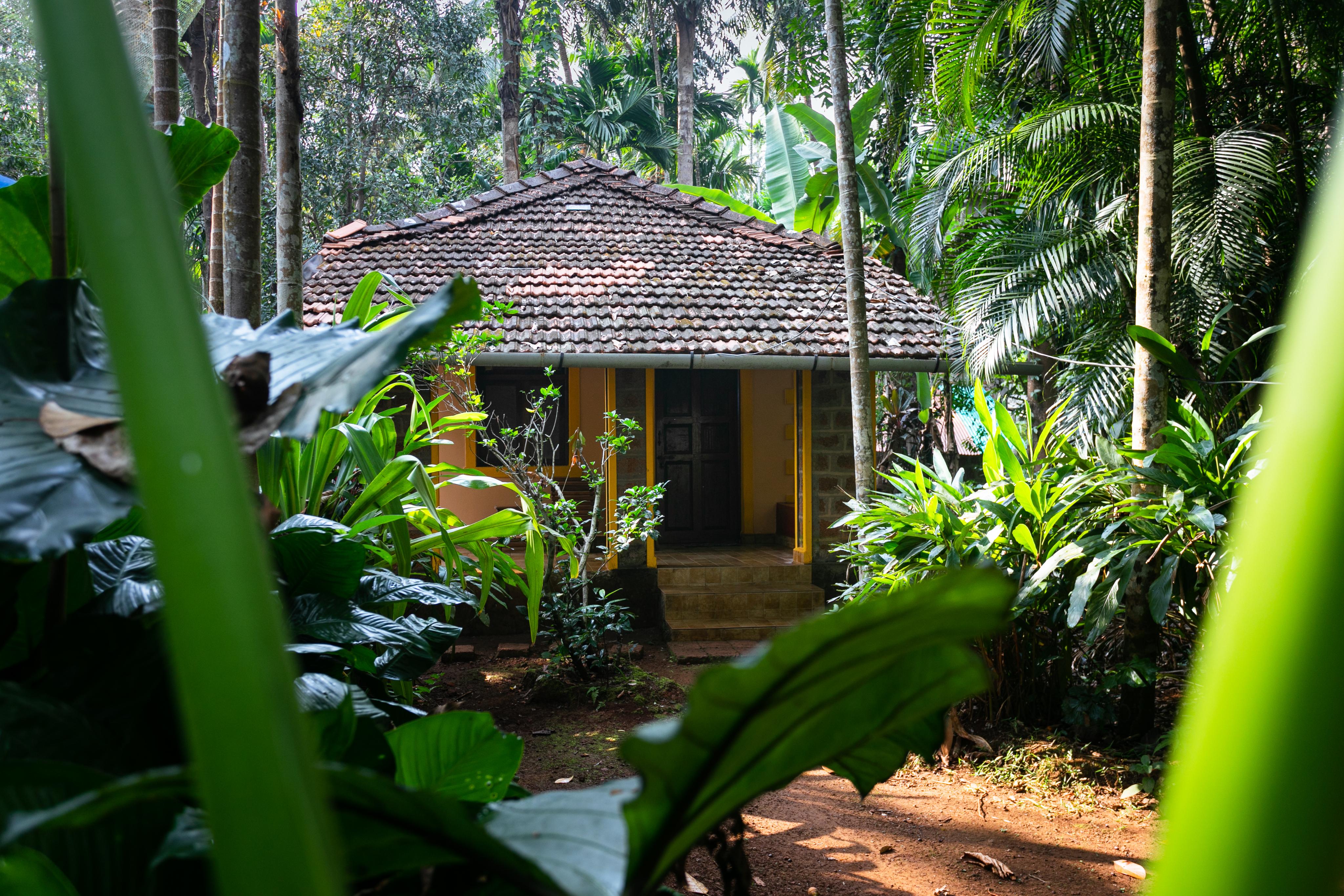
Designed using vernacular architecture with locally sourced laterite stone and Mangalore tiles, the cottages prioritise natural light and ventilation over artificial cooling. A natural, chlorine-free swimming pool perched on a hillock further enhances the immersive connection with the surrounding landscape.
A central part of the Dudhsagar Plantation experience is the “Know Your Spices” farm walk, where visitors explore the spice gardens while learning to identify tropical spices and understand sustainable cultivation practices.
The tour introduces guests to the interconnected ecosystem that supports farming, demonstrating how healthy soil, biodiversity, and careful land management allow agriculture to flourish naturally.
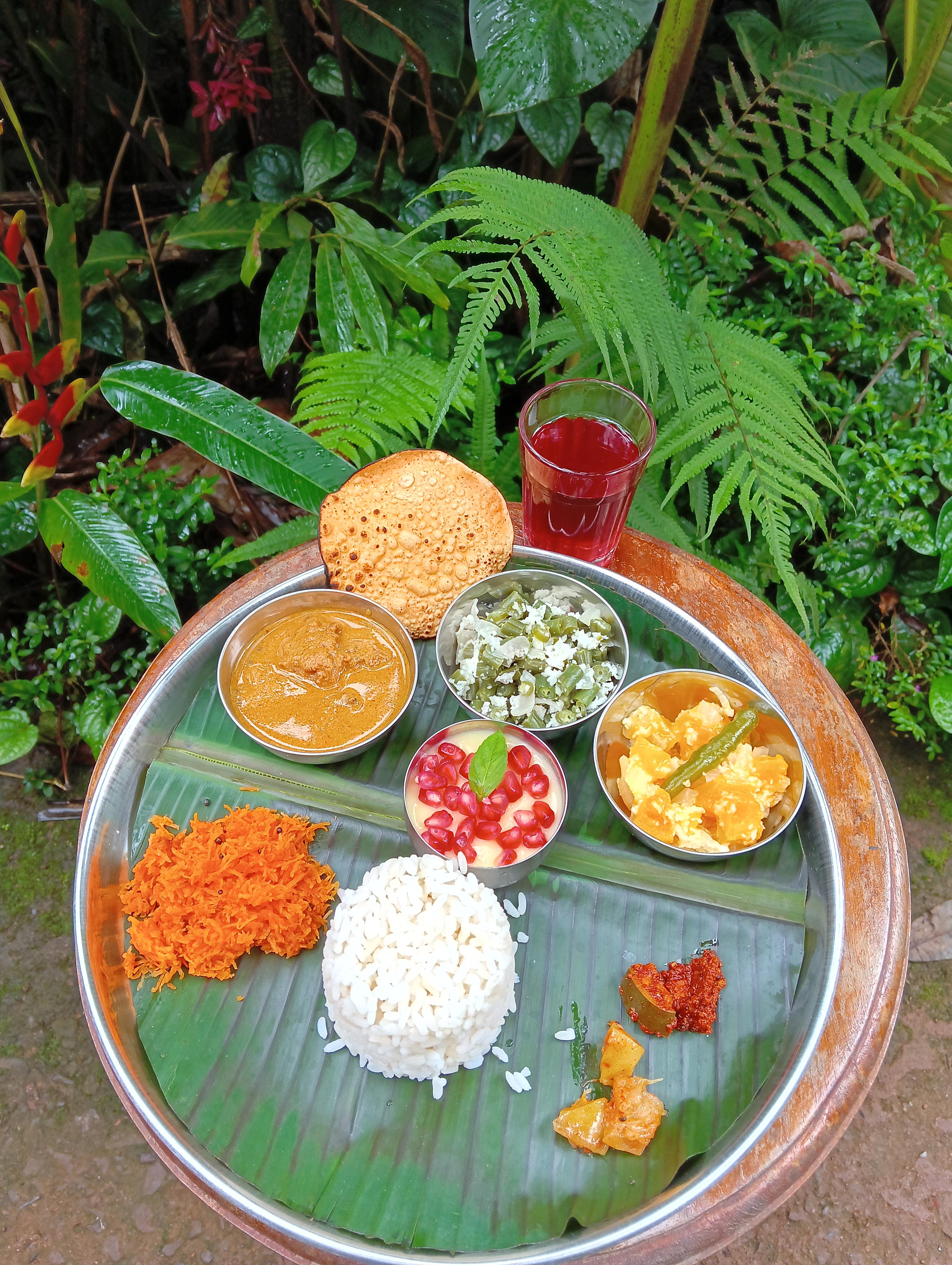
Food at the plantation reflects the same philosophy of authenticity and sustainability. Guests are served home-cooked Goan vegetarian meals in a communal setting designed to encourage interaction.
The kitchen uses 100 percent homemade coconut oil, while milk, ghee, and curd come from the farm’s free-range cows. Depending on the season, vegetables grown on the property or foraged from nearby forests are incorporated into the meals.
Traditional dishes such as khatkhate, patoli, colocasia preparations, and forest mushrooms offer guests a rare opportunity to experience regional delicacies seldom found in commercial restaurants.
Dudhsagar Plantation also celebrates Goa’s cultural traditions by integrating local heritage into the guest experience. The property’s architecture reflects regional building styles, while guests can take part in activities such as learning seasonal recipes or watching demonstrations of coconut mat weaving.
Local student groups occasionally perform traditional music and dance, creating a deeper cultural exchange and giving visitors insight into Goa’s living traditions.
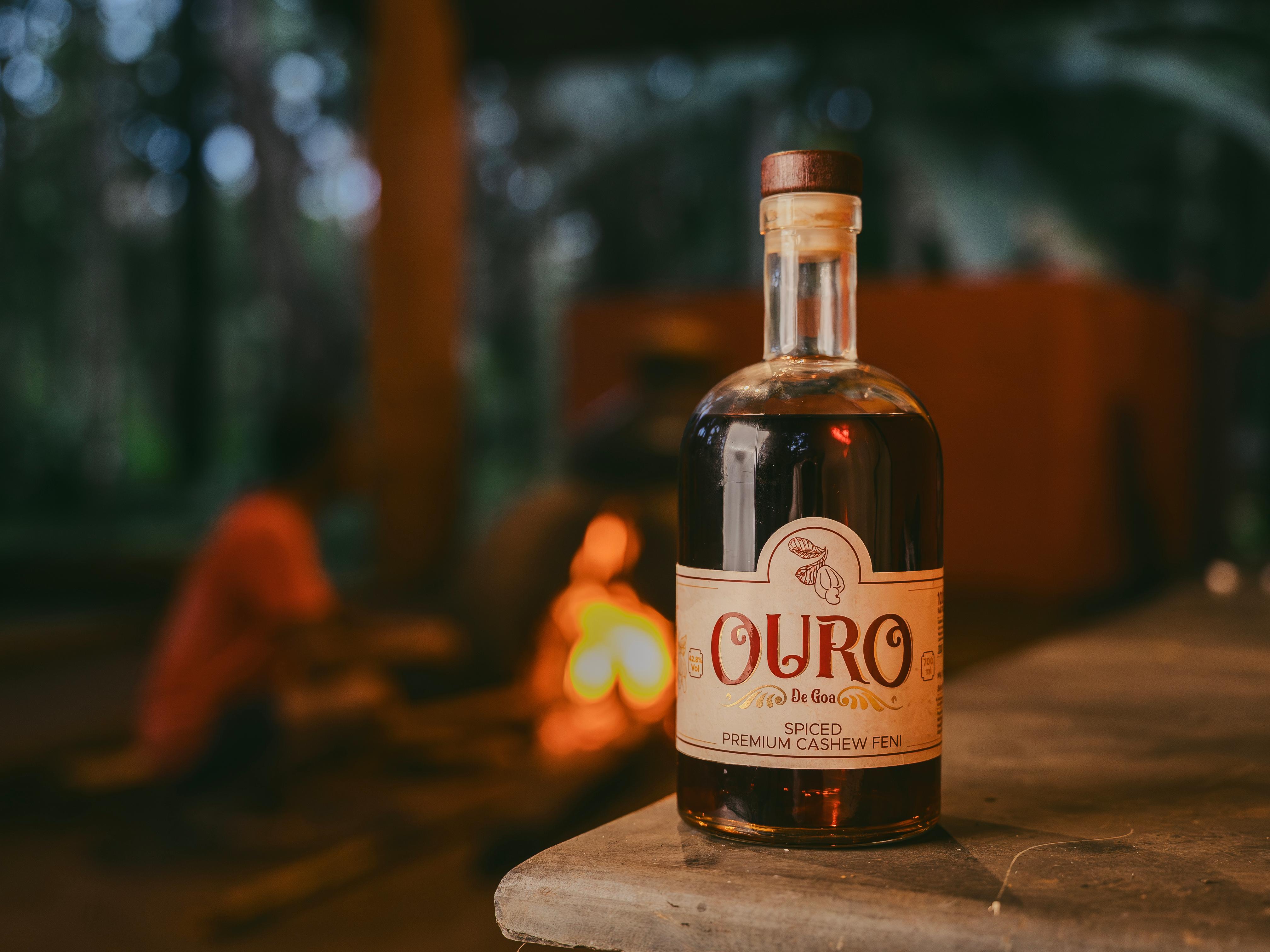
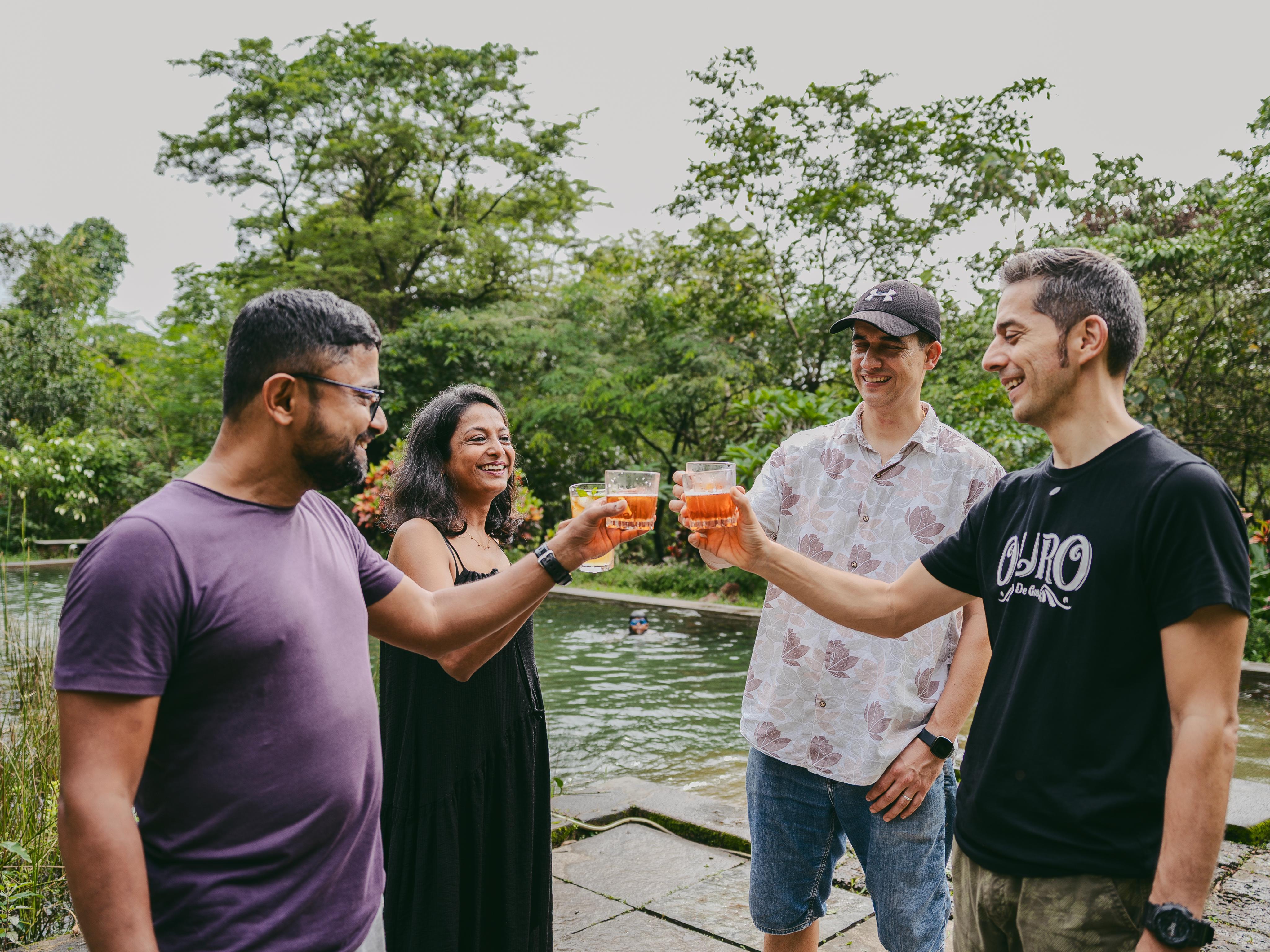
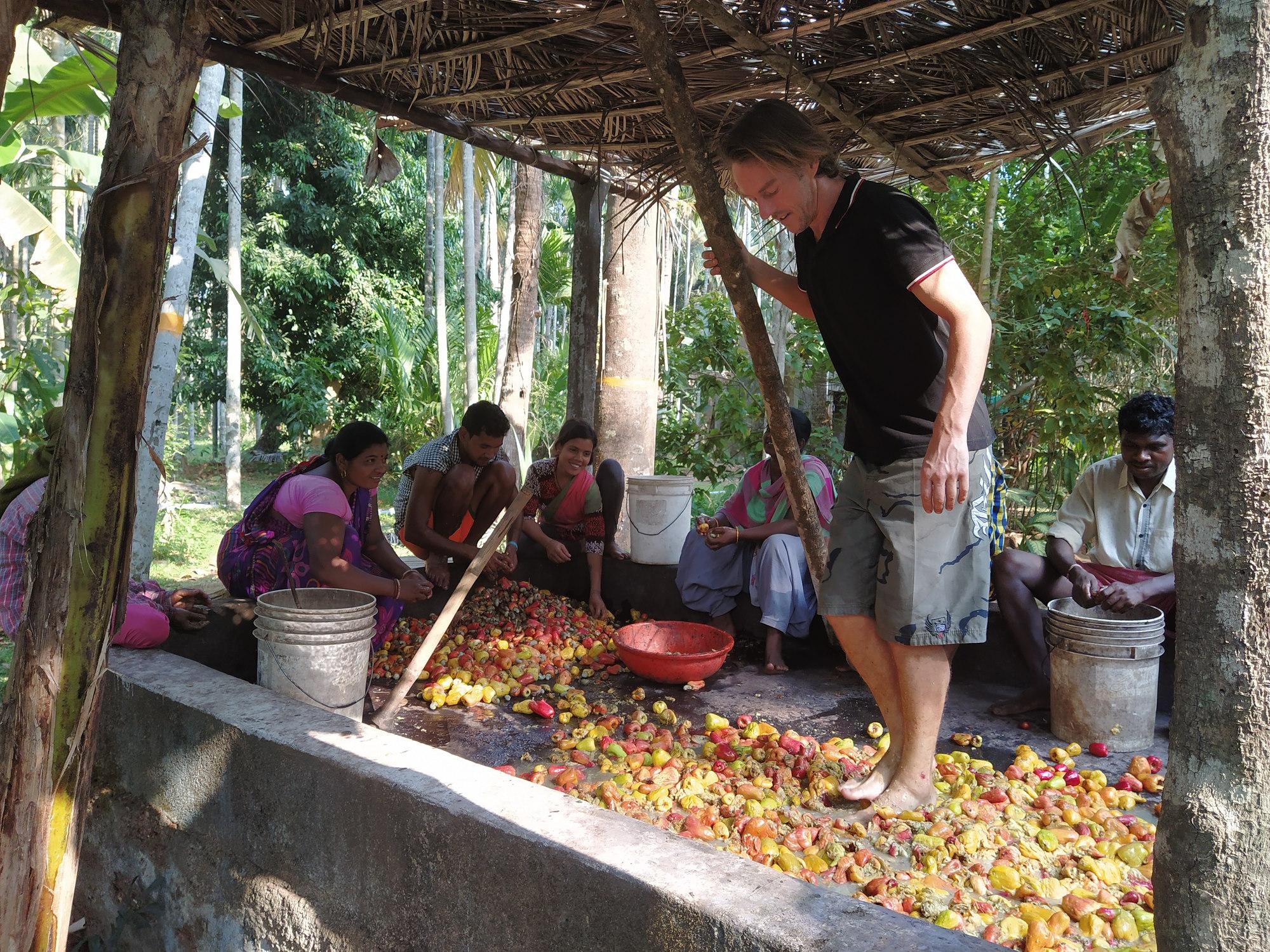
One of the plantation’s most distinctive features is its heritage distillery dedicated to producing traditional cashew feni.
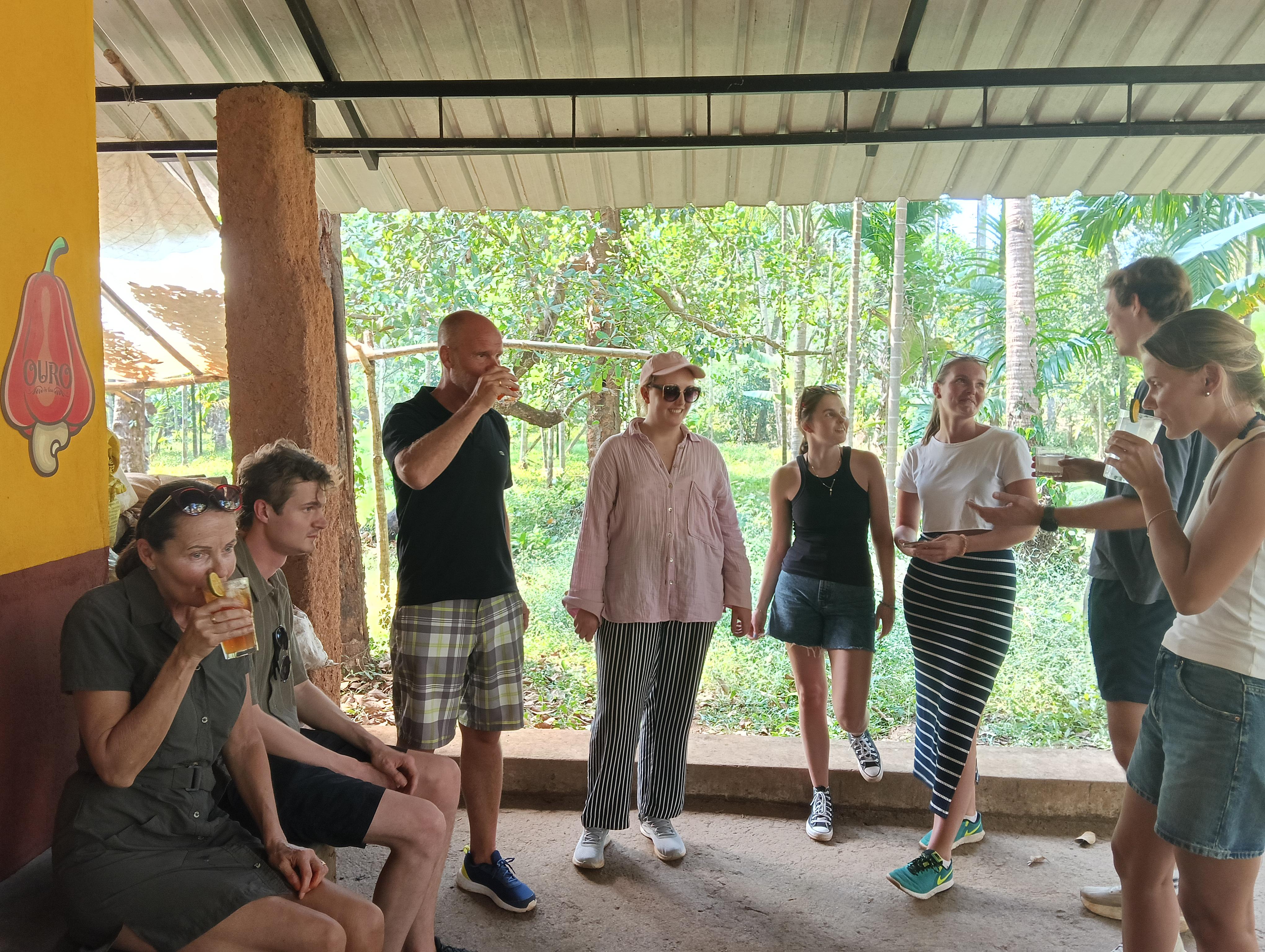
During the seasonal “Cashew Trail,” held between March and May, guests can participate in the entire process, from harvesting cashew apples and stomping them to witnessing the distillation process. The experience is complemented by a specially curated meal centred around the cashew apple.
Through its small-batch artisanal label OURO de Goa, the plantation works to preserve and promote traditional feni-making techniques while introducing this iconic Goan spirit to a wider audience.
Sustainability guides Dudhsagar Plantation, using traditional bunding to reduce erosion and recharge aquifers, sustaining its two wells.
A biogas plant treats blackwater from the cottages and converts it into cooking gas and manure, creating a closed-loop system that reduces waste while supporting agricultural productivity.
The plantation also maintains a strict no-single-useplastic policy, encouraging guests to refill bottles with mineral-rich well water rather than relying on packaged alternatives.
Looking ahead, the family envisions Dudhsagar Plantation as a regenerative tourism enterprise. Their goal is to become a net producer of energy while increasing the proportion of food grown on the property.
By showcasing nature-aligned tourism, the plantation inspires low-impact living while supporting conservation and sustainable rural livelihoods.
Restaurant
Set in a restored Portuguese villa, The Heritage Bistro blends Goan heritage, global cuisine, and warm hospitality, offering nostalgic dining experiences rooted in culture, comfort, and timeless flavours.
Article by: Team ItsGoa Images by: The Heritage Bistro
Set within the graceful surroundings of Surya Kiran Heritage Hotel, The Heritage Bistro offers more than a meal; it presents an experience rooted in memory, culture, and comfort. Founded by owners Sai Thakur and Pritam Bijlani, the restaurant has steadily evolved into a distinctive dining address that bridges Goa’s past with contemporary tastes.
Rather than following fleeting culinary trends, the bistro draws its strength from nostalgia, inviting guests to slow down and reconnect with a gentler, more elegant era inspired by Goa’s Portuguese heritage.
The idea behind the bistro was born from a desire to preserve and revive cultural fragments that risk fading in today’s fast-paced lifestyle. The founders envisioned a place where younger generations could experience the charm of colonial Goa, not through exhibits or stories, but through atmosphere, flavours, and everyday hospitality.
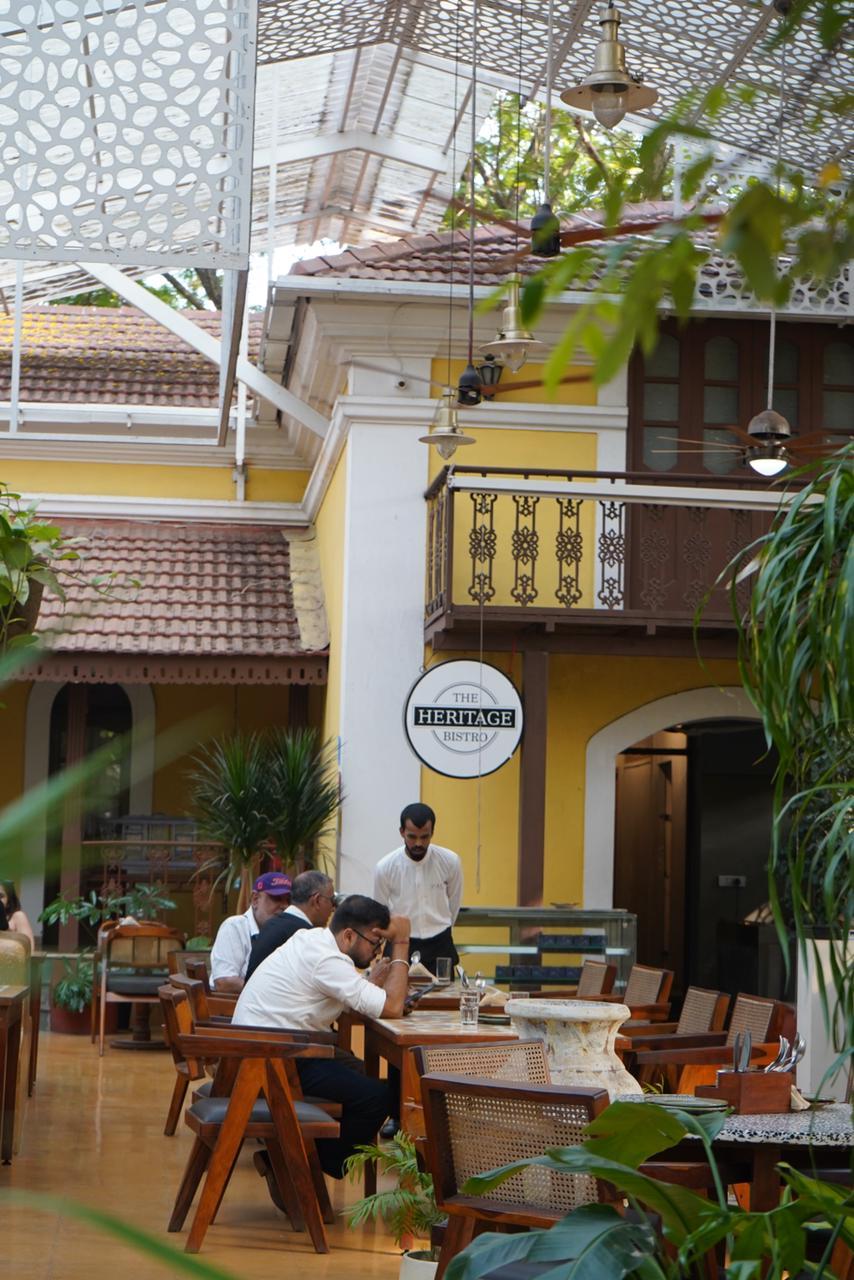
Stepping inside feels like entering a different time. Although the city’s bustle sits just minutes away, the property exudes calm. Housed in a century-old Portuguese villa along the banks of the Mandovi River, the setting radiates quiet elegance. Old-world architecture blends seamlessly with modern comforts, while subtle design details, warm tones, and fine-art accents create an environment that is refined yet welcoming. The result is neither formal nor casual, but effortlessly intimate.
While the ambience reflects heritage, the kitchen embraces inclusivity. The Heritage Bistro was designed to serve a wide spectrum of diners, locals seeking familiar comfort food, travellers craving authenticity, and international guests looking for variety during longer stays.
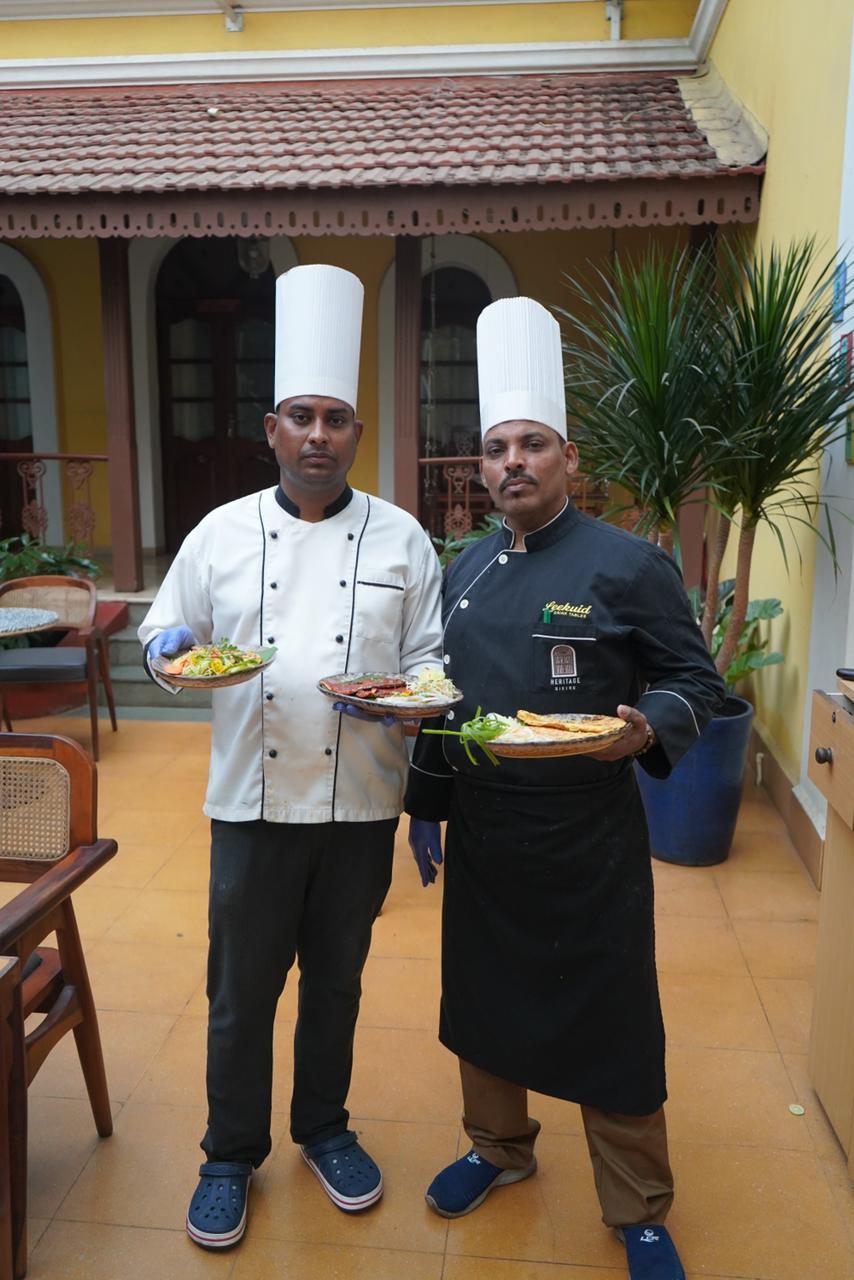
To achieve this, the menu spans multiple cuisines without losing focus. Goan classics sit alongside Continental, Italian, French, and Chinese selections, ensuring every table finds something satisfying.
The Heritage Bistro www.itsgoa.com itsgoa_ Itsgoa
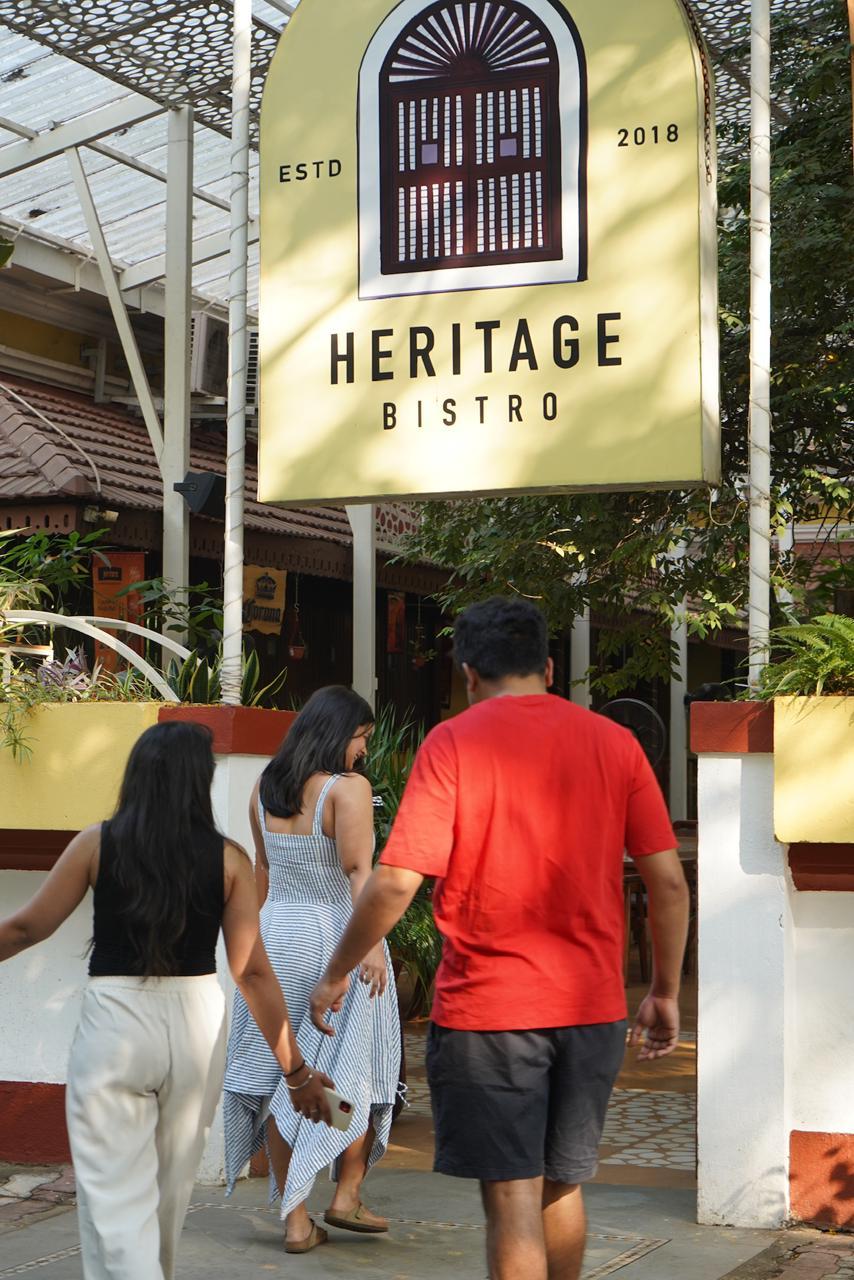
The approach is thoughtful rather than expansive for the sake of it; each dish is crafted with consistency and quality at its core.
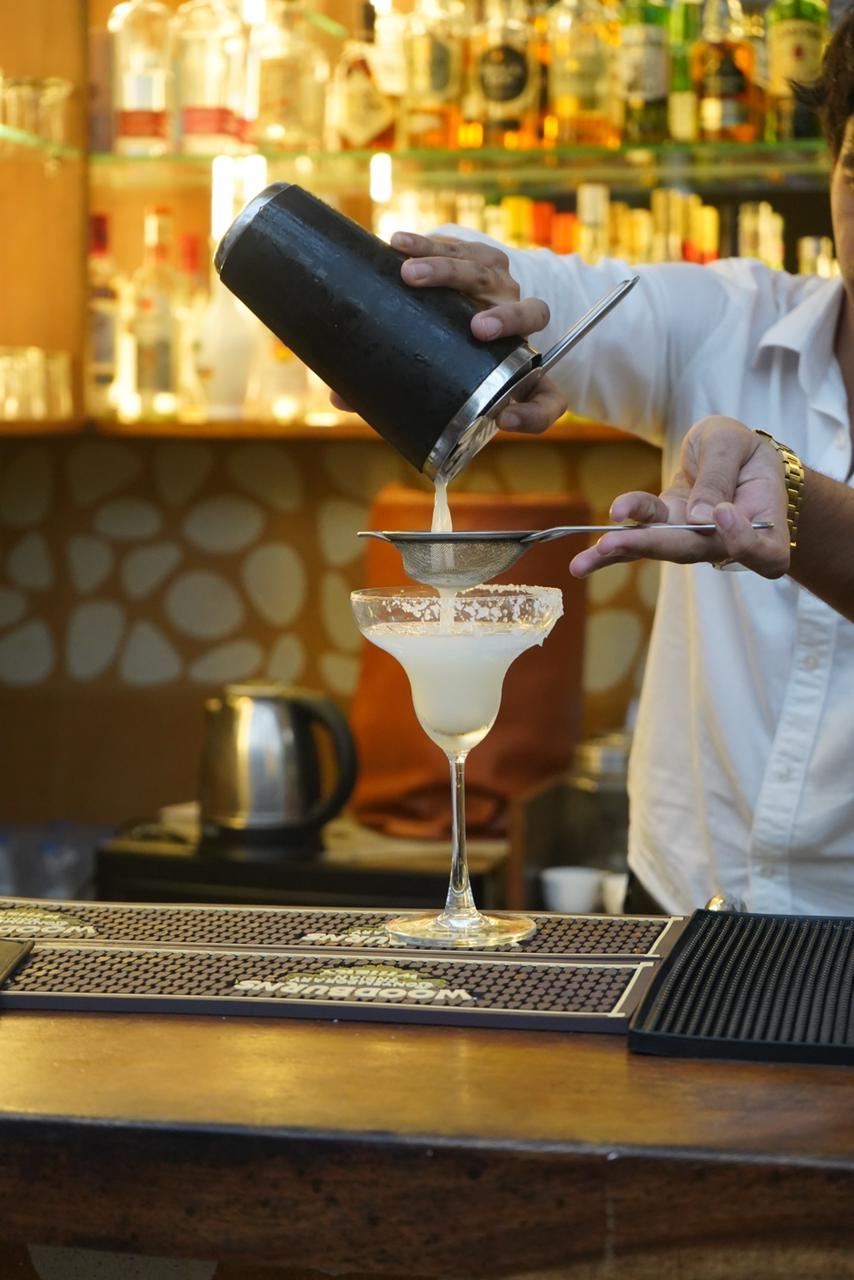
This diversity makes the restaurant equally suited for family meals, business lunches, and leisurely gatherings, where differing preferences can coexist on one table.
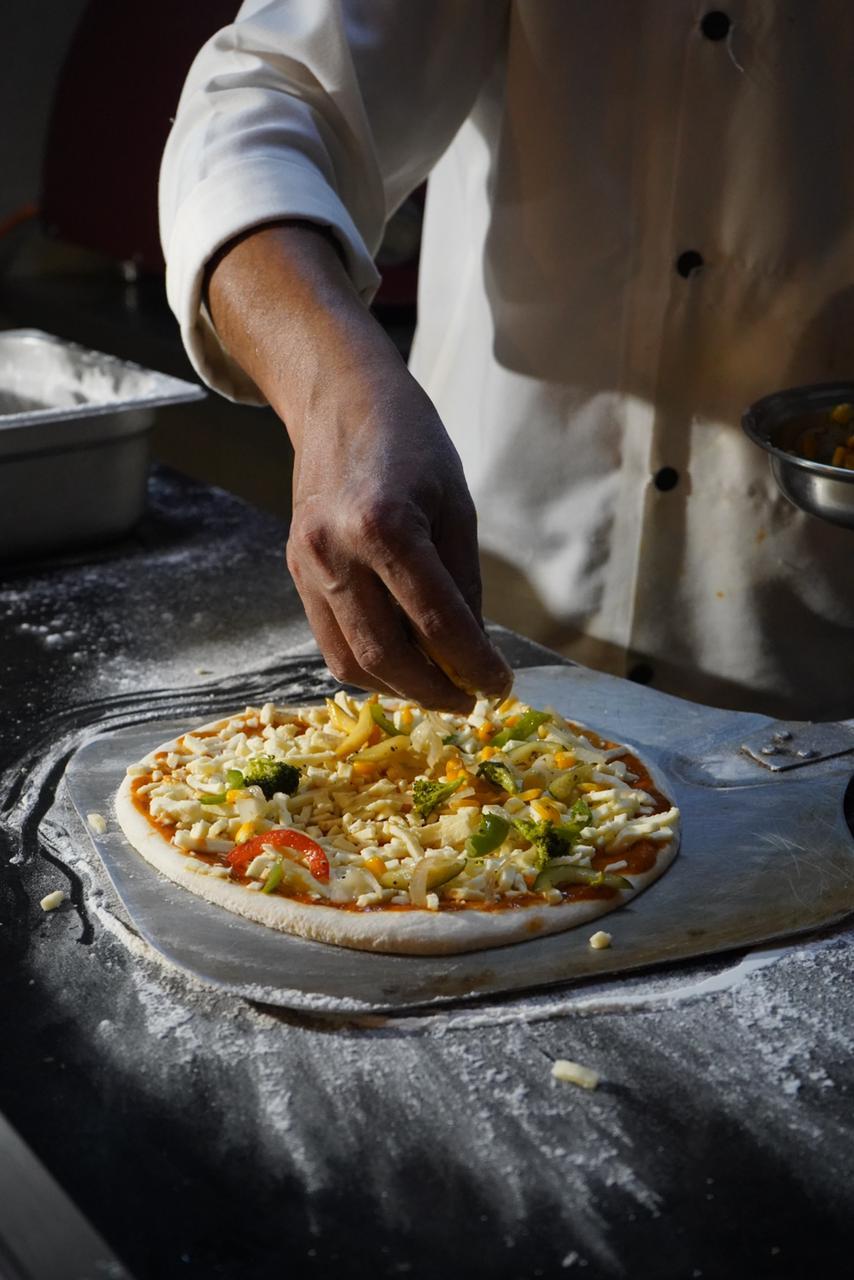
Among the most talked-about offerings are the handcrafted pizzas, prepared with fresh ingredients and baked to achieve a balanced crust and flavour. Continental plates showcase classic techniques with polished presentation, appealing to diners who prefer lighter, refined fare.
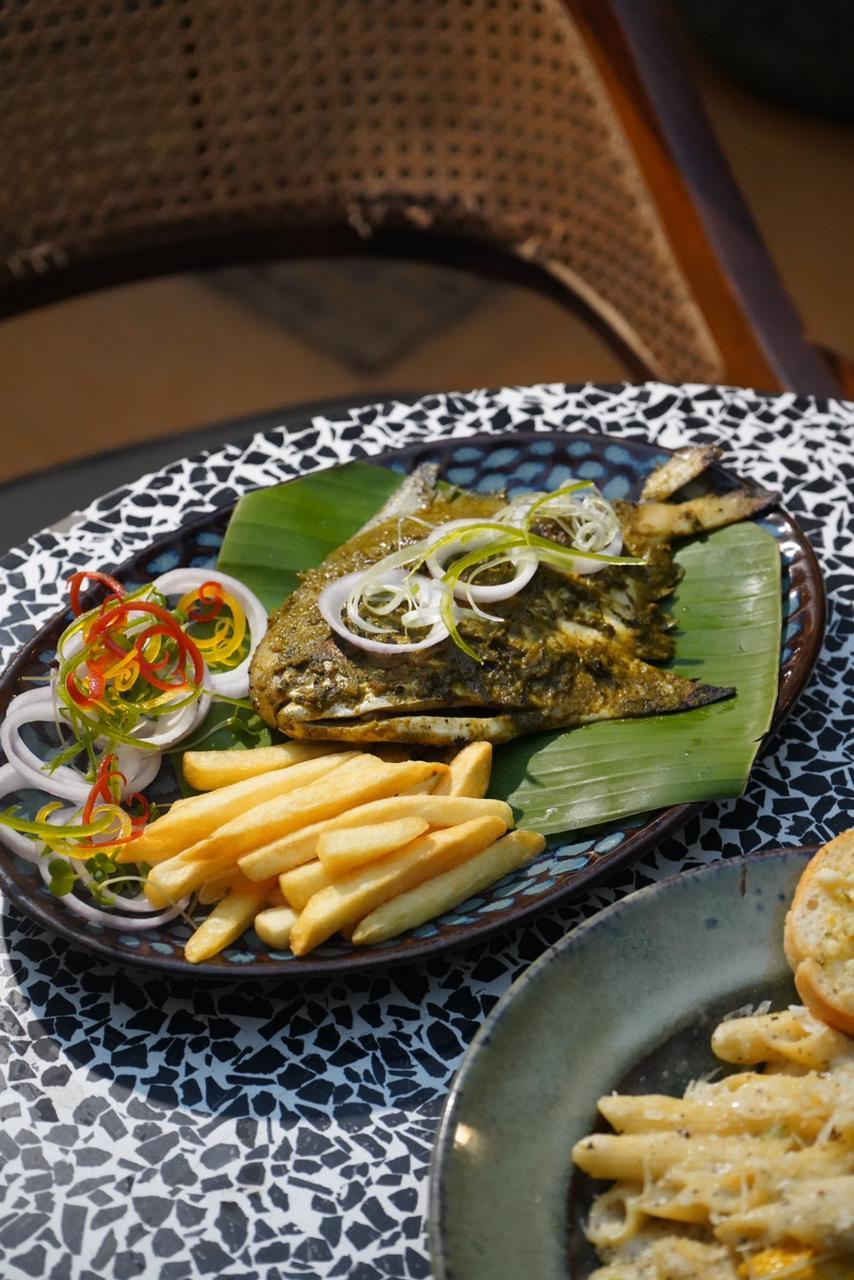
For those seeking an authentic taste of the region, the Goan thalis stand out as a complete culinary journey, presenting traditional preparations in one wholesome spread. Fresh seafood, cooked with regional spices and local masalas, further reinforces the restaurant’s connection to coastal flavours.
A particularly popular highlight is the Unlimited Goan Breakfast, priced at just ₹199, featuring Puri Bhaji and Ros Omelette served with tea or coffee, an accessible, comforting meal that has quickly become a morning favourite among both residents and travellers.
Balancing tradition with modern expectations remains central to the bistro’s philosophy. Timehonoured recipes, locally sourced ingredients, and classic cooking methods anchor the Goan offerings, ensuring flavours remain genuine. At the same time, global influences allow the menu to feel contemporary and adaptable.
This duality defines the dining experience: rooted yet relevant.
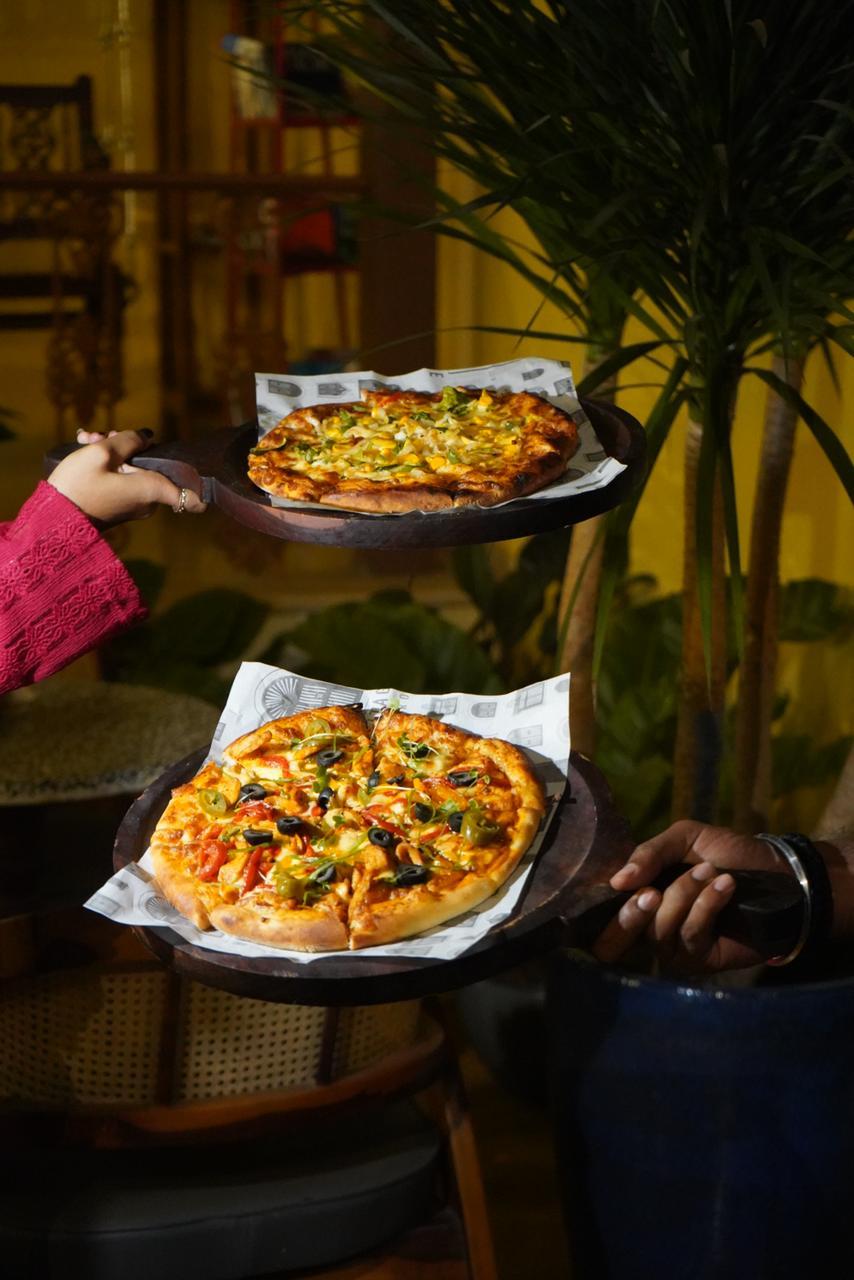
Slice Into Happiness
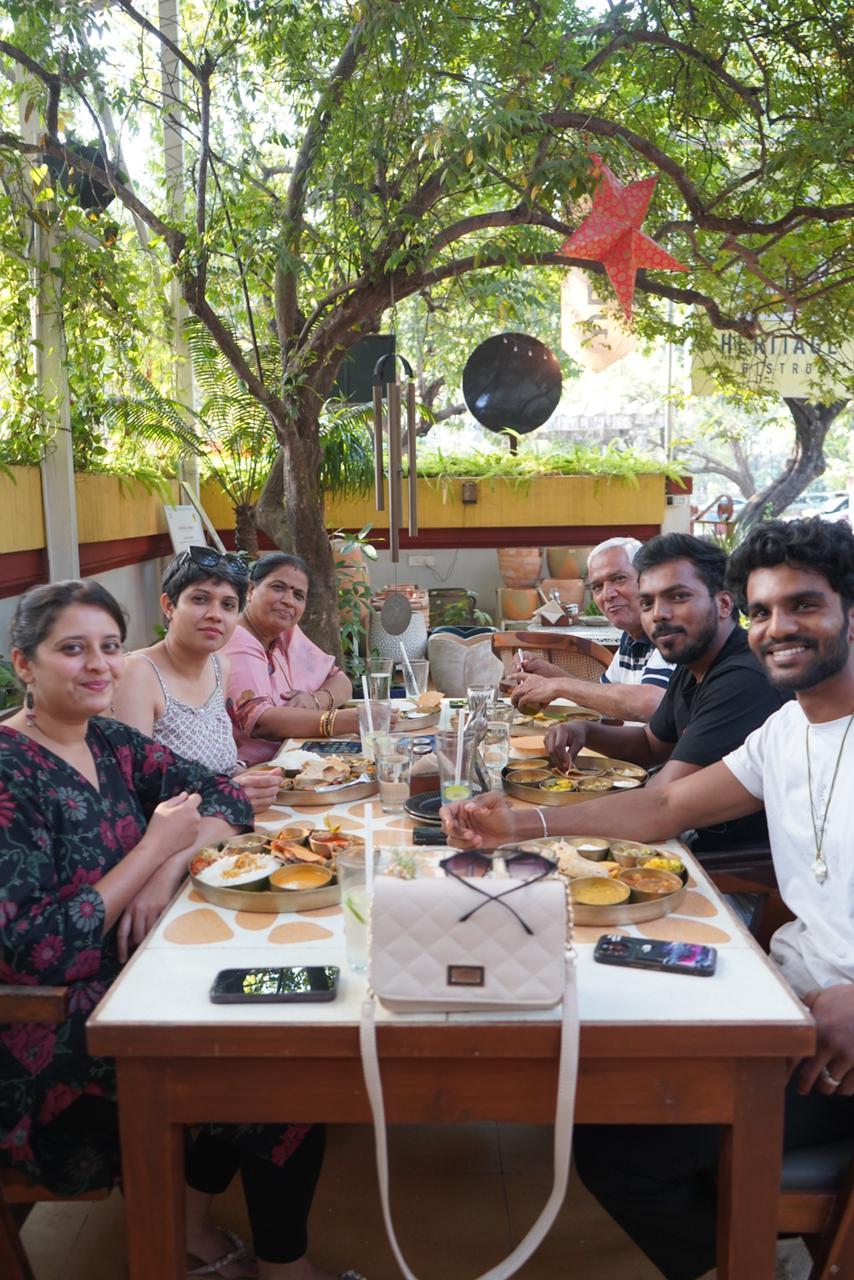
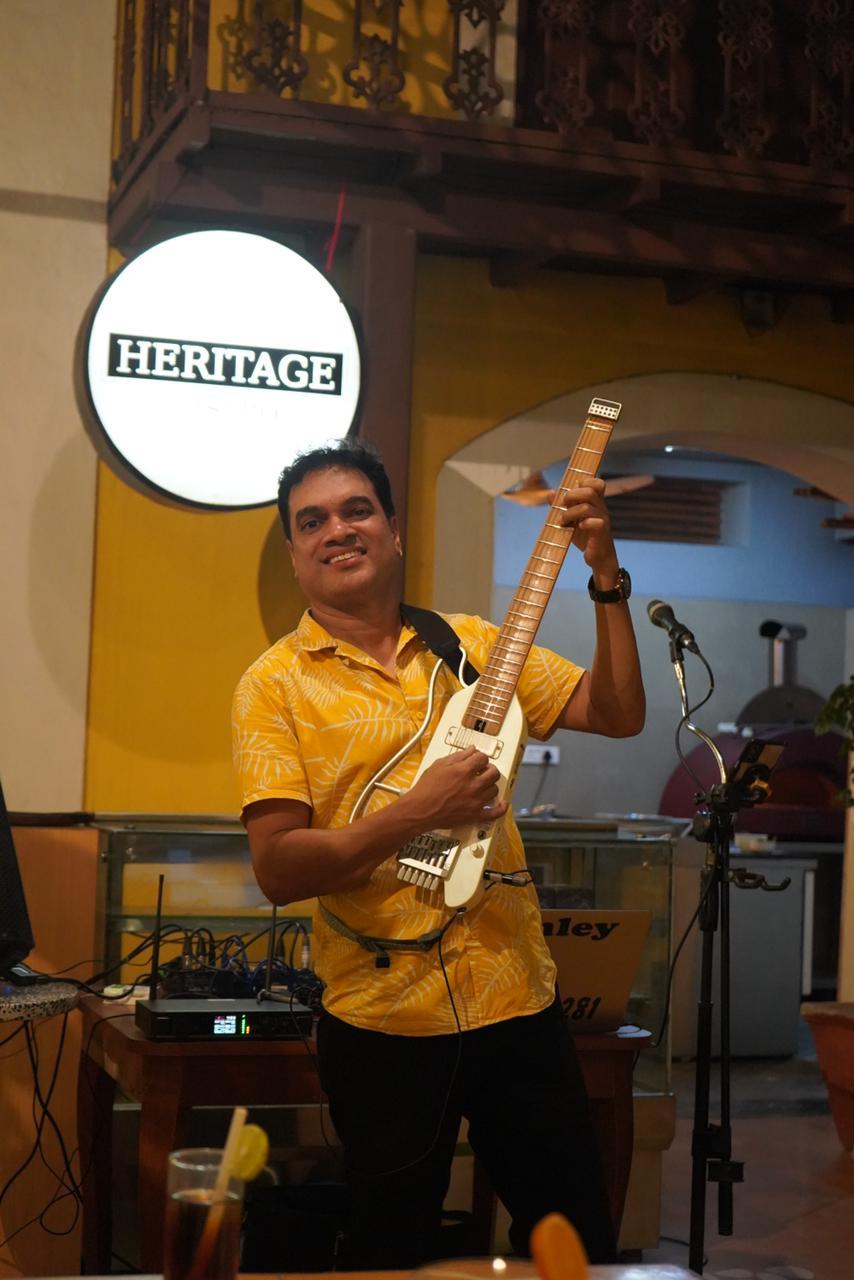
The Heritage Bistro welcomes an eclectic mix of guests, neighbourhood families, domestic and international tourists, corporate visitors, and occasional content creators.
Its location naturally draws both walk-in diners and hotel patrons, but what keeps them returning is the warmth of the service.
The team prioritises genuine hospitality over rigid dining formats. A guest might stop by for a relaxed breakfast, return for a leisurely thali lunch, and later host a celebration dinner, all within the same familiar setting.
Over time, the restaurant has become intertwined with personal milestones. First-time visitors often return with friends and relatives, eventually marking birthdays, anniversaries, and reunions at the bistro.
Watching these recurring celebrations unfold has shaped the restaurant’s journey and reinforced its role as more than just a place to eat.
At its heart, The Heritage Bistro is guided by a simple yet enduring vision: to celebrate flavours, culture, and heartfelt hospitality under one roof. Every detail, from the restored villa and thoughtfully prepared dishes to the welcoming service, reflects a commitment to creating lasting memories.
By honouring Goa’s culinary heritage while remaining open to global tastes, the bistro continues to craft an experience that feels timeless, ensuring that each visit carries both comfort and discovery.


Boutique Homestay
Seven Doors House in Pilerne, Goa is a restored 1932 heritage home blending traditional architecture, sustainability, and craftsmanship, preserving cultural memory while offering a serene, nature-connected living experience.
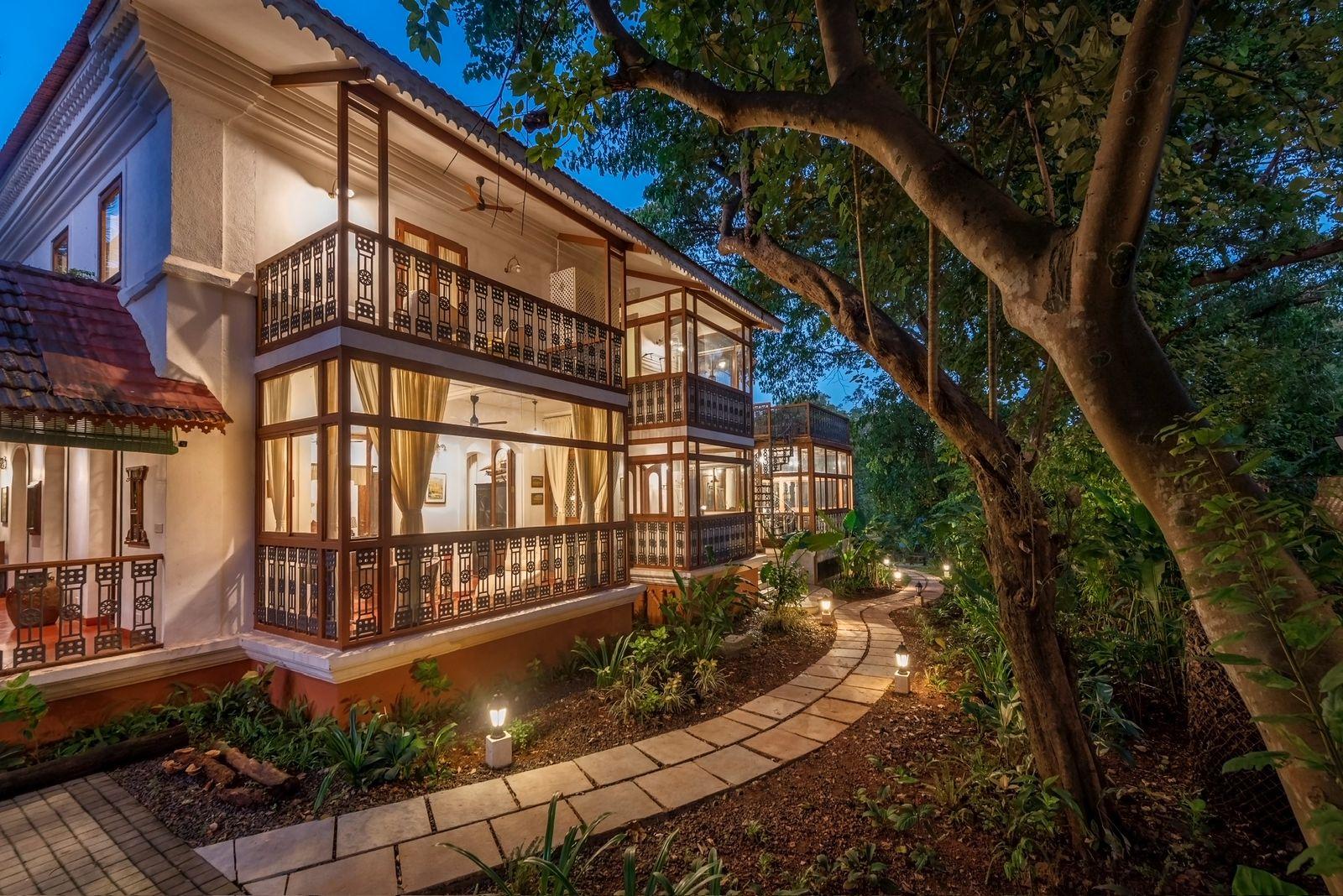
Set within the quiet village landscape of Pilerne in Goa, Seven Doors House stands not merely as a restored residence but as a continuing conversation between architecture, ecology, and cultural memory. What was once a fragile, timeworn structure has been carefully revived into a five-bedroom heritage home that honours its past while embracing the rhythms of contemporary life.
Owned by Leenika Jacob and Deepak Jacob, the house reflects a deeply personal commitment to preservation rather than replacement. Instead of erasing history to make way for the new, the couple chose to restore the building’s original spirit, guided by architects Dean D’Cruz and Ashika Nadaph, with conservation expertise from Jeernodhar and stained glass artistry by Glass Studio. The result is a home that feels both grounded in history and fully alive in the present.
The identity of the house begins with its façade. Seven distinct doors line the front verandah, each leading into a different part of the home. Yet these doors represent more than architectural symmetry.
They serve as metaphors for the guiding principles behind the restoration, sustainability, material reuse, local craftsmanship, environmental responsiveness, cultural continuity, adaptive design, and community connection.
Each threshold symbolises a passage into a philosophy that shaped the revival of the house. Together, they tell a layered story of transformation without erasure.
Originally built in 1932 as a single-storey Goan residence, the structure followed the classic Saraswat–Portuguese typology: broad verandahs, lime-plastered laterite walls, a sloping Mangalore tile roof, and a dignified symmetrical frontage. Decades of neglect had left it vulnerable. Termites hollowed the rafters, the plaster peeled away, and portions of the roof had collapsed. Rather than demolish it, the restoration embraced adaptive reuse.
The original hip roof, essential for heavy monsoon runoff, was lifted and temporarily supported to insert a discreet upper slab, creating additional space without disturbing the home’s familiar silhouette.
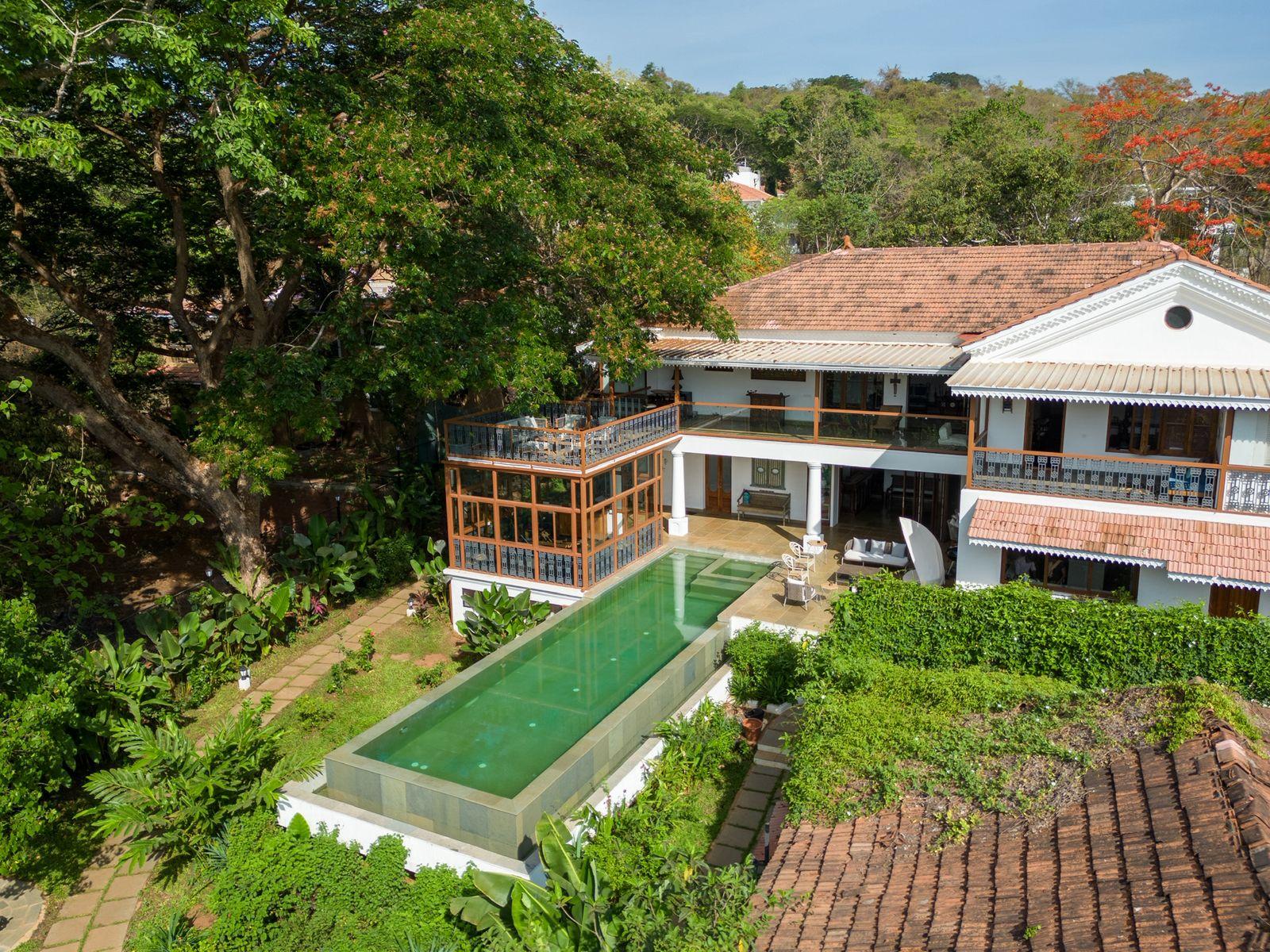
A bird’s eye view of the house and the natural stone swimming pool
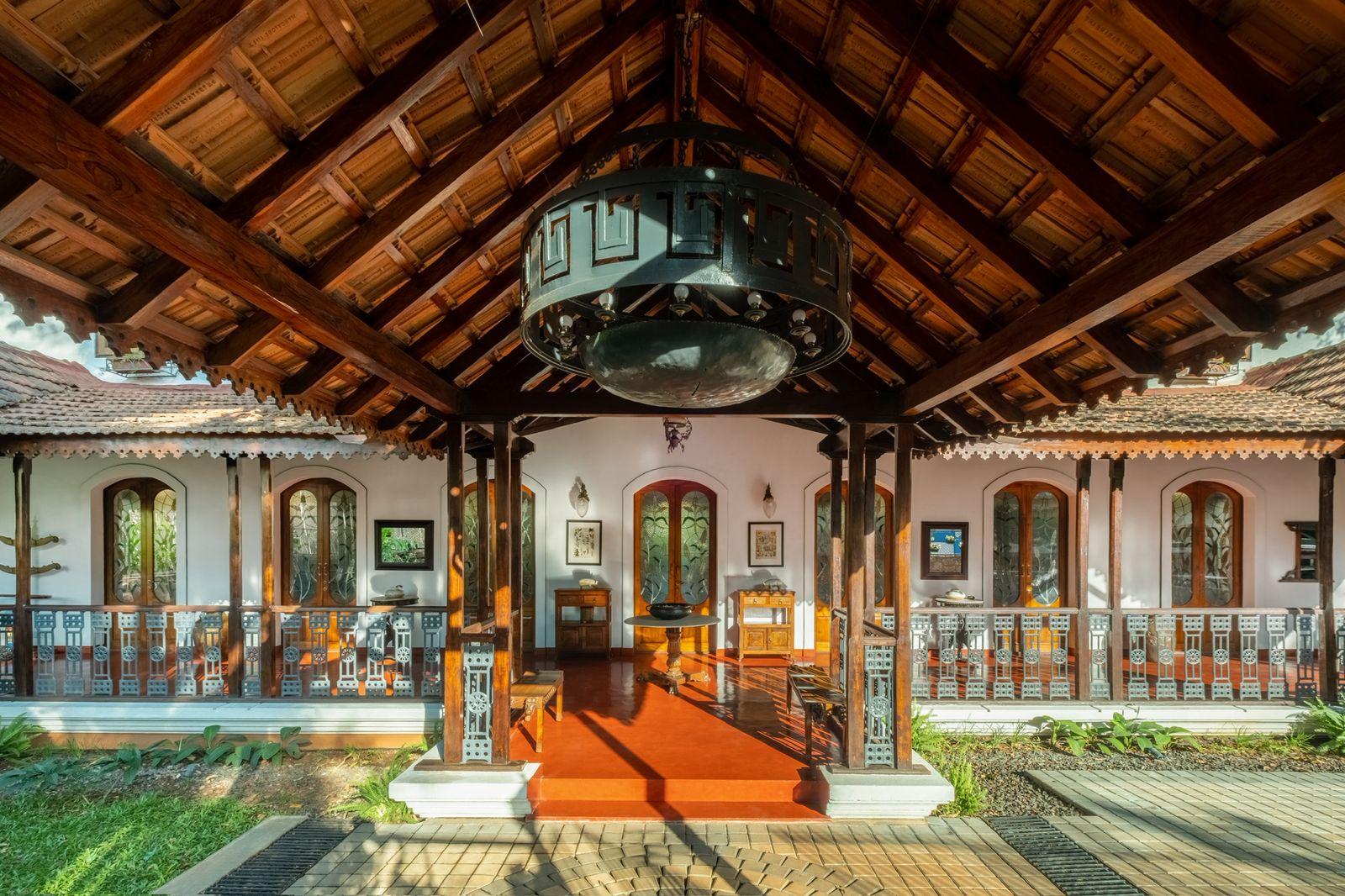
Pilerne-Inspired Stained Glass Glow
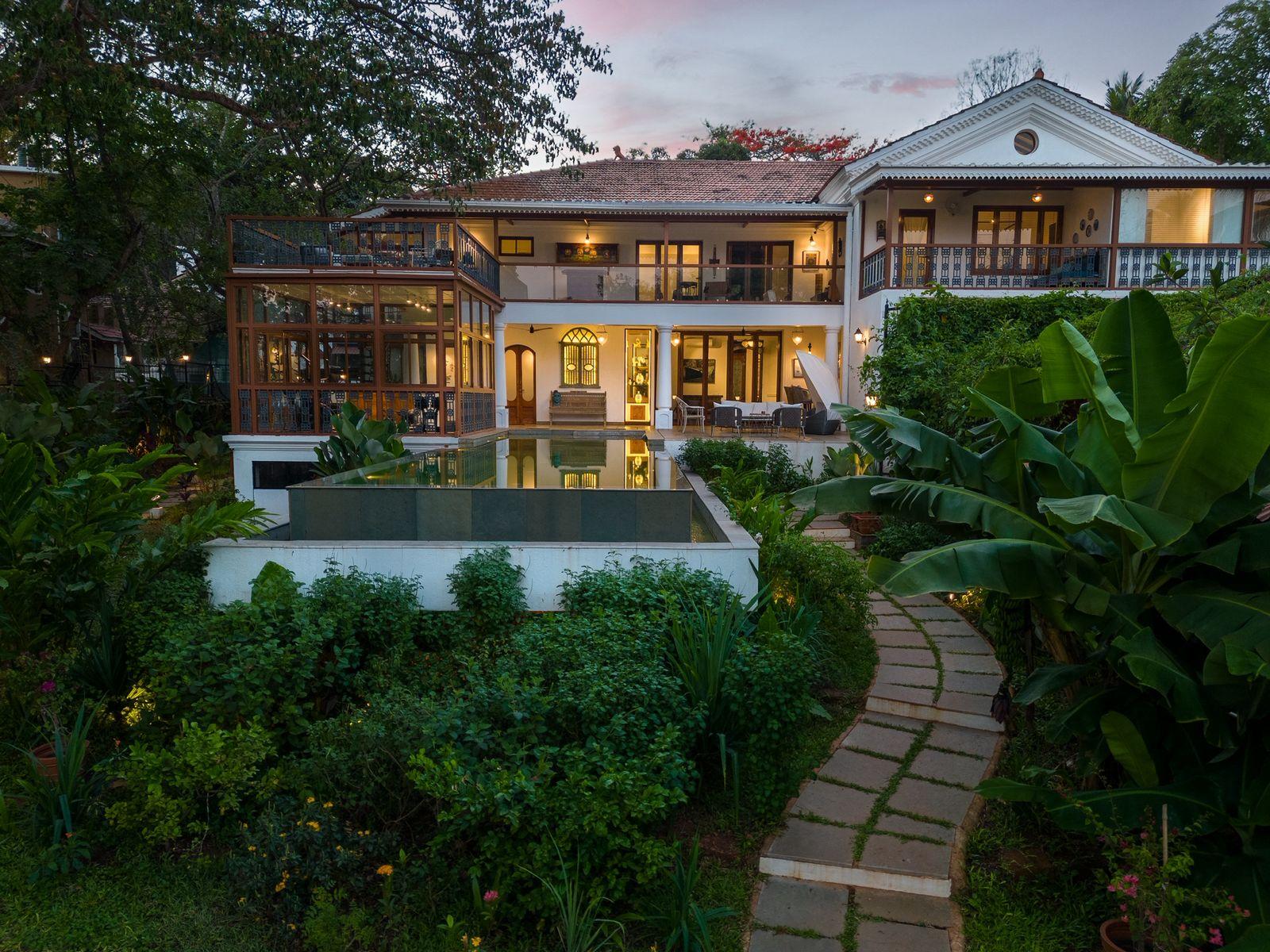
The sunset light dapples on the rear of the house as it gently caresses it encased in it’s natural green surroundings
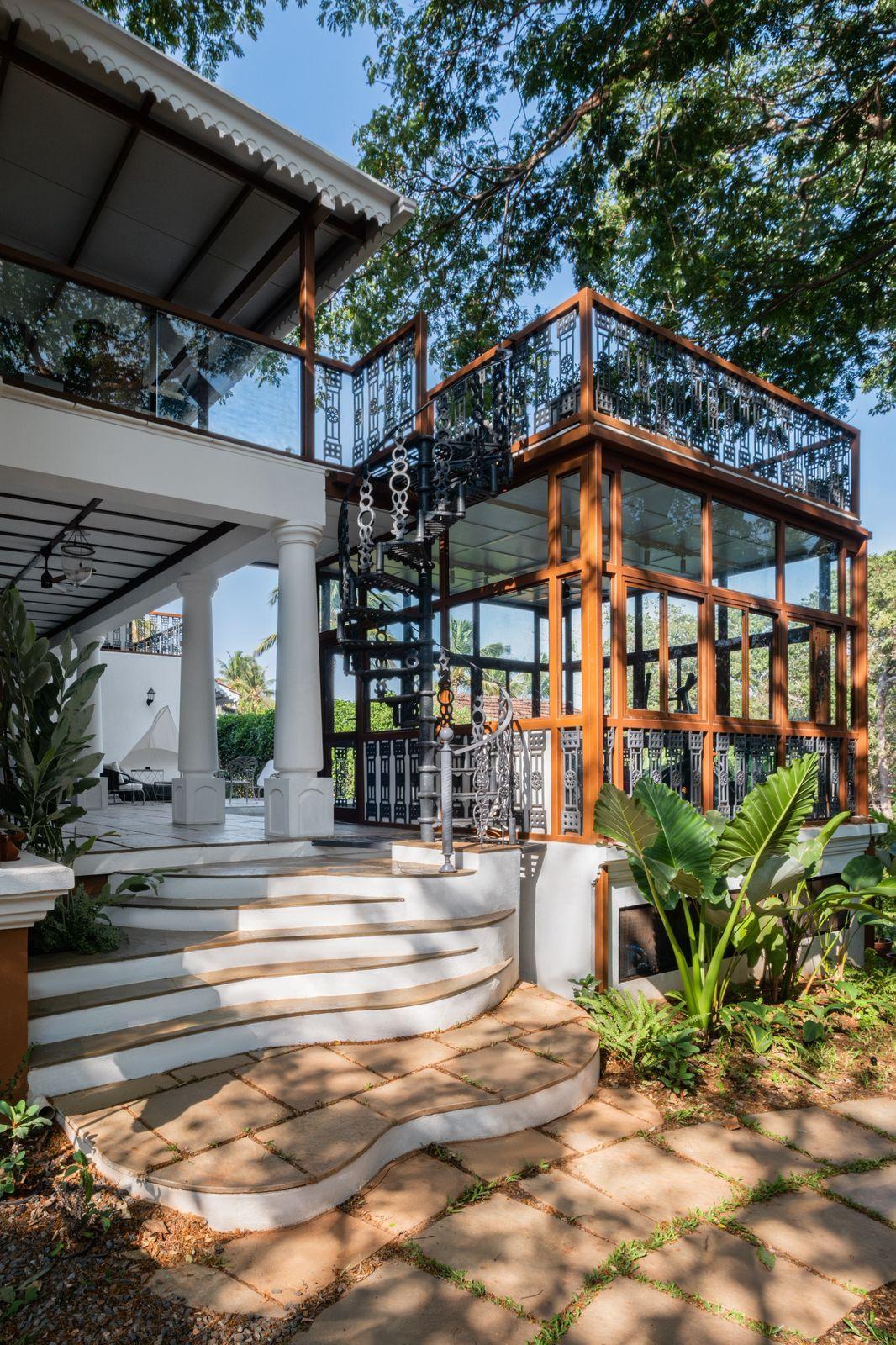
Spanish steps lead from the garden to the pool and first-floor deck
Salvageable timber beams were cleaned, treated with linseed oil, and reinstated. Where replacement was necessary, locally sourced sal wood was used and assembled through traditional joinery rather than modern shortcuts.
The preserved walls, wooden beams, and window openings maintain the house’s historical authenticity. Even the date of construction remains etched into a roof beam in the master bedroom, a quiet signature from another era.
Seven Doors House draws its strength from materials that belong to the land itself. Laterite stone forms the structural base, regulating interior temperatures through its porous, breathable nature. Lime plaster allows the walls to flex and age gracefully, avoiding the moisture traps created by cement. Terracotta Mangalore tiles crown the roof, their curved profiles guiding monsoon rain away with ease.
Sentinel lions crafted by Goa Potteries sit atop the roofline, a distinctly Goan detail that bridges vernacular craft and architectural character. Inside, reclaimed wood carries the patina of time. Antique doors and windows retain their subtle imperfections.
. Oxide floors keep bedrooms cool underfoot, while honey-toned Kota stone lends durability to common areas. Clay tiles from the original roof find new life once more.
The house demonstrates that sustainability need not rely on futuristic technology; it can emerge from inherited wisdom, where reuse becomes instinct and character grows from age.
Beyond the walls, the property unfolds into a garden that feels untamed yet intentional. Century-old Mankhurad mango trees, older than the house itself, share space with rain trees, silk cotton, jackfruit, breadfruit, moringa, bananas, love apple, and bimbli.
Recently shaped into a permaculture garden, the landscape continues to evolve with the seasons. Guests wander through shaded paths, discovering fruit-laden branches and pockets of stillness. The garden is not ornamental; it is productive, ecological, and deeply connected to the rhythms of the tropics.
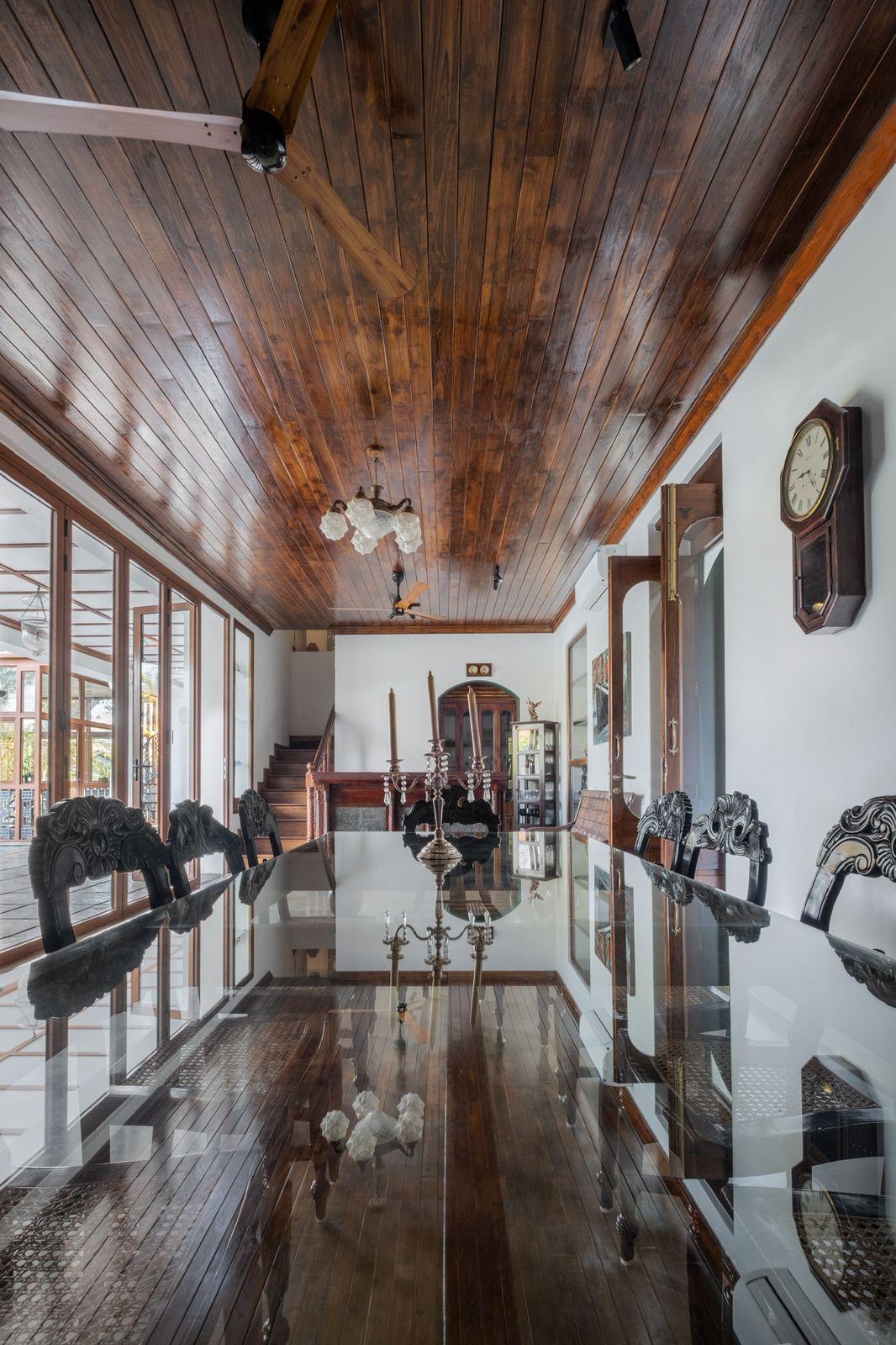
The dining room reflects a traditional Goan home with antique chairs
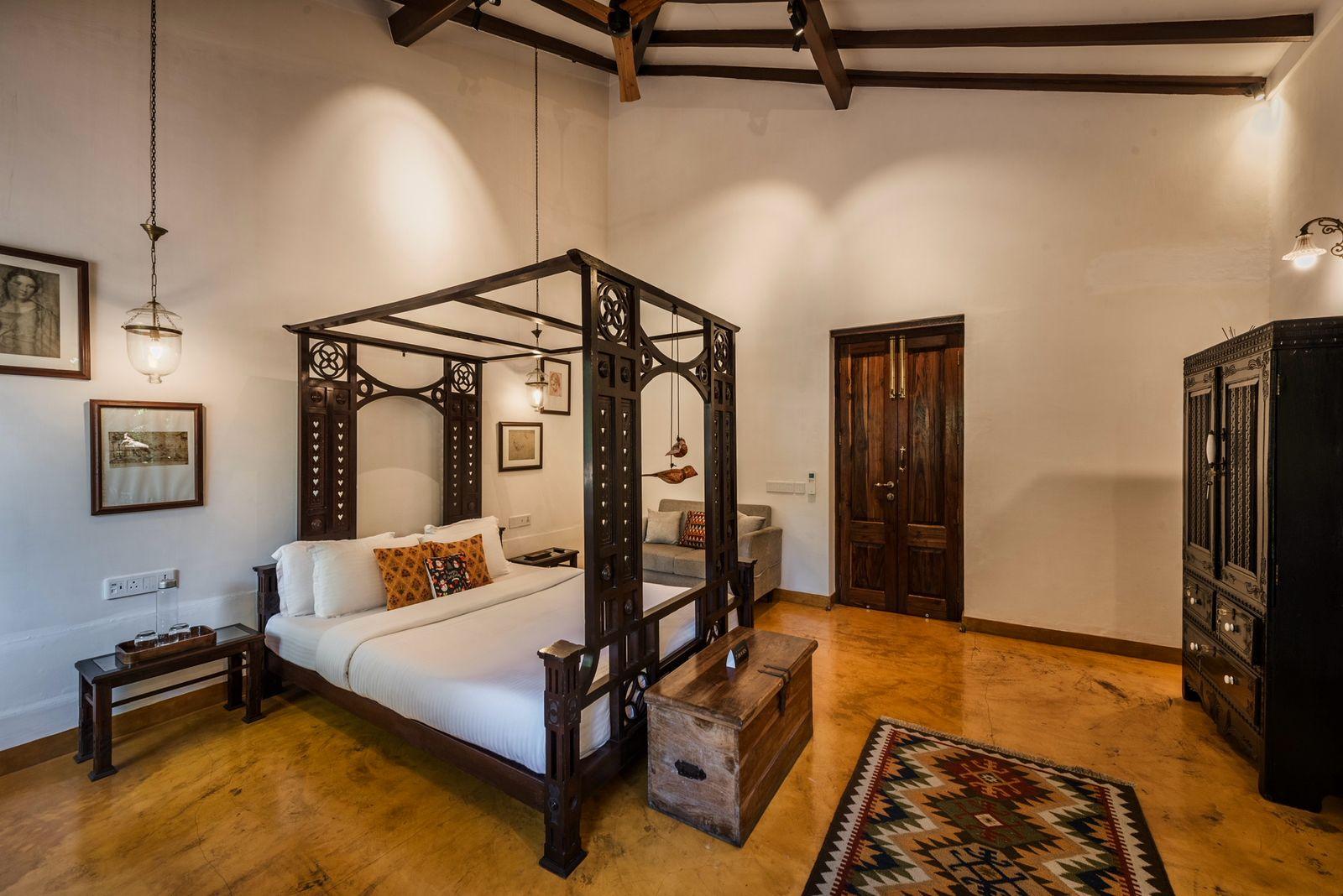
The canary bedroom with yellow IPS on the floor. The antique bed is sourced from a Jeejeebhoy mansion
Curated expression of Kashmiri tradition by Chef Tejas Kini
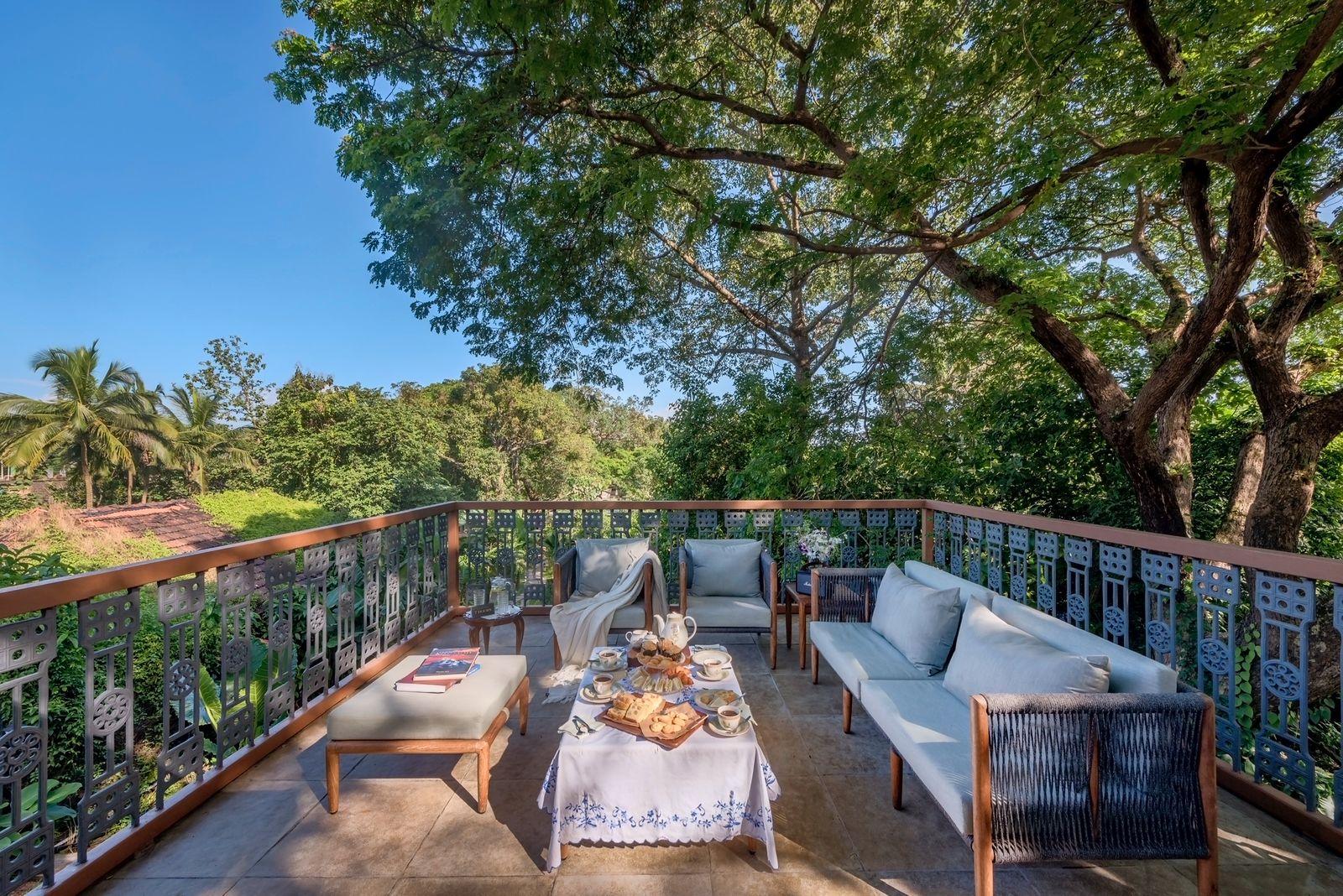
The first floor balcony allows you to enjoy the outide while directly seated under the umbrella of the gigantic rain tree
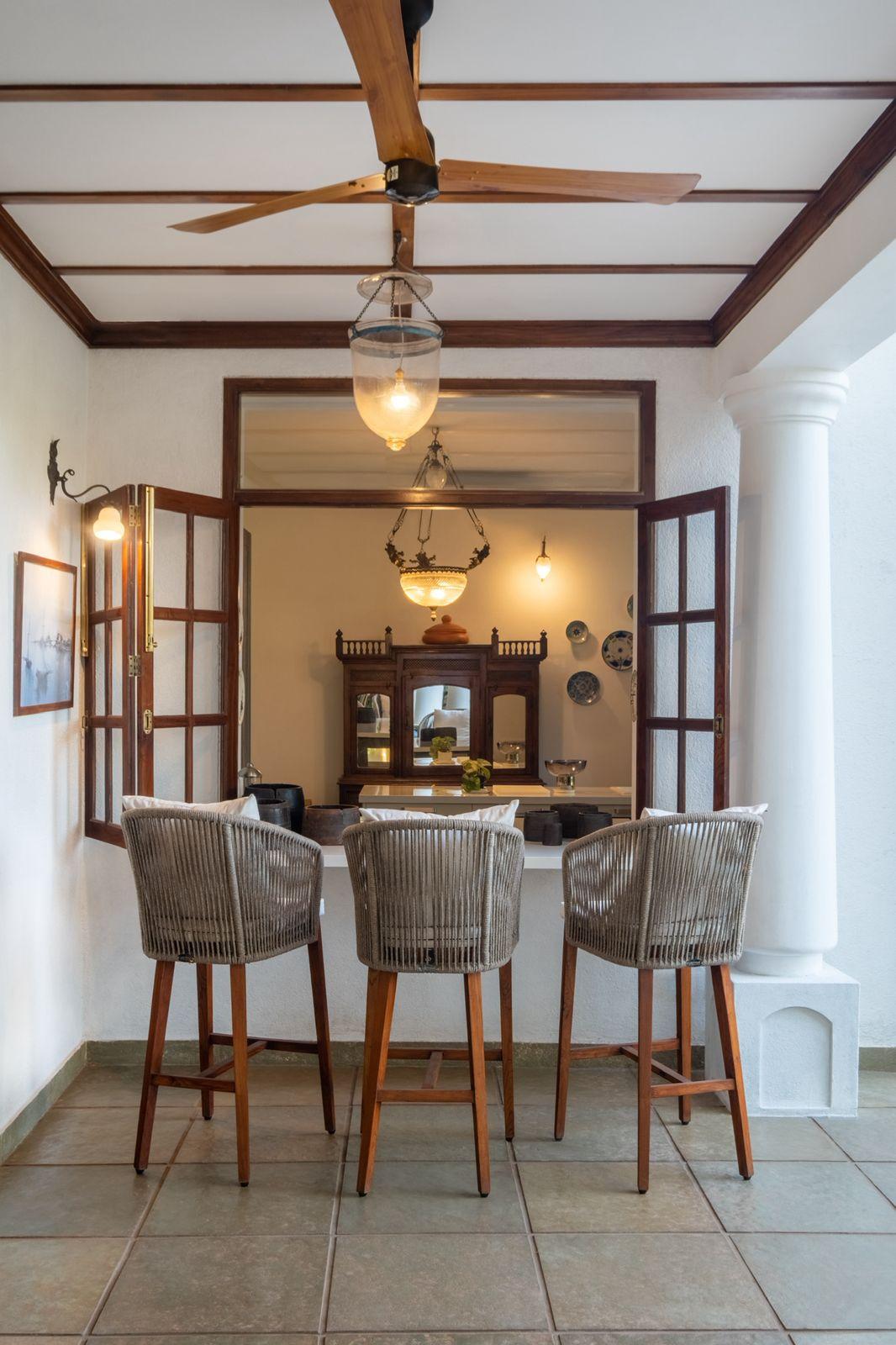
The land itself carries a notable legacy tied to Moreno de Souza, the Jesuit priest, Konkani writer, translator, and historian whose family once owned the property. Known for his literary contributions and for his research into Goa’s churches, he played a significant role in preserving the region’s linguistic and cultural identity. His association adds an intellectual and cultural dimension to the site, linking the house not only to architectural heritage but also to the broader narrative of Goan scholarship and memory.
What distinguishes Seven Doors House from many restored properties is its responsiveness to the environment. The building does not resist the tropical climate, it adapts to it. Verandahs invite cross-ventilation. Lime walls breathe. The raised roof channels rain. Shaded openings temper the sun. Rainwater harvesting and passive cooling reduce dependency on mechanical systems.
The house listens to the elements, moving with wind, sun, and monsoon rather than fighting them. This approach reflects a regional intelligence passed down through generations and thoughtfully reinterpreted today.
Maintaining such a structure requires patience and specialised skill. Tropical humidity tests every surface, and traditional materials demand routine care.
Wood is periodically nourished with linseed oil. Lime plaster requires little more than a damp wipe to renew its finish. Authentic restoration also depends on craftsmen familiar with historical techniques, artisans who understand how older materials behave and how to repair them sympathetically. The process is slower and often costlier, but it ensures longevity and integrity.
Today, the house functions as an invitation to a gentler pace of life. It encourages what locals call sussegad, an unhurried, contented way of being. Days unfold through simple pleasures: shared meals, long reads in quiet nooks, garden walks, a dip in the pool, or conversations about the village’s past. Hosts often share stories of the house and its surroundings, deepening visitors’ connection to the place. Rather than offering spectacle, Seven Doors House offers stillness.
Seven Doors House ultimately demonstrates that restoration is not about freezing a building in time. It is about allowing heritage to remain lived-in and evolving. Through thoughtful adaptation, regional materials, and respect for craftsmanship, the home proves that the most sustainable future may lie in reviving what already exists. Behind each of its seven doors is not just a room, but a chapter, one that continues to grow with every season and every guest who crosses its threshold.
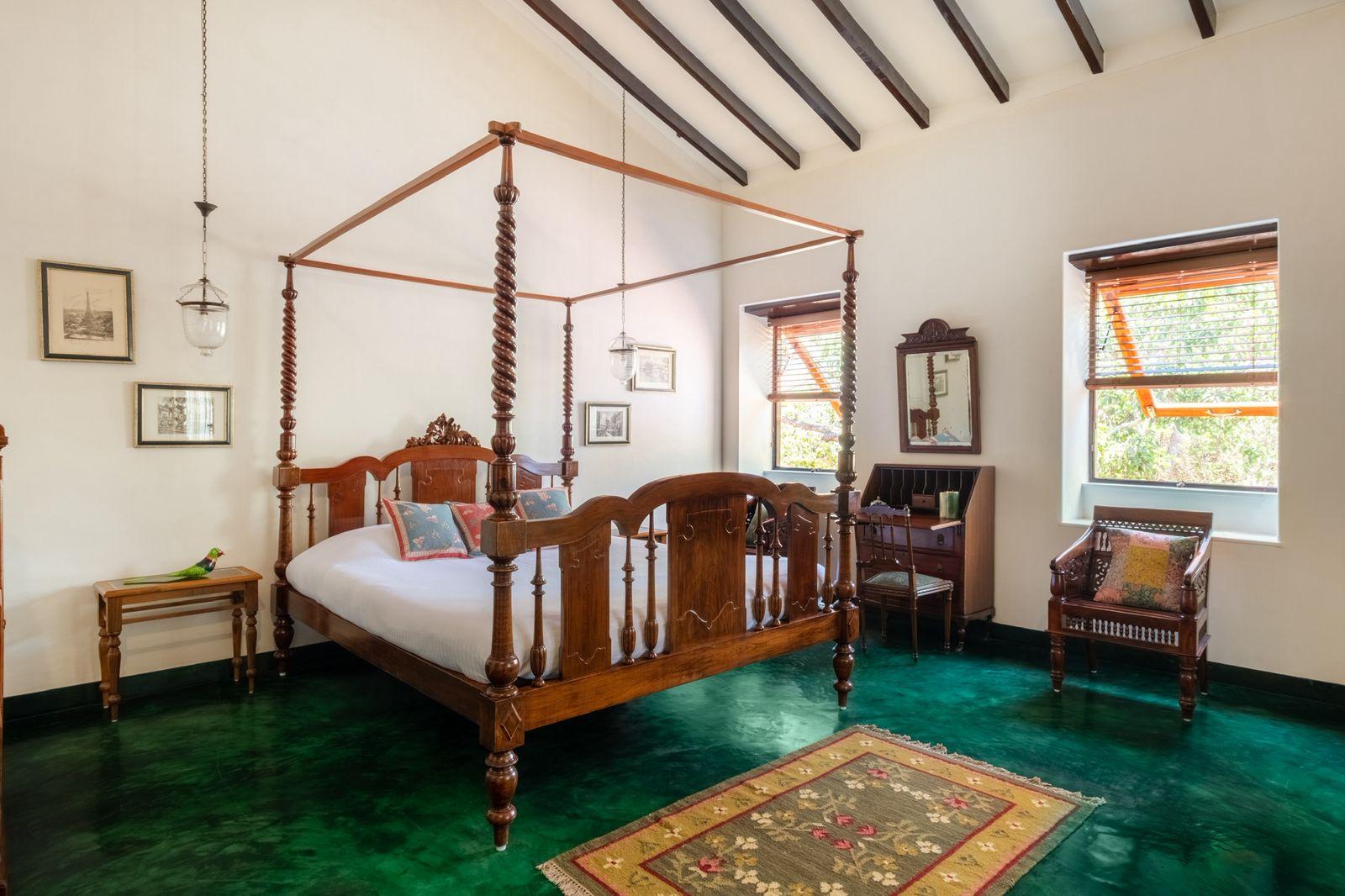
The Emerald Room features Paris street sketches and hanging lanterns www.itsgoa.com
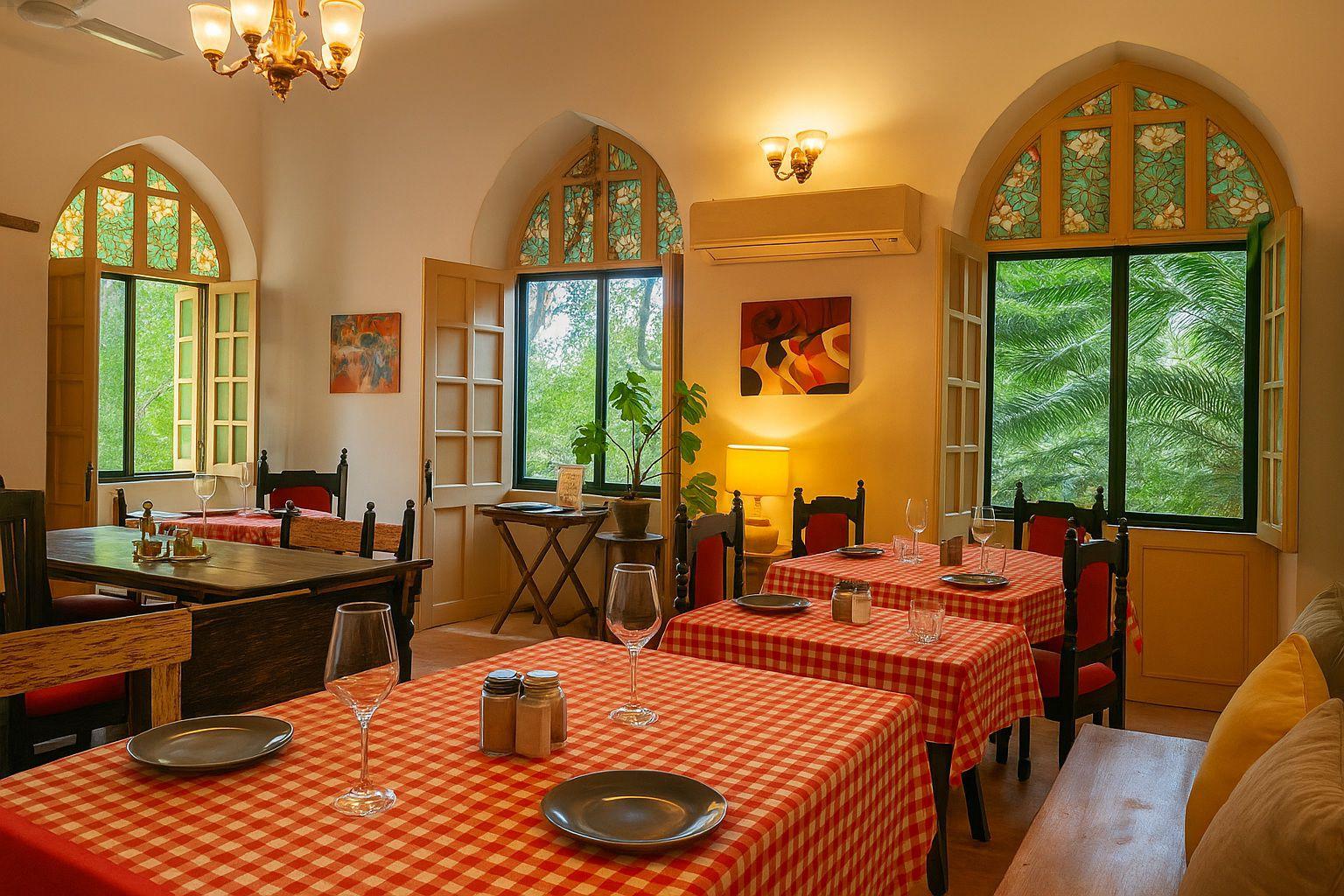
Casa Do Leão is a thoughtfully curated retreat blending stay, dining, and lifestyle shopping, offering an intimate hospitality experience rooted in design, community, and Goa’s relaxed cultural spirit.
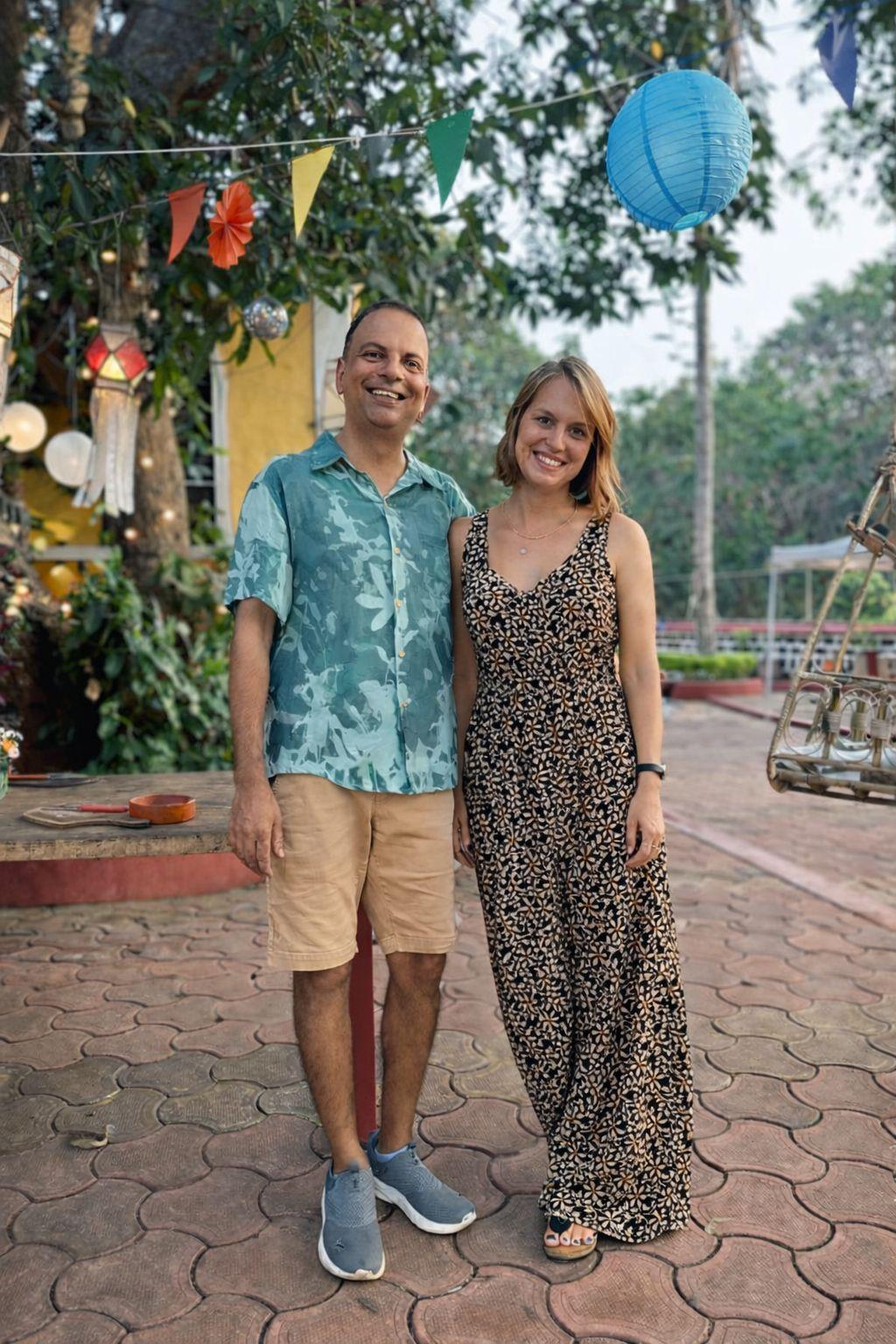
In the evolving landscape of experiential travel, where guests increasingly seek meaning over mere accommodation, Casa Do Leão stands apart as a thoughtfully curated retreat in Goa.
Conceived and led by hospitality professionals Rohan from India and Tatsiana from Belarus, the property reflects a shared philosophy shaped by years of global exposure to hotels, design cultures, and guest experience practices. What they have created is not simply a place to stay or dine, but an environment that feels intimate, expressive, and deeply human.
For the founders, Casa Do Leão is less a commercial venture and more an extension of their home, a space guided by warmth, sincerity, and community connection. Their interests in food, travel, and cultural exchange subtly inform every element, resulting in a destination that prioritizes belonging over transaction.
Hospitality in Goa
While Goa offers no shortage of scenic stays and popular restaurants, the duo identified a gap: few spaces weave accommodation, dining, design, and lifestyle into a single cohesive narrative. Most experiences remain compartmentalised. Casa Do Leão was envisioned to dissolve those boundaries.
Their approach favors intimacy over scale. Instead of conventional luxury or standardized service, the emphasis lies on personalization and authenticity. Guests are not processed through a system; they are welcomed, known, and remembered. This shift from formality to familiarity defines the property’s character.
At the heart of the project is an integrated concept the founders describe as “Eat–Stay–Shop.” Rather than scattering experiences across different locations, everything unfolds within one thoughtfully designed ecosystem.
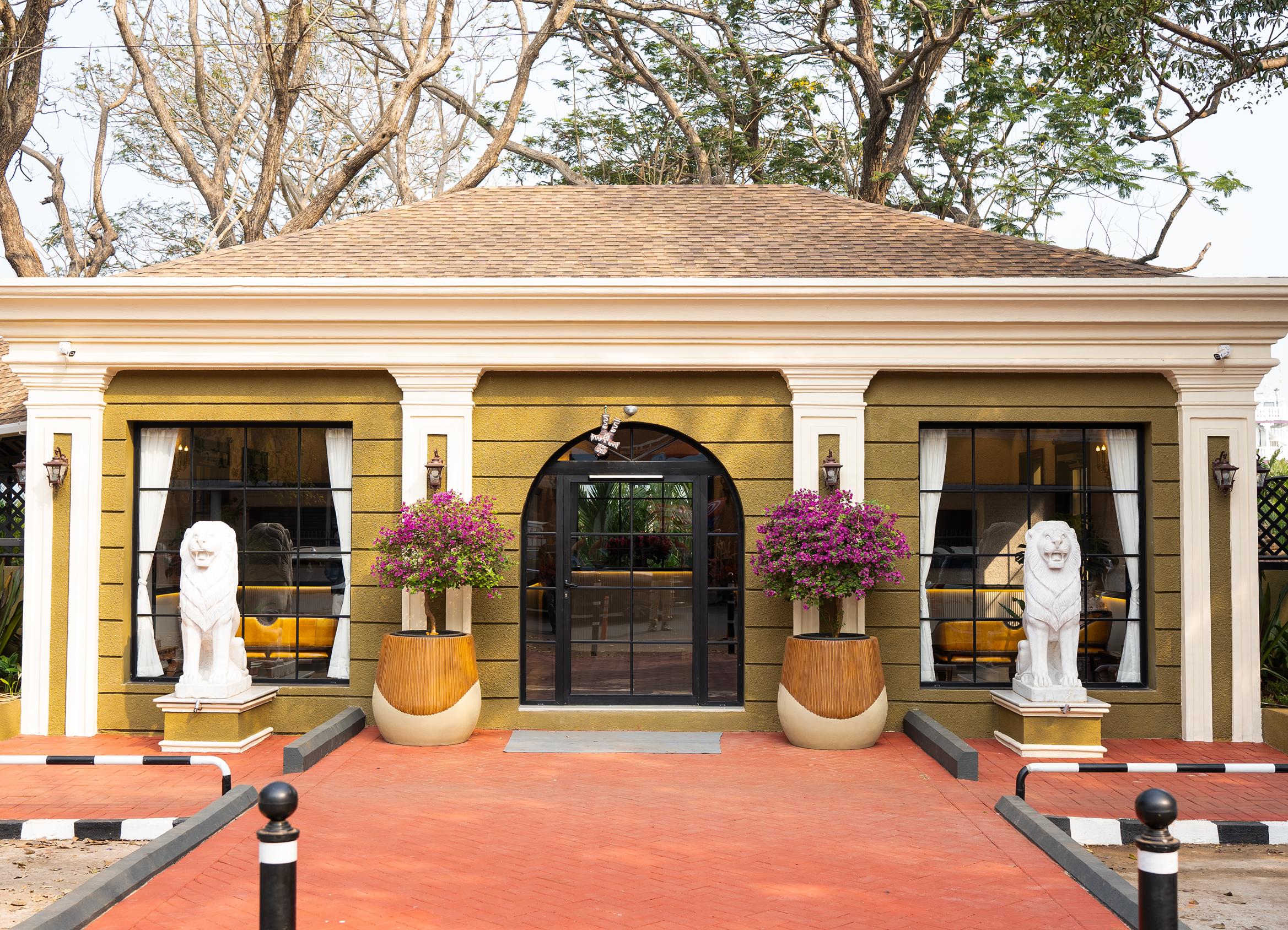
Visitors can dine in the garden at Leão Pizzeria, retreat to carefully styled rooms for rest, and browse ethically produced fashion and curated lifestyle pieces at Leão Ethical Wear.
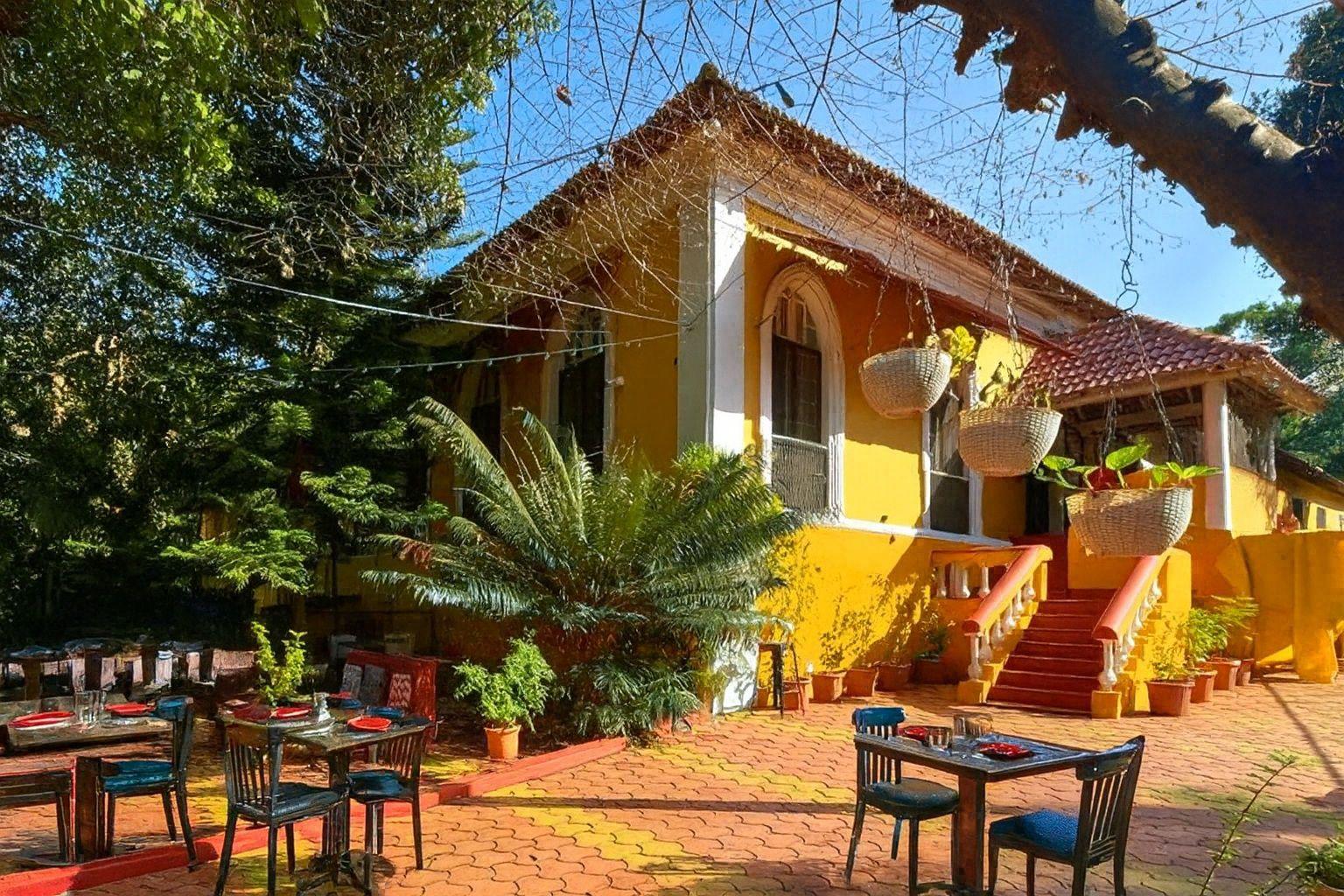
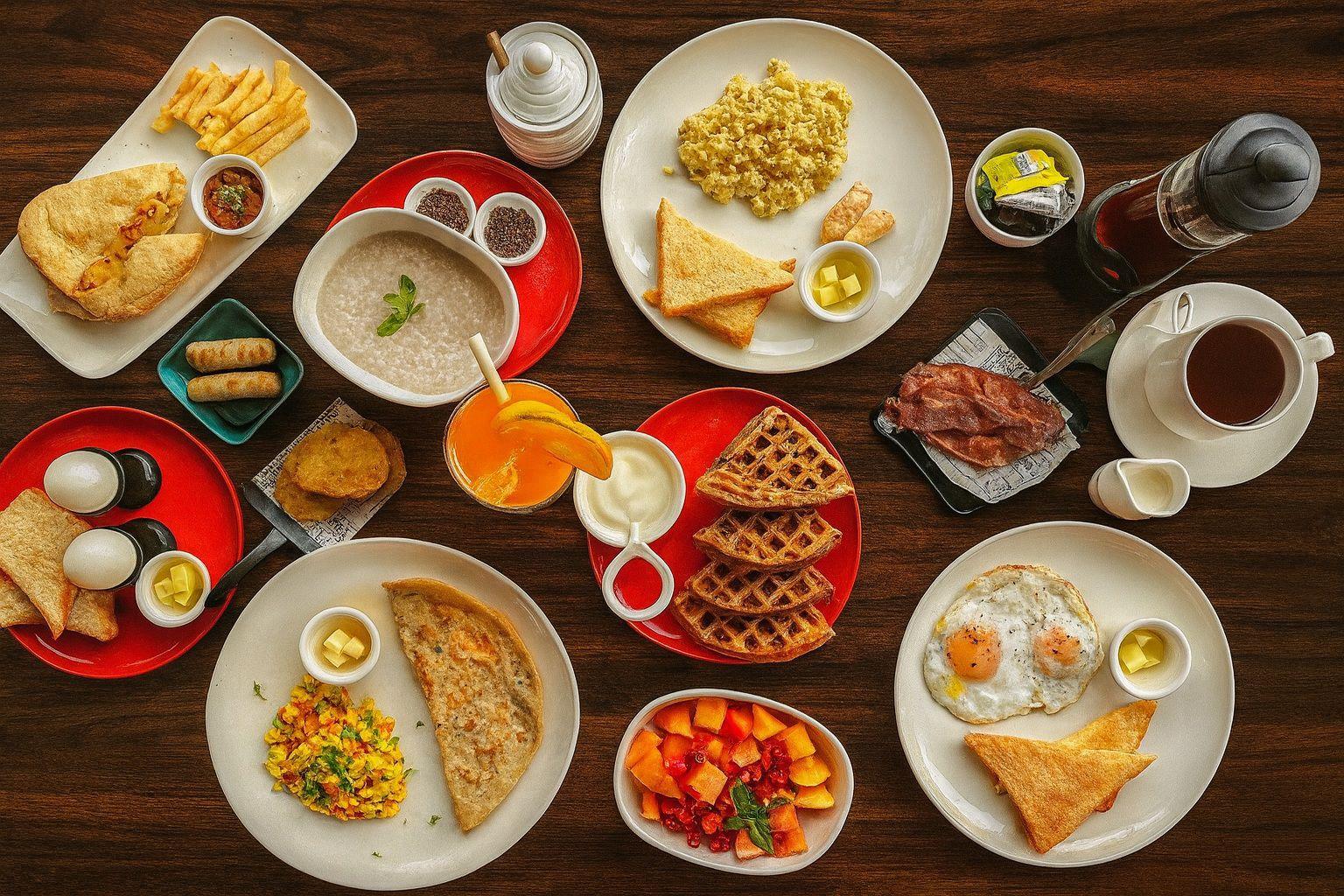
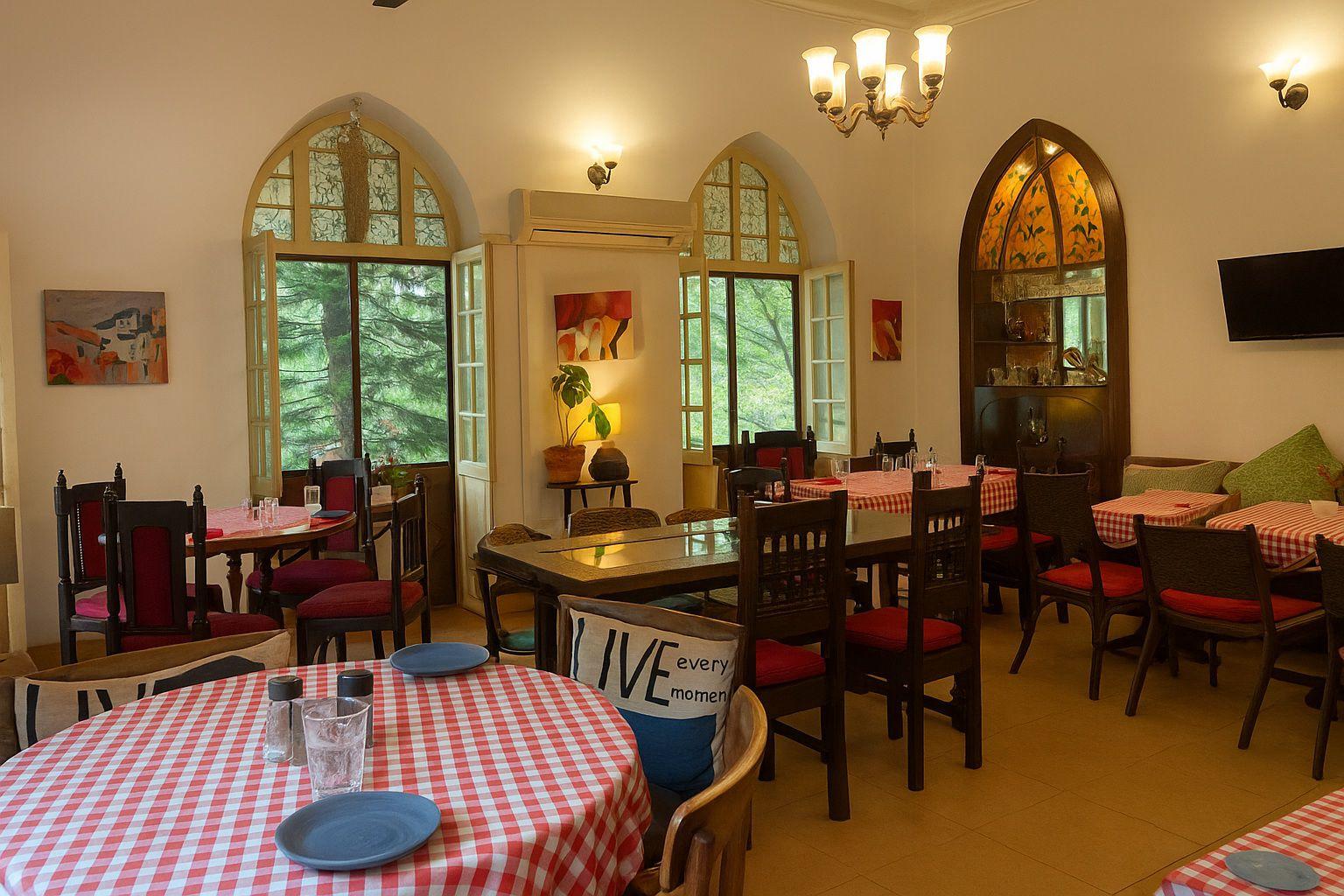
Indoor seating for Leão Pizzeria
The result is a seamless flow where meals, leisure, and discovery coexist naturally, allowing guests to settle into a rhythm rather than follow an itinerary. This holistic structure transforms a short visit into something immersive and restorative
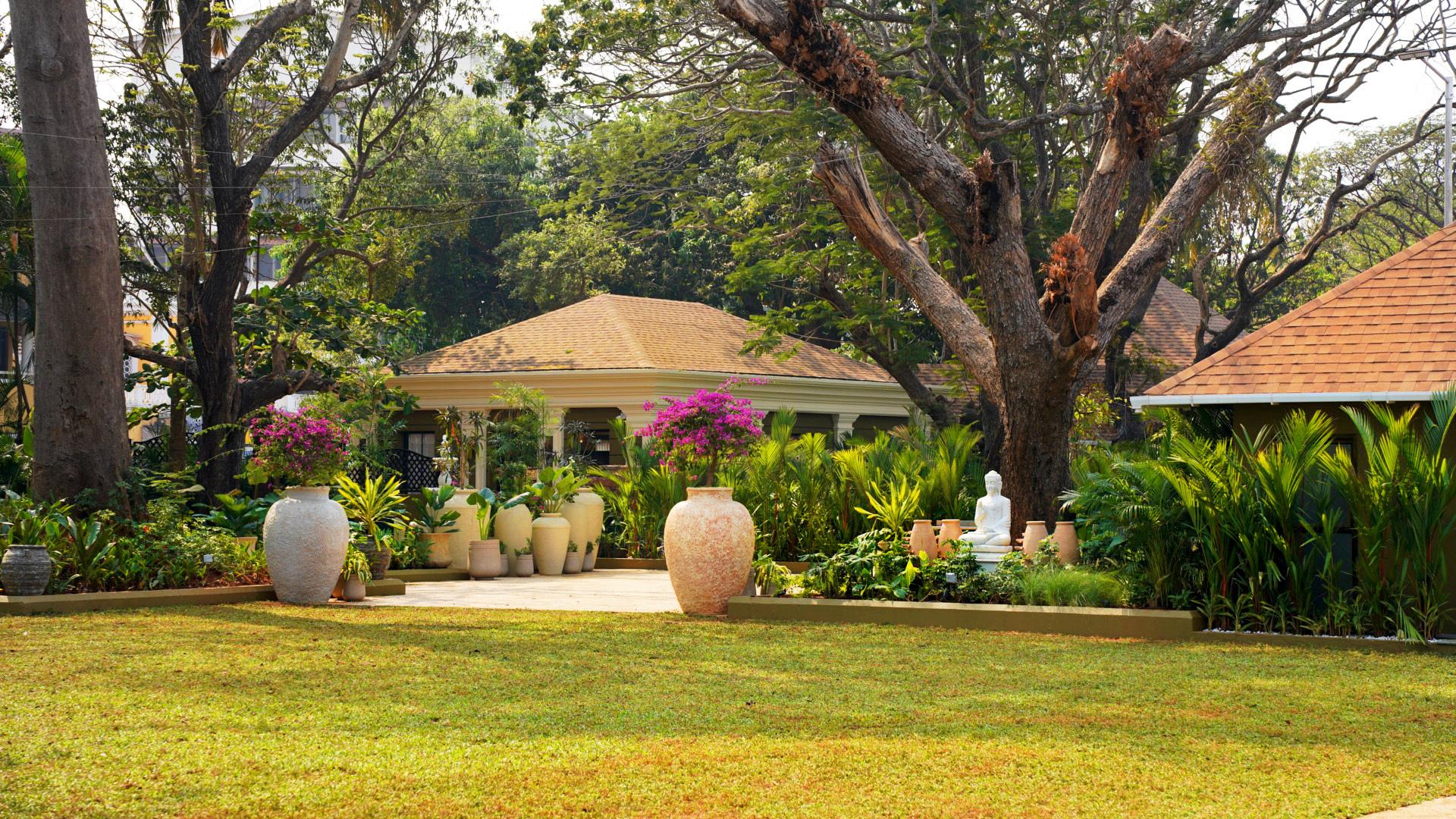
The property’s visual language plays a central role in shaping this sense of ease. Drawing from Goan character and Mediterranean influences, the interiors balance texture, light, and natural materials to create calm, grounded spaces. Soft palettes, organic forms, and tactile finishes cultivate a timeless atmosphere rather than trend-driven aesthetics.
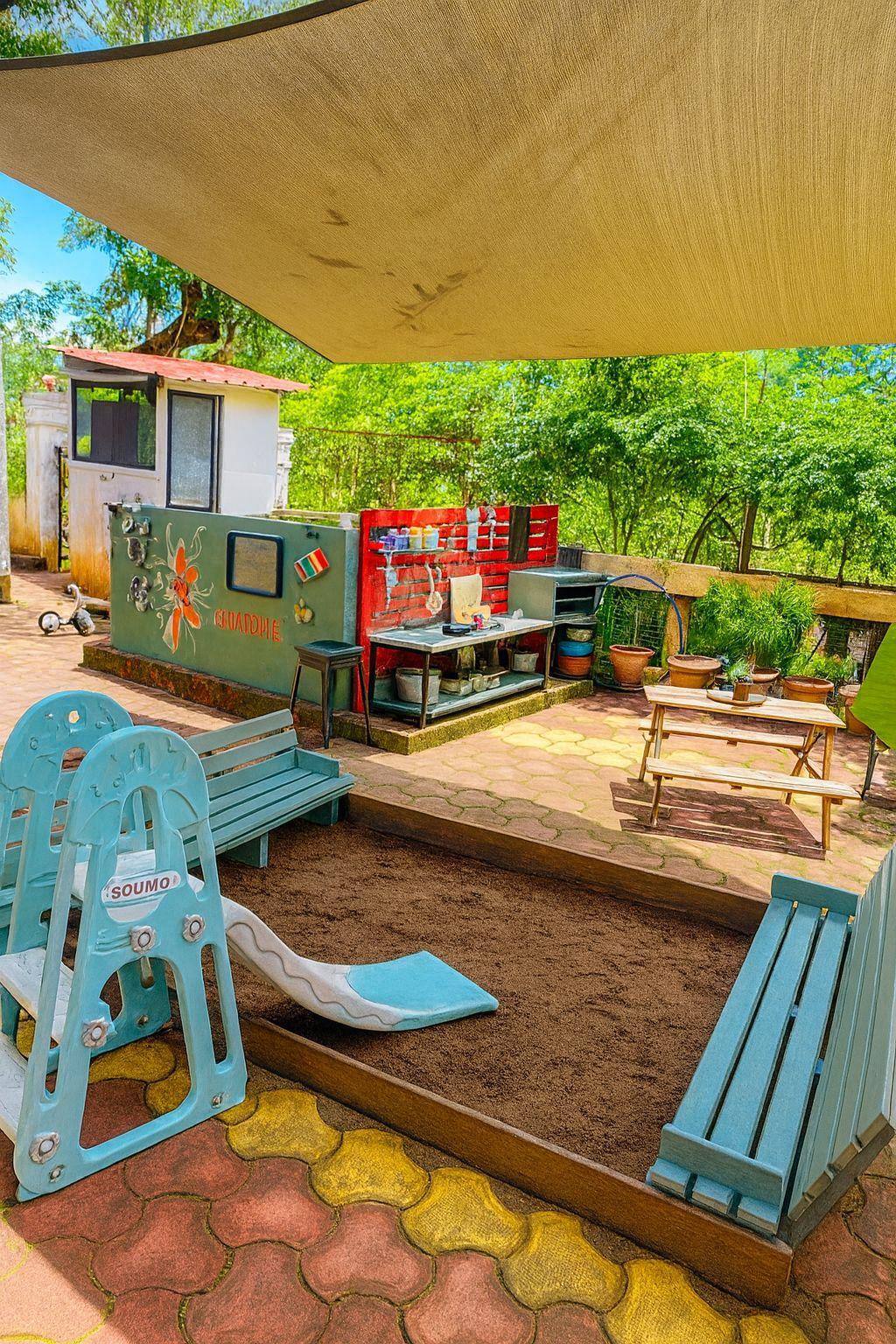
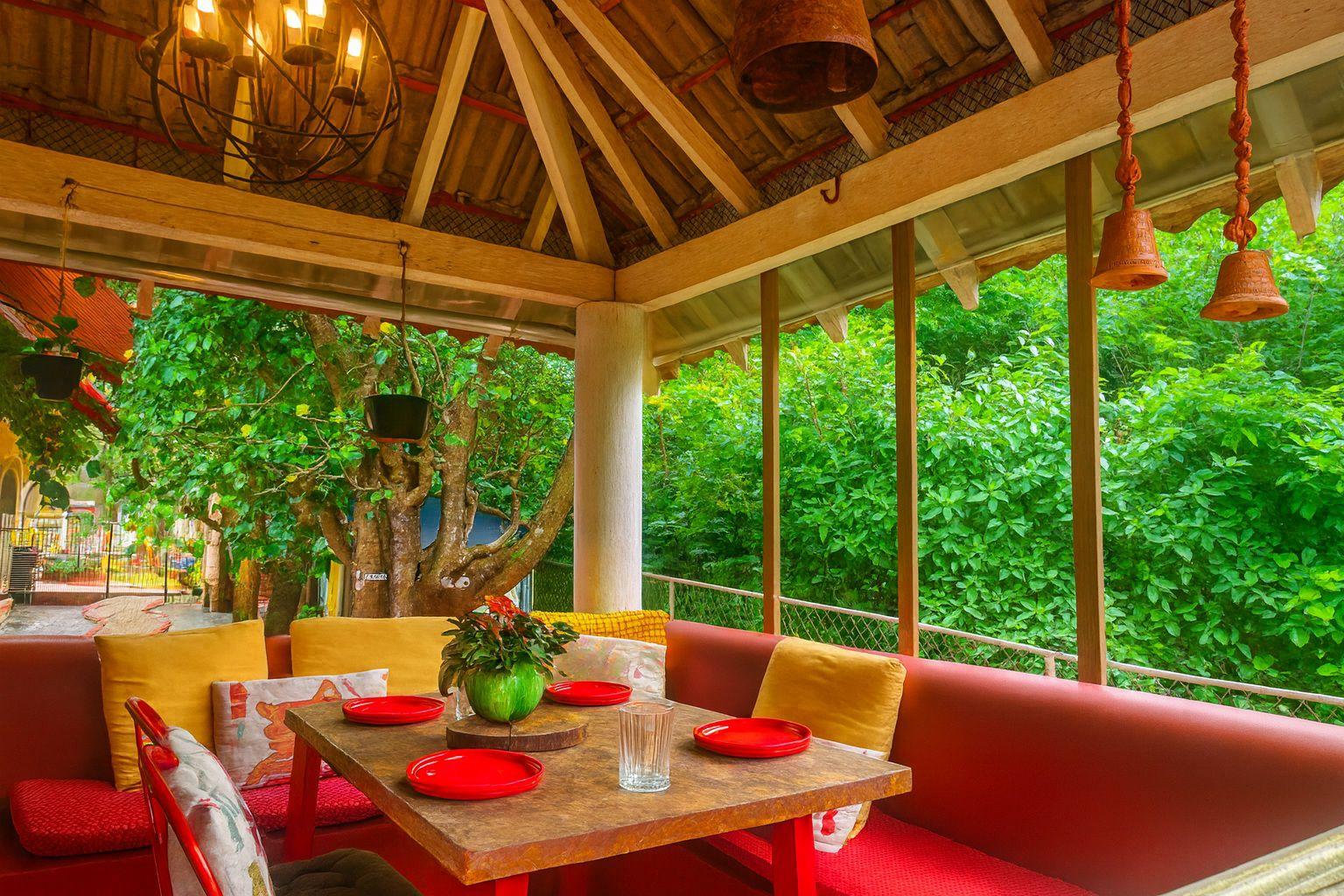
Every corner encourages pause, with shaded garden spots, sun-washed nooks, and quiet communal areas inviting conversation or solitude. The mood leans toward retreat rather than resort, reflecting the founders’ belief that comfort comes from emotional resonance as much as design.
Food forms the social heart of Casa Do Leão. The garden pizzeria grew out of the founders’ appreciation for slow, outdoor dining and handcrafted cooking. Here, artisanal pizzas, fresh brunch offerings, and relaxed gatherings replace hurried meals. Consistency, ingredient quality, and genuine interaction guide the culinary experience.
Live music evenings, events, and a steady stream of returning guests cultivate familiarity, turning the restaurant into a neighborhood meeting point rather than just another dining address. Conversations stretch longer, tables fill with shared plates, and strangers often leave as friends.
With only a limited number of rooms, the stay experience remains deliberately personal.
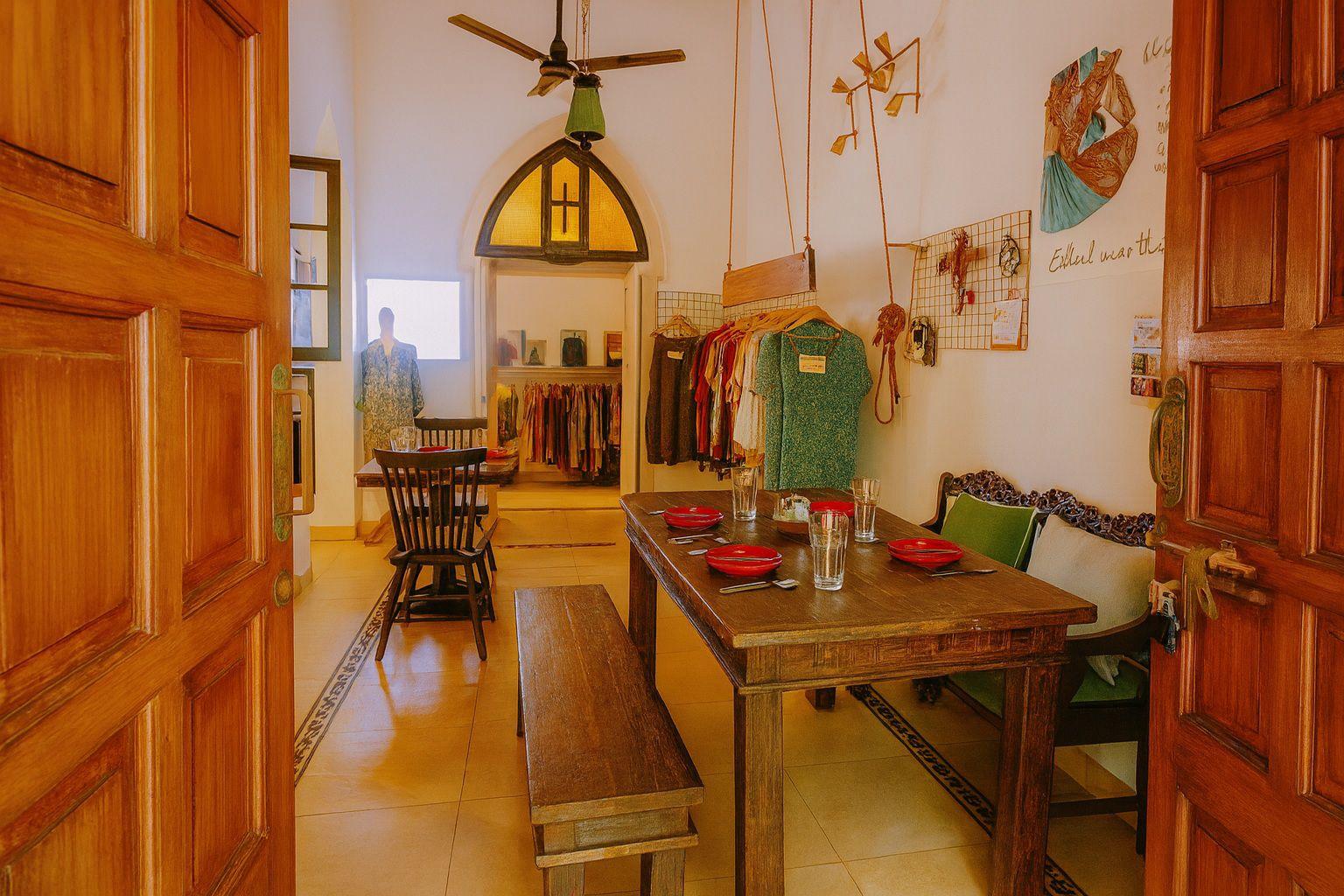
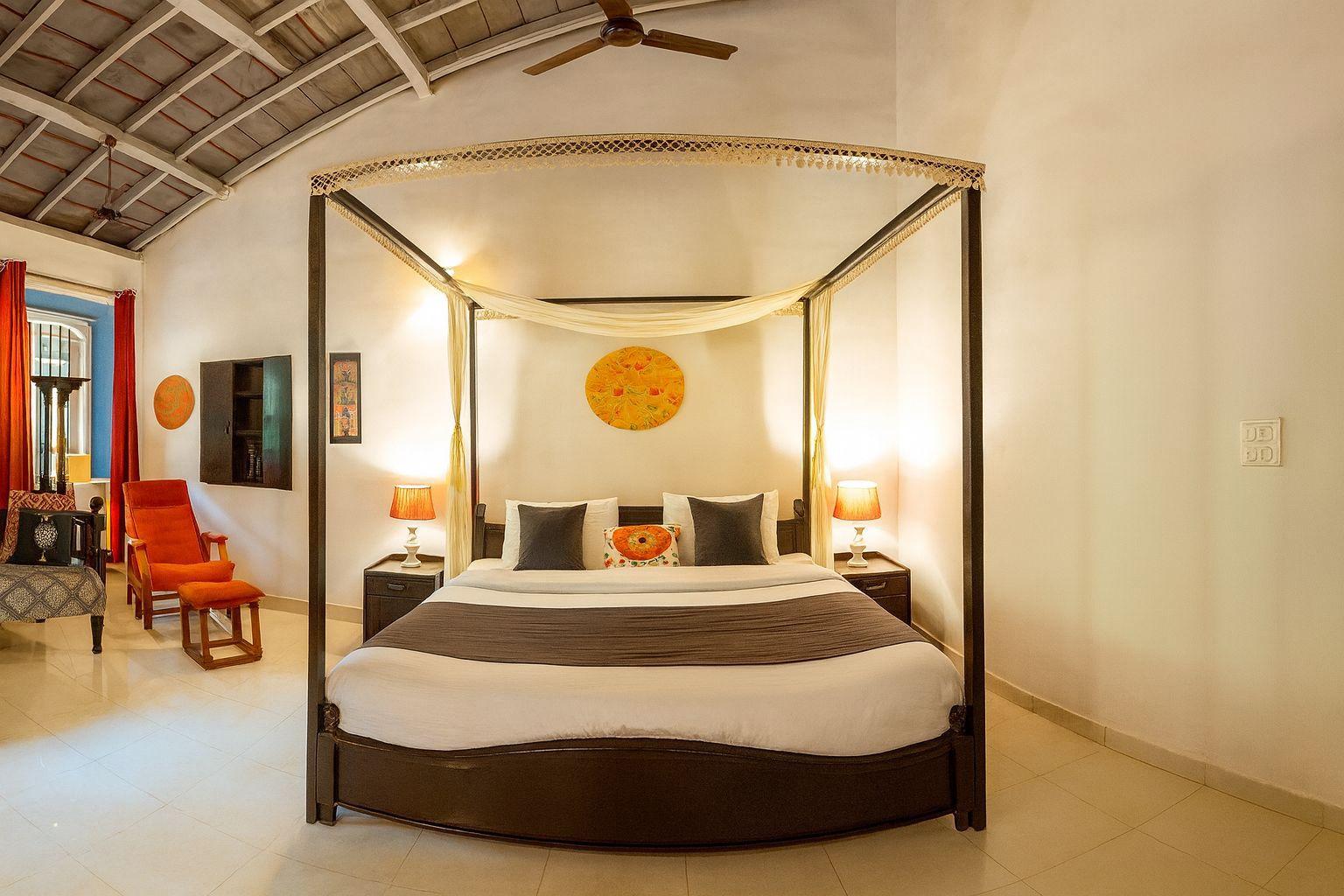
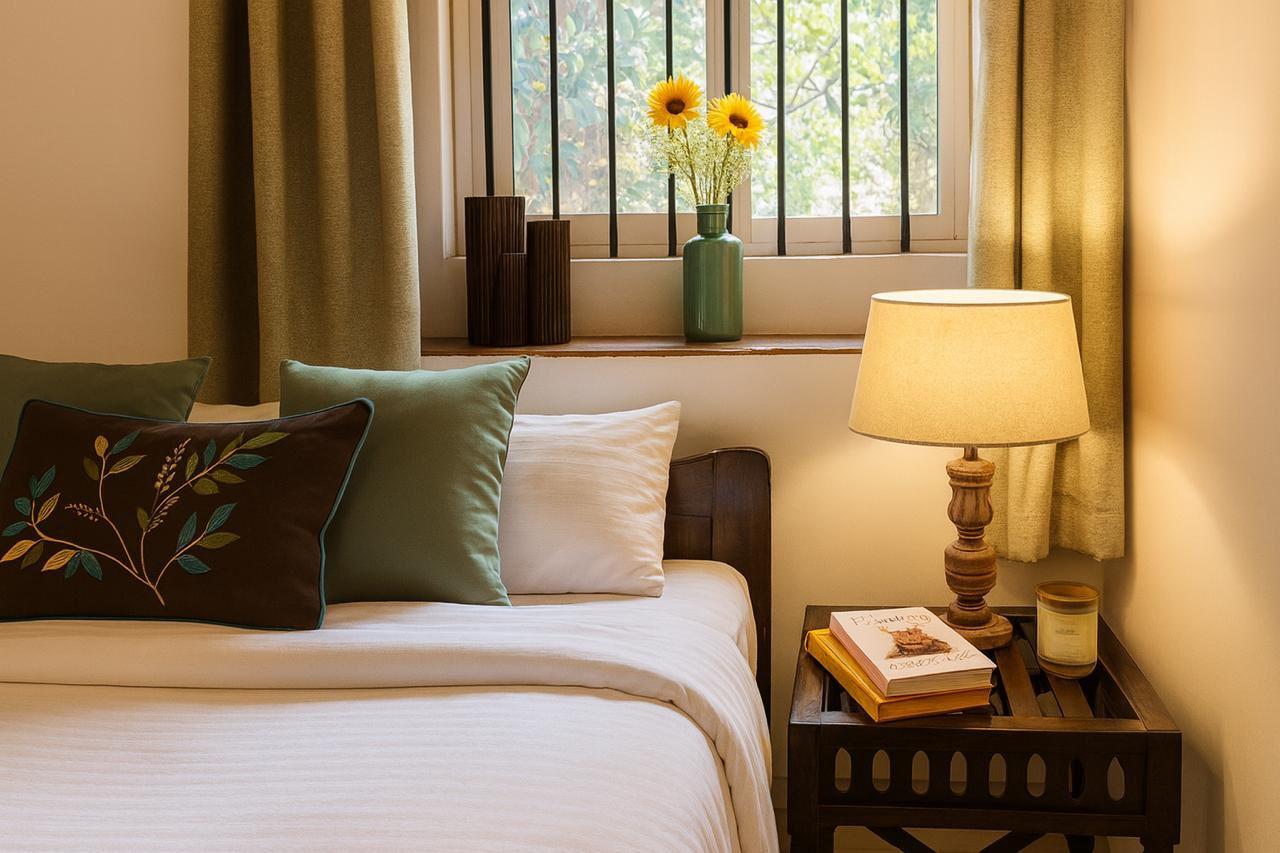
This small scale enables attentive hosting and meaningful engagement with each guest. Instead of anonymity, visitors encounter thoughtful touches, recommendations, and conversations that feel sincere.
The continuity between sleeping, eating, shopping, and unwinding within the same environment creates a rare cohesion. Guests wake up in the same space where they had dinner the night before, stroll through the boutique, and return to the garden for coffee, an effortless loop that encourages deeper connection to place.
Casa Do Leão attracts travellers who value substance over spectacle. Families, couples, solo explorers, digital nomads, creatives, and even locals gravitate toward its unpretentious yet considered atmosphere. The common thread among them is an appreciation for design, authenticity, and slower living. Goa’s own laid-back rhythm strongly influences this appeal.
The region’s openness, cultural diversity, and easy warmth shape the property’s menus, events, and interactions, allowing the destination to feel grounded in its surroundings rather than detached from them.
Building such a nuanced concept has not been without challenges. Balancing creative aspirations with operational realities required resilience and patience. Yet steady word of mouth, repeat visitors, and community engagement have organically established Casa Do Leão as a recognized name in soulful hospitality.
Looking ahead, the founders envision growth that remains deliberate and measured. Collaborations, curated experiences, and events are planned, but always with the intention of preserving the intimacy that defines the brand.
Ultimately, Casa Do Leão represents a shift in how hospitality can be experienced. It demonstrates that thoughtful design, heartfelt hosting, and community connection can transform a simple trip into something memorable.
Here, guests do not merely check in and out. They settle, share, linger, and often extend their stay. In a world of fast travel and fleeting encounters, Casa Do Leão offers something increasingly rare: the feeling of coming home.
The Riverfront is a 700-foot open-air venue along the Mandovi, blending large-scale events with community focus while respecting Panaji’s riverfront character.
Over the years, hospitality entrepreneur Dr K. Prakash Shetty, founder of the MRG Group, built his business steadily, beginning with a single restaurant in 1993 and expanding, step by measured step, into hotels, real estate and infrastructure across cities.
His latest venture in Panaji, The Riverfront, extends that trajectory to the banks of the Mandovi, where development is scrutinised not just for scale, but for how thoughtfully it fits into the city’s lived landscape.
Panaji roots its identity in the Mandovi river that flows by the historic city's banks. The river runs past its institutions, ferry points, government offices and hotels, shifting in mood from a stunning, but functional waterscape in the morning to an illuminated spectacle by night.
Right on the banks of the iconic river and near the capital city's old Mandovi Hotel landmark, hospitality entrepreneur Dr K. Prakash Shetty has introduced The Riverfront, a 700-foot open-air venue positioned as Panaji’s largest outdoor event space. It can host around 1,000 guests. It includes a private access jetty, parking facilities and supporting service infrastructure. But for Shetty, the project is not framed in terms of size alone.
“The Riverfront was planned as a space that would add value to Panaji’s social and cultural life, not just function as an event venue. From the start, the intention was to build something that respects its surroundings," he says.
Shetty’s business trajectory did not begin with riverfronts or townships. It began in 1993 with a standalone restaurant in Bengaluru called Banjara. There was no multi-city blueprint then.
“When I started my first restaurant, Banjara, in 1993, it was not part of a grand plan. It was simply an opportunity I believed in," Shetty states.
He has spoken often of coming from modest beginnings. Born in 1959 in coastal Karnataka, he moved to Bengaluru after graduation in 1980. His early years were defined by limited resources and operational discipline.

“In the early years, every decision mattered because resources were limited,” he says. “I learnt to focus on quality, relationships and long-term credibility rather than quick gains.”
Those constraints shaped his approach to scale. Growth, in his telling, must be earned. The MRG Group, founded in 1993, grew incrementally — from restaurant to hotel, from hotel to multi-city brand, from hospitality into real estate and infrastructure. The name itself signals continuity. MRG draws from family initials -- Madhav, Ratna and Gaurav -honouring his late parents and his son, who now serves as Managing Director. The framing has always been generational rather than transactional.
By 2004, the group had entered the hotel sector with the launch of the Goldfinch brand in Bengaluru. Expansion followed to Mangalore, Mumbai, Delhi and Goa. Partnerships with established hospitality names such as Marriott and Hilton followed, including DoubleTree by Hilton in Goa at Ribandar.
The venue's architecture features modern infrastructure and dedicated service areas
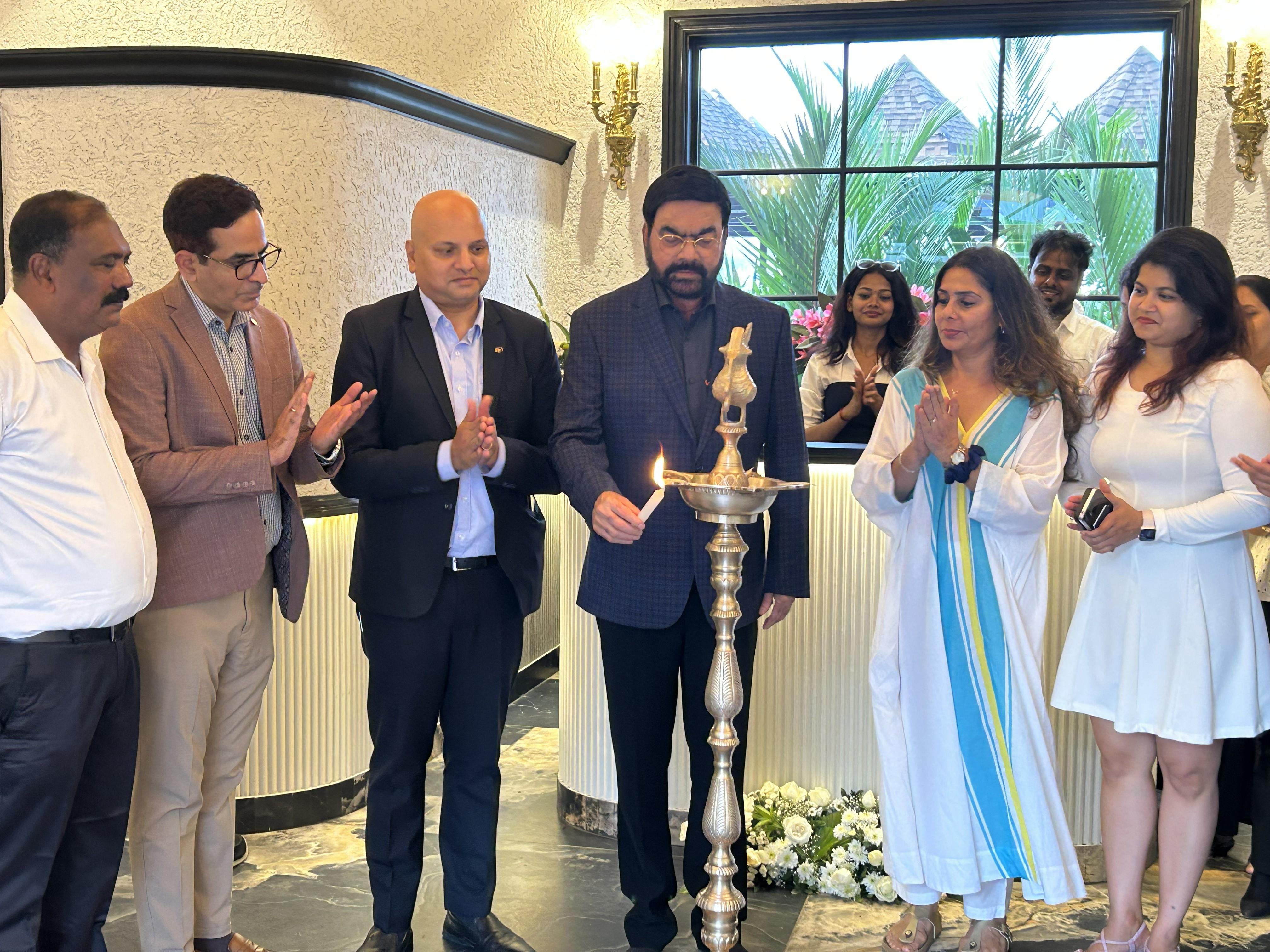
Chairman of the MRG Group Dr. K. Prakash Shetty (fourth from left) lighting the lamp at the inaugural ceremony marking the launch of The Riverfront, in Panaji
Yet when asked about scale, Shetty returns to fundamentals.
“Hospitality attracted me because it is deeply human... It allows you to create experiences and build emotional connections," he explains.
The early restaurant years, he adds, provided a hands-on education in service and operations.
“Service excellence, attention to detail and consistency are what allow you to scale successfully... Systems and standards are essential if you want to grow without compromising quality," Shetty says. That thinking carries into The Riverfront.
Spread along approximately 700 feet of the Mandovi, the venue is largely horizontal. It does not seek vertical dominance. The river remains visible from within the premises. The built components — service areas, parking zones, event infrastructure — are functional rather than ornamental.
“The scale and layout were designed to complement the river and the existing character of Panaji,” Shetty says. “We were careful not to overbuild.”
In a city defined by layered architecture — from Fontainhas to Altinho — restraint is not aesthetic modesty alone. It is practical politics.
The Riverfront’s first event underscored that positioning. Rather than launch with a commercial gala, the venue opened with an inclusive art exhibition involving children and adults with different abilities from institutions supported by Caritas Goa.
The decision, Shetty says, was deliberate.
“We wanted the first event to represent community, creativity and shared expression rather than purely commercial activity,” he says. “Commercial events will follow, but establishing purpose and inclusivity at the beginning sets the right foundation.”
It was a calibrated beginning in a state where private development along public-facing waterfronts often attracts scepticism.
The emphasis on community is not new within the MRG ecosystem. The group’s enterprises currently provide direct and indirect employment to around 3,000 individuals. During the COVID-19 pandemic, over 20,000 families received food kits through initiatives supported by the group. A weekly meal distribution initiative titled Ahara continues across cities.
Recognition has followed over the years, including the Karnataka Rajyotsava Award and a Lifetime Achievement Award by the Times Group. Mangalore University conferred upon him an honorary doctorate in recognition of his social work.
Yet The Riverfront is not framed by Shetty as philanthropy.
Hospitality and real estate, he argues, are linked disciplines.
“Hospitality teaches you how people experience space,” he says. “Real estate teaches you how cities evolve.”
The connective question is longevity.
“In both cases, the question is the same,” he says. “Will this space remain relevant and meaningful years from now?”
The venue's architecture features modern infrastructure and dedicated service areas
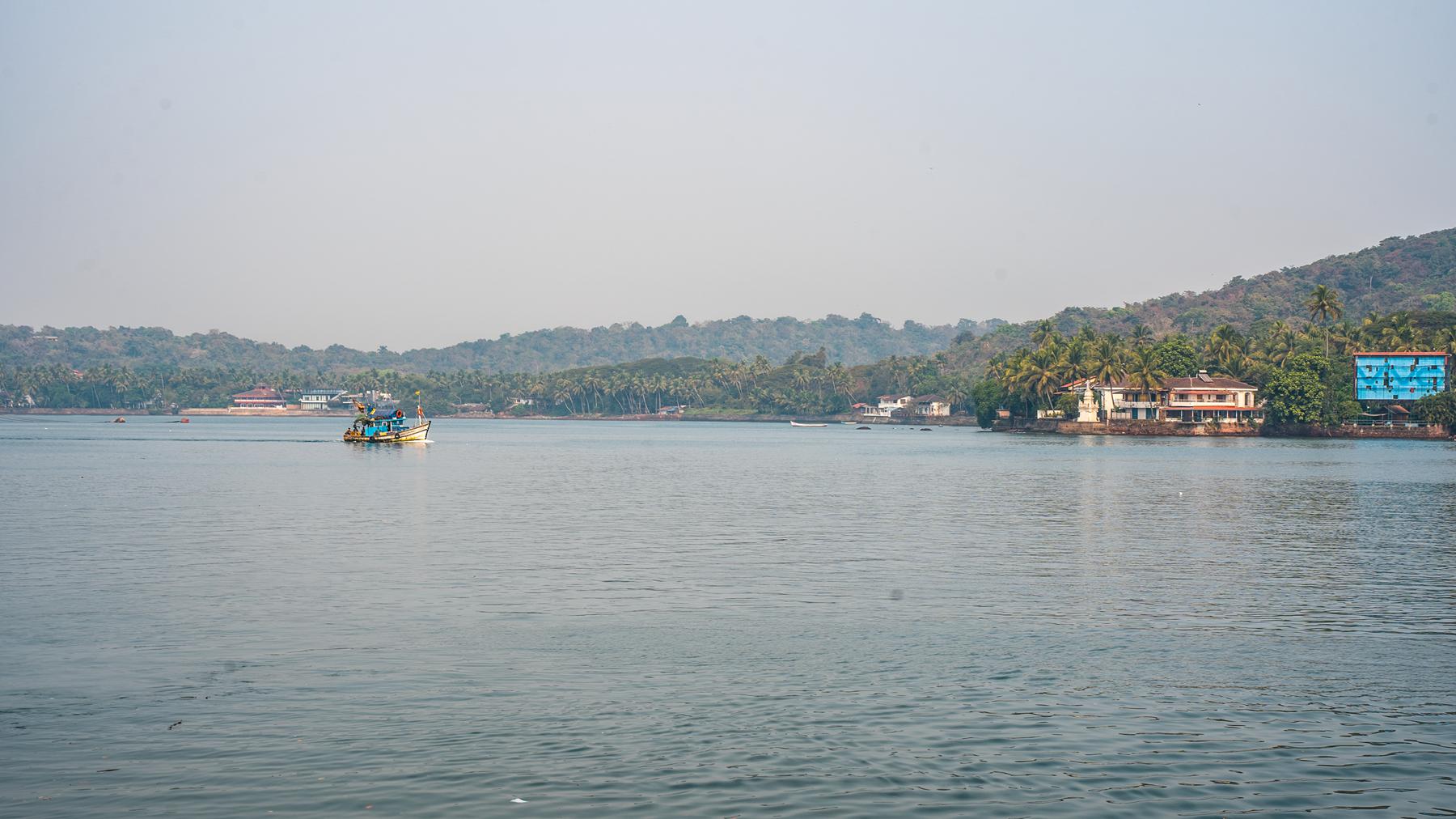
The Riverfront faces the River Mandovi and has a private access river jetty www.itsgoa.com
That question is particularly sharp in Goa. The state’s tourism economy is shifting. While leisure remains central, there is growing demand for curated experiences — culture, cuisine, wellness, destination weddings and corporate gatherings that extend beyond seasonal peaks.
“I see Goa moving beyond seasonal tourism to becoming a year-round destination driven by events, art, gastronomy and destination weddings,” Shetty says.
Infrastructure that supports that evolution becomes part of the broader hospitality ecosystem.
Venues like The Riverfront, in this reading, are enabling spaces. They provide scale without necessitating fresh construction for every large event.
The Riverfront stands out for its stunning vantage as well as from a multi-utility facility point of view.
Weddings one week, exhibitions the next, corporate events thereafter. The openness ensures that the natural river vista remains the visual anchor of any celebration or event.
As dusk settles, the distinction is practical rather than poetic. Guests face the Mandovi. The skyline remains visible. The water is not concealed behind the structure.
For Shetty, whose journey began with a modest restaurant in 1993, the Panaji project represents continuity rather than just a business pivot. Growth, he insists, must remain anchored in credibility.
“That mindset has never changed,” he says.
The business arc — restaurant, hotel, brand expansion, township, now riverfront venue — reflects incremental accumulation rather than sudden transformation.
Panaji will ultimately determine The Riverfront’s place in its social calendar. Venues become accepted not through launch events but through repeated use. The test will lie in how comfortably the space integrates into the city’s cultural rhythm.
For now, the Mandovi continues to flow calmly past The Riverfront.
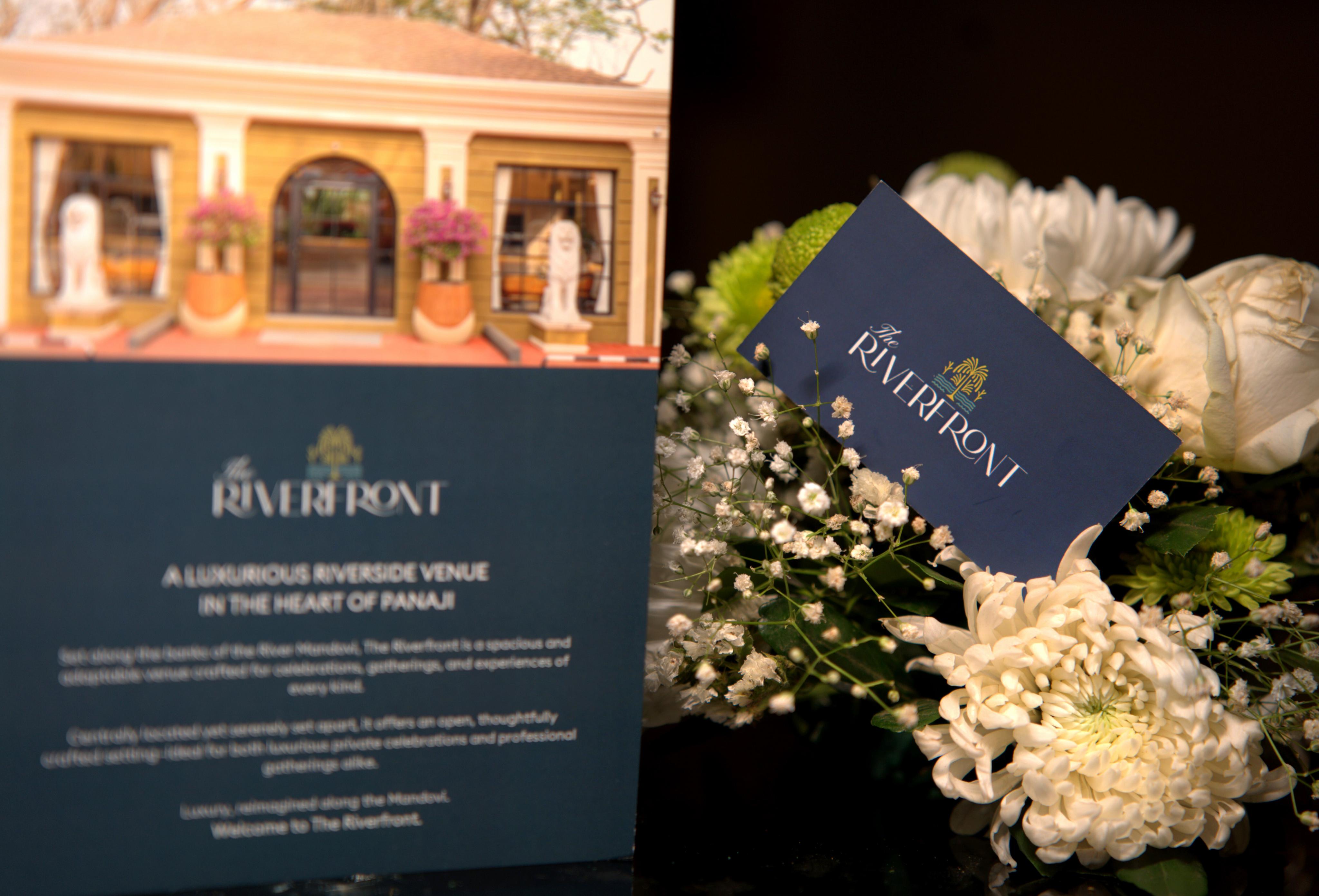
The Riverfront is capable of hosting a wide range of events and promises a sunset view over the MandoviClassicriverSerradura Bliss

Mumbai-based nutritionist and food blogger Greta Fernandes shares a gluten-free, sugar-free almond and orange tea cake, a moist, low-carb, diabetic-friendly dessert with bright citrus flavour. Article & Images by: Greta Fernandes (Deliciously URS) www.itsgoa.com itsgoa_ Itsgoa
There are several occasions where cakes are a part of a celebrations. But if your low-carb, sugar-free lifestyle is keeping you away from enjoying the cakes then this recipe will save your day.
This is a diabetic-friendly cake recipe which is simple and fuss-free. The ingredients are few but just right to create magic in every bite.
Fresh orange zest gives the cake its signature flavour and brightness. Almond flour which is a gluten-free alternative provides a buttery, nutty flavour and keeps the cake low-carb. Almond extract enhances the almond flavour for a richer taste.
It is a perfect buttery moist tea cake with a deep orange flavour and golden crust that melts into your mouth.
Ingredients :
6 large eggs, separated 100 g Monk fruit sweetener 150 g Greek yoghurt, full-fat 1 tsp almond extract 2 medium orange zest 300 g almond flour 1 tsp baking powder 2 handfuls flaked almonds (optional)
Method :
Preheat the oven to 170°C Grease and line an 8-inch / 20cm springform tin.
Using a stand mixer or electric whisk, beat the egg whites until stiff peaks form. Transfer to a clean bowl.
In a large bowl, beat the egg yolks with your sugar-free alternative until pale and creamy. Then whisk in the almond extract, Greek yoghurt, and orange zest. Finally, using a slow speed, gradually beat in the almond flour and baking powder. Mix until well combined
Gently fold the whipped egg whites into the batter, ensuring everything is combined without overmixing.
Pour the mixture into your prepared tin and sprinkle with some flaked almonds (optional)
Tap the cake tin down to get rid of air bubbles.
Place in the preheated oven and bake for 55-60 minutes or until a skewer inserted into the center comes out clean.
Let the cake cool slightly in the tin before transferring to a wire rack.
Serve warm or at room temperature with a dollop of Greek yoghurt.
You can adjust the sweetness as per your taste. Monk-fruit based sweeteners have high levels of sweetness so be careful with the quantity used.
After baking while it is still warm do handle the cake with care and let it come to room temperature before cutting it.
This cake can be stored in an airtight container or wrapped in foil for up to 4-5 days.
Ensure to grate the orange zest lightly and take care not to use the white part of the orange rind. It tends to impart a bitter taste to the recipe.
You can carefully wrap the cake and keep under refrigeration, the cake will stay fresh upto a couple of weeks.
Website : DeliciouslyURS.com

Greta Fernandes - Mumbai-based Certified Nutritionist & Food Blogger