Volume 5
Issue 4
April 2026
Volume 5
Issue 4
April 2026
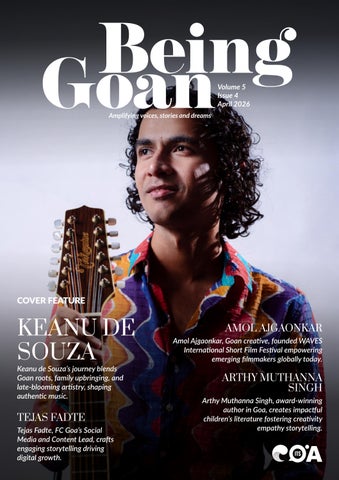
Keanu de Souza’s journey blends Goan roots, family upbringing, and late-blooming artistry, shaping authentic music.
Tejas Fadte
Tejas Fadte, FC Goa’s Social Media and Content Lead, crafts engaging storytelling driving digital growth.
Amol Ajgaonkar, Goan creative, founded WAVES International Short Film Festival empowering emerging filmmakers globally today.
Arthy Muthanna Singh, award-winning author in Goa, creates impactful children’s literature fostering creativity empathy storytelling.
Dear Readers,
April arrives with a sense of quiet momentum in Goa, a time when stories unfold gently yet leave a lasting impression. In this issue of Being Goan, we celebrate individuals whose journeys are rooted in passion, shaped by perseverance, and driven by a deep connection to their craft and community.
Keanu de Souza’s musical journey blends Goan roots, family influence, and lateblooming artistry, with a sound rooted in emotion, authenticity, and the power of live performance.
Parth Kamat, a Goa-based engineering student, balances academics with a growing presence in rock and metal music, excelling as a multi-instrumentalist and performer.
Tejas Fadte, FC Goa’s Social Media and Content Lead, drives fan engagement through creative, real-time storytelling, blending innovation with a lifelong passion for sports.
Amol Ajgaonkar, founder of the WAVES International Short Film Festival, empowers emerging filmmakers while positioning Goa as a thriving hub for independent cinema.
Arthy Muthanna Singh, an award-winning author, creates impactful children’s literature that fosters creativity, empathy, and storytelling through books and workshops.
Rochelle Pinto reflects on leadership, authenticity, and self-expression, shaped by discipline, honesty, and her strong Goan roots.
Dr. K. Prakash Shetty, founder of MRG Group, built a hospitality empire through steady growth, with The Riverfront in Panaji emerging as a space for culture and community.
Join us in celebrating Goa’s vibrant stories, from entrepreneurs to artists, each contributing uniquely to our community. Let their journeys inspire you to follow your passions and pursue your dreams with determination.
Well, that's all I have for you from my desk this month. I hope you enjoy reading this month's issue of our e-magazine. Do share it with your friends all across the globe.
Until next month, cheers!
Jessyl Fernandez Editor
01 Keanu de Souza
02 Tejas Fadte
03 Amol Ajgaonkar
04 Arthy Muthanna Singh
05 Parth Kamat
06 Rochelle Pinto
07 Dr. K. Prakash Shetty: The Riverfront
Vision
Goa, the tiniest state on the western coast of India, boasts golden pristine beaches, palmfringed avenues, flavourful food, delicious Portuguese-influenced sweets, and warm, hospitable people. Also known as the Ibiza of India for its partying. A tropical paradise of flora and fauna, from the very famous 'almi' (mushrooms) endemic to its forests, that grow only on the red mud anthills, to the solar prawns that are fished immediately after the monsoons, Goa is unique. Tourists are also attracted to Goa for its cultural heritage - from the famous old Portuguese churches like Se Cathedral in Old Goa, the 16th Century Safa Masjid in Ponda and Shree Mangesha Temple in Mardol, the legendary Arvalem or Pandava Caves where the Pandavas of the Mahabharat fame lived, to its two unique festivalsCarnival and Shigmo. Goa plays host to many festivals - the International Film Festival of India that promotes cinema, the Serendipity Art Festival, Sunburn Music Festival, The Grape Escapade to name a few. To showcase this varied heritage of culture, art, tradition, food, and people, in 2015 ItsGoa was born. The main aim was to make it the premier portal for all things Goa. We were able to showcase Goa like never before. Soon our blog-based website transcended the virtual space, with the ItsGoa magazine – a sought-after resource for visitors to Goa from countries like Norway, Germany, UK, USA, UAE, etc.
Chief Editor
Jessyl Fernandez
Sales
Donald Fernandez
Andrea Fernandes
Content & Social Media Saviola Dias
Britney Fernandes
Graphics & Layout
Britney Fernandes
For advertising queries: +91 7887330620 / 9370502124
ItsGoa Media Group
Nordic Intent HQ - Floor 3, PDA Colony, Porvorim, Goa 403521
Email: mail@itsgoa.com
Website: itsgoa.com

cover feature
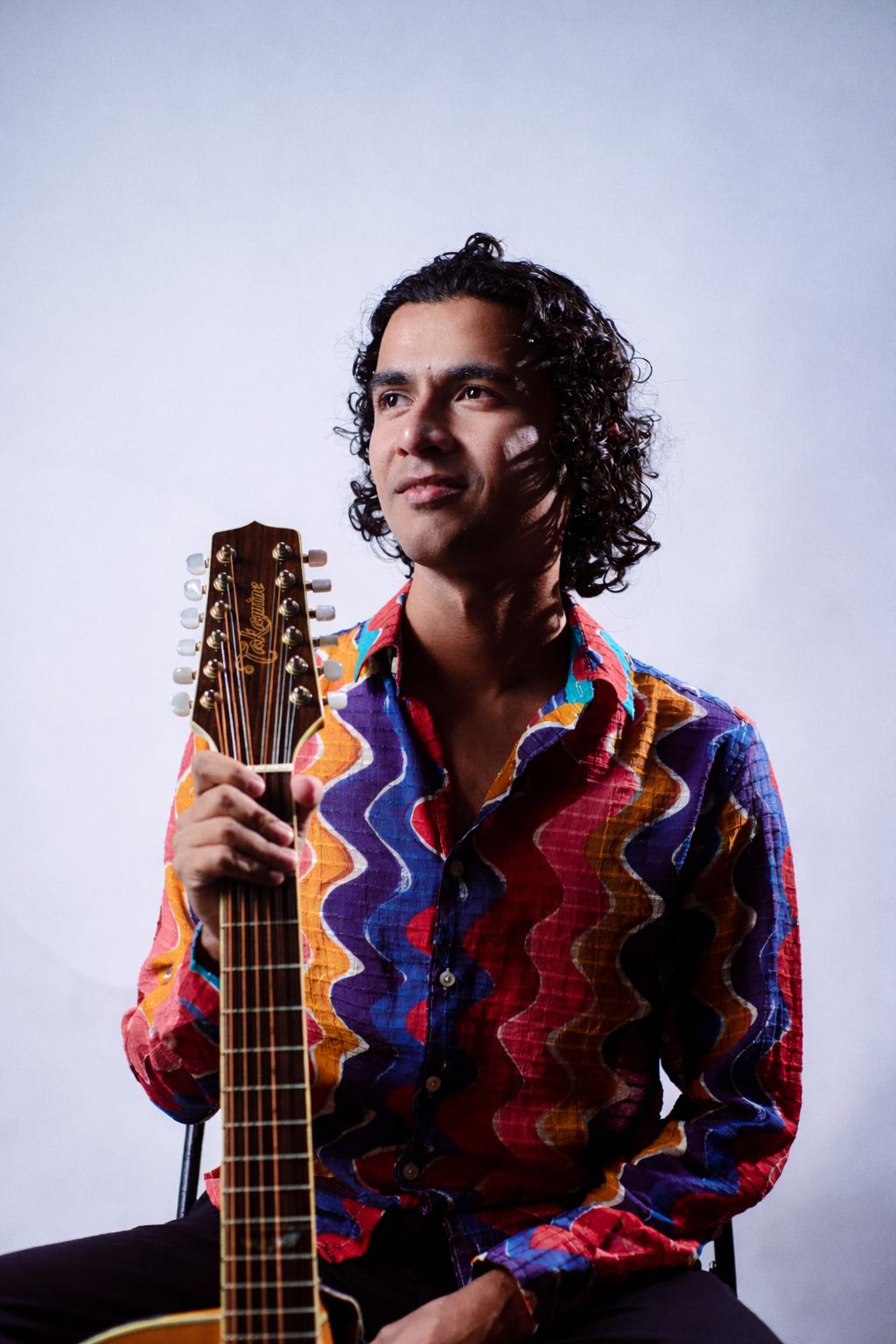
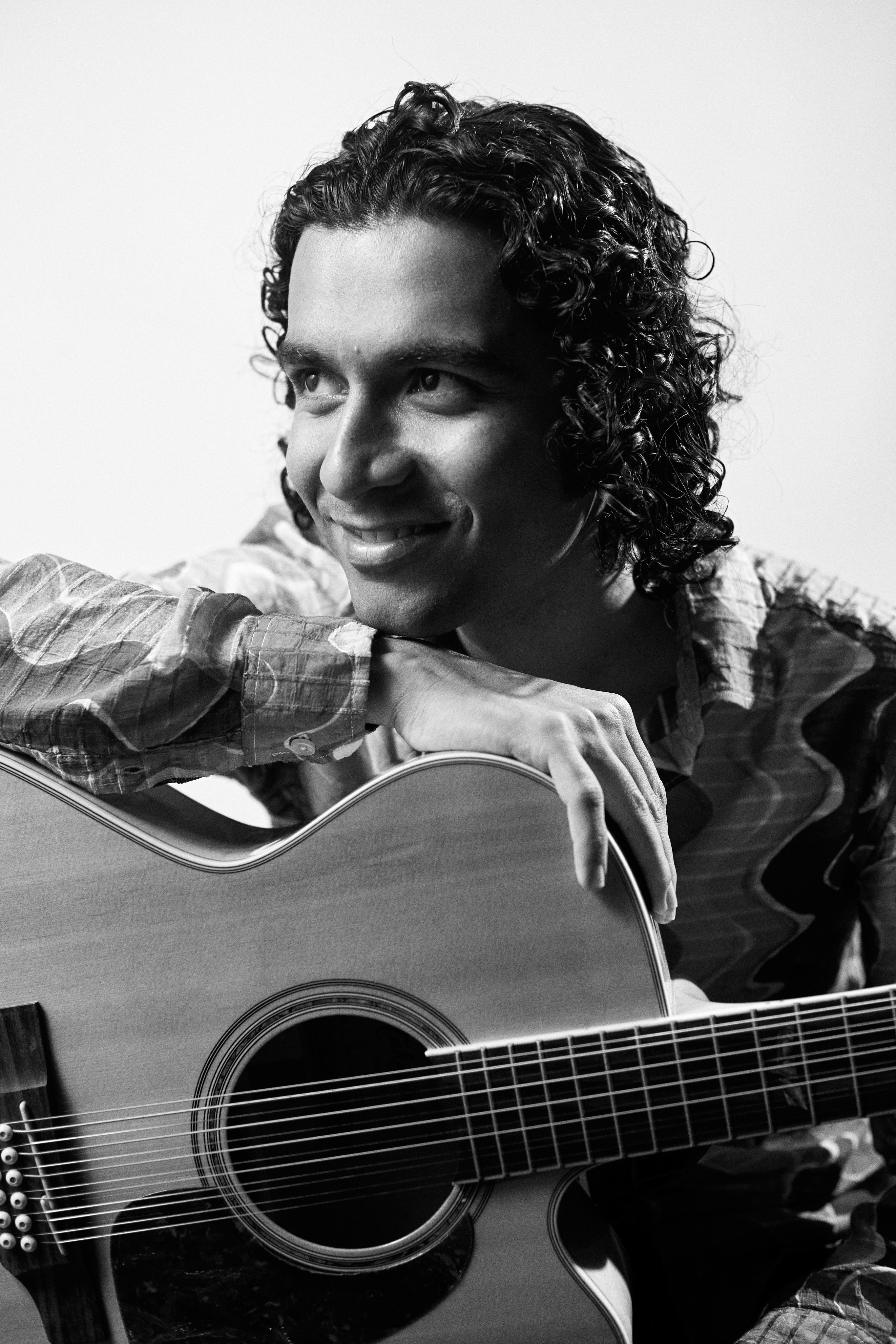
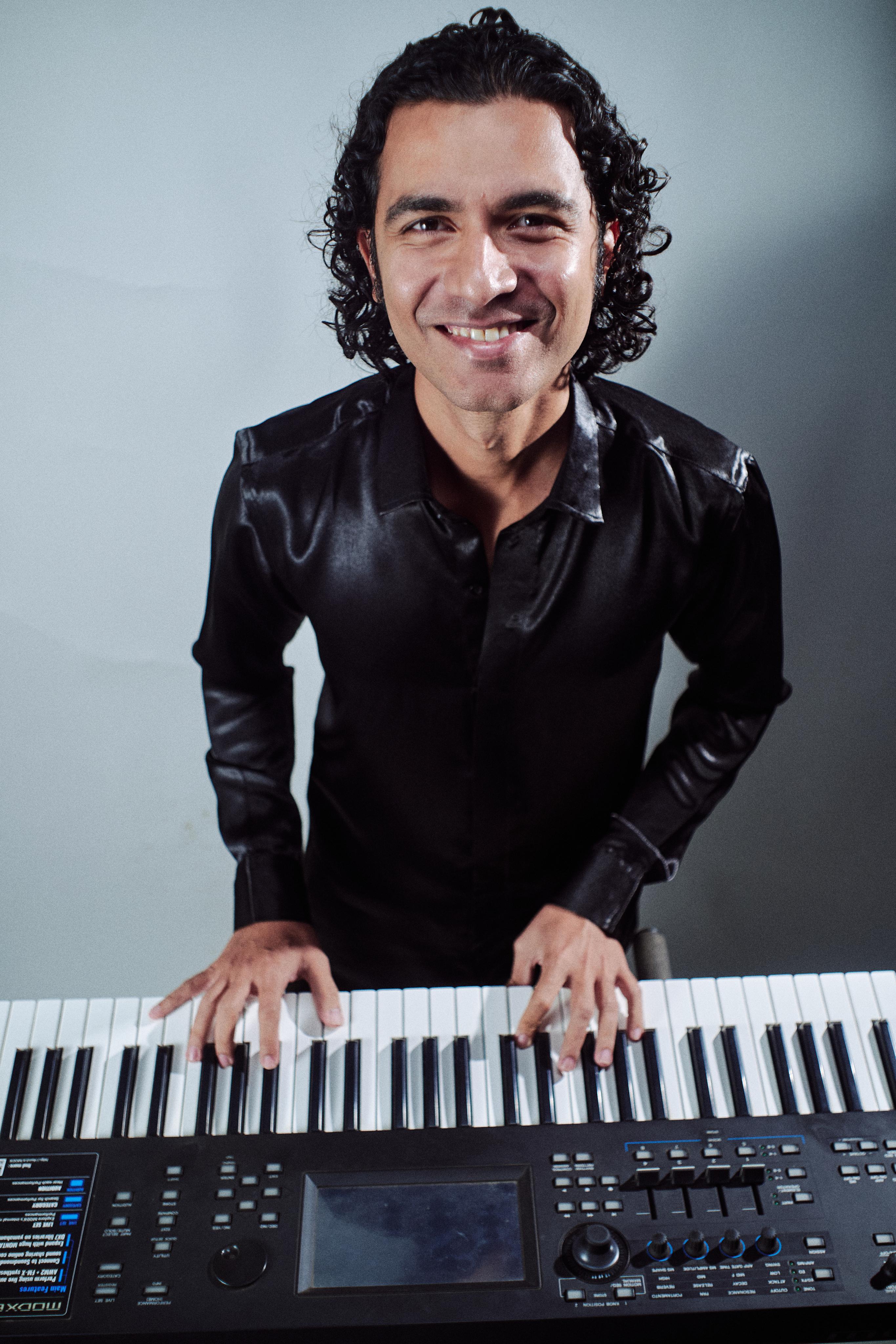
Keanu de Souza’s journey blends Goan roots, family upbringing, and late-blooming artistry. Rooted in classics and live performance, his music emphasizes emotion, authenticity, and personal expression, shaping an evolving career.
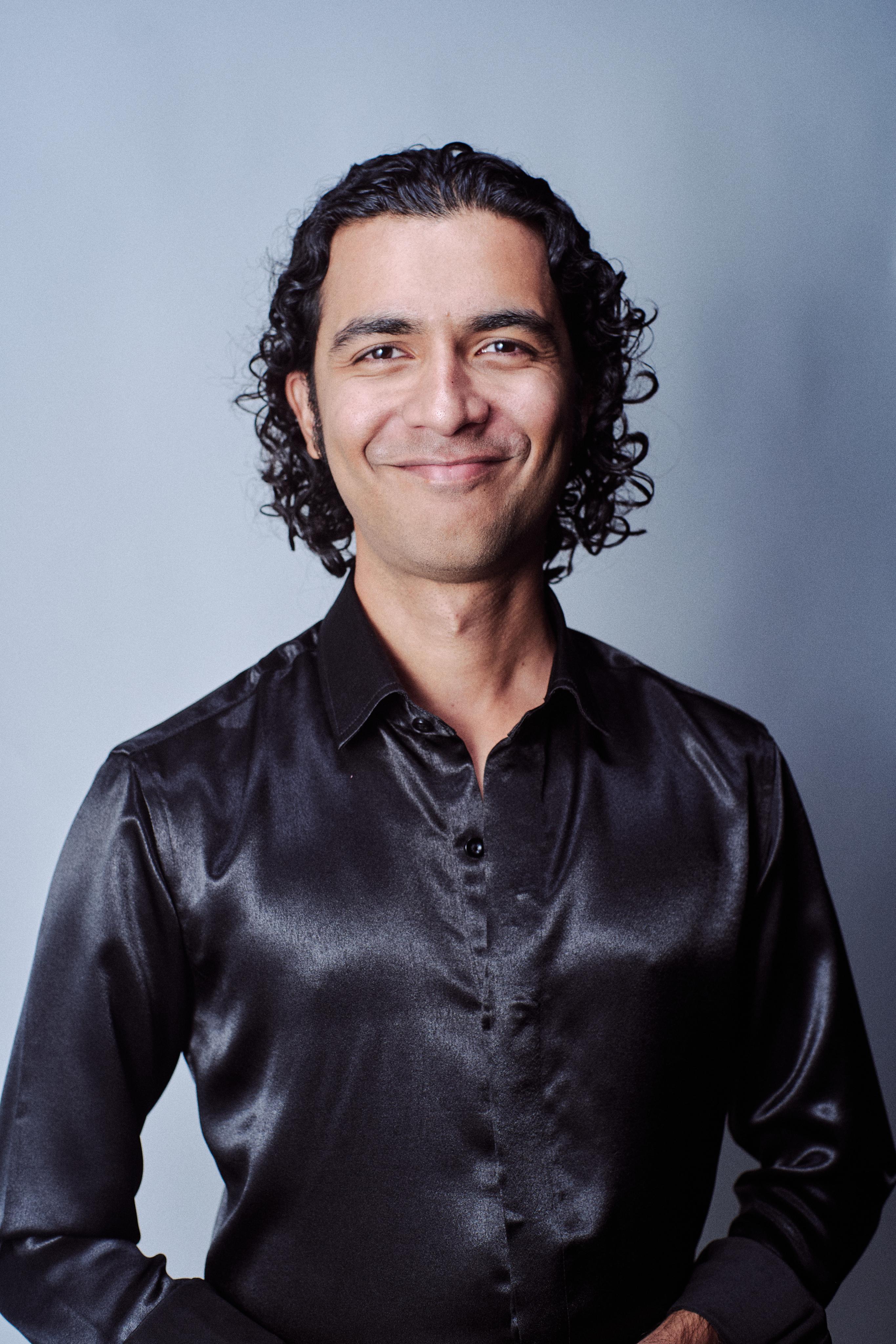
For Keanu de Souza, music was never something he had to search for; it was always present in the rhythm of everyday life. Born and raised in Goa, he spent his formative years in Panjim during the 1990s, a time he fondly remembers as an era when life moved at a gentler pace. Those years shaped not only his personality but also his musical sensibilities. Surrounded by the sounds of timeless melodies from the 1960s onwards, Keanu absorbed a rich musical culture that blended nostalgia, storytelling, and emotional depth.
Growing up in such an environment gave him the rare privilege of experiencing music not merely as entertainment but as an integral part of Goan identity. From classic English ballads to traditional influences that echoed through the region, these early encounters laid the foundation for the artist he would eventually become.
Music runs deep in Keanu’s family, and his parents played a profound role in shaping his artistic outlook. His father, Sigmund de Souza, is a respected singersongwriter, journalist, and activist who continues to perform even today.
Through him, Keanu discovered the vibrant tapestry of home-grown Goan music, from Bardesi Konkani melodies and folk traditions to original compositions and the fascinating cultural bridge between Goa and Africa. His father also introduced him to timeless English love songs and ballads, nurturing an appreciation for expressive storytelling through music.
His mother, Lucia, contributed another dimension to his musical upbringing. Although she stepped away from singing before Keanu was old enough to remember, her influence remained powerful. She introduced him to the Latin flavour that once defined much of Goa’s musical culture, including Portuguese classics, elements of rock, and rhythms such as Bossa Nova and Samba.
Alongside these styles came lessons in vocal harmony, emotional expression, and musical sensitivity. Together, his parents created a household where music was not enforced but naturally lived and breathed.
Interestingly, Keanu’s path to performing professionally was not immediate. His parents often recall that he began singing in tune as early as six months old. Yet despite the natural ability, music was never forced upon him. Instead, they allowed his interest to grow organically.
During his school years, he participated in singing competitions, though success did not come easily at first. As a teenager and later as a college student, he continued performing, gradually gaining recognition. Victories at competitions such as Vem Cantar and Xavier’s Got Talent marked important early achievements, proving that persistence could eventually outshine self-doubt.
However, the pressure to live up to expectations often made him anxious. That anxiety delayed his professional journey until a turning point arrived in 2021. After both of his parents fell very sick with COVID-19, Keanu stepped in to help his father prepare for musical performances. What began as logistical support soon turned into artistic participation.
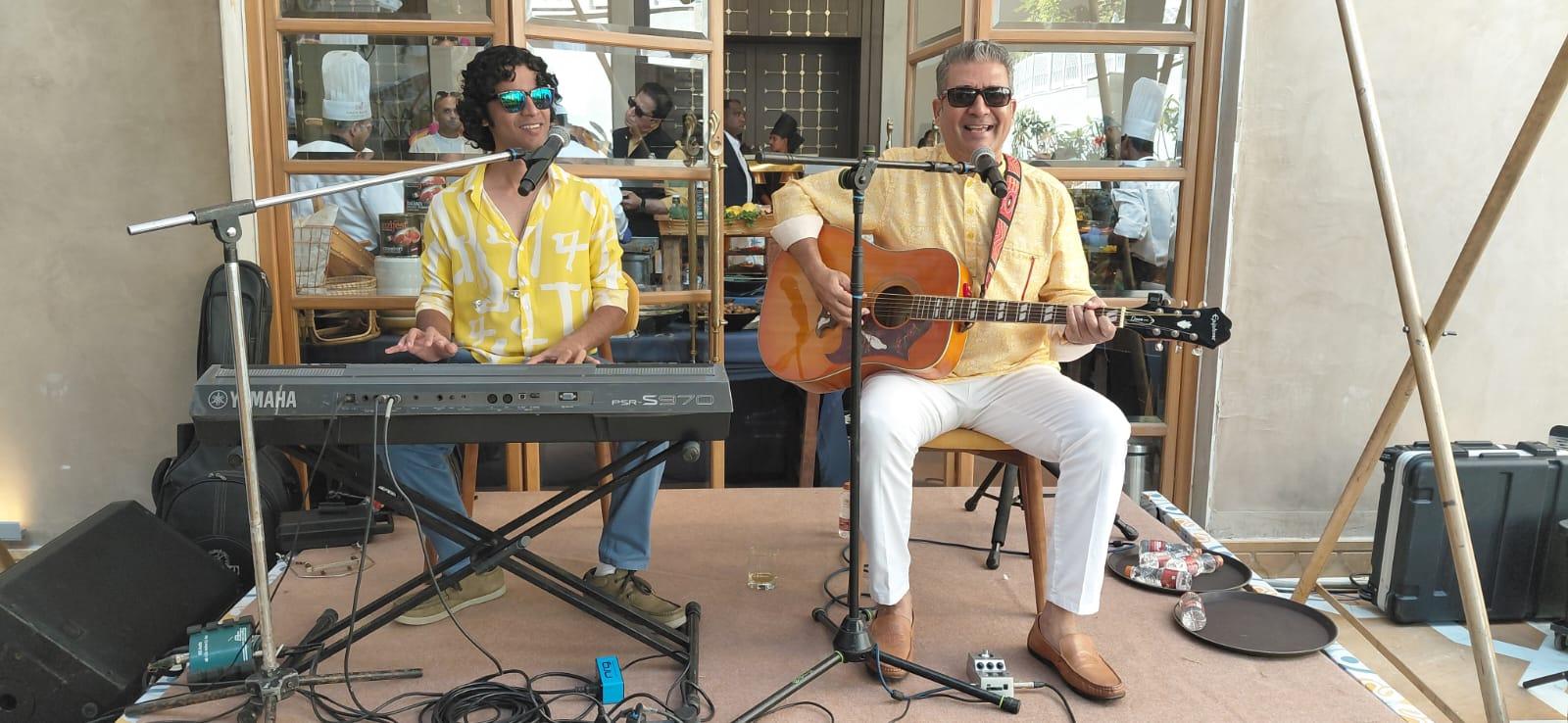
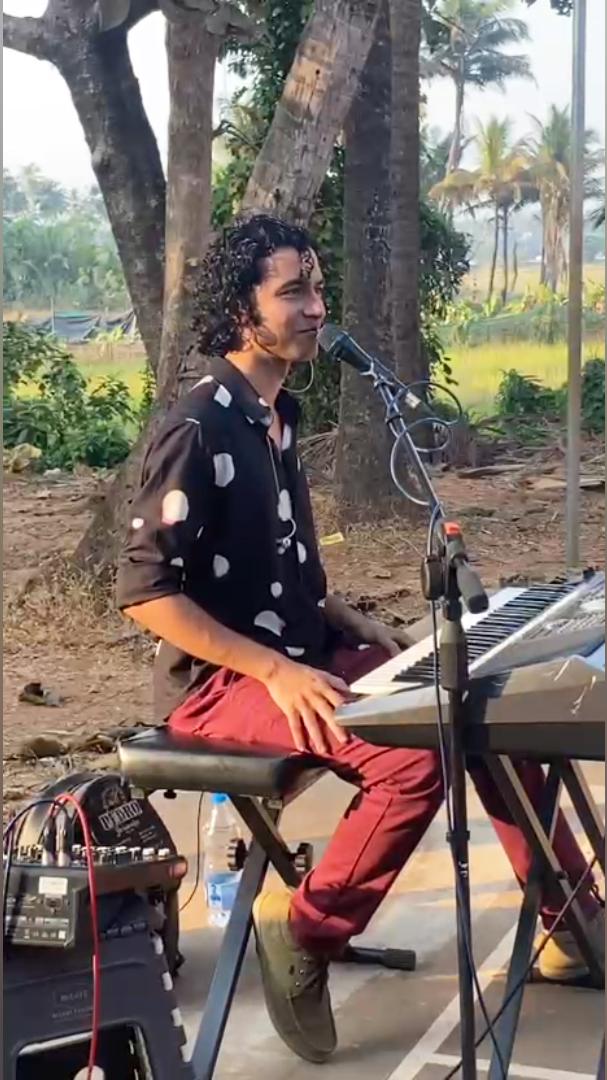
Within five months, he moved from providing backing vocals to playing percussion instruments such as the shaker, djembe, and ghumot, eventually adding the keyboard to his repertoire. By the age of 26, he had officially stepped onto the stage as a performer, proving that creative journeys do not always begin early, but they can begin at exactly the right moment.
Today, Keanu is known for performing English and Portuguese classics, a choice deeply tied to his upbringing. The music he performs reflects the cultural fusion that shaped him, Western ballads, Latin influences, and traditional sounds that once defined Goan musical gatherings.
Artists from an earlier era continue to inspire his sound, including legends such as Andy Williams, Engelbert Humperdinck, James Taylor, Elvis Presley, and The Beatles. Yet despite these influences, Keanu believes that his greatest inspiration remains his parents and the era of music they introduced him to, a time when melody, emotion, and authenticity defined a song more than visuals or technology.
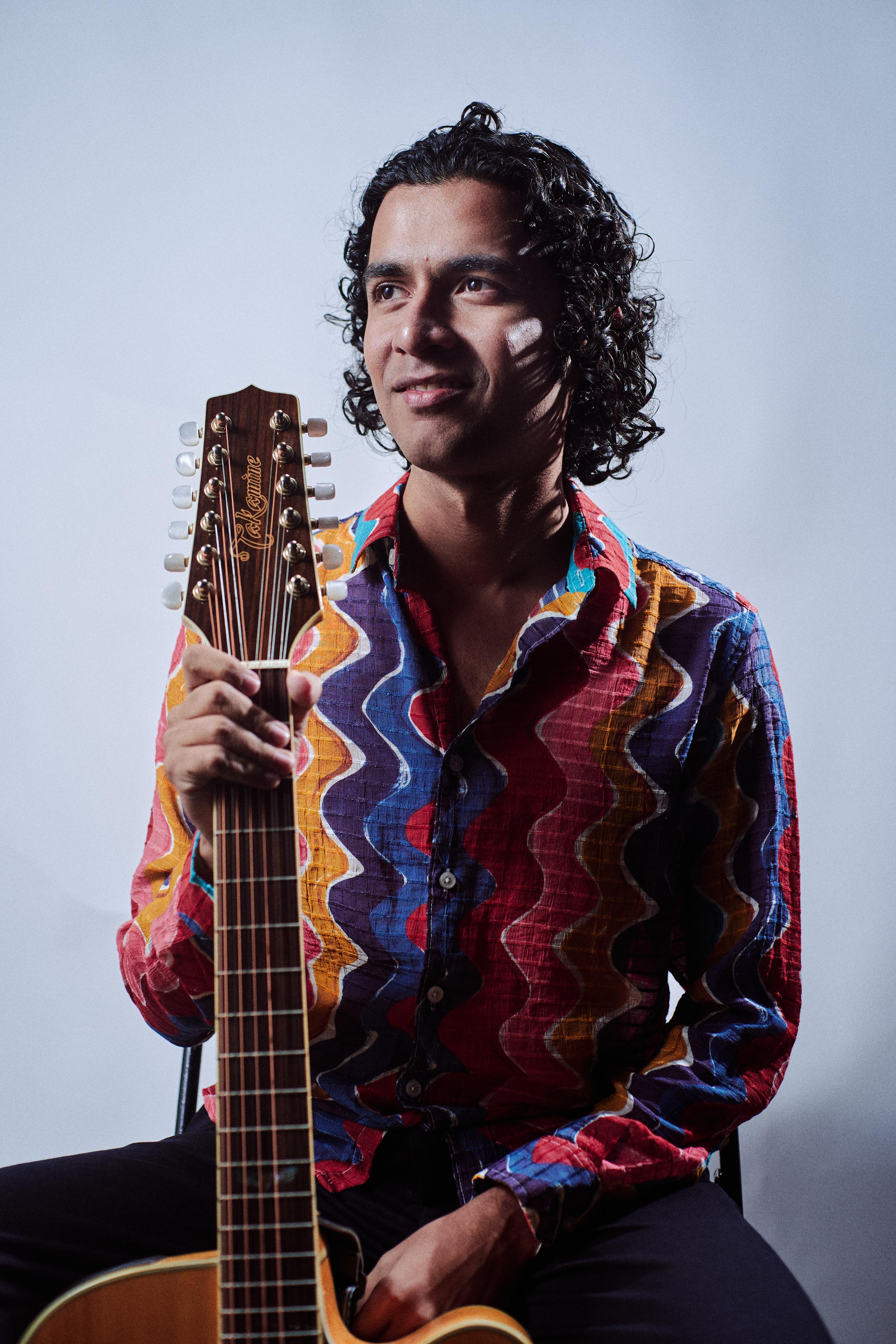
Keanu initially started playing the guitar
For him, classics are not simply nostalgic; they are a reflection of identity.
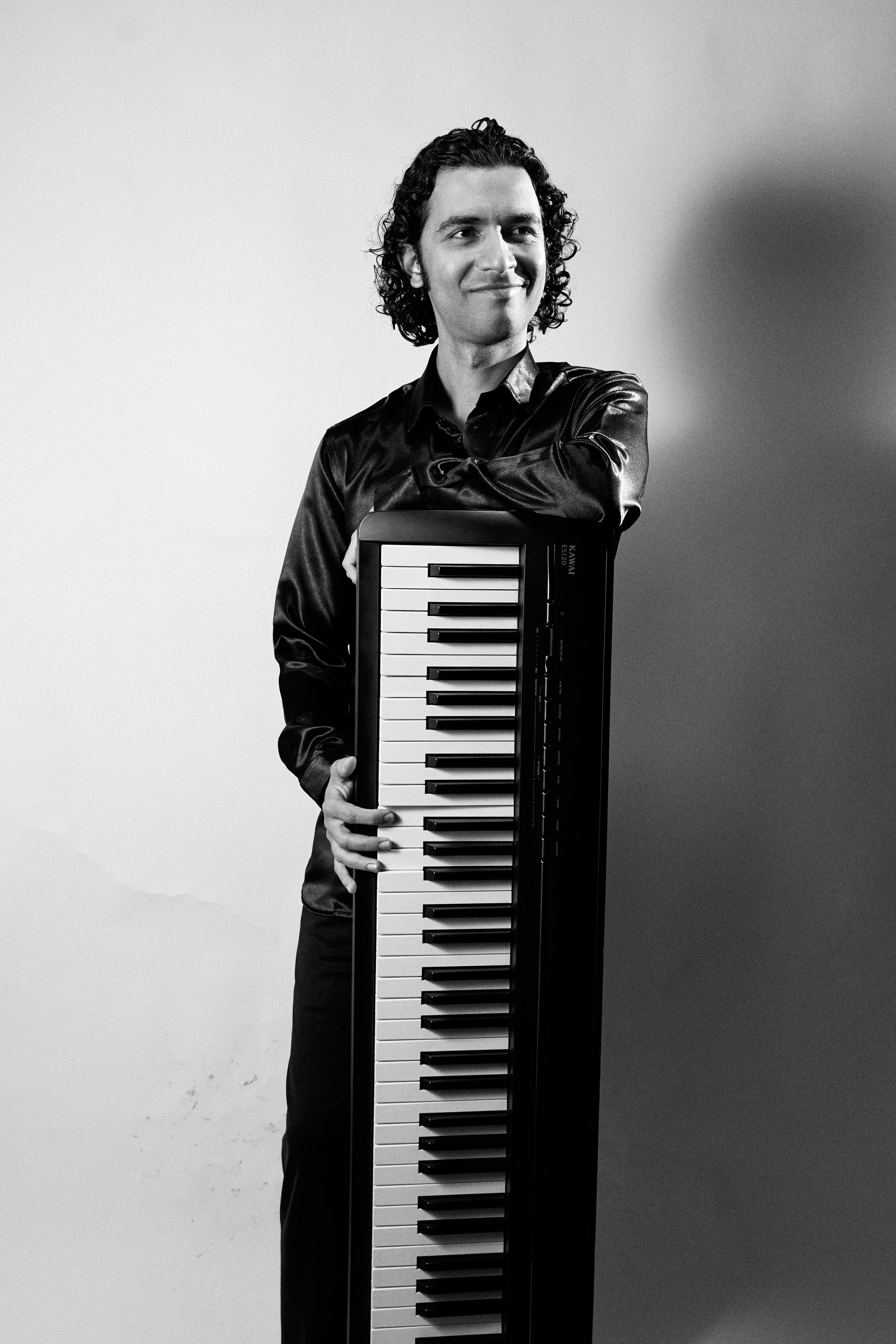
One aspect that distinguishes Keanu’s performances is his commitment to live music. Performing either as “The Keanu Koncept” or simply under his own name, he sings and plays the keyboard simultaneously, using the instrument’s accompaniment styles to build a complete musical experience.
To Keanu, performing live is an act of respect, a way of honouring the musicians who came before him and preserving the authenticity of musical craft. In an age where technology, autotune, and artificial enhancements dominate many performances, he strives to keep music raw and real.
For him, live performance is not merely about technical execution but about emotional communication. Each song becomes a moment shared with the audience, shaped by feeling rather than perfection.
Keanu describes his style as melodic, mellow, subtle, and sweet. More than anything else, he aims to evoke genuine emotion. Whether a listener smiles, sheds a tear, or simply pauses to feel the moment, he considers that emotional response the greatest reward an artist can receive.
His songwriting reflects this sincerity as well. One of his most personal works, “Ain’t Feelings So Good,” was released in 2025 but had originally been written in 2010. After years of growth as a musician, he finally completed the song and recorded it for his wedding day, even inviting his wife to sing alongside him. The piece represents not only love but also patience, a reminder that creativity sometimes waits until the artist is ready.
When it comes to songwriting and interpretation, Keanu approaches music with both intuition and logic.
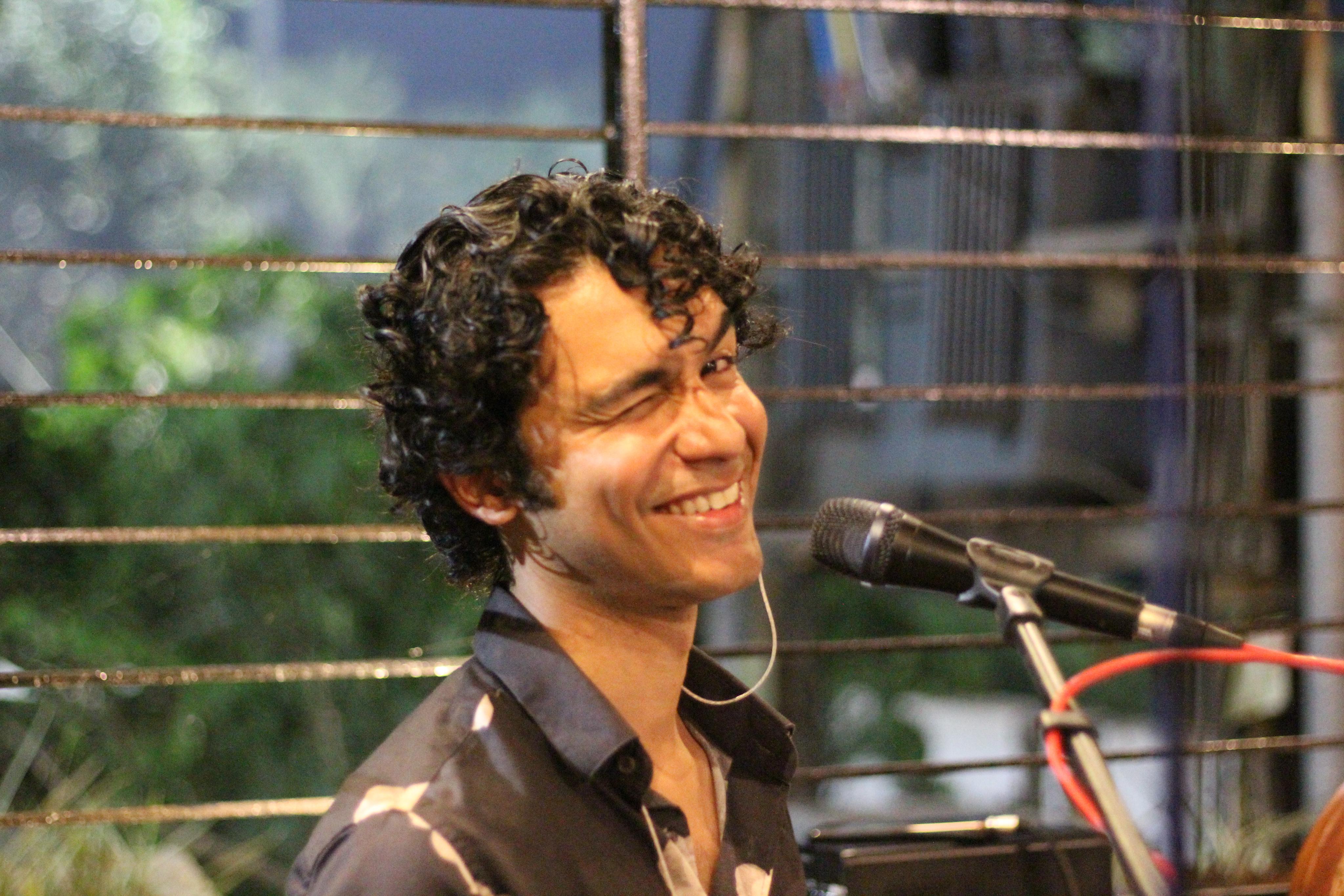
At times, melodies and lyrics appear naturally in his mind, almost like an inner voice guiding the composition. At other moments, he carefully constructs songs with deliberate structure and planning.
Often, a new idea begins spontaneously. He might start singing a melody only to realise he has created something entirely original. In those moments, the instinct is simple: capture the idea quickly by recording or writing it down before it disappears. This balance between emotion and thought defines his creative process.
Throughout his musical journey, several milestones have stood out. One of the earliest was winning the Portuguese singing competition Vem Cantar in the 16–20 age category, a remarkable achievement considering he did not know the language at the time. Guided by his mother’s advice on what to sing, he stepped onto the stage and delivered with confidence.
College competitions followed, bringing further recognition and strengthening his stage presence. Another defining moment came when he began performing professionally with his father, transforming their musical bond into a collaborative partnership. Soon after, Keanu stepped onto the stage alone for his first solo show, a milestone that marked his arrival as an independent artist.
Outside of music, Keanu finds joy in simple experiences that keep him grounded. Cycling through quiet roads, exploring new places to drink chai, and spending time observing nature are among his favourite activities. The sea, the sky, and the stillness of the natural world provide him with inspiration and balance.
He also enjoys studying celestial constellations and exploring human psychology, subjects that reflect his curiosity about both the universe and human behaviour.
Ultimately, Keanu hopes that listeners feel something genuine when they hear him perform. In a world saturated with constant noise, digital stimulation, and quick entertainment, he wants his music to reconnect people with emotion.
He believes there is a clear distinction between casual singing and professional artistry, not to discourage others, but to preserve the integrity and quality of music as a craft. For him, music is not about technology masking imperfections; it is about honest expression.
Looking ahead, Keanu does not claim to know exactly where his musical career will lead. He approaches each opportunity thoughtfully, choosing paths that align with his values rather than chasing trends.
What he does know, however, is that feeling the music will always guide him forward. His story stands as a reminder that it is never too late to begin something meaningful, and that sometimes, the right moment arrives exactly when it is needed most.
If holidays are inspired by nature and your thirst for rustic solitude and inner peace, Lua Nova is the hotel your heart was yearning for. Located at Goa's celebrated holiday capital at Baga, it overlooks a beautiful Canvas of village Goa, just 5 minutes walk from the Baga Beach. www.itsgoa.com itsgoa_ Itsgoa

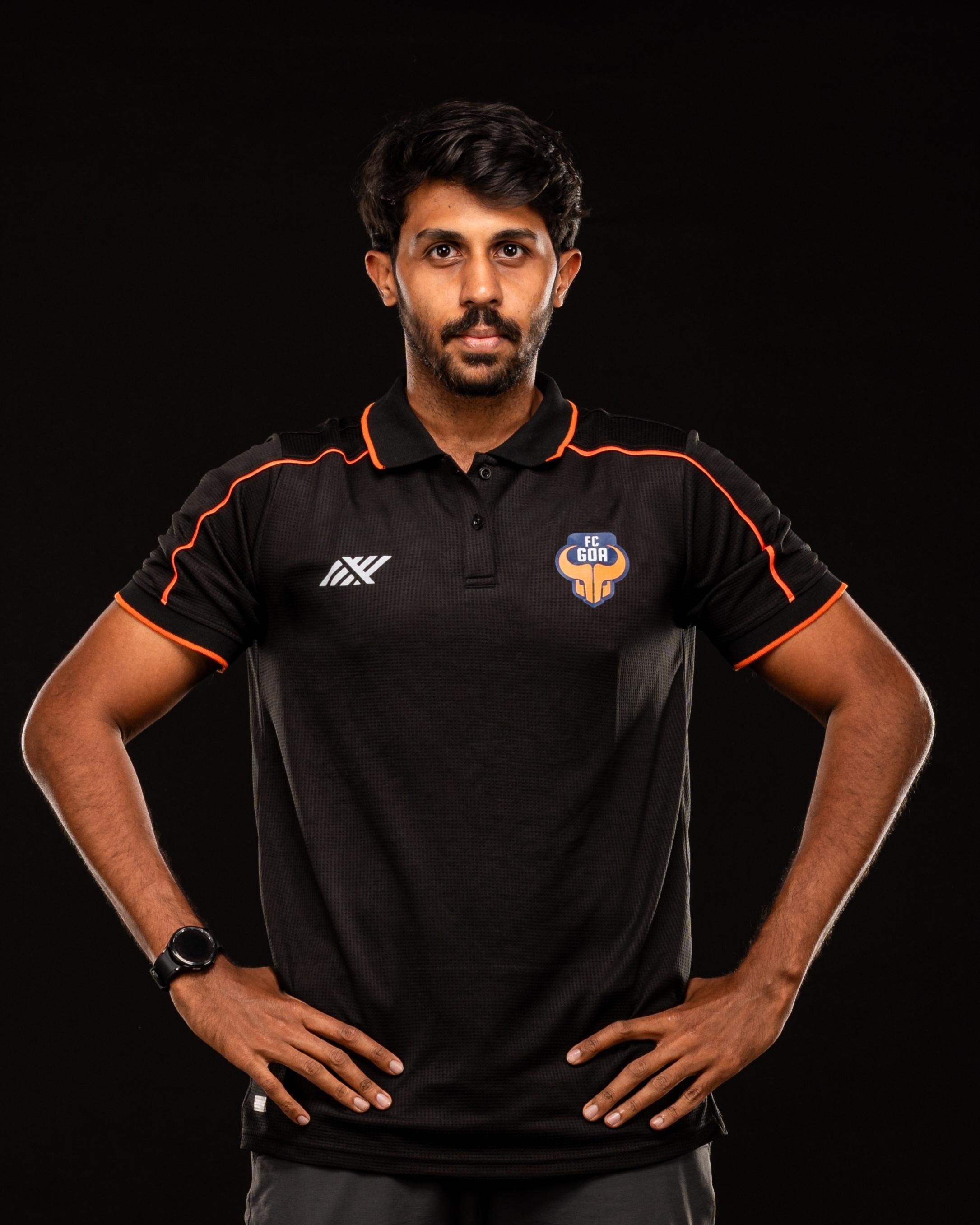
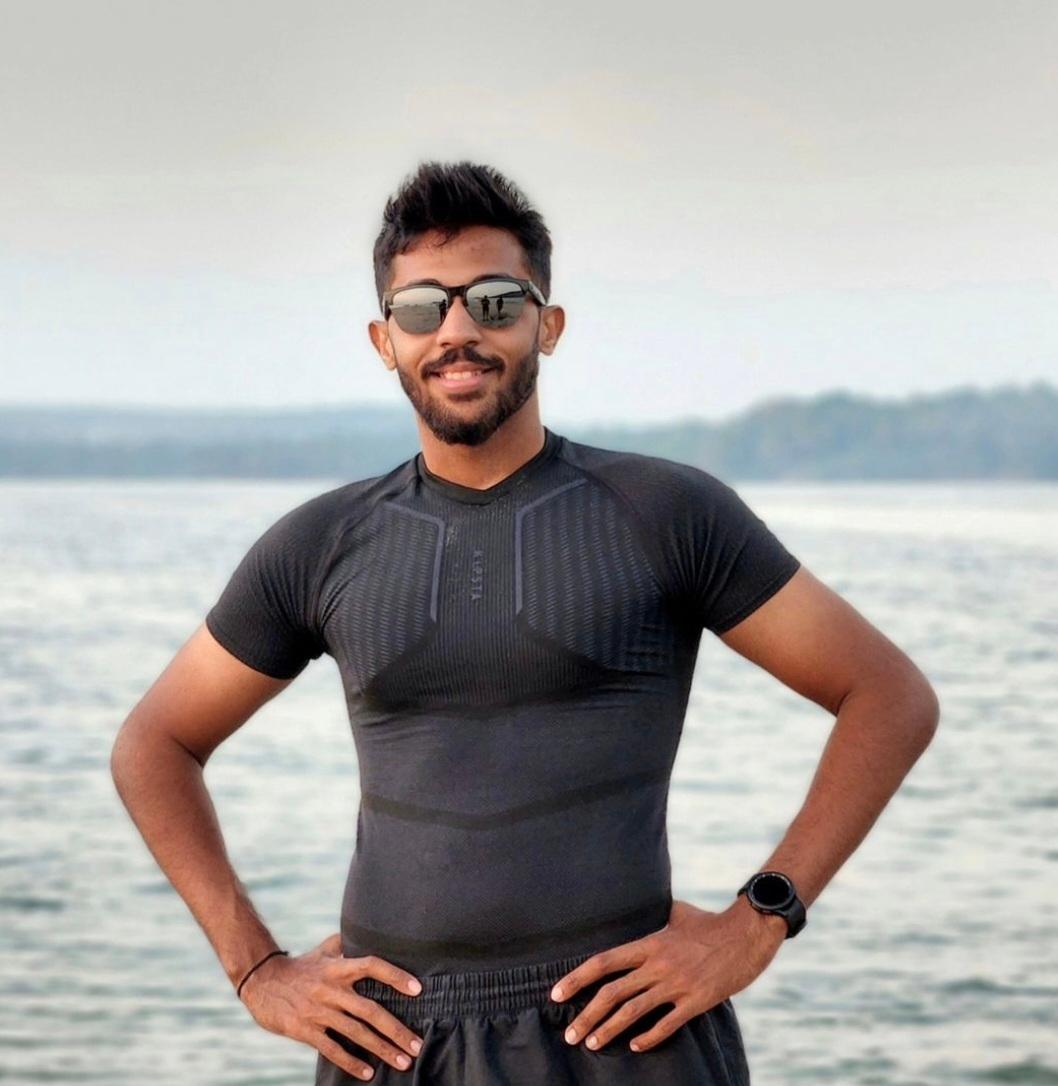
Tejas Fadte, FC Goa’s Social Media and Content Lead, blends creativity and real-time storytelling to engage football fans, driving digital growth through authentic, innovative content rooted in his lifelong passion for sports.
In the fast-evolving world of sports media, where every second counts and every moment can spark global engagement, Tejas Fadte has carved a space for himself as a dynamic storyteller. As the Social Media and Content Lead at FC Goa, he stands at the intersection of football, creativity, and digital innovation, bringing fans closer to the game in ways that feel immediate, personal, and deeply engaging.
Raised in Ribandar, Goa, Tejas grew up immersed in sports culture. His early education at Mushtifund School and later at Dempo College laid the foundation for a journey that would blend passion with profession. A lifelong football enthusiast and ardent supporter of FC Goa, his career today feels like a natural extension of his childhood.
Beyond football, Tejas has always embraced an active lifestyle. From playing badminton, cricket, and basketball during his college years to maintaining a consistent fitness routine, sports have remained central to his identity. His personality, equal parts humour and energy, inspired by pop culture, adds a distinctive flair to his work, making his storytelling both relatable and entertaining.
FC Goa vs. Inter Kashi, first game of the Indian Super League 2026
Tejas’s entry into digital marketing began with freelance projects for real estate brands and cafés, where he honed his skills in content creation and online brand communication. This early phase allowed him to experiment, understand audience behaviour, and develop a keen sense of digital storytelling.
His career gained momentum at GrowthGravy, where he worked closely with founder Viresh Vazirani. Under his mentorship, Tejas explored larger campaigns, collaborated with major brands, and refined his creative approach. It was here that he first began to align his professional ambitions with his passion for sports.
A turning point came when he worked on the National Para-Swimming Championship in Goa, marking his initial step into sports digital media. Soon after, he was entrusted with a much larger opportunity, the Football Plus Summit in Chennai.
The Football Plus Summit proved to be a transformative experience.
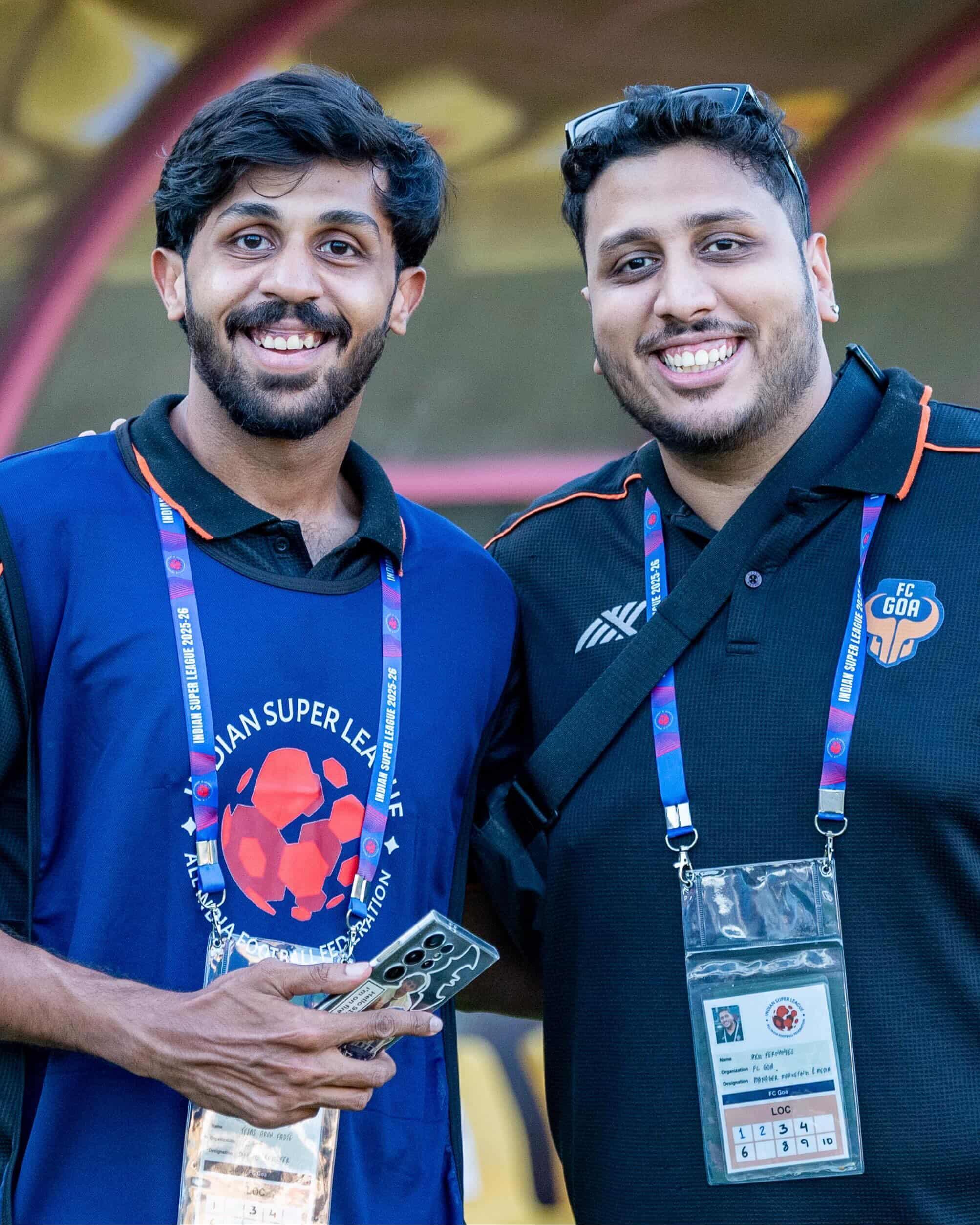
Pre-match activation at Fatorda Stadium with Akio
Over several months, Tejas played a key role in building digital anticipation for the event, creating fan-centric content, and conducting interviews with prominent figures in Indian football.
At the summit, he expanded his work to include podcast-style interviews and real-time social media coverage. Interacting with global football legends such as Ronaldinho, Rivaldo, Lucio, and Dunga, alongside Indian icons, offered invaluable insights into the global football ecosystem. These interactions were not just career highlights but also learning experiences that shaped his perspective on storytelling within sports.
For Tejas, joining FC Goa was more than a professional milestone, it was a personal dream fulfilled. After a series of interviews with the club’s leadership, including CEO Ravi Puskur, he stepped into the role during a crucial phase marked by the AFC Champions League Two campaign.
Transitioning from covering events to working within a professional football club brought new challenges and opportunities.
It meant contributing directly to the narrative of a team he had supported for years, while also handling the scale and intensity of top-tier football coverage.
At FC Goa, Tejas leads the club’s digital voice, shaping how fans experience football beyond the stadium. His responsibilities range from conceptualising campaigns and planning content calendars to executing real-time matchday coverage.
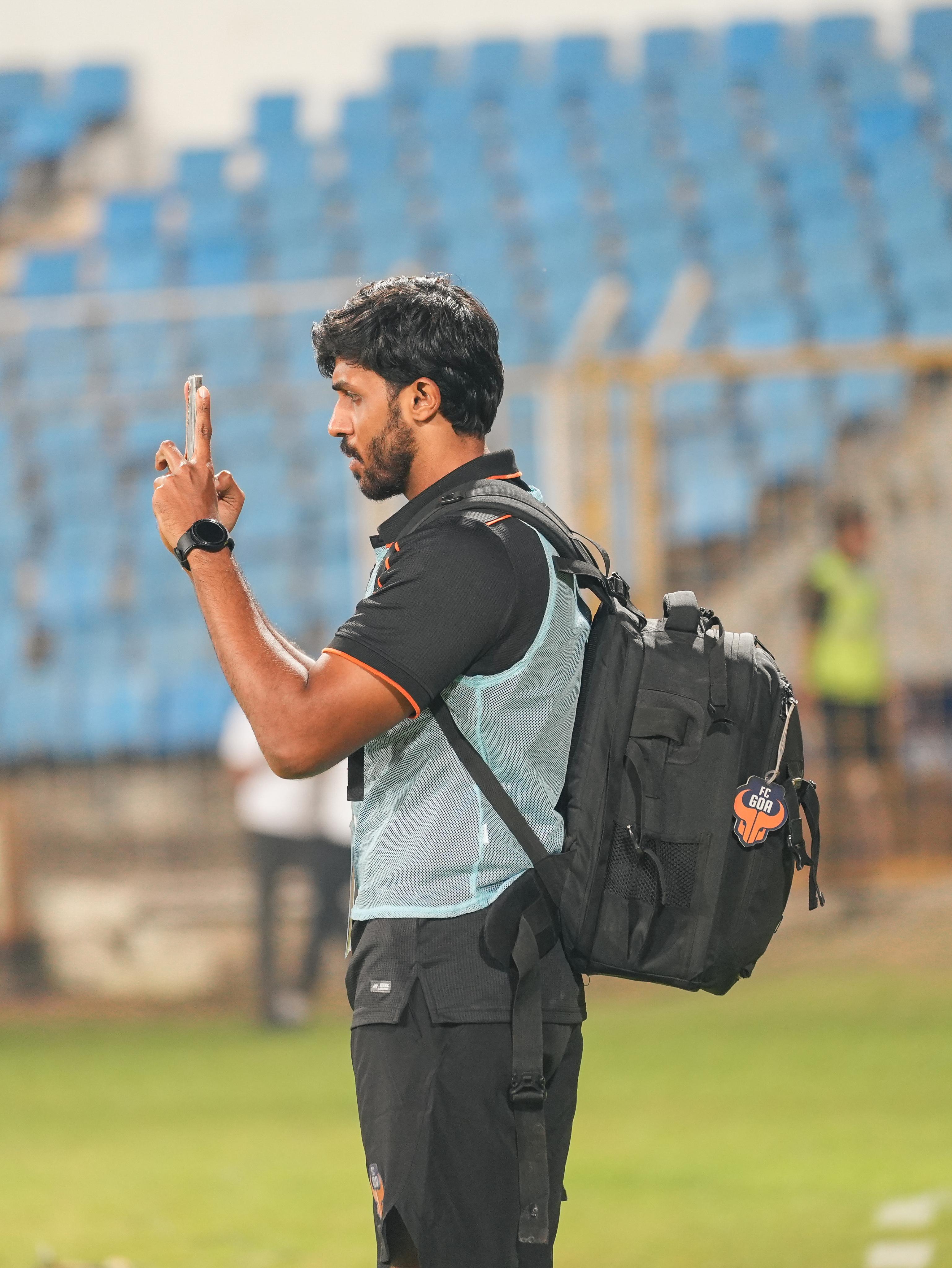
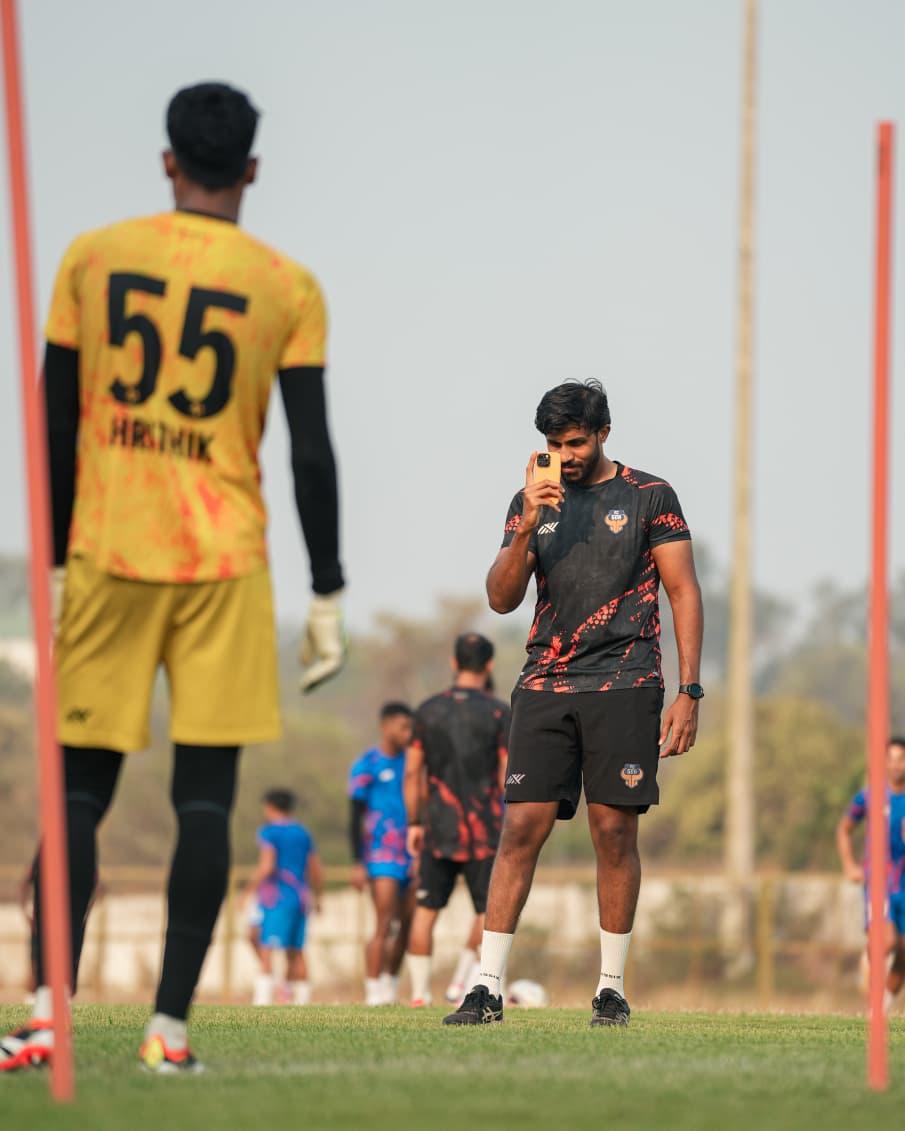
Matchdays, in particular, highlight the intensity of his role. Positioned pitchside, he captures and publishes moments as they unfold, often shooting, editing, and posting content within minutes. This immediacy allows fans to experience the thrill of the game in real time, reinforcing the emotional connection between the club and its supporters.
His work extends beyond match coverage to include innovative digital series such as “Raised in Orange” and “Backroom Gaurs,” which spotlight emerging players and behind-the-scenes contributors. Campaigns like “It’s Her Game Too” demonstrate his commitment to inclusive fan engagement, while initiatives like themed screenings reflect a fresh approach to community building.
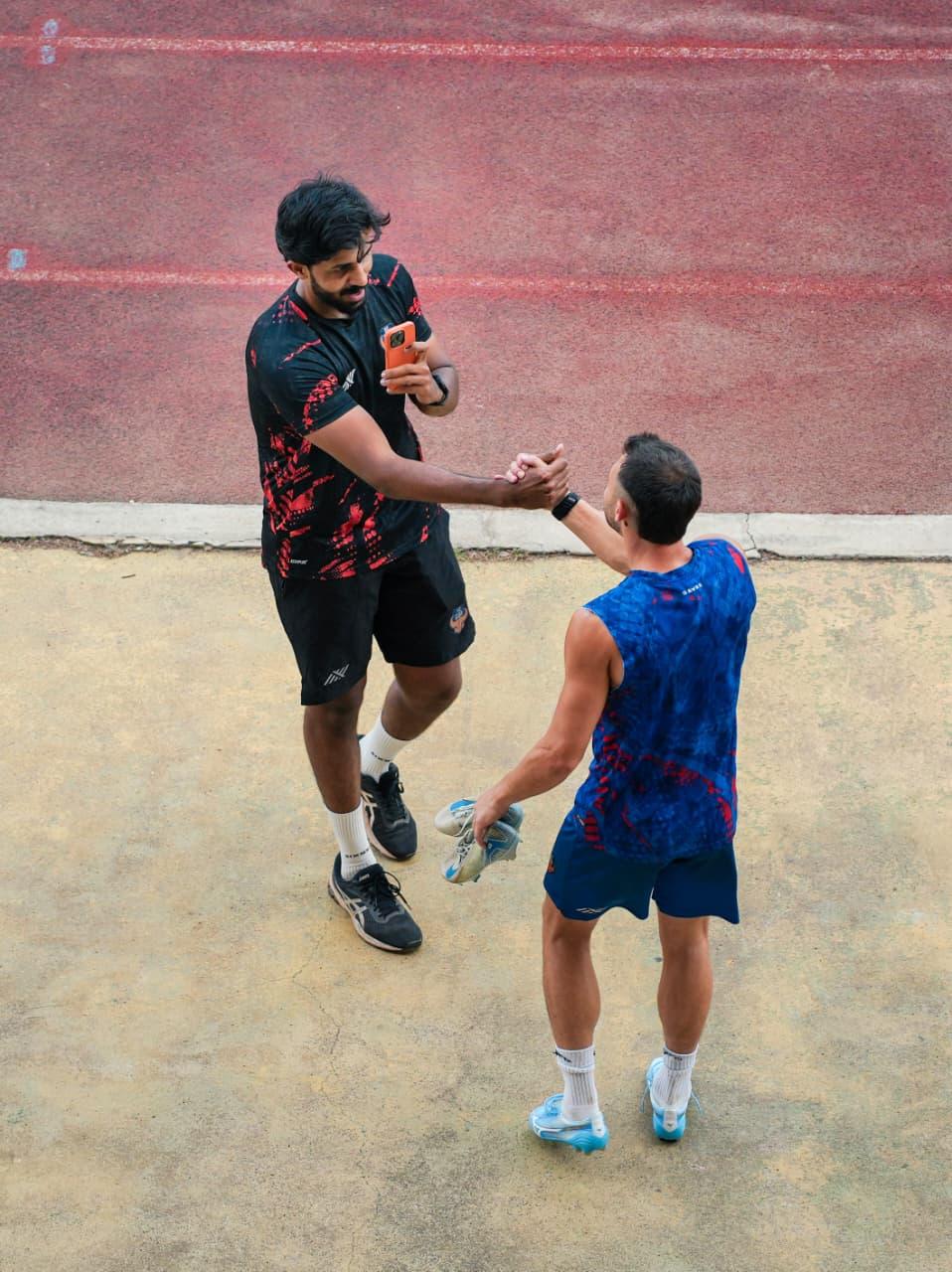
launch of “Get Into Rugby” programmes in schools across South Goa
Capturing content early morning at Bambolim Stadium
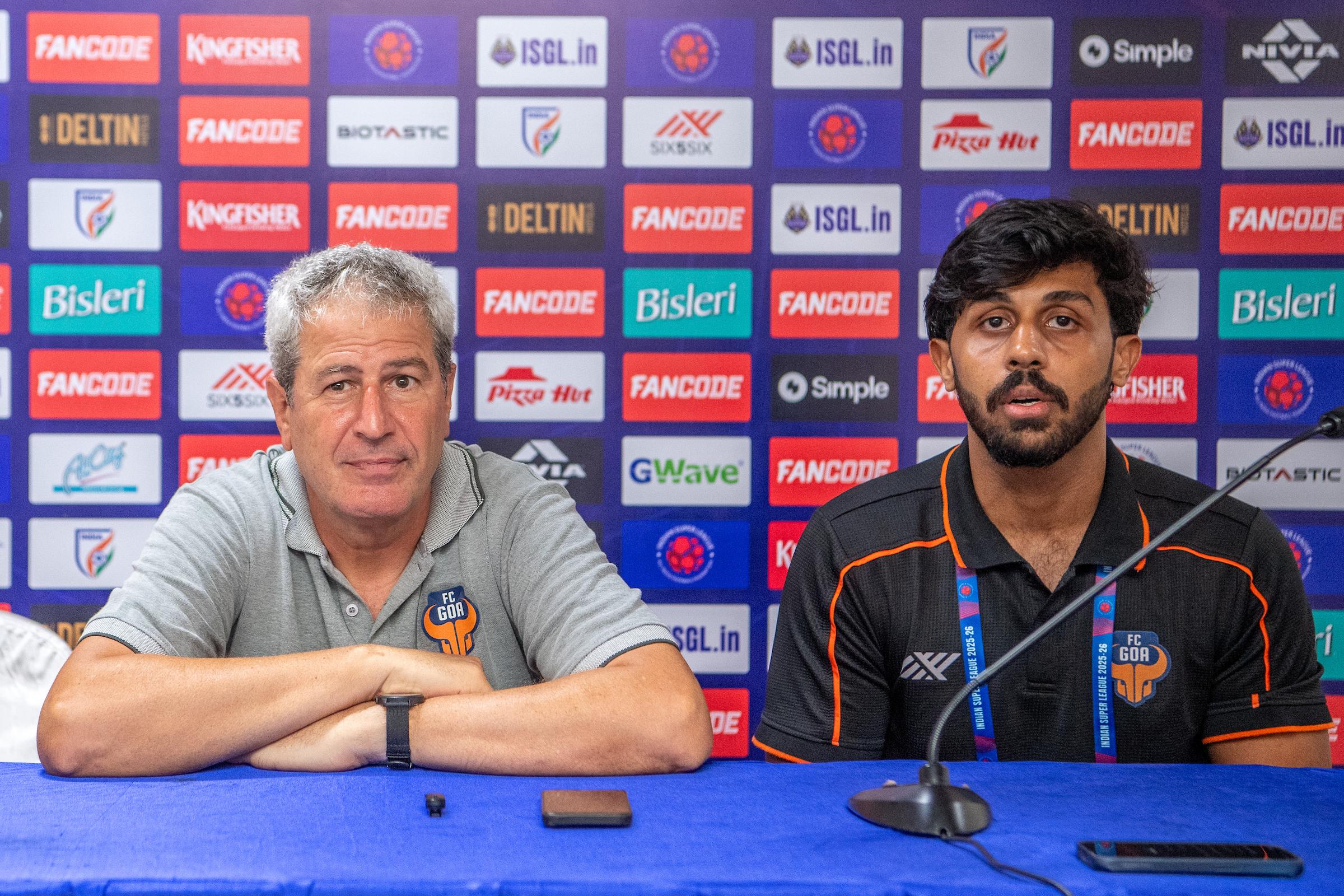
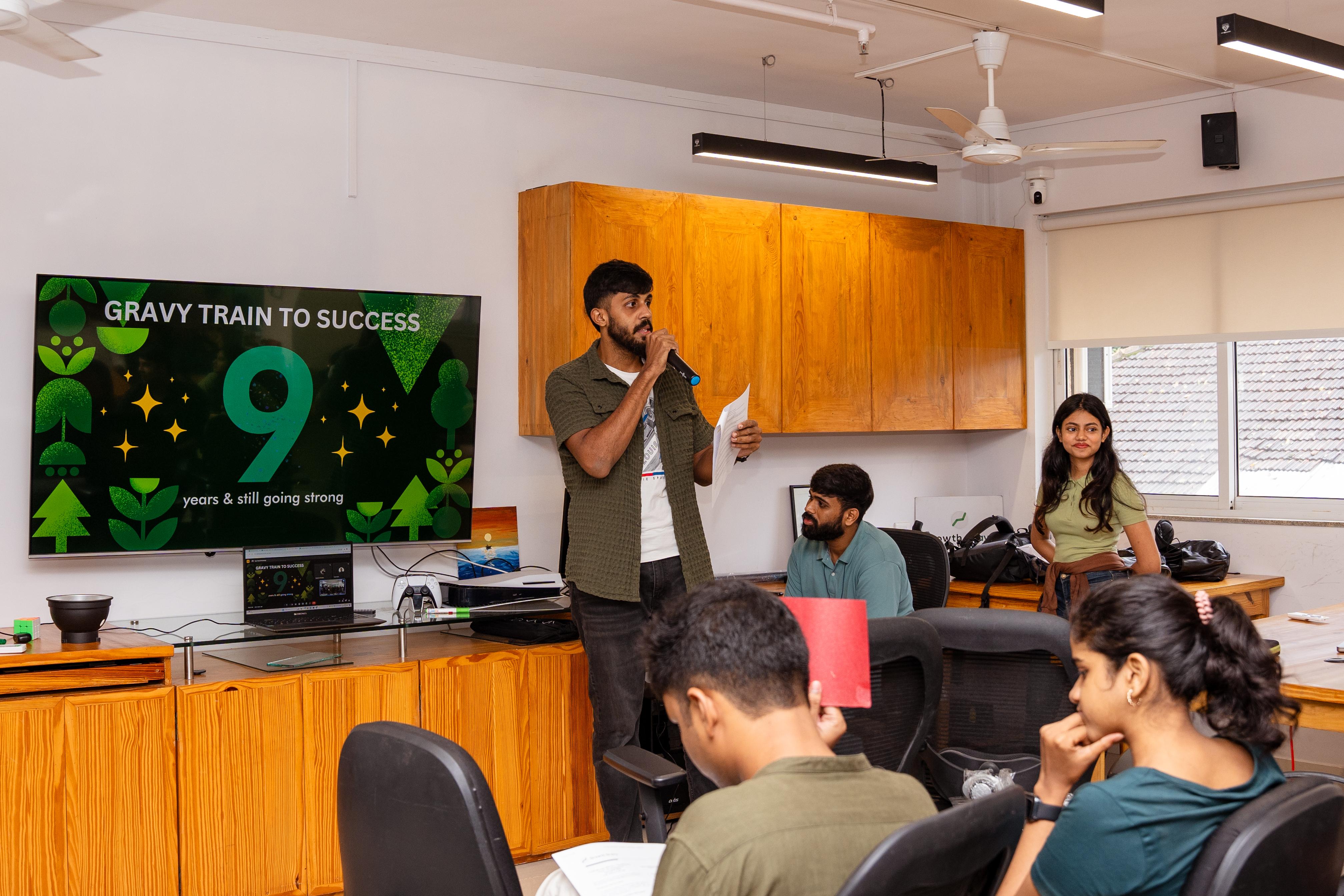
Hosted the 9 years at GrowthGravy celebrations
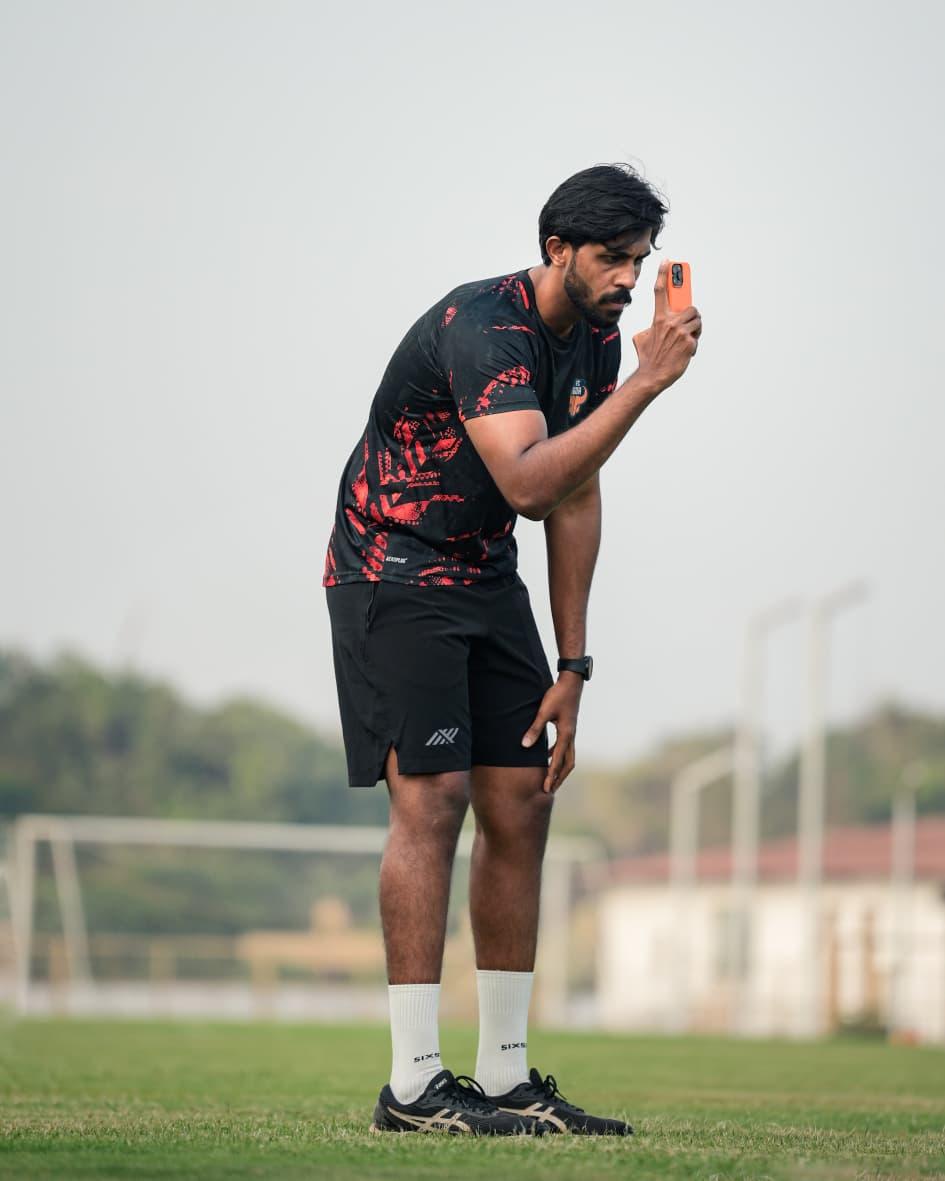
In action, shooting content at training
One of the most defining periods of his tenure came during FC Goa’s continental campaign and the highprofile clash against Al-Nassr. The scale of digital engagement during this phase was unprecedented. Within just over two months, the club witnessed rapid growth in its online following, with content from a single match generating tens of millions of views. The campaign underscored the power of strategic storytelling, timely execution, and audience-first thinking.
Equally memorable was the club’s Super Cup triumph, where Tejas and his team captured the raw emotion of victory, transforming on-field celebrations into compelling digital narratives that resonated with fans far beyond the stadium.
Among his many successes, one standout moment was a simple, unscripted video that crossed 10 million views. Shot on a basic camcorder during an academy match, the clip captured a genuine football moment that struck a chord with audiences.
For Tejas, this reinforced a key belief: authenticity often outweighs production value. In a space driven by algorithms and trends, it is the emotional truth of a moment that ultimately drives connection and engagement.
Tejas Fadte’s vision for the future is rooted in innovation and impact. He aims to continue pushing creative boundaries, exploring new storytelling formats, and developing fan-first narratives that make supporters feel like integral parts of the game.
With a strong belief in the untapped potential of Indian football, he sees digital media as a powerful tool to elevate the sport’s visibility and inspire the next generation. As he continues to grow, his focus remains on creating meaningful, memorable content that not only entertains but also strengthens the bond between football and its fans.
In an industry defined by speed and change, Tejas stands out for his ability to combine strategy with spontaneity, turning fleeting moments into lasting impressions and ensuring that the story of the game is always just a click away.
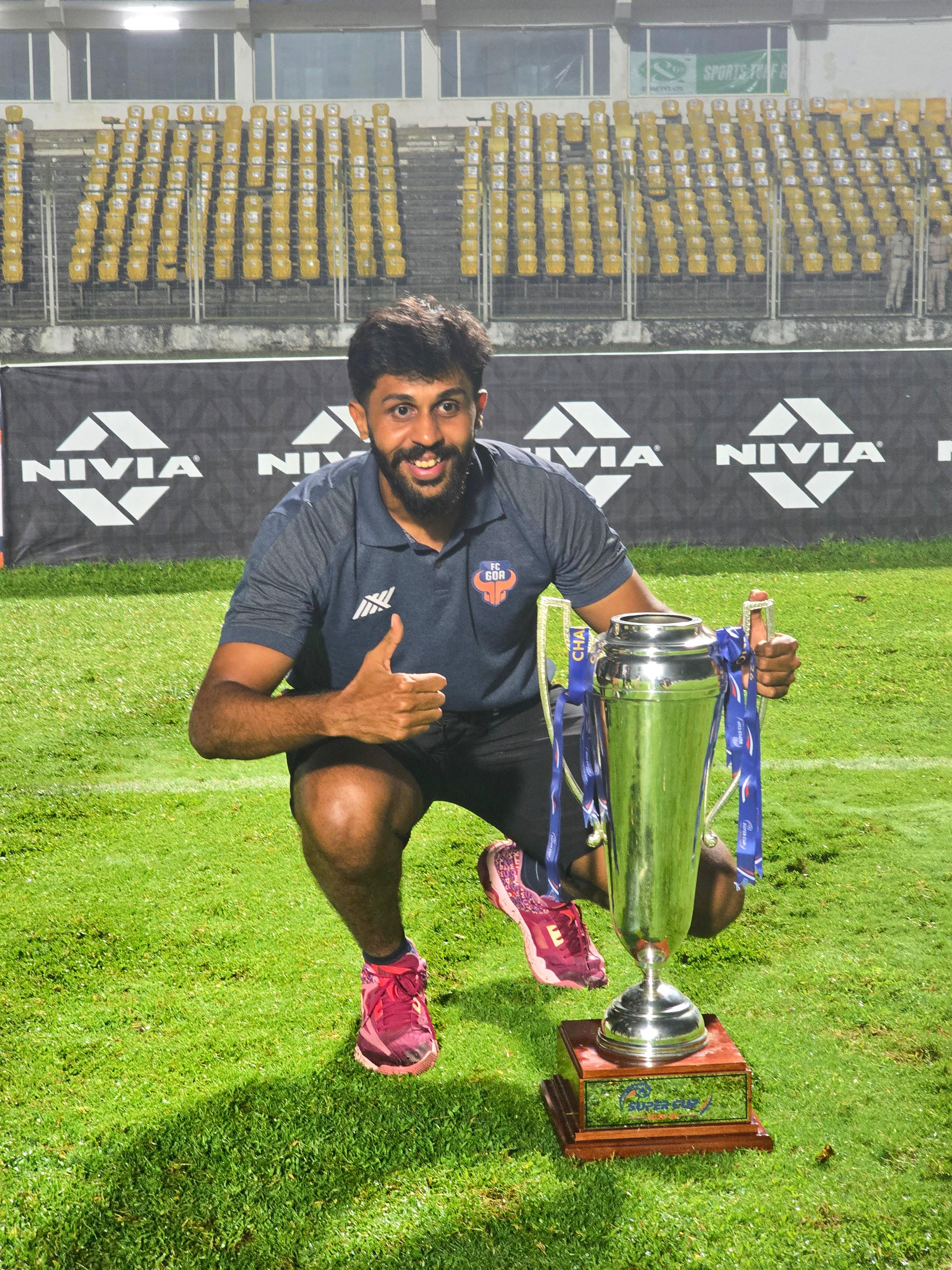
Cup trophy celebrations
Filmmaker & Festival Director
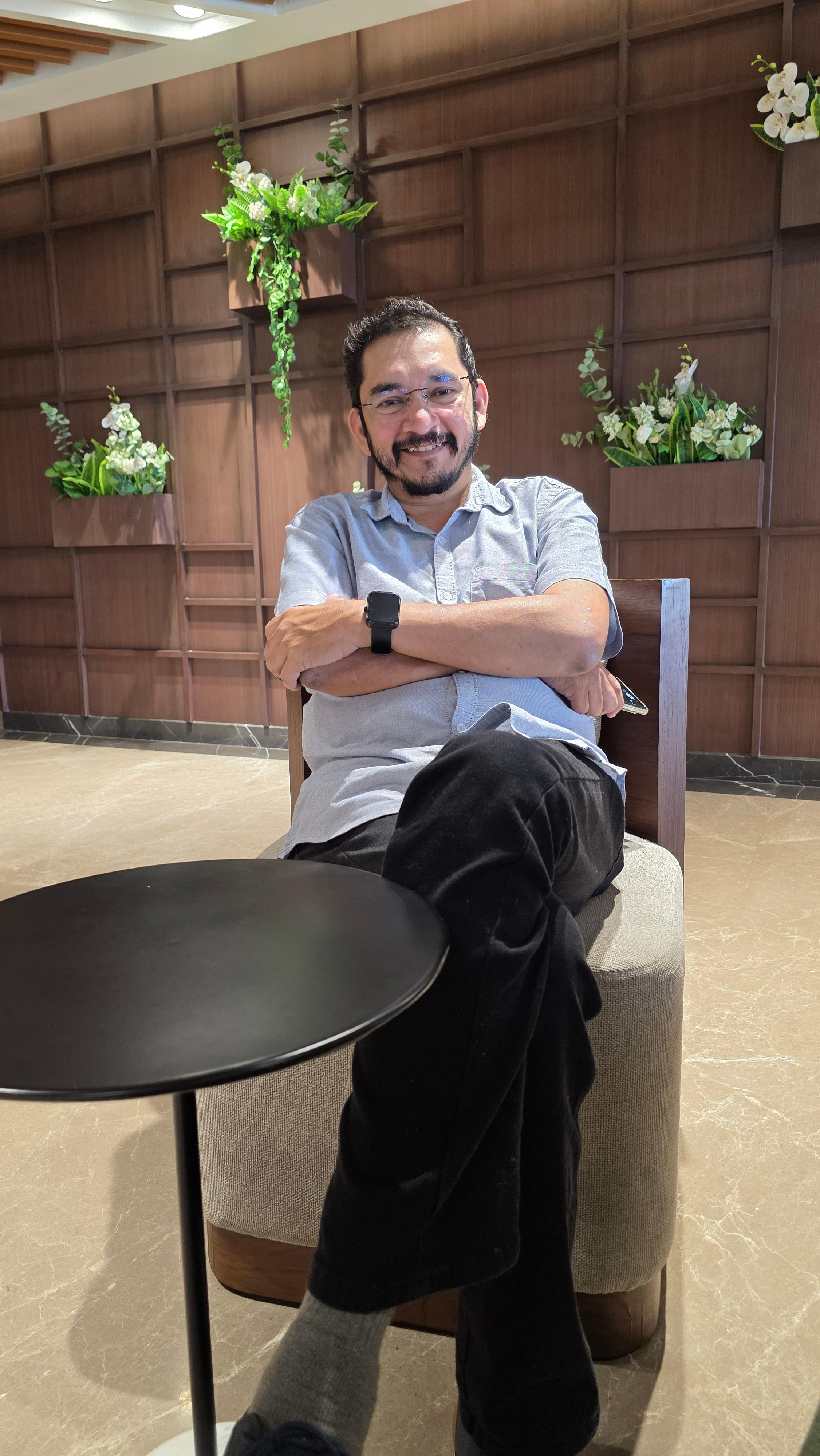
Amol Ajgaonkar, a Goan creative, founded WAVES International Short Film Festival to empower emerging filmmakers, blending storytelling, innovation, and global exposure while positioning Goa as a thriving hub for independent cinema.
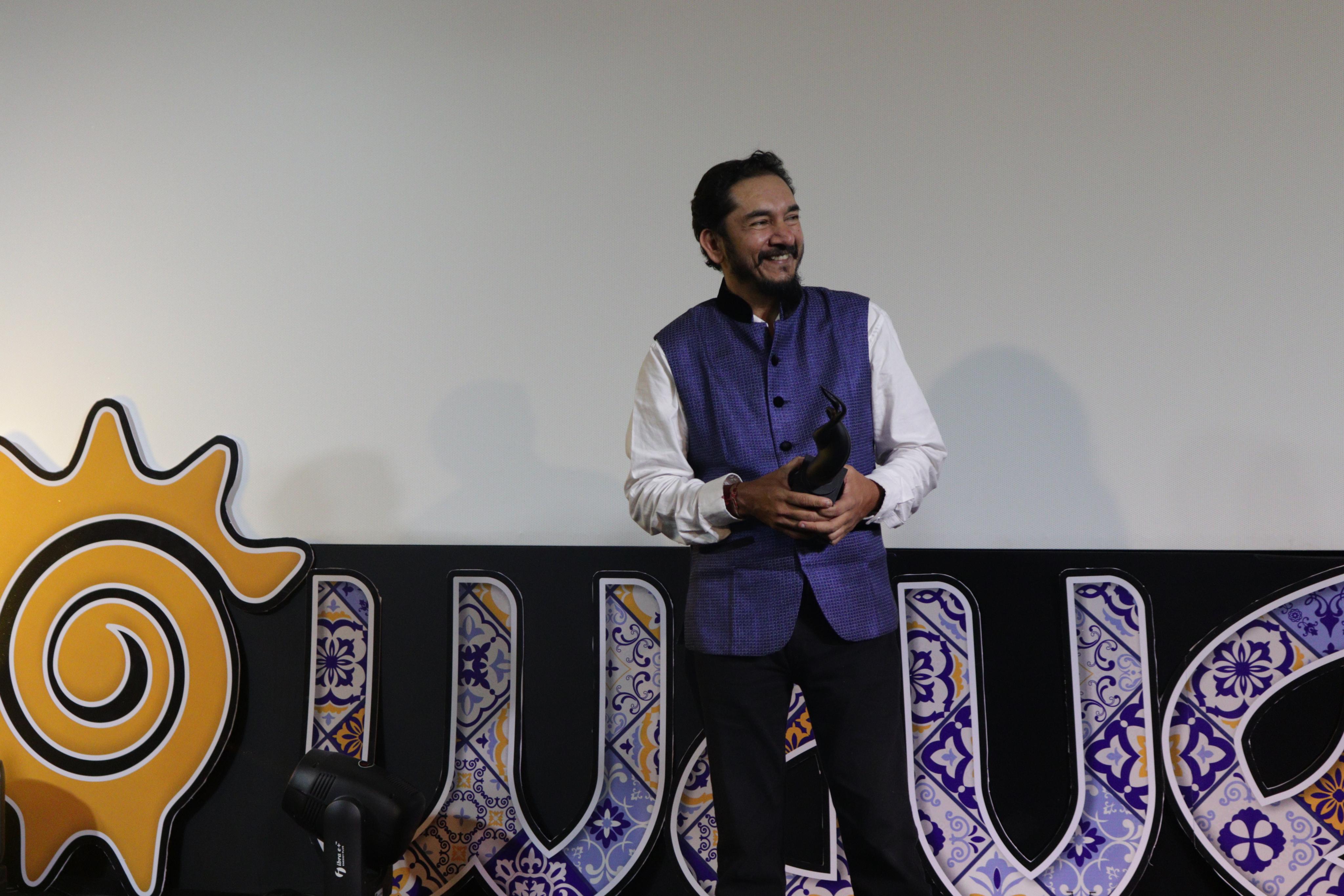
Amol Ajgaonkar
Amol Ajgaonkar’s journey into the world of cinema and storytelling is anchored in a deep-rooted creative foundation. A graduate in Fine Arts from the Goa College of Art, his early years were shaped by visual expression, design thinking, and an instinctive connection to storytelling.
Over time, this foundation translated into diverse professional experiences, from serving as Creative Head for publications and advertising agencies in Goa to working in the television industry in Mumbai.
His career has never been confined to a single medium. Ajgaonkar has consistently explored multiple creative avenues, organizing talent shows, photography exhibitions, musical events, and even film festivals.
As a founding member of TEDxPanaji, he has also contributed to building platforms that celebrate ideas and cultural exchange. Beyond his professional pursuits, his deep admiration for Goa’s vibrant cultural identity continues to influence his work, often becoming the narrative thread that ties his projects together.
Ajgaonkar’s transition into the film festival space was less a calculated move and more a natural progression of his passion for storytelling. His early experiences in advertising, publications, and television introduced him to narrative-building across formats, but it was his involvement in event curation in Goa that truly shaped his direction.
Recognizing the lack of accessible platforms for emerging filmmakers, he took the initiative to create opportunities where stories could be seen and celebrated. This led to the Goa Short Film Carnival, an early attempt to bridge the gap between local creators and wider audiences.
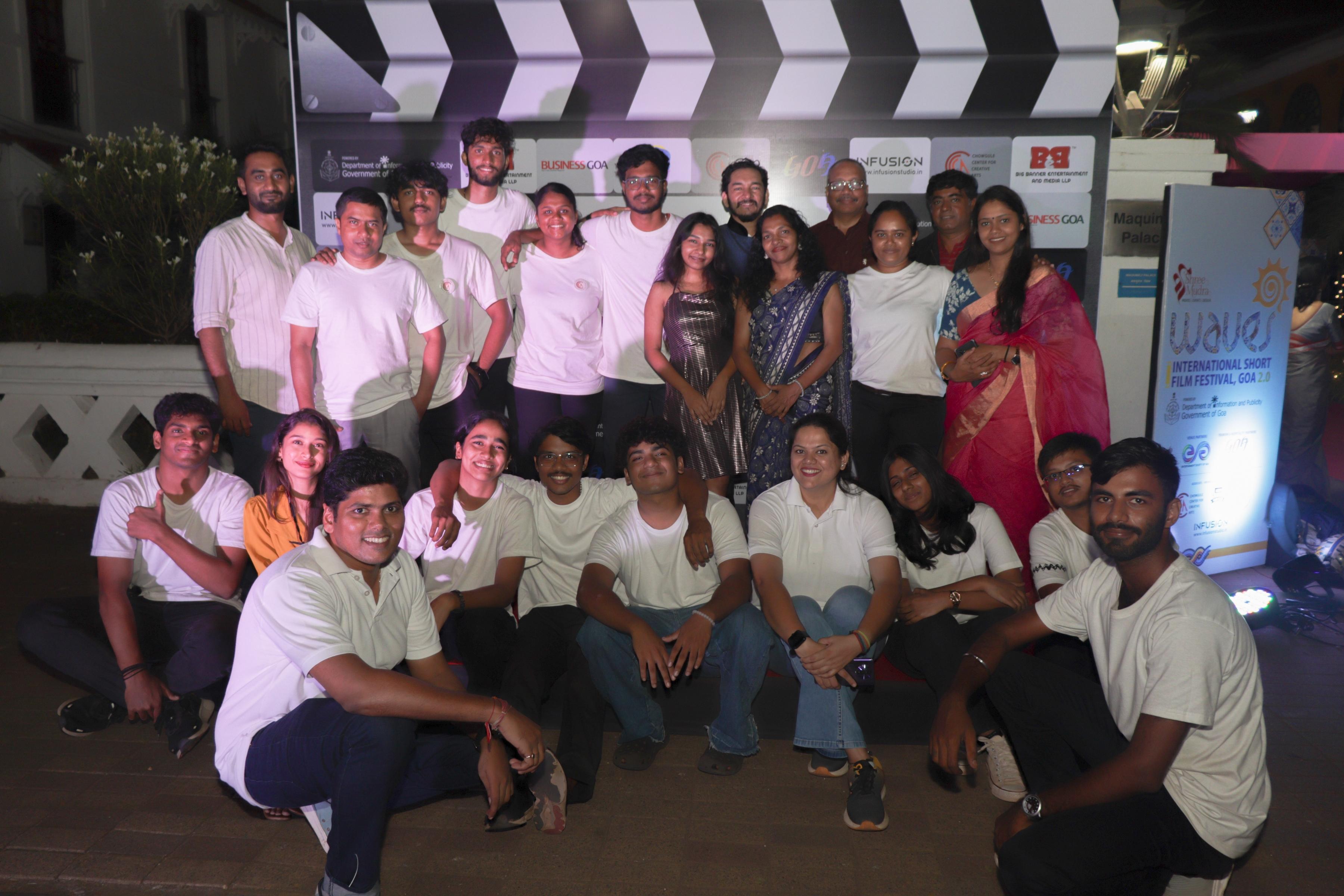
His role as Festival Director of the WAVES
International Short Film Festival emerged organically from this journey, driven by the need to create a space where filmmakers could showcase their work without facing prohibitive barriers.
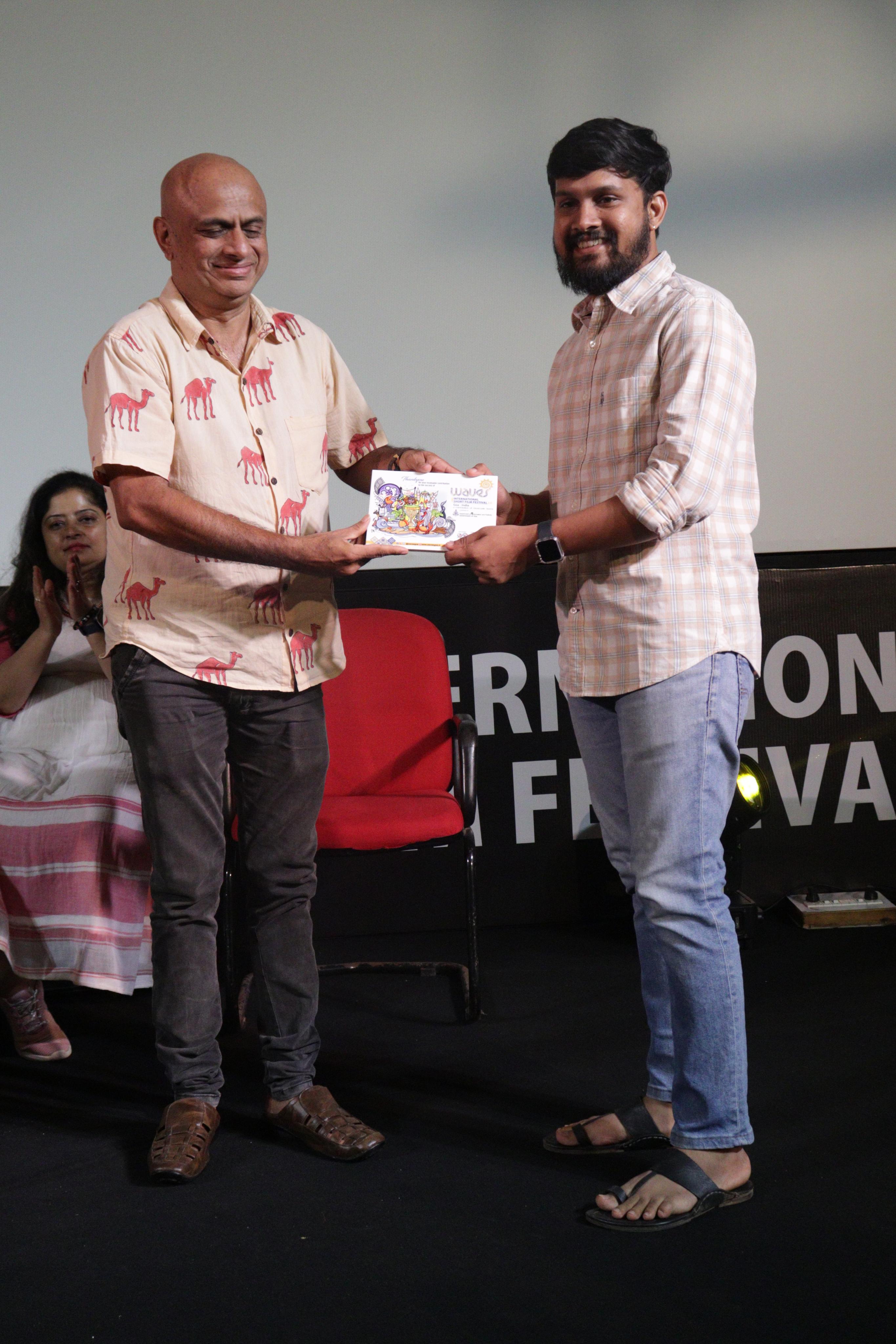
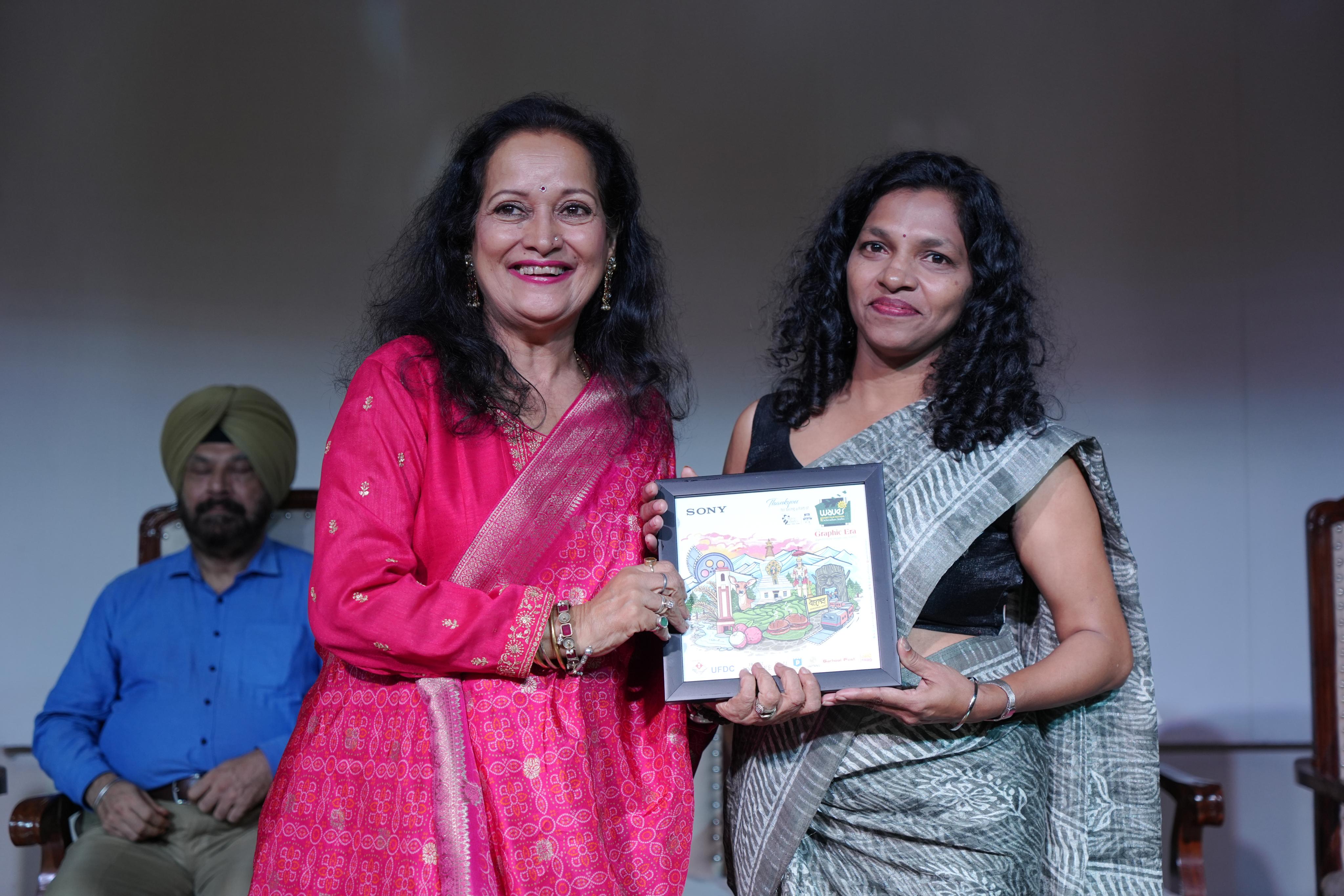
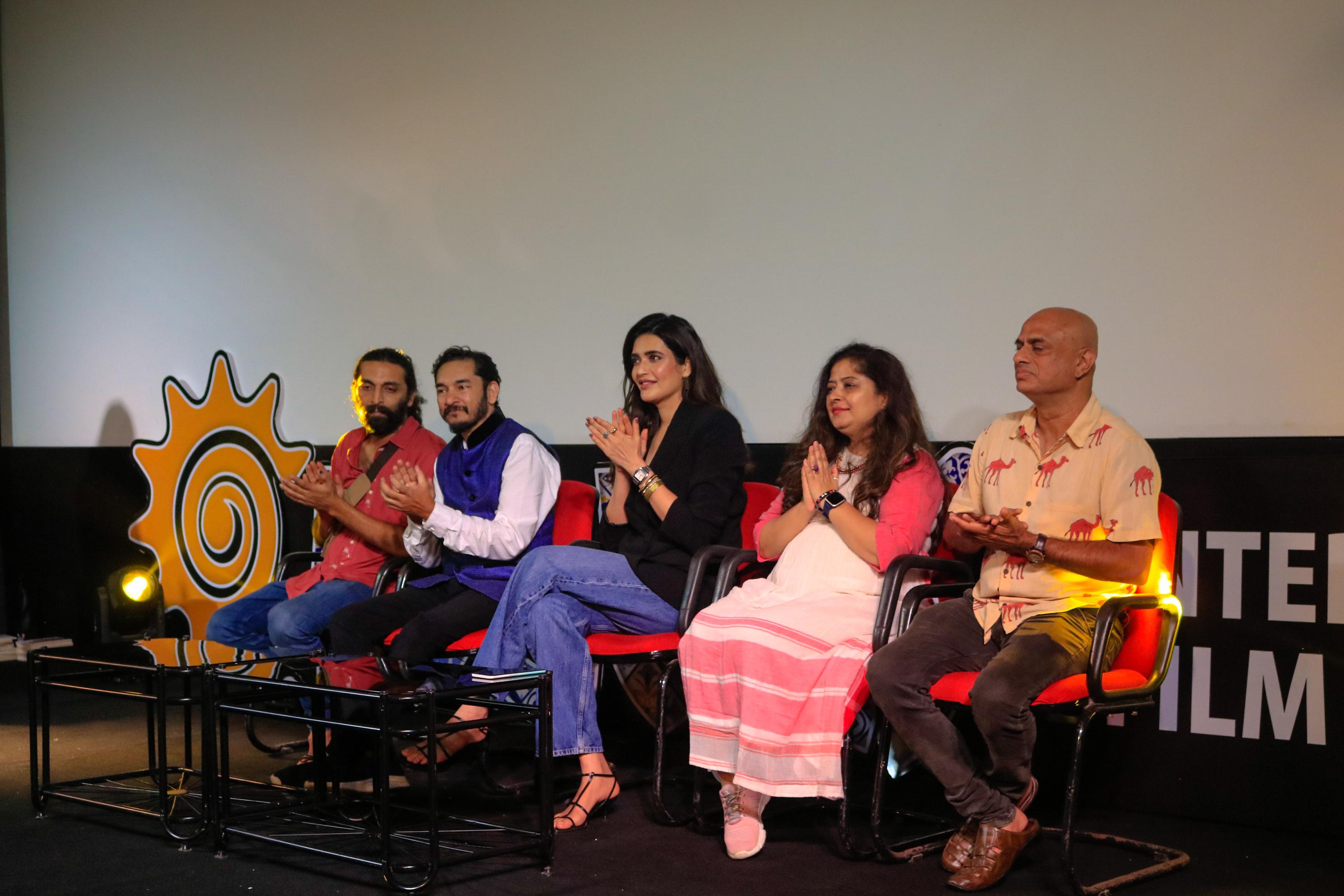
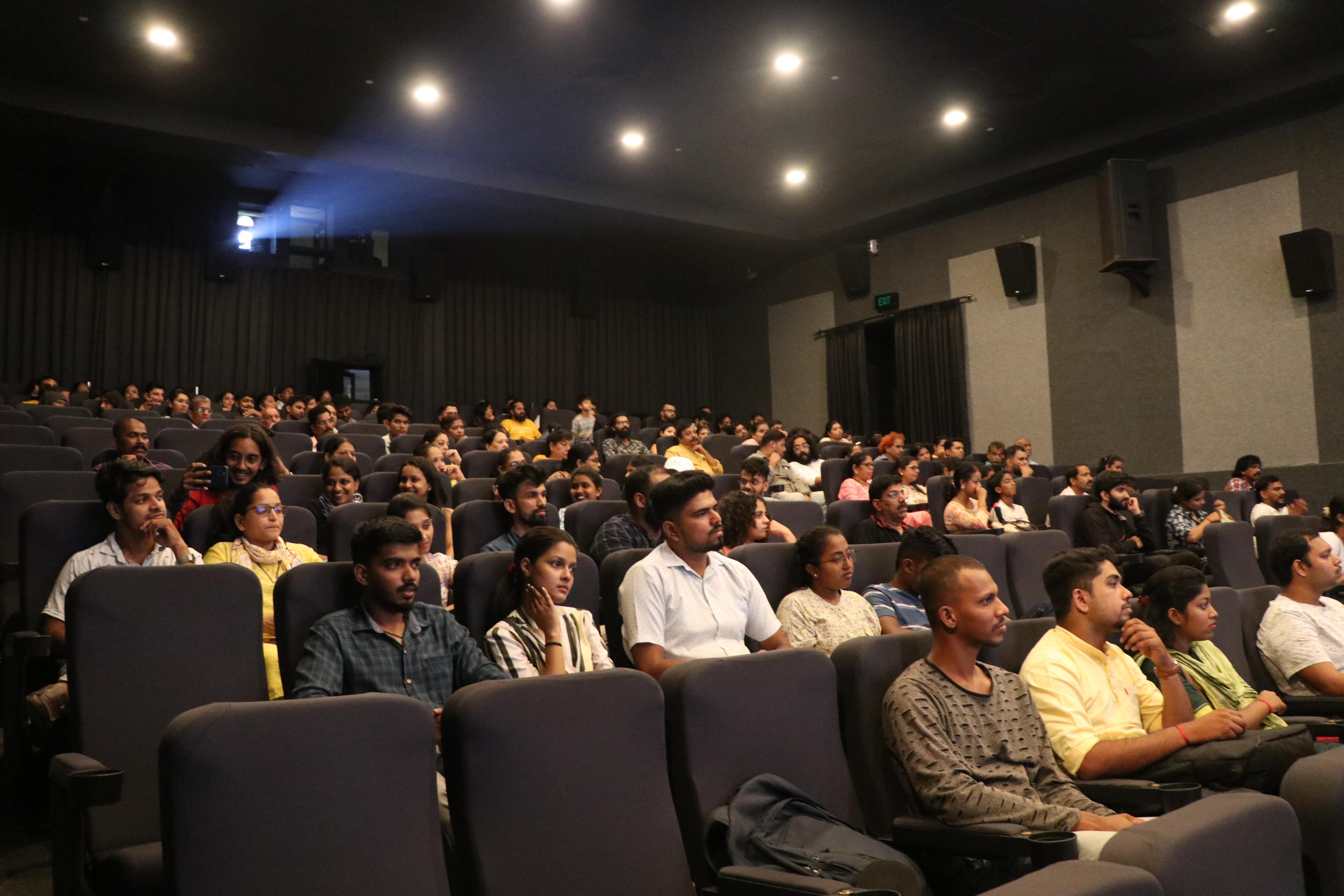
The Vision Behind WAVES International Short Film Festival
The inception of the festival traces back to a personal experience. In 2015, while collaborating with his friend Tinky George on a short film, Ajgaonkar encountered significant challenges in finding platforms for screening. The absence of support systems and exhibition opportunities became the catalyst for change.
This challenge led to the creation of the Goa Short Film Carnival, which quickly gained traction with over 150 entries in its first edition, including international submissions. After three successful editions and a pause due to unforeseen challenges, Ajgaonkar revived the concept post-pandemic as the WAVES International Short Film Festival.
Today, the festival operates with a clear mission, to provide Goan and emerging filmmakers a legitimate big-screen platform, expose them to global cinema, and help elevate their work to national and international standards. At its core, WAVES is not just a festival but a movement aimed at democratizing cinematic access.
Since its revival, the festival has experienced remarkable growth. The 2026 edition, marking WISFF Goa 3.0, reflects its expanding footprint, with hundreds of submissions arriving from across the world. The introduction of a WAVES edition in Dehradun in 2025 further underscores its ambition to grow beyond Goa.
With over 40 awards and one of the highest prize pools in the short film festival circuit, the event has positioned itself as a significant platform in India’s independent cinema landscape. Its increasing popularity is a testament to the demand for curated, credible spaces where emerging talent can thrive.
One of the defining aspects of the festival is its inclusive approach to storytelling. It embraces a wide spectrum of formats, including short films, documentaries, animations, music videos, and global short cinema. In a move that reflects evolving creative trends, the festival has also introduced AIgenerated films as a category.
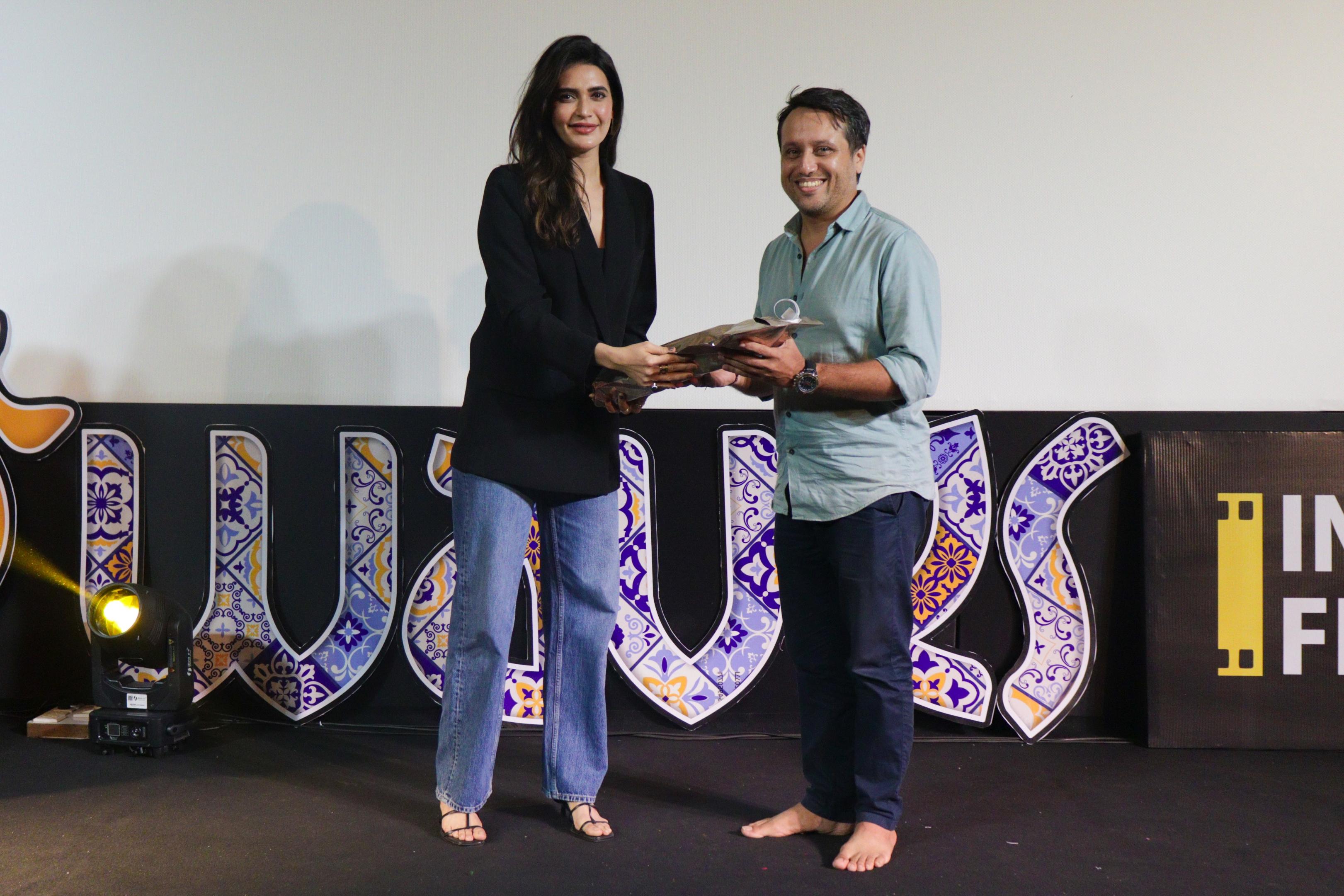
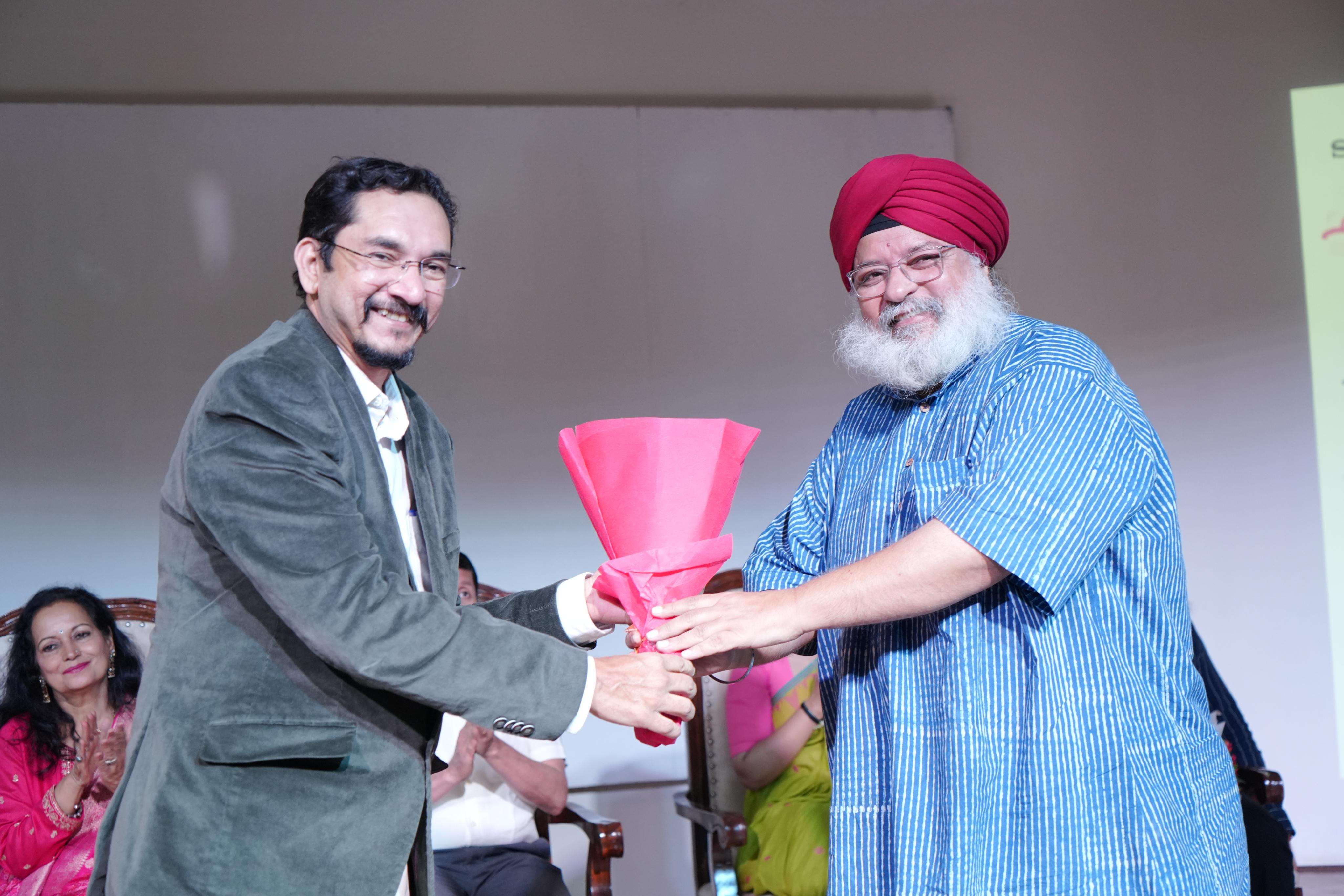
This inclusion signals a forward-thinking approach, acknowledging the intersection of technology and storytelling. By doing so, Ajgaonkar ensures that the festival remains relevant in a rapidly transforming creative ecosystem, while offering filmmakers a platform to experiment and innovate.
Among the festival’s most exciting features is the 60-Hour Film Challenge, a high-energy competition that pushes filmmakers to their creative limits. Participants are required to conceptualize, shoot, edit, and submit a short film within just 60 hours, based on a given theme.
What began as a localized initiative celebrating Goa’s Liberation has now evolved into a nationwide challenge, attracting participants from across India. The competition has consistently produced remarkable talent, with several films gaining recognition at prestigious festivals and platforms.
It stands as a testament to the idea that constraints can often spark the most compelling creativity.
The festival’s extensive award structure is designed to celebrate both artistic and technical excellence. Categories range from direction, storytelling, and cinematography to acting and editing, alongside dedicated awards for the 60-Hour Challenge and open categories.
With a substantial prize pool of ₹5,70,000, along with trophies and certifications, the recognition goes beyond accolades. It provides tangible support to filmmakers, enabling them to invest further in their craft while gaining visibility within the industry.
Scheduled from 7th to 10th May 2026 at ESG Panaji, the festival promises a holistic experience.
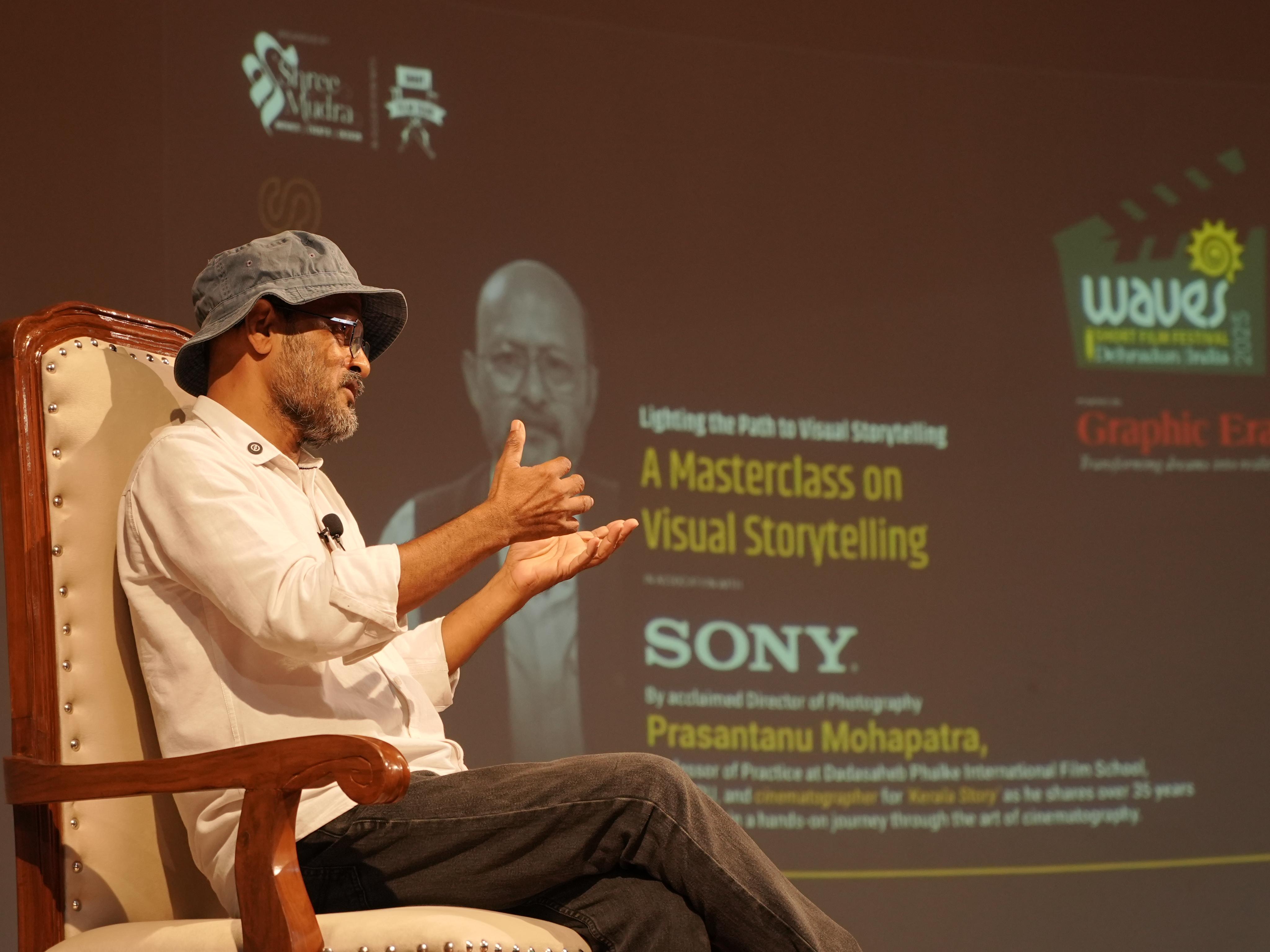
Attendees can expect curated screenings featuring global short cinema, interactive Q&A sessions with filmmakers, masterclasses, workshops, and networking opportunities.
The inclusion of informal spaces, complete with music and local cuisine, reflects Ajgaonkar’s emphasis on blending cinematic engagement with Goan hospitality. The festival is designed not just as an event, but as an immersive environment where ideas, collaborations, and inspirations naturally unfold.
Ajgaonkar firmly believes that short films deserve the same visibility as mainstream cinema. In an era dominated by digital screens, many independent creators struggle to find opportunities for theatrical exhibition. WAVES addresses this gap by offering a professional platform where films can be experienced as intended, on the big screen.
Beyond exhibition, the festival serves as a learning ground. By exposing participants to global cinema and facilitating interactions with industry professionals, it becomes a space for growth, experimentation, and meaningful exchange.
For Ajgaonkar, the journey is far from complete. His long-term vision is to transform WAVES into a globally recognized platform that connects local talent with international audiences.
He aims to expand its footprint, strengthen industry collaborations, and continue championing independent filmmaking and technological innovation.
At its heart, his vision is simple yet powerful, to position Goa as a hub for short cinema while ensuring that emerging storytellers have the opportunity to share their narratives with the world.
Author & Children’s Literature Writer
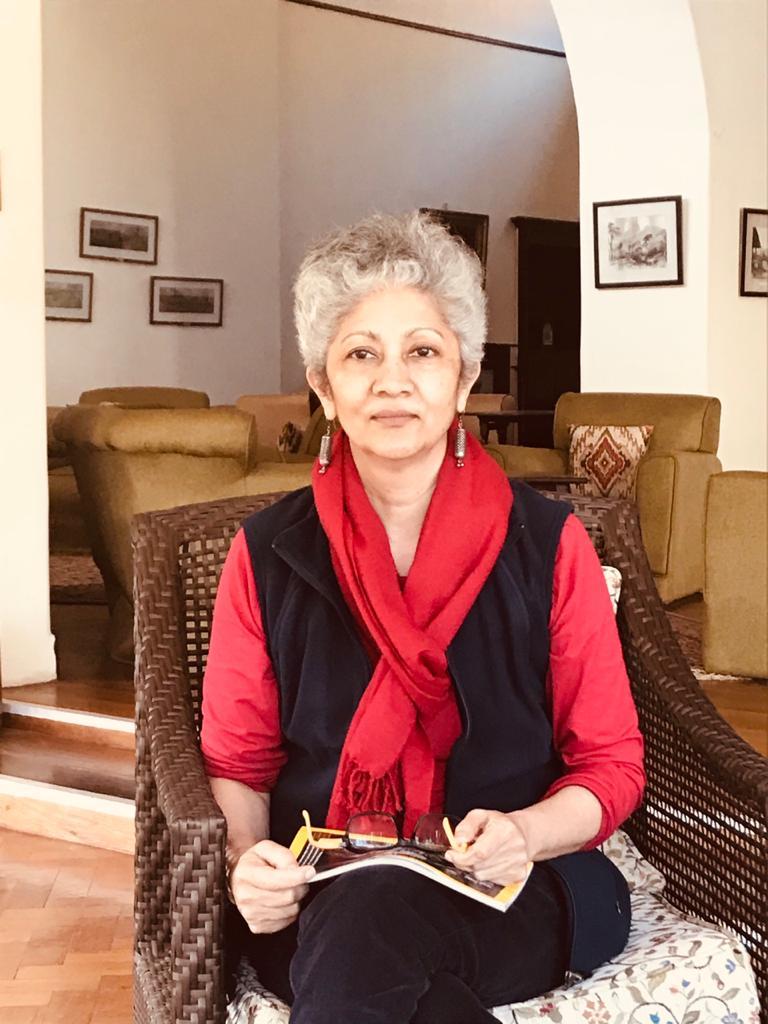
Arthy Muthanna Singh, an award-winning author based in Goa, blends diverse cultural roots and rich experiences to create impactful children’s literature, fostering creativity, empathy, and storytelling through books, workshops, and publishing initiatives.
www.itsgoa.com
itsgoa_ Itsgoa
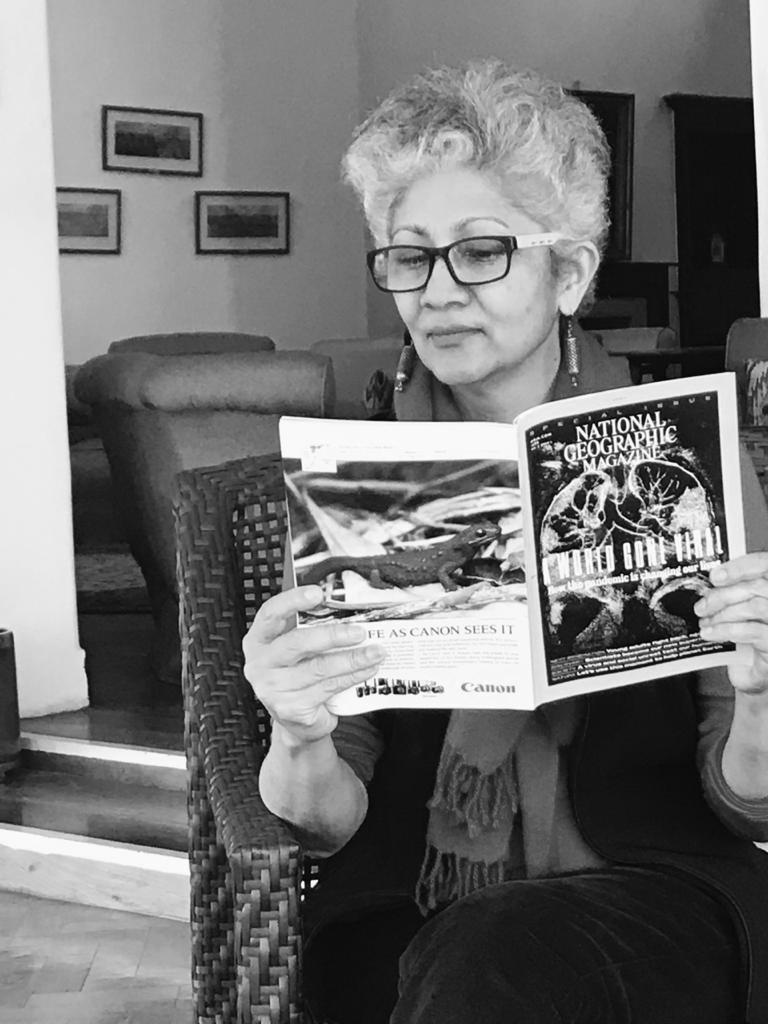
Arthy Muthanna Singh’s life is shaped by an enduring love for stories, landscapes, and quiet reflection. Now based in Sancoale, Goa, she lives in a tranquil neighbourhood bordering a forest, an environment that mirrors her creative temperament. While the stillness fuels her writing, the proximity to Goa’s cultural hubs allows her to stay connected with literary gatherings, art, and conversation.
Originally from Kodagu (Coorg) in Karnataka and raised in the Nilgiris of Tamil Nadu, Arthy carries a rich cultural and linguistic heritage. Fluent in multiple languages, including the Kodava dialect, she embodies a blend of regional influences that subtly inform her storytelling. A self-confessed bibliophile and traveller, she invests much of her time and resources in books and journeys, two passions that continue to expand her creative horizons.
An award-winning author, she has written 36 books and co-authored 35 more, primarily for children, alongside notable non-fiction collaborations on figures such as Mahatma Gandhi, His Holiness The Dalai Lama, A.P.J. Abdul Kalam, and Satyajit Ray.
Arthy’s formative years unfolded on tea plantations in the Nilgiris, in an environment defined by natural beauty and quiet isolation. Surrounded by sprawling gardens, flowering beds, and the rhythms of plantation life, her childhood was deeply immersive and sensory. Days were spent outdoors, rolling down lawns, tending to kitchen gardens, or simply absorbing the changing moods of nature.
Education began at home, where her mother taught her in intimate, thoughtful settings, sometimes in the garden, sometimes by the warmth of a fireplace. These early experiences nurtured not only discipline but also imagination. Later, at boarding school in Ooty, she encountered structured learning under the guidance of Irish nuns, who balanced strictness with care. Access to a well-stocked library and exposure to sports and reading further enriched her upbringing. These years, marked by solitude, reading, and observation, became the foundation of her identity as a writer. The landscapes of her childhood continue to echo in her sensibilities, shaping what she values and expresses through her work.
Arthy’s journey into writing was guided by two profound influences. Her English teacher, Miss Bell, played a pivotal role in refining her command over language.
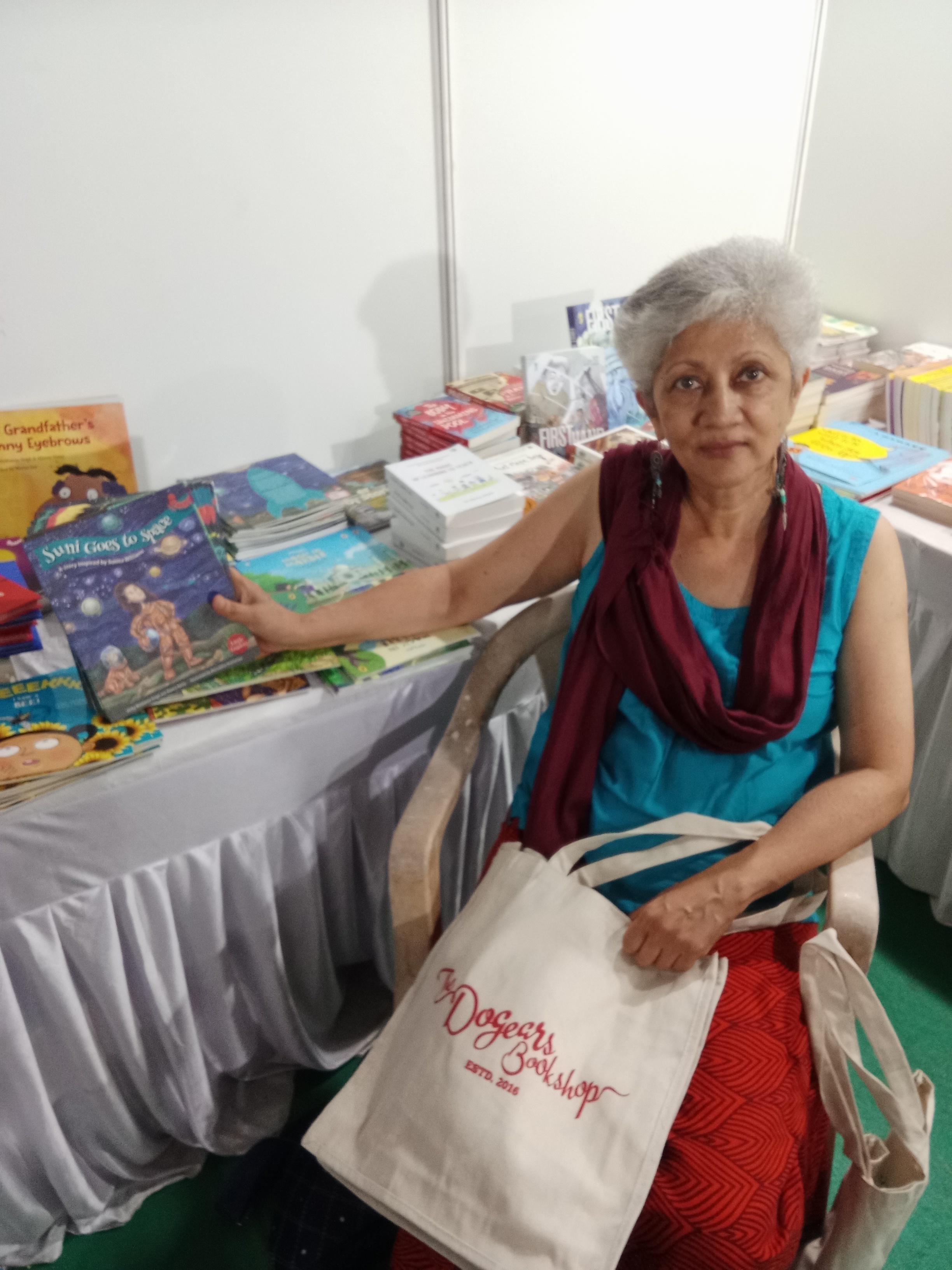
At the Goa Book Fair & Literature Festival 2025 by Dogears Bookstore, Margao
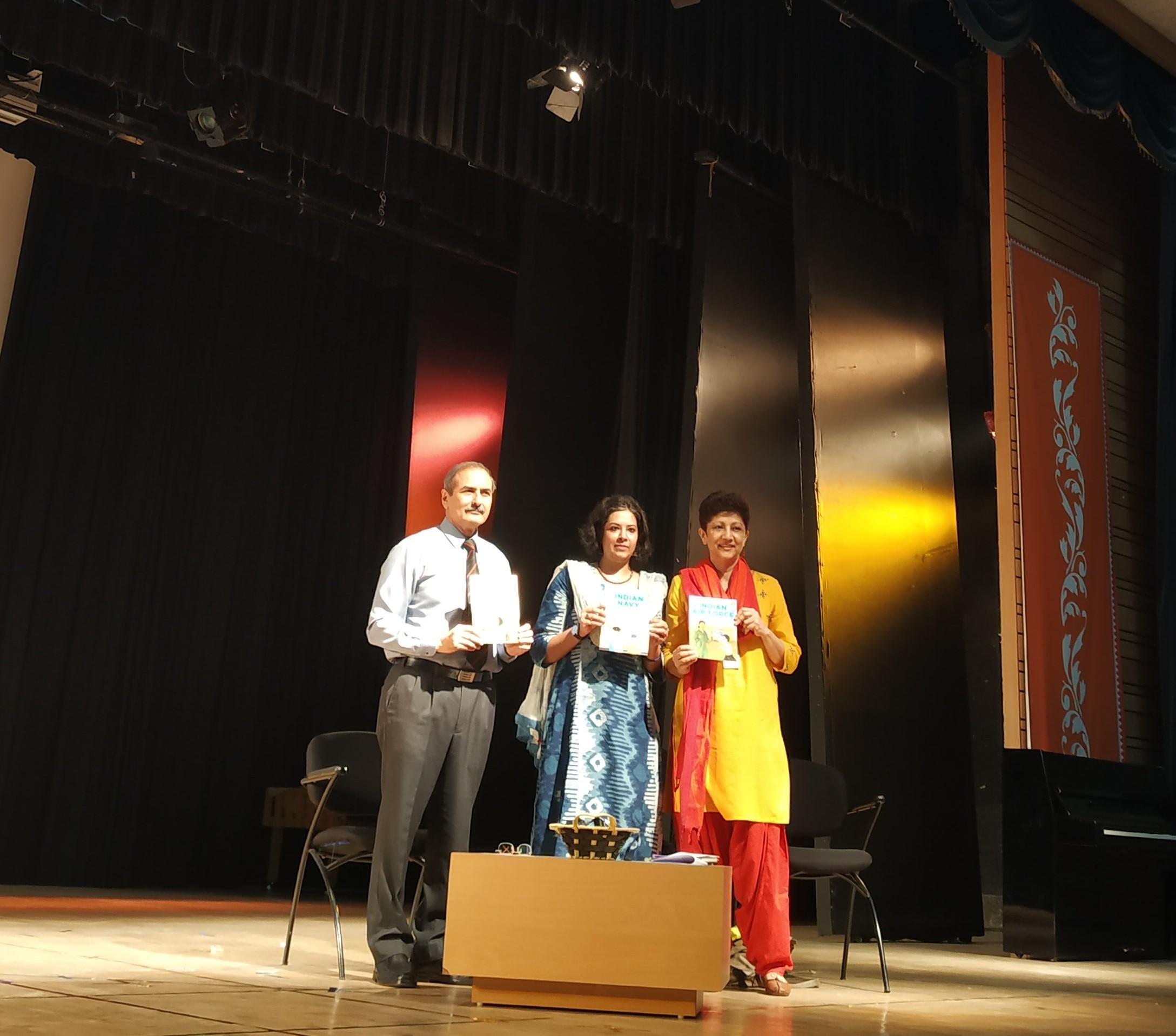
Major General Pawan Anand launches our 3 books on the Indian Armed Forces at The Shri Ram School, Aravali Campus, Gurugram
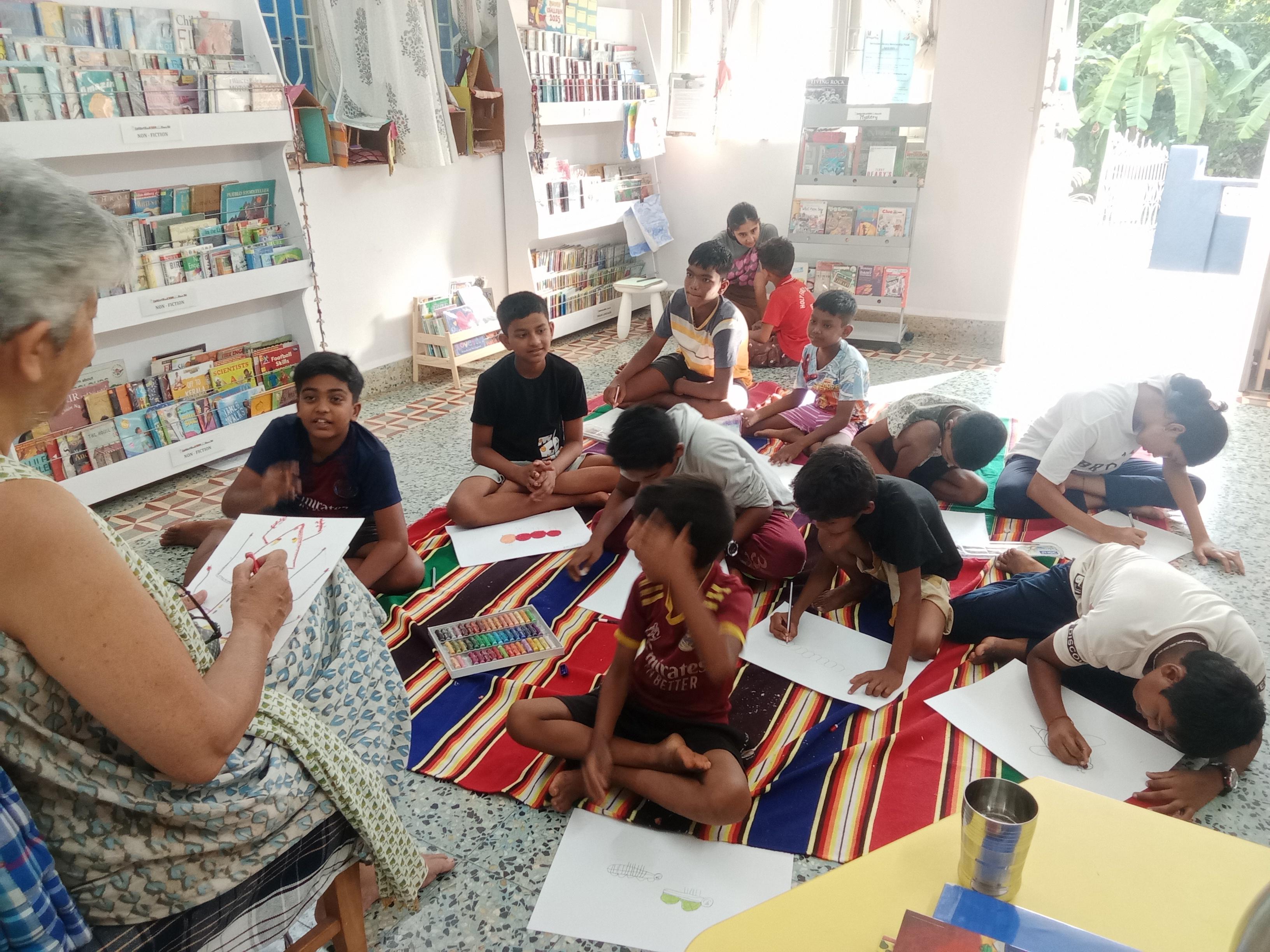
Story-telling session at the Bookworm Library at Seraulim, Goa
Through rigorous discipline and exposure to literary greats, she instilled in her students a respect for clarity, structure, and depth in writing.
Equally significant was her maternal grandmother, a creative force in her own right. A writer, painter, and lover of the arts, she quietly pursued her passions in a small town in Coorg. Watching her grandmother create in the stillness of everyday life left a lasting impression on Arthy. Without fully realising it at the time, she grew up aspiring to follow a similar path, one where creativity and expression were integral to existence. This aspiration was nurtured by her mother, who was herself an artist and a poet.
Together, these influences nurtured both her technical skill and emotional connection to storytelling.
Arthy’s professional journey has consistently revolved around words. She began writing fiction in her early twenties, with her first children’s story appearing in a newspaper. The publication of her debut book, Bobo’s World, marked a defining moment, affirming her instinct for writing for young readers.
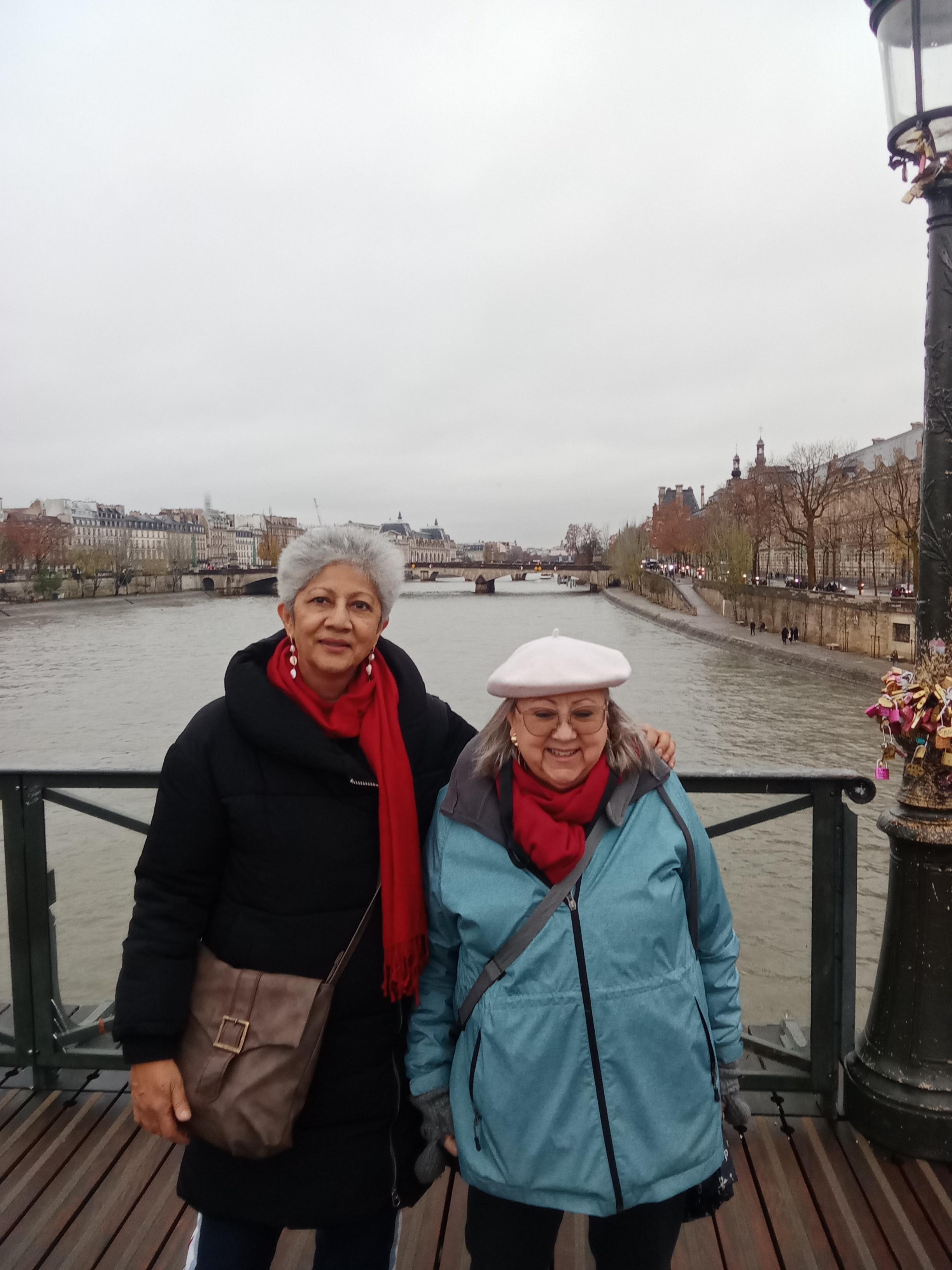
In Paris with artist Virginia Hopkins from the USA
While she has contributed extensively to journalism, writing for publications such as Inside Outside and Verve, her true calling emerged in children’s literature. Her stories, often infused with humour and empathy, resonate with young audiences while addressing meaningful themes. Over the years, she has built a diverse body of work that includes both fiction and non-fiction, with a strong focus on accessibility and engagement.
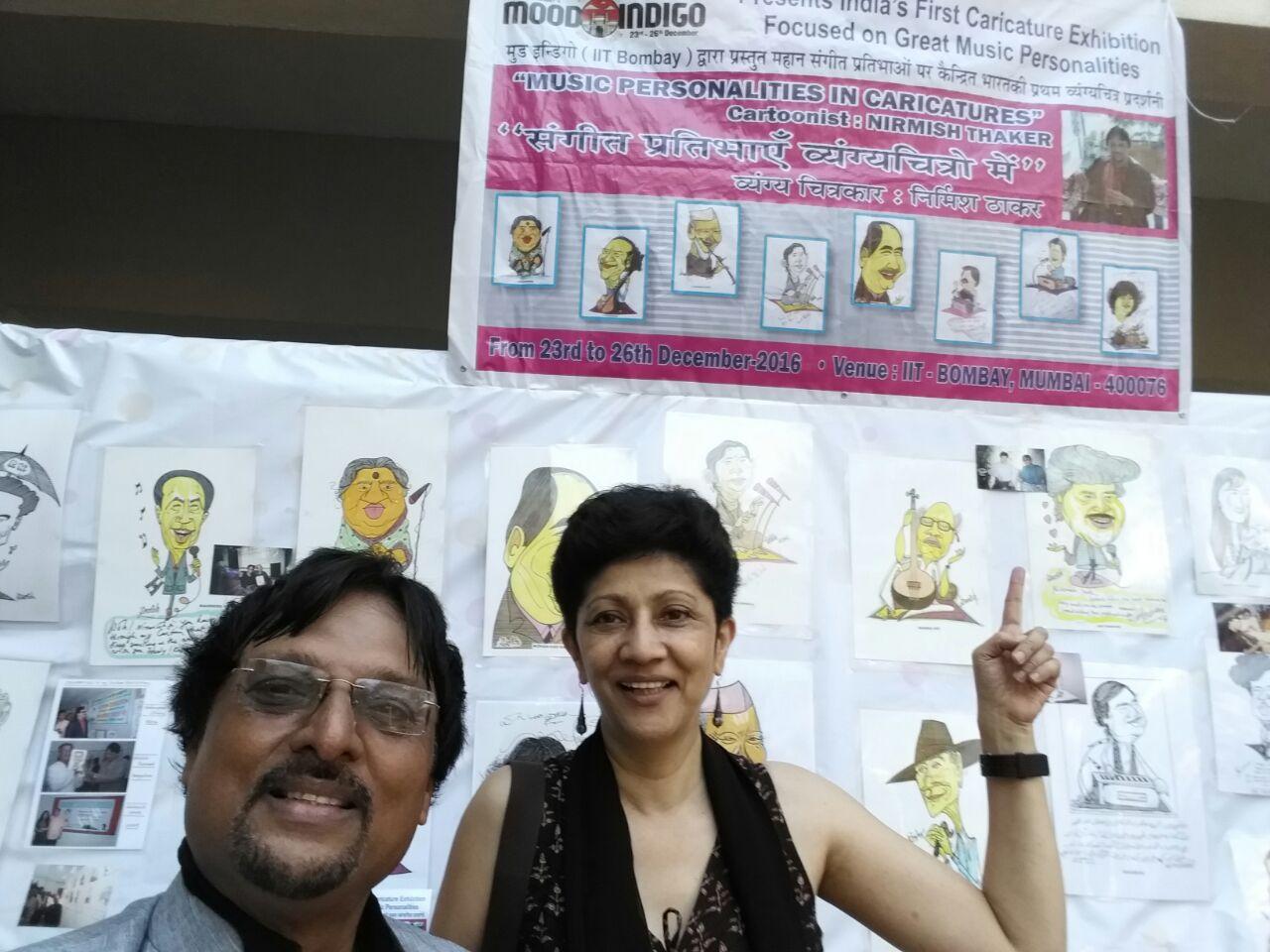
Her writing journey reflects a seamless transition from feature writing to storytelling, guided by an intuitive understanding of her audience.
A significant chapter in Arthy’s career was her 13year tenure with the Limca Book of Records at CocaCola India, where she served as Senior Editor. This role exposed her to an extraordinary spectrum of human stories, from globally celebrated figures to individuals achieving remarkable feats in everyday circumstances.
The experience broadened her perspective, teaching her to engage with people from vastly different backgrounds and to appreciate the diversity of ambition and resilience across the country. It also refined her writing style, shifting it from elaborate prose to concise, factual narration.
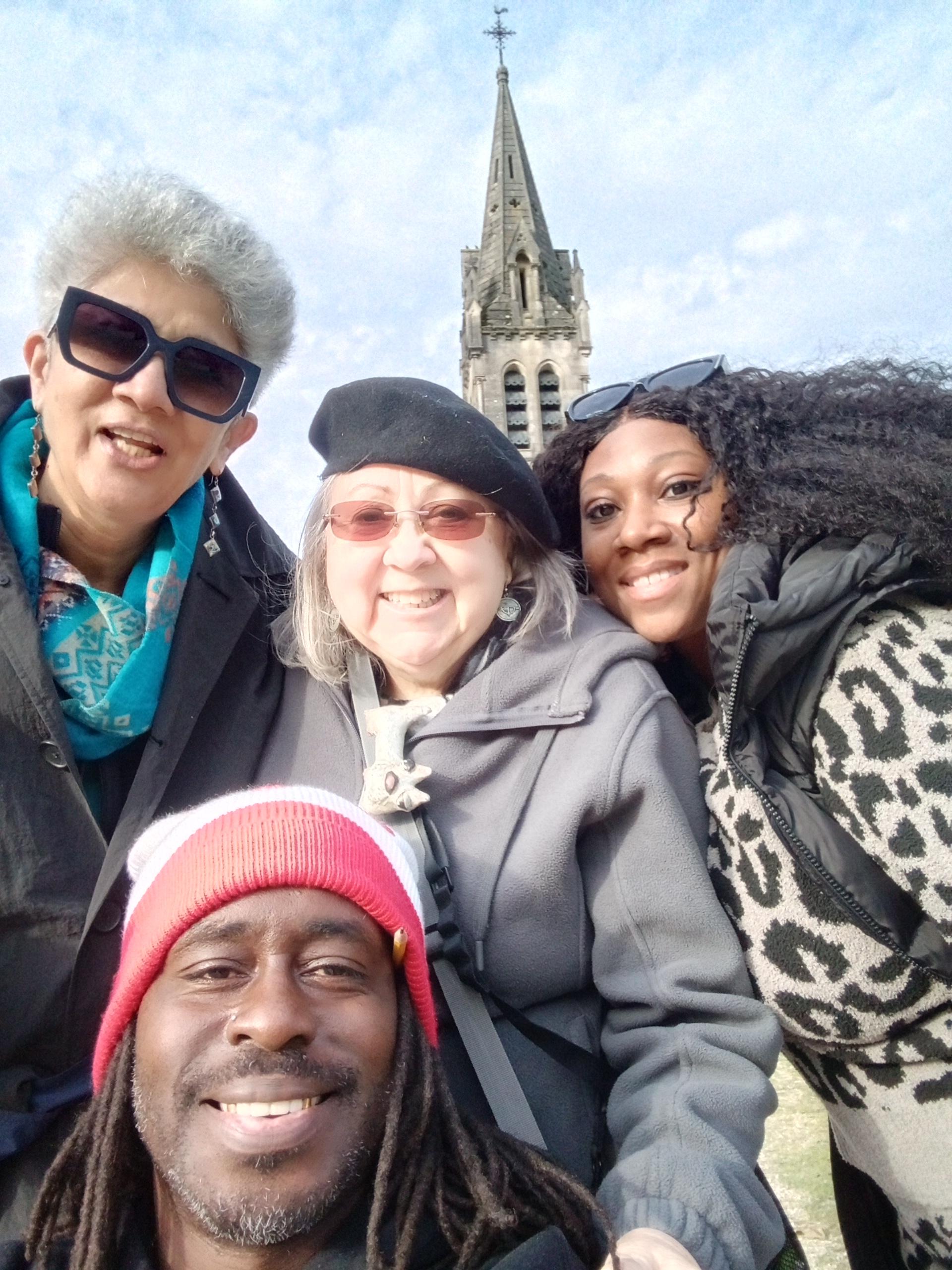
At d’Orquevaux village, France, with fellow global artists and writers www.itsgoa.com itsgoa_
Beyond professional growth, the role offered her rare insights into human determination and the value of recognition. These experiences continue to inform her writing, grounding her stories in authenticity and empathy.
In 2018, Arthy co-founded SYLLABLES27, an independent publishing initiative dedicated to creating children’s books with a distinct creative vision. Conceived alongside fellow author Mamta Nainy, the venture sought to challenge conventional publishing models by giving writers greater control over design and illustration.
The initiative quickly gained momentum, producing books that are diverse, inclusive, and visually engaging. From stories about the Indian Armed Forces told through a child’s perspective to collaborations with organisations like WWF and INTACH, SYLLABLES27 has developed content that blends education with storytelling. The process is collaborative and dynamic, involving writers, designers, and illustrators who collectively shape each book. This integrated approach allows for a more cohesive and imaginative final product, one that resonates deeply with young readers.
For Arthy, writing for children is both a creative pursuit and a meaningful responsibility. Her approach is shaped by years of interaction with young readers, first as a teacher, then as a parent, and now as an author engaging with audiences at schools and literary festivals. Children, she believes, are honest and intuitive readers. Their responses serve as a direct measure of a story’s effectiveness. This immediacy of feedback is what she finds most rewarding, reinforcing her commitment to crafting narratives that are engaging, thoughtful, and accessible.
Beyond writing, Arthy actively contributes to the literary ecosystem through workshops and storytelling sessions.
Conducted across institutions such as the British Council Library and various festivals, these sessions encourage both children and adults to explore language creatively.
Her participation in literary festivals across India has further enriched her journey, offering opportunities to engage with fellow authors, discover new perspectives, and connect with diverse audiences.
These experiences continue to shape her growth, both as a writer and as a cultural participant.
In 2025, Arthy was selected for a prestigious writers’ residency at Château d’Orquevaux in France, an experience she describes as one of the most inspiring of her career. As the only participant from Asia, she entered a global creative community that fostered collaboration and artistic exchange.
During her three-week stay, she not only focused on her writing but also explored interdisciplinary collaborations, working with illustrators and musicians. The immersive environment, coupled with the cultural richness of France, provided both creative stimulation and personal reflection. The residency reaffirmed her place in the global literary landscape, while also pushing her to expand her creative boundaries.
As she continues her journey, Arthy remains committed to storytelling in its many forms. She hopes to write more fiction, participate in literary festivals, and conduct workshops that inspire new voices. There is also an openness to future residencies and experiences that challenge and enrich her perspective.
At the heart of her work lies a simple yet enduring belief, that stories have the power to connect, educate, and transform. Through her books, initiatives, and engagements, Arthy Muthanna Singh continues to shape narratives that resonate across generations, quietly but powerfully leaving her mark on the world of literature.
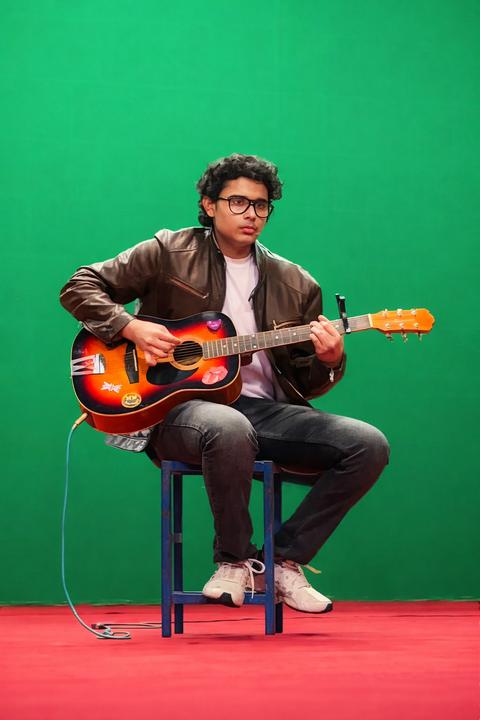
Parth Kamat, a Goa-based engineering student and musician, excels as a drummer, vocalist, and multi-instrumentalist, actively performing in rock and metal bands while balancing academics and growing his musical presence.
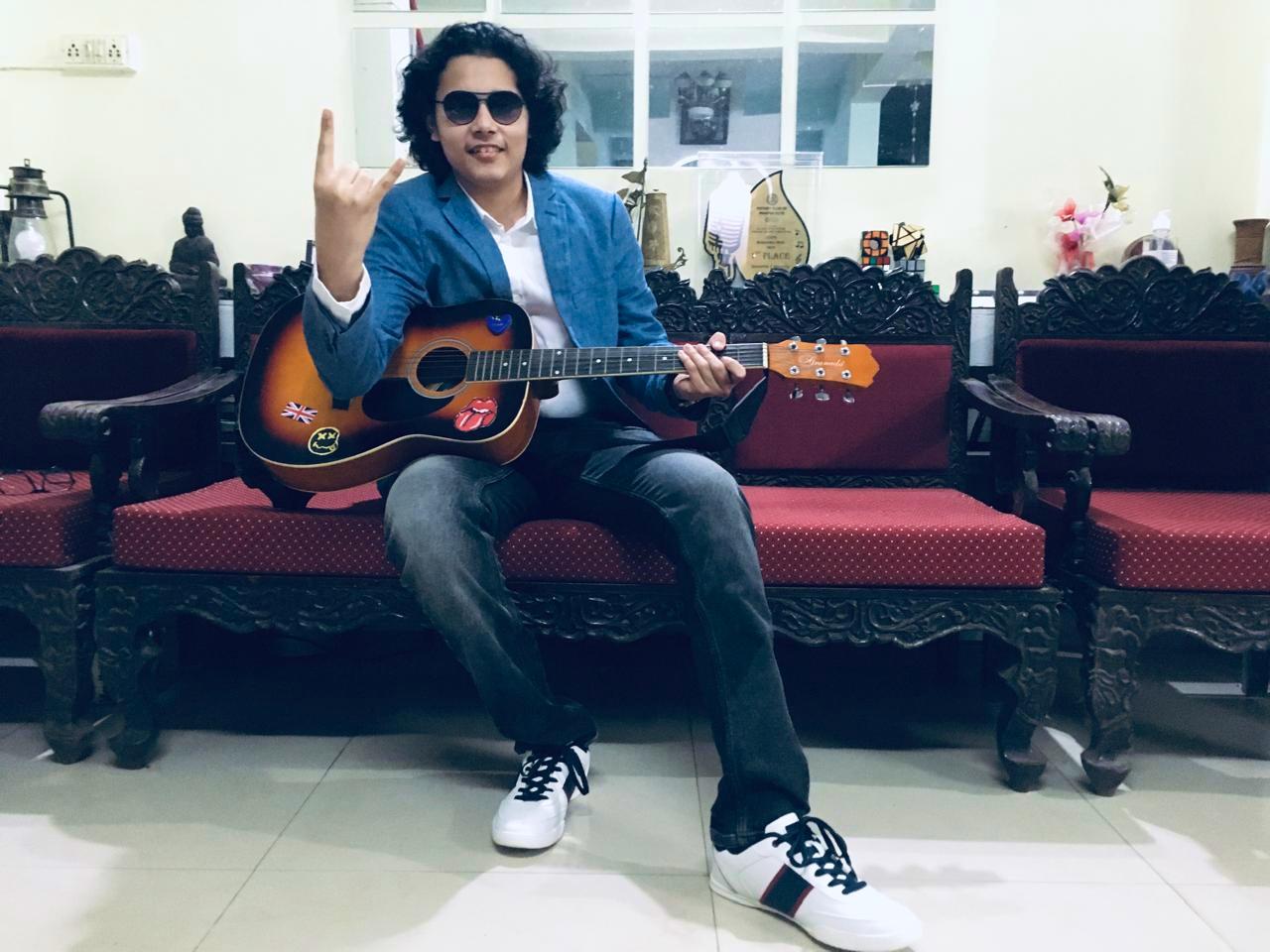
In the vibrant cultural landscape of Goa, where music flows as freely as the sea breeze, Parth Kamat is steadily carving a space for himself as a dynamic and passionate musician. A third-year Electronics and Telecommunication Engineering student at Goa College of Engineering, Parth represents a new generation of artists who seamlessly balance academic pursuits with creative expression. Hailing from Curchorem, his journey reflects not just talent, but a deep-rooted dedication to music in all its forms.
For Parth, music has never been a distant interest; it has been an intrinsic part of his life since early childhood. From singing along to Hindi songs on television channels like 9XM to performing at gatherings as young as six, his comfort with the stage developed naturally.
Encouraged consistently by his father, Dr. Paresh Kamat, a medical professional despite his demanding schedule, Parth was taken across Margao and Panjim to participate in music jams, competitions, and performances, support that continues even today, with his father accompanying him to late-night gigs. His mother, Suvarna Kamat, a homemaker, has been equally supportive in nurturing his artistic inclinations.
His early inclination towards rhythm became evident in simple yet telling ways, tapping cutlery on plates during family outings. Recognizing this, his parents nurtured his curiosity, leading him to formally begin learning the drums at the age of eight. What started as playful instinct soon evolved into a serious pursuit.
Drums remain Parth’s primary instrument, one that he connected with instantly under the guidance of his mentor, Leo Gomes. His musical journey expanded further when he picked up the guitar during his school years, also under Gomes’ mentorship. Over time, Parth developed into a multiinstrumentalist and vocalist, continuously refining his abilities through a blend of formal learning and selfexploration.
His musical foundation is further strengthened by formal training in Hindustani classical music, having completed the Praveshika Poorna level under the guidance of Mrs. Shahane. This dual exposure to Western and Indian classical traditions has enriched his understanding of music, enabling him to appreciate both technical complexity and cultural depth. For Parth, classical music is not just a discipline but a spiritual connection that continues to shape his artistic identity.
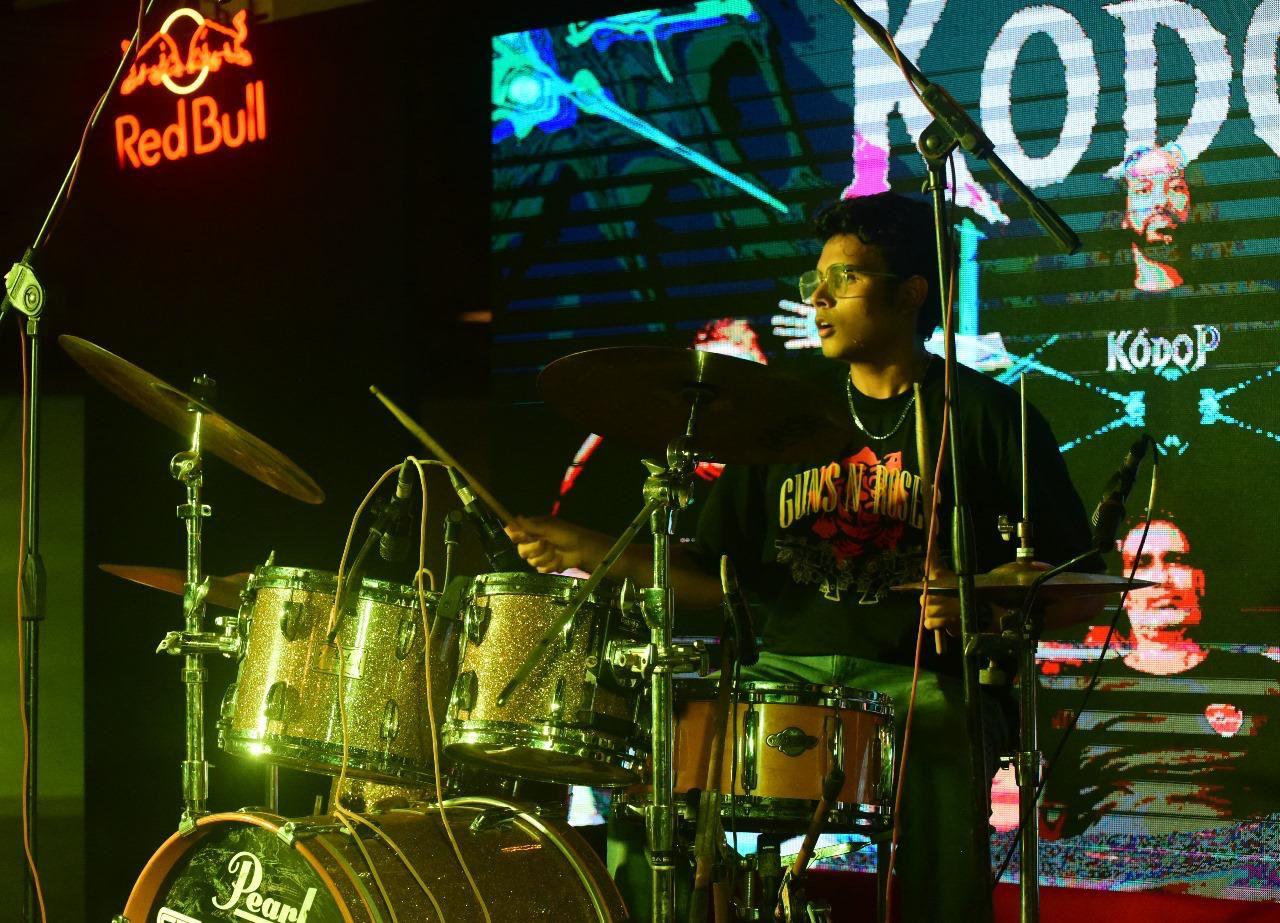
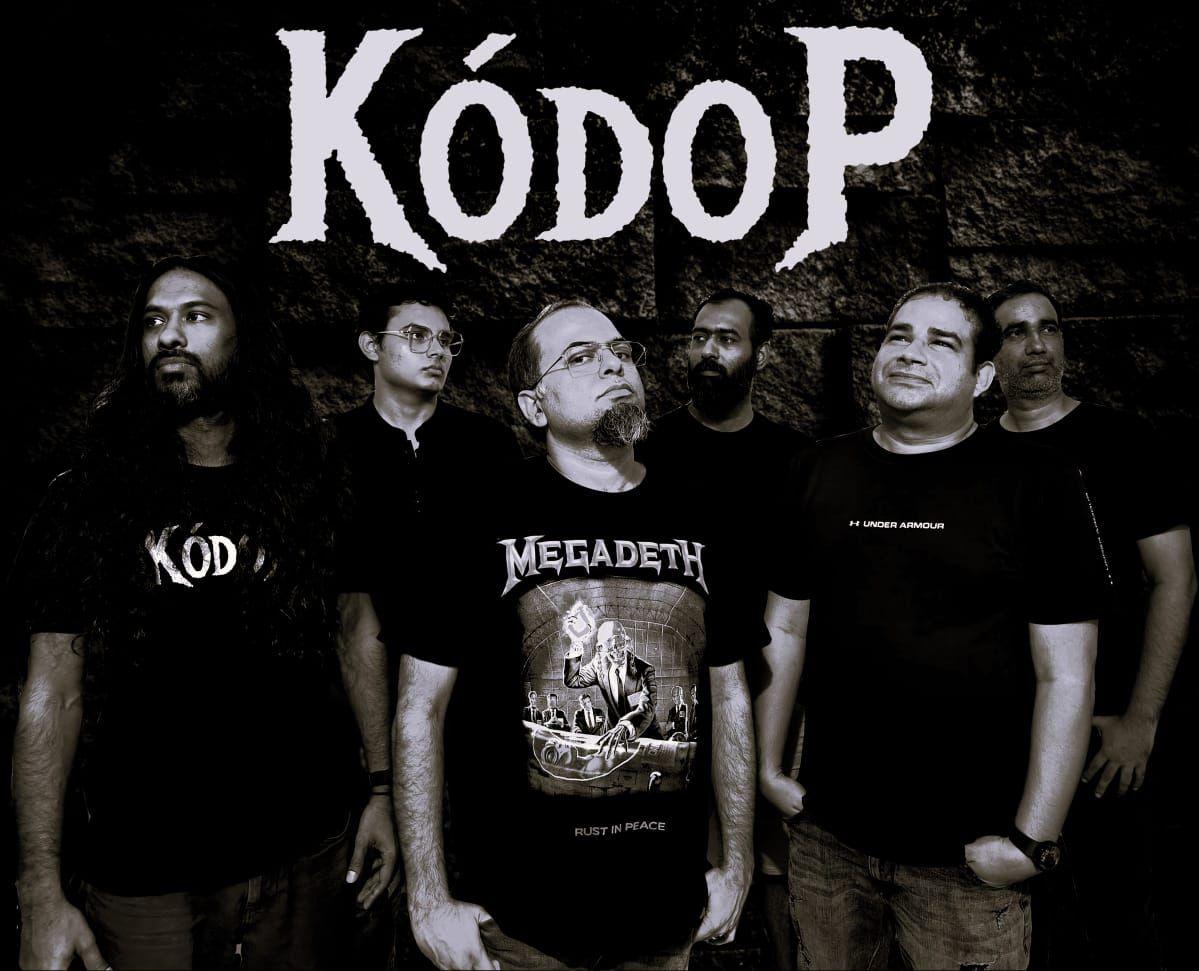
'Kodop' the heavy metal band from Goa Kodop Rocktoberfest 2024
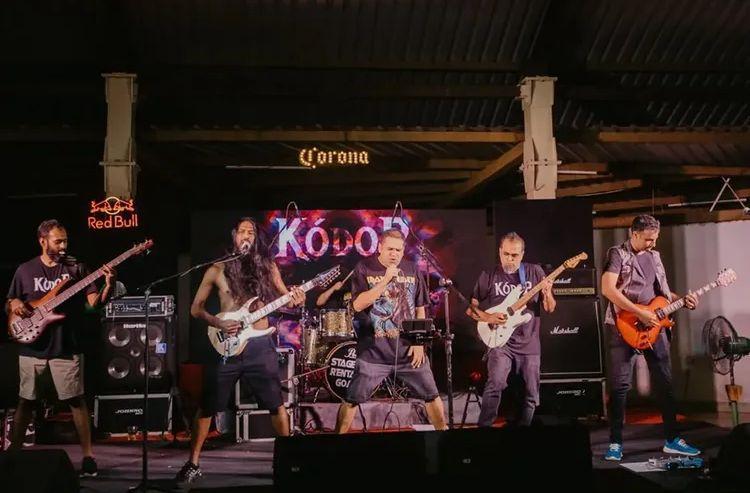
Parth’s entry into Goa’s rock circuit came in 2023 with the formation of the band Roar Engine, a project he not only joined but also named. This marked his formal introduction into the live rock music scene in the state.
His growing reputation as a drummer soon led to another pivotal opportunity. In 2024, when the metal band Kodop was searching for a new drummer, Parth was brought on board, marking the beginning of a significant new chapter in his musical journey.
While Parth’s musical tastes span multiple genres, it is rock and metal that resonate most deeply with him. Drawn to the intensity, raw emotion, and technical challenge these genres offer, he finds them both creatively fulfilling and personally expressive.
Influenced by legendary artists like Freddie Mercury and bands such as Led Zeppelin, Black Sabbath, and Metallica, his style reflects a blend of classic inspiration and contemporary energy.
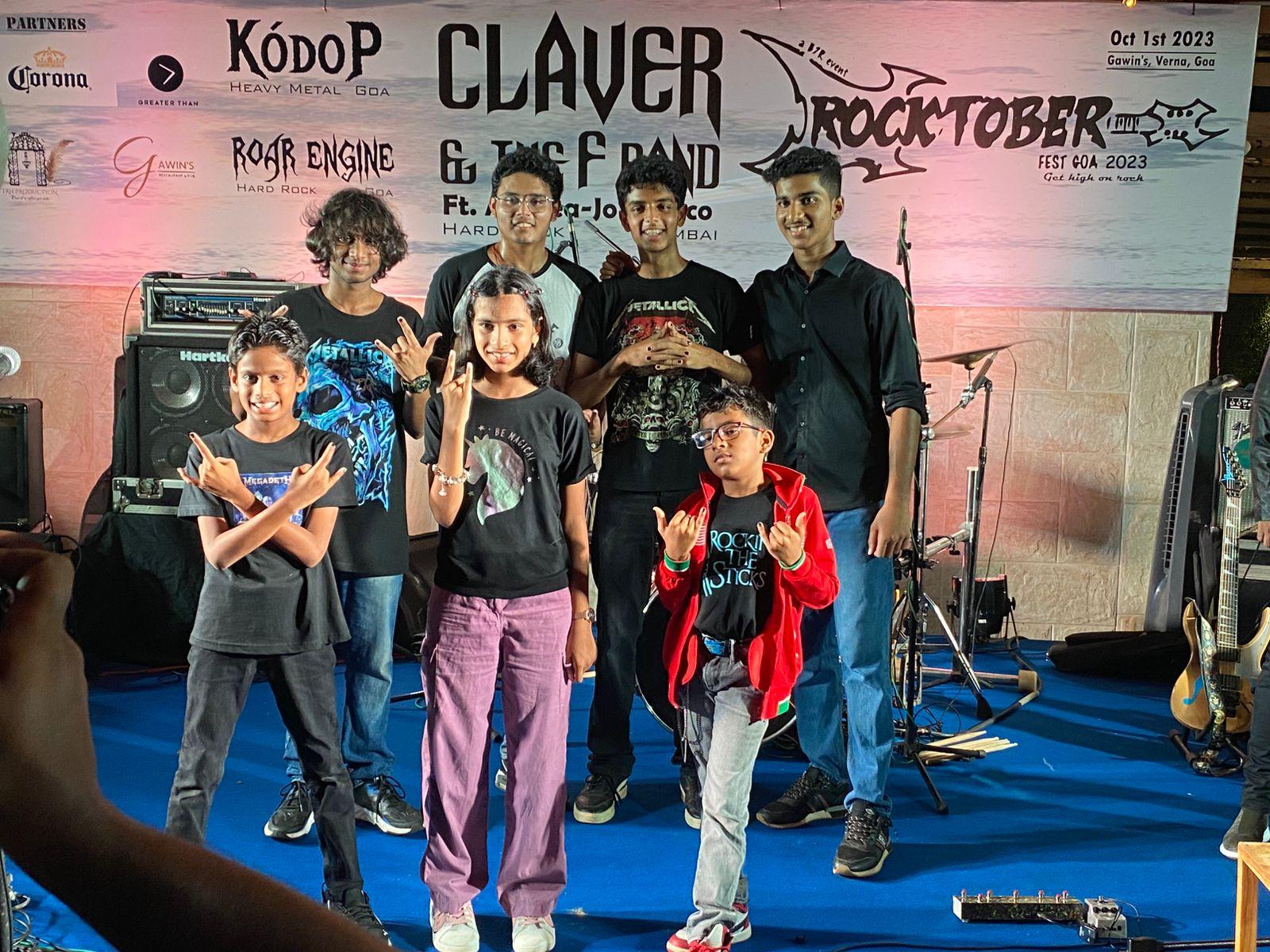
Roar engine at their first ever gig 'Rocktober fest 2023'
As a vocalist, he is also a devoted admirer of Ed Sheeran, often performing his songs, with many listeners noting a resemblance in vocal tone and style. His involvement with Goa-based heavy metal band Kodop has been instrumental in shaping his presence in the scene. As the drummer, and occasionally a vocalist, he contributes significantly to the band’s powerful sound.
Formed by a group of passionate musicians, Members include Sunit Pinto (vocals), Daniel Carniero (guitar 1), Samuel Quadros (guitar 2), Daniel Miranda (guitar 3), Ancil Mendonca (bass), and Parth on drums, aims to promote metal music within the state while staying true to the essence of performing for the love of music rather than commercial gain.
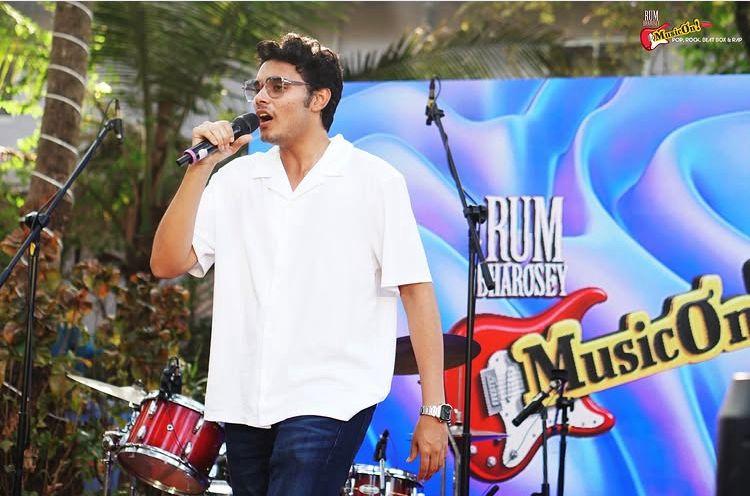
Kodop’s repertoire includes both covers of iconic bands like megadeth, pantera, iron maiden etc and original compositions such as “Found the Enemy,” “Scars Within,” and the crowd-favorite “Parasite.” Their music, inspired by global metal influences, is a collaborative effort where each member contributes to the creative process, from riff development to lyrical storytelling.
Parth’s role extends beyond drumming; he helps build the rhythmic backbone of each composition, ensuring that the music carries both energy and structure.
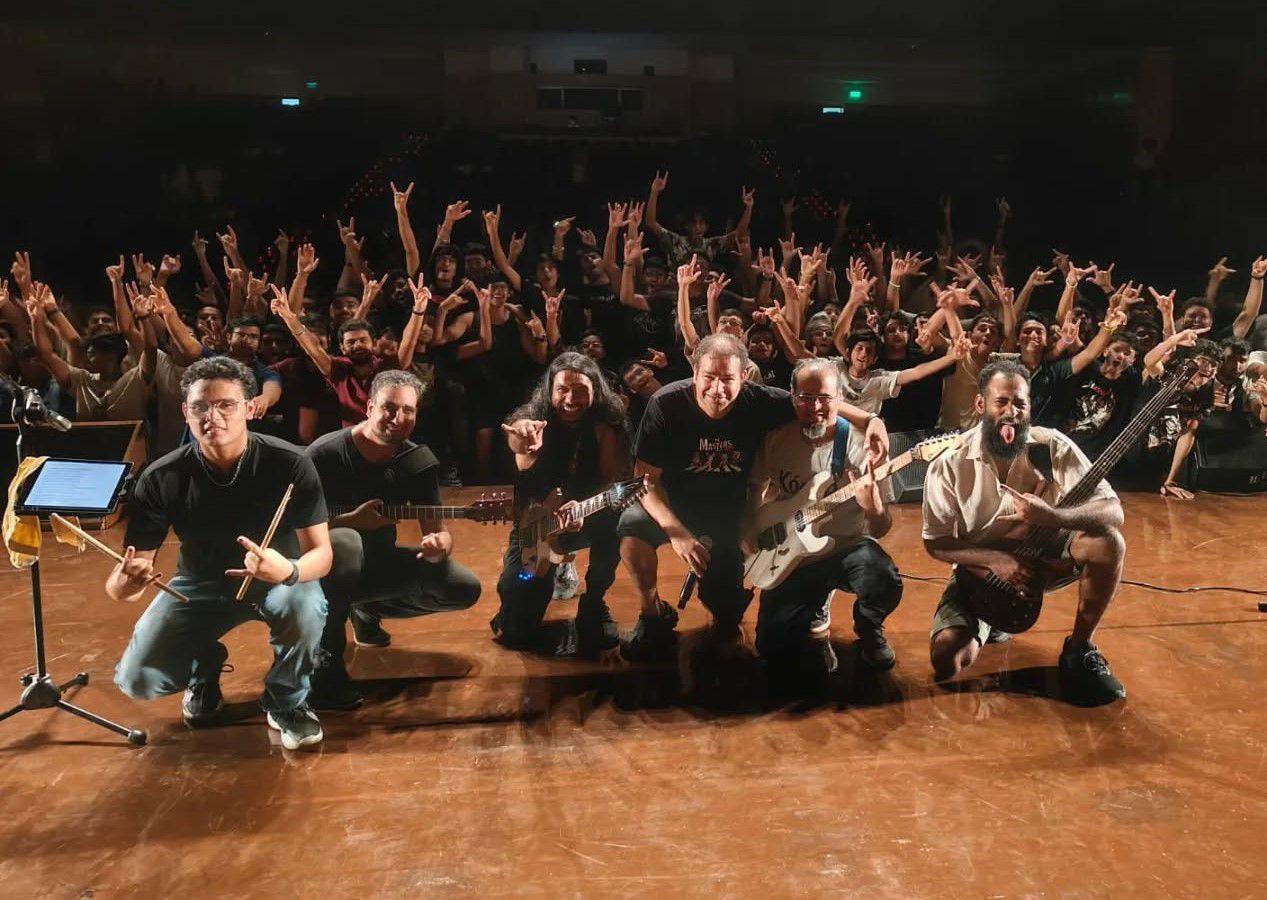
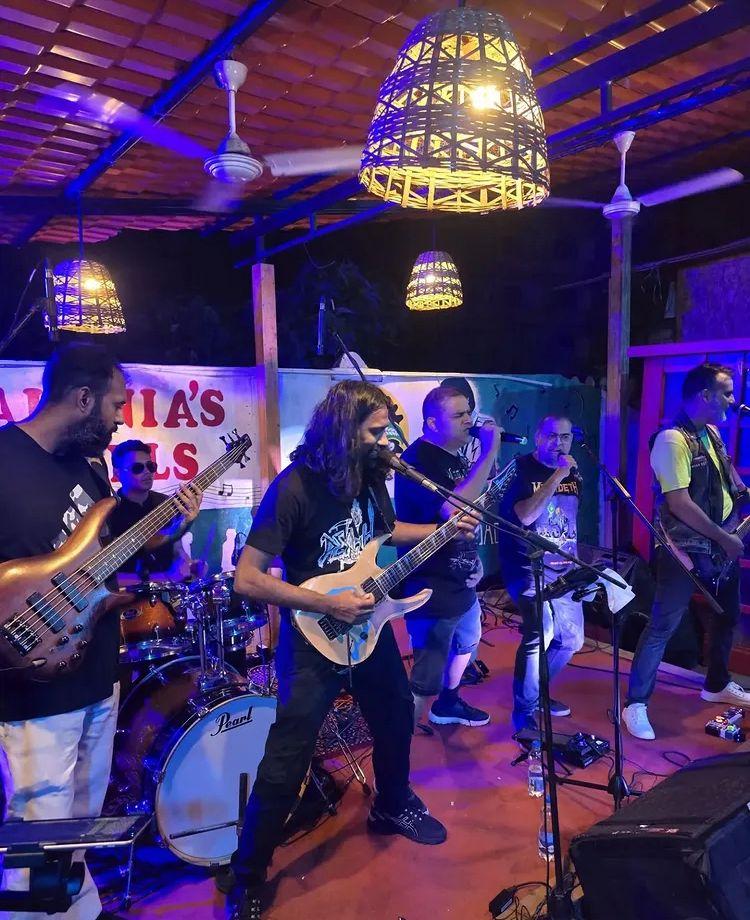
Kodop headlined the semi finals of India's largest semi professional band competition 'Searock 2024' hosted by BITS Goa Kodop did a tribute to the legend Ozzy Osbourne and black sabbath
The band’s songs often explore contemporary social themes, adding depth and relevance to their sound. With a fourth track currently in progress, the group continues to evolve while staying rooted in their signature thrash-heavy style.
Parth’s journey with Kodop has seen him perform at several prominent music festivals and events across Goa, including Rock in Goa and Rocktoberfest, where the band has consistently delivered high-energy sets. A notable highlight includes headlining the semi-finals of BITS Goa’s Searock 2024. A key clarification in the band’s journey dates back to Searock 2023, where Kodop secured second place with drummer David Rebello performing with the band at the time.
Parth joined the group later in 2024, marking a new phase in its evolution. In 2025, Kodop achieved another milestone by opening for 13AD during their reunion show in Goa, further cementing their growing presence in the local music circuit.
Parth’s musical exploration extends beyond a single band. He has been involved in multiple collaborative projects, including “The Jaywalkers,” formed with college mates Nigel and Sherleine, a three-piece ensemble formed for a Valentine’s Day performance. Showcasing versatility, the group performs a mix of English and Hindi tracks, with Parth alternating between guitar and cajón.\
Another notable project is “Collision Course,” a metal band formed for a battle of bands competition, featuring members Joaquim Barneto (bass), Parth Kamat (drums), Sameer Naik (vocals), Zuriel D’Souza (guitar), and Vernon D’Sa (guitar). The group has since performed at Rock in Goa 2025, even featuring a guest collaboration with renowned Goan guitarist Dr. Paul Chalakkal. These experiences highlight his openness to experimentation and his eagerness to engage with diverse musical setups.
Recognizing the importance of digital platforms, Parth actively shares his music through Instagram and YouTube. These platforms serve not only as a space to showcase his talent but also as a personal archive of his growth as an artist.
By posting covers and engaging with fellow musicians, he has embraced the role of social media in building connections, discovering opportunities, and reaching wider audiences. For Parth, the digital world is an extension of the stage, one that allows artists to collaborate, learn, and evolve continuously.
Juggling the demands of engineering studies with an active music career is no easy feat, yet Parth approaches it with clarity and discipline. Viewing music as a form of therapy, he finds solace in playing his guitar during moments of academic stress.
Careful time management allows him to prioritize studies during critical periods while dedicating ample time to rehearsals and performances when possible. Supported by understanding bandmates, many of whom share an engineering background, he navigates this dual journey with determination. For Parth, both engineering and music are integral parts of his identity, each contributing to his personal and professional growth.
At his core, Parth Kamat is more than just a musician; he is an advocate for rock and metal music among younger audiences. Deeply connected to the genre, he aims to inspire and introduce Gen Z listeners to its depth, diversity, and emotional power.
With a strong foundation, evolving artistry, and unwavering passion, he continues to push boundaries while staying true to the music that defines him. As he moves forward, balancing academics and artistry, one thing remains certain, his journey is only just beginning, and the rhythm he creates is set to resonate far beyond Goa.
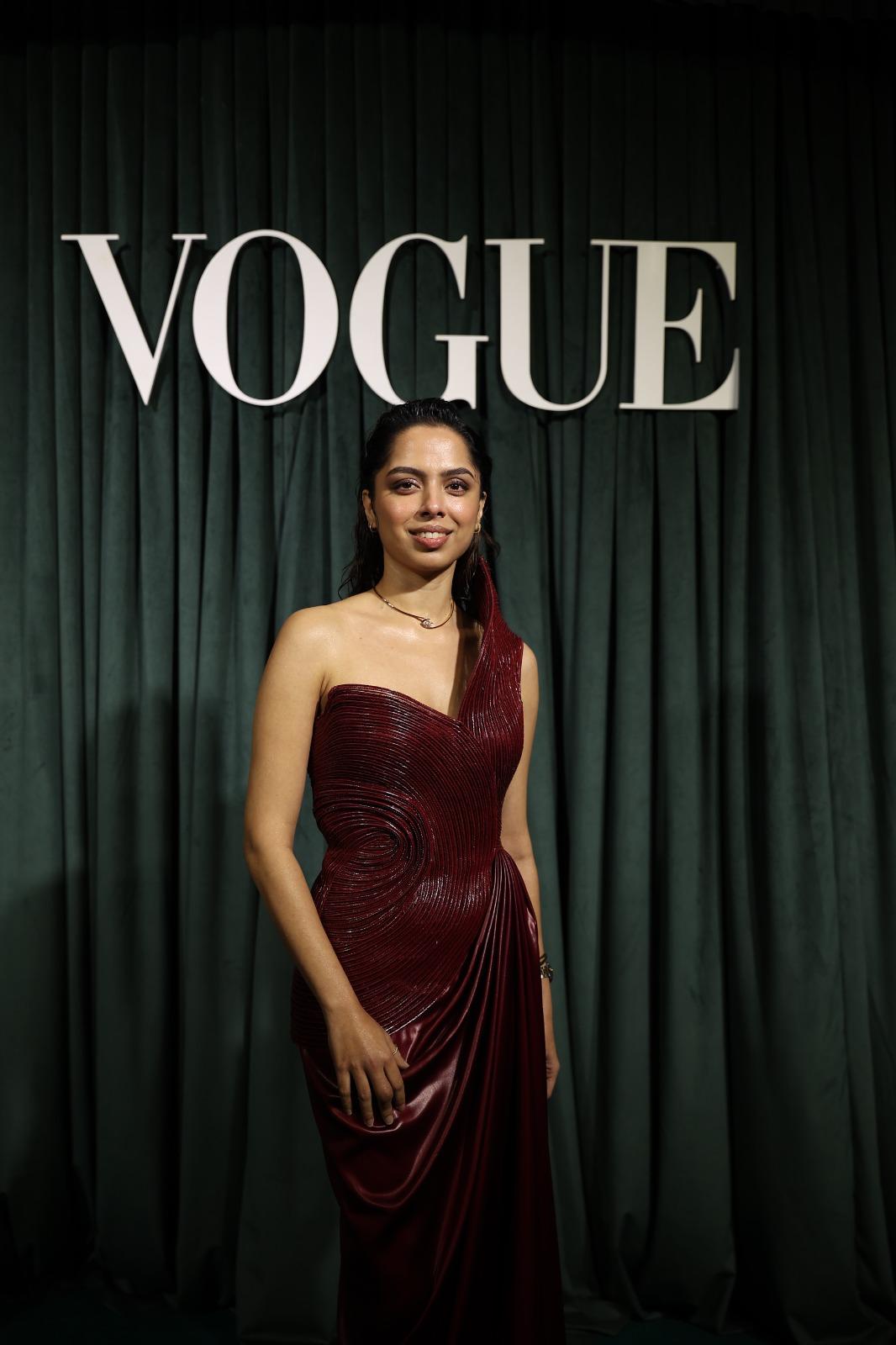
Rochelle Pinto reflects on authenticity, hard work, and leadership in media, emphasizing discipline, honesty, and fashion as selfexpression, while crediting her Goan upbringing for shaping confidence, curiosity, and creative identity.
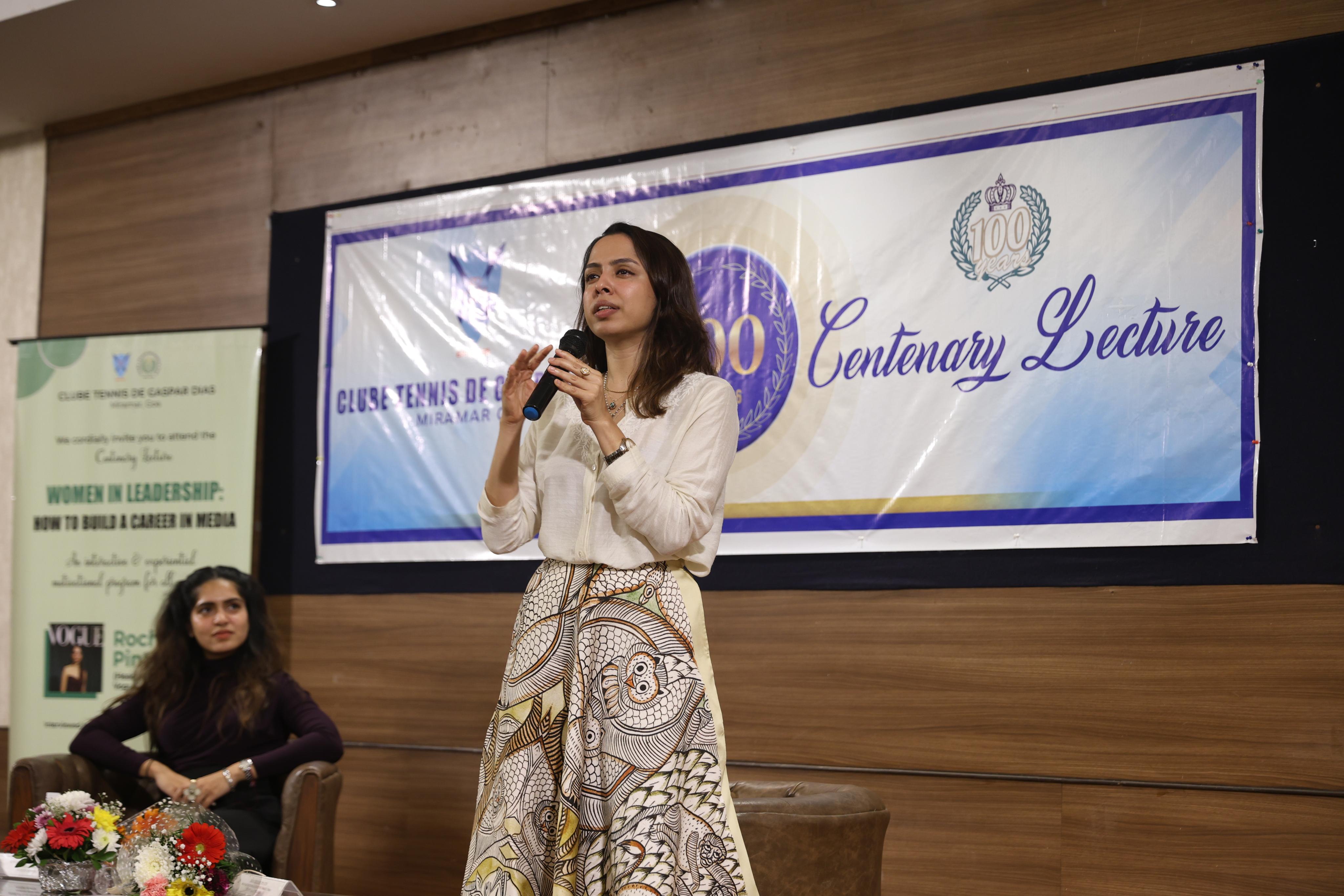
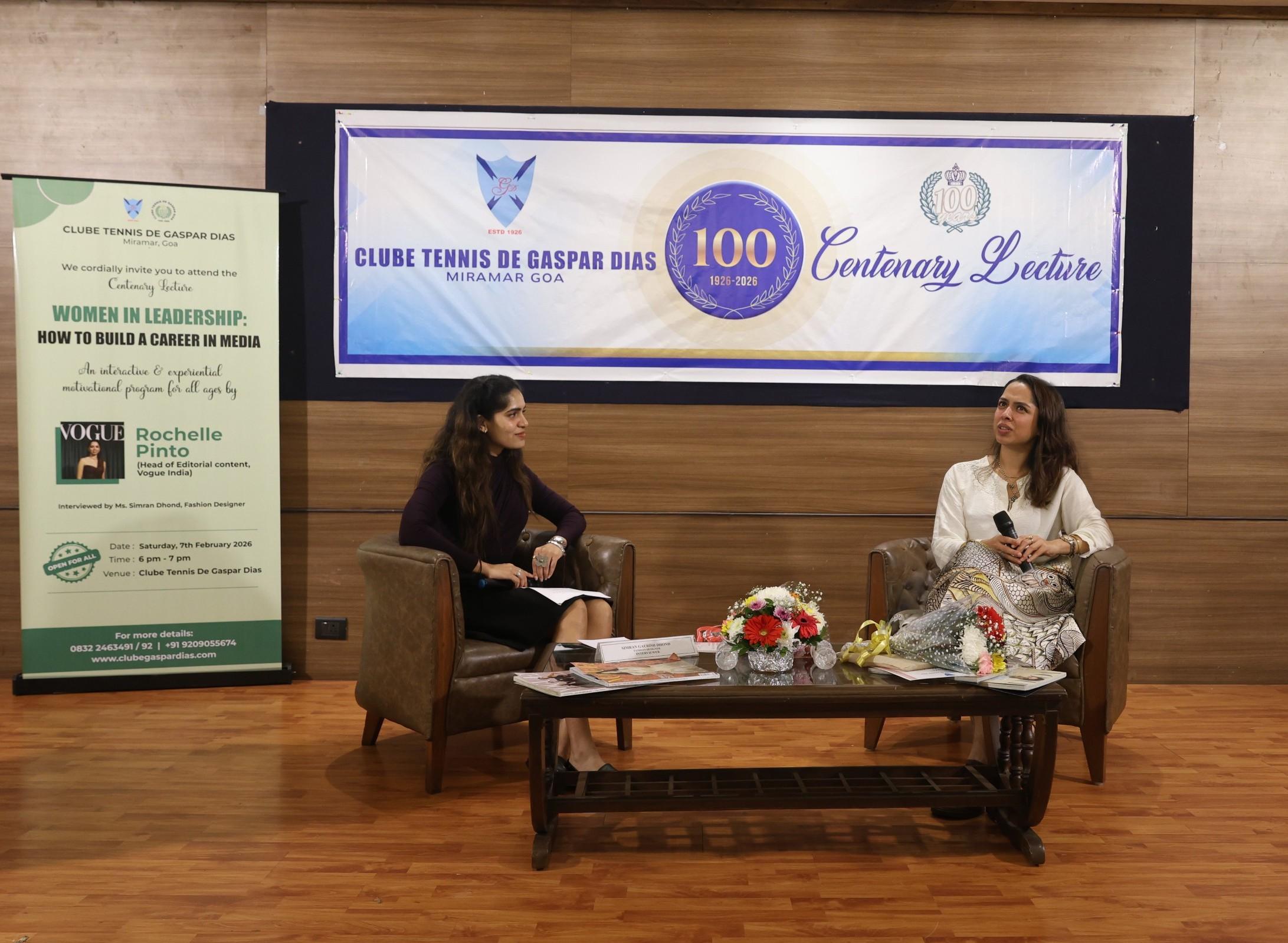
Rochelle Pinto, Head of Editorial Content at Vogue India, speaks on ‘Women in Leadership: Building a Career in Media’ at Clube Tennis de Gaspar Dias’ centenary celebrations
At the Centenary Lecture Series hosted by Clube Tennis de Gaspar Dias, Rochelle Pinto,Head of Editorial Content at Vogue India speaks about women in leadership and building a career in media. In a candid conversation with Its Goa, she reflected on the value of staying true to oneself and the years of discipline and dedication behind the title. She also shared her perspective on fashion as a language of expression and the grounding influence of her Goan roots in shaping her confidence and creative voice.
Q: Who is Rochelle beyond her work profession?
I am the same person in and out of my workplace. I am curious, an extrovert. I am deeply empathetic and care about other people. I like to use my privileges and advantages in life to help those who may not have the same privileges.
I am goofy, I love to eat, and none of these things are kept at the door when I enter the job. I am the same person. I am not a good actor to be able to have a “work face” that people want.
Q: How do these qualities help you in your professional life?
If you are honest, it may be bitter to people. However, you come across as clear and always transparent. I can focus all my energy on what I must do, and not on things that are not important, like keeping up with lies.
It has helped me in life, because if you are somebody who is not completely honest, you have to remember all the different stories you've told and the different things you've said to different people. So, I focus on my work.
Q: You are leading a fashion magazine in India. What does fashion mean to you?
Fashion means many different things. To me, fashion is a language and a way for people to communicate without saying a single word. It is a way to connect with people, to express yourself. It's human craft, human creativity. www.itsgoa.com
We can walk around showing who we are and what we believe in without saying anything, just by the way we present ourselves to the world.
Q: How is leading as a woman in this industry?
I never think of myself as a woman. I'm human. It's like if I asked you, ‘how easy is it to put on pants as a man?’ I don't walk around life feeling the weight of being a woman. I was born this way. I don't know any other way. I speak of my experience.
Q: Your journey as a journalist began in Goa. How has this state shaped you into who you are today?
A lot of who I am—the tendency to not take myself too seriously, the curiosity I have, the things I think are important in life—comes from where I grew up, the people around me, my home, my culture, and my parents. I think Goa as a place gives you a lot of safety, freedom, and natural resources, so you don't have that constant sense of having to fight.
Growing up in a place that treated me as an equal, being able to travel, meet different people, and be welcomed everywhere has given me a tremendous sense of confidence. I carry that confidence with me everywhere I go.
Q: What is your message to the Genz’s and those looking to get into this industry?
There is no replacement for hard work. People look at job titles and think things happened overnight. I am in my 18th year as a journalist, and that’s not counting all the internships, summer jobs, and everything I did since I was 11. I’m 37 years old, so that’s 26 years of working. There is no shortcut to that. That would be my message, especially to young people in Goa. We Goans have a very good and easy life, we don’t struggle in the same way many other parts of the world do.
Sometimes it’s difficult for us to understand how much effort it takes to be successful.

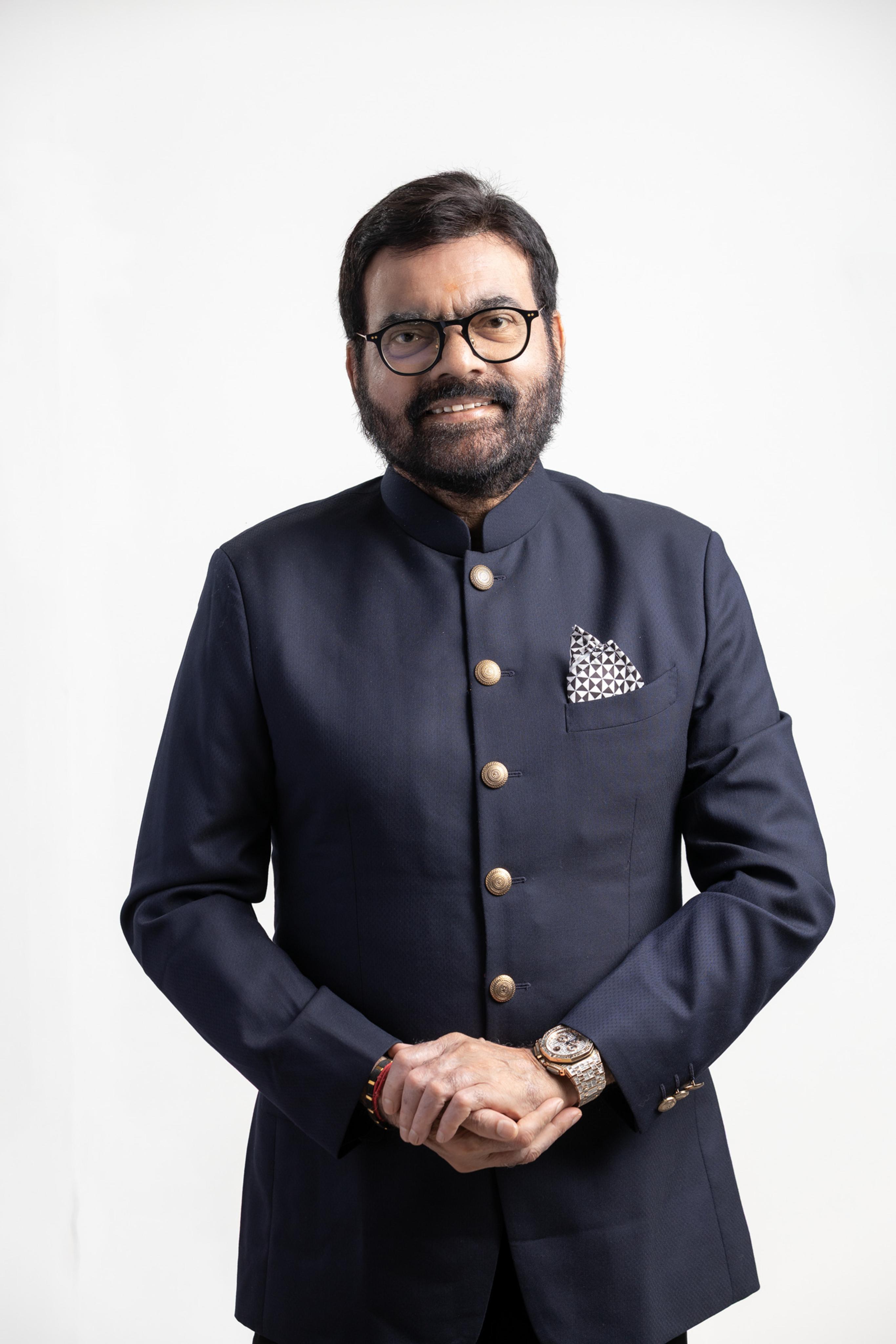
Dr. K. Prakash Shetty, founder of MRG Group, built a hospitality empire through steady growth, culminating in The Riverfront, a community-focused Panaji venue blending infrastructure, culture, and long-term urban relevance.
Beginning in 1993 with one restaurant, hospitality entrepreneur Dr. K. Prakash Shetty, founder of the MRG Group, has steadily grown his business. Over the years, this measured expansion has encompassed hotels, real estate, and infrastructure across various cities. His newest undertaking in Panaji, The Riverfront, continues this successful path onto the banks of the Mandovi. This development is notable not only for its scale but also for how meticulously and thoughtfully it integrates into the existing fabric of the city.
Panaji roots its identity in the Mandovi river that flows by the historic city's banks. The river runs past its institutions, ferry points, government offices and hotels, shifting in mood from a stunning, but functional waterscape in the morning to an illuminated spectacle by night.
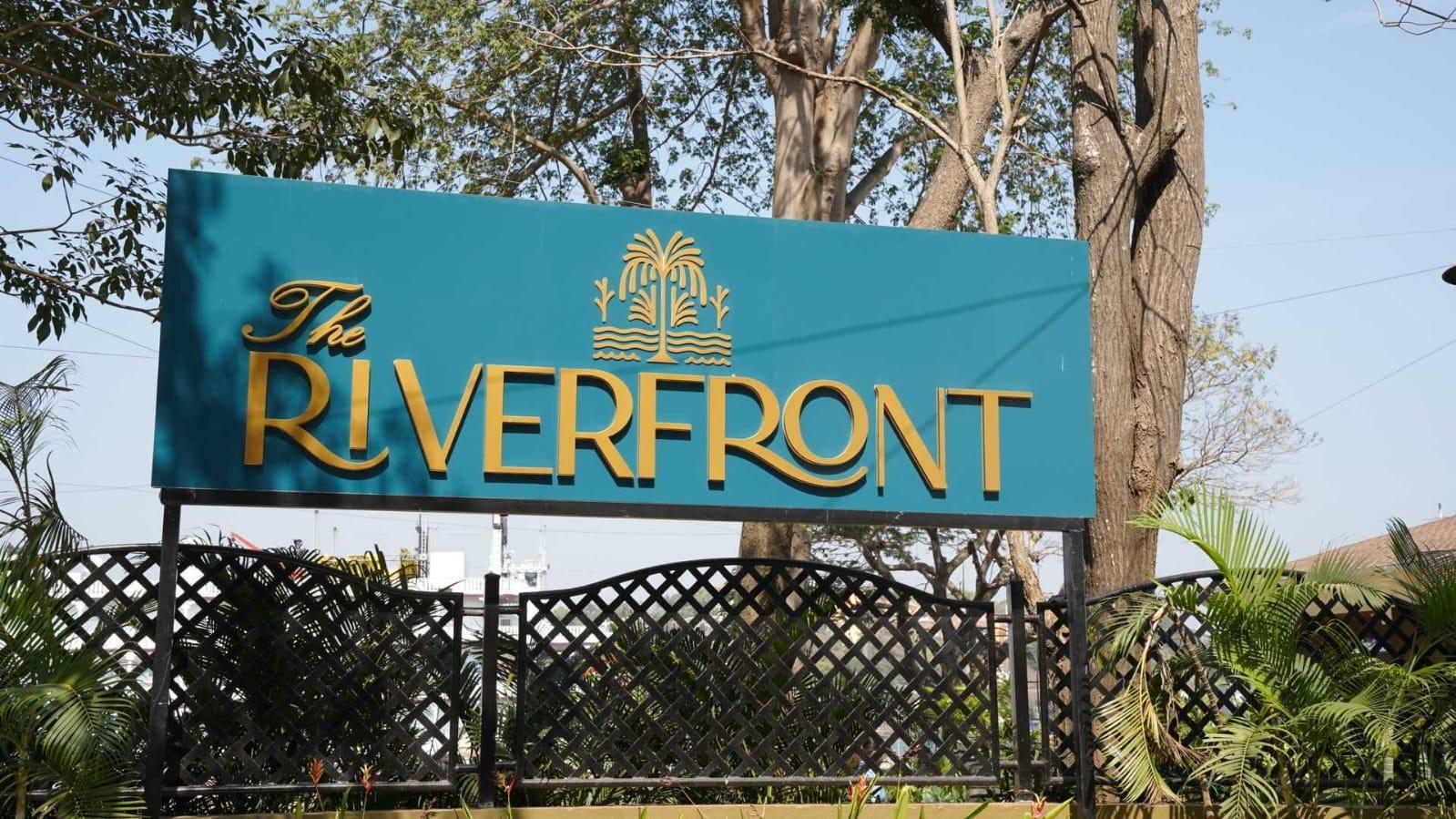
Hospitality entrepreneur Dr. K. Prakash Shetty has launched The Riverfront, a new open-air venue in Panaji. Located right on the banks of the iconic river, near the site of the old Mandovi Hotel, The Riverfront is positioned as the capital city's largest outdoor event space.
This expansive 700-foot venue can accommodate approximately 1,000 guests and boasts a private access jetty, ample parking, and full supporting service infrastructure. However, for Shetty, the project's significance extends beyond its sheer size.
“The Riverfront was planned as a space that would add value to Panaji’s social and cultural life, not just function as an event venue. From the start, the intention was to build something that respects its surroundings," he says.
Shetty’s business trajectory did not begin with riverfronts or townships. It began in 1993 with a standalone restaurant in Bengaluru called Banjara. There was no multi-city blueprint then.
“When I started my first restaurant, Banjara, in 1993, it was not part of a grand plan. It was simply an opportunity I believed in," Shetty states.
He has spoken often of coming from modest beginnings. Born in 1959 in coastal Karnataka, he moved to Bengaluru after graduation in 1980. His early years were defined by limited resources and operational discipline.
“In the early years, every decision mattered because resources were limited,” he says. “I learnt to focus on quality, relationships and long-term credibility rather than quick gains.”
Those constraints shaped his approach to scale. Growth, in his telling, must be earned. The MRG Group, founded in 1993, grew incrementally — from restaurant to hotel, from hotel to multi-city brand, from hospitality into real estate and infrastructure.
Stanley Choudhary
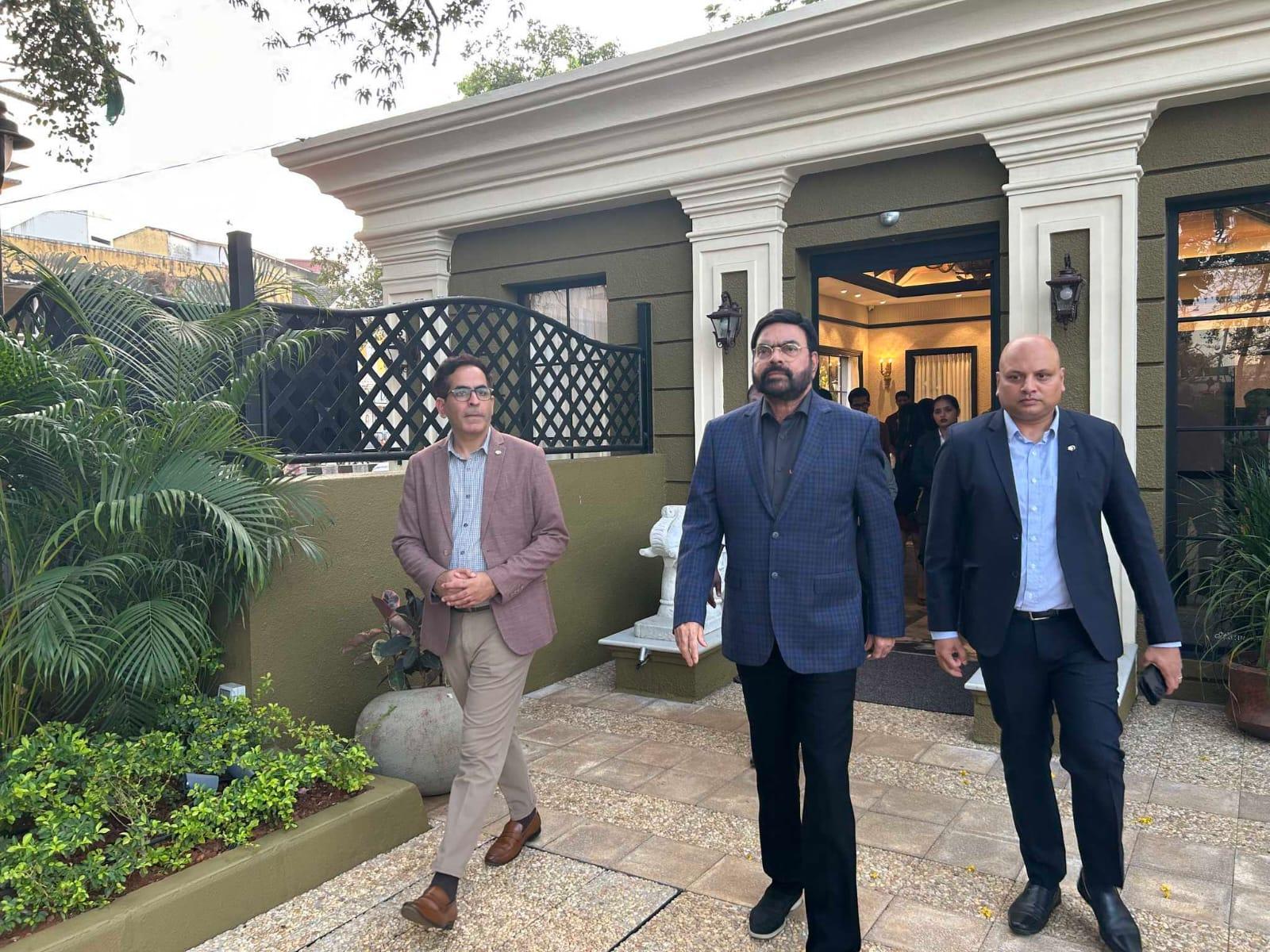
From a single 1993 restaurant to a multi-city empire, Dr. K. Prakash Shetty’s (center) MRG Group extends its legacy to Panaji with The Riverfront Dr. K. Prakash Shetty at the inaugural ceremony marking the launch of The Riverfront
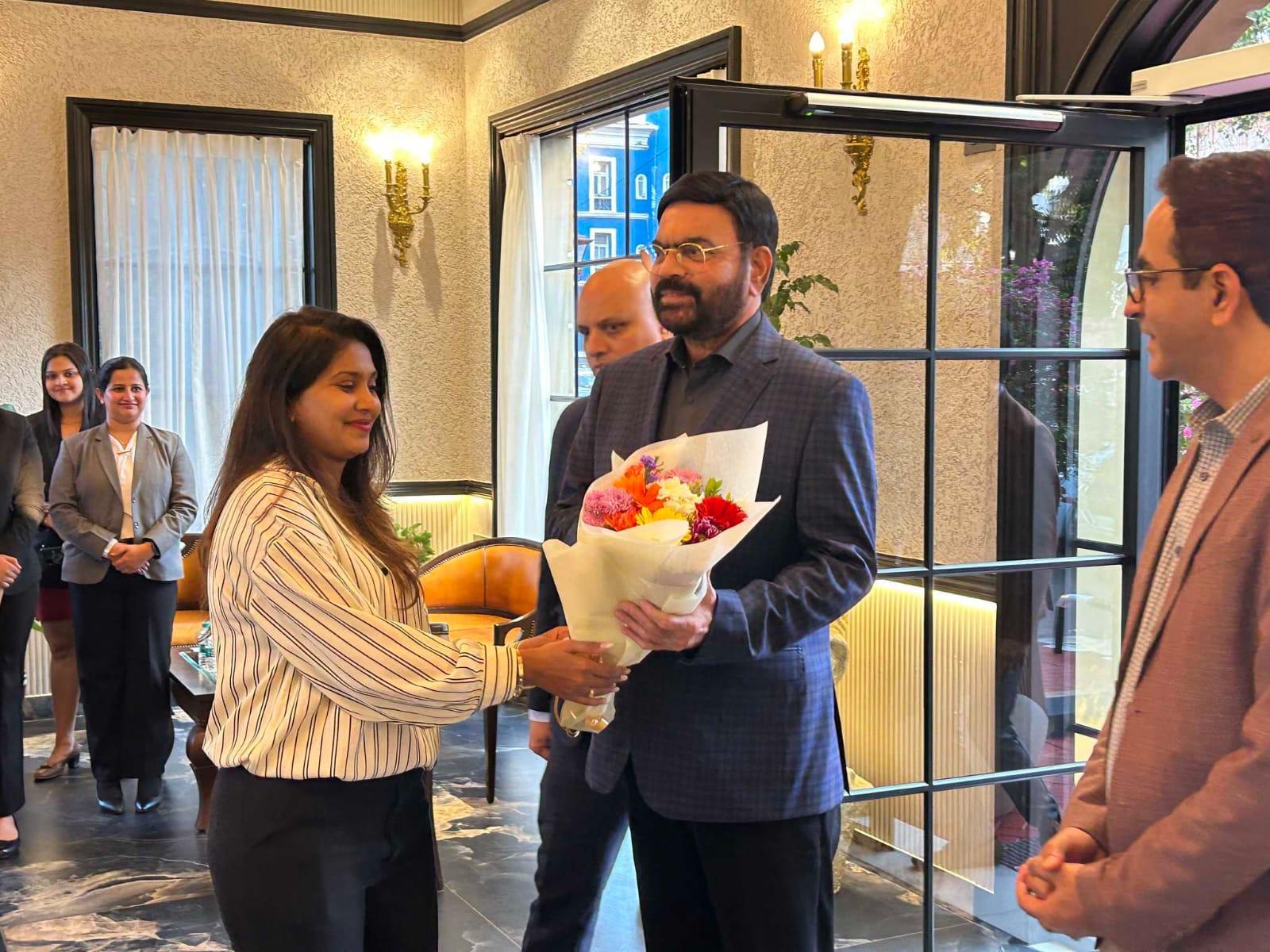
The name itself signals continuity. MRG draws from family initials -- Madhav, Ratna and Gaurav -honouring his late parents and his son, who now serves as Managing Director. The framing has always been generational rather than transactional.
By 2004, the group had entered the hotel sector with the launch of the Goldfinch brand in Bengaluru. Expansion followed to Mangalore, Mumbai, Delhi and Goa. Partnerships with established hospitality names such as Marriott and Hilton followed, including DoubleTree by Hilton in Goa at Ribandar.
Yet when asked about scale, Shetty returns to fundamentals.
“Hospitality attracted me because it is deeply human... It allows you to create experiences and build emotional connections," he explains.
The early restaurant years, he adds, provided a hands-on education in service and operations.
“Service excellence, attention to detail and consistency are what allow you to scale successfully... Systems and standards are essential if you want to grow without compromising quality," Shetty says.
That thinking carries into The Riverfront.
Spread along approximately 700 feet of the Mandovi, the venue is largely horizontal. It does not seek vertical dominance. The river remains visible from within the premises. The built components — service areas, parking zones, event infrastructure — are functional rather than ornamental.
“The scale and layout were designed to complement the river and the existing character of Panaji,” Shetty says. “We were careful not to overbuild.”
In a city defined by layered architecture — from Fontainhas to Altinho — restraint is not aesthetic modesty alone. It is practical politics.
The Riverfront’s first event underscored that positioning. Rather than launch with a commercial gala, the venue opened with an inclusive art
exhibition involving children and adults with different abilities from institutions supported by Caritas Goa.
The decision, Shetty says, was deliberate.
“We wanted the first event to represent community, creativity and shared expression rather than purely commercial activity,” he says. “Commercial events will follow, but establishing purpose and inclusivity at the beginning sets the right foundation.”
It was a calibrated beginning in a state where private development along public-facing waterfronts often attracts scepticism.
The emphasis on community is not new within the MRG ecosystem. The group’s enterprises currently provide direct and indirect employment to around 3,000 individuals. During the COVID-19 pandemic, over 20,000 families received food kits through initiatives supported by the group. A weekly meal distribution initiative titled Ahara continues across cities.
Recognition has followed over the years, including the Karnataka Rajyotsava Award and a Lifetime Achievement Award by the Times Group. Mangalore University conferred upon him an honorary doctorate in recognition of his social work.
Yet The Riverfront is not framed by Shetty as philanthropy.
Hospitality and real estate, he argues, are linked disciplines.
“Hospitality teaches you how people experience space,” he says. “Real estate teaches you how cities evolve.”
The connective question is longevity.
“In both cases, the question is the same,” he says. “Will this space remain relevant and meaningful years from now?”
That question is particularly sharp in Goa. The state’s tourism economy is shifting.
While leisure remains central, there is growing demand for curated experiences — culture, cuisine, wellness, destination weddings and corporate gatherings that extend beyond seasonal peaks.
“I see Goa moving beyond seasonal tourism to becoming a year-round destination driven by events, art, gastronomy and destination weddings,” Shetty says.
Infrastructure that supports that evolution becomes part of the broader hospitality ecosystem. Venues like The Riverfront, in this reading, are enabling spaces. They provide scale without necessitating fresh construction for every large event.
The Riverfront stands out for its stunning vantage as well as from a multi-utility facility point of view. Weddings one week, exhibitions the next, corporate events thereafter. The openness ensures that the natural river vista remains the visual anchor of any celebration or event.
As dusk settles, the distinction is practical rather than poetic. Guests face the Mandovi. The skyline remains visible. The water is not concealed behind the structure.
For Shetty, whose journey began with a modest restaurant in 1993, the Panaji project represents continuity rather than just a business pivot. Growth, he insists, must remain anchored in credibility.
“That mindset has never changed,” he says.
The business journey of Dr. K. Prakash Shetty is a study in strategic, incremental growth, marked not by sudden pivots but by a thoughtful, continuous expansion of scale and scope. What began as a single, foundational restaurant venture has systematically unfolded into a multifaceted business empire. This evolution moved steadily to encompass a full-service hotel, followed by the rigorous process of brand expansion, culminating in the ambitious undertaking of a fully planned township.
The latest jewel in this crown, the riverfront venue, is not an outlier but a logical, calculated step in this developmental continuum.
It signifies a mature business model that integrates hospitality, real estate, and lifestyle experiences, proving that Dr. Shetty’s strategy is one of deliberate, steady scaling rather than reactive, abrupt shifts.
The ultimate success of this new establishment, "The Riverfront," will not be determined by the opulence of its launch or the immediate press coverage, but by a much more profound metric: its seamless and complete adoption into the social and cultural rhythm of Panaji. Its long-term viability hinges on its utility and relevance to the lives of Panaji residents.
For the time being, the scene remains one of poised anticipation. The majestic Mandovi River, a silent observer of Panaji’s history and commerce, continues its measured, calm journey, flowing indifferently alongside The Riverfront. The venue sits ready, its doors open, awaiting the city's verdict on its place within the vibrant narrative of Goa’s capital. The steady, tranquil flow of the river serves as a potent visual analogy, mirroring the patient dedication with which Dr. K. Prakash Shetty continues his journey.