Drover The Drover












A LETTER FROM THE PRESIDENT
214- 287-2303
brad@westmorelandlawfirm com www gangof5longhorns com
Show Time!
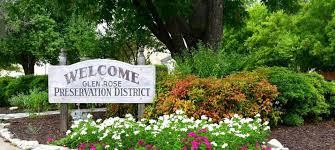
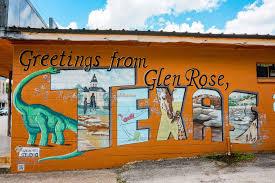
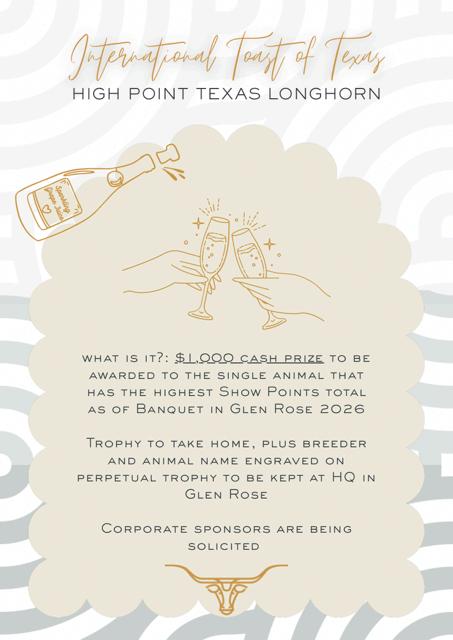
What a great time of year this is: calves are being born, grass is coming out, rains are (hopefullly) on the way, and it’s Spring Show time! As our Affiliates around the country are making (and in some instances already finalizing) plans for their respective Shows, I want to bring a few things to your attention. This year, we’re doing something different: the ITLA is hosting what we’re calling “The International Toast of Texas High Point Longhorn.” What is it? Well, as part of our regular points-counting system (which we ARE accurately tracking this year), we are also going to award a whopping $1000.00 to the owner of the single ITLA-registered animal that has the highest points total come our 2026 Champ Show in Glen Rose In addition to that, some of our regional Affiliates are offering a comparable award at the local level – so check with your Affiliate’s President to see if yours is doing that (and if not, maybe try to help organize it yourself) It’s another way to get folks involved in the greatness that is the ITLA Texas Longhorn show world; and our way of saying “Congratulations” and “Thank you” to those who spend their hard-earned time and money to do so And hey, in addition to the cash award, the winner of the “International Toast of Texas” also gets their name and their winning animal’s name on a perpetual trophy to be kept at Headquarters, as well as a trophy to take home for the mantel Fun, right?

From the Board of Directors, I also want to pass along that plans for our International Championship Show & Convention are well underway; and the schedule will be posted very soon on our social media sites Among lots of other exciting things, we will have at least 2 bands playing this year: one as a free concert during our Futurity – as a simple way of saying “Thank you” to those who attend – and at least one other on Saturday night at the Texas Amphitheater following our Banquet (“following the banquet?!” you say?...trust me – it’ll work! We have it figured out.). Who will the Futurity band be? Well, we’ll save that announcement for another time It’s already booked though, and I want a front row seat!
So folks, your Board and so many others are working HARD to make this a great year for our members there are huge things on the very near horizon, so buckle up: the ITLA is quite strong. As always my friends, may God bless you, your Gang and your cattle. Thank you for your support Contact me anytime










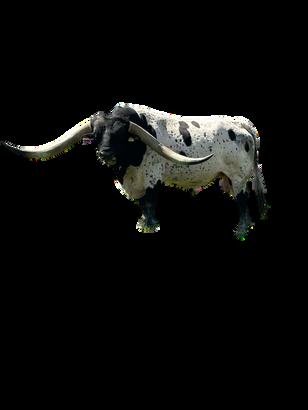
Joe the Value-Adding and Unifying Texas Longhorn Steer
By: Russ Thompson - ITLA Director, Region 7
KK Arkansas Joe has become a regular fixture at Bull & Barrel Brands. One would ask how such a mischievous, yet loving, nonsensical creature came to be the greatest love of a fullgrown, self-proclaimed, city-girl, such as my wife. Well, grab a beverage, have a seat and climb aboard. We have a journey to discover.
It all started with our 9-yeard-old daughter, who wanted to show Longhorn cattle. Another local kid had a plain ol’ run-o-the-mill, yellow steer that he had been showing. It was a donated steer that he had won. Nothing special but he was willing to share in order to let our daughter learn the ropes with him. He offered, we accepted. Little did we know, life was about take some unexpected turns.
Like everyone else who gets into showing Longhorns, the addiction hit and hit hard, but that isn’t where our story is going. You see, this story is of an average show steer that is making an amazing impression on the world. Within 30 days of our moving to Decatur, getting married, accepting Joe, and going through all the changes that life brings, Anita, a city girl who grew up in Chicago and moved to Dallas and was forever happy in a concrete jungle, was diagnosed with cancer. We were shook up a little, but we were determined not to let this setback define our lives. When I was rocked by a heart attack a month later, that determination was put into question, but not undermined.
As part of Anita’s diagnosis, an exercise program was put in place which included daily walks. It wasn’t long before that ol’ steer, Joe, began to meet Anita at the fence and follow along the fenceline for her to return and then make the walk back with her. It wasn’t long before a bond was made and they would walk and talk about whatever was the topic of the day. Somewhere along the way, Joe began to share her snack; his favorite being carrots.
We knew at this point, Joe wasn’t just going to be a “borrowed” steer. He was meant to be ours. It took another two years and lots of work, but we bought the full-grown know head, and Anita’s cancer treatments were finally finished. They celebrated the victory together.
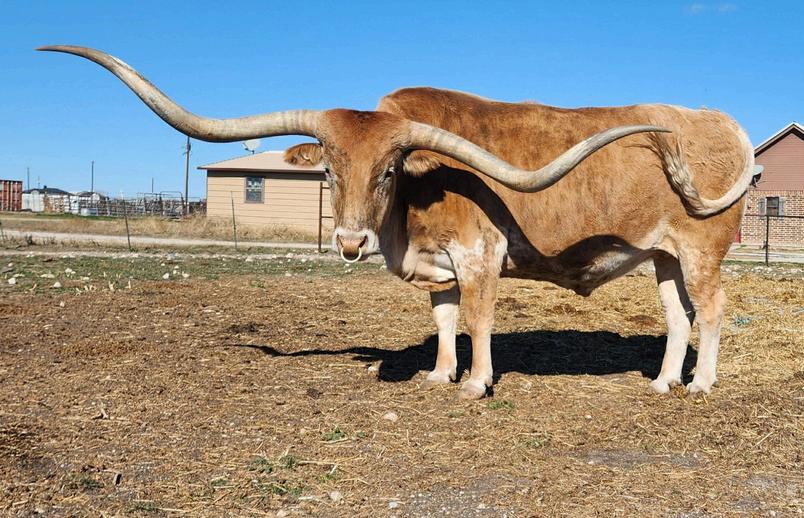
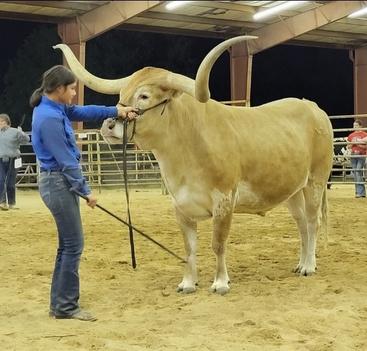
It wasn’t long before our neighbors began to show up to take pictures, as his horns had crossed the 100" mark. People began to take notice of the big ol’ boy and were willing to pay for sittings with him. Anniversaries, Quinceanera, Birthdays, you name it, Joe was willing to pose. He learned vocal commands and the phrase “Look at the camera” meant you were about to get a great shot when he turned and looked directly at whomever was holding the camera.

Anita eventually found work as a Marketing Manager with the Swiss Packaging Company, Tetra Pak. With operations in more than 160 countries on 5 continents, there was a lot to learn. Tetra Pak was looking for new ideas and the one global theme on their mind was “Adding Value”. When you their annual search for a “Pet Ambassador” came around, the usual submissions from employees were sent in. Pictures of dogs, cats, and rodents would be paraded around in front of the employees who would vote for their favorite. The animal with the most votes was to be selected the annual “Pet Ambassador”. This year, though, there was one unusual standout. Anita had sent in a picture of Joe. The local Texas office loved it! He got almost every vote. Suddenly, other areas of the country began to take notice of this unusual pet. Offices across the United States were calling and asking questions about the unusual pet, this Longhorn Steer. The next thing you know, Canada was calling. There were even some calls from South America.
Joe was beginning to gain popularity within the entire company, and the reason? He added value. Other offices wanted to use his image in their advertising campaigns. He brought an interesting discussion into their daily meetings. What we considered to be plain and ordinary had, in fact, become something of value to company looking for a new way of looking at things. Joe added a new, exciting thought process to their “Pet Ambassador” program. He was a fresh look at what a pet could be. Suddenly, there was interest in a program that had always been seen as “Oh, how cute.” Now, employees were taking things a little more seriously. Joe added value to the mundane, ordinary program. Even the CEO was scheduling a visit to meet this Pet Ambassador. There were trading cards made and intercompany photos. Conversations were being had that had ultimately led to “Added Value” team building An entire company found a little bit of unity over a “plain ol’ donation steer”.
As Longhorn ranchers, we often bicker among ourselves over what is “valuable”. We often miss the mark. Longhorns can be a unifying topic. We breeders often over complicate things. This one looks at horn. That one looks at color. Another one looks at size. We discuss, some argue, some even discount breeders altogether. We judge each other. This hasn’t always been the case, but let’s face it: the way our country is changing, we are not allowing each other the freedoms of choice that we once allowed. We Texas Longhorn breeders are falling into the same trap. We have a great breed, a historic breed. We have things that lots of others only dream to have. We are a very fortunate group of folks. We have to get back to enjoying each other and our cattle. There are way too many divisive things in this world. Longhorn Cattle shouldn’t be one of them.
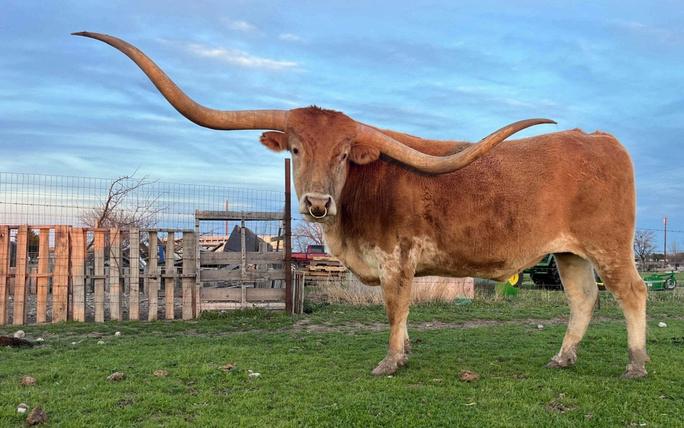

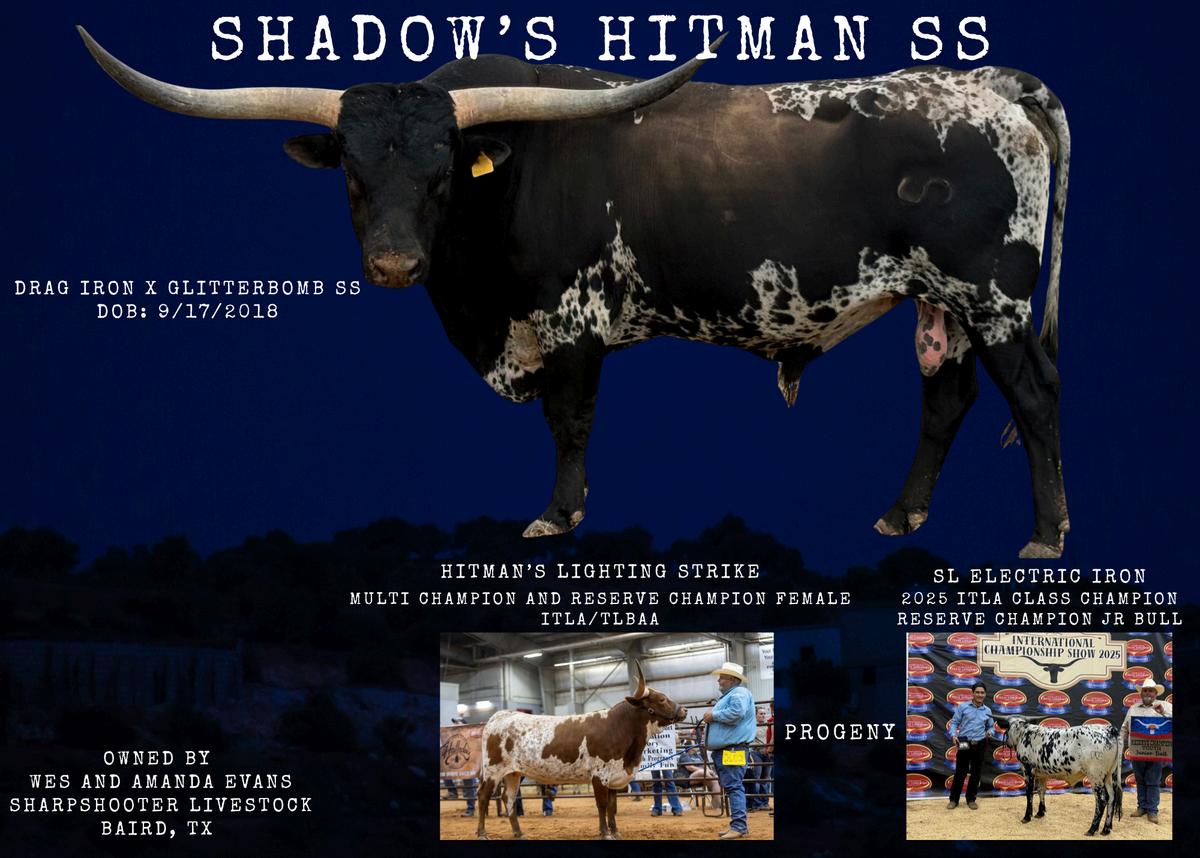
HITMAN’S LIGHTNING STRIKE

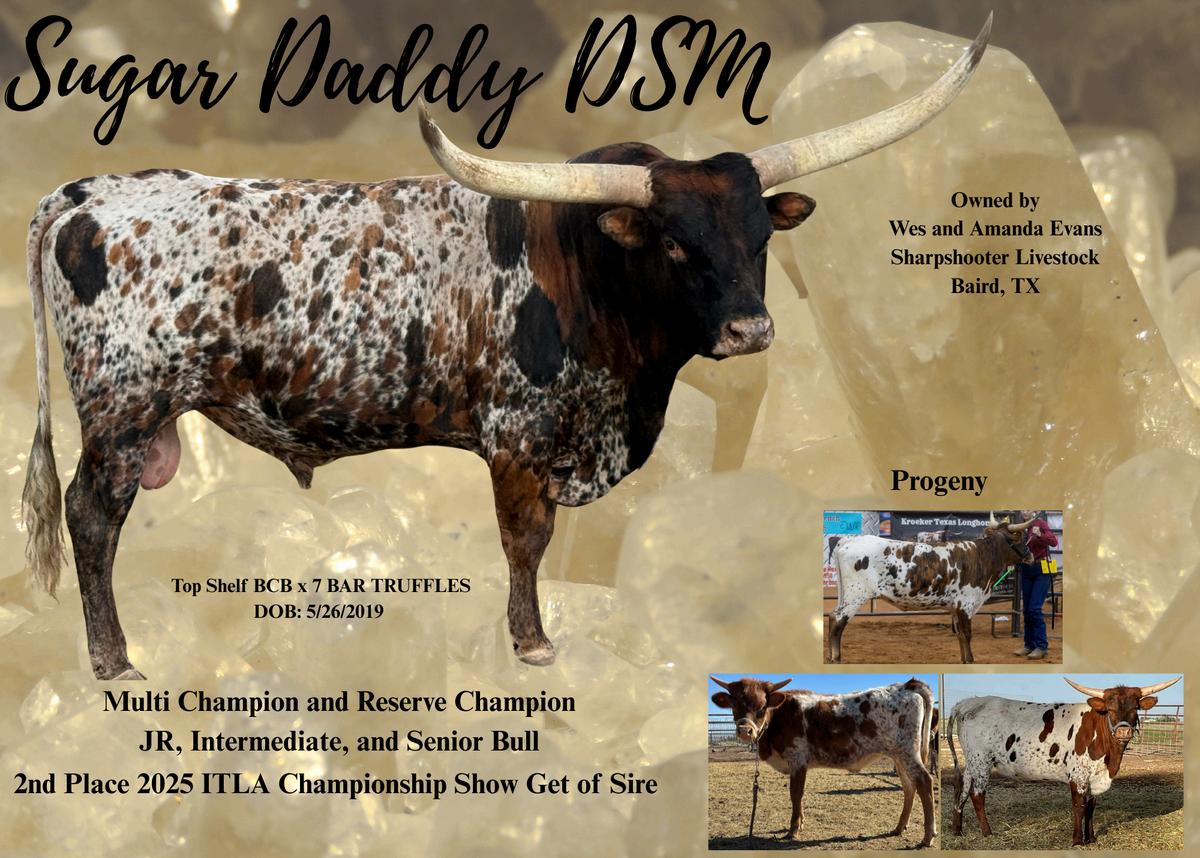
OWNED BY
OWNED BY
WES & AMANDA EVANS
WES & AMANDA EVANS
SHARPSHOOTER LIVESTOCK
SHARPSHOOTER LIVESTOCK
BAIRD, TEXAS
BAIRD, TEXAS
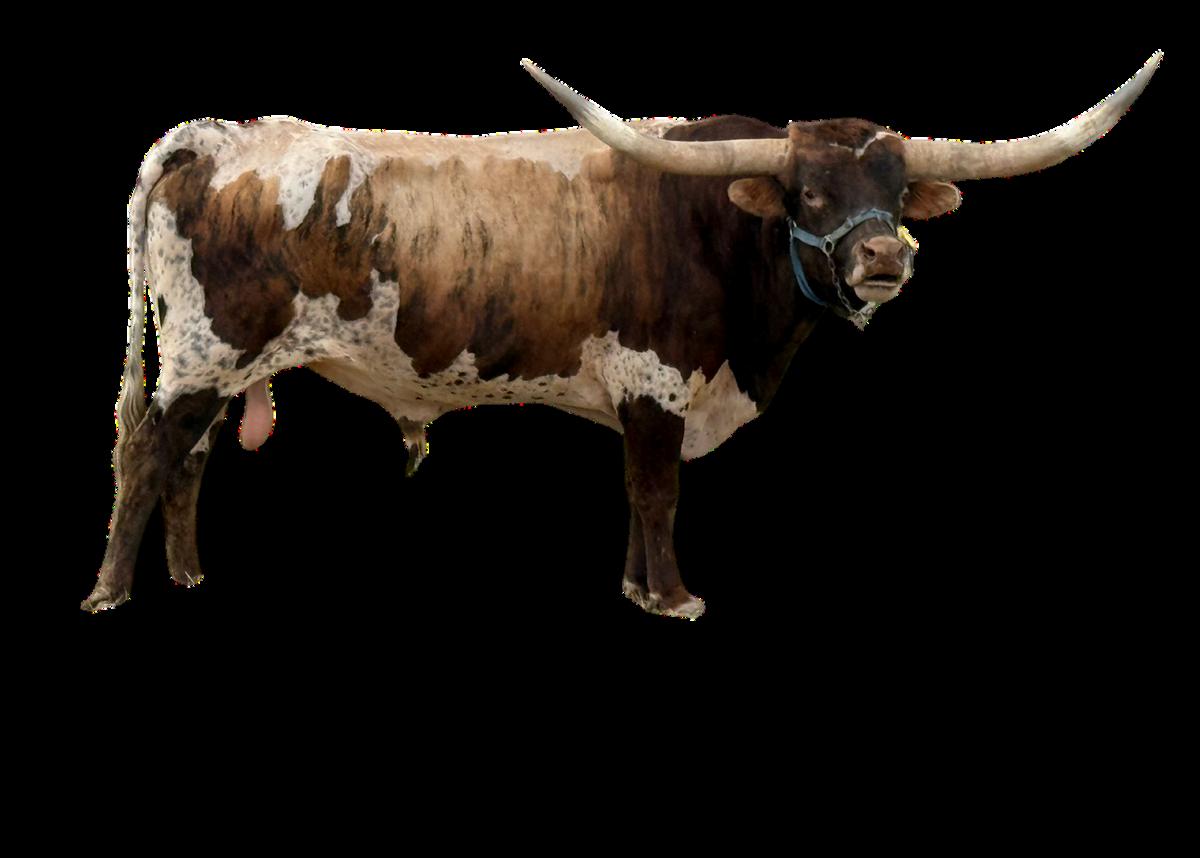


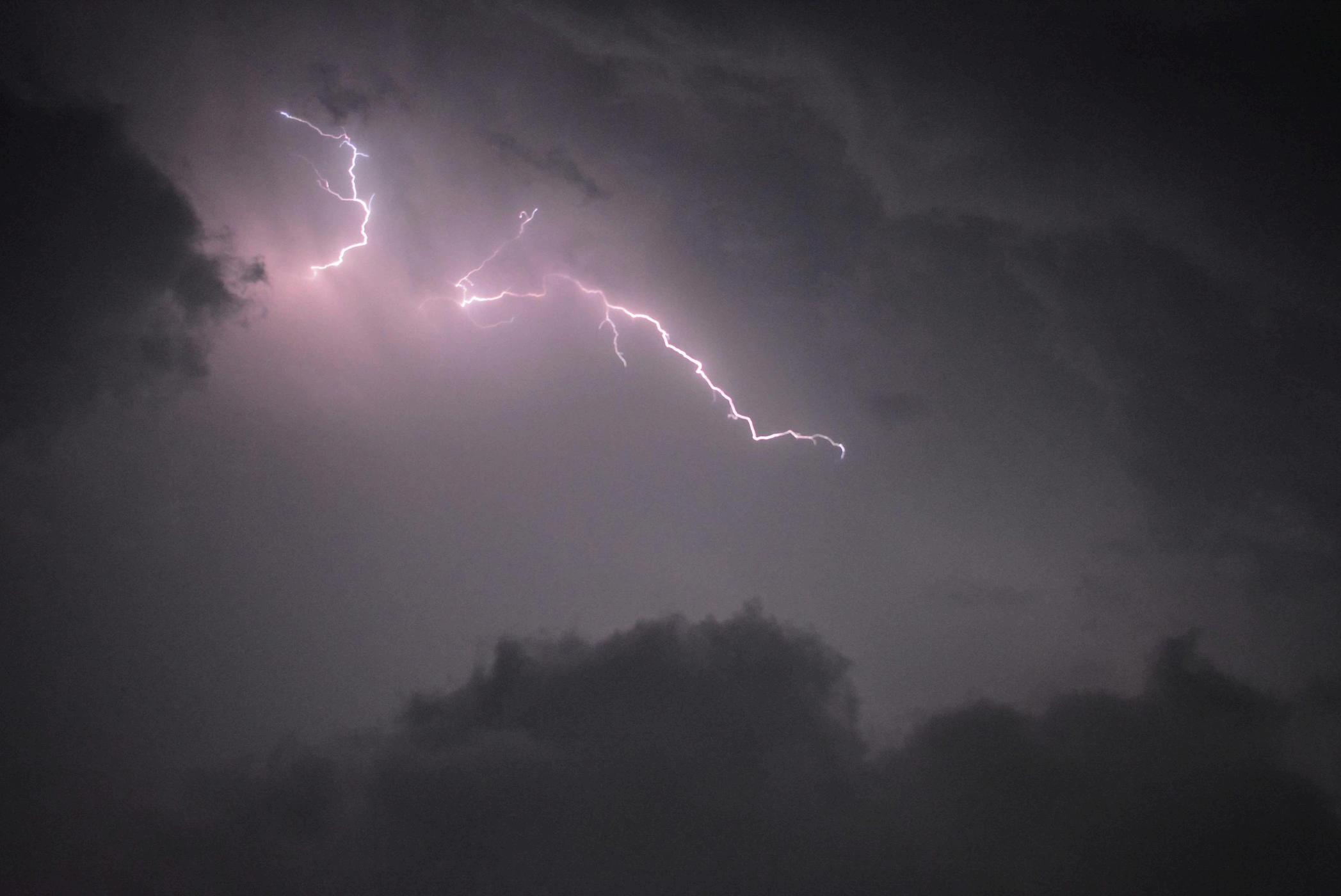

When Spring Breaks on the Prairie When Spring Breaks on the Prairie
By: DW Groethe By: DW Groethe
When spring breaks on the prairie
When calves start comin’ ‘round
When crocus fill the hillsides
From the draws up to the crowns.
When you get that lonesome yearnin’ For a drift of new-mowed hay
Can the first warm breeze of summer Really be that far away?
You’ve gone through forty winters
An’ you plan on forty more
But they never get no shorter
Though some are easier that’s for sure. Still the deep time of the freezin’
Can steel your heart away
To the point of your forgettin’ Songs of meadowlarks in May.
But as the days reach longer

Your spirit starts to grow. The sun beats down the snowbanks The cricks begin to flow. Your thoughts will drift to brandin’ Then maybe mowin’ hay. The first warm breeze of summer Really ain’t so far away.


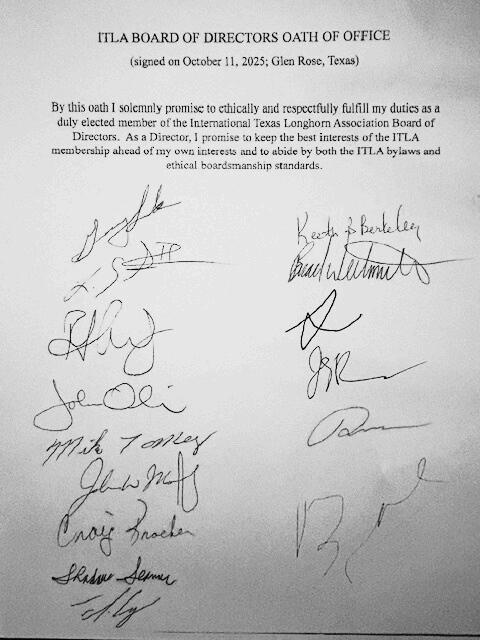
COMMITtEES 2026
Breed Standards Committee: Dr. Keith Berkeley and Mike Tomey (co-Chairs)
Drover Oversight: Brad Westmoreland (chair)
Futurity: John Oliver and Gary Lake (co-Chairs)
IT/Computer: Kirk Dickinson (chair), with members Gary Lake and Micha Hammersky
By-Laws: Shadow Seaman (chair), with members Brett Kot, Brad Westmoreland & tony frazier
Youth: Meagan Minchew (chair)
mini longhorns: j.a. Thomas (chair) with members Shadow and Bonnie Seaman
Beef: Travis Casey (chair)
Marketing and Events: Russ and Anita Thompson (co-Chairs)
2026 Championship Show: Larry Smith (chair)
WITh members Russ Thompson, Travis Casey, Brett Kot, John and Brenda Oliver, and Brad Westmoreland
Affiliates: Doug and Sara Burris (co-Chairs) with member russ Thompson Judges Oversight: Larry Smith
Show Rules: John Oliver and John Moxley (co-Chairs)
with members Shadow Seaman and Larry Smith

interested in participating in any of these committees? please contact the noted Chair and/or Pres. Brad Westmoreland we WOULD WELCOME YOUR HELP!
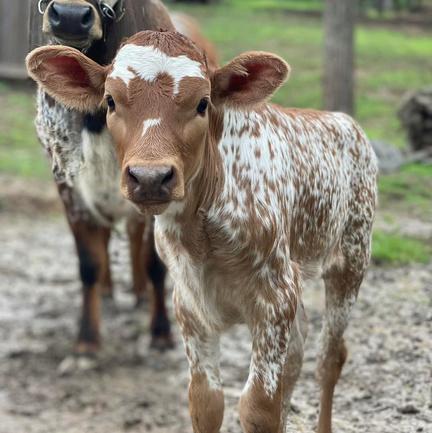

& DISEASE
PREVENTION
Keeping Your Herd Healthy VACCINATIONS
By: Sarah Frank
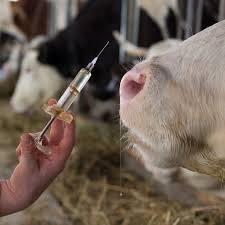
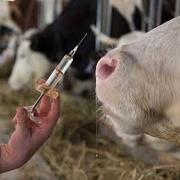
Our cattle are one of our larger investments and, as with any investment, we want to do all that we can to protect it. Vaccinating our herds properly helps ensure the health of the herd and ultimately protects them from an untimely, often preventable, death Having a regular vaccination schedule and sticking to it will help improve the overall health of your current herd as well as the future cattle that you will have You should always work with your veterinarian to come up with a schedule that fits your specific herd needs
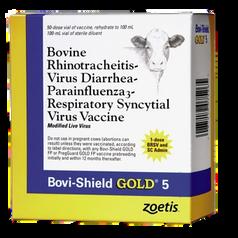
Longhorn cattle require a standard beef cattle vaccination protocol starting with vaccinating calves at three to four months of age A 7-way vaccine to protect against several diseases including blackleg, a respiratory panel and an, optional, pinkeye vaccination is standard for the first round of vaccines for your calves. When weaning, at six to eight months of age, you should administer another round that includes a booster for both the 7-way and the respiratory panel You can also give them a 5-way for leptospirosis at this time. Heifers should receive a vaccine for brucellosis between the ages of 4 and twelve months. Pre-breeding and after a pregnancy check adult cows and bulls should receive a 7-way, a 5-way and a respiratory panel annually Use caution when using live vaccines, or MLV’s, on pregnant cows; killed vaccines are preferred for pregnant animals Pre-calving, generally three to six weeks before, you will want to give a scours vaccine
How important are vaccines? In cows, vaccines are very important as she will have a good antibody titer in her colostrum to protect her new baby in the early days prior to the calf being able to build a defense for itself A vaccination schedule should be implemented and followed for your entire herd. Adult cattle can lose their immunity to disease over time and calves lose the antibodies that they acquire from the dam. While exposure to disease is one way to build up immunity to disease, the safety of vaccines is, and should be, preferred to protect your herd Adult cattle should be vaccinated before you add a new cow or cows to your herd and you should vaccinate the new cattle as well; this not only protects your herd, it also gets the new cattle on the same vaccination schedule as your current herd. If your herd is exposed to disease, they can and will build up immunity over time, but it always preferred and safer to rely on vaccines for protection Not to mention the peace of mind that of knowing your herd is protected in case a neighbor’s sick cow jumps the fence.
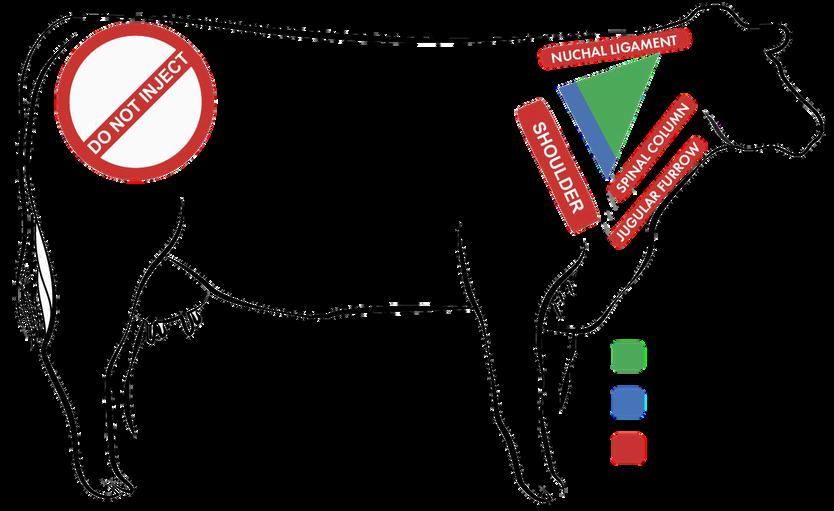
So, what are we covering with the aforementioned vaccines? The 7-way Clostridial, that we administer for the first time at three to four months of age, covers diseases caused by seven specific Clostridial organisms, primarily covering blackleg and Enterotoxemia. A 2mL dose is usually administered subcutaneously, generally in the neck
Alpha-7, Bar-Vac 7, UltraChoice 7 and Bovilis Vision 7 are some common brands that are available and are also labeled as safe for pregnant and lactating cattle. (Again, always check with your veterinarian before you vaccinate )
A standard 7-way vaccine protects against blackleg, malignant edema, black disease, gas gangrene, enterotoxemia types C, D and B. This vaccine must be kept refrigerated between the temperatures of 35 and 45 degrees There are some vaccines, like Alpha-7, that are marketed as single dose and while that is true an annual booster is recommended for continued protection. Admisister vaccininations in the neck to avoid damaging valuable cuts of meat. See chart below for the correct location to administer a Sub-Q vaccine
A BREAKDOWN OF DISEASES COVERED BY 7-WAY VACCINES
Earlier we mentioned the diseases that the 7-way vaccine will protect our cattle from, here we will take a moment to dive deeper into those diseases and what the syptoms and prognosis is for each one
Blackleg was the first disease listed on every label we found. This disease is highly fatal, but non-contagious. Blackleg typically affects young, rapidly growing cattle, (6-12 months of age), and causes sudden death, severe muscle necrosis and “crackling” skin due to gas
Blackleg - Clostridium chauvoei - is a spore-forming bacteria that is found in the soil. Cattle ingest the spores while grazing and the bacteria travels through the bloodstream and lodges in the muscle tissue where it lies dormant until triggered by injury or low-oxygen condtions such as trauma or bruising.
The first symptom of blackleg is that the cow is found dead without any previous signs of illness. Swelling is also a symptom. The large muscle groups of the hips, shoulders, chest and neck will swell painfully and be hot to the touch. “Crackling” skin or Crepitation is caused by gas production and the swollen area will make a crackling or spongy sound when pressed Other symptons include fever, severe lameness, depression and rapid breathing. Postmortem checks will show that the muscle is dark red to black, dry and spongy, and will have a sweetish, rancid odor
Blackleg causes a rapid death, (12-48 hours), so treatment is rarely successful once it is contracted. There is a slight chance the massive doses of penicillin and other antibiotics may treat if the disease if detected extremely early, but the success rate is very low
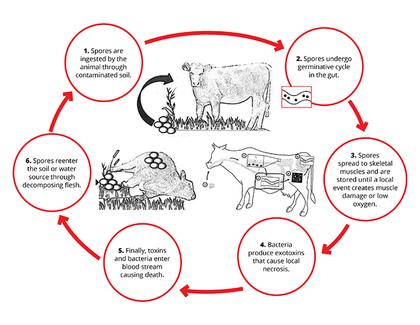
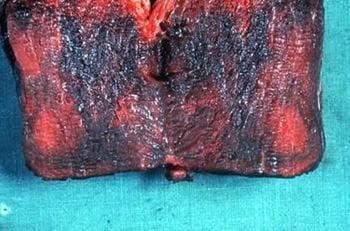
The most efficient control measure against blackleg is the 7-way vaccination Eliminating the spores is nearly impossible. As far as managing the environment to avoid blackleg, you can do very little, but you can avoid grazing after a heavy rain or after flooding as this brings the dormant spores to the surface You should also avoid grazing cattle where the soil has been disturbed, or churned up, as this also brings the spores to the surface and makes them accessible to cattle. If you do lose an animal to blackleg, burn the carcass or bury it immediately where it is and at least three to four feet deep Do not drag it through your pasture to another location to dispose of it as you will contaminate the soil with millions of new spores. Move healthy animals to a new area and fence off the area that you now know is contaminated Keep in mind that even though they look healthy and you move them away from the area you know to be contaminated, they may still be harboring spores that will rear their ugly heads down the road.
Malinant Edema was next on our list of things we can prevent with a simple 7-way vaccine. Mailnant edema is an infection that enters through open wounds that are caused from anything from cuts and castration to injections and difficulty in calving This is a rapidly fatal infection which usually appears within 48 hours of injury. The symptoms include severe toxemia and high fever along with soft, pitting and fluid filled swellings (edema) around the wound Anorexia and lameness are also signs of malinant edema.
Death often occurs within 24-48 hours, but again if found extremely early, high doses of penicillin have been found to treat this disease Even with penicillin and surgical drainage of the wound, prognosis is very poor.
Diagnosis is usually based on clinical signs and finding large amounts of dark, foul-smelling fluid at wound site While often confused with blackleg, malinant edema is specifically associated with an open wound and does not usually produce the intense gas crepitation that is associated with blackleg, though it can occur in extreme cases
In addtion to vaccinating for malinant edema, hygenic practices and a clean environment for animals that are injured or have had a surgical procedure will greatly reduce the risk of contracting this disease
BLACKLEG IN MUSCLE
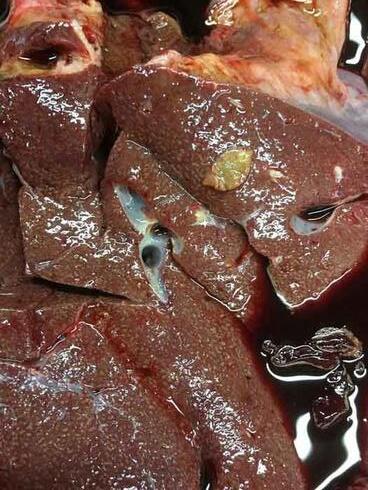
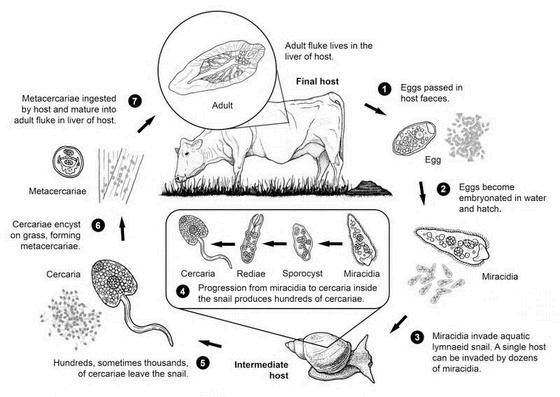
Black Disease is yet another acute, fatal disease which is caused by Clostridium novyi Type B and can be prevented with a 7-way vaccine Black disease thrives in damaged liver tissue and is often caused by liver flukes. The bacteria is ingested from contaminated soil and resides in the liver.
Because it is rapidly fatal, signs are not observed before death If symptoms are observed, they may include severe depression, fever and breathing difficulties. Characteristic damage of black disease is necrosis of the liver, (liver tissue dies), and dark edematous, or blood-stained, tissue under the skin, which gives the disease its name. Vaccination is highly effective. Controlling liver flukes is critical to reducing the risk. It is important to distinguish between “Black Disease” and “Blackleg” Blackleg targets muscle whereas Black disease targets the liver
Gas Gangrene, caused by Clostridium bacteria, (primarily C. chauvoei and C. septicum), is a rapidly fatal, acute toxemia that infects the muscle and subcutaneous tissue. It manifests as severe, crepitant swelling, lameness, fever and death often within 12-48 hours
Gas gangrene is contracted from spores from contaminated soil enter through ingestion or wounds. Muscle trauma, (bruising, injection sites, castration or calving injuries) create anaerobic conditions that trigger spore germination
Gas gangrene usually affects young, well-fed cattle that are between the ages of six months and two years of age Clinical signs include sudden death, extreme lameness, rapid swelling (initially hot and then cold/insensitive), fever, subcutaneous emphysema (gas bubbles felt under the skin). If not caught instantly, there is a very poor prognosis. Even when caught early, high a high dose of penicillin along with surgical debridement of tissue is required Gas gangrene is diagnosed by the black or dark red coloring of the affected muscle.
Entrotoxemia which is also known as “overeating disease” or “pulpy kidney” is a frequently rapidly fatal condition caused by rapid proliferation of clostridium perfringens bacteria in the intestine, which releases potent toxins This typically affects fast-growing calves or cattle on high-grain diets and often causes sudden death It is critical to prevent this via vaccine
Entrotoxemia is caused by Clostridium perfringens types A, B, C and D. Type D is linked to diet changes and high-grain diets and Type C causes bloody enteritis Often the only sign of this is sudden death but symptoms can include depression, abdominal distension, watery or bloody
LIVER FLUKES IN BEEF LIVER
diarrhea, weakness, convulsions and nervous signs such as staring blankly and head pushing This disease is triggered by a sudden increase in formentable carbohydrates (grain), lush pasture or anything that slows the gut movement which allows bacteria to multiply Diagnosis is difficult and often based on sudden death, diet history and the detection of toxins in the gut contents. Treatment is rarely successful once clinical signs appear. Prevention is key, primarily through vaccinating cows to protect calves and managing diet changes to prevent rumen overload Avoid any rapid or sudden changed to diet and avoid over-feeding grain. Maintain a clean environment for calves to reduce their exposure to bacteria.
That brings us to the end of what our 7-way vaccines will do for us; now we move on to the respiratory panels and what they do to protect our herd.
A respiratory panel such as Bovine Respiratory Disease (BRD) PCR Panel is used to identify key viruses (BRSV, BVDV, 1BR/BHV1, P13 and coronavirus) and bacteria using nasopharyngeal swabs or lung tissue.
Bovine respiratory syncytial virus (BRSV) is closely related to the RSV in humans It is common in cattle, mostly calves, and is spread by animal aerosols, direct contact and transmission through objects. An outbreak usually has a high infection rate but the fatality rate is very low. Symptoms will vary but usually present as fever, depression, loss of appetite, coughing, clear to mucousy nasal discharge, rapid breathing and in some cases lethargy.
Bovine viral diarrhea virus (BVDV) is highly contagious, economically significant disease that affects cattle worldwide The symptoms include fever, respiratory distress, diarrhea and infertility. It often reduces immunosuppression making cattle susceptible to other illnesses. These is no direct treatment for this virus, it is managed through vaccination, bio-security and the culling of persistently infected animals. The virus spreads through direct contact with saliva, urine, feces, milk or semen from infected animals and also contaminated materials like needles or equipment Symptoms range from subclinical to severe diarrhea, pneumonia and mouth ulcers This is also a major cause of reproductive failure including infertility and abortion. It is also important to vaccinate against this particular disease as the dam can pass it onto her calf if she is infected or becomes infected while pregnant If she does pass it on the her calf, that calf is infected for life.
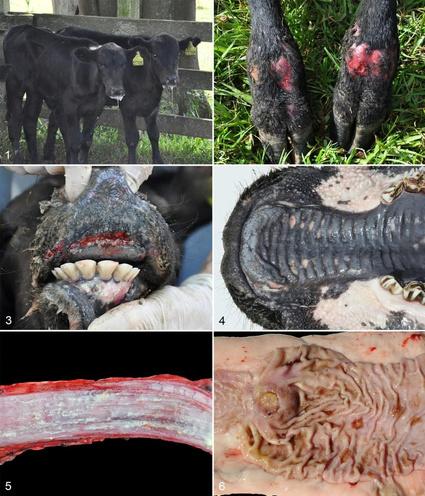

Bovine herpevirus Type 1 (or 1BR/BHV1) is a common and highly contagious virus in cattle This is responsible for infectious Bovine Rhinotracheitis (IBR) This disease leads to significant economic losses due to the respiratory disease, conjunctivitis and abortions particularly in the second half of gestation As it is transmitted via air it spreads rapidly through your herd with an incubation period between two to six days.
Symptoms of this disease are fever, loss of appetite, nasal discharge, conjunctivitis and respiratory distress There is no specific treatment, so control focuses on management and vaccination. Both modified live viruses (MLV) and killed viruses (KV) are used to manage outbreaks. This must be diagnosed by a lab confirmation - typically through PCR tests on nasal or vaginal swabs or antibody detection in blood or milk
Parainfluenza 3 (P13) is critical for preventing respiratory disease and is often combined with IBR, BVD, and BRSV vaccines These vaccines are available as an intranasal (for calves as young as 9 days old) or as an injectable (for older calves) forms to protect against viral pneumonia and are often used during weaning, pre-conditioning or on arrival from feedlots.
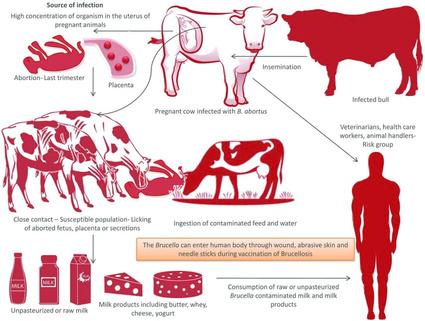
Heifers between the ages of four and twelve months should receive a vaccination for Brucellosis.
Brucellosis is a highly contagious disease that has no treatment option that is economically feasible and contaminated animals are generally euthanized This disease spreads primarily through contact with infected birth fluids, placentas or ingestion of contaminated materials. Control relies on the vaccination of heifers once they are of age and testing, particularly in highrisk areas like the Greater Yellowstone Area (GYA). Testing is mandatory before livestock movement in high-risk areas like the areas surrounding Yellowstone.
Maintaining a closed herd and strict bio-security measures help prevent contracting this disease and spreading it. It has mostly been eliminated in the United States but it still persists in wildlife (bison and elk) in the greater Yellowstone area posing a risk of spillover into cattle herds.
Symptoms include abortion, birth of weak and unhealthy calves, decreased milk supply, poor conception rates in infertility, retained after births with resulting uterine infections and, occasionally, enlarged, arthritic joints
Diagnosis requires screening and confirmatory tests which primarily involve blood or milk samples to detect antibodies or bacteria itself. A definitive diagnosis relies on bacterial isolation (culture) or molecular detection (PCR) but antibody tests (serology) are crucial for mass screening and surveillance. Humans can contract Brucellosis, it is known as undulant fever in humans and is contracted through handling tissues or consuming unpasteurized dairy products. In conclusion, it is more than worth the cost of the vaccines to vaccinate your herd and protect them against any and all of the known diseases that you can While some things are out of our control, taking advantage of the preventive measures that we can is more than worth it in the long run Vaccines are available in several different sizes, so no matter how big or small your herd is, there is a dosage size that is sure to work for you Again, do your research and consult your veterinarian to work out the best schedule for you and your herd.

CALVES (3-4 MONTHS)
7-WAY
RESPIRATORY PANEL

PINK EYE VACCINE (OPTIONAL)
WEANING (6-8 MONTHS) BOOSTER FOR 7-WAY BOOSTER FOR RESPIRATORY PANEL
5-WAY

HEIFERS (4-12 MONTHS) BRUCELLOSIS

ADULT COWS/BULLS (ANNUAL)
PRE-BREEDING/PREGNANCY CHECK
7-WAY 5-WAY LEPTO

REPIRATORY VIRUS
USE WITH CAUTION LIVE VACCINES IN PREGNANT COWS; KILLED VIRUSES ARE PREFERRED IN PREGNANT ANIMALS.
PRE-CALVING (3 6 WEEKS BEFORE)
SCOURS VACCINATION (ROTACORONA, E. COLI)





ALISSA BUTLER AnotefromyourYouthPresident


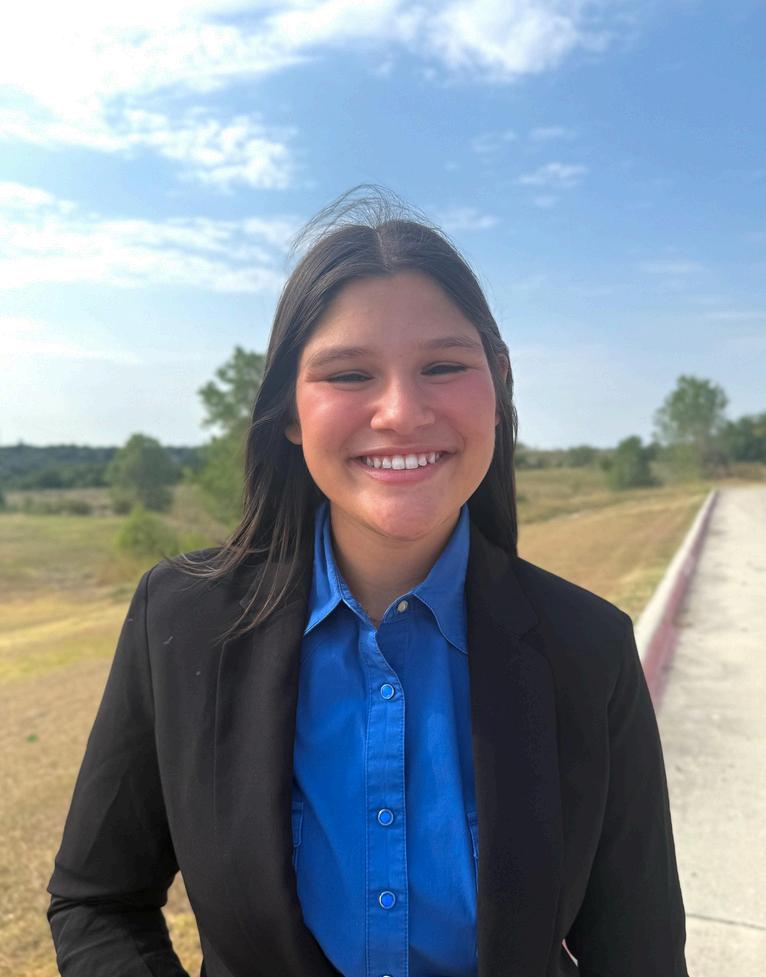
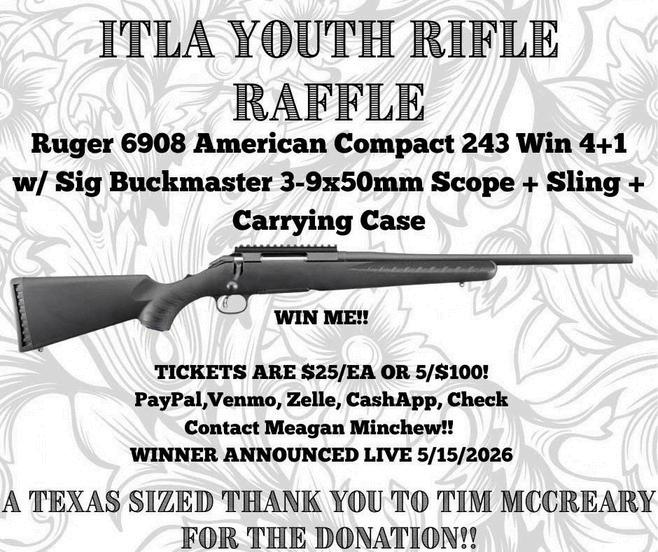
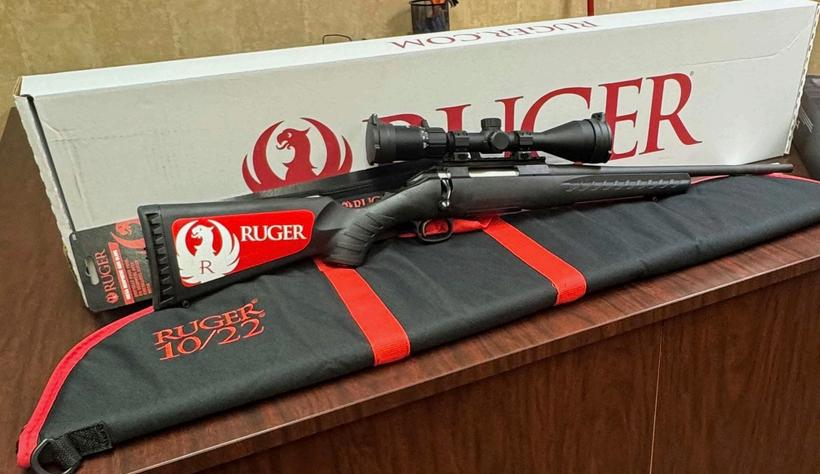
As we head into a new season with the ITLA Youth program, there are several exciting opportunities and important updates that every member needs to know about. First, officer elections are coming up soon, and this is your chance to step up and make a real impact. If you have ever thought about ways to improve our program, bring in new ideas, strengthen communication, or increase involvement, now is the time to act. Serving as a youth officer is about more than holding a title. It is about leading by example, representing ITLA Youth with pride, and working to make the program better for everyone. Strong leaders help shape the direction of our events, activities, and overall experience. If you are willing to put in the effort and want to see positive change, I strongly encourage you to run for an officer position. Your voice and leadership matter. In addition to elections, we are also planning to host a Cow Camp this year, and we are hoping to make it happen sometime this summer. While details such as dats and location are still being finalized, we are working hard behind the scenes to create something meaningful and worthwhile for our members. If you have not filled out your Cow Camp questionnaire yet, please take a few minutes to do so. Your feedback plays a big role in helping us plan an event that fits the interests and the schedules of our members. To help fund Cow Camp , we are currently hosting a rifle raffle. The money raised will go directly toward covering camp expenses so we can provide the best experience possible while keeping it affordable. This raffle is not just another fundraiser, it is what will help make Cow Camp a success. Every ticket purchased supports leadership development, education, and the growth of our youth program. We encourage everyone to buy tickets and help sell them to family, friends and community supporters. The more support we receive, the more opportunities we can create for our members. There is a lot to look forward to in the coming months. Between elections, Cow Camp, and our fundraiser efforts, this is a time for everyone to get involved. Whether you chose to run for office, attend camp, or support the raffle, you are playing a part in building the future of ITLA Youth.



B E E F P R O D U C E R S L I S T RAIDER RANCH
OWNER: JOHNATHAN AELMORE PHONE: (281)239-5812 email: johnathan.aelmore@yahoo.com
DICKINSON CATTLE CO. LLC
PHONE: (740)758-5050 email: information@texaslonghorn.com
CASEY RANCH LONGHORNS
OWNER: TRAVIS CASEY PHONE: (719)650-5234 email: tcasey357@yahoo.com
DERBY CITY LONGHORNS
OWNER: RICK BUCHANAN PHONE: (502)321-1619 email: buchananrljr@aol.com
LAZY T-BONE CATTLE
OWNER: J.A. THOMAS PHONE: (209)761-7740 email: Jat1997@gmail.com
PLEASANT VALLEY PASTURES
OWNER: GREGG FENICLE & KELSEY STAAB PHONE: (717)682-4501 email: pleasantvalleypastures23@gmail.com
24/7 RANCH
OWNER: TYLER & LESLIE LAWS PHONE: (423)823-0369 email: tylaws2009@gmail.com
MAYOR FAMILY LONGHORNS
PHONE: (605)786-5808
N E E D A D D E D TO T H E
C O N TAC T T H E I T L A O F F I C E TO DAY!
$ 5 0 . 0 0 P E R C A L E N D A R Y E A R ( M U S T B E A N I T L A M E M B E R )
Your information will be published in any print versions of The Drover magazine, every online Drover and at least one e-blast per year!
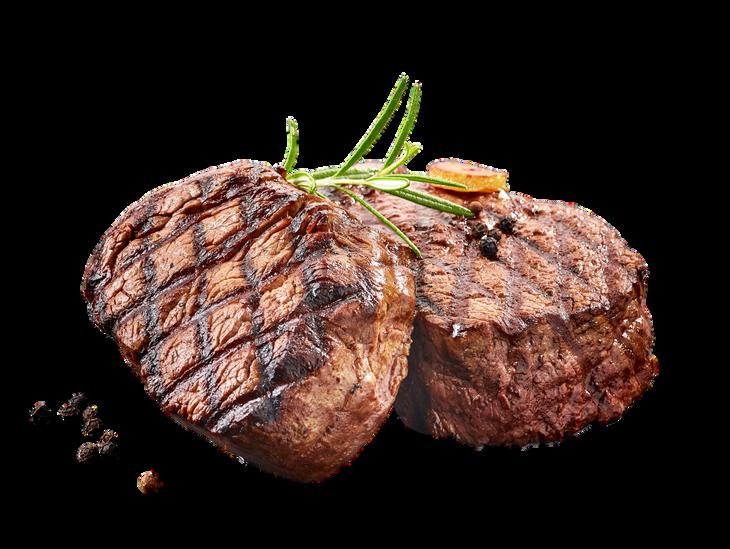
Your home raised beef must be produced having at least one parent being a texas longhorn (you may specify whether your beef is 50% or 100% Longhorn). for more information, contact the itla office today!



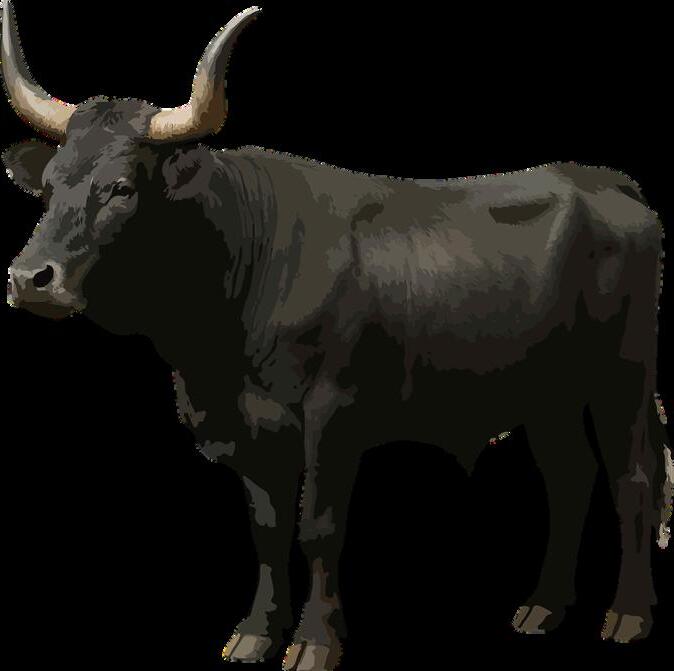
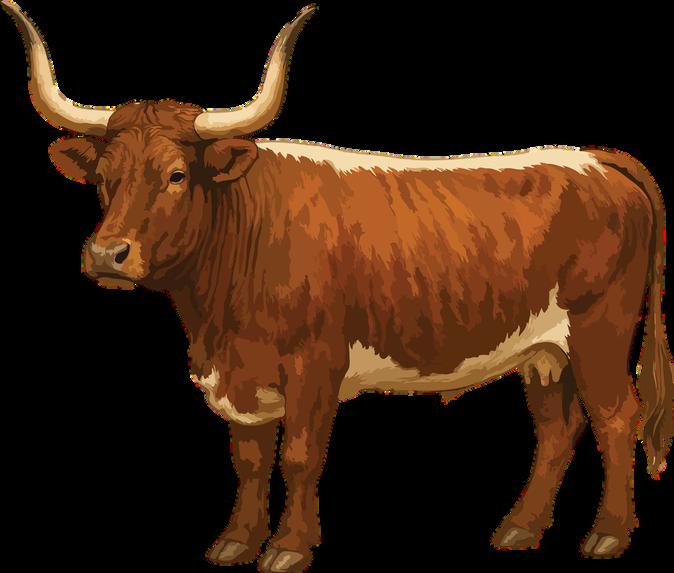
RANCHER BRAD NEEDS OUR HELP AGAIN! AS A SPECIAL TREAT HE BOUGHT A BUCKET OF SPARKLING SHAMROCKS FOR A FEW OF HIS FAVORITE CATTLE. THE LEPRECHAUN HE BOUGHT THEM FROM WAS QUITE TRICKY & SCATTERED THE MAGIC SHAMROCKS ALL OVER THE PLACE! CAN YOU HELP FIND THEM ALL SO THAT THESE LOVELY LASSIES CAN ENJOY A SPECIAL TREAT?


St.Patrick’sDay Count CORNER LITTLE COWPOKES LITTLE COWPOKES








BButler Butler utler
As the weather begins to shift and the days start getting a little longer, it’s a clear sign that show season is right around the corner. Now is the perfect time to start preparing, getting organized, and making sure both you and your cattle are ready to step back into the ring with confidence.
One of the first steps in preparing for show season is deciding which animals you plan to exhibit. Take time to evaluate your herd carefully. Consider structure, condition, growth and overall presence. Think about how each one has developed over winter and which animals are truly ready to represent your program in the show ring. Planning ahead allows you to focus your time and effort where it matters most. Once you’ve selected your show prospects, it’s important to go through your equipment. Pull out your show box and make sure everything is in its place. Check that you have all the essentials; brushes, sprays, feed pans, and grooming supplies. Replace anything that is worn out or missing. Being organized now will save you stress on early show mornings when time is limited and nerves are high.
Don’t forget to inspect your halters. Look for any weak spots, cracks, or worn stitching that could cause problems later. Conditioning your leather halters is an important step that often gets overlooked. Oiling and cleaning them not only keeps them looking sharp and professional but also extends their life. A well kept halter reflects pride and attention to detail, both of which matter in the show industry. Preparation doesn’t stop with equipment. begin working your cattle consistently. Getting them back into a routine of tying, leading, setting up, and standing still will make a big difference once you’re in the ring. Just like showmen, cattle benefit from practice and consistency. The more comfortable they are at home, the more confident they’ll be a in a new environment. Show season success doesn’t happen overnight. It’s built during these early weeks of preparation, when non one is watching and the work feels routine.
Taking time now to evaluate your animals, organize your supplies , and fine tune your daily practice sets the tone for a smooth and successful season ahead. When the first show arrives, you’ll be ready and not rushed because you chose to prepare early.
Sincerely
Alissa Butler

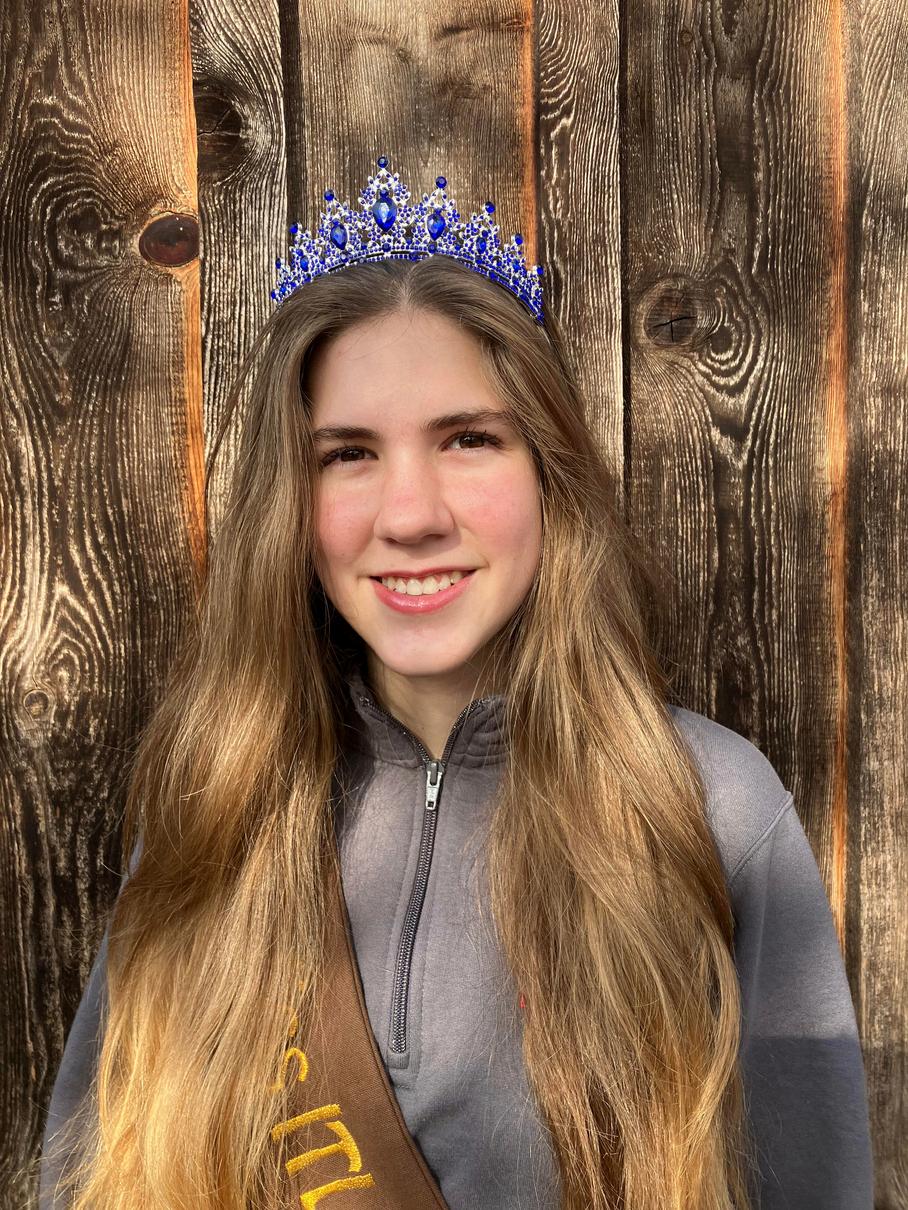
Hello again ITLA!
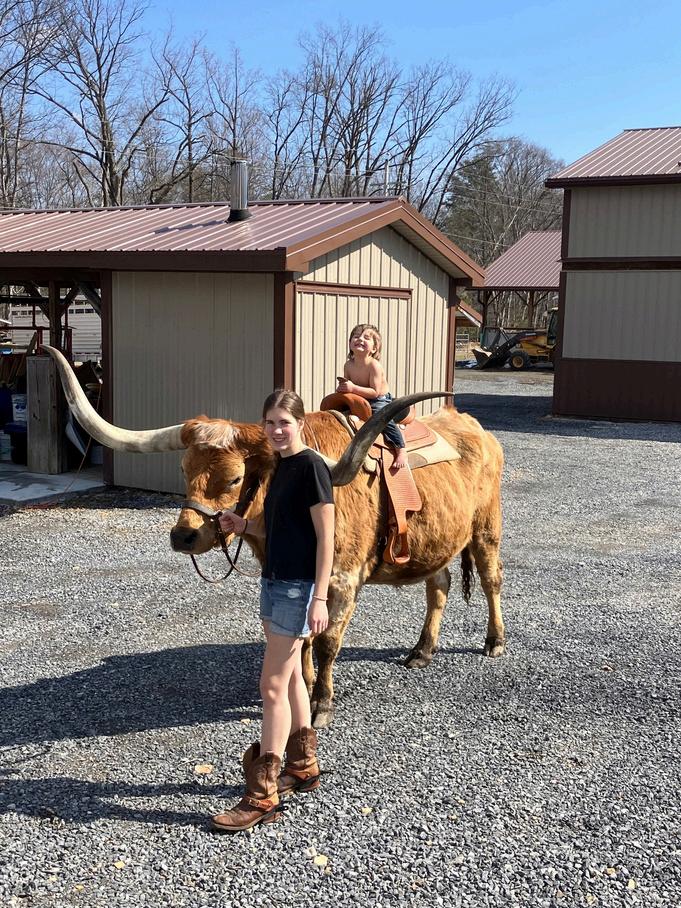
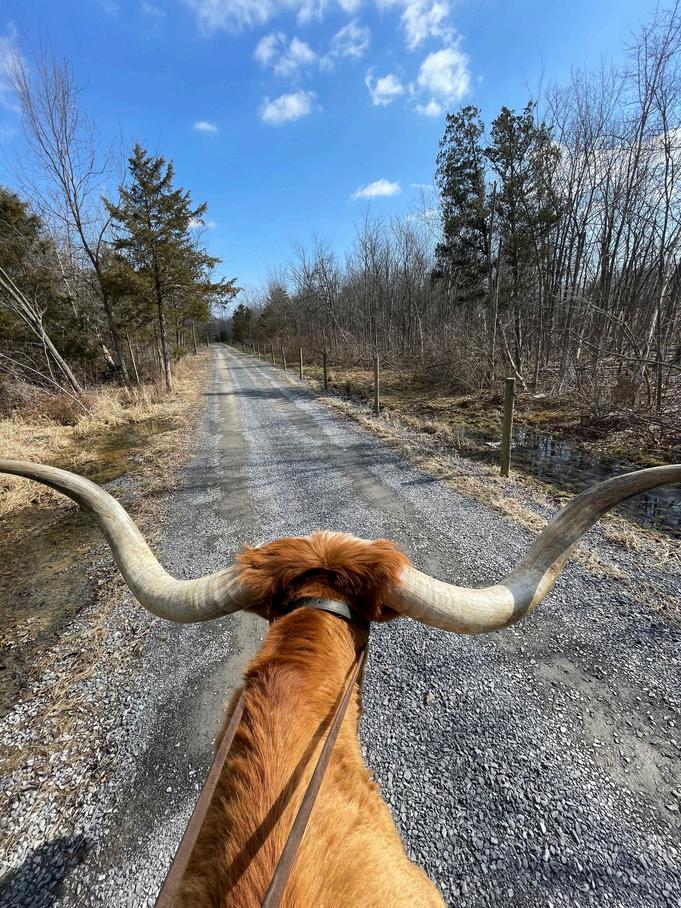
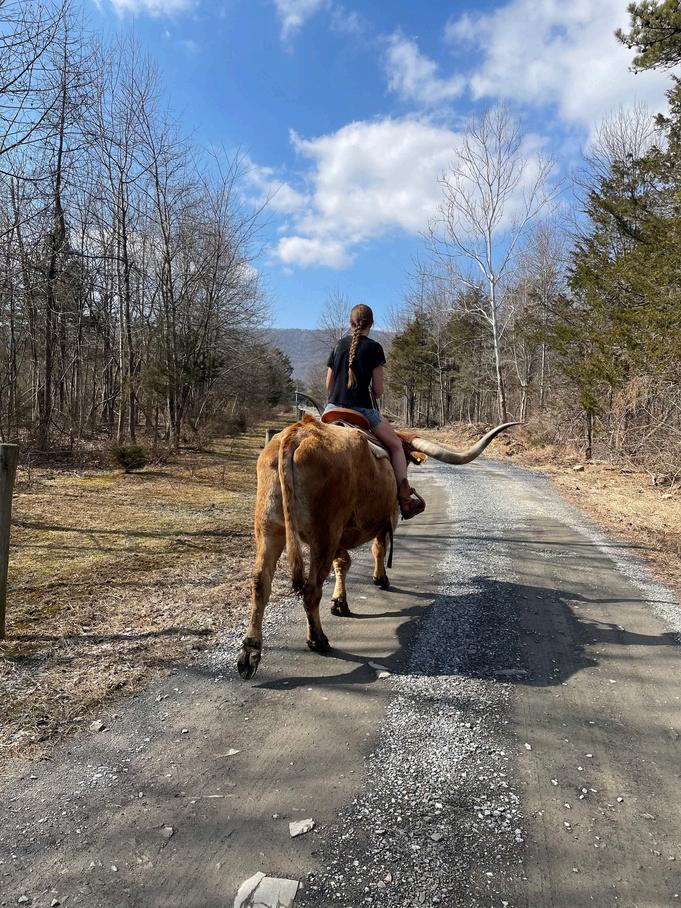
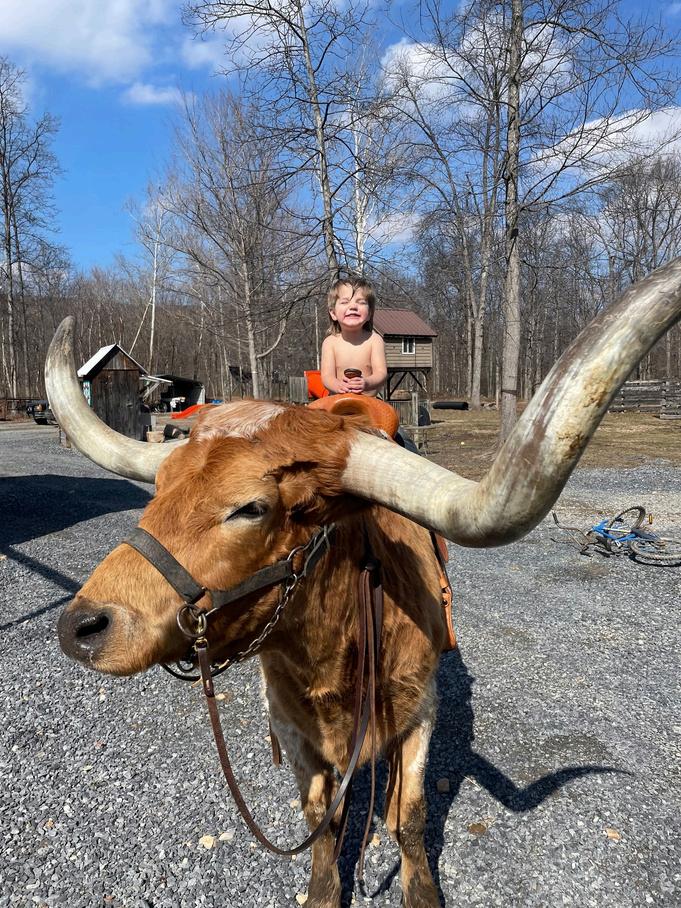
It’s been cold and rainy here in Pennsylvania, with a few warm and sunny days in between. I’ve taken advantage of those warm days to get my steer out and take some rides with my little brother. The rest of the cows are waiting for their chance to go out on pasture. Show season is several months away for us but as the weather warms this is the time to start working with the next season ’ s prospects and making sure the rest of the herd is staying healthy and well fed. Whatever the weather is like at your ranch, I nny days and making the most of the rainy days.


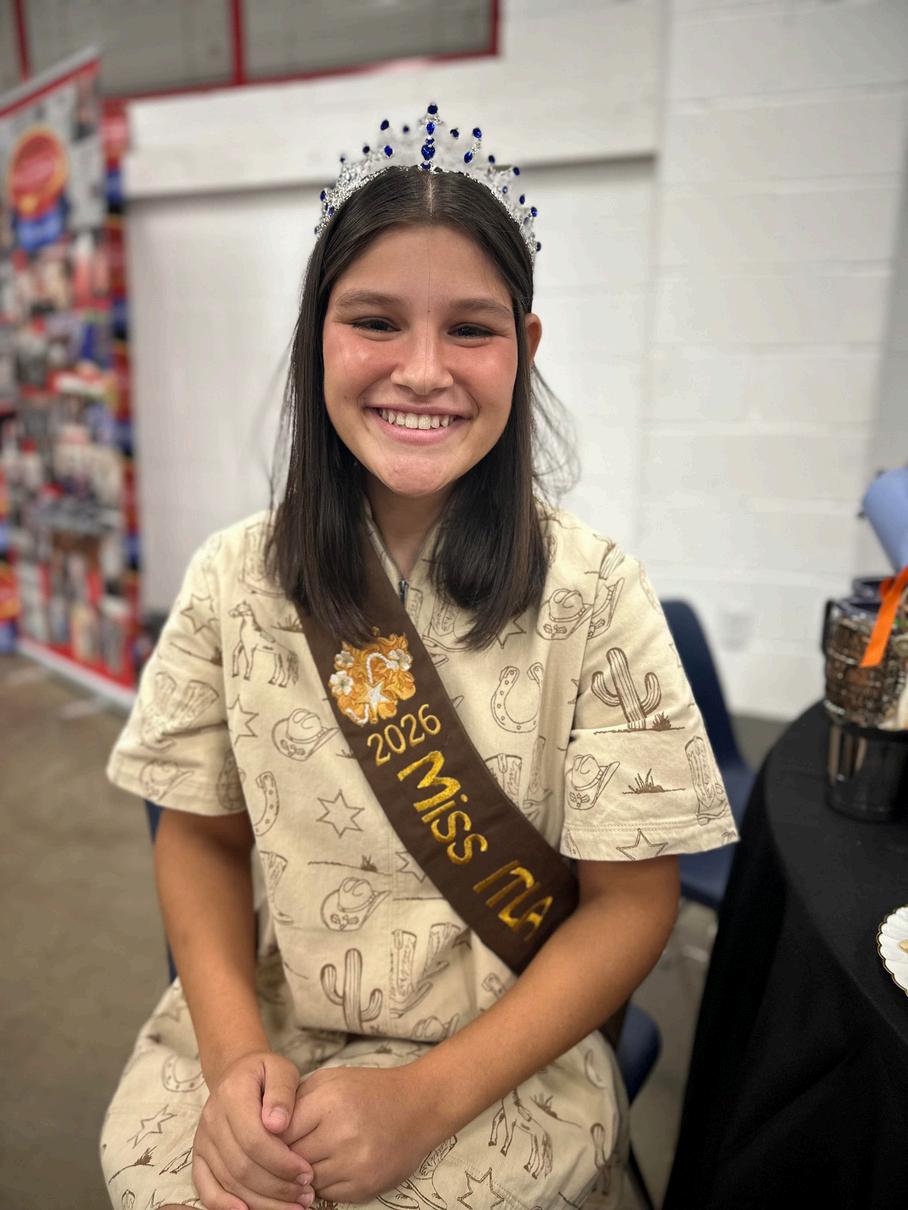
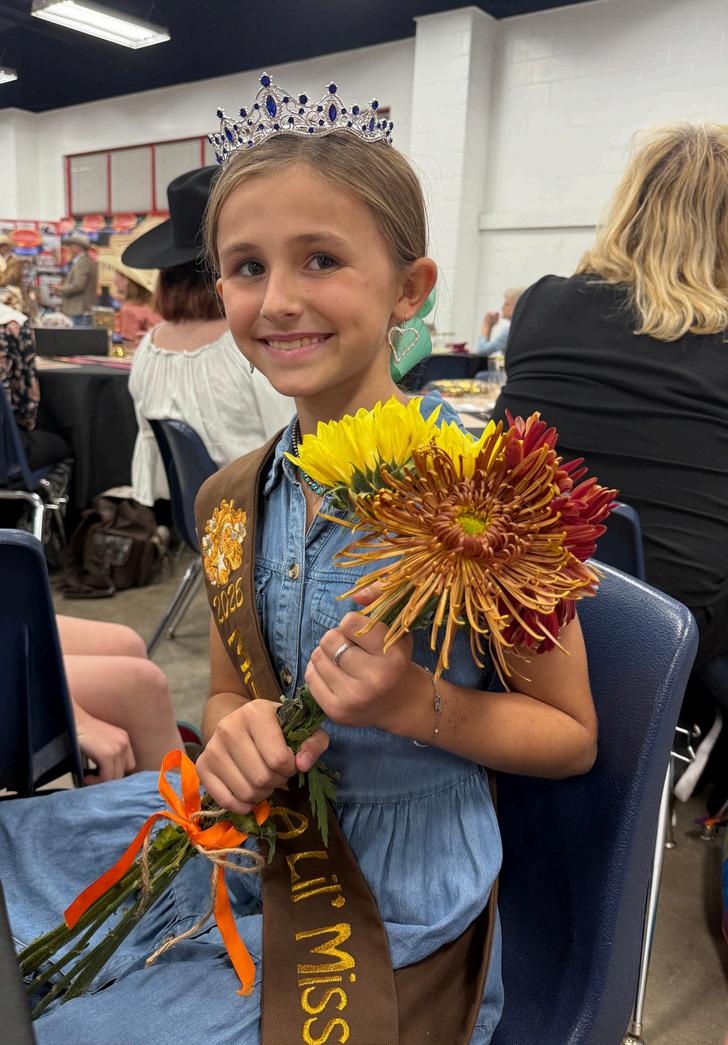
AllisonMiner AllisonMiner AllisonMiner 2026itlaprincess



MacenRogers MacenRogers MacenRogers
2026itlalittlemiss

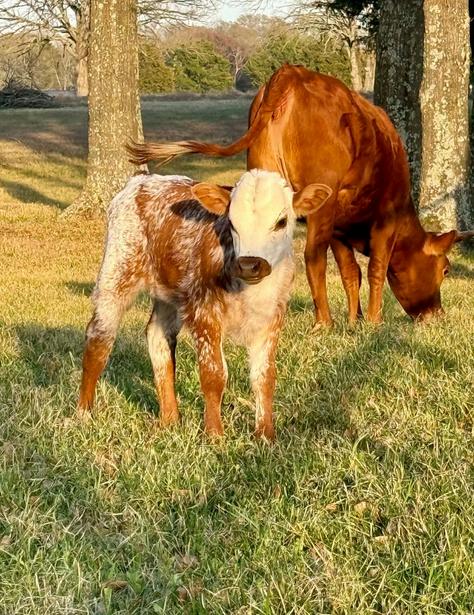
We have been thinking about names for our new little bull calf. My family and I really like “Heartthrob” I think he’s cute running and playing around in the pasture.
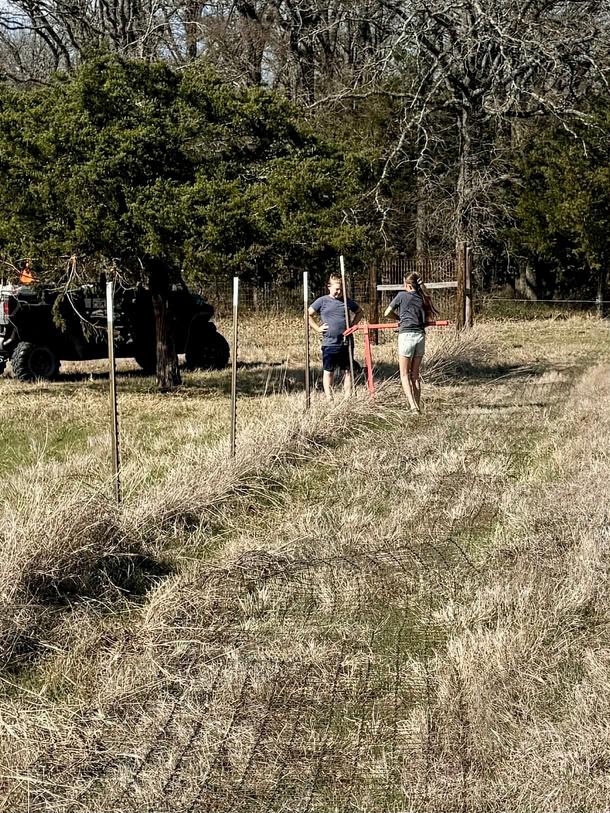
Also, we have been fixing fence and expanding our pasture so that it goes around our house I love seeing the animals no matter where I am.
School has been going well. If you don’t know, I am homeschooled and its really great because you can take off when you need to. There are also some downsides though, like you can’t see your friends everyday but that’s ok because we still get to at ngs like that
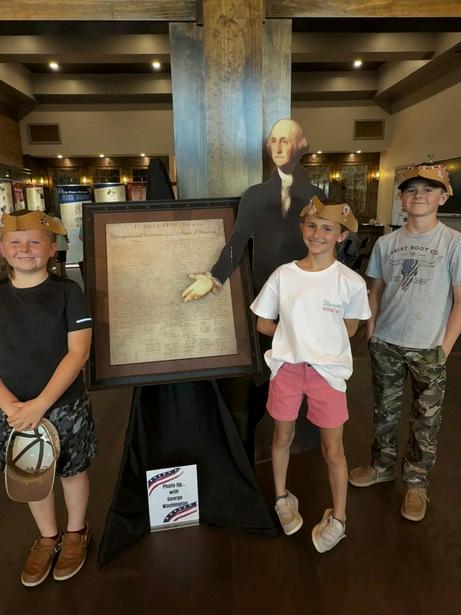



I T L A
LIST OF AFFILIATES
BEST OF TRAILS TLA
Email: johndvorak25@gmail.com
President: John Dvorak Cell: 620-382-7103
CANADIAN TLA
President: Brett Kot
CHISHOLM TRAIL TLA
Email: office@ctlalonghorns.com
Cell: 306-861-1526
Email: danielle@whistlingtxlonghorns.com
President/Vice President/ Cell: 254-630-0053
Secretary/Treasurer
Danielle Mershon
GREAT LAKES TEXAS TLA
President: Johnny Hicks
INDIAN TERRITORY TLA
President: Josh Dinwiddie
GREAT LAKES TLA
President: Josh Shaw
MIDWEST TLA
President: Bradley Findler
Vice President: Jessica Buckler
MOUNTAIN STATES TLA
President: Carter Hunt
NORTHEAST TLA
President: John Moxley
NORTHWEST PREMIER LONGHORN
Email: hicksamericanbulldogs@yahoo com
Cell: 269-721-3473
Email: plaindirtfarms@gmail.com
Cell: 580-812-2436
Email: gltexaslonghorns@gmail.com
Cell: 616-212-8226
Email: mtlapresident00@gmail com
Cell: 765-720-0913
Email: antje052406@gmail com
Cell: 812-327-4025
Email: carterjhunt21@gmail.com
Cell: 720-245-1210
Email: crosswrenchranch@msn.com
Cell: 240-446-9950
Email: elkeanch2@gmail.com ASSOCIATION
President: William David Miller
OHIO RIVER VALLEY TLA
Cell: 208-539-9562
Email: dougburris45@gmail.com
President: Doug Burris Cell: 740-680-5973
OZARK TEXAS LONGHORN
Email: le.longhornllc@gmail.com ASSOCIATION, LLC
TLA OF ONTARIO
President: Amy Mast
President: Clarence Deekens
TOP OF THE WEST TLA
President: Amber Sluder
ALBERTA TLA
President: Cody Bailey
BRAZILIAN TLA
Cell: 262-720-1510
Email: cdeekens@tcc.on.ca
Cell: 519-524-0042
Email: McMurdoCVT@aol com
Cell: 208-720-5732
Email: codybailey1122@outlook.com
Cell: 780-352-6144
Email: paulo@zdalimento.com.br
President: Mr. Paulo S Z Dedemo paulo@grupozda.com.br
Pres Herd Book: Humberto Nombre, DVM MS (English)
Email: humbanobre@hotmail.com
LONGHORN POSSE
Cell & WhatApp +55(62)98118-2332
Email: russ thompson@gmail com
President: Russ Thompson Cell: 940-245-1411