
Even as optimism grows within the meetings industry, event professionals face mounting pressure to justify every dollar spent. Economic uncertainty has created a climate of fiscal caution — all while costs continue to rise.
At the same time, attendees are becoming harder to impress. According to recent research from Meeting Professionals International (MPI), planners and event marketers are increasingly faced with the choice between breaking their budgets or fielding complaints of “been there, done that.”


is a growing disconnect between how events are executed and how success is measured.
For Q1 of 2026, 53% of MPI’s survey respondents reported favorable budget projections. While encouraging, these increases may not be enough to match inflation and rising expectations, particularly given that 23% of respondents projected negative budgets. In fact, the report’s biggest takeaway was that “budgets are not projected to keep pace along with greater stakeholder demands.”
This is taking place within a wider company culture of fiscal scrutiny, where new spending may be allocated but is often hard-won. According to the AMEX Global Business Travel 2026 Global Meetings & Events Forecast, 76% of meeting professionals now use meeting approval processes, compared with 47% the previous year. Often, large conferences now involve marketing managers and directors, procurement, sales leadership, and even CEOs as key decision-makers and evaluators.
To secure budget approvals, event professionals are being asked not only to report results, but also to demonstrate how event data connects to sustained outcomes over time. Something that ad hoc measurement and one-off reporting often struggle to deliver.
Against this backdrop, a central tension is emerging in the meetings industry: Events are still planned, budgeted, and evaluated as discrete moments, even as organizations increasingly expect them to deliver long-term business impact. The result
ITA Group’s work with leading global brands has focused on closing that gap by extending the role of events beyond the on-site experience. Its Events 365 framework is built on the idea that event ROI improves when content, engagement, and continuous learning are designed to continue before and after the event, rather than peaking and ending on site. The model connects year-round audience engagement, personalized experience design, post-event learning and development, and data tracking into a single operating approach.
This report outlines the following strategies:
■ How to apply neuroscience-backed techniques to maximize retention and adoption
■ How to design personalized event experiences based on the most up-to-date methods for segmenting audiences
■ How to turn immersive experiences and interactive educational sessions into ongoing learning and engagement tools
■ How to extend the transformative power of events to enable long-term change, adaptation, and relationship-building
■ How to measure and analyze both event-specific metrics and longer-term progress while aligning with broader HR, sales, and/or organizational initiatives
I’ve spent my career in rooms where the energy is electric with ideas flying, people connecting and momentum building. And two days later, I can’t remember half of what was discussed. It’s a familiar feeling for anyone who plans or attends events.
It’s the challenge event marketers continue to face. You’re expected to create experiences that inspire people, support the business and prove ROI. But the traditional event model makes it harder to show lasting value or justify future spend.
ITA Group’s Events 365 transforms one event into a yearround engagement plan. With strategy, behavioral science and experience design, attendees stay connected long after the final session. Events 365 helps you break the “big event, big drop-off” cycle.
It’s a simple idea: keep people engaged all year and results follow.
▪ Ongoing touchpoints keep key messages top of mind, extending the life of the event.
▪ Timely, relevant content deepens interest and connection.
▪ Every interaction ties back to clear, measurable outcomes.
What I appreciate most is that Events 365 maximizes your investment. Your role has always been about bringing people together in ways that matter. ITA Group has a solution that guarantees the impact lasts far beyond the event.

SARAH HAINES PRESIDENT, EVENT SOLUTIONS, ITA GROUP
Sarah Haines brings more than 25 years of experience in the incentive and events industry and has been an employee-owner at ITA Group since 2007. Starting in operations and advancing through multiple leadership roles, Sarah now serves on the executive committee, driving the strategic growth of ITA Group’s event solutions.
As President of Event Solutions, Sarah leads a team of passionate event professionals dedicated to helping clients design and deliver unforgettable experiences that create measurable impact for their organizations. Her approach blends creativity with strategy and the science of motivation, ensuring every event is not only memorable but also aligned with business objectives and ROI.
Sarah champions a culture of integrity, collaboration, and excellence, values that define ITA Group as one of the top experiential agencies in the industry. Outside of work, you’ll find her cheering on her sons at sporting events, exploring new destinations, running or cycling, and discovering the latest binge-worthy series.




MORE BREAKS, MORE VALUE
Resist the urge to over-program, and give attendees more breathing room to connect with their peers and reflect on what they’ve learned.
How Events 365 enables neuroscience-backed techniques
The most obvious advantage to a 365-day approach is that it enables ongoing attendee engagement beyond the live event. What’s often overlooked, however, is just how transformational it can be for the event itself.
“It leaves more room for event marketers to not feel so compelled to fill every minute of every hour of every day of the event,” explained Ashley Bohnenkamp, senior manager, event solutions, ITA Group. “If you extend the content and interaction post-event, you create breathing room within the agenda, enabling better retention and adoption.”
This allows event marketers to apply best practices in behavioral science and experience design at the on-site event, which con-
nects seamlessly into year-round messaging campaigns and interactive learning modules, maintaining or even building on the event’s momentum.
Speaking at the 2025 CEMA (Corporate Event Marketing Association) Summit, Bohnenkamp explained that downtime — especially sleep — helps to enhance memory retention and long-term strengthening of new brain pathways. If the event’s goal is to transform attendees, moments of rest are essential.
“The traditional way that we’ve structured events is similar to the postmodern mindset after World War II, where it’s a ‘punch a clock in’ approach to time,” explained Bohnenkamp.
“Now we know that people need to have a five-minute break every hour just to let their brain wander,” she added. “Without rest, the hippocampus struggles to encode new memories, making the most inspiring content forgettable.”
To help the brain form new neural connections, Bohnenkamp recommends designing events to allow for rest, daydreaming, and reflection. Her solutions include:
■ Permission to opt out
■ Access to content post-event to reduce FOMO and reactivate the brain during memory consolidation
■ Staggered or duplicated sessions
■ Quiet zones and built-in pauses to process information or ask questions
■ Wellness breaks
■ Activities that reinforce or expand learnings (e.g., roundtables, journaling exercises, Q&As, thought experiments, etc.)
These moments of respite from information overload can often incorporate social elements as well. “We’ve created interactive activations where folks share what resonated with them or reflect on a meeting theme or the key event objective in real-time,” added Shari Saunders, creative strategy advisor, ITA Group.
full.
PAINTER, VISUAL ARTIST, AND PHOTOGRAPHER


Event communities may have become the gold standard in recent years, but they present event marketers with a bit of a catch-22: You can’t sustain engagement without a 365-day strategy, but you can’t sustain a 365-day strategy without engagement. While continuity is vital, it is not enough on its own. The initial experience design and the messaging need to be personalized to grab attendees’ attention and keep it.
From algorithms on social media to customized loyalty programs at grocery stores, personalization has become an expected feature of the digital age, and events are no exception. “Per-

CURATED FOR EVERY MEMBER OF THE CROWD As attendees enjoy the benefits of personalized and predictive marketing in their daily lives, they expect the same experience at events.
sonalization is an absolute must, even for large-scale events that are multi-industry or multi-role,” said Saunders. “Today, we expect events to adapt to us and be relevant to our perspective.”
When done well, this customization gives attendees the impression of being “talked to one-on-one,” even when there are thousands at the event. Moreover, a 365-day strategy allows for ongoing sentiment tracking and data capture, enabling refined personalization over time.
Effective personalization starts with thorough and strategic audience segmentation.
1. Organizational data and stakeholder input
“The starting point is data from the organization. This person is a certain age and gender, they’ve been working with the company for a certain time and in certain departments,” said Niels Janssen, general manager, Netherlands, ITA Group. The real game-changer here is to go beyond this basic information and uncover its impact on preferences and engagement styles.
“Our teams look holistically at all the different personas, and we have workshops to map each attendee’s journey,” explained Anna Boggs, event analytics, ITA Group. “Using data, we chart the differences, where one group will veer down one engagement path because of an answer to a question or a demographic field in their registration.”
To prepare for a company-wide event hosted by a global tech company, ITA Group consulted with senior executives to identify two main attendee profiles: engineers and sales staff.
“After digging into research and having conversations with the client, we learned that the developer audience really valued smaller working groups, intimate conversations, and opportunities to network, while the sales people were a very high-energy demographic,” explained Saunders.
For the engineers, the event introduced more breaks and opportunities for collaboration and networking within smaller groups. For the salespeople, they added dynamic speakers and a higher production value in the meeting rooms. Additionally, each group received tailored swag, and the furniture layout offered a mix of high-impact designs and laid-back, intimate spaces. As an added consideration, attendees had access to quiet rooms and custom lapel pins that signaled conversational comfort level.
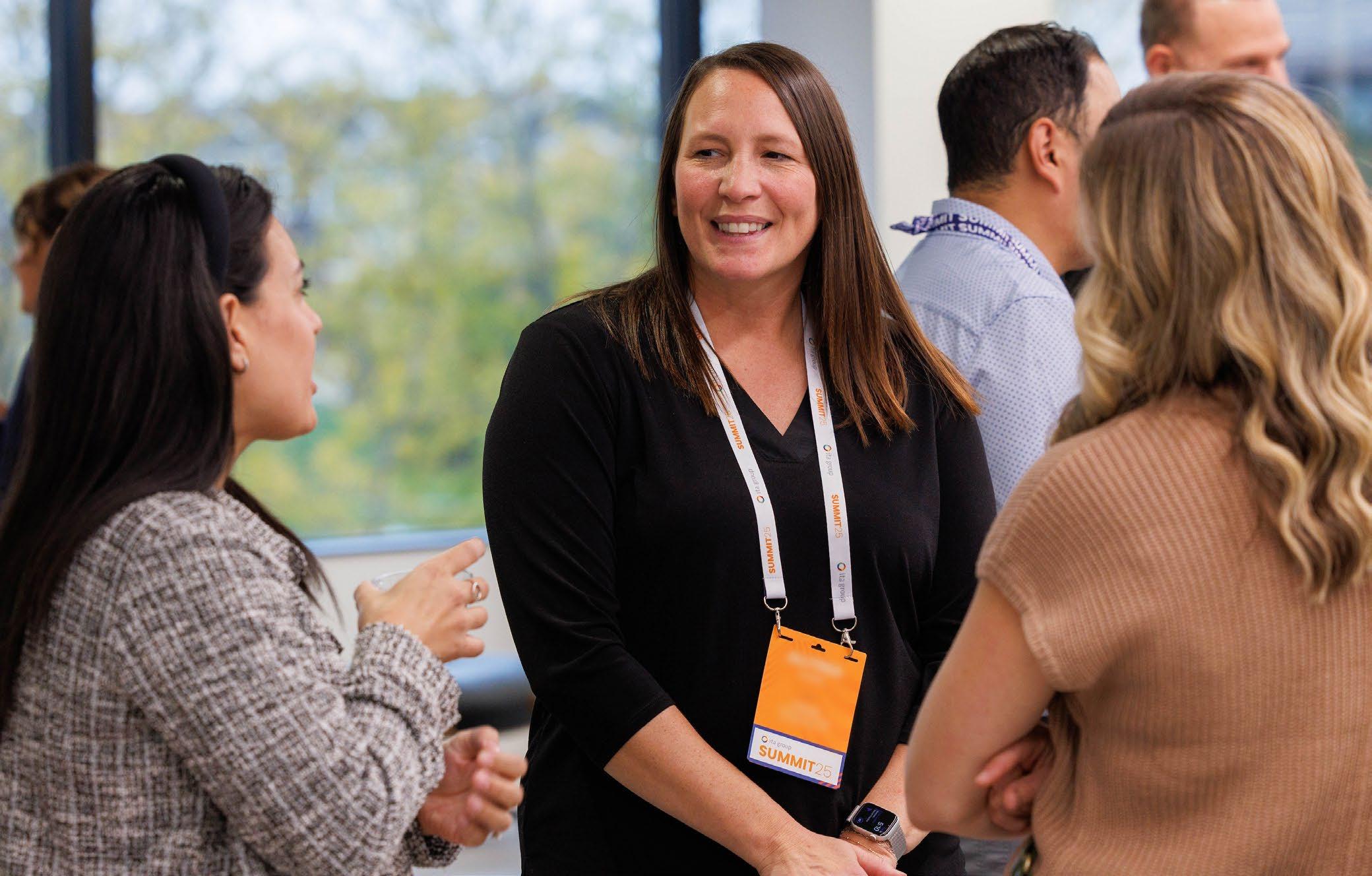
Just as Uber offers a chance for passengers to share their preferences before a ride, planners can give attendees an opportunity to display their conversational comfort levels on their lanyards.
There is perhaps no better source of attendee data than the attendees themselves, but few are eager to fill out lengthy registration questionnaires. As Buzzfeed discovered roughly a decade ago, however, survey gamification can go a long way to incentivizing voluntary disclosure of personal preferences. When there’s a case for gauging an attendee’s knowledge level, gamified testing can be equally effective.
When ITA Group organized an event for one of Europe’s largest energy companies, they needed to design educational modules tailored not only to attendee’ interests and preferences, but also to their skill levels and expertise.
“Throughout the first month, we did knowledge quizzes and digital interview surveys, but surveys for us are always more of an experience,” said Janssen. “You don’t even know that we’re collecting data because you’re just simply playing a game.” Each of these evaluations incorporated creative, playful elements while also allowing participants to earn points on a leaderboard, with individual and team-based scores.
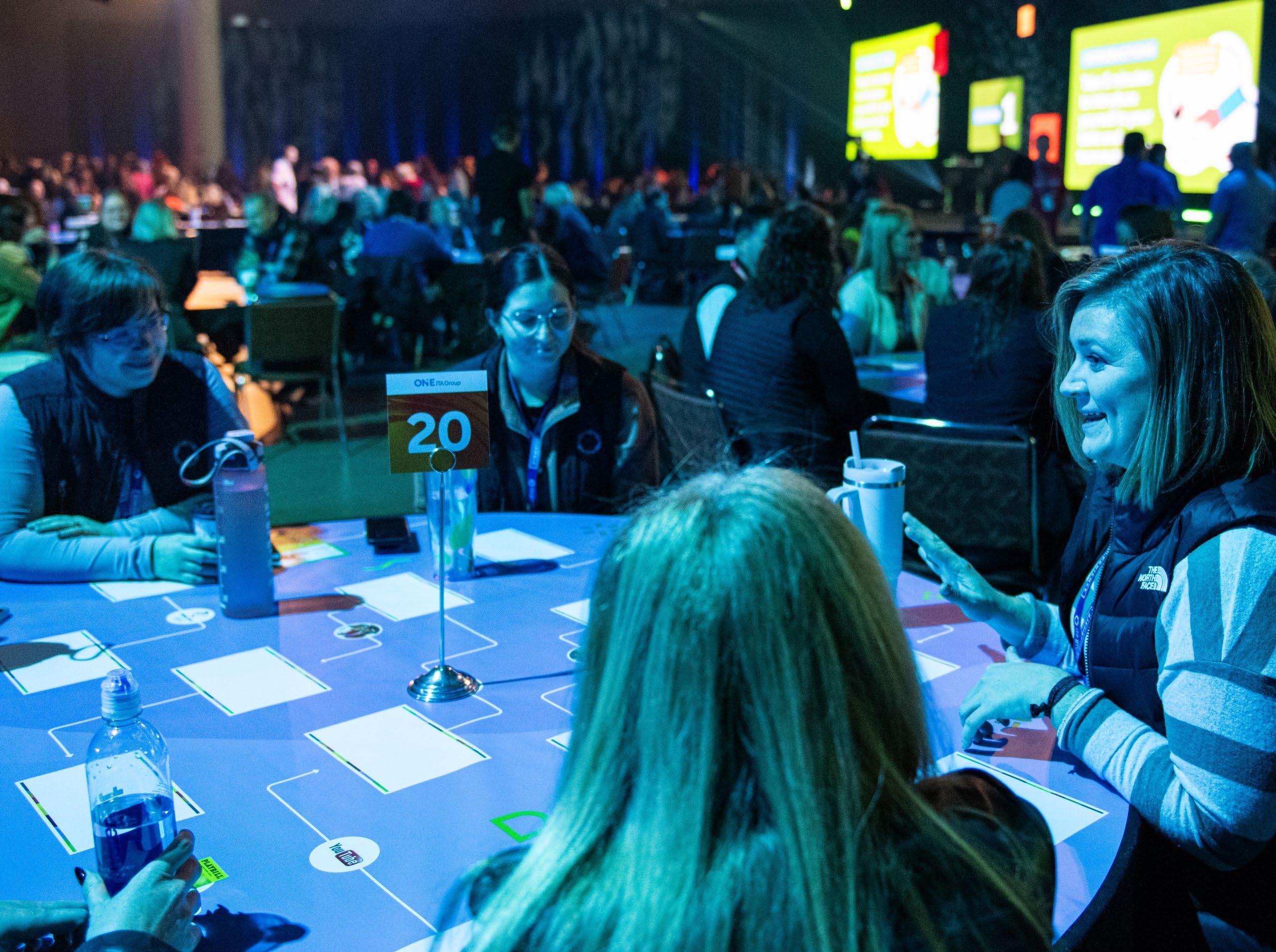
Gamification extends to the on-site environment, too. Planners are increasingly looking for opportunities to take cues from popular culture to offer accessible entry points into education.
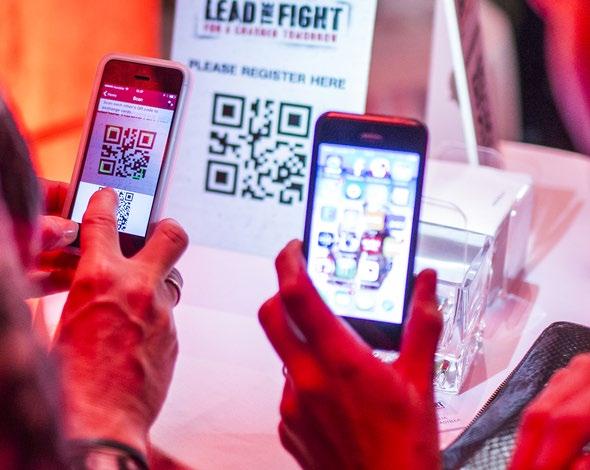
Loaded with this information, the event platform provided a personalized experience that aligned with each attendee’s interests and knowledge level.


A 365-day strategy for the age of digital learning
Without a solid post-event engagement strategy, critical messages get lost, skills stagnate, and behavior change never takes root. The live event should be a catalyst, not a conclusion. Its impact depends on extending the half-life of content beyond the room to reinforce memory, build skills, and drive real behavior change. Without a strong post-event engagement strategy, critical messages fade, momentum stalls, and learning never takes root. Designed intentionally, the event becomes the starting point for sustained engagement—not a one-and-done moment.
“The ability to nurture an audience is absolutely critical, and events can function as content engines,” said Saunders. “We need to extend the value instead of limiting it to one moment in time.” Extending the half-life of content is also vital for reinforcing memory retention.
According to Michael Faulkner, general manager, United Kingdom, ITA Group, this kind of longer-term impact is all the more necessary in the face of growing pressure to prove ROI. “Our current macroeconomic climate is so challenging. The whole landscape around logistics and supply chain has changed and become so expensive,” he said. “If you’re bringing people together, you want retention and recall of information three, six, nine months down the line.”
Another factor is the growing demand for self-directed educational content among B2B professionals. Deloitte’s 2025 Gen Z and Millennial Survey found that 70% of Gen Z workers reported engaging in skill development at least once a week, as do 59% of millennials. Further, Gen Z respondents ranked learning and development opportunities as their number three reason for staying with their current employer.
These trends are vital to understand because Gen Z and millennials are projected to make up 74% of the workforce by 2030 Also, the digital diet of society’s youngest reflects broader trends across all generations. Nearly every engagement preference thought to define Gen Z is also becoming more common among Gen X and even Baby Boomers, just to a lesser degree. Gen Z is not the only generation scrolling smartphones, gravitating toward content that is both interactive and visual, and consuming information in bite-sized snippets.
“Many are multitasking when they’re watching a video,” explained Bohnenkamp. Often referred to as the “secondscreen technology” phenomenon in the context of entertainment shows, this habit is most pronounced among Gen Z and millennials, but can be found across generations. “Year-round access to event content gives them the freedom and the flexibility they want, and a three-minute video several times a week can be more effective than one big information dump,” added Bohnenkamp.
This approach can be equally productive at trade shows, conventions, and user conferences. “Think of channel partner meetings, where they’re training participants on new products or updates to technology,” added Bohnenkamp. “They’re filling a need, building loyalty to their brand, and staying top of mind, which can turn clients into brand advocates.”
Rather than thinking of smartphones and tablets as potential distractions, organizations are designing 365-day engagement programs to satisfy the appetite for bite-sized information.
It’s not just a Gen Z story anymore. Half of Baby Boomers spend at least three hours each day on their smartphones — a reminder for event planners to meet attendees where they are, which is often on their devices.

No matter the event type, a 365-day strategy ensures attendees retain critical messaging. While the “forgetting curve” was first documented in foundational psychology research over a century ago, it may be more relevant than ever in the era of bite-sized attention spans. The good news is that today’s technologies offer countless opportunities to develop engaging content. With the right tools, event marketers can reinforce key concepts and sustain interest year-round.
ITA Group’s Events 365 helps transform event content into an ongoing, immersive experience continuum, spanning a range of learning and engagement tools, including videos, tutorials, and podcasts. Here are five strategies that their team uses to ensure active engagement year-round.
Every diverging path in the event journey can reveal important information about attendee preferences and interests, and it’s vital to tailor post-event content accordingly. For example, post-event communications can include individualized event summaries or content recommendations.
Content format is another factor to consider. “We can send out an email offering content as a video or a white paper. We track which one the attendee decides, so the next time we just send videos and not white papers, or vice versa,” explained Gaby Verseveldt, team lead of platform and tech, ITA Group.
Successful online engagement hinges on a delicate balance between maintaining interest and avoiding audience oversaturation. Nudges, prompts, and microlearning can help keep the lines of communication open without overloading attendees’ inboxes.
“We found that people’s attention spans are shrinking with the rise of short-form media, and we’re seeing the most success with little blips of engagement, giving them just enough bitesized pieces that they’re interested but still have an appetite for more,” said Boggs. “A drip can be much more satisfying than trying to drink from a fire hydrant.”
It’s also key to stay on message with cohesive storytelling frameworks and branded assets that align with the organization’s key mission. “We’re asking the audience to realign their focus to the organization’s core objectives or KPIs,” explained Boggs. “Whatever is top of mind ends up directing their actions, thoughts, and behaviors. It needs to be consistent and spaced out strategically so that it feels organic and they almost don’t realize they’re being realigned.”
‘BLIPS
Anna Boggs, event analytics, ITA Group, highlights that learning is no longer confined to traditional 30- and 60-minute blocks. Instead, planners can consider opportunities to slice long-form webinars into more digestible mini-modules.


In an online landscape of nearly endless entertainment options, a media-rich strategy is necessary to maintain engagement.
“We use a multimedia approach so that we can meet people where they are with the right message, at the right time, and for the right audience,” said Saunders.
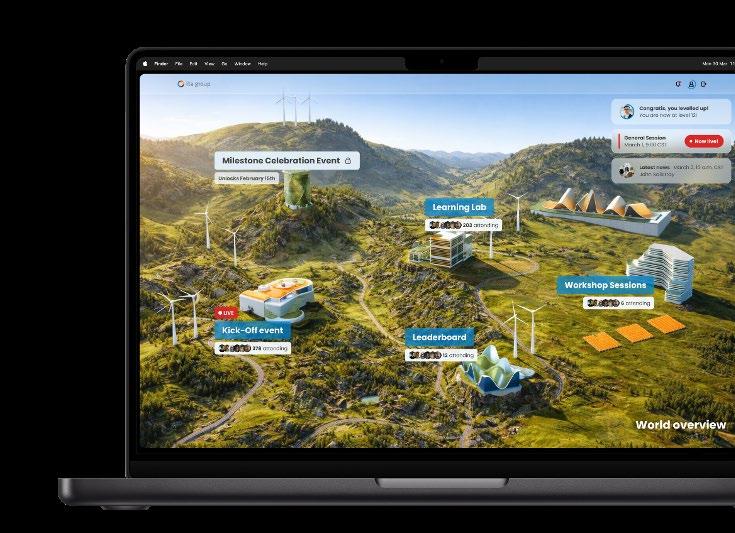
Visual interest can add an element of play to even the simplest interactions. For example, ITA Group designed an event platform that featured an interactive 3D map of the globe. The event spanned multiple factory locations across the globe, with each location represented by a pinpoint on the map. Via the map, participants could browse event content and join the local events at each of the different locations by zooming in and clicking on the relevant pinpoint.
Further, the event platform can act as a content warehouse, with access to a library of on-demand videos, reports, and podcasts.
A growing body of research also demonstrates that physical activity and hands-on learning can boost memory retention, even among the elderly. Whether via a webinar or an in-person micro-event, this can take the form of dedicated time for movement, such as guided stretches. Another strategy is to weave body movements into sessions and workshops through embodied learning, a technique that includes everything from role-playing to using hand gestures for abstract concepts.
“ITA Group likes the term ‘participatory’ because it includes not only hands-on tactile learning, but also playful experiences like escape rooms, puzzles, etc., within the workshop,” added Bohnenkamp.
SEE THE WORLD
ITA Group’s 3D presentation created a more immersive content journey that felt less like an education platform and more like an interactive video game.
Storytelling is another highly effective strategy for improving memory retention. According to the Stanford Center for Teaching and Learning, “Stories are easier to remember because our brains are better able to recall narratives, emotions, and sequences of events.” Even a simple list of words is easier to recall if it’s attached to a storyline. Sometimes this strategy involves real-life anecdotes. Other times, it’s about creating a cohesive campaign theme that turns brand messaging into a story arc with a clear mission and end goal.
“One of the things that we love to do is to go beyond classroom-style meetings. We want to create experiences out of a story,” said Janssen. “As soon as people start feeling goosebumps, smile, have a laugh or cry, emotion creates tension and engagement.”

How Events 365 creates space for transformation
Many events aim to be transformative, but in practice, they’re often less about radical change and more about motivating attendees to take the first step of a much longer journey. A year-round, holistic approach allows organizers to continue shaping and nurturing this incremental progress.
“If you look at events that focus on behavioral change, the change doesn’t happen overnight,” said Verseveldt.
“They need time to process everything and adapt, instead of just one day you attend the event and the next day you’re a different person,” Verseveldt added.
Events 365 takes the most impactful elements of face-to-face events and extends them throughout the calendar year.
READY TO LEAD
Empower managers to feel confident in their ability to create an engaging workshop environment.
“
If you look at events that focus on behavioral change, the change doesn’t happen overnight.
— GABY VERSEVELDT
TEAM LEAD OF PLATFORM AND TECH,
ITA GROUP
As engaging as multimedia content can be, it’s hard to replace the interpersonal value of a human coach. ITA Group’s Events 365 program offers a framework for training leadership to become better workshop and meeting facilitators.
Resources include toolkits that equip managers to be more effective communicators. “I don’t just mean a one-page manual or an email. I mean preparing them to lead two-way interactions, whether it be for a game that they can do in a huddle, an interactive session, or other practical ways to create conversation,” explained Faulkner.
“We can send people on site to coach a group of managers regionally, who can then deploy those skills,” added Bohnenkamp. “It’s all about hands-on interactive learning. We’ve got a team in place that is so skilled in getting ready to be a part of the development, generate buy-in, and become those advocates.”
If resources are limited, another option is to develop a digital trainer. When a major Dutch bank needed to introduce a new strategy across 1,200 scrum teams, ITA Group created a virtual host to lead workshops. To tap into the sense of trustworthiness that comes with a familiar face, the video content featured a well-known executive from the bank.
Event marketers increasingly see interactivity as a key strategy for boosting engagement. By providing attendees with a channel to share their input, organizers can also tap into their collective expertise. Both of these principles apply just as much to year-round engagement as to a three-day event.
Faulkner has played with this concept by introducing “change rooms.” “You bring employees together to share their ideas around what needs to change, and then they actually design what the new process would be themselves.”
“Our emphasis is on participants supporting the idea generation as much as possible, so they feel a sense of ownership over it,” Faulkner added.
Then, do something with it. By giving attendees a chance to weigh in on the future of an organization, meetings become environments that yield new ideas and new opportunities.
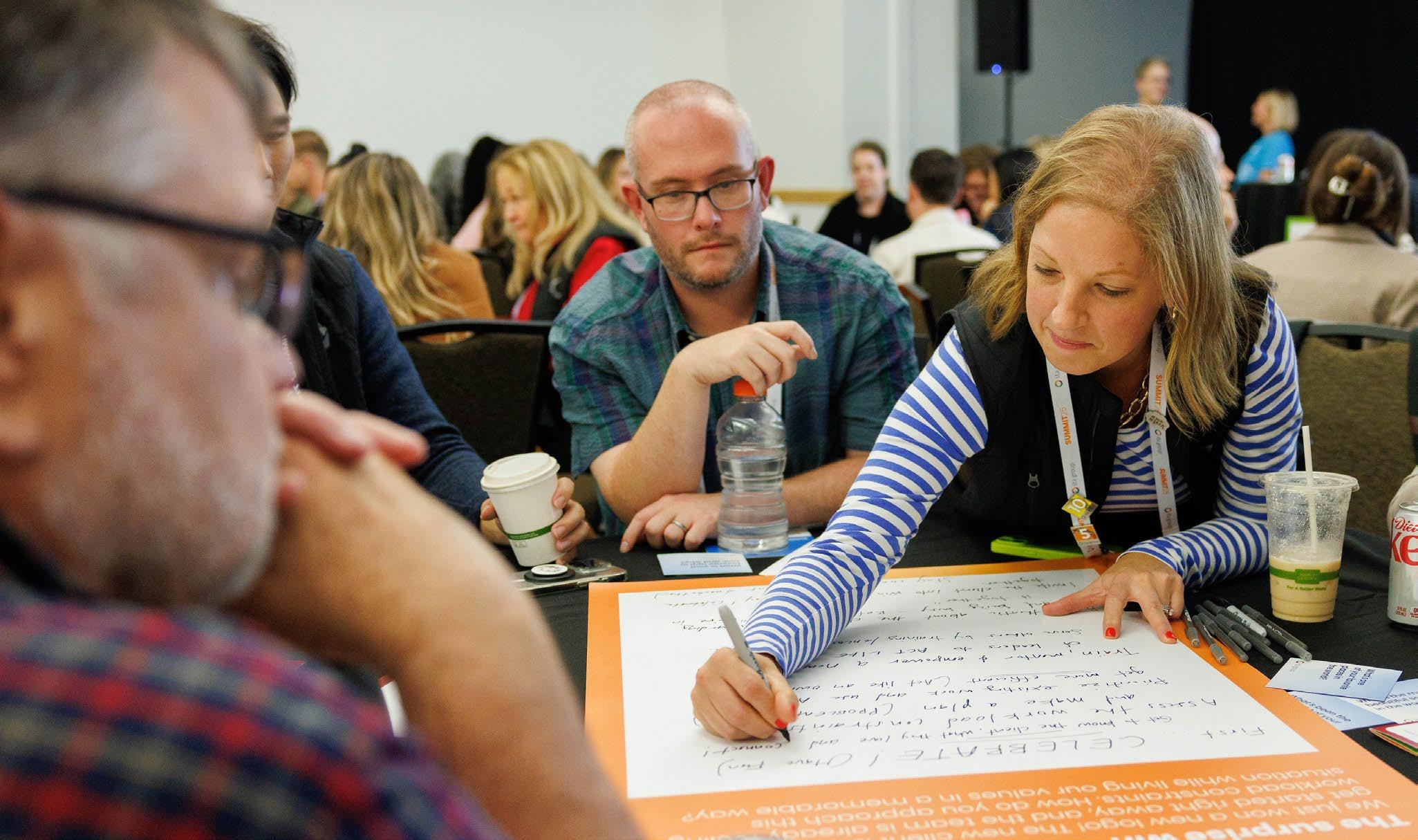
Sometimes, an informal activity focused on a mutual topic of interest may be a more effective tool for social bonding than highly structured team-building exercises. This subtle distinction could help to explain a surprising finding in the Incentive Travel Index 2025. When survey respondents identified the most effective activities for incentive trips, third place went to ones that promote relationship-building (53% vote share). In contrast, team-building activities ranked seventh (35% vote share).
Carrie Winton, insights and strategy leader, ITA Group, theorized that the trick is to create space for serendipity without forcing connection. “Design activities that promote more spontaneous relationship building vs. a structured approach that has a pre-defined goal,” suggested Winton.
As with most kinds of meaningful change, relationship building also takes time. By bringing attendees together periodically throughout the year, organizers are solidifying those connections.
In practice, success often hinges on a combination of all three strategies: not only training the trainer and seeking input from participants, but leaving time for the magic of peer-to-peer influence to take its course.
It is hard to imagine a more concrete goal than achieving at least 65% of employees voting in favor of a new operating model. That was precisely the challenge the Australia Post faced when it enlisted the support of ITA Group.
As a government enterprise, Australia Post requires nearly two-thirds of employees to approve any major policy decisions via a Parliamentary vote. To reach this benchmark, it was essential to frame the proposed changes in a way that gave workers a sense of personal investment in the process.
“It started with a story that was created with the executive leadership team and then tested with the users,” explained Faulkner. “We used a cascade approach, starting with the top 15 leaders, then to the top 50, all the way to the top 6,000, and we made them the storytellers of it.”
The tactic involved in-person workshops that were divided into two stages: On day one, the story was shared. On day two, participants were trained on how to tell the story.
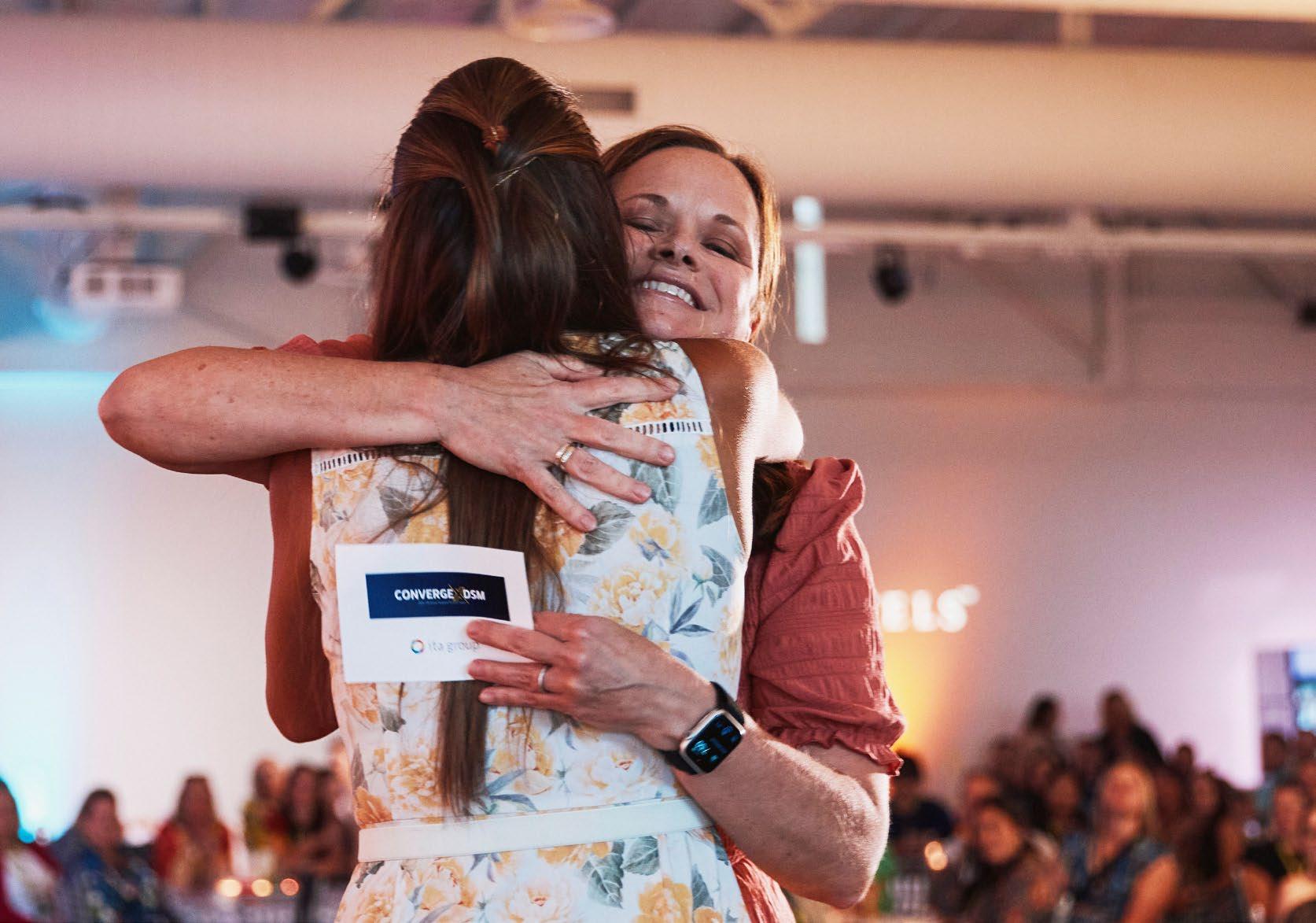
“The people most affected actually owned the story rather than just consumed it,” said Faulkner.
To reach all 65,000 employees, the entire process was spread over six months. When it came time for the ballot, 89% voted in favor of the new model.
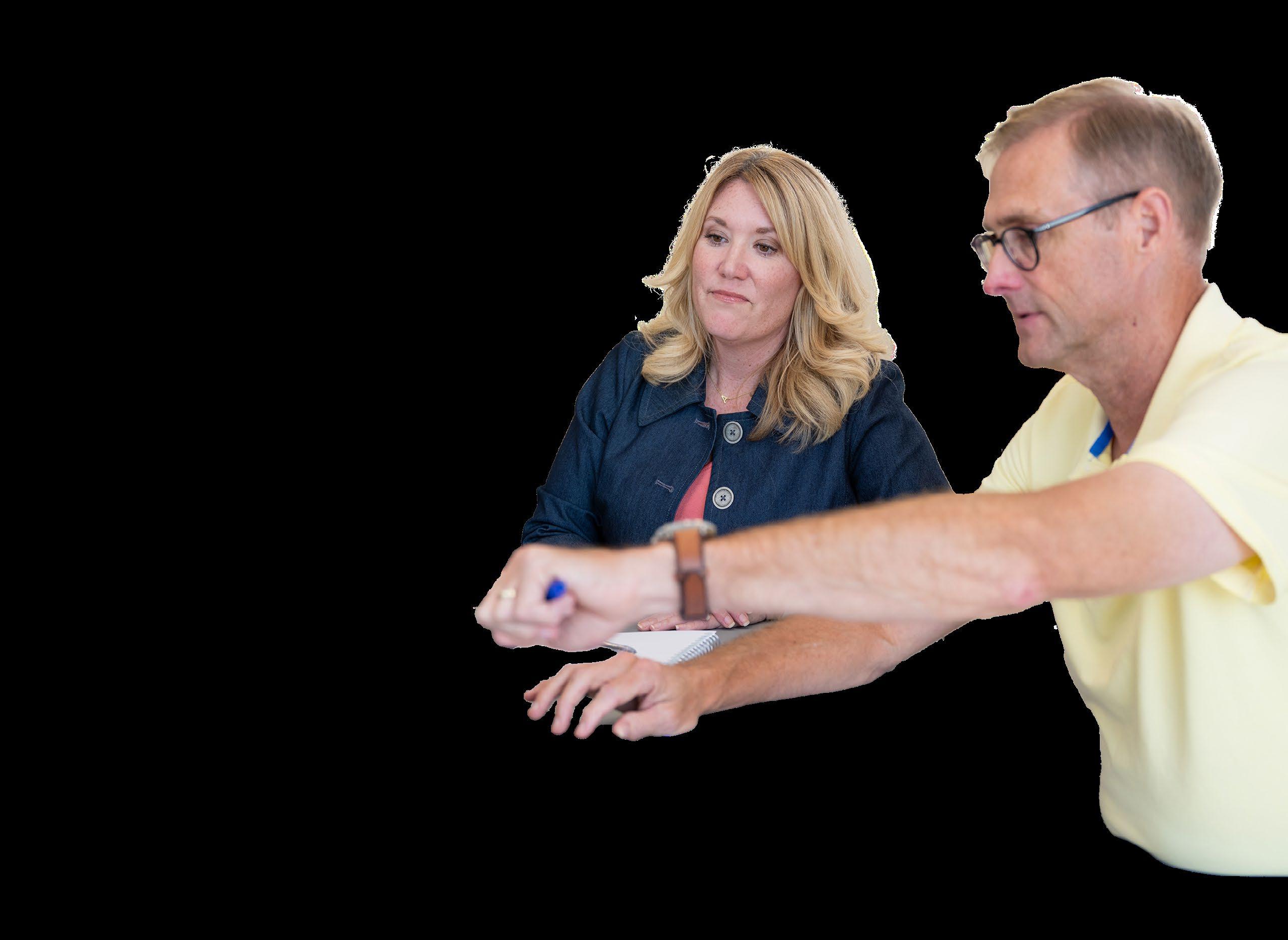
ITA Group helps organizations go well beyond post-event surveys to understand how bringing attendees together translates to long-term success.

Track long-term return with year-round measurement
While any ROI strategy must begin with a well-designed plan to deliver value, it’s equally essential to track these successes with hard data. The Amex Global Business Travel 2026 Meetings & Events Forecast found that 36% of respondents plan to use data and ROI measurement tools in 2026. Perhaps even more tellingly, they ranked better data collection as their second-highest priority, just behind improving the attendee experience with more memorable events.
A truly comprehensive data strategy should not only collect event-specific metrics, such as sentiment surveys and NPS ratings, but also track post-event KPIs. “We can connect those dots now to increased sales, employee behavior shifts, and
value adoption,” explained Bohnenkamp. “By tracking those longer-term metrics more consistently, we can help organizations and businesses show the event as a catalyst.”
For example, ITA Group demonstrated that a client’s user conference achieved a 30% sales increase and tripled deal size following the event.
The behavior data gathered both during and after the event is also a goldmine for refining market segmentation. “When we track attendee behavior and know their interests, sales departments love to have that data in their systems as well,” said Janssen. Fully integrated APIs can ensure that any relevant data flows in both directions between the platform and organization-wide tech stacks, including customer relationship management software, marketing automation platforms, and human resources information systems.
Long-term data tracking can easily become overwhelming without a simple interface for organizing and reviewing the information. ITA Group provides full visibility through customizable PowerBI dashboards, enabling integrated performance tracking and continuous feedback.
These metrics can track levers of change, such as behaviors, attitudes, and beliefs. Event-specific sentiment metrics can include pulse surveys, Net Promoter Scores (NPS), and customer satisfaction scores. However, ongoing measurements can incorporate more direct ROI markers, such as sales metrics, learning and development engagement, and employee NPS. “In the dashboards, we can bring together engagement campaigns, sales data, and event data all in one place,” added Boggs.

While best-in-class tools are critical for effective data management, a solid strategy is equally vital. The first step is to identify the most important KPIs. ITA Group consults with clients to determine their top four or five areas of focus, with the ability to declutter the PowerBI dashboard so that it includes only the most relevant modules. “In a world where so much is automated, we still have the expertise and personal factor of asking the right questions to make sure the dashboard modules represent their KPIs,” said Boggs.
It’s hard to track progress without establishing a starting point, so the next step is to identify baseline measurements. ITA Group consults with all the relevant departments and stakeholders to ensure the most comprehensive data capture possible.
“Within my team, we have an analytics advisor for employee experience solutions and channel partner solutions so we can all learn from one another,” said Boggs. This collective expertise provides a big-picture perspective on who the audience is and why they attend.
“Events have worked in a silo in the past. The event marketer has been responsible for just this one component, but now there are so many additional stakeholders who have a stronger stake in the game,” added Bohnenkamp. “They want to see how these investments — both time and resources — are going to drive sales and other high-level goals.”

ITA Group’s PowerBI dashboards offer a deep dive into your attendee behaviors.
A365-day strategy ensures that events reach their maximum impact, driving ROI, and achieving meaningful progress toward core goals. It’s a holistic vision that expands the potential for:
■ Neuroscience-backed event design
■ Advanced personalization
■ Timely educational content and sustained brand messaging
■ Effective techniques for true transformation
■ Data that proves just how far-reaching events can be
Event marketers no longer have to worry about achieving all their goals within a short window. It’s a simple idea, and with the right partners, it can chart a clear path to reaching even the most ambitious targets, with events continuing to deliver a return on investment all year round.

Skift Meetings is defining the future of events.
As a Skift brand, Skift Meetings delivers insights into how business events, technology, and travel play leading roles in creating and instilling organizational — and indeed industry — culture. We believe meetings and events are the catalyst for new ideas, cultivating values, and building professional relationships.
Skift Meetings is defining the way forward and helping our global audience of business event professionals to thrive by delivering up-to-date guidance, inspiration and news analysis through our multi-platform digital content, research, and live events.
ITA Group, a global events agency, has designed and executed live, virtual and hybrid events for over 60+ years, including 4,000+ events over the last 10 years. Our in-house team of 400+ events experts transform business objectives into action, specializing in strategy, creative, logistics and management, production, sponsorship, gifting, and analytics. From incentive travel and sales kickoffs to user conferences and tradeshows, we create memorable experiences, leveraging data and creativity to maximize engagement, ROI and brand storytelling.
In addition to events, ITA Group also specializes in incentives, recognition, loyalty, research and learning to transform how business feels for employees, channel partners and customers. We help leading brands around the world create connections, motivate audiences and drive purposeful change, resulting in increased sales, purchases, retention, referrals and alignment.
To learn more, visit itagroup.com
If you are working on your Certified Meeting Professional (CMP) accreditation and want to earn CEs, we suggest redeeming 1 (one) credit hours for this report under Domain L: Evaluation Process.