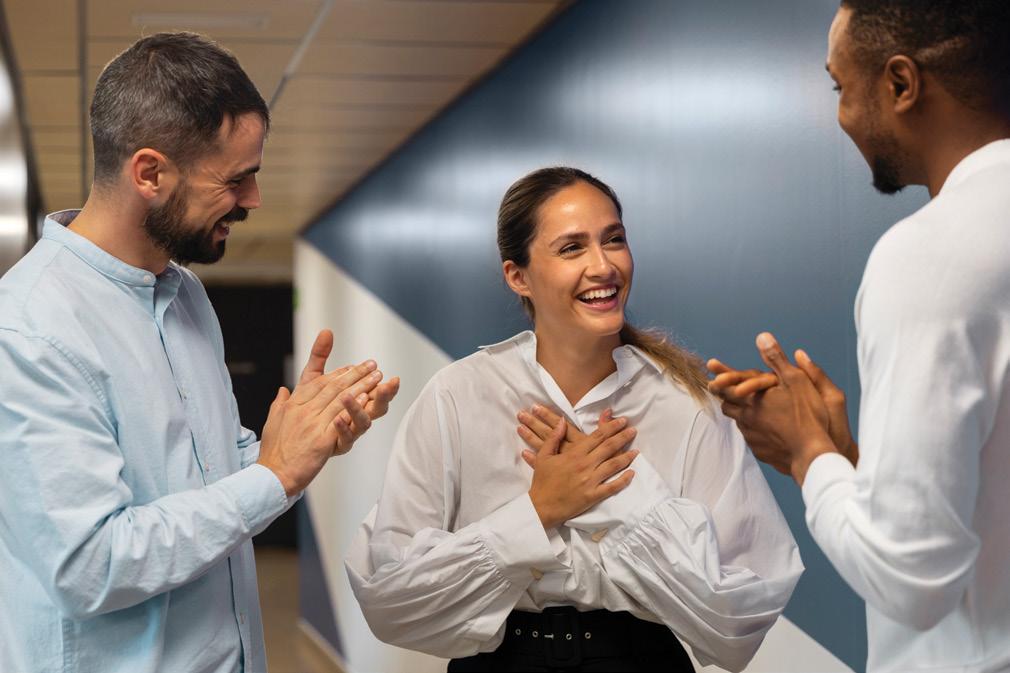
Celebrate the season of thanksgiving with radiant skin and a glowing mindset
Editor-in-Chief
Joe Schuster
Managing Editor / Editorial Advisory
Amara Omoregie
Art Director
Dave Villafañe
Accounting/Circulation
Quinn Cooper
Senior Account Executive
Quinn Cooper
Executive Director
Aleisha Coleman
Contributing Writers
Samantha Neeley
Lisa Saavedra
Dr. Jim Schleckser
Kristin Smithers
Alex Zeedyk
HOW TO REACH US 2741 E Belt Line Rd, Suite 113 Carrollton, Texas 75006
INTERESTED IN ADVERTISING? Contact quinn@sunislife.com
November 2025 | Volume 1 | Issue 2
SUN IS LIFE Magazine ISSN#2329-8545 (USPS 023149) is published monthly by Glo Tanning, 12335 N. Rockwell Ave., Oklahoma City, OK 73142. Periodicals postage paid at Flint, MI and additional offices. Postmaster: Send address changes to 12335 N. Rockwell Ave., Oklahoma City, OK 73142. For back issues, inquire for availability. Editorial Correspondence: Address product information and inquiries to: Editorial Department, SUN IS LIFE Magazine, 12335 N. Rockwell Ave., Oklahoma City, OK 73142. To authors, photographers and people featured in this publication: All materials, articles, reports and photos published in this publication are the property of SUN IS LIFE Magazine and cannot be used without written permission. The opinions and conclusions recited herein are those of the respective authors and not of SUN IS LIFE Magazine. SUN IS LIFE Magazine is not responsible for returning unsolicited manuscripts, photos or other materials. Every effort will be made however, to return rejected manuscripts, etc., if they are accompanied by sufficient first-class postage, but the publisher will not be responsible for loss of any such material.
My wife and I roll our eyes when we see the increasingly early displays of Christmas in our local retail stores at the beginning of fall. I don’t believe we should hop from Halloween directly into Christmas without taking a moment to consider the message of gratitude that is central to the Thanksgiving holiday. Perhaps it’s just an element of getting older, but I tend to embrace each and every holiday as though I’m cradling a package of precious cargo.
Our family tradition has us traveling to the mountains of North Carolina for Thanksgiving. For several decades, we’ve used the time to select a fresh Fraser fir tree to be cut and brought back to brighten our home at Christmas. It’s a wonderful tradition. Later, we gather around our table to share a bountiful harvest of home-cooked food. I take a moment to assume the patriarchal position of asking what each person at the table is grateful for, prior to my prayer of thanksgiving.
If anyone hasn’t taken a moment to be thankful throughout the year, well—now is the time. Sometimes, the weight of the year seems to pile up during the holidays. However, consider the staff members who step up and take the additional shifts, work late, or handle the occasional “dirty work” that keeps our salons running. I’m sure they will receive your thanks as well.
I truly believe we all need to take some time during the upcoming holiday season to express our gratitude. As bad as things can get—and sometimes, it seems to get pretty bad—realize that there are always people in tougher situations. The thanks you give doesn’t always have to be financial. Helping someone can take many forms. You could donate clothing to those in need, help someone move to a new location, pet-sit for a friend, or cook a meal for someone. It could even be something as simple as a phone call reaching out to a person in need.
Giving thanks to your community, colleagues, and friends in need is food for your soul. Indeed, it is.
I thank you for your continued support of Sun is Life magazine.
With warmth,
Joe Schuster Editor-in-Chief
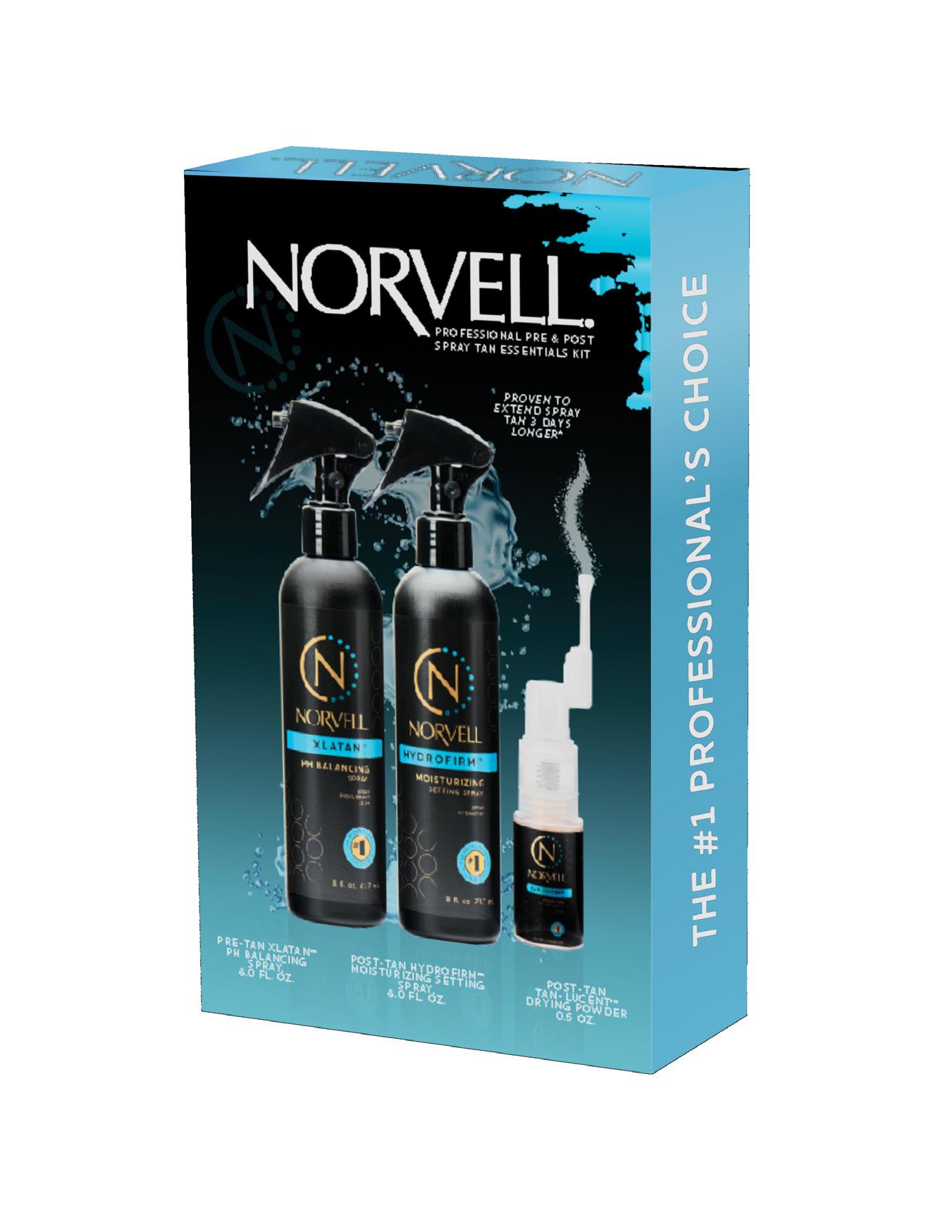
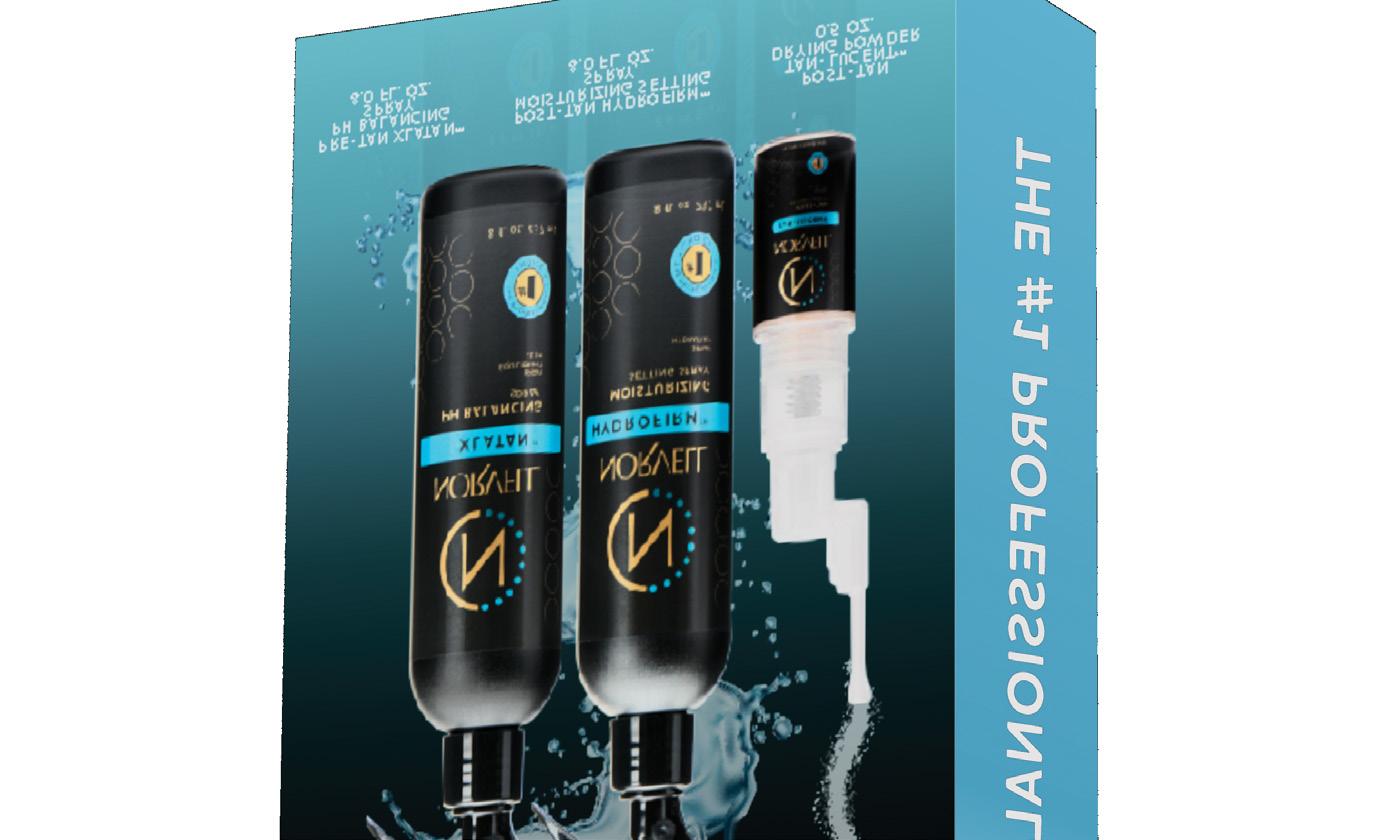
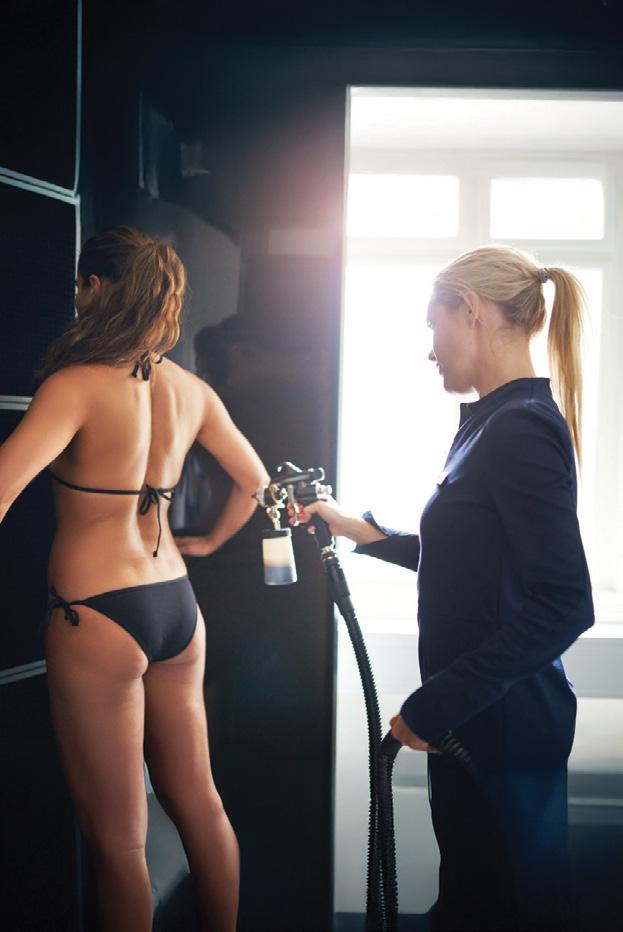
STEP 1: PREP SKIN FOR SPRAY TAN
Pre-Tan XLATAN pH Balance Spray primes & balances skin pH levels to accelerate tan development.
STEP 2: LIFT, HYDRATE AND LOCK-IN COLOR
NEW & Improved Formula! Post-Tan Hydrofirm
Setting Spray sets, seals and extends your spray tan with no color transfer while helping to firm, lift, and nourish skin for a radiant glow.
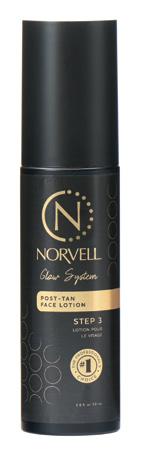
STEP 3: FINISH WITH LUXURIOUS DRYING POWDER
Post-Tan Tan-Lucent Drying Powder is the perfect way to end your spray tan session. Light-weight, fragrance-free, talc-free and translucent drying powder for a flawless finish.
DEPARTMENT
This
Building a Business Culture of Gratitude to Retain Employees and Customers
ALIESHA COLVIN, EXECUTIVE DIRECTOR OF SUN IS LIFE
In the tanning industry, success isn’t built on equipment and promotions alone—it’s built on people. Employees who feel valued stay longer, contribute more, and deliver better service. Customers who feel appreciated return often, spend more, and become advocates for your brand.
At the heart of long-term retention for both groups is a simple yet powerful concept: gratitude.
When gratitude becomes part of your operational culture, it strengthens loyalty across the board. Here’s how to make gratitude an intentional business strategy:
1. Lead with Visible Gratitude
As a business owner or manager, your actions set the standard. Showing appreciation for employees in visible, consistent ways—whether through public recognition, one-on-one acknowledgment, or celebrating milestones—demonstrates that people matter just as much as profits.
When leaders practice gratitude, employees mirror the behavior with one another and with clients, creating a culture that feels authentic and welcoming.
2. Hire and Retain Through Appreciation
Attracting the right team is only the first step; keeping them requires consistent recognition. Build gratitude into your hiring and retention practices. Ask new hires how they prefer to be recognized, and ensure managers are equipped to provide that recognition regularly.
Employees who feel valued are less likely to leave—and more likely to deliver experiences that keep customers loyal.
3. Train with Gratitude in Mind
Training programs are often seen as compliance or skillbuilding exercises, but they’re also opportunities to show appreciation. Position training as an investment in employees’ growth, not just a requirement of their job.
By connecting training to gratitude— “We’re investing in you because your role is vital to our clients’ experience”—you reinforce each team member’s value in the overall business strategy.
4. Design Policies That Express Appreciation for Clients
Policies should do more than streamline operations; they should communicate gratitude. Offer flexible scheduling, thoughtful rewards programs, and clear return/exchange processes. These policies signal that you appreciate a client’s time, loyalty, and trust.
Make feedback collection part of your system—and act on it. Listening and responding to client input is one of the strongest ways to demonstrate appreciation in action.
5. Reward Loyalty on Both Sides of the Counter
Retention thrives on recognition. For employees, celebrate anniversaries, team wins, and outstanding contributions. For clients, acknowledge milestones such as memberships, referrals, or repeat purchases.
These rewards don’t always need to be large—what matters is consistency. Small, genuine gestures of thanks compound into powerful loyalty over time.
6. Build an AppreciationDriven Team Culture
Gratitude must extend beyond leadership. Encourage team members to recognize one another’s contributions and create systems— such as peer-to-peer shout-outs or recognition boards—that make appreciation part of the everyday workflow.
Apply the same principle outward: ensure every client interaction closes with a “thank you,” whether verbal, digital, or written. Over time, gratitude becomes ingrained in the culture,
touching every transaction and interaction.
7. Track Gratitude as a Business Metric
Retention can be measured, and so can gratitude. Monitor employee satisfaction scores, customer reviews, repeat visits, and referral rates. Each of these reflects how valued people feel in your ecosystem.
Use this data to refine recognition programs and client loyalty initiatives, ensuring gratitude remains a measurable driver of growth.
Final Word
Gratitude isn’t just a nice-to-have—it’s a business strategy. By embedding it into leadership practices, employee development, operational policies, and customer engagement, salons can reduce turnover, strengthen client loyalty, and create a culture that sustains growth.
At the end of the day, people don’t leave jobs or brands where they feel genuinely appreciated. Gratitude keeps both employees and customers coming back.
Beyond a Burst of Optimism
Leveraging Lasting Gratitude for Yourself and Co-Workers
BY REV. ROBERT TURNER, DMIN.
What if the fulfilling work life you’ve been searching for is within plain sight, in the everyday moments you typically overlook? Cultivating a consistent state of gratitude and appreciationfor ourselves and for co-workers - is a deeply transformative practice. It shifts your focus from a sense of lack and limitation to one of abundance and hope, encouraging greater resilience, deeper connections, and a more authentic sense of well-being. By intentionally recognizing the good, you open yourself to more positive experiences, creating a cascading benefit for your career, as well as for those who work around you. This isn’t just a transient burst of optimism; it’s a conscious decision to integrate a constructive mindset into every aspect of your profession.
The question then becomes: How can you develop effective strategies
to not only move beyond workplace challenges, but also to consistently cultivate and sustain an active sense of gratitude and appreciation? Consider the following actionable objectives:
For Self:
Start a Gratitude Journal: Utilize a notebook or a digital document to reflect on your achievements and strengths, recording the best moments of the workday. Also, list 3 things that you believe you did especially well, focusing on your effort or character. Weekly, review your list and identify trends, such as recurring strengths or positive traits. Acknowledge and affirm these qualities. Remember to celebrate every win, regardless of its perceived significance. Cultivate the practice of discovering the extraordinary in the everyday. The difference between ordinary and
extraordinary life experiences is remarkably small—a mere one degree. When confronting a challenge or crisis in confidence, go back to your journal to remind yourself of your capabilities and successes.
Practice Self-Compassion: Treat yourself with the same kindness and support you would offer a coworker. Be strategically mindful and pay attention to the quality of your thoughts. During moments of self-incrimination, pause and acknowledge the feeling without passing judgment. Speak to yourself kindly, with encouraging phrases like, “This is painful, but it’s only temporary and I’ll get through it stronger than before.” Engage in small acts of self-care daily that re-energize and nourish you, whether it’s a brisk walk in the morning air or the preparation of a favorite meal. When you prioritize your own needs, you
lay the foundation for growth and put yourself in the best position to genuinely value the needs of others.
Use the “Mental Subtraction” tool: Reflect on what your job would be like without certain positive things, boosting a greater appreciation for their presence. Choose one dimension of your job you often dismiss, such as your co-workers, office, or supervisor. Now imagine the absence of that beneficial circumstance or relationship and how your professional situation would be hindered without it. Return to the present and accept the gift again with a deeper sense of gratitude, consciously acknowledging its value. Often, a sense of entitlement works against a mental state of gratitude. When good things are always present in our lives, we forget their immense value. Gratitude reminds us of what we have, which fosters a healthy sense of self.
For Others:
Practice Verbal Affirmation: Go beyond office hierarchy obligations to express targeted and meaningful appreciation. Establish a daily habit to genuinely thank at least one person, clearly acknowledging what they did and how it favorably impacted your day, such as “Thank you for coming with me to the manager’s office; it eased my anxiety to have your support.” When you witness someone’s great character or effort, reach out and let them know, such as “I really appreciate the coffee on my desk every morning; it’s such a thoughtful treat.” Set a weekly goal to thank someone for something they did; a gesture that left an impression, like the co-worker who personally delivered a care basket to your desk when you were returning from a cold.
Invest Yourself in Acts of Service (Pay It Forward): Show appreciation through action. On a regular basis,
perform an unexpected act of kindness for someone, without expecting validation or reciprocity. Reach out to a coworker with a specific need whether they have expressed a request for help or not, signaling your interest and willingness to assist. This can be as small and simple as offering a colleague a special treat for lunch. When offering assistance, consider the person’s love language and what is uniquely important to them. If it’s a clean office, tidy up the conference and/or breakroom for them. Find opportunities to coach, mentor or share your knowledge, paying forward the support you’ve received from others.
Engage in Active Listening: Show appreciation by acknowledging and valuing the thoughts and feelings of others, even when there is disagreement. During interactions, be present in the moment and grateful for the opportunity to connect. Set aside digital devices or other distractions that may degrade the quality of your communication. Provide non-verbal cues that send a clear message that you are open and receptive, such as maintaining eye contact and nodding occasionally. Lean forward
and actively listen, taking special notice of their tone, gestures, and facial expressions. To fully absorb information, resist the tendency to mentally rehearse a response while someone is still talking. Ask clarifying questions that facilitate common ground, and then reiterate what you understood to demonstrate full engagement.
As you integrate these simple yet effective practices into your professional life, you’ll witness a significant shift in perspective. By focusing on the good, expressing thanks, and appreciating the value of small moments, you’ll cultivate a heart of gratitude that permeates every area of your life, not just at work. When you intentionally practice gratitude in the workplace, it not only transforms your individual experience, but also extends outward, strengthening relationships and facilitating an environment where mutual well-being can thrive. Now, it’s time to leverage this potential and watch as gratitude transforms your relationships, your work, and your overall well-being. With consistent time and practice, gratitude will become a natural part of your daily rhythm, bringing more fulfillment into your life.
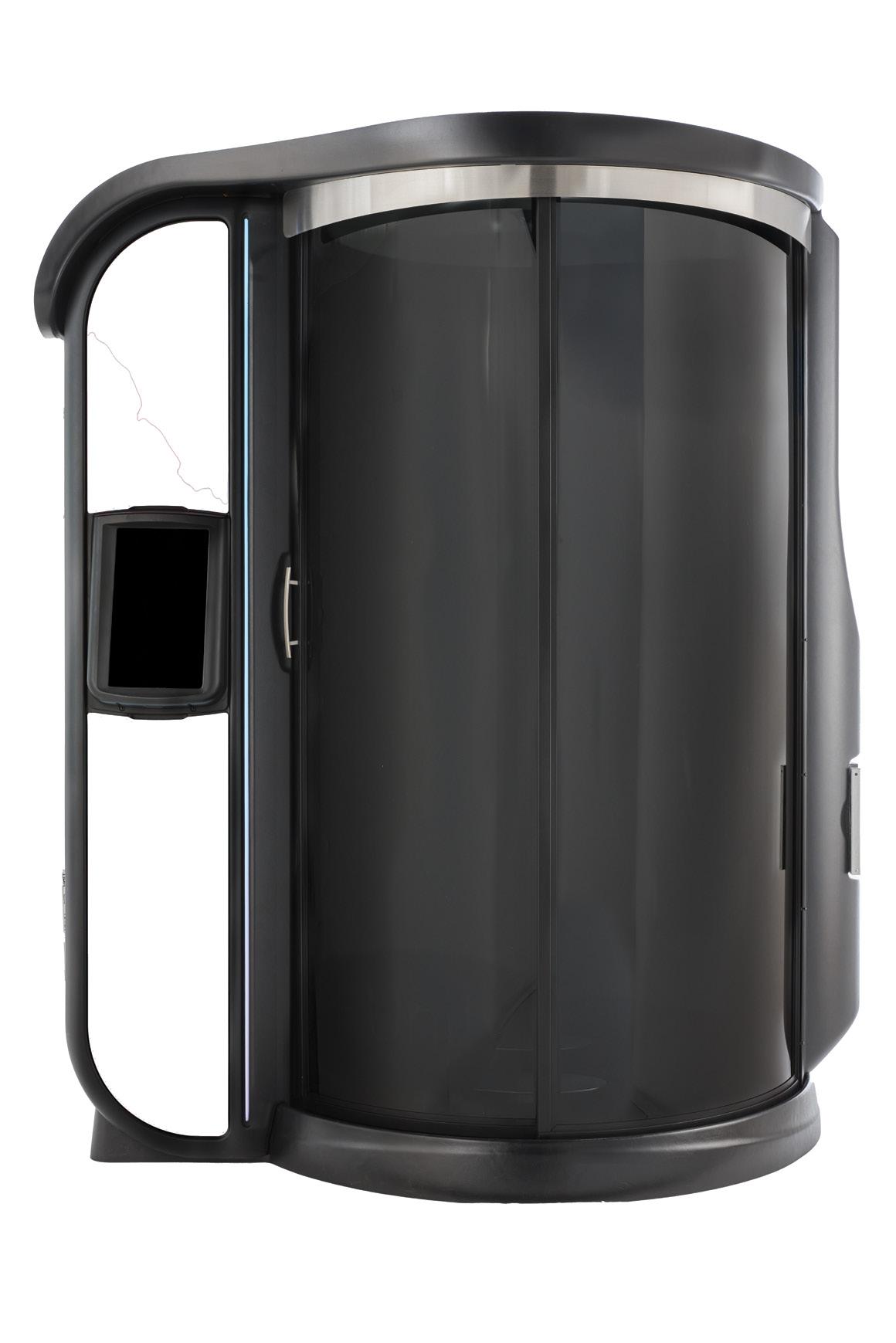
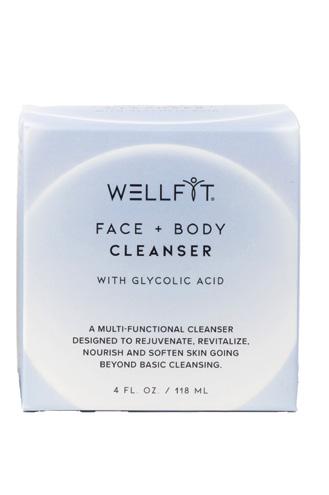
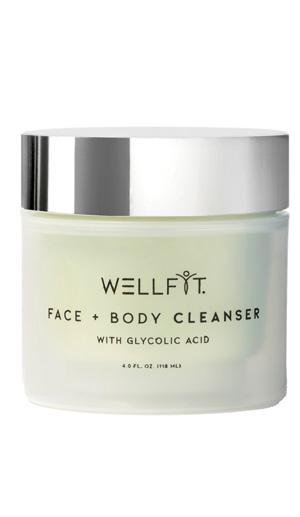
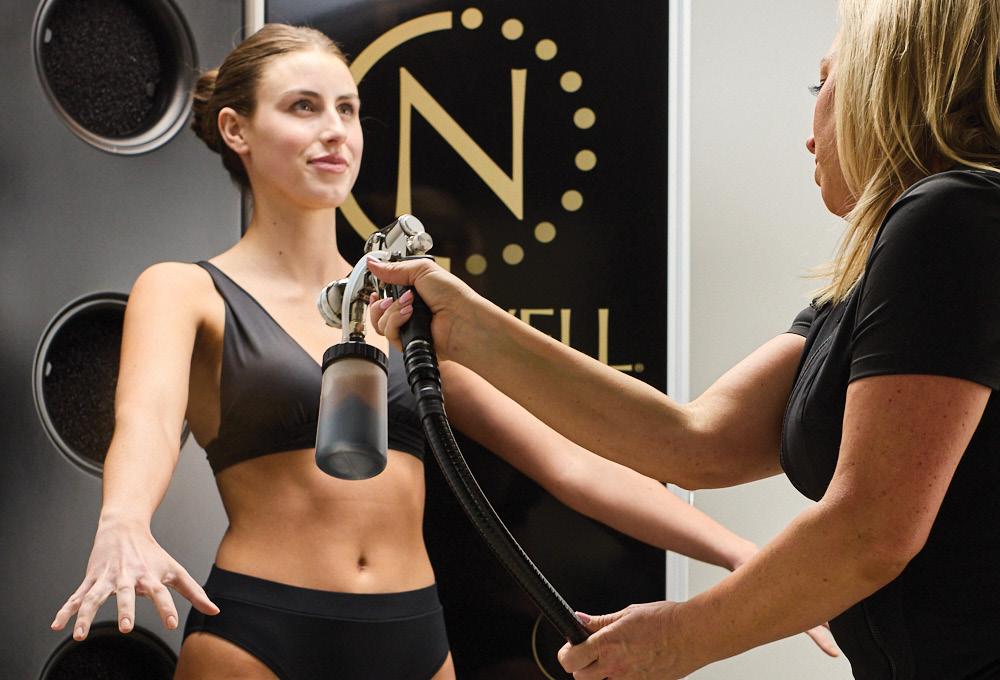
Powerful WellFit ® skincare solutions help to nourish, tighten, and protect skin
Customizable treatments for every body, every tone and every lifestyle
E ortless full-body application in minutes
Smart technology guides clients through easy sessions
Warm, comfortable experience
Automated mixing system helps to reduce waste and ensures consistent sprays
Automatic washdown cycle for easy maintenance
Crafting Packages Clients Actually Use
BY RHETT TANNER
In the salon industry, memberships have long been viewed as a steady source of recurring revenue, but not all membership models are created equal. Too often, salons launch packages that look great on paper yet end up underutilized or confusing to clients. The key to a thriving membership program isn’t just clever pricing—it’s alignment with real client behavior, psychology, and value perception.
From Transaction to Relationship
Memberships succeed when they transform transactions into relationships. Instead of focusing solely on unlimited access or discounts, top-performing salons build memberships around lifestyle integration.
Ask yourself: How often do my clients actually tan or visit for services? What’s the rhythm of their self-care routine? A client who tans once a week doesn’t need an all-access pass—they need a plan that fits naturally into their lifestyle and keeps them engaged.
The most effective models create an emotional link to the brand. Whether through exclusive perks, birthday gifts, early product access, or member-only wellness add-ons, the membership becomes less about the number of sessions and more about belonging to something elevated and consistent.
Building Packages That Fit
Data is your friend. Review booking history and seasonal traffic to identify patterns: Which months see spikes in visits? When do clients drop off? How many sessions does the average loyal client actually use? Once you understand behavior, you can craft
tiers that feel personalized—like “Glow Maintain” for once-a-week tanners, “Radiance Routine” for twiceweekly users, or “Wellness Unlimited” for clients adding red light or skincare treatments.
Every tier should feel like a perfect fit, not a gamble. Include flexibility, too— rollover credits or a freeze option keep members engaged even during slower months. When clients feel that a membership adapts to their life rather than locks them in, retention skyrockets.
Marketing with Intention
The way you present a membership matters just as much as its structure. Replace transactional sales language with lifestyle storytelling. Instead of “Save 20% on monthly tanning,” try “Keep your glow year-round with a membership designed around your wellness routine.” Highlight results, not just
savings—confidence, consistency, and convenience are stronger motivators than discounts.
Visual presentation also counts. Showcase real members, testimonials, and branded membership cards or digital dashboards that feel premium. If it looks like a commitment to selfcare rather than a subscription, it becomes part of your client’s identity.
The ROI of Retention
Membership programs aren’t just about recurring payments—they’re about predictable growth. A wellcrafted system improves cash flow, client retention, and long-term loyalty. But the secret to lasting success isn’t volume—it’s connection. When clients feel seen, valued, and understood, they stay longer, spend more, and become brand advocates in the process.
The best memberships don’t sell access—they sell belonging.
Sun is Life Certification’s Salon of Distinction
Each month, we select a salon that has successfully completed Sun is Life certification and/or training to be interviewed as our monthly Salon of Distinction. It’s a great perk for those who seek factual information through our training formats—and at no charge! This month, we go south of the border to a favorite vacation destination to see what drives Sunkissed Cancun . Read on!
SIL: Your location is quite unique to be interviewed as a Salon of Distinction—certainly the first in Mexico! What got you interested in starting Sunkissed in Cancun? What is your relationship to the city?
SK: Thank you, Joe, for this wonderful honor of being featured as a Salon of Distinction in Sun is Life magazine! Cancun has been my home for most of my life. I’ve lived in Mexico for 35 years, and much of that time has been spent here in this vibrant city. Over the years, I’ve built a deep love for both the people and the lifestyle, and it’s become a place that truly feels like home.
I’ve always had a passion for health, wellness, and beauty, and once my children were grown, I finally had the chance to bring that passion to life. I noticed that while Cancun is known worldwide for its stunning beaches,
Owner: Donna Raborn
Location: Cancun, Mexico
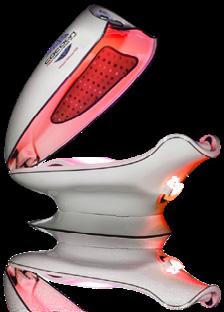
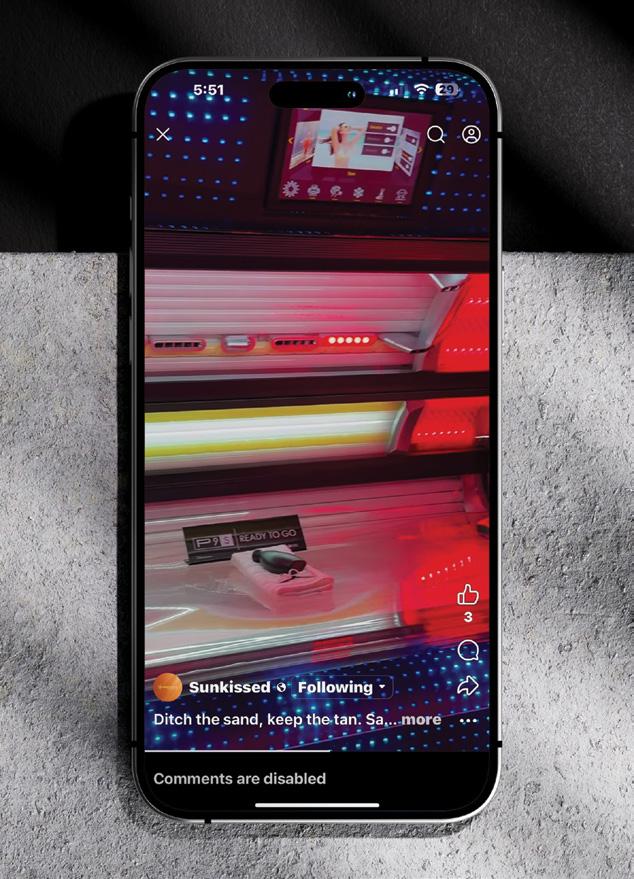
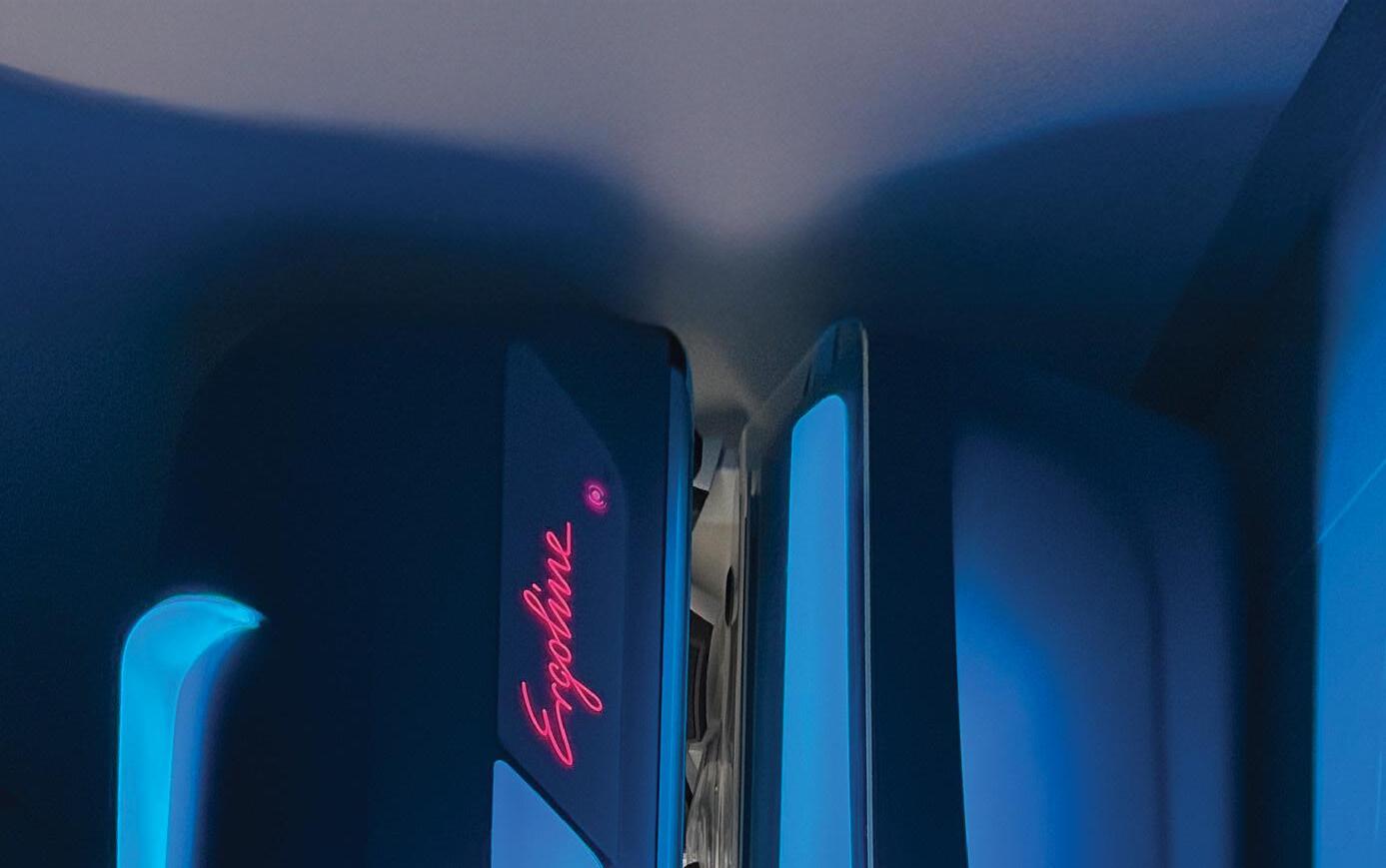
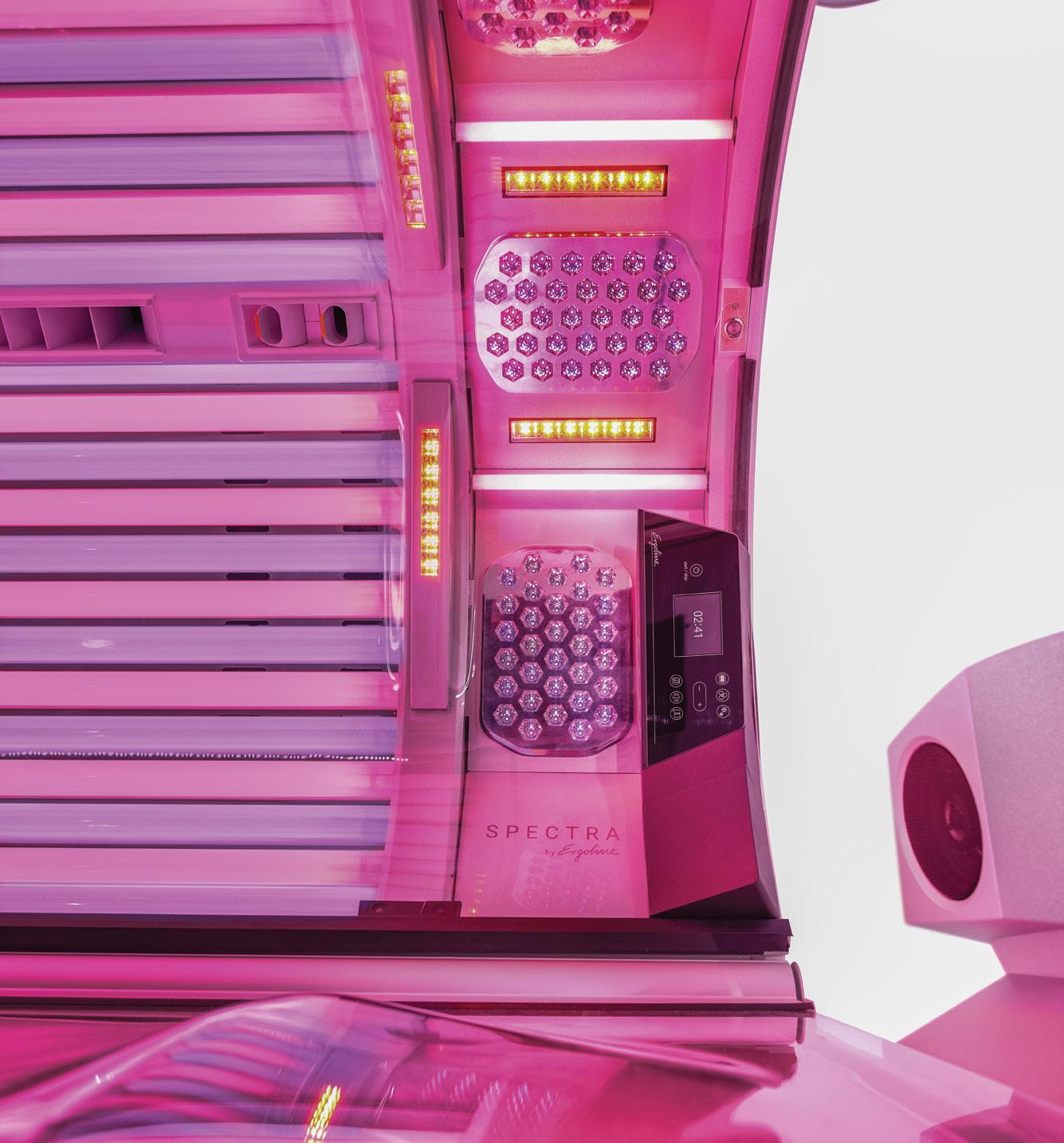
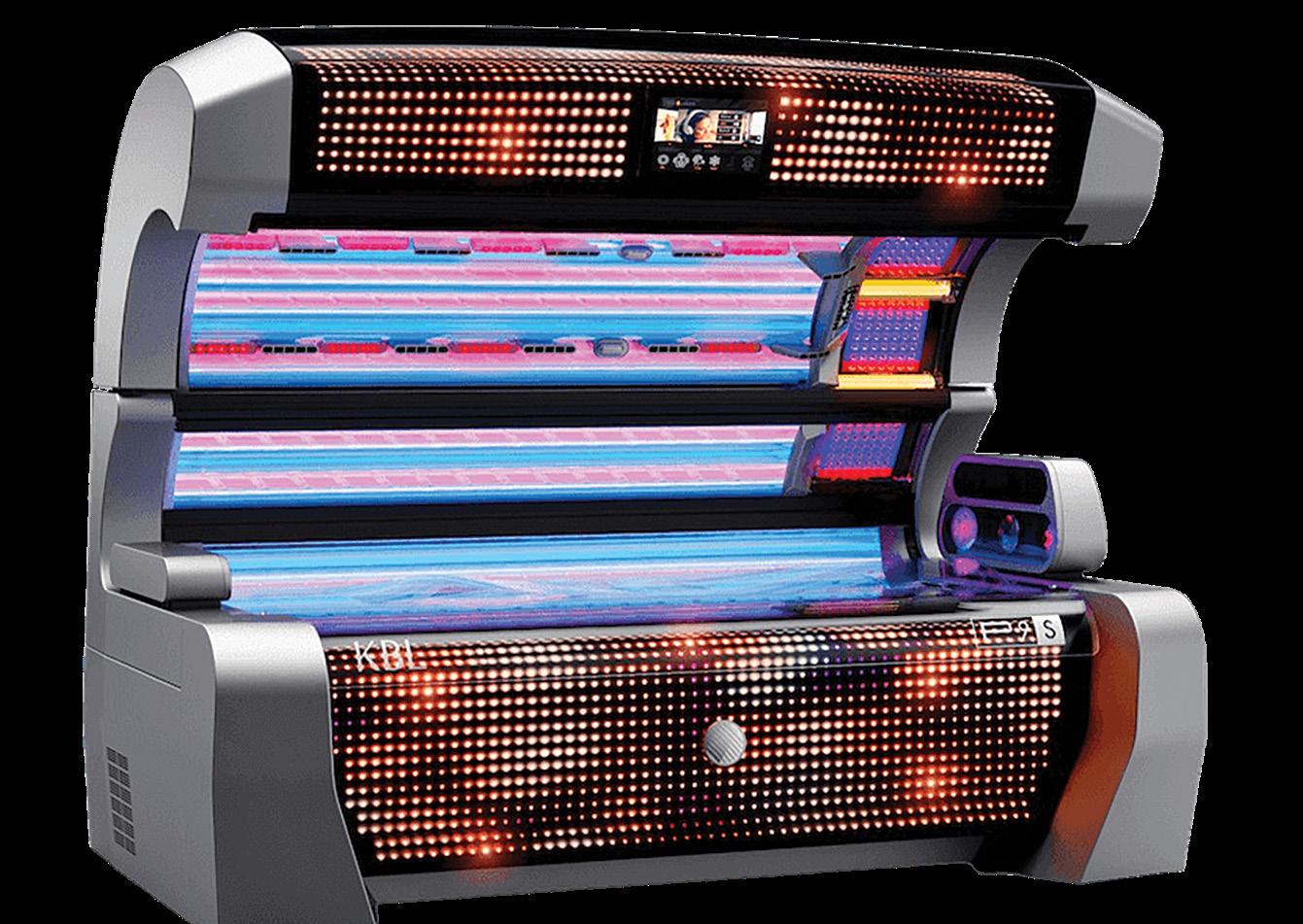
Equipment: Ergoline Pro IR Revive; Ergoline Vitality 50
Hybrid; KBL P9S
Lotion Brands: Devoted Creations
Distributor Partner: Ultraviolet Resources International
there was still something missing: a luxury tanning experience that could give people all the beauty of a sunkissed glow without the downsides of lying out for hours under the hot sun. That realization sparked the dream of Sunkissed
For me, this salon is about more than just tanning; it’s about creating a retreat where people—locals and visitors alike—can relax, recharge, and walk away feeling confident and radiant. Cancun has given so much to me, and I’m proud to bring something new and exciting back to the community I love.
SIL: I’m always interested in salon demographics. Is your clientele primarily the tourism industry? Who makes up the majority of your clients?
SK: Although Cancun is known as a global tourist destination, our focus is first and foremost on the local community. We want to provide residents with a luxurious and consistent tanning experience that fits their lifestyle, rather than something they have to rely on the weather or beach conditions for.
That being said, we also anticipate welcoming many tourists who want
a beautiful tan to complement their vacation memories. Whether it’s locals who come regularly or visitors looking for a special experience while they’re here, our goal is to provide the same level of care, comfort, and results for everyone who walks through our doors.
SIL: So many salons offer a diversified lineup of equipment that extends to wellness. What does Sunkissed feature?
SK: At Sunkissed, we’ve invested in state-of-the-art equipment to ensure that our clients receive the safest, most effective, and most enjoyable experience possible. Our lineup includes the Ergoline Vitality Hybrid 50, the KBL P9S MegaSun, and the Revive Pro laydown red-light therapy bed. Each of these options was intentionally chosen to suit a variety of skin types, tanning goals, and wellness needs. We believe that tanning should be more than just an outcome; it should be an uplifting experience that leaves you looking and feeling your absolute best.
SIL: You recently passed our Sun is Life certification course. What insights can you share about the importance of salon operator certification—and specifically Sun is Life certification?
SK: Completing the Sun is Life certification was such an important step for me. It gave me not only the technical knowledge of how to safely and effectively operate an indoor tanning salon, but also the confidence to know I can deliver an experience that clients can truly trust.
Tanning is personal: clients are putting their health and appearance in your hands, and I believe education is what transforms a business from simply offering a service into creating lasting relationships. The certification taught me how to go beyond the basics and deliver care that makes clients feel both comfortable and confident in their decision to choose Sunkissed.
SIL: Customer service plays such a large part in salon success. Tell us about the “Sunkissed Experience.”
SK: Customer service is at the heart of everything I do. My vision for Sunkissed is to create an experience that feels personal and unforgettable from the moment someone walks in.
I want every client to feel seen, heard, and cared for—whether
that’s helping them select the right bed for their skin type, offering guidance on how to achieve the glow they’re dreaming of, or simply giving them a space where they can relax and unwind. I know there will be challenges along the way, but I view those moments as opportunities to grow, to listen, and to turn a less-than-perfect experience into a lasting relationship built on trust.
SIL: Once you get to where you want to be with your salon, is that enough? What are your next goals for Sunkissed?
SK: Right now, my focus is on building a strong foundation, delivering incredible service, creating a community of loyal clients, and establishing Sunkissed as a name people associate with luxury and care.
But my vision stretches further. In time, I hope to expand into multiple locations and grow Sunkissed into a recognizable brand that stands for beauty, wellness, and confidence. More than anything, my dream is to continue creating spaces where people can feel radiant, rejuvenated, and truly “sun-kissed,” no matter where they are.
The Light That Sells Itself
Pitching and Selling Light Therapy in
a Salon
KRISTIN SMITHERS, CLT - BOARD CERTIFIED LIGHT THERAPIST AND SALON OWNER
Clients come back for how you make them feel: that lift after a visit, the calmer skin in the mirror, and the sense that someone listened. At our salon, we introduce light therapy through a rhythm any team can learn. It begins with one inviting question, moves through discovery, and ends with a clear next step. No jargon, no pressure, just hospitality, believable benefits, and consistency.
A first-time guest walks in for a quick tan on their lunch break. We do not start with science. We smile and ask, “What have you heard about light therapy, and if you could fix one thing, what would it be?” They mention redness and uneven color. That becomes our opening.
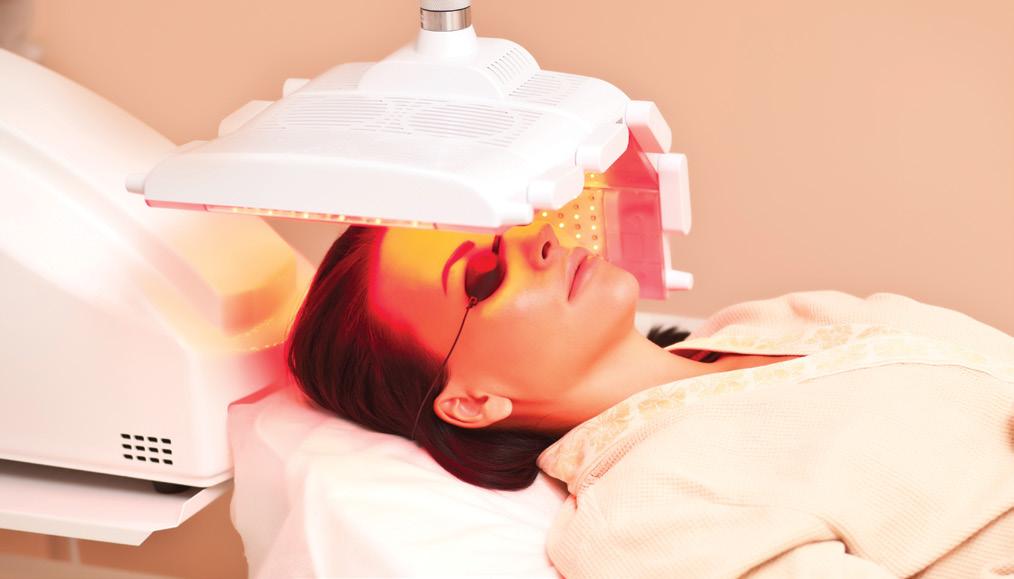
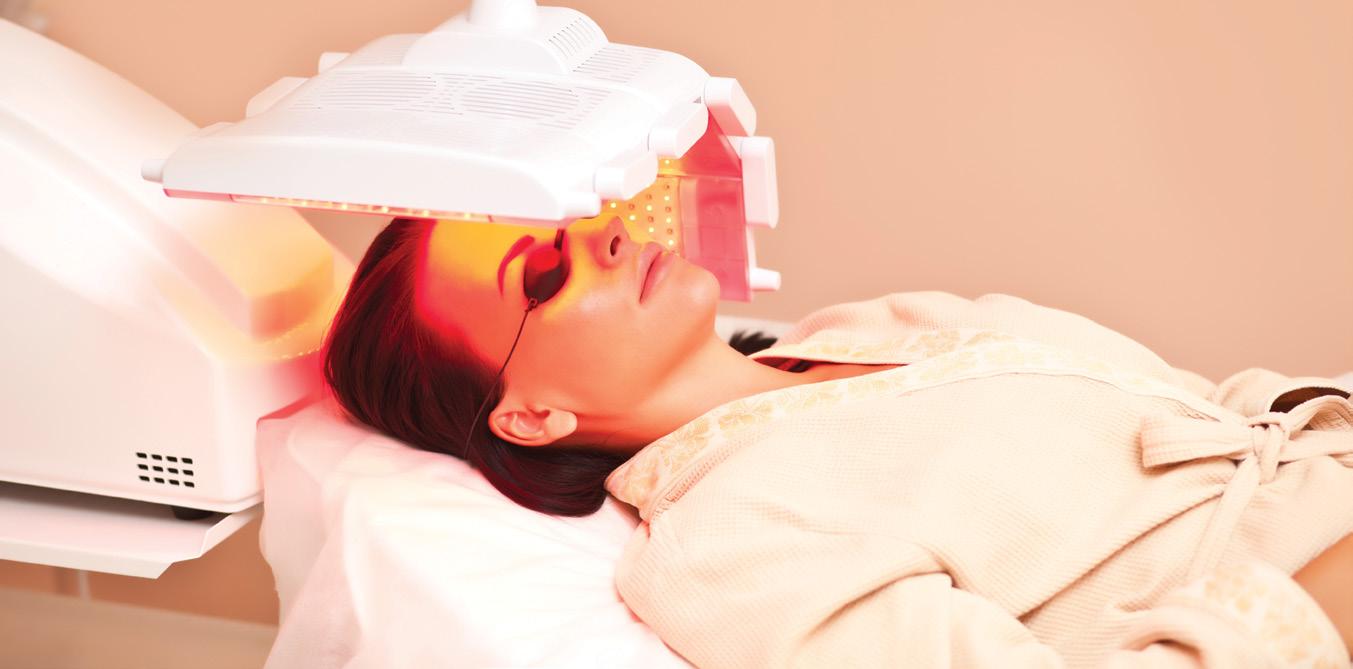
We describe light therapy as a quiet, relaxing room where gentle light supports the skin’s natural processes. Ten minutes, shoes off, eyes closed. Many clients notice calmer, more even-looking skin when they tan after a light session. The words are simple, the picture is clear, and the offer is easy to accept.
Connecting Goals to Benefits
The goal is not a perfect script. It is a connection. If a guest wants an even
spray tan, present light as prep for hydrated skin that takes color evenly. If she is a nurse with tired legs after long shifts, position light as a quiet reset. If she is a student juggling work and school, describe it as a ten-minute break that helps her recharge. You are not diagnosing or promising to heal. You are listening and linking her goals to believable benefits.
Explaining Light Therapy Clearly
Light therapy uses specific wavelengths, most often red around 630 to 660 nanometers and nearinfrared around 810 to 880. These wavelengths are absorbed by cell structures that influence energy production and circulation. In plain language, it helps skin appear
calmer, tone more even, and tightness reduced.
For UV clients, this calm appearance enhances their glow. For spray clients, light therapy preps and hydrates the skin for a smoother finish. Keep your message focused on comfort, appearance, and routine.
Handling Common Concerns
Most objections repeat, which makes them easier to manage.
Time: Present it as a ten-minute pause between errands.
Results: Explain that consistency builds results, like exercise. Offer a three-session sampler and follow up on how they felt.
Safety: Explain that you screen for light sensitivity, follow manufacturer guidelines, and use eye protection when needed.
Stay calm, friendly, and brief. The tone matters as much as the facts.
Creating Simple Workflows
Before a UV session, offer light as prep. Afterward, suggest a short visit to help the skin appear softer. For spray tans, tell a three-step story: light to prep, hydrator to support, then spray for color. If a guest sprays first, invite her back the next day for light to maintain that smooth look. When your team repeats the same story, it becomes habit.
Follow Up with Intention
Follow up should feel natural, not forced.
• Before the first visit, send a friendly reminder about what to expect.
• At check-in, ask how they are feeling and note any areas of tension.
• The next day, check on their sleep and how their skin looked.
• After three sessions, congratulate them and suggest a two-week reset.
If they lapse, a simple message such as “We saved your glow plan. Would you like me to put you on the schedule this week?” keeps the door open.
Keep Pricing Simple
Pricing should reward rhythm. A first-time trio builds quick proof and habit. For members, include a free trial so saying yes is easy. Keep the add-on price short and clear and offer small savings for members.
A two-week reset with six sessions and a monthly plan with eight to twelve visits with priority booking make membership a natural choice. The path stays clear: try, like, commit.
Measure What Matters
Track progress to sustain growth.
• Percentage of UV or spray visits paired with light therapy
• First-time trios sold each week
• Conversions from trio to two-week reset and monthly plans
• Client language in notes such as calm, even, or slept better
• After the session, ask, “How do you feel right now?” and record their response.
Review your progress weekly and celebrate wins. Use client language in future conversations.
Safety Builds Trust
Safety creates confidence. Screen for light sensitivity, migraines triggered by bright light, and photosensitizing medications. Take care with clients
who are pregnant, have seizure disorders, active cancer, or open wounds. Follow manufacturer timing, respect cooldowns, and sanitize between guests.
For UV clients, remind them to follow state exposure spacing rules. For spray clients, remind them to avoid heat the day of their tan and return the next day for light therapy.
A Story That Sells Itself
A teacher stops in for a quick tan before parent night, tired and rushed. We suggest ten quiet minutes of light therapy first. Shoes off, eyes closed, a short pause to reset. She agrees and leaves looking relaxed and radiant. She books two more sessions that week. By the end, she says she slept better and signs up for a two-week reset. The service worked because the sale felt like service.
Training Builds Confidence
Run weekly ten-minute huddles to keep language natural. One person plays the guest, one the guide. The guide asks the question, listens, connects the dots, and closes with a choice: a one-time add-on or a sampler covering the next two visits. Swap roles and borrow phrasing that feels natural. Confidence grows with practice.
The Heart of Light Therapy
Light therapy is not a mysterious gadget. It is a human service that helps clients feel calmer and look more even. It turns errands into self-care without adding complexity. Tell the story clearly, connect goals to benefits, and make the next step easy.
Ask, listen, invite, schedule, follow up, and repeat. You will not only sell more light therapy but also build loyal guests who return because the ritual fits their life and the results fit their mirror.
The Evolution of the Tanning Salon From Single-Service to Lifestyle Studio
BY RHETT TANNER
The tanning industry has undergone a remarkable transformation over the past two decades. What was once a business model centered almost entirely on UV tanning sessions has evolved into something far more dynamic: the modern lifestyle studio. Today’s leading salons no longer just sell tans; they sell confidence, convenience, and a curated wellness experience.
INDUSTRY, INTELLIGENCE, & MARKET LEADERSHIP
From Service to Experience
Early tanning salons were transactional by nature. Clients came in for a tan, left with color, and that was that. There was little emphasis on brand culture or community engagement. As wellness and self-care began reshaping consumer expectations, that single-service model started to feel outdated.
The next generation of salon owners recognized that to stay competitive, they had to offer more than a glow. They had to offer belonging.
Enter the lifestyle studio concept, a fusion of tanning, beauty, and wellness that meets clients at the intersection of physical appearance and emotional well-being. Today’s top-performing salons focus as much on experience as on results. Plush interiors, scent branding, curated playlists, and multi-service memberships have replaced fluorescent lighting and one-sizefits-all pricing.
Diversification: The Modern Revenue Model
Forward-thinking salons now treat diversification as a strategy, not a coincidence. Red light therapy, hydration treatments, automated skincare booths, and body-contouring services are becoming staples in progressive studios. This shift isn’t just about offering extras; it’s about building resilience.
By layering complementary services, salons expand client lifetime value while protecting revenue from seasonal fluctuations. Pairing spray tanning with red light therapy or introducing skincare lines that align with in-booth technology builds cohesion and authenticity. Each visit becomes an opportunity to upsell through relevance and trust.
The evolution from tanning-only to multi-service wellness centers creates not just new income streams but deeper client relationships built on expertise and holistic care.
Data, Design, and Differentiation
Modern tanning businesses understand that brand experience extends far beyond the treatment room. Data-driven insights now shape how studios schedule appointments, build loyalty programs, and personalize outreach. Smart salons use booking trends, client preferences, and purchase history to engage clients with precision.
At the same time, design—both digital and physical—has become a
powerful differentiator. A cohesive brand identity, sleek website, and thoughtfully curated space all signal modernity, confidence, and professionalism.
The Road Ahead
As tanning studios continue to evolve into wellness destinations, leadership will belong to those who innovate without losing authenticity. Consumers crave experiences that feel intentional, not manufactured.
The industry’s evolution is not a departure from its roots. It is an elevation of them. The glow that once came from UV bulbs now radiates from something bigger: a business model built on care, connection, and continuous reinvention.
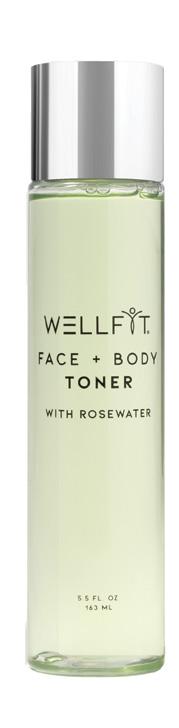
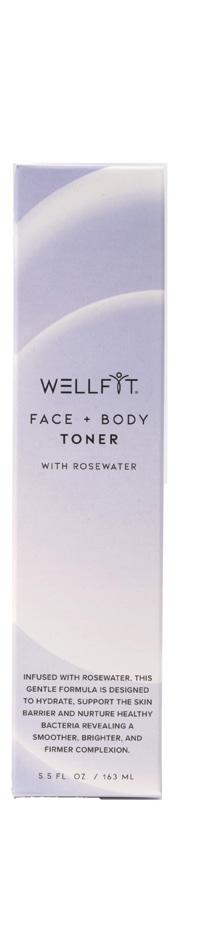
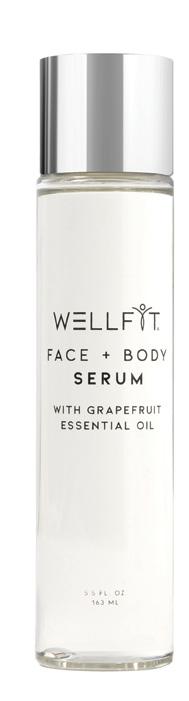
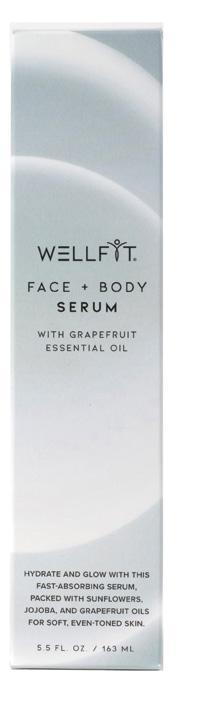
WellFit® Home is a full-body skincare system designed for clients seeking high-performance wellness beauty when they are away from their WellFit skincare treatments. GIVE YOUR CLIENTS SOMETHING TO TAKE HOME!
SKINCARE COLLECTION
PARABEN FREE
Red Light Skincare
The 2026 Category Revolution
BY AMARA OMOREGIE
The Red Light Skincare Breakthrough
While the tanning industry debates wellness integration, one category is already proving its explosive potential: red light skincare. Companies like Devoted Creations aren’t waiting for the market to develop—they’re actively creating it, with new red light-specific formulations coming off production lines today.
“We’re going to have a huge focus on the wellness side, more red light products,” reveals Lewis Henry of Devoted Creations. “New products are coming off the line today. We work very closely with companies like JK North America as far as the new equipment that they’re releasing with new technologies, and we always want to have the products to go along with the new technologies.”
This equipment-product synergy represents the industry’s smartest growth strategy. As salons invest in advanced red light systems, they need skincare formulations specifically designed to maximize those technologies’ benefits— creating a category that didn’t exist five years ago but could define the next decade.
Why Red Light Skincare Is Different
Traditional skincare operates on surface-level improvements, but red light therapy works at the cellular level to stimulate collagen production, reduce inflammation, and accelerate healing processes. The challenge has always been optimizing topical products to work synergistically with light therapy rather than competing with it.
“Red light has to be very close to your skin,” Henry explains, addressing why early red light equipment failed to deliver results. “The old units were so far away—your skin was 10 inches away from the red light. I don’t care how much you do it, you’re not getting results.”
Modern equipment solves the proximity problem, but now the industry needs formulations that enhance rather than block light penetration while delivering ingredients that support the cellular processes red light stimulates. This creates entirely new formulation challenges and opportunities that traditional tanning lotions never addressed.
The demographic expansion potential is staggering. While tanning appeals to specific customer segments, red light
skincare transcends age, gender, and lifestyle boundaries. Henry notes a rapid shift in customer demographics is expected, driven by the broad appeal of red light and wellness services. “Your customer base will start changing rapidly because red light and wellness has such a huge base of people that will be looking for that as a service.”
The Education Challenge Creates Market Opportunity
The red light skincare category’s newness creates both challenges and competitive advantages for early adopters. “There’s so many red light things out there—you look at Amazon right now and there’s just all these red light units, and probably 90% of them are complete junk, but they’re selling, which tells me the segment is getting larger and larger,” Henry observes.
This market confusion creates opportunity for professional salons with proper equipment and formulated products. While consumers struggle to navigate inferior home devices and generic skincare, salons can position themselves as the authoritative source for legitimate red light skincare experiences.
The key is education—both for staff and clients. “People really don’t know
what to look for,” Henry explains. “The education side is going to be huge on telling the consumer what they should be looking for as far as the equipment to get the red light, and then what products and ingredients go along with enhancing those results.”
The Daily Engagement Revolution
Red light skincare fundamentally changes customer behavior patterns in ways that traditional tanning services cannot match. “It’s an everyday situation for somebody’s wellness and health—it’s an everyday thing. Where tanning, you might tan once a week or twice a week, the wellness space is an everyday thing,” Henry explains.
This frequency difference creates unprecedented revenue opportunities. “To see red light results, you’re doing it three to five days a week. So these customers, unlike tanning, are going to be visiting and patronizing your wellness studio on a daily basis.”
The implications extend far beyond service frequency. Daily visitors create opportunities for retail product sales, supplement integration, and comprehensive skincare consultations that weekly tanning customers rarely engage with. “We want to provide the products whether they be gummies or topical or during a session or after a session,” Henry notes, describing Devoted’s comprehensive approach to the red light customer journey.
Building the Red Light Skincare Business
The Strategic Equipment Foundation
Success in red light skincare starts with proper equipment selection—a lesson the industry learned from earlier equipment failures. “When red
light first came out in this industry, I think one of the reasons it didn’t really catch on at the start is because the units themselves were not giving the results,” Henry explains.
For salon owners ready to enter this category, Henry recommends starting with quality red light equipment as the foundation investment. “If they haven’t added anything besides traditional tanning services, the first piece of equipment they should be buying and looking for this year is going to be in the red light space.”
This foundational approach recognizes that red light skincare success depends entirely on equipment that delivers therapeuticlevel light therapy. Without proper equipment, even the best formulated products cannot deliver the results that create repeat customers and word-of-mouth growth.
The Professional Training Imperative
Red light skincare demands entirely different staff expertise than traditional tanning services. Team members need understanding of skin biology, light therapy mechanisms, and ingredient interactions that most tanning salon employees have never encountered.
“Let’s say these employees have been working in a tanning salon for 10 years—now it’s a whole new game change,” Henry observes. This educational challenge creates opportunity for businesses willing to invest in comprehensive staff training while creating barriers for competitors taking shortcuts.
Devoted addresses this through extensive in-person training programs. “We are still doing more
in-person training than any other company. Our staff is booked out for the next six months going on the road,” Henry reports. “Having these conversations with staff is going to be the most important thing.”
The training investment pays dividends through staff confidence and client trust. When team members understand the science behind red light therapy and can explain ingredient synergies, they transform from order-takers into skincare consultants who can justify premium pricing and build client loyalty.
The Product Integration Strategy
Red light skincare requires systematic product integration rather than random product additions. Devoted’s approach focuses on formulations that work before, during, and after light therapy sessions to maximize results while creating multiple purchase opportunities.
“We have lines such as Collagen Genetics for the red light and blue light. We have products like Fit Burn segment which a lot of people use
in the cocoons or saunas,” Henry explains, describing how product lines integrate across multiple wellness modalities.
The supplement integration represents particularly significant opportunity. “We’re actually getting ready to do a new gummy which will be vitamin C and E all into a gummy that goes along with everything that we’re doing for skin care on the outside. We also want to have products for the inside for wellness as well.”
This inside-outside approach recognizes that red light skincare clients often embrace comprehensive wellness approaches, creating opportunities for higher transaction values and increased customer lifetime value.
Avoiding Implementation Mistakes
Henry points out that although existing UV and Sunless salons can do well by diversifying and adding red light, in many cases it takes more than just the initial investment. Successful red light skincare requires systematic implementation including staff
training, product selection, marketing strategy, and client education programs. “If you’re bringing in the equipment, you’ve got to come up with a whole plan. Just adding equipment is not going to be a game changer without having a complete wellness package that you’re creating.”
The planning approach extends to marketing and client communication. Red light skincare clients have different motivations, expectations, and decision-making processes than traditional tanning customers, requiring messaging and service delivery adjustments throughout the business.
The 2026 Market Reality
As major tanning chains rebrand toward wellness and red light equipment becomes more sophisticated and affordable, 2026 represents the tipping point for professional red light skincare services. Early adopters will establish market position before the category becomes crowded, while late adopters will face established competitors with trained staff and loyal clientele.
“This industry is drastically changing. I think everybody has seen it,” Henry observes. “Some people were early pioneers, but there’s such a shift that as a manufacturer for products, we have to be the leader in that space.”
For salon owners ready to capture this opportunity, the combination of quality equipment, professionalgrade skincare formulations, comprehensive staff training, and systematic business planning creates the foundation for category leadership in their markets.
The red light skincare revolution isn’t coming—it’s here. The question isn’t whether this category will grow, but whether your business will be positioned to capture its potential.
Get Ready for Inspections: Time for a Little CSD!
Cleaning, Sanitization, and Disinfecting
BY JOE SCHUSTER
As the instructor for the classroom version of Sun is Life Certification, I receive many questions about sunbed cleaning, sanitization, and disinfection. Most of these questions arise during salon inspections, where confusion about procedures or terminology often leads to compliance issues. Let’s clear that up.
Disinfection vs. Sanitization: What’s the Difference?
To clarify the distinction, I spoke with Robert Urfer of Lucas Products. His company offers a quick online training program to help salons understand the differences between sanitization and disinfection.
Sanitization reduces pathogens and germs on surfaces.
Disinfection goes further by killing harmful microorganisms.
Never guess dilution levels. One of the biggest mistakes salon owners make is diluting cleaning solutions incorrectly. Many states require that the manufacturer’s instructions be followed to ensure proper dilution. Some inspections even use test strips to confirm these levels.
Even if your state does not require it, always follow product directions exactly. For example, Lucas’s sunbed cleaning product must remain on the surface for 60 seconds to kill 99.99% of germs. For disinfectionlevel cleaning, it must remain for 10 minutes
Building Consistency and Routine
Many salons choose to disinfect once a day, either before opening or after closing. This deeper cleaning should cover the entire salon from top to bottom. Establish clear daily cleaning
responsibilities and consistent routines for every team member.
Those who have completed Sun is Life® Training and Certification know the program includes a full module on cleaning and sanitization. If you haven’t yet taken this training, here are a few essentials to follow in your salon.
Those who have completed Sun is Life® Training and Certification already know the program includes a full module on salon cleaning and sanitization. If you haven’t yet taken the training, here’s what you should know. The importance of proper
CERTIFICATION, TRAINING,
cleaning practices became especially clear during the onset of COVID, when our classroom courses covered these procedures in depth. Today, with many new salon owners entering the industry—and even some experienced ones returning for recertification— awareness of sanitization standards is higher than ever.
Tanning Room Standards
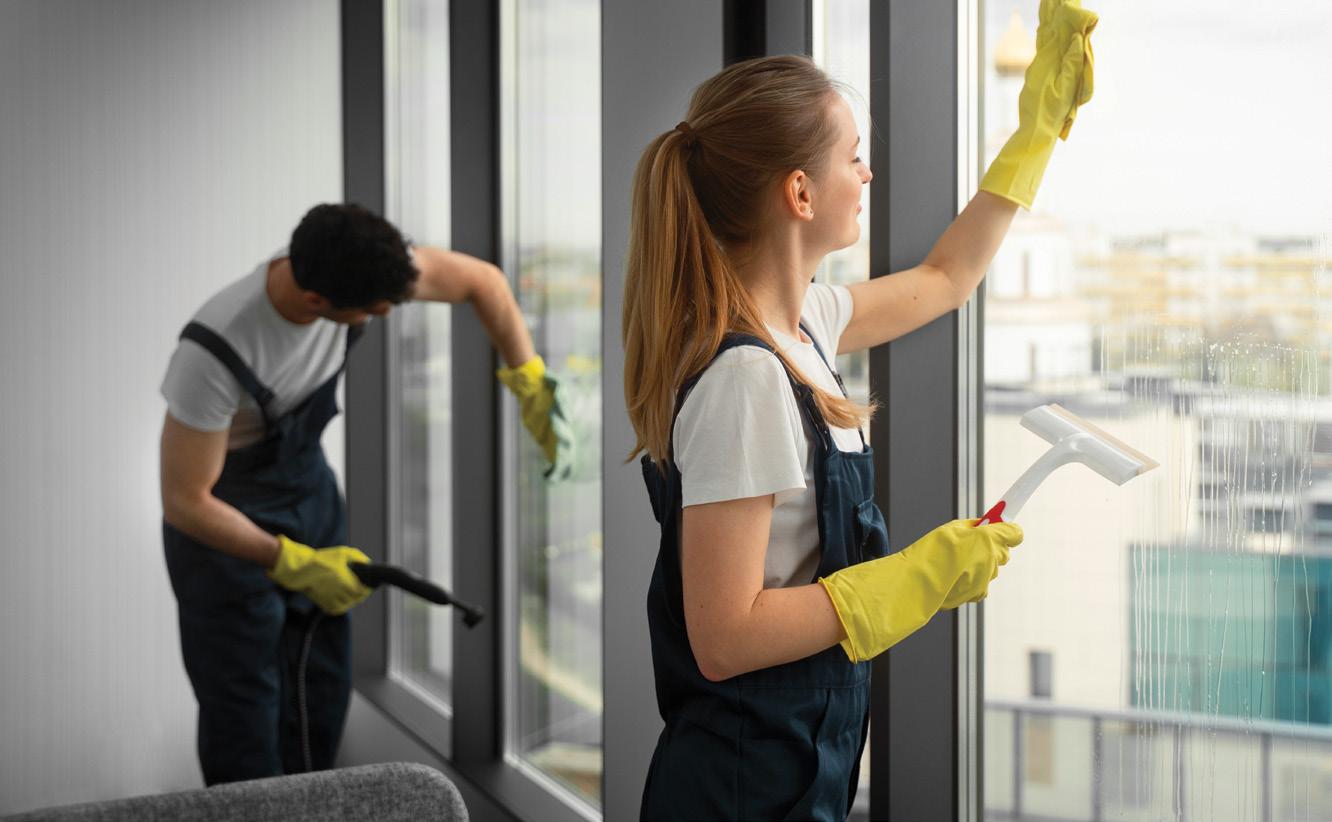
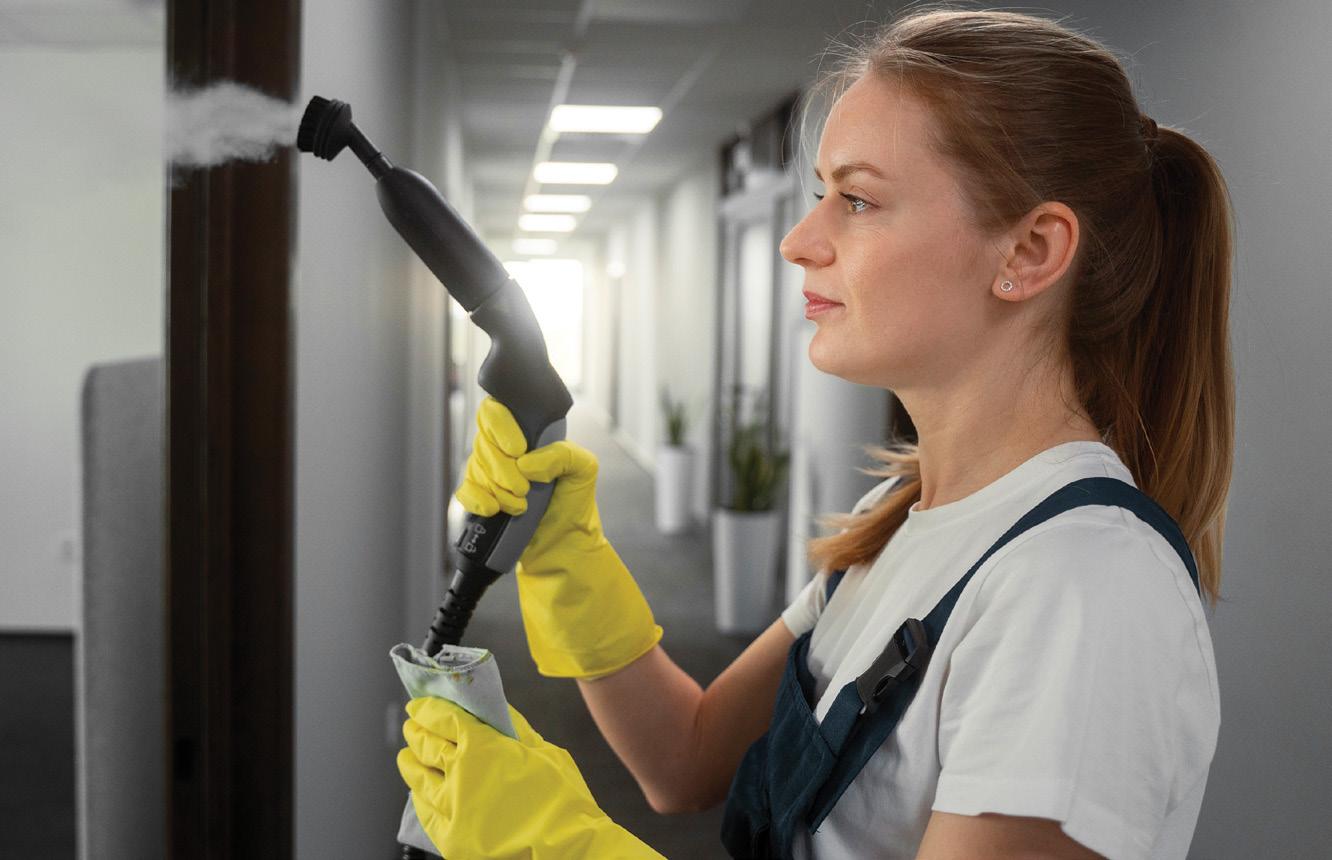
To ensure clients enjoy a safe and comfortable tanning experience, the tanning room must be spotless.
• Use the correct cleaning solution on both the top and bottom acrylics of each sunbed.
• Use one towel and one side of that towel per acrylic.
• Leave the solution on the surface for the time listed on the label, then wipe completely dry.
Bathrooms and Lobby Appearance
Bathrooms should never receive a quick once-over. Clean and sanitize every surface a customer might touch.
Next, consider your reception area. What message does it send? Your lobby reflects your salon’s professionalism to both new and returning clients. Keep it spotless. Remove fingerprints from glass, dust from surfaces, and clutter from tables or product displays.
Client Eyewear: Clean and Safe
If you sell reusable goggles, clean them before every use—even if they belong to the client. Customers should understand that eye infections such as conjunctivitis (pink eye) spread easily and can reappear if eyewear is not disinfected.
Keep alcohol dispensers and cotton
pads available so guests can clean their goggles before each session. This small step not only prevents infection but also reassures clients that safety is your priority.
Lamp Longevity and Inspection Preparedness
A few years ago, a salon owner contacted me after failing an inspection related to her sunlamps. The inspector insisted that she provide documentation showing the expected lifespan of the lamps in use.
As someone who taught salon certification and worked as a VP of sales for a sunlamp manufacturer, I knew this was a misinterpretation of the regulation. Lamp lifespan is not a fixed figure—it depends on multiple factors such as voltage, acrylic condition, starters, and general maintenance. No single document can accurately state how long every lamp will last.
To clarify, this was an example of an inspector applying their own interpretation of a rule rather than following the written regulation. When I reviewed the regulation, it stated only that nonfunctioning lamps must be replaced, not that owners must document lamp lifespan.
Once this was shown, the failed inspection was removed from the salon’s record.
The takeaway: Always verify the regulation itself. If an inspector cites an infraction, politely ask them to show the exact section in the regulation that supports their claim—ideally highlighted or printed. This keeps the conversation professional, ensures accountability, and protects your salon from unnecessary penalties based on interpretation rather than law..
Final Takeaway: Clean, Consistent, Compliant
The cleanliness of your salon reflects your professionalism, your respect for clients, and your commitment to safety. Proper cleaning and disinfection protect both your guests and your reputation.
By following manufacturer directions, maintaining detailed routines, and verifying your compliance with clear regulations, you can approach every inspection with confidence.
Get your staff certified today with Sun is Life training at www.sunislife.com
Turning Employee Appreciation Into Better Performance and Client Loyalty Recognition as a Leadership Strategy
BY RHETT TANNER
In a busy salon environment, it’s easy to focus on the tangible: appointments booked, services completed, and products sold. But what often separates good salons from great ones isn’t technique or speed; it’s the culture behind the service. At the heart of that culture lies one deceptively simple skill: gratitude.
Recognition Strengthens Confidence and Connection
When employees feel appreciated, they perform better. Recognition validates effort, fuels motivation, and sets the emotional tone of the workplace. Gratitude doesn’t require grand gestures. Even small acknowledgments like “Thank you for handling that client so gracefully,” or “I noticed how you supported your teammate today,” can lift morale and energy.
In salons where time moves fast and expectations run high, these small moments of recognition help staff feel seen, grounded, and confident.
How Recognition Shapes the Client Experience
Clients can easily sense the difference between a salon that values its people and one that doesn’t. A grateful employee
naturally delivers warmer, more attentive service because they are emotionally invested. When staff members are consistently recognized for their efforts, it shows in every interaction through genuine smiles, better communication, and authentic care.
Recognition is contagious. It flows from leadership to team members, and from the team to the clients, creating a cycle of appreciation that fuels loyalty.
Teaching Appreciation as a Core Professional Skill
Many salon owners emphasize technical training but overlook emotional development. Teaching recognition and appreciation as professional skills bridges that gap. Encourage stylists, estheticians, and tanning specialists to thank clients sincerely after each appointment— not out of routine, but as part of a shared experience.
Create systems where staff recognize one another: monthly shoutouts, appreciation boards, or quick team huddles that start with a simple thank-you from each person. These small rituals build connection and make gratitude part of daily culture rather than a once-a-year effort.
Leaders Set the Emotional Standard
Leaders determine the emotional climate of a salon. When owners and managers model recognition by thanking employees publicly, acknowledging milestones, or simply checking in on how someone’s day is going, they create psychological safety and trust.
Teams that feel valued are more resilient, adaptable, and cooperative during stressful seasons. A culture of appreciation doesn’t just improve retention; it builds pride and ownership in every role.
Appreciation as an Operational Advantage
In an industry built on personal connection, appreciation isn’t soft— it’s strategic. It reduces burnout, lowers turnover, and strengthens client loyalty through consistent, elevated service.
Ultimately, recognition transforms a salon from a workplace into a community. When everyone, from front desk to floor, feels valued, they give more of themselves to the job and to each other. In that environment, both the business and its people thrive.
Why Thankful Brands Build Greater Loyalty
BY RHETT TANNER
In the fast-paced beauty and wellness sector, brands often compete on price, technology, and convenience. Yet one trait continues to separate the truly successful from the rest: gratitude. In the tanning industry, where client loyalty is built through trust, comfort, and consistent results, leading with appreciation isn’t just good manners—it’s a competitive strategy.
Appreciation as a Brand Value
The most respected tanning brands and salons share one common thread: they make people feel seen and valued. Whether it’s a heartfelt “thank you” after every service or recognizing loyal customers with personalized perks, appreciation communicates that the relationship matters beyond the transaction. This simple act transforms a routine visit into an emotional experience, and emotional connections are what drive repeat business.
For example, salons that take time to celebrate their clients’ milestones—a customer’s anniversary, birthday, or 50th session—create memories that can’t be replicated online. In an industry where customers have dozens of choices, that small gesture
keeps them coming back to the brand that makes them feel appreciated.
The Ripple Effect on Brand Reputation
Thankful brands don’t just retain clients; they attract them. A grateful, customer-first approach naturally amplifies a brand’s reputation. Clients talk about being appreciated, and word-of-mouth becomes the most authentic form of marketing.
In today’s digital world, where reviews influence nearly every purchase decision, gratitude translates into five-star ratings and glowing testimonials. A salon that publicly thanks its customers on social media or highlights staff achievements with equal warmth sends a clear message: this is a place that values people.
Gratitude Inside the Organization
Loyalty begins from within. Employees who feel valued and thanked for their efforts naturally extend that same gratitude to clients. In salons where management fosters appreciation—from celebrating small wins to recognizing exceptional customer service—staff morale and retention improve.
Happy teams create happier clients, and the cycle of gratitude continues outward.
Turning Gratitude into Leadership
As the tanning industry evolves into a wellness-driven space, appreciation has become a defining brand differentiator. Thankful brands lead the market because they connect both emotionally and ethically. They express gratitude not only toward customers but also toward their communities—supporting local charities, sustainable practices, and educational initiatives such as tanning safety and skin wellness awareness.
These actions establish leadership not through dominance, but through service. Gratitude builds a reputation that technology alone can’t buy—one founded on trust, integrity, and longterm relevance.
Conclusion
In the end, being thankful isn’t a marketing tactic; it’s a mindset. Brands that lead with appreciation build loyalty that lasts long after the glow fades, securing their place as trusted leaders in the tanning and wellness industry.
Creating an Education Culture
Teaching Clients How to Get the Most from Their Visit
BY RHETT TANNER
In the modern salon environment, education is no longer just for staff— it’s a vital part of the client experience. Clients today aren’t simply booking appointments; they’re seeking understanding, empowerment, and personalized results. When salons foster a culture of education, they elevate not only their clients’ outcomes but also their reputation as trusted wellness partners.
WELLNESS TRANSFORMATION & EDUCATION
Education as a Service
Think of education as an invisible amenity. Clients may come in for tanning or skincare, but when they leave with new knowledge about UV safety, hydration, or how to maintain their results at home, you’ve added unexpected value.
This kind of education builds loyalty and trust because it tells your clients that you care about their longterm well-being, not just their next appointment.
The goal is to replace passive service with active engagement. For example, instead of simply running a client through a tanning session, explain how skin preparation, exfoliation, or post-treatment moisturizers impact their results. This transforms your technicians from service providers into wellness guides, and that distinction is powerful.
Turning Every Touchpoint Into a Learning Moment
Creating an education culture doesn’t mean handing clients pamphlets or overloading them with information. It’s about weaving education into natural interactions.
Front desk teams can explain membership benefits, technicians can describe what a red light therapy session actually does for the skin, and digital screens in waiting areas can share quick, bite-sized insights. Even signage and social media can serve as tools for teaching.
Small, consistent education moments throughout a visit create an impression of expertise without feeling like a lecture. It also helps reduce misunderstandings, such as improper skincare routines or misused at-home products, that can compromise results and satisfaction.
Empowering Employees as Educators
To sustain an educational culture, employees must feel confident in their own understanding of services. Training should go beyond technical skill and focus on communication— how to break down complex topics in clear, friendly language.
The more your staff understands, the more they can teach naturally. Encourage them to share “pro tips” or insights about how clients can maintain results between visits. This positions your salon as an active partner in their wellness journey rather than just a place for occasional treatments.
Building a System of Ongoing Learning
Education doesn’t end once a client leaves your salon. Follow-up emails, newsletters, and social posts can reinforce what clients learned during
skincare treatment, a brief email could explain how to protect the skin barrier or recommend compatible retail products.
Workshops, webinars, and Q&A sessions are also effective ways to bring clients into the learning process. These not only strengthen retention but also spark referrals—people love sharing knowledge that made a difference in their self-care routines.
The Long-Term Payoff
When salons become centers of education, clients feel cared for, respected, and more connected to their results. That sense of empowerment transforms occasional customers into lifelong advocates.
By teaching clients how and why to care for themselves, you create something far more lasting than a single appointment—you create trust. And in the wellness industry, trust is the currency that keeps every
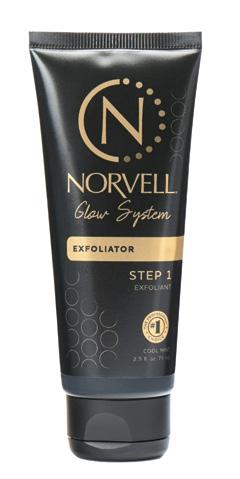
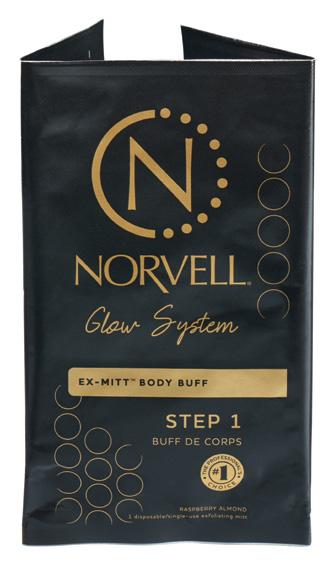
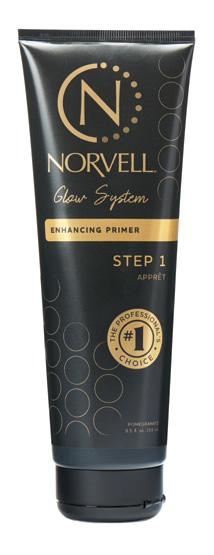
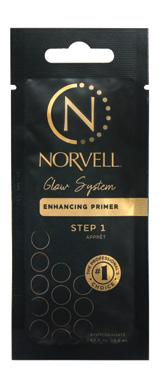
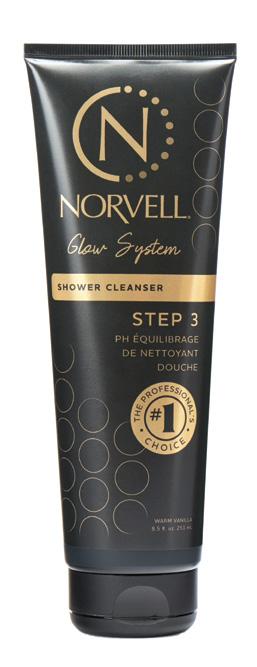
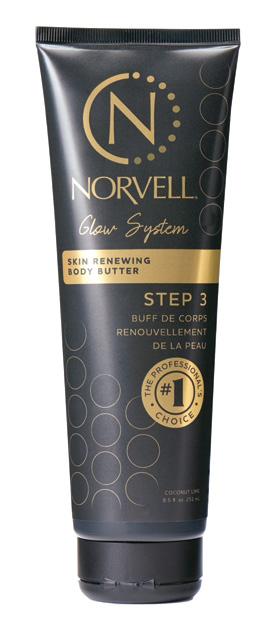
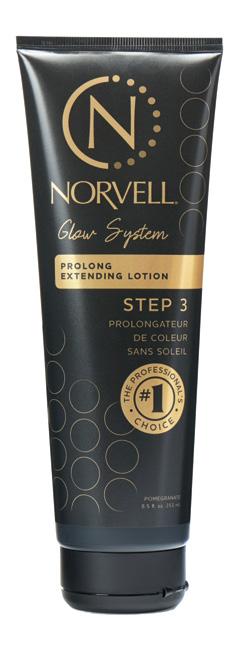
THE GLOW SYSTEM IS A SIMPLE REGIMEN DESIGNED TO MAXIMIZE SPRAY TAN RESULTS. THE MOST FLAWLESS, LONG-LASTING AND NATURAL LOOKING COLOR IS AS EASY AS 1, 2, 3.
STEP 1 | PRE-TAN PRODUCTS: Prepare Skin For the Spray Tan Session
EXFOLIATOR EXMITT
MUST HAVE - MOST IMPORTANT PRE-TAN PRODUCT!
STEP 2 | GET YOUR GLOW! Products to Use During Spray Tan Session
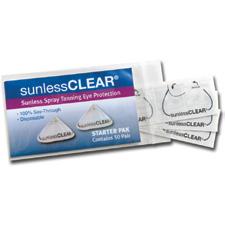
Provide clients with all FDA-recommended accessories as part of every spray tan session: hair net, neat feet, nose filter, and eye protectors.
STEP 3 | POST-TAN PRODUCTS: Maintain and Extend Color 24- 48 Hours After Spray Tanning Session & Between Appointments
The Next Era of Tanning Technology
Bill Pipp on TSU, KBL, and the Game-Changing K11
BY JOE SCHUSTER
Introductory Question:
You’ve had a long career in this industry, and I’m sure many of today’s new salon owners don’t know your full background. Tell us about your history and how you arrived at your current role.
Bill Pipp:
What I enjoy most about Tanning Supplies Unlimited is our ownership team—Mike and Christina Gilley. They are caring, honest, and deeply dedicated to this industry. Our customers always come first, followed closely by the health and welfare of the entire tanning community. Mike and Christina respect every TSU associate and make us feel like family. You really couldn’t ask for a better environment to work in.
Before joining the tanning industry, I spent time with several key organizations including ETS, AG New Sunshine, and the Indoor Tanning Association (ITA). Each role gave me valuable experience in product development, marketing, and business operations, all of which prepared me for my current position as Vice President at TSU.
The TSU and KBL Relationship
TSU’s partnership with KBL began shortly after Hans Juergen Krietz and Jens Uwe Reimers left JK Ergoline to become Directors at KBL in 2017. As they evaluated U.S. distribution, they reached out to TSU as a potential partner. I had previously worked with both Hans and Jens when they
distributed New Sunshine lotions in Europe and later helped facilitate the sale of our ETS Tanning Equipment division to JK Ergoline. Over the years, we became close friends and trusted business associates.
When Mike and Christina considered becoming a KBL distributor, they contacted me to help focus on sales and marketing for the brand. My
long-standing relationship with them began years earlier when their salon chain purchased New Sunshine products from me. That partnership expanded to equipment sales, then to distribution of ETS tanning equipment and New Sunshine lotions. Both Mike and Christina have become close personal friends as well as respected business partners.
The TSU Team
TSU has assembled a “top-shelf” team. From Paul Manke, Eric Haynes, Jim Peak, and Eric Matras, to our Technical Support team led by Bruce Williams and Korri Harris, and administration by Marie Rodriguez, we collectively bring nearly 500 years of combined indoor tanning experience to the table. It’s a tremendous group to work with.
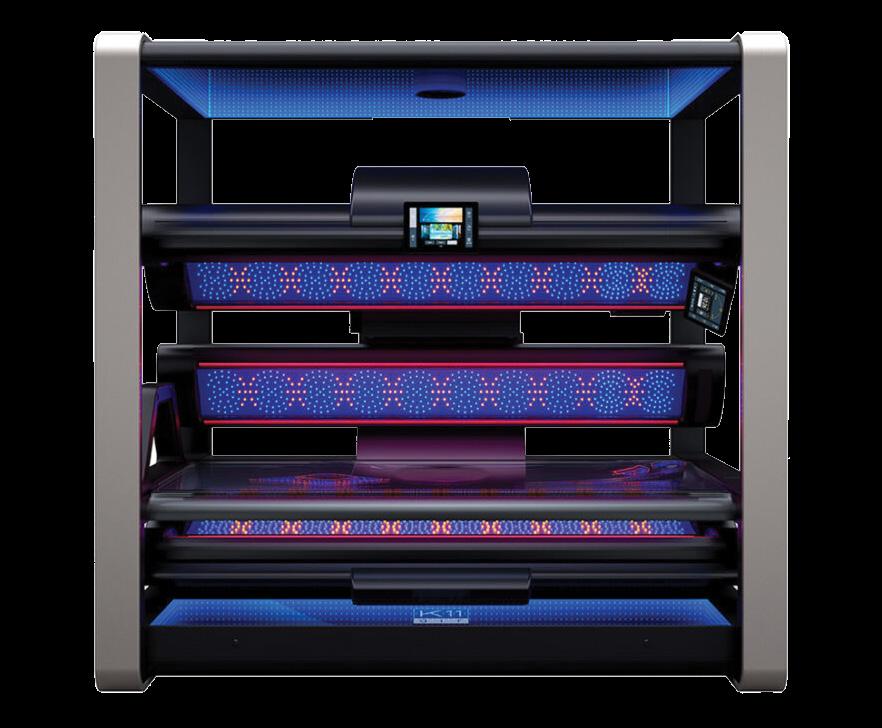
The Latest Game Changer –The K11
The new K11 sunbed is an absolute game changer. It motivates even hesitant salon owners to consider the investment by offering the newest, highest-quality, and highestperforming equipment in the industry.
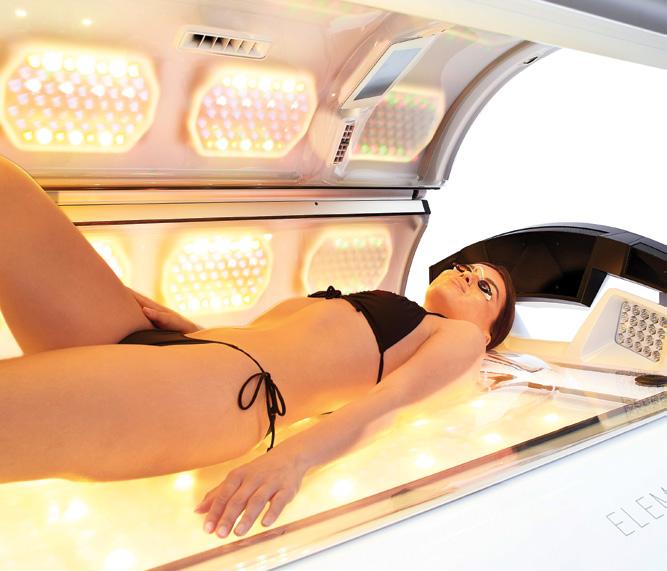
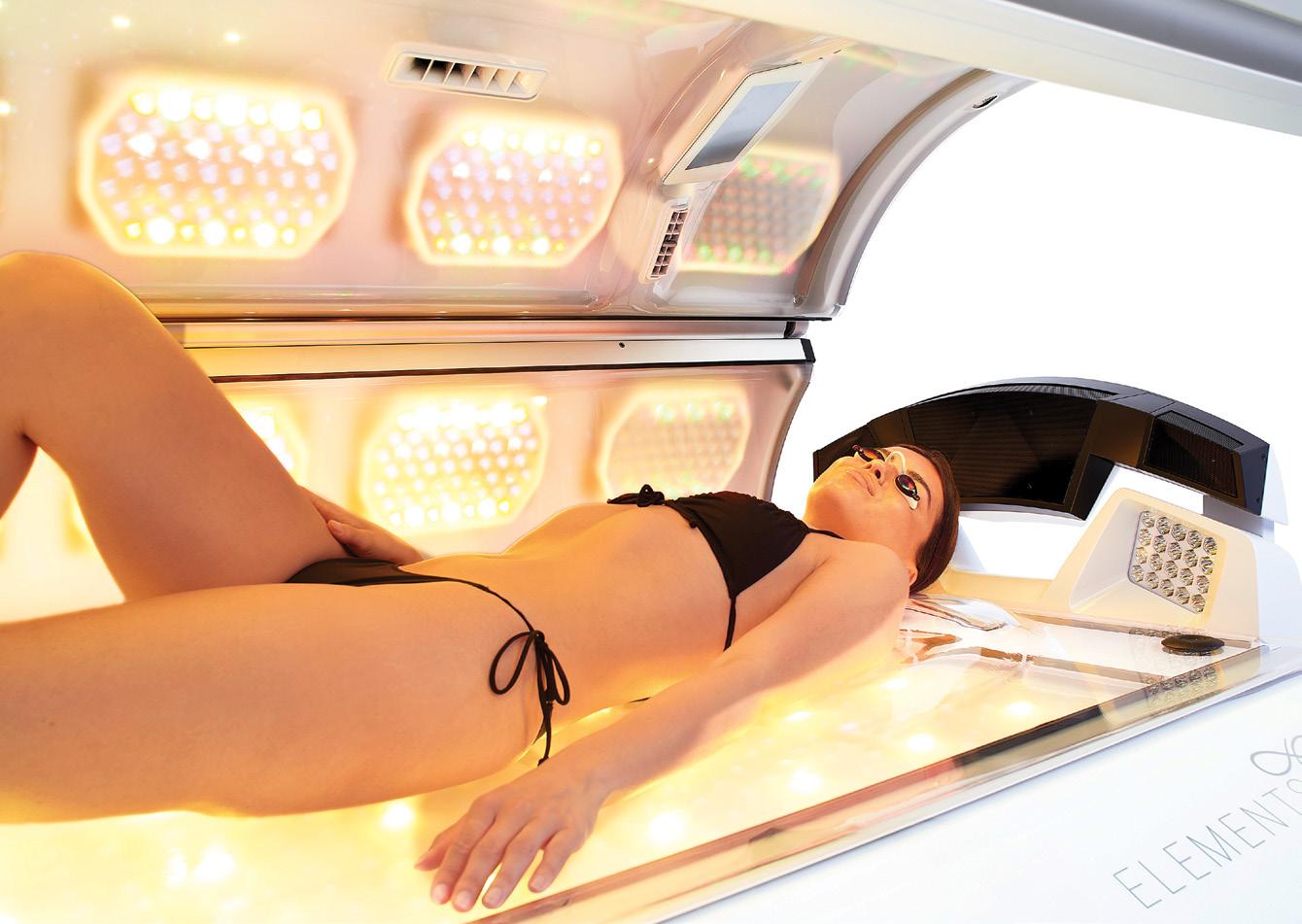
The K11 uses UVA, UVB, and Red Light LEDs, which significantly reduce electrical amp draw and generate much less heat. These long-lasting LED lamps outperform standard low-pressure lamps and last much longer. With reduced air conditioning needs, lower energy consumption, and fewer lamp changes, the K11 provides substantial cost savings over its estimated 12–15-year lifespan. It’s truly an investment in the future of any salon.
Bill encourages everyone to visit him and the KBL team at upcoming industry expos such as Sunshine & Serenity in Columbus, OH, and Heartland’s UV, Sunless, and Wellness Event in Kansas City, MO.
Follow-Up Questions with Bill Pipp
How do the UVA, UVB, and Red Light LEDs in the K11 differ from traditional tanning lamps in terms of results for clients?
The K11 features LED lamps with higher output than traditional fluorescent or high-pressure lamps. They operate within a very narrow but highly effective band of the UV spectrum that stimulates and oxidizes melanin more efficiently. It’s like a “super boost” for the tanning process, producing a richer cosmetic tan.
How does the LED configuration improve performance and safety compared to earlier models?
Performance is enhanced through the K11’s advanced software integration. Customers can choose exposure settings that simulate “early morning,” “high noon,” or “late afternoon” sunlight—all within the FDA’s safety standards (21CFR1040.20).
Most users report excellent results in sessions lasting five to seven minutes. Our Sunfinity concept provides a wide range of options within those spectrums to suit different skin types and preferences.
What is the average cost of ownership compared to traditional sunbeds over the 12–15-year lifespan?
KBL’s longevity testing shows an estimated 20,000 hours of useful life for the LED lamps, but at TSU, we conservatively use 15,000 hours for comparison. That translates to about 90,000 tanning sessions.
The K11 only requires a 30-amp breaker, a lighter “smart” ballast system, and far less power than typical sunbeds. Less heat means smaller, more efficient fans, and installation can be done in rooms as small as 8’ x 8’ with a 48” hallway.
The savings also extend to maintenance. Traditional fluorescent lamps last about 800–1,000 hours, so
when you add up replacement costs, freight, and installation time, the difference is substantial. Many salon owners change their own lamps, and I’m sure they’d rather spend that time selling products and services. The K11 eliminates much of that workload.
How quickly can salon owners expect to see a return on investment from reduced electricity and A/C usage?
The return on investment is nearly immediate. The K11 positions a salon as a market leader offering cuttingedge technology. The real question is, do you want to lead your market, or watch opportunity pass you by?
How do the P11 and R11 compare to the K11? Are they part of the same product family or designed for different uses?
The R11 is part of the same family and serves as a fully LED Red Light Therapy system.
Our P9S Extra uses Beauty Booster Hyper Red LEDs, Sunsphere facial and shoulder lamps, and Pure and Extra Sunlight lamps.
The P9S Hybrid combines Sunsphere facial and shoulder LEDs with traditional Pure Sunlight, Extra Sunlight, and Smart Sunlight fluorescent lamps. Each model serves different goals but maintains the same KBL quality standard.
From a client’s perspective, how does the K11 experience differ from traditional sunbeds?
Our P9 has often been compared to a Porsche—fast, sleek, and highperformance. The K11 takes that to another level. Many major players in the industry are now choosing the K11 as their signature sunbed.
It’s a truly immersive experience.
During testing, we noticed something interesting: clients who tanned in the K11 did not experience the typical “after-tan smell.” When you touch the acrylic during use, it’s only slightly warm, not hot. The system uses a targeted UV wavelength above 355 nm, which produces a tan without disrupting the skin’s microbial balance that often causes odor.
Research supports this, showing that UV radiation below 355 nm can alter skin bacteria, producing odor-causing byproducts. More information on this can be found here: PMC Article on UV and Skin Microbiome
How does this equipment help salons stand out in a competitive market?
It’s best summarized by the K11’s key advantages:
• All-LED Technology: Blue UVA, yellow UVB, and red Nano Beauty LEDs deliver a customized and advanced glow.
• SunControl: Lets users adjust the “virtual sun’s” position and intensity for personalized results.
• SmartControl Display: A 10-inch touchscreen manages tanning settings, air conditioning, and more.
• AquaCool: Provides a refreshing mist for a revitalizing experience.
• AirBreeze: Offers adjustable ventilation and comfort control.
• SunFinity LED Technology: Enhances UVA and UVB output for improved facial and neck tanning.
• Open-Air Design: Creates a spacious, non-claustrophobic feel.
• High-End Wellness Features: Includes premium sound systems and relaxation options for a luxurious experience.
What would you say to a salon owner who feels the K11 is “too advanced” or unnecessary?
Some owners may feel that way, but others see it as a tremendous opportunity to reach a new market. If a salon determines it’s not the right fit, that’s okay. We have a complete product line that accommodates every salon’s budget and business model.
Watching Out
How Smart Salon Owners Protect Their Teams and Their Bottom Line
BY JOE SCHUSTER
Last month, our panel tackled JASON—the slower months of the tanning industry—and shared creative ways they offset sluggish times.
This month’s topic: Security Systems.
Several years ago, a salon owner caught one of her best customers on camera stealing an expensive lotion bottle while the manager was cleaning a sunbed. When confronted, the client denied it—until the owner mentioned the footage. In tears, she was refunded her unused sessions and told not to return.
Let’s see what our Salon Pros have learned about salon security.
More Than Catching Thieves
Like many owners, I’ve caught theft on camera before, but that’s not why I installed surveillance. My priority is my team’s safety.
We have a monitor in the lobby so guests see themselves as they enter. Theft still happens, but my goal is prevention. After a friend shared how she was attacked at work by a man who had scoped out the business beforehand, I vowed to never take chances.
Behind my counter are young women, sometimes working alone. Cameras aren’t just about theft—they’re about protection and peace of mind. I can replace products, but not people.
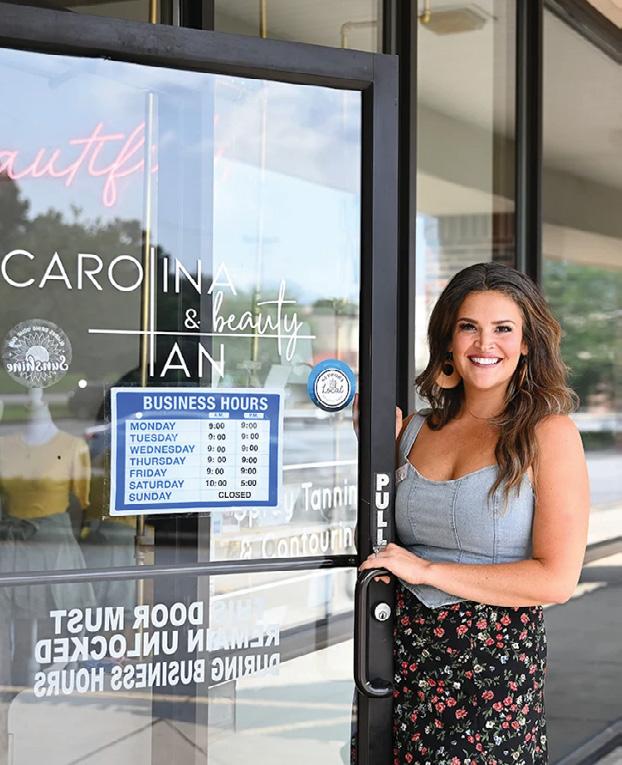
—Emily Sigmon, Carolina Tan & Wellness
We’ve had cameras since day one. My husband installs them, so our cost was minimal. They’ve proven invaluable for protecting our business and encouraging staff accountability.
When theft happens, we show the client the footage and give 48 hours to make it right before calling police. About 90% come back, pay, and continue tanning with us. Employee theft has been nearly nonexistent.
Cameras help verify behavior, resolve disputes, and reinforce professionalism. They’ve been one of our best investments.
—Patty Warren, Tantopia
If you’re wondering whether you need cameras, the answer is yes. Ours reduce theft, but more importantly, they give staff peace of mind.
We rarely have theft; instead, footage helps resolve client misunderstandings. Once I mention checking the video, stories change fast.
We switched from Swann to Blink cameras—affordable, wired, and easy to review. Recently, footage caught a 34-year-old man flirting with a 16-yearold employee after she told him her age. I banned him immediately. Months later, his wife demanded proof. I showed her the footage; she apologized—and rumor has it, she’s now single.
—Christine Nelson, Glow Tanning Spa
Smart Solutions for Smaller Salons
At Island Glow Tanning & Beauty Spa, we use WYZE cameras. They’re affordable, have great image quality, and can all be viewed in one app.
Once, I watched a customer steal a $30 self-tanner live on video. Police recovered it, and she was charged. Another time, a client verbally abused an employee; when I mentioned the recording, the behavior stopped instantly.
—Michelle Waters, Island Glow Tanning & Beauty Spa
SALON PROSE
We’ve used Reolink cameras for years—about $500–$700 per location. I check traffic flow, inventory, and training from the app.
If theft occurs, I email the footage. One client paid restitution and remained loyal for years. Cameras also help resolve disputes—98% of the time, footage confirms staff were correct.
Always check your state’s audiorecording laws before installing.
—Nikki Capps, Myrtle Beach, SC
We use Arlo cameras in our lobbies, hallways, and entrances. They’ve saved us countless times from false claims.
My favorite system is SimpliSafe—it’s wireless, easy to install, and sends text alerts showing who disarmed the system and when. It even includes panic buttons and glass-break detection for $29.99 a month. The peace of mind is worth every penny.
—Victoria Cordes, Bear Naked Tanning
At The Beach House Tanning Salon, cameras once caught a customer “trick-or-treating” for products. She denied it until I offered to show the footage to police. She paid immediately.
We’re upgrading to Verizon cameras with both audio and video. It’s a necessary investment in safety.
—Lori VanDeWall, The Beach House Tanning Salon
Before owning a salon, I worked in retail and was once stabbed by a shoplifter. Since then, I’ve focused on prevention.
Retail theft exceeds $45 billion annually in the U.S. Cameras help, but only if monitored. Thieves often “test” systems by stealing something small to see if anyone reacts.
In smaller salons, strong customer relationships remain the best deterrent. Staff should also know cameras exist for safety, not suspicion. When employees feel trusted, they protect your business as their own.
Cameras and policies matter, but nothing replaces great customer service and a trained team. Don’t expect what you don’t inspect.
—Vic Perrin, Total Tan
I hadn’t considered cameras before, but after 21 years in business, rising petty theft has me planning to install exterior systems to complement our motion lights.
—Andrea Pelascini, Beach Bums Tanning & Wellness Salon
We use the Defender Vision AI 4K system from Sam’s Club for about $230. The free app allows real-time or recorded monitoring at no extra cost.
Benefits of Salon Cameras:
• Deter theft and vandalism
• Increase client trust
• Improve staff accountability
• Provide incident evidence
• Support workflow efficiency
• May reduce insurance premiums
• Aid emergency response
Security cameras aren’t just about safety—they build professionalism and trust. They’re a small investment that delivers big protection.
—Shay Ellen, The Sun Shack
Reassessing the Role of Sunlight and Ultraviolet Radiation in Public Health
BY JOE SCHUSTER
For decades, Europe’s public health messaging has focused almost exclusively on the dangers of sun exposure, particularly the risk of skin cancer. While avoiding overexposure remains essential, new scientific evidence shows that regular, moderate contact with natural sunlight provides vital health benefits. These benefits go far beyond vitamin D production, extending to protection against heart disease, certain autoimmune conditions, allergies, and improvements in mental and cognitive health.
The European Sunlight Association (ESA) calls for a more balanced approach. Public policy should continue to warn against the risks of excessive exposure, but it must also encourage safe, daily interaction with sunlight as part of a healthy lifestyle.
Background
Humans have lived under the sun since the beginning of our species. Our bodies are designed for it, and our health depends on it. Yet in recent decades, public health strategies have leaned heavily toward “sun avoidance.” While this has reduced some skin cancers, it has also left millions of Europeans missing out on sunlight’s proven health benefits.
Evidence of Benefits
Longer, Healthier Lives
Large European studies show that people who spend more time in the sun live longer and face lower risks of heart disease and other major causes of death. Swedish research found that women with low sun exposure faced the same increased risk of dying as smokers.
More Than Vitamin D
Vitamin D is crucial, but sunlight’s benefits extend further. Sunlight helps the skin release nitric oxide, which lowers blood pressure, and it influences the immune and hormonal systems in ways that supplements cannot replicate.
A Stronger, Calmer Immune System
Moderate sunlight exposure helps the immune system stay balanced— reducing unnecessary inflammation while supporting the body’s natural defenses. Studies show benefits for conditions such as multiple sclerosis, type 1 diabetes, childhood allergies, and even recovery from viral infections.
Better Development and Brain Health
Children whose mothers received adequate sunlight during pregnancy have fewer learning difficulties. Sunlight also supports hormones related to mood, energy, and social well-being—important factors for mental health.
Heart and Metabolic Health
Regular, moderate sunlight exposure is associated with lower rates of high blood pressure, obesity, and type 2 diabetes—some of the most significant health challenges in Europe today.
Policy Implications for Europe
From
Fear to Balance
Europe must evolve from the message “avoid the sun” to “use the sun wisely.” Encouraging moderate daily exposure, while maintaining protection against burning, will deliver better health outcomes for all.
Supporting Those at Risk
People with limited access to sunlight—such as older adults in care homes, individuals living at high latitudes, or those with chronic illness—should have greater access to safe, light-based therapies that mimic the sun’s beneficial effects.
Investing in Research
Europe should lead new clinical studies to clarify how sunlight contributes to the prevention and treatment of major diseases, particularly cardiovascular,
autoimmune, and metabolic disorders.
1. Update national guidelines to promote safe, regular sunlight exposure.
2. Integrate sunlight into public health strategies for cardiovascular health, immunity, and mental wellbeing.
3. Educate the public on both the risks and benefits of sunlight through awareness campaigns.
4. Support European research into light-based preventive health and therapeutic innovation.
Conclusion
The scientific evidence is clear: when enjoyed responsibly, sunlight is not only safe but necessary for good health. Everyone should be encouraged to step into the light— regularly, moderately, and wisely.
Public health policies must reflect this balance, ensuring that Europeans benefit from their most natural and abundant health resource: the sun.
Source: Position paper from European Sunlight Association
What to Look for When Investing in New Salon Equipment
BY RHETT TANNER
In today’s rapidly evolving tanning and wellness industry, the equipment you choose isn’t just a purchase— it’s a statement about your brand. The right investment can elevate your salon’s reputation, improve efficiency, and create unforgettable client experiences. The wrong one can drain resources, frustrate staff, and leave your space feeling outdated within a year.
Whether you’re opening a new salon or upgrading your existing setup, smart equipment decisions come down to balancing innovation, reliability, and long-term ROI.
Start with Strategy, Not Sales
Before getting swept up by glossy marketing or new technology buzzwords, define your business strategy. Are you a high-volume salon focused on fast turnover, or a boutique studio emphasizing premium, personalized service? Your answer should guide your choices.
A single-location, wellness-focused salon, for instance, might invest in multifunctional booths that combine tanning, skincare, and aromatherapy. Meanwhile, a multi-location chain may prioritize consistency, durability, and ease of maintenance across units.
Think in terms of alignment, not impulse. Every piece of equipment should serve your core mission, brand promise, and client journey.
Evaluate Technology and Innovation
The best new salon equipment isn’t just advanced—it’s adaptable. Look for technology that integrates multiple services or can evolve with future
EQUIPMENT, TECHNOLOGY, & INNOVATION
trends. Automated skincare systems, UV-free tanning booths, or hybrid wellness units with red light therapy are examples of multi-purpose innovations that expand service offerings without requiring major renovations.
Ask vendors about software compatibility, app integration, and data tracking. Can the equipment connect to your booking or CRM platform? Can it monitor usage and performance metrics? A unit that syncs seamlessly with your digital tools provides not only convenience but valuable insights into client preferences and operational efficiency.
Reliability and Support Matter More Than Features
Shiny tech means little without dependable support. Investigate the manufacturer’s reputation, warranty terms, and service network. A slightly more expensive model from a trusted brand often pays for itself through uptime and responsive customer service. Request performance references from other salon owners, not just sales testimonials.
Ask these key questions before buying:
• How quickly can parts or technicians be available if something breaks?
• Is training provided for my team?
• Are software updates included, or will they incur fees?
The right partner relationship often determines your long-term satisfaction more than any single product feature.
Design, Space, and Energy Efficiency
Equipment aesthetics also impact perception. Today’s clients equate design with professionalism, so consider how new pieces integrate visually into your space. A cohesive look between your booths, lighting, and reception area communicates intentionality and modernity.
And don’t overlook sustainability. Energy-efficient equipment not only reduces overhead costs but aligns your brand with environmental awareness—something increasingly important to younger clients.
Invest in Experience, Not Just Equipment
Ultimately, every purchase should amplify your client experience and strengthen your brand identity. Modern consumers aren’t loyal to machines—they’re loyal to feelings. They return to places that make them feel cared for, understood, and rejuvenated.
When your equipment reflects that commitment—efficient, elegant, and purpose-driven—it does more than enhance your services. It elevates your entire business.
Scheduling Significance
How Intentional Recognition Turns Routine Into Retention
BY RHETT TANNER
In the salon world, success isn’t just about staying busy; it’s about staying connected. When appreciation becomes part of the salon’s rhythm, it moves beyond being a gesture—it becomes a strategy for retention, morale, and brand identity. The idea of a “Recognition Calendar” brings structure to appreciation, ensuring it doesn’t depend on chance or mood but becomes a deliberate part of your salon culture.
From Good Intentions to Daily Practice
The best leaders know appreciation can’t be left to memory. Between back-to-back appointments, product orders, and client consultations, even the most well-intentioned managers forget to pause and acknowledge effort.
A Recognition Calendar addresses this by creating a consistent schedule for appreciation—specific dates, themes, and actions that make recognition visible and repeatable. Whether it’s celebrating birthdays, client anniversaries, or staff milestones, structured recognition builds rhythm. It turns emotional culture into measurable practice.
Recognizing Your Team with Purpose
Creating a weekly or monthly recognition rhythm transforms how employees experience their workplace. Mondays might begin with “Motivation Messages,” short notes from leadership highlighting wins. Fridays could feature a “Team Toast,” celebrating standout efforts from the week. Each
quarter, a brief appreciation meeting or social hour can highlight teamwork, creativity, and growth moments that made a difference.
These simple practices boost morale, reinforce shared values, and invite staff to take ownership of recognition. Over time, the result is less burnout, more connection, and a stronger sense of belonging.
Appreciation That Extends to Clients
Recognition shouldn’t stop with the team. A client-focused calendar ensures appreciation fuels loyalty, not just satisfaction. Seasonal campaigns— like a “Glow & Give” holiday event or a “Client Appreciation Week” during summer—create moments to reconnect and celebrate relationships.
By using appointment history, birthdays, and service anniversaries, salons can automate small gestures of thanks, loyalty perks, or personalized product samples. These touches
may seem small, but they create a consistent pattern of care. When clients feel remembered, they don’t just return—they recommend.
Making Consistency Sustainable
The key to maintaining a Recognition Calendar is simplicity. Use shared tools such as Google Calendar, ClickUp, or Slack reminders to plan and rotate recognition duties. Rotate leadership so every team member takes part in fostering appreciation.
When recognition becomes shared responsibility, not a managerial task, it shifts from obligation to culture. Over time, that culture becomes your advantage—a place where people love to work and clients love to belong.
In the end, scheduling recognition isn’t about formality—it’s about focus. By making appreciation part of daily operations, you transform routine into meaning, and meaning into retention.
Beyond the Tan: The Healing Power of Feeling Valued
How clients feel emotionally healthier when salons actively recognize them and their progress
BY RHETT TANNER
In today’s wellness-driven culture, self-care is no longer just about skincare, exercise, or nutrition; it’s also about emotional well-being. For tanning salons and beauty businesses, one of the most overlooked forms of self-care they can provide is helping clients feel valued. When clients are recognized and appreciated, they don’t just leave with a glow on the outside; they walk away with a healthier sense of self on the inside.
Recognition Builds Confidence
Clients visit tanning salons for many reasons: confidence, appearance, stress relief, or simply to take a break from their daily routine. When salons take the extra step to recognize client progress—whether it’s celebrating consistency, applauding healthy tanning practices, or acknowledging milestones—it strengthens the client’s self-image. Recognition communicates, “You matter, your effort is seen, and your journey is worth celebrating.” That simple validation can shift a client’s entire emotional state.
Emotional Wellness Through Gratitude
Gratitude is not just an emotion; it is a wellness tool. Studies show that being thanked reduces stress, lowers anxiety, and builds resilience. When salons intentionally
express appreciation, they create an environment where clients feel emotionally supported. This transforms a routine appointment into a mini wellness ritual in which the client is both physically enhanced and emotionally nourished.
Turning Salons into Safe Spaces
In an industry sometimes seen as surface-level, salons have the chance to reframe their role as safe spaces for both beauty and emotional well-being. By cultivating a culture of gratitude—through personalized notes, loyalty acknowledgments, or simple words of thanks—salons send a clear message: you are valued here. Clients who feel this level of care are more likely to return, refer friends, and build lasting loyalty.
Recognition as Self-Care in Action
Clients often struggle to make time for themselves, and when they do, they want it to matter. A tanning appointment may only take 15 minutes, but if that experience includes recognition—“You’ve been consistent in protecting your skin,” or “Your dedication to self-care shows”— it becomes something bigger. Clients leave feeling proud of their progress, motivated to continue, and reassured that their investment in themselves is worthwhile.
Why It Matters for the Industry
As the tanning industry continues to integrate with broader wellness trends, gratitude and recognition provide an advantage that technology and pricing cannot. When salons elevate gratitude to a core part of their service, they don’t just tan clients; they contribute to their overall well-being. When clients associate a salon with emotional wellness, they aren’t just customers; they become advocates.
Conclusion
Gratitude is more than good manners; it is self-care made visible. By valuing clients not only for their business but for who they are and the progress they make, salons nurture emotional health alongside a physical glow. In doing so, they establish themselves as more than service providers; they become partners in their clients’ wellness journey.
EQUIPMENT, TECHNOLOGY, & INNOVATION
The Heart in the Numbers
How Smart Data Turns Client Gratitude into Genuine Connection
BY RHETT TANNER
In today’s hyper-personalized world, numbers don’t just tell a story; they build relationships. For salon owners, data has become one of the most powerful tools for creating deeper connections with clients. When gratitude is guided by insight rather than guesswork, it transforms from a generic gesture into a moment that feels personal, intentional, and unforgettable.
The Power Behind the Numbers
Every booking, product purchase, and service upgrade tells a story. Data reveals patterns such as how often a client visits, which staff member they prefer, and which products they consistently repurchase. By using these insights, salons can turn raw
data into meaningful gestures of appreciation.
A thank-you email after a client’s fifth visit, a birthday note tied to their favorite product, or a “we miss you” message after 60 days of inactivity each communicates that your business sees them as more than a transaction.
Personalization That Feels Human
Automation doesn’t have to feel robotic. When applied thoughtfully, it amplifies care. A salon using booking data can send automated thank-you messages that reference a specific service, such as “Hope your bronze glow is still making you smile!” or follow up with product tips based on past purchases.
The goal is to make gratitude feel handcrafted—supported by data but powered by empathy.
Gratitude as a Retention
Strategy
Loyalty today is built on emotional connection, not just rewards programs. Clients stay with salons that make them feel recognized and valued. Tracking milestones such as the anniversary of a client’s first appointment or reward tiers based on visits creates natural opportunities for appreciation.
Imagine sending a message that says, “You’ve been with us a full year. Thank you for trusting us with your glow!” It’s a small gesture that builds a lasting emotional return and reinforces why they choose your salon over others.
From Data Points to Dialogue
When gratitude becomes part of your client journey, data stops being a spreadsheet and becomes a conversation. Asking for feedback after a client’s fifth visit or following up on a new product launch shows that their preferences matter.
This approach not only increases repeat visits but also generates valuable insight to help refine services and product offerings.
Building a Smarter, Kinder Salon Culture
Ultimately, data-driven gratitude creates a cycle of appreciation. The more salons learn about their clients, the more intentionally they can express thanks—and the more clients respond with loyalty, referrals, and trust.
Technology provides the tools, but the heart behind it gives those gestures meaning. At its best, data doesn’t just help you know your clients better; it helps them feel known.
SUN & WELLNESS
In addition to serving as our Editor in Chief, he’s also one of our contributing writers and serves as the Director and Instructor for our Sun is LIfe certification and training.
Kristin Smithers, the Red Light Queen™, is a Board Certified Light Therapist and salon owner since 2019. Active in the tanning industry since 2016, she’s a lifetime member of SPIE and member of WALT. Kristin translates research into results with evidence-based protocols, staff training, and client education in her salon.
the experts
Amara Omoregie has two decades of experience with revenue operations, sales, and marketing. She’s helped companies, ranging from startups to Fortune 500s, generate millions of dollars in capital by using her CMO approach of building brands from the inside - out. She is currently the Chief Marketing Officer of Glo Tanning.
Executive Director of Sun is Life Magazine, Aliesha Colvin, has spent over a decade in the beauty world and the last three of those helping shape the tanning industry’s creative side. Outside of the office, she channels her energy into her photography business and her social media communities – where she platforms others loving the skin they’re in.
Quinn Cooper has been a professional in the tanning industry for years, showing his passion for wellness at every turn. He is a proud Senior Account Executive of SUN IS LIFE as well as being a salon owner himself.
Rhett Tanner is a former firefighter and wellness coach with a background in fitness and personal development. A published author, he writes about health, wellness, and leadership in life and business.
Rev. Dr. Robert Turner, PCC, BCC is a speaker and consultant that works with executives who want to intensify their leadership brilliance and success. Leveraging his 30+ years of experience, his clients pivot to a mindset of clarity and confidence so they continue to produce and collaborate at extraordinary levels. Learn more please visit ExecutiveCoachTurner.com.
Amara Omoregie
Quinn Cooper
Joe Schuster
Kristin Smithers
Aliesha Colvin
Rhett Tanner
Rev. Dr. Robert Turner
7 5 9 4
4 1 5 8 5 9 3 8 2 5 1 1 7 4 5 9 1 7 3 4 8 9
#BW6S4VX6GY6 Hard printablesudoku.net | Sudoku Puzzles
Word Search
EXPERIENCE
Indulge yourself in unparalleled comfort with our exclusive promotion on the Fujimi Luxury Massage Chairs! Introducing the EP9000MAX and EP7000S models, designed to bring the spa experience right to your home or business. Elevate your relaxation with advanced 3D massage technology, customizable settings, and heated therapy options for a truly transformative experience. Enjoy soothing massages with a sleek design, zero gravity recline, and a variety of invigorating programs to relieve tension and rejuvenate your body.
Don’t miss this opportunity, take advantage with the information provided below.
2026 NU TOUR
JANUARY-MARCH
Heartland: Kansas City, MO
Dallas, TX
Tan International: Phoenix, AZ Nashville, TN
APRIL-JUNE
Uvalux: Toronto, CAN
Chicago, IL
Cleveland, OH
Heartland: Kansas City, MO
JULY-SEPTEMBER
Orlando, FL
Charlotte, NC
Heartland, Kansas, MO
OCTOBER-DECEMBER
Tan International, Phoenix, AZ
Four Seasons, Nashville, TN
URI Show, Columbus, OH
PARTNERING WITH NORVELL PROVIDES THE BRIDGE BETWEEN SELF-TAUGHT SKILLS AND A CERTIFIED PROFESSIONAL SPRAY TANNING MANUFACTURER CURRICULUM.
WINE DOWN WEDN ESDAYS
THE LAST WEDNESDAY OF EVERY MONTH, 7PM EST JOIN US FOR WINE DOWN WEDNESDAY AS WE CHAT ABOUT ALL THINGS SPRAY TAN BUSINESS!