HOW TO REACH US 2741 E Belt Line Rd, Suite 113 Carrollton, Texas 75006
INTERESTED IN ADVERTISING? Contact quinn@sunislife.com
December 2025 | Volume 1 | Issue 3
SUN IS LIFE Magazine ISSN#2329-8545 (USPS 023149) is published monthly by Glo Tanning, 12335 N. Rockwell Ave., Oklahoma City, OK 73142. Periodicals postage paid at Flint, MI and additional offices. Postmaster: Send address changes to 12335 N. Rockwell Ave., Oklahoma City, OK 73142. For back issues, inquire for availability. Editorial Correspondence: Address product information and inquiries to: Editorial Department, SUN IS LIFE Magazine, 12335 N. Rockwell Ave., Oklahoma City, OK 73142. To authors, photographers and people featured in this publication: All materials, articles, reports and photos published in this publication are the property of SUN IS LIFE Magazine and cannot be used without written permission. The opinions and conclusions recited herein are those of the respective authors and not of SUN IS LIFE Magazine. SUN IS LIFE Magazine is not responsible for returning unsolicited manuscripts, photos or other materials. Every effort will be made however, to return rejected manuscripts, etc., if they are accompanied by sufficient first-class postage, but the publisher will not be responsible for loss of any such material.
To acknowledge a significant or happy day or event with a social gathering or enjoyable activity.
In 2025, our industry moved past the midway point of its fifth decade in the U.S. That’s right—the fifth decade. Often thought of as a novel 1980s idea, I still marvel at the longevity of indoor tanning. When I started selling sunbeds in 1986, I assumed it would last at most two years. I was surely mistaken.
Through economic ups and downs, weather extremes, regulations, taxation, staffing issues, Covid, and more, we have weathered it all. We are quite a resilient group of owners, manufacturers, suppliers, trainers, and advocates.
Taking a moment to reflect on this steadfast movement, some outside the industry might question our longevity. What is it that makes this industry thrive? How are we so resilient to the upheavals that challenge so many small businesses?
I believe it lies, in part, in our inherent desire to “look good and feel good.” That desire has grown with our increased diversification into wellness, which has opened new avenues of opportunity. Imaginative and inventive products and technologies have truly opened the gates, and I look forward to seeing where our progression leads.
On another note, I must tell you how much joy and passion I get from our Salon Prose content each month. It truly warms my heart. This group is made up of owners at all levels from across the country. They take pride in their businesses and have no problem sharing both their successes and their challenges with our readers.
Be sure to read their take on “gratitude” in this edition, and I hope you enjoy their passion as much as I do.
As we move into 2026, let’s take time to truly celebrate—with our families, friends, staff, and business associates. We have much to be thankful for. Let’s embrace the moment and celebrate with the cheer, laughter, and joy that have always marked our industry.
All the best for success in 2026!
With
warmth,
Joe Schuster Editor-in-Chief
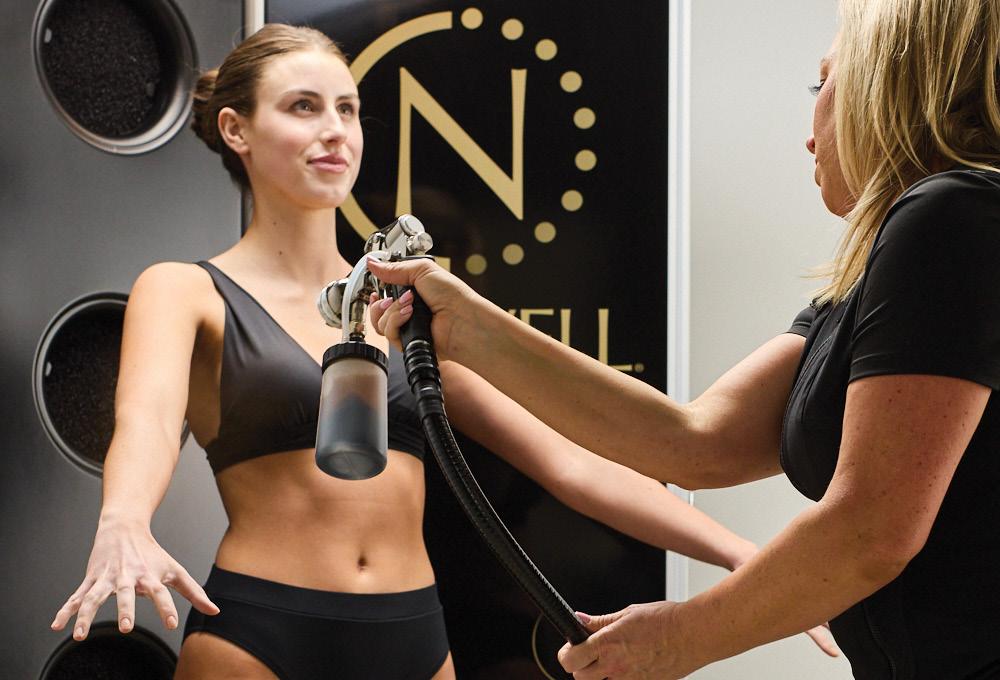
NATIONAL SPRAY TANNING DAY
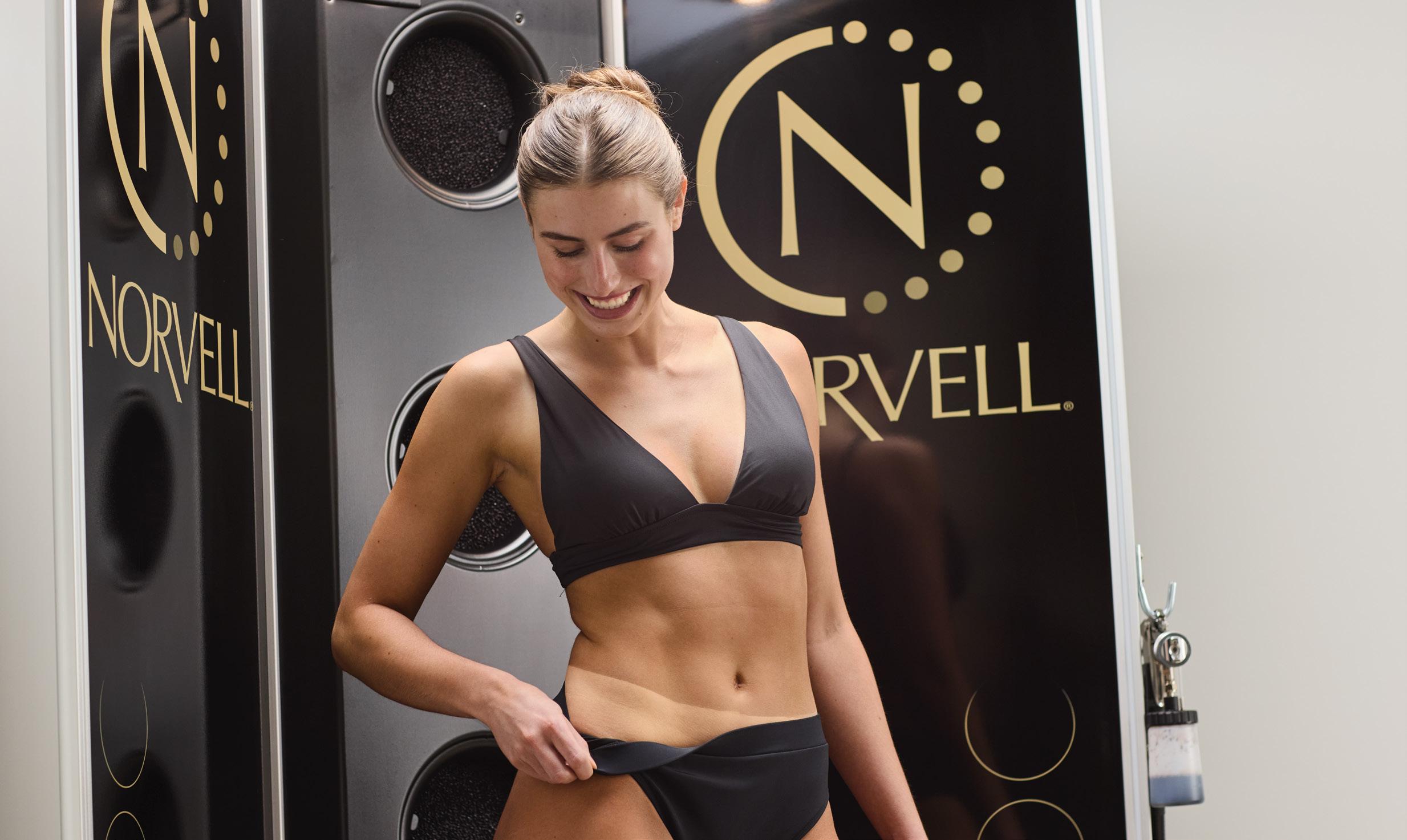
We are proud to announce National Spray Tanning Day will now be celebrated on a new permanent date MARCH 6TH starting in 2026.
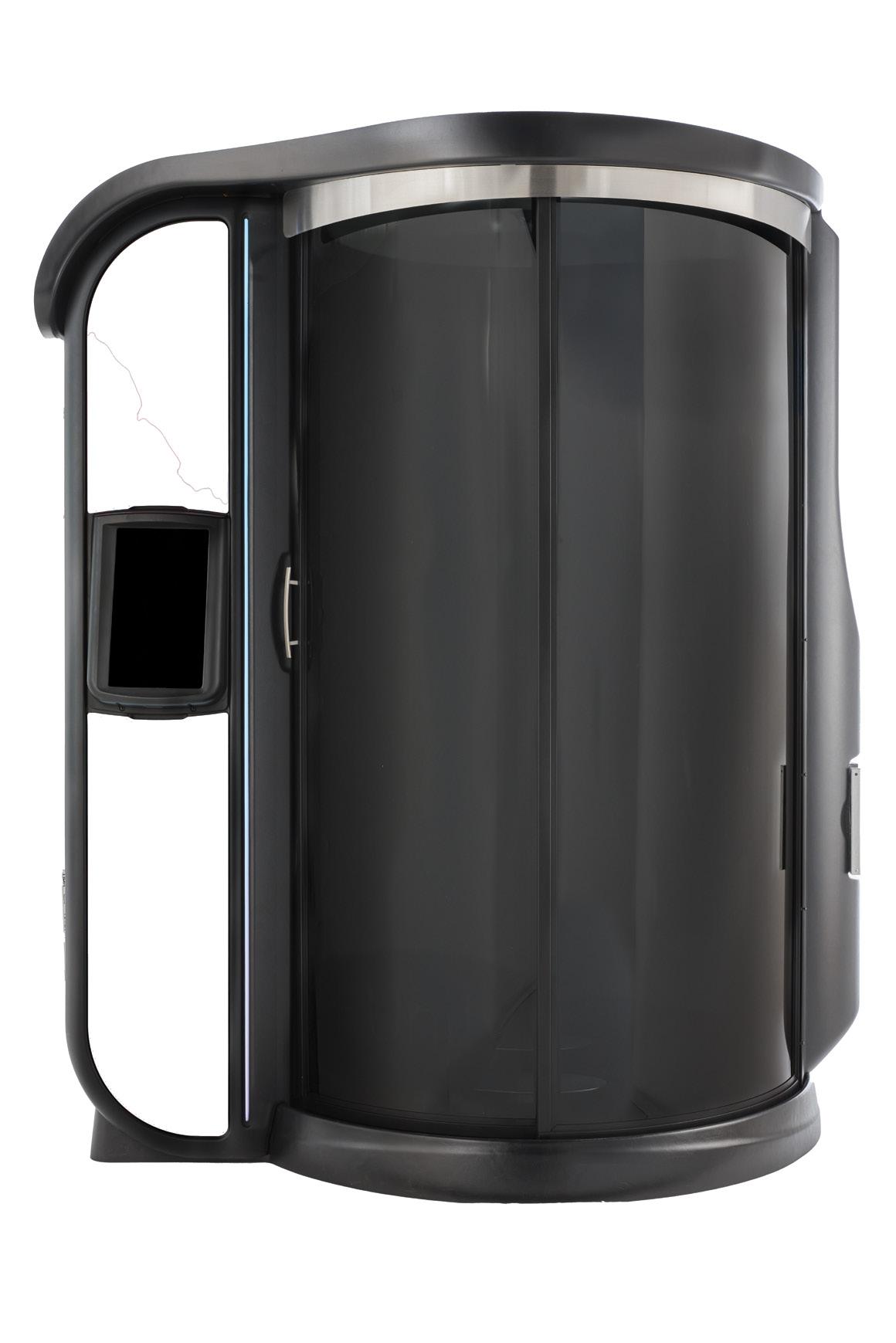
Powerful WellFit ® skincare solutions help to nourish, tighten, and protect skin
Customizable treatments for every body, every tone and every lifestyle
E ortless full-body application in minutes
Smart technology guides clients through easy sessions
Warm, comfortable experience
Automated mixing system helps to reduce waste and ensures consistent sprays
Automatic washdown cycle for easy maintenance
A Year-Round Recognition Playbook for Salons Celebrate the Wins
BY STAFF WRITER
Awards and Celebrations
Are Not a Month, They’re a Mindset
Here is a practical system that turns recognition into measurable results.
Why Recognition Works in Salons
Salon teams run on two fuels: momentum and meaning. When staff see how their daily actions connect to client outcomes and revenue, they lean in, suggest ideas, and protect standards. When they are seen and celebrated, they stay. The best programs are simple to run, transparent to staff, and tied to the exact behaviors that lift memberships, retail, rebooking, and reviews.
The Anchor: Your December “Thank You” Bonus
Publish a clear, written policy by October 1 so there are no surprises.
• Formula: One percent of each employee’s year-to-date personal sales from January 1 to November 30.
• Minimum: Fifty dollars for anyone who did not reach the threshold on their own.
• Timing: Paid in the first December paycheck.
• Included: Tips and bonuses earned during Black Friday or Pink Wednesday events.
• Receipt: Include a one-page breakdown showing dates, categories included, and the exact math.
Pair the check with a one-page Year in Review. Spotlight one hero client sale, their best month, per-client average in that month, and total clients served. Add two short notes: one thing to replicate next year and one skill to sharpen.
Monthly Micro-Celebrations That Keep Momentum High
Short, specific wins create a drumbeat between big events. Announce them at the first team huddle each month, report standings weekly, and celebrate on the last day.
• Fast-Start Five: First five memberships sold in a month, coffee on the house.
• Rebook Streak: Ten consecutive rebooks, name on the lobby board.
• Five-Star Friday: Most new public reviews this week, winner picks the playlist.
• Save the Sale: Top add-on close rate, champion pin for the week.
• Zero-Miss Month: Perfect open or close checklist, scratch-off card with small prizes.
• Glow Getter: Highest per-client average for the week, social shoutout.
• Service Scholar: Most training modules completed, certificate and photo wall.
• Uptime Hero: Equipment care task leader, team lunch credit.
• Recovery Rockstar: Most light therapy or sauna recovery packages sold, wellness goodie bag.
• Retail Relay: Pair-sell leader, feature their “bundle of the month.”
• Referral Spark: Most referral cards redeemed, custom name badge charm.
• Kindness Credit: Most positive teammate mentions, hand-written note from the owner.
• Tip: Rotate three to four ideas per month so recognition stays fresh and focused.
Quarterly Spotlights That Feel Like Awards Night
Client Experience MVP: Top post-visit follow ups asking if the client would refer the salon or five-star mentions by name, framed certificate with a client quote.
• Revenue Driver: Most year-overyear lift in a single category, engraved acrylic star.
• Educator of the Quarter: Most product demos or mini consults delivered, paid education stipend.
• Behind-the-Scenes Champion: Inventory, laundry, lamp logs, or setup excellence, one PTO hour bonus.
The Big Show in December
Host a 90-minute team party with a short slide deck and photo roll.
• Peer-nominated titles: North Star of Service, Sunbeam Seller, Calm in the Storm, First to Help, Detail Detective.
• Data-anchored wins: Highest Per-Client Average, Most New Memberships, Best Retention, Most
Five-Star Mentions, Highest Add-On Rate, Best Attendance.
• Story Award: “That One Save” — a play-by-play of a memorable guest turnaround.
• The Crown: A rotating tiara or lapel pin for the year’s overall points leader.
Make
It
Measurable: OnePage Scorecard
Track these every month by person and by store. Color code green, yellow, and red. Celebrate the top three metrics at each huddle.
• Per-Client Average
• Add-On Attach Rate
• Rebook Rate
• New Memberships
• Retail Units per Ticket
• Reviews that Mention Staff by Name
• No-Show Saves
• Training Modules Completed
• Uptime or Cleaning Tasks Completed
• First-Touch Complaint Resolution
Focus of the Month: Pick one lever per month. Teach a micro-skill in week one, share standings weekly, and celebrate on the last day.
Example sequence: October reviews, November membership renewals, December gift cards.
Prizes That Fit Any Budget
• Time: Early leave pass, late start pass, or a blocked “personal reset” hour.
• Experience: Choose a service on the house or bring a friend to try red light or sauna.
• Learning: Paid course, brand certificate, or conference livestream access.
• Spotlight: Framed certificate, lobby sign, social carousel, or feature on the booking page.
• Small but fun: Scratch-offs, snack boxes, diffuser oil of the month.
Rule of thumb: Reward the behavior that lifts your Focus of the Month, not just the outcome.
Policy Box: Ready to Drop in Your Handbook
December Recognition and Bonus Policy
We award a December “Thank You” bonus to celebrate performance and service. Eligibility begins after 90 days of employment. The bonus equals one percent of personal sales from January 1 through November 30. A fifty-dollar minimum applies. Tips and Black Friday or Pink Wednesday bonuses are included. The bonus is paid in the first December paycheck. Each recipient receives a Year in Review sheet that includes one hero client sale, best month, per-client average in that month, total clients served, and one growth focus for the year ahead.
Plug-and-Play Templates
Monthly Metrics Note (under 150 words)
Subject: Your [Month] highlight reel Hi [Name], quick snapshot. You served [Clients] guests. Your perclient average was [$X.XX], attach rate [Y percent]. Best day, [Date], with [Number] guests and [$Amount]. You earned [Shoutout] new reviews, favorite line, “[Client quote].” Double down next month on [replicable habit]. Skill to sharpen, [micro skill]. Proud of you.
Peer Nomination (five prompts)
I saw [Name] do [specific action] on [date]. The impact on the guest or team was [result]. This reflects our values of [value]. I learned [lesson]. I nominate them for [award title].
Year in Review (one page)
Top Client Win, Best Month and why it worked, Per-Client Average trend line, Total People Served, Top Add-On Combo, Most Mentioned Strength, One Growth Focus.
Add a Momentum Multiplier
Give November a gentle kicker so the party pays for itself. Anyone who beats their personal best per-client average by five percent in November earns a small gift card. Cap the spend and publish the cap. For new hires, scale the December bonus to months worked. Fairness keeps motivation intact.
A Simple Annual Cadence
• January: Launch the calendar and peer nominations; set individual goals.
• February to April: Rotate microcelebrations, publish standings, reward training completions.
• May to July: Midyear check-ins with a mini Year in Review and one course or skill.
• August to October: Push one Focus of the Month; publish the bonus math by October 1.
• November: Momentum month, stretch target, gratitude notes for each person.
• December: Checks, awards night, and the first goal for the new year locked.
Writer Takeaway
This playbook turns Awards and Celebrations into a year-round operating system. It is simple to communicate, easy to measure, and fun to experience. The December check lands with impact, the monthly drumbeat builds skill and habit, and the quarterly spotlights keep pride high.
Pick three ideas to start this week: a micro-celebration to announce tomorrow, a one-page scorecard to print for the break room, and the Year in Review format to include with the December check. Recognition becomes consistent, measurable, and memorable and your team can see the path to winning every single month.
Breathe Again
A Salon Owner’s Guide To Beating Burn Out And Building A Business That Loves You Back
BY KRISTIN LEE SMITHERS, CLT
The Truth Behind the Counter
Most salon owners are caretakers by nature. We serve, we smile, we listen, and we fix. That generosity makes our businesses feel like home, but it also leaves many owners and single-staffed teams exhausted. When you are afraid to say no, when your schedule has no margins, and when client emotions soak into your day, burnout is not a question of if—it is a question of when.
The good news: there is a path back to peace that does not require closing your doors or disappointing your best clients. It takes boundaries, simple systems, and the mindset that your health is a business asset, not a luxury.
The Rhythm That Rescues Your Energy
I teach a simple structure: one hour a day, one day a week, one weekend a month, and one week a year for you. Put it on the calendar first, then plan around it.
One hour a day: a protected block with no client work. Use it to breathe, eat, move, or complete one deep task.
One day a week: a true day off. No errands that feel like work. Spend time in nature, with family, reading, or doing nothing at all.
One weekend a month: restoration time or a mini planning retreat. Review numbers, sketch promotions, and rest.
One week a year: a full reset. Include this directly in your terms of use. In lieu of a yearly fee, reserve the right to close up to two consecutive weeks when needed. Communicate early and often, and clients will support you.
Consistency matters. Choose hours that meet demand, keep them steady, and defend your time off with the same clarity you defend your rent payment.
Protect the Daily Hour Without Midday Closures
Our industry often struggles with midday closures, so claim your
recovery time at the edges of the day. Pick one pattern and hold it for 30 days so clients can adapt.
Scripts That Keep It Smooth
Door or social header, before open: “We are prepping for spotless service. Doors open at 10:00. Thank you for supporting healthy staff and consistent care.”
End-of-day line closure:
“We are at capacity for today and close at 7:00. I can reserve you the first spot tomorrow at 9:30 or send our booking link.”
Micro-buffer at desk:
“I am finishing sanitizing your room so it’s perfect. This takes about ten minutes. You will be next in line.”
Profit Is Oxygen: Price for Sustainability
Burnout hides inside underpricing. If your pricing does not cover rent, payroll, supplies, taxes, merchant fees,
maintenance, and owner pay, time off will always feel impossible. Try this quick check:
1. List fixed costs per month.
2. Add average variable costs per service.
3. Set an owner pay target that respects your expertise.
4. Divide by realistic capacity, not fantasy hours.
5. Add a margin for growth (three to ten percent).
If the math shows your entry services are too low, raise them slightly.
When You Can Hire Help
Hiring should lower stress, not increase it. Use the Capacity Rule of Three. When any of these are true for eight weeks in a row, post the job:
• Booked to 70 percent or more of capacity.
• Declining add-on services you want to offer.
• Skipping your daily protected hour more than twice a week.
Start with part-time coverage during peak windows. Cross-train for desk, sanitation, and client education so coverage creates freedom, not more management.
Boundaries That Keep the Joy in the Room
Clients vent. Life is heavy. Compassion is our superpower. We can care without carrying it home. Try these gentle scripts:
Redirect the spiral:
“I am so sorry that it has been hard. You deserve a calm moment. Let us
focus on your session so you leave feeling better.”
Time boundary:
“I want to give this the attention it deserves, and we are at the end of your appointment window. Would you like to continue by text or schedule a consultation time on Thursday at 2:30?”
Schedule boundary:
“Our posted hours are designed to give you consistent service and to keep our team healthy and focused. I can offer you the first spot tomorrow at 9:30am or the last spot today at 5:15pm.”
Post a small sign at checkout:
“We hold space for your wellness, and we hold boundaries for our team. Thank you for supporting both.”
Energy Hygiene for Service Pros
Protect your nervous system like you protect your tools.
• Book five to ten minutes between sessions for breath work, water, and a quick reset.
• Use a two-minute grounding routine: feet on the floor, long exhale, name three things you see, two you feel, one you hear.
• If you have a red light unit available, take a ten-minute staff session during the day.
• Choose a short closing ritual: lights low, counters wiped, one gratitude written in a notebook, lock with intention, “Work is done for today.”
Systems That Buy You Back Your Time
Burnout usually signals missing systems. Build these five:
1. A daily open and close checklist: temperatures, sanitation, linens, cash log, lamp hour checks, and device diagnostics.
2. A weekly rhythm: inventory on Tuesday, deep clean on Wednesday, content batching on Thursday, payroll review on Friday.
3. A membership and freeze policy: clearly written so staff can act without you.
4. Templates: door signs, text replies, voicemail greetings, and quick links.
5. A one-page SOP per service: safety, dosing, contraindications, cleaning, and scripts for common questions.
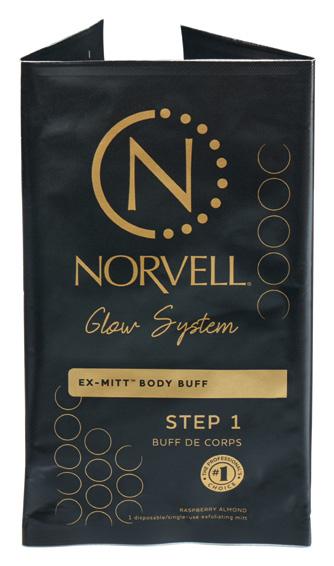
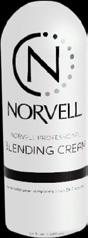
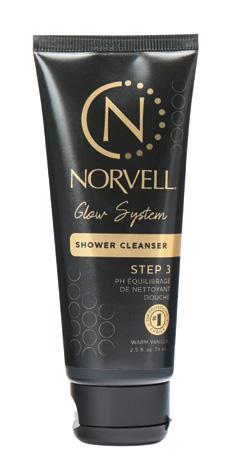
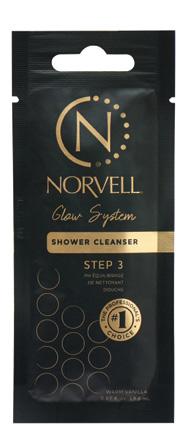
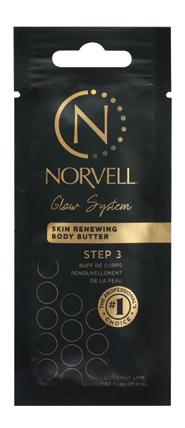
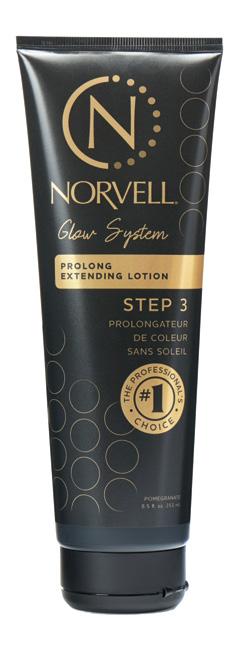
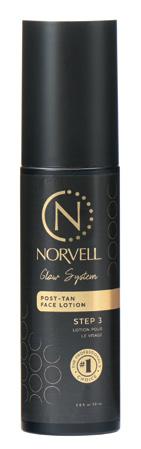
THE GLOW SYSTEM IS A SIMPLE REGIMEN DESIGNED TO MAXIMIZE SPRAY TAN RESULTS. THE MOST FLAWLESS, LONG-LASTING AND NATURAL LOOKING COLOR IS AS EASY AS 1, 2, 3.
STEP 1 | PRE-TAN PRODUCTS: Prepare Skin For the Spray Tan Session
EXFOLIATOR EXMITT
MUST HAVE - MOST IMPORTANT PRE-TAN PRODUCT!
STEP 2 | GET YOUR GLOW! Products to Use During Spray Tan Session
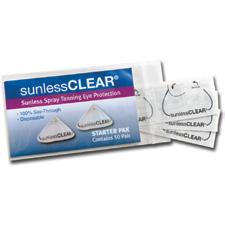
Provide clients with all FDA-recommended accessories as part of every spray tan session: hair net, neat feet, nose filter, and eye protectors.
STEP 3 | POST-TAN PRODUCTS: Maintain and Extend Color 24- 48 Hours After Spray Tanning Session & Between Appointments
Ready to Use: Copy and Paste
Door sign for protected time:
“Sanitation and prep in progress. Doors open at 10:00am. We reopen with a smile. Thank you for supporting healthy staff and a spotless spa.”
After-hours voicemail:
“You reached [Salon Name]. For the fastest help, visit our website or email [email address]. Our team is serving clients right now or out of office. Leave your name, number, and how we can help. We return calls as soon as possible during posted business hours.”
Text auto-reply for single-staff days:
“Thanks for your message. I am with a client and will respond by 2:00pm today. For directions, hours, or booking information, visit our website. Your wellness is important to us.”
Communication Plan When You Take Time Off
• Give notice early, repeat it in multiple places, and offer options.
• Publish dates on the front desk sign and social stories thirty days out.
• Text members seven days out: “Reminder: we are closed July 8 to 14
for scheduled rest and upgrades. Your plan will be extended by seven days.”
• Offer an alternative: “Need a session before we close? Reply BOOK for a priority slot.”
• After you return, thank clients for supporting healthy business boundaries and staff well-being.
The 30-Day Burnout Reset
If you feel drained right now, follow this simple plan.
Week 1
• Adjust prices if your math demands it, even a small lift helps.
• Choose one edge-of-day pattern and post the relevant sign or script.
• Create the three templates above: door sign, voicemail, and text.
Week 2
• Clean up your calendar and set your one day off per week.
• Audit your top five time wasters and remove one.
• Batch all social posts for two weeks in one sitting.
Week 3
• Build your open and close checklist and train staff.
• Decide on your one weekend next month and publish it.
• Draft a simple job post for part-time coverage, even if you are not ready to hire today.
Week 4
• Review numbers and set a monthly
profit target that funds your time off.
• Book your one week a year and add it to your terms and front desk signage.
• Celebrate one small win with your team—coffee, pizza, or a staff red light session.
Metrics That Warn You Before You Crash
Track these simple numbers:
• Owner protected hours honored: goal, 90 percent or better.
• Reply time to messages: goal, same day during business hours. Templates make this easy.
• Capacity utilization: goal, 60 to 80 percent—enough demand to stay healthy, enough margin to breathe.
• Owner’s pay as a percent of revenue: set a target and protect it.
• Time off delivered: one hour a day, one day a week, one weekend a month, one week a year. Check the boxes.
Give Yourself the Permission Slip
You teach clients to hydrate, rest, and care for their skin. Hold yourself to the same standard. Healthy owners create healthy teams, healthy teams create loyal clients, and loyal clients build profitable, sustainable salons.
Your business should not own your life; it should fund your life.
Call to action: Open your calendar and book your hour for tomorrow, your day next week, your weekend next month, and your week this year. Put the sign on the door, send the text, and breathe. Your salon, and your peace, will thank you.
Where Innovation Meets Inspiration Four Seasons National Tanning Expo 2025
BY STAFF WRITER
Showtime in Nashville!
The Four Seasons National Tanning Expo returned to Music City in midOctober, uniting vendors and salon owners for two days of education, networking, and innovation. Known for its consistency and quality, the event once again delivered great speakers, new technology, and product launches to prepare attendees for the 2026 tanning and wellness season.
Day one featured top UV and Red Light Therapy suppliers, including JK America and Tanning Supplies Unlimited, showcasing their latest equipment. In the main ballroom, speakers shared updates on new products and sales strategies, while nearby vendor booths offered handson experiences with tanning, sunless, red light, cryo, and infrared systems.
As a long-time attendee, it was rewarding to reconnect with familiar salon owners and vendors. The enthusiasm and energy throughout the event made it clear— Four Seasons continues to set the bar for the indoor tanning industry.
Melissa Gallion, President of Four Seasons Sales and Service
“National Tanning Expo 2025 was an incredible success! We were honored to host business owners from across the United States. The energy throughout the event was positive, encouraging, and inspiring. Thank you to everyone who joined us and helped make it unforgettable.”
Jess Snider and the New Sunshine Team
“The National Tanning Expo continues to remind us why this industry shines so bright! Together, we sharpen one another, elevate our clients, and continue to build lasting value for the community we love. Iron sharpens iron.”
Jennifer Mink and Faraje Karsa, iTAN and FIT Bodywrap
“It was wonderful to see the energy and innovation at the National Tanning Expo this year. The industry’s shift toward light-based wellness therapies is truly inspiring. A big thanks to the entire staff of Four Seasons for a great show!”
Charles Lerebours, Executive Director of Sales, JK America
“It was great to return to the National Tanning Expo with many of the primary suppliers present who support the industry’s salon owners. We hope that this and other related events will continue and expand education to assist salon owners in their quest to make informed decisions for their businesses.”
Mike Gilley, President of Tanning Supplies Unlimited
“KBL is continually bringing cuttingedge new products to the table for our consumers, and we are so excited about the future of our industry.”
Brandon Cardinal, Vice President of Sales, Innove’
“This show is absolutely an amazing showcase of not only the best equipment in the industry but also the opportunity to connect with key decision-makers and industry experts.”
Jim Larin, Account Manager, Fuji Spray
“Four Seasons did an excellent job bringing the industry together. We really enjoyed connecting with passionate tanning professionals and showcasing our latest Fuji Spray Sunless systems. We’re already looking forward to next year’s show!”
Kevin Apgar, President of Global Tanning Sales, Light Sources
“Another fantastic event in Nashville put together by Four Seasons. A fabulous lineup of vendors and a great opportunity to see many long-term salon owners, as well as newcomers who haven’t even opened their first location. It was also great to see multiple European partners sharing their experiences and helping to grow U.S. businesses.”
Jerry Deveney, President of Sunforce Marketing, Inc.
“This has become an annual event for me, and I am honored to be a part of it. Great job by Four Seasons and their staff for putting on such a first-class event.”
The Potential Tan Ban in Ireland
BY JOE SCHUSTER
In the September issue, we covered the proposed effort in Ireland to completely ban indoor tanning. The Sunbed Association (TSA) is the voice of the professional tanning industry across Ireland and the UK. Established in 1995, TSA represents salon operators, manufacturers, and distributors committed to safe, responsible tanning. TSA members follow a strict Code of Practice that exceeds legal requirements, ensuring consumer safety, compliance, and professional standards. The Sunbed Association responded with a push to fully implement and enforce existing
regulations rather than a complete ban full of unintended consequences.
The Sunbed Association (TSA), which represents professional, compliant sunbed operators across Ireland, has warned that a proposed Government ban on commercial sunbed use would increase health risks by driving sunbed use underground into unsafe, unregulated environments. TSA is asking the Government to both fully implement existing legislation on sunbeds and strengthen enforcement of existing regulations around safe tanning, stressing that Ireland has
the strictest sunbed laws in Europe. There is no evidence that the existing system of regulation has failed. What is happening now is unnecessary. The enforcement of existing rules needs to be commenced by the HSE before any ban is discussed.
TSA members operate under the Public Health (Sunbeds) Act 2014, which introduced Europe’s toughest legislation covering operator licensing, staff training, protective eyewear, and a ban on under-18 use. TSA members also follow a Code of Practice that exceeds these
requirements. In addition, sunbeds are covered by the EU’s Low Voltage Directive which covers all safety aspects – including UV exposure limits – and which all TSA members in Ireland adhere to.
The Department of Health is currently running a public consultation on whether to introduce an outright ban of sunbed use in Ireland. The public consultation ends on October 3rd. TSA is calling on both the public and salon operators to make their voices heardthe issue, they believe, is full enactment of existing legislation and stronger enforcement of regulations, not a ban.
Government reports there are 363 sunbed operators registered with the HSE across Ireland, many of them small, family-run salons that employ local people and serve thousands of adult customers every week. TSA member business owners want regulation to be enforced to address non-compliant operators within the sector and are clear that the laws governing them should be robustly enforced by the HSE. TSA members are asking the Government to fully introduce the existing legislation, and secure consistent enforcement, to close operators who do not comply with the law, and to work with TSA and their members to support high standards across the industry.
A ban would destroy jobs, remove consumer choice, and punish compliant operators while failing to solve the underlying issues of poor enforcement by the HSE.
International evidence shows that bans are ineffective. In Australia, a ban on commercial tanning was introduced 11 years ago. The ban has moved the use of sunbeds underground into a growing unregulated and unsafe environment adding a significant public health issue. TSA argues that Ireland must learn from this mistake.
At a European level, the European Commission has recently declined to introduce any additional measures on sunbeds, beyond the protection already provided by the Low Voltage Directive. The EU Commissioner for Health recently advised the European Parliament that in the absence of additional evidence, it would be premature to introduce any new EU measures against sunbeds. Separately, recent scientific evidence demonstrates some health benefits from moderate exposure, including improvements in cardiovascular health, immunity, and mental wellbeing*.
Gary Lipman, Chairman of The Sunbed Association said:
“TSA is part of the solution, not the problem. We are calling for the Government and the HSE to provide consistent enforcement of the already existing strict laws that govern our industry. We support strict rules, enforcement, and consumer education. It is a disgrace that over 10 years after the Sunbed legislation was introduced in Ireland, some key elements of the Act have not yet been commenced by the Minister. Enact and enforce the existing legislation, rather than commencing a new crusade, at a time when the EU has
already ruled out new restrictions.”
Lipman goes on to say: “A ban would devastate responsible small businesses that provide safe, compliant services to thousands of adults across Ireland. These are family-run salons employing local people. The Government should focus on enforcing the strong laws already in place, not punishing compliant operators and increasing unemployment. We have invited the Government to participate in meaningful engagement to understand the issues and work together to find resolution.”
Melissa Griffin, Owner of Darque Tanning Studio in Carlow and TSA member added:
“This is already one of the most highly regulated industries in Europe. Every customer in a TSA salon is screened, timed, and supervised by trained staff. A ban would not stop people from tanning, it would simply push them into unsafe environments, as happened in Australia. That’s not protecting public health, it’s putting it at greater risk. Tanning is fine, burning is not.”
For more information about the The Sunbed Association in the UK, email GillPerkins@sunbedassociation.org.uk
The Reflection Before the Applause
The end of the year always brings a unique energy: a blend of recognition and reflection. The trophies shine, the numbers finalize, and the applause swells for those who’ve achieved greatness. Yet, as the spotlight fades and the confetti settles, a quiet truth lingers in the air. Success isn’t always what we thought it was.
For leaders, especially in a world as dynamic and people-driven as ours, this season isn’t just a celebration of milestones. It’s an invitation to redefine what those milestones mean. Because sometimes the real victory isn’t crossing the finish line first. It’s realizing the finish line was never the point at all.
The Finish Line Illusion
We’ve all been conditioned to chase a version of success that’s loud, visible, and measurable: growth charts, expansion counts, and awards won. These markers matter. They represent commitment and excellence. But they don’t always tell the whole story.
The illusion lies in believing that success is a single, definitive moment of arrival. That once we “make it,” we can finally exhale. But the truth, as every visionary eventually learns, is that the finish line moves. The second you reach it, it shifts. That isn’t a failure of satisfaction; it’s a sign of evolution.
True leaders don’t chase the same finish line forever. They expand it, reshape it, and sometimes dismantle it entirely to make room for something richer.
Assumption Shift #1:
Success Isn’t About Speed, It’s About Sustainability
We often equate success with momentum. The faster we grow, the better we’re doing. But speed can disguise strain. It can silence reflection and burn out even the most passionate visionaries.
In reality, the most sustainable success stories are built with rhythm, not rush. They balance urgency with intention. They recognize that slowing down isn’t losing ground; it’s creating stability for the long run.
Leaders who redefine the finish line understand this: growth that endures requires a pace that breathes.
Assumption Shift #2:
Recognition Isn’t the End, It’s the Invitation
Awards and accolades are beautiful symbols of achievement, but they aren’t the culmination of leadership. They’re checkpoints on a much longer journey.
Recognition should never whisper, “You’ve arrived.” It should gently ask, “What will you do next?”
The best leaders use moments of recognition to pause and recalibrate. They turn applause into awareness by asking what worked, what mattered most, and what needs to evolve. The magic of celebration lies not in declaring victory, but in awakening vision.
Another quiet assumption leaders carry is that success means always being certain, composed, and correct. But perfection is a wall that blocks authenticity and connection.
The leaders who inspire us most aren’t
flawless; they’re real. They admit what they’re learning. They invite collaboration. They listen deeply and lead courageously. Their strength doesn’t come from control; it comes from clarity.
Presence over perfection. Connection over performance. These are the hallmarks of the leaders shaping the next era of growth.
The Redefinition of Success
When you strip away the noise, success isn’t a trophy or a title. It’s a state of alignment between your values, your people, and your purpose. It’s the quiet confidence that your work is meaningful, your culture is thriving, and your growth is rooted in something real.
“The finish line was never the point—it was always the invitation to keep becoming.”
To redefine the finish line is to release the narrow definition of winning and embrace the broader one of becoming. Success, in this sense, isn’t something you achieve. It’s something you live.
And perhaps that’s the secret that separates the merely successful from the truly visionary: the willingness to grow beyond the goalpost.
Reflection Prompts for the Visionary Leader
(For personal journaling or team discussion as the year closes)
• What did success look like for me in January, and how has that definition evolved?
• What assumptions did I have about
leadership that no longer serve me?
• What kind of success feels both challenging and sustainable for the year ahead?
• How can I celebrate my team not just for their results, but for their resilience and creativity?
Redefining success isn’t a solo exercise; it’s a cultural one. When leaders shift their perspective, their people feel it. They start aiming for depth instead of surface, and progress instead of perfection.
The Leaders Who Inspire Us
Every award given this season is a symbol not just of achievement, but of growth, persistence, and courage. These honors recognize those who dared to question what success should look like and shaped their own definition instead.
As we celebrate them, may we also celebrate the unseen victories: the quiet decisions, the lessons learned, and the pivots made in silence. Those are the invisible finish lines that define leadership more than any plaque ever could.
The Quiet Power of Redefinition
As one year closes and another begins, we are all standing at a symbolic finish line. But instead of sprinting across it, maybe this is the moment to pause—to look back with gratitude, forward with curiosity, and inward with honesty.
Because the finish line was never meant to be a stop. It’s a mirror reflecting how far we’ve come and inviting us to imagine what’s next.
And in that reflection lies the truest form of success: not perfection, not speed, not applause, but the courage to keep becoming.
Stack Smarter
Why Order Matters When Combining Red Light, Heat Therapies, and UV Tanning
BY KRISTIN LEE SMITHERS, CLT
Stacking Therapies: Why Order Matters
Stacking therapies can be powerful, but order matters because temperature and blood flow affect how light travels through the skin and how cells respond. When we talk about absorption and scattering—how skin soaks up and bends light—cooler skin behaves more predictably. This is why most clients do best with red light first, heat second, and UV last.
The Light’s Path: Why Cool Skin Helps
Heating the skin changes absorption and scattering when dealing with red and infrared light therapy. More light bounces off and is reflected at the surface, and what does enter is used up in the top layers, which limits or stops delivery to deeper tissues. Simply put, warm skin reduces light traveling to where it needs to go, or blocks it completely. Placing photobiomodulation (PBM) prior to infrared heat, while the skin is calm and product-free or with a product that enhances light, allows photons at 630 to 660 nanometers and around 850 nanometers to reach chromophores— the light-catching parts of the cell— and support ATP and ROS balance (cellular fuel and helpful signaling).
Heat Is a Helper When Placed After PBM
Sauna and infrared heat increase vasodilation and perfusion, meaning open vessels and improved blood
flow. After PBM delivers photons, heat supports comfort and recovery. If you reverse the order, preheating raises surface losses and scattering, which can make PBM less consistent. Keep the thermal load moderate: warm is good, but too hot for too long is not.
UV Last, with Dose Discipline
UV results depend on MED (minimal erythema dose), your personal “donot-pass” line for redness. Prior heat can create a visible flush that looks
like color but is not yet melanin. Place UV third, keep minutes at or below plan, and do not add time just because warmth feels good.
What Goes Wrong If You Flip the Stack
• Heat before PBM: More surface losses, less predictable red light dose.
• UV before PBM and heat: Inflammation and vasodilation occur first, and later heat can
exaggerate redness. PBM then becomes a recovery step rather than a primer.
• Heavy near-IR heat back-to-back: Greater oxidative stress risk and possible matrix strain. Rotate and moderate.
Adjustments by Goal
• Performance or recovery days: Use PBM pre-workout for readiness or post-workout for recovery. Keep heat light or move it to another day if the client flushes easily.
• Clients who flush easily: Lower vasodilatory stacking, shorten heat or separate days, and delay UV if cheeks are already pink.
Ready-to-Run Protocols
Standard wellness stack (45 to 60 minutes):
• PBM: 10 to 20 minutes, consistent distance; focus on chromophore activation and ATP support.
• Heat: 10 to 20 minutes to improve perfusion and comfort.
• UV tan: Minutes set from MED history; no carryover heat time.
Tone and recovery day:
• PBM first for ATP and ROS balance.
• Gentle heat or none.
• Skip UV if the skin is reactive.
Weekly planning: Separate higherheat days from higher-UV days for clients who flush easily. PBM remains flexible and always goes first.
Safety and Contraindications
Default to red light first, heat second, and UV last. This sequence supports biology, improves comfort, and keeps UV dosing accurate. Train the team with the cards below, then track results for a month.
Good, Better, Best Stacks (Room-Sign Ready)
Good – Quick Wellness Reset (30
minutes):
• Red light: 10 minutes, cool clean skin, consistent distance.
• UV: 5 to 10 minutes based on MED plan; no add-ons for warmth.
Better – Tone Plus Relax (45 minutes):
• Red light: 15 minutes, prime ATP and helpful signals.
• Heat: 15 minutes, moderate; end when flushed but comfortable.
• UV: Planned time only; watch for heat flush that can mimic color.
Best – Full Stack Day (60 minutes):
• Red light: 20 minutes, steady positioning.
• Heat: 20 minutes, moderate thermal load.
• UV: Planned time from MED history; no extra minutes.
Note for sensitive clients: If cheeks look pink after heat, shorten or skip UV that day. Reschedule UV within plan on a cool-skin day.
Photosensitizers change MED, so adjust UV conservatively. Hydrate for heat and manage thermal load. Keep PBM dose and distance consistent since chromophore activation depends on stable delivery.
Staff Training Cards (Printable Callouts)
Card 1: Why Order Matters
• Light travel in skin depends on absorption and scattering—how skin soaks up and bends light.
• Cool skin allows predictable PBM; warm skin can waste photons at the surface.
• Default sequence: red light first, heat second, UV last.
Card 2: Plain-English Coaching Lines
• “Red light likes calm, cool skin. We start there so more of the good light reaches the targets.”
• “Heat comes second to boost blood flow and relaxation without blocking the light.”
• “We tan last and stay in plan because warmth can look like color before pigment has formed.”
• Hydrate for heat. Warm is good; too hot for too long is not.
• Keep PBM distance and time the same every session.
Card 4: If a Client Insists on Heat First
• Offer two choices: shorten heat to 5 to 8 minutes, or move PBM to a separate visit for best results.
• Explain simply: “Preheating can bounce more red light off the surface. Shorter heat protects your results.”
WellFit® Home is a full-body skincare system designed for clients seeking high-performance wellness beauty when they are away from their WellFit skincare treatments.
SKINCARE COLLECTION
GIVE YOUR CLIENTS SOMETHING TO TAKE HOME!
INNOVÉ Beauty & Wellness Brings
Professional-Grade Skincare
Home with the Launch of WELLFIT™ Home
A Step-by-Step System that Bridges Salon Innovation and Everyday Wellness
BY NADINE CARTER
In an era where wellness and technology increasingly intersect, INNOVÉ Beauty & Wellness has unveiled its most anticipated innovation yet: WELLFIT™ Home, a professional-grade skincare system designed to bring the benefits of advanced booth technology directly to consumers’ bathrooms.
The Macedonia, Ohio-based company, known globally as the parent of Mystic™, Norvell®, VersaSpa®, and the WELLFIT™ Skin Tech platform, has long been recognized for redefining what is possible in touch-free tanning and skincare. With this latest launch, INNOVÉ continues its evolution from a spray-tan pioneer into a holistic beauty-tech powerhouse.
A Professional System, Simplified for Home Use
WELLFIT™ Home represents the company’s first full-body skincare collection formulated for at-home use. Created as a step-by-step ritual, the line is engineered to cleanse, tone, and hydrate the skin using a blend of high-performance ingredients and proprietary technology inspired by the company’s inbooth WELLFIT™ Skin Tech treatment.
Each product was developed to deliver measurable results without the complexity of a multi-step, multibottle routine. “Our goal was to give consumers an approachable yet highly effective regimen,” said Nadine Lee Carter, Marketing Consultant at INNOVÉ Beauty & Wellness. “By simplifying the process into three essential products, we’ve made it easy for anyone to achieve hydrated, healthy-looking skin from head to toe without needing an overwhelming routine while away from their inbooth full-body spray treatments.”
The collection includes four core SKUs:
WELLFIT FACE + BODY CLEANSER
– A multi-functional deep-pore cleanser that revitalizes and softens while supporting the skin’s natural microbiome.
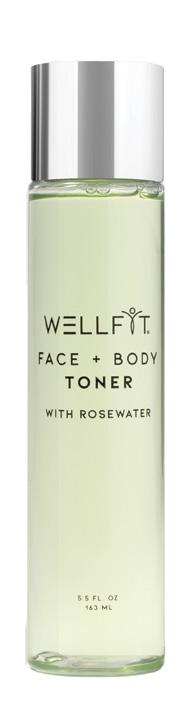
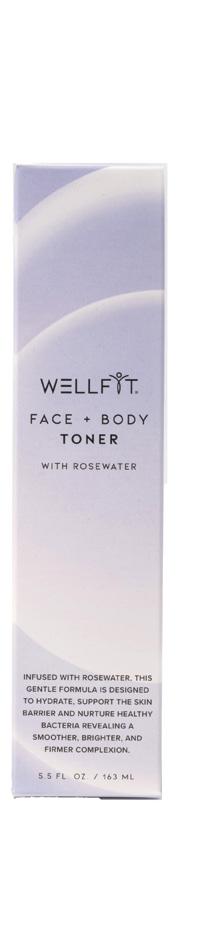
WELLFIT FACE + BODY TONER –
Infused with rose water and barriersupporting actives, it balances and brightens skin while maintaining hydration.
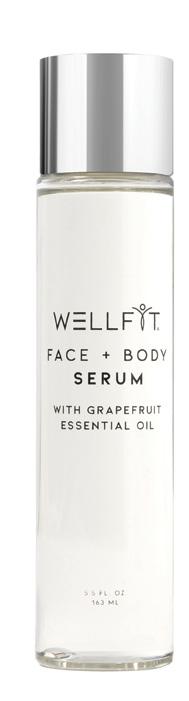
WELLFIT FACE + BODY SERUM – A lightweight, fast-absorbing formula that delivers deep moisture and an instant glow for even-toned skin.
WELLFIT FACE + BODY TONER MITT
– Individually packed wipes saturated with the clarifying toner, perfect for travel or post-workout refreshment.
Together, these products create a seamless, head-to-toe system that can be used alone or in conjunction with professional WELLFIT™ services at salons and spas.
Bridging Technology and Wellness
WELLFIT™ Home was conceived as an extension of INNOVÉ’s WELLFIT™ Skin Tech platform, which integrates hydration and rejuvenation treatments into the company’s touchfree booth technology systems. The in-booth experience combines heat, airflow, and fine mist technology to prep, condition, and protect the skin— delivering results that go beyond cosmetic tanning.
According to Randy Zeno, CEO of INNOVÉ Beauty & Wellness, this consumer collection is a natural evolution of the brand’s mission to merge innovation and accessibility. “Our leadership in beauty technology has always been about delivering professional-grade results in new,
accessible ways,” Zeno said. “The WELLFIT skincare platform has become a favorite for consumers, whether as part of their tanning routine or as a stand-alone service, and this new skincare line builds on that trust. With WELLFIT at Home, we’re bringing the same innovation and results into their everyday skin wellness.”
By adapting the same principles of the in-booth treatment for home use, WELLFIT™ Home helps maintain the benefits of professional services—fullbody hydration, improved barrier function, and enhanced luminosity— between appointments.
Designed for All Skin Types and Lifestyles
The WELLFIT™ Home collection was formulated with inclusivity and ease in mind. Suitable for all
genders and skin types, it targets universal skin concerns such as dullness, dehydration, and environmental stress. The products are dermatologist-tested and free of parabens, sulfates, and phthalates, aligning with the brand’s wellnessforward philosophy.
Carter notes that the team focused on creating formulas that could adapt to any user’s lifestyle. “Whether you’re an athlete, a frequent traveler, or someone looking for a simple routine that works, WELLFIT™ Home was designed to fit effortlessly into your day,” she said.
The Toner Mitts, for example, reflect this commitment to convenience by offering a mess-free way to tone and refresh skin anywhere. The product has already become a favorite among early testers for its cooling effect and light botanical scent.
Expanding the Meaning of ‘Beauty Tech’
INNOVÉ’s growth mirrors the larger evolution of the beauty-tech category, where smart devices, touch-free treatments, and booth technology are redefining self-care. By leveraging decades of expertise in automated booth systems, the company has built a foundation of trust among professional operators and consumers alike.
Founded in 2000 and backed by Castle Harlan and Branford Castle, INNOVÉ Beauty & Wellness supports more than 7,000 salons, spas, and fitness clubs worldwide, accounting for over 18 million spray and skincare treatments each year. With WELLFIT™ Home, that reach now extends beyond professional environments and into personal care spaces, bringing professional innovation to everyday routines.
“The line symbolizes how far we’ve come as a company,” Zeno added.
“INNOVÉ started by transforming how people tan. Now we’re transforming how they care for their skin.”
A Future of Integrated Skin Wellness
The WELLFIT™ Home launch underscores a broader trend in the beauty industry: the blending of professional-grade technologies with consumer-friendly formats. As salon clients increasingly look for ways to extend and maintain treatment results at home, brands like INNOVÉ are closing the gap between professional and personal care.
Industry analysts note that hybrid product systems— those designed for both in-booth and
at-home use—are among the fastestgrowing segments in beauty retail. These systems allow operators to create continuous engagement with clients while offering consumers consistent results between visits.
For INNOVÉ’s network of partner salons and spas, WELLFIT™ Home offers an opportunity to
strengthen that connection. The brand plans to roll out professional education materials, retail displays, and sampling programs to help businesses introduce the collection to their clients.
Where to Find WELLFIT™ Home
The new WELLFIT™ Home collection is now available for purchase at approximately 50 select locations across the Northwest and in Sacramento, with additional regional rollouts planned later this year. Customers can visit innovebw.com to learn more.
As the beauty industry continues to evolve toward tech-driven, resultsoriented solutions, WELLFIT™ Home positions INNOVÉ Beauty & Wellness as a leading voice in accessible professional skincare. It is both a continuation of the company’s heritage and a forward-looking statement: true innovation in beauty is not just about what happens in the salon—it’s about how that experience can live on at home.
Managing Photosensitivity
A Must-Know for Every Certified Tanning Professional
BY JOE SCHUSTER
As we move into the last month of the year, many of us are preparing for the cold and flu season. Flu shots, increased vitamin consumption, family remedies for feeling “under the weather” (hot toddies may work, too!), and of course, prescriptions from the pharmacy are all part of this time of year.
At the same time, we also see increased traffic in our salons as the season kicks off. Tanning packages make great seasonal gifts, and both new and veteran tanners enjoy these tidings of great joy, especially when the weather is cold and dreary. (See our Salon Prose “Gratitude” stories in this issue.)
When we combine UV sessions with common medications we take to ward off, reduce, or cure ailments, we create a recipe for a reddening response known as photosensitivity. I have been “preaching” this as an instructor of indoor tanning certification for many years, going back to the mid-1990s.
Why Photosensitivity Happens
Back in the day, we used course materials that included an incredibly long list of medications that could
cause photosensitivity—something like ten pages long. However, as is true today, new medications are approved by the FDA and introduced to the public at an increasing rate, which made that list outdated almost as soon as it was printed.
A best practice for salons is to make tanners aware of the increased risk for a photosensitive response to UV exposure when they are taking medications. Clearly, it would be inappropriate to ask about specific medications, but it is important to ensure clients know that certain drugs may induce a reddening response.
Beyond Medication:
Surprising Photosensitivity Triggers
Drugs are not the only substances that can cause a negative reaction to UV exposure. Certain perfumes, colognes, soaps, citrus fruits, shampoos, and more can also produce the same effect. Some indoor tanning lotions, especially those with tingle factors, may also cause photosensitivity.
Tanners with Skin Type 1 or 2 who use a tingle-factor product—or even a non-tingle lotion containing certain ingredients—are particularly at risk of a photosensitive response. If a tanner inquires about the source of a post-session reddening response, those products would be appropriate starting points for troubleshooting.
Real-World Examples from the Salon
Interestingly, I spoke with a salon owner several years ago concerned about what could be making a tanner’s hands red. After some questioning, it was revealed that the tanner was a bartender and consistently came into contact with lemons and limes during her shifts. The citrus acids were the source of the photosensitive response on her hands.
Another situation that can be difficult to unravel is when a tanner reports redness only on their back or backside. The usual questions about perfumes, soaps, or tanning lotions may not uncover the cause. However, do not overlook the potential for your sunbed acrylic disinfectant to be the culprit. It could be the result of incorrect mixing of your disinfectant solution, so be sure to have strict policies in place for this process.
Don’t Overlook Cleaning Practices
Last month, we covered the importance of proper disinfectant dilution levels. During peak season, your bed-cleaning staff may inadvertently leave excess solution on the acrylic shield. When a tanner lies on the shield, contact with the
residue may induce a reddening response.
Consistent training and clear cleaning procedures protect both your clients and your reputation. Ensuring that disinfectant is properly mixed and fully wiped down helps avoid unnecessary skin reactions that could be mistaken for UV overexposure.
Keep Your Team Informed and Certified
Make sure you are doing everything possible to reduce the risk of reddening due to photosensitivity. Bring your team up to speed on this topic—and much more—with Sun is Life Training and Certification. Visit sunislife.com and have a wonderful holiday season!
After the Dream Comes True
3 Steps to Expand What You’ve Manifested
BY ALIESHA COLVIN
When the Dream Becomes Real
Every great dream begins with belief — a vision so vivid it fuels long days and daring decisions. For many salon operators and franchise owners, this year, those dreams came true. You built teams that shine, grew memberships, opened new locations, or elevated your client experience.
But now that the results are real, a quiet question whispers: What comes after the manifestation?
Manifestation isn’t a one-time event; it’s a cycle. The energy that brought your dream to life must evolve into the energy that sustains and expands it. Recognition is simply the universe’s way of confirming that your alignment worked. Now it’s time to decide what you’ll create next.
Step One: Reflect with Gratitude and Clarity
The first step after achievement isn’t acceleration; it’s reflection. Before setting new targets, pause to truly absorb what you’ve accomplished. Gratitude anchors success in awareness, and awareness reveals the patterns that got you here.
Ask yourself:
• What choices or habits had the biggest impact?
• Which team members or systems made the difference?
• What felt fulfilling, not just profitable?
Many leaders skip this stage, rushing toward the next objective. But gratitude isn’t stillness; it’s strategy. It separates luck from leadership by showing you what’s repeatable. When you honor the wins that mattered most, you build the clarity to reproduce them intentionally.
So take the applause, and then take notes.
Step Two: Reinvest the Energy That Got You Here
Manifestation feeds on momentum. Once your dream has materialized, the temptation is to coast. But true expansion happens when you redirect the very energy that created your success back into the system.
For salon operators, that might mean:
• Reinvesting in team development so your staff grows with your brand.
• Enhancing client experiences so every visit feels like part of something special.
• Upgrading automation and wellness services to free your time for leadership.
Reinvestment doesn’t always mean spending more; it means being intentional with where your attention flows. The same focus that built your foundation can now refine it.
Remember, what you water next determines next year’s harvest.
Step Three: Reimagine the Next Horizon
Once your manifestation becomes reality, it can quietly set limits. Success has a way of turning today’s dream into tomorrow’s comfort zone. To stay visionary, you must continually redefine your horizon.
Ask new questions:
• How can I scale smarter, not just bigger?
• What legacy do I want this success to build?
• How can my leadership create opportunities for others?
The goal is no longer just achievement; it’s evolution. Each milestone proves your ability to turn thought into form. Now the challenge is to imagine the next form that stretches you further, serves your people deeper, and keeps your mission alive.
Celebrate, Then Create Again
Awards season is a moment of collective gratitude, a celebration of everyone who dared to believe in what wasn’t yet visible. But beneath every trophy lies a truth: manifestation never really ends.
When you celebrate your success, you declare to the world that your vision works. When you build upon it, you declare that your vision grows.
So enjoy the spotlight. Feel the pride. And then, as the lights dim, ask yourself the most powerful question a leader can pose:
“What dream am I ready to expand next?”
Because the dream that brought you here was only the beginning, and the future belongs to those brave enough to keep manifesting forward.
vividly: bed breakdowns, equipment resets, T-Max system troubleshooting, learning bulb changes and breaker resets. These weren’t scenarios covered in training manuals.
“There are so many real-world things you can’t train for until they happen,” she admits. “That first week, I was constantly reaching out to the corporate team asking, ‘This happened, now what?’”
She also learned inventory management through experience, including one occasion when she ran out of spray solution and had to borrow from another salon. Rather than feeling abandoned during these learning curves, Collins felt supported by both Glo’s corporate team and fellow franchisees who opened around the same time.
“Now my team is so confident they could be on the maintenance crew themselves,” she notes with pride.
Building for Financial Freedom
Within three months of opening Weatherford, Collins achieved what many business owners spend years working toward: stepping back from daily operations. Her sister-in-law now serves as store manager and is completing operator mentorship training to manage multiple locations as Collins’ portfolio expands.
Remote management tools—security cameras, nightly scorecards, and the SunLink app—allow Collins to oversee operations without being physically present. But she’s quick to dispel one common misconception.
“It’s very hands-on at the start,” she cautions. “People assume they’ll hire a team and just sit back and watch it make money. That’s not how it works, at least not for us.”
Even with a manager in place, Collins still handles ordering supplies,
payroll, hiring, and financial oversight. The difference is she’s building systems that will eventually create the passive income and early retirement she and Ken envision.
“The idea is to retire as young as possible and oversee all of these ventures while we travel,” Collins shares. “Honestly, I don’t see us stopping at five locations. Five is just the beginning.”
From Questioning to Trusting
Collins describes herself as logicbased, someone who needs to understand the reasoning behind every decision. During her first location’s development, she questioned nearly everything.
“I’m the type who needs to know the why before implementing something,” she explains. “If somebody can give me the why, I’m all in. But I definitely questioned things throughout the whole first time.”
After successfully opening Weatherford and seeing the system work, her approach transformed. Now, developing three locations simultaneously, her mindset has shifted to trusting and executing Glo’s proven processes.
“Once I got through Weatherford, it became much easier to just say, okay, what do you want me to do? The trust is there.”
The Franchise Advantage
When asked about the biggest difference between building her plumbing company and opening Glo locations, Collins’ answer is immediate: structure, support, and community.
Starting from zero means figuring everything out yourself, with a high risk of costly mistakes. Franchising with Glo provides established brand recognition, proven systems, standardized processes, and a built-in support network of fellow franchisees facing similar challenges.
“When you’re building something from nothing, you’re alone figuring it all out,” Collins reflects. “With Glo, there’s an entire community that understands exactly what you’re experiencing because they’re using the same systems. That support network is invaluable.”
Your Leadership Journey
Sarah Collins’ transformation from HR executive to rapidly scaling multi-unit wellness entrepreneur demonstrates that the right franchise model, combined with strong leadership skills, creates a faster path to success than starting from scratch.
If you’re a successful professional from another industry wondering whether you can transition into the sun spa business, Collins’ answer is clear: your leadership ability matters more than industry experience.
Learn more about Glo franchise opportunities at glotanning.com/ franchise or explore careers that could lead to ownership at glotanning.com/ careers.
Harness the Power of “Thanks” and Step Up Your Gratitude Game
BY KATE ZABRISKIE
If you’re grateful but don’t take the time to tell anyone, does it count? Maybe, but it’s a bit like clapping with one hand. You know you’re doing it, but does anyone else? Probably not.
When shown appropriately, gratitude has tremendous power. At a minimum, it keeps you from appearing ungrateful or uncouth. At its best, well-expressed thanks can open doors, strengthen relationships, and even change careers. The key to giving and getting through gratitude is knowing who to thank, when to thank them, and how to do it.
Who to Thank
Thank up, thank down, thank out, and thank around.
Thank up. When bosses take the time to support you, provide opportunities, or include you in something outside your usual scope, thank them. Chances are, the next time they decide whom to include, your name will rise higher on the list because you recognized an earlier kindness.
Thank down. Maybe your team stayed late to finish a project. Perhaps someone went above and beyond on a presentation. Maybe an employee who has struggled finally meets expectations. If you want that kind of effort to continue, acknowledge it.
Thank out. Customers, colleagues, and suppliers will support you if they feel appreciated. If you want to strengthen your network and workplace support
system, cultivate those relationships through consistent recognition.
Thank around. Do you thank your office’s cleaning staff? Have you shown appreciation to the cafeteria cashier or the security guard? Many people overlook these individuals— and they shouldn’t. After all, nobody would miss the CEO for a few days, but try going without the janitorial staff. That’s an unpleasant thought.
When to Thank
The world would be a kinder, gentler place if people displayed more grace. Imagine how your workplace would function if everyone expressed sincere gratitude at least once an hour. Motivated, appreciated, and valued are
just a few words that come to mind.
Once an hour may sound ambitious, but it’s a worthwhile goal. The more you practice gratitude, the more natural it becomes. However, be intentional. Recognizing people inappropriately can be worse than not recognizing them at all.
For example, ask any child how much a certificate or trophy for a trivial task meant to them. If you don’t already know, the answer is “not much.” Kids aren’t fooled by meaningless praise— and neither are adults. Gratitude should feel genuine and relevant. If either is missing, your “thank you” will likely seem hollow.
How to Thank
The words “thank you” are fine for acknowledging everyday courtesies. However, when people go beyond the basics, your recognition should as well. Follow a few simple guidelines to step up your gratitude game.
Get specific. Focus on details to make your thanks meaningful. For example: “The lemon muffins you brought into the office today were some of the best I’ve ever had. The glaze was amazing. You were so thoughtful to share them with us.” That’s far better than “Thanks for the muffins.”
Get personal. Tell people how their actions made a difference. “John, I wanted to let you know how much I appreciated your presentation this afternoon. I’ve always struggled with PowerPoint animations and never managed to make them look professional. I learned a lot from watching what you did. You have real talent.”
Get creative. Ironically, the phrase “thank you” can limit how effectively people express appreciation. Avoid using it at the start of your sentences,
and you may find you’re more expressive. Compare:
• “Thank you for allowing me to attend today’s meeting. I appreciate the opportunity to be included in the decision-making process.”
• “I learned so much about the decision-making process at today’s meeting. I never understood how the committee system worked until now. It was a real eye-opener. I appreciate you letting me attend.” The second example is more engaging, and it doesn’t even use the words “thank you.”
Get to your keyboard. Email is appropriate when a verbal thank-you feels insufficient or isn’t possible. While you don’t want to flood inboxes with
unnecessary messages, most people enjoy receiving an occasional note of appreciation among the usual clutter.
Get out your stationery. If you truly want to stand out, go old school. Handwritten notes are rare these days, which makes them all the more meaningful. Write at least three sentences using your best penmanship, focus on a detail, and tell the recipient how their actions made a difference.
So there you have it—the who, what, and how of a good “thank you.” And if you’re still reading, I sincerely appreciate your taking the time to consider these ideas. As you can imagine, it’s wonderful to know that what you write might help someone. You’ve made my day. Thank you!
2026 NU TOUR
JANUARY-MARCH
Heartland: Kansas City, MO
Dallas, TX
Tan International: Phoenix, AZ Nashville, TN
APRIL-JUNE
Uvalux: Toronto, CAN
Chicago, IL
Cleveland, OH
Heartland: Kansas City, MO
JULY-SEPTEMBER
Orlando, FL
Charlotte, NC
Heartland, Kansas, MO
OCTOBER-DECEMBER
Tan International, Phoenix, AZ
Four Seasons, Nashville, TN
URI Show, Columbus, OH
WINE DOWN WEDN ESDAYS
Tired of
Managing Payroll,
HR, and Hiring Alone?
How Smart Salon Owners Are Reclaiming Time (And Their Sanity)
Disconnected systems and poor support are out. Reliable tools and real help are in.
Running a salon should be about people, not paperwork
We hear this often from salon owners: “We were nervous to make a change because of how bad things had gone before.” Many had a provider that overpromised but underdelivered. When problems came up, there was no one to call, no follow-up, and no real help. Some even faced serious issues like taxes not being filed correctly.
We talk to salon owners every day who felt stuck, stressed, and unsure of what to do next. Many of them trusted a provider that promised to make things easier but ended up making things harder.
When problems came up—like payroll mistakes, system errors, or even missed tax filings—they had no one to call. The person who sold them the service stopped answering, and support was slow or unhelpful. These owners were left to fix big problems alone. Some waited on hold for hours or had to explain the same issue to different people. It was frustrating and unfair.
Here’s what we hear most:
Most salon systems are hard to use and don’t work well together. You waste time entering the same info again and again. Support is often missing. You need tools that are simple, connected, and backed by real people who are there when you need help.
“Our biggest frustration was the lack of customer service and follow-up. We experienced a wide variety of issues that even ranged to our taxes not being filed properly. The salesperson who previously sold the deal ended up being nowhere to be found.”
Glo Tanning CEO, Onyi Odunukwe
Hiring and Onboarding Still Involves Binders and perwork
1. Hiring and Onboarding Still Involves Binders and Paperwork
1. Hiring And Onboarding Still Involves Binders And Paperwork
Hiring in salons happens a lot Whether it’s a busy season or someone just left, you ’ re probably bringing in new people often If you ’ re still using paper packets, printing forms, and collecting signatures in person, it can slow everything down Mistakes happen more often and managers spend extra time doing tasks that could be easier.
ing in salons happens a lot Whether it’s a busy season or meone just left, you ’ re probably bringing in new people en. If you ’ re still using paper packets, printing forms, and lecting signatures in person, it can slow everything down stakes happen more often and managers spend extra me doing tasks that could be easier
The Five Biggest Time-Wasters for Tanning Salon Owners (And What to Do About Them)
Hiring in salons is a regular occurrence. Whether it’s a busy season or someone just left, you’re probably bringing in new people on a somewhat regular basis.
Correctly
Payroll can be stressful when you ’ re doing it all yourself. You may be checking timecards, making sure special rates are correct, or fixing problems before payday This can take hours each pay period and leaves room for mistakes.
Payroll can be stressful when you ’ re doing it all yourself You may be checking timecards, making sure special rates are correct, or fixing problems before payday This can take hours each pay period and leaves room for mistakes.
double-checking numbers, or fixing small mistakes that take too much time. When systems don’t share information, it slows everyone down.
t Practice: Many salons now use digital tools for hiring d onboarding These tools let new hires apply online, fill t forms, and complete tasks from their phones This ans everything is ready before their first day It saves e, lowers the chance of errors, and helps new team mbers feel ready to work right away.
Best Practice :
Best Practice: Many salons now use digital tools for hiring and onboarding These tools let new hires apply online, fill out forms, and complete tasks from their phones This means everything is ready before their first day It saves time, lowers the chance of errors, and helps new team members feel ready to work right away
1 Hiring and Onboarding Still Involves Binders and Paperwork
1. Hiring and Onboarding Still Involves Binders and Paperwork
4.
You’re Fielding Every PTO Request And Shift Swap
Best Practice: Many salons switch to payroll systems that handle these tasks for them These systems can apply the right pay rates, catch errors, and handle taxes without extra work. It gives you peace of mind and saves time.
Hiring in salons happens a lot Whether it’s a busy season or someone just left, you ’ re probably bringing in new people often If you ’ re still using paper packets, printing forms, and collecting signatures in person, it can slow everything down Mistakes happen more often and managers spend extra time doing tasks that could be easier
Best Practice: Many salons switch to payroll systems that handle these tasks for them These systems can apply the right pay rates, catch errors, and handle taxes without extra work It gives you peace of mind and saves time
3 You’re Still the One Making Sure Everyone Gets Paid Correctly
3 You’re Still the One Making Sure Everyone Gets Paid Correctly
Hiring in salons happens a lot Whether it’s a busy season or someone just left, you ’ re probably bringing in new people often If you ’ re still using paper packets, printing forms, and collecting signatures in person, it can slow everything down Mistakes happen more often and managers spend extra time doing tasks that could be easier
2 Your Systems Don’t Talk to Each Other
Your Systems Don’t Talk to Each Other
If you’re still using paper packets, printing forms, and collecting signatures in person, it can slow everything down. Mistakes happen more often and managers spend extra time doing tasks that could be easier.
Best Practice:
If your scheduling app, payroll provider, time clock, and point-of-sale system don’t connect, you might be doing the same work more than once That could mean retyping hours, checking numbers again, or fixing small mistakes that take too much time. When systems don’t share information, it slows everyone down.
st Practice: Using one connected system or linking your ols can make a big difference When data flows between tforms, you don’t have to re-enter it This saves time and kes sure pay, hours, and records are more accurate. Correctly
4 You’re Fielding Every PTO Request and Shift Swap
Using one connected system or linking your tools can make a big difference. When data flows between platforms, you don’t have to re-enter it. This saves time and makes sure pay, hours, and records are more accurate.
Best Practice: Many salons now use digital tools for hiring and onboarding These tools let new hires apply online, fill out forms, and complete tasks from their phones This means everything is ready before their first day It saves time, lowers the chance of errors, and helps new team members feel ready to work right away
your scheduling app, payroll provider, time clock, and nt-of-sale system don’t connect, you might be doing the me work more than once That could mean retyping urs, checking numbers again, or fixing small mistakes that e too much time When systems don’t share information, lows everyone down.
Many salons now use digital tools for hiring and onboarding. These tools let new hires apply online, fill out forms, and complete tasks seamlessly from their phones. This means everything is ready before their first day. It saves time, lowers the chance of errors, and helps new team members feel ready to work right away.
Best Practice: Many salons now use digital tools for hiring and onboarding These tools let new hires apply online, fill out forms, and complete tasks from their phones This means everything is ready before their first day It saves time, lowers the chance of errors, and helps new team members feel ready to work right away
4. You’re Fielding Every PTO Request and Shift Swap.
3 You’re Still the One Making Sure Everyone Gets Paid Correctly
Payroll can be stressful when you ’ re doing it all yourself You may be checking timecards, making sure special rates are correct, or fixing problems before payday This can take hours each pay period and leaves room for mistakes
Payroll can be stressful when you ’ re doing it all yourself. You may be checking timecards, making sure special rates are correct, or fixing problems before payday This can take hours each pay period and leaves room for mistakes
1 Hiring and Onboarding Still Involves Binders and Paperwork
As a manager, you get it. It seems easy to be the one in charge of approving PTO at first glance. Handling every time-off request and shift change by hand takes a lot of time. It also slows down your day when you have to answer every question or update every schedule yourself.
Handling every time-off request and shift change by hand takes a lot of time It also slows down your day when you have to answer every question or update every schedule yourself
Hiring in salons happens a lot Whether it’s a busy season or someone just left, you ’ re probably bringing in new people often If you ’ re still using paper packets, printing forms, and collecting signatures in person, it can slow everything down Mistakes happen more often and managers spend extra time doing tasks that could be easier
Handling every time-off request and shift change by hand takes a lot of time It also slows down your day when you have to answer every question or update every schedule yourself
Payroll can be stressful when you ’ re doing it all yourself You may be checking timecards, making sure special rates are correct, or fixing problems before payday This can take hours each pay period and leaves room for mistakes
Best Practice: Many salons switch to payroll systems that handle these tasks for them These systems can apply the right pay rates, catch errors, and handle taxes without extra work It gives you peace of mind and saves time
Best Practice: Many salons switch to payroll systems that handle these tasks for them These systems can apply the right pay rates, catch errors, and handle taxes without extra work It gives you peace of mind and saves time
Best Practice:
3. You’re Still The Only One Making Sure Everyone Gets Paid Correctly
4 You’re Fielding Every PTO Request and Shift Swap
4 You’re Fielding Every PTO Request and Shift Swap
Best Practice: Many salons switch to payroll systems that handle these tasks for them These systems can apply the right pay rates, catch errors, and handle taxes without extra work It gives you peace of mind and saves time
Best Practice: Self-service tools let employees make requests and see their schedules from their phones. Managers still approve changes, but they don’t have to be involved in every small detail This gives staff more control while helping managers focus on bigger tasks
2 Your Systems Don’t Talk to Each Other
Best Practice: Many salons now use digital tools for hiring and onboarding These tools let new hires apply online, fill out forms, and complete tasks from their phones This means everything is ready before their first day It saves time, lowers the chance of errors, and helps new team members feel ready to work right away
2. Your Systems Don’t Talk to Each Other
2 Your Systems Don’t Talk to Each Other
Best Practice: Using one connected system or linking your tools can make a big difference When data flows between platforms, you don’t have to re-enter it This saves time and makes sure pay, hours, and records are more accurate
4 You’re Fielding Every PTO Request and Shift Swap
Handling every time-off request and shift change by hand takes a lot of time It also slows down your day when you have to answer every question or update every schedule yourself
Handling every time-off request and shift change by hand takes a lot of time It also slows down your day when you have to answer every question or update every schedule yourself
Payroll can be stressful when you’re doing it all yourself. You may be checking timecards, making sure special rates are correct, or fixing problems right before payday. This can take hours each pay period and leaves room for mistakes—or even major legal issues.
If your scheduling app, payroll provider, time clock, and point-of-sale system don’t connect, you might be doing the same work more than once That could mean retyping hours, checking numbers again, or fixing small mistakes that take too much time When systems don’t share information, it slows everyone down
2. Your Systems Don’t Talk To Each Other
Best Practice:
Best Practice: Self-service tools let employees make requests and see their schedules from their phones Managers still approve changes, but they don’t have to be involved in every small detail This gives staff more control while helping managers focus on bigger tasks
Self-service tools let employees make requests and see their schedules from their phones. Managers still approve changes, but they don’t have to be involved in every small detail. This gives staff more control while helping managers focus on bigger tasks.
Handling every time-off request and shift change by hand takes a lot of time It also slows down your day when you have to answer every question or update every schedule yourself
5.
If your scheduling app, payroll provider, time clock, and point-of-sale system don’t connect, you might be doing the same work more than once That could mean retyping hours, checking numbers again, or fixing small mistakes that take too much time When systems don’t share information, it slows everyone down
5 When Something Goes Wrong, Support is Nowhere to Be Found
If your scheduling app, payroll provider, time clock, and pointof-sale system don’t connect to each other, you’re probably doing the same work more than once. That could mean retyping hours,
Best Practice: Self-service tools let employees make requests and see their schedules from their phones Managers still approve changes, but they don’t have to be involved in every small detail This gives staff more control while helping managers focus on bigger tasks
Best Practice: Self-service tools let employees make requests and see their schedules from their phones. Managers still approve changes, but they don’t have to be involved in every small detail This gives staff more control while helping managers focus on bigger tasks
If your scheduling app, payroll provider, time clock, and point-of-sale system don’t connect, you might be doing the same work more than once That could mean retyping hours, checking numbers again, or fixing small mistakes that take too much time When systems don’t share information, it slows everyone down
When Something Goes Wrong, Support Is Nowhere To Be Found
5. When Something Goes Wrong, Support is Nowhere to Be Found
When a problem comes up, getting help should be easy. But if you ’ re waiting on hold or explaining your issue to different people, it just adds more stress
Best Practice: Self-service tools let employees make requests and see their schedules from their phones Managers still approve changes, but they don’t have to be involved in every small detail This gives staff more control while helping managers focus on bigger tasks
When a problem comes up, getting help should be easy. But if you ’ re waiting on hold or explaining your issue to different people, it just adds more stress.
5 When Something Goes Wrong, Support is Nowhere to Be Found
5 When Something Goes Wrong, Support is Nowhere to Be Found
Best Practice: Using one connected system or linking your tools can make a big difference. When data flows between platforms, you don’t have to re-enter it This saves time and makes sure pay, hours, and records are more accurate
Best Practice: Using one connected system or linking your tools can make a big difference When data flows between platforms, you don’t have to re-enter it This saves time and makes sure pay, hours, and records are more accurate
Best Practice: Using one connected system or linking your tools can make a big difference When data flows between platforms, you don’t have to re-enter it This saves time and makes sure pay, hours, and records are more accurate
Most salons switch to payroll systems that handle these tasks for them. These systems can apply the right pay rates, catch errors, and handle taxes without extra work. It gives you peace of mind and saves time.
5 When Something Goes Wrong, Support is Nowhere to Be Found
When a problem comes up, getting help should be easy. But if you’re waiting on hold or explaining your issue to different people, it just adds more stress.
When a problem comes up, getting help should be easy But if you ’ re waiting on hold or explaining your issue to different people, it just adds more stress
Best Practice:
Best Practice: A dedicated support rep who knows your setup can fix issues faster You don’t have to repeat yourself, and problems get solved quickly so you can stay focused on your business.
When a problem comes up, getting help should be easy But if you ’ re waiting on hold or explaining your issue to different people, it just adds more stress
When a problem comes up, getting help should be easy But if you ’ re waiting on hold or explaining your issue to different people, it just adds more stress
Best Practice: A dedicated support rep who knows your setup can fix issues faster You don’t have to repeat yourself, and problems get solved quickly so you can stay focused on your business.
Best Practice: A dedicated support rep who knows your setup can fix issues faster You don’t have to repeat yourself, and problems get solved quickly so you can stay focused on your business
Best Practice: A dedicated support rep who knows your setup can fix issues faster You don’t have to repeat yourself, and problems get solved quickly so you can stay focused on your business
Best Practice: A dedicated support rep who knows your setup can fix issues faster You don’t have to repeat yourself, and problems get solved quickly so you can stay focused on your business
A dedicated support rep who knows your setup can fix issues faster. You don’t have to repeat yourself, and problems get solved quickly so you can stay focused on your business.
The Five Biggest Time-Wasters for Tanning Salon Owners (And What to Do About Them)
When Is the Right Time
Upgrading Your Equipment and How to Make It Pay for Itself Fast
BY STAFF WRITER
The Right Time to Upgrade
The right time to upgrade arrives when lower-level rooms sit idle while your top-tier units stay booked, and when simple math shows the payment can be covered by predictable upgrade or membership revenue. Upgrading should never be a gamble; it should be a strategic plan.
Build Value with Light, Power, and Comfort
Reliable lamps and efficient ballasts protect your margin per tan, especially during peak times. Features that feel good to clients—such as body-hugging acrylics, climate control, a touch of red light, refreshing mist, added face or shoulder power, and built-in music— raise perceived performance. When a bed feels premium and delivers a consistent result, clients accept reasonable upgrade prices without a hit to satisfaction.
These choices matter because they support both the price you charge and the repeat use you want.
Read the Room, Not the Brochure
If your software does not break down room use or income per room, start a simple log. Track each room’s daily usage, and for every visit mark: paid single, 30-day pass, or membership. You need a clear picture of utilization and contribution for each room, not just total sales.
Formula to calculate revenue per bed for a period:
Revenue per bed = paid session dollars on that bed + package redemption value + membership allocation + in-room add-ons.
Membership allocation formula: For each member, multiply the member fee by the fraction of their visits to this bed divided by their total visits in the period.
This approach tells you which rooms earn their keep, which need attention, and which should be retired or upgraded.
If your Level 1 or Level 2 room sits dark while staff fold towels, you are paying rent, lamps, and electricity for a space that is not earning. On the other side of the hallway, if your premium unit is booked solid during prime hours for weeks, guests are asking for performance you cannot satisfy with the current lineup. The combination is your cue. Retire or reassign the underperformer, then use that room for a higher-yield unit that matches what guests already want.
Keep listening at the counter. When you hear, “I’ll just come back tomorrow for the big bed,” or your team apologizes because the top unit is unavailable again, you are watching dollars walk out. Capture that interest with two simple paths upward: a ten-dollar upgrade today or a twentydollar membership add-on that unlocks premium access every month.
Early on, I thought having two top performers was best. Over time, I learned that steady improvements, where beds compete in a healthy way, keep results and revenue strong.
What 20 Percent or Less Utilization Looks Like
Pick one lower-level room, open seven days, with a simple capacity target of 12 sessions per day. That equals 84 available sessions per week. Track actual sessions for six weeks:
• Week 1: 14 sessions (17%)
• Week 2: 12 sessions (14%)
• Week 3: 10 sessions (12%)
• Week 4: 15 sessions (18%)
• Week 5: 9 sessions (11%)
• Week 6: 13 sessions (15%)
Across the period, the room averages roughly 14–15% utilization. That is a textbook underperformer.
If your top bed is also booking above 65–70% during prime hours in the same window, the data supports consolidating this low performer and replacing it with a premium unit that fits real demand.
Build the Payment Coverage on Paper, Then on the Floor
Decisions feel easier when the numbers are simple and believable. Assume a $1,000 monthly payment. You can cover that note with clean, predictable blocks.
Upgrade math example:
100 upgrades at $10 = $1,000
50 upgrades at $20 = $1,000
If you average five upgrades per day at $10 and are open seven days, you reach about 150 upgrades per month, which equals $1,500.
Membership lift example:
50 members adding $20 for premium access = $1,000
100 members adding $10 = $1,000
Blend the streams for safety. For example:
30 members add $20 ($600) + 40 à la carte upgrades at $10 ($400) = $1,000.
The goal is not to chase the highest price but to create a predictable path that covers the note and funds lamps and marketing.
Make the Offer Simple, Then Let It Sell Itself
Clients say yes when value is obvious and the choice is easy. Lean on the packet strategy that already works for you. Twenty-dollar packets—and sometimes fifteen-dollar packets during promo windows—can include free upgrades for members. For nonmembers, attach a discounted upgrade to sample the new bed.
At the counter, present two clear choices:
• Add Premium Access for $20 per month and use the top bed every visit.
• Upgrade today for $10 and feel the difference.
Use a short, controlled trial window— one free upgrade voucher per client for the first fourteen days after install—
to spark trials while keeping costs predictable. A popular promotion is free sessions with lotion purchases, where the top shelf includes a free week of upgrades.
Price for Speed to Profit
Set a target that keeps the team focused: cover the payment inside thirty days and reach net positive cash flow by day forty-five to sixty.
Keep guardrails tight:
• Single upgrades: $10–$20
• Membership add-ons: $10–$25 per month
• Ten-packs of upgrades: priced at eight times the single upgrade to reward commitment without giving away margin
For the first thirty days, include one free upgrade with every $20 packet for members and a half-price upgrade for non-members.
Quick Break-Even Math
Work with contribution, not just top line. The fixed cost is the $1,000 payment. Variable cost per premium session is often $1–$3 for electricity and lamp wear. Contribution on a $10 upgrade is roughly $7–$9.
Use simple division:
$1,000 ÷ $8 contribution average = 125 upgrades per month, around 4–5 per day.
If 30 members add $20, that’s $600 in recurring revenue. The remaining break-even drops to 50 upgrades per month—fewer than two per day.
Reassign or Replace Underperformers
Idle lower-level units create silent losses. If two Level 1 rooms run below 20% for six weeks, consider retiring
one and move that square footage to a premium unit with better price power.
Keep one entry-level option for price-sensitive clients, then use Good, Better, Best signage that explains time savings and skin benefits so guests self-select upward.
If a low bed is approaching a relamp, compare the relamp cost to redirecting that budget into a premium upgrade. Often the upgrade wins on speed to ROI because it adds capacity where demand already exists.
Train the Team to Tell the Value Story
Equipment does not sell itself—people do. Give your staff short, honest phrases that connect outcomes to price.
For the top bed:
“Same twelve minutes, better performance, fewer sessions to reach your goal.”
At the counter:
“Grab the $20 packet. Members get today’s upgrade free. Not a member? Your upgrade is half price.”
Track a daily scorecard with upgrades sold, membership add-ons, and packet attachments per consultant so you can coach with facts. Use quick huddles to share what worked yesterday, then repeat what converts.
Case Study: A Phased Path to a Flagship Bed
I did not jump to an $80,000 unit first. I phased upgrades over a few years and made each piece pay for itself.
First, I identified lower-level units under 20% utilization and swapped them for stronger earners. I led with member value—$20 packets, and sometimes $15 packets with free member upgrades. As each new bed filled consistently, I offset that demand with the next step up or a complementary premium unit.
I paid off each piece within about a year, or saved for a year before moving to the next purchase. Only after stacking wins did I purchase the high-ticket flagship. This last unit will pay for itself over a couple of lamp cycles because premium pricing, predictable upgrade revenue, and membership uplift carry the note. The decision was not about hype; it was about measured proof from the phases that came before it.
Affordability Reality Check:
Run Your 10 Percent and 20 Percent Scenarios
Some owners believe a $40,000 unit is out of reach and an $80,000 unit is unthinkable. The decision must make sense for your customers and your plan. Ask yourself: What would a 10% or 20% revenue lift look like for you, and what can you comfortably afford?
Example 1:
If monthly service revenue is $25,000:
10% lift = $2,500
20% lift = $5,000
A $1,000 payment is covered by 40% of the 10% lift or by 20% of the 20% lift, leaving room for lamps, marketing, and margin.
Example 2:
If monthly service revenue is $15,000:
10% lift = $1,500
20% lift = $3,000
A $700–$1,000 payment can be covered with 70% of the 10% lift or 35% of the 20% lift, and the remainder funds relamps and profit.
Example 3:
If monthly service revenue is $40,000:
10% lift = $4,000
20% lift = $8,000
Higher-tier payments can be justified if premium utilization and upgrade mix support them. Confirm with a two-week trial and daily scorecards.
Partner with Your Manufacturer: Choose a Lineup That Fits Your Numbers
Bring real data to the conversation— utilization by room, prime-time occupancy, upgrade mix, and packet attachment rates. Ask for two proposals: one conservative step up and one aggressive step up, each with lamp life, energy draw, comfort features, and realistic premium price points.
Pressure test the payment math against your own history, not brochure promises. Negotiate sampling support, try-before-you-buy events, and clear point-of-sale materials that explain Good, Better, Best in plain language. Schedule a sixty-day review to confirm results and fine-tune the offer.
Proof Checkpoints After Install
Confirm the decision with weekly scorecards, then adjust as needed. Look for:
• Premium utilization in the 50–60%
range overall and about 70% in prime time.
• An upgrade mix where 20–30% of sessions include an upgrade in month one.
• Membership uplift where 15–25% of current members add the premium tier by day sixty.
If you miss two of the three targets for two weeks, tune the offer, adjust packet perks, test a ten-pack price, or add a first-month $10 membership upgrade.
Real-World Payback Example
Install a premium unit with a $1,000 monthly payment. For the first fourteen days, run $20 packets with free member upgrades and half-price upgrades for non-members.
Target:
30 members adding $20 = $600
60 à la carte upgrades at $10 = $600 Total: $1,200 — payment covered, $200 toward lamps and marketing, and 30 recurring upgrades flowing into month two.
Break-even inside thirty days is achievable. With disciplined pricing and steady coaching, the note becomes a predictable line item, not a stressor, and the phased plan sets the stage for your eventual flagship purchase.
Bottom Line
Upgrade when your data shows idle lower-level rooms and a premium bottleneck. Price the experience fairly, keep the offer simple, coach your team, and confirm results with scorecards. This is not a gamble. It is a plan that turns client demand into rapid payback and long-term growth.
Small Gestures, Big Impact
Salon leaders share how gratitude keeps their teams motivated, clients loyal, and communities stronger.
BY JOE SCHUSTER
Welcome to “Salon Prose”!
The double meaning is intentional. Our group is made up of salon owners who have “been there, done that” and are willing to share their experience and expertise on a variety of topics. Each month, we pose a question and invite them to share how they conquer some of the most common challenges facing salons.
This month, our Pros will share their thoughts on our holiday theme of “Gratitude.”
Showing Gratitude to Clients and Staff
By Shay Ellen, The Sun Shack
Going into our second season, I’ve continued to prioritize appreciation for both our customers and staff. Last year, I gave my employee (yes, only one!) a $100 bonus. Throughout the year, I enjoy gifting free products and local coffee shop gift cards, and I often buy lunch a few times a month. Even a birthday card and a small gift can go a long way.
I send handwritten thank-you cards to every new client, expressing my gratitude for visiting The SunShack & Co., and I thank them for any purchases they make. I also leave “thinking of you” cards or notes for special life events in my clients’ lotion cubbies. Sometimes I offer complimentary sessions for them to share with friends or family who might benefit from our services, along with regular giveaways and sample packets.
Recently, I started giving the “5 Love Languages in the Workplace” quiz
to my employees, which has been a great way to understand how to best show appreciation to each of them. It’s rewarding to tailor gestures based on their preferences.
As for volunteering, the demands of running The SunShack & Co. leave little time right now, but it’s something I hope to fit into my schedule in the future. At home, I focus on gratitude through simple gestures—lots of thank-yous, hugs, and small gifts for my husband and daughter. (She does a ton of cooking, grocery shopping, and cleaning for us!) I always remind her how much I appreciate her.
It’s been challenging to make time for my parents, grandkids, and my four adult children, along with carving out quiet time for myself, but I’m continually working on it.
Turning Gratitude into a Holiday Tradition
Submitted by BNT Salons
Our big thing for the holiday season is our “Top 30 Customer Bags.” This is something we’ve done since the very beginning, eight years ago, and it’s something our customers look forward to. We started off with our top 10 customers, and as we’ve added locations, that number has grown to 50.
We pull a report for our top 50 active customers who have spent the most money with us for the year. Then we create goodie bags using freebies we’ve collected throughout the year—buy five, get one free promos, or free moisturizers that came with lotion purchases. We save the samples we receive at tanning
expos, reach out to Devoted Creations for event kits, and add leftover apparel, branded koozies, or lip balms from LipBalmExpress. Each bag includes a Christmas card and a photo of our team from all salon locations.
We print the team picture with a note that says “Thank you for being a Top 50 Customer at BNT” for them to hang on their fridge. Each employee also writes a personal message on five of the cards to show our appreciation.
On December 1, we post about the giveaway and let those top 50 customers know they can pick up their surprise between December 26 and 31. This timing keeps customers shopping for last-minute gifts while ensuring they don’t use their freebies as presents.
You would be amazed at how special this makes them feel, especially during a stressful time of year when many people are canceling or freezing memberships due to financial strain. Most items in the bag are inexpensive—or free—but the impact is huge compared to the value our customers give to our salons.
We’ve also found that partnering with other local businesses helps fill the bags and builds relationships. In November, we post asking local businesses if they’d like to donate something for the goodie bags— anything from coupons to shirts or small branded items. Many businesses love the exposure, since their products end up in the hands of our top customers. It’s a win for everyone and a great way to build community partnerships.
Gratitude Beyond the Salon
Gratitude at home often comes from recognizing that even the smallest wins matter. Sometimes we get caught up in what we haven’t done and forget to celebrate everything we have accomplished.
Hearing my employees text me saying how thankful they are for me or the salons, having customers tell me how awesome my staff is, or seeing people out in public wearing our apparel—all of it means a lot. Even my kids think it’s cool when they spot someone in one of our shirts.
As salon owners, we rarely get a real “vacation.” Even when I’m away, I’m still working. But the freedom to travel with my family, watch my kids laugh, and know that the business keeps running is a blessing. It’s a reminder that we are winning at life, and I thank God every day for the opportunities and stability He’s provided.
Giving Back with Heart
For us, gratitude is about giving back. Our success wouldn’t be possible without our customers, and we want to share that success with others. Over the years, we’ve launched several community drives inspired by local needs.
A few years ago, a nearby school posted online that they needed donations of coats, gloves, and hats for students walking to school without proper winter gear. That inspired our first “Coats for Color” event: donate a new coat with tags, and get a free tan or spray tan. The response was incredible, and even many of our monthly members participated just to help kids in need.
We now run “Tans for Cans” each year—donate 10 or more canned goods and receive a free tan or spray tan. We donate the goods to local food banks and shelters. We’ve also hosted “Toys for Tans,” where donating three new, unopened toys earns a free tan. The toys are delivered to local children’s hospitals each Christmas.
Another school requested donations of feminine hygiene products for students who needed them. We collected donations, made individual care bags, and delivered them to the school.
These projects are simple to organize, but they make a big impact. They show the community that we’re more
than a business—we’re a team that cares. The engagement these events generate online is amazing, too. People comment, share, and participate, and it creates a wave of goodwill that strengthens our connection to the community.
At the end of the day, gratitude isn’t just about saying thank you. It’s about showing it—through appreciation, generosity, and action.
STEP 1: PREP SKIN FOR SPRAY TAN
Pre-Tan XLATAN pH Balance Spray primes & balances skin pH levels to accelerate tan development.
STEP 2: LIFT, HYDRATE AND LOCK-IN COLOR
NEW & Improved Formula! Post-Tan Hydrofirm
Setting Spray sets, seals and extends your spray tan with no color transfer while helping to firm, lift, and nourish skin for a radiant glow.
STEP 3: FINISH WITH LUXURIOUS DRYING POWDER
Post-Tan Tan-Lucent Drying Powder is the perfect way to end your spray tan session. Light-weight, fragrance-free, talc-free and translucent drying powder for a flawless finish.
Make Kindness the Cornerstone of Your Business
Reframing kindness as a leadership strength and business differentiator
BY DANA MORGAN-BARNES
Business is no longer a “dog-eatdog” proposition. Today, we’re seeing how being kind, even in business dealings, can make you the “top dog.”
Animal metaphors aside, why is being kind so good for business? It’s a known fact that we like to do business with people we know, like, and trust. Kindness is a huge part of that equation.
When you look at your business, who is responsible for being kind? Customer service? Of course. The receptionist or office administrator? Absolutely. Whether you manufacture widgets, sell a product or service,
operate a brick-and-mortar location, or run an online business with two or two thousand employees—kindness is everyone’s job.
If you are the CEO or business owner, your example will lead your employees in the right direction. Kindness doesn’t mean becoming best friends with every employee. It simply means greeting them, smiling, and, if possible, remembering their name. Make sure your employees know how to extend that same kindness to your clients.
Often, kindness is perceived as wasting time. Setting clear expectations and providing training
can help employees understand what is appropriate and effective.
A Lesson in Connection
Many years ago, Penny worked in the Accounts Receivable Department of a small manufacturing company. They had plenty of receivables but very little client information—just names, addresses, phone numbers, and sometimes an accounts payable contact.
As Penny began reaching out to clients, she took notes: who she spoke with, their tone, and any personal details. Over time, she learned about their families, vacations, and even their challenges and celebrations.
Imagine getting a call from “collections,” and the first question you hear is, “How’s your son’s baseball season going?” or “Did you pass that big test in your evening class?” Building real connections helps both sides establish trust.
This habit served Penny well when she later transitioned into outside sales. Her ability to build rapport and show sincere interest in her clients brought countless referrals and opened many doors.
What could happen to your sales if you asked a few more questions about the person before offering your product?
Kindness Translated: Five Principles for Business Success
1. Be Friendly
Being friendly builds rapport. You create rapport when you develop mutual trust, respect, and connection with someone. Genuine friendliness establishes positive interpersonal relationships that can open many doors.
Being friendly goes beyond the obligatory smile or “how are you?” It takes time but pays off in loyalty. Be friendly to your employees as well. Ask questions, remember names, and show interest in their well-being.
It’s been said that an appreciated person will do more than expected. As a leader, you set that tone.
2. Be Honest
Strive to be someone your clients can trust. People would rather hear, “I don’t know, but I’ll find out,” than a made-up answer. Offer what you can deliver, when you can deliver it. Never paint a “rosy” picture just to get the sale.
Charge a fair price. A client will always discover if they’ve been overcharged. Let your employees know about upcoming sales so they can share that information with customers. A client who waits for a sale will appreciate your honesty and spread the word about your integrity.
3. Be Reliable
You can become your client’s best vendor simply by following through. Always return emails and voicemails promptly. Communicating with your clients should be a top priority.
If a promised delivery date can’t be met, contact the client immediately. Proactive communication can turn disappointment into respect. Give clients notice of sales or holiday closures. Once they know they can depend on you, they will return.
Under-promise and over-deliver. That’s what builds referrals.
4. Be a Problem Solver
Customer confidence grows every
time you solve a problem. Ensure your solutions are in the client’s best interest. Even if your honest answer sends them elsewhere, it builds trust and can preserve the relationship long-term.
Provide options. Many clients know what they want but not what’s possible. When a client comes with an idea and isn’t sure how to achieve it, show them that your company is willing to go the extra mile to help.
5. Be of Service
Service shows you care. Go a step beyond what your client expects. Great service is about the customer, not about you.
When a client has an issue, don’t let them down. Find a workable solution, even if it means involving another team member. Most clients will share stories about receiving excellent customer service—make sure they’re talking about you.
A loyal customer feels valued. Service creates that sense of value.
SUN & WELLNESS MAGAZINE
Joe Schuster
In addition to serving as our Editor in Chief, he’s also one of our contributing writers and serves as the Director and Instructor for our Sun is LIfe certification and training.
the experts
Amara Omoregie
Amara Omoregie has two decades of experience with revenue operations, sales, and marketing. She’s helped companies, ranging from startups to Fortune 500s, generate millions of dollars in capital by using her CMO approach of building brands from the inside - out. She is currently the Chief Marketing Officer of Glo Tanning.
Kristin Smithers, the Red Light Queen™, is a Board Certified Light Therapist through the Board of Advanced Natural Health Sciences. A lifetime SPIE member and WALT member, she’s been active in the tanning industry since 2016 and a salon owner since 2019, blending science with real-world results.
Dana Morgan-Barnes is a speaker, trainer, author, and coach. As the owner of Dana Inspires, she spends her career adding value to others. Her new book You Have the Power of Kindness is a collection of kindness stories aimed to inspire and help you discover how to be kind. For more information, please visit: coachdanainspires.com.
Quinn Cooper
Quinn Cooper has been a professional in the tanning industry for years, showing his passion for wellness at every turn. He is a proud Senior Account Executive of SUN IS LIFE as well as being a salon owner himself.
Nadine Carter is the Internal VP of Marketing at Innove’ Sunless Tanning. Her love of tanning culture as well as encyclopedic knowledge of tanning technology makes her an asset to any project she’s involved in.
Executive Director of Sun is Life Magazine, Aliesha Colvin, has spent over a decade in the beauty world and the last three of those helping shape the tanning industry’s creative side. Outside of the office, she channels her energy into her photography business and her social media communities – where she platforms others loving the skin they’re in.
Kate Zabriskie is the president of Business Training Works, Inc., a Maryland-based talent development firm. She and her team help businesses establish customer service strategies and train their people to live up to what’s promised. For more information, visit businesstrainingworks.com.
Kristin Smithers
Aliesha Colvin
Nadine Carter
Dana Morgan-Barnes
Kate Zabriskie
Sudoku
1 6 9 4 7 3 9 1 8 6
6 7 1 9 5 5 9 3 4 8 7 7 9 4 3 6
#GWQSC1KSV2K Hard
printablesudoku.net | Sudoku Puzzles
SUNLESS HAPPY HOLIDAYS SHIMMER CONFIDENCE HYDRATE SPRAY TAN RESOLUTION SELF CARE GOLDEN HOUR SUN KISSED BRONZING SPF FESTIVE CONTOUR
EXPERIENCE
Indulge yourself in unparalleled comfort with our exclusive promotion on the Fujimi Luxury Massage Chairs! Introducing the EP9000MAX and EP7000S models, designed to bring the spa experience right to your home or business. Elevate your relaxation with advanced 3D massage technology, customizable settings, and heated therapy options for a truly transformative experience. Enjoy soothing massages with a sleek design, zero gravity recline, and a variety of invigorating programs to relieve tension and rejuvenate your body.
Don’t miss this opportunity, take advantage with the information provided below.