In stillness, salons find space to refresh, recharge, and grow. The of the

In stillness, salons find space to refresh, recharge, and grow. The of the
Publisher / Editor In Chief
Onyi Odunukwe
Managing Editor / Editorial Advisory
Ossiana Tepfenhart
Graphic Designer
Dave Villafañe
Accounting/Circulation
Quinn Cooper
Senior Account Executive
Quinn Cooper
Contributing Writers
Samantha Neeley
Lisa Saavedra
Dr. Jim Schleckser
Kristin Smithers
Joe Schuster
Alex Zeedyk
HOW TO REACH US 2741 E Belt Line Rd, Suite 113 Carrollton, Texas 75006 Istmagazine.com
INTERESTED IN ADVERTISING? Contact quinn@Istmagazine.com
September 2025 | Volume 29 | Issue 8
IST Magazine ISSN#2329-8545 (USPS 023149) is published monthly by Glo Tanning, 12335 N. Rockwell Ave., Oklahoma City, OK 73142. Periodicals postage paid at Flint, MI and additional offices. Postmaster: Send address changes to 12335 N. Rockwell Ave., Oklahoma City, OK 73142. For back issues, inquire for availability. Editorial Correspondence: Address product information and inquiries to: Editorial Department, IST Magazine, 12335 N. Rockwell Ave., Oklahoma City, OK 73142. To authors, photographers and people featured in this publication: All materials, articles, reports and photos published in this publication are the property of IST Magazine and cannot be used without written permission. The opinions and conclusions recited herein are those of the respective authors and not of IST Magazine. IST Magazine is not responsible for returning unsolicited manuscripts, photos or other materials. Every effort will be made however, to return rejected manuscripts, etc., if they are accompanied by sufficient first-class postage, but the publisher will not be responsible for loss of any such material.
Copyright© 2025. All rights reserved. Printed in U.S.A.
While most people don’t think of it as such, September always struck me as a part of the year filled with renewal. Students are starting to go back to school. Even in nature, the beginning of renewal is starting to go underway.
The scorching summer sun finally goes away so that trees can shed their leaves and start a new cycle of growth. Even the air feels crisper, cooler during September than it does throughout most of the year.
During the month of September, many salon owners are quietly doing their own version of prepping for renewal. It’s a slower month, which gives owners time to pause, maintain their equipment, plan out their future marketing endeavors, and decide what gear to refresh.
All that time for renewal, clearing out the old, and updating the new couldn’t come at a more opportune time. Though September is a fairly low-traffic month, we all know what’s coming around the corner.
This brief, fleeting pause is so important. It allows us to renew our salons and prep ourselves to give better service than ever before. To help others create a salon experience that’s refreshed, renewed, and maintained, we created an entire issue focused around equipment maintenance, upgrades, and trends.
May this slow time offer you the opportunity to clear out the cobwebs, embrace the new upgrades, and give your salon the love it deserves.
Yours,

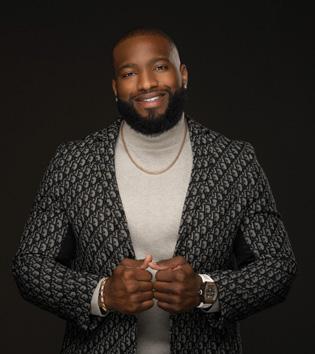
Onyi Odunukwe Publisher


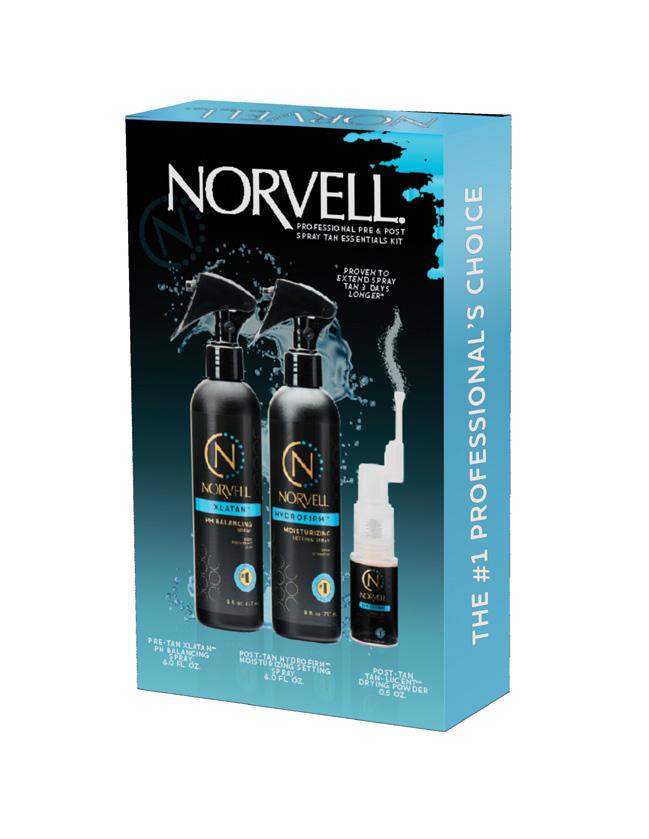
STEP 1: PREP SKIN FOR SPRAY TAN
Pre-Tan XLATAN pH Balance Spray primes & balances skin pH levels to accelerate tan development.
STEP 2: LIFT, HYDRATE AND LOCK-IN COLOR
NEW & Improved Formula! Post-Tan Hydrofirm
Setting Spray sets, seals and extends your spray tan with no color transfer while helping to firm, lift, and nourish skin for a radiant glow.
STEP 3: FINISH WITH LUXURIOUS DRYING POWDER
Post-Tan Tan-Lucent Drying Powder is the perfect way to end your spray tan session. Light-weight, fragrance-free, talc-free and translucent drying powder for a flawless finish.





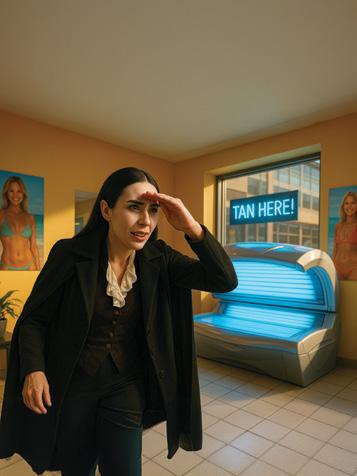

BY MELISSA NORTON, ASA PRESIDENT
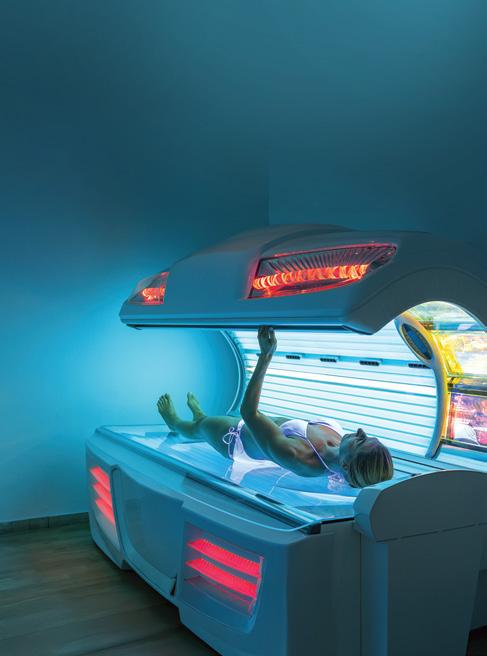
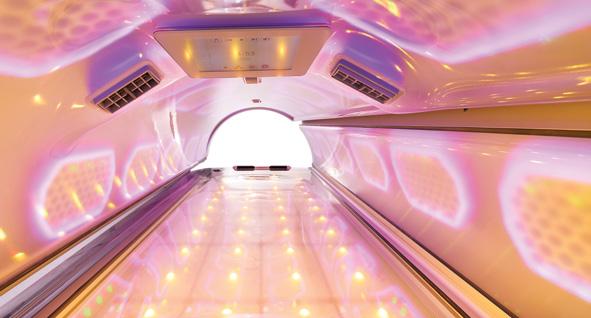
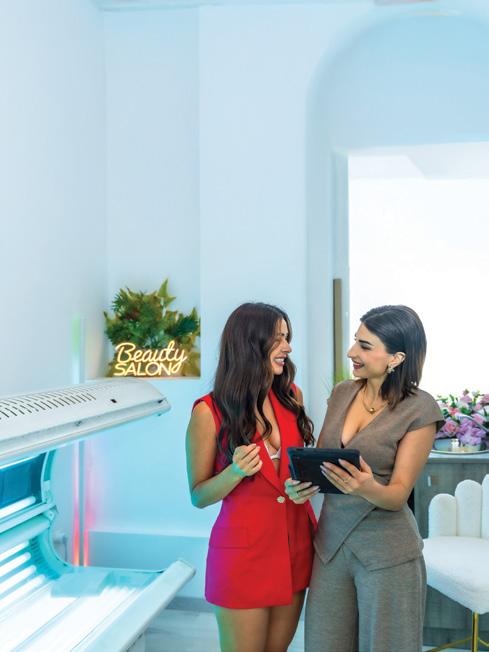
On behalf of 6,000 professional sunbed centers across the country, with more than 70% of these businesses being women-owned small businesses, the American Suntanning Association thanks Congress for its rightful consideration of both HR1940 and S1865, both calling for repeal of the unfair and poorly administered Tan Tax.
This stand-alone issue is a main-street, non-partisan concern that is separate from larger tax policy issues that have dominated discussion in 2025.
In December 2009, a 10% “Tan Tax” on UV tanning services in professional tanning facilities (exempting gyms

and non-salon locations) was slid into the Affordable Care Act (ACA) as a last-minute, silent replacement for a 5% cosmetic surgery “Botox” tax – a political horse-trade that reduced actual revenue for ACA by a minimum of $4 billion and possibly more than $10 billion since its inception. By comparison, The “Tan Tax” as a lastminute replacement has arguably cost the Treasury more than it raised and has been a total failure in every way possible.
The IRS carved out gym memberships as exempt from Tan Tax collection when first establishing collection code. This created a significant competitive advantage for
gyms
over
single-store operators in virtually every town in America. Over more than a decade, IRS, Treasury and Congress have all proven incapable of correcting this blatant error.
Professional sunbed facilities today teach and promote effective sunburn prevention for those who choose to incorporate non-burning sun exposure in their lives. This topic is widely misunderstood and frequently mis-stated by those who promote sun abstinence rather than effective sunburn prevention. Comprehensive sun care discussion was never a part of this tax policy discussion and is a topic ASA has never shied away from.
BY JONATHAN KEENE, TANNING SERVICES OF FLORIDA
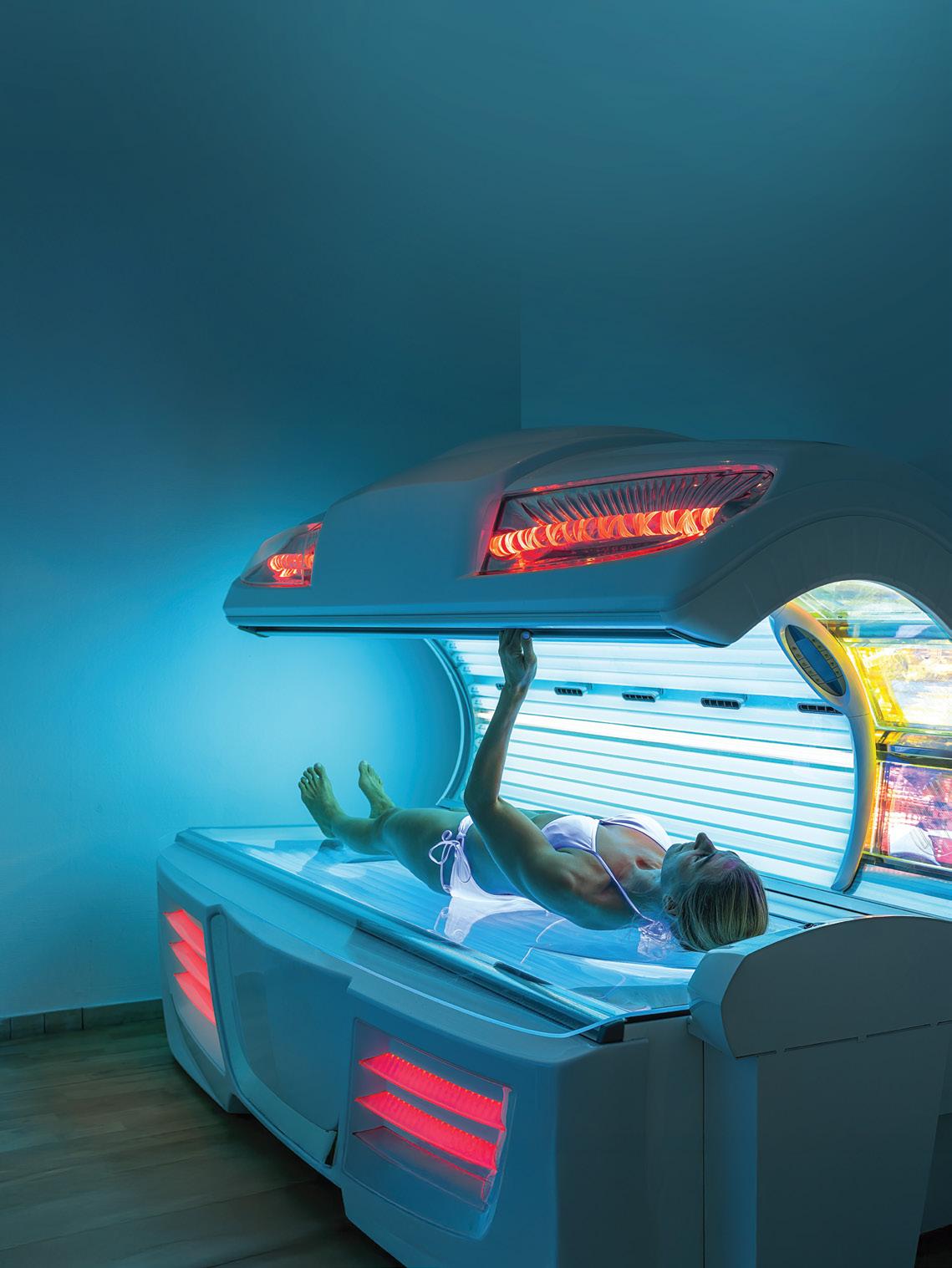
When it comes to tanning equipment, routine maintenance can make all the difference between smooth operations and costly downtime. Over the years, I’ve worked with salons all over the country, and the same simple issues keep popping up. Whether you’ve got one bed or a full fleet, here are some of the most important steps you can take to keep things running right.
Dirty filters are one of the biggest culprits behind overheating and poor airflow. Make it a habit to either clean or replace your bed filters once a month. It’s a simple task that protects your internal components and keeps your equipment operating efficiently.
Keep an eye out for flickering, dimming, or inconsistent tanning results — these are often signs that your lamps are ending their useful life of UV output. I also recommend changing the starters every other time you change the lamps (if your bed uses them and they’re accessible). It’s also important to make sure the lamp labels are always facing outward for easier tracking.
This one’s big. Using the wrong lamps — even if they physically fit — can cause performance issues, electrical problems, or even damage to your bed. Always double-check wattage, size, and UV output against your manufacturer’s guidelines before installing any new lamps. And most importantly, make sure that your lamps comply with the FDA rules around electronic product performance standard (21 CFR 1040.20)
Your acrylics take a lot of wear and tear. Check them often for signs of cracks, brittleness, or cloudiness. Damaged acrylics don’t just hurt performance — they can be a safety issue. Replace them as needed to keep both your beds and your clients protected.
Every three months, do a full teardown
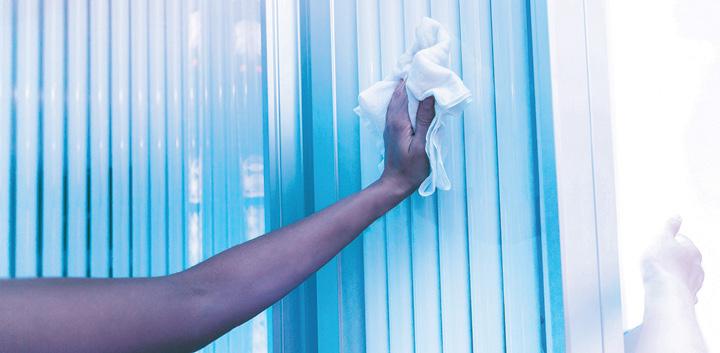
clean of your beds. This includes wiping out fans, cleaning electronics and wiring, and clearing out any buildup from the inside of the unit. Not only does it improve efficiency, but it also helps you catch minor issues before they turn into expensive repairs.
Tanning beds need room to breathe. Make sure intake and exhaust vents aren’t blocked, and that beds have enough airflow around them. Overheating can shorten the life of your components and cause shutdowns at the worst times.
Power issues are sneaky — and damaging. If your bed is running on too little or too much voltage, it can wear down components fast. Use a voltage meter or have a licensed electrician confirm you’re running
at the correct level according to your bed’s specs.
A simple maintenance log goes a long way. Write down lamp change dates, any error codes, cleanings, voltage checks, and repairs. It’s a great tool for spotting patterns, speeding up service calls, and protecting your investment long-term.
At the end of the day, well-maintained equipment doesn’t just run better — it makes you more money. Every hour a bed is down is revenue lost. Staying on top of these small maintenance tasks protects your investment, extends the life of your equipment, and keeps your business running at full capacity. A little attention now can save you thousands later.


My name is Jonathan Keene, but most people in the industry know me as John or Johnny. I’m the founder of Tanning Services of Florida, which I started back in 2014. We’re based in Lutz, Florida, but we proudly service salons nationwide
I’ve spent over a decade working hands-on in this industry. My team and I specialize in bed removals and installations, maintenance, deep cleanings, equipment sales, and hard-to-find parts. Whether it’s a spray tan unit, Ergoline, KBL, or ProSun tanning bed, hydration station, sauna, or HydroMassage unit, if it needs attention — I’ve got the experience to get it working right.
I’ve built my business on showing up, being honest, and getting the job done fast and right. When you call me, I’m there to help — plain and simple.


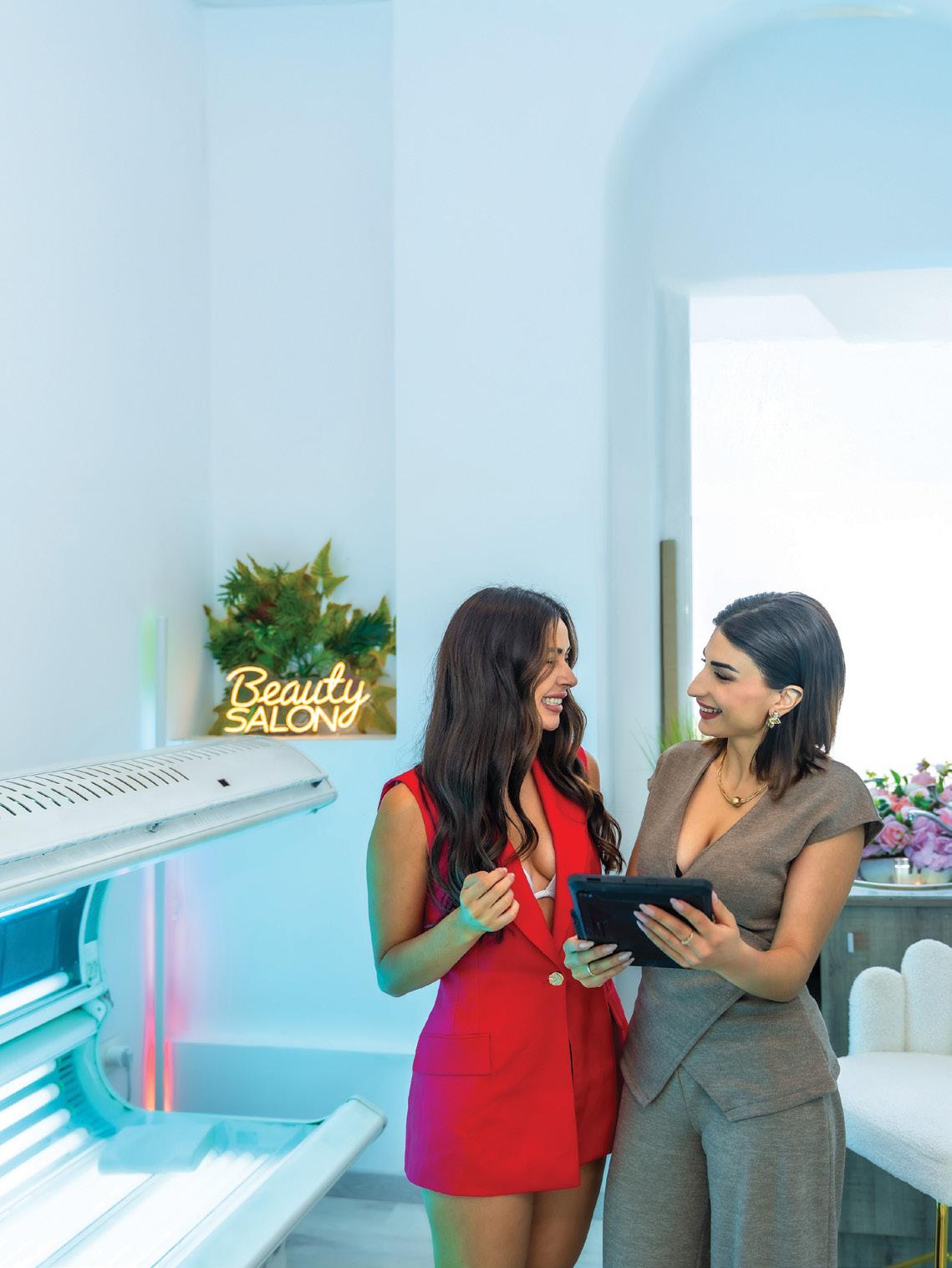
Here’s the thing about a truly enviable tan: it’s not just about those golden minutes under UV lights. The real magic happens in the hours and days between sessions, when your skin is either working with you or against you. While most salons are stuck in the old-school mindset of book-tan-repeat, the industry’s most successful players have discovered something revolutionary— turning their teams into beauty educators creates clients who look better, stay longer, and spend more.

“Beautiful, long-lasting color starts with healthy skin,” says Denae Blough, whose approach has become the gold standard in client care. “At our salon, we believe education is just as important as the tan itself—when customers understand how to care for their skin before and after their session, they see better, longer-lasting results and enjoy a healthier glow.”
It’s a philosophy that’s transforming not just how clients look, but how salons profit. When you prioritize skin health education, you’re not just creating better tans—you’re creating devotees who achieve superior results, maintain their color longer, and keep coming back year-round instead of disappearing after summer ends.
The transformation begins with elevating your team from ordertakers into trusted beauty advisors. The most successful salons invest heavily in educating their staff about the science behind luminous skin and the art of personalized product recommendations.
Think of it as a beauty boot camp with real-world application. Training goes beyond memorizing ingredient lists to understanding how different skin types respond to UV exposure, why hydration matters for color longevity, and how to read a client’s skin story before making recommendations.
“We prioritize thorough education, ensuring every employee understands the key role skin care plays in achieving and maintaining a great tan,” explains Shanna Lynch, a multi-unit salon owner and operator. “Training involves teaching them how to assess different skin types and concerns, communicate the importance of pre- and post-tanning skin care, and tailor product recommendations accordingly.”
But here’s where it gets interesting: role-playing scenarios and realclient case studies help staff develop the confidence to have genuine conversations about skin health rather than awkward product pitches. When your team understands the why behind every recommendation, they become consultants clients actually want to listen to.
The transformation is immediate. Instead of tentative product suggestions, you get confident beauty advisors who can explain exactly why that expensive moisturizer will make their tan last two weeks longer.
When clients truly understand the connection between proper care and gorgeous results, something magical happens to your bottom line. They stop seeing product recommendations as sales pressure and start viewing them as insider beauty secrets.
“Focusing on more than ‘just tanning’ allows us to hit a wider range of products, as well as help clients achieve even better results,” notes Shanna Lynch. “This keeps them coming longer and more year-round.”
It’s beauty economics at its finest. Educated clients who see dramatically better results become walking advertisements for your salon. They’re the ones posting those enviable before-and-after photos, referring to their friends, and ramping up their
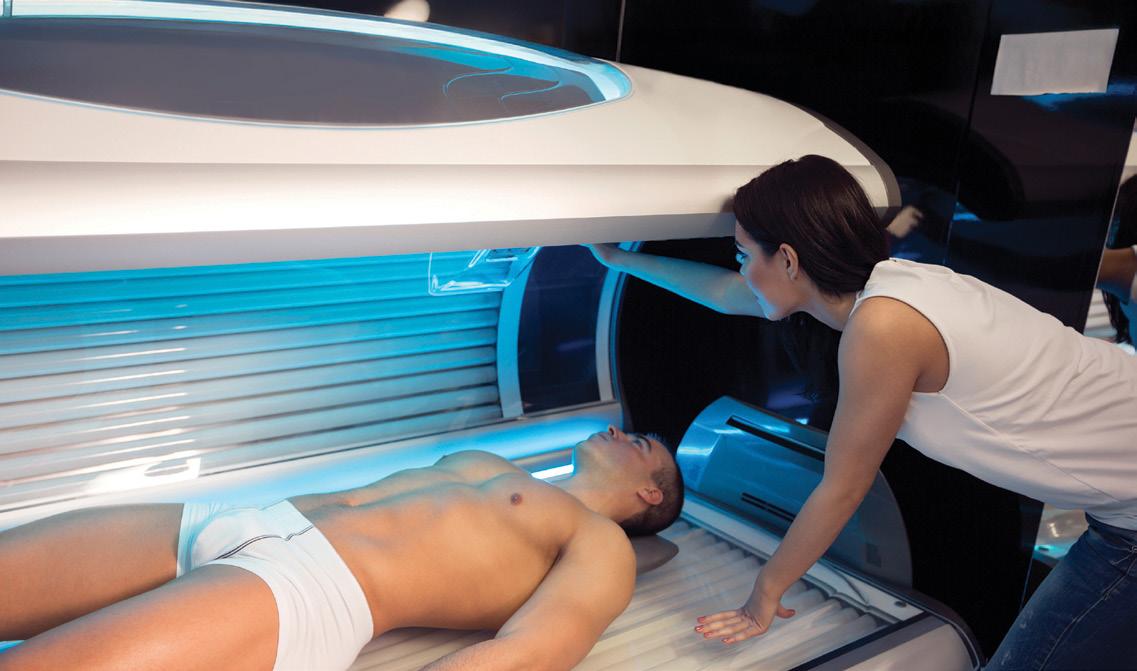

routine in February because they understand that great skin doesn’t take winter breaks.
Let’s address the elephant in the room: online beauty shopping. Your clients are seeing $15 tanning lotions on Amazon while you’re recommending $100+ professional formulas. How do you compete without feeling like the expensive option?
The answer lies in becoming the beauty authority they can’t find online. “We focus on curating professional-grade products specifically designed to enhance tanning results and skin health— formulations that customers won’t find on Amazon or in drugstores,” explains Shanna Lynch.
But here’s the sophistication: your staff needs to articulate not just what makes your products different, but why that difference matters for the results clients actually want. It’s about positioning your salon as the place where beauty science meets personalized care.
The conversation shifts from “this costs more” to “this delivers the results you’re looking for.” When
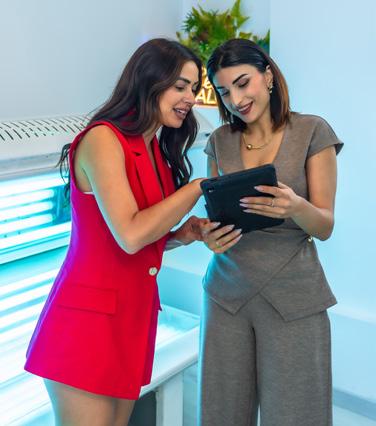
clients understand that professional formulations are developed specifically for tanning skin, tested for compatibility with UV exposure, and formulated to extend color longevity, the value proposition becomes clear.
The most powerful beauty recommendation doesn’t come from a brochure—it comes from someone who’s actually used the product and can share real results. Salons that encourage their teams to experience the products and services they recommend create an authenticity that’s impossible to fake.
“Personal testimonies are huge and why we push our staff utilizing services and products,” emphasizes Denae. “This goes a long way with clients. As well as having the right education of what makes our products different.”
Think about it: would you rather get skincare advice from someone reading from a product card, or someone who can tell you exactly how that serum made their own skin look incredible? Clients can spot genuine enthusiasm from a mile away, and they trust recommendations that come from real experience.
This approach requires investment— providing products for staff use, encouraging them to try services, creating a culture where the team genuinely believes in what they’re selling. But the return is staff who become living testimonials for everything you offer.
“Tanning is only part of the glow,” Denae explains. “Proper skincare in between sessions is what makes it last. As a tanner, it’s important that we aren’t just tanning the skin, but also taking care of it. Hydrated, healthy
skin not only improves your tanning results but also extends the longevity and radiance.”
This is the mindset shift that separates thriving salons from surviving ones. Instead of seeing themselves as tanning providers, successful operators position their businesses as partners in achieving and maintaining beautiful skin.
Products designed specifically for tanners—tan extenders, prep solutions, aftercare treatments— aren’t just add-ons to increase ticket prices. They’re essential components of a comprehensive beauty routine that helps clients achieve the results they’re actually paying for.
The most effective client education happens through personalized consultation, not generic product recommendations. Your team learns to read skin like beauty detectives, assessing undertones, texture, and tanning history before suggesting a customized care routine.

This isn’t about pushing the most expensive products—it’s about demonstrating expertise that clients can’t get anywhere else. When someone receives advice tailored specifically to their skin type and tanning goals, they feel understood rather than sold to.
The best salons also create take-home education materials that reinforce proper care techniques, keeping skin health top-of-mind long after clients leave. This ongoing connection transforms occasional visitors into devoted regulars who view their salon as an essential part of their beauty routine.
The result? Clients who achieve enviable results, maintain their glow longer, and see their salon not as a service provider, but as their personal beauty headquarters where looking amazing is practically guaranteed.






BY BOARD CERTIFIED LIGHT THERAPIST
Step right up, friends in the tanning and wellness world!
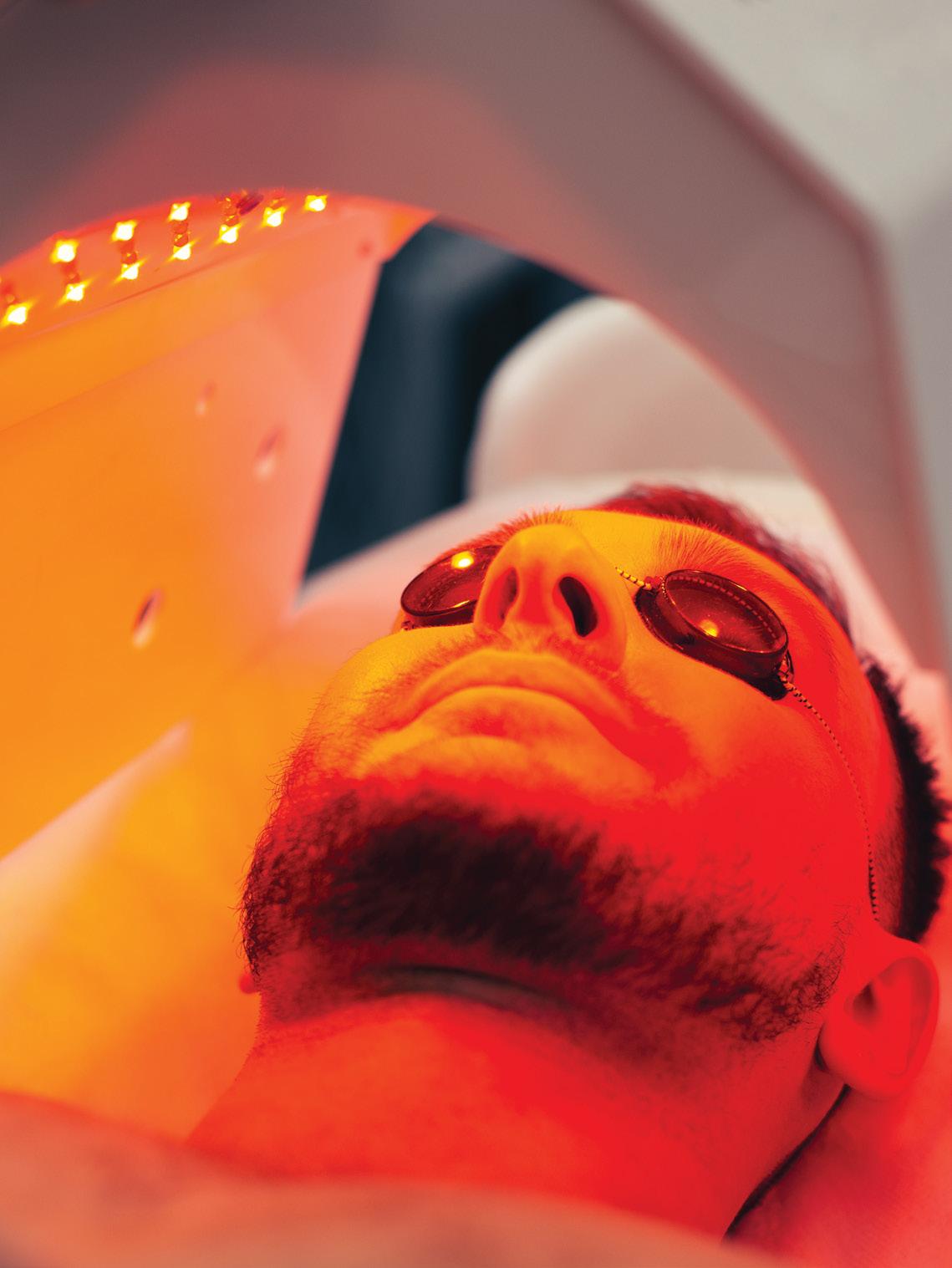
Get ready for a behindthe-scenes look at the dazzling spectacle of light therapy marketing. Sure, it looks impressive on the surface, big claims, flashy buzzwords, and high-tech packaging, but underneath all that showmanship, there’s some clever misdirection happening.
We’re pulling back the magician’s cloak on misleading specs and marketing tricks. Because while the source might shine bright, it’s what actually hits your skin that truly matters.
Let’s start with the most obvious issue in the world of tanning and wellness: looks matter. People look at a fancy device and automatically assume it is the best on the market, the most effective by any means. However, that’s not necessarily true.
Just because a device looks futuristic or costs a fortune doesn’t mean it delivers real results. A sleek light panel with a basic LED setup is like pulling a rabbit out of a hat only to find it’s made of cotton.
On the opposite side, you get what you pay for, and if it seems too good to be true it, it often is. That flower on the clown’s shirt? It is going to stain your nose black when you go to smell it.
Light therapy only works when you’ve got the right mix: the right wavelengths, the right intensity, and the right dose. Those things matter way more than a slick design. Salon owners need to focus on what’s measurable and effective, not just what’s marketable.
Some manufacturers pull a classic move: they show you impressive irradiance numbers, but only by measuring right up against the bare diodes. That’s before the light travels through plastic shields, filters, eye protectors or acrylics.
It’s like measuring how loud a speaker is with the microphone shoved inside the speaker cone. Technically accurate? Maybe. But useful in the real world? Not really. The only thing that matters is how much light reaches the skin. That number often drops a lot once the light makes its way through all those built-in barriers.
Unfortunately, most people, and even many salon owners, don’t realize that. Depending on the light source and its
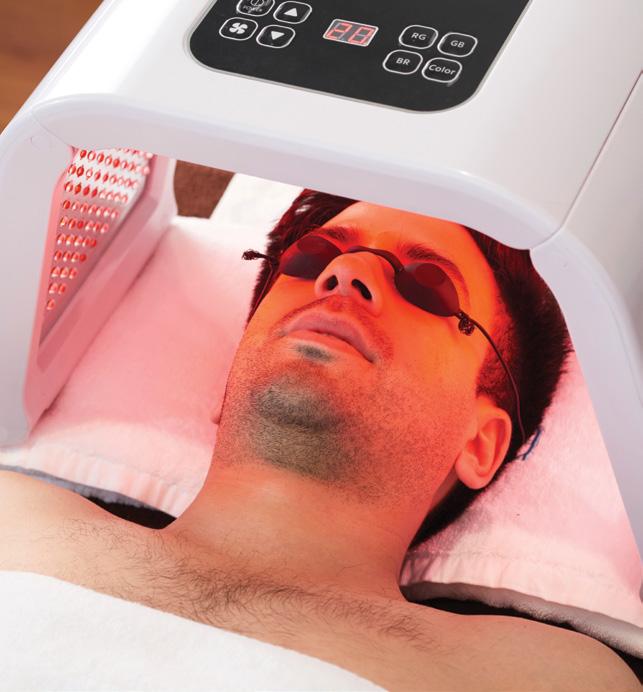
quality, output can deplete quickly the further you move from the panel, which makes distance and design critical when evaluating effectiveness.
Now you see it, now you don’t! Wattage inflation is a real thing. Companies will take the wattage of a single diode, multiply it by how many diodes are on the panel, and boom, suddenly you’re looking at a “1,000-watt” system that might not even beat your old blow dryer.
And here’s where it really fries me: some companies selling units that cost as much as a house or more, will take a total joule output, which stays the same no matter the size of the panel, and start multiplying it by the number of diodes or the total lit surface area. Next thing you know, a

device that puts out a solid skincare dose of 15 joules is suddenly being advertised as delivering thousands, or even millions, of joules.
If you’ve been following me, you already know the limits. You don’t want to go over 60 joules in a single therapeutic session. And in one day? Never more than 100. So why do companies hype these numbers? It’s the same reason fireworks come with all that smoke before the show begins, it’s flash, not substance. Just smoke and mirrors.
What matters in photobiomodulation is fluence (J/cm²), irradiance (mW/ cm²), and how long the treatment lasts. Inflated numbers might look good on paper, but they don’t guarantee better results. It’s like bragging about owning a thousand rabbits when you can’t even pull one out of the hat.
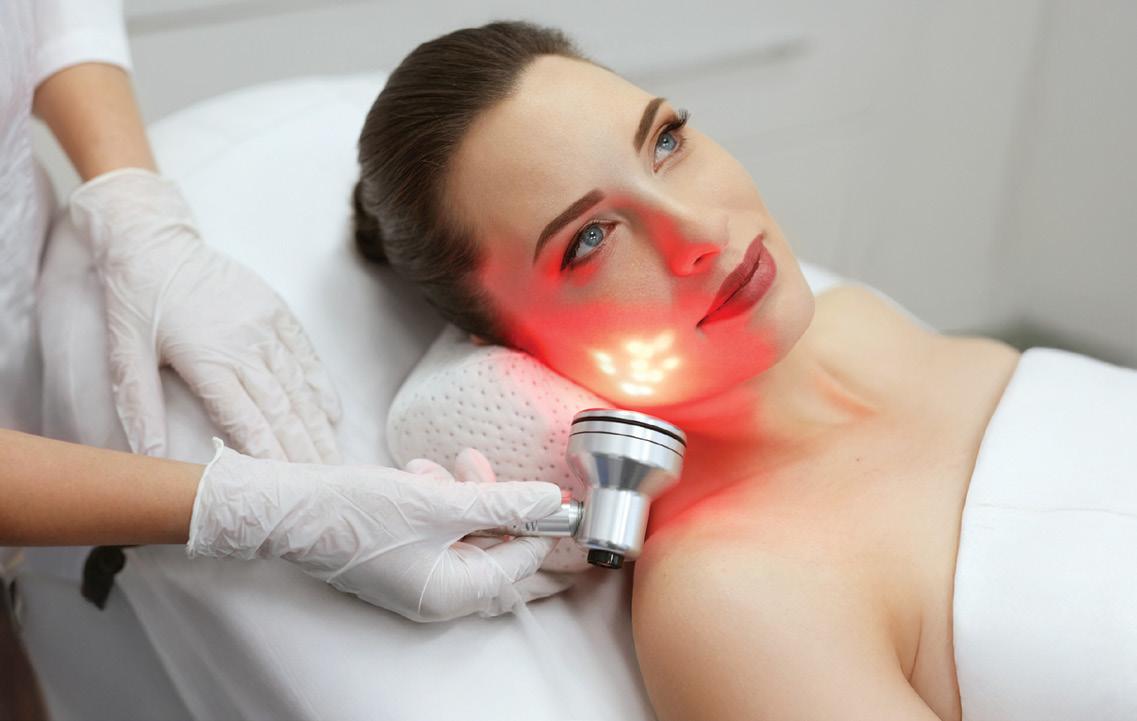
“Biohacking.” “Detoxifying.” “Mitochondrial recharge.” Sounds powerful, right? That’s exactly what some marketers are counting on. But these trendy terms often lack depth, or worse, they’re just used to sound smart without any real backing.
These words are flashy and fun, but without context, they’re nothing more than verbal glitter. They distract from what should be an informed conversation about mechanisms, dosing, and evidence. It’s like shouting “abracadabra!” without actually knowing what trick you’re trying to pull off.
If the companies selling this equipment can’t explain how it works, what it does, or why it’s effective, then it’s all just marketing wizardry. It’s up to us to ask questions, demand clarity, and keep educating our teams and our clients.
Here’s the good news: light therapy is real, and it works. No tricks necessary when it is from a reputable

source. We’ve got close to 9,000 peerreviewed studies supporting its use for everything from wound healing and pain relief to skin health and inflammation.
But you need to separate the legit science from the sales pitch. That means reading up, asking for thirdparty verification from reliable sources, measuring what hits the skin, and not just going along with whatever the salesperson tells you. Because let’s be honest, some of them are better at performance than they are at precision. I have seen plenty of advertisements with 100% false readings, models of light, and for now they are getting away with it.
You don’t need magical thinking to make light therapy effective. You need consistency, education, and science.
The red light space is growing fast, and so are the number of companies trying to cash in. Not all of them play fair. Some rely on smoke, glitter, and a bit of marketing sleight of hand to dazzle you. Others are building their brands on real science, clear communication, and proven results.
If you’re a salon owner, or someone helping others feel their best, you have a responsibility to dig deeper. Don’t settle for illusions. Offer transparency. Lead with integrity. And keep your focus on delivering outcomes, not just optics.
There are so many different traps and tricks salon owners can fall for if they don’t know what to watch for. If you’re ready to cut through the glitter and get to the good stuff, visit me at TheRedLightQueen.com.
There’s a free entry-level course waiting for you on my home page through an accredited organization that offers real continuing education, not just a printed certificate that collects dust. Or worse, a paid for “certification” that leads you down the path of FDA scrutiny, insurance revocation, or even practicing medicine without license charges.
Let’s stop falling for gimmicks. Let’s start delivering results. Real red light magic isn’t something you buy in a box. It’s built through knowledge, experience, and science. And that, my friend, is the real trick.
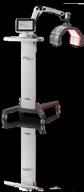
Your customers will thank you once they experience the deep penetrating therapeutic treatment, only our seven-wavelength Spectrum 7 can deliver.
• 4,800 individual 3-watt diodes
• Combination of Red and Near Infrared light
• 605nm, 630nm, 660nm, 670nm, 830nm, 905nm, 940nm
• Irradiance of 140 - 210 mw/cm2
• Lightning fast 10-minute treatment Call us today and we will gladly put you in contact with one of our many satisfied salon owners. Don’t believe us, ask them yourself! Call




BY JOE SCHUSTER
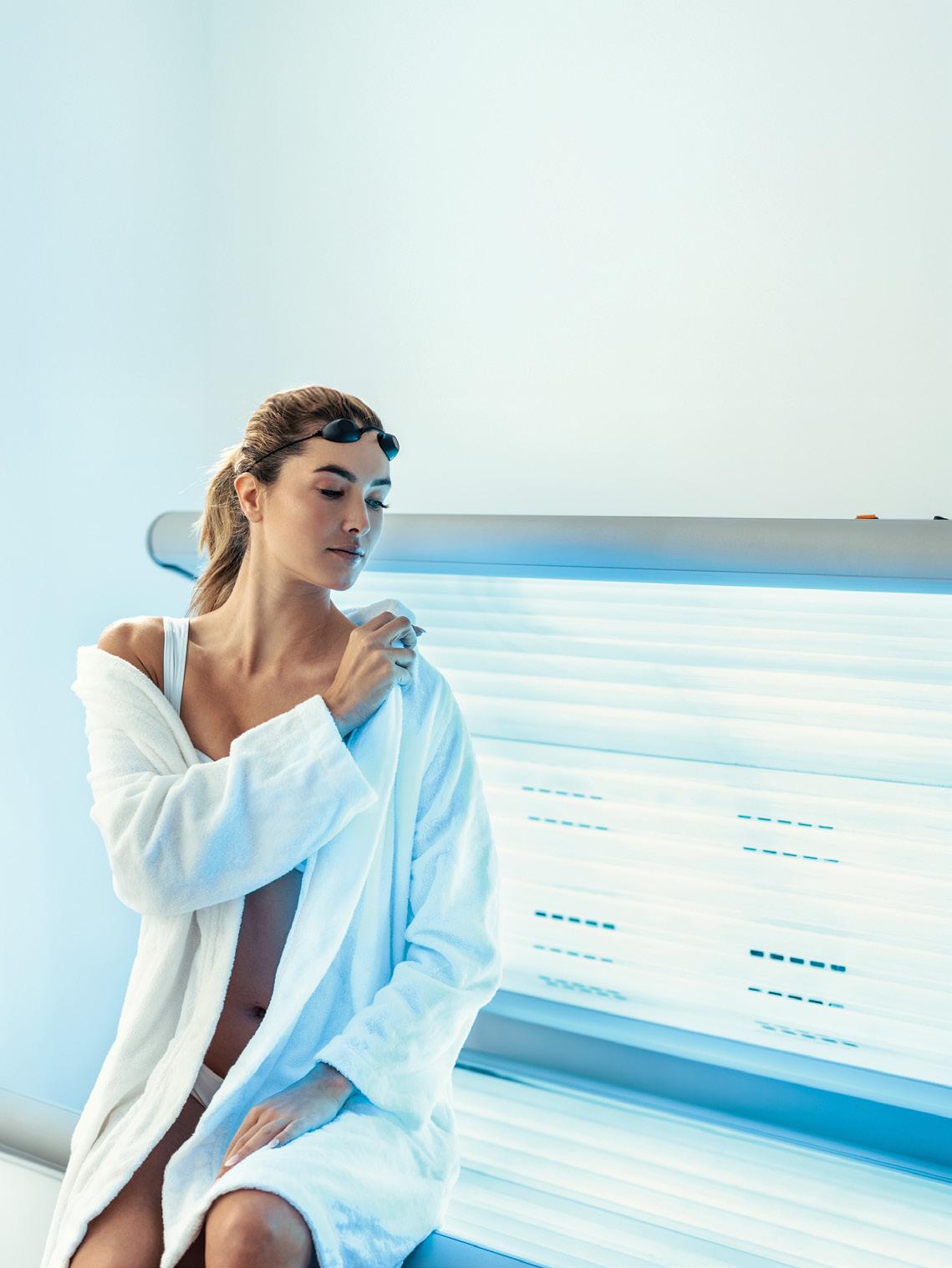
As a new initiate into the world of tanning, I never realized how much technology goes into getting a good indoor tan. Whether it’s a spray tan booth or an actual UV tanning bed doesn’t matter–both involve decades of research, development, and careful craftsmanship to ensure the best results for clients.
If you’re a tanning salon owner, you know that each tanning bed is a major investment—one that can cost tens of thousands of dollars. Each bed can also bring in thousands of dollars’ worth of revenue. But, how long should you expect a tanning bed to last?
I spoke to the experts who helped shed light on the subject.
How long should a professional tanning bed last?
According to Dimitra Theodoridis, Director of Technical Services at Sun Is Life, it can vary greatly. As a general rule, you can expect anywhere from 5 to 10 years of service before you need to get your beds totally replaced.
However, that doesn’t mean you can’t stretch your bed’s use beyond the standard of 10 years. As Dimitra pointed out, “There are salon owners out there still using beds over 25 years of age. That being said, you do want to factor in trends, changes in equipment efficiency, and usage. Don’t hang on to that workhorse unit if it’s not bringing in revenue. “
If you think that a range between 5 to 25 years is a bit vague, that’s because it is. It’s a wide range of different timeframes because there are so many different types of tanning machines that can be found in a salon.
That’s why a better way to look at it is through the actual components of the bed itself.
How long should your tanning bed’s main components last?
As most people know, all tanning beds are made of a variety of different materials and components. In most cases, the components in question are often best off being replaced at least once or twice before the decision to replace the entire piece of equipment is made.
With that said, let’s talk about the basics of a tanning bed’s most important pieces and how long they should be able to survive.
You can’t go UV tanning without UV light, right? Each type of light production mechanism has its own lifespan. So, let’s shed light on the subject of durability.


Standard UV Fluorescent Lamps 800-1000 hours of use
Red Light Fluorescent Lamps 1500-2000 hours of use
LED Lights
It’s important to note that each machine also has its own requirements in terms of light strip replacements and fixes. Not all tanning beds are going to be able to be “quick fixes” in terms of lamp replacement—and yes, that can affect your bed’s longevity.
While lamps are the main “bulk” of replacement and repair planning, they’re far from the only part of a machine that could have a lifespan.
• Starters are best replaced every other lamp replacement.
• Acrylic pieces of equipment are best replaced every 3 to 5 years, or every 5,000 hours. Longevity is also dependent on care, usage, scratches, etc. Actual useful life may vary from manufacturer to manufacturer.
25,000-50,000 hours of use
Check with that source for the most accurate information.
• Heavy use items (buttons, faceplates, etc) have to be replaced every 1 to 2 years.
When should you replace your tanning bed?
Theoretically, every tanning bed can last for decades as long as you continue to maintain it correctly and replace broken parts as needed. A good rule of thumb is that you should replace your beds when repairs, regulations, and client reception make them more of a hassle than they’re worth.
When in doubt, don’t be afraid to ask your favorite manufacturers what’s the news on the market. You might find a bed that works better with your current clientele than before.
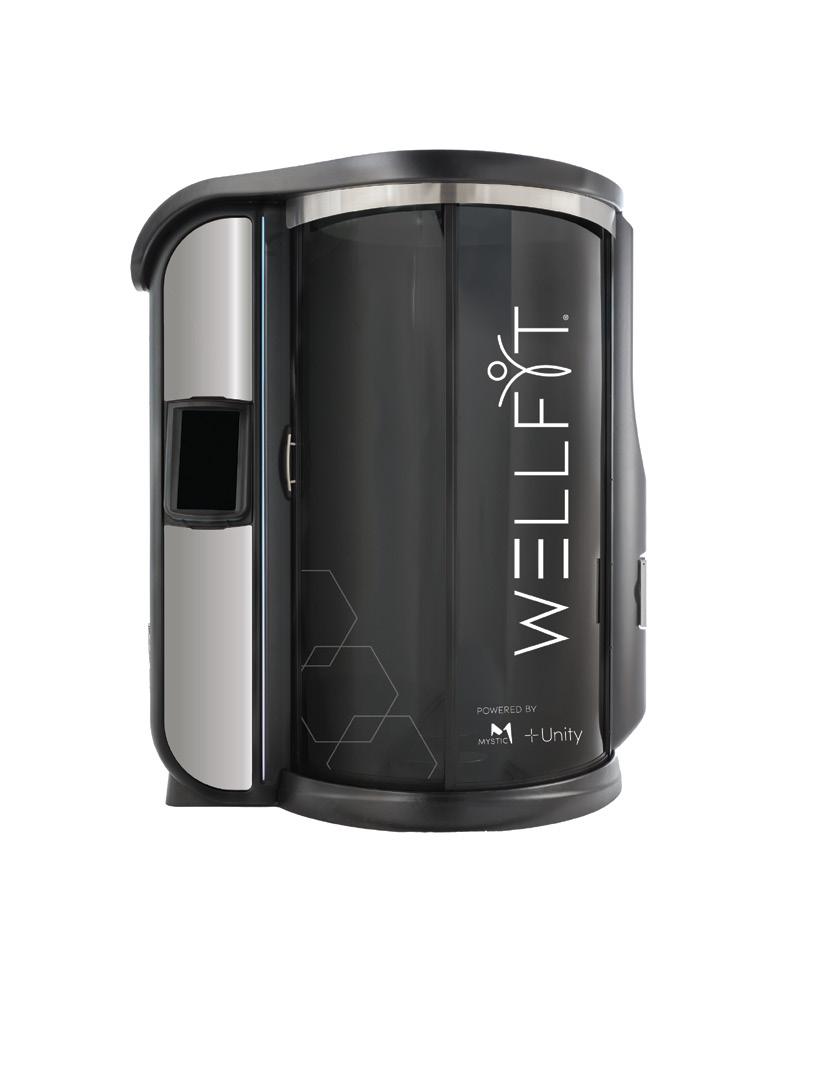
WellFit® Home is a 3-step full-body skincare system designed for clients seeking high-performance wellness beauty when they are away from their WellFit skincare treatments.
YOUR
FACE + BODY TONER With ROSEWATER

FACE + BODY CLEANSER with glycolic acid
A MULTI-FUNCTIONAL CLEANSER DESIGNED TO REJUVENATE, REVITALIZE, NOURISH AND SOFTEN SKIN GOING BEYOND BASIC CLEANSING.
4 fl. oz. / 118 ml

INFUSED WITH ROSEWATER, THIS GENTLE FORMULA IS DESIGNED TO HYDRATE, SUPPORT THE SKIN BARRIER AND NURTURE HEALTHY
BACTERIA REVEALING A SMOOTHER, BRIGHTER, AND FIRMER COMPLEXION.
5.5 fl. oz. / 163 ml

FACE + BODY SERUM
With GRAPEFRUIT ESSENTIAL OIL
HYDRATE AND GLOW WITH THIS FAST-ABSORBING SERUM, PACKED WITH SUNFLOWERS, JOJOBA, AND GRAPEFRUIT OILS FOR SOFT, EVEN-TONED SKIN.
5.5 fl. oz. / 163 ml







BY QUINN COOPER
The difference between struggling salons and thriving ones isn’t location, equipment, or even pricing— it’s the people. While most salon owners focus on finding candidates with the right technical skills or industry experience, the most successful operators have discovered a different approach entirely. They’ve cracked the code on building teams that don’t just perform tasks, but create experiences that keep clients coming back.The right team can help you make your salon a magical place to be…but hiring them? Well, finding the right people isn’t always easy. Contrary to popular belief, there are skills that are required for anyone in the salon industry and those skills aren’t always easy to find.
The secret? They hire for attitude and train for excellence.
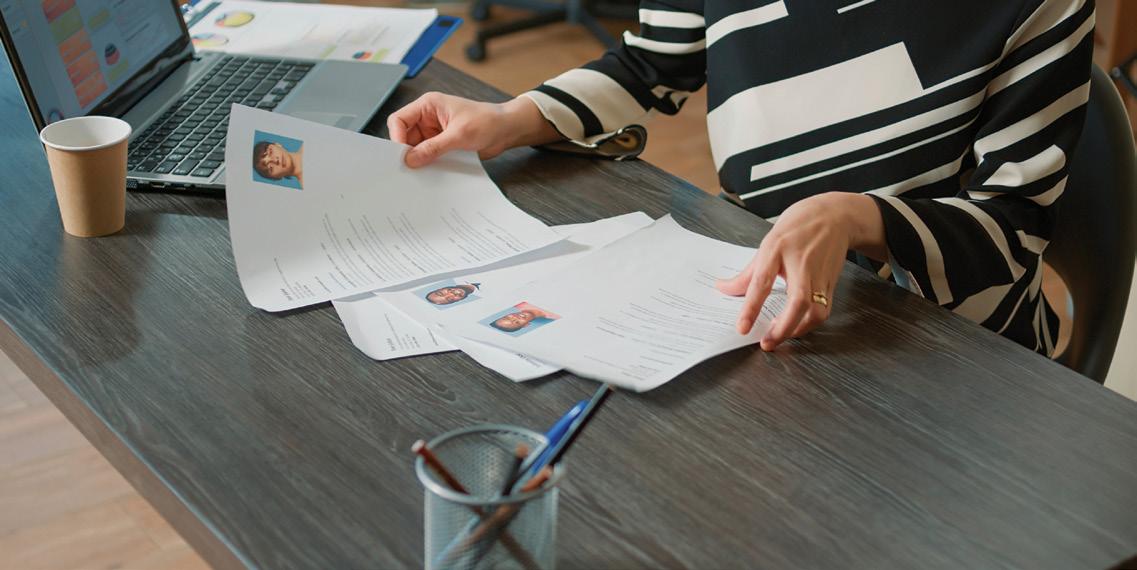
Sam Neeley, a successful Glo franchisee, has built her reputation on what she calls her “secret sauce” for hiring high-performance teams. Her approach flips traditional hiring wisdom on its head.
“I look for excitement,” Neeley explains. “Excited about the opportunity to be part of Glo. Excited about life in general. I really focus on their personality. I look for outgoing and ambitious individuals.”
Instead of diving into technical qualifications during interviews, Neeley asks discovery questions that reveal character: “What do you enjoy doing in your free time?” and “What do you love most about your life?”
These questions give her understanding about who candidates really are—their natural energy, optimism, and passion for life. Skills can be taught, but attitude and enthusiasm are intrinsic qualities that either exist or don’t.
Once you’ve hired the right personalities, how do you measure

and foster success? The most effective salon leaders track six key indicators that predict long-term team performance:
Client Results & Satisfaction measures success by how happy clients are with their results, how long those results last, and how often they return. Team members who genuinely care about outcomes naturally create better experiences.
Product Sales with Purpose tracks how well team members translate product recommendations into sales, knowing they’re tied to better client outcomes. It’s not about pushing products—it’s about providing solutions.
Staff Growth & Performance focuses on team members improving their skills, hitting goals, and maintaining consistency without constant oversight. Growth-minded individuals naturally seek ways to improve.
Operational Precision values processes running smoothly with fewer errors and everyone following the same high standards. Reliable team members take pride in executing systems correctly.
Reputation & Loyalty measures success in strong word-of-mouth,
positive reviews, and being known as the go-to salon for both quality and expertise. Team members who care about reputation protect it.
Financial Health encompasses profit growth, smart cost control, and steady business expansion—all results of excellent client care and operational excellence.
The magic happens in how these highperforming salon owners develop their teams. Neeley’s approach centers on building relationships that extend beyond the professional realm.
“I foster their growth by building a relationship with them,” she says. “Staying in communication, not only on a professional level, but personal level as well. Understanding their strengths and identifying any weaknesses helps me put my coaching energy in the right places.”
This relationship-based coaching recognizes that every team member has different learning styles and needs to be met in their comfort zone. But here’s where it gets interesting: Neeley concentrates her coaching energy on areas where people feel uncomfortable.


“When I see somebody is uncomfortable doing a task or taking action, I concentrate in that area because people do the most growth in their most uncomfortable spaces,” she explains. “If we can get them to find comfort and confidence in that space, they will continue to grow knowing that the next time they feel uncomfortable, they just have to work in that area and gain confidence.”
While personality-first hiring creates the foundation, operational excellence ensures consistent results. Successful salon leaders like Shanna Lynch demonstrate how to blend high standards with genuine care.
Lynch isn’t just running a salon—she’s shaping an experience. Known for her high standards and hands-on

approach, she blends expert skin care education with top-tier service to deliver flawless, lasting results. Her leadership style fosters growth through clear expectations, consistent coaching, and leading by example, inspiring both her team and her clients.
This approach recognizes that you set clear expectations, then give your team the tools, knowledge, and accountability to meet them. Growth comes from understanding—not guesswork—so successful leaders invest in educating both their clients and their employees.
For staff, that means consistent coaching, explaining the why behind decisions, and leading by example so they can see success in action. For clients, it means teaching them how to care for their skin and maximize their results, which builds loyalty and trust.
Not every great hire will immediately excel, and the best leaders know how to support team members who show potential but struggle initially. The key lies in consistent communication and treating team members as complete human beings, not just employees.
“When they are struggling in an area, I like to identify specific things that are getting in their way and causing the struggle,” Neeley explains. “Then we make an action plan to conquer those areas, but letting them know they don’t have to do it alone and surround them with support and resources.”
This support system includes being their cheerleader, building them up, and motivating them by referencing past successes to show they are capable of improvement.

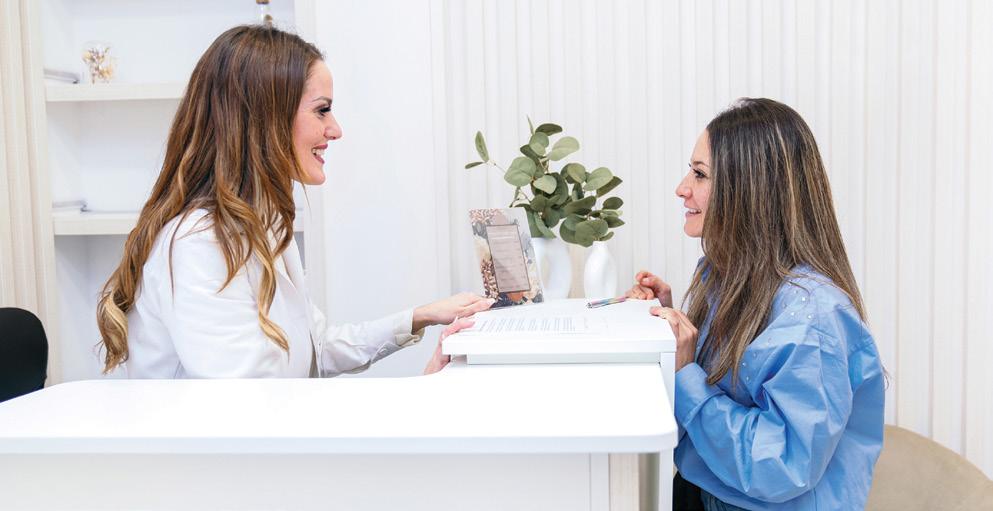
The approach blends tough love with genuine belief—making it clear that you expect them to rise to the standard, but also making it clear that you’ll help them get there.
People know that if you’re taking the time to coach them, it’s because you see their potential and want them to succeed.
What separates high-performing team members from average ones?
According to Neeley, it comes down to three critical factors: “ENERGY, ENERGY, ENERGY and ATTITUDE.”
Having a positive mindset every day isn’t easy, so when leaders see employees staying positive during adversity or struggle, those are the people they want on their team and where they want to spend their energy developing.
The other crucial indicator is action-taking. Team members who implement what they learn after coaching sessions, who take feedback positively, and who ask questions about how they can become better are
When it comes to actual hiring decisions, the most successful salon owners hire for attitude and reliability first, knowing skills can be taught. They look for people who will follow procedures, represent their brand professionally, and take pride in client results.
They want team members who can handle responsibility without constant supervision, and they make it clear from the start what success looks like. The interview process focuses on discovering natural enthusiasm, problem-solving ability, and genuine interest in helping others feel their best.
Ultimately, building high-performance salon teams isn’t about finding perfect candidates—it’s about creating an environment where people understand what it takes to improve, feel supported in doing it, and are motivated because they can see their own progress.

You don’t just push for higher numbers—you create an environment where people understand what it takes to improve, feel supported in doing it, and are motivated because they can see their own progress.
This approach transforms both the team member experience and client satisfaction. When team members feel genuinely supported and challenged to grow, they naturally provide better service, take more pride in results, and create the kind of experiences that build lasting client relationships.
The salon industry’s most successful operators have learned that technical skills are just the entry point. The real success comes from hiring people who bring natural enthusiasm and positive energy, then creating systems and relationships that help them channel that energy into exceptional client experiences.
Ready to transform your hiring approach? Start by shifting your interview focus from what candidates have done to who they are as people. Look for excitement, positive energy, and genuine enthusiasm—then build the systems to help them succeed.
BY AMARA OMOREGIE
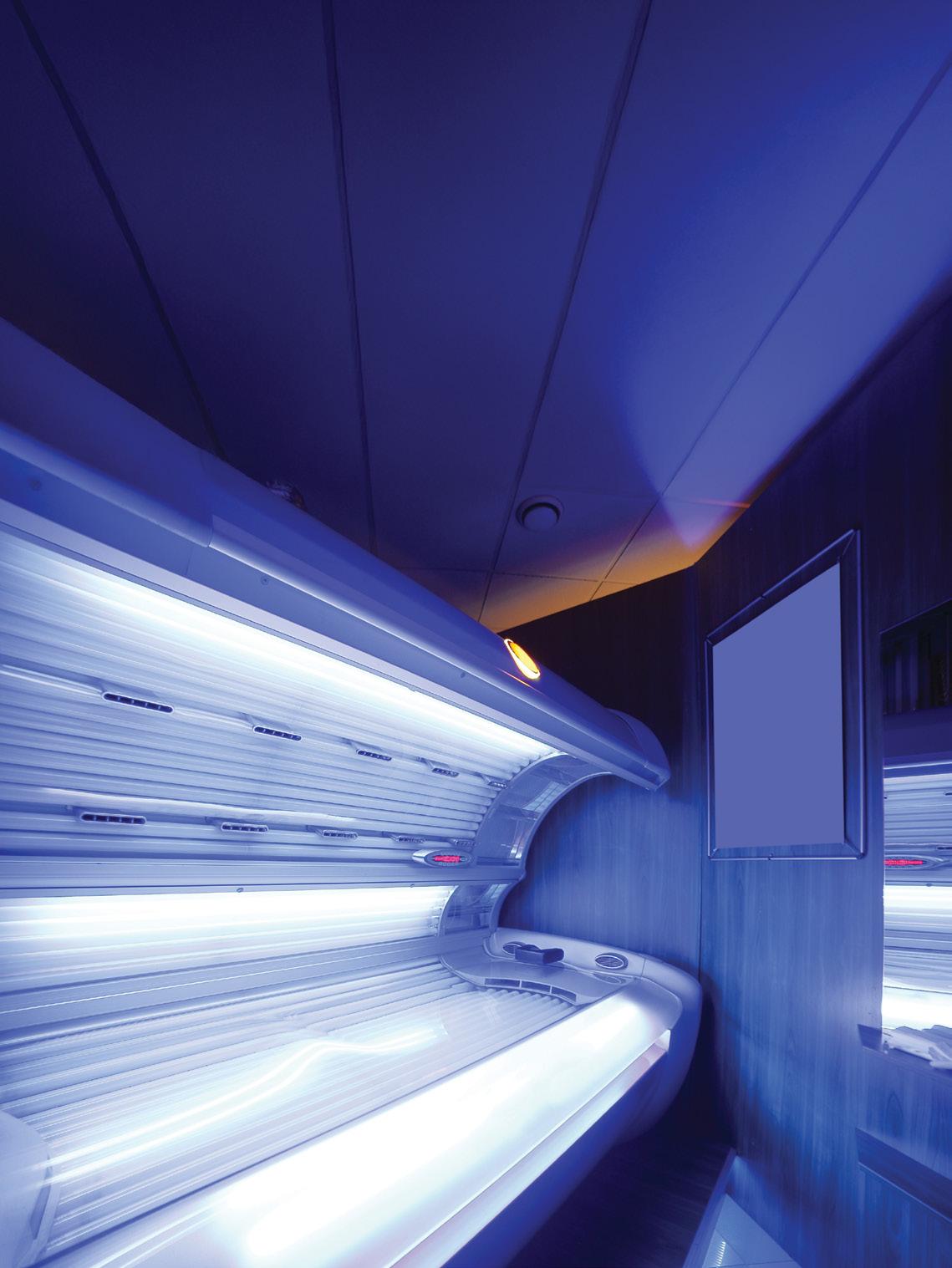
How proper lamp care can transform your salon’s performance and profitability
For small salon owners, every dollar counts. When clients complain they’re “not getting tan” despite recently replaced lamps, or when you’re facing another expensive lamp replacement, it’s time to look beyond the obvious. The secret isn’t always new lamps—it’s often hiding in plain sight.
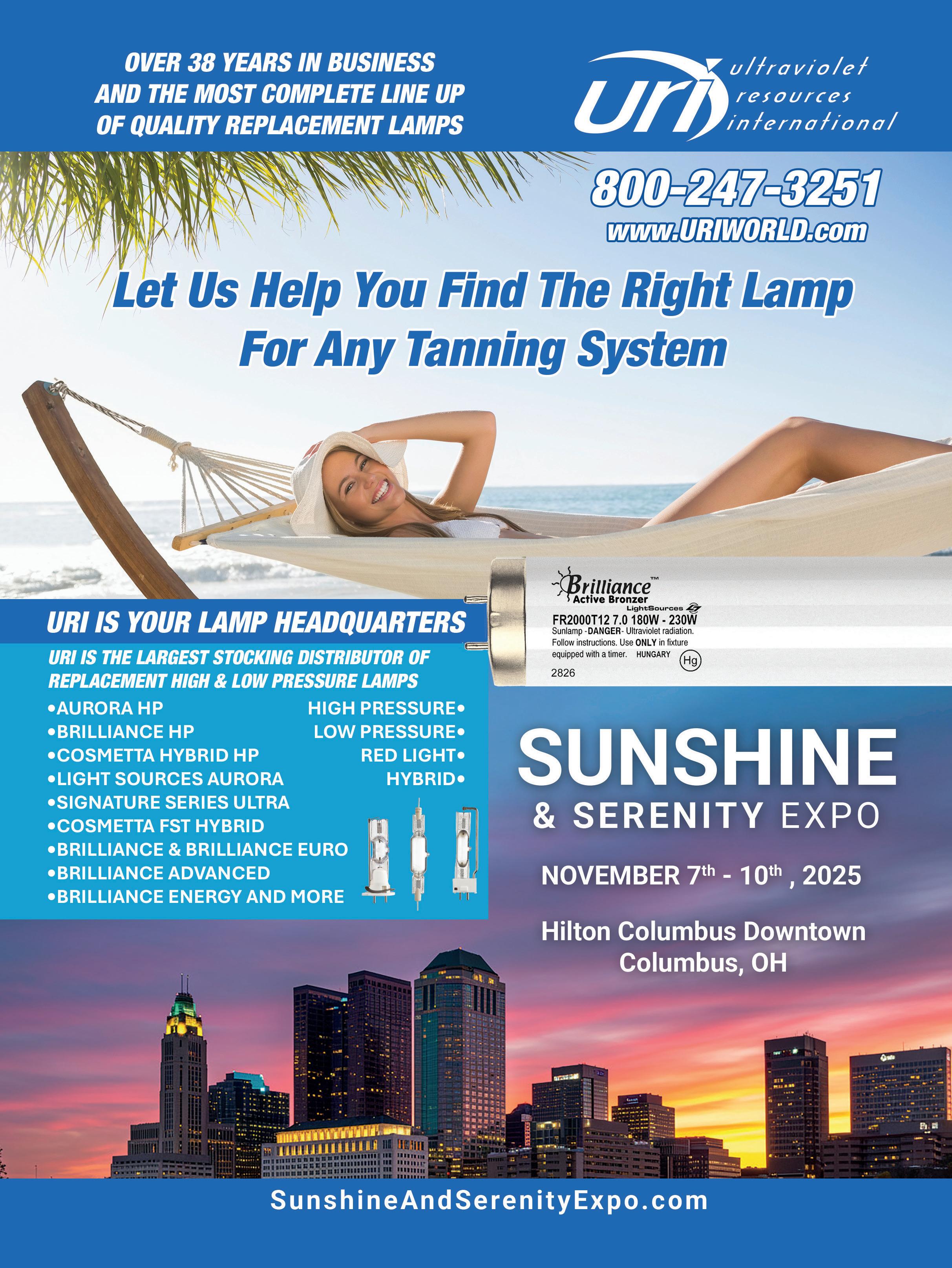
We spoke with John Hayes, an industry lamp expert from URI, to uncover the maintenance strategies that can dramatically improve your UV output, extend lamp life, and maximize your return on investment. The insights might surprise you.

Here’s a startling reality: dust buildup alone can reduce your UV output by 20 to 30 percent. That coating of dust on your lamps and the backside of your acrylics isn’t just unsightly—it’s literally blocking the UV and UVB output that creates your clients’ tan.
“A little coating of dust on the backside of the acrylic or on the lamps themselves will block a lot of the UV UVB output, which equates to your tan time,” explains our lamp expert. “You can just wipe down the lamps with a damp cloth and clean off the backside of your acrylics, and you’ll get a lot better UV output right away.”
Before diving into maintenance, lamp selection sets the stage for everything that follows. Not all lamps are created equal, even within the same wattage category.
“Just because it’s a 100-watt lamp doesn’t mean it works in every 100-watt tanning bed properly,” warns our expert. “Different ballast systems, control systems, electrodes, gas fill, and gas pressure will vary for different lamps, bed models, and control systems.”
The most cost-effective strategy isn’t complex—it’s consistent. Monthly maintenance focusing on cleanliness can dramatically improve performance without any equipment investment.
• Wipe down all lamps with a damp cloth to remove dust buildup
• Clean the backside of acrylics thoroughly
• Check and clean fans to ensure maximum airflow capacity
The key? Always use FDA-compatible lamps designed specifically for your bed model. This foundational step ensures optimal performance from day one.
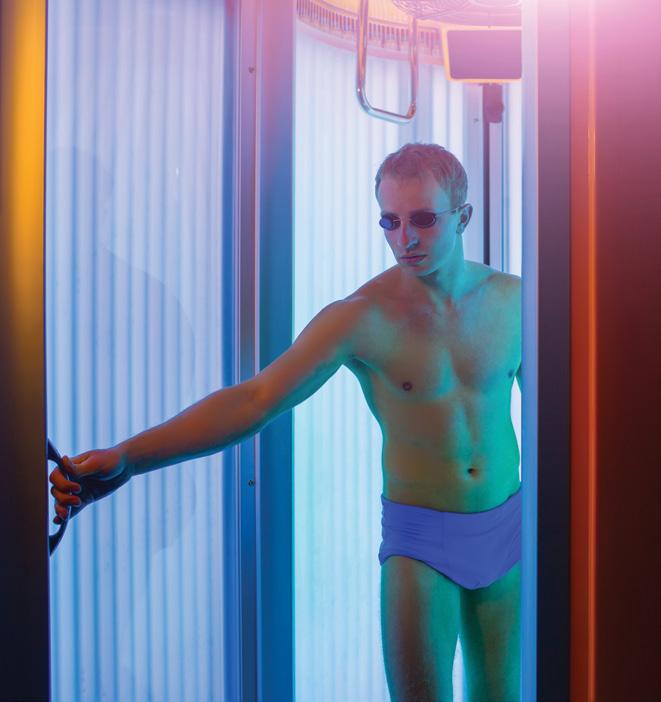
• Clear air intake filters of dust and debris (some beds have removable filters that can accumulate “sweaters of hair and dust”)
• Verify all fans are operating at full capacity, not just working
Why does airflow matter so much?
Temperature control is critical for lamp performance. “If your tanning lamps get too hot or even too cold, you can lose about 20 to 30% of your UV output,” our expert explains.
One of the most overlooked factors affecting lamp performance is electrical voltage. Most beds call for 230-235 volts, but seasonal fluctuations can dramatically impact output.
“In the summer, because everybody’s running their AC, your voltage might actually drop to 216 or 208 volts, and that’ll cause your output to drop substantially,” notes our expert.
“If someone’s complaining they’re not getting tan, the first thing we recommend is checking the voltage.”
This is particularly important for salons in large complexes where electrical demand varies throughout the day and seasons.
Professional salons increasingly use handheld UV meters to track lamp performance scientifically. The Solar Meter 5.0 provides pinpoint UV readings, while the Solar Meter 70 calculates maximum session times.
The strategy is simple: take readings when lamps are new, then monthly thereafter. “When you reach 20 or 25% depreciation from your original output, then you would want to change the lamps,” advises our expert.
While these meters cost around $300 each, they eliminate guesswork and prevent premature lamp replacement—or worse, waiting too long and disappointing clients.
Here’s a perspective that might change how you view lamp investments: “Lamps are really the cheapest thing you can buy for your salon as far as return on investment goes.”
Consider the math: A 50-lamp bed with 160-watt lamps costs approximately $1,000 to re-lamp. Those lamps will last about 600 hours, providing roughly 3,000 sessions in a 12-minute bed.
The bottom line: 33 cents per session.
“It’s really a low cost for what you’re offering,” our expert emphasizes. The key is maximizing those 3,000 sessions through proper care rather than losing hundreds of sessions to poor maintenance.
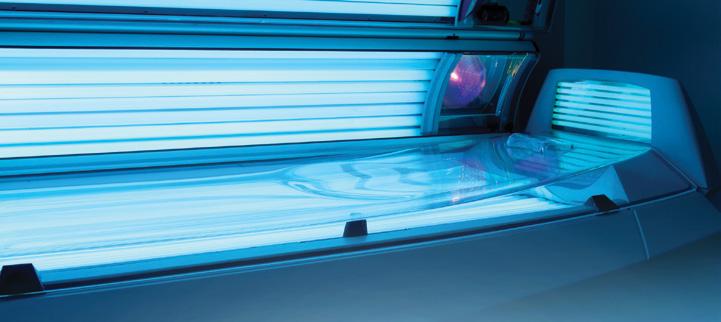
Shipping costs can significantly impact your lamp budget. Our expert recommends strategic bulk purchasing: “If I ship you one case of lamps—25 lamps—it might cost $60 to $80. But if we ship three or four boxes on a pallet instead of UPS, I might be able to ship that for $150 to $180.”
Beyond cost savings, maintaining spare inventory prevents costly downtime. “If two lamps burn out on a Friday night at 6 o’clock, that bed’s down until Monday or Tuesday. Your bed might be down for three or four days unless you have backups.”
Recommended spare inventory:
• At least 1-2 backup lamps for each type in your salon
• Extra starters for choke ballast systems (replace every other lamp change)
• A few replacement sockets for older beds
Most lamp replacement is surprisingly straightforward. Modern beds feature hinged acrylics and twist-in lamps with two-pin connections—simple enough for in-house installation.
The exception? High-pressure facial lamps require extra caution due to expensive filter glass ($300500 to replace if broken). For these specialized lamps, consider professional installation or proceed with extreme care.
How do you distinguish between maintenance issues and actual lamp failure? Start with the checklist:
1. Check voltage first - Low voltage mimics lamp failure
2. Verify cleanliness - Clean all components before assuming lamp issues
3. Test airflow - Ensure fans operate at full capacity
4. Replace starters - Inexpensive ($1.50-$2) but can ruin expensive lamps if failing
If problems persist after addressing these factors, lamp replacement may be necessary.
The tanning industry operates on seasonal demand patterns, making equipment reliability crucial during peak periods. Implementing consistent maintenance protocols and maintaining adequate spare inventory ensures you’re ready when clients need you most.
Remember: your clients can’t distinguish between a maintenance issue and equipment failure. They only know whether they’re getting the results they expect. Proper lamp care ensures they do—every time.
Ready to optimize your lamp performance? Start with our monthly maintenance checklist and consider investing in UV monitoring equipment. Your clients—and your bottom line— will notice the difference.


BY JOE SCHUSTER
JK Products and Services has been a cornerstone of the tanning and wellness industry for over 100 years, building a reputation for quality equipment and being the go-to name for innovation in all things tanning, wellness, and spa-ready.
From their early days in the 1900s to today’s state-of-theart tanning technology, JK has become the literal golden standard for getting a golden glow. A name like JK doesn’t just make itself. It’s made through the leadership of brilliant minds.
Right now, Charles Lerebours has been helping shape the tanning technology industry through There’s something refreshing about meeting someone who genuinely lights up when discussing their work.
Charles, Executive Director of Sales for JK Products and Services, possesses that rare combination of business acumen and authentic passion for helping others succeed. When we connected at last year’s expo in Columbus, Ohio, it was clear that his story was one worth sharing—a journey that spans continents, industries, and ultimately, hearts.
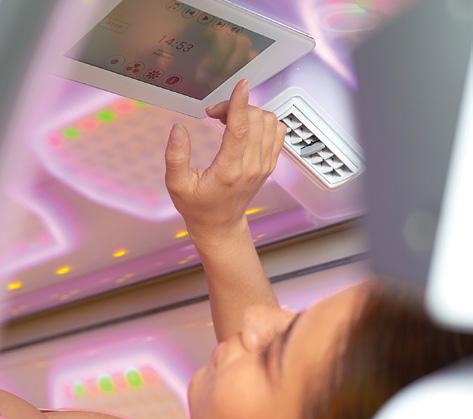
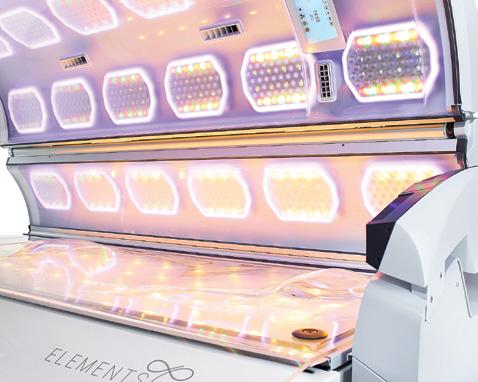
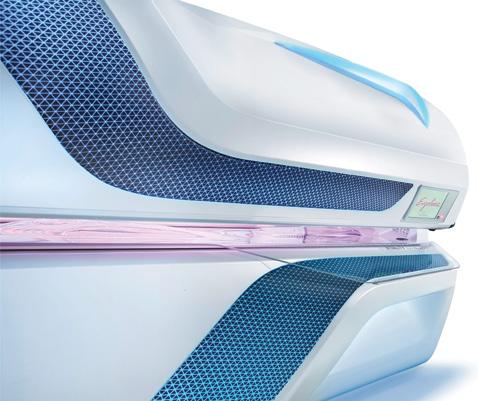

Charles’s path to wellness leadership began far from the salons and spas he now serves. With over 15 years of experience weaving through sales, operations, and international business development, his career reads like a masterclass in adaptability and growth.
After moving to the United States, he established the North American branch for an innovative French company specializing in clean, efficient industrial process solutions—a testament to his ability to bridge cultures and markets.
But it was his pivot in 2019 that truly set the stage for his current mission. Joining Universal Companies, North America’s largest distributor for spas, Charles found himself drawn into the wellness industry’s embrace.
“My experience in sales and engineering really helped me visualize where JK could grow and how to get there,” he reflects. “I am passionate about helping companies and business partners achieve their full potential.”
That passion isn’t just professional rhetoric. It’s a driving force that has shaped his nearly four-year tenure at JK, transforming not just his own career but the lives of countless salon owners and their clients.
Anyone who has owned or worked in a tanning salon knows the cruel irony of the business: just when clients need your services most, Mother Nature becomes your biggest competitor. In other words, summer tends to turn up the heat with a little natural competition. Sunlight is free, salons are not.
Charles recognized this challenge immediately upon joining JK,
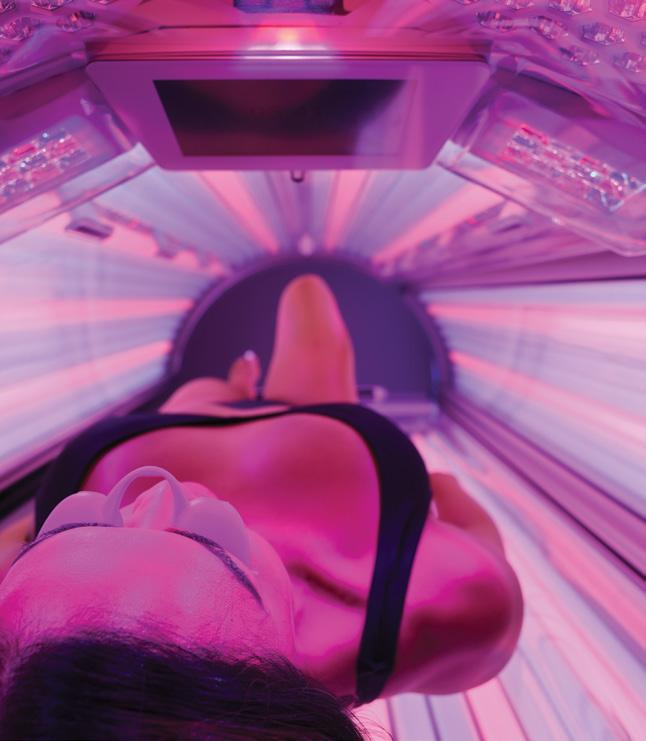
observing how salons would thrive from January through June, only to watch their clientele drift away with the first warm, sunny day of an early spring.
“Many salons were really dependent on the weather,” Charles explains, his voice carrying the weight of understanding that comes from truly listening to his clients’ struggles. “It was imperative to provide products and services that would offer more of a year-round approach.”
This wasn’t just a business problem to solve—it was about the livelihoods of salon owners, many of whom had poured their dreams and savings into businesses that felt perpetually at the mercy of seasonal whims.
If seasonal challenges weren’t enough, the pandemic brought lessons that forever changed how Charles and the wellness industry viewed business sustainability. It was a time when discretionary spending evaporated, often almost entirely overnight.
“Clients are very reliant on discretionary income,” he notes. “COVID certainly taught us several lessons on this.”
Rather than viewing this as a setback, Charles saw it as a clarifying moment—an opportunity to help salons evolve beyond their traditional boundaries. The solution wasn’t to fight against change but to embrace transformation that would serve both business owners and their clients’ deeper needs.
This is where Charles’s story becomes truly inspiring: his ability to rise to a new challenge in ways that seem both effortless and marvelous. Working with JK’s Wellsystem division, he’s been part of a mission that goes far beyond equipment sales.
“Our mission is to empower gyms, spas, and fitness centers with cuttingedge wellness equipment that enriches the mind, body, and soul of every individual,” he shares, and you can hear the genuine conviction in his words.
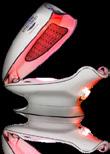
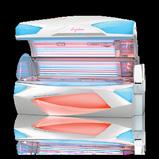
The innovation lies not just in the technology—state-of-the-art systems featuring red light and LED technology with infrared light—but in the understanding that wellness is personal.
Some clients crave the efficiency of faster sessions; others need the restorative power of relaxation.
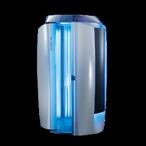
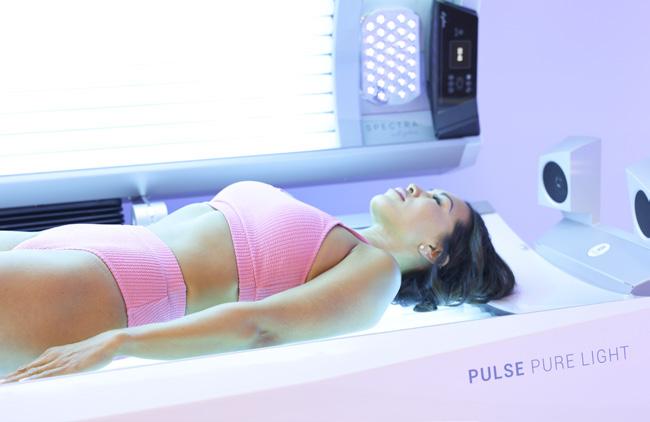
The Revive Pro line addresses these diverse needs with both laydown and stand-up options, while the IR lounge caters to those seeking targeted facial treatments.
What makes Charles’s approach special isn’t just the products he represents—it’s how he understands that behind every salon is a person with dreams, challenges, and the desire to serve their community.
When he speaks about salons that have successfully diversified with wellness offerings, there’s pride in his voice for their achievements, not just his company’s growth.
“By offering more than simply tanning services, we open up a market that isn’t just reliant on tanning,” he
explains. “Salons that have diversified with wellness have been really successful and certainly see it opening more doors.”
Those doors aren’t just revenue streams—they’re opportunities for salon owners to become wellness advocates in their communities, helping clients feel good about themselves year-round.
As we wrapped our conversation, Charles extended an invitation that felt less like a sales pitch and more like a friend sharing exciting news. The upcoming Sunshine and Serenity event in Columbus, Ohio (November 7-10), represents more than just another trade show—it’s a gathering of minds committed to transforming an industry.
His partnership with Ultraviolet Resources International for this event speaks to something larger: the recognition that progress happens best when passionate people collaborate rather than compete.
In a world of corporate speak and manufactured enthusiasm, Charles stands out for his authenticity. When asked about his current home in Jonesboro, Arkansas, and local barbecue recommendations, his honest response—that he’s heard
great things about Memphis spots and looks forward to trying them—reveals someone who’s still curious, still exploring, still genuinely engaged with the world around him.
Charles’s story is ultimately about transformation—not just of businesses or industries, but of how we think about wellness, community, and success. In helping salon owners move beyond seasonal limitations, he’s part of something beautiful.
He’s creating spaces where people can feel good about themselves all year long, where businesses can thrive regardless of the weather, and where innovation serves humanity’s deepest need to feel valued and cared for.
In an industry often focused on appearance, Charles reminds us that true beauty comes from empowering others to shine—whether that’s a salon owner achieving year-round success or a client walking out feeling refreshed and renewed.
Sometimes the most heartfelt stories are the ones about ordinary people doing extraordinary work, one conversation, one partnership, one innovation at a time. Charles’s journey from international business development to wellness advocacy proves that when passion meets purpose, everyone wins— and that’s the kind of success story that deserves to be shared.

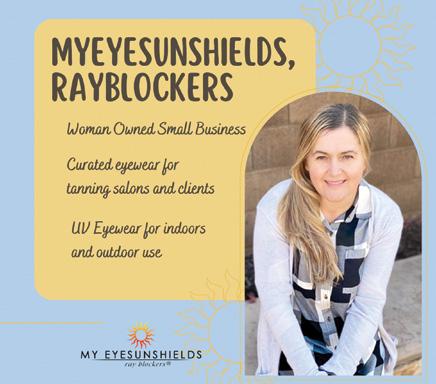
BY SIMONA SFERLE, MY EYESUNSHIELDS
VISION is one of the most fascinating and amazing human abilities!
Our vision allows us to see the spectacular world around us—from taking in the breathtaking view of a fall sunset over a tree-lined valley to observing the most intricate and beautiful details of a seashell on a secluded beach. Our vision also allows us to form intimate bonds and connections with the people around us. Our physical, God-given eyes are perfectly and intricately designed.
They are the gateway for our visual experiences. Our eyes are one of the most complex organs, able to distinguish between nearly 1 million different colors. They can focus, adjust for light levels, and even select the optimal contrast with far greater speed and accuracy than even the most expensive camera.
As light enters our eye, it is refracted by the cornea and the lens which focuses the image to the retina. Unprotected exposure to UV and other wavelengths may cause irreparable damage to the retina and cornea. With that, I began with a need, a vision, and a spark of excitement and moved forward to create MY EYESUNSHIELDS, ray blockers.®.
Vision is far more than what we are able to physically see and experience using our eyes. Vision transcends any specific moment in time. Vision is the ability to see in our mind with amazing clarity and recall a special instance from our past. And vision also looks forward and imagines that which does not yet exist.
Vision gives substance to the flash of inspiration. It is what propels the visionary to see and grasp that which is currently unattainable. Is your vision fueled by a deep, genuine passion to serve each person you encounter in a way that brings about positive emotional experiences? Where the well-being and safety of each person, client, and customer is at the forefront?
People don’t care how much you know, they want to know how much you care. When people have positive emotional experiences in your presence, they will remember and appreciate those experiences and will devote their loyalty to you and your business. I work faithfully to bring this vision to life.
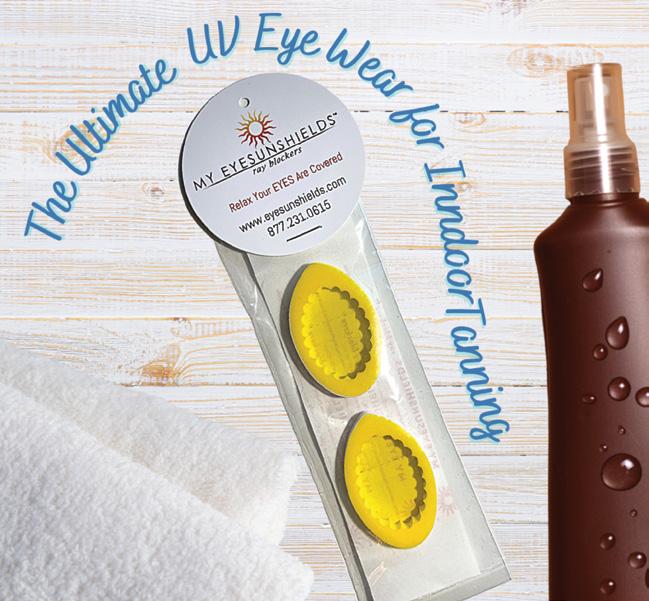
Our products are FDA compliant, latex-free with no assembly required. Especially designed with a soft foam for client comfort. They may be worn while tanning indoors or outdoors, while undergoing LED face-mask red light therapy. They are made in high quality manufacturing facilities in
the USA and are available to wellness salons, hospitals, optometry offices, resorts and more.
Envision a golden future with EYESUNSHIELDS at www.myeyesunshields.com



The world of tanning is constantly changing and always seems to be under constant scrutiny. Some countries and locations, such as Britain and Ireland, are more difficult to work as a tanning professional than others.
And that brings us to SHINE 2025.
The European Sunbed Association is one of the largest organizations across the pond to service our industry. And by fall of this year, they’ll throw one of the most exciting events of its kind. This October, SHINE 2025 will take place in Birmingham, England.
The European Sunbed Association SHINE has everything you need for leaders in the tanning industry. This includes comprehensive business presentations, salon marketing strategies, and networking opportunities.
A holistic event, topics will include everything from equipment updates to software solutions, creating valuable learning experiences for attendees while fostering connections across the UV and wellness sectors.
The event is going to be held in the Hilton Metropole NEC, in Birmingham, UK. This makes it the only indoor tanning event to be held in Ireland this year.
While SHINE 2025 promises to be an excellent professional event for our European counterparts, the truth is that it’s not just about networking and advertising. SHINE 2025 is a bit different than American gatherings because of the current climate of the industry in the United Kingdom.
Right now, the United Kingdom is struggling to keep salons active. As a result of poor press and dubious claims from researchers, the tanning industry in Britain has gained a lot of negative attention. In recent years, an NHS-backed crackdown on UV tanning beds caused serious stress for all salon owners.
Worse, there has been ongoing talk about a total ban on UV tanning beds throughout the country. This means that SHINE 2025 isn’t just a tanning industry convention; it’s one of the last bastions of the tanning industry to exist in the United Kingdom.
This makes it the perfect setting for people who want to help educate others about the wellness benefits of tanning, work toward saving the tanning industry as a whole, and network with likeminded people.
The tanning industry faces constant scrutiny, often based on incomplete information. Our commitment
remains providing factual, balanced information to help salon guests make informed decisions about UV exposure—weighing both risks and benefits as they choose professional facilities operated by responsible salon owners.
Professional education remains crucial. Ensure your entire staff understands the facts and can discuss UV exposure intelligently with clients who are making informed choices about their health and wellness.
Lots of misleading info about our industry is continuously thrown at the public. Count on this magazine to continue my search for factual information to share with your salon guests – those people who weigh the risk and benefit of UV exposure and choose to obtain a tan in a professional facility operated by a responsible salon operator … and that is you!
For those of us who have salons in multiple countries, we encourage you to check out SHINE 2025. Tanning professionals in the United Kingdom and abroad absolutely could use the moral and economic support that our industry provides so well.
But for everyone regardless of your location? It’s important to keep on your toes here, too. Get your entire staff trained with factual information. Sign up today at www.sunislife.com
BY JOE SCHUSTER
As Editor-in-Chief of IST, I always keep my ears to the ground. This is true for events that happen both stateside and abroad. While hearing about the SHINE 2025 convention, something came across my mind. Not too long ago, there was a massive research paper that came out of the United Kingdom that raised my eyebrows.wwwI remembered research that surfaced a few years ago in 2022 from the University of Manchester, published in their student publication, The Mancunion. The study’s findings deserve closer examination.
It’s no secret that the United Kingdom’s government isn’t a fan of the tanning industry. The Mancunion’s research seemed to add fuel to that fire, suggesting that a full-scale ban on sunbeds would be incredibly cost-effective for the NHS, or National Health System.
The Manchester researchers made bold predictions about potential sunbed bans in the UK. Their headline-grabbing statistics claimed that banning sunbeds, combined with public information campaigns, would prevent over 1,000 melanoma cases and 200 deaths among 18-year-olds in England. They projected nearly 4,000 fewer skin cancers, 497 additional quality life years, and £700,000 in healthcare savings.
However, these projections raise important questions about context and completeness. Was it truly a complete snapshot of the risks and benefits of tanning? I’m not so sure.
Here’s what the study doesn’t fully address: people under 18 are already banned from indoor tanning in the UK. More importantly, eliminating sunbeds won’t stop sun-starved Britons from seeking natural sunlight on beautiful days.
A lifetime of sun exposure, including overexposure and sunburn, remains a significant skin cancer risk factor regardless of sunbed availability. Even with a fair amount of sunblock, there is no entirely foolproof way to prevent skin cancer. Sunbeds alone don’t cause the bulk of skin cancer.
Consider this striking fact: 49.5% of UK adults have below-optimal vitamin D levels, with adults aged 18-29 showing the lowest averages and highest percentages of deficiency. Vitamin D pills alone don’t always supplement this vital vitamin
enough. This presents a complex health equation that simple bans don’t solve.
Both UK and US regulators maintain strict advertising standards around UV exposure and vitamin D claims. The Advertising Standards Authority prohibits tanning salons from claiming sunbeds boost vitamin D production, just as the FDA and FTC do in America. These regulations reflect the ongoing debate about UV exposure’s risks and benefits.
The United Kingdom’s Advertising Standards Authority (ASA) has instructed tanning salons to avoid making similar claims that sunbeds can boost vitamin D production as it’s in breach of the country’s advertising and marketing code. But is this really the case?

The Mancunion noted that an information campaign paired with a full ban on sunbeds would be 99 percent effective in reducing tanning in children. Well, of course it would. It would scare them away from tanning and it would also be nearly impossible to find a sunbed in the entirety of England.
However, banning tanning throughout the country would not actually help people live longer. There are plenty of benefits to UV tanning, ranging from the emotional “pick-me-up” people feel to the very real benefits that come to your cardiovascular system from an occasional tanning session.
Avoiding sunbeds alone won’t prevent skin cancer. Genetics, hair color, eye color, freckling, moles, and lifetime natural sun exposure all play crucial roles. Meanwhile, avoiding all UV
sources creates its own health risks related to vitamin D deficiency.
This dilemma isn’t unique to the UK—most countries face the same balancing act between UV risks and vitamin D benefits. It’s worth noting that melanoma affects people of all skin tones, though it’s less common in individuals with darker skin who have more natural melanin protection.
The researchers claimed their banplus-campaign approach had a 99% likelihood of being “cost-effective.” But what does cost-effective really mean? Does it factor in the economic impact on salon operators losing their livelihoods? What about the health costs of increased vitamin D deficiency?
Perhaps most questionable is their


estimate that 62,000 children under 18 currently use indoor tanning devices illegally in England. To put this in perspective, that’s nearly enough people to fill Las Vegas’s Allegiant Stadium to capacity.
Imagine that for a single moment: enough people to pack out a massive game, in one of the largest stadiums in the West…filled with kids trying to get an “illegal” UV tan? Does this make sense to you? I personally don’t think that’s likely.
Given the existing legal ban, this projection seems extraordinarily high and raises questions about the study’s methodology. As salon owners, it’s your employee’s duty to bar children from using UV tanning equipment.
Of course, it’s not just the responsibility of employees. Where, pray tell, are these kids’ parents? How
did the researchers come up with these numbers? The research in The Mancunion offered little insight into the extrapolations that came up in the paper.
As tanning salon owners, we should call out poor (or dubious) research as we continue to find it. We need to keep an eye out for studies that act like hit pieces for our industry—and also work to correct the vast amount of misinformation and disinformation that floods our industry.
Educating yourself about the realities of tanning is an excellent way to help curb the vast amount of misinformation harming our industry. That’s why we encourage everyone to sign up for Sun Is Life Certification…and to keep up to date with the latest research about all things tanning and wellness.

BY OSSIANA TEPFENHART
It’s hard to believe that we’ve already seen 75 percent of the year go by, isn’t it? With much of the year already behind us, it’s important to take into account how our year has helped shape the trajectory of the industry as a whole.
Tanning is changing–and it’s happening at a faster pace than ever before. This year proved to be uniquely pivotal in our trajectory, so let’s take a look at what we’ve uncovered as the top trends hitting salons.
Let’s start with the big, 400-pound gorilla of a trend in the room, okay? It’s the boom of wellness. Wellness is a large umbrella term for all things that are generally beneficial to a person’s health, mental fortitude, emotions, or sense of happiness.
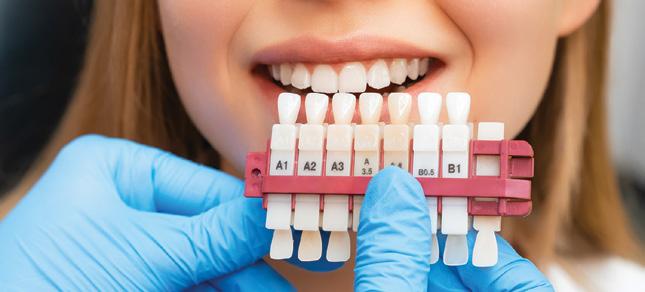
Wellness services often include things such as full-body saunas, steam rooms, Red Light Therapy, and similar offerings are becoming mainstays in most tanning salons. It’s becoming fairly expected to have at least one or two wellness services available at your local salon.
Now being hailed as the newest inflection point of the industry, many major tanning chains are choosing to rebrand as “sun spas” and “solar wellness centers” to follow this trend. So, make no mistake about it: wellness is in, and it’s not going anywhere!
price, making it a secret bargain for tanning aficionados.
Jerry Baughmann of Twilight Teeth explained, “If you have a UV bed and the right kit, you can get the same results you would in a dentist’s office, without the extra price baggage.”
If there is one major factor driving the latest boom in tanning, it’s social media. More specifically, it’s influencers and their fans on TikTok and Instagram, making memes about the hottest tanning tips, the best way to use a tanning bed, and more.

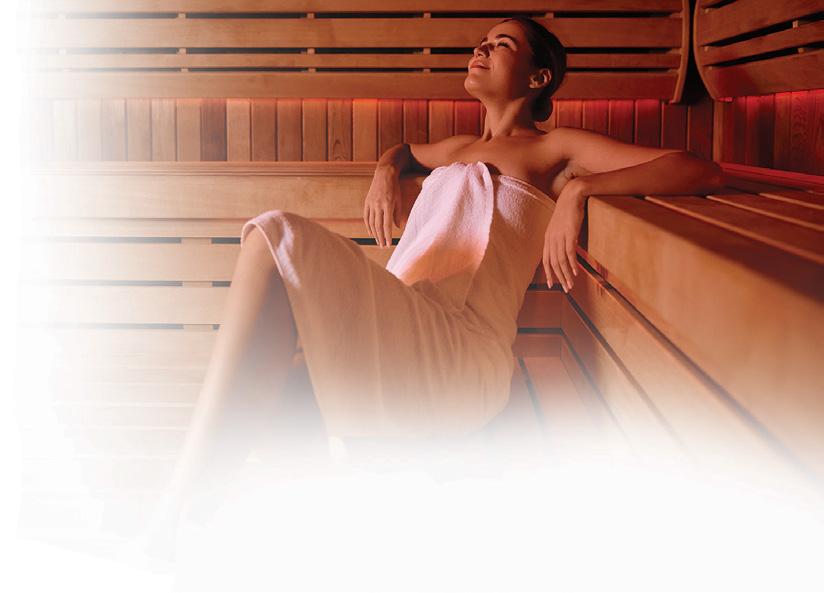
Teeth whitening remains the most popular cosmetic procedure in the United States, and demand is increasing steadily. According to the ADA, the tooth whitening industry should balloon to rise to $8.21 billion by 2026.
Historically, teeth whitening is done by dentists and dental professionals. However, tanning salons are starting to become the second most popular venue for whiter teeth. Tanning salons are now offering it at a more affordable
Wellness and relaxation go hand-inhand these days, with many people seeing relaxation as a part of the wellness umbrella. A growing number of salons are now working on offering services and products that are focused entirely on relaxation rather than the physical benefits of things like light therapy.
For example, relaxation services may include things like oxygen bars— which have a known physical effect that encourages relaxation. However, the bigger spotlight is on relaxationenhancing products like magnesium sodas, aromatherapy perks, or adaptogenic patches.
Simply put, the numbers are in and Gen Z likes to tan.
That’s great for our industry. What’s greater is that we can leverage the popularity of social media to give clients the heads up about the hottest salons to soak up some UV rays. Salons throughout the country have been sinking their teeth into this advertising trend, to great results.
Not too long ago, it felt like almost every single tanning salon had a thing for beach themes. While sunny beach illustrations are not going anywhere anytime soon, many salons are starting to choose a different take on salon branding—a more modern take.
Sleek surroundings, eye-grabbing coloring, and a slightly more spa-like appearance are all beginning to crop up throughout the country. This reflects the way that the tanning industry is starting to pivot toward wellness.
One could even say that it’s no longer the tanning salon industry, but rather, the tanning spa industry.

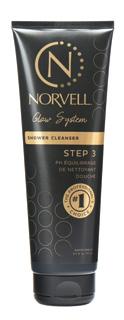
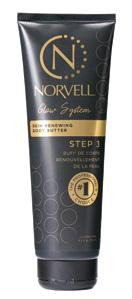
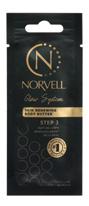
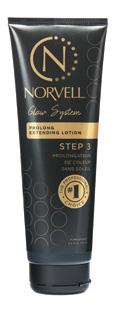
THE GLOW SYSTEM IS A SIMPLE REGIMEN DESIGNED TO MAXIMIZE SPRAY TAN RESULTS. THE MOST FLAWLESS, LONG-LASTING AND NATURAL LOOKING COLOR IS AS EASY AS 1, 2, 3.
STEP 1 | PRE-TAN PRODUCTS: Prepare Skin For the Spray Tan Session


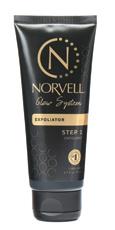
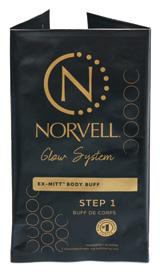

EXFOLIATOR EXMITT
MUST HAVE - MOST IMPORTANT PRE-TAN PRODUCT!
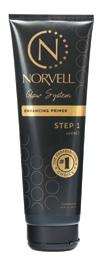

STEP 2 | GET YOUR GLOW! Products to Use During Spray Tan Session
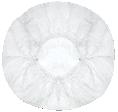
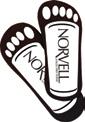


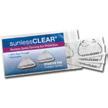
Provide clients with all FDA-recommended accessories as part of every spray tan session: hair net, neat feet, nose filter, and eye protectors.
STEP 3 | POST-TAN PRODUCTS: Maintain and Extend Color 24- 48 Hours After Spray Tanning Session & Between Appointments
FOR DAILY USE: DHA-FREE FOR DAILY USE – CONTAINS DHA FOR BEST RESULTS, START APPLICATION 2-3 DAYS AFTER SPRAY TANNING AND THEN EVERY DAY







BY OSSIANA TEPFENHART
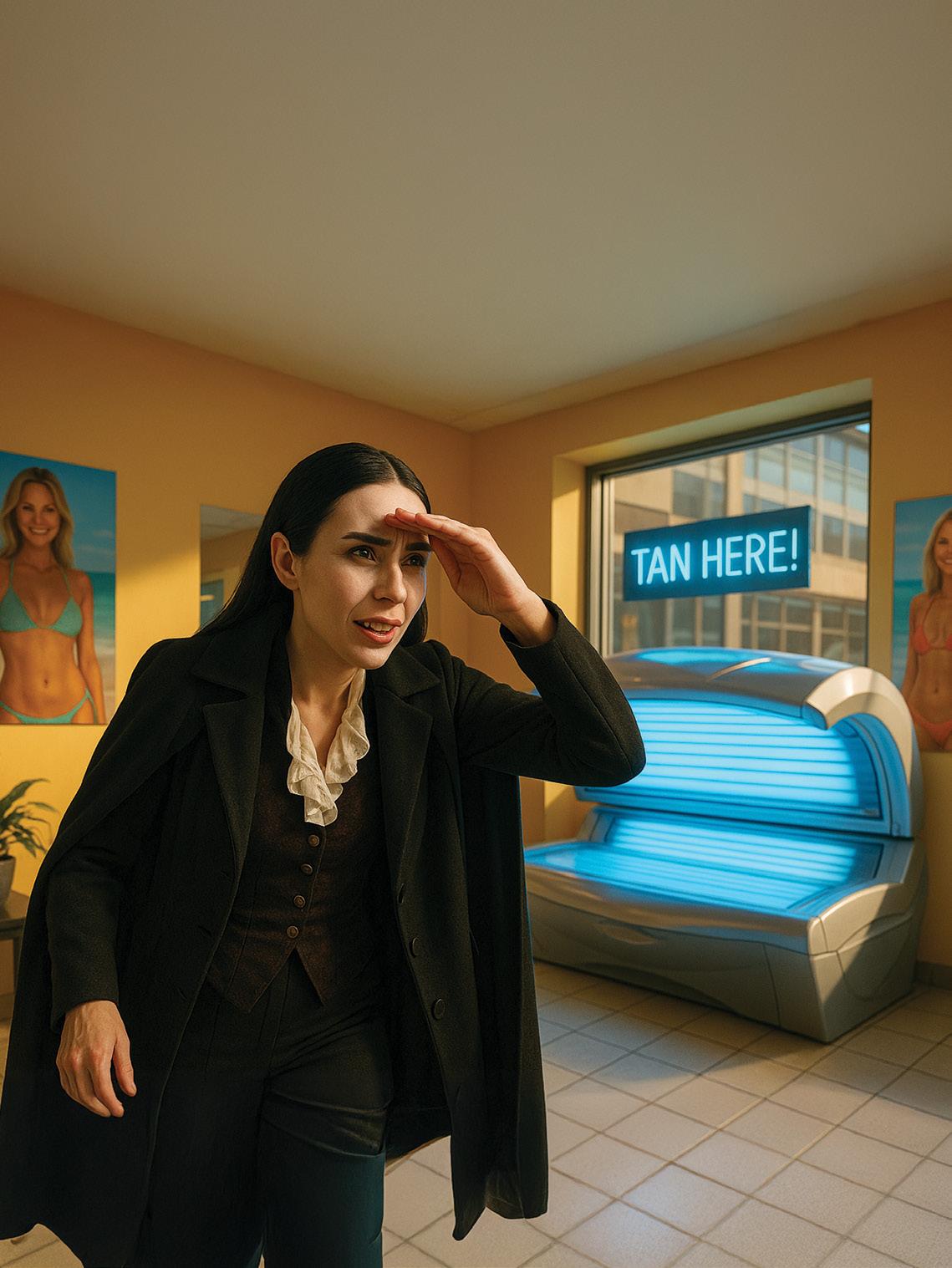
“Uh, your friend there…is she sick or something?”
“No, she’s fine.”
“Then why is she so…white? She looks like she’s about to keel over.”
It was 2015. My then-boyfriend looked over to me, then back to his mom. He shook his head no, then explained to her that, no, that’s how I always look, and the dark circles around my eyes are because my skin is slightly translucent.
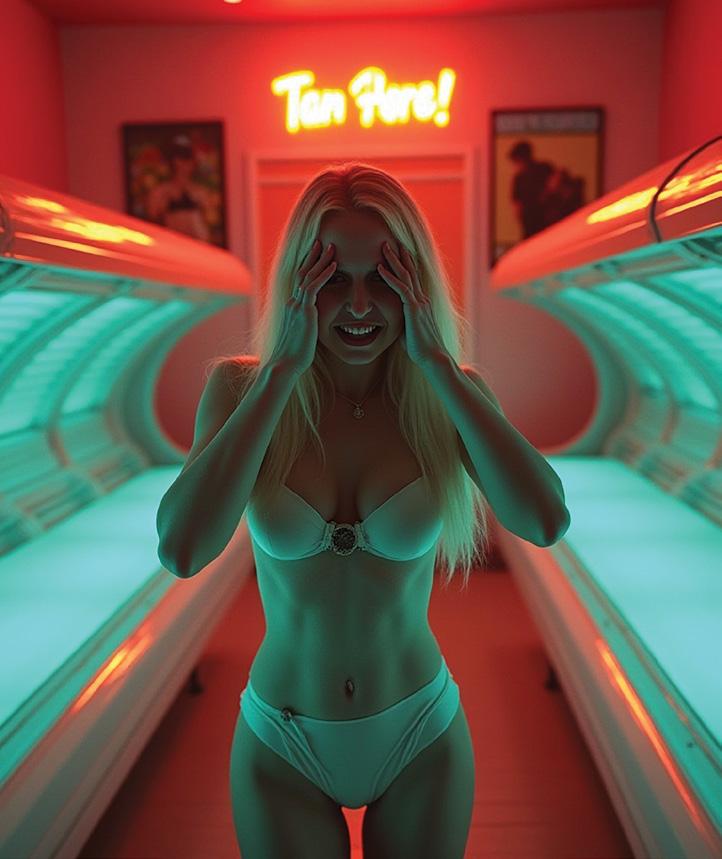
This scene is not unique in my life, even though I wished it was. I’ve had an awful reaction to daylight that has gotten progressively worse since I was a teenager. It starts with mood swings, turns into hallucinations and flank pain, then in very bad cases, can make me lose my ability to walk or talk. It’s taken a large toll on my adult years.
While other people enjoyed summer days of sports in their early 20s, I opted for nightclubs—ideally ones that weren’t guido-friendly because I didn’t want to hear about how sick I looked. While others got to enjoy convertible cars with the top down as they cruised the beach, I got to enjoy it exclusively when the sun had already set, often in cities where it’s easy for me to find shade behind a building.

When others would go out camping, I…well, I didn’t go. I wanted to go. The three times I did try, I left in agony, face flushed from swelling, partially paralyzed, filled with pins and needles, with shockwaves of violent mood swings accompanied by distorted vision for the month after. After attempt number three, I stopped trying altogether.
It didn’t take too long to learn that staying out for more than a couple of hours in the daytime, with sunscreen and a parasol nearby, was playing with fire. This led to a lot of things that I had to forcibly miss out on, no matter how much I wanted to experience them. And my skin color? It was a “pretty” reminder of what I couldn’t do.
Wanna know something about me that I struggle with admitting? I was always famous for making fun of the kids at school who soaked in sun or got spray tans. I said it was “fake bake” and that I’d “never do that, because I’m better than that.”
I used to pretend I was grossed out by the tanning industry. In reality, I was externalizing the hurt that I felt—-the odd exclusion that comes with just not being able to partake in trends (even mainstream clothing) like everyone else.
Tanning and going outside started to feel like a club I wasn’t allowed to join. Every time I looked in the mirror, I saw the reason why I missed out on fun memories, even weddings, staring back at me. I often wondered what I would look like if I had “normal” skin.
So, needless to say, I jokingly call myself a “vampire,” because if the shoe fits, why not wear it? For the longest time, I thought that was just how things would be. I just scuttled the idea of me getting a tan under the rug. I just assumed that if I went to a salon, I’d be stared at until I left or something.
I’ll be honest. I always assumed spray tanning was for other people. It sounds strange, but I didn’t think that spray tans would work on someone who regularly gets mistaken for an albino. I figured it’d look orange. The one time I tried a bronzing lotion, it turned me purple and spotty.
Besides, my family was nervous about how it would interact with me. When my mom found out that I got a job in the tanning industry, she laughed about it, then quickly warned me against ANY type of tanning.
“You have very fair skin, Ossiana,” she said. “I’m worried this could give you cancer. Cancer runs in the family. You could die.”
y -where relaxation

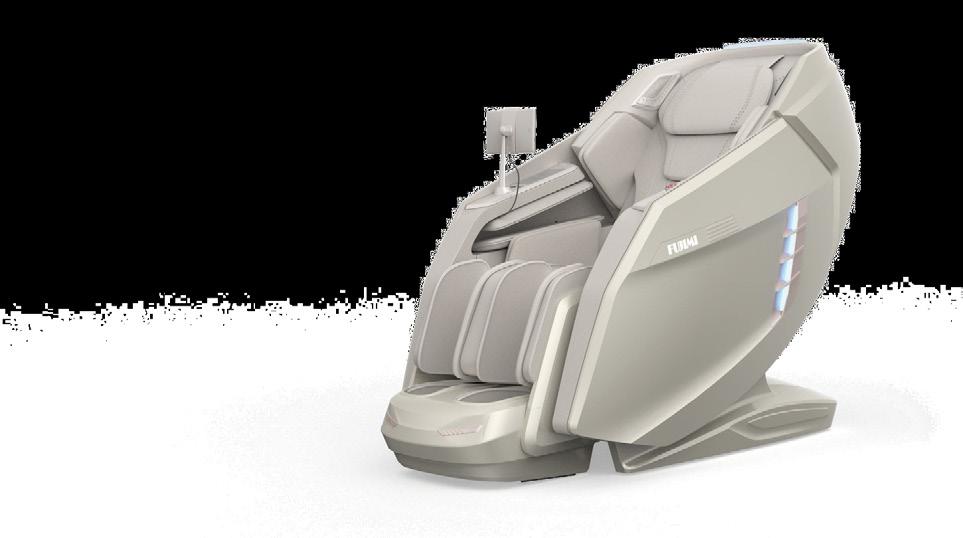


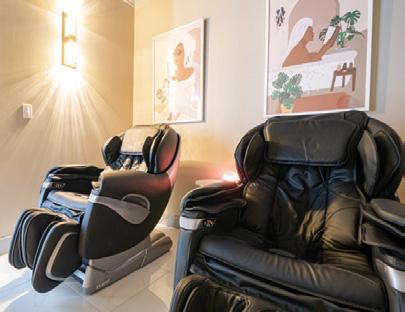
Indulge yourself in unparalleled comfort with our exclusive promotion on the Fujimi Luxury Massage Chairs! Introducing the EP9000MAX and EP7000S models, designed to bring the spa experience right to your home or business. Elevate your relaxation with advanced 3D massage technology, customizable settings, and heated therapy options for a truly transformative experience. Enjoy soothing massages with a sleek design, zero gravity recline, and a variety of invigorating programs to relieve tension and rejuvenate your body.
Don’t miss this opportunity, take advantage with the information provided below.
It’s something I’ve heard for years. And while I studied up on the subject and realized that spray tans might actually help guard me against my illness, it still stuck with me. It just still felt so scary, so foreign, like something I could never quite bring myself to do.
Obviously, my tanning job meant that I should at least try to get into it. And I kept putting it off, quietly admitting that, yes, I’m a little nervous. But, spray tanning was always there. Every day I worked, I got a little more used to the idea of spray tanning.
With every day that I put off the idea of going for a tan, my curiosity grew. Every day, I’d fantasize a little more about life with a tan.
So, eventually, I just bit the bullet. I put aside some money and decided to get a spray tan.
I went to a local tanning salon with rave reviews—Tanliners, in Eatontown, New Jersey. Jordyn, the manager, was extremely kind and walked me through the process. I chose a Mystic tan, added a fragrance to it, added an accelerator, and then got set to spray.
As a beginner, here’s what I noticed the most…
I wasn’t expecting tanning salons to feel so club-like. The majority of the club was painted black, had fun music throughout it, and also just felt…very familiar for someone like myself. There were small boxes with quick pick-me-ups like tooth accessories, tan stickers, and even a small deodorant section too.
It really felt like a club where you were bound to come out glamorous. I liked that. As someone who finally experienced life in a Jersey Shore tanning salon, I totally understand the hype behind “GTL” now.
One major perk was how warm and accommodating Jordyn was during my salon visit. She really helped put my mind at ease.
The Mystic Tan booth was actually a major surprise for me. I had no idea how to stand in it, how to pose, or how spacious it’d be. Perhaps that

biggest surprise was the warming and drying functions in it. It made it a lot less uncomfortable than I expected it to be.
I also had to figure out the barrier lotion, though Jordyn tried to give me the run-through on it. I definitely noticed (later on) that I needed to apply more to my hands and less to my feet. It seems to be a balance one naturally strikes up.
As a newbie, my biggest issue was trying to figure out how to relax my face while the sprayers hit it. For future reference, gritting my teeth and holding my breath did not work out well. All it

did was make me accidentally eat the faux tan spray. (It’s a great product, but it didn’t taste too good.)
If I had to estimate, I’d think the spraying took about 5 minutes, max. The booth had guides on where to place your feet so that the sprayers could get every bit of your body.
Once I got out and put my clothes back on, I looked at the mirror and froze.
Was that me?
I touched my face. It was me.
It was shocking to see what a single spray session could do to a person. The spray tan would get to its full color within six hours, but even the initial spray was a shock to my system. When I checked out, I couldn’t even stop looking at my face, my arms, my hands, and my feet.
I spent almost 40 years wondering what I’d look like with a tan. This month, I found out. I looked healthy I looked surprisingly different, as if I became a Malibu Barbie from the 80s—in a good way. My cheekbones were defined in a way that I’ve never seen before, and my teeth looked so much whiter.
In a word, I looked beautiful. In a way that I never saw before. And it was a way that made me feel normal: not sick, not luminously blue-white, just perfectly, healthily normal. It was then I realized that I wouldn’t have to put on the “goth girl vibe” just to get compliments or make people think my skin tone was sickly on purpose.
I kept looking in the mirror, awestruck by this side of me I’ve never seen before. I saw “Alternate Universe” Ossiana, just there. Staring at me. As if she just walked into my world, looking glamorous and
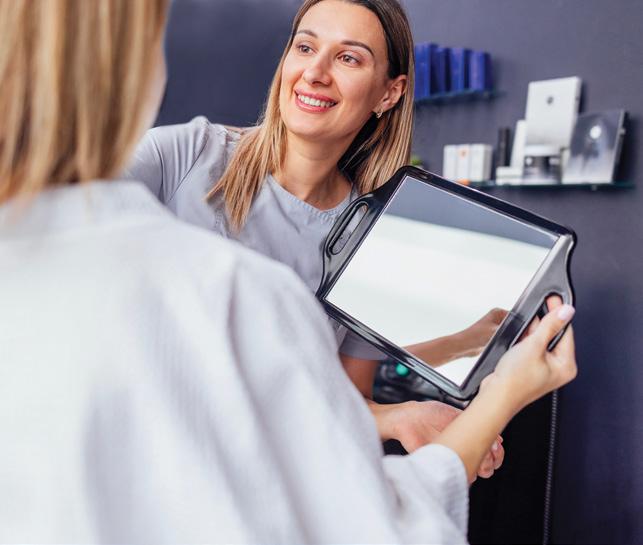
healthy. And all I knew was that I loved what I saw so much. I loved her and I just saw her.
I try not to get emotional in public, but I actually did get misty-eyed in front of Jordyn as I looked at the mirror in the lobby. She was very understanding. (Thank you, Jordyn!)
Oh! I also wasn’t expecting my skin to be so soft afterward. Bonus!
As a person who never experienced spray tanning but wondered what it’d look like for ages, this was a major moment in my life. I know it sounds like I just booked a trip to the tanning salon, but it was so much more than that. It was a moment where I started to see another side to myself that I never thought could exist.
My spray tanning story might be more extreme than most, but at the end of the day, it has the same themes as

everyone else’s tanning experience. Tanning salons are not just places to go to turn brown. They’re places where people go to become the best, most glamorous versions of themselves.
You never know how a person’s selfesteem will be impacted by a good tan. For some, it’s a regular respite—a simple “boost” that helps them keep their daily life. For others, it’s a very, very deeply needed change that helps them see themselves as so much more than they usually do.
It’s so easy to just discard tanning salons as some kind of extra, an afterthought or the awkward cousin of wellness. However, that’s not the case. Tanning salons offer a major service that can be totally life-changing for clients.
Even if you don’t have a single “official” wellness service like a sauna bed or Red Light Therapy, tanning salons still help get people a dose of wellness through self-esteem and confidence. And if you ask me? That’s priceless.
Fill in the blank squares so that every row across, every column down and each box contains the numbers 1 to 16 only once.
Fill in the blank squares so that every row across, every column down and each box contains the numbers 1 to 16 only once.
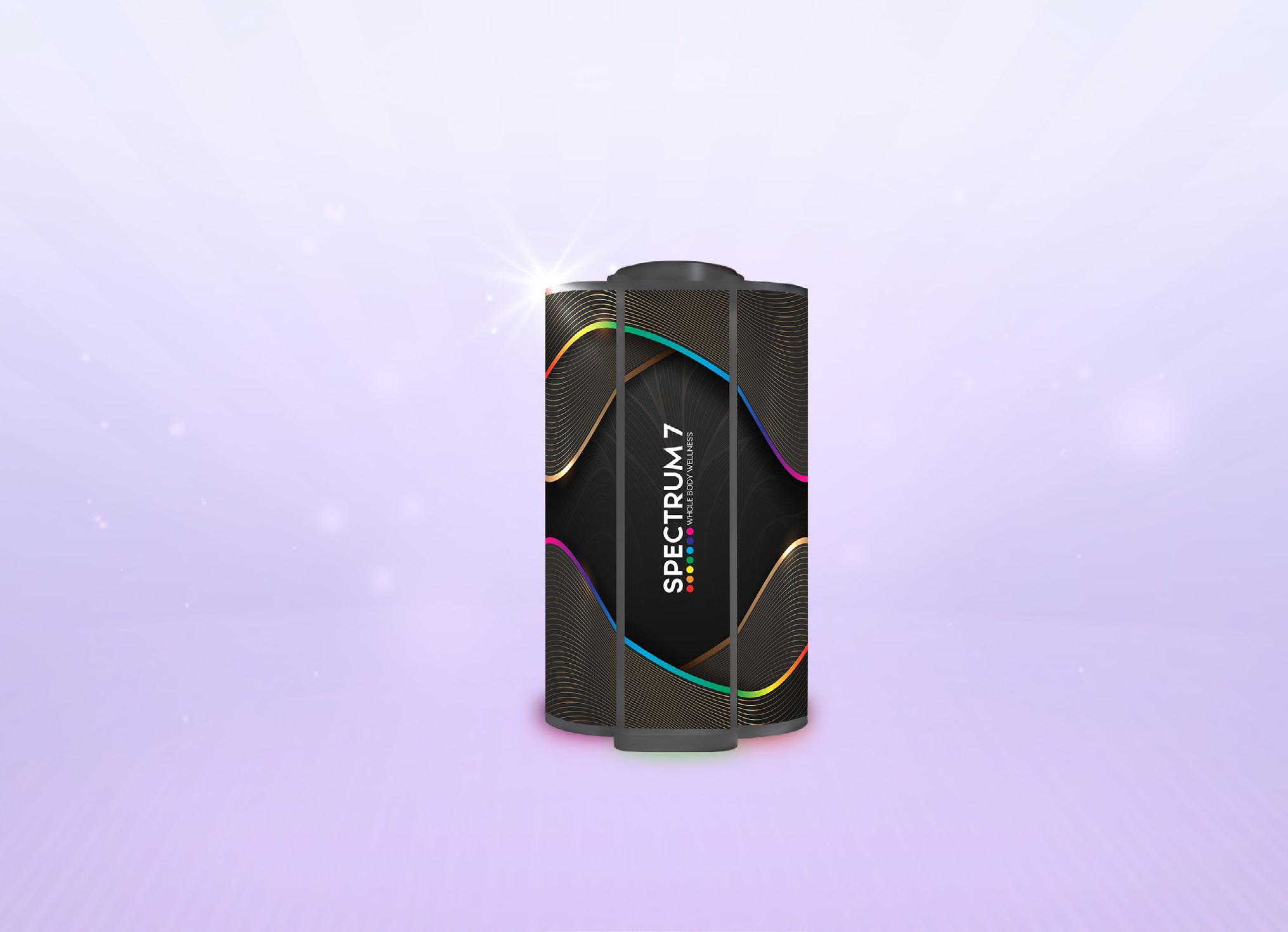
With nearly 25 years in the red-light therapy space—testing, researching, and documenting systems across the globe—I’ve worked with some of the finest technologies in the industry. There are a tremendous number of red-light systems available today, but without question, the most powerful and impactful I’ve encountered is the new Spectrum 7.
I’m proud to say our customers love the results, I love the profits, plus we’ve had zero service issues—an absolute testament to its reliability and performance.
— Todd Earnhart, Founder & CEO, Glo Sun Spa

Ossiana is an award-winning author and journalist with a special fondness for business, personal finance, and glamor. When she is not working as an editor, she’s working on her first anthology series alongside Poppy Z. Brite and John Shirley.

Quinn Cooper has been a professional in the tanning industry for years, showing his passion for wellness at every turn. He is a proud Senior Account Executive of IST magazine and Sun is Life as well as being a salon owner himself.
Kristin Smithers is a boardcertified Light Therapist who specializes in Red Light Therapy. When she is not writing for IST, she is educating the world on the benefits of light therapy, offering organizational training classes, and working as the owner of Sunny Shores Sun Spa.
Known in the industry as John or Johnny—is the founder of Tanning Services of Florida, which he established in 2014. Based in Lutz, Florida, his company proudly serves salons nationwide. With more than a decade of hands-on experience in the tanning industry, Jonathan and his team specialize in bed removals and installations, maintenance, deep cleanings, equipment sales, and sourcing hard-to-find parts. From spray tan units to Ergoline, KBL, and ProSun tanning beds, as well as hydration stations, saunas, and HydroMassage units, he has the expertise to keep equipment running at its best.
Joe has been involved with the indoor tanning industry since 1986, teaching certified salon operator training since 1992 and an advocate for indoor tanning in many capacities. He’s a contributing writer for IST magazine and serves as the Director for Sun is Life salon operator certification. Joe is a sought-after speaker and presenter at both national & regional trade events, also has interacted with the FDA, state & local regulatory agencies on behalf of the indoor tanning industry.