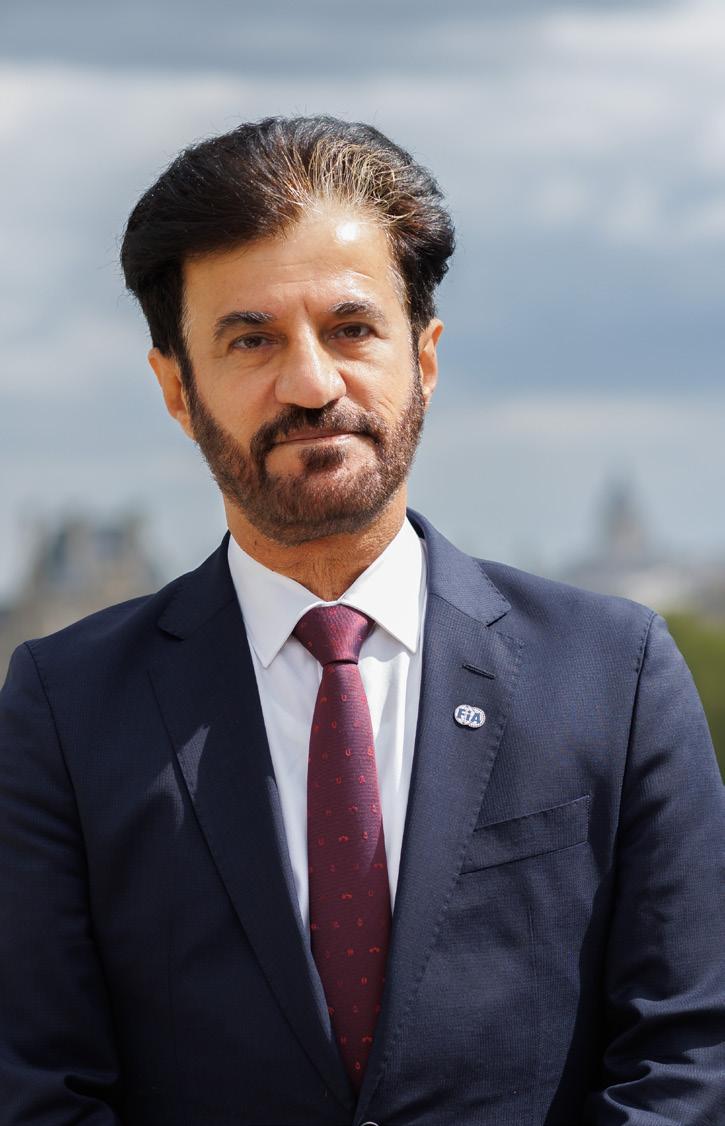
Dear Members, Dear Volunteers, Dear Readers,
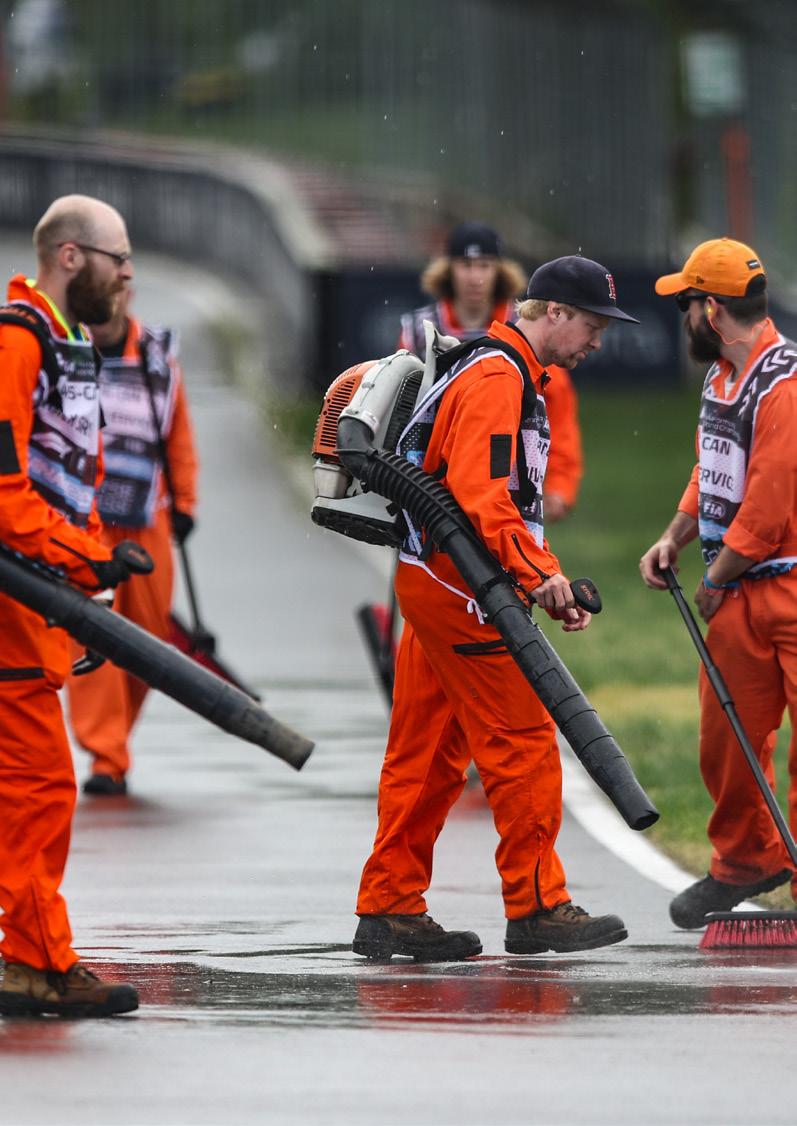
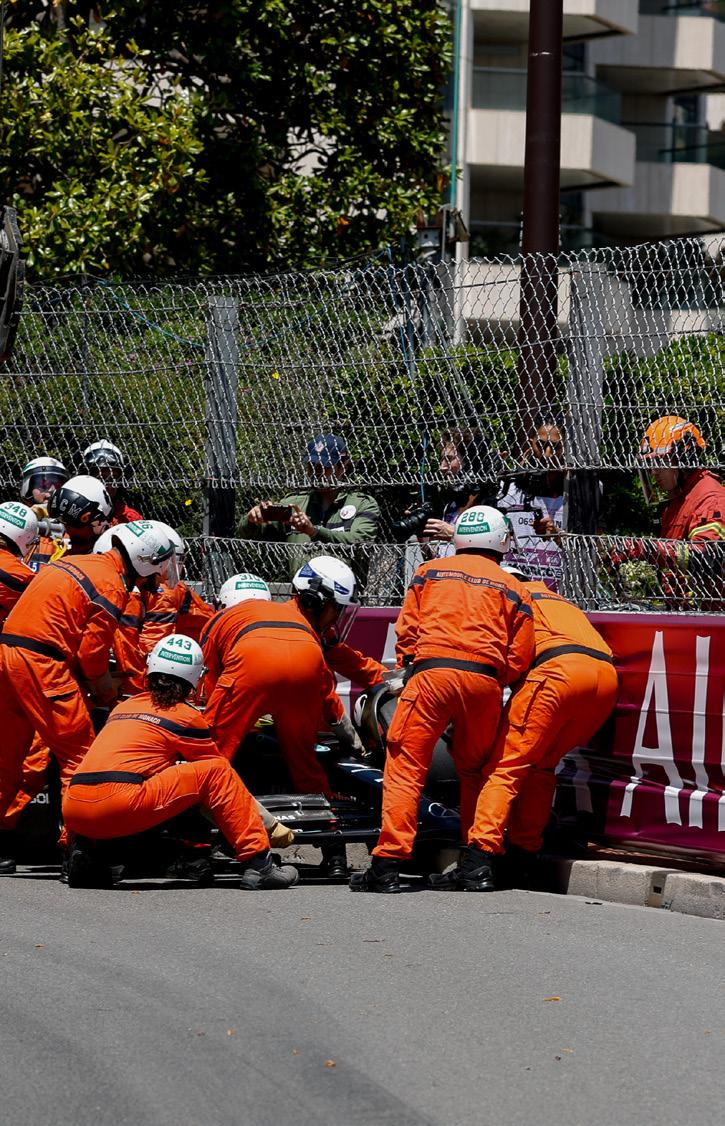
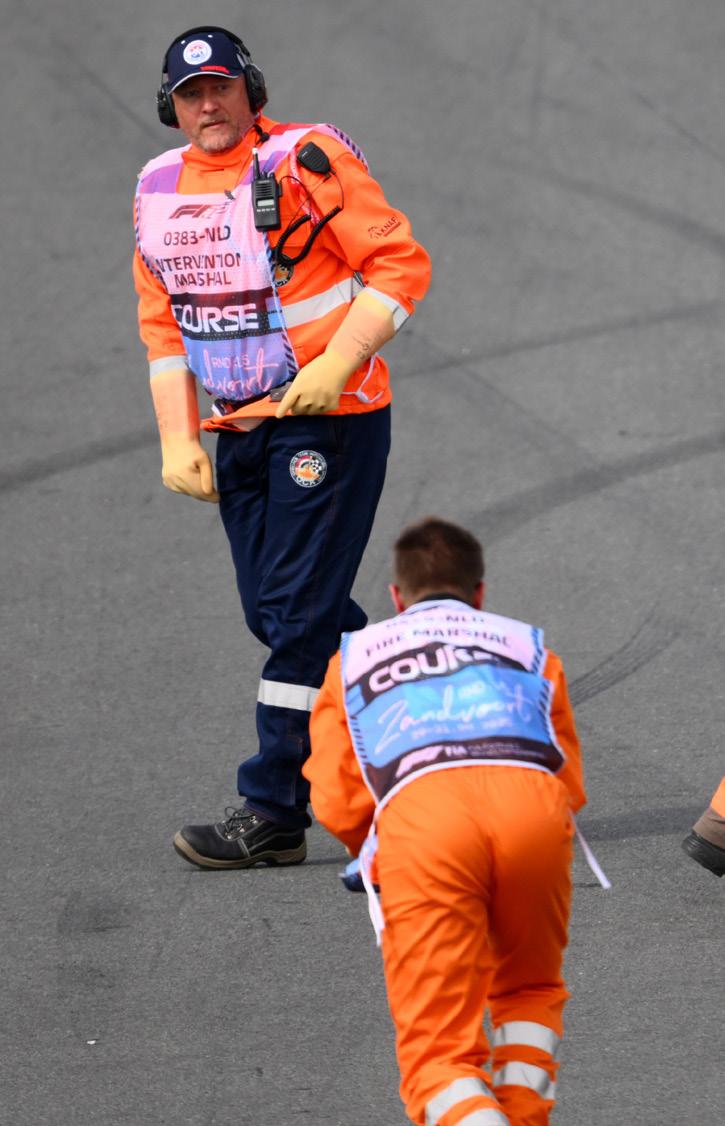
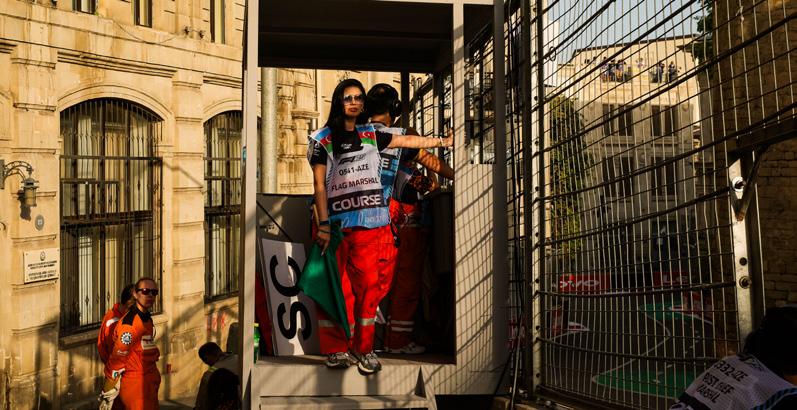
It is simple, without volunteers we would not go racing.
Without their dedication, professionalism, and passion, the sport we love would not exist, and first and foremost I extend my thanks to the entire volunteer community.
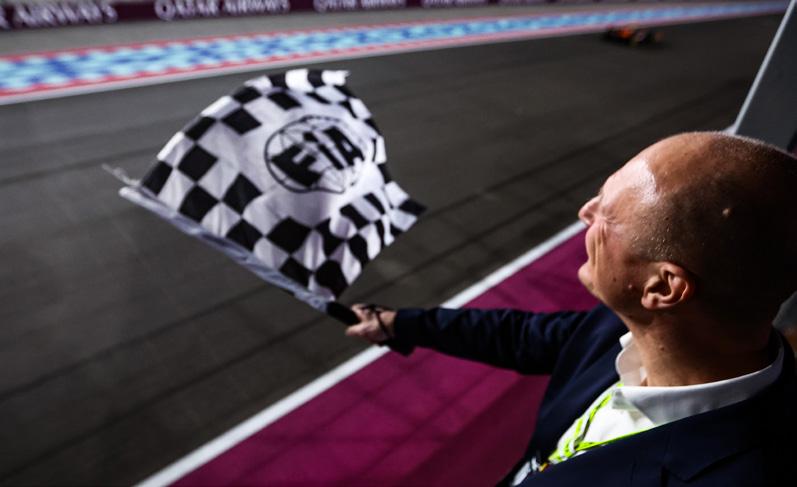
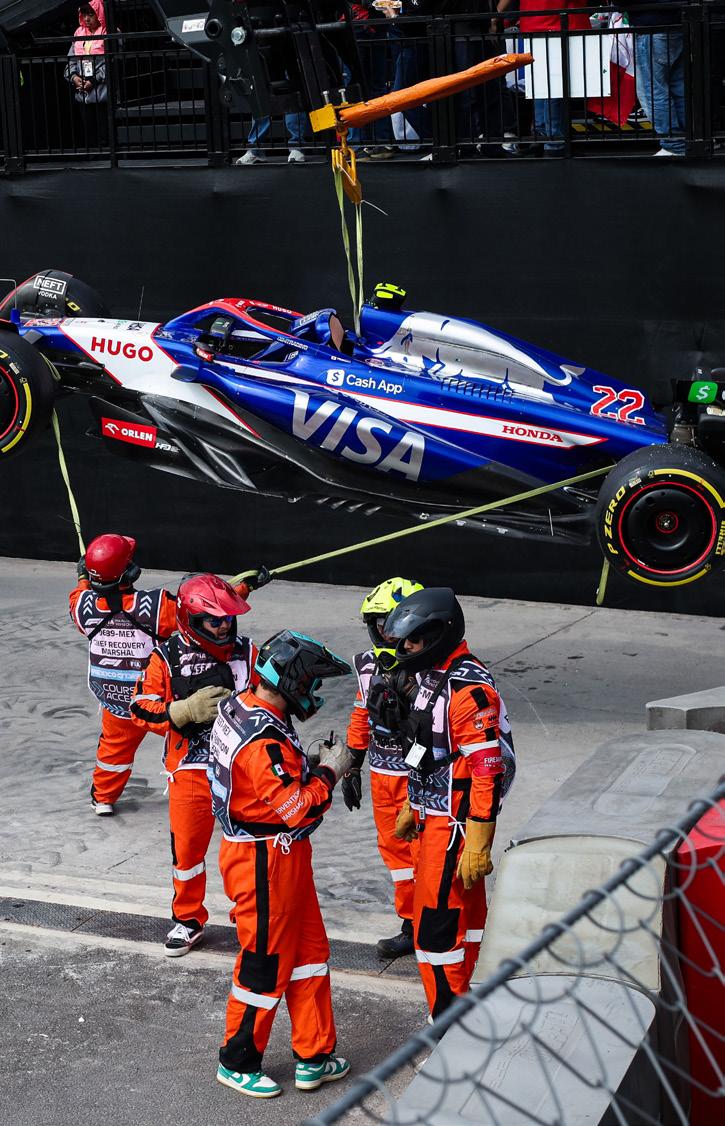
As you read this report, which focuses on the FIA Formula One World Championship, I invite you to reflect on the work that they do: from the speed and precision of medical responses to the fairness and impartiality of decision-making, and the essential support they provide at races to our fans, our colleagues, and competitors.
That is why the FIA, through the FIA University, has commissioned this report to investigate the recruitment, retention and continued investment in our volunteers and officials.
The findings clearly demonstrate our core mission: to develop and support volunteers worldwide through significant investment, high-quality training, and longterm engagement, strengthening the integrity of global motorsport.
As FIA President, I remain fully committed to building on this progress and supporting the volunteers who make our sport possible.
Sincerely,
Mohammed Ben Sulayem FIA President
AN AVERAGE OF
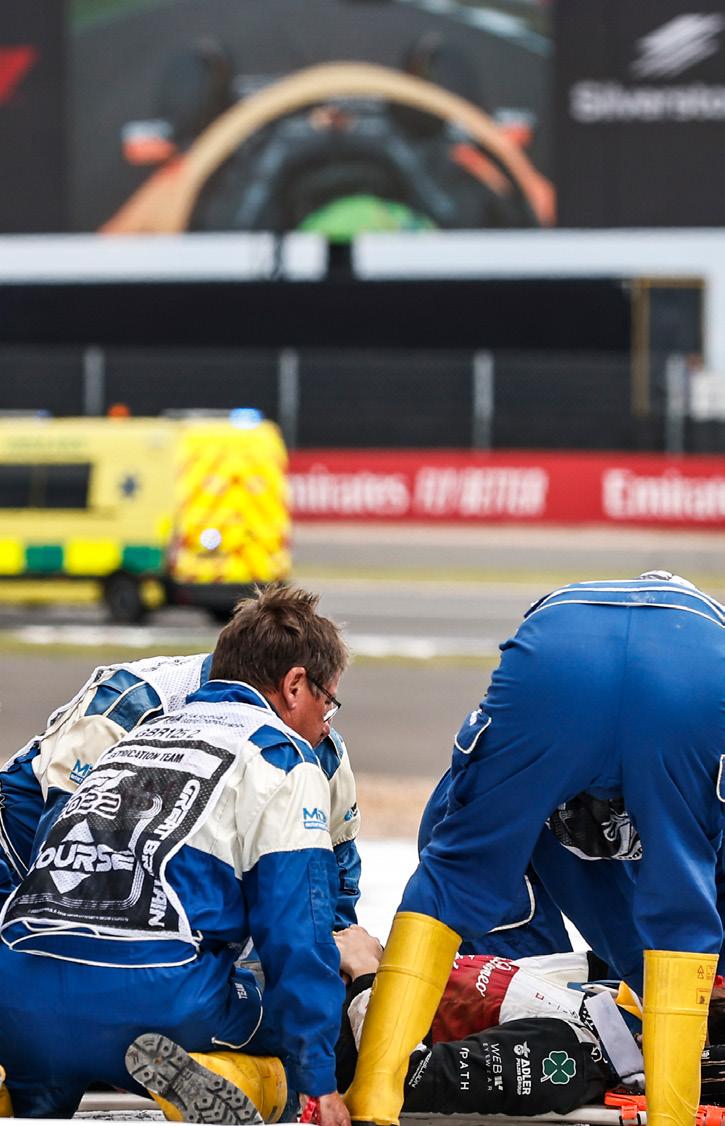
MOTORSPORT VOLUNTEERS ARE REQUIRED TO SAFELY AND EFFICIENTLY ORGANISE A SINGLE ROUND OF THE FIA FORMULA ONE WORLD CHAMPIONSHIP
The recruitment, retention and investment into volunteer motorsport officials aligned to the FIA Formula One World Championship
The importance of volunteers to the safe and efficient staging of FIA-sanctioned events, whilst widely accepted, has never been accurately captured. The purpose of this report, which presents a comprehensive assessment of volunteer recruitment and management practices associated with the FIA Formula One World Championship, draws upon empirical data arising from a survey in 2025 completed by all 19 host organisers for the 24 rounds of the FIA Formula One World Championship calendar held annually. It offers a significant insight into the investment and training of large numbers of motorsport volunteers and their dedication, and that of their associated FIA Member Clubs, across individual race weekends to ensure their success. While volunteers’ voices are extremely valuable in understanding motivations for volunteering on an individual level, this report does not aim to deduce what these are but rather gain insights from their corresponding clubs.
An average of
are required to safely and efficiently organise a single round of the FIA Formula One World Championship.
Extrapolating this across all 24 rounds of the FIA Formula One World Championship calendar results in a minimum number of
20,112
trained volunteers recruited and supported by host organisers annually.
The FIA Formula One World Championship remains an outlier in terms of the number of volunteers required to support a single participant. At present, a ratio of 42:1, in which 42 volunteers are necessary to support one competitor, places the FIA Formula One World Championship at the top of a league table of global sports which rely upon volunteers to enable active participation. Interestingly, with a ratio of 39:1, the FIA World Rally Championship (WRC) places second in this global ranking.
Over the course of an FIA Formula One World Championship race weekend, volunteers will commit an average of
to the race day event, often reporting for their duties from very early in the morning.
Survey respondents confirmed that, on average, the workload of volunteers supporting the FIA Formula One World Championship had grown by 20% in the past 5 years.
965,376 HOURS
If each volunteer, on average, commits 48 hours to the successful staging of an FIA Formula One World Championship event, and this is true for the average number of volunteers at each event (838), then across all 24 rounds of the FIA Formula One World Championship calendar, this adds up to of volunteer time in support of the Championship. This is almost certainly an underestimation of the total volunteer commitment to the FIA Formula One World Championship as it only captures hours spent ‘on duty’ across the race weekend and not, for example, any preparatory training these individuals will, almost certainly, have attended.
65%
It was reported to event organisers that of volunteers either take annual leave from their employment of make use of unpaid holiday leave to volunteer at the FIA Formula One World Championship.
Similarly, two in every three volunteers supporting FIA Formula One World Championship events have been doing so for at least
5 YEARS
reflecting the levels of sustained commitment of these individuals.
Event organisers confirm that the costs associated with recruiting, training and delivering this volunteer contribution are
€11.1 MILLION
Applying an industry standard ‘replacement labour cost’ value calculation to the volunteer contribution made to support the FIA Formula One World Championship calendar, the total value of volunteer labour is
€13.2 MILLION
For its part, the FIA has adopted a series of strategic initiatives in support of its volunteers, including investing in a new FIA Officials Department, further development of its FIA High Performance Programme (HPP) and other actions designed to support the well-being of its officials. The report concludes with a series of applicable recommendations, notable amongst these being a proposal to establish a dedicated ‘Centre of Excellence’ to utilise the combined resources of several FIA Departments and further elevate the status and contribution of motorsport volunteers and officials.
THE FIA, IN COLLABORATION WITH EY-PARTHENON, PUBLISHED A DETAILED REPORT TITLED ‘A WORLDWIDE STUDY ON THE ECONOMIC AND SOCIAL IMPACT OF MOTORSPORT’
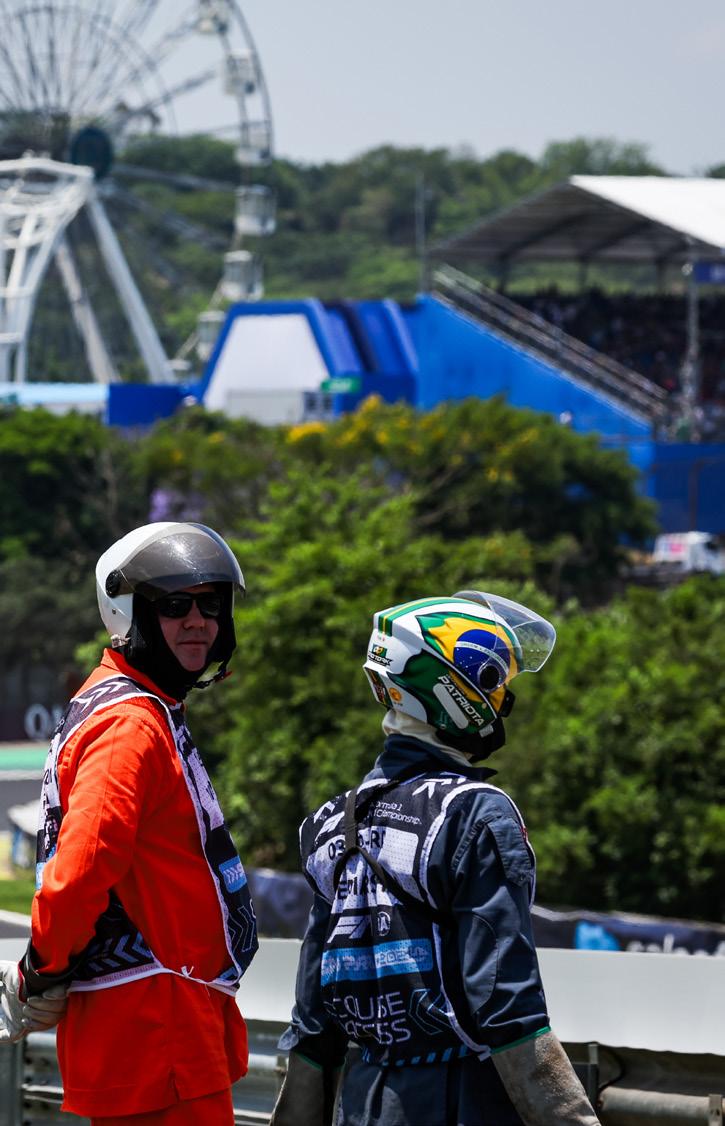
Volunteers play a critical role in the successful delivery of every FIA-sanctioned event, safeguarding the continued popularity of competitive motorsport worldwide. From trackside marshals and medical personnel to logistical and support staff, their contributions guarantee the highest standards of safety, operational efficiency, and fan experience that define the sport. Despite being largely unpaid, this dedicated workforce ensures the seamless execution of major events and underpins the FIA Formula One World Championship’s global standing as a consistently world-class spectacle. To begin with, it is recognised that each different host nation operates under different legal frameworks and therefore will all slightly differ in their approaches to planning and running an event. However, this report will aim to understand a broader view of the everyday operations for all race weekends.
In 2021, the FIA, in collaboration with EYParthenon, published a detailed report titled ‘A Worldwide Study on the Economic and Social Impact of Motorsport.’ This report identified a total annual gross output of €159.2 billion, €66.9 billion in value added, and over 1.5 million paid jobs created by motorsport at all levels. The study also confirmed that more than 302,000 officials, marshals, and volunteers were formally registered worldwide, demonstrating the scale of unpaid contributions, across all disciplines of motorsport, made by these individuals.
However, while these figures highlight the collective importance of this community, there remains a limited understanding of their impact at
the event level. In particular, the extent and scale of the contribution made by volunteers to all FIA Championships have not, to date, been examined.
This report, therefore, aims to address this knowledge gap by focusing specifically on volunteers within the FIA Formula One World Championship, evaluating their economic and operational value, levels of professionalism, and, crucially, the growing challenges faced by organisers in maintaining these vital roles and ensuring the quality and quantity of personnel needed to develop the sport.
The scope of this report is to focus primarily on the economic value of volunteering, but we do recognise the wider social value provided to their respective motorsport communities which leaves an area to be explored in future motorsport research.
This report presents the findings from a survey of members of the FIA Sporting Organisers Working Group (SOWG), which is a representative body comprised of high-ranking personnel who lead the process of staging 24 FIA Formula One World Championship events around the world each year.
The SOWG was established to identify and consider common challenges faced by organisers when hosting an FIA Formula One World Championship event and thereby enables the FIA to assist in resolving these problems where it can. The analysis presented in this report draws on data generated from a comprehensive multidimensional survey to present a complete picture of the value provided by volunteers to FIA Formula One World Championship events. As such, this process signifies the first large data collection of the views and experiences of FIA Formula One World Championship event organisers. The accompanying analysis provides a detailed assessment of the contribution of volunteers and their economic and operational value to the many stakeholders who benefit from the successful hosting of FIA Formula One World Championship events. It is intended that the findings of this study will help inform decision-making over the next four years and assist the FIA in becoming a world-leading authority on volunteer recruitment and management. The survey is purposively structured around five key sections: Operational Metrics, Economic Value, Stakeholder Value, Training and Experience, and the provision of Further Information and Collaboration.
Combined, these sections aim to offer insights not only into the economic impact of volunteer contributions but also the broader benefits they deliver to stakeholders and the profile of the sport generally. By combining quantitative data with insightful qualitative perspectives, the report provides a holistic assessment of the contribution made by volunteers to ensure the efficient staging of FIA Formula One World Championship events, demonstrating the remarkable value they offer the sport and its many followers.
Highlight the existing levels of expertise, professionalism, and commitment amongst the volunteering community within the FIA Formula One World Championship.
Identify key challenges associated with recruiting and training volunteers to ensure the successful staging of FIA Formula One World Championship events.
Quantify the economic contribution and cost of volunteering in support of the FIA Formula One World Championship.
Assess the level of training and preparation provided by sporting organisers in ensuring the high standard of volunteerism required for the FIA Formula One World Championship.
For the promoter of the FIA Formula One World Championship, Formula 1 Group, competing teams and the many other stakeholders within the FIA Formula One World Championship ecosystem, the findings of this study are relevant as they also underscore the critical role that SOWGs perform within the FIA Formula One World Championship planning cycle. It is their active recruitment and management of large volumes of volunteers across all events, which takes significant planning, commitment and execution, that remains critical to the success of the Championship.
Their presence represents a strategic enabler of consistent, high-quality sport officiating across diverse global settings, from established circuits to new venues where the innovative use of existing road infrastructure has become normalised. By maintaining a reliable, skilled, and motivated volunteer base, the FIA Formula One World Championship achieves operational excellence,
enhances fan engagement, and strengthens its global reputation. Recognising and investing in this system not only safeguards the continuity of the sport but also demonstrates a collective commitment by all stakeholders to deliver a worldclass sporting product to fans, broadcasters, sponsors, and host nations alike.
Finally, as part of its ongoing commitment to its role in sustaining high-quality volunteers within motorsport, the FIA has established its inaugural dedicated FIA Officials Department tasked with supporting, developing, and coordinating officials across all of its affiliated championships. This reflects the FIA’s recognition that volunteers and officials are central to the sport’s integrity and sustainability, and provides a strategic framework for strengthening their training, retention, and overall effectiveness into the future.
THE FIA ESTABLISHED ITS NEW OFFICIALS DEPARTMENT IN
While the central focus of this report is to review and present findings from the 2025 SOWG survey, in this respect, it is relevant to highlight several ongoing FIA programmes and initiatives designed to both enhance volunteers’ professional development and, importantly, safeguard their well-being. Three developments, in particular, over recent years have helped facilitate these outcomes. These include:
A strategic investment by the FIA to establish a dedicated FIA Officials Department.
Designing, recruiting to, and supporting a bespoke FIA High Performance Programme (HPP), the pinnacle level of the also recently established FIA Officials Pathway.
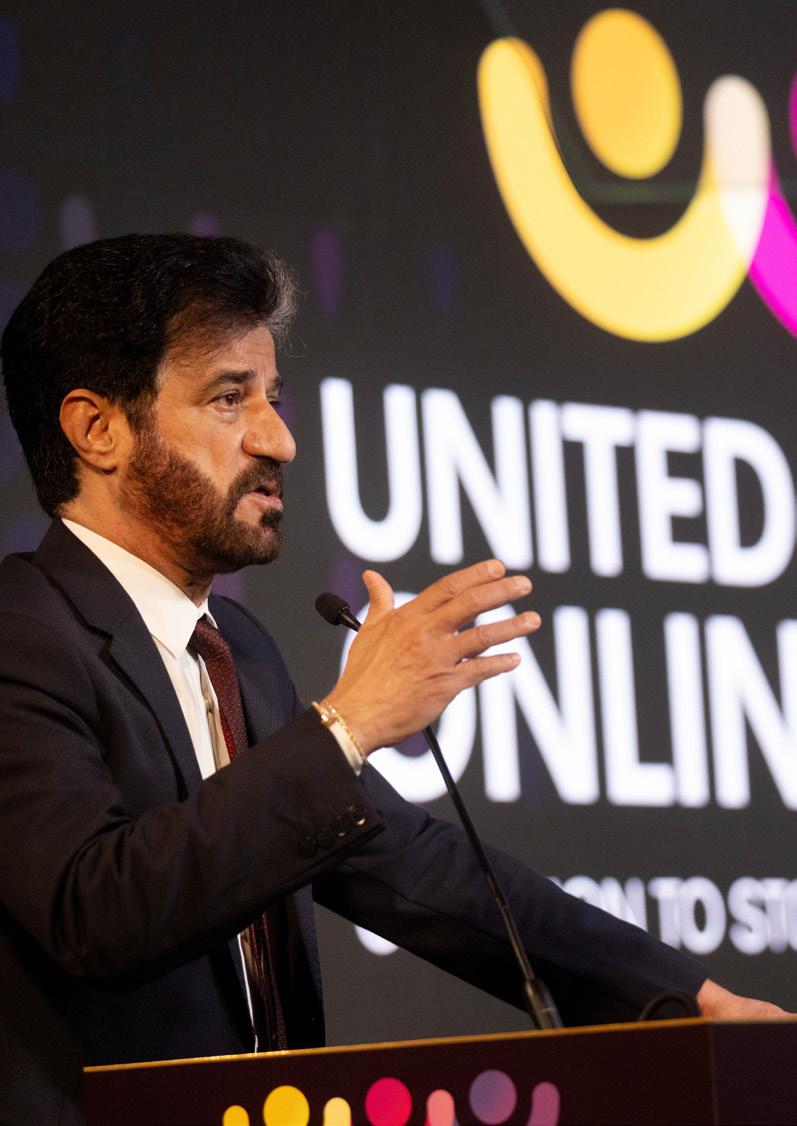
A campaign, United Against Online Abuse (UAOA), initiated by FIA President Mohammed Ben Sulayem which identifies and responds to concerns that volunteers and officials are increasingly subject to abuse posted online by malevolent actors, which, in turn, has the potential to undermine the very integrity of the sport.
The FIA established its new Officials Department in 2025 to modernise the process by which race officials are managed, trained, and supported across global motorsport. Previously, officiating was coordinated through a series of often local, fragmented arrangements, relying heavily on regional bodies and volunteers. While this approach – essentially a form of distributed governance – allowed the FIA to support more than 60,000 events annually, it created gaps in consistency, transparency, and opportunities for officials. In accepting the need for investment and a modern fit-for-purpose response to this challenge, the FIA Officials Department was launched.
The new department addresses challenges by centralising officials’ licensing, appointments, and training as part of one common framework, while still empowering regional structures to remain relevant and responsive to ‘local’ needs and circumstances.
The FIA Officials Department provides further cohesion between all relevant sporting departments to ensure knowledge transfer and shared best practice is maintained (See Images 1 and 2).
For officials, this gives rise to a more structured career pathway, standardised training programmes, and a transparent competency framework that recognises both technical and
“Our sport would not exist without the dedication of our officials, who are committed to ensuring every level of motorsport competition takes place in a safe, fair, and regulated way.” behavioural skills. In announcing the launch of the new FIA Officials Department, FIA President Mohammed Ben Sulayem stated:
ROAD SPORT DEPARTMENT
SINGLE SEATER DEPARTMENT
CIRCUIT SPORT DEPARTMENT
The impacts of this initiative are wide-ranging and extend well beyond ensuring fair competition. Rather, for both competitors and fans, the emergence of clearer and more consistent officiating is designed to foster trust in the decisionmaking of stewards and race control, and motorsport as a whole. For officials, the changes create the potential to ensure greater support, visibility, and access to education and training, helping develop their expertise and equip them to accept higher levels of responsibility.
This may also have the effect of reducing a reliance on so-called ‘ad-hoc volunteerism’ at the highest level of competitive motorsport, resulting in a more professional model in which experienced officials are rewarded for their skills and dedication. By building a stronger, more diverse pool of over 300,000 officials worldwide, the FIA is not only ensuring safety and integrity across motorsport but also creating an environment where officials feel valued, supported, and motivated to continue contributing to the sport. This point is emphasised in a range of relevant academic and industry publications, including the seminal work of Clary et al. (1998), which confirmed that when volunteer roles align with individual motivations, such as opportunities for learning, recognition and growth, satisfaction and commitment levels of these individuals significantly increase. Therefore, the FIA Officials Department balances the FIA’s responsibility to fairness and safety with its commitment to empowering the people who make competitive racing possible.
Recruitment & talent
identification Development & training
Licensing & appointments
Officials’ management
Remote Operations Control (ROC)
IT, documents & best practice
IMAGE 2: TYPICAL AREAS OF COLLABORATION BETWEEN THE SPORT AND OFFICIALS DEPARTMENTS
In a related development, in 2023, the FIA successfully implemented a High Performance Programme (HPP) for its officials - the first of its kind in motorsport. This was a flagship initiative designed to identify, mentor, and accelerate the development of talented stewards and race directors, ensuring the next generation remained equipped to meet the evolving demands of international motorsport. By providing structured pathways, world-class training, and hands-on experience at competitive events, the programme seeks to raise overall standards of consistency and decision-making by officials.
For volunteers, the HPP represents a clear opportunity to progress within the officiating pathway, transforming so-called ‘weekend’ contributions into recognised roles with tangible development prospects. It empowers individuals who may begin as grassroots volunteers to aspire to the highest levels of responsibility, while also delivering improved training, mentoring, and support that enhances their confidence and satisfaction in officiating roles. In 2025, six HPP Stewards (three female and three male) were appointed across FIA Championships and will sustain their involvement as part of the 2026 rosters for the FIA Formula One World Championship, F2, F3, WRC, and other Regional Championships, with potential for further additions pending final appointments.
Additionally, three HPP Race Directors (one female and two male) have been confirmed for 2026, maintaining their roles across the FIA Formula One World Championship, Formula 2, Formula 3, FIA World Endurance Championship
The new HPP Cycle (2025-2026) is currently underway with a committed budget from the FIA of
12 NEW PARTICIPANTS
5 FIA-AFFILIATED REGIONS with equal gender balance and an average age under 40 €350K +
11 REPRESENTING COUNTRIES
Throughout 2025, participants engaged in intensive development activities including over 20 hours of in-person training, approximately 200 hours of coaching,145 full event days (1,450 hours) across five FIA Championships, and benefited from more than 250 hours of mentoring and continuous assessment. Based on current performance assessments, a majority of the HPP Stewards are expected to be appointed as FIA International Stewards for the 2026 FIA Formula
One World Championship and other Regional Championships, while Race Director nominations are still being finalised at the time this report is being compiled.
Additionally, participants will continue contributing to events through Remote Operations Control (ROC) Geneva support activities.
It is worth highlighting that the ‘FIA International Programme for Stewards and Race Directors’ to date has also brought together over 350 officials from FIA Member Clubs through eight dedicated webinars. The programme’s purpose is to advance the capabilities of international officials whilst identifying ‘emerging talent’ for the future.
Alongside this, the FIA has introduced entry-level content to help new stewards and race directors build an understanding of the essential skills needed to contribute to motorsport.
PATHWAY
REGIONAL DEVELOPMENT
INTRODUCTION & ASN DEVELOPMENT
A series of academic and similarly peer-reviewed reports, including Cunningham, Kittel, and Larkin (2024), emphasise that officiating talent development depends precisely on such welldefined entry pathways, foundational training, and early mentoring opportunities.
Overall, the HPP has been a welcome initiative by the FIA as it aims to fast-track officials twice as quickly as the typical multi-year pathway (See Image 3).
* Non-binding It is indicative and may take longer depending on roles, skills and experiences.
A third example of how the FIA has identified the need to demonstrate leadership in support of its volunteers and officials is through its awardwinning United Against Online Abuse (UAOA) campaign. This was founded in 2023 by FIA President Mohammed Ben Sulayem, in response to the online abuse an FIA Official experienced during an FIA Formula One World Championship race weekend that season. The FIA recognised that the online abuse of volunteers and officials represented a threat to the integrity of motorsport and committed to adopting a leadership position to address this and safeguard the people who make racing possible.
UAOA is committed to producing educational resources for FIA Member Clubs, volunteers and officials, including a social media safeguarding guide and a free educational module through the FIA University, as part of a wide-ranging response to one of sport’s most insidious challenges. When surveyed during the inaugural 2025 FIA Officials Summit, over 68% of volunteers and officials stated that two of the most important interventions necessary to reduce online abuse in motorsport were education and awareness.
UAOA continues to expand its educational offering and intends to make a digital literacy workshop resource package available to all FIA Member Clubs in early 2026. UAOA is also raising awareness amongst FIA-licensed drivers, who themselves may be subject to toxic online commentary and abuse. In this regard, the FIA has increased knowledge and understanding of this issue through the publication of its annual UAOA survey barometer reports (2024 and 2025), which are readily accessible for all clubs to engage with.
of the respondents to the FIA Officials survey agreed that reporting mechanisms and legal frameworks remain essential in tackling this threat to the sport. In response, UAOA will be offering FIA Member Clubs audit and incident framework tools in 2026, considered by many to be an important intervention in assessing the level of preparedness amongst clubs for the continued challenge of online abuse in the motorsport ecosystem. Informed by global experts and best practices, FIA Member Clubs will be among the first to access the innovative resources.
These tools will support the safeguarding practices of FIA Member Clubs and their preparedness for dealing with cases, which is critical when it is accepted that 19% of volunteers and officials said, as part of the survey, that an incident of online abuse had been reported to them while performing their duties. The FIA has also prepared guidance to assist in cases of online abuse or harm, including for criminal law prosecutions by relevant law-enforcement authorities, against those who inflict online hate speech against its volunteers, officials and other participants in our sports.
To capture a complete understanding of the value and contribution of volunteers and officials across the FIA Formula One World Championship, a comprehensive and structured survey was compiled and distributed to the 19 Sporting Organisers responsible for delivering the 24 Grands Prix, which annually comprise the FIA Formula One World Championship. The survey was developed in collaboration with the FIA Officials Department and the SOWG to ensure alignment with operational realities and data availability. The questionnaire consisted of both quantitative and qualitative components, covering five core themes:
including the number of volunteers and officials, their roles, hours worked, types of roles and their ease of recruitment.
exploring interactions between organisers, teams, volunteers, and governing bodies. This aspect of the survey also examined how organisers recruit and retain volunteers.
assessing the scope and frequency of training, as well as opportunities for progression.
identifying areas of shortage, issues, and any additional information pertinent to these metrics.
estimating the value and costs associated with providing volunteers at each event. This included a series of questions on per-day expenses for volunteers.
Each organiser was asked to provide data from their most recent FIA Formula One World Championship Grand Prix event, supplemented by internal reporting metrics, where available.
The survey was distributed via email, which allowed for completion online, with the responses being collected between September 1 and October 31 2025, using an online FIA survey platform. Data was aggregated and analysed to identify trends across events, and to estimate the overall scale of the volunteers and officials contribution to the FIA Formula One World Championship. The resulting dataset provides for cross-comparison between circuits and a reliable framework that can be replicated in future studies or expanded across other FIA Championships.
One of the key points that this survey highlights is the significance of the contribution each volunteer makes to their respective events, which in turn may be captured in the form of an estimated ‘economic value’ figure. In this regard, there have been concerns raised about whether the commitment required from volunteer officials has been increasing over recent years, which risks threatening the very viability of a structure that relies so heavily on the commitment of such individuals. This analysis includes, but is not exclusive to, the number of hours worked over a race week, the scope of their role and the training requirements their role requires in advance of the event taking place. Hence, the welfare of officials is at the forefront of much of the feedback offered by event organisers, alongside a growing acceptance from the sporting organisers that certain roles have become increasingly difficult to recruit into for such significant events.
Placing an economic value on volunteer time succeeds in illustrating the scale of this contribution to the FIA and all other FIA Formula One World Championship stakeholders and thereby sets forth the potential cost liabilities that arise were these services to be remunerated. Previous studies, including those conducted in the UK, have used
measures such as minimum wage benchmarks and contributions to GDP to quantify this type of unpaid labour. Deploying this methodology, the UK Government reported volunteering as equating to £18 billion or c.1% of its total GDP (UK Civil Society Almanack, 2024). In this survey, the authors set out to establish the economic value of the volunteer workforce in motorsport (specifically in the FIA Formula One World Championship) and, in this regard, have collated data from event organisers on the scale of volunteer involvement, the number of hours they have contributed, and the associated ‘fixed’ costs they absorb, such as those associated with providing accommodation and subsistence for officials. These findings will enable this report to present a robust and defensible estimate of the overall economic value that volunteers bring to the FIA Formula One World Championship annually.
Ultimately, the professionalism of motorsport depends heavily on the skill and dedication of its volunteers and officials. These roles require not only commitment on event days but also significant preparation and ongoing professional development. Training and experience, therefore, represent a critical area of focus for this study. By examining the time invested by volunteers to gain and maintain the necessary expertise to fulfil their roles, and the resources required by organisers to train, upskill, and coordinate them, this report aims to highlight the scale of effort required to consistently underpin safe and successful event delivery.
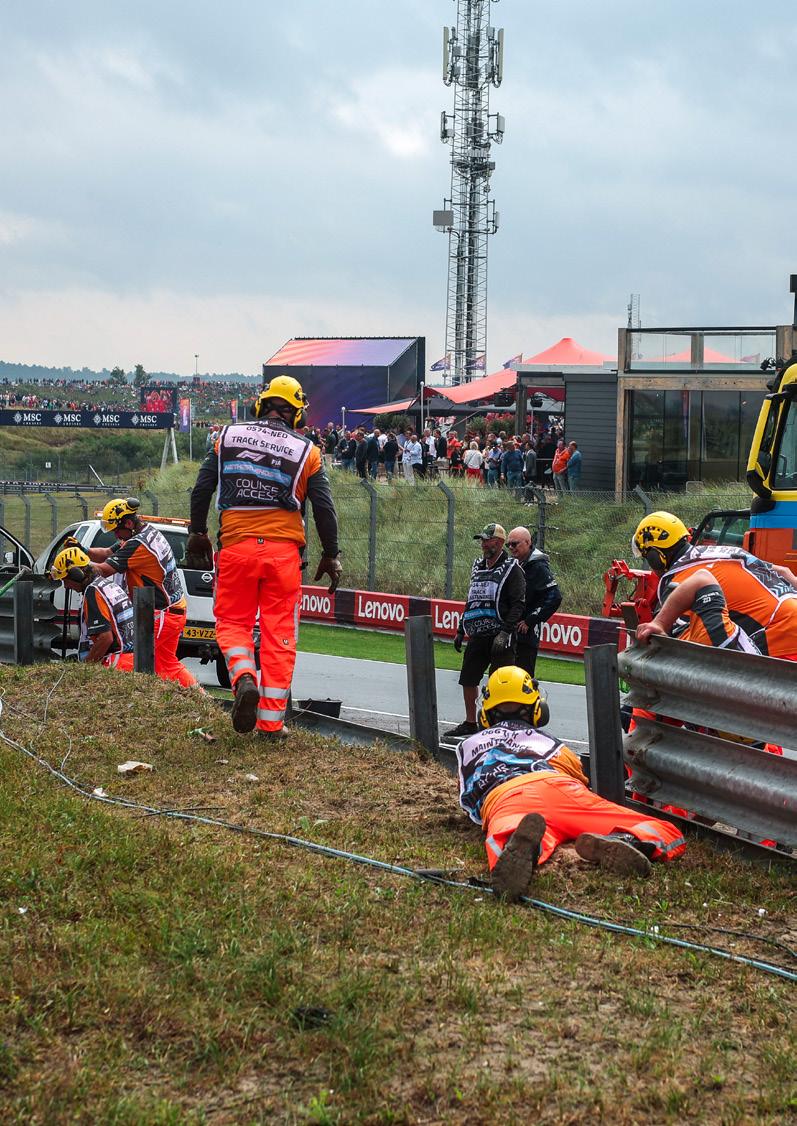
To capture this aspect of the report’s findings, the authors surveyed event organisers on the types and duration of training delivered, the level of experience expected of the volunteer body, and the extent of volunteer time commitment required in preparation for race weekend. The findings aim to provide a snapshot of both the professional standards achieved within a volunteer framework and the oftenhidden demands placed on individuals and organisers alike.
Understanding the levels of experience within existing cohorts of FIA Formula One World Championship volunteers allows us to determine the level of professionalism required across the sport as a whole and its diverse range of roles. Motorsport is fortunate to be one of the few sports to be able to draw talent from a range of professions, including engineers, medical staff and technical teams. Moreover, the global nature of motorsport, with the FIA Formula One World Championship being run across 19 different countries, means that officials from overseas often bring their expertise to the host nation for their respective Grands Prix, giving rise to emerging ‘communities of practice’ for education and training purposes.
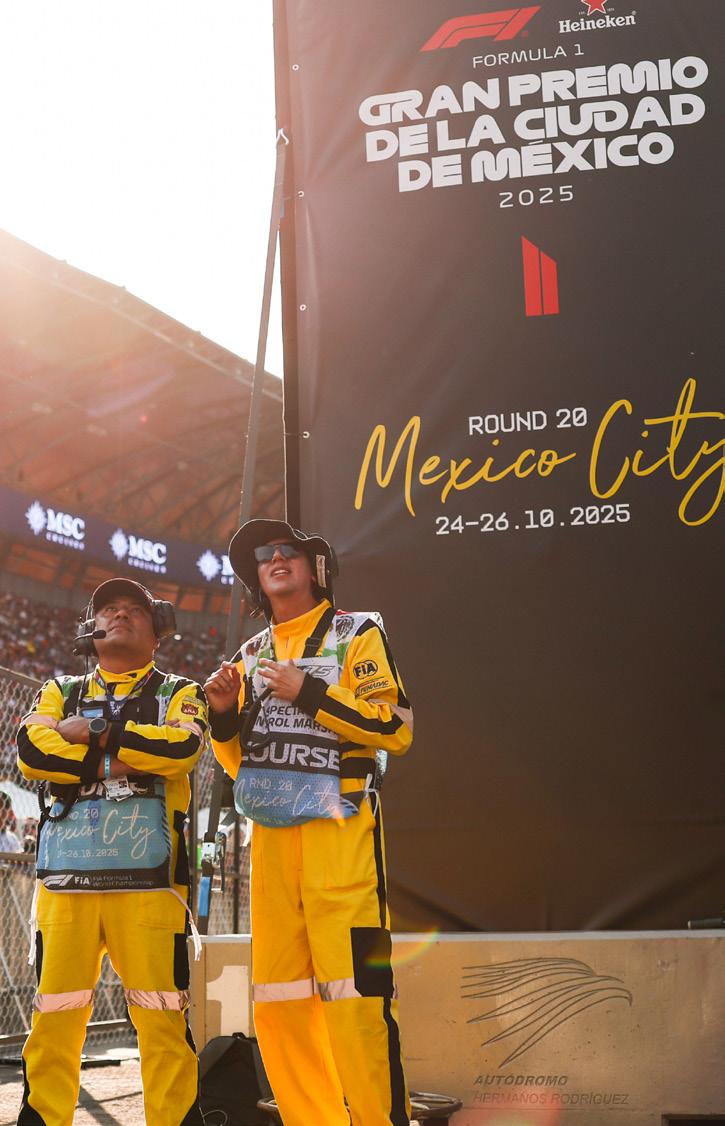
THE AVERAGE PREPARATION TIME FOR AN FIA FORMULA ONE WORLD CHAMPIONSHIP EVENT, AS CONFIRMED BY RESPONDENTS TO OUR SURVEY, WAS
7 MONTHS
From the analysis of the survey findings, it is evident that all FIA Formula One World Championship events require a significant number of volunteers who possess a high degree of technical skills and competencies. It underlines the importance of ensuring a significant pool of volunteers exists to support any further planned expansion of the Championship into new territories. From the results of the survey, we can deduce that an average of 838 volunteers are required to run a standard FIA Formula One World Championship event. Although this figure can vary for many reasons, mainly correlated with circuit type.
Additionally, the average preparation time for an FIA Formula One World Championship event, as confirmed by respondents, was 7 months, which reflects a significant commitment on the part of SOWG members, the host clubs and their volunteers. If we extrapolate this figure of 838 volunteers across all 24 rounds of the FIA Formula One World Championship, it means that
FIA Member Clubs provide in excess of 20,000 volunteers to the FIA Formula One World Championship each year (20,112 in total).
It is worth highlighting that competitive motorsport remains exceptional in the sense that there are very few comparable sports requiring the same quantity of volunteers to stage their competitions.
When considering FIA Formula One World Championship racing, it has already been established that the average number of volunteers required to host a round of the championship is 838 and with the number of established competitors in 2025 at 20, this provides for a ratio of officials to competitors of 42:1. For every participant in the sport, some 42 officials are required to facilitate their participation.
Similarly, the FIA World Rally Championship (WRC) requires 22 officials for each competitor. It’s worth noting that other sports, such as rugby, football, golf, tennis, and American football (NFL), pale in comparison to the significant volume of officials required to support competitive motorsport. However, data in this field is limited, and more detailed research is required, even if it is clear that the demands placed on volunteers to support FIA Formula One World Championship racing far outweigh all other sports.
As already indicated, the average number of hours provided by volunteers in support of a single round of the FIA Formula One World Championship amounts to 48 hours across the respective race weekend. Once again, if we take this average and multiply it by the average number of volunteers required for the safe and sustainable running of a single FIA Formula One World Championship event (838), it means that volunteers are contributing over 40,000 hours (40,224 hours) to each round of the FIA Formula One World Championship. With 24 rounds of the FIA Formula One World Championship calendar each year, this gives rise to 965,376 volunteer hours annually in support of the Championship. This raises important questions concerning the operational challenges that organisers continue to face. For example, many organisers highlight issues of volunteer welfare, alongside the need for more personnel in some instances, as ongoing concerns, even though a majority of respondents to our survey were not in favour of working track shifts (rotating personnel after an agreed number of hours in post had elapsed). All the SOWG respondents noted that the support required from volunteers had increased over the last five years, with a majority agreeing that this was by approximately 20%. To add, our survey also showed that, on average, 65% of event volunteers were compelled to take holiday/unpaid leave to participate in an event, underlining the full extent of the personal and financial commitments volunteers continue to make.
It is important, too, to highlight the existing levels of professionalism that prevail amongst the
volunteering cohorts across the FIA Formula One World Championship.
For example, on average,
had previously worked at a Grand Prix event, drawing attention to a balance between experienced officials alongside the importance of seeding new talent as part of an overall volunteer succession plan.
To further this point, results from the survey indicated that the majority of volunteers had been involved for a minimum of
and, in just under one third of cases, for more than 10 years (29.3%).
These results point to a very experienced cohort of volunteers who have displayed a commitment to motorsport over many years, despite the scope of their work increasing significantly over this period. Indeed, it is now commonplace for the majority of such volunteers to have to complete both a written and practical assessment of their competencies before being assigned to their operational roles, something that has only recently been introduced.
Another important set of findings from the SOWG survey highlights the challenges many face in finding suitable personnel to fill all vacant roles. Organisers were asked to identify those roles/ functions they found most difficult (and least) to recruit into as part of a broader set of questions concerning their recruitment and retention strategies. In most cases, organisers identified the role of ‘scrutineer’ as being, by some margin, the most challenging role to appoint, reflective of the fact that scrutineers are typically well qualified and experienced in their role. By contrast, organisers indicated that there was a ready supply of volunteers that could be allocated to ‘event command and control’. The most common methods for attracting new volunteers were through well-planned social media campaigns
and, in some cases, a referral system from existing volunteers. On the other hand, recognition and opportunities for career progression were the most commonly accepted methods for retaining these volunteers.
To summarise the views of many local organisers, FIA Formula One World Championship Bahrain Grand Prix Organiser, Alaa Mohamed Fruutan, commented: “Volunteer recruitment, training, and retention are interconnected and influenced by factors such as clear role definition, flexible opportunities, ongoing support, recognition, growth pathways, diversity, and wellbeing. A sustainable volunteer strategy requires continuous investment in creating a positive experience.”
RECOGNITION EVENTS OR CEREMONIES
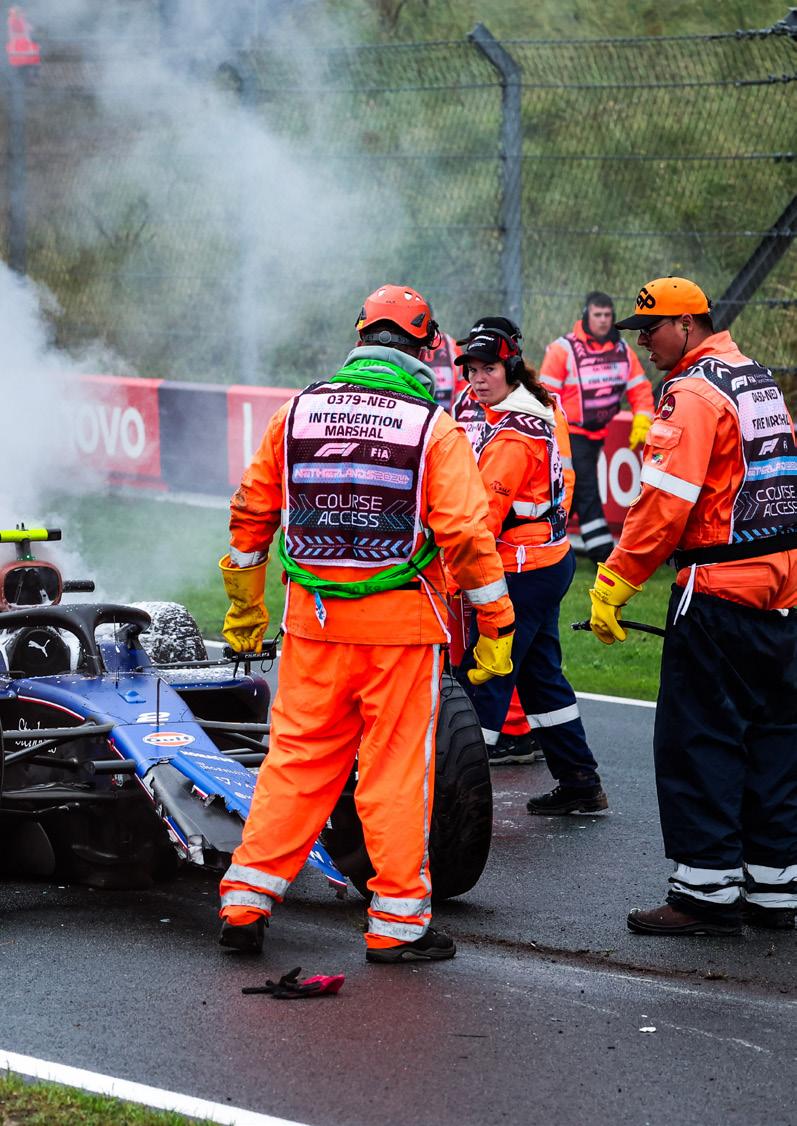
When examining the question of their ‘value’, it is important to emphasise that, volunteers are critical to every FIA Formula One World Championship race as in their absence an event could not run safely and, as such, would simply not take place. As indicated, there is no comparable sport in the world that requires the same level of technical scrutiny or number of professionally qualified volunteers.
This report concludes that the economic ‘value’ of volunteers over the course of the FIA Formula One World Championship currently exceeds €13.2 million annually.
This figure places a value on the time that volunteers provide to event organisers to work at an event, in almost all cases, in an unpaid capacity. This figure was calculated using an industry-standard ‘replacement cost’ per hour methodology, adjusted to the minimum wage for the host country. One drawback with deploying a national minimum wage as a means of arriving at this figure is that it is almost certainly an underestimate of the true labour replacement costs that would arise in all cases because, as has already been well established, many of the volunteer roles at an FIA Formula One World Championship event require highly specialised competencies and exceptional professional qualifications.
The cost, therefore, of hiring an individual to undertake these tasks, as opposed to relying on their volunteer contribution, is likely to be many multiples of the national wage metric used in this case.
The figure of €13.2 million was arrived at following a detailed assessment of a series of costs associated with ensuring a well-trained volunteer cohort for an FIA Formula One World Championship event. Using detailed data collated from the SOWG survey, it was possible to calculate accurate per day rates aligned with all these costs, which, in turn, amount to €11.1 million annually. Included in this figure is a conservative 10% buffer to cover any ‘hidden’ or unquantifiable costs that organisers could not readily capture or itemise. It is important to emphasise, however, that the value produced by volunteers clearly exceeds the costs that are absorbed to situate them at the event.
Concerning costs, it is reasonable to expect that these figures will only increase in the future as further impactful, indeed inevitable, decisions are required of event organisers. For example, further planned mitigations for the challenges of a changing climate will come at a cost that is only expected to rise in the coming years, particularly in certain parts of the world where the impacts of extreme heat has become an increasing challenge for all sports.
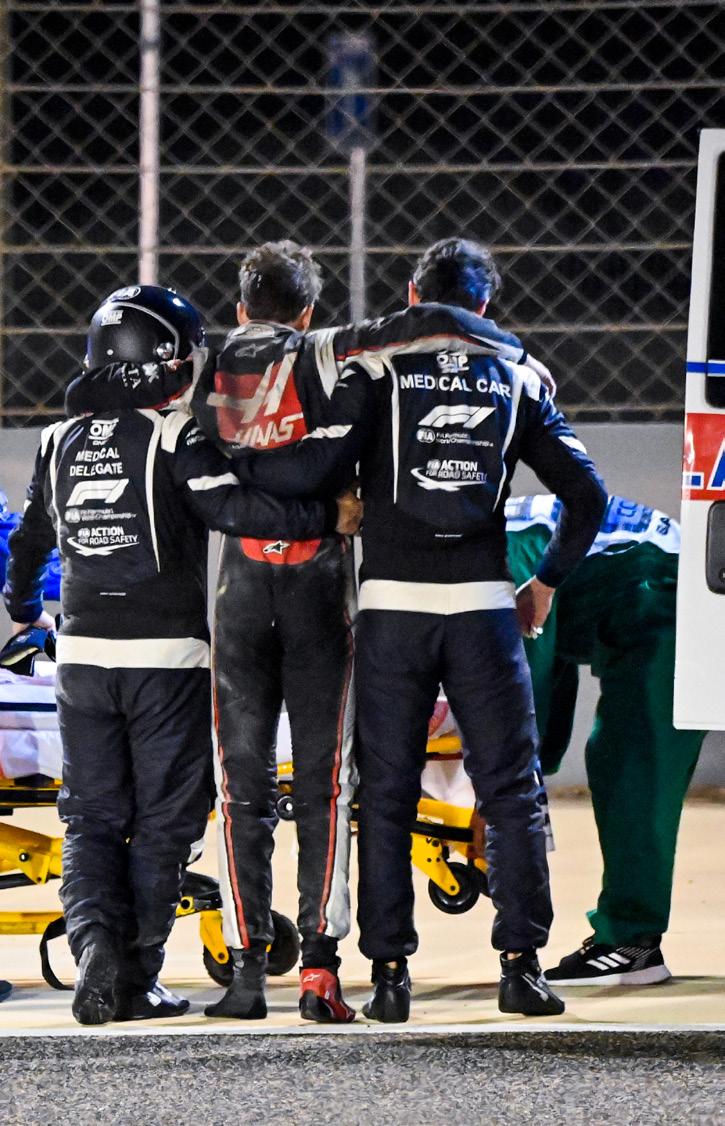
It is worth noting, in this respect, that medical centres at FIA Formula One World Championship events provide walk-in emergency medical provision for over 6,000 volunteers, officials, team personnel, VIPs and guests within the paddock area.
The FIA Medical Delegate ensures that the medical service meets the required standards for the facility, which must be prepared to handle a high number of users, such as during a major incident or when a large number of event staff are affected by heat stress.
TOTAL VALUE OF VOLUNTEERING
TOTAL INVESTMENT IN VOLUNTEERS
To this end, the President of the FIA Medical Commission, Dr Sean Petherbridge, is currently working with Dr Madeleine Orr, FIA University Visiting Professor and a climate scientist, to publish a White Paper on the effects of climate change on motorsport volunteer staff and, as an outcome from this, formulate guidelines to help keep volunteers safe.
€13.2M
€11.1M
85% OF
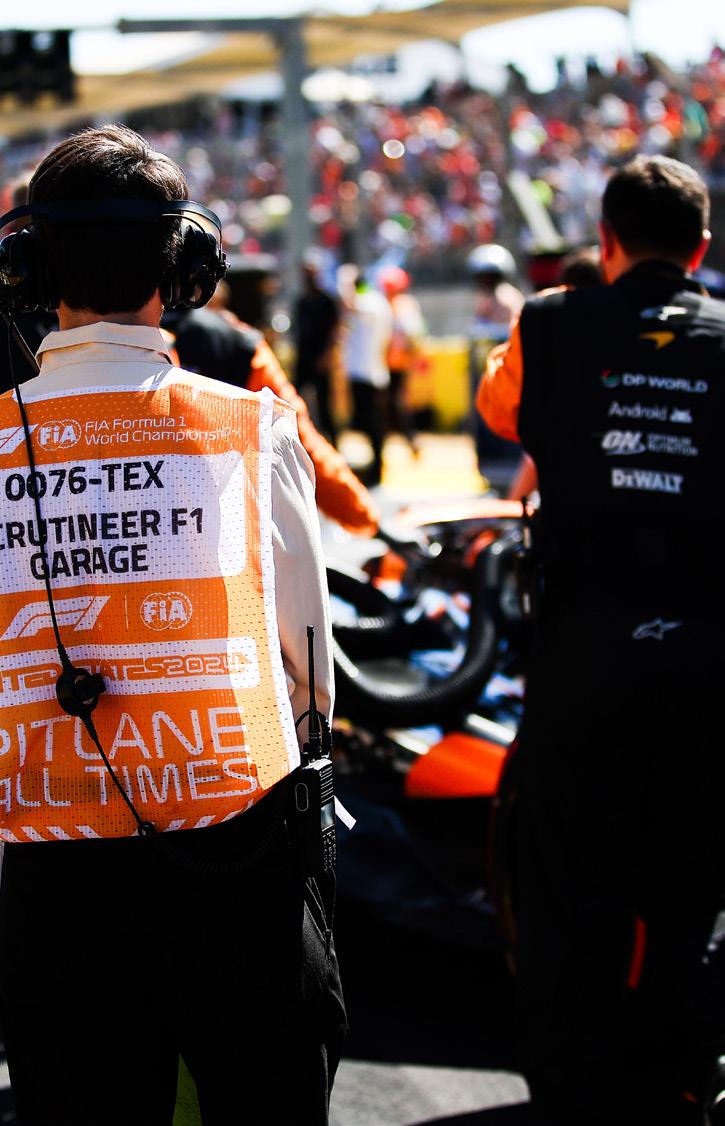
HAVE PRIOR EXPERIENCE AT AN FIA FORMULA ONE WORLD CHAMPIONSHIP GRAND PRIX AND MOST SERVE FIVE YEARS OR MORE IN THIS ROLE
The findings of this study underline the central role that volunteers and officials play in the delivery and integrity of FIA Formula One World Championship events. Across all surveyed organisers, it is evident that without their contribution, the operational and safety standards that define the FIA Formula One World Championship could not be consistently achieved. The figures for preparation times and number of volunteers illustrate both the scale of coordination required by event organisers and the depth of commitment displayed by volunteers, many of whom take unpaid leave from their employment to make their contribution.
The ratio of 42 officials per competitor stands as a powerful indicator of the exceptional commitment of volunteers to the success of the FIA Formula One World Championship and which, as a result, distinguishes motorsport from many of its competitors. Collectively, this underscores that the sustainability and professionalism of the volunteer workforce is fundamental to the sport’s success.
While the survey reveals encouraging levels of professionalism and continuity, with 85% of volunteers having prior experience at an FIA Formula One World Championship Grand Prix and most serving five years or more in this role, it also highlights the growing pressures on organisers to maintain these standards. Over the past five years, the scope of volunteer work has increased by an estimated 20%, while organisers report growing difficulty in filling highly specialised roles, such as scrutineers.
These challenges underline the importance of proactive succession planning, targeted
recruitment, and structured development pathways. Encouragingly, initiatives such as the FIA’s Officials Department and the FIA High Performance Programme (HPP) have already demonstrated the benefits of such an orderly, merit-based approach to training and advancement, serving to formalise a pathway from local volunteerism to international officiating roles. Building on this foundation will be essential to sustaining a motivated and skilled volunteer community. The analysis of the value that volunteers provide to event organisers offers further validation of their contributions.
The total estimated economic value of volunteers to FIA Formula One World Championship events exceeds
€13.2 MILLION per season, compared with €11.1 million in total costs to support them.
This surplus illustrates that, even from a financial assessment perspective, investment in volunteer systems provide significant value to the FIA, event promoters, the teams and, on a broader level, the motorsport sector.
However, the rising costs associated with training, welfare, and climate adaptation suggest that future sustainability will depend on more formalised resource planning. Events in regions facing extreme heat, for instance, have already demonstrated the importance of medical readiness and climate resilience, reinforcing the importance of adopting proactive welfare measures and sound environmental planning.
The findings also highlight that volunteer motivation extends beyond passion for the sport but rather it is driven by recognition, opportunities for growth, and a sense of belonging. This aligns with established motivational theory, reinforcing that investment in human capital yields both operational and cultural dividends. In the same spirit, initiatives like United Against Online Abuse (UAOA) exemplify how the FIA offers leadership by protecting the welfare and dignity of those who serve the sport, further strengthening volunteer confidence and retention.
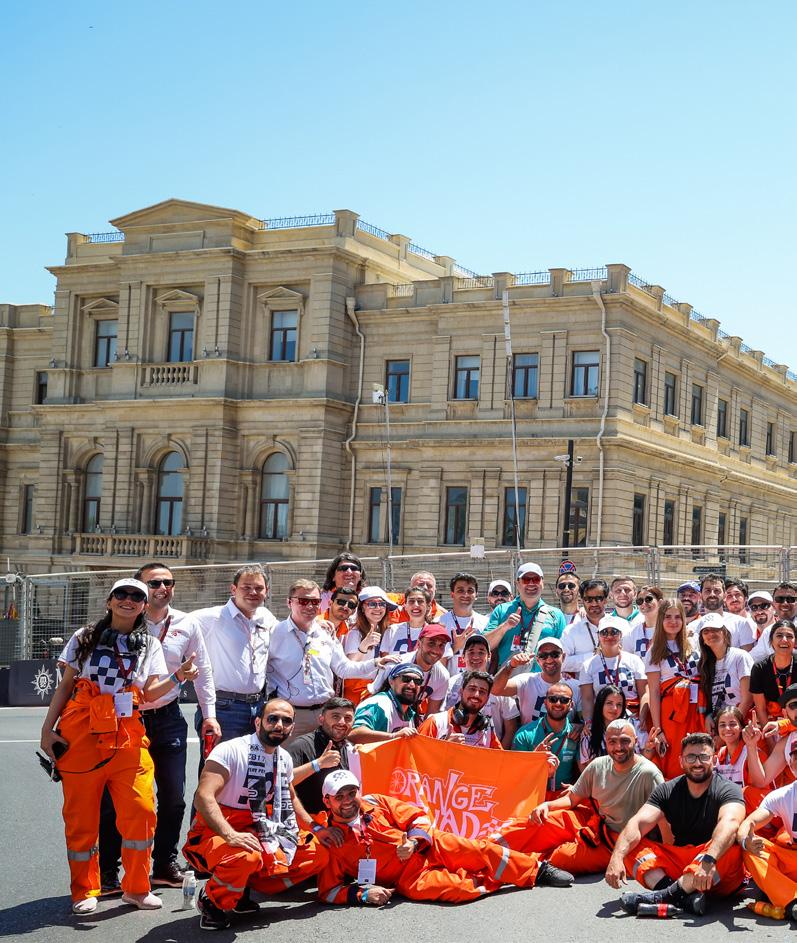
Taken together, these findings make clear that the continued excellence of the FIA Formula One World Championship depends on moving from an ad-hoc reliance on volunteer goodwill toward a more systematic and professional model of volunteer management.
The data also supports the need to centralise training, research, and evaluation along with the formulation of clear standards for volunteer engagement and event readiness. Additionally, the FIA would benefit greatly from a well-defined charter and specialist roles in relation to the requirements for event hosting.
By embedding these measures within FIA structures, the organisation can ensure that the volunteer community remains a resilient, skilled, and valued cornerstone of the sport. This strategic shift, from appreciation to professionalisation, will not only secure the sport’s operational future but also honour the spirit of service that has powered motorsport for decades.
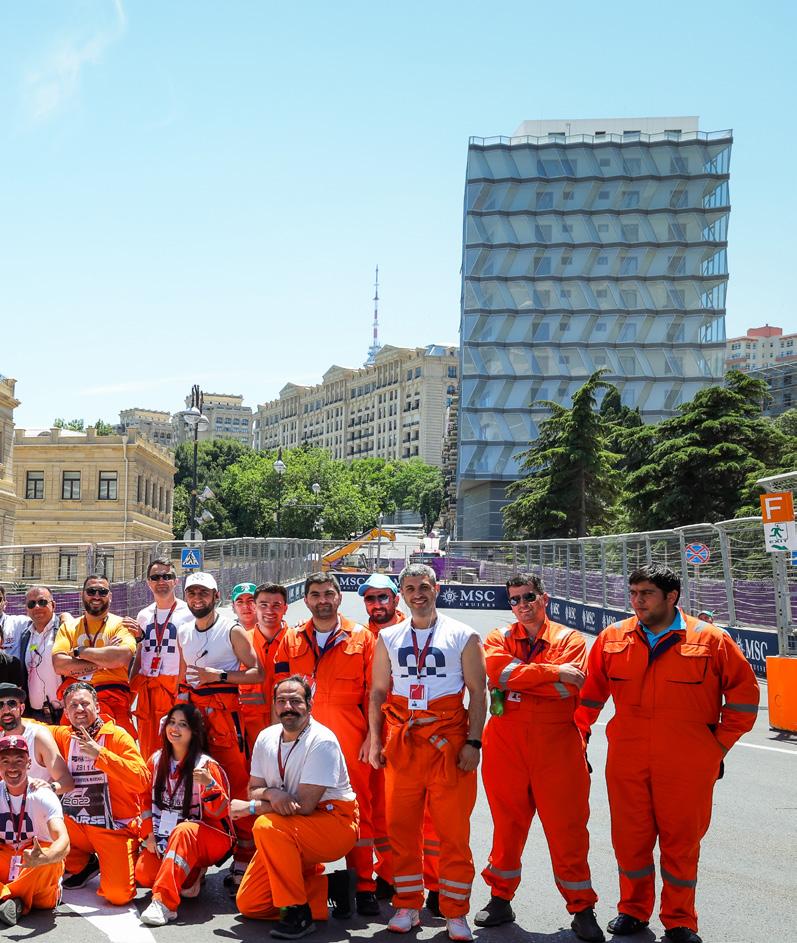
‘FIA
Based on the findings and conclusions of this report, it is clear that the value of volunteering is substantial, both to event organisers and promoters, as well as the FIA, but also to all stakeholders engaged with the FIA Formula One World Championship. Therefore, it is recommended that recognition of the significant role volunteers play in motorsport events, along with strong continued investment into career pathways and similar support structures for these individuals, is further enhanced. We also recommend that the FIA continues to advance plans to invest in a dedicated officials training centre, which would be called the and align this mission of the FIA Officials Department, (to) “Structure a long-lasting system
for the recruitment and management, training and appointing, retention and growth of world class motorsport officials. A centralised management with a structured approach to operate across all FIA championships.” The investment into an FIA Centre of Excellence would see the development of an action plan, defined projects and initiatives taking place across three major pillars (See Image 5, below).
Turning to the pillar of organisation, as it has already been accepted, the FIA would benefit from a dedicated officials department with a series of full-time roles to support the work of the unit. It is reasonable to expect to see improvements and synergies across the FIA Officials Department, Remote Operations Control (ROC), Race Control and Stewards should this proposal be fully realised. Not only will this aim to professionalise one of the most pivotal roles within the FIA, but it will also incentivise suitably qualified candidates to advance through the levels and secure appointments at the pinnacle of motorsport officiating, the FIA Formula One World Championship. This full-time status would bring more responsibility and accountability to the role and align like-minded individuals under one umbrella, which will aim to achieve organisational efficiencies.
Secondly, and pivotal to the continued success of officials, is development; historically, legacy pathways for officials have been fragmented without any clear oversight of the steps and processes involved in their professional evolution.
While the HPP was a welcome improvement in this regard, the FIA would benefit from having a dedicated, elite centre to ensure a sufficient pipeline of officials is being provided to motorsport events. Essentially, the new centre can become a learning hub for officials and an invaluable resource for their continued education and training. This can help address some of the organisers’ concerns expressed in this report in relation to upholding the volume of high-quality officials across the sport. We recommend a new pathway be adopted that provides a clearer approach from the outset, beginning with recruitment and extending through to promotion and confirmation in role, while continuously providing a structured feedback loop to embed learning and development at all levels. This approach aligns with Carreno’s (2024) findings, which emphasise that continuous, realtime feedback mechanisms enable organisations to remain adaptive, transparent, and responsive to stakeholder needs. By embedding such a loop within the officiating pathway, the FIA can ensure that insights from volunteers and officials directly inform ongoing improvements in training, support, and progression.
WE ILLUSTRATE THE DEVELOPMENT PILLARS AND HOW THESE MAY LOOK BELOW:
OFFICIALS PATHWAY DEVELOPMENT
FIA OFFICIALS
RETENTION AND CONTINUED PROFESSIONAL DEVELOPMENT
PROMOTION/ CONFIRMATION OR RELEGATION
CONTINUOUS EVALUATIONS & FEEDBACK
EVENT ATTENDANCE
FIA LICENSING & OFFICIALS APPOINTMENT
RECRUITMENT &
To guide this new pathway, there will need to be a focus on a strong “Evaluation and Feedback system”. Amongst the factors required to achieve this outcome are a need to: for any such evaluations (Board/ Committee of Evaluations).
for the New Evaluations System.
and procedures for their application.
the timing and execution of this feedback process.
The Board/Committee of Evaluations should guide, evaluate, and establish the new system in line with best practice evident in other sports and settings (see Image 7).
This oversight, offered by a board comprised of diverse personnel and expertise, provides for a strong foundation from which to evaluate potential candidates. Additional roles may be needed to fully satisfy the requirements of the Board and should be evaluated on a rolling basis.
Composed of:
FIA Officials Department representative Sport Department Director/Representative
Group of experts
Finally, the last pillar of a proposed CoE, and another key recommendation of this report, is investment in research and technologies.
The addition of an FIA CoE will expand its capabilities through a suite of advanced research and technology initiatives designed to drive innovation and enhance operational excellence.
Key additions include an expanded ROC, enabling real-time monitoring and decision making, collaboration with the FIA University and a Training Centre designed to foster knowledge-sharing and upskill professionals, alongside a dedicated Simulation Tools and Hub to advance testing, modelling, and scenario planning. Complementing these new areas would be specialised research streams in Artificial Intelligence applications, a New FIA License House and Platform to modernise licensing processes, and cutting-edge operations and document management tools to streamline efficiency. Linking this recommendation to feedback received from the survey, organisers were keen to learn how the results of this report could assist them in reflecting industry best practice. Mirroring best practice will be key to the success of the CoE. The existing partnership between the FIA and the Professional Game Match Officials Limited (PGMOL) - the body that manages all Premier League and EFL match officials - will also be useful in knowledge sharing and skills transfer to ensure the training offered by the FIA remains contemporary and relevant. Together, these initiatives form a comprehensive Innovation Centre that strengthens the FIA’s role as a leader in research, technology, and forwardlooking development.
In conclusion, it is clear from the findings of this report that the levels of preparation and personnel required to support FIA Formula One World Championship events with well-trained volunteers are greater than many observers may have believed. The average preparation time of seven months pre-event and an average volunteer number of 838 provide some insight into the task event organisers accept when staging an FIA Formula One World Championship race.
One of the key objectives of the FIA is to grow the sport, and to do so in a sustainable way. As such, it is recommended that the FIA devise and implement a Volunteer Charter setting forth the minimum standards required to host an FIA Formula One World Championship event, which ensures that prospective hosts have an adequate pool of volunteers to safeguard these standards. Whilst it is accepted that each organiser can stage their respective events with varying volunteer numbers, ranging from 600 – 1100 +, agreed criteria should be used to determine the charter. In the case where an organiser is unable to meet the charter requirements, it would be necessary for the club to work with the FIA to agree on a growth plan to achieve sustainable development and evolve its volunteer numbers.
Finally, we recommend that each organiser appoint a Welfare Officer to oversee issues relating to the physical and mental health of volunteers. With the demands of volunteers increasing over the previous five years, it is important to prevent potential burnout through an overreliance on the same cohort of volunteers over a prolonged period.
In conjunction with this, each organiser should also consider the appointment of a Climate Liaison Officer to examine the ways climate change may impact their respective events in the future and plan accordingly. As previously mentioned, climate change is destined to bring increasing costs for organisers and promoters, and early intervention offers an opportunity to mitigate some of these by ensuring the necessary safeguards are in place for both competitors and volunteers. Together, we envision that both of these officer roles will submit their findings to the FIA CoE/Officials Department to assist with ongoing research and securing best practices across the racing calendar.
• Australian Bureau of Statistics. (2025). Average Weekly Earnings, Australia.
Available at: https://www.abs.gov.au/statistics/labour/earnings-and-working-conditions/average-weekly-earnings-australia/may-2025 [May 2025].
• Carreno, A. M. (2024). Building a Continuous Feedback Loop for Real - Time Change Adaptation: Best Practices and Tools.
Available at: https://www.researchgate.net/publication/385621731_Building_a_Continuous_ Feedback_Loop_for_Real-Time_Change_Adaptation_Best_Practices_and_Tools [7 November]
• Clary, E. G., Ridge, R. D., Stukas, A. A., Snyder, M., Copeland, J., Haugen, J. & Miene, P. (1998). Understanding and assessing the motivations of volunteers: A functional approach. Journal of Personality and Social Psychology, 74(6), pp. 1516-1530. doi: 10.1037/0022 3514.74.6.1516.
• Cunningham, I., Kittel, A. & Larkin, P. (2024). Play on! Towards an understanding of sports officials’ entry to officiating and talent development. Managing Sport and Leisure. Available at: https://doi.org/10.1080/23750472.2024.2305893
• Eurostat. (2025). Median hourly earnings, all employees (excluding apprentices) by sex (Data code: earn_ses_pub2s).
Available at: https://ec.europa.eu/eurostat/databrowser/view/earn_ses_pub2s/default/table?lang=en
• Expatica. (2025). Minimum wage and average salary in Qatar in 2025.
Available at: https://www.expatica.com/qa/working/employment-law/average-wages-salaries-in-qatar-72088/
• Expatica. (2025). The minimum wage and average salary in Italy in 2025. Available at: https://www.expatica.com/it/working/employment-law/minimum-wage-italy-80113/
• Fédération Internationale de l’Automobile (FIA) & EY Parthenon. (2021). A report on the global contribution of motor sport to economy and community development.
Available at: https://api.fia.com/sites/default/files/ey_parthenon_report_1.pdf
• Fidelity Investments. (2025). Average salary in the U.S.
Available at: https://www.fidelity.com/learning-center/smart-money/average-salary-in-us
• FIFA. (2022). Poland’s Szymon Marciniak to referee FIFA World Cup final.
Available at: https://inside.fifa.com/refereeing/news/szymon-marciniak-from-poland-to-refereefifa-world-cup-final [14 December]
• Golf Yet. (2025). PGA Tour Rules Officials: Roles and Responsibilities Guide.
Available at: https://golfyet.com/pga-tour-rules-officials/
• Government of the United Kingdom. (2025). National Minimum Wage and National Living Wage rates.
Available at: https://www.gov.uk/national-minimum-wage-rates
• Maslow, A.H. (1943). A theory of human motivation. Psychological Review, 50(4), pp. 370–396.
• National Council for Voluntary Organisations. (2024). UK Civil Society Almanac 2024 – Executive summary.
Available at: https://www.ncvo.org.uk/news-andinsights/news-index/uk-civil-society-almanac-2024/executive-summary/
• National Football League. (2025). Officials’ Responsibilities & Positions.
Available at: https://operations.nfl.com/officiating/the-officials/officials-responsibilities-positions/
• Office for National Statistics UK. (2017). Billion pound loss in volunteering effort. Available at: https://www.ons.gov.uk/employmentandlabourmarket/peopleinwork/earningsandworkinghours/articles/billionpoundlossinvolunteeringeffort/ 2017-03-16 [16 March]
• Statistics Canada. (2025). Table 14 10 0222 01: Employment, average hourly and weekly earnings (including overtime), and average weekly hours for the industrial aggregate excluding unclassified businesses, monthly, seasonally adjusted. Available at: https://www150.statcan.gc.ca/t1/tbl1/en/tv.action?pid=1410022201
• The All England Lawn Tennis Club. (2025). Work at The Championships. Available at: https://www.wimbledon.com/en_GB/about_wimbledon/work_at_the_championships.html
• Trading Economics. (2025). Azerbaijan - Gross Average Monthly Wages. Available at: https://tradingeconomics.com/azerbaijan/wages
• Trading Economics. (2025). Bahrain - Wages. Available at: https://tradingeconomics.com/bahrain/wages
• Trading Economics. (2025). Brazil - Wages.
Available at: https://tradingeconomics.com/brazil/wages
• Trading Economics. (2025). China - Wages.
Available at: https://tradingeconomics.com/china/wages
• Trading Economics. (2025). Japan - Wages.
Available at: https://tradingeconomics.com/japan/wages
• Trading Economics. (2025). Saudi Arabia - Average Monthly Wages.
Available at: https://tradingeconomics.com/saudi-arabia/wages
• United Against Online Abuse. (2024). Official UAOA 2024 Barometer - Full Report Findings.
Available at: https://unitedagainstonlineabuse.com/wp-content/uploads/2024/02/Official-UAOA-2024-Barometer-Full-Report-Findings.pdf
• United Against Online Abuse. (2025). UAOA Barometer Survey Report 2025.
Available at: https://unitedagainstonlineabuse.com/wp-content/uploads/2025/02/uaoa-barometer-survey-report-2025_10D.pdf
• World Rugby. (2025). Law 6: Match officials.
Available at: https://passport.world.rugby/laws-of-the-game/laws-by-number/6-match-officials/
© Fédération Internationale de l’Automobile. All rights reserved.
This document may not be reproduced, distributed or used, in whole or in part, in any form or by any means, without the prior written consent of the FIA.
To cite this report, please use: O’Connor, T., Hassan, D. and Morgan, R. (2025) FIA Volunteer Report (FIA: Paris).