Fit for the Future
Annual Report & Accounts 2025

Annual Report & Accounts 2025
The past four years have been a period of renewal for the FIA.
When I was first elected President, the Federation faced significant challenges and required a clear direction for the future. Together with our Member Clubs, our staff and our partners, we focused on restoring stability, strengthening governance and building the foundations needed for long‑term growth.
In December 2025, I was honoured to receive the confidence of the FIA membership once again. This renewed mandate reflects the progress we have made together and reinforces our shared ambition to continue strengthening the Federation across both pillars of global motor sport and mobility.
A key measure of this progress has been the Federation’s financial performance. In 2025 the FIA delivered its strongest results in a decade, significantly reinforcing our financial position. This renewed strength provides the stability required to invest confidently in the future of motor sport and mobility, support our Member Clubs, and ensure the long‑term resilience of the organisation. The year 2025 demonstrated that these foundations are now delivering tangible results.
Across motorsport, the FIA continued to guide the sport through an important period of technological transformation and competitive growth. The renewal
of the Concorde Agreement secured the long‑term governance framework of Formula 1, while the validation of the 2026 regulations confirmed the direction for the next generation of racing. These regulations represent a significant step forward, combining increased electrical power, sustainable fuel and new aerodynamic concepts designed to enhance both performance and spectacle.
Across the FIA World Championships, participation and manufacturer engagement remained strong. The FIA Formula One World Championship continued to demonstrate its global strength, while the FIA World Endurance Championship thrived with a growing grid of manufacturers. The ABB FIA Formula E World Championship also announced the next phase of its evolution with the introduction of the GEN4 car. In rallying, the development of the WRC27 regulations will open a new chapter for the discipline by reducing costs while strengthening safety and accessibility.
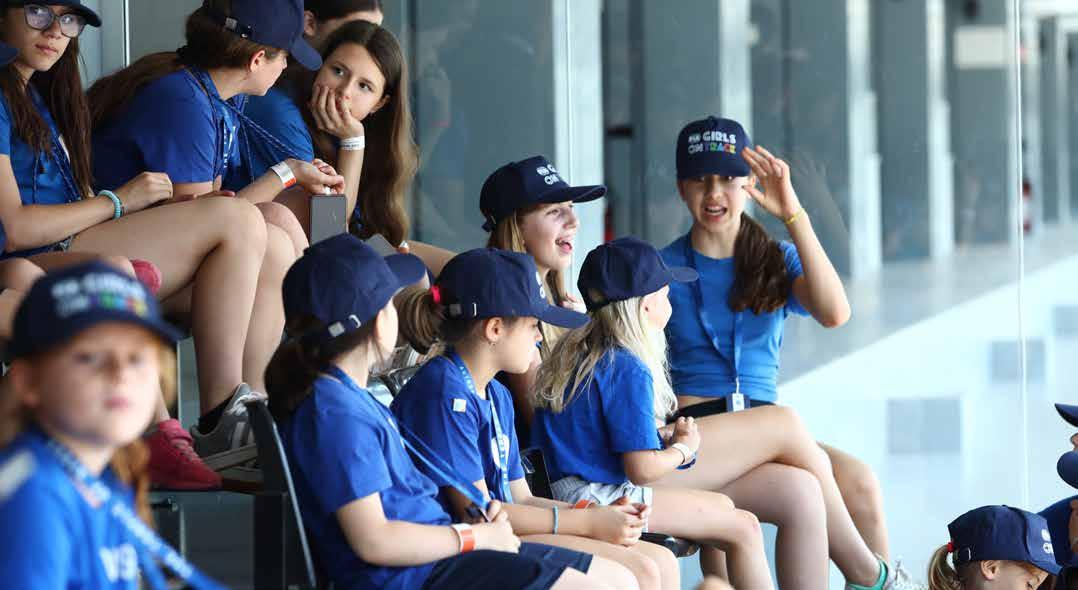
At the same time, we continued to expand the foundations of the sport. Participation programmes such as the expansion of the Arrive and Drive pathway in karting are helping to lower barriers to entry and make motorsport more accessible to new competitors around the world. Initiatives such as FIA Girls on Track are supporting greater participation and opportunities for young women across the sport, while the continued growth of digital competitions and esports is creating new entry points for the next generation of talent.
Safety remains the cornerstone of the FIA’s work. In 2025 we continued to invest in research, technology and regulatory development to strengthen safety across all levels of motor sport. This included new safety innovations in karting, the development of the WRC27 safety cell, and the introduction of the first technical framework governing hydrogen‑powered racing vehicles. Initiatives such as FIA Safety Week also continue to support knowledge sharing and safety culture across the global motor sport community.
Beyond the track, the FIA strengthened its influence and partnerships. The launch of the FIA Global Partner Programme marked an important milestone in the development of the Federation’s commercial platform, securing new and extended partnerships with leading global organisations including DHL, Siemens and Hankook, and creating a stronger foundation for collaboration across FIA Championships and activities.
Institutionally, the FIA expanded its engagement with governments, international organisations and industry stakeholders. Through participation in the work of the United Nations Economic Commission for Europe and other global forums, the Federation continues to contribute to important discussions on vehicle regulation, safety and innovation.
Our work in global mobility continued to grow in scale and impact. We were delighted to welcome SEMA (Specialty Equipment Market Association) as a new Mobility Member, expanding the Federation’s reach
and engagement within the North American market.
Through initiatives such as Safe Mobility 4 All and 4 Life and the FIA Road Safety Index, the Federation is supporting Member Clubs, companies and governments in addressing one of the most urgent global challenges: improving road safety and protecting road users. In 2025 these programmes expanded significantly, strengthening the FIA’s role as a global advocate for safer and more sustainable mobility.
Across all of these activities, the FIA remains guided by a clear objective: to serve our members, to support the continued development of motorsport, and to contribute positively to the future of mobility worldwide.
As we move forward, the Federation is stronger, more stable and better positioned to meet the challenges and opportunities ahead.
I would like to thank our Member Clubs, volunteers, officials, partners and staff around the world as well as the Presidential Team whose dedication continues to make this work possible.
Together, we will continue to build a stronger FIA for the future.
H.E. Mohammed Ben Sulayem President of the FIA
€6.7m Operating profit increased +43% year-on-year
€53.7m Net cash flow from operating activities
€284.7m Total assets
€191.7m Operating income +5% Growth year-on-year
Record level of profitability in 10 years
• Launched Global Partner Programme
• Developed scalable commercial model for the FIA Digital Licensing Platform
• Ninth Concorde Governance Agreement signed - FIA Formula One World Championship
• 10-year extension agreed with ABB
FIA Formula E World Championship
• Launched inaugural Karting Arrive and Drive World Cup
• 97 countries participated in Smart Driving Challenge
• FIA Driver Safety Index launched
• Safe and Sustainable Mobility Grants supported 23 Member Clubs
• 37% increase in Environmental Accreditation Programme
• Launched the Environmental Handbook
• Launched the FIA Graduate Pathway Programme
• 2,500 participants in Girls on Track
The Fédération Internationale de l’Automobile (FIA) is the governing body for world motor sport and the federation for mobility organisations globally. It is a non-profit organisation committed to driving innovation and championing safety, sustainability, and equality across motor sport and mobility.
Founded in 1904, with offices in Paris, London, and Geneva, the FIA brings together 245 Member Organisations across five continents, representing millions of road users, motor sport professionals, and volunteers. It develops and enforces regulations for motor sport, including six FIA World Championships, to ensure worldwide competitions are safe and fair for all.




2025 was another year of transformation for the FIA, as we pushed ahead with modernising the Federation under the leadership of our President H.E. Mohammed Ben Sulayem.
We made major improvements to governance, operations, commercial, communications and internal processes. The benefit of the transformation is clear: it delivered the strongest financial result the Federation has seen in almost a decade.
We strengthened FIA departments by bringing new talent into the organisation, and continued to optimise working practices, while also strengthening collaboration between departments. We launched FIA CareerShift, which opens up engagement opportunities at graduate level, and launched the FIA Graduate Pathway Rotational Programme to strengthen professional development across the FIA network.
The Federation also opened its permanent office in London, U.K. This will further strengthen our global footprint and develop a strong talent pipeline for the future. Together, these changes have strengthened the FIA’s position as a leading employer and the delivery of our unique mission across sport and mobility.
Looking at our championships, the signing of the Concorde Governance Agreements with Formula One Group established a structured governance model for the sport and secured its long term future. We agreed a landmark 10 year contract extension with the promoter of Formula E, reflecting the championship’s growth. The World Rally Championship was strengthened through a new promoter process with improved commercial terms for the FIA. And we established a new Officials Department to better support the training and development of the FIA’s officiating community.
In Mobility, we continued to advocate on the global stage for better road safety through initiatives such as the FIA Safe Mobility 4 All and 4 Life and the FIA Road Safety Index. Our FIA Smart Driving Challenge, which uses AI‑powered analysis to encourage safer and more sustainable driving behaviour, reached drivers in almost 100 countries.
Sustainability remains a central priority for the FIA, and in 2025 we strengthened frameworks and tools for our Member Clubs and championships. We introduced the FIA Environmental Handbook, and supported stakeholders with practical recommendations on areas such as heat management and air quality. Our flagship FIA Environmental Accreditation Programme saw 37% growth in accreditations, its strongest year yet.
We are committed to improving access across both sport and mobility and continued to strengthen career pathways at the grassroots level through initiatives such as the launch of the first FIA Karting Arrive & Drive Karting World Cup in Malaysia. This was attended by over 100 competitors from 50 nationalities with the highest percentage of female competitors in any FIA Karting championship. We continued to expand FIA Girls on Track, attracting over 2,500 participants during the year.
Through the FIA University, we published new research to support decision making for Member Clubs, policymakers and industry stakeholders, and promoted professional development through educational initiatives such as the FIA Advanced Leadership Programme and FIA Executive Leadership Programme.
With the election of H.E. Mohammed Ben Sulayem as President of the FIA for a second term at our Annual General Assemblies in December, we are now focused on the significant opportunities ahead. We are building on the strong foundations set in our President’s first term in office and will continue to modernise the Federation for the benefit of members, drivers, fans and road users globally.
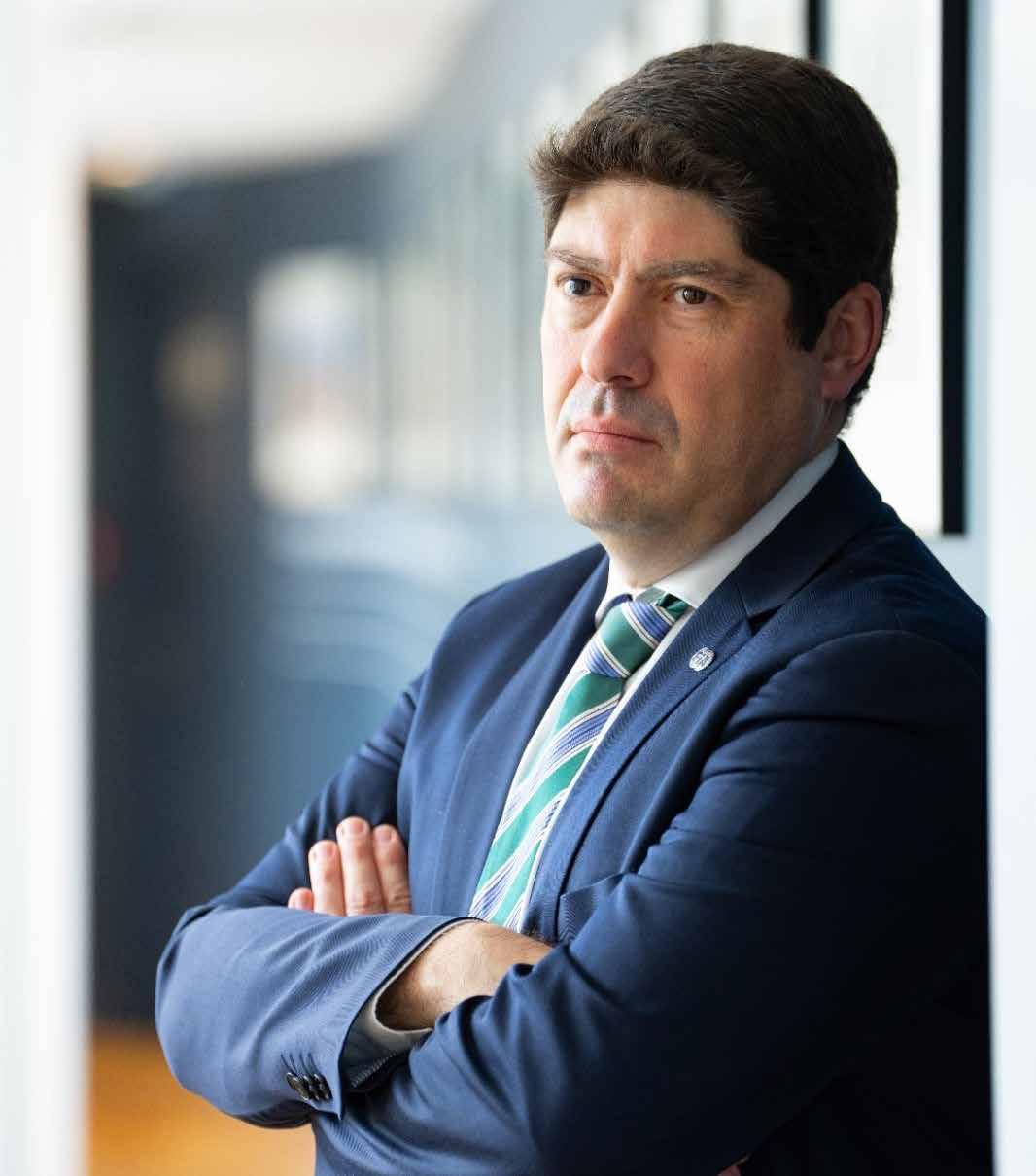
Strong financial performance and record profitability.
2025 marked a year of strong financial performance, confirming the FIA’s positive momentum and further strengthening its financial position.
The FIA delivered an operating result of € 6.7m, reflecting sustained revenue growth and disciplined cost management. Combined with a financial result of € 10.3m and an exceptional result of € 19.9m related to the Formula E prolongation promotion agreement, this led to a net result of nearly € 37m before corporate income tax.
This represents a record level of profitability for the FIA and the strongest operating performance in the past 10 years.
The FIA’s balance sheet strengthened materially in 2025, with total assets increasing to € 284.7m, up € 49.7m from 2024.
Growth was primarily driven by higher cash and cash equivalents, which rose to € 207.4m, alongside an increase in investment securities to € 163.6m, reflecting strong cash generation and prudent deployment of surplus liquidity.
Shareholders’ equity increased to € 140.8m from € 105.9m, supported by retained earnings generated during the year.
• Overall, the FIA closed 2025 with record profitability, strong liquidity and a reinforced balance sheet, providing a solid foundation for future strategic priorities.
Operating income increased to € 191.7m, up € 9.8m (+5.0%) versus 2024, driven by continued growth in activity.
Operating expenses rose by € 7.7m (+4.2%) to € 185.0m, significantly below revenue growth, demonstrating continued cost discipline and operational leverage.
• As a result, operating profit improved by € 2.0m to € 6.7m, representing 43% growth year on year.
Financial result contributed € 10.3m, supported by stronger investment returns and favourable foreign exchange impacts. In addition, the € 20.0m exceptional result further enhanced overall profitability.
• Net result increased by € 31.1m compared with 2024, reaching approximately € 35m, supported by strong contributions across operating, financial and exceptional activities.
•
€ 35m, supported by strong contributions
exceptional activities.
• Strong operating cash generation, with net cash € 53.7m, driven by the robust net result (€ 34.8m), movements (notably receivables and accruals), management (FY 2024: € 6.2m).
• Significant investment outflows of € 30.2m, mainly investments (€ 27.1m) in line with the FIA’s long oOset by limited tangible CAPEX and financial asset
• Strong operating cash generation, with net cash flow from operating activities of € 53.7m, driven by the robust net result (€ 34.8m), favourable working capital movements (notably receivables and accruals), and disciplined cash management (FY 2024: € 6.2m).
• Net increase in cash of € 23.7m, bringing yearat end-2024), further strengthening the FIA’s liquidity flexibility.
• Significant investment outflows of € 30.2m, mainly related to intangible investments (€ 27.1m) in line with the FIA’s long term strategic initiatives, partly offset by limited tangible CAPEX and financial asset movements.
• Net increase in cash of € 23.7m, bringing year‑ end cash to € 43.6m (vs. € 19.9m at end 2024), further strengthening the FIA’s liquidity position and financial flexibility.
Alberto Villarreal General Manager
Alberto Villarreal FIA General Manager
Date: 13/05/2026
Geneva
Report of the Independent Auditor to the General Assembly on the combined financial statements for the year ended 31 December 2025
Report of the Independent A uditor to the General Assembly of FEDERATION INTERNATIONALE DE L’AUTOMOBILE, Geneva
Report on the Audit of the Combined Financial Statements
Opinion
We have audited the combined financial statements of FEDERATION INTERNATIONALE DE L’AUTOMOBILE (the association), which comprise the balance sheet as at 31 December 202 5 income statement and the statement of cash flows for the year then ended, and notes to the combined financial statements, including a summary of significant accounting policies.
In our opinion, the accompanying combined financial statements comply with Swiss law and the association’s articles of incorporation.
Basis for Opinion
We conducted our audit in accordance with Swiss law and Swiss Standards on Auditing (SA -CH). Our responsibilities under those provisions and standards are further described in the “Auditor's Responsibilities for the Audit of the combined Financial Statemen ts” section of our report. We are independent of the association in accordance with the provisions of Swiss law and the requirements of the Swiss audit profession, and we have fulfilled our other ethical responsibilities in accordance with these requiremen ts.
We believe that the audit evidence we have obtained is sufficient and appropriate to provide a basis for our opinion.
Other Information
The President is responsible for the other information. The other information comprises the information included in the annual report but does not include the combined financial statements and our auditor’s report thereon.
Our opinion on the combined financial statements does not cover the other information and we do not express any form of assurance conclusion thereon.
In connection with our audit of the combined financial statements, our responsibility is to read the other information and, in doing so, consider whether the other information is materially inconsistent with the combined financial statements or our knowledge obtained in the audit or otherwise appears to be materially misstated.
If, based on the work we have performed, we conclude that there is a material misstatement of this other information, we are required to report that fact. We have nothing to report in this regard
The President is responsible for the preparation of the combined financial statements in accordance with the provisions of Swiss law and the association's articles of incorporation, and for such internal control as the President determines is necessary to enable the preparation of combined financial statements that are free from material misstatement, whether due to fraud or error.
In preparing the combined financial statements, the President is responsible for assessing the association’s ability to continue as a going concern, disclosing, as applicable, matters related to going concern, and using the going concern basis of accounting unless the President either intends to liquidate the association or to cease operations, or has no realistic alternative but to do so.
1. Methodology used for the establishment of the combined accounts
The combined accounts are made up of a balance sheet, a profit and loss account, a cash flow statement in “EUR”, and the notes.
The combined balance sheet and the profit and loss statement are built on basis the balance sheet and the profit and loss statements of FIA France and FIA Switzerland, after conversion in EUR using the 2025 average EUR/CHF exchange rate of 1,067322 for the profit and loss statement and the 2025 closing rate EUR/CHF exchange rate of 1,0736526 for the balance sheet and after elimination of the inter organization transactions.
The annual accounts have been set up in accordance with the provisions on commercial accounting in the Swiss Code of Obligations (Art. 957 to 963b).
The general accounting policies have been applied in accordance with the principle of prudence, in line with the basic assumptions of going concern, consistency of accounting methods from one year to the next, and independence of financial years, in accord ance with the general rules for the preparation and presentation of annual accounts. The valuation and presentation methods have not been changed compared to the previous year.
The accounting principles used to prepare these financial statements are described below.
The figures are presented in thousands of EUR and rounded per line.
2. Evaluation principles applied in the combined accounts
The combined financial statements are prepared in accordance with the historic cost convention.
2.1. Receivables and provisions for loss on receivables
The receivables resulting from the activity of the association are entered on the balance sheet at their nominal value, less adjustment for correction of specific values. A provision for depreciation is entered into the accounts, when the due payment date has been exceeded as follows:
• Between 6 and 9 months, 25% of the receivable is impaired.
• Between 9 and 12 months, 50% of the receivable is impaired.
• More than 12 months, 100% of the receivable is impaired.
Particular situations involving a risk of non -recoverability can be considered
2.2. Tangible and intangible assets
The tangible and intangible assets are recorded into the balance sheet at their acquisition cost, less a deduction for depreciation and amortisation. The depreciations and amortisations consider the period in which the assets are used and are calculated in a linear fashion.
To calculate the amount of depreciation or amortisation, the following periods of use and depreciation methods are applied:
2.3. Other financial assets and investment securities
The securities held in the company's portfolio consist primarily of debt securities and equity securities held for investment purposes. They are initially recorded at historical cost. In accordance with Swiss accounting standards, the portfolio is valued g lobally at the closing date. An impairment loss is then recorded if the market value is lower than the historical cost.
2.4. Revenue recognition
The revenue is calculated based on the goods delivered and the services provided as at the date of the balance sheet. It is entered into the accounts when the amount of the income can be determined reliably and when the probability that the FIA will obtain economic advantages from it is su fficiently high. To neutralise any potential impact on the accounting result from grants received, a period -end cut-off (accruals/prepayments) is systematically performed.
2.5. Operating and exceptional results
The elements of the ordinary business activities, even if exceptional due to their frequency or amount, are included in the operating result. Only those elements that do not correspond to the ordinary business activities of the FIA have been entered as an exceptional result.
2.6. Principles of expenditure
The expenditures shall be recognized in the financial year in which the service was received, irrespective of the date of payment. A physical delimitation is carried out in order to link the expenses to the income. This requires that all charges used to re alize specified income be simultaneously included in the income statement in accordance with the recorded income.
2.7. Principles of provisions
The provisions for liabilities and expenses may be recognised to cover, particularly the risks identified in respect of certain issues. They are constituted in the event of a probable commitment based on a past event, the amount and/or maturity of which are uncertain, based on the best estimate of their probable costs incurred at year-end.
2.8. Principles for the conversion of foreign currencies
Transactions in foreign currencies are converted at the exchange rate prevailing at the time they were made. Monetary assets and liabilities denominated in foreign currencies are converted at the exchange rate prevailing at the balance sheet date. Exchange differences arising from these transactions are registered in the income statement.
As part of the combination of the accounts of FIA France and FIA Switzerland, the conversion of the financial statements of FIA Switzerland was carried out with the average rate of EUR/CHF of 1 ,067322 for the profit and loss statement.
2.9. Results of FIA Regions I and II
The FIA’s accounts include the results of FIA Regions I and II which have been recorded in the FIA Regions’ reserves account shown as other liabilities in the FIA’s balance sheet.
In thousands of € Operating Result Financial Result Exceptional Result Net Result
FIA Region I 9 0 -250 -241
FIA Region II 62 0 0 62
2.10. Transactions with associated entities
Towards Global Motorsport development company SA (GMDC) – in liquidation
As of 31 December 2025, FIA Switzerland holds a current receivable from GMDC for an amount of CHF 33’871.
Towards FIA Foundation
As of 31 December 2025, FIA Switzerland holds a receivable from FIA Foundation for an amount of CHF 83’035
3. Information, detailed structures and comments on the annual accounts
3.1. Key events of the year
In 2025, the FIA and Formula E Holdings Limited signed an amendment to the Promotion Agreement governing the Formula E Championship, providing for the payment of an “Extension Fee” of 20 million euros for the right to operate the championship for an additional 10 years, from 2039 to 2048.
FIA France issued an invoice for €20 million following this amendment. The amount is classified as an exceptional item in the profit and loss
The financial year 2025 confirmed the FIA’s continued positive momentum, with a further strengthening of its financial performance. Operating profit reached €6.7 million, reflecting sustained growth in operating revenues combined with disciplined cost mana gement. Financial income contributed positively to the year’s performance, amounting to €10.3 million.
In addition, the year was marked by a significant exceptional gain of €20 million, further reinforcing the FIA’s overall profitability.
As a result, the FIA delivered a strong net result before corporate income tax of €37 million in 2025, while maintaining a solid balance sheet and a robust financial position.
3.3 Participation
The Fédération Internationale de l’Automobile, headquartered in Geneva, wholly owns Global Motorsport Development Company SA, known as GMDC, which was established on March 15, 2023, with a share capital of CHF 100,000, fully paid up, divided into one thousand (1,000) registered shares with a par value of one hundred francs (CHF 100) each. This company was placed in liquidation on December 5, 2024.
3.4 Number of employees
For the year 2025, the number of employees is 327.
3.5 Liabilities owed to the benefit institutions
As of 31 December 2025, there is a debt from the benefit institution of CHF 7,462 (2024: CHF 234,664).
3.6 Leasing contract commitments not featuring in the balance sheet
Three property lease contracts have been concluded with Touring Club de Suisse (TCS). One began on 1 March 2017 for a term of 5 years and were renewed for an additional 5 years until 28 February 2027. The second contract began on 1 April 2019 for a term of 5 years and it were renewed until 31 March 2028. The third contract has been concluded on 1 January 2023 for a term of 5 years.
Within 1 year From 1 to 5 years Total Lease Touring Club Suisse 588,863 830,885 1,419,748
Other commitments as of 31 December 2025:
- Rent guarantee: CHF 143,066 (2024: CHF 127,571)
3.7 Other off-balance sheet commitments
The FIA has signed an addendum with the promoter of the Formula E championship in 2025 to extend its rights to organize the championship until 2048.
3.8 Amount of the security guarantees constituted in favour of third parties
Nothing to report.
3.9 Assets pledged to the liabilities of the association and assets burdened with a retention of title
Nothing to report.
3.10 Conditional Off Balance sheet Items
FIA Switzerland holds the right to receive 20% of FEH shares (Formula E holding; promotor of the Formula E championship) for free if the FIA exercises the option to convert.
3.11 Significant post-closing event Nothing to report.
3.12 Social debts
Debts to various social security organizations were included at the end of 2024 under the heading "Other debts"; this line item has been reclassified under "Social debts". This explains the significant variation in social debts.
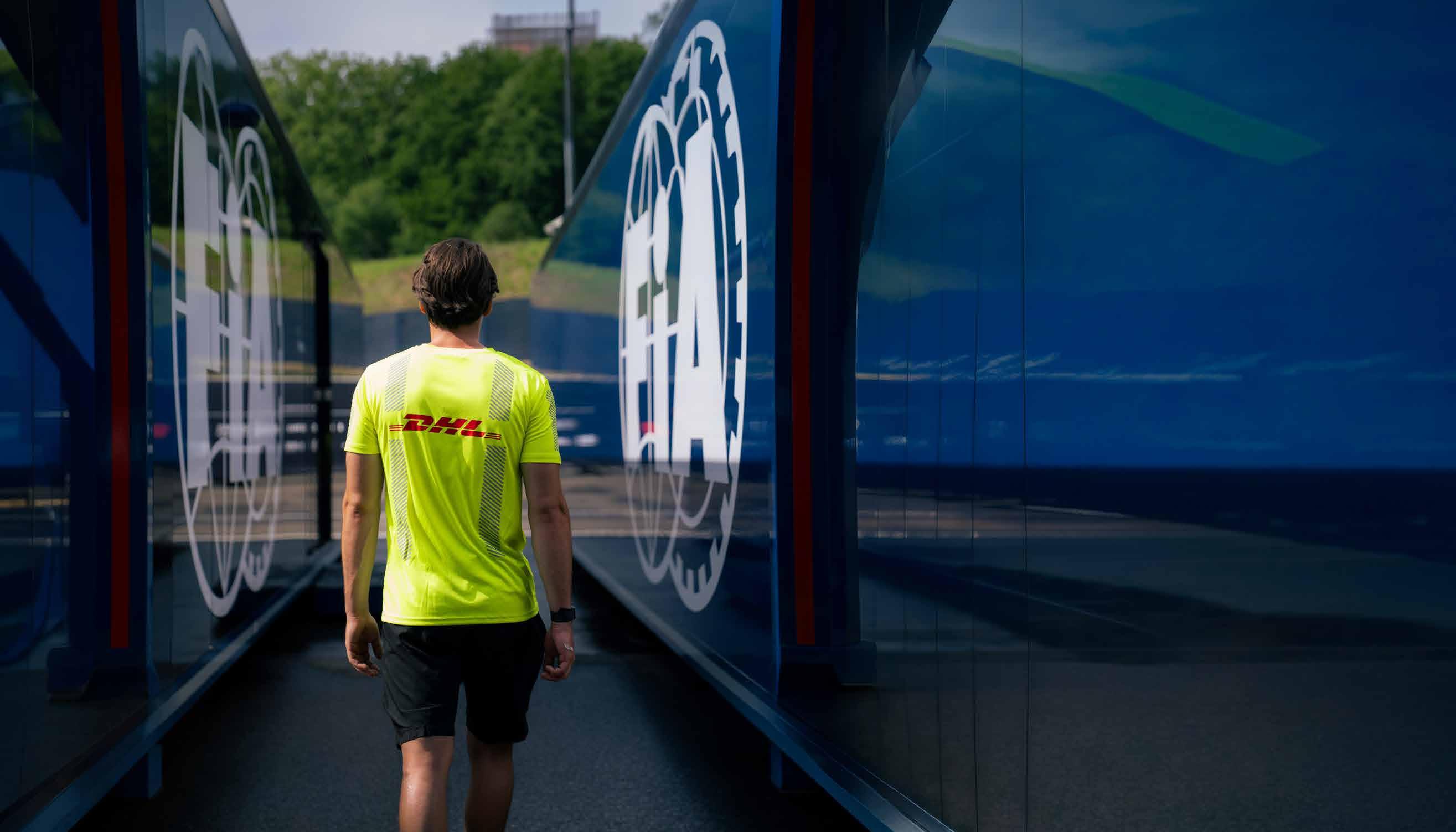
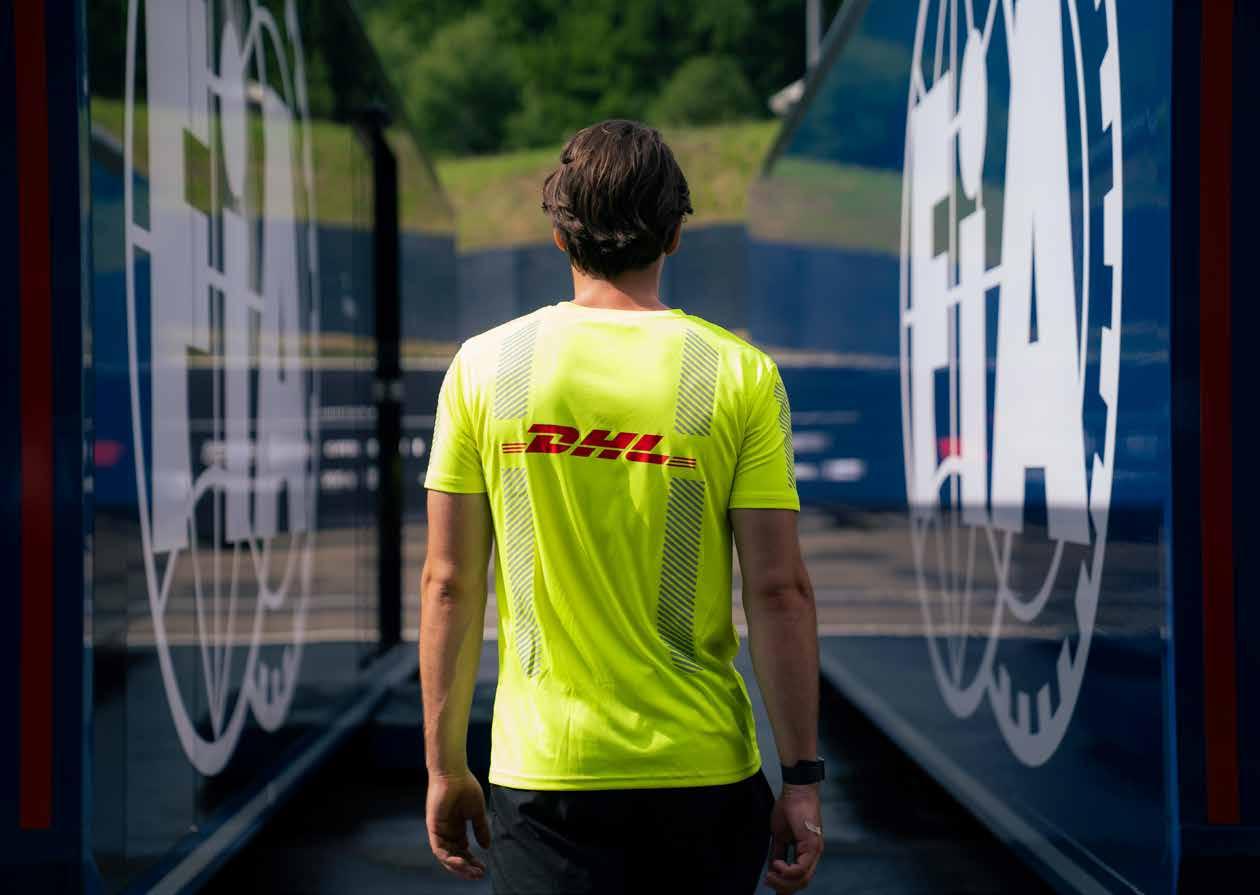
• Launch of the FIA Global Partner Programme, securing new and extended multi-million-euro partnerships with leading global brands including DHL, Siemens and Hankook.
• Strengthened global institutional engagement through expanded cooperation with governments, international organisations, and industry partners, including major event hosting agreements with Doha, Macau, Shanghai, and Tashkent.
• Expansion of the FIA’s global presence through strategic initiatives across APAC, the United Nations Economic Commission for Europe (UNECE) and the United States.
• Continued development of long-term commercial frameworks supporting the growth and sustainability of FIA Championships.
In 2025, the FIA continued to strengthen its commercial platform, advancing a more structured and scalable partnership model designed to support the long‑term growth of the Federation and its championships.
A key milestone was the launch of the FIA Global Partner Programme, which fundamentally reshaped the FIA’s sponsorship model and broadened its reach beyond the traditional motorsport ecosystem. The programme secured new and extended multi million‑euro partnerships with leading global brands including DHL, Siemens and Hankook, while establishing a stronger commercial foundation for future collaborations.
This shift marked a transition towards a structured global partner framework capable of delivering consistent value across FIA Championships, events and digital platforms. Brand delivery became more visible and commercially credible across events and communications channels, supported by stronger contractual frameworks and more consistent operational delivery.
Championship commercial frameworks evolved to become more data driven, benchmarked and governance led, strengthening transparency, consistency and long term value creation for all stakeholders.
The FIA also progressed improvements to promoter and championship agreements across several leading series, reinforcing the long‑term sustainability of key FIA Championships including Formula 1, Formula E, Rallycross, European Truck Racing and the inaugural FIA Extreme H World Cup.
New commercial opportunities were also explored across emerging areas including data rights and strategic regional expansion, particularly in the Middle East. In parallel, the FIA continued to align commercial development with broader innovation and sustainability goals. This involved designing a scalable, sustainable commercial model for the FIA Digital Licensing Platform, enabling global rollout without financial barriers for Member Clubs, while enhancing their digital capabilities, simplifying driver administration, and delivering a more intuitive and seamless end user experience.
Additionally, the development of a robust, market‑ aligned, end to end commercial model for the FIA Sustainable Fuels Programme ensures both accessibility for fuel suppliers and long‑term financial sustainability for the FIA. The programme has been successfully implemented and widely adopted, with strong industry engagement. Its positive reception has extended beyond regulatory compliance, with suppliers actively leveraging the programme to showcase their sustainable fuel capabilities, reinforcing the FIA’s leadership in this space.
Alongside commercial growth, the FIA continued to strengthen its institutional engagement with governments, international organisations and industry stakeholders.
Working groups and regular exchanges were structured to reinforce cooperation with peer international federations and sports organisations, while continuous dialogue with European and national public authorities helped build a stronger advocacy framework supporting the FIA’s policy positions and regulatory priorities.
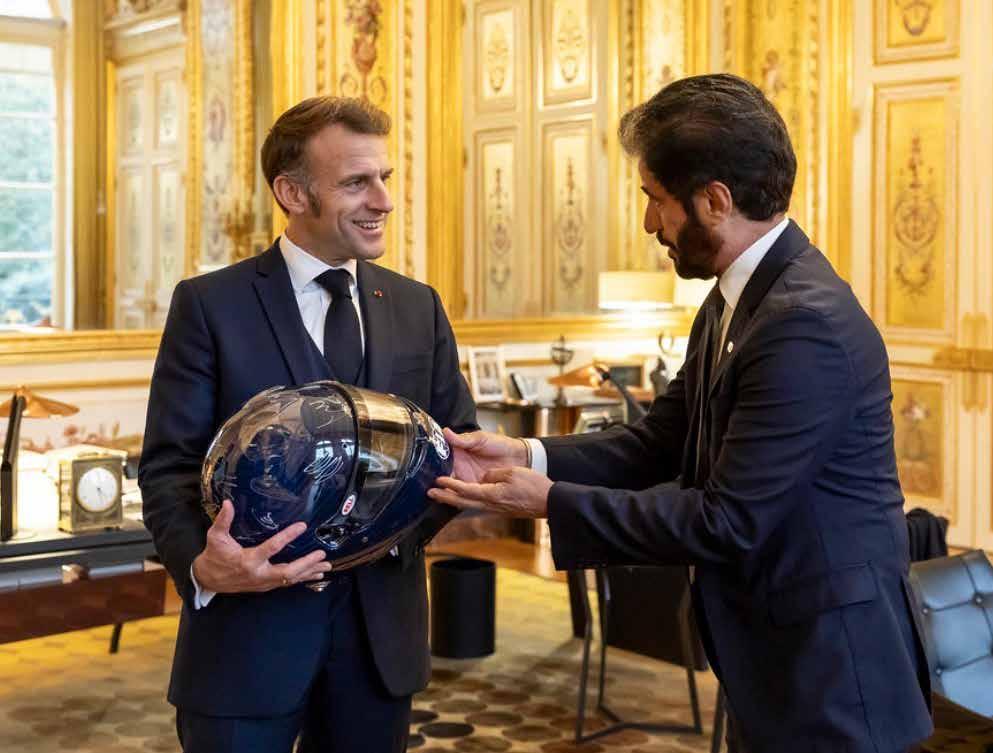
A notable moment in this work was the meeting between H.E. Mohammed Ben Sulayem, President of the FIA, and the President of the French Republic, Emmanuel Macron, which highlighted the strategic and historic ties between France, the FIA, and the wider global automotive and motor sport ecosystem.
The President of the FIA also met with President Santiago Peña in Paraguay, former Prime Minister Ishiba Shigeru in Japan, President of Iceland, Halla Tómasdóttir, and the President of the Republic of Uzbekistan, H.E. Shavkat Mirziyoyev, during the year.
This strengthened engagement was further demonstrated through the expansion of major event hosting agreements with key international cities, including Doha, Macau, Shanghai and Tashkent, broadening the FIA’s presence across Asia, Europe and the Middle East, while building on recently hosted events in Africa and reinforcing its position as a truly global federation.
Institutional events were reshaped into more globally relevant and commercially sustainable formats, improving their reach, accessibility and long term impact. Specifically, the FIA Awards were redesigned in both structure and format to meet international broadcast standards, enhancing their global profile and commercial appeal.
These activities have continued to position the FIA as a highly credible and influential stakeholder within international policy discussions relating to global mobility, sport, and innovation.
The FIA also expanded its global footprint through targeted initiatives designed to strengthen its presence within key international markets and policy forums.
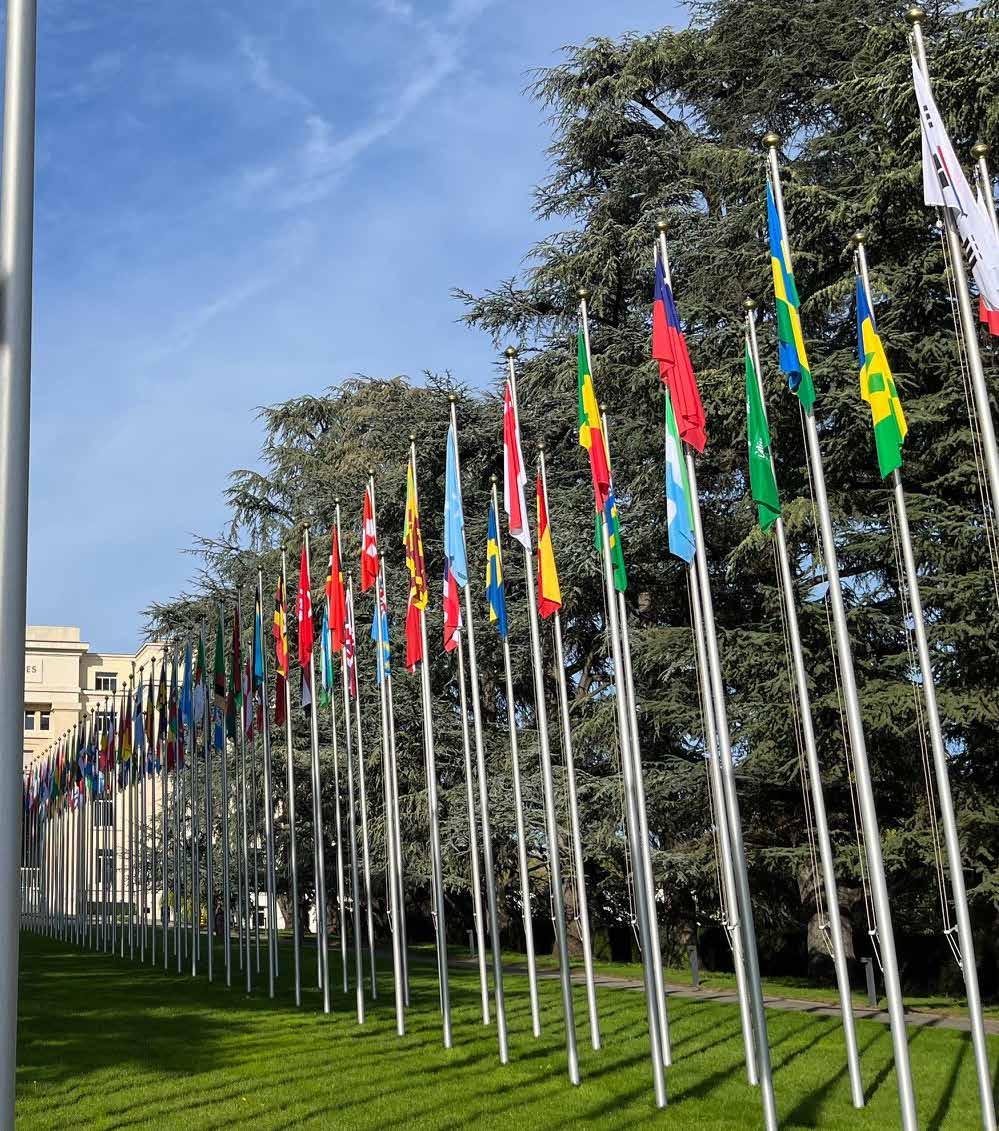
Within the United Nations Economic Commission for Europe (UNECE) framework, the FIA further positioned itself as a respected stakeholder contributing to global discussions on vehicle data, digitalisation and security. The Federation supported the work of 21 United Nations working groups and engaged in discussions with contracting parties across North America, Europe, Asia and Oceania, helping to promote a balanced and informed dialogue on emerging regulatory challenges.
In the United States, the FIA welcomed SEMA (Specialty Equipment Market Association) as a new Mobility and Tourism Member, expanding the Federation’s reach and engagement within the North American market. This development was supported by a growing institutional presence in Washington and a programme of meetings with policymakers and industry stakeholders. The FIA also made significant progress in
strengthening its presence in Asia Pacific region (APAC), advancing a broader strategy designed to position the Federation as a recognised stakeholder in the region’s rapidly evolving mobility ecosystem.
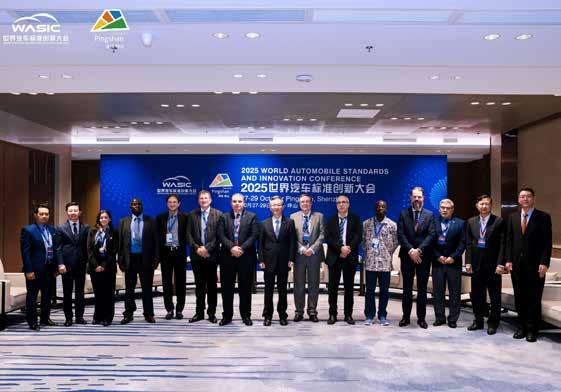
Through participation in major industry platforms including the China International Supply Chain Expo (CISCE) and the World Intelligent Connected Vehicles Conference (WICV) and engaging with leading Chinese automotive and technology companies including BYD, Xiaomi, CATL and Geely, the FIA is connecting with key stakeholders in the region.
Institutional cooperation was further strengthened through the delivery of the Carnet de Passage en Douane (CPD) training programme in Beijing, organised in partnership with the China Automobile and Motorcycle Sports Federation (CAMF) and the China Council for the Promotion of International Trade (CCPIT). This initiative helped reinforce ministerial relationships while establishing a framework for future cooperation and capacity building activities.
In parallel, the FIA began advancing a new Sport for Development (S4D) approach designed to expand the Federation’s engagement beyond traditional motor sport stakeholders.
Through collaboration with organisations including Emlyon Business School, GIZ and ICCA, the FIA introduced Sport for Development and responsible event practices to new audiences across academic, policy and development sectors.
These initiatives have helped strengthen the Federation’s influence beyond motor sport and mobility, positioning the FIA as a global reference point for sustainable event practices and the broader societal impact of sport.
The FIA continued to strengthen the foundations of international motor sport and supported the delivery of safe, fair and globally consistent competition. The year was marked by significant regulatory development, enhanced integrity measures and important institutional reforms.
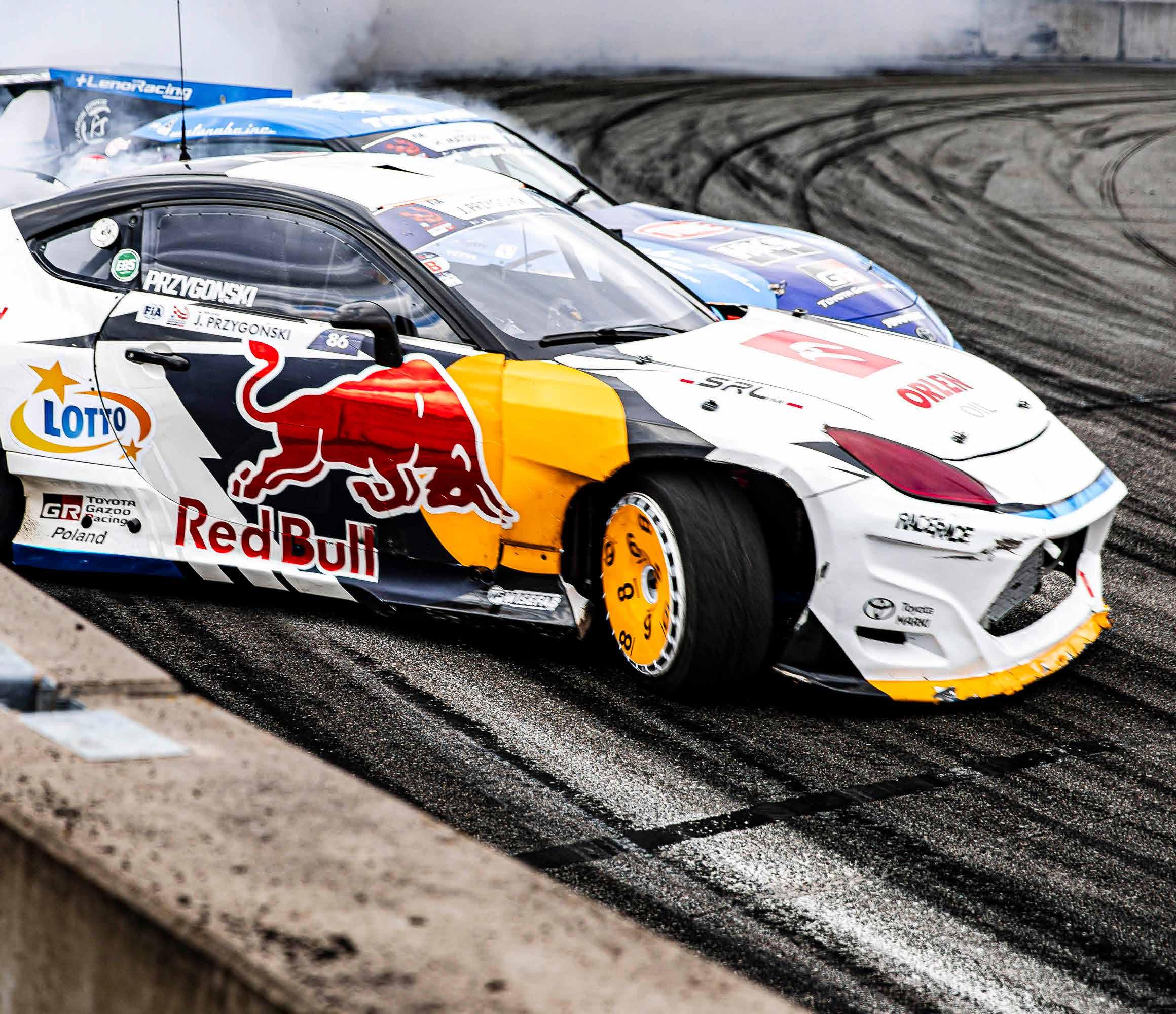
For the 2025 season, the FIA’s newly established Officials Department provided a more centralised and structured approach to the training, support, and development of the Federation’s global officiating community.
This included over 302,000 officials, marshals and volunteers supporting more than 60,000 FIA motor sport events each year.
A key milestone was the FIA Officials Summit in Madrid, which brought together more than 230 officials for the first large scale gathering since 2020. Participants engaged in 55 tailored training sessions covering emerging technologies, communications, decision making and regulatory updates. Notably, 44% of attendees were in their first five years as officials, highlighting the strength of the next generation entering the sport.
The Summit also marked the launch of the second cycle of the FIA High Performance Programme (HPP), with 12 new participants selected through a global process. As the pinnacle of the FIA’s elite officiating pathway, the programme continues to prepare officials for senior roles across FIA championships.
The FIA also recognised its global officiating community through the first Volunteers and Officials Month in October, celebrating the essential role played by officials, marshals and volunteers in delivering safe and fair competition worldwide.
A study conducted by FIA University further highlighted the scale of this contribution, estimating that 20,000 FIA trained volunteers are required to deliver a full FIA Formula One World Championship season, with more than €11 million invested annually in FIA and ASN training programmes.
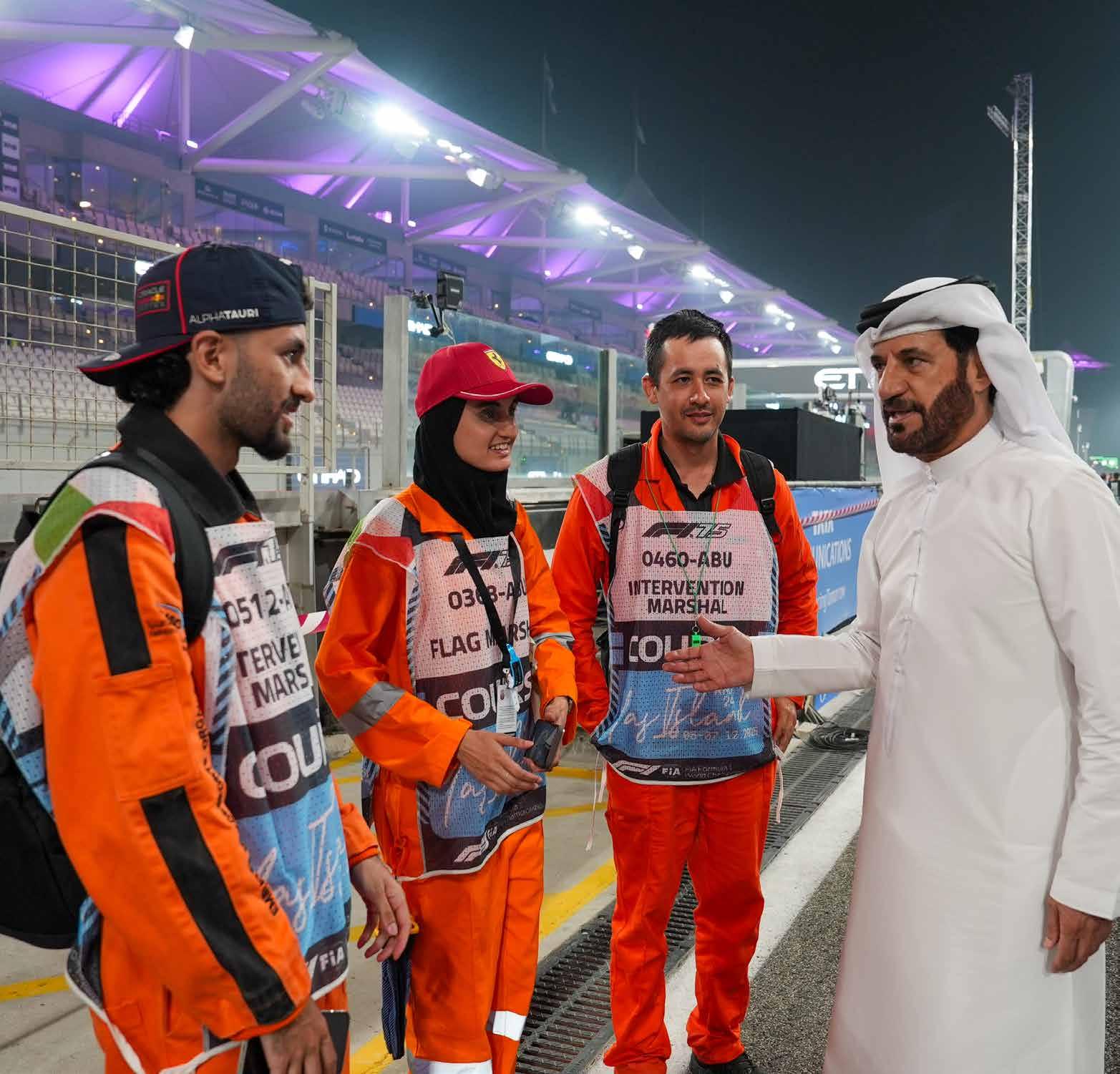
The FIA Drivers’ Committee is a specialised advisory body within the FIA that represents the interests of racing drivers across all disciplines. It develops driving standards, safety, and training guidelines, and works on projects such as driver categorisation and the FIA Motorsport Games.
In 2025, a significant achievement was the rollout of the FIA Safeguarding Policy for ASNs, representing a major milestone for the Drivers’ Committee by providing the FIA’s first dedicated safeguarding framework, which has been made globally available to all ASNs to standardise and improve the protection of participants across the sport.
THIS YEAR’S FOCUS ON SAFEGUARDING AND DRIVING STANDARDS GUIDELINES, AMONGST OTHER THINGS, WILL HAVE A LASTING, POSITIVE IMPACT.
Founded in 1988 as the Electric Solar and Alternative Energies Commission and renamed in 2010, the FIA Electric and New Energy Championships Commission (ENEC) is the FIA’s primary body for the development and integration of new energy technologies in motor sport. The Commission, overseen by the Circuit Sport department, has historically guided the creation and evolution of most of the FIA’s electric, hydrogen and alternative energy championships, centralising technical development, sporting frameworks and regulatory applications across these disciplines.
Over time, ENEC’s remit has expanded to encompass a broad range of new energy technologies, including electric (Formula E, Eco Rally Cup, Extreme E), hydrogen (Extreme H) and sustainable fuels. The Commission continues to play a central role in shaping the FIA’s long term energy transition strategy for motor sport.
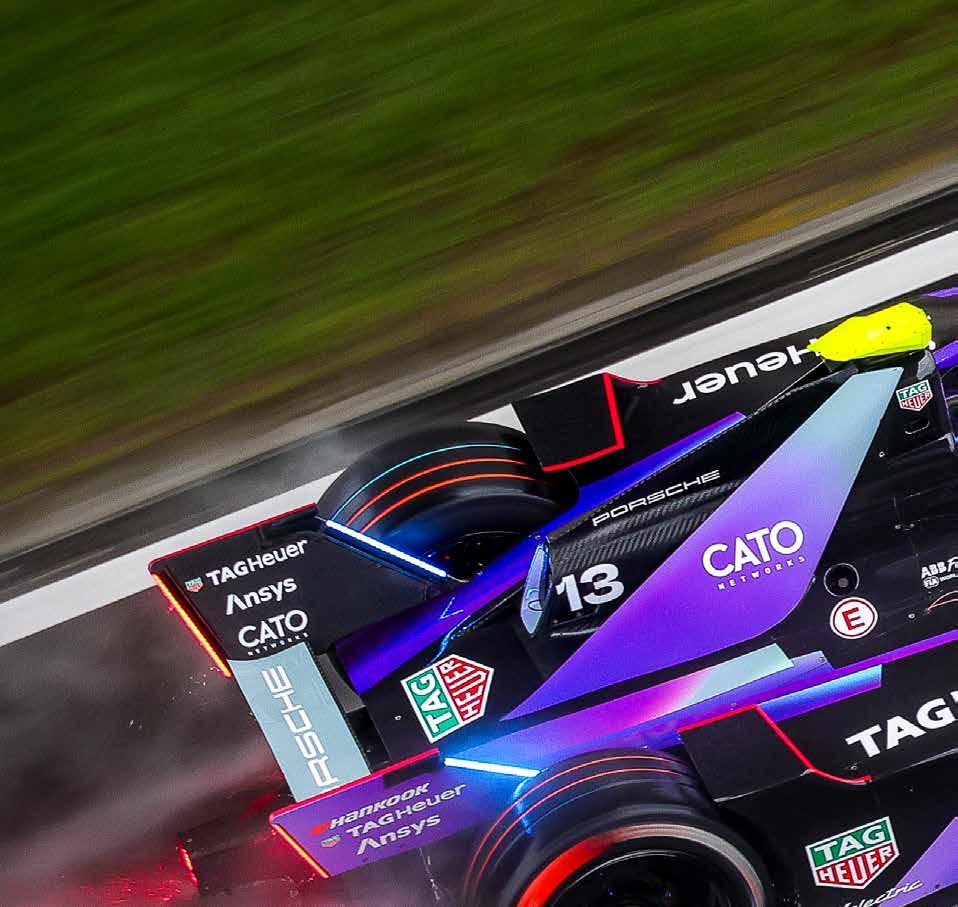
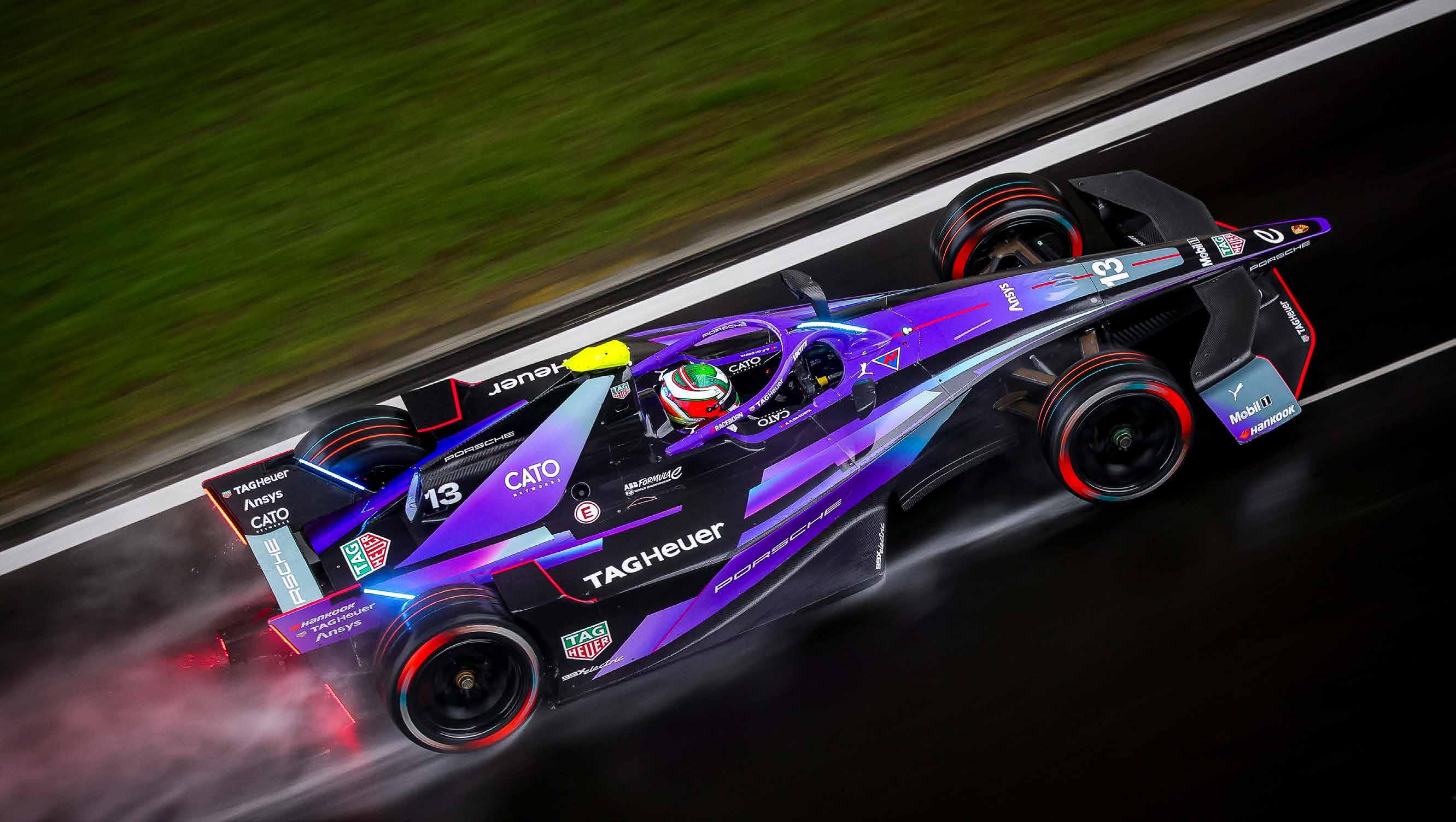
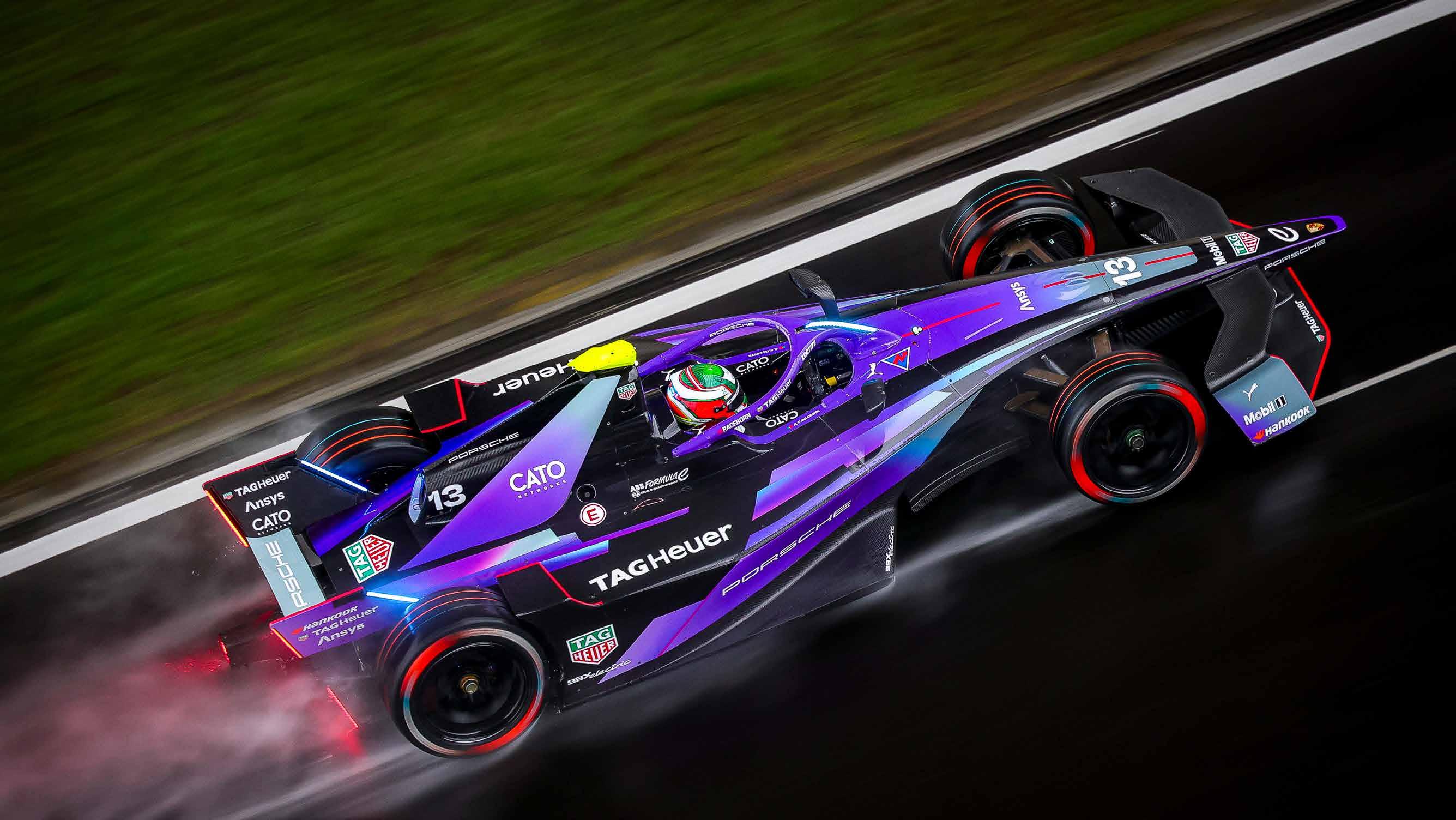
ENEC continued to support the evolution of the ABB FIA Formula E World Championship, with 2025 marking a pivotal year as the Championship transitions from the GEN3 to the new GEN4 car. This represents a major technological milestone, delivering significant advances in performance, efficiency and energy management.
Geographic expansion remained a priority, with the Championship extending its presence in Asia, including
events in China and Japan. A dedicated Formula E World Championship Commission, established in 2024, reflects the growing institutional weight and strategic importance of the series.
ENEC also collaborated with Formula E on a range of initiatives, including a Formula E roadshow in Shanghai, partnering with the Change. Accelerated. Live. programme, at the FIA Sustainable Innovation Series.
Under ENEC’s guidance, the FIA Eco Rally Cup continued its growth and achieved a major milestone by hosting its first event in Asia, making its debut in China.
To support the evolution of electric vehicle technology, the consumption measuring device was upgraded in 2025 to meet new EV standards. The sporting format was also adjusted to accommodate a broader range of electric vehicles, ensuring accessibility and competitiveness across markets.
The hydrogen powered Extreme H World Cup was formally integrated into ENEC’s structure in 2025, marking a significant expansion of the Commission’s scope into hydrogen technologies.
The category reinforces the FIA’s commitment to hydrogen as a viable and scalable energy vector for motor sport.
ENEC also served as the platform for the FIA Technical Department to validate and present to the World Motor Sport Council the new Article 266, Appendix J to the International Sporting Code, establishing Energy Regulations for Competition Vehicles. This unified framework defines the regulatory principles for all energy sources used in FIA competitions, liquid fuels, electric power and hydrogen (liquid and gaseous), with the objective of ensuring safety while supporting the transition to greener mobility.
To strengthen its technical and strategic capabilities, ENEC implemented three specialised Working Groups in 2025, covering:
• Electric
• Hydrogen
• Sustainable fuels
These groups bring targeted expertise to both national and international motor sport applications.
An annual survey was launched among Commission members to ensure ongoing engagement with ENEC’s
vision, roadmap and priority topics. In addition, case study sessions were introduced into meeting agendas, enabling members to learn from broader industry innovations, including applications outside motor sport, that can inform future energy solutions.
Collaboration with the FIA Mobility and Sustainability Department was further strengthened, and the FIA New Energy Summit was created as a platform for broader dialogue with Formula E and other stakeholders.
ENEC enters the 2026–2027 cycle in a strong position, with plans to:
• Expand the Eco Rally Cup into Asia and the Americas
• Support the continued development of Extreme H
• Deepen Formula E’s footprint in key electric vehicle markets
• Advance internal innovation programmes, including a dedicated FIA New Energy Social Channel and the development of an Eco Race Championship These initiatives reinforce ENEC’s central role in driving the FIA’s energy transition agenda and shaping the future of sustainable motor sport.
The FIA Legal Office played a central role in the development of Section A of the 2026 Formula One Regulations, which includes regulatory provisions that are of general application to the FIA Formula One World Championship.
The FIA Legal Office also supported the Cost Cap Administration by reviewing Accepted Breach Agreements and correspondence issued to Formula One and Formula E Teams and Manufacturers under the Financial Regulations.
Substantial amendments to the FIA International Sporting Code (ISC) were adopted in June and December 2025, entering into force on 1 January 2026. These revisions mainly clarified procedural and disciplinary matters across the FIA’s sporting ecosystem. Key updates included the definition of limitation periods for prosecuting offences, the introduction of a “Fit and Proper Persons Test”, the creation of an Out of Competition Panel of Stewards, and the incorporation of a new “FIA Event Observer” role to enhance monitoring and reporting. Additional changes strengthened the framework for protests, reviews, licensing, and the responsibilities of Race Directors.
Two new appendices were also advanced: Appendix B, establishing Stewards Penalty Guidelines, and Appendix F, formalising the Fit and Proper Persons Test. Both were approved by the WMSC as part of the FIA’s commitment to consistent, transparent and predictable decision making (Appendix B) and to protect the image, reputation, and integrity of the FIA Championships (Appendix F).
Following a comprehensive review, the FIA Judicial and Disciplinary Rules (JDR) were updated by the FIA General Assembly in December 2025, with the revised framework entering into force on 1 January 2026. The amendments strengthened the procedural architecture of the FIA Courts, including the introduction of a general provision on evidence, the creation of a dedicated chapter for the Cost Cap Adjudication Panel, and the alignment of disciplinary sanctions with recent ISC reforms.
The revisions also clarified investigative powers, the notification of parties, the treatment of minors, and the consequences of non‑attendance at hearings. The International Court of Appeal (ICA) received expanded authority to impose bans where Stewards acted at first instance, and to award costs in cases of frivolous appeals. A non refundable appeal fee was introduced
to align with the practices of other international sporting federations and tribunals. In the interests of fairness, a proposal setting the amount of the appeal deposit according to the appellant’s status (depending on whether they are a natural person or a legal entity) has been approved. The ICA’s jurisdiction was further extended to include appeals arising from Fit and Proper Persons Test determinations.
Five appeals were lodged before the ICA during 2025, one of which was withdrawn. The Legal Office represented the FIA in four hearings across multiple disciplines.
The FIA continued to align its integrity framework with the IOC Code on the Prevention of Manipulation of Competitions. Appendix M was updated accordingly, and Sportradar maintained its delivery of Universal Fraud Detection Services (UFDS) across the FIA Formula One World Championship, FIA World Rally Championship, FIA World Endurance Championship, FIA World Rallycross Championship and FIA Formula E World Championship. No UFDS alerts raised during 2025 were deemed suspicious.
The FIA Legal Office expanded its safeguarding programme through awareness raising initiatives and educational tools. A Sport Webinar held on 15 July 2025 outlined the safeguarding obligations of ASNs, while a new integrity eLearning module was launched via FIA University to support wider understanding of safeguarding principles and responsibilities.
The FIA maintained its commitment to clean sport through the continued implementation of the “Race True Programme”, which emphasises education as the primary means of preventing doping. Targeted anti doping education sessions were delivered throughout the year to drivers, team managers, support personnel and officials. The programme reinforced the principle that the first point of contact with anti doping should be educational rather than punitive, supporting a culture of integrity across all disciplines.
The FIA Legal Office continued to monitor IOC recommendations relating to the participation of Russian and Belarusian athletes, ensuring that FIA policies remained aligned with international guidance.

• Drivers’ Championship decided by two points at the final race in Abu Dhabi.
• Three-driver title fight sustained across the full season (Norris, Verstappen, Piastri).
• Formula 1 marked its 75th anniversary, underlining its continued global growth and relevance.
• Record race attendance across the season, with multiple Grands Prix sold out.
• McLaren secured both Drivers’ and Constructors’ titles for the first time since 1998.
• Renewal of the Concorde Governance Agreements, securing the long-term governance framework for Formula 1 and strengthening collaboration between the FIA, Formula One Group, and the teams.
• Approval of an eleventh Formula 1 team, expanding the grid from the 2026 season onwards.
• Validation of the new 2026 technical regulations, introducing active aerodynamics, increased electrical power and the use of sustainable fuel.
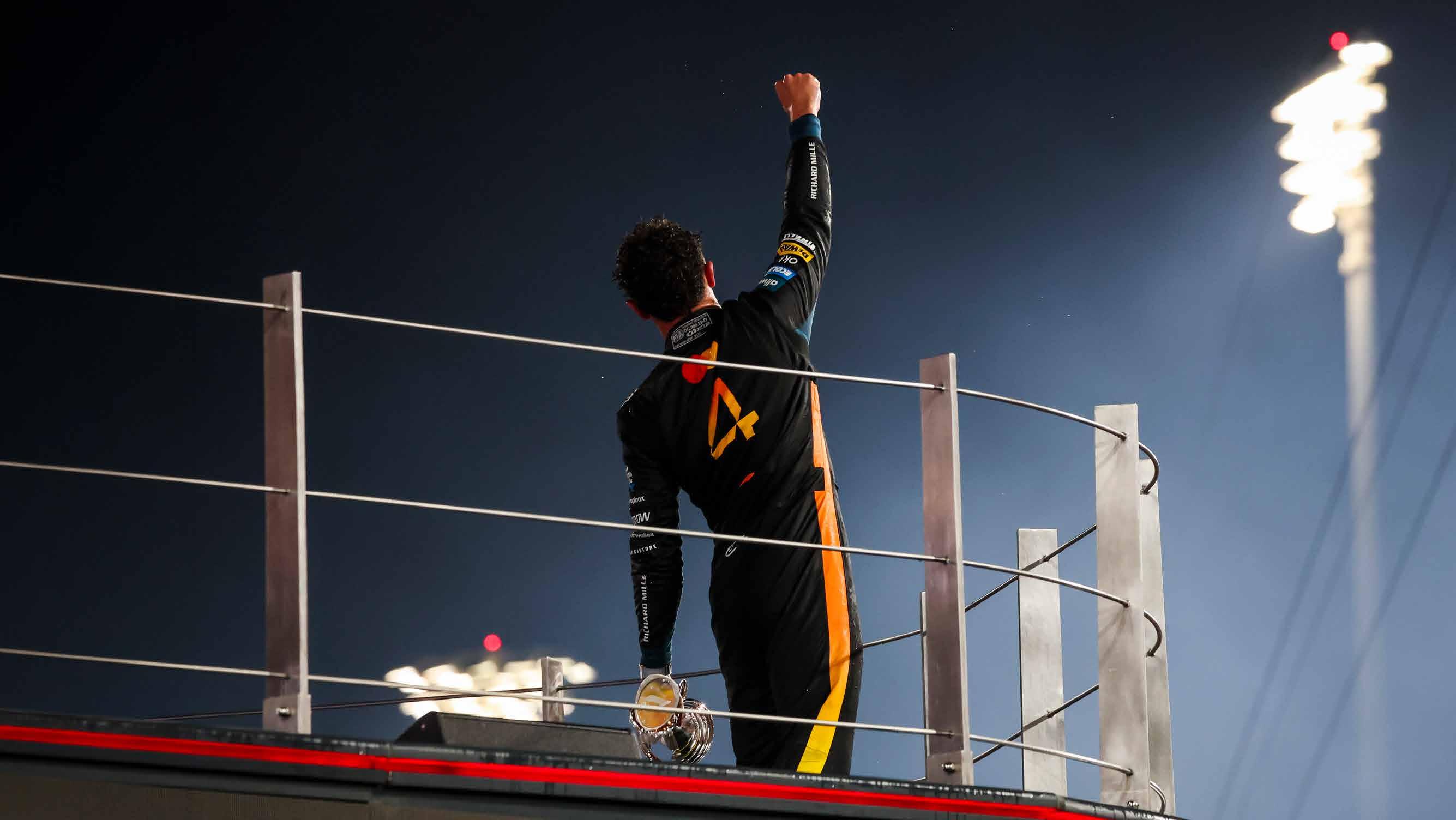
The 2025 Formula 1 season, marking the sport’s 75th anniversary, was defined by intense competition across the entire grid, with momentum shifting between teams and drivers across the calendar, and important strategic developments including the renewal of the Concorde Governance Agreement, approval of a new team, and new technical regulations.

The Drivers’ Championship developed into a three ‑way contest between Lando Norris, Max Verstappen and Oscar Piastri, with the outcome decided at the final race in Abu Dhabi.
Norris secured his first FIA Formula One World Championship title, ending Verstappen’s run of four consecutive championships. The McLaren driver combined consistency with race winning performances across the season, maintaining pressure through each phase of the campaign.
Piastri emerged as a leading contender, spending extended periods at the top of the standings and establishing himself as a regular front‑runner. Verstappen, meanwhile, mounted a strong comeback in the second half of the season, recovering from an early deficit to take the title fight to the final race.
The Championship was ultimately decided by a narrow margin, underlining the intensity of the battle across the season.
The Constructors’ Championship followed a similarly competitive trajectory. McLaren established early dominance, building a strong advantage through consistent results in the opening phase of the season.
Red Bull Racing responded in the latter stages, with Verstappen leading a resurgence that brought the team back into contention. However, McLaren maintained its overall performance level to secure both the Drivers’ and Constructors’ titles.
The result marked McLaren’s first Drivers’ Championship since 2008 and its first double title since 1998, representing a significant milestone for the team.
2025 marked an important year for the FIA Formula One World Championship, with several regulatory and governance milestones shaping the next phase of the sport’s development.
Central to this progress was the renewal of the Concorde Governance Agreements, which provides the long term framework governing the relationship between the FIA, Formula One Group, and the teams. The agreements established a stable foundation for the continued sporting and technical development of the Championship, while strengthening collaboration between stakeholders and supporting the long term growth of the sport. It also enables the FIA to further strengthen areas such as race regulations, race direction, stewarding and technical expertise.
The Concorde Agreements have played a central role in the governance of Formula 1 since the 1980s. The latest agreement continues this tradition by promoting sporting fairness, technological innovation and operational excellence while aligning all stakeholders around a shared vision for the future of the Championship.
Another important milestone in 2025 was the approval of an eleventh Formula 1 team; Cadillac, set to join the grid from the 2026 season onwards, marking a significant expansion of the Championship grid.
The FIA also validated the new Formula 1 technical regulations for 2026, marking an important step in the next phase of the sport’s technological evolution. These regulations introduce a number of major innovations designed to enhance performance, sustainability and the quality of racing for fans and audiences worldwide. Thanks to these new regulations, the sport has attracted new power unit manufacturers in 2026 such as global automotive companies Audi, Honda and Ford.
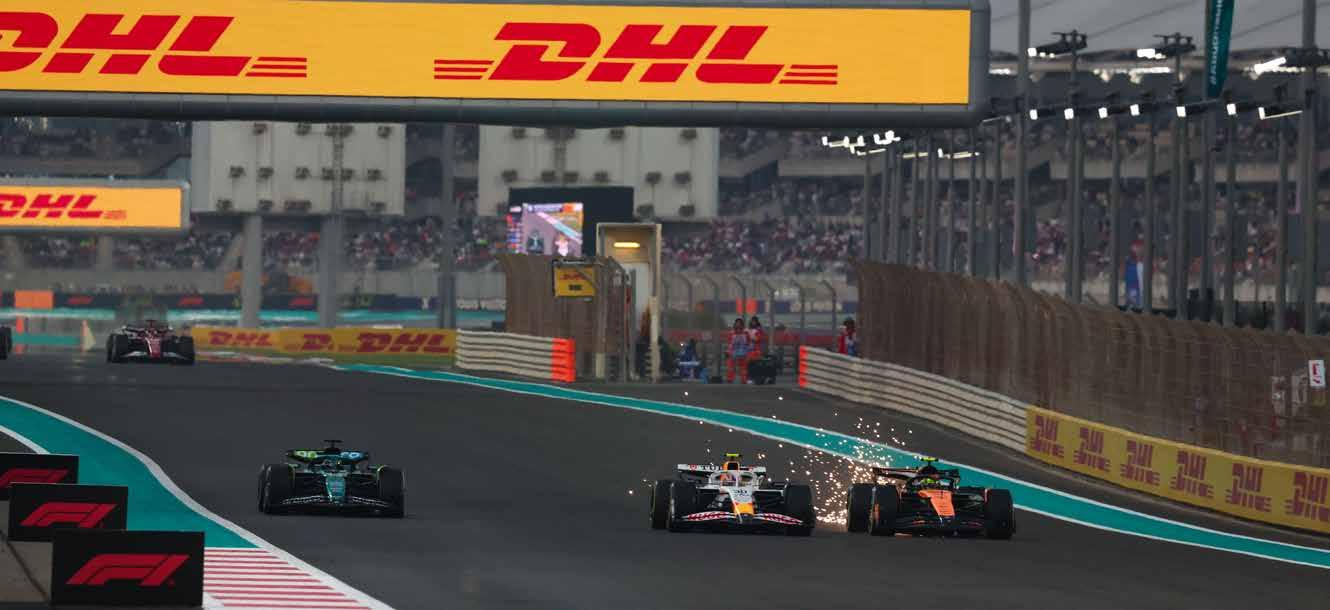
From a technical perspective, the new generation of cars will feature active aerodynamics, with movable front and rear wings for increased energy efficiency. This system is designed to reduce drag by up to 55% on straights while increasing downforce in corners. The cars will also be more compact, with the wheelbase reduced by 200 mm to 3400 mm and overall width reduced by 100 mm to 1900 mm.
Additional changes include a reduction in minimum vehicle weight to 768 kg, approximately 30 kg lighter than the 2025 cars, and revised tyre specifications, with 18 inch wheels retained but with narrower tyres, 25 mm narrower at the front and 30 mm narrower at the rear.
The power unit architecture will also change significantly, with approximately 50% of power delivered through electrical energy. The internal combustion engine will run on fully sustainable fuel, representing a major step in the sport’s environmental transition. The FIA validated the first fully sustainable racing fuel for Formula 1, significantly reducing lifecycle CO₂ impact.
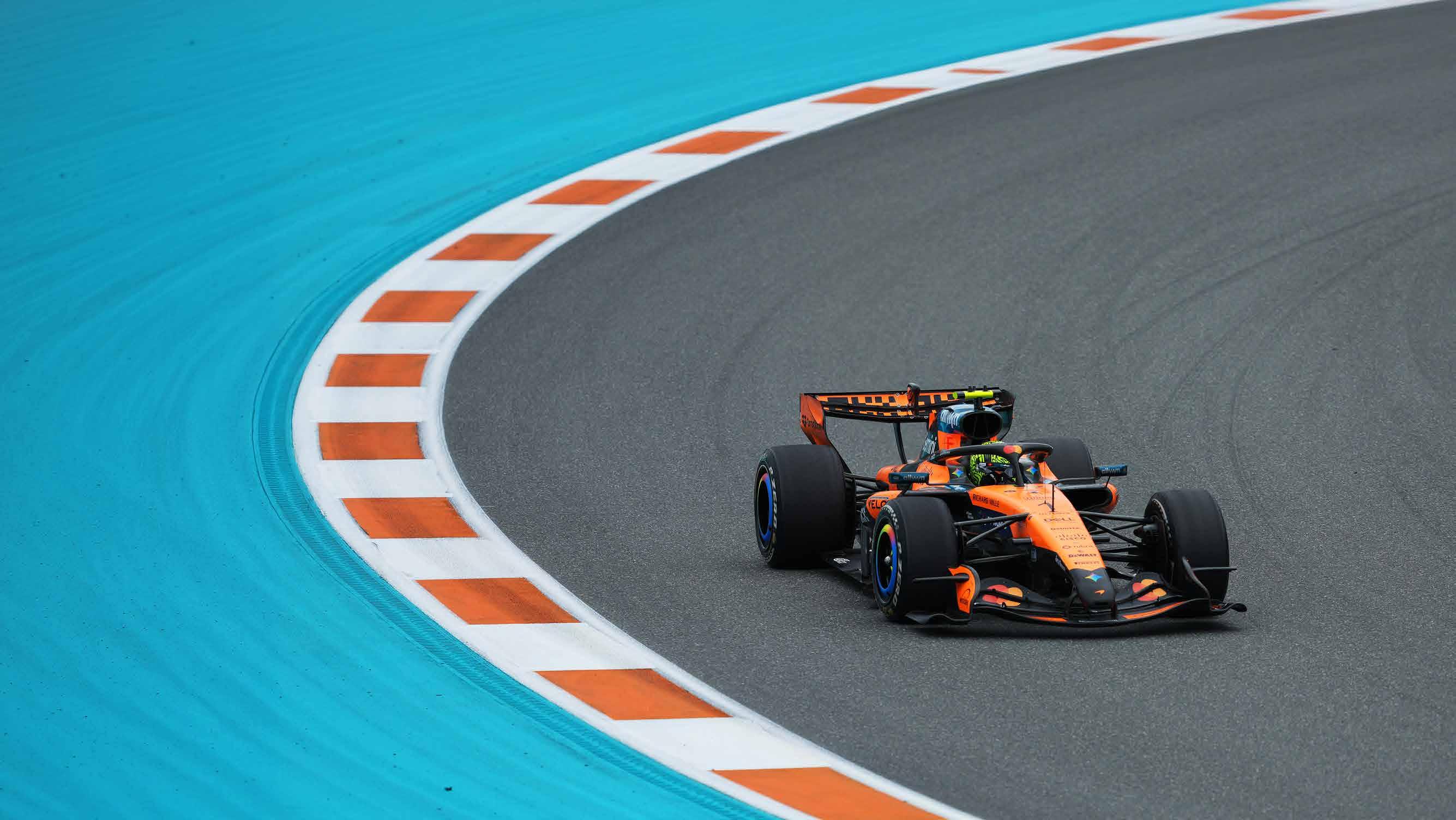
The new regulations also introduce an updated overtaking system, replacing DRS: “Overtake Mode”, available when a car is within one second of the car ahead.
Alongside these regulatory developments, the 2025 Formula 1 season continued to deliver some exciting and highly competitive racing, while maintaining the FIA’s core principles of sporting fairness and technical integrity.
Together, these developments mark an important step in the continued evolution of the FIA Formula One World Championship.
• Announcement of the introduction of the GEN4 car, set to debut in Season 13 (2026/27).
• Long-term stability secured through a 10-year extension agreement between the FIA and Formula E.
• Continued technical development and validation of the GEN4 car through close collaboration between the FIA, manufacturers and suppliers.
PERFORMANCE EVOLUTION
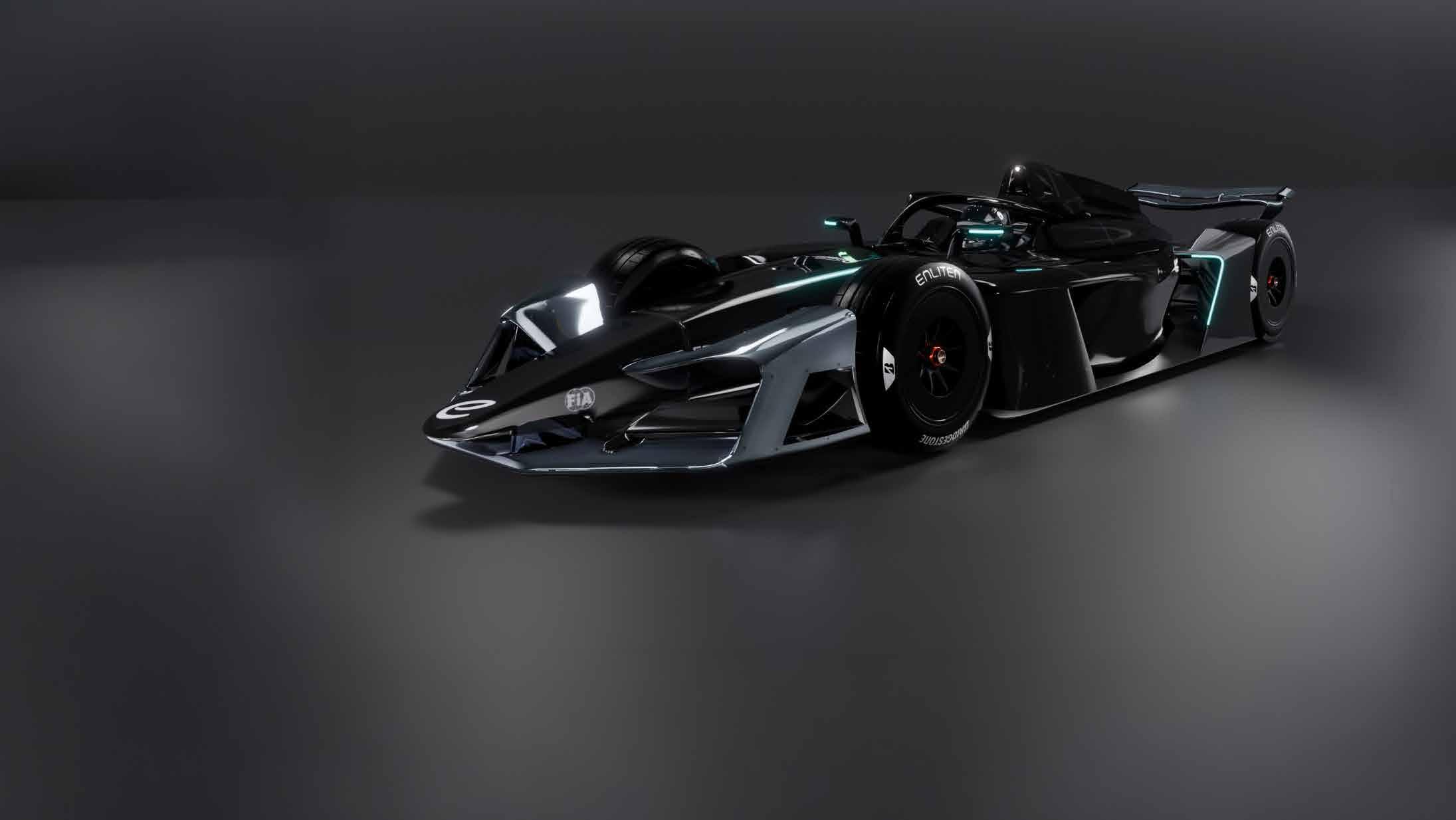
The GEN4 car represents a significant increase in performance compared with previous generations of Formula E vehicles, underlining the rapid technological progress achieved by the Championship since its inception.
Formula E continued to strengthen its position as the FIA’s premier all electric championship and a central pillar of the Federation’s sustainability strategy in sport.
A major milestone was achieved with the signing of a 10 year extension agreement between the FIA and Formula E, securing the long term future of the Championship, while demonstrating the FIA’s commitment to building a sustainable sport and advancing technological progress.
At the forefront of international motor sport, the agreement provides a stable framework for the continued growth of the series while reinforcing its role as a global platform for electric vehicle technology and innovation.
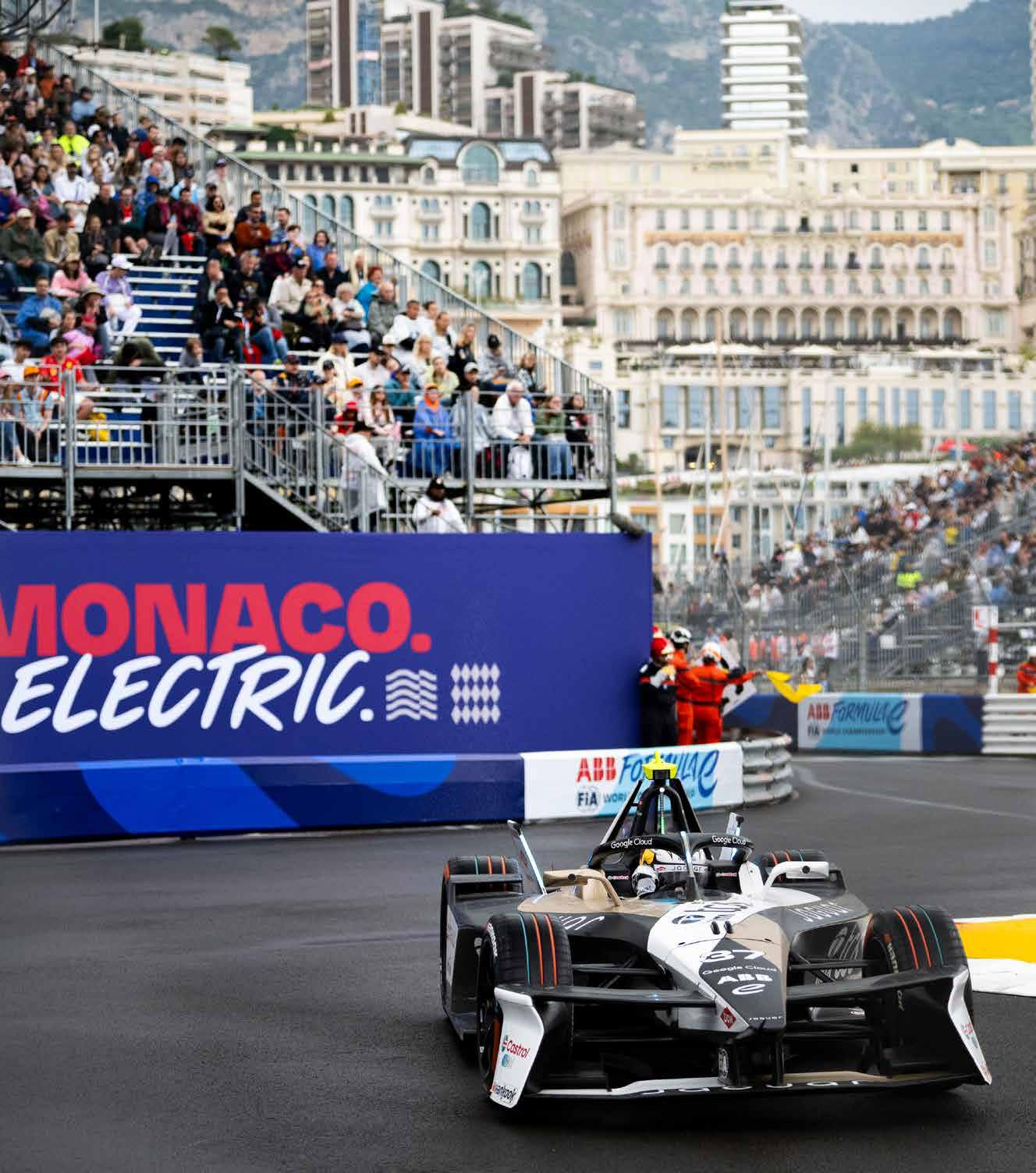
The Championship consolidated this growth in 2025, with a total of 10 events and 16 races, including the visit to two new locations in Jeddah (KSA) and Miami Homestead (USA). With a well recognised sporting format, Formula E continues to feature exciting racing within city centres, in combination with the most recent addition of permanent circuits.
The FIA announced the introduction of the GEN4 car, scheduled to debut in the 2026/27 season (Season 13). Featuring cutting edge technology and recyclable materials, the GEN4 is not only the most advanced Formula E car to date but reflects progress across performance and sustainability. Its supply chain has been designed with ethical sourcing, recyclability and reduced environmental impact in mind, helping set a new benchmark for circular design in motor sport.
Alongside these sustainability gains, GEN4 also delivers increased power, enhanced regenerative braking and active all wheel drive designed to improve both race performance and wheel‑to‑wheel action. Together, these developments position GEN4 not only as a faster and more exciting race car, but also as an important example of how motor sport can support sustainable innovation beyond the track.
The new generation of car represents a significant step forward in performance and technological capability, marking the beginning of a new era for the all‑electric championship.
Development of the GEN4 car has been supported by extensive collaboration across the FIA’s Circuit Sport, Technical and Safety Department, the championship promoter (FEO), and a network of technical partners and suppliers including Podium, Marelli, Bridgestone and Spark, as well as participating manufacturers.
The FIA simulation team played a key role throughout the GEN4 development process, working from the initial tender phase through to on track development. Simulation activities supported the definition of technical specifications and helped validate performance targets for the new generation of Formula E machinery.
Key activities included supporting the tender definition phase through the development of vehicle specifications and representative simulation duty cycles, contributing to the evaluation of supplier bids through technical analysis, and integrating data from single suppliers to guide vehicle performance development through simulation based assessments.
Further work included supporting tyre development through analysis of data from the pre mule car testing phase and correlating simulation results with real world performance data. Simulation analysis also accompanied the on track development of the mule car, with pre and post‑test assessments verifying performance evolution and ensuring regulatory compliance.
• Record manufacturer depth with 13 marques competing across Hypercar and LMGT3.
• Regulatory updates for 2026 introduced to reinforce sporting fairness and class identity.
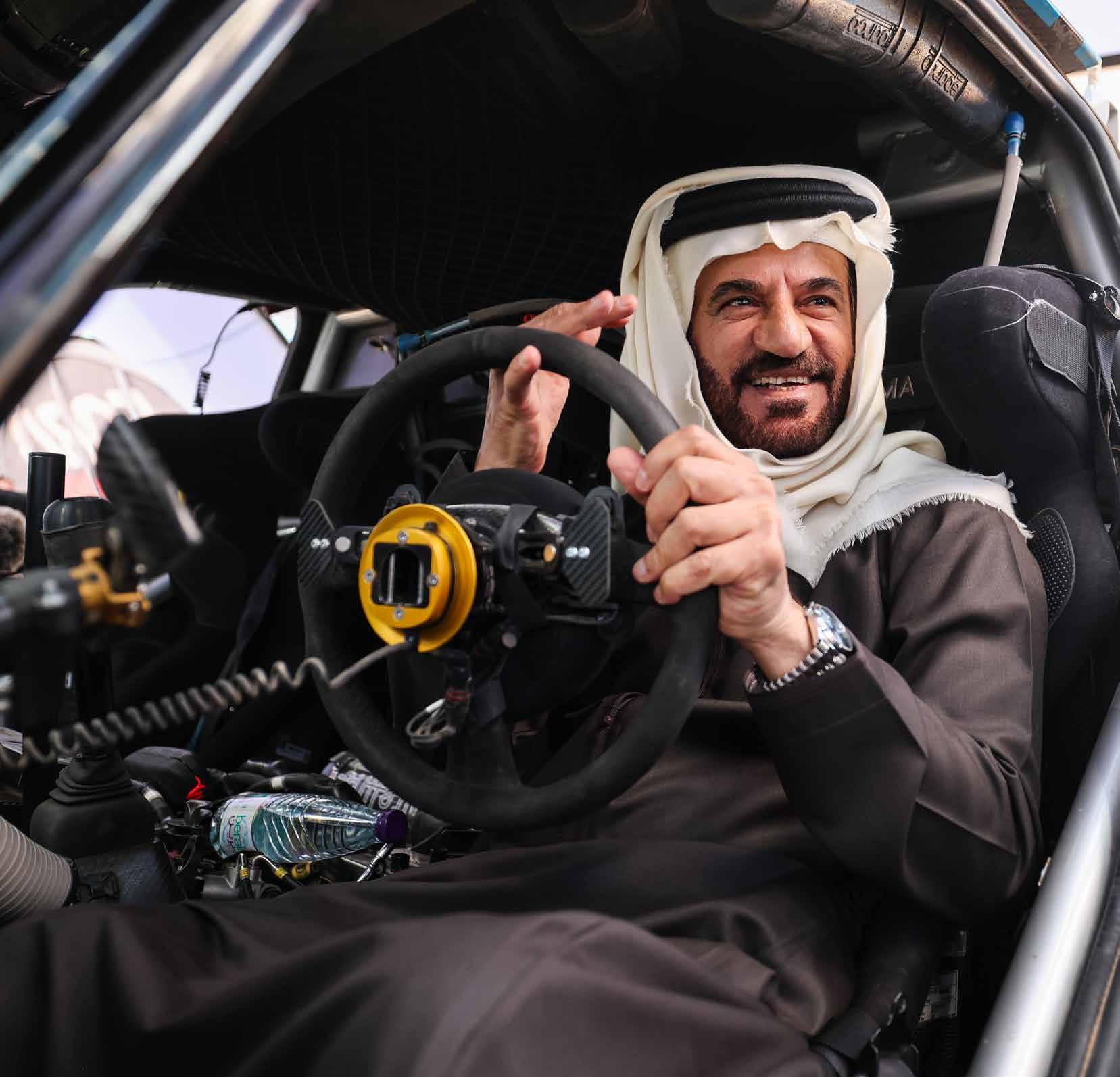
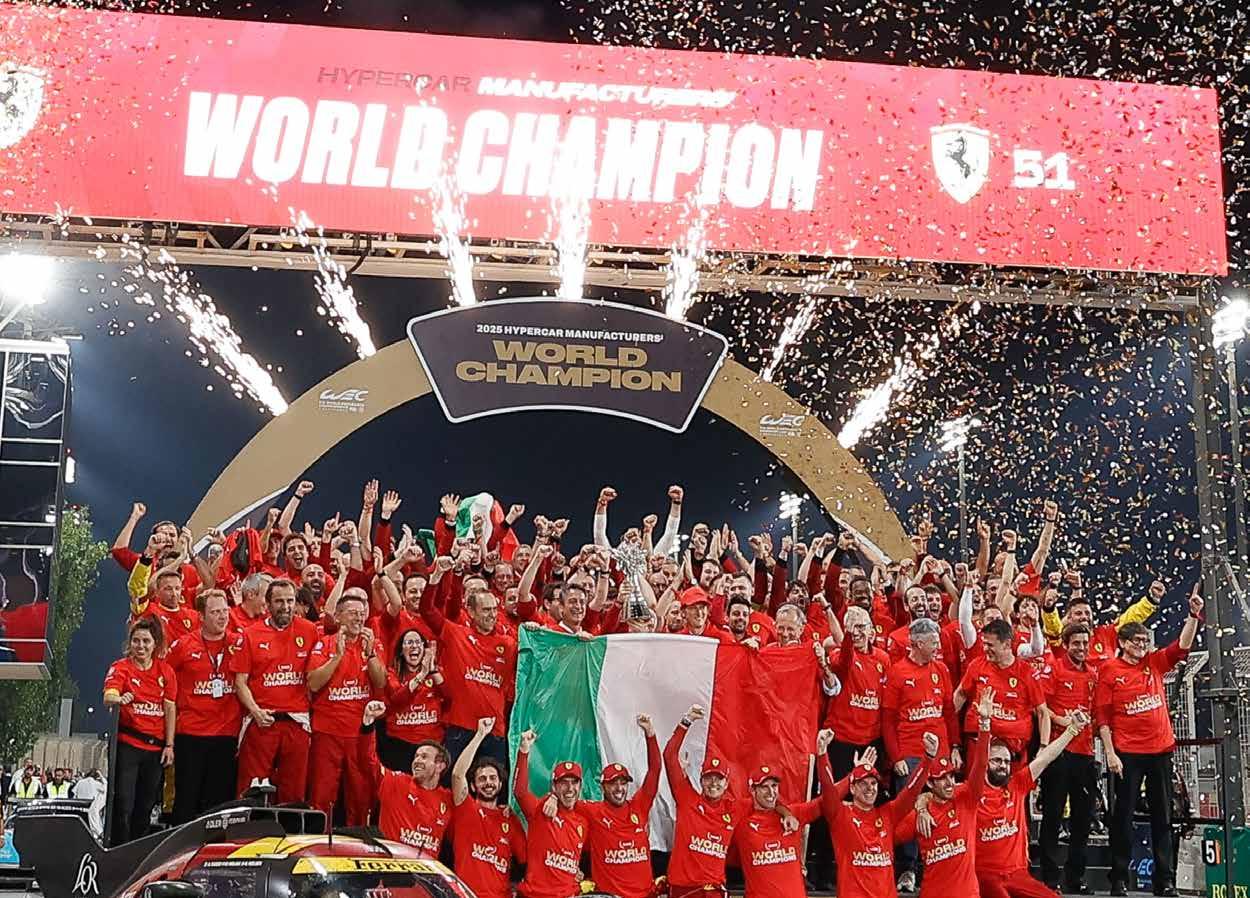
• Ferrari secured its first FIA WEC Hypercar Manufacturers’ title, alongside a clean sweep of the top three positions in the drivers’ standings.
• Manthey 1st Phorm Porsche claimed both LMGT3 titles in a season featuring five different winning manufacturers.
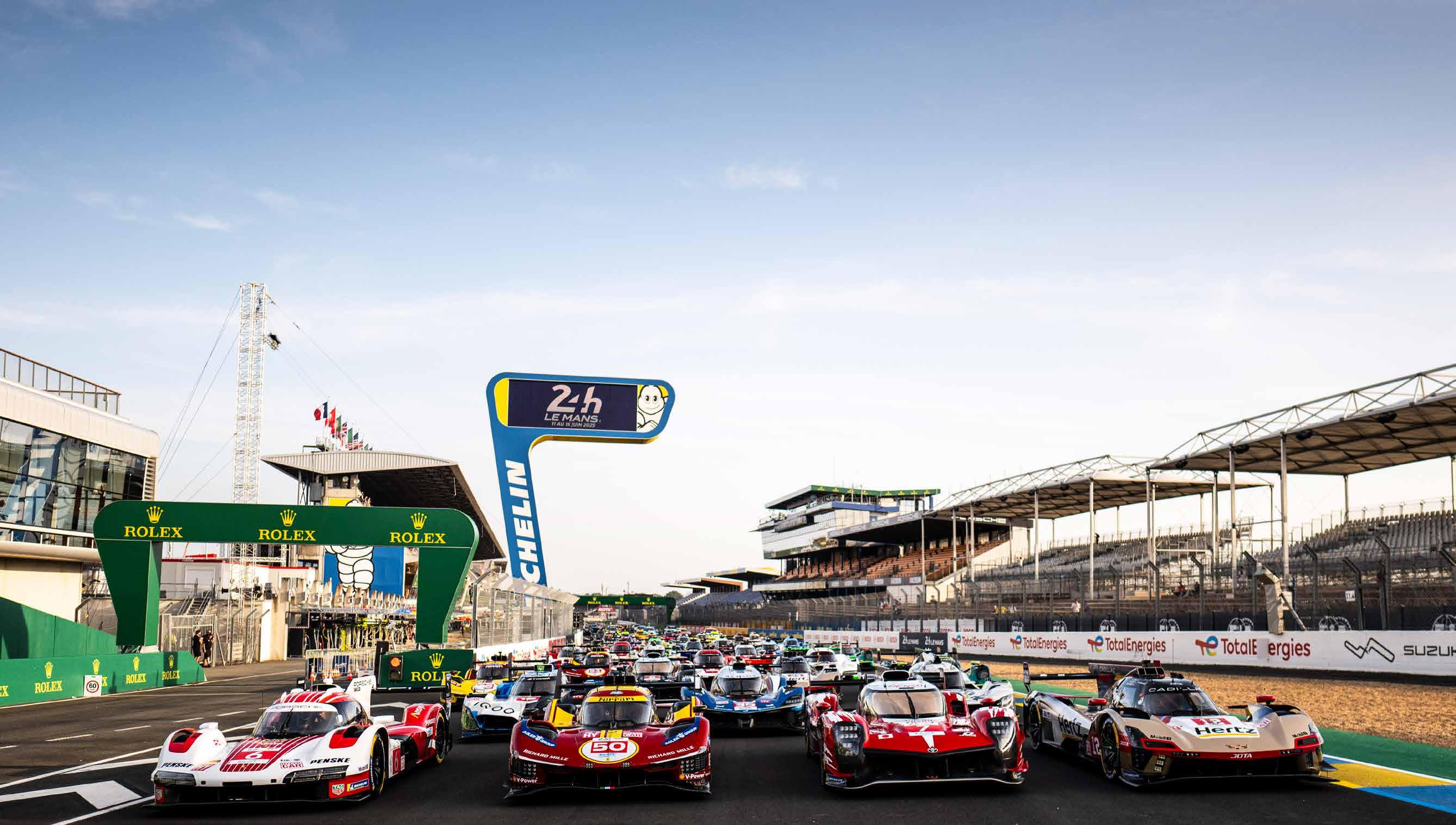
The 2025 FIA World Endurance Championship (WEC) delivered one of the most competitive and diverse seasons in its history, with 13 manufacturers represented across the Hypercar and LMGT3 classes. The grid featured entries from Alpine, Aston Martin, BMW, Cadillac, Corvette, Ferrari, Ford, Lexus, McLaren, Mercedes‑AMG, Peugeot, Porsche and Toyota, underlining the global strength and technical breadth of the Championship.
On track, the season was defined by Ferrari’s breakthrough. After years of building momentum, the Italian manufacturer secured its first FIA WEC Hypercar Manufacturers’ title. Early victories in Qatar, Imola and Spa‑Francorchamps established a commanding points lead, while triumph at the 24 Hours of Le Mans, delivered by the AF Corse‑run #83 Ferrari of Robert Kubica, Ye Yifei and Phil Hanson, further strengthened its position.
The closing stages of the season saw a late surge from Cadillac, Porsche, Alpine and Toyota, each securing a victory in the final four races. Heading into the title‑deciding 8 Hours of Bahrain, Ferrari remained the clear favourite, though Porsche and Cadillac were still mathematically in contention. Ultimately, the “Prancing Horse” prevailed, completing a landmark campaign.
Ferrari also swept the top three positions in the Drivers’ Championship. The #51 crew of Alessandro Pier Guidi, Antonio Giovinazzi and James Calado emerged as champions, ahead of the Le Mans‑winning Kubica/Ye/Hanson trio, with the #50 crew of Antonio Fuoco, Miguel Molina and Nicklas Nielsen completing the top three.
In LMGT3, the Manthey 1st Phorm Porsche team of Richard Lietz, Ryan Hardwick and Riccardo Pera secured both the Drivers’ and Teams’ titles with two victories, in a season that also saw race wins from Ferrari, Lexus, Corvette and McLaren, reflecting the depth and competitiveness of the new class.
To reinforce sporting fairness and competitive consistency, several revisions to the Sporting and Technical Regulations were approved for the 2026 season. A standardised average driver weight of 82 kg per crew was introduced, with ballast adjustments ensuring parity across line‑ups. In LMGT3, the qualifying format was updated to strengthen the Pro‑Am identity of the class: Bronze‑rated drivers now contest the opening phase of qualifying before handing over to their Silver‑rated teammates for the Hyperpole session. At the top level, Hypercar manufacturers are now required to field at least two cars, supporting grid depth and ensuring a consistent competitive baseline.
A further innovation came with the introduction of new LED display panels, replacing traditional leader lights. These panels provide real‑time information on position, class and pit‑stop status, enhancing clarity for fans and broadcasters and aligning the Championship with the latest endurance‑racing technologies.
• Continued strengthening of the FIA’s governance and regulatory framework for the WRC.
• Finalisation of the WRC27 Technical Regulations and communication on the first Constructor project.
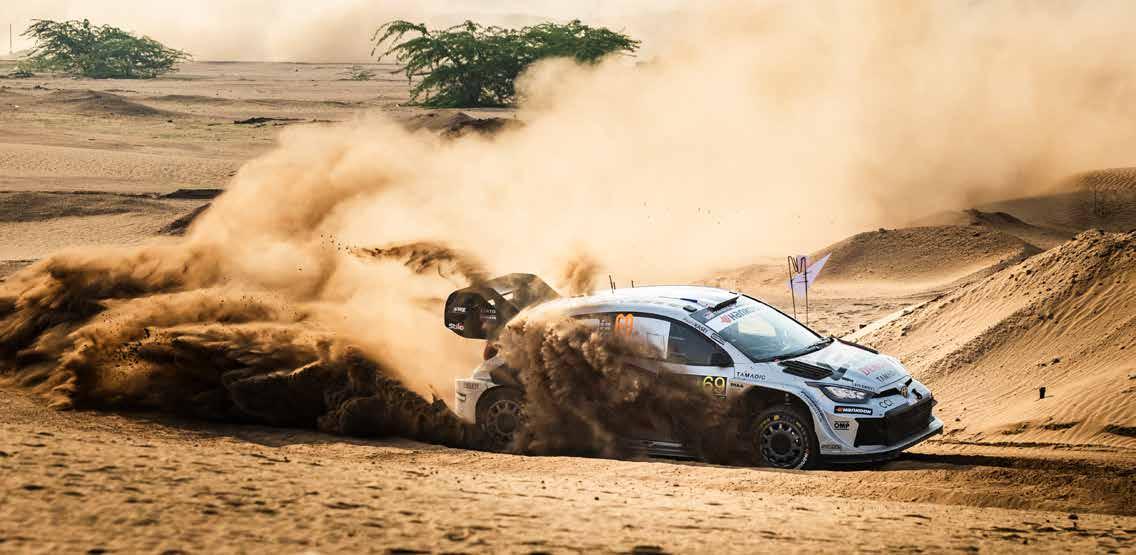
• Successful delivery of three new rally events within the 2025 World Rally Championships calendar, held in Spain (Canarias), Paraguay and Saudi Arabia.
• Clarification of sporting regulations and event processes to strengthen operational consistency.
Throughout the year, the FIA continued to work closely with the WRC Promoter to support the commercial development of the Championship. Transparent communication and collaboration contributed to a period of reputational improvement for the series, reinforcing confidence in the long term direction of the FIA World Rally Championship.
At a regulatory level, several updates were introduced to strengthen event format and sporting governance. The procedure for candidate rallies for the FIA World Rally Championship has been further detailed, and the relevant article has been duly updated to reflect these clarifications, with the aim of removing any ambiguity and establishing a clear, transparent framework.
Revisions to Appendix B also provided clearer definitions of controlled and uncontrolled zones and updated guidance on the management of heat periods during events.
Work continued on the future technical direction of the FIA World Rally Championship with the finalisation of the WRC27 Technical and Homologation Regulations. These regulations form the basis of the next generation of rally cars and are designed to improve affordability, enhance safety, and increase accessibility.
Alongside the regulatory framework, the FIA also communicated on the first Constructor project, signalling the beginning of further technical engagement with manufacturers and private teams as the sport evolves toward the next regulatory cycle.
An event that was part of the European Rally Championship for several years has been naturally elevated to WRC status, representing the ideal progression pathway within FIA championships.
Following a strong candidate rally, with some areas for improvement identified in FIA reports, all recommendations were successfully implemented. Rally del Paraguay went on to deliver an outstanding debut WRC event.
After its candidate rally in May, the FIA established the WRC Rally Saudi Arabia Task Force to support the event’s preparation and delivery. The Task Force provided operational guidance, trained local officials and marshals, and advised the organiser on sporting and safety matters. The rally was completed without any stage delays or cancellations, demonstrating the effectiveness of the preparation undertaken.
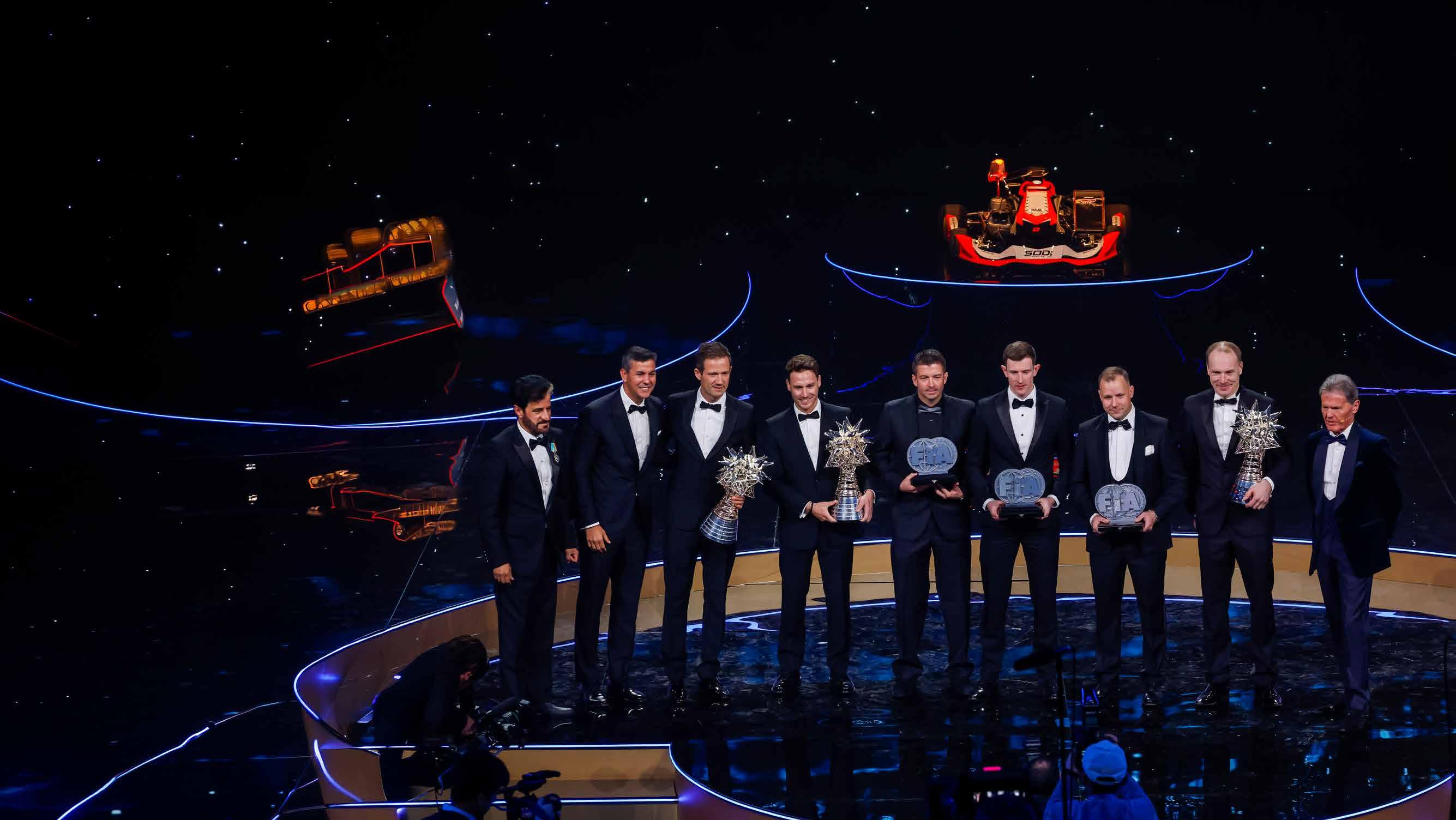
The FIA WRC was formally recognised at the FIA Awards ceremony in Tashkent, where the leading competitors of the 2025 season received their honours.
TOYOTA GAZOO Racing secured the major titles, with Sébastien Ogier claiming a record equalling ninth Drivers’ crown and Vincent Landais receiving the Co Drivers’ trophy for the first time. The Championship remained closely contested throughout the season and was decided on the final stage of the last round WRC Saudi Arabia, with Toyota teammates Elfyn Evans and Scott Martin in close contention and Kalle Rovanperä and Jonne Halttunen taking the third podium place.
The ceremony also marked the introduction of the FIA WRC of the Year Award. The inaugural accolade was presented to Rally del Paraguay, which delivered a successful debut edition through close coordination with the FIA administration, the host ASN (National Sporting Authority), national and regional authorities, and commercial partners. The President of Paraguay, Santiago Peña, accepted the award on stage in Tashkent.
• Continued growth of the Championship with strong participation and new manufacturers.
• Successful addition of a new event in South Africa.
• Introduction of new technical and homologation regulations for CrossCountry categories.
The FIA World Rally ‑Raid Championship continued to expand its global footprint with the successful organisation of an event in South Africa, further strengthening the championship’s international calendar.
The championship also welcomed new manufacturers to the competition, including Dacia and Ford, underlining the growing appeal of rally raid competition and the strong competitive environment developing within the series. The Championship also continued to see growth in entries across the series.
Work undertaken through the FIA Cross Country Rally Commission resulted in the implementation of new technical and homologation regulations for SSV and Stock (4x4) vehicles competing in Cross‑Country Rally categories, which form the regulatory basis for Rally Raid competition.
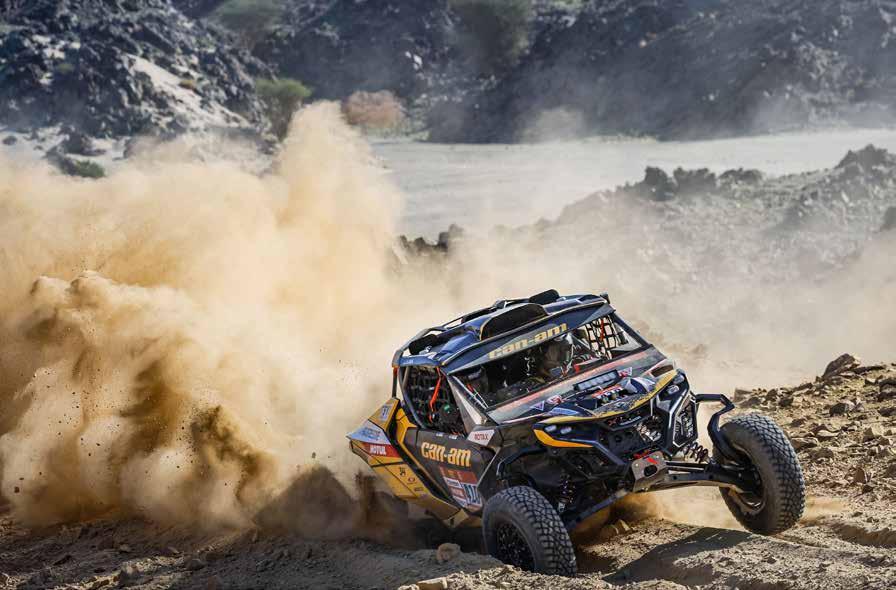
These developments have already expanded the range of vehicles eligible for competition, with Can Am, Polaris and Defender now having homologated vehicles with the FIA for the first time.
Safety and operational standards continued to evolve during the year. The FIA issued the first Cross Country Rally Safety Guidelines in collaboration with the FIA Safety Department, providing organisers and competitors with clearer operational guidance.
In parallel, the FIA launched a process to define common Cross Country Rally tracking specifications, working alongside the Safety Department and key technology providers active in the sector.
The FIA World Rally Raid Championship was highlighted at the FIA Awards Ceremony in Tashkent, where Lucas Moraes received the Drivers’ title following a consistent season across the cross country events. Edouard Boulanger secured the Navigators’ Championship for the second consecutive year, reinforcing his position as one of the discipline’s leading competitors.
Toyota continued its strong presence in the category, with TOYOTA GAZOO Racing demonstrating reliability and performance across the varied terrain that defines the FIA World Rally Raid Championship. The season once again underlined the discipline’s role as a proving ground for endurance, navigation and vehicle durability under extreme conditions.
• Introduction of the FIA-owned and operated championship model.
• Significant growth in digital audiences following removal of the broadcast paywall.
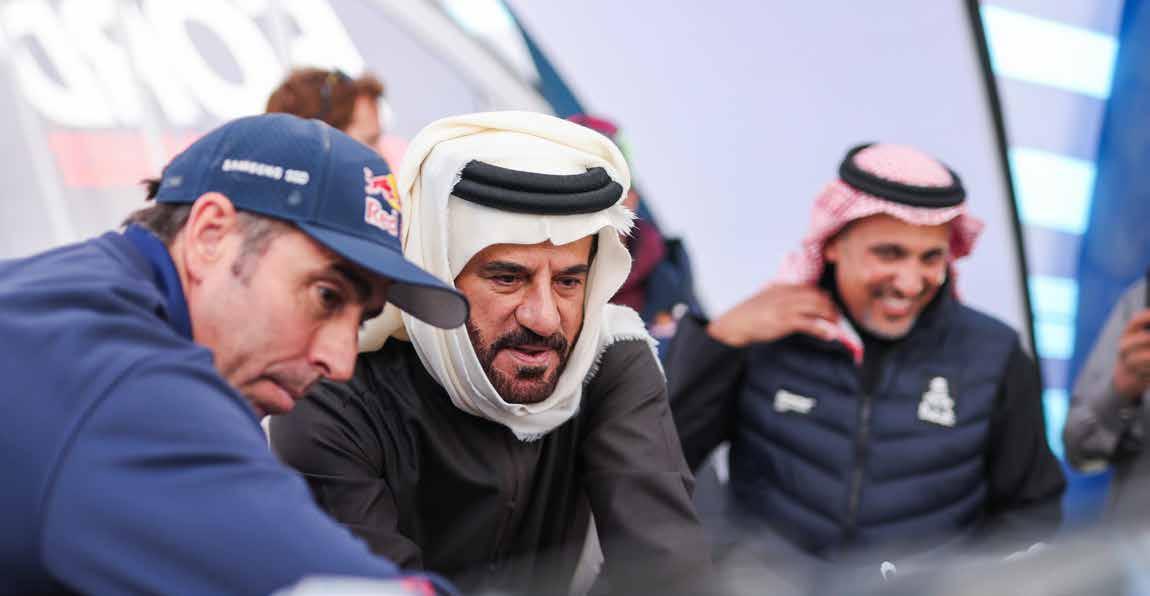
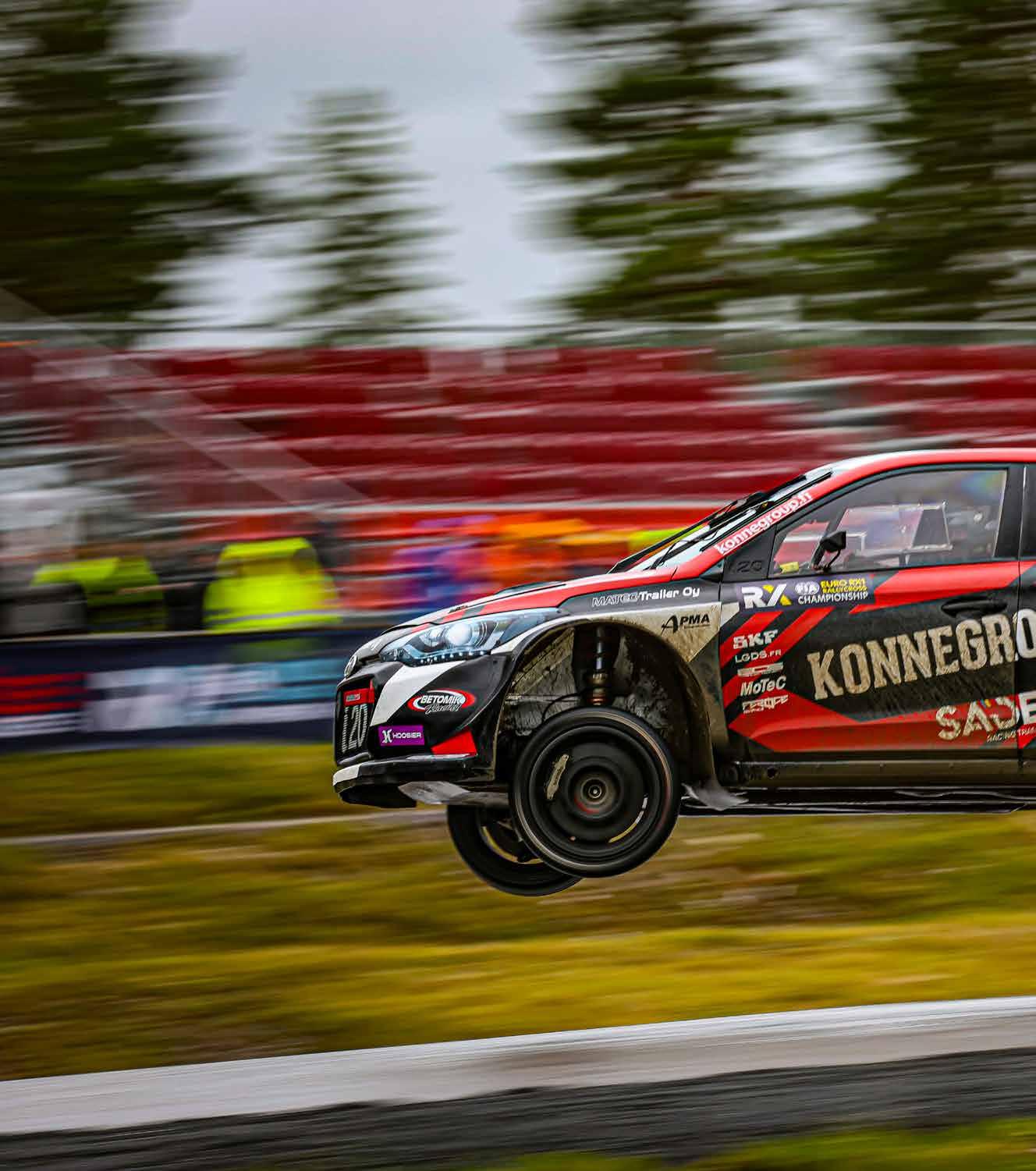
The FIA took an important step in the evolution of the discipline by launching an FIA owned and operated model for the World and European Rallycross Championships. Under this structure, the FIA assumed the role of official promoter, overseeing the commercial and operational management of the championships.
The new model was accompanied by a strategic decision to remove the paywall barrier to the FIA Rallycross broadcast platform, significantly expanding the accessibility of the championship.
This move delivered a strong increase in audience engagement. Average live viewership grew from more than 10,000 simultaneous viewers to over 400,000 cumulative live viewers per round, while total social media reach across the Championship exceeded 391 million.
The FIA World Rallycross Championship was celebrated at the FIA Awards ceremony in Tashkent, where Johan Kristoffersson collected his eighth Drivers’ title after another commanding season in the top category. His sustained success continued to set the benchmark within the Championship. The KMS team also received the Teams’ Championship trophy, with Tommy Kristoffersson joining his son on stage to mark the achievement.
At the end of the 2025 season, the FIA confirmed that the category would return exclusively to internal combustion power, bringing rallycross back to its ICE roots.
At the same time, the Championship was repositioned as a European series, allowing the discipline to focus on its core heartland markets, strengthen its foundations, and continue building towards an expected return to FIA World Championship status in 2028, alongside the introduction of new technical regulations.
The FIA also announced the creation of the FIA Rallycross World Cup, a standalone event in Jakarta that will bring together leading rallycross talent from around the world to compete on a global stage.
• Entries up 25% with 86 nationalities, showing strong global growth.
• Arrive and Drive formats are lowering cost barriers and widening access.
• Clearer pathways now connect grassroots talent to elite competition.
• Participation is becoming more globally balanced across regions.
• Karting remains the core entry point into the motor sport pipeline.
• Inclusion is improving, with broader reach and growing female participation.
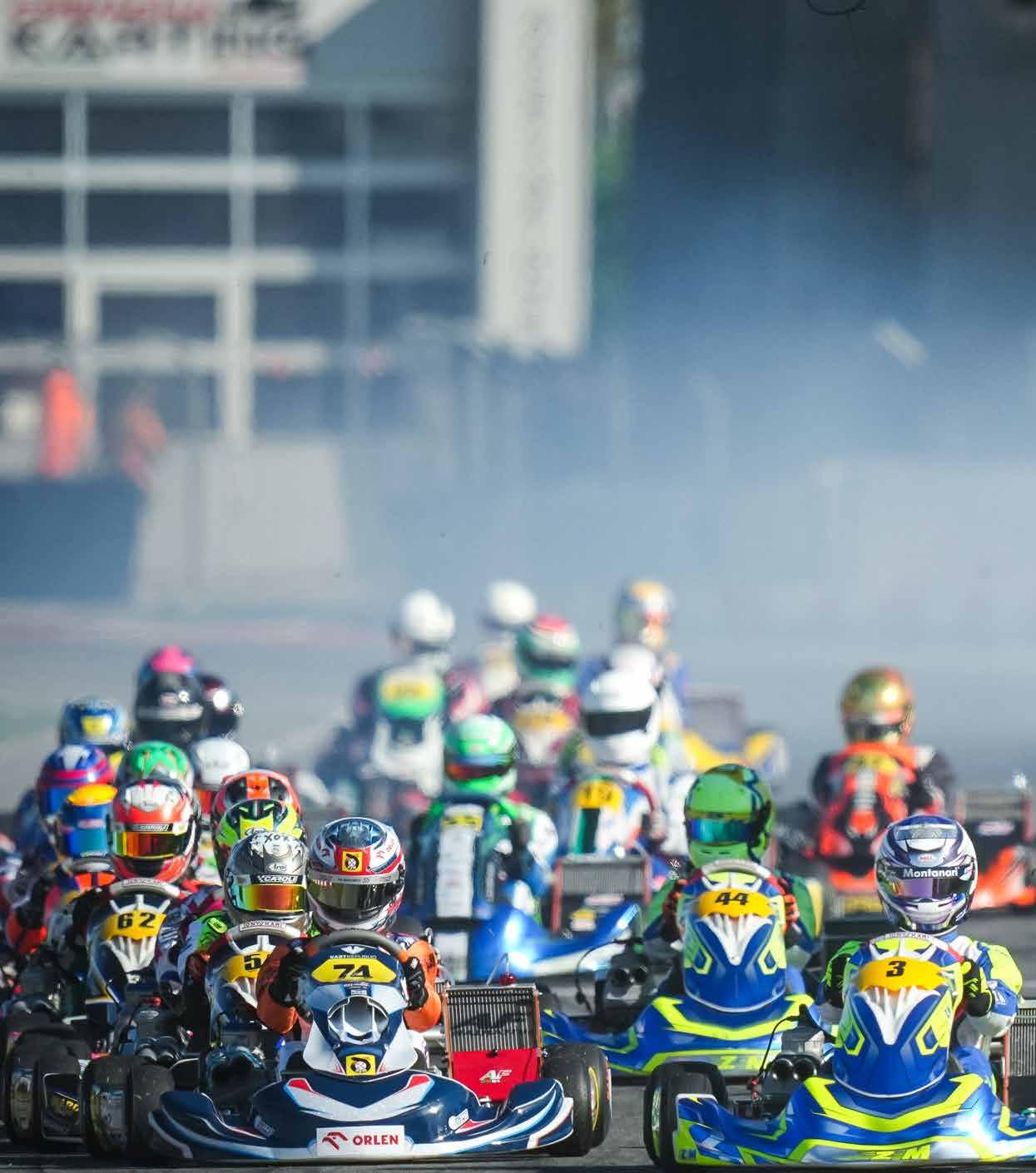
2025 was a year of strong growth for the FIA Karting Championships, Trophies and Cups, as the FIA’s Global Karting Plan began to take effect. The plan is making progress to expand participation, increase accessibility, and strengthen the pathways from karting up the motor sport pyramid. A total of 1,217 driver entries were recorded across the season, a 25% increase from 2024, with 86 nationalities represented, reflecting a more global and accessible sport.
The FIA Karting Academy Trophy expanded in 2025 to include a senior category, continuing to provide a platform for emerging talent, with each Member Club (ASN) able to nominate a junior and senior driver. The titles were won by Oiva Vettenranta (Finland, Junior) and Yuzuki Sato (Japan, Senior), both demonstrating strong future potential.
A major milestone was reached as the inaugural FIA Karting Arrive and Drive World Cup was held in Malaysia. The event brought together 107 competitors from 50 nationalities, including 15 girls, competing in identical karts and engines. This format places emphasis on driver ability while reducing cost barriers and widening participation.
The FIA Karting World Championships (OK, Junior, KZ) continued to showcase elite talent, with Noah Baglin (Junior), Thibaut Ramaekers (OK) and Senna van Walstijn (KZ) securing the discipline’s highest honours.
The season concluded with the first FIA Karting Shootout, bringing together top performers for on and off track assessment. Valerio Viapiana and Yuzuki Sato were named junior and senior winners, with Sato awarded €250,000 towards a FIA certified Formula 4 programme.
Looking ahead, the 2026 season will expand further, with new Arrive and Drive Continental Championships and the second editions of the FIA Karting Arrive and Drive World Cup and FIA Karting Shootout.
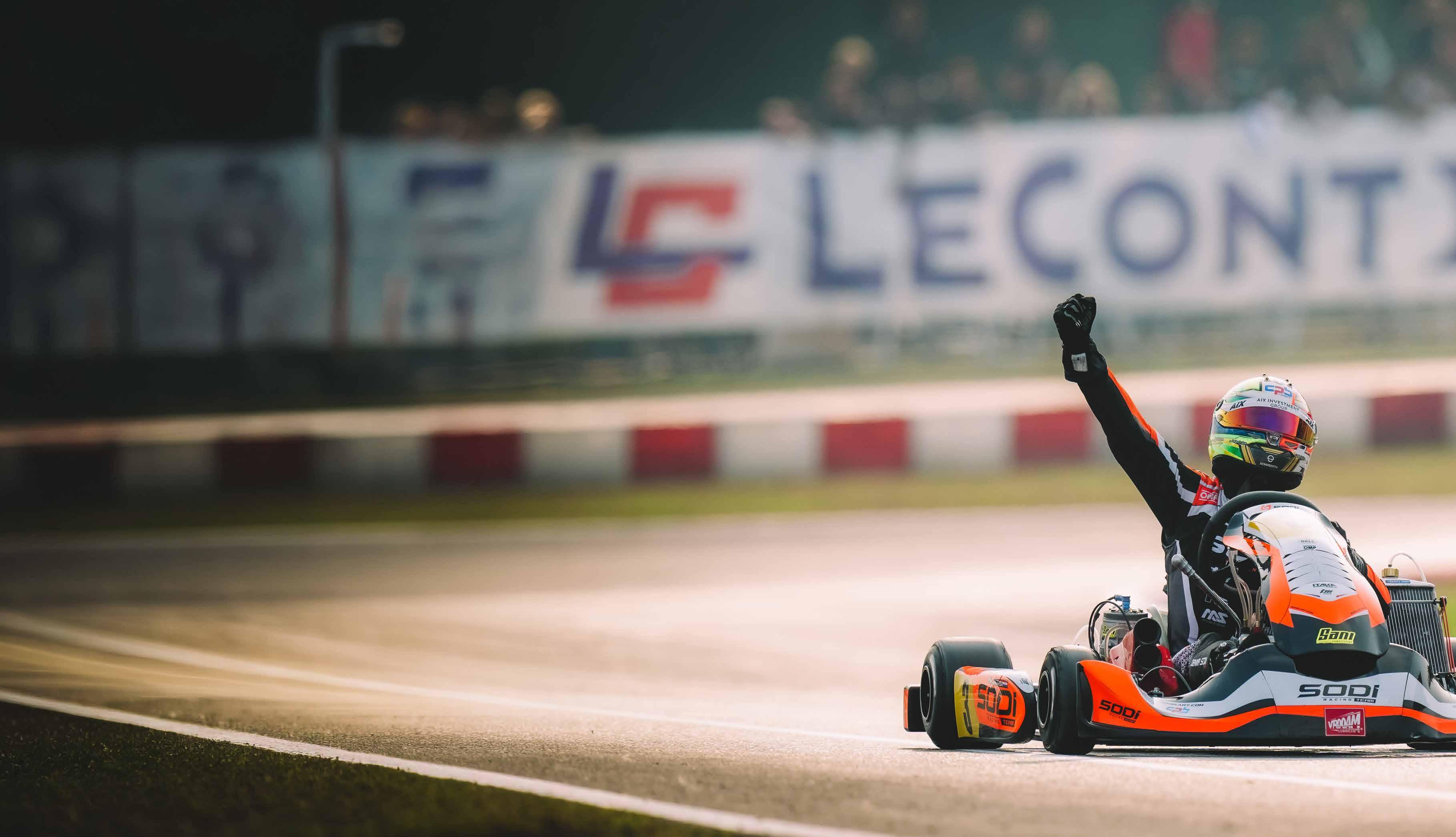
The 2025 season represented an important year for FIA Karting, and the FIA Karting Awards, held at Place Vendôme in Paris, provided a fitting setting to recognise the champions, winners and standout competitors who contributed to a highly successful season.
Reflecting on a year of sustained growth, guests heard from Akbar Ebrahim, President of the FIA International Karting Commission, and Alberto Villarreal, FIA General Manager, who highlighted the 25% increase in driver entries recorded between 2024 and 2025, demonstrating the continued success of the FIA’s Global Karting Plan and the commitment of President of the FIA, H.E. Mohammed Ben Sulayem to expand the base of the motor sport pyramid.
Among the first individual honours of the evening was the FIA Karting Rookie of the Year (OK), awarded to James Anagnostiadis. His performances established him as a driver of significant promise ahead of the 2026 season.
The Mondokart.com FIA Karting European Championships once again delivered a compelling year of racing, with five European Champions of different nationalities receiving their trophies in Paris. Their achievements were recognised by fellow competitors, teams and members of the FIA International Karting Commission.
The FIA Karting Academy Trophy, which expanded in 2025 to include a senior category, continued to provide a global platform for emerging talent. In the junior category, Oiva Vettenranta secured the title following a dramatic final lap in Cremona, while Yuzuki Sato claimed the senior crown after mastering the challenging conditions in Rødby.
In the OK N and OK NJ categories, Italian drivers Manuel Scognamiglio and Gioele Girardello secured the respective FIA Karting World Cups on home soil in Cremona, delivering commanding performances that were warmly received by the local crowd.
Franciacorta was recognised as Best Event of the 2025 FIA Karting World Championship season following a memorable weekend in the gearbox KZ categories. During that event, Maksim Orlov reclaimed the lead in the KZ2 final to win the FIA Karting World Cup, while Angelo Lombardo prevailed in an intense contest with
The inaugural FIA Karting Arrive and Drive World Cup in Malaysia brought together 107 competitors from 50 nations in an accessible and affordable format designed to widen participation. Troy Ferguson won the junior final with a decisive late charge, while Zach Tucker mastered the challenging weather conditions to secure the senior title.
The evening concluded with recognition for the disciplines most prestigious title, the 2025 FIA Karting World Champions. Noah Baglin, Thibaut Ramaekers and Senna van Walstijn each took to the stage in Paris to receive their trophies, having previously been honoured at the FIA Awards in Tashkent, alongside champions from across the FIA’s other six World Championships.
The FIA’s single seater championships form a structured global pathway for developing the next generation of drivers. From Formula 4 through Formula Regional, FIA Formula 3 and FIA Formula 2, these categories provide a progressive ladder that prepares drivers for the highest level of motor sport.
In 2025 the FIA continued to strengthen this pathway through strong participation across the championships, technical development of key categories and expanded international competition opportunities.
The FIA also worked to strengthen collaboration across the single ‑seater ecosystem, including roundtable workshops with ASNs and championship promoters of Formula Regional and Formula 4. This marked the initial phase of a broader effort to harmonise the structure of the championships and strengthen oversight of regulatory dispensations, supporting the continued stability of the path to both the FIA Formula 3 and FIA Formula 2 series.
• Continued strength of the FIA Formula 2 Championship as the final step in the single-seater pathway to Formula 1.
• Record-breaking performances from emerging drivers during the 2025 season.
The FIA Formula 2 Championship remains the final step in the singleseater development ladder before Formula 1, providing a highly competitive platform for the sport’s most promising young drivers.
The Championship also maintains a close connection with Formula 1, with all F1 teams involved in supporting drivers across the FIA Formula 2 and FIA Formula 3 championships. This close connection further reinforces the role of the championship as a key stage in preparing drivers for the highest level of motor sport.
• Successful introduction of the new generation FIA Formula 3 car.
• Strong rookie participation across the Championship.
The FIA Formula 3 Championship continued to play a key role in the single-seater development pathway during the 2025 season, providing an important step between FIA Formula Regional and FIA Formula 2.
A major milestone was the successful introduction of the new generation Formula 3 car. The updated design introduced larger 16 inch tyres, replacing the previous 13 inch specification and bringing the category closer to the technical characteristics of higher levels of single seater competition.
The 2025 season featured a strong field of emerging talent and delivered notable milestones. Among them was a record breaking performance by rookie driver Arvid Lindblad, who secured his first FIA Formula 2 victory in Jeddah at just 17 years of age.
Such achievements underline the continued role of the Championship in identifying and developing the drivers of tomorrow, capable of progressing to the highest level of motor sport.
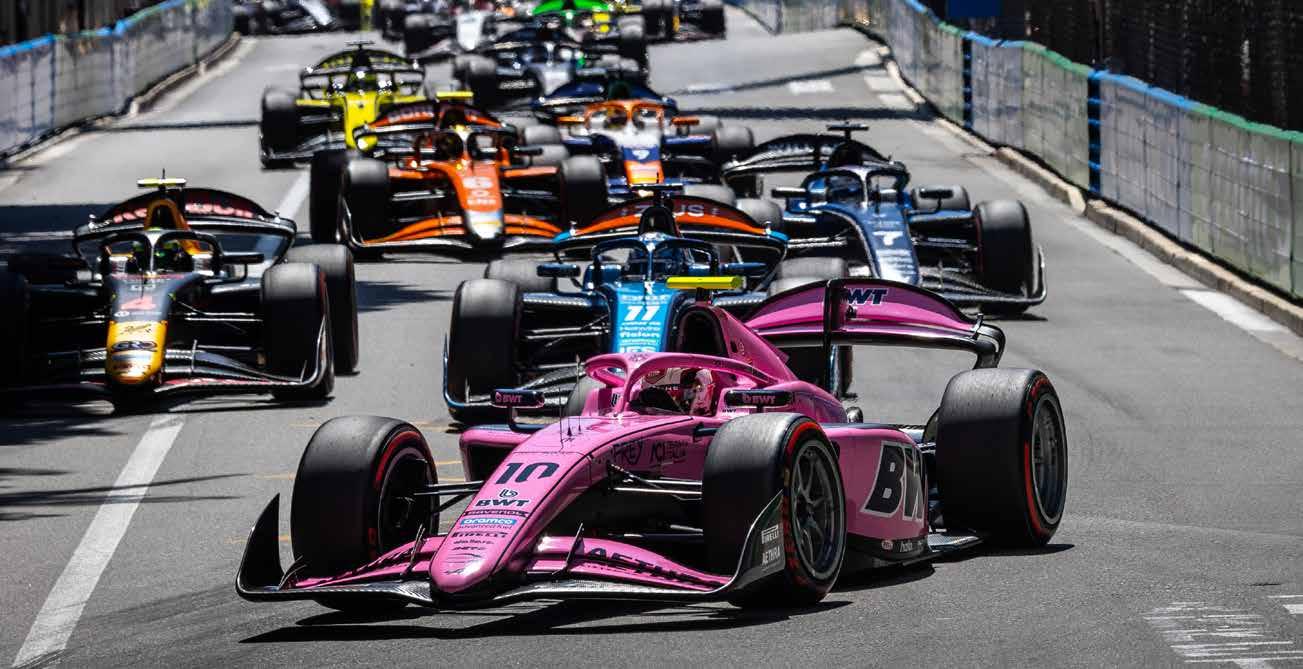
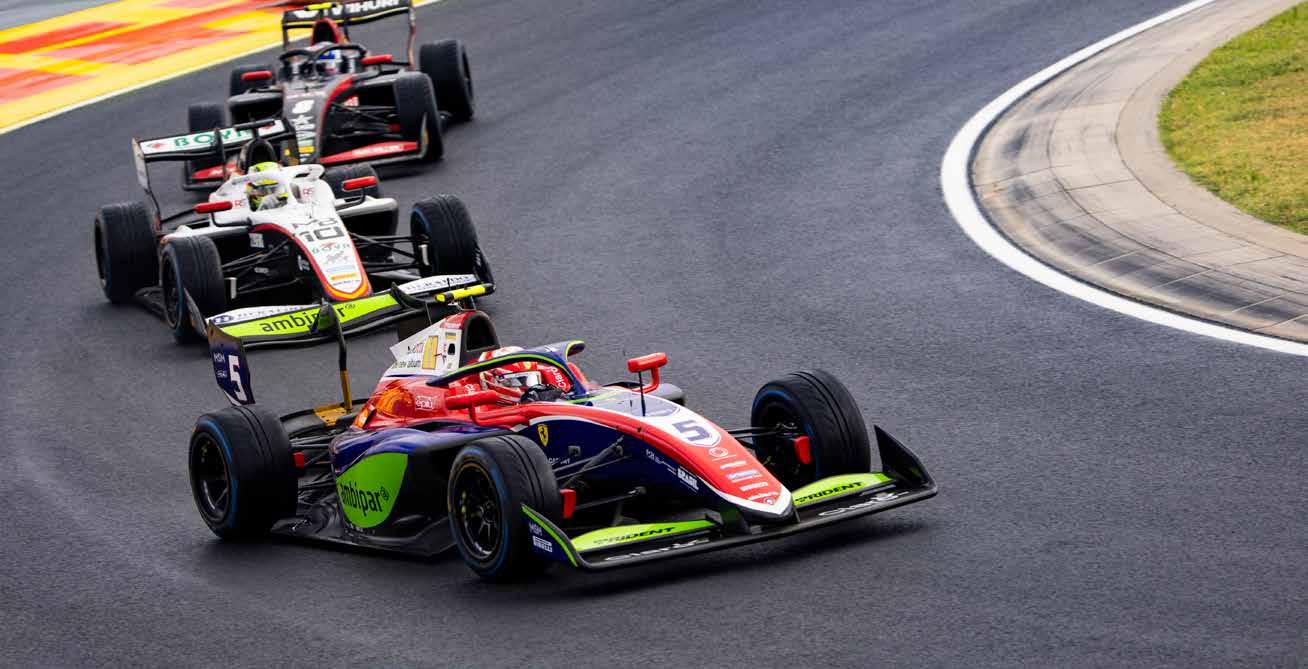
The season also featured a strong rookie class, with seventeen debutants entering the Championship. Among them was Freddie Slater, who made an immediate impression by securing a podium finish on his debut weekend in Sakhir.
• Continued development of the Formula Regional platform within the FIA single-seater ladder.
• Launch of the new Formula Regional Gen2 car planned for 2026.
• Successful staging of the second FIA Formula Regional World Cup.
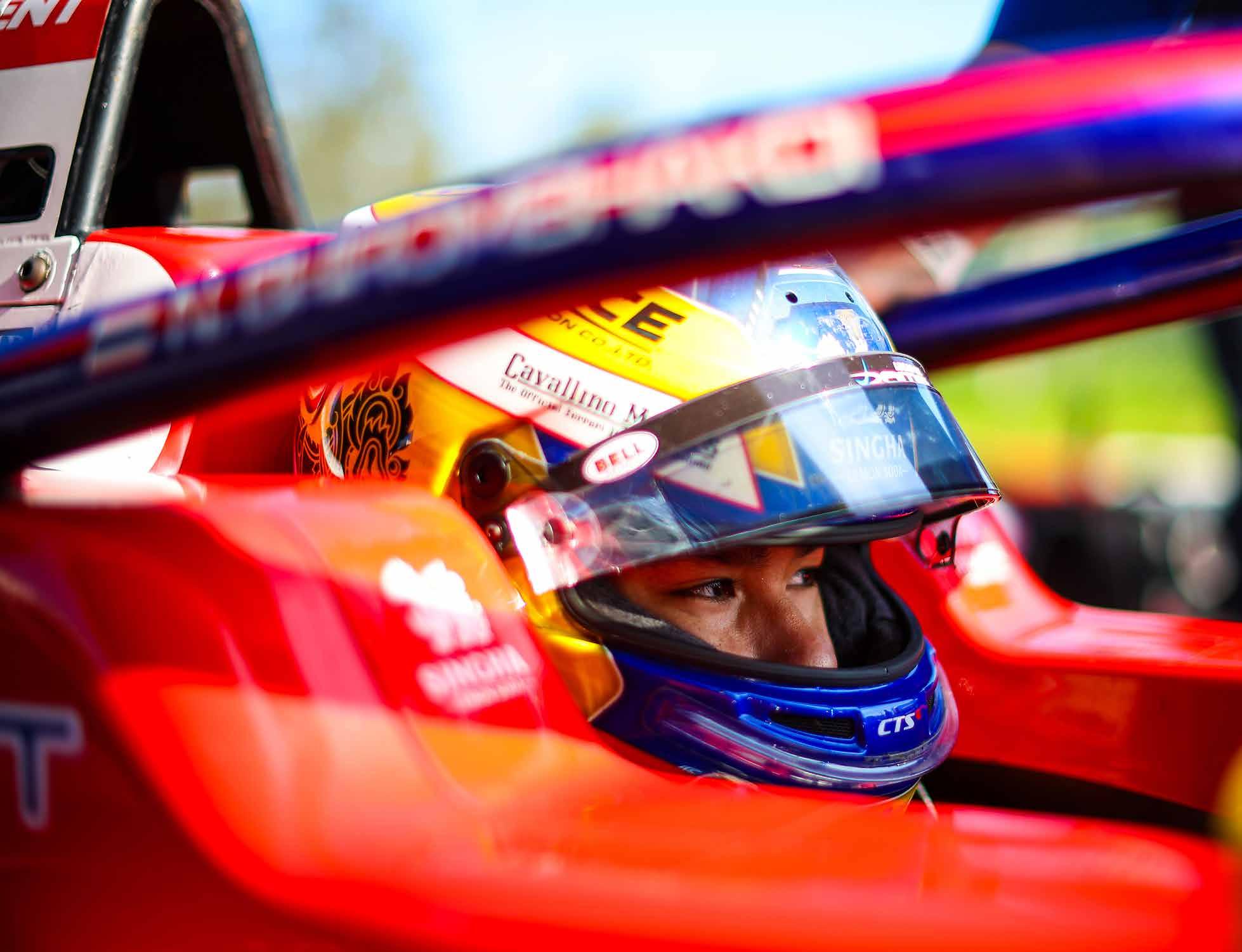
Formula Regional provides a bridge between Formula 4 and the FIA Formula 3 Championship within the single-seater driver development pathway.
In 2025 preparations continued for the introduction of the new Formula Regional Gen2 car, scheduled for launch in 2026 in both Europe and the Middle East. The new car represents an evolution of the category and includes technical improvements designed to strengthen the long term competitiveness of the series.
The FIA successfully delivered the second edition of the FIA Formula Regional World Cup, a year end event bringing together leading Formula Regional drivers alongside competitors from FIA Formula 3.
The season saw the launch of the Formula Regional and Formula 4 Trophy, designed to support the existing regional markets.
• Continued global expansion of FIA Formula 4 championship.
• Launch of the FIA Formula 4 World Cup.
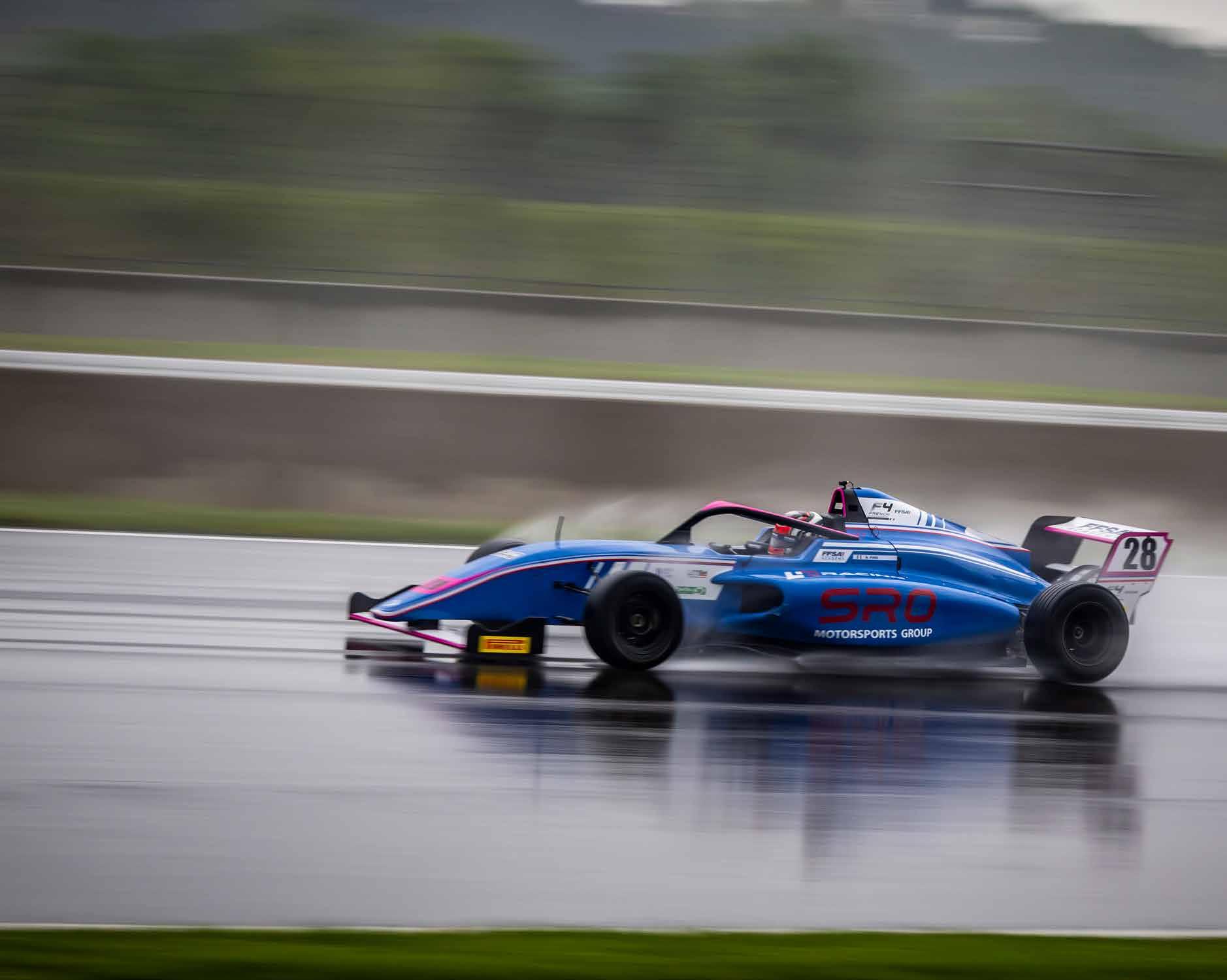
Formula 4 represents the entry point to FIA-regulated single-seater competition and plays a key role in introducing young drivers to international motor sport.
In 2025, the renewal of the Formula 4 Saudi Arabia Championship increased the total number of FIA Formula 4 championships worldwide to fourteen, further strengthening the global reach of the category.
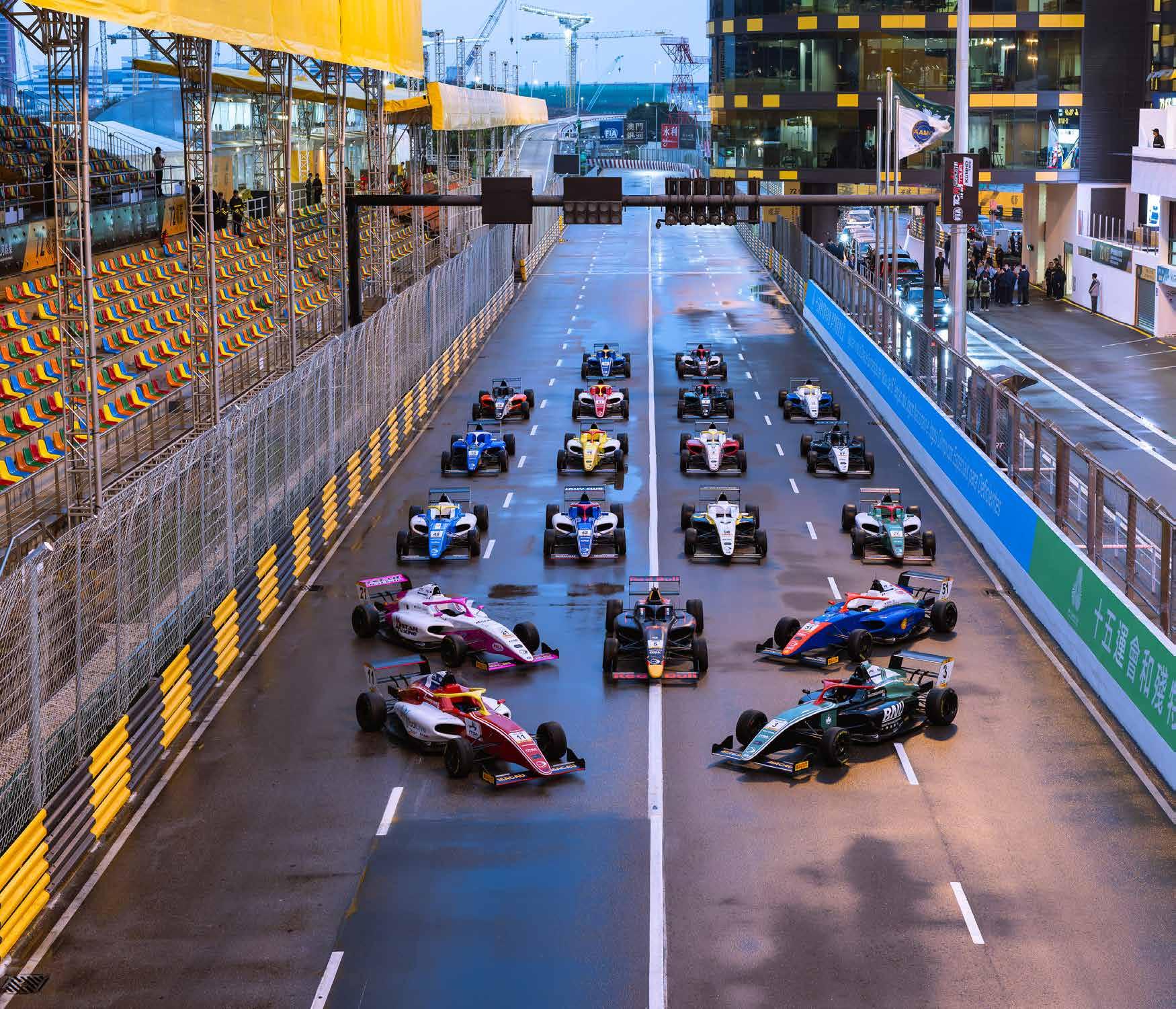
The year also saw the launch of the FIA Formula 4 World Cup, taking place at the iconic Macau Grand Prix. The inaugural event featured a full twenty car grid and brought together multiple Formula 4 champions from different regions, including female racer Emily Cotty, highlighting the continued growth and competitiveness of the category.
The FIA’s Circuit Sport department covers a range of motor sport disciplines, from entry level and mass participation karting competitions to FIA World Championships.
In 2025, the FIA continued to strengthen the competitions which play an important role in increasing motor sport’s accessibility and participation figures worldwide. This included the expansion of karting entry pathways, the organisation of the first FIA officially sanctioned Esports championship, and the relaunch of the FIA Intercontinental Drifting Cup, which was held for the first time since 2021.
Participation continued to grow across several disciplines, particularly in karting, Esports, and drifting, reflecting the FIA’s ongoing focus on grassroots engagement.
Major international events, including the FIA World Endurance Championship, the ABB FIA Formula E World Championship, and the single ‑event FIA GT World Cup, which traditionally is one of the Macau Grand Prix headlining competitions, remained central to the department’s activities.
Regulatory and organisational developments also contributed to the continued growth of several competitions. Notably, preparations continued for the FIA to assume operational management of the Goodyear FIA European Truck Racing Championship from 2026.
In the realm of Circuit Sport competitions, the FIA continued to work closely with its Member Clubs, promoters, service providers, and commercial partners to support participation increase, as well as providing the competitions with a stable base for growth.
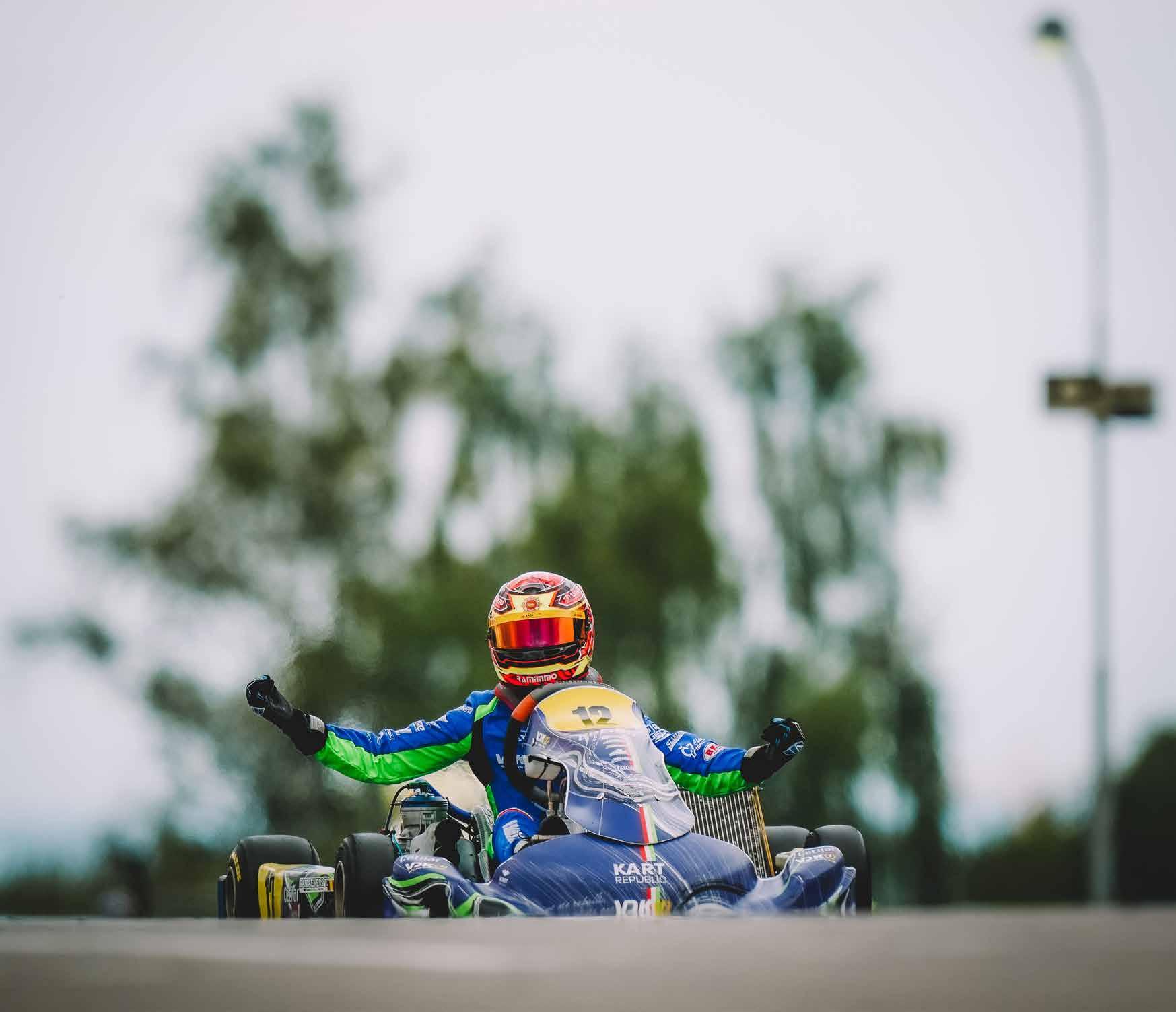
• Expansion of the Arrive and Drive pathway, lowering barriers to entry and broadening geographic participation in FIA Karting competitions.
• Strong participation growth across FIA Karting events, with 1,217 total entries in 2025, an increase of 26% compared with 2024.
• 928 unique drivers representing 86 nationalities, highlighting the continued global reach of FIA Karting.
• Full subscription across new competitions, including the OKN World Cup, Academy Senior and Arrive and Drive events.
• Introduction of a new rear-wheel safety device, deployed during the FIA Karting Academy Trophy and FIA Karting Arrive and Drive World Cup, now mandated across FIA Karting events.
Karting remains the primary entry point into motor sport and plays a central role
in developing the next generation of drivers.
Many of today’s leading competitors across FIA World Championships began their careers in karting, making the discipline a vital foundation for the future of the sport. In 2025, the FIA continued to roll out its Global Karting Plan to strengthen this pathway with initiatives designed to expand participation and improve accessibility.
A key development was the expansion of the Arrive and Drive format within FIA Karting. Alongside the established continental and World Championship competitions, this initiative lowers barriers to entry, making the sport more accessible while supporting greater geographic diversity among competitors. The inaugural FIA Karting Arrive and Drive World Cup in Malaysia welcomed 107 competitors from 50 nationalities, including 15 girls.
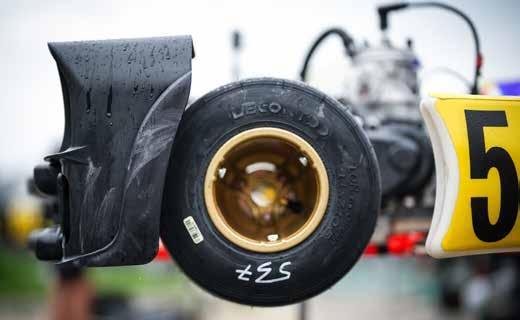
Participation across FIA Karting competitions increased significantly during the year. A total of 1,217 entries were recorded across championships and events, representing an increase of 26% compared with 2024. The number of unique drivers also grew strongly, reaching 928 competitors, an increase of 38% year‑on‑ year. In total, drivers from 86 nationalities were represented, highlighting the continued global reach of FIA Karting.
The Championship activity remained strong throughout the season, with newly introduced competitions, including the OK NJ World Cup, Academy Senior and Arrive and Drive events, achieving full subscription. In total, eleven FIA Karting events were organised during the year as well as the first FIA Karting Shootout held in Valencia.
Alongside participation growth, the FIA continued to prioritise safety innovation in karting. Improving safety at the entry level of motor sport remains an important focus of FIA research and development programmes.
In addition to the testing and rollout of the Impact Data Recorder in karting, one area of particular attention has been the risk of kart ‘rollover’, which can occur when a kart launches following wheel‑ to rear wheel contact. This situation typically arises when rear wheel torque and front wheel speed combine in conditions where bodywork coverage is insufficient.
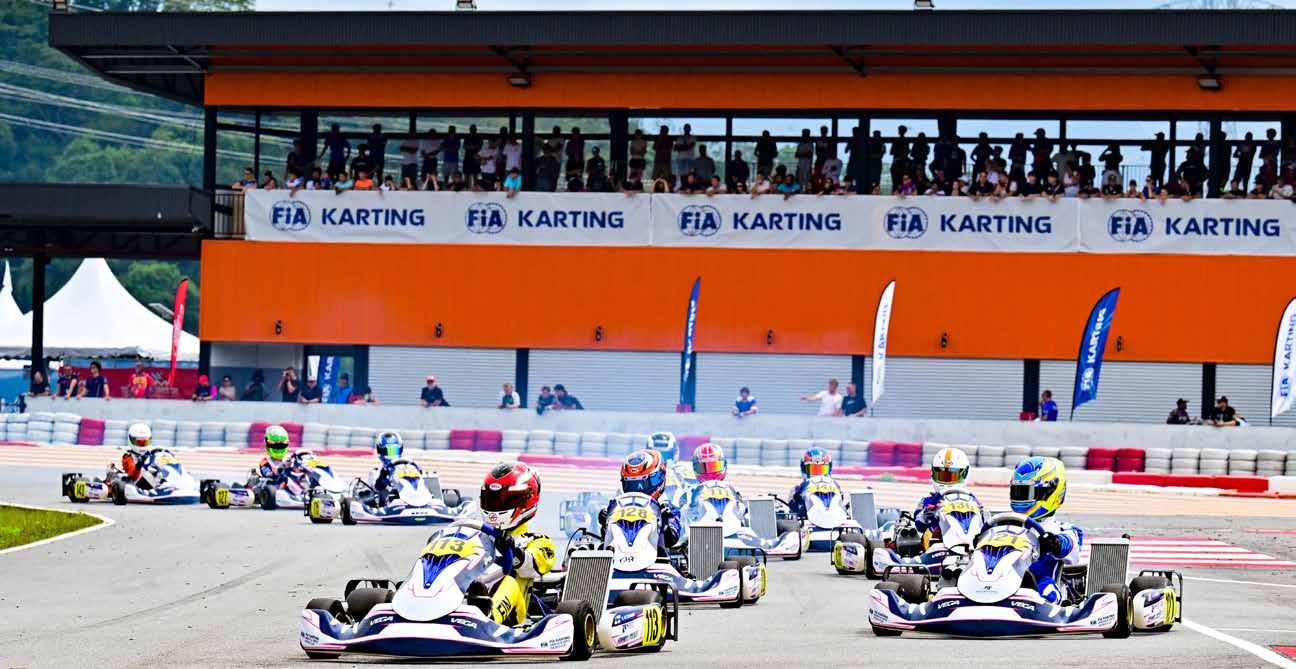
To mitigate this risk, the FIA developed an anti launch wheel cover device designed to reduce the likelihood of a kart launching. The device was deployed for the first time in 2025 during the FIA Karting Academy Trophy in Cremona and subsequently during the FIA Karting Arrive and Drive World Cup in Malaysia. The device became mandatory across FIA Karting championships in April 2026.
• Organisation of the first FIA officially sanctioned Esports Championship.
• Strong participation across FIA Esports competitions.
• Support for Esports development through the FIA Presidential Development Fund.
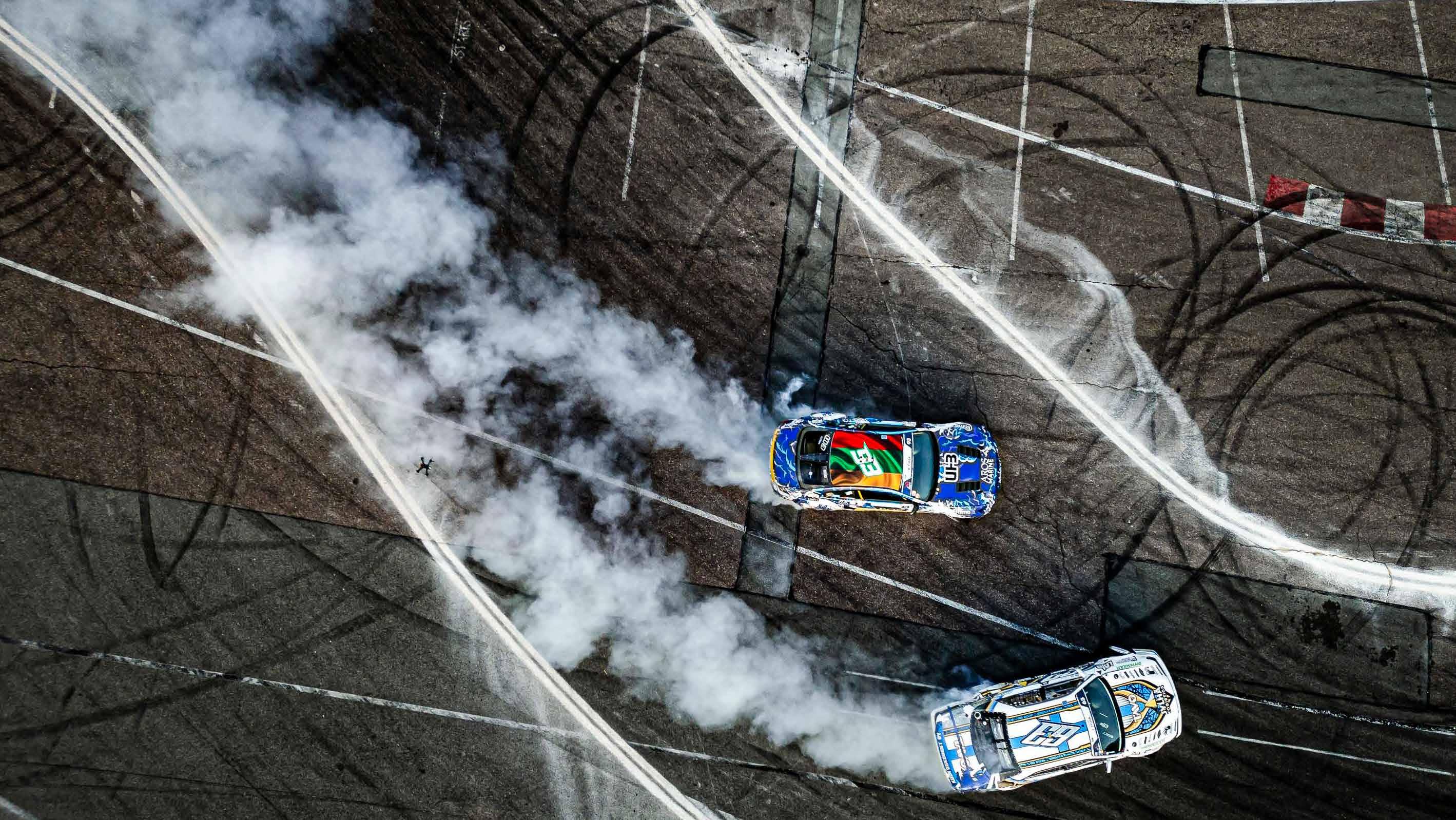
Esports continues to expand as an important participation platform within the FIA ecosystem.
In 2025, the FIA organised the first officially sanctioned Esports Championship, operating under the principles of Appendix E to the International Sporting Code, with the FIA MENA Esports Championship, the on‑site final of which took place in Amman, Jordan.
Participation levels on iRacing were particularly strong. FIA Formula 4 iRacing competitions recorded 130k unique drivers and more than three million race entries throughout the year, while FIA Cross Car Esports competitions attracted almost 19k drivers and over 61k entries following its launch in December 2025.
The FIA Presidential Development Fund also supported the expansion of Esports activities. In 2025, the fund supported three Esports initiatives out of nine applications in Bolivia, Barbados and Colombia, helping expand participation opportunities in emerging motor sport markets.
• Relaunch of the FIA Intercontinental Drifting Cup.
• Strong international participation across the competition.
Drifting remains an important discipline for many FIA Member Clubs and contributes to the Federation’s objective of increasing accessibility and participation at grassroots level.
In 2025, the FIA relaunched the FIA Intercontinental Drifting Cup in Riga, Latvia. 45 drivers entered the event, representing 33 different countries and five FIA Regions, highlighting the global reach of the discipline, with 11 countries also contesting for the new 2025 Nations Cup.
• The GT World Cup
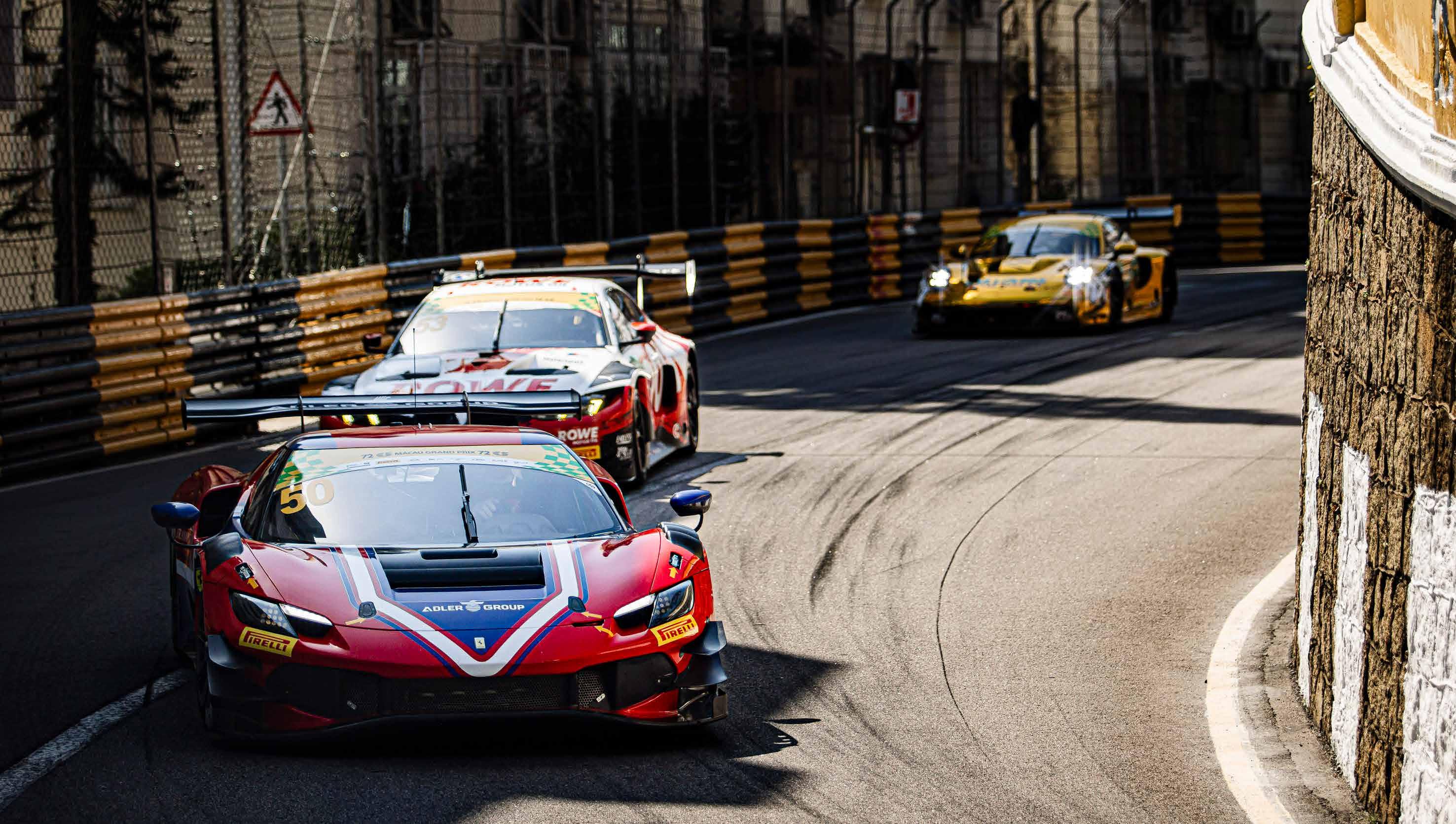
• Mandated use of torque sensors and introduction of a Superpole in qualifying rounds.
• Continued work to improve GT3 Technical and Homologation Regulations.
The eighth edition of the FIA GT World Cup took place at the Guia Circuit in Macau as part of the 72nd Macau Grand Prix, alongside the inaugural FIA F4 World Cup, the final round of the Kumho FIA TCR World Tour and the headlining FIA FR World Cup.
The event saw a 16 car grid from six different manufacturers with a very high level of drivers – 14 of the drivers ranked Platinum or Gold. Mercedes‑AMG did not return after its win in 2024; however, McLaren participated for the first time since 2015, so the number of manufacturers taking part in the event remained unchanged.
The reduced grid for the 2025 edition of the event was primarily the result of a new regulation mandating the compulsory use of torque sensors. This measure was introduced by the FIA Technical Team as the most effective way to control vehicle power, after
several years of observing the limitations of relying solely on Balance of Performance to regulate GT3 car performance. Torque sensors had previously been implemented in the FIA World Endurance Championship, where they proved to be a reliable and successful solution, and with the FIA GT World Cup title being decided over a single event, the highest possible level of accuracy was key from a performance balancing standpoint.
The competition also benefited from a revised qualifying format. The initial 30 minute Q1 session was followed by a Superpole shootout for the top 10 drivers, each given the opportunity to complete up to two push laps on fresh tyres. The format received widespread praise from drivers, teams, manufacturers and media.
During the year, the FIA continued to conduct GT3 Technical Working Groups and work on improving the technical and homologation regulations for the category.
• FIA to assume operational management of the Goodyear FIA European Truck Racing Championship from 2026.
• Continued stability in competitor participation and manufacturer engagement.
• Norbert Kiss secured his seventh series overall champion crown, becoming the record holder of the Series.
• Ongoing connection between truck racing and developments in transport and logistics.
Truck racing represents a distinctive discipline within international motor sport and maintains strong links with the wider transport and logistics industries.
Truck racing holds a unique position within FIA championships due to its close relationship with the commercial vehicle sector. The Championship was also the first FIA series to introduce fully sustainable fuel in 2021, highlighting its relevance to developments in transport technology and sustainability.
In 2025, the championship continued to operate with stable stakeholders (competitors’ grid and long‑standing local organisers) and key partners to ensure the completion of an exciting season which led to Norbert Kiss securing his seventh Series crown (becoming the record holder of the Series).
During the year, the FIA confirmed that it will assume operational management of the Goodyear FIA European Truck Racing Championship from 2026, reinforcing its commitment to the continued development of the discipline.
The Championship will enter a new era, with the FIA assuming full control of the Series.
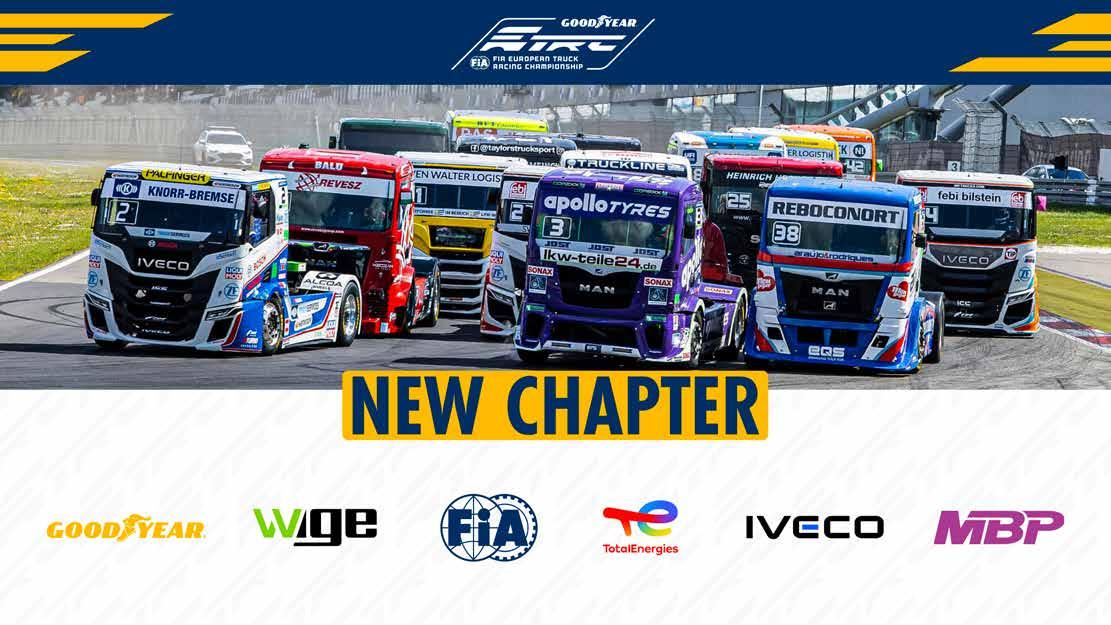
• The second season of the Kumho FIA TCR World Tour spanned four continents, eight countries and included 20 races.
• The series enjoyed improved operational efficiency and world-class circuits.
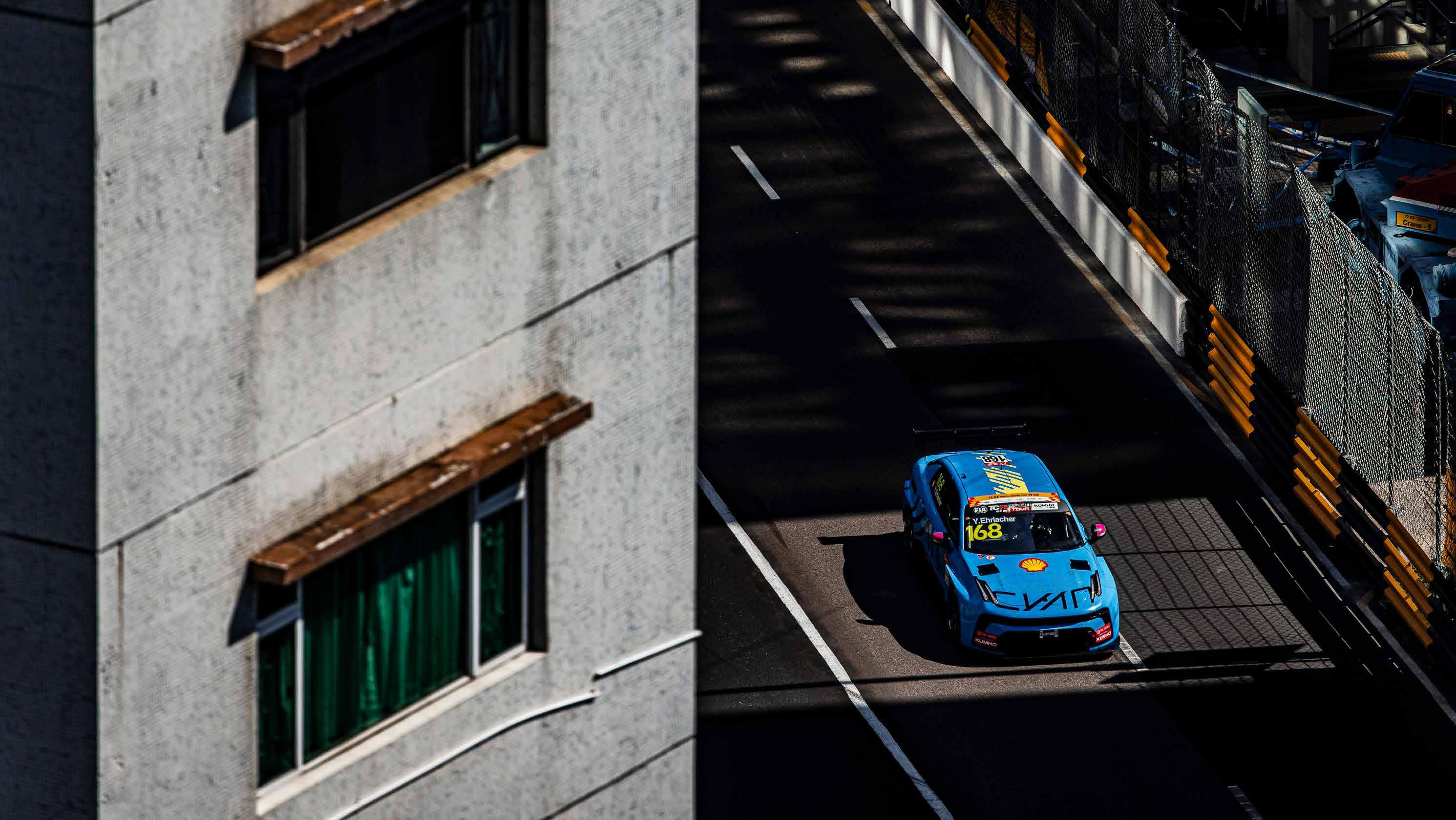
In 2025, the Kumho FIA TCR World Tour celebrated its second season and returned with an even stronger calendar that visited Mexico City, the streets of Vila Real, the twists of The Bend and the narrow corners of Macau, among others.
The event in Inje, Republic of Korea, was the first FIA sanctioned international motor sport event in the country since the 2022 Seoul Formula E e ‑Prix.
As is the concept of the Tour, at each location, full season drivers were joined by local drivers. A total of 29 teams and 72 drivers took part in the Tour throughout 2025. The focus of the year was to train multiple new officials, including two new Race Directors and improve the operational and sporting framework of the series. The Tour concluded in Macau crowning Yann Ehrlacher (FRA) and CYAN RACING LYNK & CO as season winners.
The series is due to return in 2026 as part of the three year contract with WSC World Sporting Consulting Limited.
In addition to the World Tour, the FIA Touring Car Commission continued its work to find opportunities for improving and growing the category.
• Creation of the RC6 class for Rally6 cars to strengthen grassroots accessibility.
• Mandatory competitors’ briefings introduced across all Regional Rally Championships.
• Targeted sporting and technical updates implemented across the FIA European Rally Championship (ERC), FIA Middle East Rally Championship (MERC) and FIA Asia-Pacific Rally Championship (APRC).
Chaired by Imad Lahoud, the FIA Regional Rally Commission worked intensively throughout the 2025 season to reinforce the sporting and technical framework of its championships.
A major development was the creation of the RC6 class for Rally6 cars, a new two‑wheel‑drive category based on the maximum use of standard components and road‑homologated tyres.
Mandatory competitors’ briefings were introduced across all Regional Rally Championships, while targeted updates were implemented in each series.
In the FIA European Rally Championship, these included a single fuel supply for ERC1 cars, reduced tyre compound options and revisions to the Leg 2 start order. The FIA Middle East Rally Championship introduced a mandatory shakedown and clarified the Leg 1 start order. The FIA Asia‑Pacific Rally Championship returned to its traditional format, with all events awarding points.
These measures strengthened consistency, accessibility and competitive integrity across regional rallying worldwide.
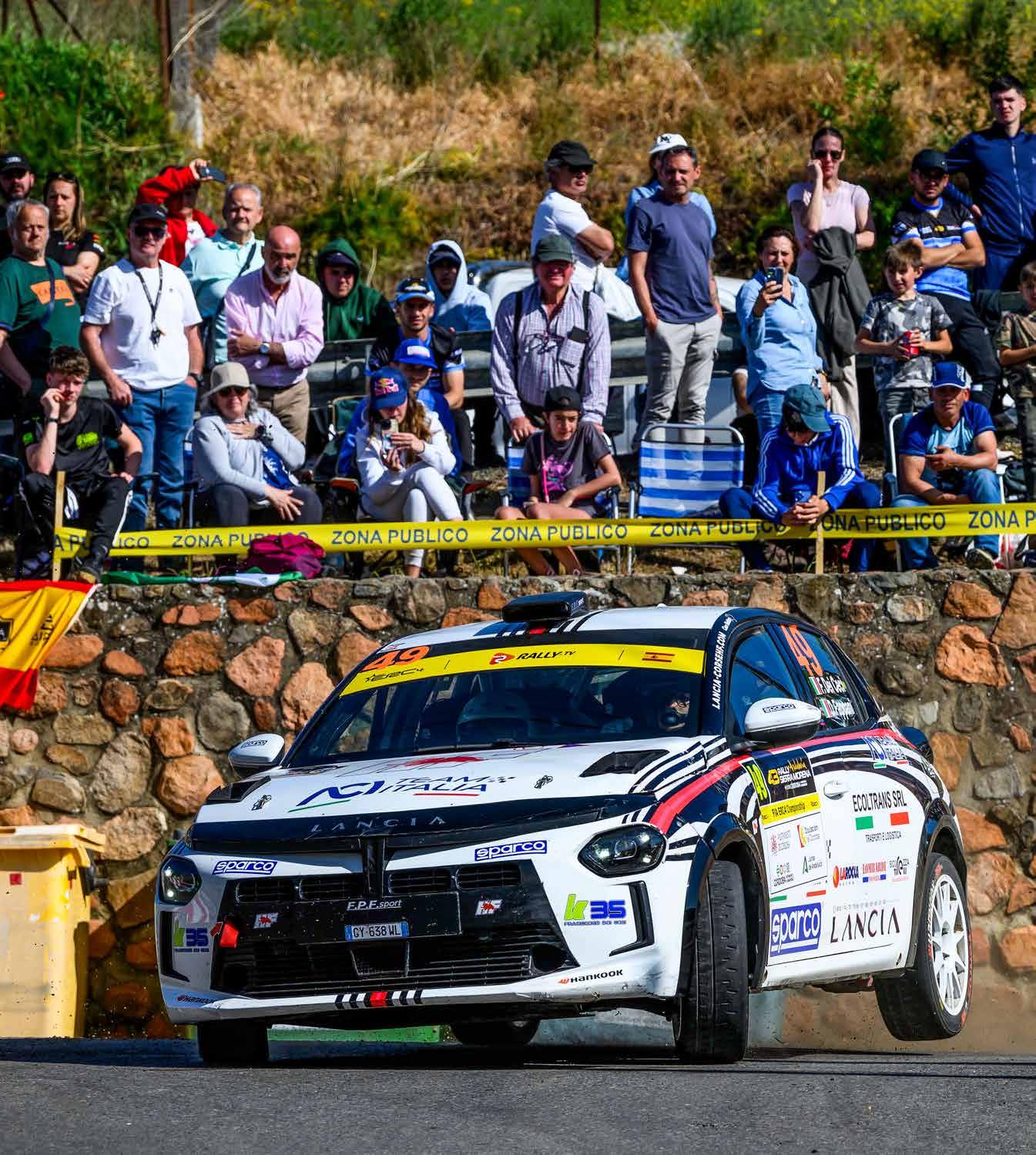
• Final year of the FIA Rally Star programme delivered breakthrough results across the FIA Junior World Rally Championship.
• 2024 FIA Junior WRC Champion Romet Jürgenson progressed to Rally2 machinery for his FIA World Rally Championship 2 (WRC2) prize drive.
• FIA Rally Star crews secured podium finishes at every round of the 2025 FIA Junior WRC season.
The final year of the FIA Rally Star programme marked a significant milestone in the FIA’s global rally talent pathway, demonstrating the strength of its development model and the progress achieved by its leading crews.
Established in 2021 as the first worldwide rally talent detection initiative, FIA Rally Star was designed to identify, train and prepare emerging drivers with the potential to reach the FIA World Rally Championship.
Following their inaugural FIA Junior WRC season in 2024, three FIA Rally Star crews returned to world championship competition in 2025. After securing the 2024 FIA Junior WRC title, Estonian pairing Romet Jürgenson and Siim Oja stepped up to Rally2 machinery for their FIA WRC2 prize drive. Meanwhile, Taylor Gill and Daniel Brkic, together with Max Smart and Malcolm Read, embarked on their second FIA Junior WRC campaigns. Gill and Brkic delivered a standout season, securing victories in Portugal and Finland on their way to second place overall. Smart and Read also demonstrated strong potential, including a podium finish in the FIA WRC3 category.
Across the season, at least one FIA Rally Star crew finished on the podium at every round, underlining the programme’s effectiveness and its contribution to strengthening the rally pyramid.
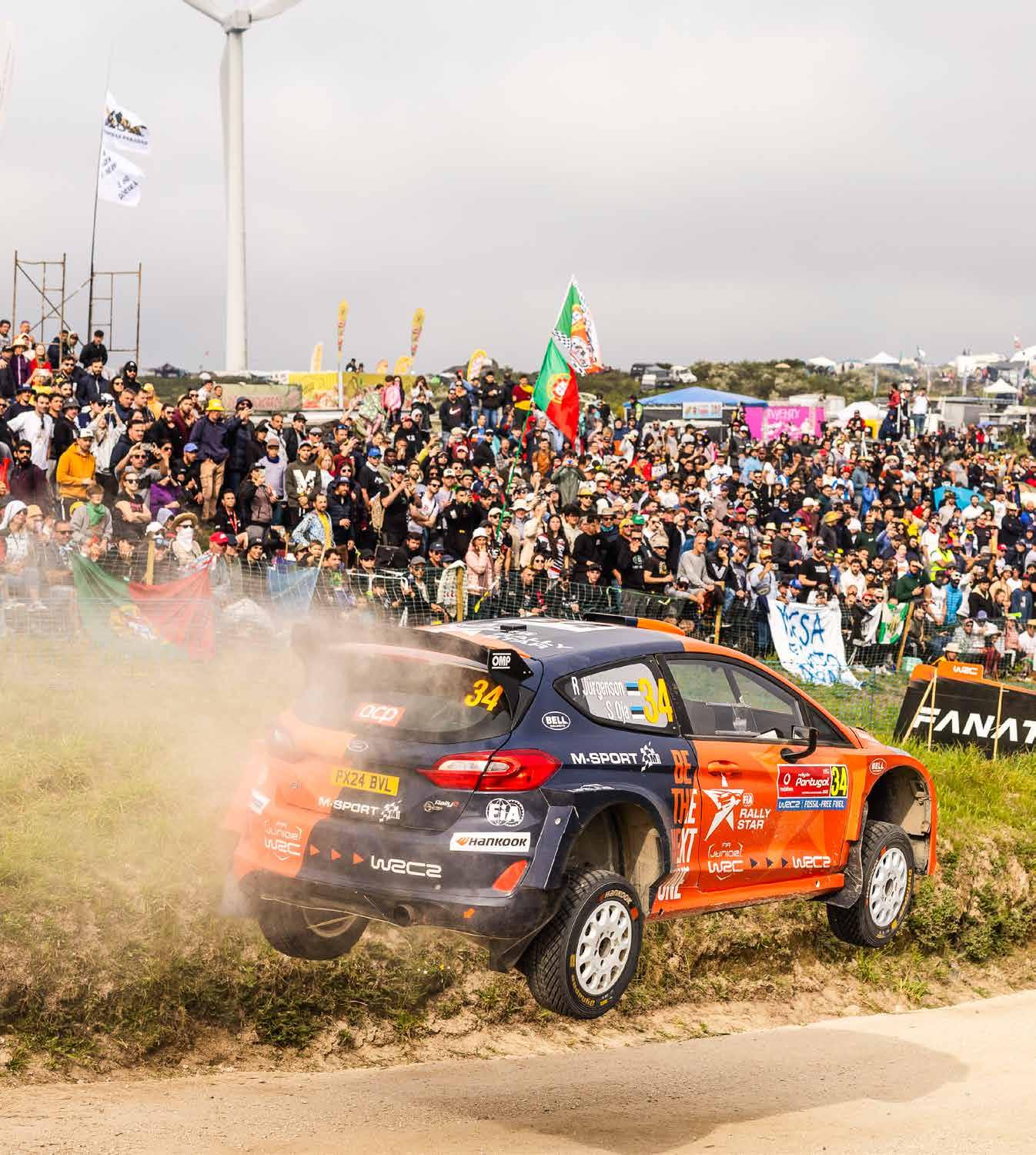
• Introduction of FIA torque -meter powertrain monitoring for T1+ vehicles.
• Updated FIA Technical Passport procedures to streamline event administration.
• Close collaboration with the FIA World Rally-Raid Championship Commission.
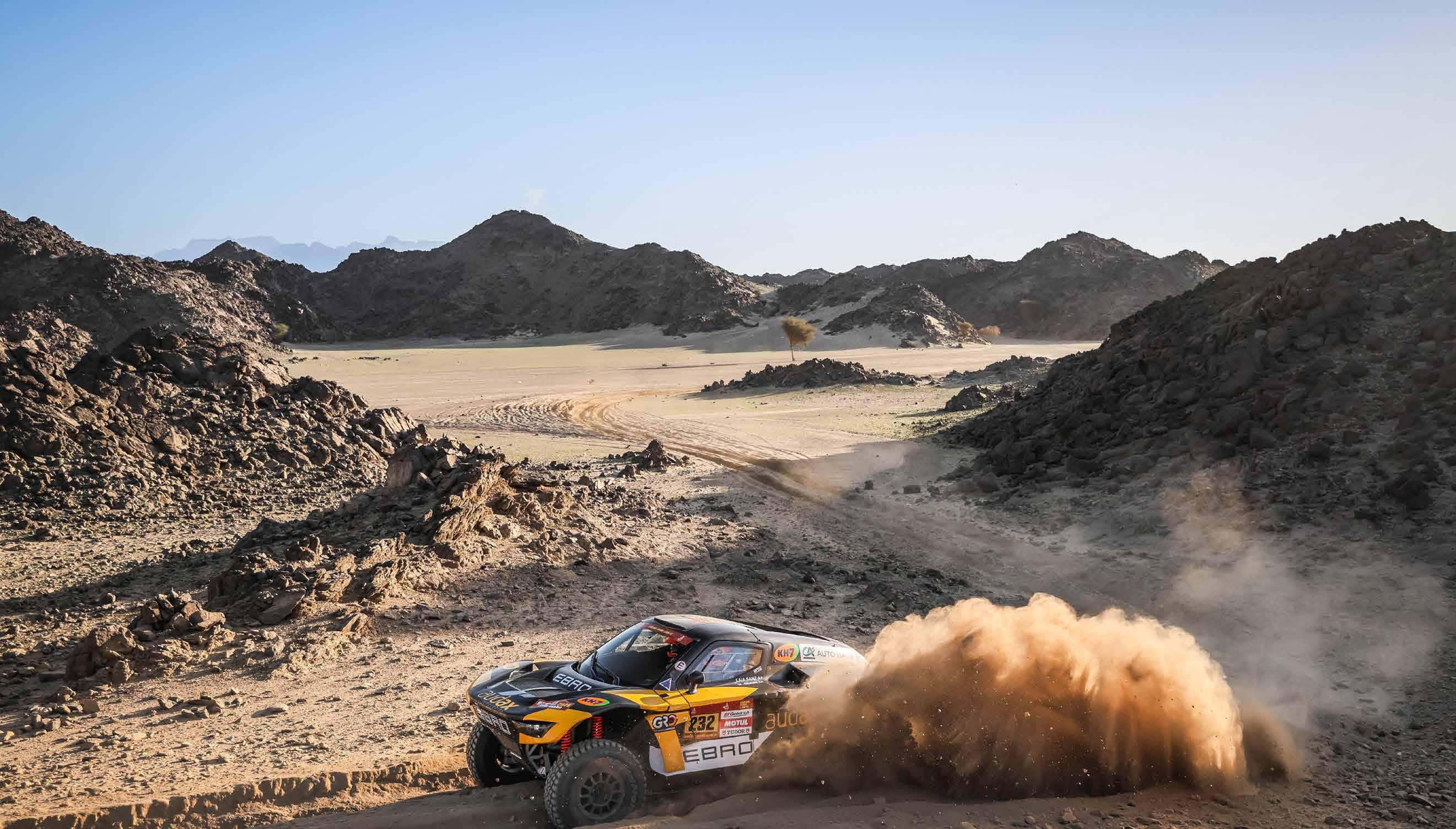
Under the leadership of Zaid Balqez, the FIA Cross-Country Rally Commission introduced new powertrain monitoring systems for T1+ vehicles, incorporating the FIA torque -meter system across eligible entries.
This innovation enhances performance transparency and strengthens regulatory oversight.
The Commission also implemented updates to FIA Technical Passport procedures, simplifying administrative processes for teams and organisers and improving scrutineering efficiency. Close collaboration with the FIA World Rally‑Raid Championship Commission ensured alignment across sporting and technical matters, reinforcing the global consistency of cross‑country rallying.
• Record 1,175 entries across the 2025 season.
• Strong participation across all categories, with 272 drivers competing.
• Cross Car to become a standalone championship in the coming years.
The 2025 FIA Autocross and Cross Car Championships recorded unprecedented participation, with 1,175 entries across 10 events.
Autocross attracted 65 Super Buggy drivers, 70 in Buggy 1600 and 21 in Junior Buggy, with 133 competitors scoring points. Cross Car recorded 510 entries, with 116 drivers competing and 76 scoring points.
On track, Czech driver Zdeněk Antony secured the Super Buggy title, France’s Malone Feuillade won Junior Buggy and Jakub Novotný claimed Buggy 1600. With its accessible cost base and growing popularity, Cross Car will become a standalone championship in 2026, strengthening its role within the FIA Off‑Road Pyramid.
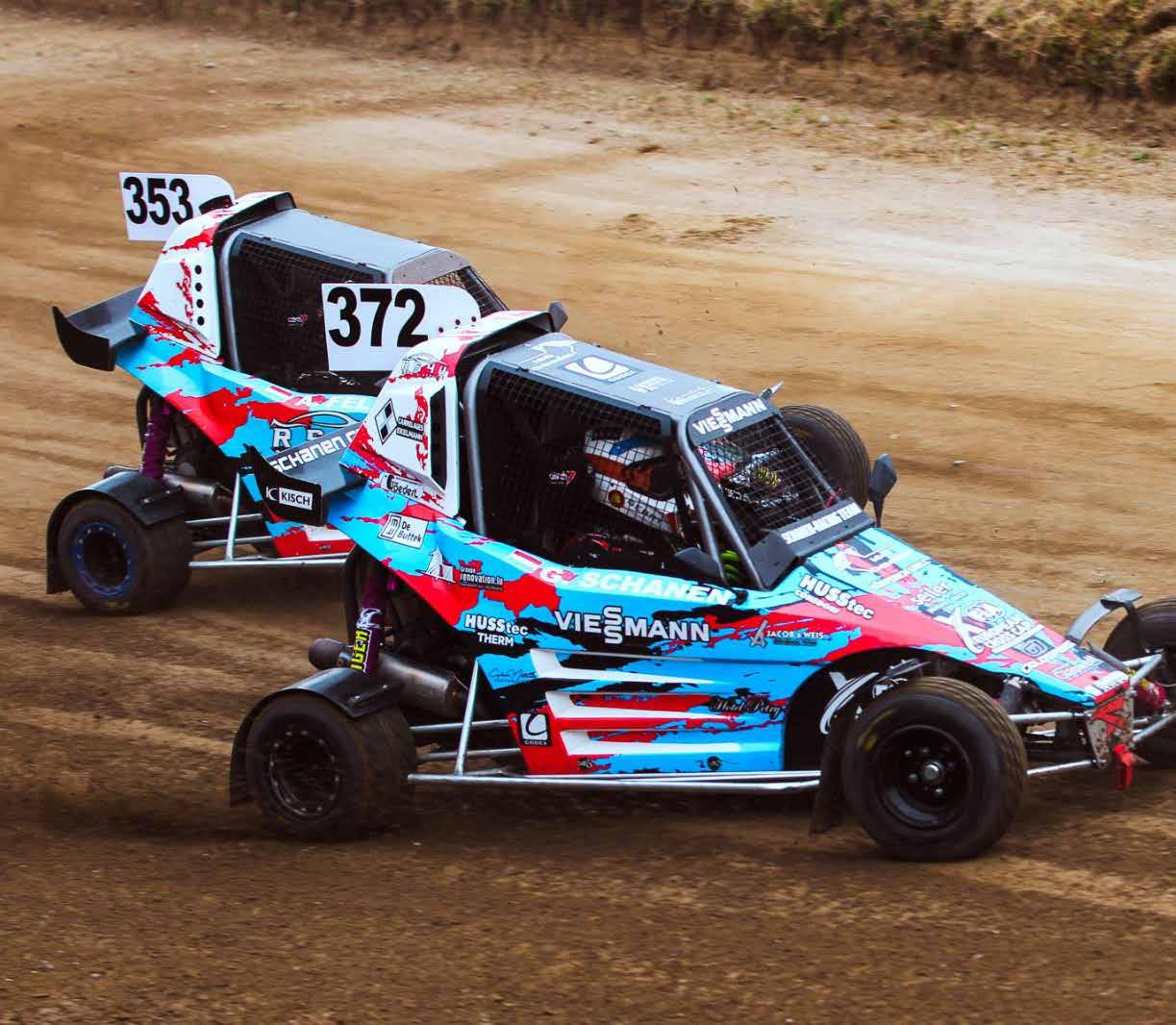
• 10 FIA Land Speed Record events held worldwide in 2025.
• Reg Cook set two FIA World Flying Start Land Speed Records in Bolivia.
• Two special events planned for 2026, including joint FIA–FIM programme.
The 2025 season saw renewed momentum in FIA Land Speed Records, with 10 events held worldwide.
A highlight came at the Uyuni Salt Flats in Bolivia, where Reg Cook set two FIA World Flying Start Land Speed Records in Category A – Group II – Class 7, achieving 296.833 kph over one kilometre and 184.435 mph over one mile.
In 2026, the discipline will feature two special events: a joint FIA–Fédération Internationale de Motocyclisme (FIM) programme at Uyuni, and an original equipment manufacturer (OEM) project at the Bonneville Salt Flats.
• Championship expanded from 12 to 14 rounds, including first event in China.
• 350 competitors and 32 Electric Vehicle (EV) brands represented.
• Successful testing of new State of Charge (SoC) monitoring device.
The Bridgestone FIA Eco Rally Cup expanded to 14 rounds in 2025, welcoming China for the first time and adding Lithuania and Latvia as candidate events for 2026.
More than 350 competitors from 13 nations and 32 Electric Vehicle brands participated.
A major technical development was the successful testing of a new State of Charge (SoC) monitoring device for vehicles using the Type 2 charging protocol. The device will be implemented across all rounds in 2026, strengthening technical accuracy and competitive fairness.
Across Road Sport championships, the FIA introduced the FIA Road Sport House, a branded FIA motorhome travelling to WRC, World Rally ‑Raid, and Rallycross championship events.
The Road Sport House provides a visible FIA presence within paddocks and service parks while also serving as a dedicated meeting space for FIA officials, partners and promoters during events.
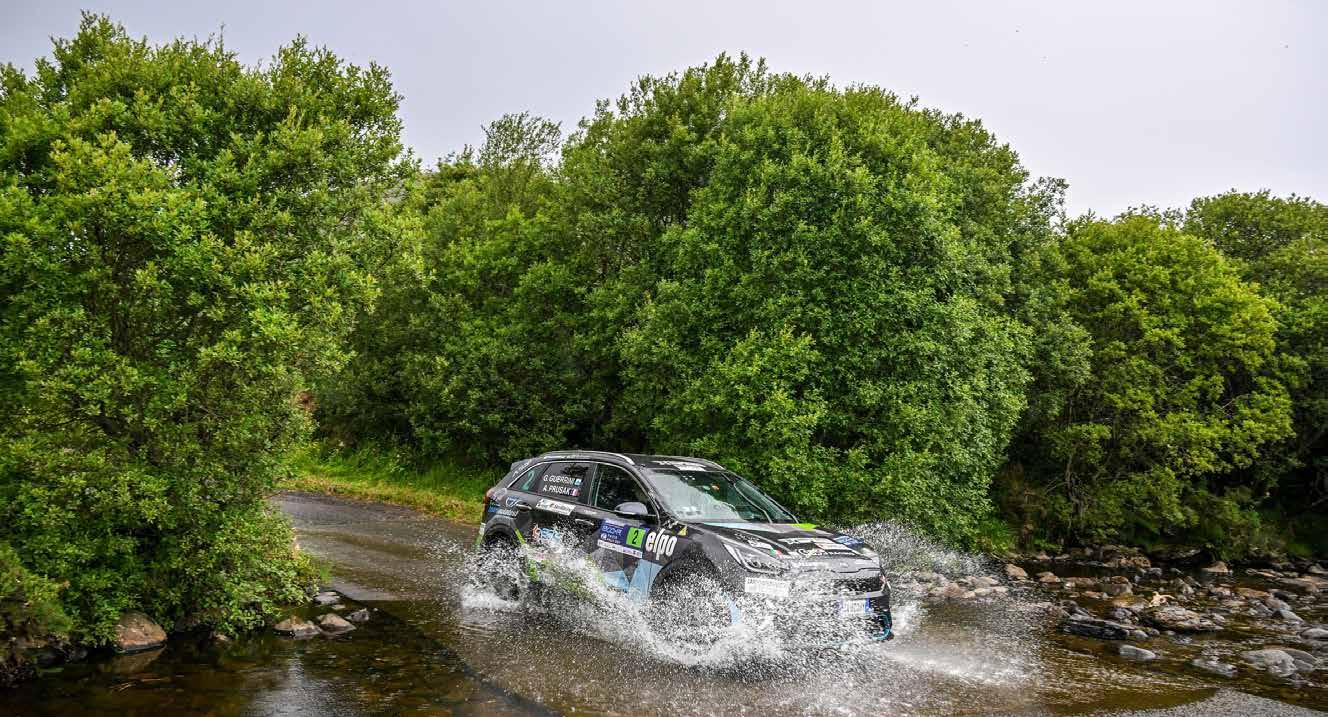
KEY TAKEAWAYS
• Creation of a consolidated FIA Rallycross Sporting Regulations for future for regulatory clarity and discipline harmonisation.
• Introduction of RX4 (Rally4) and RX5 (Cross Car) support categories for the FIA European Rallycross Championship.
• Introduction of the FIA Rallycross World Cup concept.
Chaired by Włodzimierz Szaniawski, the FIA Off-Road Commission introduced two new support categories for the FIA European Rallycross Championship.
RX4, based on Rally4 machinery, provides an accessible grassroots entry point, while RX5 integrates Cross Cars into Rallycross for the first time.
The Commission also supported the FIA’s assumption of responsibility for organising and promoting the FIA World and European Rallycross Championships and the creation of Rallycross World Cup, and at the same time strengthening governance and operational alignment across the discipline through the creation of consolidated FIA Rallycross Sporting Regulations.
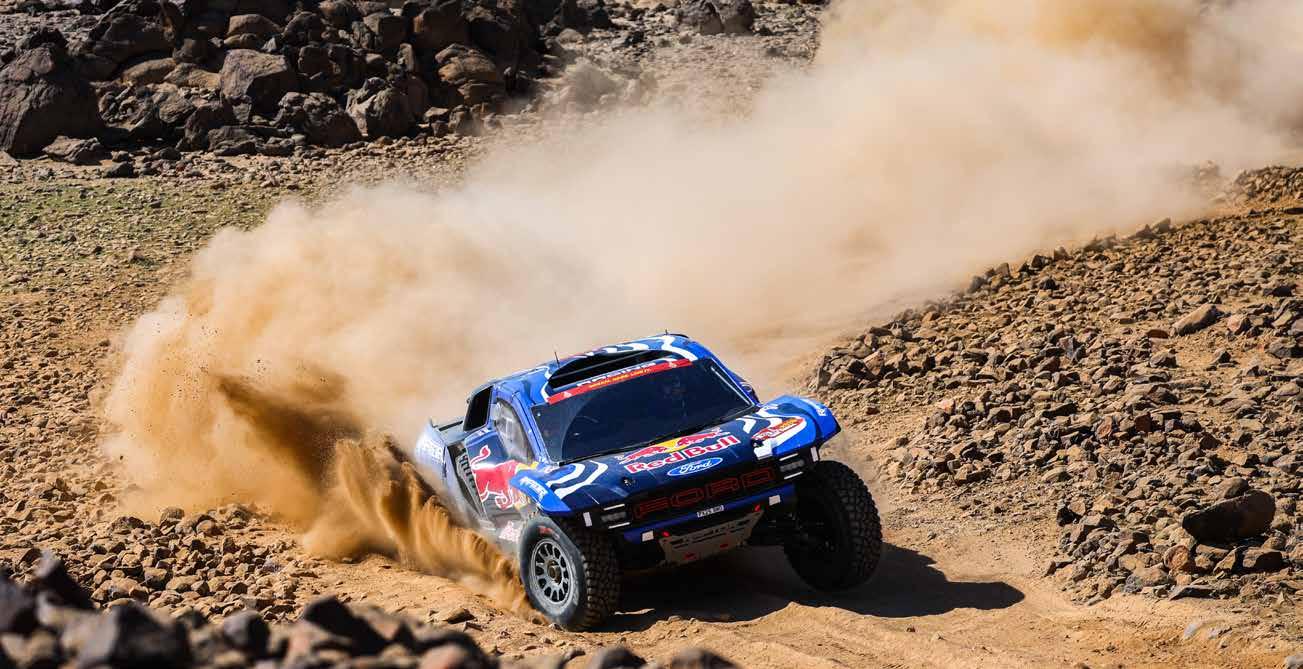
• FIA Performance Factor extended to Category 2 competition cars.
• Highly competitive 2025 season with titles decided at the final round.
• Approval of consolidated 2026 FIA European Hill Climb Sporting Regulations.
Led by Dusan Koblisek, the FIA Hill Climb Commission extended the FIA Performance Factor system to Category 2 competition cars, harmonising performance evaluation across the discipline.
The 2025 FIA European Hill Climb Championship delivered a compelling season, with both titles decided at the final round across 11 events.
The Commission also approved the consolidated 2026 FIA European Hill Climb Sporting Regulations, simplifying governance and strengthening regulatory clarity.
• Strengthened FIA technical governance through deeper OEM engagement, expanded regulatory development and major engineering programmes across all disciplines.
• Delivered significant safety innovation, including the karting anti launch device, WRC 2027 safety cell, new hydrogen and energy regulations, and advances in Formula E GEN4 development.
• Modernised homologation processes, expanded safety cage certification, and advanced the Digital Technical Passport platform.
• Supported global safety leadership through Safety Week, new standards, medical initiatives and cross disciplinary research.
The Manufacturers’ Committee adopted a strengthened strategic format in 2025, enhancing dialogue with OEMs and aligning technical roadmaps with championship attractiveness. Engagement focused on regulatory stability, cost control, sustainability pathways and the integration of emerging technologies across FIA championships. This renewed structure has reinforced the FIA’s ability to coordinate long term technical direction with manufacturers while ensuring competitive, credible and future proof regulations.
The FIA Technical Department delivered a broad programme of engineering and research activities, supporting innovation, and regulatory development across all disciplines. Key areas included hydrogen, battery testing, sustainable fuels, simulation tools and the development of next generation vehicle architectures.
A major milestone was the creation of the first ever technical and safety regulations for liquid hydrogen powered vehicles. Developed with experts from aerospace, energy, hydrogen storage, refuelling, risk assessment and automotive sectors, the new framework,
soon to be integrated into Appendix J, Article 266, sets strict standards for storage systems, vehicle integration and refuelling procedures, including pressure tested compartments, multi alert leak detection and boil off limits.
The FIA also consolidated all energy related requirements into a new unified Article 266, covering fuel, electricity, hydrogen and future technologies. This modernised framework improves regulatory consistency and supports the integration of alternative energy systems across FIA championships.
A global advanced sustainable fuel certification programme was launched in partnership with Zemo. Already implemented in Formula 1 and ready for wider deployment, the certification provides an FIA guaranteed sustainability standard for fuels used in competition. Formula 1 will run on advanced sustainable, non‑co‑processed fuel for the first time in motor sport history.
The FIA advanced its simulation and data‑driven capabilities, supporting regulatory development, performance validation and safety analysis. The simulation team played a central role in the Formula E GEN4 project, from tender definition to on track development.
Activities included:
• Developing vehicle specifications and duty cycles.
• Evaluating supplier bids.
• Integrating supplier data to guide performance development.
• Supporting tyre development through correlation studies.
• Conducting pre and post test simulation analyses to verify performance and compliance.
The FIA continued to refine performance balancing tools, power unit monitoring systems and energy management frameworks across multiple championships. Work included improved modelling of hybrid systems, enhanced data acquisition and the integration of new energy storage technologies.
The FIA delivered regulatory updates, safety improvements and homologation support across circuit racing and mass participation disciplines. Work included updates to circuit safety requirements, improvements to trackside systems and enhanced guidance for event organisers.
A major achievement in 2025 was the development of the WRC 2027 Technical Regulations, the most significant regulatory update for rally in many years.
The new rules introduce a reduced cost, more accessible formula, while allowing a wide variety of production based and bespoke rally designs. A new safety cell, specified directly in the regulations, delivers substantial improvements across all impact load cases, including:
• Up to 112% improvement in roof impact energy absorption.
• Up to 94% reduction in frontal intrusion.
• Up to 63% improvement in side impact intrusion at centre of gravity.
These advances represent a major step forward in rally safety and accessibility.
The FIA supported the continued evolution of Formula E, including GEN4 development, tyre testing, simulation correlation and regulatory refinement. The Department also assisted in delivering the first ever Extreme H event, including technical and safety rules, homologation criteria and event support. Work continues on a roadmap to encourage manufacturer participation in hydrogen powered off‑road competition.
GEN4 performance targets show a step change in capability, with estimated 600 kW race power, >320 km/h top speed and 0–100 km/h acceleration of ~1.8 seconds.
In 2025, the Homologation Regulations Committee, led by President Xavier Schene, oversaw a substantial programme of homologation and regulatory development supporting the technical integrity and safety of FIA regulated vehicles. The FIA Technical Department completed the homologation of one new Group A car and one new SSV model, alongside 182 homologation extensions across all categories. Forty three inspection days were carried out at the FIA Centre of Excellence in Valleiry, and preparatory work advanced for 2026 homologations across Stock, SSV, GT3, Rally2 and e Rally5 cars.
The Committee delivered extensive updates to Appendix J and the Homologation Regulations, including safety cage clarifications, new fuel tank specifications, expanded fire extinguisher approvals, circuit breaker accessibility improvements and recommendations for Impact Data Recorders. A unified FIA branding requirement was proposed for all newly homologated vehicles. Updates were also made to FIA Technical Lists, with new approvals for safety cage calculation companies and crash test centres.
Broader initiatives included simplifying homologation pathways, expanding the ASN safety cage certified database, supporting regional scrutineering, contributing to FIA Safety Week and advancing the FIA Digital Technical Passport platform. The Committee also supported the adaptation of a GT3 chassis for drivers with disabilities.
The Commission advanced circuit safety standards, updated guidance for circuit design and construction, and supported the integration of sustainability considerations into circuit operations.
The FIA continued to modernise circuit homologation and licensing processes, improving clarity, consistency and efficiency. Work included updated guidelines, enhanced legal frameworks and improved digital tools for circuit evaluation.
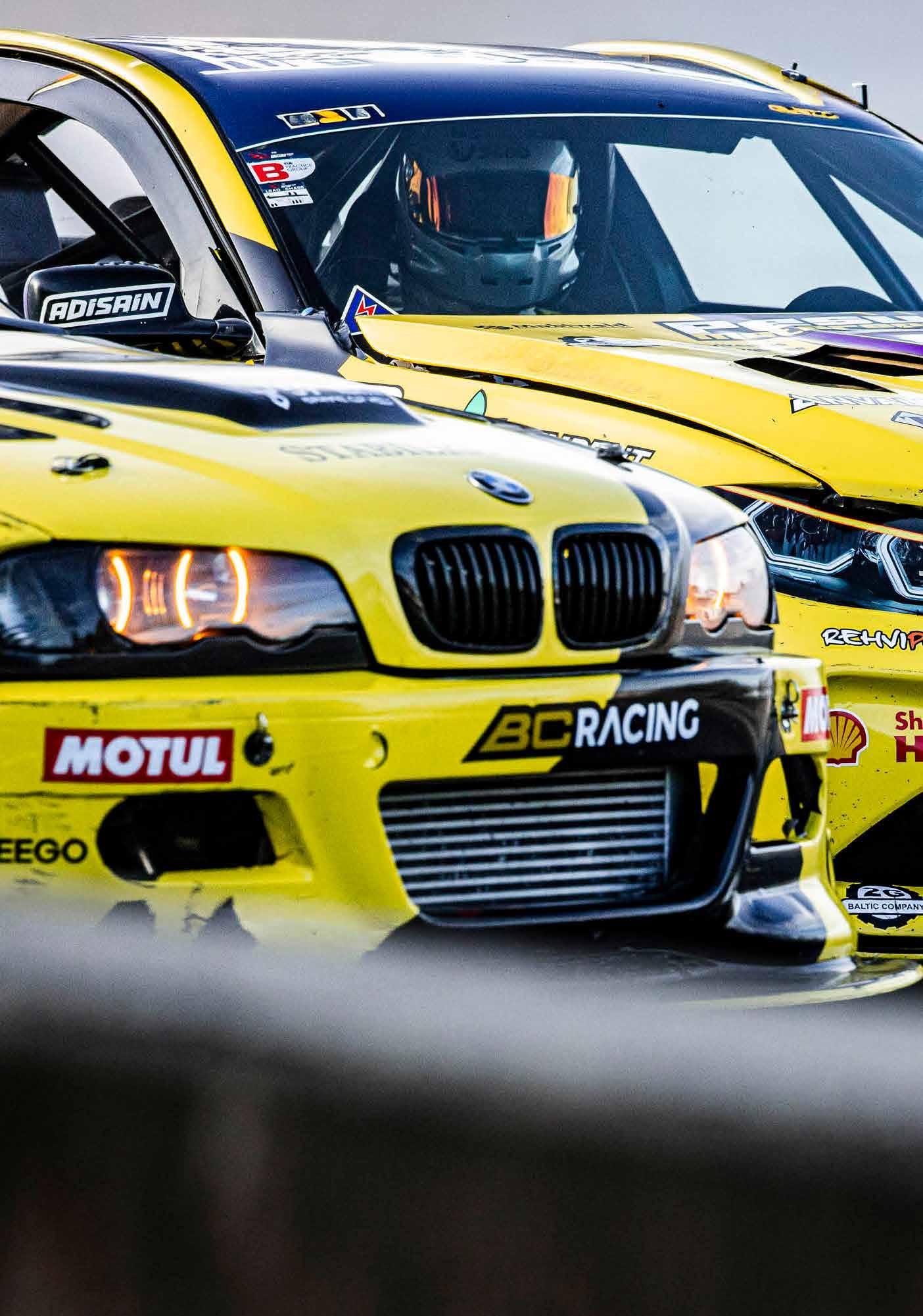
The FIA Safety Committee delivered a wide range of regulatory updates, research programmes and safety initiatives. Safety Week, now in its third year, continued to grow as a global platform for ASNs, competitors, organisers, officials and volunteers. The event reinforces the FIA’s commitment to investing in safety from grassroots to World Championship levels, supporting medical initiatives, research programmes and targeted funding.
The Equipment Approval Group advanced helmet, clothing and safety system standards, approved new products and supported the integration of emerging technologies into FIA safety regulations.
The Commission delivered updates to closed road event guidelines, while the Rally Safety Task Force continued to strengthen safety planning, marshal training and incident response frameworks across rally disciplines.
The Group advanced several cross disciplinary safety projects, including:
• Karting anti launch device, deployed in 2025 and mandated from April 2026.
• AI Safety Camera, supporting incident detection and analysis.
• Steering damper development in Formula E.
• New safety standards across multiple disciplines.
The Medical & Rescue Group delivered training, updated medical guidelines, supported event medical planning and contributed to the FIAU White Paper on medical examination safety.
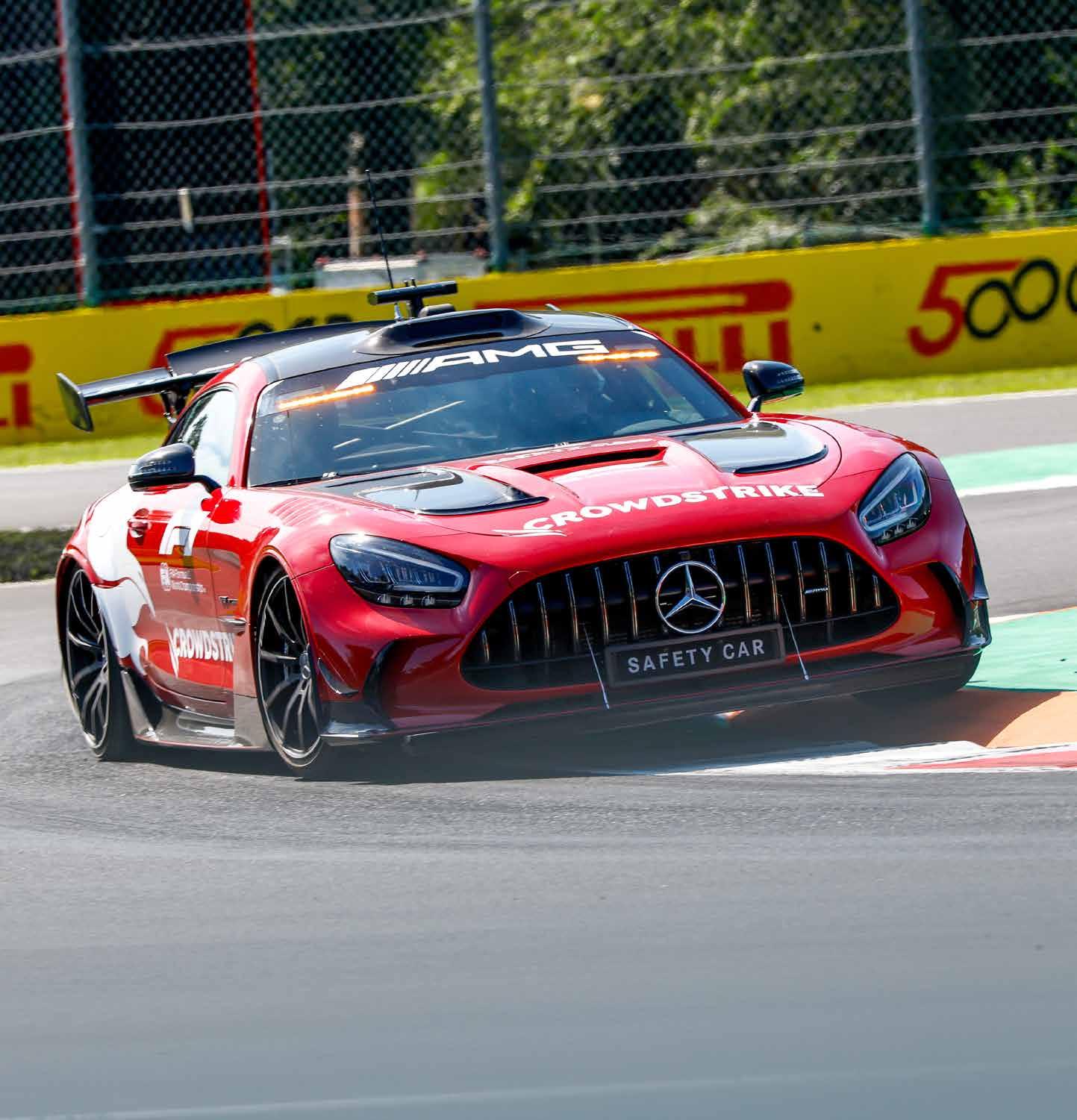
The FIA delivered a wide range of regulatory updates across disciplines, including safety equipment requirements, vehicle classifications, energy regulations and technical clarifications. These updates support the FIA’s role as the global steward of safe, fair and credible motor sport.
The 2025 motor sport season concluded with the FIA Awards in Tashkent, Uzbekistan, bringing together champions from across the FIA’s seven World Championships. Hosted at the Humo Arena during FIA Annual General Assemblies Week, the ceremony welcomed 2,500 local fans, marking the first time the event was opened to a public audience at this scale.
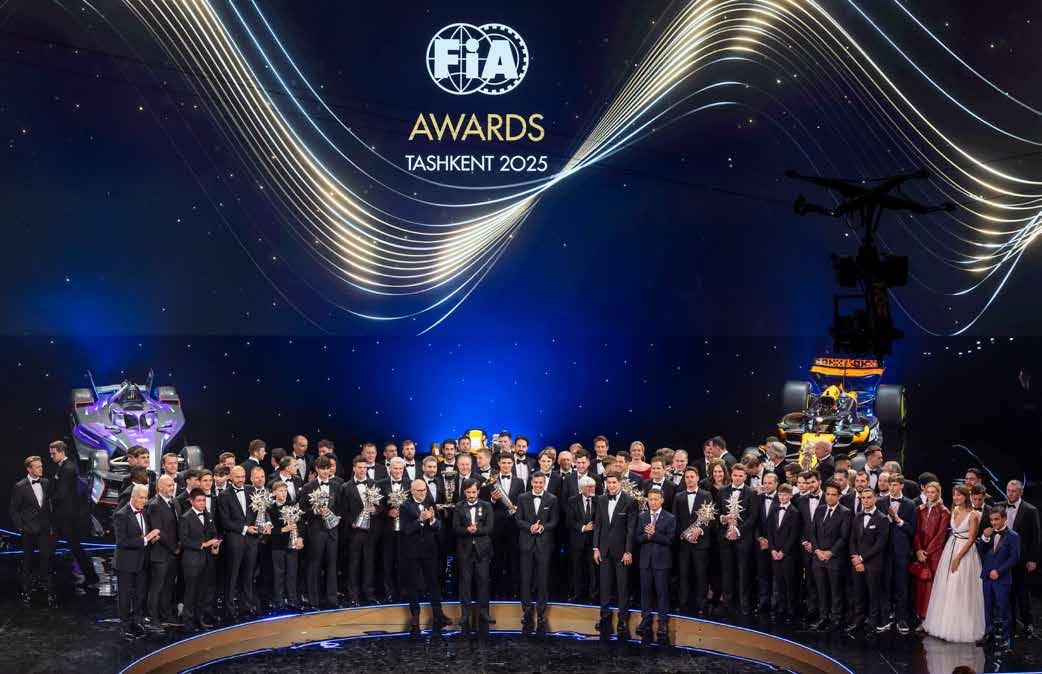
In the presence of H.E. Mohammed Ben Sulayem, President of the FIA, and Prime Minister Abdulla Aripov, the ceremony celebrated the achievements of drivers, co drivers and teams following a highly competitive season. Alongside championship titles, awards including Rookie of the Year and Action of the Year recognised emerging talent and fan engagement across the sport.
The evening also highlighted the wider impact of motor sport, with the President of the FIA’s Innovation Award presented to Enzo Ferrari, received by Piero Ferrari, recognising a legacy that has shaped both racing and the automotive industry. A new WRC Promoter of the Year Award was introduced, with Rally del Paraguay recognised for its collaborative delivery and contribution to the growth of rallying.
Across the championships, 2025 saw both new champions and record breaking achievements. In Formula 1, Lando Norris secured his first World Championship, while McLaren claimed the Constructors’ title. Ferrari dominated the World Endurance Championship, taking both Manufacturers’ and Drivers’ honours. Toyota continued its success in rally and rally raid, while Sébastien Ogier secured a record equalling ninth World Rally Championship title.
Elsewhere, Lucas Moraes was crowned World Rally ‑ Raid Champion, Johan Kristoffersson claimed his eighth World Rallycross title, and Oliver Rowland secured his first Formula E World Championship. In karting, Noah Baglin, Thibaut Ramaekers and Senna van Walstijn were crowned world champions, marking the next generation of talent progressing through the sport.
The FIA Rookie of the Year Award was presented to FIA Formula 3 Champion Rafael Câmara, continuing a tradition of recognising emerging talent at the start of their careers.
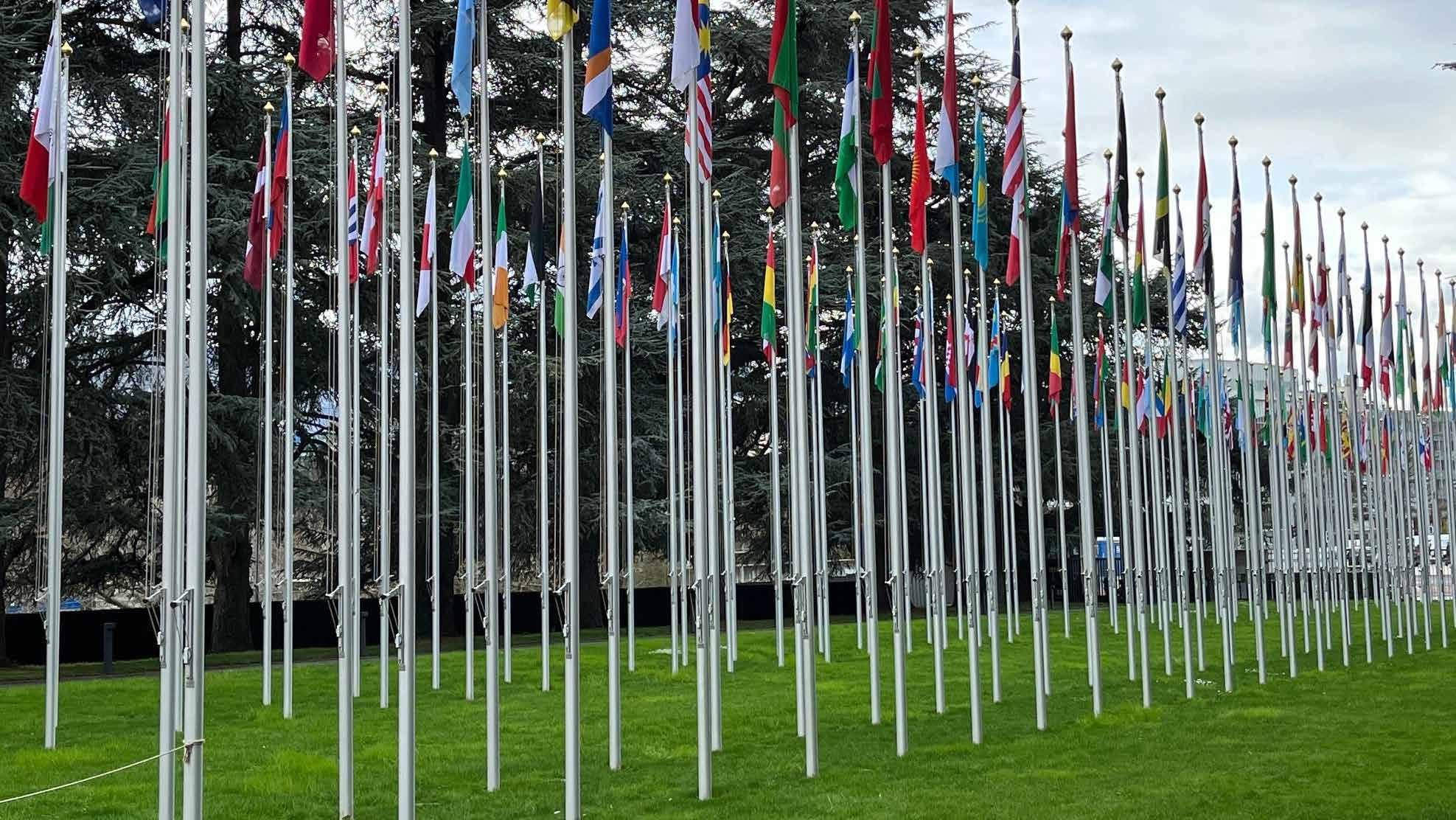
• The Motor Sport Funding Programme approved 65 new projects for the 2026 cycle, including safety projects through an Exceptional Funding Round.
• The FIA President’s Development Fund allocated €1.5 million to Sport and Mobility, approving 10 sport projects across Esports, Cross Car, Karting and Motor Sport in a Box.
• The new Safe and Sustainable Mobility Grants Programme supported 23 Clubs with a €1 million portfolio, enabling evidence-based road safety and cycling safety interventions using iRAP tools.
• The Regional Development Programme increased funding to €1.2 million, strengthening capacity building, regional collaboration and digital development across all four Mobility Regions.
Supporting the development and capacity of Member Clubs remained a central focus of FIA activities in 2025.
Through funding programmes, global and regional events, and structured knowledge sharing platforms, the FIA continued to strengthen collaboration across the Club network and support the delivery of initiatives at national and regional level. This included the launch of the Digital Licensing Platform, offering a unified, modern solution to simplify licence administration and transform the way ASNs operate.
The FIA Motor Sport Funding Programme (MFP) continued to support the development of motor sport worldwide, providing financial assistance to Member Clubs to strengthen safety, expand participation and build technical capacity across the sport.
The Motor Sport Funding Programme allocates a yearly budget of €3 million to projects, with €2 million managed by the FIA, and €1 million supported by the FIA Foundation. The team also oversees the FIA President’s Development Fund’s Sport budget allocation.
As part of the 2026 funding cycle, conducted between January and April 2025, 65 projects were approved across four priority areas: Motor Sport Development (17 projects), Safety (27), Equality, Diversity and Inclusion (1), and Subsidies for Clubs in emerging markets (20).
These projects supported a wide range of activities across the FIA network, including the expansion of national motor sport programmes, training for officials, marshals and stewards, and the development of emergency response capabilities to improve event safety.
An additional Motor Sport Exceptional Funding Round, focused specifically on safety initiatives, was also implemented under the Motor Sport Funding Programme with the support of the FIA Foundation and received 56 applications in total.
In terms of projects supported in 2025, the FIA Foundation funded Member Club initiatives across the world.
For example:
NEPAL: PURCHASE OF SAFETY EQUIPMENT AND TRAINING OF MARSHALS AND VOLUNTEERS:
This project advanced grassroots motor sport in Nepal through targeted investment in safety, infrastructure, training, and driver development.
Racing track facilities were upgraded, while FIA standard racing equipment and advanced communication systems were introduced to support safer and more professional motor sport events. 37 officials, marshals, and volunteers were also trained, strengthening local event management and safety oversight.
Driver development was a key focus, with 24 karting drivers and 15 rallycross/autocross drivers gaining competitive exposure through dedicated grassroots competitions. Increased stakeholder engagement, including provincial governments and private sector partners, helped to create the foundations for the long‑ term establishment of motor sport in Nepal.
Looking ahead, plans include annual national championships, expanded driver training, and continued investment in safety infrastructure.
The project strengthened grassroots motor sport capacity in the region by training nine members in event management and safety procedures.
A Motor Sport in a Box Slalom event gave participants hands on experience in marshalling, competition signalling, safety procedures, event setup, and the live application of FIA regulations. The initiative further enhanced local expertise by establishing a core team capable of independently running grassroots events.
Looking ahead, the Federation plans to expand volunteer and official training opportunities, establish recurring Motor Sport in a Box Slalom competitions, and develop FIA aligned certification pathways.
The project advanced grassroots motor sport and digital racing in Guatemala through expanded karting and Esports activities.
Six online Esports events and two large scale public events were held, attracting over 200 participants per event and exceeding initial targets. Top Esports performers received scholarships to test and compete in karting activities at the racetrack, creating a direct virtual to real motor sport pathway.
Nine karting test days and three national championship events were delivered using the newly acquired Tillotson T4 karts. The Automóvil Club de Guatemala (ACG) grew its karting school fleet to 10 karts, broadening participation opportunities and integrating virtual racers into championship events.
Female participation reached approximately 8–10% across karting and automobile disciplines, up from virtually none in previous years.
The project marked a significant milestone for the North America, Central America, and the Caribbean (NACAM) region as the first event to successfully integrate both grassroots karting activities and Esports competition within the same regional initiative.
The Esports component drew the highest participation across all categories, with strong engagement from younger audiences and international entries from Ecuador, reflecting the growing regional appeal of digital motor sport.
Karting slalom activities promoted inclusivity and grassroots participation, notably including female participation, while the event also provided practical training opportunities for officials and volunteers, contributing to capacity building in event delivery and operations.
More broadly, the project strengthened collaboration among NACAM member clubs, supported emerging regional talent, and served as a key stepping stone in selecting and preparing NACAM representatives for the FIA Motor Sport Games.
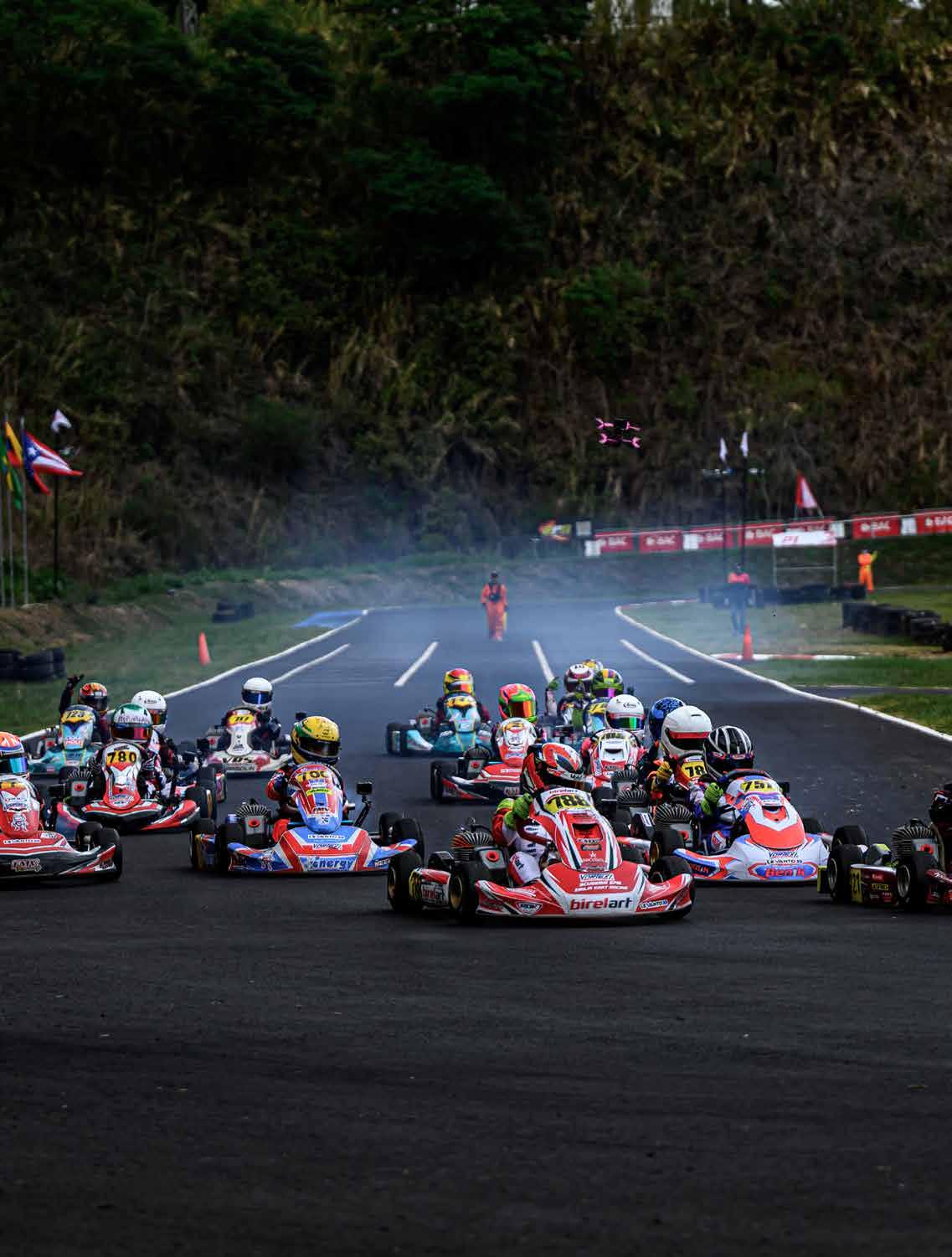
The FIA Regional Development Programme, launched in 2016, supports the strategic development of the four FIA Mobility Regions and enables Regional Offices to deliver initiatives that strengthen Member Club capabilities.
The programme provides funding for projects aligned with the FIA Mobility Strategy, including capacity building, knowledge sharing and regional collaboration.
In 2025, the programme supported a diverse range of high impact initiatives across all four regions. Key projects included regional congresses, the expansion of drone training and mentoring programmes, and specialised driver training modules. Furthermore, the fund enabled significant digital platform implementation, marketing workshops, and mentorship programmes designed to foster knowledge sharing and professional development.
In 2024, the programme allocated €1 million, supporting 29 projects across the four Mobility Regions. Building on this, in 2025 the FIA increased the programme allocation to €1.2 million, funding strategic regional initiatives including capacity building programmes, regional meetings and collaborative projects benefiting Member Clubs. Funding for the programme will increase further to €1.3 million in 2026.
The FIA also supports member projects via the FIA President’s Development Fund. The Fund was established in 2024 to strengthen Club capabilities and support national and regional initiatives.
Its first deployment supported the initial phase of the mobility project Safe Mobility 4 All and 4 Life (SM4A4L), delivered in collaboration with FIA University, UNITAR and the FIA Foundation. The programme expanded in 2025 to support both mobility initiatives and motor sport development projects, with €750,000 allocated to Sport projects and €750,000 to Mobility projects. The fund supports the development of motor sport and mobility initiatives across our global Club network, with a particular focus on assisting small and medium sized Member Clubs in delivering sustainable growth projects and local talent development initiatives.
In 2025, the Fund received 23 sport project applications from across all FIA regions, including Europe (8), Africa (5), South America (4), North America (3) and the MENA region (3). Proposals were submitted across four development categories: Esports (9), Cross Car (7), Karting (5) and Motor Sport in a Box (3).
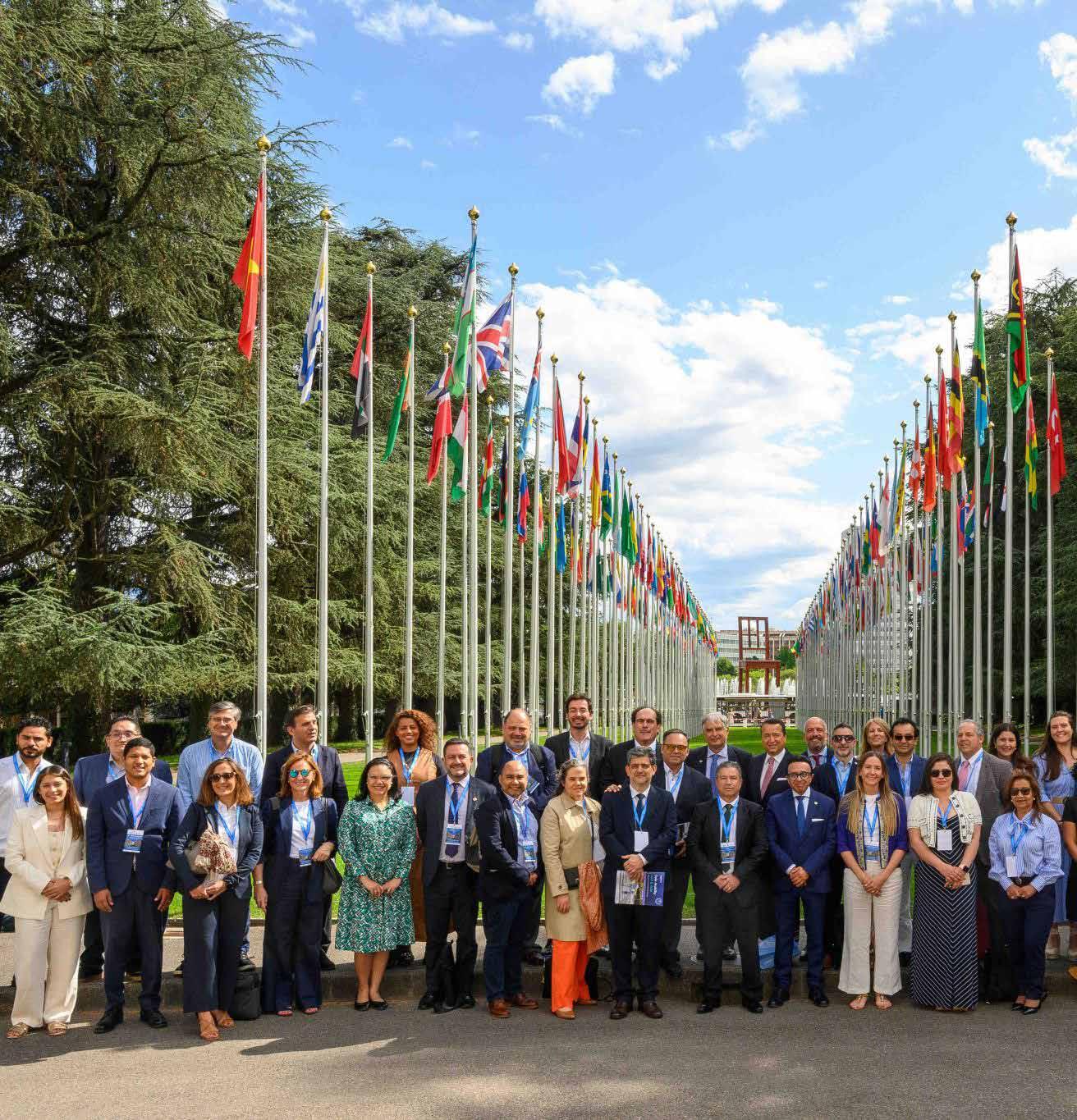
Following evaluation by the Committee, 10 sport projects were approved for implementation in 2025. These included:
• Affordable Cross Car initiatives in Armenia, Georgia, Peru and Egypt.
• Esports programmes in Bolivia, Barbados and Colombia.
• Karting developments in the Seychelles.
• Motor Sport in a Box initiatives in Tanzania and North Macedonia.
• FIA expanded accessible, affordable, and sustainable grassroots motor sport through global toolkits, programmes, and pilots.
• Motor Sport in a Box and Affordable Cross Car initiatives strengthened low-cost participation, local manufacturing, and regional pathways.
• The Motor Sport Accelerator Programme enhanced Club governance, operational capacity, and long-term development planning.
• FIA tourism services grew significantly, with strong use of the Carnet de Passages en Douane, the International Driving Permit, and VIAFIA, supported by digitalisation and regulatory engagement.
• FIA strengthened global mobility services through expanded digital documentation, enhanced platforms, and deeper international regulatory engagement.
Throughout 2025, the FIA advanced a series of initiatives aimed at growing motor sport through more accessible, affordable, and sustainable means at the grassroots level, while supporting the development of international mobility.
Central to the motor sport efforts was the Motor Sport Accelerator Programme, providing tailored support to Member Clubs worldwide. Complementing this, the Motor Sport in a Box toolkit will enable clubs to organise low cost motor sport events using standard road vehicles, while the Affordable Cross Car Project continues to introduce cost effective vehicle construction platforms across FIA regions. A newly established Grassroots Development Working Group further supported Member Clubs in building local motor sport ecosystems, drawing on established best practice, broadening participation across diverse communities globally.
Alongside these efforts, the FIA continued to promote international mobility through its tourism services, including the Carnet de Passages en Douane (CPD), which facilitates the temporary importation of vehicles across borders, the International Driving Permit, enabling drivers to travel and drive safely and
legally abroad, and VIAFIA, which provides Member Clubs with up to date travel regulations and mobility information across 135 countries.
In 2025, the FIA strengthened its support for grassroots motor sport through practical tools and initiatives designed to widen participation and build local capability across its global network.
At the centre of this is Motor Sport in a Box, the FIA’s low cost toolkit enabling Member Clubs around the world to organise accessible, low cost motor sport events, where competitors can use their own standard road vehicles.
Proven to be an effective entry point in regions with limited infrastructure, the initiative lowers barriers to participation and makes motor sport more visible at the community level. A significant upgrade was announced in 2025, with timekeeping equipment to be introduced from 2026, improving event quality while enabling more structured grassroots competition.
Its impact is already visible. In the Cayman Islands, local clubs have used the toolkit to transform public spaces into safe, inclusive competition environments, creating opportunities for first time participants and broadening the range of people engaging with the sport.
Following evaluation, 10 projects were approved for implementation in 2025. These included Motor Sport in a Box initiatives in Tanzania and North Macedonia, supporting the development of grassroots motor sport capabilities within local FIA Member Club communities.
The FIA Motor Sport Accelerator Programme (MAP), launched in 2024 evolving from the Sport Club Development Strategy, provides tailored and continued support to FIA Member Clubs through structured development initiatives designed to strengthen motor sport governance, operational capacity via the development and delivery of affordable and accessible motor sport, and long term sustainability.
The programme provides tailored development through experts conducting in depth assessments of each club. Assessments are rooted in an established FIA best practice framework, helping Member Clubs identify development priorities and implement targeted improvement strategies.
Through this collaborative approach, the FIA works closely with its Member Clubs to support the sustainable growth of motorsport at the national and regional level.
The FIA Affordable Cross Car Project is a grassroots initiative that aims to expand accessible entry points into motor sport by promoting cost‑effective vehicle construction platforms and competition formats.
The project aims to strengthen the pathway from grassroots participation to higher levels of competition, while supporting local skills development and manufacturing capability, ensuring that opportunity in motor sport is not defined by geography or resources, but by potential.
The initiative provides Member Clubs with blueprints containing comprehensive manufacturing, assembly, purchasing, consulting, and setup documents, enabling them to construct Cross Cars using locally sourced materials.
Following its unveiling in Kigali in 2024, the project moved into implementation across multiple regions:
• At Safari Rally Kenya, it was showcased on a national stage, where a car built in just one month by students at IPRC Polytechnic demonstrated the potential for local production at a target price of $5,000.
• In India, plans are underway for a national Affordable Cross Car Championship, supported by locally developed vehicles and emerging technical frameworks.
• In Sri Lanka, the project has been adopted as a foundation for off road development, enabling both entry level participation and progression into competitive racing.
In 2025, Cross Car initiatives were approved through the FIA President’s Development Fund in Armenia, Georgia, Peru and Egypt, supporting the introduction of affordable motor sport pathways and strengthening grassroots participation in these regions.
In 2025, the FIA Sport Members Club Committee launched a Grassroots Development Working Group aimed at supporting the growth of motor sport in regions where the discipline is still developing.
The group focused on creating simplified guidelines and cost effective programme models that helped ASNs develop grassroots motor sport activities. Drawing on the experience of established member organisations, the initiative produced templates, toolkits and best practices that were adapted by ASNs in different regions.
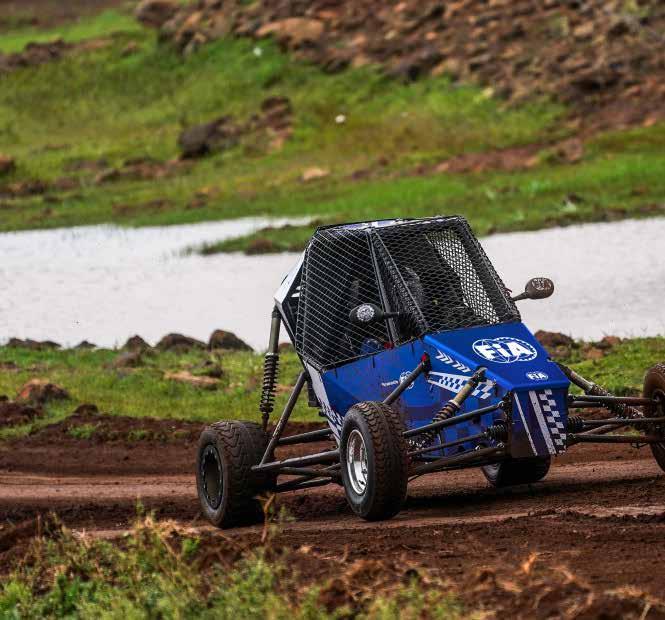
The working group also led a review and update of the ASN Development Manual, ensuring it remained aligned with the FIA’s current structure and governance while providing clear and practical guidance for Member Clubs.
Together, these initiatives strengthened grassroot ecosystems and increased participation in motor sport at local and regional levels.
In 2025 the President of the FIA, Mohammed Ben Sulayem, launched the FIA Motorsport Insurance Task Force to tackle rising motor sport insurance costs.
The Task Force, led by the President of the FIA and Secretary Generals for Sport and Mobility, will deliver clear guidance and practical solutions for Member Clubs, providing clarity on global motor sport insurance policy and the impact of its rising costs.
The FIA continued to develop its tourism services programmes in 2025, supporting international mobility through digital information platforms, vehicle documentation systems and engagement with global regulatory bodies.
The Carnet de Passages en Douane (CPD) enables the temporary importation of vehicles without the payment of customs duties at the border and remains an important service provided through the FIA and AIT Club network.
In 2025, 35 issuing organisations participated in the eCPD Distribution system, with 107 active users and 10,023 CPDs issued through the platform. Orders placed by Clubs increased by 13.9% compared with 2024.
The Carnetdepassages.org website recorded approximately 98,000 visits from 225 countries, with the Trip Planner remaining the most visited page.
Expansion of the CPD network continued, with the Iraq International Automobile Club (ICCI) and the Hellenic Automobile and Touring Services Club (HATSE) beginning discussions to join the network. Efforts to expand the system into Eastern Europe, Africa and Asia also continued.
In the fourth quarter of 2025, the FIA appointed InnoQA to develop a digital CPD system, supporting the modernisation of the programme and enabling the wider international use of digital documentation.
The FIA also maintained active participation in the United Nations Economic Commission for Europe (UNECE) under the 1954 and 1956 Conventions on Temporary importation of private and commercial vehicles and the World Customs Organisation (WCO) meetings under the 1990 Istanbul Convention, which governs the CPD system. In 2025, the FIA took part in the UNECE Informal Working Group on the digitalisation of the Carnet de Passages en Douane (CPD) to develop a sustainable and secure digital eCPD system. It was also elected to the WCO Private Sector Consultative Group (PSCG), strengthening its advisory role on international customs procedures.
The International Driving Permit (IDP) continues to enable drivers to operate vehicles legally and safely abroad, while strengthening the service offering of FIA and AIT Member Clubs.
In 2025, the InternationalDrivingPermit.org website recorded 904,000 visitors, with the most viewed pages including “How to apply”, “Fake IDPs” and “What is an IDP?”.
The FIA also continued its engagement with the UNECE Working Party on Road Traffic Safety (WP.1), contributing to discussions on modernising IDP standards under the 1968 Vienna Convention on Road Traffic.
At the request of UNECE WP.1, the FIA will prepare an updated repository of IDP issuing organisations, supporting transparency and strengthening the recognition of legitimate IDP providers worldwide.
VIAFIA, jointly managed by the FIA and the Alliance Internationale de Tourisme (AIT), provides FIA and AIT Members with up to date information on travel regulations and mobility requirements worldwide.
In 2025, 190 Mobility Clubs across 135 countries participated in the platform, including 23 in Africa, 37 in Asia Pacific, 27 in the Americas and 48 in Europe.
The platform recorded 185 active users, 585 topic updates, and approximately 119,000 page views, with an average engagement duration of 18 minutes and 14 seconds.
The most consulted topics included compulsory vehicle equipment, speed limits, documentation for temporary importation, motorway and toll charges, and impaired driving laws.
The One Road Programme was concluded in 2025 following an assessment of its long‑term financial viability. The FIA managed the closure of the programme in a way that minimised disruption to participating Clubs and partners. The transition enabled a strategic realignment of resources toward initiatives with stronger long term scalability and sustainability potential.
• FIA strengthened innovation by applying structured, data-driven programme development across the global Mobility network.
• FIA Innovation Challenge attracted 43 submissions, showcasing scalable, cost-efficient, and community-focused Club innovations.
• FIA President’s Awards recognised outstanding Club initiatives advancing mobility, motor sport, and community impact.
• Award submissions reached a record 72, demonstrating growing creativity, ambition, and global Club engagement.
• FIA and UN Tourism launched global awards promoting sustainable, innovative, and socially responsible sports tourism.
In 2025, the FIA continued to incubate new services and initiatives designed to support innovation across the global Mobility Club network and strengthen business development capacity to deliver commercially viable services for Member Clubs.
Guided by the Strategic Pathway Framework, the FIA is applying a more structured and data driven approach to programme development, strengthening evaluation processes, governance and alignment with Member Club priorities.
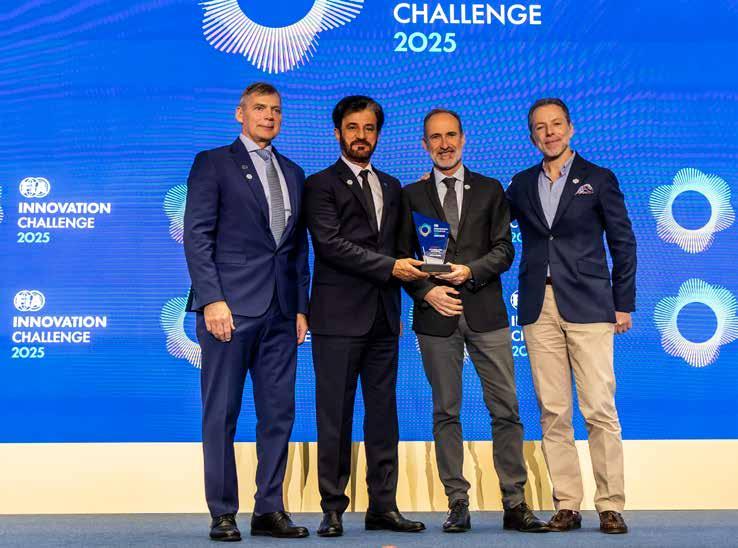
A key development during the year was the delivery of the business concept and revenue model for the FIA Drone Training Services Kit, developed in collaboration with the FIA Mobility Services Commission. The initiative establishes a scalable training service that enables FIA Member Clubs to offer professional drone training and certification directly to their members.
The platform operates through a revenue sharing model between the FIA, participating Clubs and the platform provider, allowing Clubs to integrate drone certification into their service portfolio without fixed costs, operational complexity or upfront investment. Clubs retain full flexibility to set national pricing aligned with local market conditions and regulatory environments.
The FIA also continued to explore new partnership opportunities supporting innovation and sustainable mobility services. In 2025, eight Clubs expressed interest in the Drone Training Services initiative, while four potential partners were identified for the Private Partnership and Sustainable Innovation Series.
In 2025, the second edition of the FIA Innovation Challenge received 43 project submissions from FIA Mobility Member Clubs worldwide. The initiative highlights innovative projects developed by Clubs that improve services, strengthen operational capabilities and support local communities.
Following a two stage selection process, Regional Selection Committees selected 12 Regional Champions, three per region, who were recognised during the FIA Region I Spring Meeting (Region I), FIA Asia Pacific Congress (Region II) and the FIA American Congress (Regions III and IV). From these finalists, a Global Judging Panel selected four Global Winners, one per region, announced during the FIA General Assemblies Week in Uzbekistan.
Projects submitted to the Challenge covered a wide range of initiatives, including new services, products and business models, marketing and communications initiatives, partnerships and collaborations, operational improvements and social impact projects. Particular emphasis was placed on cost efficient, scalable and replicable innovations that can inspire other Clubs across the global FIA network.
Launched in 2024 and delivered in close collaboration with the four FIA Mobility Regional Offices, the FIA Innovation Challenge provides a global platform for Member Clubs to showcase innovative initiatives, share knowledge and highlight best practices across the network.
The FIA President’s Awards were presented during the 2025 FIA General Assemblies in Tashkent, Uzbekistan, recognising the excellence, creativity and community impact of FIA Member Clubs worldwide. Established in 2022 by H.E. Mohammed Ben Sulayem, President of the FIA, the Awards highlight outstanding initiatives that advance the Federation’s mission across mobility and motor sport.
For 2025, two new categories were introduced: Excellence in Communication and National Motorsport Achievement. A record 72 submissions were received, with the winners selected by an expert judging panel. Each Award includes a €10,000 grant to support the continued development of the winning projects, reaffirming the FIA’s commitment to strengthening the work of its Members.
The Excellence in Communication Award was presented to the Speciality Equipment Market Association (SEMA) for its two year national advocacy campaign defending Americans’ right to choose internal combustion, hybrid or electric vehicles. The initiative united 7,000 small businesses, 70 million automotive enthusiasts and bipartisan lawmakers under the project ‘Fight to Preserve Vehicle Choice’.
The National Motor Sport Achievement Award was awarded to Svenska Bilsportförbundet (SBF) for Biodiversity and Motorsport – Racing for Nature, a
pioneering programme integrating ecological practices into motor sport operations. Through on site studies, expert partnerships and national communications, 10 circuits have implemented habitat restoration, dry meadow creation and pollinator friendly landscaping, supported by national agencies.
In 2025, building on the Memorandum of Understanding signed in Monza in 2024 and the appointment of H.E. Mohammed Ben Sulayem, President of the FIA, as UN Tourism Ambassador for Sustainable Tourism in Sport, the FIA and UN Tourism launched the first ever UN Tourism Awards for Excellence in Sustainable Sports Tourism, powered by the FIA.
Structured around a four year programme (2025 2028), the Awards recognise initiatives that drive sustainability, innovation, social impact and successful public private partnerships within the sports tourism sector, while promoting responsible practices aligned with the United Nations Sustainable Development Goals.
The four categories are:
• Most Sustainable Sport Event.
• Community Impact in Sports Tourism.
• Innovation in Sports Tourism Development.
• Outstanding Public Private Partnership in Sports Tourism.
These Awards reflect the growing recognition of sports tourism as a strategic driver of sustainable development, social cohesion and innovation.
Open to UN Tourism Members, FIA Member Clubs and other stakeholders in sport and tourism, the inaugural edition attracted 70 submissions from around the world, with the ceremony taking place in Madrid in March 2026.
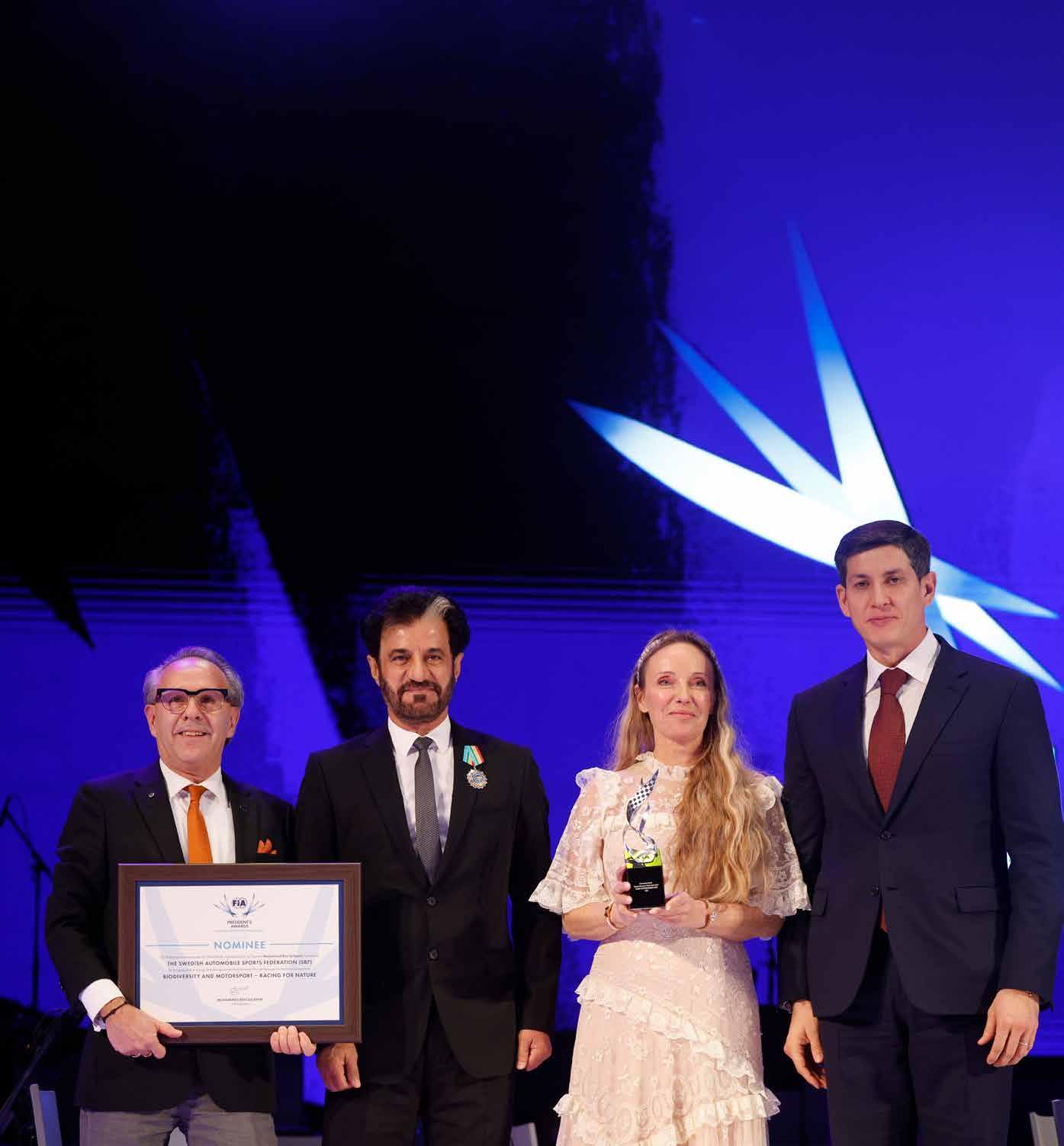
• FIA strengthened global road safety leadership through expanded capacity building, data-driven tools, and policy engagement.
• Safe Mobility 4 All and 4 Life advanced from training to national implementation across multiple regions.
• Safe and Sustainable Mobility Grants supported 23 Clubs with funding, guidance, and structured project oversight.
• Road Safety Index scaled significantly, with major growth in assessments, audits, and global policy recognition.
• Driver Safety Index launched as a universal benchmark using AI to assess driver risk.
In 2025, the FIA strengthened its role as a global advocate for safer and more sustainable mobility, combining international engagement with practical support for Member Clubs, public authorities, and private sector partners.
The year was marked by the expansion of capacity building programmes, the scaling of data driven safety tools, and deeper involvement in global policy processes.
A key moment was the FIA’s participation in the fourth Global Ministerial Conference on Road Safety in Marrakech, where the FIA and its Member Clubs called for stronger commitments to reduce global road deaths and injuries. This high level engagement reinforced the importance of coordinated action across governments, industry and civil society, and highlighted the everyday work of Clubs in delivering safer mobility.
The Safe Mobility 4 All and 4 Life (SM4A4L) initiative, launched in partnership with UNITAR and the FIA Foundation, continued to empower local authorities and FIA Member Clubs in developing countries through training, mentorship and evidence based strategies to improve road safety.
The programme reached a new level of maturity in 2025. In Regions III and IV, participating Clubs completed the capacity building phase and progressed to national implementation, marking a significant transition from training to the delivery of locally led road safety initiatives. The programme also expanded into Region II, supporting Clubs across APAC in developing national road safety projects and strengthening the FIA’s role as a capacity builder across the global network.
These developments reflect the FIA’s broader ambition to equip Members with the tools, knowledge and partnerships required to translate global road safety commitments into practical outcomes on the ground.
In 2025, the FIA’s mobility grants work was relaunched as the FIA Safe and Sustainable Mobility Grants Programme, reflecting a broader focus on supporting Member Clubs as they advocate for safer, cleaner, more inclusive and smarter mobility. It supported 23 Member Clubs across all FIA regions, managing a €1 million funding portfolio to enable the delivery of Club led mobility initiatives. Alongside financial support, the FIA provided structured guidance throughout the process, including more than 30 one to one meetings with Clubs to support grant administration, project delivery and compliance requirements.
Funded by the FIA Foundation, the programme is structured around four areas: urban road safety interventions, helmet and motorcycle safety, support for national and local safe and sustainable mobility policies, and advocacy activity designed to raise awareness and engage policymakers and media.
During the year, seven FIA Member Clubs were selected to deliver projects using iRAP tools and procedures, a suite of evidence based software tools and methodologies provided by the International Road Assessment Programme to measure and improve road safety infrastructure.
• In Brazil, Chile, Tanzania, and the State of Palestine, clubs used the Star Rating for Schools (SR4S) tool to assess school zones and support calls for safer infrastructure for children, with Brazil implementing its first project of this kind.
• In Portugal and Slovenia, clubs applied the CycleRAP tool to evaluate cycling infrastructure, including Slovenia’s first FIA club led CycleRAP initiative.
• In Guatemala, the national club carried out an iRAP Star Rating Assessment across a 200 km road network to identify safety risks and priority areas for improvement.
Together, these projects show how the programme is helping Member Clubs turn evidence ‑based tools into practical action for safer and more sustainable mobility.
The FIA Road Safety Index (RSI) is a tool designed to help organisations measure, manage and improve their road safety impact, resulting in a rating system for companies to evaluate safety across their operations and supply chains.
The tool aims to encourage the continuous performance of organisation in fostering safer mobility, while supporting UN goals to reduce traffic injuries and deaths.
The RSI continued to scale in 2025, strengthening its role as a global benchmark for corporate road safety performance. During the year, 22 new companies completed the assessment, with a further 20 organisations progressing through the programme, contributing to a 133% increase in audit activity compared with the previous year.
The Index also gained increasing policy recognition. At the International Transport Forum (ITF) Summit, the FIA Road Safety Index was referenced in ministerial road safety policy recommendations, reinforcing its growing role in supporting evidence ‑based road safety strategies.
Adoption also broadened across sectors and geographies. New York City’s Department of Citywide
Administrative Services became the first municipal fleet in the world to adopt the framework, demonstrating the Index’s relevance beyond the corporate sector and its applicability to large public sector fleets. Strategic partnerships, including Together for Safer Roads, Global NCAP and the Insurance Institute for Highway Safety (IIHS), further accelerated uptake, supported by the progressive involvement of FIA Member Clubs.
In October 2025, the FIA launched the Driver Safety Index (DSI), a new data driven universal benchmark designed to measure and improve driver behaviour, based on risk and likelihood to be involved in a crash.
Developed in partnership with Greater Than, using their AI technology, the universal Index enables fleets and individual drivers to compare safety performance against company, vehicle type, national and global benchmarks, turning behavioural data into actionable insights for risk reduction.
As the FIA’s first scalable mobility data product, the DSI represents an important step in applying predictive and preventive analytics to road safety. Early interest in the initiative has been strong, with over 40 potential partner opportunities identified and more than 25 FIA Mobility Clubs expressing interest in the programme.
The FIA continued to strengthen advocacy and public engagement on road safety through targeted campaigns and digital tools.
In APAC, the second phase of the Heads Up! Programme, initiated by the Automobile Association of Vietnam and the AIP Foundation, with support from the FIA Road Safety Grants Programme, FIA Region II and the FIA Foundation, promoted helmet use among young powered two wheeler users. The campaign combined youth focused communications with capacity building for Clubs, reaching more than 1.4 million people indirectly, and directly benefiting over 119,000 individuals.
The FIA also advanced safer and more sustainable driving behaviour through the Smart Driving Challenge, developed in collaboration with Greater Than. The AI‑powered initiative provides real‑time feedback and personalised insights to help drivers reduce crash risk and climate impact. In 2025, the programme reached participants from 97 nationalities and demonstrated measurable improvements, including an average 9% reduction in climate impact and a 37.5% lower risk compared with the average driver.
The 2025 season concluded at the FIA General Assemblies in Tashkent, where Alexandre Stricher of Mobilité Club France was crowned FIA Smart Driving Challenge Champion after achieving a 29% reduction in climate impact in the live final. Supported throughout the year by seven motor sport ambassadors, the initiative continued to demonstrate how digital tools can contribute to safer and more sustainable mobility.
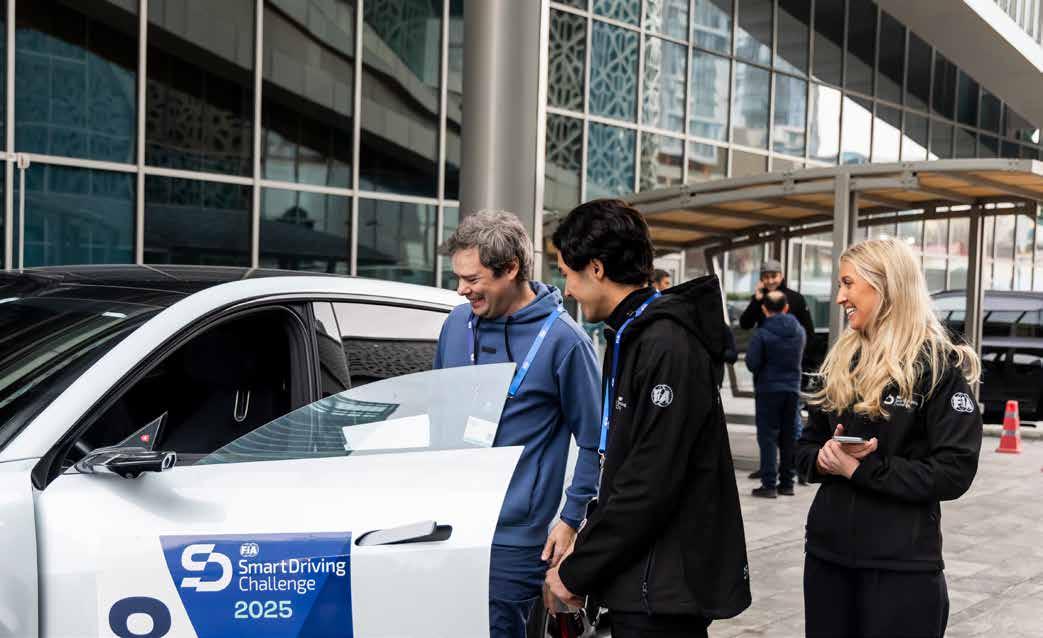
• FIA University strengthened global capability through leadership development, operational training, and research-driven insight.
• Third Motor Sport Engineering Scholar welcomed, with applications opened for the fourth Cranfield MSc edition.
• Immersion Programme united emerging professionals from 15 nations, expanding exposure to FIA operations and networks.
• New White Paper Series delivered data-led analysis on electrification, automation, and digital mobility trends.
• Appointment of four Visiting Professors expanded academic capability across engineering, sustainability, tribology, and climate impact.
FIA University is central to how the FIA builds capability across motor sport and mobility. It brings together education, leadership development and research to equip individuals and organisations with the skills needed to operate, lead and adapt in a rapidly evolving environment.
In 2025, this role continued to strengthen, with programmes delivered across the global network to build leadership capability, deepen operational expertise and generate research led insight, supporting more consistent standards, stronger decision making and greater resilience across the sport.
In 2025, FIA University continued to strengthen leadership capability across the global motor sport and mobility community, supporting individuals at different stages of their careers to develop the skills required to lead in a changing environment.
Programmes ranged from higher education, early career development through to senior executive education. The FIA welcomed its third Motor Sport Engineering Scholar, Sanya Jain, and opened
applications for the fourth edition of the fully funded MSc in Advanced Motor Sport Mechatronics at Cranfield University. The FIA Immersion Programme brought together emerging professionals from 15 nations, providing first hand exposure to FIA operations across sport, mobility, sustainability and technical functions, while building global networks across Member Clubs.
At a more senior level, the Advanced Leadership Programme and the Senior Executives Programme, delivered in partnership with Columbia Business School Executive Education, focused on strategic leadership, innovation and decision‑making in complex environments. Regional delivery, including the FIA University Region IV Executive Programme in Buenos Aires, further extended this capability ‑building across key markets.
Together, these programmes are strengthening leadership capacity across the FIA network, ensuring organisations are better equipped to navigate technological change, sustainability challenges and evolving stakeholder expectations.
FIA University continued to strengthen the operational capability that underpins the safe and effective delivery of motor sport. Training programmes focused on building practical expertise across medical, technical and officiating roles, ensuring consistent standards across the global ecosystem.
In 2025, new Motor Sport Medicine eLearning modules were launched, expanding access to specialist training for drivers, medical staff and volunteers. Covering areas such as concussion awareness, pre hospital care and event medical operations, these modules provide practical, accessible guidance that supports safety at every level of the sport.
The University also continued to support the development of officials through the FIA High Performance Programme, welcoming a new cohort of Stewards and Race Directors into a structured training pathway combining mentorship, applied learning and on‑event experience.
These initiatives reflect a continued focus on strengthening the professional standards and operational consistency required to deliver safe, fair and well‑managed motor sport globally.
The FIA University further strengthened its role as a platform for research and knowledge, supporting the development of evidence based insight to inform decision making across motor sport and mobility.
In 2025, the University launched a new White Paper Series, providing data led analysis of the technological and societal trends shaping the future of mobility. The inaugural paper explored developments in electrification, automation and digital platforms, offering practical insight for Member Clubs and stakeholders navigating a rapidly changing landscape.
This research focus was reinforced through the FIA University Research Seminar in Geneva, which brought together expertise from across the Federation to share work spanning safety, technical innovation, digital development and mobility policy.
The appointment of four Visiting Professors further strengthened the University’s academic capability across a range of specialist fields; Professor Robert Shorten (Imperial College, London), Professor Meng
Qiang (National University of Singapore), Professor Marc Masen (Imperial College, London) and Dr Madeleine Orr (University of Toronto) as well as Professor Astrid Linder, Swedish National Transport and Research Institute, Chalmers University of Technology. Each bring distinct expertise to the FIA University community, supporting the integration of research into areas such as engineering, sustainability, tribology, climate impact and championship operations.
The University also welcomed three Archive Scholars in 2025, reflecting its commitment to fostering research talent across the global motor sport community. Miguel Tiago (South Africa), Ana Rodriguez Armendariz (Mexico) and Anmol Sharma (India) were appointed to undertake dedicated archival research, bringing diverse perspectives and regional expertise to the FIA’s historical and documentary heritage.
Together, these activities position FIA University as a bridge between research and practice, helping translate insight into action across the global motor sport and mobility community.
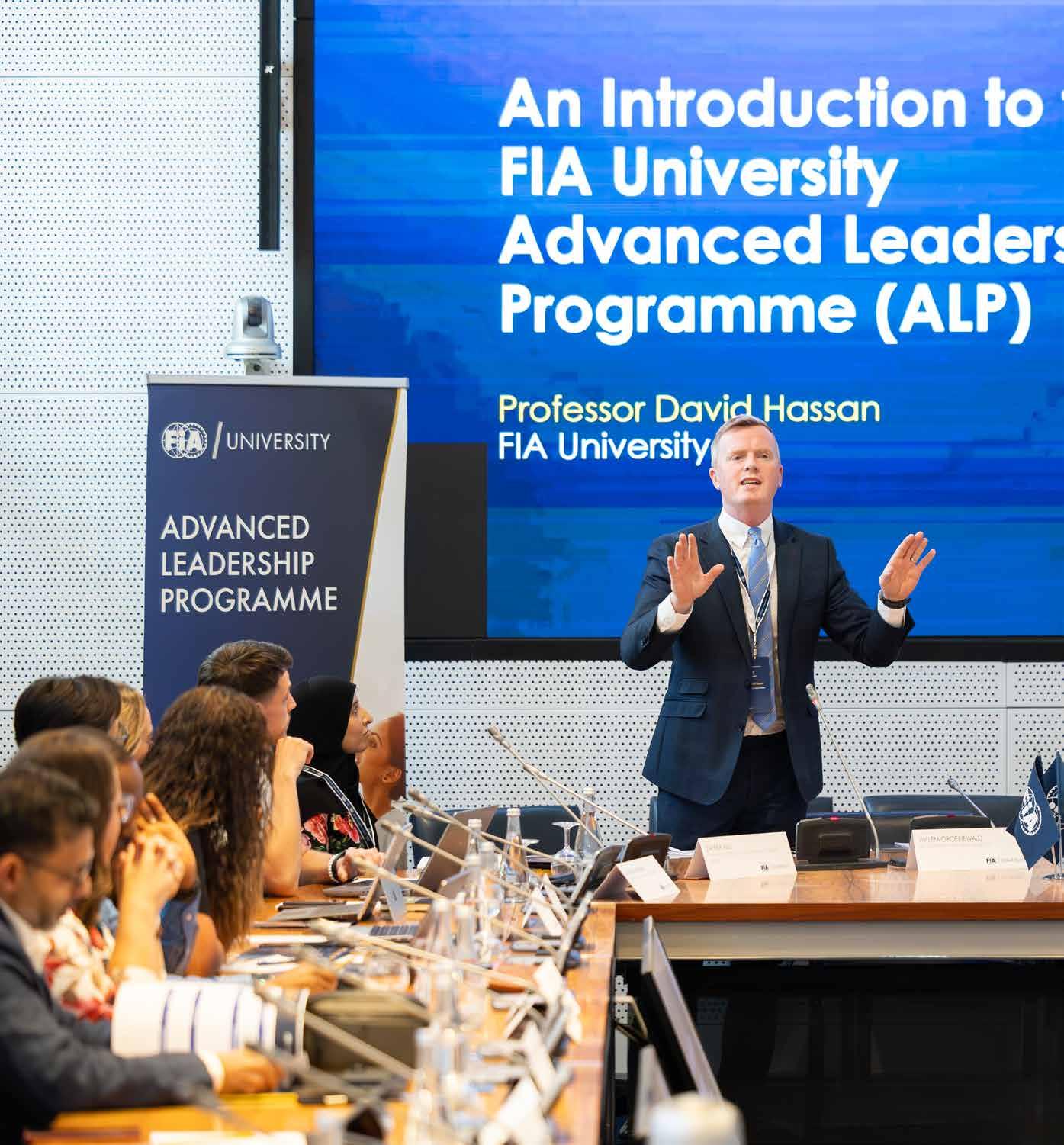
• FIA marked major heritage milestones with 50th anniversaries of CHI and Appendix K.
• Expanded eligibility for 1991–2000 vehicles reflected growing global interest in historic motor sport.
• European Historic Rally Championship expanded to 10 rounds, reflecting rising popularity and new formats.
• Archives Programme digitised 60,000 additional pages, expanding long-term access to FIA historical records.
• First Archives Research Scholarship launched, supporting three researchers and generating future peer -reviewed publications.
Preserving our heritage is a core responsibility for the FIA, and in 2025 this mission took on renewed momentum as the Federation marked the 50th anniversaries of both the International Historical Commission (CHI) and Appendix K with its first presence at the Rétromobile 2025 in Paris.
Historic motor sport celebrated the expanded eligibility to cars built 1991 – 2000 and the increasing number of historic championships reflecting a growing popularity of the sport.
With a newly strengthened global composition, CHI advanced its work to safeguard motoring history while supporting major heritage initiatives such as the CHI–FIVA–FIM Manifesto and the expansion of Appendix K to include modern classics.
Alongside this, the FIA accelerated the digitisation of its archives, expanding the eLibrary and making thousands of historic documents, images and technical records accessible to Members and researchers worldwide. Together, these efforts ensure that the stories, innovations and cultural legacy of the automobile are preserved, shared and kept relevant for future generations.
Under the management of the Circuit Sport department, 2025 marked a landmark year for historic motor sport. The FIA updated Appendix K of the International Sporting Code. Appendix K is a section of the FIA’s International Sporting Code that sets out the sporting and technical regulations for historic motor sport, ensuring that older competition cars remain authentic to their original period specification, are safe to run under modern event conditions, are fairly classified so they compete against comparable vehicles, and are eligible for FIA Historic Technical Passports (HTPs), which certify conformity.
Under the revised regulations, cars built between 1991 and 2000 are now eligible to obtain a Historic Technical Passport, allowing them to participate in FIA historic racing events.
As a result, the FIA Historic Department marks the start of a bold new era for the FIA European Historic Rally Championship (EHRC) in 2026, which will consist of three distinct championships: the FIA EHRC Pre 1992 Championship, the FIA EHRC Pre 2000 Championship and the FIA EHRC Gravel Championship.
The FIA European Historic Rally Championship, supported by Official Partner FlexiFly, expanded from nine to 10 rounds in 2025 with the addition of Rallye Antibes Historic in France, Ardeca Ypres Historic Rally in Belgium and Historic Rally Fafe in Portugal.
These changes, alongside a new videography strategy that generated over 10 million social media views reflect the growing popularity of historic motor sport. The FIA Historic Prize Giving ceremony was held in Paris at the prestigious Automobile Club de France, Founding Member of the FIA, to honour competitors and the legendary cars that marked motor sport history. The event was attended by the FIA President, ASN representatives and organisers.
The year was shaped by two major milestones: the 50th anniversary of the Commission Historique Internationale and the 50th anniversary of Appendix K. These anniversaries underscored the FIA’s long standing commitment to safeguarding motoring heritage and provided a strong communications platform for the Federation’s first official presence at the world‑renowned Rétromobile 2025 in Paris.
At the Paris exhibition, the FIA Historic Committee, led by the circuit department, showcased the updated Appendix K, featuring three icons of motor sport from a 1904 Simplex 28/32 Double Phaeton to a 1998 Citroen Xsara Kitcar, that illustrated the breadth of the FIA’s heritage work.
The FIA Commission Historique Internationale highlighted the joint CHI–FIVA–FIM Manifesto, which advocates for the long‑term protection of historic vehicles in an evolving mobility landscape.
The FIA International Historical Commission (CHI) began its new two year mandate in 2025 with a refreshed and fully subscribed composition that reflects an increasingly global perspective on automotive heritage.
Elected through an e vote of the World Council for Automobile Mobility and Tourism (WCAMT), the Commission now counts 24 Titular Members, including representatives from China Macau, the Dominican Republic, India, Slovenia and Trinidad and Tobago. This strengthened diversity enhances CHI’s reach across all four FIA Mobility Regions. Giuseppe Redaelli was re elected President, with Carl F.J.M. Höhner and Jeremy Vaughan continuing as Vice Presidents, ensuring continuity and strategic leadership. The Commission also retains the ability to co opt up to five additional experts to further broaden its expertise.
Throughout 2025, CHI continued to modernise and expand its outreach, advancing work on a new CHI webpage, supporting research into sustainable fuels, promoting the international Manifesto, and progressing efforts to develop a dedicated historic vehicle passport.
The FMC, which unites the 13 Clubs that founded the FIA, elected Yann de Pontbriand (ACF) as its new President in October 2025, with Lutz Linden and Duncan Wiltshire appointed as Vice Presidents.
The FMC’s second major distinction of the year, the 2025 Heritage Promotion Cup, was presented to Museo Fangio during the FIA General Assemblies in Tashkent. Created in 2024 to mark the FIA’s 120th anniversary, the award recognises exceptional efforts to raise public awareness of automotive heritage.
Nominated by the Automóvil Club Argentino (ACA), Museo Fangio was honoured for its exemplary curation, educational outreach and its sustained work to preserve and promote the legacy of five time FIA Formula One World Champion Juan Manuel Fangio. The museum’s collaborations with ACA and international institutions further reinforce its role as a global ambassador for motor sport history.
Together, these initiatives demonstrate the FIA’s enduring commitment to preserving, promoting and celebrating the cultural and sporting legacy of the automobile.
In 2025, the FIA Archives Digitisation and eLibrary Programme made steady progress across several key areas, advancing the long term objective of preserving, digitising and sharing the Federation’s historical heritage. A major part of the team’s daily work focused on the digitisation of an additional 60,000 pages from the FIA’s archival collection, representing a significant step toward improving accessibility to the organisation’s historical records.
Beyond the core digitisation workload, the Programme continued to expand its role in storytelling and public engagement. At the initiative of FIA leadership, the content of the Kigali exhibition was published in book format, a meaningful milestone for the Archives team. The 80 page publication, Chosen Artefacts from the FIA eLibrary, prepared jointly by the FIA Communications and eLibrary teams, was presented and distributed during the 2025 Annual General Assemblies in Tashkent.
The programme also delivered several physical exhibitions throughout the year. An exhibition was displayed at the Macau Conference in June 2025, and a curated selection of archival items was installed in the new FIA London office, highlighting key milestones in the FIA’s motor sport and mobility history. Collaboration with the FIA Communications Department intensified, with at least 12 archival stories submitted for use across FIA social media channels.
Education and research remained a priority. In June 2025, the team participated in a research seminar in Geneva, exchanging ideas with international professionals and staying aligned with best practices in archival science. A research scholarship concept presented during the seminar was subsequently developed into a full scale programme. In November 2025, the FIA launched its first Archives Research Scholarship, selecting three researchers who completed residencies at the FIA facility in Valleiry. The programme is expected to generate at least three academic publications in peer reviewed journals in 2026.


The FIA’s commitment to Sustainability and Diversity and Inclusion continued to strengthen in 2025, reflecting our responsibility to lead with purpose across the global motor sport and mobility community.
As environmental innovation accelerated and participation broadened, the FIA worked to reduce barriers to entry, advance sustainable technologies, and support Member Clubs in delivering meaningful impact at every level of the sport. These efforts were complemented by targeted operational measures, including investments in sustainable fuels and logistics efficiencies, demonstrating that focused action can drive progress even as the organisation grows.
At the same time, Diversity & Inclusion remained central to the FIA’s vision for a more accessible and representative future. With Member Clubs spanning 149 countries, the FIA’s global community continued to champion programmes that expand
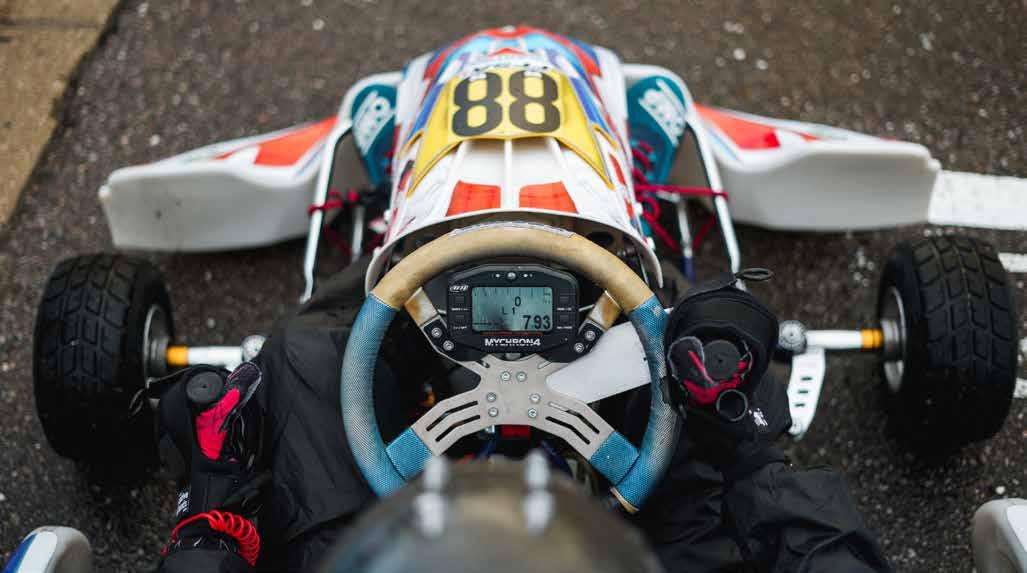
participation, foster equitable opportunities, and reflect the diversity of the next generation of drivers, fans and mobility users. Together, these priorities underscore the FIA’s belief that sustainability and inclusion are inseparable pillars of long term progress, shaping a future in which motor sport and mobility are cleaner, fairer and open to all.
The FIA also published a separate standalone sustainability report, which can be found on our website www.fia.com.
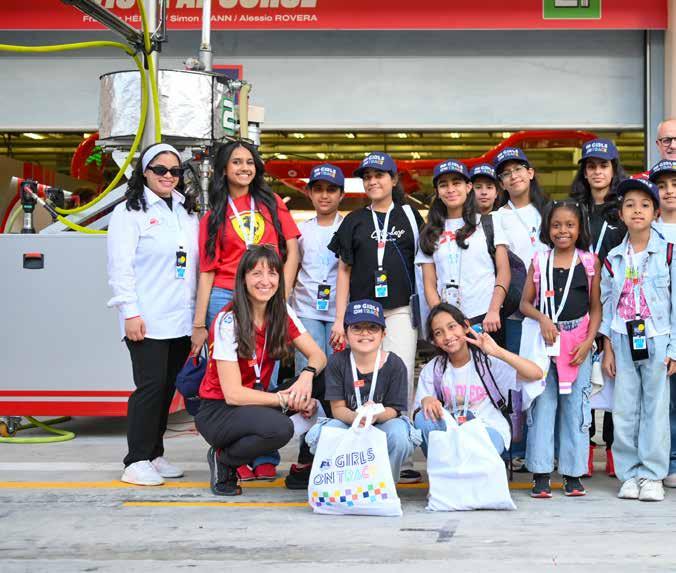
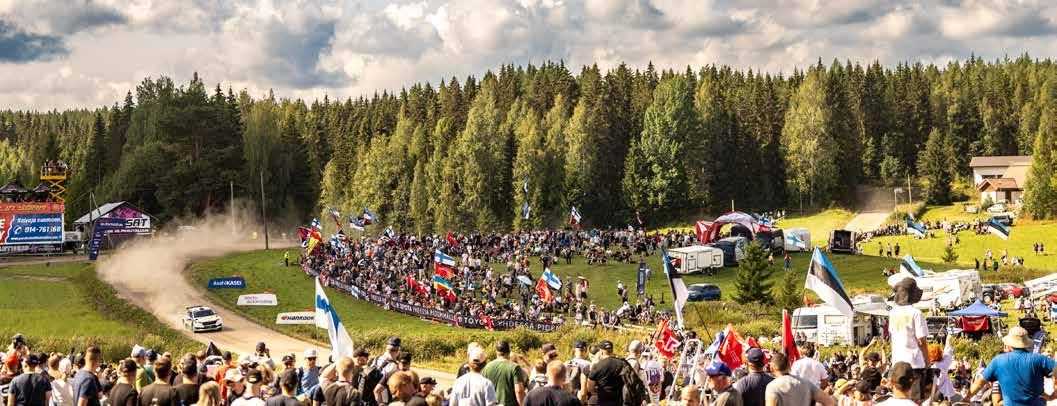
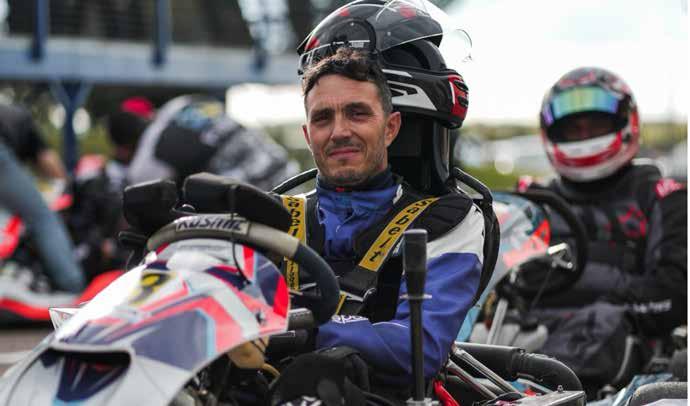
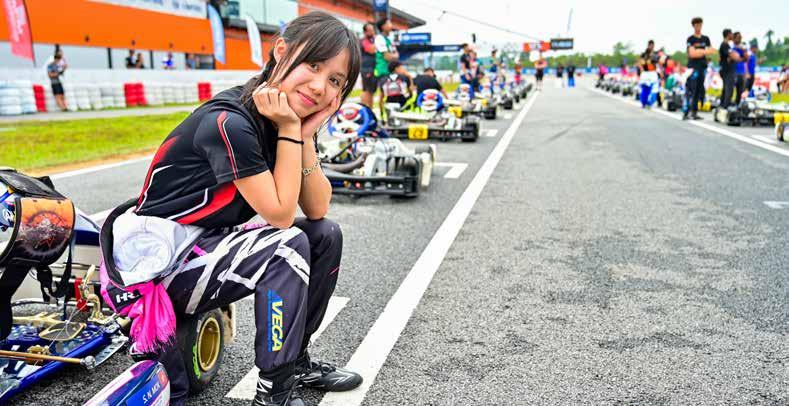
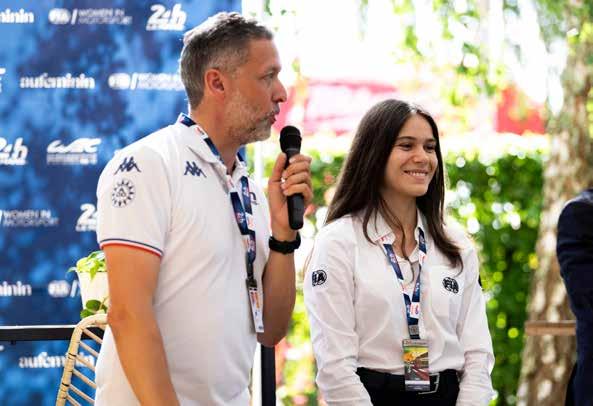
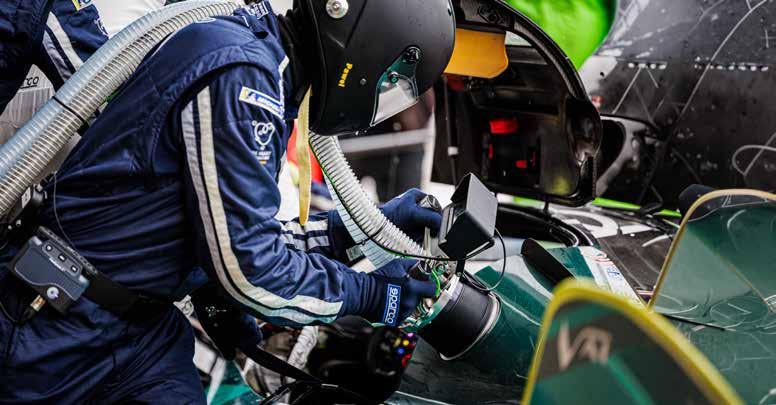
The FIA’s sustainability work in 2025 focused on strengthening the frameworks, partnerships and innovations that enable meaningful environmental progress across motor sport and mobility. From pioneering hydrogen safety regulations and expanding environmental toolkits to deepening collaborations with DHL and Siemens, the Federation helped translate cutting-edge technologies and shared expertise into practical improvements across championships, events and Member Clubs.
Achievements recognised through accreditation milestones and global awards reflected a community increasingly aligned around higher standards and measurable impact.
At the same time, the FIA continued to advance its own operational accountability. While the organisation’s carbon footprint rose due to growth and expanded global activity, targeted reductions in logistics emissions, increased use of Sustainable Aviation Fuels, and new in-house sustainability expertise demonstrated progress in areas under direct control. With a renewed strategic focus planned for 2026, the FIA is committed to ensuring its internal operations evolve in step with its external ambitions, delivering clearer, more consistent and more impactful environmental action.
The FIA supports environmental progress by creating the frameworks, guidance, and technical foundations that enable sustainable practices to be implemented across championships, events, and member organisations.
One of the ways the FIA enabled change was through the FIA’s grant programmes, where a total of €340,000 was awarded to Member Club environmental initiatives across 2025, supporting projects across FIA regions ranging from biodiversity education in Denmark, to comprehensive vehicle testing programmes in Sri Lanka, and urban cycling infrastructure assessments across Europe.
In promoting sustainable energies, the FIA approved the first technical and safety regulations for liquid hydrogen powered vehicles, to be incorporated into Appendix J, Article 253 of the FIA International Sporting Code. Establishing a clear regulatory framework for the safe, high performance use of liquid hydrogen in future competition vehicles was a landmark achievement in 2025, positioning the FIA as an important catalyst in hydrogen innovation.
A selection of Environmental Toolkits & Guidance materials were launched in 2025, to support the delivery of Member Clubs’ environmental
improvements. The FIA Environmental Handbook brings together all the FIA’s sustainability resources available to Member Clubs and championship organisations into a single document, focusing on practical guidance, implementation, educational materials, latest research, and FIA initiatives supporting these.
In addition, the Biodiversity Assessment Tool was launched, combining satellite and on‑site data, to generate biodiversity health indicators to inform decision making at motor sport event locations. Similarly, the launch of the Air Quality Guidelines provides practical steps for understanding and managing air quality impacts at event locations, supporting informed decision making. As the impacts of climate change become ever more visible at event locations, the FIA also introduced its Heat Risk Management Guidelines, to manage and address heat related risks affecting human well being at motor sport events.
Finally, the FIA developed the F1 Constructor’s Circularity Handbook, in collaboration with McLaren and Deloitte, serving as a consistent framework for all F1 teams, and the broader motor sport community, to measure the circularity of materials used in manufacturing, with the aim of maximising the value of materials used within the sport. The Formula E GEN4 Car is a first of its kind innovation in electric vehicle technology being rooted in circular design, set to debut in 2026/27.
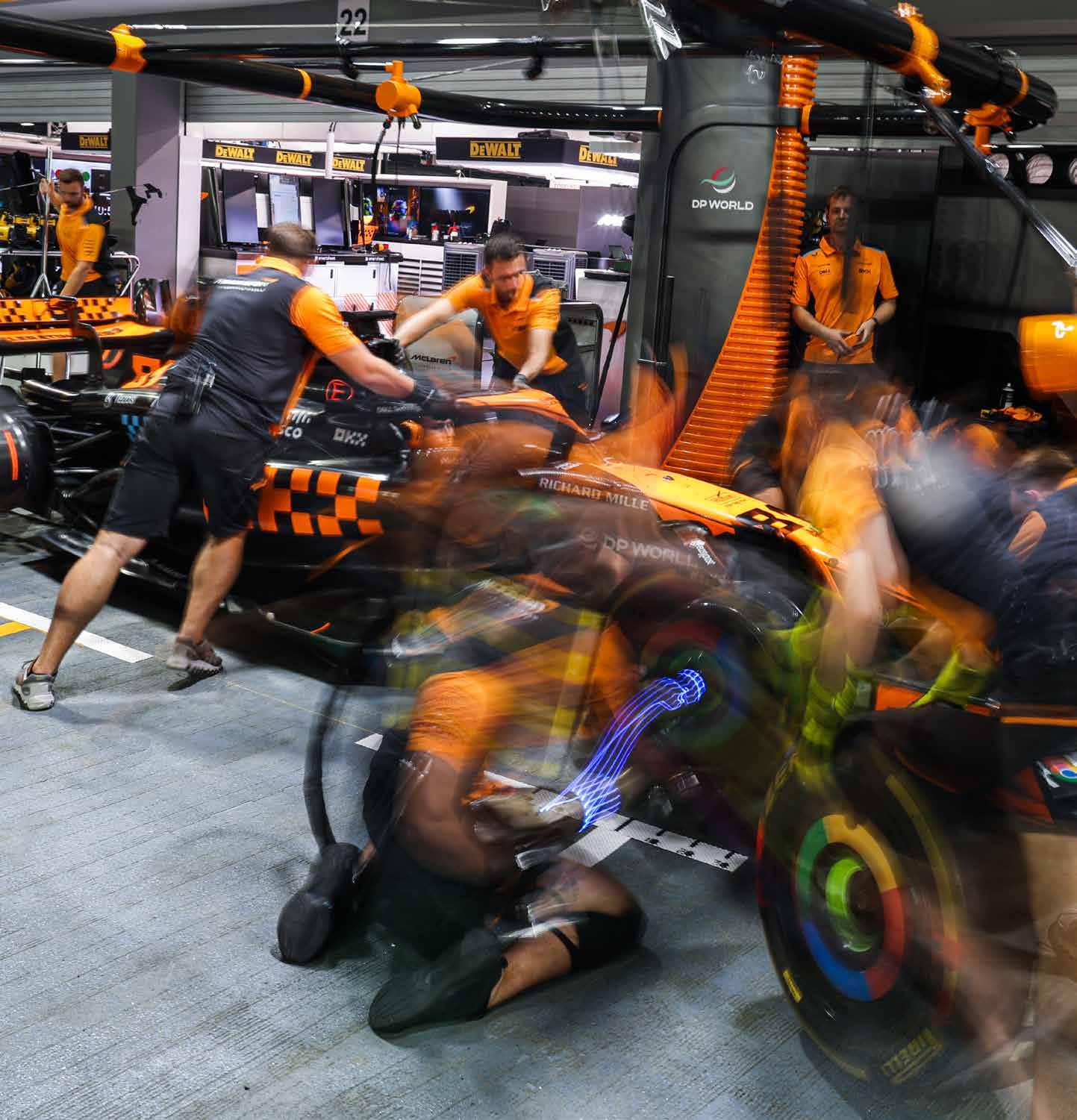
Environmental credibility depends on more than ambition. It requires independent verification and measurable proof of progress.
The FIA’s accreditation and certification programmes provide the frameworks to do exactly that, giving Member Clubs, championships and the wider ecosystem structured, internationally recognised pathways to measure, improve, and independently verify their environmental performance.
The FIA’s Environmental Accreditation Programme (EAP) is the FIA’s flagship initiative in supporting credibility across the industry, designed to support Member Clubs in embedding their sustainability initiatives. Based on international environmental standards, the programme provides a structured, three ‑level framework against which their operations are accredited.
This year, the EAP achieved a 37% year‑on‑year increase in environmental accreditations issued, its strongest result to date, with more FIA Member Clubs and championship organisations accredited than in any previous year.
The EAP also reached two significant milestones: every permanent circuit hosting an FIA World Championship event achieved at least a two‑star accreditation, and every FIA WEC Hypercar team met the same benchmark, with most attaining the three‑star rating.
These major achievements reflect the growing ambition across the FIA community, as well as a fundamental shift in how environmental management is embedded across the industry.
This was further reinforced by the FIA Members’ Sustainability Survey, conducted among Member Clubs on their experience with the FIA EAP. The results confirmed that sustainability is now firmly a strategic priority among FIA Member Clubs, with 90% of respondents stating that the EAP had strengthened their sustainability goals, business value, and leadership role.
Finally, the Sustainable Fuels Certification was established in 2024, in partnership with Zemo, to support Formula 1 in the transition to using fully sustainable fuels from 2026. In 2025, all fuels for the 2026 Formula 1 season were approved and homologated against the certification, marking a key milestone in the implementation of sustainable fuels into the championship.
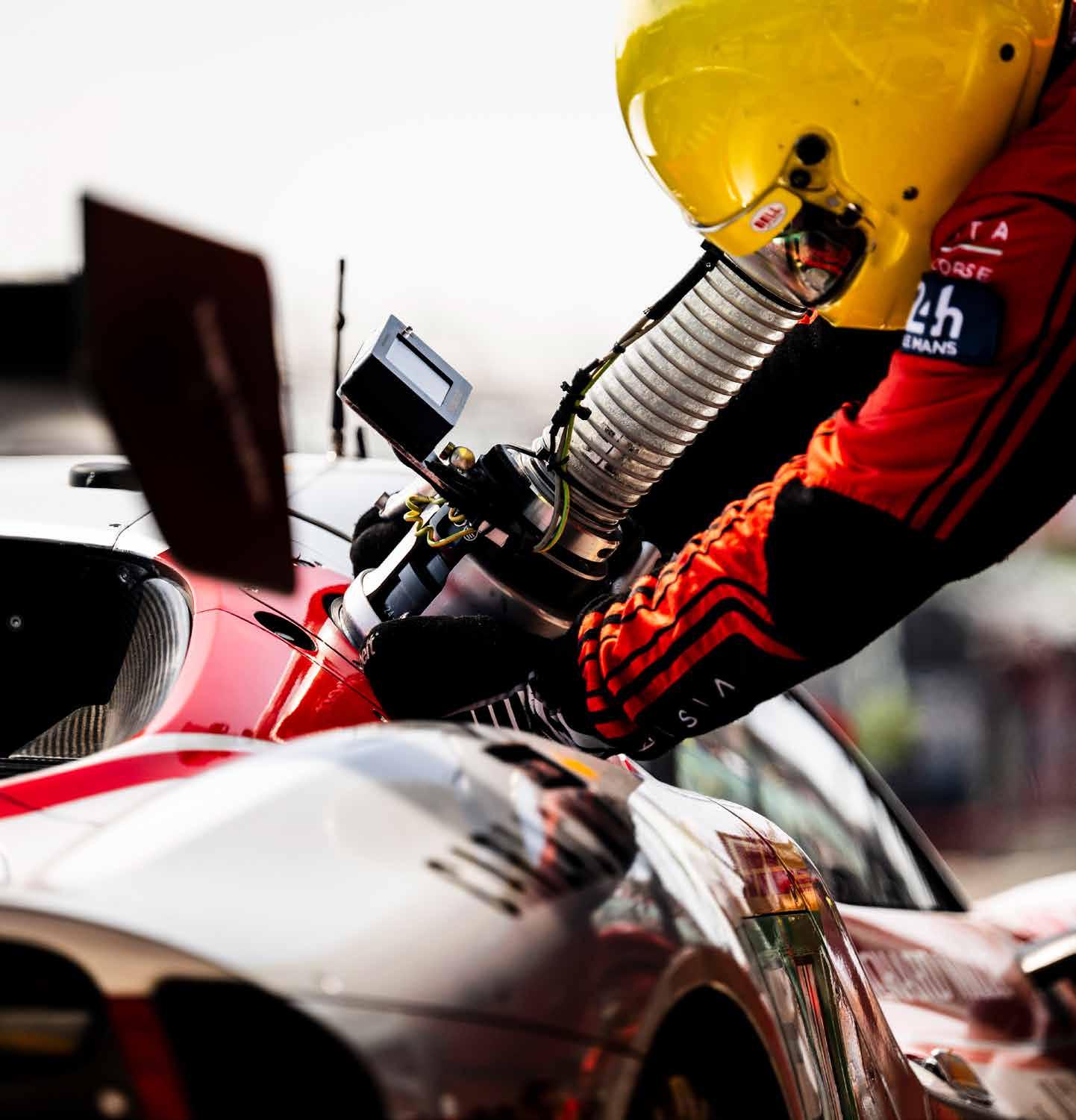
The FIA’s global footprint positions it at the centre of a diverse ecosystem, connecting Member Clubs, championships, manufacturers and public institutions around shared sustainability priorities. It enables alignment at scale, setting direction, and creating the conditions for consistent progress across regions and disciplines.
Turning this into action requires targeted collaboration. The FIA works with partners that bring complementary expertise, creates platforms for knowledge exchange, and uses its role to translate innovation in motor sport into practical advances in sustainable mobility.
In 2025, the FIA appointed DHL as its Official Global Logistics Partner for Formula 1, Formula 2, and Formula 3 championship event logistics. This strategic partnership supports DHL in their deployment of biofuel powered trucks across Europe, running on hydrotreated vegetable
oil (HVO). This shift reduces transport related emissions by up to 83% on average, compared to conventional diesel, marking an important step in transforming the environmental impact of the global racing calendar.
The FIA also deepened its partnership with Siemens, their Official Digital Twin Sponsor, enabling the FIA to design and refine next generation race car concepts virtually, reducing the need for physical prototypes and wind tunnel testing. This digital first technology enables the lowering of environmental impacts, while enhancing engineering methods across FIA championships.
The FIA Sustainable Innovation Series, organised alongside FIA World Championship events, continued to provide a global platform to explore sustainable solutions and initiatives, connecting over 1,000 motor sport and mobility stakeholders across every area of the industry. Ahead of the Shanghai E prix, discussions focused on how electric racing accelerates sustainable mobility solutions.
In Silverstone, ahead of the Formula 1 British Grand Prix, conversations highlighted the operational transformation required for Formula 1 to reach net zero, while during Rally Finland in Jyvaskyla, discussions focused on Rally’s role in nature stewardship and community engagement, during Rally Finland.
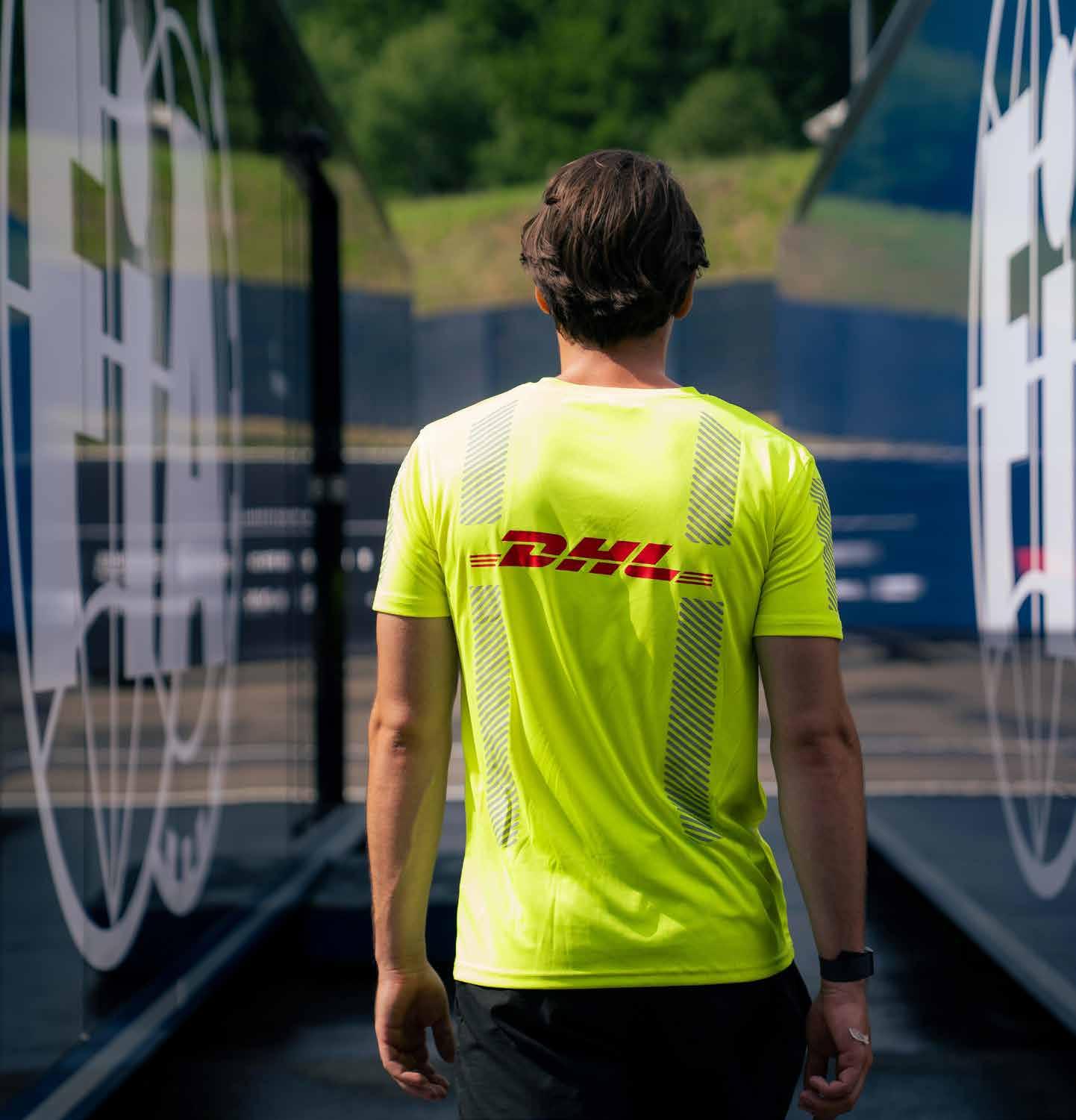
Additionally, the FIA Foundation, in partnership with TU Berlin, supports the Urban Filter Project, where the FIA is developing and testing advanced filtration systems integrated into trackside drainage to capture microplastics and particulate pollution. With strong potential for wide adoption in urban mobility systems, the FIA is fulfilling its role in translating innovations in motor sport to influence a more sustainable global mobility ecosystem.
Celebrating success is a critical part of driving progress across motor sport and mobility. By recognising and sharing these achievements, the FIA helps to scale what works, reinforce high standards, and accelerate progress across motor sport and mobility.
One of the most visible ways the FIA enables positive change is through the FIA World Championships Roadmap framework, collaborating with stakeholders across its world championships to guide environmental progress and monitor performance. In 2025, a series of environmental progressions were achieved across championships. Highlights include:
• Formula 1 prepared for the 2026 regulations, through incorporating 50/50 hybrid engines, advancing sustainable fuels, and using safer and more competitive cars.
• Formula E was awarded the top Global Sustainability Benchmark in Sport (GSBS), while becoming the first sport certified under the BSI Net Zero pathway.
• WRC27 regulations were approved for the World Rally Championships, unveiling the Rally1 car concept. The championship continued the use of sustainable fuels, launched the Biodiversity Assessment Tool, and retained their three star EAP certification across promoters and events.
• For WEC, Le Mans Endurance Management were awarded ISO 20121:2024, and the three star EAP certification. All Hypercar teams achieved the two star EAP certification, while incorporating tyres made from 30–45% renewable and recycled materials.
• The first Rally ‑Raid events achieved EAP certifications, with Abu Dhabi Desert Challenge publishing their first impact report.
• World Rallycross featured “battle of technologies”, aiming to showcase competitive, sustainable racing, advanced sustainable fuel optimisation, with events and promoters maintaining their EAP certifications.
• World Karting introduced new regulations for global e ‑karting expansion, continued to advance sustainable fuels, as well as consolidating tyre allocations to reduce waste and emissions.
The FIA also celebrates success by showcasing the achievements of its Member Clubs. The FIA President’s Awards recognise the positive community impact of Member Club initiatives, with the National Motor Sport Achievement Award presented to Svenska Bilsportförbundet (SBF) for its project “Biodiversity and Motor Sport – Racing for Nature”. The project encouraged 10 circuits to integrate ecological practices into their motor sport operations, showcasing how motor sport event locations can positively contribute to biodiversity protection.
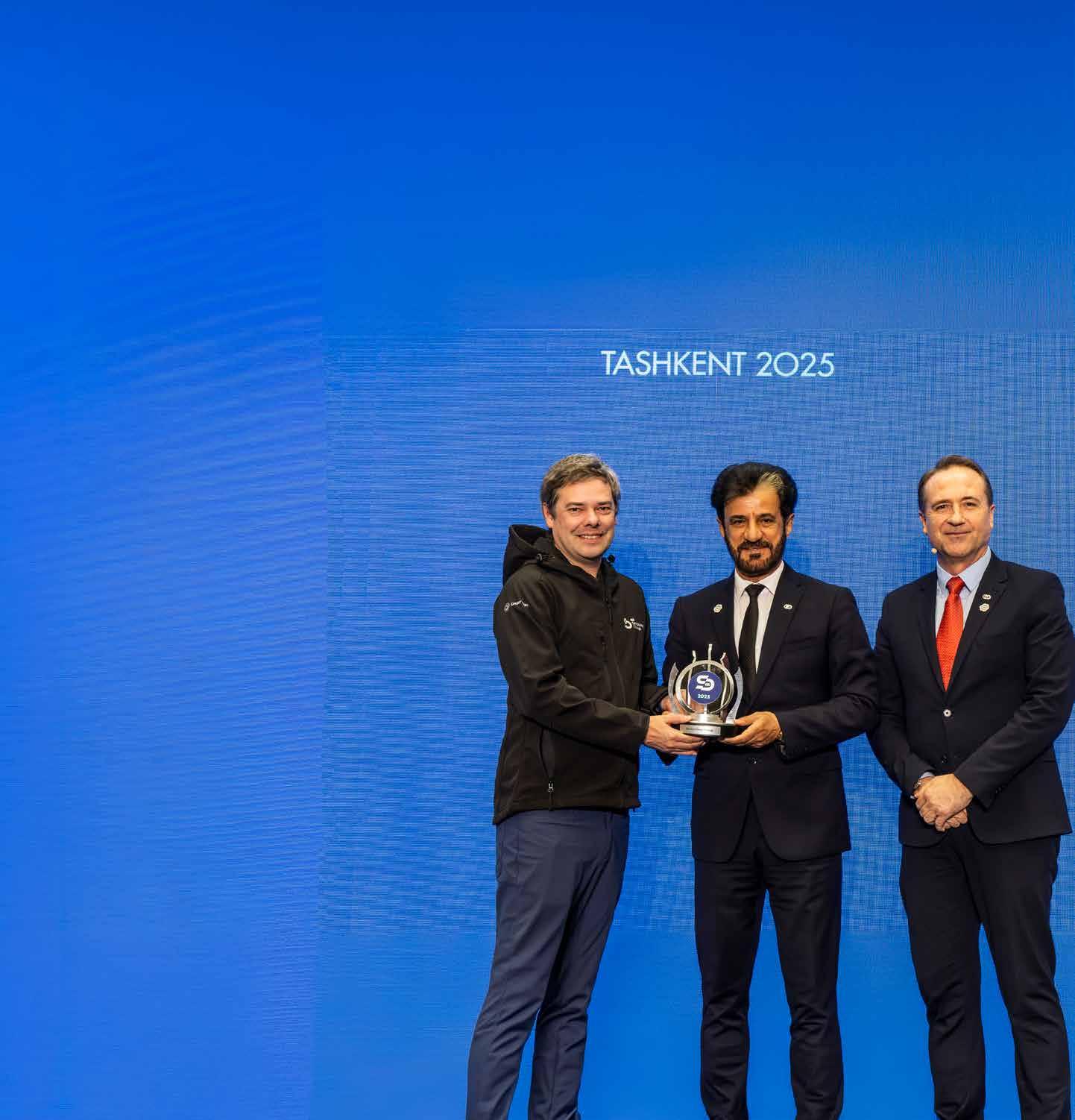
Similarly, the FIA Innovation Challenge celebrates scalable Member Club mobility initiatives aimed at improving safety, sustainability, and accessibility. Four regional winners were announced at the FIA General Assemblies in Tashkent, Uzbekistan, ranging from wildfire resilience in British Columbia, Canada, through to vehicle security standards in Queensland, Australia. Further success stories in Argentina also reflect evolving mobility needs, with the introduction of Green Box eco modules for more sustainable accommodation in tourism, alongside programmes offering tailored services for motorcyclists.
Finally, the FIA Smart Driving Challenge initiative aims to promote safer and more sustainable driving behaviours, using AI technology to assess driving safety and environmental impact. Open to all drivers, participants from 97 countries took part.
In 2025, the FIA’s carbon footprint increased by 16% compared with the previous reporting year, from 24,445.92 tonnes of CO2 equivalent in 2024 to 28,337.26 tonnes of CO2 equivalent in 2025.
This increase reflects a combination of factors, including the expansion of the organisation, the opening of a new office in London, increased participation at FIA events, and a higher level of business travel. It also reflects the reality that the FIA is a global federation with a footprint shaped not only by its own operations, but also by activities it influences through engagement, logistics, mobility choices, and partnerships.
The FIA made progress in reducing its impact in areas under its direct control, particularly in logistics, where emissions fell by 2% through our global logistics partner DHL, and through the ramp up of our investments in Sustainable Aviation Fuels, which led to a 22% cut in our logistics footprint.
The rise in the footprint does not mean progress has stopped. Rather, it shows that the organisation has grown in ways that have outpaced the reductions achieved in some areas. This reflects the fact that not all emissions are directly controlled, and reinforces the need for a stronger strategic response.
While we remain committed to net zero by 2040, with a 50% emissions reduction by 2030 against our 2022 baseline, 2026 represents an opportunity to revisit our sustainability strategy and evolve our approach. This will ensure that the next phase of our work is more operationally grounded and aligned with our plans for growth.
The FIA has also strengthened its internal capacity in 2026 by recruiting seven subject matter experts to work full time on sustainability issues, reflecting a clear recognition that delivering meaningful change requires dedicated expertise, sustained focus, and stronger execution.
The priority now is on delivering this with greater consistency, clarity, and measurable impact.
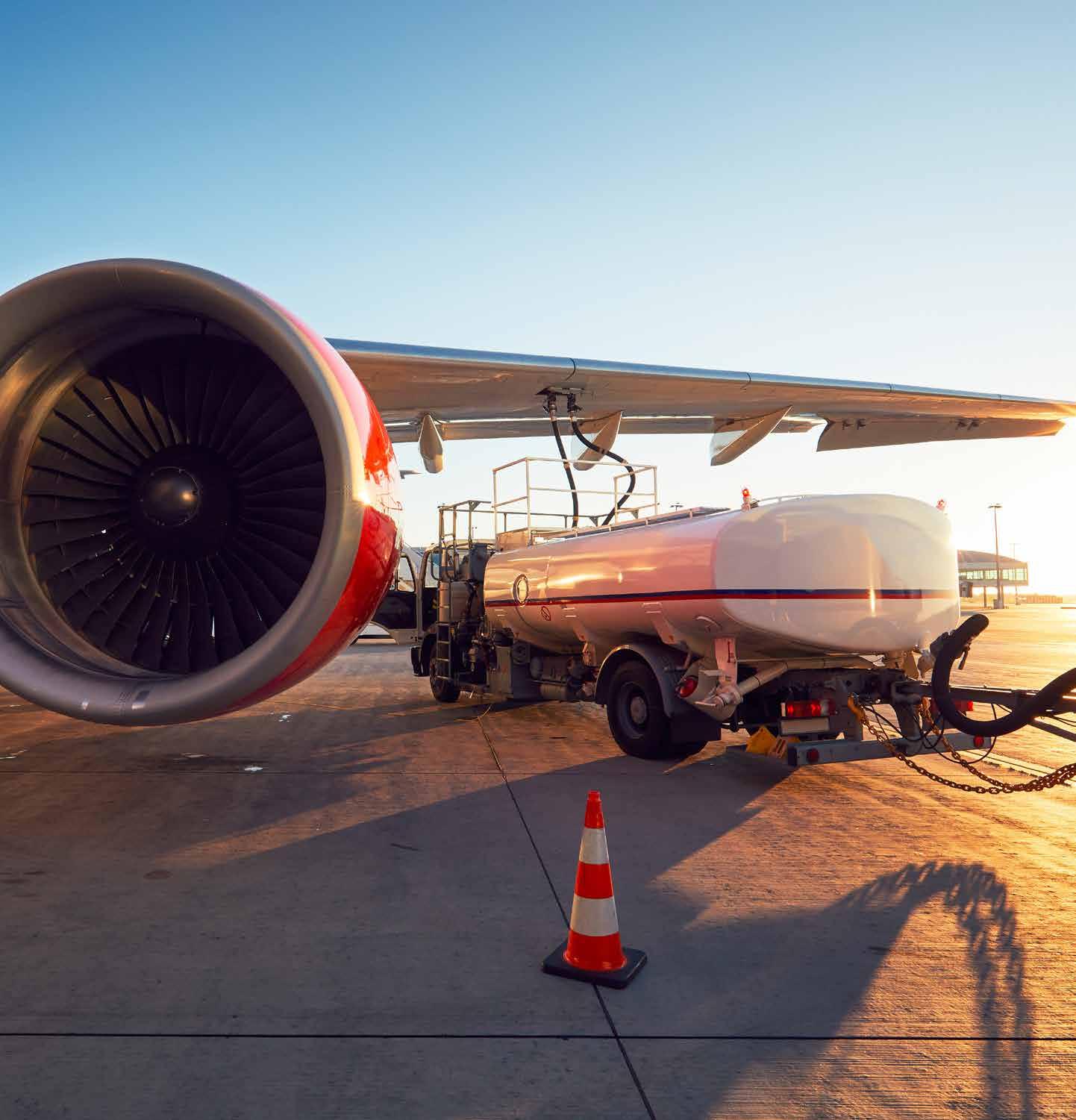
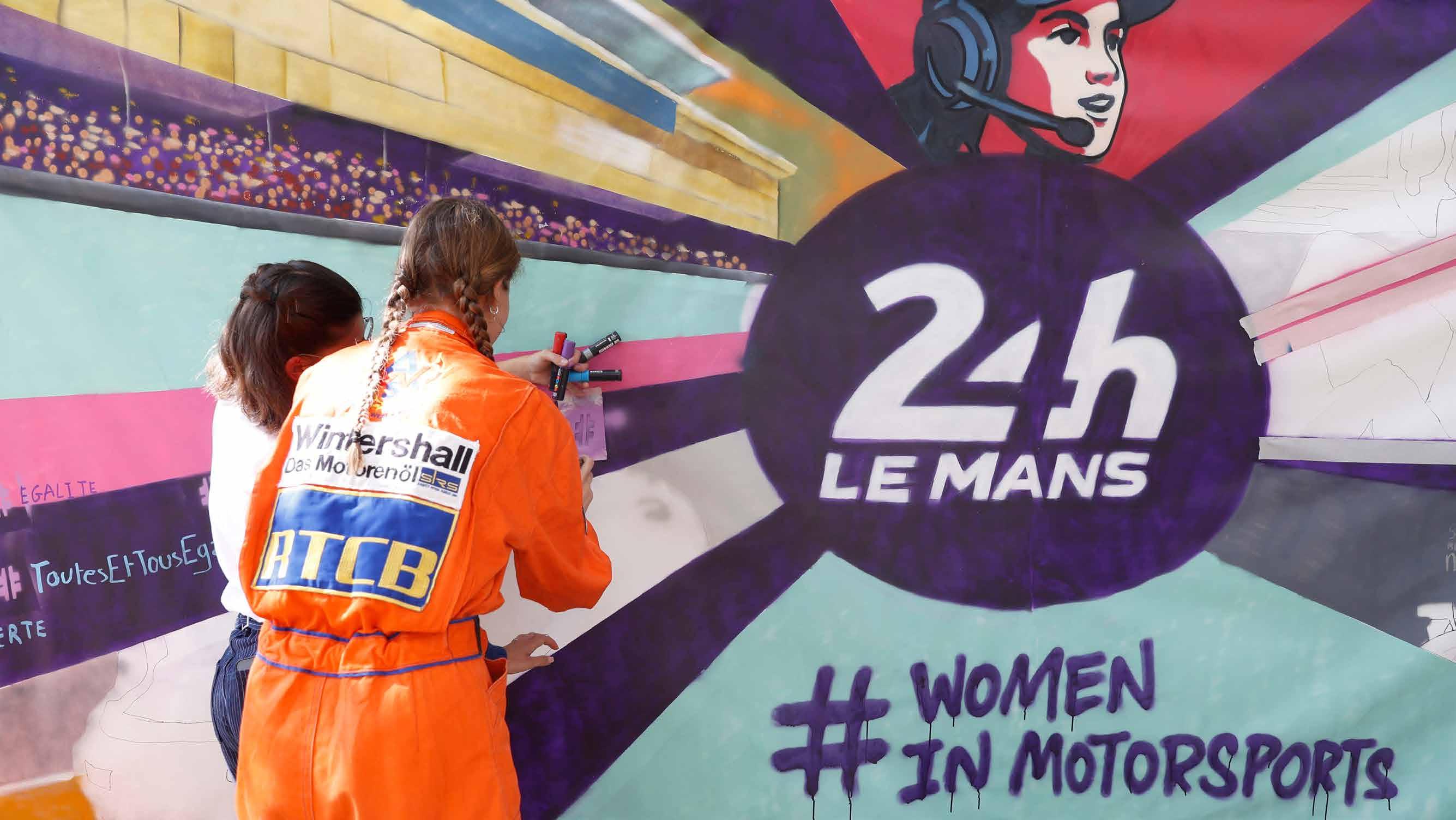
Through its championships and global network of Member Clubs and ASNs, the FIA connects millions of people to motor sport and mobility around the world. With this reach comes a responsibility to ensure that opportunities are accessible to the widest possible range of people.
To support this ambition, the FIA delivers a range of initiatives designed to widen participation, create pathways into careers and support the development of talent across the motor sport ecosystem.
Building greater inclusivity requires sustained effort across every stage of participation journey, from first inspiration through to long-term progression, with a continued focus on equality and accessibility.
The FIA’s Diversity & Inclusion work focuses on five key areas; Inspiring Participation, Unlocking Opportunities, Supporting Progression, Shaping the Future, and Celebrating Success.
The first stage of the FIA’s Diversity and Inclusion work focuses on introducing new audiences to motor sport and mobility and helping them discover the wide range of roles and opportunities that exist. In 2025, these efforts expanded through programmes embedded across FIA World Championships and other major events, global digital learning platforms and community initiatives delivered with Member Clubs and local partners.
For the first time, the FIA Girls on Track programme was implemented across multiple FIA World Championships, expanding from Formula E into WEC, WRC, and the Kumho TCR World Tour. This was a significant achievement for 2025, enabling the participation of 2,500 young women in gaining first hand experience of the diverse careers within motor sport, inspiring them to explore careers in the industry. The FIA Girls on Track Virtual Programme extends the initiative beyond physical events, using digital sessions to connect young women with motor sport professionals. By removing geographical and financial barriers, the three ‑month
programme attracted 410 participants across the globe, enabling them to explore motor sport career pathways.
Similarly, FIA CareerShift expanded from its pilot in 2024 to being integrated across three FIA World Championship events, engaging 245 participants. The initiative supports young people aged 16 to 26 in exploring career opportunities across the motor sport industry, with the expansion providing exposure to different areas of the sport. The first FIA CareerShift Online Edition was also launched, expanding global access to the programme. FIA Career Spotlights also highlights the diversity of opportunities within motor sport, from internships to career progression across the multifaceted industry.
The FIA continued to strengthen the social impact of its other major events, through a series of initiatives organised alongside the FIA Annual General Assemblies in Tashkent, Uzbekistan. Those focusing on inspiring pathways into motor sport included a dedicated Girls on Track activation organised at the General Assemblies, connecting local women with female professionals. Additionally, the FIA organised a Motor Sport and Mobility 101 session, a dedicated session bringing together 150 local students to explore the diverse careers across motor sport and mobility.
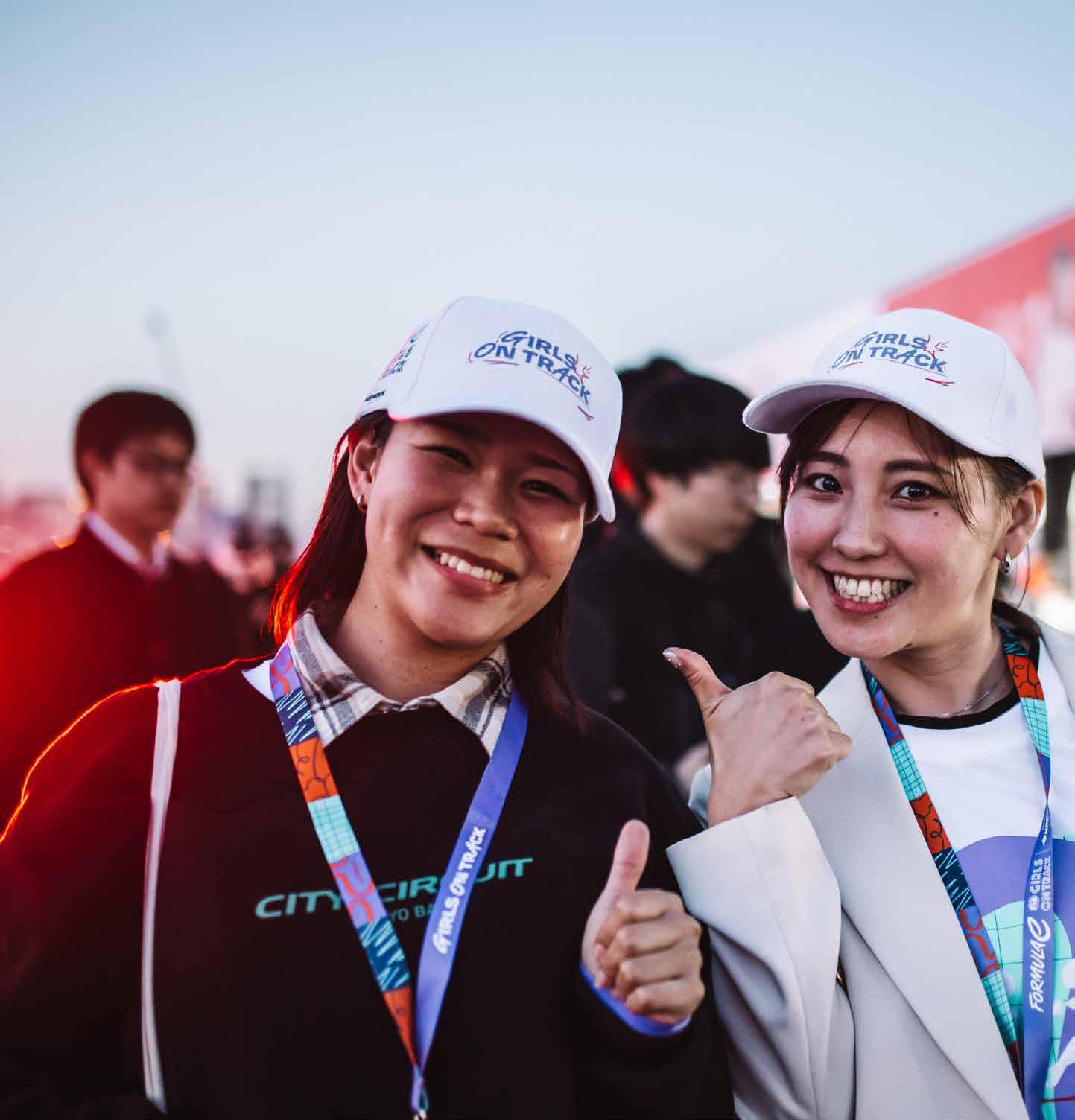
Inspiring new audiences is only the first step. The next is ensuring that those who are drawn to motor sport can find real pathways into the industry, rather than encountering structural barriers to entry. Across driver development programmes, mentoring initiatives and professional training opportunities, the FIA works with Member Clubs, teams and industry partners to support participation.
The FIA Girls on Track Rising Star Junior Programme is designed to identify and nurture female racing talent, providing a structured pathway towards a professional motor sport career. Nine drivers aged 11 to 14 were invited to participate in a four day Juniors Training Camp held in Italy, where the most promising driver was selected to represent the FIA Women in Motorsport Commission in an FIA Karting Championship during the 2026 International Karting season. The remaining finalists were also provided with ongoing career support through a structured development programme.
Further career development is provided through the FIA Women in Motorsport Mentoring Programme, designed to connect women across the motor sport industry,
and the FIA Disability and Accessibility Mentoring Programme, supporting disabled individuals pursuing careers within motor sport. Both programmes are designed to connect less experienced participants with mentors who can provide guidance, career support and industry insight. The programmes demonstrated significant engagement, with the Disability and Accessibility Mentoring Programme engaging 64 participants, while the Women in Motorsport Mentoring Programme grew to 430 participants, facilitating hundreds of hours of mentorship.
The FIA also launched the Graduate Pathway Programme. In 2026, one participant will have been selected to join the FIA for a 12 month placement, gaining experience across different areas of the organisation. The programme aims to strengthen professional development through gaining a broader understanding of FIA operations, while building relationships across the organisation.
Beyond mentoring and professional development programmes, the FIA enables opportunities through fostering greater accessibility and inclusivity through motor sport design adaptations and supporting grassroot communities.
The FIA Certificate of Adaptations (COA), a requirement for international competitions, enables disabled drivers to compete safely and fairly in international motor sport, confirming that vehicle
adaptations meet FIA safety standards and comply with the International Sporting Code. This year saw six new certifications, with updated COA guidance.
The Motor Sport in a Box initiative is at the centre of strengthening support for grassroots community motor sport, designed as a low cost tool kit enabling Member Clubs to organise accessible, low cost motor sport events, using their own standard road vehicles. The FIA Affordable Cross Car Project further expands this support, offering cost effective vehicle construction formats using locally sourced materials. The project aims to ensure that opportunity is not defined by geography or resources, but by potential.
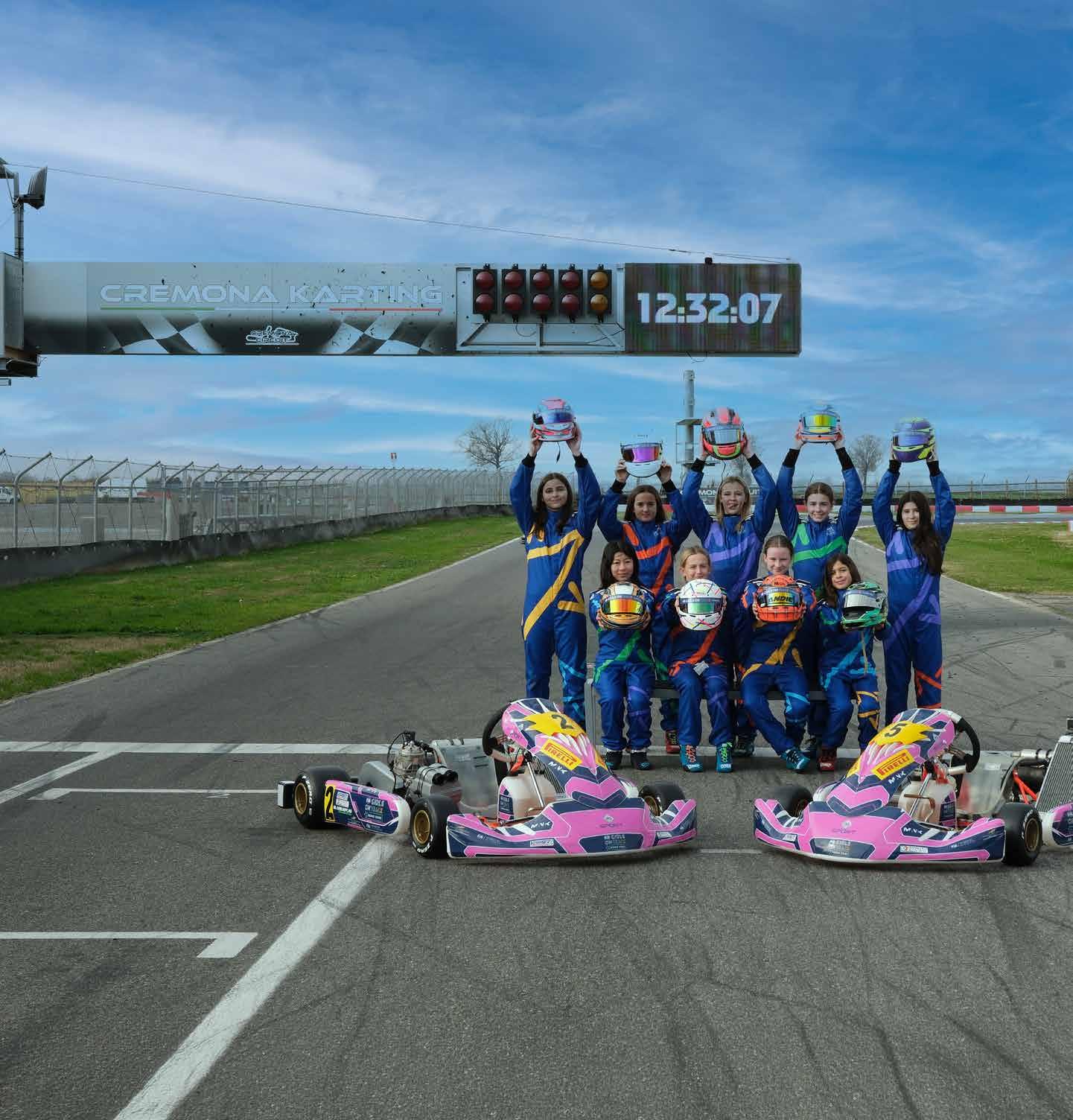
Supporting the progression of talented individuals focuses on ensuring that those who have entered the industry have the support, networks and opportunities they need to develop and advance.
In 2025, the FIA Women in Motorsport Commission supported two female drivers to compete in the FIA Karting Academy Trophy, with Emma Rose Dowling of South Africa competing in the OK Junior category, and Eva Dorrestijn of the Netherlands competing in the inaugural Senior category. Being one of the most recognised international development platforms for racing drivers, the FIA continued to expand opportunities for talented female drivers to compete in international competitions.
Equally, the FIA Karting Arrive & Drive World Cup recorded its highest female participation to date with 15 drivers on the grid. As part of the FIA Women in Motorsport Commission’s efforts to expand competitive opportunities for female drivers, all participating female drivers received support from the WIM commission, with two nominated drivers receiving full financial support.
In supporting educational opportunities, the FIA Motor Sport Engineering Scholarship provides full
support for students undertaking an MSc in Advanced Motor Sport Mechatronics at Cranfield University, ensuring that financial barriers do not prevent talented candidates from accessing advanced education. Sanya Jain was awarded the scholarship for 2025/26, gaining advanced engineering education alongside the management and technical skills required in professional motor sport. Graduates are also offered an FIA internship, providing practical experience within the global governing body.
Fostering the creation of networks is a crucial means of supporting progression within the motor sport and mobility industry. The FIA WIM Commission does this through hosting its annual Networking Event during the 24 Hours of Le Mans, hosted at the FIA World Endurance Championship, bringing together stakeholders from across the industry. The 2025 edition recorded its highest participation, with more than 150 attendees.
Through the FIA Girls on Track Brazil ASN Implementation, Brazil has become one of the most advanced national models of the FIA Girls on Track platform, translating the FIA framework into a practical pathway for career progression. This was demonstrated through the Internship initiative, where 50 young women out of 745 applicants were placed in professional race teams across the Brazilian series. Since its launch, 10% of participants have progressed into professional
roles. Similarly, the Karting Selection initiative supports grassroot female driving talent in entering championship events. Several of the 31 drivers supported have progressed into Brazilian championship categories.
Nikhil Sachania exemplifies how making sport more inclusive can unlock both sporting success and leadership in creating a more accessible future for motor sport. Nikhil became one of Africa’s most successful disabled competitors, following a life changing accident that left him paraplegic. In 2025, Nikhil joined the FIA Disability and Accessibility Commission, bringing his experience as both a competitor and advocate to the development of more inclusive sporting regulations, helping to ensure they reflect the realities faced by disabled competitors.
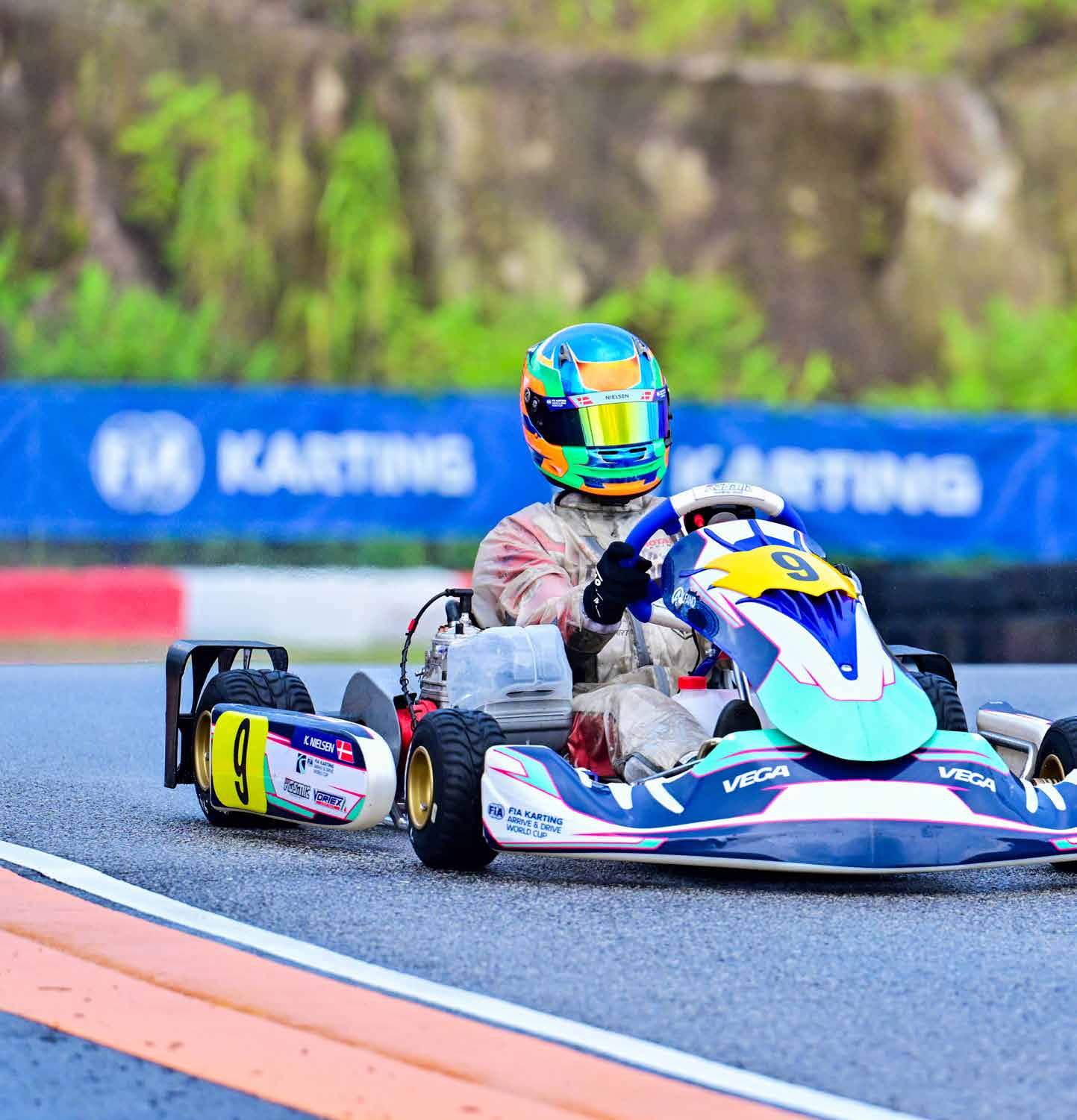
Creating and supporting opportunities within motor sport is only part of building a more inclusive and accessible industry. Equally important is shaping the systems, policies and conversations that will influence the future of motor sport and global mobility. Through leadership, international collaboration and advocacy, the FIA works to address structural barriers, promote inclusive mobility and strengthen protections for participants across the sport.
The FIA Sport Disability & Accessibility Commission provides the strategic framework that shapes global efforts to increase the participation and representation of disabled people across the motor sport industry, through guidance, advocacy and collaboration with stakeholders across the FIA network. Key activities included the FIA Certificate of Adaptations framework, the launch of the FIA Disability and Accessibility Mentoring Programme, and the Empowering Disabled Motor Sport Seminar during FIA Safety Week 2025. The seminar focused on advancing inclusion, safety and participation for disabled people across global
motor sport, bringing together stakeholders from across the industry to explore both the structural and practical measures required to remove barriers to participation.
Promoting inclusion from a global mobility perspective, the FIA Disabled Motoring Website provides international information to support disabled drivers navigating cross border mobility and accessing motor sport opportunities. In 2025, the platform reached more than 49,000 users, while receiving almost 400 direct enquiries from disabled drivers seeking advice on parking permits, vehicle adaptations and pathways into motor sport. Through strengthening access to information, the FIA is helping to foster a more accessible mobility ecosystem.
Furthermore, the FIA Women in Motorsport Commission addresses systemic barriers to female participation across motor sport, supporting greater access and progression at all levels of the industry. Key initiatives included the implementation of the FIA Girls on Track programme across multiple championship events, Brazil becoming one of the most advanced national models of the FIA Girls on Track platform, while significantly expanding the WIM Mentoring programme.
The United Against Online Abuse (UAOA) programme, founded by H.E. Mohammed Ben Sulayem, President of the FIA, addresses one of the most significant emerging risks facing
athletes, officials and sports organisations, online abuse in sport. The coalition welcomed over 10 new endorsements in 2025, bringing the total to over 70 partners. It engaged over 200 stewards at the FIA Officials Summit, expanded awareness among drivers and teams, and brought together industry stakeholders at UAOA’s second annual conference, while publishing the second edition of the UAOA Online Abuse barometer. Through education, research and global collaboration, the FIA continues to lead in tackling this risk.
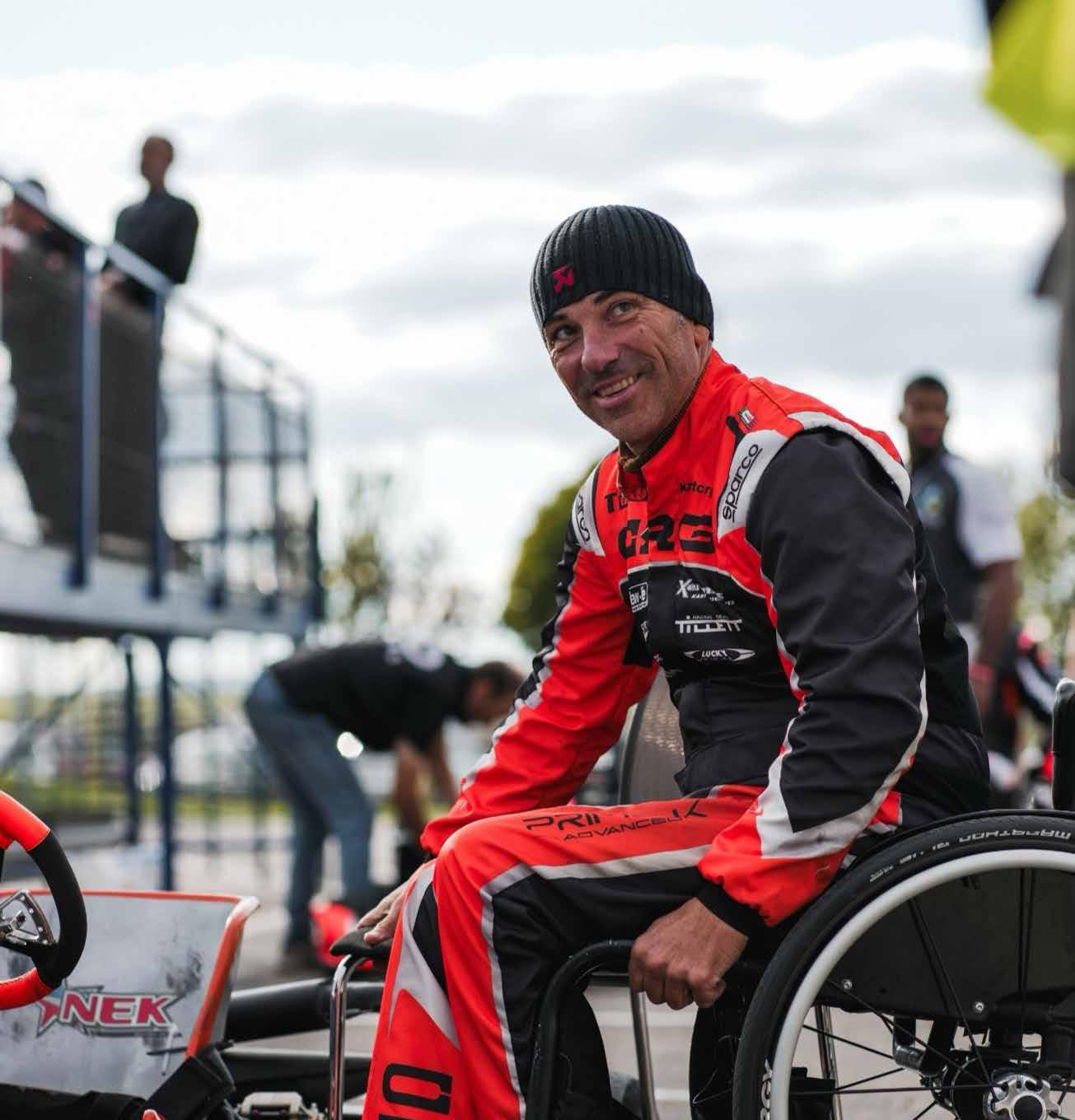
The FIA is immensely proud to have awarded the first ever FIA Women in Motorsport and Empowering Disabled Motor Sport Awards at the FIA General Assemblies week in Tashkent, Uzbekistan. The two new awards showcase the outstanding work of FIA Member Clubs, teams and individuals in building a more diverse, inclusive and accessible motor sport ecosystem.
Award winners include ADAC Südbayern, a German motor sport club, for their programme bringing disabled and non disabled participants together to compete on equal terms by introducing inclusive competitive formats. Additionally, Alba Hurup Larsen received the WIM Award for her Girls International Racing Lab (G.I.R.L.) initiative, supporting over 400 young women in accessing opportunities within motor sport.
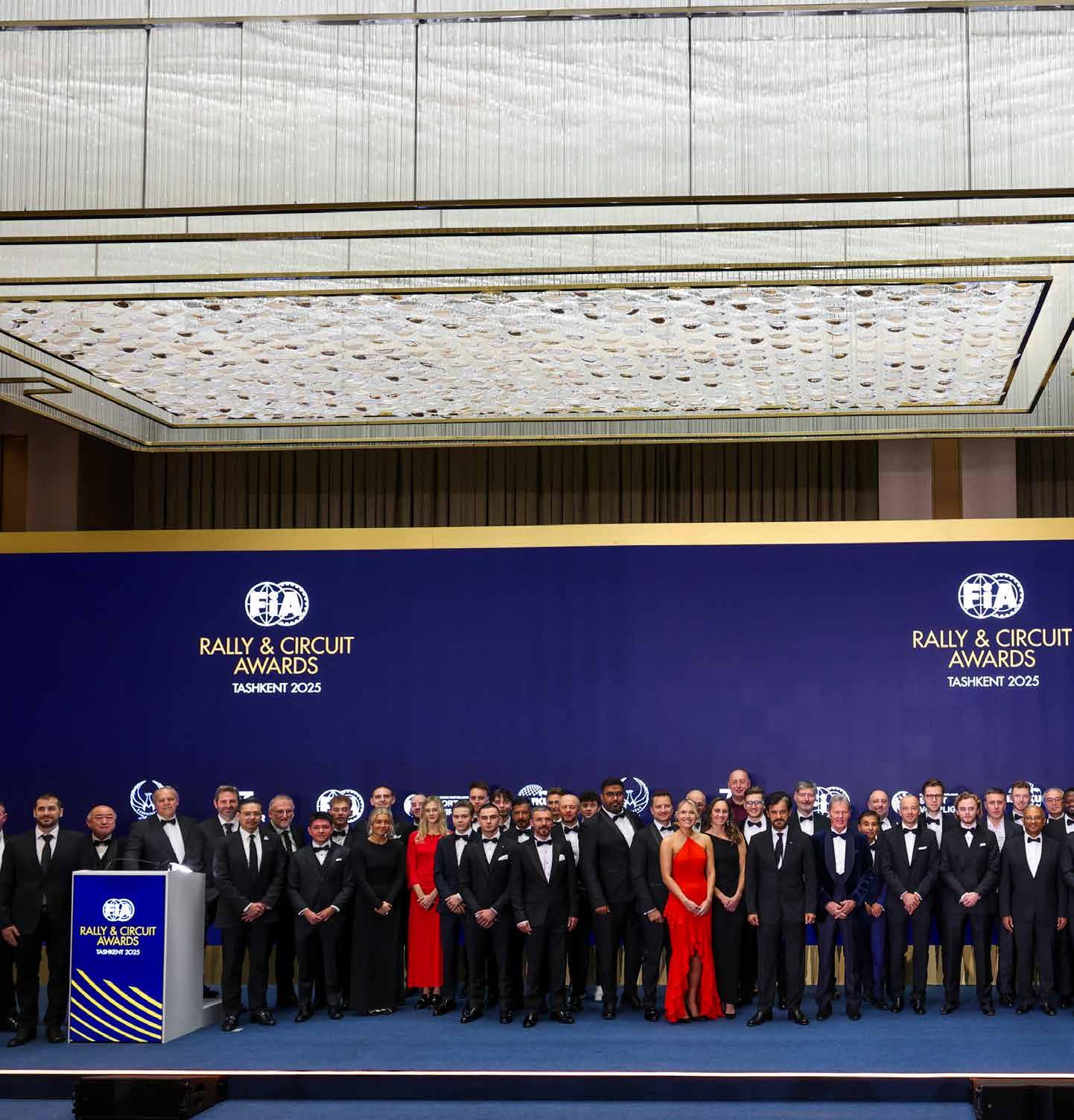
In 2025, the FIA continued strengthening diversity and inclusion across its operations.
With 308 employees (permanent contracts only) across 38 nationalities, the FIA operates as a truly global organisation, supporting broader perspectives in decision making, strengthening cultural awareness and ensuring the organisation reflects the communities connected to motor sport and mobility worldwide.
Gender representation stands at 31% women and 69% men, with continued progress in the representation of women at leadership level. This reflects more consistent recruitment practices, clearer progression pathways and a growing focus on leadership diversity.
The organisation also benefits from a balanced workforce across career stages. With an average age of 42, and strong representation across early, mid and senior levels (46% of women at the FIA are in senior roles). The average employee tenure was six years in 2025, higher than average within the not‑for‑profit sector.
Gender Equity is further embedded within FIA operations through maintaining Level 2 of the EDGE Certification, a globally recognised standard for assessing pay equity, career progression, leadership and employee experience. The certification is a tool for measuring progress and ensuring accountability, while enabling benchmarking against international standards, supporting a consistent, structured approach to advancing gender equity across the organisation.
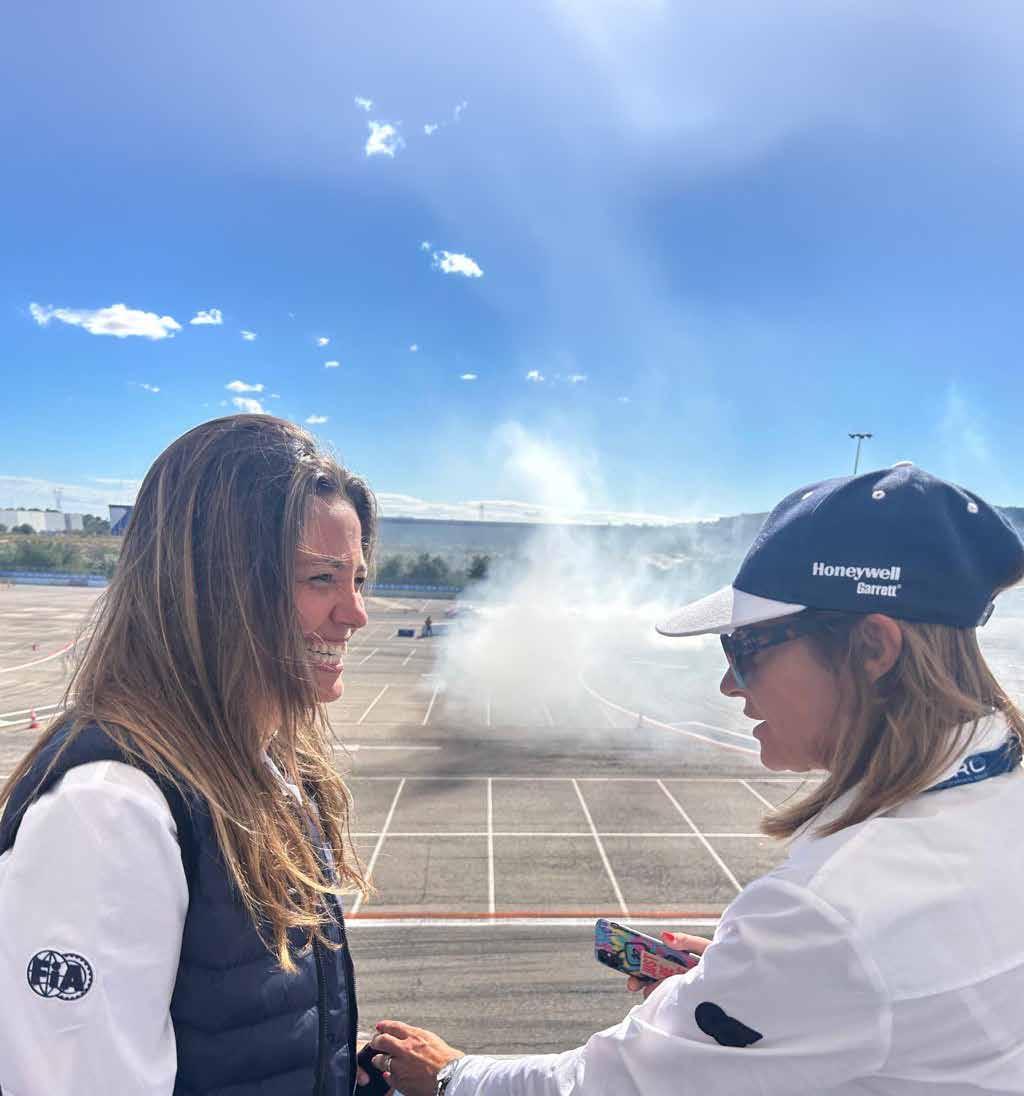
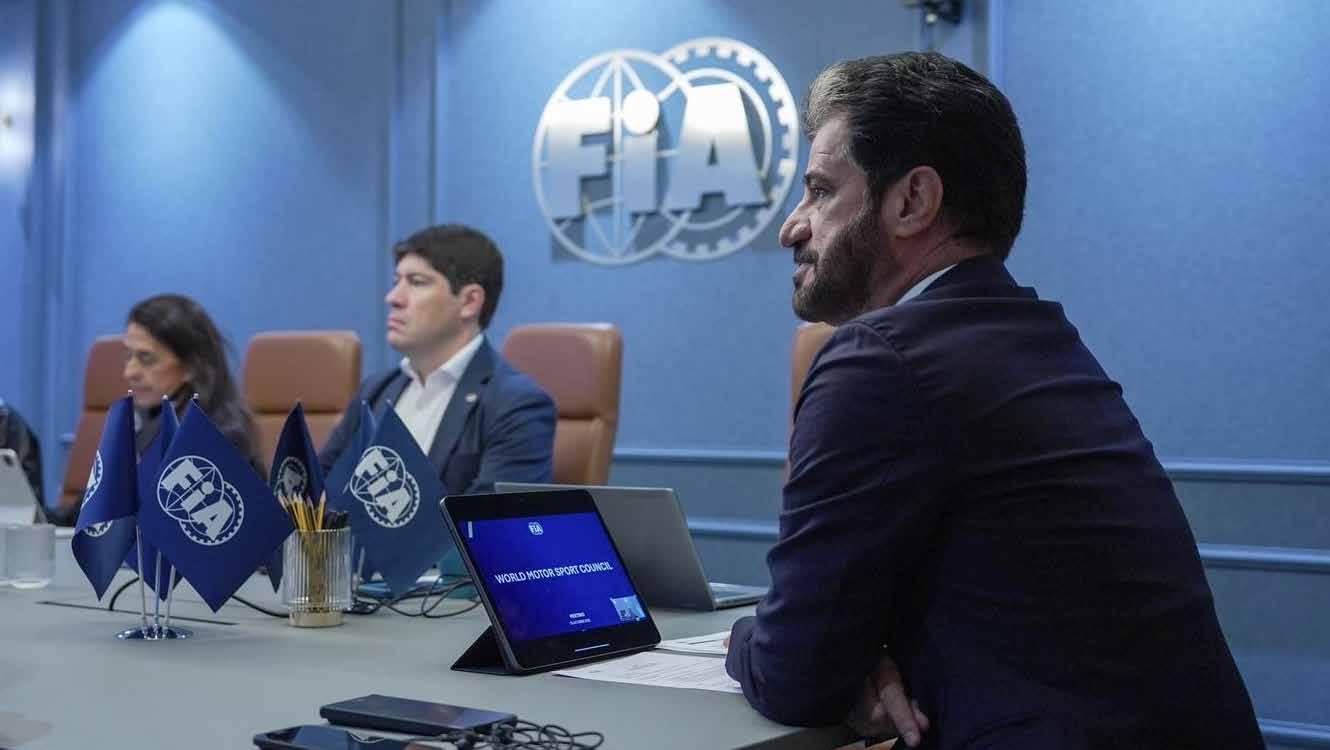
As stipulated in the Statutes of the FIA, which are openly published and available to members of the general public, the FIA respects the highest standards of governance, transparency and democracy.
The FIA Statutes are supported by the FIA’s Internal Regulations.
The FIA’s governance structure is outlined in full within the Statutes. It includes, among other bodies:
• President of the FIA
• FIA General Assembly
• FIA Senate
• FIA World Council for Automobile Mobility and Tourism
• FIA World Motor Sport Council
The President of the FIA represents the FIA in all circumstances and presides over the General Assembly.
President of the FIA H.E. Mohammed BEN SULAYEM (UAE)
President of the Senate Carmelo SANZ DE BARROS (ESP)
Deputy President for Sport Malcolm WILSON OBE (GBR)
Deputy President for Automobile Mobility and Tourism Timothy SHEARMAN (CAN)
FIA GENERAL ASSEMBLIES
The General Assembly is the supreme decision making body of the FIA. It is chaired by the President and is composed of the delegations of the FIA Members each headed by its President or their representative, and of the President of the Drivers’ Committee.
FIA SENATE
The Senate oversees the management and finances of the federation. It brings together both main competence areas of the FIA.
It is composed of up to 16 members including:
• President of the FIA
• President of the Senate
• Deputy President for Automobile Mobility and Tourism
• Deputy President for Sport
• 4 members elected by the World Council for Automobile Mobility and Tourism in conformity with Article 16.5 of the FIA Statutes
• 4 members elected by the World Motor Sport Council in accordance with Article 17.15 of the FIA Statutes
• Up to 4 members appointed by the President of the FIA (with at least one member of each gender), from among persons who are independent and qualified.
For more detail on the composition of the Senate, please see Article 18.1 in the FIA Statues.
The Senate handles issues relating to management and general policy of the FIA that cannot be covered by either of the World Councils.
Its responsibilities include, under the advice of the Audit Committee, closing the accounts for the last accounting period, preparing World Council budgets, and handling the consolidated budget. Under this remit, the Senate is also responsible for commercial questions and proposals that may come to the FIA’s attention.
Members by Right H.E. Mohammed BEN SULAYEM (UAE)
Carmelo SANZ DE BARROS (ESP)
Malcolm WILSON OBE (GBR)
Timothy SHEARMAN (CAN)
Members HRH Prince Faisal AL HUSSEIN (JOR)
Anar ALAKBAROV (AZE)
Augustus J.V. FERRERIA (PHL)
Elizabeth PERRY (AUS)
Fatma SAMOURA (SEN)
Robert SLOCOMBE (AUS)
Carlos SLIM DOMIT (MEX)
K – Theera BUNNAG (THA)
Dr Amina C. MOHAMMED (KEN)
Otabek UMAROV (UZB)
Guojun ZHAN (CHN)
Akio TOYODA (JPN)
ANTI-DOPING DISCIPLINARY COMMITTEE
Responsible for adjudicating anti doping rule violations
• President: Juan Carlos ORTIZ FEYTH (Costa Rica)
AUDIT COMMITTEE
Advisory body to the Senate
• President: Primož KODER (SVN)
ETHICS COMMITTEE:
Safeguards the integrity and reputation of motor sport, automobile mobility and tourism worldwide
• President: Michael ANGO (NGA)
INTERNATIONAL TRIBUNAL
First instance court with jurisdiction over disciplinary matters ( other than on‑track decisions, doping offences and financial regulations breaches)
• President: Rui BOTICA SANTOS (PRT)
INTERNATIONAL COURT OF APPEAL
Appeal court with jurisdiction over disciplinary matters (other than for doping)
• President: Laurent ANSELMI (MON)
COST CAP ADJUDICATION PANEL
Disciplinary matters relating to the FIA Formula One Financial Regulations, the FIA Formula One Power Unit Financial Regulations, the FIA Formula E Financial Regulations, and the FIA Formula E Manufacturers Financial Regulations
• President: Marek MALECKI (POL)
NOMINATIONS COMMITTEE
Examines the eligibility criteria of candidates to FIA bodies
• President: Ajmalul HOSSAIN (BGD)
WORLD MOTOR SPORT COUNCIL
The World Motor Sport Council (WMSC) has responsibility for all aspects of international motor sport. It meets at least three times a year to decide on rules, regulations, safety and development of motor sport at every level from karting to Formula1.
Since the elections that took place on 12 December 2025 in Tashkent (Uzbekistan), the WMSC is composed of the following members:
President of the FIA H.E. Mohammed BEN SULAYEM (UAE)
Deputy President for Sport
Malcolm WILSON, OBE (GBR)
Deputy President for Sport
Malcolm WILSON OBE (GBR)
Vice‑Presidents for Sport
Sheikh Abdulla Bin Isa AL KHALIFA (BRN)
Manuel AVIÑÓ (ESP)
Daniel COEN (CRC)
Fabiana ECCLESTONE (BRA)
Lung‑Nien LEE (SGP)
Anna NORDKVIST (SWE)
Rodrigo ROCHA (MOZ)
Titular Members HRH Prince Khalid Bin Sultan AL FAISAL AL SAUD (KSA)
Abdulrahman AL MANNAI (QAT)
Fernand Axel FOURGON (MON)
Andrew FRASER (AUS)
Pierre GOSSELIN (FRA)
Antonino Geronimo LA RUSSA (ITA)
Andrew MALLALIEU (BAR)
Kevin MILLER (USA)
Amina MOHAMED (KEN)
Koichi MURATA (JPN)
Rado RASPET (SLO)
Jan STOVICEK (CZE)
Serkan YAZICI (TUR)
Tao ZHANG (CHN)
Members by Right Burcu ÇETINKAYA (Chairperson of the Women In Motor Sport Commission) (TUR)
Stefano DOMENICALI (Representative of the FIA F1 World Championship’s Commercial Rights Holder) (ITA)
Akbar EBRAHIM (President of the International Karting Commission) (IND)
Lutz LEIF LINDEN (President of the Manufacturers’ Committee) (GER)
Ronan MORGAN (President of the Drivers’ Committee) (IRL)
In 2025, the WMSC met four times. The first meeting was held virtually at the end of February, ahead of the start of the FIA Formula One World Championship. In his opening address, the FIA President set out the priorities for the new year, highlighting the growth of accessibility as well as the need for strong and clear regulations to protect and enhance motor sport. The new strategy for motorsport across the next five years (FIA Vision 2030) was presented and received support from the Council members.
During the meeting, the WMSC also approved important regulatory updates, including a new mandatory 2 stop strategy for the Formula One Grand Prix in Monaco to improve sporting spectacles of the race.
The second WMSC meeting took place in June, during the FIA Conference Week in Macau (China). There, the first set of technical and safety regulations for vehicles powered by liquid hydrogen were approved, marking a significant milestone in motor sport’s sustainable transition. In addition, the Council adopted updates to the 2027 WRC Technical Regulations and the new GEN4 Technical Regulations for the FIA Formula E World Championship from 2026‑2027 onwards. The WMSC also approved major calendar updates, including the first FIA Karting “Arrive and Drive” World Cup and the 2026 FIA Formula One World Championship.
The FIA President chaired the third WMSC meeting, held virtually, from the new FIA Offices in London. He highlighted the acceleration of the FIA’s digital transformation with the introduction of a new FIA Digital Licensing platform to empower ASNs and allow them to issue the first digital licenses from 2026. During the meeting, the Council approved the creation of a new consolidated article in Appendix J to the International Sporting Code, defining the general regulatory framework applicable to all energy sources used in FIA competitions. Furthermore, the WMSC adopted various regulatory updates, including a reorganisation of the FIA European Historic Rally Championship as well as technical and homologation regulations for new e Karting categories.
The final meeting of 2025 was held in December in Tashkent (Uzbekistan), during the FIA General Assemblies Week. Reflecting on his first term, the FIA President emphasised that the FIA has strengthened the foundations of motor sport, with historic agreements signed across the Championships, and is now engaging with a wider global community. The WMSC approved major regulatory updates, such as the final elements of the 2026 Formula One Regulations and of the WRC technical and homologation framework from 2027. As the Global Karting Plan began its next phase, the Council also adopted a new race format for the launch of the “Arrive and Drive” Continental Championships.
WORLD CHAMPIONSHIP COMMISSIONS, WMSC COMMITTEES, AND COMMISSIONS
The WMSC is assisted by World Championship Commissions, WMSC Committees and Commissions (attached to such WMSC Committees). Commissions may be assisted by Working Groups, if necessary.
WORLD CHAMPIONSHIP COMMISSIONS
F1 Commission Presidents: H.E. Mohammed BEN SULAYEM (UAE) and Stefano DOMENICALI (ITA)
Endurance Commission President: Richard MILLE (FRA)
Formula E Commission President: Xiaoxu ZHOU (CHN)
International Karting Commission President: Akbar EBRAHIM (IND)
World Rally Championship Commission President: Pernilla SOLBERG (SWE)
WORLD MOTOR SPORT COUNCIL COMMITTEES AND COMMISSIONS
Single Seater Committee: Chair: Emanuele PIRRO (ITA)
Circuit Sport Committee: President: Tomas KUNC (CZE)
Commissions attached to the Circuit Sport Committee
• Drag Racing Commission: Chair: Lars PETTERSSON (SWE)
• Drifting Commission: Chair: Koichi MURATA (JPN)
• Truck Racing Commission: Chair: Ignacio FERNANDEZ (ESP)
• GT Commission: Chair: Lutz LEIF LINDEN (GER)
• Touring Car Commission: Chair: Alan GOW (GBR)
• Electric and New Energy Championship Commission: Chair: Xiaoxu ZHOU (CHN)
• Esports Commission: Chair: Niroshan PEREIRA (SRI)
Historic Motor Sport Committee: President: Roger WILLS (GBR)
Road Sport Committee: President: Linda MEDNE (LAT)
Cross Country Rally Commission: Chair: Zaid BALQEZ (JOR)
Land Speed Records Commission: Chair: Roger BANOWETZ (USA)
Hill Climb Commission: Chair: Dusan KOBLISEK (SVK)
Off Road Commission: Chair: Włodzimierz SZANIAWSKI (POL)
Manufacturers Committee: President: Lutz Leif LINDEN (GER)
Sport Member Clubs Committee: President: Jorge ABED (MEX)
Commissions attached to the Sport Member Clubs Committee:
• Volunteers & Officials Commission: Chair: Elise RACETTE (CAN)
Drivers’ Committee: President: Ronan MORGAN (IRL)
Sustainability and D&I Committee: President: Andrew FRASER (AUS)
Commissions attached to the Sustainability and D&I Committee:
• Sport Environment & Sustainability Commission: Chair: Aiden HARPER (IRL)
• Sport Disability & Accessibility Commission: Chair: Nathalie McGLOIN (GBR)
• Women in Motorsport Commission: Chair: Burcu CETINKAYA (TUR)
Homologation Committee: President: Xavier SCHENE (BEL)
Safety Committee: President: Sam MICHAEL (AUS)
Commissions attached to the Safety Committee:
Circuits Commission: President: Jorge ABED (MEX)
Closed Road Commission: President: Nicolas KLINGER (FRA)
Medical Commission: President: Sean PETHERBRIDGE (UAE)
WORLD COUNCIL FOR AUTOMOBILE MOBILITY & TOURISM
The World Council for Automobile Mobility and Tourism (WCAMT) is responsible for all issues affecting the automobile in society. It meets at least twice a year to discuss proposals brought forward by the FIA’s Mobility Commissions and Working Groups.
The WCAMT discusses these issues on an international level: defining global public policy positions, concluding reciprocal agreements on service exchange, and issuing international documents such as Carnet de Passages en Douane. As a direct result of this work, the FIA is officially recognised by the United Nations, where it has special consultative status and sits as on several of its transport related working parties.
Since the elections that took place on 12 December 2025 in Tashkent (UZB), the WMCAT is composed of the following members:
President of the FIA H.E. Mohammed BEN SULAYEM (UAE)
Deputy President for Automobile
Mobility and Tourism
Tim SHEARMAN (CAN)
Vice‑Presidents REGION I: Jorge F. DELGADO MENDOZA (ESP)
REGION I Sub‑Region ACTA: Jinaro KIBET (KEN)
REGION I Sub‑Region MENA
Mobility Council: Essa Hamzah ALFAILAKAWI (KUW)
REGION II: Augustus Joe V. FERRERIA (PHL)
REGION III: Frank FOTIA (CAN)
REGION IV: Ricardo MORALES RUBIO (COL)
Titular Members — Region I
Titular Members
— Region II
Christian REINICKE (GER)
Marga DE JAGER (NED)
Edmund KING (UK)
Luigi CINO (ITA)
Mohammed Saif AL SUBAIE (SAU)
Leopold PUNGERCAR (SLO)
David FRAISSINET (AND)
Milan NIKOLIC (SRB)
Michael BRADLEY (AUS)
Darma Mangkuluhur HUTOMO (IDN)
Renée LANG (TPE)
Wai Mun LEE (SGP)
Syed Ahrarul HOSSAIN (BGD)
Titular Members — Region III
Titular Members — Region IV
Alvaro OLIVER VENERE (URU)
Selwyn PERSAD (TTO)
Pedro G. COFIÑO ORTEGA (GUA)
Hugo R. MERSÁN GALLI (PRY)
Gorki OBANDO (ECU)
In 2025, the WCAMT met twice ‑ in June at the FIA Conference in Macau, China, and in December during the FIA General Assemblies week in Tashkent, Uzbekistan ‑ to advance the FIA’s Automobile Mobility & Tourism agenda with and for FIA Members.
The World Council’s discussions spanned a wide range of strategic priorities, including global advocacy & road safety, member development, tourism, and sustainability. The WCAMT reviewed key initiatives to strengthen road safety programmes, including Safe Mobility 4 All and 4 Life, the uptake of the Road Safety Index, and the Driver Safety Index, which introduces the first global benchmark for driver safety performance.
Council members discussed a new Business Development strategic framework and ongoing regional development initiatives, including the second edition of the FIA Innovation Challenge, the fundings released to support regional and FIA Members programme and the development the FIA University programmes. The WCAMT received updates on the International Driving Permit and the Carnet de Passage en Douane (CPD), including progress on its digitalisation process.
Members further reviewed the 2026 work plans of the Mobility Services Commission fostering club cooperation and developing innovative solutions, including around drones the Policy Commission’s ongoing research and global advocacy agenda, and the Historical Commission, which celebrated its 50th anniversary during the year.
In December, WCAMT members heard from FIA Secretary General for Automobile Mobility, Sustainability and Tourism, Willem Groenewald, on his vision to elevate the FIA as a knowledge led federation through the appointment of faculty professors and regular production of white papers, data driven approaches to road safety and a stronger emphasis on sustainability reporting tools and accreditations.
Examining the affiliation matters, the WCAMT welcomed SEMA (Specialty Equipment Market Association) as a new FIA member with Mobility & Tourism Competence.
Both meetings reaffirmed the FIA’s strategic focus on road safety, sustainability, accessibility, innovation, regional empowerment, and strong Member engagement with the World Council members committed to delivering impact through shared vision and global cooperation.
Mobility Programmes Committee President: Timothy SHEARMAN (CAN)
Mobility Services Commission: Chair: David GABARRO (SPA)
Mobility Policy Commission: Chair: Ian JACK (CAN)
FIA International Historical Commission: President: Giuseppe REDAELLI (ITA)
Throughout the year, the Legal Office supported the FIA bodies in a wide range of institutional, electoral and regulatory processes, from the proposal of amendments to the FIA Statutes and Internal Regulations to overseeing eligibility reviews and monitoring international recommendations affecting sport governance.
These efforts provided the foundation for a year marked by significant elections across FIA bodies and active engagement from both World Councils, reinforcing the Federation’s commitment to strong governance, accountability and global cooperation.
The Statutes Review Commission proposed amendments to the FIA Statutes and Internal Regulations during the first half of the year. The General Assembly adopted the following amendments to the FIA Statutes and Internal Regulations in Macau in June 2025:
• Deadline for submitting the presidential list
• Nationality rule and proposal of candidates for the World Motor Sport Council
• Alignment of the start of the term of office of the members of the Audit Committee, Ethics Committee and Nominations Committee with that of the members of the presidential list
• Designation of the Vice ‑Presidents of the World Council for Automobile Mobility and Tourism from Region I
• Election criteria for some FIA bodies
• Appointment and dismissal of the independent and qualified members of the Senate
• Harmonisation of a common function within the four Automobile Mobility and Tourism Regions and chairing of the subdivision Regional Council within any of them
• Structure of Automobile Mobility and Tourism Regions
2025 was a busy year with several elections within the FIA bodies, including the election of the Presidential List and members of the World Councils. A dedicated page on the FIA’s website was available to provide detailed information regarding the election of the Presidential List, the World Motor Sport Council, the World Council for Automobile Mobility and Tourism, and the Senate.
The Nominations Committee was tasked to review the eligibility criteria of candidates for the following FIA bodies whose composition changed in whole or in part:
• Presidential List
• World Motor Sport Council
• World Council for Automobile Mobility and Tourism
• Senate
• Anti‑Doping Disciplinary Committee
• Audit Committee
• Ethics Committee
• International Tribunal and International Court of Appeal
Following the review of the Nominations Committee, the General Assembly:
• Elected the Presidential List led by Mohammed Ben Sulayem
• Elected members of the World Motor Sport Council
• Elected members of the World Council for
• Automobile Mobility and Tourism
• Elected two members of the Anti Doping
• Disciplinary Committee
• Confirmed the election of the President and two members of the Audit Committee
• Elected a member of the Ethics Committee
• Elected eighteen members of the International Tribunal and International Court of Appeal
The Legal Office continued to monitor recommendations issued by the International Olympic Committee (IOC) around Russian and Belarussian athlete participation.
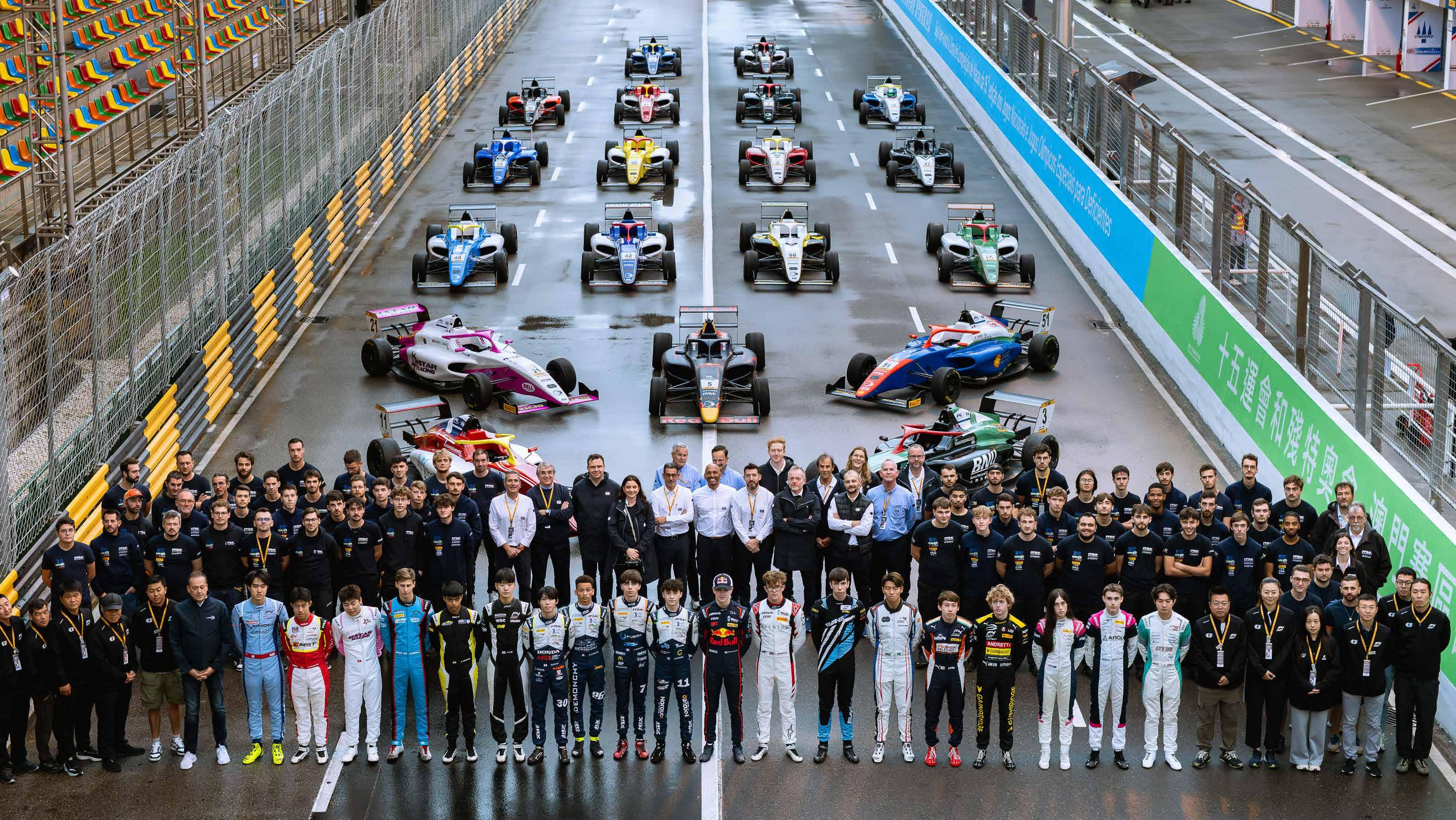
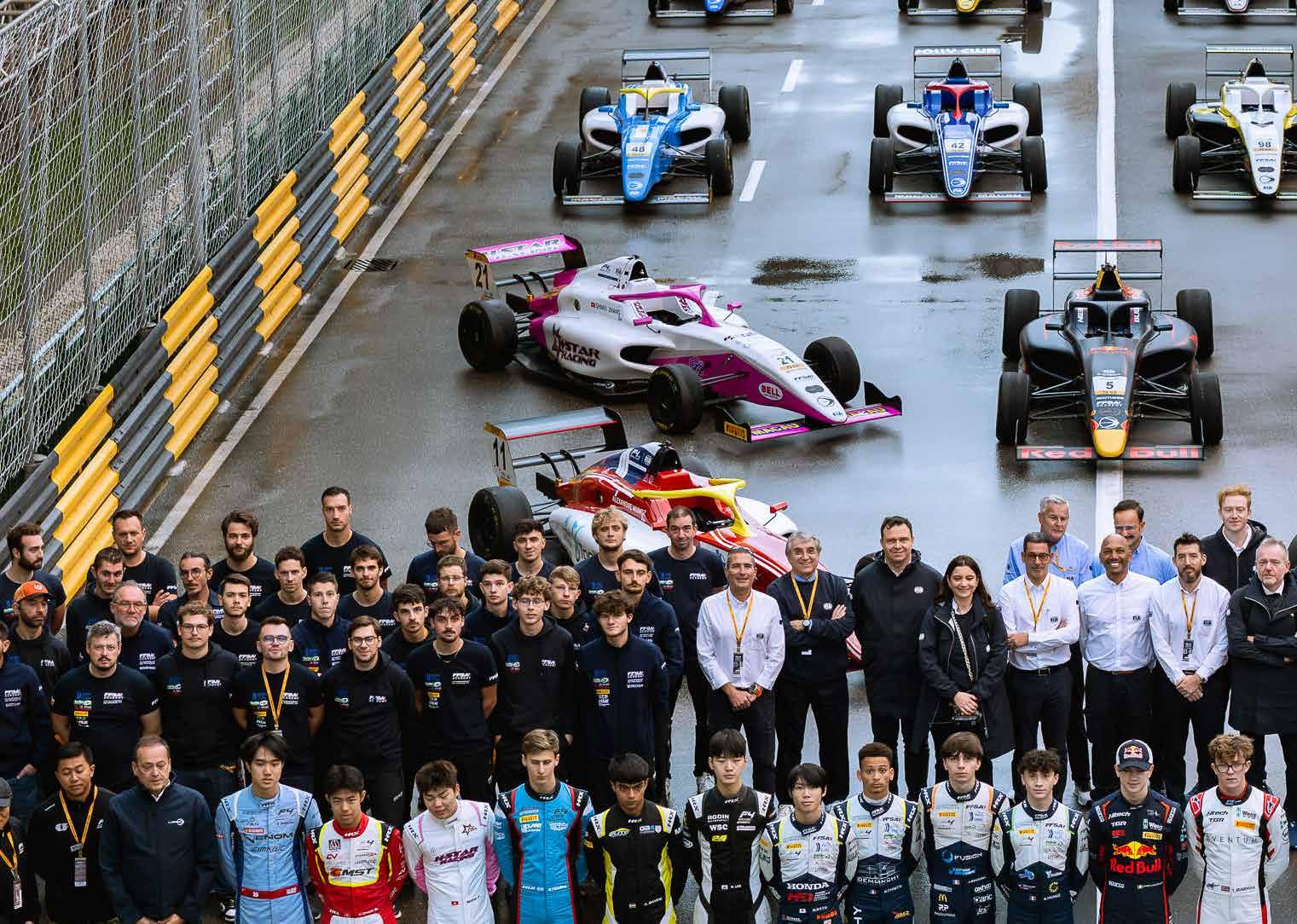
2025 was an exceptional year with efforts made towards strengthening the Ethics and Compliance Framework. Key achievements included the publication of the amended code of ethics 2025, and recommendations from the Ethics Committee in view of the 2025 Presidential Elections.
The FIA Ethics Committee and the Compliance Officer undertook a thorough review of the Code of Ethics to ensure alignment and consistency with the changes in the FIA Statutes, and to further incorporate recommendations made by the Statutes Review Commission.
The intention of this reassessment was to ensure harmonisation and process uniformity. The amendments were approved with “resounding majority” at the Extraordinary General Assembly held in Macau in June 2025.
As a democratic organisation, ethical conduct is integral to our statutory values of integrity, fairness and good governance.
As part of this commitment, and considering the 2025 Presidential elections, the FIA Ethics Committee and the Compliance Officer contributed to ensuring a transparent, fair and ethical ballot by publishing a list of recommendations addressed to all FIA stakeholders involved in the presidential elections process.
An upgraded FIA Ethics and Compliance integrity line was also available to make reports.
The Compliance Officer played a key role in conducting specialised due diligence and detailed analysis of the Cadillac teams structural framework, which formed an important and critical part of the decision making process.
The Compliance Office also provided essential support to internal teams by conducting specialised due diligence and background checks for the election year.
The Compliance Officer and FIA Training and Accreditation Manager have developed an eLearning module which addresses critical ethics and compliance topics including conflict of interest, anti harassment, and non discrimination. The eLearning module was successfully launched in December 2024, with three languages added at the beginning of 2025 by releasing it in three languages. The module is available on FIA University for all stakeholders. It has also been presented to various stakeholders, gaining positive reception and engagement.
In 2026, efforts will continue to reinforce the FIA’s ethics and compliance framework, including by:
• Evaluating strategic changes to the Internal Regulations to achieve operational consistency.
• Driving continuous improvement to upgrade and update the Ethics and Compliance Module on FIA University through stakeholder feedback.
• Constantly monitoring international economic sanctions and other restrictive measures possibly impacting on FIA activities, and incorporating necessary controls.