2025 SUSTAINABILITY
& D&I REPORT
An
FOREWORD BY THE PRESIDENT OF THE FIA
Dear Reader,
The FIA 2025 Sustainability and Diversity & Inclusion Report highlights the progress we have made against my manifesto commitments, while also underscoring our responsibility as a global Federation to continue leading with purpose and ambition.
Our diversity is our strength. With 245 FIA Member Clubs across 149 countries, our global community drives innovation, strengthens decision-making, and ensures that motorsport and mobility continue to grow in ways that are inclusive and representative of future generations.
Over the past year, we have made strong progress towards our goal of doubling motorsport participation worldwide. Through the FIA Global Karting Plan, the inaugural FIA Karting Arrive and Drive World Cup brought together drivers from 50 nationalities to compete in identical and standardised karts, reducing entry costs and opening the door to drivers from new regions. Initiatives such as Motor Sport in a Box and the FIA Affordable Cross Car Programme have seen growing
engagement from FIA Member Clubs, helping to reduce barriers to entry at the grassroots level.
Our FIA World Championships continue to redefine what can be achieved through technological innovation. In 2025, the FIA approved the first technical and safety regulations for hydrogen-powered vehicles, while advancing the 2026 FIA Formula One regulations which introduced cars powered by advanced sustainable fuels and a significantly increased electrical component.
The ABB FIA Formula E World Championship continues to demonstrate how sustainability can be embedded from the outset, accelerating technologies that are shaping the future of mobility.
Alongside this, targeted investment in Sustainable Aviation Fuel has delivered an estimated reduction of 1,269 tonnes of CO2e in 2025, equivalent to approximately 22% of our total emissions linked to logistics.
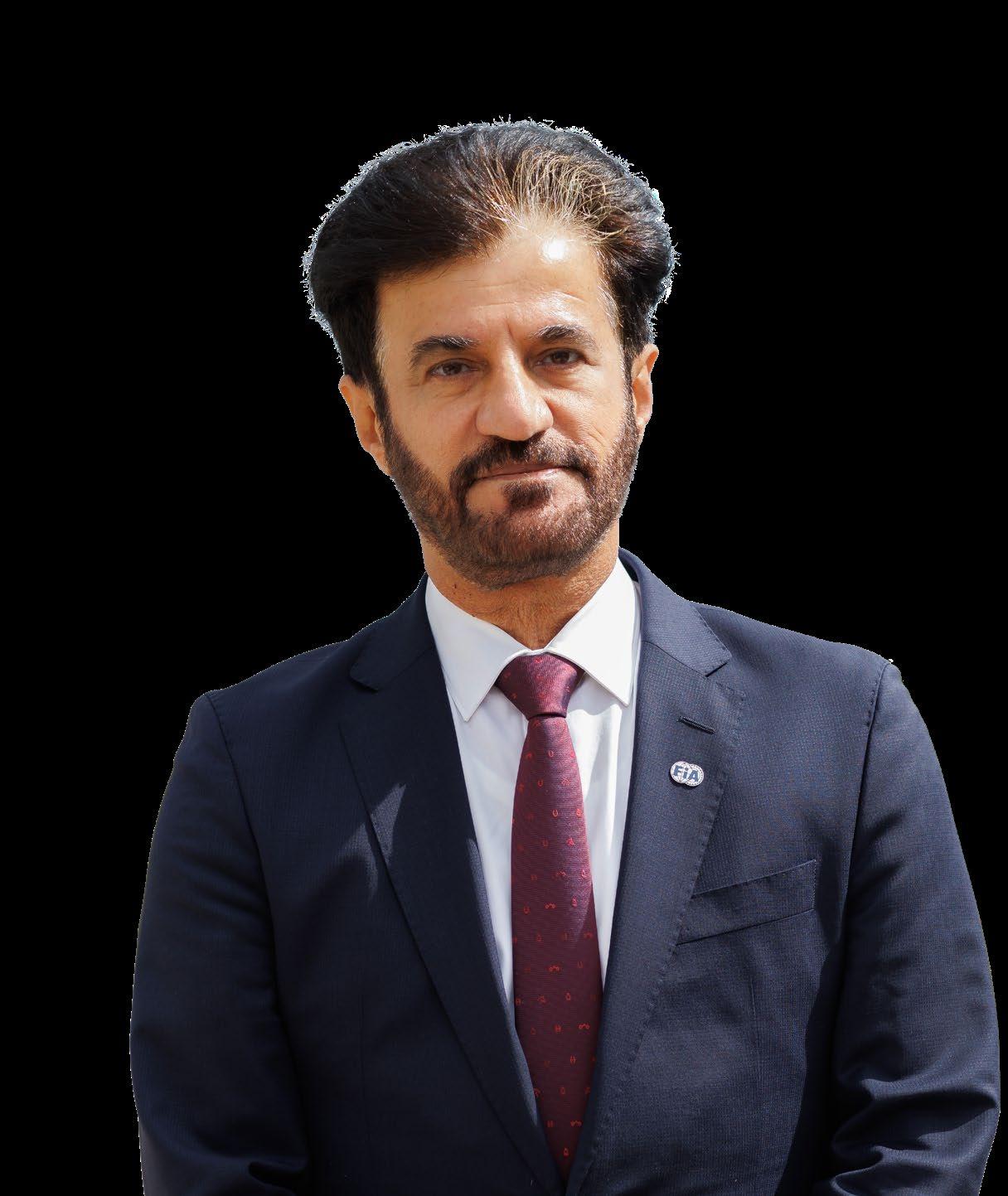
H.E. Mohammed Ben Sulayem, President of the FIA
Despite an overall rise in the FIA’s carbon footprint in 2025, targeted measures in logistics and sustainable fuels continued to deliver meaningful emissions reductions, demonstrating that focused action can still achieve change. Progress is not linear and we continue to learn and grow, refining our approach to deliver more targeted and impactful reductions across our global operations.
In mobility, we have continued to empower our FIA Member Clubs. The FIA Environmental Accreditation Programme achieved its strongest performance to date. The FIA President’s Awards once again recognised outstanding sustainable innovation, spotlighting pioneering initiatives that deliver tangible environmental and social impact.
We are also addressing emerging challenges that extend far beyond the track. Since I founded United Against Online Abuse (UAOA) in 2023, our global coalition has grown to over 70 partners and we continue to unite leaders across sport, government, and technology to tackle this growing threat.
Looking ahead, our direction is clear. We will continue to innovate, strengthen frameworks, and raise standards. The progress outlined in this report is the result of the collective effort of our FIA Member Clubs, championships, and partners worldwide. But we will not stop here.
2025 marked another great year of progress. Together, we are shaping a future in which motorsport and mobility are not only more sustainable, but more inclusive, accessible, and truly reflective of the diverse global community we serve.
Sincerely,
H.E. Mohammed Ben Sulayem President of the FIA
“IN 2025, WE CONTINUED TO STRENGTHEN THE FRAMEWORKS THAT DELIVER VALUE TO MEMBER CLUBS, COLLEAGUES, TEAMS AND WIDER STAKEHOLDERS EVERY DAY.”
Our work is organised across a set of clear priorities: enabling environmental performance, providing the tools to track progress, increasing participation, and strengthening career pathways into sport and mobility.
In environmental sustainability, delivery is supported through programmes and standards that enable Members and Championships to measure and improve environmental performance. The FIA Environmental Accreditation Programme remains a key framework for embedding these practices, while the new Biodiversity Assessment Tool helps stakeholders assess and manage nature-related impacts at events.
We also continued to broaden access into motor sport through initiatives such as FIA CareerShift, FIA Girls on Track, and mentoring programmes. Formats such as the FIA Karting ‘Arrive & Drive’ World Cup support entry at grassroots level, while the Empowering Disabled Motorsport Award reflect our commitment to accessibility.
Across the FIA, this work is reinforced by organisational structures and external frameworks such as ISO 140001 and EDGE Certification, ensuring that diversity and inclusion are managed with consistency, accountability, and impact.
Sincerely,
Andrew Fraser Chair, FIA Sustainability and Diversity & Inclusion Committee
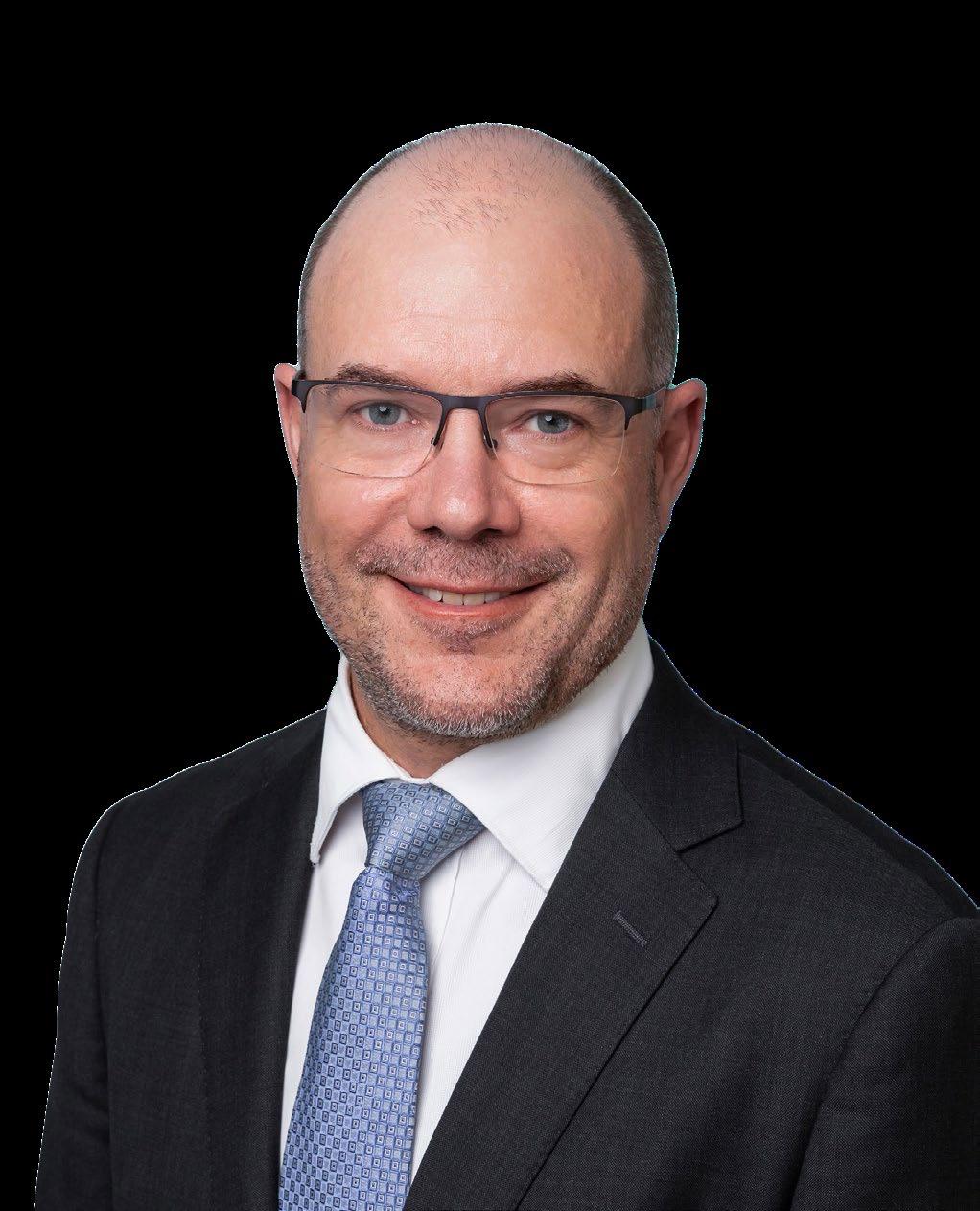
Andrew Fraser, Chair, FIA Sustainability and Diversity & Inclusion Committee
ABOUT THIS REPORT
This report covers our activity across 2025, setting out how we deliver direct impact through our role as the governing body of world motor sport, and how we use our influence across the wider mobility sector to drive positive outcomes for environmental ecosystems and communities globally.
It outlines the shared challenges we are responding to, from the pace and scale of climate change to the need to expand access to motor sport and mobility, ensuring opportunities are open to all, regardless of background or geography. Our aim is to provide a clear and balanced view of progress across these areas.
We also highlight the role of our wider ecosystem, including championships, manufacturers, teams, and Member Clubs, reflecting the collective effort required to deliver change at scale.
Finally, we report on the performance of our own operations, tracking progress against key performance indicators and identifying areas for continuous improvement. This structured approach helps ensure consistency, accountability, and measurable impact over time.

CONTEXT FOR ACTION
Motor sport and mobility are operating within a rapidly changing global context, where pressures are no longer theoretical or long-term, but immediate, interconnected, and operational. As a result, expectations across sport and industry are shifting from commitment to delivery, with organisations required to demonstrate measurable outcomes while continuing to perform at the highest level.
At the same time, environmental pressures, including climate risk and the growing importance of nature, are influencing how events are planned, how infrastructure is managed, and how organisations operate in practice. These are no longer external considerations, but factors that directly affect performance, resilience, and long-term viability.
Alongside this, access, inclusion, and talent are becoming critical economic factors. Expanding participation, developing new pathways into the sport, and ensuring representation across different communities are essential to sustaining the future of motor sport and mobility.
The operating environment is also evolving in new ways. The rise of digital platforms has introduced new risks around safety and integrity, requiring coordinated responses that extend beyond traditional sporting frameworks.
Across all of these areas, one theme is consistent: the need for systems that can operate at scale. Solutions must be practical, transferable, and capable of delivering impact across a global and highly interconnected ecosystem.
As the governing body of world motor sport and a Federation of the world’s leading mobility organisations, the FIA is uniquely positioned to respond to these challenges.
One of the overarching objectives of the FIA is to establish a union between its Member Clubs, while maintaining a core mission of encouraging and supporting a responsible concern for environmental issues and promoting sustainable development in its activities.
Working with its Member Clubs, championships, and partners, the FIA is developing the standards, frameworks, and initiatives that enable motor sport and mobility to adapt, perform, and evolve in this changing context.

THE ROLE OF THE FIA
FIA FOR OUR PEOPLE
PEOPLE
The FIA is a diverse, international organisation, bringing together talent across countries and disciplines. This underpins how it operates, ensuring its culture reflects the standards it promotes across motor sport and mobility. A continued focus on inclusion, wellbeing, and accountability supports consistent progress.
The FIA is a diverse, international organisation, bringing together talent across countries and disciplines. This underpins how it operates, ensuring its culture reflects the standards it promotes across motor sport and mobility. A continued focus on inclusion, wellbeing, and accountability supports consistent progress.
FIA FOR SOCIETY
Through its global network, the FIA represents millions of road users. It works across borders to improve safety, advance innovation, and support more sustainable and inclusive transport systems, helping shape the future of mobility.
FIA FOR OUR MEMBERS
As a Federation of Member Clubs frameworks, guidance, and shared standards to help Member Clubs respond consistently and effectively, strengthening resilience, and expanding access.
As a Federation of Member Clubs worldwide across 149 countries, the FIA supports its Members through environmental and social change. It provides practical frameworks, guidance, and shared standards to help Member Clubs respond consistently and effectively, strengthening resilience and expanding access.
Motor sport is a proving ground for innovation, where new technologies are tested under pressure. The FIA works with championships and teams to develop solutions that influence wider mobility, while ensuring safety, accessibility, and community remain central.
GOVERNANCE
Sustainability and Diversity & Inclusion are integral parts of the Federation’s governance framework.
From the specialised Commissions to the General Assembly, the FIA’s supreme body, each of the relevant bodies has specific roles related to sustainability and Diversity & Inclusion, whether that is strategic guidance, shaping policy, or promoting best practice.
The World Motor Sport Council has established a Sustainability and D&I Committee, to which a series of specific commissions report to:
- The Sport Environment & Sustainability Commission
- The Sport Disability & Accessibility Commission
- The Women in Motorsport Commission
Each brings together subject matter experts and FIA Member Club representatives to define priorities and develop proposals that address the evolving needs of the sport sector.
The Sustainability and D&I Committee reviews the recommendations from these Commissions and translates them into proposals for consideration by the World Motor Sport Council.
On the mobility side, the World Council for Automobile Mobility and Tourism established the Mobility Policy Commission, which carries out a similar role.
WORLD COUNCIL FOR AUTOMOBILE MOBILITY AND TOURISM MOBILITY POLICY COMMISSION
AND D&I COMMITTEE
SPORT ENVIRONMENT & SUSTAINABILITY COMMISSION
SPORT DISABILITY & ACCESSIBILITY COMMISSION WOMEN IN MOTORSPORT COMMISSION
Bodies Committees and Commissions
GENERAL ASSEMBLY
WORLD MOTOR SPORT COUNCIL
Both World Councils are responsible for presenting an annual progress report in their respective fields (including sustainability, diversity & inclusion related activities) to the General Assembly.
In 2025, five women were in leadership roles within our Commissions:
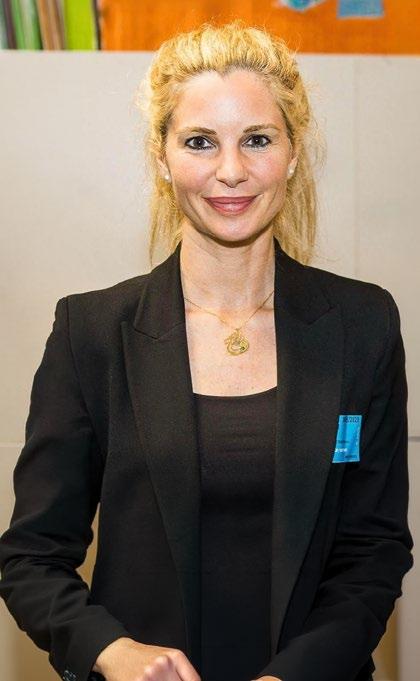
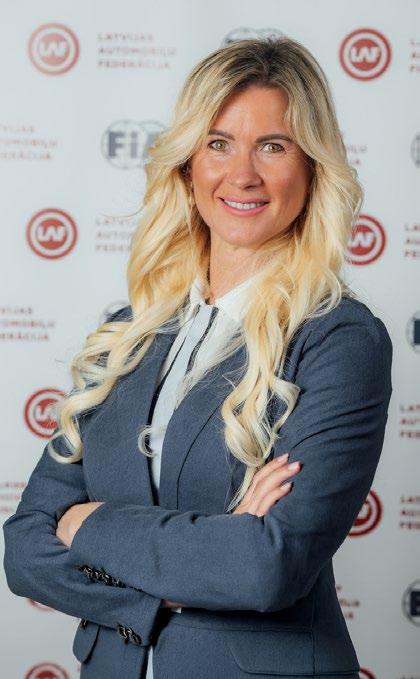
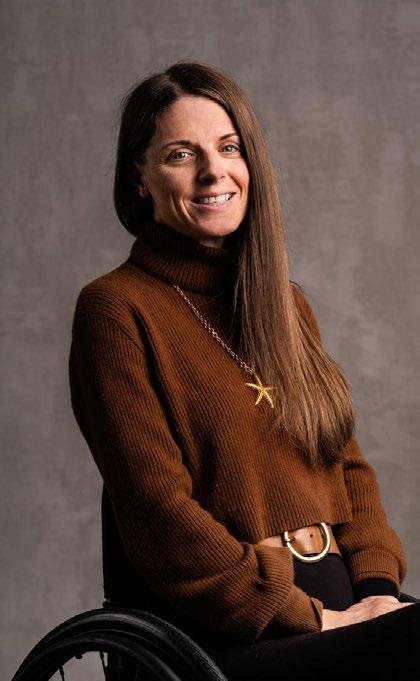

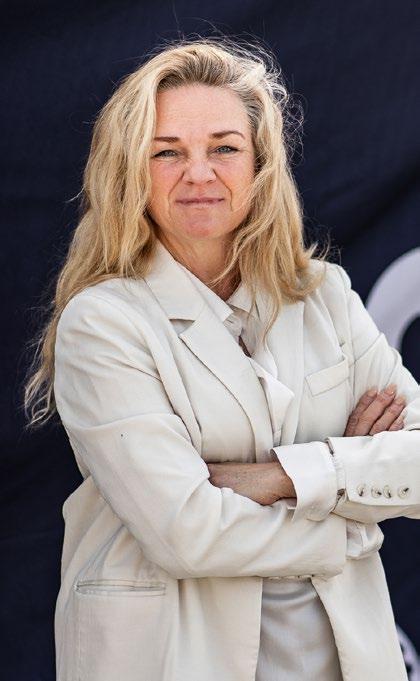
Nathalie McGloin, Chair of the FIA Sport Disability & Accessibility Commission
Linda Medne, President of the FIA Road Sport Committee
Burcu Çetinkaya, Chair of the FIA Women in Motorsport Commission
Elise Racette, Chair of the FIA Volunteers and Officials Commission
Pernilla Solberg, President of the FIA World Rally Championship Commission
FORMULA 1 GOVERNANCE
In December 2025, the FIA, Formula One Group, and all 11 teams formally signed the Concorde Governance Agreement, which for the first time formally recognises the ESG Advisory Committee (EAC).
Advisory Committees in Formula 1 act as advisory bodies to the F1 Commission in respect of the technical, sporting, and financial aspects of the F1 Regulations as well as with the environmental, social, and governance matters that are relevant to the F1 Regulations.
The EAC has a consultative and advisory status and shall propose amendments and additions, and make recommendations to the relevant Advisory Committee(s) in regard to the F1 Regulations, focusing on environmental, social, and governance (ESG) aspects.
By establishing a formal ESG-focused body within the governance framework, the FIA, Formula One Group, and the 11 teams are embedding sustainability matters into the decision-making process, ensuring that ESG considerations are systematically addressed in the evolution of the championship.
Advisory body in respect of sporting amendments to the F1 Regulations
Advisory body in respect of technical amendments to the F1 Regulations
Advisory body in respect of financial amendments to the F1 Regulations
Advisory body in respect of technical amendments to ESG matters that are relevant to the F1 Regulations
F1 ESG ADVISORY COMMITTEE
WORLD MOTOR SPORT COUNCIL (WMSC)
F1 SPORTING ADVISORY COMMITTEE
F1 TECHNICAL ADVISORY COMMITTEE
F1 COMMISSION
PRINCIPLES
F1 FINANCIAL ADVISORY COMMITTEE

ENVIRONMENT

OUR IMPACT IN 2025
A central challenge across global motor sport and mobility is turning environmental ambition into measurable action. As the governing body of world motor sport and a Federation of mobility organisations, the FIA plays a central role in shaping the frameworks, standards, and partnerships needed to deliver this.
In 2025, we strengthened this foundation: new guidance and tools supported Member Clubs, championships and events in managing their impacts. The FIA Environmental Handbook brought these into a single reference point, while initiatives such as the Biodiversity Assessment Tool, Air Quality Guidelines, and Heat Risk Management Guidelines expanded practical support. Together, these are embedding environmental action into day-today operations.
This work extends into everyday mobility, where how vehicles are used has a direct impact on emissions and safety. Initiatives such as the Smart Driving Challenge support more efficient driving at scale, engaging drivers across almost 100 countries to improve performance on the road.
On the other hand, motor sport focuses on what vehicles are capable of. The approval of technical and safety regulations for liquid hydrogen powered competition vehicles, now included in the FIA International Sporting Code, marks an important step in enabling emerging energy solutions to be tested, with potential to shape future mobility pathways.
Alongside this, the systems that underpin delivery continue to evolve. The FIA Environmental Accreditation Programme has grown, reflecting demand for credible, independently verified
pathways to improve environmental performance. Collaboration with corporate partners and technology leaders is helping translate innovation into practical solutions across both motor sport and mobility.
We recognise that there is still much to do across our organisation to meet our Net Zero target. Our carbon footprint has increased as our activities have expanded, and our workforce has grown. While we have made progress in reducing our environmental impact where we have greater direct influence, particularly in logistics, we know that urgent action is needed.
In 2026, the FIA will intensify our efforts to accelerate decarbonisation with a strengthened sustainability team in place, an expanded skills base, an activated global member network, and a revised sustainability roadmap. We will apply our learnings over the last five years to a clear set of priorities and will focus on delivering faster, more measurable progress.
Looking ahead, we will continue to advance delivery: improving environmental data, expanding collaboration, and ensuring FIA frameworks translate ambition into measurable progress. The direction is clear: a more sustainable and resilient future across both the global motor sport and mobility ecosystem.
Sincerely,
Willem Groenewald FIA Secretary General for Mobility, Sustainability, and Tourism
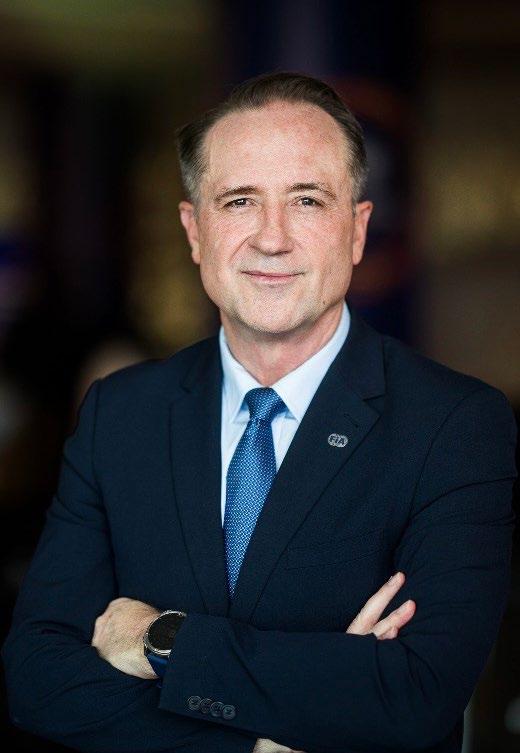
“Motor sport and mobility have a critical role to play in shaping a more sustainable future, not just through innovation, but through how that innovation is applied in practice.”
Willem Groenewald, FIA
Secretary
General for Mobility, Sustainability, and Tourism
HOW WE MAKE A DIFFERENCE
The FIA is uniquely positioned to influence environmental progress across a complex global ecosystem that includes Member Clubs, championships, teams, manufacturers, and event organisers.
Environmental expectations across sport and industry continue to evolve. Organisations are increasingly expected to demonstrate measurable progress rather than long-term commitments alone. At the same time, climate impacts and wider environmental pressures increasingly influence how events and operations are managed in practice.
Delivering this transition also requires access to the right skills, innovations, and partnerships, while maintaining the safety, integrity, and trust that underpin motor sport.
In this context, the FIA works with its Member Clubs, championships, industry partners, and subject matter experts to develop practical systems and frameworks that support environmental progress across the global motor sport and mobility community.
The FIA’s Environment work therefore focuses on four key areas:

01
02
03
04
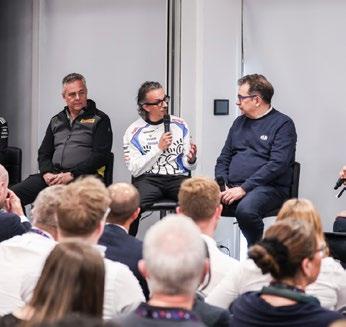
ENABLING CHANGE
ACCREDITATION & CERTIFICATION
INFLUENCING THE FUTURE
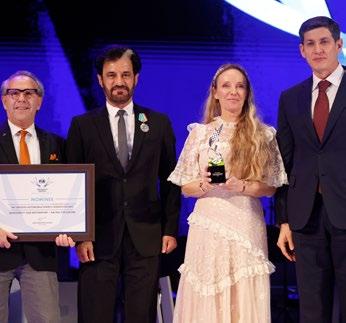
CELEBRATING SUCCESS
Creating the frameworks, tools, and guidance that support championships, events, and Member Clubs in embedding environmental action into day-to-day operations.
Providing credible, independently verified pathways that enable organisations to measure, improve, and demonstrate environmental performance.
Working with partners, industry, and research organisations to accelerate innovation and connect motor sport with wider advances in sustainable mobility.
Recognising the achievements of Member Clubs, championships, and partners who are driving measurable environmental progress across the FIA community.
ENVIRONMENT SNAPSHOT 2025
WIDER IMPACT
37% INCREASE IN ENVIRONMENTAL ACCREDITATIONS. 260 accredited organisations in 2025. 70 new, 33 renewals, nine upgrades.
OPERATIONAL
16% INCREASE IN ABSOLUTE EMISSIONS vs 2024: from 24,445.92 tCO2e to 28,337.26 tCO2e in 2025.
FIRST REGULATIONS FOR LIQUID HYDROGEN VEHICLES APPROVED. Framework established for hydrogen-powered competition.
24% INCREASE IN SUSTAINABILITY GRANTS from 2024, to €340,000, supporting projects across eight countries.
OVER 1,000 PARTICIPANTS ENGAGED IN FIA SUSTAINABLE INNOVATION SERIES across three events in Shanghai, Silverstone, and Finland.
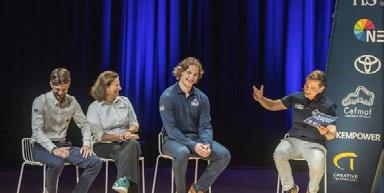
FIA ENVIRONMENTAL HANDBOOK LAUNCHED. Single reference guide for Member Clubs and championships.
2% REDUCTION IN LOGISTICS EMISSIONS supported by HVO-powered DHL trucks across the European race calendar, achieving on average 83% lower carbon emissions compared to conventional fuel.
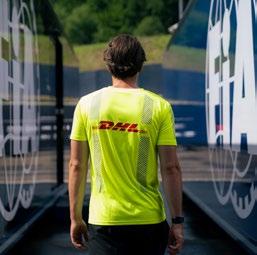
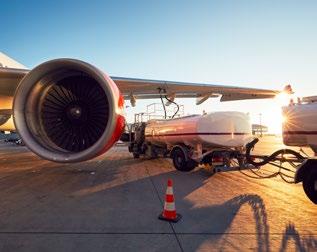
22% REDUCTION IN THE IMPACT OF OUR LOGISTICS FOOTPRINT was achieved through the ramp-up of our investments in Sustainable Aviation Fuels, equivalent to 1,269 tCO2e.
ENABLING CHANGE SUPPORTING PROGRESS
ACROSS THE FIA ECOSYSTEM
The FIA supports environmental progress by creating the frameworks, guidance, and technical foundations that enable sustainable practices to be implemented across championships, events, and member organisations.
This work spans several areas:
Developing long-term environmental roadmaps for championships.
Establishing regulations that enable lower-carbon technologies.
Providing practical tools and guidance to help national and international events adapt while supporting the transition of Member Clubs’ operations.
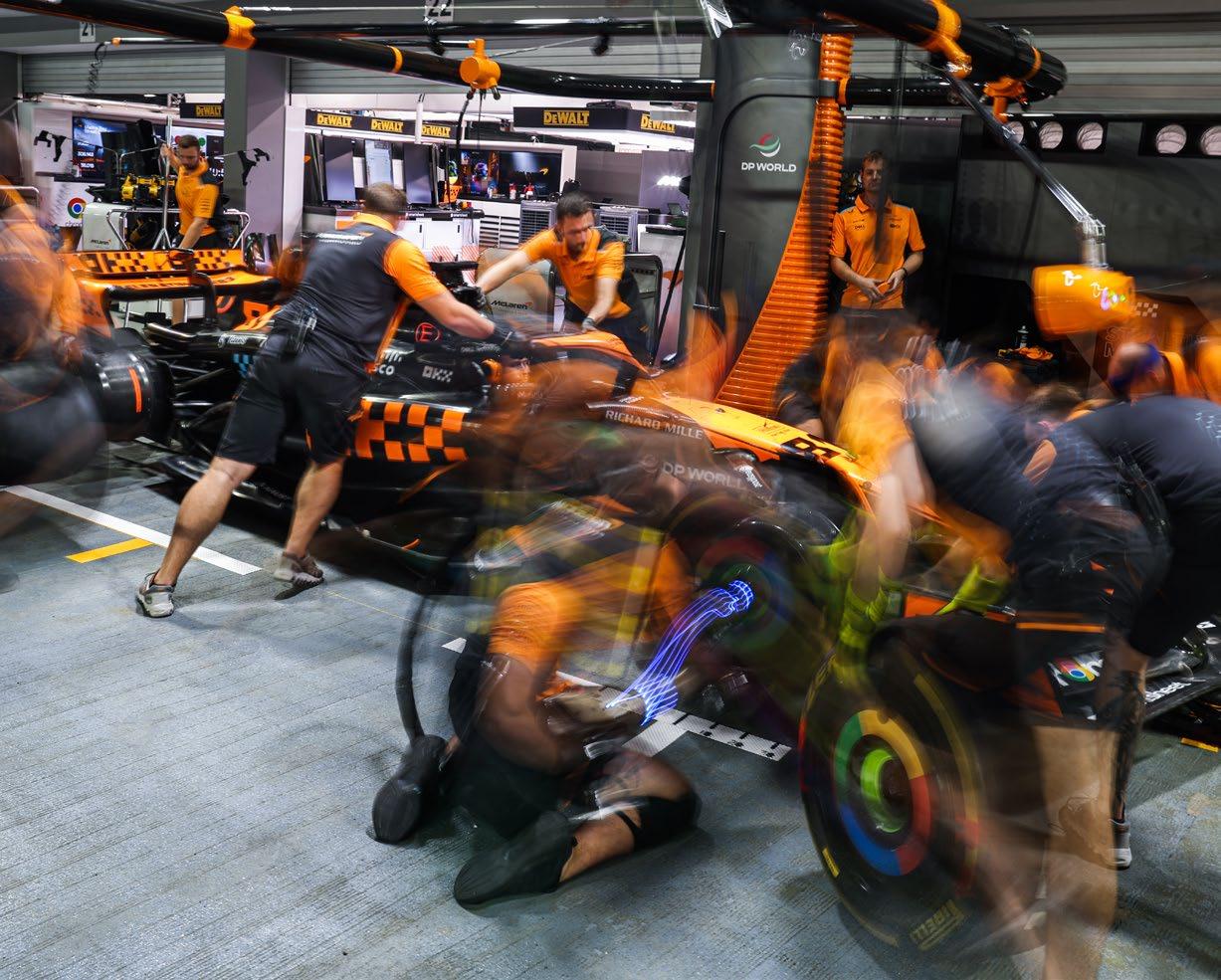
ENABLING CHANGE THROUGH GRANTS
The FIA supports environmental initiatives through its grant programmes for Member Clubs.
In 2025, grants totalling €340,000 were awarded to projects in eight countries, representing an increase of more than 23% compared to 2024.


DASU in Denmark
“Cross Car, Biodiversity, and Education” initiative, combines motor sport and environmental education for students using FIA-designed electric Cross Cars at local circuit to promote biodiversity awareness and connects classroom learning with hands-on experience.

ANWB in the Netherlands, ACP in Portugal, and AMZS in Slovenia
Urban cycling infrastructure surveys and targeted interventions strengthening safer, data driven cycling networks through identification of high-risk intersections and priority upgrades.



AMAK in Azerbaijan, NASA in Nepal, and CAA in Canada
Acceleration of the transition to greener transport systems through research, data collection, and policy development on driving behaviour and electric vehicle adoption and performance, informing national mobility strategies.
AAC in Sri Lanka
Implementation of a comprehensive vehicle testing programme, designed to improve roadworthiness standards, reduce emissions, and strengthen public awareness of vehicle safety.
KEY HIGHLIGHTS 2025
€340,000 awarded in 2025 to support environmental initiatives from Member Clubs across the globe.
Projects delivered across eight countries.
SUSTAINABLE ENERGIES ROADMAP
The FIA has been setting the roadmap for the use of sustainable energy in motor sport and mobility since 2020.
In 2025, the FIA approved the first technical and safety regulations for liquid hydrogen-powered vehicles. These regulations establish the safety and operational standards required to enable the safe, high-performance use of liquid hydrogen in competition vehicles, covering areas such as tank design, multi-layer leak detection, monitoring systems, and refuelling procedures. These will be incorporated into the FIA International Sporting Code, establishing a clear regulatory framework for the future use of hydrogen technologies in motor sport.
Beyond the sport itself, the development of these regulations positions the FIA as an important catalyst for hydrogen innovation. By creating a credible regulatory framework for hydrogenpowered vehicles, the FIA will enable manufacturers and teams to test emerging technologies in competitive environments, while contributing to broader advances in hydrogen mobility in the future.
KEY HIGHLIGHTS 2025
First ever FIA technical and safety regulations for liquid hydrogen-powered vehicles, approved in 2025.
To be incorporated into Appendix J, Article 253 of the FIA International Sporting Code.
SUSTAINABLE ENERGIES ROADMAP
The different innovations in racing car design support the transition towards using sustainable fuels across FIA World Championships.
SUSTAINABLE FUEL INTERNAL COMBUSTION ENGINE (ICE)
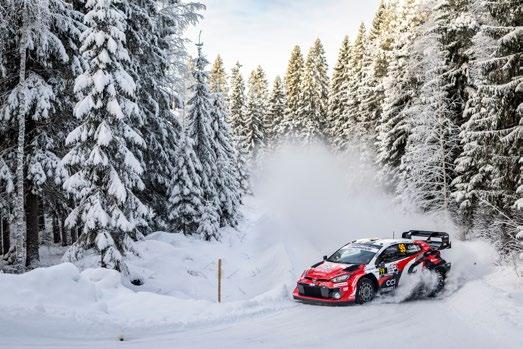
A sustainable fuel ICE is a conventional combustion engine that runs on biofuels or synthetic e-fuels derived from renewable sources such as carbon capture, municipal waste, or non-food biomass. The fuel life cycle must result in a minimum 65% emissions reduction compared to fossil fuel (sourcing and production)*.
FULL ELECTRIC VEHICLES (EVS)
Full electric vehicles rely entirely on charged batteries to power the electric motors, eliminating on-board combustion and tailpipe emissions.
HYDROGEN FUEL CELL VEHICLES
Hydrogen fuel cell vehicles convert hydrogen into electricity through an electrochemical reaction to drive electric motors, producing primarily water vapour as tailpipe emissions.
HYBRID ELECTRIC USING SUSTAINABLE FUEL
Hybrid systems combine an internal combustion engine running on sustainable fuels with one or more electric motors powered by batteries and energy recovery systems. The combination of electric assistance and efficient ICE operation reduces fuel consumption and emissions. The fuel life cycle used also has to result in a minimum 65% emissions reduction compared to fossil fuel (sourcing and production)*.
LIQUID HYDROGEN INTERNAL COMBUSTION ENGINE (H2-ICE)
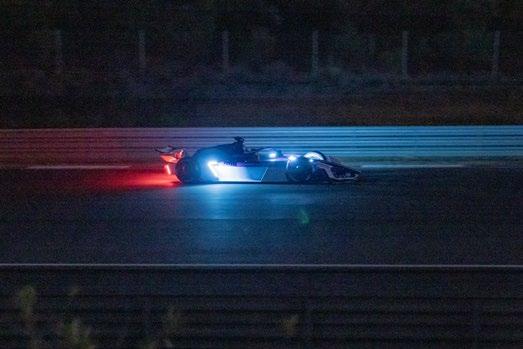
A liquid hydrogen ICE uses cryogenic hydrogen as a fuel for combustion in adapted combustion engines offering high energy density, rapid refuelling, and ICE driving dynamics suitable for highperformance racing. Tailpipe emissions primarily consist of water vapour. While not yet in competition, this technology, and the creation of specific regulations, hold the promise of shaping a sustainable and competitive future for motor sport.
* EU definition (Directive (EU) 2018/2001 (Renewable Energy Directive II – RED II)
CASE STUDY
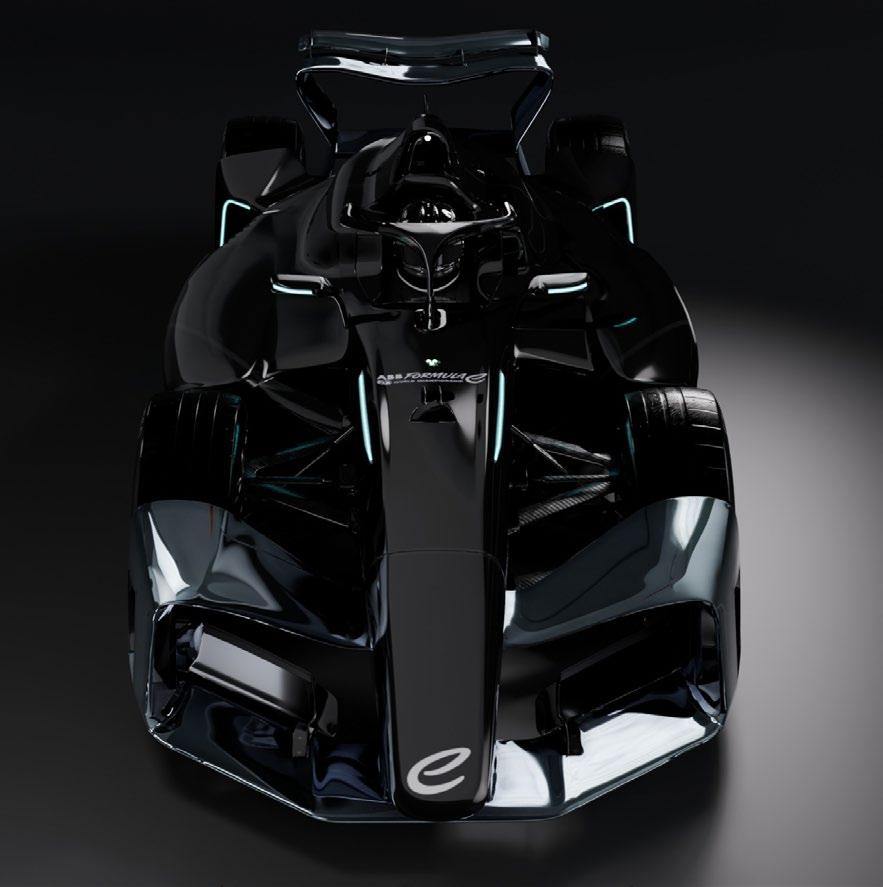
Set to debut in the 2026/27 ABB FIA Formula E World Championship season, the GEN4 car reflects a continued push toward lower-impact motor sport, with 600kW of power, active all-wheel drive, and advanced regenerative braking.
Designed to showcase progress in electric vehicle technology, it also highlights the role of lightweight engineering, resource efficiency, and circular design in reducing environmental impact.
GEN4 is setting new benchmarks for circular design in high-performance racing:
Designed with circularity in mind, using recyclable materials and at least 20% recycled content.
Focused on responsible sourcing across key components, including battery systems, tyres, and bodywork.
Demonstrates how innovation in motor sport can support lower environmental impact while delivering top-level performance.
ENVIRONMENTAL TOOLKITS & GUIDANCE
Supporting the transition to more sustainable motor sport and mobility requires more than ambition. It depends on practical tools, shared standards, and the ability to apply them consistently across a diverse global ecosystem.
The FIA continues to expand its portfolio of environmental guidance and toolkits to support Member Clubs, championship organisations, and partners in delivering measurable environmental improvements.
These resources are designed to translate strategy into action, providing clear frameworks, technical guidance, and practical solutions that can be applied in real-world contexts.
From environmental management and circularity to biodiversity, air quality, and climate risk, these tools reflect a broader shift towards more integrated environmental thinking. They are supported by ongoing research, collaboration with expert partners, and targeted knowledgesharing to build capability across the FIA community.
Together, they form a growing body of work that helps organisations not only manage their environmental impact, but also identify opportunities to improve performance, strengthen resilience, and contribute to wider system change across motor sport and mobility.
Key Guidance and Toolkits:
FIA Environmental Handbook
Biodiversity Assessment Tool
Air Quality Guidelines Heat Risk Management Guidelines Circularity Handbook
FIA ENVIRONMENTAL HANDBOOK
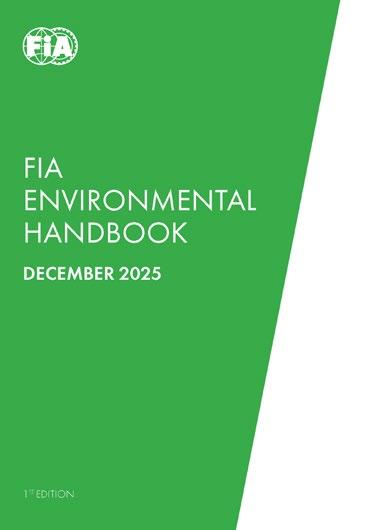
In 2025, the FIA launched its Environmental Handbook, bringing together the FIA’s sustainability resources into a single document for FIA members and championship organisations. While the FIA undertakes a wide variety of sustainability initiatives, this handbook focuses specifically on the resources available to support Member Clubs and championship organisations in implementing their own sustainability initiatives.
The handbook provides practical guidance on environmental management and highlights the resources available across the FIA community. It includes information on sustainability programmes, training opportunities, and research developments, while also providing practical advice for implementing environmental improvements.
This is supported by targeted knowledge-sharing sessions, including webinars on the Life Cycle Assessment tool, helping members build capability and apply resources in practice.
The handbook is updated twice each year to ensure it remains a practical and up-to-date resource.
ALWAYS UP TO DATE
The handbook is updated twice each uear to ensure it remains a practical amnd up-to-date resource.
FIA PROGRAMMES: Initiatives available to members and championships.
TOOLS: Practical resources to support sustainability implementation.
TRAINING: Educational materials to bullaknowledge and sills.
RESEARCH: Latest studies and outputs informing best practices.
IN DEVELOPMENT: Upcoming developments, updates, and more.
THE HANDBOOK IS ORGANISED INTO FIVE SECTIONS
BIODIVERSITY ASSESSMENT TOOL
The FIA has expanded its approach to place greater emphasis on nature and air quality, recognising the broader environmental impacts of motor sport beyond emissions. The Biodiversity Assessment Tool reflects this shift.
Developed in collaboration with the European Space Agency and implemented by geolocation specialists Murmuration, the tool combines satellite and on-site data to generate indicators relating to biodiversity, vegetation, pollution, and noise, supporting more informed environmental decision-making for motor sport events.
The tool aims to help the events:
Better understand the potential nature-related impacts associated with their events.
Monitor changes from before, during, and after the event.
Define clear mitigation measures and restoration plans.
Improve transparency with stakeholders, sponsors, and local communities.


AIR QUALITY GUIDELINES
Air quality remains a critical public health and environmental challenge, with transport, urban activity, and large-scale events all contributing to emissions of pollutants such as particulate matter (PM), nitrogen oxides (NOx), and ground-level ozone.
While major events can lead to temporary, localised increases in these pollutants, they also highlight broader systemic issues linked to mobility, infrastructure, and energy use.
The FIA’s Air Quality Guidelines offer:
Helpful guidance for understanding and managing air quality impacts, especially in circuit and rally settings.
Practical steps for air quality measurement and transparent reporting.
Support for ongoing enhancements which benefit public health in host cities, in line with international guidance.

HEAT RISK MANAGEMENT GUIDELINES
As the impacts of climate change become increasingly visible at race venues around the world, the FIA introduced Heat Risk Management Guidelines in 2025.
These guidelines provide a structured framework for managing heat-related risks at motor sport events, addressing the safety and well-being of drivers, officials, volunteers, event staff, and spectators.
The guidelines outline practical measures that event organisers, medical teams, and individuals on site can implement to prevent and respond to heat-related incidents.
These include:
Monitoring on-site heat conditions using appropriate measurement tools.
Ensuring access to water for staff, officials, and fans.
Planning for cooling infrastructure where required.
Communicating heat risk policies clearly to teams and personnel.
Guidance for recognising signs of heat stress and dehydration.
Promoting simple preventative actions such as hydration, rest, and appropriate clothing for conditions.
Sustainability in motor sport is too often reduced to a discussion of tailpipe emissions and alternative fuels. While these remain important, they represent only part of the picture. The environmental impact of the sport extends far beyond the exhaust pipe, encompassing how resources are sourced, used, and recovered across the entire lifecycle of events and vehicles.
A more circular approach is therefore essential, one that prioritises efficient resource use, minimises waste, promotes reuse and recycling of materials, and protects biodiversity. The FIA is increasingly focused on embedding these principles into motor sport, ensuring that resource management and circularity receive the same level of rigour and attention.
CIRCULARITY HANDBOOK
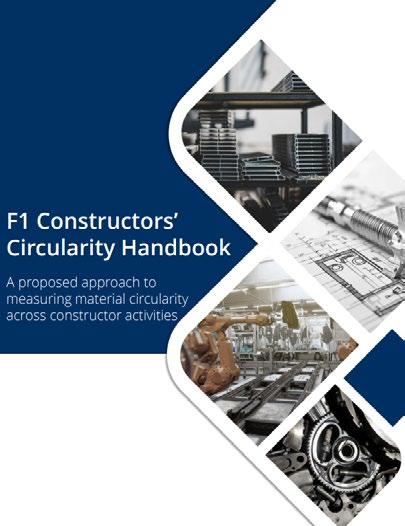
In collaboration with McLaren Racing and Deloitte, the FIA developed the F1 Constructor’s Circularity Handbook. The handbook serves as a consistent methodology for all F1 teams and the broader motor sport community to measure the circularity of materials used in manufacturing.
By enabling teams to track both the inflow and outflow of materials, the framework supports efforts to minimise resource consumption, reduce waste, and maximise the value of materials used within the sport.
Over time, the FIA aims for this methodology to be adopted more widely across the motor sport and automotive industries.
The handbook provides:
A standardised method to measure the circularity of materials used in F1 manufacturing.
Guidance to track material inflows and outflows for better resource management.
A framework to reduce waste and improve material efficiency.
"I’m immensely proud that McLaren Racing pioneered development of the Circularity Handbook with the FIA and Deloitte; as the first team to apply it and publish our results, we’ve proven that Teams can innovate sustainably without compromising on-track performance. The FIA has an important role to play in incentivising innovation and setting standards for increased circularity across our sport.”
Kim Wilson, McLaren Racing Director of Sustainability
A basis for benchmarking and wider adoption across motor sport and automotive industries.
“Technical innovation sits at the heart of the FIA’s work to improve sustainability across motor sport and mobility. The FIA Formula One World Championship Circularity Handbook will help teams measure circularity, reduce impact, and inform future regulation and innovation.”
"The F1 Constructor’s Circularity Handbook has helped us simplify how we translate circularity across our operations. It provides a clear internal baseline that acts as a starting point against which we can measure progress, set focused improvement targets over time, and identify practical opportunities to reduce waste and make more efficient use of resources.”
Debbie Wall, Aston Martin Aramco Formula One™ Team ESG Director
Nikolas Tombazis, FIA Single Seater Director
ACCREDITATION & CERTIFICATION
BUILDING TRUST THROUGH INDEPENDENT VERIFICATION
Environmental credibility depends on more than ambition. It requires independent verification and measurable proof of progress. Across motor sport and mobility, organisations are increasingly expected to demonstrate not just that they have environmental commitments, but that those commitments translate into documented, auditable action.
The FIA’s accreditation and certification programmes provide the framework to do exactly that, giving Member Clubs, championships and their wider ecosystems structured, internationally recognised pathways to measure, improve, and independently verify their environmental performance.
FIA ENVIRONMENTAL ACCREDITATION PROGRAMME
Our flagship initiative in supporting credibility across the industry is the FIA Environmental Accreditation Programme (EAP). A clear and consistent set of environmental management principles, designed to support championships and Member Clubs embed sustainability into their day-to-day operations.
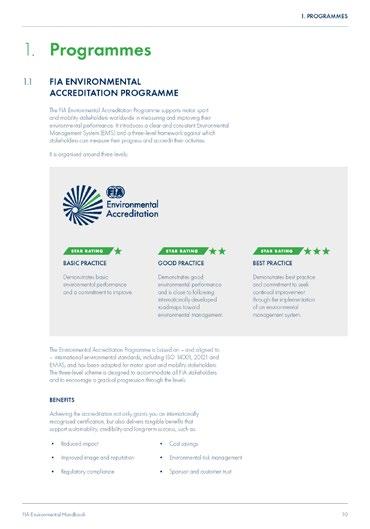
The programme provides stakeholders with a structured, three-level framework, against which their operations are accredited, with One- and Two-Star levels assessed through remote, document-based audits of policies and systems, and Three-Star requiring an on-site audit to verify how these are implemented in practice.
DIFFERENT LEVELS OF THE ACCREDITATION:
DOCUMENT REVIEW AUDIT
ONE-STAR
BASIC PRACTICE
Demonstrates basic environmental performance and a commitment to improve.
DOCUMENT REVIEW AUDIT TWO-STAR
GOOD PRACTICE
Demonstrates good environmental performance and is close to following internationally-developed roadmaps toward environmental management.
ON-SITE AUDIT THREE-STAR BEST PRACTICE
Demonstrates best practice and commitment to seek continual improvement through the implementation of an environmental management system.
KEY ACCREDITATION FACTORS
Based on international environmental standards, including ISO 14001, ISO 20121, and EMAS.
Adapted for motor sport and mobility stakeholders.
Designed to accommodate all FIA stakeholders.
Encouraging gradual progression through the levels.
PROGRAMME GROWTH
37% YEAR-ON-YEAR INCREASE IN ENVIRONMENTAL ACCREDITATIONS
Now in its thirteenth year, the FIA Environmental Accreditation Programme delivered its strongest results to date in 2025, recording 70 new accreditations alongside 33 renewals and nine upgrades to higher levels, a 37% increase year-on-year that reflects both the growing ambition of the FIA community and the increasing expectations placed on organisations across global sport.
A complete list of accredited organisations is available in the Appendix.
The programme reached two landmark milestones during the year:
Every permanent circuit (grade one and two) hosting an FIA World Championship event achieved a three-star accreditation.
Most FIA World Endurance Championship Hypercar teams reached the same threshold, also attaining the highest three-star rating.
These are not marginal gains, they represent a fundamental shift in how environmental management is embedded across the highest levels of the sport.
PROGRAMME GLOBAL NETWORK
Today the programme spans a global network of FIA Member Clubs and championship organisations, including ASNs (National Sporting Authorities), ACNs (National Automobile Clubs), mobility clubs, event organisers, teams, promoters, circuits, and suppliers.
The three-level accreditation framework, aligned with internationally recognised standards including ISO 14001, ISO 20121, and the EU Eco-Management and Audit Scheme (EMAS), provides a consistent, and credible pathway for organisations at every stage of their environmental journey.
Independent verification is provided by BSI Group, one of the world’s leading standards and certification bodies, whose dedicated team of 12 auditors, each with regionspecific expertise and extensive sector knowledge, enable audits to be conducted across all major global regions. This partnership ensures that every accreditation carries genuine rigour and external credibility.

FIA MEMBERS’ SUSTAINABILITY SURVEY
In November 2025, the FIA conducted a global sustainability survey among its Member Clubs, with 47% engagement from a total of 245 members. The survey explored members’ priorities, their experience with the FIA Environmental Accreditation Programme, and their expectations for the future.
Results confirmed that sustainability is now firmly established as a strategic priority for most FIA members. Across all member types, there is strong agreement that motor sport and mobility organisations should play a leading role in advancing climate action and sustainable development.
The survey also highlighted the impact of the Environmental Accreditation Programme. Clubs that have achieved accreditation reported doing so to align with FIA strategy and demonstrate environmental leadership.
Responses from non-accredited members were also encouraging: 86% consider sustainability a high or moderate priority, and 59% are already implementing relevant initiatives, reflecting a strong foundation for further progress across the network.
Over 90% of respondents said accreditation had strengthened their sustainability goals, added business value, and enhanced their leadership role at national level.
MEMBER CLUB TESTIMONIALS
"The FIA accreditation helped us move from talking about sustainability to actually doing it."
Jane Scaletta, Cayman Motoring Federation
"It has helped translate environmental values into concrete actions, shaping how we plan, operate, and measure our impact every day."
Xochilt Toruño, Automóvil Club of Costa Rica
"The FIA Accreditation has been a cornerstone of our sustainability strategy, strengthening stakeholder confidence and adding tangible value through best practices."
Bruno Silva Gomes, Automóvel Club de Portugal

"It is a certification we are proud of as an organisation, as well as a clear marker of our commitment to meaningful, measurable environmental action."
Josh Blanksby, Motorsport Australia
KEY HIGHLIGHT 2025
Highest number of Member Clubs achieving accreditation in a single year, with 35 accreditations awarded.
CHAMPIONSHIP ORGANISATION TESTIMONIALS
"The accreditation has been a decisive factor in raising awareness across the entire event ecosystem, which has led to concrete action."
Pepo Batista, WRC Rally Islas Canarias
"The FIA three-star framework has provided a clear pathway from intent to implementation, supporting continuous improvement and alignment with global motor sport sustainability expectations."
Abdulaziz Ali Al Mohannadi, Lusail International Circuit (LIC)
KEY HIGHLIGHTS 2025
All permanent circuits (grade one and two) hosting FIA World Championship events are now accredited at the three-star level.
Highest number of championship stakeholders achieving accreditation in a single year, with 35 accreditations awarded.

"The approval of the three-star environmental certification will further enhance the core competitiveness of Shanghai International Circuit. In the future, energy consumption in the area will be reduced and energy efficiency improved through the upgrade of energysaving equipment and intelligent systems."
Shanghai International Circuit
"This accreditation has been a vital roadmap, helping us integrate sustainability into our daily operations and ensuring a greener future for motor sport in this unique environment."
Hidekazu Takahashi, Fuji International Speedway
SUSTAINABLE FUELS CERTIFICATION
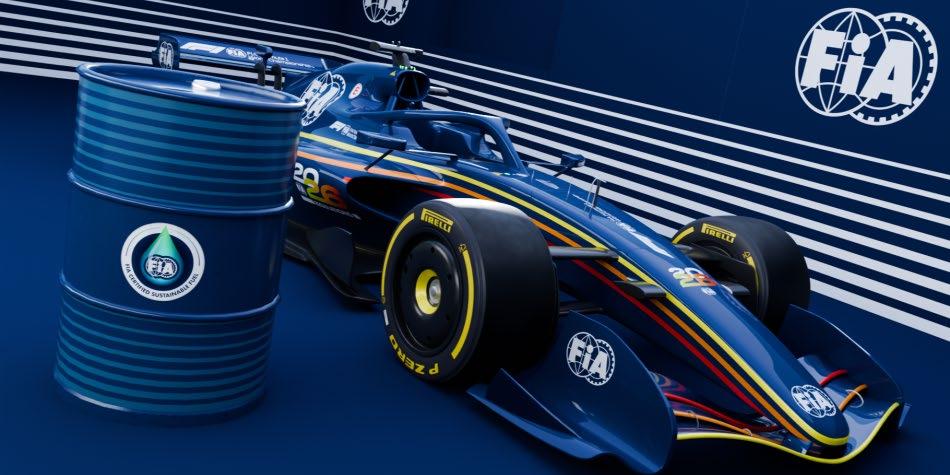
From 2026, Formula 1 will mandate fully sustainable fuels made from biomass, renewable feedstocks, and municipal waste. To support this, the FIA and Zemo Partnership established a thirdparty certification scheme to verify fuel origin, composition, greenhouse gas performance, and full supply chain traceability.
In 2025, significant progress has been achieved, with all fuels for the 2026 Formula 1 season now approved and homologated, confirming their compliance with FIA sustainability requirements and marking a key milestone towards the full implementation of sustainable fuels in the championship.
INFLUENCING THE FUTURE
USING INFLUENCE TO ACCELERATE CHANGE
The FIA serves as the governing body of world motor sport and a Federation uniting sport and mobility organisations from 149 countries. This global footprint positions the FIA at the centre of a diverse ecosystem, connecting Member Clubs, championships, manufacturers, and public institutions around shared sustainability priorities. It enables alignment at scale, setting direction, and creating the conditions for consistent progress across regions and disciplines.
Turning this into action requires targeted collaboration. The FIA works with partners that bring complementary expertise, creates platforms for knowledge exchange, and uses its role to translate innovation in motor sport into practical advances in sustainable mobility.
BROADER IMPACT AND NEXT STEPS
These partnerships and thought-leadership initiatives advanced the FIA’s efforts while leveraging its influence to inspire others to adopt scalable practices. By convening leaders and sharing research from subject matter experts, the FIA fortified the links between motor sport innovation and mobility solutions. Moving forward, these foundations will support expanded trials, deeper integrations, and measurable reductions in the sport’s environmental footprint and beyond.
In 2025, this influence translated into targeted actions:
Building strategic partnerships with global leaders in logistics and technology.
Hosting sustainability forums alongside major championships.
Developing research to inform best practices across the sport and beyond.
STRATEGIC PARTNERSHIPS
Key collaborations with global leaders in logistics and technology provided foundational support for these goals.
DHL: GLOBAL LOGISTICS PARTNER
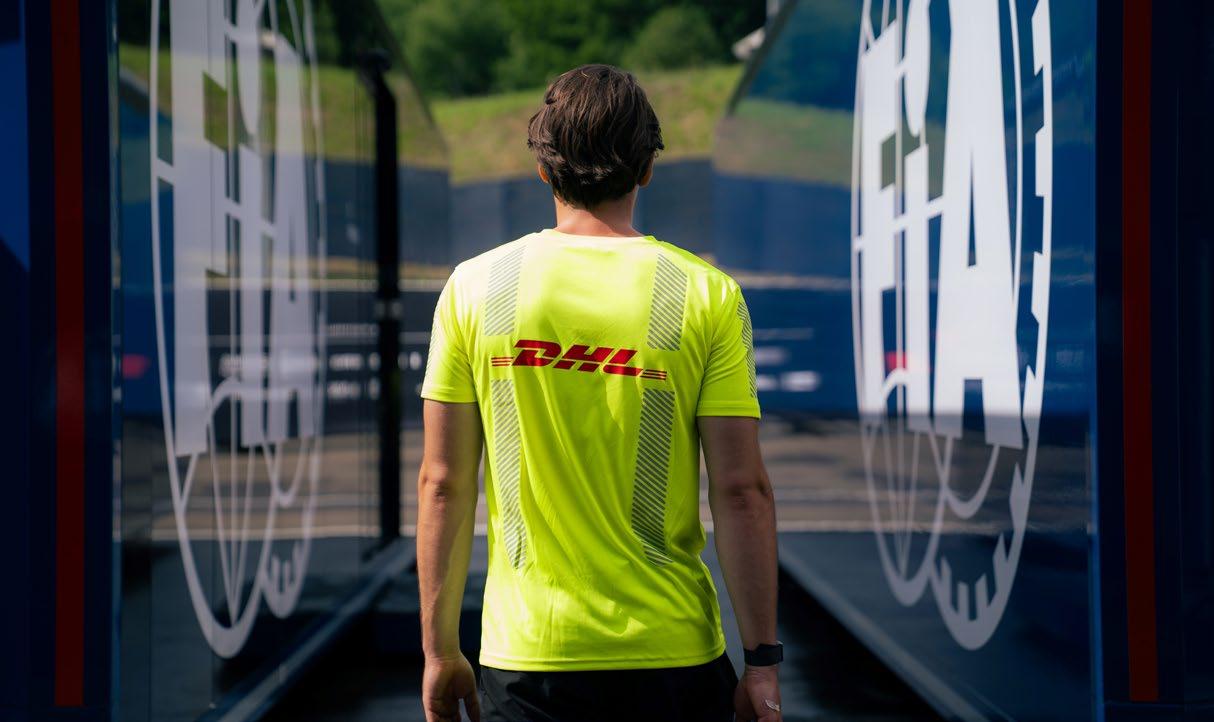
In 2025, the FIA appointed DHL as its Global Logistics Partner, responsible for transporting, setting up, and maintaining critical race infrastructure for the Formula 1, Formula 2, and Formula 3 championships.
DHL deployed biofuel-powered trucks across Europe, running on hydrotreated vegetable oil (HVO). This shift reduces transport-related emissions by 83% on average, compared to conventional fuel, aligning with both DHL’s and the FIA’s shared commitment to reduce the environmental impact of motor sport logistics.
These initiatives represent early but important steps in transforming complex event logistics, helping to reduce the environmental footprint of the global racing calendar while maintaining the operational demands of world championship events.
“As the FIA’s Global Logistics Partner, DHL plays a vital role in delivering world-class motor sport events across the globe in a sustainable way. In close collaboration with the FIA, we are implementing practical measures to reduce greenhouse gas emissions, including the use of alternative fuels across all transport modes.”
Paul Fowler, Head of Motor Sports Logistics at DHL Global Forwarding
STRATEGIC PARTNERSHIPS
SIEMENS: OFFICIAL DIGITAL TWIN SPONSOR
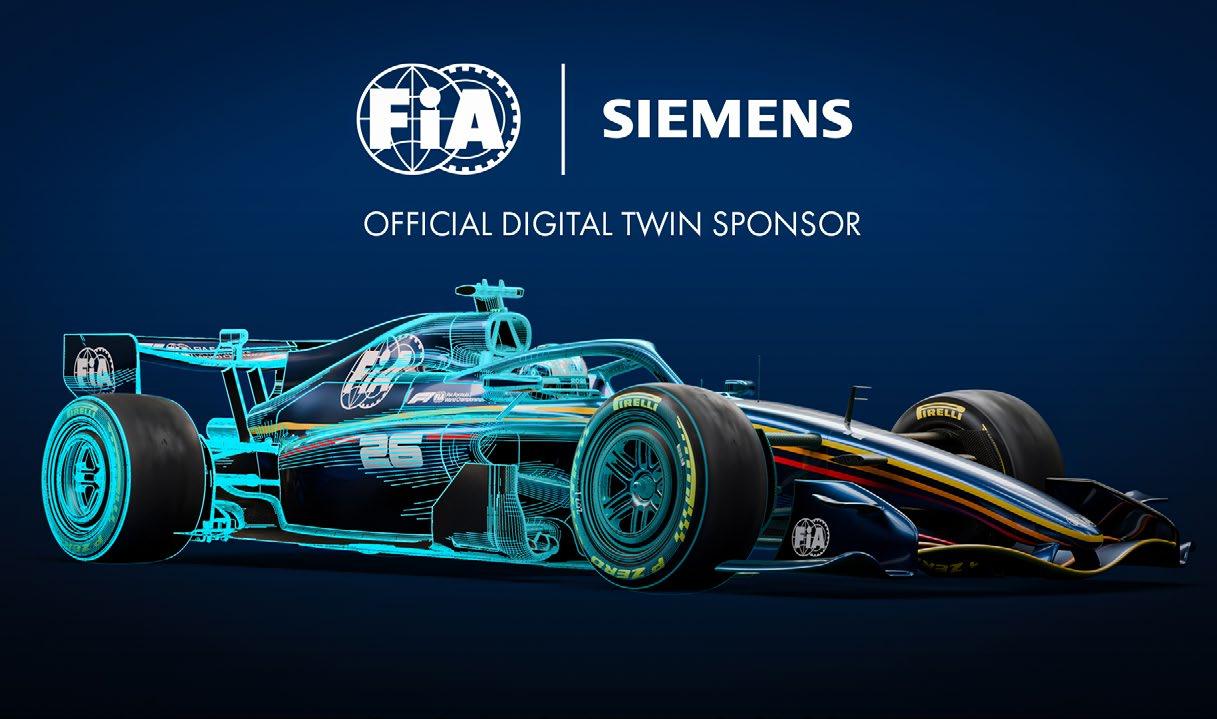
The FIA also deepened its partnership with Siemens to integrate advanced digital technology into motor sport operations and regulation. As part of its role as Official Digital Twin Sponsor, Siemens Digital Industries Software is enabling the FIA to design and refine next-generation race car concepts virtually, using its Xcelerator portfolio.
By combining digital twin technology with advanced simulation and Product Lifecycle Management, the FIA can model, test, and optimise aerodynamic performance in a virtual environment, including assessing design trade-offs such as material choices and component efficiency. This approach supports both technical development and the shaping of future regulations across single-seater categories.
This digital-first model reduces the need for physical prototypes and wind tunnel testing, lowering environmental impact while improving performance, safety, and engineering precision across FIA championships.
"We share the belief that technology is central to a more sustainable future and enhanced performance. This is why we are proud to support the FIA as its official digital twin sponsor, enabling the design and optimisation of nextgeneration race cars in a fully virtual environment”.
Ben Sheath, VP and Managing Director, Siemens Industry Software Ltd
FIA SUSTAINABLE INNOVATION SERIES
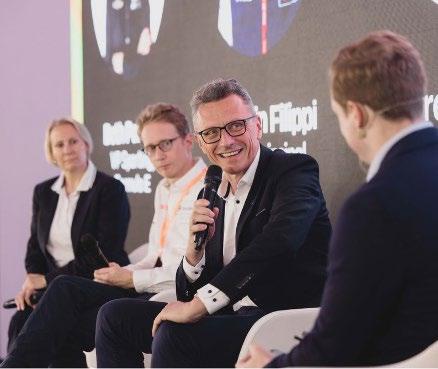
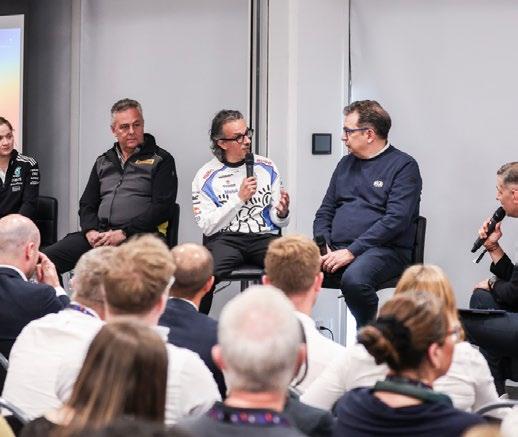
The FIA Sustainable Innovation Series continued to provide a global platform connecting motor sport with mobility stakeholders to explore sustainable solutions and initiatives.
The series brings together teams, manufacturers, suppliers, and sustainability experts to explore innovations in clean energy, lowcarbon logistics, sustainable materials, and mobility technologies.
It also highlights how lessons learned from Formula E, Formula 1, the World Rally Championship, and other FIA competitions can support decarbonisation and environmental stewardship for the broader mobility ecosystem.
In 2025, events alongside three major FIA championships engaged over 1,000 participants in-person and online.
SHANGHAI, CHINA
Partnership with the Change. Accelerated. Live platform ahead of the Shanghai E-Prix to explore how electric racing accelerates sustainable mobility solutions.
SILVERSTONE, UK
Ahead of the Formula 1 British Grand Prix, discussions on Formula I’s pathway toward net-zero emissions and the operational transformation required across logistics, power units, and event delivery.


JYVÄSKYLÄ, FINLAND
During Rally Finland, conversations on rallying’s role in nature stewardship practices and community engagement.
FIA UNIVERSITY
The FIA University is the global leader in accreditation, education, and research for world motor sport and mobility. It empowers FIA Member Clubs and their communities through shared learning, collaboration, and accredited programmes. By building global partnerships and driving thought leadership, the FIA University connects the FIA network with world-class expertise to deliver pioneering research and lifelong learning with real-world impact.
In November 2025, the FIA University launched a new White Paper Series to provide data driven and academically rigorous research on the technological, social, and policy trends shaping the future of mobility and motor sport. The series, guided by the FIA Policy Commission, offers insights that support decision-making for Member Clubs, policymakers, and industry stakeholders worldwide.
The inaugural paper, 'Transforming Transport: Evolution of Mobility Technologies and Services', authored by experts from the University of California, Berkeley, examines key trends including electrification, automation, shared mobility, digital platforms, and governance. Upcoming papers will explore topics such as climate impacts of highperformance vehicles, motor sport safety research, and road safety data analytics.
This work is supported by the FIA University’s wider research activity, including the 2025 Research Seminar in Geneva and the appointment of Visiting Professors, to help strengthen the link between academic insight and real-world application.
RESEARCH & INNOVATION INITIATIVES
ADVANCED FILTRATION SYSTEMS
With the support of the FIA Foundation, in partnership with TU Berlin, and as part of the Urban Filter Project, the FIA is developing and testing advanced filtration systems integrated into trackside drainage to capture microplastics and particulate pollution at source.
A feasibility study was conducted at the 2025 Formula 1 Grand Prix in Zandvoort, demonstrating the system’s applicability in high-intensity environments.
Beyond motor sport, this approach has strong potential for wide deployment in urban mobility systems, contributing to cleaner and more sustainable transport environments.
This solution offers a practical, infrastructure-based approach to tackling one of road transport’s most overlooked pollutants. By capturing emissions at source, it can:
Protect soil and water ecosystems.
Reduce urban microplastic pollution at scale.
Be easily replicated across road networks, cities, and transport infrastructure.
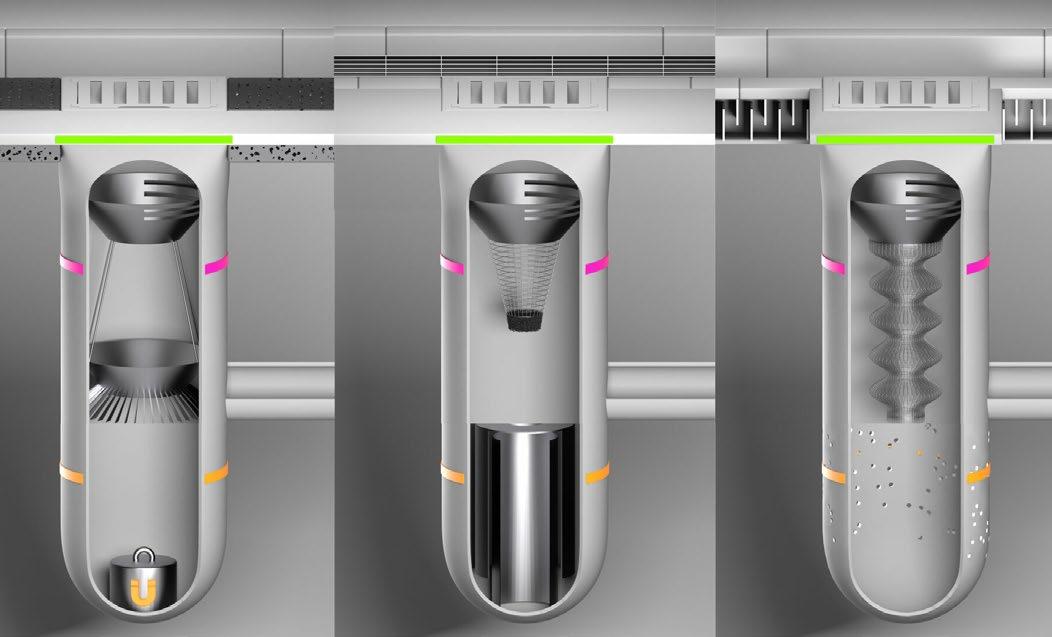
URBANFILTER system capturing microplastics from road runoff at source within urban drainage systems.
CELEBRATING SUCCESS
RECOGNISING IMPACT
Celebrating success is a critical part of driving progress across motor sport and mobility.
Through initiatives such as the President’s Awards, the FIA Innovation Challenge, and the Smart Driving Challenge, as well as the ongoing work of Member Clubs and championships, the FIA celebrates the delivery of environmental ambition in practice.
These examples showcase innovation, collaboration, and measurable outcomes across the global ecosystem, from grassroots initiatives to world championship platforms. By recognising and sharing these achievements, the FIA helps to scale what works, reinforce high standards, and accelerate progress across motor sport and mobility.
PRESIDENT’S AWARDS
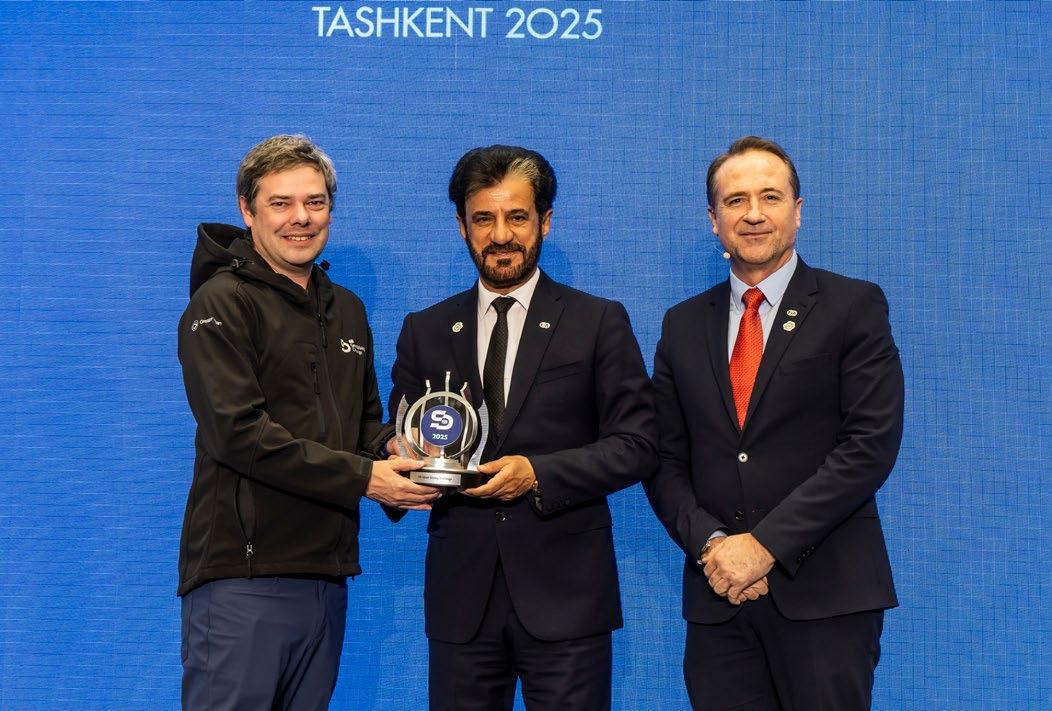
Launched by H.E. Mohammed Ben Sulayem, President of the FIA, in 2022, the FIA President’s Awards recognise and celebrate the excellence, creativity, and positive community impact of FIA Member Clubs around the world.
In 2025 the National Motor Sport Achievement Award was presented to Svenska Bilsportförbundet (SBF) for its project 'Biodiversity and Motor Sport –Racing for Nature'.
The initiative integrates ecological practices into motor sport operations through on-site environmental studies, partnerships with biodiversity experts, and national communication programmes. As part of the project, 10 circuits have implemented habitat restoration, dry-meadow creation and pollinatorfriendly landscaping.
The programme has been supported by national agencies and demonstrates how motor sport venues can contribute positively to biodiversity protection while continuing to host competitive events.
“It has been a passionate project for us in Sweden doing this over many years, and I want to thank the President for this award.”
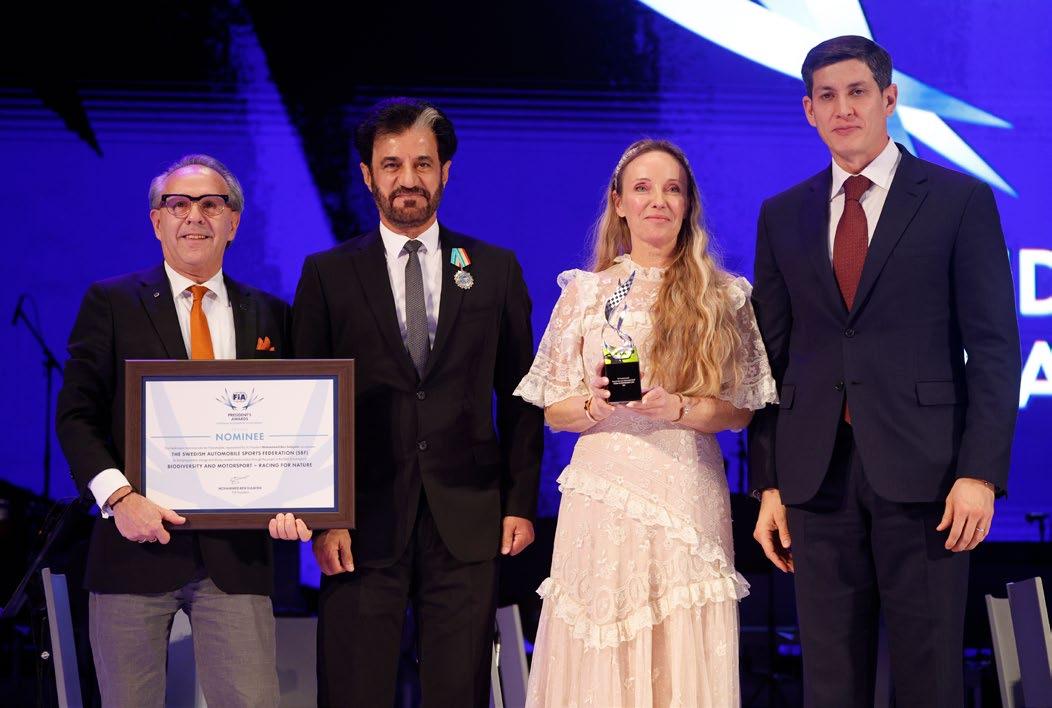
Anna Nordkvist, FIA Vice-President for Sport (Europe) and CEO of FIA Member Club Svenska Bilsportförbundet
WORLD CHAMPIONSHIPS ROADMAP
One of the most visible examples of enabling change is the FIA World Championships Roadmap. Through this framework the FIA collaborates with circuits, promoters, teams, manufacturers, and suppliers to ensure that environmental ambitions are translated into operational action across its championships.
The roadmap establishes environmental expectations across four key pillars, guiding the environmental progress of FIA championships and creating a consistent framework for monitoring performance across the sport.
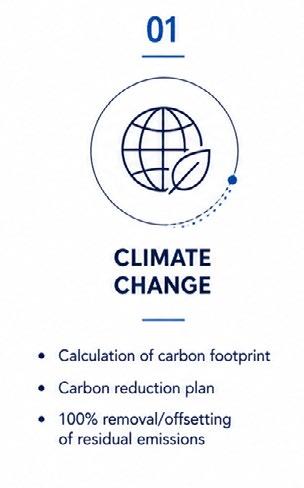
Calculation of carbon footprint
Carbon reduction plan
100% removal/offsetting of residual emissions
Sustainability in supplier selection Sustainable engine & fuel Sustainable tyres
Formula 1 (F1)
- Prepared for the 2026 regulations through 50/50 hybrid engines, advanced sustainable fuels, and safer, more competitive cars.
- F1, all F1 teams, and all permanent circuits achieved FIA Three-Star Environmental Accreditation.
- A centralised low-carbon power system was introduced at European Grands Prix across the Paddock, Pit Lane, and Event Technical Centre, delivering a ~90% reduction in energy emissions versus the previous system.
- Increased use of biofueled trucks for European logistics, usage of biofuels can lead to an 83% reduction in emissions compared to standard diesel.
- 2024 sport-wide carbon emissions were reduced by 26% compared to 2018 levels, through:
• Factories & Facilities: Transition to renewable energy sources.
• Travel: Remote broadcasting and Sustainable Aviation Fuel.
• Logistics: Calendar rationalisation, more fuel-efficient aircrafts, increased Sustainable Aviation Fuel investment.
• Event Operations: Transition to renewable energy sources at events.
Formula E (FE)
- Formula E was awarded the top Global Sustainability Benchmark in Sport (GSBS) and was ranked as having the best total performance.
- The Gen4 car was unveiled, featuring a 600kW peak, an active AWD, made from recyclable materials, with more than 20% recycled content used (debut scheduled for 2026/27).
- All teams and promoters retained their FIA ThreeStar Environmental Accreditation.
- The first sport certified under the BSI Net Zero Pathway.
- The new logistics HQ in Valencia enabled the shift from air to sea freight.
- A 55% reduction in absolute carbon emissions compared to Season Five in 2018.
- The championship hosted six Change Accelerate Live events on sustainable mobility.
World Rally Championships (WRC)
- WRC27 regulations were approved, where the Rally1 car concept was unveiled, leading to lower cost and design flexibility.
- The championship continued with the use of advanced sustainable fuel, supplied by Total Energies.
- The Biodiversity Assessment Tool was launched for environmental monitoring.
- Promoters and all rally event organisers retained their FIA Three-Star Environmental Accreditations; with Rally del Paraguay achieved ISO 14001.
- Knowledge-sharing webinars for the rally community under the Beyond Rally platform, focusing on sustainability, inclusion, and innovation best practices aligned with the WRC Roadbook and FIA environmental strategy.
- Four flagship case studies were published, highlighting rally sustainability measures.
World Endurance Championship (WEC)
- Le Mans Endurance Management were awarded ISO 20121:2024, and the FIA Three-Star Environmental Accreditation.
- All Hypercar teams achieved an FIA Two-Star Environmental Accreditation or higher, with all circuits achieving Three-Star accreditations.
- Michelin Hypercar tyres were made from 30–45% renewable and recycled materials; with Goodyear also supplying the LMGT3 series with tyres made from roughly 33% renewable and recycled materials.
- Published Sustainable Development Policy covering ESG commitments.

World Rally Raid (W2RC)
- First rally-raid events achieving FIA Environmental Accreditations: BP Ultimate Rally-Raid Portugal (ThreeStar), Abu Dhabi Desert Challenge (Two-Star).
- Abu Dhabi Desert Challenge impact report published, covering sustainability, economic, and media outcomes.
World Rallycross (World RX)
- The championship featured the “Battle of Technologies”, where sustainability fuelled internal combustion engine (ICE) cars raced against electric vehicles (EV) with performance balancing.
- Advanced sustainable fuel optimisation and EV package improvements narrowed the performance gap.
- Key events and promoters maintained their FIA Environmental Accreditations (Three-Star, TwoStar, ISO 14001).
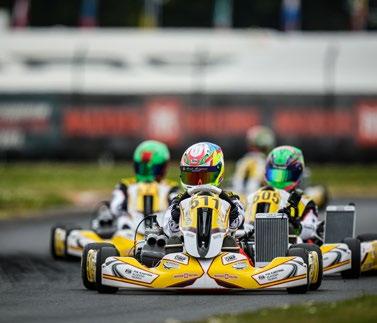
World Karting
- New regulations for Junior and Senior e-karting categories, leading to global e-karting expansion.
- Continued use of advanced sustainable fuel via ETS Racing Fuels (2026–2028).
- Gearbox category tyre allocation reduced to three sets per driver (target is two sets by 2027), leading to lower waste and emissions.
FIA INNOVATION CHALLENGE
The FIA Innovation Challenge is a global programme recognising high-impact mobility initiatives developed by FIA Member Clubs. It showcases scalable, real-world solutions that improve safety, sustainability, and accessibility, while fostering knowledge-sharing across regions.
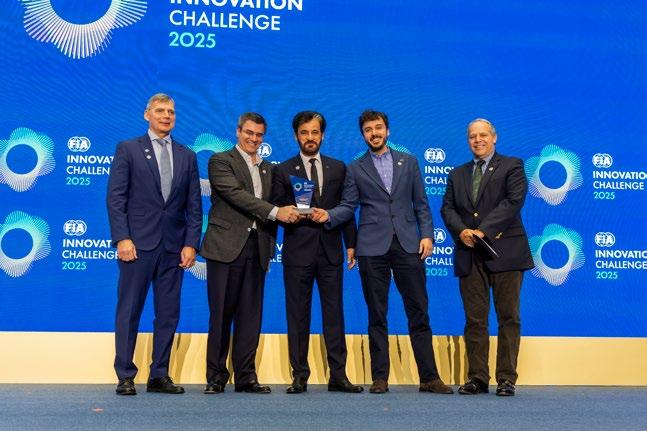
The challenge highlights how local innovation can deliver global impact, particularly in advancing sustainable, resilient, and user-centric mobility solutions.
2025 Global Winners
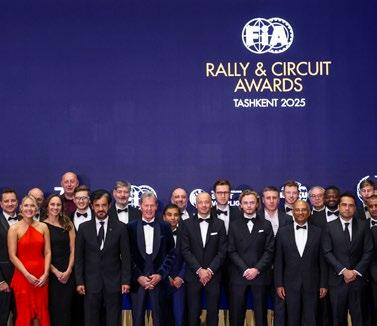
Announced at the FIA Annual General Assemblies in Tashkent, Uzbekistan, four regional winners were selected among 43 submissions.


British Columbia Automobile Association (North America) Wildfire resilience programme enhancing environmental and community protection.

Automóvil Club Argentino (South & Central America) Digital membership platform driving engagement and growth.
Automòbil Club d’Andorra (EMEA) Drone pilot training programme supporting future mobility skills.

Royal Automobile Club of Queensland (Asia-Pacific) Vehicle Security Standard improving road safety and theft prevention.
MEMBER CLUB SUCCESS STORIES
Across the FIA network, Member Clubs continue to deliver practical initiatives that support safer, more sustainable, and more inclusive mobility at a local level.
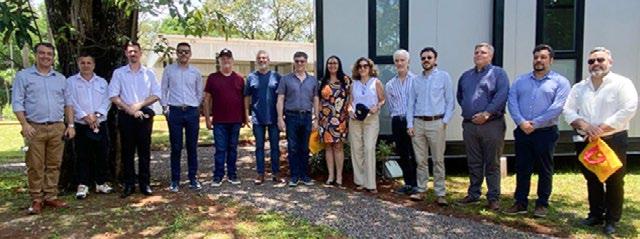
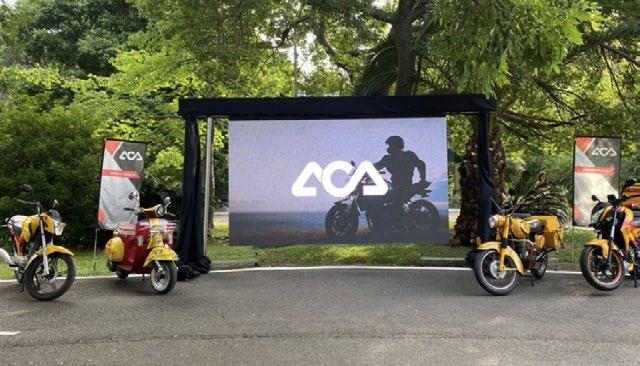
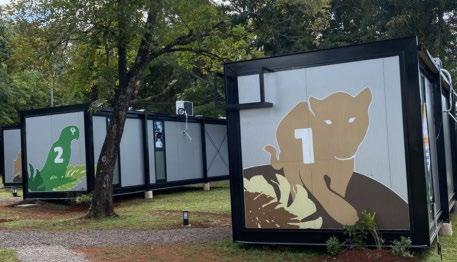
In Argentina, the Automóvil Club Argentino (ACA) launched a series of new memberfocused initiatives in 2025, reflecting evolving mobility needs. This included the introduction of Green Box eco-modules in Puerto Iguazú, providing sustainable accommodation options for members and promoting responsible tourism, alongside a new Socio Motociclista programme offering tailored services for motorcyclists.
Together, these initiatives demonstrate how Member Clubs are combining sustainability, service innovation, and user-focused design to deliver tangible benefits, while supporting wider shifts towards more responsible mobility behaviours.
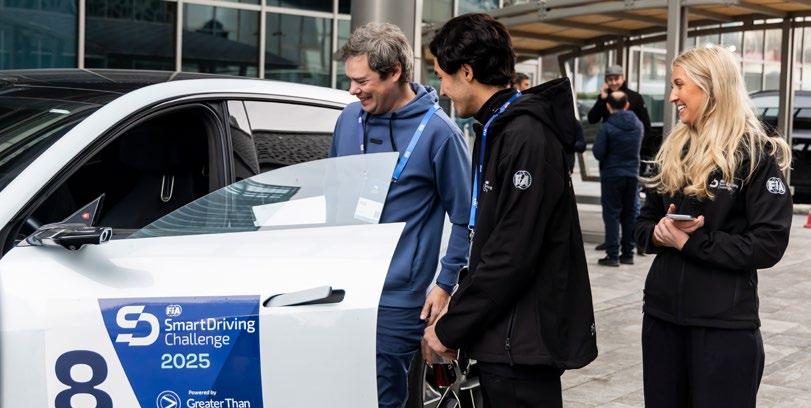
FIA SMART DRIVING CHALLENGE
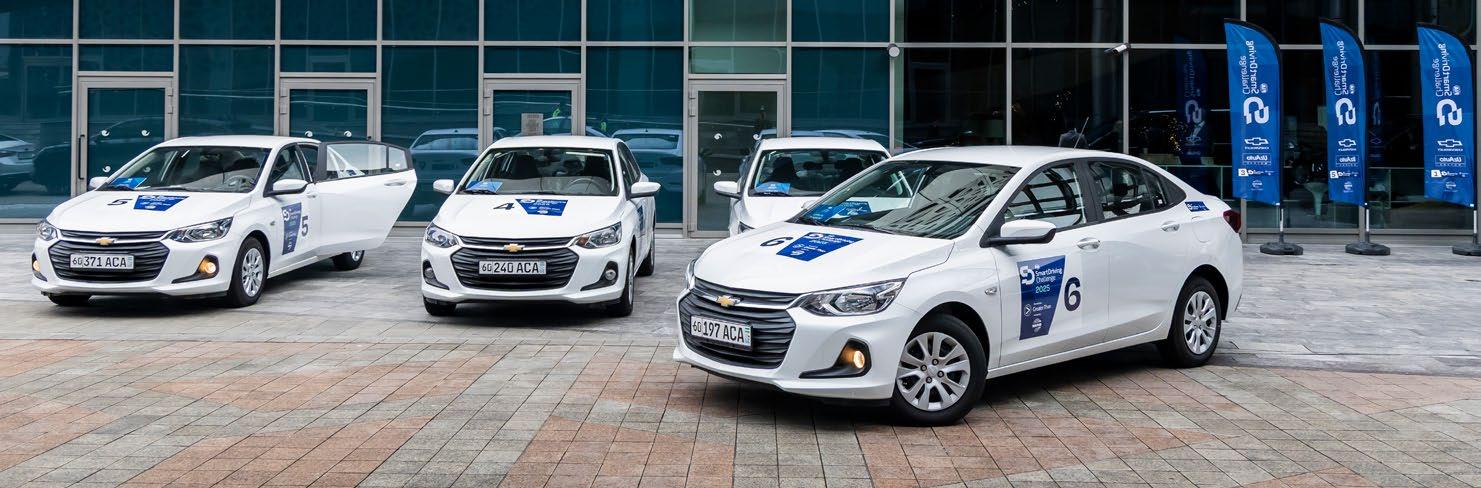
The FIA Smart Driving Challenge (SDC) is an international, year-long initiative promoting safer and more sustainable driving behaviours.
Open to drivers worldwide through a dedicated app, it uses AI to assess driving safety and environmental impact, measuring risk, fuel or energy efficiency, and CO2 emissions. The AI scoring is powered by Greater Than, a global leader in road safety and sustainability technology.
Drivers receive real-time feedback, with results feeding into a global leaderboard and qualification pathway to a live final.
In 2025, the FIA expanded the initiative through a new ambassador programme, bringing together drivers from across its championships, including Dania Akeel, Roman Bilinski, Maro Engel and Yifei Ye. App users can join ambassador-led teams and access exclusive content, strengthening engagement, and reinforcing the link between elite motor sport and everyday driving.
First introduced in 2019, the SDC continues to grow in reach and impact. In 2025, drivers from 97 countries took part, reducing fuel or battery use by an average of 9%, with top performers cutting emissions by up to 28% and lowering crash risk through safer driving practices.
KEY HIGHLIGHTS 2025
Alexandre Stricher has been announced as the 2025 FIA Smart Driving Challenge winner, after reducing his climate impact by 29%.
A live final in Tashkent, Uzbekistan, concluded a successful season with drivers from 97 countries taking part, supported by seven motor sport ambassadors.
Throughout the season, participants reduced their climate impact by an average of nine per cent, increasing to a 28% reduction for drivers participating in the playoffs.
DIVERSITY & INCLUSION
OUR IMPACT IN 2025
At the FIA, our mission extends beyond motor sport. We are committed to fostering diversity, inclusion, and accessibility across our work, within the Federation and across the broader industries we support. Our focus is on delivering lasting, measurable impact. Ensuring talent can emerge from the widest possible pool is essential to the future of both motor sport and mobility.
Across the FIA, our initiatives aim to remove barriers so more people can participate, develop skills, and build long-term careers. This means creating practical pathways into motor sport and mobility, while embedding inclusion into how we operate, from programme design to partnerships and decision-making.
In 2025, we expanded programmes that advance these goals. Within our own organisation, we launched the FIA Graduate Pathway Rotational Programme to attract new talent across the FIA network. We grew our headcount by 14%, representing 38 nationalities, with 31% of our workforce female.
I’m proud to say that in 2025 the average employee tenure was six years, higher than average within the not-for-profit sector. It’s crucial that our employees have access to the training, tools, and support they need to progress their careers, and we have introduced new infrastructure internally in 2026 to support this.
In the wider community, FIA Girls on Track strengthens the pipeline of female talent, while mentoring and networking events connect emerging professionals with experienced leaders. Partnerships with academic institutions and internships continue to open routes into engineering, governance, and specialist roles. These programmes are supported by stronger data and feedback loops, helping us refine our approach and respond more effectively to community needs.
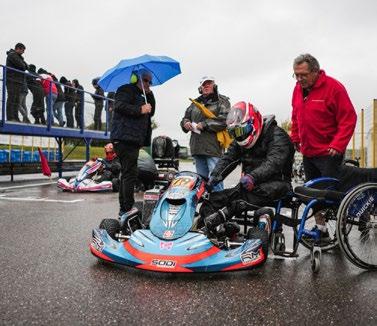
Accessibility remains a central priority. Through the FIA Disability and Accessibility Commission, the development of the Certificate of Adaptations, and mentoring initiatives, we are working to ensure that disabled competitors, officials, and volunteers can participate fully and safely, building systems that are inclusive by design.
Looking ahead, we will continue to strengthen these pathways and embed inclusive practices across the FIA and the wider industries we support. By building partnerships, deepening insight, and turning ambition into action, we aim to ensure motor sport and mobility evolve as inclusive communities defined by opportunity, fairness, and respect.
Sincerely,
Alessandra Malhamé FIA Chief People & Culture Officer
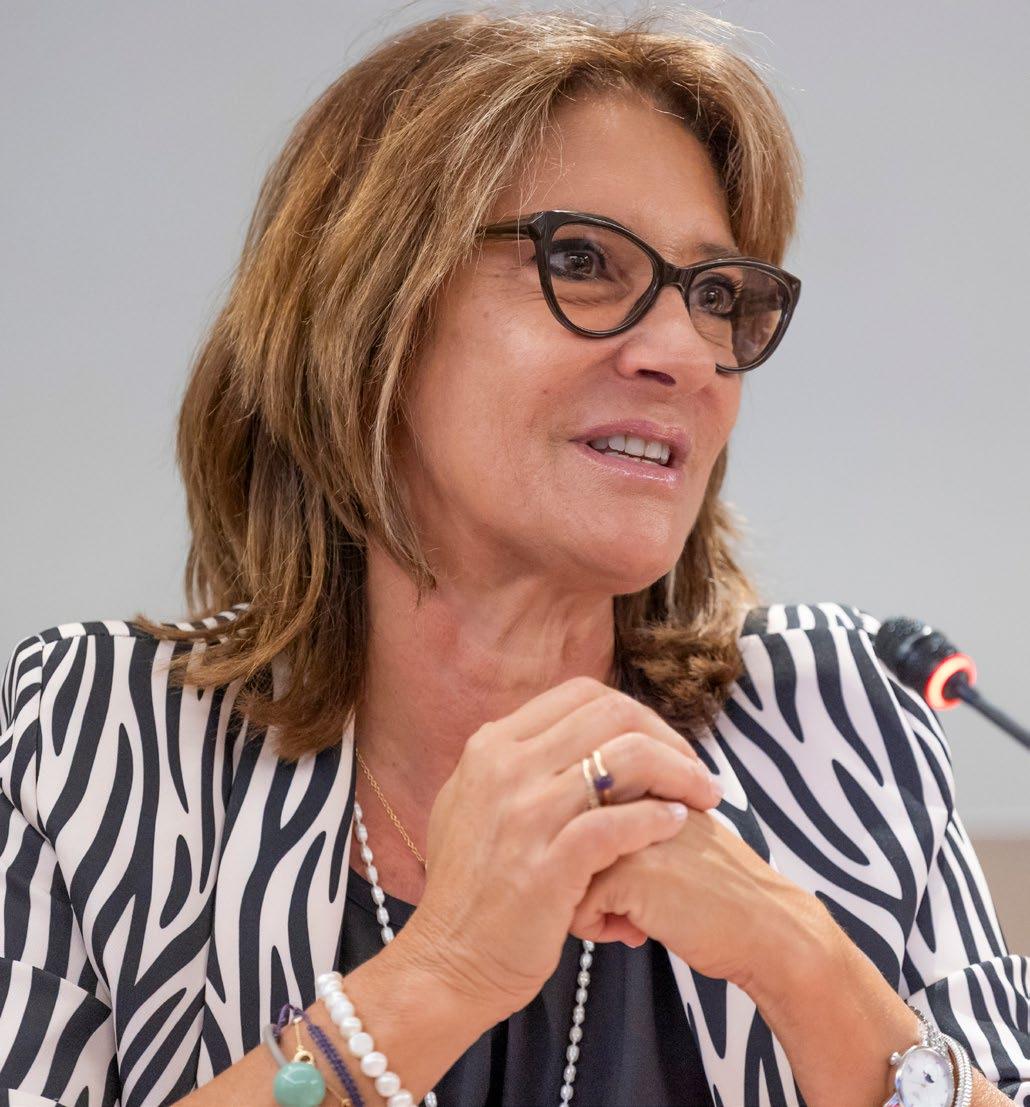
“Ensuring talent can emerge from the widest possible pool is essential to the future of both motor sport and mobility.”
Alessandra Malhamé, FIA Chief People & Culture Officer
HOW WE MAKE A DIFFERENCE
Through its championships and global network of Member Clubs and ASNs, the FIA connects millions of people to motor sport and mobility around the world. With this reach comes a responsibility to ensure that opportunities are accessible to the widest possible range of people.
To support this ambition, the FIA delivers a range of initiatives designed to widen participation, create pathways into careers, and support the development of talent across the motor sport ecosystem.
INSPIRING PARTICIPATION
Building greater inclusivity requires sustained effort for every stage of the participation journey, from first inspiration through to long-term progression with a continued focus on equality and accessibility. SUPPORTING PROGRESSION
Introducing new audiences to motor sport and mobility, particularly young people and underrepresented groups, helping them discover the many roles that exist within the sport.
OPPORTUNITIES
Creating practical pathways that enable talented individuals to enter motor sport and mobility careers, from driver development programmes to mentoring and professional development initiatives.
Ensuring that individuals already working in motor sport and mobility can continue to develop and advance, supported by scholarships, professional networks, and development opportunities.
SHAPING THE FUTURE
Working with partners, Member Clubs, and international organisations to strengthen accessibility, safety, and inclusion across motor sport and mobility.
CELEBRATING SUCCESS
Celebrating the outstanding work of FIA Member Clubs, teams, and individuals in building a more diverse, inclusive, and accessible motor sport community, through driving change on and off the track.
DIVERSITY & INCLUSION SNAPSHOT 2025
PEOPLE FIA IN THE COMMUNITY
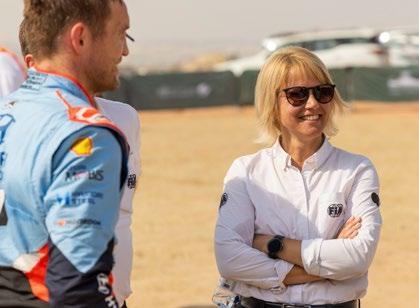
38 NATIONALITIES
OVER 49,000 USERS ENGAGED in the Disabled Motoring website.
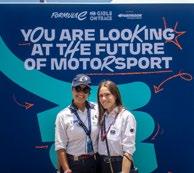
31% OF FIA WORKFORCE IS FEMALE
6 YEARS AVERAGE EMPLOYEE TENURE
* This figure includes permanent employee contracts only.
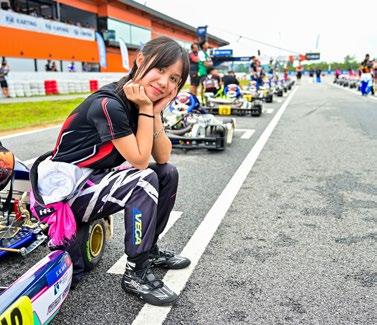
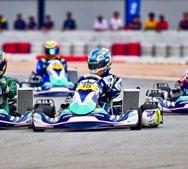
RECORD 15 FEMALE DRIVERS at inaugural 'Arrive & Drive' karting world cup.
85 MATCHES across the Disability & Accessibility Mentoring Programme.
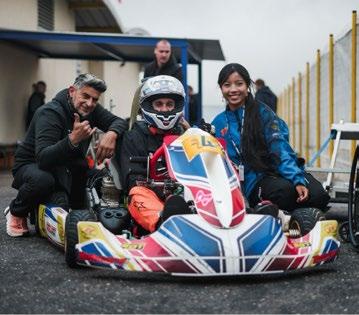
FIA GRADUATE PATHWAY PROGRAMME LAUNCHED to provide nominated graduates with skills and experience to prepare for leadership.
590 MATCHES across the Women in Motorsport Mentoring Progamme.
OVER 2,500 PARTICIPANTS in FIA Girls on Track. LAUNCHED Empowering Disabled Motor Sport Award and Women in Motorsport Award.
245 ATTENDEES AT FIA CAREERSHIFT PROGRAMMES across three FIA World Championship events.
70+ UAOA PARTNERS ACROSS MULTIPLE SECTORS driving action against online abuse in sport.
INSPIRING PARTICIPATION
The first stage of the FIA’s Diversity and Inclusion work focuses on introducing new audiences to motor sport and mobility and helping them discover the wide range of roles and opportunities that exist.
Through championship activations, educational programmes, and digital engagement initiatives, the FIA connects young people with professionals working across engineering, sporting operations, communications, safety, and event management. These experiences provide early exposure to the motor sport ecosystem and help make career pathways more visible and accessible.
In 2025, these efforts expanded through programmes embedded in FIA championship events, global digital learning platforms and community initiatives delivered with Member Clubs and local partners.
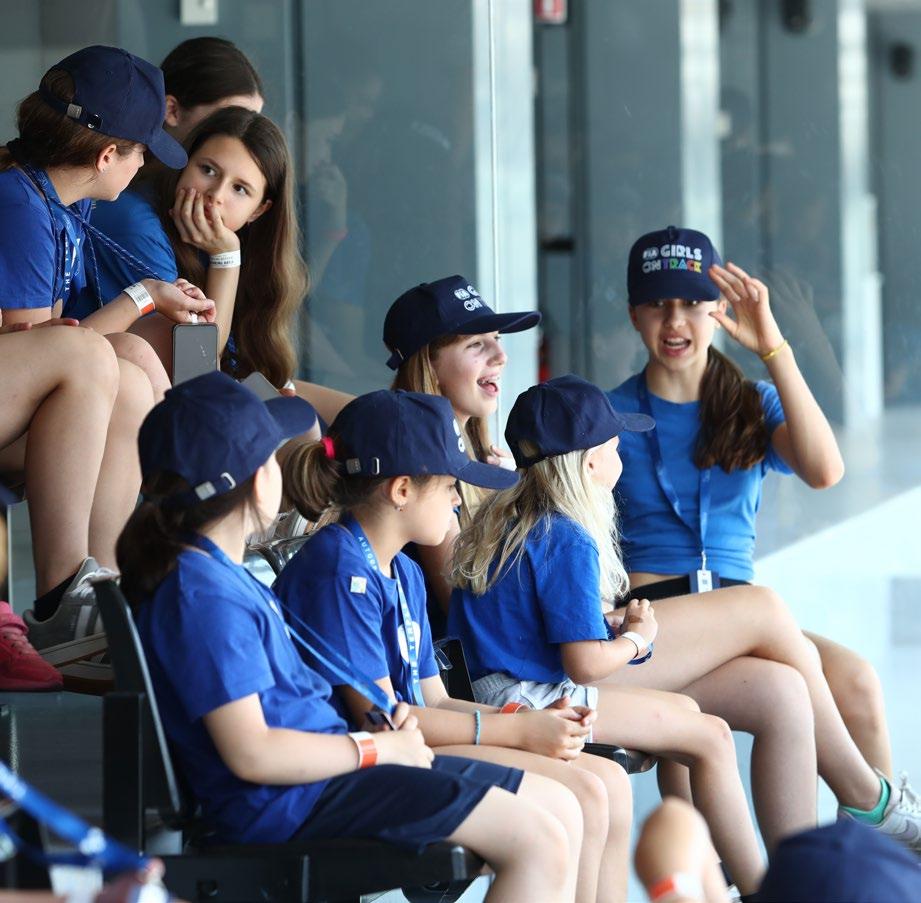
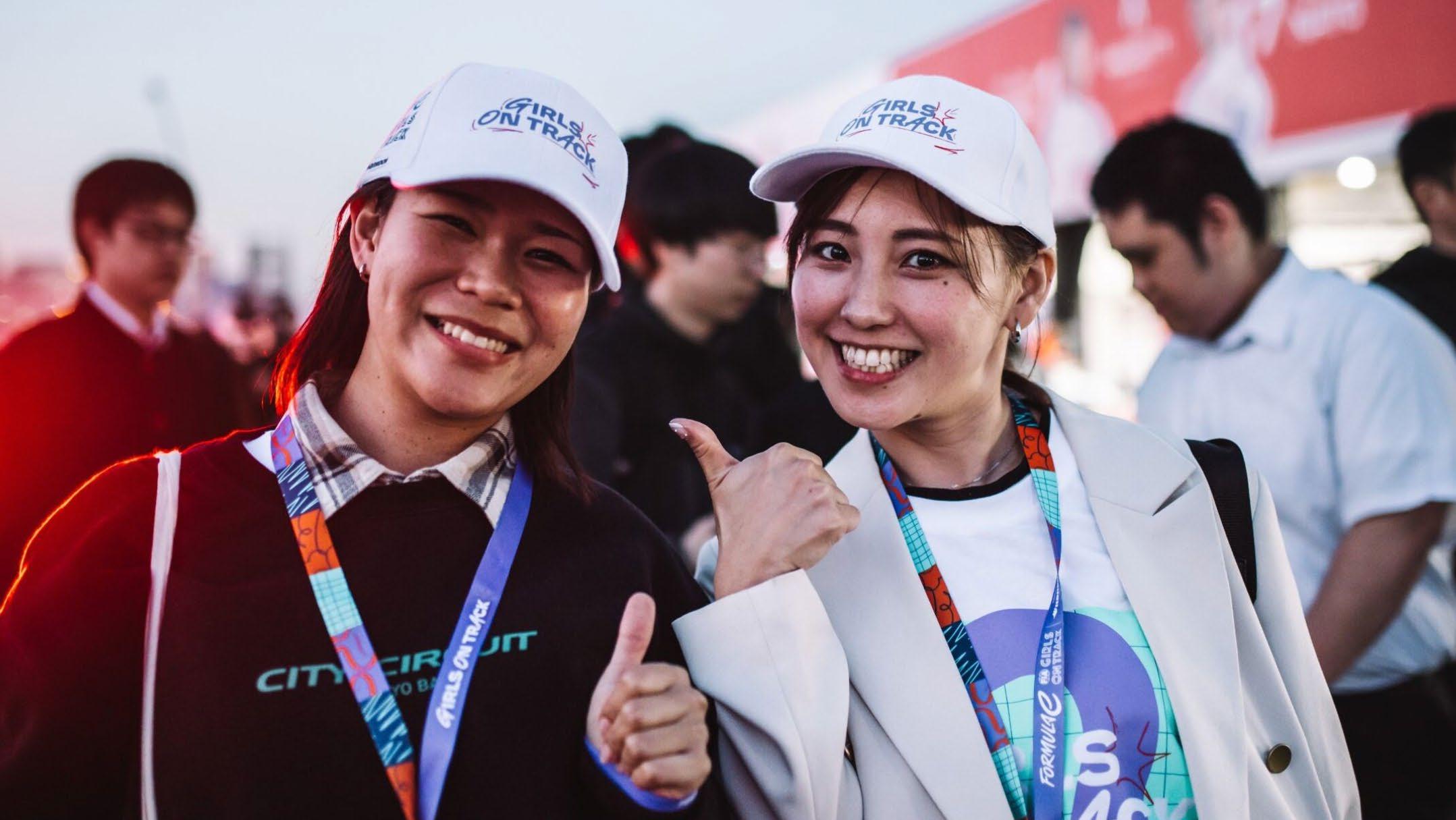
FIA GIRLS ON TRACK
KEY HIGHLIGHTS 2025
Activations across ABB FIA Formula E, FIA World Endurance Championship, FIA World Rally Championship, and the FIA Kumho TCR World Tour.
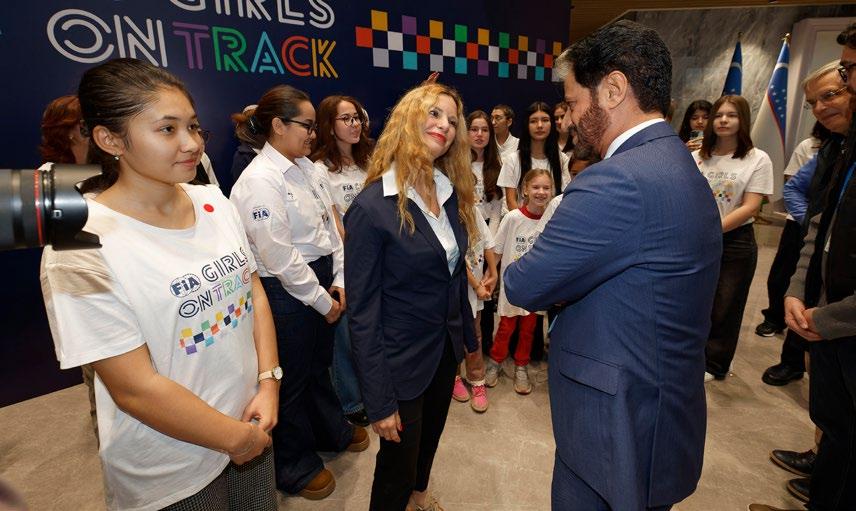
An additional activation during the FIA General Assemblies Week in Uzbekistan.
More than 2,500 participants engaged across championship events.
70+ industry professionals contributing as guest speakers and mentors.



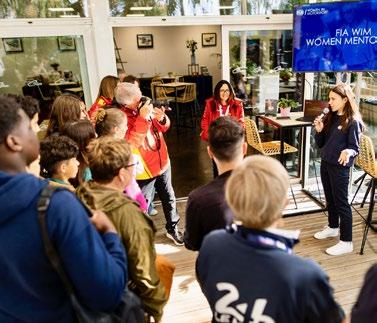
FIA Girls on Track remains one of the FIA’s flagship programmes, inspiring young women to explore careers across motor sport. Delivered through immersive experiences at FIA championship events, it connects participants directly with the sport’s professional environment and showcases the breadth of roles within the industry.
In 2025, the programme was embedded for the first time across multiple FIA World Championship environments, expanding beyond the ABB FIA Formula E World Championship into the FIA World Endurance Championship (WEC), FIA World Rally Championship (WRC), and the FIA Kumho TCR World Tour. It was also activated during the FIA General Assemblies Week in Uzbekistan.
Across these events, 2,500 participants engaged with engineers, sporting officials, drivers, and communications professionals, gaining first-hand insight into the technical, operational, and organisational aspects of motor sport.
FIA GIRLS ON TRACK
VIRTUAL PROGRAMME
The FIA Girls on Track Virtual Programme extends the initiative beyond physical events, using digital sessions to connect young women worldwide with motor sport professionals. By removing geographical and financial barriers, the programme helps participants explore career pathways across engineering, sporting operations, communications, safety, and other areas of the sport.
In 2025, the FIA Girls on Track Virtual Experience ran over three months through six interactive online sessions held every two weeks. The programme attracted 410 applicants and brought together 19 guest speakers from across motor sport.
The programme also demonstrated its global reach, with participants representing multiple continents and 41 different first languages, reinforcing the ability of digital platforms to broaden access to motor sport careers worldwide.
GUEST SPEAKERS - ENGINEERING AND DATA TECHNOLOGY
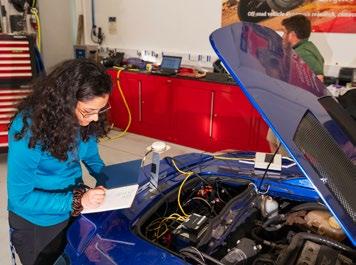
Sanya Jain
FIA Motor Sport Engineering Scholar
Sanya studies Aeronautical Engineering at Cranfield University, focusing on race car performance and efficiency. Her work focuses on airflow analysis, designing front wings and diffusers, and supporting teams to improve performance. She aims to increase women participation in motor sport engineering, showing that women can lead in STEM fields.
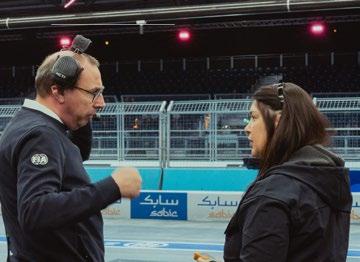
Jesica Salvini Data and Systems Engineer
Jesica is a Mechanical Engineer, supporting touring and stock car racing championship teams. After studying in the UK through the FIA Engineering Scholarship and graduating with top honours, she now works across Europe as a Data and Systems Engineer, analysing performance to help teams go faster.
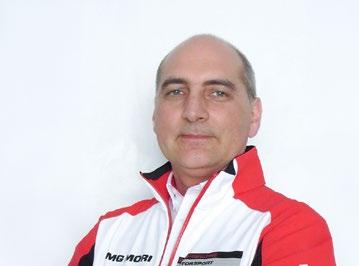
Damien Favre Aerodynamics Engineer
Damien is an aerodynamics specialist who has worked in Formula 1 with Toyota, Toro Rosso, and Marussia, and in Rally with Skoda and Peugeot. He led aerodynamics at Porsche Motor Sport for a decade, now developing race cars in China, continuing to push engineering forward.
FIA CAREERSHIFT
DRIVE YOUR FUTURE IN MOTOR SPORT
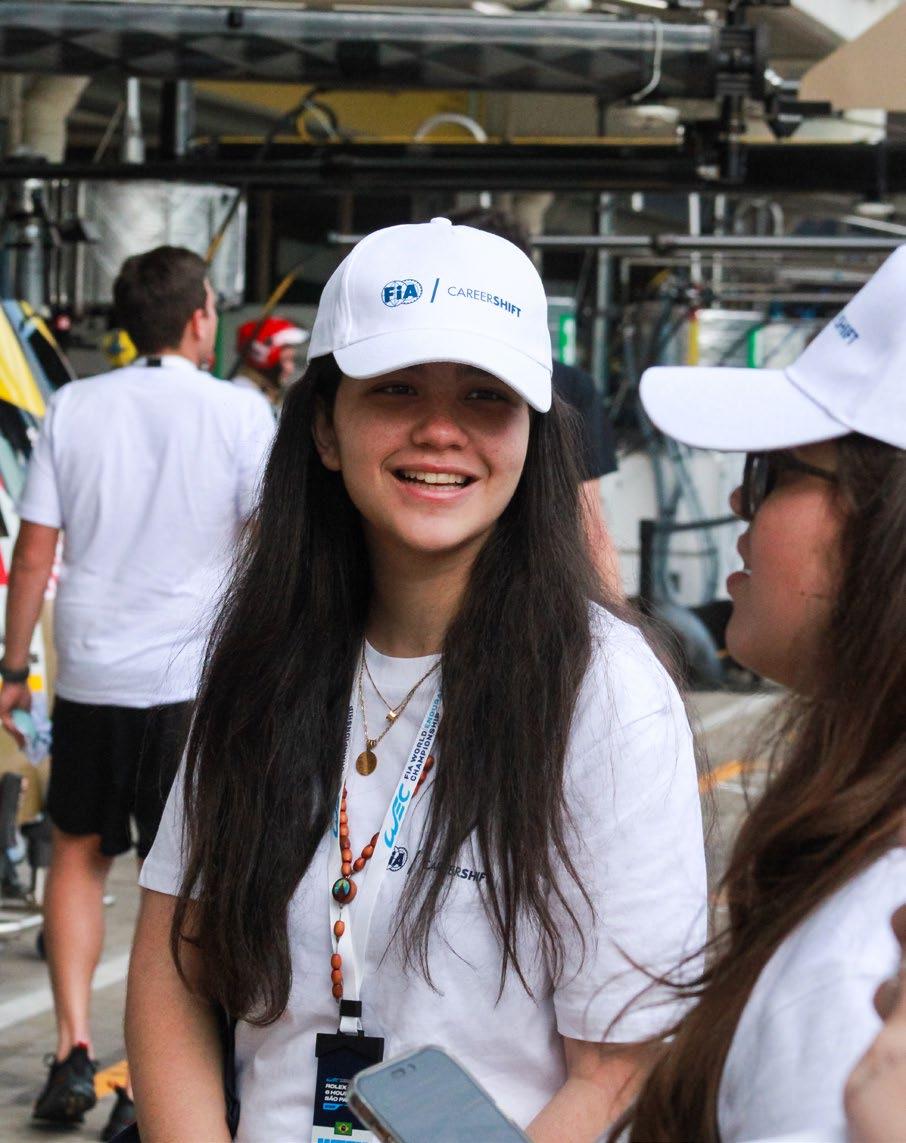
FIA CareerShift is designed to help young people aged 16 to 26 explore career opportunities across the motor sport industry by connecting them directly with professionals working within championship environments.
Through structured workshops, paddock experiences, and interactive sessions with teams, engineers, and sporting officials, participants gain practical insight into how motor sport operates and the many professional roles that support the sport.
Following its pilot within the FIA World Endurance Championship in 2024, the programme expanded its outreach in 2025. FIA CareerShift was integrated into championship events across three disciplines: endurance racing, rally and touring cars, providing participants with exposure to different areas of the sport.
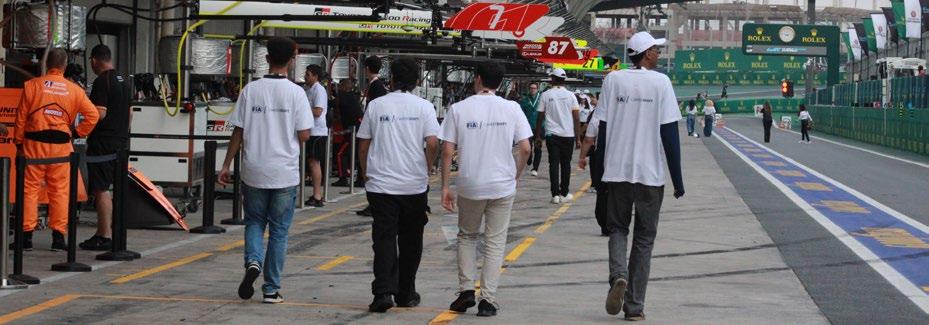
Across the season, on-site activations were delivered during championship events in Imola, São Paulo, Passau, and Macau, engaging 245 participants across four countries and three continents.
Participants took part in a range of activities designed to introduce them to the operational realities of motor sport, including:
Guided paddock and pit-lane experiences.
Technical briefings with engineers and sporting officials.
Career pathway discussions with industry professionals.
Interaction with teams, manufacturers, and championship organisers.
Notably, several teams, championship promoters, ASNs (Autorité Sportive Nationale), and FIA departments contributed to the programme, demonstrating strong cross-stakeholder collaboration in opening access to careers in the sport.
KEY HIGHLIGHTS 2025
Integrated into three FIA World Championships (WEC, WRC, TCR WT) in 2025, expanding the initiative across three racing disciplines.
Attracted 245 total participants across four countries in 2025.
Multi-disciplinary exposure: sporting, technical, communications, sustainability, and operations.
FIA CAREERSHIFT: ONLINE EDITION
Launched in 2025, the first online edition expanded global access to the programme, enabling participation beyond in-person events.
Industry experts shared practical insight on recruitment, skills, and career pathways, helping participants better understand opportunities in motor sport.
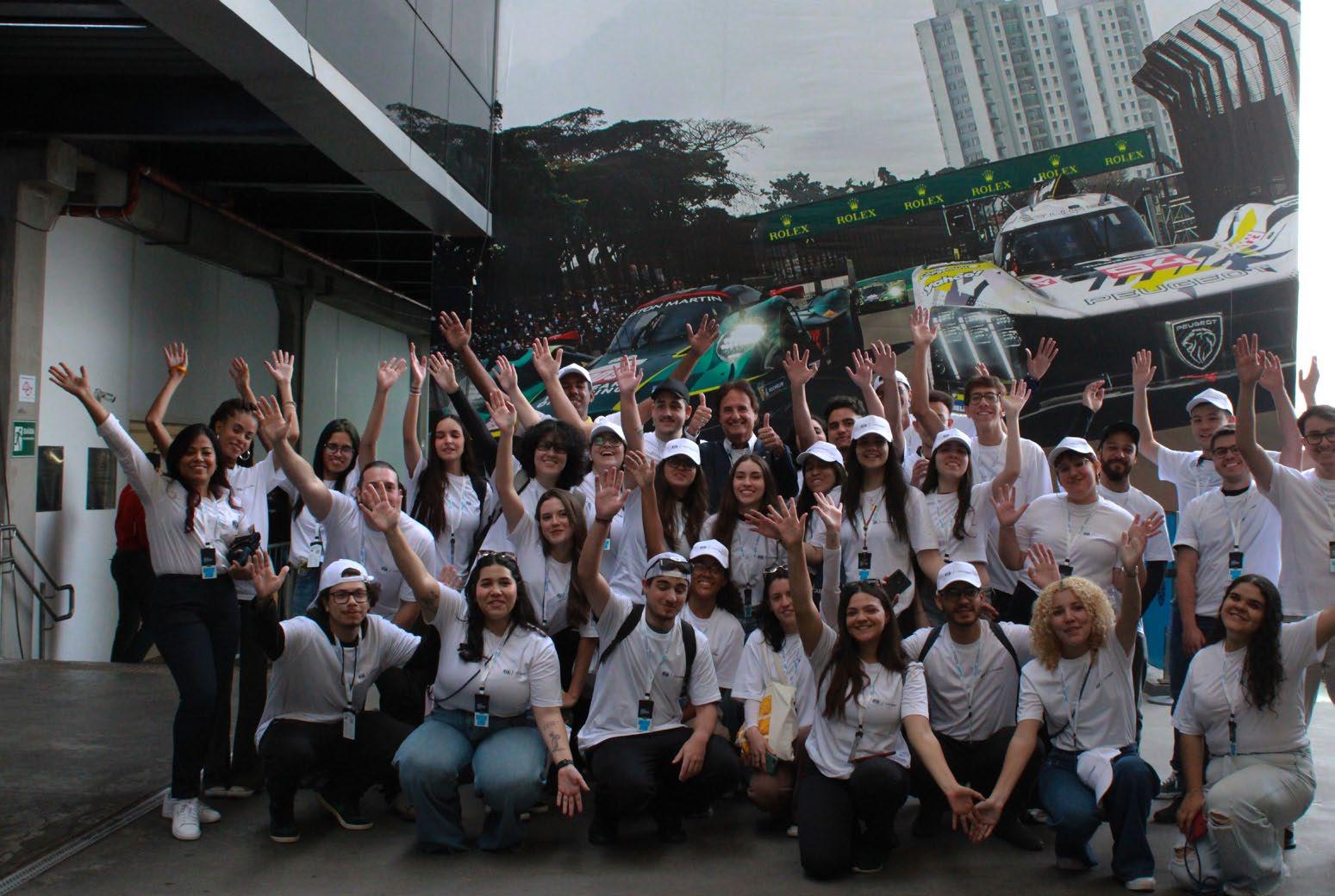
"By embedding FIA CareerShift within championship environments, the initiative helps young people move beyond simply observing the sport to understanding how it functions as a professional ecosystem."
Susanna Coletta, FIA Women in Motorsport Project Manager
FIA CAREER SPOTLIGHTS

In 2025, I joined the FIA as an intern within the Diversity and Inclusion team, where I gained hands-on experience across programme development and day-to-day operations. During my internship, I contributed to initiatives designed to support diversity and inclusion across the FIA, while developing practical skills and a deeper understanding of how the organisation works.
I particularly valued the opportunity to gain insight into the global motor sport environment, and to understand how organisations can create more inclusive pathways for underrepresented groups.
My time at the FIA has shown me how internships can help build practical skills, expand professional networks and open up new career opportunities within the international motor sport community.
"My internship at the FIA has been incredibly rewarding. What stands out most is the teamwork and collaboration, supported by diverse perspectives and constant learning. It’s a place that encourages you to grow and contribute to something meaningful."
Emma Garofalo, FIA Diversity & Inclusion Team Intern

I joined the FIA in April 2010 after completing my Master’s degree and an international internship at the University of Auckland. I began in the Mobility Division in Paris on a short-term assignment, which quickly developed into a permanent role focused on knowledge management and Member Club support.
Over time, I have progressed across the organisation, moving from Mobility to Sport and from Paris to Geneva. I worked as Education and Grants Coordinator within the Development Department and later as Project Manager for the Sport Clubs Liaison Office across the MENA and Africa regions.
In 2023, I joined FIA University as Project Manager and was later appointed FIA University Manager.
"In my current role, I oversee executive education programmes, scholarships and digital learning platforms across Sport and Mobility. I have particularly valued the opportunities for internal mobility and continuous learning, which have strengthened my understanding of the FIA and my leadership skills."
Sonia Benaïssa-Anotin, FIA University Manager
FIA ANNUAL GENERAL ASSEMBLIES
SOCIAL IMPACT IN ACTION
The FIA continues to strengthen the social impact of its major events. During the 2025 FIA General Assemblies week in Uzbekistan, a series of sideline initiatives were organised by different FIA departments, bringing together programmes from across the organisation to create meaningful social impact while inspiring pathways into motor sport.
At the centre of this was the General Assemblies social framework, which coordinated activities across five themes:
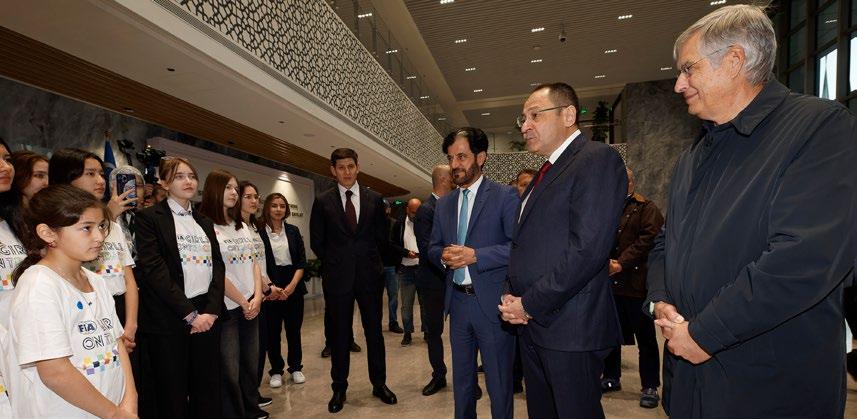
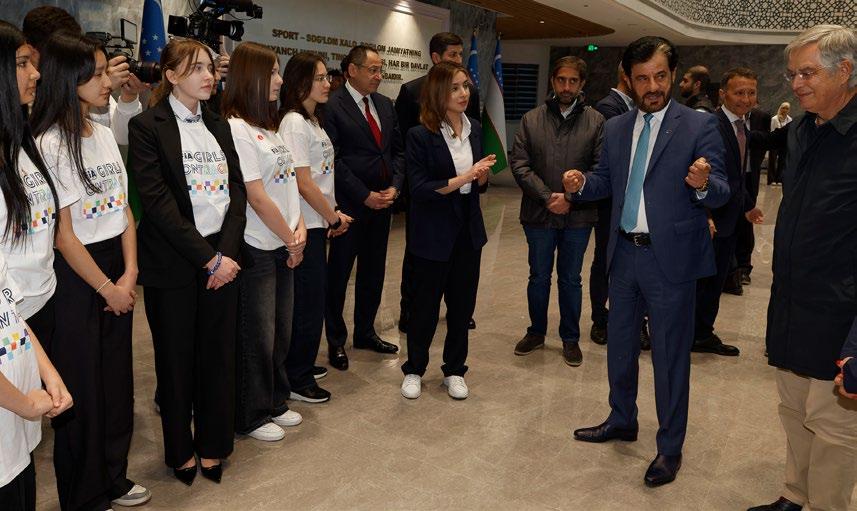
INCLUSION was led by the FIA Women in Motorsport team through a dedicated FIA Girls on Track activation, connecting local young women with inspirational female professionals, highlighting career pathways in the sport.
YOUTH ENGAGEMENT focused on the FIA Motor Sport and Mobility 101 session, a dedicated session for younger generations delivered by the FIA Sport team, bringing together 150 students to explore the FIA ecosystem and careers across motor sport and mobility.
ADVOCACY centred around the road safety policy roundtable, led by the FIA Road Safety and Global Advocacy team, convening cross-sector stakeholders to share best practice, address challenges, and develop recommendations for wider action across the host region.
In a wider effort to engage COMMUNITIES, the FIA Smart Driving Challenge 2025 was launched during the General Assemblies Week, engaging drivers from 97 countries, reducing participants’ climate impacts by an average of nine per cent, with those progressing further in the programme reducing impacts by 28%.
From a
CULTURAL PARTICIPATION
perspective, the FIA General Assembly also showcased Uzbekistan’s rich heritage, offering delegates an immersive experience of Tashkent’s cultural history.
Together, these initiatives demonstrate how FIA events can leave a lasting social legacy by inspiring participation in motor sport, strengthening relationships with local communities and Member Clubs, and delivering meaningful local impact.
UNLOCKING OPPORTUNITIES
Inspiring new audiences is only the first step. The next is ensuring that those who are drawn to motor sport can actually enter it, finding real pathways into the sport rather than encountering barriers that turn early enthusiasm into frustration.
Across driver development programmes, mentoring initiatives, and professional training opportunities, the FIA works with Member Clubs, teams, and industry partners to support participation.
In 2025, these efforts continued to expand through initiatives designed to support emerging drivers, strengthen professional networks, and remove structural barriers to entry.
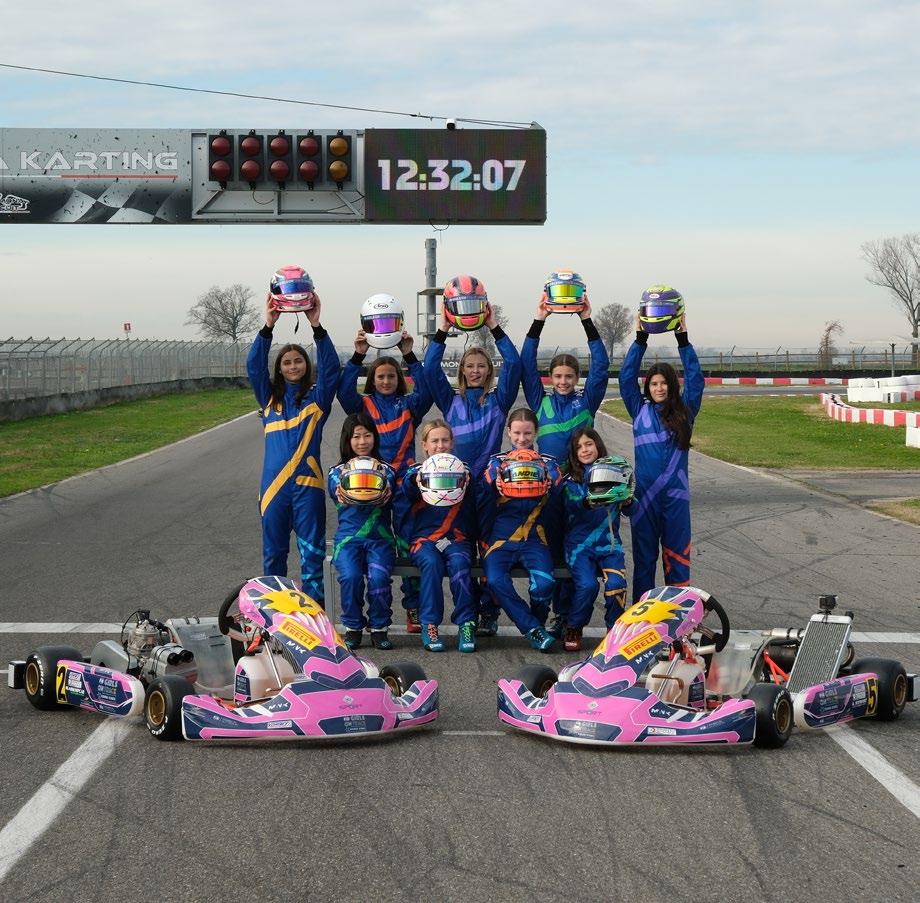
FIA GIRLS ON TRACK
RISING STARS JUNIOR PROGRAMME
The FIA Girls on Track Rising Star Junior Programme is designed to identify and nurture the most promising young female racing talent aged 11 to 14, providing a structured pathway toward a professional motor sport career.
Following a one-year pause in 2024, the programme resumed in 2025 with a strengthened selection process and a renewed emphasis on global representation. A regional quota system was introduced to increase geographic diversity among finalists, ensuring that each FIA Region was represented in the final selection.
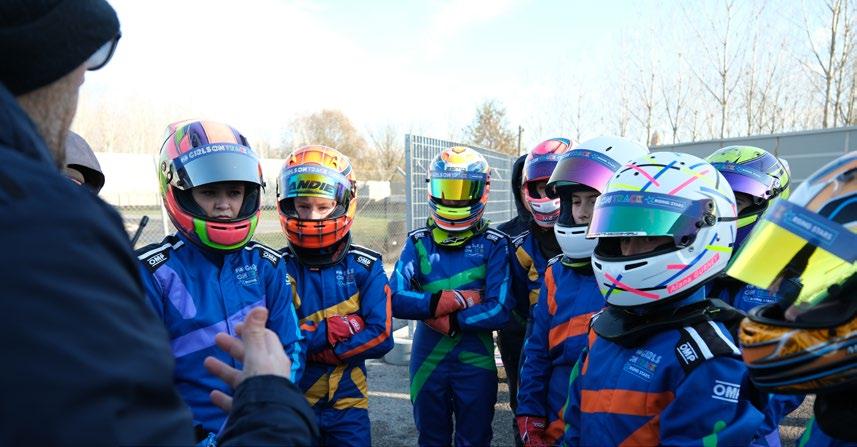
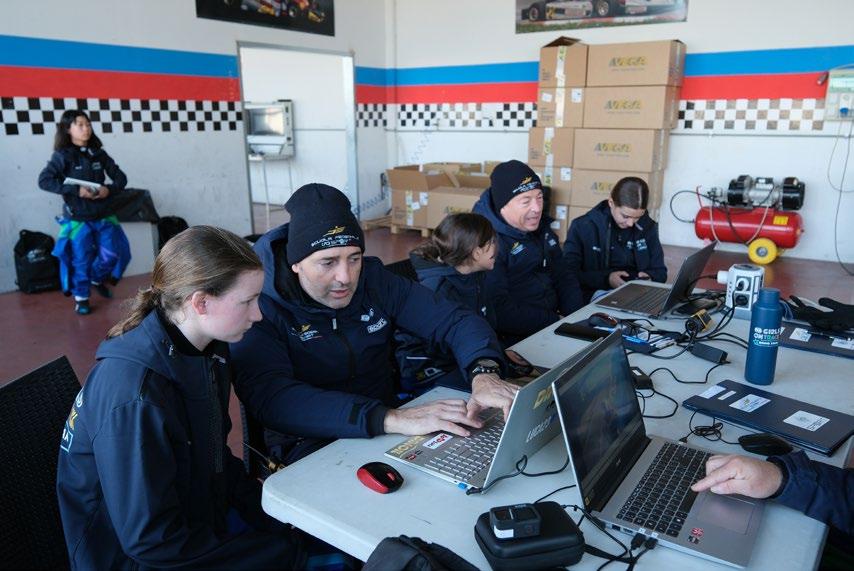
After a global talent search among drivers competing in national karting championships, Nine young drivers were invited to participate in a four-day Juniors Training Camp held at Cremona Circuit in Italy, delivered in collaboration with ACI Scuola Federale.
This training camp created an accelerated high-performance environment combining physical and mental performance assessments, on-track training, technical workshops, psychological evaluation, and media training. Drivers also received detailed feedback and performance analysis to support their continued development.
At the end of the programme, the most promising driver was selected to represent the FIA Women in Motorsport Commission in an FIA Karting Championship during the 2026 International Karting season. The remaining finalists joined a structured “Talent Capsule” development programme providing ongoing career support, performance monitoring, and access to future development opportunities.
KEY HIGHLIGHTS 2025
Age group: 11 to 14 years.
Nine drivers selected for the Juniors Training Camp.
One driver chosen to compete in an FIA Karting Championship in 2026.
All FIA Regions were represented through the regional quota system.
Four-day training camp at Cremona Circuit, Italy.
Three strategic partners: ACI Scuola Federale, Pirelli, OMP Racing Force.
FIA WOMEN IN MOTORSPORT
MENTORING PROGRAMME
Launched in 2024, the FIA Women in Motorsport Mentoring Programme is a global career development initiative designed to connect women across the motor sport industry with experienced mentors.
Powered by the OneUpOneDown mentoring platform, the programme matches mentors and mentees across multiple sectors of the sport, including sporting operations, engineering, media, medical services, and leadership roles. The initiative supports the FIA’s long-term objective of strengthening the female leadership pipeline within motor sport.
The programme expanded significantly in 2025, growing to a global community of more than 430 members across 77 countries. The platform facilitated hundreds of successful mentor-mentee matches, delivering more than 600 hours of structured mentorship.
Participant feedback demonstrates the programme’s strong impact. High levels of trust and satisfaction were reported among both mentors and mentees, reflecting the value of structured guidance, professional networks, and shared experience in supporting career development.
Through these global mentoring relationships, the programme continues to build a supportive international network of women working across motor sport.
KEY HIGHLIGHTS 2025
433 participants across the programme community.
77 countries represented globally.
589 successful mentor–mentee matches.
672+ hours of mentorship delivered.
90% participant satisfaction rate.
FIA DISABILITY AND ACCESSIBILITY
MENTORING PROGRAMME
In 2025, the FIA launched the Disability and Accessibility Mentoring Programme, designed to support disabled individuals pursuing careers and participation within motor sport.
Delivered through the OneUpOneDown mentorship platform, the programme connects less experienced participants with mentors who can provide guidance, support, and industry insight. Matches are based on career interests, skills, and accessibility needs, ensuring that relationships are both relevant and productive.
During its inaugural year, the programme attracted 64 participants from 22 countries across a wide range of motor sport roles including competitors, engineers, officials, and administrators.
Through structured mentoring relationships, participants were able to expand professional networks, develop skills, and gain confidence in navigating career pathways within the sport.
The initiative forms part of the FIA’s broader commitment to ensuring disabled participants are supported at every stage of their motor sport journey.
KEY HIGHLIGHTS 2025
64 participants involved in the inaugural programme.
22 countries represented across the FIA community.
85 successful mentorship matches completed.
272+ hours of mentorship delivered.
78% onboarding completion rate.
74% overall participant satisfaction.
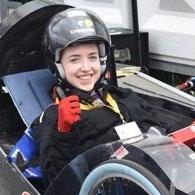
FIA GRADUATE PATHWAY ROTATIONAL PROGRAMME
The FIA Graduate Pathway Rotational Programme was introduced in 2025 to strengthen professional development across the FIA network and provide emerging talent with hands-on experience within the organisation.
Launched during the FIA General Assemblies in Uzbekistan, the programme offers structured rotational placements across multiple FIA departments and operational areas, including sporting operations, mobility programmes, and governance functions.
Through cross-departmental assignments, participants gain practical experience, develop a broader understanding of FIA operations, and build relationships across the organisation. The programme also encourages knowledge sharing and collaboration across the FIA network.
In 2026, we will have selected one participant to join the FIA for a 12 month placement, gaining experience across different areas of the organisation.
By developing skilled professionals with cross-functional expertise, the programme contributes to strengthening the FIA’s future capability.
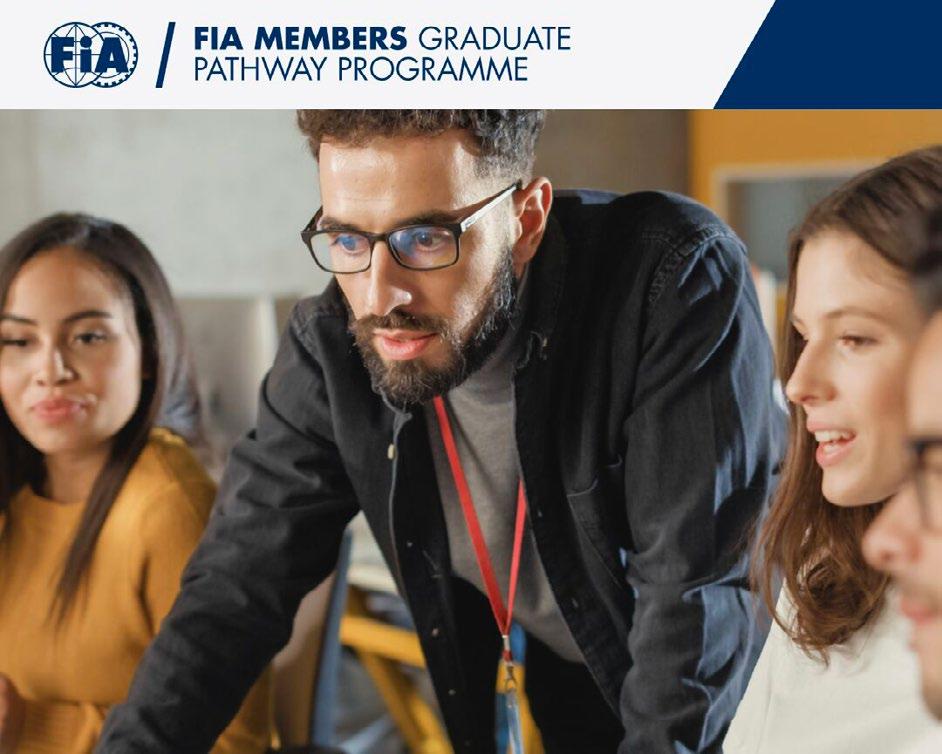
FIA DISABILITY AND ACCESSIBILITY
CERTIFICATE OF ADAPTATIONS
The FIA Certificate of Adaptations (COA) enables disabled drivers to compete safely and fairly in international motor sport, confirming that vehicle adaptations meet FIA safety standards and comply with the International Sporting Code. A COA is required for international competitions listed on the FIA Sporting Calendar or where specified in championship regulations.
In 2025, the FIA approved six new certificates and two renewals, supporting drivers from the United States, Kenya, Turkey, Belgium, Spain, and Sweden across disciplines including rally, off-road, GT, and rallycross.
The FIA also reviewed and updated COA guidance during the year, with revisions taking effect from January 2026 to improve clarity and operational efficiency while maintaining safety standards.
Through the continued development of the COA framework, the FIA seeks to balance accessibility with safety and sporting equity, ensuring disabled drivers can compete at the highest levels of international motor sport.
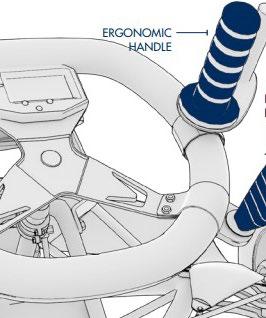
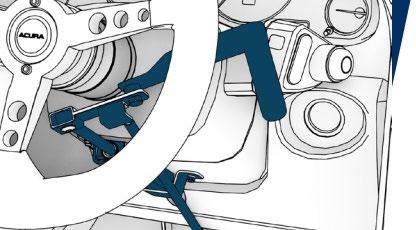
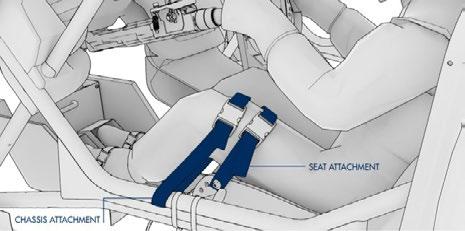
KEY HIGHLIGHTS 2025
Six new Certificate of Adaptations approved. Two certificate renewals issued.
Drivers from six countries supported.
Certificates issued across four disciplines: Rally, Off-Road, GT, and Rallycross.
Updated COA guidance introduced, effective January 2026.
MOTOR SPORT IN A BOX
In 2025, the FIA strengthened its support for grassroots motor sport through practical tools and initiatives designed to widen participation and build local capability across its global network.
At the centre of this is Motor Sport in a Box, the FIA’s low-cost toolkit enabling Member Clubs around the world to organise accessible, low-cost motor sport events, where competitors can use their own standard road vehicles.
Proven to be an effective entry point in regions with limited infrastructure, the initiative lowers barriers to participation and makes motor sport more visible at the community level. A significant upgrade was announced in 2025, with timekeeping equipment to be introduced from 2026, improving event quality while enabling more structured grassroots competition.
Its impact is already visible. In the Cayman Islands, local clubs have used the toolkit to transform public spaces into safe, inclusive competition environments, creating opportunities for first-time participants and broadening the range of people engaging with the sport.
Following evaluation, 10 projects were approved for implementation in 2025. These included Motor Sport in a Box initiatives in Tanzania and North Macedonia, supporting the development of grassroots motor sport capabilities within local FIA Member Club communities.
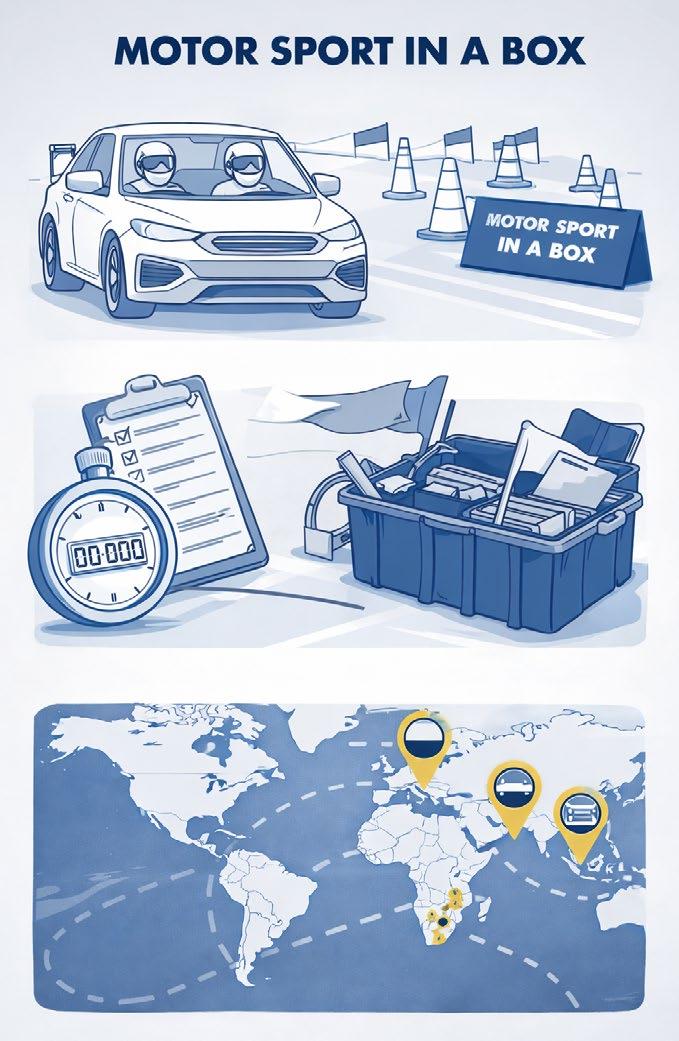
FIA AFFORDABLE CROSS CAR PROJECT
The FIA Affordable Cross Car Project is a grassroots initiative, designed as a practical model for expanding the development of accessible entry points into motor sport, by promoting cost-effective vehicle construction platforms and competition formats.
The project aims to strengthen the pathway from grassroots participation to higher levels of competition, while supporting local skills development and manufacturing capability, ensuring that opportunity in motor sport is not defined by geography or resources, but by potential.
The initiative provides Member Clubs with blueprints containing comprehensive manufacturing, assembly, purchasing, consulting, and setup documents, enabling them to construct Cross Cars using locally-sourced materials.
Following its unveiling in Kigali in 2024, the project moved into implementation across multiple regions:
At Safari Rally Kenya, it was showcased on a national stage, where a car built in just one month by students at IPRC Polytechnic demonstrated the potential for local production at a target price of $5,000.
In India, plans are underway for a national Affordable Cross Car Championship, supported by locally developed vehicles and emerging technical frameworks.
In Sri Lanka, the project has been adopted as a foundation for off-road development, enabling both entry-level participation and progression into competitive racing.
In 2025, Cross Car initiatives were approved through the FIA President’s Development Fund in Armenia, Georgia, Peru, and Egypt, supporting the introduction of affordable motor sport pathways and strengthening grassroots participation in these regions.
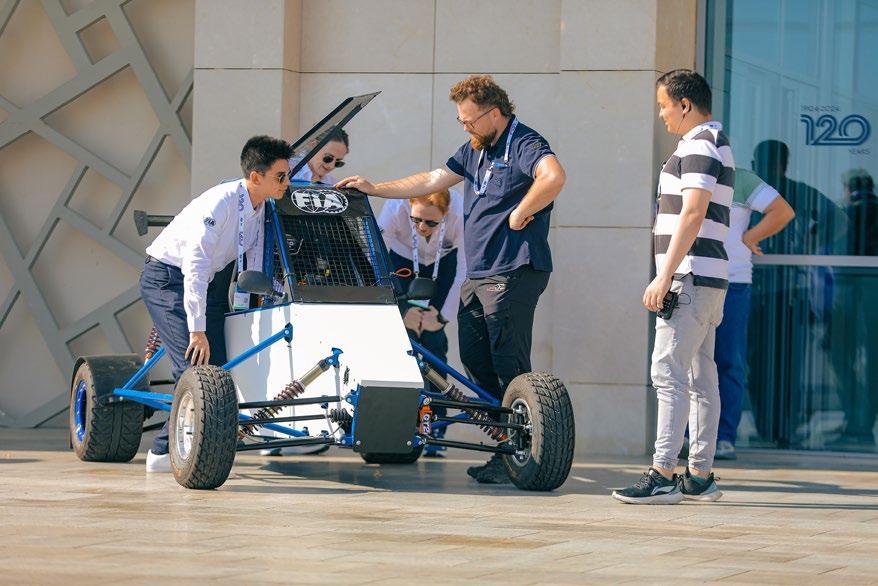
SUPPORTING PROGRESSION
Supporting the progression of talented individuals focuses on what happens next, ensuring that those who have entered the industry have the support, networks, and opportunities they need to develop and advance.
Across scholarships, competitive pathways, professional networks, and accessibility initiatives, the FIA works with ASNs, championship promoters, teams, and industry partners to support long-term progression.
These initiatives expand access to FIA championships and international competition and ensure that individuals from diverse backgrounds are supported as they move through the sport.
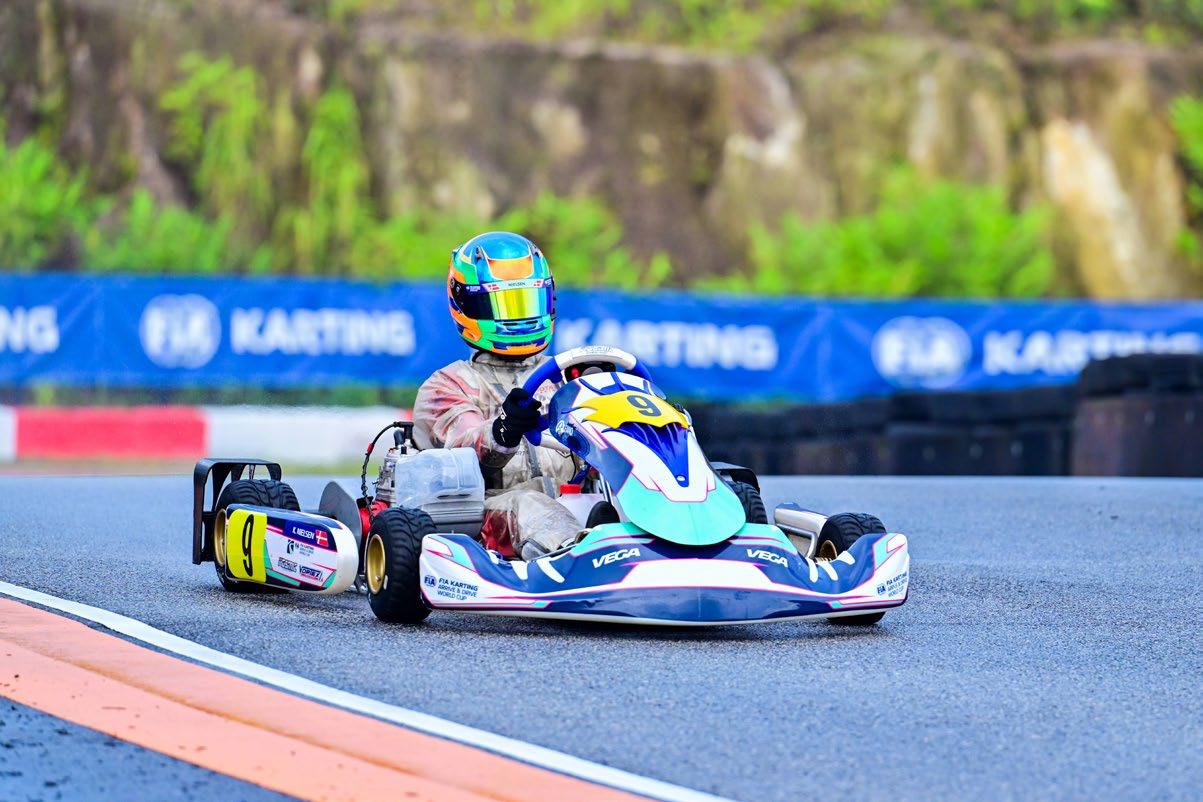
FIA CIK ACADEMY TROPHY
WOMEN IN MOTORSPORT REPRESENTATION
The FIA Karting Academy Trophy provides one of the most recognised international development platforms for young racing drivers, bringing together competitors from more than 40 countries to race identical karts and compete on equal terms.
In 2025, the FIA Women in Motorsport Commission supported two female drivers to compete in the Academy Trophy, representing both the Junior and newly introduced Senior categories. The initiative forms part of the Commission’s wider commitment to strengthening female representation across the karting development pathway. Emma-Rose Dowling of South Africa competed in the
OK-Junior category, an FIA karting class for emerging junior drivers, building on strong results in national championships and international series. Eva Dorrestijn of the Netherlands competed in the inaugural Senior category of the FIA Karting Academy Trophy, having previously been a finalist in the FIA Girls on Track Rising Stars programme.
By supporting female drivers in this globally recognised development series, the FIA continues to expand opportunities for talented young drivers to compete on the international stage and progress their motor sport careers.
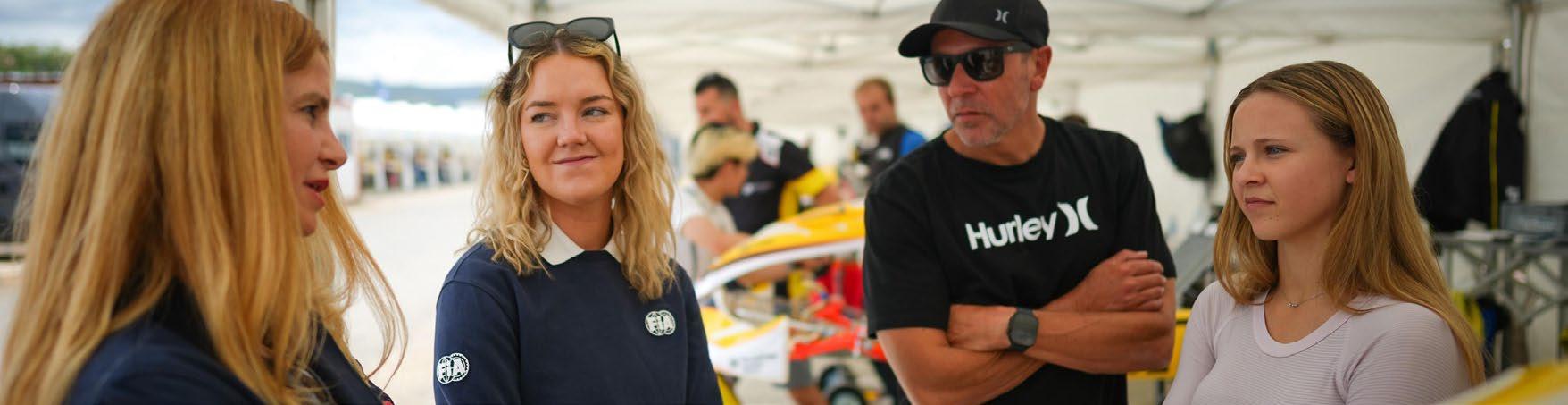
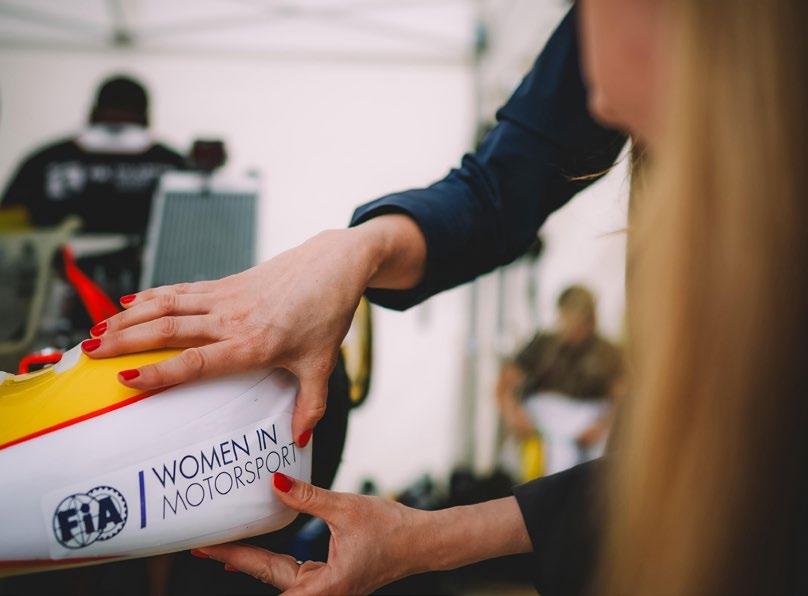
KEY HIGHLIGHTS 2025
Two drivers supported by the FIA Women in Motorsport Commission.
Representation across both Junior and Senior Academy categories.
Drivers competing on identical karts under the CIK-FIA Academy Trophy format.
Global competition involving drivers from more than 40 countries.
FIA KARTING ARRIVE & DRIVE WORLD CUP
In November 2025, the inaugural FIA Karting Arrive & Drive World Cup took place at the LYL International Circuit in Malaysia, marking an important milestone in the FIA’s Global Karting Plan to widen access to grassroots motor sport.
The event brought together 107 competitors from 50 nations across Junior and Senior categories, competing on identical karts supplied by the OTK Group. By using identical karts, the format reduces financial barriers and places greater emphasis on driver ability.
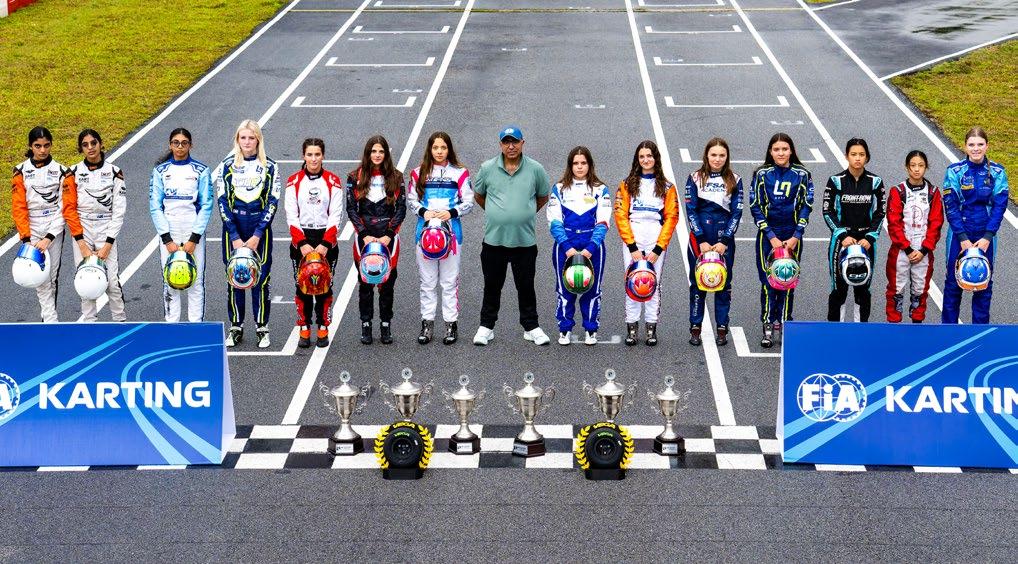
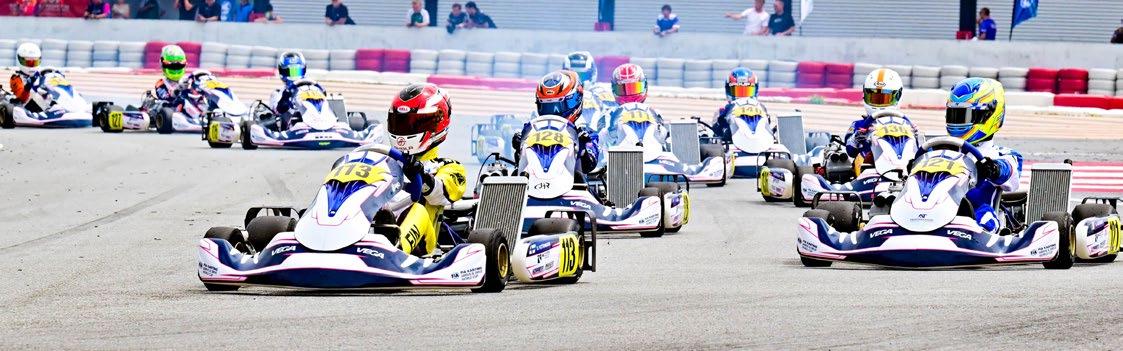
As part of the FIA Women in Motorsport Commission’s efforts to expand competitive opportunities for female drivers, two drivers were nominated and supported to compete in the event: Léonie Her (France) in the Junior category and Naomi Garcia (Trinidad and Tobago) in the Senior category. They joined a wider group of female drivers entered by their respective National Sporting Authorities, creating a total of 15 girls on the grid, the highest female participation recorded in an FIA Karting World Cup event.
KEY HIGHLIGHTS 2025
107 competitors from 50 nations.
15 female drivers on the grid, a record for FIA karting competition.
All drivers received support from the FIA Women in Motorsport Commission, with two fully funded and the remaining drivers receiving partial financial support.
Identical karts supplied by OTK Group to ensure equal competition.
FIA MOTOR SPORT ENGINEERING SCHOLARSHIP
CRANFIELD UNIVERSITY
The FIA Motorsport Engineering Scholarship supports talented students worldwide to pursue advanced engineering education and develop careers in motor sport.
Delivered through the FIA University in partnership with Cranfield University, the scholarship provides full support for students undertaking the Master of Science qualification in Advanced Motor Sport Mechatronics, covering the design, testing, and operation of competition vehicles alongside the management and technical skills required in professional motor sport.
The scholarship covers tuition fees, accommodation, living costs, and travel to the UK, ensuring financial barriers do not prevent talented candidates from accessing advanced education. Graduates are also offered an FIA internship, providing practical experience within the global governing body.
Sanya Jain, who is 23 years old and from India, was awarded the scholarship for 2025/26. She hopes to contribute to engineering innovation while promoting inclusion, safety, and sustainability within the sport.
“This scholarship gives me the chance to contribute to a sport I love at a time when performance, innovation, and environmental responsibility must go hand-in-hand. It opens up a future where I can help the industry accelerate its transition to a more inclusive and sustainable motor sport ecosystem.”
Sanya Jain, FIA Motor Sport Engineering Scholar
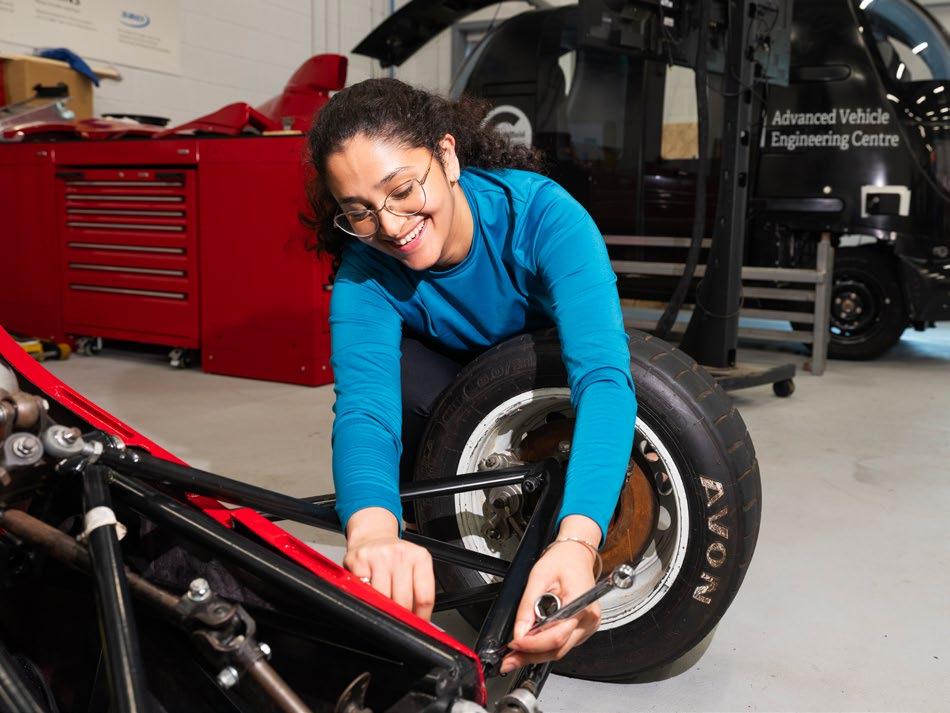
FIA WOMEN IN MOTORSPORT
CONNECTING THE FIA ECOSYSTEM
In 2025, the FIA Women in Motorsport Commission hosted its annual Networking Event during the 24 Hours of Le Mans, hosted at the FIA World Endurance Championship, bringing together teams, manufacturers, National Sporting Authorities, championship promoters, industry professionals, and FIA staff.
With more than 150 attendees, the 2025 edition recorded the highest participation in the event’s history.
A moderated panel discussion featuring female professionals highlighted career journeys and leadership perspectives across the industry. The event also welcomed local school classes aged six to 12 years, reflecting the Commission’s long-term objective of inspiring future generations to explore careers in motor sport.
By uniting stakeholders from across the industry, the event strengthens professional networks and increases the visibility of women in motor sport. The second edition of the FIA WIM Mentoring Programme was also launched at the event.
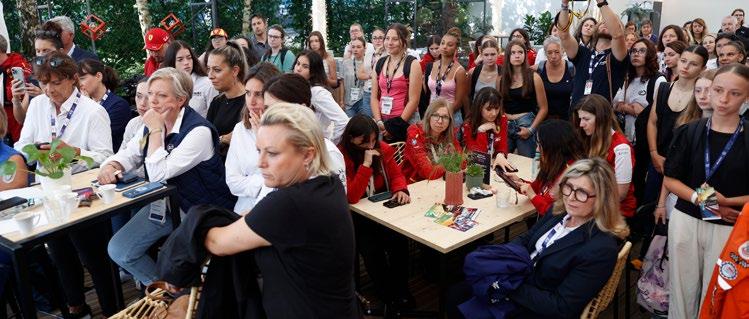

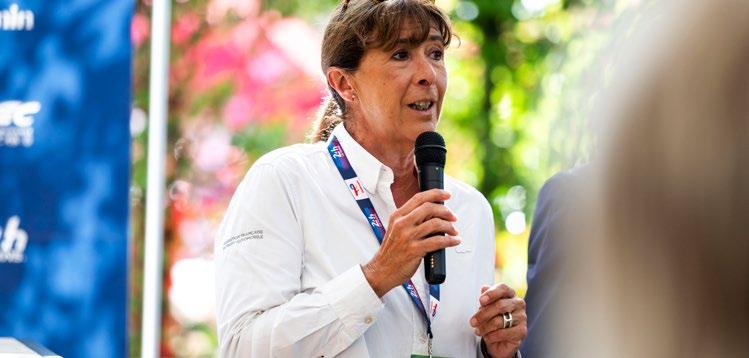
KEY HIGHLIGHTS 2025
150+ attendees, the events highest participation.
Representation from teams, manufacturers, ASNs, and promoters.
Three female guest speakers and professional moderation.
Participation from local school students aged six to 12.
FIA GIRLS ON TRACK
CASE STUDY: BRAZIL ASN IMPLEMENTATION
Brazil has become one of the most advanced national models of the FIA Girls on Track platform, led by the Women in Motorsport Commission of the Brazilian Automobile Confederation (CBA).
In 2025, the programme evolved into a structured national platform operating through five strategic pillars:
Internship
Karting Selection
Immersion
Esports
Student Experiences at Brazilian championship events
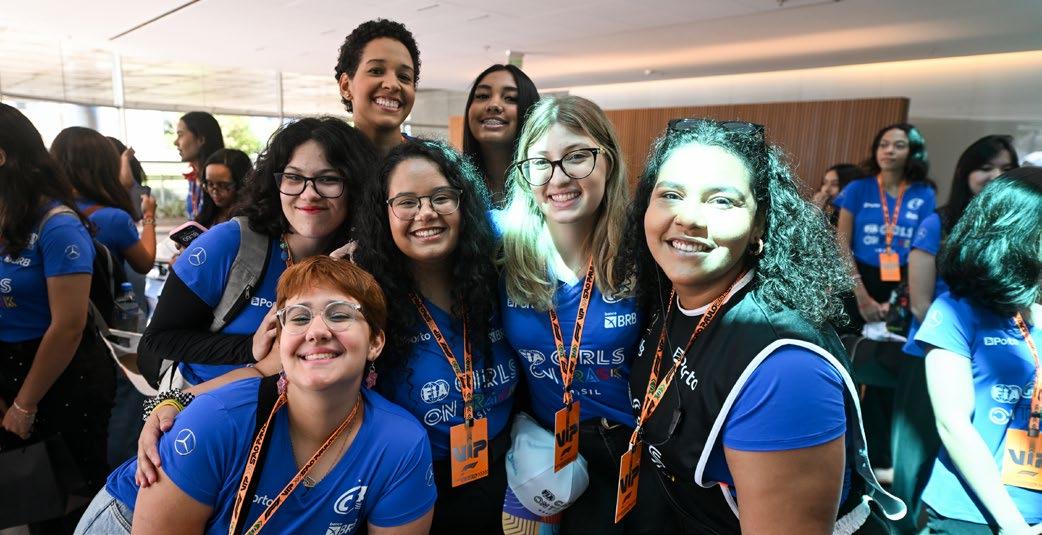
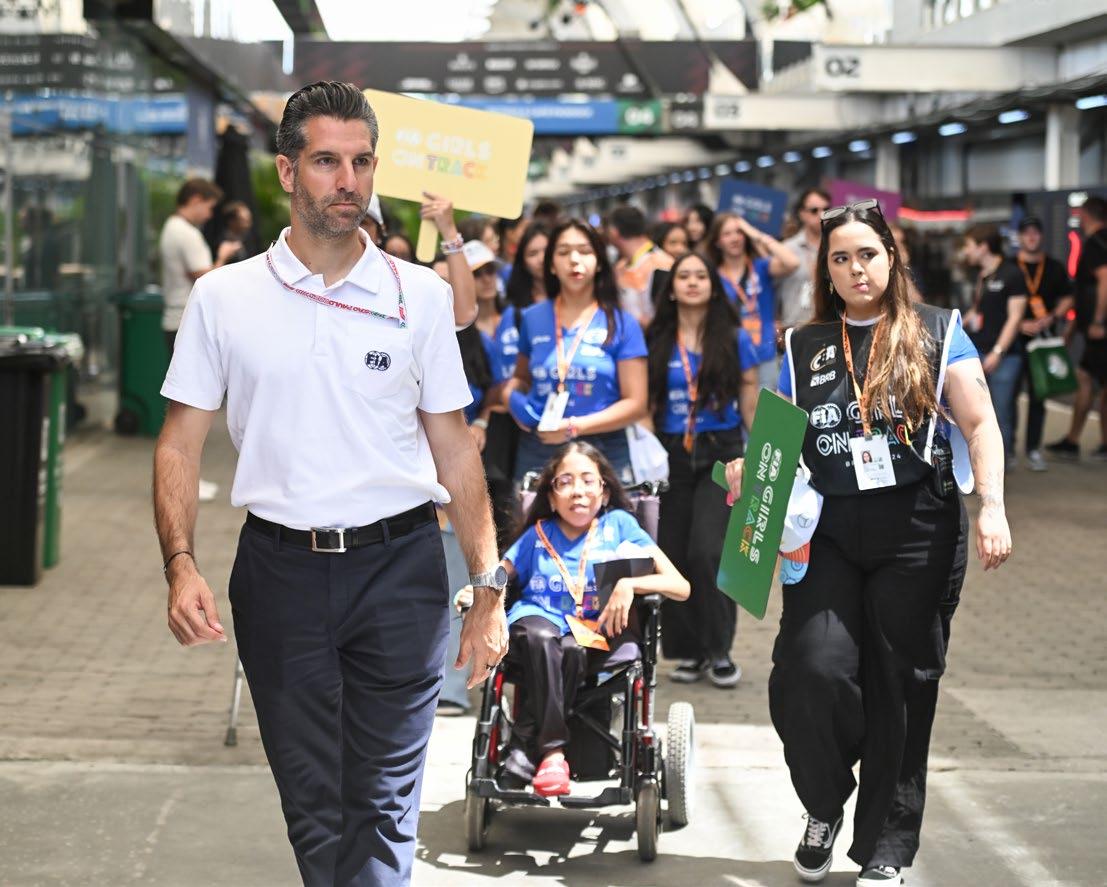
BRAZIL ASN IMPLEMENTATION SNAPSHOT 2025
REACH & GROWTH
745 applications to the motor sport internship programme.
IMPACT
2,985 applications to the Women in Motorsport Immersion educational programme.
31
drivers participated in the national FIA Girls on Track karting selection.
+338%
growth in applications since the programme launched in 2023.
50 women participated in internships across major Brazilian championships.
ROLES
INCLUDED mechanics, engineering, logistics, PR, and communications.
10% of participants have entered the motor sport industry professionally.
Internship
The Internship initiative places young women within professional race teams and championships, providing hands-on experience across engineering, mechanics, logistics, and communications. Delivered across leading Brazilian series including Porsche Cup Brazil, Stock Car, and Copa Truck, the programme received 745 applications in 2025, with around 10% of participants progressing into professional roles since launch.
Immersion
The Immersion initiative offers a free online platform covering data analysis, engineering, sponsorship, and journalism, attracting 2,985 applications in 2025 and widening access to motor sport knowledge across Brazil.
Karting Selection
The Karting Selection programme supports g rassroots female driving talent through funding, championship entry, and professional testing. In 2025, 31 drivers took part, with several progressing into categories including TCR South America and Turismo Nacional.
Esports
Brazil’s first all-women FIA Girls on Track Esports Championship launched in 2025, receiving 80 applications, with 15 drivers competing across six international rounds.
Student Experience
FIA Girls on Track and FIA CareerShift Student Experience activations were delivered at the World Endurance Championship, Formula E and the Formula 1 São Paulo Grand Prix, engaging hundreds of participants across STEM, media, safety, and event operations.
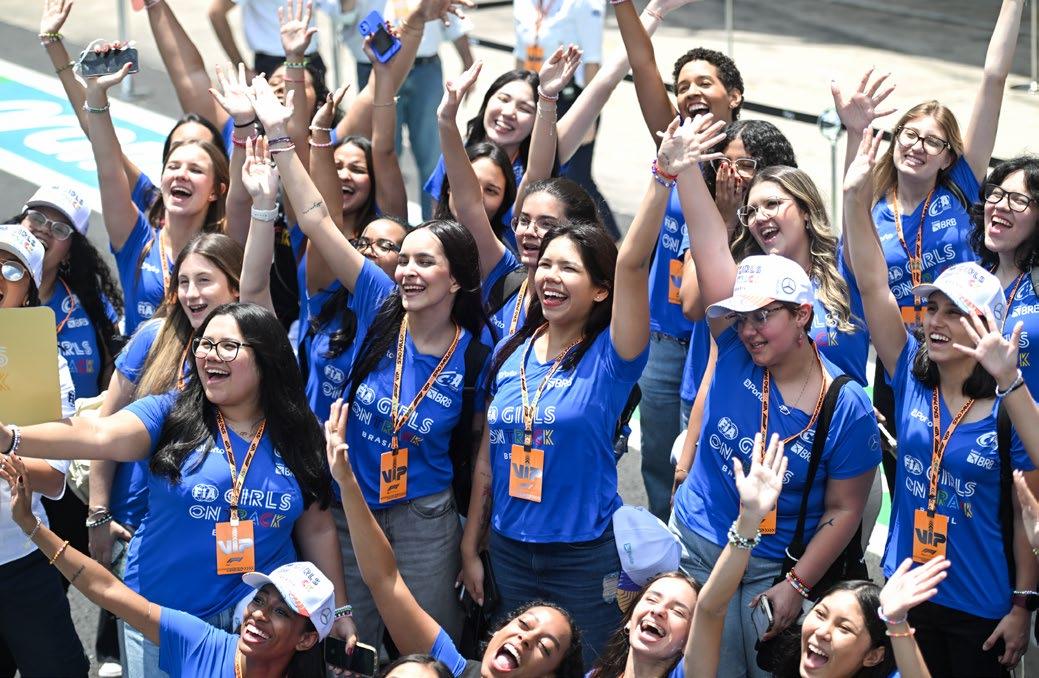
Brazil’s implementation illustrates how national programmes can translate the FIA Girls on Track framework into practical pathways for participation, skills development, and career progression.
NIKHIL SACHANIA: DRIVING CHANGE IN
RALLY AND OFF-ROAD
MOTOR SPORT
CASE STUDY: FROM COMPETITOR TO ADVOCATE
Kenyan rally driver Nikhil Sachania has become one of Africa’s most successful disabled competitors since beginning his rally career in 2014, following a life-changing accident that left him paraplegic.
Over the past decade, he has claimed multiple national rally titles and secured a landmark victory in the WRC3 category at the 2024 Safari Rally in Kenya. He was also named ‘Motor Sport Personality of the Year’ by the Kenya Motor Sports Federation.
In 2025, Nikhil joined the FIA Disability and Accessibility Commission, bringing his experience as both a competitor and advocate to the development of more inclusive sporting regulations.
Drawing on his experience, he has helped shape practical measures to improve accessibility for disabled drivers and co-drivers, including greater flexibility in parc fermé and service areas, provision for mobility equipment, and clearer procedures during red flags or race delays.
Through his work on the Commission, Nikhil is helping ensure that motor sport regulations reflect the realities faced by disabled competitors while maintaining fairness and competitive integrity.
His career demonstrates how inclusive pathways in motor sport can enable both sporting success and leadership in shaping a more accessible future for the sport.
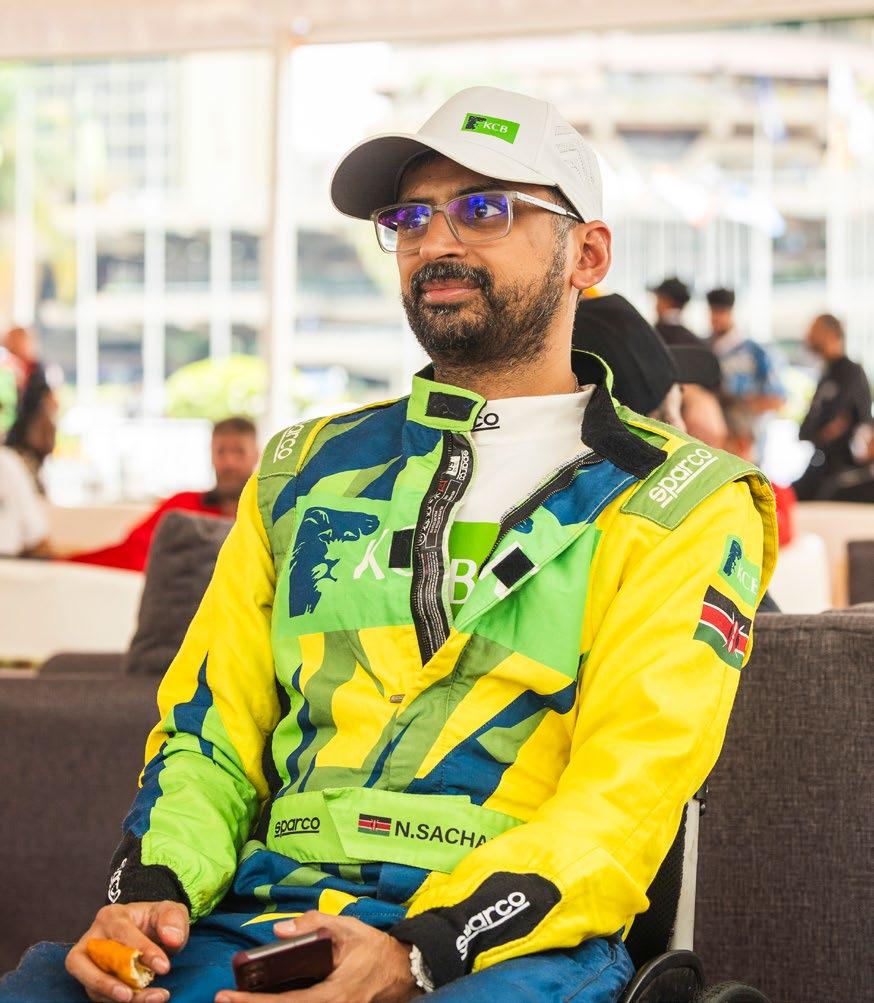
SHAPING THE FUTURE
Creating and supporting opportunities within motor sport is only part of building a more inclusive and accessible industry. Equally important is shaping the systems, policies, and conversations that will influence the future of motor sport and global mobility.
Through leadership, international collaboration, and advocacy, the FIA works with Member Clubs, policymakers, academic partners, and industry stakeholders to address structural barriers, promote inclusive mobility and strengthen protections for participants across the sport.
In 2025, these efforts continued through initiatives focused on disability inclusion, digital safety, global mobility access, and women in motor sport advocacy.
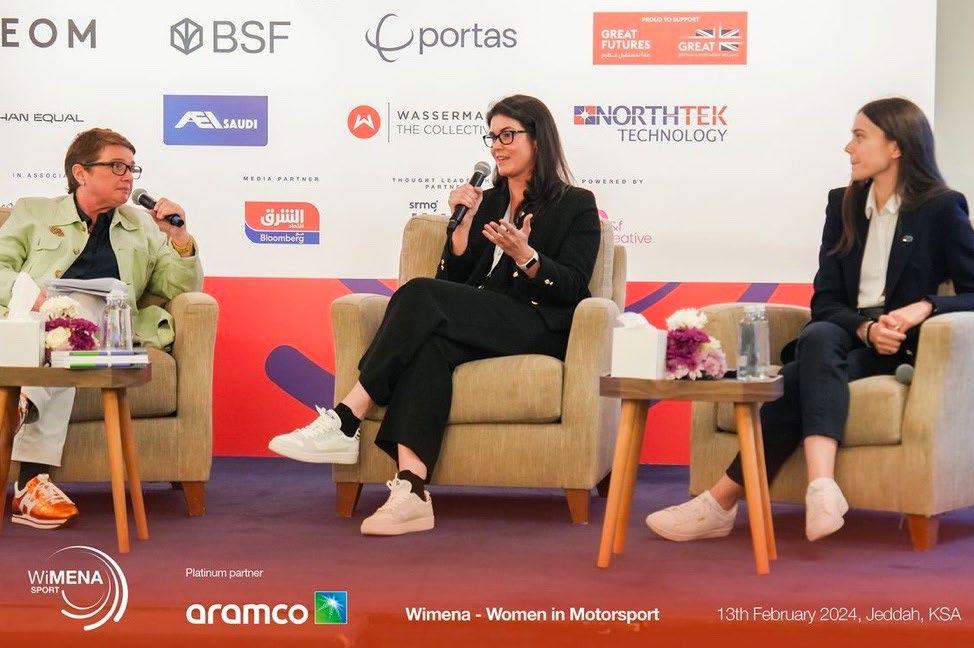
FIA SPORT DISABILITY AND ACCESSIBILITY COMMISSION
The FIA Sport Disability and Accessibility Commission, established in 2018, provides the strategic framework that shapes global efforts to increase the participation and representation of disabled people across all areas of motor sport.
In 2025, key activities included contributing to the development of the FIA Certificate of Adaptations framework, supporting the launch of the FIA Disability and Accessibility Mentoring Programme and leading discussions on inclusive competition during FIA Safety Week.
Through guidance, advocacy, and collaboration with stakeholders across the FIA network, the Commission helps ensure that accessibility considerations are reflected in the practical delivery of motor sport events and regulations, supporting pathways for disabled competitors, officials, and volunteers at grassroots, national, and international levels.
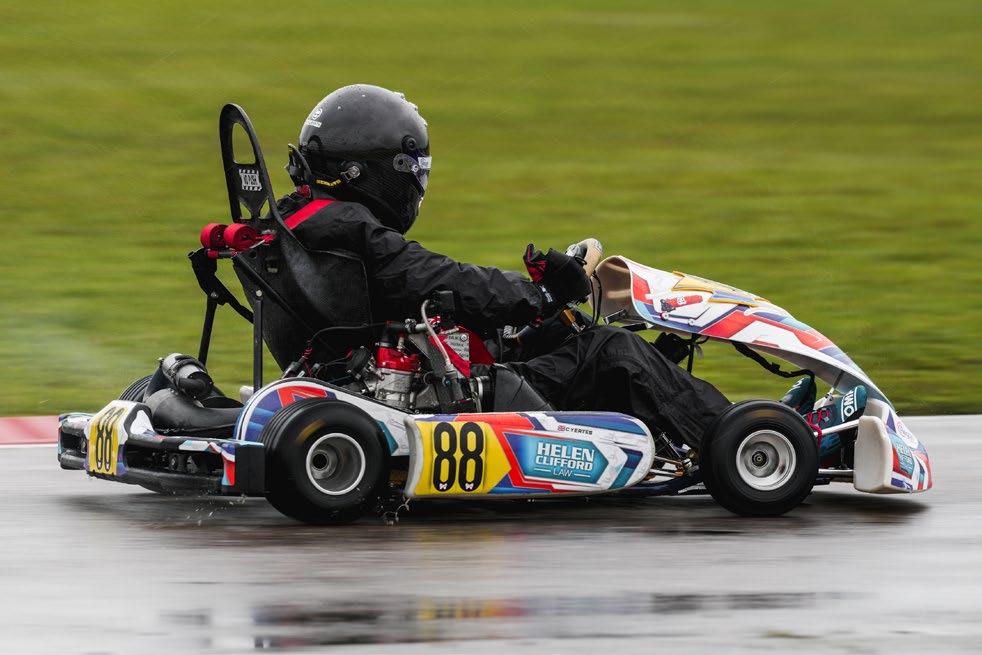
“In 2025, the Commission continued to work with FIA Member Clubs (ASNs), championship promoters, technical departments, and event venues to embed accessibility considerations within sporting regulations, technical standards, and event operations.”
Nathalie McGloin, FIA Disability and Accessibility Commission President
FIA SAFETY WEEK 2025
EMPOWERING DISABLED MOTOR SPORT SEMINAR
As part of FIA Safety Week 2025, the FIA Disability and Accessibility Commission delivered a seminar on Empowering Disabled Motor Sport. The session focused on advancing inclusion, safety, and participation for disabled people across global motor sport.
It brought together competitors, National Sporting Authorities, promoters, clubs, and industry specialists to explore both the structural and practical measures required to remove barriers to participation.
The seminar provided insight into the FIA’s strategic approach to disability inclusion. Contributions from the FIA Technical and Safety Team, FIA Esports, Motor Sport UK, and technical experts ensured perspectives from governance, regulation, technology, and lived experience were represented.
A central theme of the discussion was the role of accessible E-sports in widening participation.
Adaptive technologies, flexible simulator design, and inclusive competition formats are enabling disabled participants to compete at high levels of virtual motor sport while developing transferable skills and professional networks.
The seminar also marked the launch of the FIA Disability and Accessibility Mentoring Programme and provided guidance on the FIA Certificate of Adaptations process, helping drivers, teams, and ASNs better understand the regulatory framework that supports accessible competition.
Together, these discussions reinforced that accessibility is a core component of safe, fair, and future-focused motor sport.
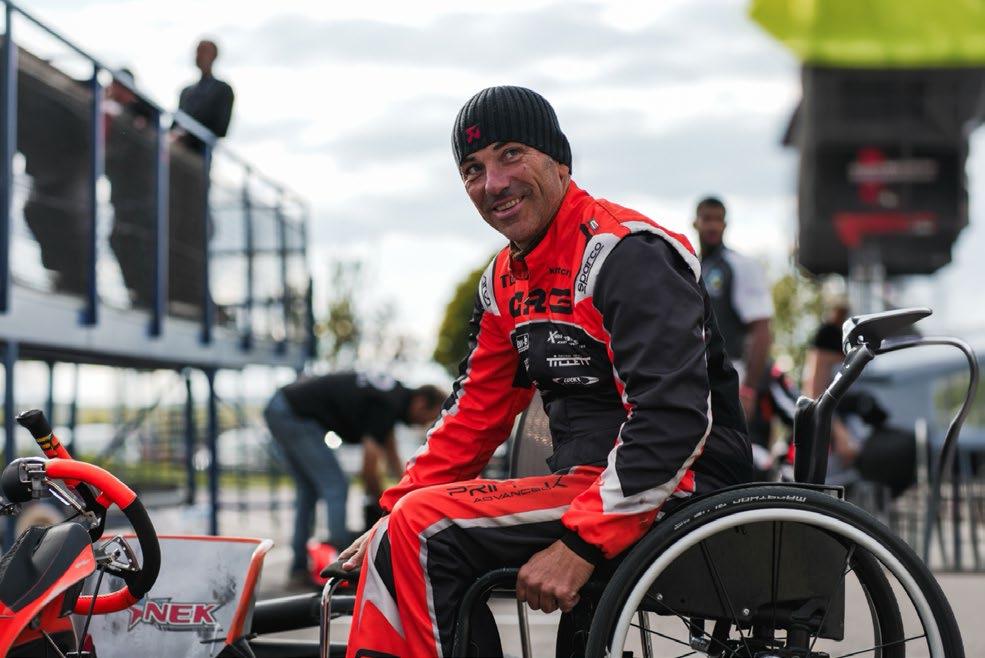

FIA DISABLED MOTORING WEBSITE
Globally, one in six people live with a disability, with transportation estimated to be 15 times more inaccessible and unaffordable than those without disabilities.
The FIA Disabled Motoring Website, developed in collaboration with the International Transport Forum (ITF), supports improved mobility, accessibility, and participation for disabled people in both motor sport and everyday travel.
Launched in 2021, the platform provides international information to support disabled drivers navigating cross-border mobility and accessing motor sport opportunities. Following an update in December 2024, the website now includes expanded accessibility content and motor sport-specific guidance.
In 2025, the platform reached more than 49,000 users across 159 countries. It also received almost 400 direct enquiries from disabled drivers seeking advice on parking permits, vehicle adaptations, and pathways into motor sport.
As part of this collaboration, the FIA hosted a joint webinar on 3 December 2025 to mark the International Day of Persons with Disabilities, bringing together experts from transport policy, mobility, and motor sport to explore how accessible transport systems can expand participation.
Through the continued development of the platform and its associated activities, the FIA is strengthening access to information, improving cross-border mobility, and supporting greater participation for disabled people globally.
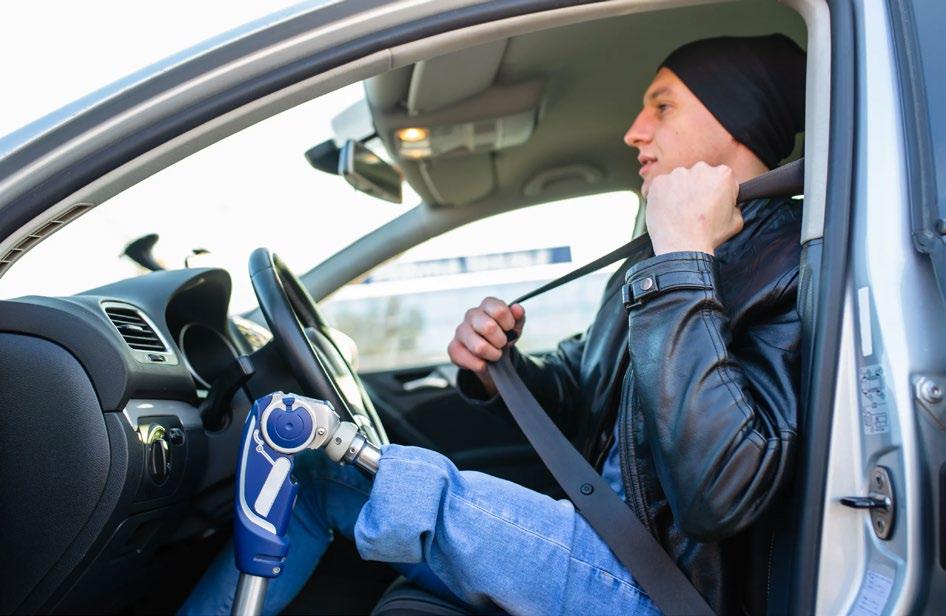
KEY HIGHLIGHTS 2025
49,000+ users accessed the website worldwide.
Visitors from 159 countries.
17,000 users referred via external websites.
8,500 users accessed the platform via search engines.
Almost 400 direct enquiries received from disabled drivers.
FIA WOMEN IN MOTORSPORT COMMISSION
The FIA Women in Motorsport Commission, established in 2009, addresses systemic barriers to female participation across motor sport, supporting greater access and progression at all levels of the industry. Its initiatives focus on mentoring, networking, industry exposure, and programmes embedded within sporting events.
In 2025, the FIA Girls on Track programme was implemented across multiple FIA World Championship events, providing young women with direct exposure to the professional motor sport environment and access to role models and career pathways.
Brazil has emerged as one of the most advanced national models, integrating the programme across all domestic championships and demonstrating its scalability across a national racing ecosystem.
The Women in Motorsport Mentoring Programme continued to expand, supporting career development while strengthening an international network.
Through education, advocacy and collaboration with FIA World Championships and Member Clubs, the Commission is enabling more accessible pathways into motor sport, strengthening representation, and supporting long-term career progression.
LEADERSHIP & ADVOCACY
In 2025, the FIA Women in Motorsport Commission contributed to international dialogue on diversity and inclusion through industry conferences, public forums, and collaborative events. These engagements help strengthen connections across motor sport organisations, policymakers, and education partners, while raising awareness of opportunities for women across the sport.
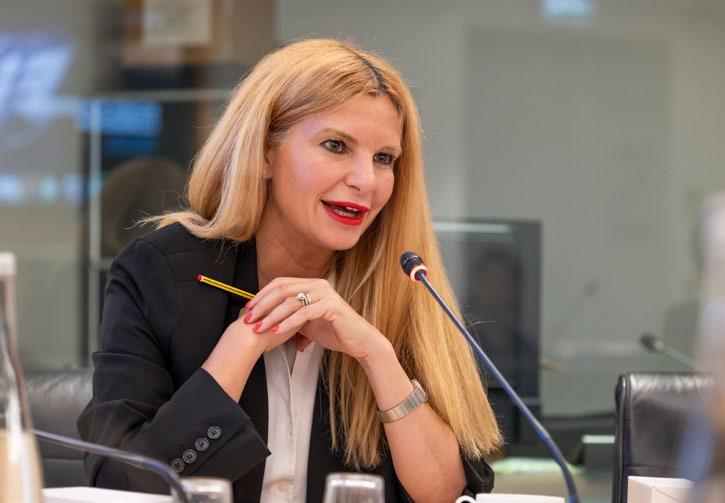
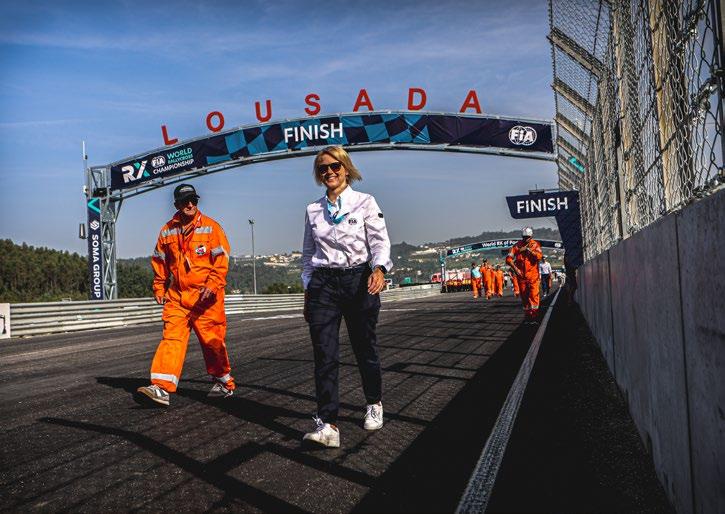
UNITED AGAINST ONLINE ABUSE (UAOA)
United Against Online Abuse (UAOA) , the FIA-led global coalition, was founded by H.E. Mohammed Ben Sulayem, President of the FIA, in 2023 to address online abuse in sport. The coalition continued to expand its influence and engagement across the motor sport community and wider sporting ecosystem in 2025, welcoming over 10 new endorsements from across sport, academia, technology, and government, and bringing the total to over 70 partners.
During the inaugural FIA Officials Summit in Madrid, UAOA engaged more than 200 international and regional stewards and surveyed over 150 officials to better understand their experiences of online abuse. Insights from this work are informing the development of digital literacy resources and safeguarding tools designed to support officials and volunteers.
UAOA also expanded its work with drivers and teams across the FIA’s Formula Championships. A digital literacy workshop delivered during the British Grand Prix brought together Formula 2 and Formula 3 drivers and teams to raise awareness of online abuse in sport, and to highlight the wider impact of public criticism of officials and decisions.
The initiative also published the second edition of the UAOA Online Abuse Barometer, enabling international sports Federations to track how perceptions of online abuse are evolving year to year. The research showed growing awareness of the issue and improved understanding of the different forms of abuse affecting athletes, officials, and volunteers.
In addition, the UAOA Coalition convened its second annual conference in Stockholm, bringing together stakeholders from sport, academia, technology, and government to share best practice and strengthen collaboration on tackling online abuse.
Education was a key focus in 2025, as the initiative’s ERASMUS programme commenced, co-funded by the European Union, bringing together FIA Member Clubs and academic institutions to advance research, capacity building and collaboration on online abuse. Alongside this, UAOA launched a multi-year research collaboration with the University of Notre Dame’s Lucy Family Institute for Data & Society in the United States.
Through education, research, and global collaboration, UAOA continues to position the FIA as a leader in addressing one of the most significant emerging risks facing athletes, officials, and sports organisations.
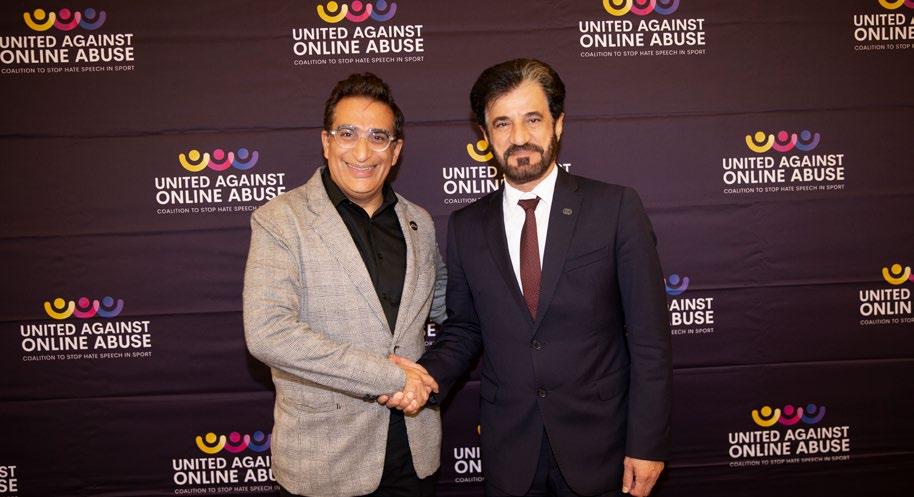
KEY HIGHLIGHTS 2025
200+ international and regional stewards engaged at the FIA Officials Summit.
150 stewards surveyed on experiences of online abuse in sport.
Digital literacy workshop delivered to FIA Formula 2 and Formula 3 drivers and teams.
Second edition of the UAOA Online Abuse Barometer published.
UAOA Coalition conference convened in Stockholm. New research collaboration launched with the University of Notre Dame’s Lucy Family Institute for Data & Society.
CELEBRATING SUCCESS
The FIA is immensely proud to have awarded the first ever FIA Women In Motorsport and Empowering Disabled Motor Sport Awards at the FIA General Assemblies week in Tashkent, Uzbekistan.
The two new awards showcase the outstanding work of FIA Member Clubs, teams, and individuals in building a more diverse, inclusive, and accessible motor sport ecosystem, through driving change on and off the track, from grassroot programmes to elite competition.
The awards received over 21 nominations overall, highlighting the strong commitment across the motor sport community to bring about positive change.
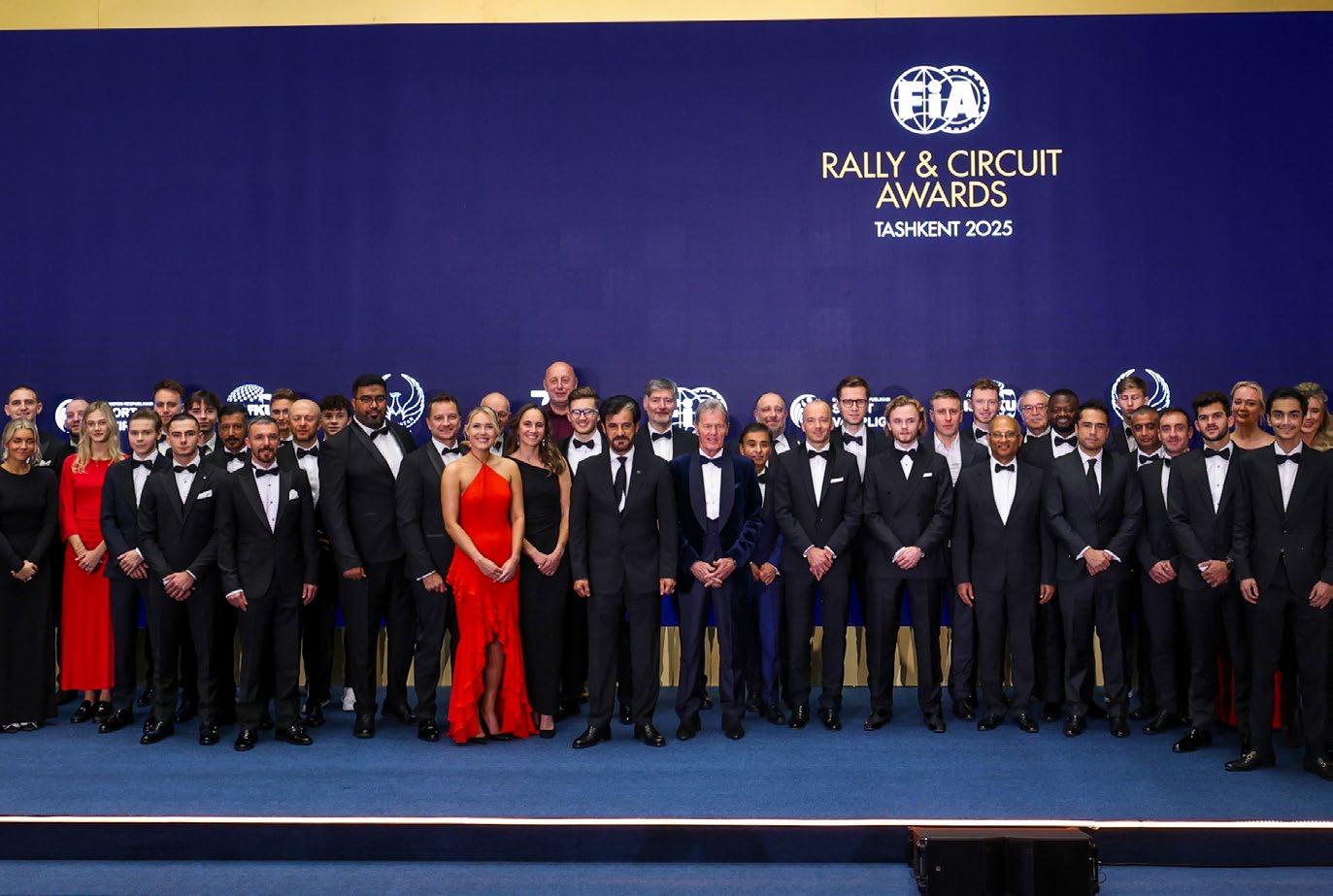
EMPOWERING DISABLED MOTOR SPORT AWARD
ADAC SÜDBAYERN
ADAC Südbayern, a German motor sport club, has developed a widely recognised programme to improve accessibility in motor sport, bringing disabled and non-disabled participants together to compete on equal terms.
The initiative began through a local partnership around the ADAC 3 Cities Rally, working with disability workshops in Lower Bavaria. It has since expanded to include partnerships with Caritas Wendelstein and gained national recognition from the German Motor Sport Federation.
In practice, the programme has introduced inclusive competition formats, including e-kart slalom events using dual joystick controls and off-road competitions through the Escalador vehicle programme. In 2023, the club also appointed a dedicated Representative for Inclusion in Motor Sport.
Much of this work has been led by Fritz Schadeck, Board Member for Youth and Sport at ADAC Südbayern, who has focused on removing barriers to participation.
In recognition of this work, the FIA awarded ADAC Südbayern the Empowering Disabled Motor Sport Award, which honours outstanding contributions to disability inclusion in motor sport.
The programme demonstrates how a regional organisation, through practical action and strong partnerships, can expand accessibility across motor sport.
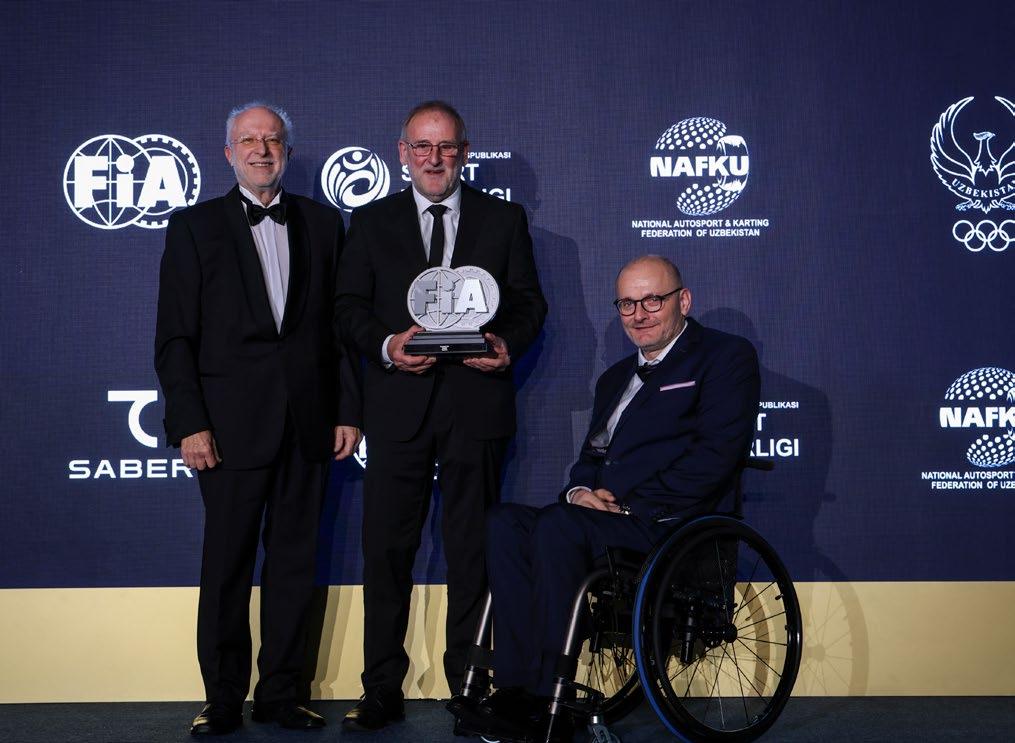
“Receiving the FIA award is an honour and a motivation to keep advancing inclusion with passion and persistence.”
Fritz Schadeck, Board Member for Youth and Sports, ADAC Südbayern
FIA WOMEN IN MOTORSPORT AWARD
ALBA HURUP LARSEN (GIRLS INTERNATIONAL RACING LAB)
KEY HIGHLIGHTS 2025
The first ever integration of female recognition frameworks within the FIA Awards.
The Award was first assigned in Tashkent (Uzbekistan) during the FIA General Assemblies Week in December 2025.
10 nominations from nine National Sporting Bodies.
Winner: Alba Hurup Larsen, from the Danish Federation.
The FIA Women in Motorsport Award recognises female role models who are expanding opportunities for women and girls across the motor sport ecosystem.
The 2025 award was presented to 17-yearold Danish 2023 FIA GOT Rising Star Senior Winner, Alba Hurup Larsen, for her Girls International Racing Lab (G.I.R.L.) initiative.
Through races, meet-ups, and mentoring sessions with Alba and other role models, the initiative builds a network that supports young girls and highlights accessible pathways into motor sport. It has already engaged over 400 young women and girls in Denmark, with a goal to reach 15,000 globally by 2026.
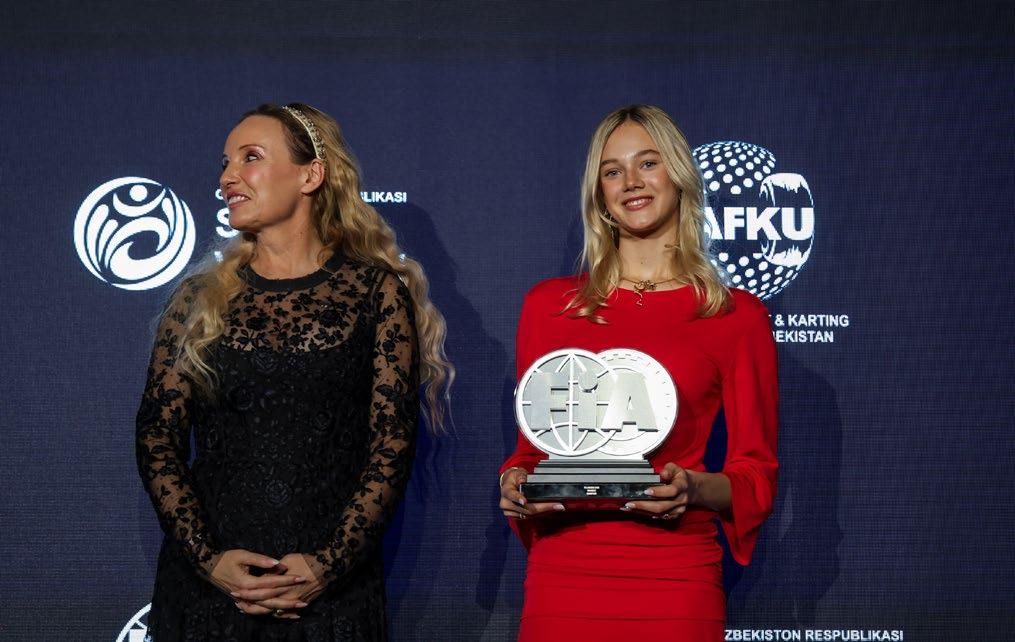
“I started G.I.R.L. at 15 to make motor sport more accessible and support the confidence and resilience of young girls. The response has been incredible, and our goal is to reach 15,000 participants globally by 2026. This recognition gives us momentum to grow and expand the initiative.”
Alba Hurup Larsen, 2025 FIA Women in Motorsport Award Winner
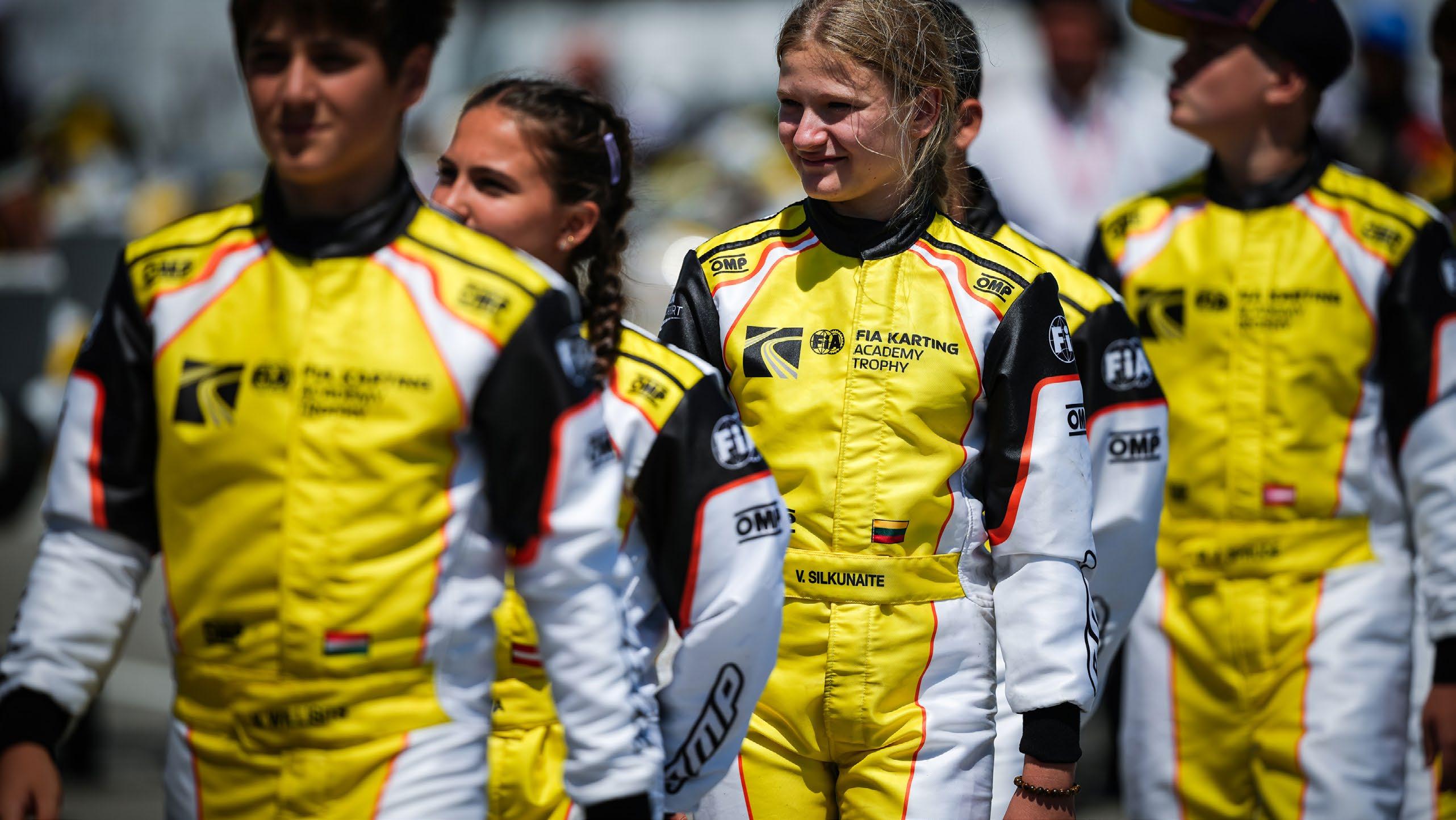
OPERATIONS
CARBON MANAGEMENT
OVERVIEW
We have calculated our carbon footprint since 2019 in line with the GHG Protocol, covering all three scopes across our headquarters, events, championships, and financed supplier activities. Scope 3 includes energyrelated emissions, purchased goods and services, capital goods, waste, transport, business travel, and employee commuting.
As in previous years, our 2025 footprint was reviewed under the ISO140643:2019 standard by Global Climate Initiatives.
In 2024, we expanded organisational boundaries to include previously unaccounted sources and improved data collection, updating our baseline from 2019 to 2022 for greater accuracy.

DECARBONISATION
2025 RESULTS AND KEY DRIVERS
In 2025, the FIA’s carbon footprint increased by 16% compared with the previous reporting year, from 24,445.92 tonnes of CO2 equivalent in 2024 to 28,337.26 tonnes of CO2 equivalent in 2025.
This increase reflects a combination of factors, including the expansion of the organisation, the opening of a new office in London, increased participation at FIA events, and a higher level of business travel. It also reflects the reality that the FIA is a global Federation with a footprint shaped not only by its own operations, but also by activities it influences through engagement, logistics, mobility choices, and partnerships.
At the same time, this result should be understood in context. The FIA continued to make progress in several areas under its direct control, particularly in logistics, where emissions were reduced by 2% through operational improvements such as more efficient calendars and the use of hydrotreated vegetable oil (HVO) with our global logistics partner DHL. We further limited the impact of our logistics footprint by 22% through the ramp-up of our investments in Sustainable Aviation Fuels.
These are important gains and show that targeted action can deliver measurable reductions. However, these reductions were more than offset by increases elsewhere in the footprint, especially in business travel for staff and visitors attending FIA events, such as conferences, regional meetings, and general assemblies.
The rise in the footprint does not mean progress has stopped. Rather, it shows that the organisation has grown in ways that have outpaced the reductions achieved in some areas. It also reflects the fact that not all emissions are directly controlled, reinforcing the need for a more targeted and differentiated response.
The 2025 results highlight the importance of separating different parts of the organisation’s footprint. FIA events are not the same as race operations, and the drivers of emissions are not identical. The growth in attendance at FIA events is positive from an engagement perspective, but it also has implications for travel emissions. Similarly, changes in the event calendar may have helped reduce some freight activity, but these effects do not alter the broader picture: the overall footprint has increased and requires a stronger strategic response.
BREAKDOWN BY EMISSION SOURCE IN 2025
20% FIA LOGISTICS
Includes freight to championships & events (ground & air freight).
62% FIA BUSINESS TRAVEL
Includes FIA staff travel to events & championships.
28,337 tonnes of CO2e
15% FIA PARTNERS / VISITORS TRAVEL
Includes travel by external stakeholders participating in FIA activities (unpaid for by FIA).
3% OTHER ACTIVITIES
Includes electricity, other energy, purchased goods, capital goods, water & employee community.
DECARBONISATION
EVOLVING OUR APPROACH
The FIA’s sustainability strategy, developed to guide the 2020–2030 period, set out an ambitious direction for the Federation and the wider ecosystem. However, progress has varied across areas, with some goals remaining a challenge within the current operating model, making it clear that ambition alone is not enough. Delivering meaningful reductions now requires stronger governance, sharper prioritisation, and a clearer focus on the levers that are genuinely within our control or influence.
In that sense, 2026 represents an opportunity to evolve our approach: a chance to reflect on what has been learned, and re-anchor our work around the priorities, resources, and levers that will allow us to deliver greater impact going forwards.
We are therefore revisiting our sustainability strategy to ensure that the next phase of our work is more operationally grounded, more measurable, and better aligned to how our
Federation functions today. We want to be more explicit about where we can drive direct environmental impact, where we can influence change across the Federation and its activities, and where we need to work through collaboration with others to create lasting impact. This reflects the FIA’s role as a Federation, not only to reduce its own footprint, but also to enable others to reduce theirs. It highlights the need to drive lower-carbon choices across motor sport and mobility, by encouraging better decisions on logistics, travel, events, procurement, and collaboration across the ecosystem.
The FIA has also strengthened its internal capacity in 2026 by recruiting seven subject matter experts to work full time on sustainability issues. This investment reflects a clear recognition that delivering meaningful change requires dedicated expertise, sustained focus, and stronger execution. It supports this next phase of work and reinforces our ability to deliver more targeted outcomes.
CHAMPIONSHIPS
• Teams
• Promoters
• Manufacturers
• Circuits
• Suppliers

INFLUENCE ZONE
Areas we influence through collaboration + leadership
• Operations
• Procurement
• Logistics
• Internal decisions NETWORK • Manufacturers
Fans
Road users
NGOs
Sport
Government
Sponsors
MEMBER CLUBS
• Sport
Mobility
DECARBONISATION
LOOKING AHEAD
This distinction between control and influence will define how the FIA targets its efforts. We will continue to address the full scope of our emissions, strengthening action where we have direct control and improving the way we influence those we do not, while embedding sustainability more deeply into decision-making across the organisation.
Accountability remains ours, but the mechanisms for change differ depending on the source of emissions.
We remain committed to net zero by 2040 (90% reduction and 10% removal) and to a 50% absolute emissions reduction by 2030, compared to our 2022 baseline. Our net zero pathway has been developed in alignment with ISO Net Zero Guidelines, which require emissions reductions to be science-based, transparent, and independently verifiable, and we will continue to review our progress against these standards.
Greater emphasis will also be placed on improving the quality, consistency, and scope of data through closer collaboration with partners, building a stronger evidence base for future decisions.
The priority now is on delivering this with greater consistency, clarity, and measurable impact.
2040
Cut absolute emissions by 90% compared to our 2022 baseline and purchase removal carbon credits to counterbalance residual emissions.
2030
50% EMISSIONS REDUCTION
Cut absolute emissions by 50% compared to our 2022 baseline.
ONGOING
TRANSPARENCY & ACCOUNTABILITY
Science-based, transparent and independently verifiable action and reporting. 2040
2030
50% EMISSIONS REDUCTION
ONGOING
TRANSPARENCY & ACCOUNTABILITY
DECARBONISATION
INVESTMENT IN SUSTAINABLE AVIATION FUEL
In collaboration with Formula 1, the FIA continues to advance the use of Sustainable Aviation Fuel (SAF) as part of its commitment to reducing the environmental impact of its operations. This initiative forms an important part of the FIA’s broader decarbonisation approach and represents a practical step toward lowering logisticsrelated emissions within motor sport.
Our progress is part of a wider journey. The FIA will continue its efforts in 2026 and beyond, building on progress to date and identifying further opportunities to invest in SAF and reduce its operational footprint. As the FIA strengthens its emissions reduction approach, SAF will remain one of several measures supporting a more efficient, lowerimpact operating model.
Note: SAF certificates provide a transparent basis for reporting and are subject to assurance. SAF are not a permanent removal solution, so SAF certificates must be procured each year.
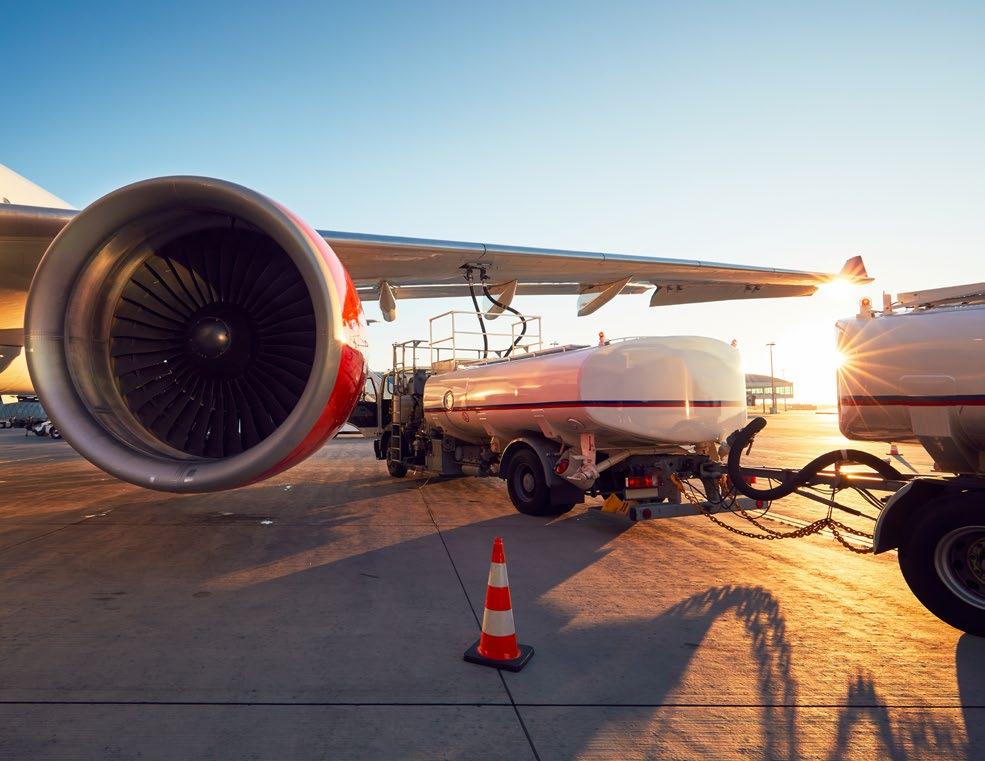
DECARBONISATION
HOW IS THE FIA USING SAF
In 2025, the FIA expanded its investment in Sustainable Aviation Fuel (SAF), reinforcing the role this solution plays in reducing the environmental impact of its operations. While SAF is not a substitute for long-term structural emissions reductions, it is an important nearterm lever supporting meaningful progress across the organisation’s logistics footprint. The increased use of SAF certificates helped reduce reported emissions and demonstrate the value of sustained investment in this area.
In 2025, this initiative resulted in an estimated reduction of 1,268.93 tonnes of CO2-equivalent emissions, representing approximately 4.48% of the FIA’s total emissions and 22.42% of logistics-related emissions.
While overall emissions increased in 2025, reflecting operational growth, the expanded use of SAF helped reduce the footprint associated with logistics and limit that increase. This reinforces the value of SAF as a practical near-term measure within the FIA’s decarbonisation efforts.
Total Emissions Trend (tCO2e)
ENVIRONMENTAL MANAGEMENT
As well as our investments in SAF, we have continued to seek emissions reductions across operations in our more direct control.
We have done this by developing a comprehensive environmental management system that embeds sustainability into our daily operations, major events, and long-term strategy.
This system covers a broad range of activities, including:
Headquarters operations: energy-saving measures; improved waste management; use of sustainable office supplies.
Conferences and events: responsible venue selection; reduced printed materials; promotion of reusable or recyclable items.
Business travel and logistics: encouraging virtual meetings; low emission transport; carbon footprint monitoring.
Procurement practices: favouring suppliers / products with stronger environmental standards and lower impact.
ENVIRONMENTAL MANAGEMENT
ISO 14001 CERTIFICATION
Our ISO 14001-certified environmental management system continues to provide the framework for managing our environmental impacts in a structured and consistent way.
In 2025, we have focused on strengthening operational controls, embedding environmental considerations across our activities, and maintaining a clear line of sight from policy to performance.
The changes to be integrated in 2026 for the updated ISO 14001 standard introduces stronger requirements around climate, change management, and supply chain oversight.
These developments will be integrated into our environmental management system over time, shaping the next phase of our sustainability measurement and performance approach.
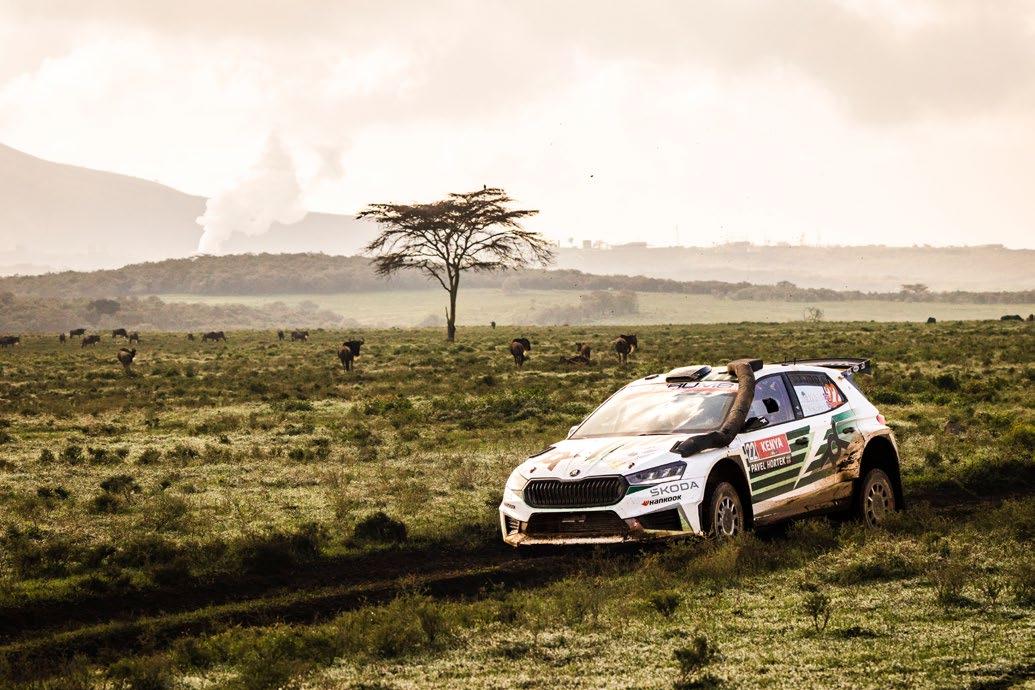
FIA DIVERSITY & INCLUSION
EMBEDDING CHANGE IN OUR OPERATIONS
In 2025, the FIA continued to strengthen how diversity and inclusion are embedded within its operations. This is reflected in a workforce that is increasingly international, more balanced, and more representative of the global community the FIA serves.
With 308 permanent employees across 38 nationalities, the FIA operates as a truly global organisation. This diversity supports broader perspectives in decision-making, strengthens cultural awareness, and ensures the organisation reflects the communities connected to motor sport and mobility worldwide.
Gender representation stands at 31% women and 69% men, with continued progress in the representation of women at leadership level. This reflects more consistent recruitment practices, clearer progression pathways, and a growing focus on leadership diversity.
The organisation also benefits from a balanced workforce across career stages. With an average age of 42, and strong representation across early, mid and senior levels (46% of women at the FIA are in senior roles), this mix supports knowledge transfer, continuity, and the development of future leadership.
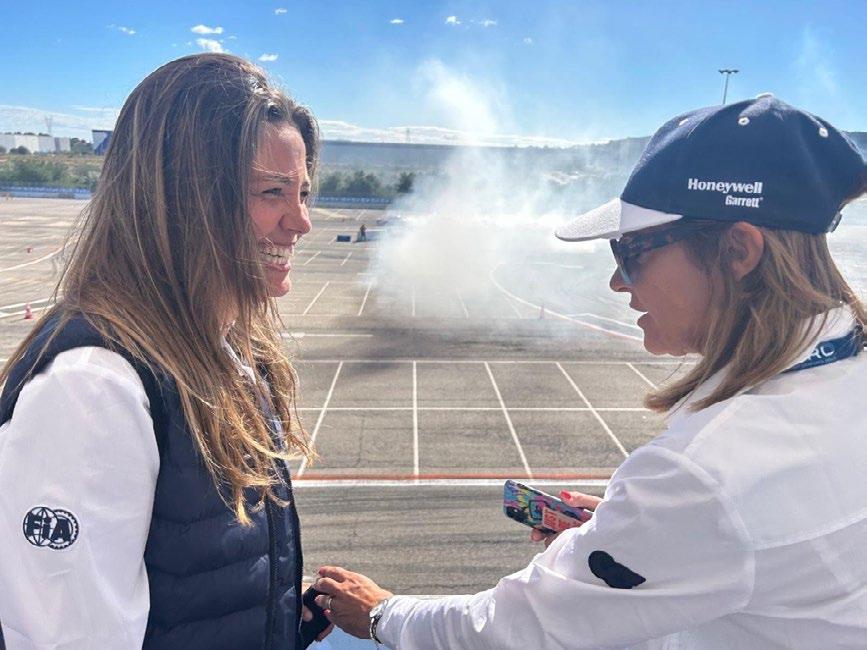
FIA DIVERSITY & INCLUSION
ADVANCING GENDER EQUITY THROUGH
EDGE CERTIFICATION
EDGE (Economic Dividends for Gender Equality) Certification is a globally recognised standard for assessing gender equity within organisations. It provides an externally verified, data-driven framework covering representation, pay equity, career progression, leadership, and employee experience.
For the FIA, EDGE Certification acts as a mechanism for measuring progress and ensuring accountability. It enables benchmarking against international standards and supports a consistent, structured approach to advancing gender equity across the organisation.
The FIA first achieved EDGE Assess (Level 1) in 2021, following an independent review of its policies, practices, and employee data. In 2023, the organisation progressed to EDGE Move (Level 2), reflecting measurable improvements in representation, pay equity management, and inclusive workplace practices. This level has been maintained through 2025.
Participation in EDGE has supported:
- More balanced representation, including continued progress at leadership level.
- Structured pay equity analysis, improving transparency and consistency.
- Clearer career pathways and flexible working practices, supporting progression across different life stages.
- Greater accountability, with inclusion embedded into leadership and management processes.
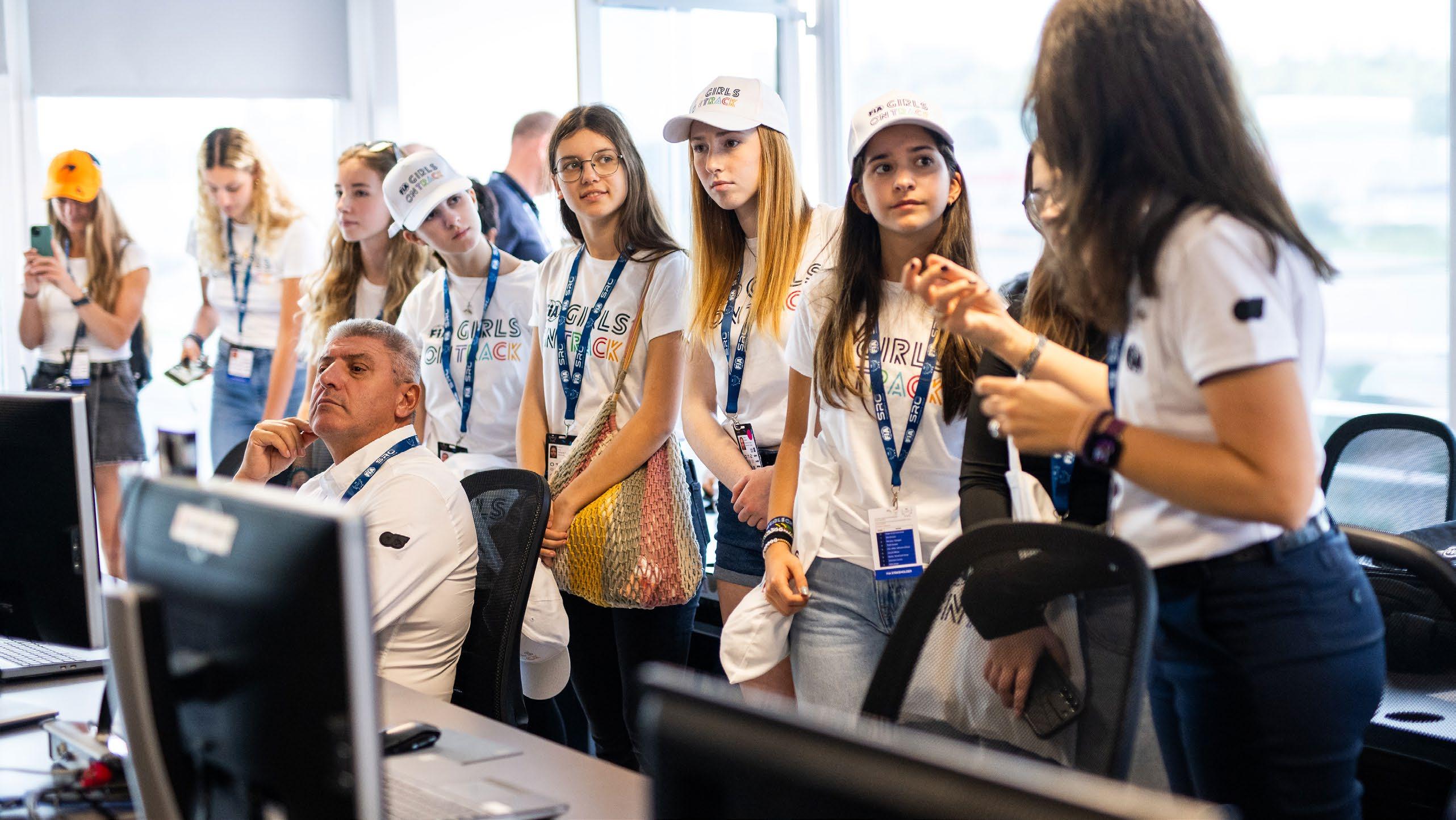
APPENDIX
APPENDIX
The FIA has reported in accordance with the Global Reporting Initiative (GRI) Standards for the period January – December 2025. GRI 1 used: GRI 1: Foundation 2021.
2 - 1 Organisational details
Fédération Internationale de l’Automobile (FIA), an association declared in conformity with French Law of 1 July 1901 having its registered offices in 8 Place de la Concorde, 75008 Paris (FIA France), and an association under Swiss law having its registered offices in Chemin de Blandonnet 2, 1214 Vernier (FIA Switzerland).
2 - 2 Entities included in the organisation's sustainability reporting FIA France and FIA Switzerland.
2 - 3 Reporting period, frequency, and contact point
2 - 4 Restatement of information
2 - 5 External assurance
1 January 2025 - 31 December 2025 Contact point: sustainability@fia.com
We have expanded our organisational boundaries to include previously unaccounted greenhouse gas (GHG) emission sources and updated our baseline year from 2019 to 2022, improving the accuracy of our GHG emissions data. The FIA is expected to do another rebaselining exercise in 2026 based on implementation of new calculation tool to further improve data accuracy.
Carbon footprint verified by Global Climate Initiatives under the ISO 14064-3:2019 standard.
2 - 6 Activities, value chain, and other business relationships Refer to the FIA Annual Report.
2 - 7 Employees 326 employees - 308 permanent (69% men and 31% women) - 38 nationalities represented.
APPENDIX
2 - 8 Workers who are not employees
2 - 9 Governance
2 - 10 Nomination and selection of the highest governance body
2 interim staff.
The list of the bodies within the FIA structure is defined in Article 8.1 of the FIA Statutes. For further details about their composition and activities, you may refer to the FIA’s website (https://www.fia. com/governance).
The General Assembly is the highest body within the FIA. It is composed of the delegations of the FIA Members and the President of the Drivers Committee. Please refer to Articles 9 and 10 of the FIA Statutes for its composition and terms of reference, as well as the FIA’s website (https://www.fia.com/general-assembly) for further details.
2 - 11 Chair of the hightest governance body
2 - 12 Role of the highest governance body in overseeing the managamenet of impacts
2 - 13 Delegation of responsibility for managing impacts
The President of the FIA presides over the General Assembly in accordance with Article 20.5 of the FIA Statutes.
You may refer to page 9 and page 10 for the details.
You may refer to page 9 and page 10 for the details.
APPENDIX
2 - 14 Role of the highest governance body in sustainability reporting You may refer to page 9 and page 10 for the details.
2 - 15 Supply chain
We are committed to sustainable procurement practices and we are engaging suppliers in applying our approach.
Sustainability criteria are included in the selection process at all key stages of the procurement process:
- Expressing the needs for purchased products/services.
- The original tender sent to all bidders.
- The evaluation system where sustainability criteria usually represent 10-20% of the final score.
- The supplier contract.
Due diligence is conducted for all suppliers in order to ensure their compliance with the FIA Standard Code for Suppliers. In addition, for every key supplier, an analysis of environmental topics is conducted to identify any potential environmental issues.
Refer to the FIA Code of Ethics and FIA Standard Code for Suppliers.
APPENDIX
GRI 305 GREENHOUSE GAS EMISSIONS
RE-STATEMENT OF GHG INVENTORIES FOR YEAR 2022, 2023, 2024, AND 2025 TCO2E
NOTE ON RE-STATEMENT: As part of its continuous improvement approach, the FIA initiated in the summer of 2025 an audit of its 2024 carbon disclosure verified by Global Climate Initiatives. Following an initial verification phase of the carbon reporting previously carried out by the organisation, several adjustments were made to past declarations to ensure greater consistency with the methodology currently in place. These changes are notably driven by the ongoing update of the emission factors used, derived from the French Base Carbone® and the UK BEIS DEFRA database. As a result, reported emissions have significantly changed over previous years. In addition, the FIA has expanded the scope of its organisational boundaries to include emission sources that were previously unaccounted for, as part of an improved data collection process. These methodological developments have led the organisation to update its baseline year - from 2019 to 2022 - in order to more accurately reflect the actual GHG emissions associated with its activities. BREAKDOWN
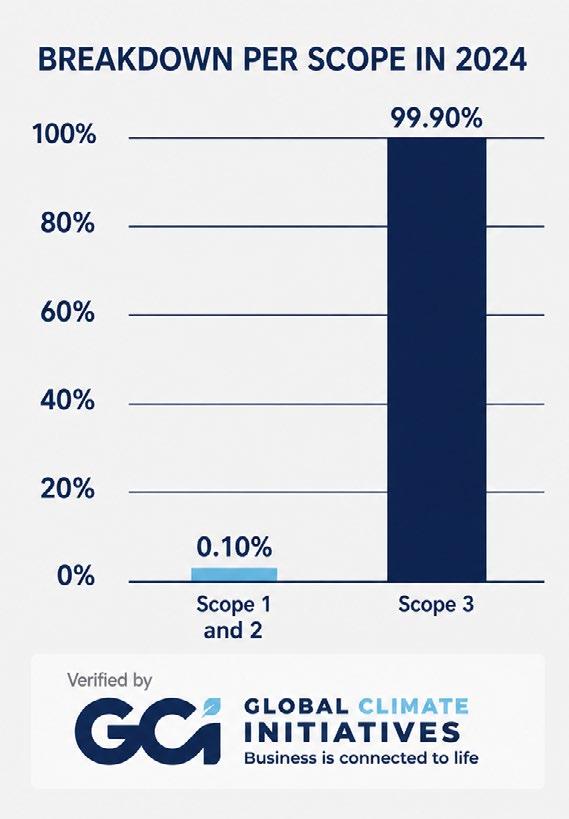
APPENDIX
CARBON INTENSITY PER EMPLOYEE
As well as an increase in absolute emissions, carbon intensity per employee also increased year on year although the rise was lower than the increase in absolute emissions (3.8% from 2024 to 2025 vs 16%).
This suggests that the Federation’s footprint is growing faster than efficiency improvements are offsetting it, but it also gives a clearer view of underlying performance as the FIA expands.
Looking ahead, it shows that managing emissions per employee will be just as important as reducing total emissions especially if activity and headcount continue to grow.
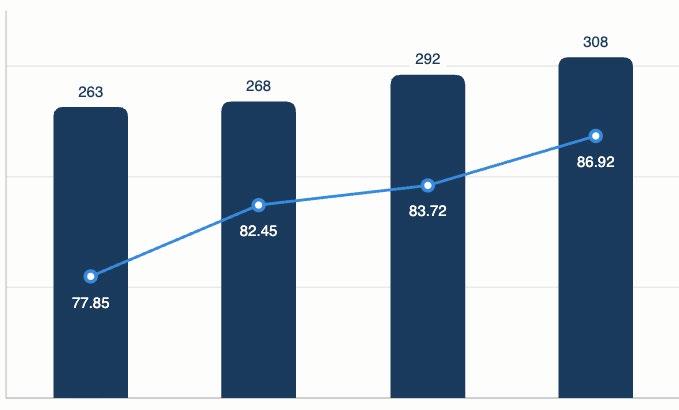
CARBON TRAJECTORY
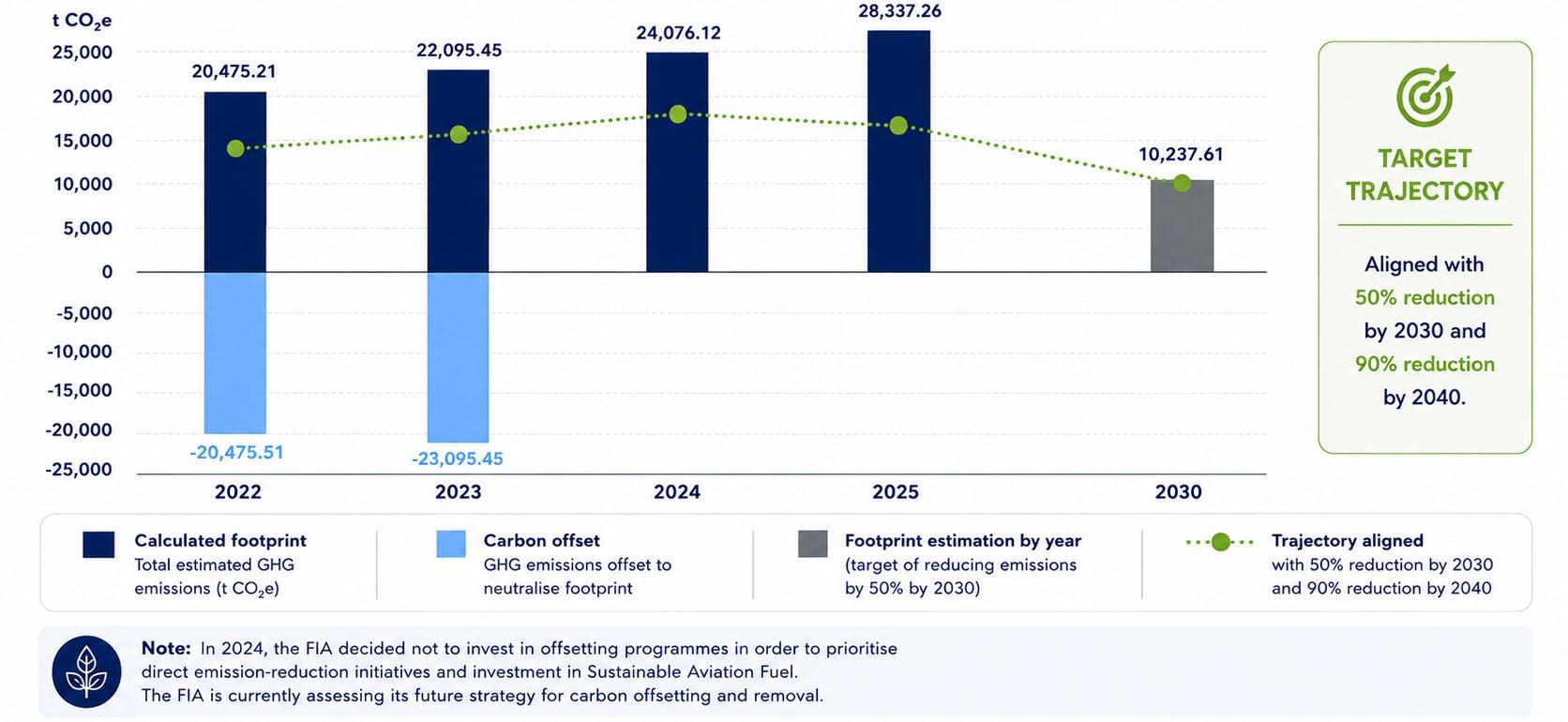
Note: From 2024, the FIA decided not to invest in offsetting programmes in order to prioritise direct emission-reduction initiatives and investment in Sustainable Aviation Fuel. The FIA is currently assessing its future strategy for carbon offsetting and removal.
FIA ENVIRONMENTAL ACCREDITATION – MEMBERS
Pro Racing Ltd
Asociación Nacional Automovilística
Auto Motor Sport and Road Safety Federation
Auto Sport Federation of Slovenia - AŠ SLO
Automóbil Club d’Andorra
Automobil Club din Moldova
Automobil Clubul Român
& Touring Club of Egypt
and Touring Club of Nigeria
Association of Bangladesh
Association of Kenya
Association of Tanzania
Club d’Italia
Club du Luxembourg
et Touring Club du Liban
Federation of Armenia
Federation of Moldova
Federation of North Macedonia
Club de Portugal
e Touring Clube de Moçambique
Club Argentino
Club Boliviano
Club de Chile
Club de Costa Rica
Club de El Salvador
Club de Guatemala
Club del Ecuador
Club del Uruguay
Zveza Slovenije
FIA ENVIRONMENTAL ACCREDITATION – MEMBERS
Barbados Motoring Federation Inc.
Belize Automobile and Touring Association
& Herzegovina
APPENDIX
FIA ENVIRONMENTAL ACCREDITATION – MEMBERS
Motorsports Association of Malaysia
Namibia Motor Sport Federation 1-Star
National Autosport & Karting Federation of Uzbekistan 1-Star Nepal Automobiles' Association
Automobil-Forbund
Norges Bilsportforbund 3-Star
Organización Mexicana del Deporte Automovilistico Internacional 2-Star
Österreichischer Automobil-, Motorrad- und Touring Club
Polski Zwiazek Motorowy
Reial Automobil Club de Catalunya
Road Safety Institute R.S.I. "Panos Mylonas"
Irish Automobile Club
Automobile Club
Automobile and Motorcycle Federation
Seychelles Karting Association
Slovak Association of Motor Sport
Bilsportförbundet
Automobile Club
Autoclub of the Czech Republic
Automobile Association of Malaysia
Automobile Association of South Africa
Federation of Motor Sports Clubs of India
y Automóvil Club de Colombia
y Automóvil Club del Perú
Touring y Automóvil Club Paraguayo
Trinidad and Tobago Automobile Association
Automobile Sports Federation
Türkiye Turing ve Otomobil Kurumu
Yemen Club for Touring & Automobile
APPENDIX
FIA ENVIRONMENTAL ACCREDITATION – CHAMPIONSHIPS
24 hours of Le Mans
Abu Dhabi Desert Challenge
WRC Central European Rally
Alpine FR (Viry)
Alpine Racing (F1)
Andretti Formula E Team
Anneau du Rhin
APEX Circuit Design
Aston Martin
Attica Motorsport Club
Audi Formula Racing
Audi Sport ABT Schaeffler
Autodromo Enzo e Dino Ferrari (Imola)
Autódromo José Carlos Pace (Interlagos)
Bahrain International Circuit
Czech Rally Zlín
UltimateRally-Raid Portugal
Cadillac Hertz Team Jota
Metals
of the Americas
Circuit Ricardo Tormo
Circuit Zandvoort
Circuito de Madrid Jarama
Historic Grand Prix
Consulting
Racing
ERC Rally Di Roma
APPENDIX
FIA ENVIRONMENTAL ACCREDITATION – CHAMPIONSHIPS
Rallye Azores
FIA ENVIRONMENTAL ACCREDITATION – CHAMPIONSHIPS
Manthey Racing GmbH
Europe SpA - Motorsport
F1
FIA ENVIRONMENTAL ACCREDITATION – CHAMPIONSHIPS
du Chablais
APPENDIX
FIA ENVIRONMENTAL ACCREDITATION – CHAMPIONSHIPS
W Racing Team (WRT)
Williams Grand Prix Engineering
WRC Argentina
WRC Australia
WRC Chile
WRC EKO Acropolis Rally Greece
WRC Finland
WRC France Corsica
WRC GB Wales
WRC Germany
WRC Italy Sardinia
WRC Japan
WRC Mexico
WRC Monte Carlo
WRC New Zealand
WRC Portugal
WRC Promoter
WRC Rally Artic Finland
WRC Rally Croatia
WRC Rally Estonia
WRC Rally Latvia
WRC Rally Monza
WRC Rally Poland
WRC Rally Safari Kenya
WRC Saudi Arabia
WRC Spain
WRC Sweden
Turkey
Ypres