WestCoast Families, published by Island Parent Group Enterprises Ltd., is a quarterly publication that honours and supports parents by providing information on resources and businesses for west coast families. Views expressed are not necessarily those of the publisher. No material herein may be reproduced without the permission of the publisher.
For distribution inquiries, please email publisher@westcoastfamilies.com
The FIFA Fan Festival Vancouver brings you all the World Cup celebrations from June 11 to July 19. With massive screens showing live matches, music, food and interactive experiences at the PNE, it’s family friendly with free general admission. vancouverfwc26.ca
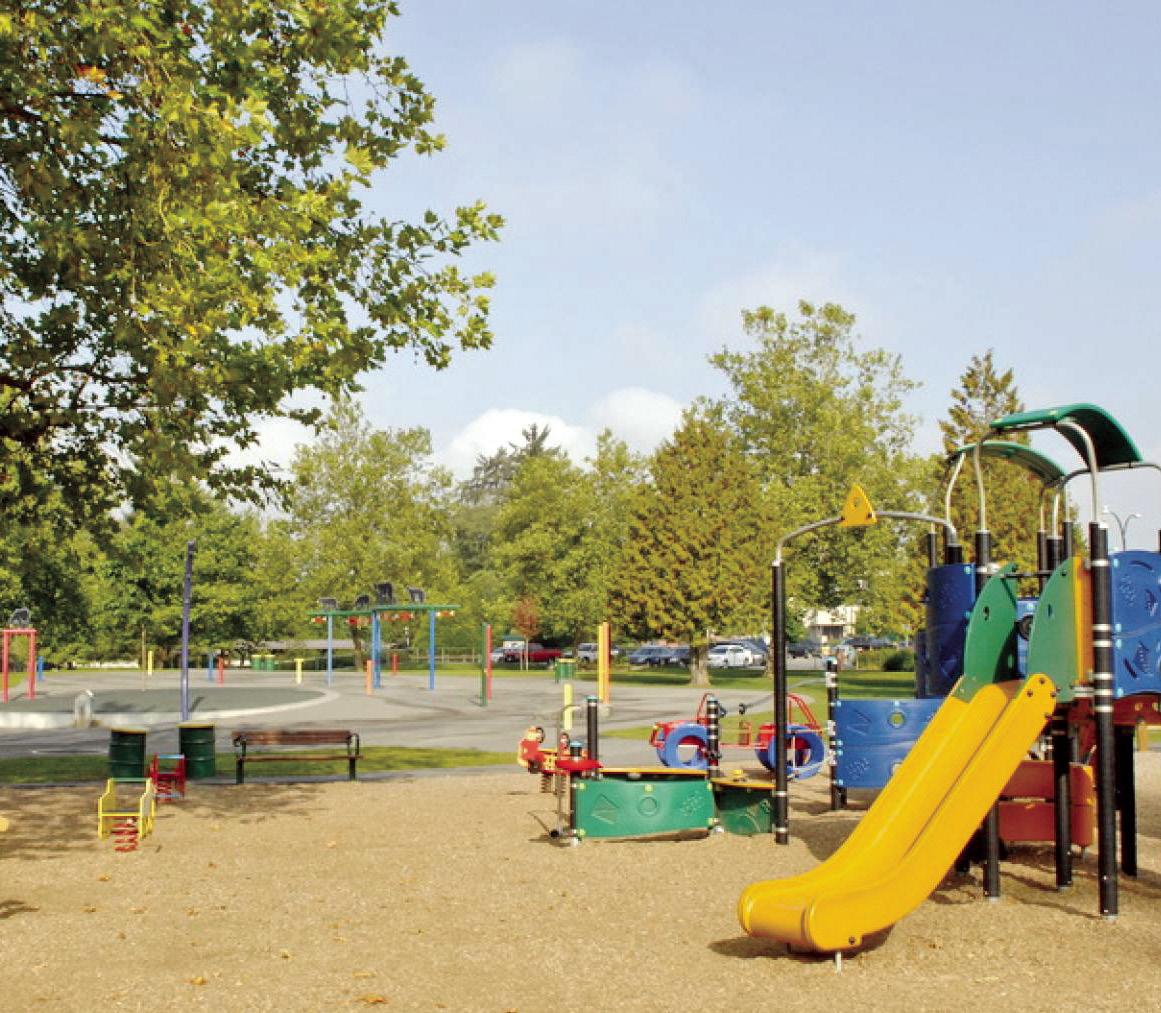
Bear Creek Park
Bear Creek Park is a popular and recently updated park in Surrey. Families of all ages will love the outdoor pool, splash area with plenty of shaded seating, nature trails and exercise equipment. surrey.ca
Hologram Zoo Vancouver
Opening in June you can step into the future of wildlife at Hologram Zoo Vancouver, an immersive experience where holographic animals surround you, inspiring curiosity, conservation,and unforgettable family fun. hologramzoovancouver.com
Vancouver Folk Music Festival
The Vancouver Folk Music Festival is a beloved summer staple at Jericho Beach. Held from June 17 to 19, it blends live music with a relaxed, family- friendly vibe. thefestival.bc.ca
Fraser Health Parent Support
Fraser Health Parent Support services offer helpful resources for parents needing advice on child health, development or mental wellness. fraserhealth.ca
Pinoy Festival
A vibrant Filipino cultural festival with music, dancing, food vendors and family-friendly activities from June 20 to 21 at Swangard Stadium. It’s a fun celebration where kids of all ages can explore culture through play and performances. pinoyfestival.ca
Vancouver Pride Festival
Vancouver Pride Festival takes place from July 25 to August 2, bringing performances and community events to the city. The iconic Pride Parade takes place on August 2, winding through downtown and ending near Sunset Beach. vancouverpride.ca
Tsawwassen Sun Festival
The Tsawwassen Sun Festival is a classic community festival from August 1 to 3. This event offers a fun, small-town feel with a parade, live entertainment, car show and a popular softball tournament. sunfestival.ca
Fort Langley Jazz & Arts Fest
The Fort Langley Jazz and Arts Festival is a charming festival that mixes live jazz with art activities and street performances. Running July 23 to 26, in various venues in Langley, families love the relaxed, walkable setting and interactive experiences. fortlangleyjazzfest.com
MotherFlock Gather Mom Group
The MotherFlock Gather Mom Group offers postpartum support groups designed to help new moms build community and talk openly about mental health and recovery. Register through the Kitsilano Community Centre. kitscc.com
When Summer Isn’t a Break
The Hidden Load of Parenting Without Structure
It’s 9:17 am, and I’ve already reheated the same cup of coffee twice. I’ve packed the kids in and out of the car, my seven-year-old is asking for a snack he won’t eat and my half-awake teenager is melting down because the plan changed, even though there wasn’t actually a plan to begin with. And I’m standing in the kitchen wondering how it’s possible to feel this behind before the day has even really started.
Summer is supposed to feel lighter. Slower. Easier. Isn’t it?
But for many parents, especially those raising neurodivergent children, caregiving for elderly parents or simply carrying a heavier load, summer doesn’t feel like a break. It
feels like the support systems quietly disappear, leaving us to hold everything together without the structure that helps us.
In our home, that shift is immediate. The rhythms we rely on during the school year, the ones that regulate not just my kids, but their busy-brained mom, suddenly disappear. Transitions become harder. Emotions sit closer to the surface. And depending on who slept well (or didn’t), we spend much of the day taking turns regulating each other.
From the outside, summer can look freeing. But when you’re the one filling those long, unstructured days, it can feel overwhelming. Somewhere between trying to create
“summer memories” and just making it to bedtime, there’s a quiet question many of us carry:
Why does this feel harder than it’s supposed to?
For years, I thought the problem was me. I wasn’t planning enough or doing enough. I wasn’t being a good “summer mom.”
But what I’ve come to understand, especially in a neurodivergent household, is that structure isn’t restrictive. It’s regulating. When that structure disappears, so does the sense of safety it quietly provided.
I saw this most clearly when my daughter was younger. I filled our summers with playdates and activities, trying to create what I thought a good summer should look like. But after a few weeks, every outing ended early, every activity left her overwhelmed and we both came home exhausted. What looked like fun on the outside was dysregulation in disguise.
It took time to realize that predictability, not packed schedules, was what she needed most. And, if I’m being honest, what I needed too. Because summer doesn’t just remove routine, it removes support. And in its place, parents take on the invisible job of making “summer magic.”
We become planners, entertainers, regulators, carrying the mental load of keeping our kids stimulated, but not overstimulated; social, but not overwhelmed.
And when you’re parenting children with different needs, that balancing act becomes even more complex. For our family, summer camps have often been a mixed experience. While my younger child thrives, my daughter’s needs aren’t always understood. There were moments where I’ve had to drop everything to respond to a call from a camp that simply wasn’t equipped to support her. Moments where I’m running across a field, juggling one child while trying to regulate another, wondering if any of this was worth it.
And layered into all of this is another reality many families quietly carry: caregiving beyond our children. As part of the sandwich generation, my role doesn’t pause in the summer, it expands. Between supporting my aging parents, raising my kids and running a business, summer as a “break” feels more like a myth than a lived experience.
For a long time, I tried to carry all of this on my own. Accepting help didn’t come naturally. But the more I resisted leaning on my village, the heavier everything became. Letting people in, whether it’s a playdate, a shared ride or simply someone holding space, has made it sustainable.
And somewhere along the way, something shifted. Not in my circumstances, but in my expectations. I stopped trying to recreate a version of summer that was never designed for our family. I let go of the pressure to fill every day or prove we were doing it “right.”
And in that space, something unexpected happened.
We found our own rhythm.
Some days are full; appointments, errands, quick meals on-the-go. Other days are slower; watermelon on the back deck, music playing, siblings connecting in small, quiet ways. Not every day is productive. Not every day is memorable.
But they are real. And they are ours.
What I’ve learned is this: summer doesn’t have to be perfect to be meaningful.
For families like mine, it isn’t a break, it’s a shift. A loosening of structure that creates just enough rhythm to feel safe, while allowing enough flexibility to breathe. And maybe that’s where the magic lives. Not in perfectly planned days, but in the moments where we let ourselves off the hook, lean on our village and meet our families exactly where they are.
Deb Balino is a writer and mom of two, navigating life in the sandwich generation. She’s the podcast host of Sass & Small Talk on TELUS StoryHive, exploring the mental load of parenthood, sharing honest stories from the trenches of raising a neuro-divergent family, while balancing advocacy, business and caregiving.
Fostering an Old-School Summer for Your Kids
Summer is here and many of us are feeling it… The desire to foster an old-school summer for our kids—a summer just like the ones we had growing up. Days full of fun, fresh air, creativity, independence and the time to just be. No screens, minimal money required and little pre-planning necessary.
Use these ideas as a jumping off point to create your own family summer bucket list or individual bingo cards…or pop them into a “bored jar” that can be accessed as needed. Here’s to a wonderful, imaginative, low-prep summer chock full of memories.
Summer Activities for Kids
• Make potions outdoors
• Create a custom board game from scratch
• Ride bikes with friends
• Make paper planes and test them
• Draw an obstacle course with sidewalk chalk
• Run through the sprinkler
• Make homemade lemonade
• Set up a side-of-the-road stand
• Eat lunch outside, picnic style
• Make sponge water balls and have a water fight
• Set up a tent fort in the yard
• Try geocaching
• Make cloud dough with flour and oil and play with it
• Make friendship bracelets
• Try making something with air-dry clay
• Learn a magic trick
• Create a bug hotel
• Write uplifting sidewalk chalk messages on your street
• Visit a Little Free Library
• Learn how to play cat’s cradle
• Cover the table with paper and draw doodles and play pen and paper games like tic-tac-toe
• Test your hand at making a delicious blender drink
• Make paper fortune tellers
• Create worry stones using polymer clay
• Try squeegee painting
• Create a ramp for toy vehicles and host races
• Have a watermelon seed spitting contest
• Create some art and have an art sale
• Use pipe cleaners and dish soap to make your own bubble wands and bubble solution
• Paint cute rock bugs to place in the garden
• Make homemade mini pizzas
• Create a safe pollinator watering station
• Use painter’s tape to create a town and roadways on the floor
• Make your own kite and try to fly it
• Make and play with ooblek
• Read a book about someone completely different than you
• Make your own muffin tin lunch
• Do something nice for a neighbour
• Make sidewalk paint with cornstarch, food colouring and water
• Make bookmarks and drop them off in a nearby Little Free Library
Summer Activities for Teens
• Picnic in the park with snacks and games
• Bake a batch of cookies
• Use plasticine to make imprint stamps around the neighbourhood
• Read a book outdoors
• Wake up early and watch the sun rise
• Try keeping a gratitude journal
• Learn to play a solo card game
• Make a delicious, iced drink
• Create something using polymer clay
• Write a letter you’ll never send
• Colour while listening to music
• Lay outside after dark and stargaze
• Host a clothing swap with friends
• Try origami
• Make homemade soft pretzels
• Host a day camp for little kids
• Create a time capsule and bury it
• Create a zine about something that interests you
• Gather some friends and have a giant water gun fight
• Play basketball on an outdoor hoop
• Find a spot with a good view and watch the sun set
• Play frisbee in a big, open space
• Mail a postcard to a friend
• Make gourmet popsicles
• Start a summer junk journal full of bits and pieces of your days
• Have an outdoor fire and roast marshmallows for s’mores.
• Go through your books and donate a few to a Little Free Library
• Paint custom tote bags
• Cook and host a candlelight dinner for your family
• Make gummy candy with puréed fruit
• Create an elevated lemonade stand
• Sleep (safely) outdoors
• Rearrange your room and make it extra cozy
• Go thrifting
• Go to a coffee shop with friends
• Make a DIY slip and slide
• Do an at-home workout
• Try a bigger and better exchange challenge with friends
• Find inexpensive badminton rackets and try to rally for as long as you can
• Make homemade donuts
• Give old sneakers new life with paint pens
• Bake something for a neighbour
Jen Kossowan is a kindergarten and Grade 1 teacher turned homeschool mom to two gorgeous kids. She started Mama.Papa.Bubba. on a whim while living in the Middle East and has been sharing recipes, activities and travels online ever since.
Canadian Tire Learn to Sculpt Like a Pro Jul 11 & 12 (Sat & Sun)
Canadian Tire Buskers Jul 13 − Aug 14
Quality Foods Sand Sculpting Exhibition
Jul 13 − Aug 16
Beauties
and parksvillebeachfest.ca
Beasts
Tim Hortons FREE Summer Concert Series
Jul 17, 18, 24, 25, 31, Aug 1, 14, 15
Sand & Sounds Weekend hosted by Little Island Parties Jul 25 & 26
Mid Island Co-op Beachfest ROCKS! Aug 7 − 9 (Fri − Sun)
Coastal Community Credit Union Sculpture Light Up! Aug 14 & 15 (Fri & Sat)
Quality Foods Festival of Lights Aug 15 (dusk)
Quality Foods Kids Sand Sculpting Competition Aug 16
Day Trips to Long Hauls
Top All-Ages Stops in BC & Beyond
The Lower Mainland is one of the best places in Canada to start a family road trip. Within just a few hours, you can go from beaches to mountains, farms to forests and vibrant towns to peaceful lakes. Whether you’re planning a simple day or overnight trip or considering a multi-day adven-
way, you’ll find easy stops like Shannon Falls and the Sea to Sky Gondola, offering incredible views with minimal effort. Consider a stop at Capilano Suspension Bridge Park. It offers a thrilling and scenic experience amidst the lush rain forest.
ture, these destination ideas offer variety, manageable drives and plenty to keep kids of all ages engaged.
DAY TRIPS
A drive along the Sea-to-Sky Highway toward Squamish is one of the most rewarding day trips for families. Along the
Steveston Village is another easy win for families who want a relaxed day trip with the family. This historic waterfront spot is ideal for strolling, grabbing fish and chips and spotting boats. All in a compact, walkable area that works well with strollers and little legs, while offering plenty to see and do for older kids.
Don’t miss a stop at beautiful Cultus Lake in Chilliwack.
The Fraser Valley is packed with family-friendly farms, markets and outdoor spaces. From petting zoos to berry picking in summer, it’s a hands-on experience that gives kids space to explore and learn.
OVERNIGHT OUTINGS
Whistler is a classic overnight destination just two hours from Vancouver. In the warmer months, families can enjoy lakes, easy trails and a lively pedestrian village filled with kidfriendly dining and activities.
A little further north of Whistler, Pemberton offers a quieter, more laid-back experience. With wide-open valley views, local farms and outdoor adventures like biking and fishing, it’s perfect for families wanting to slow down.
Harrison Hot Springs in east Fraser Valley is another favourite, especially in summer. The warm lake, sandy beach and relaxed atmosphere make it an easy, low-stress getaway where kids can swim and play while parents unwind.
LONGER JAUNTS
Taking a ferry to Victoria or Nanaimo on Vancouver Island turns a simple road trip into a full adventure. In either city, families can explore gardens, museums and a lively harbour, blending education and fun for all ages in one destination. Then take in the views at Malahat Skywalk.
Check out WildPlay Element Parks, a popular chain of Canadian outdoor adventure parks featuring high-ropes obstacle courses, ziplines and gravity-based thrills nestled in natural forest settings in Maple Ridge, Nanaimo and Victoria.
Driving through the Fraser Canyon provides a dramatic change in scenery. Following the powerful Fraser River, this route mixes history and striking landscapes that older kids often find fascinating.
If you are thinking of heading south, the Great Wolf Lodge Grand Mound in Centralia, Washington is a favourite for families. With a huge indoor water park including slides, splash areas and other on-site activities like mini golf and games, it’s an easy, all-in-one getaway.
Visit the Hands On Children’s Museum in Olympia, Washington for more than 150 interactive indoor exhibits and a half-acre outdoor nature centre dedicated to experiential learning and play.
Leavenworth, Washington is a storybook Bavarian-style village that’s fun year-round. Families can enjoy outdoor adventures, seasonal festivals and a walkable downtown full of treats and kid-friendly charm.
ALBERTA-BOUND
For families ready to go bigger, a road trip into Alberta offers some of the most iconic scenery in Canada. The drive
Road Trip Contest
Follow our socials and sign up for our e-newsletter for your chance to WIN a $1,000 VISA Gift Card for your summer road trip!
Powered by Pacific Toyota Dealers Contest June 16 through July 28
itself is filled with mountain views, rest stops and scenic pullouts that help break up the journey.
Banff National Park is a great place for families to visit. With turquoise water bodies like Lake Louise, easy hiking trails and wildlife viewing opportunities, it offers a mix of adventure and accessibility that works well for kids of all ages.
Jasper National Park provides a slightly quieter experience with equally stunning scenery. Families can explore waterfalls and enjoy stargazing in one of the world’s largest dark sky preserves.
West Edmonton Mall is one of the largest shopping and entertainment complexes in North America. Beyond shopping, it features major attractions like an indoor waterpark, amusement park, mini golf and an ice rink, giving kids plenty of ways to burn off energy no matter the weather.
For something a little different, Calgary adds an urban stop to your itinerary. Attractions like the Calgary Zoo and familyfriendly museums offer a nice balance to all the outdoor exploring.
AND BEYOND…
For families continuing east past the Rockies, routes can stretch toward Regina, Winnipeg (or even further) for a true cross-Canada experience. Or continue south to California (Disneyland, perhaps!). These extended trips require more planning and time, but they reward families with diverse scenery, wide-open spaces and the kind of memorable, oncein-a-lifetime road trip adventure that kids will talk about for years.
What makes these road trips so effective is their flexibility. You can tailor each trip to your family’s energy level—whether that’s several day trips to new, exciting locations, or a multiday adventure to make some family vacation memories. Even better, these routes are filled with places to pause along the way, which is essential when travelling with kids. Playgrounds, viewpoints and snack stops turn the journey itself into part of the fun.
Erika Palmer is a writer living with her husband and son. She believes most problems can be solved with a good cup of tea and a huge piece of chocolate.
Summer Shift Books to Help You Adjust to a New Routine
With summer right around the corner, routines are in for a shift. Some children struggle when their routines change. There are ways to gently help children adjust to differences. These books can assist you in navigating this transition.
All About Patterns
Ages 4 to 7
All About Patterns by Elizabeth Rusch and illustrated by Elizabeth Goss is about appreciating the patterns in our lives, from the patchwork quilts of farm fields to the dainty shapes in a snowflake or the patterns in our daily routines. But more than that, this book is about adapting when these patterns change. Rusch admits that we can be uncomfortable when the pattern is altered, but reminds us that we can create new patterns that are just as fun, or maybe even better.
Click! Snap! Picture That!
Ages 4 to 7
What’s one way your child can come up with a new pattern? Imagining themselves doing something different of course. Click! Snap! Picture That!, written by Dieter Böge and illustrated by Benjamin Gottwald, can show them how. This brightly coloured book is about animals taking real or imaginative pictures of themselves trying new things or playing with their family and friends. And, sometimes, the things they imagine come true.
Psychology for Curious Kids
Ages 8 to 12
Psychology for Curious Kids by Anna Claybourne and illustrated by Nik Neves is all about the science of our brains from the signals they send out, to the ways they change as we age, and the ways they can be influenced by others. Each page is filled with bright pictures to keep it interesting while teaching your children exciting facts.
Christina Van Starkenburg lives with her husband, children and cat, and is the author of One Tiny Turtle: A Story You Can Colour and many articles. To read more of her work and learn about her upcoming books, visit christinavanstarkenburg.com
The Story and Science of Hope
Ages 8 to 12
If your children are feeling down about the shift in routine, they might want to read The Story and Science of Hope by Andrea Curtis and illustrated by Ana Suárez. It starts with the historical debate about the danger or benefits of having hope, and then turns towards the way hope makes people more resilient. The book also reminds children that, like any skill, hope is something they need to practice.
What Canada’s Proposed Social Media Ban Means for Your Family
Screen time and social media have become major topics for Canadian parents. You might be constantly battling to reduce their screen time or standing firm on social media rules. It can be hard to keep up in the fast-moving world of TikTok and AI, especially when our kids are often savvier than we are!
You’re not alone—according to the Canadian Pediatric Society, three-quarters of parents are concerned about the amount of time their children spend on screens. They also reported that higher screen times were associated with increased depressive symptoms, lower levels of physical activity and heightened behavioural problems in children.
Social Media Use
One of the biggest contributors to screen time for kids and teens is social media. The 2023 Media Technology Monitor Junior report, which surveys youth across Canada on digital media habits, found that 82 percent of teenagers in Canada use social media on a daily basis. But new resolutions from the Canadian government could change that.
The federal government has agreed to move towards a ban on social media for kids, which would block social media platforms from allowing Canadian youth under 16 to create accounts. The ban would also require existing under-16 accounts to be deactivated.
Australia’s Restrictions
Canada isn’t the first country to roll out social media restrictions. In 2025, Australia became the first country to ban kids from social media. Prior to the ban, the Australian government conducted a survey of youth across the country and found that 96 percent of Australian children ages 10 to 15 were using social media. The survey also discovered that 70 percent of them had been exposed to harmful messaging on social media, such as violent or misogynistic content.
According to the Australian government, the ban intends to limit the potential negative effects of social media on youth. While parents and their children aren’t punished for breaking the ban, social media companies are at risk of serious fines if they don’t comply with age restrictions and verification.
The Impact
Back home in Canada, bans could be taking effect at the provincial level too. Manitoba recently announced a plan for its own restrictions on social media, banning children and teens under 16 from using social media and AI chatbots like ChatGPT. In a speech at an NDP fundraising gala on April 25, Manitoba Premier Wab Kinew said that the proposed law would protect youth from issues like social media addiction and other mental health challenges related to social media use.
In a call to action published in 2023, the Canadian Pediatric Society expressed the same concern for young people’s
mental health in the age of screens and social media. The call to action states that there is a growing understanding of the potential for negative impacts related to social media use and overuse in youth, and “red flags” that warn of future long-term effects. For example, media multitasking (using social media while doing another activity, like watching TV or doing homework) has been linked to lower English and math scores, weaker working memory, lower sustained attention and greater impulsivity in adolescents.
What You Can Do
The federal government has not yet given a timeline for when the potential social media ban for kids might take effect in Canada. In the meantime, there are some things you can do to keep your kids safer online.
One of the most impactful ways to reduce the risks of social media use is to monitor your child’s social media. Keep an eye on the platforms they use, the content they are viewing and have discussions about any concerns you have.
Conversations about healthy behaviours are also important if your child is using social media. Some parents have limits on the amount of time their children can use social media each day. Modelling these behaviours yourself is a great way to start. Try sticking to a time limit and being present during family moments to encourage your child or teen to do the same.
For some kids (and adults!) social media overuse and even addiction can become a problem. Until the potential ban is passed into law, parents have an important role in reducing the potential negative effects of social media for kids. Here are a few signs that your child is overusing social media in a way that may be detrimental to their mental health:
• It disrupts their day-to-day routines and activities
• They often choose social media over in-person time with friends or family
• It interferes with their sleep schedule
• It prevents them from engaging in physical activity
• They lie or use deceptive behaviour to use social media
It’s not your child’s fault if they are struggling with social media use—many of us have been caught in the rabbit hole of Instagram reels, and social media algorithms are designed to keep us scrolling.
Like Canada, other countries including France, Spain and Norway have plans to follow Australia’s example and implement their own social media bans for children under 16.
Allie McFarlane works in leadership with a youth nonprofit and manages digital content for several other local brands. When she’s not writing blogs or making reels, you might find her hiking around Vancouver Island, browsing her local record store or volunteering at youth groups.
Dr. Roya Naseh Dr. Efat Farrokhshad Dr. Vineyard Choy Dr. Vijaya Kolla Dr. Caroline McKillen
Dr. Gary Bains
Dr. Noor Alzamani
Dr. Michael Numerow
Dr. Thilini Nanayakkara
Dr. Lina Jung
Dr. Firouzeh Malekian Dr. Anderson Hsu Dr. Hedy Akhlaghi Dr. Giovanna D’Alfonso Dr. Charmaine Fong Dr. Paknoosh Kazemi
Dr. Kevin Wong
Dr. Lawrence Lai Dr. Jim Armstrong Dr. Seiko Lee
Dr. Roya Naseh
Dr. Efat Farrokhshad Dr. Vineyard Choy Dr. Vijaya Kolla Dr. Caroline McKillen
Dr. Gary Bains
Dr. Noor Alzamani
Dr. Michael Numerow
Dr. Thilini Nanayakkara Dr. Lina Jung
Dr. Firouzeh Malekian
Anderson Hsu
Hedy Akhlaghi
Vegetables Your Kids Will Want to Eat
Vegetables are not always a favourite with children. However, the Canada food guide recommends that half of our diet be made up of fruits and vegetables. They are packed with necessary vitamins and minerals, full of fibre and they even contain protein!
Here are a few ways to encourage veggie-avoidant eaters.
• Serve vegetables first. When kids sit down for dinner, they are hungry. Invite them to the table as soon as the vegetables are ready, even if you’re still cooking the rest of the meal. You may be surprised by how quickly they disappear. Hunger is the best seasoning.
• Between meal snacks. Kids need lots of snacks. If they are reluctant to eat vegetables at dinner, serve them for a snack instead. Try offering a bottomless bowl of fresh cut veggies after school. You might be surprised at how much they eat!
• Add flavour. I’m always surprised when people assume that vegetables are the boring part of the meal. They don’t have to be! Skip the 1980s steamed vegetables and make something delicious. Ovenroasted vegetables are simple and fun. Add as much garlic as you want. Drizzle them in a flavourful sauce. If bacon or cheese tickles your tastebuds, then serve your veggies with a bit of freshly grated cheese or bacon bits.
• Sneak them into their favourite dishes. It’s easy for kids to avoid the vegetables if they’re served in big pieces. Why not mix pureed vegetables into their favourite meals?
Here are two sneaky vegetable dishes to help you in your efforts to get something healthy into your kids this summer.
Cauliflower Macaroni & Cheese
(Prep Time: 35 minutes)
Cauliflower is the perfect vegetable to hide in any dish. It has a fairly neutral flavour and colour that helps it disappear. Feel free to use it in any of these dishes. The only trick is that you need a good blender to turn it into a smooth puree.
1 box of pasta (454g)
1 small head of cauliflower
2 cups whole milk
1⁄2 yellow onion
2 cloves of garlic
1⁄4 cup butter
1⁄4 flour
1 tsp mustard powder
1 tsp salt, to taste
1⁄2 tsp black pepper
350 grams grated cheddar cheese
1. Cook pasta following the instructions on the package.
2. Rinse the cauliflower. Chop it into large florets. Add it to the boiling pasta for the last 5 minutes.
3. Drain the pasta and cauliflower. Rinse with cool water.
4. Place the cauliflower florets into a blender with 1 cup of milk and pulse until it is a smooth puree.
5. Finely dice the yellow onion and garlic. Melt the butter in a saucepan. Add the onion and cook until the onion is translucent, about 3 to 5 minutes. Add the garlic, flour, mustard powder, salt and pepper. Cook for 2 to 3 minutes.
6. Gradually pour in the second cup of milk, whisking so that the flour mixes into the milk. Continue whisking until the sauce starts to thicken, about 3 to 5 minutes.
7. Remove the pan from the stove and slowly stir in the cheese and cauliflower puree. Taste, and add more salt and pepper, as needed.
8. Mix the pasta with the sauce and serve.
Spinach Risotto
(Prep Time: 5 minutes, Cook Time: 30 minutes)
This risotto can be made with fresh or frozen spinach. However, it’s also delicious with all sorts of vegetables. If your kids love peas and corn, use frozen peas and corn instead of spinach!
1 onion
3 cloves of garlic
1 bunch of fresh spinach (or 1 package of frozen spinach)
2 Tbsp olive oil
11⁄2 cups arborio rice
4 cups of broth
2 Tbsp butter
1⁄4 tsp salt, to taste
1⁄2 cup of grated Parmesan cheese
1. Finely dice the onion and garlic. If using fresh spinach, rinse it and roughly chop it.
2. Heat the olive oil on medium in a large pot. Add the onion, garlic, and spinach. Sauté for 2 to 3 minutes, until the onion starts to soften.
3. Add the rice and cook for another minute, tossing so the rice is nicely coated in oil.
4. Reduce the heat to low and pour in half the broth. Stir well, then add in the rest of the broth and stir again.
5. Put the lid on the pot and cook for 20 minutes. Stir 3 to 4 times during the cooking process to prevent the rice from sticking to the bottom of the pot.
6. When the rice is cooked, remove from the heat and stir in the butter, salt and half of the Parmesan cheese. Taste and add more salt, as needed. The amount of salt needed will depend on the saltiness of the broth.
7. Serve immediately topped with freshly grated Parmesan cheese.
Emillie Parrish loves having adventures with her two busy children. You can find more of her recipes in her cookbook Fermenting Made Simple. fermentingforfoodies.com.
MAY 16, 2026 –SEPTEMBER 7, 2026
Modelling MovementFitness Is a Family Affair
Working out before I had kids looked very different. It was intentional, strategic and efficient. It happened regularly on my schedule and went from start to finish with no interruptions. After my kids came along, that lifestyle went out the window. Spending time on fitness felt like more of a privilege than part of any regular routine.
At first, I found it frustrating trying to work around nap times, snack times and the unpredictable chaos. Fitness took a back seat as it seemed like something very separate from my new normal. But instead of working around the kids, slowly, I started bringing them in.
That often meant a toddler on my yoga mat mid-flow or getting accidentally smacked by an overenthusiastic jumping jack. There was added weight for squats thanks to a kid climbing my back and my water bottle was sticky. The workouts took longer with many interruptions. More than once, a yoga video got abandoned halfway through. But as my little onlookers took more of an interest, it became a routine. Exercise started to feel important, not just to sweat, but to let them see that movement is part of my life.
I also become more aware of how I talk about movement. I am conscious not to make it something I must do or complain
about getting started. Any pre-workout resistance stays internal. What they see instead is the after. Mama in a better mood, with more energy and those end-of-workout endorphins that make it all worth it.
Now that my kids are getting older (and a bit more coordinated), moving together is becoming fun. Hiking, playing tennis and throwing baseballs is something we enjoy together. One thing we’ve really gotten into, that the whole family loves, is fun runs.
A Fun Run Family
Family-focused fun runs are ideal ways to make fitness, movement and training fun. We can do it together and all succeed. You’re only competing against your last best time and there’s always a reward at the end, sometimes in the form of a chocolate medal.
Fun runs are generally short enough to be manageable, casual enough that no one cares if you pause halfway, and organized to make it feel like a festival. The fun runs we do have a one- to three-kilometre loop option as well as a five- or 10-kilometre. There’s music, a theme, people in costumes and a sense that everyone’s there to have fun, move their bodies, collect their medals and call it a win.
Sometimes we run. Sometimes we walk. There are lots of high fives, our ritual, at every kilometre mark. There have been big emotions with a meltdown at the two-kilometre mark of a Big Elf Run. A hailstorm during an 80s themed run. But together, we’ve finished every event, getting stronger and faster, and at the finish line, the result is euphoric.
Fitness Feelings
When fitness is something we look forward to and something we do together, it feels different. It stops feeling like a task and becomes a regular part of our lifestyle. We go for a jog outside, even when the weather isn’t ideal because we know it’s worth it. Sometimes it’s a great run, sometimes it’s mostly walking, sometimes it’s cut short. But the distraction-free chats are some of the best and afterwards we talk about how we feel clearer, calmer and the good kind of tired. The feelings are just as important as the movement itself.
I want my kids to inherently know that movement isn’t just physical. It shifts your mood, your energy and the tone of your day. They’re starting to notice that energy without me needing to point it out. Movement can also feel different and good in different ways. My daughter is learning yoga at school and has been “teaching me” at home. The first time I went along with it to appease her, but increasingly I’m loving her yoga practice.
She leads us through her pizza moves (legs in a triangle shape) and a very confident version of cat-cow. It’s not exactly a traditional class, but it’s something we do together and at the end I feel relaxed and stretched out. She also ends each class by giving me a sticker.
Movement as a Lifestyle
I love being active. I love moving my body and feeling strong. Those feelings and the health benefits that come along with them are something I genuinely want for my kids. Not in a strict or structured way, but where fitness feels like an achievement to be proud of, a release when it’s needed and an enjoyable hobby they choose to make time for.
What I’ve learned so far in this parenting phase is that the most effective way to get there isn’t by explaining it, it’s by living it in front of them. Letting them see it and be a part of it is paying off, as movement is an experience they’ve always known and will (hopefully) carry into their future.
Jenn Wint is a writer and public relations specialist passionate about sharing stories that connect people, communities and local businesses. She lives in East Vancouver with her husband, son, daughter and two kitties. Follow her @jenn_wint.
Register For Music Lessons Today.
Feeling Flat?
Try Something New
There are seasons in life when everything feels a little…grey. Not tragic. Not catastrophic. Just flat. Parents tell me this all the time, though often indirectly. It shows up in the way they describe their days: the same routines, the same responsibilities, the same quiet sense that they are moving forward but not really feeling anything. They are showing up—reliably, consistently—but somewhere along the way, the colour has drained out.
And when life starts to feel that way, something important is happening. Not a crisis, necessarily. But a signal.
The human brain is built to conserve energy. It loves patterns, habits and predictability. If yesterday worked, it assumes tomorrow should look the same. This is efficient, but it is also the exact mechanism that can keep us stuck.
Because here is the uncomfortable truth: yesterday predicts tomorrow.
If you wake up, move through your day and engage with the world in exactly the same way, your brain will continue to give you the same emotional return. The same inputs produce the same outputs. The same routines produce the
same feelings. If life feels grey, it is often because nothing in the system has changed.
And nothing will—unless you interrupt it.
This is where people often get stuck. They wait for motivation, for inspiration, for the spark to return on its own. But that is not how it works. The spark is not something you wait for—it’s something you create.
And the way you create it is deceptively simple: you do something new. Not something dramatic. Not something life-altering. Just something different enough to wake your brain up.
Try a new route on your walk. Say yes to an invitation you would normally decline. Take a class. Start a conversation. Cook something unfamiliar. Listen to music you’ve never chosen before. Read outside of your usual interests. Move your body in a different way.
It will feel awkward at first. Maybe even pointless. That’s okay.
What you are doing, in those moments, is disrupting the pattern your brain has settled into. You are telling it, “Pay attention—this is different.” And with that comes something subtle but powerful: engagement.
When we engage, even slightly, colour begins to return.
I often say to parents: don’t wait to feel better before you act. Act and let the feeling follow.
If the first new thing doesn’t shift anything? Try another.
This is where persistence matters. One new experience is not a magic fix; it is an opening. Sometimes it takes a few attempts before something lands, before something resonates, before you feel that flicker of curiosity or enjoyment again.
And that flicker matters more than you think.
It is evidence that you are still capable of being interested, surprised and moved. That part of you is still there.
For many parents, especially, this can feel distant. The demands of raising children—of showing up every day with patience, energy and care—can leave very little room for exploration. Life becomes about giving. About meeting needs. About getting through the day.
But you are not just a parent. You are also the person you were before all of this.
The child who was fascinated by something. The teenager who had dreams, interests, ideas about who they might
become. The young adult who felt pulled toward certain experiences, certain ways of being in the world.
That version of you is not gone. It has just been quiet. Sometimes the path back begins with remembering. What used to light you up? What did you lose track of? What did you once imagine for yourself—not in a grand, unattainable way, but in the small, human way of wanting to try, to explore, to feel something?
You don’t need to reclaim all of it. But you can reclaim pieces. And when you do, something important happens— not just for you, but for your children.
Because children are watching.
They are not just learning from what you say, but from how you live. When they see you trying something new, when they see you step outside your comfort zone, when they see you persist even when something doesn’t immediately “work,” they are learning what it means to be a person in the world. They are learning that life is not about staying safe inside the familiar. It is about staying open.
This does not require perfection. It does not require a complete reinvention of your life. It requires small, intentional shifts, repeated over time.
Try something new. If it doesn’t move you, try something else. And then try again.
Because the alternative is this: to continue doing what you have always done, and to feel what you have always felt.
Grey does not lift on its own. But it can lift.
And often, it begins not with a dramatic change, but with a quiet decision: to interrupt the pattern, to step slightly off the path, to see what else might be there.
You may be surprised by what you find out—about yourself, about the world and about what is still possible.
And that spark you’ve been missing? It’s not gone. It’s waiting for you to do something different.
Dr. Jillian Roberts is a registered psychologist, professor at the University of Victoria, Founder of MindKey Health Clinics, speaker and author of children’s literature. You can learn more about her work at drjillianroberts.com
Don’t Walk Past the Puddles Lessons in Slowing Down
Iwas recently asked by my girlfriend to help pick up her fabulous, creative, spunky five-year-old from school. As a mother of three young men, I felt a surprising flutter of excitement.
A) To have some girl energy around me, and
B) to be in the presence of a little soul still so new to the world.
So off I went. I arrived early, wanting to be parked, present, and ready for her. When the bell rang, I felt that familiar rush, an echo of a life season
that once felt endless but now feels like it passed in a blink.
How quickly we forget the sweetness of it all. The tiny line of children marching out with backpacks nearly the size of their bodies, the way they scan the crowd for their person, the way their whole face lights up when they find you. In an instant, memories of my own boys at that age flooded back. I felt the ache of nostalgia and the tenderness of wishing I could go back and savour it all again.
Every Thursday became “our” day. I found myself picking up colouring books, grabbing Playdough, or simply planning something small and intentional for the time we had together.
But by the third week, I noticed something else.
The rushing.
Young moms hurrying their children along. A grandmother impatiently waiting for her grandson to finish stomping in a rain puddle. Everyone was seemingly already mentally onto the next thing.
And it saddened me.
As a life coach and seasoned mother, I talk often about what serves you and what sabotages you. So many of us have “things” in our day that don’t serve the way we want to parent, or the way we want our lives to unfold. They deplete our energy without us even noticing: Too much screen time. Overscheduling. The constant pressure to be efficient. We all do it.
But that day, I s aw a different kind of sabotage: Missing the magic right in front of you.
Pickup time is not just a task. It’s a reunion. A moment of pure connection after hours apart. A chance to breathe each other in.
Let them stomp in the puddle. Let them tug your hand toward the swings. Let them show you their art instead of stuffing it into a backpack to hurry off.
Let yourself be unhurried, even for five minutes. This tiny window, this sliver of the day, is everything.
I know we’re nearing the end of the school year, but maybe this is something to recalibrate and carry into the summer. Build a little space around your time together.
Because these little things; these ordinary, everyday moments are the kind of magic you don’t realize you’re missing until they are gone.
Janis Elliot is a life coach and mother of three young men, devoted to helping people slow down, tune in and create a life that feels deeply aligned. She brings a passion for presence, intentional living and crafting a path that reflects who you truly are.
Sea of Change Vancouver Artist Explores Ocean Pollution in Heartwarming Tale
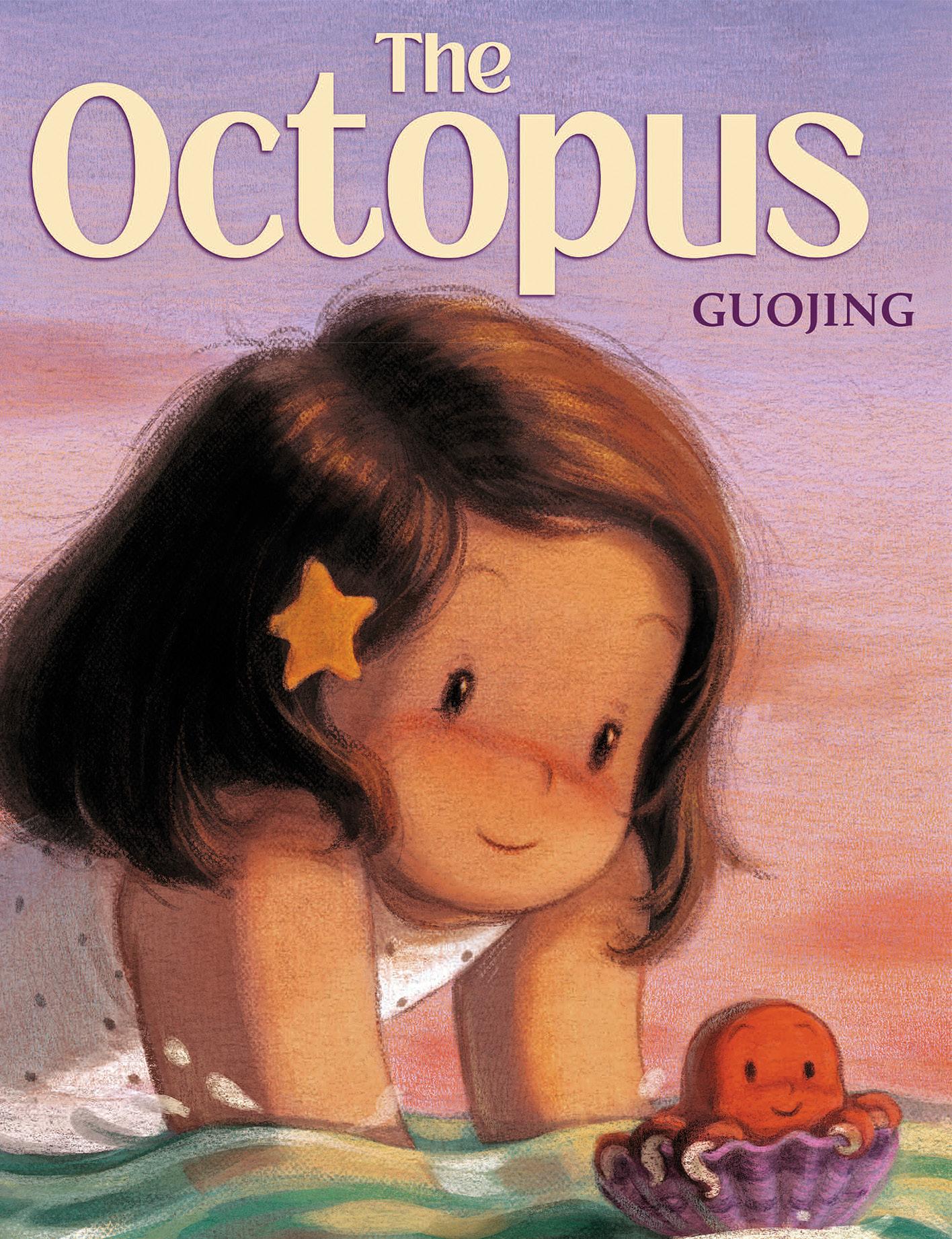
Anew book by a Vancouver artist is drawing attention to ocean pollution and showing young readers how even the smallest creature can create meaningful change in the world. Told completely through vivid illustrations that feel cinematic in their depth and emotion, The Octopus by Guojing is a story that unfolds with the little girl going to the beach with her mother. She finds a tiny octopus entangled in a plastic six-pack ring on the sand and scoops him up in her small, clear container. In an enchanting moment, they see each other eye-to-eye, and there’s a spark between them. Understanding that her new friend cannot be happy in
captivity, she frees him into the sea, following him on a magical underwater adventure and discovering its boundless joy and beauty.
Guojing is renowned for her award-winning and critically acclaimed picture books and graphic novels. Her stories, which are often wordless, invite readers into calm, expansive worlds where vulnerability, resilience and connection take centre stage.
“While walking along the seashore with my child and collecting seashells, we discovered that the shells were often little houses chosen by sea creatures to build a safe home of their own,” says Guojing.
“But nearby, we’d also sometimes find things that shouldn’t be there, like plastic bottles, straws and other items humans leave behind. Sadly, sea creatures cannot always tell the difference, even though some container waste may be dangerous to them. That worry, mixed with my and my child’s wonder and awe of the ocean, inspired this story.”
Originally from China, Guojing brings a global sensibility to her storytelling, blending poetic visual narratives with themes that speak to both children and adults. Her other books include The Flamingo, Stormy and The Only Child. Her most recent books include the graphic novel Oasis and the picture book The House that Floated.
With lots of heart and magic, The Octopus is a story for any age—children will engage in the sense of adventure and friendship, and adults will appreciate the book’s artistry and enduring themes.
Learn more at guojingart.com.
Stacie Gaetz is the managing editor of WestCoast Families and the proud mama of a delightful daughter and silly son who fill her days with love and chaos. She thoroughly enjoys supporting, connecting with, and informing parents through interesting articles like this one. Reach her at editor@westcoastfamilies.com.
Fort Langley National Historic Site
Did you know there’s a real fort in Fort Langley? Bring your family to this Hudson’s Bay Company trading post and uncover stories of Indigenous peoples and fur traders. With fun hands-on activities and many cultural events, it’s a learning adventure for all ages. Kids under 17 get in free! parks.canada.ca/lhn-nhs/bc/langley
The New Parenthood Pivot
How BC Families Are Navigating Rising Costs
Raising a family in British Columbia has never been a budget-friendly endeavour, but for today’s new and expecting parents, the financial game plan is changing.
According to the latest Early Parent Readiness Report from Embark and Angus Reid, millennial parents aren’t just sitting back as costs climb—they are intentional, educated and ahead of the curve.
The online survey was conducted by Embark from March 10 to 15, among a sample of 579 residents of Canada who are either parents or future parents between the ages of 18 and 50. Ninety percent of respondents in the survey were millennials between the age of 30 to 45.
A Focus on the Future
Despite the headlines about inflation and housing, BC parents are showing a surprising amount of grit. While only
33 percent of local respondents feel “very” prepared for the financial journey ahead, they aren’t letting uncertainty stall their progress. Instead, they are prioritizing long-term stability over immediate splurges.
During the survey, when asked how they would spend a hypothetical $2,500 windfall, the results were telling:
• Education: 27 percent said they would tuck it away for their child’s future schooling.
• Debt and Savings: Nearly half claimed they would use it to pay down debt or bolster emergency funds.
• Consumer Items: Only four percent said they would spend it on kid “gear” like strollers or clothes.
The Rise of the RESP
Embark
CEO Andrew Lo notes that families are planning for the future in other ways as well. They aren’t waiting until
their kids are in grade school to think about their post secondary education.
“They’re taking action early and RESPs are becoming one of the most common ways they’re doing it,” says Lo.
Three-quarters of respondents have opened a RESP, and in BC, 76 percent of people who took the survey feel they are well-versed in government matching programs like the Canadian Education Savings Grant (CESG).
The BC Breakdown: By the Numbers
• 46 percent of BC respondents have saved $5,000 or more for their child.
• Despite their efforts, only 32 percent of parents who took the survey feel fully confident they’ll be able to cover the total cost of post-secondary education.
• While 42 percent of respondents feel “somewhat” prepared, nearly a third of families report that they haven’t been able to start saving yet.
• BC participants received the least financial help from family (69 percent) when compared to other provinces in Canada.
– 13 percent having gone to family for one-time assistance
– 18 percent for ongoing support
• Thirty-six percent of BC respondents report spending between $500 and $999 per month on their child, with another 29 percent saying they spend less than $500.
As other provinces flag managing finance as a top concern, BC participants are more heavily impacted by lifestyle changes, with 27 percent saying they are challenged by the loss of personal time, 26 percent have trouble balancing work and life and 23 percent report that they are struggling with sleep deprivation.
The Bottom Line
The takeaway for West Coast families? You aren’t alone if the “day-to-day” feels heavy, but taking action early is the best way to quiet the noise. Whether it’s starting a modest RESP or simply getting familiar with provincial grants, BC parents are proving that while we can’t control the cost of living, we can try our best to plan for it.
Stacie Gaetz is the managing editor of WestCoast Families and the proud mama of a delightful daughter and silly son who fill her days with love and chaos. She thoroughly enjoys supporting, connecting with, and informing parents through interesting articles like this one. Reach her at editor@westcoastfamilies.com.
FUN
Entertaining and exploring with the family in an unfamiliar community is never easy. Whether your next family trip is to British Columbia, or you are exploring your own province, we have made it easy on you by putting together this collection of things to do! There are activities and attractions for every kind of visitor. There are more than enough things to do with families on Vancouver Island or in the Lower Mainland to keep everyone engaged.
Come explore!
Five Tips to Help You Weather Your Child’s Temper Tantrum Storm
It can happen anytime, anywhere. Your sweet, adorable little child suddenly becomes a screaming, kicking, snotty defiant little monster. Nothing will calm them down unless you give in to their demands, whether it is ice cream, screen time or something they asked for at the store. You try reasoning with them. “But it’s almost dinnertime,” you tell them. Or, “you’ve already had a lot of screen time today.” Or, “You have plenty of toys at home and don’t need one more.”
But the more you try and reason with them, the louder their screams get and now they’re also throwing themselves on the ground flailing.
While your child is having their tantrum, your own stress level increases sharply and triggers the stress response, especially if you are tired, hungry or otherwise depleted. You might start screaming at your child, restrain them forcefully or walk away. You might also feel embarrassed, especially if others are watching.
Remember you are not alone! Every parent will experience their child tantrum at some point. Temper tantrums cannot be avoided but they can be managed.
Here are a couple of tried-and-true tips.
1. Remain calm.
Yes, I know it is easier said than done but it is essential in these situations. Your child might be overstimulated, tired or hungry or all the above. Remind yourself that they’re not being bad but rather have limited capacity for emotional regulation. Wear your compassionate hat rather than your discipline one. Have a drink of water to help yourself calm down. Take a couple of deep breaths and remind yourself that they need your help. Never give in to their demands when they tantrum or this behaviour will become more frequent.
2. Use empathy and compassion rather than reasoning or threats.
Your child’s need to feel understood is greater than their need to understand. Feeling understood is in the basis of our experience as humans and is essential for our survival as a species. The more empathetic you can be, the shorter the tantrum will last. Remember that your child cannot think
reasonably during an emotional flood. They may also be too young to understand the logic behind your decision. Using threats or punishment during a tantrum are likely to prolong it, as your child will feel even more unsafe than before. Examples of empathic responses are: “You’re disappointed because you want (fill in the blanks).” “You are sad because you can’t have that.” “You’re mad because I won’t buy you that toy.” “I know you’re upset.”
3. Offer affectionate touch but do not impose it.
Use tender touch unless restraining them for safety reasons. Some children welcome a hug or a caress while being upset while others prefer to have space. Work with your child’s preference, if it is safe. You may ask them directly if a hug could help. If they refuse your touch, you can reassure them it is okay and that you are going to be there when they are ready for a hug. Try not to take it personally if they do not want you to touch them. They may be too overwhelmed to know what can help them.
4. Offer them a cold drink.
A cold drink or just holding a cold item such as a cold bottle of water or another beverage, ice or a bag of frozen vegetables or fruits will help calm their nervous system and shift it from stress to calm mode. Also, swallowing calms the nervous
Step into the future of Wildlife
system, so it’s something that both you and your child can use to calm down during a tantrum.
5. Be patient.
Your time, persistence and patience will pay off. When you offer empathy and compassion on a regular basis, your child will gradually learn to regulate their own emotions and calm their own storm.
Dealing with your child’s temper tantrum is never fun or easy. If you are feeling maxed out or completely depleted to begin with, it may be even more challenging for you. So, make sure to take care of yourself and give yourself breaks on a regular basis. Doing so will allow you to manage your child’s next tantrum more efficiently. Taking care of yourself is not selfish or indulgent but rather the responsible thing to do.
Dr. Michal (Michelle) Regev is a Registered Psychologist and Marriage and Family Therapist, practicing in BC. She has been an avid supporter of women and their mental health care and has presented in numerous conferences and workshops worldwide.
Step into the future of wildlife through our immersive worlds at Hologram Zoo Vancouver. Travel the world from Africa to Australia and beyond, brought to life through our award-winning technology.
This cruelty-free, sustainable zoo experience, both educates and entertains, sparking curiosity about wildlife and conservation. Perfect for visitors of all ages. Hologram Zoo Vancouver is a truly one-of-a-kind journey.
50 Smithe St, Vancouver hologramzoovancouver.com @hologramzoovancouver info@hologramzoovancouver.ca Book Your Experience NOW!
British Columbia’s First Hologram Zoo
Fresh Finds
BC-based products you’ll want to have on hand for your littlest loves.
Belan.J
Designed in Vancouver, and produced ethically, Belan.J creates ultra-soft bamboo baby clothing inspired by nature and West Coast landscapes. The brand focuses on comfort and gentle fabrics for sensitive skin. belan-j.com
Loulou Lollipop
Founded in Vancouver, this brand creates modern baby essentials like teethers, bibs and accessories. It began with a focus on safe, stylish yet practical products for parents. louloulollipop.ca
Jan & Ju
This Lower Mainland-based brand specializes in sun hats and outdoor gear for kids. It was founded by a mom passionate about wanting better protection for her children outdoors in all weather. janandjul.com
Quark Baby
Vancouver-based Quark was founded in 2021 by two dads. Quark products are designed locally to create baby feeding bottles and accessories that are safe, intuitive and thoughtfully designed. quarkbaby.com
F inish high school or upgrade your marks Tuition-free for eligible students.
What do want to do?
We o er High School Completion Courses to suit your lifestyle. Take them day or night. Talk to one of our advisors. It’s never too late to graduate.
What do YOU want to do?
YOU want to do?
What do YOU want to do?
Improve your English language skills – Tuition-free for eligible students.
inish high school or upgrade your marks – Tuition-free for eligible students.
F inish high school or upgrade your marks – Tuition-free for eligible students.
We o er High School Completion Courses to suit your lifestyle. Take them day or night. Talk to one of our advisors. It’s never too late to graduate.
We o er High School Completion Courses to suit your lifestyle. Take them day or night. Talk to one of our advisors. It’s never too late to graduate.
upgrade your marks – Tuition-free for eligible students. Courses to suit your lifestyle. Take them day or night. never too late to graduate.
Improve your reading, writing, speaking and listening skills, and meet new friends while taking Literacy Foundations Courses in English.
Improve your English language skills – Tuition-free for eligible students.
language skills – Tuition-free for eligible students.
Improve your English language skills – Tuition-free for eligible students.
LINC Classes focus on speaking, listening, reading, and writing English for day-to-day living, to help you integrate more easily into the community. Childminding is available.
Improve your reading, writing, speaking and listening skills, and meet new friends while taking Literacy Foundations Courses in English.
speaking and listening skills, and meet new friends while taking English.
Improve your reading, writing, speaking and listening skills, and meet new friends while taking Literacy Foundations Courses in English.
Work toward new career opportunities
LINC Classes focus on speaking, listening, reading, and writing English for day-to-day living, to help you integrate more easily into the community. Childminding is available.
We have a variety of study options to suit your needs. Choose part-time or full-time, short term or long term, and daytime or evenings.
listening, reading, and writing English for day-to-day living, into the community. Childminding is available. opportunities
LINC Classes focus on speaking, listening, reading, and writing English for day-to-day living, to help you integrate more easily into the community. Childminding is available.
Work toward new career opportunities
Work toward new career opportunities
• Dental Receptionist
• Arborist ISA
have a variety of study options to suit your needs. Choose part-time or full-time, short term or long term, and daytime or evenings.
options to suit your needs. Choose part-time or full-time, daytime or evenings.
• Early Childhood Education
We have a variety of study options to suit your needs. Choose part-time or full-time, short term or long term, and daytime or evenings.
• Accounting & Payroll
• Education Assistant
Arborist ISA
Dental Receptionist
• Dental Receptionist
• Arborist ISA
• Landscape Horticulture Apprenticeship
• Arborist ISA
• Accounting & Payroll
• Accounting & Payroll
• Accounting & Payroll
Early Childhood Education
• Start a Family Day Care
• Early Childhood Education
Education Assistant
Landscape Horticulture Apprenticeship
• TESOL (ELL Instructor)
• Education Assistant
Start a Family Day Care
• Start a Family Day Care
• Landscape Horticulture Apprenticeship
Residential Landscape Technician
• Floristry Design
TESOL (ELL Instructor)
• TESOL (ELL Instructor)
• Residential Landscape Technician
• Landscape Horticulture Apprenticeship
• Residential Landscape Technician
• Computer Courses: Excel, Word, Power Point, Keyboarding
• Computer Courses: Excel, Word, Power Point, Keyboarding
• Pesticide Application
• Residential Landscape Technician
• Computer Courses: Excel, Word, Power Point, Keyboarding
• Computer Courses: Excel, Word, Power Point, Keyboarding
• Virtual Presentation Skills
• Artificial Intelligence
• Virtual Presentation Skills
• Virtual Presentation Skills
• Virtual Presentation Skills
Floristry Design
• Building Service Worker
• Floristry Design
Pesticide Application
• Tree Pruning
• Pesticide Application
• Pesticide Application
• Artificial Intelligence
• Artificial Intelligence
• Artificial Intelligence
• How to Create a Show from Scratch
Tree Pruning
Building Service Worker
• Building Caretaker
• Building Service Worker
• Tree Pruning
• Tree Pruning
• Restoring Soil Health
Building Caretaker
• Building Caretaker
Restoring Soil Health
• Restoring Soil Health
Hardscape Installation
Try something new
Try something new
Try something new
• Restoring Soil Health
• Hardscape Installation
• Hardscape Installation
• How to Create a Show from Scratch
• How to Create a Show from Scratch
• How to Create a Show from Scratch
• O ce Skills
• O ce Skills
• O ce Skills
• Sustainable Landscape Design
• Hardscape Installation
Sustainable Landscape Design
• Sustainable Landscape Design
• Sustainable Landscape Design
• O ce Skills
• Speaking E ectively
• Speaking E ectively
• Speaking E ectively
• Speaking E ectively
• Voice Over Acting
• Voice Over Acting
• Voice Over Acting
• Voice Over Acting
Choose from a long list of General Interest Courses including: French, Spanish, Mandarin, Japanese, Reiki, Photography, and Soap Making & Self Care.
General Interest Courses including: French, Spanish, Mandarin, and Soap Making & Self Care.
Choose from a long list of General Interest Courses including: French, Spanish, Mandarin, Japanese, Reiki, Photography, and Soap Making & Self Care.
Choose from a long list of General Interest Courses including: French, Spanish, Mandarin, Japanese, Reiki, Photography, and Soap Making & Self Care.