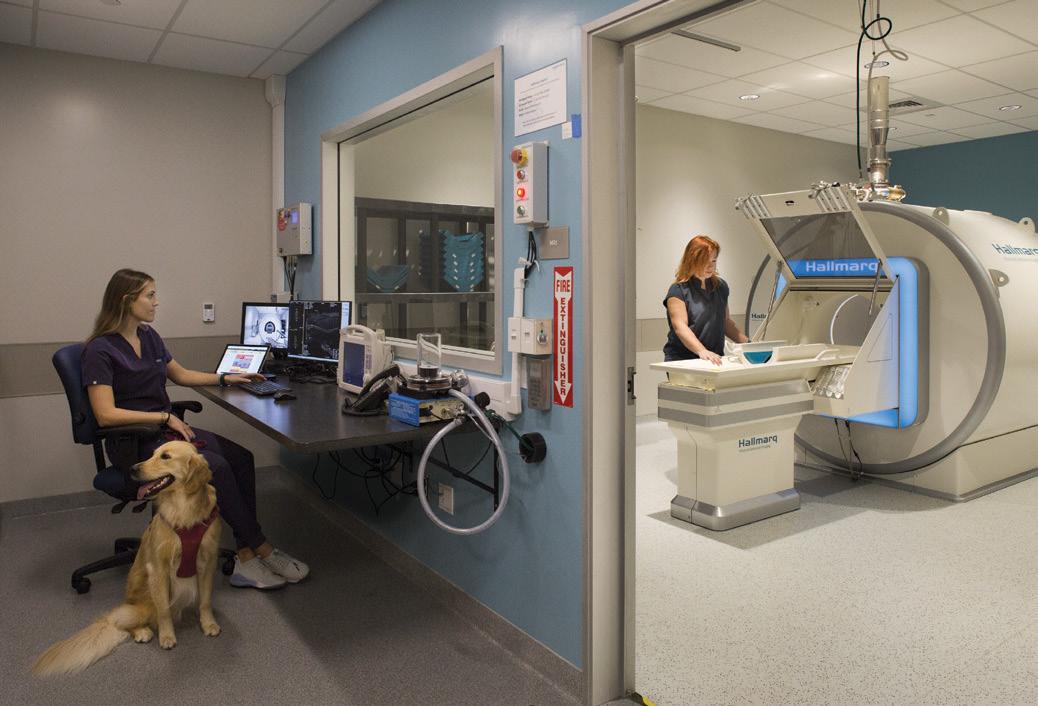
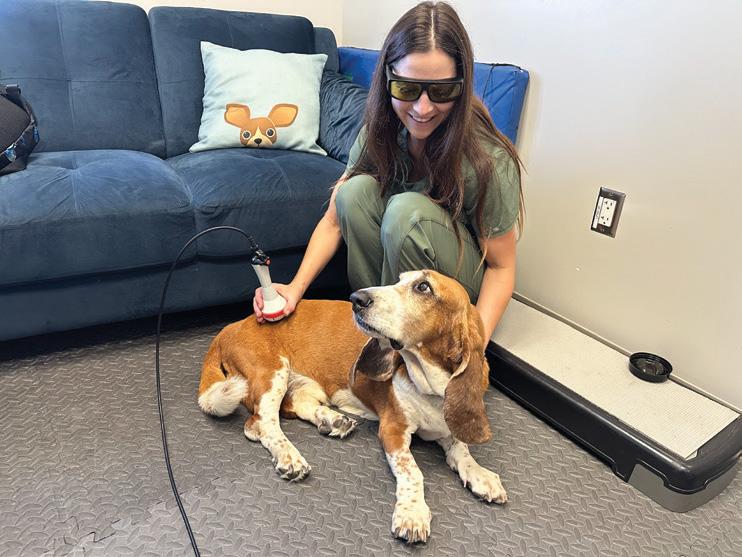
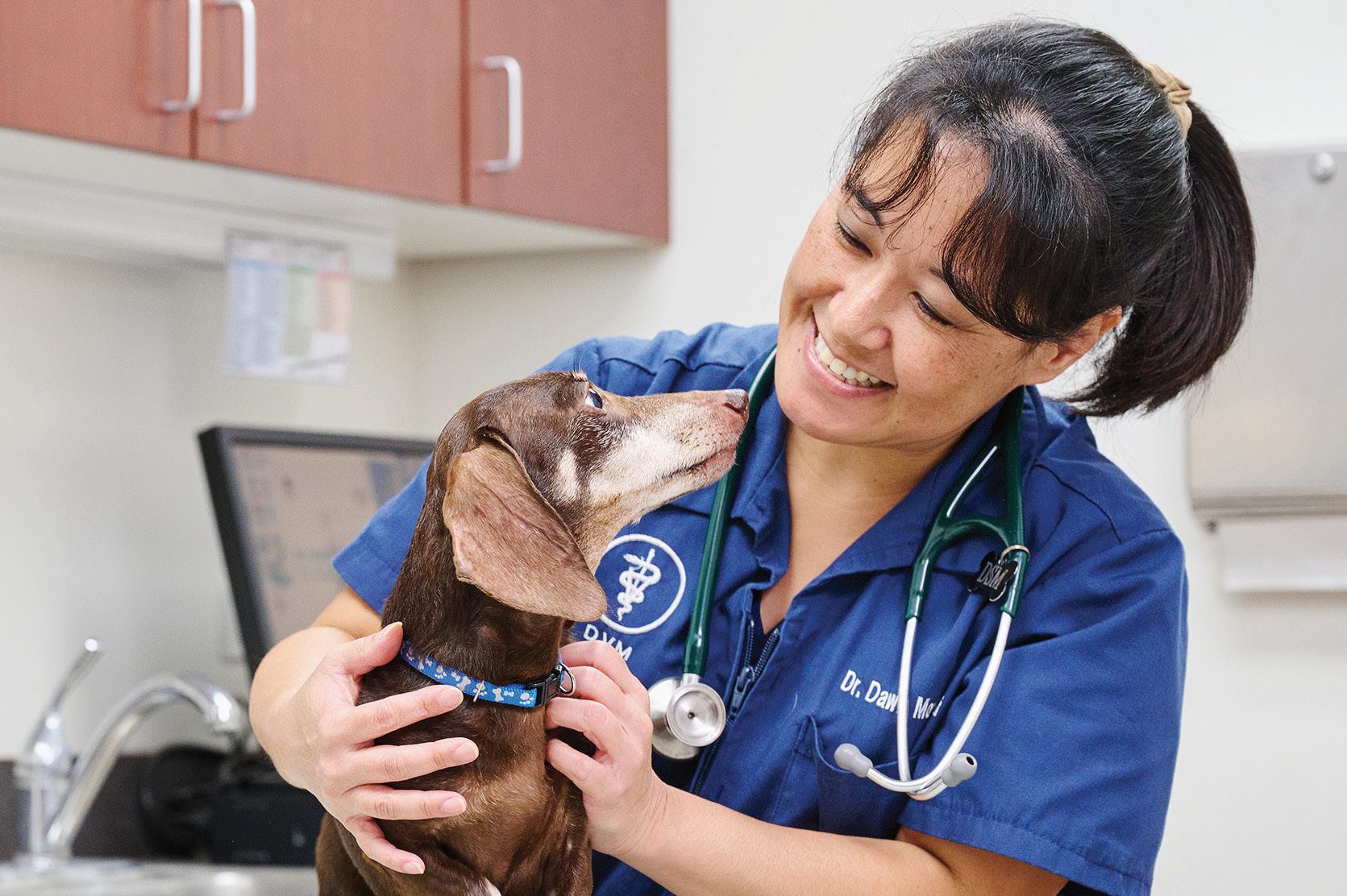
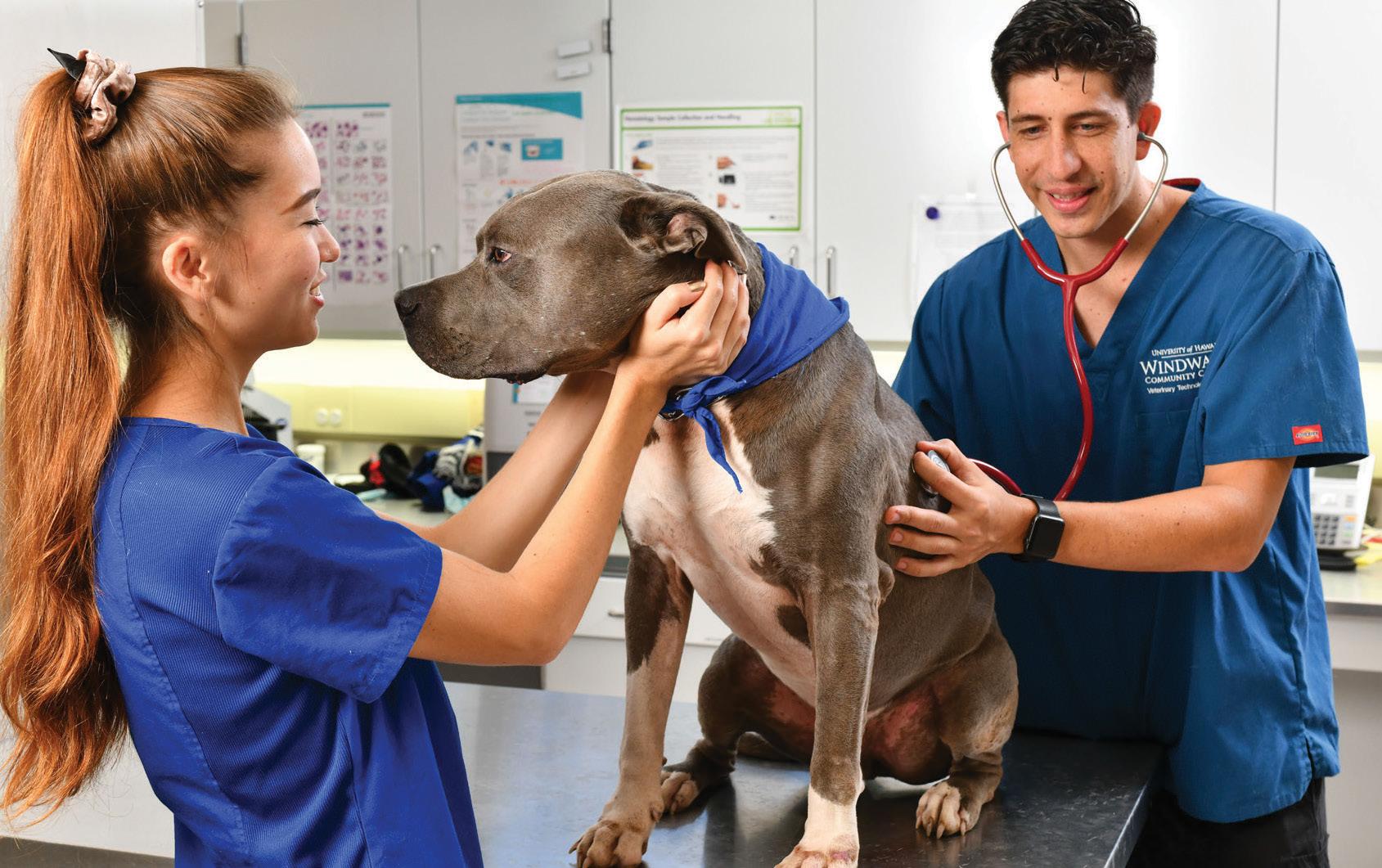
• Emergency & Critical Care, Internal Medicine, Neurology, Oncology, Physical Rehabilitation, Radiology, and Surgery All in One Facility
• Advanced Diagnostic Tools including CT, MRI, and Ultrasound
• Compassionate Approach to Medicine
Advanced Neurology & Physical Rehabilitation Care
If your pet is struggling with wobbling, seizures, or weakness, our board-certi ed neurologist, Dr. Baye Williamson, offers expert care. From advanced MRI diagnostics to surgery and personalized rehab, we’re here to help your pet regain mobility and comfort.
Pet-Friendly Flooring, oughtfully Designed
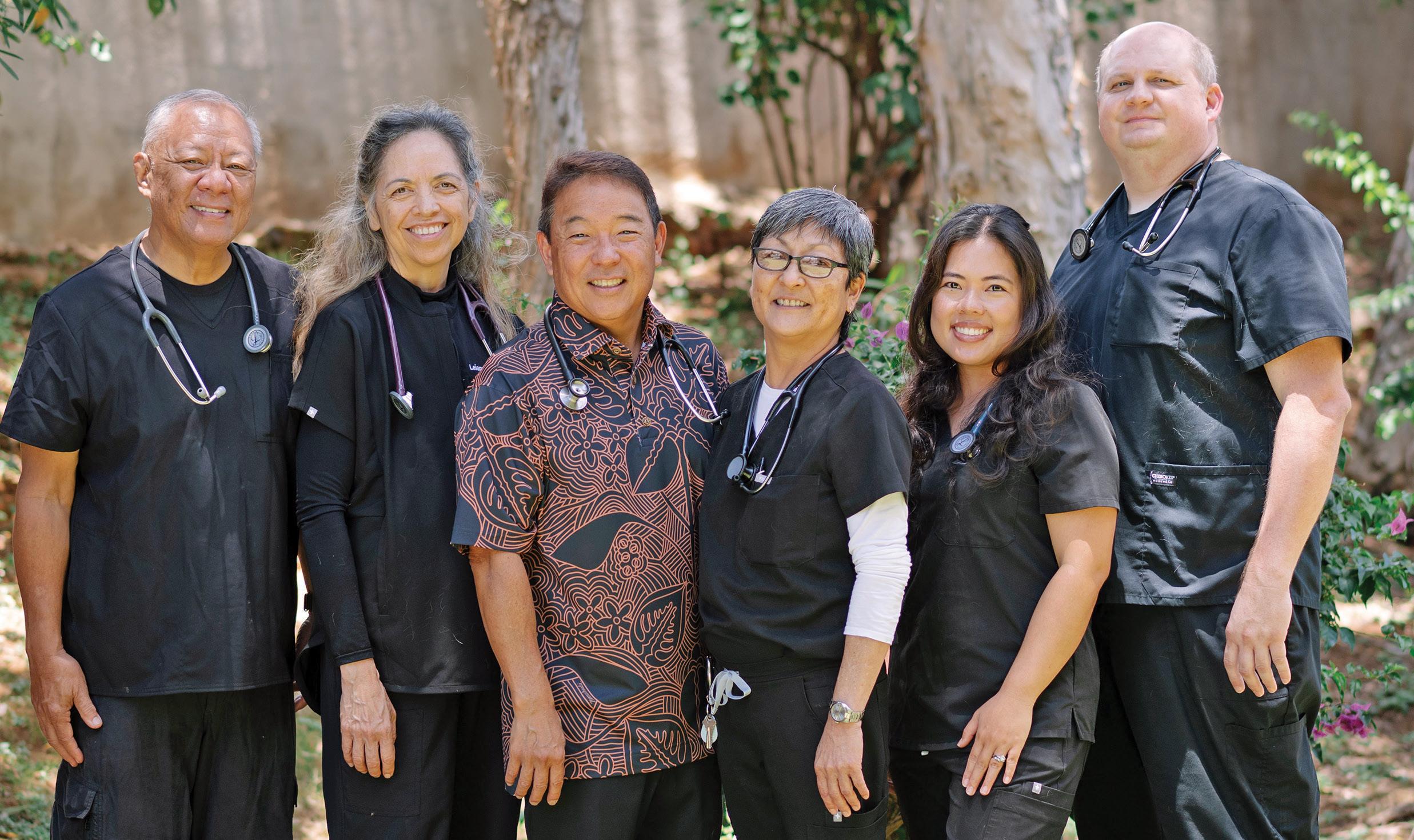
Eric Ako DVM
Ann Sakamoto DVM
Jordan Bader DVM
Krista-Ann Lee DVM
John Kaya DVM
Leianne Lee Loy DVM
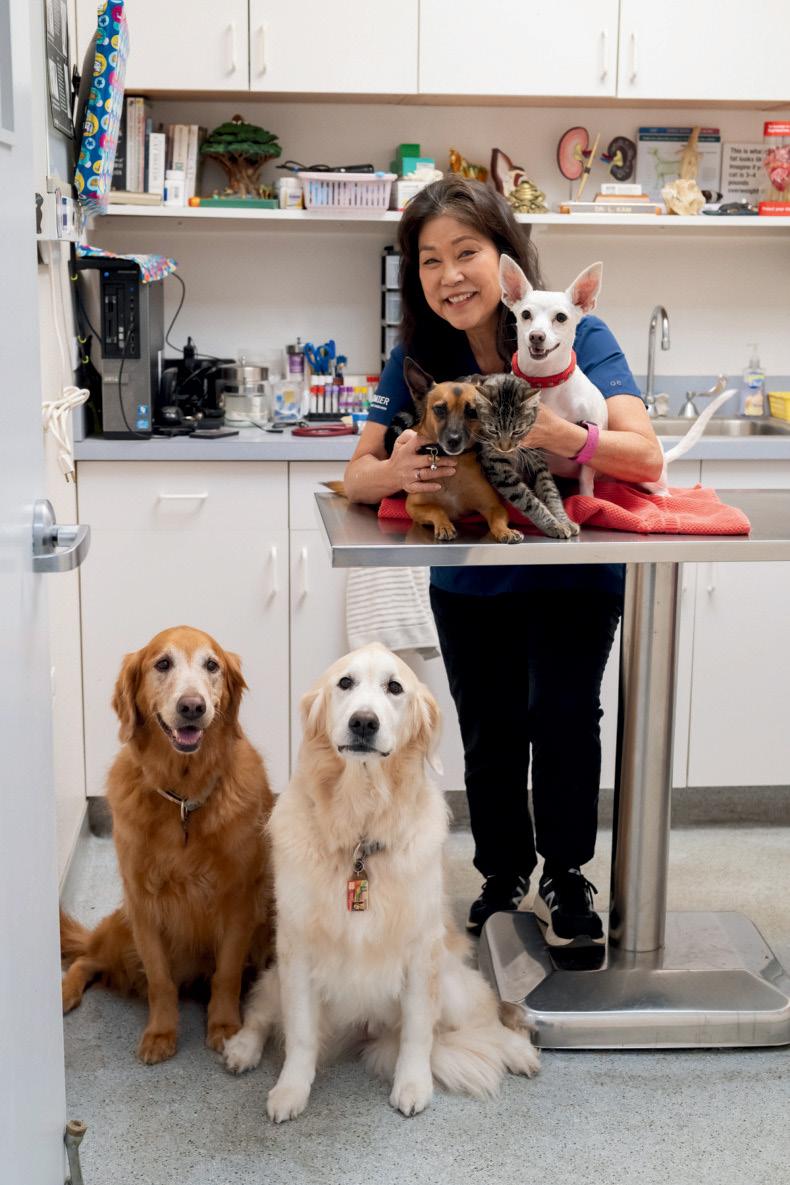
Lolli P.
Dermatology
Dermatology
Dr. Kain Masutani, DVM
Dr. Kain Masutani, DVM
Dr. Kain Masutani was born and raised in Hawaii and attended Mi Pacific Institute. He earned his undergraduate degree from Creighton University and his veterinary degree at St. George’s University, finishing his clinical year at Oregon State University. He later completed a dermatology residency in Washington. During this time, he obtained certification in CO laser surgery. Dr. Masutani is excited to return home to Hawaii and provide advanced dermatology services to the community.
Dr. Kain Masutani was born and raised in Hawaii and attended Mi Pacific Institute. He earned his undergraduate degree from Creighton University and his veterinary degree at St. George’s University, finishing his clinical year at Oregon State University. He later completed a dermatology residency in Washington. During this time, he obtained certification in CO laser surgery. Dr. Masutani is excited to return home to Hawaii and provide advanced dermatology services to the community.
Constant scratching, licking, or chewing
Constant scratching, licking, or chewing
Hair loss or bald patches
Hair loss or bald patches
Red, flaky, or irritated skin
Red, flaky, or irritated skin
Unpleasant odor from the skin or ears
Unpleasant odor from the skin or ears
Our Services:
Services:
surgical laser
Removal of skin growth, tumors, and warts
Removal of skin growth, tumors, and warts
Minimal damage to the skin and blood vessels
Minimal damage to the skin and blood vessels
Removal of certain pre-cancerous and cancerous lesions
Removal of certain pre-cancerous and cancerous lesions CO surgical laser
Reduces inflammation and swelling Light Therapy (Phovia)
Accelerates wound healing and helps clear infections
Accelerates wound healing and helps clear infections
Utilized for hot spots, wounds, and surgical sites
Reduces inflammation and swelling Light Therapy (Phovia)
Utilized for hot spots, wounds, and surgical sites
Food allergies
Food allergies
Diet trials to determine food allergies
Diet trials to determine food allergies
Hypoallergenic maintenance diets
Hypoallergenic maintenance diets
Recurrent skin or ear infections
Recurrent skin or ear infections
Thickened or darkened skin
Thickened or darkened skin
Skin growths, tumors or warts
Skin growths, tumors or warts
Seasonal or food-related allergies
Seasonal or food-related allergies
Video ear exams
Video ear exams
Visualizes and records the ear canals and eardrums
Visualizes and records the ear canals and eardrums
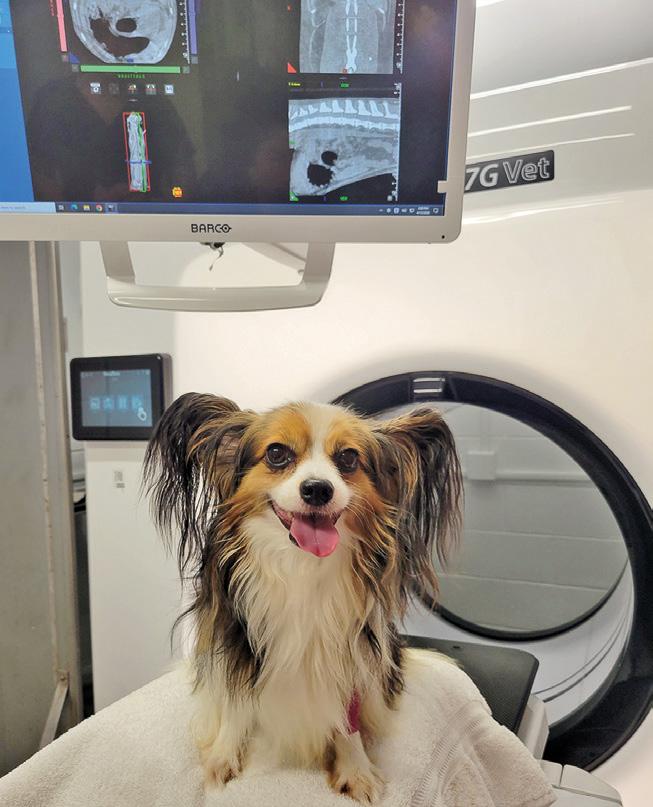
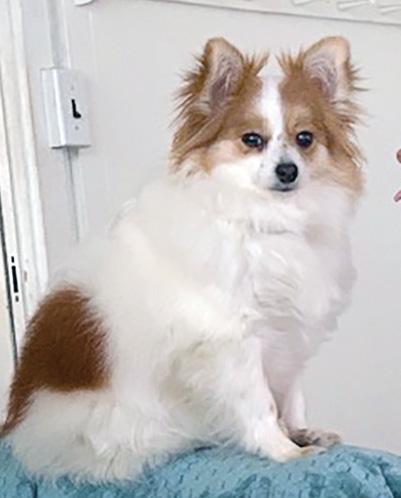
Afallfrom a bed left Ringo, a fiveyear-old Papillon, unable to use his back legs. Based on his physical exam findings, he was diagnosed with a spinal cord injury causing paralysis, likely caused by ruptured intervertebral disc material compressing the spinal cord.
The team at Island Veterinary Care (IVC) acted quickly. Within hours of intake, a CT scan with a myelogram was performed. This is a specialized imaging technique using contrast to highlight the spinal cord and identify abnormalities. The imaging confirmed a ruptured disc with moderate spinal cord compression. Encouragingly, Ringo still had superficial pain sensation, a key factor when determining whether to pursue medical or surgical treatment.
Dr. Rachael Lau and the IVC team immediately implemented an intensive, multimodal treatment plan. This included injectable and oral pain medications, steroids, hands-on care, daily acupuncture, laser therapy, and twice-daily physical rehabilitation.
Ringo responded remarkably well. Within just two days, he began showing slight movement in his hind limbs. By day three, he was able to bear some weight, and by day seven, he was walking unassisted—though still a bit wobbly.
Ringo’s recovery highlights the importance of rapid diagnostics and comprehensive medical management in achieving the best possible outcomes.
If you believe your pet may benefit from advanced imaging such as a CT scan or myelogram, or from integrative therapies like acupuncture and laser therapy, please contact Island Veterinary Care at 808-944-0003.
Rapid diagnostics and multimodal medical management helped Ringo recover from a spinal cord injury.
ISLAND DOG MAGAZINE
Publishers
John B. Harmon III
Carol R. Harmon
Editor
John Harmon
Design
Carol Harmon
Cover Photo
Kelli with an Eye
Kelli Bullock Hergert
Printing
Journal Graphics
Island Dog Magazine is published quarterly in February, May, August and November and distributed on Oahu at select pet stores, veterinary clinics, and other retail establishments including:
Safeway: Beretania
Longs: Kahala, Kapolei, Pearlridge Times Supermarket: Aiea, Kahala, Kaimuki, Kalihi, King Street, Liliha, Mililani Hardware Hawaii: Kailua
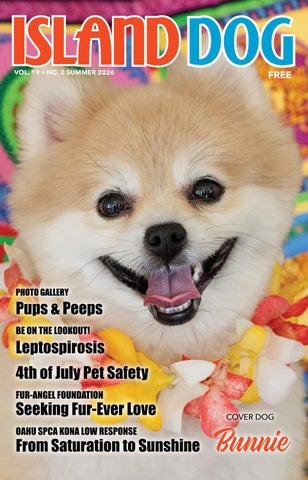
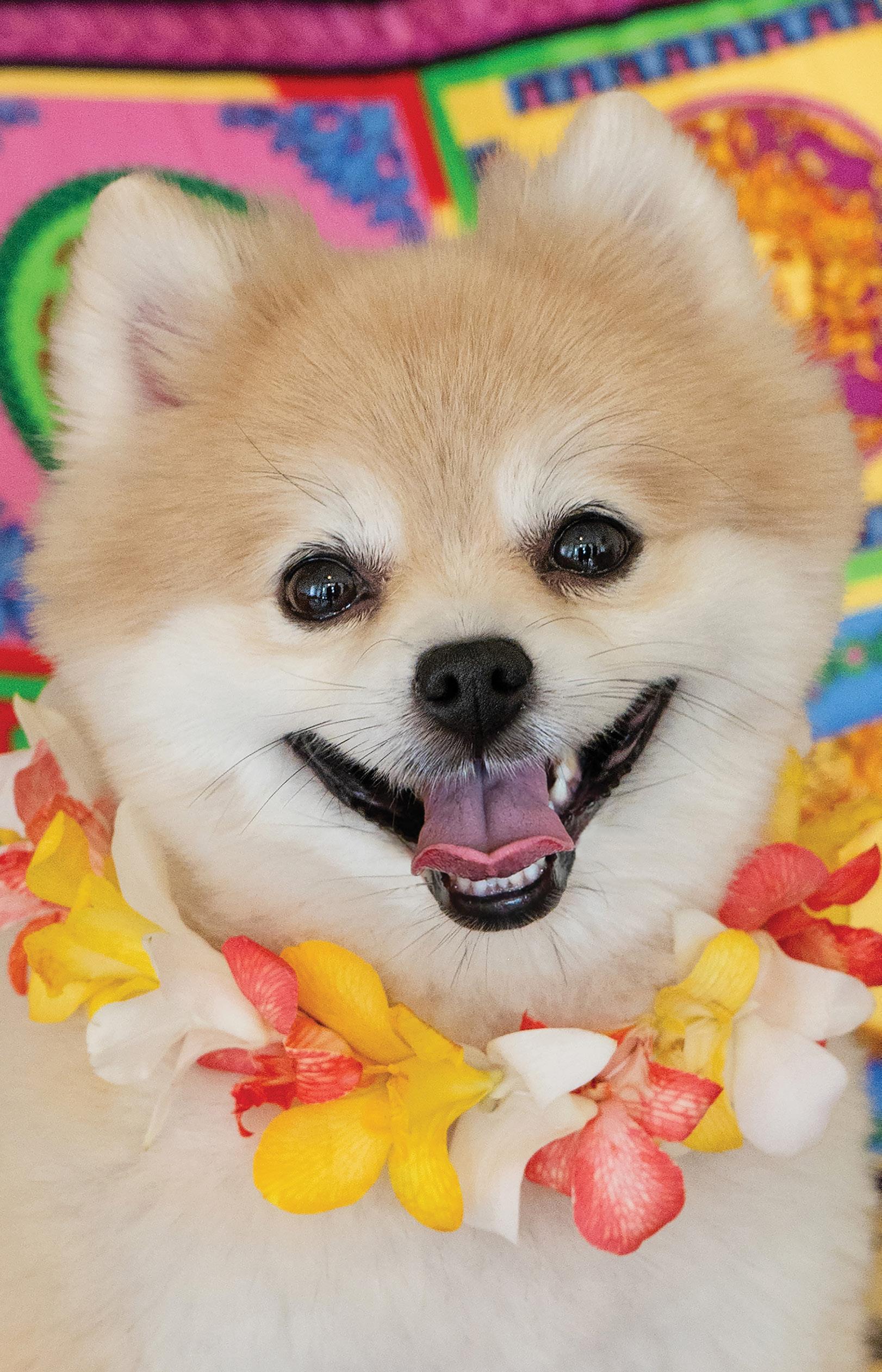
Sum-Sum-Summertime! Does anything else sound so sublime? Hot days, warm nights, and going out for “I scream, you scream, we all scream for Ice Cream!” And oh baby, do we have the cool treats for you, starting with Cover Girl Bunnie, adorably captured by lenswoman Kelli Bullock Hergert.
Many folks wonder where we get our cover models, and the answer is, increasingly, from submissions to our Da Kine Canine photo gallery which is, as usual, chock full o’ pups. Our showcase of Pups & Peeps means even more mischief as dogs are framed with their beaming hooman companions. So keep ‘em coming and who knows? Your handsome hound could be our next cover!
Oahu, like most of Hawaii, was devastated by the back-to-back Kona Low storms, and locals were quick to respond. Leptospirosis is a continuing threat, and we asked Dr. Carrie White of VCA to update us on avoidance, the warning signs of infection, and treatment. Stephanie Ryan, president of the Oahu SPCA, gives a first hand account of her organization’s efforts to deal with the rising water at their Wahiawa facility while providing rescue and medical care to affected animals and residents. Tiffany Kim’s Fur-Angel Foundation does rescues, but has a set of fosters who take care of them. We are lucky to hear from them all!
Meanwhile, Nuggets exhibits factoids of the canine persuasion, while Gifts & Sniffs gleams with wild water fun, and fresh toys.
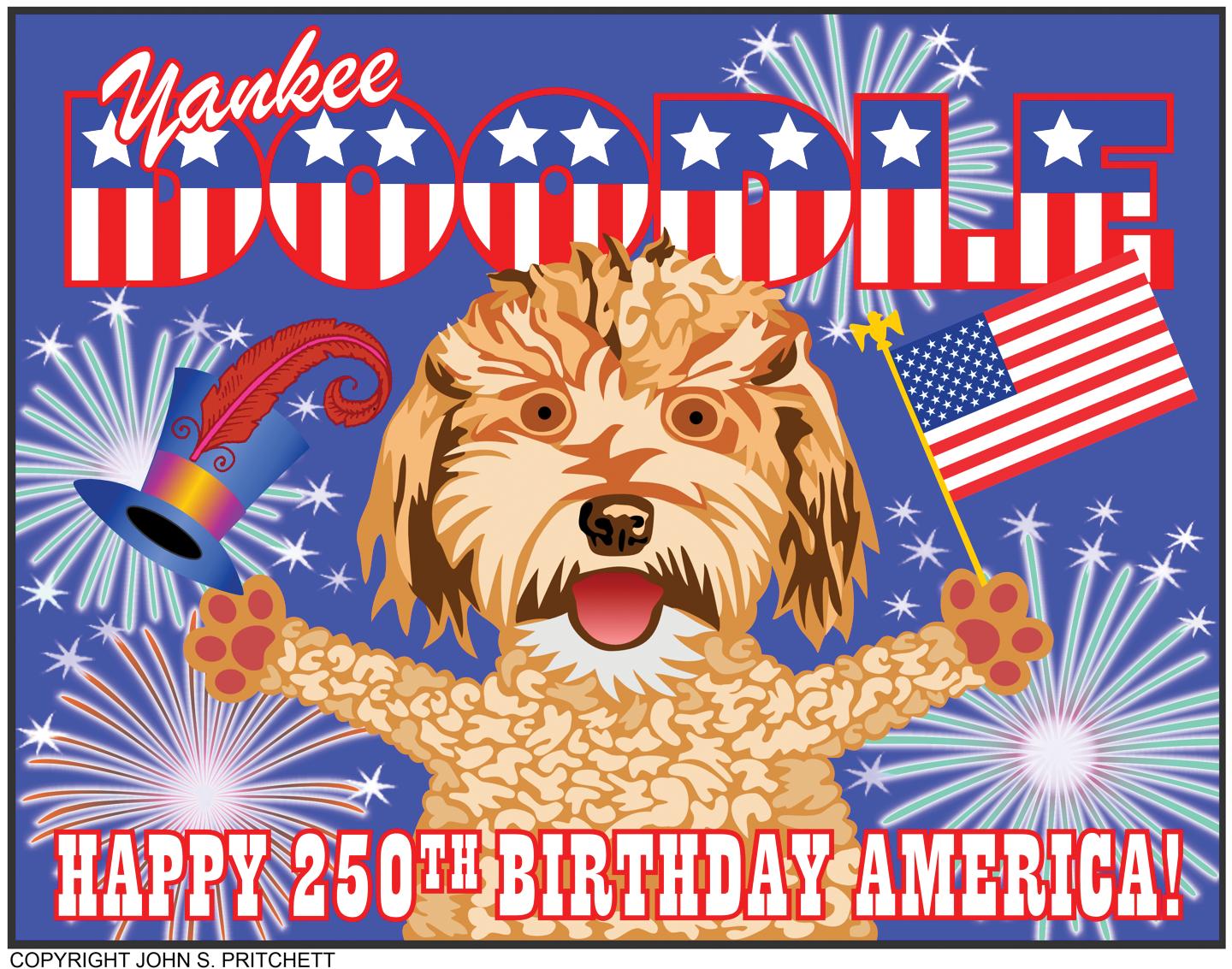
All this, plus a 4th of July safety reminder and resident artist John Pritchett presuming to put a pupper into a Jimmy Cagney role makes for a fine and fudgy Sundae Edition indeed!
And always, always, always, mahalo for the kindness of your attention to our little dog mag in this most digital of ages. You are our blessing. You advertisers too, of course!
— John & Carol
O‘ahu’s Off-Leash Dog Parks
‘A‘ala Dog Park
280 N. King St.
Open Daily 6am – 9pm
Ala Wai Dog Park
2444 Hihiwai St.
Near Ala Wai Elementary
Open Daily – daylight hours
Closed Tuesday mornings for maintenance
Bark Park
4155 Diamond Head Rd.
Open Daily – daylight hours
Elaine Dobashi Dog Park
333 Keahole St. at makai end of
Hawai‘i Kai Park & Ride
Open Daily – daylight hours
Closed Tuesday 7am - Noon for maintenance
Forest City Dog Park
3772 Radford Dr.
Bring your own water
Open Daily 7am – 6:30pm
Hoa Aloha Park
949 Ala Loke St. Salt Lake
Open Daily 5am – 8pm
Closed Tuesdays til noon for maintenance
Kaka‘ako Dog Park
690 Pohukaina St. at Mother Waldron Park
Open Daily 5am – 10 pm or as noted on signs
Kahua O Waikalua Dog Park
Opened Dec. 2024
45-231 Kulauli St., Kaneohe Next to Bayview Golf Course
Open Daily 7am – 7pm
Closed Thursdays til 11am for maintenance
Kolowalu Dog Park
Opened Feb. 2025
1240 Ala Moana Blvd, Kakaako
Open Daily 6am – 10pm
Moanalua Dog Park
2900 Moanalua Rd.
Moanalua Community Park
Open Daily – daylight hours
Closed Tuesday mornings for maintenance
Mililani Dog Park
95-1069 Ukuwai St. Park & Ride
Open Daily – daylight hours
Closed Wednesday mornings for maintenance
Mo - ‘ili‘ili Dog Park
2705 Varsity Pl. at
Kalo Place Mini Park
Open Daily 5am – 10 pm
Closed Tuesday 7am – noon for maintenance
Waipahu Dog Park
Patsy Mink Central O‘ahu Park, makai-end
Open Daily 7am – 7pm
Closed Wednesday mornings for maintenance
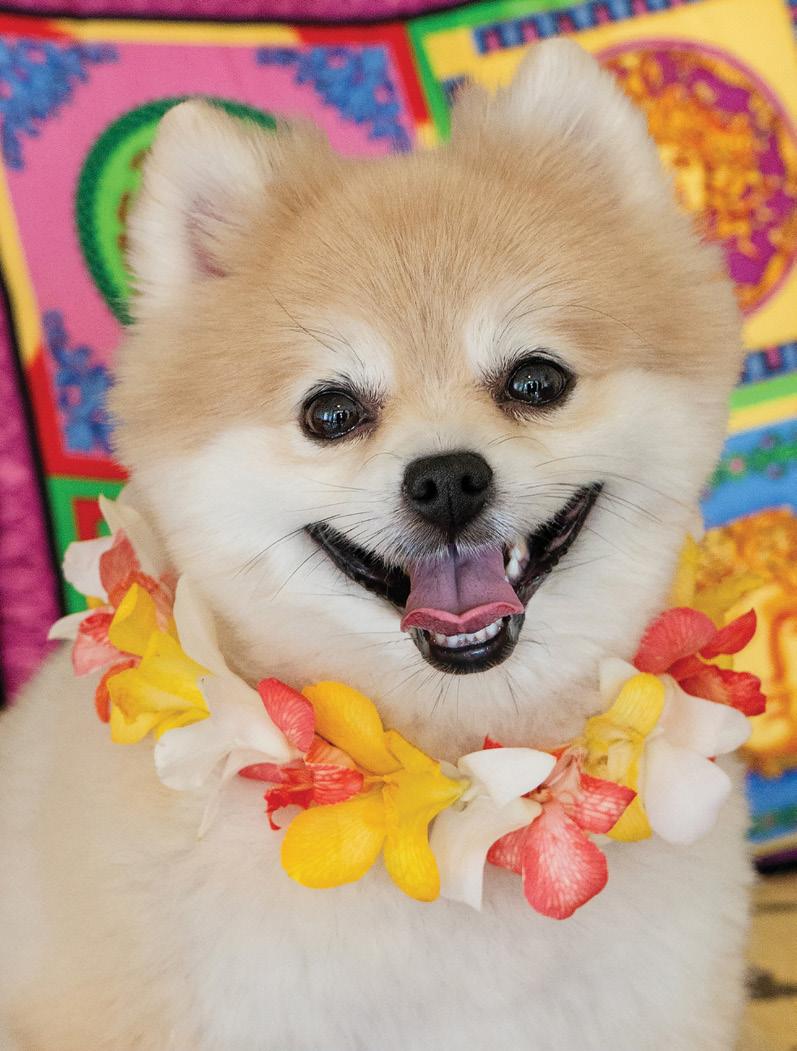
Hi, I’m Bunnie! And yes, before you ask—I was named after those hopping rabbits, though I think I have a bit more hang-time than they do. I’m a professional joy-spreader who greets every friend with a signature “Bunnie Welcome”: a formal bow, three rapid-fire spins, and a vertical leap that would make a pro athlete jealous, all finishing with my patented “worm wriggle.”
When I’m not perfecting my gymnastics, I’m courtside (from the living room couch). I’m a die-hard Lakers fan, and make sure LeBron James knows exactly what I think of his plays—I never miss a chance to bark some coaching advice at the TV!
I’m a simple girl with sophisticated tastes. My favorite toy? A classic green ball. My favorite snack? A cheese pizza “forgotten” in the backseat of the car. My favorite person? My human, Georgia. Nothing beats the thrill of the school pick-up line and seeing all her friends!
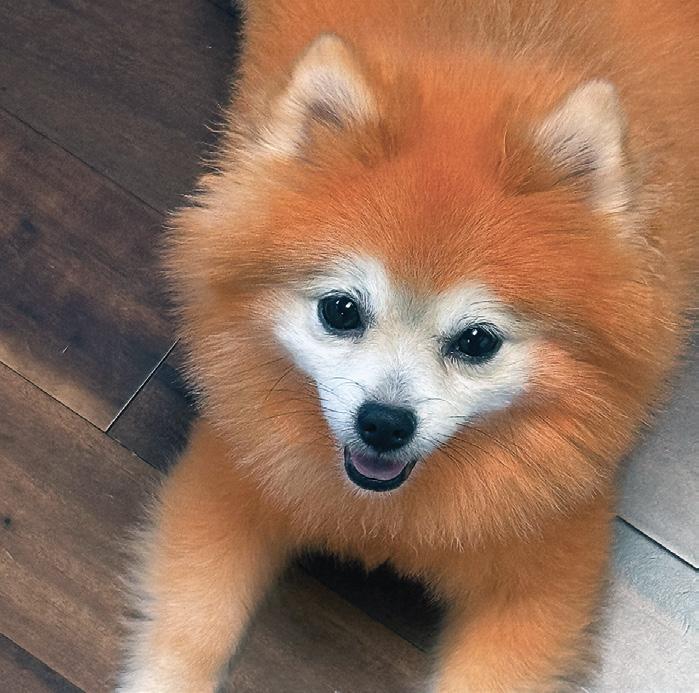
But even a star like me needs a change of pace...or a change of orange. Enter my alter ego: Tito the Cheeto. When I’m Tito, I’m a tourist sensation! Groups waiting at the crosswalk wave, laugh, or scream with excitement. I may be the smallest dog in the room, but I promise I have the biggest heart you’ll ever meet!
Bunnie
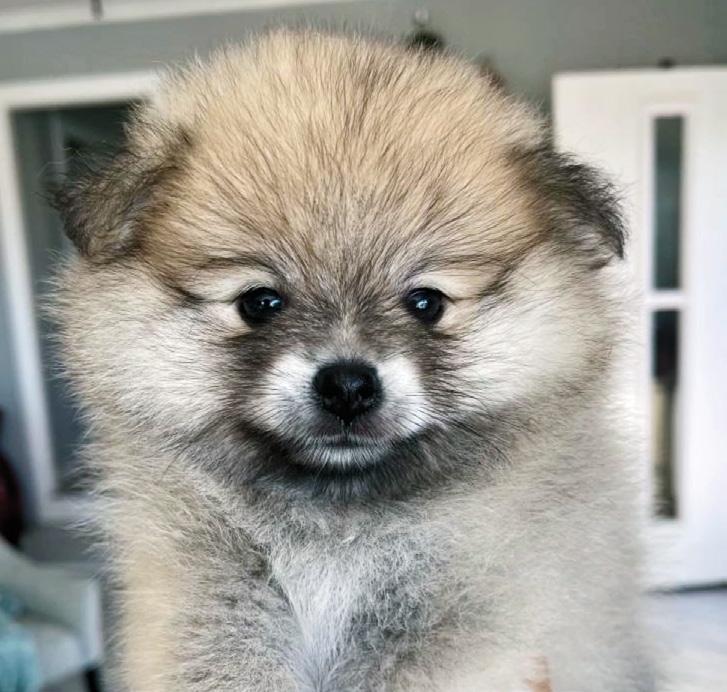
I really was an adorable pup!
My alter ego: Tito the Cheeto
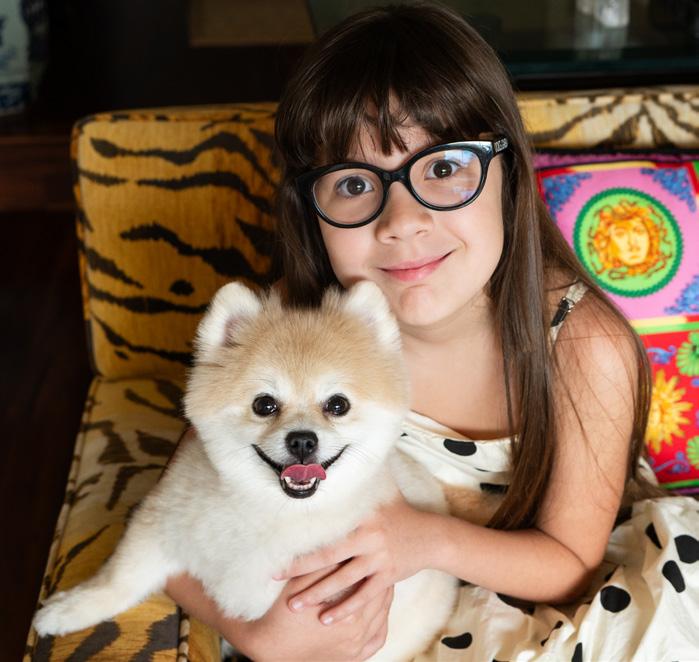
Me and my favorite person, Georgia
KELLI BULLOCK HERGERT
The Blue Dogs of Chernobyl
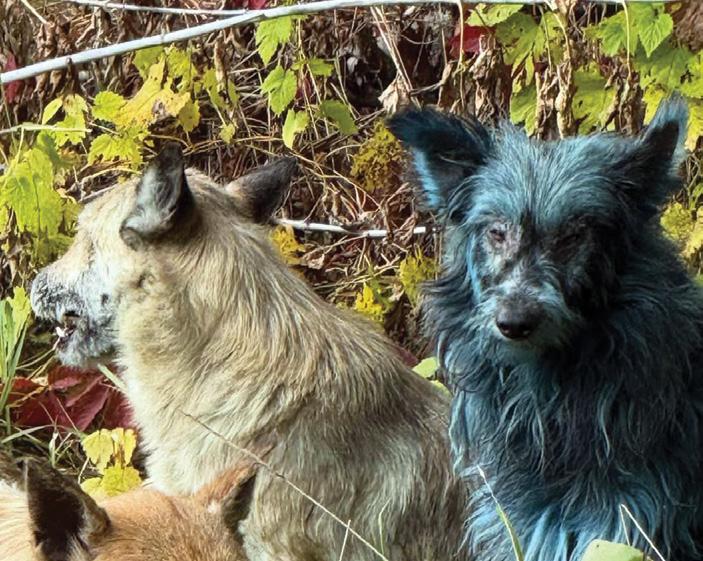
Scientists have been closely monitoring the genetic changes in dogs who live in and around Chernobyl, site of the nuclear meltdown in 1986. Although unfit for humans, about 250 dogs live at the facility and another 225 are in Chernobyl City. They have been intensely studied for their genome changes due to radiation inundation, but few were prepared for them to suddenly turn blue!
“Foul!” cried some to the nonprofit Clean Futures Fund, who’ve been working with the animals for decades. “You’re manipulating the photos to raise donations!”
Alas, neither Photoshop nor genetics were involved. They just got into something that dyed their coats—most likely rolling around in Port-A-Potty chemicals!
How Old is the World’s First Known Dog? Real Old!
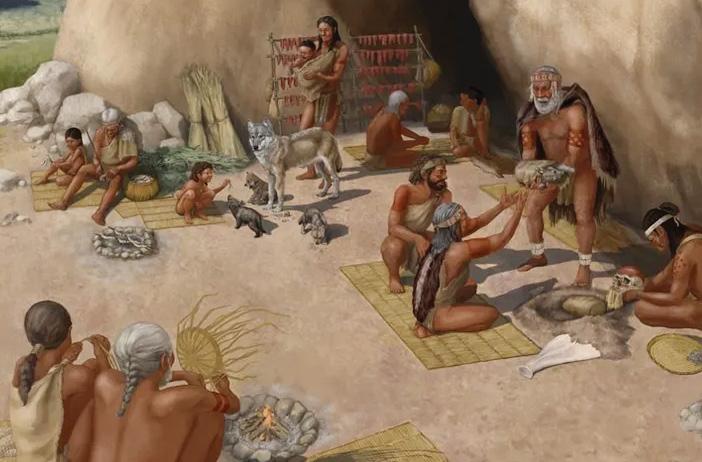
As reported by Smithsonian Magazine, scientists have rolled back the earliest known domesticated dog to over 14,000 years ago. That’s more than 5,000 years older than previously thought, and even pre-dates humans practicing agriculture!
A site in England yielded a canine jawbone dated to 14,300 years ago, and a Turkish site revealed a 15,800-year-old domesticated animal. Despite being so far apart, they were very closely related genetically, meaning that they were probably widespread across Eurasia at the time.
These animals ate basically the same diet as the humans they lived with, which is another indication of domestication. And, like human skulls of the period, the English animal had decorative perforations on its skull, while in Turkey dogs were buried with deceased people.
Canine Gate Crasher at Olympics
The 2026 Winter Olympics in Tesero, Italy featured an unlikely sensation. Nazgul, a 2-year-old Czechoslovakian wolfdog got away from his owner during a walk and wandered onto the cross-country skiing course during the women’s team sprint heats. The dog ran alongside athletes, crossed the finish line and was safely restrained.
An artist’s depiction of dogs living alongside humans at a site in Turkey 15,800 years ago. Kathryn Killackey
Why Do Dogs...
So you’re walking your dog on a nice summer day, trade winds blowing gently, everything chill, and you’ve given him a little extra leash to explore because, why not? Oh yeah, that’s why—he’s rolling in dog poo! Or you give him a special treat that you know will take him an hour to work down to a swallowable size, and he runs into the back yard with it and comes back in less than 5 minutes without it. What just happened? It probably goes back to those wolf days!
Why Bury Things? Sure, your little Doxie gets fed daily—probably twice! But wolves have to hunt for meals, either killing prey or happening upon something akin to sustenance. They eat their
Dogwalker etc Turns 25
A huge “Atta Girl” to Erin Chappelear of Dogwalker, etc for celebrating 25 years in business! She’s a pet industry OG, setting the bar for the many who have followed her, and also one of our first advertisers in Island Dog Magazine. Here’s to 25 more! Woof!
fill, then bury the rest for later. Burying is important, because it erases the visual cue and dampens the smell to other predators and scavengers. And meat in the ground is better preserved, as the sun turns it rancid pretty rapidly. Quick tip: Never give your pup a treat on a full stomach, no matter how much he begs!
Why
Roll in
Smelly Stuff?
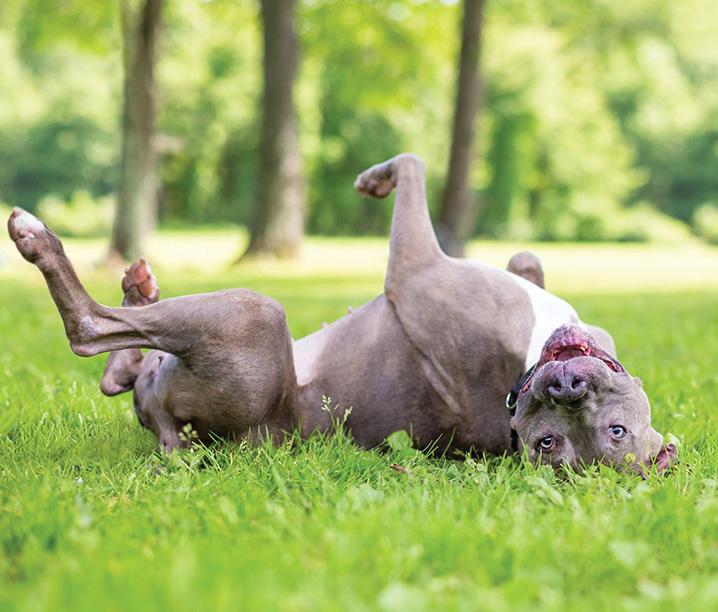
Again, wolves. As Pat Goodman, a researcher at Wolf Park Foundation, observed: Rather than merely masking their scent to hunt, wolves appear to be sharing information. When a wolf returns smelling of a new, pungent odor, other pack members intensely investigate the scent on the roller. Maybe you should, too! Quick tip: Keep that leash short!
photo gallery da kine canine
Woody
Pomai
Ozzie at Manoa Falls
Chara
Mili
‘Iwa
Roxanne Standing Tall
Hamilton
Lady Squirrel
Honey
Kai Kai
Cooper crashed out
❤
In Loving Memory Yoshi
Choco
Kula
Hermes Aegis & Santino
Princess Bella Sali, Yumi & Aiko
Yumi
❤ In Loving Memory Buster
Wookie
Marley Girl 14 Years
Winnie
Opihi, Ka‘eo & Kula
Camee & Rexx-Ray
Roo
Miso Boy
❤ In Loving Memory
Beamer
Peanut Girl
Bella
Rachel Benji-Boy
Tsugomori 17 Years
Flexington
Dior Taniguchi
Azusa
Layla
Coco Dog
Harlie
Louis, Gucci & Fendi
Ahi
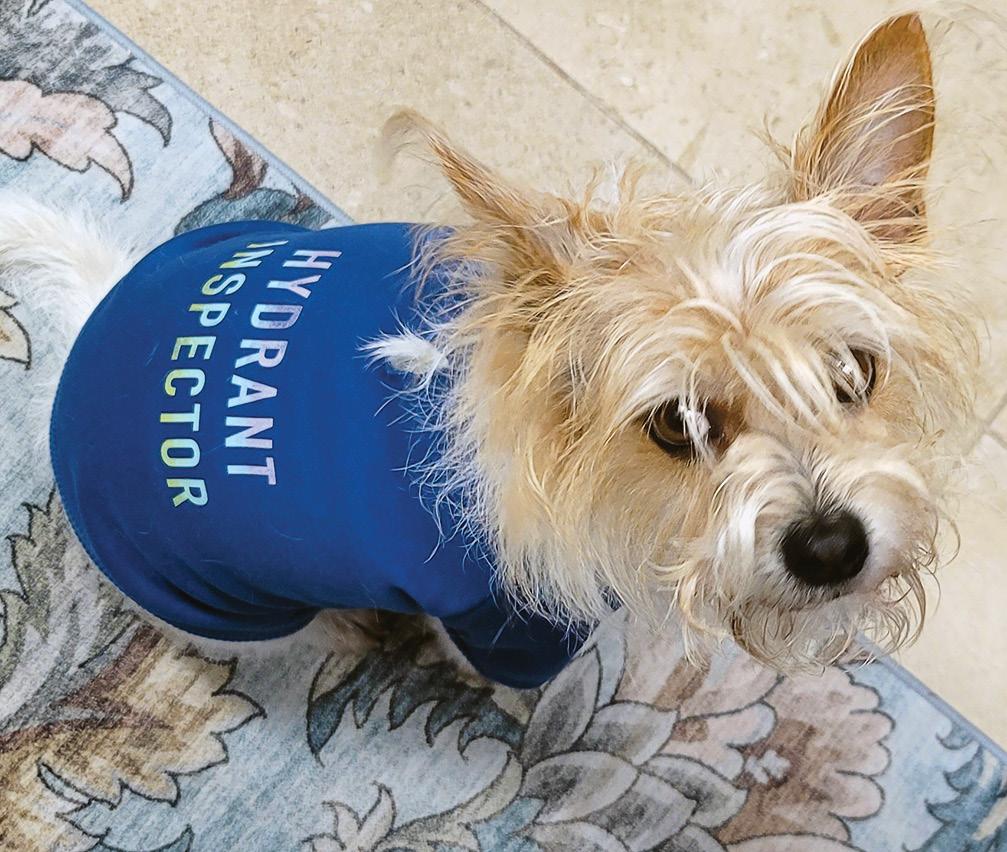
Hydrant Inspector Marley Woody
Chevy Lei
Merlin & Zero
Specializing in problem behavior rehabilitation
Specializing in Problem Behavior Rehabilitation Visit: APetPerspective.com to complete an Evaluation Request or Scan QR Code (808) 229-4778
@APetPerspective
“A holistic approach to canine behavior”
Inside the Puppy Mind
Puppies are an exciting and fun new addition to any family. However, puppy behavior and development are affected by both genetics and environmental/social factors; Nature and Nurture. We train owners on how to teach their puppy, mitigating unwanted puppy behaviors and setting the puppy up for the best adult behavioral outcome.
PATIENT: “Rona” - 8 weeks old, Dogo Argentino
SYMPTOMS: Jumping up and snapping at the young kids, baring teeth, snapping and growling at Mom, creating an unsafe home environment.
DIAGNOSIS: Rona had been separated from her mother and litter at the young age of 6 weeks and during the early days of her “Critical Period for Human Socialization” (Puppy->Human: 0-12 weeks, Puppy ->Canine: 0-16 weeks). With her new family, the high energy and chaotic child play created an over-excited and sometimes fearful puppy, whose only understanding of “Play” was to match the kids’ energy. This resulted in very natural and puppy-like jumping and nipping play behaviors. With research at The University of Google, Mom began to shake bottles full of pennies and yell “NO!” at the puppy as she would engage in these acts, in her best attempt to stop the dangerous behavior around her children. Unfortunately, this resulted in a puppy who was now fearfully reactive to the newly scary, unpredictable, and even threatening humans. Subsequently, this taught Rona that her best defense was a good offense, and the territorial fearful growling and snapping behaviors began.
SOLUTION: After working with Rona and her owners until she was 6 months old, Mom said this: “I just feel like the house is super peaceful now. She doesn’t bark at me anymore, and I feel like we don’t have that tension anymore! I know exactly what I need to do now and I feel so much more confident
stepping up and being able to teach Rona the behaviors I want her doing, as opposed to just yelling at her. The kids love her now, and we feel like she is part of the family.” We trained Rona’s family to teach her how to default into calmness and composure when meeting other people, kids, and dogs. By positively providing beneficial socialization and training, the puppy was rewarded for all calm behaviors in the presence of others. In addition, establishing some basic protocols and boundaries in the home, such as using a crate and having appropriate “play/zoomies zones” made for a safe home environment.
Learn more about understanding your dog/puppy’s mind, or if your dog has a problem behavior visit: APetPerspective.com OR scan the QR code to fill out an Evaluation Request. Email Sean@apetperspective.com (808) 229-4778
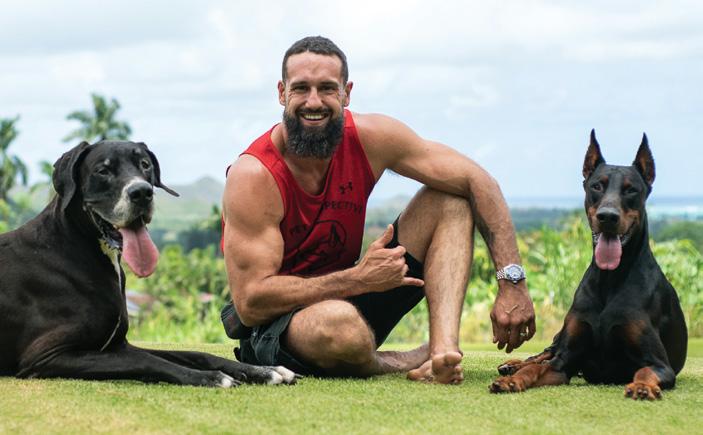
Sean Riley, Canine Behavioral Psychologist with his dogs (l-r) Pono and Bodhi.
Pups&Peeps
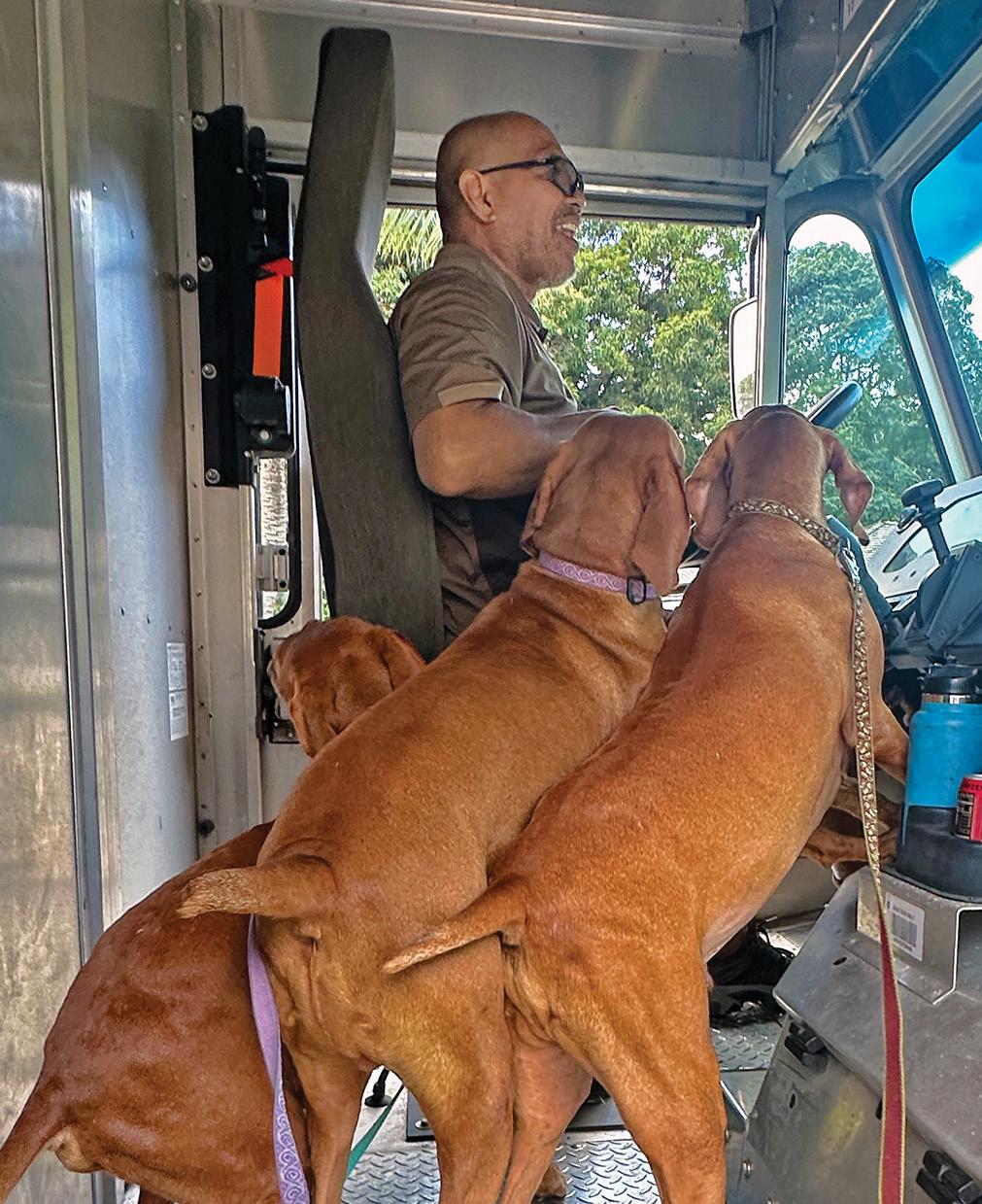
UPS Gerry greeted by Opihi, Kula & Ka‘eo
Emman & Leo
Sage & Vader
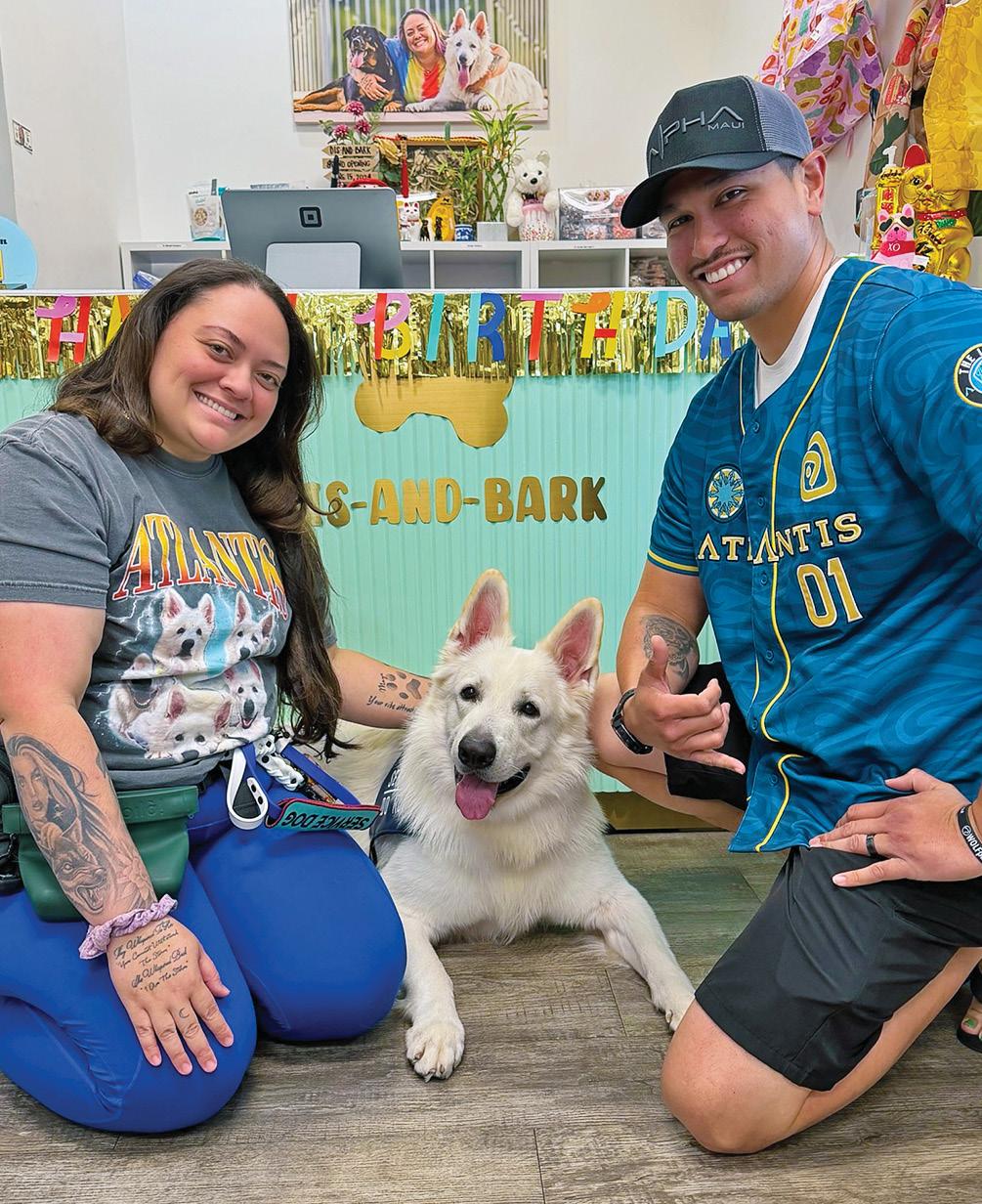
Aunty Leah, Atlantis & Uncle TJ
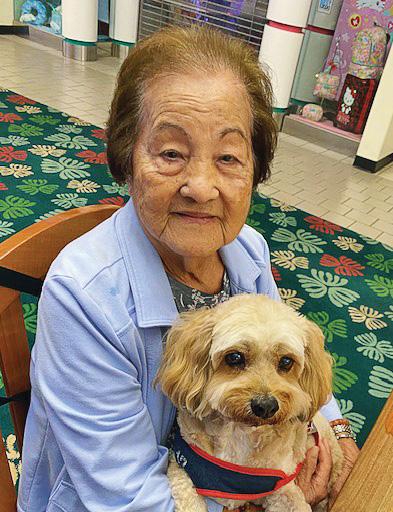
Grandma & Woody
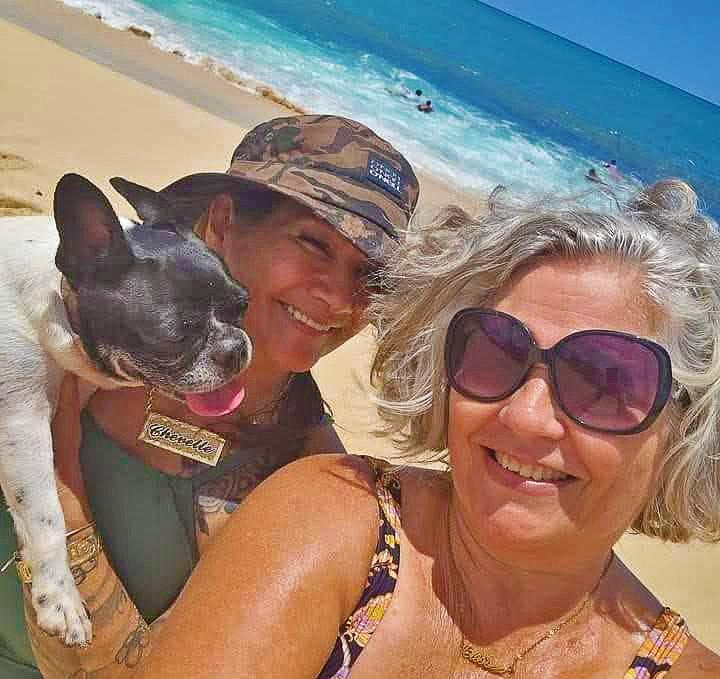
Cookie with Chevelle & Kim
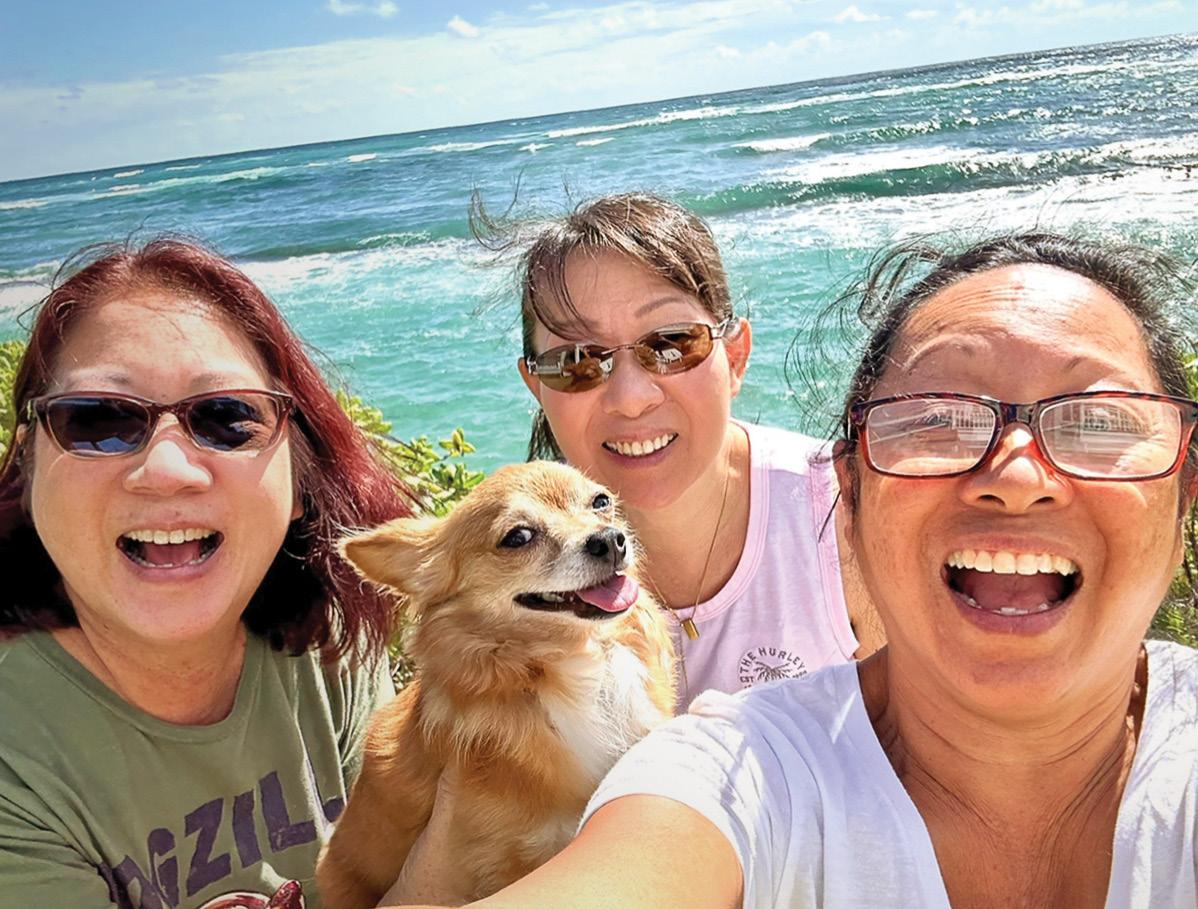
Miso with Cheryl, Lisa & Kathy
Lilikoi & Lance
Ka‘eo & Remy
Kyara & Chibi
Voted Best Local Pet
Leptospirosis Be on
the Lookout!
BY CARRIE R. WHITE, DVM, DACVIM
Risk for leptospirosis in humans and animals has increased following the Kona Low storms. As Island Dog went to press, there were not yet numbers to confirm whether increased cases are being diagnosed. However, health officials are issuing alerts to heighten vigilance and be on the lookout. Hawaii continues to classify leptospirosis as a notifiable illness, meaning that healthcare providers and labs are required to report suspected or confirmed human cases to the Department of Health. Leptospirosis incidence is higher in Hawaii than in most of the continental United States and exposure is often environmental, which is why this surveillance is important.
Leptospirosis is the most globally widespread zoonotic disease, meaning that it can infect dogs and humans. Worldwide, leptospirosis is the cause for approximately 1 million human infections and 60,000 deaths, and it is considered under-diagnosed (CDC). Over the past decade, there has been a 2.7-fold increase in reported cases in some regions, which is why experts consider leptospirosis a re-emerging disease. This increase is likely due to the urbanization of rural areas with increased contact with wildlife species as well as climate change leading to more extreme rainfall and flooding. The rise in cases also reflects more awareness, and the subsequent testing for the infection.
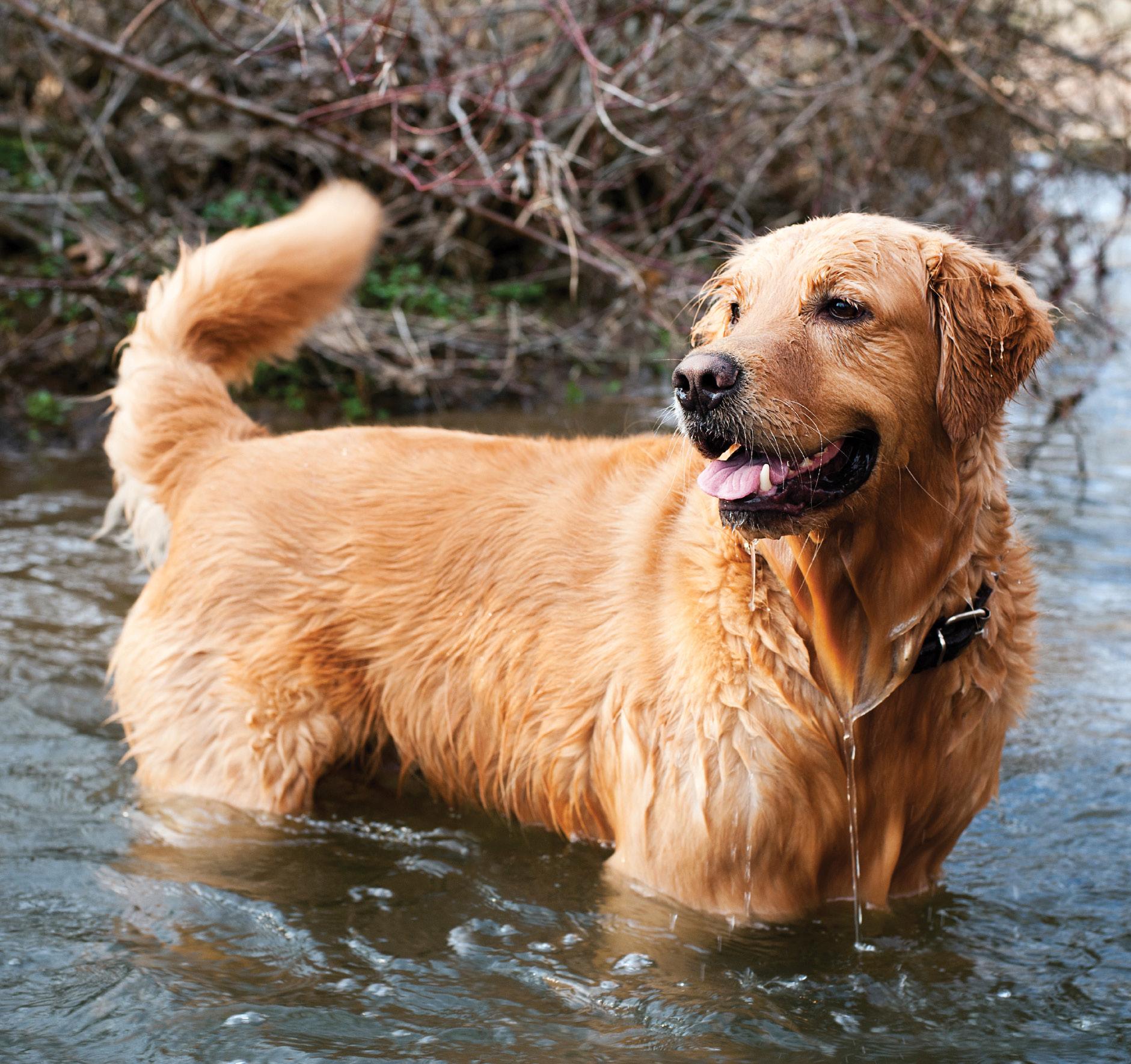
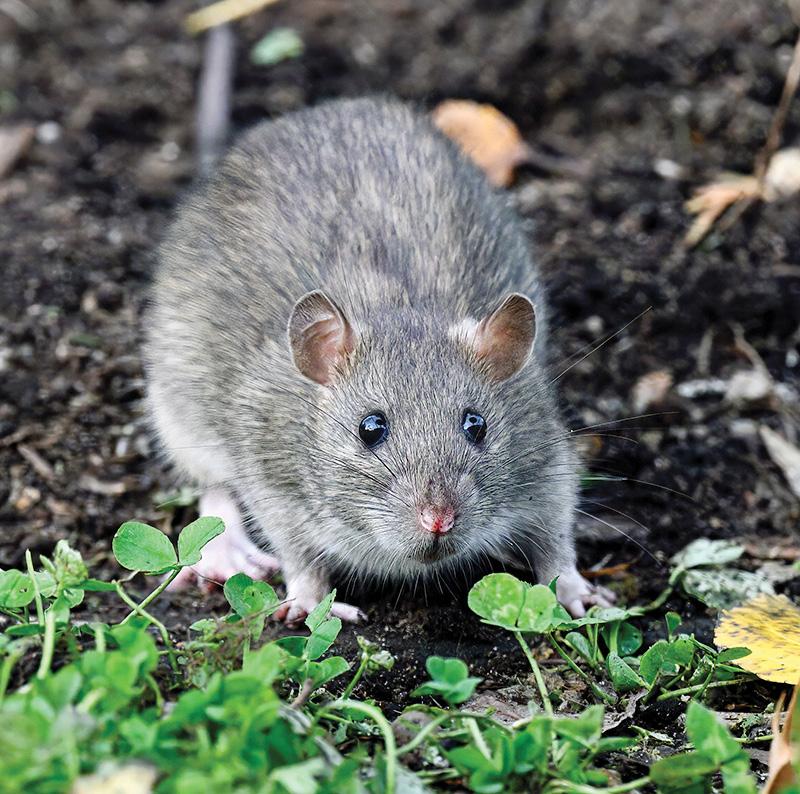
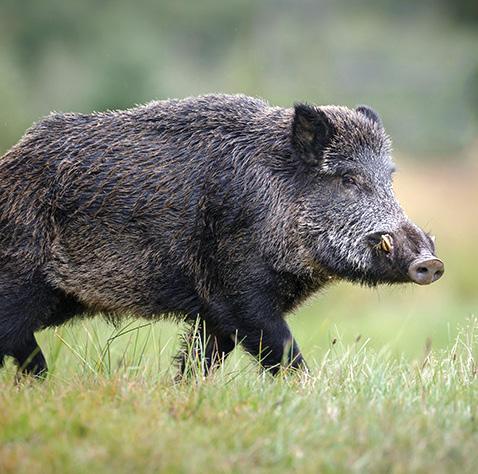
Leptospirosis is caused by a spirochete (spiral shaped) bacteria called a leptospire, and can affect many animal hosts. Reservoir hosts are animals that can be infected but usually don’t get sick, while incidental hosts often do fall ill. Here in Hawaii, the most common reservoir hosts include pigs and rats, and humans and dogs act as incidental hosts for leptospirosis.
Infected animals shed leptospirosis in their urine. Thus, animals and humans most often contract it after exposure to contaminated water sources, including rivers and
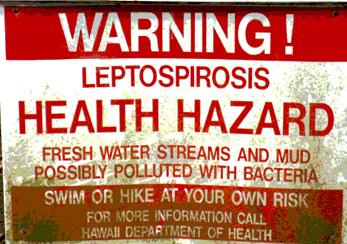
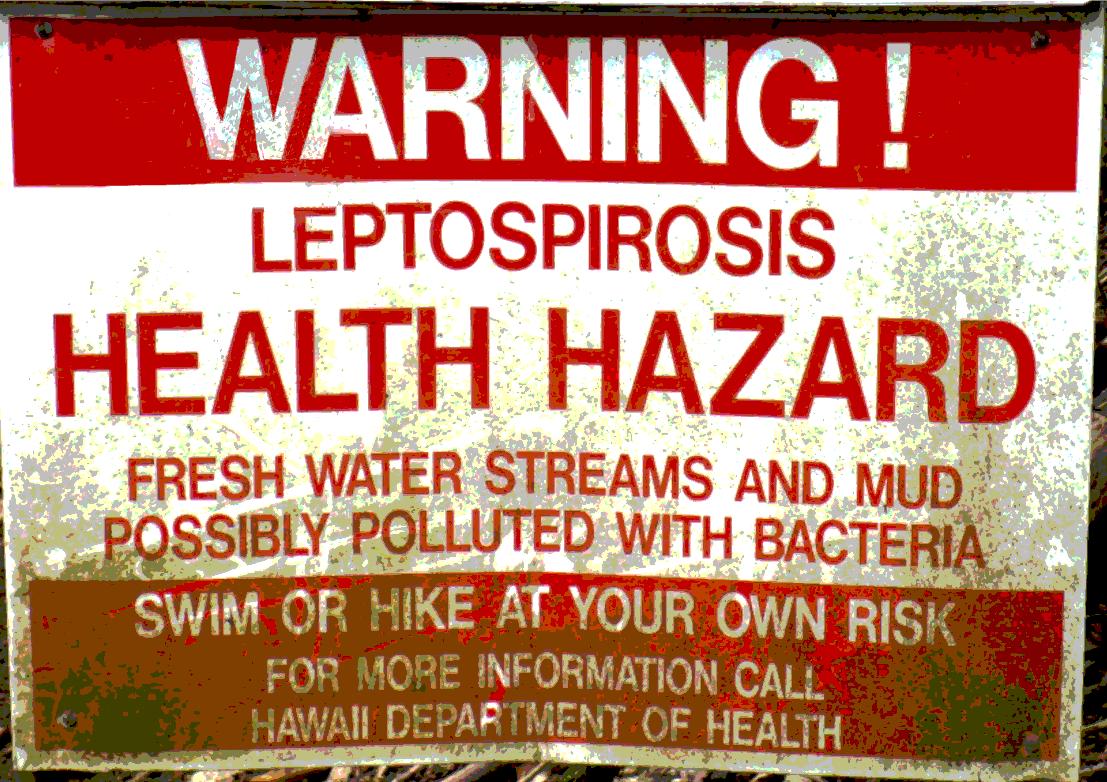
Now you know why these signs are posted all around the islands.
streams. The leptospire bacteria are able to survive for extended periods of time (weeks to months) out of the animal host in water and soil.
Infection occurs by gaining entry into the blood stream through mucous membranes (the mouth), and through any abrasions or wounds in the skin, causing damage to many sites. The main organ targeted is the kidneys, and infected patients often develop kidney failure. The liver is the second major organ damaged, and infection has the potential to cause jaundice (yellowing of the skin and eyes) and liver failure.
Symptoms in Dogs
The clinical signs associated with infection in dogs can vary according to the strain of the bacteria that is causing the infection, as well as the strength of the immune system in the animal. In rare cases, acute infection can lead to rapid death with few clinical signs.
More commonly, however, dogs will show a variety of symptoms including a lack of appetite, lethargy, fever, stiffness, muscle and joint pain, jaundice (yellowing of the eyes and skin), and increased water drinking and urination. Some dogs can have severe gastrointestinal signs including vomiting, diarrhea, abdominal pain and weight loss. Less commonly, it affects the lungs, leading to coughing or difficulty breathing. Bleeding abnormalities can also occur leading to bruising, bleeding from the nose, and blood in the urine or stool. Other rare symptoms include neurologic signs (such as seizures) or changes with the eyes.
Testing and Treatment
Infection should be suspected in any dog with acute kidney or liver failure, or in dogs with fever, muscle pain or bleeding abnormalities that cannot be explained with another diagnosis.
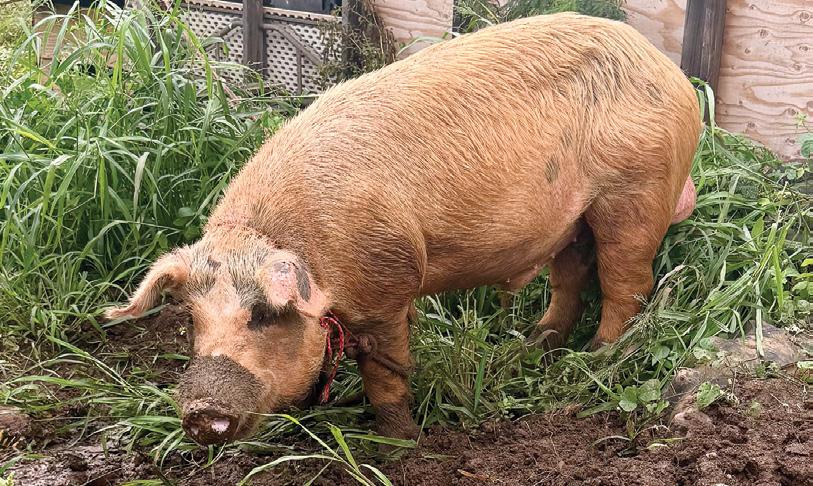
Rodents and pigs are Hawaii’s resident reservoir hosts.
Leptospirosis can affect many animal hosts. Reservoir hosts are animals that can be infected but usually don’t get sick, while incidental hosts often do fall ill. Here in Hawaii, the most common reservoir hosts include pigs and rats, and humans and dogs act as incidental hosts for leptospirosis.
A definitive diagnosis can be made based on blood and urine testing.
The Microscopic Agglutination Test (MAT) is a blood test that is the gold standard, while Polymerase Chain Reaction (PCR) looks for leptospiral DNA in the blood or urine. Your veterinarian can submit samples from your dog for testing by select commercial laboratories on the mainland.
Leptospirosis can be treated with antibiotics, including amoxicillin or doxycycline. Antibiotics should be continued for a total of 4 weeks. Many dogs require supportive therapies in addition to antibiotics, including IV fluids, antacids, and anti-nausea medications. Severely affected patients may need more intensive therapies such as oxygen, blood transfusions, and dialysis.
Prognosis
The prognosis for dogs depends on the clinical signs and the organs that are affected. However, early diagnosis and proper treatment can improve outcome. Seventy to ninety percent of dogs do well if they are diagnosed and
treated early. Patients whose lungs are involved in the infection have a poorer outcome. Even if patients survive an acute infection, however, some survivors will go on to develop chronic disease of the kidneys or liver. If you suspect that your dog may have leptospirosis, it is important to bring them to your veterinarian as soon as possible for evaluation and testing.
Prevention
Vaccination is the most important prevention tool that veterinarians have. Vaccines exist that protect against four of the most common strains of leptospirosis that affect dogs. It is recommended that all dogs that are at risk for contracting leptospirosis be vaccinated.
Historically, high-risk patients were only considered to be dogs in rural settings, who frequently hike with their owners and swim in streams. Given the increasing number of patients with leptospirosis in urban areas, the definition of “high risk” should include any dog with access to any standing water source, including rain puddles. Many veterinary hospitals in Hawaii recommend leptospirosis vaccination for all dogs.
Carrie R. White, DVM, DACVIM VCA Family Animal Hospital Pearl City, Hawaii
4th of July Pet Safety
Tips for keeping your dog calm and safe
The United States celebrates its 250th anniversary on July 4th. Celebrations will abound. And while many dogs will cruise through the cacophonous festivities, others will be traumatized.
More pets go missing than on any other day.
Expect some celebrants to get trigger happy early, so be ready the week before. Have up-to-date ID tags and microchip info in case Da Kine bolts.
Scanning a microchip is one of the most reliable ways to reunite a lost pet with their owner. Register your current contact information with the microchip manufacturer or a free on-line service like 24PetWatch.com, FoundAnimals.org, or Petlink.net. Your vet probably has the info if they installed the chip, or any vet can scan it for you, but it is your responsibility to register.
Check your home’s perimeter for holes and other potential escape routes. Even in a familiar backyard, an unexpected noise may cause a dog to panic and escape. Gates should latch securely.
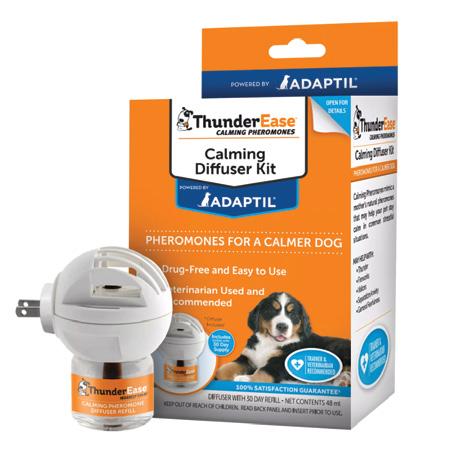
CBD, calming treats and pheromone diffusers all have varying degrees of effectiveness and are available at pet stores. If your dog’s anxiety is significant, a vet-prescribed medication may help. Try things out a week or two in advance to monitor reaction and adjust dosage.
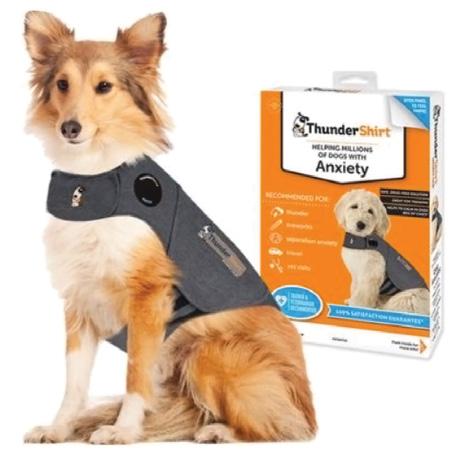
A drug-free option is a ThunderShirt or anxiety wrap, which calms with gentle pressure. Animal behaviorist Dr. Temple Grandin recommends putting it on for 20-30 minutes, then taking a break for the same amount of time. Get your dog out for a romp or a long walk to take the edge off. Be alert, someone may light firecrackers during the day, and an already anxious dog will panic and run.
As darkness falls, and the noise level rises, your dog will take cues from you, so don’t overreact to fireworks. An anxious, clingy human can create an equally needy pet, so stay calm. And never scold your dog for being scared.
Find the quietest, least-illuminated-by-fire-inthe-sky place to shelter your dog. Close windows, blinds and curtains to mute noise and fireworks flashes. Mask noise by turning on the TV or stream background noise, or music to dampen unwelcome sounds.
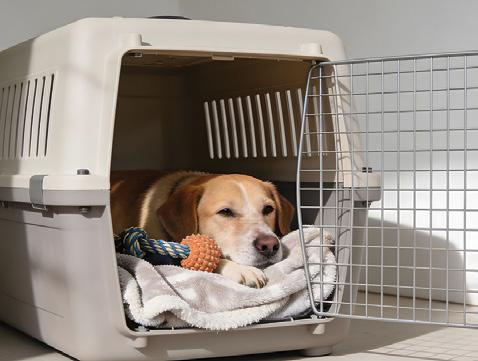
Some dogs like to be cuddled when stressed, while others are more stressed by the attention. Spend time playing fetch with a favorite toy. Fill the old Kong toy with something really special. Cover a crate to create a cozy den and include a favorite toy, long-lasting chew, blankie or even one of your t-shirts—familiar scents are calming.
If you are hosting, make sure guests
L-R: ThunderEase diffuses calming pheromones. ThunderShirt applies gentle compression to reduce anxiety. Look for these products at a pet retailer near you.
are aware of the dog and caution them not to leave gates or doors open. If you don’t crate, it may be better to let your dog find his own safe haven—in a closet, under a table, on the couch—places that smell and feel comforting.
A little extra attention and effort ahead of time will give you peace of mind and ensure your pets can stay calm and safe during this year‘s celebrations.
Seeking Fur-Ever Love on Oahu
BY TIFFANY KIM, Executive Director Fur-Angel Foundation
On an island known for its deep sense of community, it’s especially heartbreaking to see dogs left without homes. Yet every day on Oahu, many pups face uncertainty due to changing life circumstances, limited housing options, or a lack of resources. For these dogs, a second chance often begins not in a kennel—but in someone’s home.
Since 2014, the Fur-Angel Foundation (FAF) has taken a unique approach to animal rescue, operating entirely without a physical shelter. Instead, our Oahu-based 501(c) (3) nonprofit relies on a fully fosterbased model, placing dogs directly into temporary homes where they can decompress, heal, and prepare for adoption. To date, we have rescued nearly 1,000 homeless and unwanted dogs, each one given the opportunity to find a loving, permanent family.
Dogs enter care through a variety of pathways. Many are owner surrenders, often the result of housing restrictions, financial hardship, or unexpected life changes. Others are strays or dogs pulled from high-risk situations where they may otherwise face euthanasia.
Because we do not operate a shelter, every intake depends on the availability of a foster home. This means difficult decisions must often be made, prioritizing the most urgent cases while maintaining a wait list for others in need.
Unlike traditional shelters, we can focus our resources where they matter most: veterinary care, supplies, and ensuring each dog is thoughtfully matched with the right family. But it also means that foster recruitment is critical—and ongoing.
Foster volunteers are truly angels for
the less fortunate pups on our island. These individuals and families open their homes to dogs in transition, providing not only shelter but also the love, patience, and stability these animals need to thrive.
The process to become a foster is simple but intentional. Applicants complete an on-line form, participate in a virtual home tour and orientation, and review guidelines with a coordinator before welcoming a dog into their home. Foster commitments typically range from about 30 days to several months, depending on the dog’s needs.
FAF covers all essential expenses, including food, medical care, crates, and preventative treatments. Foster families provide the day-to-day care—walks, socialization, and a safe space for the dog to adjust.
Our core adoption philosophy is a commitment to compatibility. Guided by the belief that all dogs deserve a second chance, we place strong emphasis on responsible pet ownership, education, and long-term success for both dogs and their adopters.
Prospective adopters begin by browsing available dogs on-line and submitting an application. From there, the process includes a phone consultation, virtual home check, and an in-person
meet-and-greet. Once approved, families enter a trial period to ensure the match is the right fit before finalizing the adoption.
Each dog is fully prepared before going home—spayed or neutered, microchipped, vaccinated, and treated for parasites, with necessary wellness exams completed. This ensures that every adoption starts on a healthy, stable foundation.
Support from the local community plays a vital role in FAF’s impact. Awareness, advocacy, and shared responsibility help sustain our ability to rescue and rehome dogs across the island.
We maintain an active presence on Instagram and Facebook, sharing rescue stories, urgent needs, and heartwarming updates from adopted “alumni.” These platforms not only celebrate success stories but also highlight ongoing needs—from foster recruitment to critical medical cases.
Donations, whether monetary or in-kind, are essential. Items like puppy pads, kennels, and post-surgery supplies help sustain daily operations, while an Amazon Wish List makes it easy for supporters to contribute directly. Monthly
donors provide consistent funding that allows FAF to plan for future rescues and medical needs.
As the number of homeless dogs on Oahu continues to grow, so does the need for fosters, adopters, and supporters. Without enough foster homes, even organizations like ours are sometimes forced to turn dogs away. Every volunteer and donation counts!
Still, the impact of this work is undeniable. With the help of dedicated fosters and a compassionate community, dogs once overlooked or at risk are given the chance to heal, grow, and ultimately find their “fur-ever” families.
Because sometimes, all it takes to change a life—is opening your home.
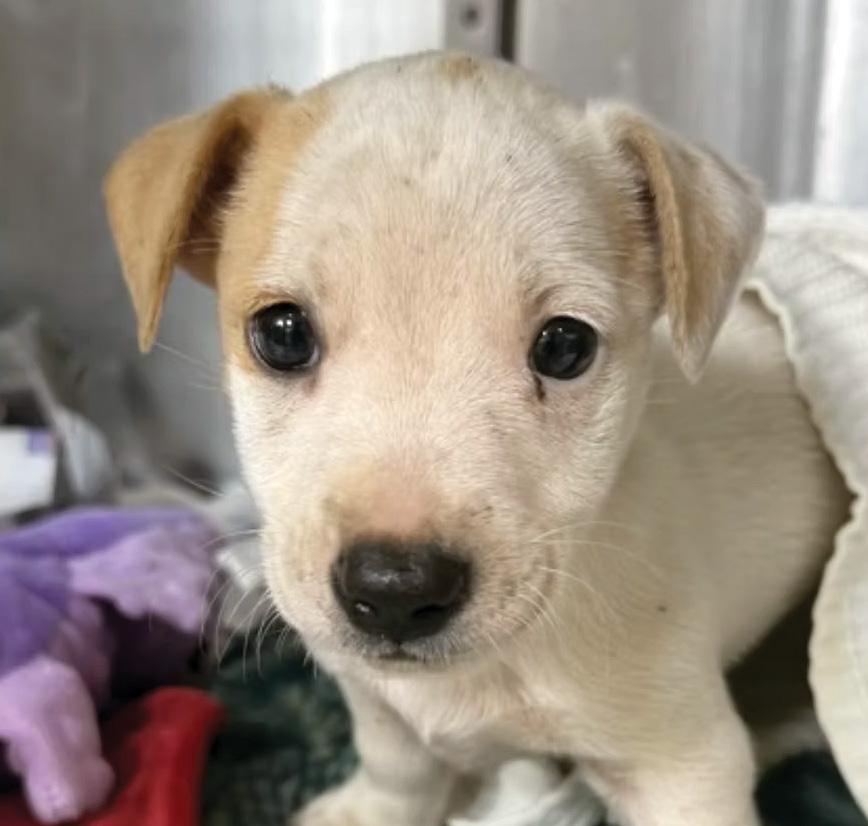
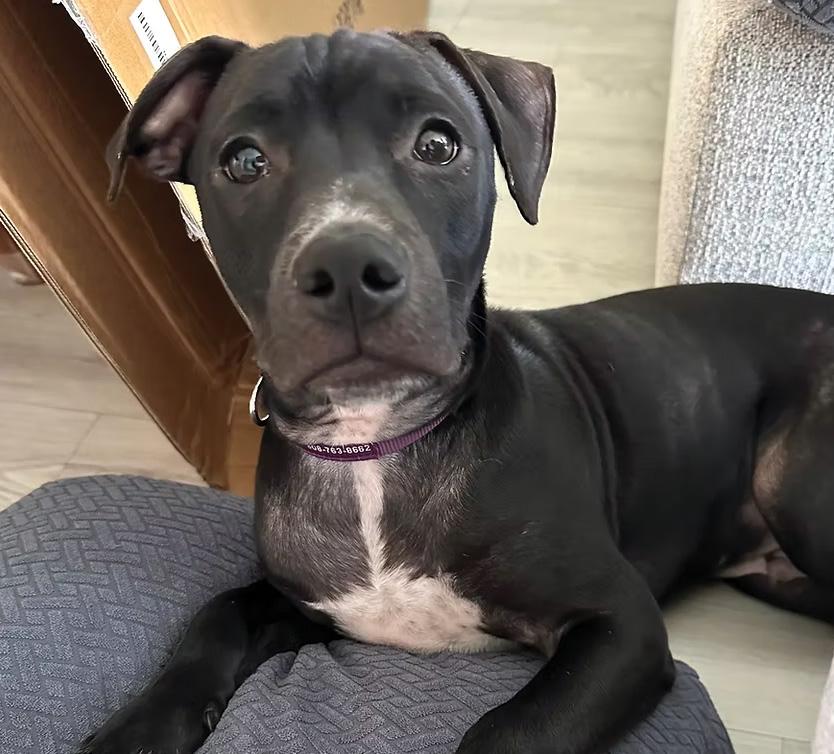
Jerry and Bruce awaiting their second chance for a fur-ever home.
From Saturation To Sunshine
BY STEPHANIE RYAN Founder & President, Oahu SPCA
From our facility in Wahiawa we experienced the same rising waters as our neighbors on the North Shore. And the same heartwarming response from the community.
Finally the seemingly endless Kona Low floodwaters have receded, but not the flood of calls to Oahu SPCA asking for help. In mid-March of 2026, Oahu’s storm event caused severe flooding and forced evacuations in surrounding communities. The prolonged rainfall saturated our property and created an ongoing risk to our animal shelter. Staff and volunteers took immediate action to protect the facility by building sandbag barriers while preparing for a potential large-scale rescue response.
As flood conditions worsened, Oahu SPCA mobilized to support displaced animals, including those from a nearby homeless encampment. Between March 13 and April 20, we took in 171 pets, 98 cats and 73 dogs, many arriving with medical needs or requiring extended care due to displacement and exposure.
The storm created both operational disruption and significant unplanned expenses for Oahu SPCA. Staff were required to shift immediately from routine operations to emergency response, juggling animal intake, preparation for expanded rescue efforts, and erecting sandbag barriers to prevent floodwaters from entering the building as the property remained saturated from ongoing rainfall. Oahu SPCA prepared for potential large-scale rescue efforts by organizing vehicles, securing additional kennels, welcoming new fosters, and coordinating volunteers to ensure readiness.
There was an immediate outpouring from foster families offering their homes to help safeguard the animals in need and address the overflow of pets rescued. This greatly increased our capacity and ability to rescue all the animals in immediate need: No animal was left behind.
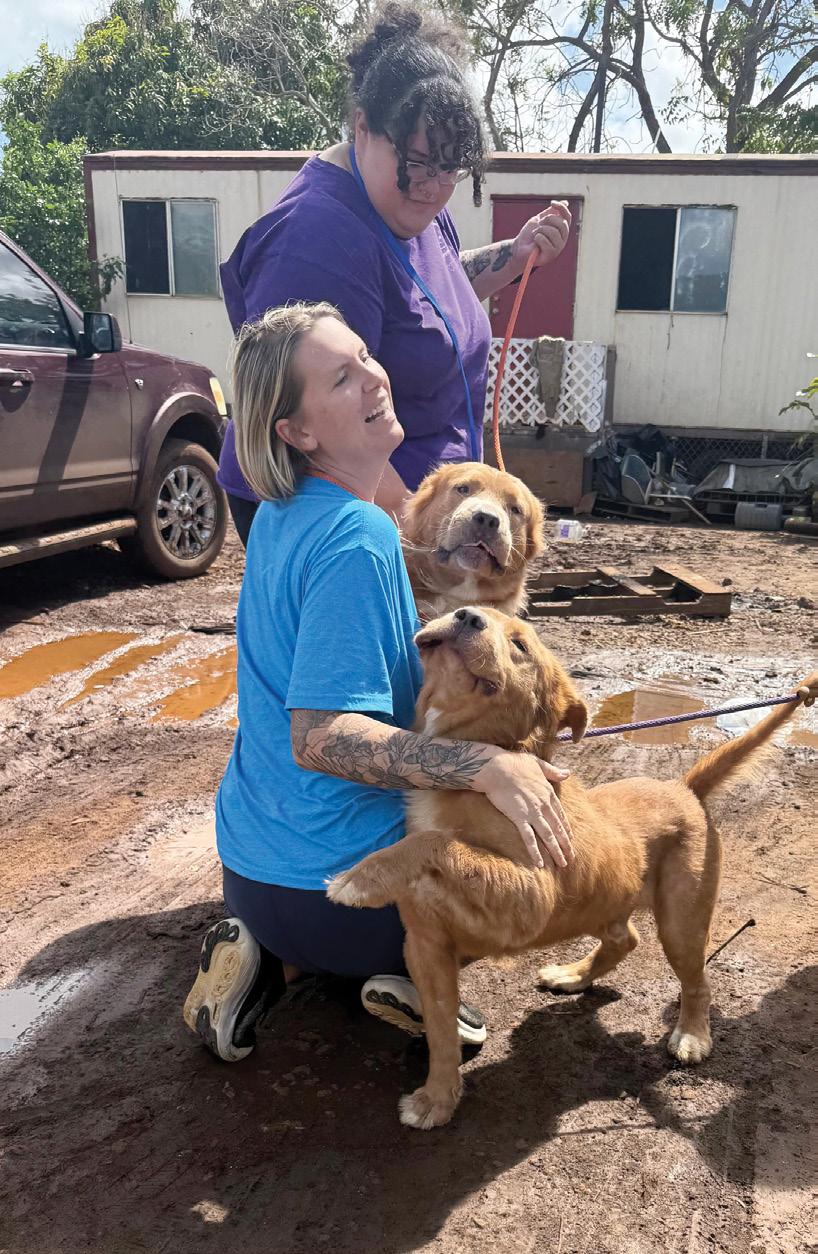
During the Kona Low storms, Oahu SPCA came to the rescue. From dogs and cats to farm animals, no animal was left behind.
We were also invited to participate in the City and County of Honolulu’s relief effort at the Waialua Community Assistant Center, where we offered free Veterinary Care, parasite prevention, food, blankets, leashes and miscellaneous supplies. Thousands of pounds of pet food were distributed.
The flooding resulted in significant unplanned expenses. Several animals required additional 24-hour medical attention. Two puppies (Sunny and Stormy) received diagnostic imaging due to a skull fracture, and were transferred to our partner VERC emergency veterinary hospital for 24 care and hospitalization.
Despite this disruption, our organization continues to serve as a vital resource for both animals and their owners, ensuring that pets receive the care they need, while also offering support and compassion to those experiencing hardship. We provide a wide
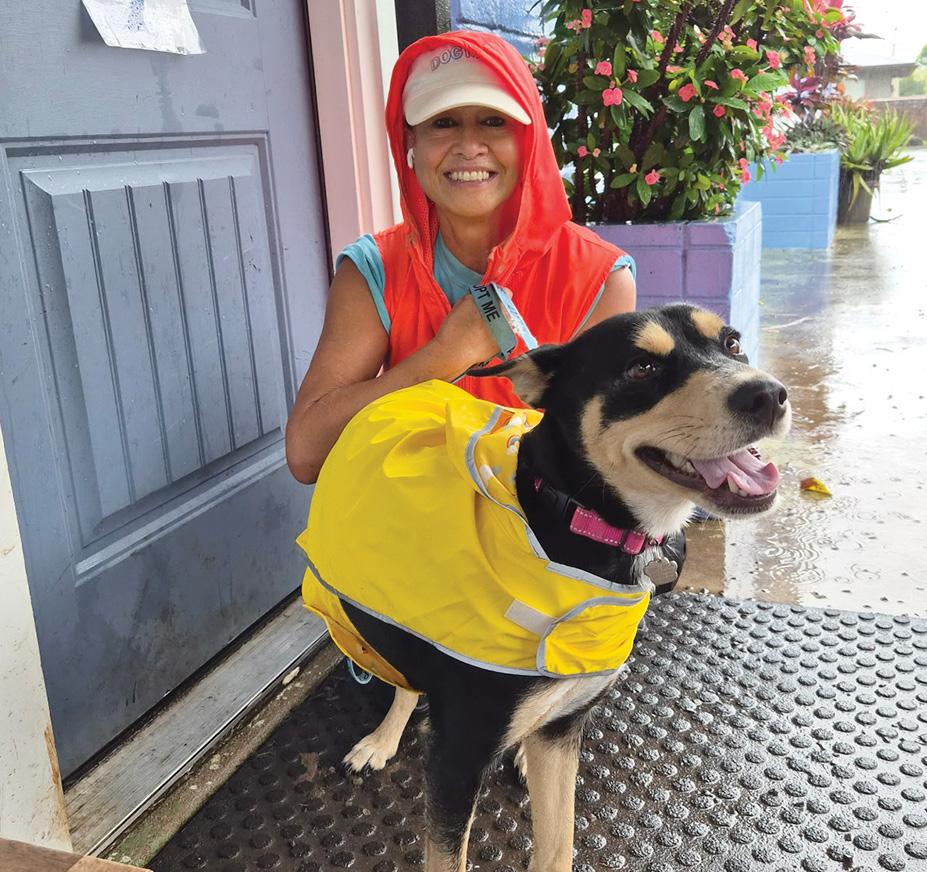
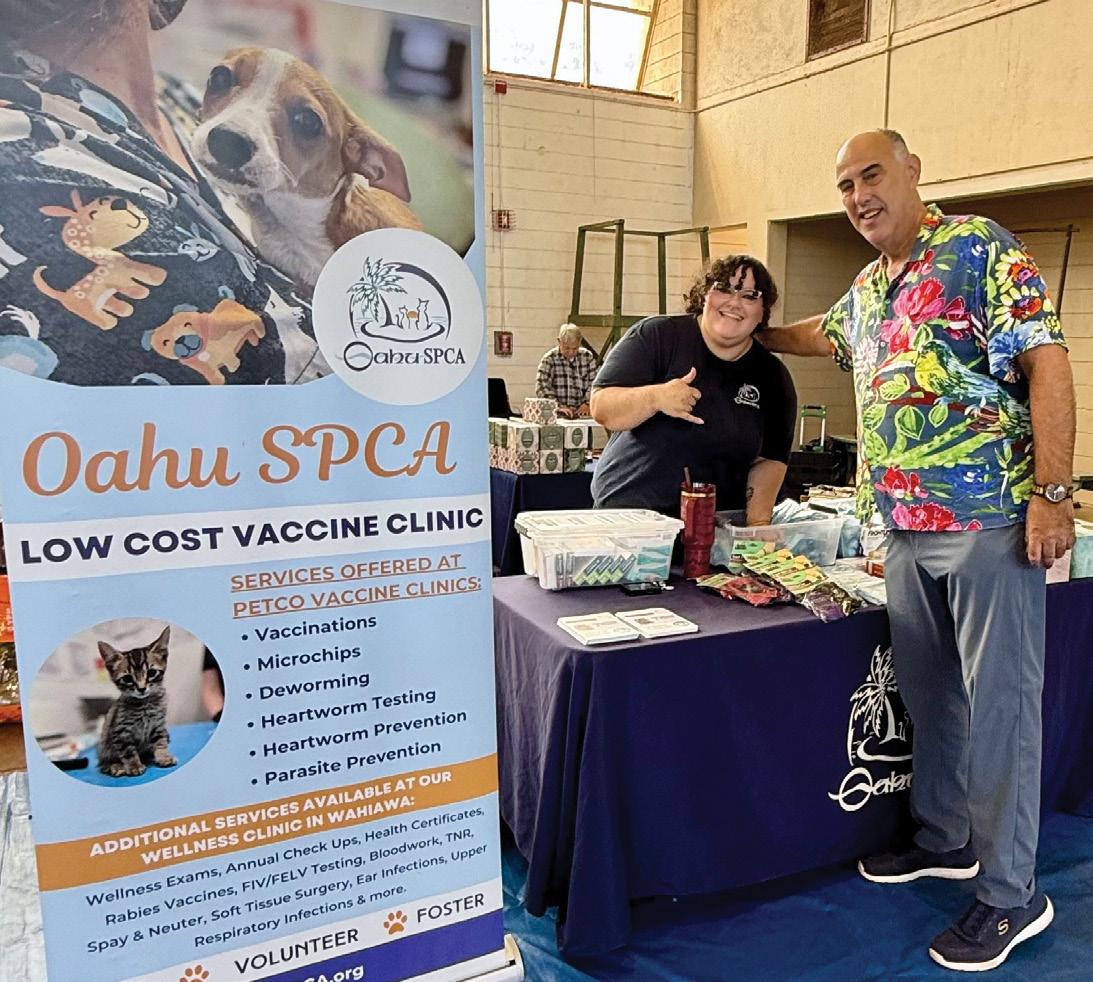
After the Kona Low storms, Oahu SPCA participated in community outreach events with free veterinary care, parasite prevention, pet food and supplies. OSPCA continues to serve both animals and their owners by offering lifesaving services, adoptions, and low-cost vaccine and wellness clinics.
range of lifesaving services to support animals and the community state-wide. Regular activities include facilitating adoptions, coordinating a foster care program, and operating satellite Petco Low-Cost Vaccine and Wellness Clinics in all 11 stores to increase access to preventive, affordable veterinary care. Oahu SPCA also assists with pet transport, provides basic medical care for rescued and surrendered animals, and works with community members to help keep pets with their families.
For more information on adoption, donations, or how to support Oahu SPCA’s Mission, please visit OahuSPCA.org or follow the organization on social media.
Disaster Preparedness: Are You Ready?
Hurricane season runs from June through November. In the event of evacuation be ready with a pet disaster preparedness kit. Shelters do not stock supplies.
What to Bring to an Emergency Shelter
Pet crate/carrier large enough for your pet to stand and turn around.
14 day supply of food and water plus bowls
Medication/Pet First Aid Kit and veterinary information and records
Identification ID tag on a collar, microchipping and current photo. Microchip should be up-to-date with current contact information.
Collar and leash/harness
A comforting toy, bedding, treats and towel
For felines: cat litter in containers and litter pan
Hygiene, grooming and sanitation supplies
All Oahu evacuation shelters are considered pet-friendly. Monitor local media and official social media sites for specifics and updates. Based on the type of disaster and other circumstances, some shelters may be closed and other facilities may be enlisted. View the City & County of Honolulu’s map of Oahu hurricane refuge areas at: https://www.honolulugis.org/apps (Public Safety/Oahu Hurricane Refuge Areas Public Viewer)
GiftsSniffs
Keepin’ It Cool
Great for hot summer days at the beach, in the yard or camping. Funny Fuzzy’s Elevated Dog Bed with canopy sits 7” off the ground. Cot can be used separately. Available in 4 sizes at Amazon.com.
Canine Chapeaus
BayDog Gear for Summer Adventures
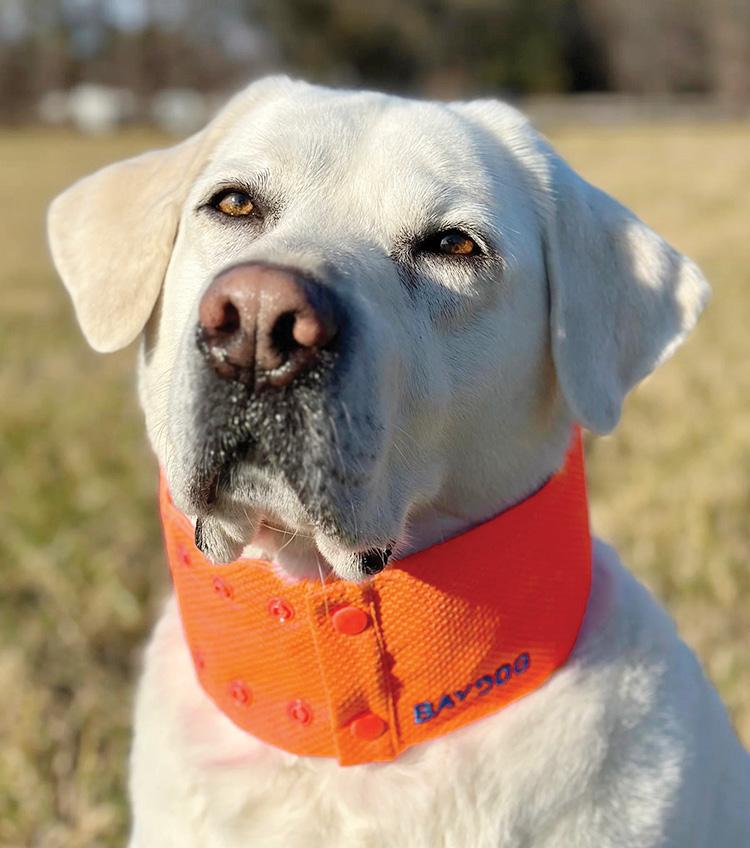
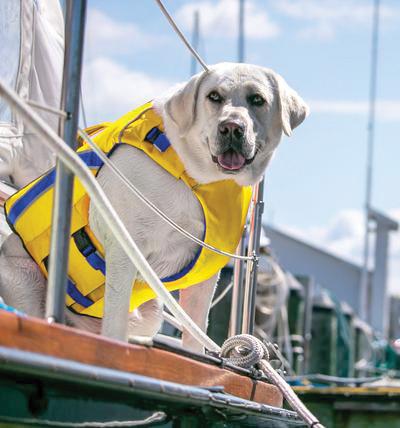
BayDog’s Dog Life Jacket offers full support from below, keeping the head above the water line. Handy lift handle on top. Beat the heat with an Arctic Cooling Collar. Non-toxic cooling packs cool for 1-2 hours. At The Pet Depot in Ewa Beach.
Cute Bucket Hats by YOULY, exclusively at Petco. Choose a gingham plaid with flower or a tropical cool-to-touch print with UPF50+ protection. Available in sizes XS-XL with adjustable chin strap. Washable. At Petco stores or petco.com.
The Splash Zone
Whirling Water Workout
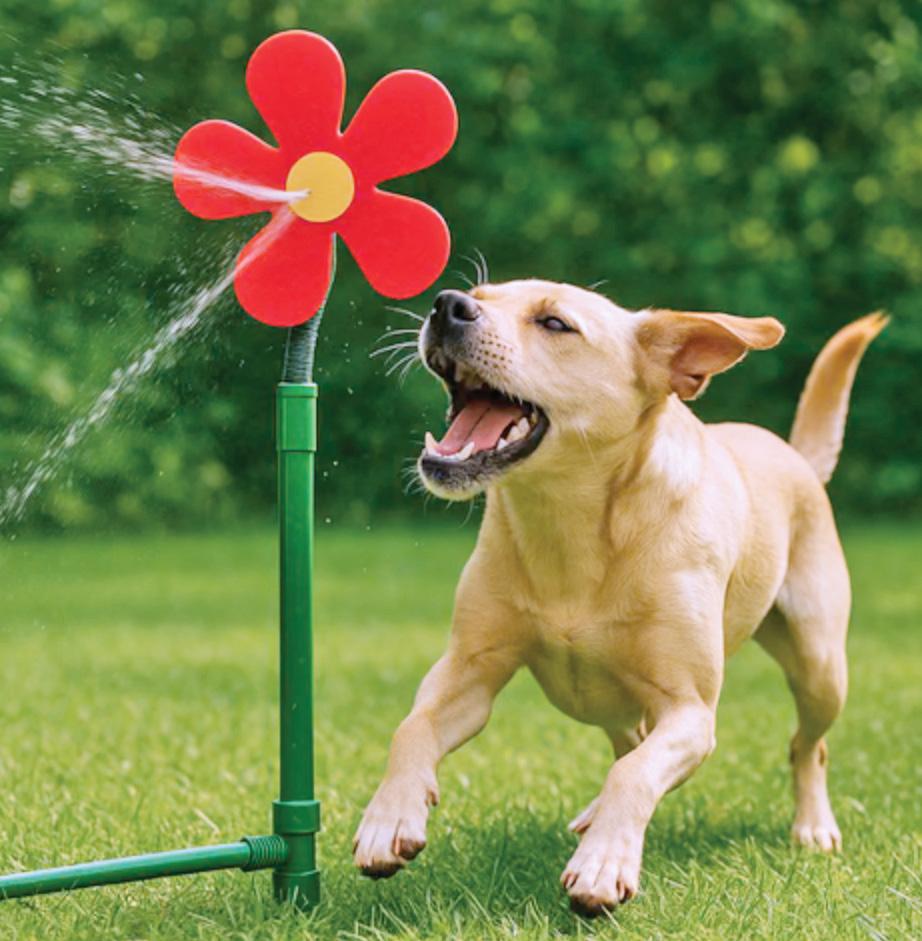
Sprinklora, a flower garden sprinkler toy, reacts to water pressure for wild spinning fun. Easy hose setup. More water pressure causes the flower head to rise and gyrate even more! Order from Happy-luna.com
Hose + Water = Summer Fun
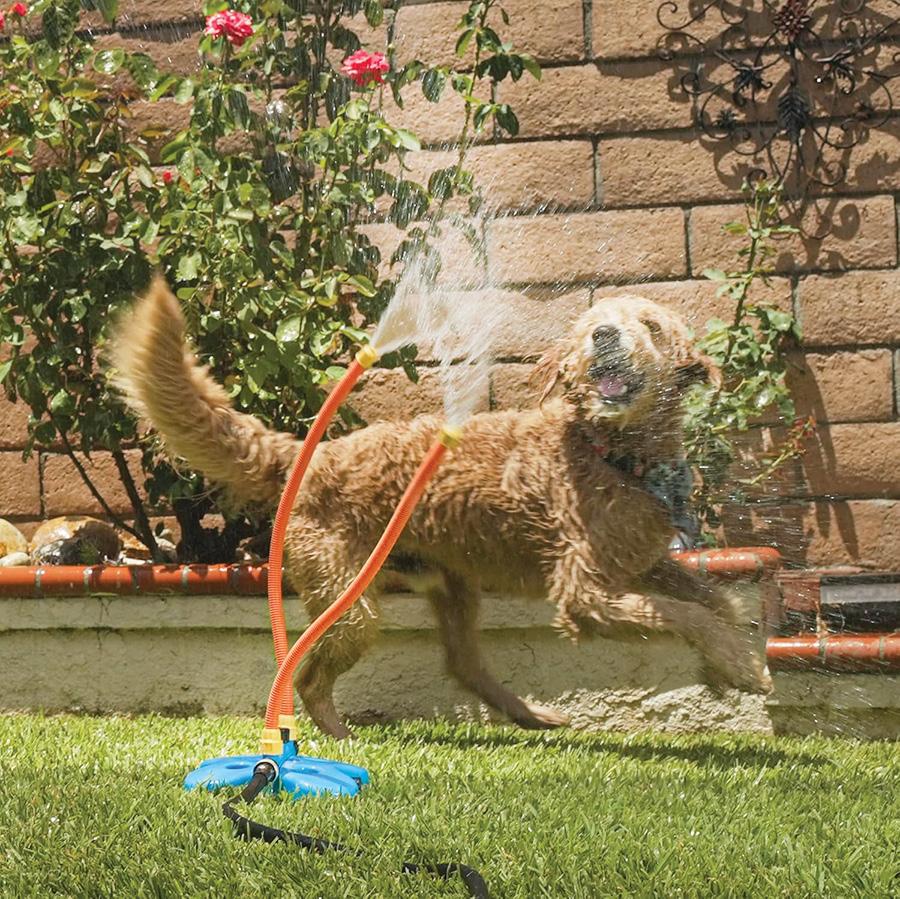
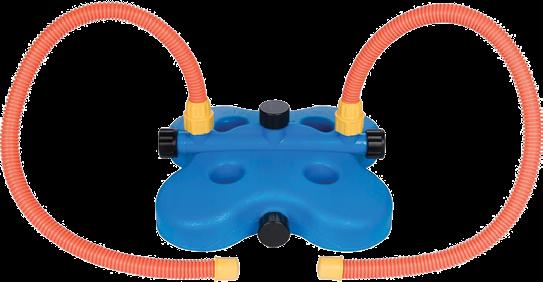
Backyard fun with The Wave and a garden hose. Water fills up the base to stabilize. Use one- or two-hose configuration. Turn the water on and your dog will enjoy romping around unpredictable streams of water. By Wild Dogs Water Toys at gowilddogs.com.
GiftsSniffs
Pawfect Doggo Fun
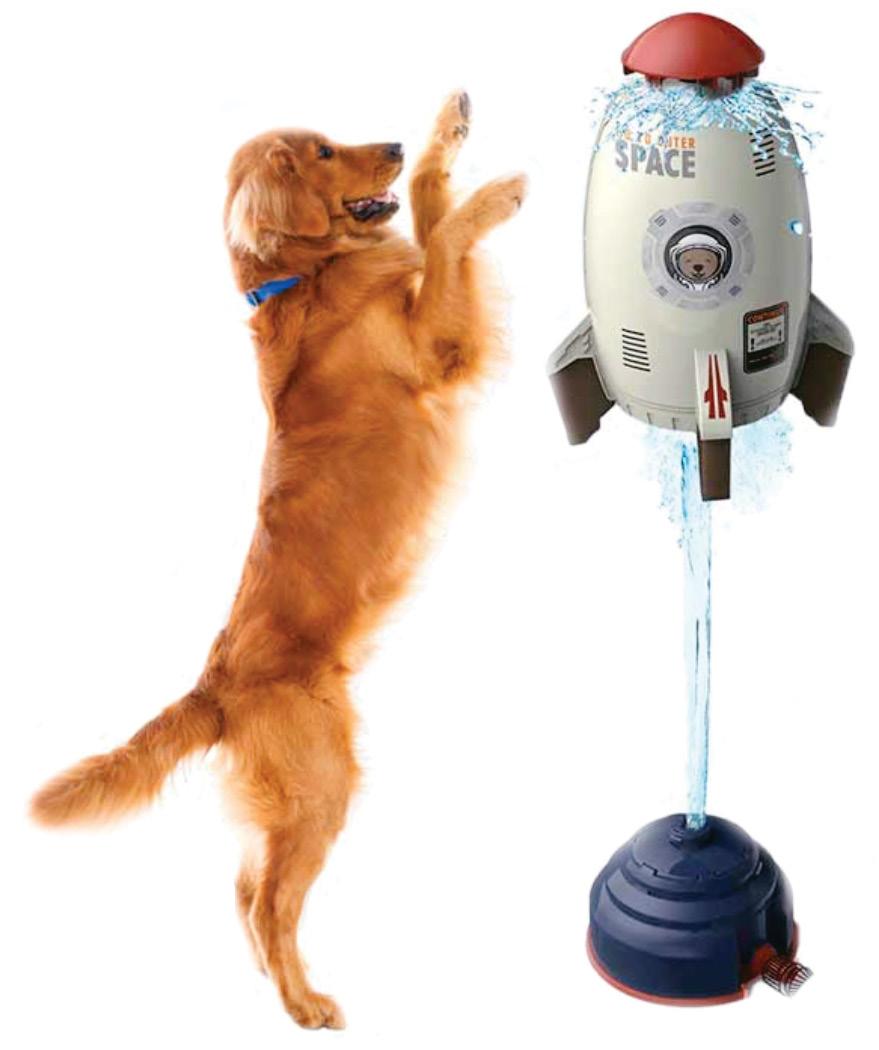
Launch Splash Rocket Interactive Dog Toy by connecting to your garden hose. The water pressure will create lift off. Sounds like you need decent water pressure in your garden hose.
Order from puptexshop.com
GiftsSniffs
For Dog & Art Lovers
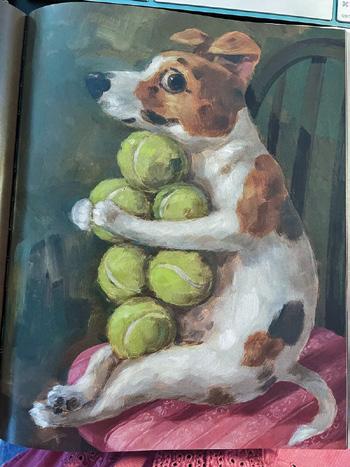
Dog Only Knows: The Dog Portraits of Alison Friend features over 125 humorous anthropomorphic side-eye dog portraits. Friend, a British artist and children’s book illustrator, blends Old Master techniques with a whimsical viewpoint. At Barnes & Noble or Amazon.
It’s Aloha Friday
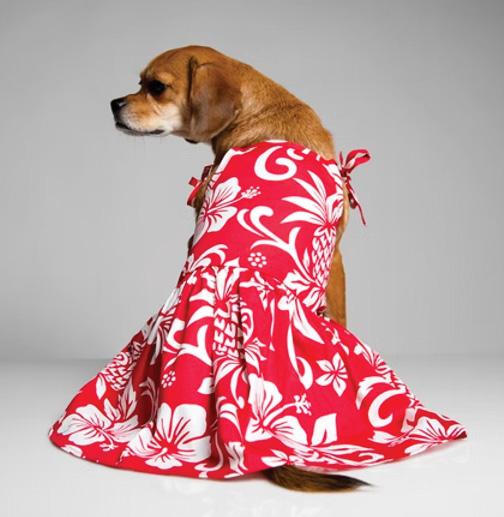
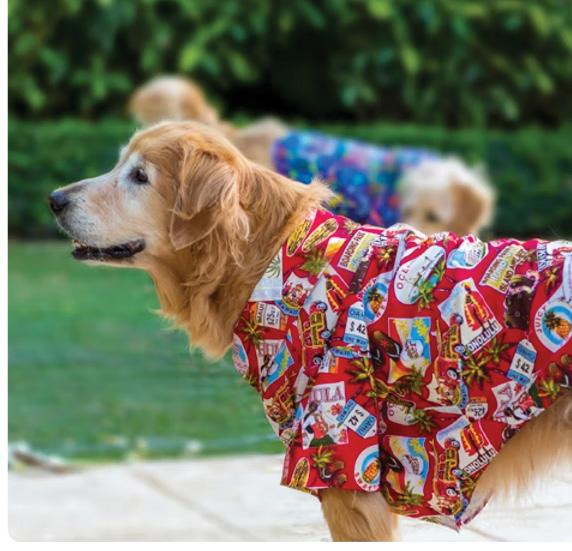
Aloha sundresses and shirts for your kamaaina canine. Handmade in Hawaii. Assorted sizes and prints. Exclusively at Calvin & Susie, Kailua and Honolulu.
Pool Party Pups
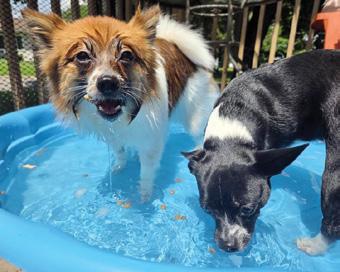
If your dog enjoys more of a sedate soak, try this 36” Dog Wading Pool by Polygroup; suitable for small and medium-sized dogs. Great for cooling or bathing. Blue and Pink.
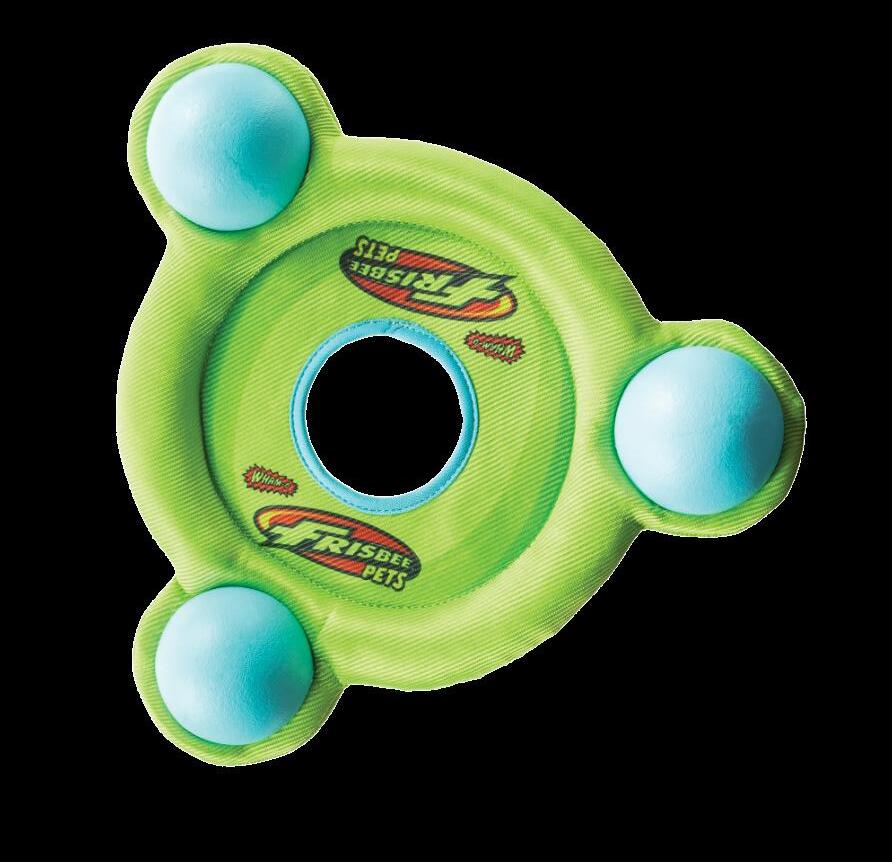
Right: Wham-O’s Frisbee Floatsbee for fun in and out of the water. It’s lightweight, flexible and floats! Available at Petsmart stores or petsmart.com.
Archie: He lost a ball and found six.
You May Qualify for a Financial Grant from
HOW IT WORKS:
■ Check Your Eligibility at face4pets.org/apply: Your pet must be in need of emergency care and must have a good prognosis with treatment.
■ Request for Financial Assistance (RFA): If you meet the eligibility requirements for funding, you will need to complete the RFA online application
■ You Will Be Notified Regarding Your Grant Status: If your application is approved, FACE will assign an amount for your grant, which will be paid directly to the veterinary hospital
FACE Hawaii provides financial grants for emergency and life-saving veterinary care for qualified pets and their owners in need of assistance.
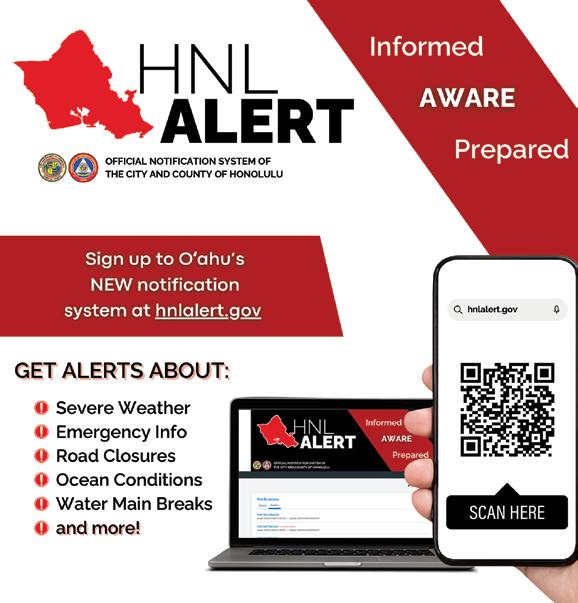
HNL Alert is the City and County of Honolulu’s notification system to alert residents and visitors about emergencies and other important community news. Registered users receive critical information regarding severe weather, evacuations, unexpected disruptions to key services, or unplanned road closures. You can customize what types of events, how, and where to receive alerts.
Visit hnlalert.gov. to download app. Also available on the Public Safety by Everbridge app. Search “Honolulu” in the app to get started.
Affordable Animal Boarding,
ISLAND DOG MAGAZINE LIST OF ADVERTISERS
Since 2008, Island Dog Magazine is published quarterly in February, May, August and November. Our distribution of 17,500 reaches more than 35,000 Island Dog owners— pet parents who seek out our magazine at select Safeway, Times and Longs stores, as well as from veterinarians, pet retailers, and other dog-loving establishments. A digital edition is also posted on our website: IslandDogMagazine.com. For info on advertising, please call John Harmon at (808) 254-2992.
CPR: Can Pets Recover?
Jessica Sun, DVM DACVECC
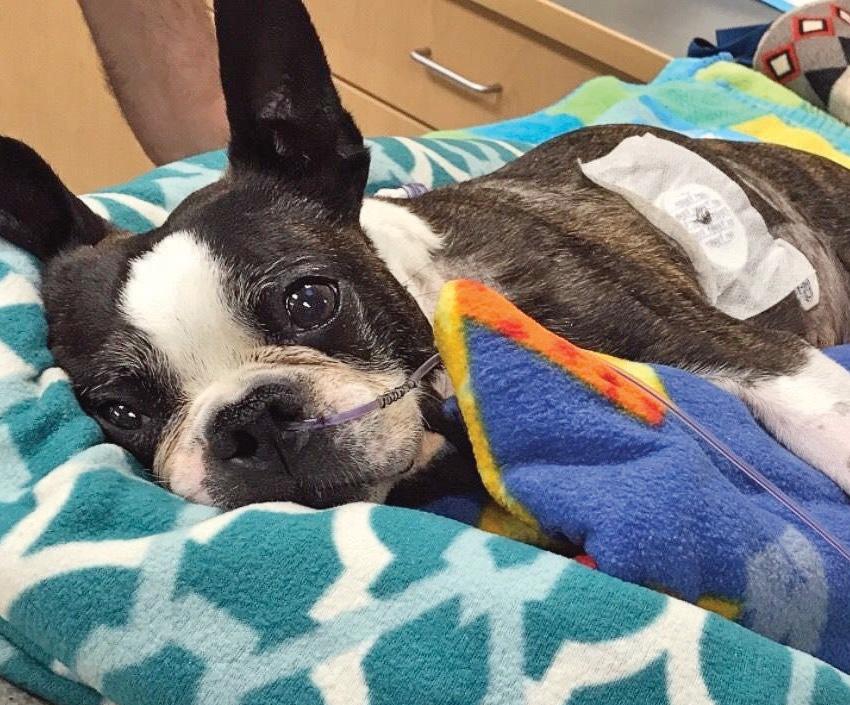
CPR or cardiopulmonary resuscitation is started when the lungs or heart (or both) of a patient stop. In medical terms, we often call this “arrest,” meaning that the body has stopped or arrested. Similar to people CPR, we start with chest compressions and breathing. In the hospital, we also have the advantage of being able to secure their airway, breathe more effectively and supply oxygen, give them medications to help the heart, hook them up to advanced monitoring, and provide them with the intensive aftercare that these patients require. While only a very few lucky patients come back to us with CPR and make it home, an experienced team, advanced medical equipment and emergency and critical care specialist veterinarians can improve their chances —we have all of these at VCA Family and Oahu Veterinary Specialty Center. We have two emergency and critical care specialists here, one of which is always on call (even after hours and on overnights) that oversee our intensive care unit and patients.
What should you do if your pet arrests?
If your pet arrests, minutes matter.
Start chest compressions—for most dogs it should be done at the highest point of the chest, aiming to compress about 50% of the depth of the chest, and at a rate of 100120 beats per minute. Using songs like “Stayin’ Alive” by the Bee Gees, “Eye Of The Tiger” by Survivor, “Bad Romance” by Lady Gaga, and “Let’s Get It Started” by the Black Eyed Peas can be helpful in determining the right speed.
Once you start compressions, the best thing to do is bring them to your nearest emergency veterinary facility ASAP! Minutes matter!
Our emergency department is open 24/7 for both transfers for intensive care and pet emergencies.
At VCA, your pet’s health is our top priority and excellent service is our goal. We provide the very best medicine by offering a full range of services including primary, emergency, surgical and specialty all in one building. Our veterinarians and team treat your pet with the same level of care they would give to their own pet.
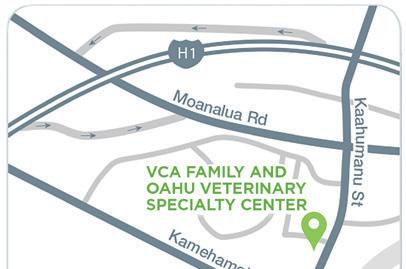
VCA FAMILY & OAHU VETERINARY SPECIALTY CENTER
SPECIALTY CARE
Critical Care
Joana Goic, DVM, DACVECC
Julie Pfeifer, DVM, DACVECC
Jessica Sun, DVM, DACVECC
Internal Medicine
Justin Wakayama, DVM, DACVIM
Carrie White, DVM, DACVIM
Medical Oncology
Lucy Teddy, DVM, DACVIM
Ophthalmology
Doris Wu, BVM&S, MRCVS, DACVO
Surgery
Shawna Fujita, DVM
Limited to the practice of surgery
Nathaniel Lam, DVM, DACVS
Emergency
Lydia Lam, DVM
Carole-Anne Laurin, DVM
Nandini Mudelier, BVSc, MANZCVS
Alize Rodriguez, DVM
Katie Samuelson, DVM
Loren Schmidt, DVM
Anna Steele, DVM
Justine Yaphe, DVM
PRIMARY CARE
Sheryl Doi, DVM
Luis Ho, DVM
Jasmine Kurisu, DVM
Lauren Kishimoto, DVM
Allison Ong, DVM
Kim Sasaki, DVM
Hillary Sullivan, DVM
Specialty Care
We provide a variety of
• Orthopedic and soft-tissue surgery
• Chest tube placement & management
• Urethral and tracheal stenting
• Mechanical Ventilation
• Cataract surgery • Endoscopy
• CT
Fluoroscopy • Chemotherapy
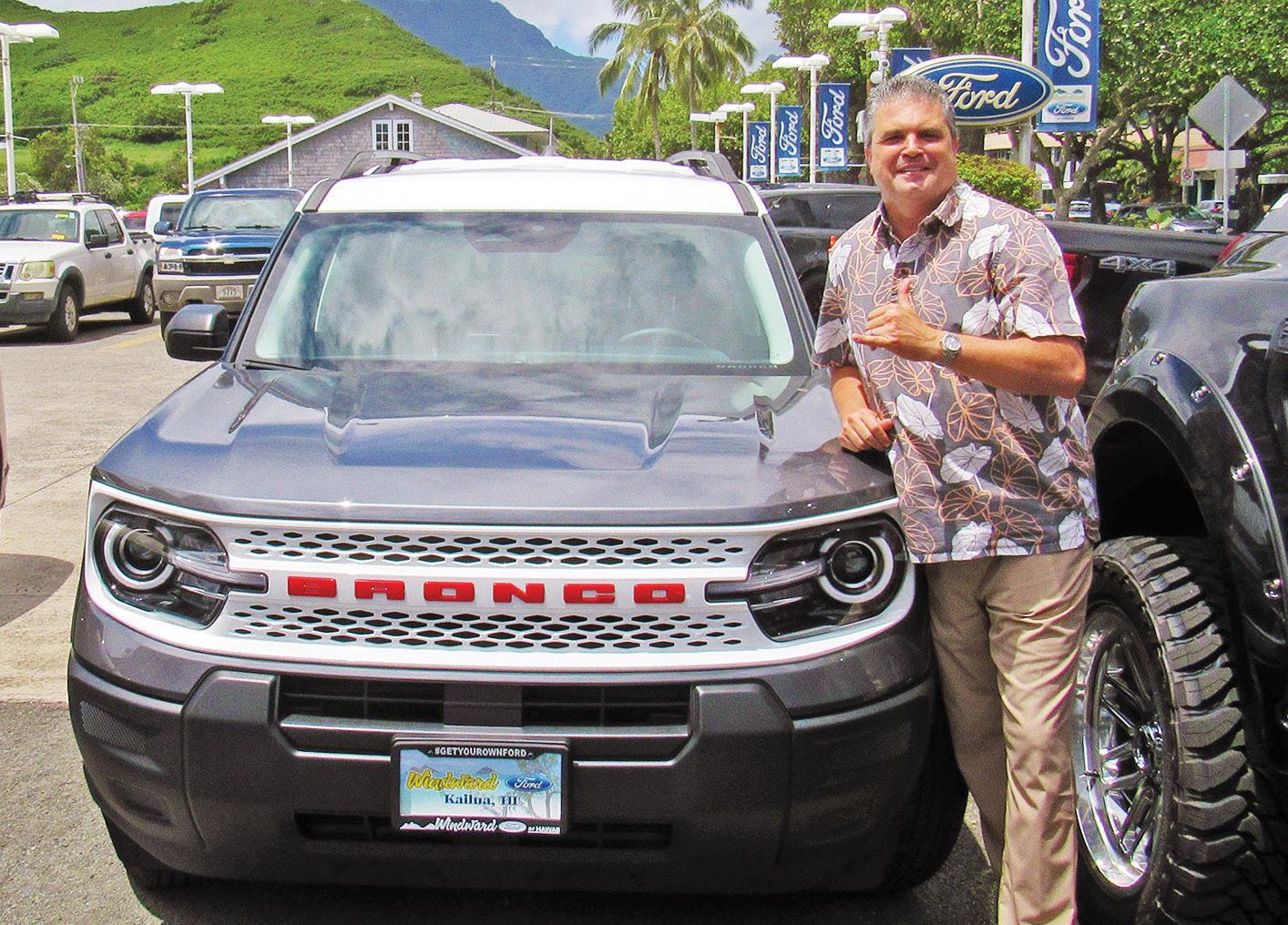
Guy Mello Sales Manager
Righteously
But don’t let this bad boy’s great looks fool you. Inside the Bronco’s compact SUV body beats the heart of a beast just waiting to take you down a bit more rugged path. Exceedingly fine for the beach, easily handling your snorkel gear, towels, outrigger canoe and dog, while still practical for daily driving. Plus the standard all-wheel drive on all models means rain, mud and the occasional off-road adventures are waiting to be conquered. Ready? Take a ride to the Windward side and, like Kelly Boy says, “Get Your Own Ford. Cheeee-hoo!”