EMPOWERING GIRLS, TRANSFORMING LIVES:
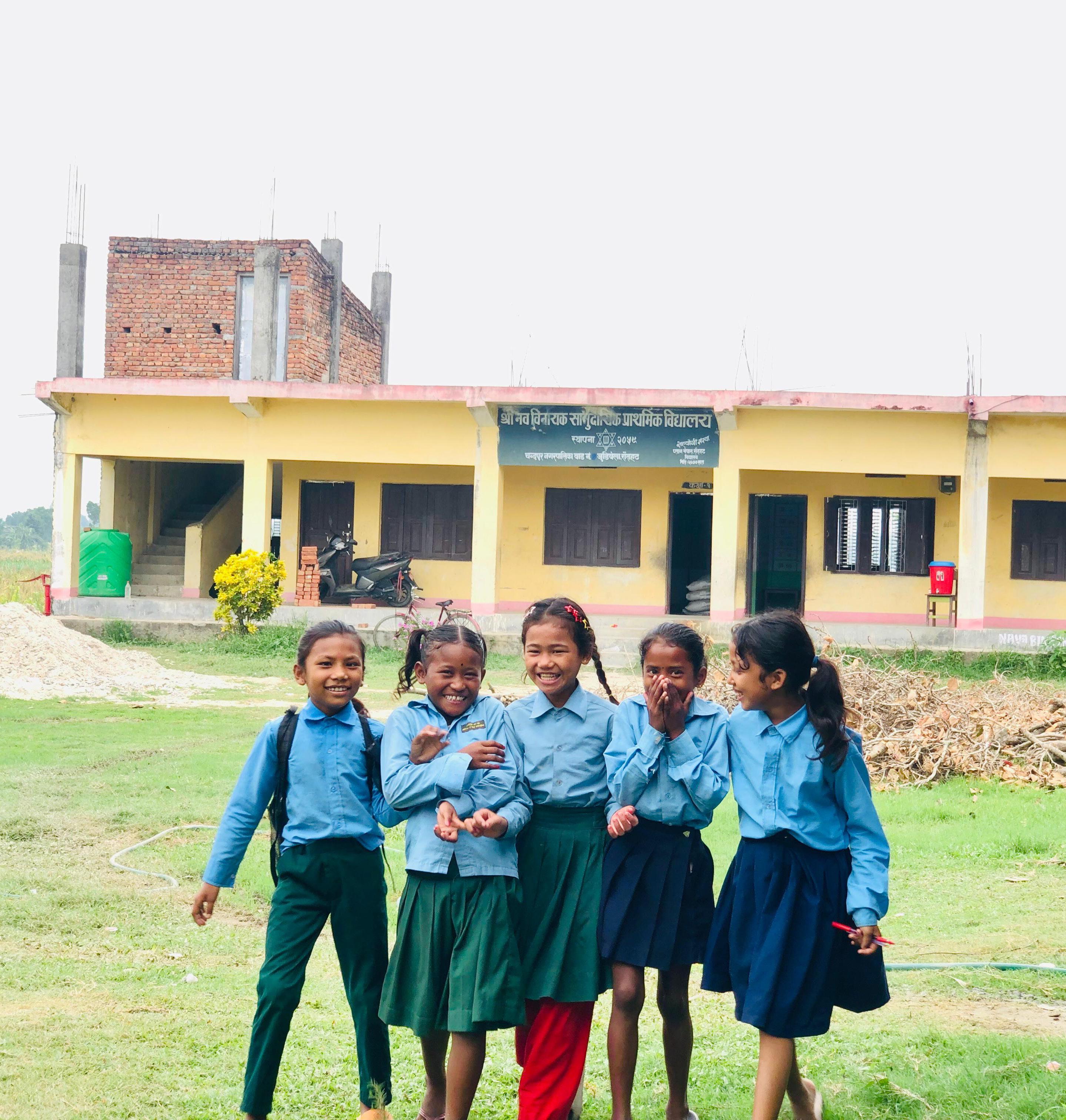
Combatting Child, Early and Forced Marriages and Unions (CEFMU) and Gender-Based Violence (GBV) through Economic Empowerment and Community-Led Change in Bangladesh and Nepal
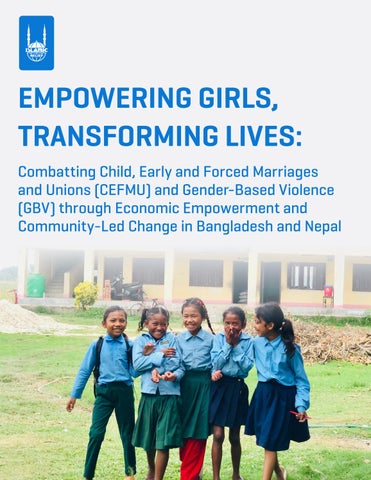
Combatting Child, Early and Forced Marriages and Unions (CEFMU) and Gender-Based Violence (GBV) through Economic Empowerment and Community-Led Change in Bangladesh and Nepal
Author and Principal Researcher
Katarina Alurovic | International Programs Specialist, Asia
Field Research Team
Laxmi Joshi | Program Advisor, Islamic Relief Nepal
Shamim Yusuf | Program Coordinator, Islamic Relief Bangladesh
Miranda Gallo | Government Relations Manager, Islamic Relief Canada
Tackling practices which expose women and girls of all ages and abilities to risk of violence, abuse and exploitation is never without its challenges. The intersectional and deep-rooted causes require a multifaceted approach, which this report will illustrate through the results achieved from the hard work and dedication of Islamic Relief Bangladesh, and Islamic Relief Nepal.
We would like to extend our heartfelt gratitude and appreciation to Islamic Relief Bangladesh and Islamic Relief Nepal for their unwavering commitment, dedication, and hard work. Their leadership, meticulous planning, and expertise were pivotal in ensuring the successful delivery of projects supporting girls and women.
The courage, resilience, and willingness to engage by rightsholders and community members who participated in these projects and in the research is inspiring. The success of these initiatives is a testament to their strength, lived experiences, feedback, and insights that have enriched the projects, and will continue to shape and guide future efforts in creating transformative change for the wellbeing and safety of young people. We would also like to acknowledge the local authorities, faith leaders, and community groups who played key roles in the implementation of these projects. Their support and collaboration have been vital in fostering lasting social change within the communities.
Finally, we express appreciation to all those behind the scenes that make our work possible – from coordinating logistical needs during field visits to providing data so that we are able to demonstrate the impact of these projects. Thank you to everyone involved for their contributions and hard work that has made these projects impactful. Together, we have made strides toward a brighter, more equitable future, and we look forward to continuing this important work.
Foreword from the Field
The Context of Gender-Based Violence
CEFMU in Bangladesh
Gender-Based Violence in Nepal
Research Methods
Research Process
Participant Demographics
Islamic Relief’s Key Interventions and Approaches
Islamic Relief Project Results
Protection and Awareness
Livelihood and Economic Empowerment
Voices from the Field: What We Heard
Cultural Insights – Bangladesh and Nepal
Livelihood as a Key Pillar for Empowerment
Awareness Sessions: A Spark for Action
Child Clubs: Youth Driving Change
Men as Allies: Shifting Perceptions
Faith Leaders: Supporting Protection and Prevention
Talha Jamal
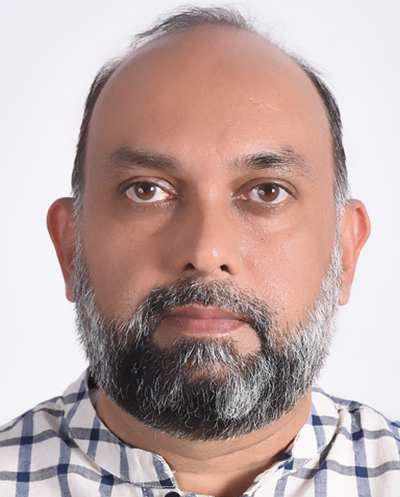
Country Director | Islamic Relief Bangladesh
Bangladesh has made commendable strides in human development; however, the persistent challenge of child, early and forced marriage remains an obstacle to achieving equitable progress. In South Asia, Bangladesh leads as the country with the highest prevalence of these early marriages, where 51% of girls are married before the age of 18 and 16% are married before the age of 15, according to UNICEF. These figures reflect a deeply rooted issue influenced by structural poverty, traditional norms, dowry practices, and a lack of education and awareness, among other factors.
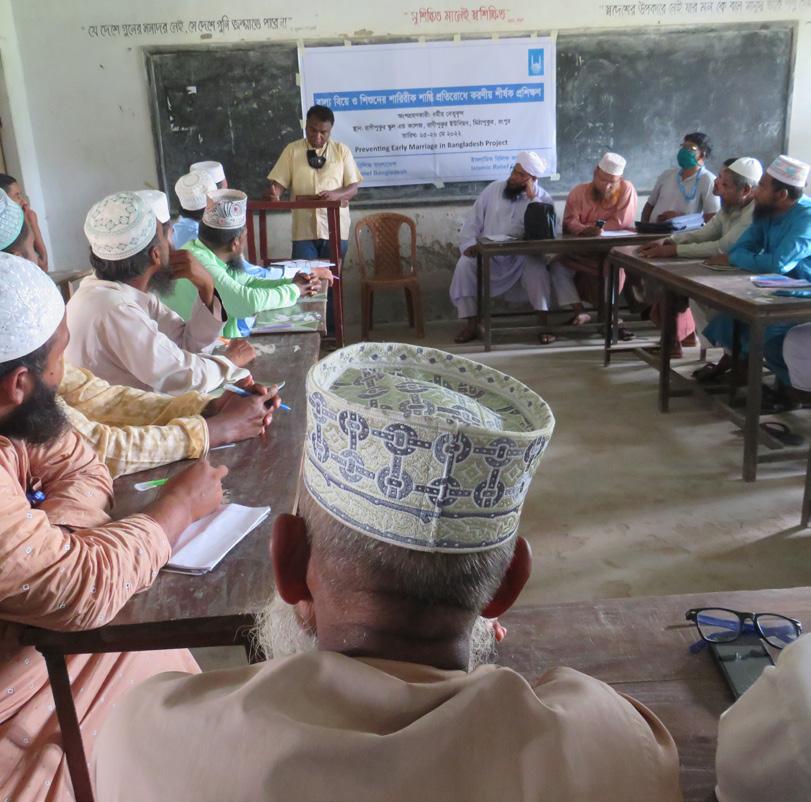
Recognizing the urgent need to address this multifaceted challenge, Islamic Relief Bangladesh (IRB) initiated the “Preventing Early Marriage in Bangladesh (PEMB)” project in Mithapukur, Rangpur district, one of the most affected regions in the country. With support from Islamic Relief Canada, this project sought to break the cycle of early marriage by targeting its root causes and empowering 300 marginalized girls and their families through community-based, culturally sensitive interventions.
The PEMB project set to change the trajectory and opportunities girls, and their families would have, built on their incredible resilience and willingness to create a better future for themselves and those around them. It not only improved livelihoods by increasing family incomes threefold but also mobilized communities to challenge harmful practices. Through 27 women-led Self-Help Groups and Child Clubs, as well as the engagement of faith leaders, duty bearers and community champions, the project succeeded in preventing many children from being forced into marriages, raising awareness among all the rightsholders, and fostering a safer environment for children. These accomplishments are a testament to the strength and potential of community-led action.
Building on the success of PEMB, Islamic Relief Bangladesh has expanded its efforts with the launch of the “Protection of the Children at Risk through Socio-Economic Empowerment (PRiSE)” project in Kurigram district. This new initiative, supported by Islamic Relief Canada, will benefit 1,200 at-risk adolescent girls and their families, further advancing our mission to safeguard children’s rights, enhance livelihoods, and transform societal attitudes toward protection of girls.
As we reflect on the positive impact of our work for children’s protection, we are reminded that meaningful change is possible when communities are empowered with knowledge, resources, and appropriate support. I extend my heartfelt gratitude to our partners, stakeholders, and the communities we serve for their unwavering commitment to this shared vision. Together, we continue our journey to ensure that every child in Bangladesh can grow up free from the shadow of early marriage, with their rights upheld, their potential realized, and their futures filled with dignity and opportunity.
Golam Motasim Billah
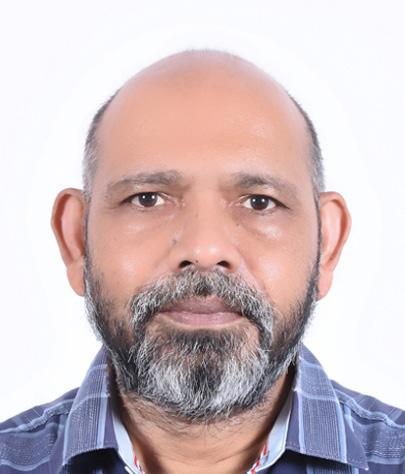
Country Director | Islamic Relief Nepal
I am pleased to speak to our project, “Equal and Just Society by Reducing Gender-Based Violence”, which commenced early 2020, and concluded in 2022. This project was implemented in two municipalities (Rajpur and Rajdevi) in the Rautahat district of the Madhesh Province, where gender-based violence, including child, early and forced marriage, continues to be a major concern despite significant progress in recent years.
The project was carried out in collaboration with our local partner, the Rural Development Center. This program played a crucial role in addressing GBV by challenging societal norms, offering incomegenerating activities for GBV survivors, and working with local communities and faith leaders to transform perspectives, understanding, and behaviors among men and boys. These efforts ultimately helped create safer environments for women and girls. External evaluations have shown that the project has had a significant and tangible impact on the lives of 6,994 individuals, contributing to gender equality in the targeted areas.
The success of this initiative was made possible through the collaboration of various stakeholders, including local governments, community leaders, faith leaders, and Islamic Relief Canada. Together, we demonstrated the power of collective action in tackling gender inequality and violence. This partnership not only enhanced the program’s impact but also laid a strong foundation for sustained progress.
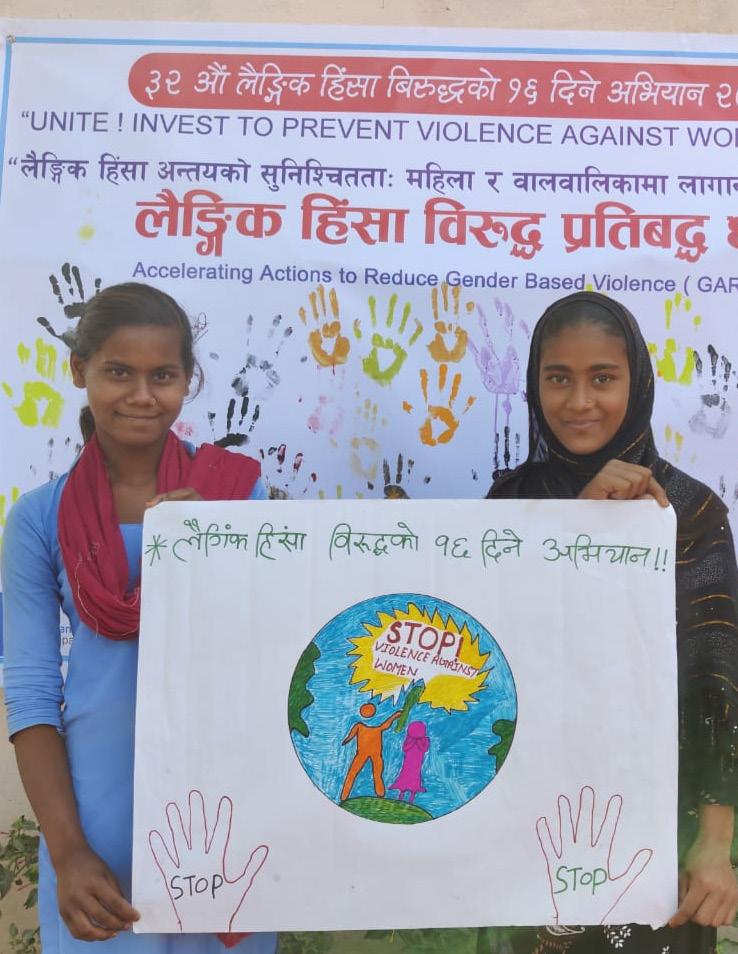
Building on the success of this project, we have moved into Phase 2 with Accelerating Actions to Reduce Gender-Based Violence (GARVA) project, expanding the initiative to additional municipalities while continuing our efforts in the original areas. With ongoing support from Islamic Relief Canada, we remain committed to advancing the interventions that were launched.
The continued success and relevance of this initiative underscores its importance as a model for other regions facing similar challenges.
With the ongoing support of the Islamic Relief Canada and the wider community, the project will leave a lasting, positive impact to prevent and reduce gender-based violence for risk population and communities. Together we can make a difference in the lives of underserved people, and we look forward to continuing our impactful journey and regular collaboration in achieving our common goals and commitments.
Violence against women and girls is one of the world’s most widespread crises, occurring daily and impacting millions of women worldwide. It has serious consequences on women and girls, hindering their full and equal participation in society. Gender-based Violence (GBV) is defined as “harmful acts directed at an individual or a group of individuals based on their gender.”1 Women and girls are disproportionately affected by GBV, experiencing violence in various forms, including physical, sexual, psychological, and economic abuse. This violence is deeply rooted in gender inequality and discrimination, arising from both the unequal distribution and abuse of power and resources between men and women.
The rights of women and girls to live free from violence is upheld by international conventions and agreements, such as the UN Convention on the Elimination of All Forms of Discrimination against Women (CEDAW) and the UN Declaration on the Elimination of Violence against Women. These serve as essential frameworks for preventing and responding to GBV.
Globally, Child, Early and Forced Marriages and Unions (CEFMU) is a harmful form of GBV that places young girls at heightened risk of violence, health complications, and the denial of their rights.2 Across the world, women and girls are disproportionately affected by forced marriage, making up the majority of those impacted. Over two-thirds of individuals subjected to forced marriage, and 87% of those involved in child marriage are female.3
CEFMU remains a pervasive challenge to the recognition and realization of child rights more broadly. As defined by the United Nations, child marriage refers to any formal marriage or informal union between a child under the age of 18 and an adult or another child.4 A forced marriage is one in which either or both parties have not given their full and free consent to the union. Underage marriage is considered a form of forced marriage, as children are unable to give full, free, and informed consent.5
The international legal framework protecting children from child marriage is grounded in a robust system of treaties, conventions, and human rights principles that seek to safeguard the well-being of children worldwide. At the heart of this framework is the United Nations Convention on the Rights of the Child (CRC), which enshrines the right of children to be protected from harmful practices, including early and forced marriage.
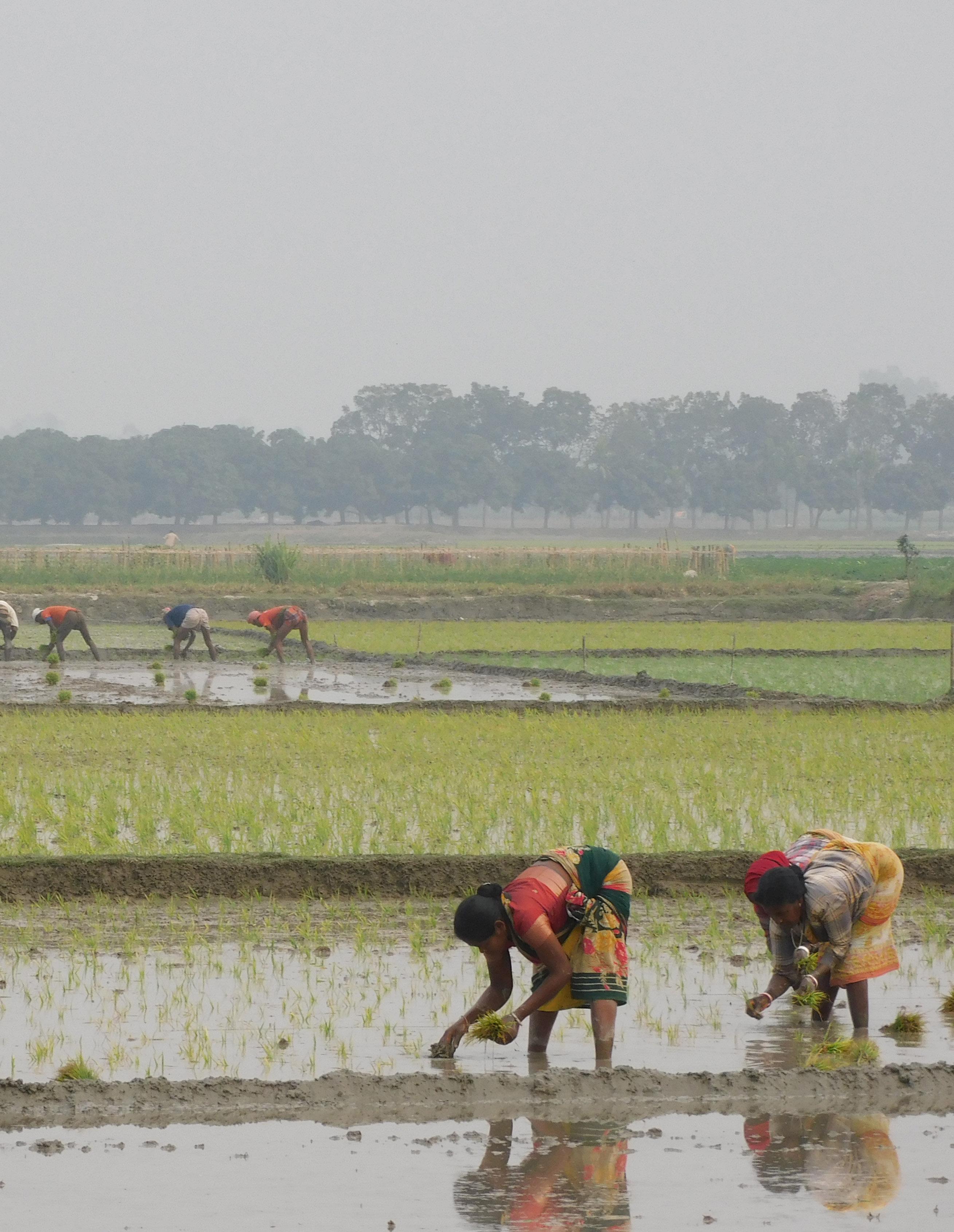
Bangladesh ranks among the top 10 countries in the world with the highest prevalence of child marriage. In South Asia, Bangladesh leads with the highest prevalence of child marriage in the region, with the majority (51%) of girls married before the age of 18. This translates to over 43 million women married as children, and among them, 23 million women (16%) married before the age of 15.6 The prevalence for boys is much lower than that of girls, with 4% of boys married in childhood.
The causes of CEFMU are multifaceted and interlinked, stemming from a combination of factors rather than a single cause. In the context of Bangladesh, this includes structural and generational poverty, lack of education, gender inequalities, social and cultural norms that contribute to inequity, COVID 19, and the prevalence of natural disasters and climate change.7 While the drivers of CEFMU in Bangladesh do not vary significantly across geographical areas, the disparity in child marriage rates between urban and rural areas in Bangladesh is significant.
According to UNICEF, 44% of girls in urban areas are married before the age of 18, compared to 54% in rural areas.8 Furthermore, most girls married before 18 come from lowest income households.9 The median age of marriage for girls in the poorest households is just 15, compared to 18 in wealthier households. A deeply ingrained belief that daughters are a financial burden contributes significantly to these statistics. Many families marry their daughters at an early age to reduce family size, minimize expenses, and try to offer a better future than the one they would be able to offer. This is further compounded by dowry prices increasing as girls age, incentivizing marriage
at earlier ages, especially for poor households.
CEFMU is a practice with far reaching negative consequences that severely undermine the health, wellbeing, and freedoms of children and women. This practice limits access to education, which in turn impacts their ability to attain and pursue opportunities in social and economic spheres, and by extension be empowered decision makers within their lives and households. Although girls are generally deprioritized in favor of boys when it comes to educational opportunities, CEFMU is closely linked to higher school dropout rates, as marriage and schooling are viewed as incompatible, further perpetuating the cycle of low educational attainment.10
CEFMU is furthermore associated with an increased risk of domestic violence, both from the spouse and family.11 Moreover, adolescent girls who marry at a young age face a heightened risk of maternal mortality. Pregnancy during adolescence is a leading cause of death for girls aged 1519, as they are more susceptible to complications during childbirth.12 In Bangladesh, almost half of married girls gave birth before their 18th birthday.13
Over the past decade, urbanization in Nepal has accelerated, with many people migrating to cities in search of better employment and living conditions. However, despite this shift, Nepal remains one of the poorest countries in the world, with 20% of its population living in poverty.14 Gender inequality remains a significant challenge, as reflected in Nepal’s ranking 117th out of 146 countries on the 2024 Gender Inequality Index.15 The gender gap in education is particularly striking, as the female literacy rate stands at approximately 57%, compared to 75% for men.16 In rural areas, this disparity is further pronounced due to traditional norms and economic barriers often hindering girls’ access to education.
Intersectional factors like class, caste, and ethnicity compound the challenges faced by women and girls, leading to lower participation in the labor force, and higher rates of economic dependency. This is evidenced by women’s labour force participation accounting for only half of that of men’s participation.17 Women in Nepal also spend about five times more time on average than men doing unpaid work (housework).18 In 2022, 48% of women participated in making major decisions at the household level.19
GBV affects more than one in four Nepali women and girls in their lifetime.20 In Madesh, most women who experience violence do not report it or seek help. Violence against women is widespread, with 26% of ever-married women having experienced spousal abuse, and 22% of women aged 15–49 having experienced physical violence since age 15.21 Patriarchal values, perpetuated by both men and women, contribute to these challenges, exacerbating the suppression and vulnerability of women.
In Nepal, CEFMU remains a relevant issue, with 35% of girls—equating to approximately 5.4 million individuals— marrying before the age of 18.22 While CEFMU predominantly affects girls, 7% of boys have been reported to marry before they turn 18.23 The prevalence of early marriage is particularly high in Madesh, where nearly half of all girls (46%) are married before adulthood.24 Despite the legal minimum marriage age being set at 20 for both girls and boys, child marriage continues to be widespread. Furthermore, 40% of girls in Nepal give birth before 18, highlighting the significant reproductive health risks associated with early marriage.25
This report is the result of data collection undertaken in February 2024. Islamic Relief Canada (IR Canada) researchers engaged in qualitative data collection methods through a series of focus group discussions and one-on-one interviews, employing narrative inquiry as an approach to better understand the dynamic lived experiences of research participants.
The primary objective of this study was to speak to rightsholders part of IR Canada programming in Bangladesh and Nepal, with a view to understanding the impact of CEFMU and GBV on their lives. Additionally, the visit sought to assess the change in rightsholders’ lives as a result of the projects through firsthand accounts.
All participants gave their prior informed consent to participation, and researchers explained that they had the right to refuse to answer any questions, redact statements, refuse photos, and withdraw from the process altogether at any point. Confidentiality was guaranteed, and as such, any names that are used in this report have been changed.
Islamic Relief Bangladesh and Islamic Relief Nepal organized and facilitated the focus group discussions, providing staff who already had a rapport with participants to accompany and translate for IR Canada researchers. Focus group discussions were simultaneously translated between Bengali to English, or Nepali to English, and other local languages prevalent in the varying communities such as Bajika, Bhojpuri, and Hindi in Nepal. Responses were subject to real-time translation; therefore, it is important to note that direct quotes may not always be exact transcriptions.
Research participants were asked open-ended questions about cultural norms, traditions, and experiences related to gender roles and equality related to child marriage, education, income generation, household decision-making, and impact upon their lives and community. The questions were developed in consultation with local Islamic Relief teams to best achieve the outlined objectives and ensure topics were discussed in a culturally appropriate manner.
At the end of focus group discussions, researchers visited households of individual participants to conduct one-toone interviews in the privacy of their own home. Local Islamic Relief staff arranged these interviews ahead of time and received participant consent.
Following the data collection phase, primary data was fully transcribed and subsequently compiled following a thematic analysis.
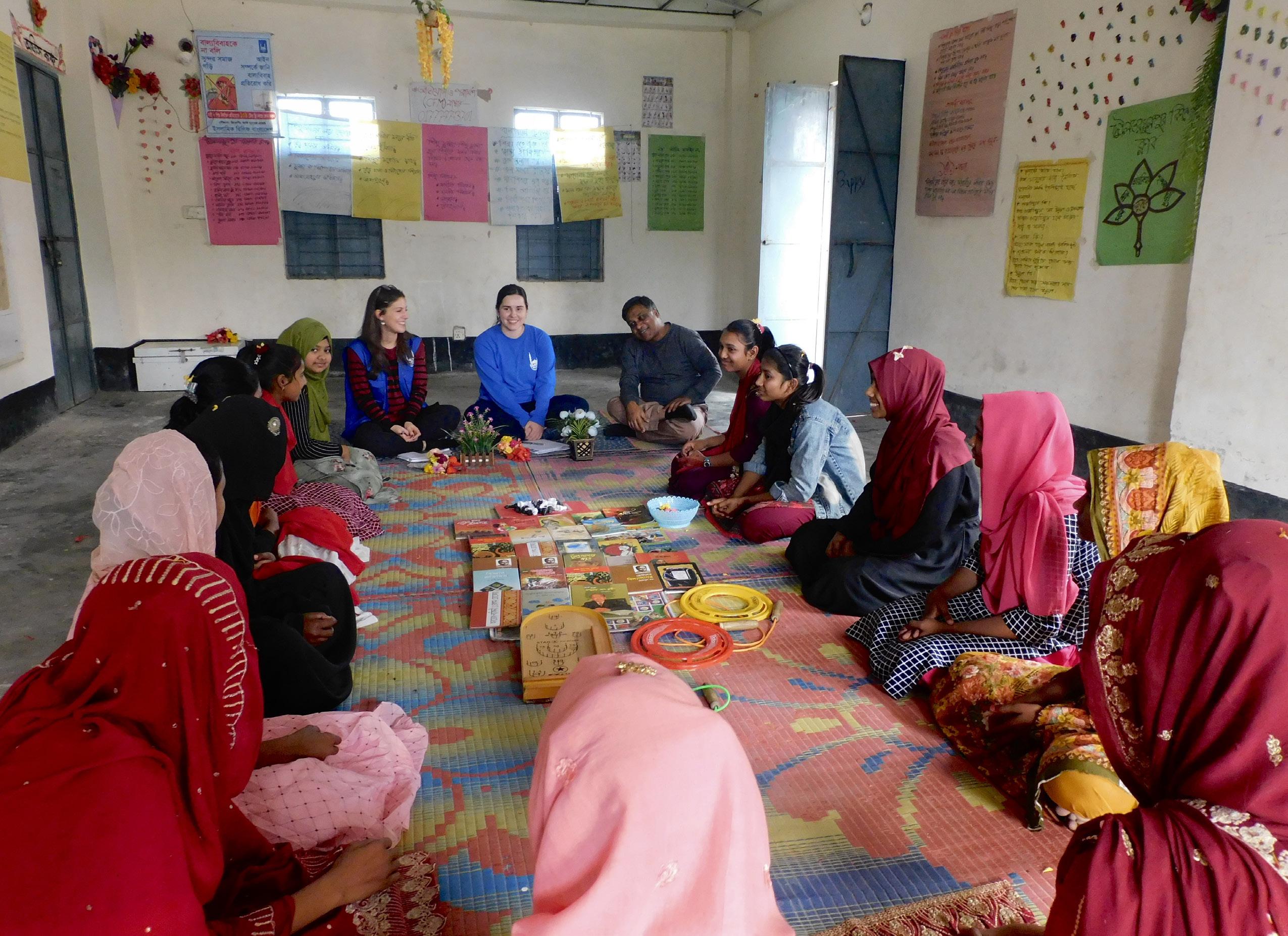
Our researchers spoke with 120 participants (84% female) in Bangladesh and 56 participants (77% female) in Nepal throughout the duration of the research. The majority of focus group and one-on-one interviews were conducted with Islamic Relief rightsholders composed primarily of women and girls, as they are the direct project participants and primary focus of the interventions. The issues addressed in the projects, such as GBV and CEFMU, also affect women and girls to a larger extent than men and boys. Nevertheless, IR Canada researchers conducted a focus group discussion and interviews with men in both countries as they are important enablers and contributors to their communities, and by extension the project goals. Other important community members such as local government officials, faith leaders, and members of community-based protection committees were also engaged in separate focus group discussions.
For the purposes of this report, IR Canada researchers traveled to the following locations and their surrounding areas for primary data collection:
+ Ranipuku Union of Mithapukur Upazila (subdistrict), Rangpur District, Bangladesh
+ Ulipur Upazila, Kurigram District, Rangpur Division, Bangladesh
+ Chandrapur, Rajpur, and Rajdevi Municipalities, Rautahat District, Madhesh Province, Nepal
Regions were selected based on project location and feasibility of local Islamic Relief Bangladesh and Islamic Relief Nepal teams to facilitate Islamic Relief Canada researchers.
Islamic Relief’s structures and approaches to programming in Bangladesh and Nepal share many key elements. This section seeks to outline the main components to programming that have led to successes in the prevention of child marriage and gender-based violence. While there are some minor differences and variations related to program implementation, as each country and community has unique needs, the ideas and methods are largely similar. Both country offices undertake activities that address the economic, social, and cultural spheres, and seek to address these at numerous levels including individual, family, and community. Both the projects detailed throughout this report share many common structures designed to empower communities and ensure results even after project completion.
Below are some key definitions of the approaches:
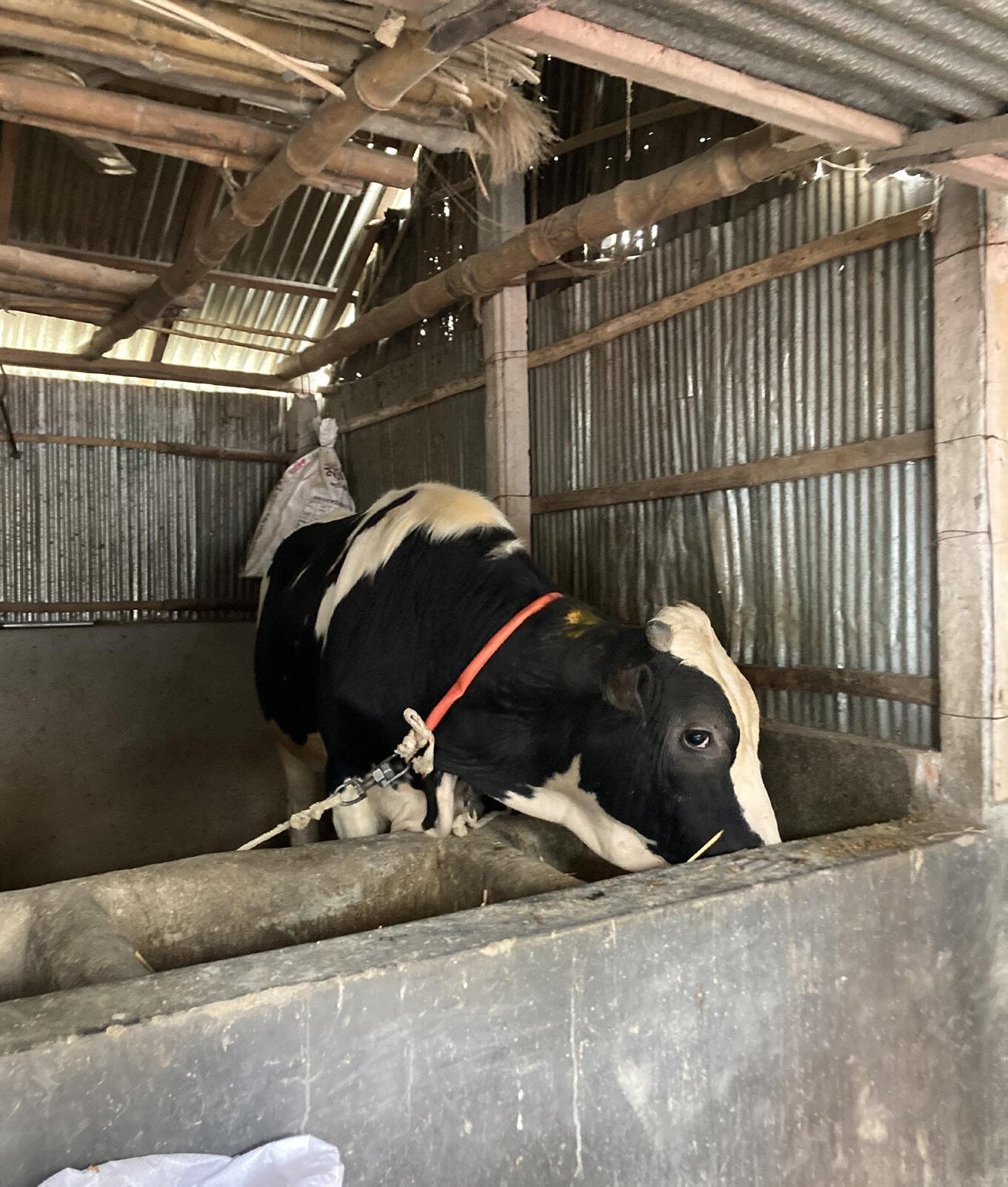
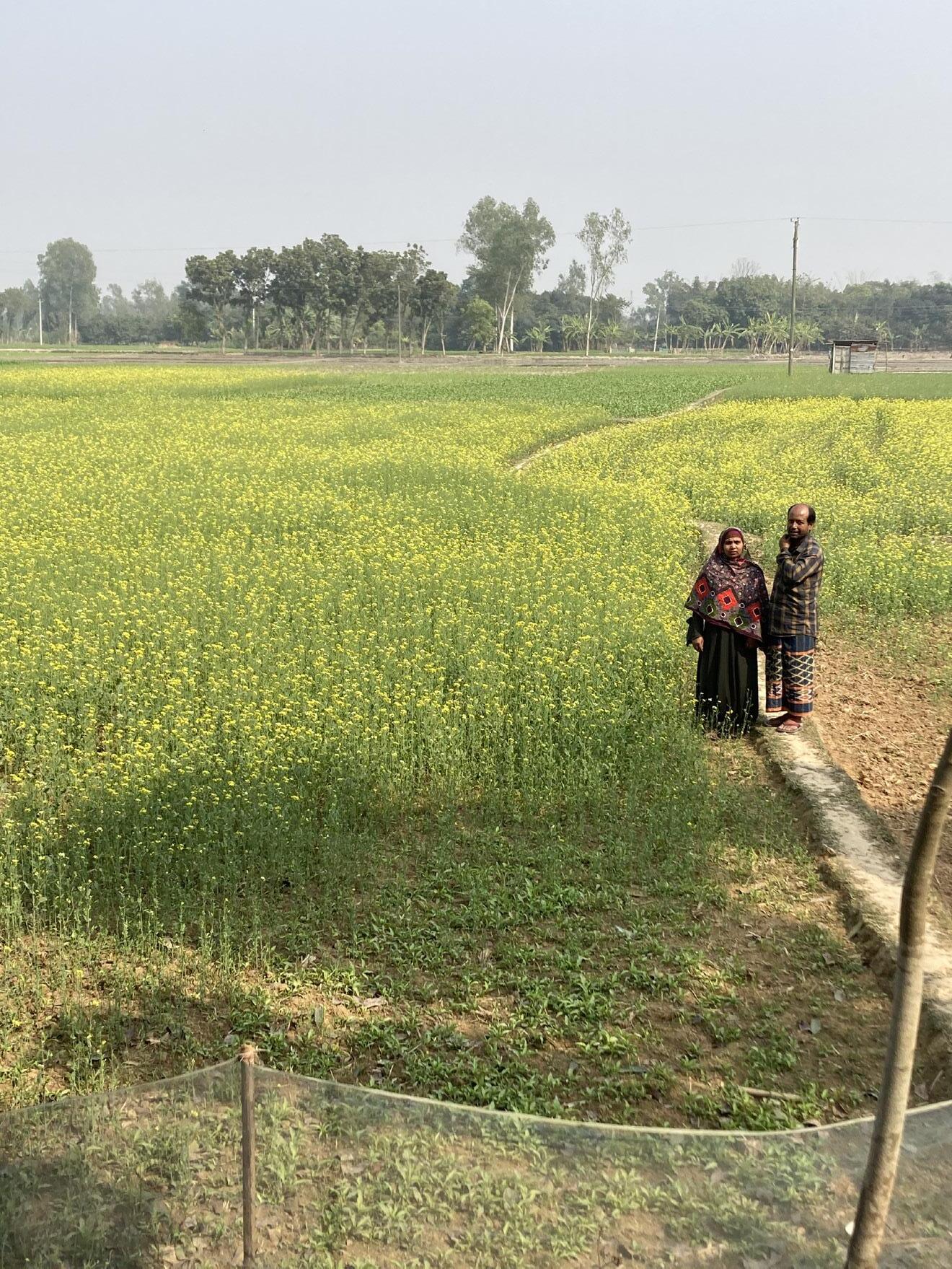
In order to effectively address social issues such as poverty and gender inequality, it is necessary to address the economic conditions communities face. In Bangladesh and Nepal, women and girls lack independent sources of sustainable income, access to education, and resources. Through project interventions, targeted rightsholders and their families are supported to select an appropriate, locally practiced income generating activity. They are then given cash grants or assets to economically empower them and increase their household income. By providing technical training and coaching, alongside financial support, women can take ownership to create a business to supplement and increase their household income.
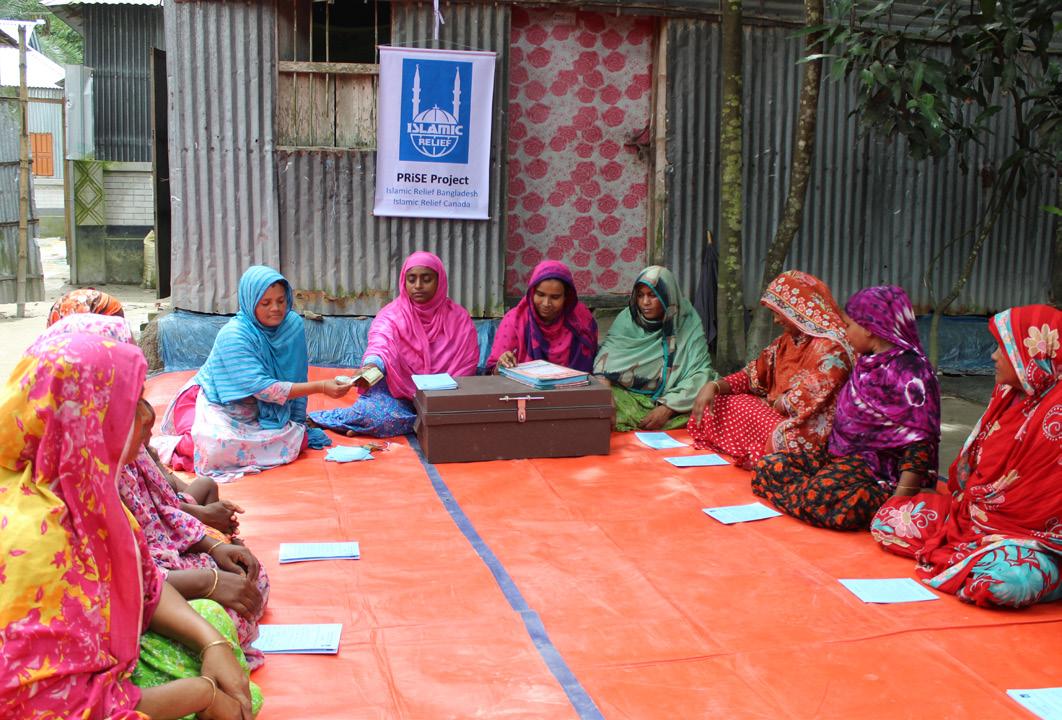
Self-Help Groups (SHGs) are a crucial modality for poverty alleviation and fostering economic stability. Project participants are organized into groups of around 20 women, where they gain financial literacy training, and engage in collective savings activities. Through these collective group savings, each group is able to establish a revolving fund, which allows loans to be distributed to individual group members. The purpose of the loans is to enable the group members to establish additional income generating activities, or meet other needs, complementing the initial grant provided by the project. Loans are repaid interest-free within an agreed upon time frame. The group members also receive training in bookkeeping and the available funds are securely stored by the members in a group bank account. This system supports ownership over finances, fostering independence and empowering members to uplift one another.
SHGs also serve as a platform for raising awareness and providing training on critical topics or issues. The women meet weekly, and with the guidance of a locally hired community mobilizer, discuss different topics including women and child rights, maternal health, disaster risk reduction, water, sanitation, hygiene, and other key subjects. These sessions not only enhance the knowledge and skills of SHG members, but also create a supportive environment for personal and community development.
The Channel of Hope (CoH) methodology is a faith-based approach first created by World Vision and later adapted by Islamic Relief. Central to this approach is engaging religious leaders, recognizing them as important actors with noteworthy influence within communities, particularly in rural areas. CoH works with faith leaders to challenge harmful social norms using religious teachings to promote positive change, especially on sensitive issues like GBV, child protection, and health. It also involves community mobilization, creating safe spaces for dialogue, while providing leaders with the tools and knowledge to inspire social change. By aligning these efforts with the community’s religious values, CoH fosters long-term sustainability, transforming attitudes and behaviors and building local leadership to address complex social problems.
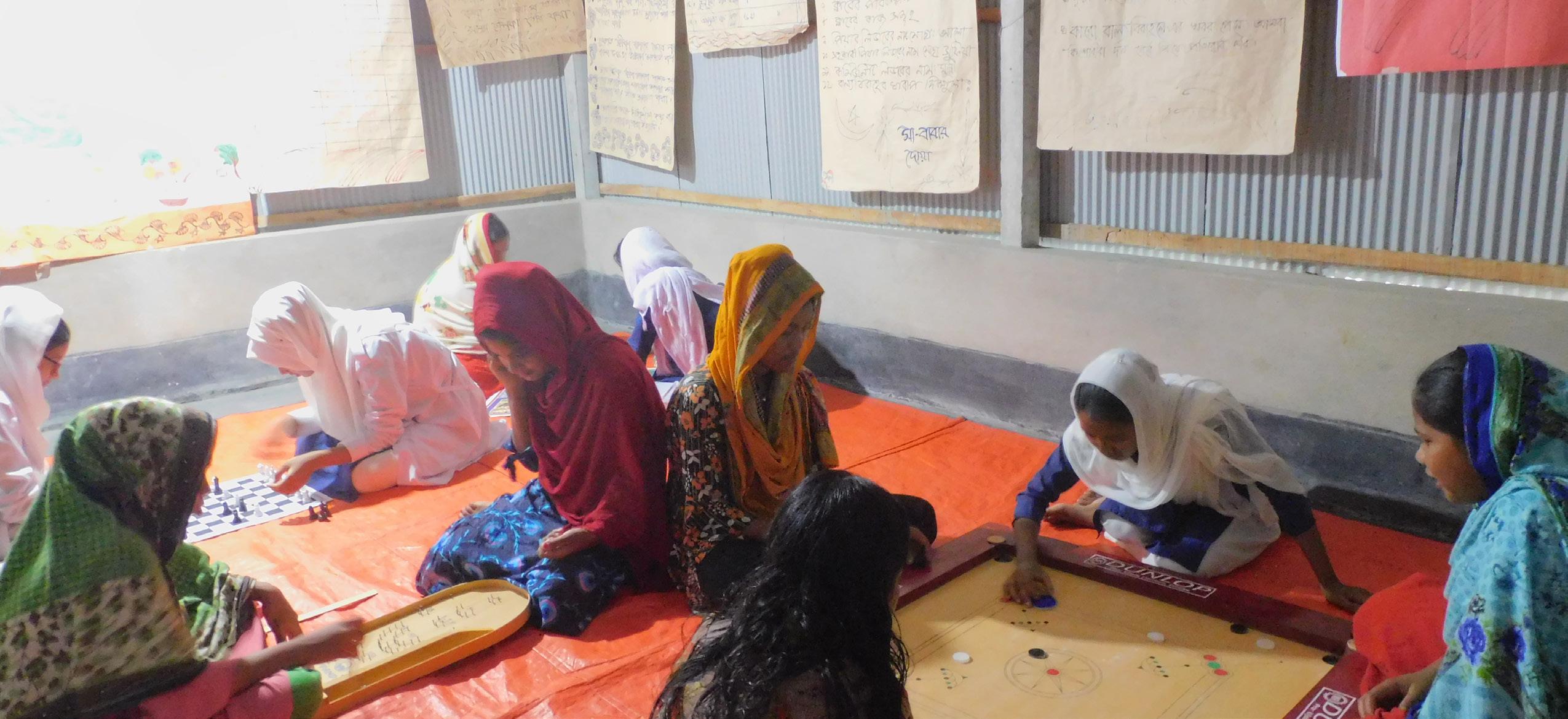
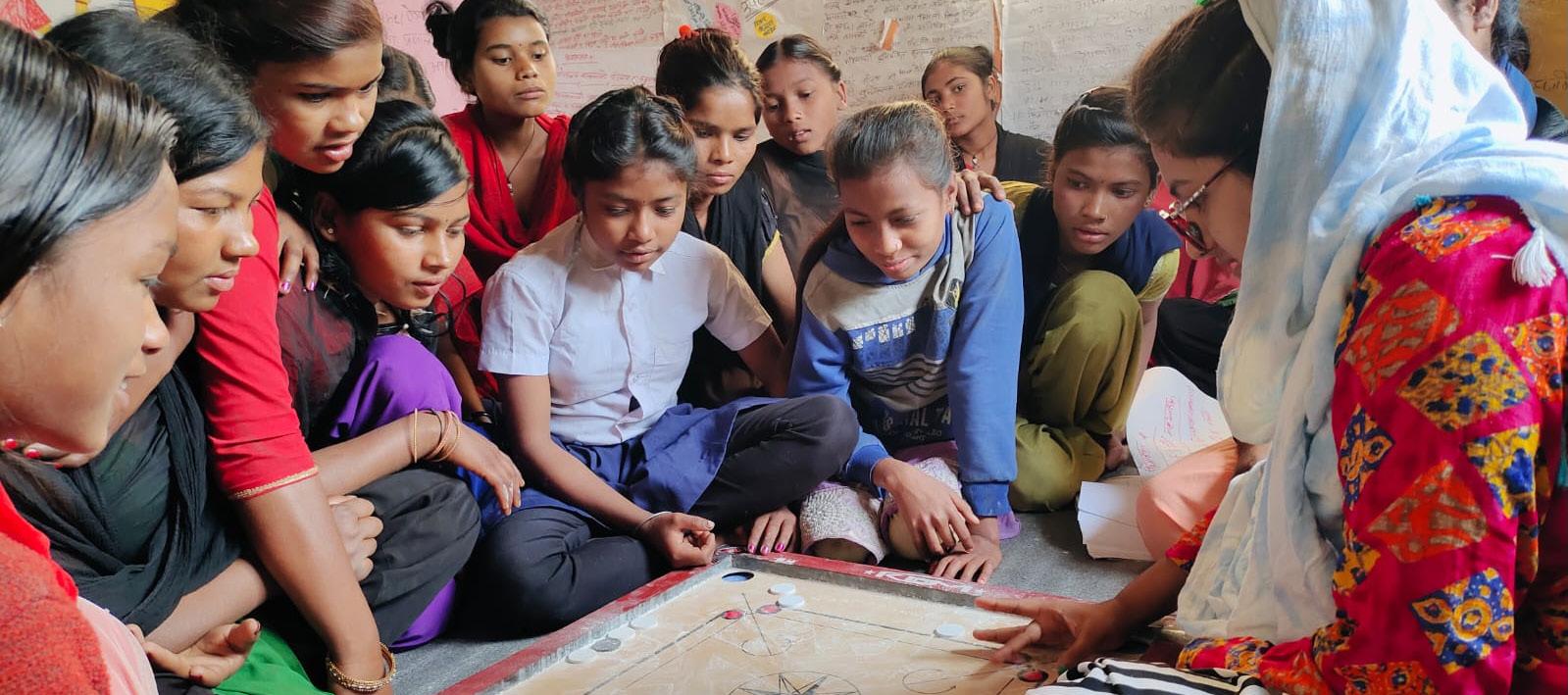
Child clubs serve as a pivotal social support platform and alternative community-based hub for young girls and boys. The clubs provide a safe, communal space to gather, engage with enrichment materials, and participate in activities and games designed to promote cohesion and development. The project undertakes approaches which promote knowledge and understanding on the rights and well-being of children, including raising awareness on issues like CEFMU, education, and protection from harassment and violence. It also provides adolescents with opportunities to receive life-skills training, helping them to build resilience in the face of challenging situations.
Child clubs are a vehicle in which rightsholders educate peers and the broader community, encourage school attendance, and advocate against harmful practices. By empowering young people to take an active role in advocacy and education, the clubs help foster a more informed and supportive environment for children in the community.
Community-Based Child Protection Committees (CBCPCs) are local groups aimed at protecting children from abuse, exploitation, and neglect. They involve stakeholders, such as parents, teachers, and community leaders. CBCPCs raise awareness about child rights, identify risks, provide support to vulnerable children, and advocate for stronger child protection measures. They act as the first line of defense in ensuring children’s safety by leveraging community resources and working closely with local authorities to prevent violations against children.
In Nepal, an important approach towards raising awareness about GBV and CEFMU was to establish Community Learning and Protection Centers (CLPC) for adolescent girls and boys. This approach was initially implemented in the first phase of the GBV prevention project in Nepal, where the centers were strategically located in central areas within the targeted communities.
External evaluations have confirmed the effectiveness of these centers in raising awareness and building confidence to prevent GBV and CEFMU among adolescent girls and boys through structured gender transformative sessions led by trained CLPC facilitators. Building on this success, the ongoing second phase Nepal GARVA project has expanded the initiative, with plans to establish and manage 24 centers aimed at reaching 2,400 boys and girls.
Based on the significant successes and impact of phase one projects in Bangladesh and Nepal, IR Canada has continued to support these programs by establishing second phases in both countries, with expected completion in 2027. While the primary focus of the research for IRC staff was to evaluate the impact of these completed phase one projects, some visits were also arranged to the new project sites, where additional focus groups were conducted. This helped to further supplement the insight gathered on cultural and traditional norms experienced by women and girls. Additionally, speaking with newer program rightsholders served as a useful contrast to the feedback gathered from participants in the completed projects, helping to highlight differences and better understand the changes and impacts that the planned activities can bring.
Based on the final evaluations, this section summarizes the key findings and achievements from the two-phase implementation of the following projects:
By safeguarding the rights of young women, the project fostered an environment where girls could reach their full potential, free from violence and early marriage. The project’s success in preventing CEFMU highlights the importance of addressing its root socioeconomic causes, including gender inequality, poverty, lack of education, and barriers to essential services, ultimately creating lasting and sustainable change.
Islamic Relief Nepal, in partnership with the Rural Development Centre (RDC), saw GBV survivors and at-risk individuals enhance their lives through improved economic opportunities that increased both their economic and social empowerment. Economic stability reduces the conditions for conflict that can escalate to GBV. By giving these rightsholders the means to support themselves, their families, and their communities, they are safer and have access to greater opportunities than before.
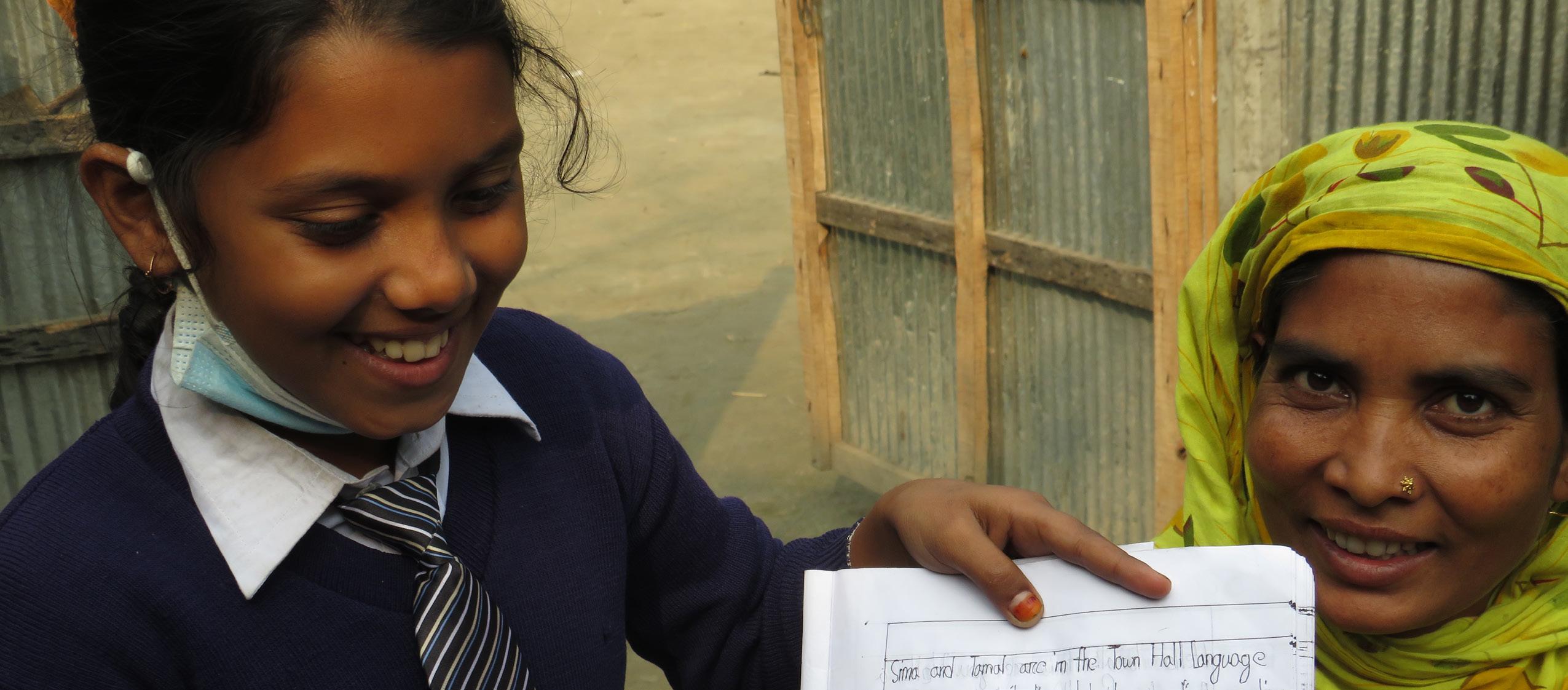
+ 100% of children within the project enrolled in school continued their education. Education is a key factor in long-term empowerment and development, and by keeping girls in school, PEMB made meaningful strides toward advancing gender equality.
+ The evaluation revealed an 89% increase in overall awareness of child protection and CEFMU amongst all project participants.
+ In total, 96 potential incidents of CEFMU were averted as a result of the proactive efforts of Adolescent Child Clubs, which intervened in 19 cases, as well as various community groups, such as Self-Help Groups and Community Based Protection Committees, that intervened in 77 cases.27
+ Additionally, 93% of the project’s targeted rights holders were able to access government Social Safety Net (SSN) schemes.
+ The project also mobilized local communities by developing or strengthening Community based Child Protection Committees (CBCPC) and engaged faith-leaders including Muslim leaders (Imams), Hindu Leaders (Purohits), and a Christian Priest. All faith leaders involved participated in the fight against CEFMU throughout the project duration. Better working relationships forged between different faith groups also further strengthened safe and accessible spaces for children and families.
+ 54 community champions were trained who facilitated disseminating knowledge and prevention of CEFMU in the project area.
+ Awareness about GBV increased, with 95% of female and 97% of male respondents aware of GBV as a punishable offence and familiar with at least three effective measures to address it.
+ GBV reporting increased, with an average 47% rise in the number of cases reported to the police throughout the project’s duration.
+ 97% of participant households were aware of the referral mechanism to access support and services for GBV.
+ 94 potential cases of CEFMU were prevented, which marked a notable shift in attitudes toward prevalent gender issues.
+ 86 girls who had dropped out of school and were at a high risk of CEFMU were successfully reenrolled in school.
+ 15 bathing cubicles constructed in rural areas to ensure the safety and dignity of girls and women. These cubicles provide secure, private spaces to bathe, greatly enhancing personal security. Prior to the project, many women had to compromise their hygiene for weeks or resort to bathing late at night due to a lack of adequate facilities. This initiative has been essential in improving both the physical and emotional well-being of women and girls in the community.
+ 100% of the targeted families gained access to financial resources and technical training. This support enabled women to create sustainable income-generating activities (IGAs) aligned with local practices.
+ Project participants’ households nearly doubled their income based on the average monthly income recorded at baseline compared to endline.
+ Households averaged BDT 6,628 ($77 CAD) at baseline, while at project end, they were able to earn on average BDT 11,426 ($133 CAD), an increase of 72%.
+ Eligible members from the rightsholder families were provided with Technical and Vocational Training, enabling them to earn BDT 400-500 ($56 CAD) daily.
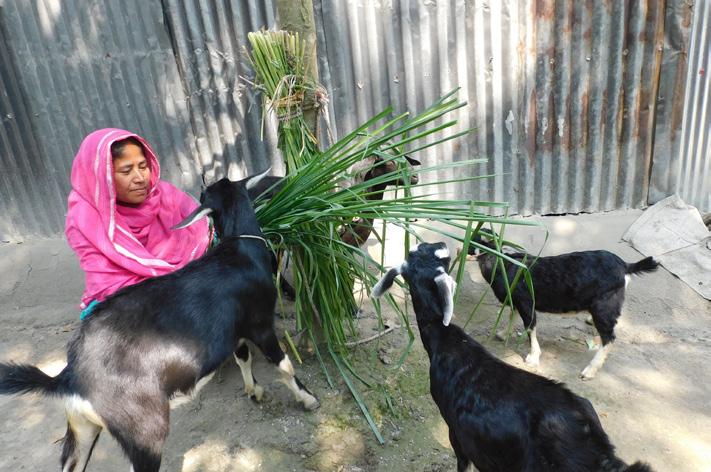
+ By the end of the project, 80% of rights holders were running three IGAs This increase in income is crucial for financial security, in turn alleviating poverty and empowering rights holders to make decisions about their lives and families, rather than being forced into harmful coping mechanisms or making decisions driven solely by financial necessity.
+ The livelihood interventions were found to have increased annual income for participants by 28% through vocational training and livelihood support provided to GBV survivors and individuals at high risk.
+ Women’s control over resources greatly improved, with the endline revealing 87% of female respondents had control over resources, compared to 38% at baseline.
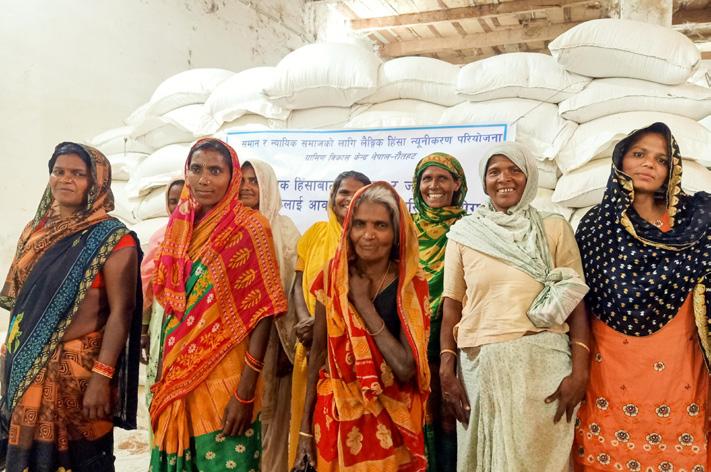
+ Similarly, women’s decision-making power increased, particularly regarding matters related to finance and assets (from 4% at baseline to 79% at endline) and for decisions concerning their children (from 53% at baseline to 82% at endline).
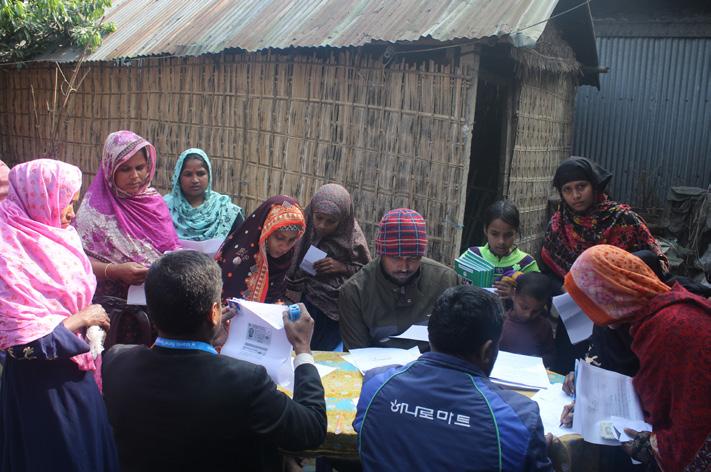
During our field visit we heard firsthand accounts from community members on the impact of project interventions, and what efforts must continue to further drive change. The visit also provided an insightful opportunity to observe the differences and compare between the completed projects and initiated subsequent phases. Witnessing the changes in rightsholders’ perceptions, demeanor, and actions showed the powerful changes multiyear development projects can affect. This will be covered in the section below.
“Education is one of the best modes of transportation to break the cycle of poverty and improve one’s circumstances”
Discussions during focus groups in Bangladesh and Nepal indicated a unanimous understanding around the importance of education. Many women emphasized that without education, obtaining a decent job becomes challenging. In Bangladesh, married children are four times more likely to be out of school than unmarried girls. Girls with education beyond secondary school are least likely to be subject to CEFMU, even in cases where they reside in rural and poor households.
In the Bangladesh projects, all the women’s children were enrolled in school; however, it was noted that dropping out remains a concern. The effect of poverty on rural families often results in decisions that impact individual and family wellbeing negatively, such as taking children out of school to work in difficult environments, in order to support the family in meeting basic needs.
The shared challenges to education cited in both countries included the cost of school materials, such as clothing or supplies. In Nepal projects, women highlighted that school rules around attire are strictly enforced, whereby students must have the appropriate uniform to be able to attend. These costs associated with school are an obstacle for households with limited financial capacity and often result in the decision to prioritize enrolling their sons in school rather than daughters, even if families would like to send both.
The topic of education was also discussed with adolescent girl and boy participants of project child clubs. They demonstrated awareness around the obstacles that impact school attendance, echoing the sentiment shared by adults, outlining how a family’s low economic background generally means there is less money for education costs, and sometimes the involvement of children being recruited into hazardous working conditions to supplement families’ income. This is reflective of society’s view that women and girls should be responsible for household tasks and taking care of elders, and that for this reason families do not invest in daughters’ education.
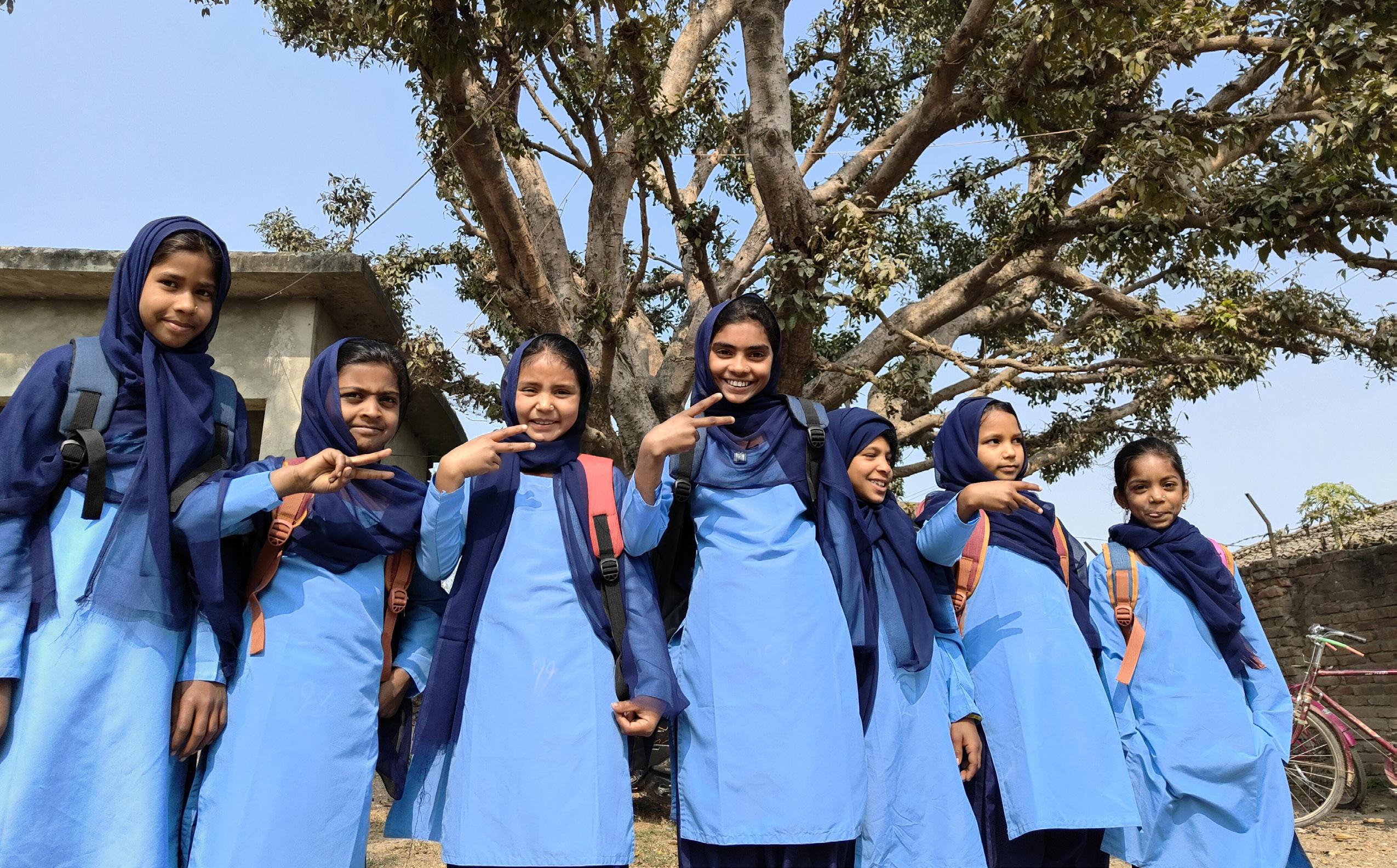
“A boy child can earn money for the family and contribute to income, but a girl child is less likely to earn, so families relieve the burden by marrying the girl off.”
Focus group conversations shed light on shifting community attitudes towards the practice of CEFMU. In Bangladesh, in each women’s self- help group, there was someone who observed how the recent COVID-19 pandemic exacerbated the issue of CEFMU, leading to an increase in the practice. This tied to the primary drivers highlighted generally by the female focus group participants, such as poverty, lack of awareness about the importance of education for girls, and limited awareness on CEFMU’s negative impacts on girls. It was shared that culturally, families often view girls as burdens, especially when they cannot afford educational expenses, whereas boys are seen as potential earners for the family’s future.
In speaking with girls in the child clubs, they highlighted that respect for family and tradition is a pertinent value within the community, with parents being very cautious to avoid their children engaging in underage dating or sexual activity outside marriage. For this reason, when underage relationships – often referred to as “love marriages” – are uncovered, families try to discourage the practice by preferring to select a suitable alternative partner for their children. Additionally, precarious financial situations that breed insecurity and safeguarding concerns have also led to the arrangement of early marriages.
Many women in the Nepal focus groups echoed these findings, sharing that CEFMU was a practice prevalent in their community. Many women themselves were survivors of child marriage, having been 13 or 14 years old when they were married. Participants were prompted to share what the perceptions and cultural norms that promote this practice are, to which they shared that, culturally, parents decide whom their children will marry. As in the discussions in Bangladesh, they shared fears of “love marriages.” When parents are not involved in the decision and disapprove, there have been cases where the children try to harm themselves or run away. As such, the parents prefer to select the spouse and marry the children early to avoid such scenarios.
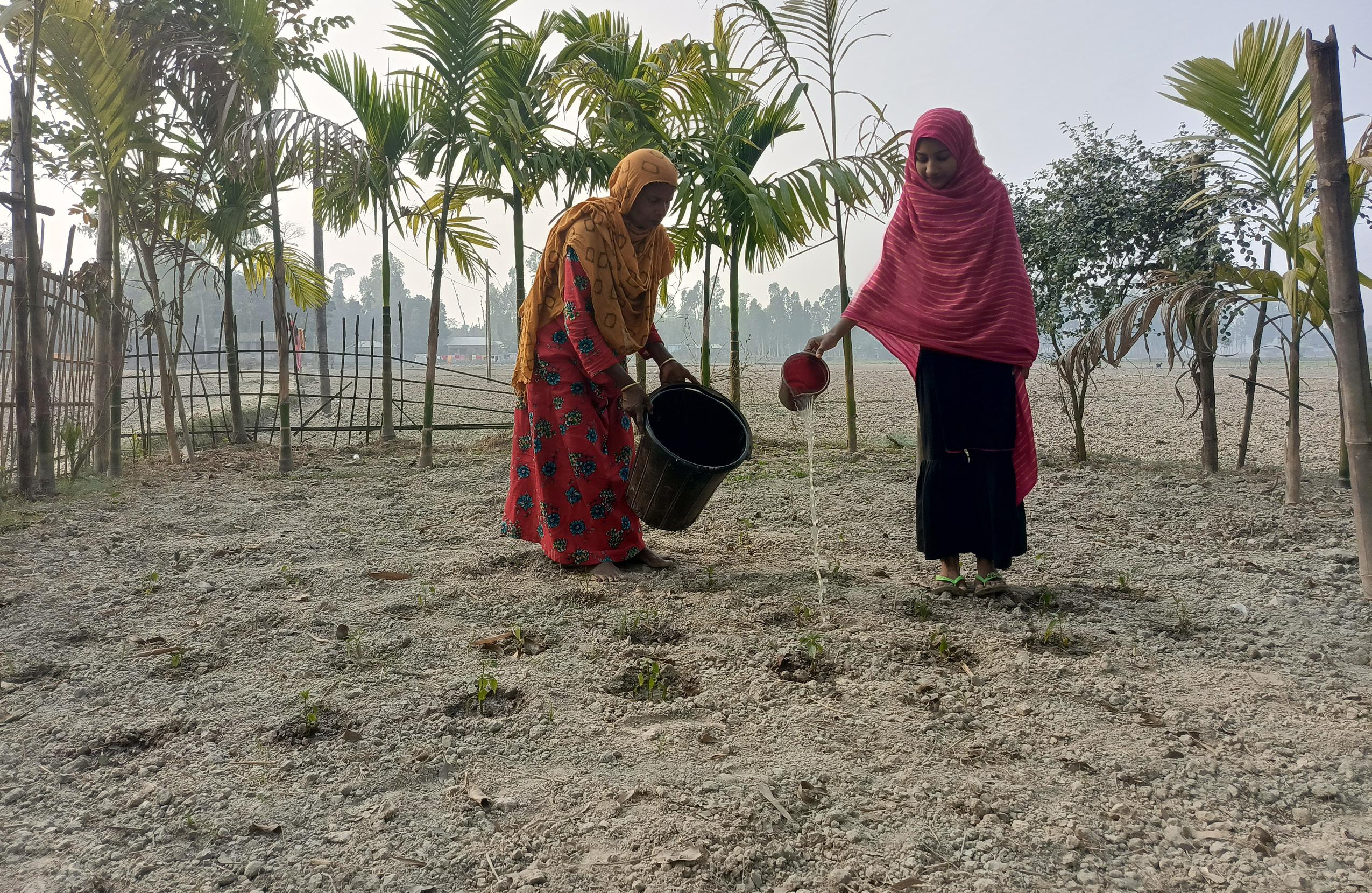
Women’s inequality is a complex issue shaped by deeply ingrained societal perceptions that often limit what women and girls can do and achieve. In Bangladesh, discussions with focus groups uncovered beliefs around the relevance of girls’ education, as often a girl’s progress beyond the intermediate level of school is shadowed by family’s doubts about possible employment opportunities. There is a prevailing belief that higher education does not guarantee a job or a stable income, and limited job opportunities discourage families from investing in their daughters’ education. This perceived paradox restricts women’s future career paths and perpetuates cycles of inequality and poverty.
Moreover, societal expectations regarding marriage create additional challenges for women. As they grow older, the expectations surrounding dowries increase, placing significant financial strain on their families. Older women are often viewed as less desirable for marriage, reducing their chances of finding a suitable partner. This dual burden pressures women to marry young and further stifles their personal and professional development.
The daily realities of these societal expectations are illustrated by the experiences women shared. In Nepal, women recognized internalized gender stereotypes, highlighting the inequitable distribution of labour, where women manage multiple responsibilities without adequate support.
“Women here are working three times harder caring for children, cooking, washing, rearing livestock”
“Women don’t accept help due to our upbringing. Males aren’t responsible for anything regarding household chores, this will take generations to change. We [women] don’t even drink water for ourselves”
In terms of household decision-making, women across focus group discussions from completed projects in both countries described the process of household decisionmaking as participatory. However, in newer projects that are still in initial phases, it was shared that men typically make the more significant decisions, and that in marriagerelated decisions, the husband or father usually makes the final decision but will nevertheless often take into consideration the opinions of other family members.
In the recently initiated Nepal project addressing GBV, participants were asked to describe the conditions of their current life, which in many cases was quite difficult. None of the women in the group were formally employed, with most working as daily wage workers or farmers. Several women spoke about the abuse they face within their homes at the hands of their husbands, with many also sharing that alcohol and tobacco abuse is prevalent in their families and community. One woman shared that despite contributing to household income and even making more than her husband does, she does not have any control over how it is spent.
“I must give my earnings to my husband, because if I don’t, he will engage in physical violence. He also uses tobacco and alcohol.”
Throughout the group, there was a mixed response regarding how household decisions are made. Some vouched that decisions were made unitedly, while others said they had no say. When prompted further to provide examples of a recent decision for which they shared responsibility, the women were unable to present any such case. Most agreed that they required approval from their spouse to buy things, and that husbands are skeptical of allowing them out of the home, demonstrating limited freedom of movement dependent on the approval of husbands.
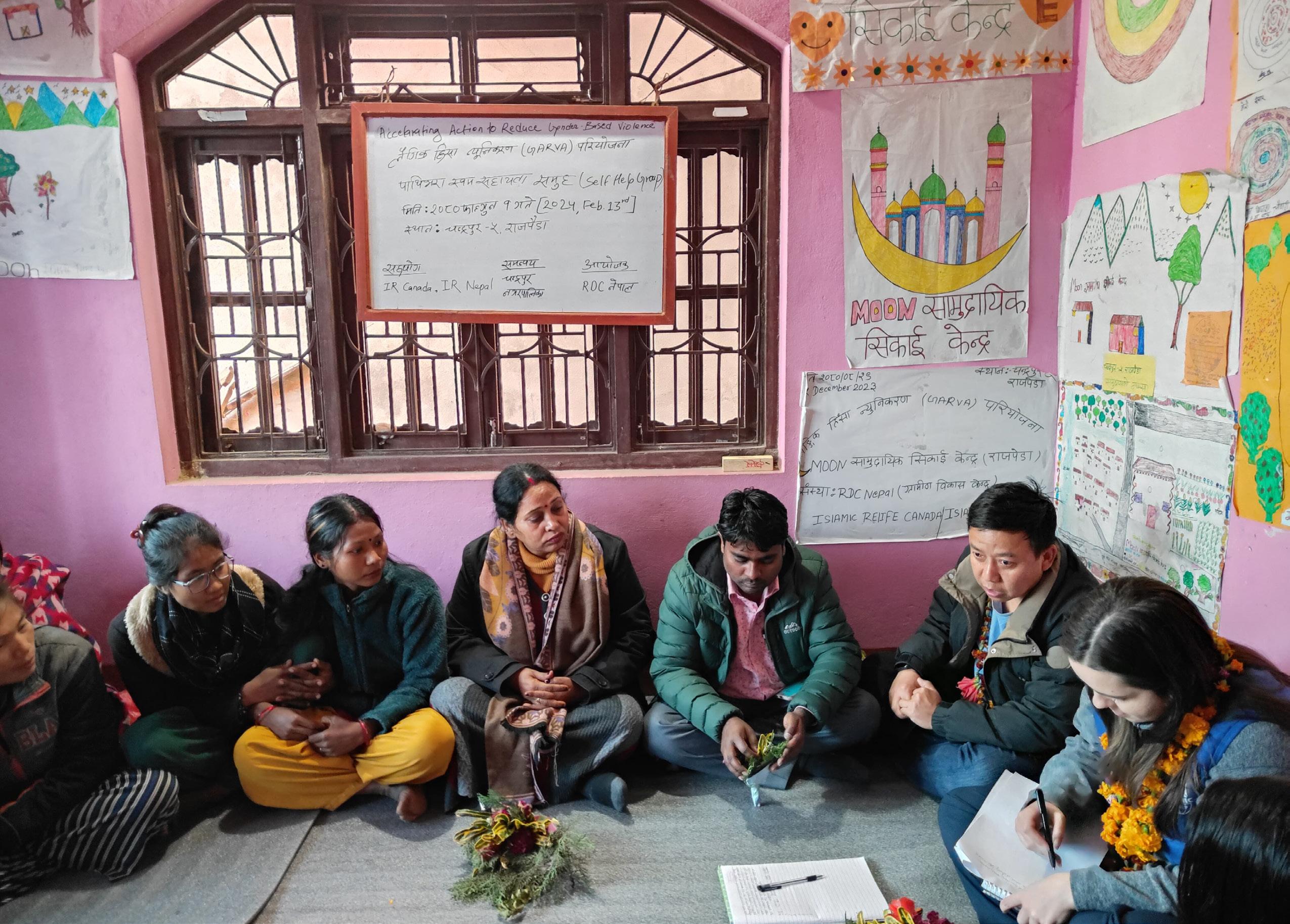
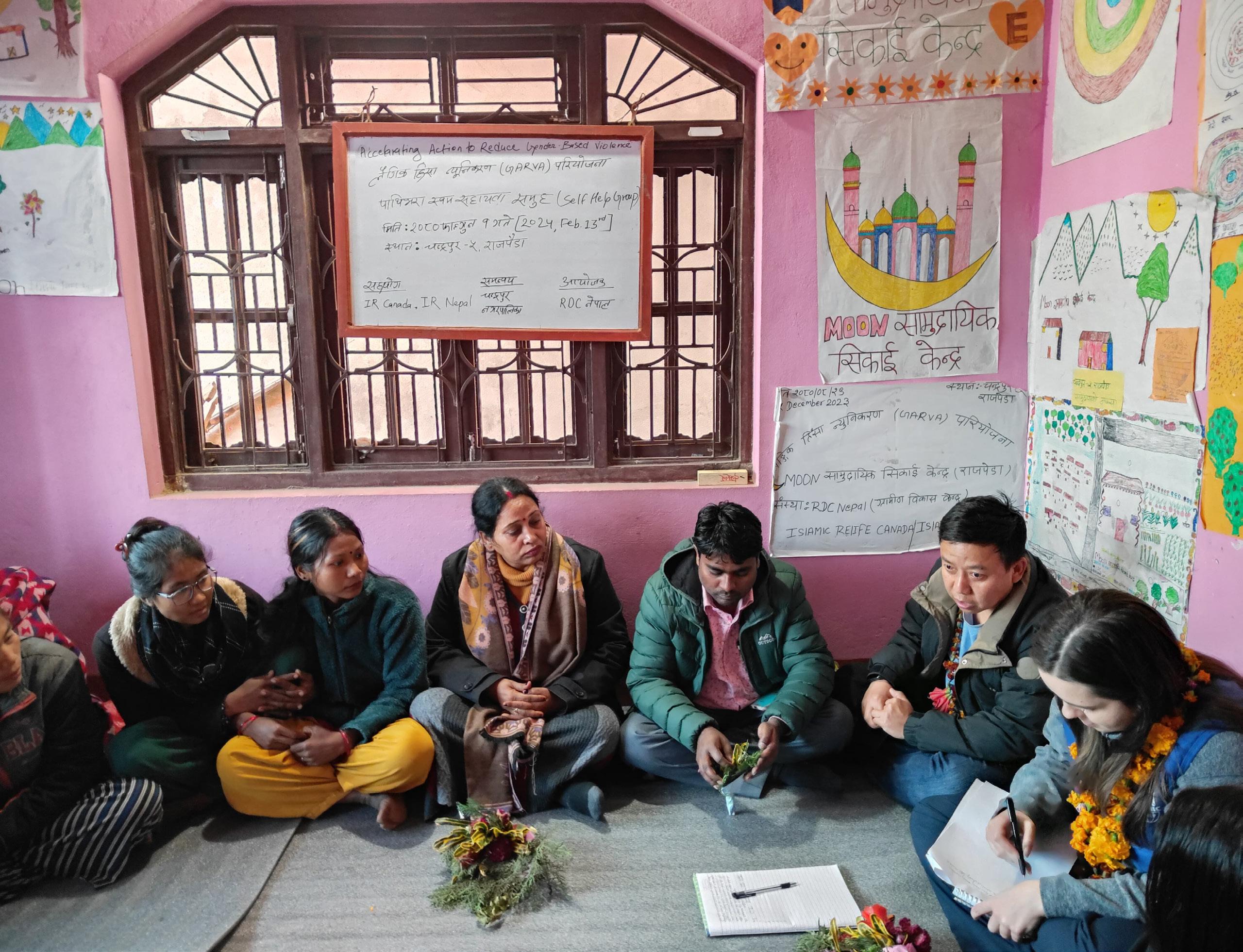
“Our economic situation improved. Before we had no savings, now we’re able to save money.”
“Before we did not always have three meals per day, we would skip lunch but now are able to consistently eat three meals a day.”
As a result of the increased access to financial resources and income provided by the project through cash grants, female focus group participants spoke to significant improvements in their wellbeing and that of their families. Access to education, improved food security, higher income, and increased savings were all cited as positive ways the cash grants given by Islamic Relief have impacted households. Not only are they now able to meet basic needs, but they are able to save money. This is a testament to the effective savings practices taught by the project staff during women’s self-help group sessions, whereby households were able to apply the knowledge gained to build financial capital.
Beyond the tangible outcomes, the project also brought about significant intangible benefits that positively impacted the lives of women and their families. Throughout the focus groups and surveys conducted, many women noted that they felt more empowered with knowledge and resources, increasing their position in the household and community.
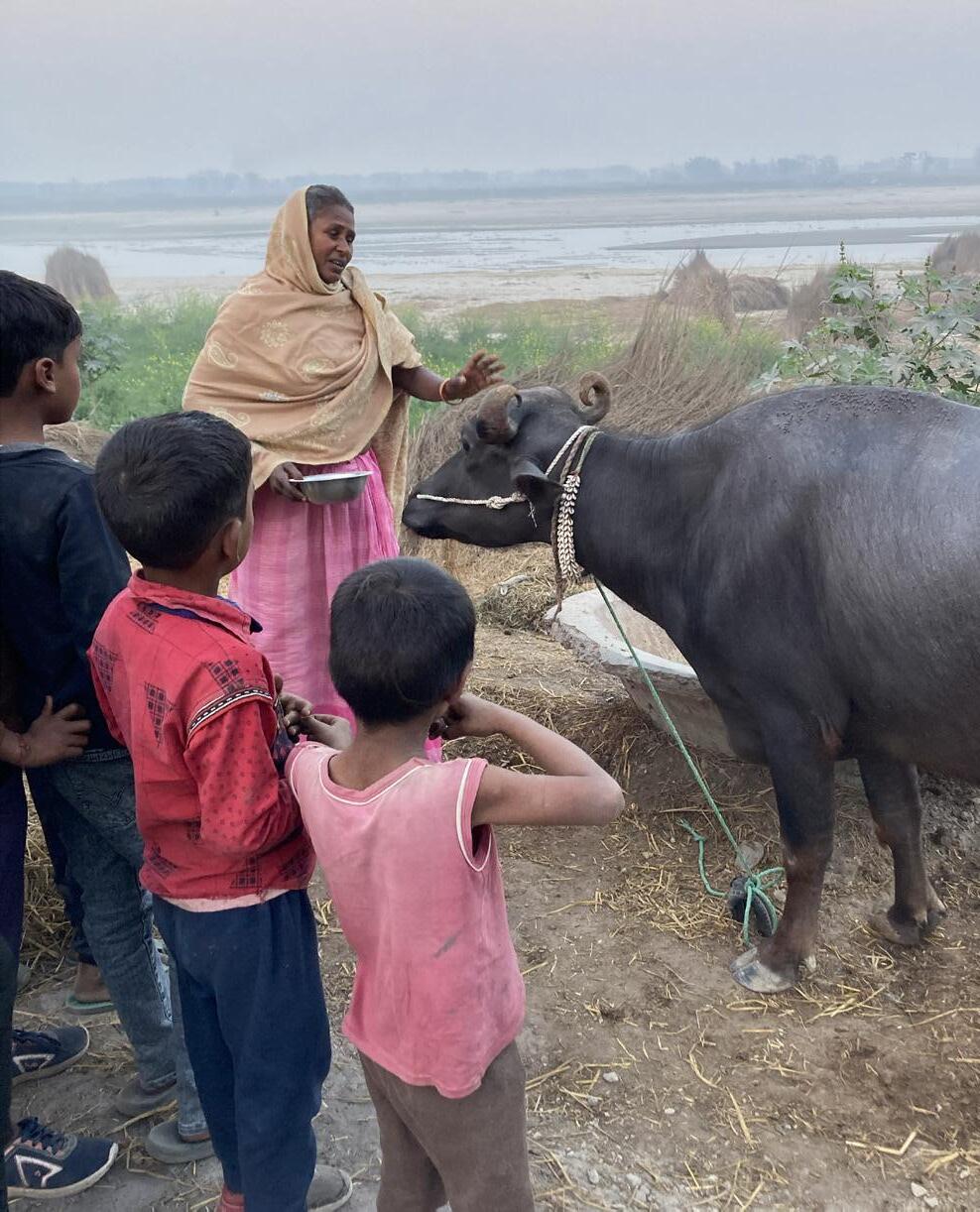
Several women reported an increase in their decisionmaking power and the trust their husbands placed in them. One woman shared how the insights and skills gained from her self-help group and related training sessions conducted by project staff and government service representatives, played a role in enhancing her rapport with her husband. She explained that by applying the knowledge she gained, such as understanding cow diseases and care practices, she was able to improve the success of the family’s cow rearing business. As a result, her husband became more open and receptive to listening to her opinion and valuing her expertise. This shift, in turn, has led to a greater openness regarding discussions on sensitive topics such as CEFMU.
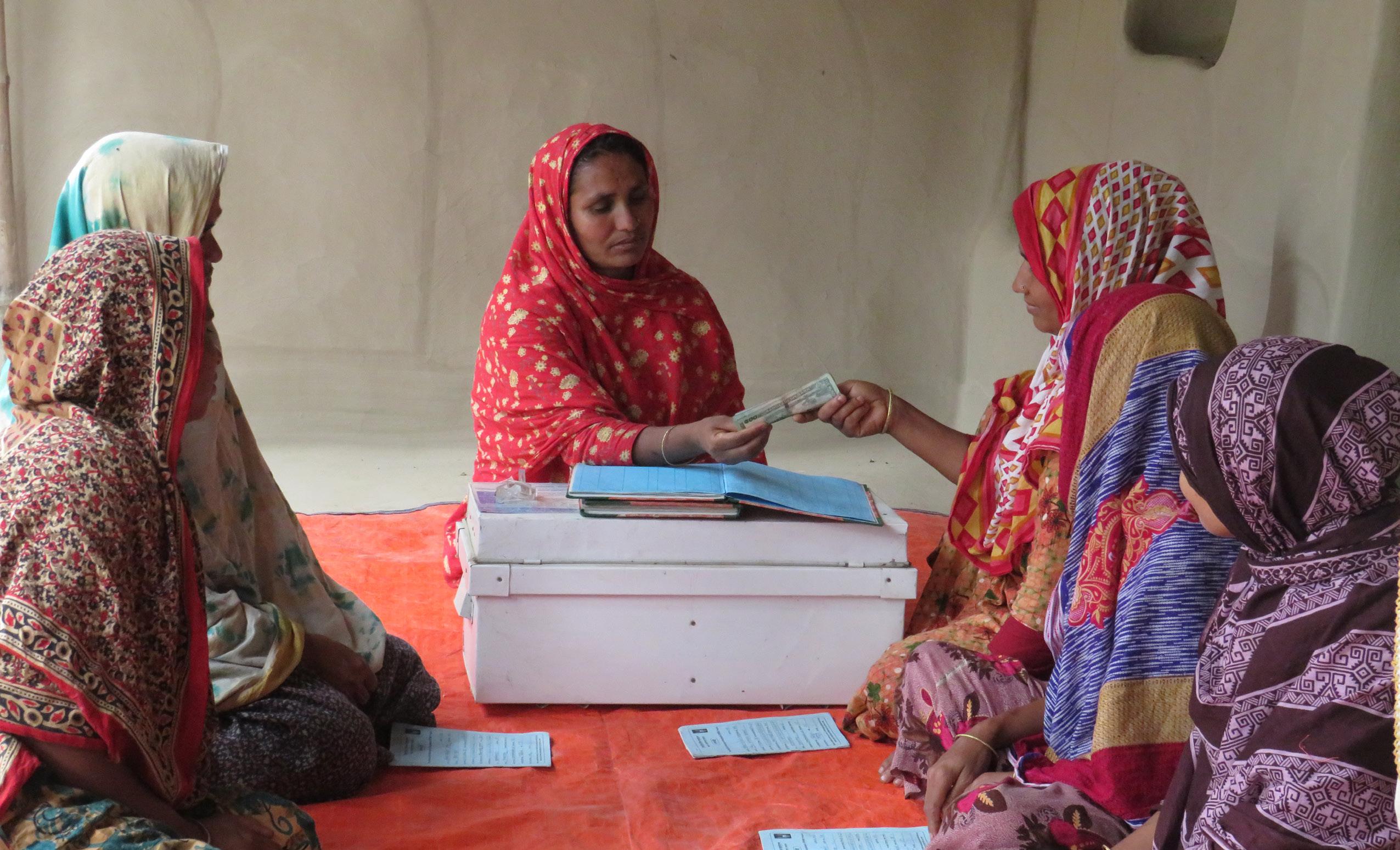
Within each self-help group under the PEMB project, a President, Secretary, and Cashier were selected through a democratic voting process. The women members of the groups were asked to identify the key qualities they valued in their leaders, where traits such as trustworthiness and educational background, including literacy and numerical skills, were identified as the most important. After their selection, the leaders underwent training that covered group operations, record-keeping, accounting, communication, and conflict resolution skills.
Self-help groups still continue to meet on a weekly basis, where savings deposits are collected by the elected leaders to contribute toward the group’s revolving fund mechanism, otherwise known as an interest-free loan system/Qardh al-hasan. Each SHG together decides the standard for how much is saved per week. As group members become more economically stable and financially literate, their standard savings amount typically increases. For instance, one group had started saving at BDT 50 (60 cents CAD) per week and are now saving BDT 100 ($1.20 CAD) weekly.
From these savings, members of the group can take out a loan to expand their income-generating activities or start new businesses. Every woman present in the focus groups had received a loan at least once, with some individuals having accessed up to four or five loans since the project began. These micro-loans have enabled the women to extend their earning power.
Women shared examples of how they have achieved this; through purchasing other livestock like goats or poultry, running a small business or restaurant, renting land for crops, upgrading rickshaws, and homestead gardening. Loans had also been used for other essential needs to cover healthcare or educational expenses for children (e.g. purchasing a bicycle, paying exam fees, school materials).
“With the initial cash grant, I purchased goats. The goats gave birth to three more goats, so I sold them all and purchased a cow. Now, I get around one and a half litres of milk a day and am able to sell what is leftover, which brings in extra income each month”
“I already had a small cow, so I used the money to buy better quality food to fatten the cow. I was able to then sell the cow for a good price and use that money to purchase land with a mortgage, on which I am growing potatoes and earning for my family.”
“The support helped a lot, our financial status was weak. Then I started street vending but I have established a small shop. I am investing money in my children’s education, saving, and meeting family needs.”
In the context of Nepal, similar positive results were found. Women in focus groups noted that their families, which once struggled to afford food, now generate steady income able to purchase essentials and even engage in savings, thanks to the financial support provided.
“I was able to gain an income by selling four goats during the Festival of Colours. This has significantly improved my family’s situation. Now, we have better food, education for my children, healthcare and proper clothing.”
This shift has also led to building other sustainable habits, with women reflecting on the skills they have acquired to manage money, such as making more informed decisions on expenditure and improving overall economic stability and household welfare. Many attributed these changes to the financial training provided throughout the project, which helped increase their awareness of saving and budgeting, contributing to their families’ long-term financial security.
“I used to be confined to household level activities such as cleaning, cooking, and washing clothes, but now I am involved in the decision-making”
“We were not allowed to be involved in outdoor activities, now have more freedom to participate in the community”
“I used to be very timid, feeling anxious in social situations and scared to speak publicly, but now I can go anywhere. Even to talk to the mayor!”
Similar to Bangladesh, the women were particularly eager to highlight the newfound sense of empowerment that they had gained through the project’s activities. The respondents reflected on their past timidity in social settings, describing how they once hesitated to speak publicly. However, through the project, they gained the confidence to speak out and take more active roles within their communities, as well as to participate more fully in household decision-making.
This transformation was largely attributed to their involvement in the women’s group, which provided a supportive space for them to become more open and expressive, among themselves and within the broader community. This shift underscores the project’s success in empowering women to overcome social barriers, enriching their lives beyond the confines of traditional household duties to take on more active and visible roles in their families and communities.
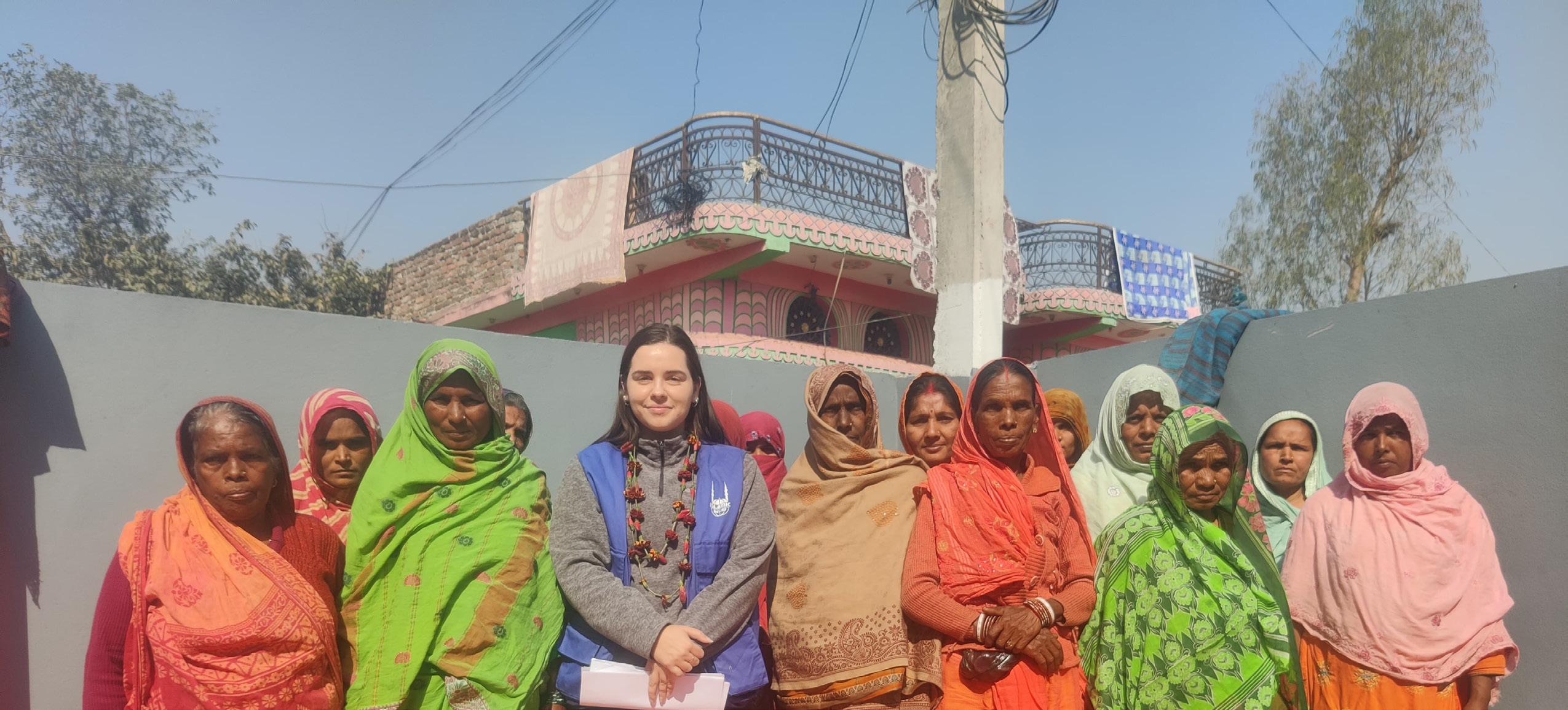
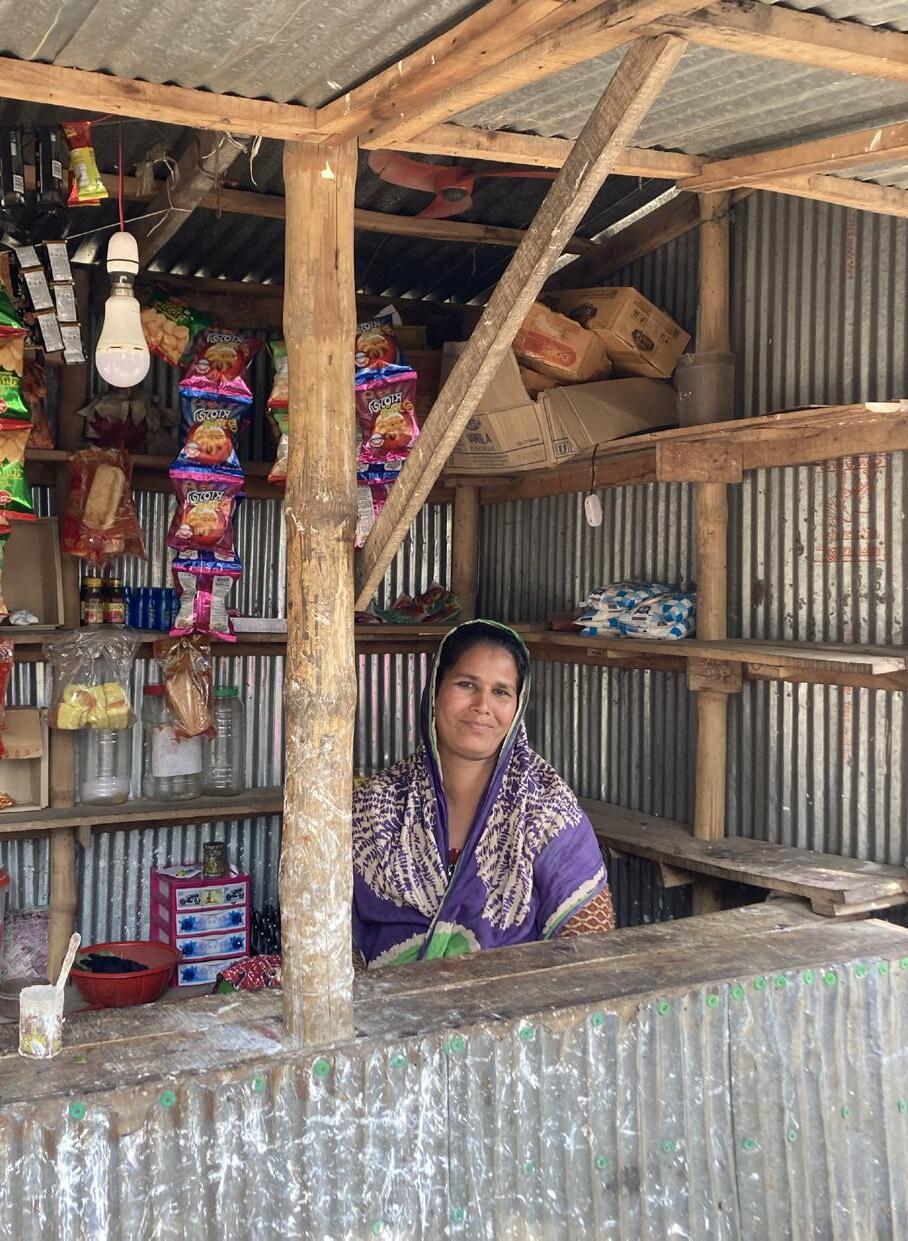
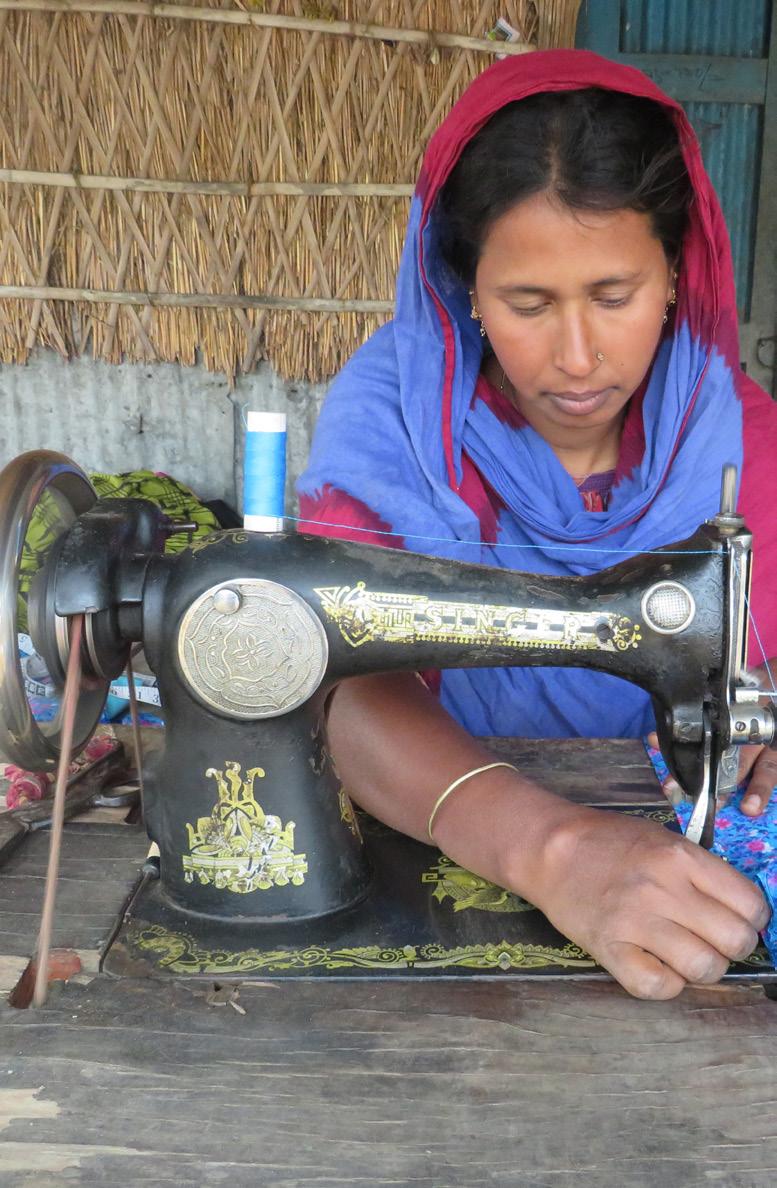

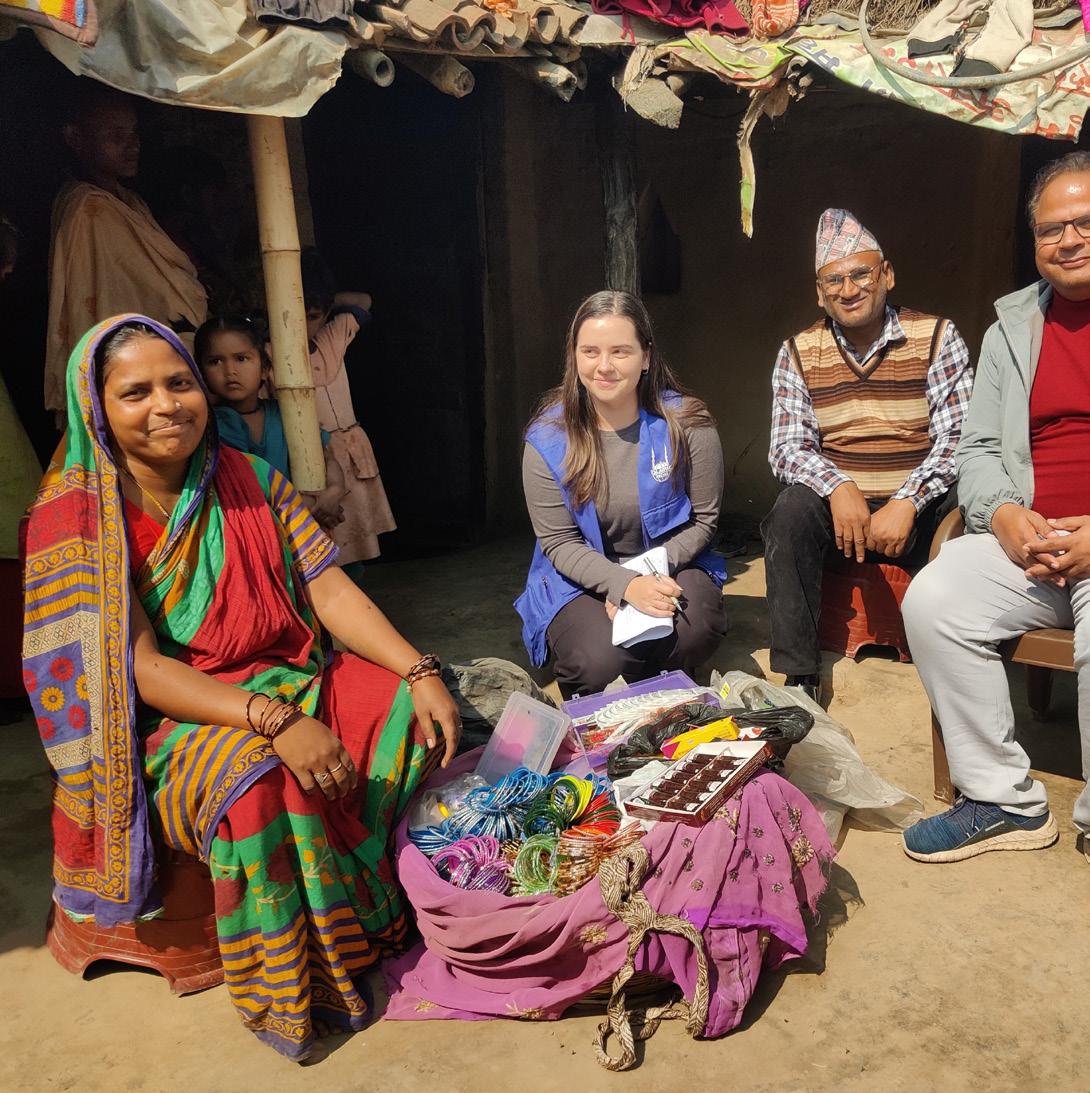
Kolpona is a 30-year-old woman from a village in Kurigram District. Kolpona is a survivor of CEFMU and has faced extreme poverty throughout her life. Married young, she struggled to provide for her family as her husband’s irregular income as a carpenter’s assistant left them frequently without food. Despite their hardships, Kolpona sought ways to improve their situation, especially for her two daughters, Aysha and Monaza.
Through the ongoing PRISE project, Kolpona received financial support to start a goat-rearing business along with technical training to manage the goats. When her husband’s wood planer broke down, she was able to secure an interest-free loan from her women’s self-help group to replace it, allowing her husband to resume his carpentry work; even securing more work than before, thereby increasing their family income.
In addition to goat-rearing, Kolpona has expanded into other income-generating activities like homestead gardening and poultry farming. The project also helped her eldest daughter, Aysha, continue her education by providing a stipend and regularly monitoring her progress. Kolpona is now fully committed to her daughter’s education and determined not to marry her until she finishes school, reflecting her new understanding of the negative impacts of early marriage.
With the ongoing support and her hard work, Kolpona is confident that within a year, her family’s income will improve significantly, bringing financial stability and a better future for her children.
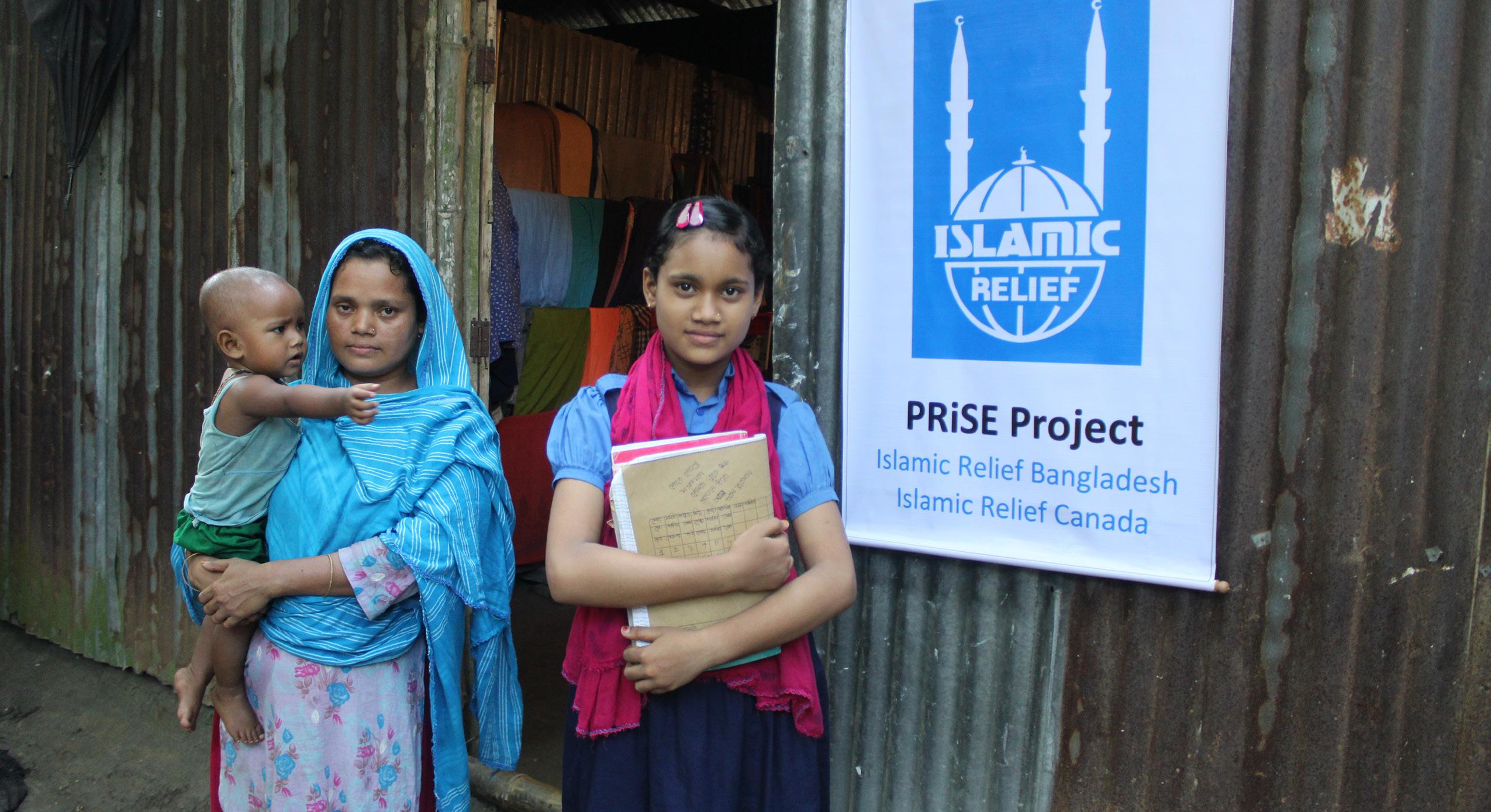
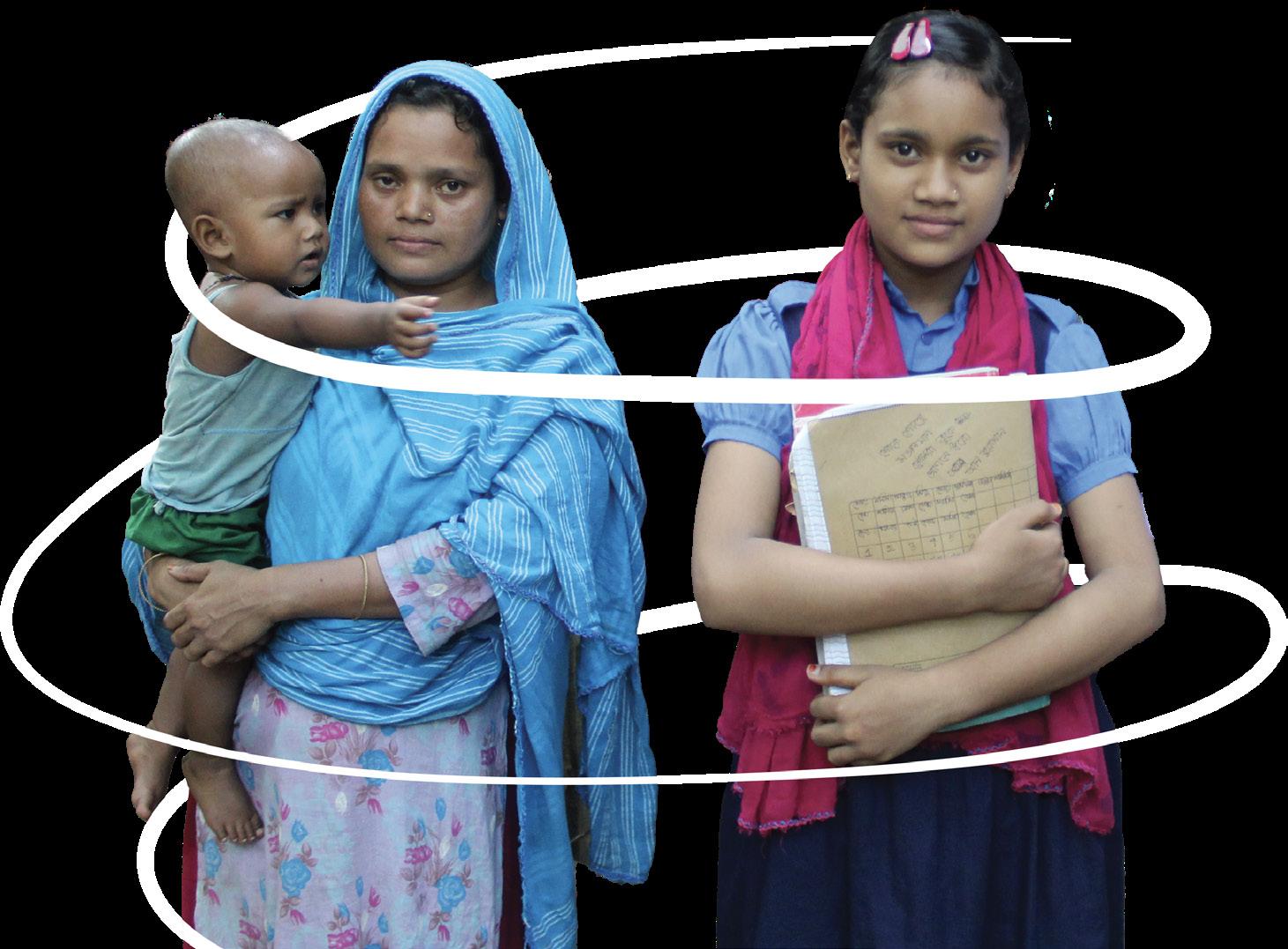
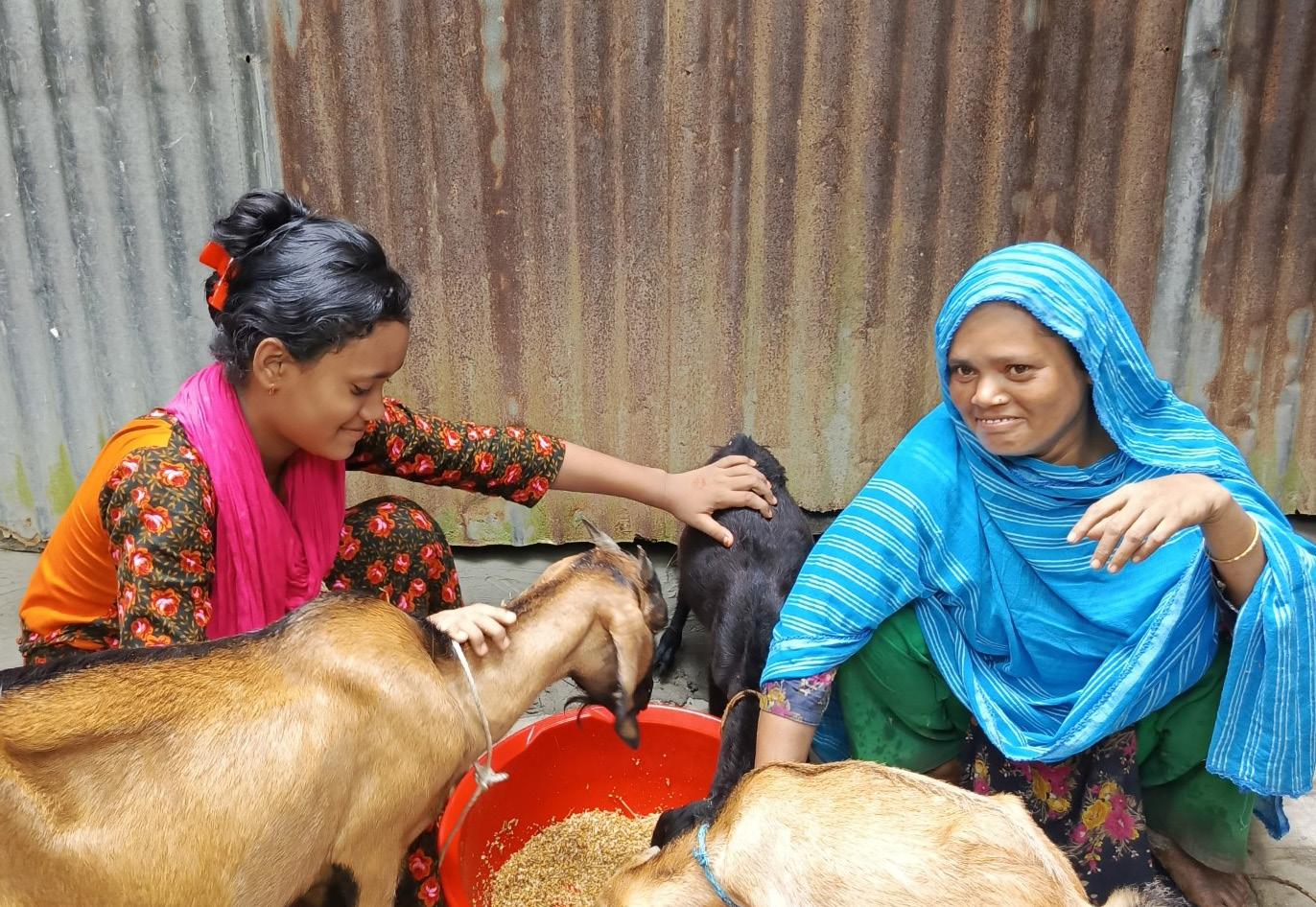
“I did not fully understand the negative effects of early marriage, even though I was a victim. But now, thanks to IRB’s intervention, I am educated on these issues. I have decided not to marry off my daughter until she reaches the appropriate age. I am committed to supporting her education and ensuring she can pursue her academic goals to the fullest.”
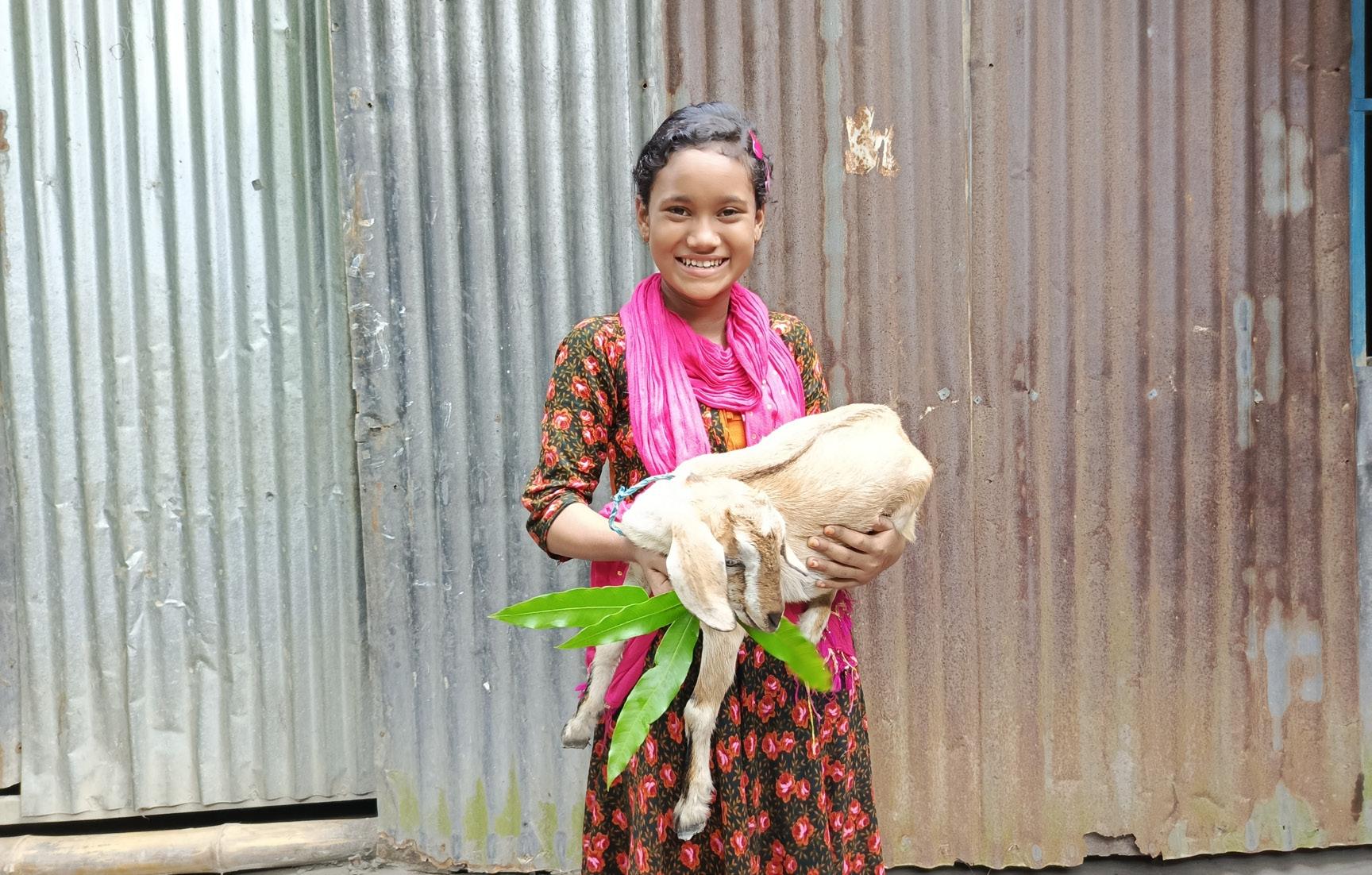
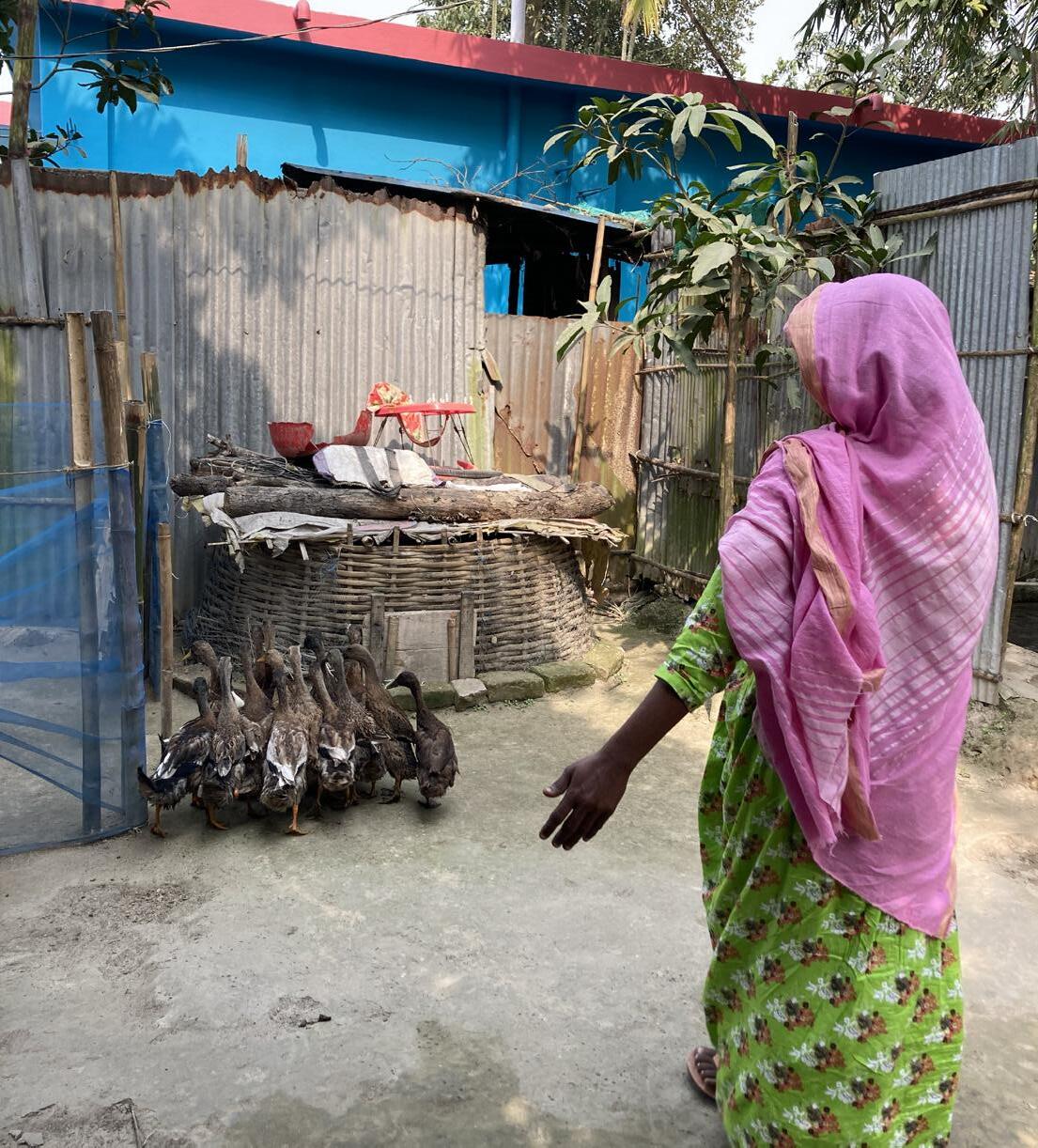
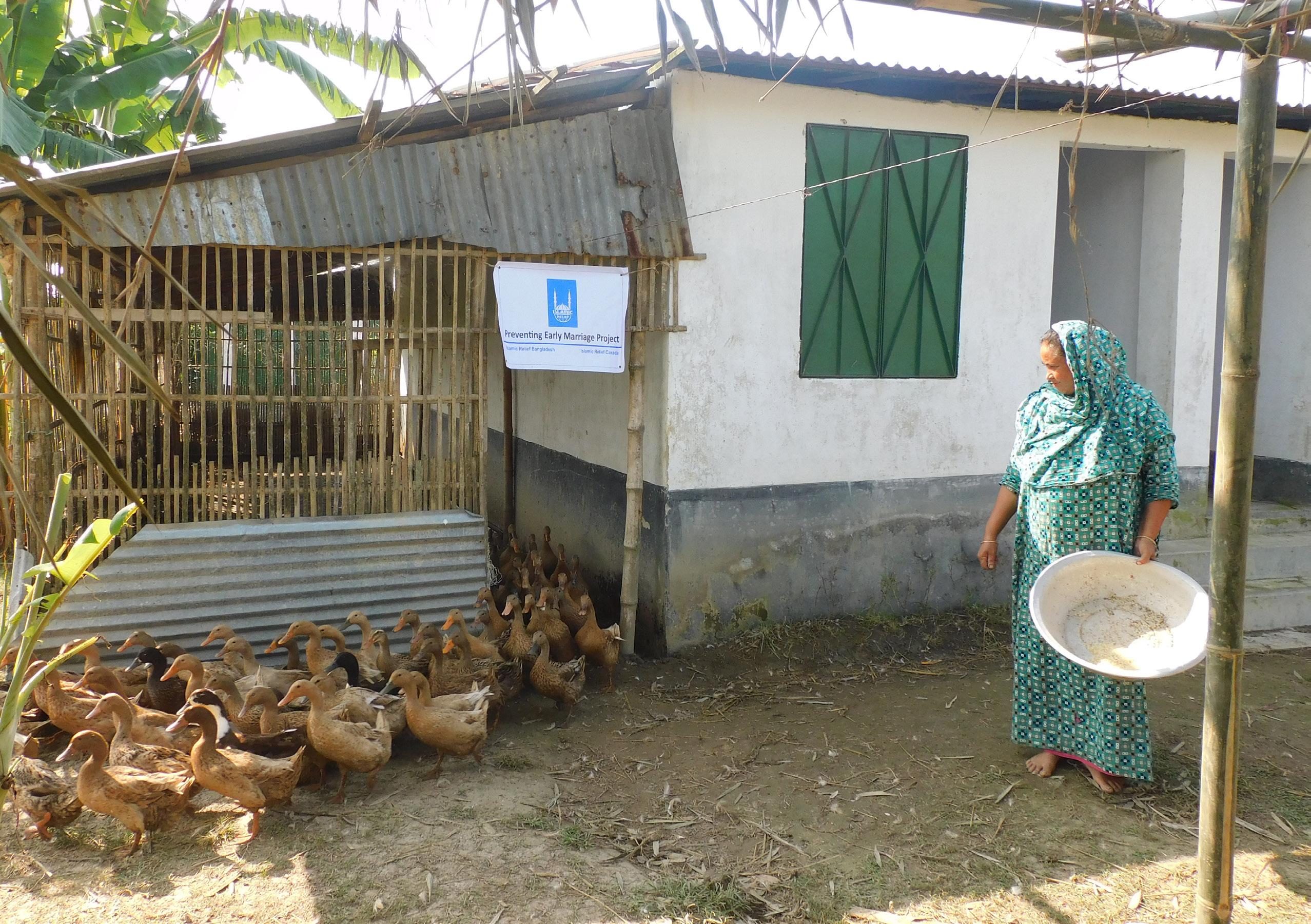
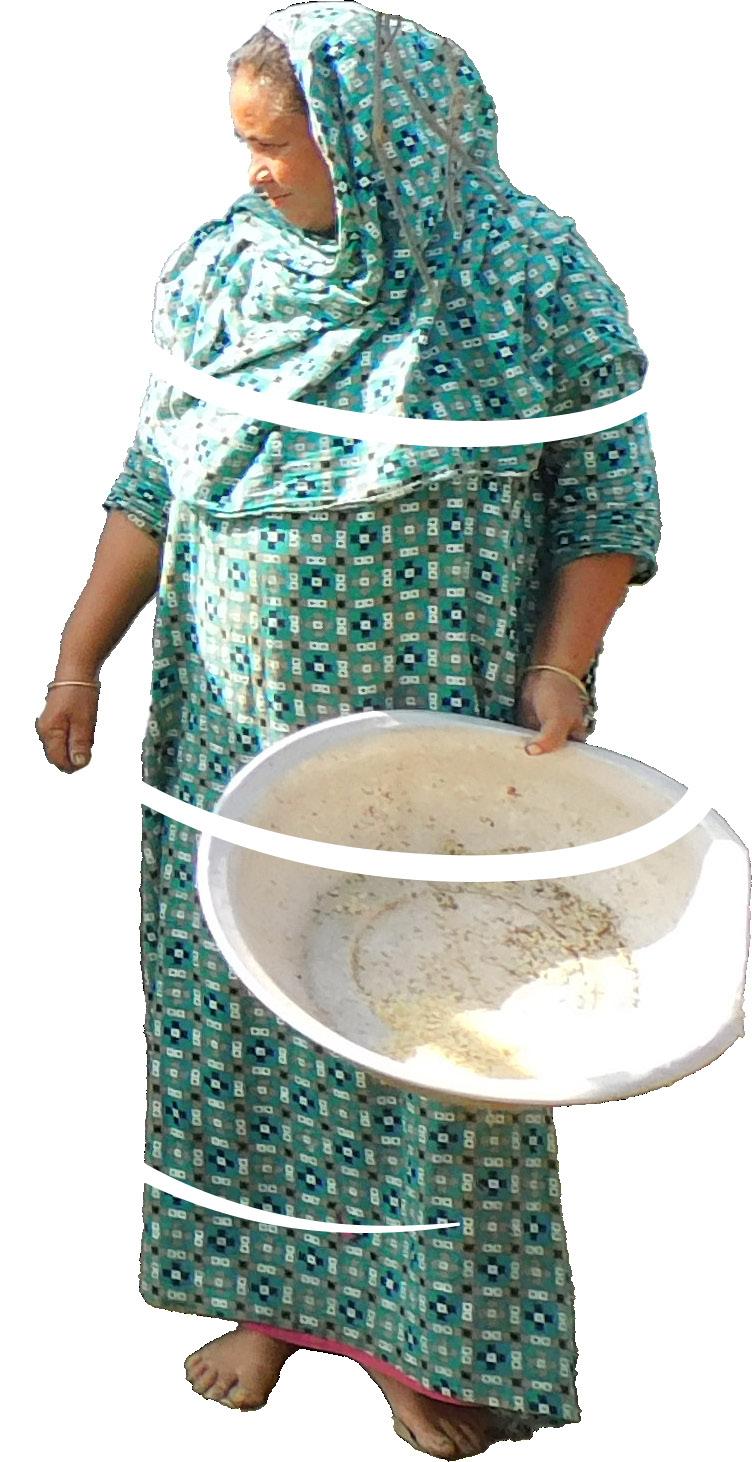
Syeda is a mother of two bright young daughters, both she and her husband are unable to read and struggled to provide for their family.26 Syeda and her elder daughter, Shireen were both selected as rightsholders for the PEMB project. Syeda joined the local self-help group and learned how to raise livestock. With her cash grant and a loan from the group, she purchased 150 ducks that she raises. By selling the duck eggs, she is now able to earn an income of BDT 600-700 ($7 - $8 CAD) per day. Now, she can afford to send both her daughters to school.
“We must focus on continuing their education. We have a dream that our children will one day get good jobs. That’s our intention - to fulfill this dream we must ensure children’s rights.”
The Bangladesh PEMB project was able to uplift these communities and allow them to dream of better conditions. With many more businesses like this started under PEMB, more and more rural Bangladeshi girls will be able to complete their education and avoid early marriage.
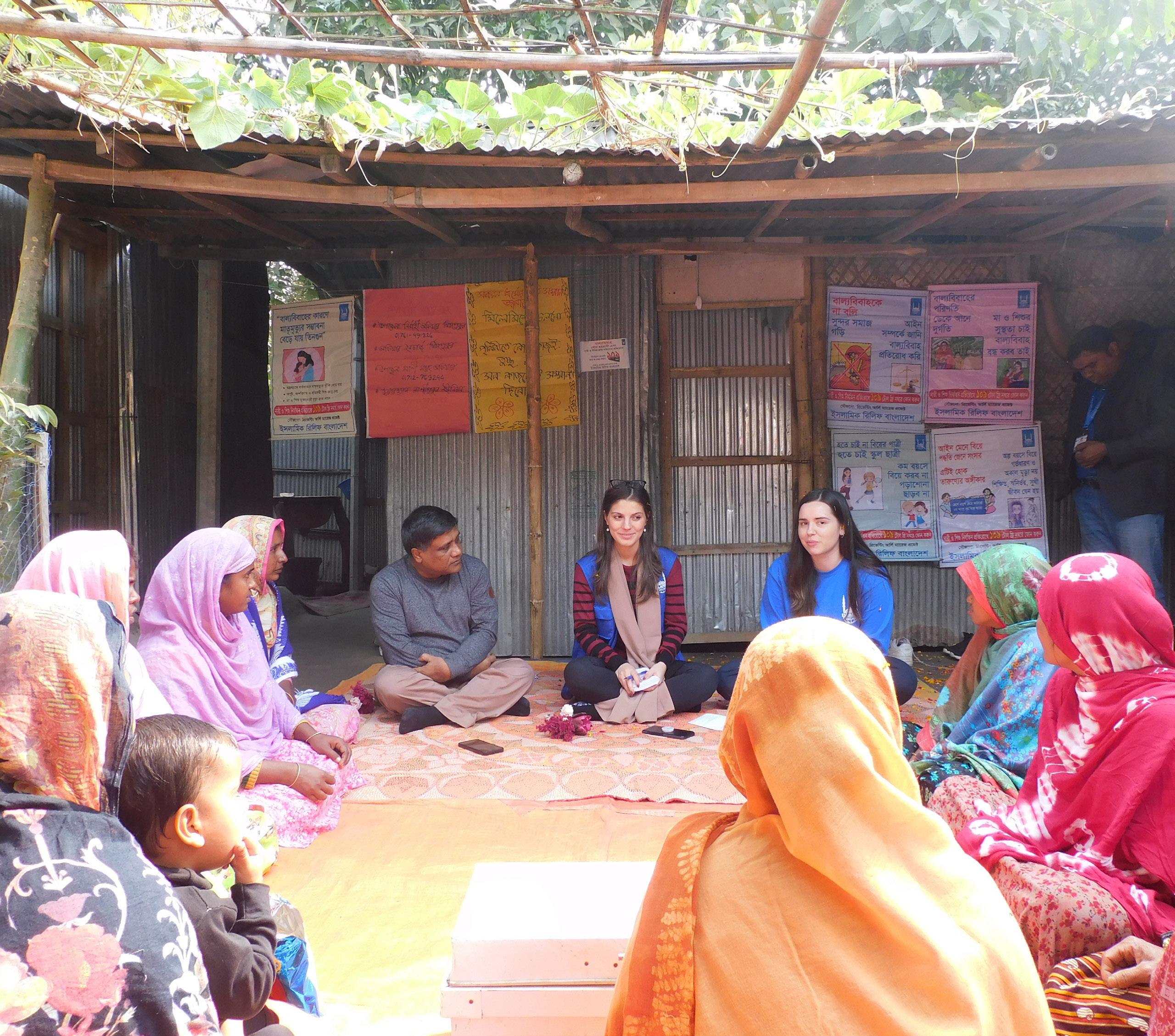
What stood out from the field visit was the profound impact the project has had on rightsholders’ lives, fostering not only knowledge and awareness of GBV and CEFMU, but also awakening the courage and solidarity required for rejecting and resisting these practices.
Across both projects, the women participated in awareness sessions on a range of topics primarily revolving around protection. Each self-help group meeting covered different themes and topics, such as: child rights, protection, early marriage prevention, education rights, women’s rights, hygiene and sanitation practices, etc. Specifically, they now understand the importance of registering births and obtaining a digital birth certificate. The project facilitated this process, ensuring that children were properly registered. This is crucial to avoid falsification of children’s ages, a common practice used to facilitate early marriages, as shared in the focus groups.
In Bangladesh, in each and every focus group discussion, women and/or children shared success stories relating to their personal prevention of CEFMU in their community. Moreover, each group was able to speak to the knowledge they gained about the illegality of the practice, and their collective understanding of available reporting mechanisms by way of lived experience and trial of the different avenues.
One group for example, shared that they together stopped four early marriages. They described how, after identifying the cases, they reported them to the local chairman and a female counselor, who then visited the respective households to stop the marriage. In speaking with the women’s self-help groups, they described how there were different levels of escalation or scenarios that require different interventions. Typically, and most commonly, a self-help group will first try to intervene on their own at the household level, engaging directly with the family. If the issue is not resolved, they will then escalate to the local school or government body. Finally, in most extreme cases, if all other avenues have been exhausted, the national hotline is called to report.
“Our self-confidence increased, before we were not respected but now, we have respect from the community.”
Ultimately, the bond and growth that the women have fostered through participation in the women’s group is powerful and transformative. By pooling their resources, they have not only opened up new possibilities for themselves but have also become stronger together. Beyond the financial support accessible through these SHGs, the women have formed deep bonds and a sense of mutual care for each other. They feel that they have a place to go to mingle, motivate each other, and feel united. This is evident in the continued participation in the SHG, even after the project’s official completion.
Women spoke about how, when a member misses a meeting, the group will reach out to check on them, ensuring they are okay and offering support.
“I have no one in my life anymore. This self-help group gives me a great sense of belonging and reassurance. I know that someday, when I pass, there will be someone who misses me and notices me gone.”
This sense of community and solidarity illustrates how the SHGs have become more than just financial networks; they are vital sources of support, empowerment, and lasting connections.
“The project united us, before, it could not have been possible for us to think like this”
Together, the women have also advocated for eligible members to receive government services or assistance. In one group, the example was shared about how a widowed member living in her father’s house was able to get a house for herself through a government initiative, both thanks to the awareness the project raised and the group’s joint efforts to claim the support for her.
“We can now visualize our future and where we can go”
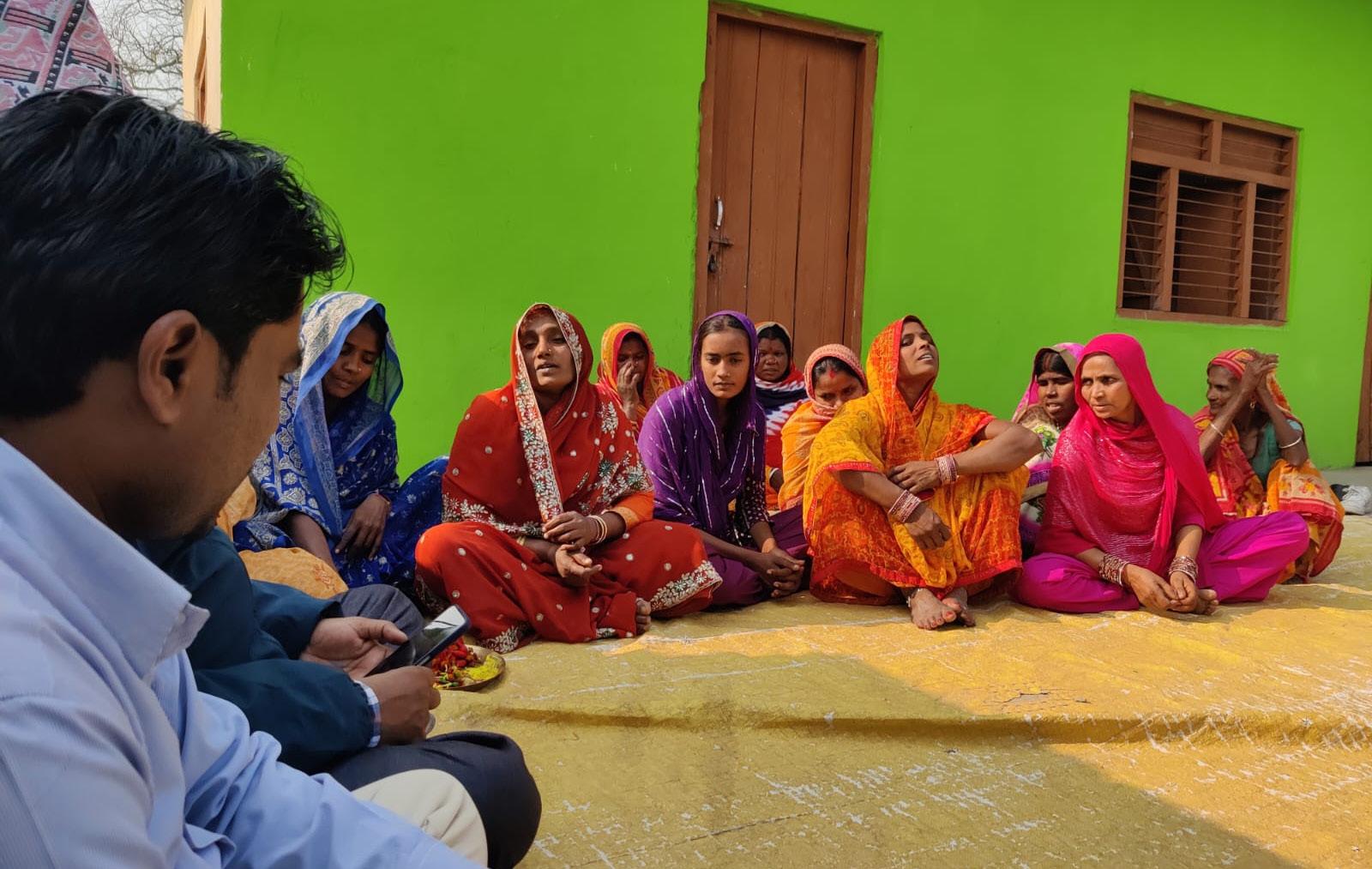
In Nepal, women’s group members now actively intervene in GBV cases, something that was not common prior to the project. Their interventions address issues including alcohol abuse and domestic violence through collective action. The women take the initiative to visit the homes in question and engage in discussions with perpetrators, emphasizing the various familial, legal, and medical consequences of such actions. Often, these conversationscoupled with the initial threat of potential repercussionsare enough to encourage a change in behaviour from the spouse or family members in question.
“We serve our community for its betterment”
“We approach families to intervene and stop violence, emphasizing the consequences such as legal and medical costs.”
Furthermore, the women now possess a strong understanding of referral mechanisms available, enabling them to escalate cases when internal resolutions are not possible or successful. If they are unable to resolve the issue as a group, they know how to escalate by involving the local authorities, such as the ward or police where safe to do so. This reflects a strong understanding and awareness on the importance of these social issues, and a strong sense of ownership women feel towards the prevention of and protection from violence against women and girls.
“We are strong in our unity, and we know our entitlements and rights”
One women’s group highlighted that through their advocacy, they have been able to support the issuance of birth certificates for 10 adolescent girls to protect their ages from being falsified. Additionally, they have supported survivors of violence to access free government services.
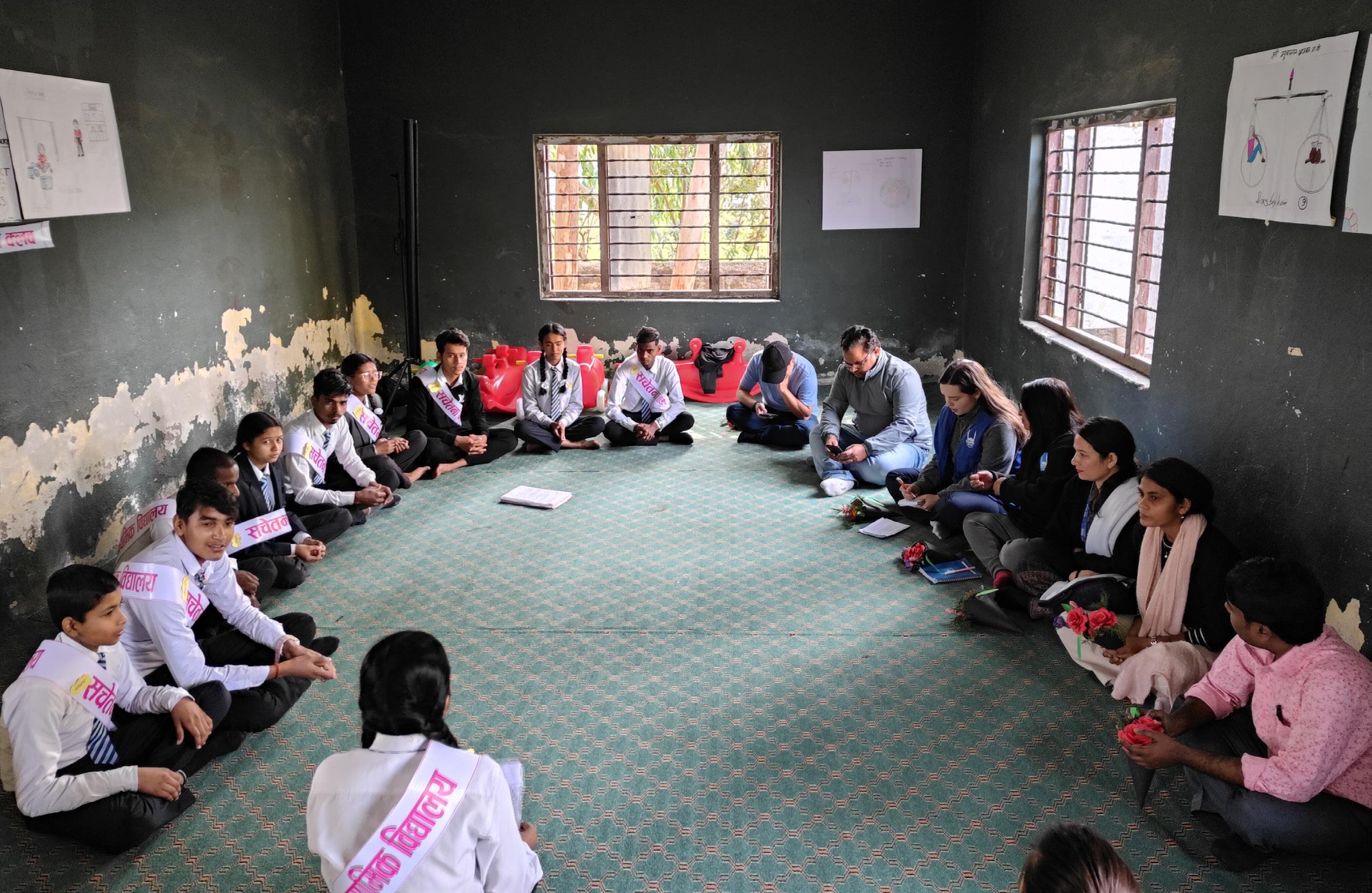
“Before the child club, we were much shyer. Now we have communication and leadership skills, we can raise our voice.”
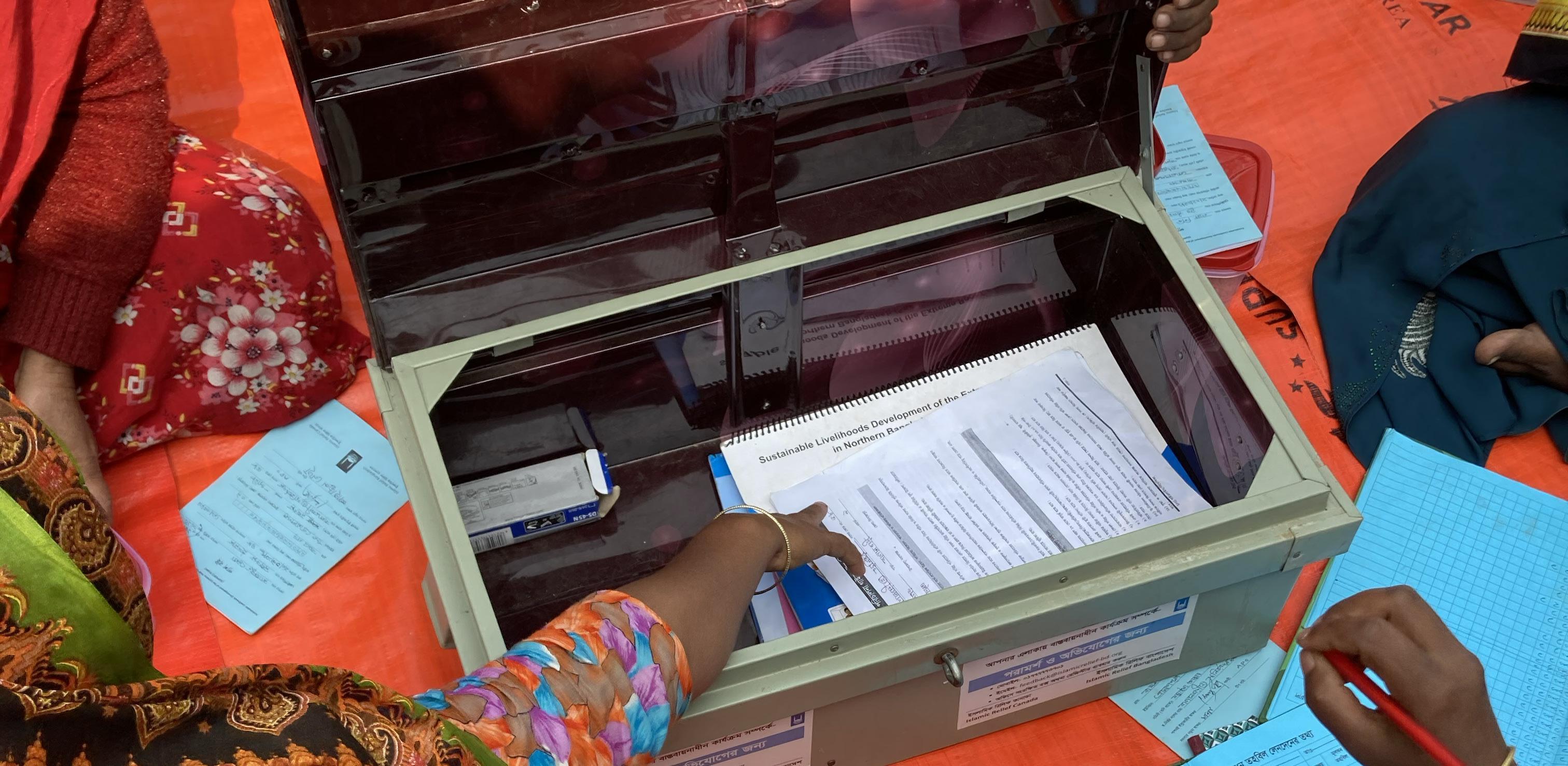
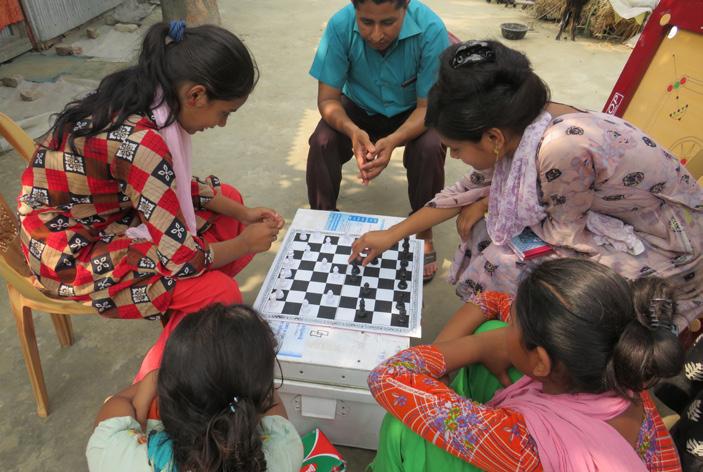
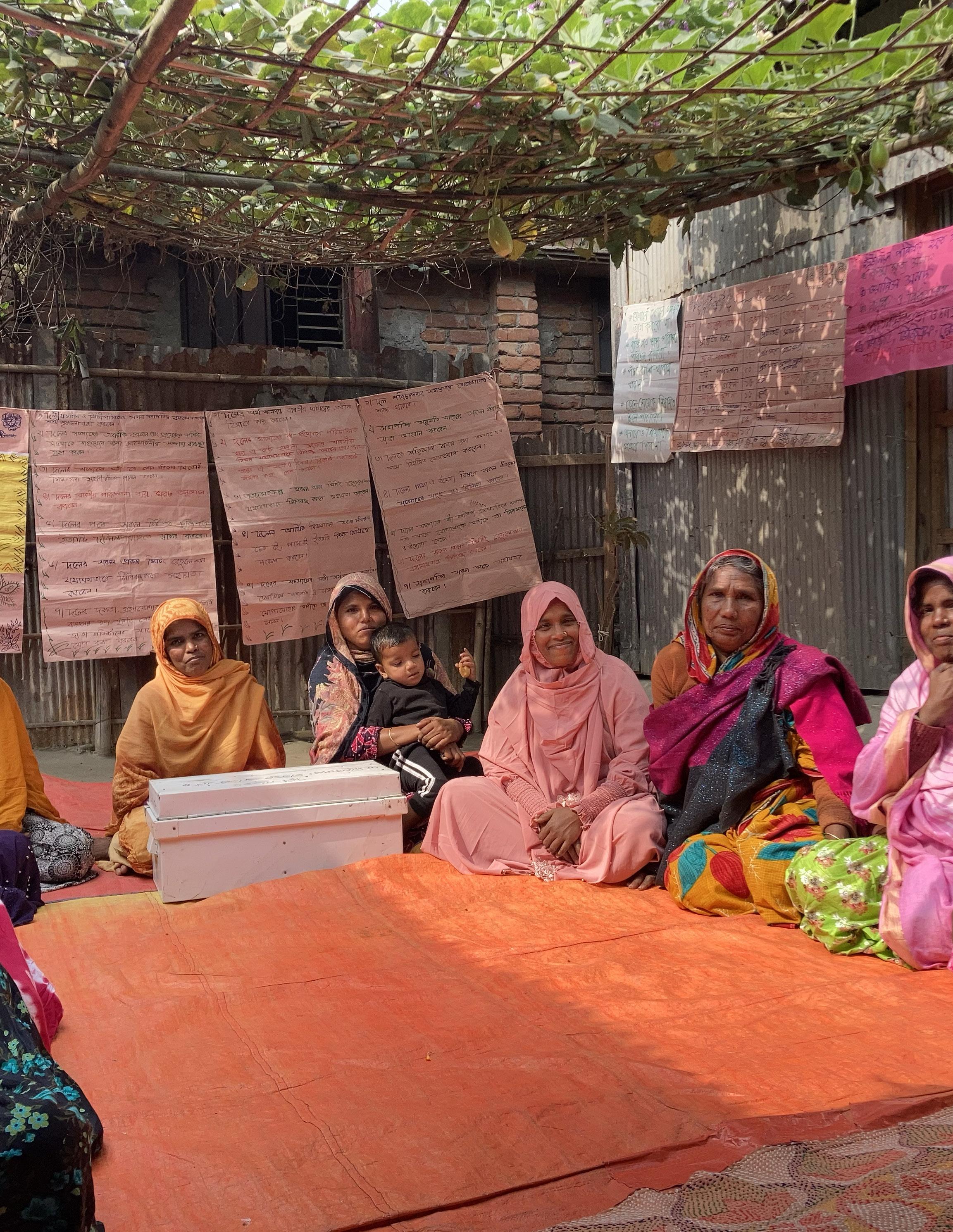
The focus group discussions reinforced the value of Adolescent Child Clubs (ACC) and confirmed the children’s continued participation in their respective ACCs. The children all confirmed the spaces provided were safe and engaging, enabling them to take part in activities such as playing games, borrowing books, socializing, and discussing important topics like bullying or child marriage. During their participation in the club, they have taken part in different activities and competitions such as dancing, singing, drawing, debate, and poem recitation. Clubs visited confirmed reception of resources from the project, which included books, indoor games (ludo, snakes and ladders), frisbee, and a trunk to safely store all the items.
“We [young people] are a pillar of the future”
The girls in the child club focus groups listed a variety of topics covered in ACC sessions: children’s rights, protection, laws against child marriage, the adverse effects of child marriage, leadership, gender rights, sanitation and hygiene, tree planting, and health. This diverse range of topics not only enriched the children’s understanding of key issues but also equipped them with essential life skills and the confidence to advocate for their rights and well-being.
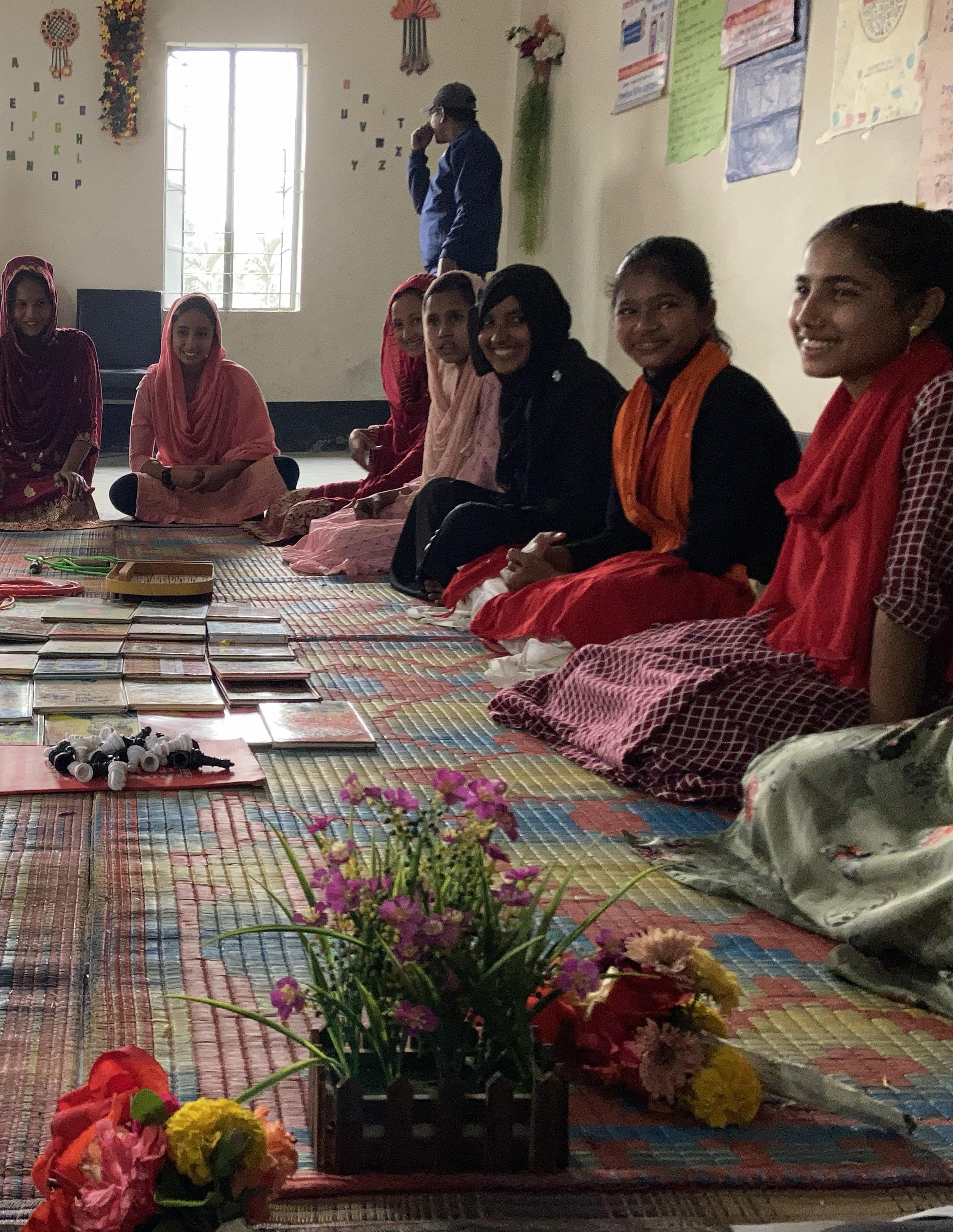
One group shared their active role in preventing early marriage, having been responsible for stopping three cases as a group. They recounted a story of a particular incident where they collectively stopped a marriage below:
“Us girls [in the club] heard an early marriage was happening to another girl in the village. So, all of us went to her family’s house to convince and persuade her family to stop the marriage. We told them why it was wrong but the parents did not listen. So, we escalated the issue and reported it to the local Union Parishad.
“We were worried there wouldn’t be action quickly enough, so we called #109 [the national telephone hotline.] This number goes to local police and administration officers, who finally came and stopped it. Although we are afraid sometimes to take actions like this, we are very adamant about not getting married young and will do everything we can to convince our parents not to participate in this practice.”
This success story demonstrates more than the girls’ knowledge of the issue, but importantly, the translation of knowledge into action, as they unite to address the problem and advocate for each other through the referral mechanism and engaging relevant actors. Their collective efforts show the power of solidarity and the practical application of learned concepts in real-life situations, ultimately protecting their peers from harmful practices.
“If the club was not here, I definitely would have been married. I would have faded like the flowers wilt and fade away.”
Before the projects, girls and boys did not have knowledge about the adverse effects of CEFMU, or the laws around the common practice. Through their participation, they gained not only awareness of children’s rights but also improved their selfconfidence and communication skills. As a result, they are now empowered to advocate for their rights within their families and broader community. Recognizing the significant impact the club has had on their personal growth and understanding, the girls expressed a strong desire for others in their community and in other villages to benefit from similar opportunities. They are eager to share the knowledge and lessons they have gained, hoping to extend the positive impact of the project. The resulting peer on peer support has become a powerful space for young people to learn from each other but also empower each other as their understanding of challenges is processed differently to the ways adults do.
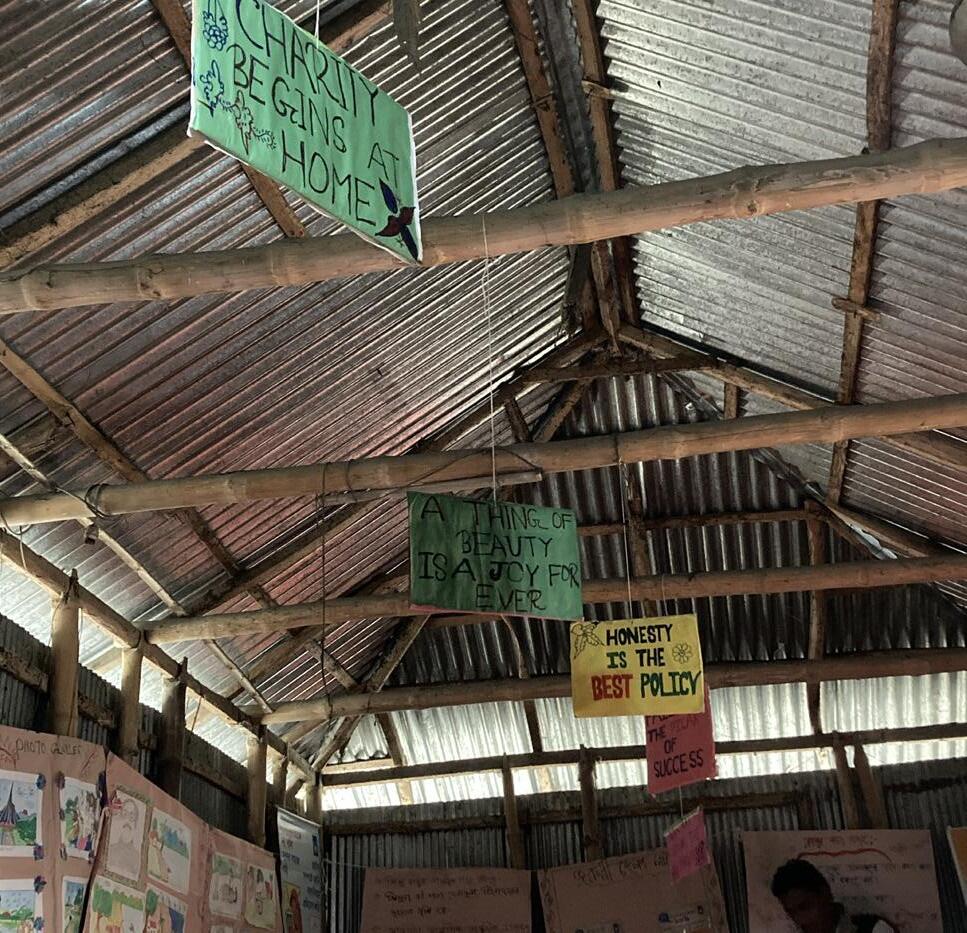
“We hope to expand club activities to cascade down knowledge and inspire the younger girls to feel encouraged to come to the club and carry forward the activities.”
In Bangladesh, all girls that participated in focus groups expressed enjoyment in coming together to share experiences and knowledge, as well as to spend quality time with one another. Each girl echoed the sentiment that involvement in the club has changed their lives for the better, noting that their families now include them in decision-making processes. Additionally, some girls were able to observe that as a result of the project, their households can now afford three meals a day due to increased family income, further reinforcing the feedback from the women’s self-help groups, showing how these financial activities make a difference and are transforming their families.
In Nepal, the students were also reflective and critical of societal expectations that place the responsibility of household chores and caregiving on women and girls, and that for this reason families do not invest in daughters’ education. However, this mindset was something they viewed as requiring change, recognizing the exclusion of women and girls from education and opportunities has far-reaching consequences, not just for individuals but for society as a whole.
Islamic Relief Canada staff were able to meet with a child club recently formed under the new project – a scaled-up version of the first prevention of CEFMU project. As our researchers met with the girls at the beginning of the project, it was apparent that the girls were unaware of available avenues to report incidents, a significant contrast to the child clubs that had participated in the previous PEMB project. This difference highlights the promising growth and positive change the scaled-up project is likely to bring, as the girls gain crucial knowledge and tools to address and report incidents of CEFMU in their communities.
“We want to come here because we want to learn. We also want to learn things on early marriage and raise our voices together, so our parents don’t marry us early.”
“Girls educated will transfer to many generations, and this is why equality is important.”
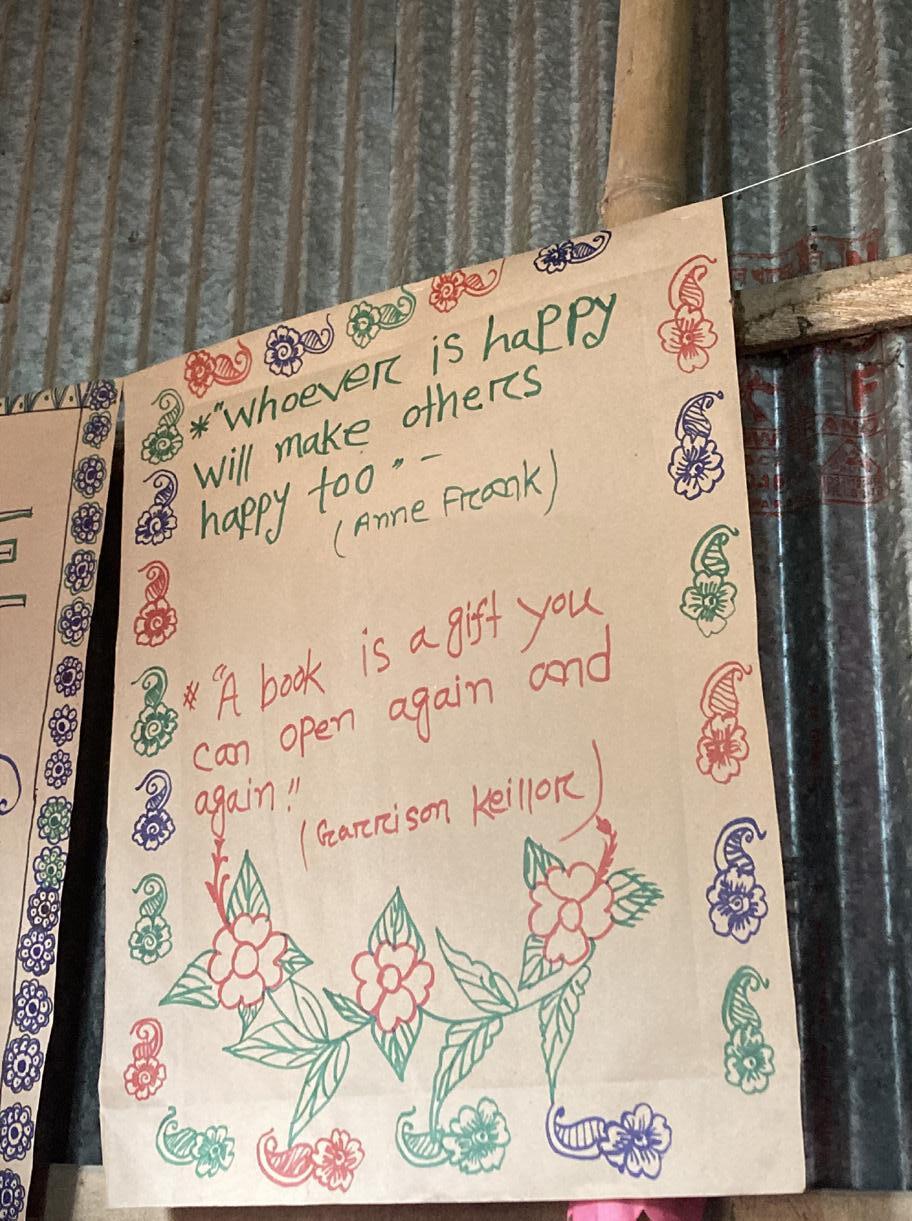
Posters depict learnings on child rights, referral mechanisms, and motivational quotes.
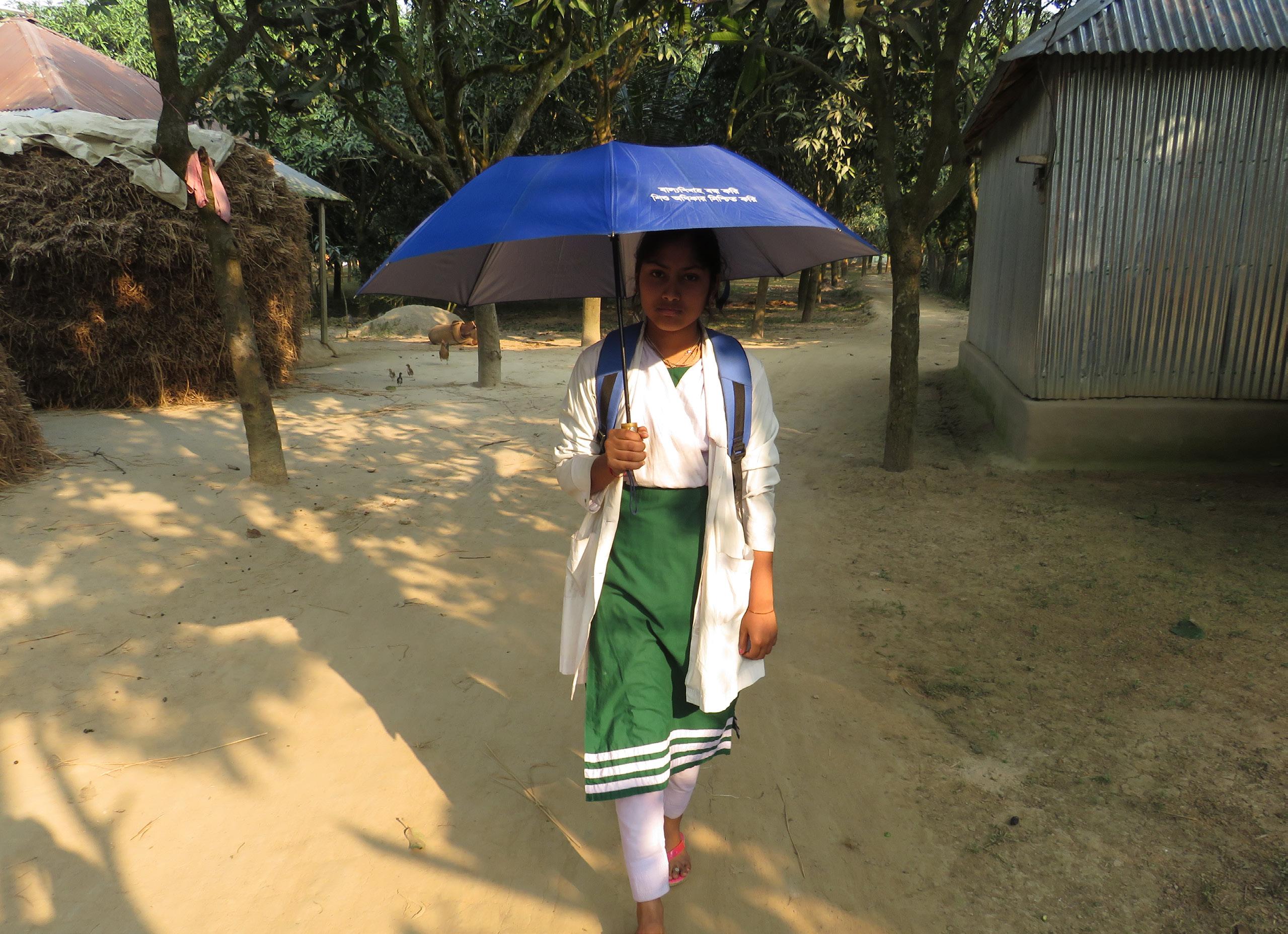
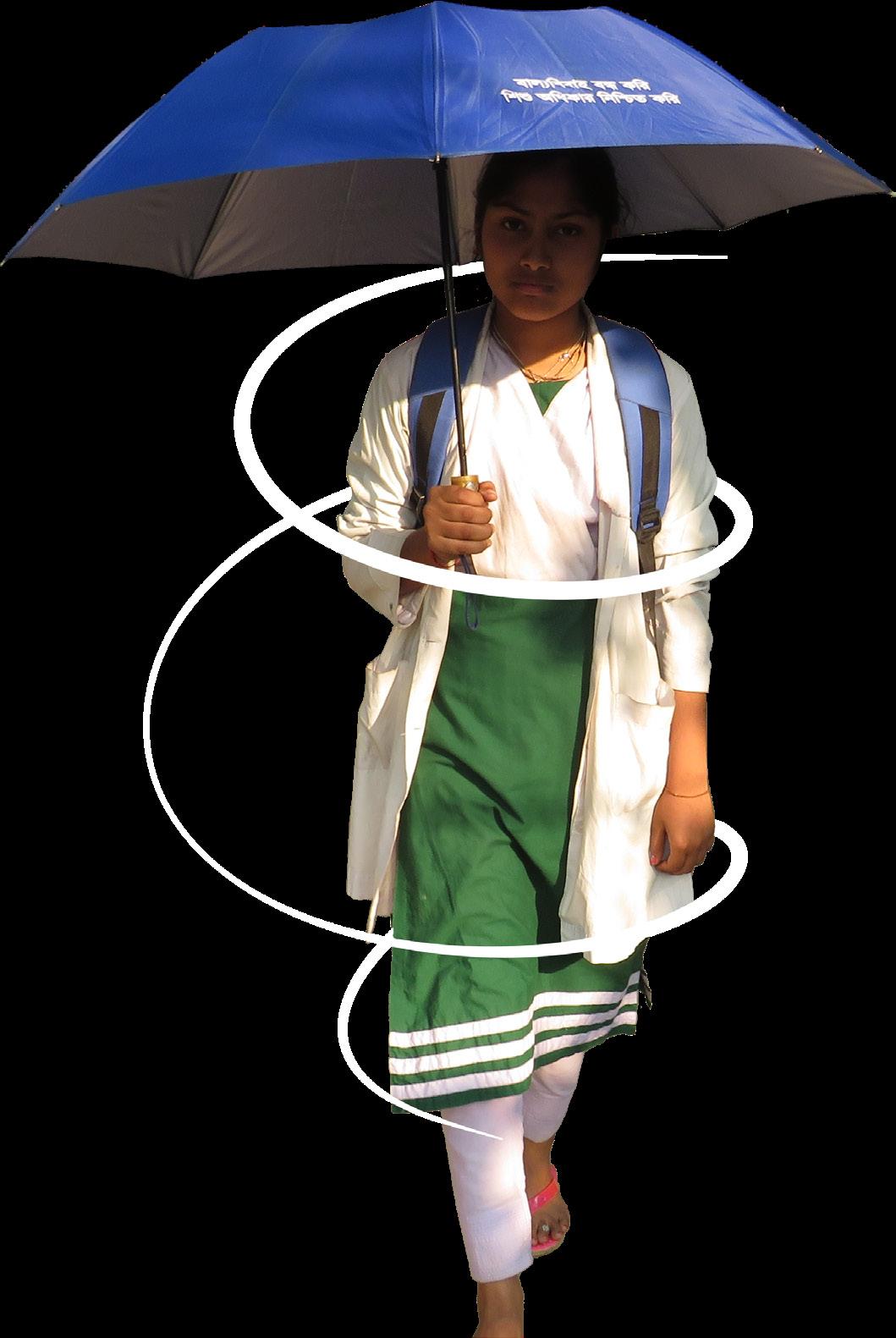
Anika, 14-year-old girl from a village in Rangpur district, was adopted by Tashfique and Mahera, who have supported her since she was young. Her biological father is Tashfique’s younger brother. Selected as a right-holder of PEMB, Anika became an active member of a Child Club, where she learned about the rights of girls and the dangers of early marriage. When her biological parents proposed an early marriage, Anika, determined to continue her education, successfully convinced her foster parents to oppose it. With the help of local councilor, her biological parents agreed to withdraw the proposal, understanding it was illegal. Now in grade ten, Anika dreams of becoming a teacher to help ensure education for the underprivileged and is committed to pursuing higher education.27
Anika’s story highlights the success of these child clubs in preventing CEFMU. Because of her participation in the clubs and the knowledge she gained, she had the language and the courage to speak up for herself and stop the marriage. This one example of PEMB’s focus on education enables rightsholders to feel more empowered to address the social problems around them.
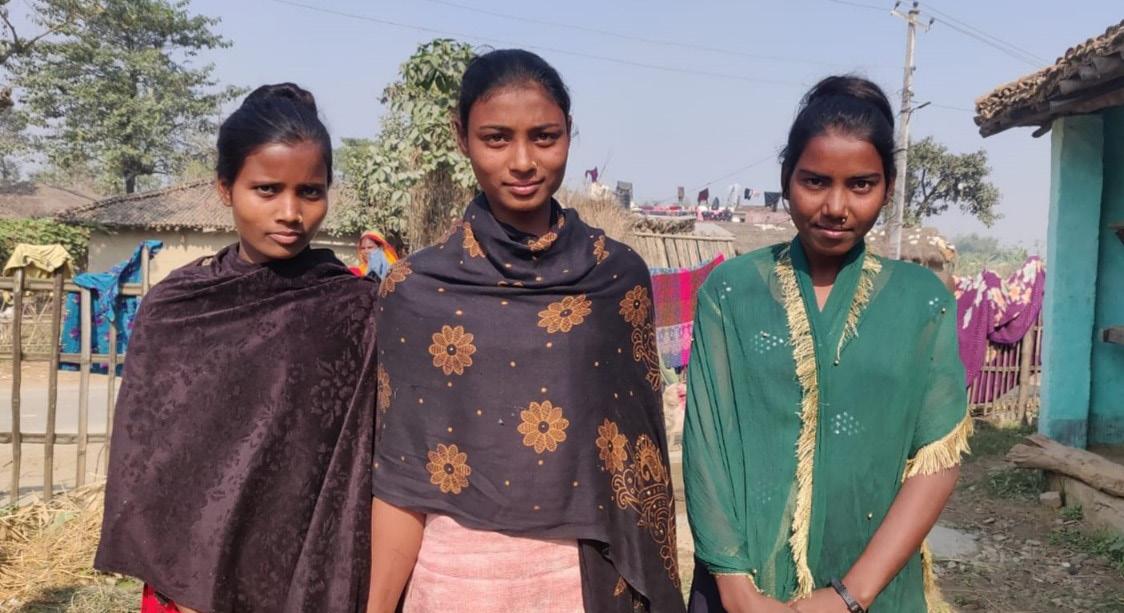
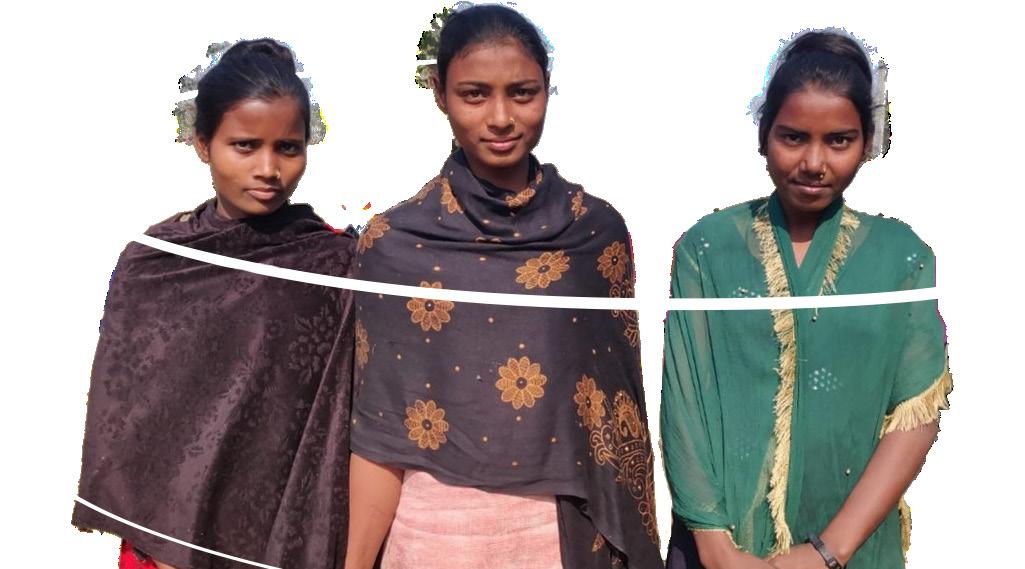
In the rural village of Karbana, Nepal, where CEFMU is still common, Kavita, Priva, and Saachi have emerged as powerful voices in the fight against this practice.
Kavita, age 16, lives with her mother and sister after being forced out of their home by her abusive father. Despite receiving many marriage proposals, Kavita has consistently rejected them, determined to marry at the legal age. She dropped out of school due to financial hardships but convinced her mother to send her younger sister, Maya, back to school. Kavita works on their farm to support the family and ensure her sister can continue her education. She is committed to breaking the cycle of early marriage in her community.
Maya, 13, is a member of the Community Learning and Protection Centre (CLPC), a space created by Islamic Relief Nepal. The centre has given her the confidence to return to school. With support from Kavita and their mother, Maya is now continuing her education and dreams of helping other girls in the same way.
Priva, 17, a friend of Maya’s, has also fought to stop her own marriage. She has repeatedly refused marriage proposals, empowered by her knowledge of the law that protects girls from being forced into early marriage. Priva, like Kavita, has become an advocate in her community, working to raise awareness and help others avoid this practice.
These girls, having successfully avoided being married themselves, are now leading public awareness campaigns and encouraging families to keep their daughters in school. Their courage has inspired others in the community, and their efforts are slowly being recognized and appreciated.
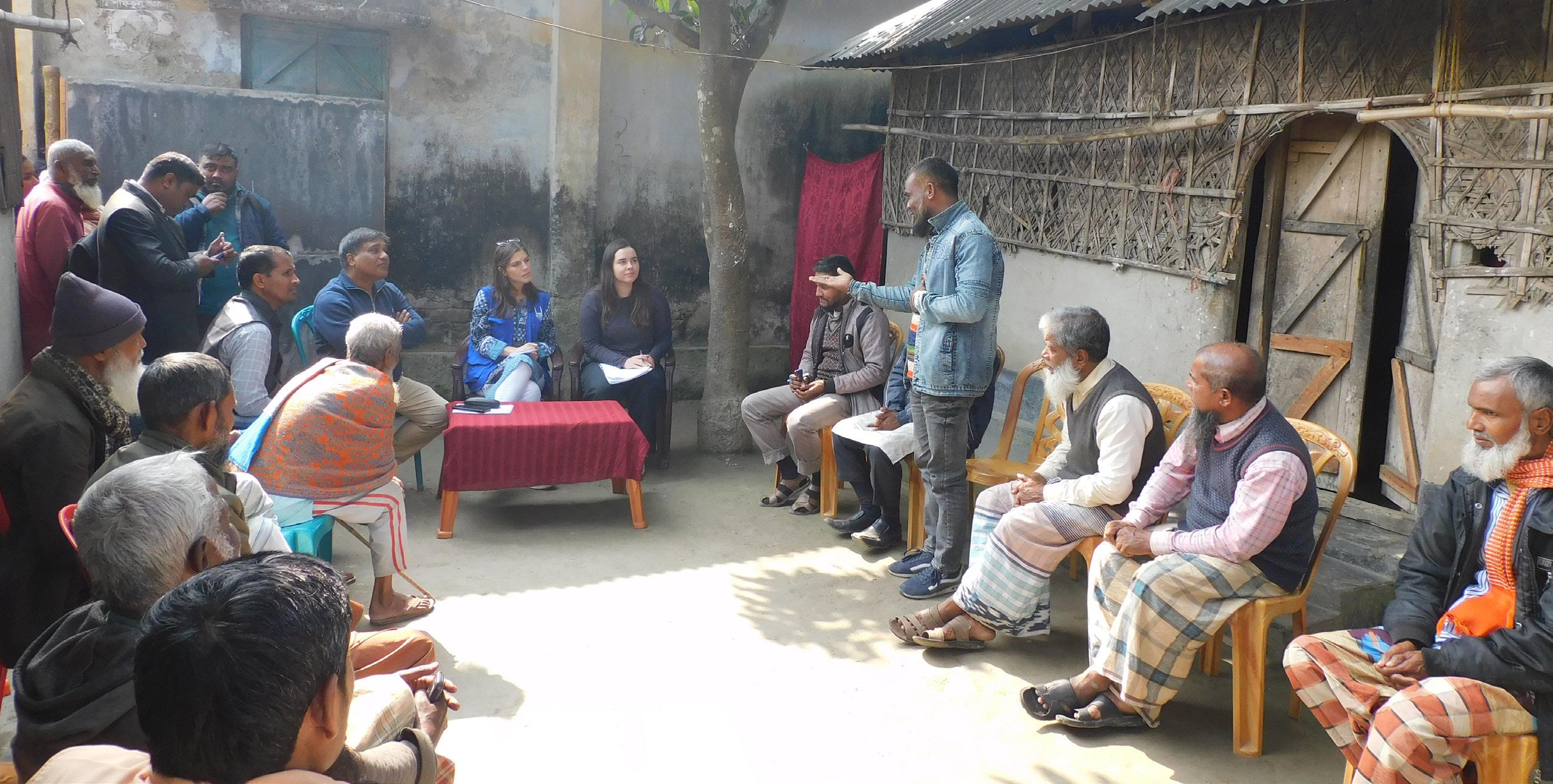
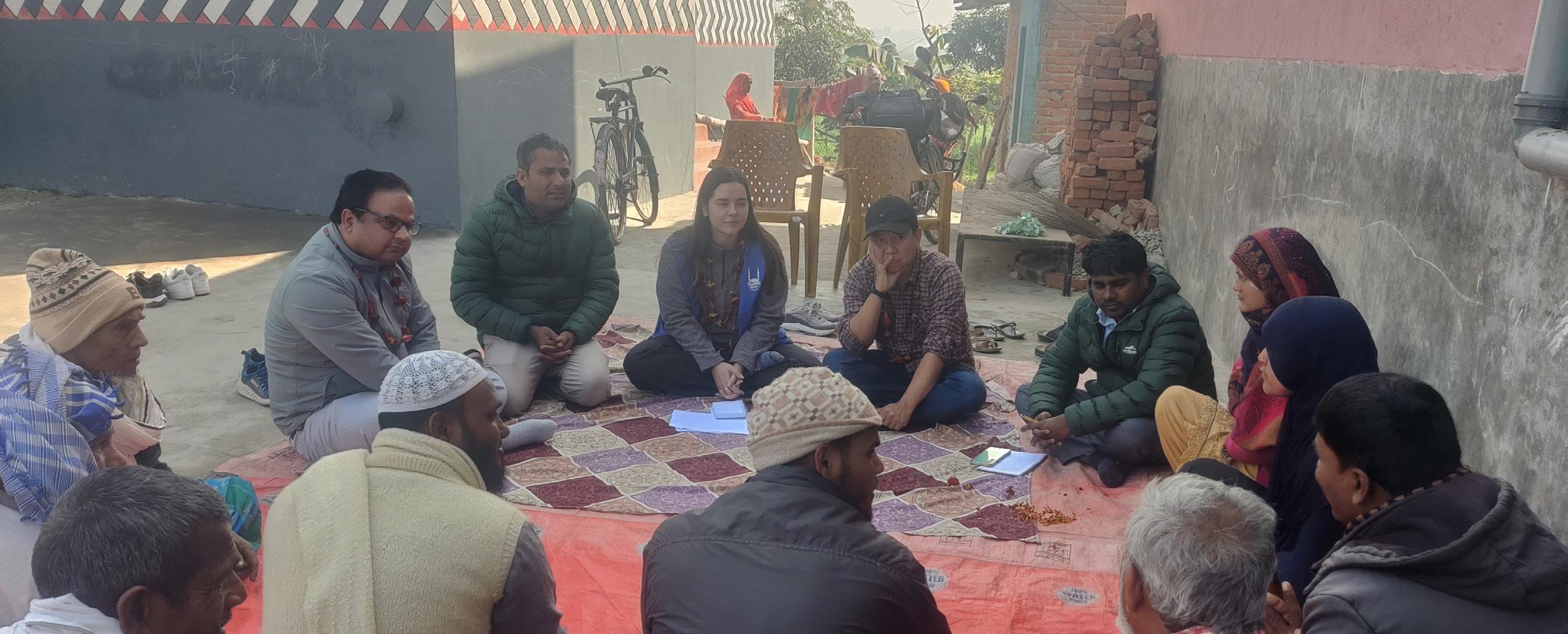
As is common in many cultures and societies, traditional gender norms and expectations have often placed a dual burden on women, requiring them to manage both household chores and paid work outside the home. One of the project goals was to raise awareness about gender inequality, and include men within the dialogue to support project initiatives. For example, not only was it important that women and girls were supported by male family members to work or go to school, but also that the men understood the necessity of engaging in domestic labour and caregiving roles. During the focus group discussions with men from the community, they were prompted to reflect on the project’s initiatives and what changes they noted in how they support women in their family and broader community. Many recounted the community awareness sessions they participated in, highlighting a community theater performance the local child club performed as a memorable and influential information sharing activity.
Each male participant expressed pride in sharing specific tasks they have undertaken to assist the women in their households, partaking in duties like water collection, household chores such as laundry, cooking, and cleaning, as well as childcare responsibilities like preparing children for school in the morning. While some of these changes were small, they demonstrated a growing willingness to support the women in their lives and initiate necessary shifts to challenge traditional gender norms.
Additionally, the focus groups revealed household decisions are now being made in a more participatory manner, involving all family members. This change was acknowledged by women, children, and men across all focus group discussions, underscoring that the transformation is being experienced and recognized by all rightsholders involved in the project.
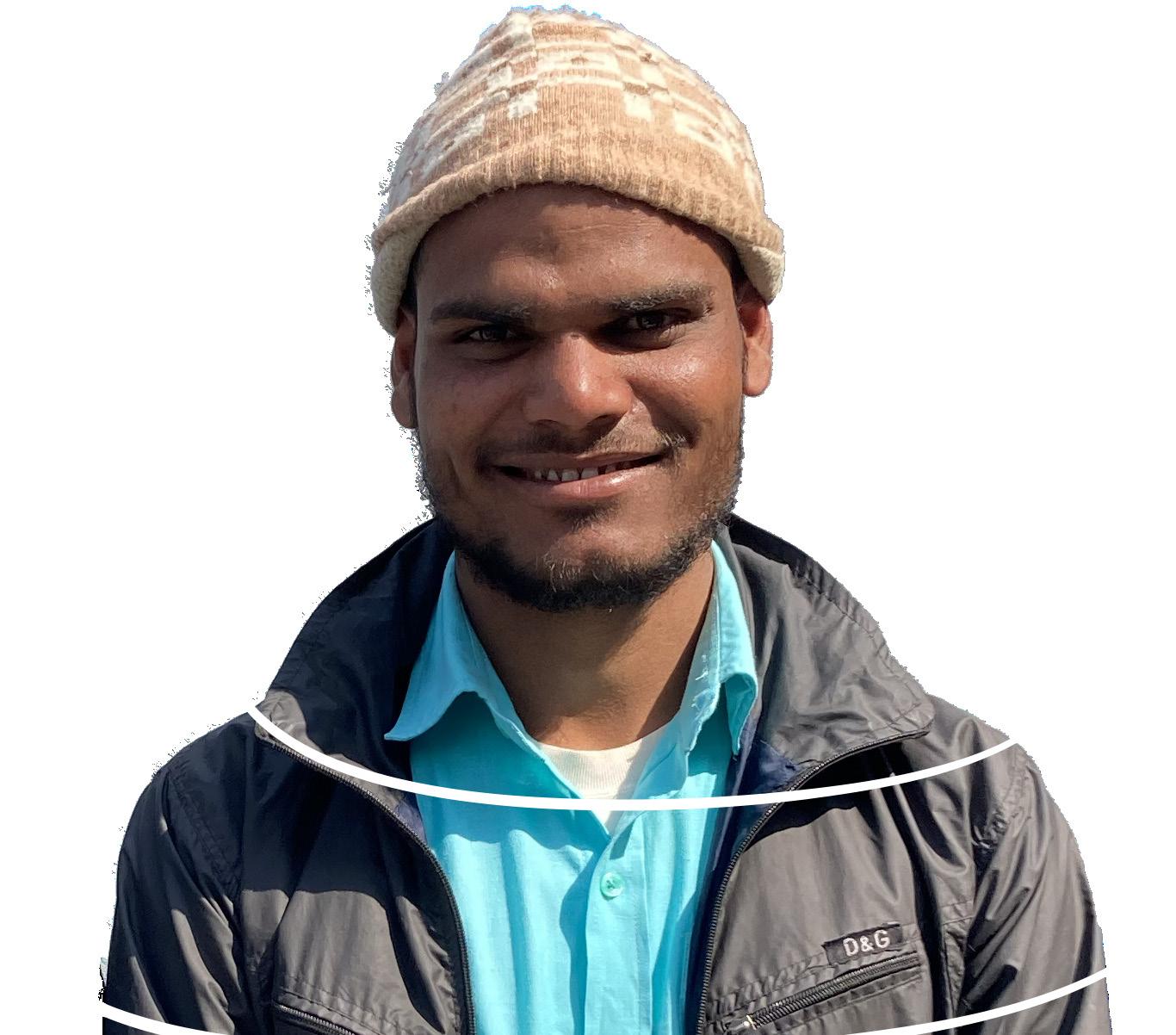
Sohail became involved in the project as he was convinced by the project team to enroll in formal education at the local public school. While he had obtained a certificate from the Madrasah [Islamic school] he attended, public school represented a different set of opportunities. He bravely enrolled in public school as an older student and started his education again. In being older than his fellow peers, he was teased for going to school at his age.
From his participation in the project, Sohail was able to be part of the Child Club, where he received orientation on topics like CEFMU and GBV. Through his participation in the Child Club, he shared how he was able to apply the knowledge acquired to advocate against his cousin’s early marriage. Despite initial resistance from his aunt, Sohail made a case for the importance of his cousin’s education and future aspirations of becoming a doctor. He argued that marriage would hinder her educational goals and worsen her situation. His aunt and uncle were eventually persuaded thanks to his efforts, allowing his cousin to continue her education.
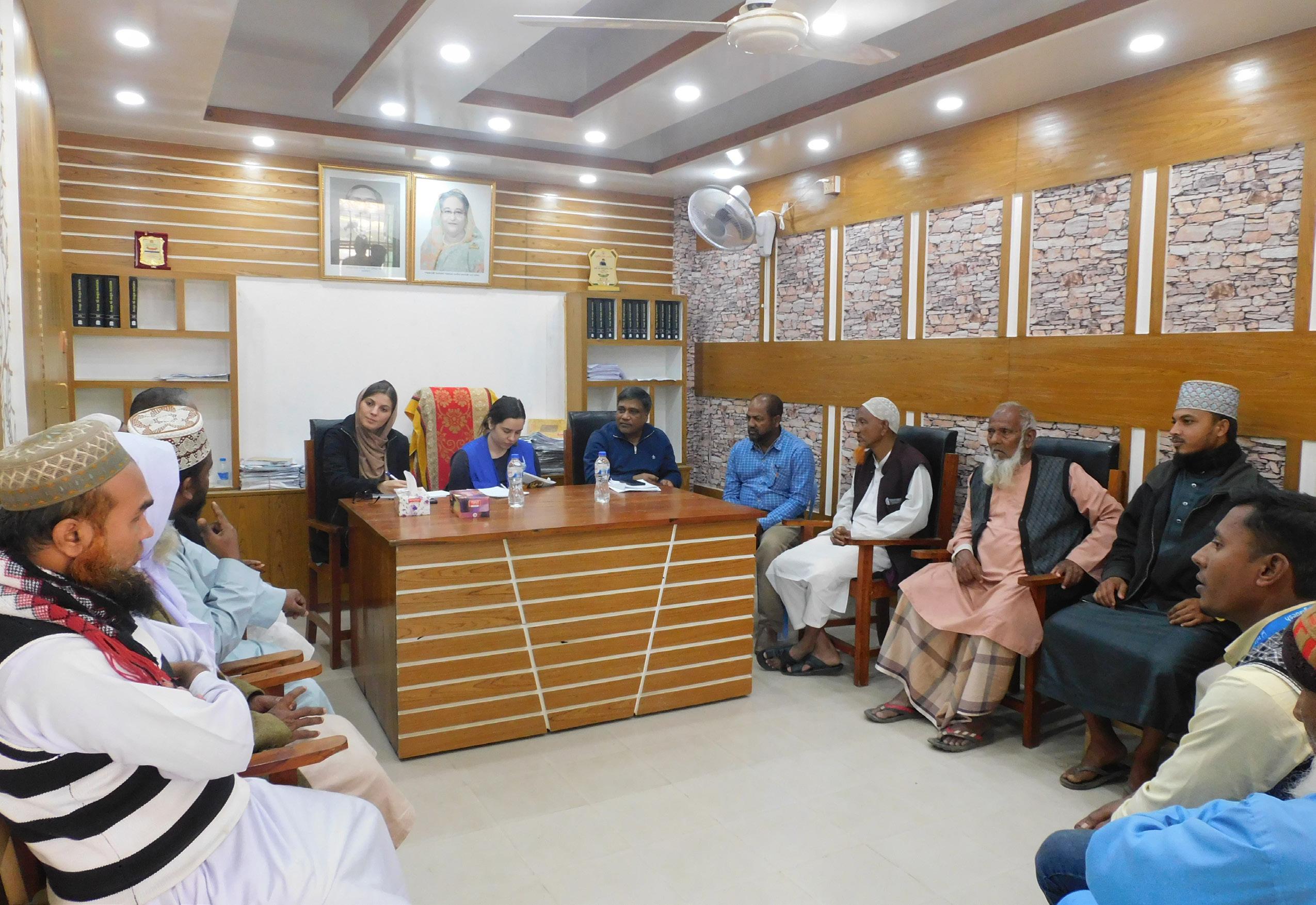
The focus group discussion with religious community leaders in Bangladesh showcased the importance of involving faith leaders as part of awareness and prevention. Their involvement began when project representatives motivated the imams to integrate training topics into their khutbah [sermons] during Jummah prayers [Friday religious gatherings].
The imams, who are highly respected figures, have played a crucial role in the success of the project. The faith leaders attested to the decrease in child marriages, observing that now cases of early child marriage are conducted very discreetly. Previously, community members would approach the imams to inquire about confidential marriages, but this has stopped as the community is aware of the stances of the imams due to the messages conveyed in the khutbahs. Those wishing to initiate early child marriages now go to great lengths to do so, often traveling far from the community, although even this has become increasingly rare.
In terms of challenges, the group reported none, noting that no one contests the authority of the imams. While the program is effective, some concerns were shared regarding families with multiple daughters who may be extremely vulnerable due to lack of education or security issues. These families are aware of their rights but feel they have limited options. Therefore, it was suggested the Islamic Relief interventions should continue in the form of further technical and vocational skills and livelihood training.
Overall, the discussion was uplifting and showed great support and alignment from the community faith leaders towards the main goals of the project. This is a testament to the dedication of the Islamic Relief Bangladesh team to this cause and to engaging with community stakeholders in respectful and impactful ways.
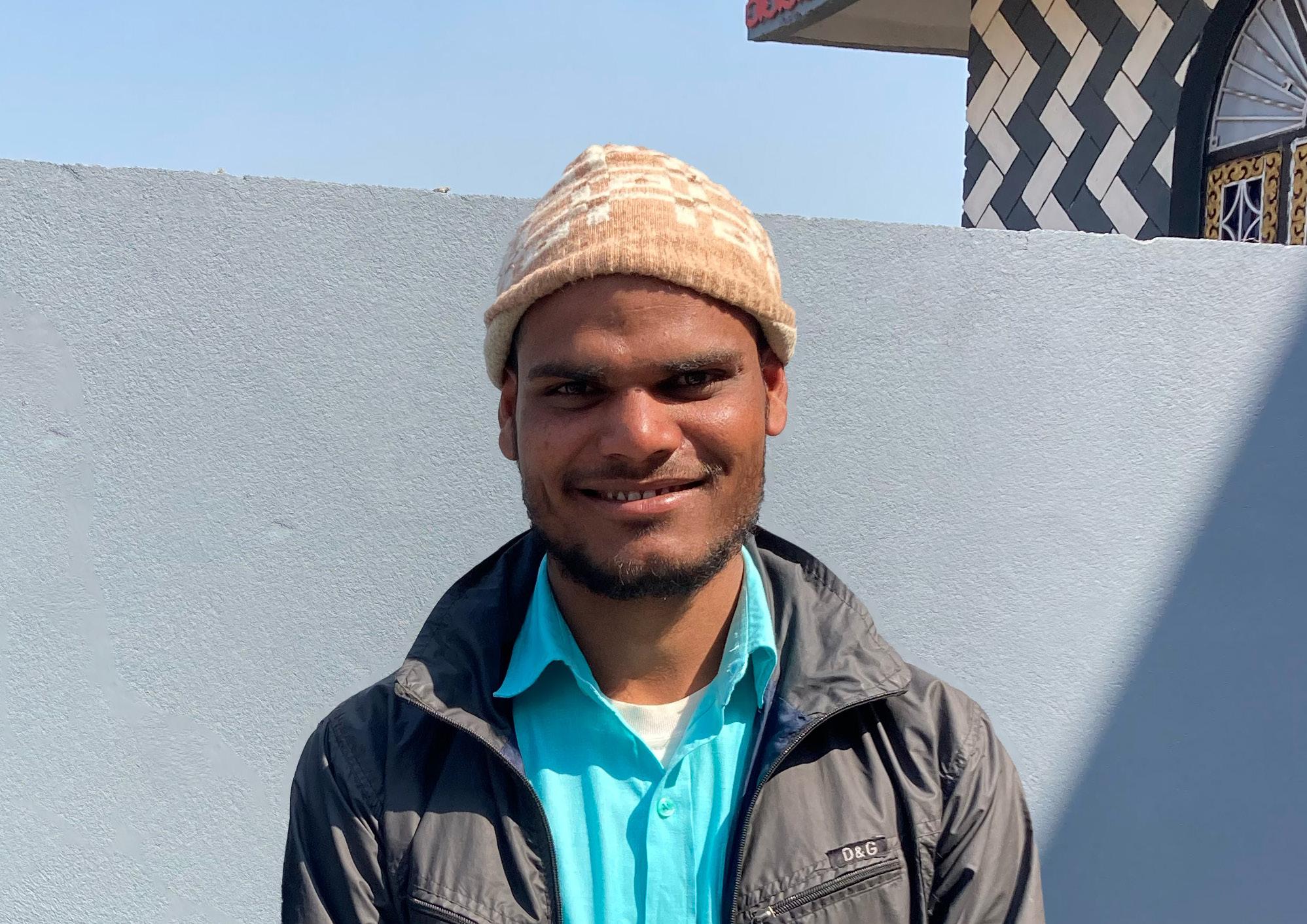
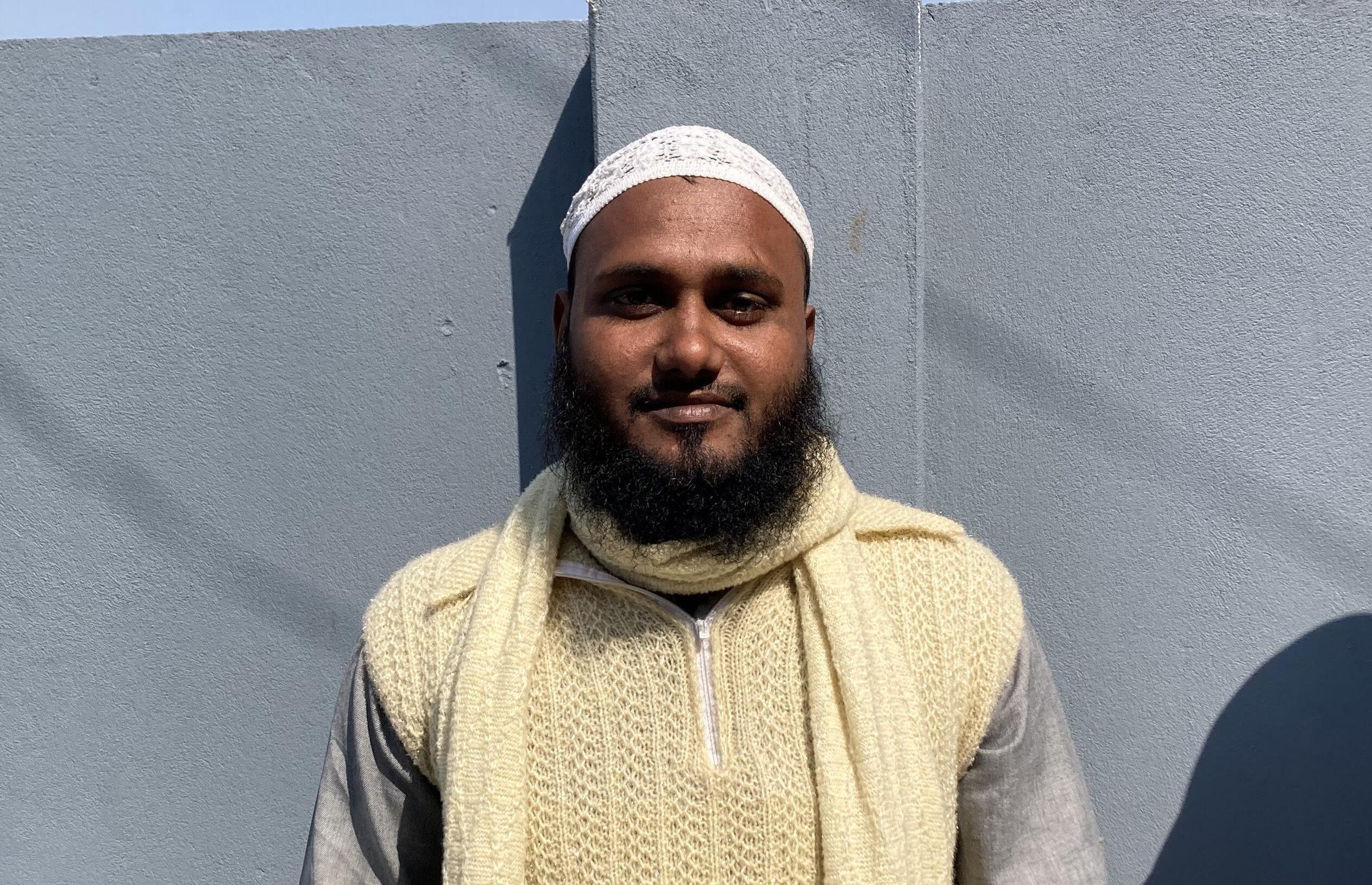
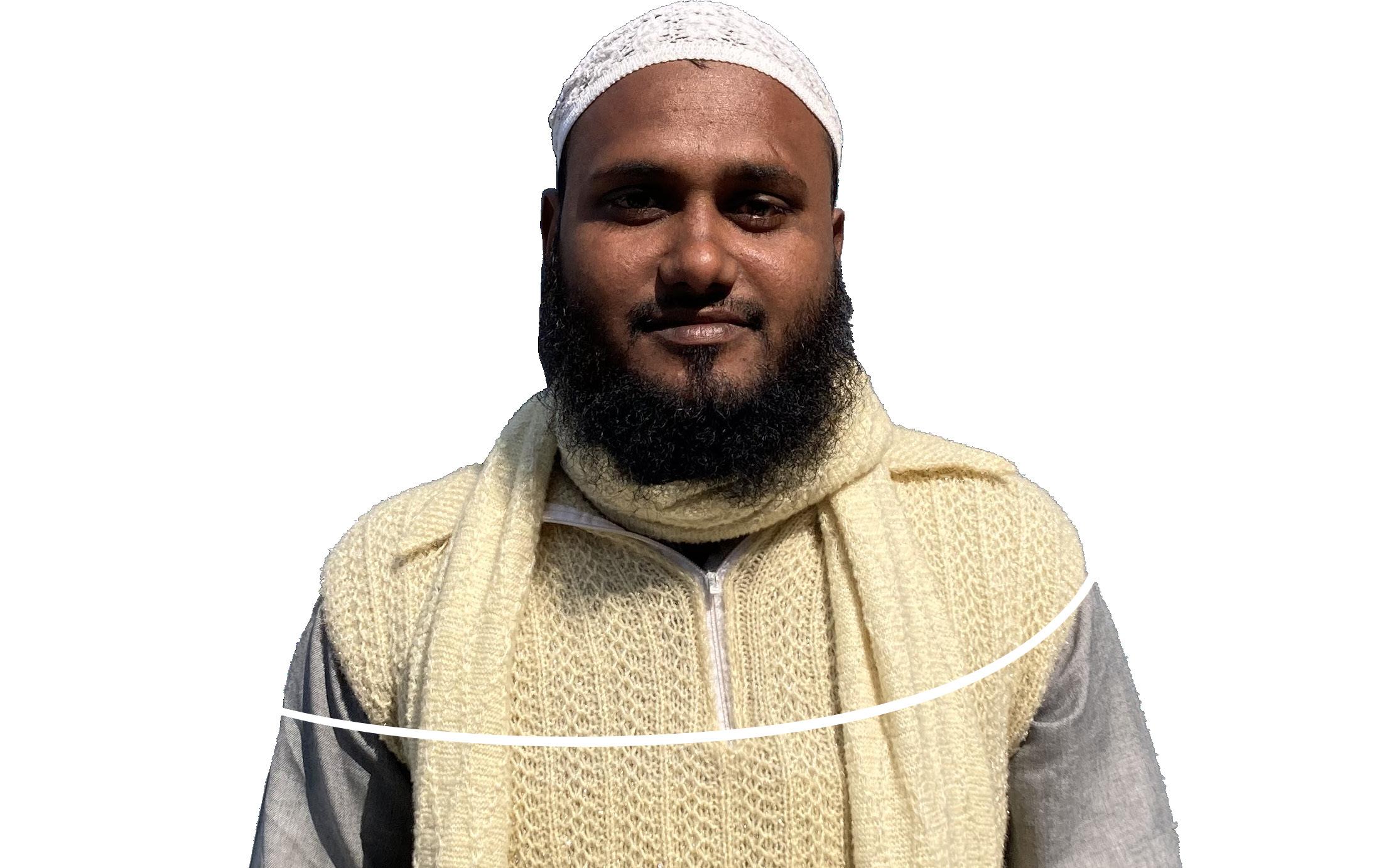
The sheikh pictured in the image on the right, is a religious leader in Rajdevi, Nepal. His story exemplifies the collaboration necessary to drive change at the community level. Committed to addressing GBV and child marriage, he has dedicated himself to this cause and vows to continue his efforts “until his last breath.”
Locally, he organizes activities for women, men, and children to raise awareness about these issues from a religious perspective. His approach involves applying religious teachings to resolve incidents and work on prevention. When GBV cases arise, he emphasizes the value of women through a religious lens to persuade families to avoid such practices. By highlighting Islamic values, such as equality and non-discrimination, he advocates for the equal treatment of boys and girls, particularly regarding education.
As a religious leader, this sheikh is aware of the impact his words have on the community, and he strives to use his influence positively to shift perspectives. Through his involvement in the project, he has learned practical ways to integrate religious teachings with social issues. His efforts have led to the enrollment of 52 children from the Muslim community in public schools. However, his influence extends beyond the Muslim community, as he shared that he is also invited and welcomed by other religious groups to speak on various issues and advocate for children’s education.
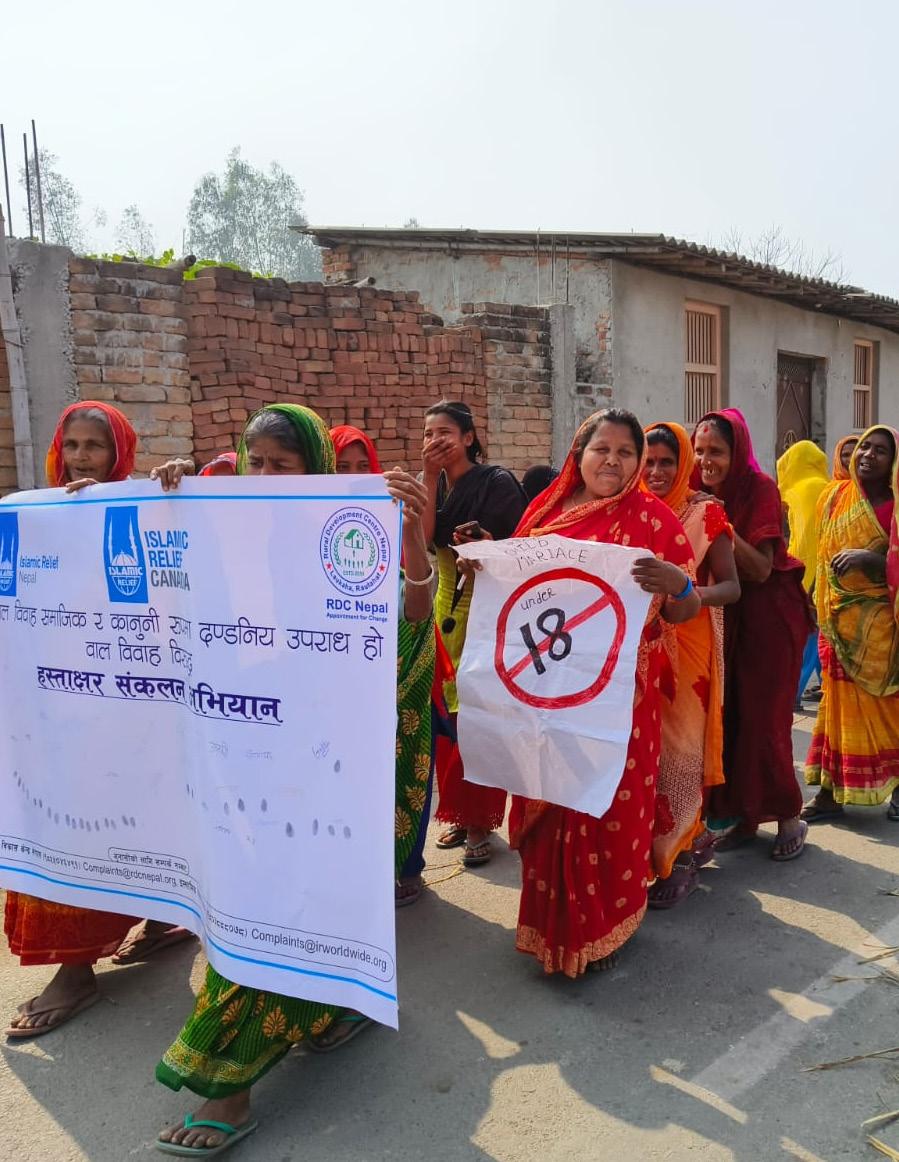
The projects in Bangladesh and Nepal have emerged as powerful catalysts for uplifting local communities, effectively addressing CEFMU and GBV through sustainable community engagement and economic empowerment. The projects highlighted have taken a multidimensional approach, covering economic, social, and cultural spheres. They have also highlighted the vital importance of crafting programs rooted in the unique needs of each community. The programs are also keenly attuned to cultural sensitivities, focusing on transforming harmful social norms by actively involving male family members in women’s empowerment efforts.
What makes these projects especially impactful is their holistic approach, combining economic support, social empowerment, and local capacity-building. The creation of self-help groups, child clubs, women’s collectives, and community-based child protection committees has provided the targeted communities with the tools they need—knowledge, financial backing, and social cohesion—to address issues that were once shrouded in silence. Crucially, community ownership of these projects has been a cornerstone of success, as the majority of the groups established in the projects have been maintained past project completion, demonstrating the value that such interventions bring. Combating CEFMU and GBV requires more than the intervention of external organizations like Islamic Relief; it calls for local communities to recognize, address, and prevent these issues from within. These structures ensure that the project’s positive impacts will endure long after the programs officially end.
Rightsholders, especially women, have experienced the impacts of economic empowerment in linking them to newfound social mobility. Realizing the rights to equality and non-discrimination are essential elements to combating CEFMU and GBV, but cannot be recognized through legislation and legal rights alone, as the basis of eliminating these practices must be translated into de facto equality for women in the family, and in the economy. In both the PEMB and EJSRG projects, we have seen women gain immense confidence, grow as decision-makers in their households, and expand their social influence to impact their communities for the better. This shift has brought about broader societal changes, such as delaying child marriages and prioritizing girls’ education.
The final key factor in the success of these projects has been the implementation of the CoH methodology and the active involvement of local faith leaders. In areas where religion plays a central role in community life, and places of worship serve as key gathering points, it is essential to integrate the belief systems of local communities into project approaches. This recognition helps ensure key messages resonate more deeply and are effectively linked to the values and practices that shape people’s lives. In the PEMB project, for instance, imams speaking out against CEFMU during Friday sermons proved invaluable, along with their refusal to officiate marriages of underage children. Engaging these leaders further promoted the project’s legitimacy and built trust among rightsholders. This approach allowed Islamic Relief to tailor each project to meet the specific needs of communities, while maintaining a deep respect for cultural sensitivities.
1 https://africa.unwomen.org/en/what-we-do/ending-violence-against-women/faqs/types-of-violence-1
2 https://www.unwomen.org/en/articles/faqs/faqs-types-of-violence-against-women-and-girls
3 https://www.ohchr.org/en/documents/thematic-reports/ahrc5250-adverse-impact-forced-marriage-fulland-effective-enjoyment-all
4 https://www.unicef.org/protection/child-marriage
5 https://www.ohchr.org/en/women/child-and-forced-marriage-including-humanitarian-settings
6 https://childmarriagedata.org/country-profiles/bangladesh/
7 https://www.girlsnotbrides.org/learning-resources/child-marriage-atlas/atlas/bangladesh/
8 https://childmarriagedata.org/country-profiles/bangladesh/
9 https://www.girlsnotbrides.org/learning-resources/child-marriage-atlas/regions-and-countries/ bangladesh/
10 https://www.ohchr.org/en/documents/thematic-reports/ahrc5250-adverse-impact-forced-marriage-fulland-effective-enjoyment-all
11 https://www.girlsnotbrides.org/learning-resources/child-marriage-and-health/gender-based-violence-andchild-marriage/
12 https://www.girlsnotbrides.org/learning-resources/child-marriage-and-health/
13 chrome-extension://efaidnbmnnnibpcajpcglclefindmkaj/https://www.unicef.org/bangladesh/media/4526/ file/Bangladesh%20Child%20Marriage%20report%202020.pdf.pdf
14 https://www.worldbank.org/en/country/nepal/publication/nepaldevelopmentupdate
15 chrome-extension://efaidnbmnnnibpcajpcglclefindmkaj/https://www3.weforum.org/docs/WEF_ GGGR_2024.pdf
16 https://www.undp.org/nepal/press-releases/nepal-moves-one-place-human-development-ranks-143rd
17 https://genderdata.worldbank.org/en/economies/nepal#:~:text=In%20Nepal%2C%20the%20labor%20 force,labor%20force%20participation%20has%20increased
18 chrome-extension://efaidnbmnnnibpcajpcglclefindmkaj/https://iris.who.int/bitstream/ handle/10665/344677/GER-Nepal-eng.pdf?sequence=1&isAllowed=y
19 https://genderdata.worldbank.org/en/economies/nepal#:~:text=In%20Nepal%2C%20the%20labor%20 force,labor%20force%20participation%20has%20increased
20 https://www.unicef.org/nepal/press-releases/16-day-activism-against-gender-basedviolence#:~:text=Statistics%20tell%20us%20that%20in,protection%2C%20treatment%2C%20and%20 justice
21 https://plan-international.org/nepal/publications/status-child-marriage-impact-upon-girls/
22 https://childmarriagedata.org/country-profiles/nepal/
23 https://www.girlsnotbrides.org/learning-resources/child-marriage-atlas/atlas/nepal
24 https://childmarriagedata.org/country-profiles/nepal/
25 file:///C:/Users/IRC222/Downloads/Child-marriage-profile_NPL.pdf https://data.unicef.org/resources/ child-marriage-country-profiles/
26 RS310742_2. Case Study_Changing Life through Duck Rearing
27 RS310743_1. Case Study_Stopping Early Marriage of Self