Unseen, Unregulated, Unjust: Microplastics and the Imperative for a Strong Global Plastics Treaty
[This document is one of a series of discussion notes addressing fundamental questions about global health. Its purpose is to transfer scientific knowledge into the public conversation and the decision-making process. These documents are based on the best information available and may be updated as new information comes to light. ]
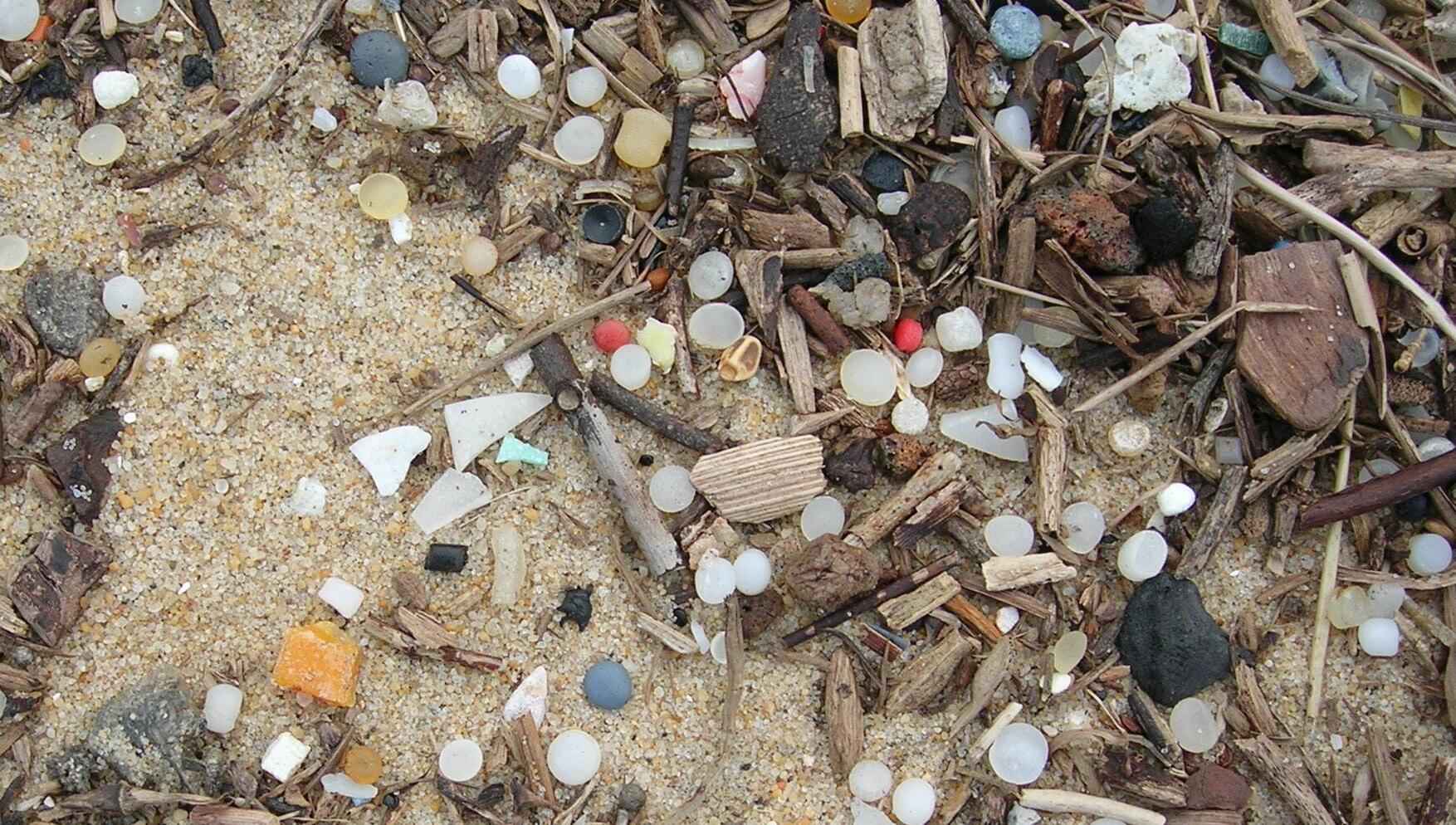
31 July 2025 Photo: maldeseine /WikiMedia

Acknowledgements: the authors would like to thank Cristina Villanueva, Associate Research Professor at ISGlobal’s Environment and Health over the Lifecourse program, and Gonzalo Fanjul, Policy & Development Director at ISGlobal, for their contributions to this brief.
The global plastics crisis has reached a critical turning point. The ongoing negotiations to develop a Global Plastics Treaty are expected to resume this August. The previous session, INC-5.1, which took place in Busan in December 2024, saw a plea for ambition crystalised in the words of Panama’s lead negotiator Juan Carlos Monterrey: “This is not a drill, this is a fight for survival. Plastics are not convenient, they are a weapon of mass destruction”. Plastics have become emblematic of unsustainable production and consumption, with consequences that extend far beyond marine litter. They impact climate, biodiversity, and human health — posing systemic risks across environmental and social domains. In recent years, growing scientific evidence has turned global attention toward the less visible, yet in-
creasingly pervasive threat of microplastics and nanoplastics (MNPs), which are now found in our food, water, air, and even within human tissues.
While plastics as a whole pose an enormous environmental challenge, growing scientific knowledge raises concerns about the specific health impacts of MNPs, and demands targeted policy responses. In this document, we will provide a panoramic on the latest scientific evidence regarding MNPs and human health, the main gaps in addressing microplastic pollution globally and policy recommendations ahead of the next Global Plastics Treaty negotiations.
Authors: Emma Calikanzaros and Claudia García-Vaz (ISGlobal)*
“Although
their effects
on human health are not yet fully understood, MNPs could pose significant health risks due to their ability to cross biological barriers and enter human cells.”
Microplastics, Nanoplastics, and Human Health 1.
Over the past decades, plastic materials have brought undeniable benefits to modern society, including medical innovations. However, growing evidence now highlights the serious risks posed by microplastics, which accumulate in the environment and are increasingly linked to adverse effects on human health, ecosystems, and economies. These harms span the entire plastic life cycle —from fossil fuel extraction to waste disposal— raising growing public health concerns.
a. An ever-growing problem
The presence of MNPs in the environment has become a critical global concern, driven by the exponential growth of plastic production and consumption since the 1950s. Defined as particles of less than 5 mm in size for microplastics and less than 1 nm for nanoplastics, MNPs originate both from primary sources, such as
Box 1. The current state of plastic disposal.
Global plastic recovery and recycling rates are below 10%.
The majority of plastic waste is not repurposed and ends up in either the environment or landfills.
Much of this waste comes from single-use plastics , which are difficult to recycle and could be avoided.
manufactured microbeads used in cosmetics, and secondary sources, including the breakdown of larger plastics through environmental natural processes like weathering. Reported degradation times for plastic bags present wide variations, ranging from one or two decades to up to 1,000 years, while those for plastic bottles vary from 70 to 450 years,1 highlighting their persistent nature. Cumulative plastic pollution has reached over six gigatons —roughly 100 times the total biomass of all living humans combined—. Projections indicate that without urgent intervention, global plastic production could triple by 2060, doubling microplastic emissions by 2040 and further amplifying the million tons of microplastics already released into the environment each year.2,3
Plastic Disposal Methods
Controlled and uncontrolled landfilling – Main method but it leads to long-term pollution harmful for both health and the environment.
Open burning – Releases harmful particles and toxic pollutants into the atmosphere, and has been linked to lung cancer.
Thermal conversion – Can generate energy but has efficiency challenges and produces a wide range of hazardous chemicals.
Exporting waste – High-income countries export large amounts of plastic waste to low and middle-income countries that often lack proper waste management infrastructure, causing environmental injustices worldwide.
Source: Landrigan PJ, Raps H, Cropper M, Bald C, Brunner M, Canonizado EM, et al. The Minderoo-Monaco Commission on Plastics and Human Health. Ann Glob Health. 2023;89(1):23. doi: 10.5334/aogh.4056
1 Chamas A, Moon H, Zheng J, Qiu Y, Tabassum T, Jang JH, et al. Degradation Rates of Plastics in the Environment. ACS Sustainable Chemistry & Engineering. 2020;8(9):3494511. Available from: https://doi.org/10.1021/acssuschemeng.9b06635.
2 Landrigan PJ, Raps H, Cropper M, Bald C, Brunner M, Canonizado EM, et al. The Minderoo-Monaco Commission on Plastics and Human Health. Ann Glob Health. 2023;89(1):23. doi: 10.5334/aogh.4056.
3 OECD (2022), Global Plastics Outlook: Policy Scenarios to 2060, OECD Publishing, Paris. Available from: https://doi.org/10.1787/aa1edf33-en.
b. Closer than you realise: MNPs in our food, water, air, and bodies
MNPs contaminate environments from the highest peaks of Mount Everest to the depths of the oceans, traveling vast distances through wind and water. These persistent particles accumulate in ecosystems worldwide, infiltrating food chains from plankton to apex predators, and affecting over 1,300 documented species.
MNPs pollute the water we drink, the air we breathe, and the food we consume, and directly infiltrate our bodies. They can also leach from everyday items like
clothing, cosmetics, tableware, and other goods, with additional contamination occurring during packaging and processing, especially in items like bottled water. Alarmingly, MNPs have been detected in various human tissues, including brain,4 heart,5 kidneys, placenta,6 and reproductive organs, highlighting their pervasive presence in organisms. This widespread contamination raises growing public health concerns, yet the extent of human exposure, its pathways, and its long-term health effects remain insufficiently understood by scientists.


Evidence of MNPs presence in human body fluids
Feces
Breastmilk
Urine
Fetal blood
Amniotic fluid
Sputum
Blood
Source: Nihart AJ, Garcia MA, Hayek EE, Liu R, Olewine M, Kingston JD, et al. Bioaccumulation of microplastics in decedent human brains. Nature Medicine. 2025 Feb; Available from: https:// www.nature.com/articles/s41591-024-03453-1
Marfella R, Prattichizzo F, Sardu C, Fulgenzi G, Graciotti L, Spadoni T, et al. Microplastics and nanoplastics in atheromas and cardiovascular events. New England Journal of Medicine. 2024;390(10):900–10. Available from: https://doi.org/10.1056/nejmoa2309822
Ragusa A, Svelato A, Santacroce C, Catalano P, Notarstefano V, Carnevali O, et al. Plasticenta: First evidence of microplastics in human placenta. Environment International. 2020;146:106274. Available from: https://doi.org/10.1016/j.envint.2020.106274
Montano L, Raimondo S, Piscopo M, Ricciardi M, Guglielmino A, Chamayou S, et al. First evidence of microplastics in human ovarian follicular fluid: An emerging threat to female fertility. Ecotoxicology And Environmental Safety. 2025;291:117868. Disponible en: https://doi.org/10.1016/j. ecoenv.2025.117868
4 Nihart AJ, Garcia MA, Hayek EE, Liu R, Olewine M, Kingston JD, et al. Bioaccumulation of microplastics in decedent human brains. Nature Medicine. 2025 Feb; Available from: https://www.nature.com/articles/s41591-024-03453-1
5 Marfella R, Prattichizzo F, Sardu C, Fulgenzi G, Graciotti L, Spadoni T, et al. Microplastics and nanoplastics in atheromas and cardiovascular events. New England Journal of Medicine. 2024;390(10):900–10. Available from: https://doi.org/10.1056/nejmoa2309822
6 Ragusa A, Svelato A, Santacroce C, Catalano P, Notarstefano V, Carnevali O, et al. Plasticenta: First evidence of microplastics in human placenta. Environment International. 2020;146:106274. Available from: https://doi.org/10.1016/j.envint.2020.106274
7Liu W, Zhang B, Yao Q, Feng X, Shen T, Guo P, et al. Toxicological effects of micro/nano-plastics on mouse/rat models: a systematic review and meta-analysis. Frontiers in Public Health. 2023 May;11. Available from: https://pubmed.ncbi.nlm.nih.gov/37275491/
Figure 1. Evidence of MNPs presence in human biological tissues.
Lungs and airways
c. What do we know about MNPs’ impact on human health?
Although their effects on human health are not yet fully understood, MNPs could pose significant health risks due to their ability to cross biological barriers, reach the bloodstream, and enter human cells. Their small size facilitates translocation within the body, causing damage to cells and tissues. While direct evidence of health impacts in humans remains limited, laboratory and animal studies indicate serious risks, including inflammation, DNA damage, microbiome alterations, 7 etc. In addition, MNPs are frequently made with hazardous additives such as phthalates —used to make plastics more flexible and durable— and flame retardants, which are associated with endocrine disruption and carcinogenicity 8 Additionally, they can transport toxic environmental contaminants9,10 on their surface —including heavy metals and organic pollutants— and pathogens such as antibiotic-resistant bacteria.
Human exposure to MNPs may begin even before birth, with studies detecting their presence in the bloodstream and placenta. This exposure continues throughout life through ingestion, inhalation, intravenous injections via plastic medical devices, and potentially through skin absorption. Emerging epidemiological evidence suggests potential links between MNP exposure and conditions such as dementia,4 inflammatory bowel disease11 or adverse cardiovascular events.5 Given that exposure is continuous, universal, and unavoidable, MNPs could have far-reaching public health implications, making prevention and regulatory action crucial to reducing long-term risks and maximizing potential health benefits.
Vulnerable populations, particularly children and workers in plastic-intensive industries, face disproportionate health risks from plastic-associated chemical exposure throughout the plastic life cycle. For example, workers in recycling facilities, painters, textile and automobile manufacturing, agriculture under plastic greenhouses, or 3D printing environments might be frequently exposed to elevated levels of MNPs and associated harmful contaminants. Children, especially infants and fetuses, are uniquely susceptible to environmental exposures due to their not fully developed physiological systems and distinct exposure patterns. The developmental origins of health and disease (DOHaD) framework underscores how early-life exposures contribute to adult-onset noncommunicable diseases like obesity, neurodevelopmental impairment, reproductive system defects, diabetes, cardiovascular conditions, childhood cancer, and others.
Given the persistence of microplastics in the environment, their transformation into even smaller nanoplastics, their capacity to carry hazardous substances, and the impossibility of their removal from the environment, there is an urgent need for a precautionary approach. We need to expand research, improve regulatory measures, and mitigate exposure —especially from vulnerable populations— to address this escalating public health challenge.
8Vincoff S, Schleupner B, Santos J, Morrison M, Zhang N, Dunphy-Daly MM, et al. The Known and Unknown: Investigating the carcinogenic potential of plastic additives. Environmental Science & Technology. 2024 Jun;58(24):10445–57. Available from: https://doi.org/10.1021/acs.est.3c06840
9Revel M, Châtel A, Mouneyrac C. Micro(nano)plastics: A threat to human health? Current Opinion in Environmental Science & Health. 2017 Dec;1:17–23. Available from: https://doi.org/10.1016/j.coesh.2017.10.003
10Wiesinger H, Wang Z, Hellweg S. Deep Dive into Plastic Monomers, Additives, and Processing Aids. Environmental Science & Technology. 2021 Jun;55(13):9339–51. Available from: https://doi.org/10.1021/acs.est.1c00976
11Yan Z, Liu Y, Zhang T, Zhang F, Ren H, Zhang Y. Analysis of Microplastics in Human Feces Reveals a Correlation between Fecal Microplastics and Inflammatory Bowel Disease Status. Environmental Science & Technology. 2021;56(1):414–21. Available from: https://doi.org/10.1021/acs.est.1c03924
“Policy decisions cannot wait for complete data but should instead adopt the precautionary principle, using existing evidence to enforce stricter regulations and proactive interventions.”
MNPs and Public Health 2.
a. Despite gaps in health data, precautionary measures are essential
A precautionary approach is crucial to mitigate the health risks posed by MNPs, particularly in light of potential population-level impacts. Significant gaps remain in our understanding of MNP exposure and its health effects, with current risk assessments hindered by fragmentary and incomplete data on exposure pathways and toxicological impacts. Chronic and long-term exposure to MNPs introduces uncertainties, such as the “cocktail effects” of combined toxicants and their cumulative impact on human health. The persistence and ubiquity of MNPs, coupled with the difficulty of removal once they enter the environment, further amplify the risks of cumulative and long-term harm
Despite these uncertainties, vulnerable groups —such as children, workers in plastic-intensive industries, and individuals with preexisting health conditions— are likely to experience disproportionate exposure and health risks. However, the absence of comprehensive data on these populations highlights another critical knowledge gap. Current regulatory frameworks remain insufficient to address the transboundary nature of MNP exposure, even as scientific consensus points to the urgency of immediate action.
Policy decisions cannot wait for complete data but should instead adopt the precautionary principle, using existing evidence to enforce stricter regulations and proactive interventions. By acting now to limit exposure, improve risk assessment methodologies, and prioritize vulnerable populations, we can address this pressing issue before it escalates into a broader public health crisis.
b. Social and environmental justice is on the line
Although plastic pollution —and more specifically MNP pollution— is a global
issue, it is undeniable that it disproportionately affects vulnerable populations. Environmental injustice occurs throughout all stages of plastic production and disposal, with an unequal distribution of the costs and benefits produced throughout the plastic life cycle.
At a local and regional level, it is lowincome, minority and marginalised communities who often live near plastic production and waste management facilities. These populations have been found to have an increased risk of premature birth, low birth weight, asthma, childhood leukemia, cardiovascular disease, chronic obstructive pulmonary disease, and lung cancer.2 Indigenous Peoples and Local Communities (IPLCs) are also disproportionately affected, especially when displaced by deforestation for oil extraction or living near petrochemical plants and coastal areas reliant on marine ecosystems. Additionally, an estimated 20 million waste pickers worldwide —many operating in informal, unsafe conditions— are exposed to hazardous materials and toxic emissions, often without recognition, protection, or access to basic labor rights.
From a global perspective, an uneven governance architecture has allowed highincome countries to export plastic waste to low and middle-income countries. Until 2018, China was the main recipient of these exports. However, since the country banned the import of nearly all plastic waste, these exports shifted to Southeast Asian countries such as Thailand, Indonesia, Vietnam and Malaysia.2 These countries often lack the infrastructure and safety standards that allow for proper plastic waste management, resulting in an increased likelihood of environmental leakage and the open burning of plastic, which carries significant human health risks.
Preventing microplastics exposure and protecting public health require a commitment to a just transition. This transition must ensure that efforts to end plastic pollution are equitable, safeguard-
“In 2022 the United Nations Environment Assembly adopted a resolution that led to the development of the Global Plastics Treaty, which is expected to be finalised by the end of 2025.”
ing the health and livelihoods of communities disproportionately affected by plastic production, use, and waste. Prevention must be aligned with environmental justice by reducing exposure risks through stricter regulations on plastic production and additives, as well as stronger protections for workers and communities living near pollution hotspots. Ensuring no one is left behind in the transition toward a plastic-free future is essential for achieving sustainable and equitable public health outcomes.
c. Fighting climate change by reducing plastic pollution
Reducing plastic production offers significant environmental cobenefits by addressing interconnected global challenges. Plastics contribute substantially to climate change throughout their lifecycle, from resource-intensive production to waste management. In 2019 alone, plastics production accounted for 2.24 gigatons of CO2-equivalent
emissions, representing 5.3% of global greenhouse gas emissions. Without bold international policies, these emissions are projected to triple by 2050, potentially consuming up to 26% of the remaining global carbon budget for limiting global warming to 1.5°C.
Beyond its climate implications, plastic pollution exacerbates other environmental challenges, disrupting multiple Earth system processes such as biodiversity loss, freshwater depletion, and nutrient cycling. It also triggers feedback loops that intensify pressures on already-breached planetary boundaries. Recognising plastic pollution as an interconnected environmental issue, and not merely a waste management problem, emphasises its critical role in stabilising Earth systems. Reducing plastic production would have cascading benefits, fostering ecological resilience by addressing climate change, preserving biodiversity, reducing waste, and mitigating the complex interplay of these processes.
3.
Global Response: How Are Countries Taking Action on MNPs and Why
Is It not Enough?
In March 2022, the United Nations Environment Assembly (UNEA) adopted resolution 5/14 “End plastic pollution: towards an international legally binding instrument” in response to growing scientific evidence on the impact of plastics, highlighting the need for a global and coordinated approach. This resolution calls for the development of an international and legally binding instrument to address plastic pollution considering the entire life cycle of plastics, including microplastics. This resolution led to the development of the Global Plastics Treaty, which is expected to be finalised by the end of 2025.
In 2015, the European Union (EU) introduced its first Circular Economy Action Plan, which called for a strategy to improve recyclability, biodegradability, and the management of hazardous substances, contributing to SDG 14 on the conservation of oceans, seas, and marine resources under the 2030 Agenda. The European Strategy for Plastics in a Circular Economy, 12 introduced in 2018, is the EU’s first comprehensive plan focused specifically on plastic-related challenges. It aims to improve the collection and sorting of plastic
packaging, enhance product design, and promote the use of alternative materials and recycled plastics. It proposes specific actions to reduce microplastic pollution, such as restricting the intentional addition of MNPs through the REACH Regulation (Registration, Evaluation, Authorisation and Restriction of Chemicals), exploring policy options to reduce unintentional microplastic release, and minimising plastic pellet loss. It also calls for a review of urban wastewater treatment directives to assess their effectiveness in capturing microplastics. This strategy aligns with the Directive (EU) 2019/904, which addresses the environmental impact of certain plastic products and supports transition to a circular economy.13
In March 2020, the EU launched the New Circular Economy Action Plan, 14 reinforcing its fight against plastic pollution alongside the European Green Deal and the Zero Pollution Action Plan, which targets a 30% reduction in microplastic emissions by 2030. Several initiatives followed in 2023, including Regulation 2023/2055 under REACH, which restricts intentionally added synthetic polymer microparticles across a wide range of products like cosmetics, cleaners, and fertilisers. It also mandates labelling and consumer information.
Despite all these regulations being introduced in the EU in recent years, environmental organisations15 have raised concerns about the excessively long implementation periods, as the microplastics crisis continues to escalate with over 42,000 tonnes of microparticles added to the environment each year.
Other countries have introduced similar legislation. The US Microbead-Free Waters Act (2015) bans microbeads in rinseoff cosmetics, while Australia’s Plastic Reduction and Circular Economy Act (2021) prohibits microplastics in personal care products.
Although regulation keeps growing in wealthier nations, microplastics remain a global concern with uneven impacts. As previously stated in this document, an imbalanced governance architecture has enabled high-income countries to systematically export plastic waste to low and middle-income countries, exposing those populations to health risks. This underscores the need for environmental justice in plastic regulation.
The forthcoming Global Plastics Treaty must establish binding commitments and clear targets to reduce MNP pollution, with a focus spanning from product manufacturing to the entire lifecycle of plastics, while addressing not only emissions but also socioeconomic and geographical inequalities. Policymakers, industries, and civil society must unite to translate commitments into effective, inclusive action.
13European Parliament and Council of the European Union. Directive (EU) 2019/904 on the reduction of the impact of certain plastic products on the environment. 2019. Available from: https://eur-lex.europa.eu/eli/dir/2019/904/oj
14European Commission. Communication from the Commission to the European Parliament, the Council, the European Economic and Social Committee and the Committee of the Regions: A New Circular Economy Action Plan For a Cleaner and More Competitive Europe. 2020. Available from: https://eur-lex.europa.eu/legal-content/EN/TXT/?qid =1583933814386&uri=COM:2020:98:FIN
15Rethink Plastic Alliance. Rethink Plastic alliance welcomes the EU restriction of intentionally-added microplastics, urges faster implementation. 2023. Available from: https:// rethinkplasticalliance.eu/news/rethink-plastic-alliance-welcomes-the-eu-restriction-of-intentionally-added-microplastics-urges-faster-implementation/
Figure 2. Ten years of international resolutions and regulations addressing plastic pollution.
The EU introduces its first Circular Economy Action Plan, that sought to improve recyclability and biodegradability of products.
The EU approves the European Strategy for Plastics in a Circular Economy, its first plan focused specifically on plastic-related challenges.
2015 2019
The EU launches the New Circular Economy Action Plan, targeting a 30% reduction in microplastic emissions by 2030.
2018
Directive (EU) 2019/904 addresses the environmental impact of certain plastic products.
2020
2024 - 2025 2022
United Nations Environment Assembly (UNEA) adopts resolution 5/14 “End plastic pollution: towards an international legally binding instrument”.
Commission Regulation (EU) 2023/2055 on the restriction of microplastics intentionally added to products.
2023
Development of the Global Plastic Pollution Treaty.
Source: ISGlobal.
“As the ongoing negotiations to develop a United Nations’ Global Plastics Treaty have stalled, with no consensus reached after over two years, it is clear that the omnipresence of MNPs in the environment demands a strong, ambitious and well-coordinated approach.”
Targeting MNPs: Recommendations for Action 4.
As the ongoing negotiations to develop a United Nations’ Global Plastics Treaty have stalled, with no consensus reached after over two years, it is clear that the omnipresence of MNPs in the environment demands a strong, ambitious and well-coordinated approach. Since the INC-5.2 negotiations are expected to resume in August 2025, these recommendations aim to provide an overview of the latest scientific evidence and address both the upstream and downstream aspects of plastic pollution, ensuring a sustainable and health-driven future:
Investing in scientific and epidemiological research to clarify exposure pathways, toxicity thresholds, and potential population-level risks Expanding research would provide a more comprehensive understanding of the health impacts of MNPs and allow for better-tailored measures to address them. The Horizon Europe strategic plan for 2025-2027, focused on addressing global challenges such as climate change, public health, and environmental sustainability, provides a timely opportunity to align funding for research on microplastic-related health risks. As the green transition constitutes one of the key strategic orientations for research and innovation within the new plan, the EU could drive comprehensive, cross-disciplinary studies that focus on the long-term impacts of MNPs, ultimately enabling more effective policy responses.
Current evidence supports the need for a precautionary approach, crucial to mitigate the health risks posed by MNPs, particularly in light of potential population-level impacts. While research remains highly important, the need for further understanding should not delay the implementation of policies. In this matter, the Global Plastics Treaty should aim to close gaps in legislation, such as the excessively long implementation timelines and the lack of equitable regulatory alignment, as low- and middle-income countries often face weaker
protections due to lack of technical support and enforcement capacity.
Recycling plastics is not enough —a full life-cycle approach is essential to tackle microplastic pollution. While recycling plays a role in managing plastic waste, it cannot address the upstream drivers of MNP pollution. The recycling process itself can generate microplastics through the mechanical breakdown of materials, and the current global capacity for plastic recycling remains insufficient. A full life-cycle approach must prioritise reducing plastic production and consumption, especially for non-essential and single-use items, promoting reuse systems, and developing alternative materials that are truly sustainable and biodegradable.
Addressing new sources of MNP pollution and preventing planned obsolescence. Electronic waste, also known as e-waste, is becoming a significant source of MNP pollution. Legislation in the tech sector should prevent planned obsolescence and promote durable, repairable, high-quality products. This would reduce waste generation and increase recycling efficiency and resource recovery. Moreover, product design should aim to minimize MNP release throughout a product’s life cycle.
Strengthen public health awareness, education, and consumer engagement through labeling and design standards. Raising awareness about the presence and potential risks of microplastics in consumer products is essential for driving behavioral change and informed decision-making. Public education campaigns, supported by transparent labeling regulations, should clearly communicate the microplastic content of products and promote safer alternatives. Integrating microplastic disclosures into product design standards can empower consumers, create market incentives for sustainable innovation, and pressure producers to adopt safer, less polluting prac-
tices. Fostering a well-informed public is a key lever for both reducing demand for harmful plastics and building societal support for stricter regulations.
TO LEARN MORE
• Fondation Tara Océan. Tara Microplastics. An expedition along 9 major European rivers to describe and understand the origins and flux of plastic waste
• Fondation Tara Océan. Microplastics: the hidden side of a global pollution
• OECD (2022). Global Plastics Outlook: Policy Scenarios to 2060. OECD Publishing, Paris.
• Minderoo Foundation. Plastic Health Umbrella Review
How to cite this document:
Calikanzaros E, García-Vaz C. Unseen, Unregulated, Unjust: Microplastics and the Imperative for a Strong Global Plastics Treaty. Barcelona Institute for Global Health (ISGlobal). Policy Brief No. 66. July 2025. https://www.isglobal.org/