Noma Recognized as a Neglected Disease: Where do We Go from Here?
Noma Recognized as a Neglected Disease: Where do We Go from Here?
Series | Policy Briefs
[ This document is one of a series of discussion notes addressing fundamental questions about global health. Its purpose is to transfer scientific knowledge into the public conversation and decision-making process. The papers are based on the best information available and may be updated as new information comes to light. ]
January 30, 2025
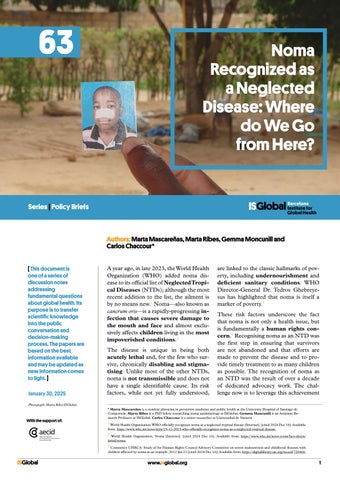
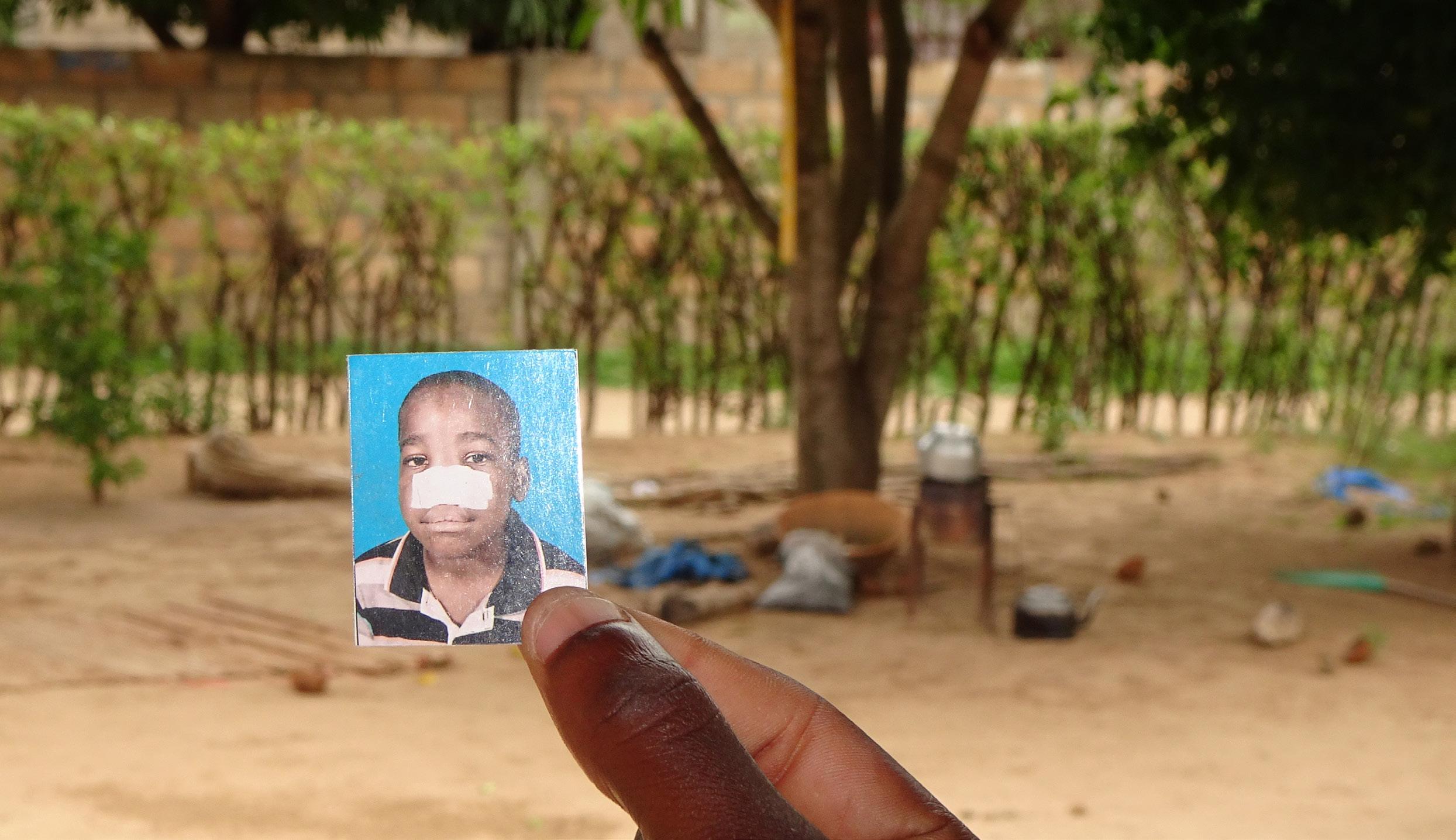
Photograph: Marta Ribes/ISGlobal
A year ago, in late 2023, the World Health Organization (WHO) added noma disease to its official list of Neglected Tropical Diseases (NTDs); although the most recent addition to the list, the ailment is by no means new.1 Noma—also known as cancrum oris—is a rapidly-progressing infection that causes severe damage to the mouth and face and almost exclusively affects children living in the most impoverished conditions 2
The disease is unique in being both acutely lethal and, for the few who survive, chronically disabling and stigmatising. Unlike most of the other NTDs, noma is not transmissible and does not have a single identifiable cause. Its risk factors, while not yet fully understood,
are linked to the classic hallmarks of poverty, including undernourishment and deficient sanitary conditions. WHO Director-General Dr. Tedros Ghebreyesus has highlighted that noma is itself a marker of poverty.1
These risk factors underscore the fact that noma is not only a health issue, but is fundamentally a human rights concern 3 Recognising noma as an NTD was the first step in ensuring that survivors are not abandoned and that efforts are made to prevent the disease and to provide timely treatment to as many children as possible. The recognition of noma as an NTD was the result of over a decade of dedicated advocacy work. The challenge now is to leverage this achievement
* Marta Mascareñas is a resident physician in preventive medicine and public health at the University Hospital of
de Compostela.
is a PhD
researching noma epidemiology at ISGlobal.
is an Assistant Research Professor at ISGlobal. Carlos Chaccour is a senior researcher at Universidad de Navarra.
1 World Health Organization. WHO officially recognizes noma as a neglected tropical disease [Internet]. [cited 2024 Dec 16]. Available from: https://www.who.int/news/item/15-12-2023-who-officially-recognizes-noma-as-a-neglected-tropical-disease
2 World Health Organization. Noma [Internet]. [cited 2024 Dec 16]. Available from: https://www.who.int/news-room/fact-sheets/ detail/noma
3 Committee UHRCA. Study of the Human Rights Council Advisory Committee on severe malnutrition and childhood diseases with children affected by noma as an example. 2012 Jan 23 [cited 2024 Dec 16]; Available from: https://digitallibrary.un.org/record/720466
Authors: Marta Mascareñas, Marta Ribes, Gemma Moncunill and Carlos Chaccour*
Santiago
Marta Ribes
fellow
Gemma Moncunill
“Why necrotising gingivitis progresses to noma in some patients and why this progression is more common in children is still a mystery.”
and to achieve lasting change. The aim of this paper is to enumerate the tasks that must be undertaken to fight noma and to
propose a roadmap for a comprehensive and effective approach to this challenge.
The (Un)known Facts About Noma
One of the main objectives of noma activists and researchers is to accurately measure and update the global burden of the disease. The WHO continues to rely on estimates from almost three decades ago: data from a 1998 report showing that 140,000 children—mostly aged between 2 and 6 years old—develop noma annually and that 770,000 people are living with its longterm sequelae. These statistics are of limited use, not only because they are outdated but also because of the poor quality of the underlying data. Due to the rapid progression and lethal nature of the disease and the deprived settings where it is most likely to occur, many noma patients never reach a hospital and are therefore never included in health reports or research studies.4
A recent systematic review tried to shed some light by compiling up-to-date statistics on the incidence and prevalence of noma and the most recent cases reported by country.5 Not only was the available evidence scarce, with fewer than ten epidemiological studies in the literature, it was, in general, based on low-quality methodology. Results varied widely and comparisons between studies were difficult because the authors used different definitions of noma and focused on different stages of the disease. That review did, however, confirm that it is likely that noma is much more widespread globally than previously reported. Due to targeted detection programmes, disproportionately more cases of the disease are documented in West
Actor The Noma Project, GESNOMA Sentinelles, Hilfsaktion
Actor La chaîne de l’espoir
Actor Hilfsaktion Noma e.V.
Actor Hilfsaktion Noma e.V.
Actor The Noma Project
Sentinelles, Hilfsaktion La chaîne de l’espoir
Actor MSF MSF, Hilfsaktion Research
Actor Noma Initiative
Ethiopia Noma Initiative
Ethiopia
Actor ISGlobal
Source: ISGlobal. This map presents a non-exhaustive list of organizations and research efforts.We sincerely apologize for any omissions.
4 Unit WHO. Noma today: a public health problem? : report of an expert consultation organized by the Oral Health Unit of the World Health Organization using the Delphi method. 1998 [cited 2024 Dec 16]; Available from: https://iris.who.int/handle/10665/63908
5 Galli A, Brugger C, Fürst T, Monnier N, Winkler MS, Steinmann P. Prevalence, incidence, and reported global distribution of noma: a systematic literature review. Lancet Infect Dis. 2022 Aug 1;22(8):e221–30.
Figure 1. Main Countries with Current NGO Activities and Past and Present Research Efforts on Noma.
Actor Health Frontiers Laos
and East Africa—the so-called Noma Belt. However, cases of noma have also been reported in other regions, particularly Southeast Asia but also Latin America.
The risk factors for noma and its causes are also not fully elucidated. The aetiology is usually explained as a combination of (i) malnourishment, (ii) poor oral hygiene and (iii) an altered oral microbiota. These factors, in conjunction with concurrent diseases, such as measles or malaria, interact and mutually reinforce each other, setting the scenario for a weakened immune system in which an acute necrotising gingivitis rapidly progresses to oral necrosis that affects soft tissue, muscle and bone, finally resulting in noma.6 A study in Niger that compared social, nutritional and biological markers in children with and without noma, supports the hypothesis that noma can be explained by social factors.7 The surgeon and historian K.W. Marck made the following point: “Noma did not disappear from Europe with the arrival of antibiotics, but when even the poorest families had enough to feed their children” In adults, a weakened immune system appears to play a bigger role in the development of noma. Most adult cases occur in patients who are immunosuppressed due to HIV infection. Cases of noma in adults still occur in high-income countries.8 Similarly, acute necrotising gingivitis, a condition that precedes noma, is almost only observed in young adults in these countries. Why necrotising gingivitis progresses to noma in some patients and why this progression is more common in children is still a mystery.
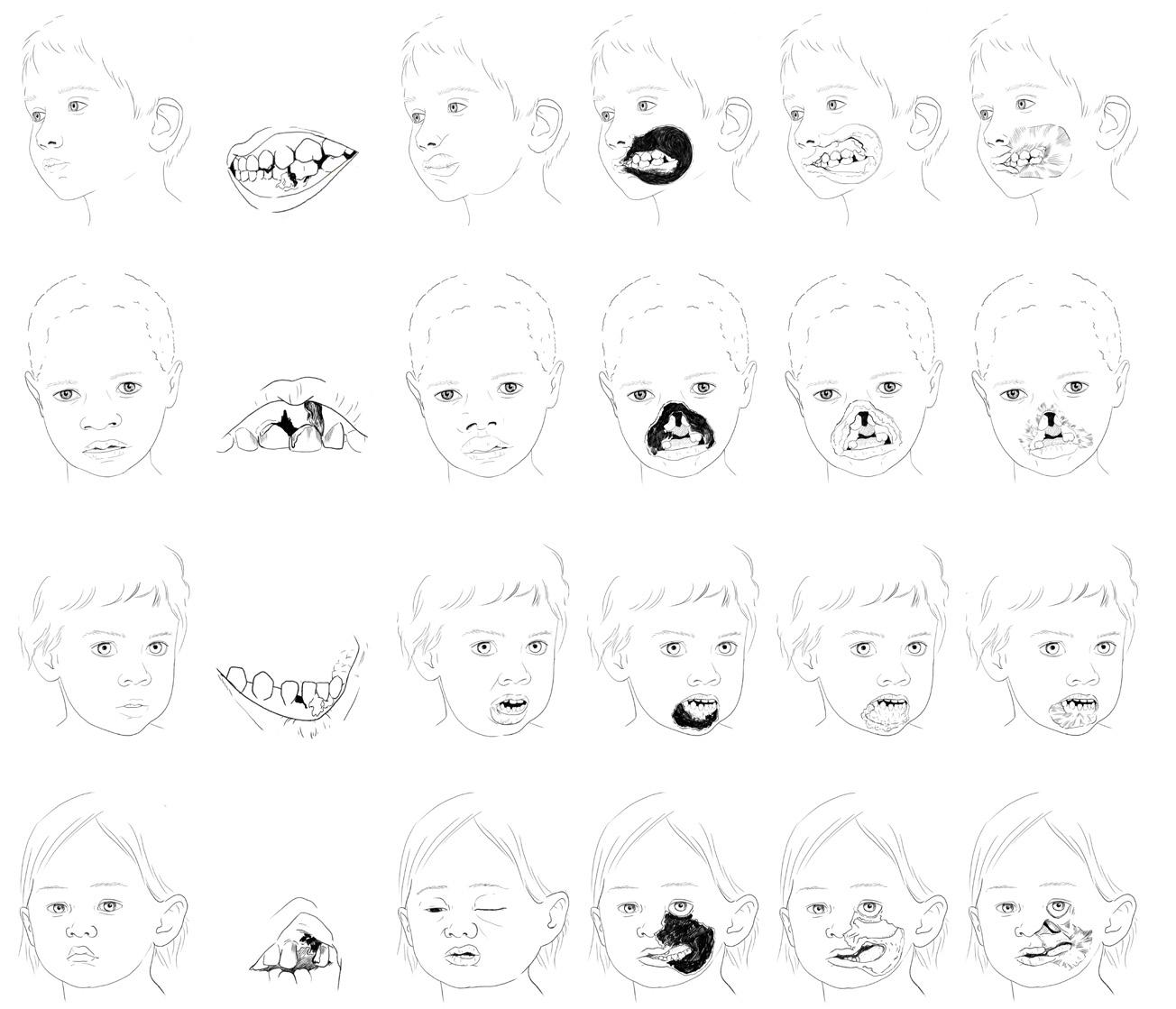
As noted above, one of the obstacles to successful research on noma is the diversity of the definitions and stages used in studies to date. WHO uses a stage classification (0-5) that includes clinical presentations that are precursors to noma but not exclusive to the disease. Some experts have called for a simplified staging system9 and a more comprehensive definition incorporating cultural components, such as local names for the disease and its symptoms.5 WHO staging is, however, useful for describing the natural history of the disease and it does help to identify the problem in the more generic but treatable stages (see Table 1). When noma is not treated, mortality is believed to be around 70%-90%. 10 When appropriate treatment is given, mortality rates decrease notably, even in the acute life-threatening stages. This belief is borne out by the results of the study in Niger mentioned above: of the 82 acute cases in children under 12 years, only seven (8.5%) died.7 Mortality could be even lower if children were referred for medical care in the earlier stages of the disease. Families of noma patients often seek help first from traditional healers, thereby delaying access to life-saving antibiotic treatment.11,12 This behaviour also increases the risk of the patient being exposed to harmful traditional remedies, including hot irons, caustic agents and acids.13 Unlike the case of other NTDs, for which new drugs need to be developed, the main limitation in noma is lack of access to timely quality care.
6 Feller L, Khammissa RAG, Altini M, Lemmer J. Noma (cancrum oris): An unresolved global challenge. Periodontol 2000. 2019;80(1):189–99.
7 Baratti-Mayer D, Gayet-Ageron A, Hugonnet S, François P, Pittet-Cuenod B, Huyghe A, et al. Risk factors for noma disease: a 6-year, prospective, matched case-control study in Niger. Lancet Glob Health. 2013 Aug 1;1(2):e87–96.
8 Maley A, Desai M, Parker S. Noma: A disease of poverty presenting at an urban hospital in the United States. JAAD Case Rep. 2015 Jan 1;1(1):18–20.
9 Khammissa RAG, Lemmer J, Feller L. Noma staging: a review. Trop Med Health. 2022 Jun 13;50:40.
10 World Health Organization. Promoting Oral Health in Africa: prevention and control of oral diseases and noma as part of essential noncommunicable disease interventions [Internet]. [cited 2024 Dec 16]. Available from: https://www.who.int/publications/i/item/9789290232971
11 Swiss Network for International Studies. Noma, The Neglected Disease. An Interdisciplinary Exploration of Its Realities, Burden, and Framing | Swiss Network for International Studies [Internet]. [cited 2024 Dec 16]. Available from: https://snis.ch/projects/noma-the-neglected-disease-an-interdisciplinary-exploration-of-its-realities-burden-and-framing/
12 Farley E, Bala HM, Lenglet A, Mehta U, Abubakar N, Samuel J, et al. ‘I treat it but I don’t know what this disease is’: a qualitative study on noma (cancrum oris) and traditional healing in northwest Nigeria. Int Health. 2020 Jan 1;12(1):28–35.
13 Burki T. Facing noma. Lancet Infect Dis. 2016 Nov 1;16(11):1231.
WARNING SIGNAL Simple gingivitis
Type I affecting the commissure and cheek
Type II affecting the upper lip and nose
Type III affecting the lower lip and chin
Type IV extensive facial defects involving large bone destruction
• Oral antibiotics: amoxicillin-clavulanic or ampicillin, and metronidazole
• Mouthwash with chlorhexidine 0,2%, 10 ml 3 times daily
• Nutritional supplements
Oedema (acute noma) stage
Gangrenous stage
Acute necrotising gingivitis stage WARNING SIGNAL Simple gingivitis Sequelae stage
• IV antibiotics: amoxicillin-clavulanic or ampicillin, metronidazole and gentamycin
• Mouthwash with chlorhexidine 0,2%, 10 ml 3 times daily
• Nutritional supplements
• IV antibiotics: amoxicillin-clavulanic or ampicillin, metronidazole and gentamycin
• Mouthwash with chlorhexidine 0,2%, 10 ml 3 times daily
• IM ketamine for treatment of lesions and for dressing
• Nutritional support
• Physiotherapy Scarring stage
• Removal of all the scabs and exeresis of necrotic tissue
• IM ketamine for treatment of lesions and for dressing
• Physiotherapy
• Reconstructive surgery
Source: World Health Organization, Regional Office for Africa. Information brochure for early detection and management of noma [Internet].[cited 2024 Dec 16]. Available from: https://www.afro.who. int/publications/information-brochure-early-detection-and-management-noma
Drawings by Chloé Fournier / Inediz. Figure adapted by ISGlobal.
“Lack
of knowledge and misinformation about the disease is one of the primary factors contributing to the social problems faced by patients with noma.”
2.
Noma Survivors: Facing Disability and Stigma
Even if a child survives the acute phase of noma, the sequelae will persist throughout their lives. Severe facial disfigurement caused by the tissue destruction results in highly disabling functional problems, including difficulty eating and communicating, drooling and even vision loss, as well as scarring and social stigma. The aim of surgery is to correct these impairments, but positive outcomes are not guaranteed.14 Besides, patients may have to wait years for surgery, as
shown in a study in Ethiopia that reported a median waiting time of 18 years in that country.15 Moreover, surgery may not be available at all in some countries, such as Mozambique, a country with a population of 32 million people that has only three plastic surgeons and 14 maxillofacial surgeons—the key specialists who would need further specialised training to perform the complex procedures required to help these patients.
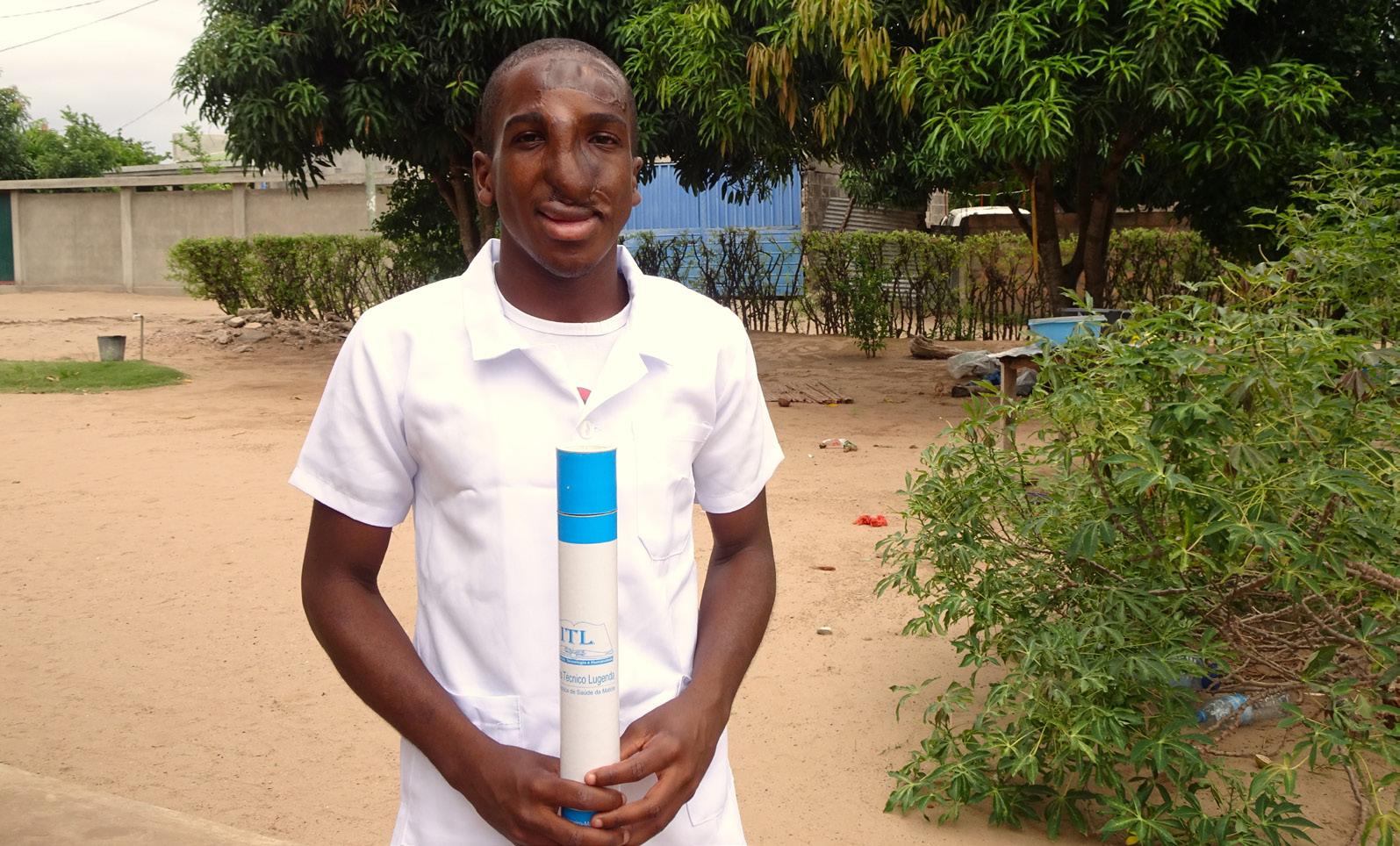
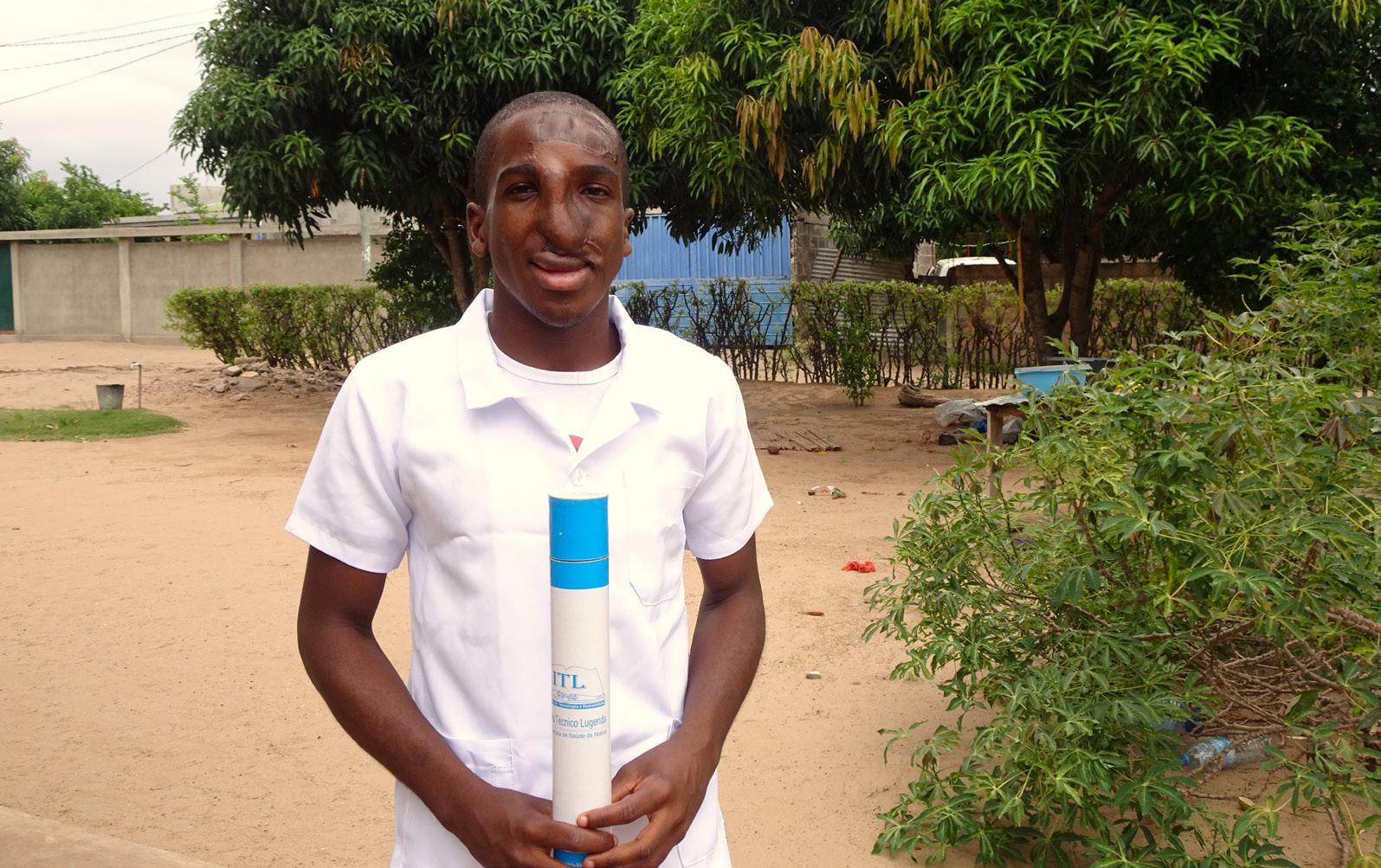
“After I got the disease, my head was spinning; all my dreams had been snuffed out. I did not know then that surgery was a possibility. I looked at my face without a nose and I couldn’t imagine how I could continue to have any dreams. I felt that there was no way out. [...]. After the surgery I started to go out again, to talk to other people, and to dream again. And I saw myself as someone who could do anything. So I decided to study nursing. I wanted to give back what I had received.”
Valter Muendane turned eleven in hospital, where he was admitted for noma, although at the time no one could put a name to the disease. His mother brought him to the hospital after several days of severe fever and pain. The surgical reconstruction he needed was not available in Mozambique so he travelled to Ethiopia, where he was operated during a surgical campaign supported by the NGO Facing Africa.
14
15
2021 Aug 1;11(8):e046303.
Speiser S, Langridge B, Birkl MM, Kubiena H, Rodgers W. Update on Noma: systematic review on classification, outcomes and follow-up of patients undergoing reconstructive surgery after Noma disease. BMJ Open.
Rickart AJ, Rodgers W, Mizen K, Merrick G, Wilson P, Nishikawa H, et al. Facing Africa: Describing Noma in Ethiopia. Am J Trop Med Hyg. 2020 Aug;103(2):613–8.
Box 1. Valter Muendane’s Testimony.
Photograph: Marta Ribes/ISGlobal
In addition to dealing with their disability, patients with noma face serious psychological and social challenges. The authors of a qualitative study in Burkina Faso collected data on stigmatising experiences.16 Some of the survivors described themselves as the village pariah and explained that they were unable to find a life partner due to social rejection. Lack of knowledge and misinformation about the disease is one of the primary factors contributing to the social problems faced by patients with noma. For instance, many people believe that the disease is contagious or that it is the result of a
spell or curse placed on the child, leading in some cases to the complete isolation of affected children. The most serious consequence of social stigma is suicidal ideation, observed in some of these patients.16 In an Ethiopian study on the consequences of social stigma, 71% percent of the patients interviewed had experienced bullying because of their appearance, 65% covered their faces in public, 36% had difficulty communicating, and 15% were not even capable of going out in public.15
While the intangible costs of noma—those related to pain and suffering—have never been calculated, the economic implications of the disease have been estimated in some of the countries affected.
In Niger and Burkina Faso, countries where action on noma has been ongoing for some time, direct costs—including treatments, physiotherapy and hospitalisation—have been estimated at around US$ 30 million per year. It is worth noting that most of these costs are derived from care provided abroad. Indirect costs arising from the loss of production due to the premature deaths of noma victims have been estimated at around US$3 billion in both countries. While these figures are extremely high, they are probably underestimated as the costs of traditional medicine and funerals have not been included.
These figures highlight the immense financial strain noma places on both individuals and health systems. The reality is that in many affected countries, households bear the majority of health expenditures. This financial burden discourages families from seeking timely medical attention and, when services are accessed, the cost is often catastrophic, plunging families deeper into poverty. For this reason, and because the disease requires highly specialised surgical treatment, many noma patients and survivors have to rely on the support of foreign-aid agencies. Nationally led and funded health systems with noma-related interventions are essential to reduce the burden of the disease and its associated costs for families and for society as a whole.
Source: Mpinga EK, Srour ML, Moussa MSA, Dupuis M, Kagoné M, Grema MSM, et al. Economic and Social Costs of Noma: Design and Application of an Estimation Model to Niger and Burkina Faso. Trop Med Infect Dis. 2022 Jul;7(7):119.
16 Kagoné M, Mpinga EK, Dupuis M, Moussa-Pham MSA, Srour ML, Grema MSM, et al. Noma: Experiences of Survivors, Opinion Leaders and Healthcare Professionals in Burkina Faso. Trop Med Infect Dis. 2022 Jul;7(7):142.
Box 2. The Economic Cost of Noma.
“In the past, NGOs have been the main actors providing surgical care for survivors with flying international teams of surgeons.”
3.
Existing Initiatives Against Noma
Despite existing since antiquity, noma is still today unknown to most health professionals and even senior global health researchers. In the past, NGOs have been the main actors providing surgical care for survivors with flying international teams of surgeons.
More recently, several organisations have launched initiatives focused on education and prevention, established noma-specialised clinics to provide comprehensive treatment and management, and started to provide long-term psychological and social support for survivors.
One such initiative is Sentinelles, an organisation that has been working in Burkina Faso and Niger for over three decades, providing care to almost 2,000 affected individuals through medical activities and aftercare designed to ensure their social and educational integration.17
Hilfsaktion Noma e.V., a German NGO, has also been playing a key role in the fight against noma by financing a WHO Regional Noma Control Programme and implementing initiatives on noma prevention and the treatment and psychosocial support of patients, either directly or in cooperation with the Ministries of Health in Guinea Bissau, Niger, Nigeria and Senegal. They currently have plans to expand this work to include Mozambique and Ethiopia. A year ago, the organisation opened the Noma Centre, a specialised hospital in Abuja equipped with the most up-to-date techniques for acute and surgical care of patients with noma.18
Médecins Sans Frontières has also been a key actor during the past decade, supporting the Sokoto Noma Children Hospital
since 2014 and contributing to the campaign to include noma in the NTDs list.19
In 2022, Mulikat Okanlawon and Fidel Strub, two people affected by the disease at a young age, founded Elysium, the first association of noma survivors. Their efforts have been crucial in the drive to get WHO to recognise noma as an NTD. Elysium focuses on supporting survivors, empowering them, networking for mutual aid, raising awareness, promoting a holistic approach, and recognising the importance of including survivors in all initiatives.20
In an attempt to ensure a coordinated effort, WHO Africa launched the Regional Noma Control Programme in 2001. Although this programme has served to establish national control plans in some of the priority countries, major gaps still hinder its effective implementation. An external evaluation highlighted, among other recommendations, the need for a new impact framework and improved surveillance systems. 21 WHO Africa has also integrated noma into its Regional Oral Health Strategy. In its last progress report, monitoring deficiencies have also been noted, as only nine of the 17 Member States are tracking their progress.22 The same report focused attention on how the lack of resources and political commitment is hindering the acceleration of the oral health agenda.
In this setting, joint initiatives involving government and non-governmental stakeholders are still essential. The Noma Echoes project, a partnership between ISGlobal, the government of Mozambique and the University of Navarra, is working to raise awareness, provide treatment and generate evidence in the country’s Zambezia prov-
17 Sentinelles [Internet]. [cited 2024 Dec 16]. Our Programmes. Available from: https://www.sentinelles.org/en/our-work/our-programmes/
18 International Noma Network: Webinar 6 (June 25, 2024) feat. Petra Raschkewitz & Dr.Yuka Makino [Internet]. 2024 [cited 2024 Dec 16]. Available from: https://www.youtube. com/watch?v=1HrAW0opCJc
19 Médecins Sans Frontières. Noma – a neglected disease [Internet]. [cited 2024 Dec 16]. Available from: https://noma.msf.org/
20 Elysium Noma Survivors Association [Internet]. [cited 2024 Dec 16]. What we do. Available from: https://www.elysium-nsa.org/what-we-do
21 Intercountry workshop on the Regional Noma Control Programme, Abuja, Nigeria, 20-22 November 2019 | WHO | Regional Office for Africa [Internet]. [cited 2024 Dec 16]. Available from: https://www.afro.who.int/publications/intercountry-workshop-regional-noma-control-programme-abuja-nigeria-20-22-november
22 Regional Committee for Africa 72. Progress report on the regional oral health strategy 2016–2025: addressing oral diseases as part of noncommunicable diseases: information document. 2022 [cited 2024 Dec 16]; Available from: https://iris.who.int/handle/10665/363454
“The fight against this tragically neglected disease will primarily benefit from leveraging and being integrated into broader, horizontal programmes that address its interconnected challenges in a coordinated manner. However, targeted interventions are also essential.”
ince. That project provided the first empirical evidence of the presence of noma cases in Mozambique. Following a methodology inspired by W. Foege’s smallpox eradication campaign in India, posters depicting people with noma sequelae were used to identify potential informants of noma survivors living in the area. This active case finding approach, combined with passive case finding of acute noma cases in the reference hospital, proved effective. Within five weeks, we met 21 noma survivors and two children with acute noma. The ease of finding noma survivors surprised us, revealing a higher prevalence than expected.23
Research on noma remains very limited and most publications are case reports rather than analytical studies.24 To date, no dedicated research group exists to
comprehensively study this disease. Over the past decade, epidemiological and social science research has largely been driven by operational research studies by Médecins Sans Frontières in Northwest Nigeria and by the University of Geneva, the Swiss TPH and the University of York through The Noma Project.25 More recently, King’s College London and the Liverpool School of Tropical Medicine have started projects to study the microbiology of the disease.26,27 These efforts have been significantly strengthened by partnerships with various NGOs, which contribute established expertise and infrastructure, enabling researchers to conduct their studies efficiently and also to link study participants to care.
Tackling Noma: Recommendations for a Meaningful Action Plan
Noma’s devastating impact is the result of a complex interplay of multiple factors, including underlying social inequities, such as food insecurity, inadequate sanitation and limited access to healthcare and education. The fight against this tragically neglected disease will primarily benefit from leveraging and being integrated into broader, horizontal programmes that address these interconnected challenges in a coordinated manner. However, targeted interventions are also essential to lead the way and track progress. In this context, we offer some recommendations and outline the key next steps that have been identified to ensure that noma is no longer neglected.
23 Noma Echoes Project [Internet]. [cited 2024 Dec 16]. Available from: https://www.noma-echoes.com
Establish a coordination platform mechanism to facilitate communication between key stakeholders in noma. As noma is a neglected disease, resources are scarce, making the effectiveness of those available a high priority. Facilitating dialogue and collaboration between the NTDs Technical Group, Noma and Oral Health Regional groups, and other actors—including survivors, NGOs, academia and the private sector—will create a unified framework of action to coordinate efforts and to catalyse impact. A joint force can also boost funding for noma-related activities as it will leverage the influence of all of the stakeholders.
24 Farley E, Mehta U, Srour ML, Lenglet A. Noma (cancrum oris): A scoping literature review of a neglected disease (1843 to 2021). PLoS Negl Trop Dis. 2021 Dec 14;15(12):e0009844.
25 The Noma Project [Internet]. [cited 2024 Dec 16]. The Noma Project. Available from: https://thenomaproject.org
26 International Noma Network: Webinar 4 (Apr. 30, 2024) feat. Ifeanyi Joshua Uzochukwu [Internet]. 2024 [cited 2024 Dec 16]. Available from: https://www.youtube.com/ watch?v=b6APsdhYOVo
27 Noma deep metagenome sequencing- an investigation of ... – ReMIT [Internet]. [cited 2024 Dec 16]. Available from: https://remit.msf.org/studies/992
www.isglobal.org
Similar mechanisms exist for other NTDs, such as the Global Partnership for Zero Leprosy, which brings together local partners, WHO and private companies to mobilise resources, establish a research agenda and implement country eradication plans.28 Chagas disease is another inspiring example (see Box 3).
Continue and reinforce scientific research on noma.
Beyond advancing epidemiological and social understanding, research efforts are also needed to establish methodological standards to enhance the utility and comparability of research. Accurate reporting of noma’s stages is a key priority, as is the development and validation of tools to measure surgical and treatment outcomes effectively. 14
Develop appropriate indicators to track progress.
Besides the specific indicators of the Regional Noma Control Programme, global indicators to monitor progress, such as those created in the road map for NTDs 2021-2030, are still pending.29 At the moment, key indicators could include the following:
• Number of countries at risk that have mapped noma burden.
If no exhaustive investigation can be conducted, rapid assessments of routine medical information from referral hospitals can provide the first hints of presence of noma.
• Number of countries having implemented a surveillance system and reporting periodically to WHO.
• Number and proportion of identified cases in each stage of noma
The goal is to increase the proportion of acute cases (stages 1 and 2) identified and admitted for treatment compared to survivors presenting with later-stage complications. Among acute cases, the target is to maximise admissions at reversible stages (stages 1 and 2)
while minimising those at irreversible stages (stages 3 and 4). This reflects an emphasis on early detection and intervention to improve patient outcomes and reduce longterm morbidity.
• Number and percentage receiving reconstructive surgery among those in need (stage 4 and 5).
• Average wait time before assessment by a reconstructive surgeon. Some children may not be eligible for surgery until they are older due to tissue growth.
• Number and percentage of survivors receiving psychosocial support.
• Number and percentage of survivors achieving formal education.
Involve oral health specialists in noma initiatives.
Dentists have demonstrated their value as public health advocates in the fight against health threats such as oral cancer, caries and tobacco use. In Senegal, the management of noma programmes by oral health specialists has fostered integration and ownership.30 Moreover, these professionals bring essential scientific expertise which, combined with support from international professional societies, can drive initiatives in oral health education, capacity building, and telemedicine-based diagnostics and management.
Integrate and train local health actors in noma prevention and early management.
Grassroots workers, including community health workers, traditional healers and local civil society organisations are at the centre of Universal Health Coverage. These groups are deeply embedded in the most neglected and hard-to-reach communities, earning their trust and fostering meaningful engagement. Despite their potential, these programmes face several barriers that hinder their implementation and sustainability, including low funding and high
28 Global Partnership for Zero Leprosy - Global Partnership for Zero Leprosy [Internet]. [cited 2024 Dec 16]. Available from: https://zeroleprosy.org/
29 Ending the neglect to attain the Sustainable Development Goals: A road map for neglected tropical diseases 2021–2030 [Internet]. [cited 2024 Dec 16]. Available from: https:// www.who.int/publications/i/item/9789240010352
30 Evaluation of the WHO Africa Regional Programme on Noma Control (2013 - 2017) | WHO | Regional Office for Africa [Internet]. [cited 2024 Dec 16]. Available from: https://www.afro.who.int/publications/evaluation-who-africa-regional-programme-noma-control-2013-2017
dependency on external aid. To address these challenges, noma stakeholders can explore strategic alliances with governments and other health and development sectors—such as nutrition, immunisation and WASH (water, sanitation and hygiene)—which already use these workers’ outreach potential and influence for their activities.31,32
Training local surgeons. Although surgery cannot restore the survivor’s prenoma facial appearance and full functionality, it can restore their dignity and allow them to pursue their personal development. However, the cost of surgery remains prohibitive or even unreachable for most households as many of these interventions are done abroad. The Joint European Initiative to Strengthen Medical Specialization could serve as a model for programmes aimed at expanding surgical accessibility, not only for noma but for broader surgical needs.33
Raise awareness of noma at all levels to improve the recognition and management of the disease.
Now that noma has been included in the WHO’s NTDs list, health ministries should update their policies to include it as a public health concern where necessary. At the most fundamental level, one urgent priority is to update curricula for health studies courses to include noma-related content Given the holistic approach needed for the treatment of these patients, nomarelated content should be included in the curricula for all medical and nursing studies, at both technical and university level, and in other related disciplines, such as psychology, physiotherapy and nutrition. Given the low visibility and lack of early detection of noma, outcomes can be significantly improved by raising awareness among health professionals and equipping them with knowledge about the disease.
Promote and sustain support networks for noma survivors.
Encourage the establishment and longterm maintenance of support networks for noma survivors and their families. These networks leverage the experiences of former survivors and map available resources to facilitate patients’ access to surgical care, psychosocial support, and to provide them with the tools they need to successful reintegrate into their communities.
31 Africa’s opportunity to grow Community Health Workers [Internet]. Africa CDC. [cited 2024 Dec 16]. Available from: https://africacdc.org/news-item/africas-opportunity-to-grow-community-health-workers/
32 Center For Global Development [Internet]. [cited 2024 Dec 16]. Sustainable Financing of Community Health Workers: Could Social Health Insurance be the Panacea? Available from: https://www.cgdev.org/blog/sustainable-financing-community-health-workers-could-social-health-insurance-be-panacea
33 AECID. Joint European Initiative to Strengthen the Medical Specialization in Ethiopia. [cited 2024 Dec 16]. Medical Training. Available from: https://medicaltraining.aecid. es/en/home
Box 3. The Usefulness of Coalitions in the Fight Against NTDs: The Example
of Chagas Disease.
Although Chagas has been designated a neglected disease since the inception of the NTD programme (2005), interventions were initially focused on vector control. The Chagas Coalition was established in 2012 to drive comprehensive action against the disease in recognition of the need for a more patient centred approach.
A core priority of the Coalition is to carry out advocacy and communication activities to elevate Chagas disease on the global agenda, with the aim of improving diagnostic and treatment outcomes. The coalition brings together partners like the Drugs for Neglected Diseases initiative (DNDi) and pharmaceutical companies to address gaps in therapeutic options, fostering research and development of new treatments. It also supports healthcare professionals by disseminating educational and training resources.
Data availability and quality is a challenge in the fight against Chagas disease, as is the case with noma. One notable achievement has been the creation of the Chagas Observatory. Starting with a pilot project involving a few contributing countries, this initiative is trying to end the epidemiological silence and make Chagas more visible. The observatory publishes estimates and provides a global picture of disease prevalence in the participating countries.
Source: Coalición Chagas. 2024 [cited 2024 Dec 16]. Chagas Coalition. Available from: https://coalicionchagas.org/en/home/
TO LEARN MORE
• Farley E, Mehta U, Srour ML, Lenglet A. Noma (cancrum oris): A scoping literature review of a neglected disease (1843 to 2021). PLoS Negl Trop Dis. 2021 Dec 14;15(12):e0009844.
• Claire Jeantet and Fabrice Catérini. Restoring Dignity. [cited 2024 Dec 16]. Available from: https://www.restoring-dignity.com
How to cite this document:
Mascareñas M, Ribes M, Moncunill G and Chaccour C. Noma Recognized as a Neglected Disease: Where do We Go from Here? Barcelona Institute for Global Health (ISGlobal). Series: Policy Briefs, No. 63. January 2025.