Your complete pond-building checklist
When you’re building a pond, there’s a lot to consider - but even more to get excited and creative with. This guide gives you a jumping-off point, covering everything you need to turn the pond of your dreams into a reality.
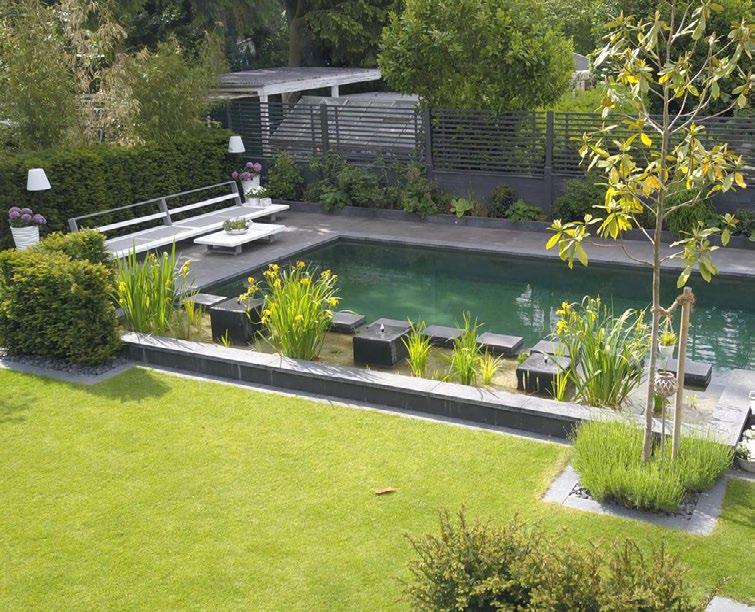
1. Style and purpose
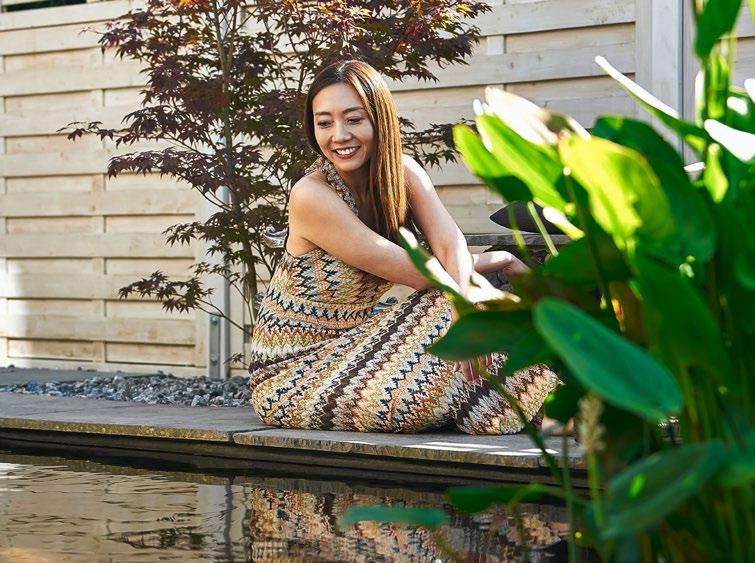
Choose what kind of pond you want. For instance:
• Koi pond - dedicated to Ornamnetal Japanese Koi (nishikigoi)
• Goldfish (or mixed fish) pond - with some planings
• Garden pond - mostly plantings, like waterlilies and lotus
• Formal pond - no fish or plantings
• Natural swimming pond - for bathing
2. Location
Where are you placing your pond? Keep in mind:
• Offsets – distance from buildings and property lines, check local codes
• Buried utilities – call 811 to mark out power, gas, cable, phone lines
• Irrigation system – relocate as needed, provide fill line for topping off
• Power source – GFCI protected, close for direct connection, no extensions
• Access – how to bring in materials, machines and remove excess soil
• Security – to ensure safety and deny entry to predators like herons
• Sun vs. Shade – 4-6 hours of early sun with afternoon shade best
• Wind – windy sites collect more debris, cool down (and heat) faster
• Esthetics and mood of your space
3. Size, shape, and depth
Consider the size and shape of your pond:
• Round, rectangular, organic curved shape, or something else?
• Dug into existing grade or set above ground level?
• Width and length
• Depth – overwintering fish requires depth below local ice/freeze line
• Stream, if any - will need proper space allocated
• Waterfalls, if any – determine the look desired
4. Permissions and regulations
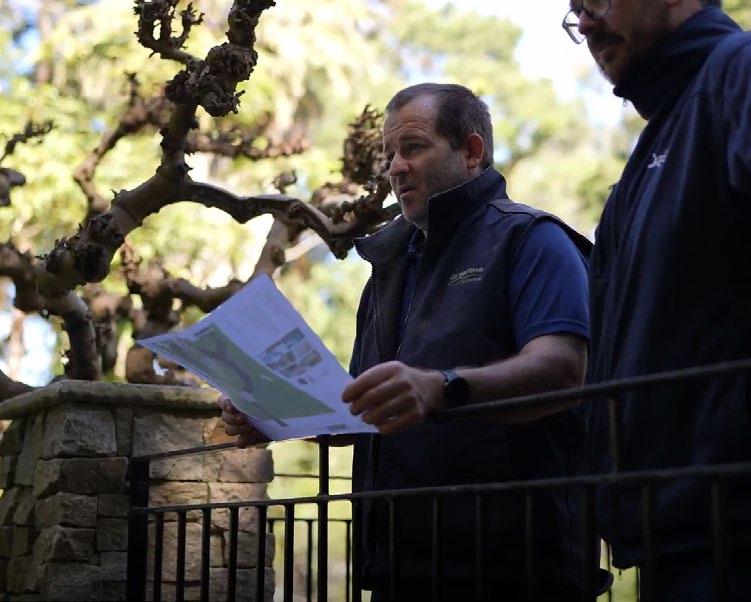
Don’t break the ground until you have any relevant documents and permissions for your location, and have marked out all utilities:
• Necessary permits
• Nature and conservation regulations
• Local neighborhood rules (e.g. HOA)
• Markout service, call 811 to schedule
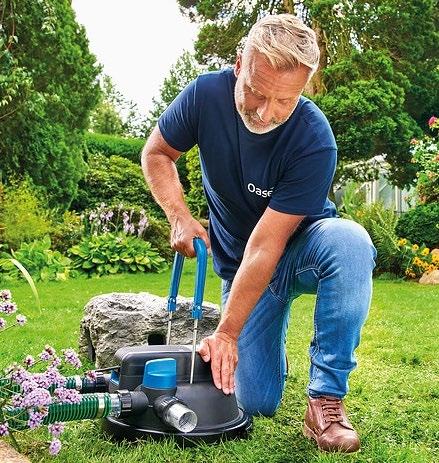
5. Filtration, pumps, and other equipment
At minimum, you will need:
• Filter
• Pump
• A power source
Optional extras:
• UV clarifier - to eliminate green water
• Aeration - to aerate and circulate
• Lighting - to enhance the water feature after dark
• Smart garden controls - for wireless control of pumps, lights and filters
6. Plants and nature
Most ponds benefit from one or more of:
• Marginal plants - grow at the pond edge in shallow water (reeds, rushes, marsh marigold)
• Floating plants - free-floating on the water surface (frogbit, water soldiers)
• Deep-water plants - rooted in the bottom with floating leaves (water lilies, water hawthorn)
• Submerged oxygenating plants – grow fully underwater (hornwort, water crowfoot)
You can also support the natural ecosystem:
• Flowers to encourage pollinators and nectar eaters
• Native species establish readily and won’t require additional water
• Year-round access to running water for wildlife, especially in freezing winters
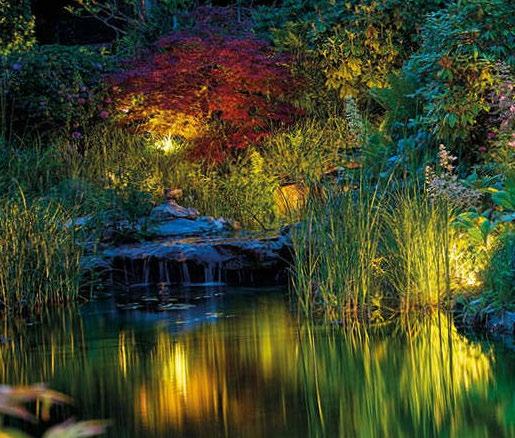
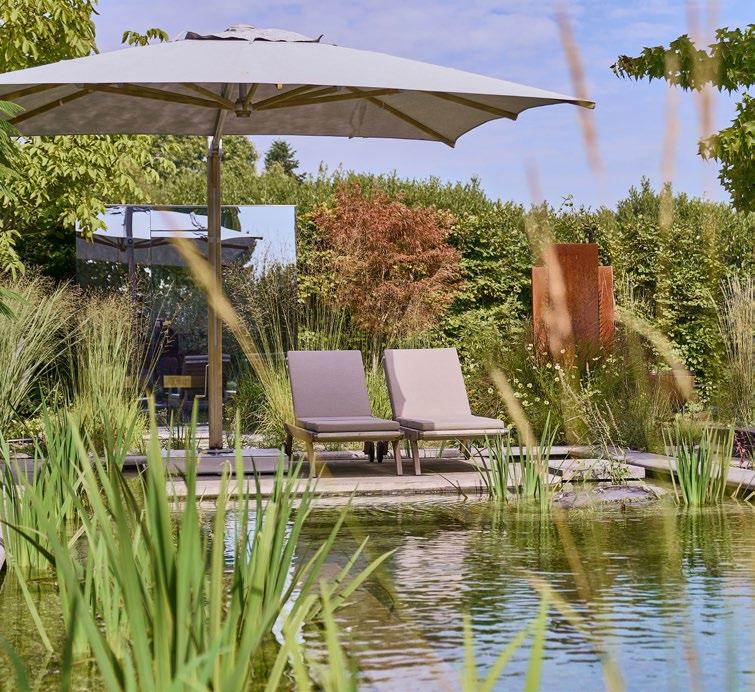
7. Decoration and lighting
You could add:
• Ornamental plants, shrubs, and flowers
• Fountains
• Water features or waterfalls
• Sculptures, ornaments or rocks
• Stepping stones and boardwalks
• Lights
8. Ongoing maintenance
Maintenance varies depending on the type of pond you choose:
• Regular water tests and treatments
• Water top-ups
• Cleaning filters regularly, changing UV bulbs annually
• Managing fish / plant health
• Maintaining features (such as waterfalls)
• Removing algae
Need a hand?
Whatever kind of pond you’re building, there are Atlantic-Oase products and guidance to get you started. If you’re ready for the next step, learn more about our pond products on our YouTube channel or let us help you find a contractor to make your dreams a reality!
For those special situations, reach out to our customer support team: customerservice@atlantic-oase.com
Follow us for more pond tips & inspiration