Perfect world for a girl Case study


I started by exploring the Gen Z consumer, as they are the primary audience for both brands I have analysed. My research focuses on Gen Z future behaviours and the wider changes within the industry that are shaping their mindsets, influencing how they perceive and engage with fashion. Gen Z consumers are driven by a strong preference for authenticity and transparency, valuing brands that communicate in a relatable, honest way and offer behind-the-scenes insight into their processes and people. They are increasingly conscious of sustainability and social responsibility, expecting brands to demonstrate genuine commitment to ethical practices and positive impact. Rather than passive consumption, Gen Z seeks active engagement, favouring brands that create meaningful two-way connections and create a sense of community. Personalisation is also key, as they want to have their say and feel involved in shaping products, experiences and brand direction. Underpinning all of this is a constant presence on social media, where Gen Z expects brands to be active, responsive and culturally relevant across platforms. Fashion for Gen Z in five years time will be defined by conscious consumption, digital innovation and strong personal identity. Sustainability will no longer be optional but expected with young consumers prioritizing durable, high-quality pieces and building capsule wardrobes rather than buying into fast-changing trends. Instead of following trends, Gen Z will focus on expressing their individuality through creative styling, often mixing new items with second-hand or vintage pieces as resale platforms continue to grow in popularity. Unisex silhouettes and more inclusive fashion will become increasingly common, reflecting a shift toward fluid self-expression. Beyond clothing, there will also be a greater emphasis on mental wellbeing and meaningful experiences, with consumers valuing brands that offer connection, purpose and authenticity over purely material products.
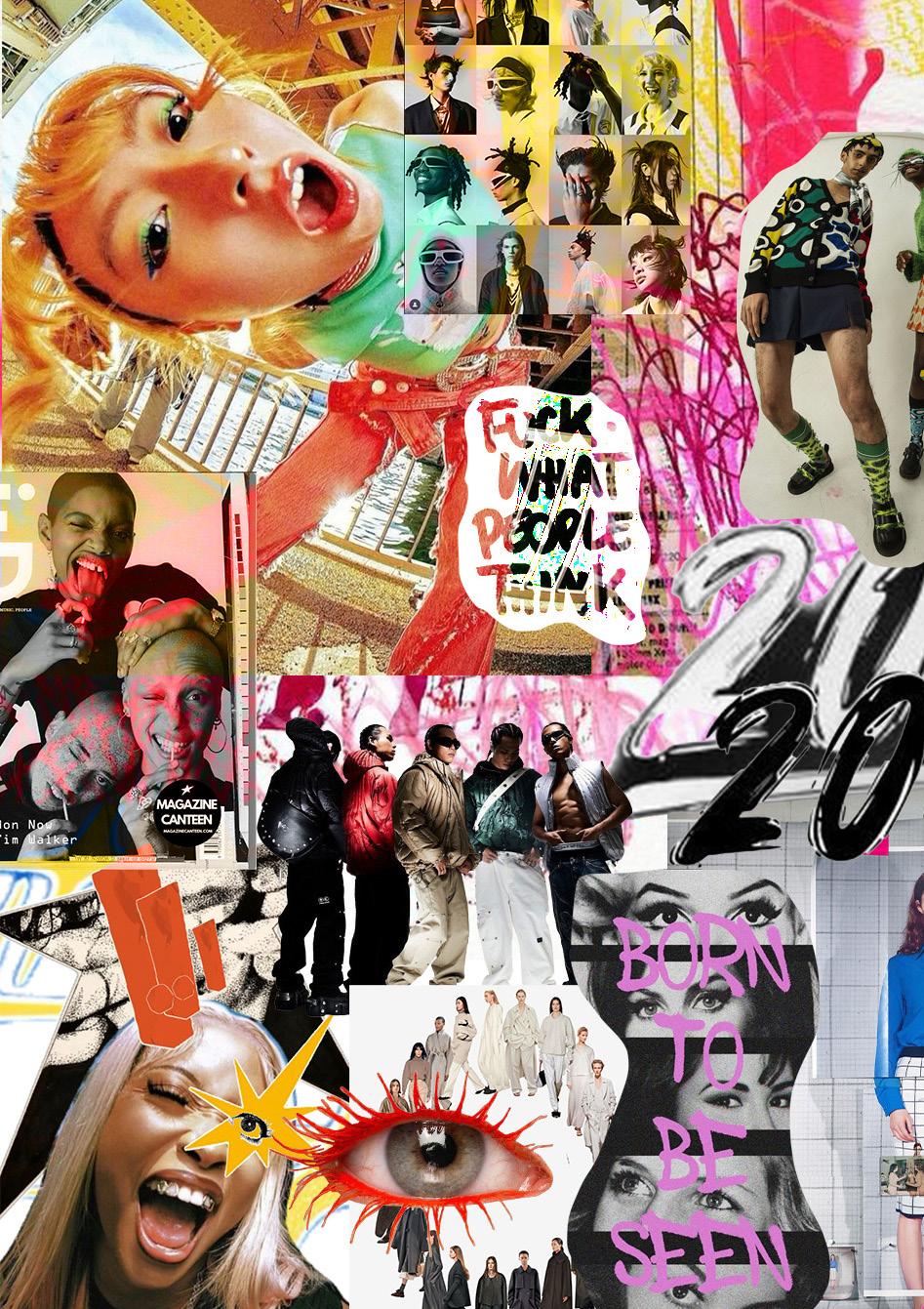
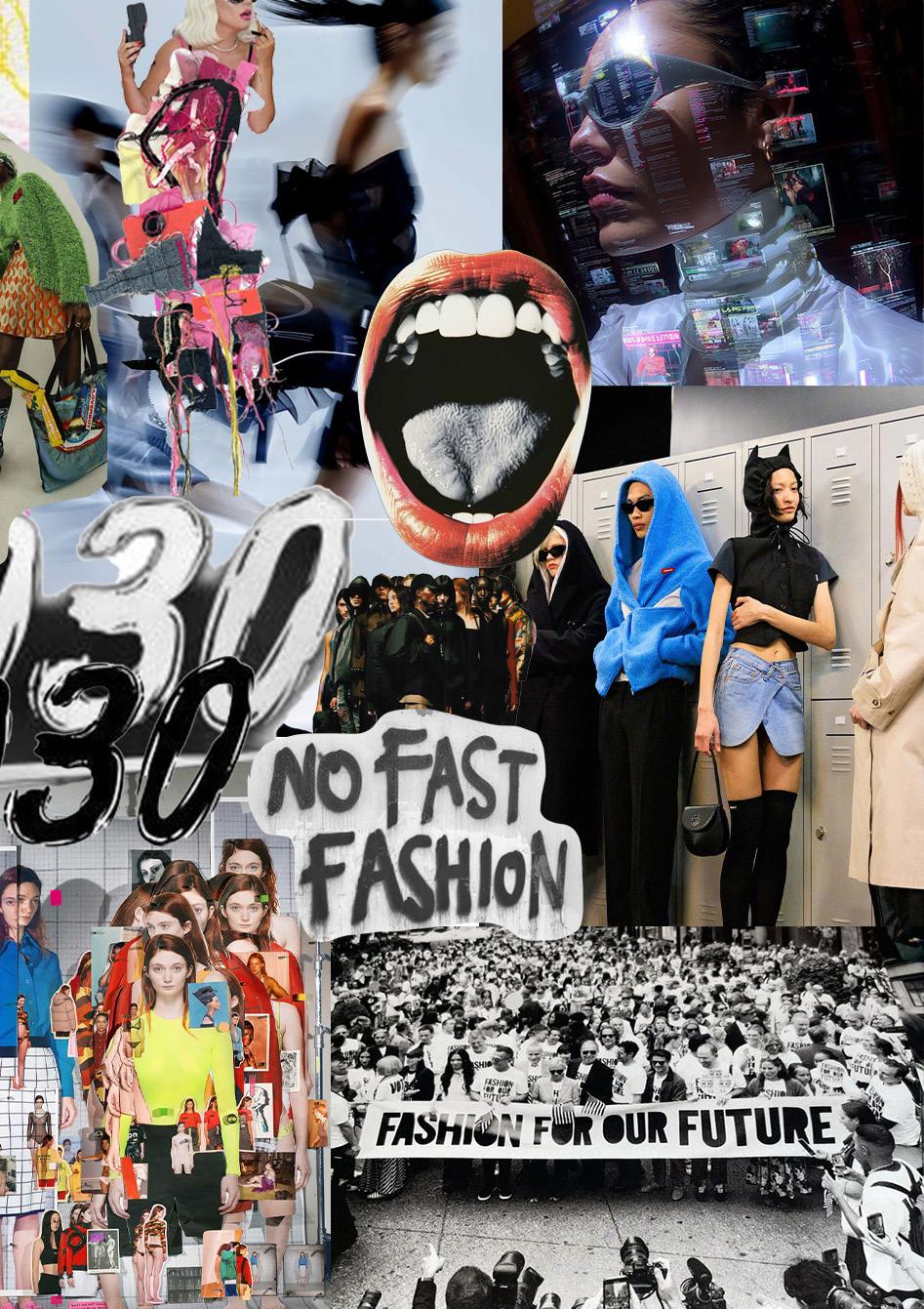
The future behaviours of Gen Z suggest a generation seeking balance, purpose and freedom from pressure in all aspects of life, extending well beyond fashion. The post-pandemic impact has left a lasting mark, shaping how they socialise, learn and view stability which contributes to increased anxiety, a reliance on digital spaces and a strong desire for emotional security. In a perfect world for Gen Z, they could live without these pressures, feeling safe and free to explore life on their own terms. Community-focused mindsets will continue to guide their choices, with inclusivity, collaboration and shared values becoming central not only in their personal lives but also in their professional environments. Hybrid living will allow them to structure their time intentionally, combining flexibility with productivity while prioritising wellbeing. Alongside this, wellness and mental health will remain core to their sense of success with Gen Z defining achievement not just through career, but by emotional fulfillment, balance and the ability to live authentically and purposefully.
I want my campaign to place a strong focus on mental health as it is a key priority for Gen Z and central to their overall wellbeing and long-term health. It’s no longer something that is kept quiet or overlooked, it’s openly discussed and recognised. By acknowledging and supporting this, the campaign can feel more relevant, responsible and aligned with the values of this generation.
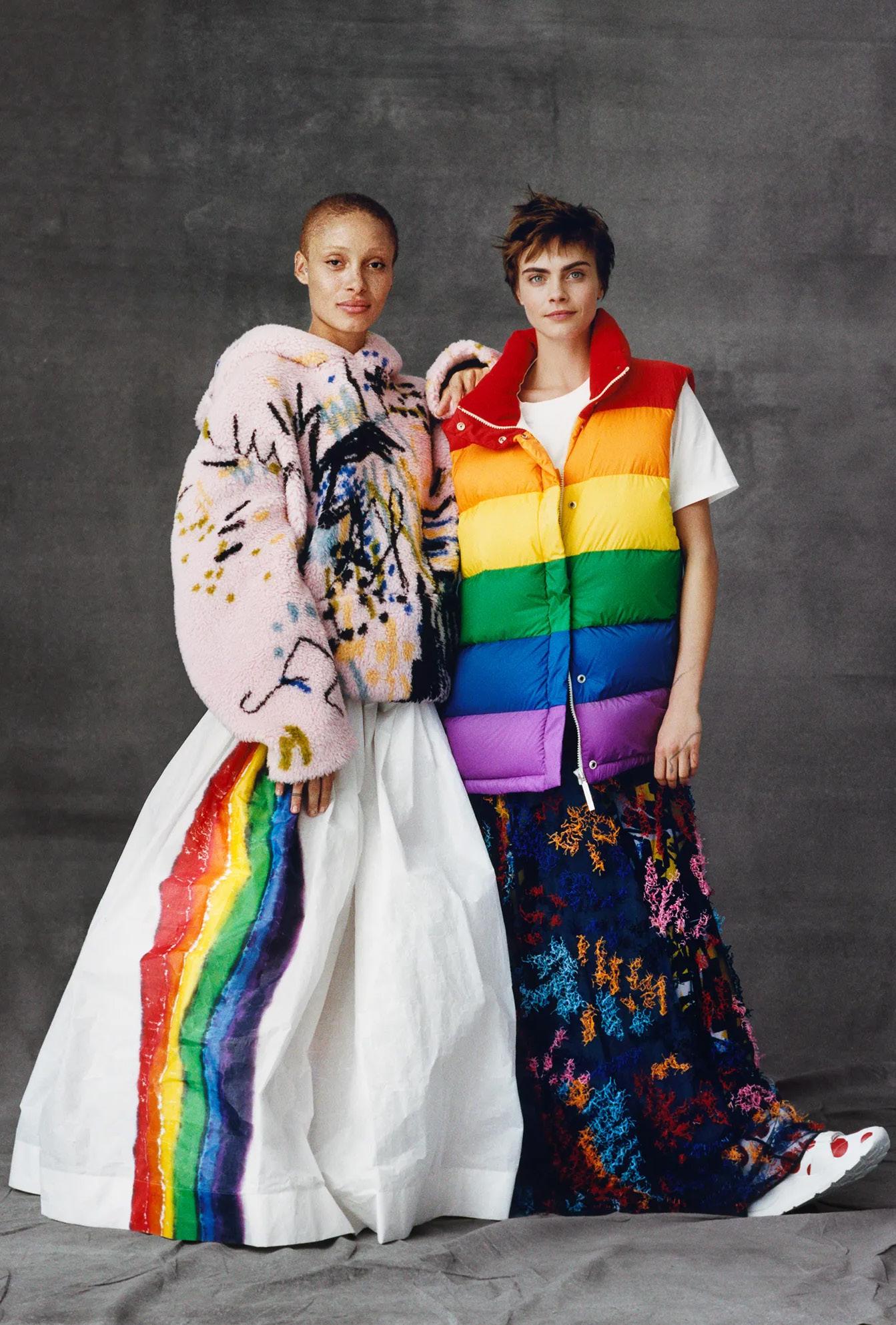
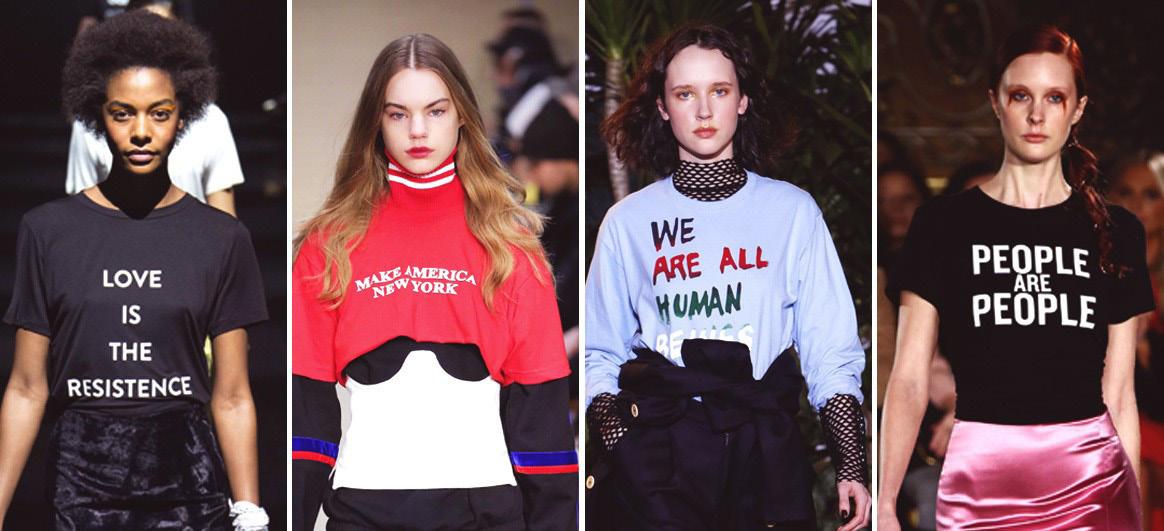
Politics and global events have a significant impact on the fashion industry today, shaping both creative direction and consumer expectations. Designers increasingly use fashion as a form of activism, expressing political and social messages through their collections and campaigns, while major events such as fashion weeks have become platforms for political expression. Many designers also draw on cultural identity and heritage to highlight issues of representation and diversity. The growing focus on sustainability reflects wider environmental and political concerns influencing how fashion is produced and consumed.
Brands are increasingly using Fashion Week as a platform to make political and social statements, demonstrating that fashion is deeply intertwined with the world around us rather than existing in isolation. This approach shows how clothing and runway shows can serve as powerful tools for commentary and activism. Experiencing this first hand in Copenhagen fashion week made me realise the influence of fashion events, they go beyond showcasing trends and aesthetics, becoming spaces where designers and communities can respond to real-world issues and inspire meaningful conversations.
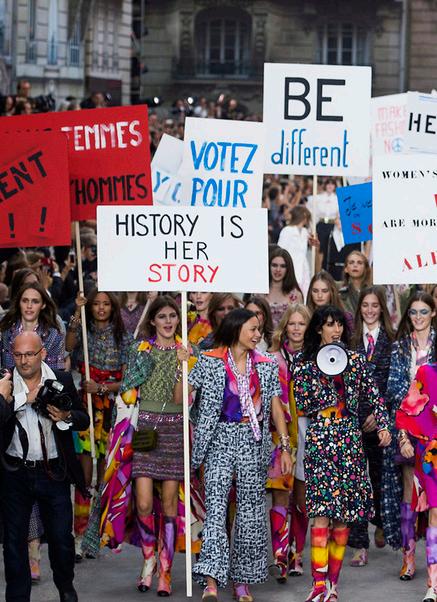
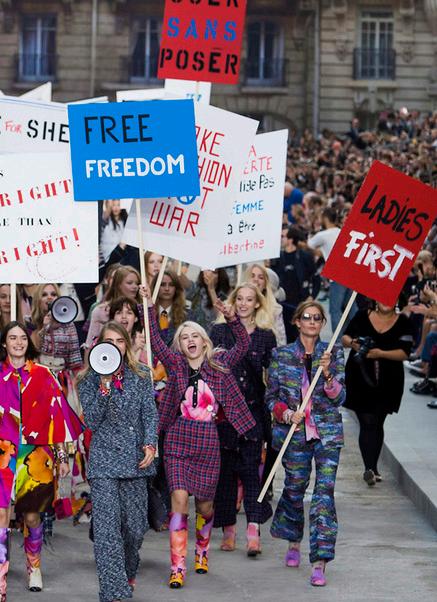
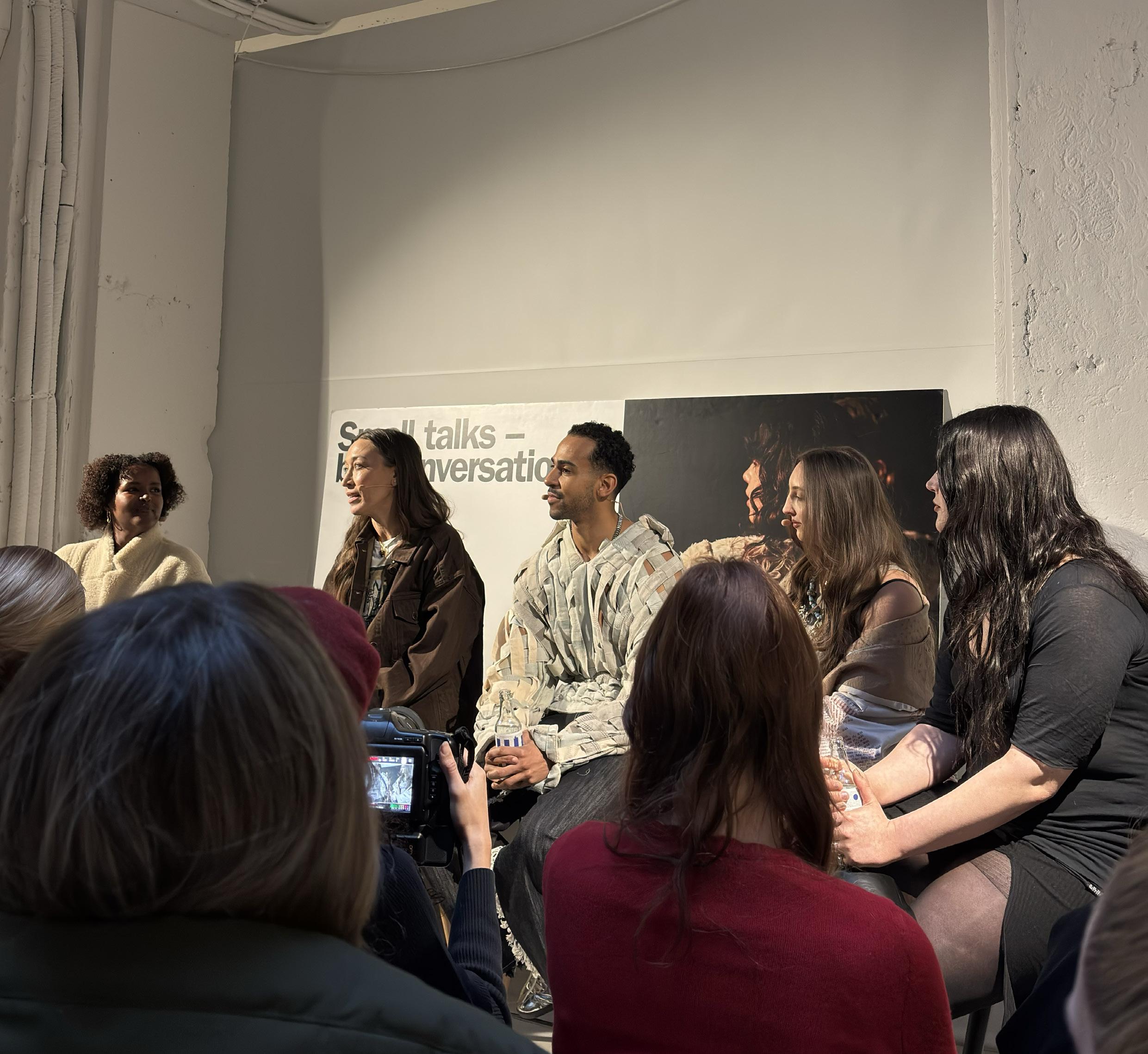
I didn’t realise just how much politics impacted fashion until I attended a talk at Copenhagen Fashion Week, which focused on activism and identity through fashion. It was really eye-opening to learn how political issues can affect peoples lives and shape the way they dress and how they use fashion to express who they are. It also made me realise that fashion allows people to turn their everyday outfits into a form of self-expression, using what they wear to reflect their beliefs, values and what they stand for.
This increasing politicisation can also risk overshadowing the core essence of fashion which is self-expression and individuality. For Gen Z consumers, the constant presence of political and social messaging can feel overwhelming, contributing to pressure and negatively impacting mental wellbeing. As a result, it can distract from the creativity and joy that fashion is meant to bring, where clothing should ultimately serve as a way for individuals to express their personality and identity freely without potitical or social judgement.
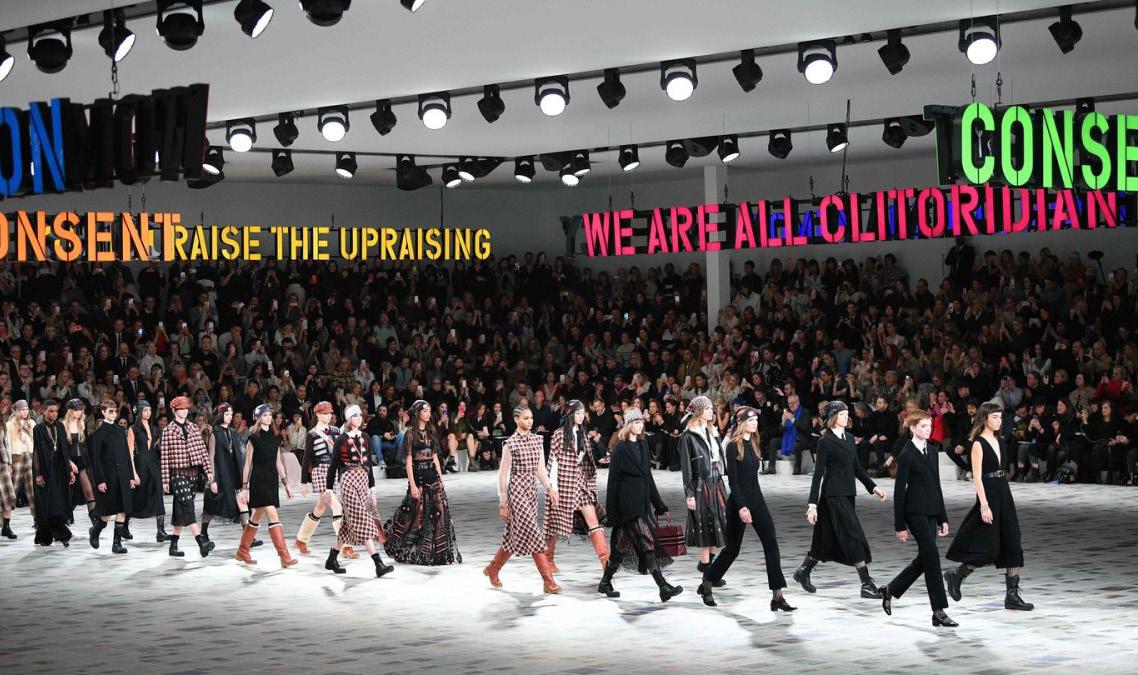
Femininity in fashion is undergoing a significant cultural shift, reflecting broader changes in society’s understanding of gender, identity and self-expression. Today, femininity is celebrated as strong and confident with fashion providing a powerful medium to express individuality rather than conforming to outdated expectations. Modern women’s fashion embraces bold styling, nostalgic influences and forward-thinking ideas, breaking away from narrow definitions of femininity or masculinity. This shift has created space for greater diversity, including gender-fluid designs and varied expressions of femininity. It also mirrors generational changes, as younger audiences increasingly challenge traditional norms and explore self-expression through style. The rise of relaxed, oversized silhouettes, for example demonstrates how aesthetic trends are now intertwined with cultural values, prioritising comfort, inclusivity and freedom of expression over rigid standards. Signalling that fashion is not just about clothing, but a reflection of evolving cultural conversations about identity and self expression.
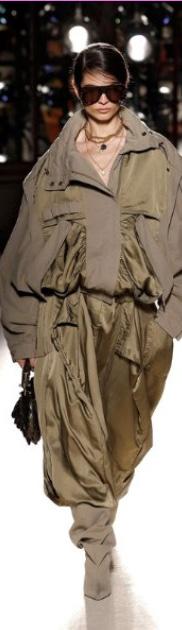
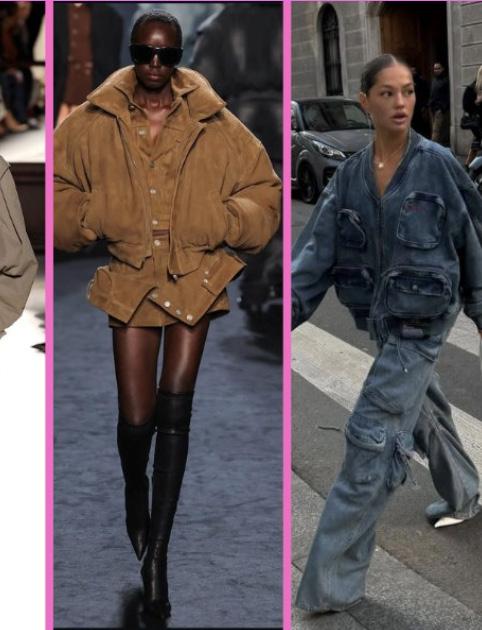
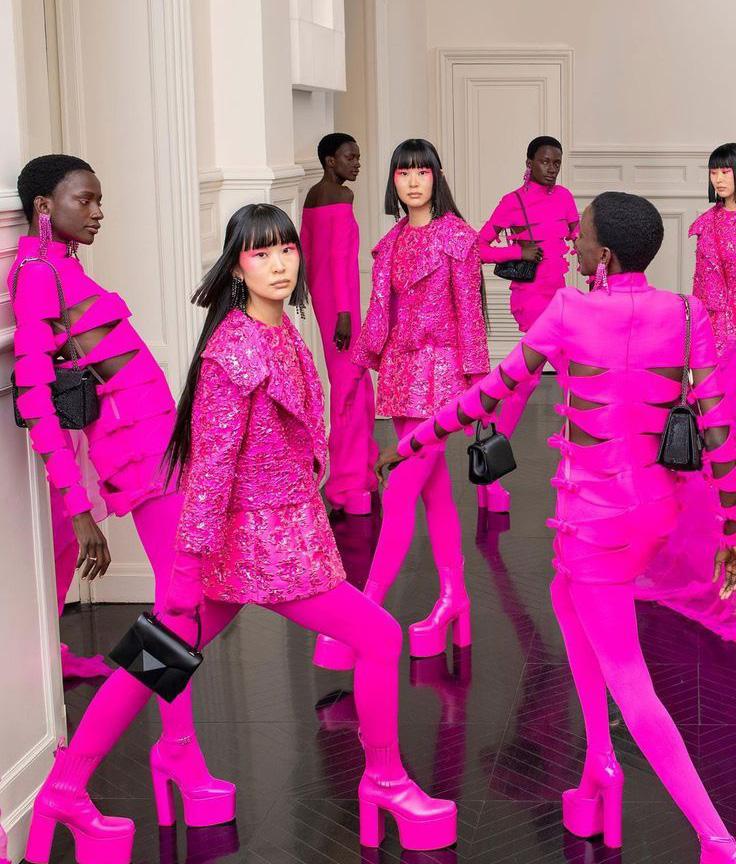
The colour pink represents femininity, strength, confidence and hope for a brighter future, it reflects how I imagine the world evolving. While pink is often associated with softness, girlhood and delicacy, the shade I envision is hot pink. This tone symbolises feminine strength, fearless self-expression, empowered glamour and confidence. It transforms a traditionally “soft” colour into something bold and strong, redefining what femininity can look like, it becomes a visual expression of that empowered mindset.

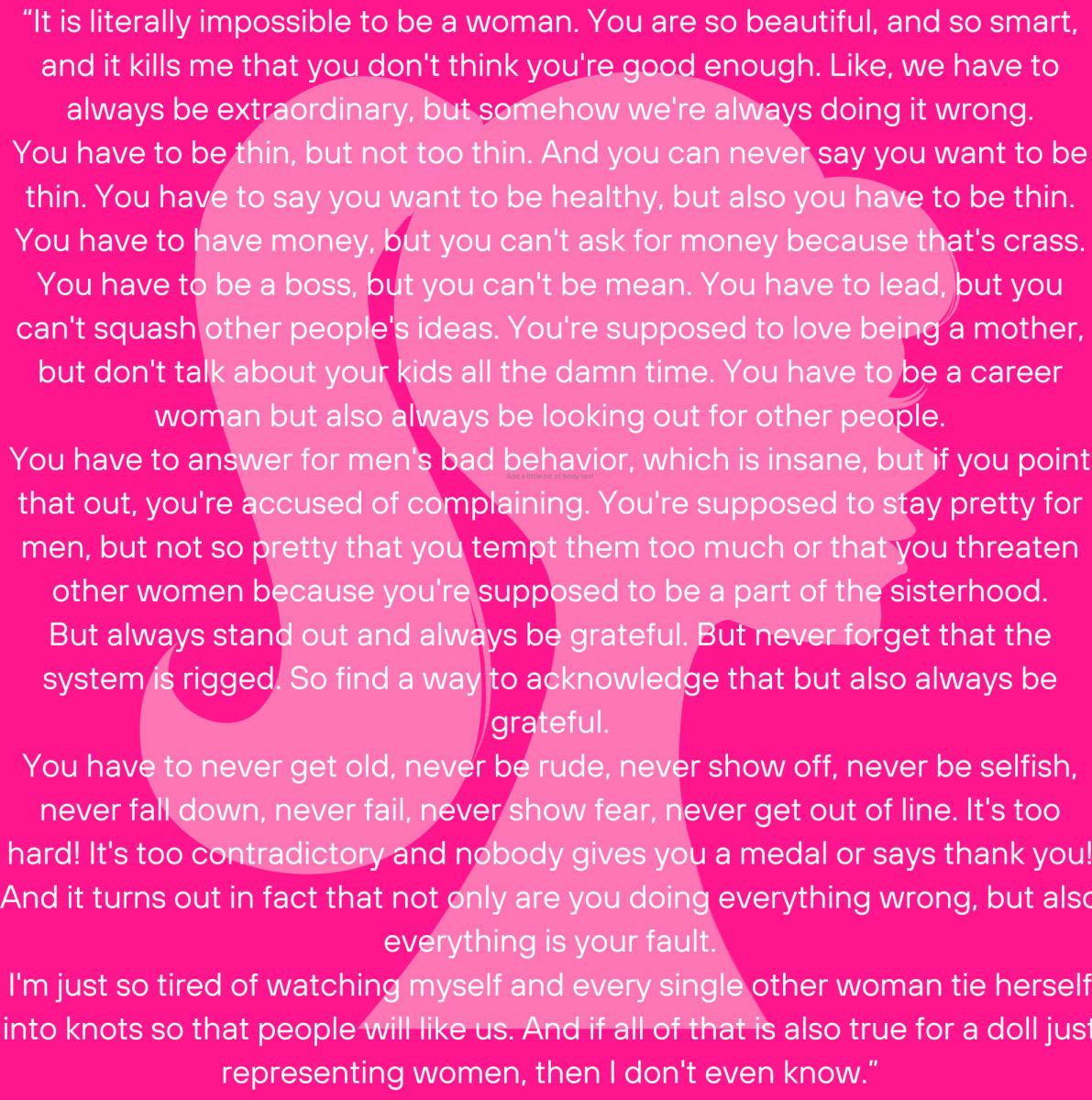
The Barbie movie challenges the colour pink, it shows that it doesn’t always represent a soft, fluffy version of femininity. Instead it redefines pink as strong and confident. Through the message of the movie and the monologue, it highlights the challenges of being a woman. The contradictions, pressures and expectations while also celebrating strength, resilience and self-awareness. I think the movie sparked a cultural shift in how femininity is seen. Women are no longer simply associated with softness. Instead, femininity is shown that it can be pink and glamourous, but beneath that it represents strength, leadership and intelligence. The film also challenges the patriarchal idea that women must adopt traditionally masculine traits in order to be taken seriously. It demonstrates that women already have the capability and authority to achieve anything they choose. This ties in with my research on modern femininity that women are now seen as confident and allowed to do what they want without being judged.
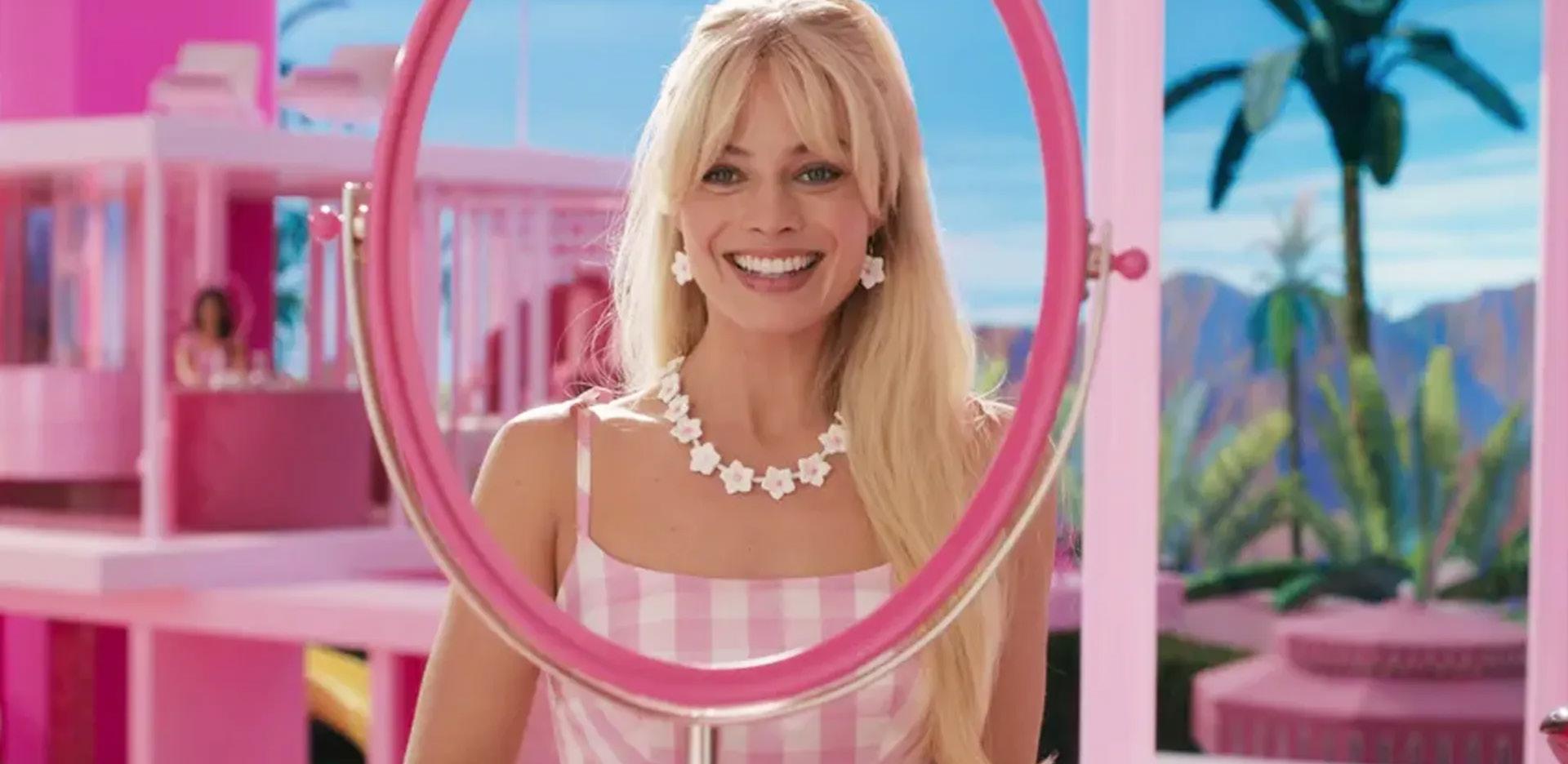
From Margot Robbie’s speech at the critics choice awards about America Ferrera (actress who performs the barbie monologue and winner of the See Her award) it was clear how significant the cultural impact of the Barbie monologue had worldwide. She highlighted how powerfully America Ferrera delivered the message, bringing emotion and how she has encouraged women to embrace who they are showing authenticity, strength and self- acceptance which is what I imagine femininity to look like in a perfect world.

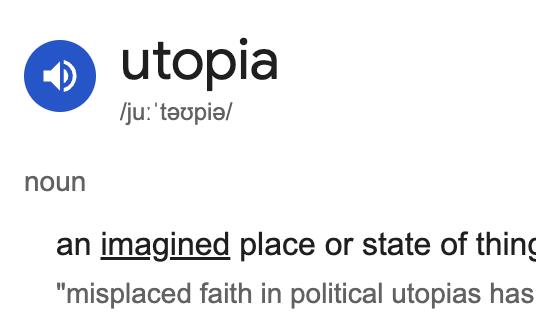
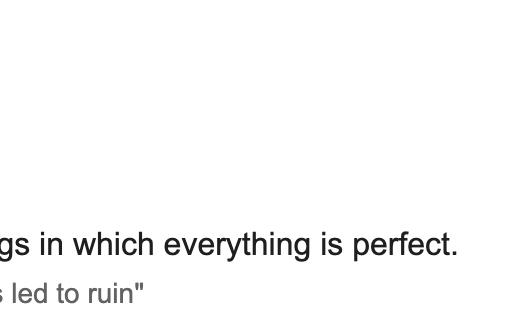

I am drawn to the idea of an ideal or utopian world, one that feels feminine, glamorous and free from judgement. In my vision, fashion exists in a space where people can express themselves without negativity or restriction and where political impacts don’t exist. This is the direction I would like my case study to move towards, exploring how the brands I have chosen could exist within this utopian vision and what the uniform of that world would look like. Utopian thinking acts as a critical lens, allowing us to reflect on what is in our current reality and envision how it could be transformed into a more positive space where people can live without pressure, fear or judgement. I think this is a strong concept because it reflects how many Gen Z consumers use fashion as positivity and self-expression. It shifts away from darkness and trend pressure and instead presents fashion as a tool for confidence and individuality. In this perfect world, clothing allows us to step away from reality and simply be who we want to be.
I also feel that today there’s a strong emphasis on well-being and mindfulness. Fashion reflects this shift, because when you feel good in what you’re wearing it shows. The way you dress can express your mindset, confidence and self-awareness and communicates that positive energy to the world. In 2030, utopia represents a perfect world that girls exist in with emotional safety, inclusivity and self-expression. Within fashion, it reflects a shift where clothing becomes a symbol of confidence, identity and freedom from judgement.
This utopian concept matters now because it responds to the pressures Gen Z face in today’s fashion world, where trends and cultural expectations can feel overwhelming. By imagining a space where fashion is free from judgment or obligation, it returns to its core purpose: self-expression, confidence and individuality. For fashion brands in this vision it will reinforce their role in empowering consumers promoting creativity, inclusivity and wellbeing. Ultimately, the brands will position fashion as a tool for freedom and authenticity, reflecting the values and emotional needs of Gen Z, shaping the future of the industry.


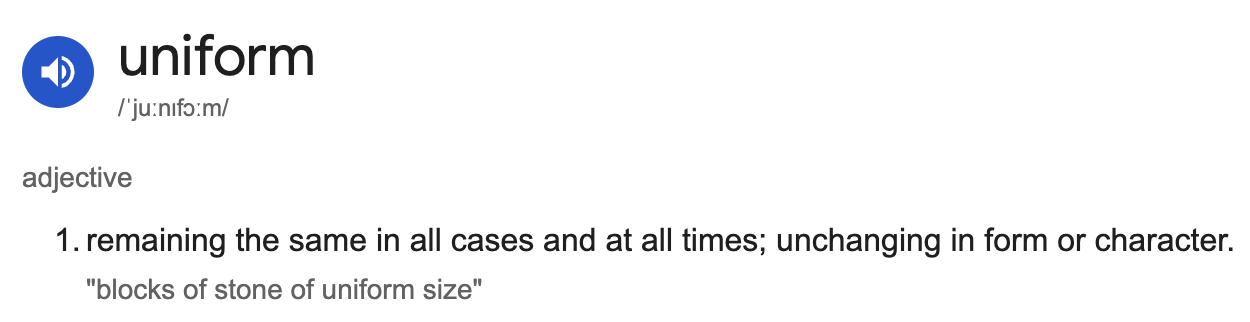
I want to challenge the word uniform. A uniform suggests sameness and conformity, but I want to show Gen Z that it’s possible to belong to a community while still expressing their own values, identity and mindset. This is where my collab comes in and how they represent the uniform in this utopian vision. I looked into two brands that I knew have these values and will create something that is exciting and will appeal to my audience.
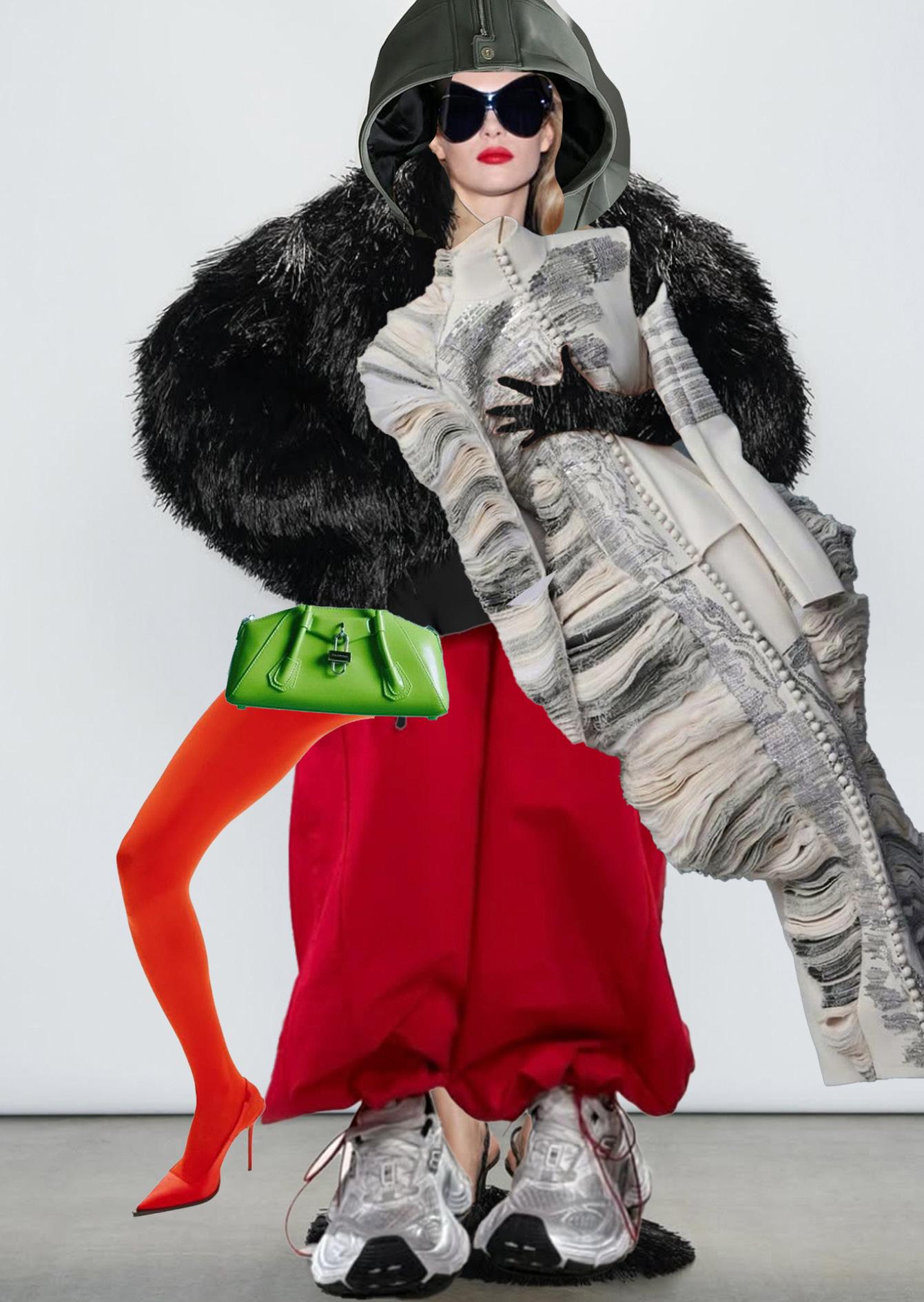
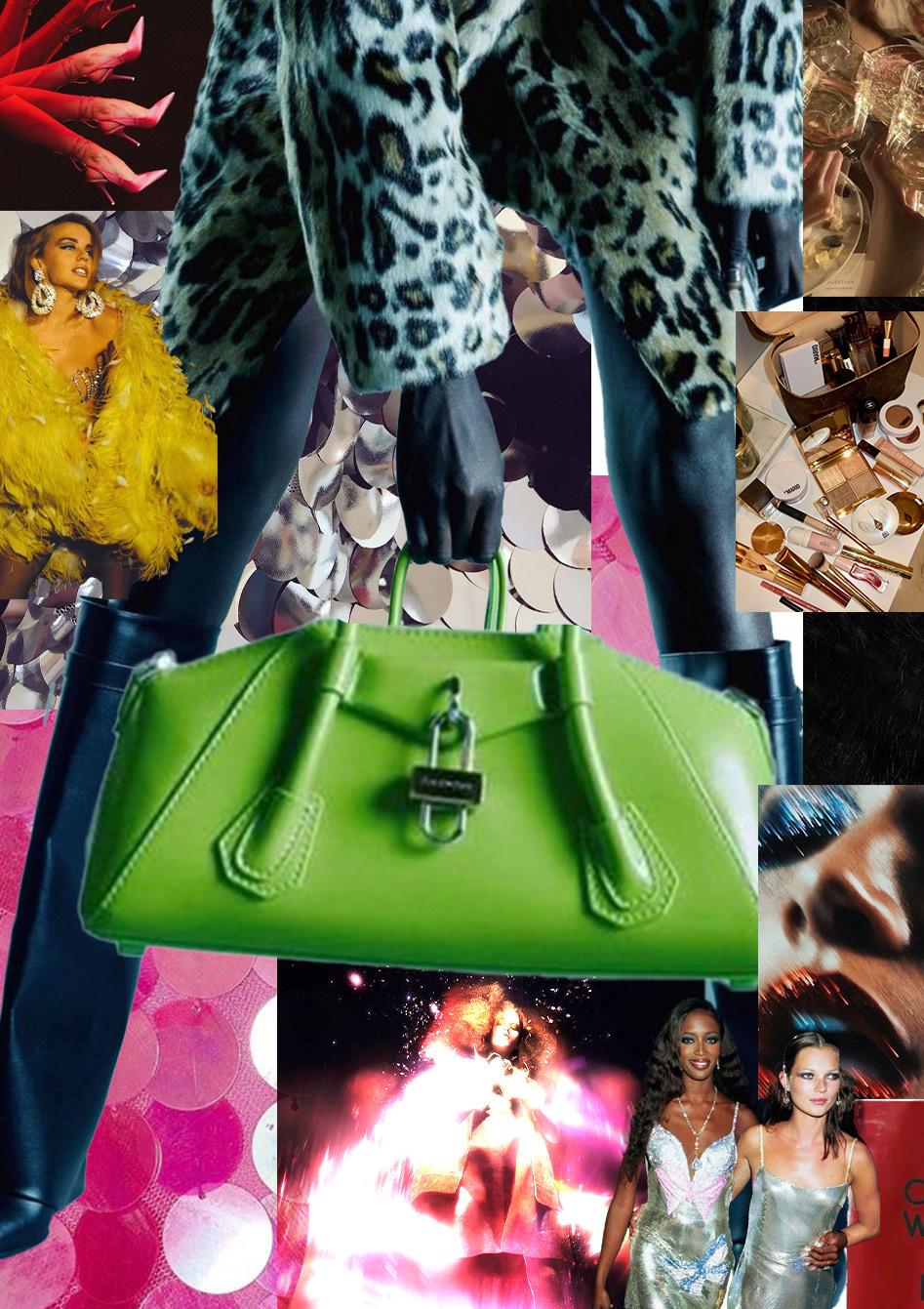
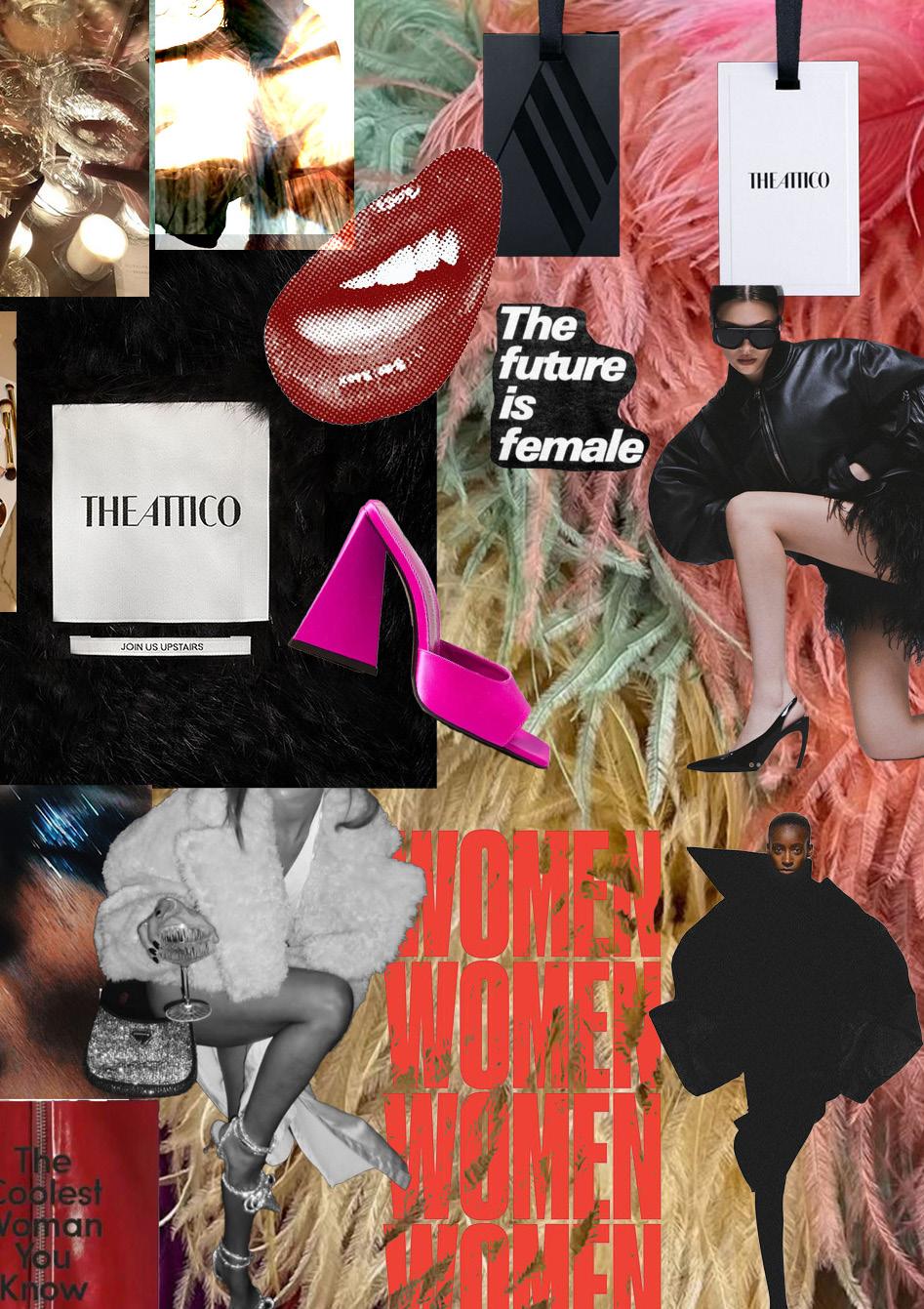
The Attico positions itself as a luxury fashion brand rooted in modern femininity, confidence and community, with its marketing and storytelling consistently celebrating female empowerment and individuality. Its target consumer is primarily Gen Z and Millennial women who are fashion-forward, trend-aware and style confident, often drawn to the “cool girl” luxury aesthetic. These consumers shop the brand for bold, statement pieces that stand out, using fashion as a form of self-expression and confidence. They are highly influenced by social media, particularly Instagram and engage closely with influencer and celebrity culture. Typically young professionals, creatives, influencers or luxury shoppers, that have middle to high disposable incomes and are interested in aspirational fashion and lifestyle branding, often based in or inspired by global fashion capitals like Milan, London, Paris and New York. This approach allows the brand to connect on a deeper emotional level, appealing to women who want to feel powerful and unapologetically bold, while creating long-term loyalty by making consumers feel both represented and inspired by the brand’s message.
Luxury street style is becoming increasingly culturally relevant as Gen Z shifts towards more intentional consumption, valuing longevity and meaning behind what they wear. The Attico aligns closely with these evolving values by promoting self-expression through bold, statement-driven clothing that encourages individuality, confidence and glamour. At the same time, the brand fosters a strong sense of community, resonating with a generation that seeks both personal identity and collective connection through fashion.
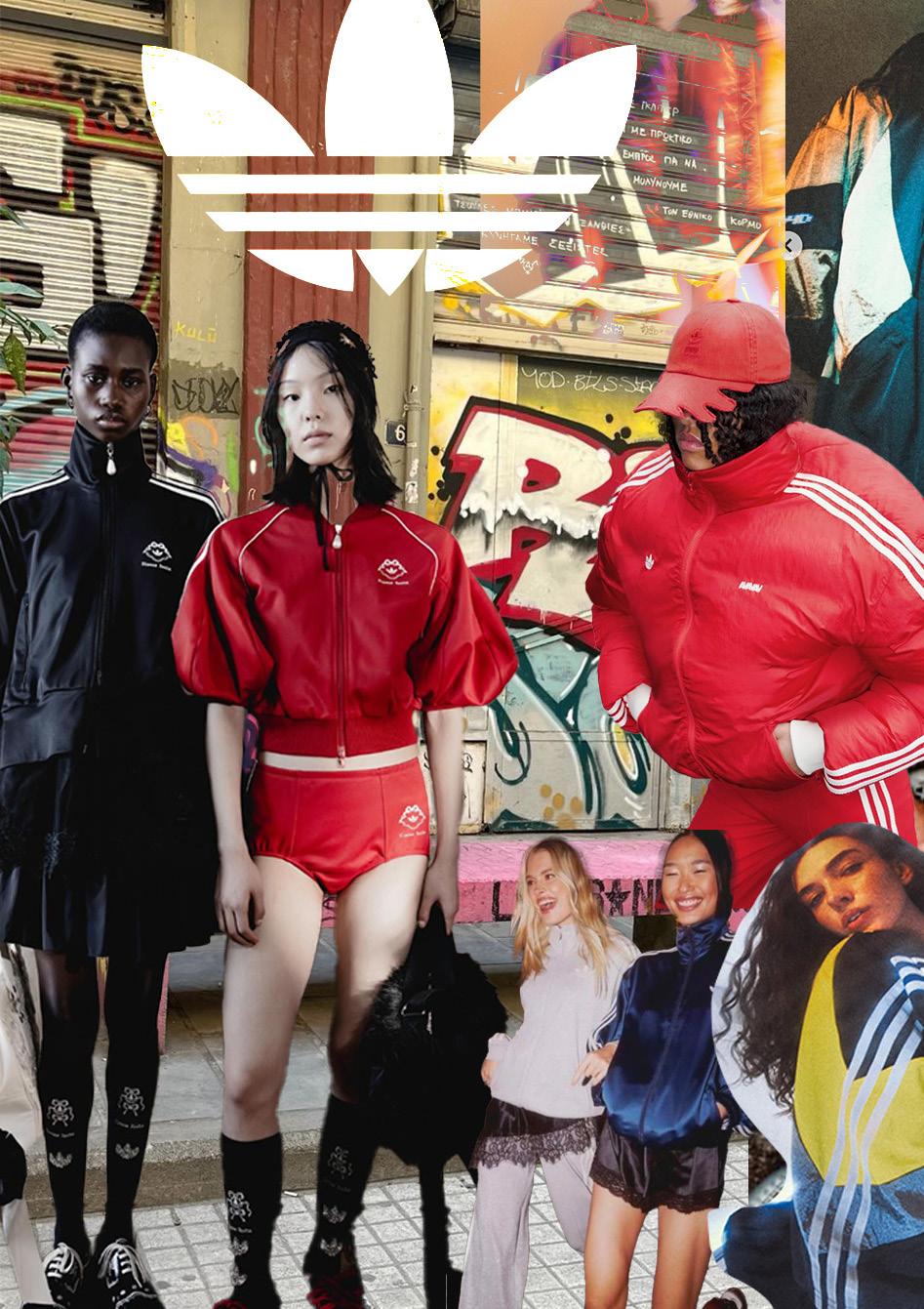
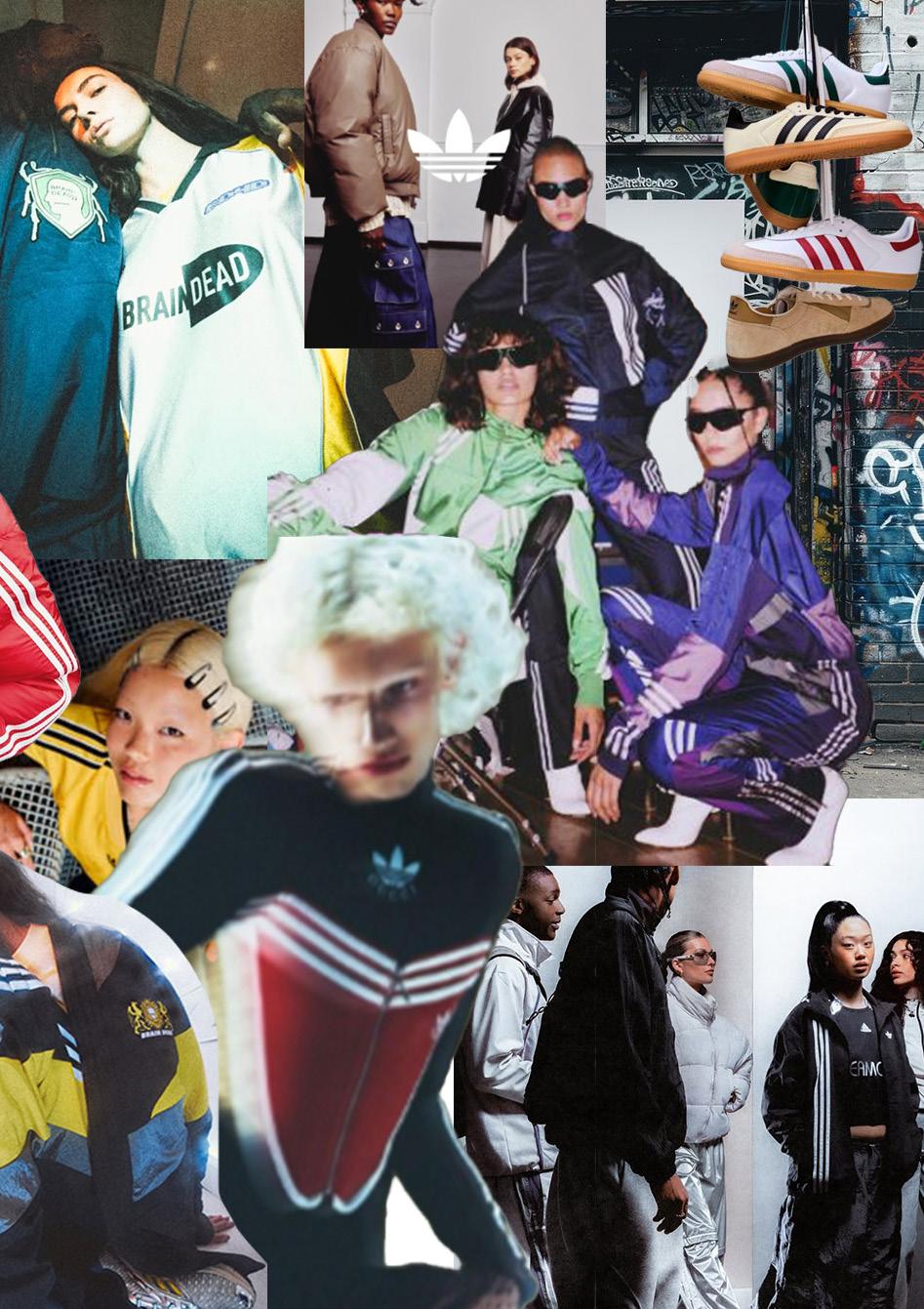
Adidas positions itself as a brand driven by sport, determination and achievement, with storytelling that goes beyond product promotion to communicate a deeper message around mindset, resilience and ambition. While rooted in athletic performance, the brand expands its narrative by embracing cultural influences such as music, streetwear and youth culture, allowing it to remain highly relevant and connected to audiences. Its target consumer spans Gen Z and Millennials who value both performance and style, often leading active lifestyles while also engaging with fashion and cultural trends. Adidas also appeals to consumers who are inspired by ambition and self-improvement, as well as those who seek brands that reflect inclusivity and authenticity. This positioning is further strengthened through high-impact collaborations, which have become central to its identity and help the brand resonate with a culturally aware, trend-conscious Gen Z audience. Adidas creates lots of campaigns that strongly highlight culture and community. Their marketing often goes beyond the product itself, focusing on shared experiences, diverse voices and the subcultures that shape their brand identity.
Gen Z’s values align strongly with this collaboration. The Attico embodies confidence, bold self-expression, and a fearless approach to femininity, while Adidas represents inclusivity, community and deep cultural relevance. Together the partnership captures Gen Z’s desire for authenticity, belonging and self-defined identity, transforming fashion into a platform for optimism and empowerment. I want to show my audience that the utopian uniform is about much more than clothing, it represents their values, identity and mindset. It reflects a world where they don’t feel pressured to be perfect or to constantly achieve and where they aren’t expected to dress a certain way to fit in. It promotes the idea that their mental health truly matters, creating a space where they won’t feel judged. At the same time, it communicates optimism, self-expression and a sense of community showing that who they are is enough. I will communicate this through the styling in my campaign, using expressive and vibrant looks to reflect a sense of freedom and individuality. The aim is to show that people can dress however they choose without fear of judgment, embracing personal style with confidence and authenticity.
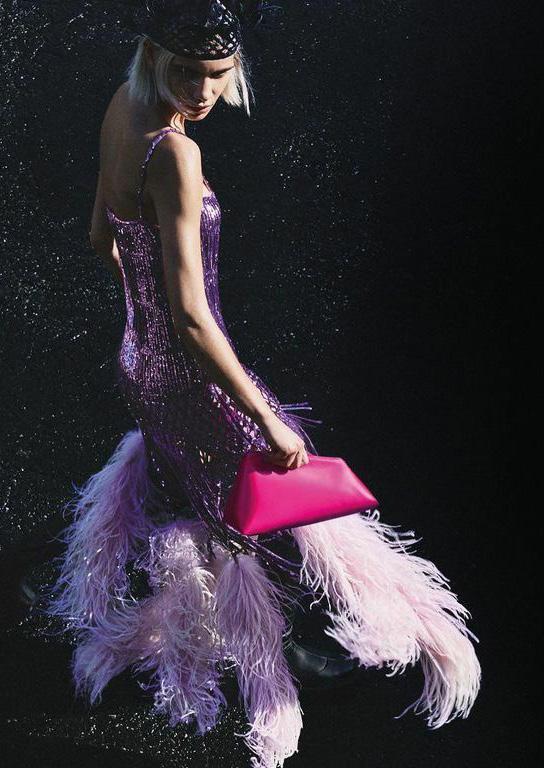
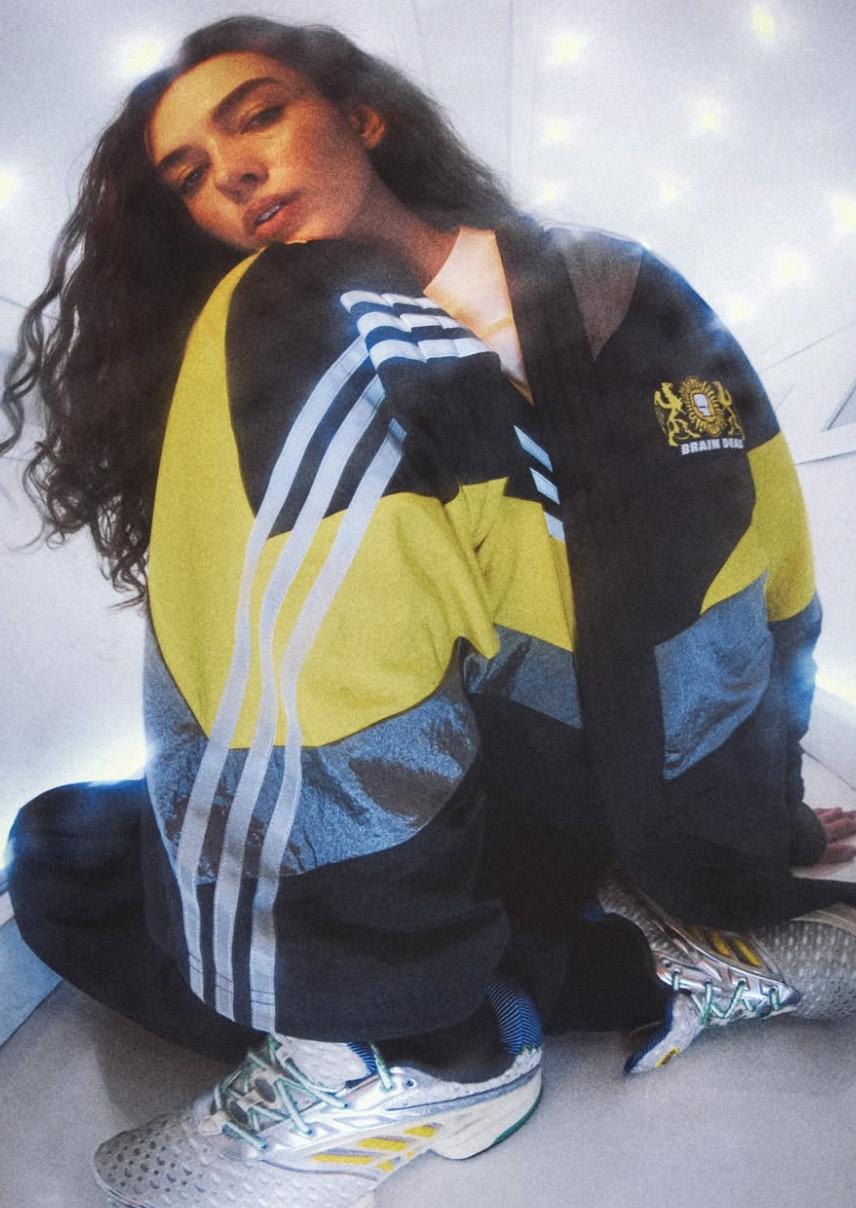
My concept imagines a world untouched by political division or social judgment, a world where fashion is no longer shaped by pressure or expectation. Instead it becomes a tool for self-expression, no one is judged, everyone is free to live authentically. By merging the accessibility of street/sportswear with the confidence of luxury and glamour the collaboration celebrates femininity and individuality while including community, proving that luxury can be expressive and emotionally aware. This fills the gap because this concept answers a cultural need for fashion that feels good, does good and allows women to be fully themselves without pressure. My ‘perfect world for a girl’ concept fills a critical gap by addressing the pressures, anxieties and constraints that Gen Z currently face, both in fashion and in everyday life. While much of the industry focuses on trends, social media validation and cultural expectations my concept re-centers fashion as a tool for self-expression, confidence and individuality, free from judgment or obligation. It envisions a world where clothing supports wellbeing and emotional security, aligning with Gen Z’s desire for authenticity and community. By imagining how brands like The Attico and Adidas could exist within this utopian world, my concept demonstrates how fashion can move beyond performance or aesthetics and create positivity, inclusivity and freedom, offering a model for how style can genuinely enhance the lives of young people rather than adding pressure or stress.
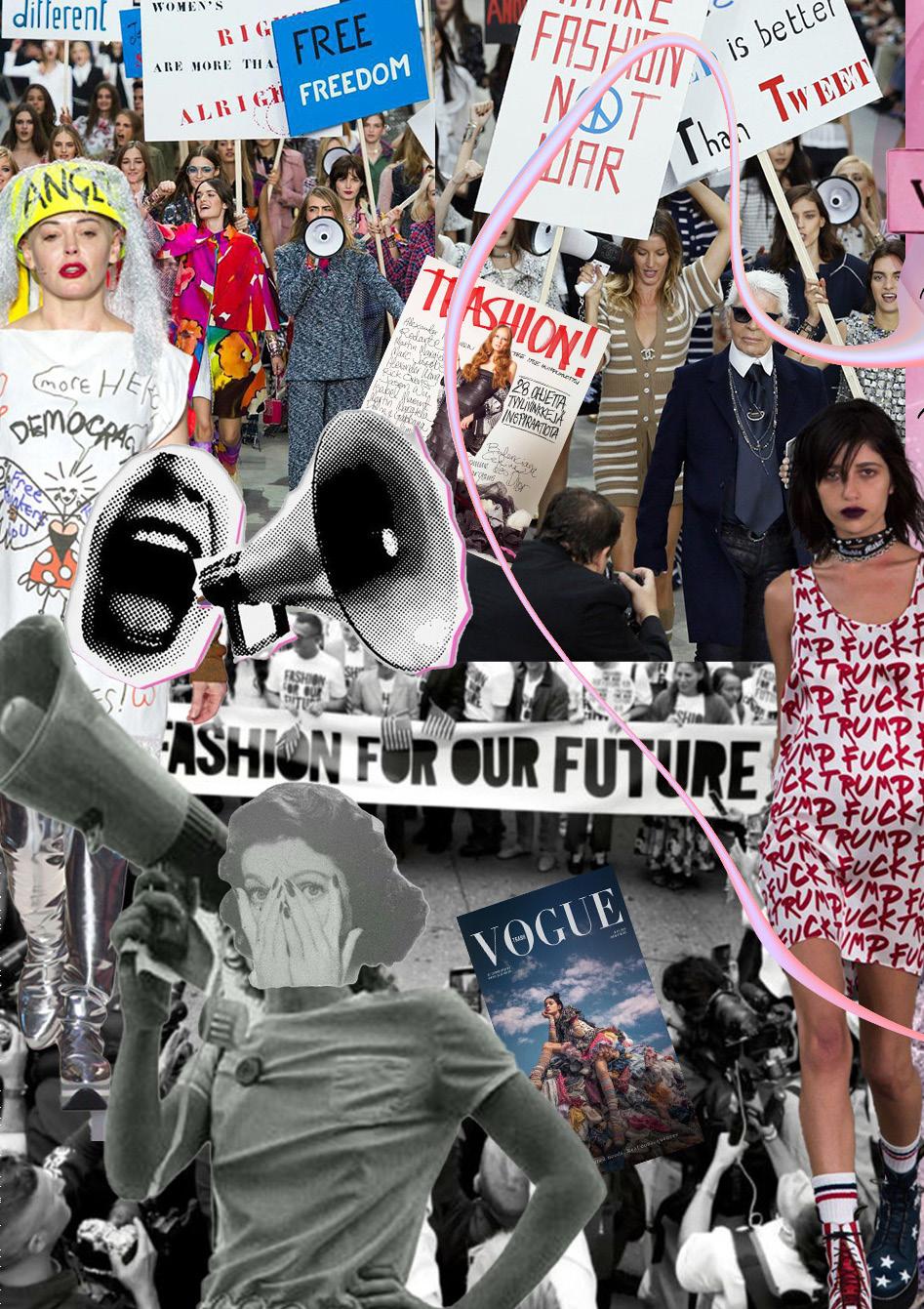
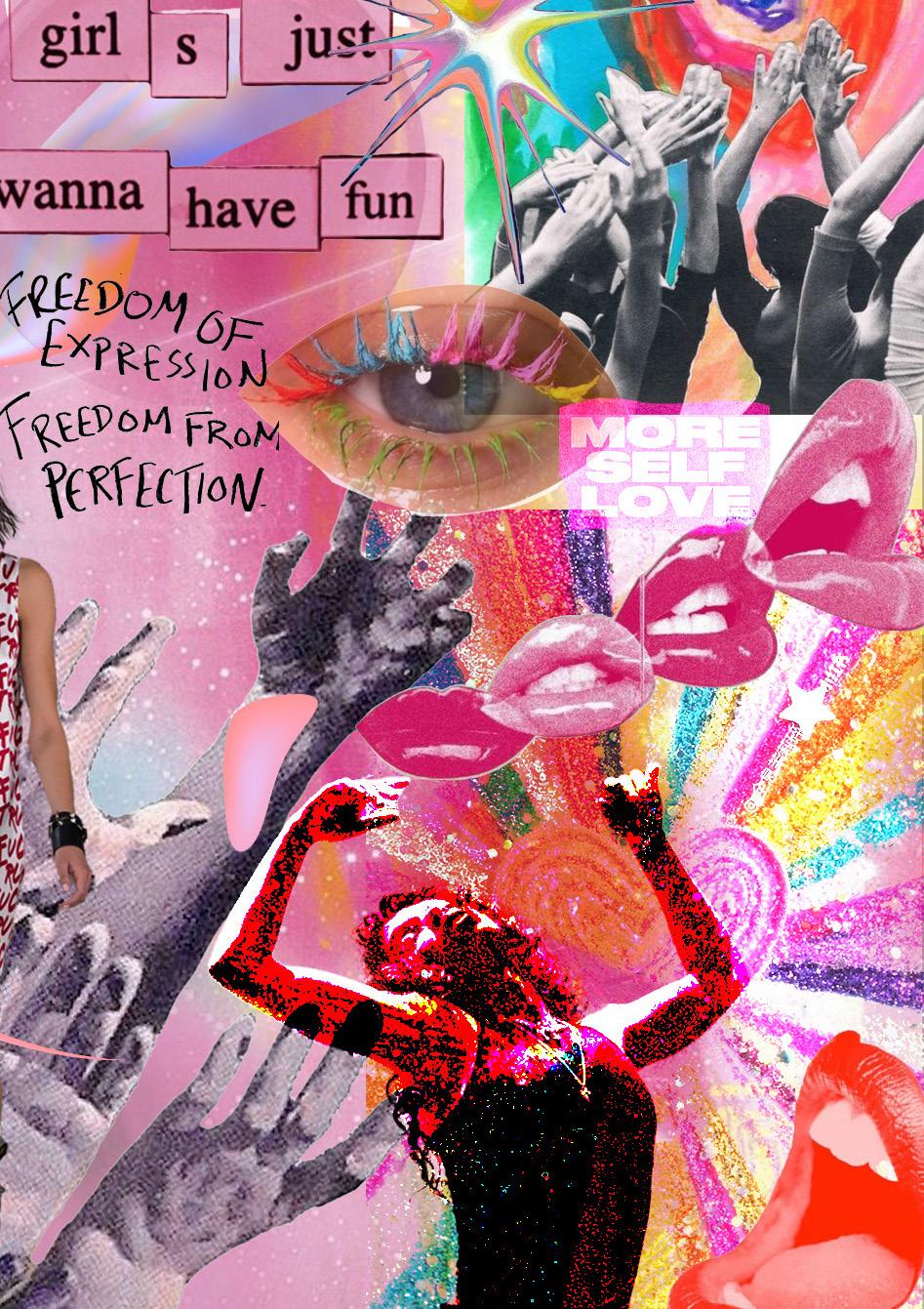
Fashion in 2026 is deeply shaped by political and social issues, reflecting the wider world and influencing both design and consumer behaviour. Gen Z in particular, are more aware than ever of mental health and wellbeing, valuing openness, balance and emotional connection in both their personal lives and the brands they engage with. As a result, they are no longer simply buying products, but investing in worlds, identities and a sense of belonging that align with their values and lifestyles. At the same time, there has been a clear cultural shift in how femininity is defined, moving away from traditional ideas of softness and sensitivity toward a more empowered image of boldness, confidence and self-assurance.
In a 2030 utopian vision, fashion exists within a positive and harmonious world, untouched by political division or social judgment. It is no longer shaped by pressure or expectations, instead it becomes a true expression of individuality and freedom. Mental health is openly valued and supported, with brands prioritising emotional wellbeing and creating environments where people feel safe and understood. Within this space, femininity is redefined through strength, confidence and self-assurance, allowing women to embrace their individuality without limitation, using fashion as a powerful tool for self-expression and freedom.