0
8
Global dynamics
Grant Griffiths examines evolving geopolitical tensions
0
8
Global dynamics
Grant Griffiths examines evolving geopolitical tensions
1
6
Balance sheet
Tools for risk managers to deploy as war in the Middle East roils markets
2
0
Hard risk metrics
Adopting a more quantitative approach to geopolitical risk
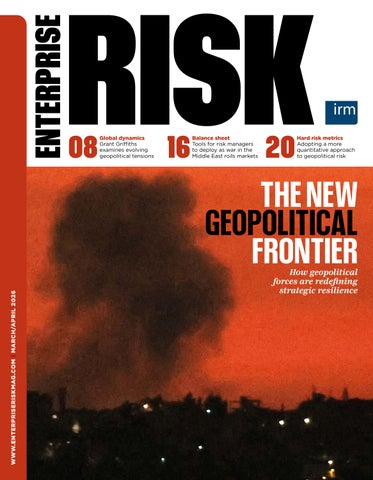
How geopolitical forces are redefining strategic resilience

Anaward-winning,highlytrustedSSOT GRCSaaSplatformwithadvancedrisk managementcapabilities.Theperfect recipeforgreaterefficiencyand strongeroversightatasensibleprice. GRCsoftwarethatisas satisfyingasFishandChips

YourFullyCustomised GRCOrder
BORDERNOTE uiltAroundYour Organisation
£300







Dr.
Lawrence

Enterprise Risk is published on behalf of the Institute of Risk Management by Redactive Publishing Ltd redactive.co.uk
Sponsorship and advertising
Sales manager
Redactive Media
IRMsales@redactive.co.uk
Tel: +44(0)20 7324 2753
Account manager
Aaron Nicholls
+44 (0)20 7880 8547 aaron.nicholls@redactive.co.uk
Editorial/production
Content manager Andrew Demetriou
Lead designer Gary Hill
Picture editor Akin Falope
Group content sub-editor
James Hundleby
Production manager
Aysha Miah-Edwards
Enterprise Risk is the official publication of the Institute of Risk Management (IRM). ISSN 2397-8848
Institute of Risk Management
1st Floor, 80 Leadenhall Street, London EC3A 3DH
Tel: +44 (0)20 7709 9808
Fax: +44 (0)20 7709 0716 enquiries@theirm.org www.theirm.org
About the IRM
The IRM is the leading professional body for Enterprise Risk Management (ERM). We drive excellence in managing risk to ensure organisations are ready for the opportunities and threats of the future. We do this by providing internationally recognised qualifications and training, publishing research and guidance, and setting professional standards.
For over 30 years our qualifications have been the global choice of qualification for risk professionals and their employers. We are a not-for-profit body, with members working in all industries, in all risk disciplines and in all sectors around the world.
Copyright 2026 Institute of Risk Management. All rights reserved. Reproduction without written permission is strictly forbidden. The views of outside contributors are not necessarily the views of IRM, its editor or its staff.
Geopolitical risk has always been one of the driving forces shaping the world of enterprise, but rarely with the speed, intensity and interconnectedness we’re witnessing today. From shifting alliances and contested supply chains to the resurgence of industrial policy and the weaponisation of technology, the global landscape is being rewritten in real time. For risk leaders, the challenge is no longer simply to monitor geopolitical developments, it’s to anticipate their second(and third-) order effects across every corner of the organisation.

In this issue, we explore how geopolitical forces are redefining strategic resilience. We examine the pressures reshaping global trade, the rise of regulatory nationalism, the vulnerabilities exposed by regional conflicts, and the new expectations placed on boards as geopolitics becomes a core business competency rather than a peripheral concern. You’ll hear from practitioners, analysts and policymakers who are grappling with these dynamics every day.
Geopolitical uncertainty isn’t a passing storm; it’s the climate in which modern enterprises now operate. Our goal is to equip you with the insight, context and foresight needed to understand it with confidence.
Andrew Demetriou
Content Manager | The Institute of Risk Management

At the Institute of Risk Management, recognising the achievements, leadership and impact of women working in risk management is not reserved for a single day of the year.
Leading as Chairs of our Special/ Regional Interest Groups, delivering insightful thought leadership and developing our qualifications and Awards, the unique perspective of our diverse pool of talented professionals is key to what makes the IRM operate as an industry leader.
International Women’s Day is an opportunity to showcase these individuals, who are shaping resilient organisations to drive innovation in how risks are understood and managed. Women continue to play a vital role in strengthening the profession.
We had the pleasure of speaking to several key risk practitioners about their experience working in risk management and hearing their advice to young women considering a career in risk.
Find out more here >>
The Institute of Risk Management (IRM), the leading global professional body for risk management, is proud to announce the official formation of its Malaysian subsidiary, IRM Asia Sdn Bhd, marking a significant milestone in its strategic growth across the ASEAN region. This development is part of IRM’s broader vision to strengthen its presence in Asia by working closely with its regional Groups and connecting back to its headquarters in London and the global risk community.
The new subsidiary, which is now an HRD Corp registered training provider will serve as a hub for lifelong learning, professional development, networking and thought leadership, supporting businesses and individuals in managing risk effectively in a rapidly evolving environment. IRM Asia Sdn Bhd set
up board will be chaired by: Dr Ian Livsey, Chief Executive Officer of IRM. Joining him on the Board as Directors are Zaf Khan CFIRM, (Chair of the IRM Malaysia Group), Colin McRorey, SIRM (main IRM Board member) and Victoria Robinson FCIM, Head of Partnerships, IRM - bringing extensive expertise in risk management, strategic operations, communications and business development. More Directors from across the ASEAN region will be added in time.
To celebrate this milestone, IRM will host an official launch event later in the year in Kuala Lumpur. IRM has also recently upgraded its membership with the British Malaysian Chamber of Commerce (BMCC) to Sterling level and joined BritCham Singapore as a Sterling member, reinforcing its commitment to regional collaboration.
GEOPOLITICAL RISK IN NUMBERS (FROM IRM RISK TRENDS 2026)
85%
of global executives expect geopolitical volatility to increase over the next 12 months
SOCIAL RESPONSIBILITY
62%
of business leaders say geopolitical instability is now a topthree strategic risk
70%
of multinational companies report that geopolitical tensions have already disrupted their supply chains
As organisations increasingly recognise the importance of safeguarding and social responsibility, risk professionals have a critical role to play in understanding and managing risks to vulnerable groups. Issues such as modern slavery, human trafficking and the protection of women and children are complex, global challenges that require thoughtful risk management approaches and collaboration across sectors.
Anita Punwani, Chair of the IRM Environmental & Social Governance Group, shares her perspective on why safeguarding must be firmly on the risk agenda: news media in the UK, US and around the world have featured survivors and family members as part of their coverage of the political and reputational fallout from the Epstein scandal; at its heart, this matter is one of society failing to protect women and children. For some years now, the Institute of Risk Management has focused on protecting members of society at greatest risk, notably in our liaison role in advocating for risks to children be considered in the development of an international standard to tackle modern slavery and human trafficking, also in our thought leadership in the field of

environmental social and governance; our paper addresses why the matter is complex, notably in terms of global supply chains, why traditional risk tools fall short, and how risk professionals can help drive meaningful change: strategic-risk-global.com/ esg-risks/the-complexity-of-esg-inunderstanding-the-risks-of-modernslavery/1457118.article
My understanding in the field of safeguarding was gained while working on a UK policing programme to introduce new systems to protect children, and also with teams focused on child safeguarding at the international charity, Save the Children. For all risk professionals, safeguarding is now firmly on the agenda – we need to understand how to manage risks to women and children.
The Institute of Risk Management will be launching a mid-year review of its latest report, the IRM Risk Trends 2026. This review will primarily focus on risk in Asia,
developed by our newly launched Asia arm of the organisation.
If you are based in Asia, and would like to contribute, please take the newly updated Risk
Trends Survey below and help us to better understand what risk practitioners in Asia are facing. Have your voice heard in our survey >>

GEOPOLITICAL RISKS
Grant Griffiths examines evolving geopolitical tensions, conflict dynamics and alliance structures through case studies and economic insight
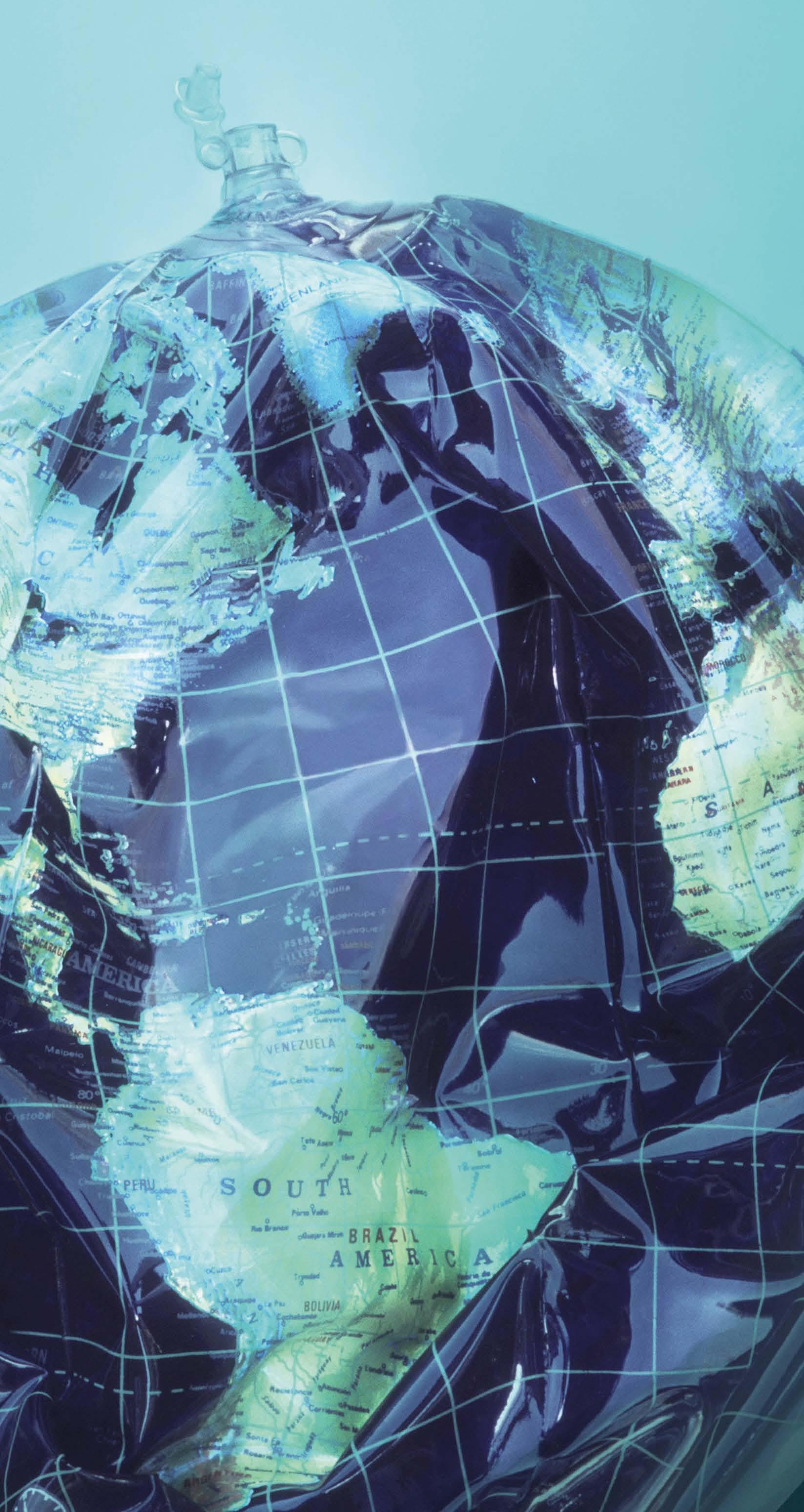
Is the conflict in the Middle East part of a wider plan for establishing a new era of American economic supremacy and a counter-balance against the BRICS bloc and emerging rival world powers?
Or is it in pursuit of a far deeper, long-term set of outcomes resetting military power, re-ordering global alliances and moving towards greater freedom and independence for nations?
The only certainty among this uncertainty is that geopolitical risks remain at the top of the risk agenda in 2026.
We live in the reality of the present.
While the post-World War II period has been one of relative peace and stability it hasn’t been without its challenges; despite numerous geopolitical events, some of which carried greater significance than others, the global power balance remained largely unchanged.
The Vietnam War – exacerbated political and social divisions with long-lasting attitudes toward engagement in foreign conflicts.
The 1973 Arab–Israeli (Yom Kippur) War – an oil supply crisis with global ramifications, formed longer-standing political alliances across the Middle East.
The Soviet invasion of Afghanistan in 1980 –sparked by the 1979 assassination of the Afghan President by Soviet Special Forces. A conflict with no clear winner, and unintended consequences for Afghan governance and one of the drivers of the USSR’s collapse.
Iraq’s invasion of Kuwait – The Gulf Wars – led to long-term changes in Iraq, reset relations with their neighbours, and opened up new opportunities for international oil and gas companies.
Beyond these conflicts and barring the occasional realignments in defence, trade and commerce pacts between nations, the world as we know it has always managed to find ways to recover and overcome setbacks, with shortages in commodities and other goods, and temporary interruption to industry and daily life, being relatively short lived. Throughout these ups and downs the world’s nations had historically higher levels of selfsufficiency, a form of inherent resilience. Reliance on imports was mainly for the purposes of providing more of what was needed during times of distress or high demand, or for supplying the
commodities, goods and services a nation did not possess or could not produce for itself.
Over the last 30 years the world has moved towards greater reliance on a global marketplace where imports of lower cost goods and products have been gradually replacing local industry and production capabilities at the expense of self-sufficiency and inherent resilience. This de facto state of reliance on a globalised marketplace carries inherently higher levels of risk due to its increased sensitivity to geopolitical, environmental and economic shifts, leaving
many countries without adequate response mechanisms to mitigate the effects of global conflict and volatility.
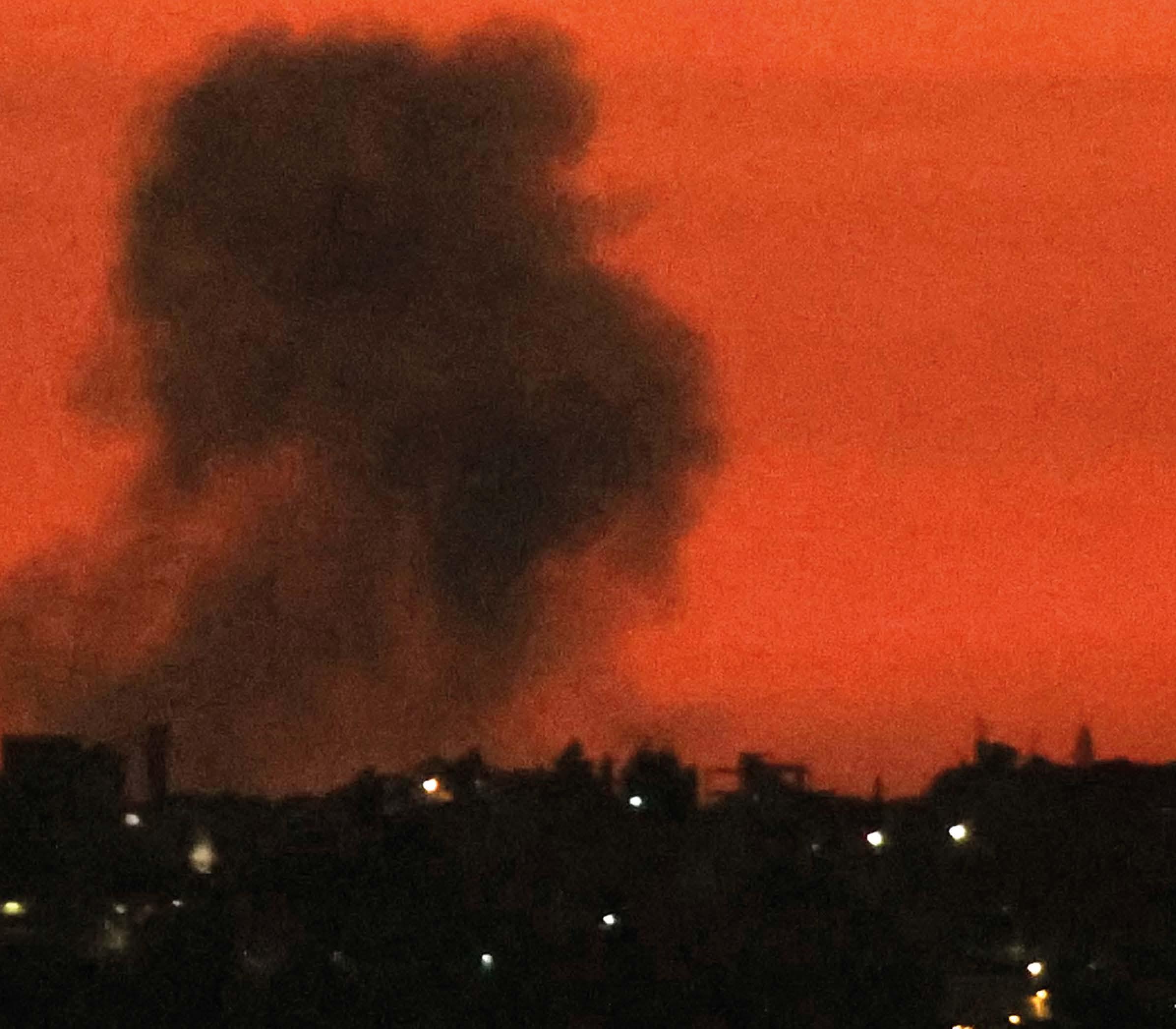
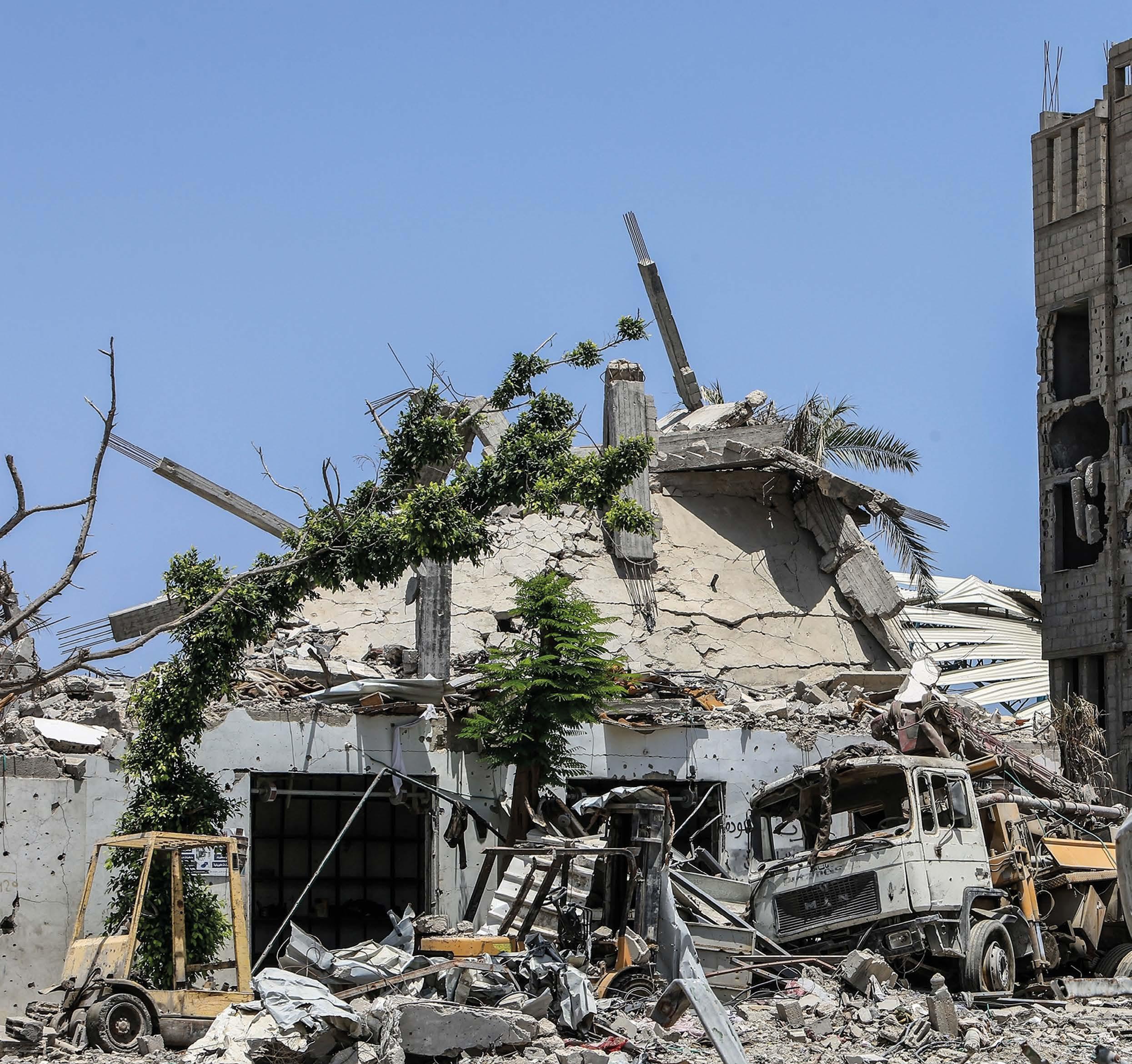
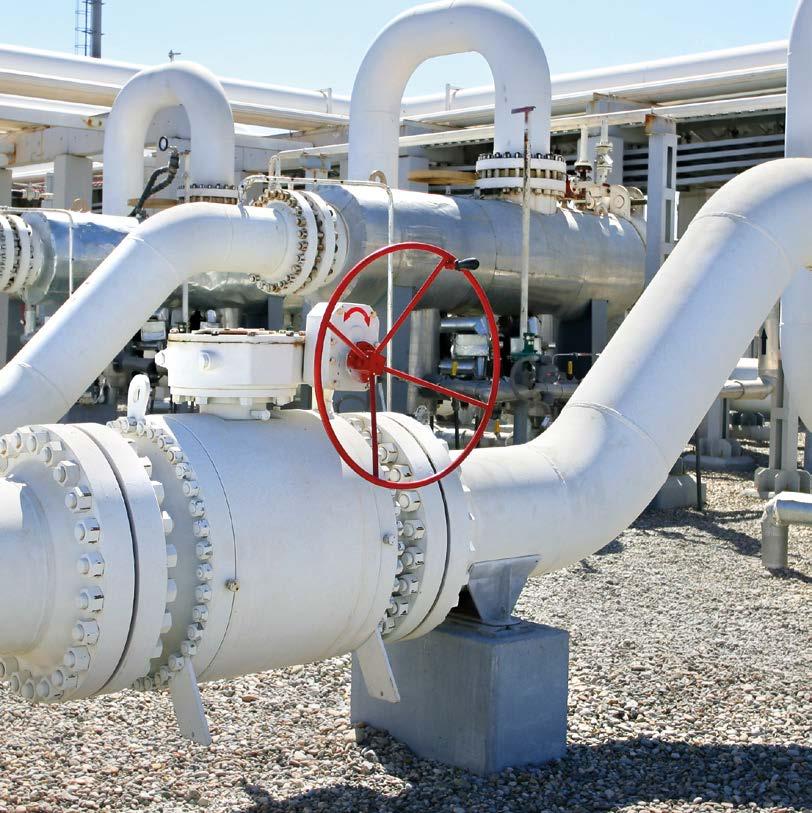
A timely example of this is illustrated in the oil and gas markets and the capacity of some industrialised countries to respond to risks in our multi-polar and volatile world. With the current Iranian conflict providing the backdrop for a supply shock, the world once again stares down the barrel of an energy crisis rivalling those of the 1970s and 1980s.
Countries such as the UK and Australia
As risk managers we generally take the view that nothing should be a surprise, there are often warning signs or emerging signals.
It’s interpreting these signs that sometimes presents the greatest challenge.
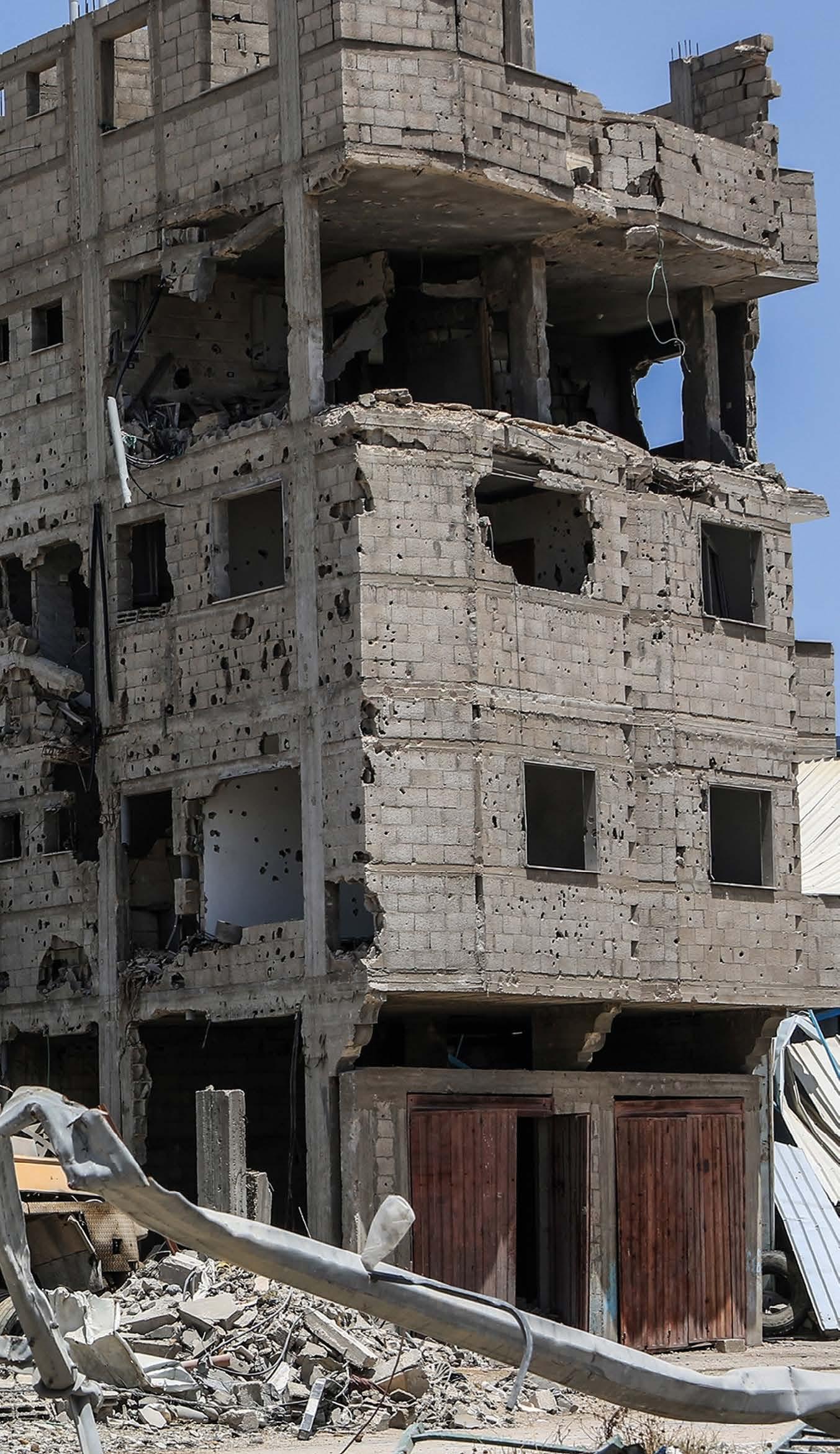
Ahead of the current US–Israel–Iran War (‘Iranian War’) the signals were clear for many, yet many also misread the indications emanating from both sides.
The warning sign was Venezuela. Many observers flagged the swift strike that removed Maduro from power served as a sign that things were about to change for Iran.
If we examine the context and background it is an established fact the Iranian leadership has spent decades in not only developing proxies across the Middle East, but also in building relationships with nations as far afield as Latin America, China and slightly closer to home with Russia, using their vast hydrocarbon wealth to support the expansion of their sphere of influence well beyond the Persian Gulf. Given Venezuela’s long-standing relationship with the Iranian leadership which goes back to Venezuela being one of the first nations to recognise the Iranian leadership’s legitimacy in 1979, the bond between these two unlikely allies runs deep.
And if that wasn’t enough to elevate the potential for action against Iran, the subsequent redeployment of a Carrier Strike Group to the region provided an additional and strong intermediate indication that things were heating up, and were about to get hotter.
Geopolitical events have the capacity to unleash unexpected economic damage carrying longer-term implications impacting across the whole of society
provide an excellent case study in what not to do.
Both countries have seen their capacity for refining petroleum all but disappear in recent years as a result of the closure of long established refineries. In both cases there has been a move away from maintaining sufficient local refining capability towards reliance on imported refined products to meet the majority of their demand, in turn exposing their economies to the risks of a globalised value chain with higher levels of exposure to supply shocks and geopolitical events with significant economic consequences.
They are far from alone however: many other nations are suffering the same acute challenges as a result of globalised markets not only when it comes to energy, but also for food supply, medicines and defence.
Geopolitical events have the capacity to unleash unexpected and unwanted economic damage carrying longer-term implications impacting across the whole of society.
In other words, there has been a move away from managing their own destinies to outsourcing their resilience and with it, their economic sovereignty.
Previous geopolitical events and supply chain shocks have provided valuable lessons for both the private sector and governments in how to develop highly effective responses in times of crisis.
Governments have spent years developing their resilience initiatives as a means of ensuring essential services and critical infrastructure retain a level of immunity to shocks and disasters.
Organisations have paid close attention to, and have invested heavily in, their business continuity and resilience programmes which are aimed at ensuring availability of supplies, services, financial and human capital during times of geopolitical
uncertainty, global economic shocks, trade policy shifts and hostile actions.
While much consideration has been given to geopolitical risks during the planning and implementation phases, many organisations and nations are now discovering their scenarios’ understanding of the external environment and their tested responses are having limited or no effect in these times of heightened crisis.
Measures to develop greater resilience by way of sourcing from alternative markets and providers, building out supply chains and either replicating or replacing suppliers have worked as expected, generally speaking, until this current crisis.
For example, Europe spent years replacing their Russian reliance for gas with LNG from alternative markets, primarily from the Arabian Gulf and transported via a single chokepoint which is now a war zone.
When Europe was searching for politically stable and reliable supplies they looked to the USA and the Middle East with a focus on sourcing from Qatar.
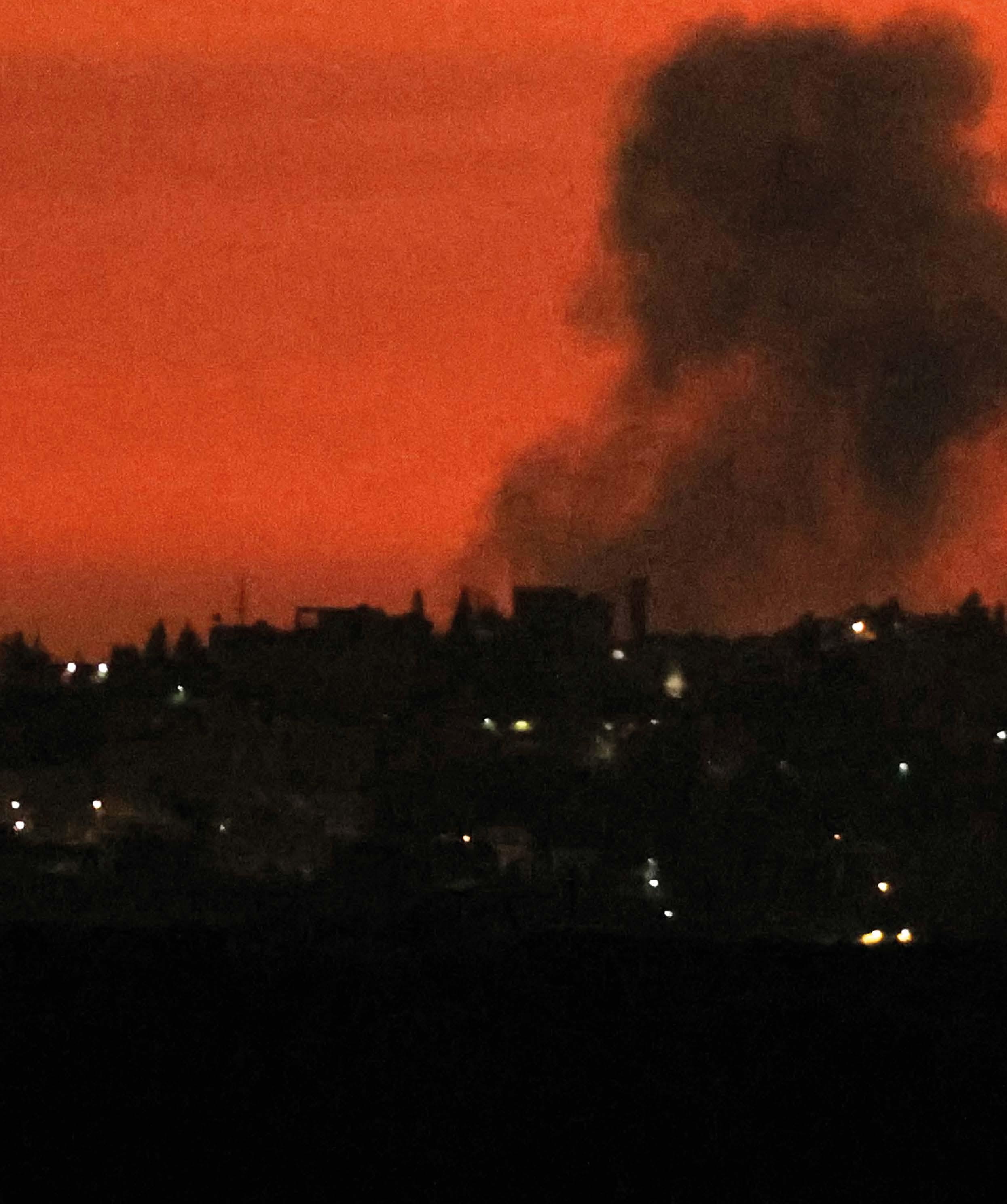
The status today? The Ras Laffan Industrial City in Qatar was bombed, resulting in one of Europe’s main LNG sources impacted early in the conflict.
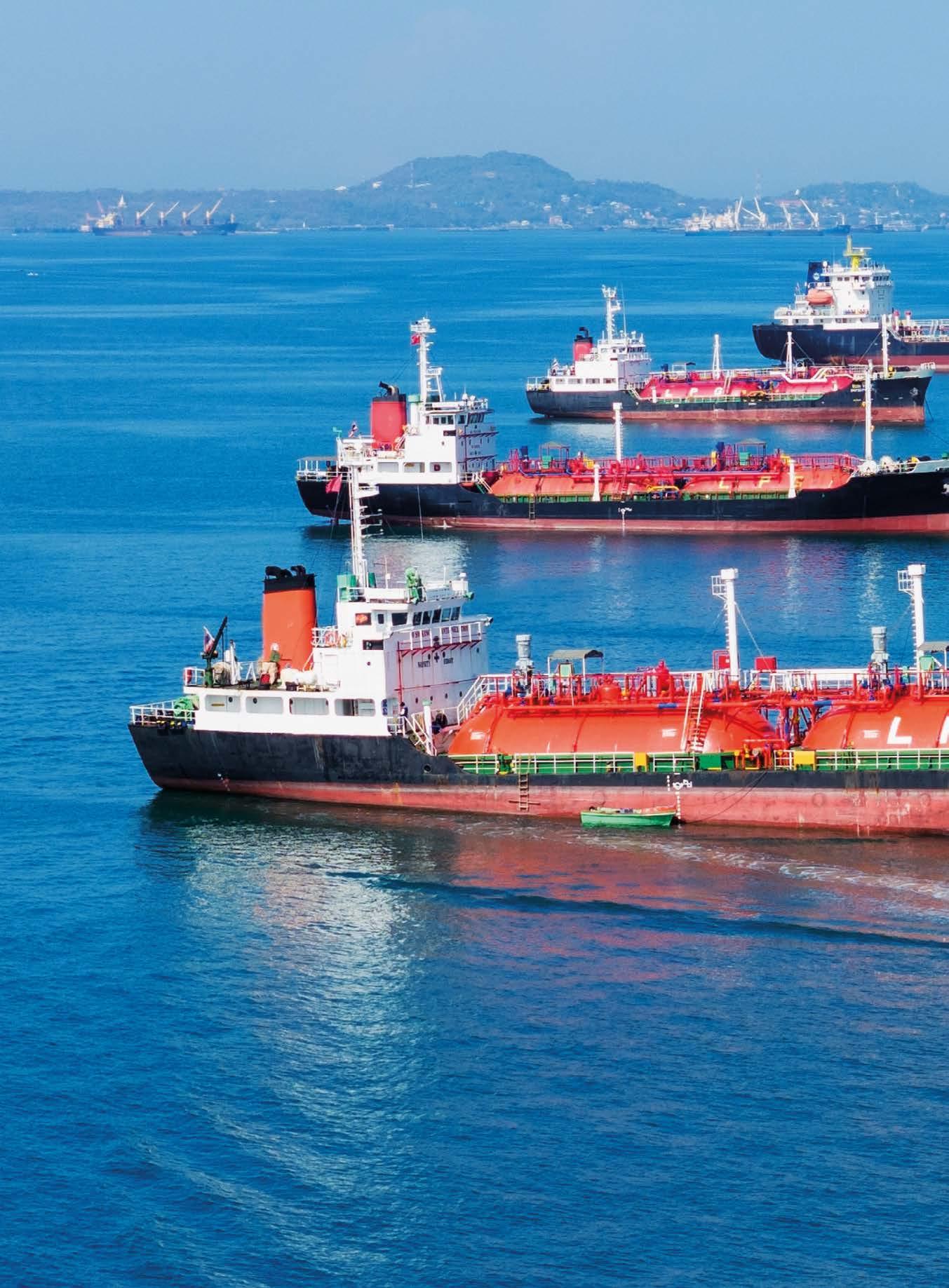
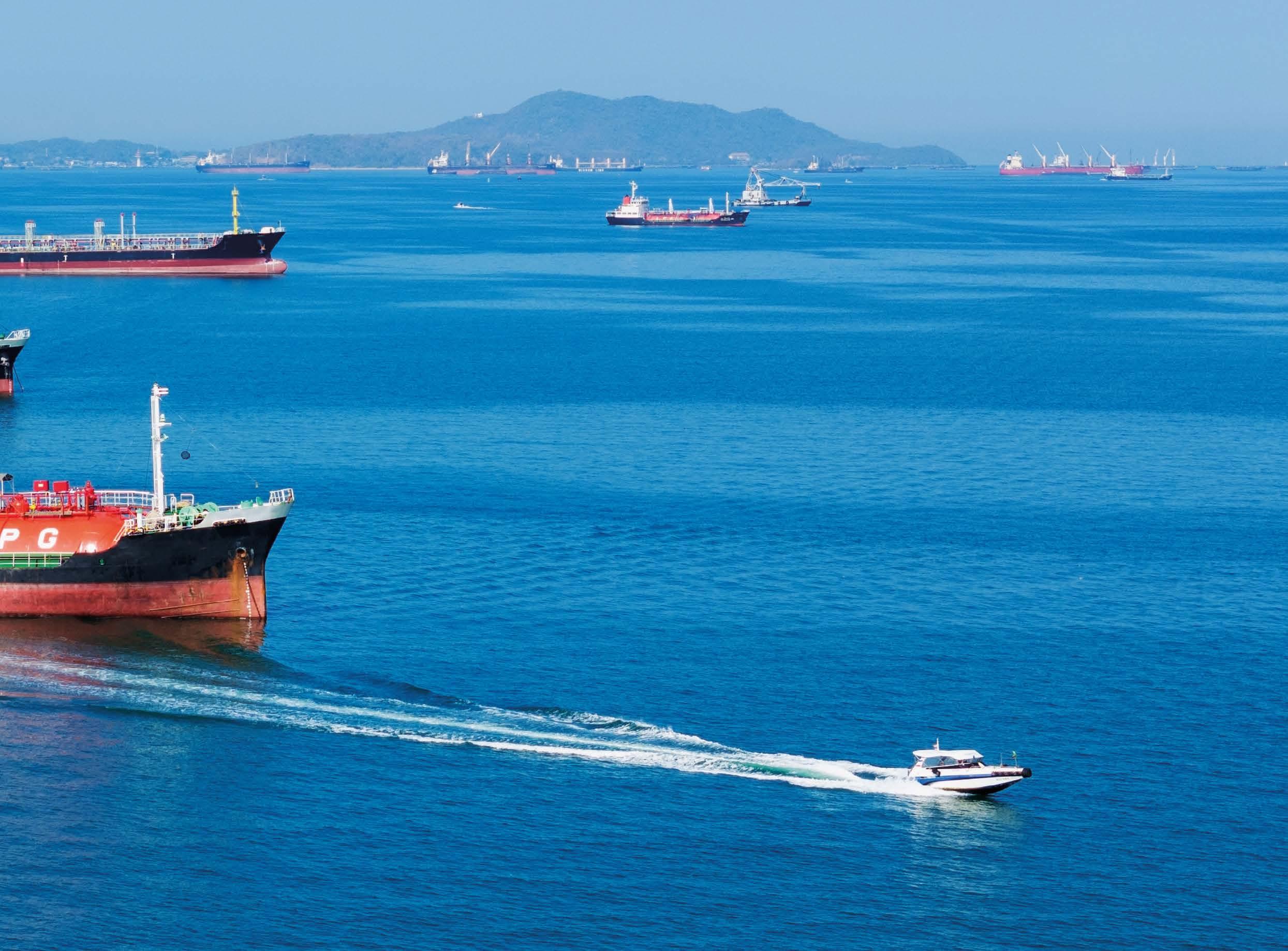
This was further exacerbated by the limitations posed by geography and geopolitics: movement of LNG and Gulf-sourced hydrocarbons need to transit the Strait of Hormuz which is currently at a near standstill as ships are generally unable to transit the strait due to threats and hostile actions from Iran.
In the case of the UK, the sputtering move towards net zero and a low carbon economy without a strategic roadmap designed to ensure energy security and to promote sustainable economic development, has claimed the nation’s North Sea Oil industry as an early victim. Natural energy resilience has been replaced by dependency on imported gas from Norway – a nation that sources their vast energy reserves from the same basin – the result being that the UK finds itself at risk of being the worst impacted nation of the G20 unless there is a swift resolution to the Iranian War.
And with an unfavourable tax treatment for hydrocarbons companies and consumers, the UK government’s strategy is serving as an effective wrecking-ball for industry and a self-perpetuating source of inflation.
Compare this scenario with China
China’s energy security strategy has been designed to respond to moments like this. As the world’s biggest oil importer it is highly sensitive to an event such as the closure of the Strait of Hormuz, or a wide-scale attack or a natural disaster on a major supplier country.
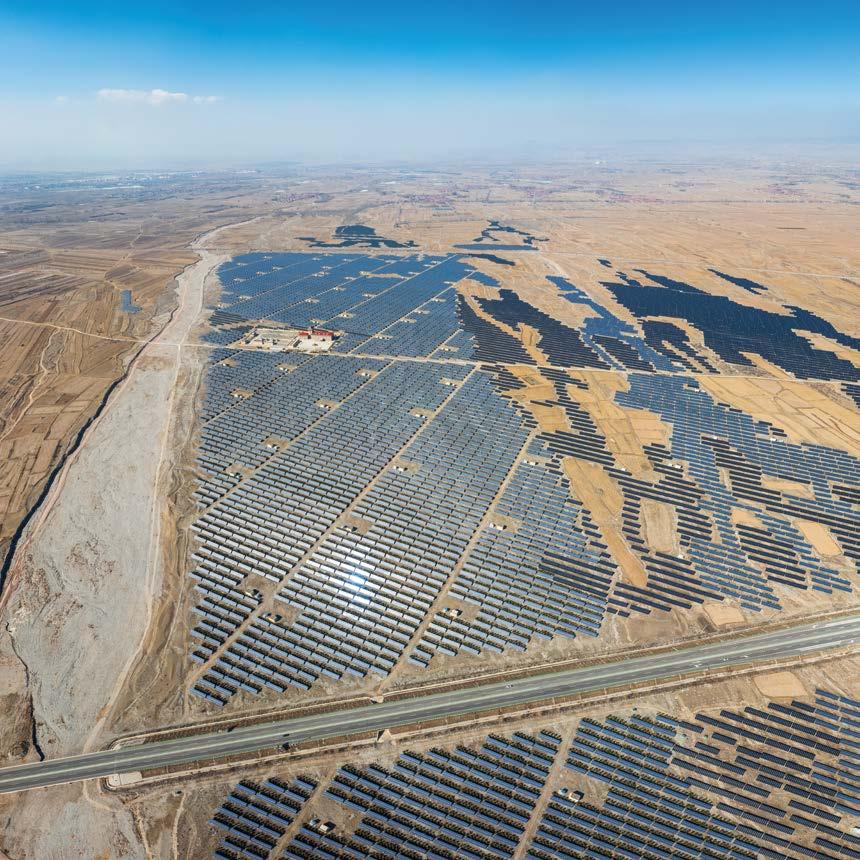
Electrification has been at the core of its economic move away from high consumption of oil and gas with over 30% of China’s final energy consumption now being from electricity which is generated using a range of primary sources including hydrocarbons and renewables rather than a reliance on green energy. The subtle difference between China’s approach and the rest-of-world / EU / UK is that China’s bogeyman isn’t hydrocarbons, their focus is on economics.
(For comparison, final energy consumption from electricity is slightly more than 20% globally, and under 25% in the EU).
Movement of LNG and Gulfsourced hydrocarbons need to transit the Strait of Hormuz, which is currently at a near standstill as ships are generally unable to transit the strait due to threats and hostile actions from Iran
So why not just do the same in Europe?
Unlike China, the EU lacks a common consensus on energy policy. Supporters and opponents of green policies and alternative energy supplies are all using the Iran war to support their point of view. EU governments have also asked the European Commission to accelerate the expansion of electrification across the bloc, while keeping costs under control – the latter is an increasingly difficult challenge given the geopolitics of resources such as rare earth minerals and other critical materials, the lack of manufacturing at scale and the increased economic strain posed by such an initiative.
Today’s current upheaval is complex by comparison with previous global events. Will Iran’s decision to attack their Arab neighbours provide the catalyst for expansion of the Abraham Accords to include most of the Gulf countries?
If so, this could lead to an opening for potential for new oil and gas pipelines crossing into Israel, which will operate as a main port, supported by
its advanced defence capabilities. From a risk and resilience lens this will provide a wider range of options for managing the risks associated with geopolitics and armed conflicts, along with increased economic activity around the wider region. The following summary of perspectives may provide some clues as to where may be headed in the short to medium term.
1. Clearly the Middle East has become the focus of the US, at least in the shortterm – one outcome is that the US takes economic control over the Strait of Hormuz, as well as both Kharg and Larak islands, to maintain security of navigation through the strait and to cut off the flow of oil and gas revenue to the Iranian leadership. And if so, will this be managed as an alliance with Gulf States?
2. Iran’s governance model and its future role in the region will be another variable requiring close monitoring for several reasons, not least their ability to regroup militarily for the dual aims of protecting their borders and continuing to equip and arm their regional proxies.
3. Cyber risks increase. Stretching beyond
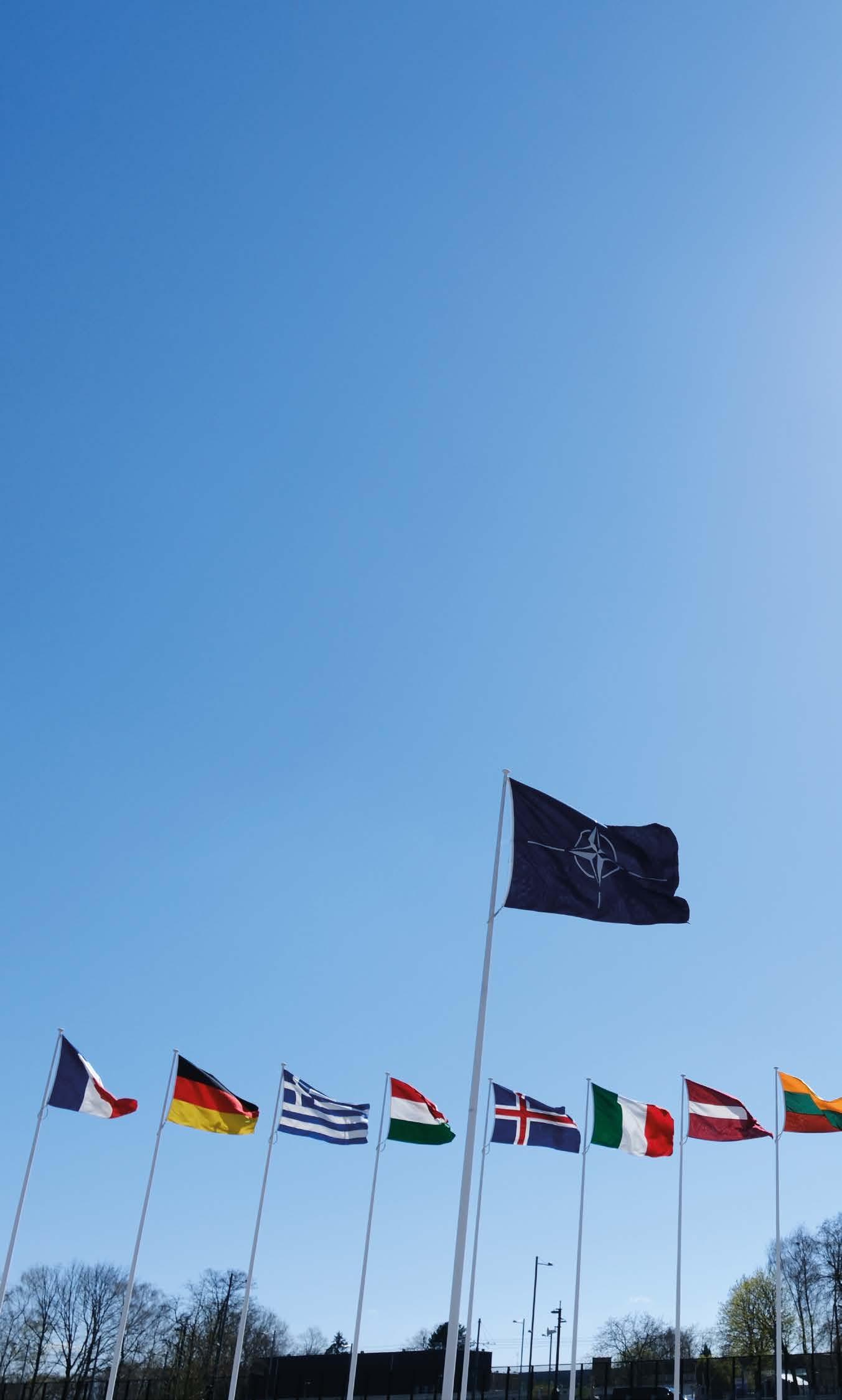
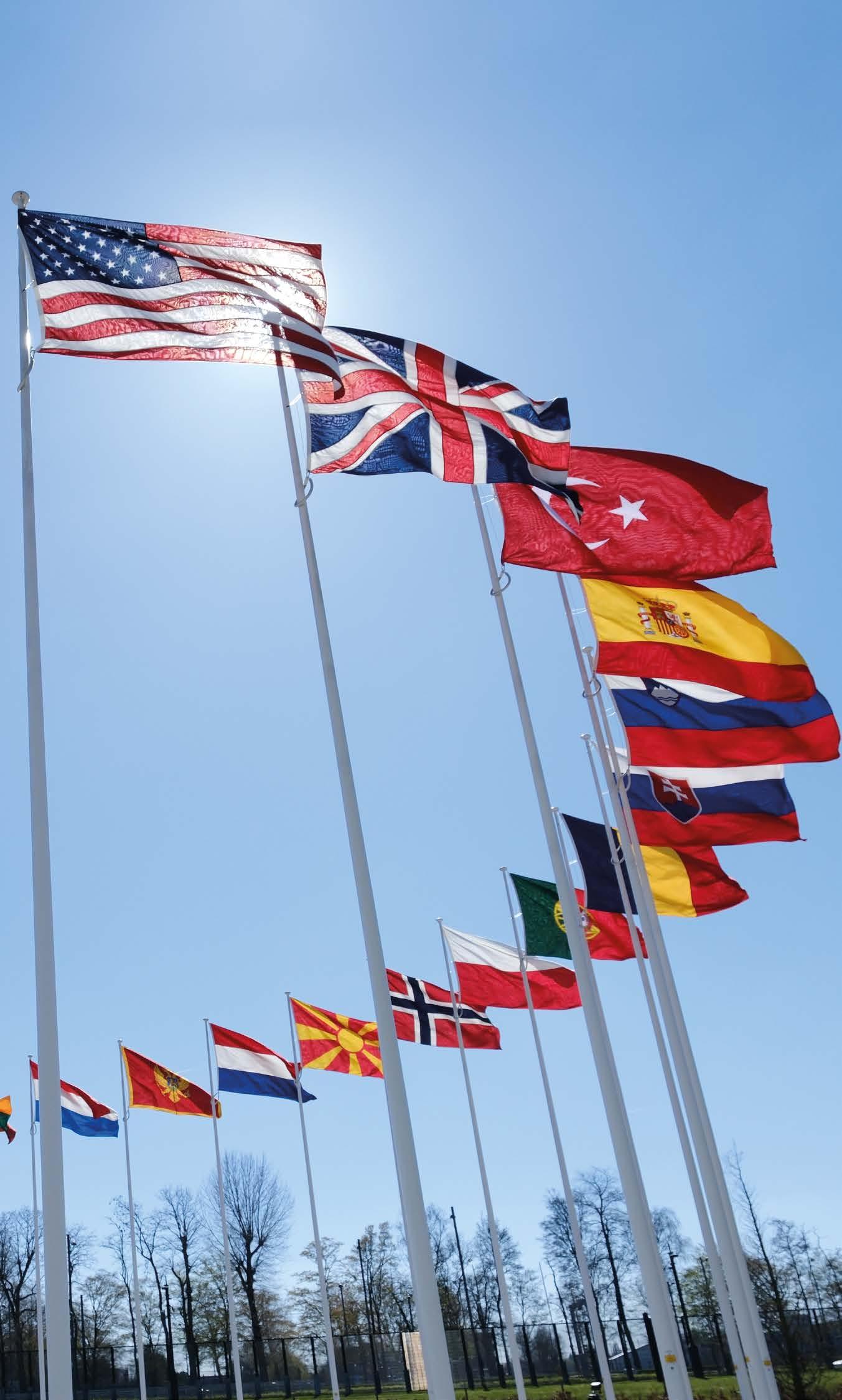
Does this military conflict potentially signal the beginning of the end for NATO?
Can alliance members continue to sit on the sidelines and criticise the strategy, while expecting to reap the benefits of any future win or peaceful conclusion to hostilities?
More than ever before the question: “What is the purpose of NATO?“ is front of mind for many given the current strains and the potentially fractious nature of the alliance.
The recent defence re-shuffling across Europe has seen delays in the delivery of key defence inventory, especially Patriot interceptors, and
systems have been moved from Europe to the Gulf to protect US forces and allies in the region as the shift in focus is toward confrontation with Iran.
Add to this the US deprioritising of the Russia-Ukraine War along with a softening stance on Russian sanctions and the signs are emerging that one consequence of the Iranian War could be a re-think of NATO, along with a potential move away from dependence on US arms suppliers on Europe’s part.
Taking a Middle East perspective, Gulf states are reassessing alliances, not only across the region but on a wider basis.
the boundaries of the current hostilities is an increase in Iranian cyber activity linked to the conflict. Compromised cameras and other internetconnected devices can provide real-time visibility over sensitive locations around the world, and the data collected isn’t limited to the traditional opportunistic use for disruption or for financial gain. Recent research findings highlight a growing link between cyber operations and battlefield activity, with digital intrusions used to support military operations rather than simply steal data or disrupt networks.
4. Russia, despite sanctions, stands to gain from the world’s need for oil. The US has softened its stance on Russian sanctions, enriching Russia and therefore its ability to fund its continuing aggression in Ukraine. This further complicates the European and global risk outlook at a time when Russia was becoming financially and militarily stretched at home. In addition, Russia’s supply of enhanced and improved Iranian UAVs (now manufactured in Russia) and supplying these back to Iran, is revealing where its loyalties lie. This highlights the need to find a speedy, long-term resolution to the Iranian War.
5. China’s continuing efforts to establish its role as a global leader by remaining, at least publicly, on the sidelines for the most part will test the GCC Alliance and its resilience in ways they possibly never envisaged. What trade-offs might be made by either party in their efforts to assert their respective
global positions, and how might a China-Iran relationship look given the current upheaval and fluidity in the region?
6. The China–Taiwan situation has the potential to escalate if China senses an opportunity to make a move while the US and some of their key allies pivot their attention toward the Middle East; but as China knows, Taiwan is well prepared and, like Ukraine, its defence capabilities shouldn’t be underestimated and may well act as an effective counterpoint to any near-term Chinese ambitions.
7. North Korea will likely seek to expand its economic development through greater levels of engagement and collaboration with China, at a time where North Korea and Russia are
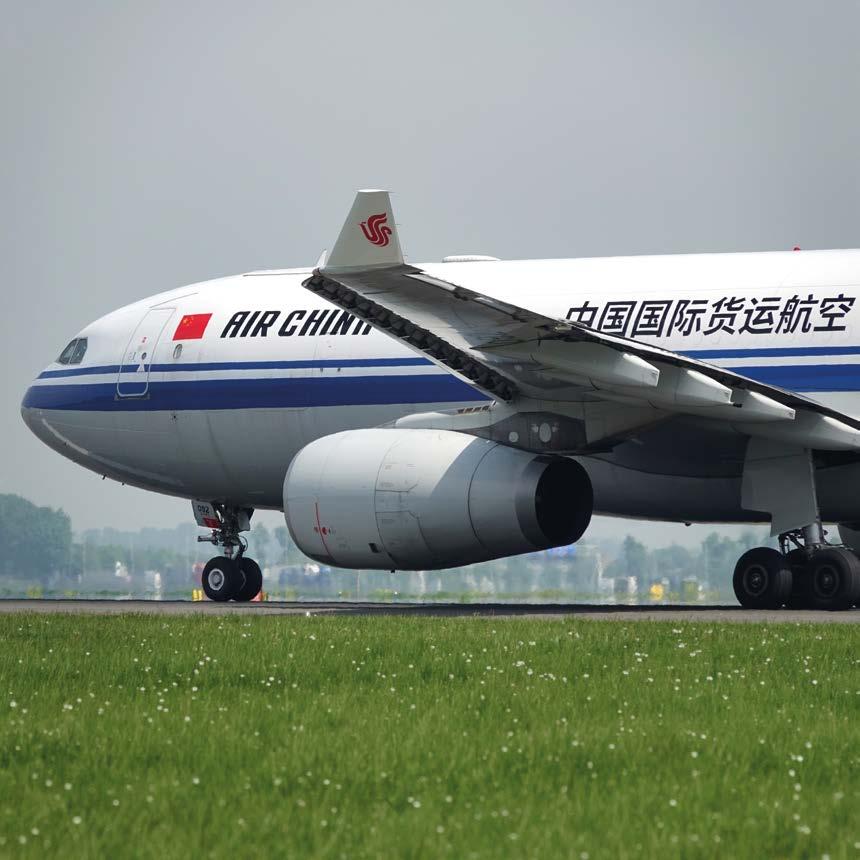
already enjoying strong alignment. Increased signs of this North Korean–Chinese activity can be seen in the announcement by Air China that it will resume flight operations between Beijing and Pyongyang after a six-year hiatus, and at a time when North Korea has announced a drive towards increasing revenues through tourism. More revenue means more to spend on militarisation, just as we have witnessed with Iran for the past four decades.
The elephant in the room is an unresolvable sovereign debt crises which has become a domestically delicate situation for governments of all hues
similar or worse consequences. Despite the pivot in US focus the world needs to maintain vigilance on other regions and potential hot spots to avoid a global conflict which could bring irreversible consequences for current and future generations.
The elephant in the room is an unresolvable sovereign debt crises which has become a domestically delicate situation for governments of all hues across the Western hemisphere. Historically in situations like this, conflict has often been part of resetting the debt clock – if we need an example of a Middle East country using the tactic of war to navigate debt we need look no further than Iraq’s invasion of Kuwait in the 1990s, which remains an enduring monument to this philosophy.
Like any other risk, we cannot simply afford to ignore the potential for either a widening of this current conflict or to ignore future events carrying
The accepted theory of war being nothing but solving an economic crisis rings as true now as ever before.
When we bundle together China’s wait-and-see position and its massive ownership of US debt, the stakes suddenly become much higher.
Grant Griffiths: Grant is an internationally recognised risk and resilience professional working with some of the world’s leading organisations in developing and enhancing their risk and governance capabilities, and building sustainable and resilient future-ready enterprises. He is an IRM Approved Trainer and is the course leader of the IRM’s Geopolitical Risk Management training programme, and is also a senior consultant at IRM Advisory Services.
Competition for global influence will likely reach its highest level since the Cold War. Geopolitical analysis must become a permanent feature of strategic planning

Dr
In a previous article for Enterprise Risk magazine (Nov/Dec 2025), I argued that geopolitics has moved from a distant backdrop to a central force shaping corporate strategy. Events since have proved that point with uncomfortable speed. Here, I explore how Middle East escalations translate into measurable market shocks – and what tools risk managers can deploy.
The price tag of conflict For energy companies and their stakeholders, geopolitical instability has a price tag. Every

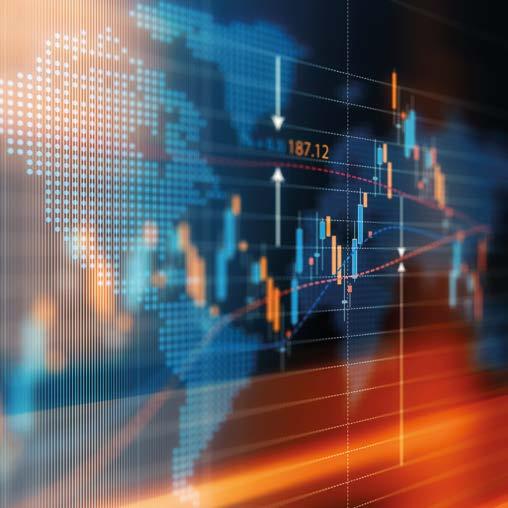
major conflict in the Middle East over the past 35 years has left its fingerprint on crude oil benchmarks and global equity indices. The table below captures a pattern that is often discussed qualitatively but rarely laid out in comparable data.
The numbers tell a striking story. The 1990 Gulf War saw crude prices surge by 139%, while the S&P 500 dropped 16% and took almost four months to recover. The 2023-25 Israel-Hamas conflict produced a more modest 9% oil increase and equity markets rebounded within days. The most recent escalation involving US-Israel-Iran in early 2026 pushed Brent crude from $73 to above $112, a 54% jump, and the S&P 500 declined by 7.8%
within four weeks, with the recovery taking only two weeks to get back to pre-escalation levels.
One conclusion stands out: markets are absorbing geopolitical shocks faster, but the shocks themselves are not becoming less severe. The shrinking recovery windows suggest improved market liquidity, yet the magnitude of commodity price swings remains a serious concern for businesses that depend on predictable energy costs.
LNG: the new vulnerability frontier
While oil dominates the headlines, the liquefied natural gas (LNG) sector has emerged as arguably the more fragile link in the global energy chain. Two recent episodes illustrate why.
In 2024, Houthi attacks in the Red Sea slashed LNG transit volumes by 87% and pushed freight rates up 86% in just 10 days. Then, in March 2026, escalation around the Strait of Hormuz triggered a force majeure declaration by QatarEnergy, putting at risk approximately 20% of global LNG supply. European TTF2 gas prices surged nearly 94% above pre-crisis levels, reaching €62/MWh.
The critical difference between oil and LNG is optionality. Oil has pipeline bypass routes and strategic reserves (the IEA3 released 400 million barrels during the 2026 escalation). LNG depends on fixed maritime corridors and specialised infrastructure – there is no quick alternative when a chokepoint closes. For risk managers in the Gulf and beyond, this asymmetry demands a rethink of business continuity assumptions.
From numbers to action: tools for the risk manager
In my November 2025 article, I introduced the geopolitical risk journey – moving from “What if?” (scenario identification) to “So what?” (business impact analysis) to “Now what?” (strategic decisionmaking). The market data above equips risk managers for the “So what?” conversation. But translating impact analysis into board-level action requires a further step: making geopolitical risks comparable with other enterprise risks. This is where many organisations struggle. A traditional risk matrix places geopolitical events alongside operational risks, but the comparison feels forced. One approach that has worked well in practice is the Combined Risk Indicator (CRI), a concept I explored during my doctoral
research on risk management in the energy sector. The CRI blends the expected (average) loss, Valueat-Risk at the 95th percentile, and Conditional Value-at-Risk for the worst 5% of scenarios. By weighting these components according to the organisation’s risk appetite, geopolitical risks can sit alongside modelled risks on a single comparable scale (the full methodology is available in my recent monograph on Amazon, Determinants of Corporate Risk Management Strategies of Multinational Enterprises in the Energy Sector, 2026).
Consider: a regulatory risk may carry a 50% probability of moderate loss, while a targeted attack on a facility has only a 2% probability but catastrophic consequences. On a traditional heat map, both land in the same zone. The CRI, by incorporating tail risk through CVaR, reveals that the low-probability event demands far more attention – enabling boards to invest in resilience before a crisis materialises.
The value of structured preparedness becomes vivid when we examine the 2022 Russian invasion in Ukraine timeline. Between November 2021 and
February 2022, the situation escalated through observable milestones: troop build-ups, diplomatic demands, embassy evacuations, intelligence warnings, and military drills.
Yet many corporations only began exiting Russia in March 2022 after supply chains were disrupted and sanctions imposed.
The organisations that responded fastest had pre-mapped escalation indicators with specific response triggers. This is “Now what?” in practice: actionable playbooks that activate as thresholds are crossed. The question is not whether there will be a next geopolitical shock, but whether your organisation will recognise it early enough to act.
This is not temporary turbulence to wait out. The US National Intelligence Council’s Global Trends 2040 report projects that competition for global influence will likely reach its highest level since the Cold War. Geopolitical analysis must become a permanent feature of strategic planning.
Three steps can accelerate this. First, anchor geopolitical scenarios to financial metrics – the market impacts table left is a starting point for your own benchmarks. Second, adopt tools like the CRI that make geopolitical risks comparable with your existing risk register. Third, build scenario-based response playbooks with clear escalation triggers, and stress-test them annually.
As Professor Chan Kim, author of Blue Ocean Strategy, reminds us: there is no strategy without risk. The organisations that thrive in the next decade will be those that treat geopolitical risk not as a threat to monitor, but as a strategic variable to manage.
Dr Mykhailo Rushkovskyi is a seasoned Senior Risk Executive with over 11 years of leadership experience heading risk functions across the energy, oil & gas, chemical, and insurance sectors in both state and private organizations. He is the author of a research monograph on corporate risk management strategies of multinational enterprises in the energy industry and a recipient of the European Risk Management Award (2022) for Business Continuity Programme of the Year.
Lawrence Habahbeh sets out the case for adopting a more quantitative approach to geopolitical risk
In 2026, geopolitical risk is no longer a distant or abstract concern, but a central driver of financial stability, strategic decision-making and organisational resilience. For banks and financial institutions, the challenge is no longer simply understanding geopolitical events but systematically integrating them into risk management frameworks. Drawing on insights from the Institute of Risk Management, we explore how geopolitical risk is evolving, and why a more structured, quantitative approach is now essential.
A new risk reality: geopolitics as a core financial driver
Geopolitical risk has moved from the periphery to the core of financial risk management. Events such as trade wars, sanctions, regional conflicts and energy disputes now directly affect market volatility, credit quality and counterparty risk, liquidity conditions, operational continuity and reputational exposure. These are not isolated impacts. They are interconnected, often cascading across financial systems in non-linear ways. Regulators increasingly recognise this shift. Supervisory bodies highlight geopolitical risk as a cross-cutting driver that amplifies traditional banking risks and demands stronger resilience planning.
Three structural trends define geopolitical risk in 2026:
1. Acceleration of shock transmission

Geopolitical events now translate into financial impacts faster than ever. Supply chains, capital markets and digital infrastructure are tightly interconnected, meaning disruptions propagate almost instantly.
2. Non-linearity and ‘fat tail’ events
Extreme, low-probability events – once considered outliers—are occurring more frequently. These ‘fat tail’ risks challenge traditional models that rely on historical patterns.
3. Fragmentation of the global system
Rising protectionism, regulatory divergence and geopolitical blocs are reshaping global finance. This fragmentation introduces structural uncertainty into long-term strategy and capital allocation.
From awareness to action: the shift in risk management
In the past, many institutions treated geopolitical developments as background context, useful for informing macroeconomic views but rarely incorporated into formal risk frameworks. In 2026,
Geopolitical risks are no longer peripheral events –they have become core drivers of market volatility and balance sheet resilience
that approach is no longer viable. Financial institutions are increasingly required to treat geopolitical risk as a measurable and actionable component of their overall risk profile.
This shift involves moving from qualitative observation to structured analysis. Firms must identify specific geopolitical triggers, such as sanctions, trade restrictions or regional conflicts, and understand how these events could escalate and transmit through financial systems. These transmission channels might include deteriorating credit quality, increased market volatility, or disruptions to liquidity and operations.
To manage this effectively, organisations are embedding geopolitical risk into core processes like stress testing, scenario analysis and capital planning. Rather than relying on historical data alone, they are developing forward-looking assessments that estimate both the likelihood and potential severity of geopolitical shocks. This enables more informed decision-making and ensures that exposures are properly understood, measured and mitigated.
Geopolitical risks are no longer peripheral events; they have become core drivers of
market volatility and balance sheet resilience. Effective management requires integrating scenario planning, stress testing and real-time intelligence into both banking and trading book frameworks. For professionals looking to build or strengthen these capabilities, the Institute of Risk Management will be offering a course on geopolitical risk this autumn, which aims to equip participants with the tools to translate complex geopolitical developments into quantifiable risk metrics, apply scenario analysis effectively and integrate geopolitical considerations into existing risk frameworks. As the importance of geopolitical risk continues to grow, developing this expertise is becoming an essential part of modern risk management practice.
Lawrence
Habahbeh, Chair, Black Swan Insurance Working Party | Member, IFoA Risk Management Board, Architect of
the Risk Flux Framework

For over 25 years, global organisations across Australasia, EMEA, and the Americas have relied on riskHive® as a trusted and established provider of Enterprise Risk Management solutions. Designed for customers seeking a rapid, cost-effective approach to centralising risk information with future-ready capability, the riskHive ERM® application provides a fully featured, web-based platform to manage, control, track, and report on risks, opportunities, issues, actions, assumptions, and dependencies within a single, integrated environment, starting from scratch or by migrating data from any source or system.
Symbiant is an award-winning GRC and audit platform designed to help organisations manage risk and achieve objectives with confidence. The platform is modular and agile, and easily integrates with existing structures. Symbiant’s integrated AI assistant analyses your data to identify hidden threats, predict control failures and understand how risks may cascade across your organisation. Proven in complex environments, Symbiant has been providing powerful, flexible and affordable GRC solutions to organisations of all sizes since 1999.

Contact: Ian Baker +44 1275 545874 or +44 781 8898 997
Ian.baker@riskhive.com www.riskhive.com
riskHive Software Solutions Ltd
Dilkush, Farlers End, Bristol, BS48 4PG
Contact:
Andrew Birch +44 (0)20 3821 1993
andrewb@symbiant.co.uk
www.symbiant.co.uk
Symbiant 20-22 Wenlock Road London N1 7GU