
International Research Journal of Engineering and Technology (IRJET) e-ISSN: 2395-0056
Volume: 12 Issue: 05 | May 2025 www.irjet.net p-ISSN: 2395-0072
International Research Journal of Engineering and Technology (IRJET) e-ISSN: 2395-0056
Volume: 12 Issue: 05 | May 2025 www.irjet.net p-ISSN: 2395-0072
Muskan1 and Nitu2
Civil Engineering Department, Matu Ram Institute of Engineering & Management, Model Town, Rohtak, Haryana 124001
Abstract - Thisstudyinvestigatestheuseofagro-industrial waste materials as partial replacements in M45 grade concrete. Wood ash (WA), rice husk ash (RHA), and corn cob granules (CCG) were tested as cement, fine aggregate, and coarseaggregatereplacements,respectively,atvaryinglevels. A total of 25 concrete mixes were prepared using an L25 orthogonalarray,adheringtoIS10262:2019guidelineswitha constant water-cement ratio of 0.37. Mechanical and durability properties, including compressive strength, split tensile strength, flexural strength, water absorption, and density,wereevaluatedat28,56,and90days.Resultsshowed that mixes with up to 10% WA, 20% RHA, and 20% CCG demonstrated comparable performance to the control mix. However, higher replacement levels, especially for RHA and CCG, led to decreased strength and increased water absorption, affecting durability. WA at 10-15% proved beneficial for long-term strength development and microstructure refinement.
Key Words: Agro-industrialwaste,concrete,woodash,rice husk ash, corn cob granules, durability, mechanical properties,sustainability.
Concrete,awidelyusedconstructionmaterial,iscomposed primarily of cement, sand, water, and aggregates. Its unparalleledversatility,strength,anddurabilityhavemade it a fundamental material in modern infrastructure. However,theenvironmentalimpactofconcreteproduction issubstantial,primarilyduetotheenergy-intensiveprocess of cement manufacturing. Cement production alone is responsibleforasignificantshareofglobalcarbondioxide emissions,contributingtotheongoingchallengesofclimate change.Asaresult,thereisincreasingpressuretodevelop more sustainable alternatives to traditional concrete ingredients.
One promising approach to reducing the environmental footprint of concrete is the use of bio-based materials as partialreplacementsforconventionalmaterialslikecement, sand,andcoarseaggregates.Bio-materialsarederivedfrom renewable, natural sources and offer several advantages, includingwastereduction,lowerenergyconsumption,and potentially enhanced material properties. By replacing a portionofconventionalconcreteingredientswithbio-based materials,itispossibletonotonlymitigateenvironmental
harm but also improve the performance characteristics of theresultingconcrete.
Aduldejcharas (2024) investigates the use of mussel shell waste as a bio-responsive block material for concrete in Samut Songkhram Province’s Bang Ja Kreng Community, addressingenvironmentalissuesfromtraditionaldisposal methods. Mussel shells, when burned at various temperatures, undergo a chemical transformation, enhancing their calcium oxide content and compressive strength.Thestudydemonstratesthematerial'spotentialfor concrete, showing strength up to 500 kg (4,000 N). By incorporating mussel shells into concrete, the research highlights an eco-friendly solution for waste management andsustainableconstruction,withcommunityinvolvement beingkeyforsuccess.
Al-Sabaeeietal.(2022)examinethepotentialofcrudepalm oil(CPO)anditsby-products,likepalmoilfuelash(POFA) andpalmoilclinker,ingreenconstruction.POFAimproves concrete strength and durability, while palm oil clinker enhancesasphaltmixtures.Thesematerialsoffersustainable alternatives to petroleum-based products, reducing environmentalimpact.However,challengessuchassourcing enoughpalmoilfornon-foodapplicationsandvariabilityin performancebasedonoiltyperemain.Thestudyhighlights the feasibility of CPO-based products for sustainable construction. Amantino et al. (2022) assess bio-concretes made with rice husk (RH) bio-aggregates, focusing on mechanical, thermal, and physical performance over six months. Replacing cement with rice husk ash (RHA) and naturalsandwithricehuskdecreasedcompressivestrength by up to 36%. While mechanical properties were compromised,thebio-concretesmaintainedgood thermal performance, making them suitable for lightweight, insulatingapplications.Thissubstitutionreducesthecarbon footprint, enhancing the material’s sustainability and durability. Despite lower strength, rice husk-based bioconcretes are a promising eco-friendly option for construction.
Ansari, Tabish, and Zaheer (2025) review hemp-infused concrete, emphasizing its environmental and structural benefits in reducing carbon emissions in construction. Hempcrete, made from hemp and lime, offers thermal
International Research Journal of Engineering and Technology (IRJET) e-ISSN: 2395-0056
Volume: 12 Issue: 05 | May 2025 www.irjet.net p-ISSN: 2395-0072
insulation,moisturecontrol,andenhancedenergyefficiency. Itisresistanttofire,pests, andmold,providingdurability and low maintenance. However, its low compressive strengthlimitsitsuseinload-bearingapplications.Despite this,hempcrete'sseismicresistanceandabilitytoregulate humidity make it suitable for earthquake-resistant structures.Thereviewidentifieschallengessuchaslackof standardization and high costs, which hinder widespread adoption. Bardouh et al. (2024) review the mechanical behavior of bio-based concrete under various loadings, analyzing 120 studies. The paper discusses factors like aggregatecontent,bindertype,andagingthatinfluencebiobased concrete’s mechanical properties. It highlights that increased aggregate content reduces strength, while finer aggregatesimprovemechanicalproperties.Thestudyfinds bio-based concrete exhibits elastoplastic behavior, aiding energydissipationduringseismicevents.Withsustainability andcarbon-negativepotential,bio-basedconcreteoffersa promisingalternative,thoughitsmechanicalpropertiesneed carefulformulationtomeetconstructionstandards.
Caldasetal.(2021)assessgreenhousegas(GHG)emissions in wood bio-concrete production using Life Cycle Assessment (LCA). The study finds that increasing wood waste content reduces GHG emissions and promotes a circular economy. The research also highlights the role of transportation efficiency in affecting carbon footprints. Recycledwoodshavingshada lowerimpacton emissions comparedtovirginwood.Thissupportstheuseofrecycled woodinconstructiontoreduceenvironmentalimpact.The study advocates for waste wood over virgin sources to promotelow-carbon,sustainablebuildingmaterials.Cavalli et al. (2024) review bio-based rejuvenators in asphalt pavements, focusing on their eco-friendly and renewable properties. These rejuvenators restore the rheological properties of aged asphalt, improving elasticity, crack resistance, and fatigue performance. They offer environmental benefits by reducing greenhouse gas emissionsandarebiodegradableandnon-toxic.Whilebiobased rejuvenators improve asphalt durability, their effectivenessvariesbasedontype,dosage,andcompatibility withexistingmaterials.Long-termperformancemonitoring is necessary to ensure their efficiency, but they present a promising sustainable solution for enhancing asphalt pavements. Chen and Yu (2024) study the surface modification of miscanthus fiber using hydrophobic silica aerogel to enhance its compatibility with cement in lightweight concrete. The modification improves compressive and flexural strength, reduces water absorption, and enhances thermal insulation and sound absorption.Hydrophobictreatmentalsominimizesorganic matterleaching,improvingthedurabilityandstrengthofthe material. The study suggests that aerogel-modified miscanthusfibersareapromisingeco-friendlysolutionfor improvingtheperformanceoflightweightconcrete,offering enhancedinsulatingandacousticpropertiesforconstruction materials.
Chen, Yu, Wang, and Yu (2024) explore bio-corrosion mechanisms in marine concrete, which degrade infrastructureinmarineenvironments.Thereviewidentifies fouling,biophysical,andbiochemicalprocessesaskeybiocorrosionmechanisms.Theseprocessesimpactthemineral composition and microstructure of concrete, reducing its lifespan and compressive strength. The paper emphasizes the importance of understanding hydrodynamics in biocorrosionandsuggeststhatantifoulingmeasuresshouldbe designedwiththesemechanismsinmind.Despiteadvances inbio-corrosionresearch,thestudycallsformoreresearch topredictandmitigateitseffectsonconcretedurability.De Andrade et al. (2024) evaluate the potential of macauba endocarpasacoarseaggregateinbio-concretes,assessing itschemicalcompatibilitywithcement.Thestudyfindsthat treatmentimprovesthechemicalcompatibilityofmacauba endocarp,withbio-concretesshowingpromisingmechanical properties. A 25% endocarp substitution led to a 7% increaseincompressivestrength,whilehighersubstitution levelsreducedstrength.Theadditionofendocarpimproved ductility and fracture control, making it suitable for noncriticalload-bearingapplications.Despitedecreasedelastic modulus, macauba endocarp shows potential as a sustainablebio-aggregateforconstruction.DePascaleetal. (2024) investigate the use of waste bivalve shells as biofillers in porous asphalt concrete. The study finds that thesebiofillers,madefrommussels,oysters,andclams,do notsignificantlyalterphysicalpropertieslikeskidresistance orairvoidcontent.Musselshellfillershowedhighervertical permeability,whileoystershellfillerdemonstratedsuperior rutting resistance. However, clam shell filler negatively impacted mechanical properties. The study suggests combining different biofillers could optimize asphalt performance, offering an eco-friendly solution for waste managementinconstruction.
Elgaali, Lopez-Arias, and Velay-Lizancos (2024) examine CO2 exposure treatment on recycled concrete fine aggregates (RCFA) to enhance bio-receptivity in mortars. The study finds that CO2 treatment improves the bioreceptivity of RCFA mortars, increasing porosity and reducing surface pH, which enhances biofouling organism growth.Thetreatmentalsoboostedcompressivestrengthby 83%.RCFAmortarsshowedbetterporosityandcarbonation depth,makingthemsuitableforbio-receptiveapplications. ThestudysuggeststhatcombiningRCFAwithCO2exposure cancreatelow-carbon,bio-receptivecementitiousmaterials, promoting sustainable construction practices. There are severalgapsintheliteratureregardingbio-basedconcrete, including the optimization of its performance for specific structural applications like energy absorption structures, andthelong-termenvironmentalbenefitsofusingbio-based aggregates such as waste wood and bivalve shells. Additionally, there is limited research on the influence of bio-fillerslikebivalveshellsonasphaltproperties,andthe effects of various bio-based aggregates (e.g., hemp, rice straw, corn stalk) on concrete performance. Studies
International Research Journal of Engineering and Technology (IRJET) e-ISSN: 2395-0056
comparing the environmental impacts of bio-based and conventional aggregates, understanding the interaction of theseaggregateswithcementhydration,andexploringthe scalabilityandcommercialviabilityofbio-basedaggregates in large-scale production are also lacking, along with knowledge on their behavior in critical load-bearing elements.
ThisstudyusedOrdinaryPortlandCement(OPC)of43grade as the primary binder, complying with IS 8112:2013. The cement,greyincolor,freefromlumps,withaspecificgravity of3.14,exhibitedgoodconsistency.Naturalriversand,clean andwell-gradedunderZoneII(IS383:2016),servedasthe fineaggregatewithaspecificgravityof2.60.Woodash(WA) wasusedasapartialcementreplacement,contributing to sustainabilitywithitspozzolanicproperties,whilericehusk ash(RHA)replacedfineaggregates,enhancingworkability andstrength.Corncobgranules(CCG),alightweightcoarse aggregate, were tested for their impact on performance, although their high porosity limited their structural behavior.Crushedangularcoarseaggregatesof20mmsize conformedtoIS383:2016,andpotablewaterwasusedfor mixing and curing. A superplasticizer, added at 1.2% by weight of cement, reduced water demand by 19.2%, ensuringdesiredworkability.
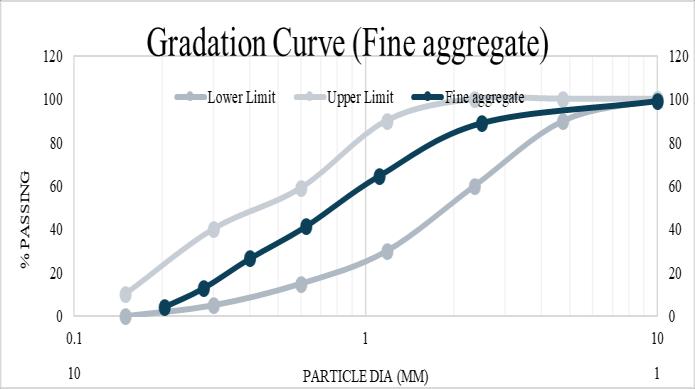
1:GradationCurve(Fineaggregate)
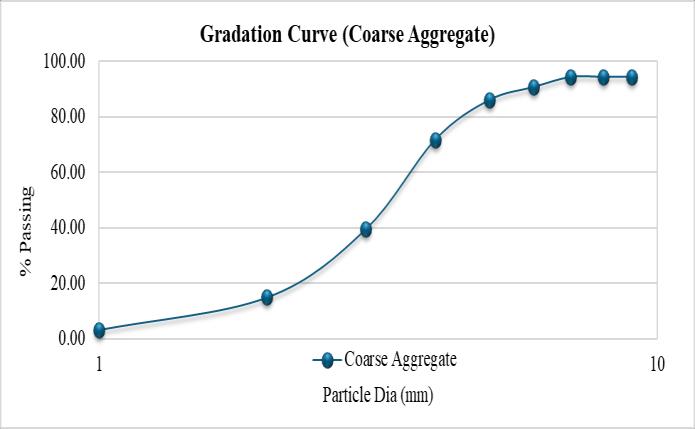
Figure2: GradationCurve(CoarseAggregate)
TheM45concretemixwasdesignedusingablendofOPC43 andGGBFS,with20%ofthecementreplacedbyGGBFSto
enhance sustainability and durability. The mix comprises 355.50 kg/m³ of OPC 43, 88.87 kg/m³ of GGBFS, 663.93 kg/m³ of fine aggregate (sand), and 1067.19 kg/m³ of 20 mmcoarseaggregate.
Awatercontentof164.42kg/m³wasmaintained,achieving awater-cementratioof0.37.Toimproveworkability,5.33 kg/m³ofsuperplasticizerwasadded.Eachmixvariationin thestudyiscodedbasedonthepercentagereplacementsfor easyidentificationandtrackingduringtestingandanalysis.
Wood Ash (WA), Rice Husk Ash (RHA), and Corn Cob Granules(CCG)toensure easyidentificationandtracking. The mix code follows the format W<WA%>_R<RHA%>_C<CCG%>, representing the percentageofeachreplacementmaterialused.Forexample, amixwith10%woodash,40%ricehuskash,and20%corn cob granules is labeled as W10_R40_C20, allowing for a concise and systematic way to refer to all 25 mix combinationsintheexperimentalprogram.
Volume: 12 Issue: 05 | May 2025 www.irjet.net p-ISSN: 2395-0072 © 2025, IRJET | Impact Factor value: 8.315 | ISO 9001:2008 Certified Journal | Page1365
International Research Journal of Engineering and Technology (IRJET) e-ISSN: 2395-0056
Volume: 12 Issue: 05 | May 2025 www.irjet.net p-ISSN: 2395-0072
The casting process began with accurate batching of materials as per the designed mix proportions, ensuring preciseweighingofcement,fineaggregate,coarseaggregate, water, and superplasticizer. These materials were thoroughly mixed in a mechanical mixer to produce a uniform and workable concrete mix. Standard moulds for cubes (150×150×150 mm), cylinders (150×300 mm), and beams (100×100×500 mm) were cleaned, oiled, and prepared before casting. The concrete was placed in the mouldsinlayers, with each layercompactedusinga table vibrator to remove air voids. After casting, the specimens werecoveredwithaplasticsheettopreventmoistureloss and demoulded after 24 hours. The specimens were then transferred to a water curing tank, fully submerged at a controlled temperature for 28, 56, and 90 days, ensuring proper hydration and development of strength and durabilityproperties.
Themechanicalperformanceanddurabilityofconcretewere evaluatedthroughaseriesofstandardizedtestsconducted at28,56,and90days ofcuring,following relevantIndian Standard (IS) codes. Compressive strength was measured usingcubespecimens(150×150×150mm)inacompression testingmachine,andthesplittensilestrengthwasassessed withcylindricalspecimens(150mmdiameterand300mm height)byapplyingcompressionalongtheverticaldiameter. Flexural strength was determined using beam specimens (100×100×500mm)subjectedtotwo-pointloading.Water absorptionwastestedbydryingspecimens,thenimmersing theminwatertomeasurethepercentageofwaterabsorbed. All tests were performed under controlled laboratory conditionstoensureaccuracyandconsistencyintheresults.
4.1
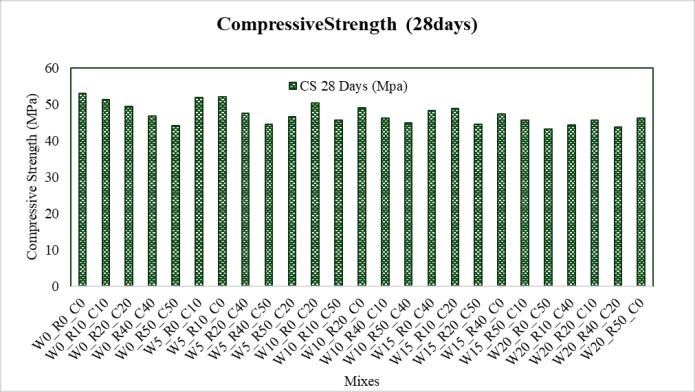
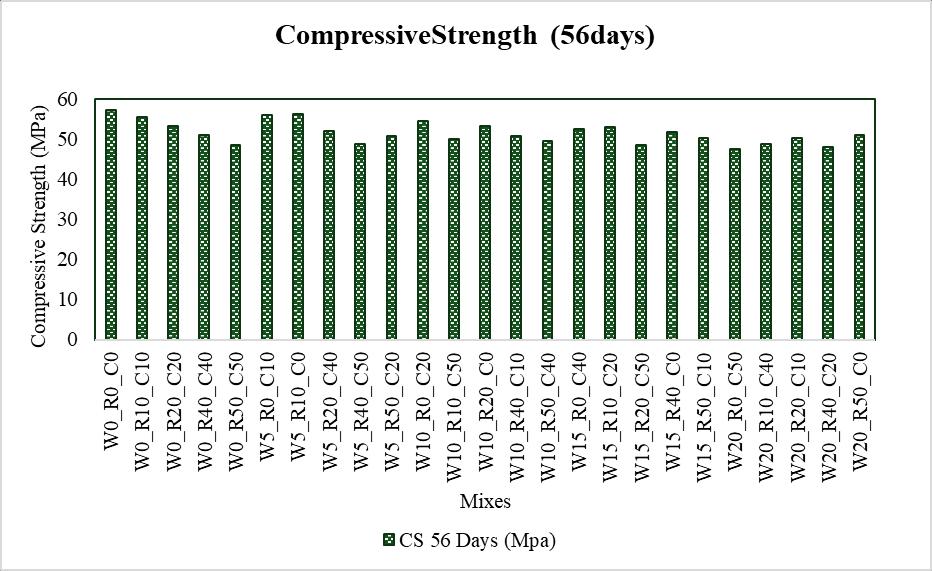
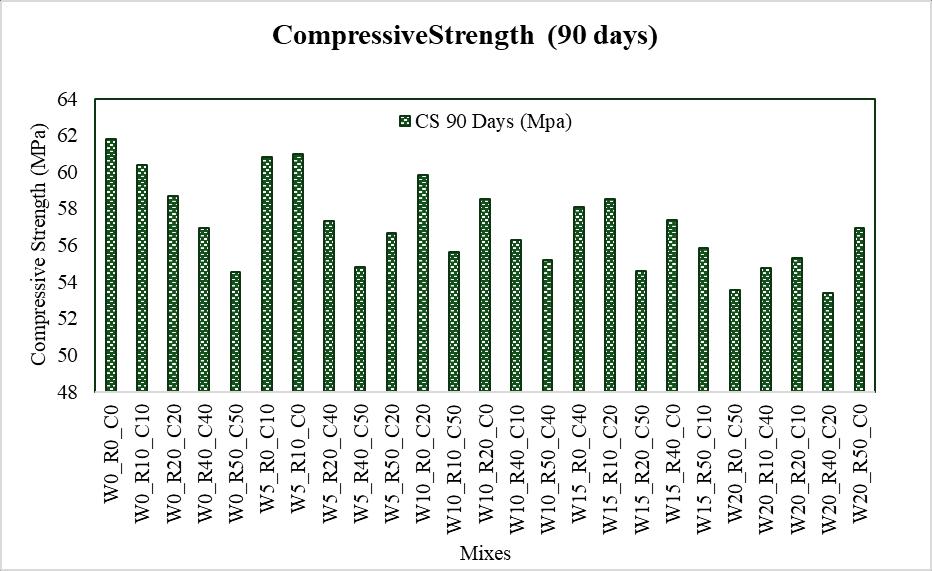
Thecompressivestrengthresultsacross28,56,and90days revealedthattheuseofwoodash(WA),ricehuskash(RHA), and corn cob granules (CCG) significantly influences the mechanical behavior of concrete. The control mix (W0_R0_C0)achievedamaximumstrengthof52.89MPaat 28 days and reached 61.82 MPa at 90 days, setting a benchmarkforcomparison.Lowtomoderatereplacement levels specifically up to 10% WA, 20% RHA, and 20% CCG exhibitedcompressivestrengthvaluescomparableto or slightly below the control mix. Mixes like W5_R10_C0, W10_R0_C20,andW5_R0_C10maintainedstrengthscloseto thetargetvalueevenatearlyagesandshowedsignificant improvement with prolonged curing, benefiting from delayedpozzolanicreactions.However,higherreplacement levels,especiallythosewith40–50%RHAorCCG,showeda considerabledeclineinstrengthduetoincreasedporosity, weaker aggregate-matrix bonding, and dilution of the cementitiouscontent.TheresultsemphasizethatwhileWA andRHAcontributepositivelythrough pozzolanicactivity
over time, CCG primarily acts as a filler and introduces mechanical weakness. Thus, optimal performance is achievedwhenSCMsareusedwithinthresholdlimitsand balancedcarefullyinthemix.Continuedcuringprovedvital in strength gain, particularly for ash-based concrete, underliningtheimportanceofhydrationkineticsandbinder reactivity. The compressive strength findings validate the potentialofusingagro-industrialwasteinhigh-performance concreteapplicationswithjudiciousmixdesign.
International Research Journal of Engineering and Technology (IRJET) e-ISSN: 2395-0056
Volume: 12 Issue: 05 | May 2025 www.irjet.net p-ISSN: 2395-0072
Splittensilestrength(STS)iscrucialinevaluatingconcrete’s resistancetocrackinganditsbehaviorundertensilestress. The control mix demonstrated a 90-day STS of 6.18 MPa, showing a steady increase from 5.29 MPa at 28 days. Modified mixes with low WA and RHA content such as W5_R10_C0 and W10_R0_C20 closely matched or even approachedthisbenchmark,reachingupto6.10MPaat90 days.TheincreaseinSTSovertimeisprimarilyduetothe pozzolaniccontributionsofWAandRHA,whichrefinethe porestructureandenhancematrixcohesion.However,high CCG content negatively influenced tensile strength at all ages.MixeslikeW0_R50_C50andW15_R20_C50consistently displayedlowerSTS,peakingonlyat5.30MPaafter90days. Theporous andlightweightnatureofCCGresultsinweak bondingwithinthematrix,especiallyundertensileloading where stress transfer across the aggregate interface is critical.RHA,whenused up to20%,hada mildimpact on early STS but improved long-term performance through enhancedmicrostructure.
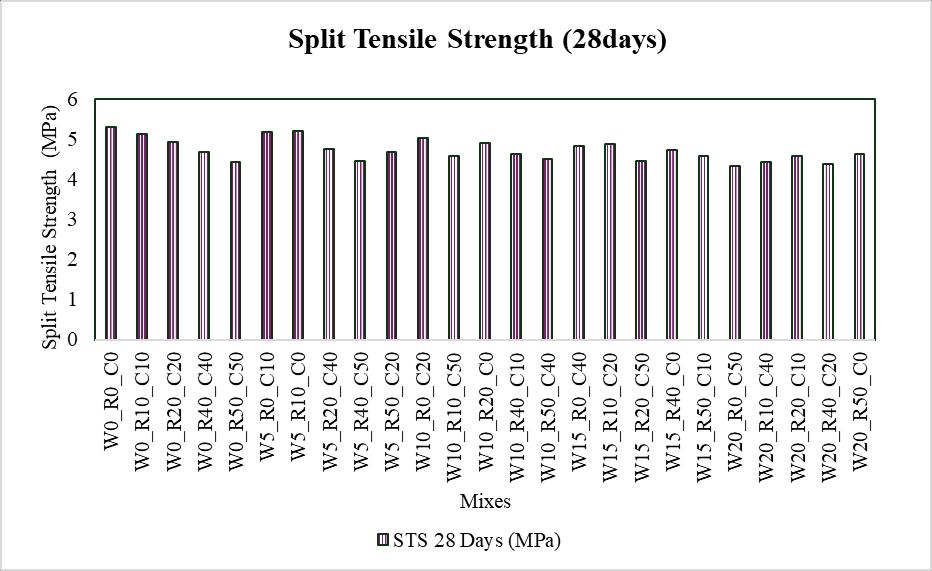
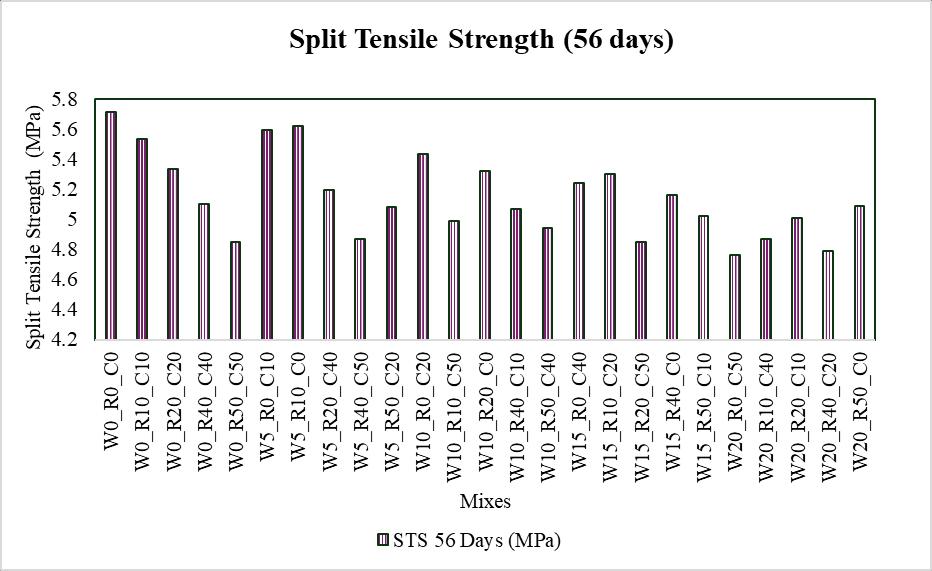
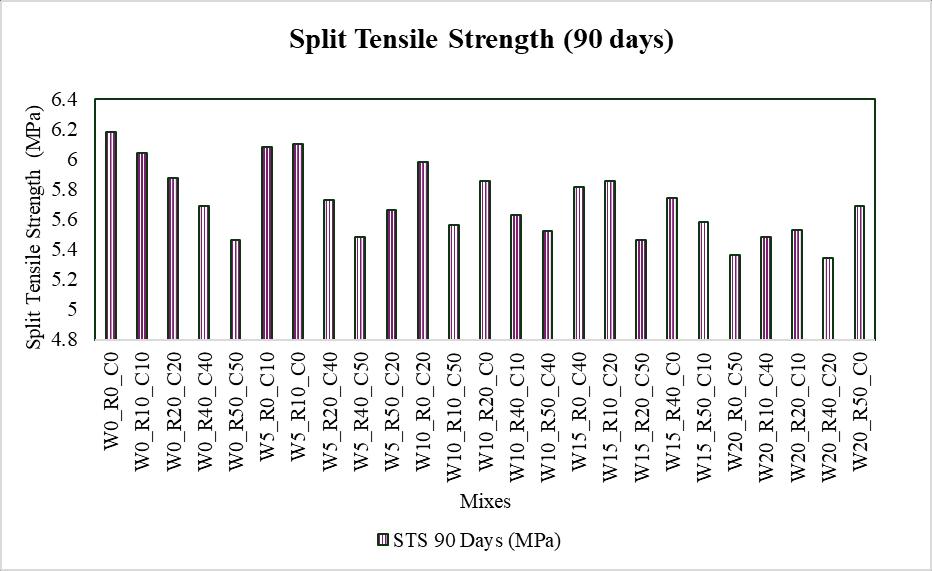
WA, especially at 5–10%, helped in retaining early-age strength and supported late strength gains through secondary gel formation. The findings demonstrate that while tensile strength can be maintained with careful substitution, mixes with excessive CCG compromise durabilityand ductility.The besttensileperformancewas observed in mixes that excluded or limited CCG while optimizing WA and RHA. Therefore, for applications requiring high tensile durability, maintaining aggregate integritywhileleveragingthepozzolanicpotentialofWAand RHAisessential.The90-dayresultsconfirmthatsplittensile strength benefits significantly from curing and that composite mixes can meet structural performance requirementswhenwell-proportioned.
Flexural strength results indicated similar trends to compressiveandtensilestrengthsbutrevealedevenmore sensitivity to the quality and characteristics of the coarse aggregates.Thecontrolmixachievedaflexuralstrengthof 8.35MPaat90days,improvingconsistentlyfrom7.14MPa at28days.Flexural loadingplacesmaximumstressatthe outerfibersofaconcretebeam,makingtheaggregate-paste interface critical. Mixes like W5_R10_C0, W5_R0_C10, and W10_R0_C20exhibitedexcellentperformance,withflexural strengthvaluesrangingbetween8.08–8.23MPaat90days, almost equal to the control. These mixes had a balanced blend of WA and RHA with minimal or moderate CCG content,allowingstrongpaste-aggregatebondingandstress distribution.Onthecontrary,mixescontaining40–50%CCG, such as W10_R10_C50 and W15_R20_C50, showed significantlylowerflexuralstrength,around7.37–7.51MPa. The reduced bond strength between the matrix and the porousCCGparticlesledtocrackpropagationunderflexural stress. RHA had a mixed impact: while it added reactivity anddensifiedthematrix,excessivereplacement(40–50%) disrupted particle gradation and weakened the beam's tension zone. Wood ash consistently improved long-term performance due to its micro-filler effect and pozzolanic contribution. These observations confirm that flexural strength depends heavily on the mechanical quality of
International Research Journal of Engineering and Technology (IRJET) e-ISSN: 2395-0056
Volume: 12 Issue: 05 | May 2025 www.irjet.net p-ISSN: 2395-0072
aggregates,andwhileSCMsenhancepasteproperties,they cannot compensate for poor aggregate-matrix interaction. Thus, a balanced proportion of SCMs with high-quality aggregatesyieldsoptimalflexuralperformance.Thefindings supporttheuseofWAandRHAforstrengthretention,but cautionagainsthigh-volumeCCGuseinstructuralconcrete requiringbendingresistance.
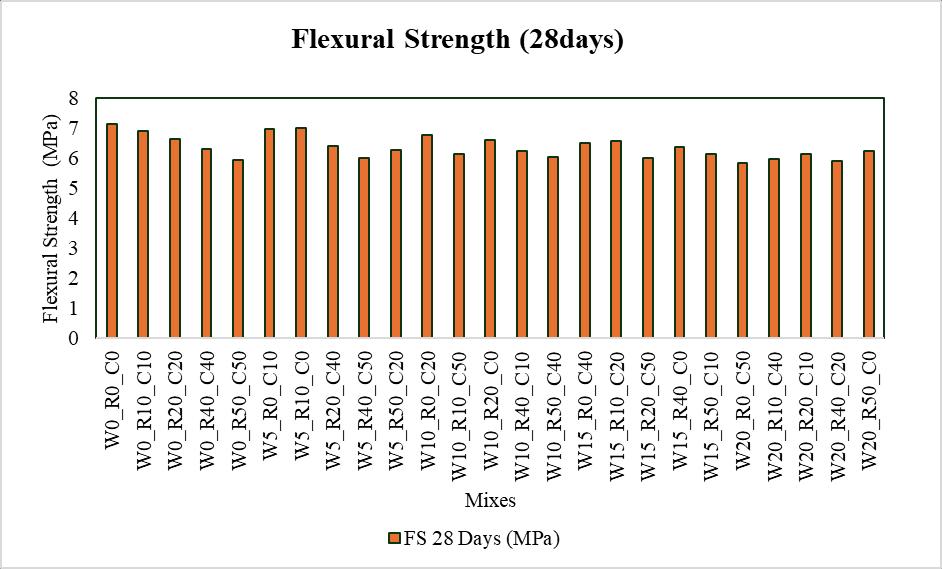
Figure9: 28-DaysFS
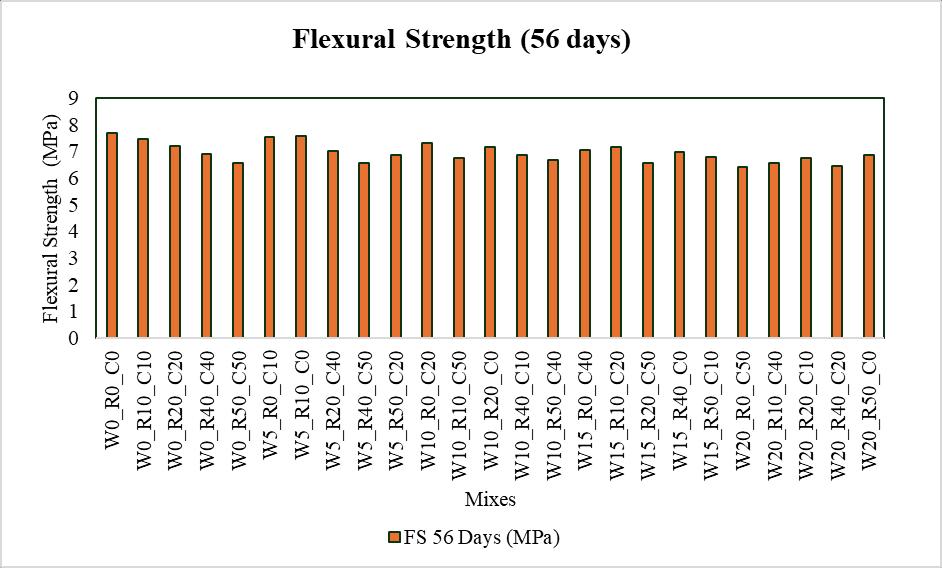
Figure10:56-DaysFS
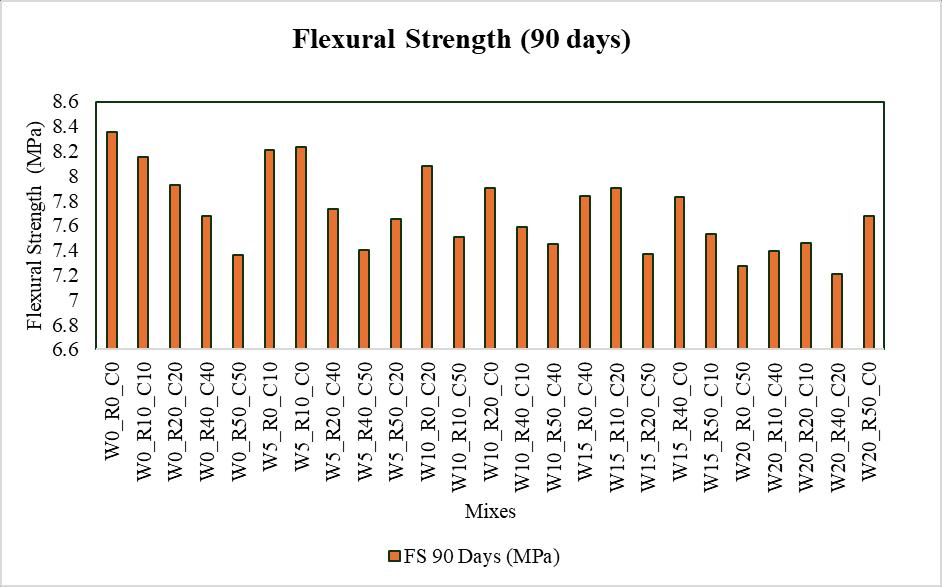
Figure11: 90-DaysFS
Water absorption testing at 90 days provided valuable insightsintothedurabilityandpermeabilityoftheconcrete mixes. The control mix (W0_R0_C0) showed the lowest water absorption at 4.10%, confirming its dense, lowporosity structure. As replacement levels of RHA and CCG increased,waterabsorptionvaluesrosesharply.Mixeswith 40–50% RHA and CCG, such as W0_R50_C50 and W15_R20_C50, recorded the highest absorption values of 5.20%and5.30%,respectively.Theincreasedabsorptionis duetotheporous andirregularnatureof thesematerials, whichallowhighermoistureingress.Incontrast,mixeswith limitedornoCCGbuthigherWAcontent,likeW15_R40_C0 and W20_R50_C0, maintained relatively low absorption values (~4.60–4.65%), indicating that WA does not significantlyincreasepermeability.WAimprovesthematrix densityover time by filling capillary voidsand generating additionalC–S–Hgel,therebyreducingconnectivitybetween pores. RHA, while reactive, is lighter and less dense than natural sand,disrupting gradationandincreasinginternal voidswhenusedinexcess.CCGisthemostdetrimental to water absorption due to its high porosity and organic composition.Theresultsunderlinethattoachievedurable concretewithlowwaterabsorption,CCGshouldbelimited to≤20%,andRHAshouldideallynotexceed20–30%.WA, when used at 10–15%, offers durability benefits and improveslong-termresistancetomoisturepenetration.This test affirms that while sustainability-driven material substitutions are viable, they require precise control and proportioning to avoid compromising the long-term integrityofconcreteinaggressiveenvironments.

4.5 Density Characteristics
Concretedensityisanindicatorofitsstrength,compactness, anddurability.Thecontrolmixrecordedthehighestdensity of2480kg/m³at90days.Asexpected,mixeswithhigher
International Research Journal of Engineering and Technology (IRJET) e-ISSN: 2395-0056
Volume: 12 Issue: 05 | May 2025 www.irjet.net p-ISSN: 2395-0072
volumesofRHAandespeciallyCCGexperiencedsignificant reductions in density. Mixes like W0_R50_C50 and W15_R20_C50haddensitiesof2180kg/m³and2150kg/m³, respectively, indicating the lightweight nature of these mixes. This reduction is directly linked to the low bulk densitiesandhighporosityofthesubstitutematerials.CCG, beinghighlyporousandfibrous,contributesverylittletothe massoftheconcretewhileincreasingtheairvoidcontent. RHA, though pozzolanic, also has a lower specific gravity thannaturalsandandcontributestoreducedcompactness whenusedinlargevolumes.Ontheotherhand,mixeslike W20_R50_C0andW15_R40_C0,whichhadhighWAandRHA butretainednaturalcoarseaggregates,showedsignificantly higher densities (~2385–2400 kg/m³), proving that maintainingstrong,denseaggregateshelpspreserveoverall concretemass.Woodashhadminimalnegativeimpacton densityandinsomecasesenhancedthematrixstructuredue toitsfineparticlesizeandreactivity.Theseresultssuggest that while density can be lowered for lightweight applications using agro-waste materials, structural applications should limit the use of CCG and high RHA content to preserve strength and load-carrying capacity. Properselectionofreplacementlevelsallowscustomization of concrete density based on the application, balancing sustainabilitywithperformance.
4.6 Best-Performing Mixes
Based on comprehensive evaluation across all mechanical anddurabilityproperties,thebest-performingmixeswere:
•W5_R10_C0–Excellentstrengthandlowwaterabsorption
•W5_R0_C10–Balancedcompressive,tensile,andflexural strength
• W10_R0_C20 – Good long-term strength and moderate absorption
•W15_R40_C0–HighdurabilityanddensitywithoutCCG
These mixes maintained structural performance while incorporatingsustainablematerialsinbalancedproportions.
5 REFERENCES
[1]. Aduldejcharas,R.(2024).Bioresponsiveblock:The performance of bio waste material with reduced environmental impact. Results in Materials, 23(December 2023):100589.
[2]. Al-Sabaeei,A.M.,Al-Fakih,A.,Noura,S.,Yaghoubi,E., Alaloul,W.,Al-Mansob,R.A.,ImranKhan,M.,&AliyuYaro,N. S.(2022).Utilizationofpalmoilanditsby-productsinbioasphaltandbio-concretemixtures:Areview.Construction andBuildingMaterials,337(April):127552.
[3]. Amantino, G. M., Hasparyk, N. P., Tiecher, F., & Toledo Filho, R. D. (2022). Assessment of bio-aggregate
concretes’propertieswithriceresidue.JournalofBuilding Engineering,52(March):104348.
[4]. Andrade,G.M.de,Andrade,R.G.M.de,Araujo,O.M. O.de,Lopes,R.T.,Guimaraes,T.C.,&Ferreira,S.R.(2024). Macauba (Acrocomia aculeata) endocarp as a coarse aggregate for bio-concretes. Construction and Building Materials,451(September):138667.
[5]. Ansari,H.,Tabish,M.,&Zaheer,M.M.(2025).Next SustainabilityReviewarticleAcomprehensivereviewonthe propertiesofhempincorporatedconcrete :Anapproachto low carbon footprint construction. Next Sustainability, 5(September2024):100075.
[6]. Bardouh,R.,Toussaint,E.,Amziane,S.,&Marceau,S. (2024). Mechanical behavior of bio-based concrete under various loadings and factors affecting its mechanical propertiesatthecompositescale:Astate-of-the-artreview. CleanerEngineeringandTechnology,23(August):100819.
[7]. Caldas,L.R.,Saraiva,A.B.,Lucena,A.F.P.,DaGloria, M.Y.,Santos,A.S.,&Filho,R.D.T.(2021).Buildingmaterials inacirculareconomy:ThecaseofwoodwasteasCO2-sinkin bio concrete. Resources, Conservation and Recycling, 166(August2020).
[8]. Cavalli,M.C.,Wu,W.,&Poulikakos,L.(2024).Biobasedrejuvenatorsinasphaltpavements:Acomprehensive review and analytical study. Journal of Road Engineering, 4(3):282–291.
[9]. Chen, X., Yu, C., Wang, L., & Yu, B. (2024). A comprehensive review of the bio-corrosion mechanisms, hydrodynamics and antifouling measures on marine concrete.OceanEngineering,310(July).
[10]. Chen,Y.X.,&Yu,Q.(2024).Surfacemodificationof miscanthus fiber with hydrophobic silica aerogel for high performance bio-lightweight concrete. Construction and BuildingMaterials,411(August2023):134478.
[11]. DePascale,B.,Tarsi,G.,Tataranni,P.,&Sangiorgi,C. (2024). Potential application of waste bivalve shells as recycled filler in porous asphalt concrete through rheomechanicalanalysis.Resources,ConservationandRecycling, 209(July):107830.
[12]. Elgaali,H.H.,Lopez-Arias,M.,&Velay-Lizancos,M. (2024).AcceleratedCO2exposuretreatmenttoenhancebioreceptivitypropertiesofmortarswithnaturalandrecycled concrete aggregate. Construction and Building Materials, 449(July):138423.