
International Research Journal of Engineering and Technology (IRJET) e-ISSN: 2395-0056
Volume: 12 Issue: 02 | Feb 2025 www.irjet.net p-ISSN: 2395-0072
International Research Journal of Engineering and Technology (IRJET) e-ISSN: 2395-0056
Volume: 12 Issue: 02 | Feb 2025 www.irjet.net p-ISSN: 2395-0072
1Student: Dayanand College of Architecture Latur, Maharashtra, India
2 As. Professor : Dayanand College of Architecture Latur, Maharashtra, India
Abstract - Sensory design is the very essential component of a successful wellness environment. Sight, hearing, smell, taste, and touch all five senses participate in this concept of sensory design for encouraging emotional, mental, social, and physical changes in those using wellness environments. The ultimate purpose is to explore how sensory wellbeing through architectural design in these spaces can support overall wellness performance by reducing stress, designing with color psychology, improving moods, and recovering clients. This paper focuses on the importance of sensory design in psychological, mental, and social wellness, including the architectural designing of wellness centers
Key Words: (Architecturaldesign,SensoryDesign,Well-bring,Architecturalspaces,Improvisingmoods,wellnessCentres, MoodShiftingthroughdesign,Colourpsychology)
1.INTRODUCTION
Inthisfastworld,withhustle&bustleeverywhere,today'sarchitecturalrequirementstrytobringbalance,reducestress levels,andimproveourcompletehealth.Thewellnesscenter’sdemandsaregrowingastheydirectlyimpactphysical,mental, emotional,andsocialwell-being.Currentwellnesscentersincluderesourceslikeyoga,massagetherapy,spatreatments,and healthguidance,butcreatinganatmospherethatwillimprovephysical,mental,emotional,andsocialhealingwithrelaxation andrejuvenationneedsproperresearch.Thisisbecausecurrentwellnesscentershighlylackindesignconcerningsensory elements.Forthispurpose,researchondesigningwellnesscentersisimportant.
Thebestwaytoincreasethehealthyexperienceisgoingthroughthesensorydesign.Purposefuluseofthefivesensesthatgive ussight,sound,touch,smell,andtasteisrelatedtocreatingthebestatmospheretomotivategoodhealth.Designingthespaces bykeepinginmindsensoryfactorslikemusic,lighting,color,textures,andscentsiscrucial.Toimprovetheeffectofourmood stresslevelandgoodhealth.Forexample,lightcolorsandrelaxingsoundscanhelpustoreduceuneasinessorstress.Also, pleasantscentscanincreaseourrelaxation
Thisresearchexploreshowsensorydesignplaysavitalroleforwellnesscentersbyexaminingitseffectonclients'medicinal resultswiththehelpofasensoryenvironmentitispossibletoimprovehealingprocesswhichwillguidewellnesscentresin designingspaces.Thatwillpromotewell-being,interestamoreambitious,andexperienceasenseofhealth
Sensorydesignisacomprehensiveapproachtoformulatingexperiencesthatrestoreandengagemanysensesatthesametime. Itwillfocusbeyondhowsomethinglooks,andhowitfeels,sounds,smells,andtastesthroughimplementationofpassiveand sensory designaspects.Insteadof focusing on justone sense,designingthrough multi-sensoryinvolvement more deeply createsmoreunforgettableandmeaningfulexperiences.
Inwellnesscenters,Sensorydesignhasbeenextremelydevelopedovermanyyearsandsoftlyestablishedinancientpractices andformedbymodernimprovements.Inthepast,conventionaltherapeuticmethodssuchasAyurvedainIndia,bathsinRome, Zenphilosophyinjapan,andmedicinesofchinaincorporatedsensoryelementstopromoteoverallwell-beingwiththeuseof
International Research Journal of Engineering and Technology (IRJET) e-ISSN: 2395-0056
Volume: 12 Issue: 02 | Feb 2025 www.irjet.net p-ISSN: 2395-0072
natural componentslikearomas&meditativesoundscapes.Overtheyearandtimestheseconceptswereadoptedbythe wellnesscenters,whichsetupintegratingsensorydesignforincreasinghealingexperiences.
The20thcenturywitnessedachangewiththeeffectofmental&neurophysiology,highlightingtheroleofsensoryelements likelight,sound,texture,andscentforreducingstressandrelief.
Inpresentdays,acentralcomponentofwellnessarchitectureissensorydesign,perfectlyintegratingtraditionandtechnology topromoteregenerationandemotionalbalance.

International Research Journal of Engineering and Technology (IRJET) e-ISSN: 2395-0056
Volume: 12 Issue: 02 | Feb 2025 www.irjet.net p-ISSN: 2395-0072
ThebasicgoalofresearchexploreshowsensorydesigncomponentsareintegratedintowellnesscentresinIndia,and howthesecomponentscontributetoenhancingthetherapeuticexperiencesofclients.
Howcolourpatternandlightingcanaffectmood,energylevels,andoverallpatientexperience
Examine the effect of sensory incentives (sight, sound, touch, smell, and taste) on personal physical, mental, and emotionalhealthwithinwellnessspaces.
Howthecombinationofsensorydesigninwellnesscentreatmospherecanencouragerelaxation,minimizestress,and enhanceremedialresults
Toanalysehowsensorycomponentslikelighting,acoustics,materials,andscentsarecurrentlyintegrated intowellnesscentresacrossIndia.
Tostudyhowsensorydesignaffectsphysical,emotional,andpsychologicalwell-being.
Toassesstherelationshipbetweensensorydesignandclientexperience.
Theneedforthisresearchoriginatesfromthegrowingidentificationoftheconnectionbetweentheenvironmentandhealth.In order to combine both mental and physical health, the wellness centers are working as shelter that serves to client comprehensivewellbeing.Alotsofwellnesscentersstillconcentratesmainlyontheservicesofferedandseetheanalytical impactoftheirphysicalatmosphereonclientwellbeing.
Severalfactorshighlighttheneedforthisresearch:
Increasing demand for wellness activities : Wellnesscentresthatmainlyimpacttohealingandwellbeingthrough designandtreatmentsthatwillprovideenvironmentsthatwillhelppeopleforstressrelief,mentalhealthandphysical recoveryareessentiallyneeded.
Effect of environmental factors on health : Throughresearchitisprovedthatenvironmentalfactorssuchaslight, noise,andtemperaturecanmainlyinfluencestresslevels,cognitivefunction,andoverallhealth.
Absence of sensory design in wellness environments : Stresslevels,mentalfunctioning,andoverallhealth.
Comprehensive health approach : Aswellnesscentresaremovingtowardsmoreholisticmodelsofcare,theymust needincludeamorecomprehensiveunderstandingofhowsensoryinputsaffectthebodyandmind.
Nowadays,forpersonalwellness,thereareimprovedsensorydesigntechnologywithadvancedmodificationslikeimmersive lighting,musictherapies,andherbaltherapy.Butduetolackofknowledgeandawarenessaboutsensorydesignprinciples, suchascolorpsychologyandproperdesigningneedslikepassivedesignstrategies,openingratios,moodshiftaspectsthrough designetc.stillneedstobeaddressedpractically.
Explaintheuseofsensorydesign(lightingsound,scent,touchandvisuals)toenhancetheoverallwellbeingofthe visitorsinwellnesscentre
Give abriefonthecomprehensiveapproachofsensorydesigninthewellnesscentres
Explainhowsensorydesignisbeingcustomizedtodifferentwellnesstherapy(e.g.Spa,yoga,meditation)?
WhatarethegapsandopportunitiesinthecurrentsensorydesignpracticesinIndianwellnesscentres?
International Research Journal of Engineering and Technology (IRJET) e-ISSN: 2395-0056
Volume: 12 Issue: 02 | Feb 2025 www.irjet.net
p-ISSN: 2395-0072
4.1 ELEMENTS OF WELLNESS CENTER DESIGN & SENSORY :
Human sensory elements Wellness centre design elements Sight
Table no 1: TableShowsDesignPrinciplesToBeConsideredAs PerSensoryDesignPrinciples
International Research Journal of Engineering and Technology (IRJET) e-ISSN: 2395-0056
Volume: 12 Issue: 02 | Feb 2025 www.irjet.net p-ISSN: 2395-0072
Sensoryelementsengagethefivesenses(sight,sound,smell,touch,andtaste)tocreateanenvironmentconducivetophysical, mental,andemotionalrejuvenation.
Here'sanin-depthlookattheirrole:
Visual Aesthetics
Auditory Elements
Olfactory
Gustatory
Tactile Experience
ColorPsychology, NaturalLight, Artwork, Plants,AndWater
SoftAmbient Music, SoundsofNature, QuietZones
PersonalSession
PleasantScents, NaturalScents
Healthy Refreshments
ColorPsychology, NaturalLight, Water
Music, SoundsofNature
ColorPsychology, NaturalLight, Artwork, Plants,
SoftMusic, SoundsofNature, GroupSession
Motivational Sessions
PleasantScents, NaturalScents
Healthy Refreshments
PleasantScents, NaturalScents
Healthy Refreshments
Exercises
Materials, MassageTherapy, Temperature GymSession
Materials, MassageTherapy, Temperature GroupActivity
Table no 2 : TableShowsDesignPrinciplesToBeConsideredAs PerSensoryDesignPrinciples
Materials, Temperature
International Research Journal of Engineering and Technology (IRJET) e-ISSN: 2395-0056
Volume: 12 Issue: 02 | Feb 2025 www.irjet.net p-ISSN: 2395-0072
Visualaestheticsareessentialincreatingpeacefulenvironmentsandexperiencesinawellnesscenter,Theyaffecthowpeople feel,think,andrecoverinthepeacefulenvironment.Therearevariouselementsinvisualaestheticsmainlylightandcolor psychology
Nowadays,lowernaturallightaccessandmoredependenceonartificiallighting,lackofzoningaccordingtocolor,minimaluse ofnature-inspiredcolor,thesethingsdisturbday-to-dayrhythms,Theproperuseofdesignelementssuchaslightingandcolor canespeciallyinfluencemental,physical,andemotionalwell-being
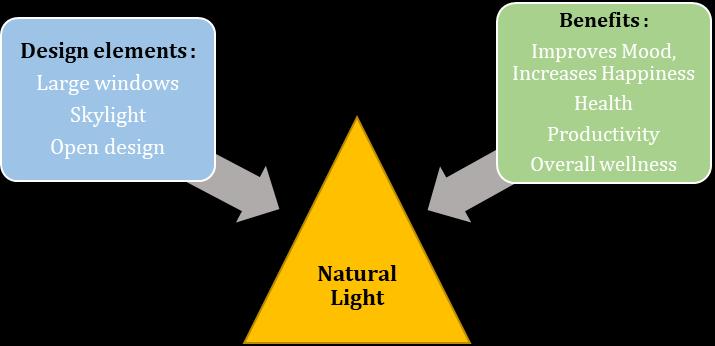
LIGHT: Eradicatingtheneedof artificiallightwithspaciouslargewindows,skylights,andopendesignssignificantly enhanceswell-being.Natural LightandVisuallycomfortingspacescan be achieved byproperimplementationof openingratios.However,naturallightinthebuildingsshouldbeaccordingtodirectionanalysis,Winddirectionand selectionofmaterial,toenhanceoverallwellness.
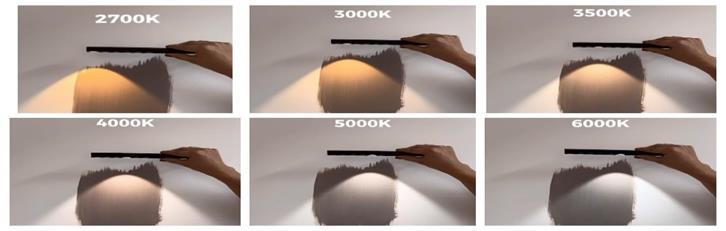
How does lighting affect paint colours light can greatly change a colour’s feel in a room:
Natural light : Thisisdifferentforeachdurationoftheday.Inthemorning,thecolorsarecold,fresh, andsoft.Intheafternoon,theyarewarmerbutricher.Thedesignersusuallyusewarmercolorsfornorthfacingroomsbecausetheyreceivecoolerlight,whichwillfeelcoldthere.Thesouth-facingareaisgetting warmlight,sodarkorboldcolorsareusedthere.
Artificial light : Italsoaffectsthecolour.Standardbulbsprojectwarmcolours.Thecoollightofledor bright/shiningbulbsimprovescoolercolours,Butitcanmakeyoulookbold.
International Research Journal of Engineering and Technology (IRJET) e-ISSN: 2395-0056
Tocheckhowcoloursareworking,thedesignerstestpaintpatternsindifferentspacesandalsowiderdifferentlightingforthe wholeday.Astheroomlightcreatesacolourlook,thedesignersplansuitablyandproperlytocreatethedesiredenvironment.
Sunlight in interior spaces as per sun path :
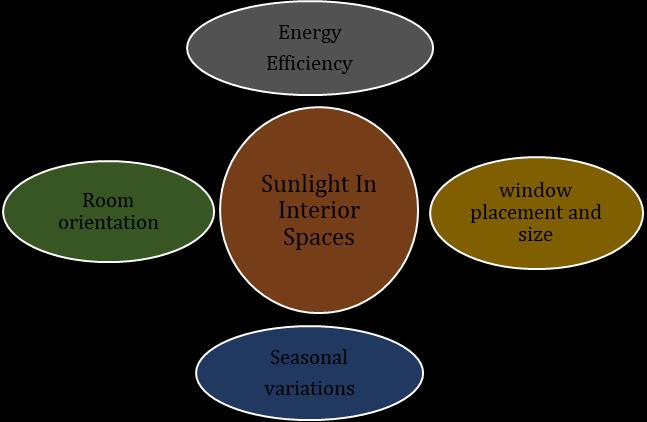
no 4: AsPerArticleThePowerOfNaturalLightInInteriorDesignFigShowsTheSunlightInInteriorSpaces
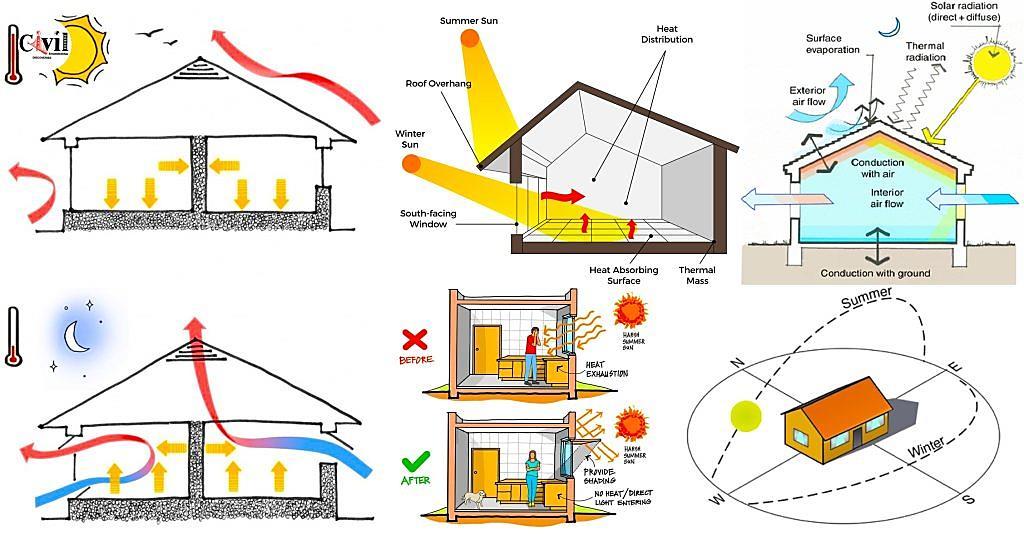
Fig no 5: AsperstudiesofEngineeringDiscoveriesBuildingOrientation-PrinciplesAndAnalysisOfTheBestOrientation figshowsessentialpartsofpassivedesignsforidealnaturalenergyflowthroughproperbuildingorientation
Thewaythesunchangesbasedontothegeographiclocation.InIndia,thisismovingfromeasttowest.Itshiftsbetweenthe northandsouthsemicirclesdependingontheseason.Inthesummer,thesunisatagreatheightinthesky,andinthewinter,it islower.Bypositioningthelongeraxisofthewellnesscenterinbetweentheeast-westdirection,wecangetanincreasing applicationofdaylight,andwecanminimizetheheatweareobtaining.Thiswillensurebalanceddaylightgraspingandavoid overheating.Thespacesthatarenorth-facingwillgetscatteredlightforthewholeday.Thislightisbestformeditationrooms, treatmentareas,andrelaxationzones.Oppositetothis,thesouth-facingareasaregettingmaximumsunlight,whichisgoodfor
Volume: 12 Issue: 02 | Feb 2025 www.irjet.net p-ISSN: 2395-0072 © 2025, IRJET | Impact Factor value: 8.315 | ISO 9001:2008 Certified Journal | Page163
International Research Journal of Engineering and Technology (IRJET) e-ISSN: 2395-0056
healinggardensortherapyrooms.Thewest-facingspacesareexperiencingextremeheatbecauseoftheafternoonsun,sothey areshieldedwithgreeneryshadeyards.
Awell-designedwellnesscentermakesarrangementswithnaturalsunroutestoensurethebestdaylightexposure.Itwill createapeaceful,energy-saving,andhealingatmosphere.
COLOR PSYCHOLOGY : Particularcolourscanelicitparticularemotionsoraffectbehaviour,thecolourpsychology iscrucialinwellnesscentredesign.Here’sanoverviewofhowcolourpsychologycanbeutilizedindesigningwellness centre
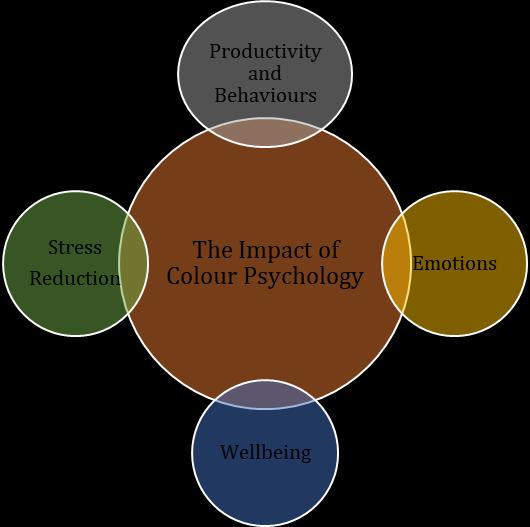
Fig no 6 : AsPerColourPsychology:DoesItAffectHowYouFeel?HowColourImpactsMoods,Feelings,AndBehaviours ByKendraCherry.FigShowsTheImpactOfColourPsychologyOnWell-Being
4.3.2 PSYCHOLOGICAL IMPACT OF COLORS : Cool Colors:
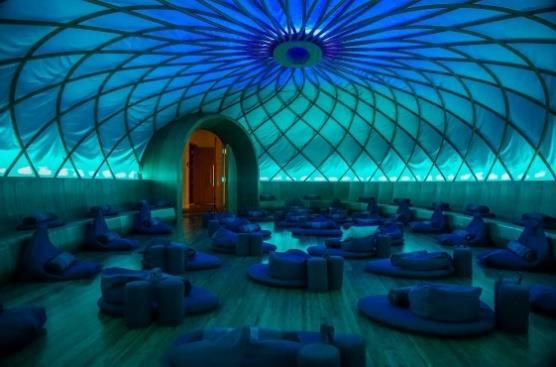
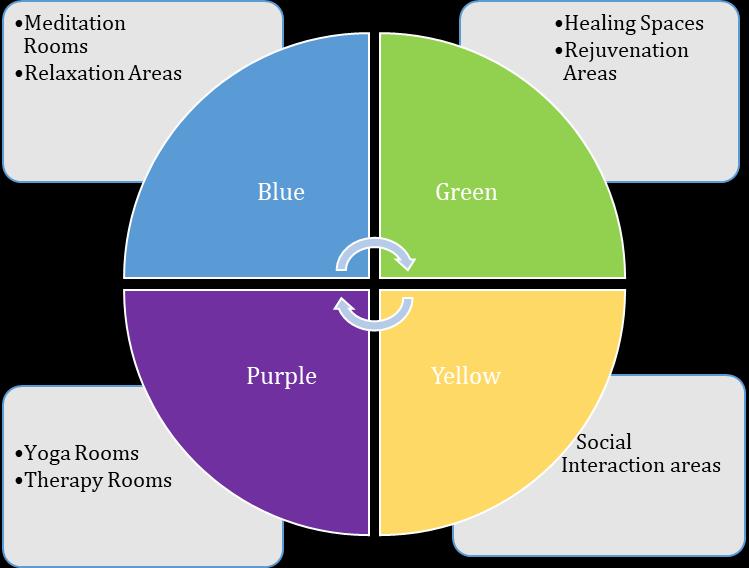
Blue: Bluecandesignarelax,calmsatmosphere.Ifyouwanttocreateagoodatmosphere,thiscolorwillhelpwith that. It can also be used to minimize blood pressure and heart rate. Therefore, this color is used for relaxation purposes,aswellasinmeditationroomsandspatreatments.
Green: Asgreencolorisrelatedtonature,itwillhelptocalmourmindandbody.Itwillalsohelptominimizestress andanxiety.That'swhyitismainlyusedforwaitingareas.
Warm Colors:
Yellow: Thisisapleasantcoloritcanchangeourmoodandenergylevels.Ifwewanttodoanyactivitylikeagroup discussionareathisroomcolorcanbehelpfulforoverallwell-beingexperience.
Orange: Theorangecolormainlygivesusinterestandfriendlinessforsomethingitwillencourageusandwillgiveus confidencethisroomcolorcanbeusedincommunicationareas,publicrooms,andcafes.
Volume: 12 Issue: 02 | Feb 2025 www.irjet.net p-ISSN: 2395-0072 © 2025, IRJET | Impact Factor value: 8.315 | ISO 9001:2008 Certified Journal | Page164
International Research Journal of Engineering and Technology (IRJET) e-ISSN: 2395-0056
Volume: 12 Issue: 02 | Feb 2025 www.irjet.net p-ISSN: 2395-0072
Neutral Colors:
Purple: Thiscolorcanmakeagoodsenseofsecrecyandcalmness.Itismainlyusedforcreativepurposes.Itisalso helpfulforareaswherewewanttoachievespiritualitylikeyogastudiosandtherapyrooms.
White: This color shows purity and cleanliness. So, it is used in combination with other colors to create a good atmosphere.
International Research Journal of Engineering and Technology (IRJET) e-ISSN: 2395-0056
Volume: 12 Issue: 02 | Feb 2025 www.irjet.net p-ISSN: 2395-0072
4.3.3. CASE STUDIES : SENSE OF SIGHT BY USE OF COLOURS AND LIGHT :
The sense of light :
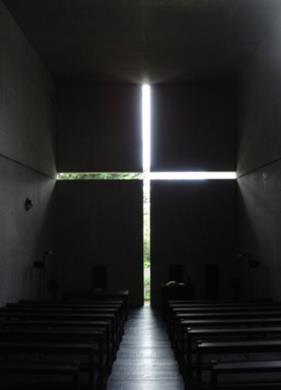
ArchitectTadaoAndodesignedtheChurchofLightlocatedinOsaka,Japan.Thischurchoflightrepresentsdifference,showing darknessandbrightness,Thearchitect'spositioningofthecrossontheeastfacadeallowsforplentyofnaturallight,turningthe darkareaintoaboxoflight.Itisoneofhisgreatestworkbecauseofthecleveruseoflightandmaterial.
The Sense of color:
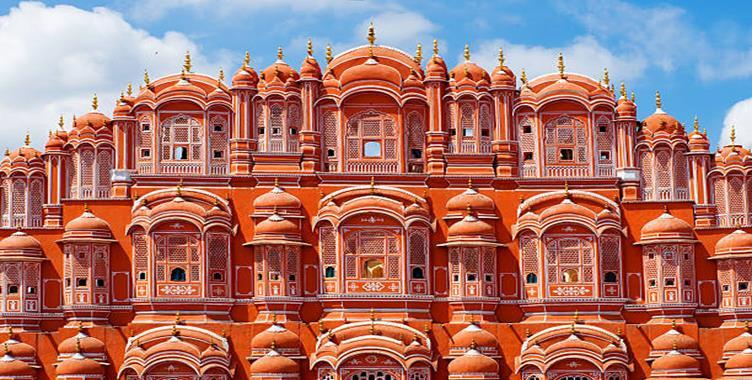
HawaMahalisaverybeautifulconstruction,builtinJaipur,thatisfamousforitsnovelpinksandstone,bywhichJaipurcityis wellknownwiththename‘PinkCity’.ThepinkcolorisaspecialtyofRajasthan,pinkshowsfriendship&socialrelations,hence themessageofwelcometothetouristsandvisitorsisgivenoutbythepeopleofthepinkcity.
Pink(Warm&Inviting):ThePinkcolorofHawaMahalisrelatedtowarm,kindness,andcomfort.Thepinkcolorleadsafeeling, andmemoriesinmindofpeacefulness,itcreatesagoodsolutionforspacesforwellnessandrelaxation
International Research Journal of Engineering and Technology (IRJET) e-ISSN: 2395-0056
Volume: 12 Issue: 02 | Feb 2025 www.irjet.net p-ISSN: 2395-0072
Auditoryelementsaddedstrongvaluetowellnessexperiencesbyapplyingsoundscapes,musictherapies,andmeditative listening. These design aspects in wellness centers can provide more facilities to encourage a calm atmosphere, hence contributingtothehealingandrejuvenationconceptsofmental,physical,andemotionalwell-being.
Nowadays,manywellnesscentersandhealthcentersfailtouseauditoryelementssuchasalackofnaturalsounds,poornoise control,andmissingquietzones.Theimpactofauditoryelementsvariesbymaterials,roomsize,direction,andplacementof thespacesbecauseallthesefactorssignificantlyaffecthowsoundbehavesinaspace.
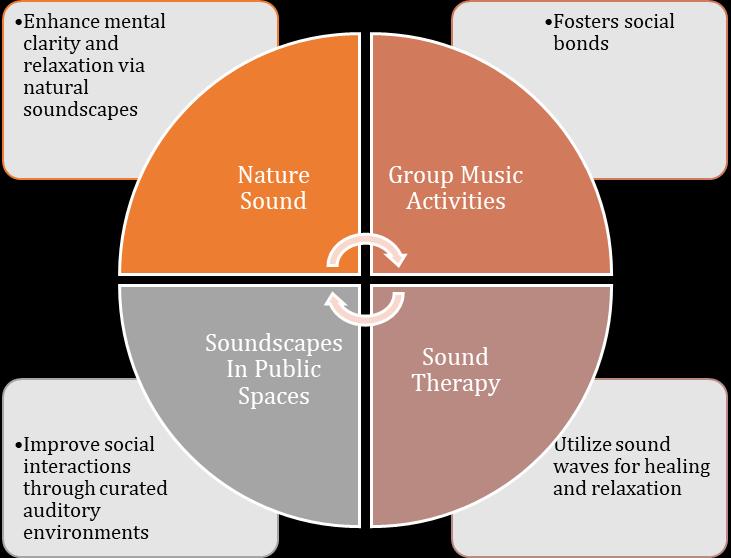
4.4.1 ELEMENTS OF AUDITORY SENSORY :
SOUND THERAPY : Torelaxorreducestresslevels,wecantakethehelpofpeacefulnatureandsoftmusic.Soundisimportant forrelaxationasitcreatesagoodatmosphere.Itwillhelpforourgoodhealth.Examplesofsuchsoundsincludenaturesounds likebirdschatterorwaterrunning.
QUIET ZONES : Toachievesilenceandmeditation.Somespecificareascanbedesigned;somemeditationrecordingscanhelp usminimizesteroidlevelsandgiverelaxation.
ACOUSTIC TREATMENT : Itwillbeimportanttogiveanaudiovisualeffectofthespacetomaintainapeacefulenvironment. Sometreatments,likesoundproofingandsoftfurnishings,willhelptoreducenoisedistractions.Itwillbehelpfulforhealing.
Hereisanalysiswitharoomchart,ofmaterialtypes,sizeofroom,anddirectional placementtowardoptimizingauditory comfortandapplication:
International Research Journal of Engineering and Technology (IRJET) e-ISSN: 2395-0056
Volume: 12 Issue: 02 | Feb 2025 www.irjet.net p-ISSN: 2395-0072
Room type Opening ratio
Suitable Opening directions
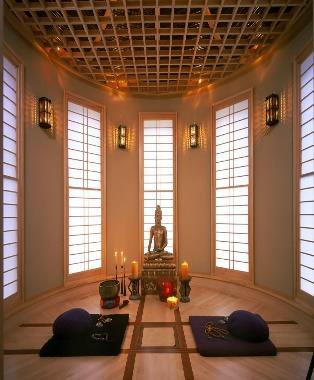
Meditation room
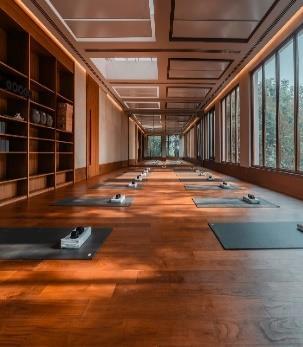
Yoga Room
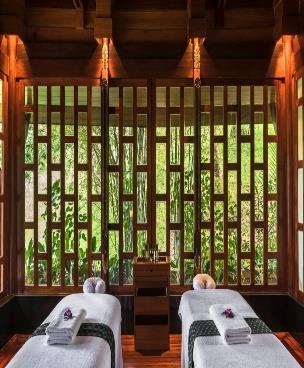
Materials
Acoustic features Wind direction impact (climate zone specific)
20-30% East/North (Morning Sun) Wood, Acoustic Glass, Soundproofi ngpanels, somewater featuresfor natural atmosphere Protected fromstrong winds crossventilation isnecessary
Yoga session areaCan alsobe Open, Andalso canbe semiopen (30 %)or Closed
East/West/ North UVfiltered glass Natural sound combination s Smaller openingsin hot-dryand coldzones.
Treatment Room 10-15% North Neutral Insulated Woodand Metal Noise insulation materials less openings; keepaway fromdirect wind exposure.
International Research Journal of Engineering and Technology (IRJET) e-ISSN: 2395-0056
Social Areas 40-50% South/East (aspertime)
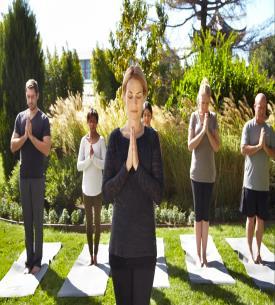
Composite glass panels
Background music systems flexible openings; focuson airflowin humid zones
Table no 3 : TableShowsRoomChart,OfMaterialTypes,SizeOfRoom,AndDirectionalPlacementTowardOptimizing AuditoryComfortAndApplication
4.4.2. CASE STUDIES : THE SENSE OF AUDITORY ELEMENTS BY USE OF SOUND :
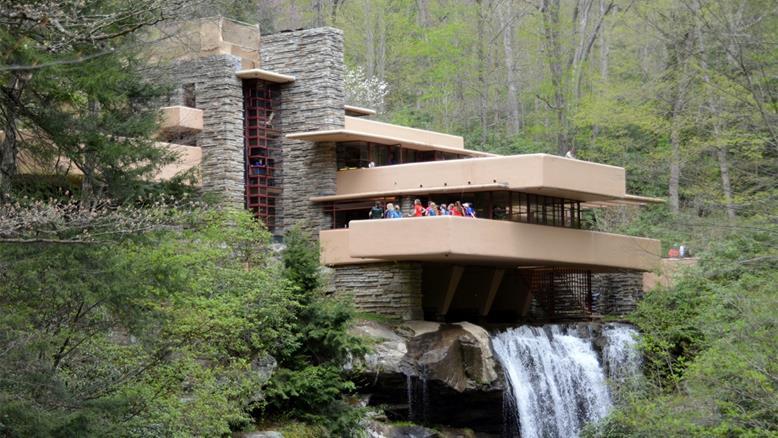
ThearchitectFrankLloydWrightdesignedthemosticonicarchitecturalmarvelTheFallingWaterinPennsylvania,whichisa housebuiltoverawaterfallandmakesurethatresidentswillalwaysbeabletohearitsmovementandawareofitspresence. Thesoundofwaterfallcanbeheardbutcanonlyseenatspecificcertaintimes.
4.5 THE EFFECT OF TACTILE ELEMENTS ON OVERALL WELL-BEING :
Wecanexperiencethetexturethroughtouch.Butforsomesurfaces,itisnotaffecting.Mostresearchdesignandpsychologyis focusoncolorandtexture.Wecanrealizethatbeforetouchinganything,weknowhowitwillfeelonourhandsorskin.One moreimportanttexturalfactorislinesorgeometry.Differentmaterialswithdifferenttexturescanaffectourbody.
Volume: 12 Issue: 02 | Feb 2025 www.irjet.net p-ISSN: 2395-0072 © 2025, IRJET | Impact Factor value: 8.315 | ISO 9001:2008
| Page169
International Research Journal of Engineering and Technology (IRJET) e-ISSN: 2395-0056
Volume: 12 Issue: 02 | Feb 2025 www.irjet.net p-ISSN: 2395-0072
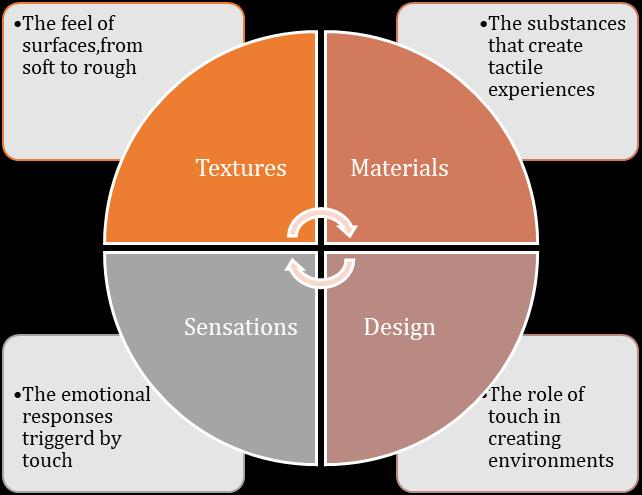
16 : AsPerResearchAudio-TactileStimulation:AToolToImproveHealthAndWell-Being?ByEskoO.DijkFigShows TheImpactOfTactileElementsOnWell-Being
Tactileelementsareessentialincreatingpeacefulenvironmentsandexperiencesinawellnesscenter.Tactilesensationis derivedfromtouch,playingavitalroleinourdailylifestyles,whichcanalsoaffectourphysicalandemotionalhealth.
TherearevariouselementsinTactile,mainlytexturesandtemperatures.Fromthesoftnessofablankettothecoolnessofa stone,theseelementscanraisedifferentemotionalreactionsandaffectourmentalwell-being.
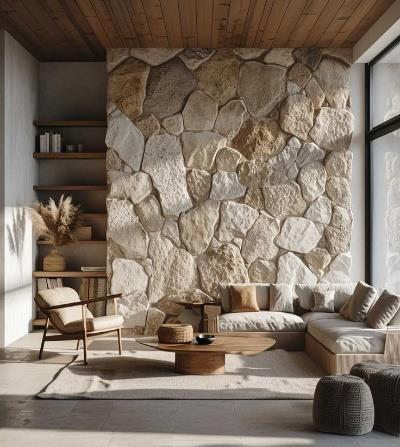
FollowingTableshowtheanalysisoftactileelements,textures,materials,examples,impactsonwell-being,andapplicationsfor betterexperiences:
International Research Journal of Engineering and Technology (IRJET) e-ISSN: 2395-0056
Volume: 12 Issue: 02 | Feb 2025 www.irjet.net p-ISSN: 2395-0072
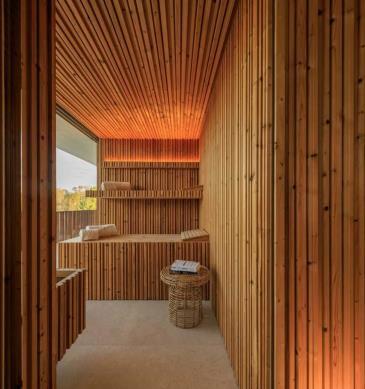
Wood (teak, bamboo)
Warm, natural
Flooring,wall cladding, furniture, ceilings
Comfort tactile connection tonature
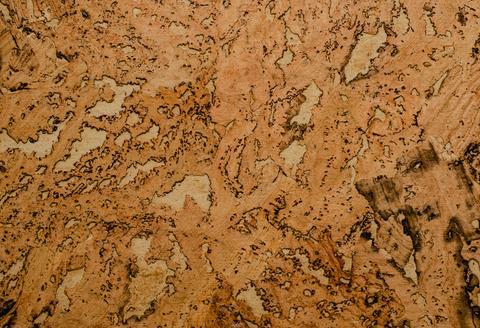
Cork Soft,slightly stretchy
Clay/ terracotta
Flooring, pinboards,wall panels creatinga cozyfeel.
Rough, earthy Wall treatments, decorative items,tiles
Createsan earthy,rustic vibe

© 2025, IRJET | Impact Factor value: 8.315 | ISO 9001:2008 Certified Journal | Page171
International Research Journal of Engineering and Technology (IRJET) e-ISSN: 2395-0056
Volume: 12 Issue: 02 | Feb 2025 www.irjet.net p-ISSN: 2395-0072
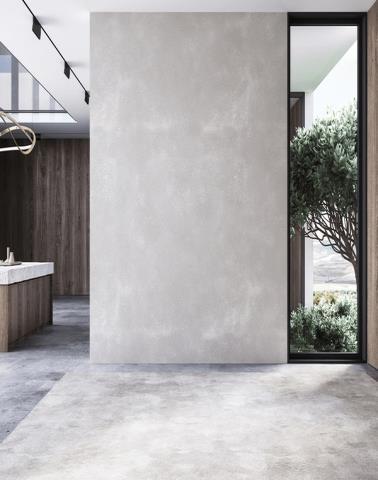
Concrete Smoothor textured
Flooring,walls, countertops
Fabric (linen, cotton)
Soft,natural weave
Curtains, cushions
Glossy, minimalist aesthetic; providesa solidfeeling.
Soft:adds comfortand warmthto spaces.

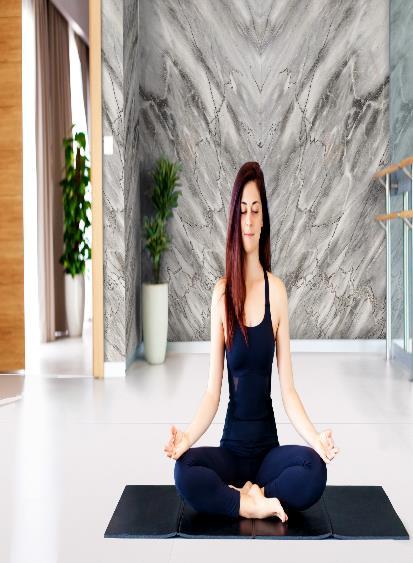
Marble Smooth, polished
Flooring, countertops,
Luxurious, effect
© 2025, IRJET | Impact Factor value: 8.315 | ISO 9001:2008
International Research Journal of Engineering and Technology (IRJET) e-ISSN: 2395-0056
Volume: 12 Issue: 02 | Feb 2025 www.irjet.net p-ISSN: 2395-0072
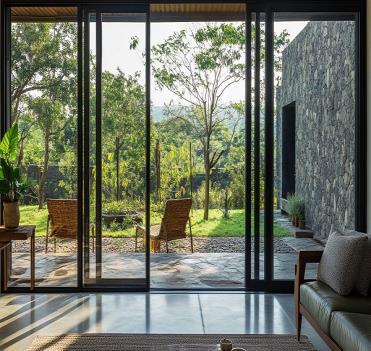
Glass Smooth, reflective Windows, partitions, waterfeatures
Enhances lightflow; encouragea senseof openness andclarity.
Wool or Felt Soft,warm Rugs, upholstery,wall panels Creates warmthand softness; provides sound insulation.

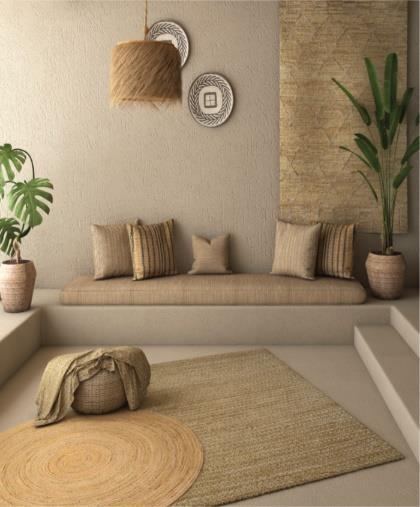
Jute/ hemp Coarse, rustic Rugs,wall coverings,light fixtures addsaraw, earthy texture
© 2025, IRJET | Impact Factor value: 8.315 | ISO 9001:2008 Certified Journal | Page173
International Research Journal of Engineering and Technology (IRJET) e-ISSN: 2395-0056
Volume: 12 Issue: 02 | Feb 2025 www.irjet.net p-ISSN: 2395-0072
Sandstone Textured, rustic
Outdoor flooring, pathways, featurewalls
Metal (copper, brass)
Smooth,cool
Rattan Woven, textured
Decorative accents, fixtures,water features
naturalfeel, perfectfor outdooror semioutdoor wellness spaces.

Balance (accordingto wellness traditions like Ayurveda).
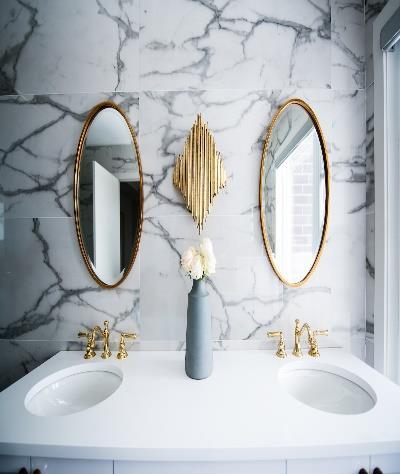
Furniture, partitions,light fixtures
Pebbles Smooth, rounded Pathways, meditation gardens,water featurebases
Lightweight, eco-friendly; addsnatural warmthand texture
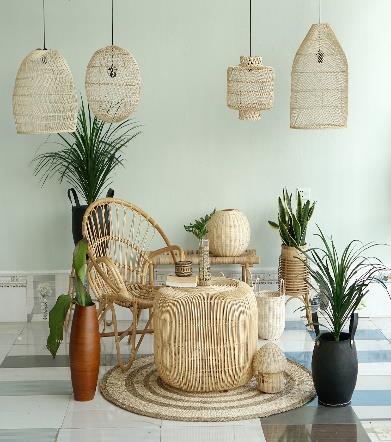
Addsa natural tactile element; idealfor therapy spaces.

Table no 4 : TableShowsAnalysisOfTactileElements,Textures,Materials,Examples,ImpactsOnWell-Being,And ApplicationsForBetterExperiences
© 2025, IRJET | Impact Factor value: 8.315 | ISO 9001:2008 Certified Journal | Page174
International Research Journal of Engineering and Technology (IRJET) e-ISSN: 2395-0056
Volume: 12 Issue: 02 | Feb 2025 www.irjet.net p-ISSN: 2395-0072
Sense of touch :
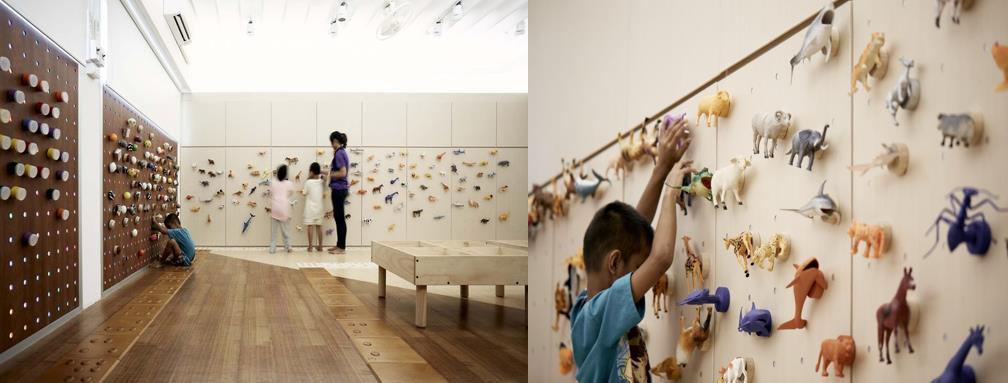
Thisistheschoolfortheblind,locatedinPattaya,Thailand.Themainsensoryelementistouch,concentratedinthe
classroom.Therearemanydifferentshapesofblock w s,animal-shapedblocksforthestudentstofeel,experience,andlearn. Forthetablesandwalls,awoodentactilefloorithdifferenttexturesisusedtoknowdangerpoints.
Differentwallshavedifferenttexturestoidentifythem.Thefloorsaremarkedwithlettersforthestudentstoknowwherethey are.Forstudentswithsightedvision,theshapesofblocksandstudyblocksarepaintedwithdifferentcolors,andaround environmenthaveneutralearthtonestokeepawayfromdisturbance.
so,sensorydesignhasbeenusedtomaketheclassroomconnectedandcomfortableforsightedvisionstudents.
Live case study for sensory design principles:
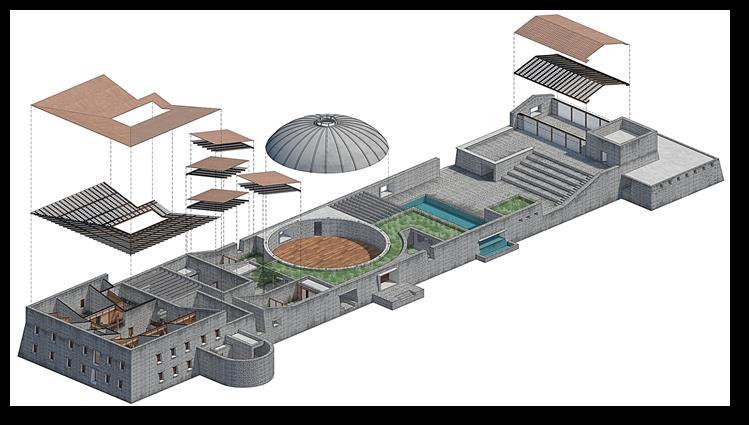
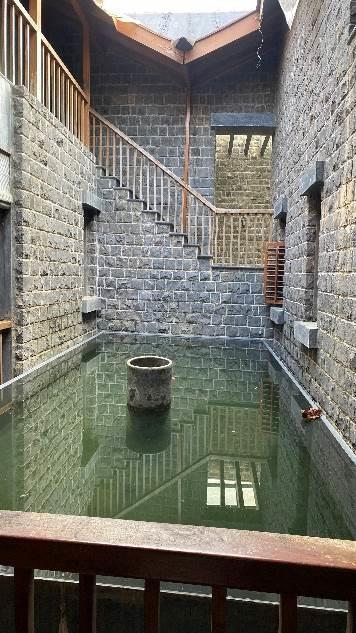
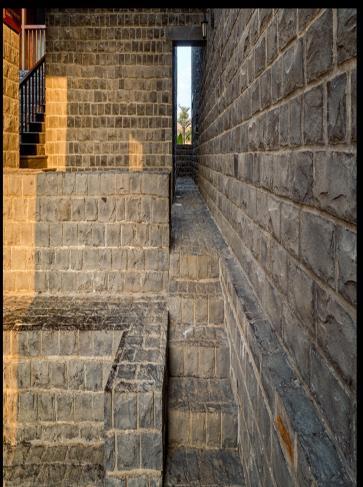
Viveda Wellness Retreat, Maharashtra :
Introduction: Viveda Is An combined Wellness Retreat Located In Trimbakeshwar In Nashik City Of Maharashtra. This WellnessCentreIsInfusedWithIndianValuesOfHospitality,GivesAnExperienceOfSacredComfortAsThePositiveEnergy From The Holy Land Of Trimbakeshwar. This Unique Fortress Of Wellness Overpowers The Senses With Its Sounds And AmbienceAndTheSurroundingAuraSoothesTheSoul. DesignedbyAjaySonarAndMonaliPatil.
Design principles : Amongwhichthefascinatingonesarethemedievalforts-typicallybuiltontopofthemountains;Wadasbeautifullycraftedmedievalhousesoftherichmerchants;Kunds-subterraneanwaterbodiesarepopularfromHarappancities butabsolutelyseeninthetempletownsacrosstheregions;Chaityas–theelegantandtediousBuddhistcavesandmonasteries; Ghats-theriver-frontstretchesofstepsleadingtovariousriverswherearchitectureandlandscapebecomesone.Eachofthese buildingtypeshaveaveryspecificandmemorablequalitywhichtheprojectinvokesinvariouspartsIndifferentfivesquares eachofthesquaresisdesignedseparatelywithfivedifferentfunctionsandacommunicatespatialquality:Naturopathycluster as Wada; Massage rooms as courtyard houses; yoga and meditation dome as Chaityas; Swimming pool as Kund; and the amphitheaterandrestaurantasghats.
Materials : Basaltstone, availablein plenty in the region ,so most project is made withBasalt -loadbearing walls,steps, courtyards,landscape.therearetwotypesoftimberisusedsuchasHaladiorturmeric.Thisismostlyusedfortheroofing systemandcolumnsinspacesandIndianteakwoodisalsouseddonebylocalcarpenters.Claypottiles,whichareusedfor roofingaremadebyakumbharusingthetraditionalmethod
International Research Journal of Engineering and Technology (IRJET) e-ISSN: 2395-0056
Volume: 12 Issue: 02 | Feb 2025 www.irjet.net p-ISSN: 2395-0072
Sense of taste :
Therearemanywaystotaste,whichcontrolourmental,physical,andsocialrejuvenationinwellnesscenters.Tasteisvery importantforimprovingthewellnessexperience.Ourhealthisrelatedtotasteandwellness;itwillimproveouroverallhealth aswellassocialconnection;itwillprovideuswithmentalclarity.
HEALTHY CUISINE:
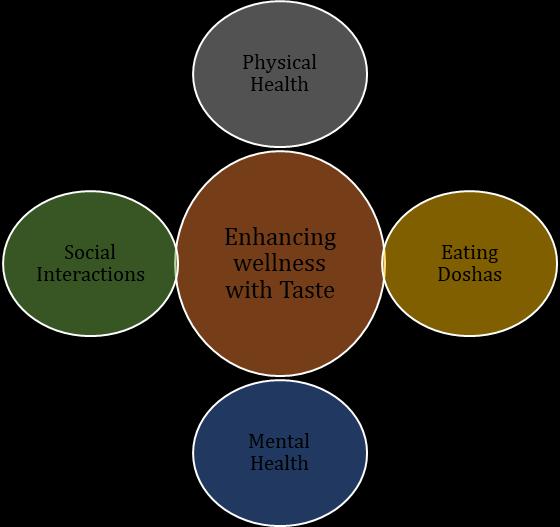
Weneedhealthyandlovelyfoodtonurtureourbodiesandminds.Therearefiveeatingdoshasthatwillhelpustomaintainour diet.Eachdoshawilltellusaspecificcombinationofelementsandqualities,whichwillaffectourphysicalandmentalhealth. Byadjustingoureatinghabitswithourdosha,wecanearngoodwell-being.
International Research Journal of Engineering and Technology (IRJET) e-ISSN: 2395-0056
Volume: 12 Issue: 02 | Feb 2025 www.irjet.net p-ISSN: 2395-0072
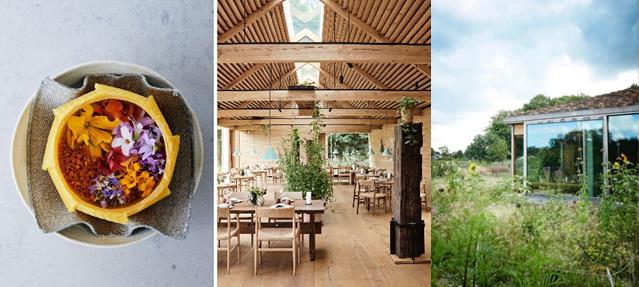
Thereareindirectwaystoimprovethegustatoryexperiencewithinthedesignofbuildings.Itisobservedincookinganddining inthearea,forexample,cafeteriadesignandlocalfoodcombination.ANomarestaurantisknownforitsimportanceinusing local,seasonal,andedibleingredients.Thearchitecturefocusesonconnectingvisitorswithnature.Itisdonewiththehelpof largewindowstogiveaviewofthesurroundingplace.Therestaurantalsopromoteson-sitegardens.Inthosegardens,someof thecomponentsaregrown.
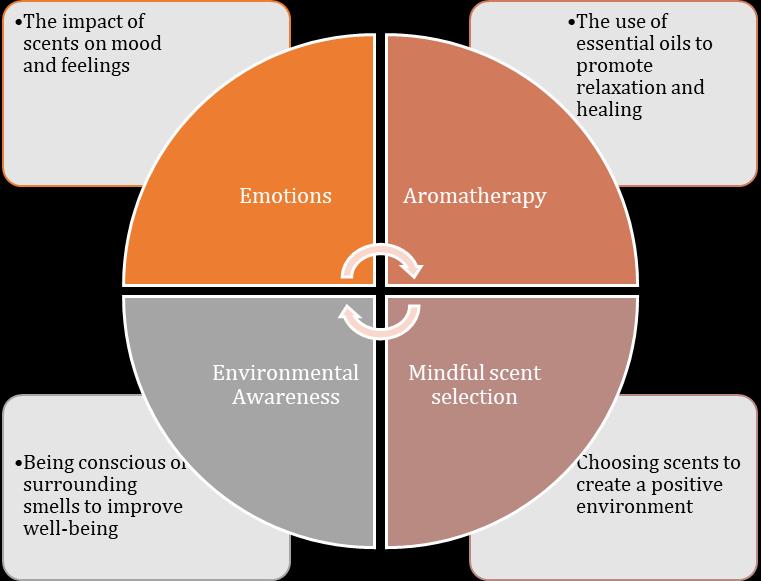
Thesenseofsmellisusuallyfailedtoobserve.Butitplaysanimportantroleinourhealth.So,byunderstanding.Initseffect, wellnesscentersarecreatinganatmospherethatwillimprovehealingandrelaxation.Thiswillimprovesocialinteraction, whichwillhelptoimproveouroverallhealth.Thesenseofsmellisimportant.Sensoryelementscanmainlyaffectourmental, physical,andsocialhealth.Byusingscentfulelementsinthedesignofwellnesscenters,designersarecreatinganatmosphere thatwillhelpforgoodhealth
International Research Journal of Engineering and Technology (IRJET) e-ISSN: 2395-0056
Volume: 12 Issue: 02 | Feb 2025 www.irjet.net p-ISSN: 2395-0072
Now,wewilldiscusstheapplicationsandfactorstoimprovegoodhealth,whichwillhelpin improvedhealthyresultsand satisfaction.
4.7.1.ELEMENTS OF OLFACTORY :
Treatment rooms:
Applynaturaloilorspecificessentialoilsformassagetherapy,suchaslavenderorchamomile,tocreaterelaxation.
Different scent planning:
Variousscentscanbeusedtoidentifyspecificareasofawellnesscenter,suchastheentrancelobby,togiveawarmwelcometo visitors.
Scented facility:
Usespecific-scentedcandlesandroomspraystocreateapeacefulenvironment.
Natural elements:
Usesofsomenaturalelements,suchasfreshflowers,herbalfilling,andwoodendetails,whichgivenice,earthyscents
4.7.2. CASE STUDIES : THE SENSE OF OLFACTORY (SMELL) ELEMENT :

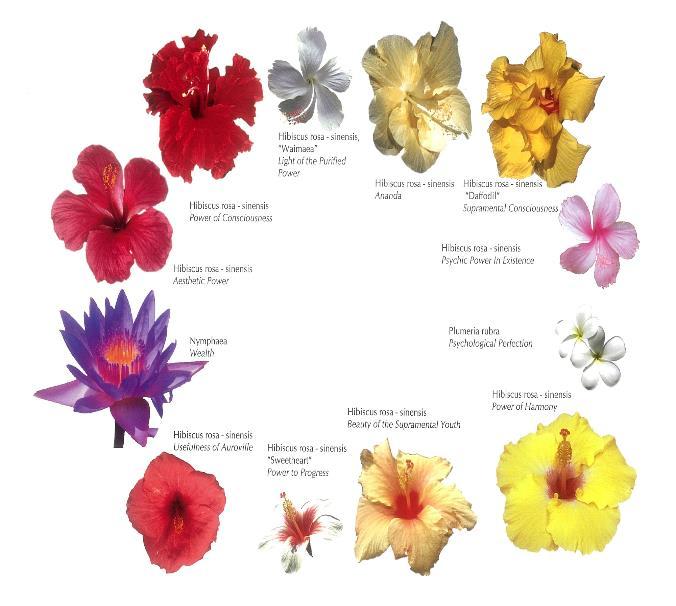
The sense of smell in Auroville, related to architecture, is very useful for designing spaces. Smell is an important part of controllingmoodsandmemoryandimprovingwellness.InAurovillearchitecture,peoplecanliveinpeaceandwithadvanced harmony.
International Research Journal of Engineering and Technology (IRJET) e-ISSN: 2395-0056
Volume: 12 Issue: 02 | Feb 2025 www.irjet.net p-ISSN: 2395-0072
4.7.3. Relation between smell and building::
Environmental coordination :
A)Sweetsmelloflocalplants:InAuroville,allconstructionisencircledwithdeep,thickgrass.Theimprovementofsensory experienceisobtainedbythearomadeliveredbynativeplantslikejasmine,Champa,tulsi,etc.
B)Landscapes:Openspacesandpassagesforlandscapesareregularlyprovidedinarchitecture,whichallowsthenatural aromaoftheenvironment.
Aromas :
A)Naturalcomponents:thedelicate&realisticscentofnaturalmaterialssuchasclay,lime,andwoodprovidestheeffectinthe atmosphereofabuilding.
B)Non-toxicfinishes:theeco-friendlyarchitectureofAurovillewiththelowestuseofchemicals,whichimprovesthefragrant experience.
As a design component :
A)Togeneratedifferentzones,likeameditationarea,inbuildings,fragrantplantsorincenseareused.
Cultural & spiritual condition :
A)NaturalscentslikesandalwoodareverynecessaryinHinduritualsandpujas.Fortheimprovementofspiritualexperience
5. CONCLUSION :
Sensorydesignplaysacrucialroleincreatingtheoverallexperienceinwellnesscenters.Thecombinationofvarioussensory elements,suchasvisualaesthetics,auditoryelements,olfactory,gustatory,andtactileexperiences,canboostavisitor’swellbeing.Sensorydesignisnotonlyasimpleelementforimprovingthephysicalspacebutalsoanimportantelementtothe mental,emotional,andspiritualhealthandalsophysicalhealthofindividuals,makingitessentialinthedesignofasuccessful wellnesscenter.
Forpropervisualaestheticsandvisuallycomfortingsenses,thereneedstobeproperimplementationofcolorpsychologyand therightselectionofmaterialsaccordingtodirections.Properacousticaltreatmentinsensorydesignincludesproperzoning, proper knowledge of the implementation of acoustical materials, and the implementation of natural materials like (sun, waterfall, and wind directions). Tactile implementations play a vital role as they are directional to physical, mental, and emotionalwell-being.Gustatoryelementsinsensorydesignhavedirecteffectsonsensorydesignthroughcolorpsychologyand taste-enhancedmanipulationofmoodsofcolorsbyselectionoftherightcolors.Olfactoryelementsplaysvitalroleinour health.Byusingscentfulelementsinthedesignofwellnesscenters,designersarecreatinganatmospherethatwillhelpfor goodwell-being.WithFurtherresearchandmodernisminwellnessindustrycanmodifythewellnessindustry.
:
[1] ReginaldDavey:SensoryDesign:SpacesfortheSenses:ABriefHistoryofSensoryDesign. https://www.azobuild.com/article.aspx?ArticleID=8441
[2] TheInfluenceOfNaturalLightingOnWell-BeingAndProductivityByColonial'sBlog. https://www.inmocolonial.com/en/blog/influence-natural-lighting-well-being-and-productivity
[3] https://www.instagram.com/reel/DE15cB1yB1W/?igsh=MTNiNmVpM3ZhMHZnbw%3D%3D
International Research Journal of Engineering and Technology (IRJET) e-ISSN: 2395-0056
Volume: 12 Issue: 02 | Feb 2025 www.irjet.net p-ISSN: 2395-0072
[4] ThePowerofNaturalLightinInteriorDesign.https://shuttershadeshoppe.com/blog/natural-light-in-interiordesign/#:~:text=Using%20sunlight%20in%20your%20spaces,welcoming%2C%20comfortable%20and%20strik ing%20space.
[5] BuildingOrientation-PrinciplesAndAnalysisOfTheBestOrientation|Engineering Discoveries.https://engineeringdiscoveries.com/building-orientation-principles-and-analysis-of-the-bestorientation/#google_vignette
[6] ByKendraCherry,MSEd.ColorPsychology:DoesItAffectHowYouFeel?Howcolorimpactsmoods,feelings,and behaviors.https://www.verywellmind.com/color-psychology-2795824
[7] https://mahakatha.com/blog/best-colors-for-meditation/
[8] SOUKYA-DrMathai'sHolisticHealthCentrehttps://www.tripadvisor.in/LocationPhotoDirectLink-g297628d6947701-i284283280-SOUKYA_Dr_Mathai_s_Holistic_Health_Centre-Bengaluru_Bangalore_District_K.html
[9] https://nilospadesign.com/en/about-us/
[10] EXTERIOR,FACADE&LOBBY,HeritageVillageResorts&Spa,Manesar https://www.heritagevillageresorts.com/gallery/manesar-goa-gallery.html
[11] ThePsychologyofColorinWellnessBrandingandDesignhttps://radiantmarketingaz.com/blog/the-psychologyof-color-in-wellness-branding-anddesign/#:~:text=Blue%20is%20often%20associated%20with,of%20trust%2C%20peace%20and%20relaxation
[12] STharini:Multisensoryarchitecture.(TheSenseOfSight:ChurchOfLight) https://www.whereisthenorth.com/article/multisensory-architecture
[13] Porter,T.&Mikellides,B.(1976)ColourforArchitecture.London:StudioVista.Books.https://www.rethinkingthefuture.com/architectural-community/a13370-evoking-emotion-colour-theory-in-the-historic-palacesof-jaipur
[14] Tillotson,G.(2006)JaipurNama:TalesfromthePinkCity.NewDelhi:PenguinBooks.https://www.rethinkingthefuture.com/architectural-community/a13370-evoking-emotion-colour-theory-in-the-historic-palacesof-jaipur
[15] Rego,V.(2012)ThePinkCityofJaipur:AGloriousHeritageofRajasthan.Jaipur:RoliBooks.https://www.rethinkingthefuture.com/architectural-community/a13370-evoking-emotion-colour-theory-in-the-historic-palacesof-jaipur
[16] ByHaleyWeiss.TuningintoYourMost-IgnoredSenseCanMakeYouHappier.https://time.com/6244162/howsound-can-improve-happiness/
[17] AditiSharma:MaheshwariMeditationRoomIdeas:25CalmSpacesforPrayer,Study,Reflection:21.Thiscould bethemeditationroomofaZenmonastery,withitswoodenceiling,softlighting,neutralflooringandminimal elements.https://www.houzz.in/magazine/meditation-room-ideas-25-calm-spaces-for-prayer-study-reflectionstsetivw-vs~115840440
[18] https://www.lovethatdesign.com/project/lifeyoga-wellness-center-delhi/
[19] FayeBradley:Amanpuri,Thailand–Wellness,WellnessCentre,SpaPavilion,TreatmentRoom|Imagecourtesyof Aman.https://magazine.compareretreats.com/aman-announces-new-wellness-initiatives-for-2022/
[20] MuirelleMontecalvo:WhyTravelersAreEmbracingGroupWellnessActivities:BenefitsforMind,BodyandSoul. https://vacayou.com/magazine/travelers-embracing-group-wellness-activities/ [21] SThariniMultisensoryarchitecture.(TheSenseOfHearing:FallingWater). https://www.whereisthenorth.com/article/multisensory-architecture
[22] ByEskoO.DijkAudio-tactilestimulation:Atooltoimprovehealthandwell-being? https://www.researchgate.net/publication/44227236_Audio tactile_stimulation_A_tool_to_improve_health_and_well-being
[23] DhwaniMeharchandani:Howtoincorporatestoneininteriordesign?:Applicationsofstoneininteriorspaces: Walls.https://housing.com/news/how-to-incorporate-stone-in-interior-design/
[24] ArtFacade:WarmCopperFixturesandNaturalBambooWallCladdinginModernDesign: CopperandBamboo:A SymphonyofTextures.https://artfasad.com/warm-copper-fixtures-and-natural-bamboo-wall-cladding-inmodern-design/
International Research Journal of Engineering and Technology (IRJET) e-ISSN: 2395-0056
Volume: 12 Issue: 02 | Feb 2025 www.irjet.net p-ISSN: 2395-0072
[25] CorkFabricinIndiaandSustainability:Featuresofcorkfabric:https://clanearth.com/blogs/sustainable-livingeco-friendly-living/cork-fabric-in-india-and-sustainability
[26] terra-cottapottery.https://www.britannica.com/art/pottery/Stoneware-and-earthenware
[27] https://www.shutterstock.com/image-illustration/contemporary-minimalist-empty-interior-blank-wall2115107513
[28] https://www.freepik.com/premium-photo/textured-white-background-with-hairy-fur-carpet-close-up-highquality-photo_14798402.htm
[29] DesigningWellnessSpaceswithMarble-EnhancingTranquillityandBalance: https://www.aclassmarble.co.in/blogs/designing-wellness-spaces-with-marble-enhancing-tranquillity-andbalance
[30] https://in.saint-gobain-glass.com/blog/top-10-advantages-sliding-glass-windows
[31] WoollenWorstedFabric:https://woolgold.com/woollen-worsted-fabric/
[32] JaipurRugs:HowtoDecorateYourHomewithJuteRugs.https://www.jaipurrugs.com/blog/how-can-you-usejute-rugs-in-your-space
[33] ByKatherineMcLaughlinandRebeccaShinners:52RetainingWallIdeasThatWillElevateYourLandscaping. https://www.architecturaldigest.com/gallery/retaining-wall-ideas
[34] Bycosta:MixedMetalsinBathroomDesign.https://euromarble.com.au/mixed-metals-in-bathroom-design/
[35] RattanGardenFurnitureWholesaleMadeInVietnam:https://www.simpledecor.vn/rattan-garden-furniturewholesale-made-in-vietnam/
[36] SolisWellnessRetreat,Hoshiārpur.https://www.booking.com/hotel/in/solis-wellness-retreat-hoshiarpur.html
[37] BySTharini:MultisensoryArchitecture:SchoolForBlind,Pattaya,Thailand. https://www.whereisthenorth.com/article/multisensory-architecture
[38] AmenitiesBuilding:https://www.archdaily.com/958179/viveda-wellness-retreat-a-forarchitecture?ad_medium=gallery
[39] SenseTherapyFiveSenseTherapy.https://mahavidyaayurveda.com/ayurveda/sense-therapy/
[40] ByEmilyNathanNoma’sdesignconceptbringstheoutsidein.PhotosbyDitteIsager. https://www.afar.com/magazine/noma-will-close-in-2024-heres-what-it-plans-to-do-next
[41] https://time.com/collection/worlds-greatest-places-2018/5359178/noma-copenhagen-denmark/
[42] NatureAndHumanWell-Being:TheOlfactoryPathwayByGregoryN.Bratman https://www.science.org/doi/10.1126/sciadv.adn3028
[43] TheCitytheEarthNeeds.https://auroville.org/page/the-city-the-earth-needs-996TheMatrimandirGardens: TheSignificanceofflowerschosenbytheMother.https://auroville.org/page/the-matrimandir-gardens BIOGRAPHIES


AishwaryaJoshi
Student of Dayanand College of Architecture Latur , Maharashtra, India
Ar.PayalMusmade
ArchitectandAss Professor