
International Research Journal of Engineering and Technology (IRJET) e-ISSN: 2395-0056
Volume: 12 Issue: 12 | Dec 2025 www.irjet.net p-ISSN: 2395-0072
International Research Journal of Engineering and Technology (IRJET) e-ISSN: 2395-0056
Volume: 12 Issue: 12 | Dec 2025 www.irjet.net p-ISSN: 2395-0072
Sambit Ghosh1 , Md. Abdullah Khan2
1Project Assistant, Department of Geology, Sikkim University, Gangtok, Sikkim, India
2Assistant Professor, Department of Geology, Sikkim University, Gangtok, Sikkim, India
Abstract - Water pollution is one of the most widespread global problems which has been aggravated due to anthropogenic activities. The consequent effects of water pollution are far-reaching, detrimental to human health, aquatic ecosystems, and the environment as a whole. Contaminated river water can cause various chronic healthissues,duetoheavymetalsandothertoxicants. Indiais a culturally rich country and follows various diversified customsandtradition. Idol worshiphasbeenanintegralpart of this age-old tradition and aafter worship; these idols are immersed into various water bodies like seas, rivers, lakes, ponds, etc. These idols are generally made up of clay or mud, but sometimes they could be made of Plaster of Paris (POP) along with cloth, wooden structure or frame and are decorated with different paints which contain heavy metals like mercury, cadmium, lead, etc. Oother items are also used for decorative purposes which are mainly made of plastic, paper, thermocol, etc. To study the effect of idol immersion, water samples were collected from four immersion sites or ghats of Kolkata and Howrah and also from two community ponds of Howrah. These samplings were done in three stages pre-immersion, during immersion and post-immersion. Pparameter’s like temperature, pH, Electrical Conductivity (EC), Total Dissolved Solids (TDS) were recorded in-situ. Dissolved Oxygen, Total Suspended Solids (TSS) some, heavy metals were analysed in the laboratory. This study found marginal change in these water quality parameters before, duringand afterimmersion. BureauofIndianStandards (BIS 10500:2012) has been followed for the analysis.
Key Words: Water Pollution, Idol Immersion, Ganga River, Kolkata, Howrah, Water Quality, Physicochemical parameters, Heavy metals
All forms of life (both plants and animals) depend upon waterforitssurvivalanddailyneeds.Humanbeingsneed waterfordrinking,bathing,washing,agriculturalusageand industrial uses. The quantity & quality of water is deteriorateing over time due to overexploitation of both groundwaterandsurfacewater.Anotherreasonforwater qualitydegradationisincreaseinpollutionbbecauseofthe dumping of domestic, agricultural and industrial wastes. India is a country of religious diversity and people follow variousrituals,customsandreligioustraditions.Oneofthe religioustraditionsthatisfollowedinIndiaisidolworship.
Inearlierdaystill1980s,idolsweremainlymadeofclayor mudorterracotta(burntmudorclay)andusuallydecorated withbio-degradablematerialslikepaper,cloth,jutefibres. Even colours used were of natural ingredients or ecofriendly in nature. After worship, the idols were generally immersedindifferent water bodies likeseas,rivers, lakes andponds.But,sincesomeyearsbesidesbeingmadeupof clay or mud, idols are sometimes made of Plaster of Paris (POP).Usuallywoodenstructureorframe,smallironrodare alsousedandtheidolsaredecoratedwithdifferentsynthetic paints, papers, plastics, thermocols and other nonbiodegradable materials which can cause severe adverse effecttotheenvironmentasawhole.Mostofthesynthetic paintsareofpetrochemicaloriginandcontainsheavymetals likemercury,cadmium,lead,chromium,zinc,aluminium,etc. which are very toxic for our health and the environment. VermilionorSindoorwhichisappliedontheidolsduring worshiporduringotherreligiousritualscontainssculpture and mercury. They contaminate the water and could be detrimentalforhealth,ifitcrossesthepermissiblelimitsin water.LeadandChromiumareverytoxiceveninverysmall quantityforhumanbeingsthroughtheprocessesknownas bioaccumulationandbiomagnification.Throughfoodchains, theseheavymetalscanenterintothebodysystemsofliving organisms.Theidolimmersionactivitiespollutetheponds, lakes,rivers,seasandotherwaterbodies.Thedecomposition oftheorganicmattersdumpedwithidolimmersionprocess in the river and lake results in eutrophication increase in acidity and heavy metal concentration. Heavy metal pollution caused by idol immersion can damage the ecosystemasitkillsfishes,damagesplant,blocksthenatural flowofthewater,causingstagnation.Itdamageshealthof human beings also by polluting drinking water sources, causing breathing problems, blood and skin diseases (Bhattacharyaetal.,2014).
Besides these,lotoforganic wasteslikeflowers,garlands, grains, and other puja materials (offerings to Gods and Goddesses)aredumpedintothewaterbodieswhichresults in various microbial growths. The decomposition of the organicwastereducestheDissolvedOxygen(DO)ofwater andincreasestheBiologicalOxygenDemand(BOD)ofwater thusdegradingthequalityofwater.Duetoexcessiveorganic matter in the water various pathogens or disease-causing microbes like bacteria, viruses, protozoa, fungii and start multiplyingandresultsinvariouswaterbornediseaseslike dysentery,cholera,diarrhoea,hepatitis,etc.
International Research Journal of Engineering and Technology (IRJET) e-ISSN: 2395-0056
Volume: 12 Issue: 12 | Dec 2025 www.irjet.net p-ISSN: 2395-0072
Tostudytheeffectofidolimmersion,watersampleswere collectedfromfourimmersionsitesorghatsofKolkataand Howrah. Samples from two community ponds of Howrah were also collected and analysed. These samplings were done in three stages before immersion (pre-immersion), during immersion and after immersion (post-immersion). AnalysesweredoneforvariousPhysicalaswellaschemical parameters like temperature, pH, Electrical Conductivity (EC),TotalDissolvedSolids(TDS),DissolvedOxygen,acidity, alkalinity, Total Suspended Solids (TSS), total hardness, metalsandheavymetalslikeNa,K,Ca,Mg,Al,Fe,As,Cdand Hg.
When Idols are immersed in water bodies then all the chemicalspresentinthemgetdissolvedintothewaterofthe waterbodies.Thepaintsoftheidolsdonotdissolveeasilyin thewaterbodies.Also,thesepaintsgenerallycontainvarious heavy metals such as Mercury, Lead, Arsenic, Cadmium, ChromiumandZinc andalsoothermetalslikeAluminium andMagnesium.Throughfoodchaintheseheavymetalsget intohumanbodies.Theseheavymetalshavelotsofadverse effect on human bodies. The adverse effects of various metalsarementionedbelow.
Mercury (Hg): Mercury pollution can be a serious health threat,especiallyforchildrenandpregnantwomen.Health hazardscanoccuriffishescontaminatedwithmercuryare consumed.Eveninlowdoses,mercurymayaffectachild's development by shortening attention span and causing learningdisabilities.Occasionalexposuretomercuryinhigh dose during prenatal and infant stages can cause mental retardation,cerebralpalsy,deafnessandblindness.Inadults, mercurypoisoningcanadverselyaffectfertilityandblood pressure regulation and can cause memory loss, tremors, vision loss and numbness of the fingers and toes (Bhattacharya et al., 2014). Mercury poisoning can cause MinamatadiseasewhichwasfirstobservedinMinamataof Japanintheyear1956.
Cadmium (Cd): Cadmiumisprimarilytoxictothekidney. Cadmium can cause bone demineralization, directly or indirectly as a result of renal dysfunction. Drinking water with very high cadmium levels severely irritates the stomach,leadingtovomitinganddiarrhoea,andsometimes death.Ifthelevelsreachahighenoughlevel,thecadmiumin thekidneywillcausekidneydamage,andalsocausesbones to become fragile and break easily (Bhattacharya et al., 2014).ChronicCadmiumtoxicitycancauseItai-itaidisease whichwasfirsttimeobservedinJapanintheyear1968.
Arsenic (As): Arsenicisoneofthemosttoxicelements.On being eexposeed to inorganic arsenic, various health problems,suchasirritationofthestomachandintestines, decreased production of red and white blood cells, skin changesandlungirritationcanoccur.Itissuggestedthatthe uptake of certain concentration of inorganic arsenic can intensifythechancesofcancerdevelopment,especiallythe chances of development of skin cancer, lung cancer, liver
cancer and lymphatic cancer. A very high exposure to inorganic arsenic can cause infertility and miscarriages in women, and can also cause skin disturbances, declined resistancetoinfections,heartdisruptionsandbraindamage. Moreover,inorganicarseniccandamageDNA.Ingestionof large amount of Arsenic can lead to gastrointestinal symptomssuchasseverevomiting,damagetothenervous system,andeventuallydeath(Bhattacharyaetal.,2014)
Aluminium (Al): Aluminium when absorbed in excess concentration can cause neurological disorders, bone problems,kidneydysfunction.Itcanevencauseanaemiaand lungproblemandassociatedrespiratoryproblems.
Magnesium (Mg): Magnesiumcancausediarrhoea,nausea, cardiovascular problems and a complex disease called hypermagnesemia.
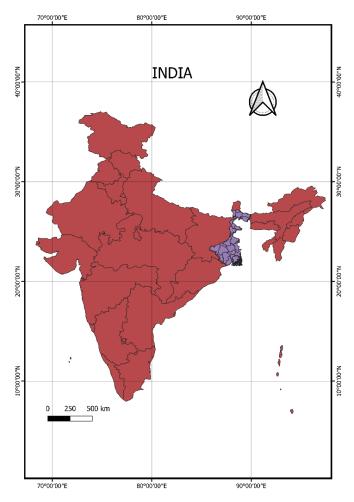

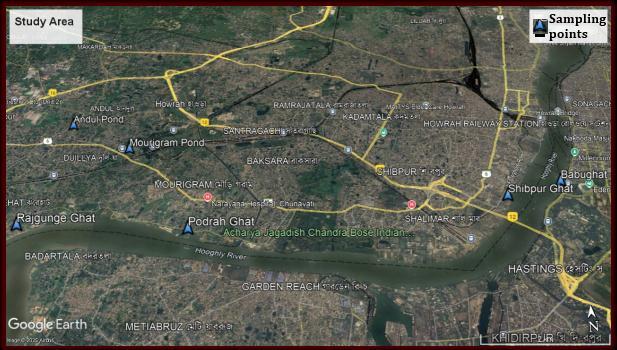
Fig1. Studyareaandsamplinglocationsmap
Thestudyhasbeenconductedatsixdifferentlocationsfrom both Kolkata and Howrah, whose details are given afterwards. Four immersion ghats were selected (from Kolkata and Howrah) and two community ponds (from Howrah) were selected for the purpose of the study. The ghatsfromwheresamplingisdonearethepopularlocations for bathing and immersion activities. The two community
International Research Journal of Engineering and Technology (IRJET) e-ISSN: 2395-0056
Volume: 12 Issue: 12 | Dec 2025 www.irjet.net p-ISSN: 2395-0072
pondsselectedforsamplingisalsousedbylocalpeoplefor bathing,washing,andfishingandimmersionpurposes.
Allthedetailsofthesamplinglocations,theirgeographical coordinates(GPSlocation),samplingdateandphaseofthe sampling (pre-immersion, during immersion, postimmersion)arementionedinatabularformatbelow.
Table 1 (Detailsofsampling)
Sl. No. Sample Name (Location) GPS Location Sampling Date
Pre-immersion (03-10-2024)
22˚33'34"N
1 PodrahGhat
2 RajgunjeGhat
88˚16'5"E
22˚33'46"N
88˚14'16"E
During-immersion (13-10-2024)
Post-immersion (15-10-2024)
Pre-immersion (03-10-2024)
During-immersion (13-10-2024)
Post-immersion (15-10-2024)
Pre-immersion (06-10-2024)
22˚33'52"N
3 Babughat
4 ShibpurGhat
5 AndulPond
88˚20'18"E
22˚33'43"N 88˚19'37"E
22˚35'17"N 88˚14'30"E
During-immersion (12-10-2024)
Post-immersion (14-10-2024)
Pre-immersion (06-10-2024)
During-immersion (12-10-2024)
Pre-immersion (03-10-2024)
Post-immersion (14-10-2024)
3.1 Collection of water samples:
Water samples were collected in 32 Polypropylene bottlesofvolume200ml(each)fromthesamplingsites.
2setofsampleswerecollectedfromeachlocation;one setwasacidifiedfortracemetalanalysis.
HNO3 (1N) solution was prepared to acidify the sampleswhichweretobeanalyzedforcationsinthe laboratorythroughICP-MS(Agilent7800ICP-MS)and FlamePhotometer(ReliableRLE-244X).
Thermometer,ECmeter,TDSmeterandpHmeterwere alsoarrangedforon-site(in-situanalysis).
Gloves, sample bottles, HNO3 (1N) solution, dropper, notebook,penandotheraccessoryitemsweretakento thesiteduringsamplecollection.
Samplingwasdoneinthreephases,i.e.pre-immersion, duringimmersionandpost-immersionforriverwater samplesandintwophasesi.e.pre-immersionandpostimmersionforpondwatersamples.
Fourghatswereidentifiedwhereidolimmersiontake place, first location Babughat (Kolkata) and three othersghatsfromHowrah;Shibpurghat,Podrahghat and Rajgunje ghat. Besides two ponds were also selectedoneinAndulandsecondonenearMourigram railwaystationwhereidolimmersiontakeplace.
Each and every GPS coordinate values were taken downbeforesamplecollection.Whilecollectingwater sample, temperature, EC, pH and TSD values were noteddowninthenotebook.
Next,2-3dropsofHNO3 (1N)solutionwereaddedto 100mlwatersamplesforheavymetalandothercation analysissothatthemetallicionspresentinthewater remainsinsuspendedform.
Allthewatersampleswerestoredataround4˚Cbefore beingtakentothelabforotheranalysis.
6 MourigramPond
22˚34'48"N 88˚15'17"E
Pre-immersion (05-10-2024)
Post-immersion (15-10-2024)
Starting from the upper course to lower course of Ganga River, Babughat is on the upper stream part followed by Shibpurghat,thenPodrahghatandRajgunjeghatatlower moststream.Aswemovefromwesttoeast,onlyBabughatis situatedontheleftbankofGangaRiverandtheremaining threeghatsaresituatedontherightbankontheriver.
Samplesweretakentothelaboratoryforanalysis.Samples wereanalyzedforphysicochemicalparameters.Beforedoing anychemicalanalysisofthewatersamples,sampleswere filtered through 0.2 micro meter (µm) nylon filter papers. Among the physical parameters, the following were considered:
Temperature, pH, EC (Electrical Conductivity), TDS (TotalDissolvedSalts)thesephysicalparameterswere alreadymeasuredin-situ.
TSS(TotalSuspendedSolids)analysiswasconducted in the laboratory. Firstly, the dry filter papers were weighed (initial weight) then water samples were filteredandafterthatthefilterpapersweredriedina desiccator.Afterdryingthefilterpaperagain,thefilter paperswereweighed(finalweight).Thenbydeducting the initial weight from the final weight we got the
International Research Journal of Engineering and Technology (IRJET) e-ISSN: 2395-0056
Volume: 12 Issue: 12 | Dec 2025 www.irjet.net p-ISSN: 2395-0072
weightoftheTSSing,whichwaslaterrepresentedin mg/L.
The chemical parameters that were considered for the analysisofthewatersampleare:
Total Acidity, Total Alkalinity- These analyses were donewithhelpofchemicalreagentslikeMethylOrange, Phenolphthalein,NaOH(0.02N)solution,EthylAlcohol andH2SO4(0.01N)solution.
DO(DissolvedOxygen)analysiswasdonewiththehelp of the reagents like, Mn SO4 solution, Alkali Iodide solution(NaOHandKI),Starchsolutionandcon.H2SO4.
Total hardness wasestimated with thehelpofEDTA (0.01N)solution,EriochromeBlackT(EBT)solutionand Ammoniumbuffersolutionwiththehelpoftitration.
CationslikeSodium(Na),Potassium(K)andCalcium (Ca) were determined with the help of Flame photometer. Magnesium (Mg) was also estimated throughtitration
Some other cations and heavy metals like Mercury (Hg),Cadmium(Cd),Lead(Pb),Arsenic(As),Iron(Fe)
andAluminum(Al)werealsodeterminedwiththehelp of ICP-MS (Inductively Coupled Plasma Mass Spectrometer.
Alltheresultsobtainedfromthephysicochemicalanalyses werecomparedwiththeBIS(BureauofIndianStandard)IS 10500:2012 Drinking Water Specification (https://cpcb.nic.in/wqm/BIS_Drinking_Water_Specification .pdf).
4.1 Results
Afteranalysis,theresultsweretabulatedandcomparedwith theBISstandardandcheckedfortheparameters.Basedon the values charts were also generated for easy and quick understanding.
Table 2 (ResultsofPhysicalparameters)
Volume: 12 Issue: 12 | Dec 2025 www.irjet.net
* EC (inµS/cm), TDS and TSS (inmg/L)
TheabovetableshowsthevaluesofTemperature,pH,EC, TDS and TSS. The parameters were below the prescribed limitasperBIS(IS10500:2012).IncaseofPodrahGhatand Babughat only, the pH value was almost touching the AcceptableLimit.IntermsofTDSandTSSvalues,amongthe immersionghatsPodrahGhatisshowinghighervaluesthan theotherghatsandincaseofponds,Mourigrampondwas showinghighervaluesthanAndulpond.
Table 3 (ResultsofChemicalparameters)
The above results reflect the values obtained for Total acidity,Totalalkalinity,Totalhardness(intermsofCaCO3) and Dissolved Oxygen (DO). All the values are within the permissiblelimit.ButintermsofDO,thevaluecamedown duringimmersionperiodatRajgunjeGhatandPodrahGhat. Possiblereasoncouldbeinfluxofbiodegradablewasteslike flowersandotherpujaofferingswhileimmersionprocess. Between the two ponds, the DO value of Andul pond was muchlowerinthepostimmersionphasethanMourigram pond.Thewatersampleswerealsoanalyzedforcations(Na, K,Ca)withthehelpofFlamePhotometerandHeavymetal (Hg, As, Al, Cd, Fe) with the help of ICP-MS whose results have been tabulated below. The concentration of Sodium (Na),Potassium(K)andCalcium(Ca)wherefoundtobein theAcceptableLimit.ButtheconcentrationofMagnesium (Mg)exceededthepermissiblelimitasperBISstandard.The highestconcentrationwasfoundwasinShibpurGhat 169.7 mg/L (well above 100 mg/L Permissible limit as per BIS) during immersion period among all the four immersion ghats.Betweenthetwoponds,thehighestconcentrationwas foundinMourigrampond 182.1 mg/L(exceeding100mg/L PermissiblelimitasperBIS)inthepost-immersionphase.
International Research Journal of Engineering and Technology (IRJET) e-ISSN: 2395-0056
Volume: 12 Issue: 12 | Dec 2025 www.irjet.net p-ISSN: 2395-0072
Thevaluesobtainedforalltheresultsareinmg/L(milligram perliter)orppm(partspermillion).
Table 4 (ResultsofanalysisforCations)
Theheavymetalanalysisrevealsthattheconcentrationof theheavymetals;Mercury(Hg),Arsenic(As),Cadmium(Cd) and Iron (Fe) are below Permissible limit. But the concentrationofAluminumhascrossedtheAcceptablelimit (0.03 mg/L) as per the BIS standard (IS 10500:2012). AluminumconcentrationisalmostnearthePermissiblelimit of 0.2 mg/L in two ghats, Babughat and Podrah Ghat. Cadmium concentration is nearing the Acceptable limit in case of Shibpur Ghat during immersion phase 0.00275 (0.003 as per BIS Standard). In overall physicochemical parametersonlyMagnesiumandAluminumhavebeenfound to be above the Acceptable or Permissible limit. The term BDL inthefollowingtablestandsforBelowDetectionLimit.
5
Volume: 12 Issue: 12 | Dec 2025 www.irjet.net
10 Shibpur Ghat(Preimmersion)
11 Shibpur Ghat (Duringimmersion)
12 Shibpur Ghat(Postimmersion)
13 AndulPond (Preimmersion)
14 AndulPond (Postimmersion)
15 Mourigram Pond(Preimmersion)
16 Mourigram Pond(Postimmersion)
*Allvaluesareinmg/L
ThelocationwiseBardiagramsgeneratedfromthetabular formatofthedatareflectsthatinmajorcasesEC,TDS,TSS, TotalHardness(intermsofCaCO3),TotalacidityandTotal alkalinity have increased in the during-immersion phase comparedto,pre-immersionandpost-immersionphase.In caseofboththeponds(bothAndulandMourigram)allthese factors were noticeably high in the post-immersion phase compared to the pre-immersion phase. Although all these parameterswereunderthepermissiblelimitbutstilltheTSS value were comparatively very high during the postimmersionphaseinPodrahGhat(640.5mg/L)amongallthe immersion ghats and in Mourigram pond (680 mg/L) in between the two ponds. On the other hand, although the TotalHardnesswaswithinlimitinalmostalllocations,Total Hardness in Mourigram pond was slightly high than the Acceptablelimit 208 mg/L(BISstandard200mg/L)during thepost-immersionphase.
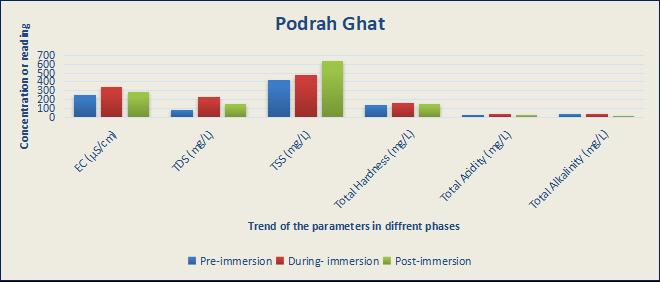
Fig.4.(Diagrammaticrepresentationofvariousparameters atPodrahghat)
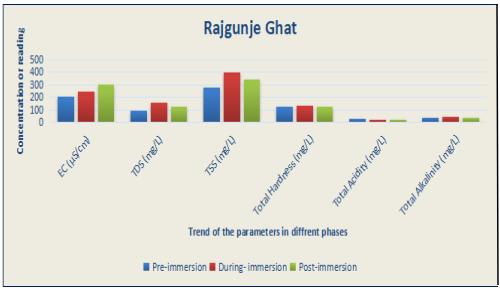
Fig.5.(Diagrammaticrepresentationofvariousparameters atRajgunjeghat)
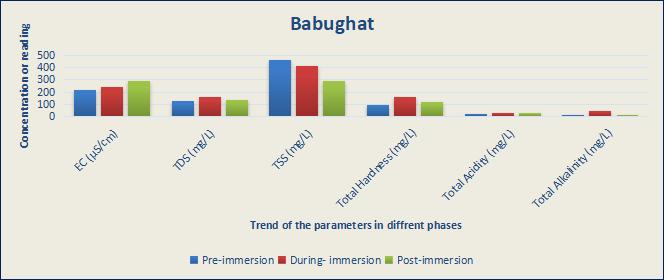
Fig.6.(Diagrammaticrepresentationofvariousparameters atBabughat)
International Research Journal of Engineering and Technology (IRJET) e-ISSN: 2395-0056
Volume: 12 Issue: 12 | Dec 2025 www.irjet.net p-ISSN: 2395-0072
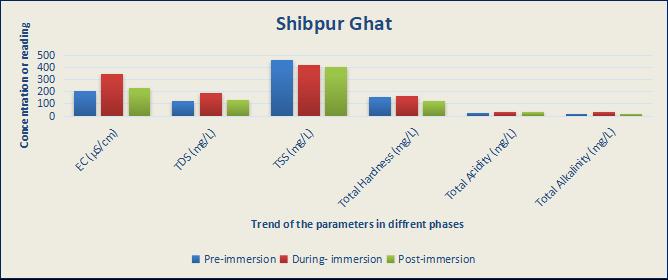
Fig.7.(Diagrammaticrepresentationofvariousparameters atShibpurghat)
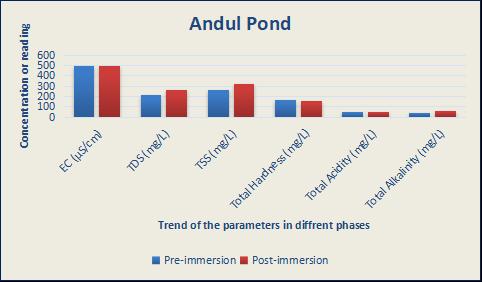
Fig.8.(Diagrammaticrepresentationofvariousparameters atAndulpond)
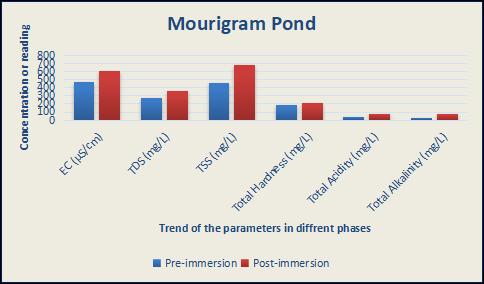
Fig.9.(Diagrammaticrepresentationofvariousparameters atMourigrampond)
Variation in pH value was observed throughout different phases; pre-immersion, during immersion and postimmersion, which indicates the alteration in the chemical parametersofthewater.Thisvariationhasbeenobservedin all the four immersion ghats as well as two ponds. Major variations were observed in the river water samples comparedtothepondwatersamples.

Fig.10.(DiagrammaticrepresentationofDOandpHvaluesat Podrahghat)
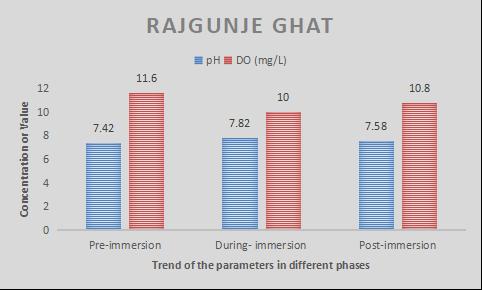
Fig.11.(DiagrammaticrepresentationofDOandpHvaluesat Rajgunjeghat)
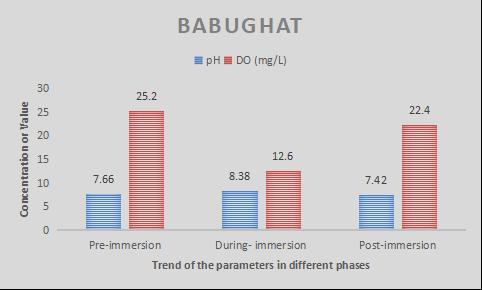
Fig.12.(DiagrammaticrepresentationofDOandpHvaluesat Babughat)
ForDissolvedOxygen(DO),ithasbeenobservedthatithas slightlycomedownduringimmersionphaseascomparedto pre-immersionandpost-immersionphase.Thelowestvalue of DO has been observed in Rajgunje ghat due all three phases indicating one of the polluted ghats in terms of organicmatteramongallthefourghats. Ontheotherhand, lowestDOvaluewasobservedinAndulpondbetweenthe twoponds.EvenincaseofthetwopondstheDOlevelhas alsocomedownduringthepost-immersionphaseindicating possibleinfluxoforganicmatterintotheponds.
International Research Journal of Engineering and Technology (IRJET) e-ISSN: 2395-0056
ButtherehasbeenslightchangeinthepHvalueinthepond waterbothinpre-immersionandpost-immersionphases.

Fig.13.(DiagrammaticrepresentationofDOandpHvaluesat Shibpurghat)
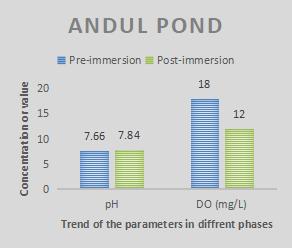
Fig.14.(DiagrammaticrepresentationofDOandpHvaluesat Andulpond)
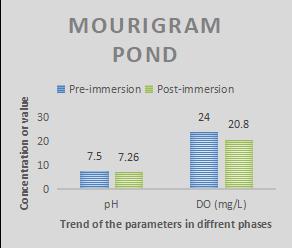
Fig.15.(DiagrammaticrepresentationofDOandpHvaluesat
Mourigrampond)
Of the two ponds, lower DO value was observed in Andul pond. The DO level has also come down during the postimmersionphaseindicatingpossibleinfluxoforganicmatter intotheponds.ButtherehasbeenslightchangeinthepH value in the pond water both in pre-immersion and postimmersionphases.
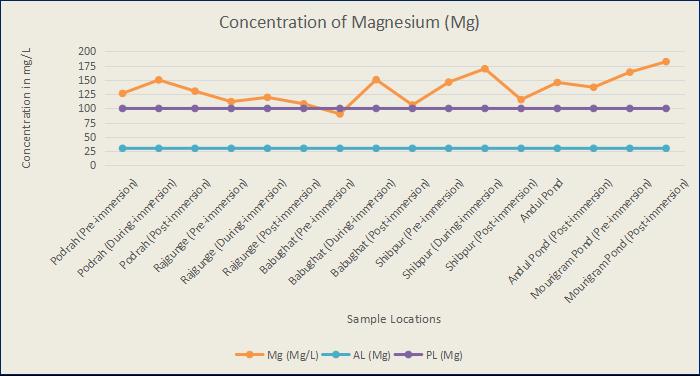
Fig16. (Diagrammatic representation of concentration of Magnesium)
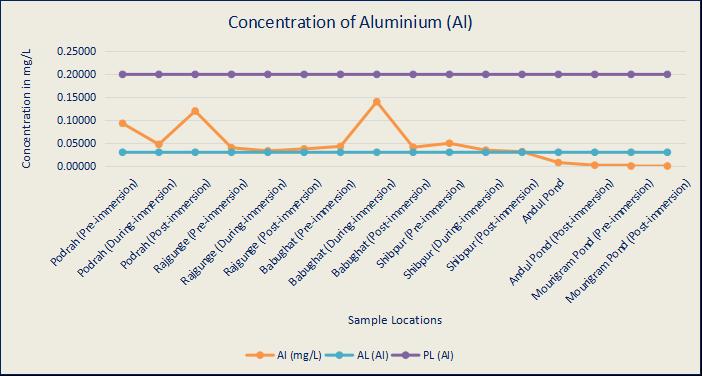
Fig17. (Diagrammaticrepresentationofconcentrationof Aluminum)
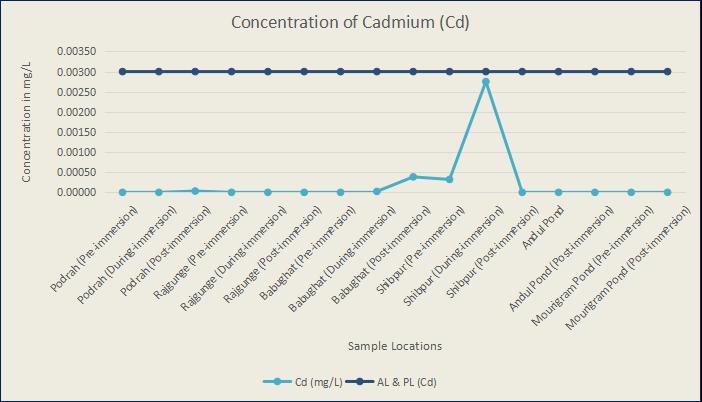
Fig18. (Diagrammaticrepresentationofconcentrationof Cadmium)
*N.B.AL:AcceptableLimit PL:PermissibleLimit
Amongthecations,concentrationofSodium,Potassiumand Calciumwerewithintheacceptablelimitbutconcentration of Magnesium was beyond limit both against Acceptable limit (BIS standard 30 mg/L) as well as Permissible limit (BIS standard 100 mg/L). The highest concentration was shown by Shibpur ghat (169.7 mg/L) during immersion phaseandbetweenthetwoponds,Mourigrampondshowed highestconcentration(182.1mg/L)inthepost-immersion phase. AL denotes Acceptable Limit and PL denote
Volume: 12 Issue: 12 | Dec 2025 www.irjet.net p-ISSN: 2395-0072 © 2025, IRJET | Impact Factor value: 8.315 | ISO 9001:2008 Certified Journal | Page466
International Research Journal of Engineering and Technology (IRJET) e-ISSN: 2395-0056
Volume: 12 Issue: 12 | Dec 2025 www.irjet.net p-ISSN: 2395-0072
PermissibleLimitinthefigures.Amongtheothercations,all werewithinthelimitexceptAluminium,whichwaswithin Permissible limit but beyond Acceptable limit for all the immersionghats.Butincaseoftheponds,concentrationof aluminiumwaswithinthelimits.
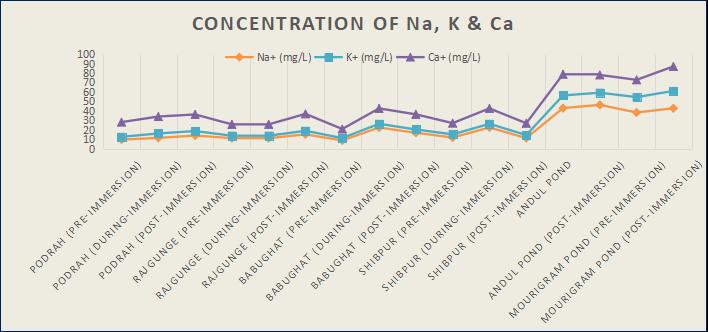
Fig19. (DiagrammaticrepresentationofconcentrationofNa,
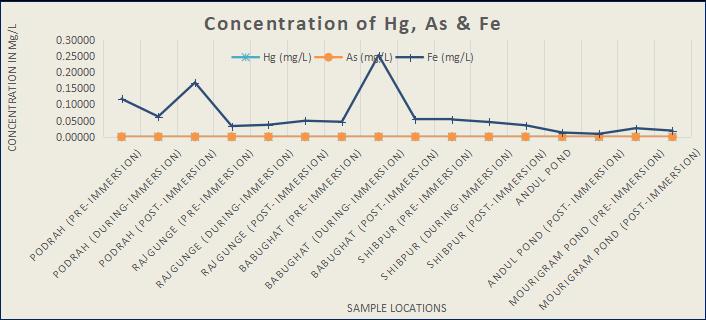
Fig20. (Diagrammaticrepresentationofconcentrationof Hg,As&Fe)
TheconcentrationofalltheheavymetalsHg,Pb,Cd,Aswere in prescribed limit but only in case of Shibpur ghat the concentrationofCadmiumwasalmostnearthePermissible limit 0.00275 mg/L(0.003mg/LasperBISstandard).
4.2 Discussions
Afteranalyzingthephysicochemicalparametersofthewater samples, we can come to a conclusion that immersion activitieshaveincreasedtheconcentrationofthepollutants inthewaterbodies(bothriverandponds).Mostofthewater qualityparameterswere withintheprescribedlimitasper BIS(IS10500:2012)exceptforconcentrationofAluminum andMagnesium.
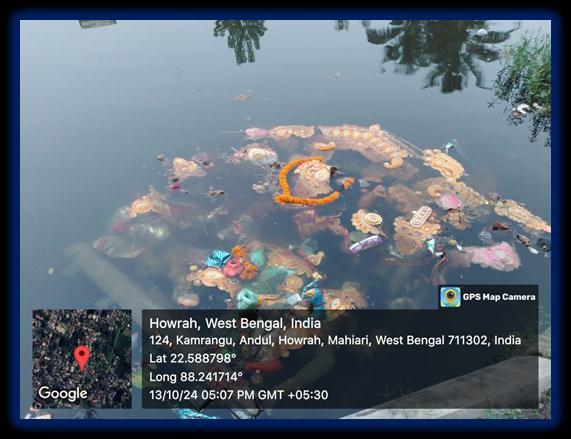
In majority of the cases it was observed the water quality deteriorated during the immersion phase. The major contaminantsbehindthedeteriorationofthewatercouldbe organic pollutants like flowers, garlands, rice, fruits and other puja offerings which are directly dumped into the water and as a result of it DO value has marginally come
downduring-immersionincaseoftheriverwaterandpostimmersionphaseincaseofpondwater.Thewaterqualityof thesewaterbodiesandneedtobecontrolledtosomeextent, otherwiseinnearfutureitwouldbecomeoneofthemajor water-pollutioncontributingfactor.
Paints contain chemicals, binders, thinner and other synthetic components which are non- biodegradable and pollutesthewater.Moreover,theplasticitems,thermocol, synthetictextilesandotherdecorativeitemsimmersedwith theidolareresponsibleforthewaterqualitydegradation.All theseitemsaffecttheaquaticorganismsaswellastheentire aquatic ecosystem as a whole, disrupting their normal activities. Like, slight change in pH value or any other chemicalparameterlikeDOcouldresultinthereductionin the population of an aquatic species or even complete extinction.
Aluminium concentration, which has found to be beyond acceptable limit, can cause neurological disorders, bone problems,kidneydysfunction.Itcancauseanaemiaandlung problem and associated respiratory problems. Again, Magnesiumwhoseconcentrationisalsoabovepermissible limitcancausediarrhoea,nausea,cardiovascularproblems andacomplexdiseasecalledhypermagnesemia.
Idolsmadeofclayormudsareeasilysolubleinthewaterbut the ones made from POP or won’t disintegrate easily creatingpollution. Majorsourceofheavymetalsarethepuja items like vermilion (Hg) or sin door, paints (Pb, Cd, Zn) which unless controlled, the concentration might go on increasingovertheyears.
AmongthefourimmersionghatsBabughatofKolkatashows lowerconcentrationofthepollutantswhichcouldpossibly duetothestrictcontroloftheimmersionprocessesbythe Kolkata Police, Kolkata Municipal Corporation (KMC) officialsandworkersandallotherlocalauthorities.Oncethe idols are immersed the KMC cranes and earthmovers installedtherewerepickinguptheframeworkswithin2-3 minutesonimmersion.Finally,theframeworksoftheidols were been loaded into the trucks and been shifted and dumped into the Corporation’s dumping sites and landfill sites.Evennokindofdecorativeitems,flowersandgarlands were alsobeenallowed to bedumpedintheriver.Onthe other hand, this type of strict vigilance was absent in the other three ghats of Howrah, where it should be implemented.
Anotherimportantobservationwasaswegodownstream throughtheRiverGangai.e.fromBabughat(upperstream) to Rajgunje ghat (downstream), we noticed that the two upper stream ghats (Babughat and Shibpur) had slightly betterwaterqualitycomparedtotheothertwodownstream ghats(PodrahandRajgunje).Thepossiblereasoncouldbe the increase in concentration of the contaminants in downstream region. Thus, in the downstream ghats more
International Research Journal of Engineering and Technology (IRJET) e-ISSN: 2395-0056
Volume: 12 Issue: 12 | Dec 2025 www.irjet.net p-ISSN: 2395-0072
monitoring should be done by the local authorities of the government.
Incaseof the twoponds, theAndul pond exhibited better waterqualitycomparedtoMourigrampond.Almost20-25 idols are immersed in these two ponds but although the frameworksareremovedafterimmersionfromtheAndul pond,butframeworksinMourigrampondremaintherefor several days. Thus, local authorities must monitor and be moreresponsibleintheentireHowrahdistrictregion.
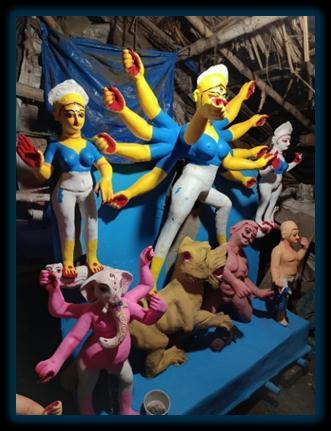
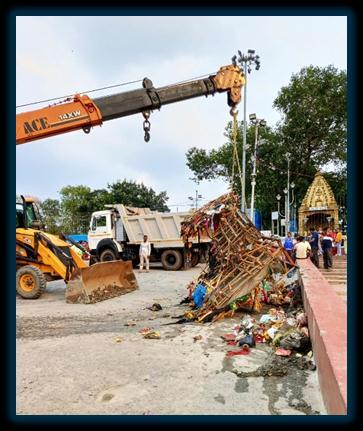
21. (ADurgaidolinmaking) Fig. 22. (Removalofthe frameworksinBabughatimmersionghatpostimmersion)
5. CONCLUSIONS
In earlier times, idols were mostly made from biodegradable products only like mud or clay and decoratedwithpaperandclothinsteadofpresentday’s POP(PlasterofParis)andsyntheticingredients.Even synthetic colures should be replaced with natural coluresoreco-friendlycolures.
Theheightsofidolscouldpreferablyberestricted or reducedandallartificialdecorationsaretoberemoved beforetheimmersionprocess
Local authorities, Municipal Corporations should controlandmonitortheimmersionprocessesandkeep a strict vigil that no organic waste, flowers and food items non-biodegradable items are dumped in the waterbodies.
The idols should be immersed at then pulled up as soonaspossiblejusttomaintainthereligiouscustoms andtraditions
Government authorities should look for alternative placesorselectinlandwaterbodiesfortheimmersion activities. Even they can construct special artificial tankswhereentireimmersioncanbedone.
Lakes,communitypondstriedneedtobeavoidedfor immersionactivitiesasincertainplacesthiswaterare usedfordrinkingpurposeaswellbesidebathingand washing.Eveninsomeplacesthesewaterbodiesare usedforpiscicultureandinthatcasesthefishesmight get contaminated with heavy metals and other pollutants.
Moreover, common people should be made more awarethroughpubliccampaignsabouttheill-effectsof waterpollutionandthehealthrisksrelatedwiththis.
I would like to extend my gratitude to the Head of the Department (HoD), Department of Geology, Sikkim University,Gangtok,Sikkim, Dr.RakeshKumarRanjan for his immense support and allowing me to avail all the laboratoryfacilitiesofthedepartment.
[1]Bhattacharya,S.,Bera,A.,Dutta,A.,Ghosh,U., Effects of idol immersion on the water quality parameters of Indian water bodies: Environmental health perspective,InternationalLettersofChemistry,Physics and Astronomy (2014) ISSN 2299-3843, Vol. 20(2), Pg. 234-263, DOI: https://10.18052/www.scipress.com/ILCPA.39.234
[2]Billore, D., Dandawate, M., Environmental Impact of Idol immersion on Kakerpura lake Mhow, International Journal of Research Granthathaalayah (2015) ISSN- 2394-3629, Vol.3 (Iss.9:SE), DOI: https://doi.org/10.29121/granthaalayah.v3.i9SE.2015.31 33
[3]Bureau of Indian Standards (BIS) https://cpcb.nic.in/wqm/BIS_Drinking_Water_Specificati on.pdfaccessedon28.03.2025
[4]Goswami, K., Mazumdar, I., How Idol Immersion is Pollutingthe GangaRiverinKolkata,WestBengal:An Overview, Indian Journal of Applied Research (2016) ISSN - 2249-555X, Vol.6 (Iss.10), DOI: https://www.researchgate.net/publication/309133689
[5]Gupta,R.,Jana,R.,Kumar,S.,Bakshi,S., Water Pollution due to Idol Immersion in water bodies of Kolkata, International Research Journal of Engineering and Technology(IRJET)2020,ISSN:2395-0072,Vol.07,Pg. 5423-5427, DOI: https://www.irjet.net/archives/V7/i3/IRJETV7I31093.pdf