
International Research Journal of Engineering and Technology (IRJET) e-ISSN: 2395-0056
Volume: 13 Issue: 04 | Apr 2026 www.irjet.net p-ISSN: 2395-0072

International Research Journal of Engineering and Technology (IRJET) e-ISSN: 2395-0056
Volume: 13 Issue: 04 | Apr 2026 www.irjet.net p-ISSN: 2395-0072
Vaishnavi
Nimkar1 , Ar.Palash Agrawal2
1Undergraduate Student, P. R. Pote (Patil) College of Architecture, Amravati, Maharasthra
2Professor, P. R. Pote (Patil) College of Architecture, Amravati, Maharasthra
Abstract - Architecture is a Art, Science and Practice of creating built environment, which serves individual needs, requirementsand well-being. RecentArchitectural practices are more focused on how our sense's experience the surrounding environment. This is equally important for individuals well-being as much as psychiatric therapy. Human emotions depends on lots of factors, surrounding environment can create a comfort, security, self-awareness to encourage clam, relaxation and emotional healing. This spaces are created by light, material, sound, scale, colour, etc. The idea that a space can itself be a therapeutic medium, encouraging individual for physiological and physicalhealing.
Key Words: Sensory architecture, therapeutic spaces, healing environment, multisensory and biophilic design, environmental psychology, spatial experience, light and material, acoustic comfort, human wellbeing.
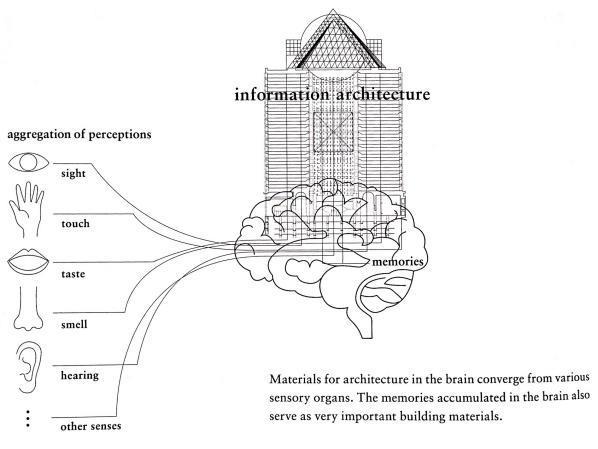
Environment figures more dominant role in mood, behavior and general wellbeing of humans. Certainly, traditional architectural design focused primarily on aestheticelementsandfunctionalaspectsofthespaceswe engage with often disregarding the holistic experience realizedbyusers.Sensoryarchitecture,incontrast,judges this reality according to the degree to which multiple sensory stimuli touch and converge tactile perception, sound resonance, light presence, olfactory relevance and contraceptiveawarenessculminatinginrestorativesenses ofplace.
The stress reduction and potential recovery related features of healing environments have actually been proven to be most effective in healing spaces, including traumarecovery,rehabilitationandmentalhealththerapy. Studies in environmental psychology show elements of space, including natural light, acoustic comfort, texture and connection to nature support emotional regulation andcognitiverestoration.
By examining the theoretical frameworks and existing literature, this research investigates how factors like spatial organization, material usage and light manipulation can inform healing experiences in architecturalsettings.
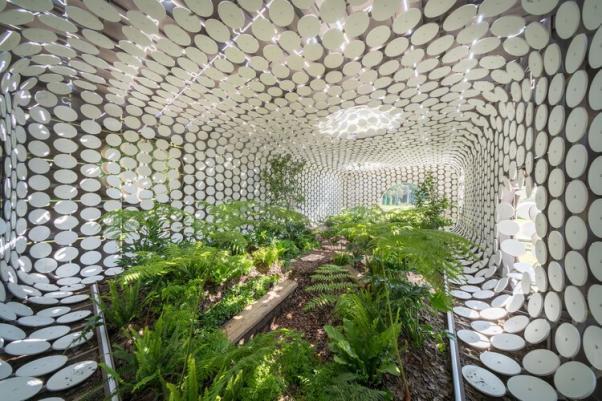
Light is one of the most dominant sensory phenomena in architecture. Natural daylight boosts mood, resets circadian rhythms and lowers stress levels. Softly modulated light situations diffused daylight, dappled sunlight coming through herbs or trees and gradual changes from bright to dark spaces can provide placid spatialnarratives
1. Skylightsandclerestorywindows
2. Lightwellsandcourtyards
3. Shadingdevicestosoftenharshsunlight
Gradual transitions between indoor and outdoor lighting
International Research Journal of Engineering and Technology (IRJET) e-ISSN: 2395-0056
Volume: 13 Issue: 04 | Apr 2026 www.irjet.net p-ISSN: 2395-0072
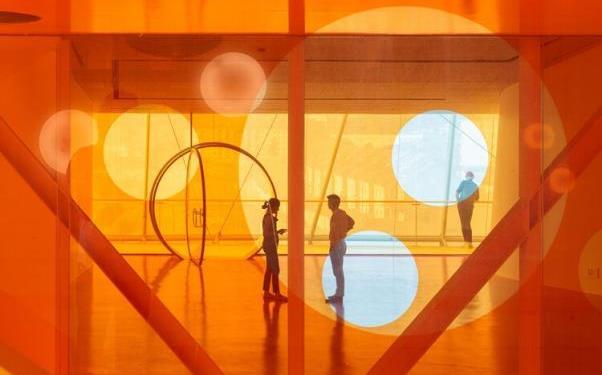
Thechoiceofmaterialsgreatlyinfluencesthefeelofthe space.Comparedwithsyntheticfinishes,naturalmaterials including wood, stone, clay and textured surfaces provide warmthandsensoryrichness.
Tactile architecture invites us to touch surfaces, and makesusfeelcomfortedandgrounded.Forexample:
1. Woodensurfacescreatewarmthandfamiliarity.
2. Stonematerialsprovidesolidityandpermanence.
3. Texturedwallsandfloorsstimulatetactileawareness.
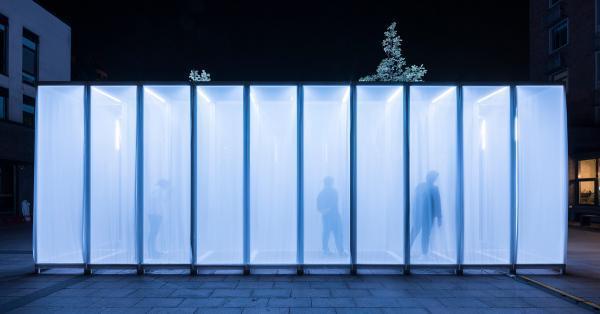
The way users navigate through spaces impacts emotional and psychological responses. Gradual spatial transitionsallowustoadapttonewenvironmentwithout sensoryshock.
1. Transitionspacesbetweenpublicandprivateareas
2. Gradualshiftsinscaleandenclosure
3. Meanderingpathwaysthroughlandscapes
4. Courtyard-basedspatialorganization
1.4 Acoustic Environment
Sound is also an important agent in the spatial experience.Loudnoisemakesstresslevelsriseandcovers thepsychologicalwell-being.
On the other hand, well-crafted acoustic spaces can facilitaterelaxationandconcentration.
1. Sound-absorbingmaterials
2. Water features that produce calming background sounds
3. Vegetationbuffersthatreduceexternalnoise
4. Spatialzoningtoseparatequietandactiveareas
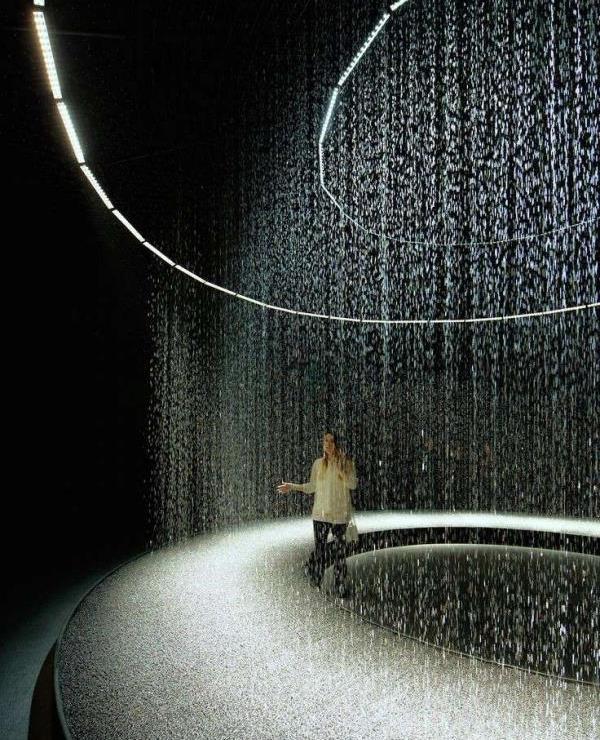
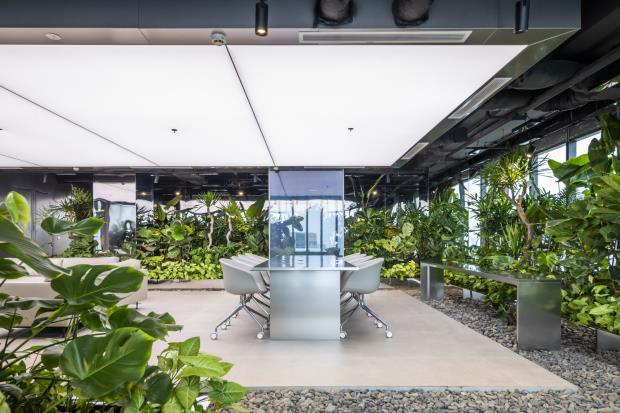
One of the most powerfully healing elements in architecture is connection with nature. It has been welldefined that bio-philic design impacts exposure to elements of nature (vegetation,water,daylight,natural air flow)reducesstressandimprovesmentalhealth.
International Research Journal of Engineering and Technology (IRJET) e-ISSN: 2395-0056
Volume: 13 Issue: 04 | Apr 2026 www.irjet.net p-ISSN: 2395-0072
When patients are receiving treatment in therapy centers, hospitals, and wellness facilities, architectural design can play a major role in the healing process and state of mind of those individuals. Multi-sensory environments help build spaces that feel safe, welcoming, andrestorative.
Keydesignprinciplesinclude:
1. Creating calm environments through dedicated lightingandacousticcontrol
2. Makingtactilecomfortfromnaturalmaterials
3. Creating gardens and landscape spaces for soothing themind
4. Creating layouts that are intuitive to minimize confusionandanxiety
3. CASE STUDY
Maggie's Cancer Centre, Manchester, United-kingdom
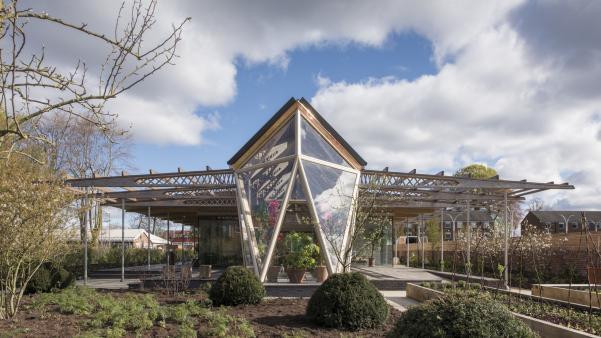
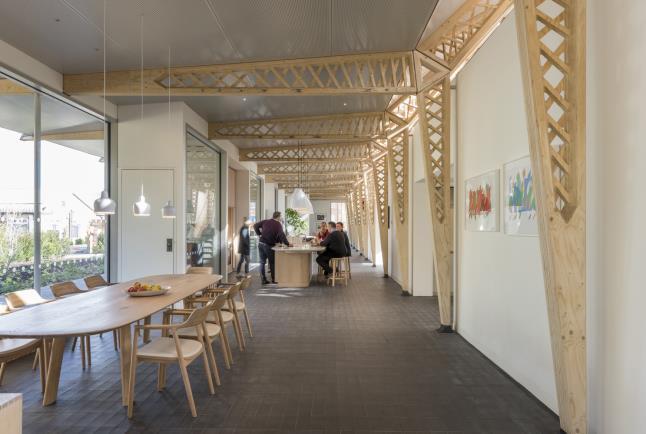
Foster and partners have designed the new cancer wellnessdailyatManchester'smotivationalcancercenter, aleaderintherapyarchitectureforcancerpatients.Design strategies for sensory design that help to improve cancer patients therapy in the cancer wellness center are as follows:
3.1 Visual strategy:
Use of large glass openings and skylights to bring as muchnaturallightaspossible,therebyreducingstressfor patients and improving their mood. Providing patients withvisualrelationshipstothesurroundinggreenery also createsrelaxingstimulation.
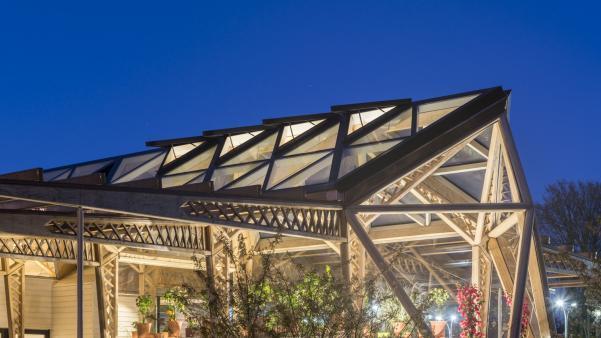
3.2 Material strategy:
The use of wood and warm materials creates a nonclinical, home like atmosphere in the cancer wellness center for cancer patients who are struggling with their emotions.
3.3 Acoustic strategy:
Through spatial buffering and material selection, the design has minimized the harsh sounds in the cancer wellness center to create a calming and calming environment(acoustically-foremotionalhealing).
3.4 Spatial strategy:
The schemes for patients to move about easily and. Experience a more natural environment within cancer wellness center. The cancer wellness center has been urbandesignwillavoidusinghardlinestocreatethe'hard line'atmosphere weseein manyinstitutions. An example of this is throughout the cancer wellness center, designed in a fluid, open, and soft manner, allowing patients more freedomtocreateanenvironmentofcontrol
International Research Journal of Engineering and Technology (IRJET) e-ISSN: 2395-0056
Volume: 13 Issue: 04 | Apr 2026 www.irjet.net p-ISSN: 2395-0072
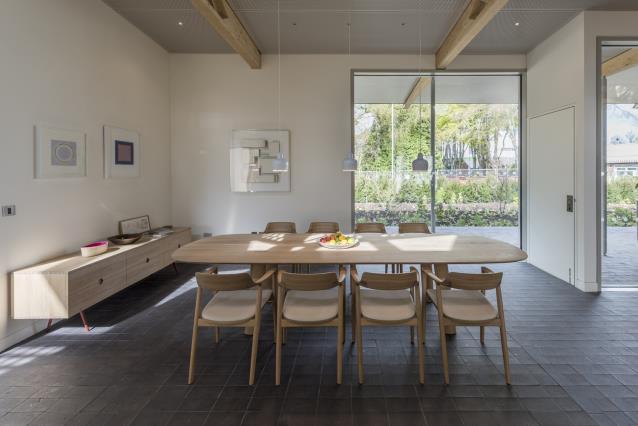
Fig -10:Communalhealingspace
3.5 Psychical connection to nature strategy:
The cancer wellness centre is carried through a creative landscape garden design, there will always be an achievable view of nature in cancer wellness centers. Creating a positive way to physically connect to the biophilic principle of 'healing'. Physical connection between architecture and cancer patients can and will help reduce anxiety, increase dignity, and provide psychologicalcomforttocancerpatients.
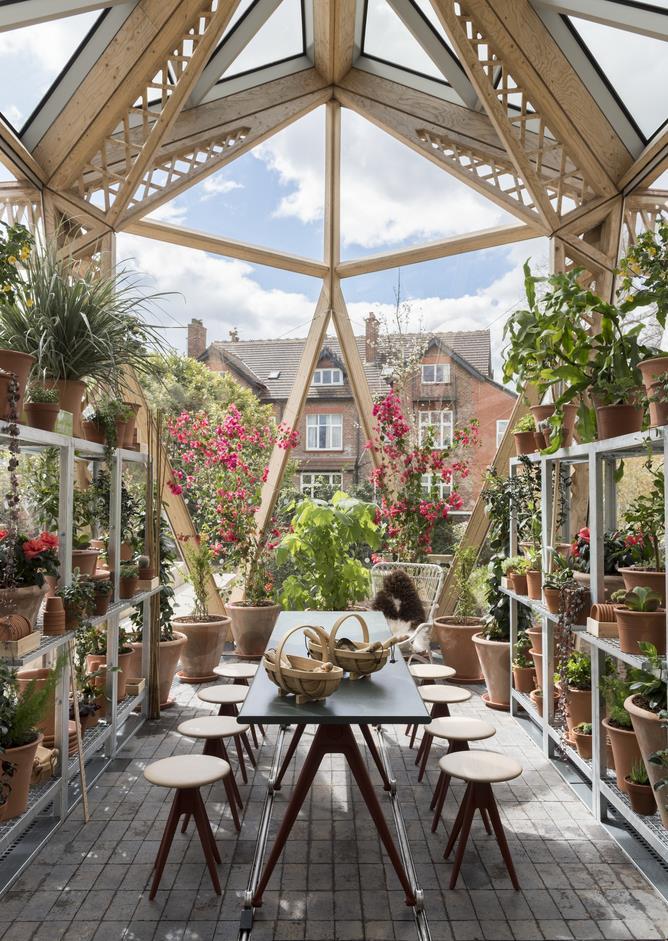
Fig -11:Physicalconnectiontonature
This fosters the design of architectural spaces that promote emotional and psychological well-being. Fostering Relaxation, Healing And Connection: It is CreatingAnInvitingMulti-sensoryExperience. But bringing sensory architecture to life must be done with caution. Too much sensory input can cause more discomfort than healing. Thus therapeutic environments mustbedesignedbycarefullyadjustingsensorypartsthat createharmoniousspatialatmospheres.
Sensory architecture goes beyond visual aesthetics and functional efficiency. Architecture can actively participate in healing and well-being by engaging multiple senses through light, material, acoustics, spatial sequencing and environmentalintegration.
Multi-sensory spatial strategies are particularly suitable for therapeutic environments that require a calming, soothing, and restorative ambience. Architecture is a profession that can have an effective force on the psyche anditshealingprocessifitisacorporealandexperiential discipline.
[1] ArchDaily. (2021). Sensory Design: Architecture for a FullSpectrumofSenses.https://www.archdaily.com/96 9493/sensory-design-architecture-for-a-fullspectrum-of-senses
[2] Kaarwan. (2023). Sensory Design in Architecture: PsychologicalEffectsandSpacePerception. https://www.kaarwan.com/blog/architecture/sensor y-design-architecture-psychological-effects-spaceperception?id=866
[3] Pallasmaa, J. (2012). The Eyes of the Skin: ArchitectureandtheSenses.JohnWiley&Sons.
[4] Zumthor, P. (2006). Atmospheres: Architectural Environments–SurroundingObjects.Birkhäuser.
[5] Kellert,S.,Heerwagen,J.,&Mador,M.(2011).Biophilic Design: The Theory, Science and Practice of Bringing BuildingstoLife.Wiley.
[6] ArchDaily. (2016). Maggie’s Cancer Centre Manchester.https://www.archdaily.com/786370/ma ggies-cancer-centre-manchester-foster-plus-partners