
International Research Journal of Engineering and Technology (IRJET) e-ISSN: 2395-0056
Volume: 12 Issue: 12 | Dec 2025 www.irjet.net p-ISSN: 2395-0072
International Research Journal of Engineering and Technology (IRJET) e-ISSN: 2395-0056
Volume: 12 Issue: 12 | Dec 2025 www.irjet.net p-ISSN: 2395-0072
Arup Saha Chaudhuri1 , Susmita Nandi2 , Indranil Pal3 and Md. Toshif Alam4
1Professor, Dept. of Civil Engineering, Techno Main Salt Lake, Kolkata, India 2, 3, 4PG Students, Dept. of Civil Engineering, Techno Main Salt Lake, Kolkata, India
Abstract - The goal of this study is to strengthen RCC building initially designed and constructed for Seismic Zones II / III but now reclassified under Seismic Zone III / IV respectively because of modified seismic hazard assessments. Therefore, these buildings need to be strengthened introducing vertical steel or damper bracings as retrofit to improve lateral load resistance and structural performances. This study examines the structural performances of G+6, G+12 and G+15 storeyed RCC buildings for seismic zone up gradation. The existing buildings need to strengthen to withstand higher seismic forces because of the areas reclassified from Zone III / II to Zone IV / III respectively. Square-Hollow-Section (SHS) normal bracing members and fluid viscous damper bracing members are introduced in these case studies. For analysis and comparison, we are using the STAAD.Pro and ETABS software packages that contrast the structural behaviors before and after the retrofitting. In comparison to the original design, the results exhibit that the installation of vertical bracing systems greatly improves the safety of beams and columns by increasing their resistance to seismic forces. Mainly the beam column joint moments are drastically reduced thus column and beam designs are becoming safer. The results of these studies demonstrate that the RCC buildings’ structural stabilities are significantly increased by the addition of vertical bracing systems making it more earthquake-resistant in the future. This study for high-seismic-risk areas will improve structural engineering's sustainability and safety.
Key Words: Seismic zone upgrade, Structural retrofitting, Rehabilitation, Increasing rigidity and damping
1.
Withtheincreasingfrequencyandintensityofseismicevents,theseismicvulnerabilityofexistingReinforcedCementConcrete (RCC)buildingshasbecomeamajorconcern.Manystructuresthosewereoriginallydesignedandconstructedunderlower seismicclassificationsarenowfoundtobeunderpreparedduetoupdatedseismichazardassessments.ParticularlyinIndia severalregionshavebeenreclassifiedfromSeismicZoneII/IIItoZoneIII/IVrespectively,demandingurgentretrofitting interventionstoenhancestructuralsafety.Oneofthemosteffectiveandeconomicallyviablemethodsforretrofittingisthe introductionofsteelbracingordamperbracingsystems.Thesebracingssignificantlyenhancethelateralstiffnessandstrength ofstructures,therebyimprovingtheirseismicperformances.Thispaperpresentsacomprehensivestudyonstrengtheningof RCCmulti-storeybuildings,particularlyG+6andG+12storeybuildingsusingsteelbracingsandthatforG+15storeybuilding using fluid viscous damper bracings. The study aims to analyze and compare the structural behavior before and after retrofitting under seismic conditions. Mazzolani (Federico M.) introduced the concept of using removable steel Eccentric Braces(EBs)andBucklingRestrainedBraces(BRBs)forseismicretrofitting.Thesesystemsarenotonlystrongandelasticbut alsolightweightmakingthemsuitableforenhancingtheseismicperformanceofexistingstructureswithoutrequiringmajor reinforcements.BRBs,inparticular,haveshownhighductilityandstableinelasticresponseinlaboratorytests,providing comprehensiveimprovementsinlateralstiffness,strengthanddisplacementcapacity.StudiesbyD.Aniello,M.DellaCorteand G.Mazzolanihavereinforcedtheimportanceofthesebracingsystemsineffectivelyreducingstoreydriftsandensuringquick installationwithminimaldisruptiontooccupants.Similarly,RajeevKishanPandeyandMassumi&Tasnimihavedemonstrated thatsteelX-bracingscansignificantlyimprovetheductilityandenergydissipationcapacityoflow-ductileRCCframes. Ameena MuhammedA,IfthanaMN,MinnuKurian,ShilpaSajilandMerinMathew(2023)haveanalyzedtheseismicperformanceofa G+12RCCresidentialbuildinginZonesIIIandIVusingETABS2018.Sixscenariosarestudied:unbracedandbracedwithX,V, InvertedV,K,andDiagonalsystems,placedatmidandcornerbays.Parameterslikelateraldisplacement,storeydriftandbase shearhavebeenevaluated.Allbracingsystemshaveimprovedperformance,butK-typebracingisthemosteffective,reducing lateral displacement by 85%andstoreydrift by 79% in both directions.Thestudy hasconcluded K-bracingsignificantly enhancesstiffnessandseismicresistance.AnesBabu,Dr.ChandanKumarPatnaikuni,Dr. K.V.G.D.Balaji,andB.Santhosh Kumar(2017)studiedtheseismicperformanceofaG+9RCCbuildingusingETABS2015byanalyzingthreemodels:without bracingorshearwall,withvarioussteelbracings(X,Chevron,Diagonal,V)andwithashearwall.Evaluatedacrossseismic zonesIItoV,thestudyassessedstoreydisplacement,drift,andshear.ResultsshowedChevronbracingwasmosteffectivein zonesIIandIII,whileXbracingexcelledinzonesIVandV.Kasaiet.al.(2001),Lee&Taylor(2001),Uetaniet.al.(2003),Chen, LiandCheang(2010)usedfluidviscousdamperbracingsforseismicresistanceoftallbuildings.Usageofbracinghasimproved stiffnessandreduceddriftsignificantly,provingtobeanefficientandeconomicalretrofittingsolution.
International Research Journal of Engineering and Technology (IRJET) e-ISSN: 2395-0056
Volume: 12 Issue: 12 | Dec 2025 www.irjet.net p-ISSN: 2395-0072
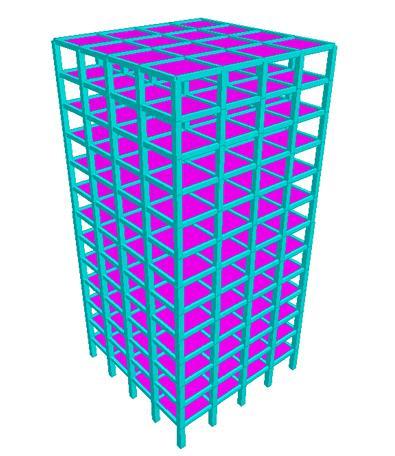
AdetailedcasestudyisconductedonaG+6storeyRCCbuildinginitiallydesignedforSeismicZoneIII,nowreclassifiedunder ZoneIV.Theretrofittingapproachinvolvestheuseofverticalsteelbracingmemberstoenhancelateralloadresistanceand improvesoverallstructuralstability.Acomprehensiveassessmentisconductedincludingevaluationofstructuraldrawings, material properties(concreteandsteel)andsiteinvestigations.Thestudyidentifies inadequateseismic resistanceinthe originaldesign.
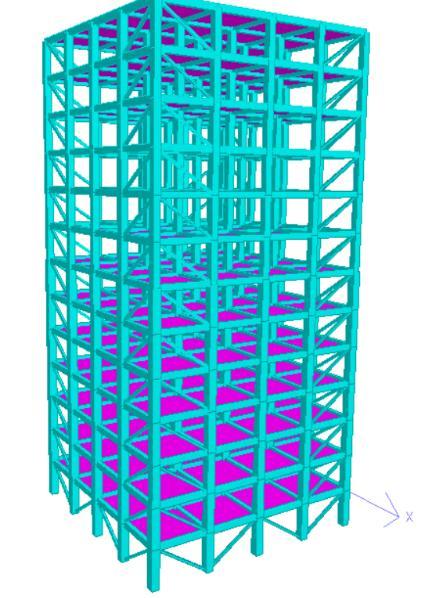
Basedongeometryandperformancerequirements,differentconfigurationssuchasX-bracing,V-bracing,andK-bracingare introduced.X-bracingisselectedforitssuperiorperformanceinreducingdisplacementandjointmoments.Thesteelmembers aredesignedusingSTAAD.Pro.Steelbracingmembersarestrategicallyinstalledinthestructuralframeswithproperanchorage totheexistingRCCcomponents.Modificationssuchasconcretecuttingandspecializedconnectorsensureastronginterface betweenthebracingandtheoriginalstructure.Responsespectrumdynamicanalysisisconducted.Theresultsexhibitamarked improvementinstiffness,reductionininter-storydrifts,andsignificantenhancementinbeam-columnjointsafety.
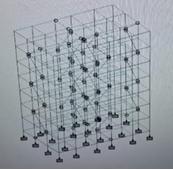
AG+12storeyreinforcedconcretebuildingthatwasoriginallydesignedandconstructedconsideringtheparametersofSeismic ZoneIII,requiresretrofittingaftertheareahasbeenreclassifiedintoSeismicZoneIVduetoupdatedseismichazardevaluations. Toaddresstheincreasedseismicdemandsandenhancethestructuralintegrityofthebuilding,verticalsteelbracingsmadeof SquareHollowSections(SHS)arestrategicallyintroducedasaretrofittingmeasureaimingforimprovingitsresistancetolateral seismicforcesandoverallseismicperformance.Theprimaryobjectiveistoenhancetheoverallstructuralsafetyofthebuilding andensurecompliancewiththerevisedseismicdesigncriteriaapplicabletoZoneIV.
ThestructuralanalysisanddesignprocessfortheretrofittingmeasuresareperformedusingSTAAD.Prosoftware,awidely recognizedtoolforseismicandstructuralassessment.Theverticalsteelbracingsaremeticulouslydesignedandpositionedto achieveasubstantialreductioninbeam-columnjointmomentsaswellastominimizelateraldisplacements,therebyimproving theoverallseismicperformanceandstabilityofthestructure.Allbaysatgroundfloorsarebraced.Fromfirstfloorlevelupto rooftheperipheralcornerbaysinbothdirectionsandthecorewellportionarebraced.
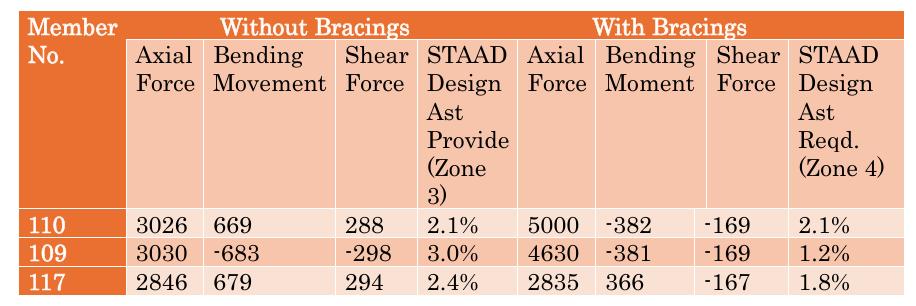
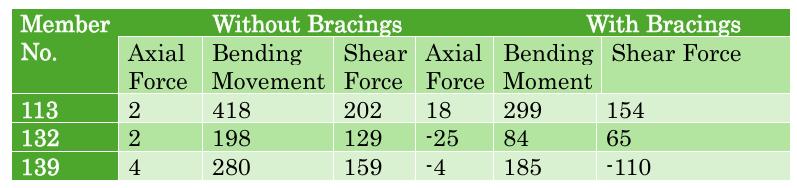
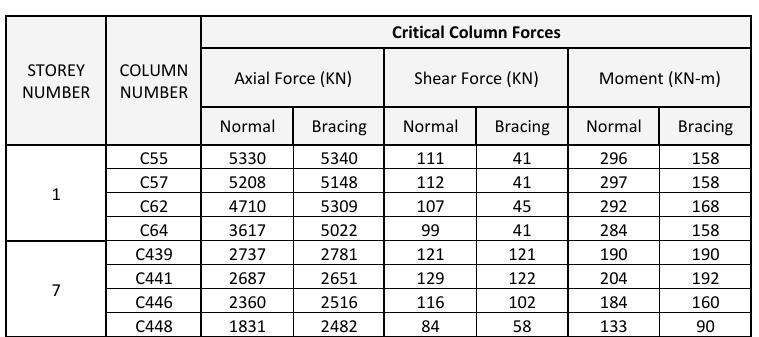
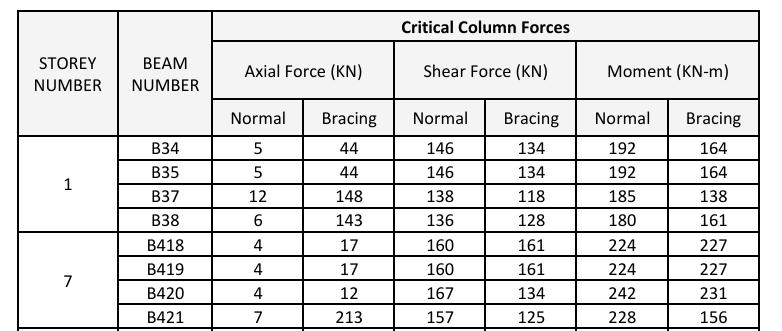
Thebracingsystemledtoadrasticreductioninjointmoments,thusmakingbeamsandcolumnssafer.
Lateraldisplacementsaresignificantlyreduced.
International Research Journal of Engineering and Technology (IRJET) e-ISSN: 2395-0056
Volume: 12 Issue: 12 | Dec 2025 www.irjet.net p-ISSN: 2395-0072
Stiffnessanddurabilityofthebuildingisincreased. TheretrofittedstructureisnowcompliantwithZoneIVseismicdemands.
4. USAGE OF STEEL BRACING FOR RETROFITTING AND REHABILITATION OF RCC BUILDINGS
Sosteelbracingsarestructuralelementsinstalledtoenhancethelateralstiffnessandstrengthofabuilding,resistingforces suchaswind/seismicactivity.
Purposes
1. Preventbucklinginmainstructuralmembers.
2. Distributelateralandverticalloadsefficiently.
3. Cost-effective,flexibleandeasytoimplement.
4. Improveresistancetoseismicandwindforces.
5. Significantlyreducelateraldisplacements.
Benefits
Increased Lateral Stiffness:Minimizesswayanddeflection.
Improved Seismic Resistance:Providesalternateloadpaths.
Reduced Story Drift:Controlsdisplacementbetweenfloors.
Economical:Moreviablethanalternativeslikeshearwalls.
© 2025, IRJET | Impact Factor value: 8.315 | ISO 9001:2008 Certified Journal | Page182
International Research Journal of Engineering and Technology (IRJET) e-ISSN: 2395-0056
Volume: 12 Issue: 12 | Dec 2025 www.irjet.net p-ISSN: 2395-0072
5. CASE STUDY 3: RETROFITTING A G+15 STOREY RCC BUILDING USING VISCOUS DAMPER BRACING
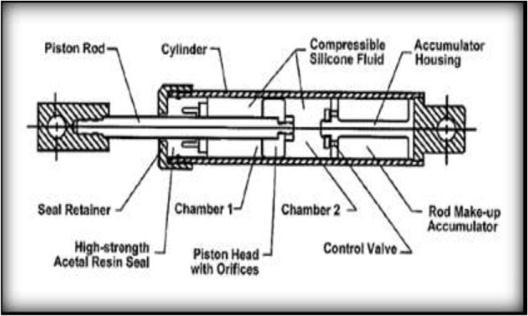
Viscousdamperfunctionsontheprincipleofpassiveenergydissipationbyaddingdampingofseismicforcesinthestructure. Previousstudyonresponseofstructuretoearthquakesprovidedwithviscousdampershowedthatitcouldreducestoreydrift, forcesinmembersthatledtolessdamagetostructureenablingittoresistlargelateralforces.Itisveryimportanttosafeguard thestructuressuchasairports,firedepartmentbarracks,nuclearpowerplants,communicationcenters,hospitals,busstops, institutionsetc.fromtheearthquakestoreachhigherlevelofsafety.Bythevirtueofdampingactionofviscousdampers,it reducesforcesinthemembers,enablingprovisionofsmallercrosssectionsofstructuralmembers.Thismakesthestructure saferagainstseismicaction.
5.1 Methodology
ETABS is a computer software package for analysis and design of civil structures. It offers an intuitive yet powerful user interfacetoolstoaidthequickandaccurateconstructionofmodelsalongwiththesophisticatedanalyticaltechniquesfor complexstructures.SointhepresentstudythreedimensionalanalyseswiththehelpofETABS18modelingareexecuted.The workstartedwithmodelingandanalysisofRCCbuildingsfortwocases:
1.Analysisoftheoriginalbuilding.
2.AnalysisofthatbuildingwitheffectivelyusingFluidViscousDampers.
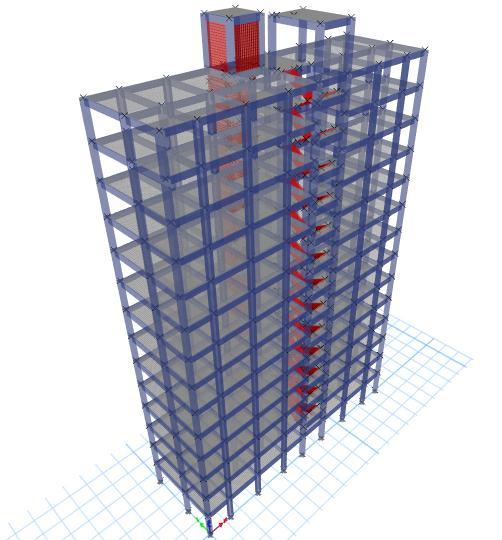
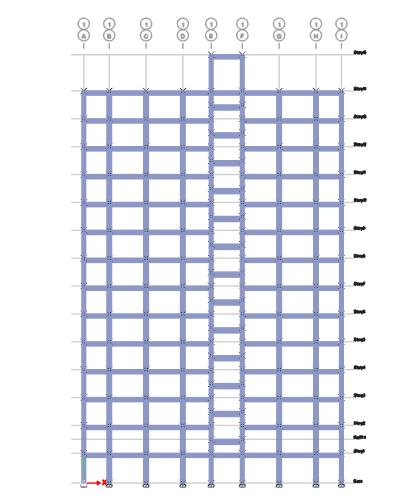
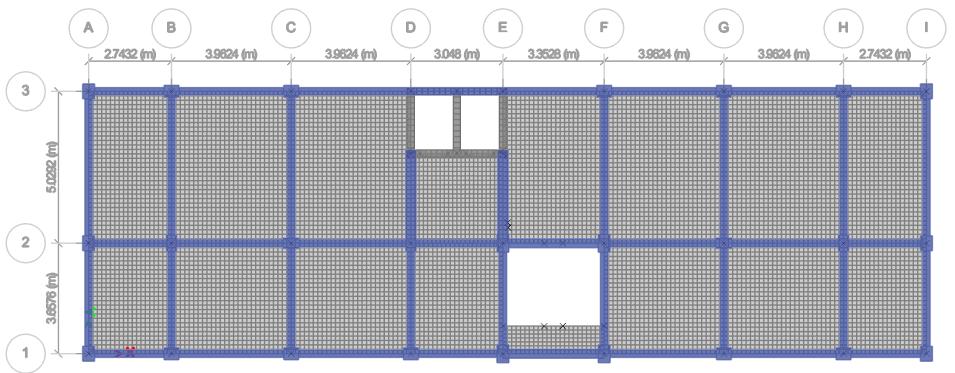
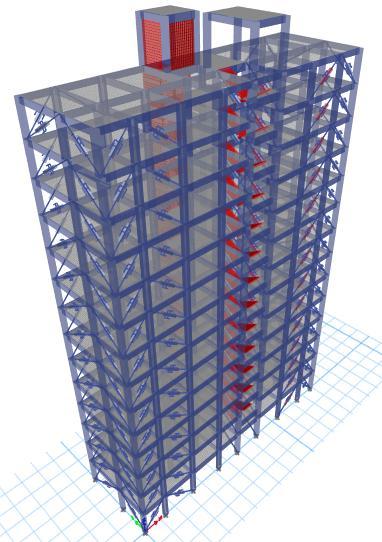
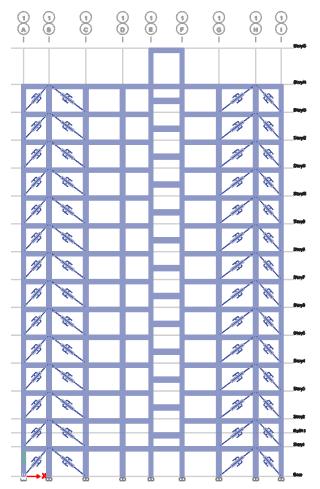
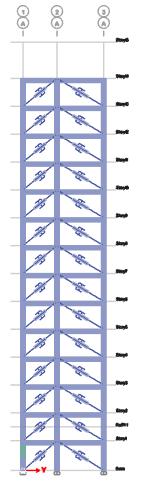
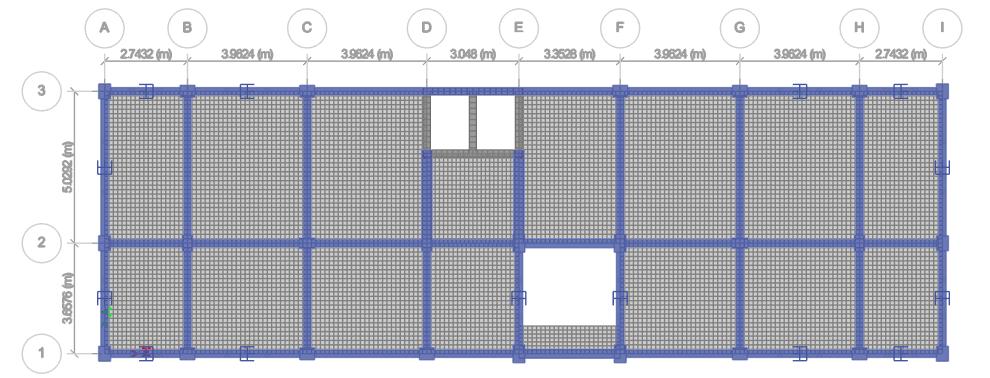
Anexisting15storeyRCCbuildingismodeledusingETABSshavingthetotalbuildingheightof46.1mincludingthebaseandtop floor.ConcretegradeofM35andFe500gradesteelareassumed.Framepropertiessuchasbeams(450mmx250mm)and columns(400mmx500mm)areofthesedimensionsandslabthicknessof125mm.Theexistingbuildingwasdesignedaccording toseismiczoneIIfollowingtheIS1893(2016):Part-1.LoadssuchasDead,Live,Seismic,Windanddefaultloadcombinations areapplied.Thenthefluidviscousdampersarefittedatthefourcornersidebaysofthebuildingandthestaircasewellareasfor retrofittingandanalyzedagain.
International Research Journal of Engineering and Technology (IRJET) e-ISSN: 2395-0056
Volume: 12 Issue: 12 | Dec 2025 www.irjet.net p-ISSN: 2395-0072
International Research Journal of Engineering and Technology (IRJET) e-ISSN: 2395-0056
Volume: 12 Issue: 12 | Dec 2025 www.irjet.net p-ISSN: 2395-0072
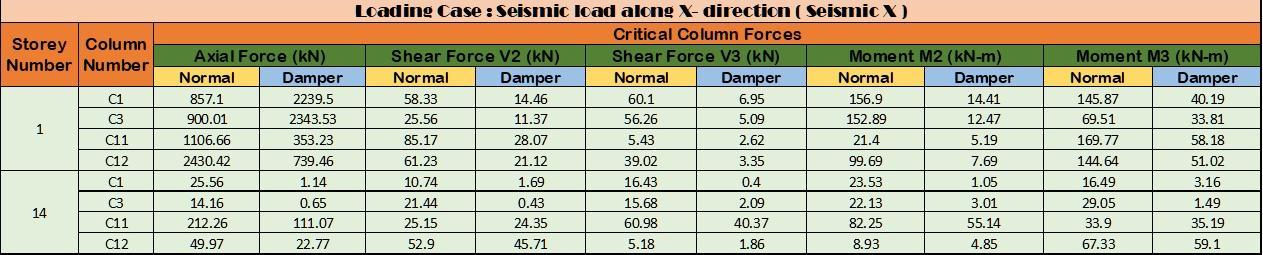
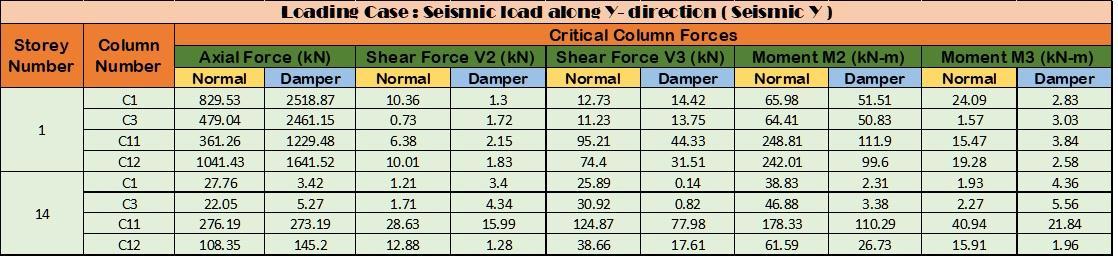
All the results are obtained successfully completing the seismic analysis of the model, once before applying the seismic retrofittingandanotherafterapplyingtheseismicretrofitting.Theaimoftheproject,asmentionedbefore,istoanalyzeonly theglobalbehaviorwithouttakingintoconsiderationthelocalbehaviorofthemodel.Therefore,therewillnotbeanyanalysis regardingtheconnectionsbetweenthestructuralelements,materialpropertiesandsteeldesignoftheelements.Ourgoalisto strengthenthebuildingunderseismicvibration;hence, thefocuswillbeonthefrequenciesandthedisplacementsofthe structurebeforeandaftermodifyingthestructurewitharetrofittingmethod.Improvingthefrequenciesandminimizingthe displacementswillgiverisetoamorestablestructure.Itisobservedthatusingdamperbracingsthelateralstoreydriftsare controlledsatisfactorily.
International Research Journal of Engineering and Technology (IRJET) e-ISSN: 2395-0056
Volume: 12 Issue: 12 | Dec 2025 www.irjet.net p-ISSN: 2395-0072
Thecombinedstudyof(G+6),(G+12)and(G+15)storeyRCCbuildingshasclearlydemonstratedtheeffectivenessofsteelas well as damper bracing systems in seismic retrofitting. Steel bracings provide a significant improvement in structural performancebyenhancinglateralloadresistance,reducingjointmomentsanddisplacementsensuringstructuralsafetyin reclassifiedseismiczoneswhereastheviscousdamperbracingsabsorbtheseismicenergyalso Keyconclusionsinclude:
Steelbracingandviscousdamperbracingaretheeffectiveretrofittingsolutions,especiallywhenseismiczoningisup graded.
Bracingoffersimprovedstiffness,strengthandductilitywithminimaladditionofstructuralweight.
Viscous damper bracing system, in particular, yield optimal results in reducing bending moments and lateral displacements.
Bothshort(G+6)andtall(G+12)&(G+15)storeybuildingsarebenefittedsubstantiallyfrombracings,makingitauniversally applicablemethodinseismicretrofittingstrategies.
[1]IScode1893Part1:2002“CriteriaforEarthquakeResistantDesignofStructures”.
[2]FedericoM.Mazzaloni,GaetanoDellaCorte,MarioD’Aniello:Experimentalanalysisofsteeldissipativebracing,Journalof CivilEngineeringandManagement,15(1),7-19(2016).
[3]A.MassumiandA.A.Tasnimi:StrengtheningoflowductilereinforcedconcreteFramesusingsteelX-bracingswithdifferent details,In:14th WorldConferenceonEarthquakeEngineering,October,2008,Beijing,China.
[4]BrahmanandandRajivKishanPandey:SeismicAnalysisoftheRCStructurewithDifferentBracing,InternationalResearch JournalofEngineeringandTechnology,8(6),1091-1094(2021).
[5]AmeenaMuhammedA,IfthanaMN,MinnuKurian,ShilpaSajil,MerinMathew:Seismicanalysisandretrofittingusingsteel bracinginamulti-storeyedbuilding,InternationalResearchJournalofEngineeringandTechnology,10(7),222-227(2023).
[6]Bijaleetal.:Seismicbehaviorofsteelbracedframestructures,InternationalJournalofCreativeResearchThoughts,11(6), 1940-1945(2023).
[7]FuY,KasaiK.:Comparativestudyofframesusingviscoelasticandviscousdampers,JournalofStructuralEngineering, 124(5),513–22(1998).
[8]KasaiK,FuY,WatanabeA.:Passivecontrolsystemforseismicdamagemitigation,JournalofStructuralEngineering,124(5), 501–12(1998).
[9]LeeD, Taylor DP.: Viscous damperdevelopmentandfuture trends,Structural Design of Tall Buildings,10(5),311–20 (2001).
[10] Uetani K, Tsuji M, Takewaki I.: Application of an optimum design method to practical building frames with viscous dampersandhystereticdampers,EngineeringStructures,25(5),579–92(2003).
[11]ChenXW,LiJX,CheangJ.:SeismicperformanceanalysisofWenchuanHospitalstructurewithviscousdampers,Structural DesignofTallBuildings,19(4),397–419(2010).