
International Research Journal of Engineering and Technology (IRJET) e-ISSN: 2395-0056
Volume: 13 Issue: 01 | Jan 2026 www.irjet.net p-ISSN: 2395-0072
International Research Journal of Engineering and Technology (IRJET) e-ISSN: 2395-0056
Volume: 13 Issue: 01 | Jan 2026 www.irjet.net p-ISSN: 2395-0072
Varagani
1,2,3,4,5,6 B.Tech in ECE, Andhra Loyola Institute of Engineering and Technology, India
Abstract – The rapid growth of urbanization and the increasing number of vehicles have intensified parking management challenges in metropolitan areas, leading to traffic congestion, increased fuel consumption, and user inconvenience.Traditionalparkingsystemsarepredominantly manual, time-consuming, and inefficient, lacking real-time monitoring and intelligent control mechanisms. To address these issues, this paper proposes anRFID-basedsmartparking management system tailored for urbanenvironments,aiming to enhance parking efficiency, reduce operational overhead, and improve user experience.
The proposed system utilizes Radio Frequency Identification (RFID) technology for automatic vehicle identification through passive RFID tags mounted on vehicles and RFID readers installed at parking entry and exit points. A centralized processing unit authenticates vehicles, manages access control, and dynamicallyupdatesparkingslot availability in real time. The system also supports automated data logging for vehicle movement, enabling accurate monitoring, security enhancement, and optional billing integration.
Experimental evaluation and performance analysis demonstrateasignificantreductioninvehiclewaiting time, improved traffic flow, and optimized utilization of parking resourcescomparedtoconventionalparkingmethods. Furthermore, the contactlessnatureofRFIDminimizeshuman intervention, thereby reducing errors and operational costs. The proposed system is scalable, cost-effective, and easily integrable with existing infrastructure, making it suitable for deployment in smart city applications such as shopping complexes, airports, commercial buildings,andpublicparking facilities. Overall, the RFID-basedsmart parkingmanagement system presents a reliable and efficient solution for modern urban parking challenges while contributing to sustainable and intelligent transportation systems.
Key Words: Smart Parking System, RFID Technology, Urban Parking Management, Vehicle Identification, Automated Access Control, Smart City Infrastructure, Intelligent Transportation Systems
Rapid urbanization and population growth have significantly increased the number of vehicles in metropolitan areas across the globe. As cities expand and economicactivitiesintensify,privateandcommercialvehicle ownershipcontinuestorise,placingimmensepressureon
existingtransportationandinfrastructuresystems.Among the most critical challenges faced by urban planners and municipalauthoritiesisefficientparkingmanagement.The lack of organized parking facilities and intelligent managementmechanismshasresultedintrafficcongestion, increasedfuelconsumption,airpollution,andconsiderable inconveniencetodrivers.Studiesindicatethatasubstantial portion of urban traffic congestion is caused by vehicles searchingforavailableparkingspaces,especiallyindensely populatedcommercialandresidentialareas.
Traditional parking systems primarily rely on manual processessuchasphysicaltickets,humansupervision,and staticsignage.Thesemethodsarenotonlytime-consuming but also prone to errors, inefficiencies, and security vulnerabilities.Manualparkingmanagementoftenleadsto longer vehicle queues at entry and exit points, inefficient spaceutilization,andlimitedreal-timevisibilityofparking availability.Furthermore,suchsystemsdemandcontinuous human involvement, increasing operational costs while reducing reliability. As urban mobility becomes more complex, the limitations of conventional parking systems highlight the need for intelligent, automated, and scalable solutions.
In recent years, advancements in information and communication technologies (ICT) have given rise to the conceptofsmartcities,whichaimtoenhancethequalityof urbanlifethroughintelligentresourcemanagement.Smart parking systems are a vital component of smart city infrastructure,designedtooptimizeparkingoperationsby leveragingtechnologiessuchastheInternetofThings(IoT), wireless communication, sensors, computer vision, and RadioFrequencyIdentification(RFID).Thesesystemsfocus onreducingtrafficcongestion,improvinguserconvenience, minimizing environmental impact, and ensuring efficient utilizationofparkingresources.
Among the various technologies employed in smart parkingsolutions,RFIDhasemergedasareliableandcosteffective method for automatic vehicle identification and access control. RFID technology enables wireless communication between a reader and a tag using radio waves, allowing for contactless identification without requiring line-of-sight alignment. RFID systems consist of three main components: RFID tags, RFID readers, and a backendprocessingsystem.Tagscanbeattachedtovehicles, while readers installed at parking entry and exit points automaticallydetectandauthenticatevehiclesastheypass through.ThiscapabilitymakesRFIDparticularlysuitablefor
International Research Journal of Engineering and Technology (IRJET) e-ISSN: 2395-0056
Volume: 13 Issue: 01 | Jan 2026 www.irjet.net p-ISSN: 2395-0072
automated parking environments where speed, accuracy, andreliabilityarecritical.
RFID-basedparkingsystemsofferseveraladvantagesover alternativetechnologiessuchascamera-basedlicenseplate recognitionorsensor-onlysolutions.Unlikecamera-based systems,RFIDperformance isnotsignificantlyaffectedby lightingconditions,weathervariations,orimageprocessing complexities. Additionally, RFID tags are relatively inexpensive, durable, and easy to deploy at scale. Passive RFIDtags,whichdonotrequireaninternalpowersource, further reduce maintenance costs and improve system longevity. These characteristics make RFID an attractive choiceforlarge-scaleurbanparkingdeployments,including shopping malls, office complexes, airports, and public parkingfacilities.
The integration of RFID technology into parking managementsystemsenablesautomationofkeyoperations suchasvehicleidentification,accessauthorization,parking slot tracking, and data logging. When a vehicle equipped withanRFIDtagapproachesaparkingentrance,thereader scansthetagandsendstheuniqueidentificationnumberto a central control unit. The system verifies the vehicle credentials,checksparkingavailability,andgrantsordenies accessaccordingly.Uponsuccessfulauthentication,theentry gate opens automatically, and the system updates the parkingdatabaseinrealtime.Asimilarprocessoccursatthe exit, allowing the system to record parking duration and supportautomatedbillingifrequired.Thisseamlessprocess significantlyreduceswaitingtimeandenhancestheoverall userexperience.
AnothercriticaladvantageofRFID-basedsmartparking systems is their ability to provide real-time parking information.Bycontinuouslymonitoringvehicleentryand exit, the system maintains an accurate count of available parkingslots.Thisinformationcanbedisplayedondigital signboardsatparkingentrancesorsharedthroughmobile and web applications, allowing drivers to make informed decisionsbeforeenteringafacility.Real-timevisibilitynot only improves user satisfaction but also contributes to reduced traffic congestion by minimizing unnecessary vehiclecirculation.
Security is an additional concern in urban parking facilities, where unauthorized access, vehicle theft, and fraudulent activities pose significant risks. RFID-based systems enhance security by allowing access only to registered vehicles and maintaining detailed records of vehiclemovements.EachRFIDtagcarriesauniqueidentifier that can be linked to vehicle and owner information in a secure database. This traceability enables effective monitoring, auditing, and incident investigation. Furthermore,integrationwithencryptionandauthentication mechanisms can mitigate risks such as tag cloning and unauthorizedaccess.
Despite the numerous benefits, RFID-based parking systemsarenotwithoutlimitations.Factorssuchaslimited reading range, signal interference, and security vulnerabilitiesmustbecarefullyaddressedduringsystem design and implementation. Additionally, the initial deploymentcost,includinghardwareinstallationandsystem integration,mayposechallengesforsmall-scaleapplications. However,whenevaluatedoverthelongterm,thereduction in operational costs, manpower requirements, and congestion-related losses often outweigh the initial investment.OngoingadvancementsinRFIDtechnologyand declininghardwarecostsfurtherstrengthenthefeasibilityof widespreadadoption.
Thisresearchfocusesonthedesignandimplementation of an RFID-based smart parking management system tailoredforurbanenvironments.Theproposedsystemaims to address the inefficiencies of conventional parking methodsbyprovidingautomatedvehicleidentification,realtime parking monitoring, and secure access control. The systemarchitectureintegratesRFIDreaders,passiveRFID tags,amicrocontrollerorembeddedprocessingunit,anda centralized database to manage parking operations effectively.Emphasisisplacedonscalability,reliability,and ease of integration with existing infrastructure, ensuring suitabilityfordiverseurbanapplications.
The primary objectives of this research are to reduce vehiclewaitingtimeatparkingfacilities,optimizeparking spaceutilization,minimizehumanintervention,andenhance overall system security. By automating entry and exit processes, the proposed system contributes to smoother trafficflowandimproveduserconvenience.Furthermore, the system supports data-driven decision-making by generating valuable insights into parking patterns, peak usagetimes,andresourceutilization,whichcanassisturban planners and facility managers in improving parking strategies.
The remainder of this paper is structured as follows. SectionIIpresentsacomprehensivereviewofrelatedwork and existing smart parking solutions, highlighting their advantages and limitations. Section III describes the proposed system architecture and components in detail. Section IV explains the working methodology and implementationprocess.SectionVdiscussesexperimental results and performance analysis. Finally, Section VI concludesthepaperandoutlinesfutureresearchdirections andpotentialsystemenhancements.
Traditionalparkingmanagementsystemshavebeen widely used for decades in urban and semi-urban areas. Thesesystemsarepredominantlymanualorsemi-automated and rely heavily on human intervention for monitoring, control,andoperation.Despitetheirwidespreadadoption,
International Research Journal of Engineering and Technology (IRJET) e-ISSN: 2395-0056
Volume: 13 Issue: 01 | Jan 2026 www.irjet.net p-ISSN: 2395-0072
traditional parking methods struggle to meet the growing demands of modern urban environments, where vehicle density and user expectations continue to increase. Understandingtheseconventionalapproachesisessentialto highlight their limitations and justify the need for smart parkingsolutions.
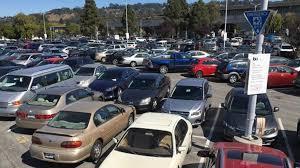
One of the most common traditional parking methods is manual ticket-based parking. In this system, a driver receives a physical ticket from a security guard or ticketdispensingmachineuponenteringtheparkingfacility. Theticketusuallycontainsbasicinformationsuchasentry timeandparkingzone.Atthetimeofexit,thedriverpresents thetickettoaparkingattendant,whocalculatestheparking feebasedondurationandcollectspayment.Althoughsimple toimplement,thismethodistime-consumingandproneto human error. Ticket loss, incorrect billing, and disputes between users and attendants are frequent issues. Additionally, manual fee collection increases operational costsduetotheneedforcontinuousstaffing.
Another widely used traditional approach is attendant-managed parking, where parking personnel are responsible for directing vehicles to available spaces and maintainingrecordsmanually.Insuchsystems,attendants visually inspect parking availability and guide drivers accordingly.Whilethismethodmayworkforsmallparking areas,itbecomeshighlyinefficientinlargefacilitieswithhigh vehicle turnover. The lack of real-time data often leads to unevenspaceutilization,congestionwithintheparkingarea, andincreasedwaitingtimeduringpeakhours.Furthermore, humandependencyreducessystemreliabilityandscalability.
Some traditional parking systems employ barrier gatemechanismscombinedwithmagneticcardsorprinted tokens.Thesesystemsofferpartialautomationbycontrolling vehicle entry and exit using barriers; however, they still requiremanualverificationandmonitoring.Magneticcards andtokensaresusceptibletodamage,duplication,andloss, leadingtosecurityvulnerabilities.Additionally,thesesystems do not provide real-time parking availability information, makingthemlesseffectiveinmanagingtrafficflow.
A significant drawback of traditional parking methods is the absence of real-time monitoring and data analytics.Conventionalsystemstypicallydonotmaintaina centralized database to track vehicle movement, parking duration, or occupancy patterns. As a result, parking administratorslackinsightsintopeakusagetimes,demand trends, and resource utilization. This limitation makes it difficult to optimize parking policies, pricing strategies, or infrastructure planning. In contrast, modern intelligent systems leverage real-time data to improve efficiency and decision-making.
Fromauserperspective,traditionalparkingsystems often result in increased search time for parking spaces. Driversenteringaparkingfacilityareusuallyunawareofslot availabilityand must manually search for an empty space.
This not only causes frustration but also contributes to internal congestion and unnecessary fuel consumption. In densely populated urban areas, such inefficiencies collectively lead to significant traffic congestion and environmentalpollution.
Securityisanothermajorconcernassociatedwith conventional parkingsystems.Manual record-keepingand visualmonitoringmakesitdifficulttopreventunauthorized access,vehicletheft,orfraudulentactivities.Intheabsenceof automatedidentificationandtrackingmechanisms,tracing vehicle movement becomes challenging during security incidents. Additionally, reliance on human supervision increasesthelikelihoodofnegligenceormanipulation.
Operationalcostisalsoacriticalissueintraditional parkingmanagement.Continuousmanpowerisrequiredfor ticket distribution, fee collection, monitoring, and maintenance.Theserecurringexpensessignificantlyincrease thelong-termcostofoperation.Moreover,manualsystems arelessadaptabletoexpansion,makingscalabilityacostly andcomplexprocess.
Traditional parking management methods are characterizedbymanualoperation,limitedautomation,lack of real-time information, and high dependency on human resources.Whiletheymaybesuitableforsmall-scaleorlowtraffic environments, they are increasingly inadequate for modernurbansettings.Theinefficiencies,securityconcerns, andoperationallimitationsoftraditionalsystemsemphasize thenecessityforintelligentalternativessuchasRFID-based smart parking systems, which offer automation, accuracy, scalability,andenhanceduserexperience.
3.
The proposed RFID-based smart parking managementsystemisdesignedtoaddresstheinefficiencies and limitations of traditional parking methods by introducing automation, real-time monitoring, and intelligentaccesscontroltailoredforurbanenvironments. The system aims to provide a reliable, scalable, and costeffective solution that improves parking space utilization, reducestrafficcongestion,andenhancesuserconvenience.
Volume: 13 Issue: 01 | Jan 2026 www.irjet.net p-ISSN: 2395-0072
By leveraging Radio Frequency Identification (RFID) technology, the system enables contactless vehicle identification and seamless entry and exit operations, thereby minimizing human intervention and operational delays commonly associated with conventional parking facilities.
Atthecoreoftheproposedsystemistheintegration of passive RFID tags and RFID readers to facilitate automatedvehicleidentification.Eachvehicleauthorizedto usetheparkingfacilityisassignedauniquepassiveRFIDtag, which is affixed to the vehicle in a secure and tamperresistant manner. These tags store a unique identification number that is mapped to the vehicle and owner details withinacentralizeddatabase.PassiveRFIDtagsarechosen due to their low cost, durability, and maintenance-free operation,astheydonotrequireaninternalpowersource. RFIDreadersarestrategicallyinstalledatparkingentryand exitpointstoensurereliabledetectionanddataacquisition asvehiclespassthroughthecontrolledaccesszones.
When a vehicle approaches the parking entrance, theRFIDreaderautomaticallyscansthetagandcapturesthe unique identification number without requiring physical contact or line-of-sight alignment. The captured data is transmitted to a processing unit, which may consist of a microcontroller, embedded system, or server-based controllerdependingonsystemscale.Theprocessingunit validatesthereceivedtaginformationagainstthedatabase toconfirmvehicleauthorizationandavailabilityofparking spaces.Ifthevehicleisauthenticatedandparkingslotsare available, the system grants access by triggering an automatedgateorbarriermechanism.Simultaneously,the parking database is updated in real time to reflect the occupancy status of the facility. This automated process significantlyreducesvehiclewaitingtimeatentrypointsand improvestrafficflowwithintheparkingarea.
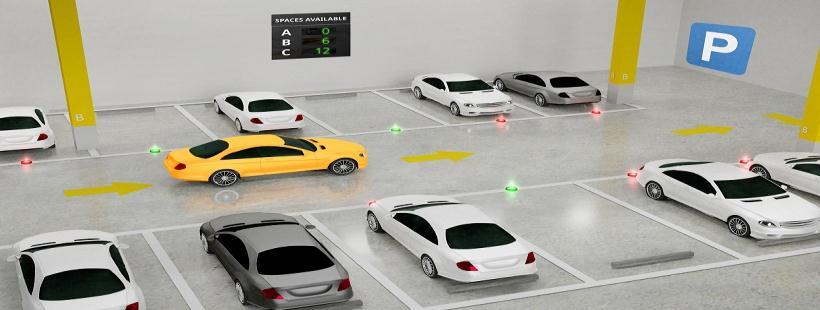
Theproposedsystemcontinuouslymonitorsvehicle movement through the coordinated operation of RFID readersandthecentralizeddatabase.Eachsuccessfulvehicle entry reduces the available parking count, while each exit increasestheavailability.Thisdynamicupdatingmechanism ensuresthatparkingslotinformationremainsaccurateand reliableatalltimes.Thereal-timeparkingavailabilitydata can be displayed on digital signage installed at parking entrances or key locations within the facility, allowing drivers to make informed decisions before entering. Additionally, this information can be shared with a centralizedmonitoringsystemorintegratedintoawebor mobileapplication,furtherenhancinguserawarenessand convenience.
At the exit point, the RFID reader once again scans the vehicle’sRFIDtagasitapproachesthebarrier.Thesystem recordstheexittimeandupdatesthedatabaseaccordingly. Bycalculatingthedifferencebetweenentryandexittimes, the system can automatically determine the total parking duration for each vehicle. This functionality enables
seamlessimplementationofautomatedbillingmechanisms, where parking fees can be calculated accurately without manual intervention. Payment integration options may includeprepaidaccounts,digitalwallets,orpostpaidbilling systems, depending on the application requirements. Automation of the billing process not only improves accuracy but also reduces disputes and enhances user satisfaction.
Securityisacriticalconsiderationintheproposedsystem, particularlyinurbanparkingfacilitieswhereunauthorized access and vehicle theft are common concerns. The RFIDbasedidentificationmechanismensuresthatonlyregistered andauthorizedvehiclesarepermittedtoentertheparking facility. Each RFID tag carries a unique identifier that is difficulttoreplicate,andthesystemmaintainsdetailedlogs of vehicle entry and exit events. These records enable effectivemonitoring,auditing,andinvestigationincase of security incidents. Furthermore, additional security measures such as encrypted communication, multi-level authentication, and integration with surveillance systems canbeincorporatedtofurtherstrengthensystemreliability.
The proposed system also supports administrative and analytical functionalities that contribute to improved parkingmanagementanddecision-making.Bymaintaininga centralizeddatabaseofvehiclemovements,occupancyrates, andusagepatterns,thesystemgeneratesvaluabledatathat can be analyzed to identify peak usage periods, average parking duration, and demand trends. Parking administratorscanusethisinformationtooptimizepricing strategies, allocate resources efficiently, and plan future infrastructureexpansions.Theavailabilityofhistoricaldata enhances transparency and enables data-driven managementofparkingfacilities.
From an operational perspective, the proposed RFID-based system significantly reduces dependency on manuallabor.Traditionalparkingsystemsrequirepersonnel forticketdistribution,feecollection,monitoring,andrecordkeeping, leading to high operational costs and potential human errors. In contrast, the automated nature of the proposedsystemminimizestheneedforcontinuoushuman supervision, thereby reducing operational expenses and improving system reliability. The reduction in human involvementalsominimizesdelays,improvesconsistency, andenhancesoverallservicequality.
Scalabilityandflexibilityarekeydesignconsiderationsofthe proposed system. The modular architecture allows the system to be easily expanded to accommodate additional parking zones, entry and exit points, or increased vehicle capacity. The system can be deployed in various environments,rangingfromsmallprivateparkingfacilities to large public parking complexes, without significant changestothecorearchitecture.Furthermore,thesystem canbeintegratedwithothersmartcitycomponents,suchas trafficmanagementsystems,publictransportationnetworks,
International Research Journal of Engineering and Technology (IRJET) e-ISSN: 2395-0056
Volume: 13 Issue: 01 | Jan 2026 www.irjet.net p-ISSN: 2395-0072
and urban mobility platforms, contributing to a cohesive intelligenttransportationecosystem.
Environmentalsustainabilityisanotherimportant benefitoftheproposedsmartparkingsystem.Byreducing the time vehicles spend searching for parking spaces and minimizingcongestionatentryandexitpoints,thesystem contributes to lower fuel consumption and reduced greenhouse gas emissions. Efficient parking management supportssmoothertrafficflowandalignswiththebroader goals of sustainable urban development. As cities increasinglyprioritizeenvironmentalimpactreduction,the adoption of intelligent parking solutions such as the proposedsystembecomesincreasinglysignificant.
Despite its numerous advantages, the proposed systemacknowledgespotentialchallengesrelatedtoRFID technology, such as limited reading range, signal interference, and security risks like tag cloning. These challenges are addressed through careful system design, appropriate reader placement, and the use of secure communicationprotocols.Regularsystemmaintenanceand periodicupdatesfurtherensurereliableoperationandlongtermsustainability.AdvancesinRFIDtechnologycontinueto improve performance and security, making the system increasinglyrobustandsuitableforreal-worlddeployment.
The proposed RFID-based smart parking management system offers a comprehensive solution to urban parking challenges by combining automation, realtime monitoring, enhanced security, and data-driven management. The system improves parking efficiency, reducescongestion,lowersoperationalcosts,andenhances userexperience.Itsscalability,flexibility,andcompatibility withsmartcityinfrastructuremakeitapracticalandfutureready solution for modern urban environments. By addressingtheshortcomingsoftraditionalparkingsystems, theproposedsystemdemonstratessignificantpotentialfor widespreadadoptionincommercial,institutional,andpublic parking facilities, contributing to the development of intelligentandsustainableurbantransportationsystems.
This paper presented an RFID-based smart parking managementsystemdesignedtoaddressthelimitationsof traditional parking methods in urban environments. By integrating RFID technology for automated vehicle identification and access control, the proposed system effectivelyreduceshumanintervention,minimizesvehicle waitingtime,andimprovesoverallparkingefficiency.Realtimemonitoringofparkingslotavailabilityensuresoptimal utilization of parking spaces while reducing internal congestionandunnecessaryfuelconsumption.Thesystem alsoenhancessecuritybyallowingaccessonlytoauthorized vehiclesandmaintainingaccuraterecordsofvehicleentry andexit.
The proposed solution demonstrates scalability, cost-effectiveness, and ease of integration with existing infrastructure,makingitsuitablefordeploymentinvarious urban parking facilities such as commercial complexes, institutions,airports,andpublicparkingareas.Additionally, the availability of centralized data enables better administrativecontrol andsupportsdata-drivendecisionmakingforparkingmanagementandfutureinfrastructure planning. While certain challenges related to RFID technology exist, careful system design and ongoing technologicaladvancementsmitigatetheselimitations.
Overall,theRFID-basedsmartparkingmanagement systemprovidesareliableandefficientapproachtomodern parking challenges and contributes significantly to the developmentofintelligenttransportationsystemsandsmart cityinfrastructure.Itsadoptioncanleadtoimproveduser experience,reducedcongestion,andenhancedsustainability inurbanmobility.
[1] E. E. Tsiropoulou, J. S. Baras, S. Papavassiliou and S. Sinha,“RFID-basedsmartparkingmanagementsystem,” Theoretical and Empirical Research in Urban Management,vol.3,no.1-4,pp.22–41,2017.
[2] H.Ashari,A.M.YusufandD.Vitalocca,“Prototypesmart parkingatSTMIKAKBAbasedonmicrocontrollerusing Radio Frequency Identification (RFID) technology,” JournalofElectricalEngineeringandInformatics,vol.1, no.2,pp.92–96,2024.
[3] E. Srividya, Y. Vasantha and L. Ramesh, “IoT-Enabled RFIDSmartParkingSystemwithAutomatedBillingand Real-TimeSlotManagement,”JournalofComputational Analysis and Applications, vol. 32, no. 2, pp. 20–26, 2024.
[4] S.Fernandez,Y.ErwadiandF.Erlangga,“Smartparking system model analysis with NodeMCU and IoT-based RFID,”JUITA:JurnalInformatika,2025.
International Research Journal of Engineering and Technology (IRJET) e-ISSN: 2395-0056
Volume: 13 Issue: 01 | Jan 2026 www.irjet.net p-ISSN: 2395-0072
[5] J. Charles, A. Dhage, G. Bodele, T. Bargat and J. Gawai, “RFID Based Smart Parking System Using Firebase,” International Journal of Research in Engineering, ScienceandManagement,vol.5,no.2,pp.31–33,2022.
[6] V. N., M. M., S. P. Reddy and K. Reddy, “Smart parking system using IoT with Blynk and RFID,” International ResearchJournalonAdvancedEngineeringHub,vol.2, no.04,pp.814-822,2024.
[7] S. S. Thorat, A. M., A. Kelshikar, S. Londhe and M. Choudhary, “IoT based smart parking system using RFID,”InternationalJournalofComputerEngineeringin ResearchTrends,vol.4,no.1,pp.9–12,2017.
[8] M. Barhate, R. N. Mondal, M. R. Wadile et al., “RFID-BasedCarParkingSystem,”IJRASETJournalfor ResearchinAppliedScience&EngineeringTechnology, 2023.
[9] Abhirup Khanna et al., “IoT based Smart Parking System,” in Proc. Int. Conf. on Internet of Things and Applications(IOTA),Pune,2016.
[10] D. Kanteti, D. V. S. Srikar and T. K. Ramesh, “Smart parking system for commercial stretch in cities,” InternationalConferenceonCommunicationandSignal Processing(ICCSP),2017, doi:10.1109/ICCSP.2017.8286588.