
International Research Journal of Engineering and Technology (IRJET) e-ISSN: 2395-0056
Volume: 12 Issue: 09 | Sep 2025 www.irjet.net p-ISSN: 2395-0072
International Research Journal of Engineering and Technology (IRJET) e-ISSN: 2395-0056
Volume: 12 Issue: 09 | Sep 2025 www.irjet.net p-ISSN: 2395-0072
Prof Kavyashree S1, Prof Swathi C A2, Manya R3, Suchithra H G4 , Abhishek R G5
Assistant Professor, Department of Electrical and Electronics Engineering, ATMECE, Mysuru
Assistant Professor, Department of Electrical and Electronics Engineering, ATMECE, Mysuru Student, Department of Electrical and Electronics Engineering, ATMECE, Mysuru Student, Department of Electrical and Electronics Engineering, ATMECE, Mysuru Student, Department of Electrical and Electronics Engineering, ATMECE, Mysuru
Abstract - The Real-Time Energy Monitoring System using IoT is an advanced solution designed to track and manage energy consumption in real time, leveraging Internet of Things (IoT) technology. The integration of IoT technology enables smart energy monitoring and data logging using components such as the ESP32 microcontroller, Thing Speak platform, ZMPT101b AC Voltage Sensor, and DFrobot CT Clamp Current Sensor. ThingSpeak serves as the IoT platform for real-time monitoring and data storage. This advanced system for measuring, tracking, and analyzing energy consumption in real time is known as a smart energy monitoring and data loggingframework. It combines hardware sensors, software applications, and communication protocols to monitor energy usage across various appliances, systems, or devices. The system is applicable in residential, commercial, and industrial settings, focusing on improving energy efficiency, reducingcosts,andminimizingenvironmentalimpact.
Key Words: Smart system, data logger, cloud computing, automated energy prediction infrastructure , internet of things.
Real-time energy monitoring using IoT is a modern approach that dynamically tracks and optimizes energy consumption. Unlike traditional methods, it provides instant insights through smart sensors and meters that measurevoltage,current,andpowerusage.Thesedevices use wireless communication to send data to centralized platforms for real-time analysis and visualization. Users can access this data via mobile apps or web interfaces to make informed decisions. This system supports energy efficiency,reducescosts,andpromotessustainability.It is especially important today due to rising energy demands and the need for smarter energy management across homes,businesses,andindustries
1.1 Real time energy monitoring:
Real-timeenergymonitoringistheprocessofcontinuously tracking and analyzing energy consumption in real-time using advanced technologies. This system provides
immediate insights into energy usage patterns, helping individuals, businesses, and industries make informed decisions to optimize energy efficiency, reduce costs, and enhancesustainability.
Continuous Data Collection: Sensors and smart meters measure energy parameters such as voltage, current, and powerconsumptioninrealtime.
Instant Data Transmission: Data is transmitted to centralized systems or cloud platforms via wireless communicationprotocolslikeWi-Fi,Zigbee,orLoRa.
Visualization:Thedataisanalyzedanddisplayedthrough dashboards or mobile applications, providing users with clearinsightsintoenergyusagetrends.
1.2 Why real time energy monitoring is Important ?
Real-time energy monitoring is not merely a tracking tool; it is a transformative approach to energy management. By leveraging IoT technology, it enables smarter use of resources, drives cost efficiencies, and actively contributes to building a sustainable future. Whether for individuals, businesses, or industries, realtimeenergymonitoringempowersuserstotakecontrolof theirenergyusageandmakeameaningfulimpactonboth theirfinancesandtheenvironment.
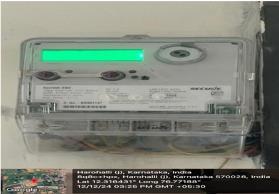
We visited the High Voltage Laboratory in the EEE Departmentat OurCollege, whereweobservedtheuse of the Sprint 350, a widely utilized device in industrial and high-voltagelaboratoryenvironments.TheSprint350isa three-phase, four wire energy meter designed to measure various electrical parameters, including active energy (kWh), reactive energy (kVAh), and power (kW). With a basiccurrentratingof5Aandamaximumcapacityof30A, itiswell-suitedformediumtohigh-loadapplications.The meter operates at a reference voltage of 3x240/415V, whichisstandardforthree-phasesystems.
International Research Journal of Engineering and Technology (IRJET) e-ISSN: 2395-0056
Volume: 12 Issue: 09 | Sep 2025 www.irjet.net p-ISSN: 2395-0072
1.4 Problem Definition
The energy meter utilized in laboratories for assessing electrical consumption is prone to occasional burnout or malfunction, potentially leading to equipment failure and disrupting laboratoryoperations.
This recurring issue prompts concerns about the durability of the device, safety implications, and theprecisionofenergymonitoring.
To guarantee accurate energy measurements and preventadditionaldamage,itiscrucialtoidentify therootcauseofthesefailures.
Conventional energy monitoring systems have a limited reach, frequently necessitate manual intervention,andofferinsufficientdatatoprovide valuableinsights.
1.6.Objectives
Tosetupasystemfortrackingenergyusage inrealtime.
Toutilizeacloudplatformtoshowelectrical metrics(voltage,current,power,and energy).
Tomakeitpossibletoaccessandanalyse energydataremotely.
Topromotesustainablebehavioursand energyefficiencybyofferingpractical insights.
[1] Y. Venkat Vivek, “IoT Based ESP32-C3 Driven Smart EnergyMeter”,Dept.ofEIE,V.R.SiddharthaEngg.College, Vijayawada,India,2024.
This paper presents an IoT-based smart energy meter usingESP32-C3tomonitorenergyusageandsenddatato ThingSpeak. It offers real-time tracking through web or mobile access, with future scope for AI integration and smarterenergymanagement.
[2]Dr.fiz.Monica Sabina Crainic,“Ashort overviewofIoT based energy metering system Part II IoT smart energy meters”,AEMTIMISOARA,Romania,2016. The study reviews IoT-based smart energy meters, highlighting their real-time monitoring, theft detection, and energy management benefits using sensors, microcontrollers, and wireless connectivity. Despite
advantages like efficiency and automation, challenges include data privacy, connectivity issues, and installation costs.
An IoT-based real-time energy monitoring system goes through multiple stages of design and development. First, electrical parameters like current, voltage, and power consumption are measured using sensors like voltage dividers and current transformers. A microcontroller that acts as the central processing unit like an ESP32 is connected to these sensors. The microcontroller is configured tocommunicate wirelesslytoa cloud platform such as ThingSpeak, process the sensor data, and determineenergyconsumption.Inordertoensurereliable datatransmission,thesystemdesignincludesthesetupof a safe and reliable communication link via Wi-Fi or other protocols. Writing the firmware, calibrating the sensors for precise readings, and creating the cloud platform user interfacetodisplaythedatainreal-timeareallpartofthe development phase. After testing and debugging to make sure the system functions properly in a variety of situations, deployment is carried out to track energy use and give consumers useful information. An ESP32 microcontroller, current and voltage sensors, and the ThingSpeak platform are all included in the design and development of an Internet of Things (IoT)-based realtime energy monitoring system. Accurate energy consumption measurement and real-time data delivery to usersforeffectiveenergymanagementarefeaturesofthis system.
1.ESP32Microcontroller: The ESP32 serves as the core of the system, enabling data collection from sensors and communication with the cloud. Its built-in Wi-Fi module allows seamless connectivity to the ThingSpeak platform fordatatransmission.
2.CurrentandVoltageSensors:
Current Sensor (e.g., SCT013): Measures the electricalcurrentflowingthroughthecircuit.
Voltage Sensor (e.g., ZMPT101B): Measures the voltage across the electrical load. These sensors together calculate the power consumption by applying the formula: Power (W)=Voltage (V)×Current (A) Over time, the energy consumption can be calculated in kilowatt-hours (kWh).
3. ThingSpeak Platform: ThingSpeak is used as the cloud service for storing, processing, and visualizing energy data. It allows users to access real-time updates and historicaltrendsthroughawebinterfaceormobileapp.
4.OtherComponents:
PowersupplyunitforsensorsandESP32
Loadfortestingandmonitoring
International Research Journal of Engineering and Technology (IRJET) e-ISSN: 2395-0056
Volume: 12 Issue: 09 | Sep 2025 www.irjet.net p-ISSN: 2395-0072
3.2.Design and Workflow
1.SensorIntegration:Thecurrentandvoltagesensorsare connectedtotheESP32'sanaloginputpinstomeasurethe electricalparameters.Propercalibrationensuresaccurate readings.
2.DataProcessing:TheESP32processestherawdata fromthesensors,calculatesreal-timepowerconsumption, andformatsitfortransmission.
3.IoTConnectivity:TheESP32usesitsWi-Ficapabilityto sendprocesseddatatotheThingSpeakplatformatregular intervals.
4.DataVisualization:ThingSpeakprovidesreal-time graphsandchartstovisualizeenergyusage.Alertsand triggerscanbesetforspecificthresholdstonotifyusers aboutunusualconsumptionpatterns.
5.UserInterface:Userscanmonitorenergydataremotely viatheThingSpeakdashboard,allowingthemtomake informeddecisionstooptimizeenergyusage.
3.3.Development Steps
1.HardwareSetup:
Connect the current and voltage sensors to the ESP32.
Ensurepropergroundingandpowersupply.
Setupaloadfortestingthesystem.
2.FirmwareDevelopment:
Write code using Arduino IDE or similar tools to read data from sensors, process it, and send it to ThingSpeak.
Implement Wi-Fi connectivity and HTTP/MQTT protocolsforcommunication.
3.CloudConfiguration:
CreateaThingSpeakaccountandsetupachannel fordatalogging.
GenerateAPIkeysforsecuredatatransmission.
4.TestingandCalibration:
Test the system with different loads to verify accuracy.
Calibrate the sensors to minimize measurement errors.
5.Deployment:
Deploy the system for real-world energy monitoring.
Monitor and optimize performance as needed. This IoT-based real-time energy monitoring system provides a cost-effective, scalable, and user-friendly solution for efficient energy management, making it ideal for residential, commercial,andindustrialapplications.
4. HARDWARE AND SOFTWARE DESCRIPTION
An IoT-based energy meter monitoring system combines hardware and software to track and manage electricity usage efficiently. The hardware typically includes a microcontroller, such as an ESP32, which acts as the
central processing unit, along with sensors like current and voltage sensors to measure power consumption. These sensors gather real-time data, and the ESP32 processes the information for transmission. A power supply module ensures the system runs consistently, while communication modules like Wi-Fi or GSM enable connectivity to the internet. such as thingspeak , can be usedlocallytoshowenergyreadings.
4.1.
SL.No Hardware components Quantity
1. Esp32 1
2. Voltagesensor 1
3. Currentsensor 1
4. Resistor(10kohm) 2
5. Resistor(100ohm) 1
6. Capacitor(10uF) 1
7. Jumperwire
Table 4.1 Hardware components
4.1.1.Esp32
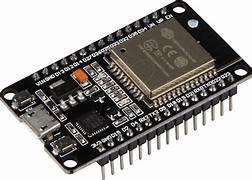
Fig 4.1 ESP32
TheESP32isapowerful microcontrollerwithbuilt-inWiFi and Bluetooth capabilities, developed by Espress if Systems. It's popular for IoT (Internet of Things) projects becauseitoffersalotoffeaturesatalowprice,makingita great choice for applications that need wireless communication.
4.1.2. Voltage sensor
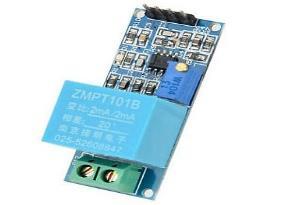
Fig 4.2 Voltage sensor
This module is based on a high precision ZMPT101B voltage Transformer. This module makes it easy to monitor AC mains voltage up to 250 volts. This module comes with Multi-turn trim pot which can be used for adjustingtheAnalogoutput.UsingZMPT101B ACVoltage SensoryoucaneasilymeasuremainvoltageusingArduino orevenRaspberryPi(externalADCrequired).
International Research Journal of Engineering and Technology (IRJET) e-ISSN: 2395-0056
Volume: 12 Issue: 09 | Sep 2025 www.irjet.net p-ISSN: 2395-0072
4.1.3. Current sensor
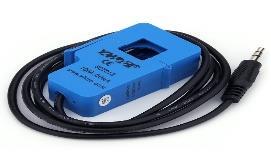
Fig 4.3 Current sensor
AnalogACCurrentSensorcomestotherescue,eliminating the need to cut wires or reconnect circuits. Simply clamp theACtransformerprobeontheACline,andthenplugthe 3.5mm headphone jack into the signal conversion module toreadthecurrentACcurrentvalue.Theanalogoutputis designed to be compatible with 3V/5V microcontroller. It can be conveniently used for AC current measurement to monitor AC motors, lighting equipment, air compressors, etc.
4.1.4. Resistor(10k ohm)
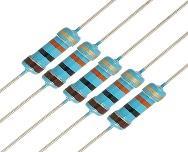
Fig 4.4 Resistor(10k ohm)
A10kohmresistorisawidelyusedelectroniccomponent thatlimitstheflowofelectricalcurrentinacircuit.Ithasa resistancevalueof 10,000 ohms andiscommonlyused in various applications, such as voltage dividers, pull-up or pull-down configurations, and current-limiting for LEDs andothercomponents.Resistorslikethe10kohmresistor are essential for controlling current, protecting sensitive devices, and ensuring stable circuit operation. They are availableindifferenttypes,suchascarbonfilm,metalfilm, or surface-mount, depending on the requirements of the circuit.
4.1.5. Resistor (100 ohm)
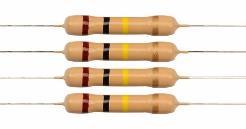
Fig 4.5 Resistor(100 ohm)
A 100 ohm resistor is an electronic component used to limit the current flow in a circuit, offering a resistance of 100 ohms. It is commonly used in applications where moderate resistance is needed to protect sensitive components or to set the current level for devices like LEDs, sensors, and other low-power electronic components. The 100 ohm resistor plays a crucial role in ensuring that the circuit operates safely and efficiently,
preventing excessive current from damaging parts. It is availableindifferenttypes,suchascarbonfilm,metalfilm, or wire-wound, depending on the specific needs of the circuit.
4.1.6.Capacitor
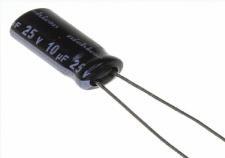
4.6 Capacitor(10uF)
A10µF(microfarad)capacitorisanelectroniccomponent thatstoresandreleaseselectricalenergyina circuit.With acapacitancevalueof10microfarads,itiscommonlyused for filtering, smoothing power supplies, and decoupling signals in electronic circuits. Capacitors like the 10µF are often found in power supply circuits to reduce voltage spikes or noise, and in timing applications, such as in RC (resistor-capacitor) circuits. They help maintain stable voltage levels and improve the performance of electronic devices.Thistypeofcapacitorcanbeeitherelectrolyticor ceramic, with electrolytic capacitors being more common for values like 10µF due to their higher capacitance in a compactsize.
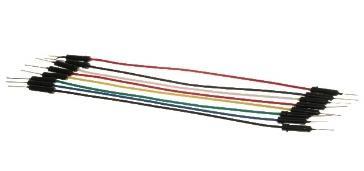
Fig 4.7
A jumper wire is a short, flexible wire used in electronic circuits to connect different components or parts of a breadboard. These wires are typically used for prototypingandtestingcircuitswithoutsoldering.Jumper wires come in various colors and lengths and often have connectors like male or female headers at the ends to easily fit into breadboard sockets or pins on microcontrollers and other components. They are essential tools for building and modifying circuits quickly duringdevelopmentandexperimentation.
4.2.
SL.No Software Description
1. ArduinoIDE
2. Thingspeak
Table 4.2
Software Components
International Research Journal of Engineering and Technology (IRJET) e-ISSN: 2395-0056
Volume: 12 Issue: 09 | Sep 2025 www.irjet.net p-ISSN: 2395-0072
4.2.1. Arduino IDE

The Arduino IDE (Integrated Development Environment) is a software platform used to write, compile, and upload code to Arduino microcontroller boards. It provides a simple,user-friendlyinterfaceforprogramminginC/C++, making it accessible for beginners and experienced developers alike. The IDE supports a wide range of Arduino boards and offers built-in libraries that simplify interfacing with sensors, motors, and other electronic components. It also includes a serial monitor for debugging and real-time communication with the board. The Arduino IDE is widely used for creating a variety of projects, from simple automation systems to complex IoT devices.
4.2.2. Thing speak

Withthehelpofthecloud-basedThingSpeakIoTanalytics platform service, you can gather, view, and evaluate realtime data streams. Data uploaded to ThingSpeak by your devices is instantly visualized by ThingSpeak. ThingSpeak allows you to run MATLAB code, which allows you to processandanalyzedataasitisreceivedlive.ThingSpeak is frequently used for IoT devices that need analytics for prototypingandproofofconcept
5.CIRCUIT DIAGRAM AND METHODOLOGY
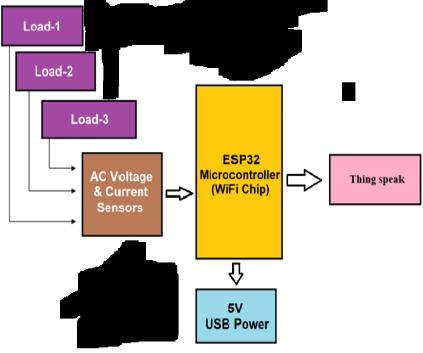
5.1. Block Diagram
5.2.Flow Chart
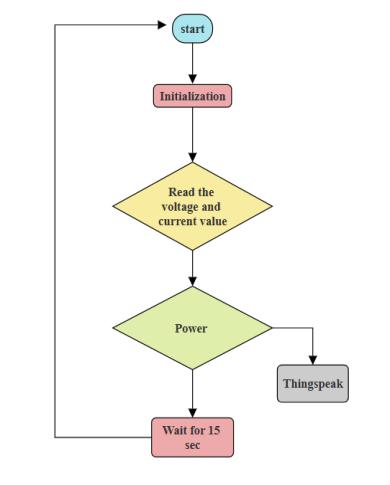
5.2 Flow chart
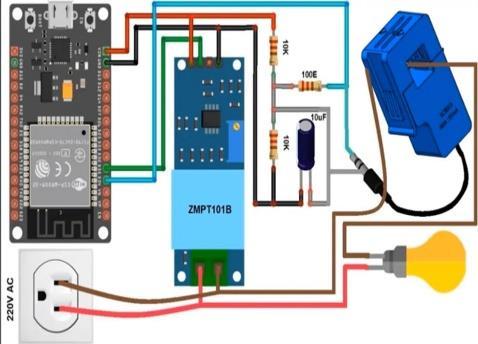
5.3. Circuit Diagram
5.4. Working principle
The working principle of real-time energy monitoring using IoT involves several key components. First, energy sensors,suchascurrentandvoltagesensors,measurethe electrical parameters like current, voltage, and power consumption from an electrical circuit. These sensors are connected to a microcontroller, such as an Arduino or ESP32,whichprocessesthedata.Themicrocontrollerthen transmitsthisdatawirelesslytoacloud-basedplatformor a mobile application through Wi-Fi, Bluetooth, or other communication protocols. Once the data reaches the platform, it is displayed in real-time, allowing users to monitor their energy usage. This enables users to track energy consumption, identify inefficiencies, and make informeddecisionstoreduceenergywaste.
International Research Journal of Engineering and Technology (IRJET) e-ISSN: 2395-0056
Volume: 12 Issue: 09 | Sep 2025 www.irjet.net p-ISSN: 2395-0072
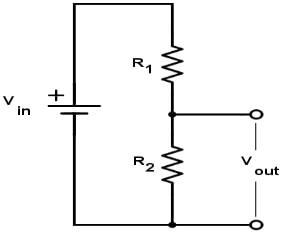
A voltage divider is a simple electrical circuit used to reduce a voltage to a desired level. It consists of two resistors connected in series across a voltage source. The outputvoltageistakenfromthejunctionbetweenthetwo resistors. According to Ohm's Law, the voltage is divided between the resistors in proportion to their resistance values.Thisprincipleallowsthevoltagedividertoprovide a fraction of the input voltage based on the ratio of the resistances. Voltage dividers are commonly used in applications like signal processing, sensor circuits, and to createreferencevoltagesforelectronicdevices.
1.InitializeLibrariesandDefineConstants
Import required libraries: WiFi.h for Wi-Fi functionality and ThingSpeak.h for sending data toThingSpeak.
SetupWi-Ficredentials(ssidandpassword).
Define ThingSpeak channel details (channel numberandwriteAPIkey).
Specify the sensor pins for voltage and current sensors(GPIO34andGPIO35).
Set calibration constants for the voltage and current sensors(voltageCalibration and currentCalibration).
2.SetupFunction
Serial Communication: Initialize Serial communication for debugging and monitoring data.
Wi-Fi Connection: Begin the Wi-Fi connection withthegivencredentials(ssidandpassword).
i. ContinuouslychecktheWi-Ficonnectionstatus.
ii. Print"Connected!"whensuccessfullyconnected.
ThingSpeak Initialization: Initialize ThingSpeak with the WiFiClient object to allow communication with the ThingSpeak cloud platform.
3. Voltage Reading and RMS Calculation (Function: readVoltage)
Initialize variables to calculate the RMS (Root MeanSquare)voltage.
SampleData:Continuously readanalogdata from thevoltagesensor(voltageSensorPin)andsquare thereadings.
RMSCalculation:
i. Calculatethemeanofsquaredreadings.
ii. Takethesquareroot ofthe meantofindtheRMS voltage.
ConverttoActualVoltage:
i. Scalethevoltagereadingbasedonthe12-bitADC resolution(4095.0)andreferencevoltage(3.3V).
ii. Apply calibration factor to get the accurate voltagevalue.
4. Current Reading and RMS Calculation (Function: readCurrent)
InitializevariablestocalculatetheRMScurrent.
SampleData:Continuously readanalogdata from thecurrentsensor(currentSensorPin)andsquare thereadings.
RMSCalculation:
i. Calculatethemeanofsquaredreadings.
ii. Take the square root of the mean to get the RMS current.
ConverttoActualCurrent:
i. Scale the current reading based on the ADC resolutionandreferencevoltage.
ii. Apply calibration factor to get the accurate currentvalue.
5.MainLoop
Read Data: Continuously call the readVoltage() and readCurrent() functions to get the current voltageandcurrentvalues.
Calculate Power: Multiply voltage and current to getthepowerinwatts.
PrintData:Displaythecalculatedvoltage,current, andpowervaluesontheSerialMonitor.
SendDatatoThingSpeak:
i. Set the voltage, current, and power values to correspondingfieldsonThingSpeak.
ii. Use ThingSpeak.writeFields() to send data to the ThingSpeakcloudplatform.
iii. Check if the data was sent successfully (response code200).
iv. Print success or failure message to the Serial Monitor.
Delay: Wait for 15 seconds before sending the next set of data (to comply with the ThingSpeak freeaccountlimits).
6.Repeat
The loop continuously repeats the process, updating the voltage, current, and power readings, and sending them to ThingSpeak every 15seconds.
Volume: 12 Issue: 09 | Sep 2025 www.irjet.net p-ISSN: 2395-0072
The outcomes of this Internet of Things (IoT)-based energy meter monitoring project show how to track energy use effectively and in real time. Using calibrated sensors, the system detects voltage and current precisely. It then computes power consumption in watts and sends the information to the ThingSpeak cloud platform. Users can view historical data via charts and graphs, track realtime readings, and analyze patterns in energy usage with ThingSpeak. This helps customers to find any inefficiencies in their electrical systems, optimize power usage, and analyze energy patterns. The project's performance demonstrates its potential for intelligent energy management in commercial, industrial, and residential settings, providing a scalable and reasonably pricedwaytotrackandlowerenergyusage.
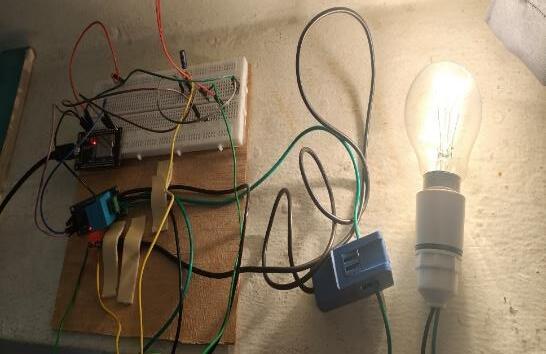
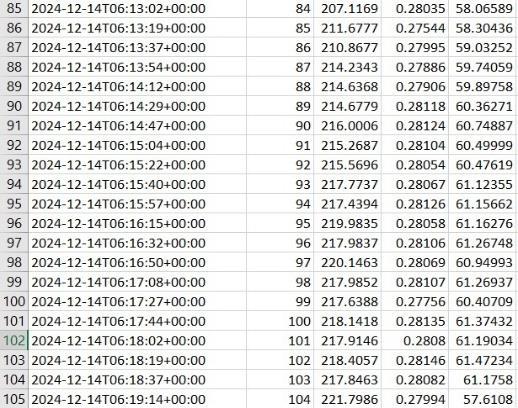
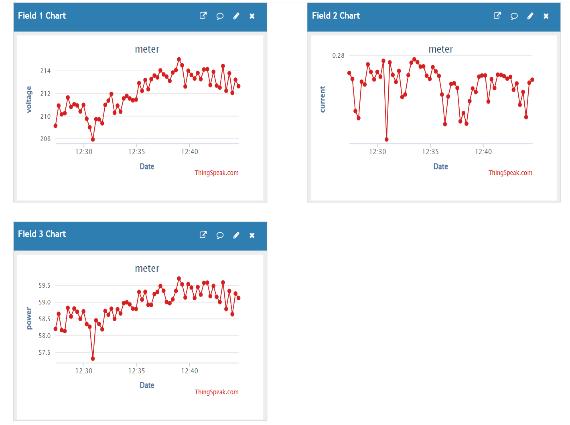
ThepresentationhighlightshowthisIoT-basedstrategyis scalable, making it suitable for homes, businesses, or industries.TheidentificationofissuessuchsporadicWi-Fi connectivity and sensor noise, however, highlighted the necessity of strong network settings and enhanced filteringmethods.Allthingsconsidered,theprojectshows how Internet of Things technology can change traditional energy monitoring into a dynamic, effective, and userfriendly solution, promoting sustainability and more intelligentenergyconservation.
1. Accuracy and Calibration: The system showed high accuracy in energy measurement after proper calibration of the current and voltage sensors. However, minor discrepancies were observed under extreme load conditions, indicating the need for further sensor calibration orimprovedsensortypes.
2. Data Real-time Accessibility: Real-time data access through ThingSpeak provided a userfriendly interface, allowing users to monitor and analyze energy consumption remotely. This enhanced the decision-making process and promotedproactiveenergymanagement.
3. Energy Efficiency Insights: The system enabled users to identify patterns of energy wastage and inefficiencies, providingopportunitiesforenergysaving interventions, such as scheduling appliancesoradjustingusagehabits.
4. Scalability: The solution can be scaled for different applications, including home, commercial,orindustrialenergymonitoring,with additionalsensorsandcloudconfigurations.
5. Challenges: Connectivity issues, such as unstable Wi-Fi signals in some environments, occasionally disrupted data transmission. Future improvements could involve adding backup communicationmethodslikeMQTTorLoRa.
6. Cost-effectiveness: The system is cost-effective compared to traditional energy monitoring solutions, making it a viable option for widespreadadoption,especiallyinresidentialand smallcommercialsetups.
7. Future Enhancements: Incorporating machine learningalgorithmsforpredictiveenergyusageor integrating with smart appliances could enhance the system’s capability for energy optimization andautomation.
Real-time energy monitoring using IoT technology is not justatoolfortrackingenergyuse;it’sapowerfulsolution that drives efficiency, cost savings, and sustainability. As energy demands increase and environmental concerns grow, real-time energy monitoring will continue to be a
International Research Journal of Engineering and Technology (IRJET) e-ISSN: 2395-0056
Volume: 12 Issue: 09 | Sep 2025 www.irjet.net p-ISSN: 2395-0072
key enabler of smarter energy management. By providing continuous, actionable insights into energy consumption, it empowers users to make informed decisions, reduce costs, enhance operational efficiency, and contribute to a greener, more sustainable future. The future of energy management is not just about consumption it's about intelligent, data-driven optimization that ensures a more energy-consciousworld.
[1] Y. Venkat Vivek, “IoT Based ESP32-C3 Driven Smart EnergyMeter”,Dept.ofEIE,V.R.SiddharthaEngg.College, Vijayawada,India,2024.
[2].Dr.fiz.MonicaSabinaCrainic,“AshortoverviewofIoT based energy metering system Part II IoT smart energy meters”,AEMTIMISOARA,Romania,2016.
[3]. Thanh Ba Nguyen, Tri Cao Nguyen ,“Design and fabrication of an IoT-based smart electrical meter for residentialenergymanagement”,DepartmentofElectrical and Electronic Engineering, Institute of Engineering and Technology, Thu Dau Mot University, Thu Dau Mot, Vietnam,2023.
[4]. I KETUT AGUNG ENRIKO, ALI ZAENAL ABIDIN AND AZIZAH SYIFALIANTI NOOR,“LoRaWAN Implementation forSmartElectricMeterinRuralArea”,DirectorateDigital Business PT Telkom Indonesia, Tbk Jakarta, (postcode) Indonesia,2021.
[5]. Jie-Fu Huang, Geng-Hua Zhang, Sun-Yuan Hsieh,“Realtime energy data compression strategy for reducing data trafcbasedonsmartgridAMInetworks”,2021.