
International Research Journal of Engineering and Technology (IRJET) e-ISSN:2395-0056
Volume: 12 Issue: 10 | Oct 2025 www.irjet.net p-ISSN:2395-0072
International Research Journal of Engineering and Technology (IRJET) e-ISSN:2395-0056
Volume: 12 Issue: 10 | Oct 2025 www.irjet.net p-ISSN:2395-0072
-Prabhjot
Abstract - Aviation accidents, though statistically rare, remain a critical focus area in safety engineering and aerodynamicsresearch.The studyinvestigatesthecauses,trends,andmitigationstrategies relatedto aviation accidents, emphasizingaerodynamicfailuressuchasstall,loss oflift,dragimbalance,andstructural fatigue.Byanalyzing historical accident data from 2000–2025, the paper quantifies the fatality rate per million population and correlates it with aerodynamic factors influencing aircraft stability and control. A mathematical model is proposed to estimate the fatality rate (F) asafunctionoftotalfatalities,populationexposure,andflightfrequency.Thefindingsindicatethatimprovements in aerodynamic design, such as enhanced laminar flow control and adaptive wing structures, have significantly reduced accidentrates.However,piloterrorandweather-inducedaerodynamicanomaliescontinuetoposechallenges.Thestudy concludes with recommendations for integrating real-time aerodynamic monitoring and AI-based control systems to minimizerisksinfutureaviationoperations.
1. Introduction:
Aviation safety is a complex issue determined by technological, aerodynamic, and human factors. Although one of the safest transport modes, aviation accidents may produce disastrous effects. Most accidents are directly or indirectly connected to aerodynamic irregularities such as stall conditions, boundary layer separation, degradation of lift, and turbulence-induced instability. Aerodynamics thus is the center of accident prevention and aircraft performance optimization.
Aerodynamic design evolution from fixed-wing optimization to active flow control has been instrumental in improving flight safety. Yet, the intricacy of real-environment phenomena like wind shear, icing, and compressibility effectsclosetotransonicspeedscanstillcauseloss-of-control(LOC)modes.Knowledgeoftheseaerodynamicphenomena informsaccidentmechanismsandunderliespredictivesafetymodels.
For the evaluation of the social impact of aviation accidents, quantitative risk models are needed. The fatality rate per million population offers a normalized measure of the safety performance of aviation in different regions and over differenttimeperiods.Thisresearchcombinesaerodynamictheorywithstatisticalanalysisofaccidentstoofferanoverall appreciationofaviationrisk.
Aviationaccidentsareunforeseenandfrequentlydisastrousoccurrencesofaircraftinflight,takeoff,orlandingthatcause extensivedamage,harm,or lossoflives.Eventhoughaviationisoneofthesafestmeansoftransportation,accidentsstill takeplacebecausetheyarecausedbyamixtureofhuman,technical,mechanical,environmental,andaerodynamicfactors. Accidentsmustbeunderstoodinordertoenhanceaircraftdesign,flightoperations,andgeneralaviationsecuritysystems.
The majority of aviation crashes result from a series of events instead of one single cause. Aerodynamic problems including stall, loss of lift, instability due to turbulence, and malfunction of control surfaces are some of the prime contributors.Forexample,whenwindflowabovethewingsisdisruptedbytoohighanangleofattackorbadweather,lift reduces precipitously, leading to a stall one of the most common reasons for loss-of-control (LOC) crashes. Sophisticated aircraft have been built with automated systems to warn of and avoid such scenarios, but sensor malfunctionsorimproperpilotresponsescanstillbedisastrous.
Aside from aerodynamics, pilot mistake, mechanical failure, inappropriate maintenance, miscommunication of air traffic, andpoorweathercanalsoplayarole.Asanillustration,malfunctioningAngleofAttack(AoA)sensorsonnewplaneslike the Boeing 737 MAX resulted in faulty inputs to the control system, leading to fatal crashes in Indonesia (2018) and Ethiopia (2019). Aerodynamic overloads and structural failures in or during illegal maneuvers or turbulence have also broughtaboutcrashesinpastdecades.
Currentresearchinaviationsafetytargetsaerodynamicoptimization,flightcontrolredundancy,real-timemeasurementof aerodynamicparameters,andpilottrainingthroughflightsimulators.Theseinitiativesareintendedtoreduceriskfactors and increase the robustness of aircraft against aerodynamic and environmental uncertainties. Every accident, although
International Research Journal of Engineering and Technology (IRJET) e-ISSN:2395-0056
Volume: 12 Issue: 10 | Oct 2025 www.irjet.net p-ISSN:2395-0072
tragic, yields valuable information that enables regulators and engineers to further secure air travel for generations to come.
Significantairaccidentsinthepasthavebeencausedbyvariousfactors,rangingfromaerodynamicfailuretomechanical failure, pilot mistake, weather conditions, and external factors. Each of these categories has brought lessons that have contributedtotoday'saviationsecuritystandards.
Themajorityofaccidentsresultingfromaerodynamicfailureentaillossoflift,stall,orinstabilityat criticalstagesofflight. For example, Air France Flight 447 (2009) had crashed into the Atlantic Ocean after the pitot tubes of the aircraft froze, providing erroneous airspeedmeasurementsand resultinginan aerodynamicstallfrom whichthe pilotswere unable to recover. In the same vein, the Lion Air Flight 610 (2018) and Ethiopian Airlines Flight 302 (2019) tragedies were attributed to defective Angle of Attack (AoA) sensors and automated systems that incorrectly diagnosed stall conditions andcompelledtheplanesintouncontrollableplunges.Thecrashesexposedtherisksofinaccurateaerodynamicfeedand dependencyonautomation.
Mechanical and structural failures have also been the cause of some dismal accidents. Japan Airlines Flight 123 (1985), which was one of the most fatal single-aircraft crashes, was caused by rear pressure bulkhead failure leading to decompressionandlossofcontrol.UnitedAirlinesFlight232(1989)tooexperiencedtotalhydraulicsystemfailure,where pilots did not have any conventional flight controls; though passengers were largely saved, it underlined the need for controlsystemredundancy.
Pilot error accidents continue to be one of the most common causes. The deadliest aviation accident in history, Tenerife AirportDisaster(1977),waswhentwoBoeing747scrashedontherunwaybecauseofacommunicationbreakdownand visibility. Incorrect landing approaches, spatial disorientation, and procedural failures have also been major factors in otheraccidents.
Weatherconditionslikewindshear,lightning,andicinghavealsoresultedincrashfatalities.AmericanAirlinesFlight191 (1979) and AirAsia Flight 8501 (2014) experienced severe weather and aerodynamic issues that resulted in loss of control.
Lastly.Externalorintentionalcausesliketerrorismandwarhaveledtosomeofthemostdevastatingaccidents.Malaysia Airlines Flight 17 (2014) was downed over Ukraine, and Pan Am Flight 103 (1988) was blown up by a bomb over Lockerbie,Scotland.
Together, these crashes highlight the interconnectedness of aviation safety, wherein aerodynamic performance, engineering dependability, human capabilities, and environmental factors all come together. Each has been adding vital datathatkeepsgoingforwardtoimproveaircraftdesign,pilottraining,airtrafficcontrol,andsafetytechnology.
The aerodynamics of flight is the science that accounts for how forces behave on an airplane moving through the air. It defineshowairplaneslift,becomestable, andcontrolthemselveswhileinflight.Fourbasicaerodynamicforcesactonall airplanes lift,weight,thrust,anddrag andtheirequilibriumdirectstheplane'sperformance,speed,andefficiency.
Liftistheupwardforcethatopposesgravityandallowsanairplanetostayintheair.Itisgeneratedprimarilybythewings dueto theirairfoilshape, whichcausesairtomovefasteroverthecurveduppersurfacethan below,creatinga pressure difference.AccordingtoBernoulli’sprincipleandNewton’sthirdlaw,thispressuredifferenceproduceslift.Themagnitude ofliftcanbeexpressedmathematicallyas:
Where, ( )
International Research Journal of Engineering and Technology (IRJET) e-ISSN:2395-0056
Volume: 12 Issue: 10 | Oct 2025 www.irjet.net p-ISSN:2395-0072
Weight acts downward due to gravity and must be balanced by lift for level flight. When lift is less than weight, the airplanedescends;whengreater,itclimbs.
Thrust is the forward force generated by the aircraft’s engines either propellers or jet turbines that propels the airplanethroughtheair.Theamountofthrustdetermineshowfasttheairplanemoves.Itmustovercome drag,whichis theaerodynamicresistance opposingmotion. Dragisinfluenced byairspeed,airdensity,andtheairplane’sshape,andis givenby:
whereAsanairplane’s speed increases,liftanddragbothrisewiththesquareofvelocity.Atlowspeeds,the pilotmust increase the angle of attack to generate sufficient lift, but if the angle becomes too steep, airflow separation occurs, leading to a stall a major aerodynamic hazard. Conversely, at high speeds, compressibility effects and shock waves appear,especiallynearthespeedofsound,affectingdragandcontrolresponse.
Theratioof thrust to drag and lift to weight definesanaircraft’saerodynamicefficiency.Modernaircraftusestreamlined designs, swept wings, and materials that reduce drag while maintaining lift. Understanding the relationship between speed, thrust, lift, and drag isfundamentaltosafeandefficientflightoperationsandisthecornerstoneofaerodynamic designandperformanceanalysisinaviation.
3. Major aviation accidents in 21st century:
1. ConcordeAirFranceFlight4590(2000):
The Air France Flight 4590 crash on July 25, 2000, ended the Concorde years in a tragic manner. Minutes after takeofffrom ParisCharles deGaulleAirport, the plane drove overa stripof metallicrubbish ontherunwaythat damagedatire.Thebursttirethrewthedebrisintothefueltank,initiatinganenormousblazethatcausedlossof thrust and subsequent crash into a hotel in Gonesse, France. A total of 109 people on board and four on the ground were killed. The accident exposed the substantial weaknesses in the Concorde's fuel system design and culminatedinitseventualretirementin2003,markingtheendofsupersonicpassengerflight.
2. AmericanAirlinesFlight587(2001):
OnNovember12,2001,AmericanAirlinesFlight587,anAirbusA300thattookofffromNewYork'sJFKAirport, crashedintoa Queensresidential area aftertakingoff. Thesourcewastracedback toextremeruddermotionby thefirstofficer because of waketurbulence, whichcausedthevertical stabilizerto structurallyfail.The accident resultedin265fatalities,includingfiveindividualsontheground.Itisthesecond-deadliestAmericanairdisaster andhasledtochangesinflighttrainingtocopewithwaketurbulenceandruddersensitivitybetter.
3. ChinaAirlinesFlight611(2002):
ChinaAirlinesFlight611brokeapartintheairovertheTaiwanStraitonMay25,2002.TheBoeing747-200had experiencedatailstrike22yearsbefore,whichwasbeeninadequatelyrepairedusingadoublerplatethatdidnot conformtomanufacturerspecifications.Intime,metal fatigueattherepairlocation resultedinstructural failure and in-flight breakup. There were 225 fatalities. The disaster emphasized the need for proper maintenance of aircraft,long-terminspectionroutines,andhistoricaldamagerecordkeeping.
4. HeliosAirwaysFlight522(2005):
OnAugust14,2005,HeliosAirwaysFlight522,aBoeing737,crashedatGrammatiko,Greece,afterafailureinthe pressurization system rendered the crew and passengers unconscious through hypoxia. The crew remained unconscious while the plane flew on autopilot until fuel was exhausted and crashed, killing all 121 people on
International Research Journal of Engineering and Technology (IRJET) e-ISSN:2395-0056
Volume: 12 Issue: 10 | Oct 2025 www.irjet.net p-ISSN:2395-0072
board.Theinvestigationfoundthatthepressurizationswitchhadbeenleftonmanualaftermaintenance,andthe crew did not acknowledge warning alarms. This accident resulted in enhanced pilot training in pressurization problemsandagainemphasizedthevalueofpreflightsystemchecks.
5. GolTransportesAéreosFlight1907(2006):
OnSeptember29,2006,GolFlight1907,aBoeing737-800,crashedmidairwithanEmbraerLegacy600business planeintheAmazonrainforestinBrazil.The737plummetedintotheground,killingall154onboard,whilethe Legacy plane landed safely with heavy damage. Investigations determined the transponder and collisionavoidance system of the business jet were accidentally turned off, failing to prompt an automatic warning. The tragedyuncoveredthesusceptibilityofBrazilianairtrafficcontrolcoordinationandpromptedworldwidereforms intransponderandcommunicationstandards.
6. AirFranceFlight447(2009):
Air France Flight 447 lost contact on June 1, 2009, over the Atlantic Ocean while flying from Paris to Rio de Janeiro. The Airbus A330 was hit by intense turbulence and icing that caused its airspeed sensors to become incapacitated, resulting in autopilot disconnection. The pilots were confused and made inappropriate control inputs, causing a high-altitude aerodynamic stall. All 228 individuals on board died. The wreckage was finally recovered two years later, and the disaster spurred global revisions to pilot training in flying manually under unreliableairspeedconditionsaswellasinflightdatatransmissiontechnology.
7. SmolenskAirDisaster(2010):
ATupolevTu-154operatedbythePolishAirForcecarryingPresidentLechKaczyński,hiswife,andseveralsenior officialscrashedonApril10,2010,nearSmolensk,Russia.Theplanetriedtolandinheavyfogdespitewarningsof poorvisibility.Controlledflightintoterrain(CFIT)tookplaceaftergoingbelowtheglidepath.Everyoneofthe96 onboardperished.TheaccidentcreatedanationaldisasterinPoland,resultedintenserelationswithRussia,and highlightedtheperilsofpoliticalpressureonpilotjudgmentwhileflyingunderbadweather.
8. MalaysiaAirlinesFlightMH370(2014):
Malaysia Airlines Flight MH370 disappeared on March 8, 2014, while flying from Kuala Lumpur to Beijing. The Boeing777wentoffcourseandlostcommunicationwithairtrafficcontrolandisthoughttohavestrayedfaroff course into the southern Indian Ocean. Although the international search operation extended extensively, the primary wreckage was never discovered, but some debris floated to remote shores. All 239 on board are considered dead. The enigmatic disappearance set the world talking about flight tracking, communication faults, andsecuritytechnology,triggeringchangescallingforreal-timetrackingofaircraft.
9. MalaysiaAirlinesFlightMH17(2014):
OnlymonthsfollowingthedisappearanceofMH370,MalaysiaAirlinesFlightMH17wasdownedonJuly17,2014, overeasternUkraine.TheBoeing777flightwastravelingfromAmsterdamtoKualaLumpurwhenitwashitbya Russian-made surface-to-air missile while in the midst of regional tensions. All 298 on board died. The disaster increased global tensions and created new International Civil Aviation Organization (ICAO) rules barring commercialflightsoverwarzones.Itisstilloneofthemostpoliticizedaviationaccidentsinhistory.
10. GermanwingsFlight9525(2015):
GermanwingsFlight9525crashedintheFrenchAlpsonMarch24,2015,aftertheco-pilotintentionallylockedthe captain out of the cockpit and engaged a controlled descent toward mountainous terrain. The Airbus A320 was obliterated, and every one of the 150 aboard was murdered. The investigation showed that the co-pilot had a depressionhistoryandhidhismentalillnessfromtheairline.Thedisasterledtobroadmentalhealthevaluation reformsforpilotsandthe"two-personcockpitrule"toavoidunauthorizedcockpitseclusion.
11. LionAirFlight610(2018):
LionAirFlight610plungedintotheJavaSeaonOctober29,2018,justminutesafterdeparturefromJakarta.The Boeing 737 MAX 8 was repeatedly pitched forward by a malfunction in the plane's new Maneuvering Characteristics Augmentation System (MCAS) due to erroneous sensor data. The pilots were unable to take
International Research Journal of Engineering and Technology (IRJET) e-ISSN:2395-0056
Volume: 12 Issue: 10 | Oct 2025 www.irjet.net p-ISSN:2395-0072
control back, and the aircraft went into the sea, killing all 189 passengers and crew. The tragedy revealed the failures of regulation and design at Boeing and the FAA, which triggered investigations that transformed worldwideaviationcertificationstandards.
12. EthiopianAirlinesFlight302(2019):
On March 10, 2019, Ethiopian Airlines Flight 302, another Boeing 737 MAX 8, crashed just a few minutes after takeofffromAddisAbaba,Ethiopia,underconditionsverysimilartoLionAir610.TheMCASsoftwareonceagain compelledtheplaneintoafatalnose-dive.All157passengersandcrewmembersperished.Theconsecutive737 MAXcrashesprecipitatedaglobalgroundingoftheMAXfleetforalmosttwoyears.Theincidentbecameaturning point in aviation safety, highlighting corporate responsibility, pilot training honesty, and the moral obligation of aircraftmanufacturers.
13. PakistanInternationalAirlinesFlight8303(2020):
Pakistan International Airlines Flight 8303 crashed in Karachi on May 22, 2020, following an initial abortive landing when both engines hittherunway.The pilotstriedto make a go-around, butboth enginesfailedshortly later,resultinginacrashinaresidentialdistrictclosetotheairport.Ofthe99passengersonboard,97died,along with a single civilian on the ground. Investigation showed lapses in pilot attention and communication, while subsequentscrutinyrevealedanomaliesinpilotlicensing,leadingtochangesinPakistan'saviationindustry.
14. ChinaEasternAirlinesFlightMU5735(2022):
On March 21, 2022, China Eastern Airlines Flight MU5735, a Boeing 737-800, abruptly dropped from cruising altitude into a steep descent and crashed into mountainous country in Guangxi, China. All 132 passengers and crew members on board died. Flight data from the aircraft revealed a near-vertical flight path, prompting investigators to consider whether pilot input, mechanical failure, or outside interference was possible. Although the final report has yet to be made public, the accident was China's worst air disaster in decades and brought renewedattentiontopilotbehaviormonitoringandflightdatadisclosure.
15. YetiAirlinesFlight691(2023):
Yeti Airlines Flight 691 on January 15, 2023, crashed while approaching Pokhara International Airport in Nepal. The ATR 72 plane suddenly went out of altitude and crashed into a river gorge, and all 72 individuals on board were killed. Initial findings determined that the propellers were accidentally feathered (reduced to low thrust) during final approach, resulting in loss of lift. The crash was Nepal’s worst in 30 years and highlighted ongoing challengesinpilottraining,aircraftmaintenance,andsafetyoversightinmountainousregions.
International Research Journal of Engineering and Technology (IRJET) e-ISSN:2395-0056
Volume: 12 Issue: 10 | Oct 2025 www.irjet.net p-ISSN:2395-0072
1. Boeing:
Boeingis oneofthe world's biggestaerospaceanddefence makers,andit is best knownfor makingcommercial jets like the 737, 777, and 787 Dreamliner series. Established in 1916, it also makes defence jets (F/A-18 Super Hornet,KC-46Pegasus)andspacecrafts(Starliner).Boeing'sbiggestcompetitorincivilianaviationisAirbus.Even though it has encountered reverse due to the 737 MAX accidents, it is still a world leader in aviation with huge factoriesintheU.S.andglobalpartnerships.
2. Airbus:
Toulouse-basedAirbusSEistheindustry'sleadingcompetitortoBoeingincommercialaviation.Itmakessomeof the most popular planes in the world, including the A320neo, A330, A350, and A380 (the largest passenger aircraftonthe planet).Airbus hasa defenseandspace businessaswell,making planessuchastheA400M Atlas and helicopters through Airbus Helicopters. It is a consortium of several European countries including France, Germany,Spain,andtheUK.
3. LockheedMartin:
LockheedMartinismainlyinvolvedindefense andmilitaryaviation.Itmanufacturessomeofthemostadvanced combat aircraft in the world like the F-16 Fighting Falcon, F-22 Raptor, and F-35 Lightning II. The organization alsoworksonaerospaceresearch,unmannedaerialvehiclesordrones,anddefensesystems.Itisveryimportant forU.S.militaryaviationandcutting-edgeaeronautics.
4. NorthropGrumman:
Northrop Grumman is a major American defense and aerospace firm that specializes in strategic bombers, surveillanceaircraft,andstealthtechnology.NorthropGrummanbuiltthelegendaryB-2Spiritstealthbomberand is constructing the next-generation B-21 Raider. Northrop Grumman also operates in unmanned systems and spacetechnology.
5. Embraer:
EmbraeristhebiggestaircraftcompanyinSouthAmericathatproducesregionaljetsliketheE-JetandE2series. Itsregionalandlow-costcarriersfavoritsaircraftfortheirreliabilityandefficiency.MilitaryaircraftliketheKC390MillenniumandbusinessaircraftarealsomanufacturedbyEmbraerunderEmbraerExecutiveJets
International Research Journal of Engineering and Technology (IRJET) e-ISSN:2395-0056
Volume: 12 Issue: 10 | Oct 2025 www.irjet.net
6. Bombardier:
Bombardierwasformerlya dominantforceincommercialandbusinessaviation.It builttheCRJregionaljetline and the C Series, which Airbus bought out and rebranded as A220. Bombardier now concentrates on upscale businessaircraftsuchastheGlobal7500andChallenger3500lines.
7. DassaultAviation:
Dassault Aviation is a French aerospace manufacturer that specializes in military and business jets. Its products include the Rafale multirole jet fighter and its Falcon line of business aircraft. Dassault is credited with its innovative aerodynamics and technological advancements, making it a major defense supplier to the French Air Forceandoverseasbuyers.
8. CommercialAircraftCorporationofChina(COMAC):
TheCommercial AircraftCorporation ofChina (COMAC) isChina'sstate-ownedaircraftmakerthatstrivestocut the country's reliance on Boeing and Airbus. Its showpiece programs are the ARJ21 regional jet and the C919 narrow-bodyjet,whichcompetehead-to-headwiththeBoeing737andAirbusA320families.COMACsymbolizes China'sstrategicexpansionintoglobalcommercialaviation.
9. MitsubishiAircraftCorporation:
A subsidiary of Mitsubishi Heavy Industries, the Japanese company created the Mitsubishi SpaceJet (previously MRJ), a regional jet for efficiency and comfort. Despite rapid production issues and the pandemic slowing its introduction, Mitsubishi is still a significant aerospace player through engineering contributions to Boeing and otherprojects.
10. Sukhoi/UnitedAircraftCorporation:
Sukhoi,whichisownedbyRussia'sUnitedAircraftCorporation(UAC),manufacturescivilandmilitaryaircraft.Its civilianproductistheSukhoiSuperjet100,usedforregionalflights,whilethemilitaryproductportfolioconsists of the Su-35 and Su-57 fighter aircraft. UAC also oversees other Russian aviation brands like Tupolev, Ilyushin, andMikoyan(MiG),allkeytoRussia'saviationsector.
Table1:MarketValue(BillionUSD)ofmajormanufacturers
International Research Journal of Engineering and Technology (IRJET) e-ISSN:2395-0056
(HAL) Textron
JobyAviation KoreaAerospaceIndustries(KAI)
Chart2:MarketValue(BillionUSD)ofmajormanufacturers
Chart3:AircraftMarketShare(%)ofdifferentregions
5. Air India Flight AI-171:
TheAirIndiaFlightAI-171crashinAhmedabadwasaBoeing787-8Dreamliner(VT-ANB)withtwoGEGEnx-1Bengines. Theplanewasingoodtechnicalcondition,withitsrightenginehavingbeenoverhauledinMarch2025andtheleftengine checkedinApril2025.Routinemaintenancecheckshadbeendoneonit,anditwasscheduledforitsnextheavyD-checkin December2025.Theaircrafttookofffromrunway23at13:38IST,butbarelyafewsecondsafterliftoff,theplanesuffered
Volume: 12 Issue: 10 | Oct 2025 www.irjet.net p-ISSN:2395-0072 © 2025, IRJET | Impact Factor
International Research Journal of Engineering and Technology (IRJET) e-ISSN:2395-0056
Volume: 12 Issue: 10 | Oct 2025 www.irjet.net p-ISSN:2395-0072
asuddenandsimultaneouslossofpowerfrombothitsengines.Datafromtheflightrecorderslaterrevealedthatthefuel controlswitchesforbothenginesweremovedfrom“RUN”to“CUTOFF”withinapproximatelythreesecondsaftertakeoff, cuttingfuelsupplyandcausingtheenginestoshutdownalmostinstantly.
Thecockpitvoicerecorder(CVR)capturedabriefbutrevealingexchangebetweenthepilots:oneasked,“Whydidyoucut off? ", and the second one replied, "I did not so," suggesting that neither of them moved the switches on purpose. The automaticrelightsystemfortheenginestriedtorestartthetwoengines;Engine1indicatedpartialrecovery,whileEngine 2wouldnotrecoveratall.
The plane's Ram Air Turbine (RAT) deployed automatically, usually in the event of both engine power loss and primary electrical system failure, a clear indication of a near-total power loss. The flight data recorder (FDR) also documented inconsistencies in the physical and data positions of the thrust levers they were discovered in idle in the wreckage despitedataindicatingtheywereattakeoffthrustwhenpowerwaslost,indicativeofmechanicaldisconnectionorfailure ofthecontrolsystem.Thefuelcontrolswitchesinthisversionareconstructedwithsafetygatestoavoidaccidentaltravel, yetexaminersdetectedevidencethatthelockingmechanismcouldhavefailed.
In2018,anFAAandGEservicebulletinhadpreviouslyalertedtothepossibilityofmechanicalandmicroprocessorflaws intheEngineControlUnit(ECU)thatmightinterferewithfuelcontroloperation,andexaminersarelookingintowhether this problem contributed to the Ahmedabad accident. The aircraft was in takeoff configuration at the time of the crash, flaps5°,landinggearextendedandnoretractionsigns.Itflewforabout30to32secondsbeforecrashingintoaresidential colony along the path of the BJ Medical College hostel. The unexpected dual-engine failure, precipitated by a probable simultaneous fuel cutoff event, is currently the focal point of the Aircraft Accident Investigation Bureau (AAIB) investigation, which is considering possible causes that range from electrical or mechanical malfunctions to software or human-factorirregularities.
6. Calculations:
International Research Journal of Engineering and Technology (IRJET) e-ISSN:2395-0056
Volume: 12 Issue: 10 | Oct 2025 www.irjet.net p-ISSN:2395-0072
Aerodynamic Factors:
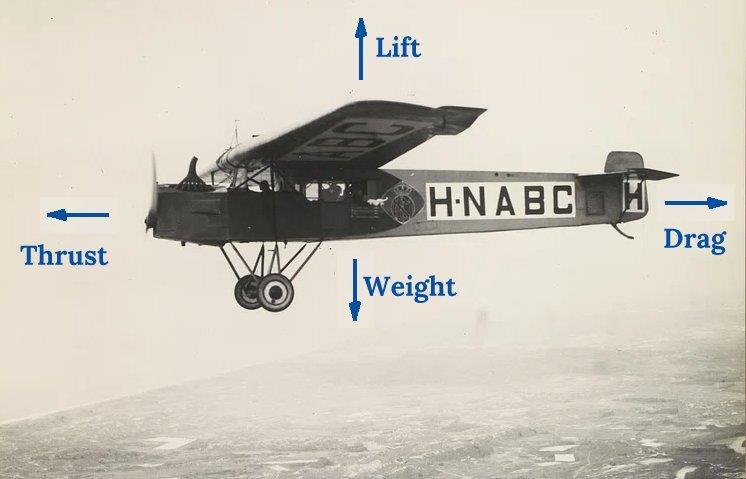
Chart4:Aerodynamicfactorsinairplane https://www.science20.com/patrick_lockerby/air_india_flight_171_accident_the_most_probable_cause-257574
1. Velocities:
2. Acceleration:
(Linearmodel,velocityandtime)
International Research Journal of Engineering and Technology (IRJET) e-ISSN:2395-0056
Volume: 12 Issue: 10 | Oct 2025 www.irjet.net p-ISSN:2395-0072
3. Heightplaneachieved: Where,
Lowerdeceleration,implyplane’sinabilitytomaintainlifthenceresultinaircrash.
4. Changeinvelocity: (Or)
5. ForceandKineticEnergy:
Approx.planemass,m=230tonnes=230000kg
HighvalueofKineticenergyresultsindestructiveforces,resultingincrash.
6. Lift:
International Research Journal of Engineering and Technology (IRJET) e-ISSN:2395-0056
Liftistheforceopposesweightandallowaircrafttofly.
Butduetodeceleration,velocitytendstodecreasesreducestoliftreductionbyitssquare.
7. Rateofdescend:
(Total31s,letusassumehalffortake-off,halfforgettingdown)
8. Thrusttoweightratio:
Boeing787planeshasthrustmaximumof700000newtonsandtotalweightofthisparticularflight
means plane moves straight up, leading in low lift of plane, when thrust is lost, ratio drops to nearly 0,making flight impossible.
7. Conclusion:
Internationalairtravelhasgrownveryquicklyinthe21stcentury,withpassengertrafficincreasingfromabout2.6billion in 2010 to more than 5 billion in 2024. India's growth has been a reflection of that, with it becoming the world's thirdlargest domestic market for aviation, with passengers crossing over 150 million and aircraft movements crossing 2 million. Even with this spike, the overall accident rate per million flights has fallen, indicating advances in aircraft technology,piloteducation,andsafetyequipment.
Yettheabsolutenumberofaccidentsincreasedwithincreasingtraffic,remindingus thatvigilanceisarequirementatall times. The Ahmedabad Air India Flight AI-171 crash (2025) illustrates how several system and human factors can come togethertoleadtodisastrousresultswithinamatterofseconds.Initialindicationspointedtowardanunexpectedlossof engine power soon after departure, resulting in an uncontrolled fall a grim reminder that even trivial technical or proceduralmistakescanbelethalinextremeflightmoments.
AstheIndianandglobalskiesbecomeincreasinglycongested,thisstudyconcludesthatregulatoryscrutiny,human-factor engineering, and safety measures need to keep pace with traffic expansion. Ongoing innovation, openness in investigations, and intensive training are critical to sustaining the strong safety record of the aviation business during a periodofrecordgrowth.
8. References:
Volume: 12 Issue: 10 | Oct 2025 www.irjet.net p-ISSN:2395-0072 © 2025, IRJET | Impact Factor value: 8.315 | ISO 9001:2008 Certified Journal | Page528
1. Aircraft Accident Investigation Bureau (India). 2025. Preliminary Report – Accident involving Air India’s B787-8 aircraft bearing registration VT-ANB at Ahmedabad on 12 June 2025. 11 July. https://i2.res.24o.it/pdf2010/Editrice/ILSOLE24ORE/ILSOLE24ORE/Online/_Oggetti_Embedded/Documenti/20 25/07/12/Preliminary%20Report%20VT.pdf
International Research Journal of Engineering and Technology (IRJET) e-ISSN:2395-0056
Volume: 12 Issue: 10 | Oct 2025 www.irjet.net p-ISSN:2395-0072
2. Air Accidents Investigation Branch (UK). 2025. “AAIB Update: Preliminary report into Air India flight AI171.” 13 June.https://www.gov.uk/government/news/aaib-update-preliminary-report-into-air-india-flight-ai171
3. Reuters. 2025. “Air India crash probe shows engine fuel-switch movement, no immediate action.” 11 July. https://www.reuters.com/business/aerospace-defense/india-finds-engine-switch-movement-fatal-air-indiacrash-no-immediate-action-2025-07-11/
4. PBS NewsHour. 2025. “India orders inspection of Boeing fuel-control switches after Air India crash report.” 14 July. https://www.pbs.org/newshour/world/india-orders-inspection-of-boeing-fuel-control-switches-after-airindia-crash-report
5. TheGuardian.2025.“EnginefuelswitchescutoffbeforeAirIndiacrashthatkilled260,preliminaryreportfinds.” 12 July. https://www.theguardian.com/world/2025/jul/11/engine-fuel-switches-cut-off-before-air-india-crashthat-killed-260-report-finds
6. Financial Express. 2025. “Ahmedabad plane crash: The AAIB prelim report into the June 12 AI 171 crash mentioned that engine fuel control switches transitioned from ‘Run’ to ‘Cutoff’.” 12 July. https://www.financialexpress.com/india-news/aaib-releases-prelim-report-on-ai-171-plane-crash-inahmedabad-air-india-pilot-asked-another-pilot-why-did-you-cut-off/3911514/
7. TheNewIndianExpress.2025.“Bothenginesshutdownjustaftertake-off:PreliminaryreportonAirIndiaAI171 crash.” 11 July. https://www.newindianexpress.com/nation/2025/Jul/11/both-engines-shut-down-just-aftertake-off-preliminary-report-on-air-india-ai171-crash/
8. Airlineratings.com. 2025. “Air India crash explained: Key timeline and sequence of events.” 12 July. https://www.airlineratings.com/articles/air-india-crash-explained-/
9. The Wire. 2025. “Unpacking the preliminary report of the Ahmedabad air crash.” 12 July. https://m.thewire.in/article/government/unpacking-air-india-crash-preliminary-report
10. BusinessToday.in.2025.““WewilldefertotheAAIBto…”:BoeingreactstopreliminaryfindingsonAI171crash.” 12 July. https://www.businesstoday.in/india/story/we-will-defer-to-the-aaib-to-boeing-reacts-to-preliminaryfindings-on-ai-171-crash-484355-2025-07-12/
11. TheAirCurrent.com.2025.“AirIndiacrashinvestigationfocusesonmovementofenginefuelcontrolswitches.”12 July.https://theaircurrent.com/aviation-safety/ai171-investigation-fuel-control-switches/
12. IndianExpress.com. 2025. “AAIB releases initial report on Ahmedabad Air India plane crash.” 12 July. https://indianexpress.com/article/india/aaib-releases-initial-report-on-air-india-plane-crash-10121167/
9. Biographies:
Prabhjot Singh:
Class12th studentinLearningPathsSchool
PatentedInvention
GovernmentassociatedNGOfounder
StateBasketballChampion
Undertheguidanceof:
Dr. Mamta Jain
M.Sc(Mathematics)(Doublegoldmedalist)
M.Phil(ComputerApplications)withhonorsFromUniversityofRoorkee(nowIITRoorkee)
PhD(Mathematics)-Variouspaperspublishedininternationaljournals
FormerLeadAuditorISO9001,ISO-22000SchoolAccreditationExaminerbyQCI
26yearsofteachingexperience
VariousResearchPaperPublished
Er. Raunaq Jain
B.EMechanicalEngineeringFromThaparInstituteofEngineeringandTechnology
DistrictPhysicsTopper
ContentWriterandgraphicdesigner
MechanicalMentorfromsession2019-2020
TechnicalDataAnalystatDeloitte