
International Research Journal of Engineering and Technology (IRJET) e-ISSN:2395-0056
Volume:12Issue:05|May2025 www.irjet.net p-ISSN:2395-0072
International Research Journal of Engineering and Technology (IRJET) e-ISSN:2395-0056
Volume:12Issue:05|May2025 www.irjet.net p-ISSN:2395-0072
Saransh Gupta1 , Arpan Rai2 , Raj Kushwaha3 Ashutosh Patel4, Manish Kumar5
1saransh.gupta.ug21@nsut.ac.in 2arpan.rai.ug21@nsut.ac.in, raj.kushwaha.ug21@nsut.ac.in, ashutosh.patel.ug21@nsut.ac.in Prof. Manish Kumar 1Department of Mechanical Engineering, Netaji Subhas University of Technology (West Campus), New Delhi, India ***
Abstract - A preliminary study was conducted to explore the design of a six-seater commuter vehicle aimedtobeacost-effectivesolutionforurbanresidential complex and campus settings. The study focused on developing concepts for tubular chassis design and structuralintegrity,selectingappropriateelectricaland electronic components, and understanding the fundamental mechanisms of the steering system, powertrain,andsuspension.Additionally,abasicairflow simulation was performed to visualize the path of air throughthevehicle,alongwithstructuralteststoassess thechassisperformanceunderheavyloadingconditions.
These tests for structural analysis and stress distributions were performed on ANSYS, while the flow simulation was performed on SOLIDWORKS. This study sets the foundation for full-scale prototyping andfuture iterations of the vehicle design
Therecentparadigmshifttowardthesustainabilityof energyanditsimpactonmobilityisevidentthrough government policies and shifts in the general population's mindset The increase in numbers of electric busses and cabs is a live example to this statement.DuetoEVs'zerotailpipeemissions,theyare well-equipped for publictransport.presentaunique challenge,Duetoabsenceoflargebudgets.
In today’s era, designing a cost effective 6 seater vehiclepresentauniquechallenge,Duetoabsenceof large budgets and full-scale wind tunnel testing, simulation techniques become critical. These techniquescanbeusedforoptimisingvehiclesexterior shape and making them safer while minimizing coefficient drag. This would ensure uniform airflow distributionacrossthebody.Uniformflowwouldalso helpanalysethermalflowbehaviorasitwoulddirectly impactthebatterycoolingandcabinventilation.
AlthoughEV’sareveryefficientinnaturetheydohave a glaring problem in them. Even the state-of-the-art electricvehiclewithmodernchargingtechnologyand Level 3 chargingsystems, also known as FastDC-DC chargingsystems,takeabout8hours.Onecommonly overlooked parameter is aerodynamics for a multi seater vehicle. Due to their blocky designs the drag coefficientissignificantlyhighercomparedtoother4seaterEV’s. Thisparameterindirectlyaffectstherange of the vehicle further affecting the efficiency of the vehicle. A flow study would ensure uniform airflow distributionacrossthebody.Uniformflowwouldalso helpanalyzethermalflowbehaviorasitwoulddirectly impactthebatterycoolingandcabinventilation.
While the global markets seem to be expanded at a large rate than usual for electric vehicles, they are largelyforcarsandbuses.Theintermediatecategory for transit such as electric golf cart remains underdeveloped.Thesevehicleshaveapopulardemandin institutionalcampusesandlargeresidentialcomplex. Hence, there is a need for a simulation-based design approachthatcanallowengineerstooptimizevehicle shapeduringthepreliminarydesignphase.
ThisstudywasaimedtoexploreaviableCADmodel for manufacturing and perform preliminary flow simulationtooptimizetheCADmodelfurther.
a. TodeveloppreliminaryCADmodelofa6-seater EV.
b. To perform external flow simulation using AnsysDiscovery
c. To simulate loading of chassis for enhanced safety
International Research Journal of Engineering and Technology (IRJET) e-ISSN:2395-0056
Volume:12Issue:05|May2025 www.irjet.net p-ISSN:2395-0072
Astudyonstructuralanalysisofaladder-framechassis byPatelet.al.(2012)[1]highlightedtheadvantagesof tubular ladder frame chassis for medium to heavyweightvehicles.Ittellsushowtubularframesenhance structural rigidity while reducing weight, a critical factor in electric vehicle design to make it energy efficient. Finite Element Analysis (FEA) was used to assesstheframeunder2-tonload,thehigheststress thatoccurredis106.08MPa.
AnotherresearchpaperbyShendgeet.al.(2021)[2]on the design and FEA analysis of a double wishbone suspension system for improved handling and ride quality. The study utilized kinematic and dynamic simulationstodeterminethesuspension'sresponseto variousroadconditions.Resultsdemonstratedthatthe doublewishboneconfigurationonfrontensuresbetter controlofwheelalignmentangles,minimizesbodyroll, andenhancescorneringstability.
Zhangetal.(2019)conductedacomparativestudyon variousRANSandDESturbulencemodelsappliedtoa full-scalesedan,revealingsignificantdiscrepanciesin aerodynamicpredictions,particularlyindragandwake flowstructure.Theirworkhighlightedthe limitations of RANS models in capturing complex separated flows andstressedthe increasing reliability of DES models despite their higher computational cost, especiallyinearlyvehicleaerodynamicdesignstages.
Sarkaretal.(2019)presentedacomprehensivereview of CFD-based aerodynamic studies focused on drag reductioninpassengerandcommercialvehicles.The review highlights the pivotal role of aerodynamic optimization in improving fuel efficiency, top speed, and vehicle stability. A consistent theme among the surveyed studies was the effectiveness of computationalfluiddynamics(CFD)intheearlydesign phase,usingtoolslikeANSYSandSolidWorkstoassess drag coefficient and wake flow structures. These findings support the use of virtual wind tunnel simulations for optimizing body shapes and frontal areas, particularly in low-speed applications such as urbanelectricvehicles.Theimportanceofminimizing parasiticdrag formdragandskinfriction wasalso emphasized,aligningcloselywiththeobjectivesofthe presentstudyona6-seaterelectricvehicleprototype.
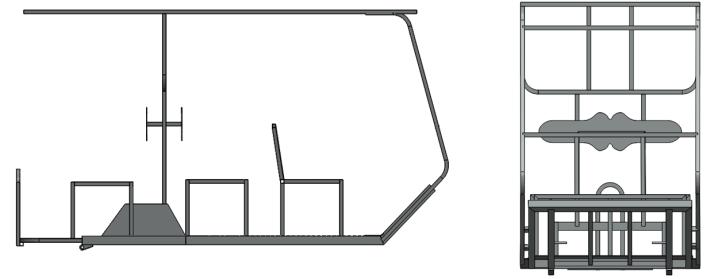
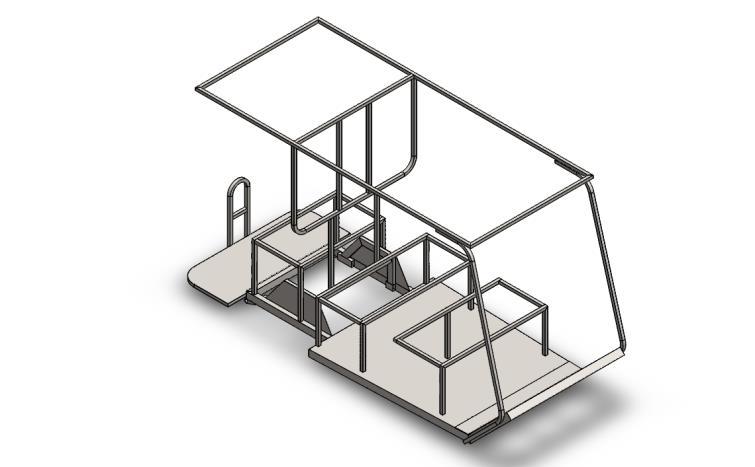
Thefirststeptodesigndesignedalightweightladder framechassisforelectricvehicle.Themainobjectiveis to provide a rigidstructure to all the components during any collision. The specifications for 6-seater electricvehiclechassisare-
SidebarofthechassisismadefromRectangular hollowshaftswith50mmx25mm(thickness2 mm)and25mmx25mm(thickness1.5mm).
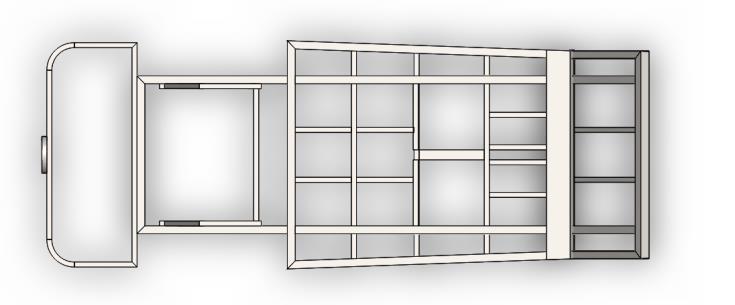
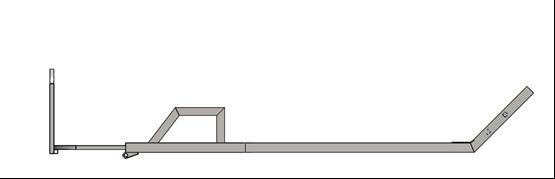
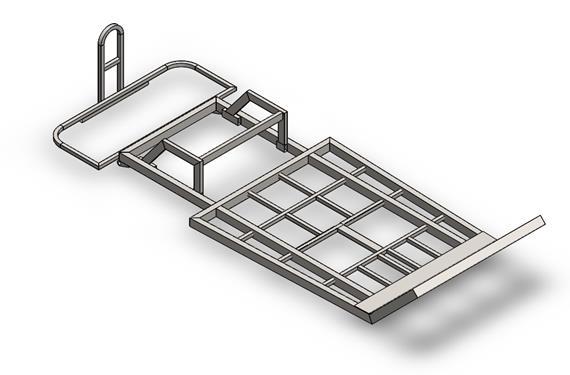
Following considerations were taken into account whiledesigningthechassis-
Wheelbase of the vehicle:Thewheelbasewas selected based on the availability of differentialsinthemarket,whilealsoensuring
International Research Journal of Engineering and Technology (IRJET) e-ISSN:2395-0056
Volume:12Issue:05|May2025 www.irjet.net
sufficient space for two occupants. Additionally,itwasdesignedtominimizethe risk of vehicle rollover by maintaining an optimallength-to-heightratio.
Track width of the vehicle:Thetrackwidth wasdeterminedtoprovidecomfortableseating for both the driver andthe passenger, taking into account ergonomic seating posture and adequatelegroom.Italsoensuredproperspace allocationforthesteeringsystem,dashboard, andpedalassembly.
Chassis material(S275):S275structuralsteel was chosen due to its favourable balance of highstrengthandlowcost,makingitsuitable foralightweightyetrobustchassisdesign.
Shaikh[1]designedasix-seaterelectricgolfcartwith an emphasis on tubular chassis structure, solar integration, and lightweight materials, which aligns withourdesigngoalsforinstitutionalsettings.
As, mass of the vehicle and 6 passengers (excluding components which are under chassis) is 816 kg approx.
Totalloadactingonchassis=9.8*(816)=8000 N
TakingFOSas1.6,sofinally,totalweightstaticloadon chassis =8000N*1.5=12000N
Wehavetakenuniformloadtosimplifycalculation.
Following static structural analysis are analysed for loadbearingandimpactforceonladderframechassis.
Deformation
Stress
Impactanalysis
Load bearing analysis of ladder frame chassis with 12000Ndownwardforce.
FinallyFollowingdifferentviewofthecompletechassis includingtheladderframeandotherstructure.
p-ISSN:2395-0072
3.3
Theladderframechassismentionedearlierwasacted uponwithaloadof1560Ninthedownwarddirection.
International Research Journal of Engineering and Technology (IRJET) e-ISSN:2395-0056
Volume:12Issue:05|May2025 www.irjet.net p-ISSN:2395-0072
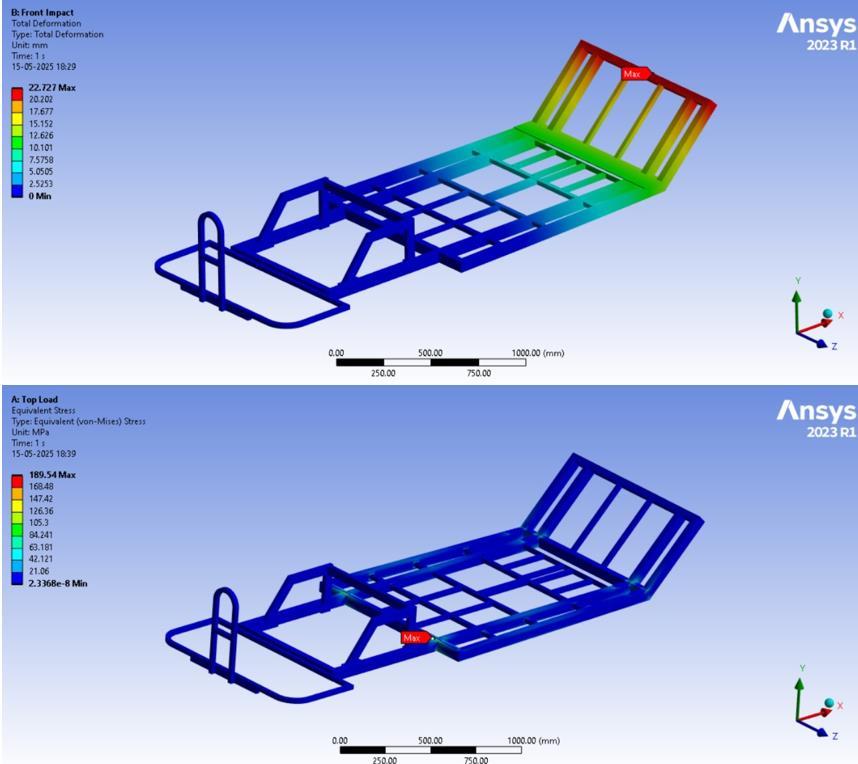
Fig-7Fromtoptobottoma)Totaldeformationb)
Equivalentstressdistribution
Front impact analysis of ladder frame chassis with 10000Nforceactingfrom front framewithrearpartof theframeasfixed support
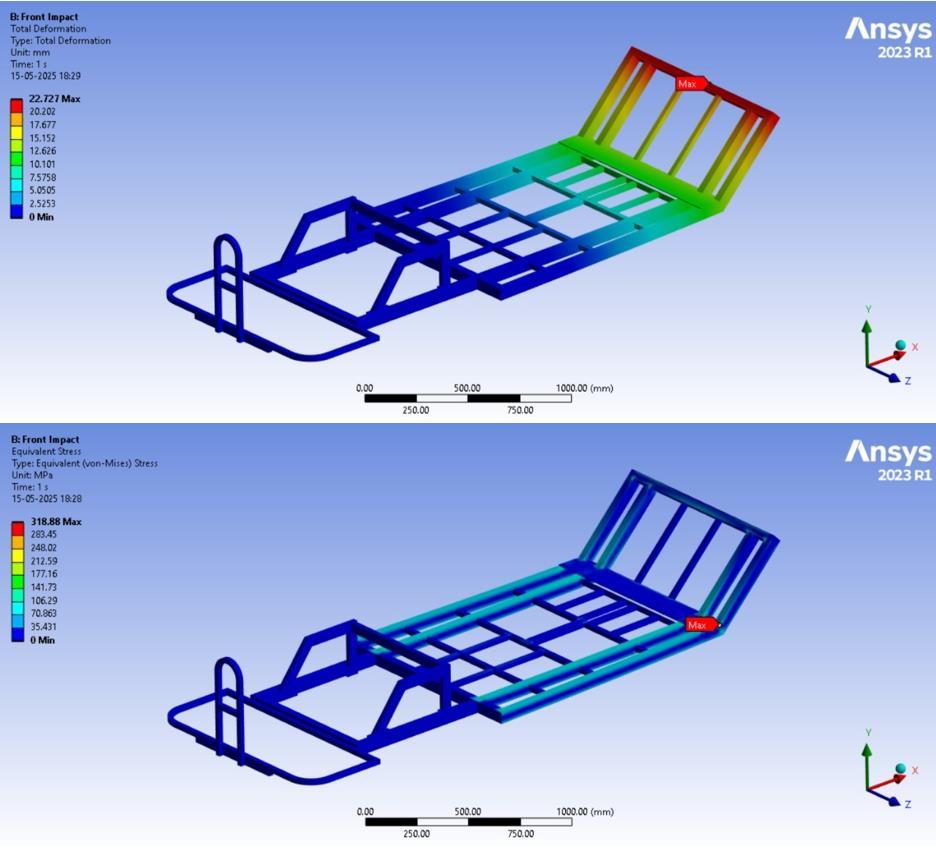
Figure-8ToptoBottoma)Totaldeformationb)
Equivalentstress
Side impact analysis of ladder frame chassis with 10000Nforceactingfrom onesideofthe framewith othersideoftheframeasfixed support
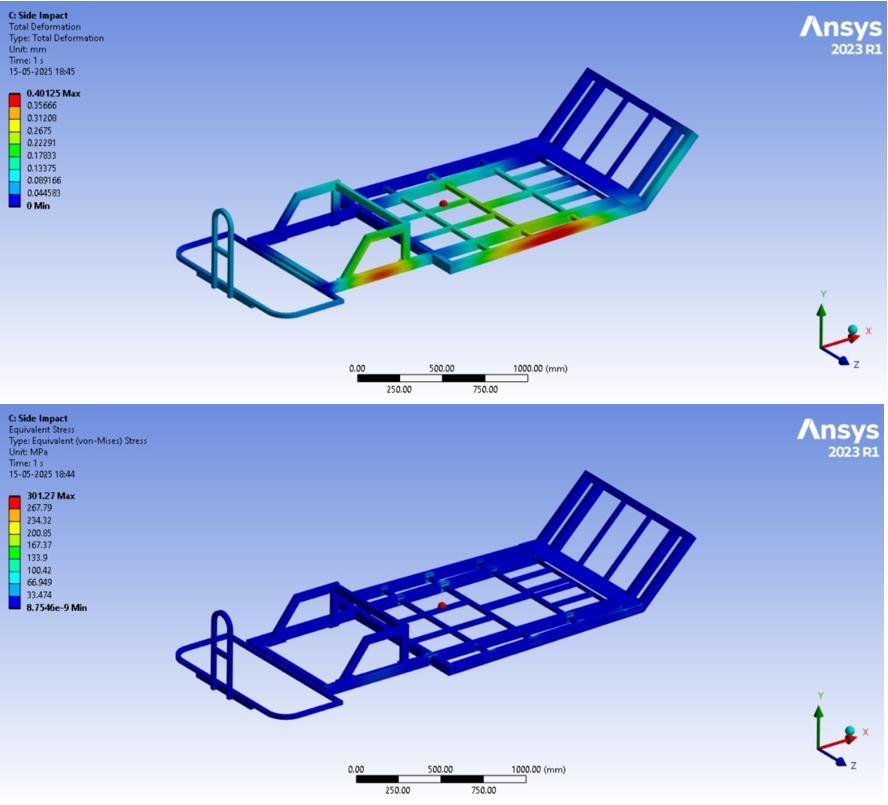
Figure-9Toptobottoma)Totaldeformationb)
Equivalentstress
4. Flow analysis
4.1 Basic equation of CFD
The equations used in Computation fluid dynamics otherwise known as CFD are momentum, continuity and mass conversation also known as Navier Stokes Equation. Solving this equation would help visualize the air flow along the exterior of vehicle. Further it wouldhelpdeterminingthehigh-pressurezonesand thelow-pressurezone.TheNavierstokesequationis onlyapplicableonincompressiblefluids.
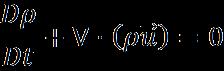
Where p is the density of the flow medium, unit is kg/m3 , denotesthevelocityvectorand

Denotesthedeloperator.
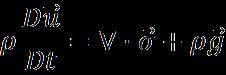


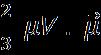
MomentumEquation: Where + ( T) – ( + )I, combinedwithPasthemechanicalpressureinN/m2

International Research Journal of Engineering and Technology (IRJET) e-ISSN:2395-0056
Volume:12Issue:05|May2025 www.irjet.net
p-ISSN:2395-0072

and isthecoefficientofviscosityinthiscase.
Where,
e=intrinsicenergyperunitmass(J/kg)and =Heatfluxvector
4.2.1
The primary objective of this flow analysis is to evaluate the aerodynamic performance of the preliminary 6-seater electric vehicle design. Since electricvehiclesheavilyrelyonaerodynamicefficiency tomaximizerange.Zhangetal.[2]comparedvarious RANSandDESturbulencemodelsandfoundsignificant performance differences in flow separation predictions,whichinfluencedourchoiceofCFDmodel and A comprehensive review by Sarkar et al. [4] emphasized the importance of minimizing parasitic drag in early EV designs, reinforcing the motivation behindourexternalflowstudy.
4.2.2
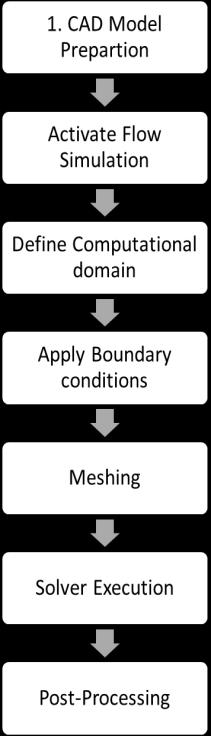
The aerodynamic analysis for the 6-seater electric vehicle was conducted using SolidWorks Flow Simulation, it comes with an integrated flow visualizationsystem.Thissoftwareallowsengineersto simulate fluid flow, heat transfer, and aerodynamic forcesdirectlyon3DCADmodelswithouttheneedfor externalmeshingorpreprocessingtools.Azmietal.[3] demonstrated the use of realizable k-ε turbulence modelingforMPVdesigns,recordingdragcoefficients thatinformedoursimulationbenchmarks
It uses the Finite volumemethod (FVM) to solve the governing Navier-stokes equation. The domain is separatedintosmallcellsandtheequationsareapplied toindividualcells.
Theflowisassumedto
1. Steady-State
2. Incompressible
3. Turbulent
4.2.3 Results and discussion
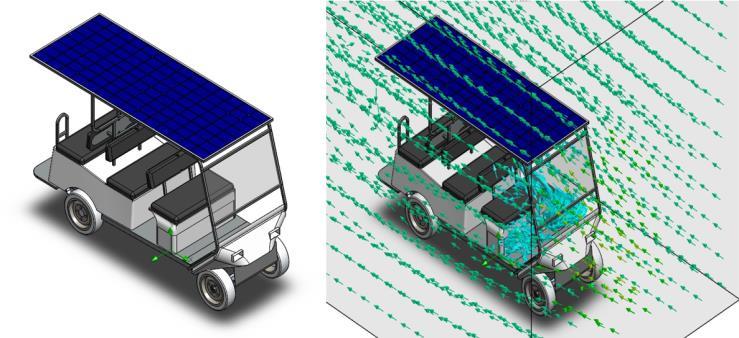
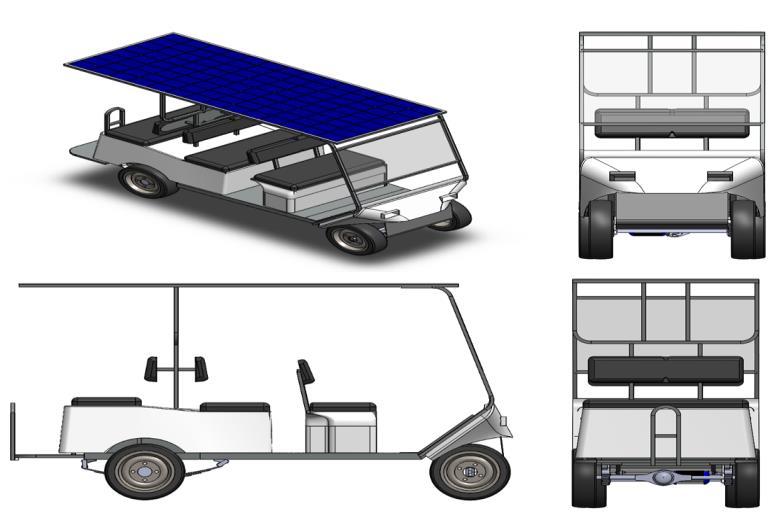
Left: SolidWorks CAD model of the 6-seater electric vehicle, featuring a solar panel-integrated roof. The design includes three rows of seating, a simplified chassis, and a streamlined frontal section to reduce aerodynamicdrag.
Right: Visualization of external airflow using SolidWorksFlowSimulation.Velocityvectorsillustrate the airflow behavior around the vehicle. Flow separation is noticeable at the windshield and rear region,whiletheflatroofandsharpedgescontribute to wake formation. The simulation confirms the necessityforaerodynamicrefinementstoreducedrag andimproveenergyefficiency.
International Research Journal of Engineering and Technology (IRJET) e-ISSN:2395-0056
Volume:12Issue:05|May2025 www.irjet.net p-ISSN:2395-0072
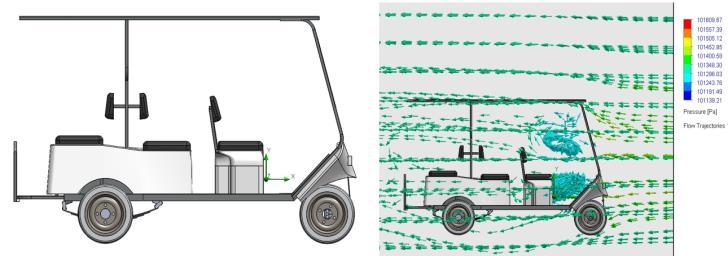
Fig-11LefttoRight:a)Sideviewofa6-seaterEVb) Sideviewforflowvisualization
Left: Side elevation of the 6-seater electric vehicle designed in SolidWorks, showing the simplified body profile,driverandpassengerseatingarrangement,and
solar panel-integrated roof structure. The linear chassislayoutisoptimizedforstructuralsimplicityand easeofpackagingcomponents.
Right: Pressure contour and flow trajectory visualization from SolidWorks Flow Simulation. Thecolor scale represents the static pressure distribution in pascals(Pa), highlighting high-pressure accumulation at the front surface and sharp pressure drop in the wake regionbehindthevehicle.
Tableshowingvaluesofdifferentparametersatspeed8.33m/sec(30km/hr)
Tableshowingvaluesofdifferentparametersatspeed11.11m/sec(40km/hr)
International Research Journal of Engineering and Technology (IRJET) e-ISSN:2395-0056
Volume:12Issue:05|May2025 www.irjet.net p-ISSN:2395-0072
Thepreliminarystudypresentedhereexploreddesign andsimulationfora6-seaaterelectricvehicle,tailored for short distance application such as inter-campus commuteandusageinsidearesidentialcomplex.The laddertypechassiswasstructuredandanalysedunder various loads and impact conditions using ANSYS. These tests were performed to confirm its ability to withstandoperationalloads.Theexternalflowanalysis performed inside SOLIDWORKS flow simulation tab was also use-full in revealing pressure, temperature anddragforce alongthesurfaceof the vehicle body. Thetestsrevealadragforceof81.88Nand134.97Nat 30km/hrand40km/hrrespectively.
The study confirms the utility of simulation based approachinearlyphasesofdesignwherebudgetand resourceconstraintsareveryprominent.
Future studies can be focused on reducing drag, enhancingthermalmanagementsystemandusageof suspension system to increase ride comfort of the vehicleformorepracticalusagealongwithintegrating advanced electronics system such as regenerative braking. The foundational work has been set for furtherprototypingandreal-worldapplication
1. DesignofanElectricGolfCartwithBatteries&Solar Panel for 6 Seat Capacity
M.A.Shaikh,"DesignofanElectricGolfCartwithBatteries& Solar Panel for 6 Seat Capacity," International Research Journal of Engineering and Technology (IRJET),vol.6,no.2, pp.2103–2110,Feb.2019.
2. TurbulenceModelingEffectsontheCFDPredictions of Flow over a Detailed Full-Scale Sedan Vehicle
C.Zhang,C.P.Bounds,L.Foster,andM.Uddin,"Turbulence modeling effects on the CFD predictions of flow over a detailedfull-scalesedanvehicle," Fluids,vol.4,no.3,p.148, Aug.2019,doi:10.3390/fluids4030148.
3. Vehicle Aerodynamics Analysis of a Multi-Purpose Vehicle Using CFD
M.F.M.Azmi,M.A.B.Marzuki,andM.A.A.Bakar,"Vehicle aerodynamics analysis of a multi-purpose vehicle using CFD," ARPN Journal of Engineering and Applied Sciences,vol. 12,no.7,pp.2345–2346,Apr.2017.
4. AReviewPaperonAerodynamicDragReductionand CFD Analysis of Vehicles
S.Sarkar,K.Thummar,N.Shah,andV.Vagrecha,"Areview
paperonaerodynamicdragreductionandCFDanalysisof vehicles," International Research Journal of Engineering and Technology (IRJET),vol.6,no.1,pp.231–233,Jan.2019.