
International Research Journal of Engineering and Technology (IRJET) e-ISSN: 2395-0056
Volume: 12 Issue: 08 | Aug 2025 www.irjet.net p-ISSN: 2395-0072
International Research Journal of Engineering and Technology (IRJET) e-ISSN: 2395-0056
Volume: 12 Issue: 08 | Aug 2025 www.irjet.net p-ISSN: 2395-0072
Ashvini S. Kolate1 , Jayesh N. Patil2 , Prayag S. Patil3
1M.Sc Computer Science PO Nahata College Bhusawal, Maharashtra 425201
2B.E Electrical Engineering,Government Engineering College, Chandrapur, Maharashtra 4425071
3M.Tech Mechatronics Engineering, Vellore Institute of Technology, Vellore, Tamil Nadu 632014
Abstract - Quantum computing is a groundbreaking technology that could revolutionize how we process data. It promisesfastercomputations,whichcouldhelpsolvecomplex problems in areas like optimization, data encryption, and machinelearning.Thispaperlooksatthecurrentresearchon how quantum computing could affect information systems (IS),withafocusonareaslikecybersecurity,AI,andbusiness technology.Whilethepotentialishuge,thetechnologyisstill in its early stages. The paper also discusses the challenges in adopting quantum computing and points out the areas that need further research
Key Words: Quantum Computing, Information Systems, Machine Learning, Cybersecurity, Optimization, Quantum Cryptography
Quantum computing can change how we solve complex problemsininformationsystems(IS).Atitscore,quantum computingreliesontheprinciplesofquantummechanics thesciencethatexplainshowthingsbehaveatthesmallest scales, like atoms and particles. Unlike traditional computers,whichusebitstorepresentdataaseithera0ora 1,quantumcomputersusequbits.Qubitsarespecialbecause theycanrepresentboth0and1atthesametime,thankstoa property called superposition. This allows quantum computers to handle many possibilities simultaneously, makingthempotentiallymuchmorepowerfulthanclassical systems when solving certain types of problems. The potentialofquantumcomputingtorevolutionizefieldssuch as optimization, machine learning, and data security has caughttheattentionofresearchersandbusinessesalike.For instance, tasks that involve sifting through huge datasets, optimizing complex systems, or breaking and creating cryptographic codes could be done much more efficiently withquantumcomputers.Thisiswhythere’ssomuchbuzz abouthowquantumtechnologycouldtransformindustries, fromhealthcareandfinancetoITservicesandcybersecurity. Quantum computers are costly to develop, and the specializedworkforceneededtooperatethemiscurrently lacking.Thesefactorsmeanthatwe’restillafewyearsaway from seeing quantum computing used widely in everyday business systems. However, there are already signs that quantumcomputingwillplayanimportantroleinshaping thefutureofinformationsystems.Forexample,companies like IBM, Google, and Microsoft are not just conducting
research,butalsocreatingplatformsthatallowbusinessesto experimentwithquantumalgorithmsthroughthecloud.
This paper aims to explore how quantum computing can impactdifferentareasofinformationsystems,particularlyin machinelearning,cybersecurity,andbusinessecosystems. We’ll review existing research and examine the key challengesandopportunitiesthatcomewithadoptingthis technology. In addition, we’ll look at the socio-technical implications, focusing on how quantum computing could affectbusinessmodels,ITinfrastructures,andeventheway companies and employees approach the future of technology. While the disruptive potential of quantum computing is clear, overcoming the obstacles to practical implementation will be crucial. This paper will not only highlightthecurrentstateofquantumcomputing,butalso suggest important areas for future research that can help accelerateitsadoptionandovercomeexistinghurdles.
Classicalcomputingreliesonbitsthatcanrepresenteither0 or 1, performing computations based on binary logic. In contrast,quantumcomputingusesqubits,whichcanexistin multiple states simultaneously through superposition, allowingquantumcomputerstohandlecomplexproblems much faster and solve optimization problems, simulate molecular interactions, and process large datasets exponentiallyquicker.
Table -1: ClassicalvsQuantumComputingComparison
Feature Classical Computing Quantum Computing
Data
Storage Bits(0or1) Qubits(superpositionof0& 1)
Processing Power Limitedby classical circuits
Parallelism Limited(one operationat atime)
Key Principle Booleanlogic andbinary operations
Exponentiallyfasterwith quantumgates
Massiveparallelismdueto superposition
Quantummechanics (superposition, entanglement)
International Research Journal of Engineering and Technology (IRJET) e-ISSN: 2395-0056
Volume: 12 Issue: 08 | Aug 2025 www.irjet.net p-ISSN: 2395-0072
Inregularcomputers,informationisstoredinbits,whichcan either be 0 or 1. But quantum computers use qubits, and herewherethingsgetinteresting.Aqubitcanbeboth0and 1 at the same time! This is called superposition. Imagine flippingacoin.Whileit'sintheair,it'sbothheadsandtailsat thesametime.Whenitlands,itpicksoneside,butbefore that,itcouldbeinbothstates.Thisabilityallowsquantum computers to do many calculations at once, making them super-fast for certain problems (Nielsen & Chuang, 2000) [12].
Anotherfeatureofquantumcomputersissomethingcalled entanglement.Whentwoqubitsareentangled,changingthe stateof one qubitinstantly changesthestateof the other, even if they’re far apart like, light-years away! It’s like having two dice that are connected: if you roll one and it shows a 3, the other one will automatically show a 3, no matterhowfarawayitis.Thismeansquantumcomputers cansolveproblemsina waythatregularcomputerscan’t, becausetheycanprocessinformationmoreeffectivelyand inparallel(Bennett&Wiesner,1992)[2].
Quantuminterferenceisalittleliketuningaradiodevice.In aquantumcomputer,asitworksthroughcalculations,itcan makesomeresultsstrongerandothersweaker,whichhelps itfindthecorrectanswerfaster.Thinkofitlikenarrowing downpossibilitiesinahugemaze:quantumcomputersuse interference to zoom in on the solution more efficiently (Farhietal.,2014)[4].
Justlikeregularcomputersuselogicalgates(likeAND,OR, NOT) to process information, quantum computers use quantumgates.Thesegatesareusedtomanipulatequbits, turningthem intodifferent states,andtheyhelp quantum algorithms (instructions for the computer) perform tasks. For example, Shor’s Algorithm can factor large numbers muchfasterthanclassicalcomputers,whichisahugedeal for things like encryption and cybersecurity (Shor, 1997) [15].
Thebiggestpromiseofquantumcomputingisitsspeed.For certain problems, quantum computers could provide solutionsthatwouldtaketraditionalcomputersmillionsof yearstosolve,injustafewminutesorhours.Thisisbecause quantum computers can consider many different possibilities all at once (thanks to superposition), rather thanonebyonelikeclassicalcomputers(Grover,1996)[7].
Quantumcomputingisstillintheearlystages,andoneofthe biggest challenges is something called quantum decoherence. This happens when qubits lose their special quantumstatebecausetheyinteractwiththeirenvironment (like heat, light, or even vibrations). To make quantum computers work for real-world problems, scientists are developing techniques to protect the qubits from these outsideinfluences.Thisiscalledquantumerrorcorrection, and it’s much more complicated than what we use in classicalcomputers(Nielsen&Chuang,2000)[12].
Thissectionprovidesanin-depthreviewofvariousaspects of information systems (IS), including machine learning, cybersecurity,businessecosystems,andITservices.
The potential for quantum computing to transform information systems lies primarily in its ability to solve complexoptimizationandsimulationproblemsthatclassical computers struggle with. At its core, quantum computing leveragesquantumbits(qubits)which,unlikeclassicalbits, can exist in multiple states simultaneously due to superposition.Thispropertyallowsquantumcomputersto processa vastnumberofpossibilitiesinparallel.This has directimplicationsforsolvingproblemsrelatedtologistics, supplychains,and financial modelling (Nielsen &Chuang, 2000)[12].
Quantum algorithms, such as Grover’s search algorithm, providesignificantimprovementsoverclassicalalgorithms in specific areas like database search and optimization (Grover, 1996) [7]. This has made quantum computing particularlyattractivetothe IScommunity,asitholdsthe potential to address challenges like resource allocation, scheduling,andlarge-scaledataanalysis.However,practical quantumsystemsthatcanoutperformclassicalcounterparts arestillintheirinfancy,andcurrentquantumcomputersare mostlyintheexperimentalstage(Carrel-Billiardetal.,2021) [3].
Quantumcomputingalsohasthepotentialtorevolutionize machinelearning(ML)andartificialintelligence(AI),which arecentraltomoderninformationsystems.Thepromiseof quantum-enhancedmachinelearning(QML)liesinitsability tospeedupcomputationsthataretypicallybottleneckedin classical systems. For example, quantum computers can potentially accelerate matrix operations and feature extractionprocesses,whicharekeycomponentsoftraining machine learning models (Biamonte et al., 2017) [1].
International Research Journal of Engineering and Technology (IRJET) e-ISSN: 2395-0056
Volume: 12 Issue: 08 | Aug 2025 www.irjet.net p-ISSN: 2395-0072
Researchers have shown that quantum algorithms could provideanexponentialspeedupforcertainmachinelearning tasks,suchasmatrixinversion,whichiscrucialinalgorithms likesupportvectormachines(Gaoetal.,2018)[5].
Quantum computers may also play a role in optimizing machine learning models through quantum annealing, a methodthatcanfindtheminimumofacostfunctionmore efficientlythanclassicaloptimizationmethods(Farhietal., 2014) [4]. In areas like neural network training and clustering, quantum algorithms may outperform classical counterpartsbyprocessinglargedatasetsinlesstime.This holdsparticularpromiseforindustriesdealingwithlargescaledata,suchasfinance,healthcare,andlogistics,where processingefficiencyiscrucial(Gaoetal.,2018)[5].
Oneofthemostwidelydiscussedapplicationsofquantum computing is in the field of cybersecurity. On one hand, quantumcomputershavethepotentialtobreaktraditional encryptionschemes.Forinstance,Shor's algorithmallows quantumcomputerstofactorlargenumbersexponentially faster than classical algorithms, which would make RSA encryption, the backbone of most secure online communications, obsolete (Shor, 1997) [15]. This has createdsignificantconcernoverthefuturesecurityofdigital systems,astheriskofquantumcomputerscrackingwidelyusedencryptionprotocolsisacriticalissuefororganizations worldwide(Lutkenhaus,2001)[10].
On the other hand, quantum computing can also enhance cybersecuritybyintroducingnewmethodsforsecuringdata, such as quantum key distribution (QKD). QKD uses the principles of quantum mechanics to ensure that communication is secure, even in the presence of eavesdroppers.Sinceanyattempttointerceptaquantumencrypted message changes its state, quantum encryption methods can theoretically offer unbreakable security (Bennett & Wiesner, 1992) [2]. In addition, post-quantum cryptography focuses on developing encryption methods thatareresistanttoquantumattacks,ensuringthelong-term securityofsensitiveinformation(Gartner,2019)[6].
Asquantumcomputingmatures,itisexpectedtofosterthe creation of new ecosystems involving hardware manufacturers,softwaredevelopers,serviceproviders,and academicinstitutions.Forinstance,companiessuchasIBM, Google, and Microsoft are making significant strides in quantumcomputing,offeringcloud-basedquantumservices that enable businesses to explore quantum algorithms withoutneedingtoinvestincostlyhardware(Mülleretal., 2019) [11]. These ecosystems will be characterized by a
collaborativenetworkwherebusinesses,governments,and academiaworktogethertodrivetechnologicaldevelopment andinnovation.
In particular, quantum computing could revolutionize the business models of industries that rely heavily on computational power. For example, industries in logistics, pharmaceuticals,andfinancecouldbenefitimmenselyfrom quantum technologies,allowing themtoperformcomplex simulations and optimizations that were previously too computationally expensive. However, for quantum computingtobewidelyadopted,organizationswillneedto integrate quantum solutions into their existing IT infrastructures,whichcouldinvolvesignificantrestructuring ofbusinessoperations(Carrel-Billiardetal.,2021)[3].
Despitetheimmensepotentialofquantumcomputing,there aresignificantchallengesthatmustbeaddressedbeforethe technologycanbewidelyadoptedininformationsystems. Oneoftheprimaryhurdlesisthehighcostassociatedwith developing and maintaining quantum hardware. Current quantumcomputersareexpensivetobuildandoperate,and theyrequireextremelypreciseconditions,suchasverylow temperatures,to function effectively(Hughes et al.,2022) [8].
Anothercriticalchallengeisthelackofskilledprofessionals. Quantumcomputingrequiresdeepknowledgeofquantum mechanics,linearalgebra,andcomputerscience,creatinga gap in the workforce that is hindering the widespread adoptionofquantumtechnologies(Hughesetal.,2022)[8]. As quantum technologies advance, there will be an increasingdemandforprofessionalswhocanbridgethegap betweenthetheoreticalfoundationsofquantumcomputing andpracticalapplicationsininformationsystems.
Lastly, the complexity of quantum algorithms makes it difficultforbusinessestoadoptquantumsolutionswithouta strongunderstandingofboththetechnologyandthespecific business problems they aim to solve. The steep learning curveassociatedwithquantumprogramminglanguagesand quantumhardwareposesanotherbarriertothewidespread implementationofquantumcomputing(Carrel-Billiardetal., 2021)[3].
Given that quantum computing is still in its nascent stages, thereareseveralkeyareaswherefurtherresearchis needed. First, quantum-safe cryptography must be developed to ensure the security of digital systems in the post-quantumworld.Researchinpost-quantumencryption algorithms will be critical for organizations that need to safeguard their data from quantum-enabled threats (Gartner,2019)[6].
International Research Journal of Engineering and Technology (IRJET) e-ISSN: 2395-0056
Volume: 12 Issue: 08 | Aug 2025 www.irjet.net p-ISSN: 2395-0072
Second,workforcedevelopmentisanotherpriority.Thereis a significant gap in the current quantum workforce, and preparing IT professionals for the quantum era will be essential for the successful adoption of quantum technologies.Educationalprogramsandcertificationsthat focus on quantum computing will play a crucial role in addressingthisissue(OECD,2021)[13].Lastly,researchers shouldinvestigatethesocietalandeconomicimpactsof quantum computing. While the technology promises significantbenefits,itcouldalsoleadtodisruptioninvarious industriesandlabormarkets.Understandinghowquantum computingwill reshapeeconomiesandsocietiesiscrucial forbusinesses,governments,andpolicymakerstoprepare forthesechanges(Rietscheetal.,2021)[14].
Thispaperisbasedonacomprehensiveliteraturereviewof research articles, conference papers, and industry reports publishedbetween2015and2025.Researchdatabasesused to identify relevant publications. In addition to academic sources, expert opinions in the quantum computing field were incorporated to provide real-world insights into the challengesandopportunitiesofquantumcomputinginIS.
Inthissection, wediscussthefindingsfromtheliterature reviewandexaminetheimplicationsofquantumcomputing for information systems (IS). Also explore the potential impact on business ecosystems, IT organizations, service providers, and cybersecurity, focusing on both the opportunities and challenges that quantum technologies bringtotheseareas.
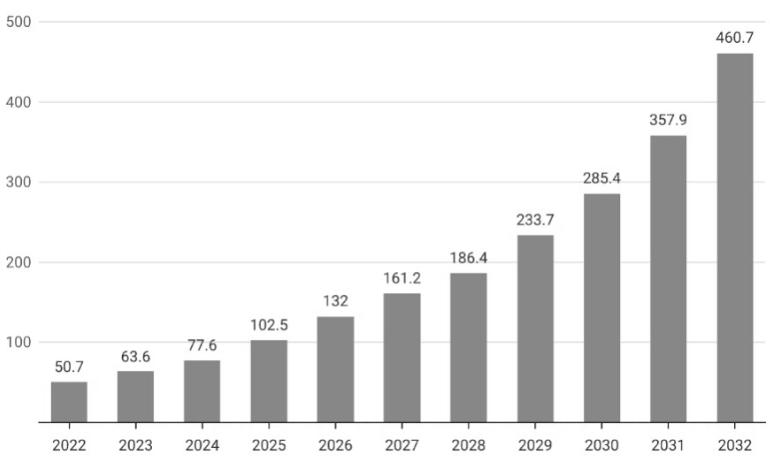
Quantumcomputingisgrowingsettocreateentirely new business ecosystems, where collaboration between businesses,academicinstitutions,andgovernmentswillbe criticalforfosteringthedevelopmentandcommercialization
of quantum technologies. As highlighted in previous research,organizationslikeIBM,Google,andMicrosoftare already playing a leading role in shaping the quantum computingecosystembydevelopingcloud-basedplatforms forquantumexperimentation(Mülleretal.,2019)[11].
This collaborative environment will likely evolve into a networked ecosystem, where quantum service providers, hardware manufacturers, and research institutions work togethertoadvancequantumcomputingapplications.The introductionofquantumcomputingintoindustriessuchas logistics, pharmaceuticals, and financial services will not only create new business models but will also disrupt existing ones. For instance, optimization problems that currentlyrequiremassiveamountsofcomputationalpower, such as supply chain optimization and financial portfolio management,couldbesolvedmuchmoreefficientlyusing quantum algorithms (Carrel-Billiard et al., 2021) [3]. The ability to perform complex simulations, such as drug molecule interactions or risk assessments in finance, at unprecedented speeds will allow companies to achieve competitiveadvantages.
However, the transition to a quantum-enabled business ecosystem will require careful integration into existing informationsystems.BusinessesmustensurethattheirIT infrastructures can accommodate quantum solutions withoutsignificantdisruptiontotheiroperations.Moreover, as quantum technologies are still in the early stages, businesses will need to balance the promise of these advancedtoolswiththecostsanduncertaintiesinvolvedin adopting them (Gartner, 2019) [6]. Despite the long-term potential,quantumcomputing'sinitialadoptionislikelyto be a gradual process that requires businesses to invest in research,training,andinfrastructuretobuildoutafutureproofsystem.
ITserviceindustriesandproviderswillplayacentral roleintheintegratingquantumcomputing into existing infrastructures. Many quantum computing platforms are now available as cloud services, which allows IT organizations to test quantum algorithms and leverage quantumresourceswithouttheneedtoinvestinexpensive quantum hardware (Müller et al., 2019) [11]. The widespreadavailabilityofquantumcomputingthroughthe cloudwilllikelyreducethebarrierstoentryforbusinesses looking to experiment with quantum solutions and could acceleratetheiradoption.However,asmoreorganizations begintousequantumcomputing,ITproviderswillfacethe challengeofmanagingthesequantumresourcesalongside traditionalcomputinginfrastructure.
OneofthemostimportantchallengesforITorganizationsis ensuring compatibility between legacy systems and
International Research Journal of Engineering and Technology (IRJET) e-ISSN: 2395-0056
Volume: 12 Issue: 08 | Aug 2025 www.irjet.net p-ISSN: 2395-0072
emergingquantumtechnologies.Currentdataformatsand systems are not designed to handle the unique nature of quantum computations. As quantum computing operates fundamentally differently from classical computing, businessesmayneedtoadapttheirdatastorage,processing, andmanagementsystemstoworkefficientlywithquantum resources.Forexample,quantumcomputersrelyonanew form of data representation called quantum states, which cannot be directly mapped onto classical data structures (Carrel-Billiardetal.,2021)[3].Thisdiscrepancybetween classical and quantum data structures will require substantial changes in data management practices. Additionally,ITserviceproviderswillneedtodevelopnew frameworks for managing quantum algorithms. Unlike traditional computing, where algorithms are linear and deterministic, quantum algorithms can exhibit complex behaviours due to the principles of superposition and entanglement(Nielsen&Chuang,2000)[12].Understanding and managing these behaviours in a way that aligns with business goals will require a new generation of quantumsavvyITprofessionals.Thispresentsanotherchallenge:the shortage of skilled quantum computing experts, which is discussedinthenextsection.
The potential impact of quantum computing on cybersecurityisoneofthemostsignificantareasofconcern. Asquantumcomputersbecomemorepowerful,theywillbe capableofbreakingwidely-usedencryptionsystems,suchas RSA encryption (Shor, 1997) [15]. This vulnerability is particularly concerning for businesses that rely on traditionalencryptionmethodstosecuresensitivedata.The threat of quantum attacks has already sparked the developmentofquantum-safecryptography,whichaimsto develop encryption systems as shown in Fig 1 that are resistanttotheuniquecapabilitiesofquantumcomputers (Lutkenhaus,2001)[10].
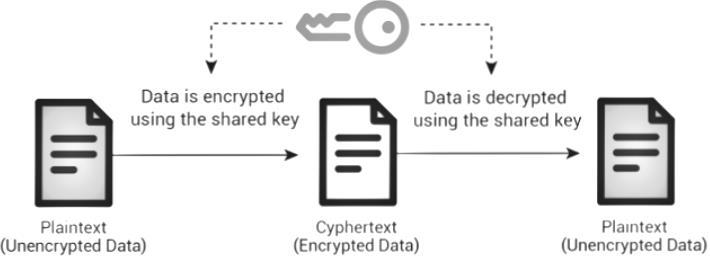
Fig 1-:encryptionsystemsandsharedkey Post-quantumcryptographyisanactiveareaofresearchthat focusesonfindingalternativeencryptionmethodsthatcan protect data in the era of quantum computing. Several promising algorithms, such as lattice-based cryptography and hash-based signatures, are being investigated as potential solutions (Gartner, 2019) [6]. However, transitioning to quantum-safe encryption will require a
comprehensiveoverhaulofcurrentsystemsandstandards, whichcouldbecostlyandtime-consuming.Onthepositive side,quantumcomputingcanalsoenhancecybersecurityby
introducing new ways ofdetectingand mitigating threats. Quantumcomputershavetheabilitytosimulateandanalyze potential security vulnerabilities in real-time, providing businesses with advanced tools for identifying and responding to cyber threats before they occur (Gartner, 2019)[6].Moreover,quantumkeydistribution(QKD)offers a way to establish ultra-secure communication channels, makingitvirtuallyimpossibleforeavesdropperstointercept messageswithoutdetection(Bennett&Wiesner,1992)[2].
The broader adoption of quantum-enhanced security protocols could drastically reduce the risks posed by cyberattacks. However, transitioning to these new technologies will require extensive research and standardization. The collaboration between quantum researchersandcybersecurityprofessionalswillbeessential inensuringthatbusinessescanprotecttheirsystemsfrom theevolvingthreatsposedbyquantumcomputing.
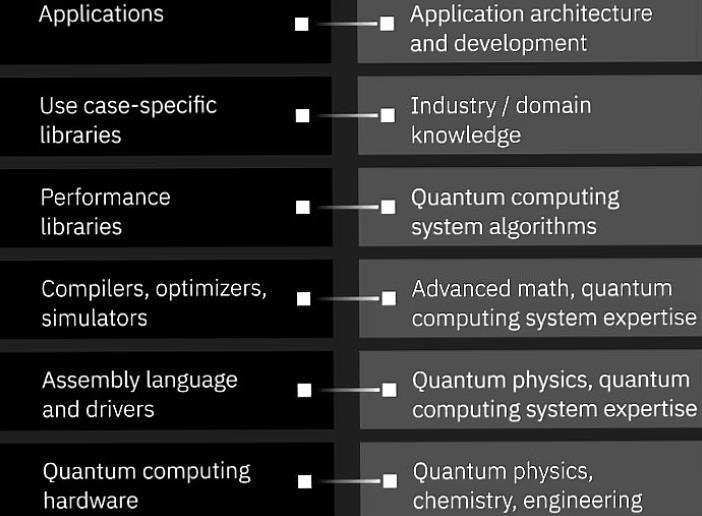
Amajorchallengeintheadoptionofquantumcomputingis theskillsgapintheworkforceasshowninFig2.Asquantum computing becomes more prominent in information systems, there will be an increasing demand for professionalswithexpertiseinbothquantummechanicsand computerscience.Thecurrentpoolofquantumcomputing professionals is limited, and there is a growing need for specializededucationandtrainingprogramstoaddressthis shortage(Hughesetal.,2022)[8].Thegapinquantumtalent is a critical issue for businesses that wish to leverage quantum computing but lack the necessary expertise. Accordingtorecentreports,ITprofessionalswillneedtobe trained not only in traditional IT skills but also in the fundamentals of quantum mechanics, linear algebra, and quantumalgorithms(OECD,2021)[13].
International Research Journal of Engineering and Technology (IRJET) e-ISSN: 2395-0056
Volume: 12 Issue: 08 | Aug 2025 www.irjet.net p-ISSN: 2395-0072
This will require collaboration between universities, businesses,andgovernmentstocreateeducationalprograms thatcanequipthenextgenerationofworkerswiththeskills necessary for the quantum era. Moreover, as quantum technologiescontinuetoadvance,thefieldwillneedtoadapt rapidly.Educationalinstitutionsandbusinesseswillneedto ensurethattheirquantumcurriculastayup-to-datewiththe latestdevelopments.Thiswillbeessentialinmaintaininga competitive workforce that can effectively implement quantumtechnologiesininformationsystems.
Finally,itisimportanttoconsiderthebroadersocietaland economic impacts of quantum computing. As businesses adoptquantumtechnologies,certainsectorsmayexperience significantdisruption.Forexample,industriesthatrelyon classical optimization methods or machine learning could seeshiftsinhowproblemsaresolvedandwhattechnologies areconsideredstate-of-the-art(Rietscheetal.,2021)[14]. Quantumcomputingcouldleadtothedisplacementofsome traditionaljobroles,whilealsocreatingnewopportunities for workers with specialized skills. The economic implications of quantum computing are also profound. As businesses embrace quantum technologies, those that are able to leverage these tools effectively will have a competitive advantage in areas such as supply chain optimization, AI-driven analytics, and financial modeling (Carrel-Billiardetal.,2021) [3].However,the widespread adoption of quantum computing will require careful regulationtoensurethatitdoesnotexacerbateinequalities inaccesstoadvancedtechnology.
Additionally, the societal impact of quantum computing couldincludeshiftsinprivacy,security,anddataownership. As quantum-enabled encryption methods become widespread,individualswillneedtotrustthattheirdatais secure in a quantum-enabled world. Policymakers and businessleaderswillneedtoworktogethertoensurethat quantum computing benefits society as a whole while minimizinganynegativeimpacts.
Quantum computing stands on the brink of revolutionizinginformationsystemsacrossindustries.The potential applications are vast, ranging from dramatically improving machine learning algorithms to offering unprecedented capabilities in data security and optimization. However, while the promise of quantum computingisexciting,thepathtowidespreadadoptionisnot without its challenges. At its core, quantum computing differs fundamentally from classical computing. By harnessingthestrangepropertiesofquantummechanics likesuperpositionandentanglement quantumcomputers cansolveproblemsthatwereonceconsideredtoocomplex or time-consuming for even the most powerful classical
computers.Forexample,quantumalgorithmscanpotentially solve optimization problems more efficiently, such as determining the most efficient delivery routes in supply chains or predicting stock market trends with greater accuracy. This could give businesses a significant competitive edge in areas like logistics, finance, and healthcare.
Oneofthemostdisruptivepotentialimpactsofquantum computingisitseffectoncybersecurity.Theveryalgorithms that make quantum computers so powerful also pose a threat to current cryptographic techniques, such as RSA encryption,whichprotectssensitivedataonline.However, quantumcomputingalsobringswithitthepromiseofnew encryption methods that are far more secure, such as quantum key distribution (QKD) and post-quantum cryptography.Theseinnovationscouldprotectdatainways that classical methods cannot, making them crucial for industriesthatrelyonsecuringsensitiveinformation,such as finance and healthcare. Despite its potential, quantum computing's adoption is still in its early stages. Quantum hardwareisexpensive,andonlyafewcompanies,suchas IBM,Google,andMicrosoft,havetheresourcestoinvestin developing quantum computers and building out cloudbased quantum platforms. For many businesses, adopting quantumcomputingmaystillbeafewyearsaway.Thecost of developing quantum infrastructure and the need for specialized knowledge in quantum mechanics create a significantbarrierforsmallercompaniesthatmaylackthe necessaryresources. Moreover, the transition to quantum computingwillrequireasubstantialinvestmentinhuman capital.Thereisa critical shortage of quantumcomputing expertsandprofessionalswiththeskillsneededtointegrate these technologies into business applications. Educational institutions and businesses will need to work together to createtrainingprogramsthatequiptheworkforcewiththe necessary skills to succeed in a quantum-enabled world. Without these efforts, the skills gap could slow down the widespreadadoptionofquantumtechnologies.
Additionally, businesses and policymakers will need to consider the societal and economic impacts of quantum computing. The rise of quantum technologies will likely bring about significant disruptions in industries, as some traditionalmethodsarereplacedbymoreefficientquantum solutions. While this could lead to new opportunities, it could also cause job displacement in sectors reliant on outdated technologies. For example, automation and AIdriven tasks might become even more efficient with quantumcomputing,leadingtoshiftsinemploymentacross variousindustries.However,thesechangescouldalsocreate newjobopportunitiesinfieldssuchasquantumalgorithm developmentandquantum-safecybersecurity.
Inconclusion,whilequantumcomputingholdsimmense promise, its widespread implementation will require overcoming significant challenges. The technology is still
International Research Journal of Engineering and Technology (IRJET) e-ISSN: 2395-0056
Volume: 12 Issue: 08 | Aug 2025 www.irjet.net p-ISSN: 2395-0072
developing,andbusinessesmustcarefullyassesshowitfits intotheirexistinginfrastructure.Moreover,theworkforce will need to evolve to support the growing demand for quantumexpertise.Withcollaborationbetweenresearchers, businesses, and governments, the disruptive power of quantumcomputingcanbeharnessedforthegreatergood. Asthetechnologymatures,ithasthepotentialtotransform informationsystems,enablingbusinessestosolveproblems that were once thought impossible, and creating new opportunitiesinindustriesacrosstheglobe.
[1] Biamonte,J.,etal.(2017).Quantummachinelearning. Nature, 549(7671), 195-202. doi.org/10.1038/nature23474
[2] Bennett, C. H., & Wiesner, S. (1992). Quantum cryptography:Publickeydistributionandcointossing. Physical Review Letters, 69(20), 2881-2884. doi:10.1103/PhysRevLett.69.2881
[3] Carrel-Billiard,M.,etal.(2021).Emergingecosystemsin quantum computing. IBM Journal of Research and Development, 65(4), 134-145. doi:10.1147/JRD.2021.3065033
[4] Farhi, E., et al. (2014). A quantum approximate optimizationalgorithm.arXiv:quant-ph/1411.4028
[5] Gao,Y.,etal.(2018).Quantumcomputingformachine learning. IEEE Access, 6, 7773-7782. doi:10.1109/ACCESS.2018.2811139
[6] Gartner,A.(2019).Quantumcomputinganditsimpact oncybersecurity. IEEESecurity&Privacy, 17(2),22-29. doi:10.1109/MSEC.2019.2904732
[7] Grover, L. K. (1996). A fast quantum mechanical algorithmfordatabasesearch. Proceedings of the 28th Annual ACM Symposium on Theory of Computing, 212219.doi:10.1145/237814.237866
[8] Hughes, D., et al. (2022). Challenges in quantum workforceandtechnologyadoption. JournalofQuantum Computing & Applications, 5(2), 43-56. doi:10.1007/s40940-022-00126-1
[9] IBM. (2019). IBM Quantum: A New Era of Quantum Computing.IBMPress.
[10] Lutkenhaus, N. (2001). Security of quantum key distribution. International Journal of Quantum Information, 4(1), 79-101. doi:10.1142/S0219749901000542
[11] Müller,C.,etal.(2019).Theracetoquantumcomputing: IBM’s quantum computing roadmap. Quantum
Computing and Systems, 4(1), 17-29. doi:10.1038/s41567-019-0634-1
[12] Nielsen, M. A., & Chuang, I. L. (2000). Quantum computation and quantum information. Cambridge UniversityPress.
[13] OECD. (2021). Preparing the workforce for quantum computing.OrganisationforEconomicCo-operationand Development.
[14] Rietsche, B., et al. (2021). Societal and economic implicationsofquantumcomputing. JournalofEmerging Technologies in Computing, 8(3), 56-71. doi:10.1109/JETC.2021.3071458
[15] Shor, P. W. (1997). Polynomial-time algorithms for prime factorization and discrete logarithms on a quantumcomputer. SIAM Journal on Computing, 26(5), 1484-1509.doi:10.1137/S0097539791292734