
International Research Journal of Engineering and Technology (IRJET) e-ISSN: 2395-0056
Volume: 13 Issue: 04 | Apr 2026 www.irjet.net p-ISSN: 2395-0072

International Research Journal of Engineering and Technology (IRJET) e-ISSN: 2395-0056
Volume: 13 Issue: 04 | Apr 2026 www.irjet.net p-ISSN: 2395-0072
Rajat Kamlesh Bohra1 , Prof. Ankush Khandare2
1Bachelor of Architecture Student, P.R.P.C.O.A., Amravati, Maharashtra, India
2Professor, Department of Architecture, P.R.P.C.O.A., Amravati, Maharashtra, India
Abstract - Rivers in India carry deep cultural and religious importance, especially in temple towns where activities like bathing, idol immersion, washing, and cremation often take place along riverbanks. These activities can lead to water pollution and create safety issues due to deep water, strong currents, andcrowding duringfestivals. Thisresearchlooksat how ritual activities affect river water quality and public safety in temple riverfront areas, focusing on Kaundanyapur, Maharashtra, as a case study. Site observations and a literature review identified key problems related to pollution, waste disposal, and unsafe bathing conditions. The study suggests a planning-basedsolutionwithaparallelritualcanal system that features shallow depth, controlled flow, and naturalfiltration methods. This systemaimstoseparateritual activities from the main river channel while allowing for religious practices and improving safety. It also discusses supporting infrastructure like designated washingplatforms, immersiontanks, andritual zoning. The proposedframework presents a sustainable and replicable approach to reduce ritual pollution and improve safety in temple towns throughout India.
Key Words - Riverfront planning, Ritual practices, River pollution, Temple precincts, Safety, Infrastructure strategies, Sustainable river management
RivershavealwaysheldanimportantplaceinIndiansociety, notonlyassourcesofwaterbutalsoassacredandcultural spaces. From ancient times, rivers have been closely associatedwithreligiousbeliefs,rituals,anddailypractices. Riverbanks,especiallyneartemples,functionasactivepublic spaceswherepeoplegatherforbathing,prayers,festivals, andotherritualactivitiesthroughouttheyear. Withtheincreasingnumberofpilgrimsandtheintensityof religiousevents,riverfrontareasinmanytempletownsare facingseriouschallenges.Activitiessuchasritual bathing, idolimmersion,washingofclothes,disposalofofferings,and cremation practices directly affect river water quality. During festivals, overcrowding at ghats and uncontrolled accesstotheriverincreasebothpollutionlevelsandsafety risks.
Deepwater,strongcurrents,andtheabsenceoforganized infrastructureoftenleadtoaccidentsandunsafeconditions fordevotees.
While these practices are deeply rooted in tradition and belief, their environmental and safety impacts cannot be ignored. Completely restricting rituals is neither practical nor culturally acceptable. Therefore, there is a need to exploreplanningandinfrastructure-basedapproachesthat can manage ritual activities in a more controlled and sustainablemanner.Thisresearchfocusesonunderstanding ritual-inducedriverpollutionandsafetyissuesandexplores design-oriented solutions that can protect the river while allowing religious practices to continue in a safe and respectfulway.
This research follows a qualitative and planning-based approach to study the impact of religious rituals on river pollutionandsafetyintempleriverfrontprecincts.Thestudy is based on literature review, case study analysis, and site observations.
Existing research papers,government reports,and studies related to river pollution, ritual practices, and riverfront development were reviewed to understand the nature of pollution and safety issues associated with religious activities.CasestudiessuchasManikarnikaGhat,Sabarmati Riverfront Development, and the Wardha River near Kaundanyapurwereanalyzedtoexamineritualimpactsand the effectiveness of planning and infrastructure-based interventions.
Siteobservationswereusedtounderstandritualactivities, crowd movement, ghat conditions, and safety concerns in temple riverfront areas. Based on the issues identified, a planning and design-oriented solution in the form of a parallelritualcanalsystemwasproposed.Thestudyaimsto develop a conceptual and replicable planning framework ratherthanadetailedtechnicaldesign.
• Mundan Sanskar: Disposal of hair into the river causes localizedcloggingandpollutionnearghats,especiallyduring peakritualdays.
• Antim Sanskar (Cremation): Immersion of ashes and partiallyburntremainsincreasesorganicandchemicalload intheriverwhenproperfacilitiesarenotprovided.
• Asthi Visarjan: Regularashimmersionwithoutdesignated tanksleadstocontinuouswaterqualitydeteriorationnear templeghats.
International Research Journal of Engineering and
Volume: 13 Issue: 04 | Apr 2026 www.irjet.net
• Tarpan: Repeatedofferingsofwaterandflowersresultin accumulationoforganicwastealongriveredges.
• Snan (Ritual Bathing): Mass bathing during festivals causesovercrowding,safetyrisks,andcontaminationdueto soaps,oils,anddirectcontactwithriverwater.
• Aarti and Daily Offerings: Disposalofflowers,lamps,and incense into the river contributes to floating waste and visualpollution.
• Idol Immersion:Useofnon-eco-friendlymaterialsinidols significantlyaffectswaterqualityandaquaticlife.
• Large Religious Gatherings: Temporaryeventsincrease waste generation and stress on riverfront infrastructure, emphasizingtheneedforplannedritualzones.
RiversinIndiaarefacingincreasingpollutiondue tountreatedsewage,industrialwaste,and continuoushumanactivitiesalongriverbanks.
Manyriverstretchesnearcitiesandpilgrimage townsarenolongersuitablefordrinkingor bathing,asreportedbyagenciessuchasCPCBand NEERI.
Religiousactivitieslikemassbathing,idol immersion,cremationrituals,andwashingof clothesaddlocalizedpollution,especiallynear ghats.
Smallerriversflowingthroughtempletownsare equallyaffectedduetolackofplanningand supportinginfrastructure.
TheWardhaRivernearKaundanyapur experiencesincreasedpressureduringfestivals, highlightingtheneedforcontrolledritualspaces andpollution-reducinginterventions.
To contextualize the challenges at the Wardha River in Kaundanyapur,itisessentialtoexamineestablishedstudies on ritual-induced pollution. Research by Raveendran and Geetha(n.d.)highlightshowtraditionalpracticescanseverely strain aquatic ecosystems when unsupported by proper infrastructure.
Varanasi:
Raveendran and Geetha (n.d.) note that the routine immersionofashesatManikarnikaGhatintroducesdense concentrationsofcalciumphosphate,magnesiumphosphate, andnitrogencompoundsintotheGanges,whichdrastically elevates Biological Oxygen Demand (BOD) and Chemical Oxygen Demand (COD). However, the introduction of improved crematoria under the Ganga Action Plan (GAP) successfullyreduceddirectashdumping.Thisprovesthat physicalinfrastructurecanmitigateenvironmentaldamage withoutdisruptingreligioustraditions.
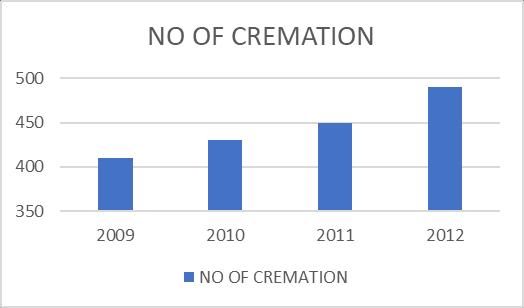
Note:-BarDiagramsShowingtheAnnualVariationinNumberof Cremations at Manikarnika in 2012, 2011, 2010 and 2009 Year wiseDatabyCourtesy-VaranasiNagarNigam
5.2 Sabarmati Riverfront Development, Ahmedabad
5
6
Waterunsuitablefor drinking/bathingoranyother humanuse
TheSabarmatiRiverfrontDevelopmentdemonstrateshow comprehensiveurbandesignharmonizesreligiousactivities withenvironmentalpreservation.Byintroducingdesignated step-lined ghats and organized ritual zones, the project segregatedheavyhumanactivityfromvulnerable parts of theriver.Thisallowedculturaltraditionstocontinuewhile protectingtheecologicalbaseline
5.3 Wardha River and Kaundanyapur Temple Precinct.
TheWardhaRiverholdsreligiousandculturalimportance forthetownofKaundanyapur,whereritual bathing,daily
International Research Journal of Engineering and Technology (IRJET) e-ISSN: 2395-0056
Volume: 13 Issue: 04 | Apr 2026 www.irjet.net p-ISSN: 2395-0072
worship, festivals, and occasional cremation-related activitiesoccuralongtheriverbanks.Duringreligiousevents, increasedfootfallleadstodirectinteractionwiththeriver, resultinginpollutionfromofferings,washingactivities,and unmanagedwaste.Additionally,thelackofdefinedghatsand safetyinfrastructureexposesdevoteestorisksfromwater depthandseasonalflowvariations.
Unlike larger cities, smaller temple towns such as Kaundanyapuroftenlackorganizedriverfrontplanningand supporting infrastructure. This makes them vulnerable to gradual river degradation. The case of the Wardha River highlights the need for localized, low-impact planning solutions that are culturally sensitive and economically feasible.
The analysis of religious rituals and case studies clearly indicatesthatdirectinteractionbetweenritualactivitiesand themainriverchannelisoneoftheprimarycausesofriver pollutionandsafetyhazardsintempletowns.Activitiessuch asritual bathing,washingof clothes,offeringofmaterials, andIdolimmersionpracticestakeplacealongunregulated river edges, leading to contamination of water and unsafe conditions for devotees. To address these issues without restrictingreligiouspractices,aplanning-basedsolutionthat separates ritual activities from the main river flow is essential.
Thisresearchproposestheintroductionofaparallelritual canalsystemintegratedwiththeriverfrontasasustainable and culturally sensitive solution. The canal functions as a controlled water body designed specifically for ritual use, running parallel to the river and connected to it through regulatedinletsandoutlets.Bydivertingritualactivitiesto thiscanal,directpollutionoftherivercanbesignificantly reducedwhilemaintainingthesanctityandaccessibilityof waterfordevotees.
The proposedcanal isdesigned withshallow waterdepth andslowflowvelocity,makingitsafeforritualbathingand dailyuse.Unlikethemainriver,whichoftenhasfluctuating waterlevelsandstrongcurrents,thecanalallowscontrolled conditions throughout the year. Properly designed ghats with non-slip steps, handrails, and safety railings ensure secure access for all age groups. Clear zoning within the canal area separates activities such as ritual bathing, washing of clothes, and ceremonial offerings, preventing cross-contaminationandovercrowding.
Dedicated platforms for washing clothes and performing daily rituals are provided along the canal, ensuring that soaps, oils, and waste materials do not directly enter the river. The canal is visually connected to the riverfront,
preserving the spiritual experience, while physically protectingtheriverfromdirecthumanimpact.
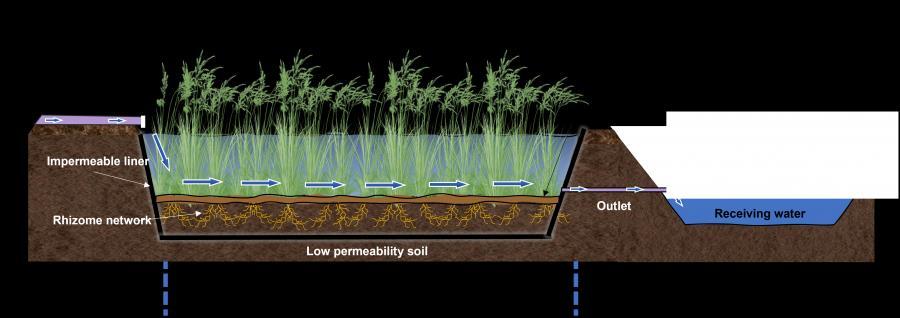
• Constructed Wetlands : Shallow planted zones using aquaticvegetationsuchasreeds,cattails,andlocalwetland plantshelpabsorbnutrients,reduceorganicpollutants,and improvewaterclarity.
• Sand and Gravel Beds : Layeredsandandgravel filters trapsuspendedsolids,hair,ashparticles,andorganicmatter fromritualactivities.
• Bio-swales and Vegetated Channels : Sloped channels with grass and native plants slow down water flow and promotenaturalsedimentationandfiltration
• Settling Tanks: Smallsedimentationbasinsallowheavier particles like ash and ritual debris to settle before water movesintothefiltrationzones.
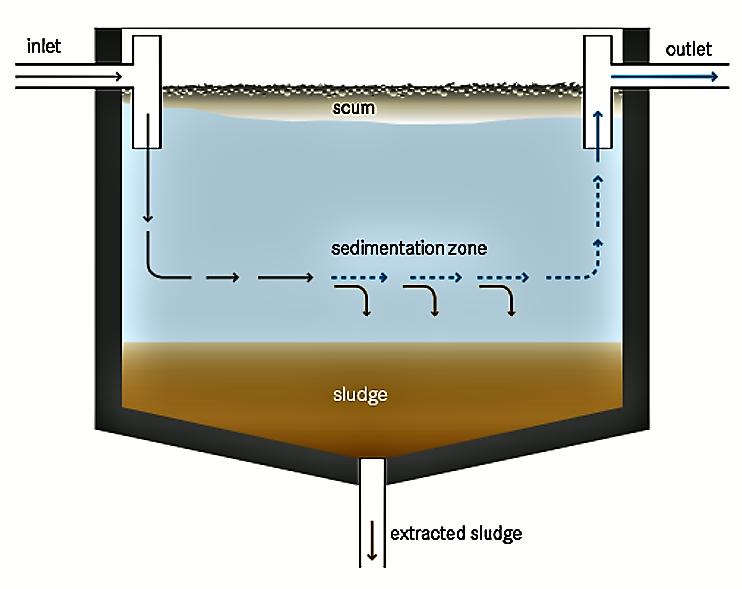
Fig -2: SettlingTank
Note:-ThesesystemsworktogethertoreduceBiological OxygenDemand(BOD),ChemicalOxygenDemand(COD), andsuspendedsolids,improvingthequalityofwater beforeitre-enterstheriver.
International Research Journal of Engineering and Technology (IRJET) e-ISSN: 2395-0056
Volume: 13 Issue: 04 | Apr 2026 www.irjet.net p-ISSN: 2395-0072
Inadditiontonaturalmethods, artificial filtration systems canbeincorporatedtoenhanceefficiencyduring peakfestivalperiods:
Screen Filters: Installedatinletpointstocapture floatingwastesuchasflowers,clothpieces,and ritualmaterials.
Oil and Grease Traps: Usednearwashingzones topreventoilsandsoapsfromenteringthe filtrationsystem.
Modular Treatment Units: Compacttreatment unitscanbeintroducedtemporarilyduring festivalstohandleincreasedload.
Controlled Outlets: Treatedwaterisreleased intothemainriverthroughregulateddischarge points,ensuringminimumenvironmentalimpact. Thesesystemsallowflexibilityandscalabilitydepending onseasonalusage.
8. Importance and Effectiveness of the Proposed System
The parallel ritual canal system addresses both pollution controlandsafetyconcerns,whicharethemajorchallenges identifiedintempleriverfronts.Byshiftingritualactivities away from the main river channel, the system prevents direct discharge of pollutants and reduces stress on river ecology.Theshallowdepthandcontrolledflowensuresafety forpilgrims,particularlyduringcrowdedfestivals. From a planning perspective, the canal allows clear organizationofritualspaces,improvedcrowdmanagement, and easier maintenance. It also supports long-term sustainability by combining traditional practices with modernenvironmentalplanningprinciples.Fortownslike KaundanyapuralongtheWardhaRiver,suchasystemoffers a practical, low-impact, and culturally respectful solution thatcanbeadaptedtolocalconditions.
Theproposedparallelcanalsystemdemonstratesthatriver pollution caused by religious rituals can be effectively managed through thoughtful planning and design rather thanrestrictions.Byintegratingsafety-orientedghats,zoned ritualspaces,andnaturalandartificialfiltrationsystems,the solution protects river water quality while preserving religious and cultural practices. This approach provides a replicablemodelforsustainableriverfrontdevelopmentin Indiantempletownsanddirectlyrespondstothechallenges identifiedinthestudy.
[1] Ahmed, S. D., Agodzo, S. K., & Adjei, K. A. (2020). Designingriverdiversionconstructedwetlandfor waterqualityimprovement.
[2] Bhatnagar,A.,Devi,P.,&George,M.(2016).Impact of mass bathing and religious activities on water quality index of prominent water bodies: A multilocation study in Haryana. International JournalofEcology.
[3] Bhattacharya,S.,Bera,A.,Dutta,A.,& Ghosh,U.C. (2014). Effects of idol immersion on the water quality parameters of Indian water bodies: Environmental health perspectives. International Letters of Chemistry, Physics and Astronomy, 39, 234–263.
[4] Central Pollution Control Board. (2015). Annual Report2013-14.
[5] IJISS030713.(n.d.).Scribhttps://www.scribd.com/d ocument/429940840/IJISSH-030713-pdf
[6] National Institute of Urban Affairs. (2015). Urban river management plan (URMP)-Namami Gange. https://urbanrivers.niua.org/
[7] Raveendran, A., & Geetha, A. (n.d.). River resuscitation from ritualistic practices through strategical planning approaches. School of Architecture&Planning,GovernmentEngineering College,Thrissur.
[8] Researches in water pollution: A review. (n.d.). ResearchGate.https://www.researchgate.net/public ation/313426362_RESEARCHES_IN_WATER_POLLU TION_A_REVIEW
[9] Sharma, R. (2014). As India's rivers turn toxic, religionplaysapart.UCANews.
[10]Verma, G., & Shrivastav, K. (2018). Finding the causesofwaterpollutioninghatsofVaranasicity. InternationalResearchJournalofEngineeringand Technology(IRJET),5(6).